Reflections and Transformation: A Latina’s Journey Through Latin America
As my three-year nomadic journey comes to a close in July, I want to write a reflection on the past 19 months—one that weaves together travel, identity, belonging, aging, freedom, and artistic transformation. I wrote a similar story that reflected both my early travel experiences and what it took to get started (see link below). After 15 months of traveling across three continents with a two-month return to the United States, I decided that for the remaining 19 months on the road, the focus would be on Latin America.
As a Puerto Rican woman traveling through Latin America, you are not quite an outsider and not quite an insider. While we share a language and cultural similarities, each country reveals its own history, politics, traditions, and social realities.
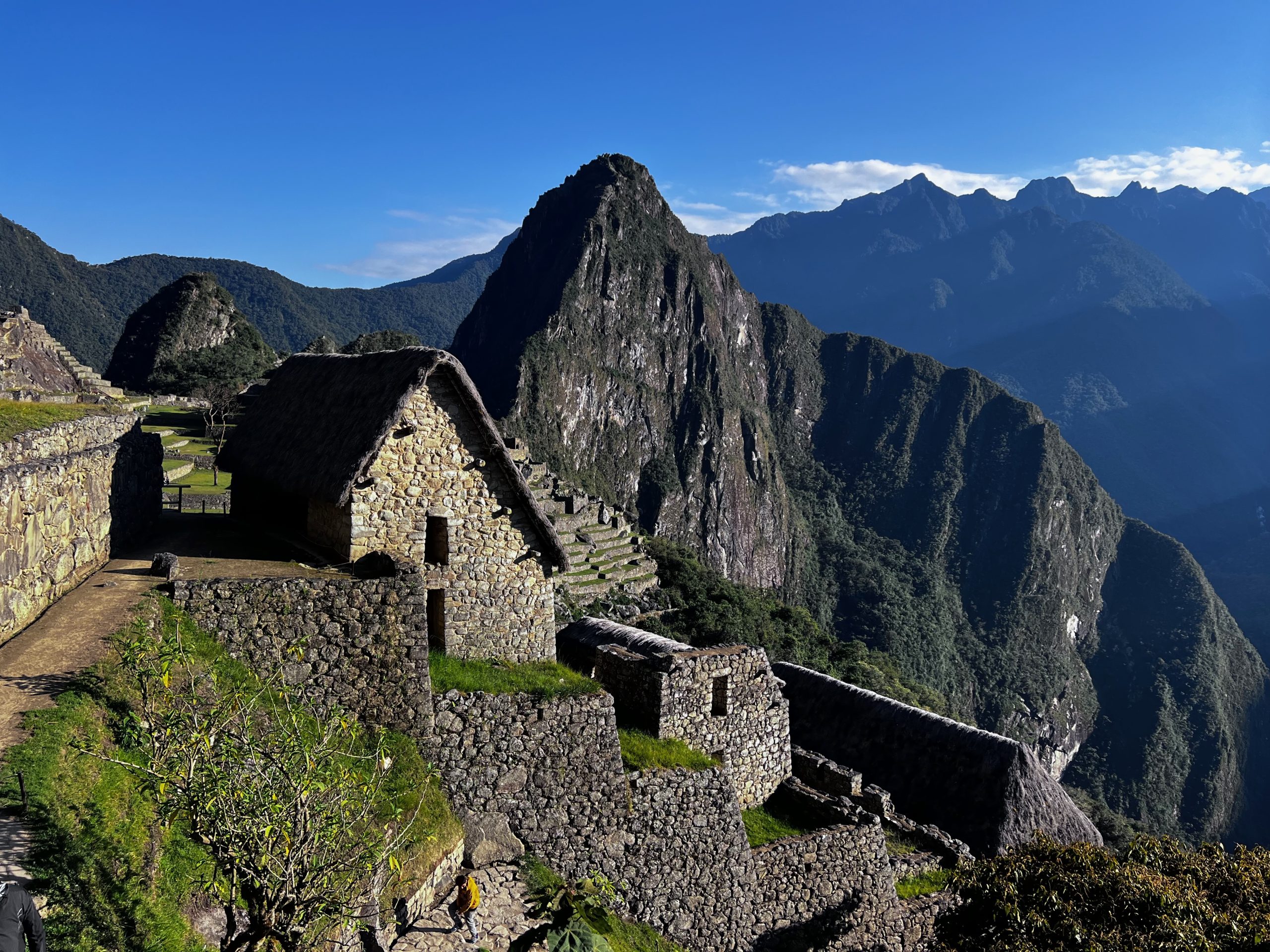
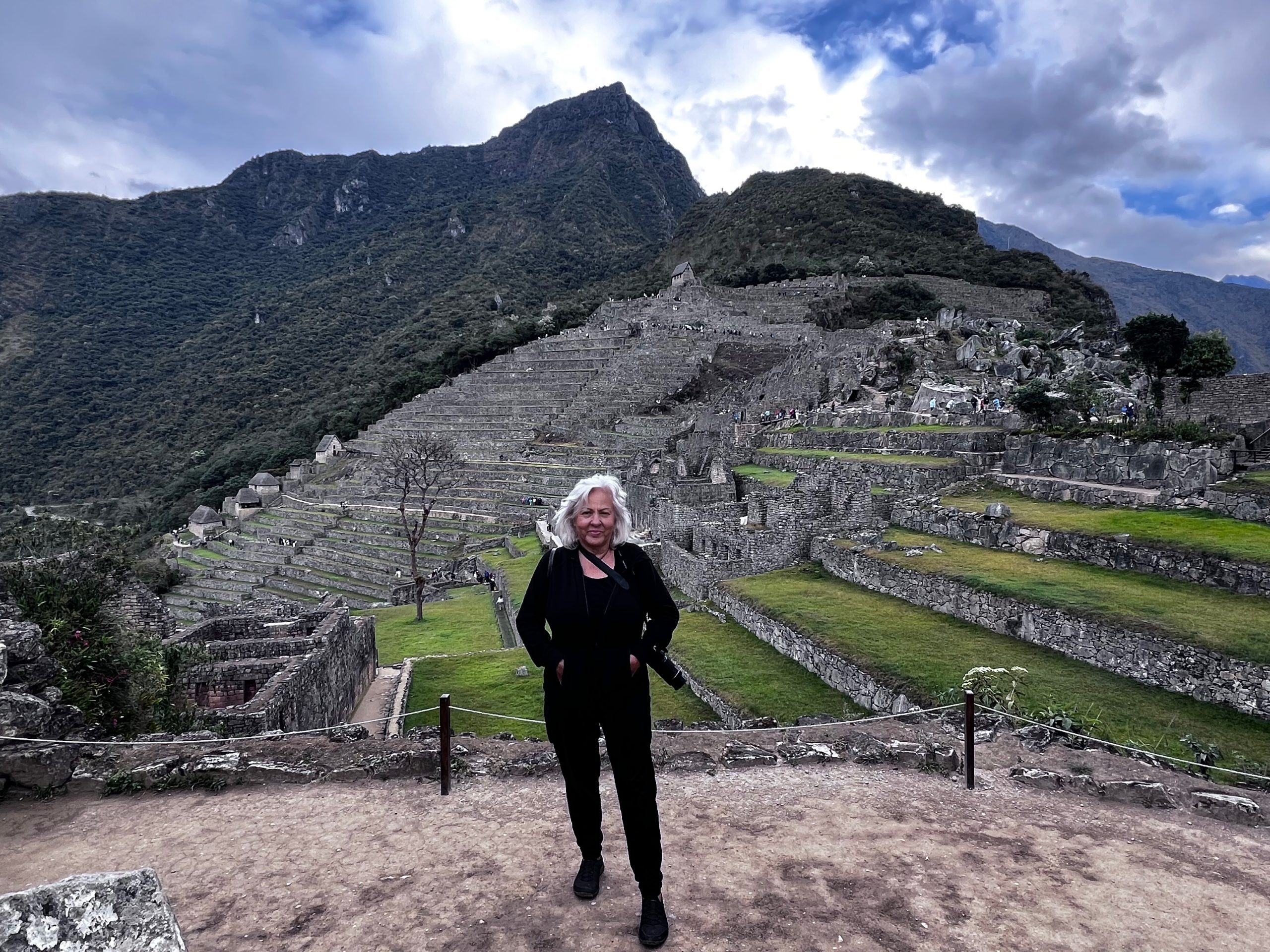
After a brief retreat in the US, staying in New Jersey, New York City, Philadelphia and Miami, completing my annual medical visits, catching up with friends and spending Thanksgiving with my family—it was time to continue my journey. My travels began with six weeks in Cartagena, Colombia, followed by one week in Bogotá and one week in Medellín. From there, I spent a month in Quito, Ecuador, including a seven-day cruise to the Galápagos Islands. I then traveled to Costa Rica for a week before returning to Mexico—this time to Puerto Vallarta—for a procedure to address my back pain. I stayed in the small beach town of Bucerias and decided to buy a condo there as a winter getaway, a choice that kept me there for three months before I left for Peru. In Peru, I spent three weeks in Lima and took an eight-day tour through Peru’s countryside to Machu Picchu. Next came three weeks in Chile, followed by seven weeks in Argentina (12 days in the northwest region, four weeks in Buenos Aires, and five days in Córdoba). During my time in Argentina, I took a weeklong break in Miami to spend Thanksgiving with friends and attend Art Basel. After that, I spent two weeks each in Uruguay and Paraguay, followed by two weeks in La Paz, Bolivia, and one month in Rio de Janeiro, Brazil. My last stops were El Salvador for two weeks and Guatemala for a month before returning to Bucerias, Mexico, for three months, with plans to resettle in New Jersey by early July. At times, a bit overwhelming, yet immersive.
The Freedom and Limits of Travel
Visiting 13 countries besides countless cities, towns, and neighborhoods does wear you down. Even though I was more experienced after 18 months of being on the road as a nomad, this last leg of my three-year venture was no less easy. The logistics of planning are time-consuming, as are the packing and unpacking. The excitement of arriving at a new place can be nerve-racking, not knowing what to expect and how best to spend your time. It’s helpful to talk to folks who have traveled to these countries rather than relying only on the internet. There is quite a bit of biased information on the internet, as some countries have limited infrastructure for tourism. It’s essential when visiting these places, they be closely aligned with what you want to learn and experience. Deciding how much time to stay in one city or country at times can be baffling and not easy when traveling with two suitcases and a heavy backpack.
Believe me, the joy of slow travel is real, as constantly moving from city to city can be exhausting. Experiencing a city’s history, sites, culture, and cuisine takes a bit of time, and is well worth it.
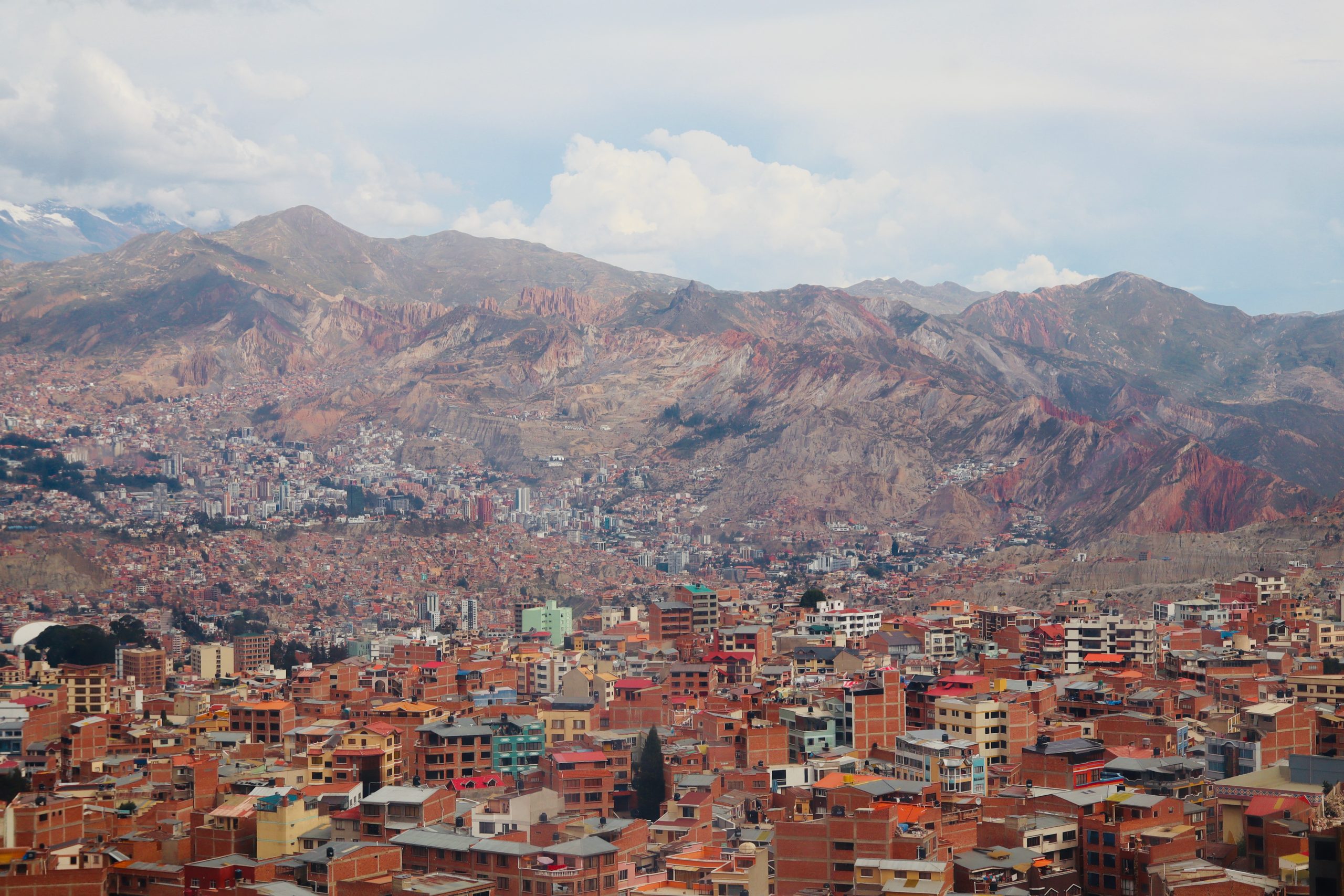
Aging while traveling is also something to be mindful of. What you plan may not always be possible if your body tells you otherwise. Changes in climate and altitude affected me, causing shortness of breath, migraines, fatigue, and frequent colds, among other symptoms. The altitude in parts of Peru and Argentina slowed me down, however, since the adjustment was gradual, my body was able to adapt. In Bolivia, however, that was not the case. As soon as I arrived at La Paz, at 12,000 feet above sea level, my fatigue worsened and my symptoms became too severe to ignore, forcing me to reconsider my plan to stay for a month. After two weeks, I decided to leave, concerned about the strain on my heart and lungs.
Two other health issues that require one’s attention when traveling for long periods are exercising and eating healthy. Most of the places that I stayed do not have a gym. I enjoy walking and deliberately included it as part of my routine every chance possible. At times, it helped support my back pain, and sometimes not, partly due to not managing the inflammation in my body. Stretching and resistance bands are also part of my weekly routine. Regardless, my back and my joints are a constant reminder that I am aging. It is up to me to fight back and keep pushing myself.
Part of traveling is learning about each country’s cuisine. However, eating out three times a day can be both unhealthy and expensive. Unless it’s a short stay of less than five days or a long extensive tour where you are continuously moving, I choose to stay in Airbnb apartments with a kitchen. About 80% of my meals, I cooked and ate in my apartment. It allows me to manage my weight (most of the time) and avoid foods that may increase stomach inflammation caused by unknown spices and cooking oils.
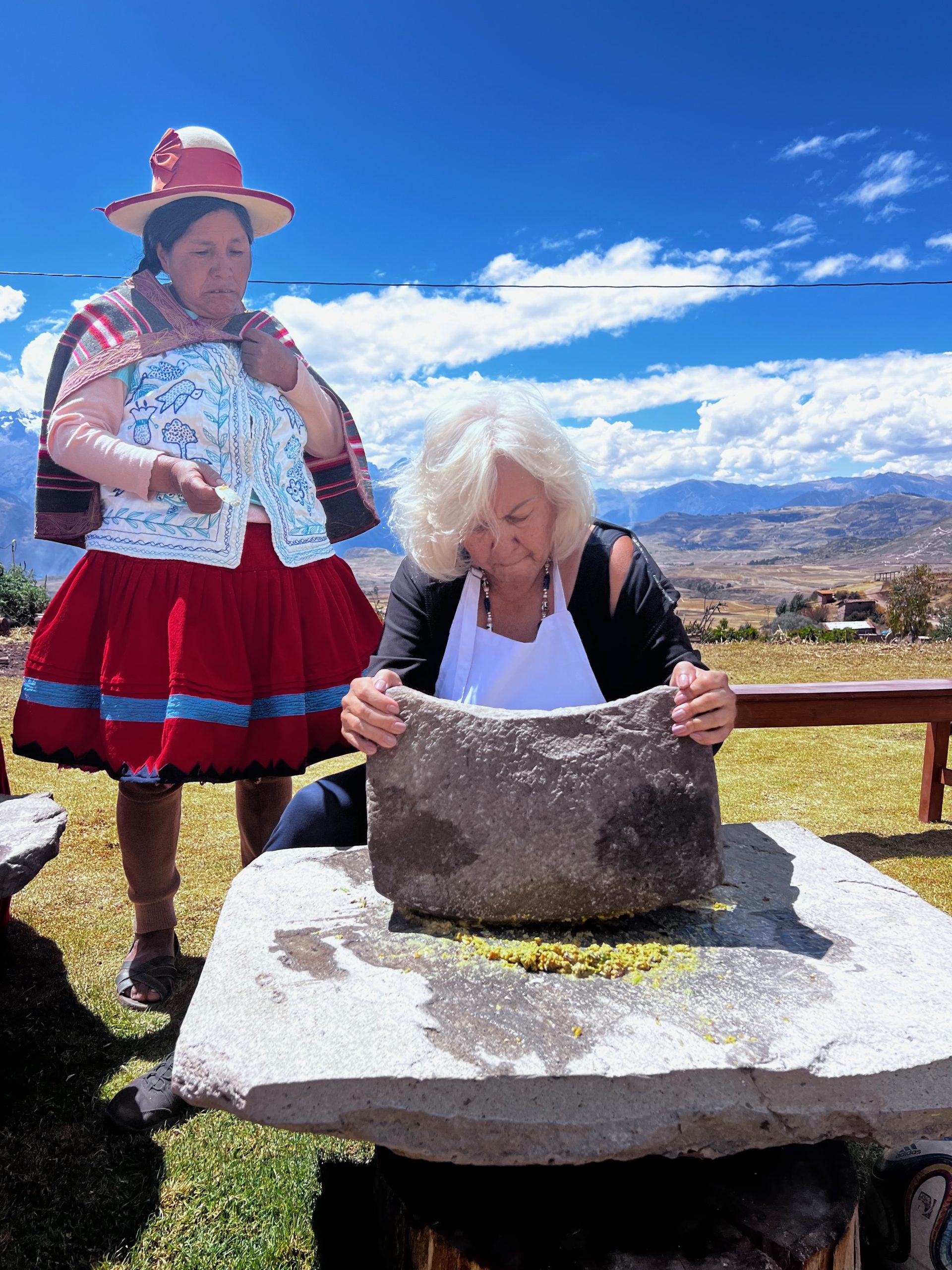
One thing I most enjoy about traveling is signing up for one or two cooking classes when possible. Besides learning to cook a new meal, you get to connect with people and learn about the history and culture of native foods. Many of these cooking classes are held in someone’s house, which allows you to experience a different type of home-life. Also, the experience of going to a local market or a supermarket to buy food is itself another cultural experience. Much more interesting and challenging than in the US.
One of the most frustrating aspects of traveling is dealing with the currency exchange and measurement systems of each country. I was happiest when I was in Ecuador and El Salvador, both use US currency. Conversion apps are your best bet. Use them all the time to avoid getting confused or ripped off. Bear in mind that in some countries, such as Argentina, you may not be able to use an ATM. Your best option when this happens is Western Union.
Traveling as a Puerto Rican Woman in Latin America
As someone of Latin roots, I was always curious to experience Latin America. Over the last 50 years, I have visited Mexico quite often and feel a strong kinship with Mexican culture, having visited dozens of cities. My first six months of nomad travel started in Mexico, traveling through the Yucatan Peninsula, then to Oaxaca and Puebla, ending in Mexico City. Purchasing a place in Mexico was never part of my plans, but became hard to resist once I was back here. In fact, my first solo trip in my 20s was a week’s tour of Mexico. Not surprisingly, I started my 3-year nomad experiment in Mexico, not realizing that I would end it in Mexico. Hard to say what is a coincidence and what is karma.
As I look back at the last 19 months of traveling through all of Latin America, I can honestly say that it was both profound and enlightening. Overall, my interactions with locals in every country I visited had been extremely positive and relatable to my own experiences as a Latina. As part of this story, it is not possible to write about the experiences and cultural differences of each country visited. For those who would like to learn more about my travels, please visit my blog (limitedlimitlessliving.com) for stories and photos of each country that can be accessed using the search button.
History and Politics
As I traveled through South and Central America, except for Brazil, I was reminded that while we share a common language, our cultures and histories differ in ways that deepen the complexity of what is a “Hispanic identity”. Language alone does not define a people. The US tends to see us as a monolithic community, and in some ways, there is some truth to this, but our histories and politics are quite different beyond similarities in language and culture.
In fact, traveling through Latin America helped me better understand some of my frustrations with the politics of South Americans in the US (not all). I could never understand why so many of them lean to the right and are much more open to wanting to assimilate. Understanding both historical immigration patterns—mostly from northern and eastern Europe—and the long history of authoritarian and military dictatorships (both left and right) has profoundly shaped how they vote and view themselves. Generations of family trauma from violence, repression, and suffering, combined with a lack of security, have created a significant mistrust of both political and public institutions, affecting voter behavior in their home countries and in the US.
Sadly, every country in South and Central America has experienced direct or indirect political or military interventions by the United States, helping orchestrate coups, covert intelligence operations, financial backings of dictatorships, and military occupations. It’s not surprising to see that even today this continues with what is happening in Venezuela and Cuba.
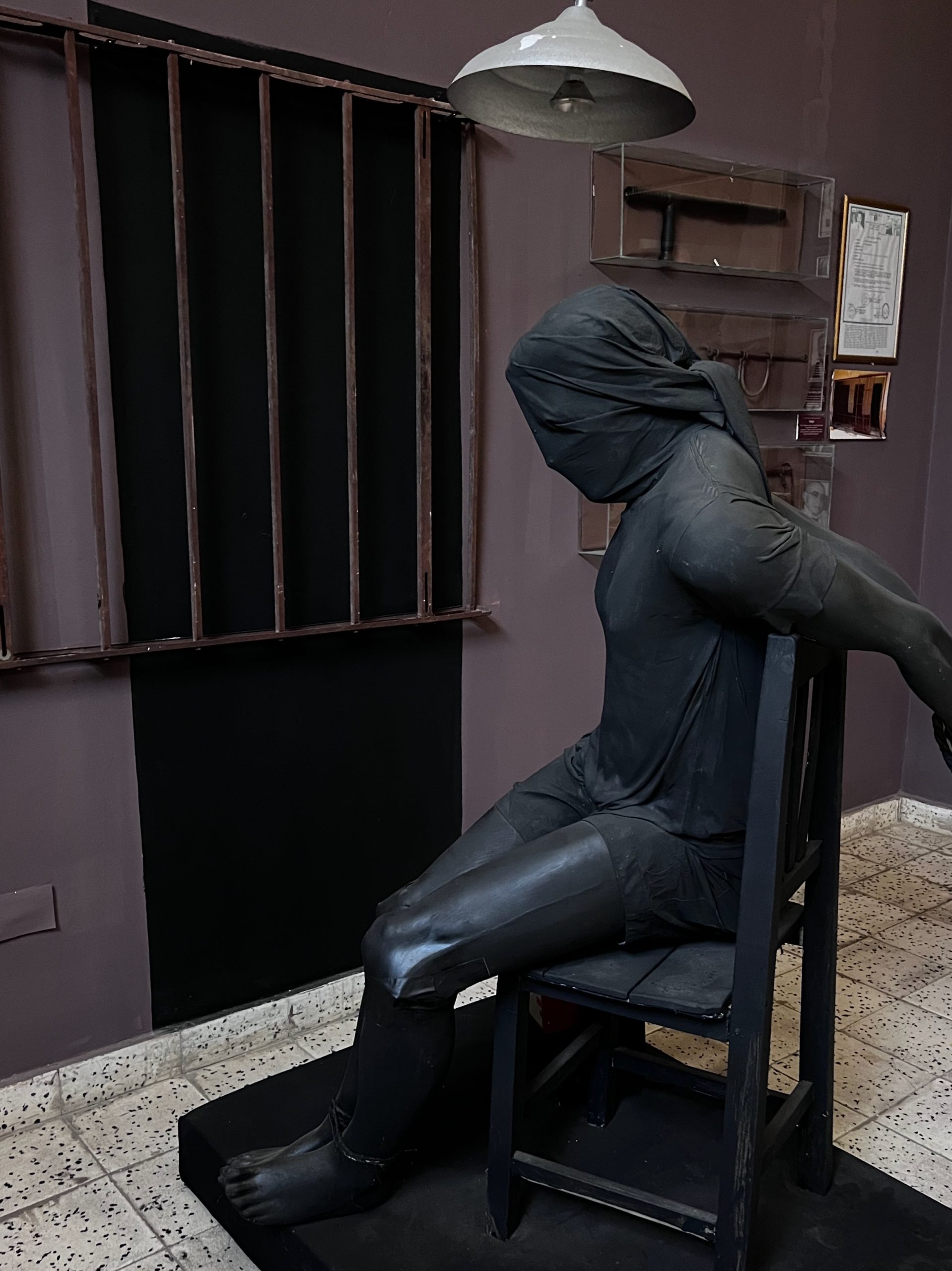
In some countries such as Chile, Argentina, Paraguay, and Brazil, the memory of these violent and repressive regimes is well documented in museums and memorial monuments as a reminder of how it is possible for history to repeat itself. As I walked through several of these museums, I saw threads of repression that reminded me of what is currently happening in the US. Specifically, what we are seeing with the silencing of dissent, banning books, controlling protests and weaponizing both the media and the justice system. Sadly, our history is so whitewashed that Americans are unable to really understand the legacy of slavery, the stealing of native lands, and the exploitation of immigrants. Very little of our history is practiced in dedicated museums and in classrooms, with efforts now underway to further minimize its presence.
Unprecedented Inequality
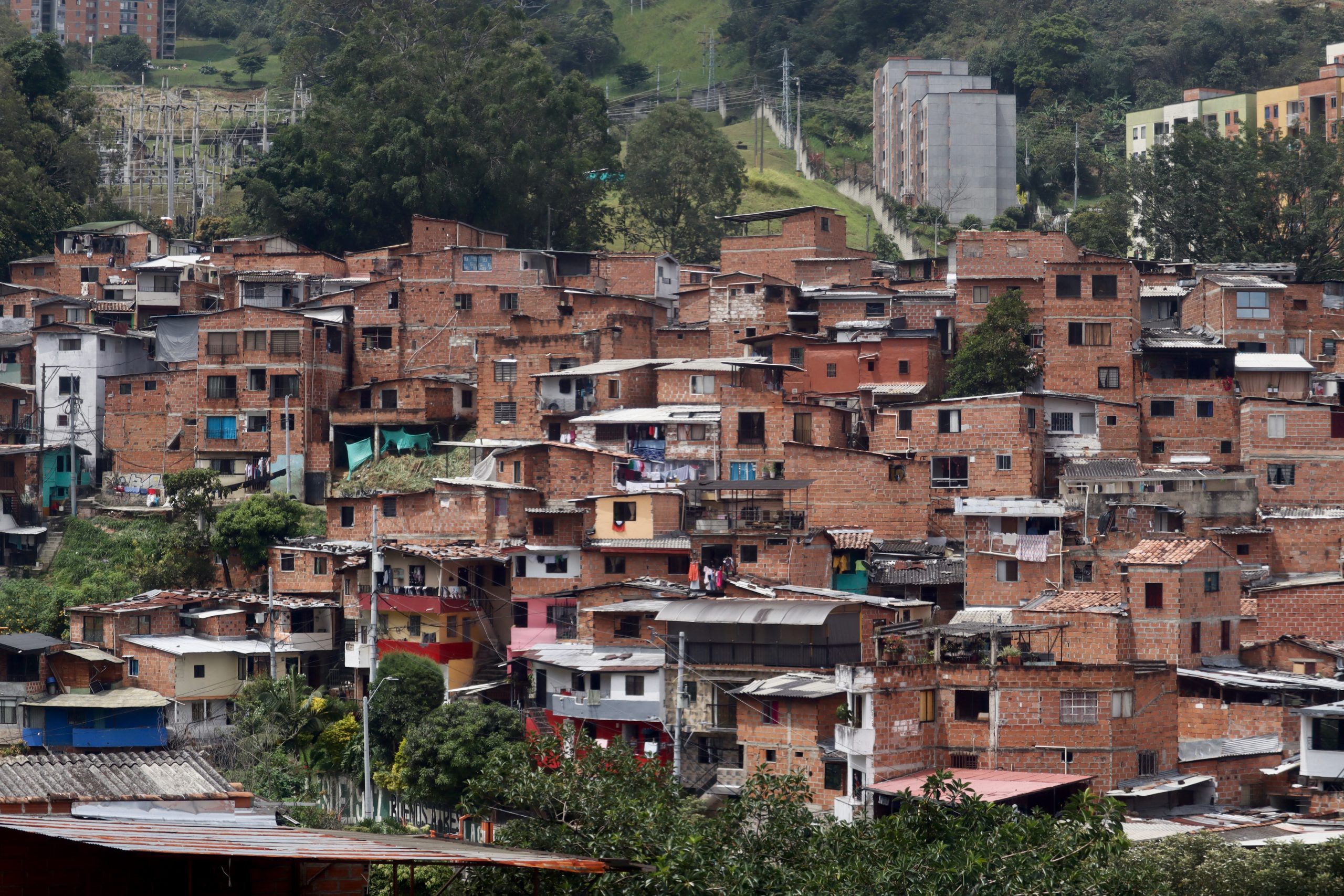
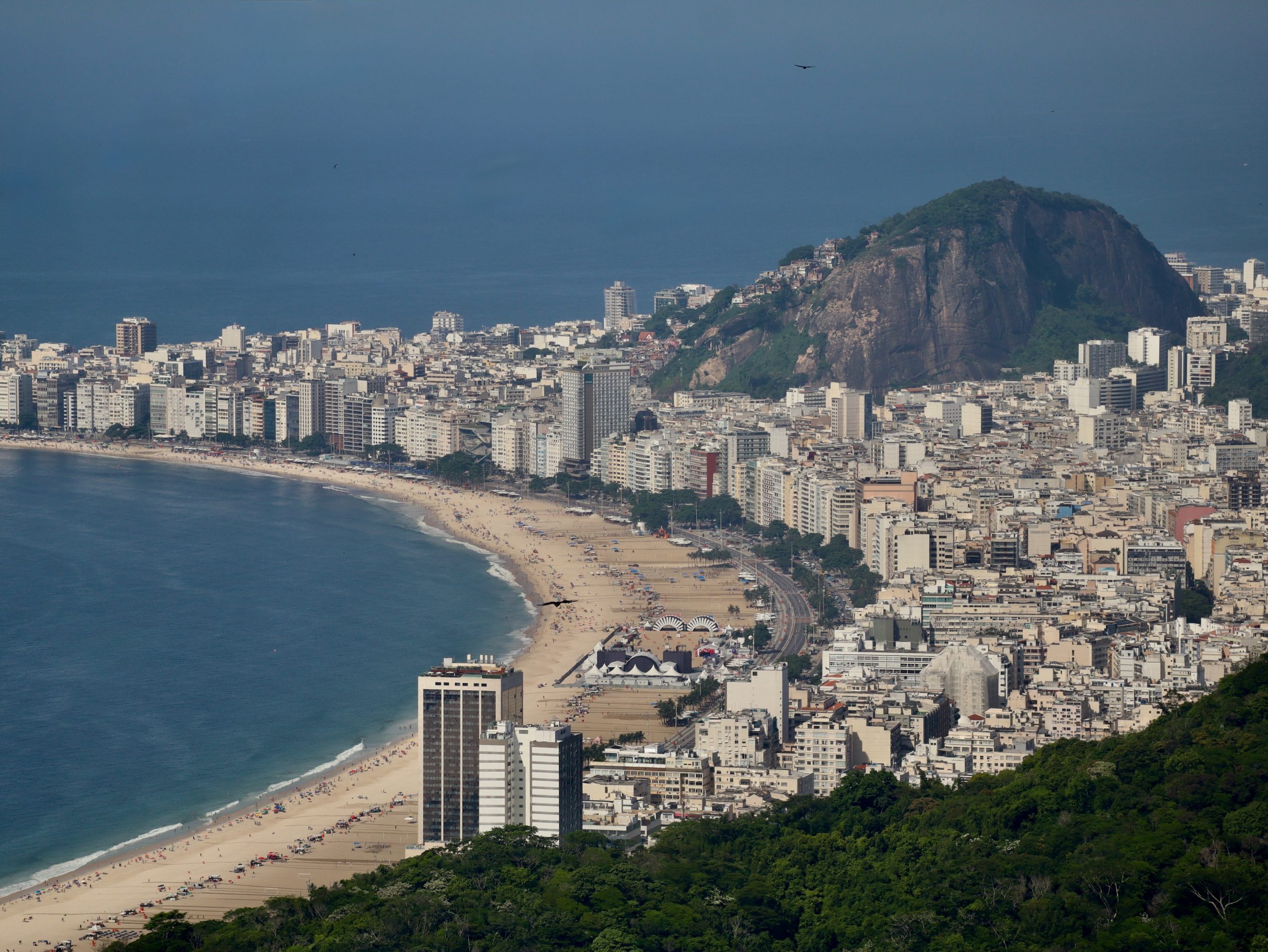
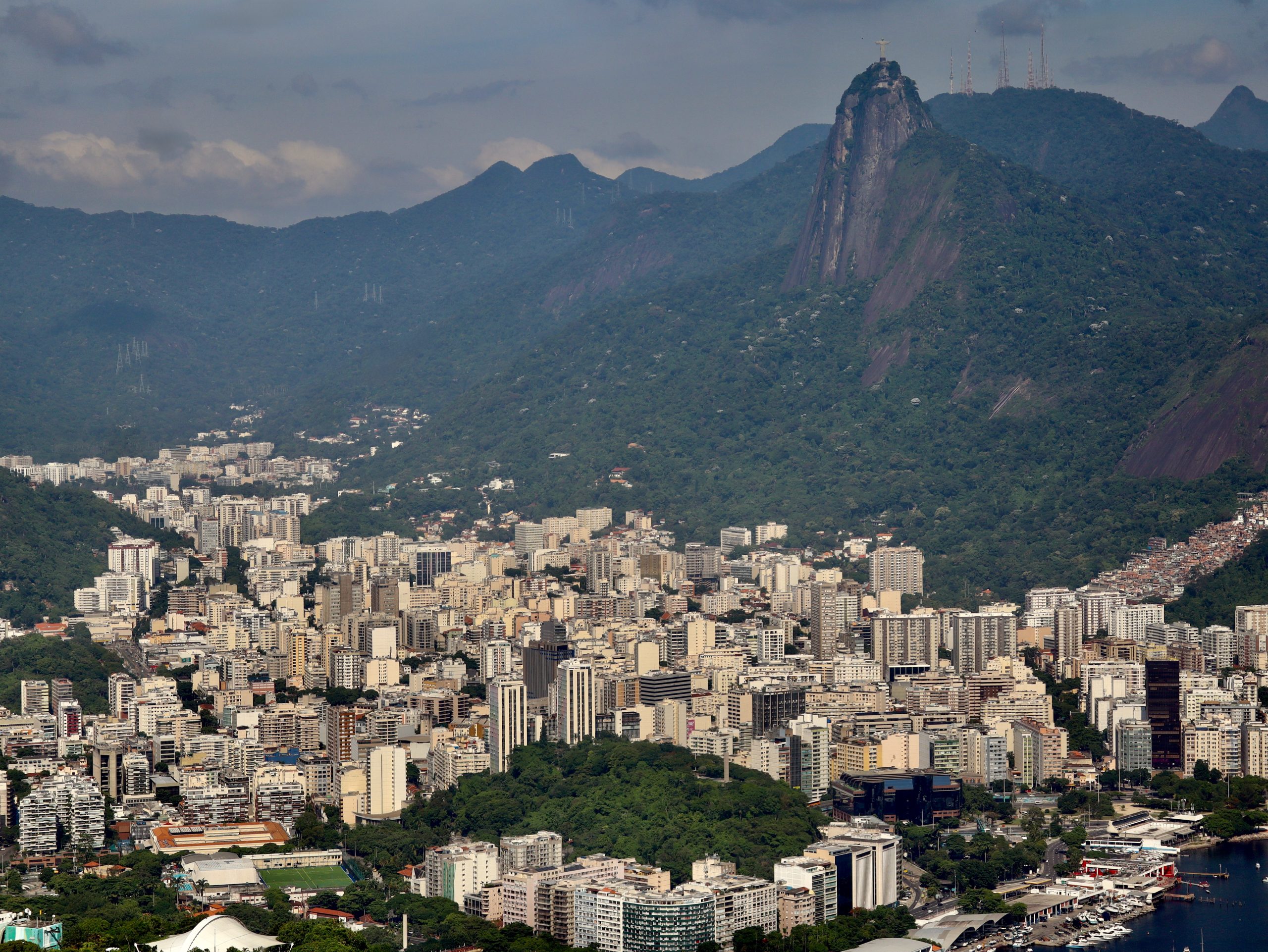
During my travels in Africa—especially in Kenya, Ghana, and Senegal—I saw how deeply poverty is rooted in centuries of colonialism and slavery. The same is true in many parts of South and Central America. I was struck by how widespread it is, particularly among Indigenous communities working to preserve their heritage. Countries such as Colombia, Bolivia, Guatemala, Peru, Brazil, and Ecuador rank among the most unequal in the region, with much of their wealth concentrated in the hands of a few. I was a bit upset to see the level of inequality in Brazil. I have never seen so many homeless men and women wandering the streets of Rio, with over 1000 favelas surrounding what is an extraordinary beautiful city. The inequality there made it very difficult for me to appreciate this country, and one to which I will most likely never return. It important to note that historically, beginning with Spanish colonization, most of these countries have both enslaved and massacred millions of natives. In fact, even today, both natives and mixed-race (mestizos) are severely discriminated against and endure extreme poverty conditions.
Indigenous Resilience
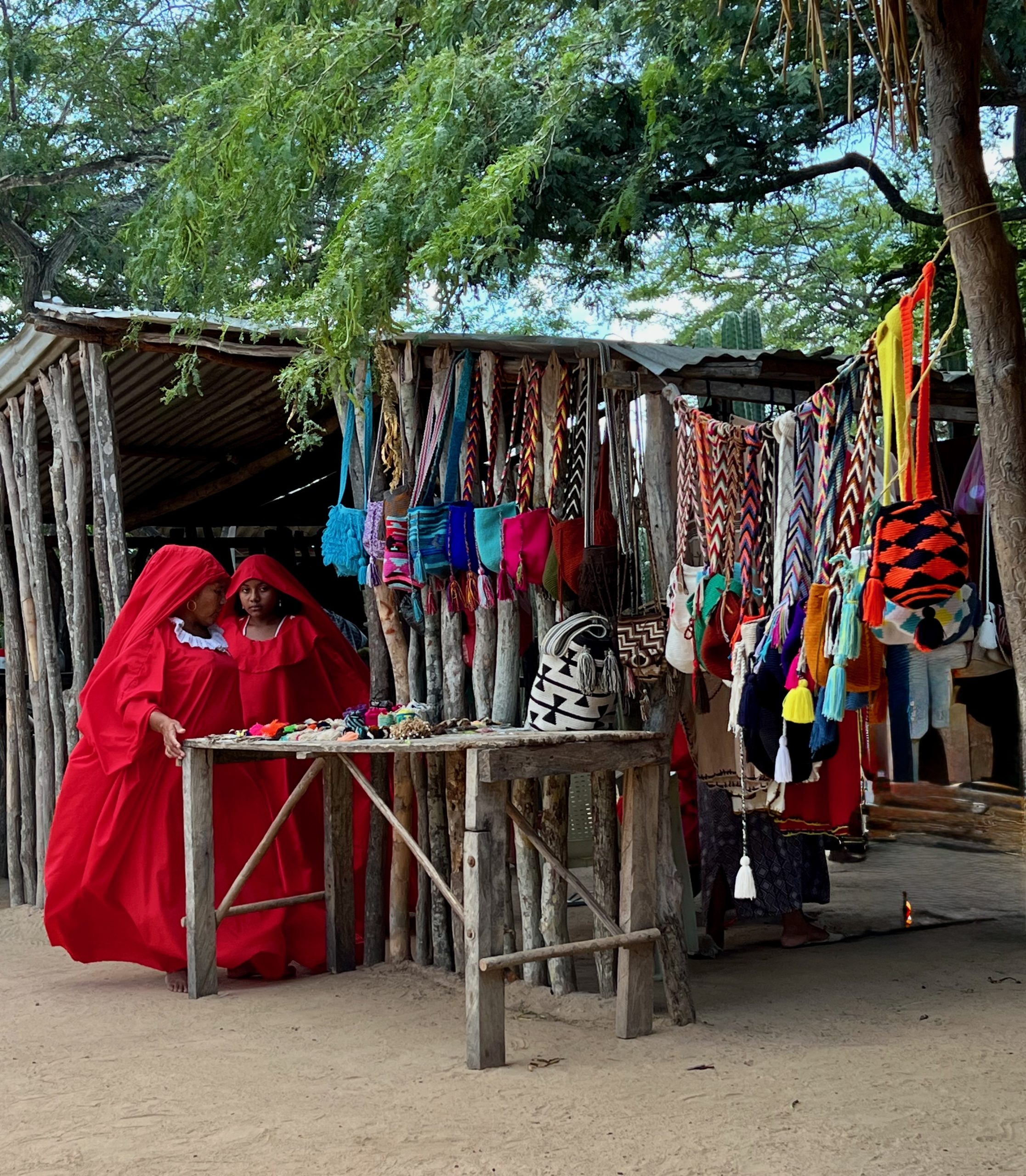
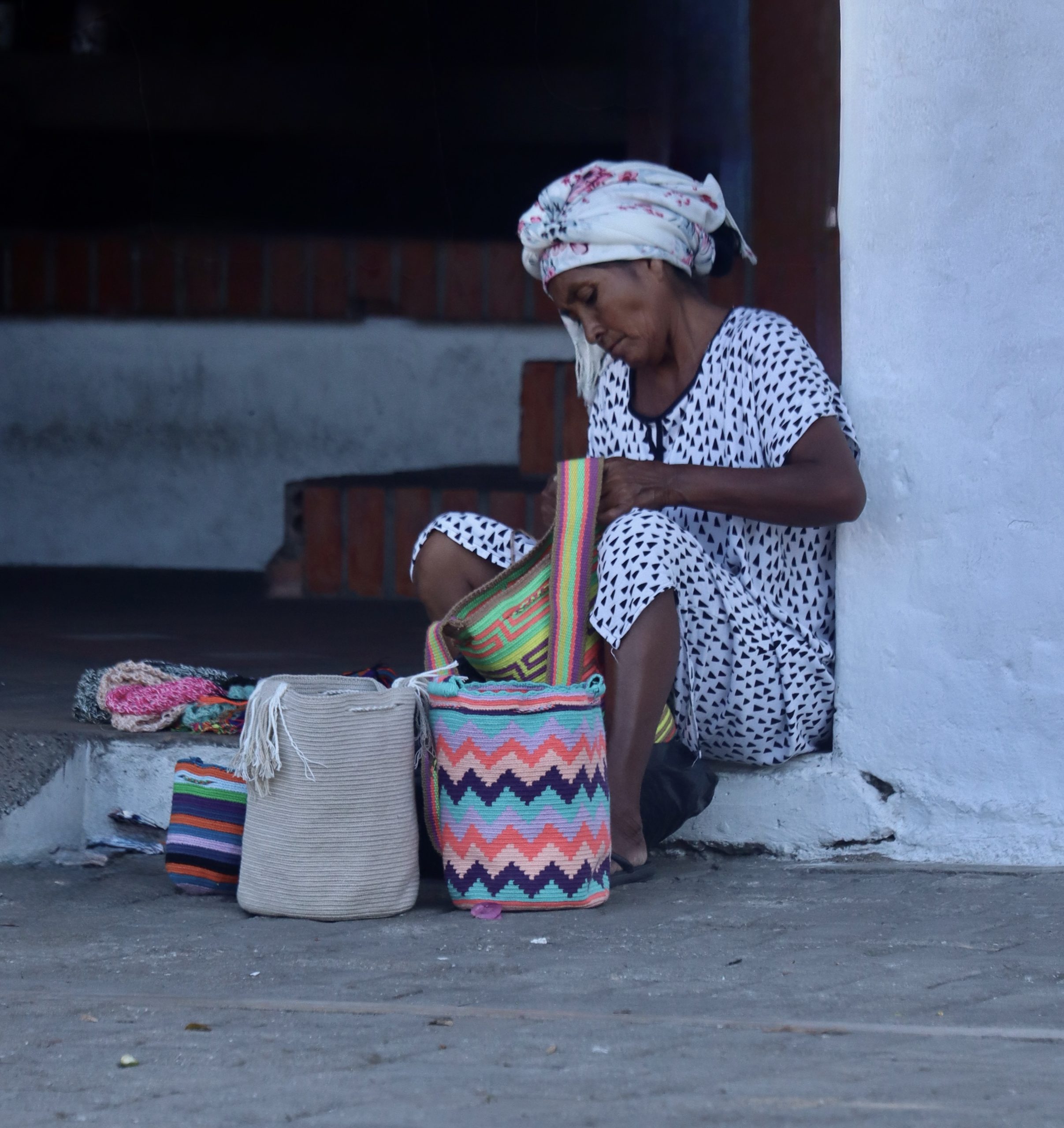
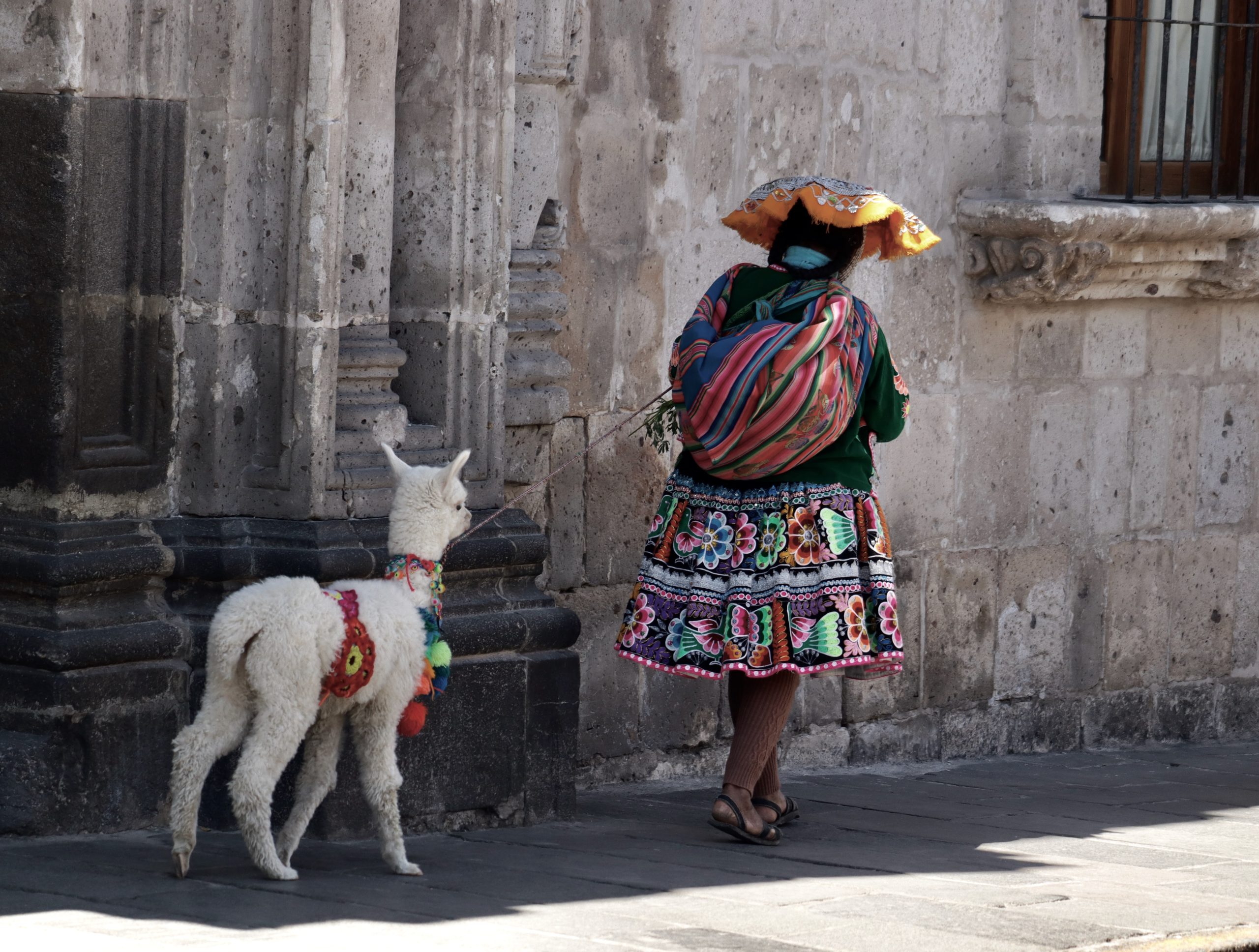
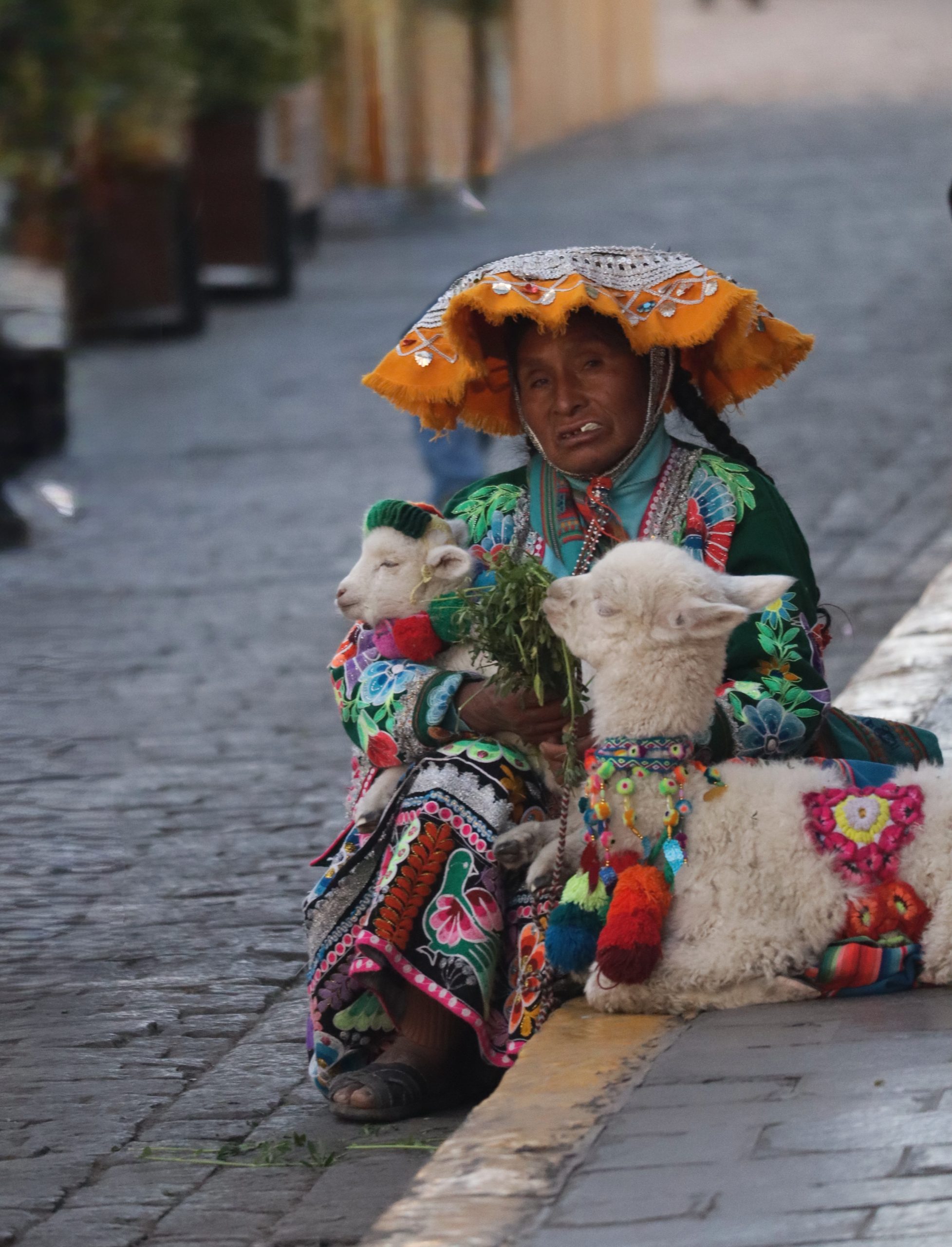
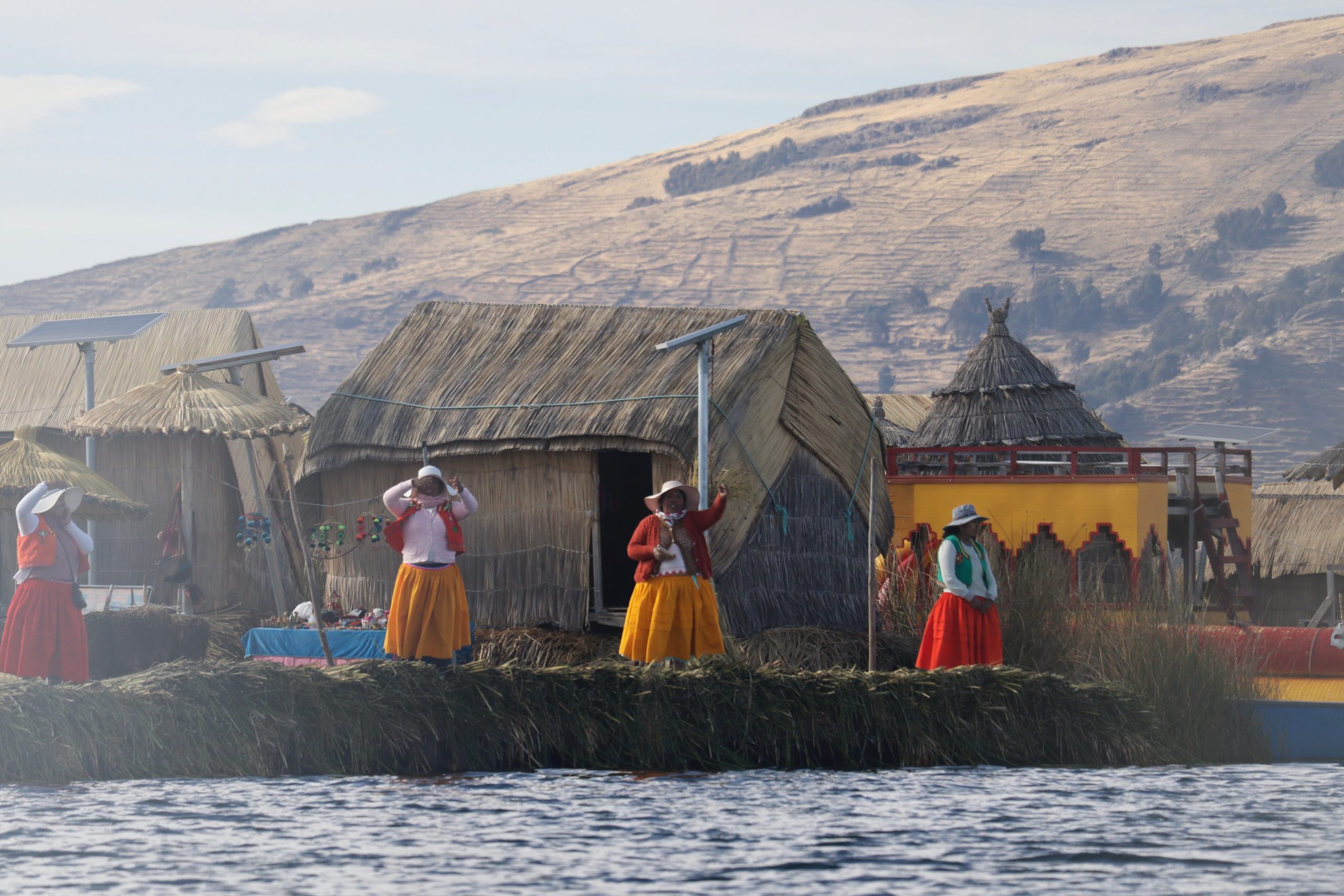
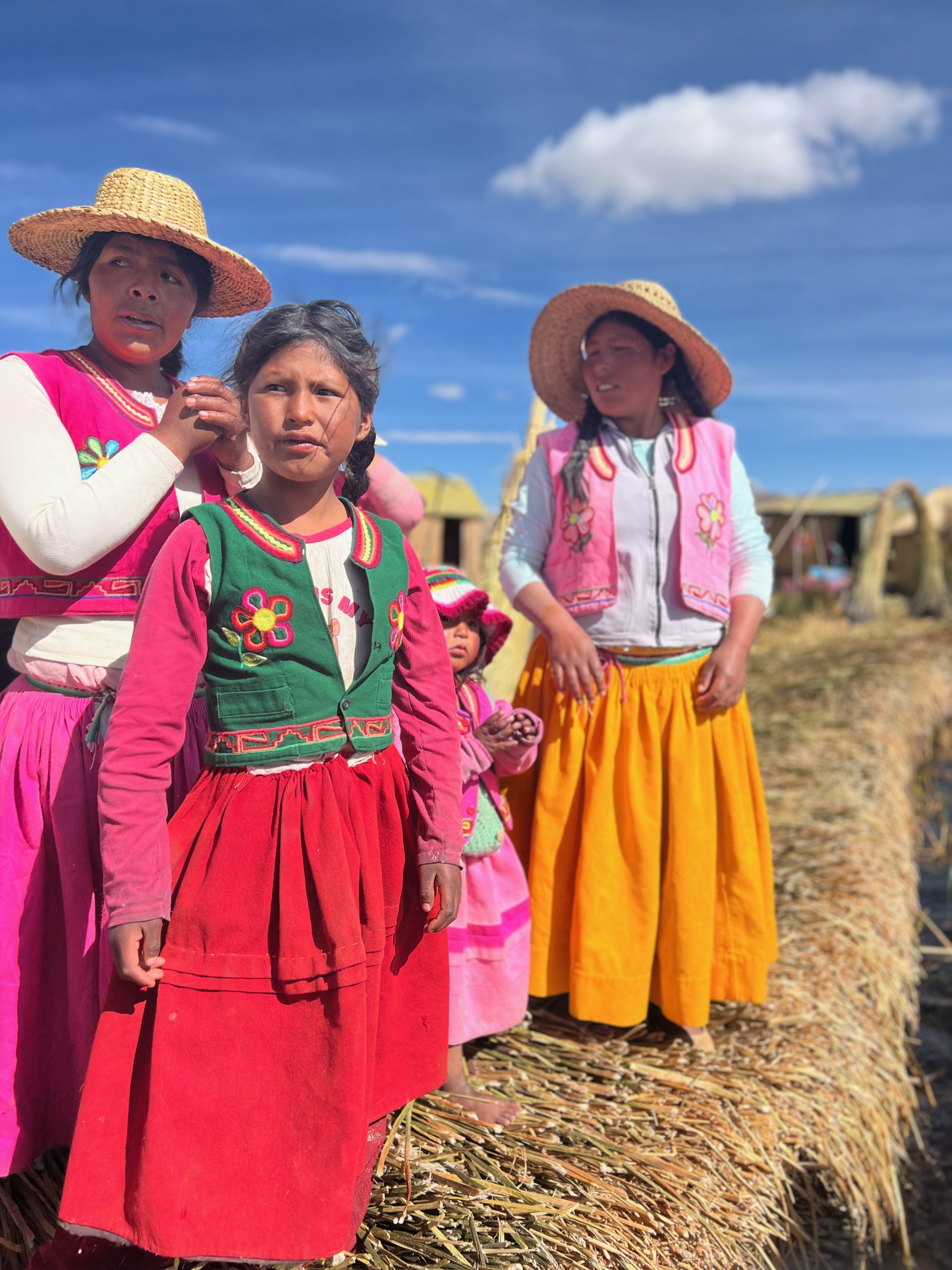
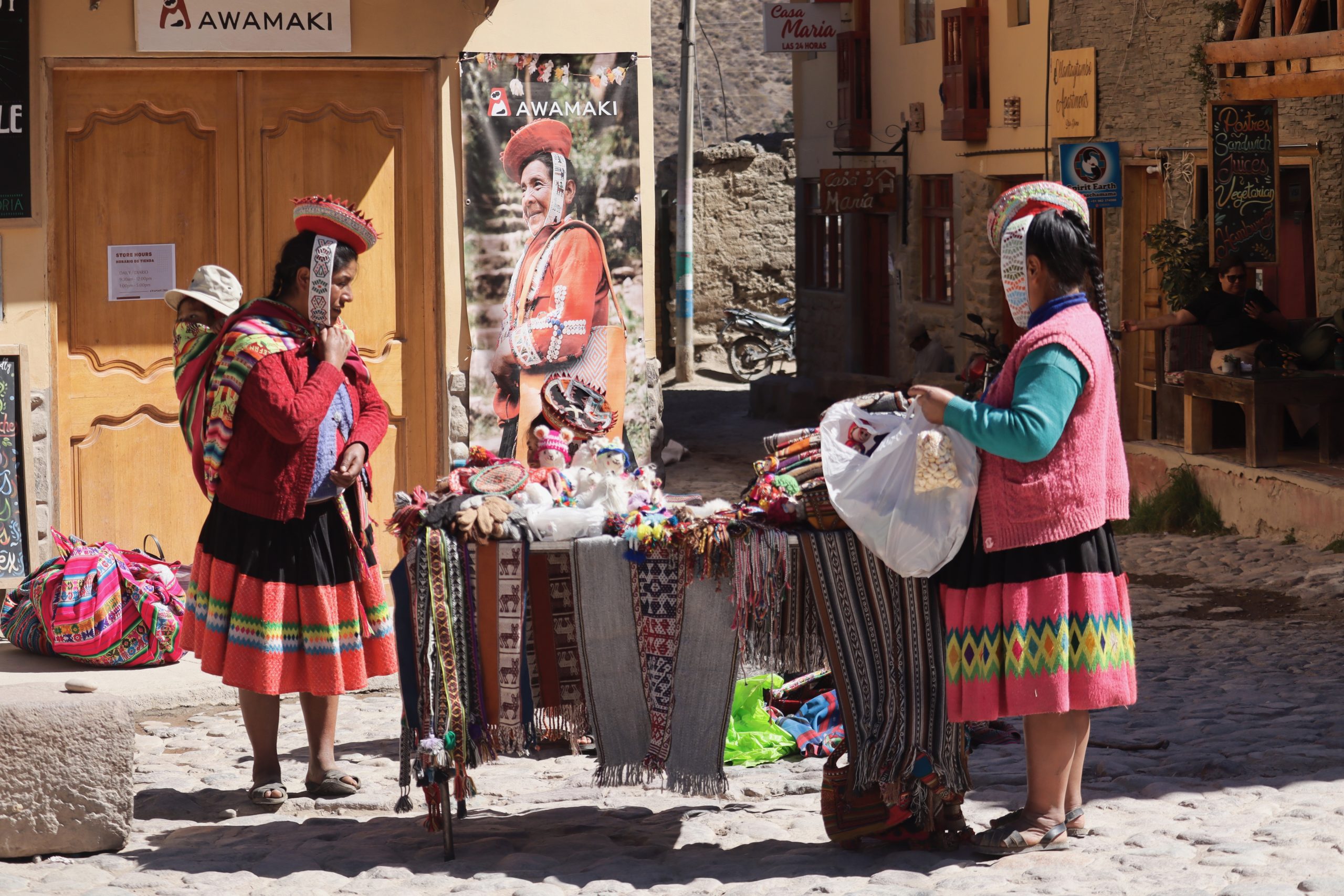
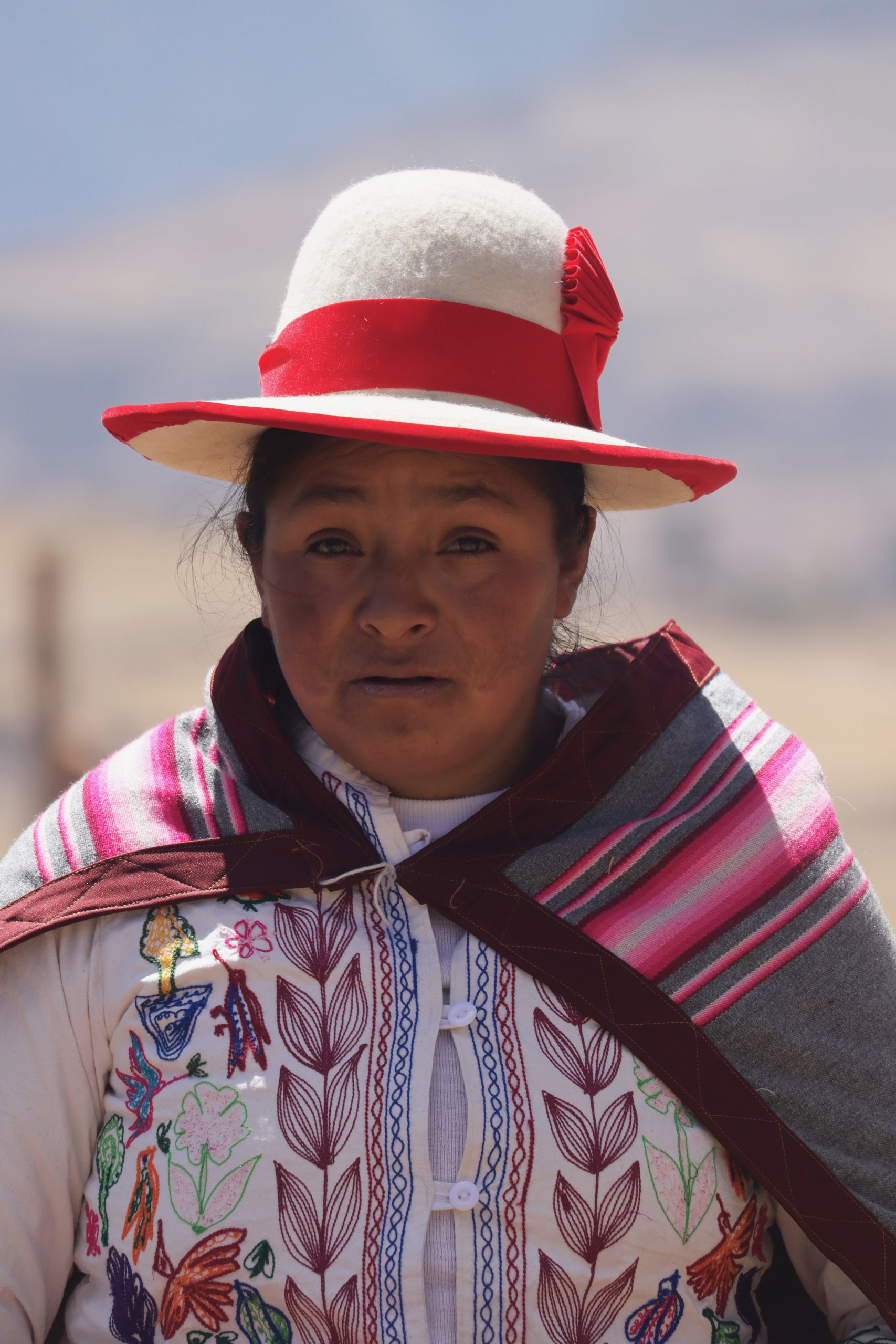
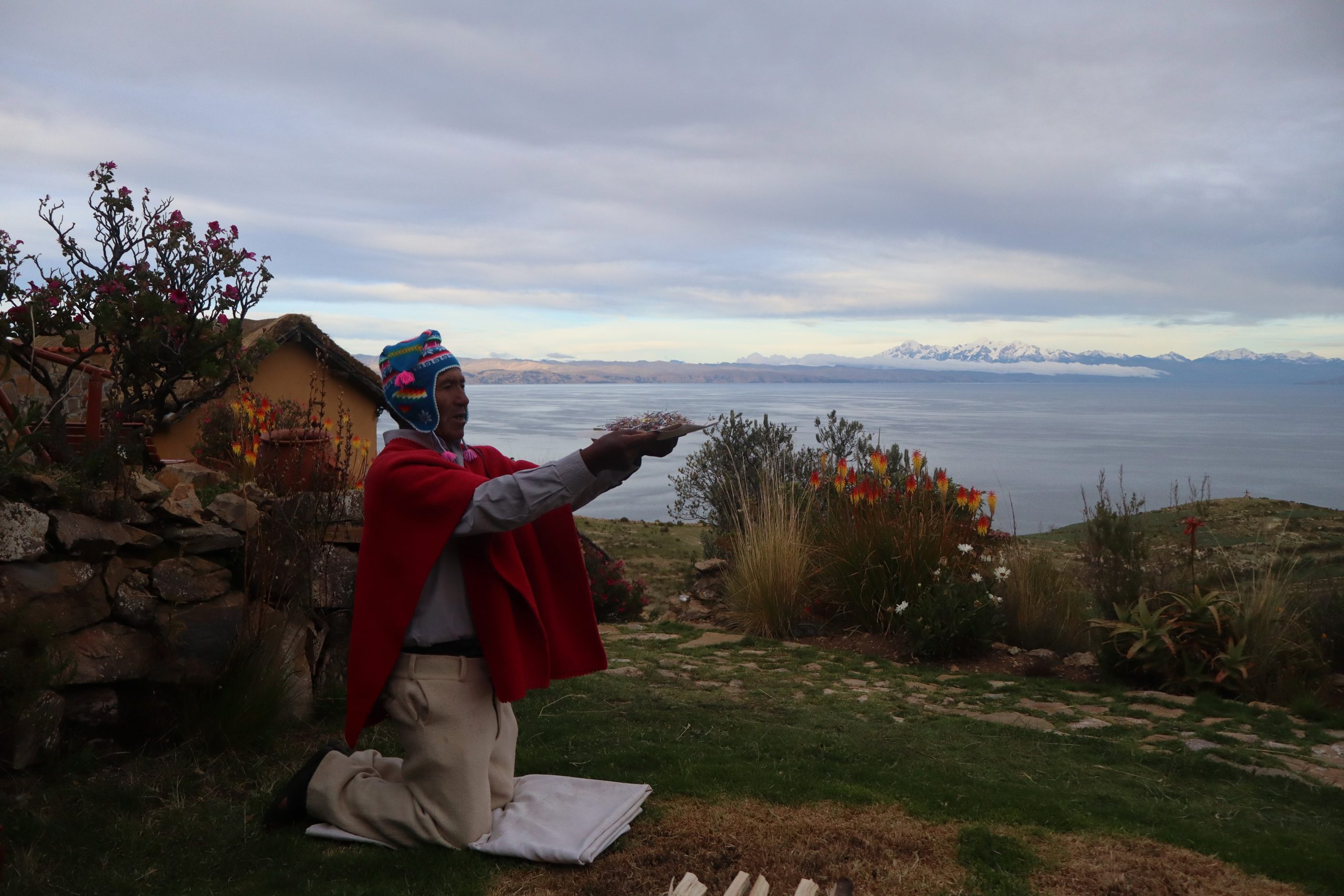
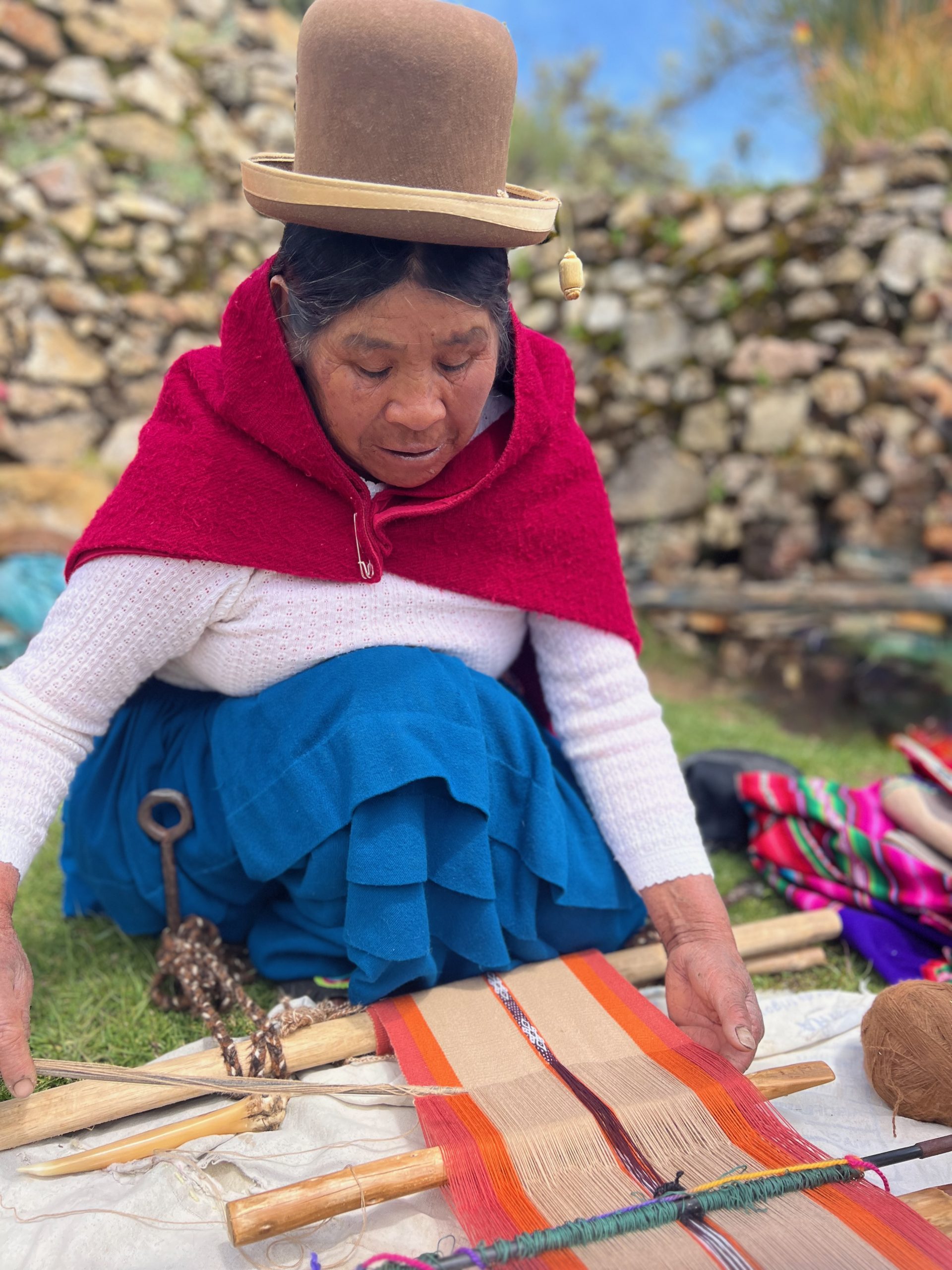
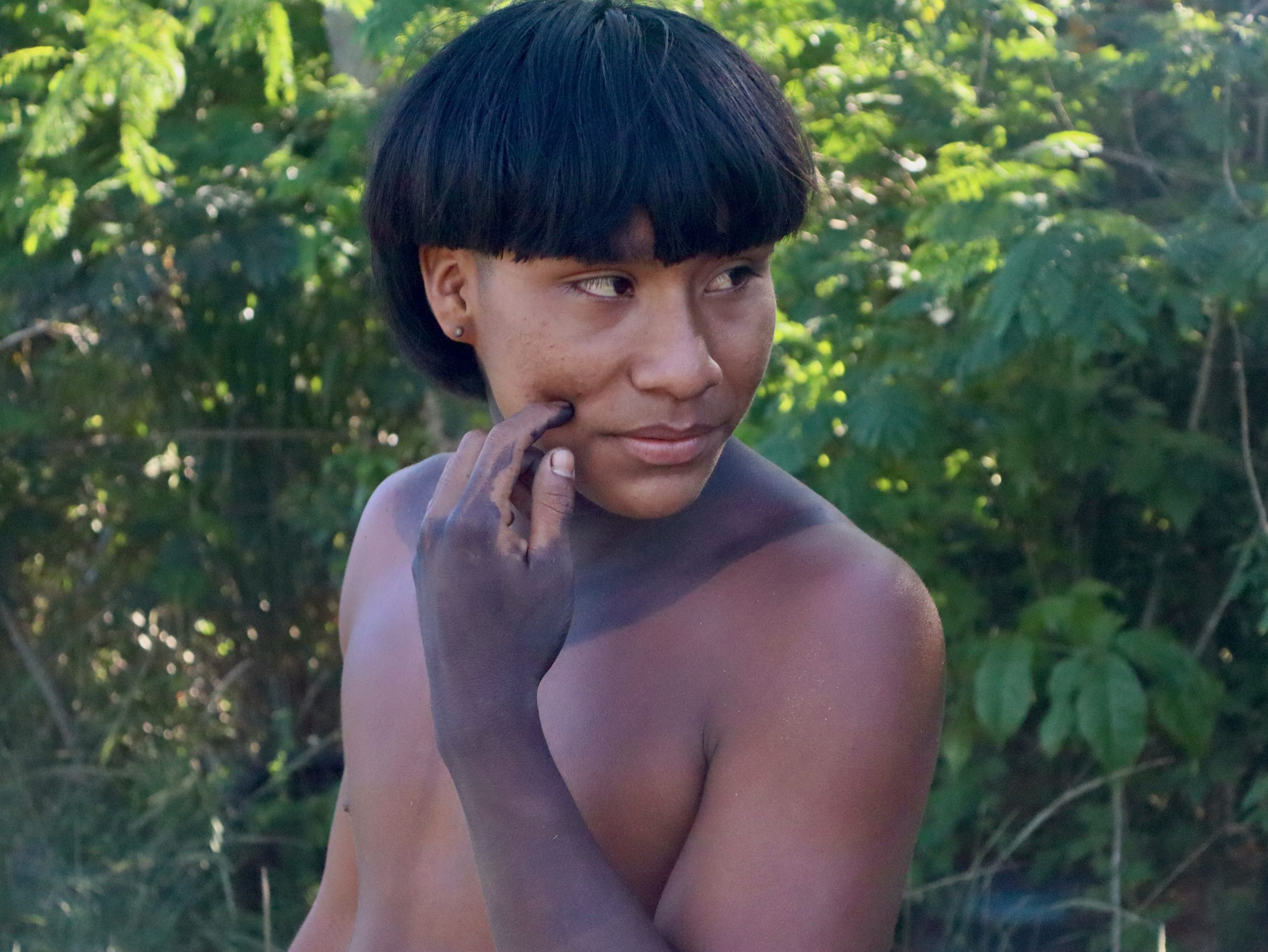
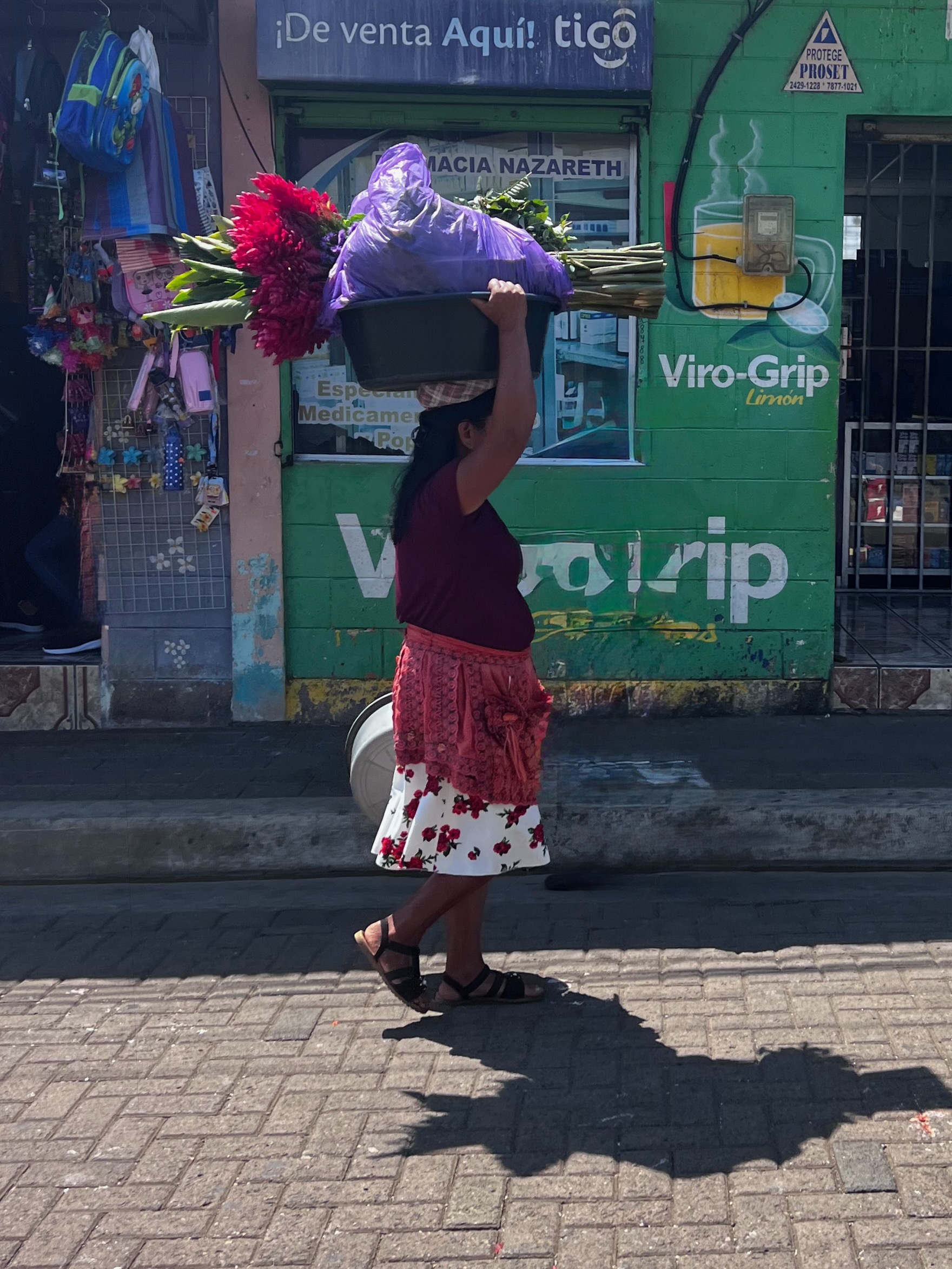
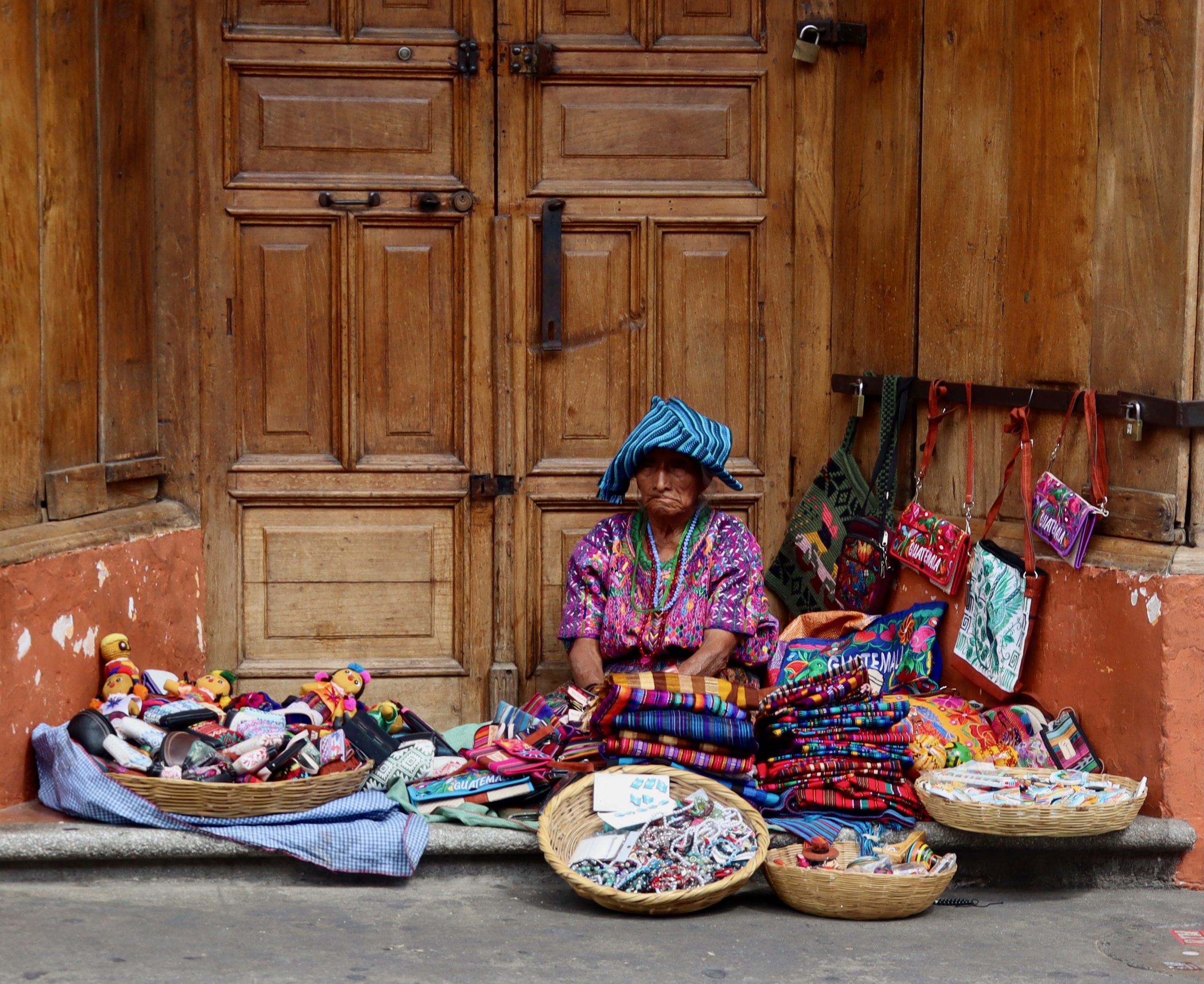
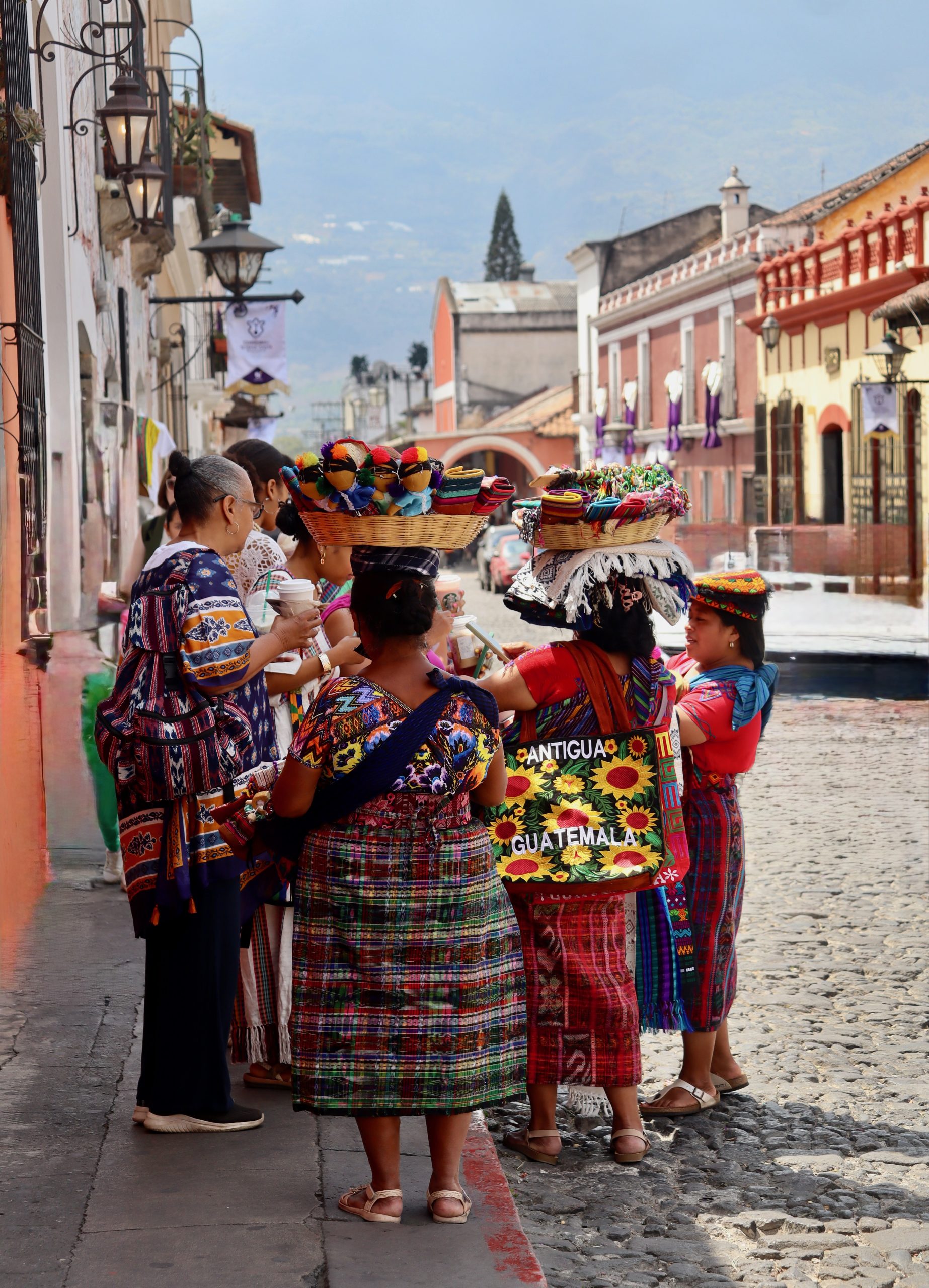
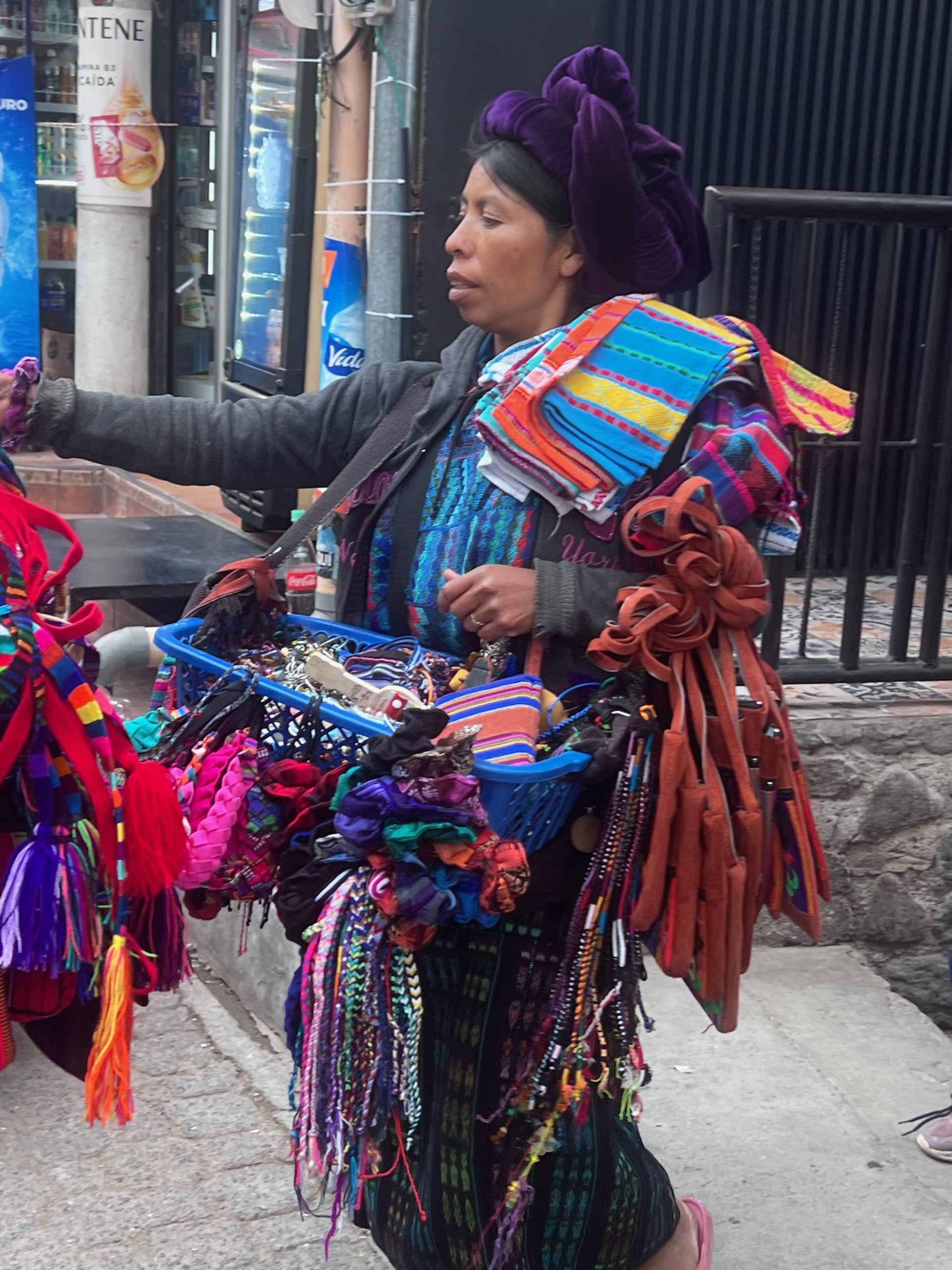
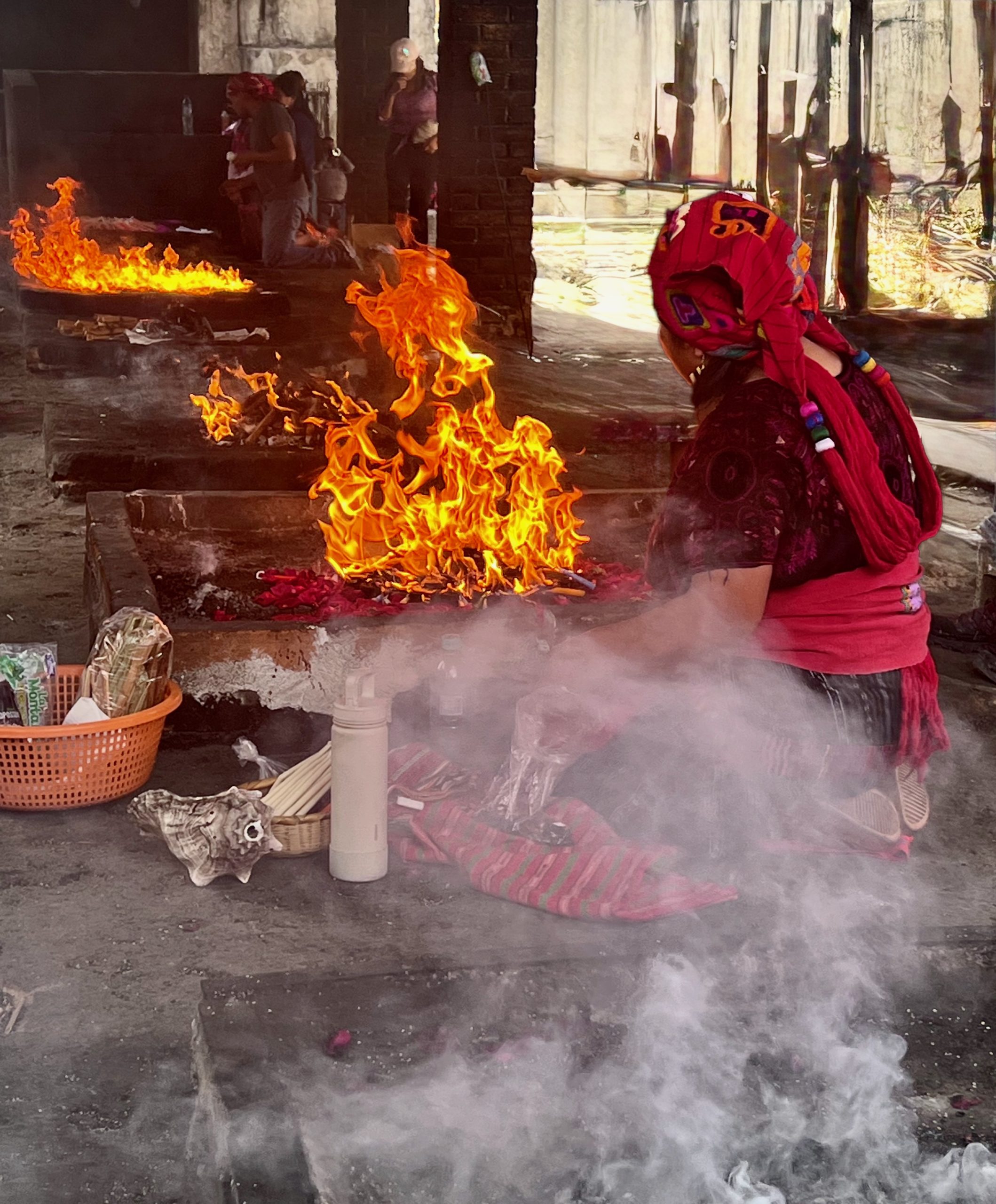
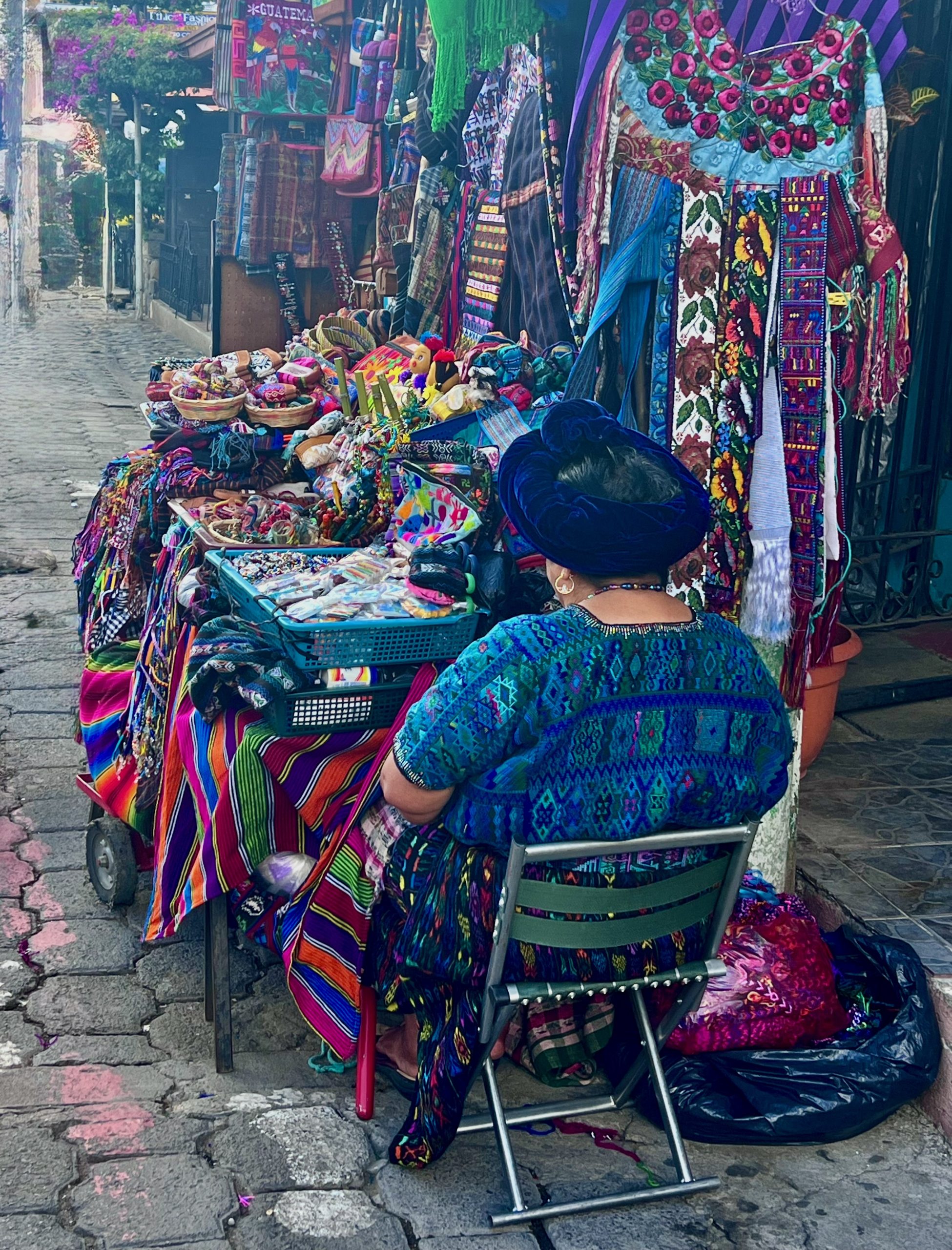
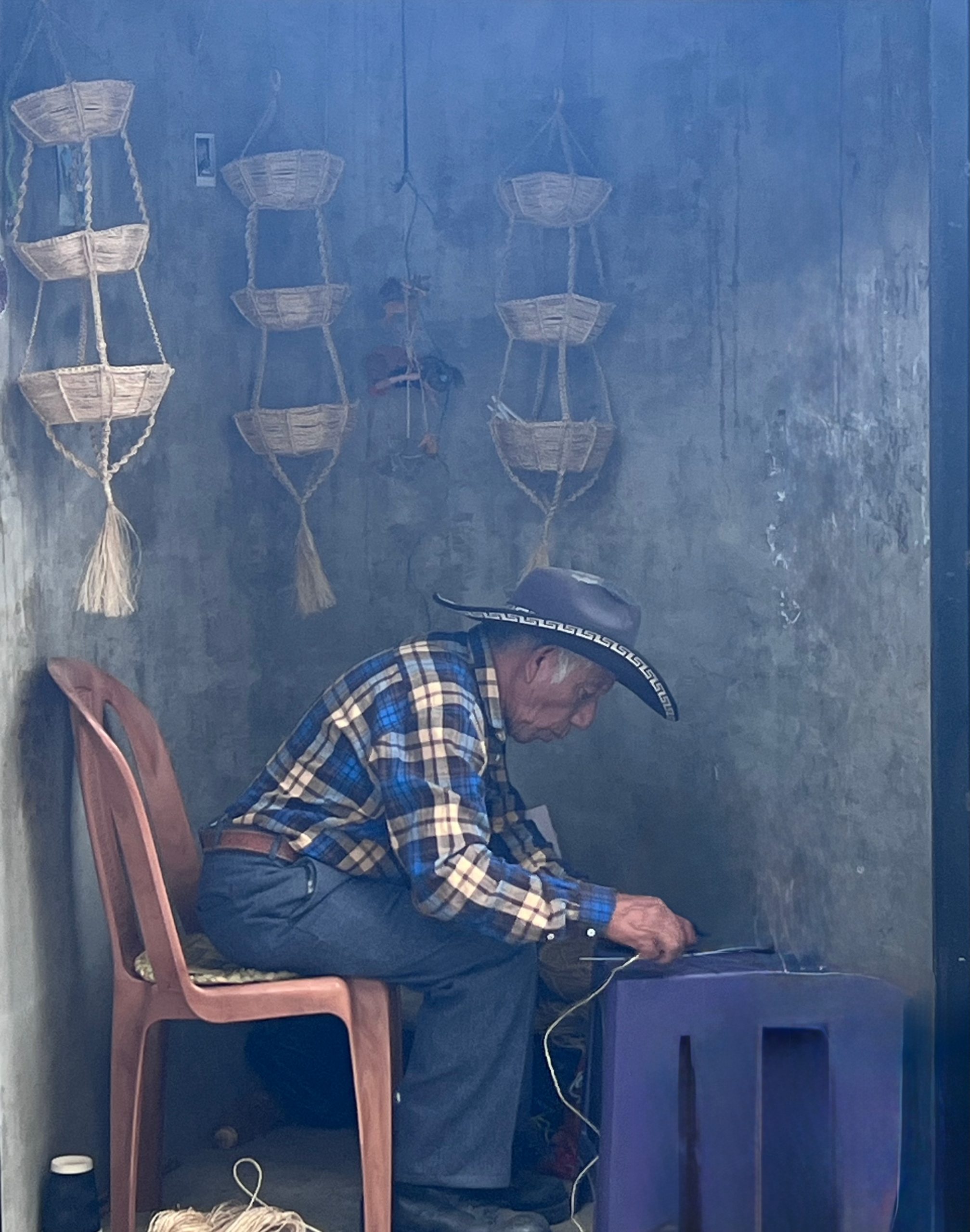
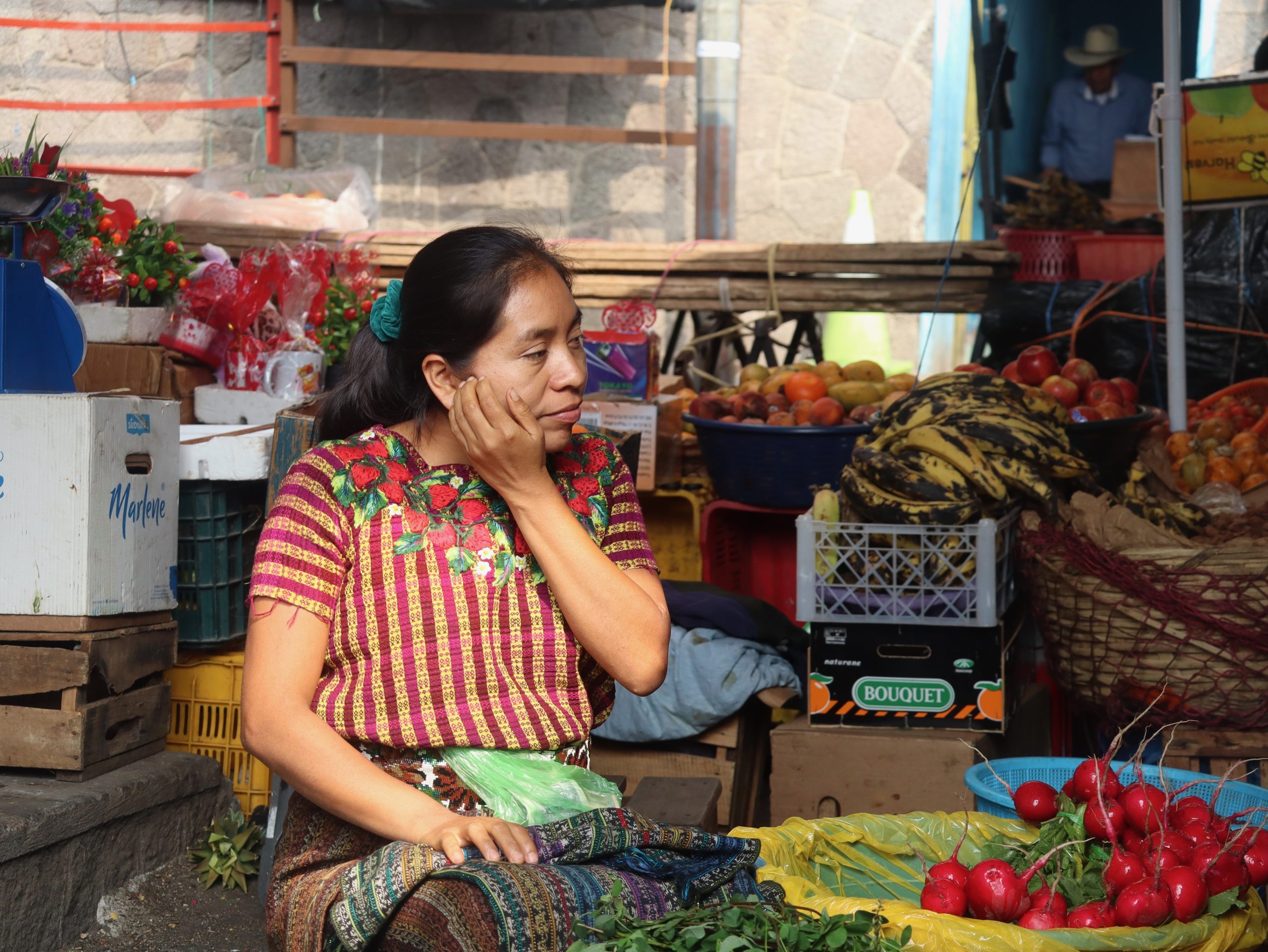
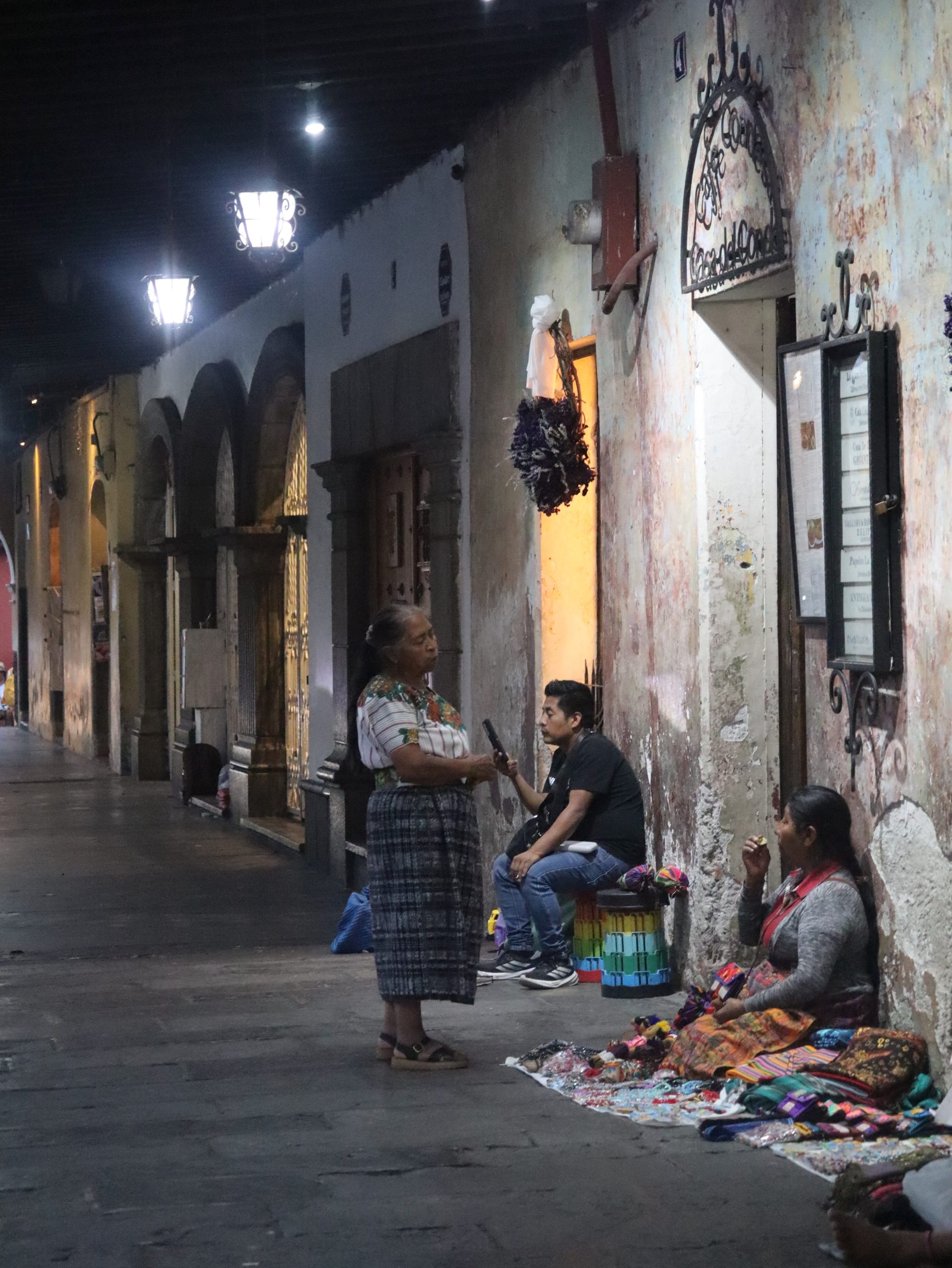
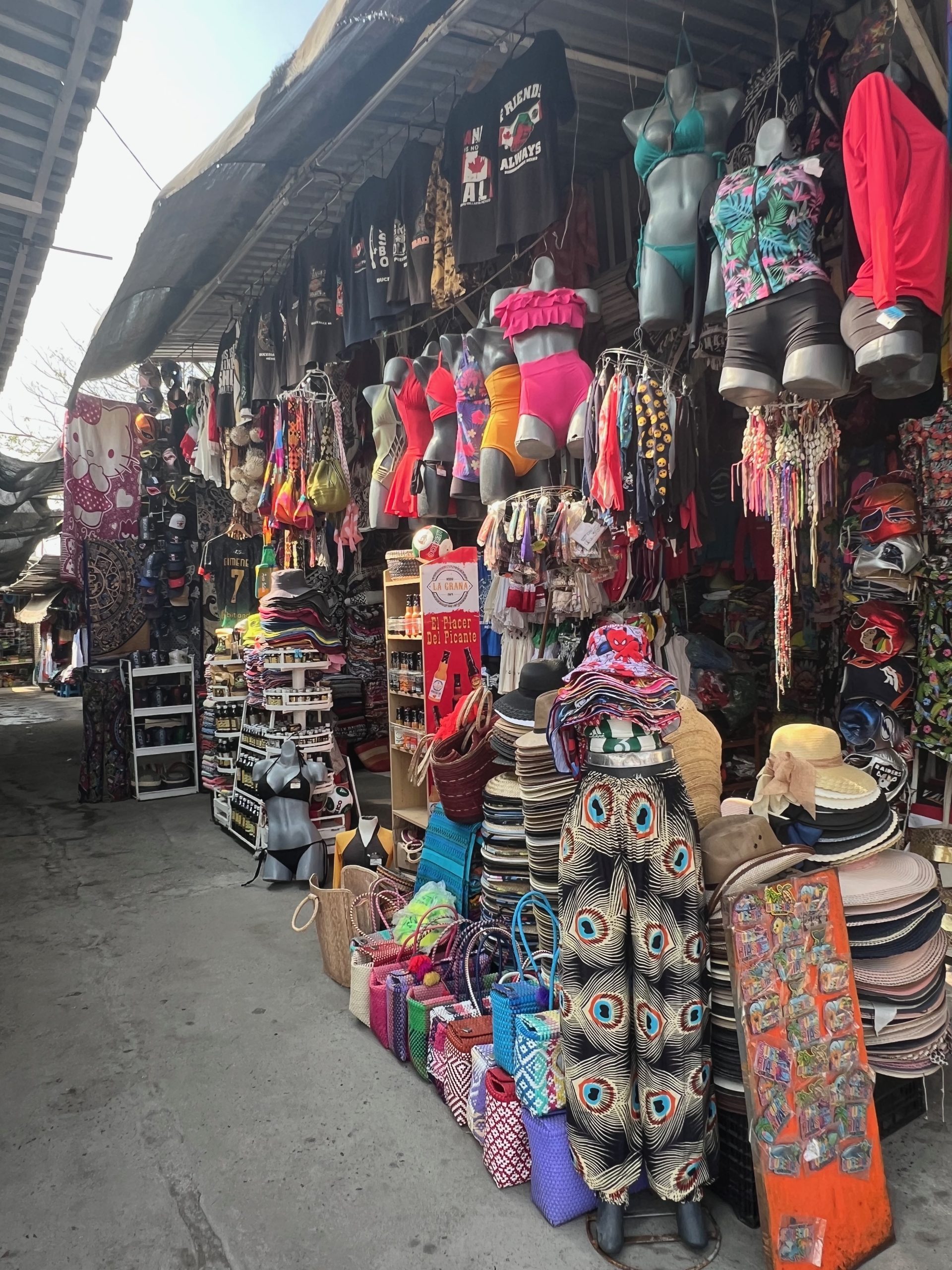
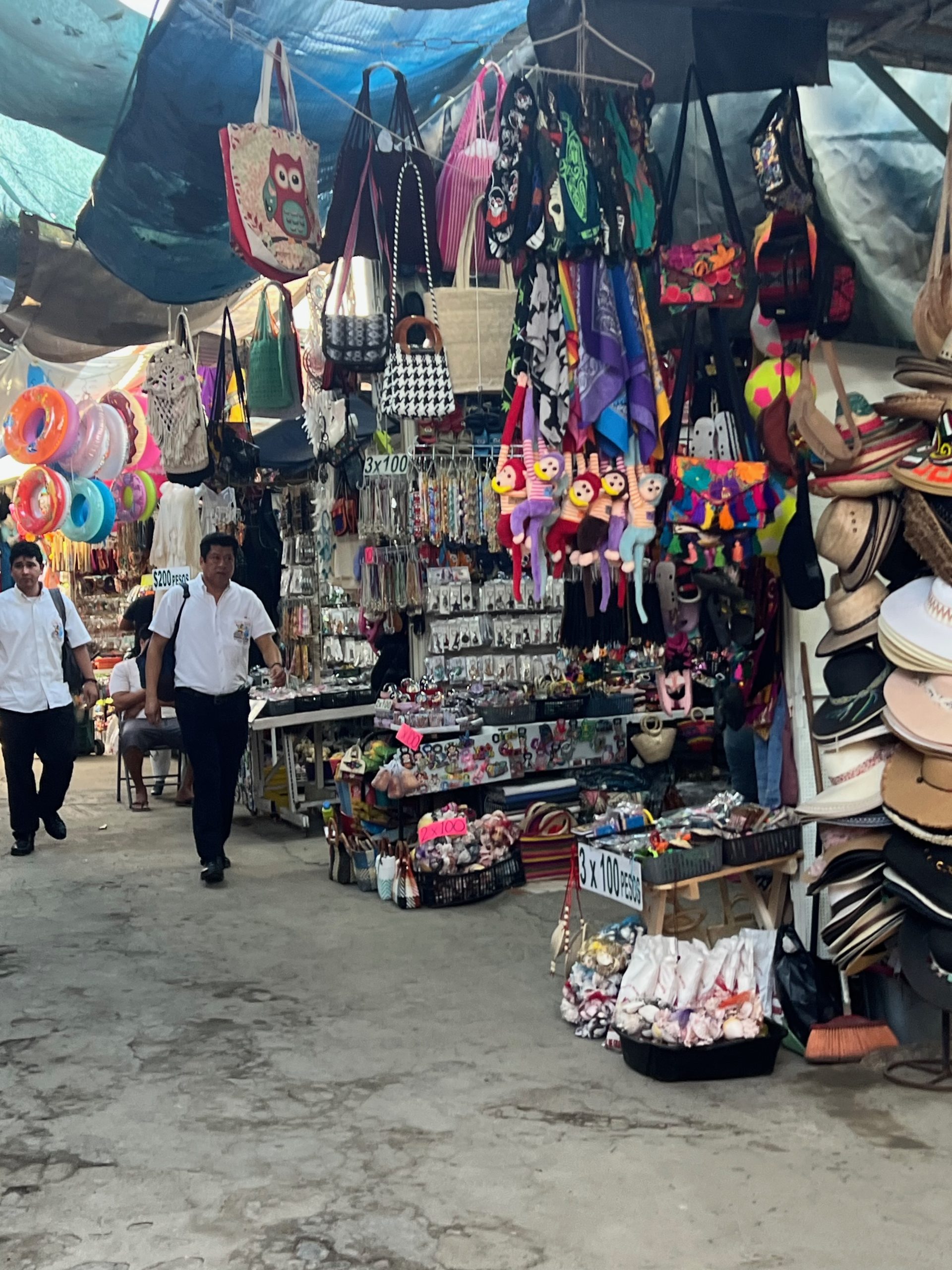
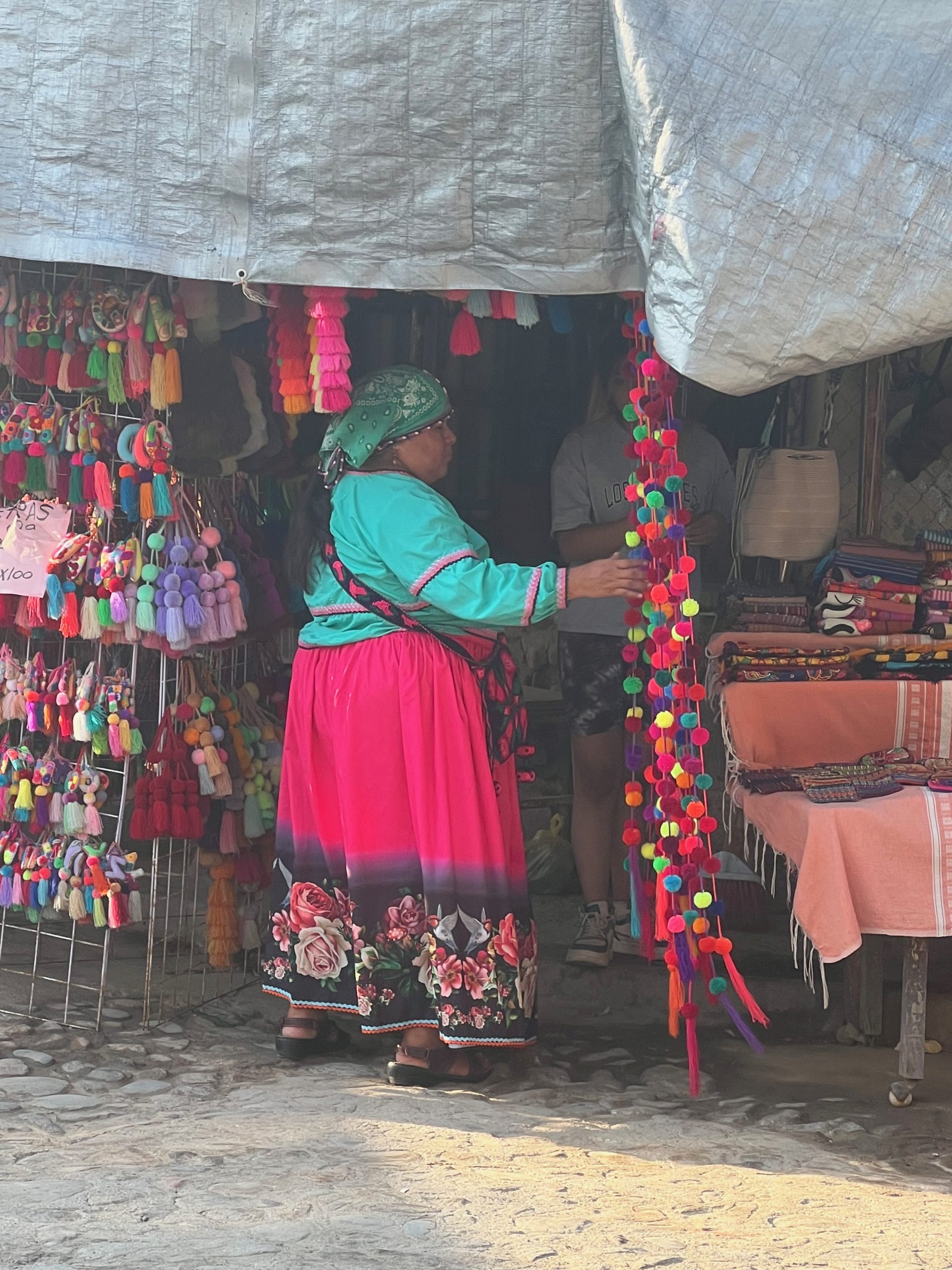
During my time in Mexico, I was struck by the vibrant street-vending culture, a tradition that dates back to pre-Hispanic times. Street vendors often represent the lowest form of small-business ownership and first-time employment for millions around the world, yet they face serious challenges in cities globally. I became intrigued enough to photograph them and learn more about their lives. Across Africa and much of Latin America, street vending is a vital part of the economy, driven by a lack of employment opportunities and the growth of tourism. Indigenous communities often rely on selling handcrafted goods and textiles, as well as creating opportunities for experiential tourism. During my travels in Latin America, I visited eight Indigenous communities whose resilience was remarkable in the face of land grabbing, the poisoning of their waters, climate change, and abominable government neglect. Their quiet resistance to preserve their language, culture, and land is exceptional.
Photography and My Transformation
Three years of traveling as a nomad will change you! It certainly played a role in planning for the next phase of my life, as I am now 73. It’s allowed me to do some heavy soul-searching, managed my self-imposed solitude and challenged me in so many ways, including how best to define the rest of my remaining years on this planet.
After a lifetime in community development, I could not separate my photographic lens from my life’s work, wanting very much to continue to be purposeful as I age. Scouting and taking photos became central to my travels while observing how cities change and adapt—everything from how trash is collected to how cities treat people, stray cats and dogs. I committed to two global charitable projects, serving as a volunteer for a school in Kenya, Africa, and a nonprofit group in my adopted retreat home in Bucerias, Mexico.
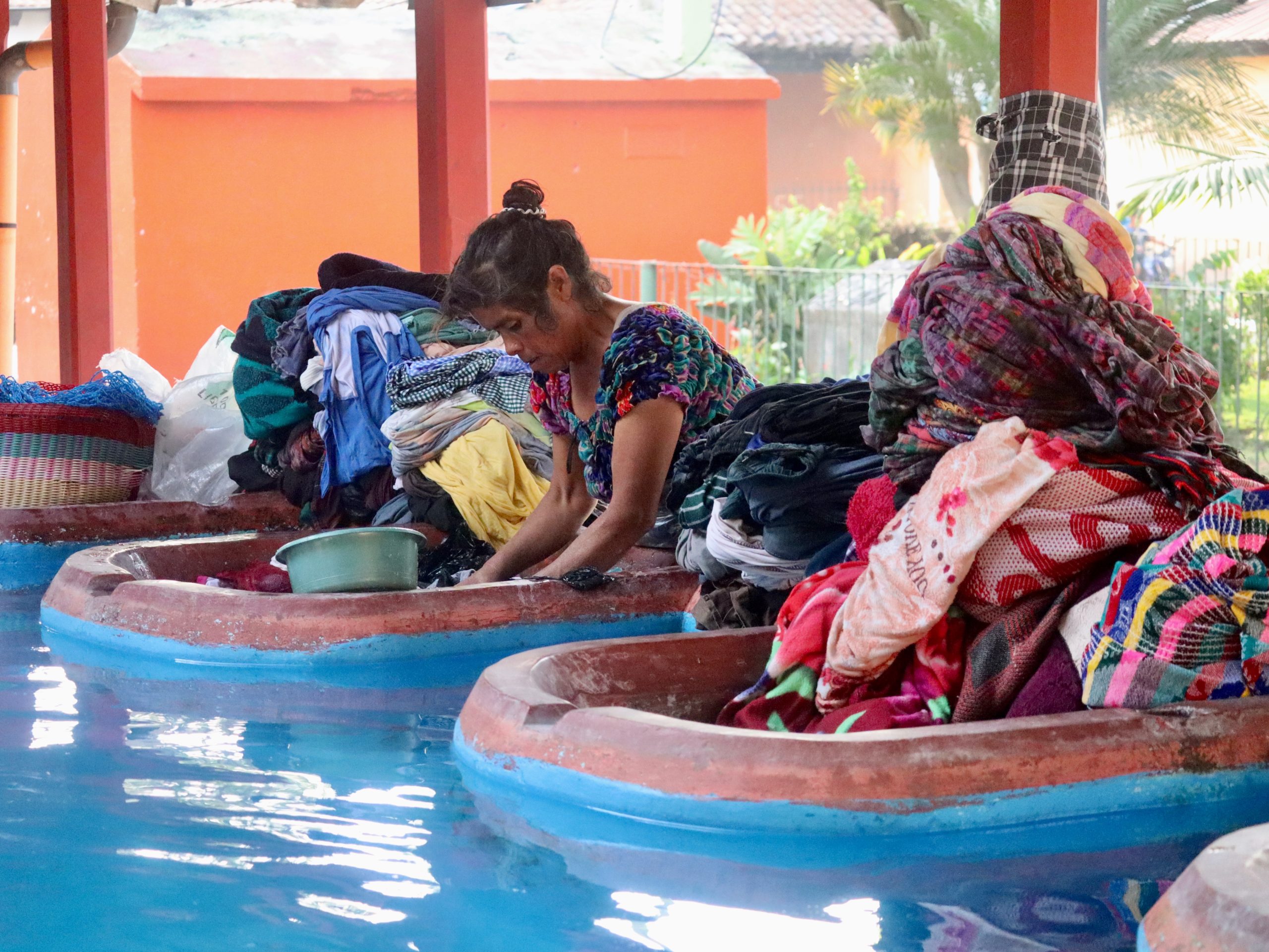
Photography continues to lead me toward the questions I care about most. My plans are to keep documenting Indigenous communities—their resilience, the ways they sustain themselves, and how they hold on to culture in a world changing so quickly. I’m also drawn to the lives of solo vendors, how traditions are being reshaped by overtourism and modernization, the growing toll of climate change on both people and wildlife, and the formation of new economic models emerging within immigrant communities and historically underserved Black and Brown communities. Quite a handful of subjects to keep me busy as I move through this next chapter of my life.
What Next and My Photos
For now, plans are to return to New Jersey and resettle my life, figuring out where I want to live while continuing to work on photographic collaborations and as a photo artist. I will most likely not be undertaking any international travel other than returning to Mexico for the winter months of January and February, at least for another year. I do plan to travel as there are still many places I like to visit or return to. But that will have to wait a bit longer and most likely will be for less than a month at a time.
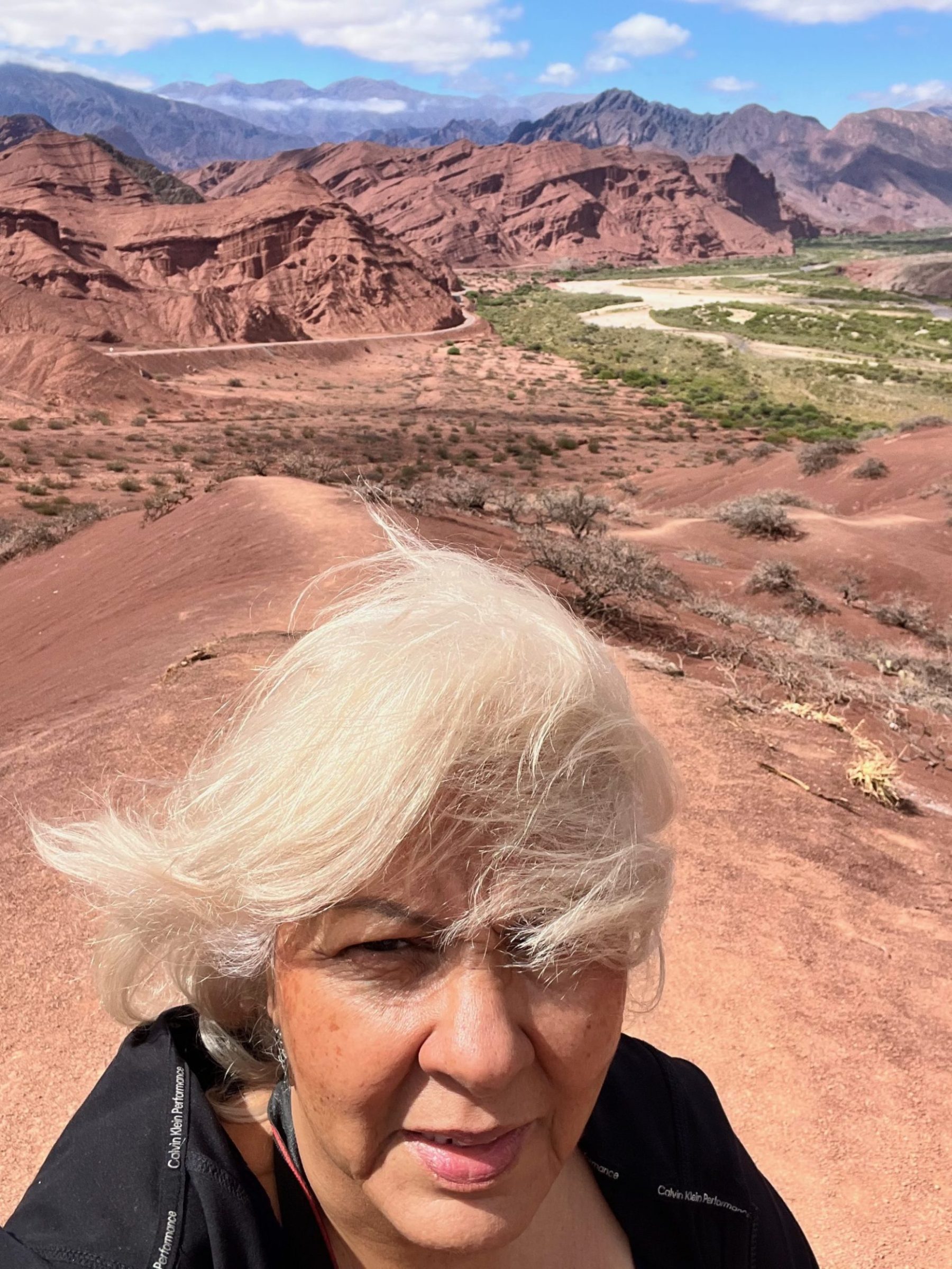
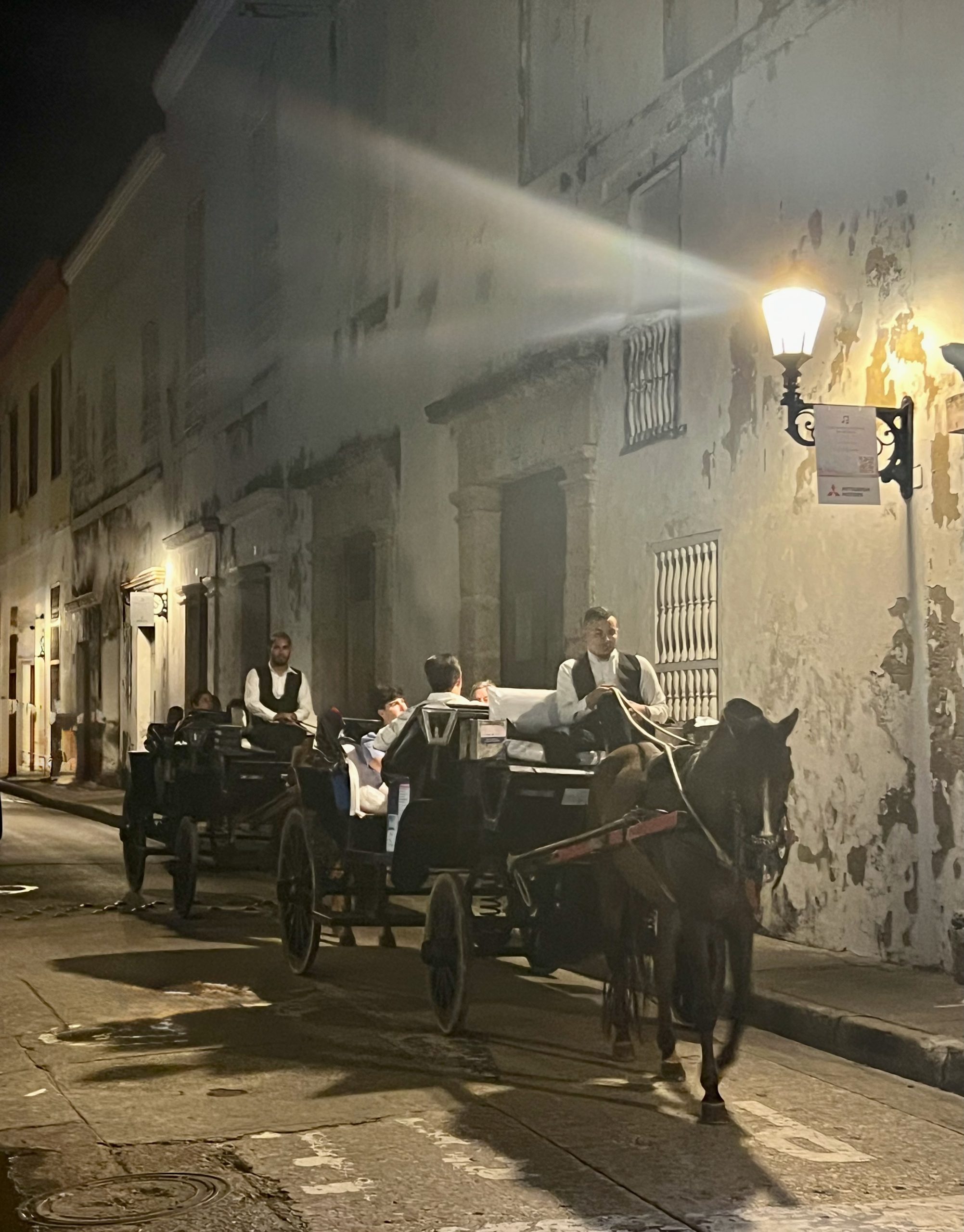
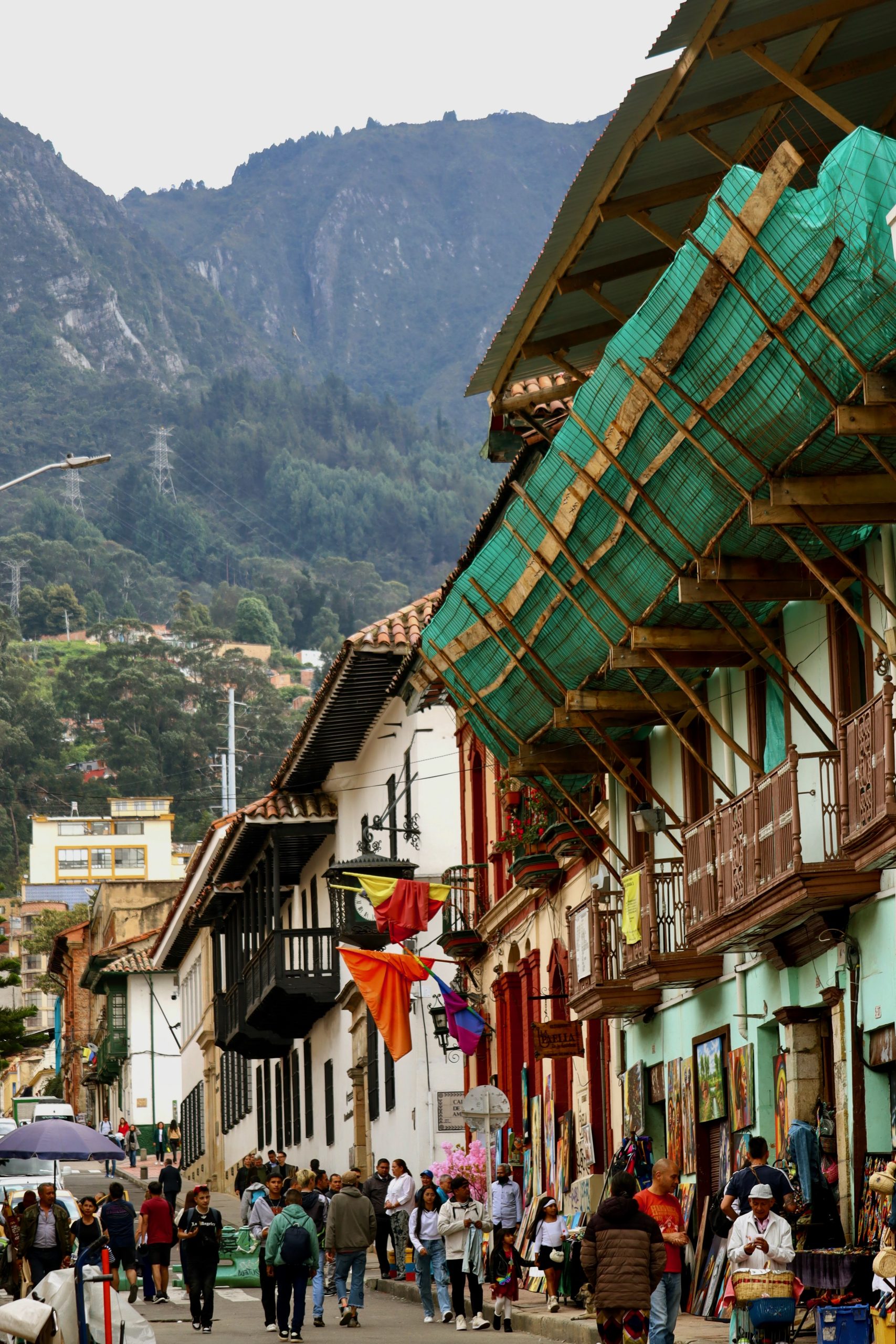
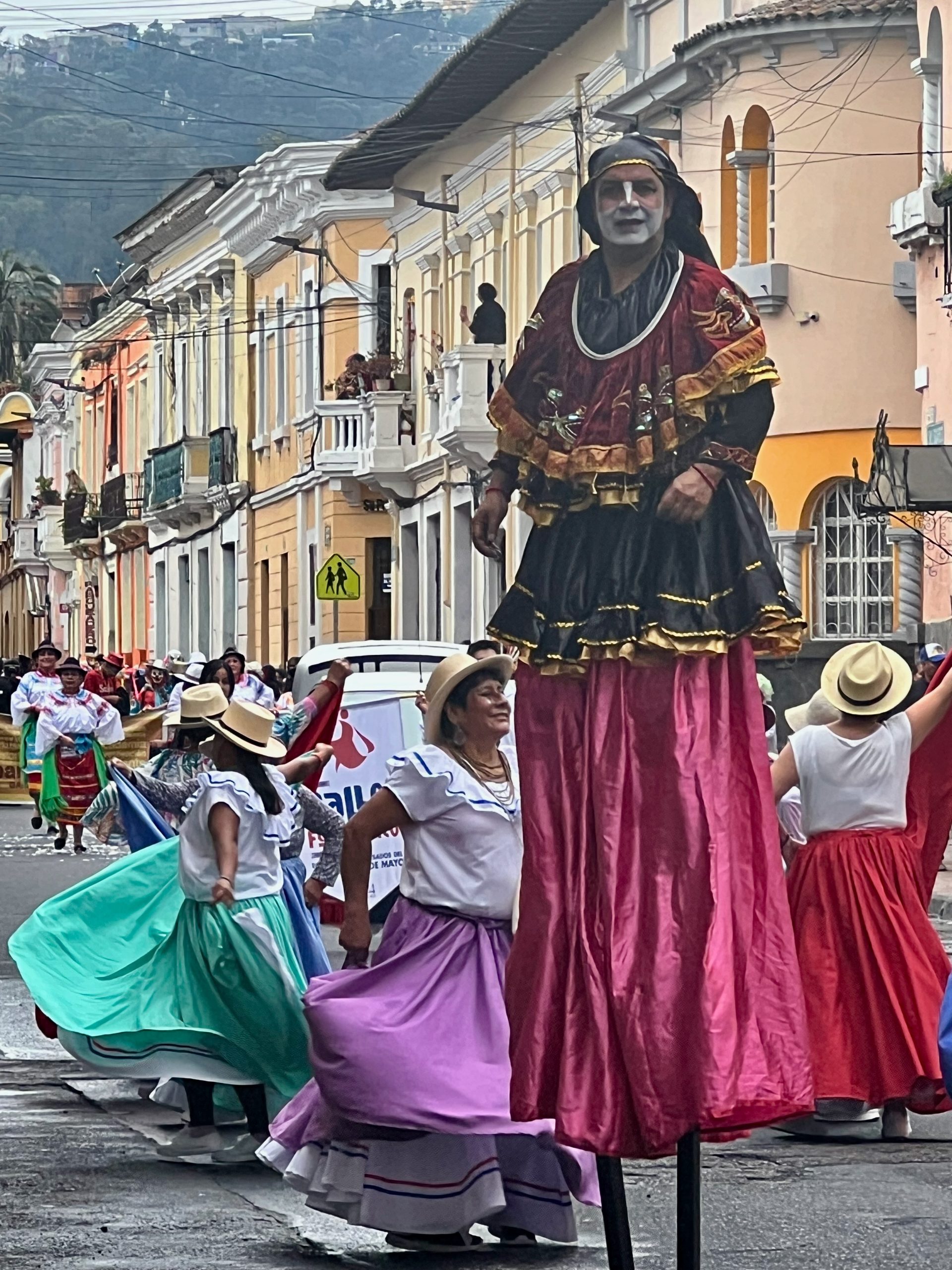
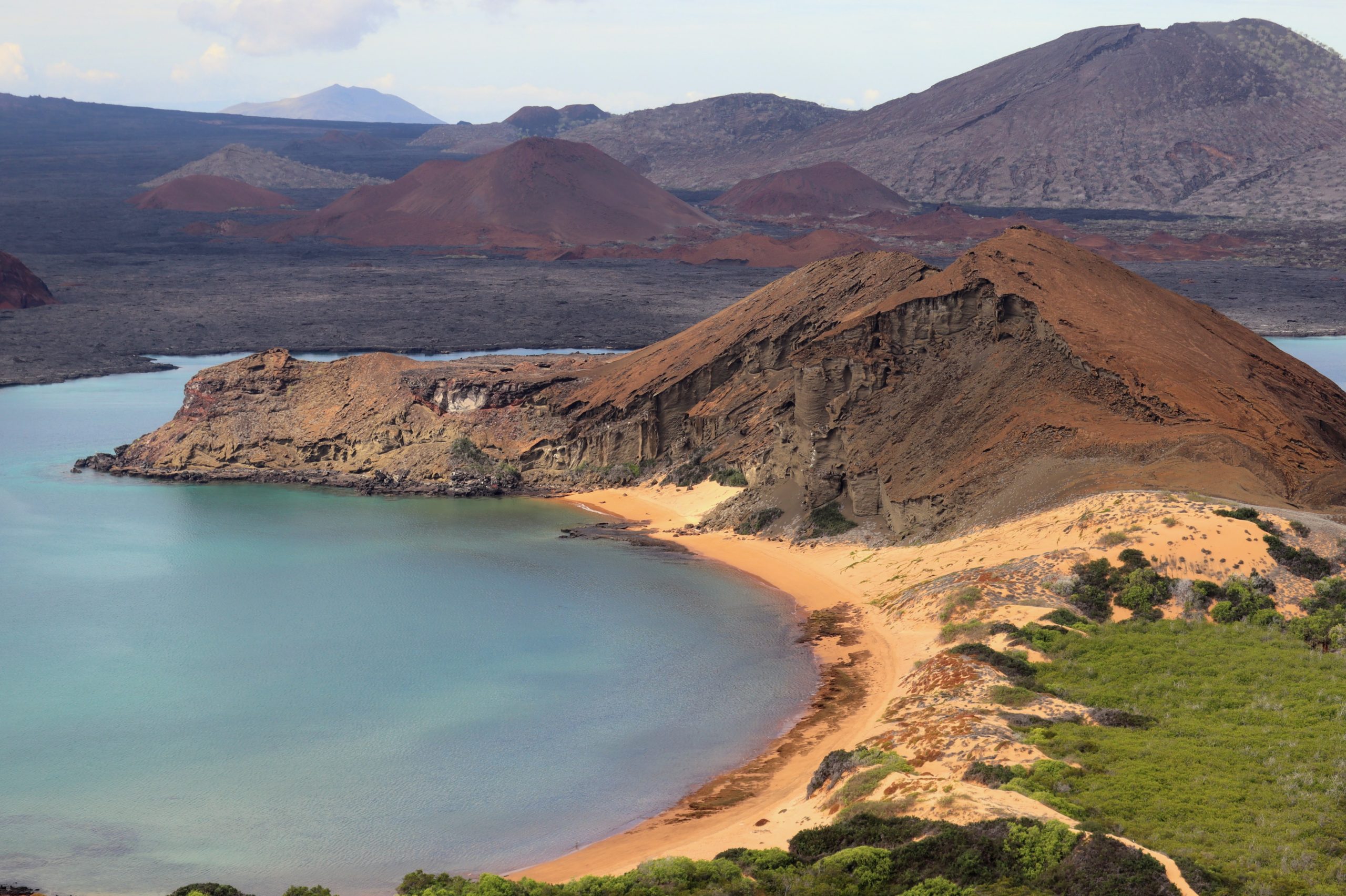
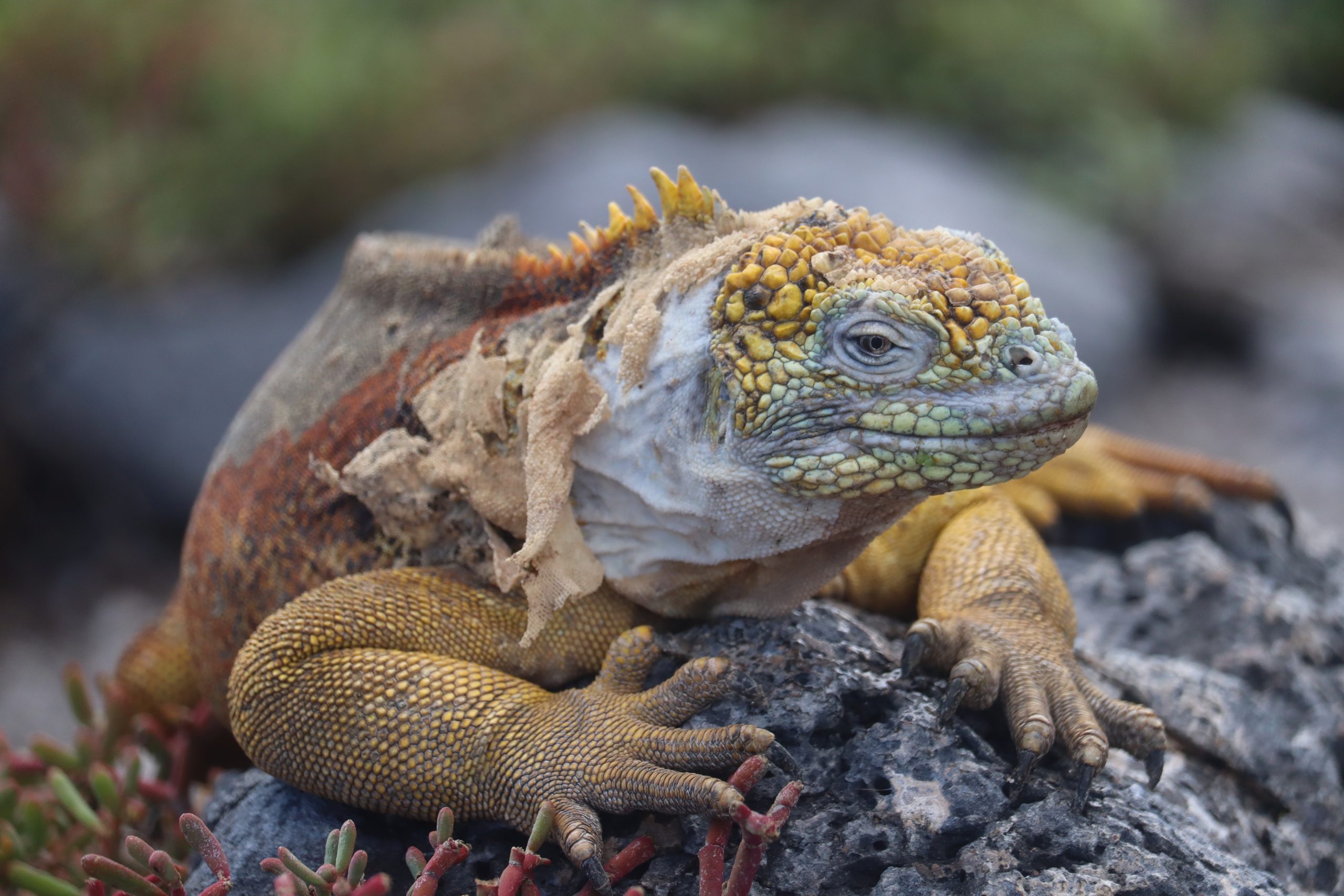
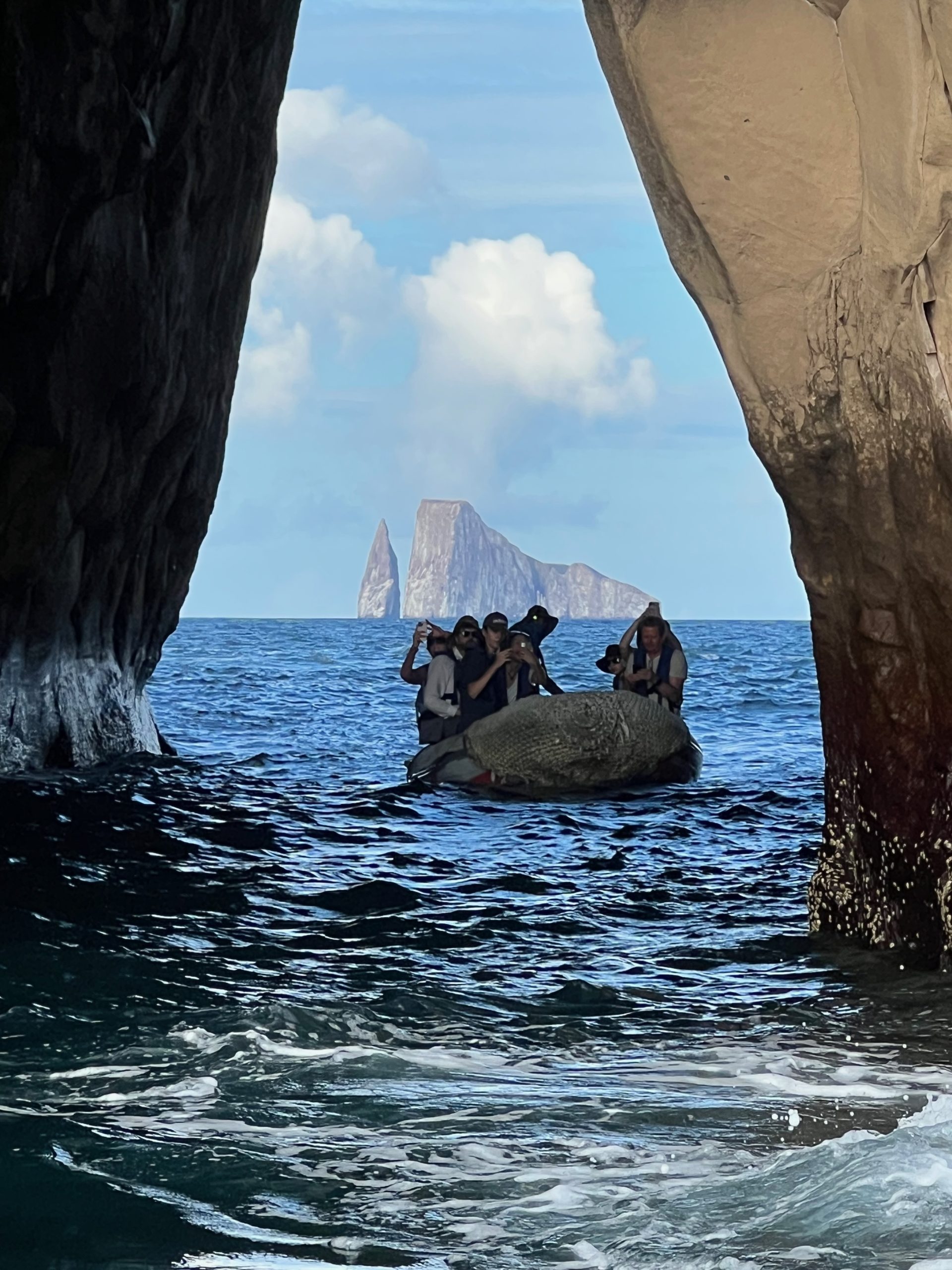
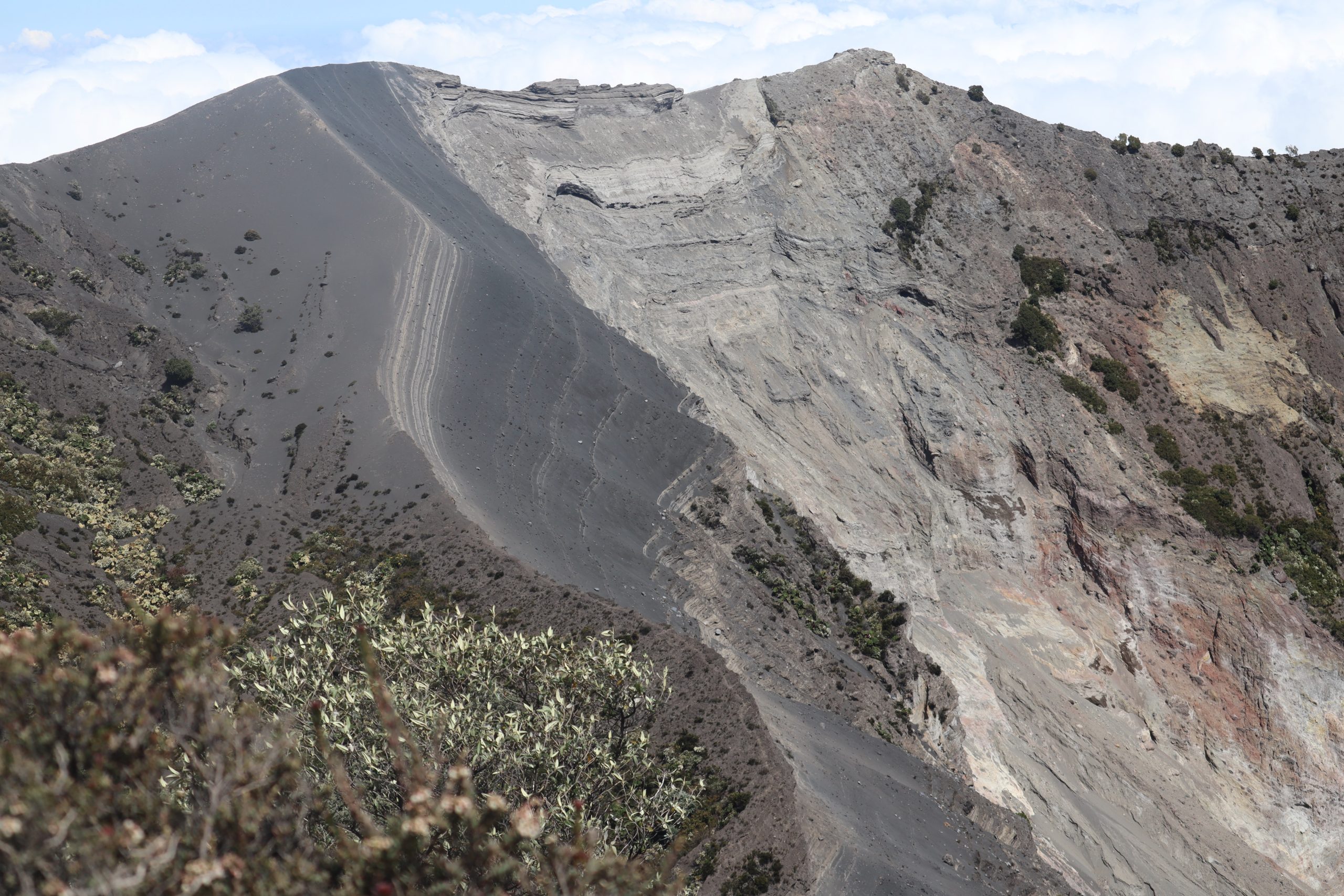
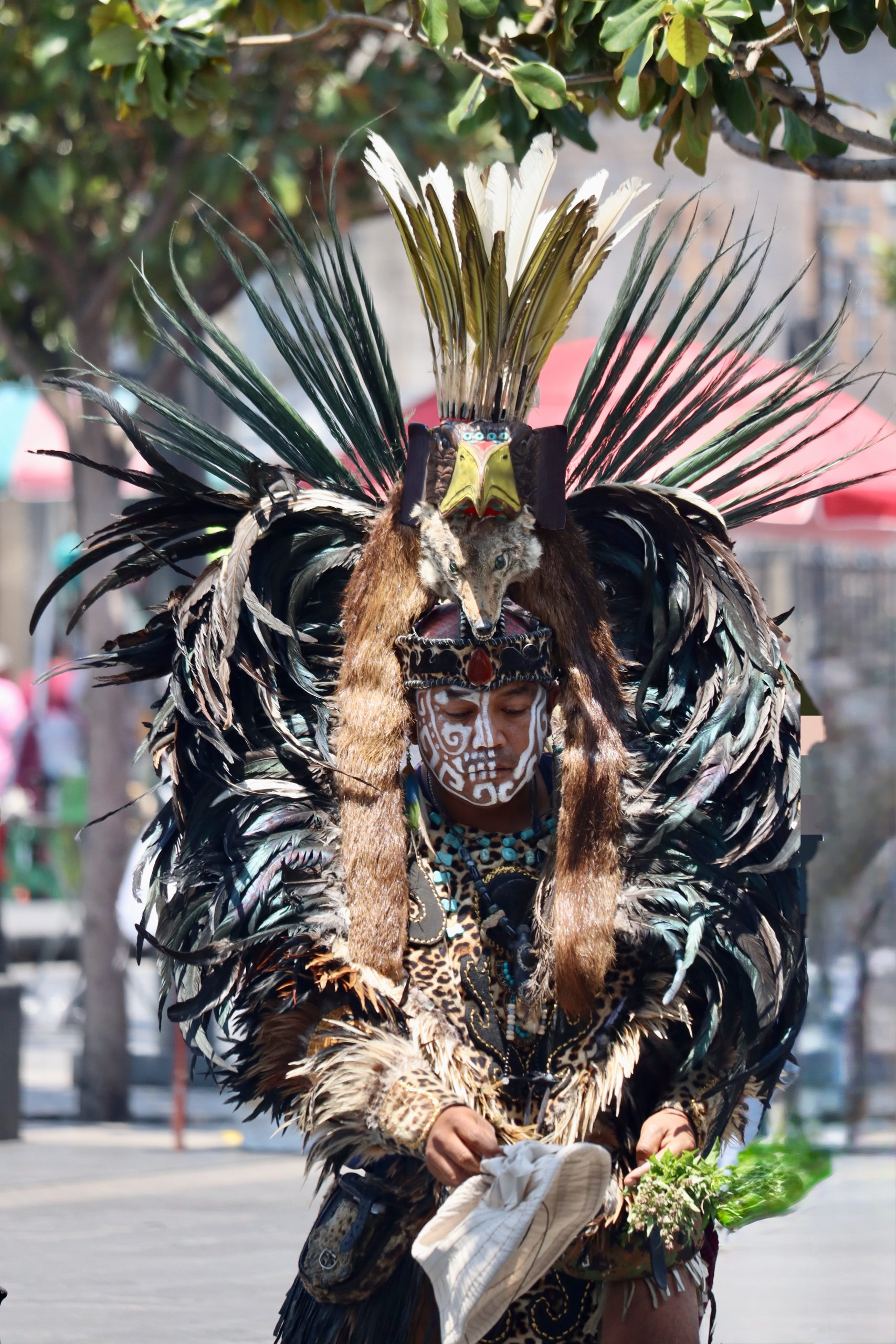
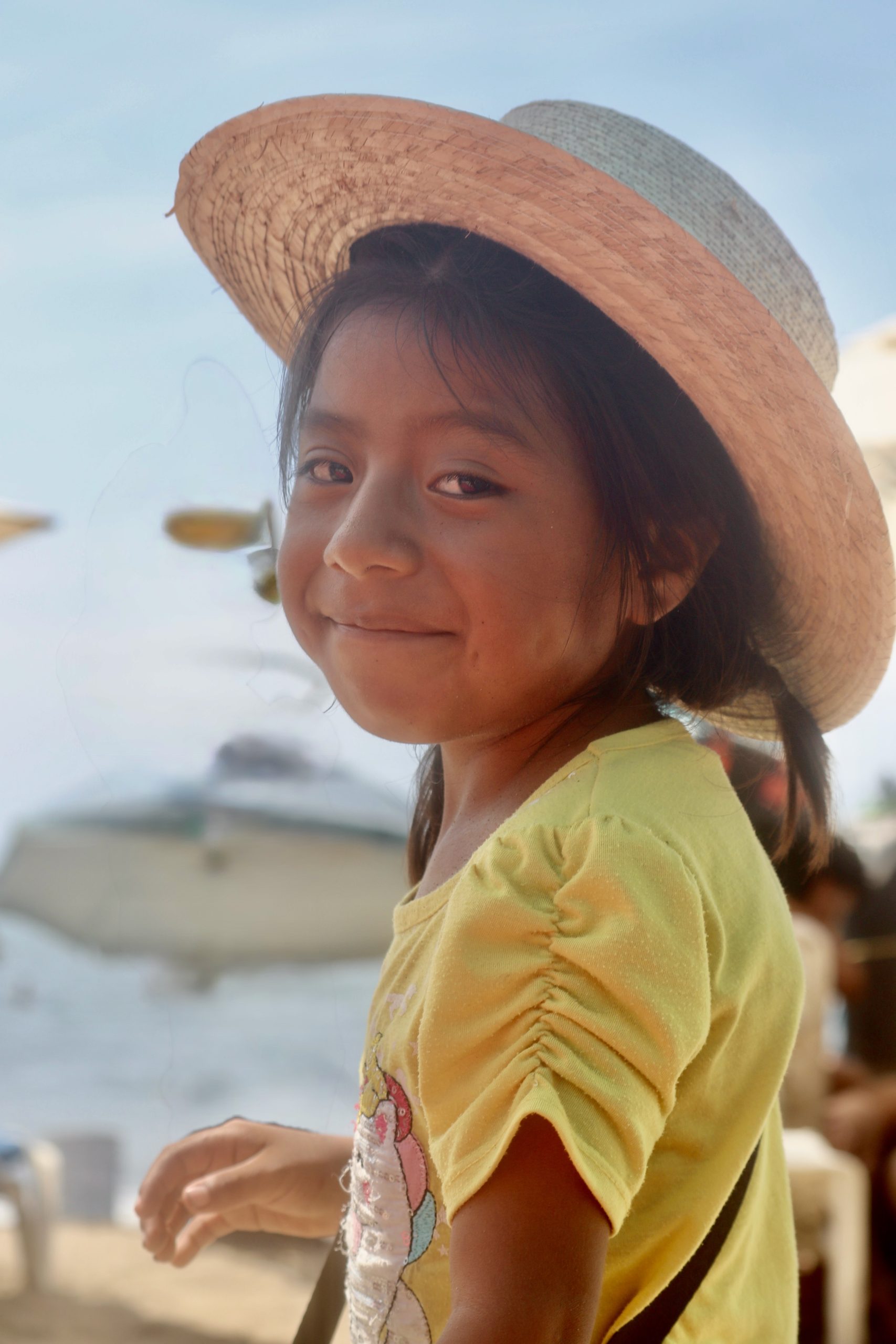
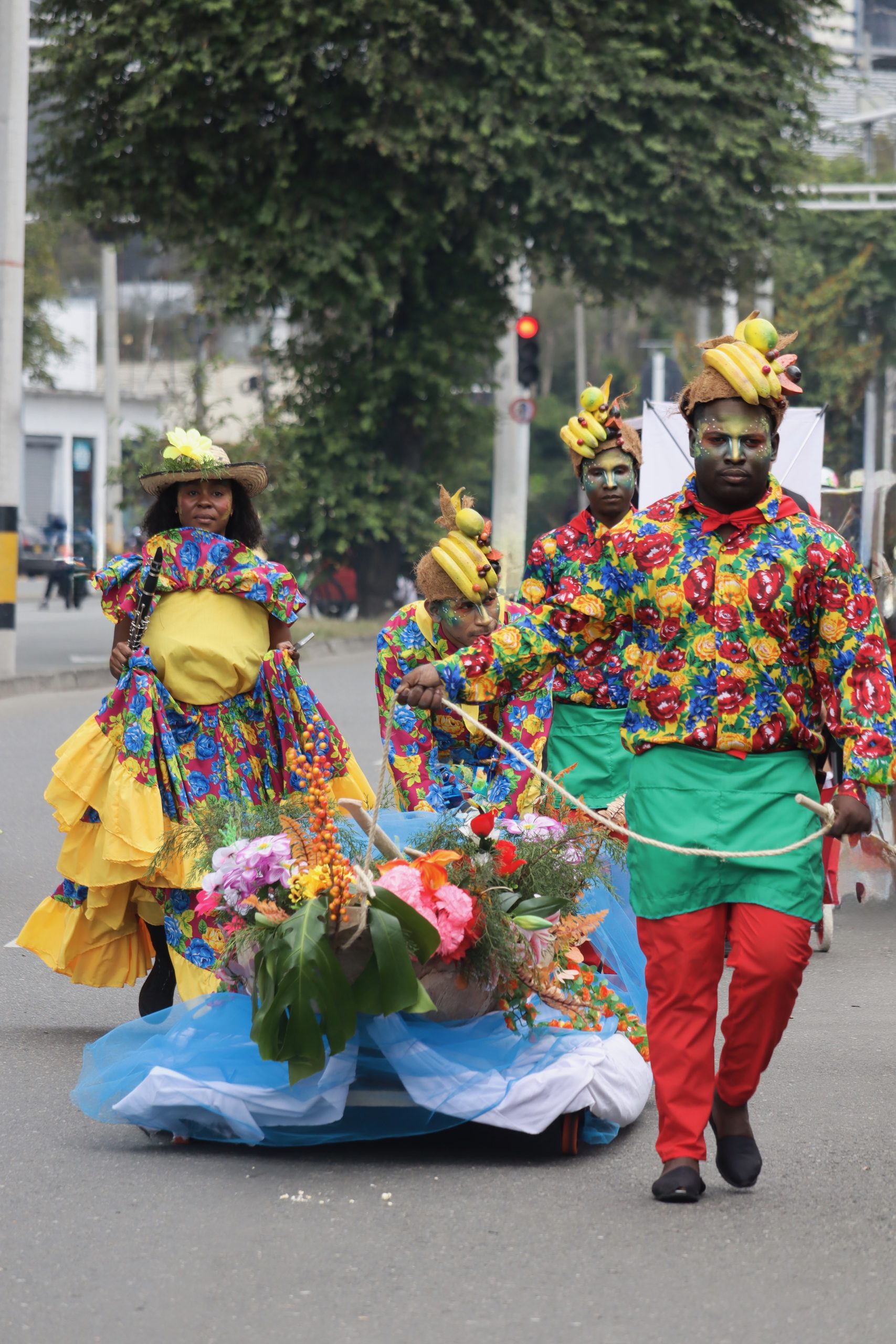
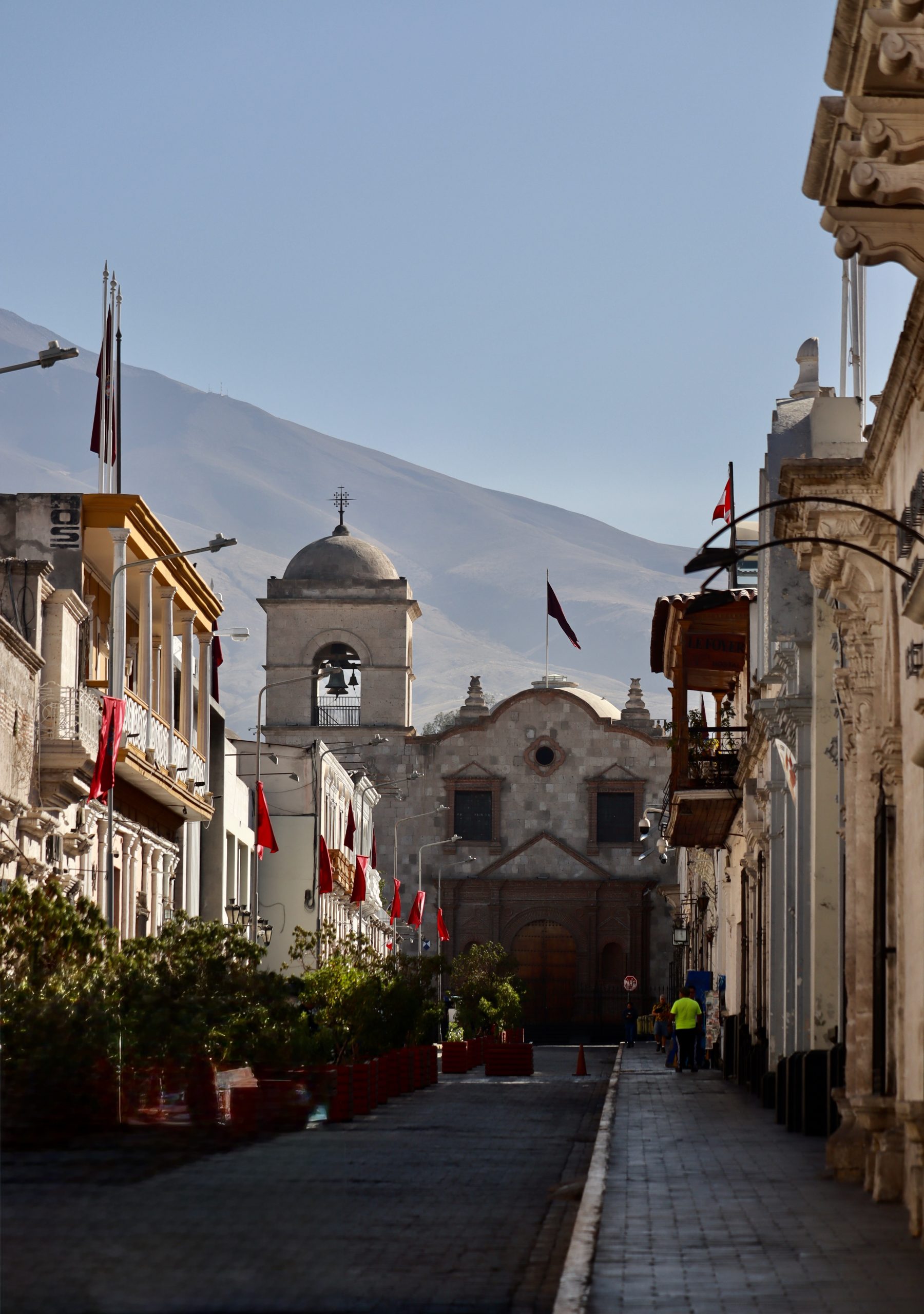
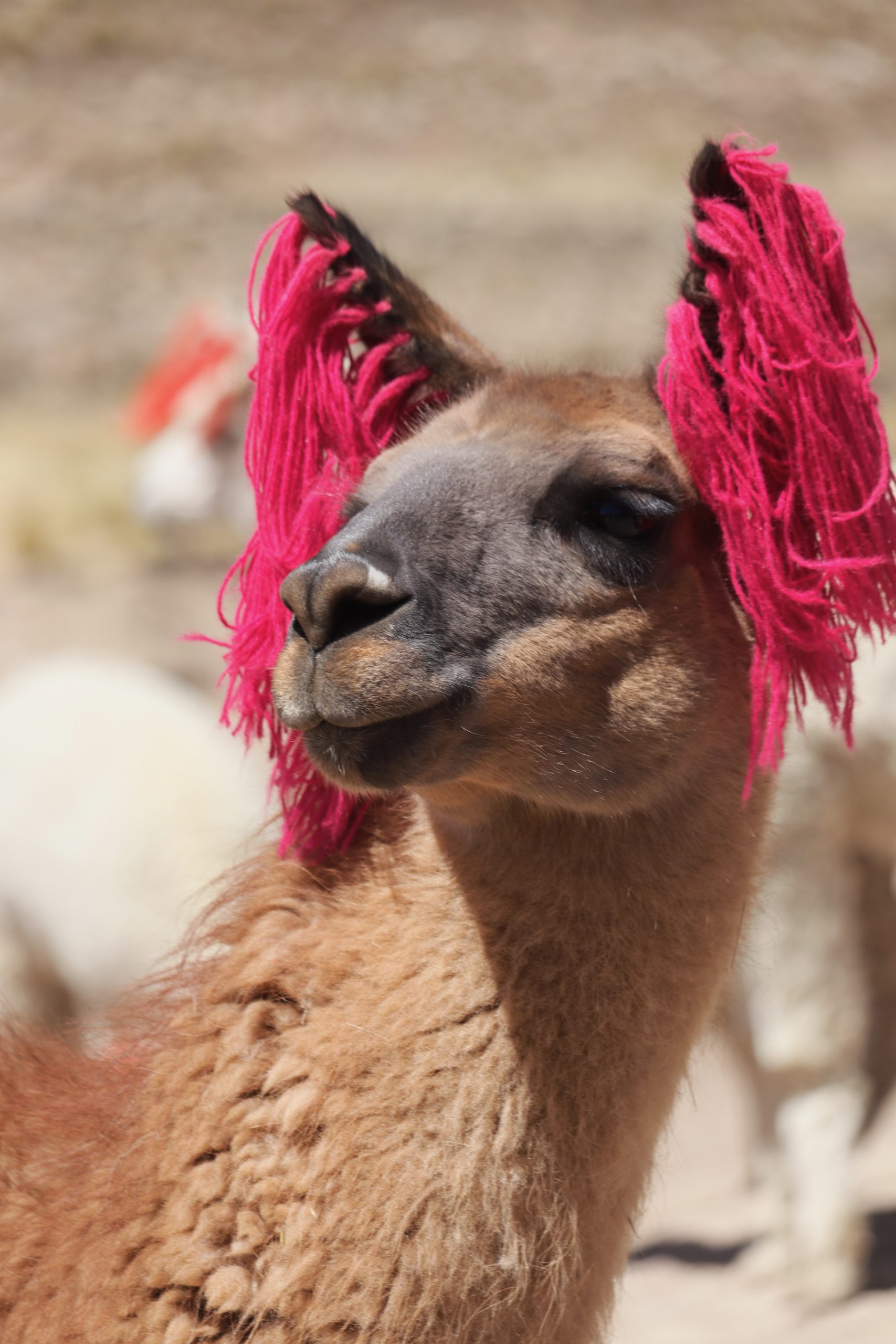
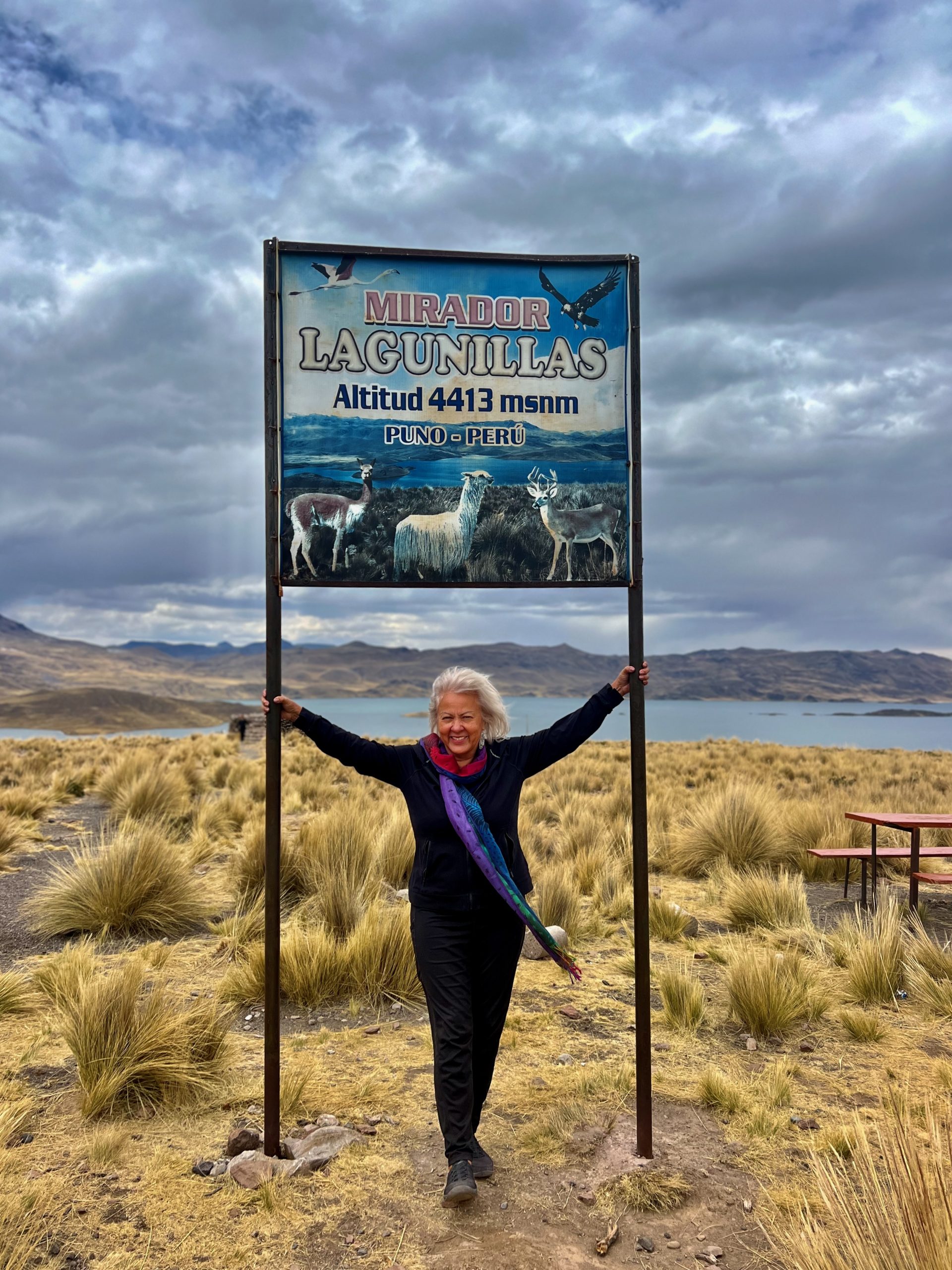
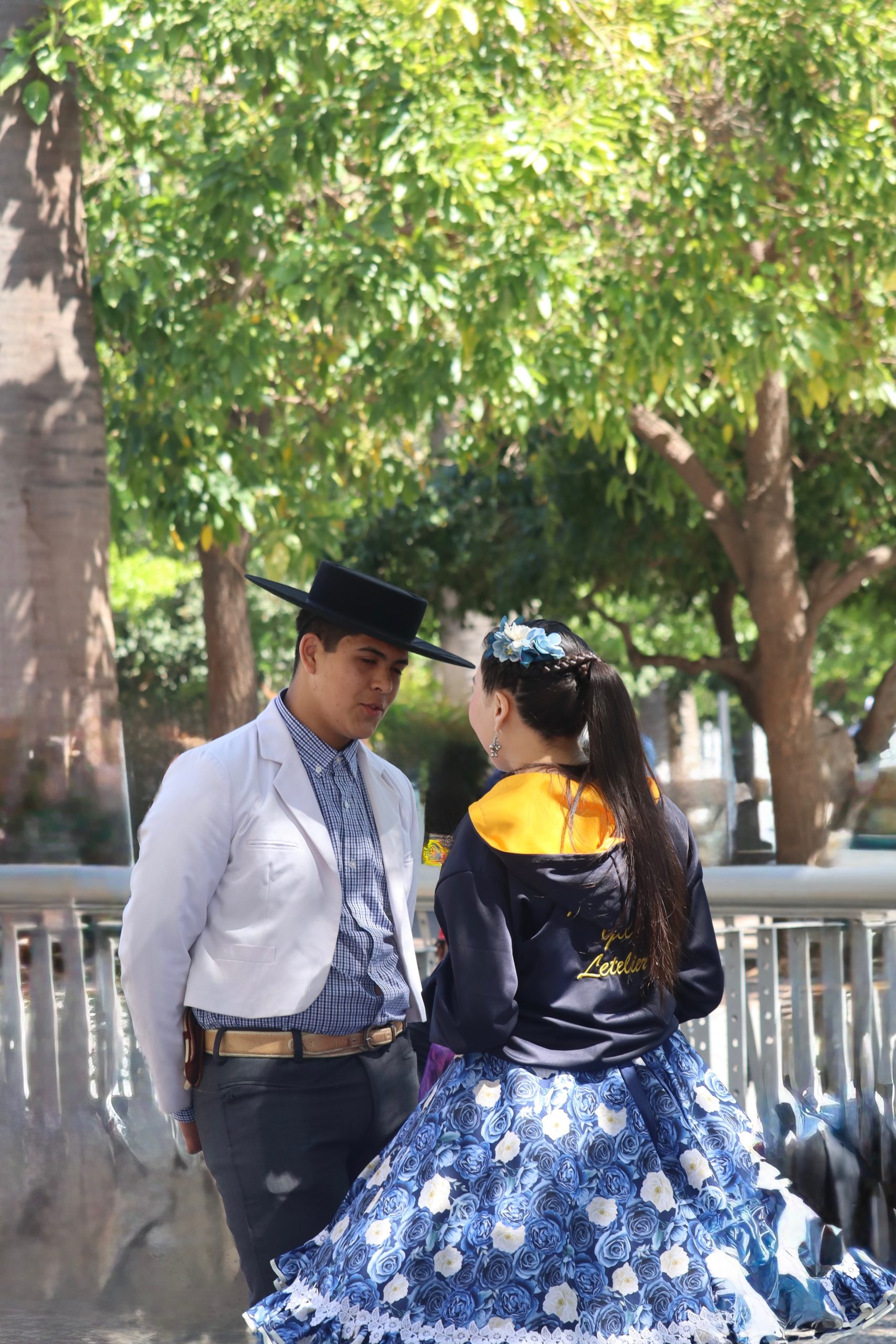
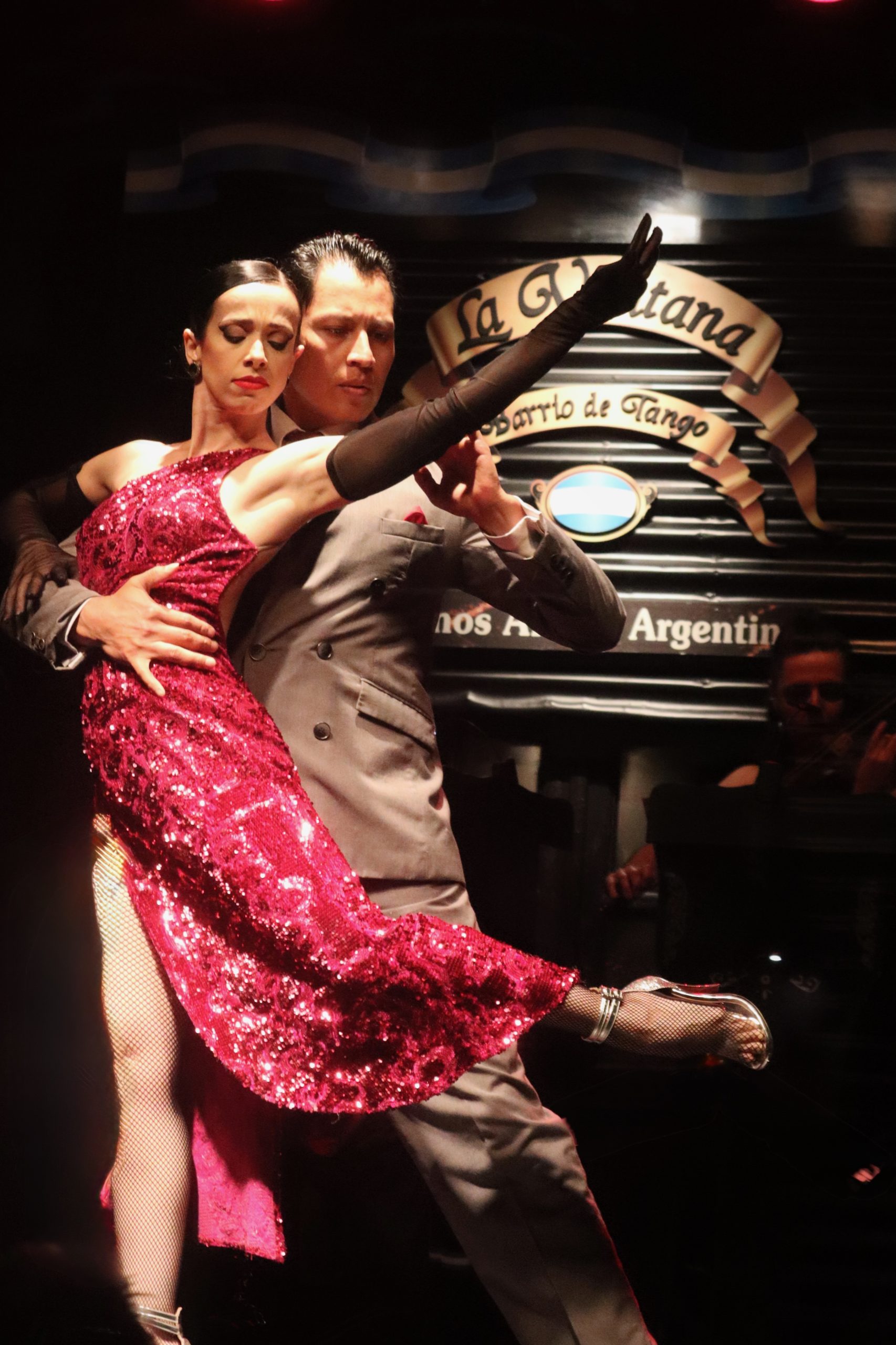
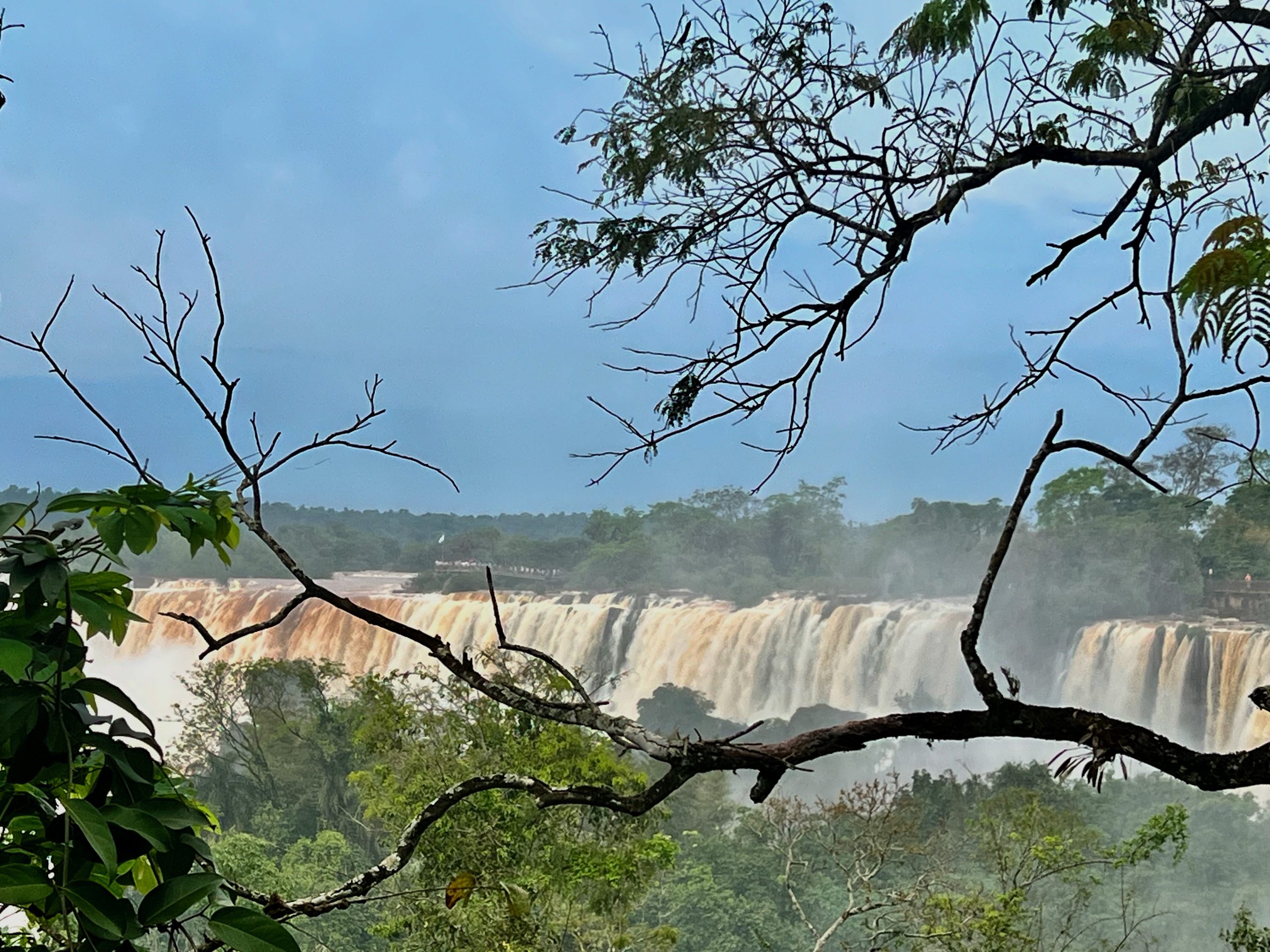
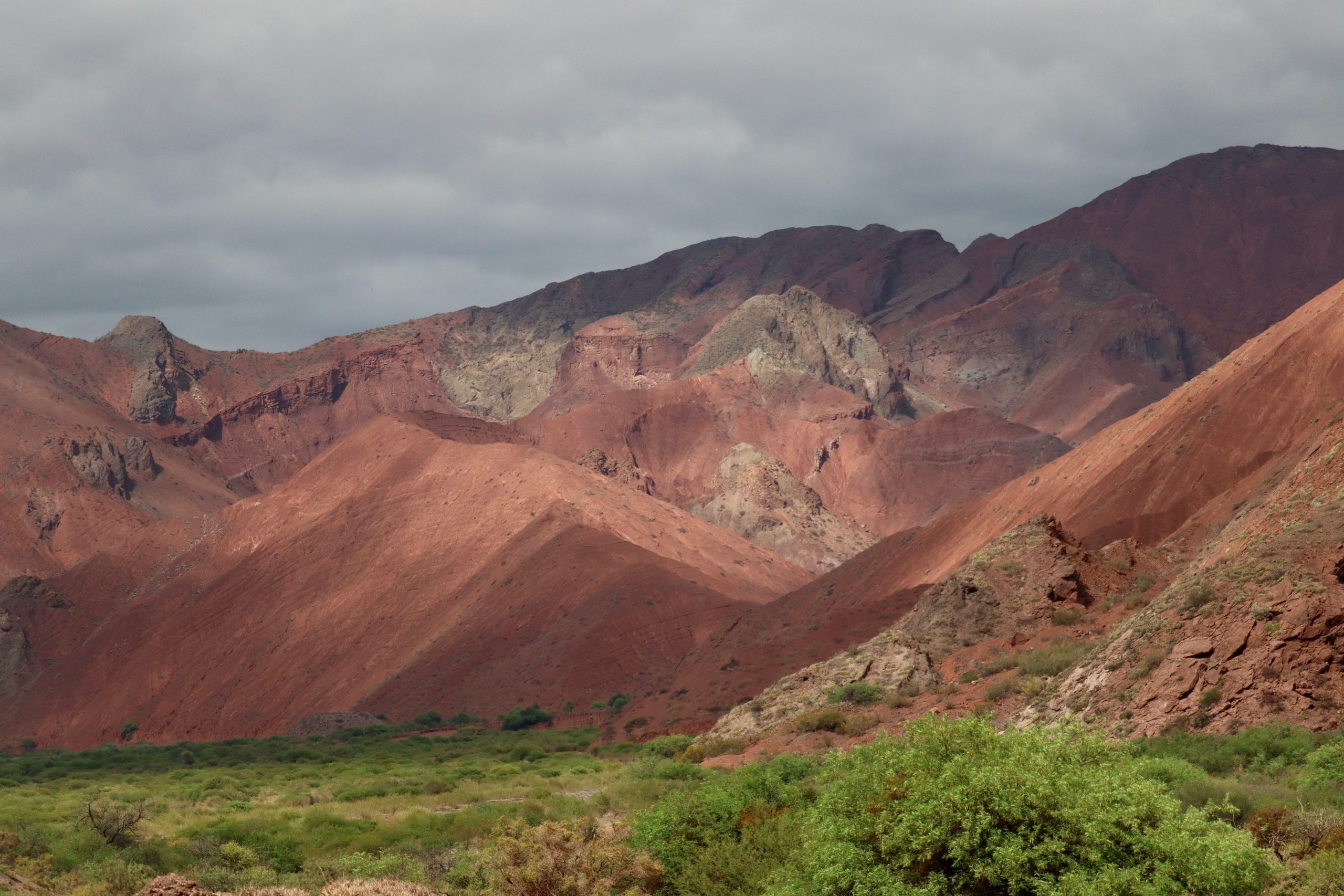
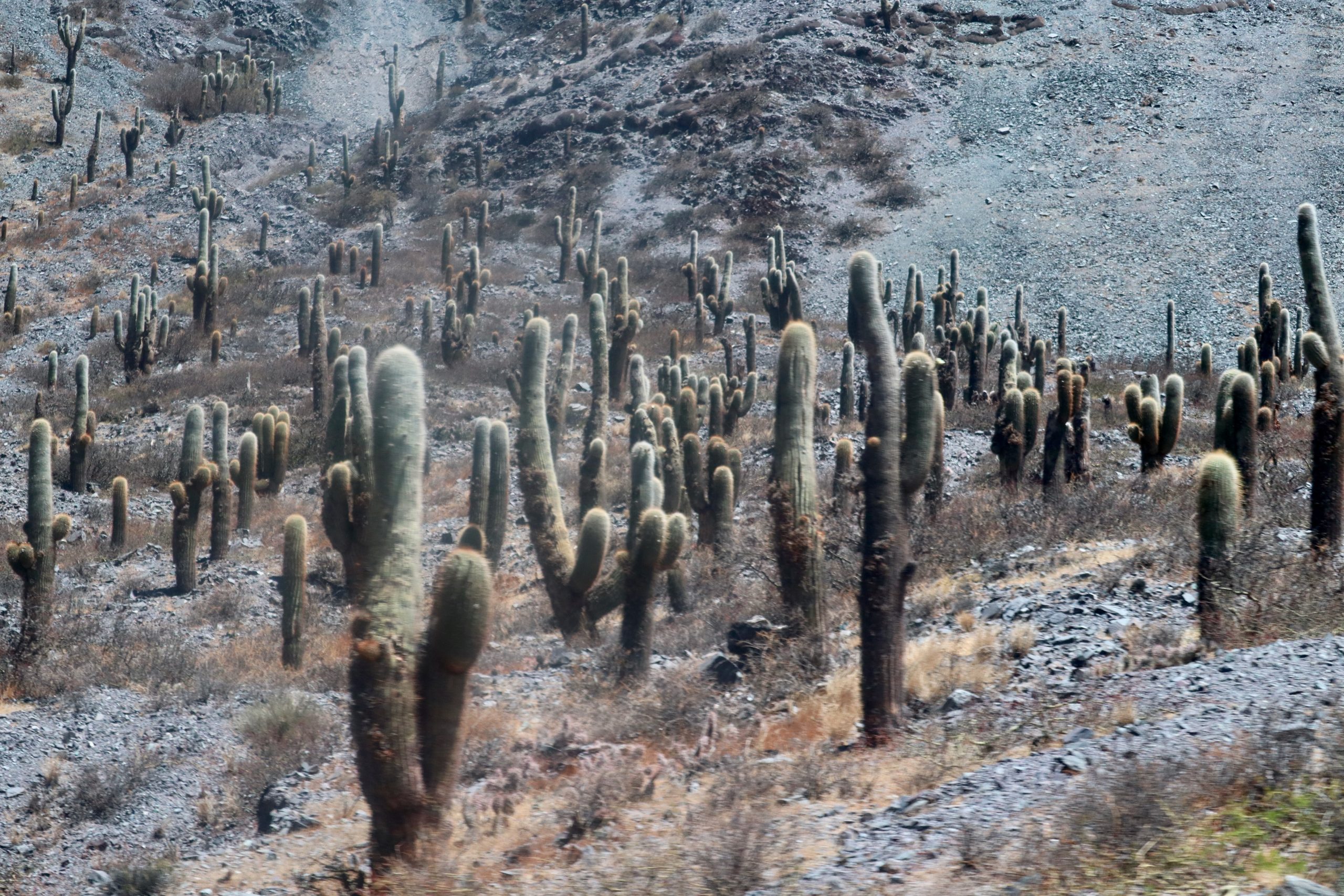
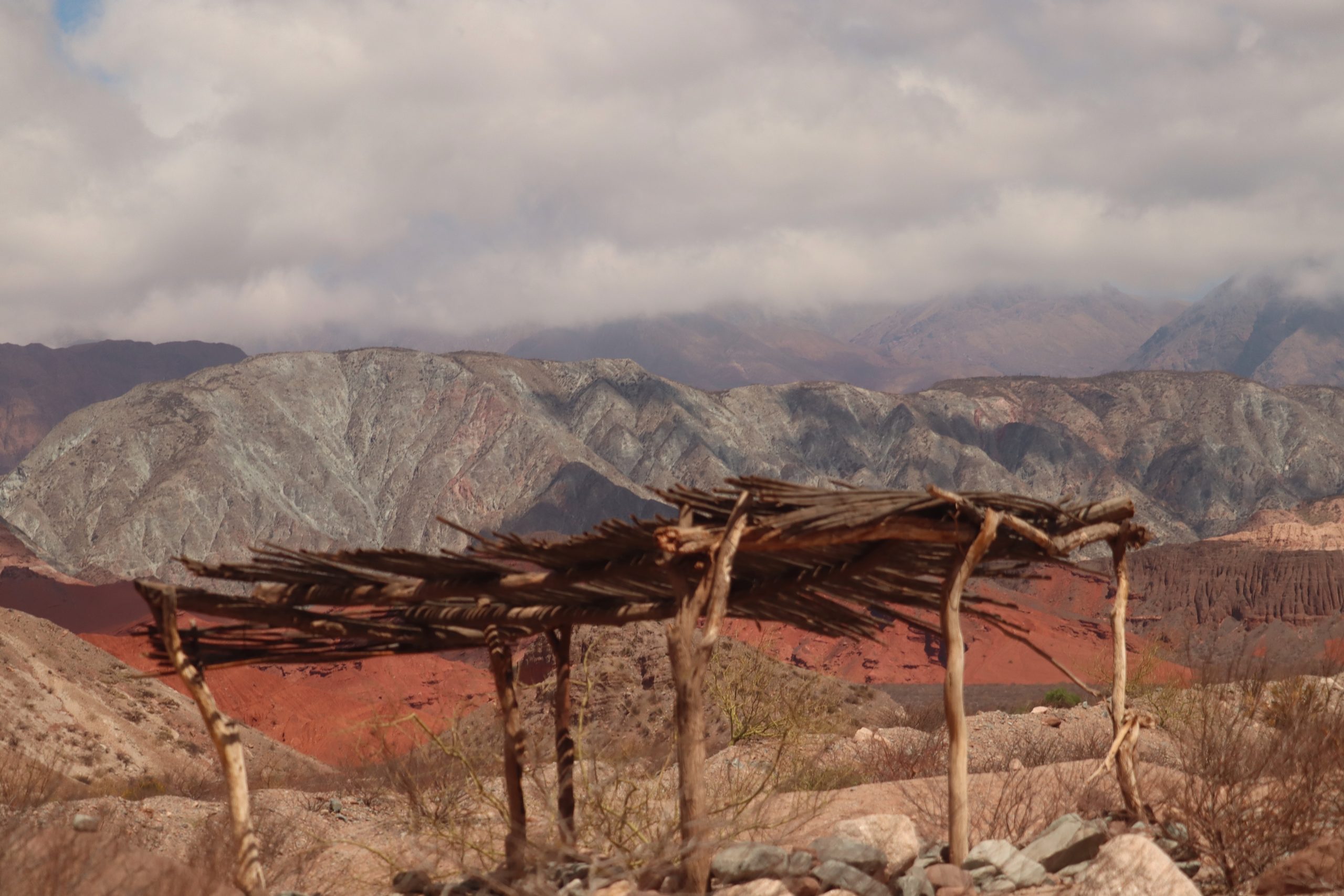
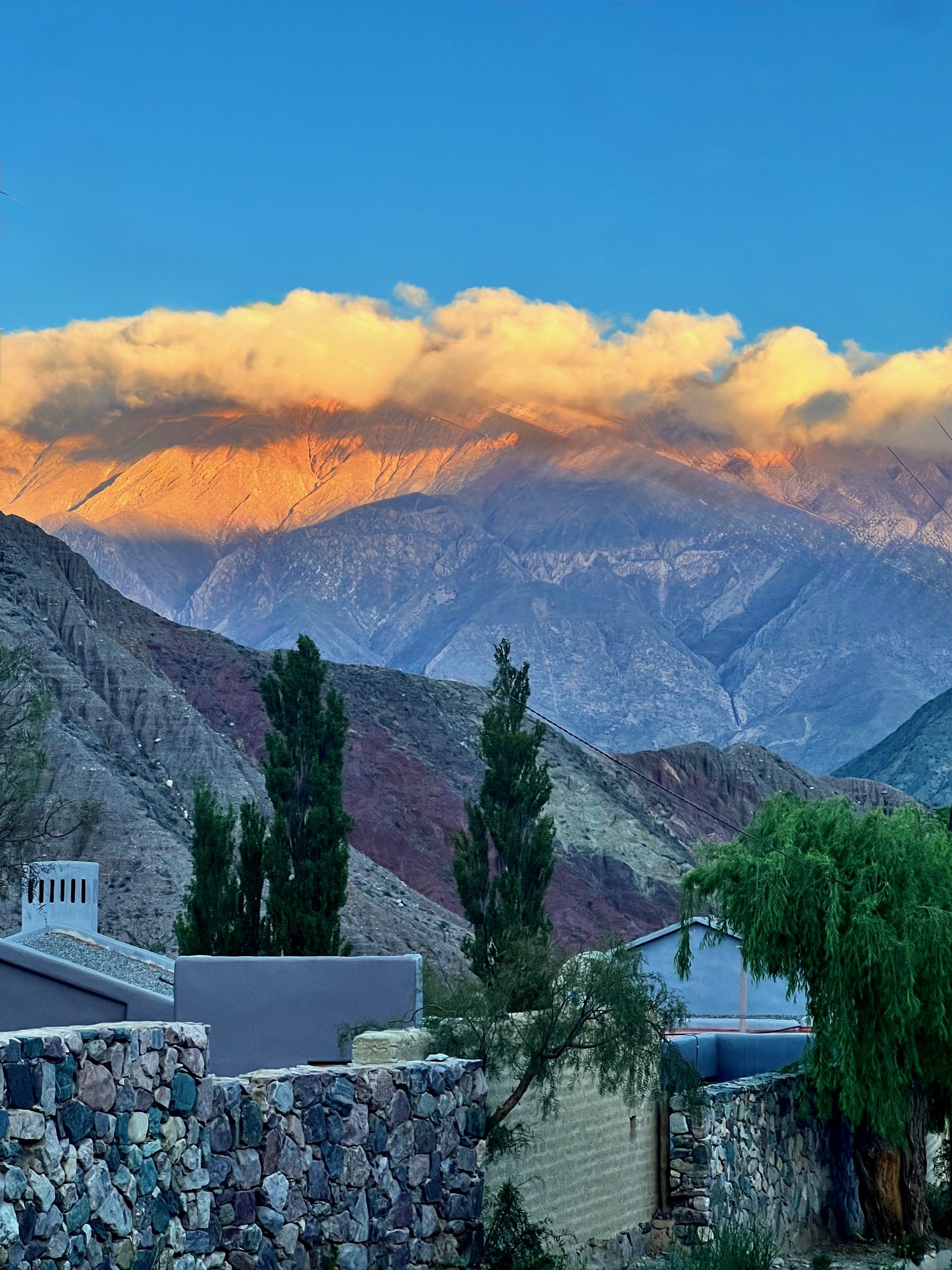
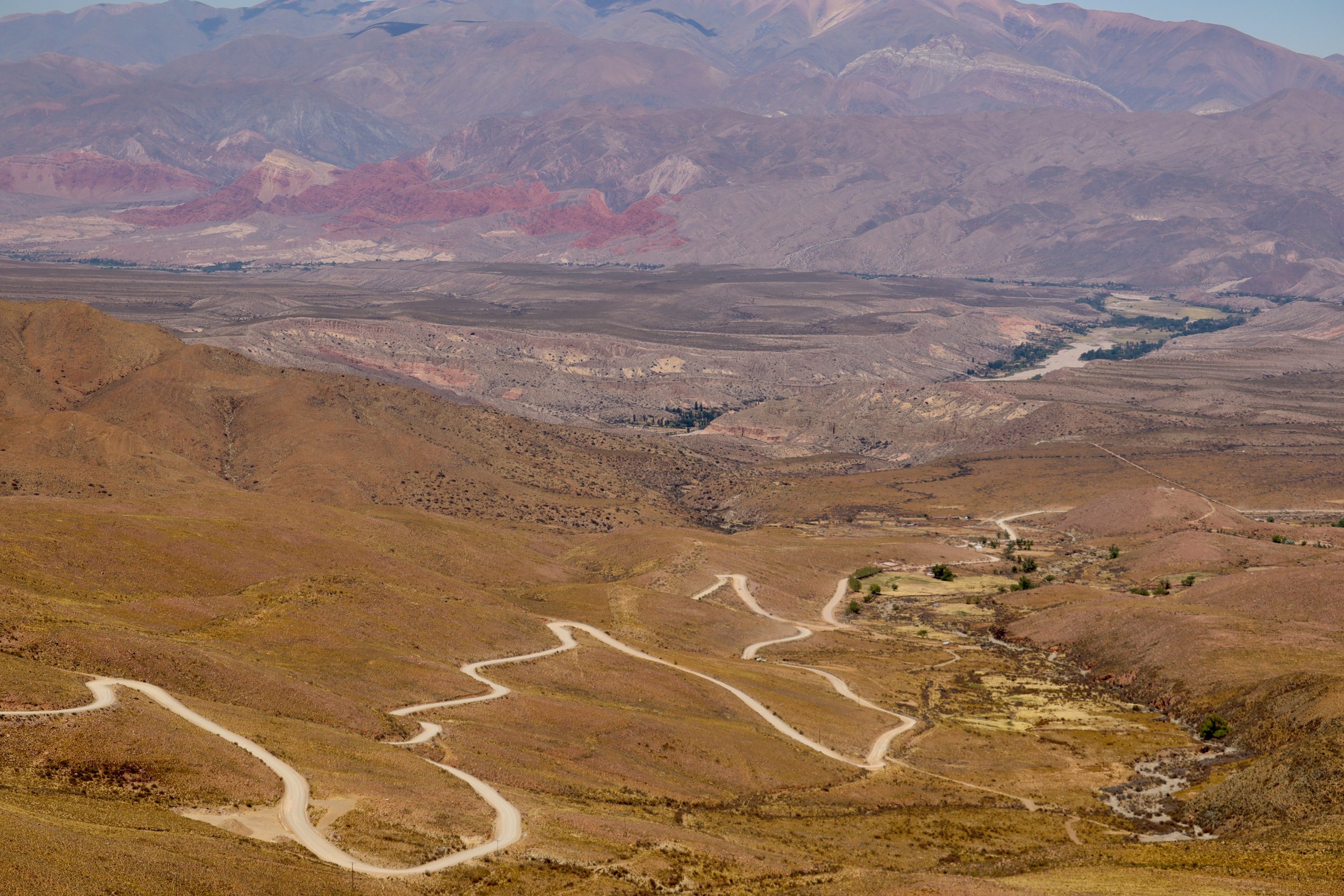
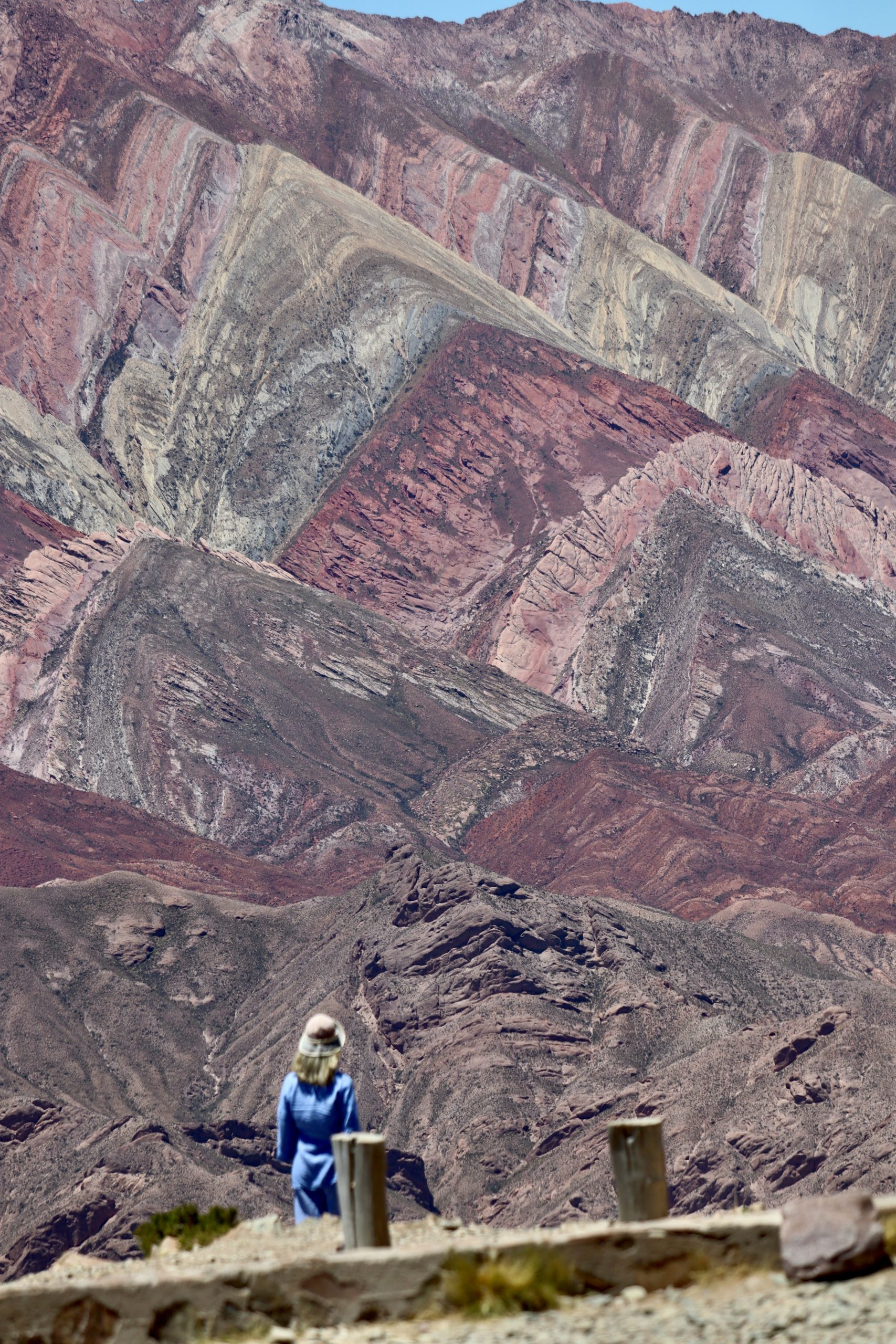
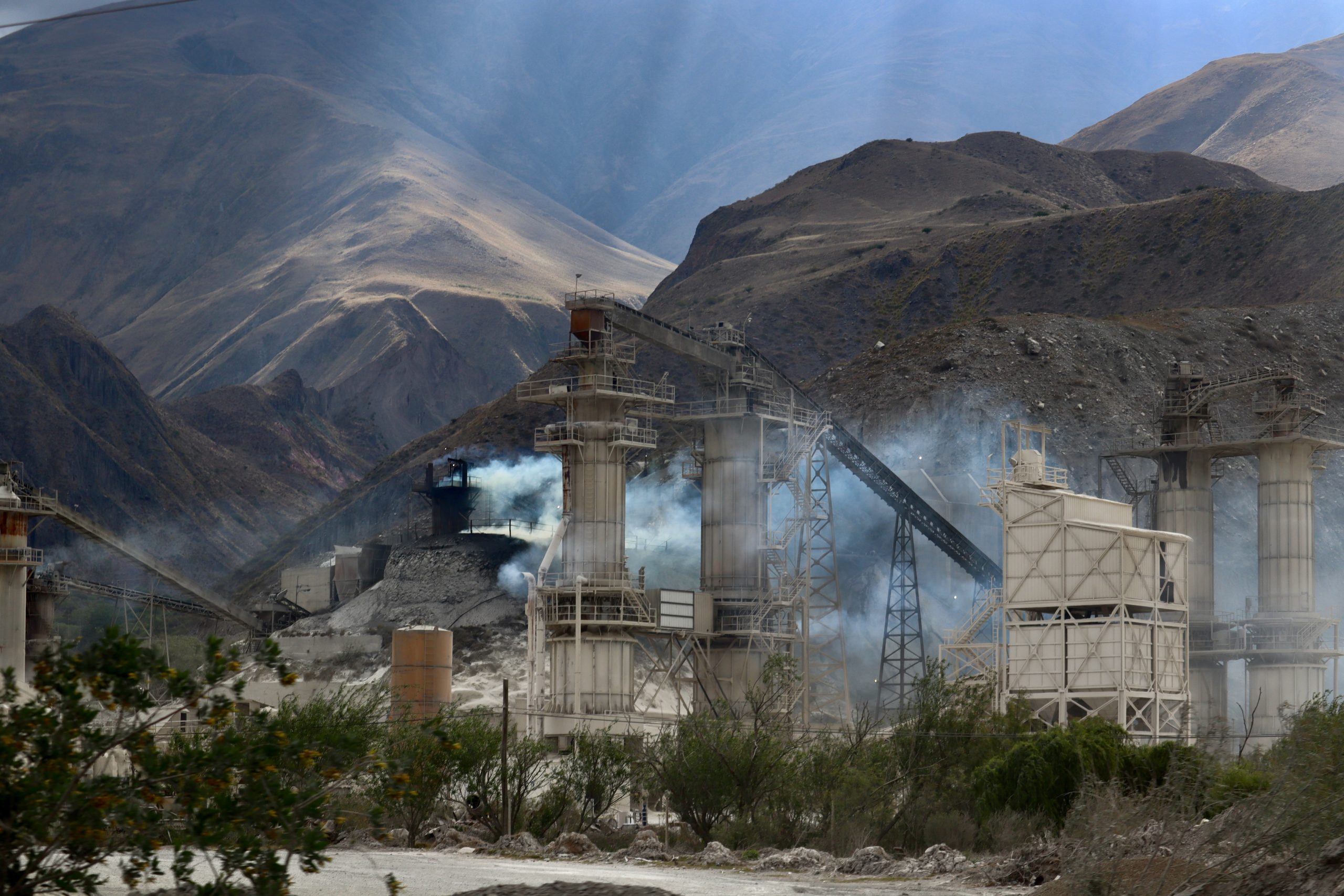
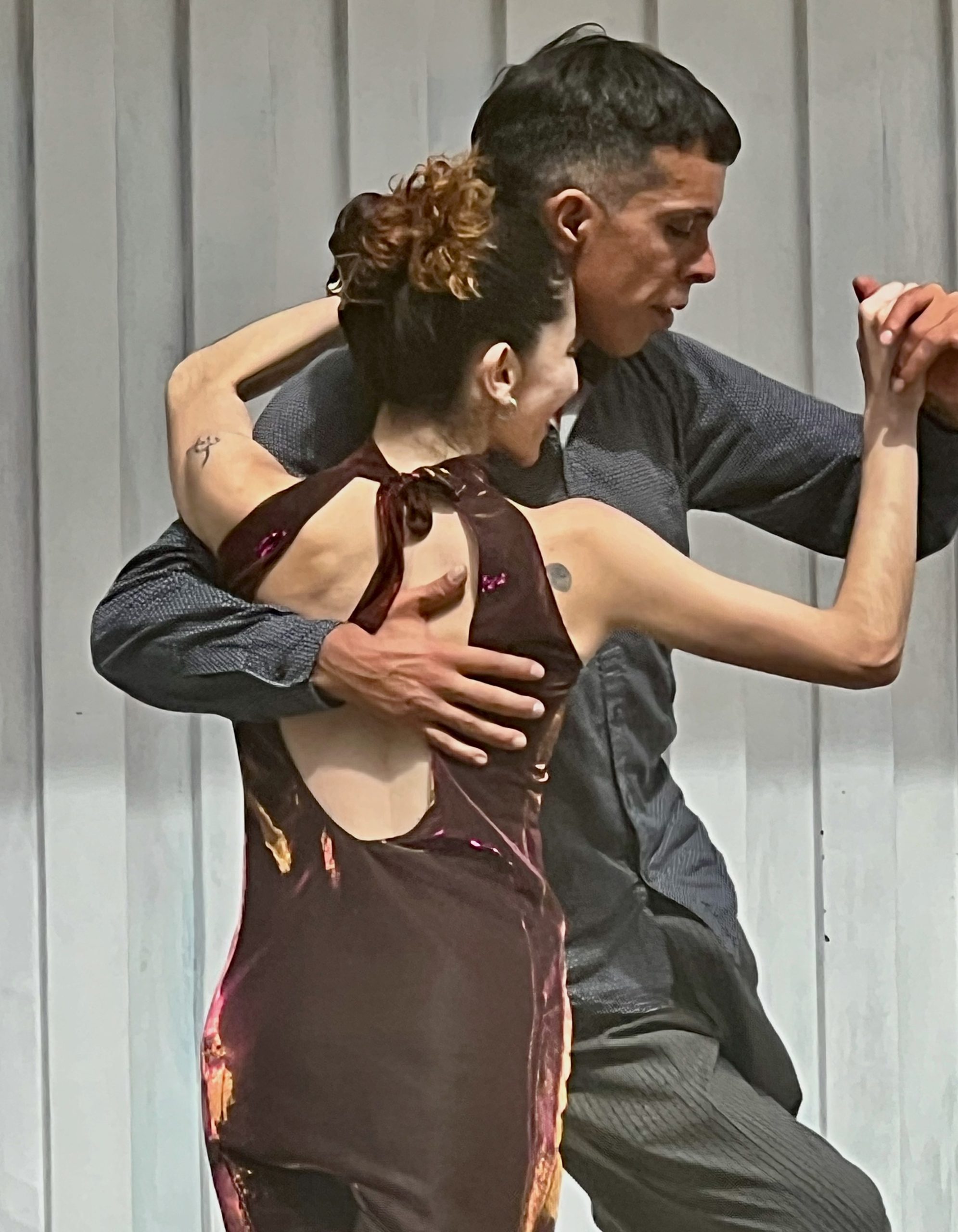
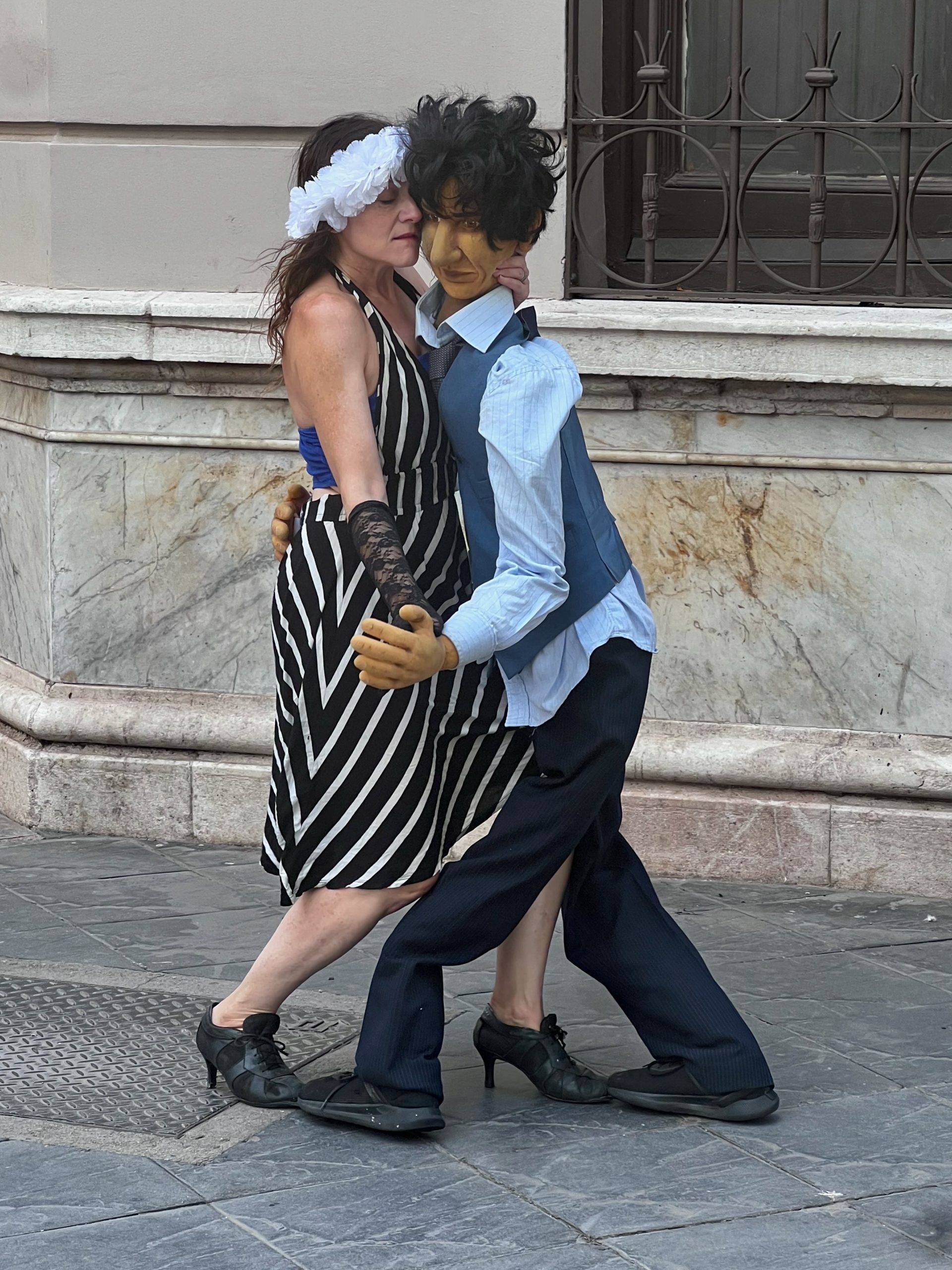
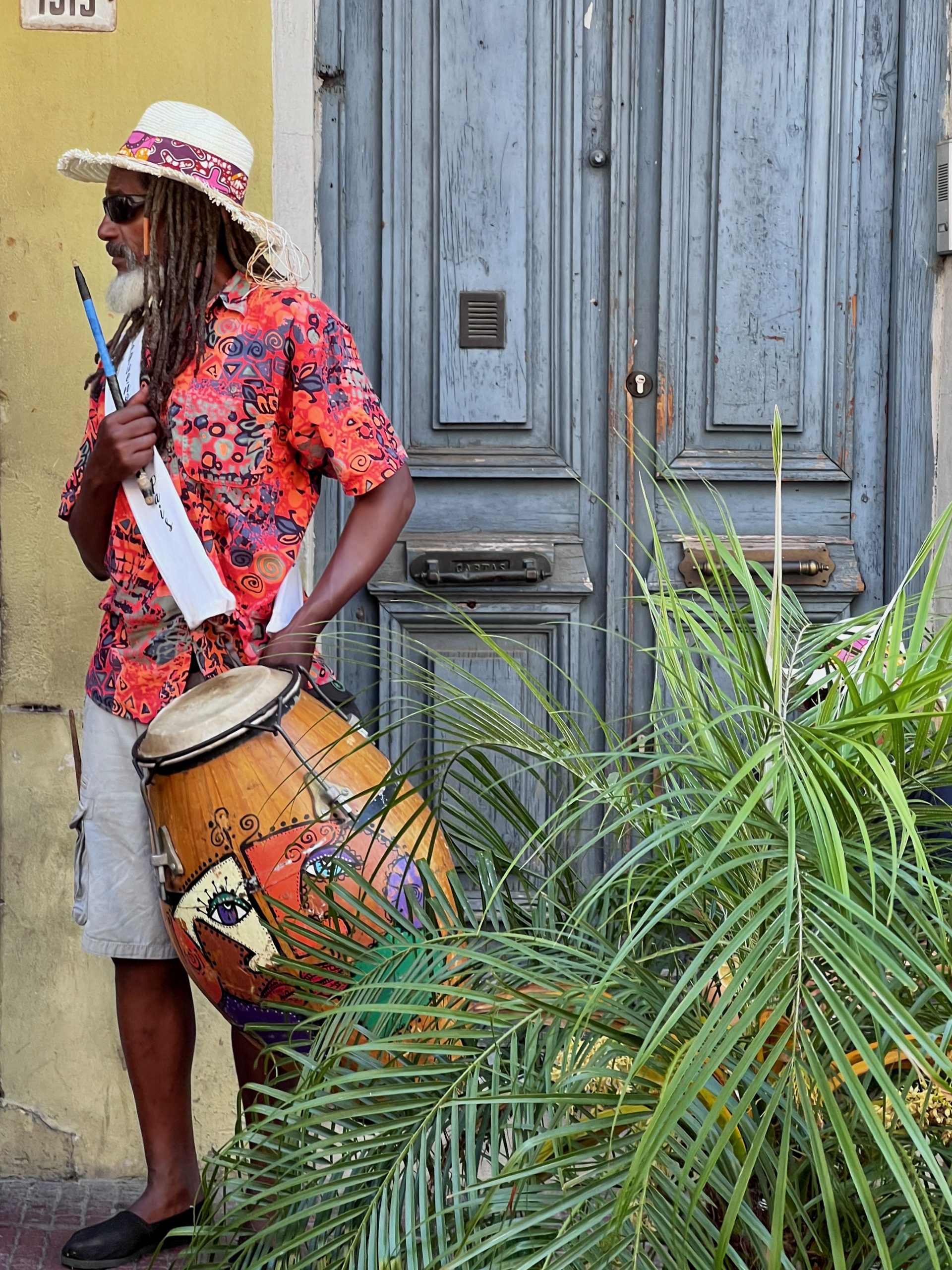
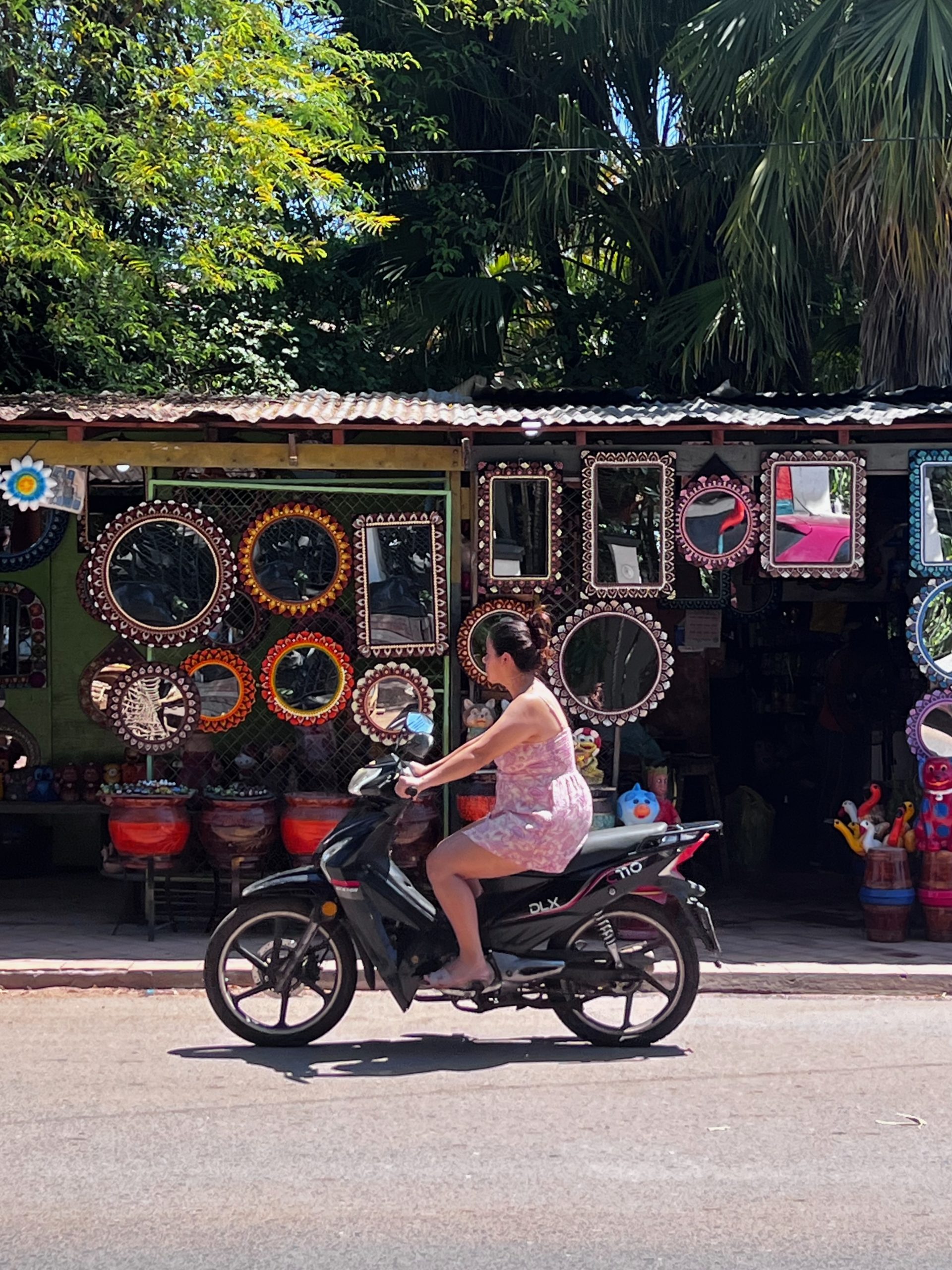
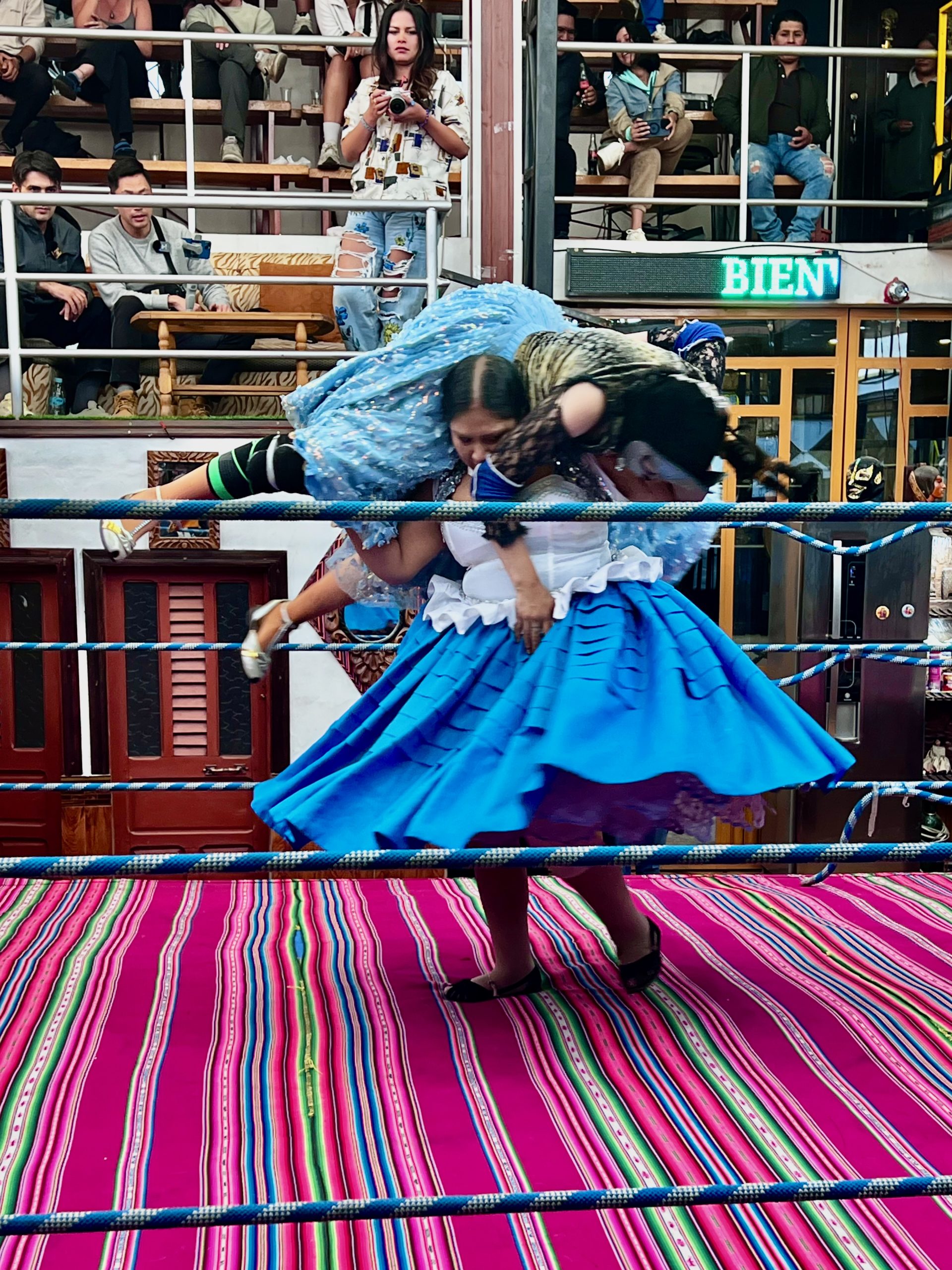
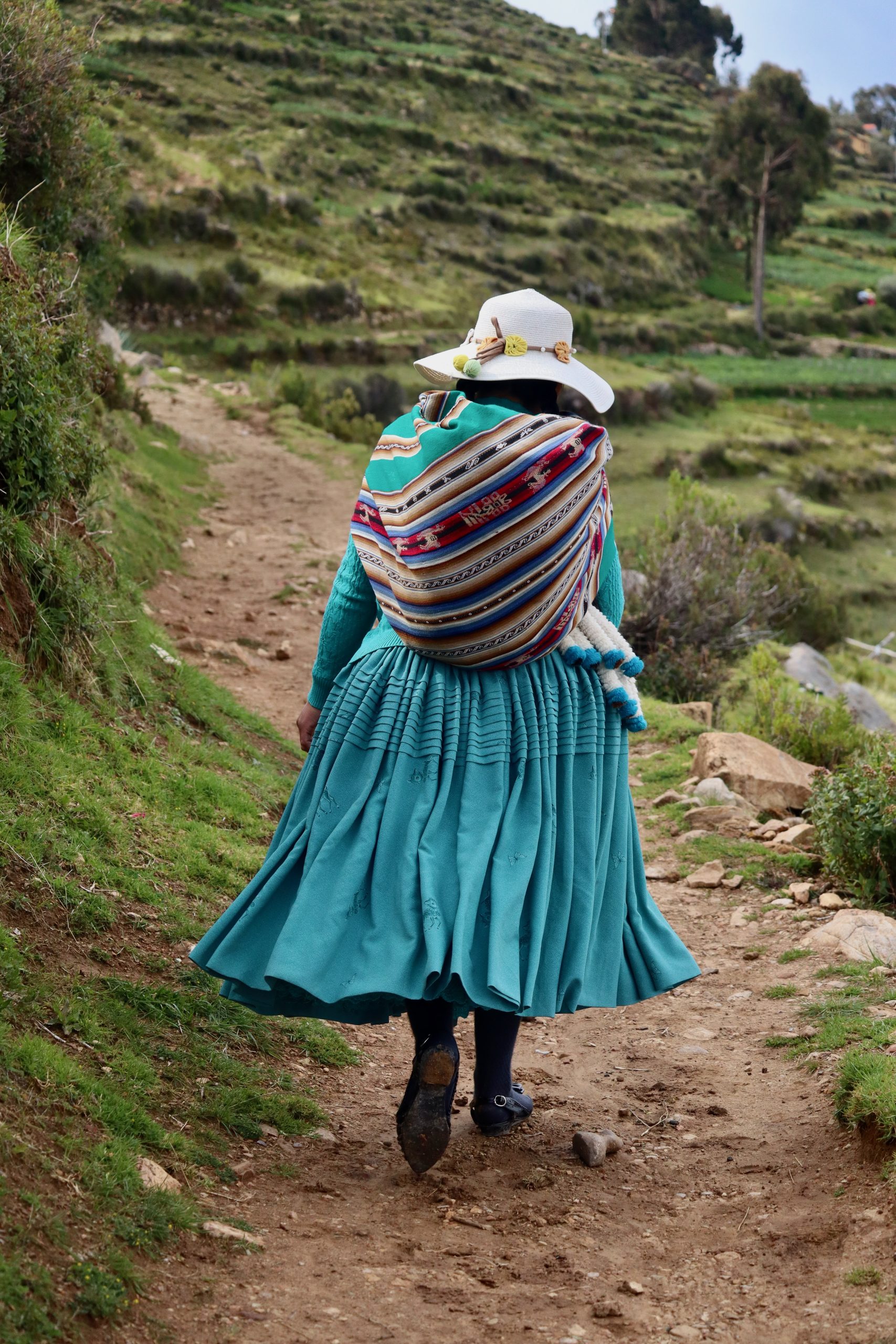
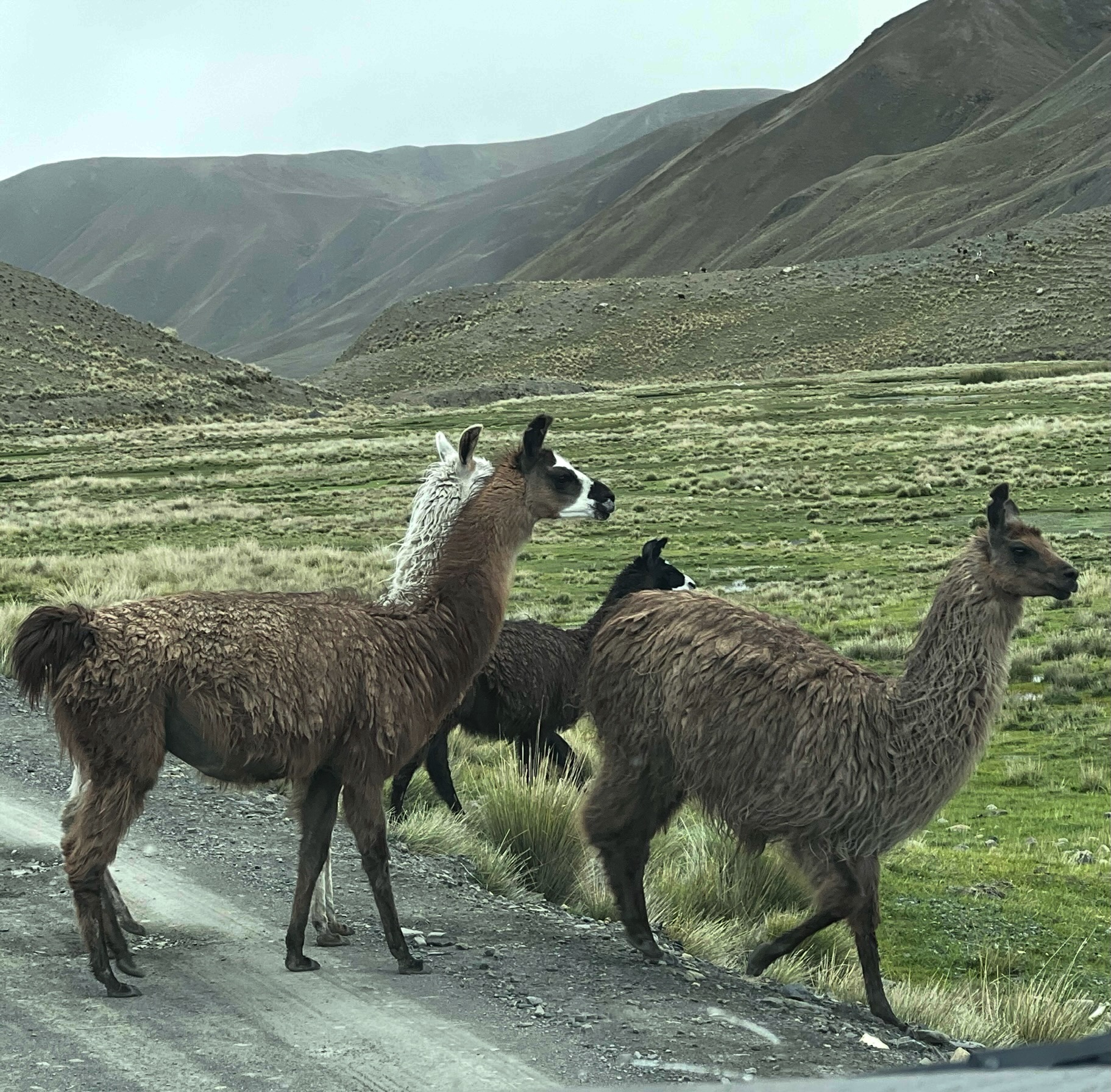
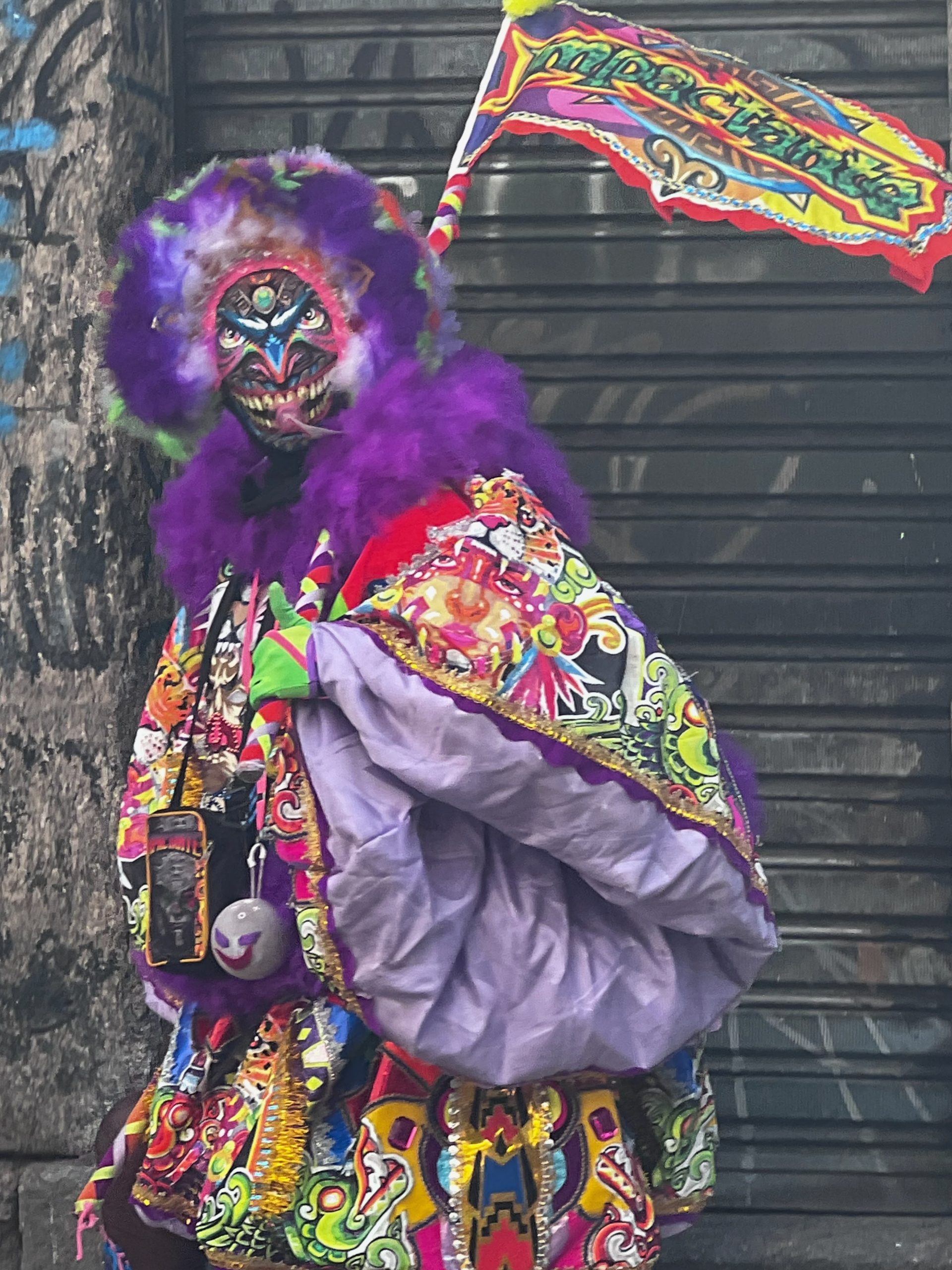
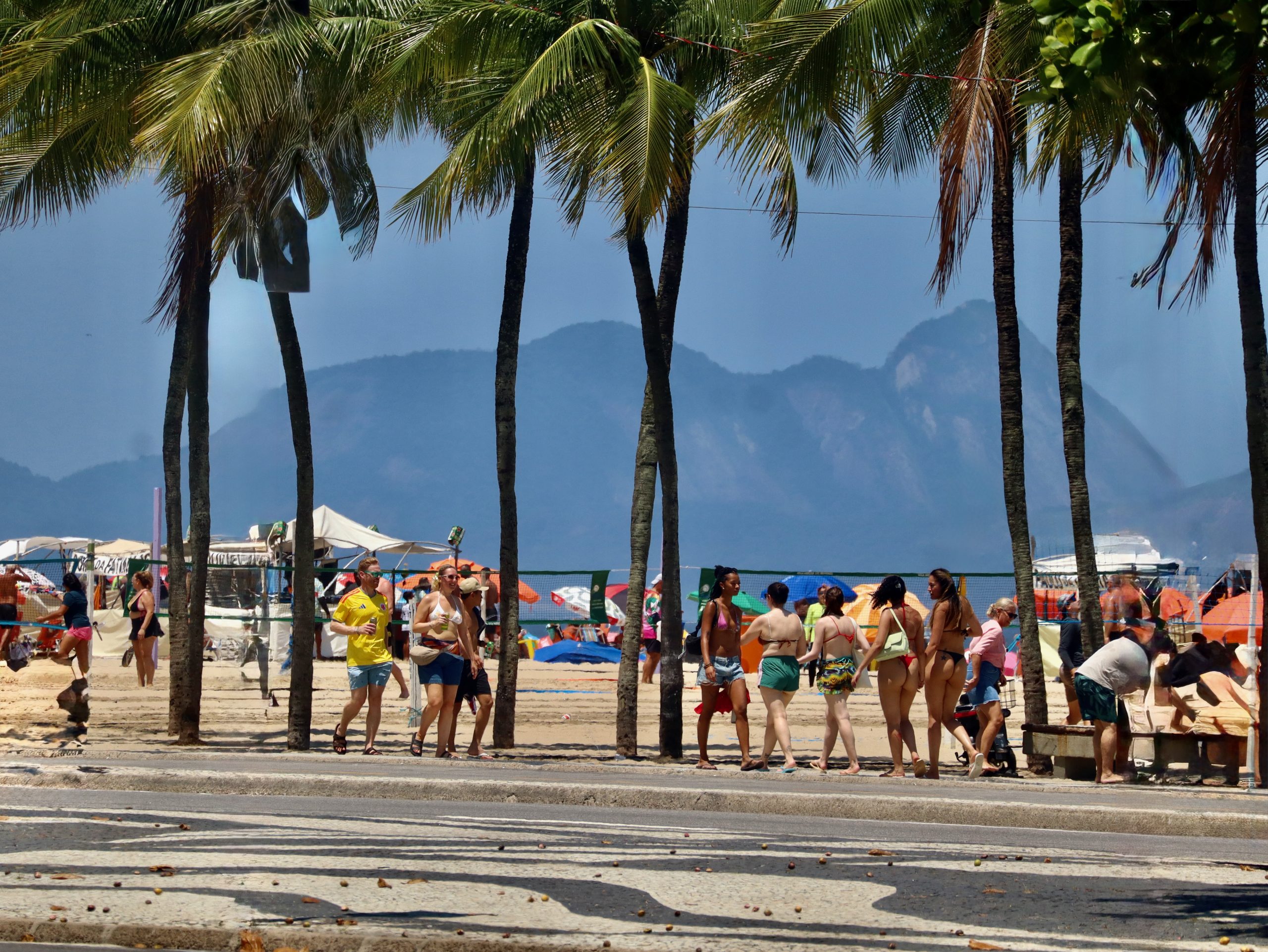
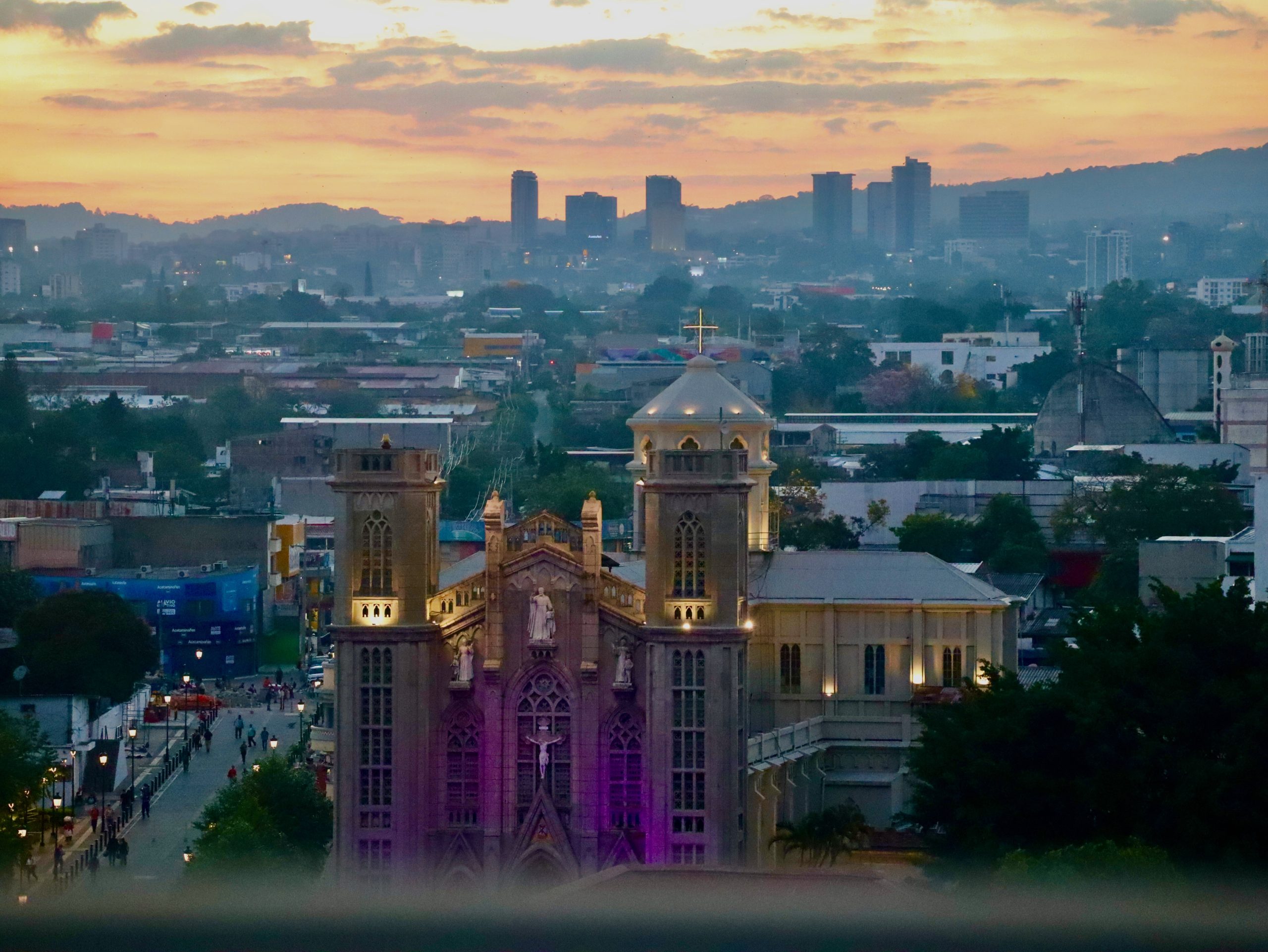
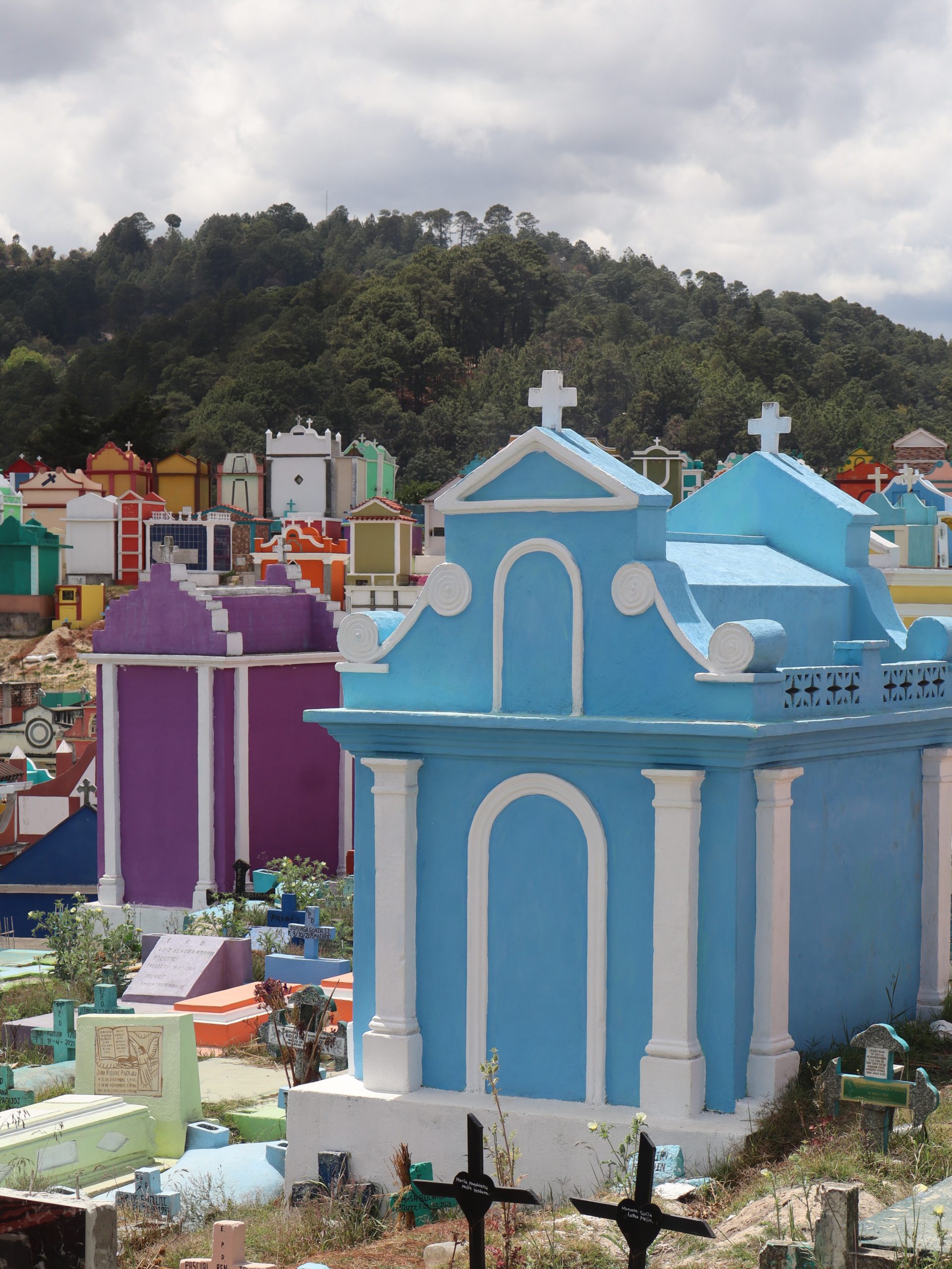
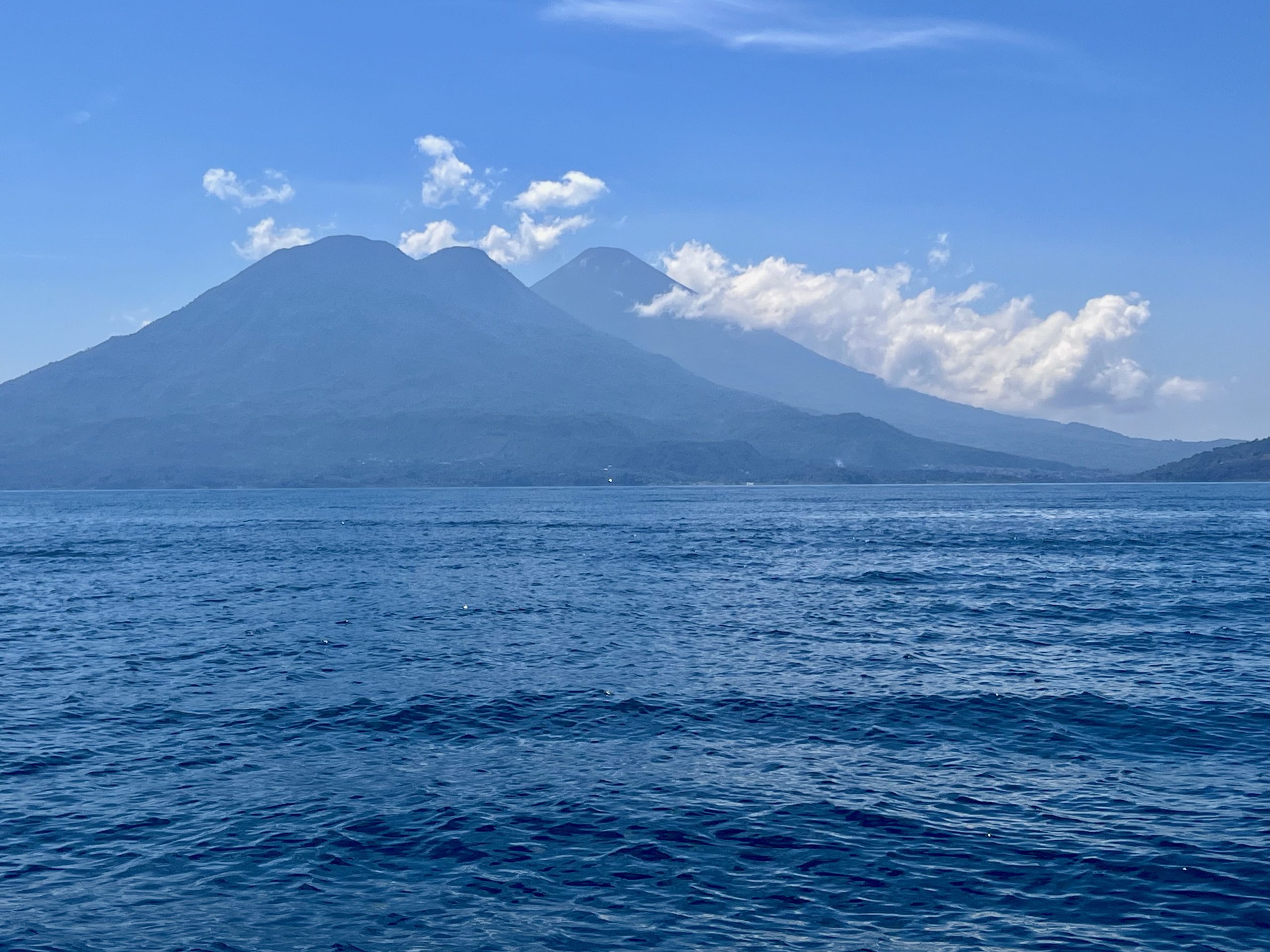
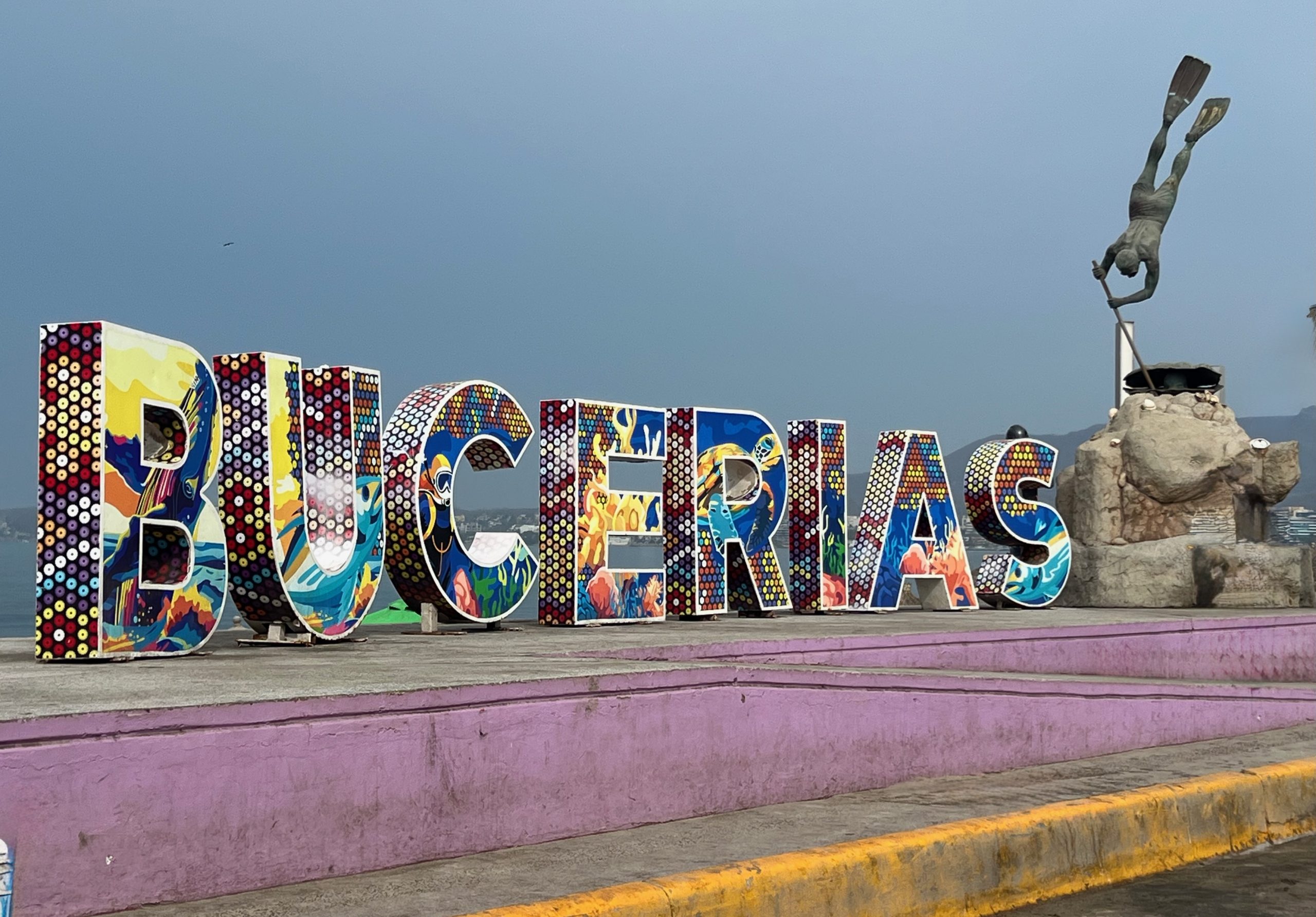
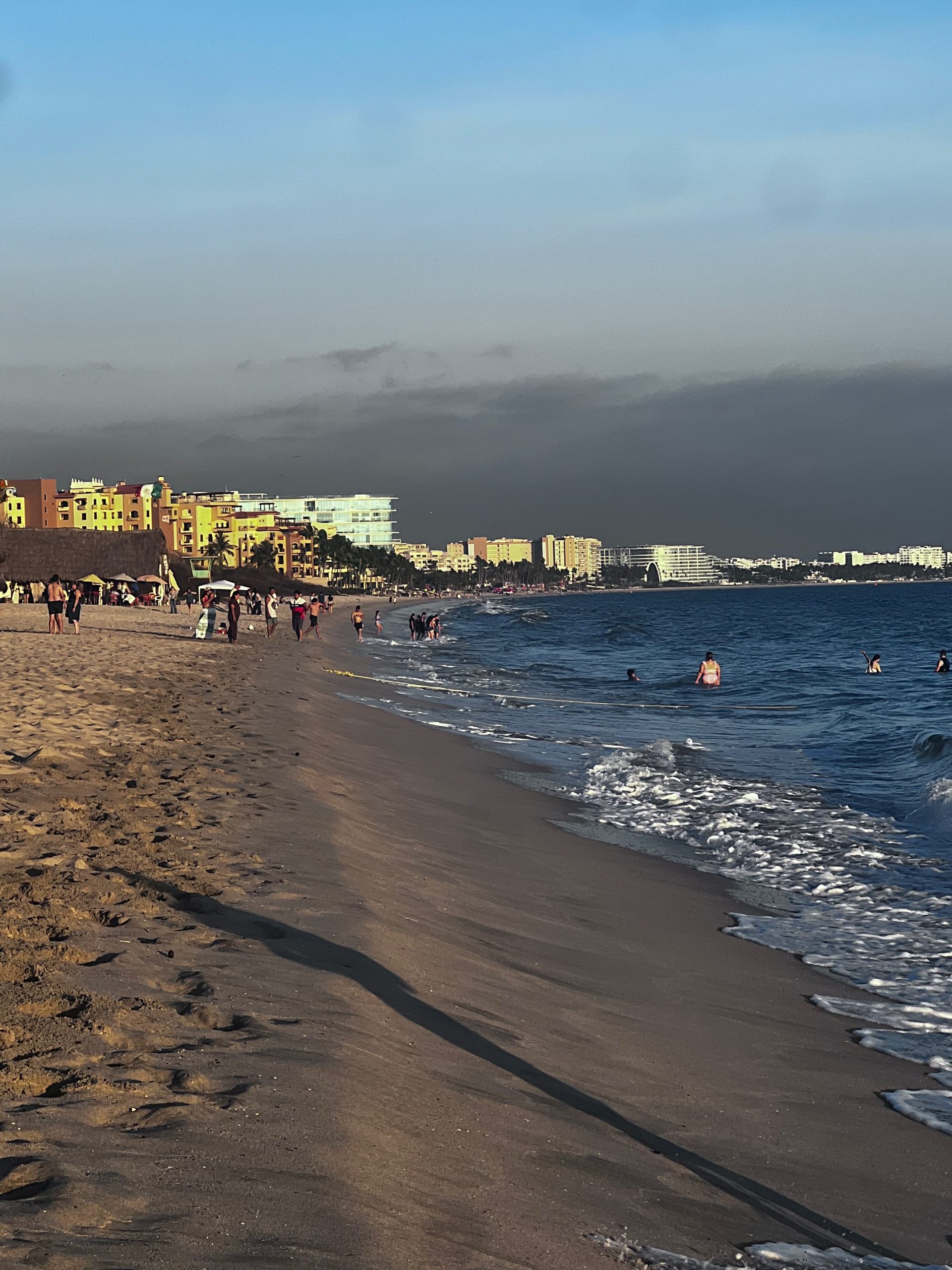
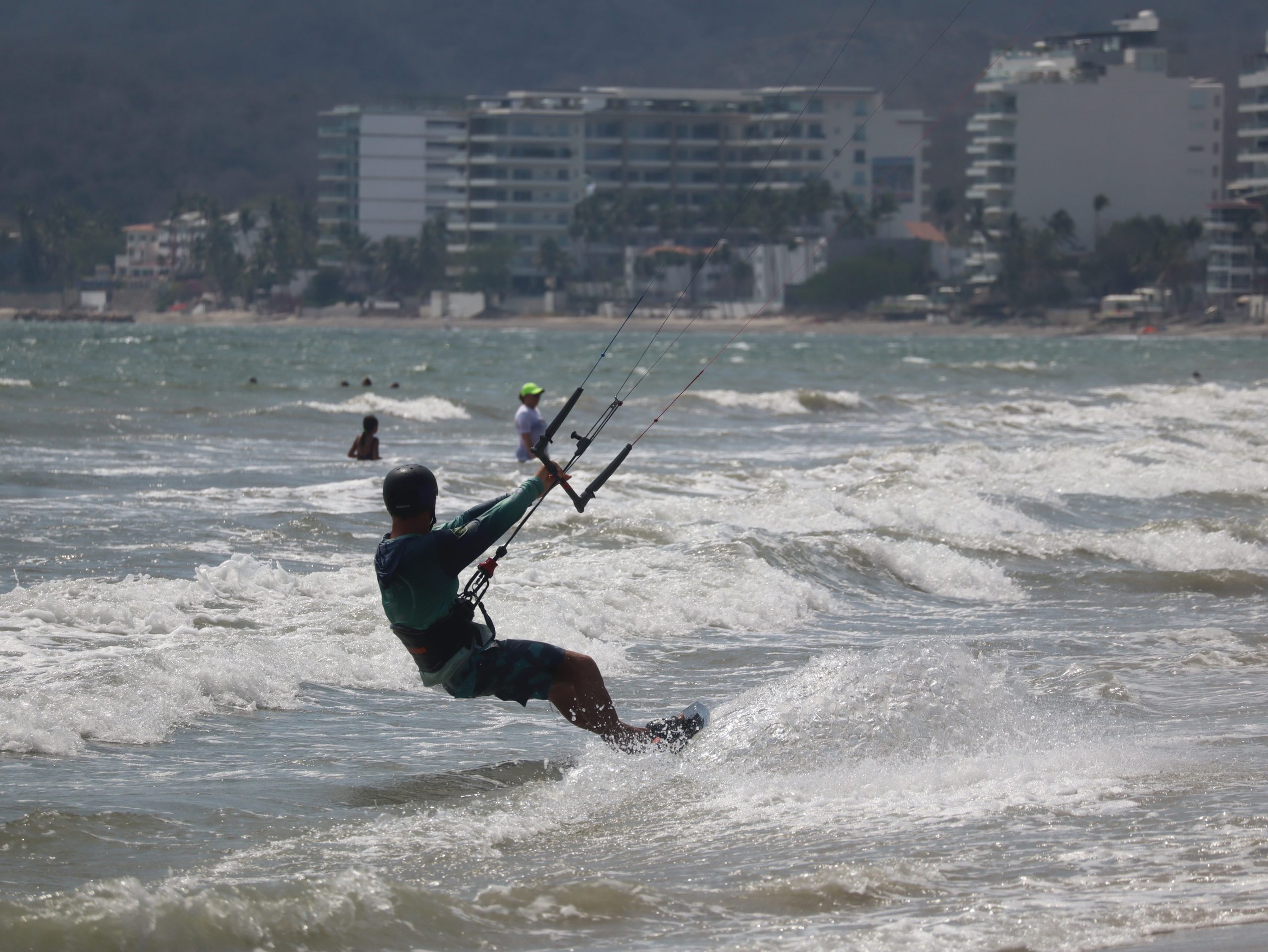
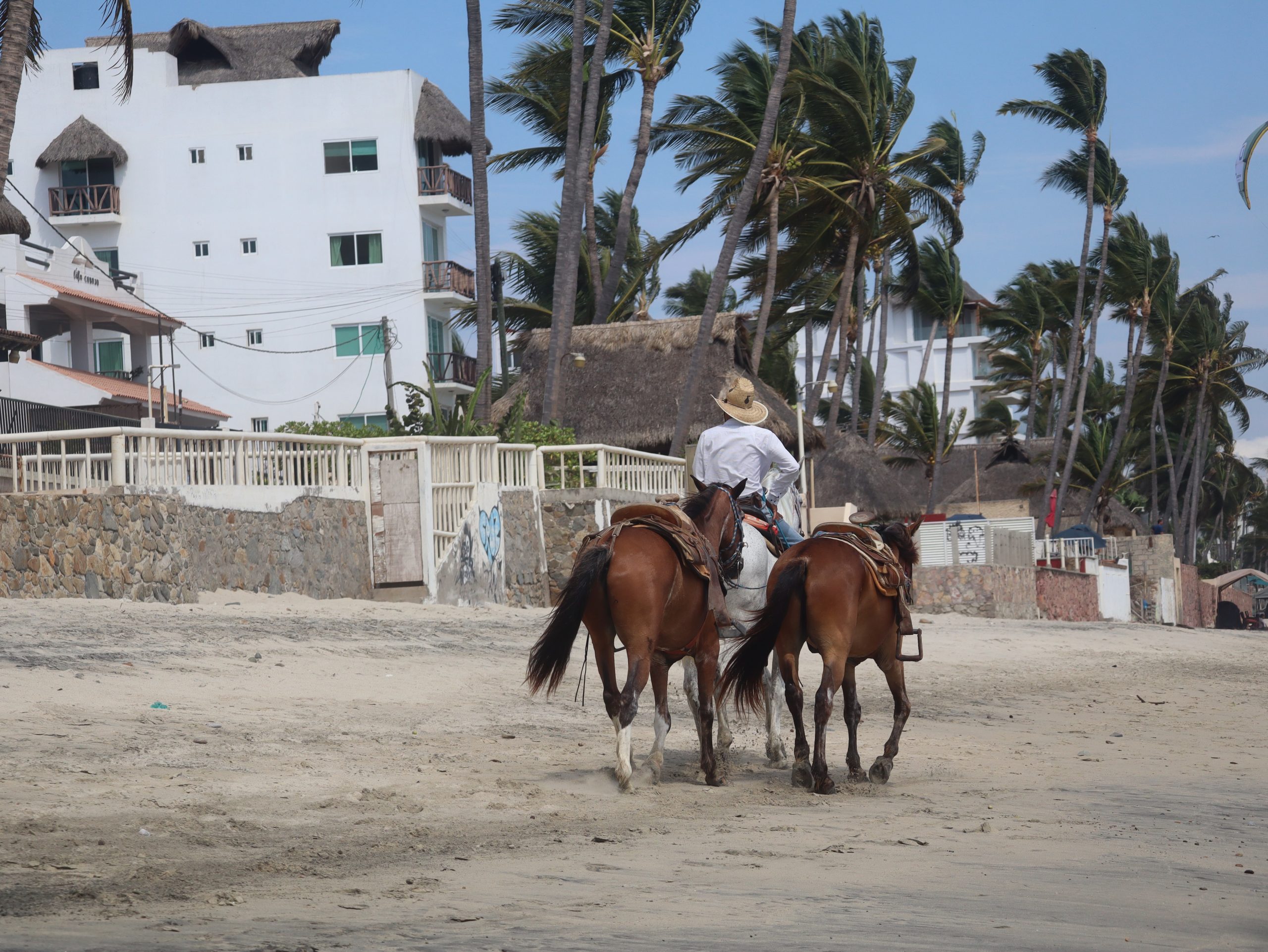
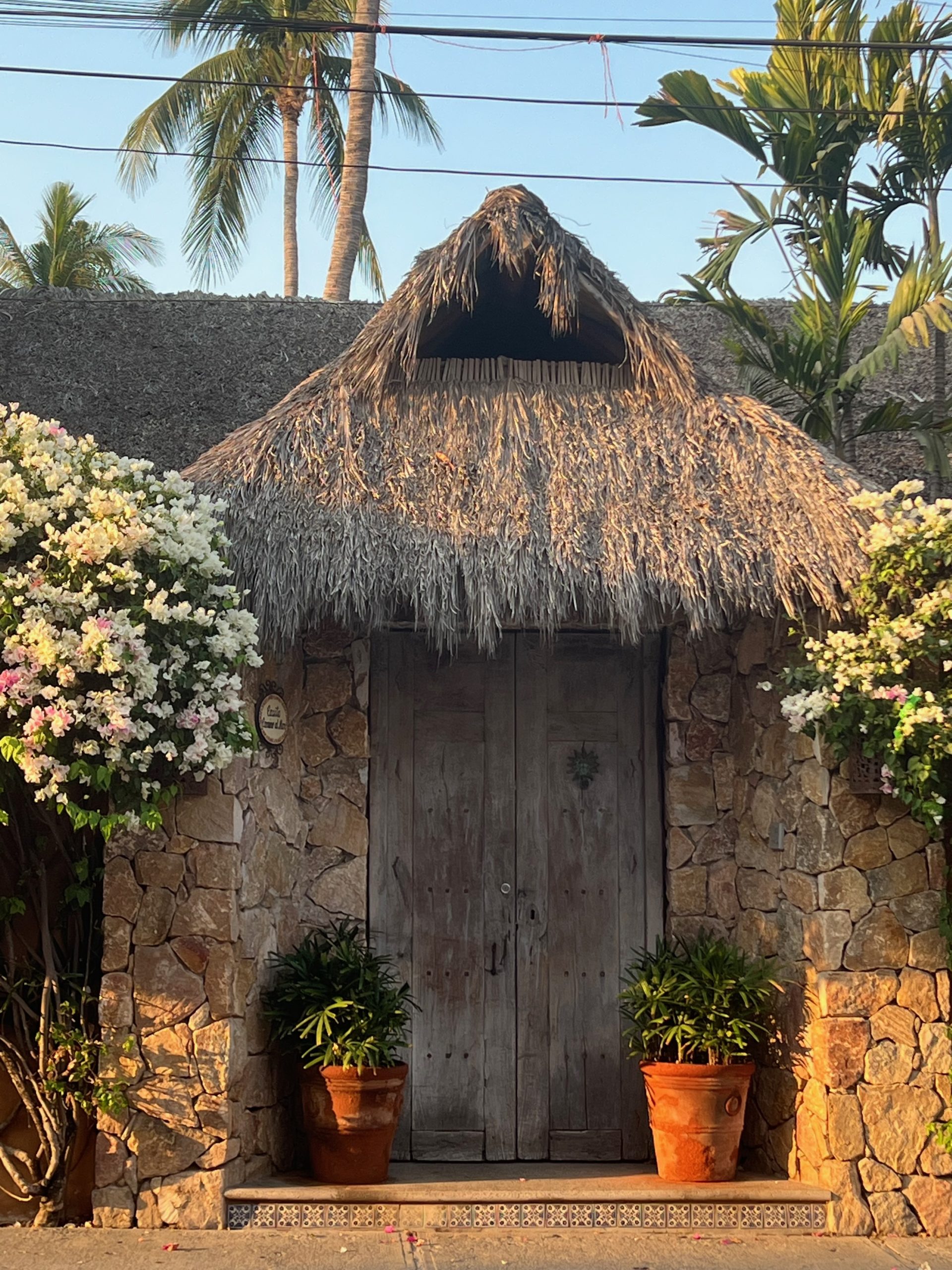
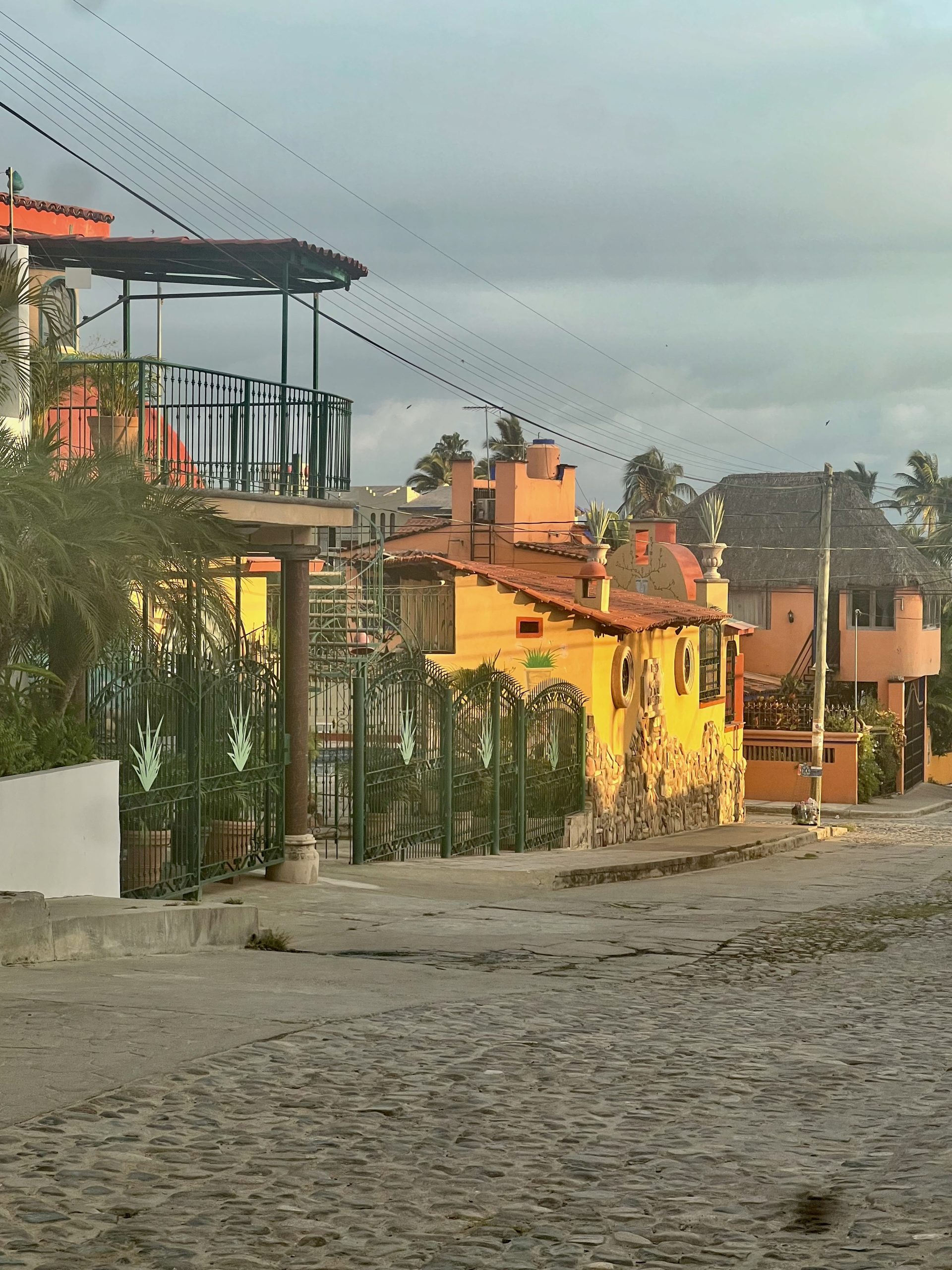
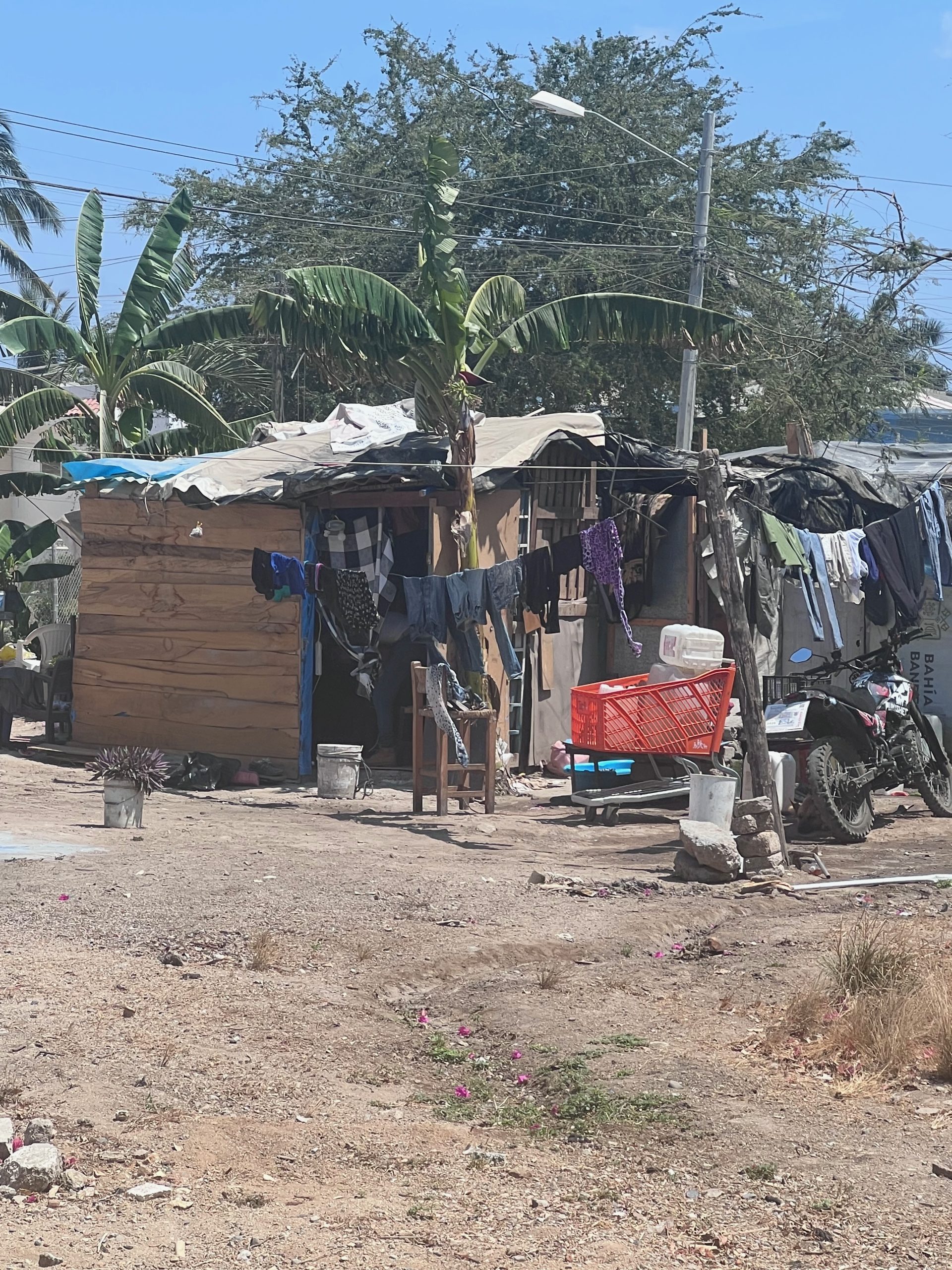
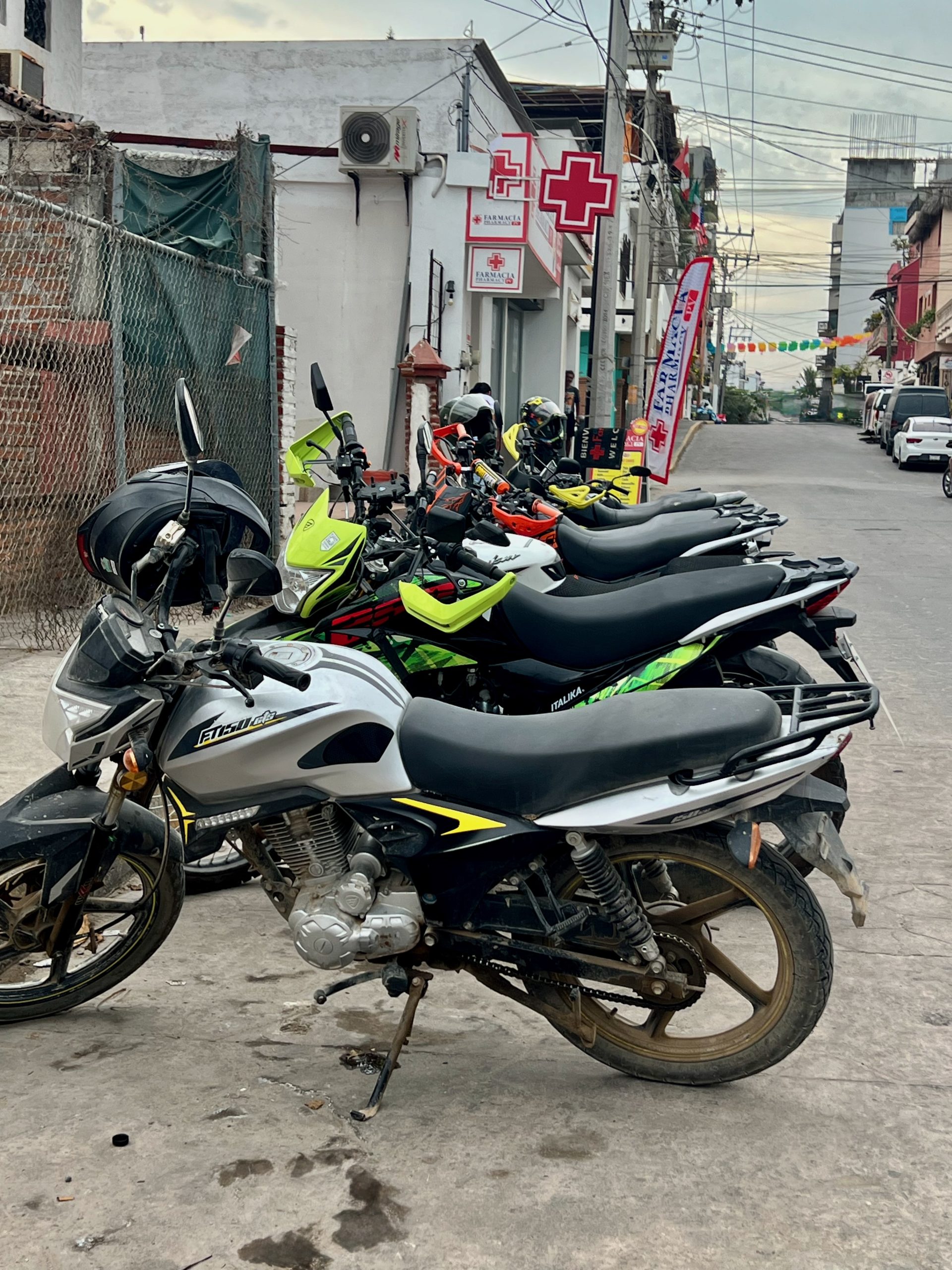
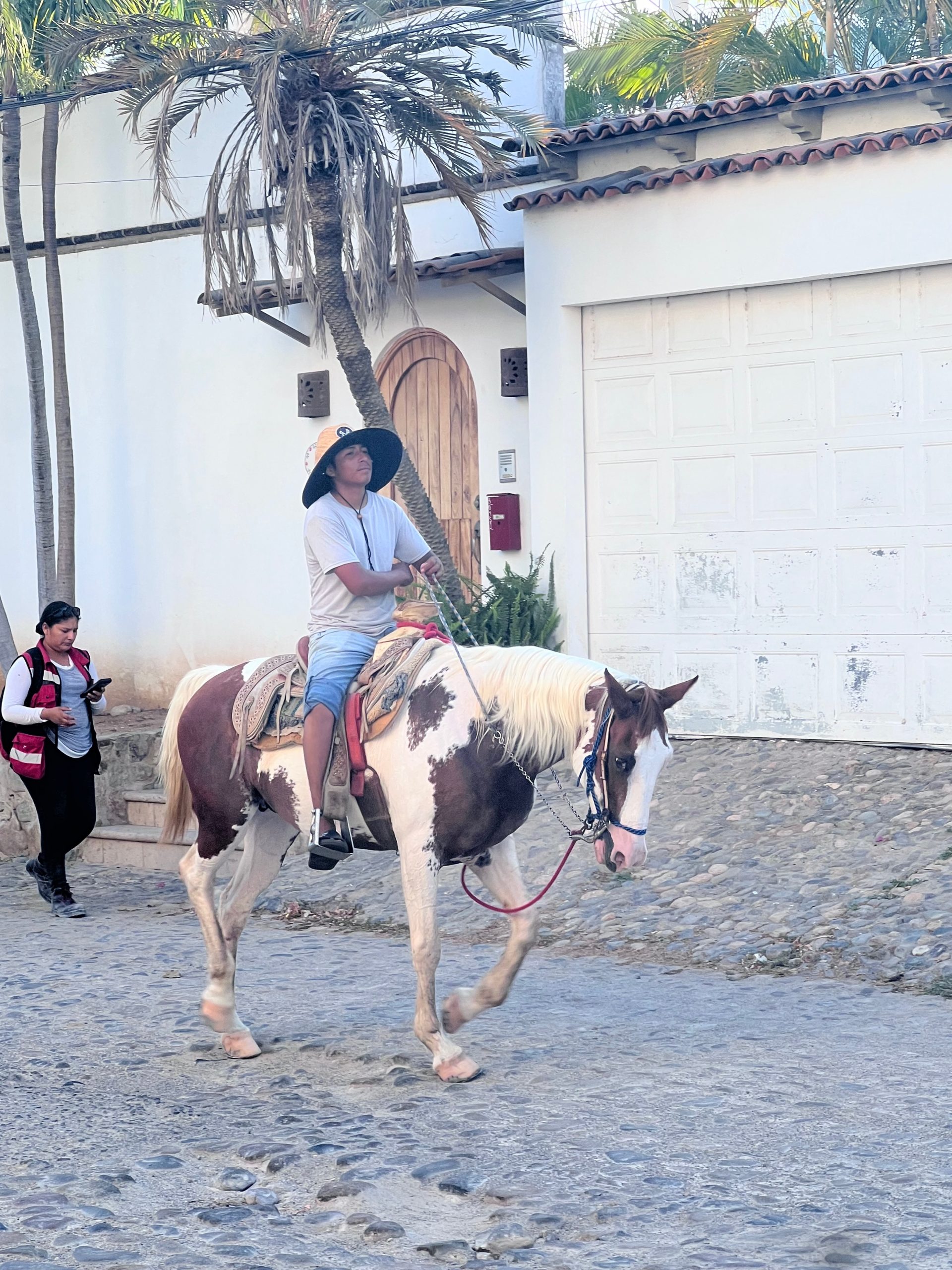
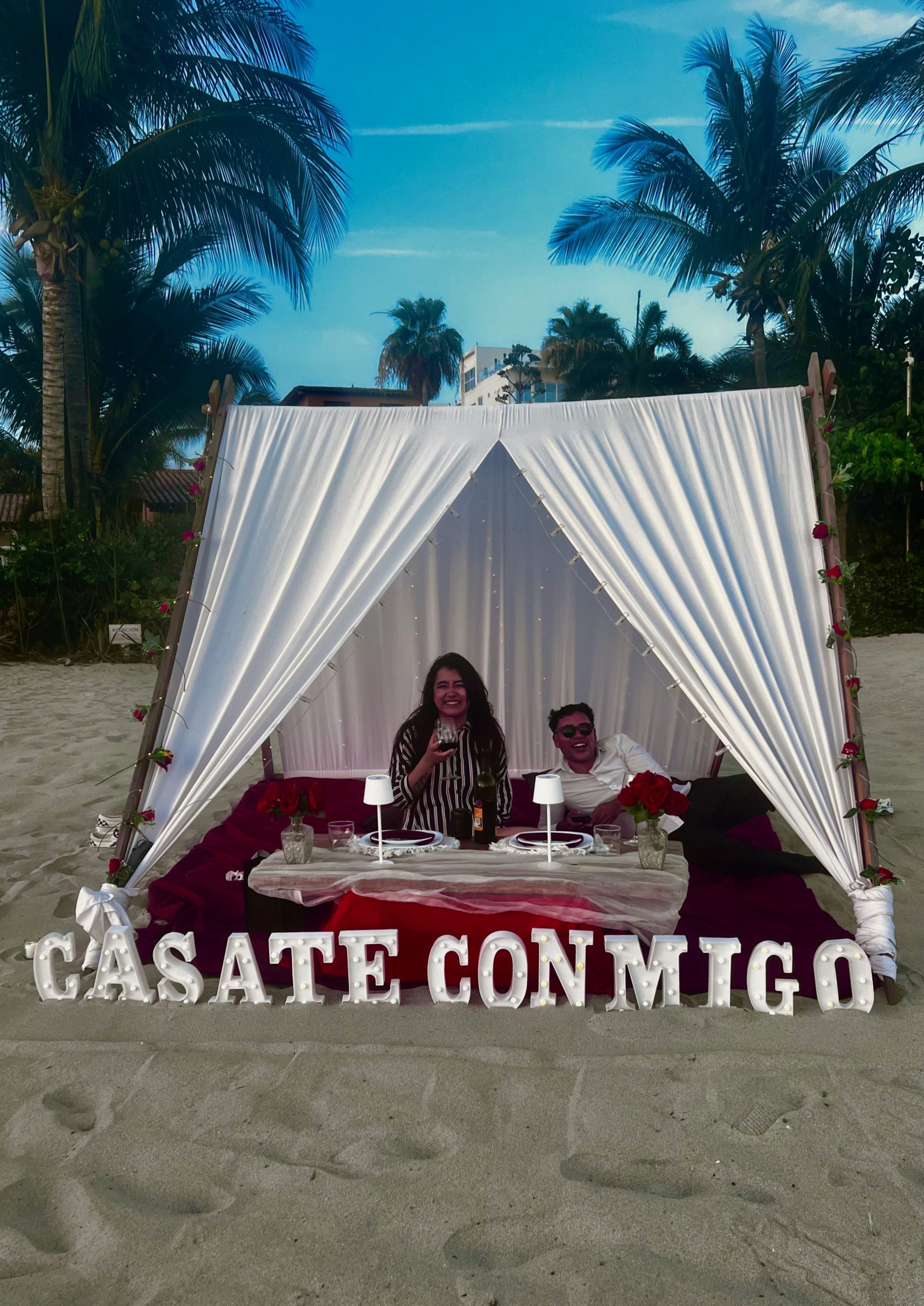
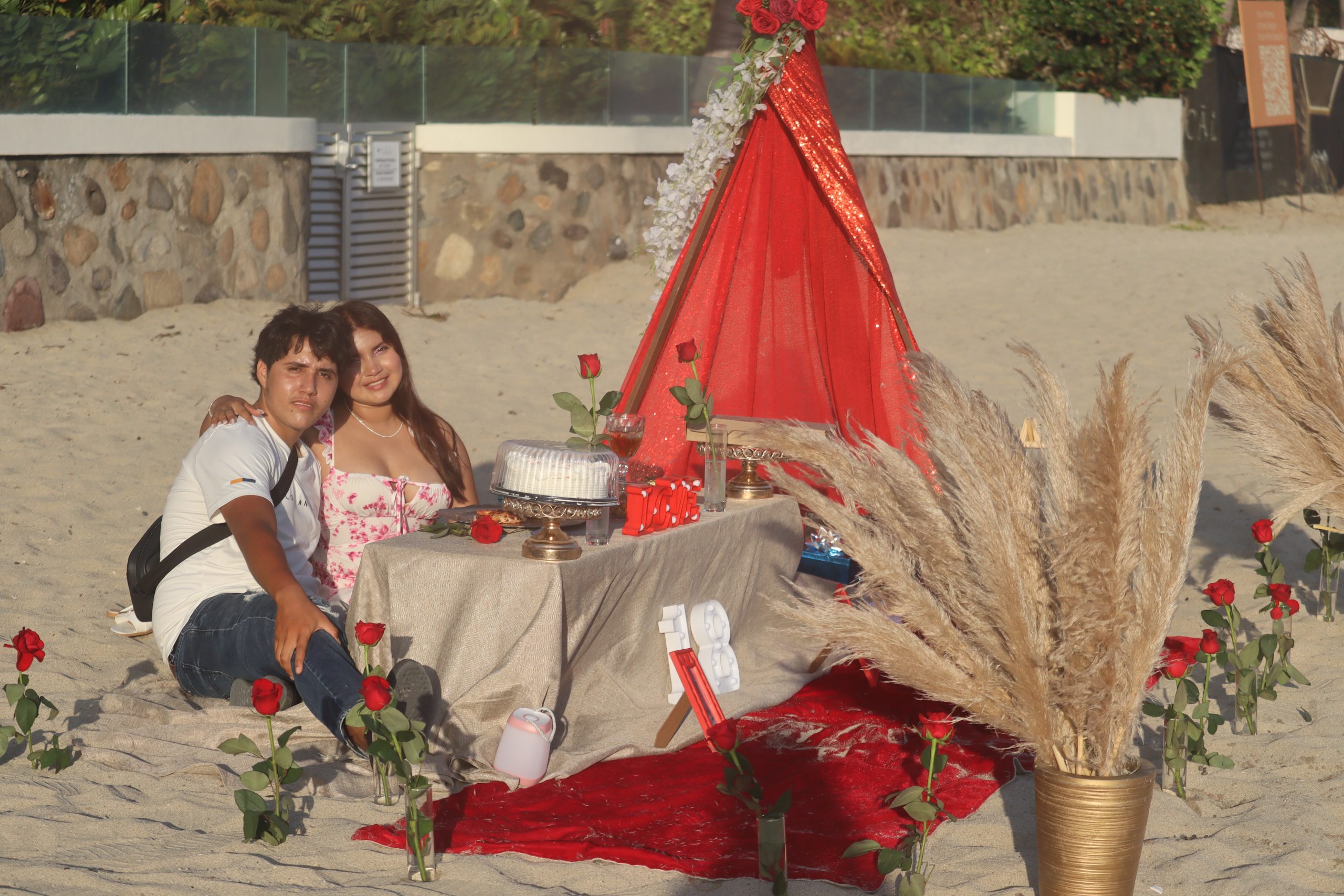
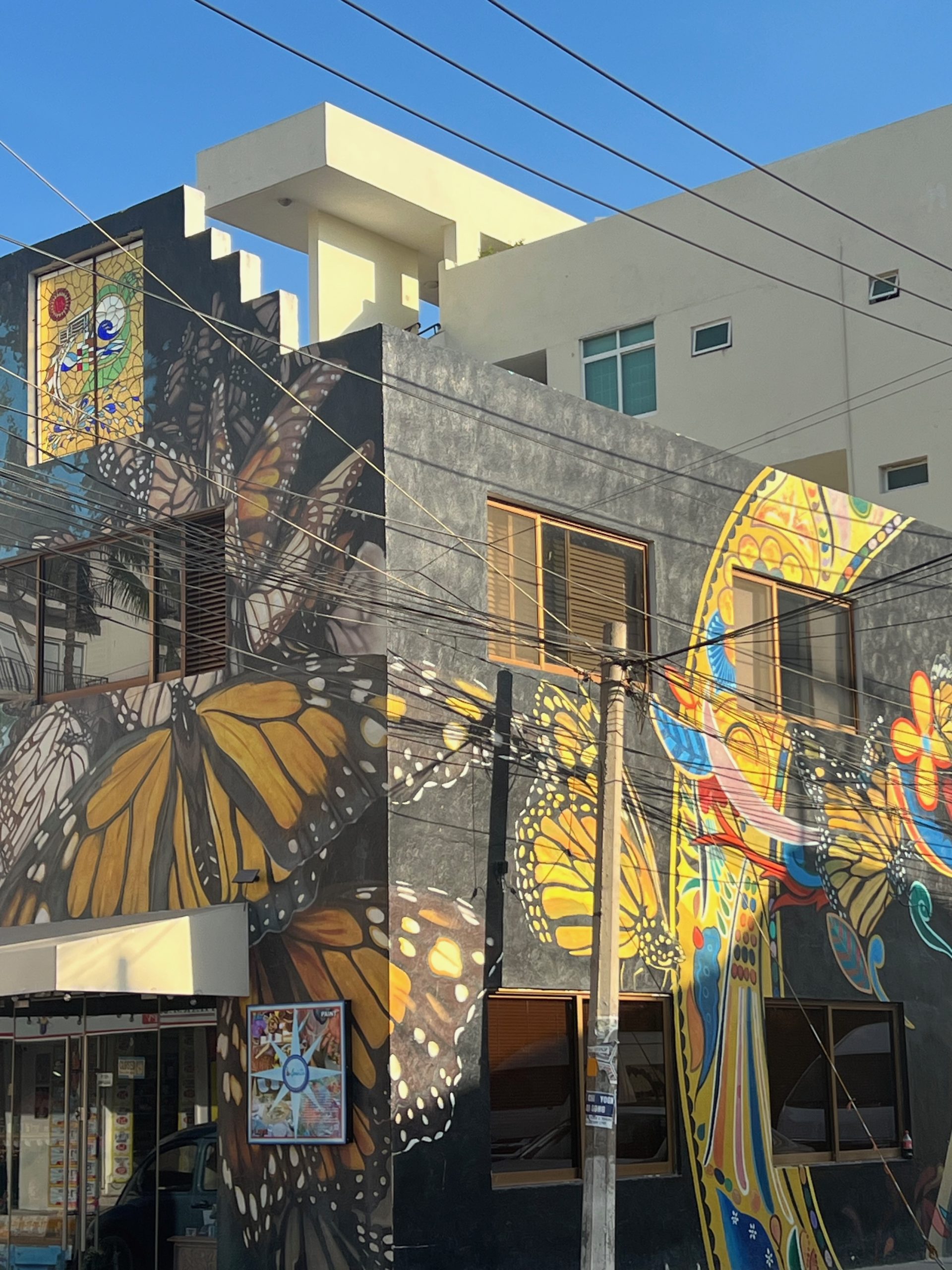
My photos for this story are in two parts. The first part consists of favorite images from my travels through Latin America since December 2025, bearing in mind that this was an arduous task to do with limitations. The second part toward the end are photos of Bucerias, Mexico, my place of cultural belonging, a combination of neighborhood scenes, the beach, local culture, and street life. A blend of bohemian lifestyle and tourism, a place that makes me feel like I belong here. As always, remember to click the center of the photo for a full view.
Final Note: If you are interested in learning about the process for undertaking a nomad experiment at any age entails and what those first 15 months of travel were like, I invite you to click below:
If you enjoyed this story or the newsletter issue, help others discover it by sharing it with your friends. Your support will go a long way in continuing the blog. If you are not a subscriber and want more stories and photos like these, please click here to subscribe.



No Comments