
Beyond the Beach: Discovering the Soul of Nayarit, Mexico
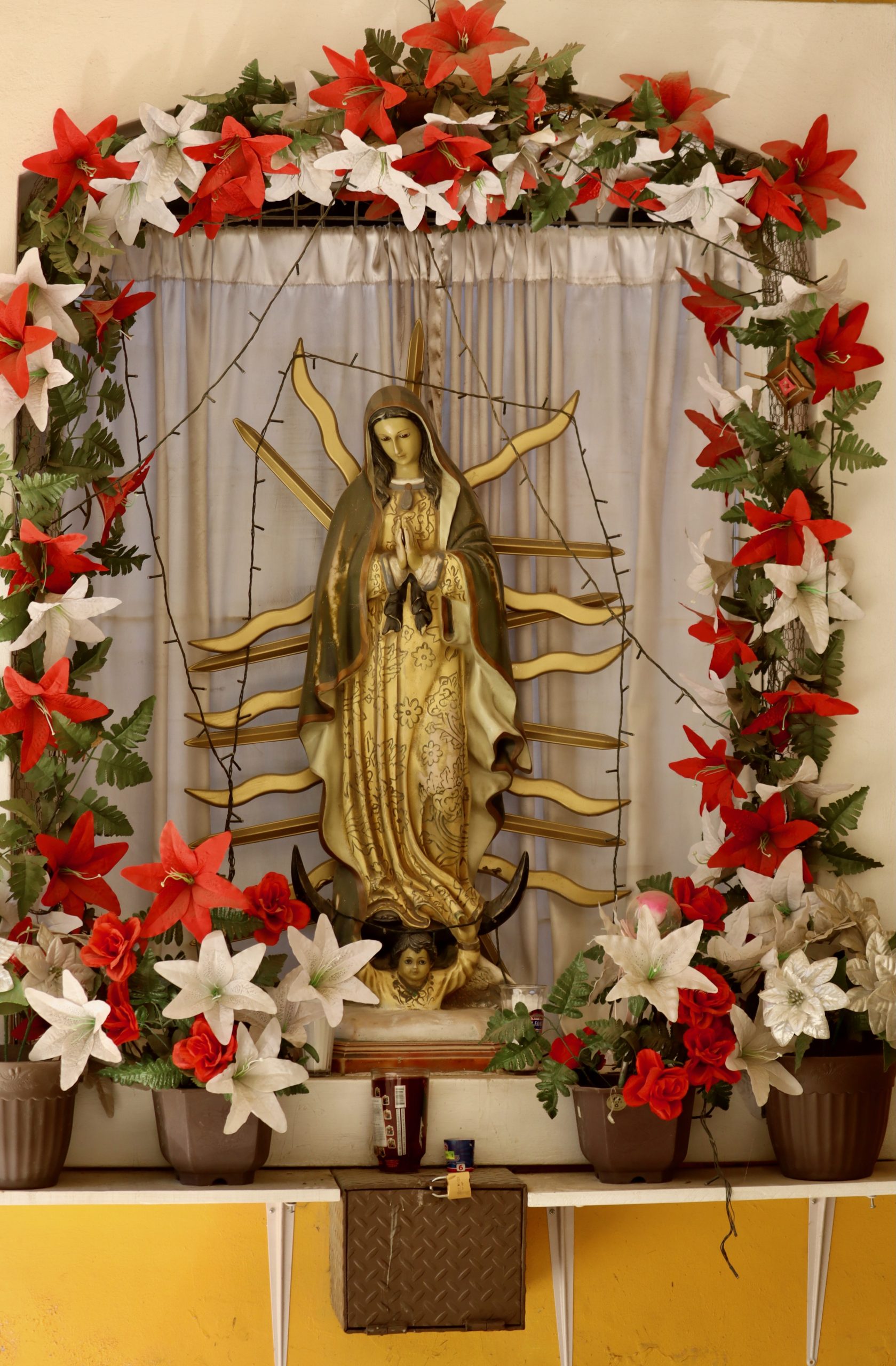

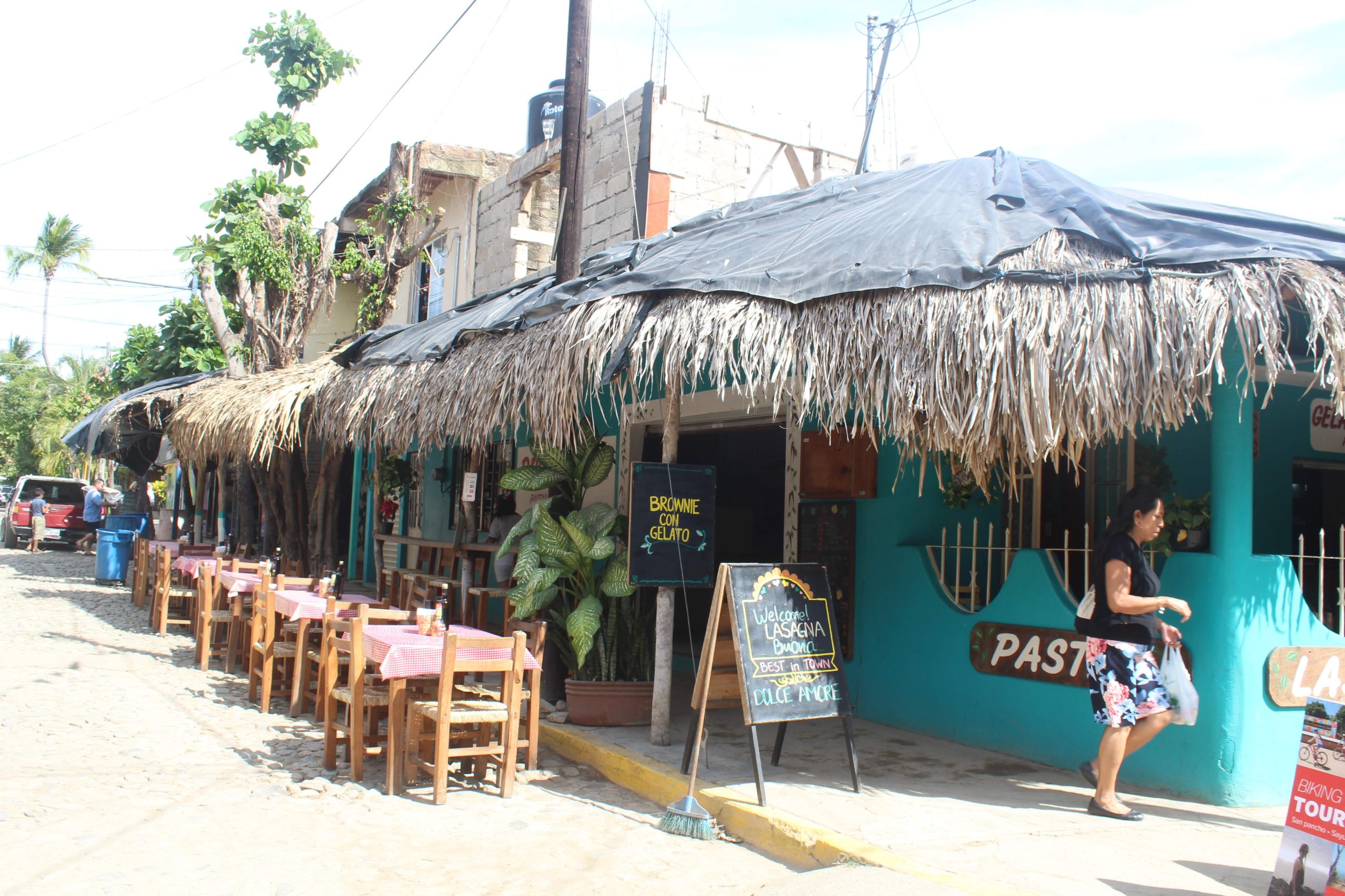
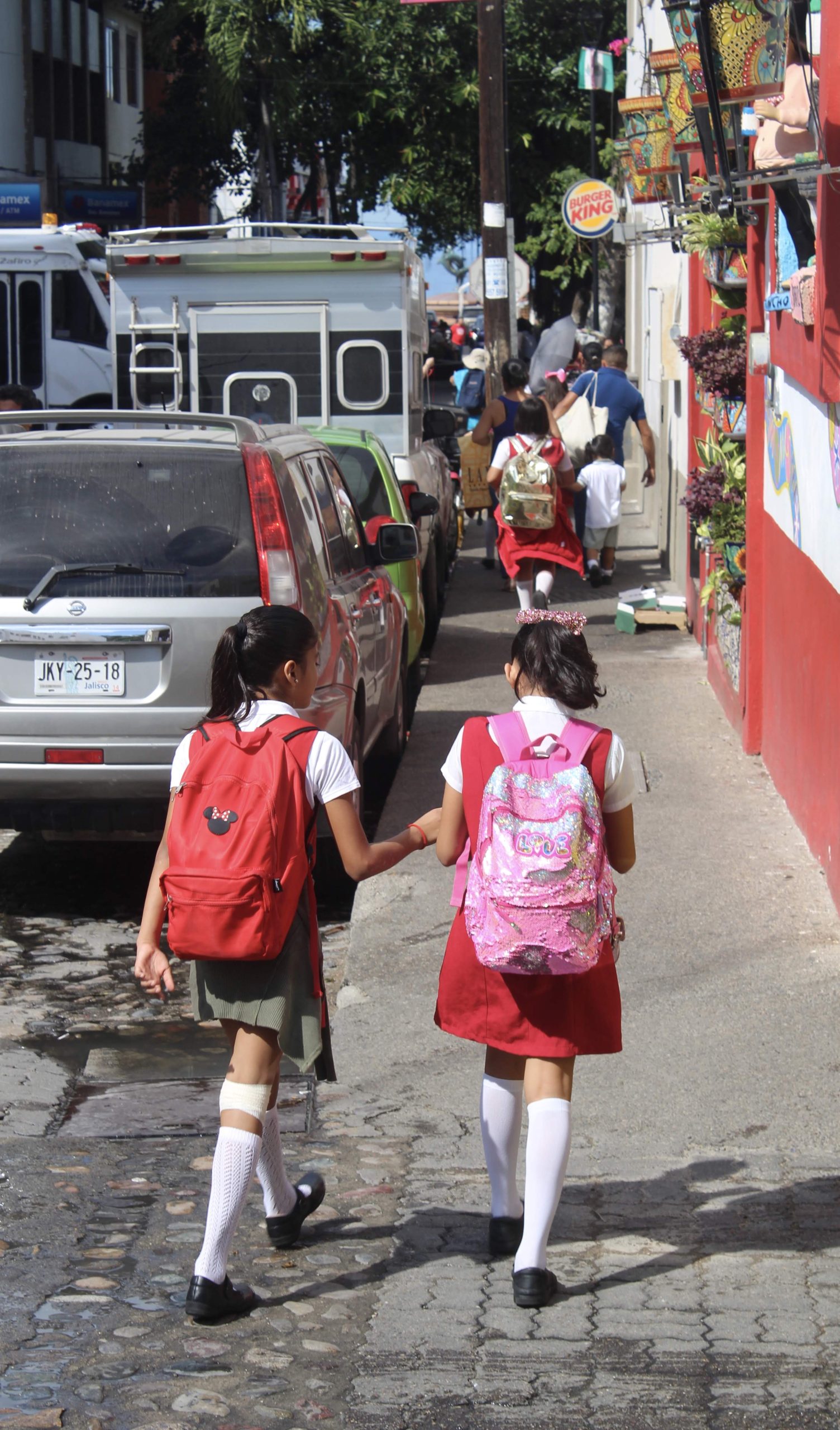
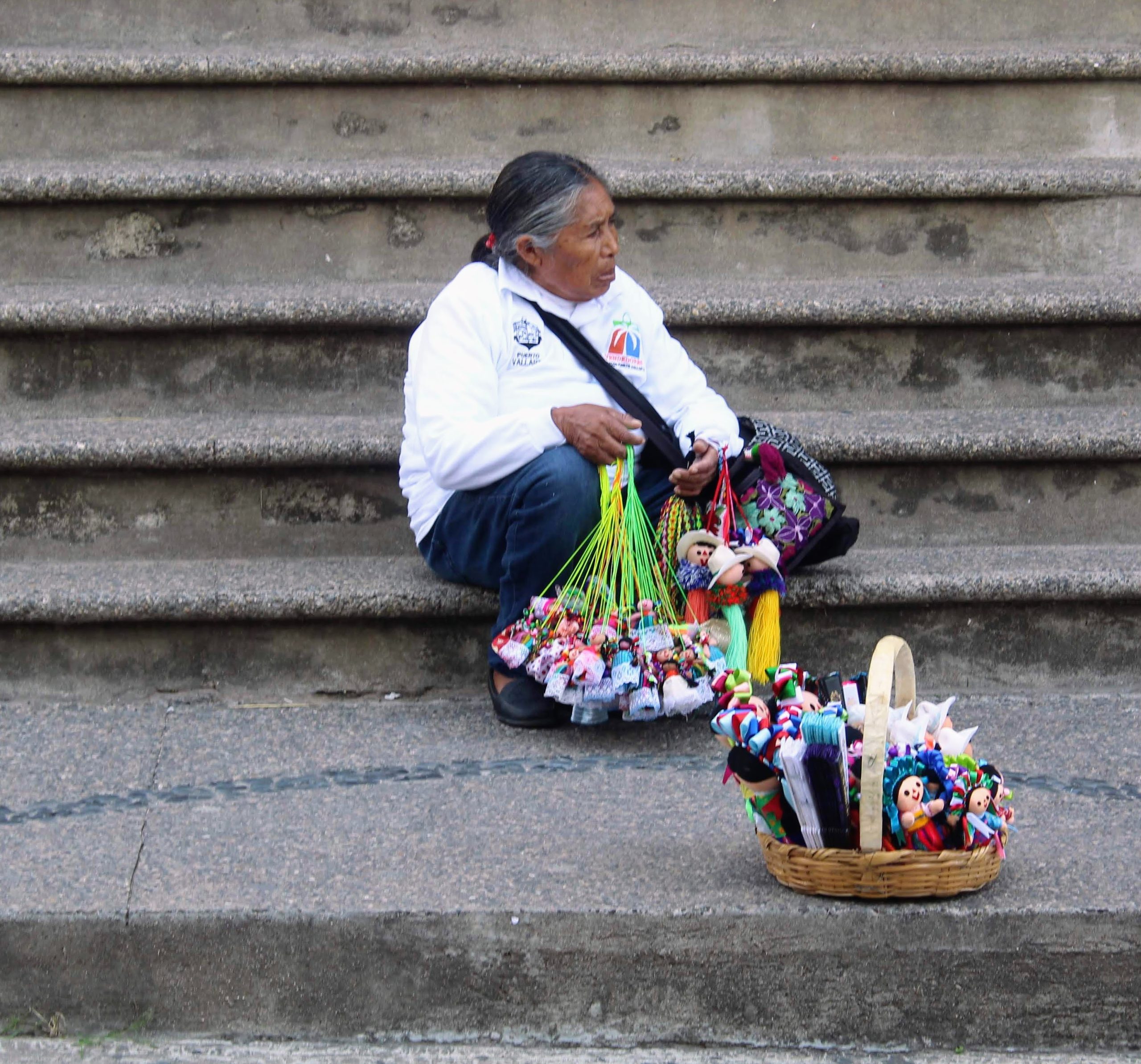
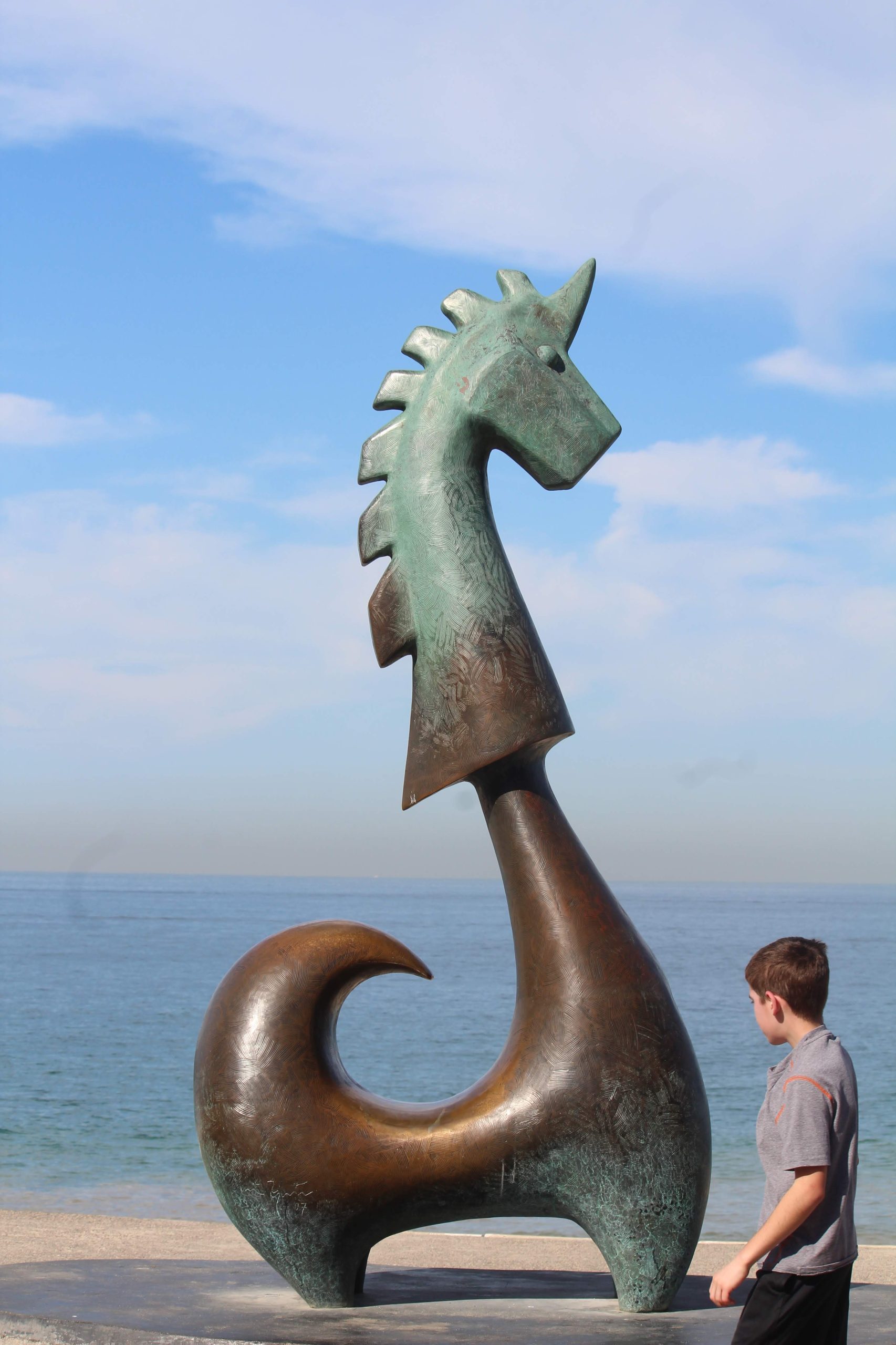
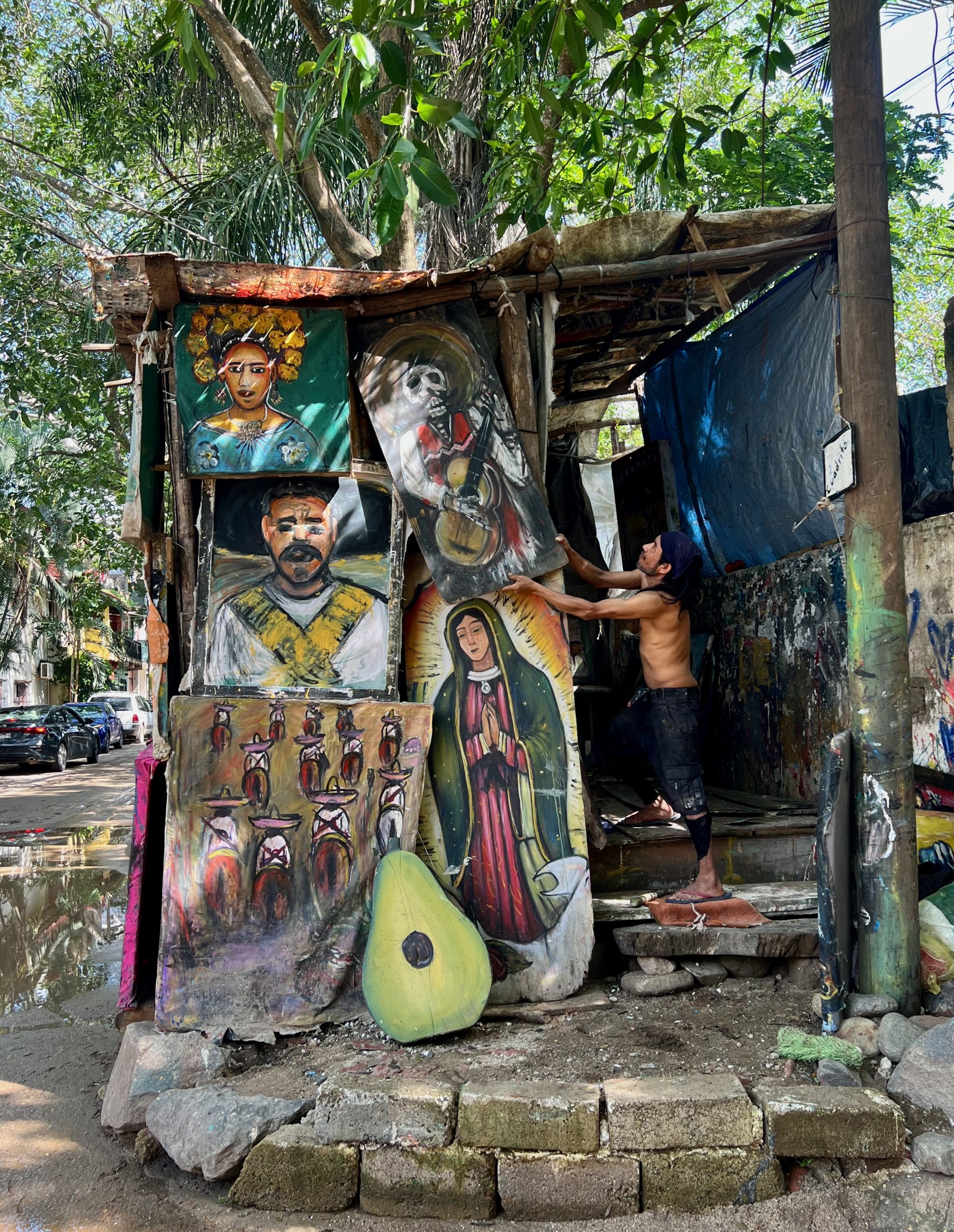
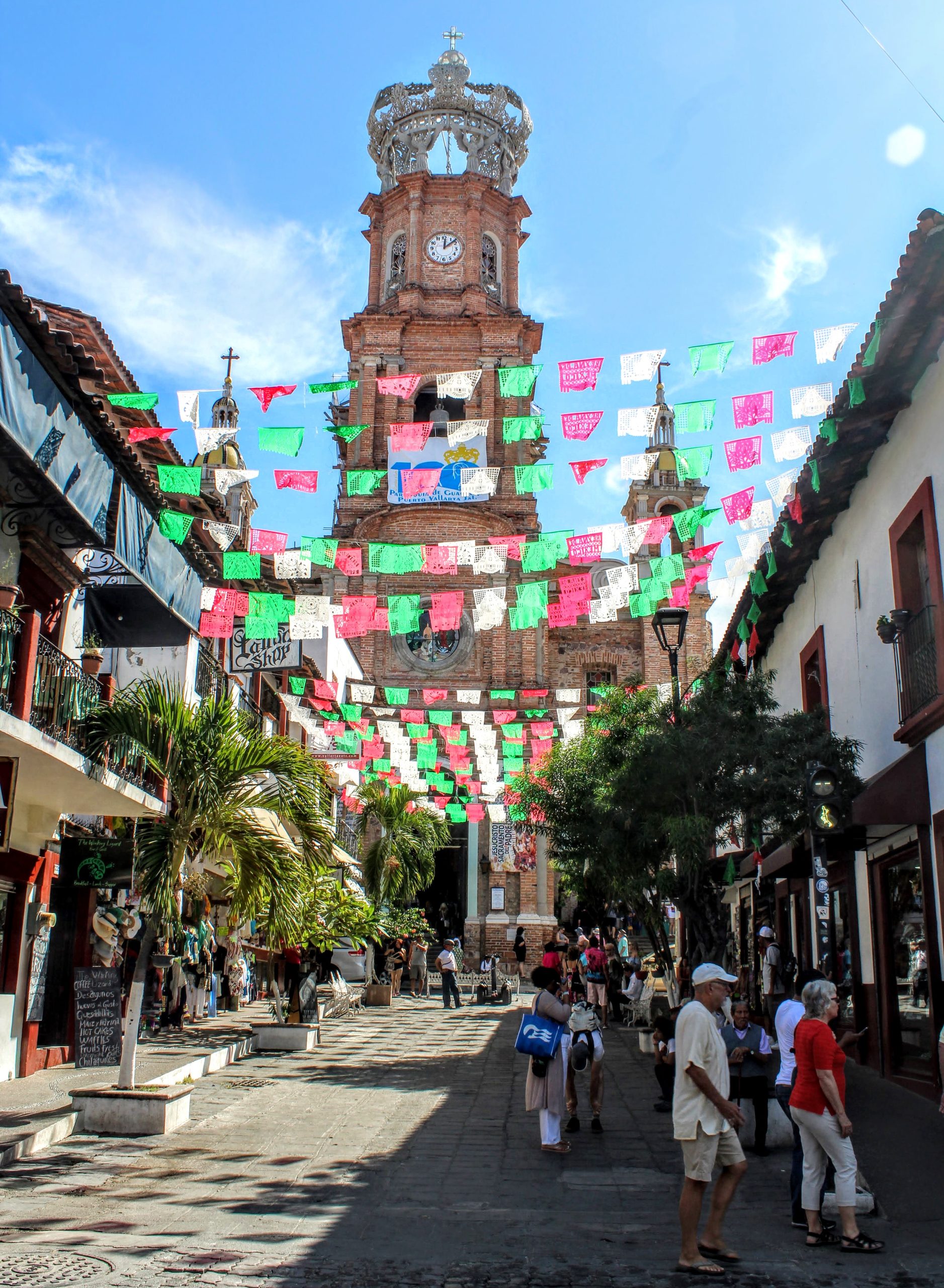
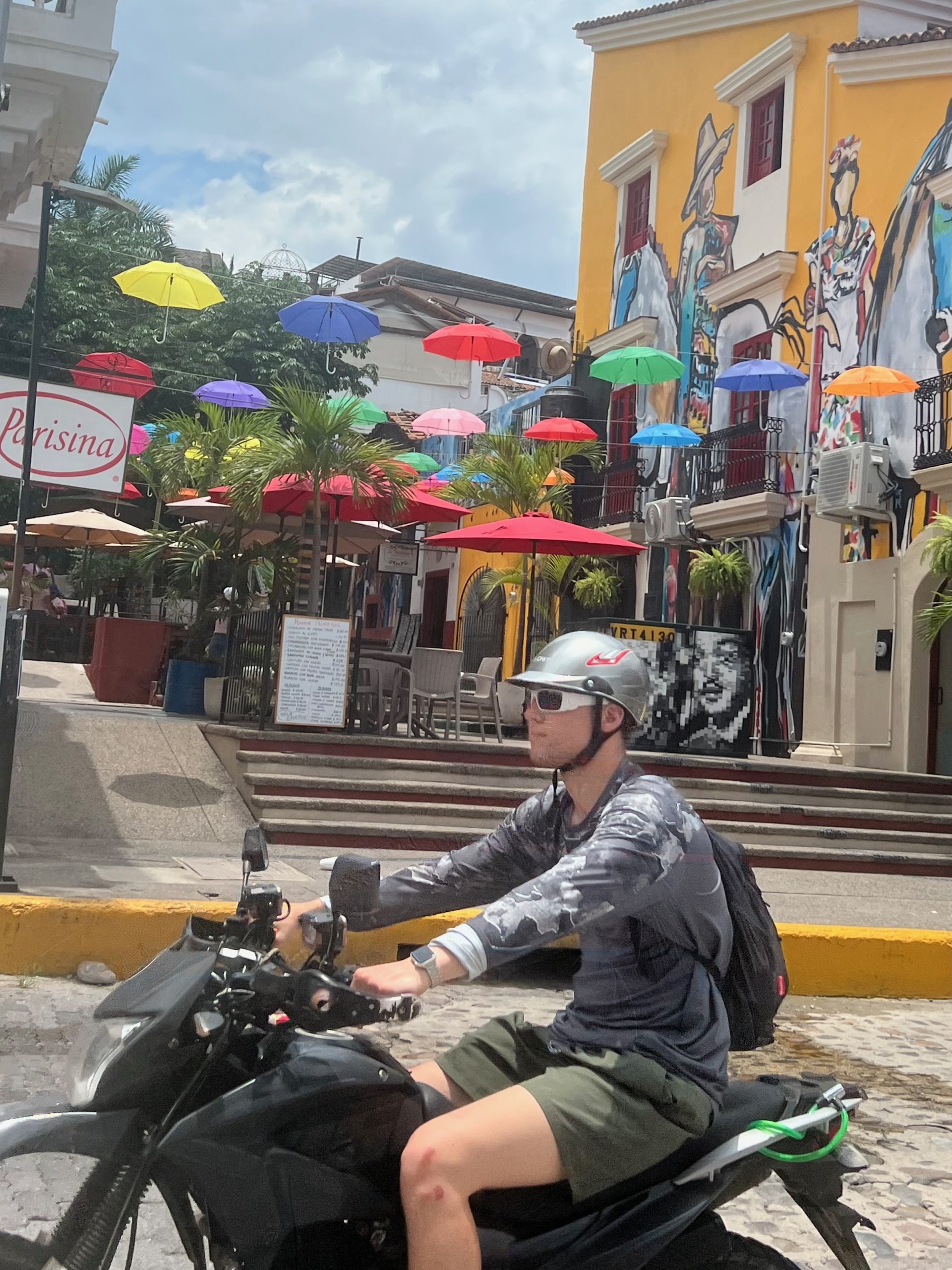
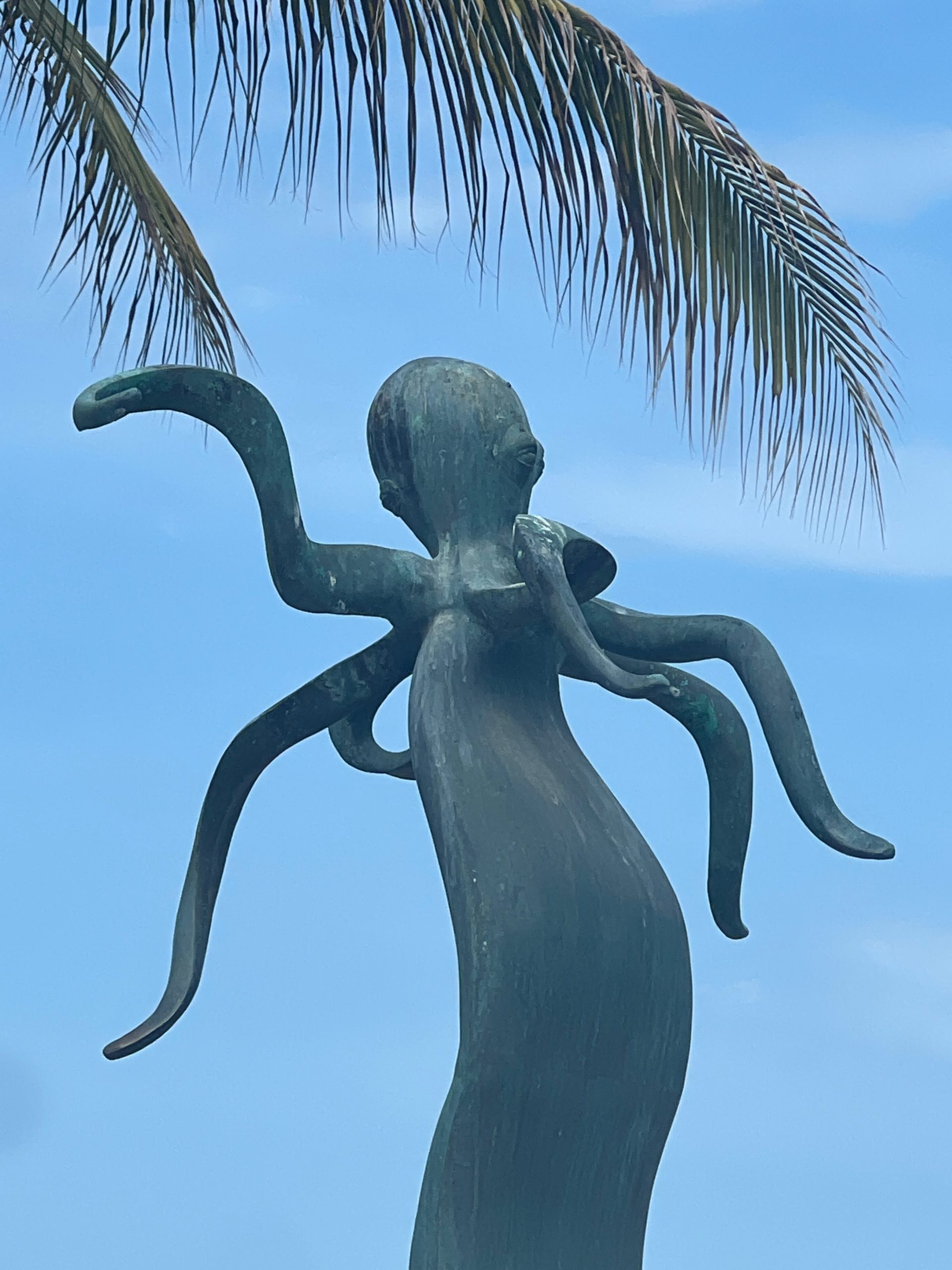
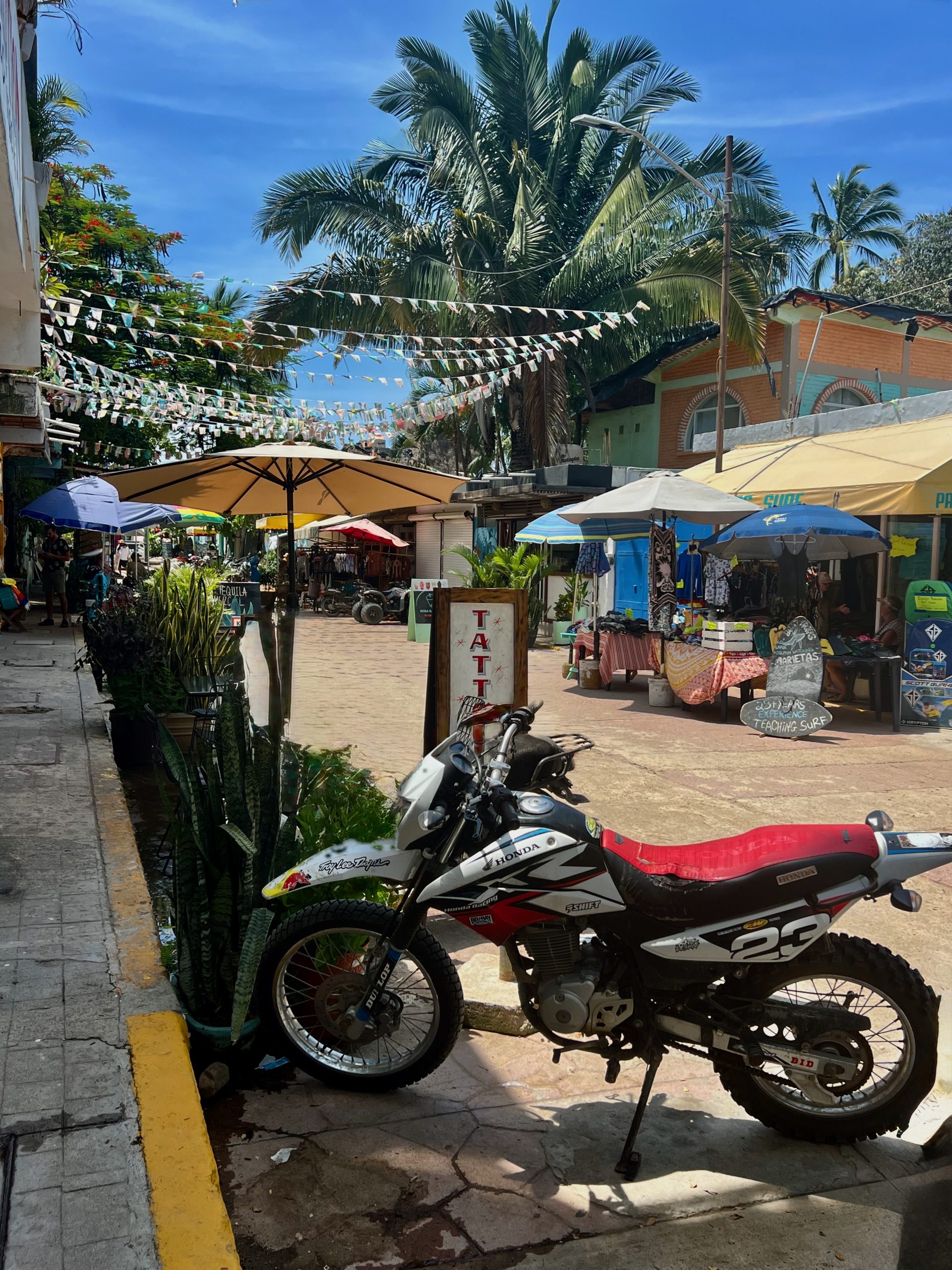
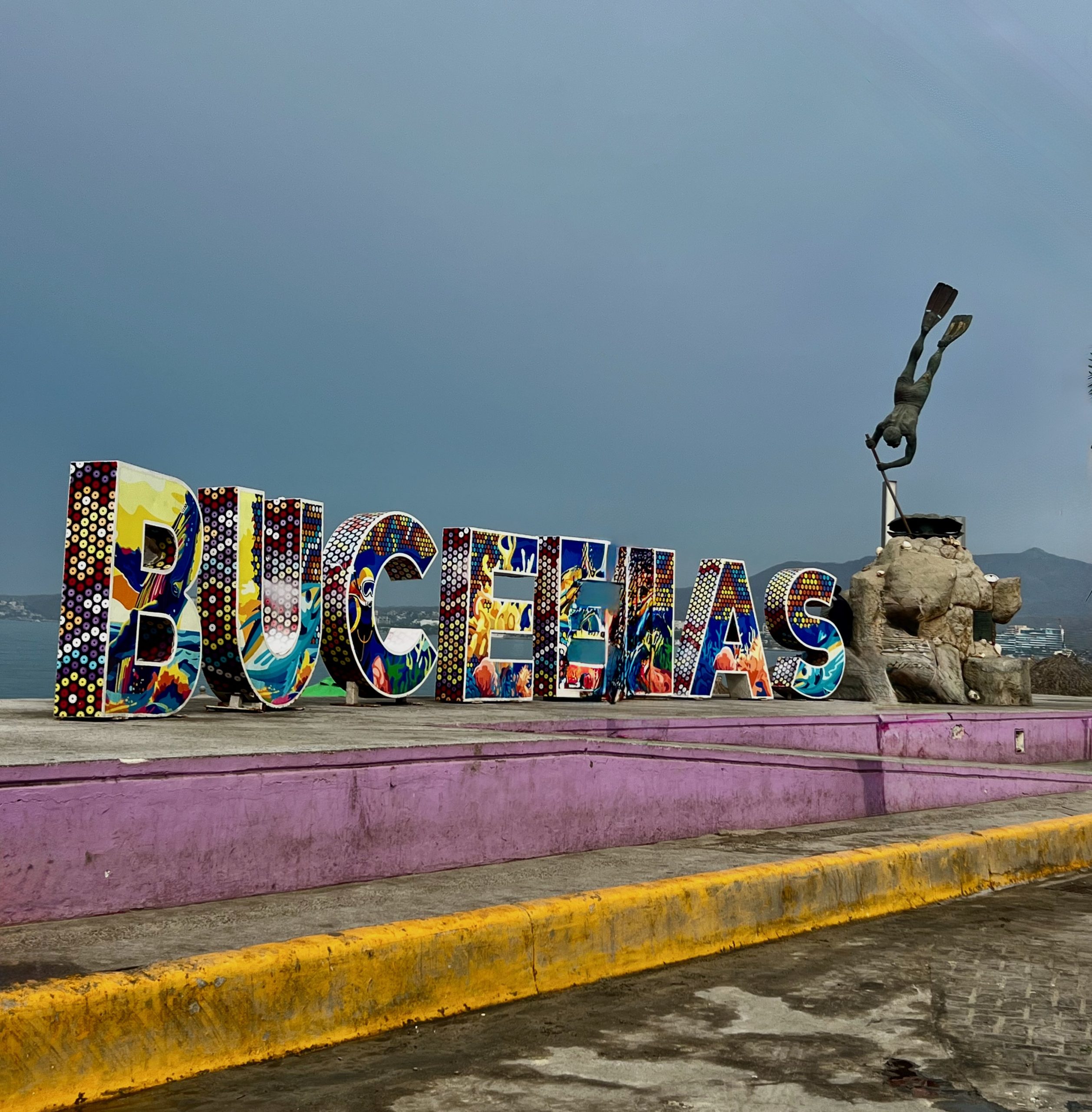
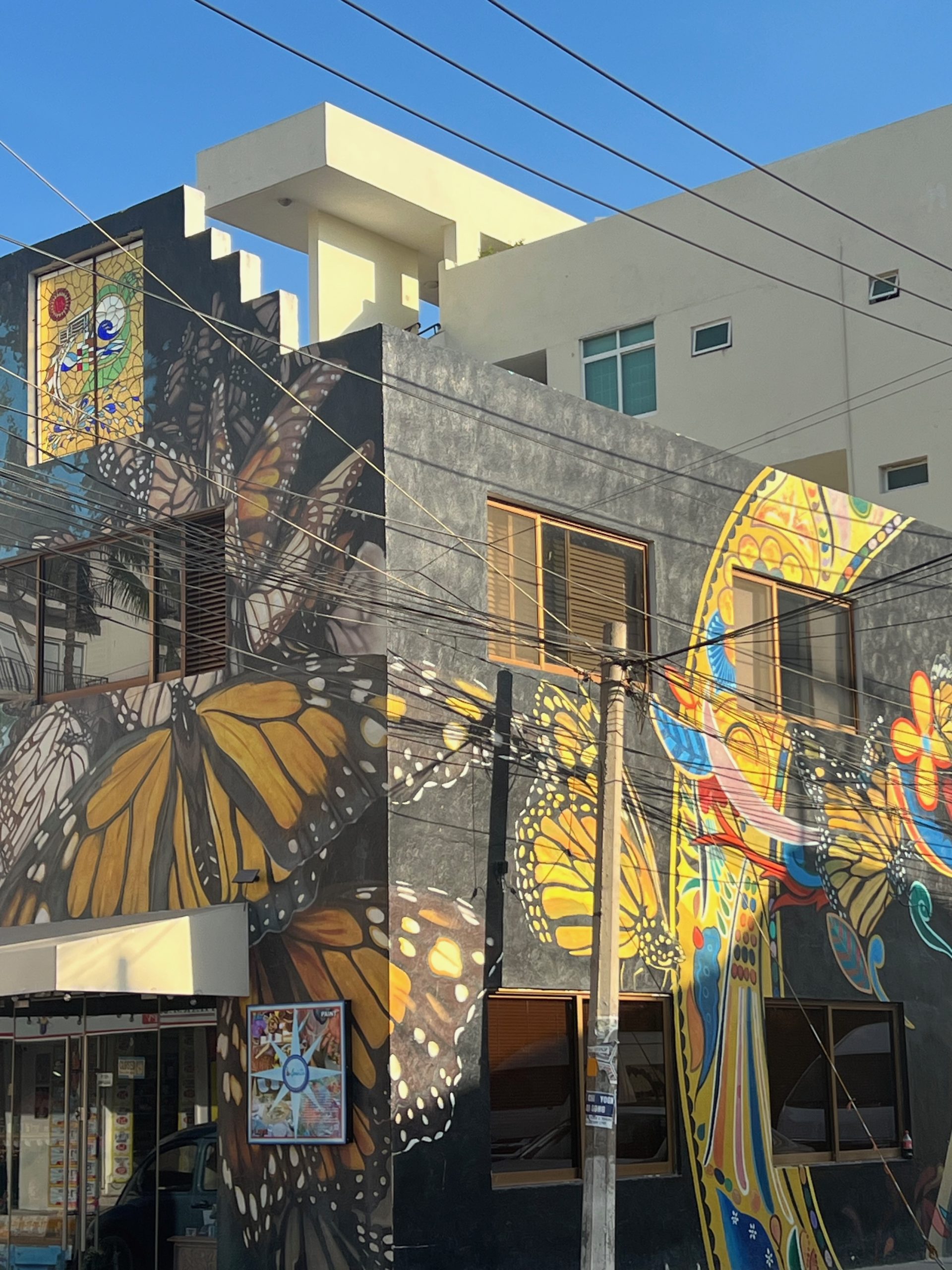
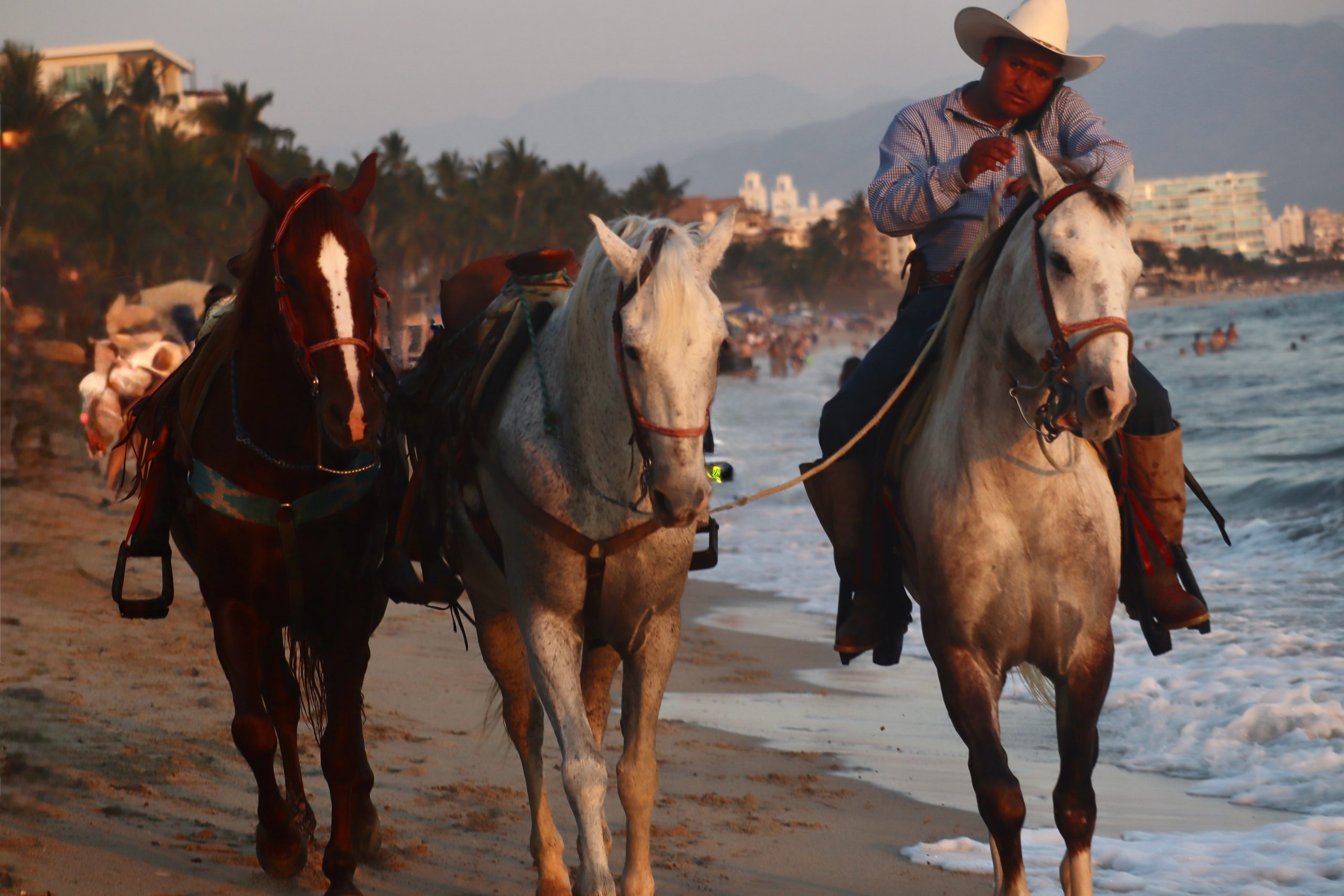
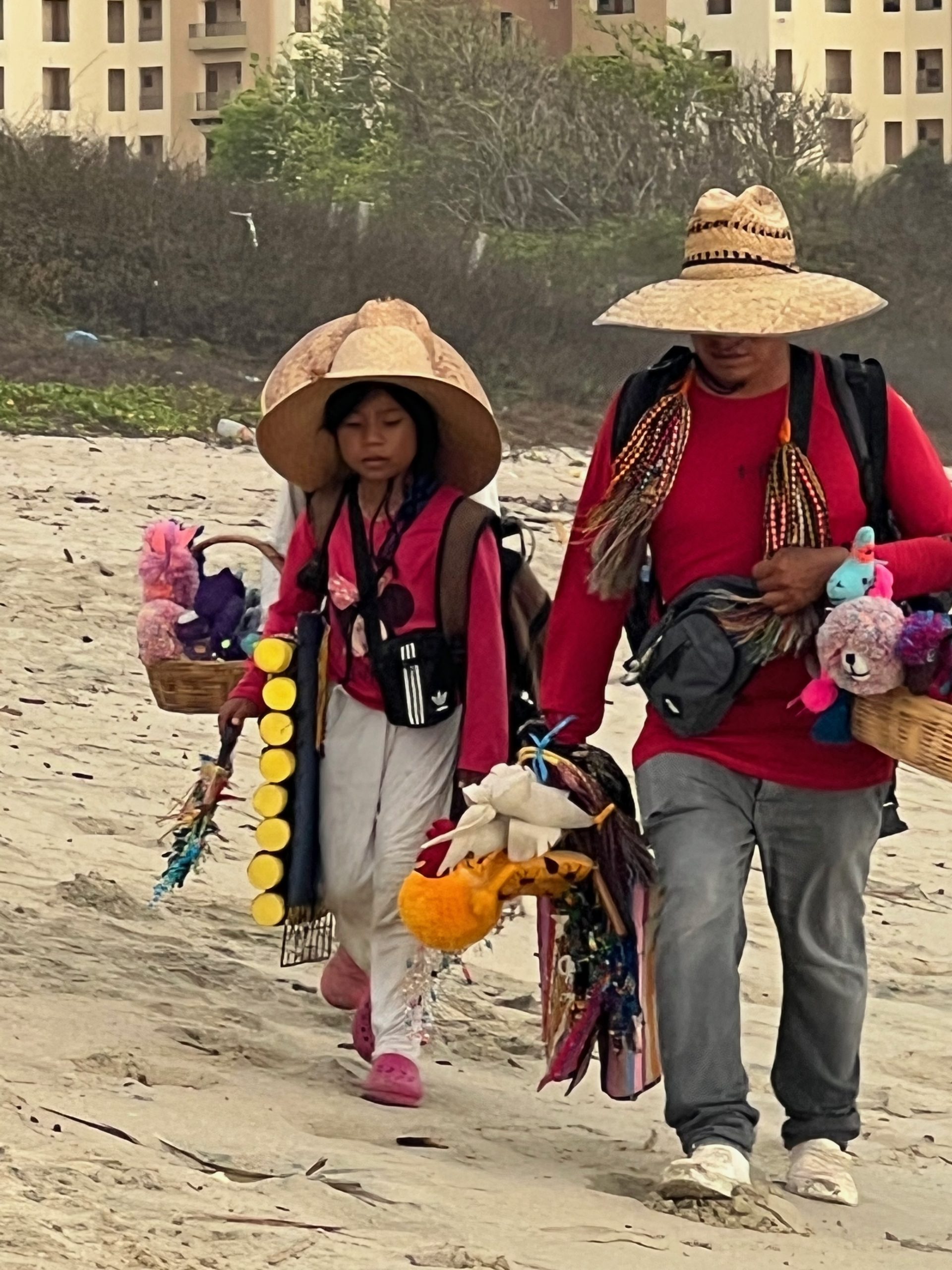
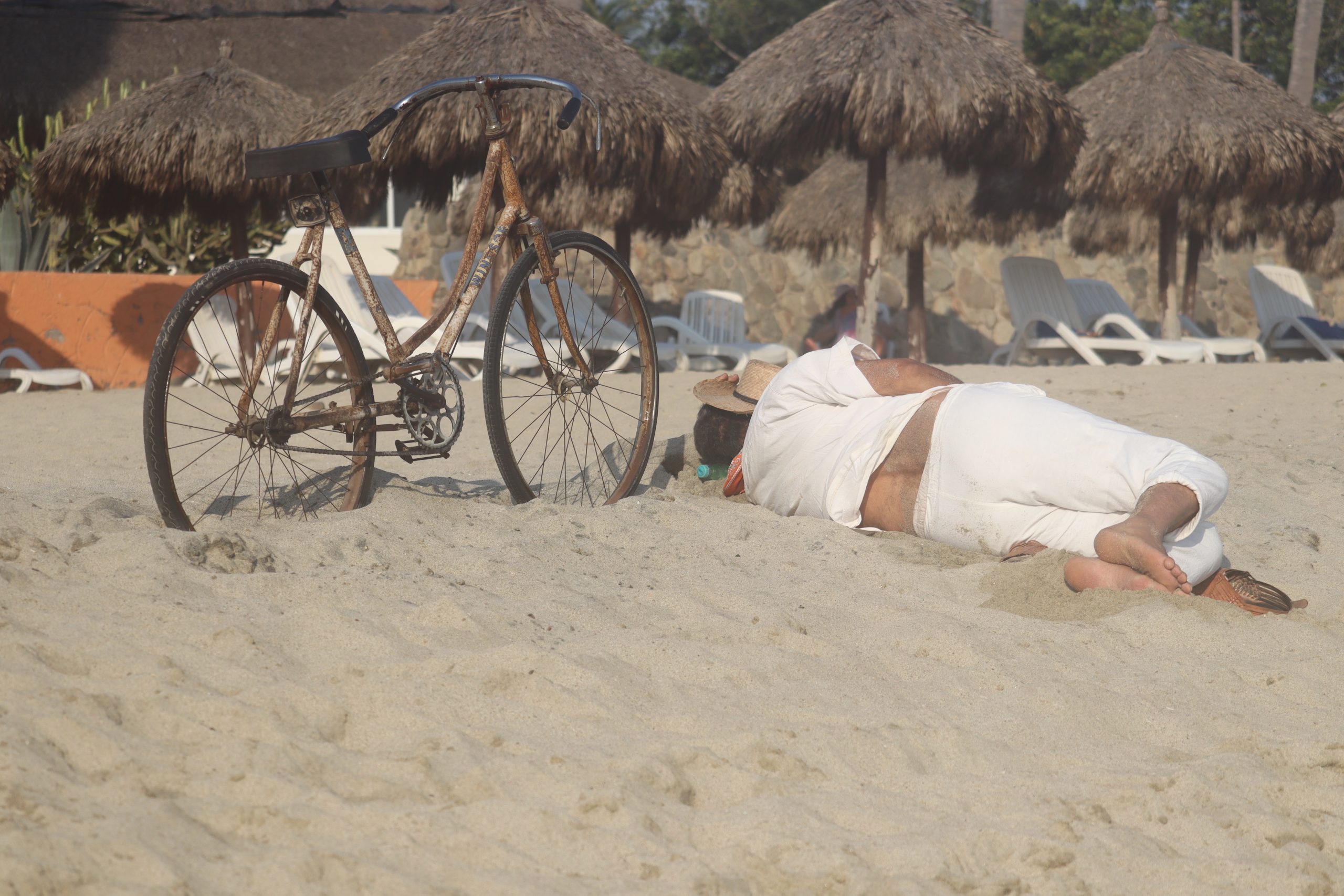
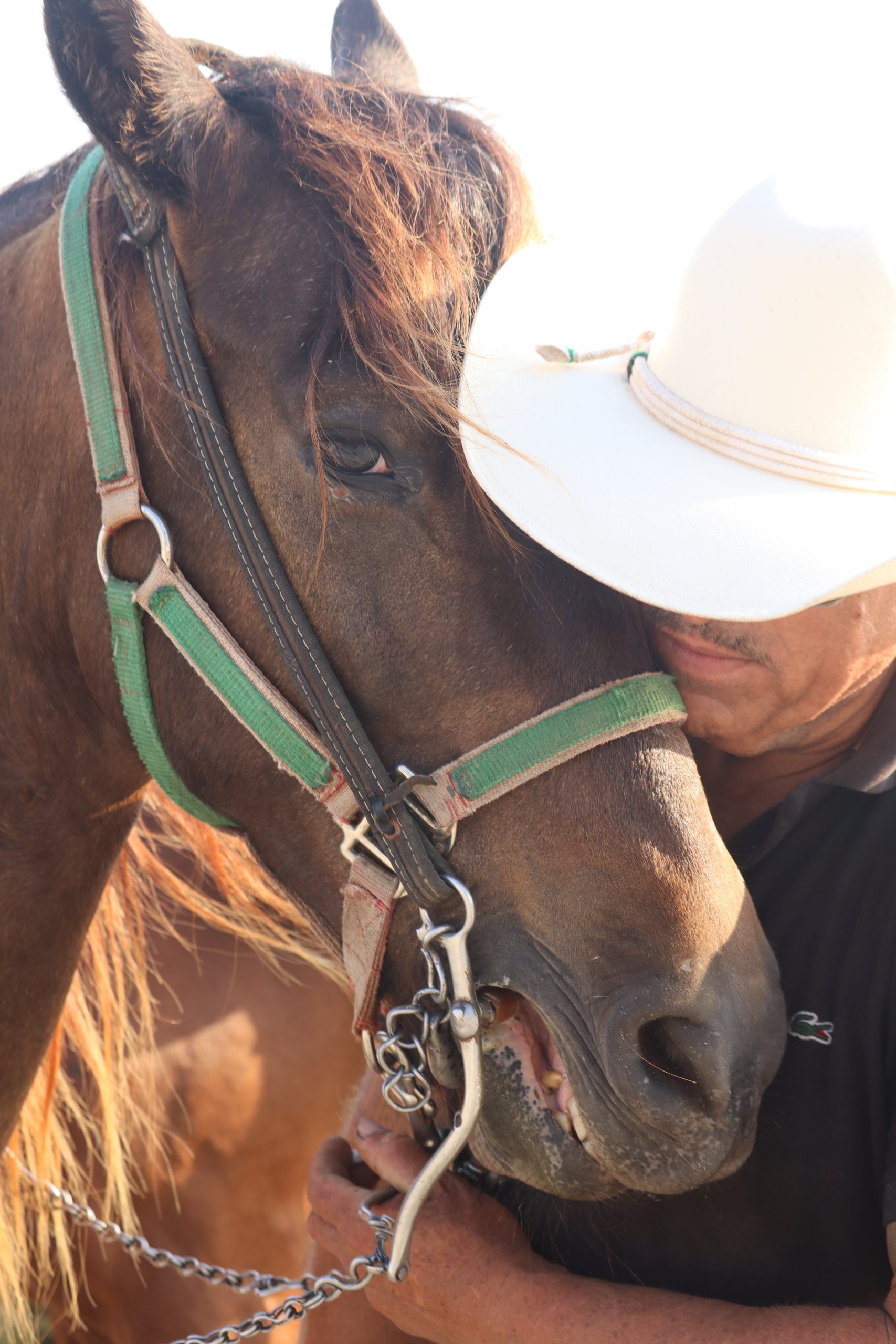
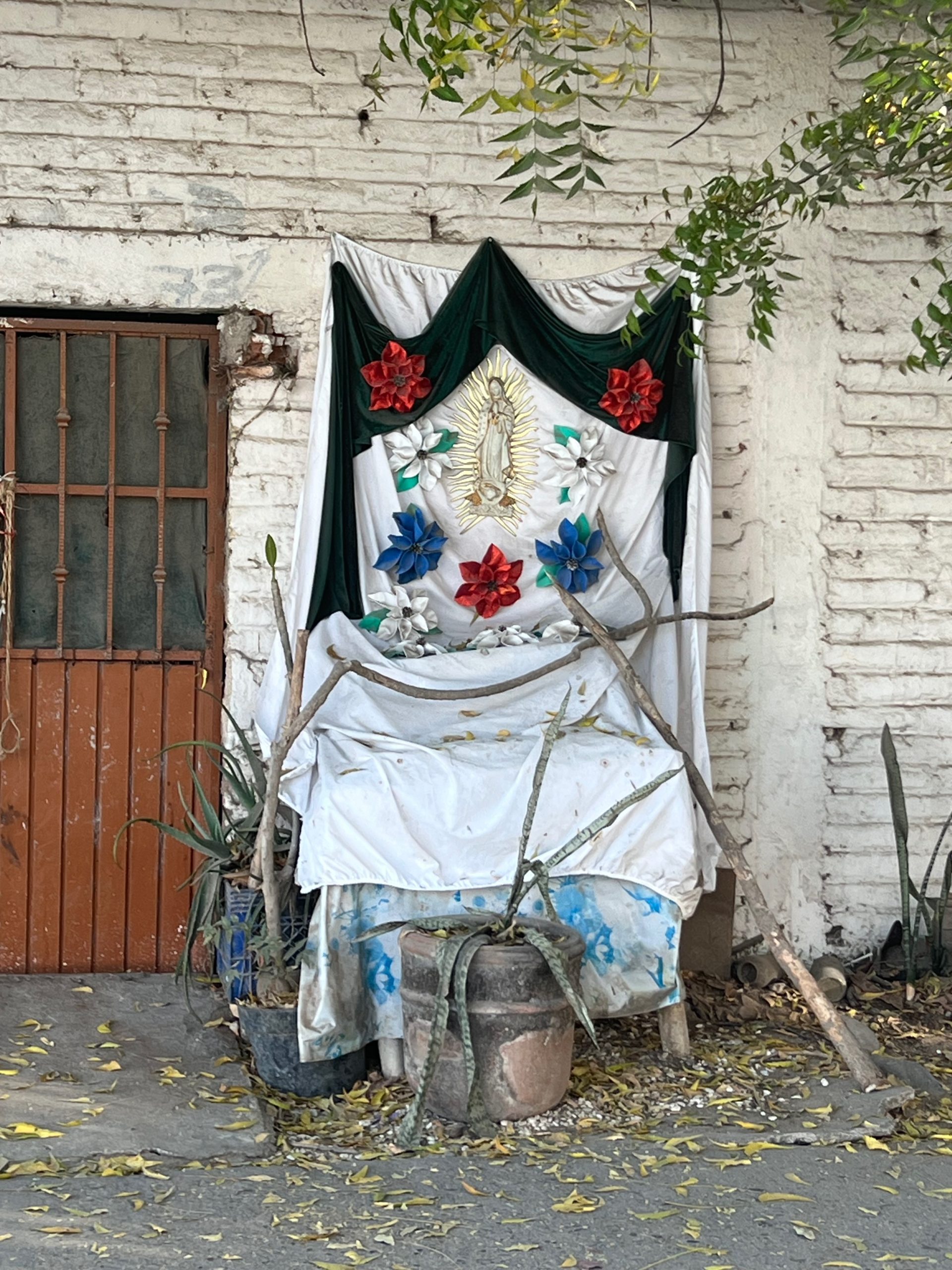
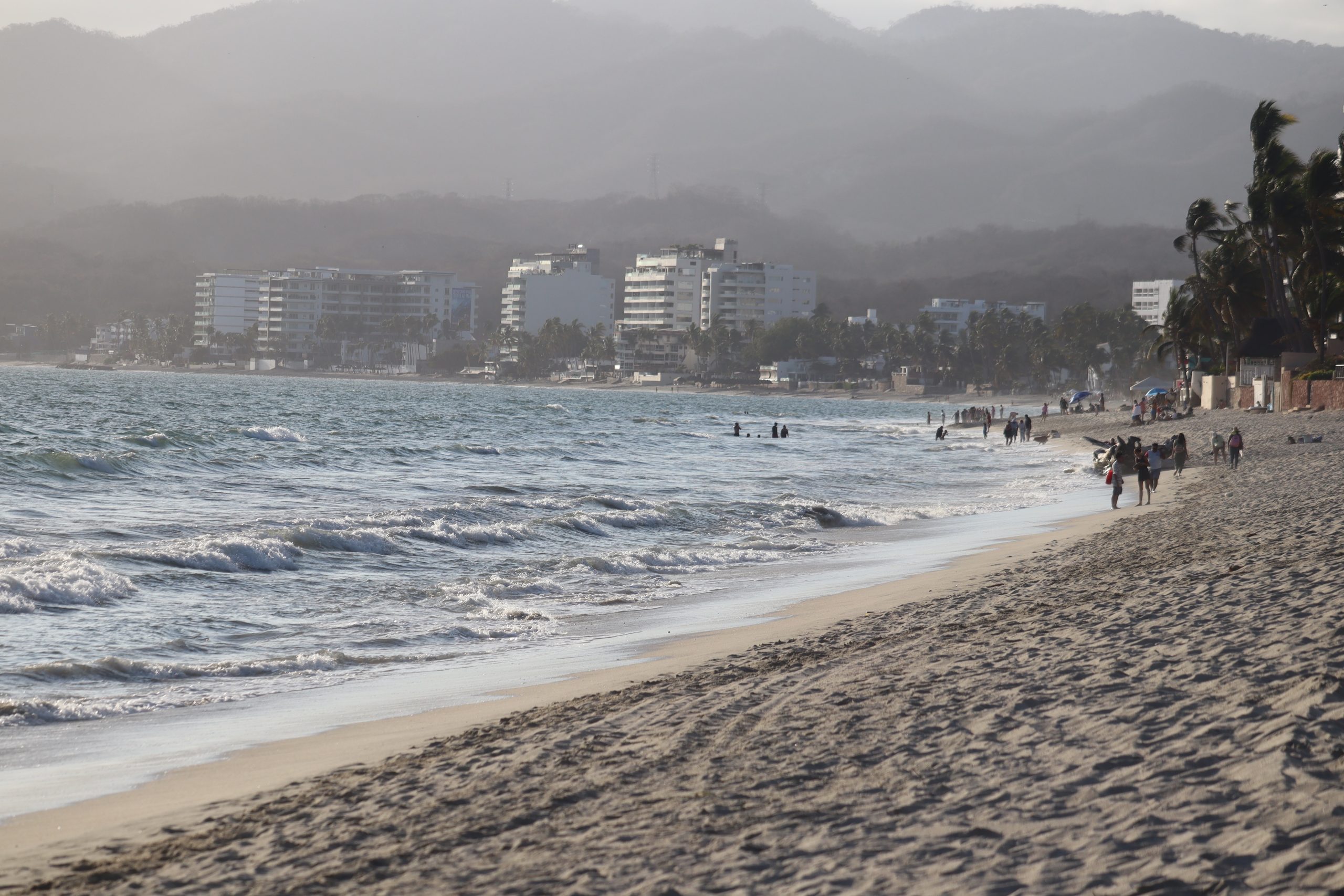
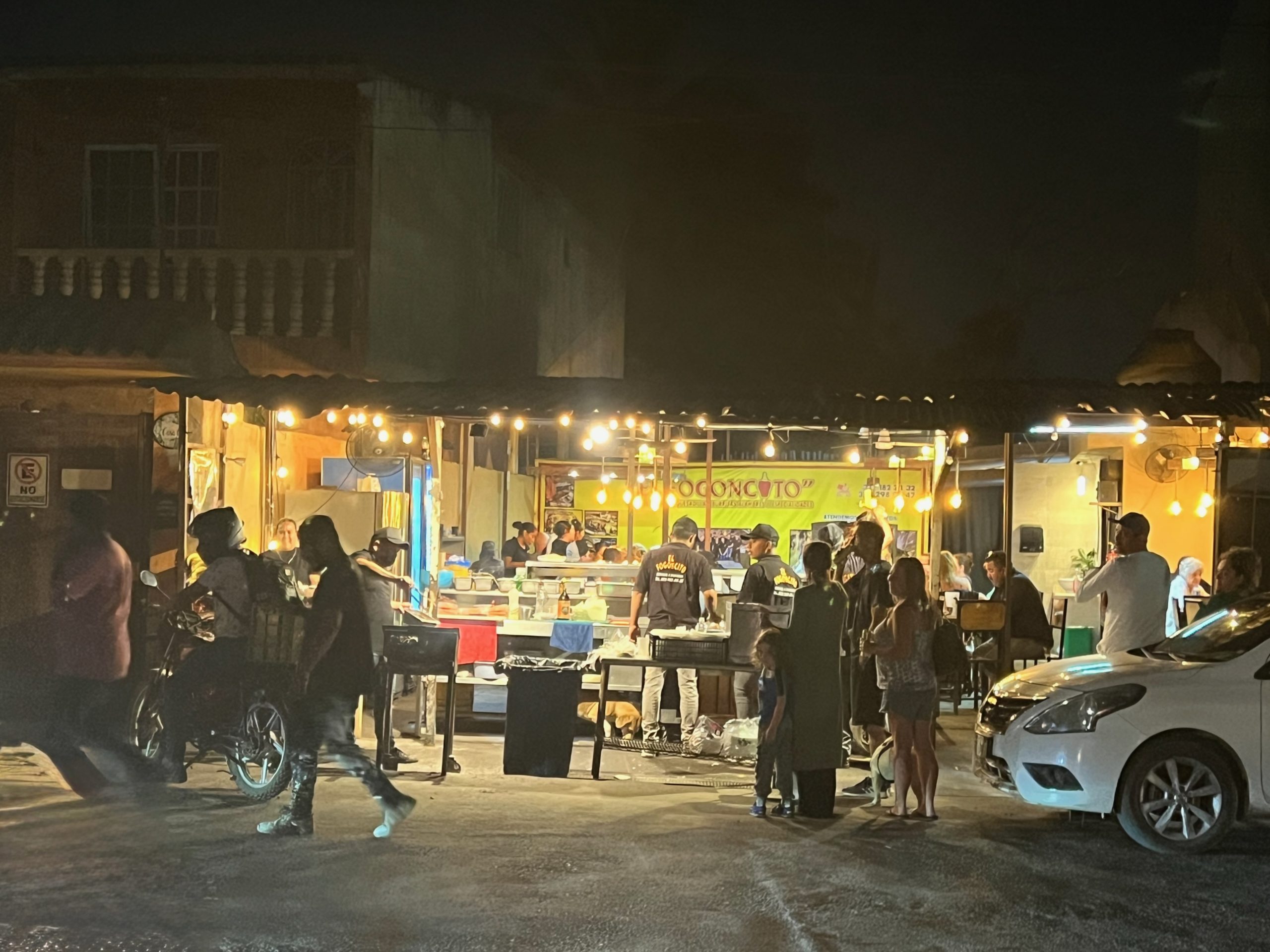

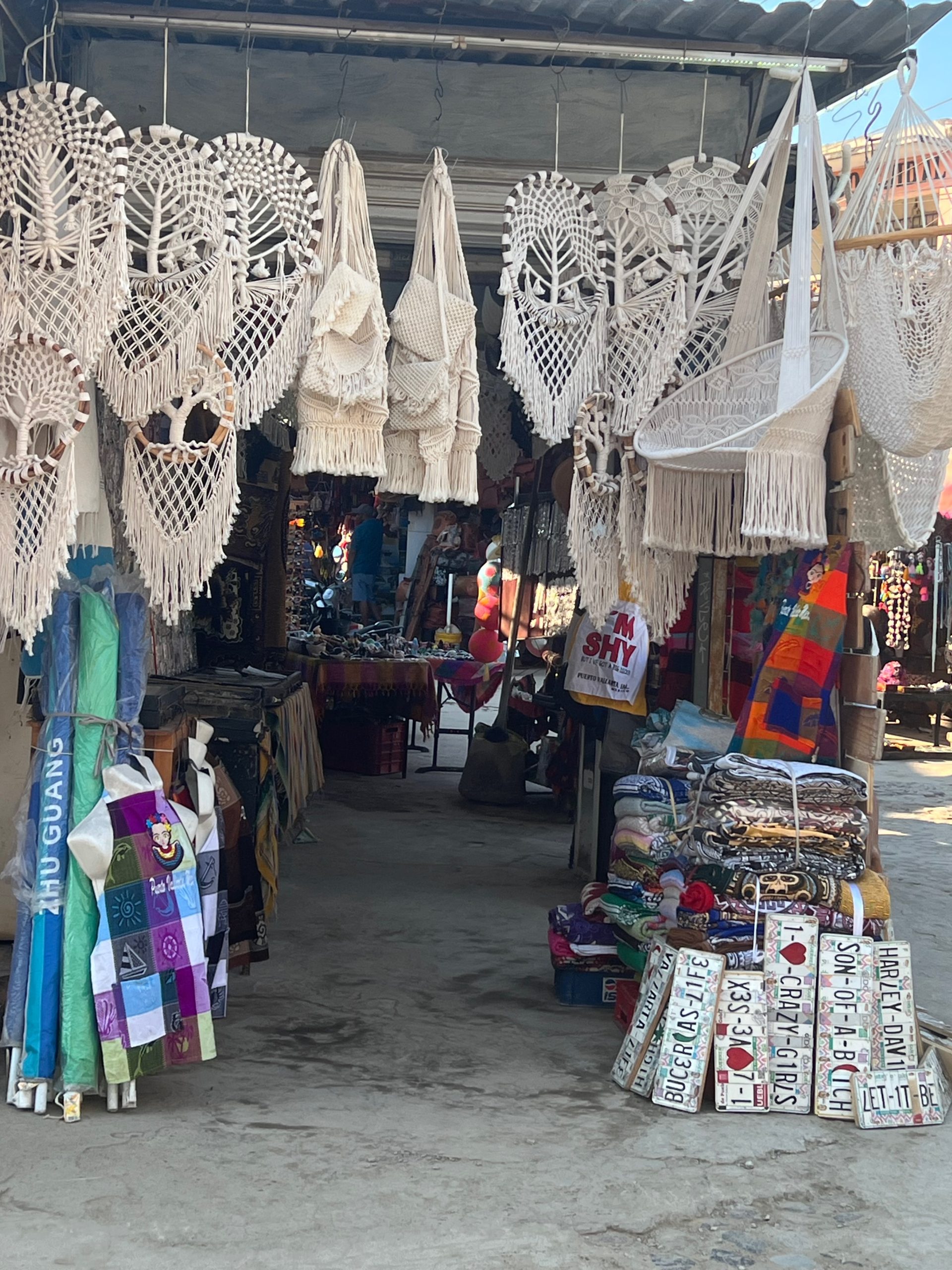
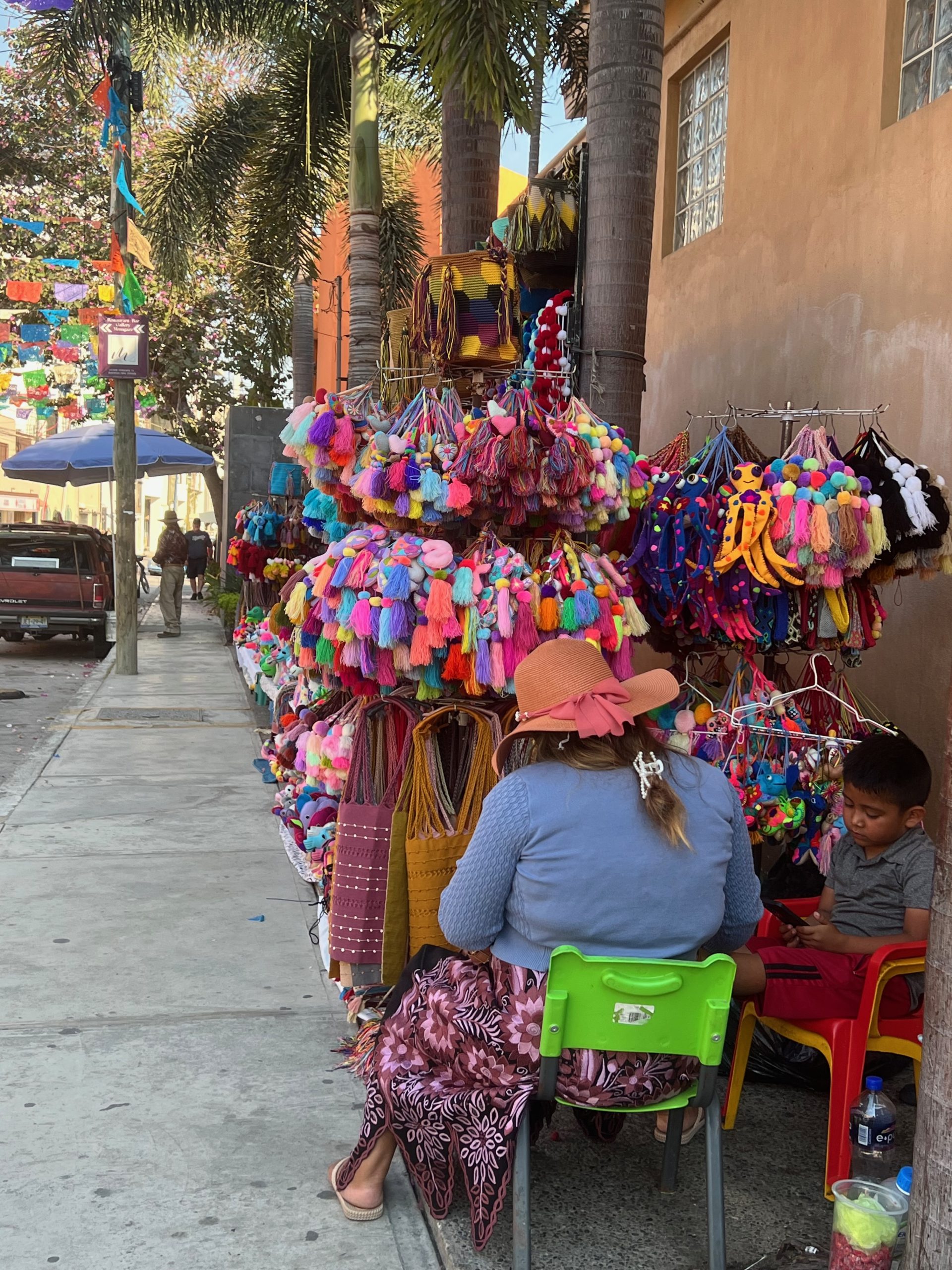
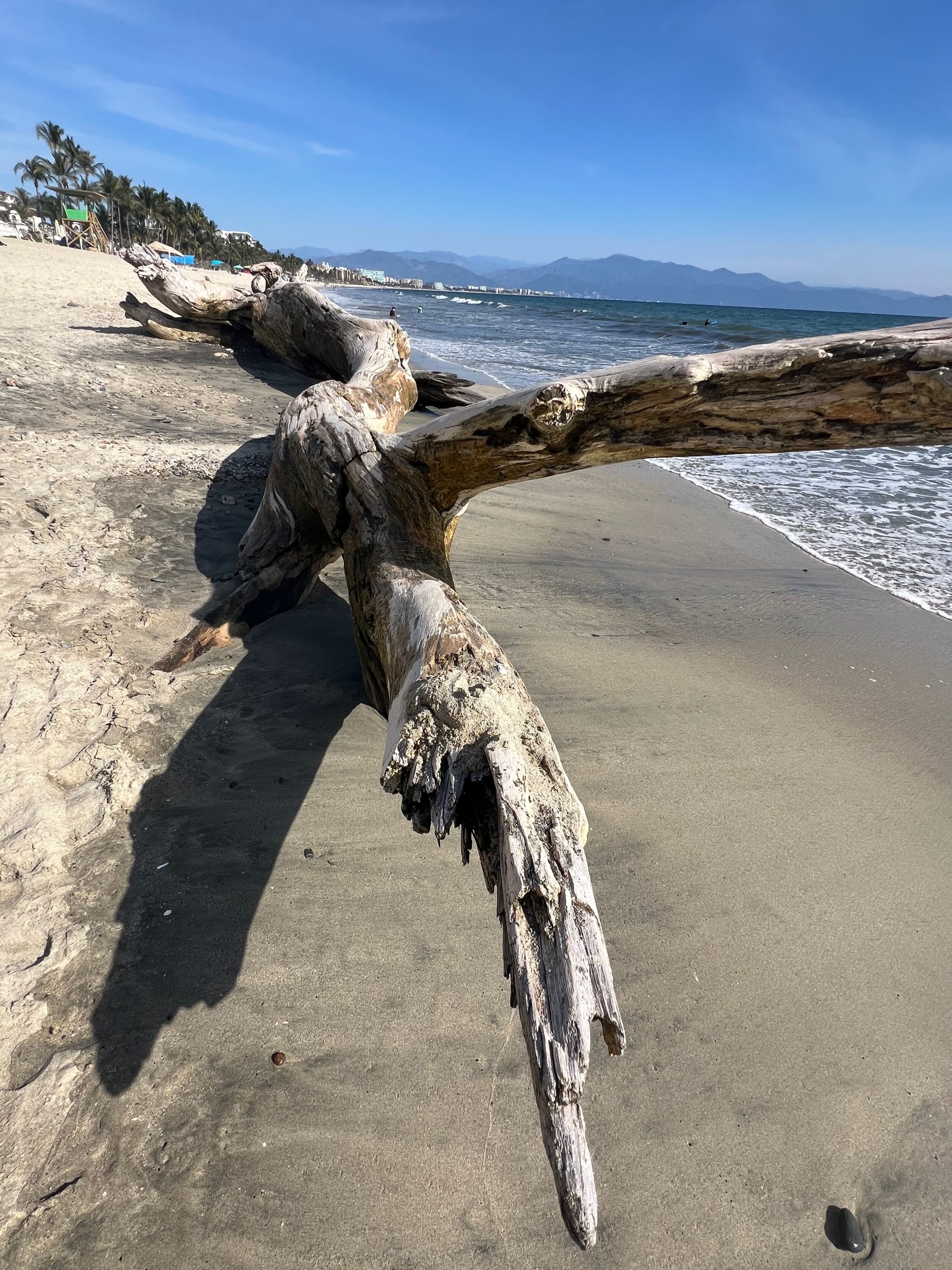
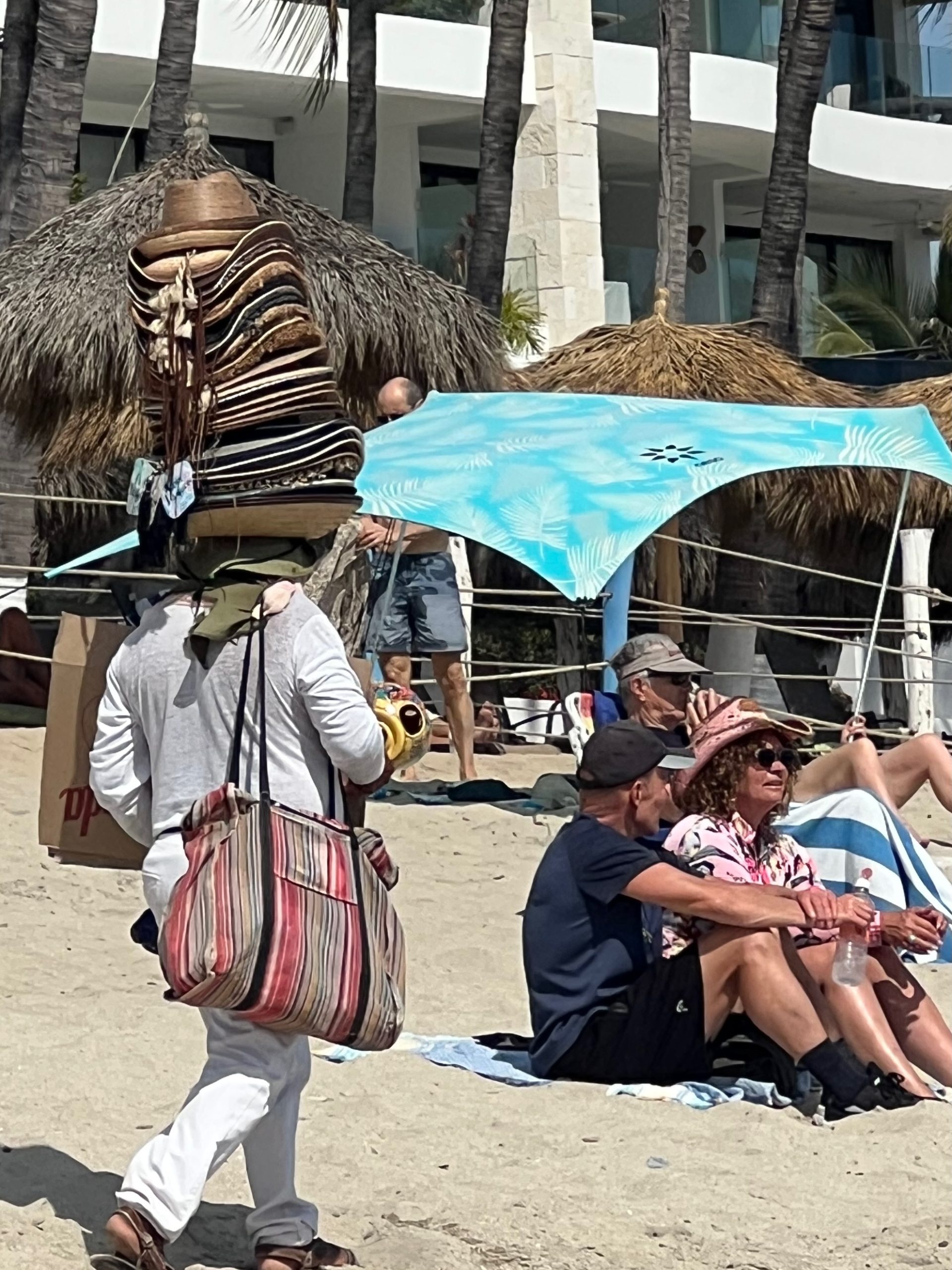
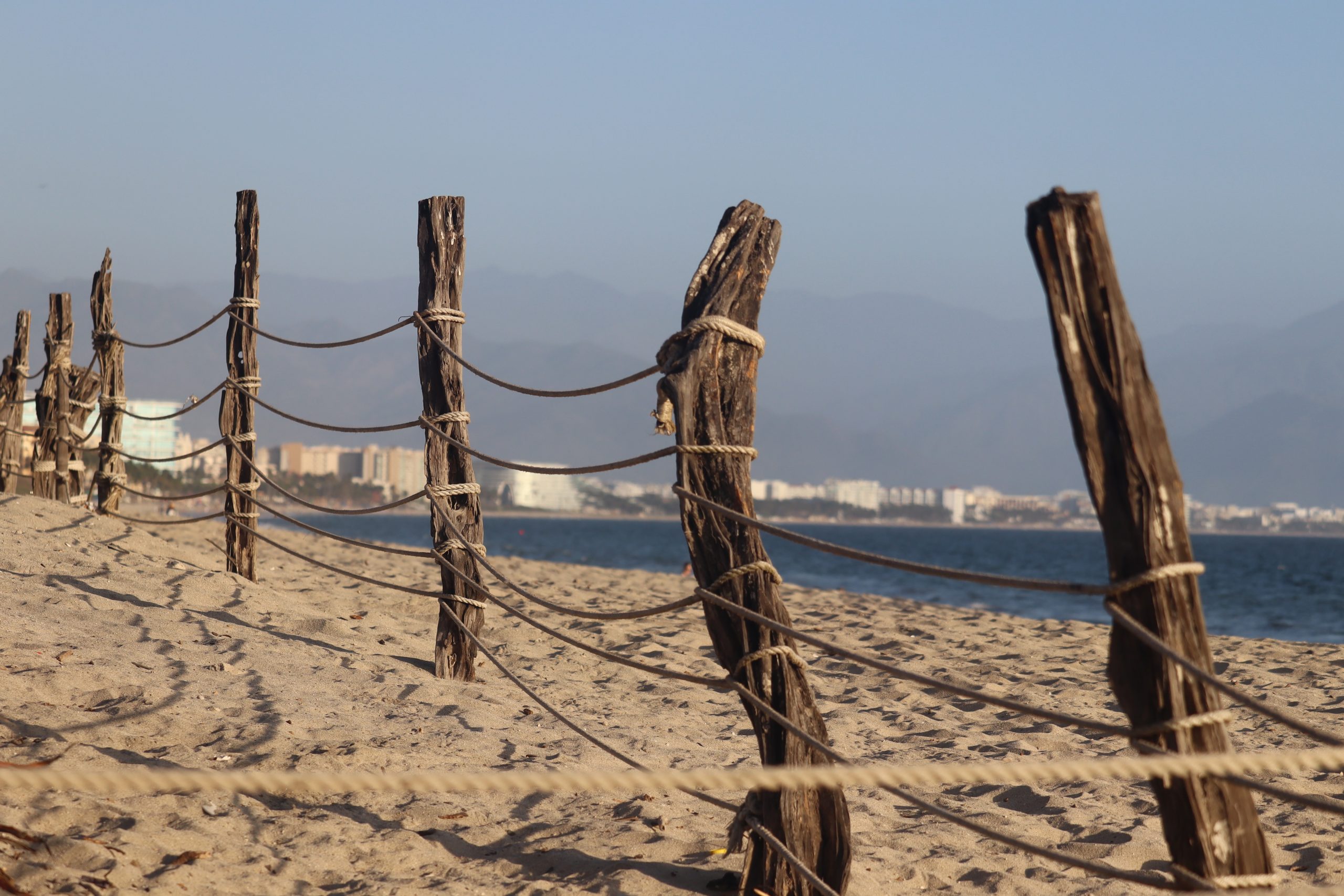
I am almost at the end of my third month’s stay in Bucerias, Mexico, part of the state of Nayarit. A region full of stunning beaches that borders the Pacific Ocean, surrounded by the Sierra Madre Occidental mountain range, where many colonial towns have managed yet struggled to preserve their identity and heritage. Quite a contrast with the impact of tourism and modernization seen near the coastline. The beach town of Bucerias sits somewhere in the middle between the dramatic transformation of coastal tourist towns like Sayulita and Puerto Vallarta and the region’s historic inland communities managing economically while preserving their traditions. Bucerias still feels like a functioning Mexican town. People live here year-round. Fishermen still launch boats. Local families continue to occupy many neighborhoods. Yet the forces of change are increasingly visible…. (more on this later)
The Riviera Nayarit coastal region has been navigating rapid expansion in the past 20 years, with Puerto Vallarta having served as the catalyst for what seems to be a saturated market of condos becoming more urbanized due to remote work and second home purchases. Presently, the region which includes Bucerias is experiencing too many “empty building symptoms.” Somehow the financing and development of residential buildings needs to slow down, so that market demand can catch up. If this development pace does not slow down, the region will become vulnerable to water scarcity, poor sewage capacity, and electrical power outages. When driving along the Nayarit coastline, there is already a significant cultural shift brought on by gentrification, sadly losing the area’s Mexican identity.
The Concept of Pueblos Magicos (Magical Towns)
The Nayarit region has been designated nine Pueblos Magicos from 177 that travelers can visit within a 2-hour distance. Pueblos Magicos was launched in 2001 by the Mexican government as part of its economic agenda. Its purpose is to recognize communities with exceptional historical, cultural, architectural, or natural significance. Its intention is also to help preserve those traditional communities by providing new economic opportunities related to tourism. This designation enables these communities to increase tourism promotion, create small-business opportunities, and access government funds to improve their infrastructure. Together, these efforts allow for greater national and international visibility. Yet, designation alone does not solve economic challenges. Many communities continue to face population loss as younger residents move to larger cities seeking education and employment opportunities.
The Pueblos Magicos in the Nayarit region are Compostela, Jala, Sayulita, Mexcaltitán, Ahuacatlán, Amatlán de Cañas, Ixtlán del Río, Puerto Balleto (Islas Marías), and San Blas in addition to San Sebastian of the Oeste which is in close proximity to the region. Besides these communities, there are also many popular beach towns, such as San Pancho, La Punta de Mita and La Cruz de Huanacaxtle throughout the coastline that are accessible by bus from Bucerias.
Having been in this region several times, I visited the following towns — Puerto Vallarta, Sayulita, San Pancho, San Sebastian of the Oeste with plans to keep visiting many more once you leave the commercial area of Nayarit.
Here is a brief summary of what to expect from visiting these towns.
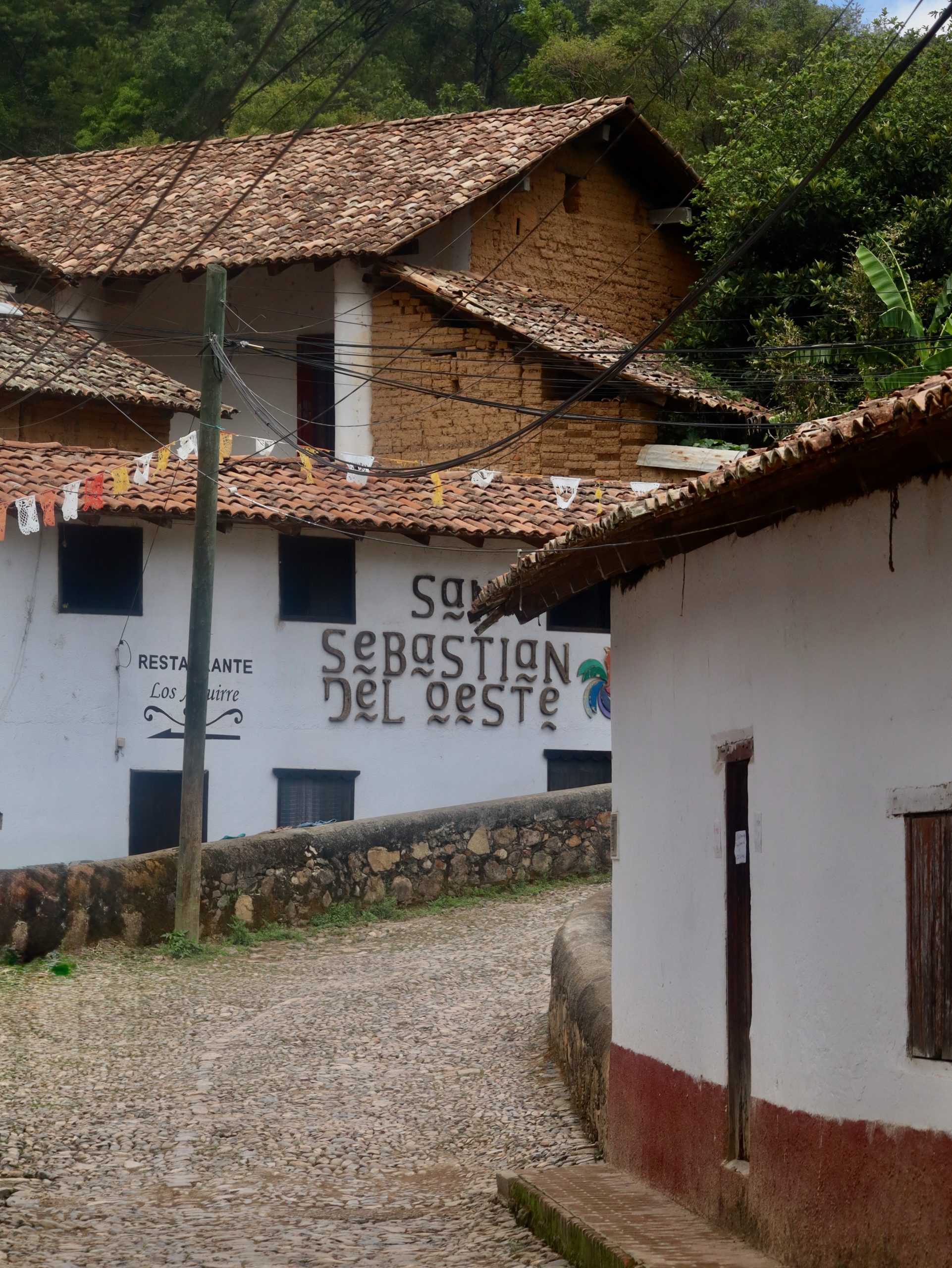
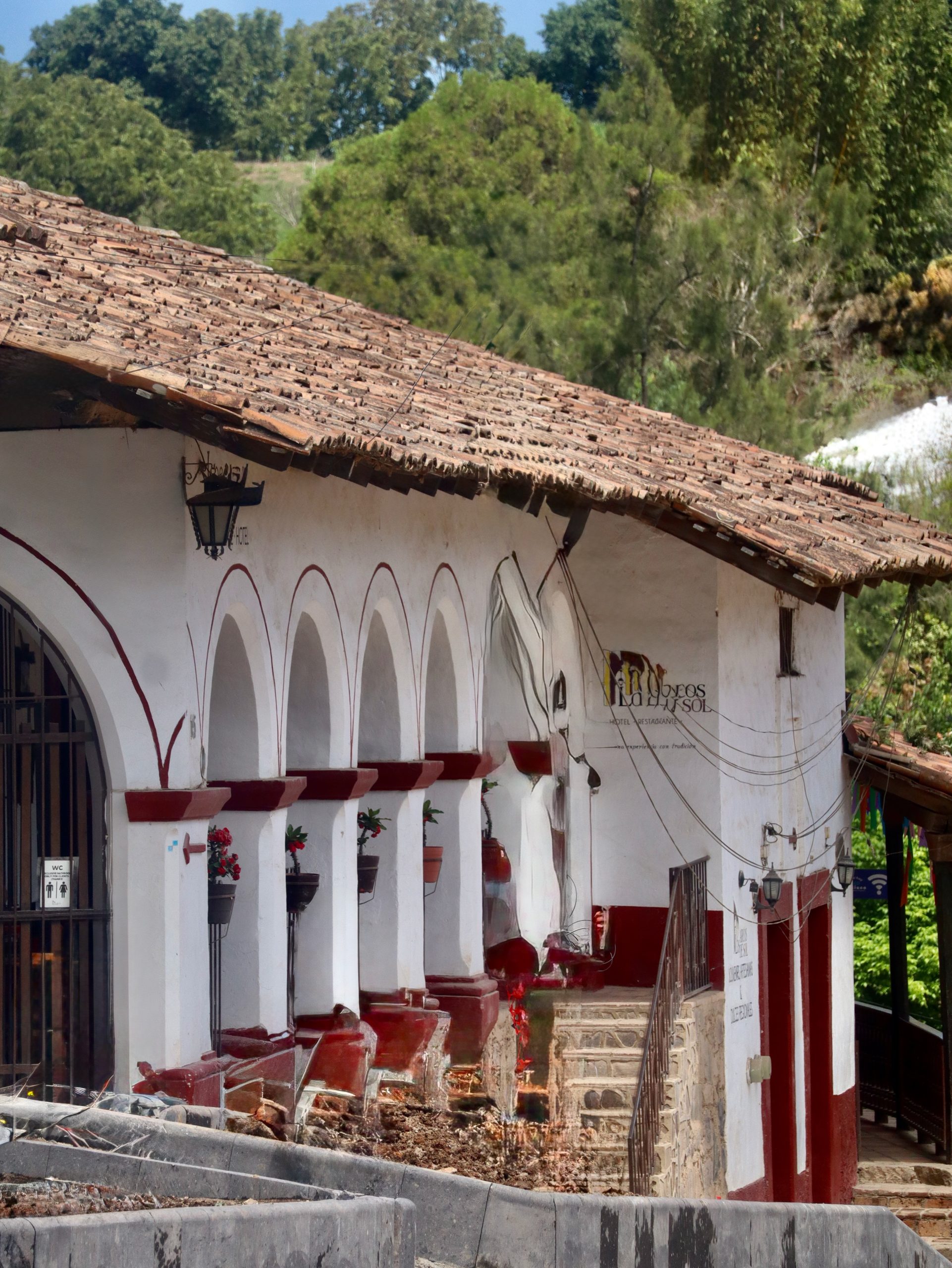
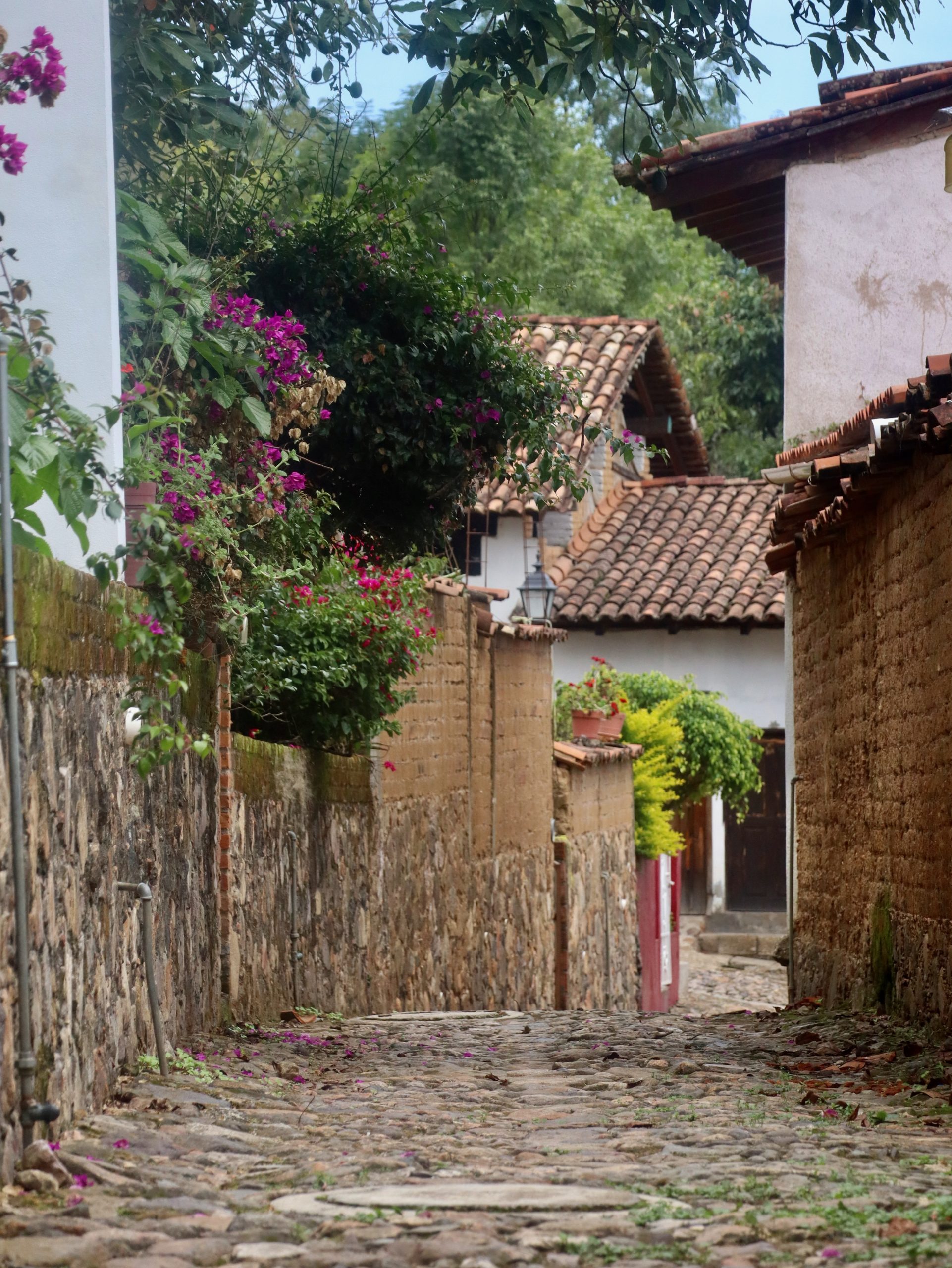
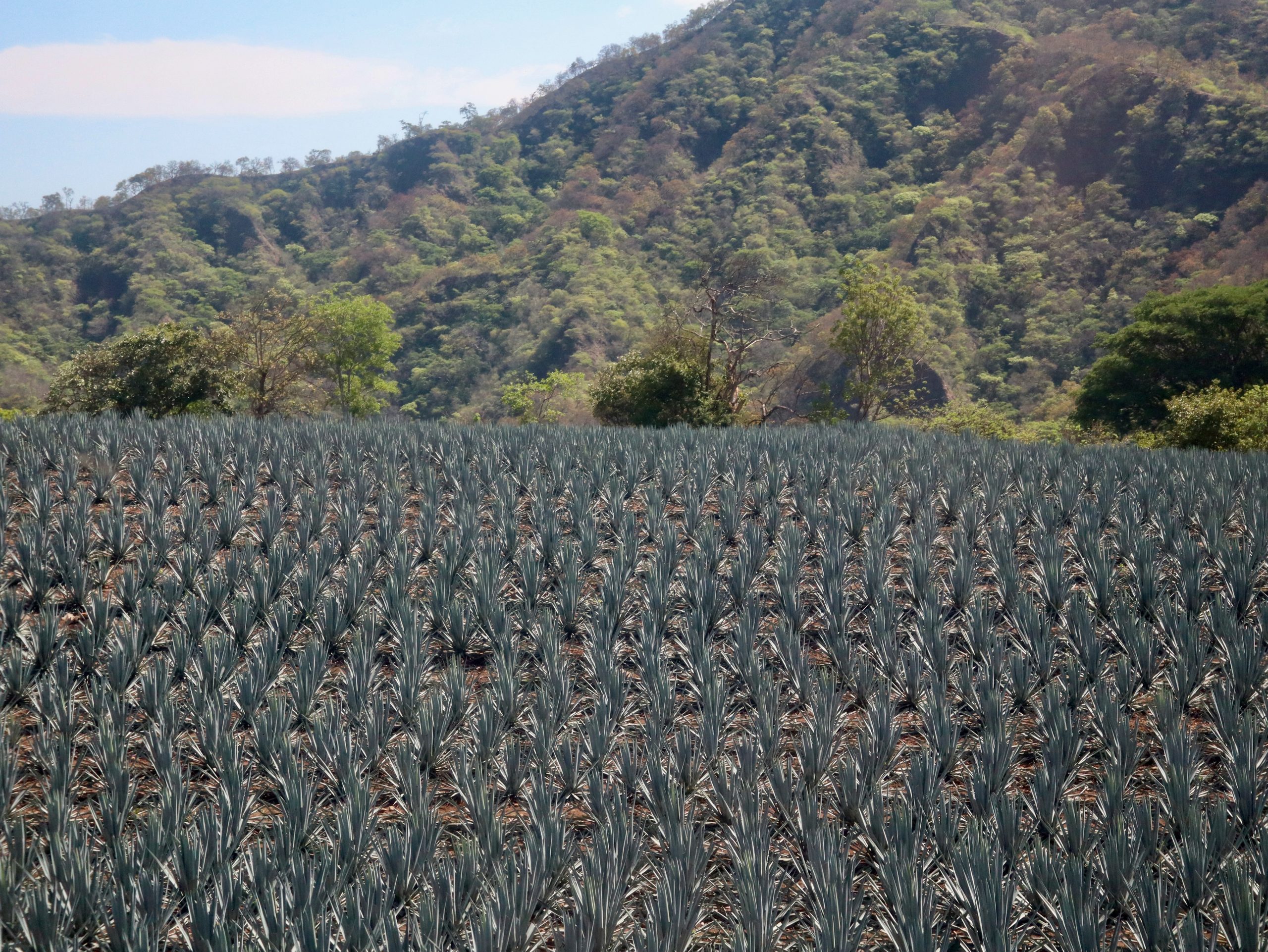
San Sebastián del Oeste. This former silver mining town is a two-hour drive through the mountain range where one can witness the harvesting of thousands of blue agave plants used to make tequila. The town has preserved much of its 17th-century Spanish colonial architecture, characterized by red-tile roofs. When I was there, they were busy upgrading the town plaza. The town area is also known for its many haciendas, which have been converted into boutique hotels. It’s best to sign up for a tour that offers an old-fashioned Mexican meal, tequila tasting, and visits to several historic sites.
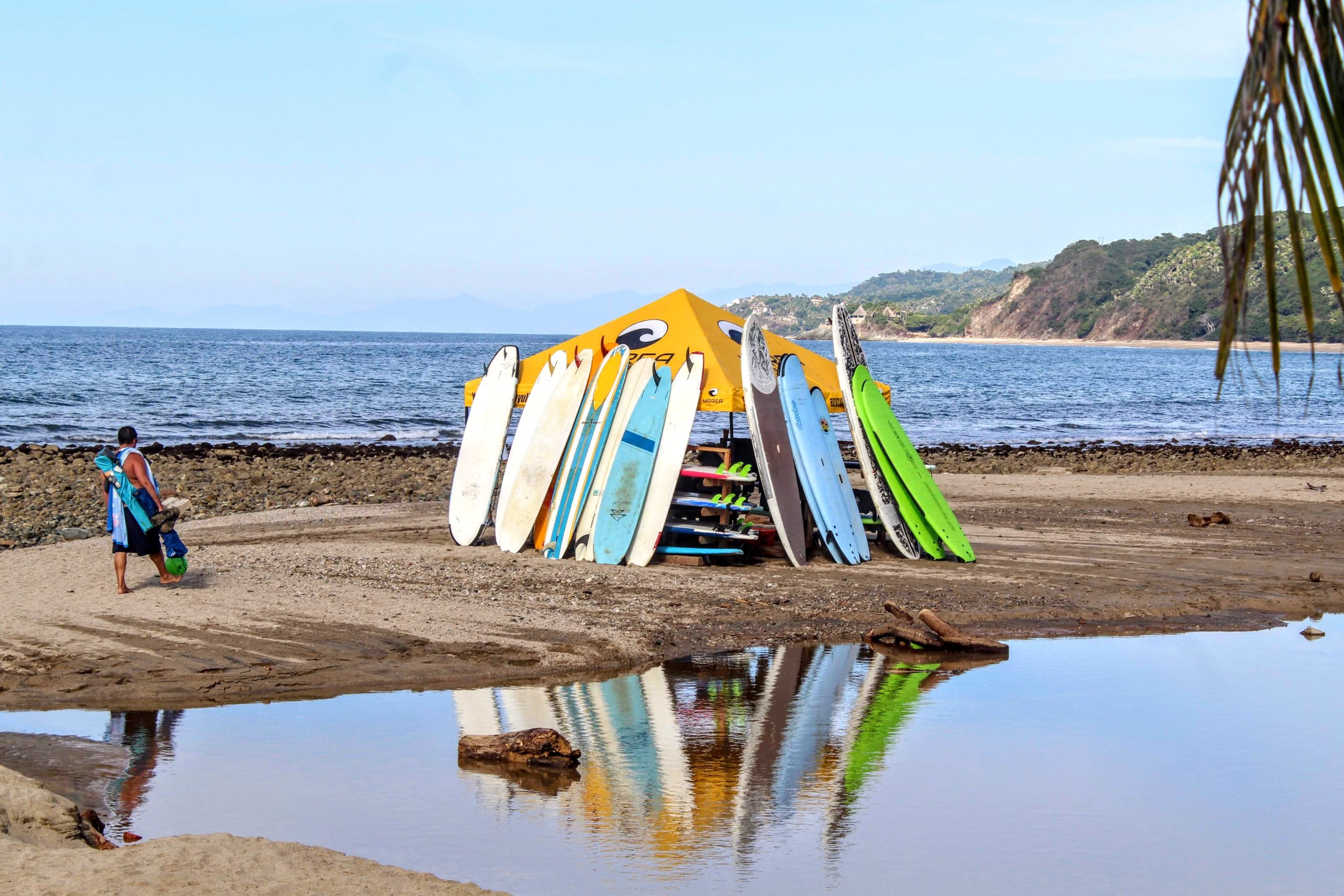
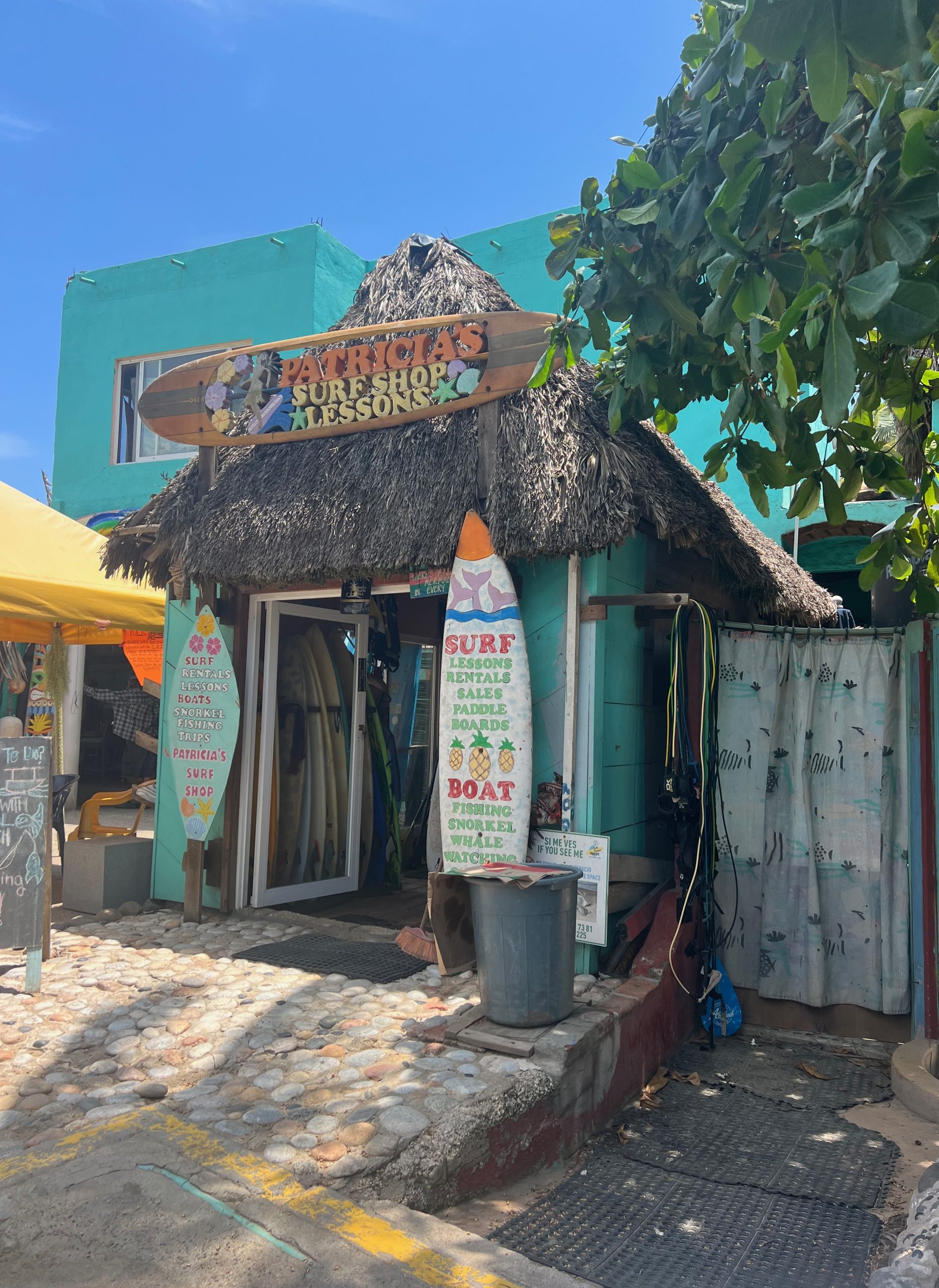
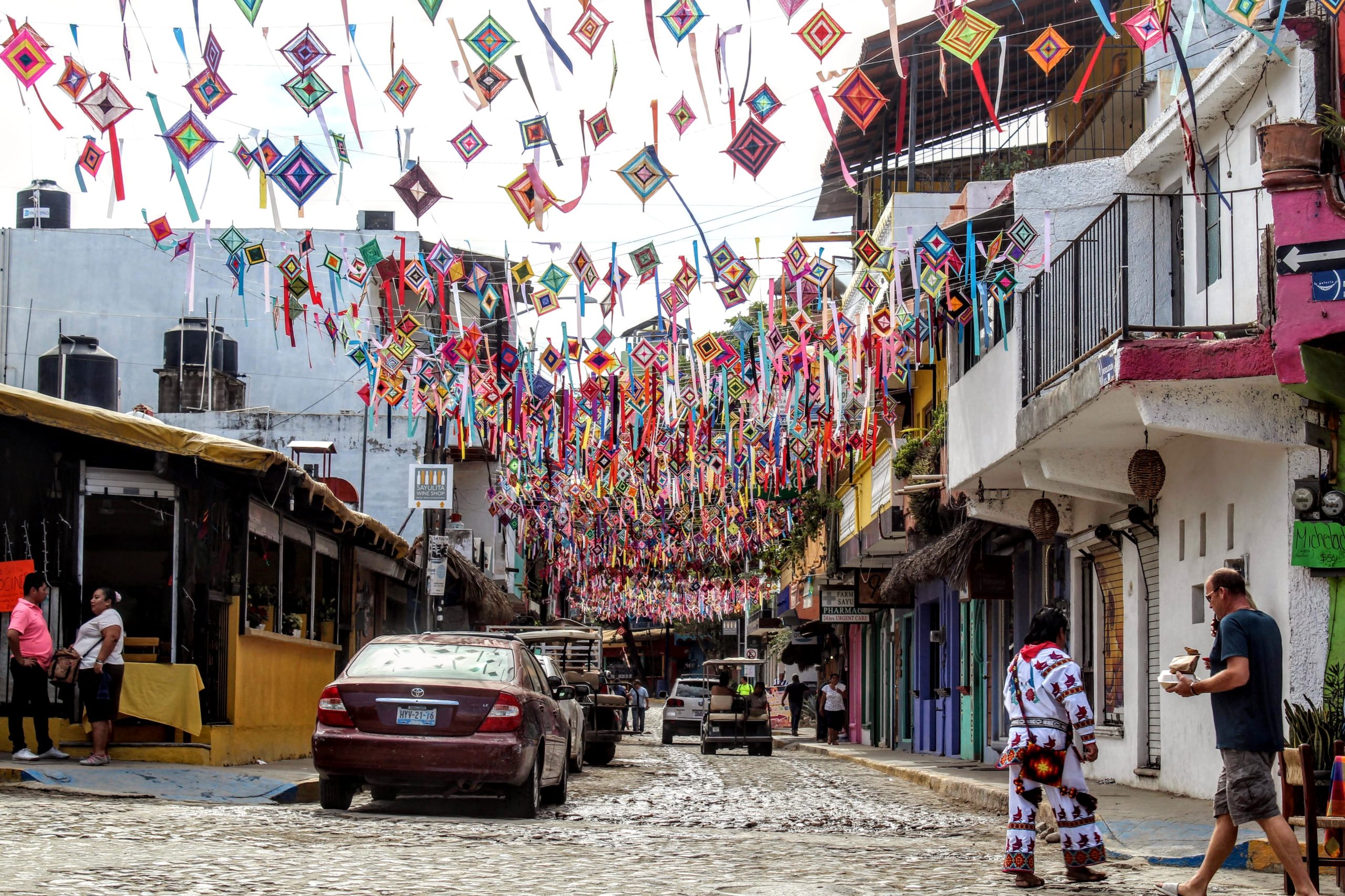
Sayulita Beach Town is less than 40 minutes away, and you can take a bus or Uber there. It is truly a vibrant, bohemian, hippy-vibe surfing beach town (no longer a fishermen town). It’s a great place to shop, drink, and eat, offering an active nightlife, even as a weekend getaway. I’ve been there several times, both to shop and to sit on the beach listening to music and watching people surf.
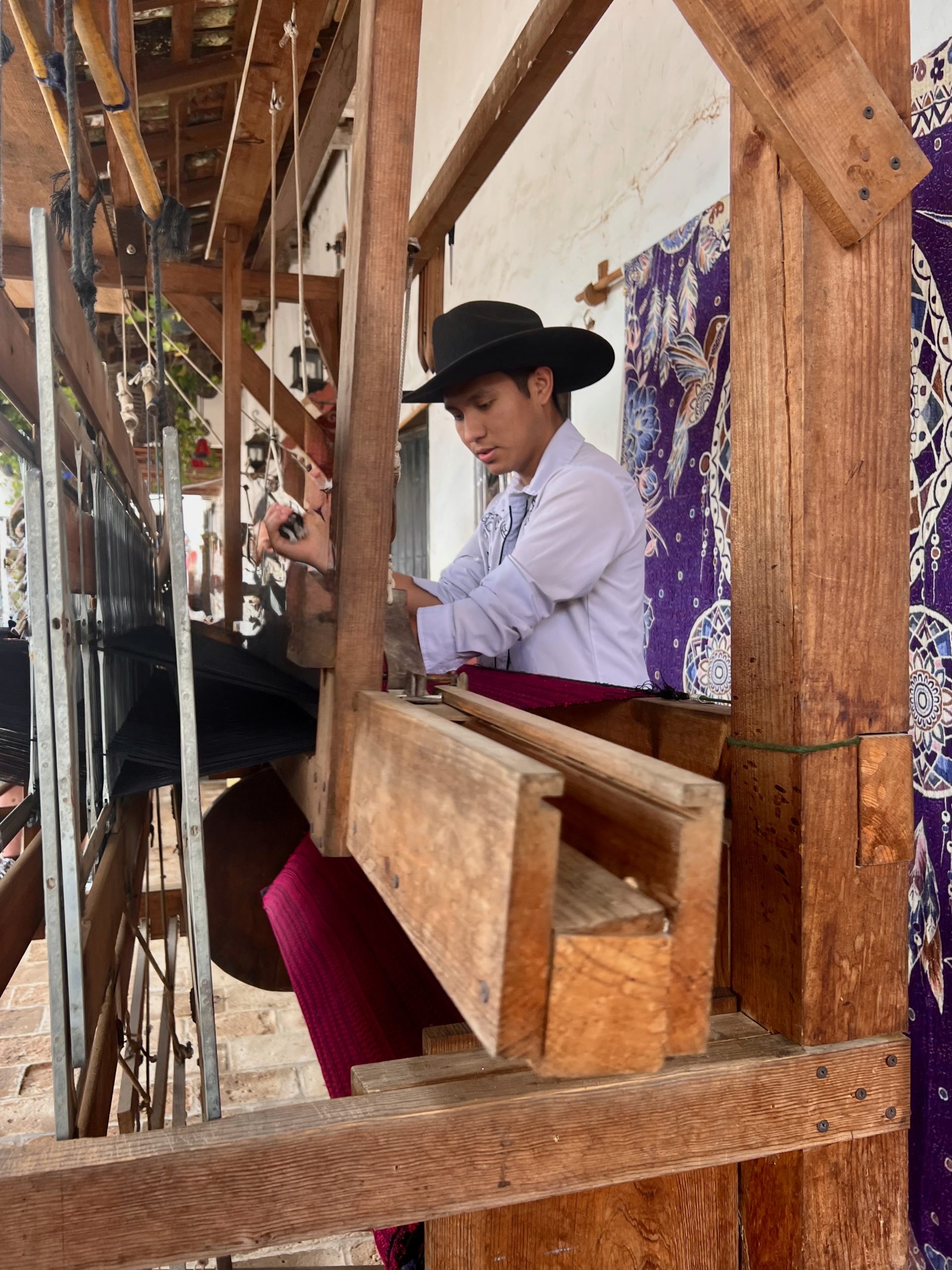
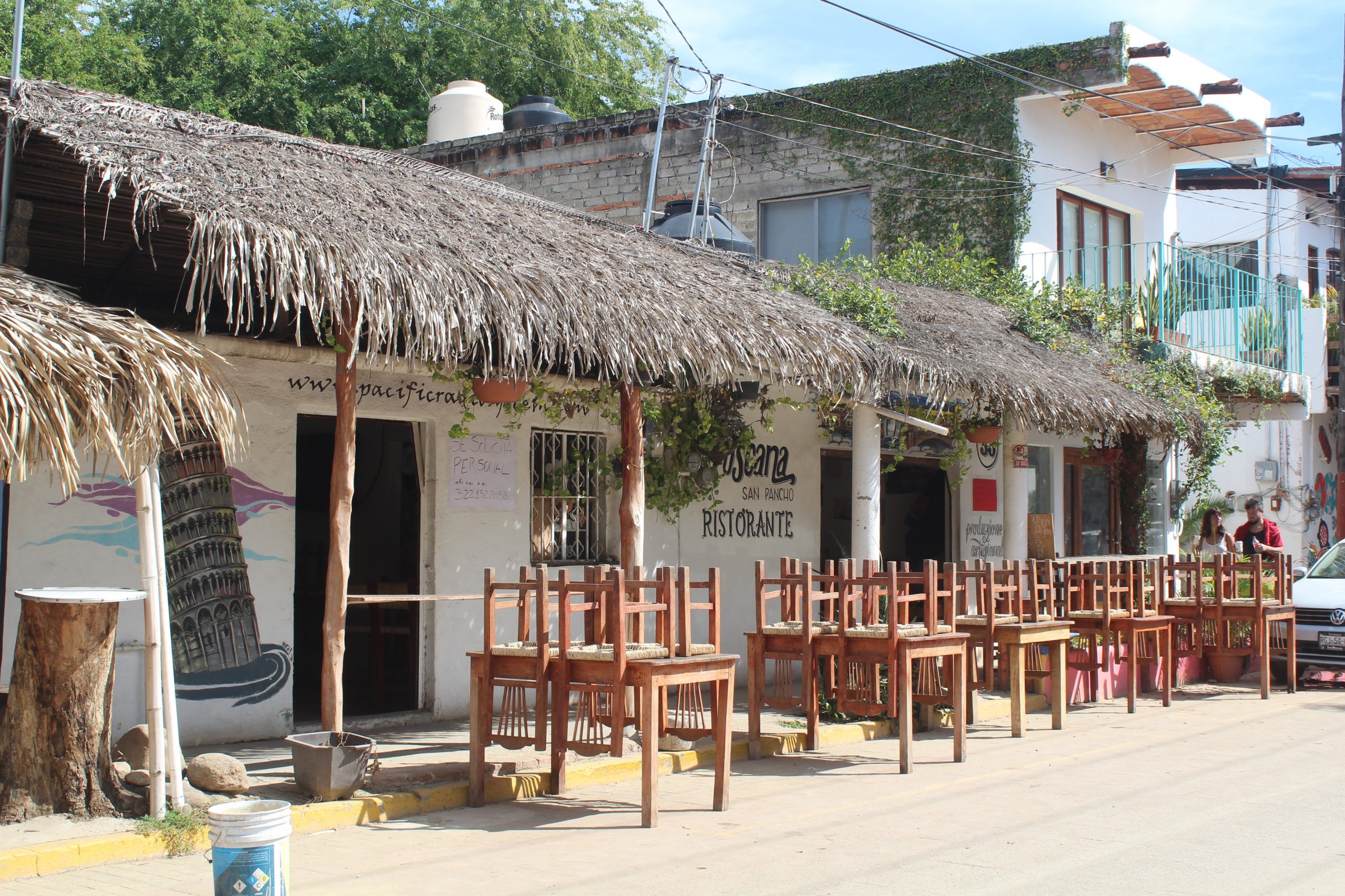
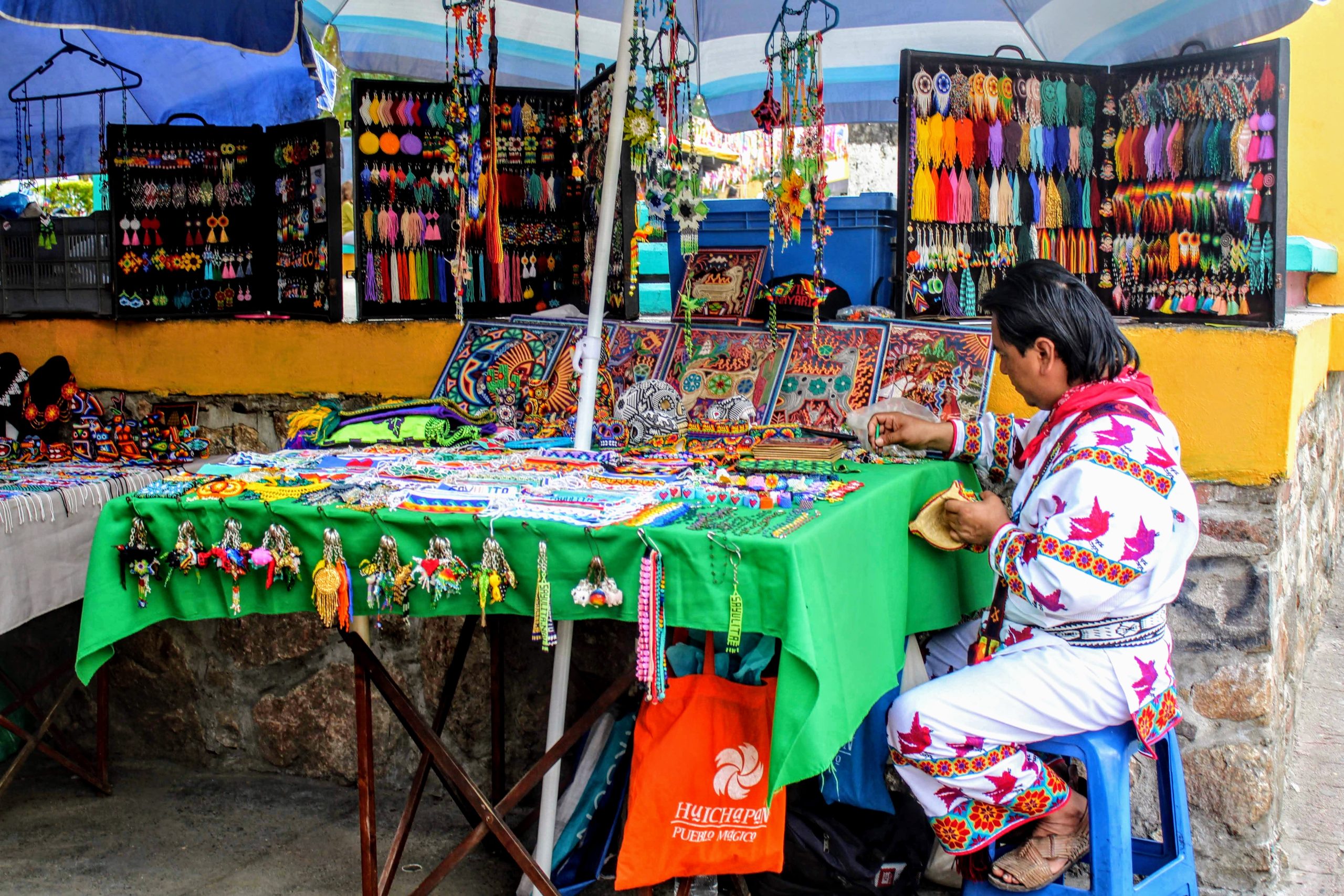
San Pancho Village, also known as San Francisco, is not far from Sayulita. A laid-back coastal village with less traffic than its neighbor but with all the charm one can expect. I love its strong conservation efforts. It also has a strong artisan presence, much like Sayulita. Many of the artisans are from the Huichol indigenous community living in this area.
Puerto Vallarta is famously known worldwide and has fully transformed from its agricultural past into a full-blown modern tourist city. Bucerias is about 25 minutes from this city, which is accessible and popular. You can take a bus or an Uber to the city and spend the day and evening visiting its coastline, neighborhoods, art galleries, street markets, and many dining spots. Of all the towns and cities in the region, Puerto Vallarta and Nuevo Nayarit are the most modern and overdeveloped resort communities, attracting huge foreign investment.
Getting Back to Bucerias — “A Community Between Preservation and Transformation.”
As I traveled throughout Latin America, I have photographed communities navigating globalization, tourism, migration, and economic change. The question I continue to ask myself is what allows a community to endure without losing its identity? How does cultural resilience survive in a rapidly changing world? What happens when a traditional town becomes desirable to outsiders, causing neighborhoods to be gentrified and eventually pricing out long-time residents?
I purchased a getaway home on the east side of Bucerias, which is more traditionally Mexican that the west side facing the coastline. As the coastline gets fully developed (and it’s getting there) one can see that the east side is also being impacted. I live in an area gradually experiencing gentrification, which raises the question of how these communities can preserve their culture and traditions while creating economic opportunities for the next generation. Communities such as Bucerias, which are on the coastline, have a greater challenge in preserving their identity and daily life. The opposite is true of small inland towns, where their future is unclear, whether heritage tourism through programs like Pueblos Mágicos can provide sufficient opportunities and sustainable jobs for the next generation. Only time will tell.
Final Notes and My Photos
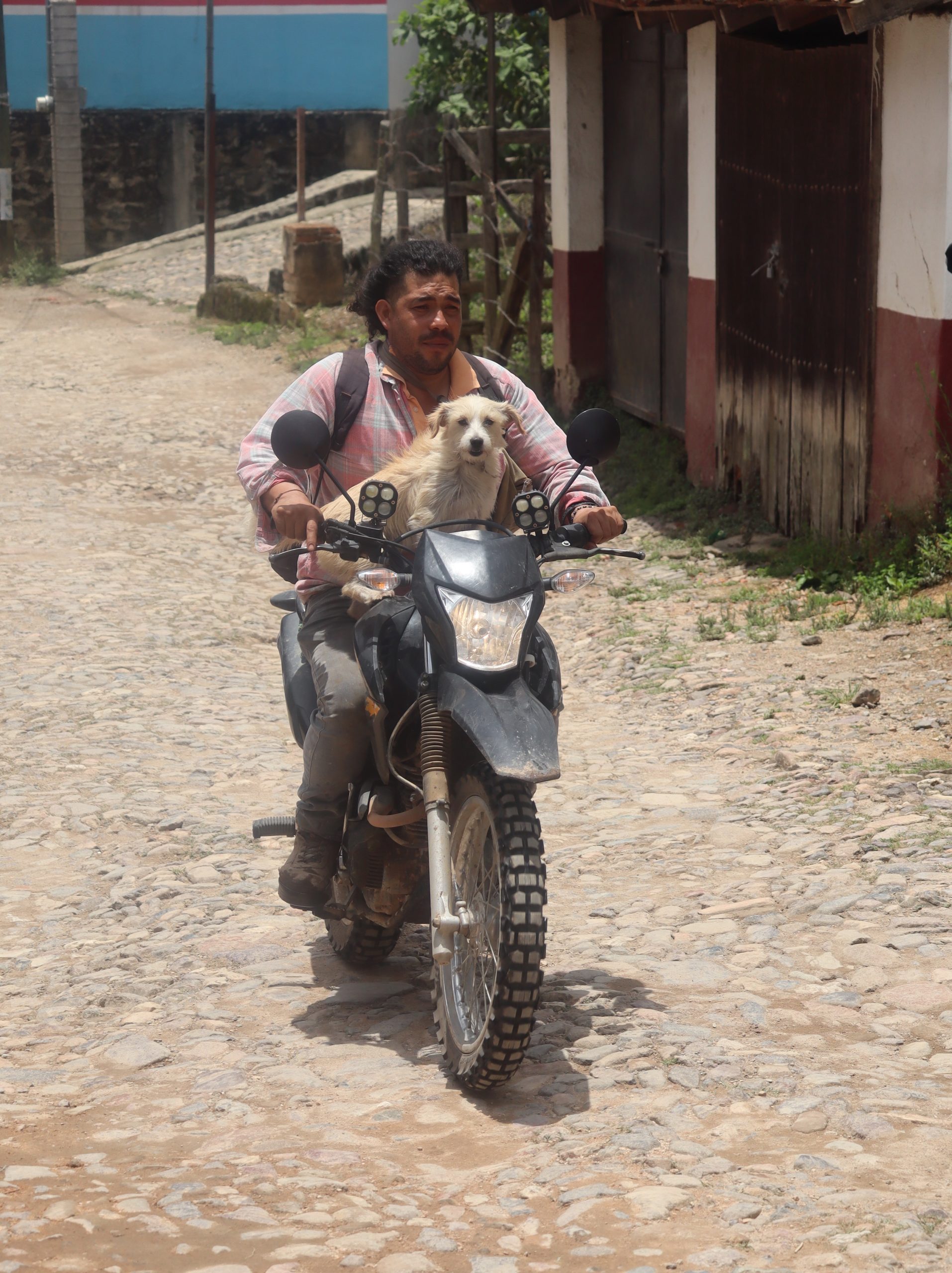
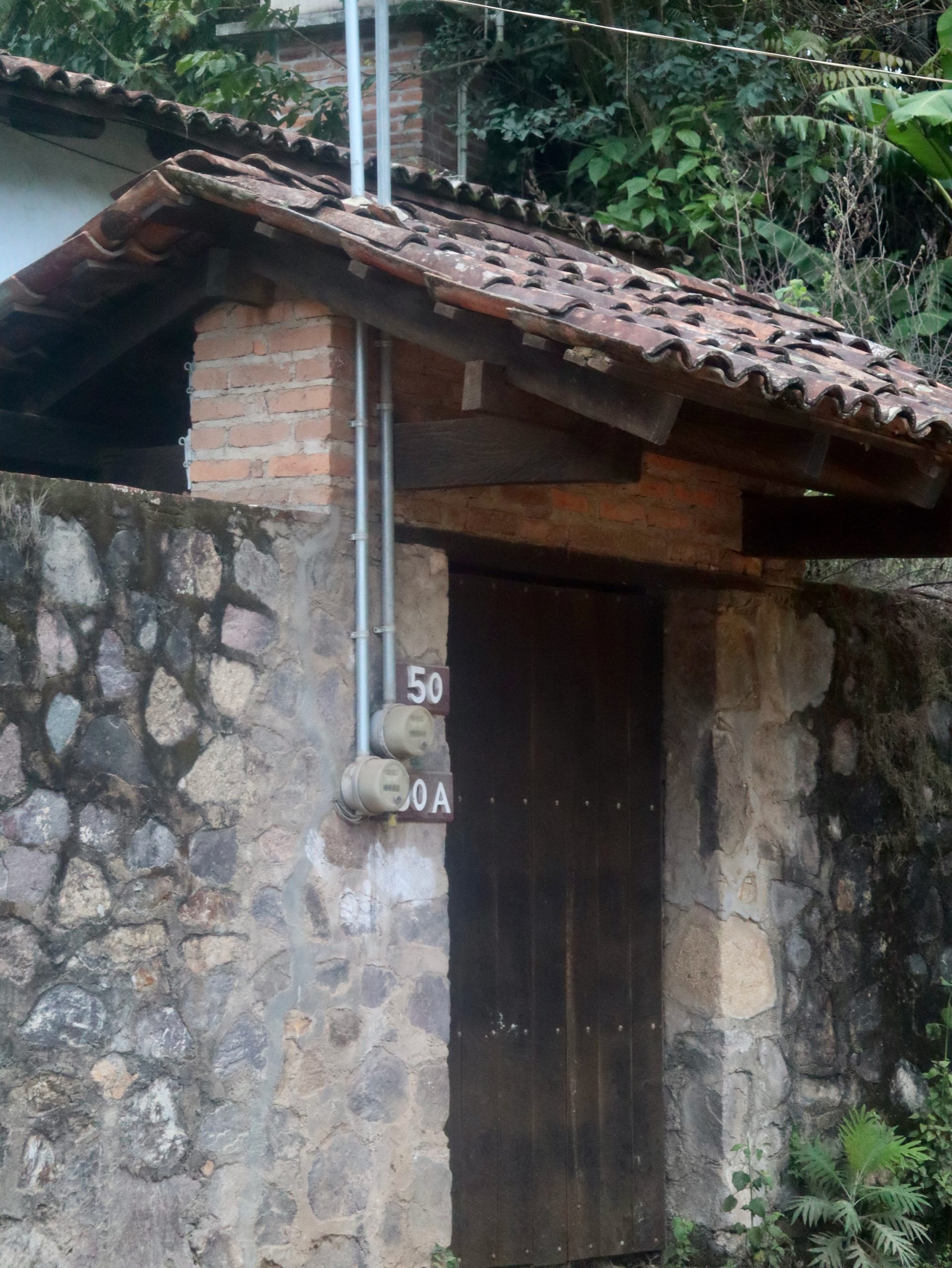
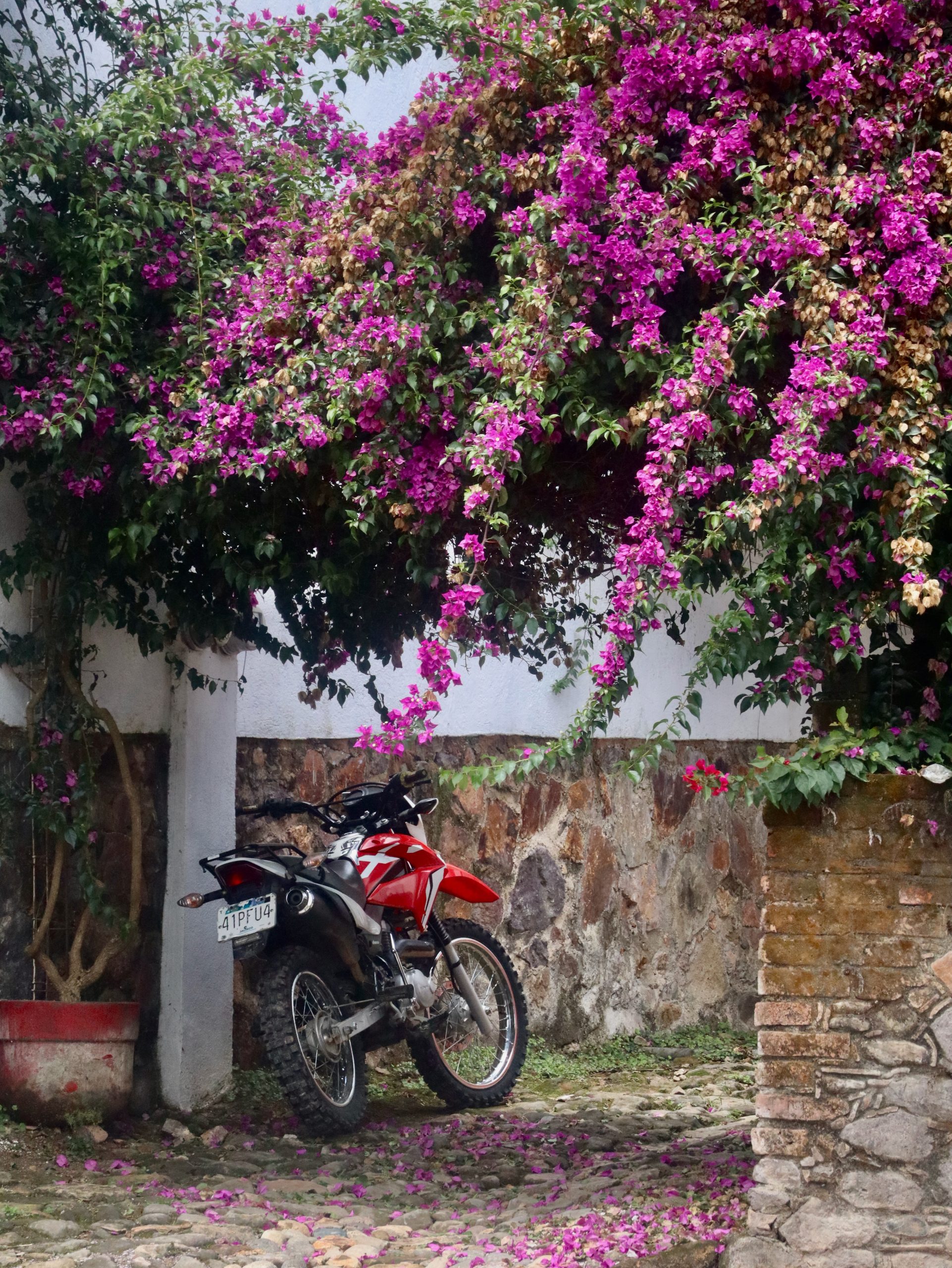
I love the experience of visiting villages and towns that have preserved so much of their past and traditions. It’s one thing I most admire about Latin American countries, specifically Mexico, that have remained committed to their heritage as they respond to so many challenges and the impact of modernization and climate change. I look forward to my visits to Mexico to continue exploring this country’s many diverse cultures and traditions. In Bucerias, I hope to photographically document what both the east and the west sides are experiencing, especially the gentrification that the east side is slowly experiencing. My photos represent daily living in the same sequence as the communities listed in this story, ending with Bucerias. As always, please click the center of the photo for a full view.
I will head back home to New Jersey come July and resettle my life after three years of a self-nomadic journey, having visited 21 countries. As expected, I am anxious about restarting the next chapter in my life. See you in New Jersey


No Comments