El Salvador: Between Memory and Reinvention– A Nation Once Shaped by Violence, Reinventing Itself
During a two-week visit to El Salvador, the smallest nation in Central America and commonly referred to as the “Land of Volcanoes,” I witnessed a remarkable transformation. The city of San Salvador, once labeled as one of the most dangerous in the world, has been experiencing a renaissance that has transformed its historic center while improving the quality of life and safety for its residents. However, beneath the surface of safety and renewal lies a complex reality shaped by civil war, genocide, gang violence, and now a controversial state-led crackdown. The country’s charismatic president has restored order while raising urgent concerns about democracy and human rights. Nevertheless, it remains a beautiful country known for its historic architecture, vibrant street markets, rainforests, Mayan temples, volcanic hiking, and surfing beaches. Let me also add its popular Pupusa, a culinary dish of thick corn or rice tortillas stuffed with cheese, beans, and meat. A place of quiet contradictions, where the tension between beauty, control, recovery, and history is quite revealing. Here is what I learned and wish to share…..
But First a Bit of History
Before falling under Spanish rule in the 1500 this country belonged to the Pipils (descendants of the Aztecs) and the Mayans. The country gained its independence in 1821 only to confront decades of political instability and severe inequality brought on by coffee oligarchs, who took control of communal lands converted into private coffee plantations. Sadly, in 1932, a rural uprising tied to land inequality and repression led to the military massacre of 30,000 indigenous people and peasants, mostly Pipil. One of the worst genocides, known as La Matanza, sought to erase this entire indigenous community—a cultural erasure that today continues to be memorialized as part of the country’s national identity.
More repression and inequality continued, eventually leading to 12 years of civil war (1980-1992) between the military (supported by the CIA) and the leftist rebels known as the FMLN. The Chapultepec Peace Accords, signed in 1992, brought an end to the conflict and reformed the military. However, violence persisted as gangs like MS-13 and Barrio 18 emerged, dominating many of El Salvador’s cities for decades. Their activities—extortion, murder, and territorial control—have made El Salvador one of the world’s most dangerous countries.
El Salvador Today: The Bukele Era
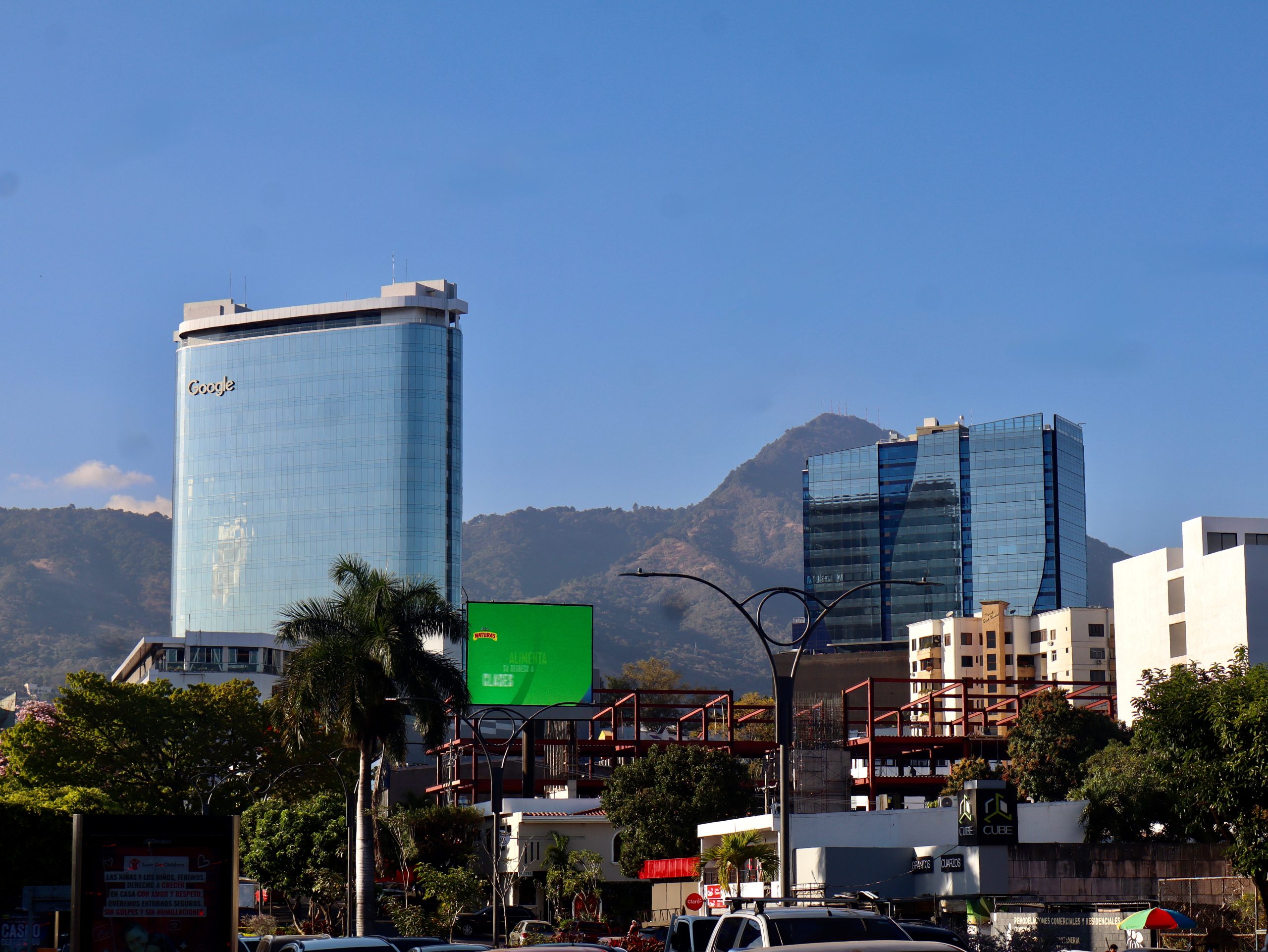
The promising charismatic former Mayor of San Salvador now President Nayib Bukele launched a massive crackdown starting in 2022 that led to an emergency law refer to as “State of Exception” where people constitutional rights are suspended (due process, legal defense limits) which has led to over 90,000 arrests—one of the largest mass incarcerations and massive prison expansion known as “mega-prisons”. The results have been astonishing, reducing crime dramatically, people feeling safe for the first time, opportunities for investments and urban redevelopment rapidly becoming the trend with both the US and China investing heavily in major city’s hubs.
The country had officially made the US dollar its currency, and in 2021 it became the first country to legalize the use of Bitcoin. The city’s historic center is quite the place, with ongoing restoration of its colonial past and the addition of the new BINAES National Library, a $54 million donation from the People’s Republic of China. A technological wonder that is open 24 /7 days a week as part of China’s expanding geopolitical influence in South and Central America. The big question remains: at what cost to democracy? … more on this later.
Arriving in San Salvador
Having read about the country’s violence, I chose to stay in one of the city’s safest neighborhoods—San Benito (looks much like the US). I had left Rio de Janeiro, where I had stayed for a month in its historic center and found it to be both unsafe and poorly kept. During my travels, safety is always my highest priority, and Rio was quite a disappointment. To my surprise, San Salvador has indeed been transformed—a revitalized historic center with increased tourism, and cleaner, controlled public spaces. I found the historic center to be vibrant, safe, with a wide range of attractions to visit. It’s hard to believe that an average of 15 people were killed each day in the city. I managed to visit the historic center several times, besides visiting several of its towns, Mayan temples, museums, a rainforest, and volcanoes.
What I Encountered and Experienced
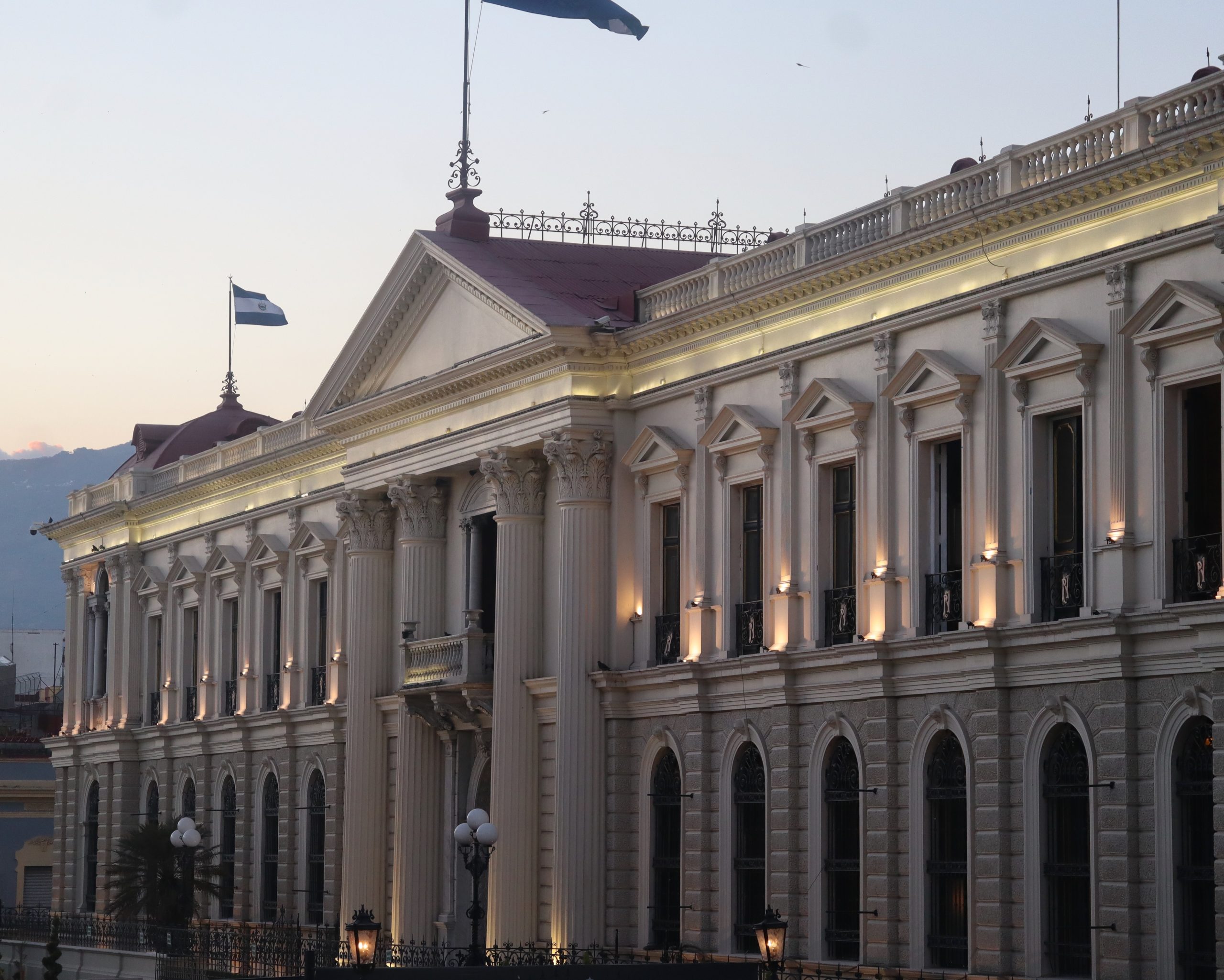
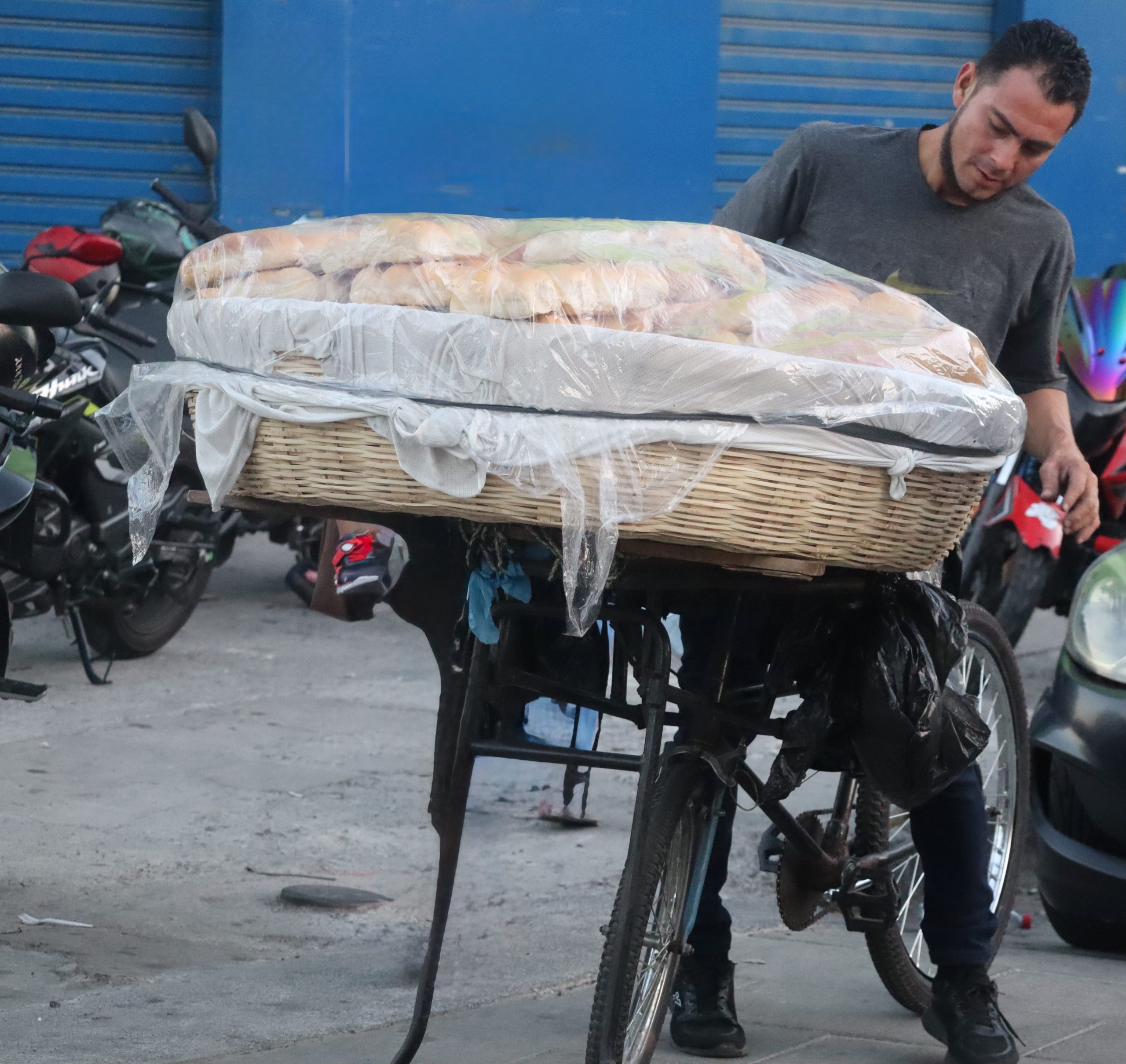
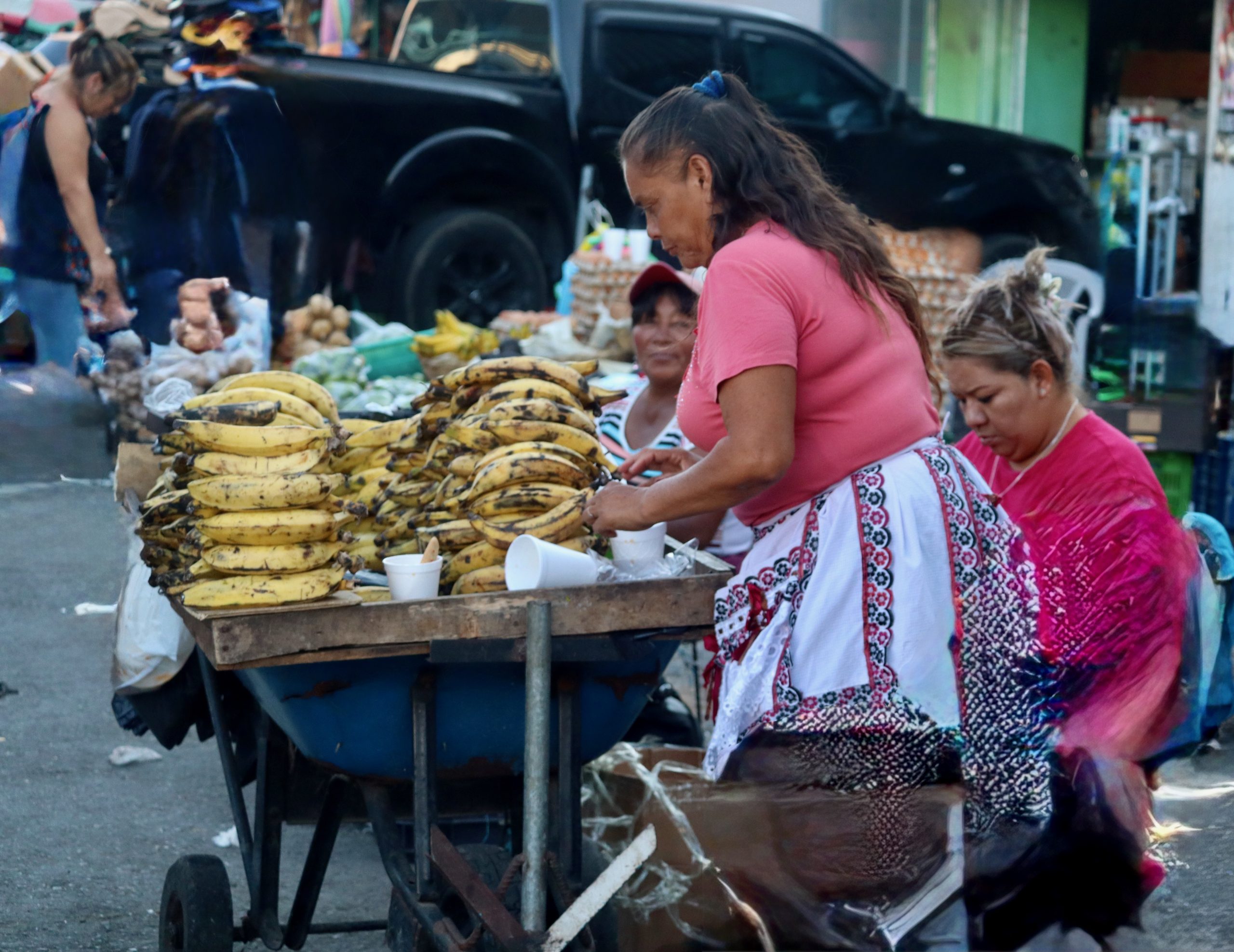
Touring the Historic Center is a definite yes, as it offers both an understanding of its colonial past and the urban renewal shift San Salvador is undergoing. You get to experience the city’s various street markets, its many coffee shops, and the city’s well-preserved plazas where people gather during day and evening hours to relax and enjoy the weather.
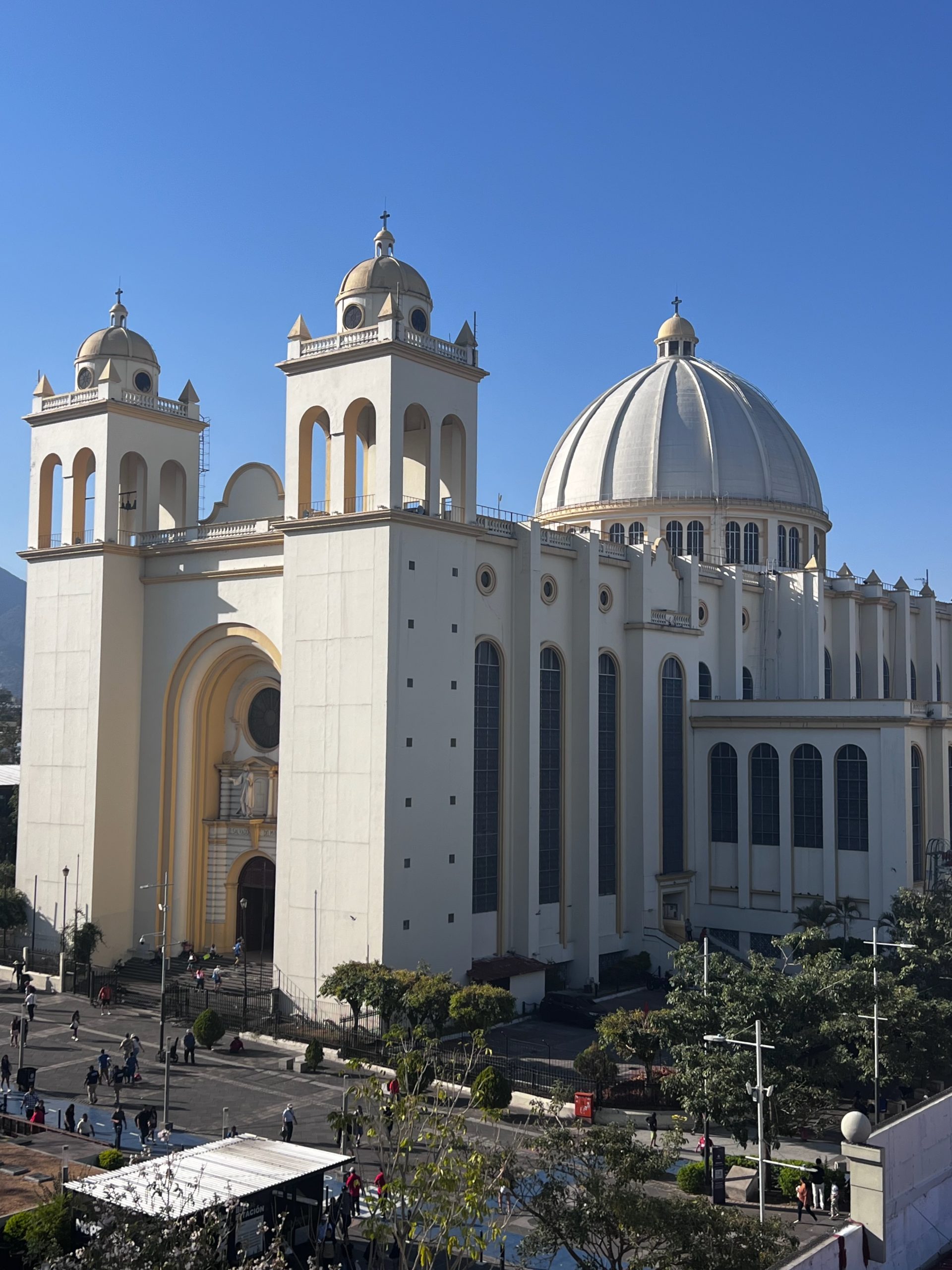
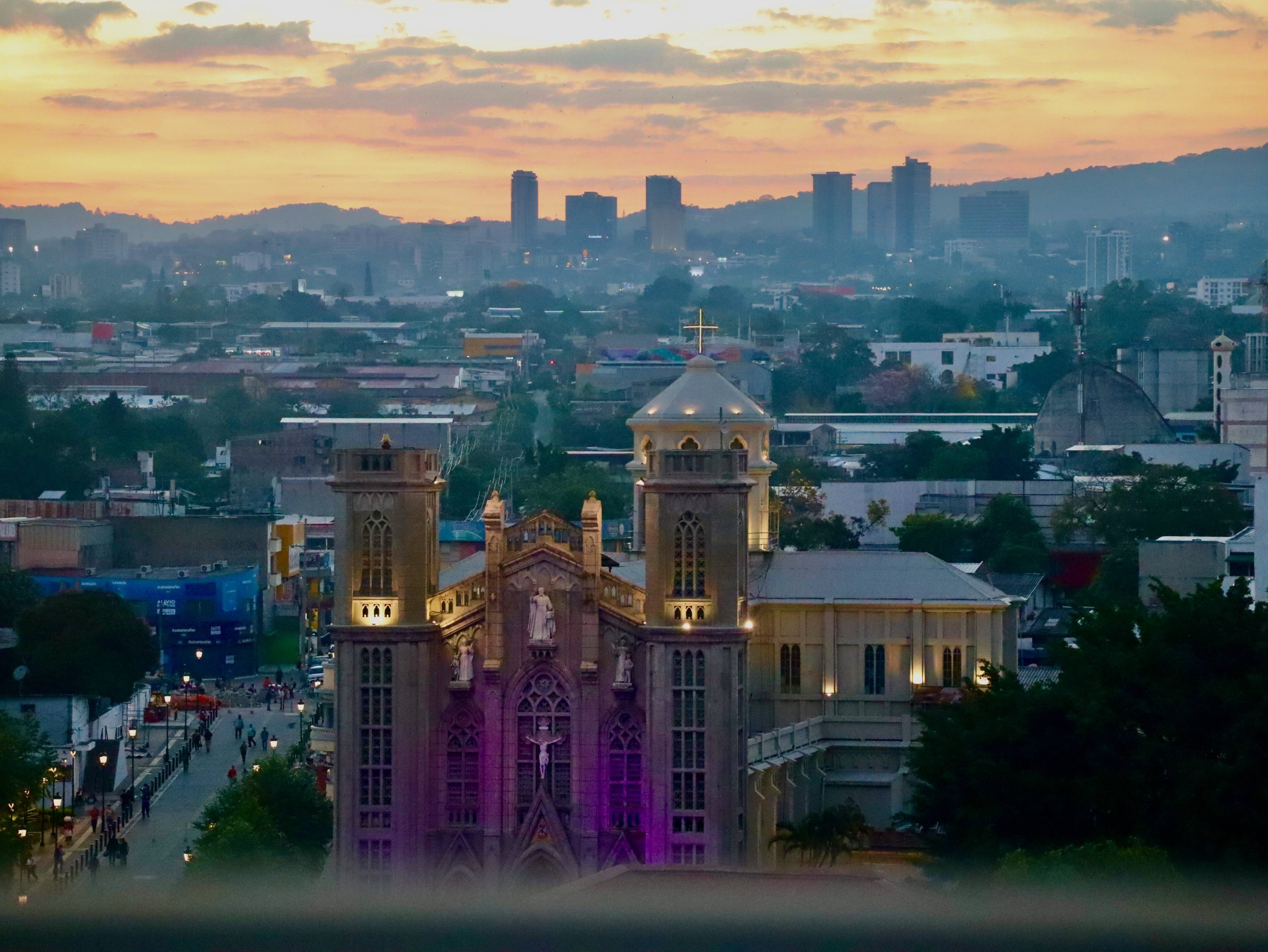
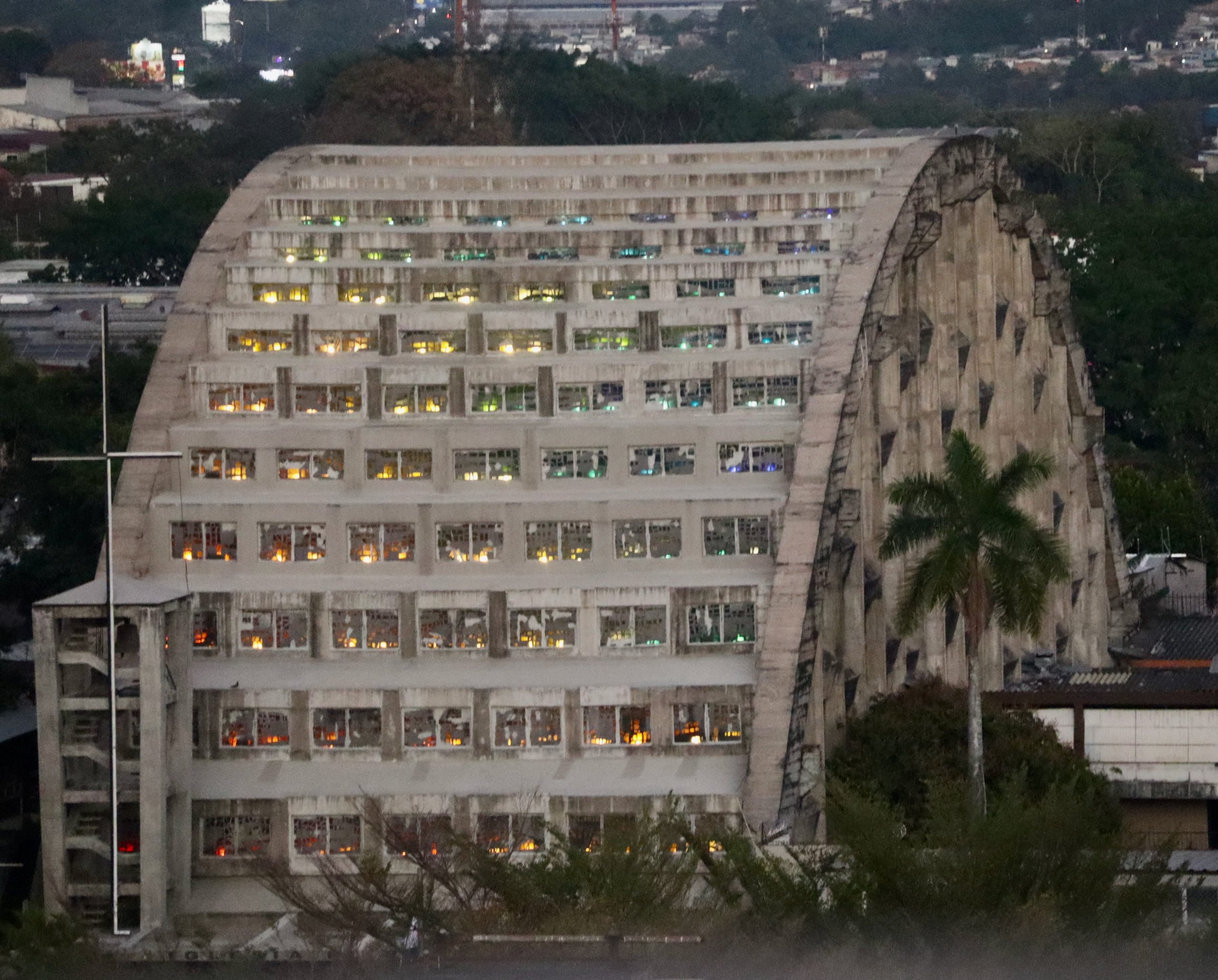
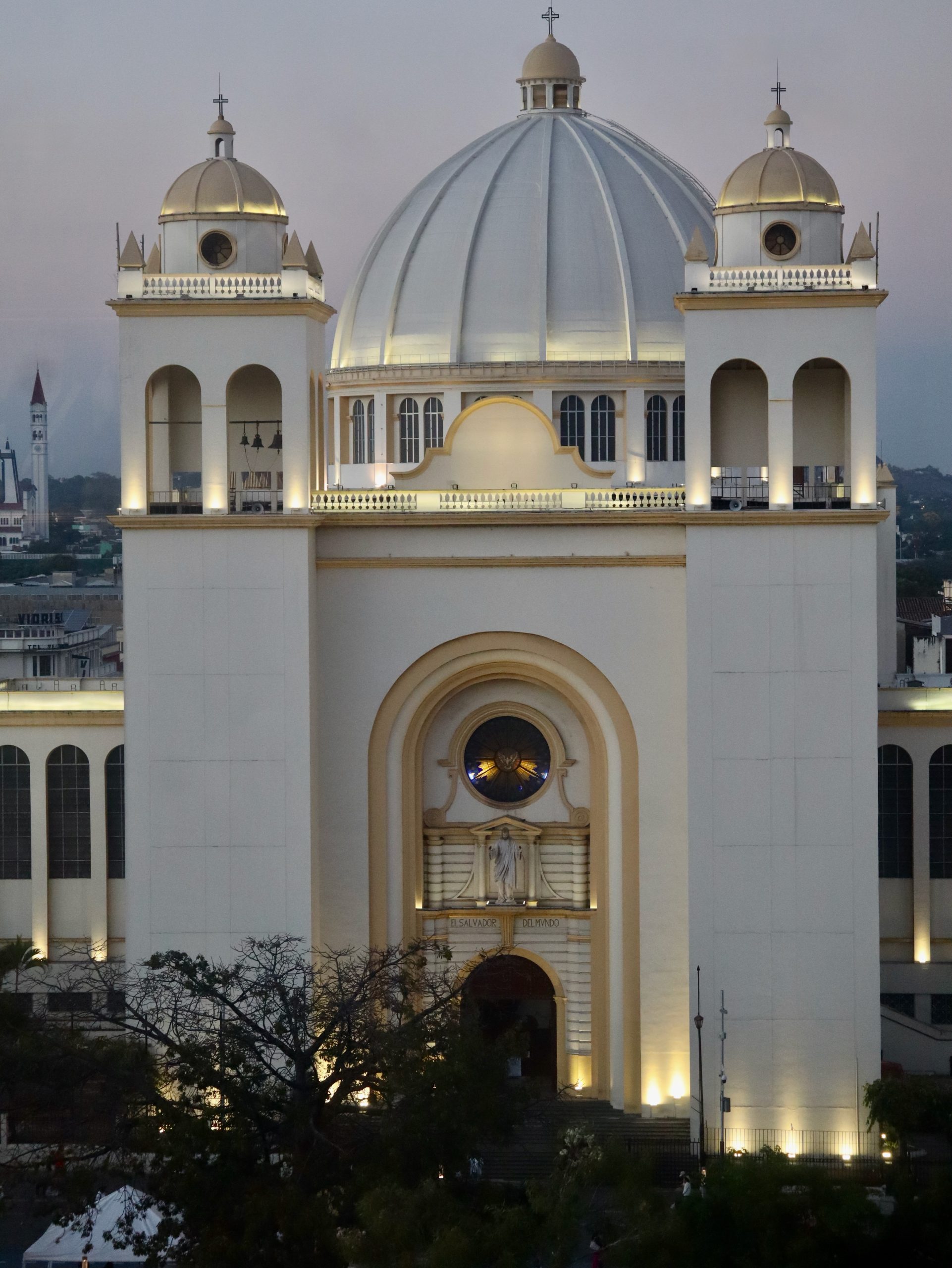
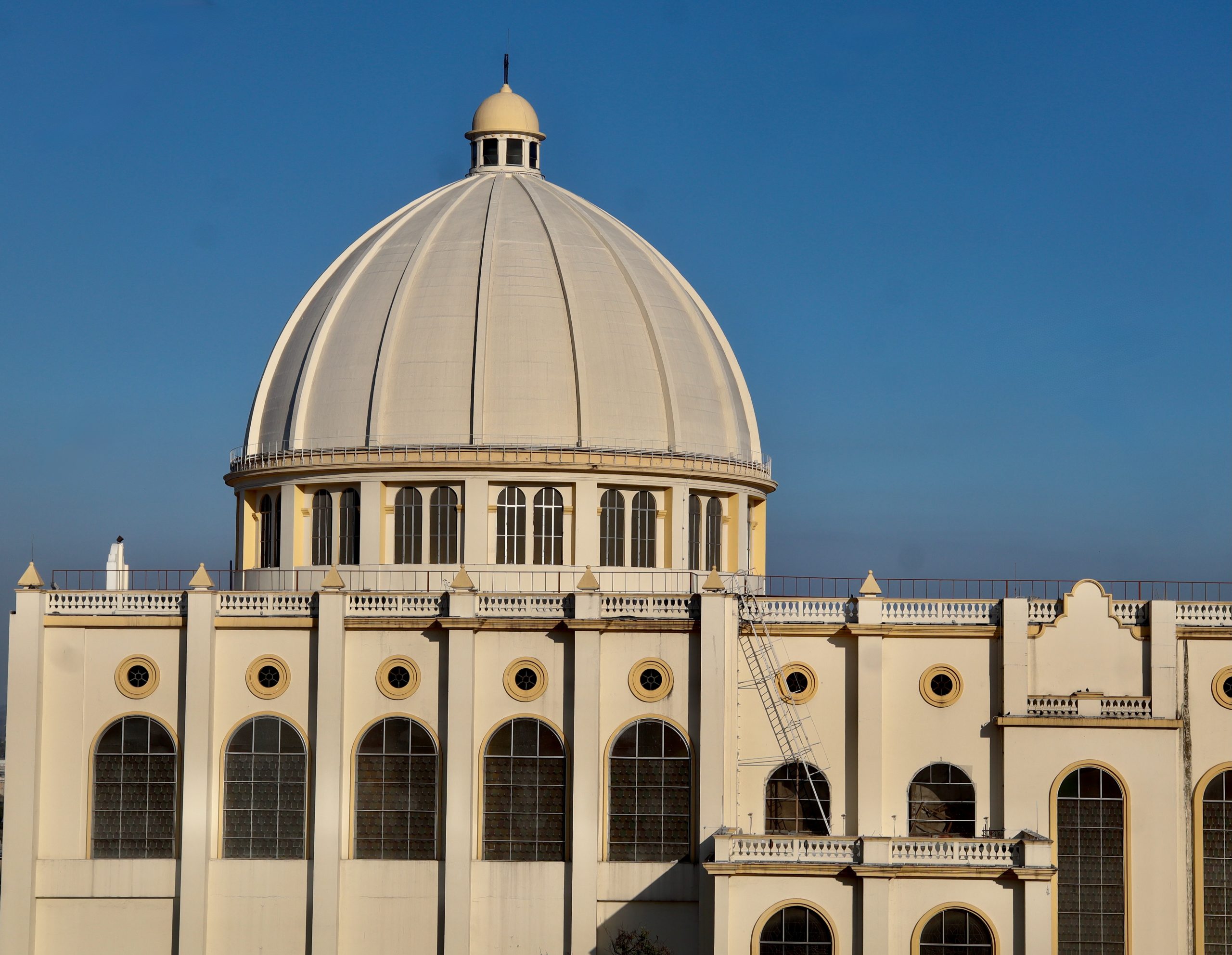
The Metropolitan Cathedral of San Salvador, an architecture icon in the middle of the historic center. Besides serving as the main religious and cultural center for Catholics, it is also a place of remembrance for Saint Archbishop Romero, who was assassinated for defending the human rights of Salvadorian. Another church worth visiting is La Iglesia El Rosario, its modern, nontraditional design, covered with stained-glass windows that is shaped like a cartwheel, is quite spectacular, especially at sunset.
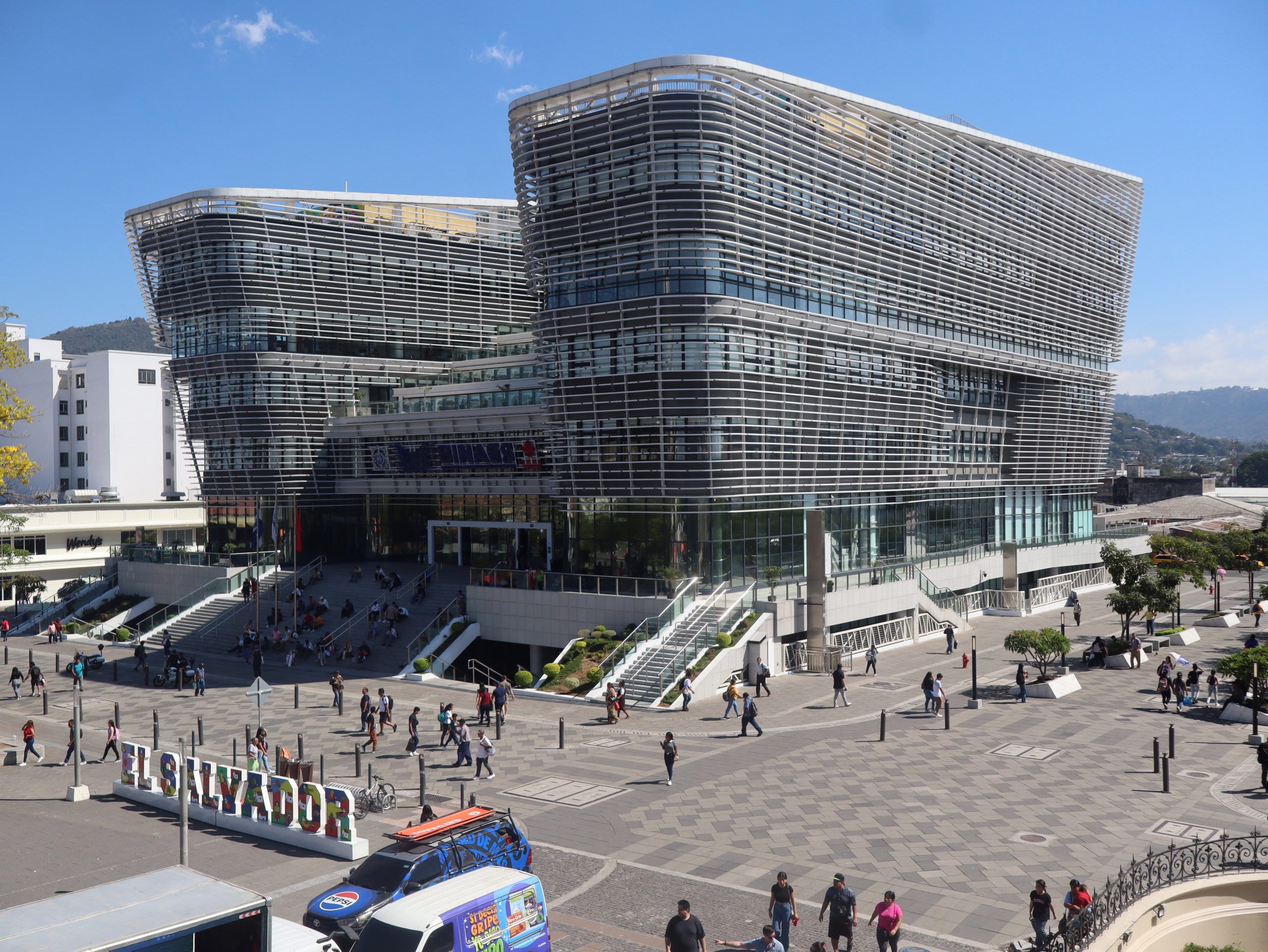
The National Library of El Salvador (BINAES) is the future of what modern libraries will aspire to be. Probably one of the most interesting and transformative attractions in all of Latin America. A $54 million donation from the People’s Republic of China. A technological wonder that is open 24 /7 days a week as part of China’s expanding influence in South and Central America.
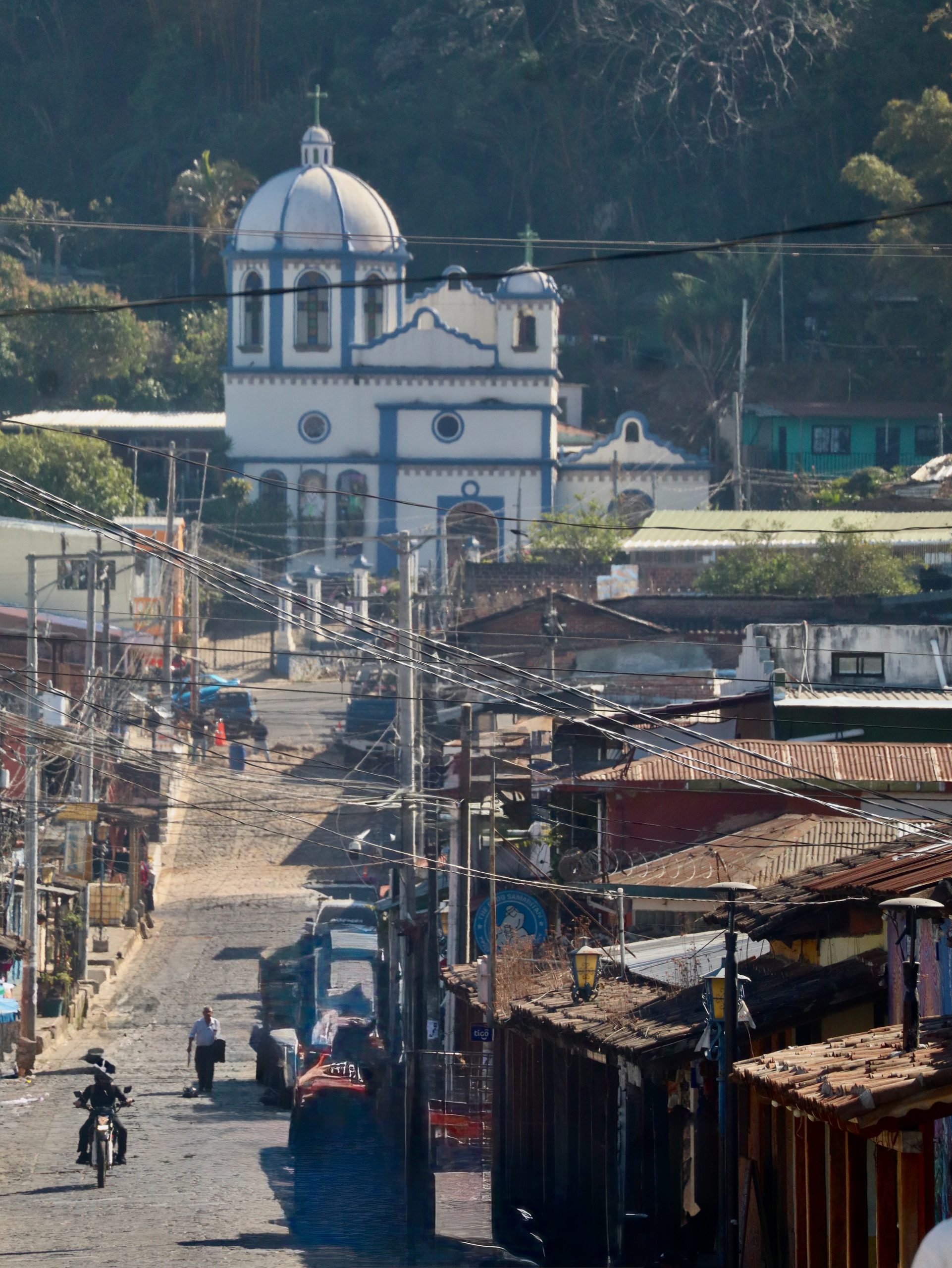
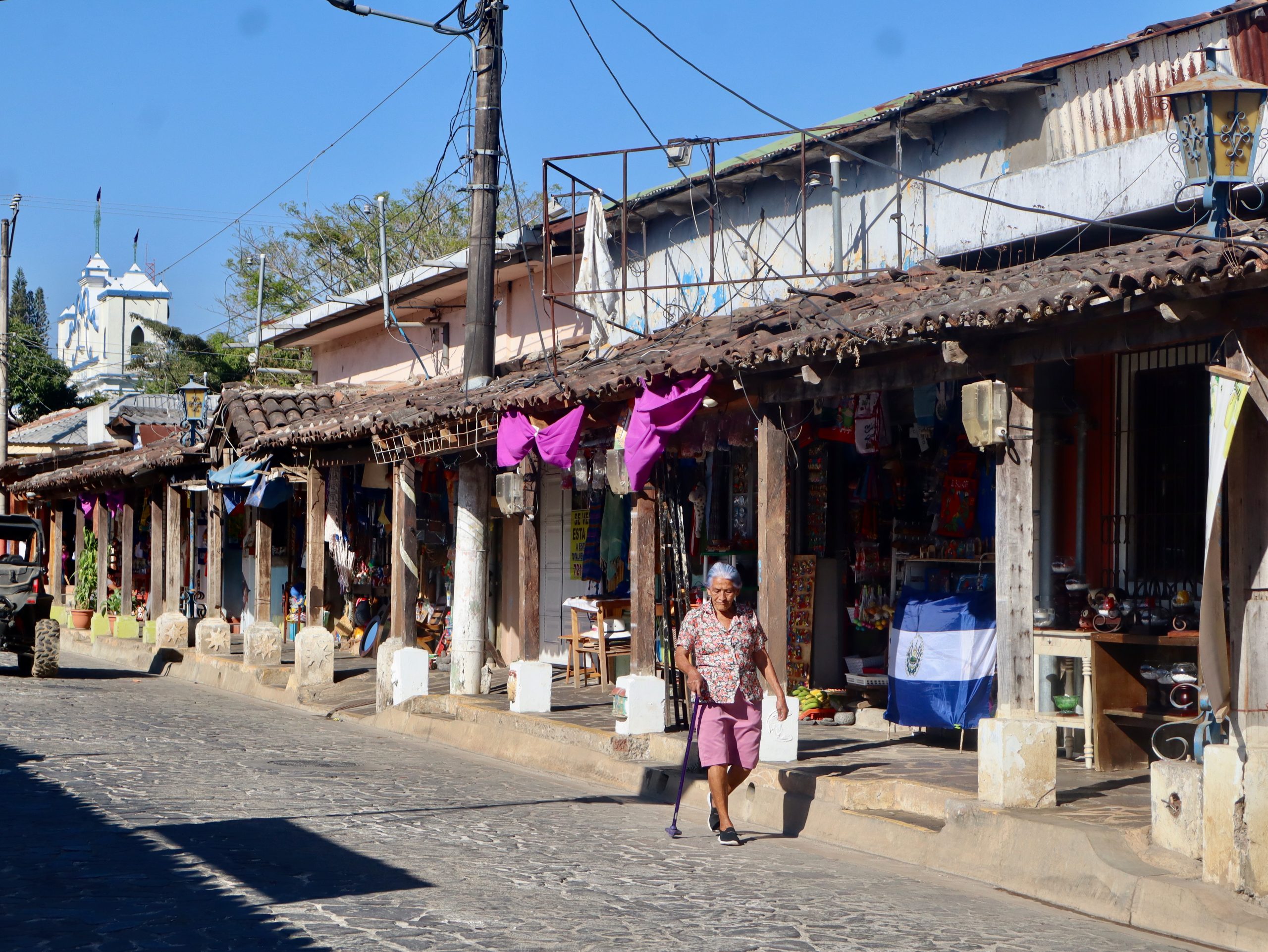
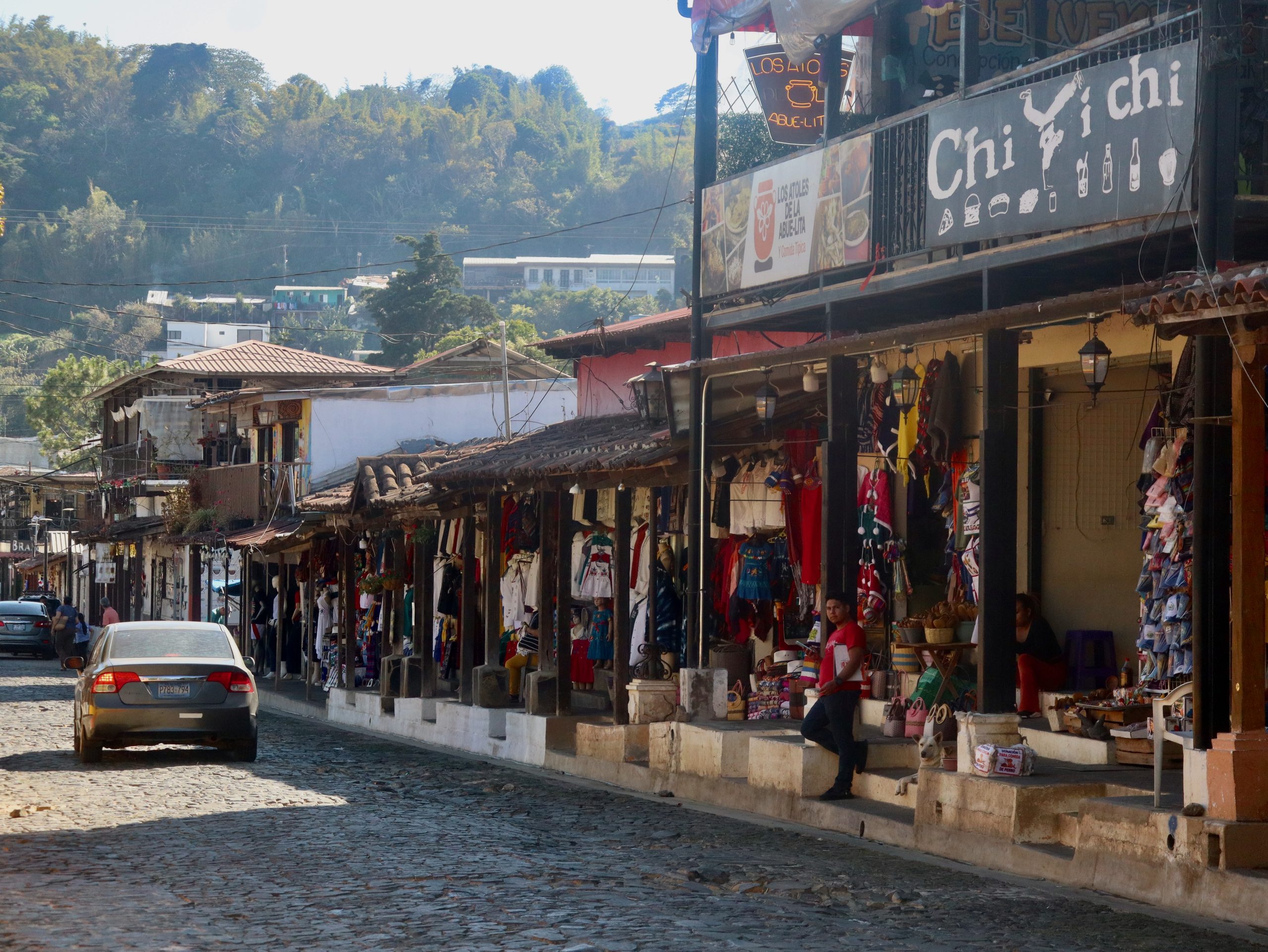
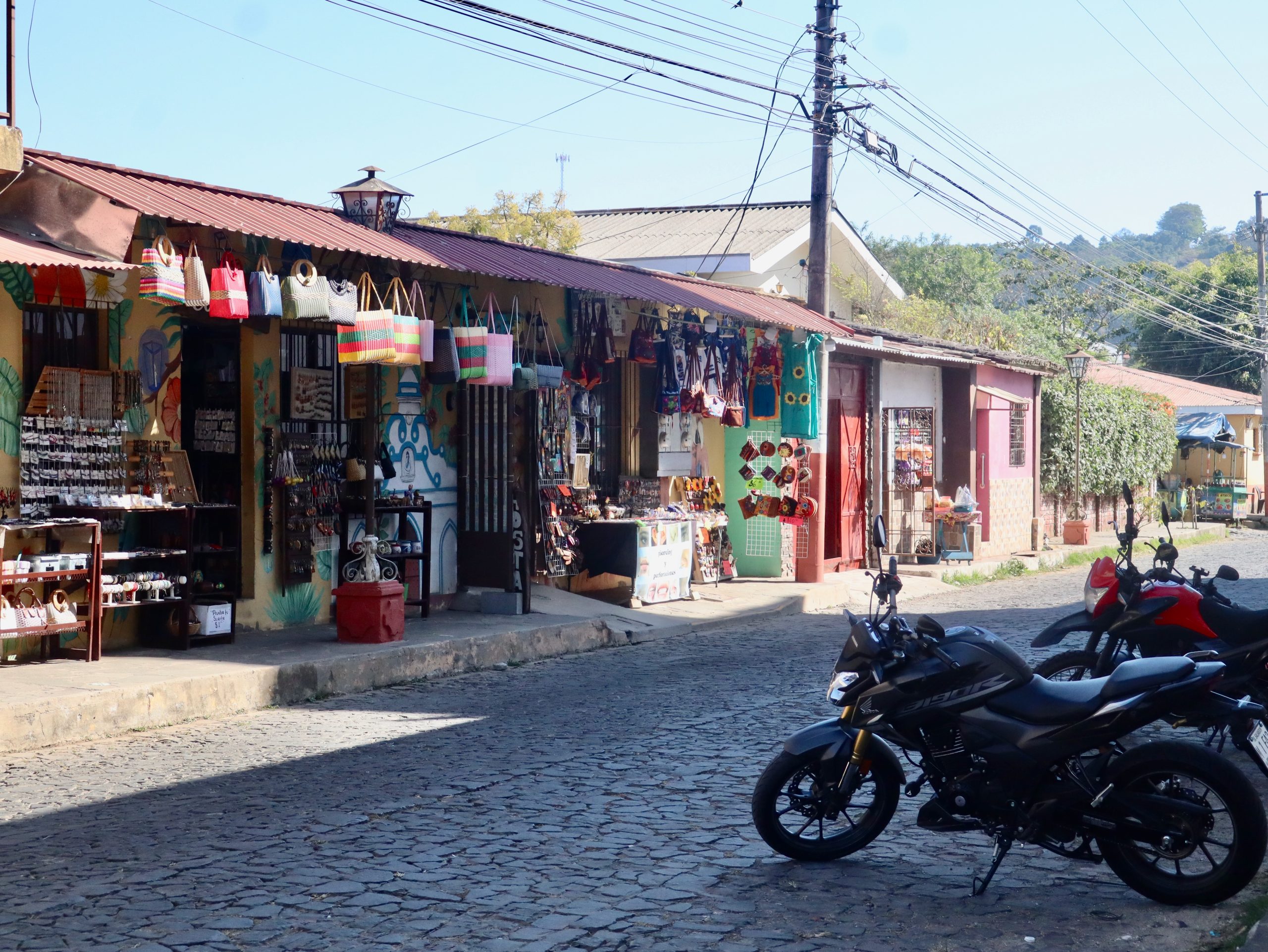
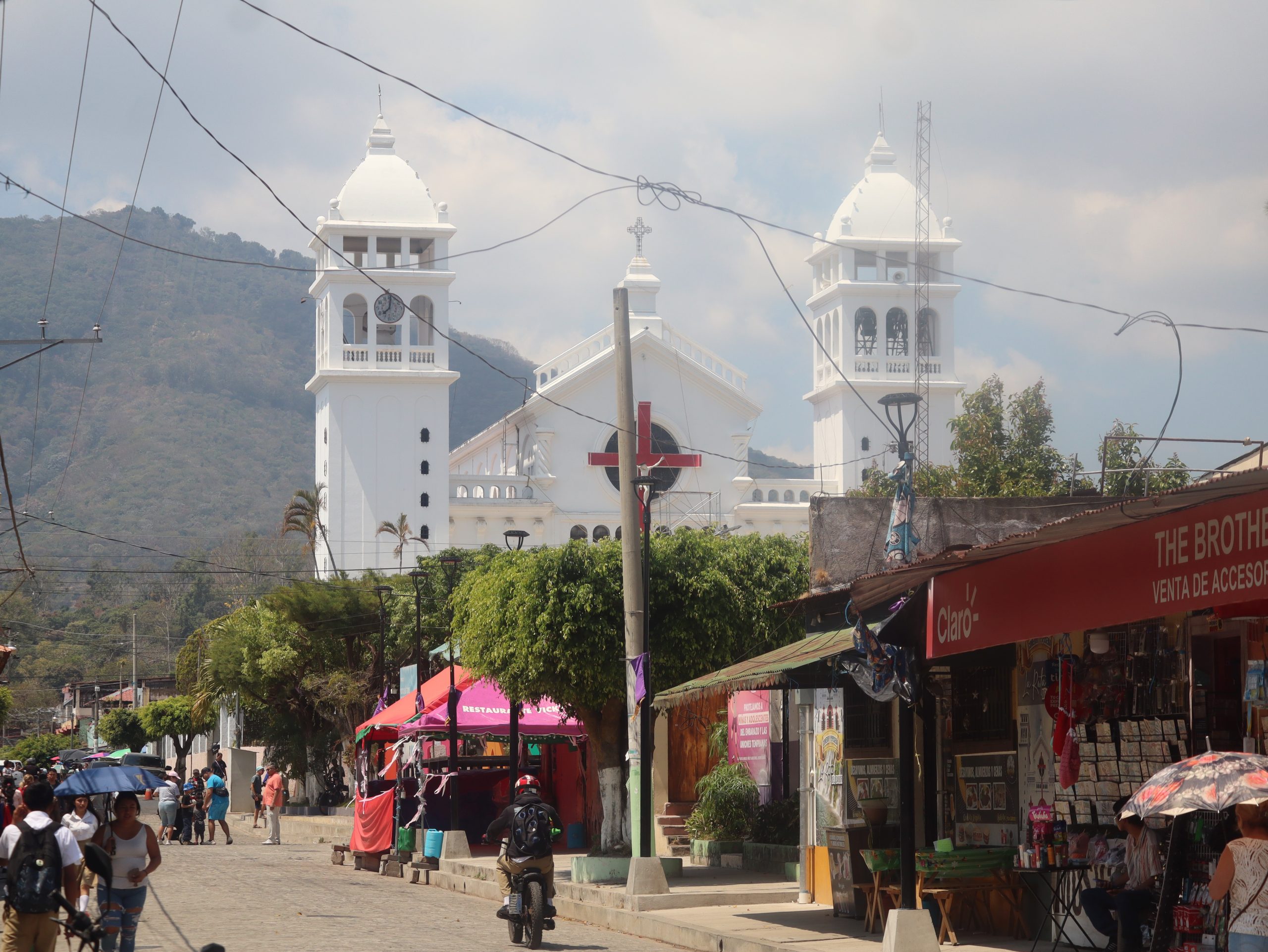
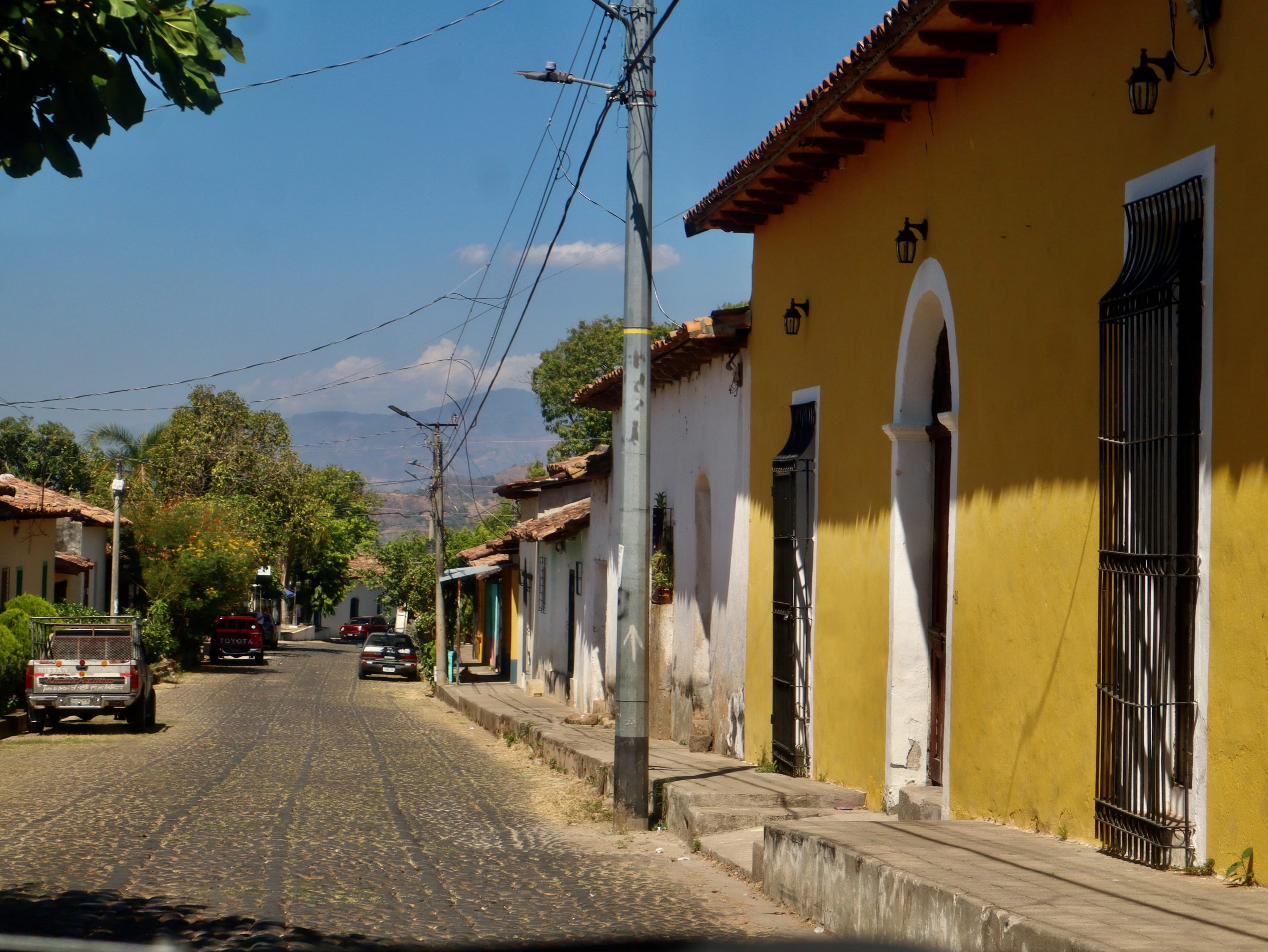
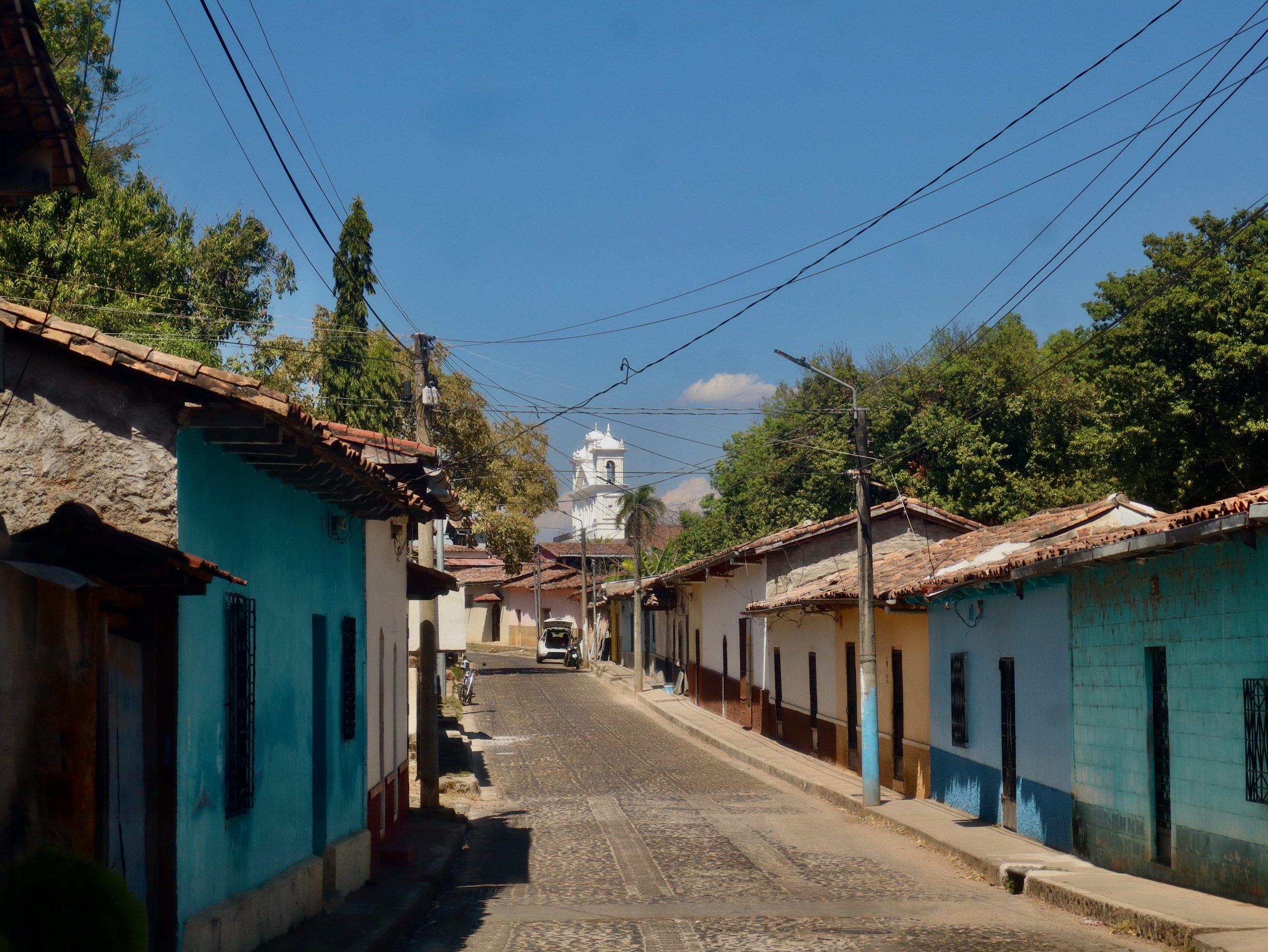
La Ruta de Flor is a circuit of colonial towns where you get to experience coffee plantations, waterfalls, and volcanoes while passing through many colorful towns where you can shop for handicrafts and eat local cuisine. I specifically enjoyed the town of Izalco with its festive street market and colonial plaza. This is the town where the massacre, known as La Matanza, occurred. The town has a small museum that narrates the atrocities of this genocide and its profound and disturbing impact on the entire country. I also visited the country’s only rum factory, Cihuatan where you not only learn how rum is made but you get to make a rum cocktail and walk away with a gifted bottle of premium Indigo Ron Anejo (one more thing to add to my bloated luggage).
Museums: There are at least half a dozen museums to visit both in the historic center and surrounding areas. In the historic center, there are mostly small museums that narrate the country’s history and culture. Two very large museums that I recommend are the Museum of Modern Art of El Salvador and the Dr. David J. Guzmán National Archeological Museum.
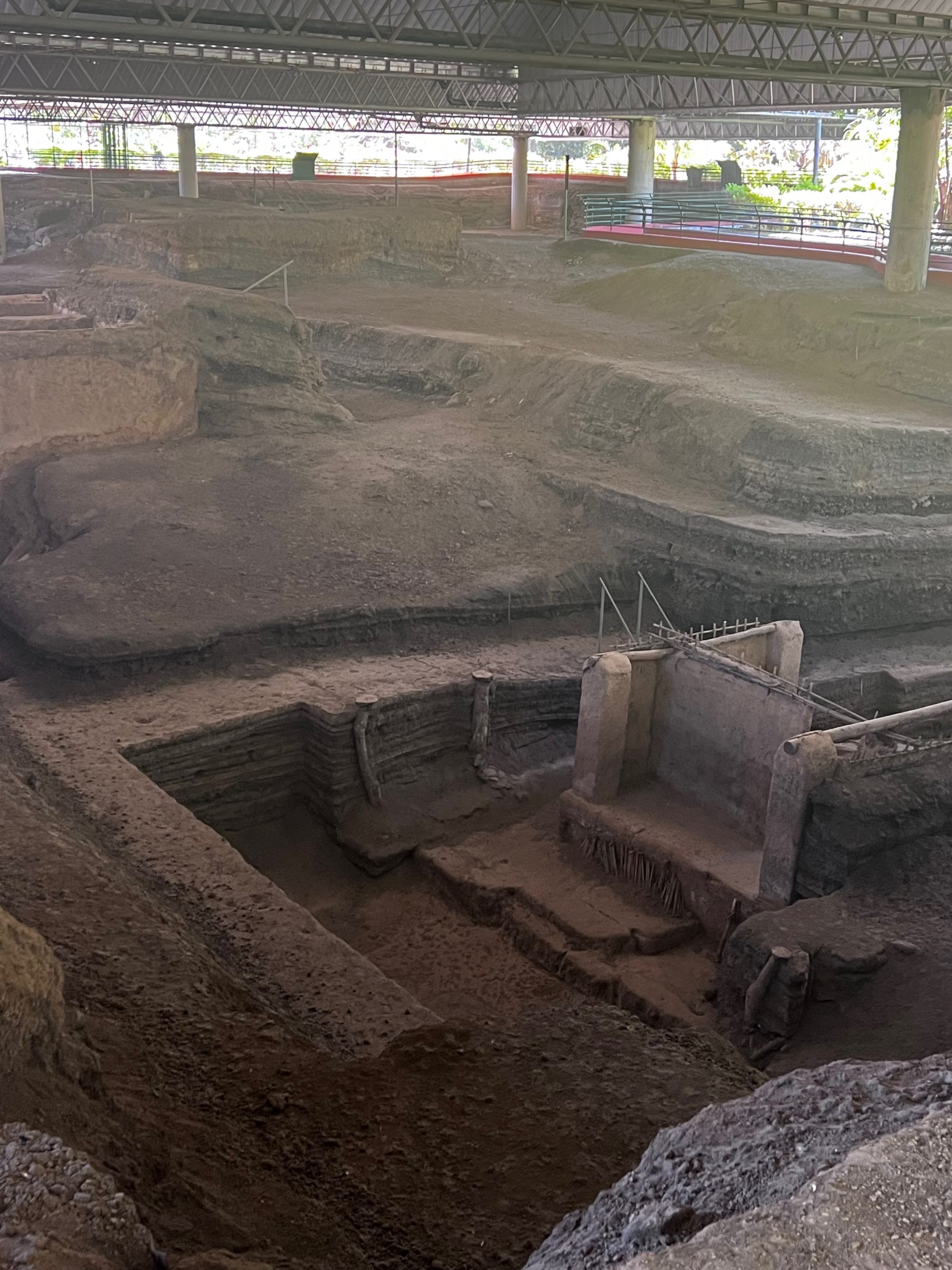
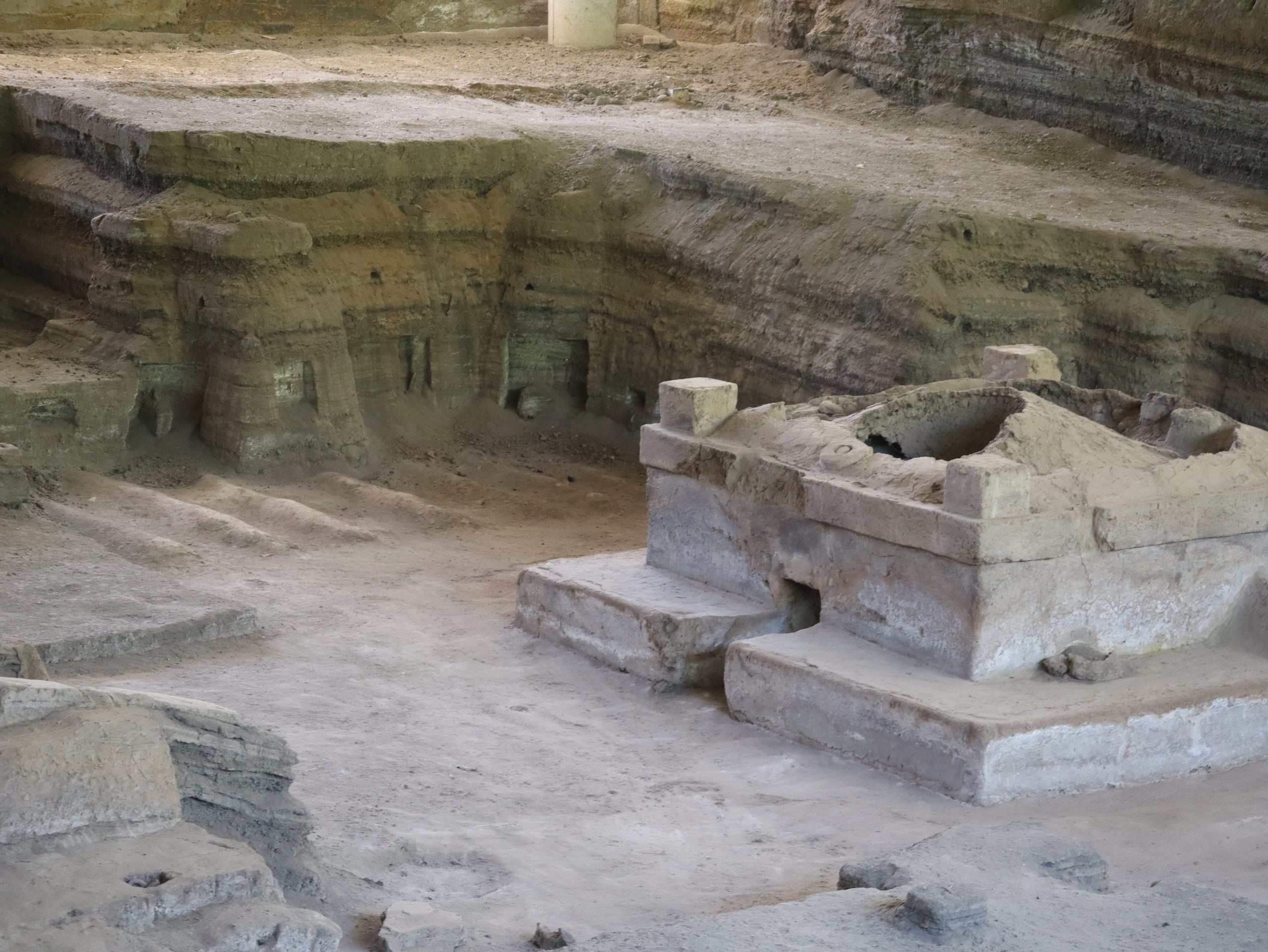
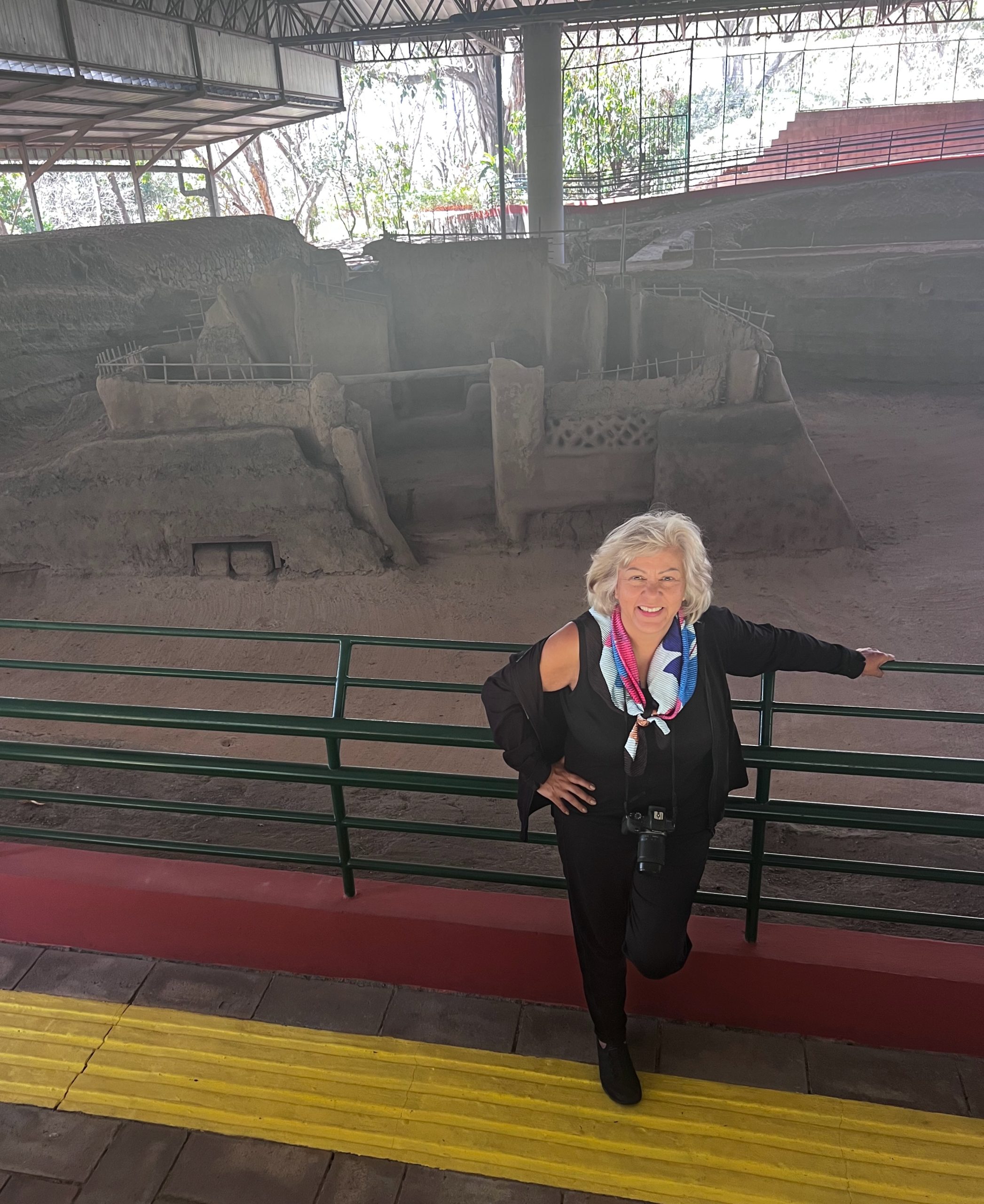
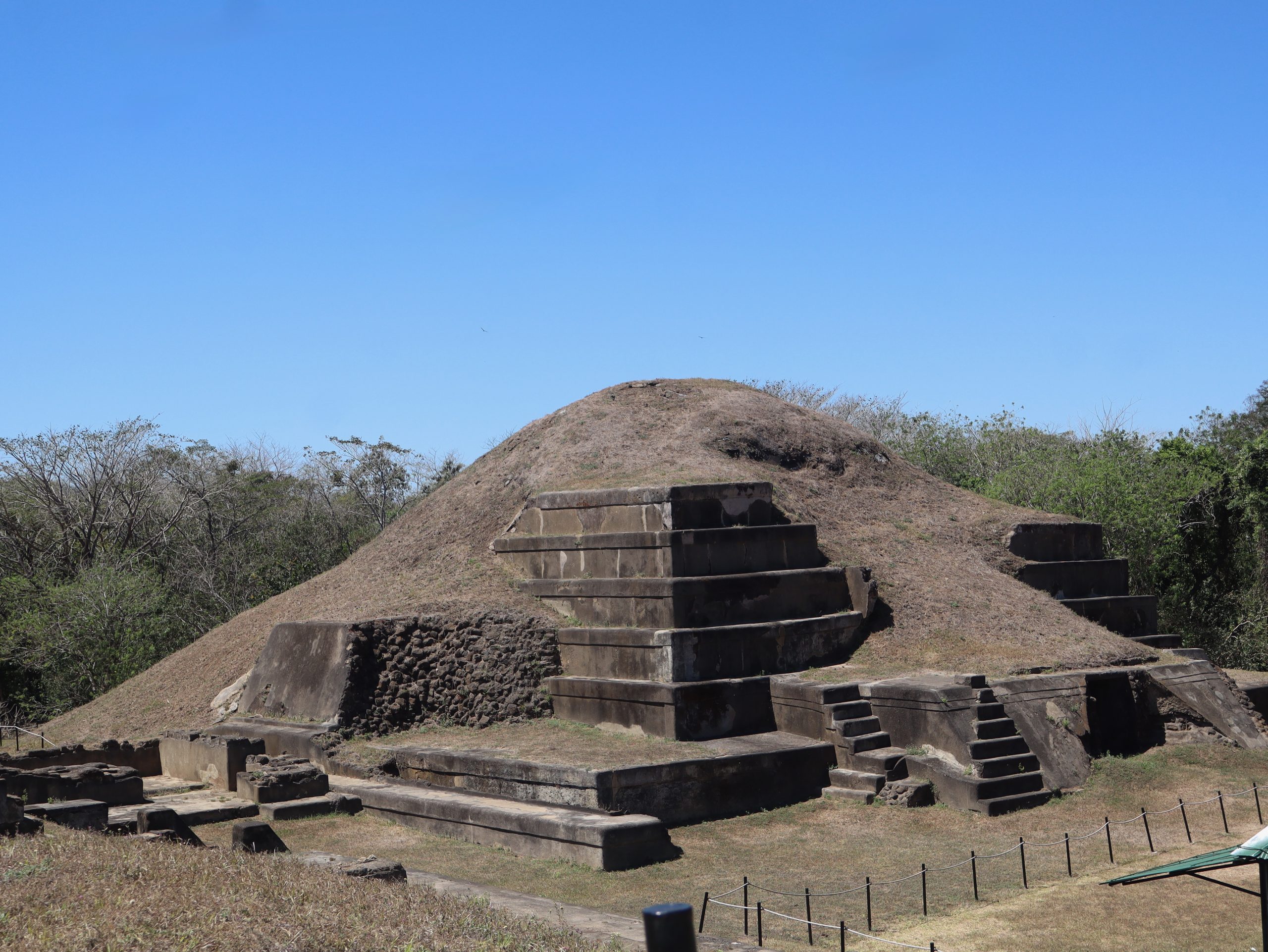
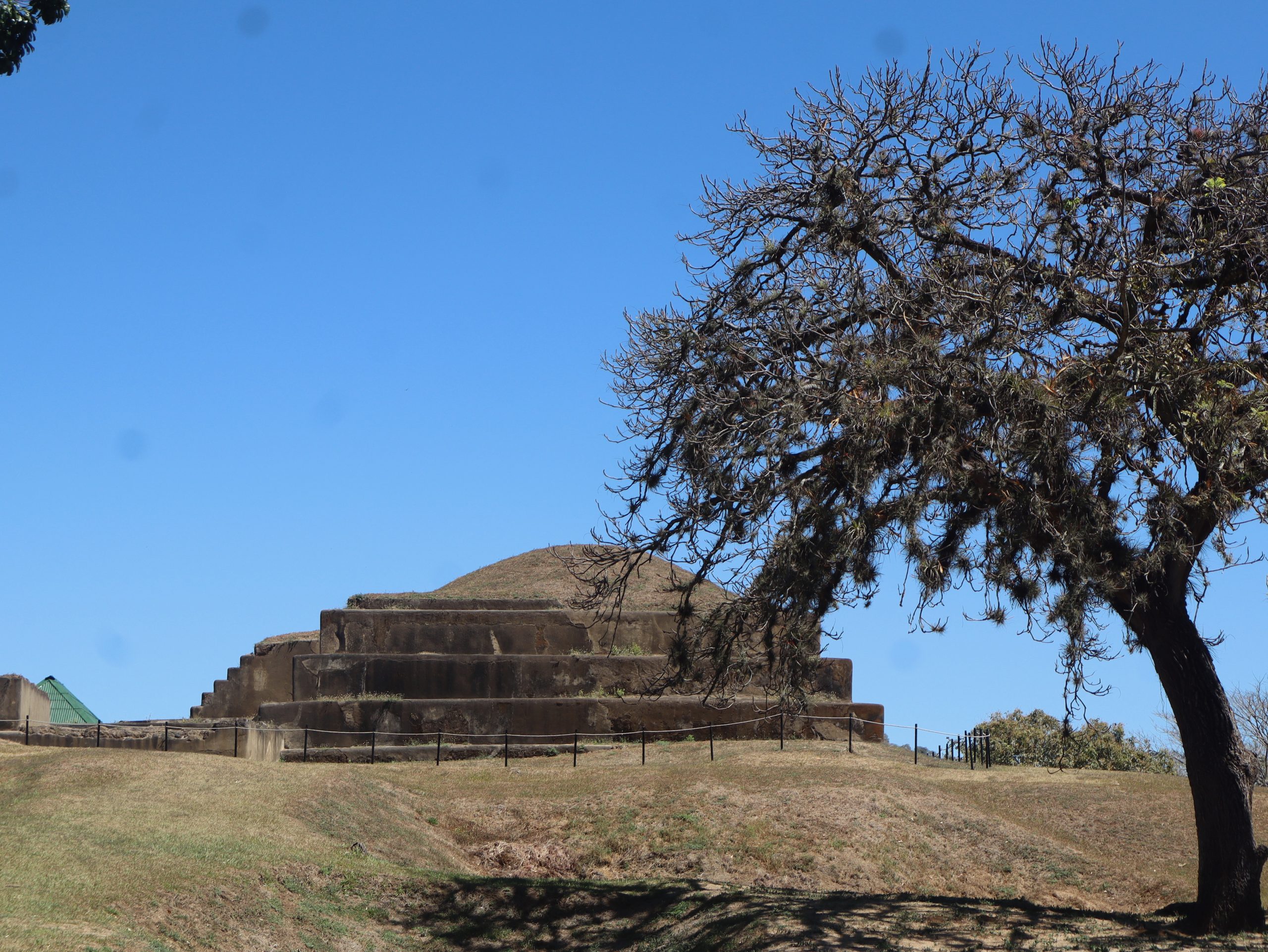
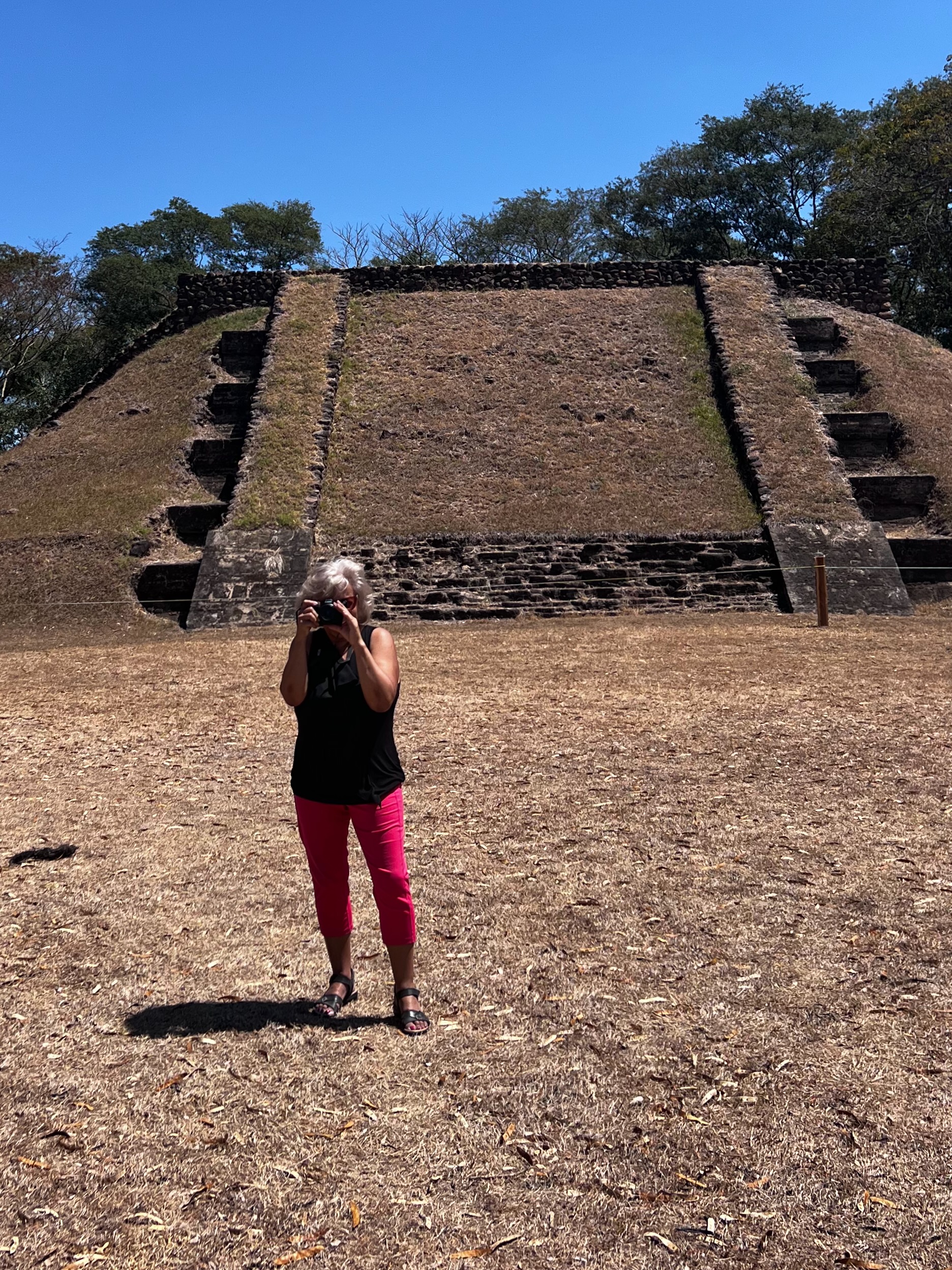
Mayan Temples–Besides visiting a couple of well-preserved Mayan temples, I also visited Joya de Cerén, known as the Pompeii of South America, a UNESCO Héritage site that offers a glimpse of what life was like then. Like Pompeii, Joya de Cerén, a Mayan village, was buried by volcanic ash around AD 600. I did not find it as interesting as Pompeii, where you can walk through the entire, once-buried city.
Final Notes and My Photos
El Salvador is definitely worth adding to your bucket list of places to go, preferably staying near the historic center where most of the action is and to experience a more cultural vibe. Signing up for tours to explore the surrounding areas is a must to fully experience Salvadoran life. However, this country is experiencing some serious challenges. Its democracy is fragile as Bukele continues to concentrate power, feeding his strong authoritarians’ tendencies. Much like other dictators, he has gradually weakened many of the country’s independent institutions. There are serious human rights concerns as the president continues to extend the “state of exception” emergency law, which has led to many wrongful imprisonments and is now being used as a threat against any opposition and the media. There is also the risk of a backlash if repression replaces reform.
This country, like many others in Latin America, is experiencing a high poverty rate and income inequality, which can easily fuel gang activities. Over 18% of El Salvador’s GPD is money sent to family members. This represents about 1/3 of the households in the country as it gradually moves from agriculture into the service sector and manufacturing.
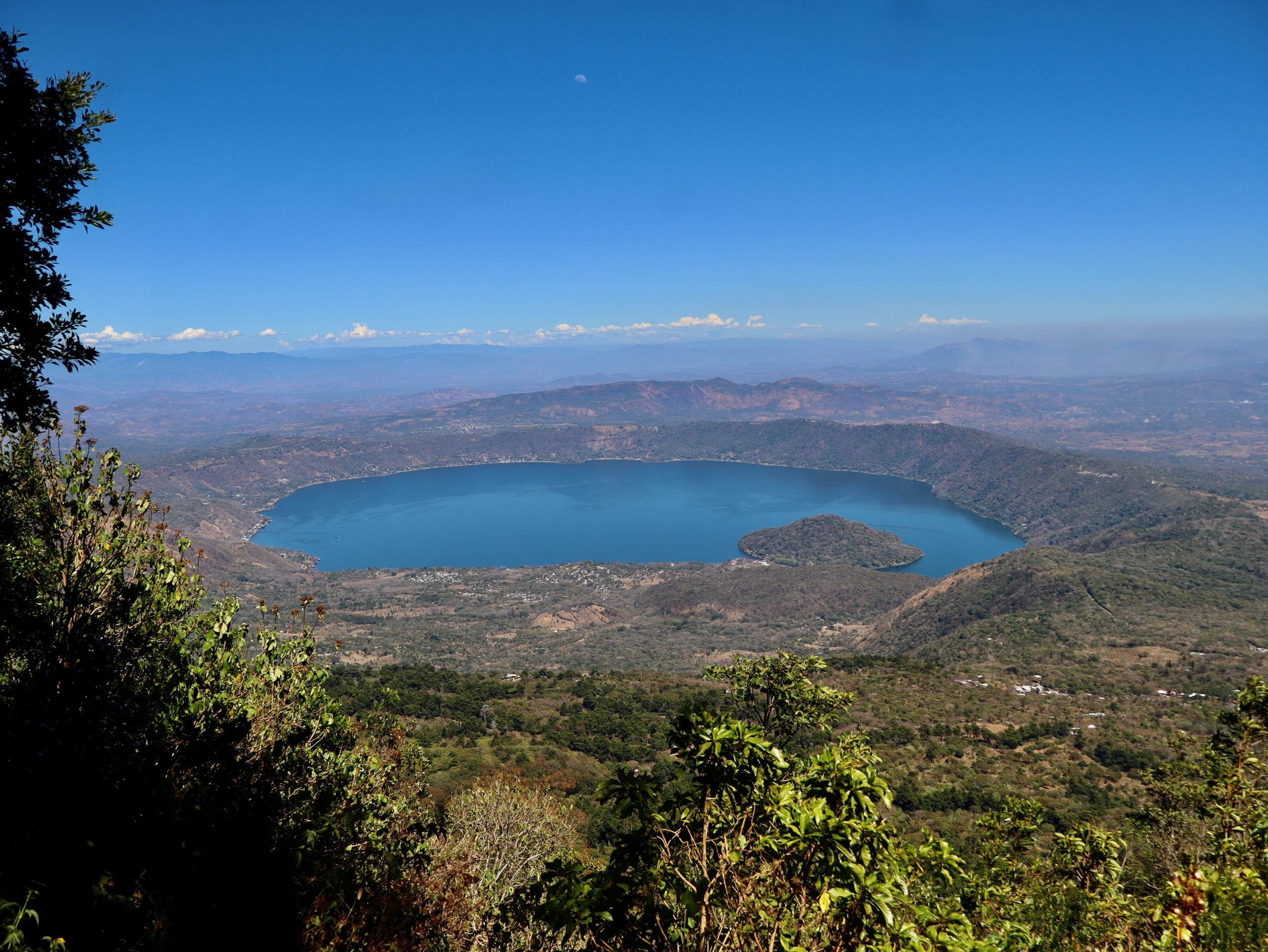
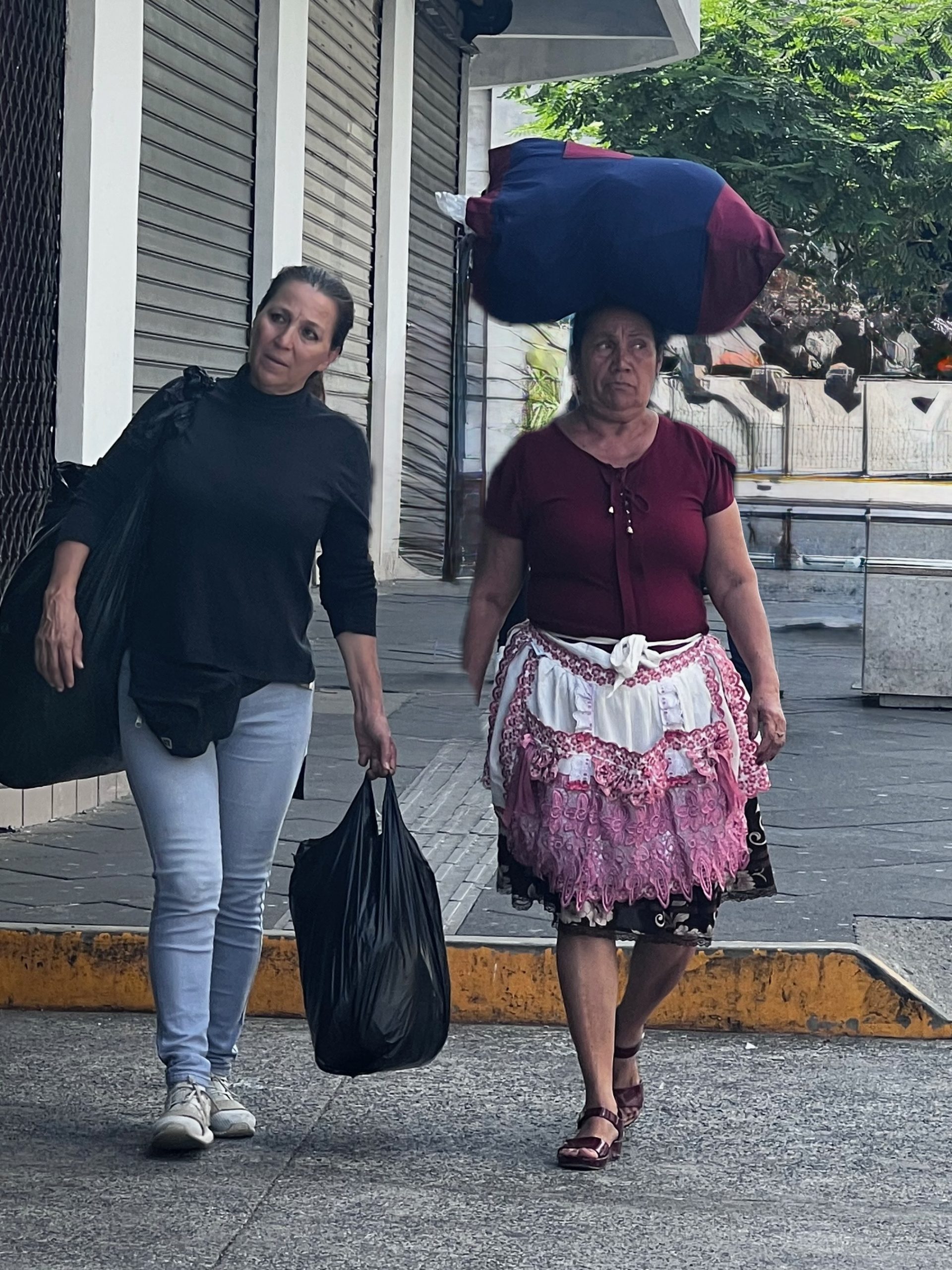
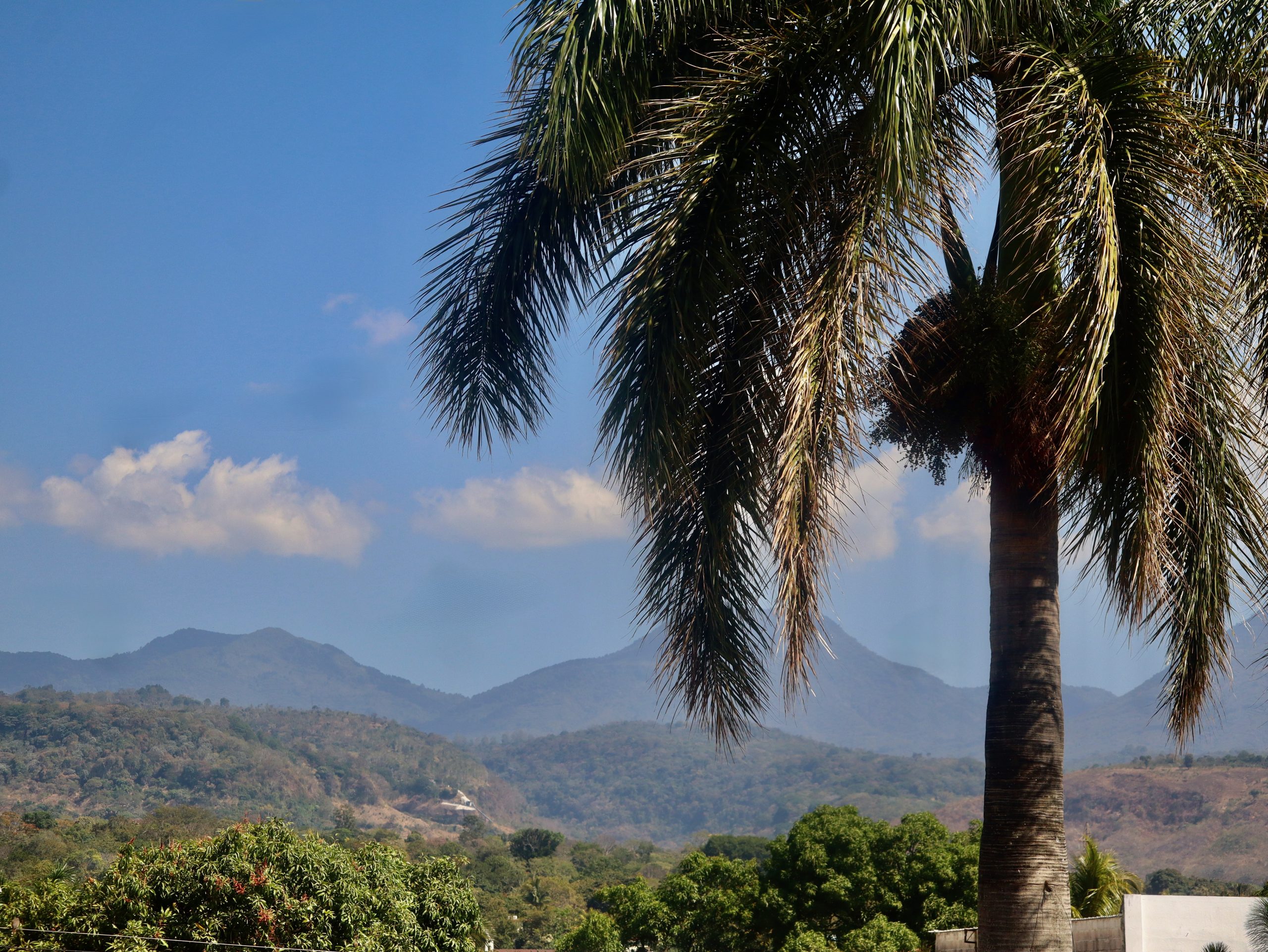
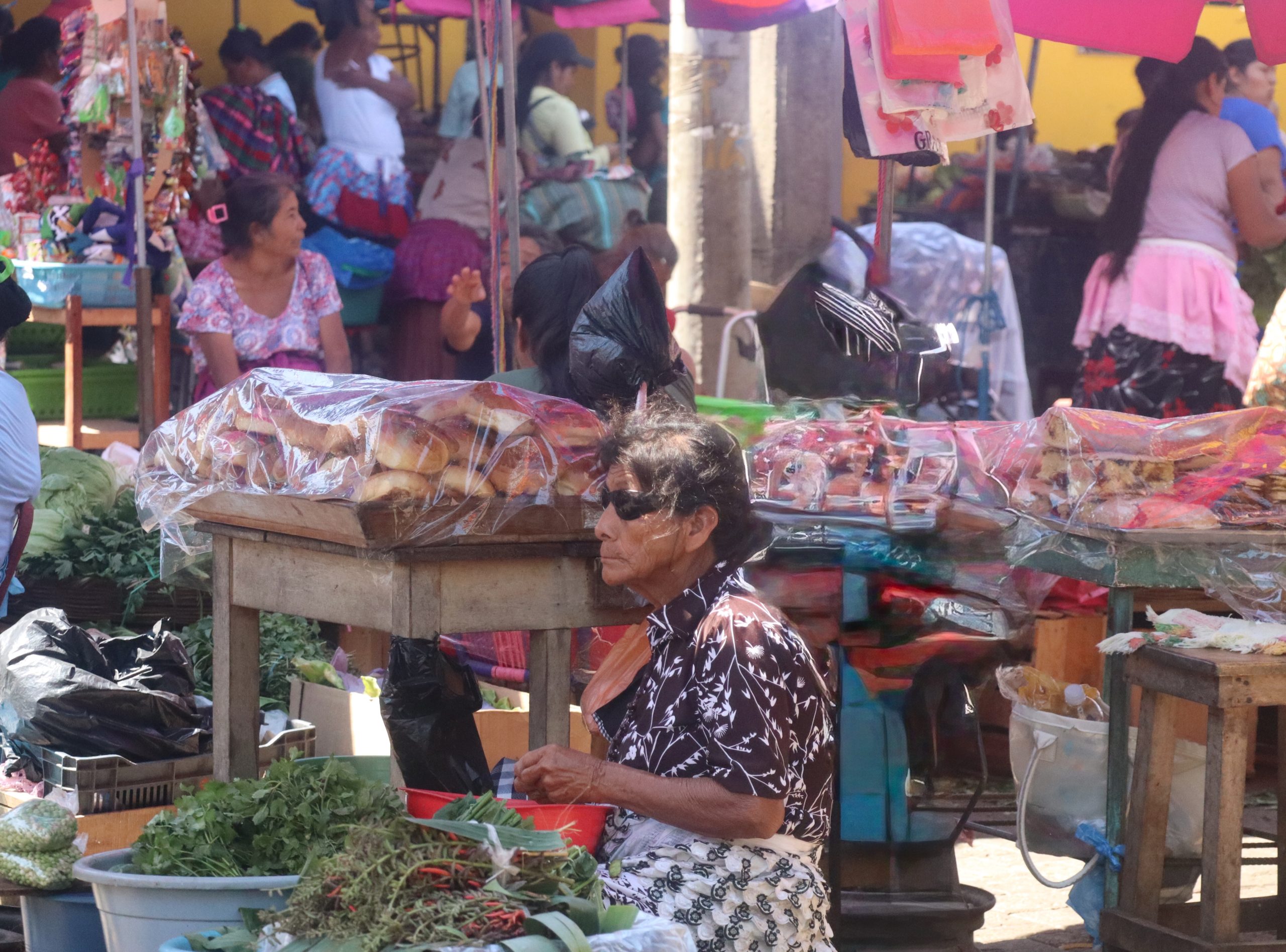
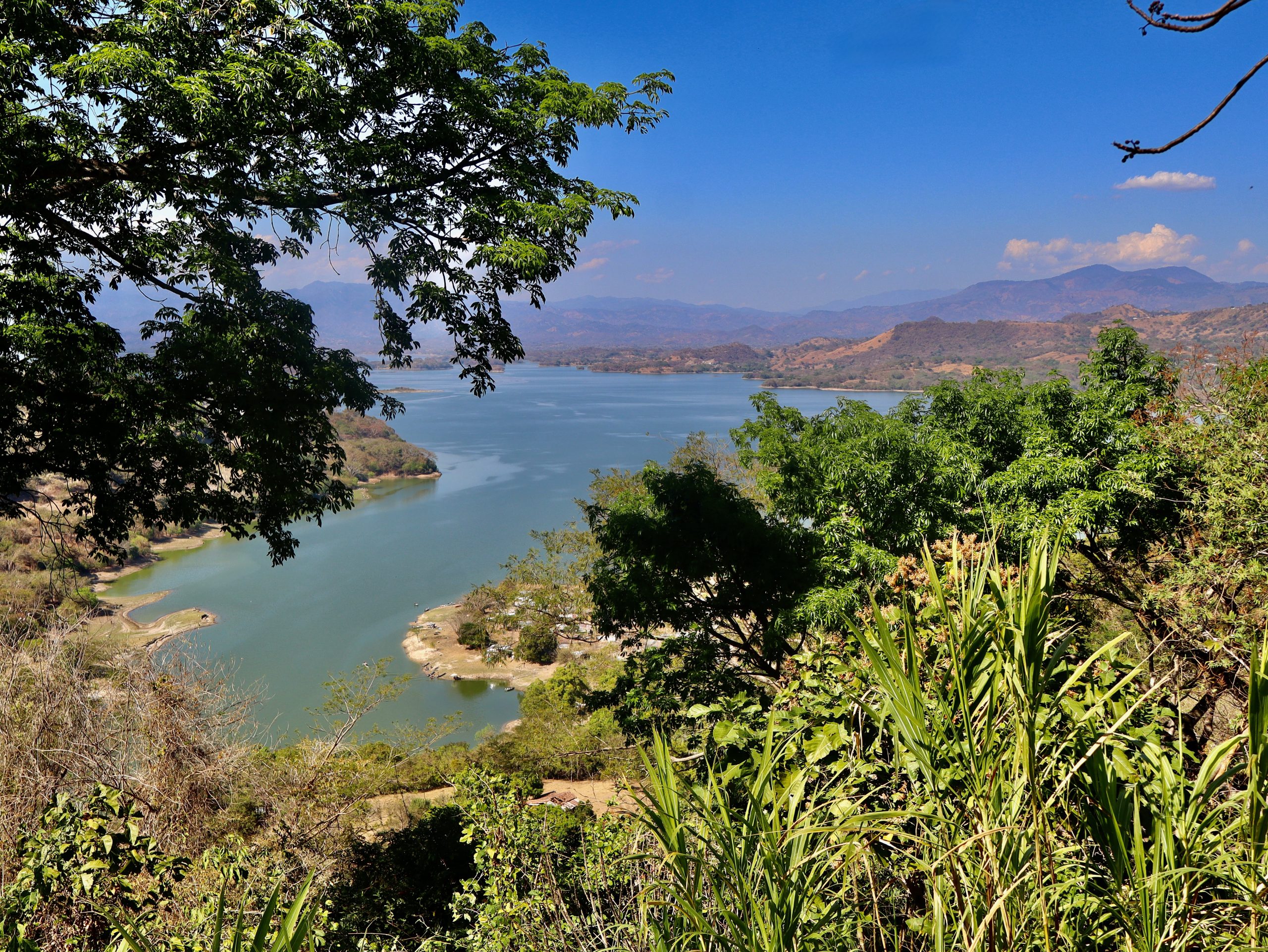
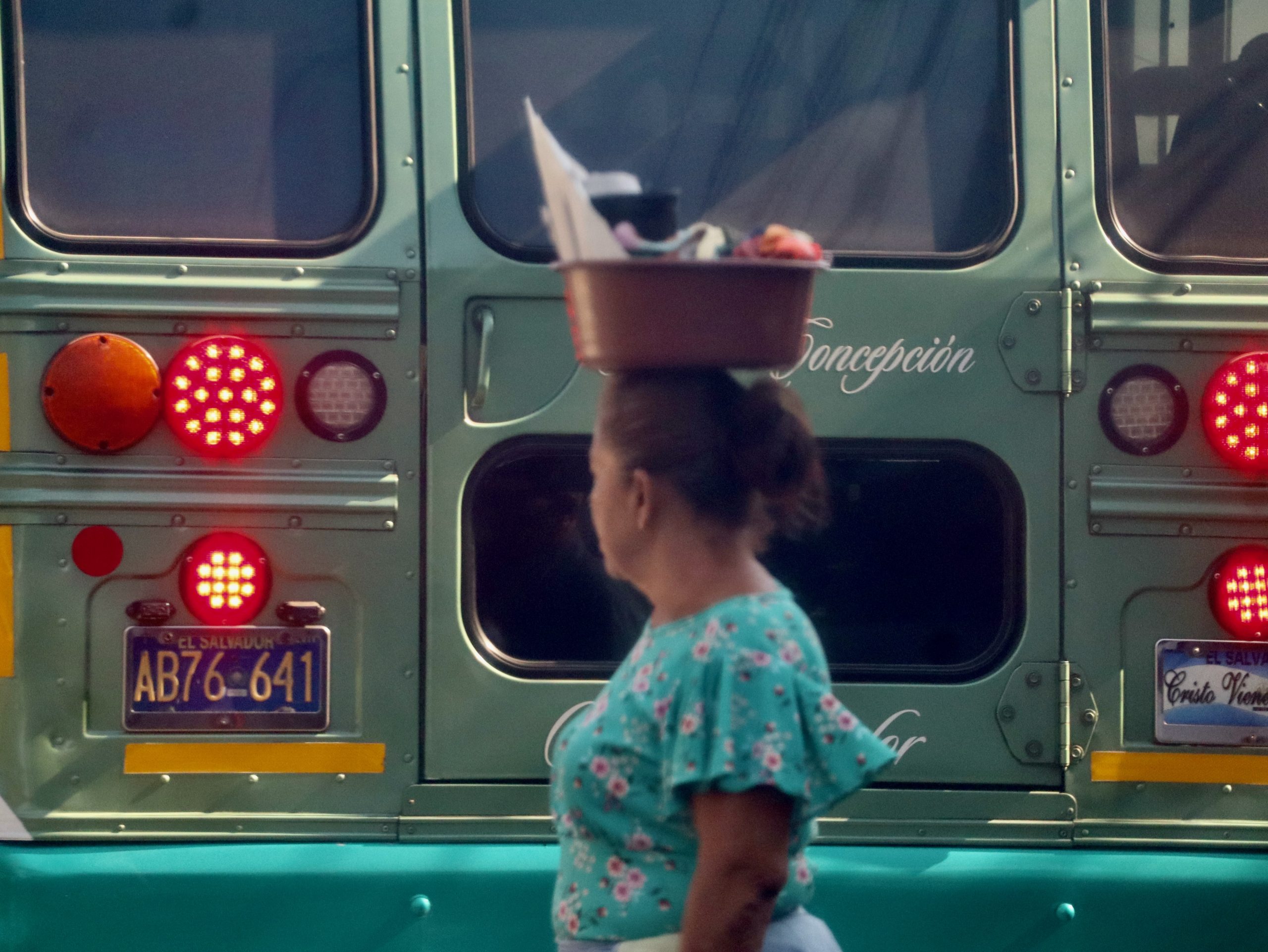
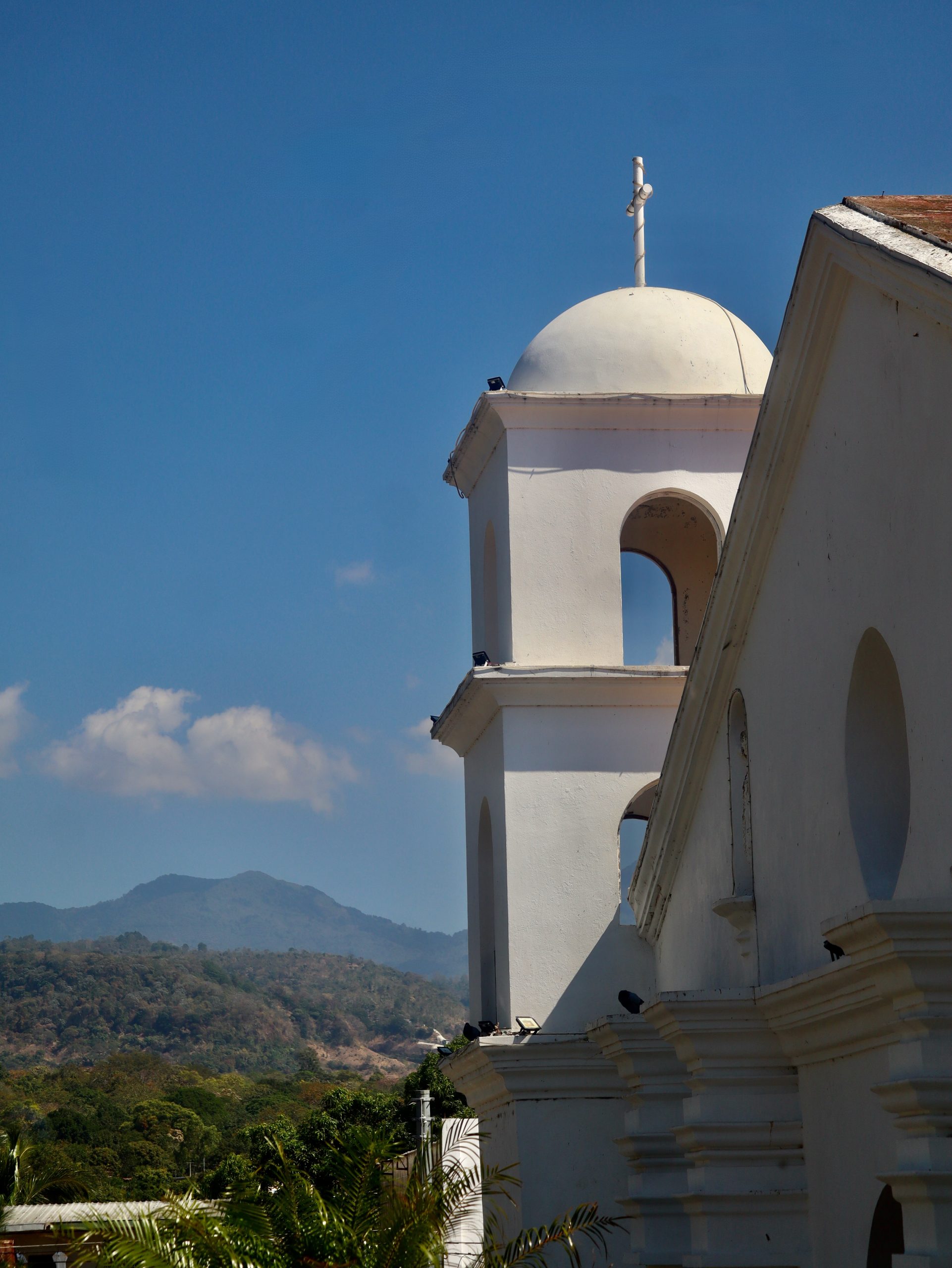
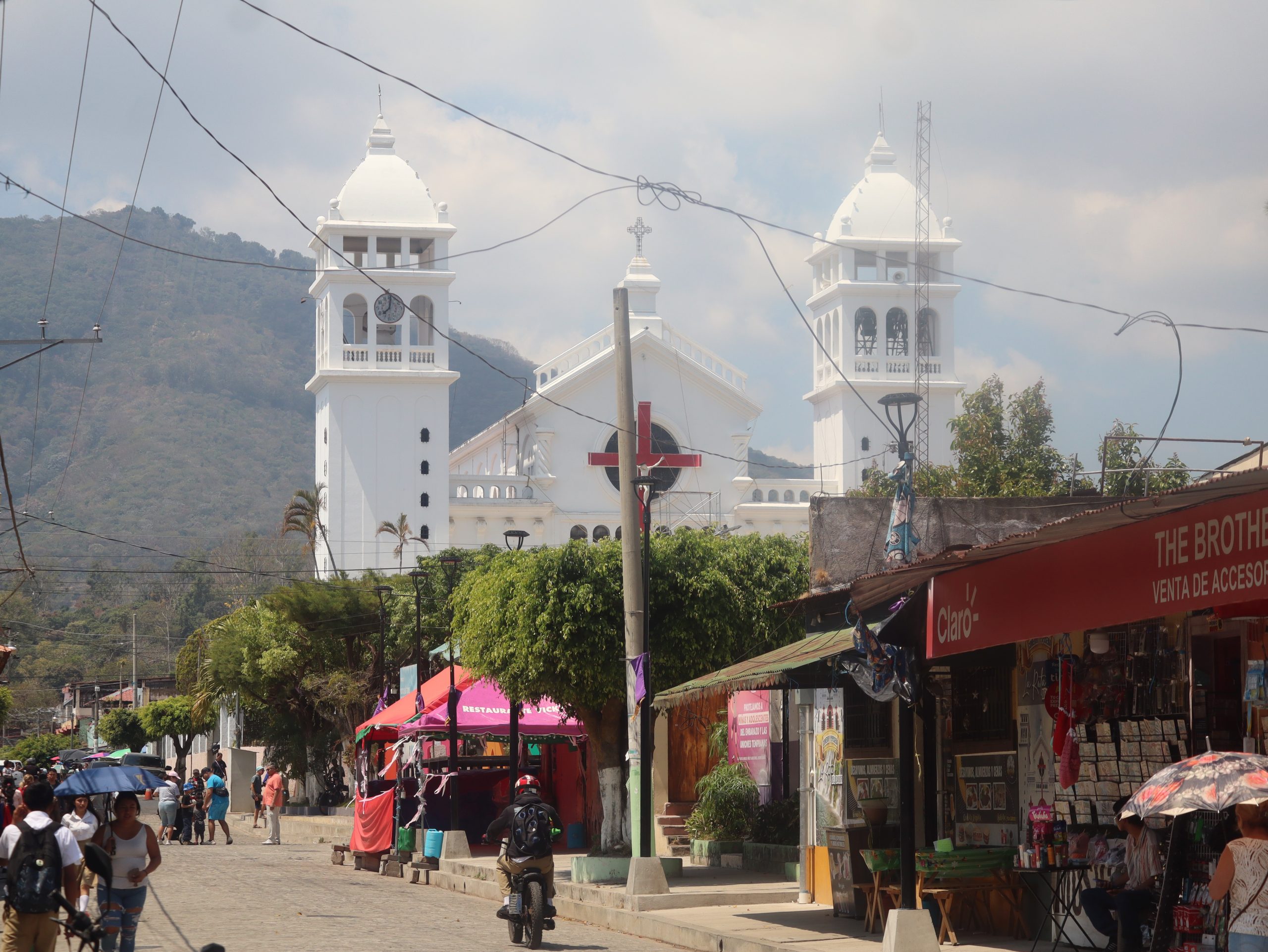
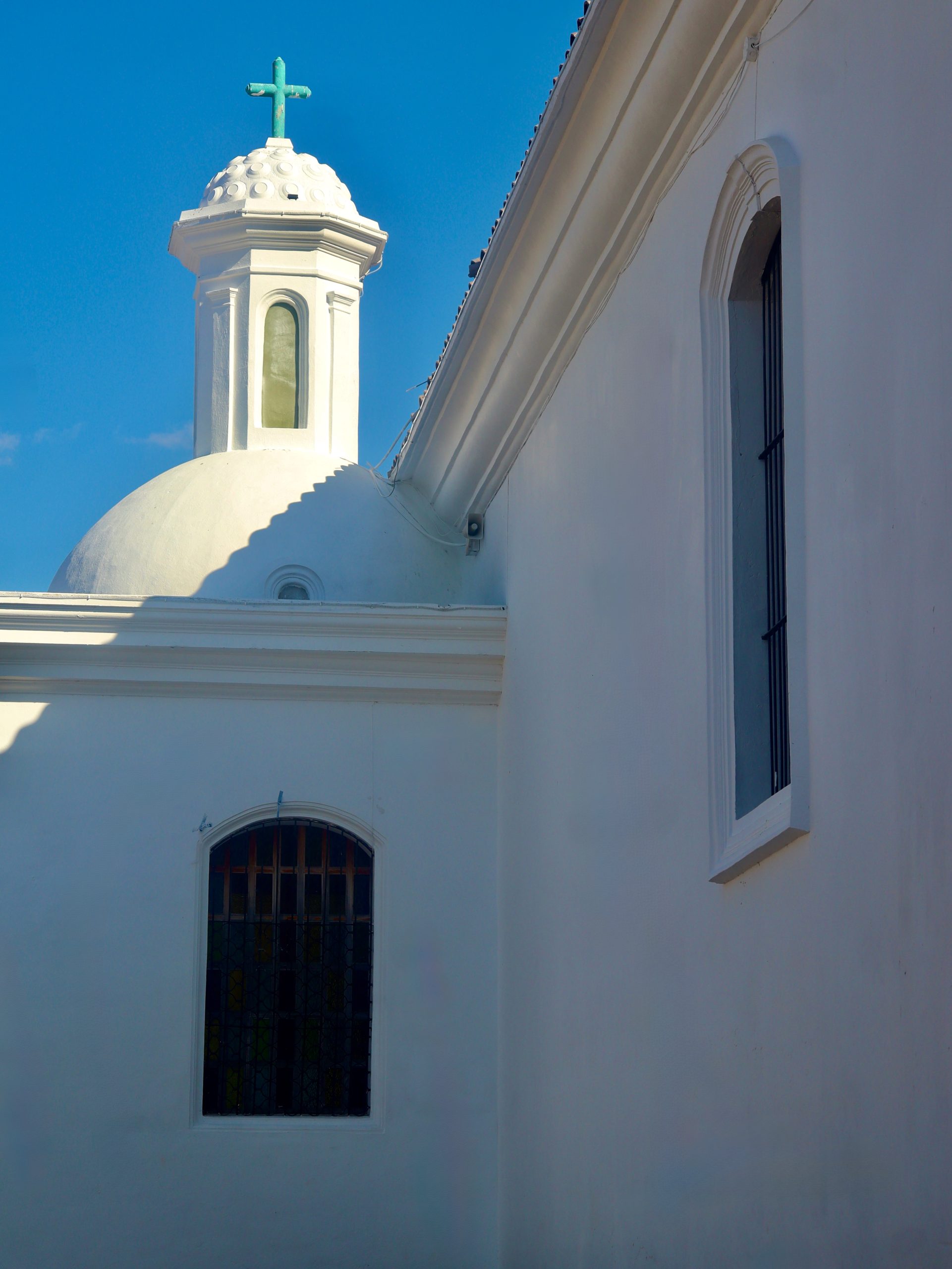
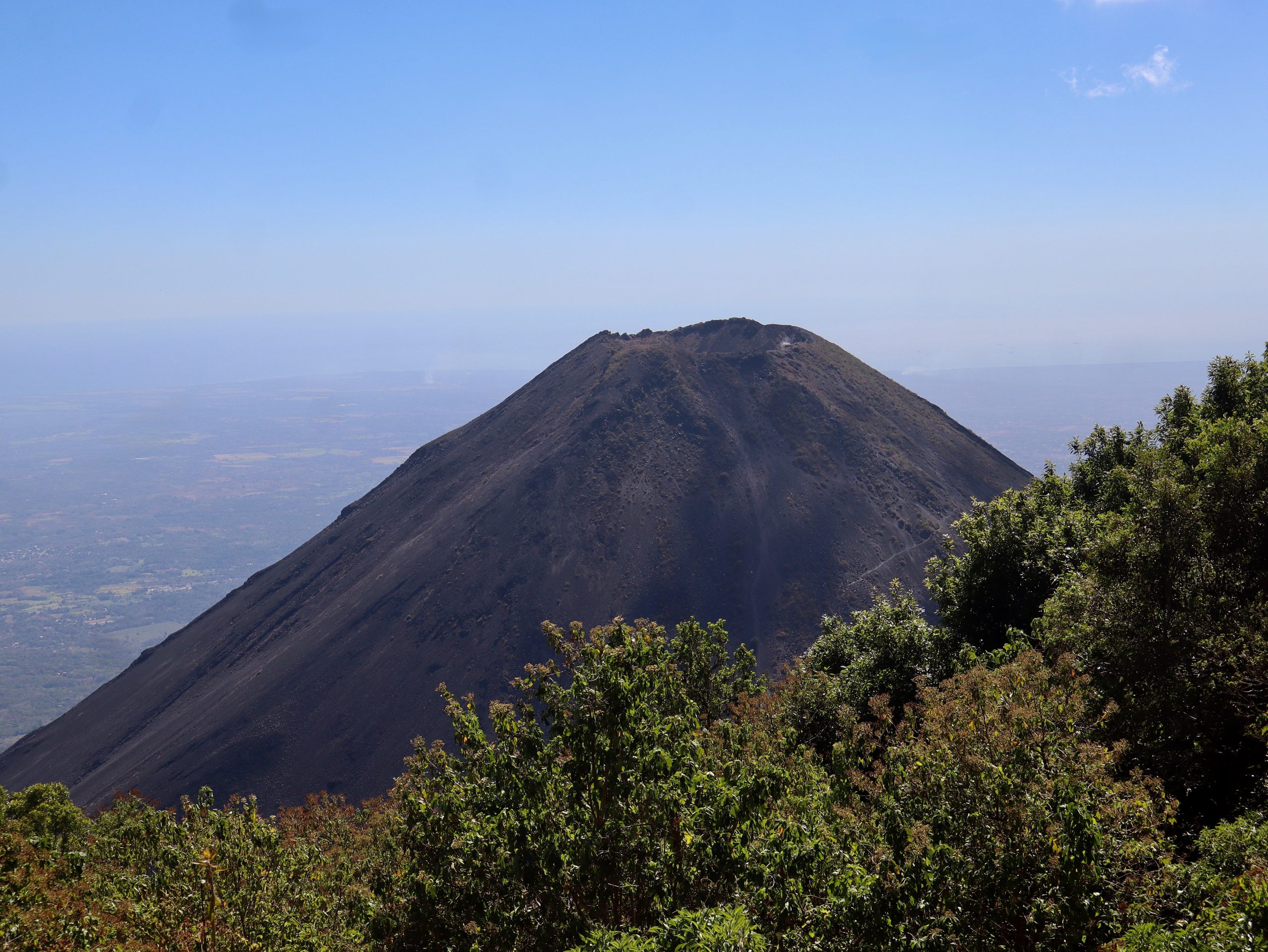
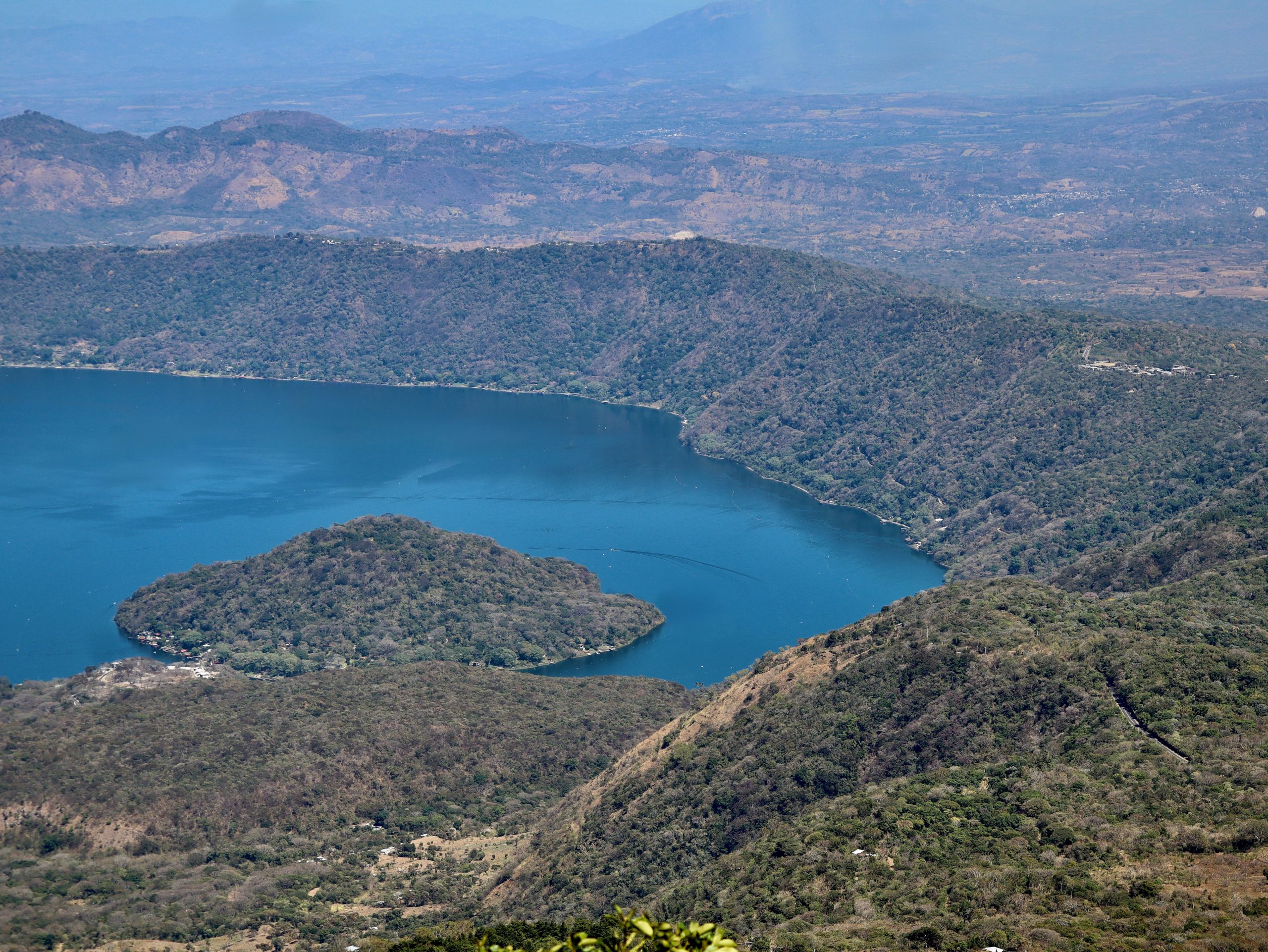
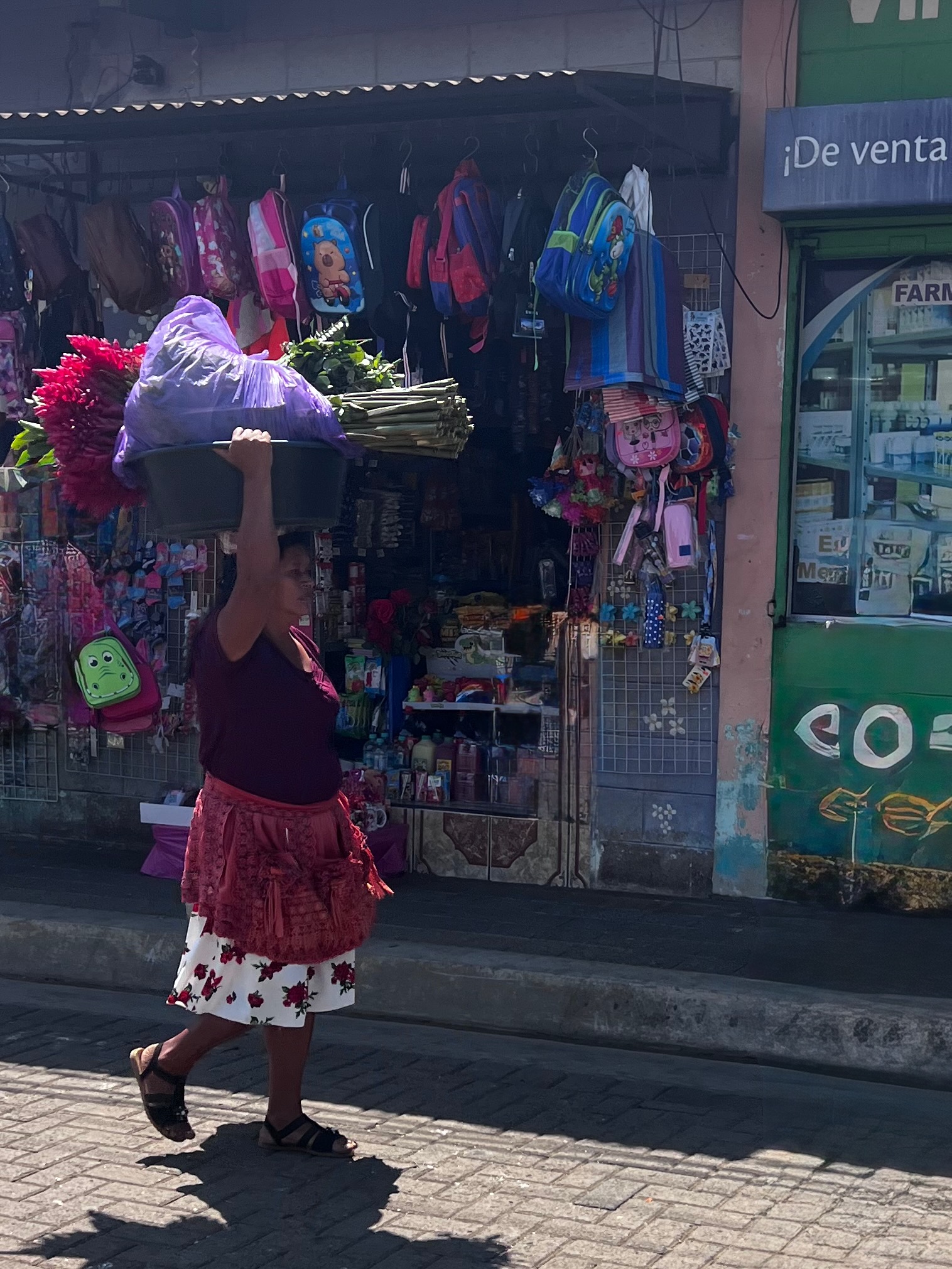
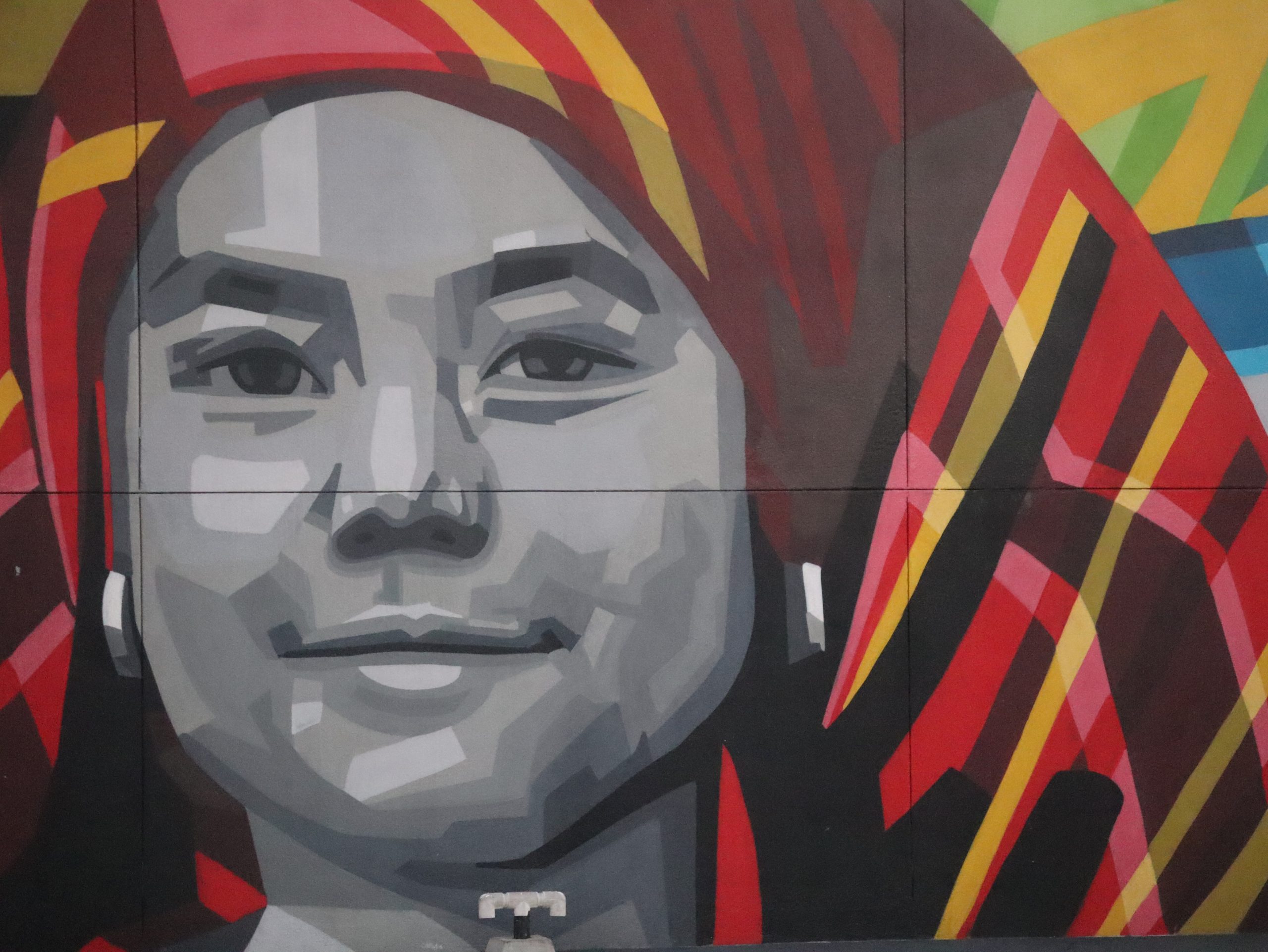
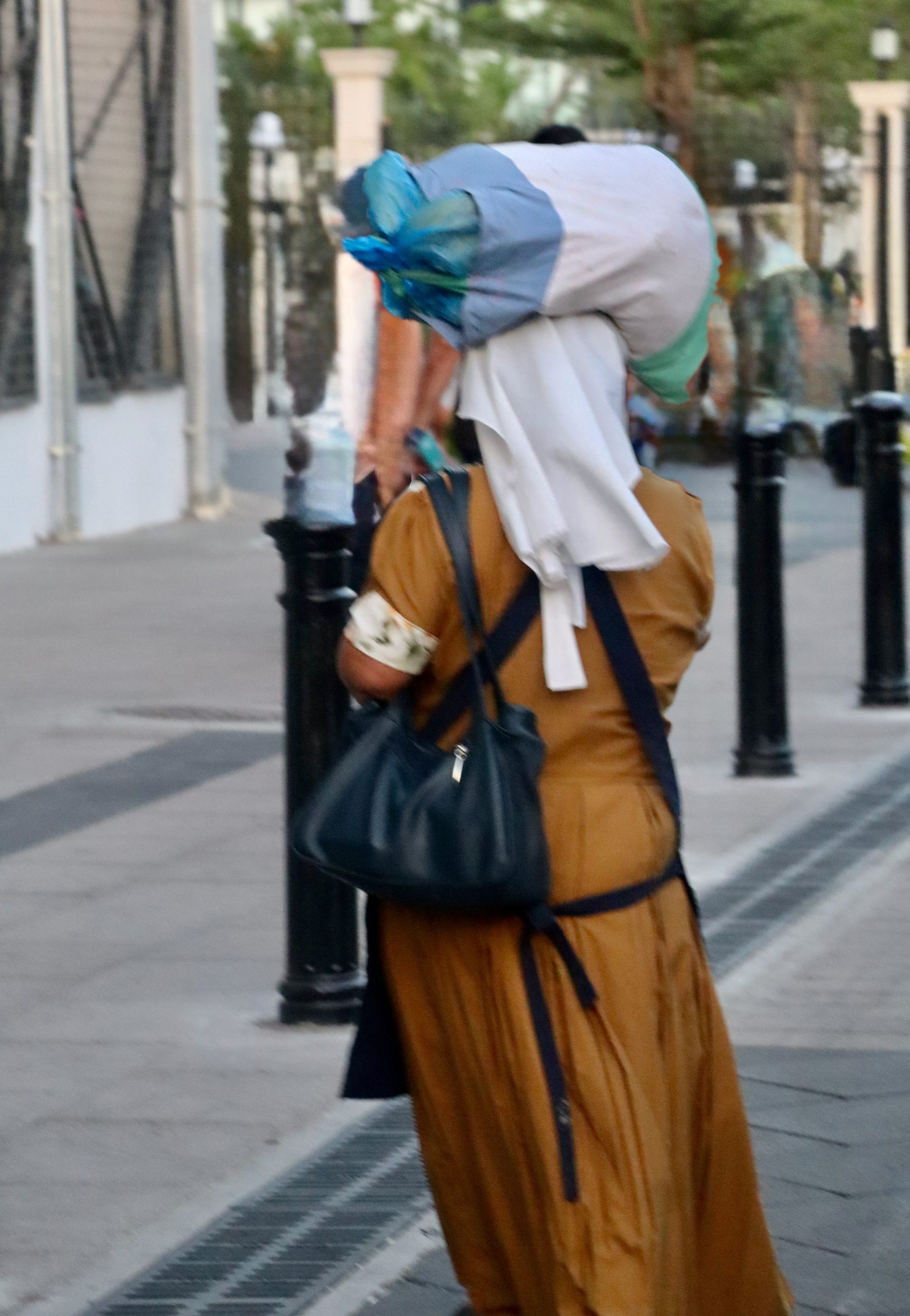
My photos are a compilation of this country’s stunning volcano landscapes( I forgot to mention that there are 170, of which about 30 are active) and what daily life looks like in urban and colonial towns and in the historic center. Mayan traditions remain a powerful presence, evident in the street markets and town plazas. As always, remember to click the center of the photo for a full view. I have totally enjoyed my time here and am pleased to have seen and learned so much about the land of volcanoes. My next stop will be the city of Guatemala, where I plan to stay for an entire month before heading back to Mexico to finish the remaining months of my three-year self-journey as a nomad.
If you enjoyed this story or the newsletter issue, help others discover it by sharing it with your friends. Your support will go a long way in continuing the blog. If you are not a subscriber and want more stories and photos like these, please click here to subscribe.


No Comments