Power, History, and Everyday Life in Guatemala’s Cultural Heart
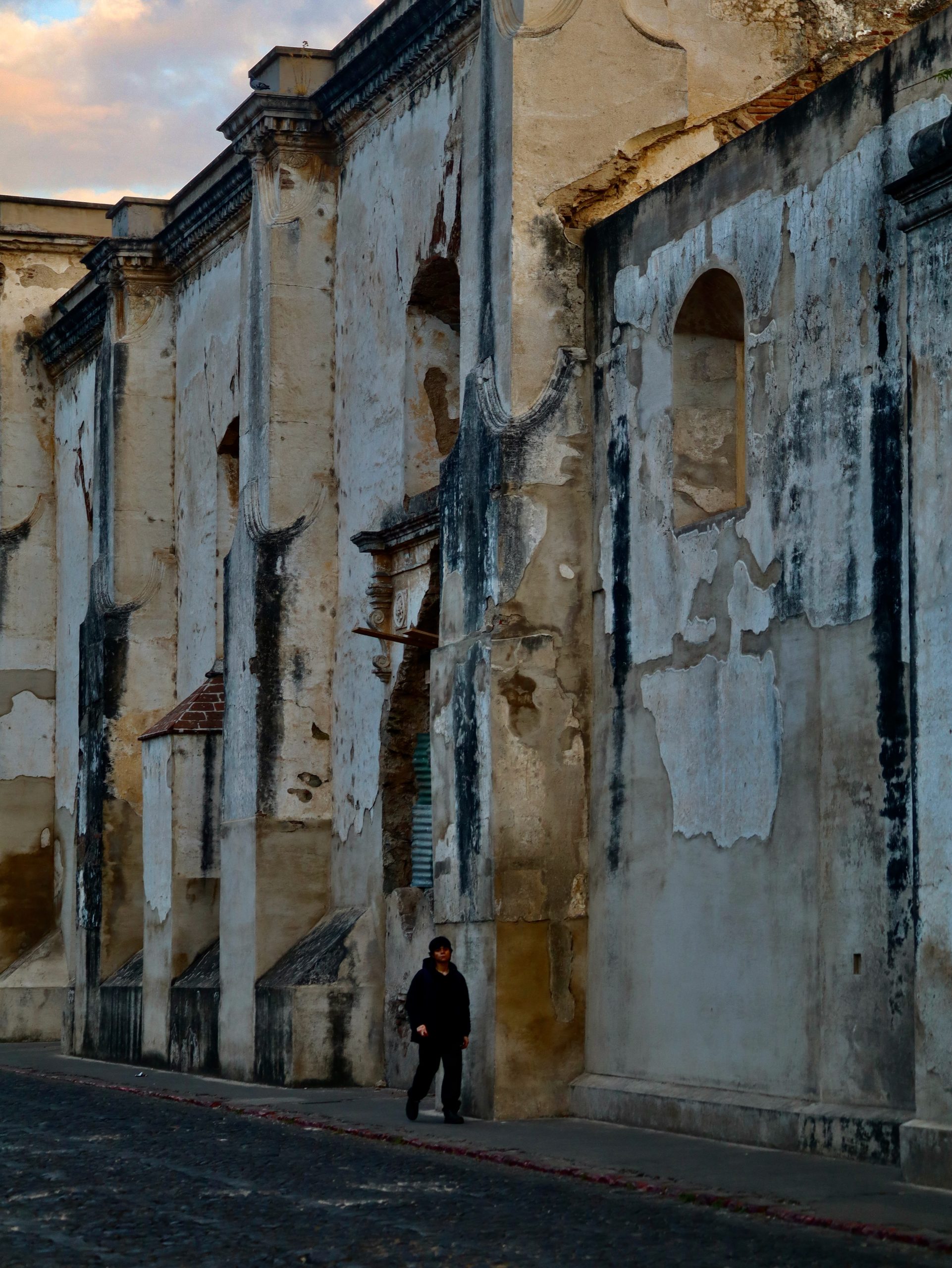
I spent an entire month in Guatemala, a place of preserved beauty and modern living, known for its mountainous landscapes and vibrant indigenous Maya culture. Honestly, I would have loved to spend more time here, and am hopeful I will return. A country with a bit of everything— coastlines, a volcanic mountain range with 30+ volcanoes, rainforests and well-preserved colonial towns and villages steeped in tradition. The city of Antigua, hands down, is probably one of the most beautiful colonial cities in the world. This ancient city, surrounded by volcanoes, experienced significant earthquake destruction. This destruction led to the preservation of some of its most beautiful ruins, declared as a UNESCO World Heritage Site. Like most Latin American countries, Guatemala also experienced a long history of armed conflict—36 years of it—one of the longest and deadliest conflicts in Latin American history ending in 1996 with over 200,000 people (mostly Mayan communities) killed or disappeared by government forces (with help from the CIA). This story is part one of a two-part series about what makes this place a ”must” to learn about and visit…
But First a Bit of History
Guatemala was conquered by the Spaniards in 1524, defeating the Mayans and remaining under Spanish rule for four centuries. In 1773, a major earthquake destroyed what was then Guatemala City, forcing the Spaniards to move the entire capital to its present-day location. The country became an independent republic by 1847, concentrating most of the power among the very wealthy, who imposed strict land and labor systems on the indigenous population. By the early mid-20th century, the country was under various dictatorships supported by American agricultural companies. The harsh labor regulations and oppressive policies led to an uprising in 1944 that sparked a ten-year civil war. Sadly, after many reforms were made under a less repressive government, lobbying by American companies led to a US-backed coup reinstalling a military regime. This led to another civil war that lasted 36 years, known for its human rights violations and the genocide of the Mayan population, exceeding over 200,000 deaths. Since the peace agreement of 1996, Guatemala has moved toward being more democratic, although it continues to be controlled by the elites. The country still faces challenges with poverty, corruption, and the memory of decades of conflict, more on this later.
Arriving in Guatemala
During the first two weeks I stayed in Zone 10 of Guatemala City, a modern-day district flushed with hotels, malls, and restaurants, not much different from the US. I also stayed several days in Antigua, the original colonial capital of the country, where many of its earthquake ruins have been well preserved, making this city both majestic and colorful. In hindsight, I would have preferred to stay longer in Antigua, as I found this ancient city to be mesmerizing. Plans are to stay two weeks in the city of Guatemala and then leave to stay two weeks at Lake Atitlan, a crater lake formed by an enormous volcanic eruption, surrounded by mountains and volcanoes and at least a dozen Mayan villages. The lake is part two of this story series in next month’s newsletter.
Antigua — Beauty and Preservation
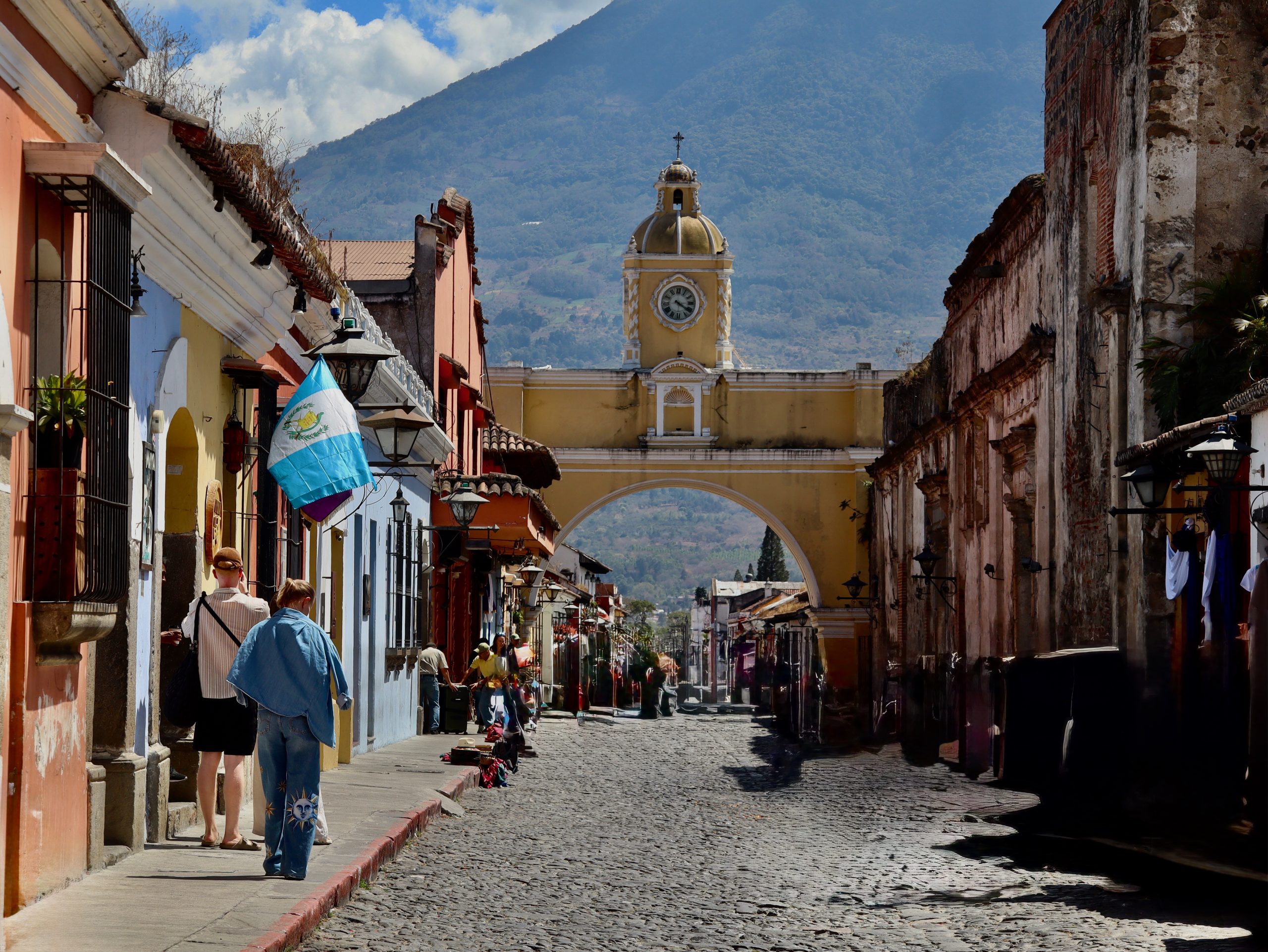
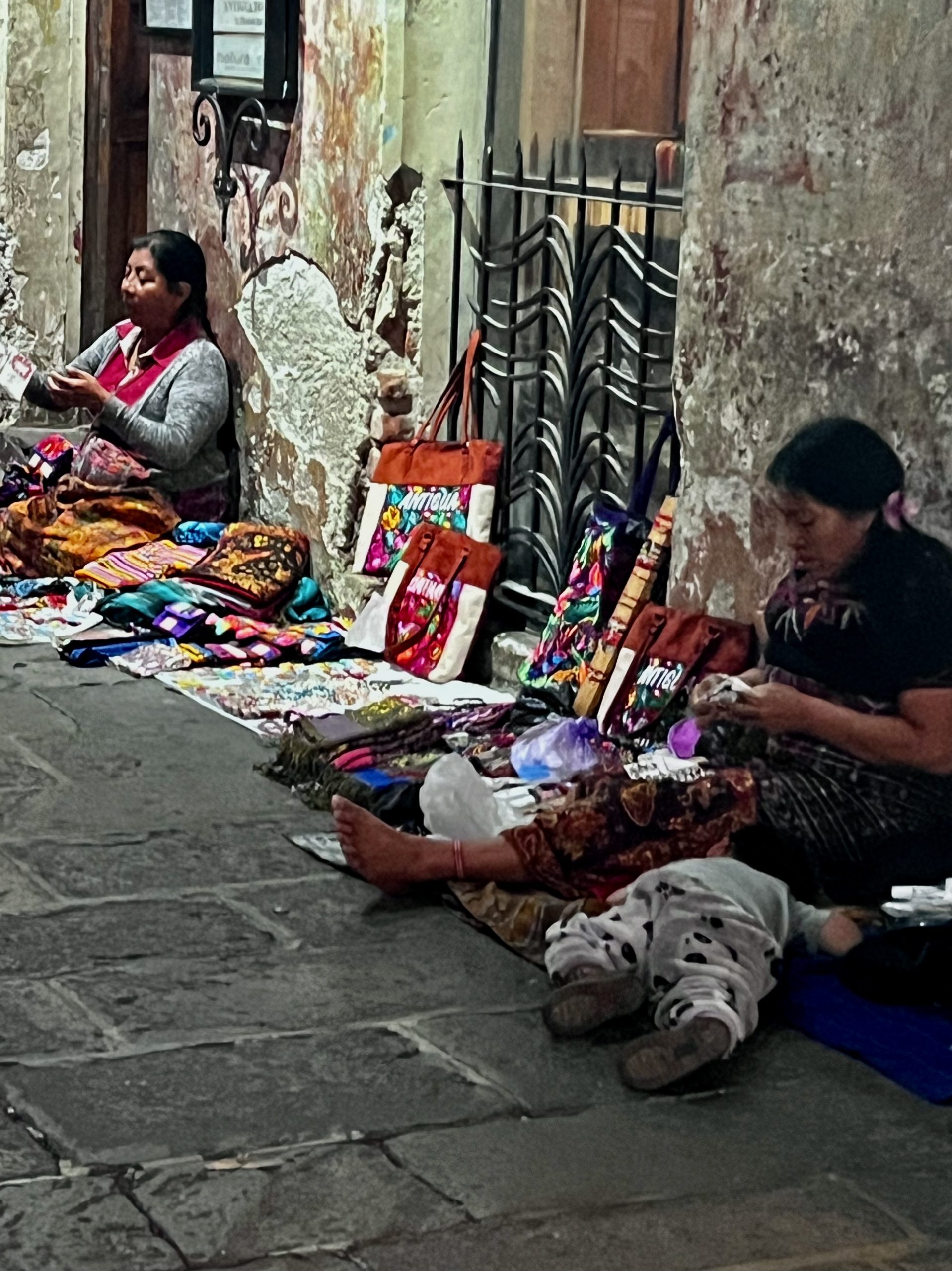
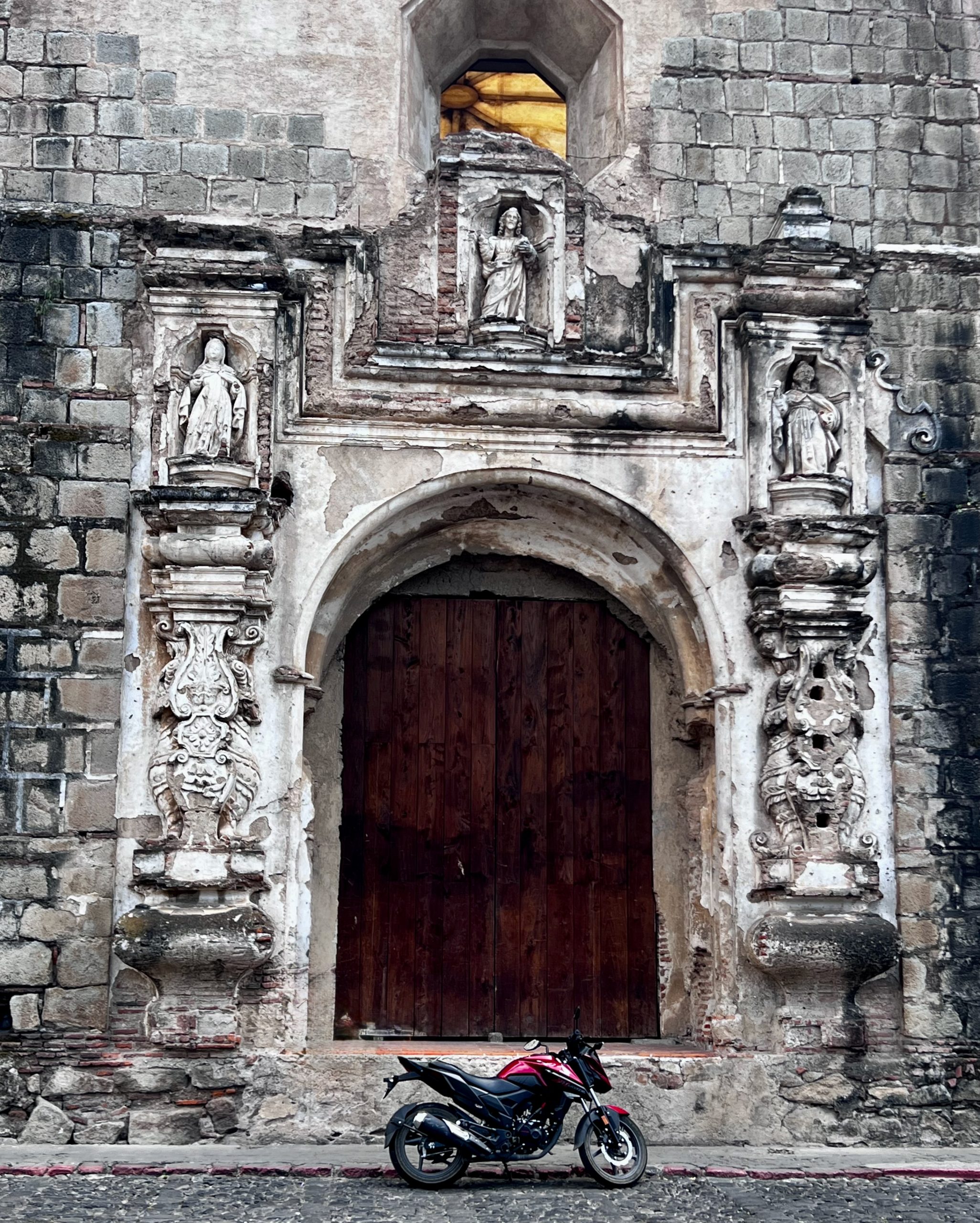
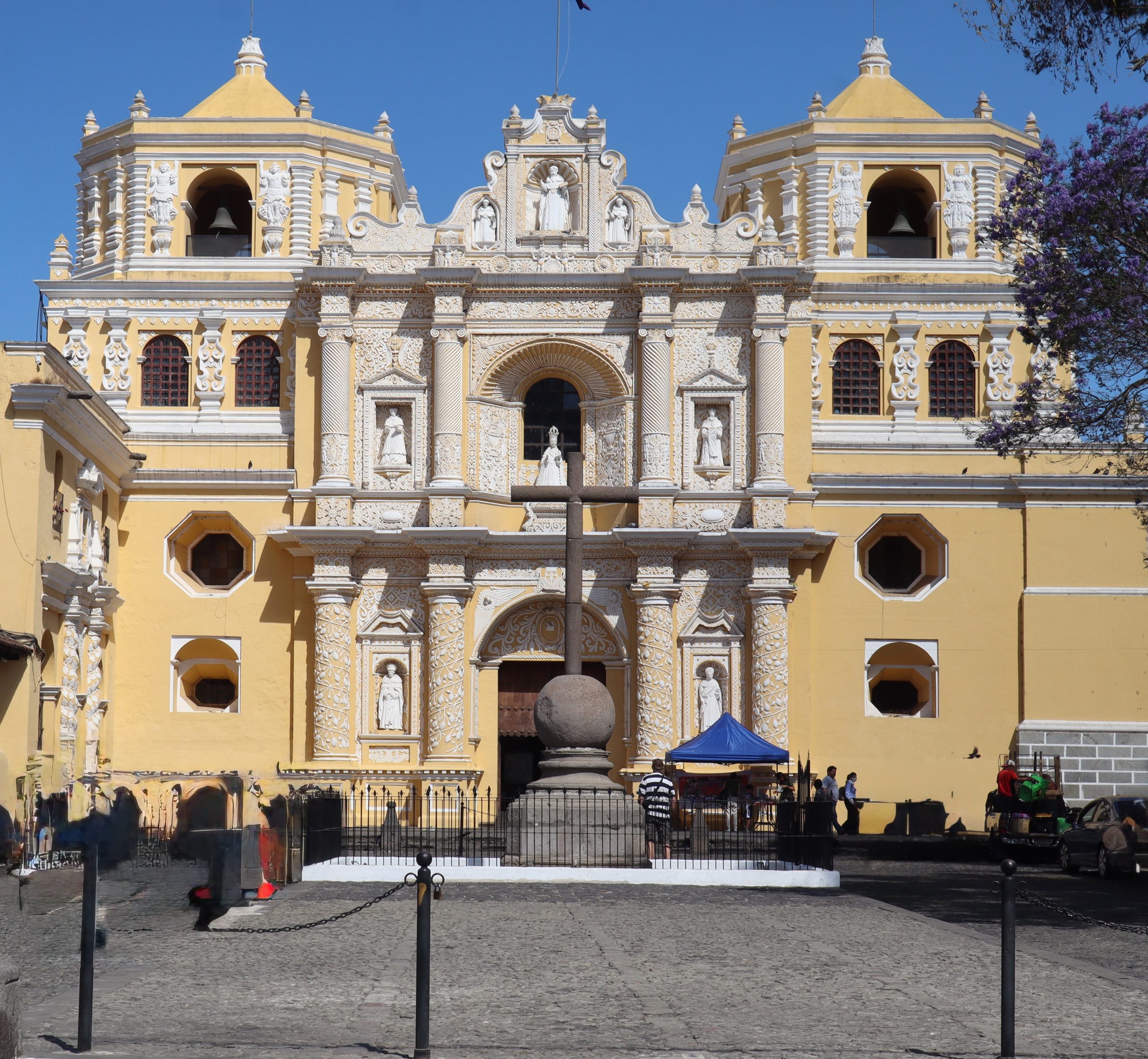
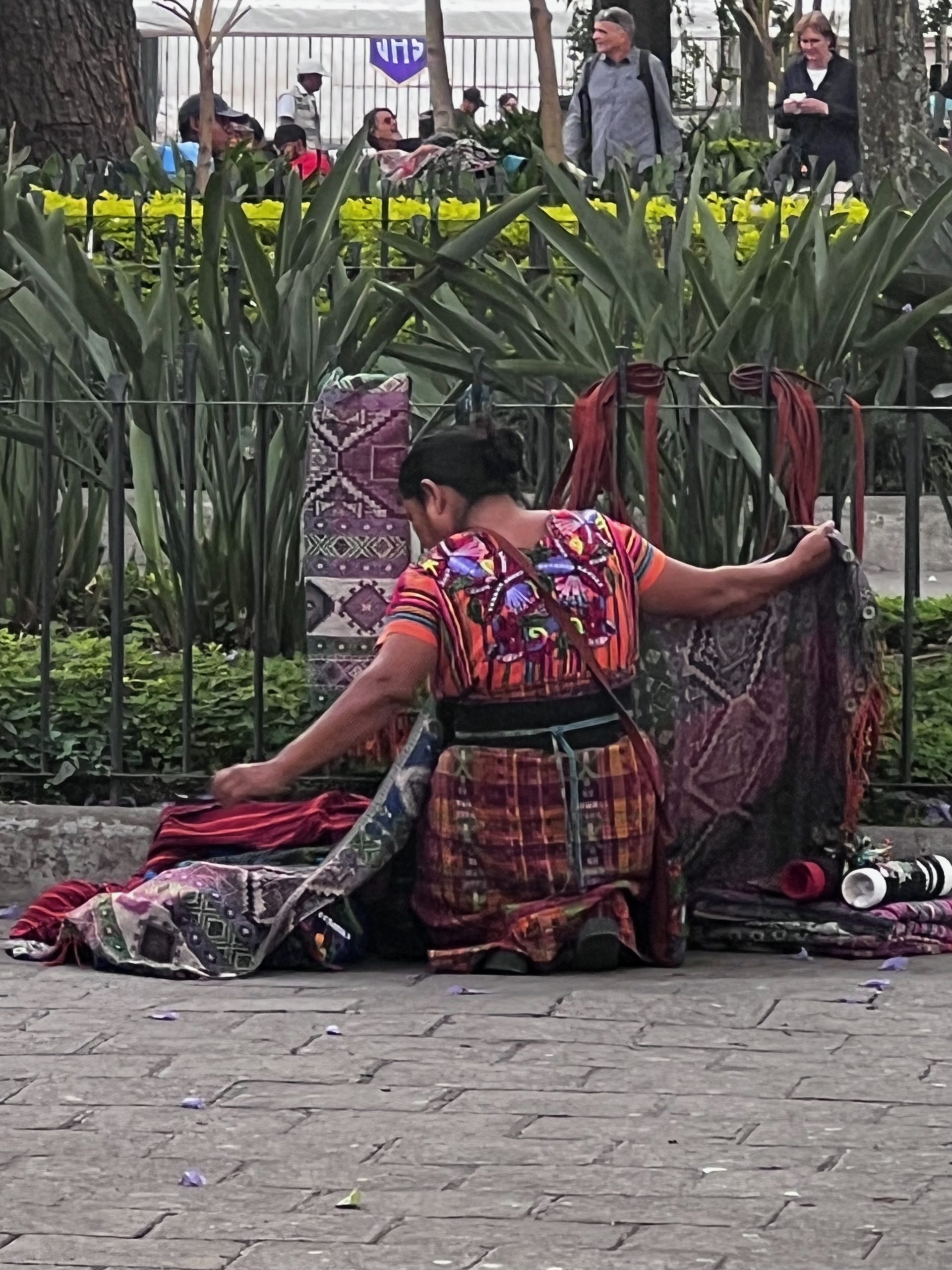
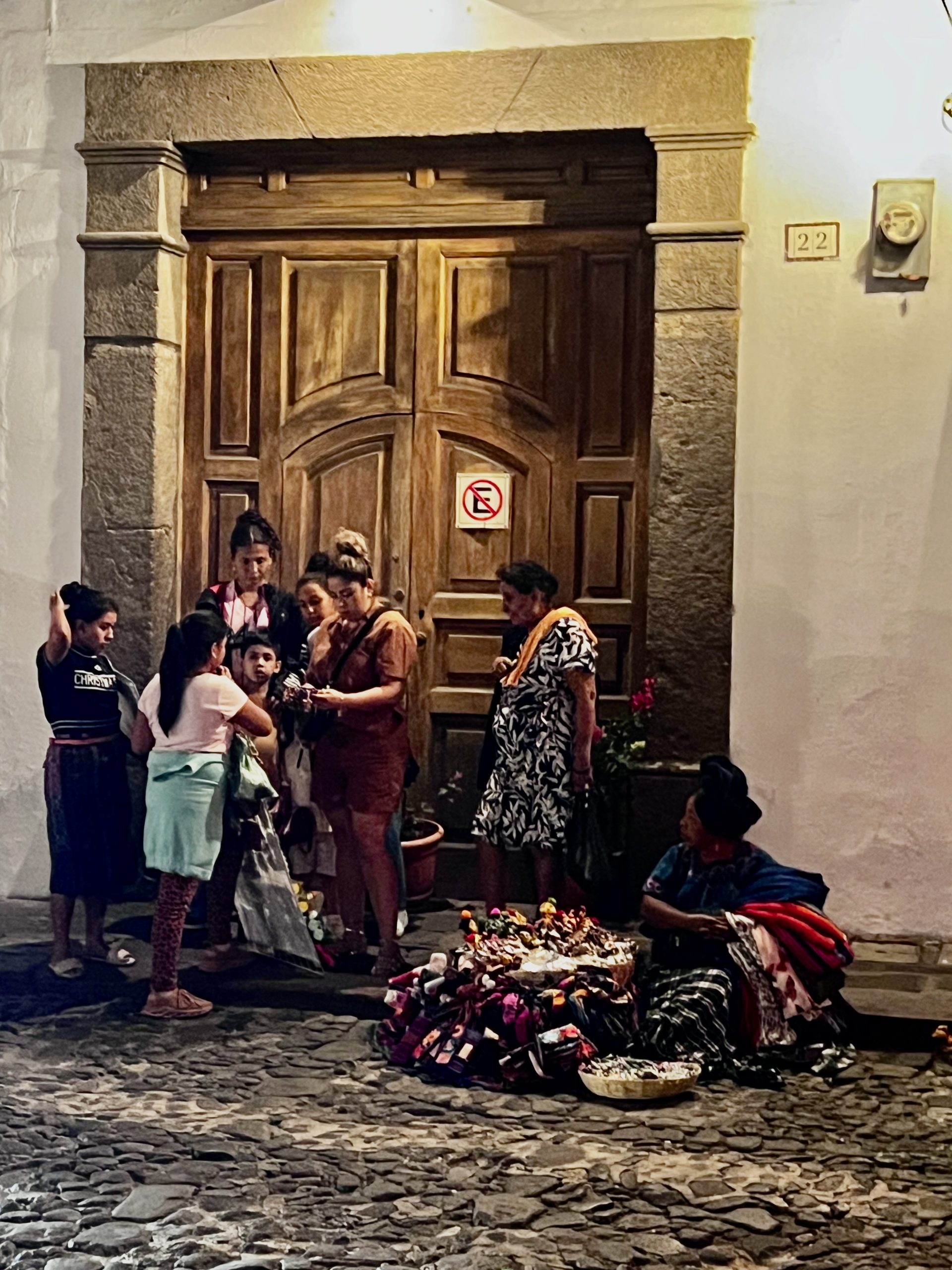
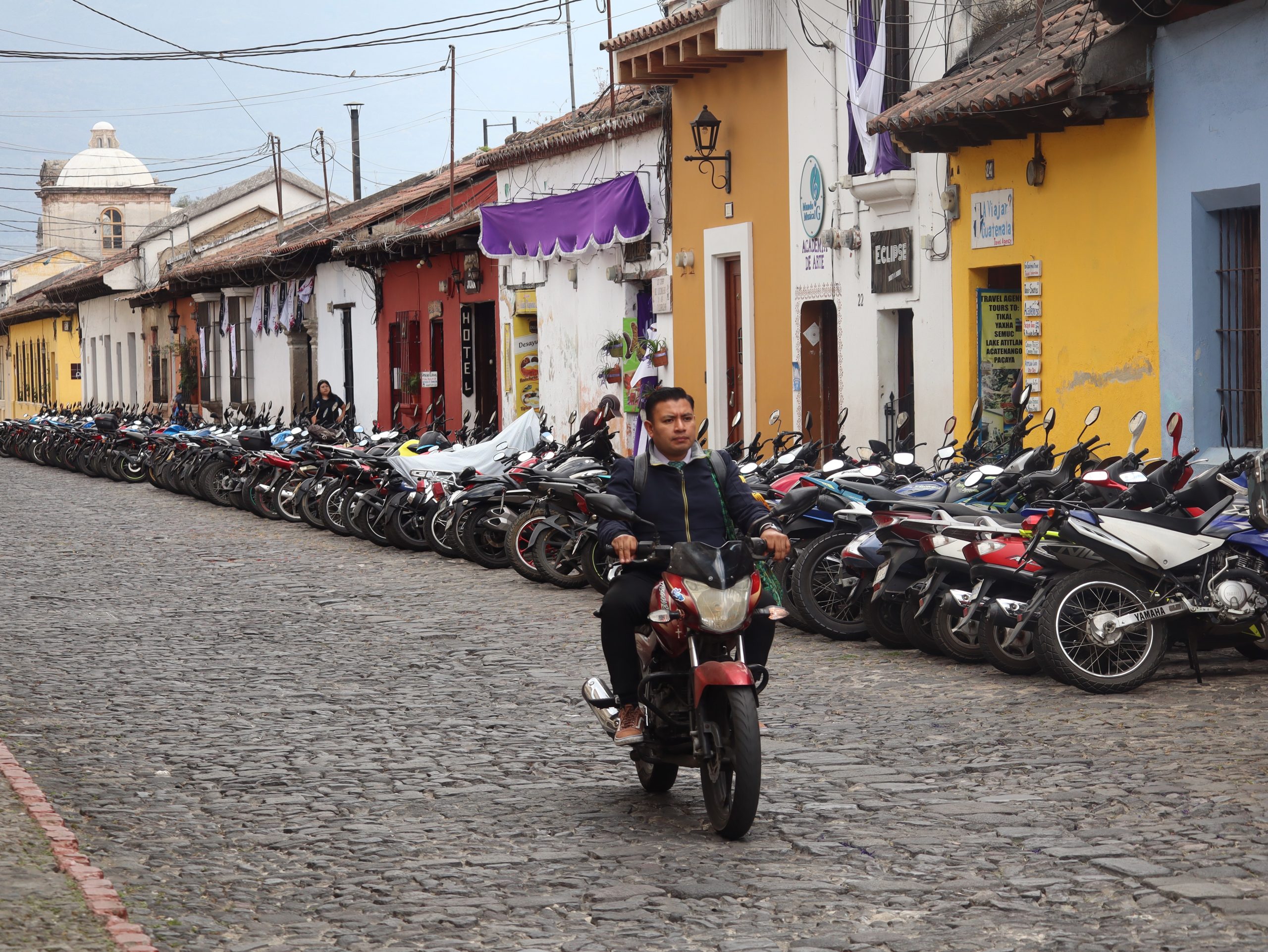
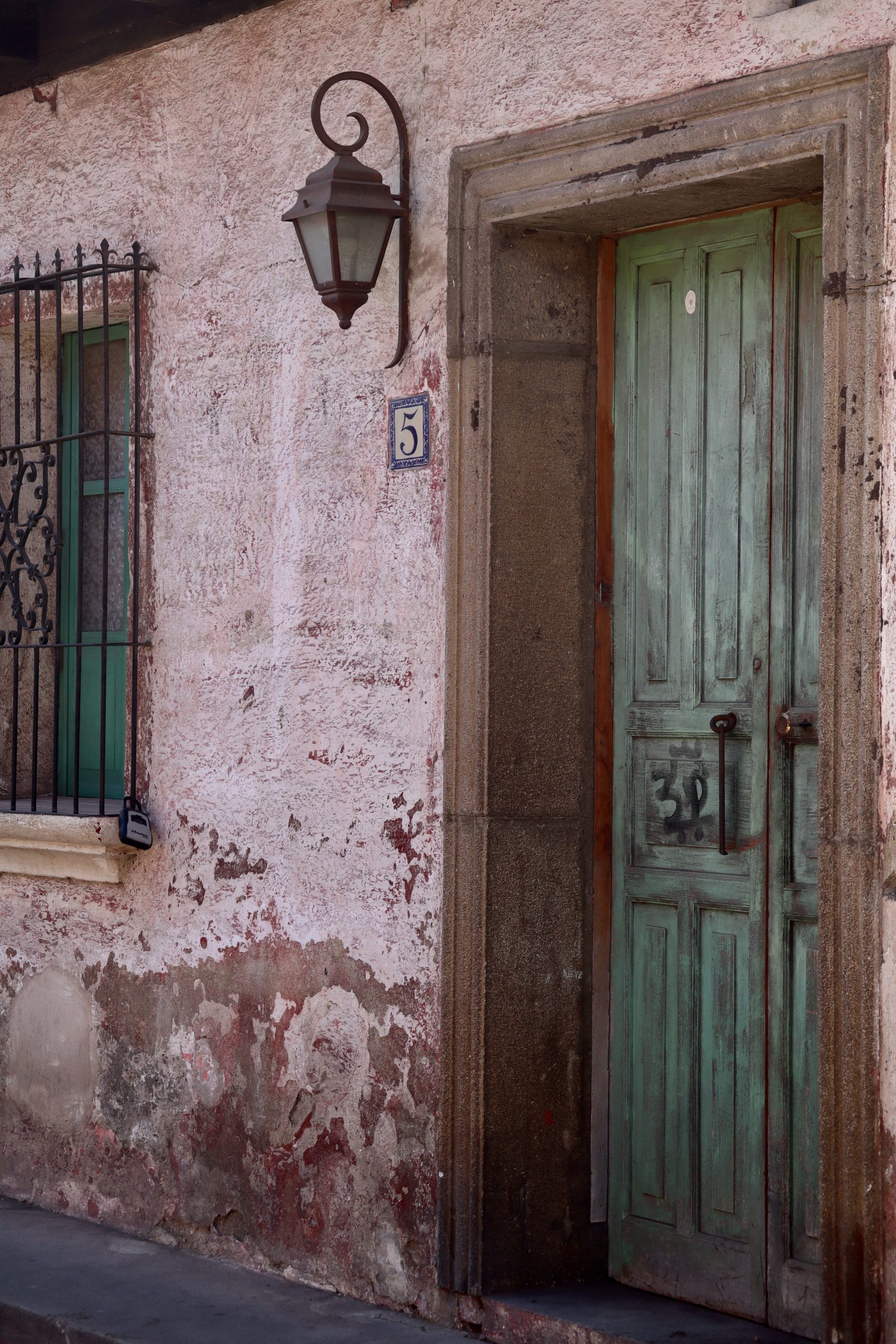
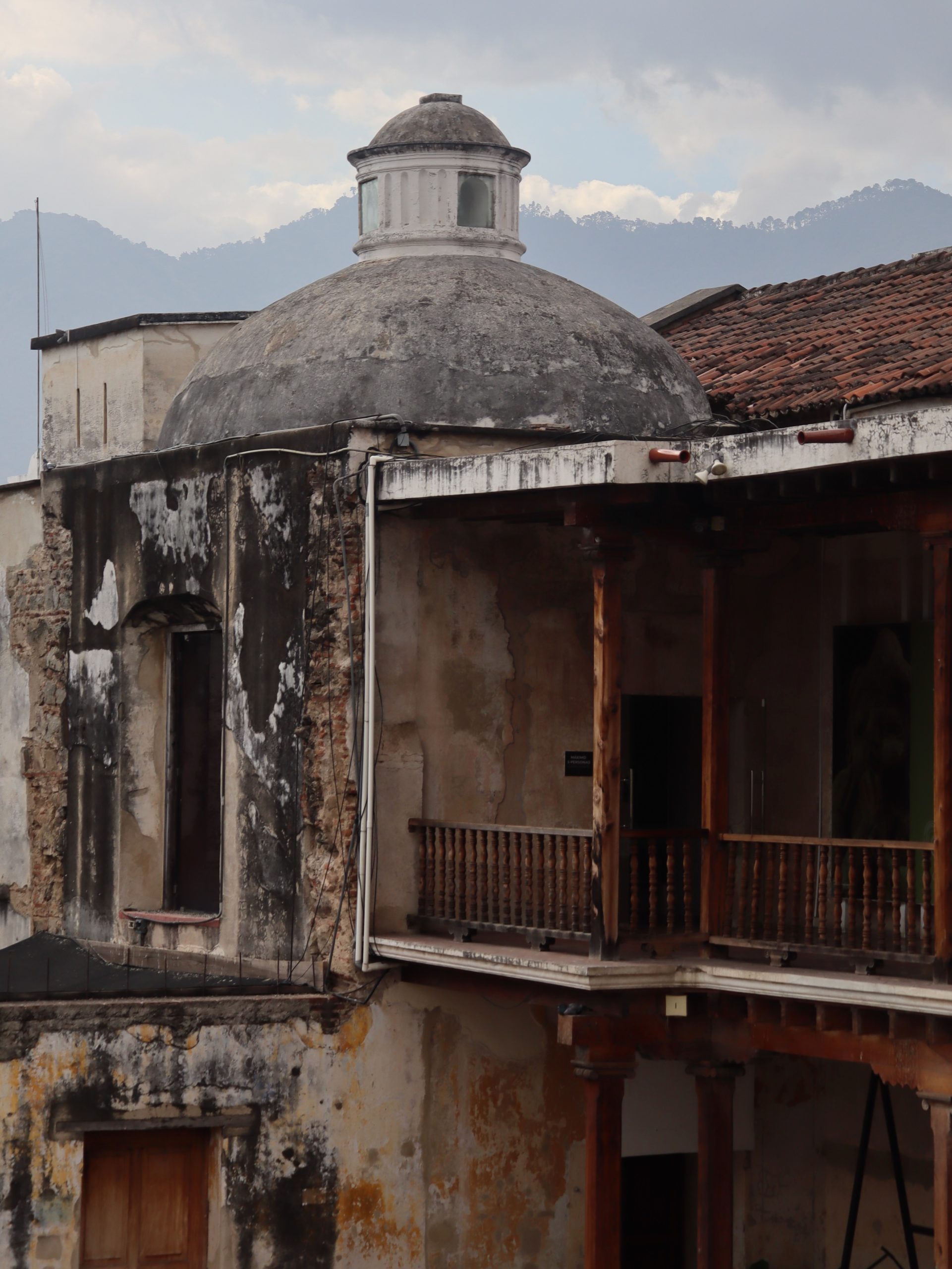
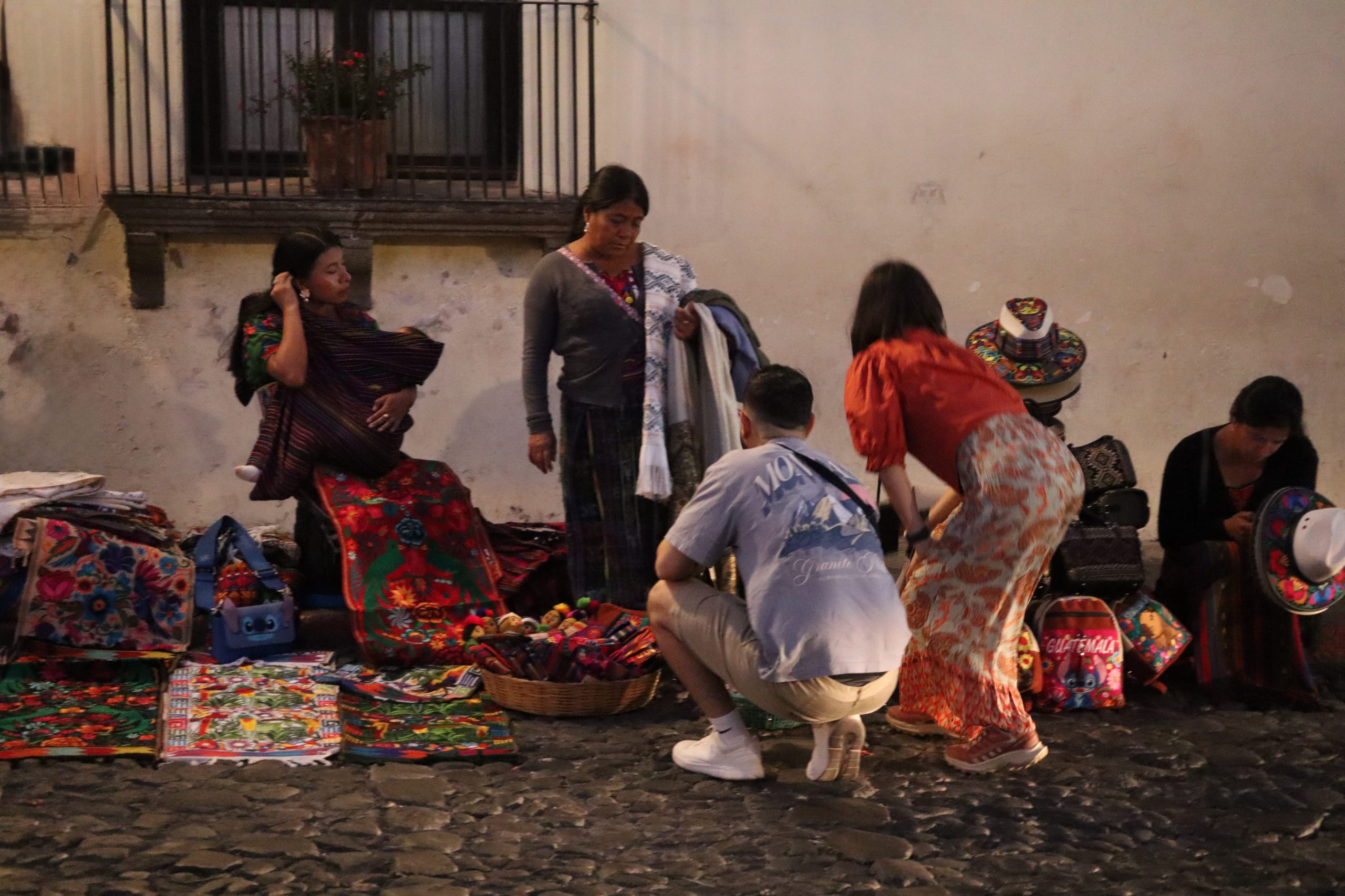
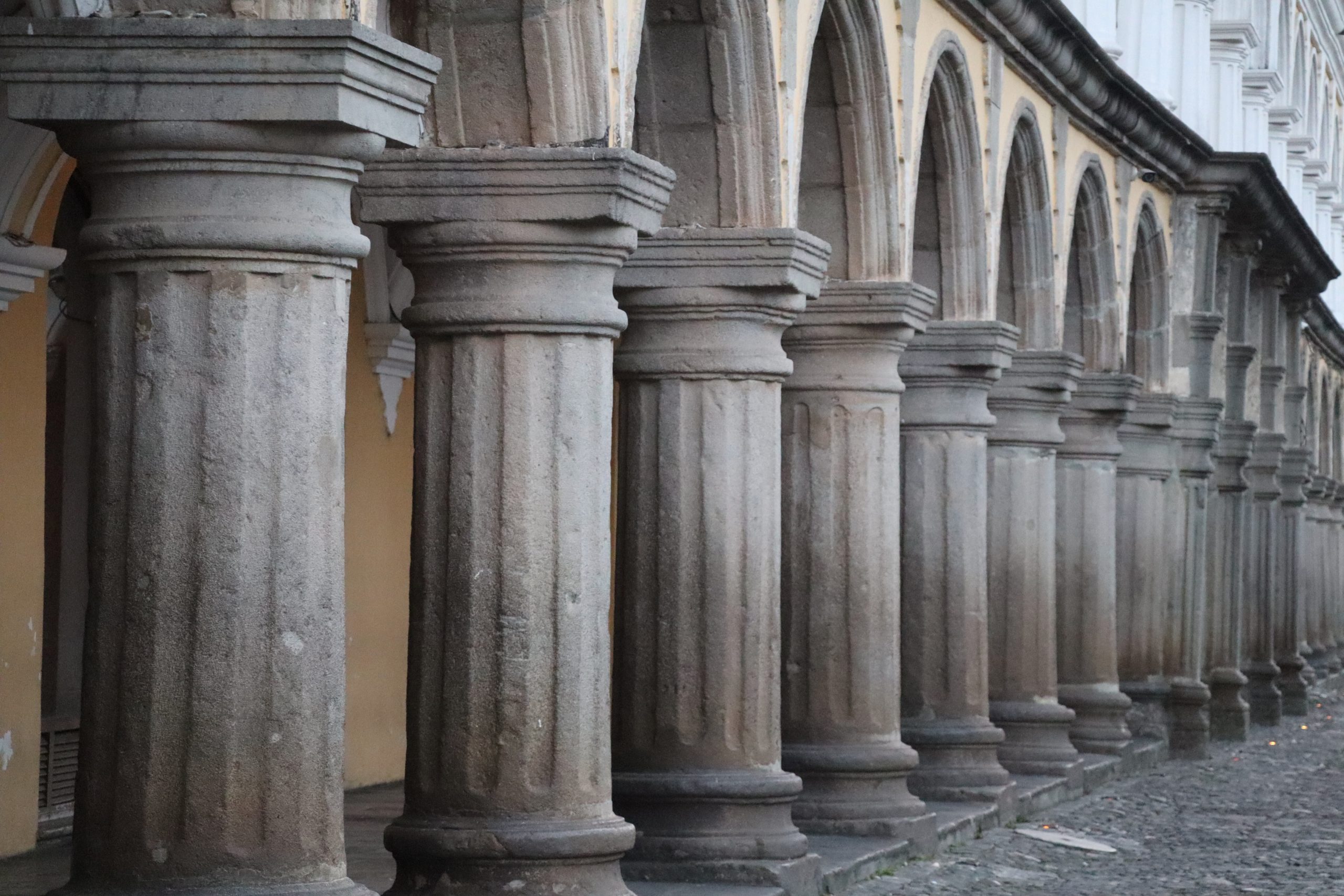
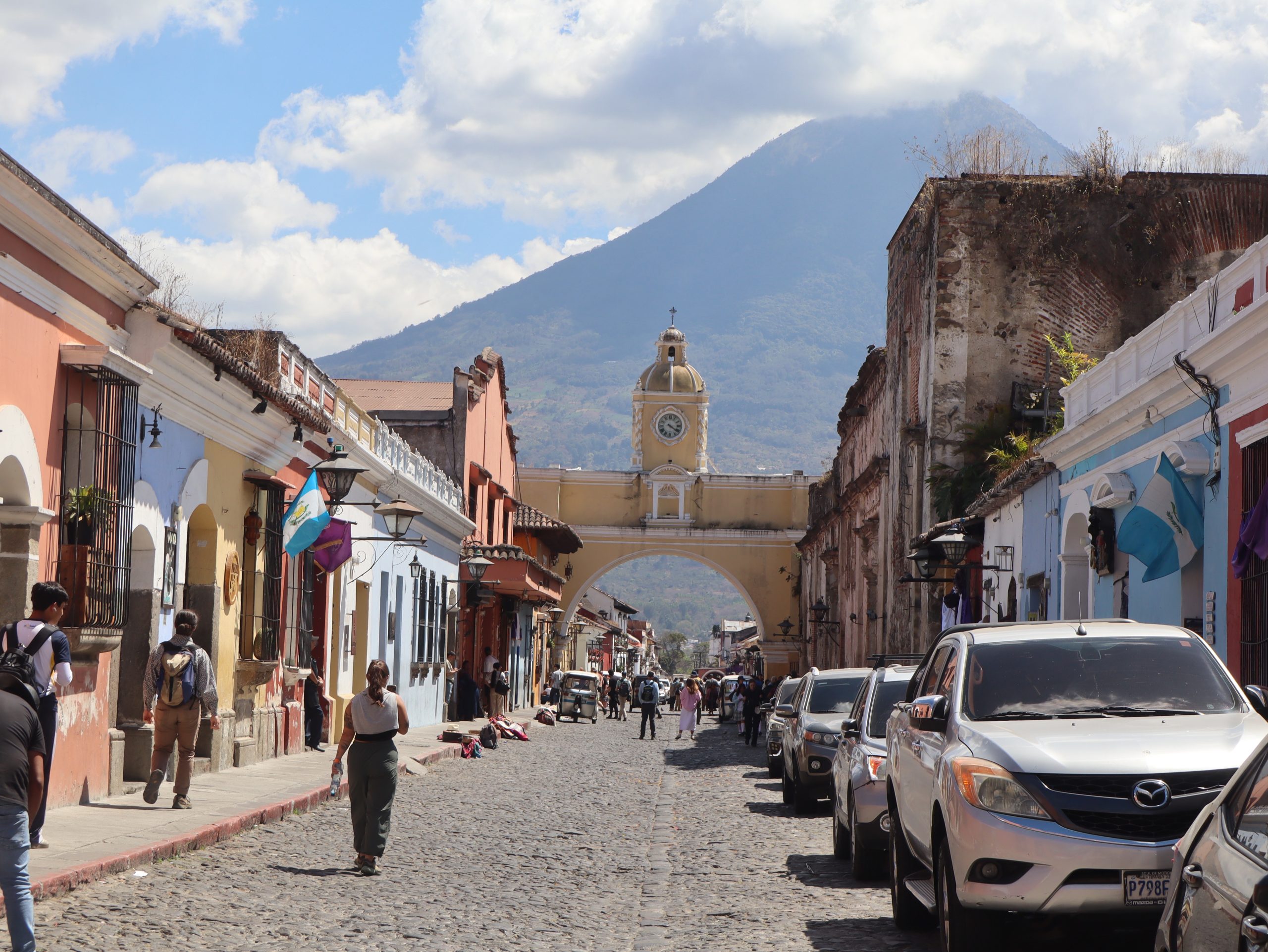
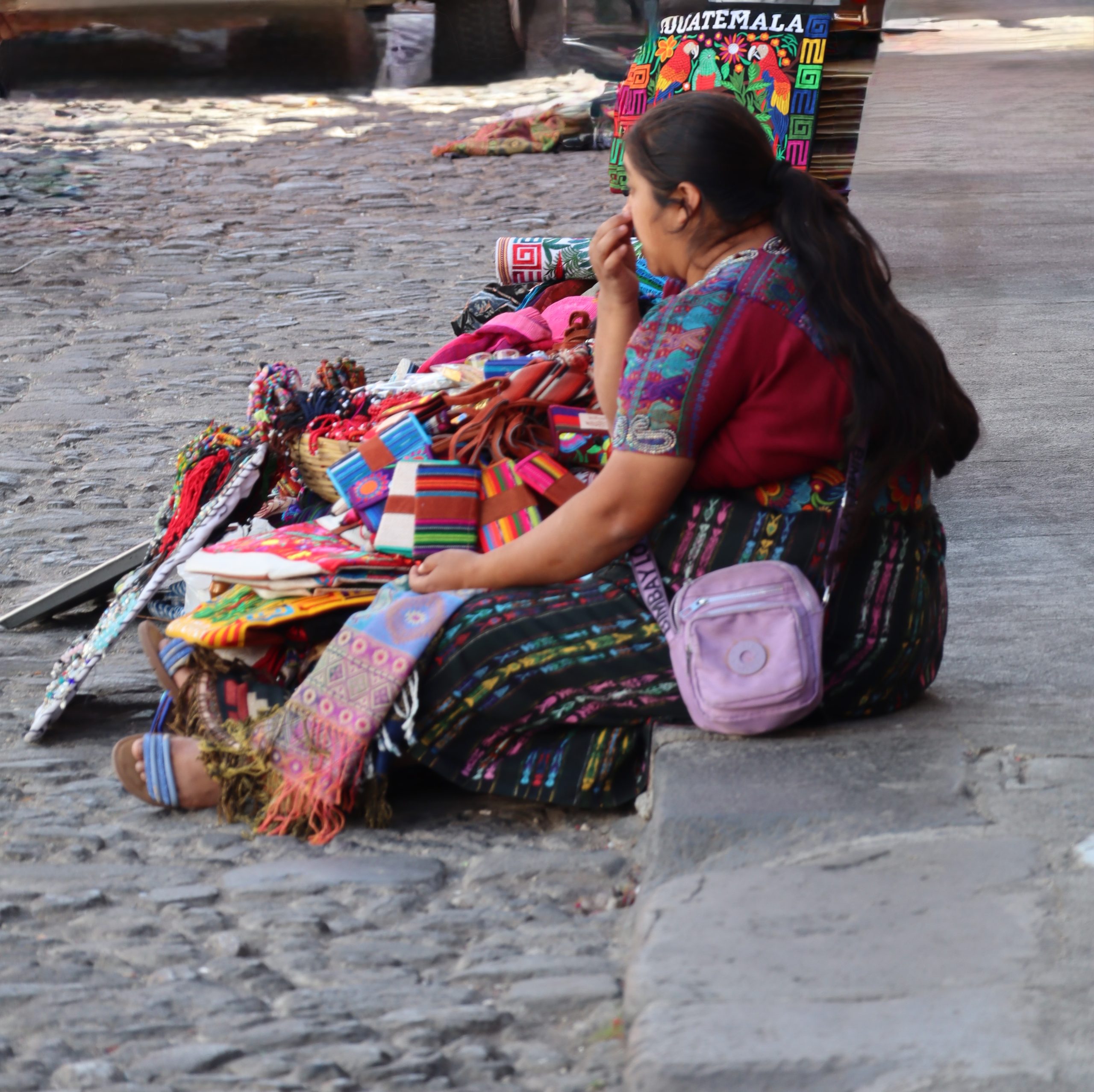
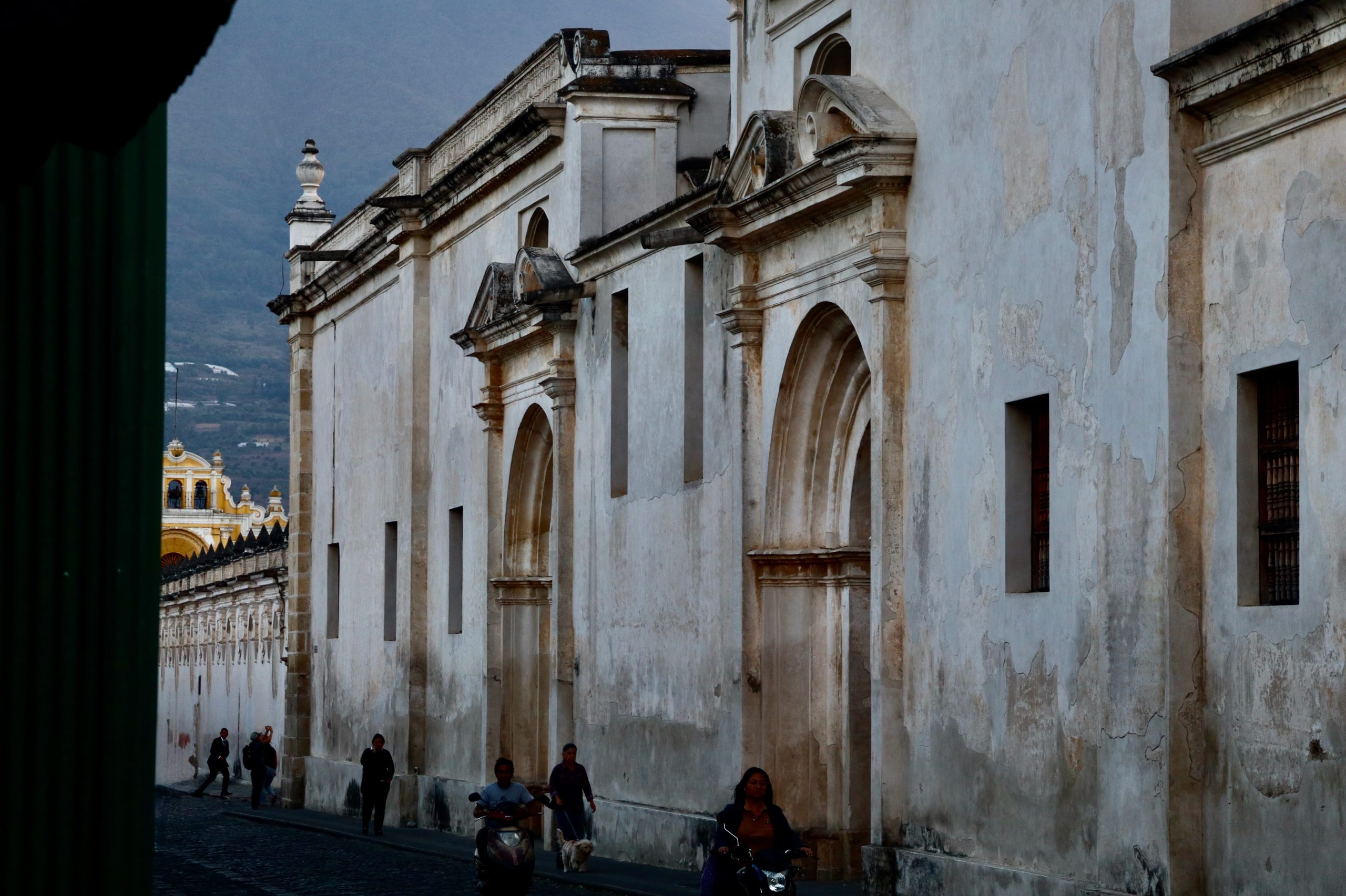
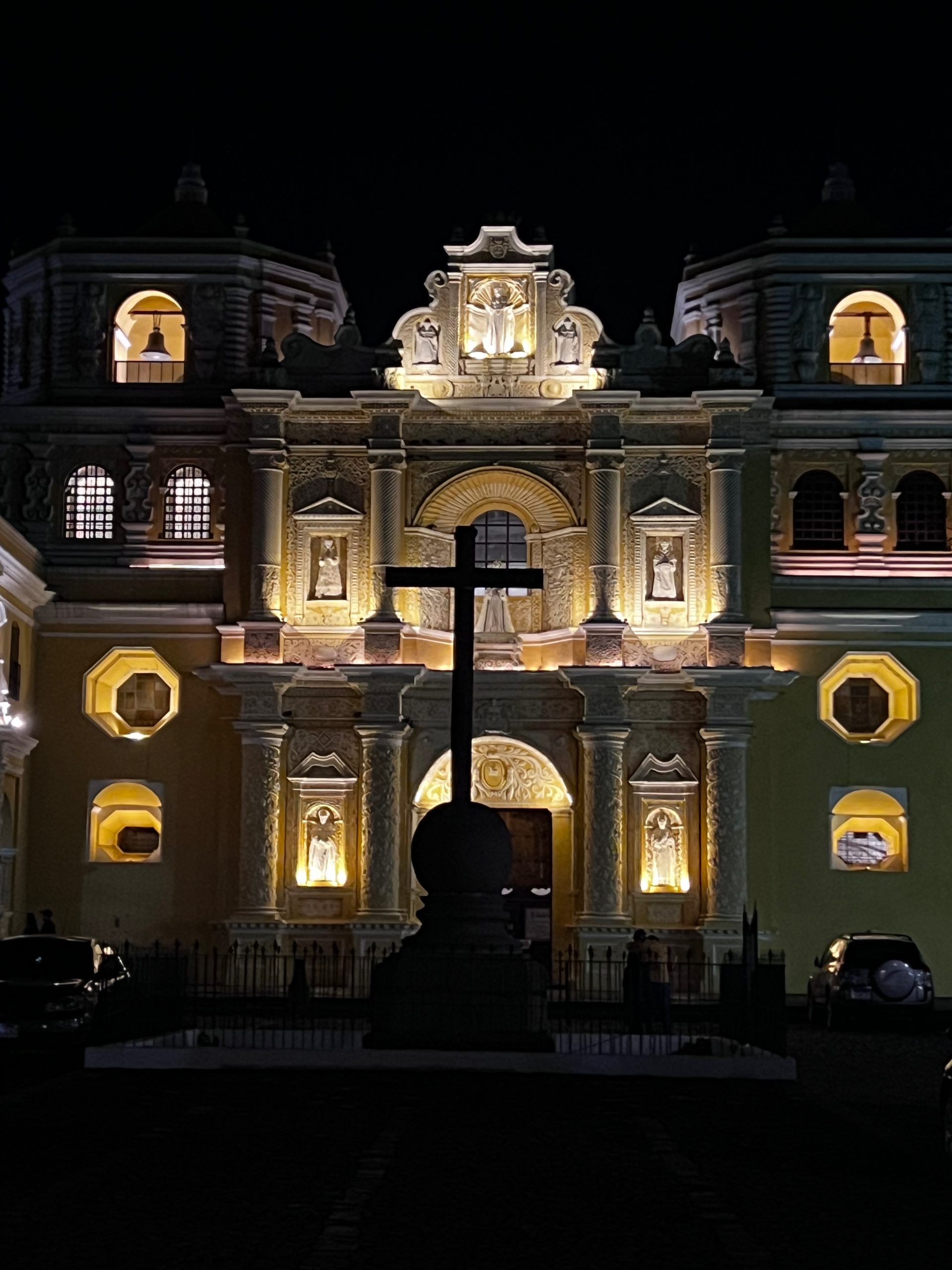
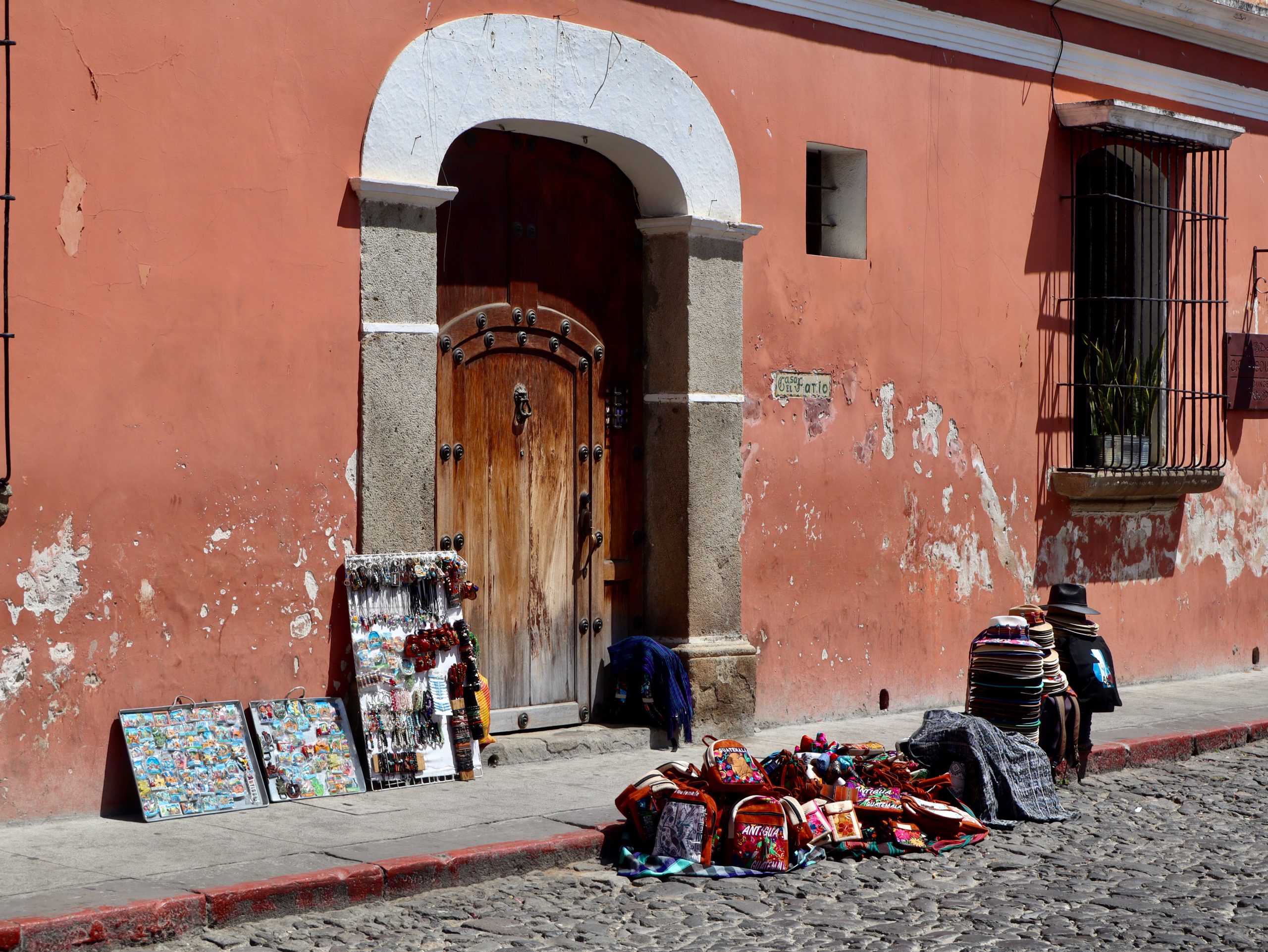
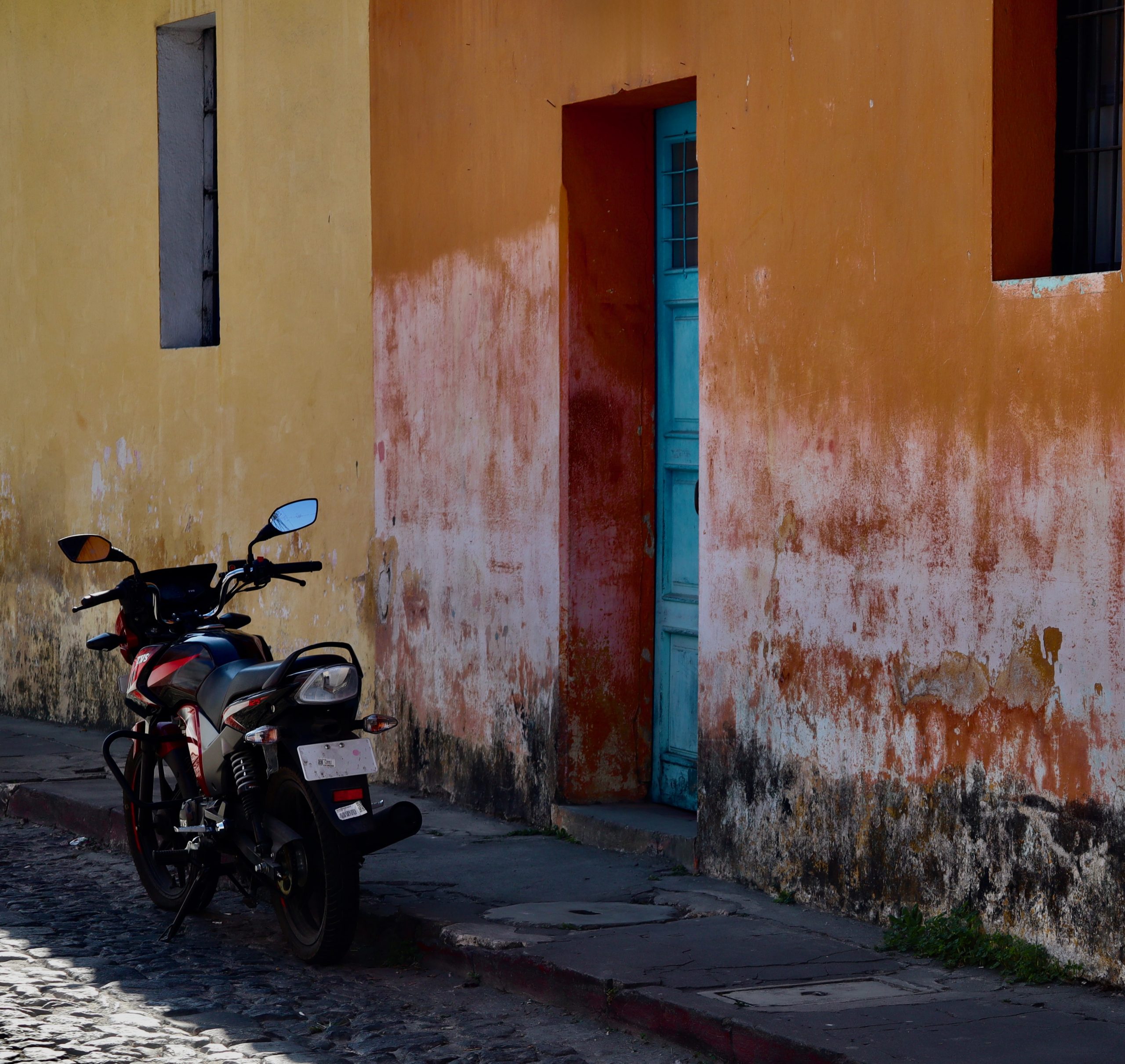
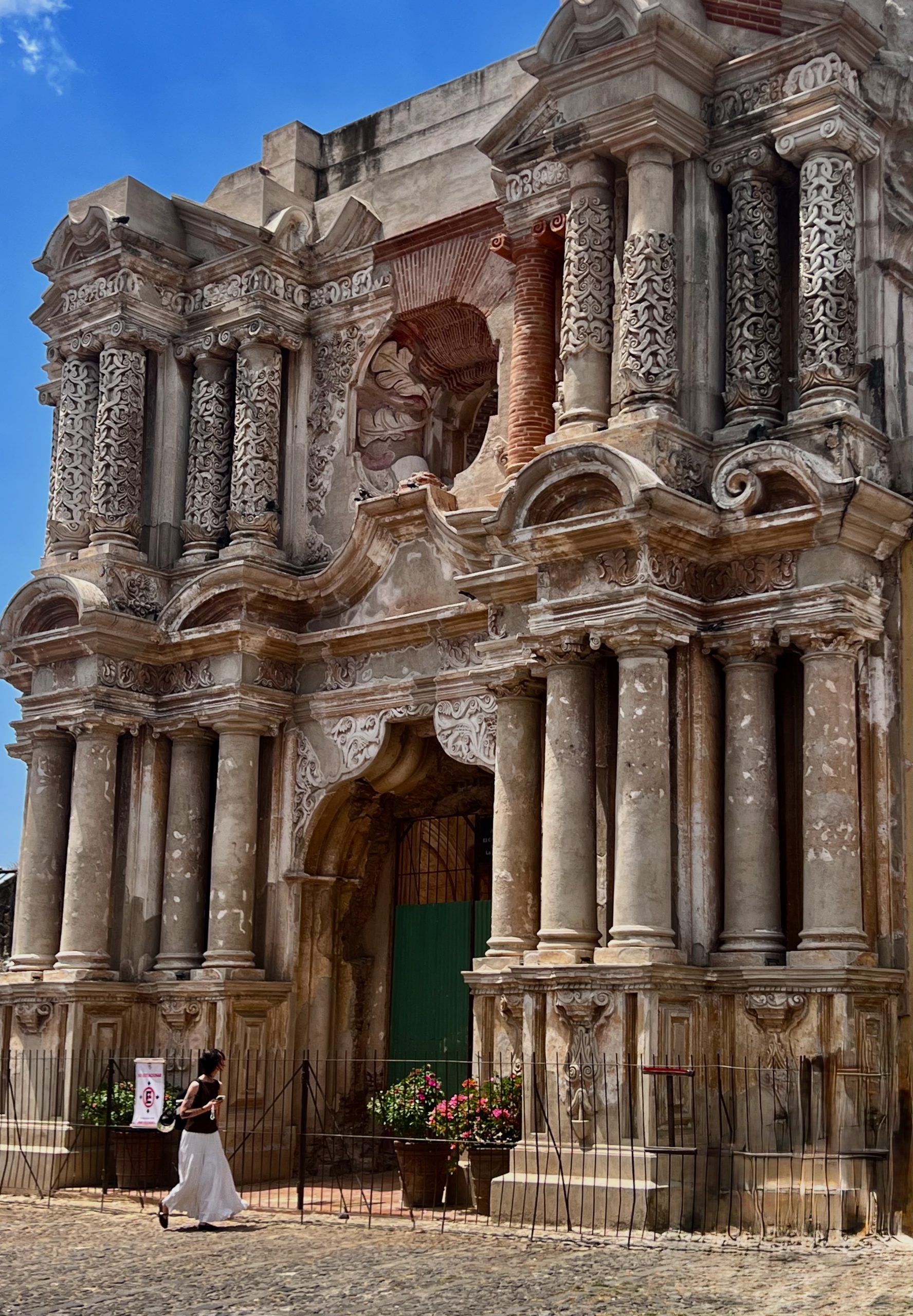
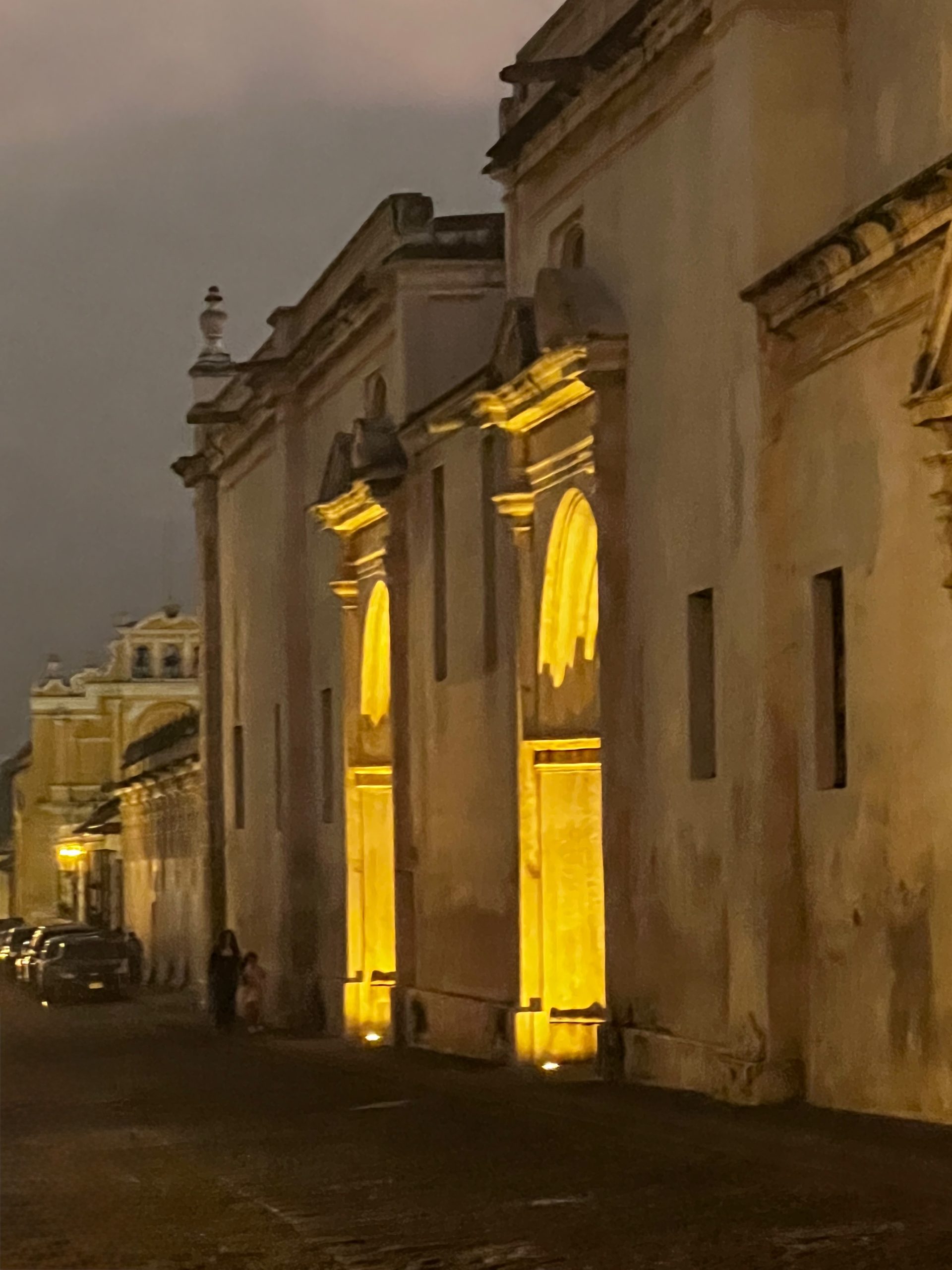
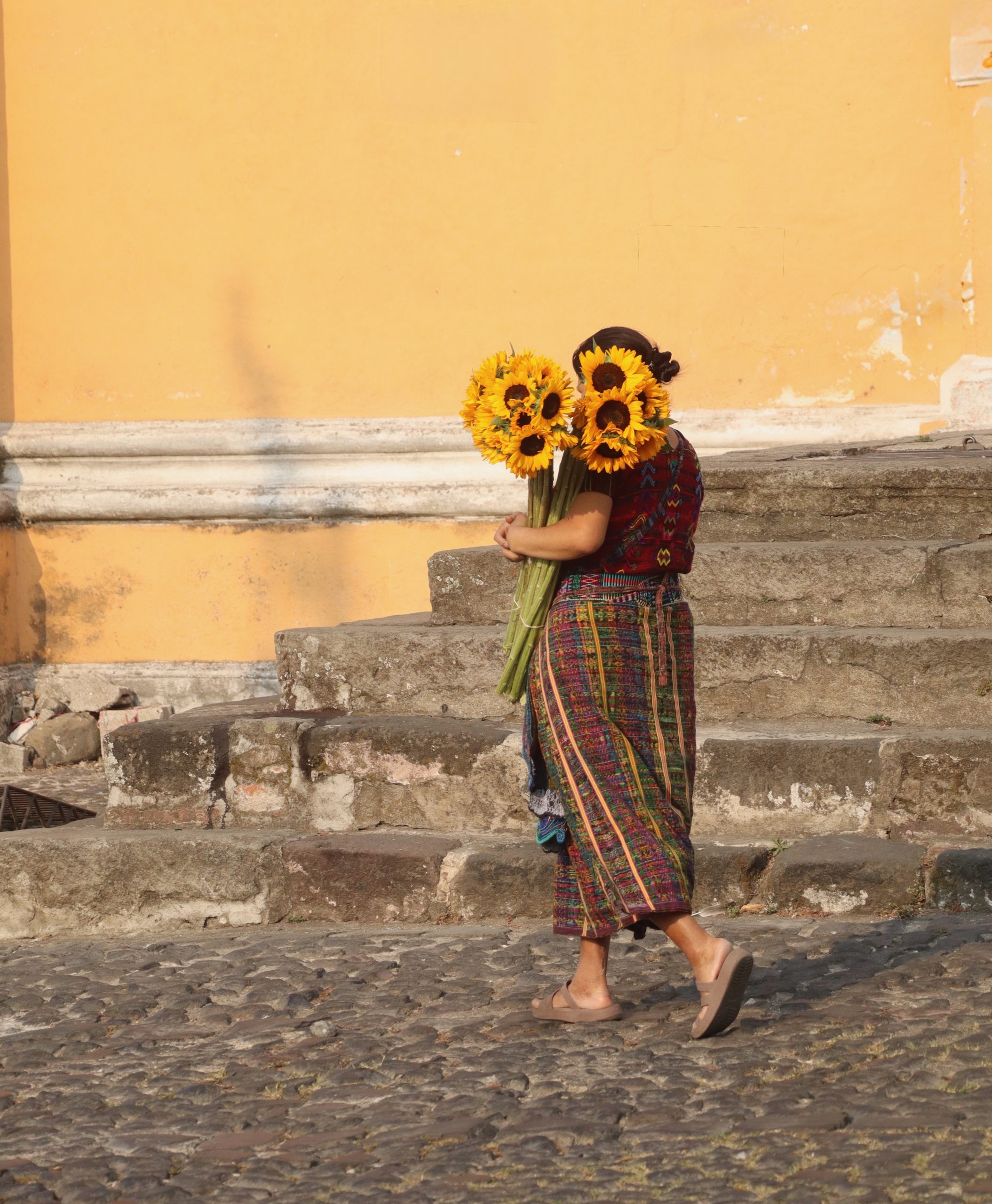
The city of Antigua offers a representation of a mix of Spanish colonial influence and indigenous traditions and local customs. This city is characterized by vibrant one-story structures, cobblestone streets, over thirty churches, and exceptionally well-maintained Baroque architecture throughout its entirety. The city is lively and festive, filled with artisans and traditional vendors who offer beautiful, vibrant textiles for sale along the streets. As mentioned earlier, this is one of the most beautiful colonial cities I have experienced in all of Latin America. During my stay in Antigua, I walked throughout most of its cobblestone streets, entering many of its traditional churches, resting among its small plazas, as well as visiting many of the ruins and retail markets. The following are highlights of my time in Antigua and Guatemala City:
Antigua City Walking Tour is a must, as it is an opportunity to learn about the history and view all its historic sites. Although these tours are generally a couple of hours, they offer a framework when revisiting the sites and spending more time.
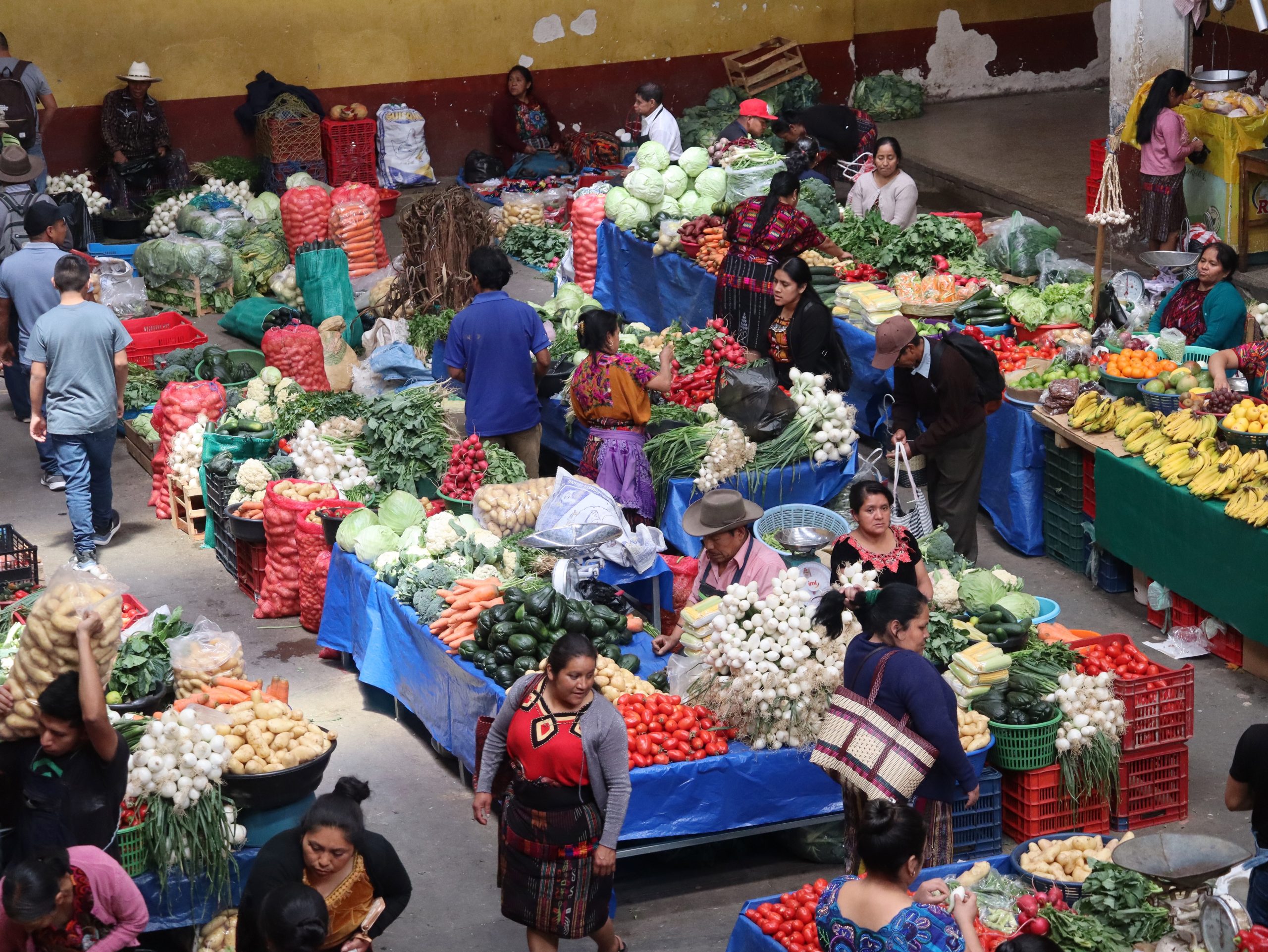
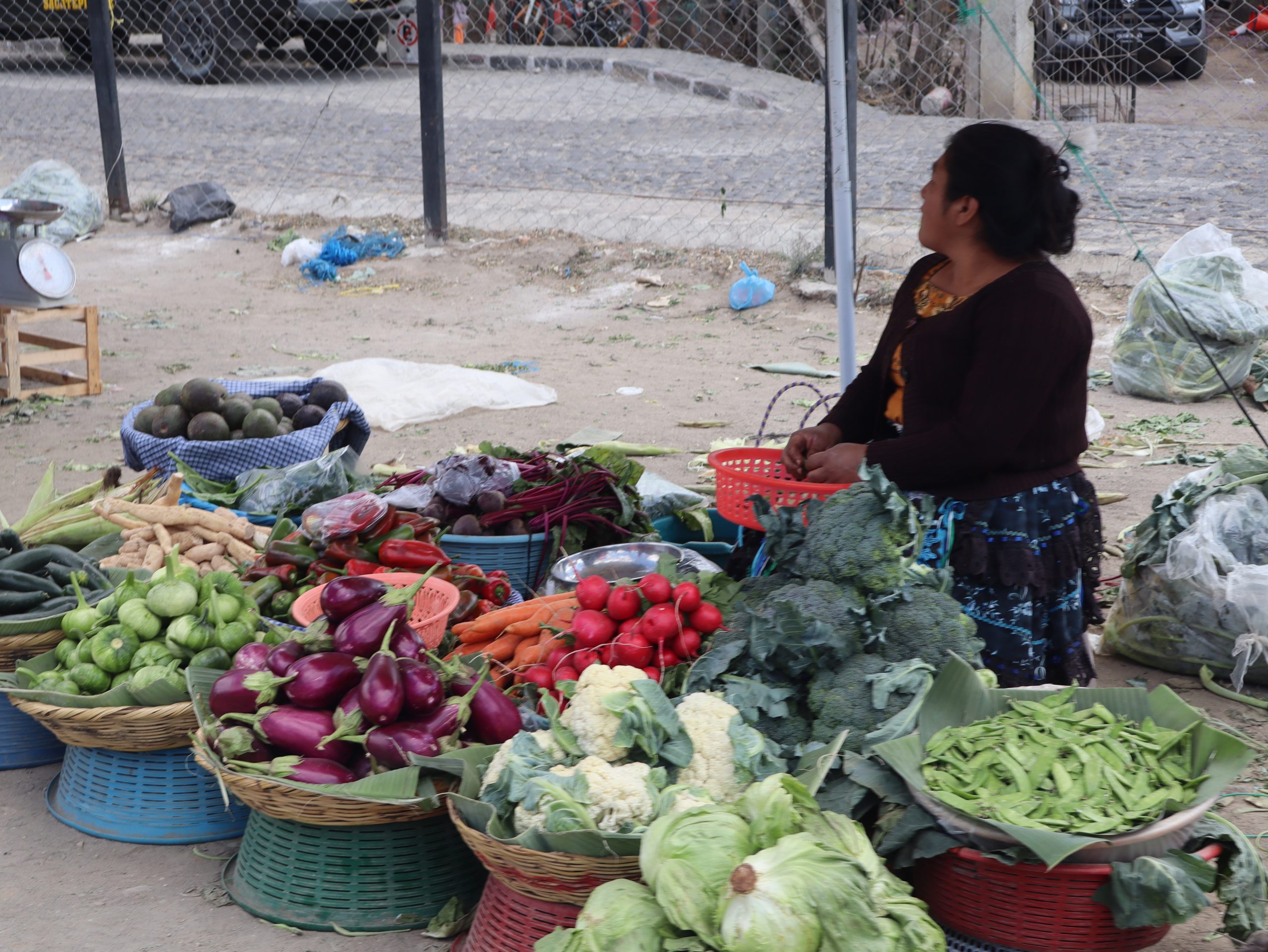
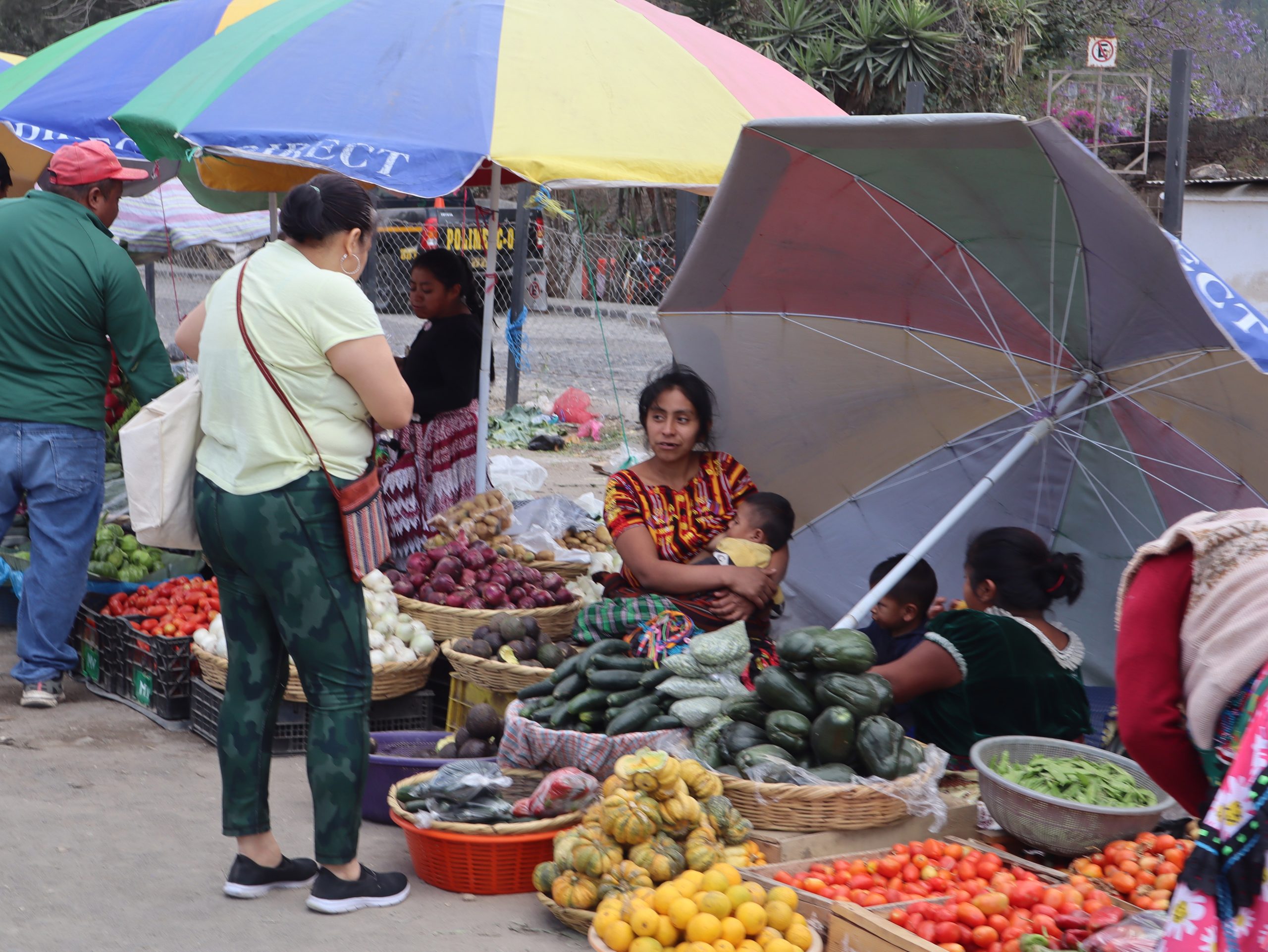
Antigua Street Market–Antigua has one of the largest street markets serving the broader surrounding communities where folks come to sell and buy just about anything. Here, produce, fish, and meats are sold out by the end of the day, guaranteeing their freshness. There are plenty of local restaurants inside the marketplace where locals eat at a third of what it costs in other parts of the city.
Jade Class– Guatemalan jade, known as jadeite, is one of the most resistant in the world. It is available in a variety of colors, starting with green, lavender, black, white, and blue. The ancient Maya valued jade more than gold. Antigua has become a major center for buying jade. La Casa del Jade offers classes where you can experience how much time it takes to polish a small piece that you can take home.
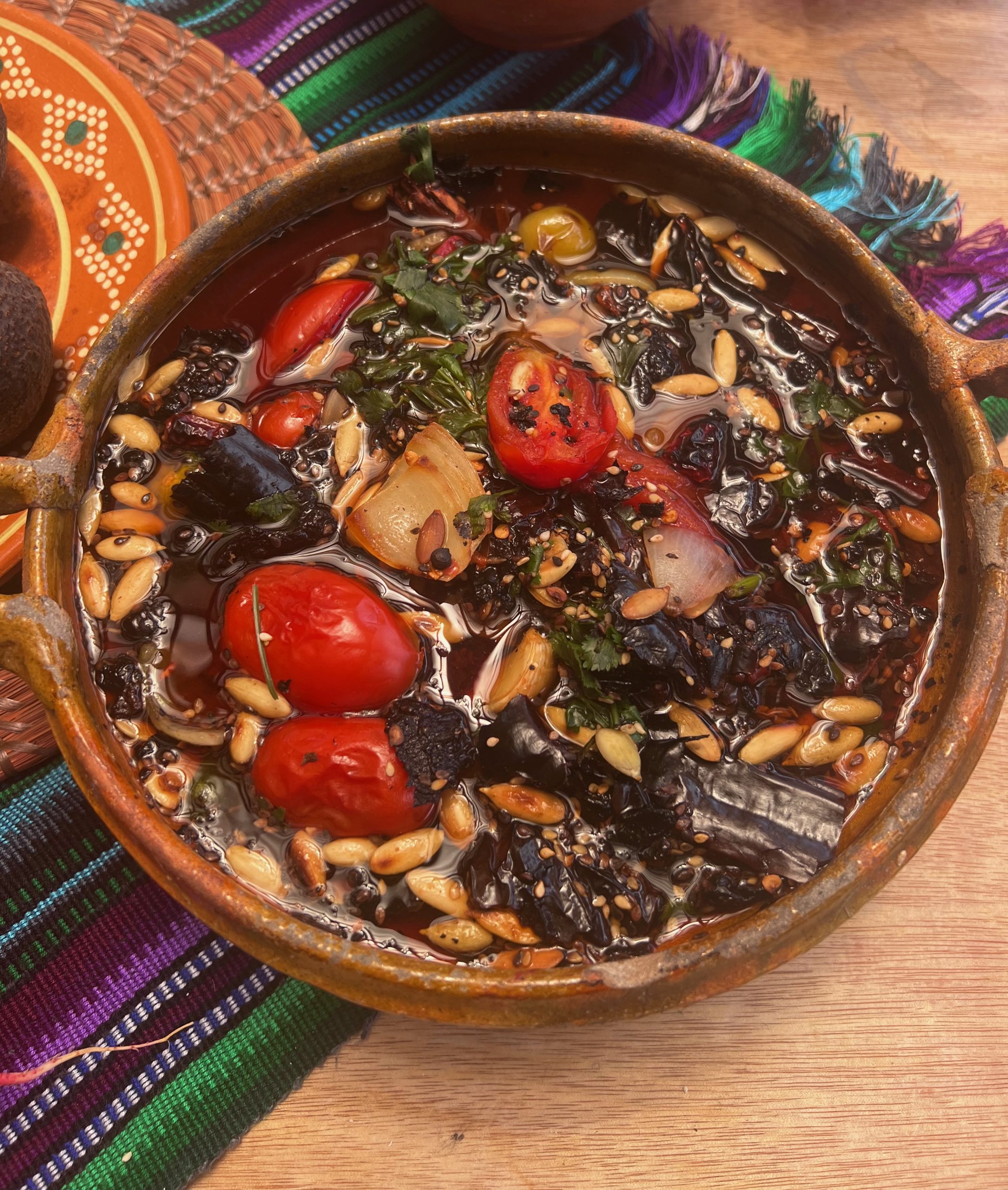
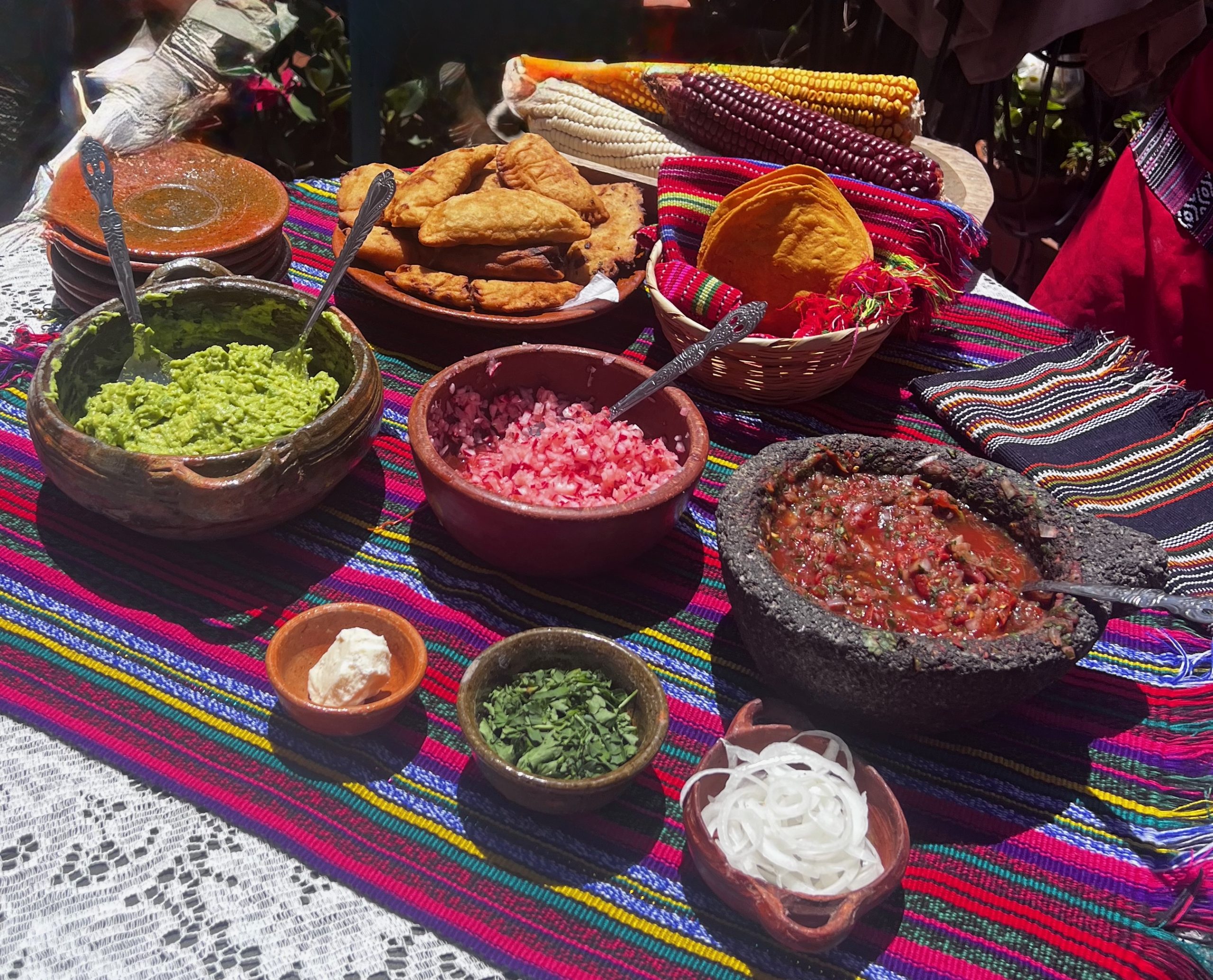
Traditional Cooking Class– When I am traveling, I always try to sign up for a cooking class. In Antigua, the chef took us first to the local street food market to learn and pick up ingredients before cooking at his home a typical Guatemalan meal consisting of pepian, salsa molcajete, Guatemalan rice, corn tortillas, plantain rellenitos with chocolate with glass of wine ( highly caloric).
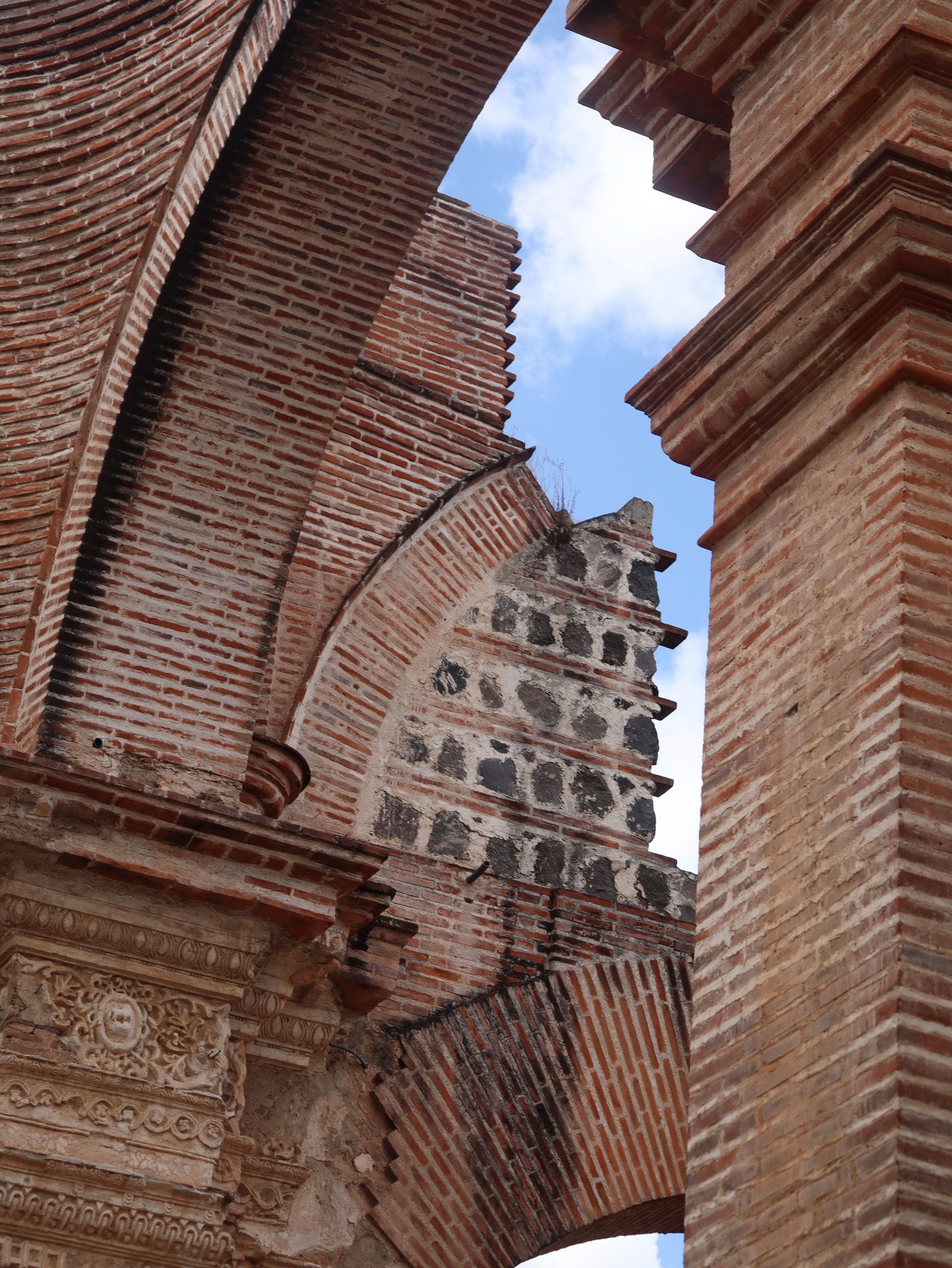
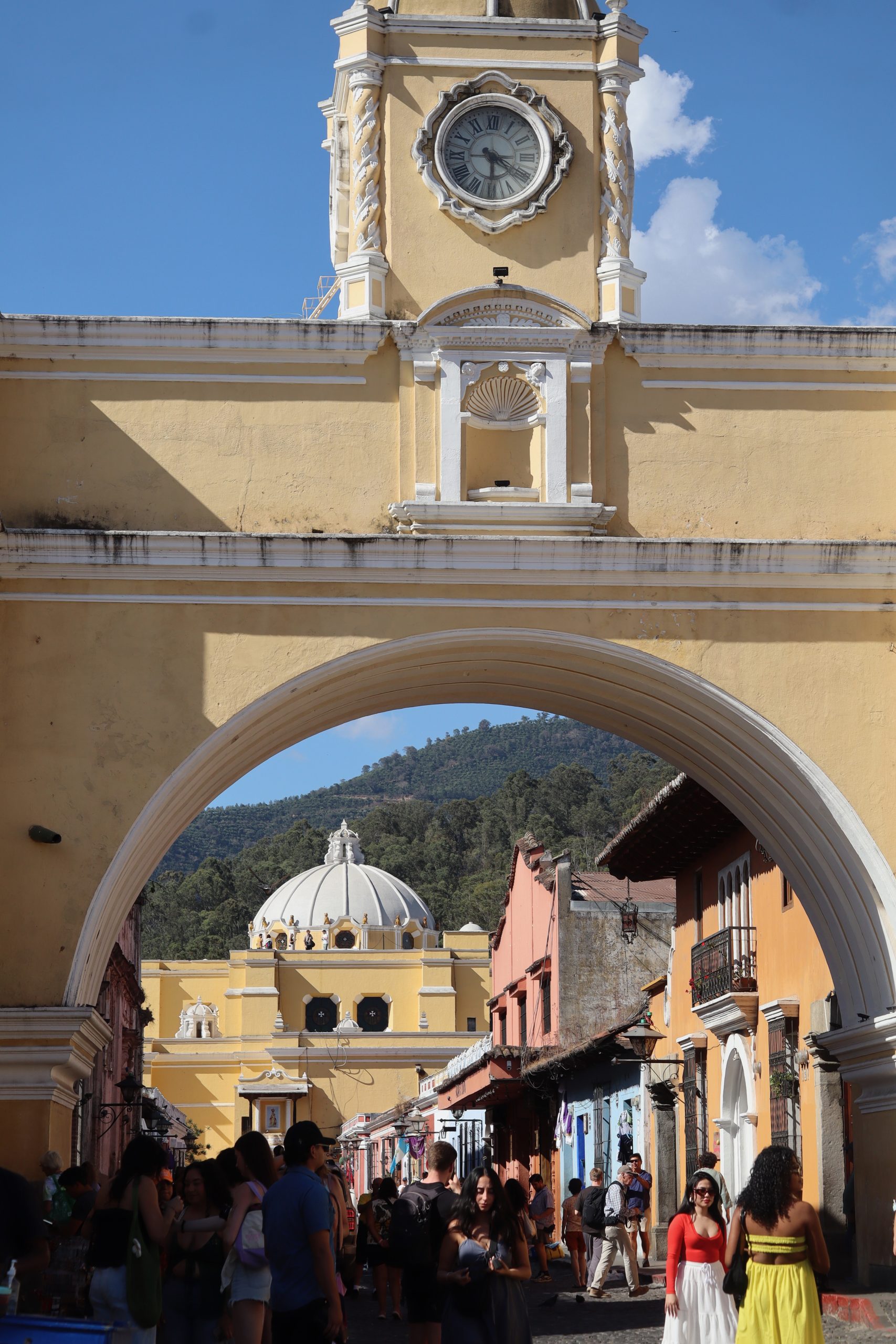
Historic Sites, Ruins and Museums – Starting with the popular Arco de Santa Catalina, there are at least a dozen historic sites and ruins, several of which are museums that offer a glimpse into the past of these iconic structures. There are also hotels such as Hotel Museo Casa Santo Domingo that are historic sites with built-in museums. If I ever go back to Antigua, I will definitely stay here for the least one night.
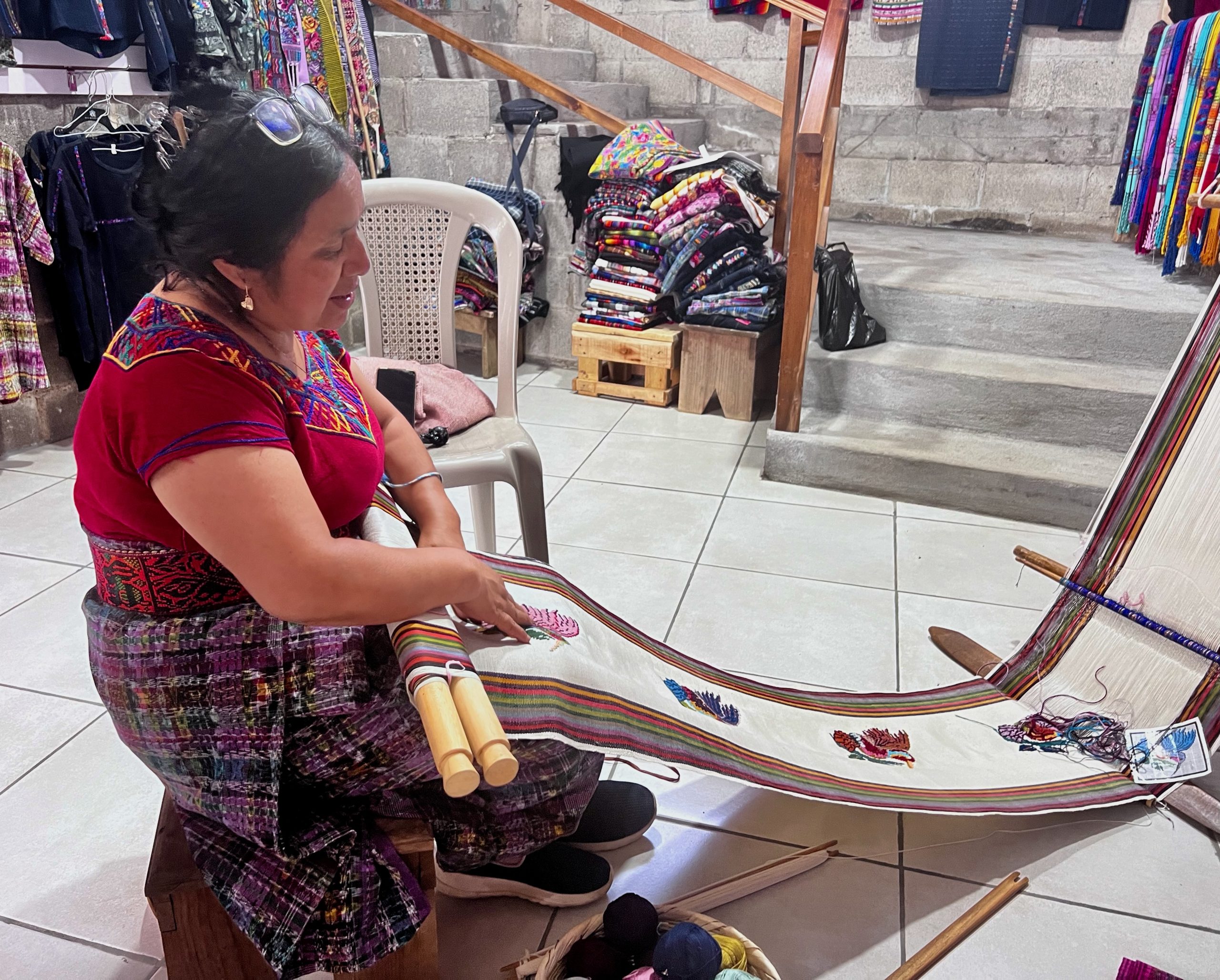
Village Tour –– This tour takes you to several traditional villages near Antigua that feels like you are walking into a time capsule. Small, simple villages, yet colorful and well preserved that represent communities of modest means. All of them start with a well-preserved plaza facing a church in the center of the town. We stopped at the following towns: San Antonio Aguas Calientes, Ciudad Vieja, San Pedro Las Huertas and San Juan del Obispo. When visiting these towns, we were able to witness a trade school that teaches women how to weave beautiful textiles using a traditional loom. We also visited a cacao and chocolate factory and learned the process for making cocoa drinks with rum. Last stop included a lively in-house farmer market – quite a remarkable day.
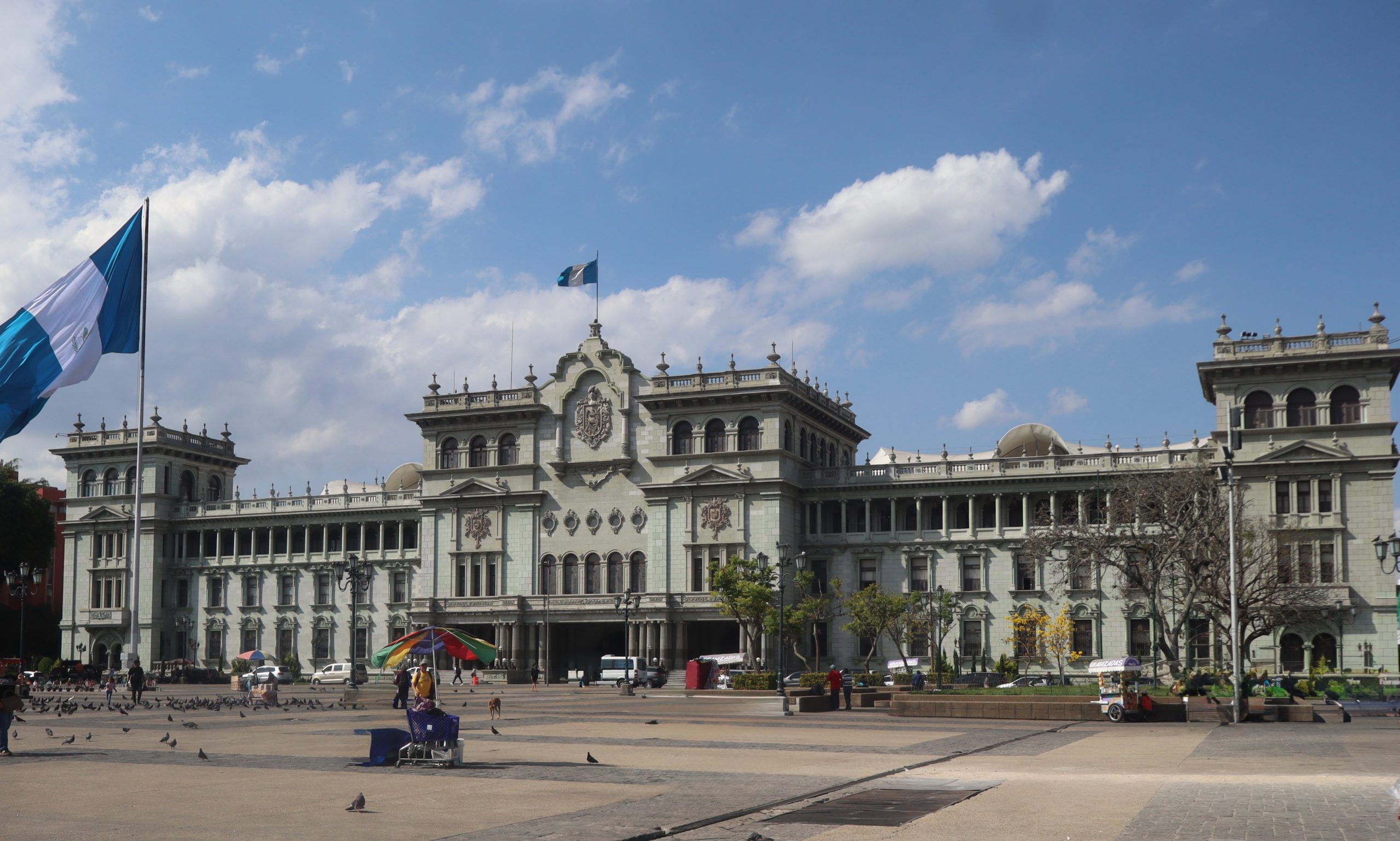
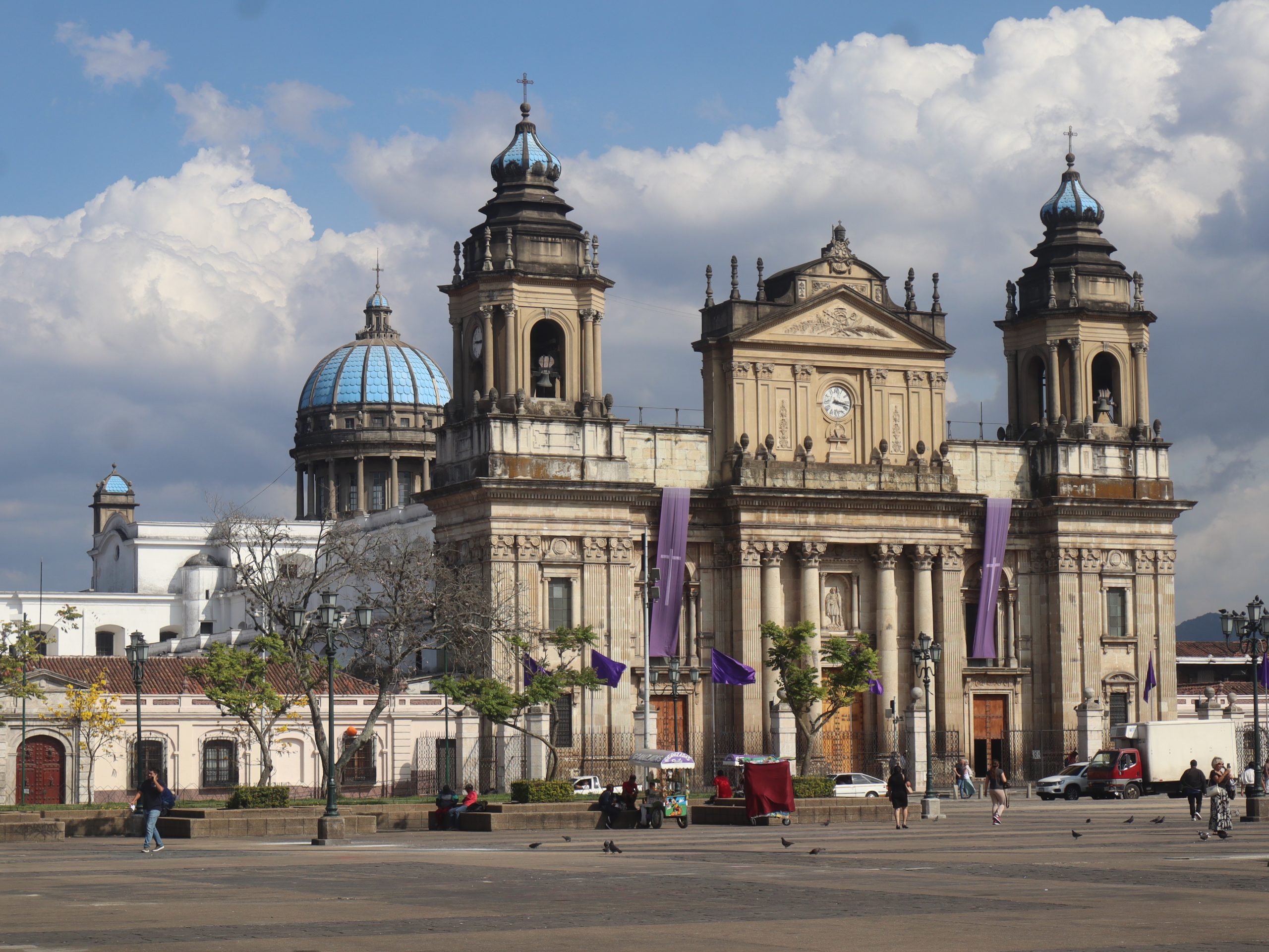
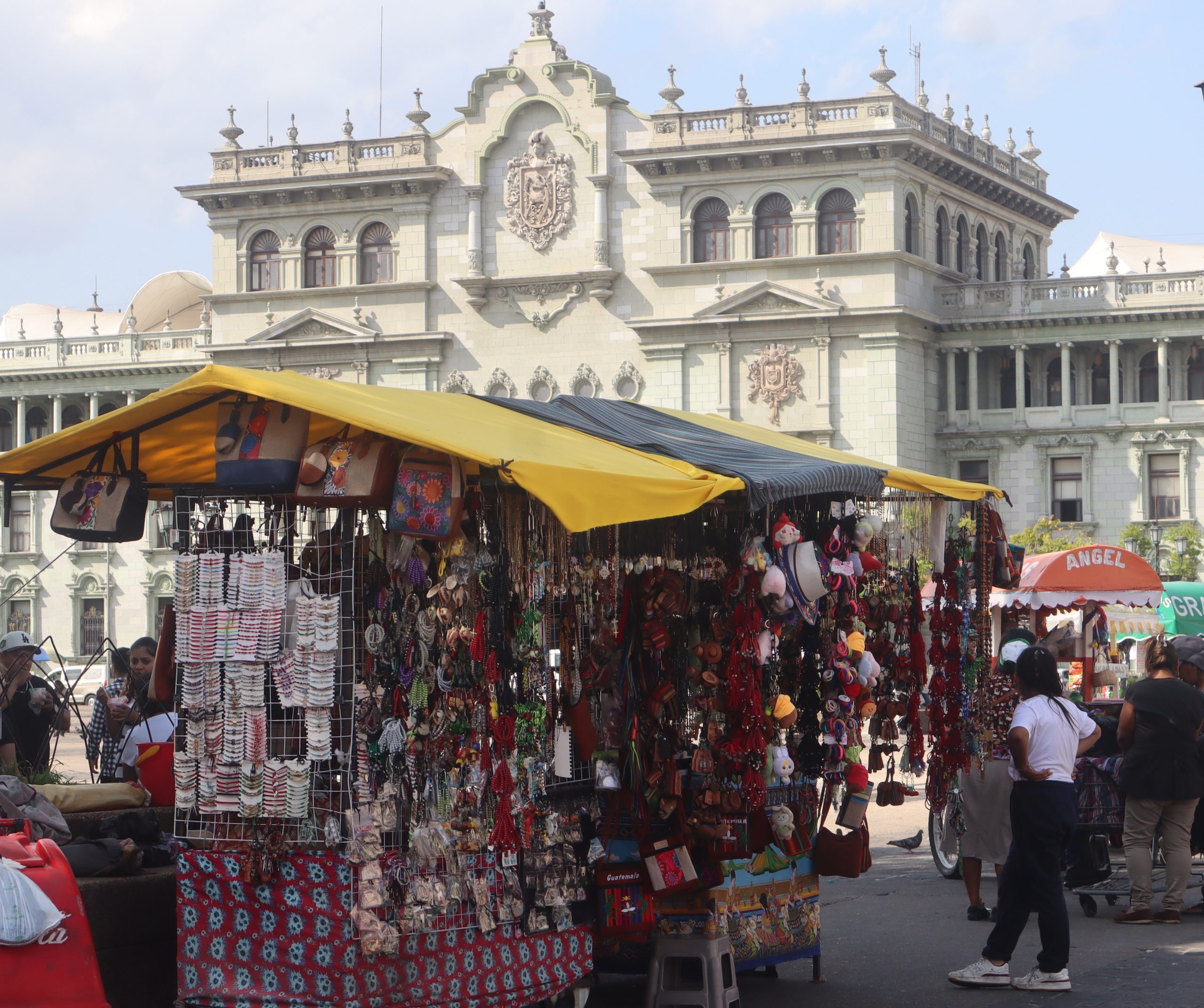
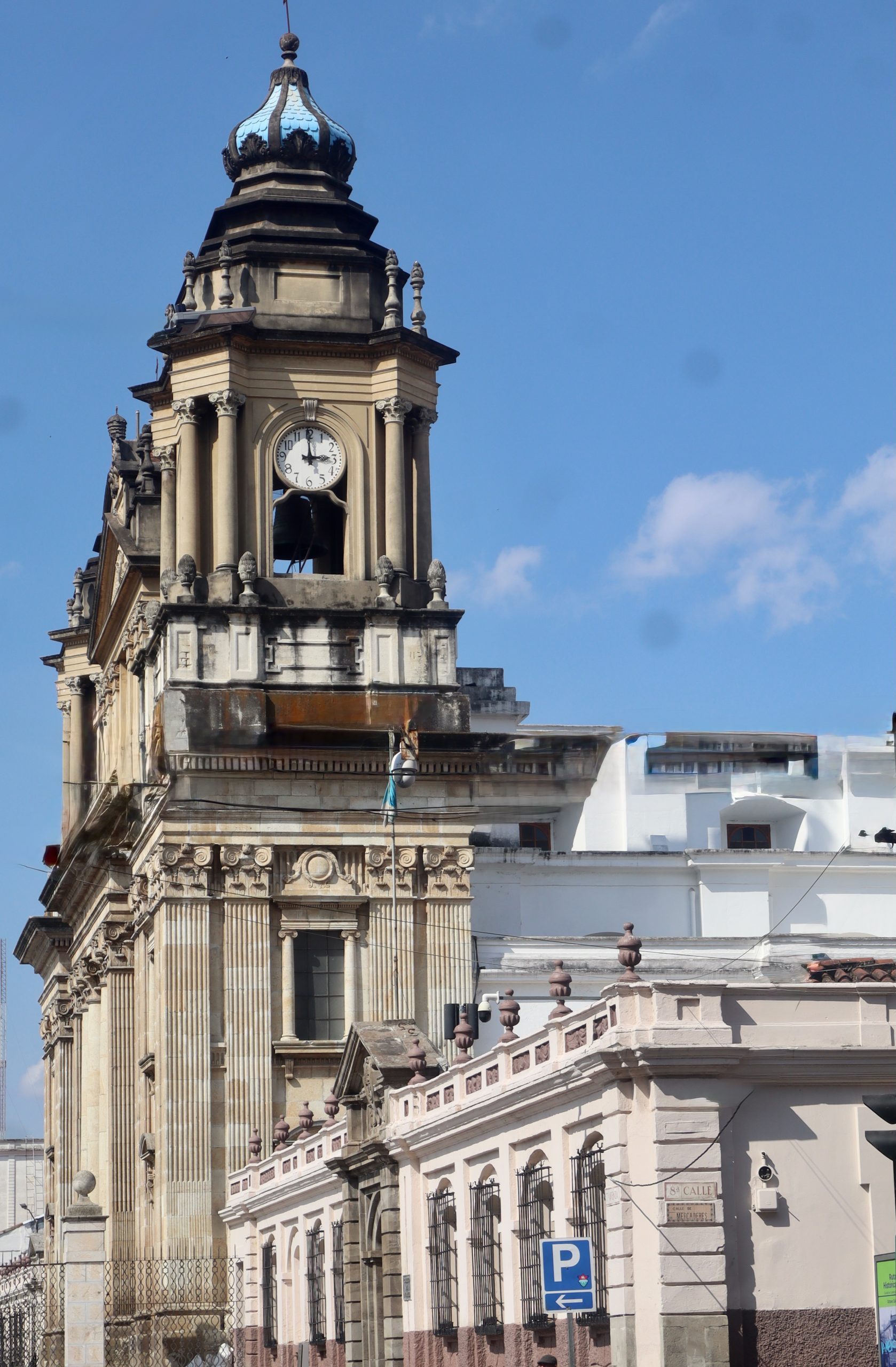
Old Guatemala City – There are actually two colonial districts in Guatemala City. There is the city of Antiqua, once the capital, destroyed by an earthquake, forcing the Spaniards to seek another location. There is also the old historic Guatemala City, now the capital, which isa bit worn and not as well preserved and is quite dangerous at night. I spent a day in the main plaza to visit the National Palace (quite annoyed that they would not let me in without my passport). However, I was able to walk the plaza, its churches, and the street market. The least enjoyable of all the places I been too, I would skip it.
Guatemala City, Zona 4 and 10. Both of these districts are quite modern and interesting to visit or stay although they are close to 40 to 60 minutes from Antigua depending on traffic. Zona 10, besides its many malls and restaurants, has two outstanding museums: Popol Vuh Museo and Museo Ixchel. Zona 4 contains both a commercial and artistic vibe, popular among younger generations.
Daily Life in Guatemala
I found Guatemala City intriguing with so many contrasts. The city has 22 district zones, and half of them are low-income communities. It is estimated that 62% of the city’s population, living in urban areas or villages such as those I visited, are low-income. There are several interesting cultural dynamics that make this city uniquely different, listed below:
Motorcycle Living
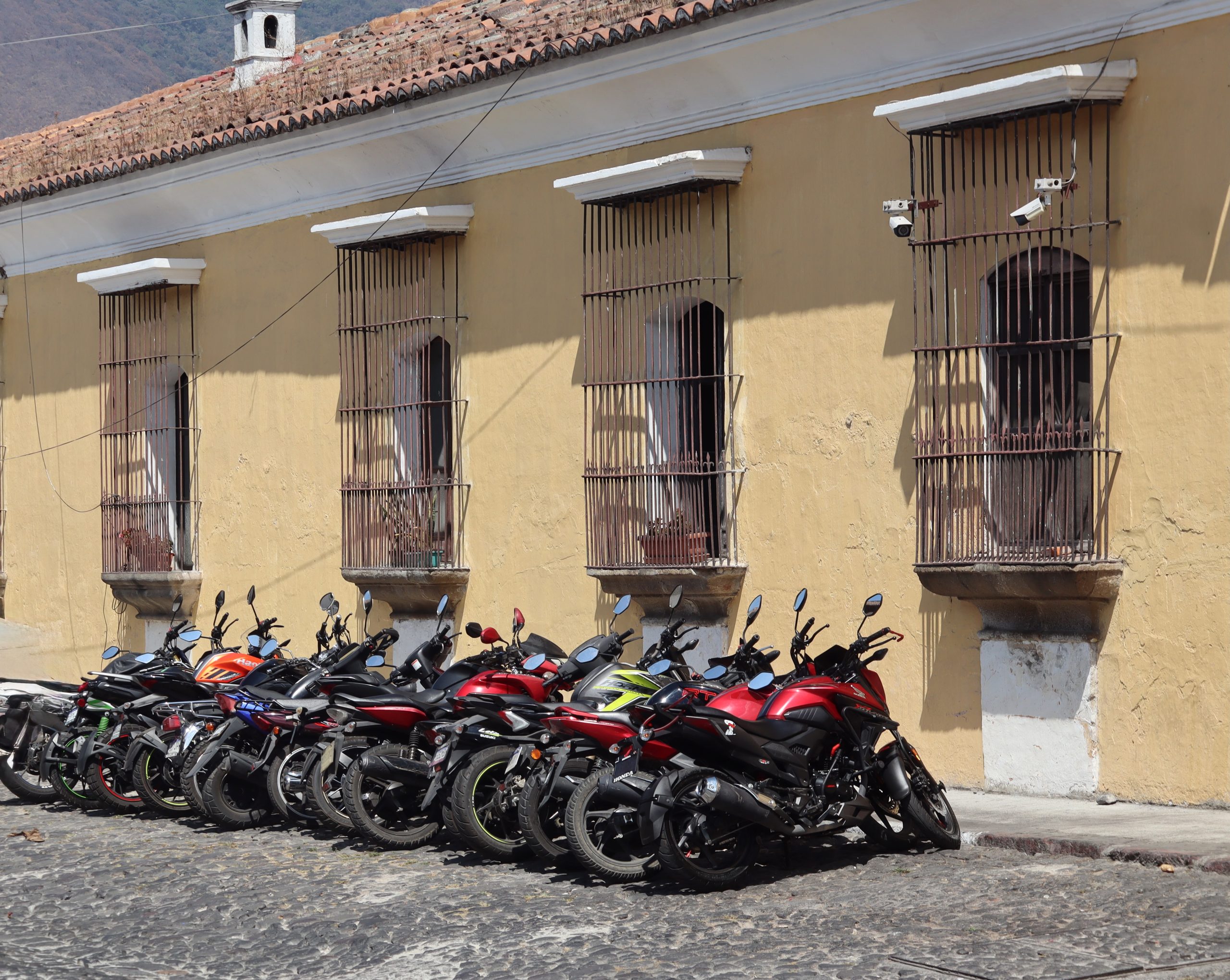
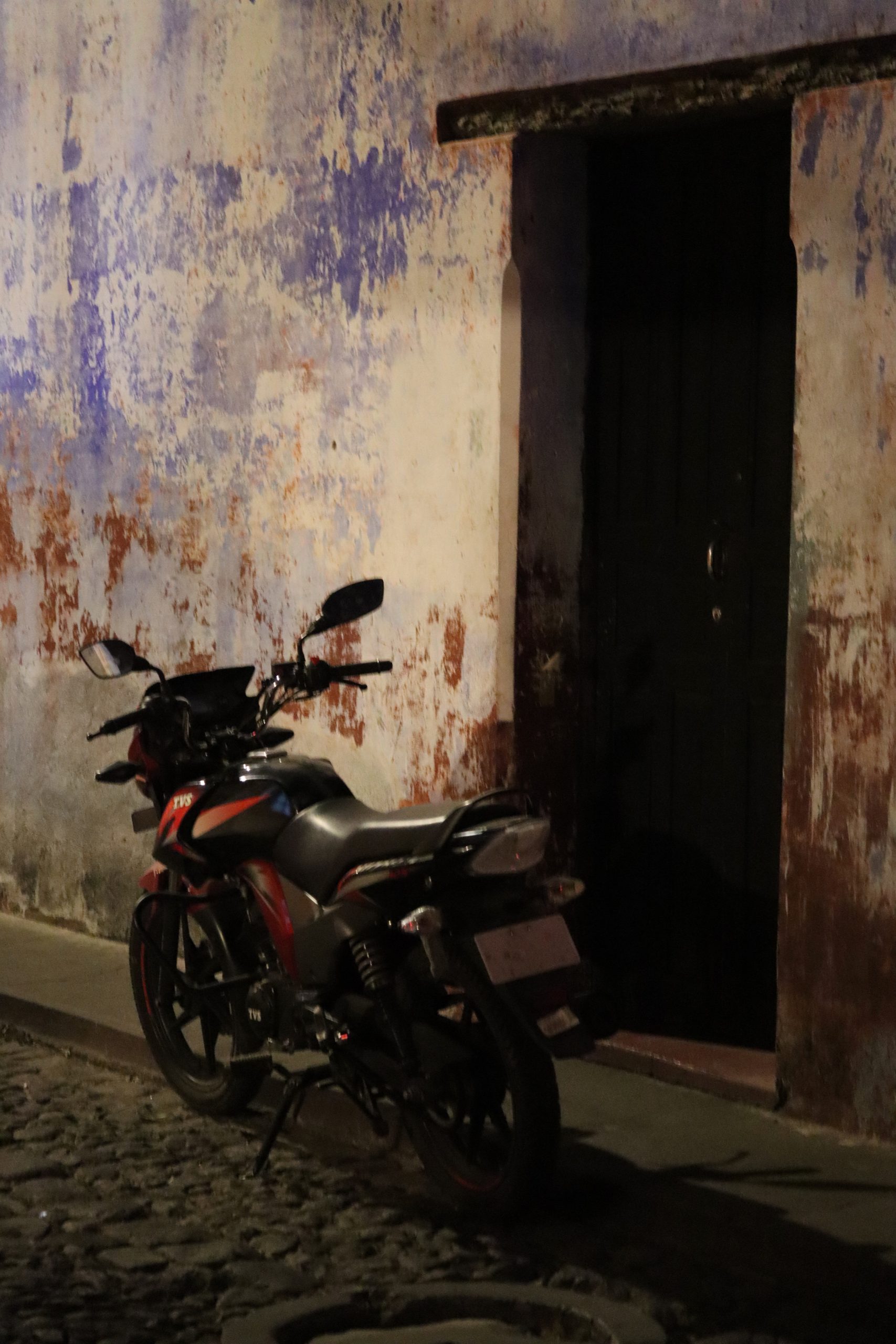
In my travels from Asia to Europe to Africa and now Latin America, I have never seen the use of motorcycles for day to day living as I have seen in Guatemala, with no limits on age, gender or use. There are many reasons for such a strong motorcycle culture beyond the fact that they are cheaper than cars. What you see in Guatemala is a large informal workforce that cannot afford or depend on existing transportation methods. Bikes become not just transport, but economic tools—delivery, commuting, side income as well as getting kids to school, going to church and conducting errands. There are other reasons for their popularity, beginning with a fragmented public transportation system and the uneven roads of the city such as in Antigua and in villages, which continue to maintain unpaved streets. What is even more impressive is the number of women who use motorcycles, some of them as young as high school teenagers. What gives me some apprehension is the limited use of helmets and the number of children as passengers, sometimes up to three. I must say that during my entire month in this country I did not know of or see one accident involving a motorcycle.
The Artisan Economy
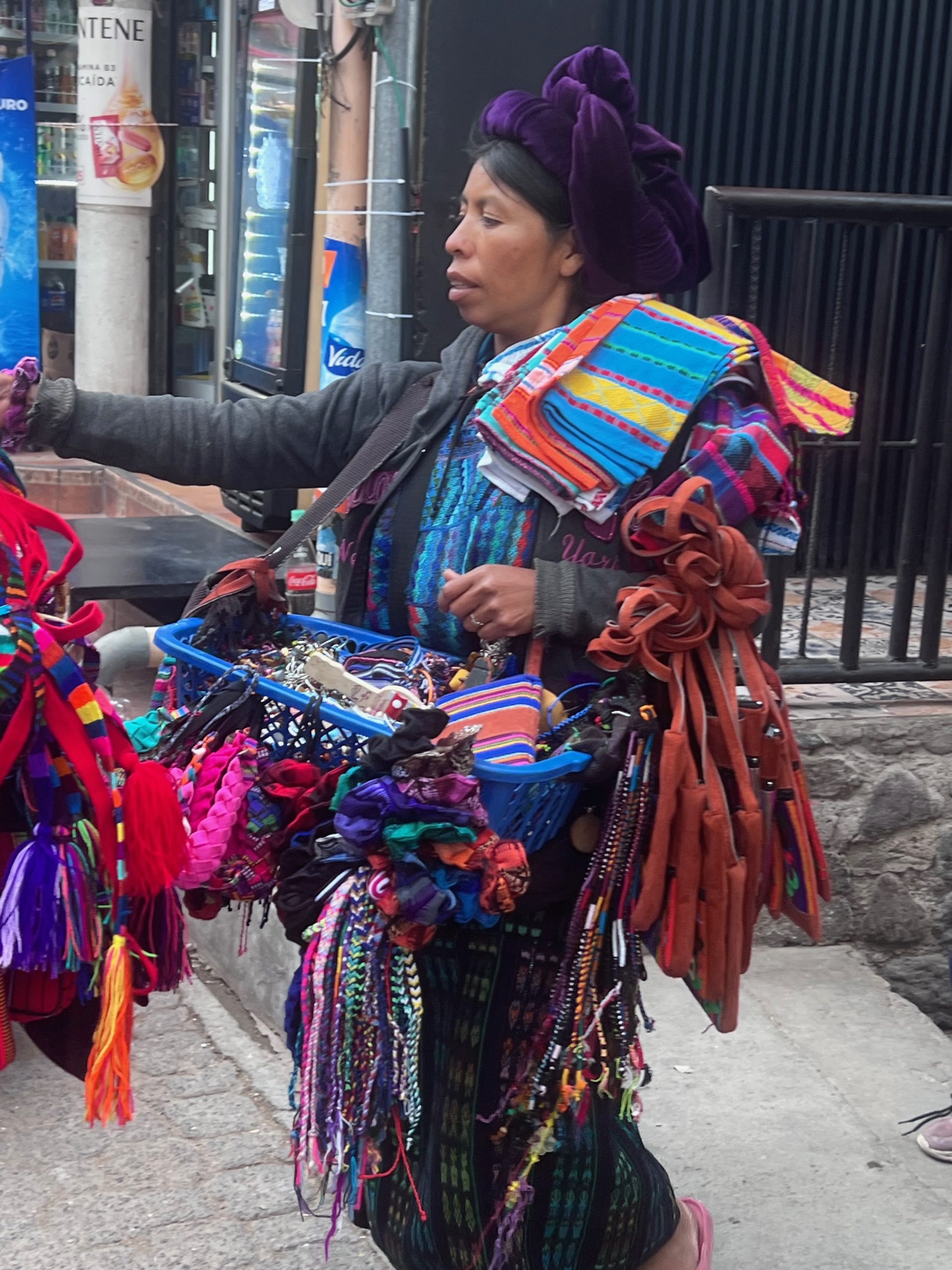
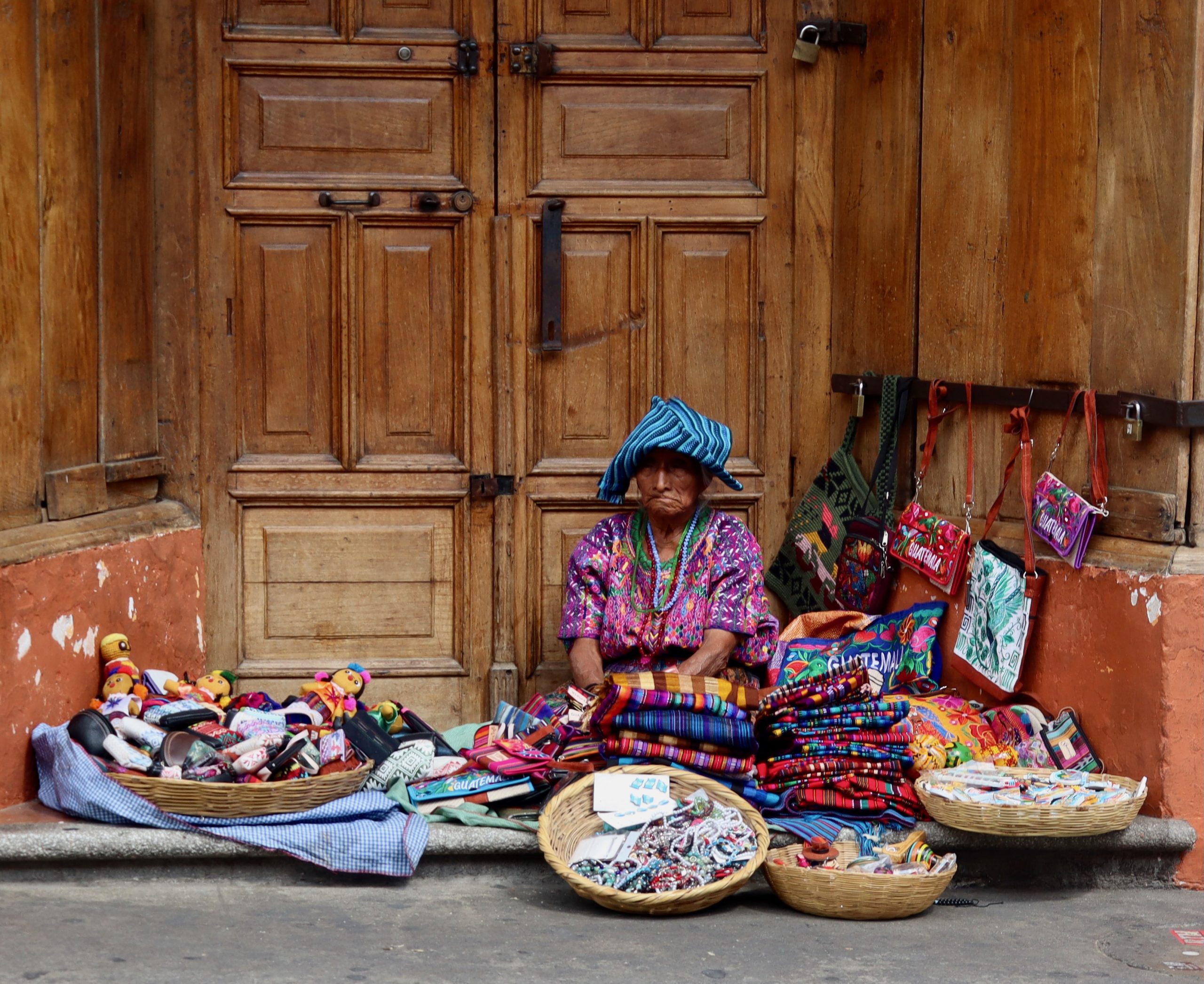
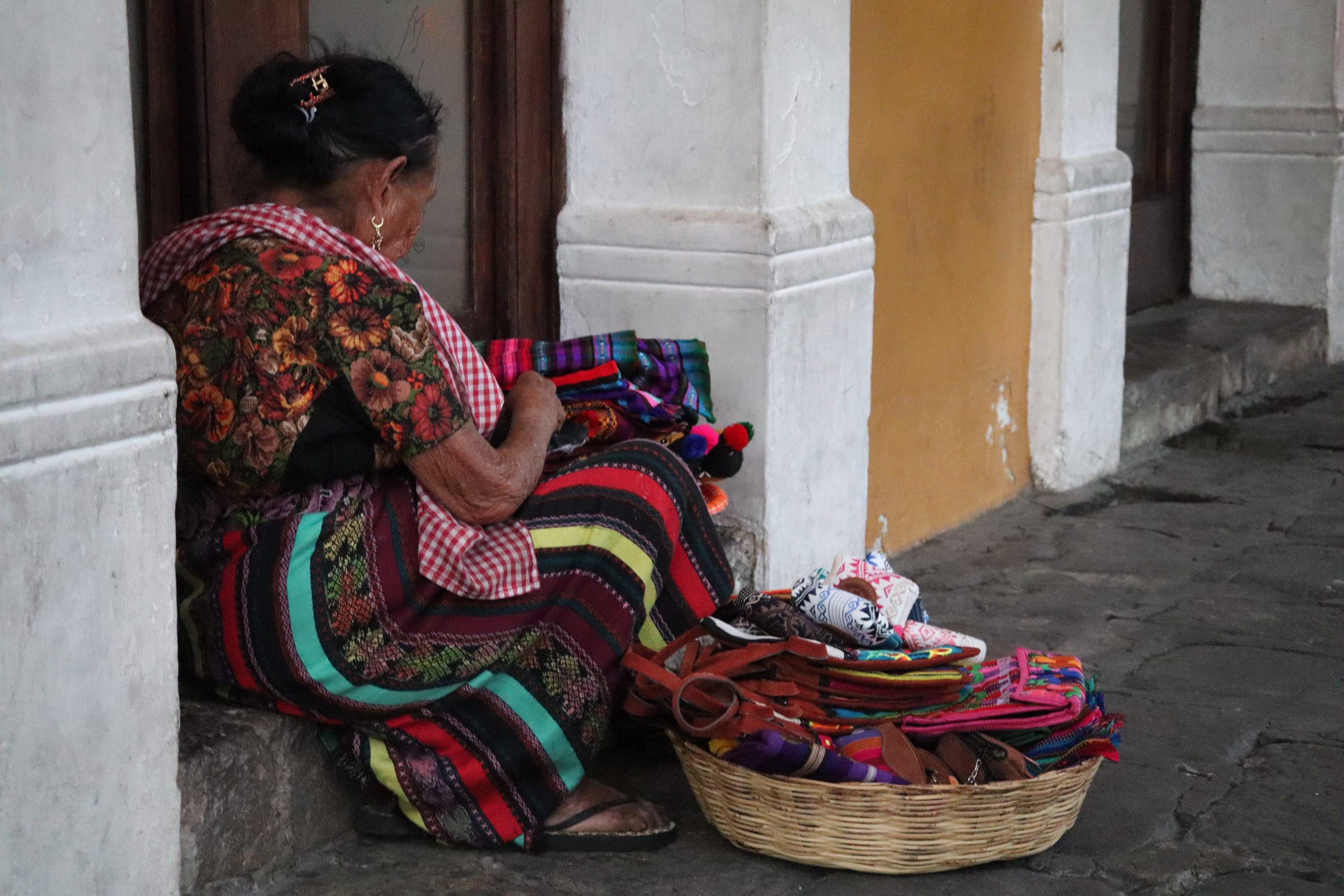
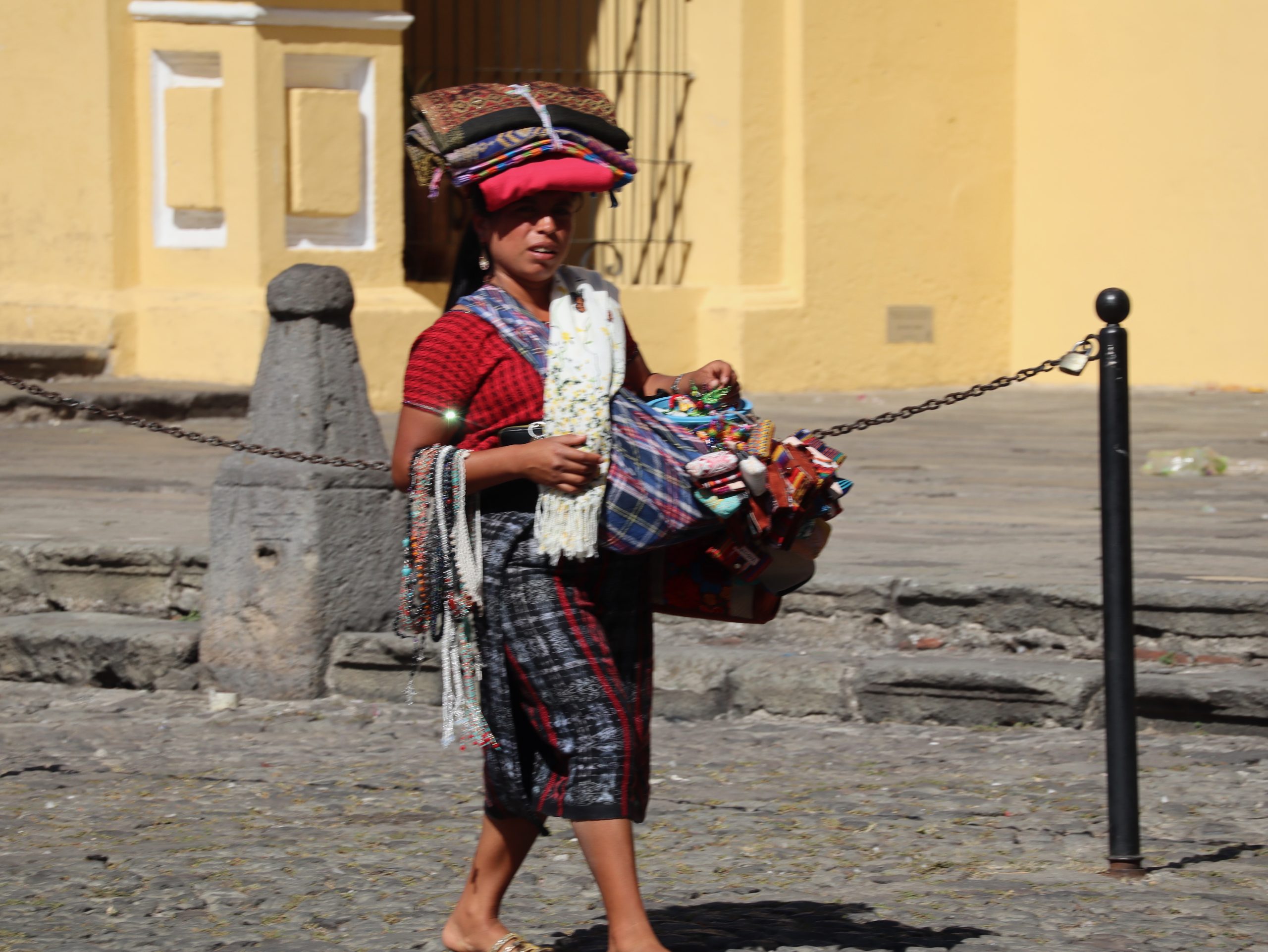
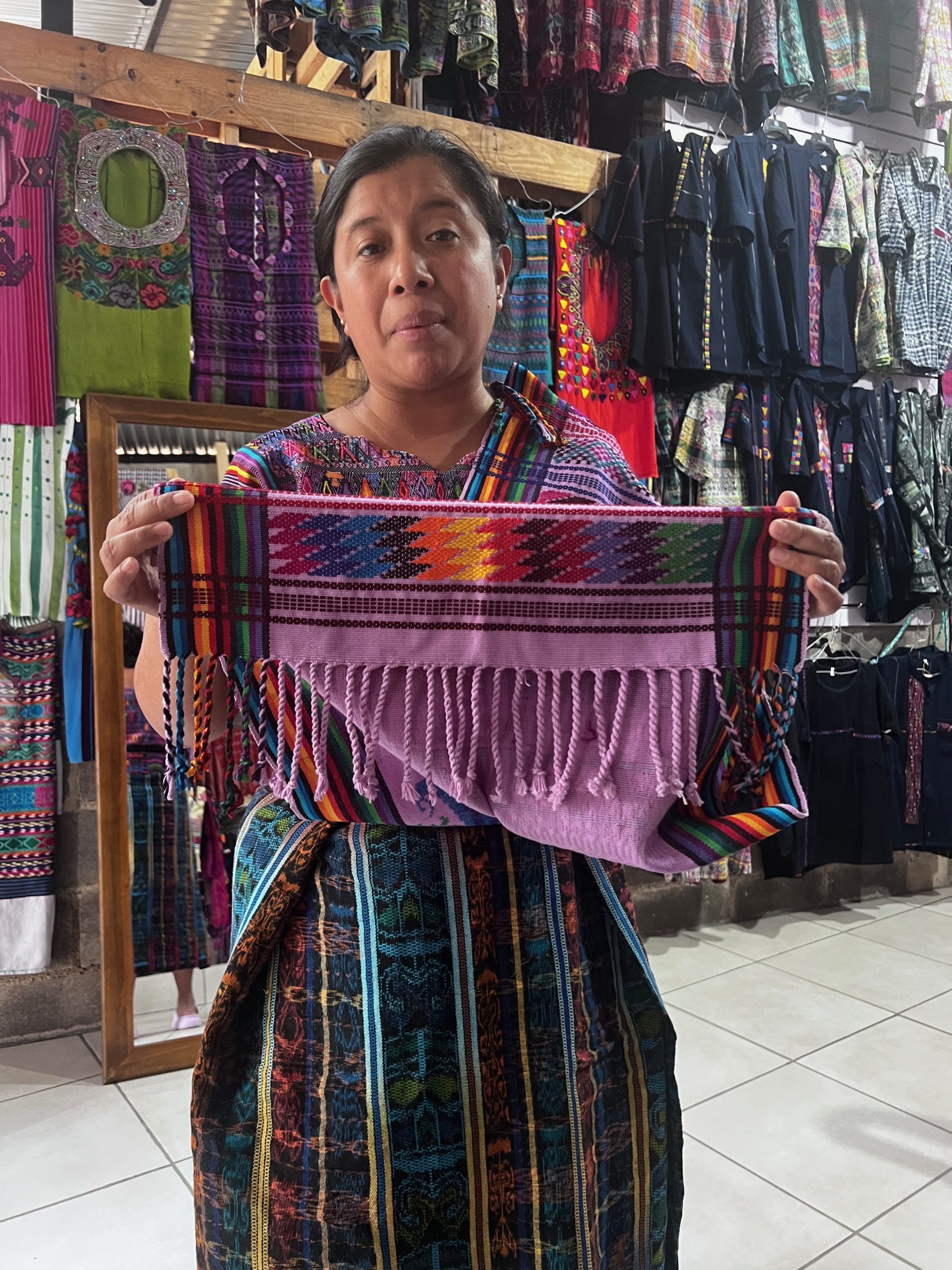
I was pleased to learn about the country’s artisan industry, which includes a wide range of artist collectives and incubators supported by the city, many of them led by women. The intricate patterns and vibrant colors characteristic of Guatemalan textiles reflect a rich heritage deeply rooted in Maya traditions, which also encompass weaving, ceramics, and woodwork. These artisanal techniques are passed down through generations, particularly among women. After the civil war, NGOs and cooperatives were formed to rebuild opportunities for artisans and their families. The creation of fair-trade organizations has opened global markets along with tourism, especially in Antigua and Lake Atitlan, creating a steady demand. It’s important to note that tourism represents 3% GPD (1.35 billion in revenues).
Solo Women Vendors
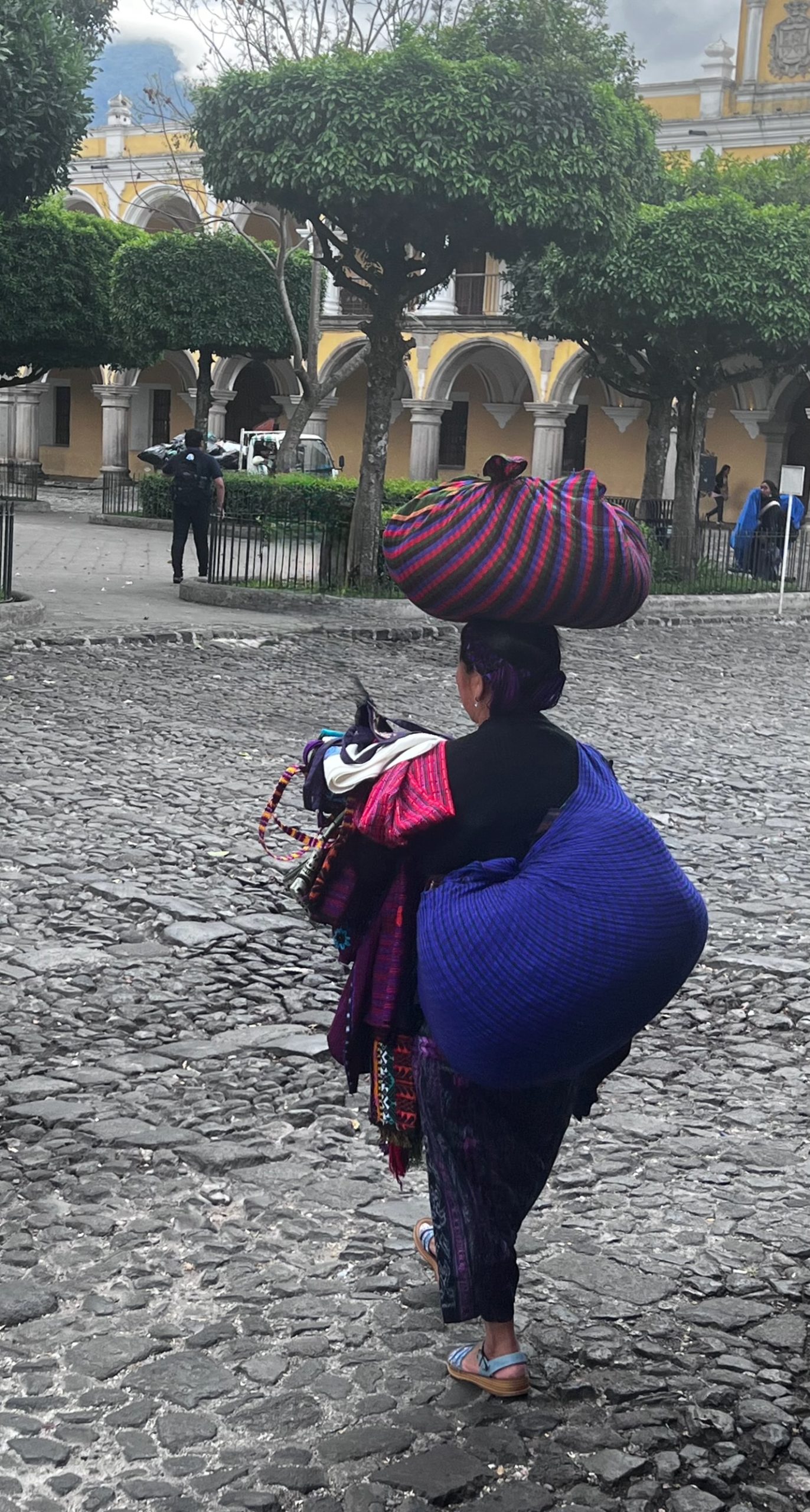
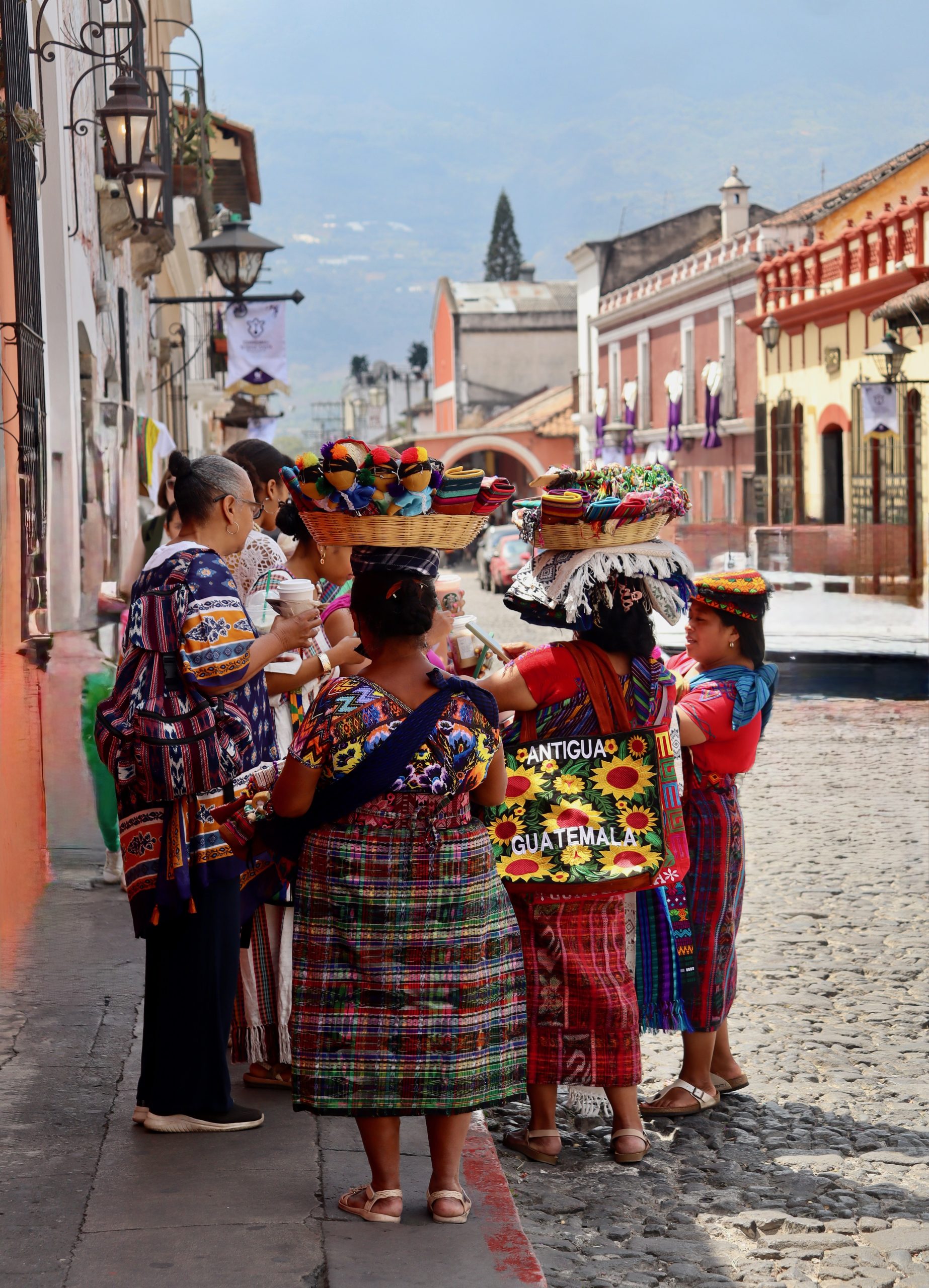
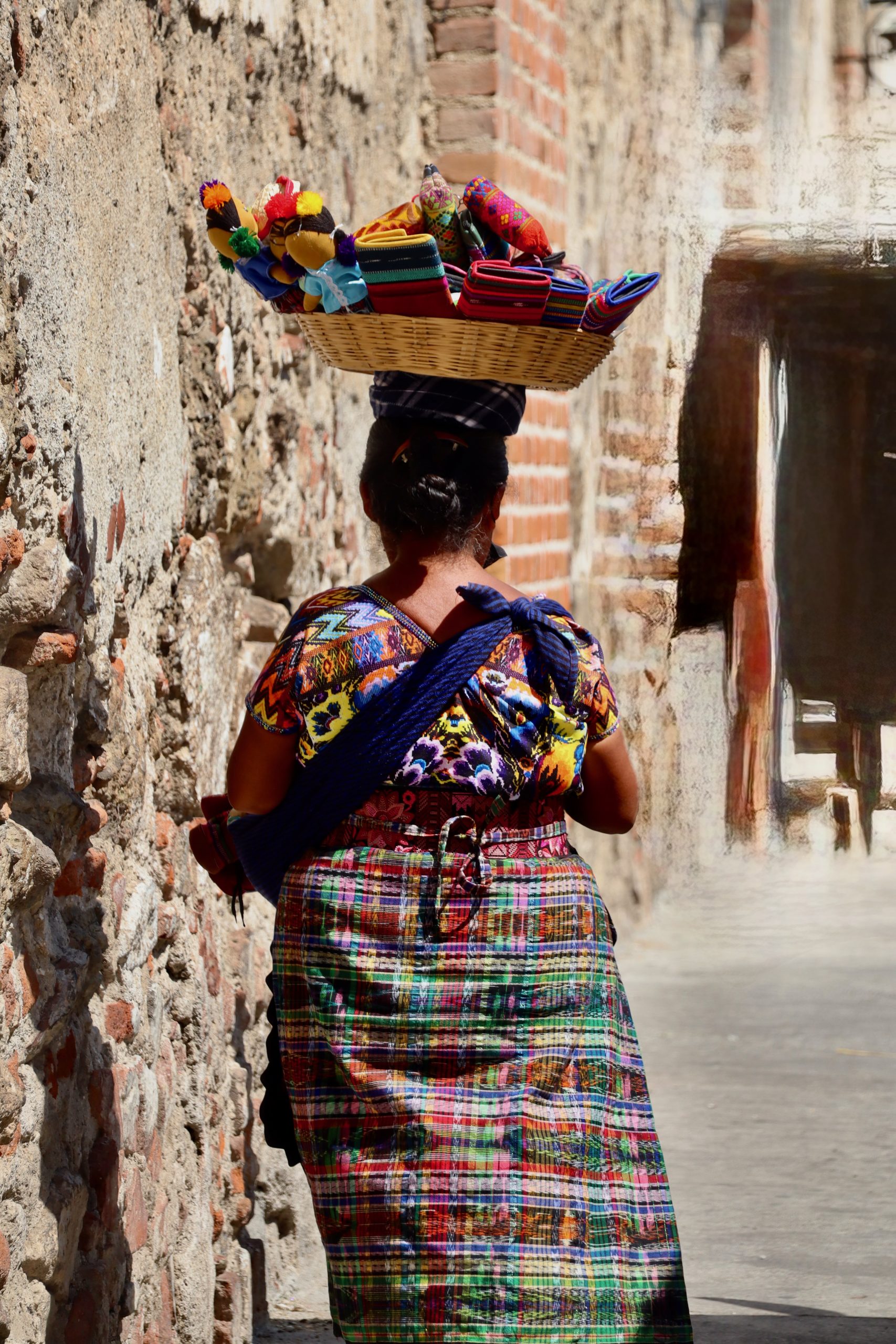
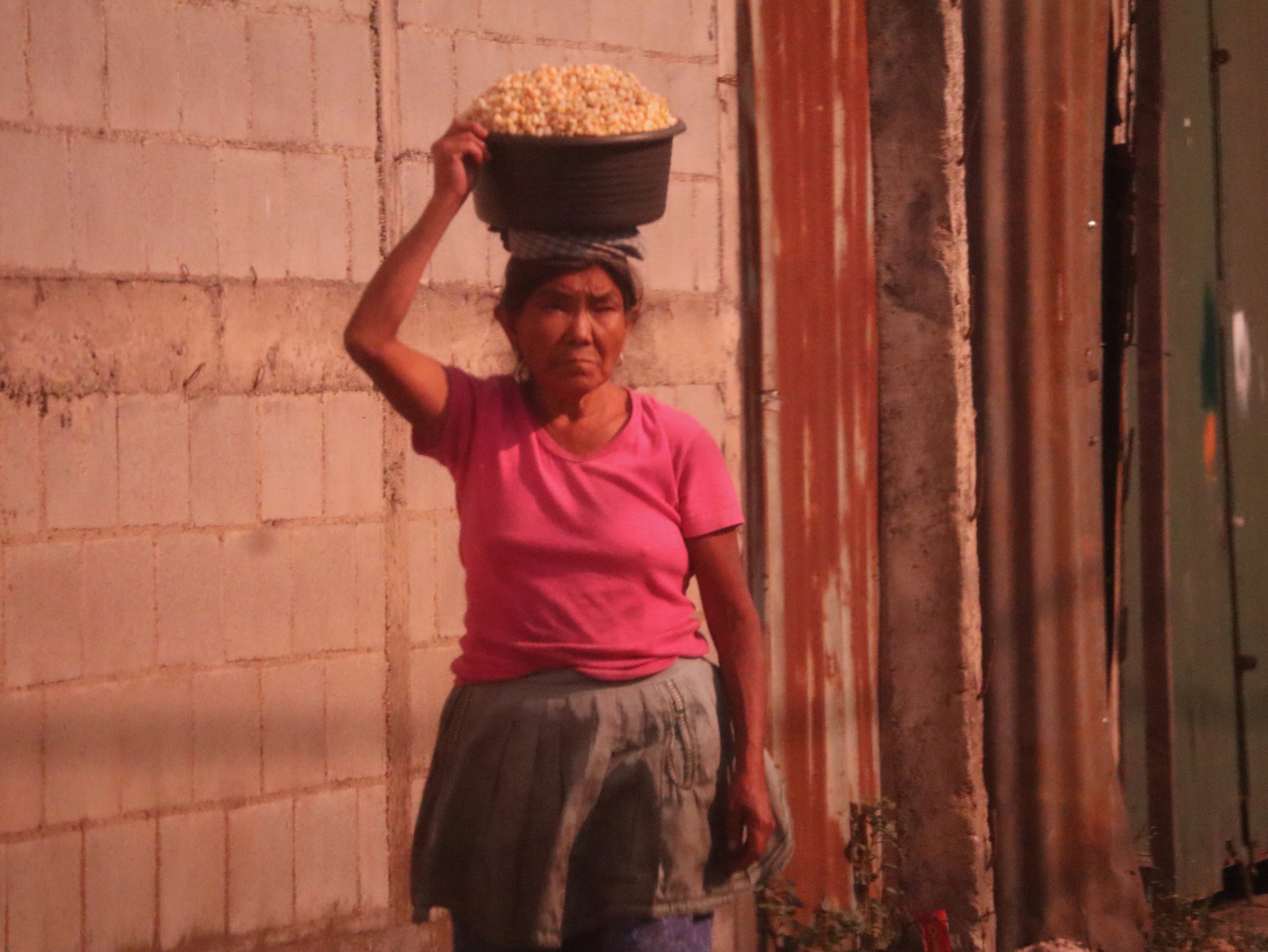
I was struck by the number of women solo vendors selling on the streets, many of them carrying their merchandise nicely balanced on their heads. I recall seeing this more in Africa, yet there is no direct link between both countries regarding this practice of carrying merchandise on one’s head. I also found this to be the case in El Salvador, where there is also a strong Mayan presence. Historically, head-loading, as it is sometimes referred to, allows for better balance, less strain on the arms, and is effective for long-distance walking. I saw little of it in high-income districts but mostly in Antigua and local villages. For solo women vendors who also combine this with wearing traditional Mayan clothing, it offers a cultural connection for engaging tourists and selling their wares.
Tanques – A Relic of the Past and a Way of Life
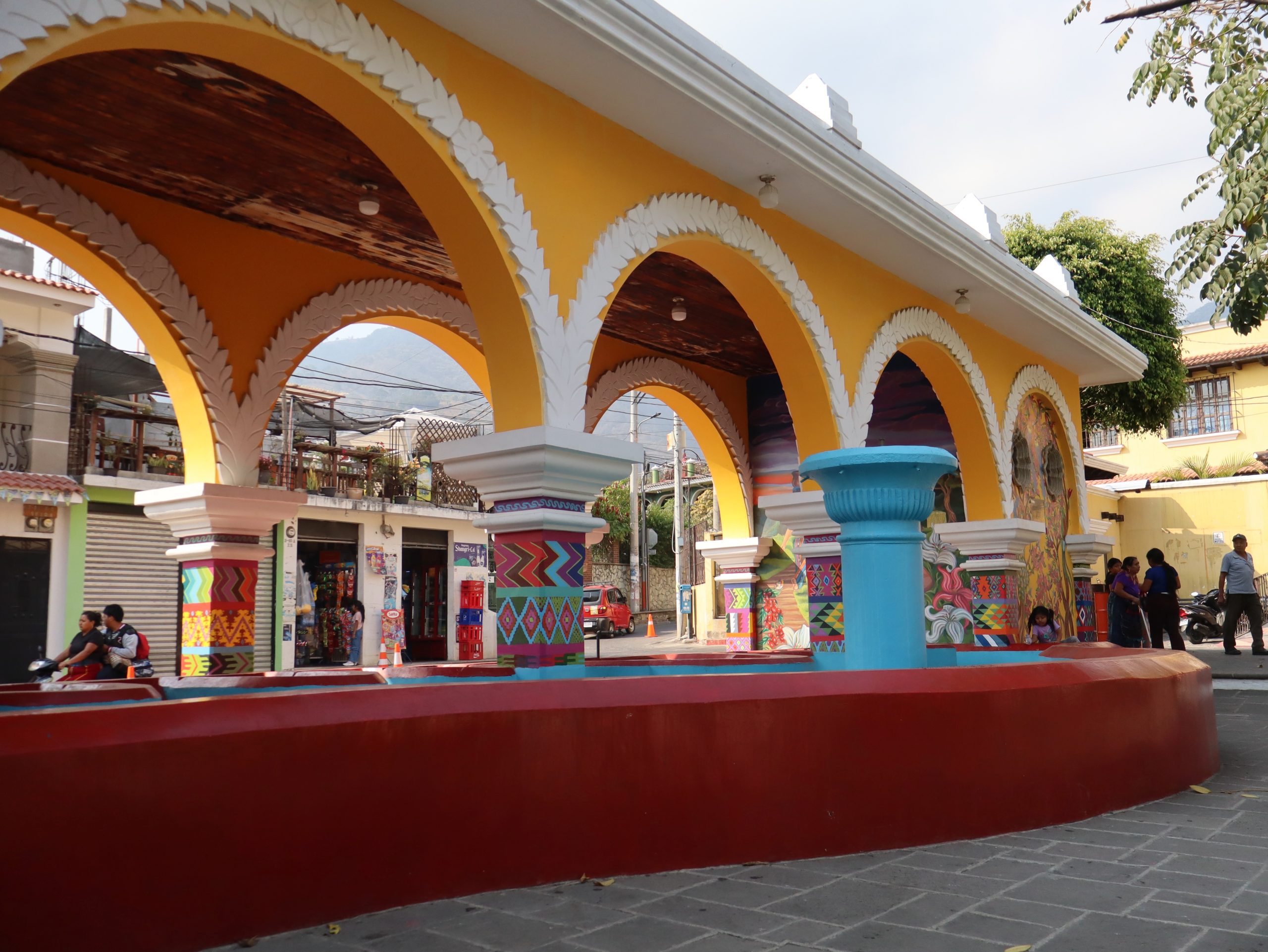
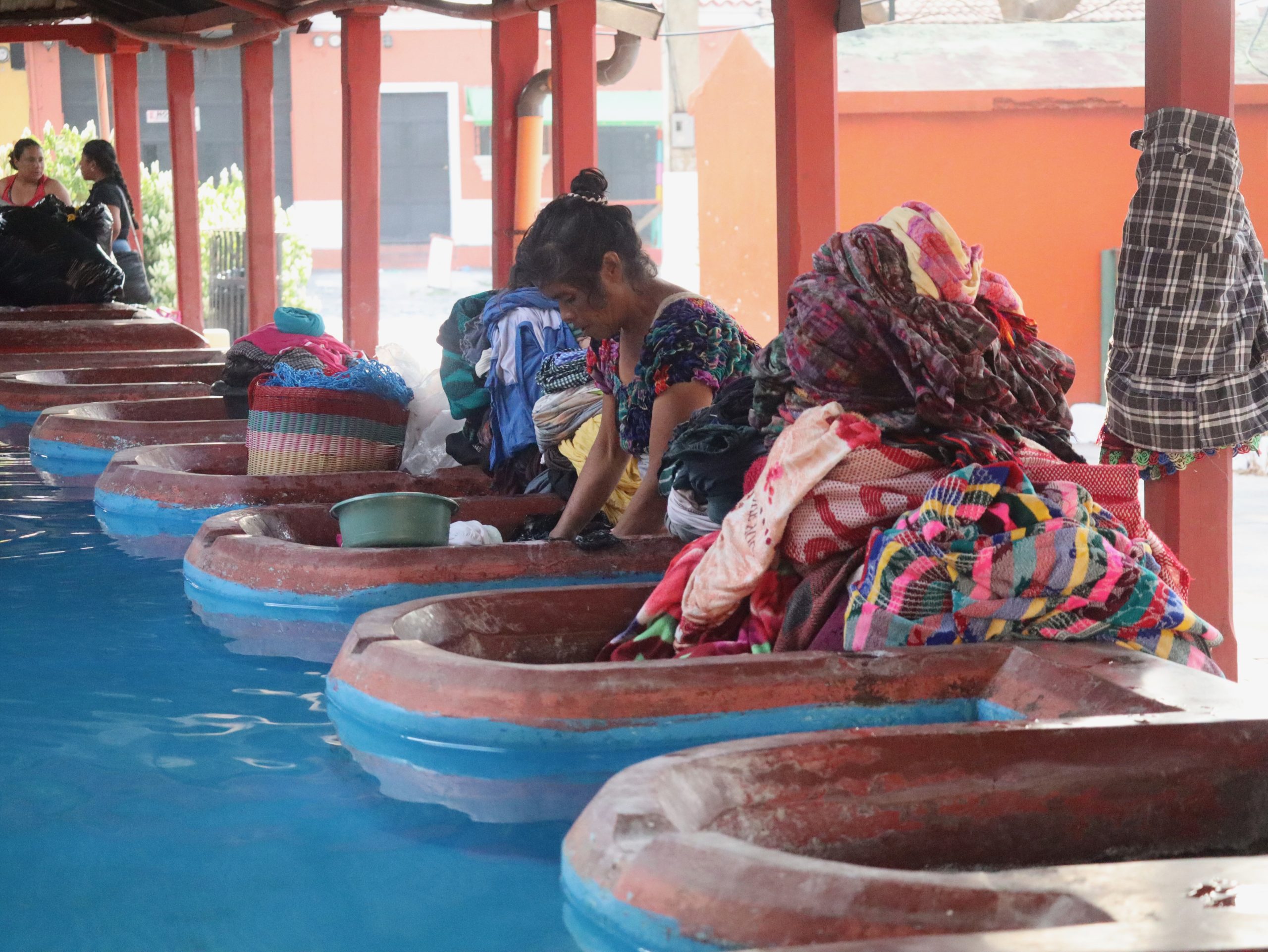
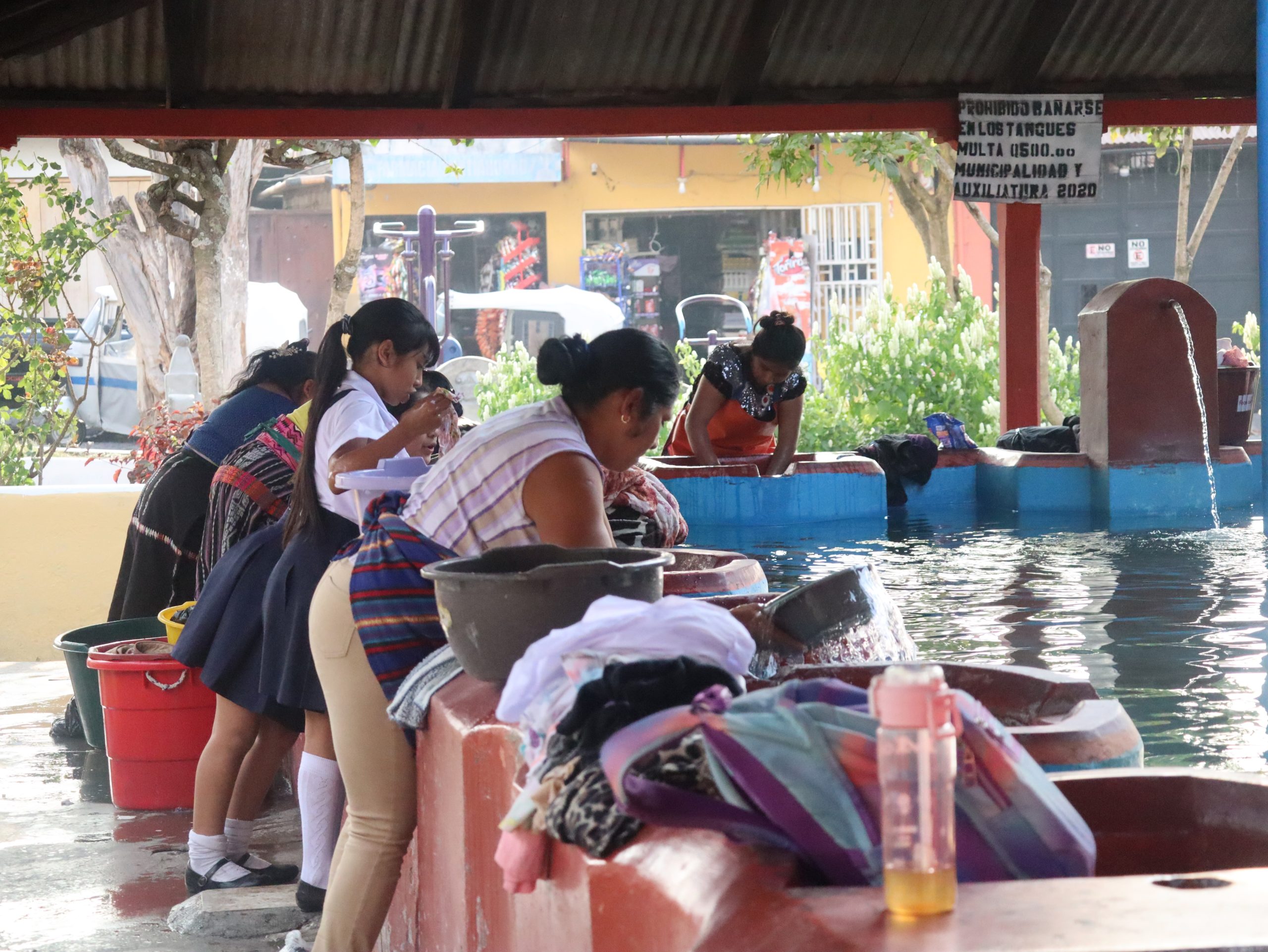
In some towns, there are these open fountain areas known as Tanques, mostly found in the plaza area, where people wash their clothes. It’s also an opportunity for people to connect with each other and learn what may happen in the town. I was fortunate to photograph one where many women were washing their clothes. However, the history of how this came about is a bit dark, yet interesting to learn. During Spanish colonization, indigenous communities were enslaved. When they go to wash clothes in the river, they will use this opportunity to run away. The Spaniards created these Tanques to keep them from running away and as another way to control the population. Over the centuries these Tanques became a way of life, although the mistreatment of indigenous communities continues to be significant.
Present-Day Challenges versus Prospects
Learning about the history of this country, its long battle with dictatorships, its massacre of indigenous communities, and the role the CIA played to support American companies and the ultra-rich saddens me. Like other Latin American countries, Guatemala has continued to experience extreme inequality, with much of the wealth concentrated among a small group of elites, further marginalizing indigenous populations in rural and traditional communities. This has led to corruption that not only weakens public institutions but has led to greater apathy among voters and an increase in gangs and crime.
Notwithstanding, this is a country with a strong cultural identity. Its indigenous traditions remain vibrant along with its preserved beauty and mountainous landscapes. The country has a strong global attraction, with more tourists visiting every year, a bright spot for the artisan economy and hopefully for the next generation.
Final Notes and My Photos
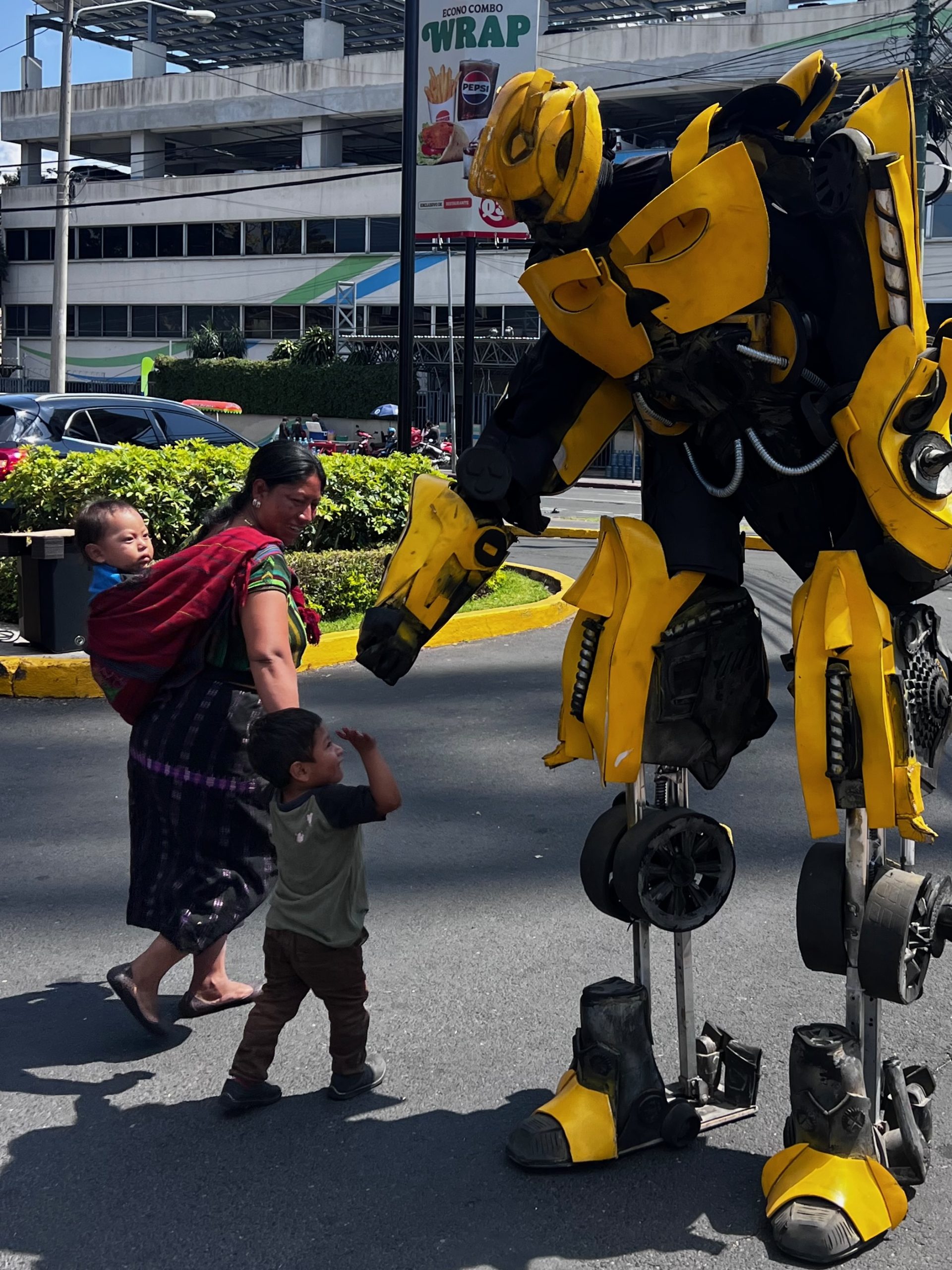
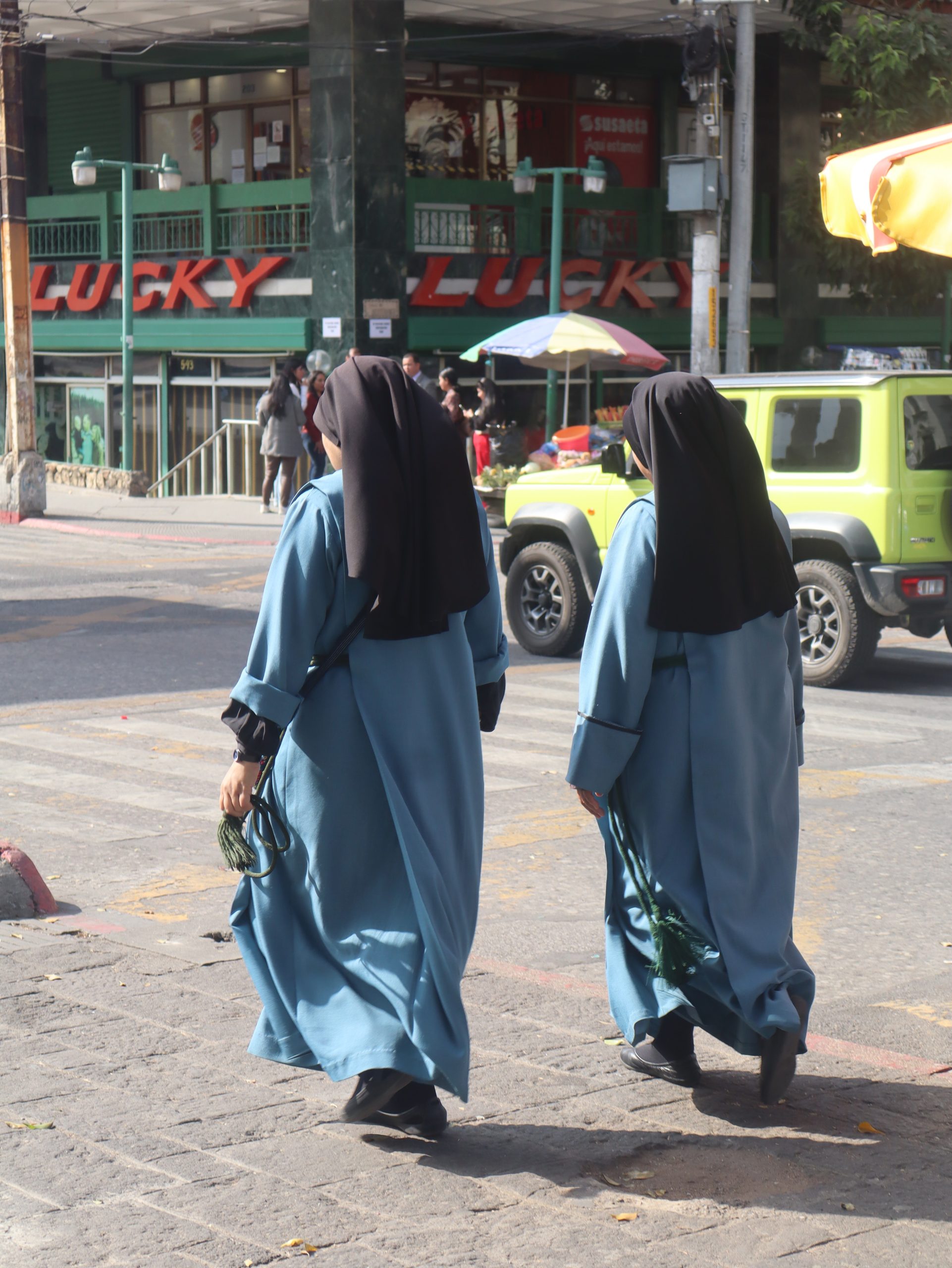
I truly loved my time in Guatemala City and even more when visiting Lake Atitlan. I would have liked to have visited Tikal and several communities, but I was running low on energy, a bit tired from traveling all year, and decided to stay local(the packing and unpacking drives me nuts). However, I plan to return to Guatemala as I found it to be a truly wanderlust place. My photos depict daily life, ruins, and landscapes mostly from Antigua, surrounding villages, and the old district of Guatemala. Next month’s newsletter will include photos of Lake Atitlan and the Mayan villages, which may my stay in Guatemala even more spectacular. As always, click the center of the photo for a full view. My next stop will be Lake Atitlán, and from there, I’ll go to Bucerias, Nayarit, in Mexico for the last three months of what remains of my three-year nomad self-journey.
If you enjoyed this story or the newsletter issue, help others discover it by sharing it with your friends. Your support will go a long way in continuing the blog. If you are not a subscriber and want more stories and photos like these, please click here to subscribe.


No Comments