Limited Limitless Living

Generic selectors
Exact matches only
Search in title
Search in content
Post Type Selectors
Generic selectors
Exact matches only
Search in title
Search in content
Post Type Selectors

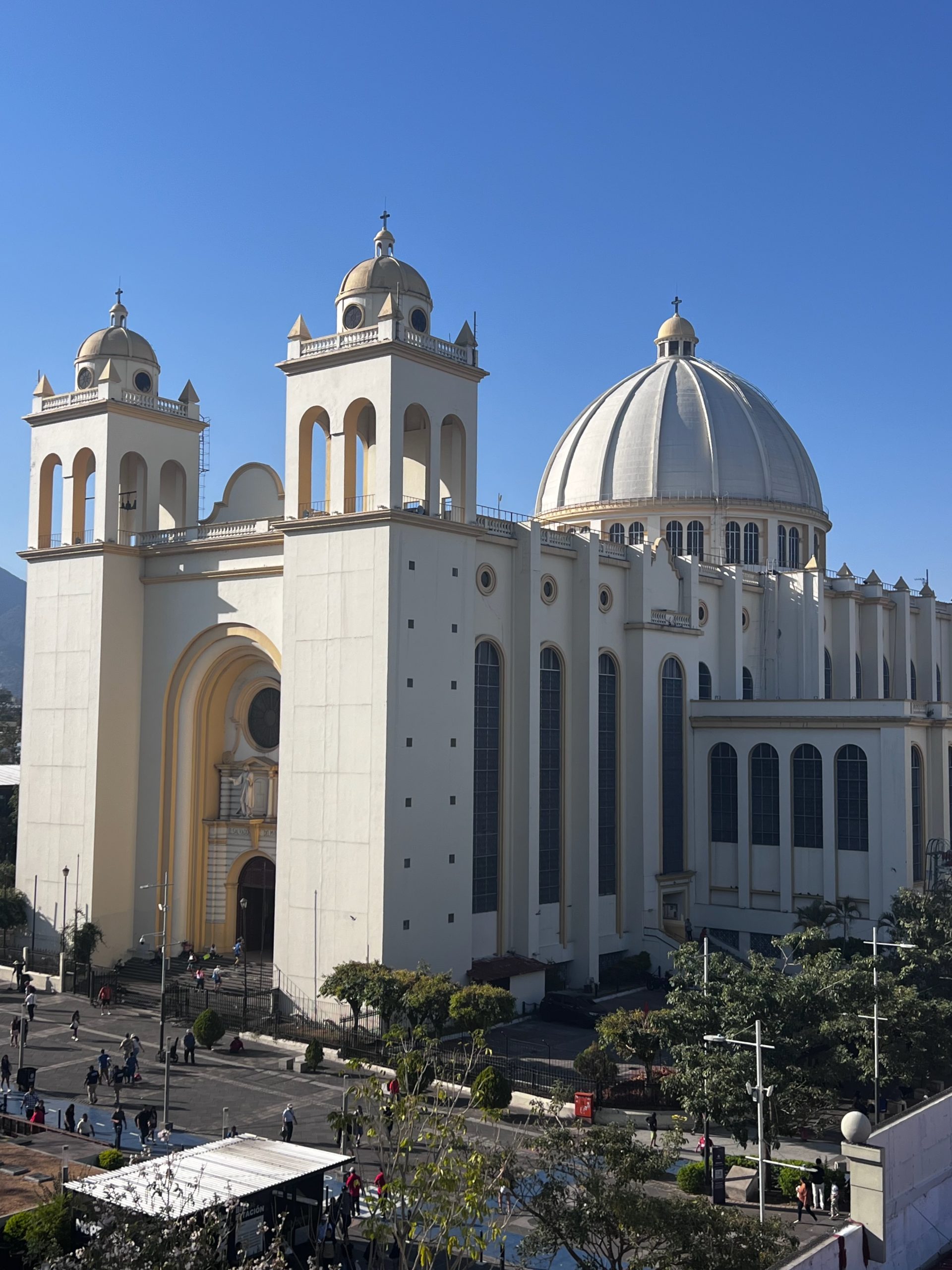
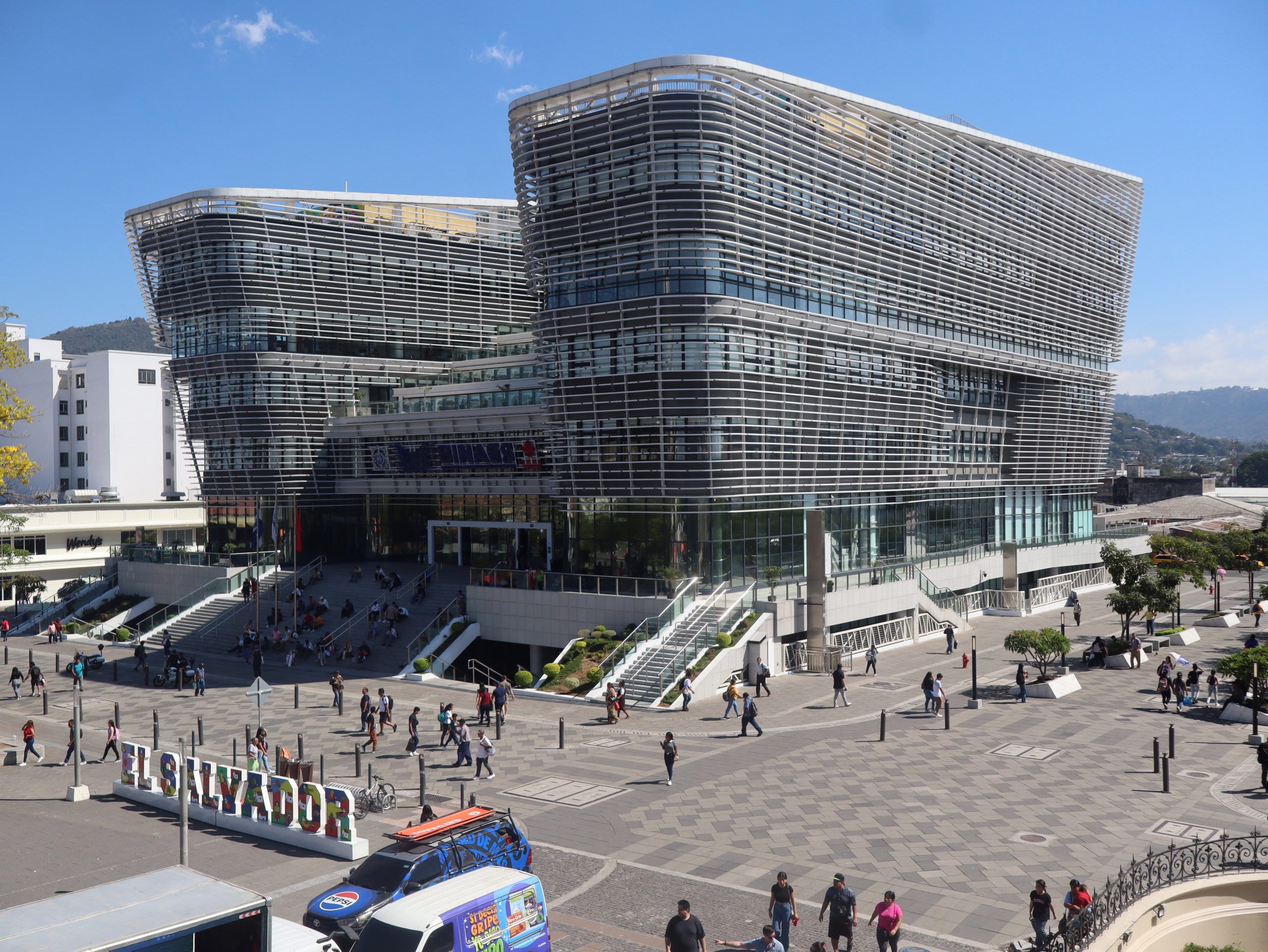
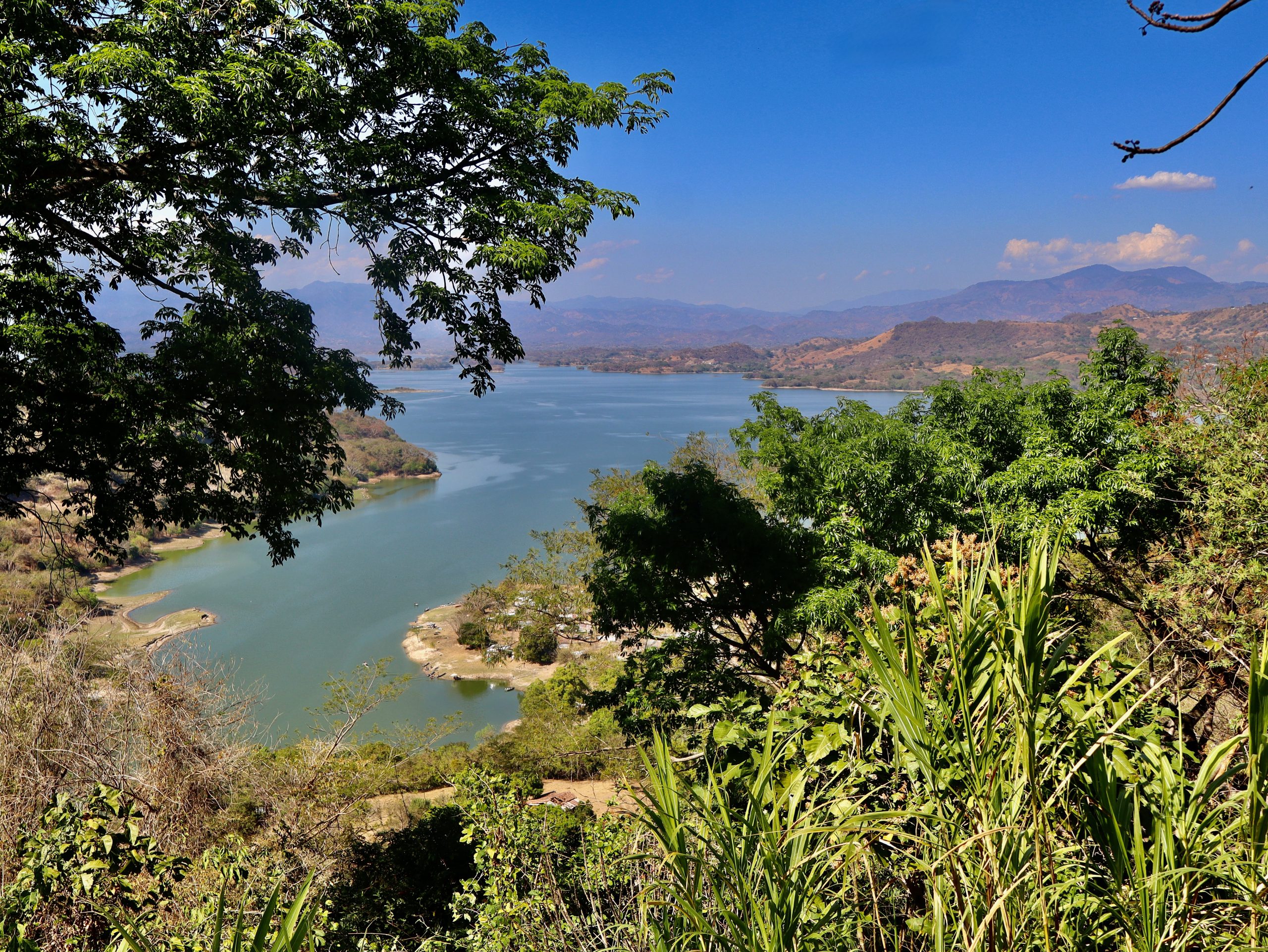
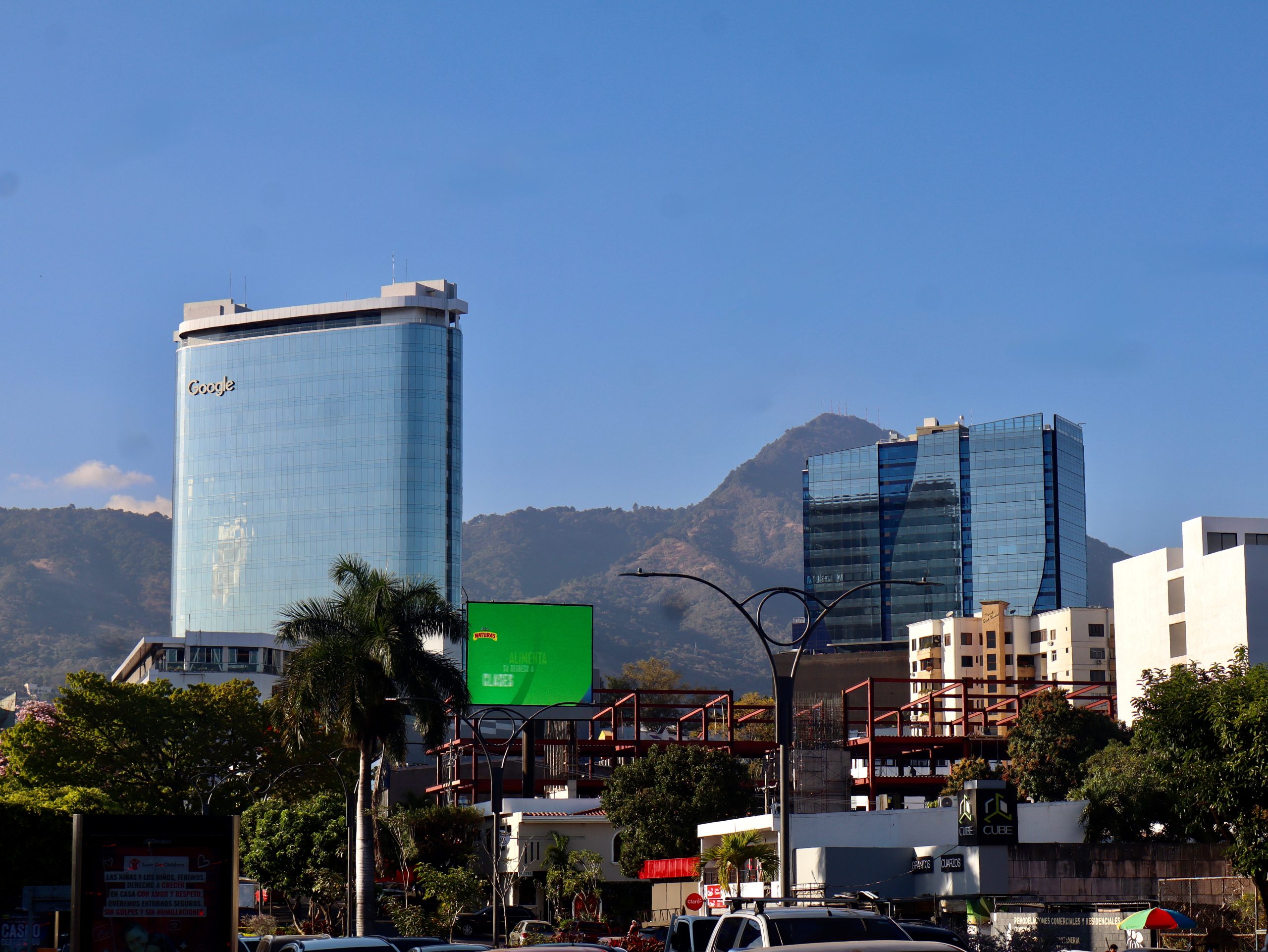
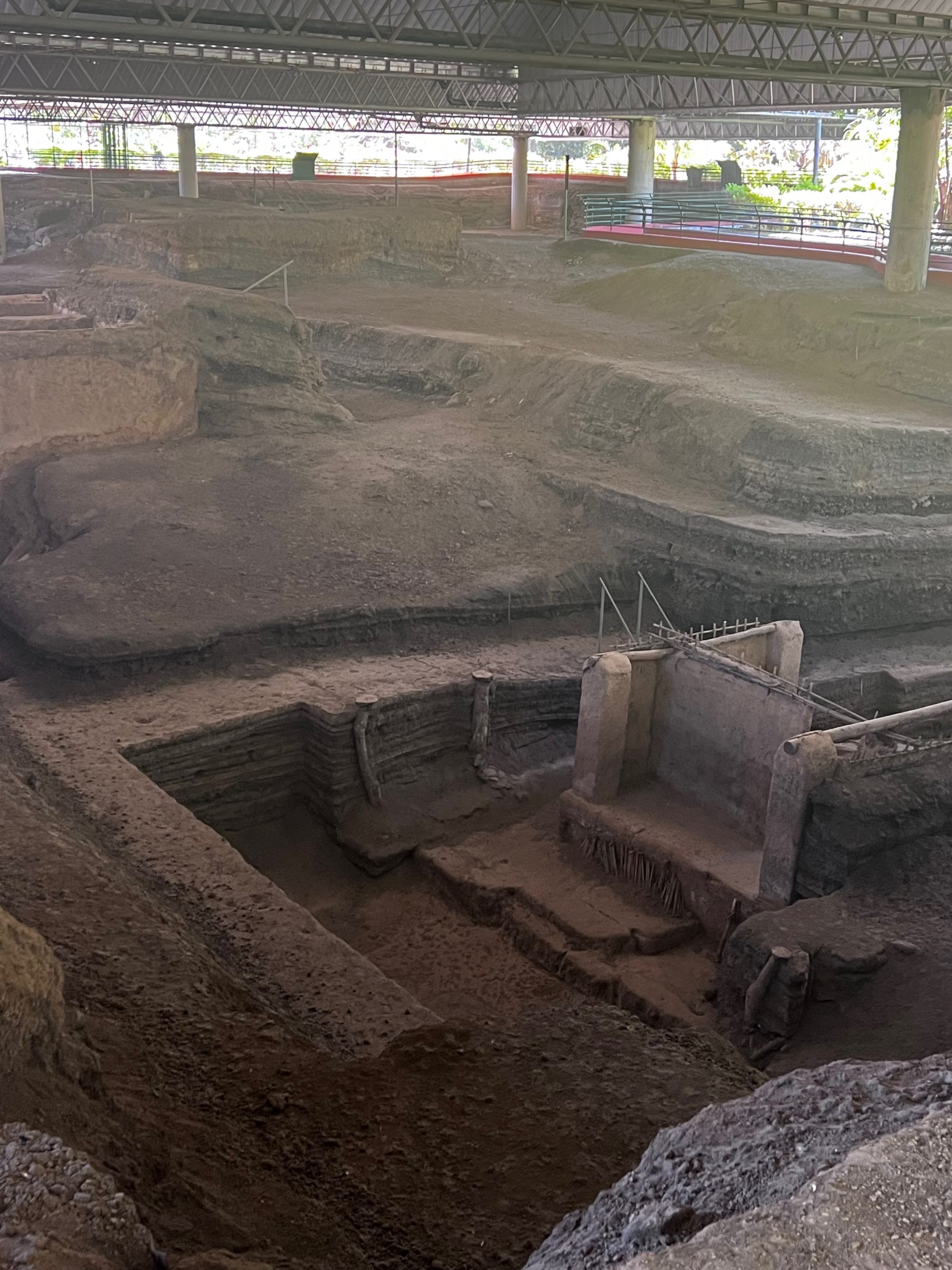
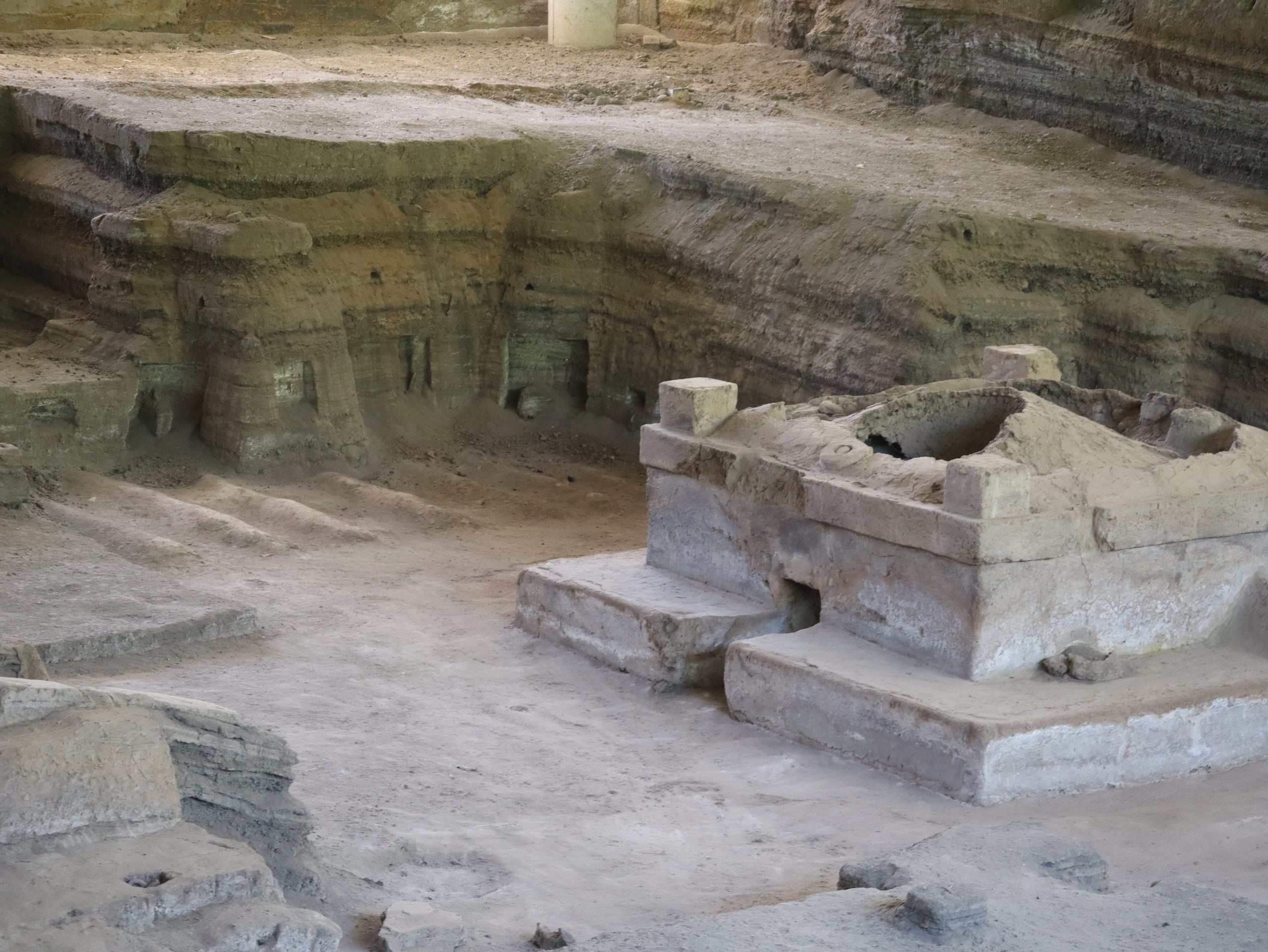
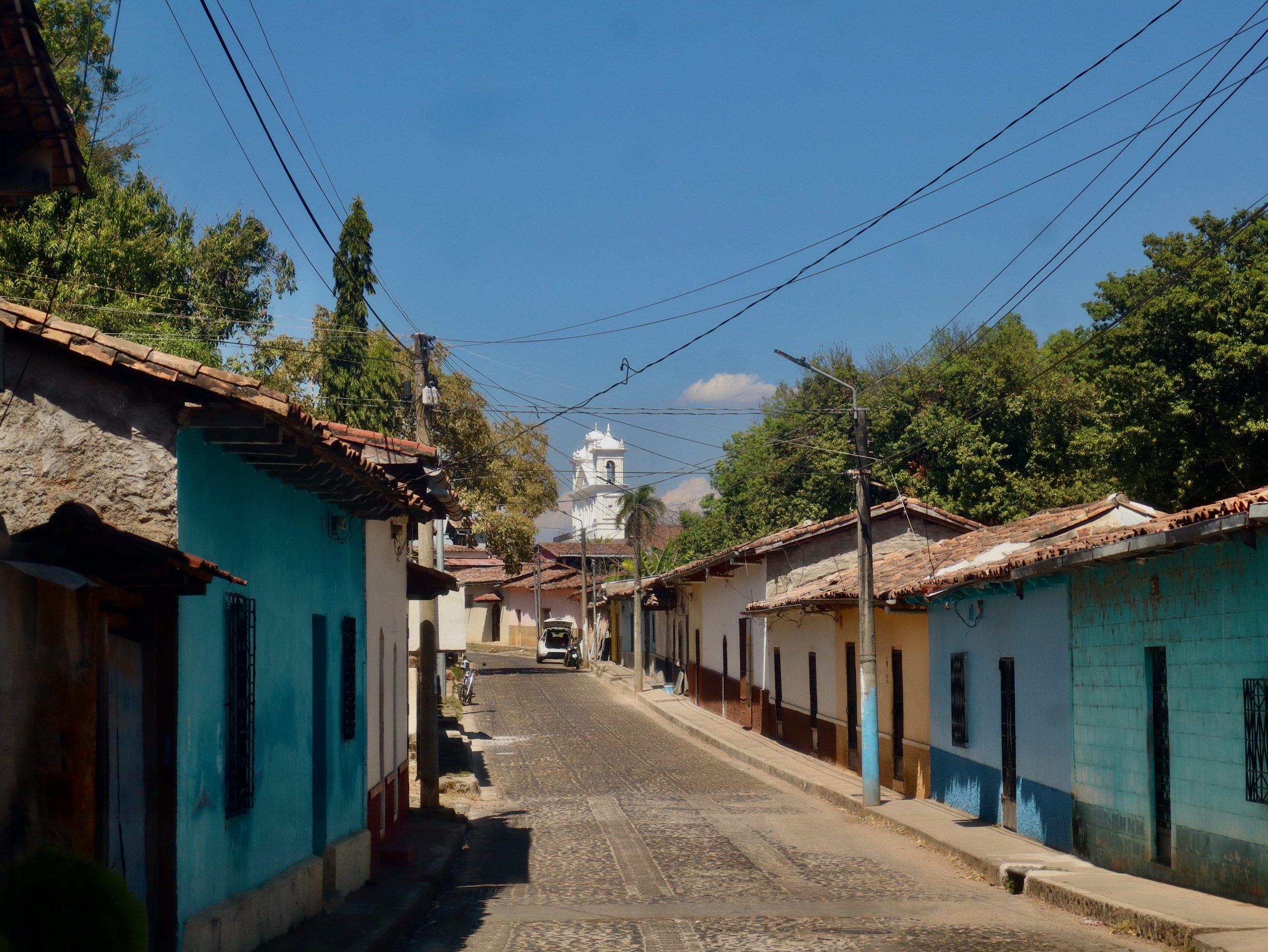
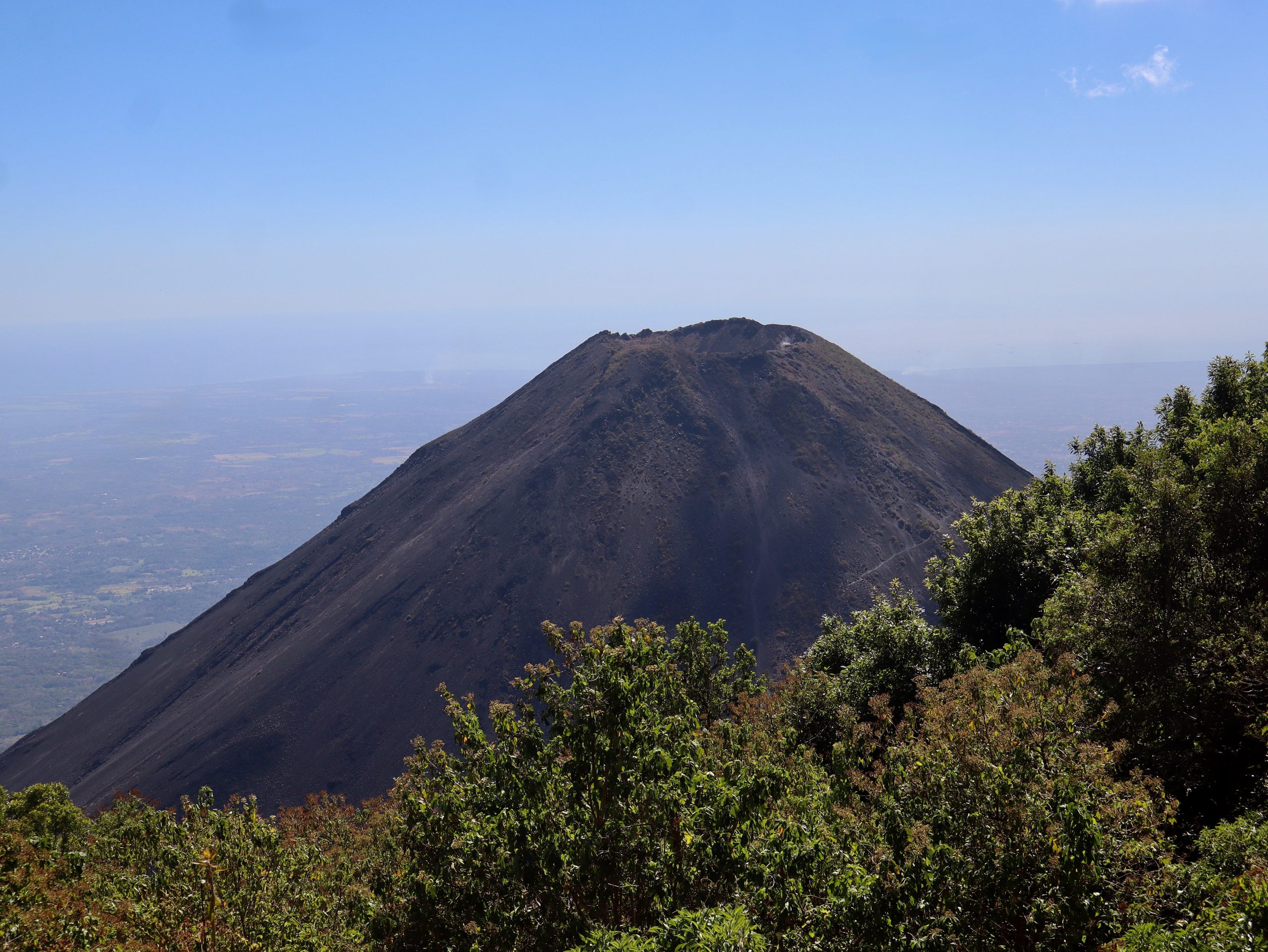
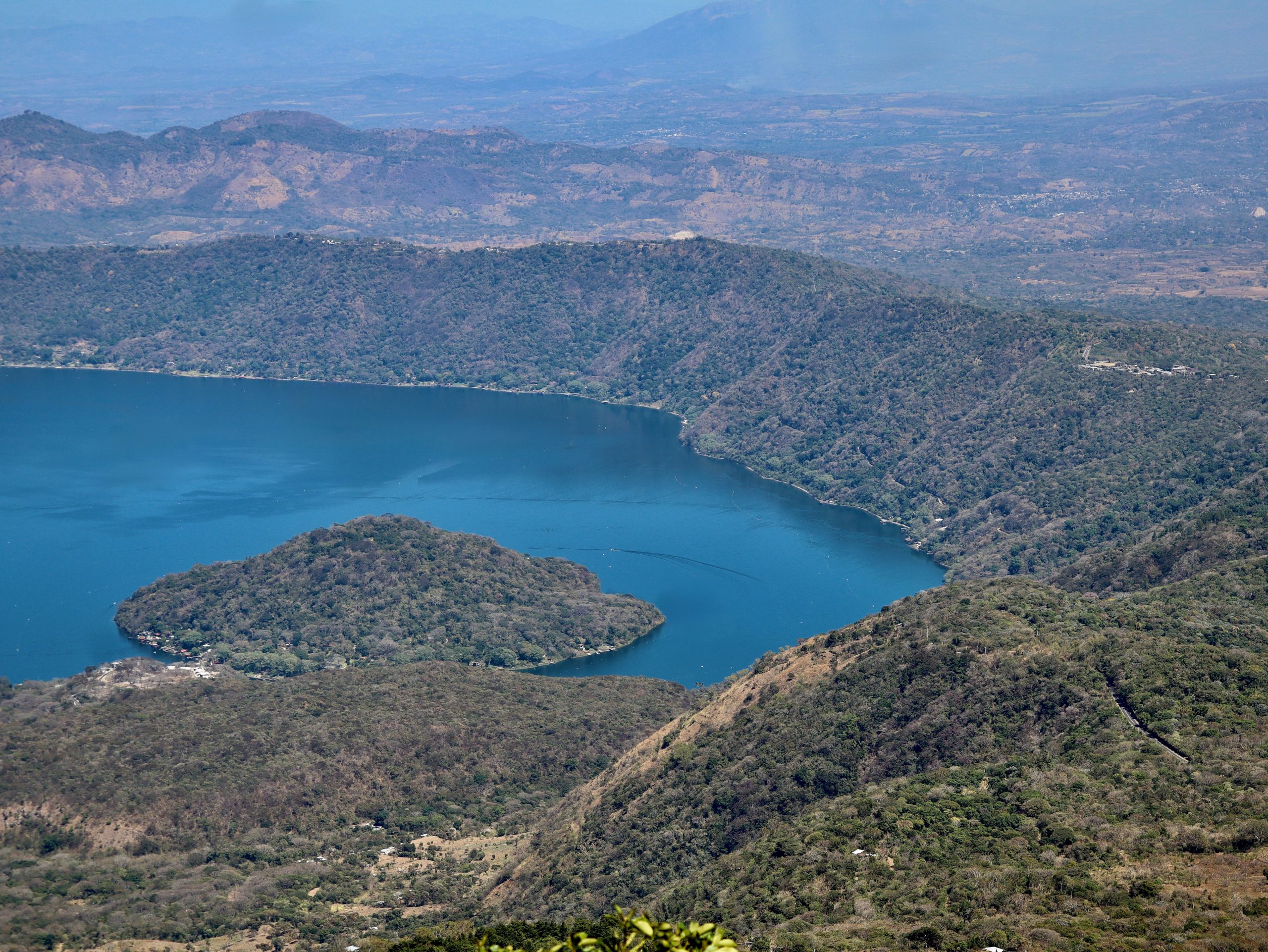
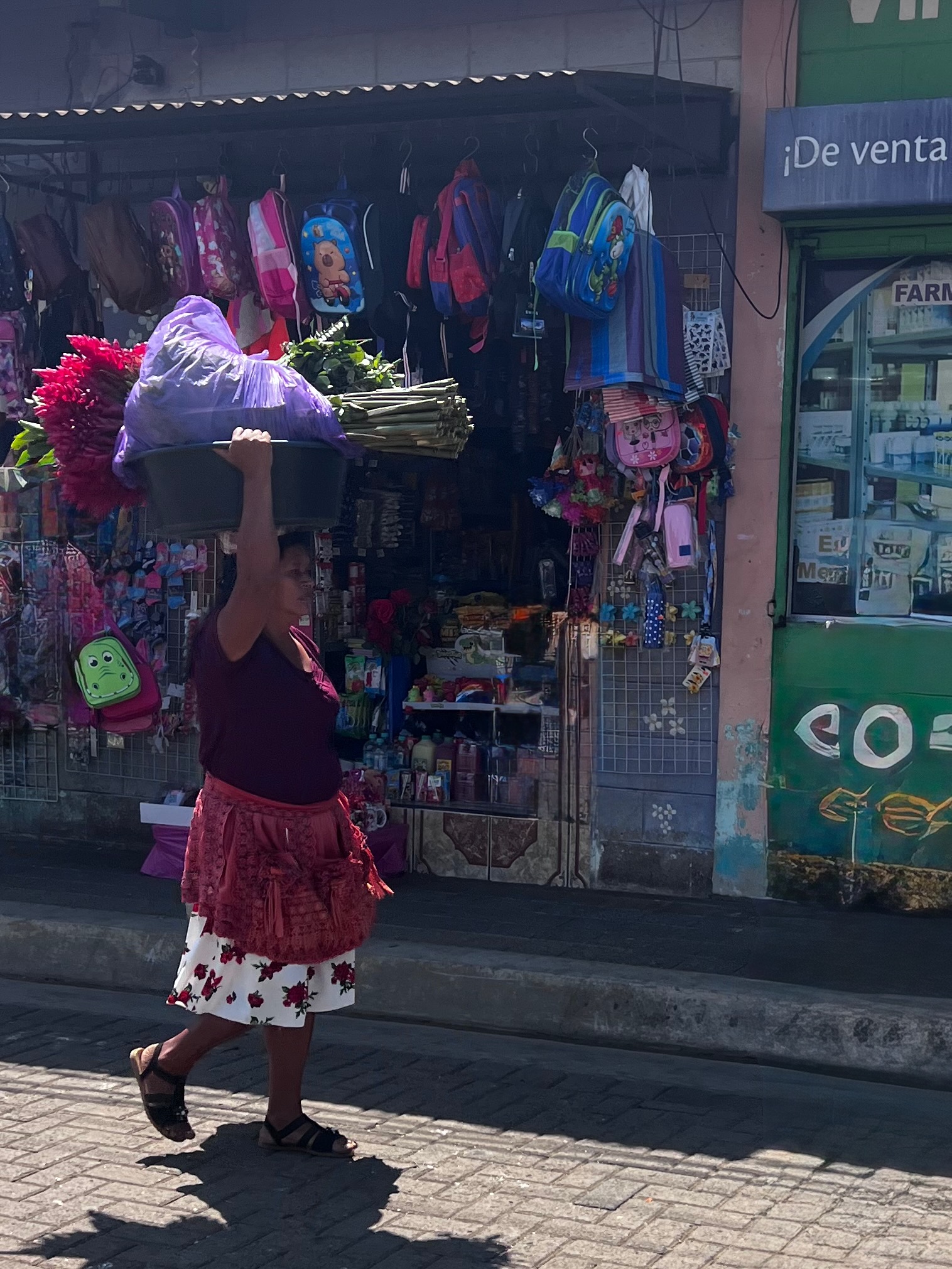
El Salvador: Between Memory and Reinvention– A Nation Once Shaped by Violence, Reinventing Itself

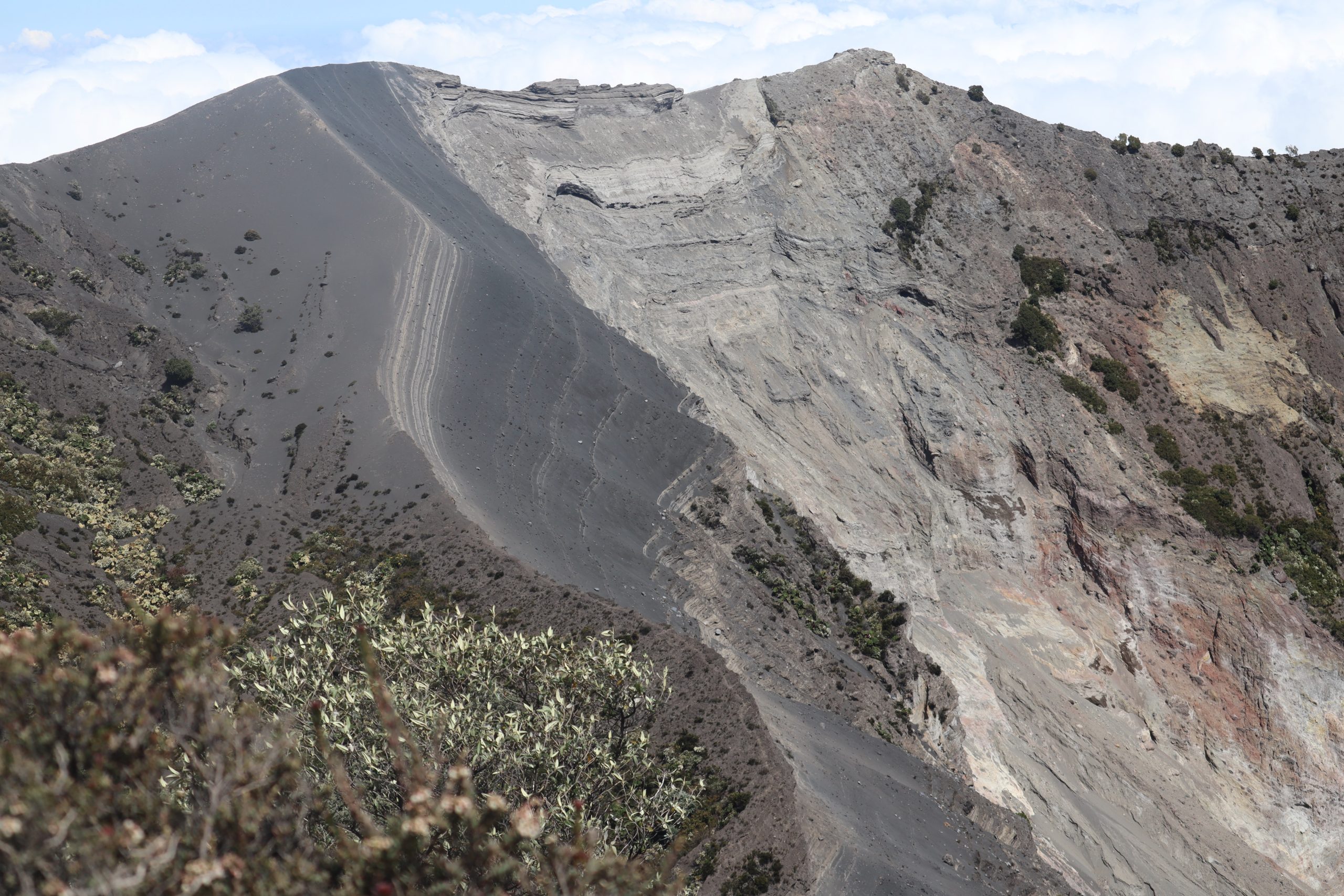
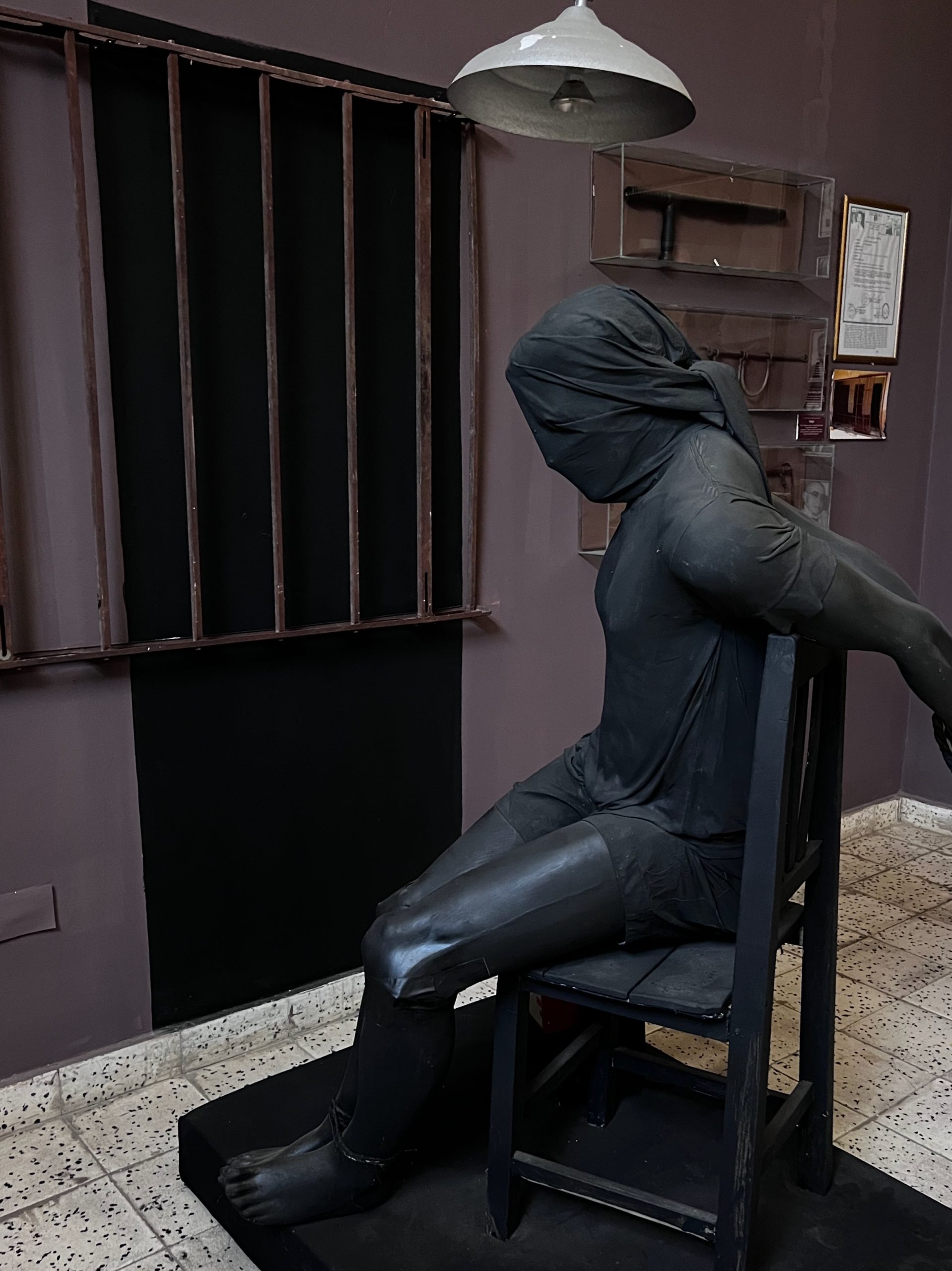
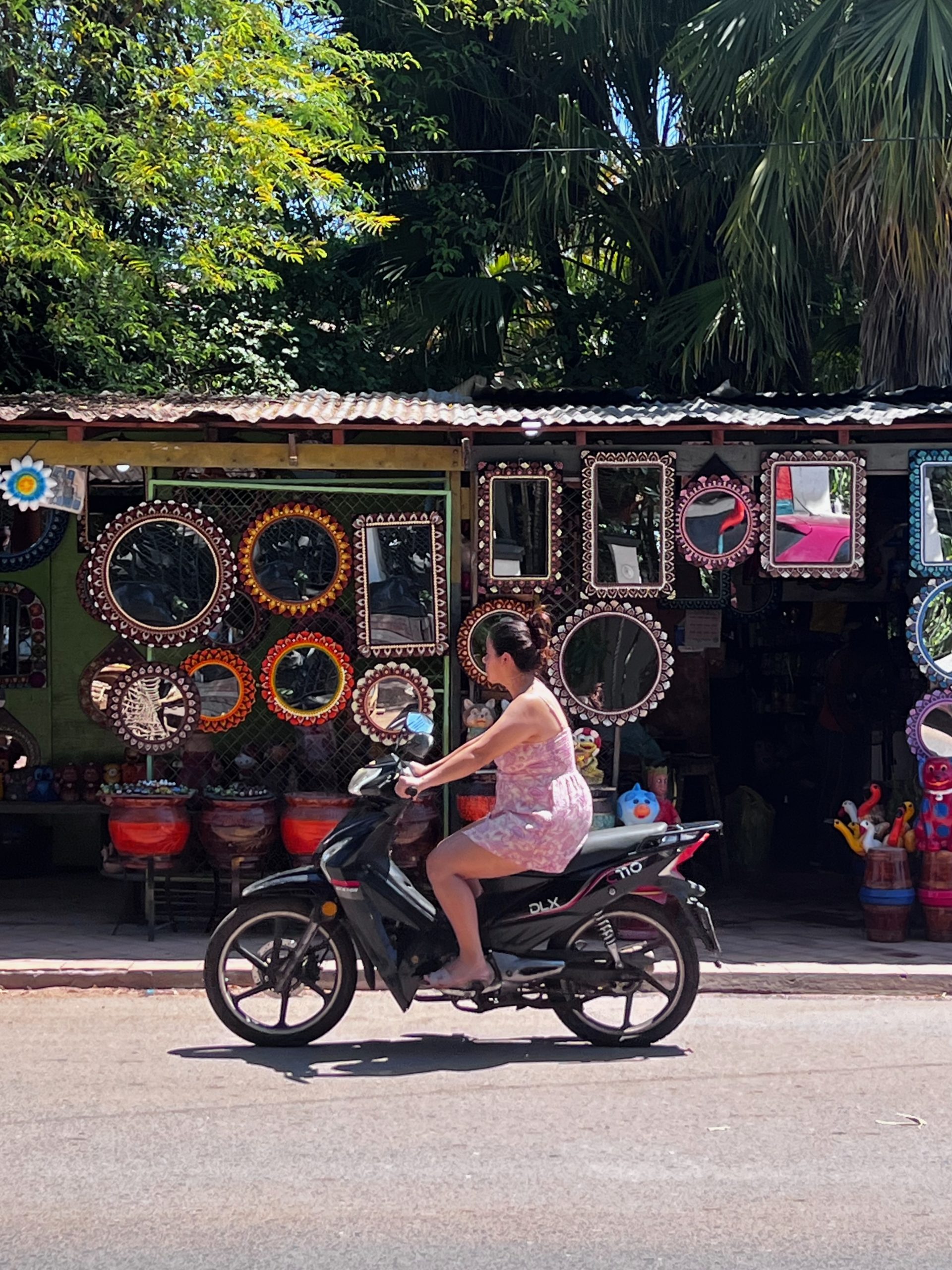
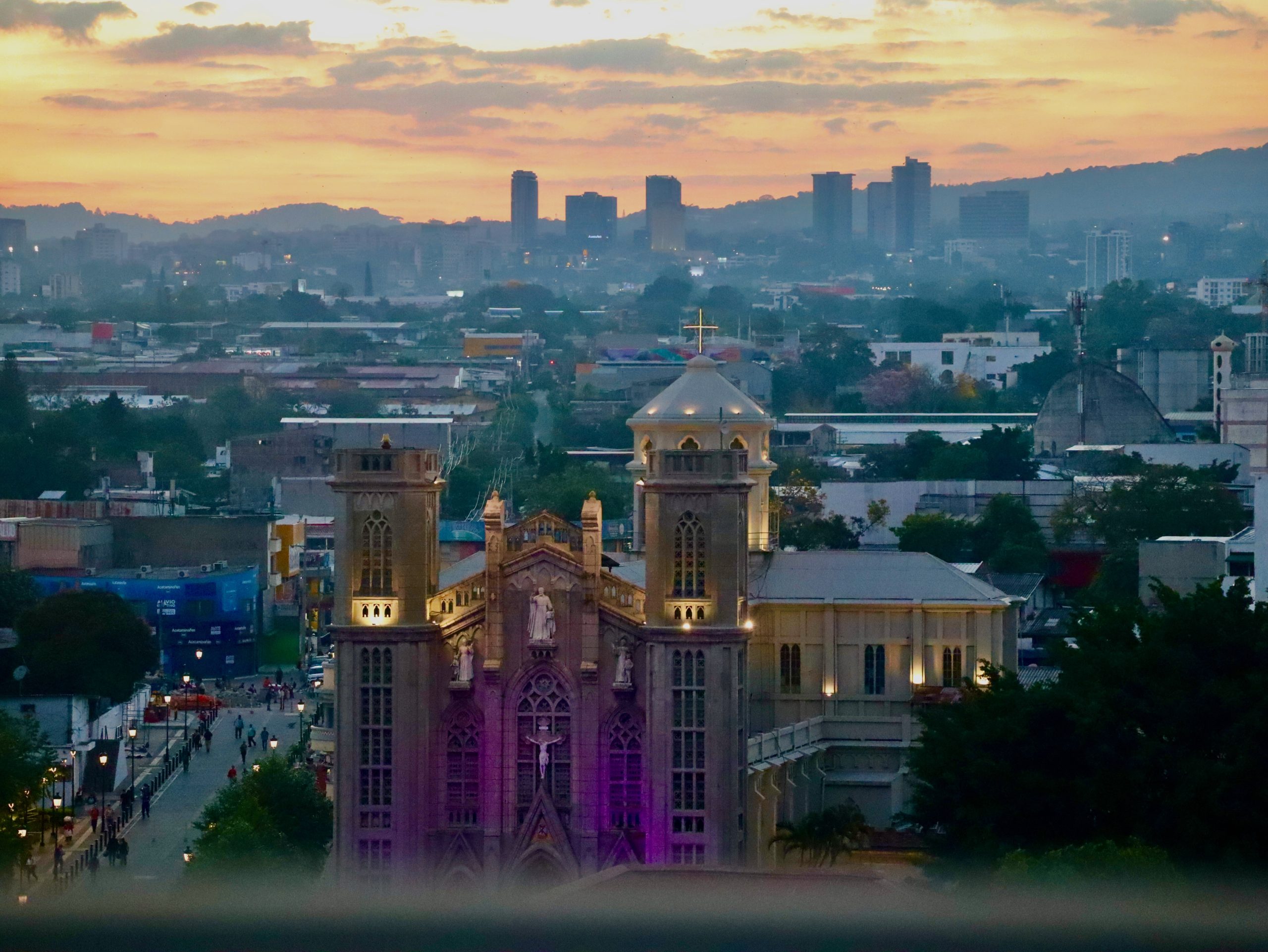
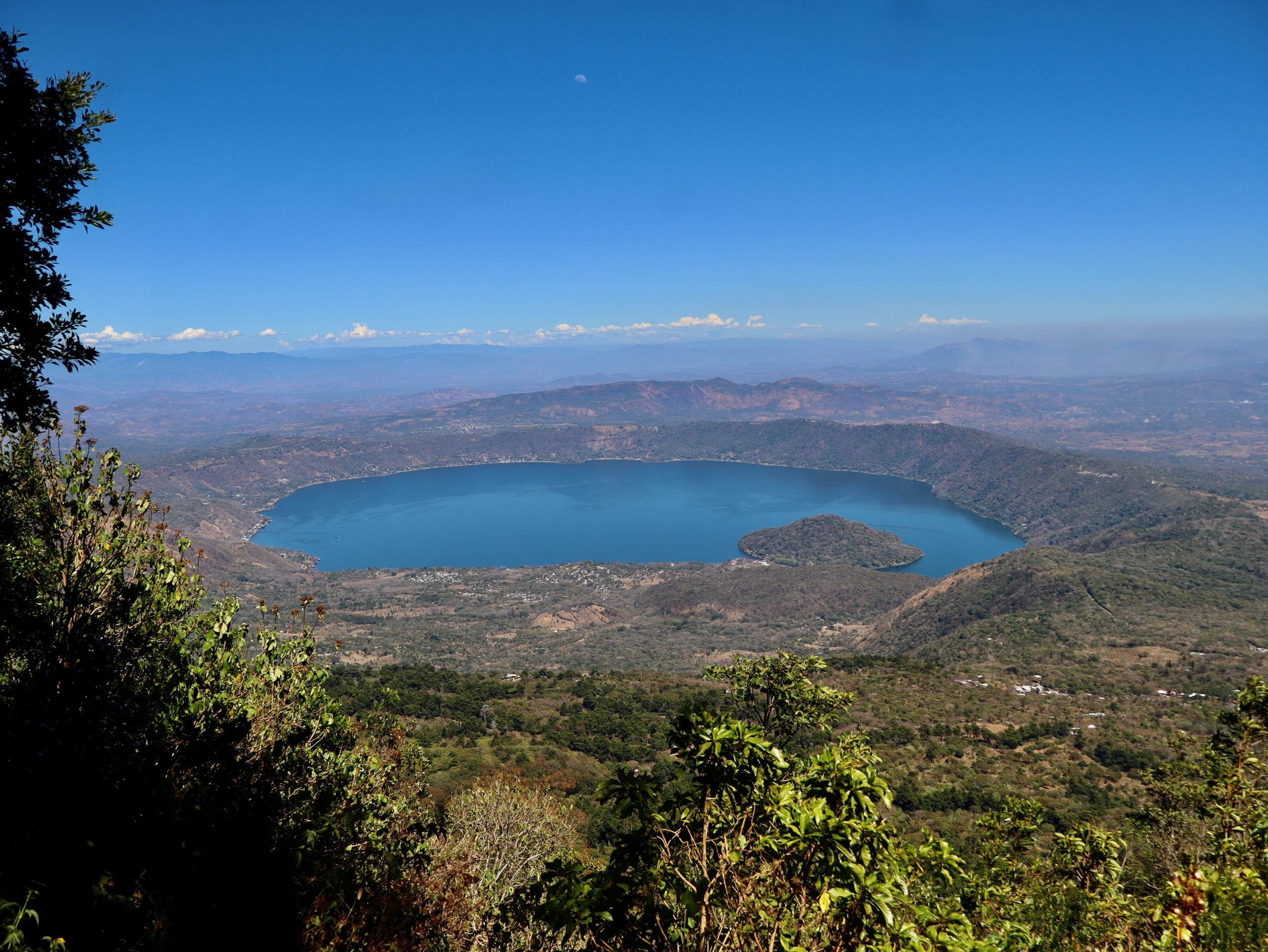
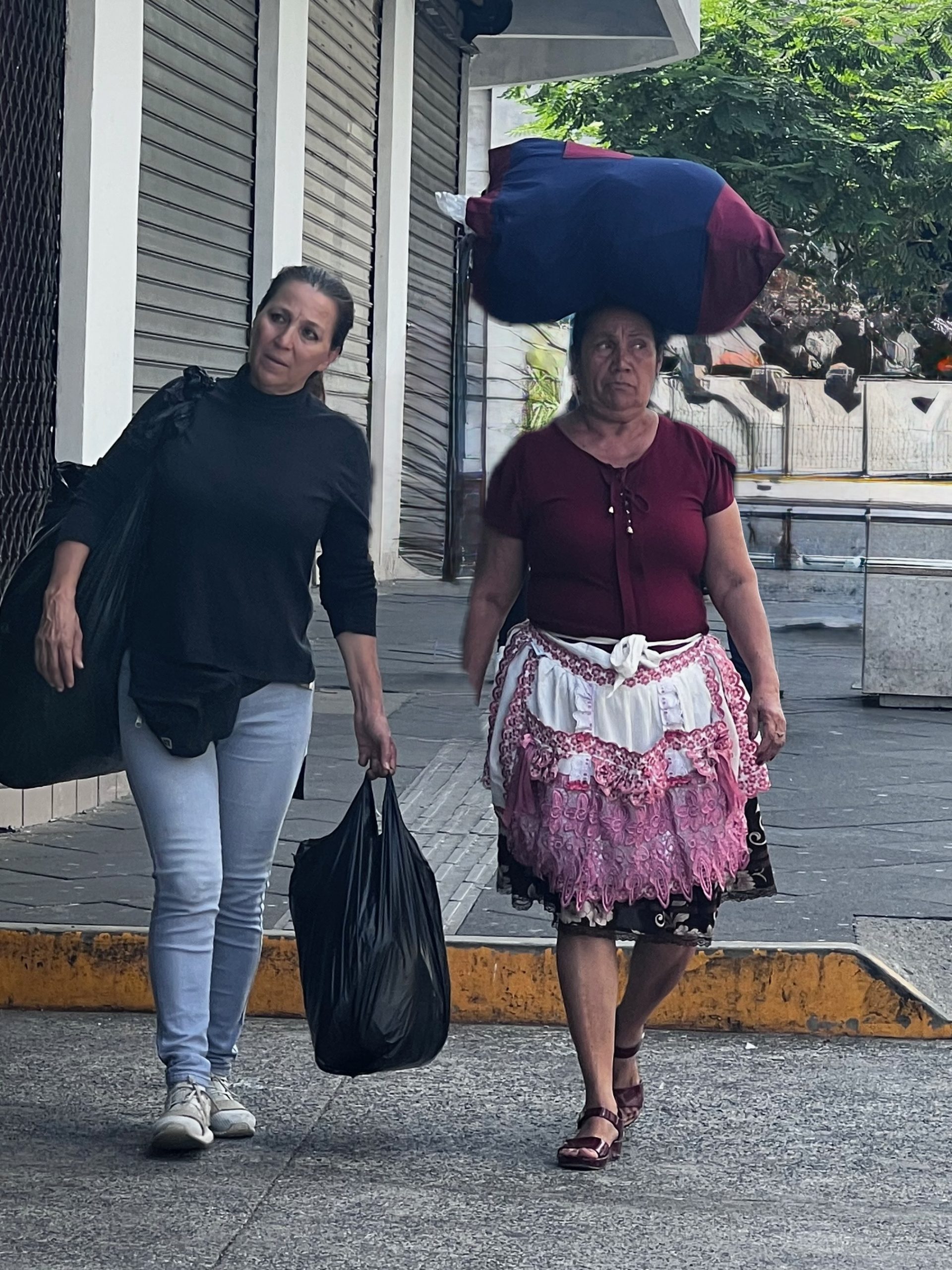
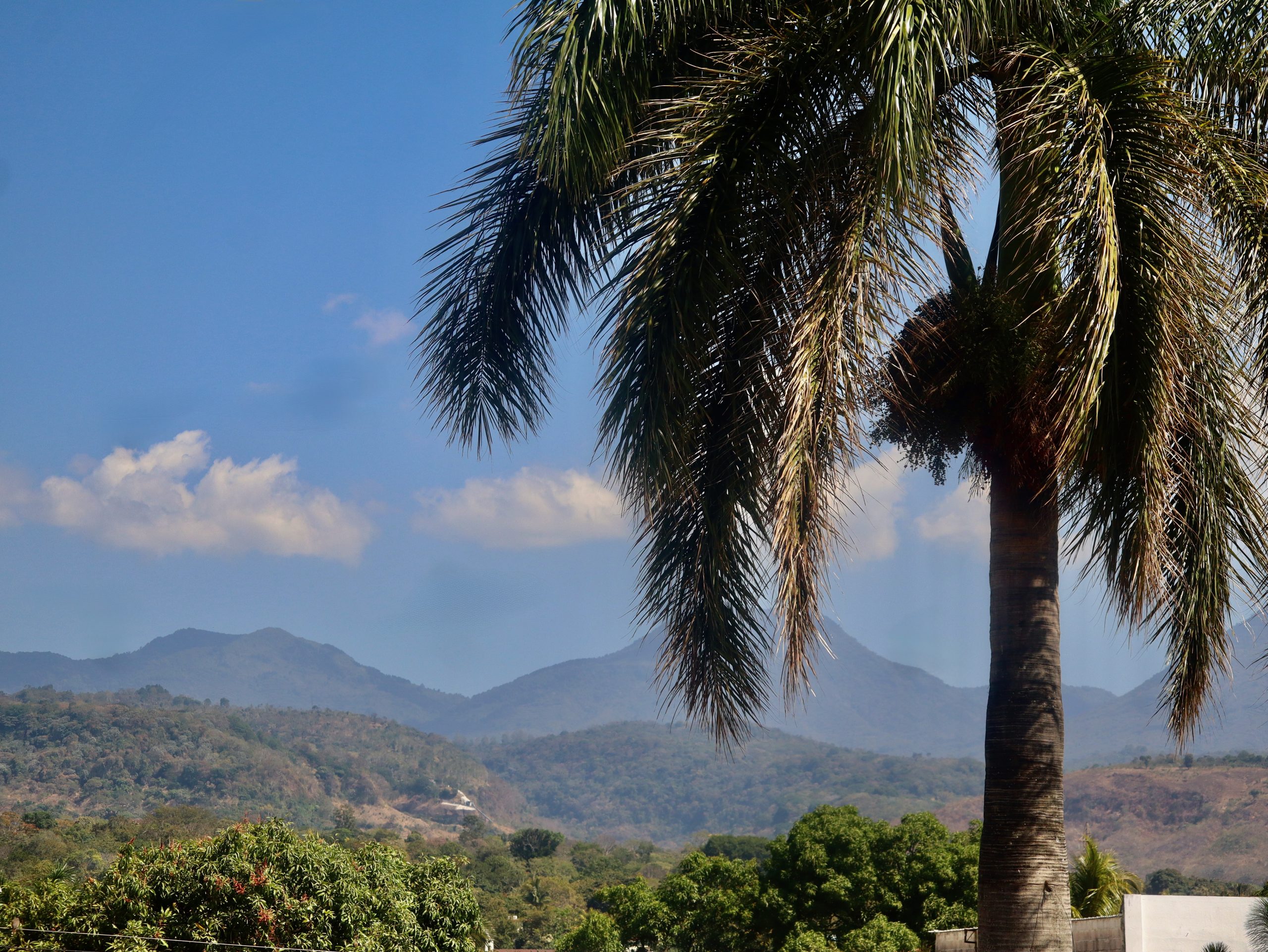
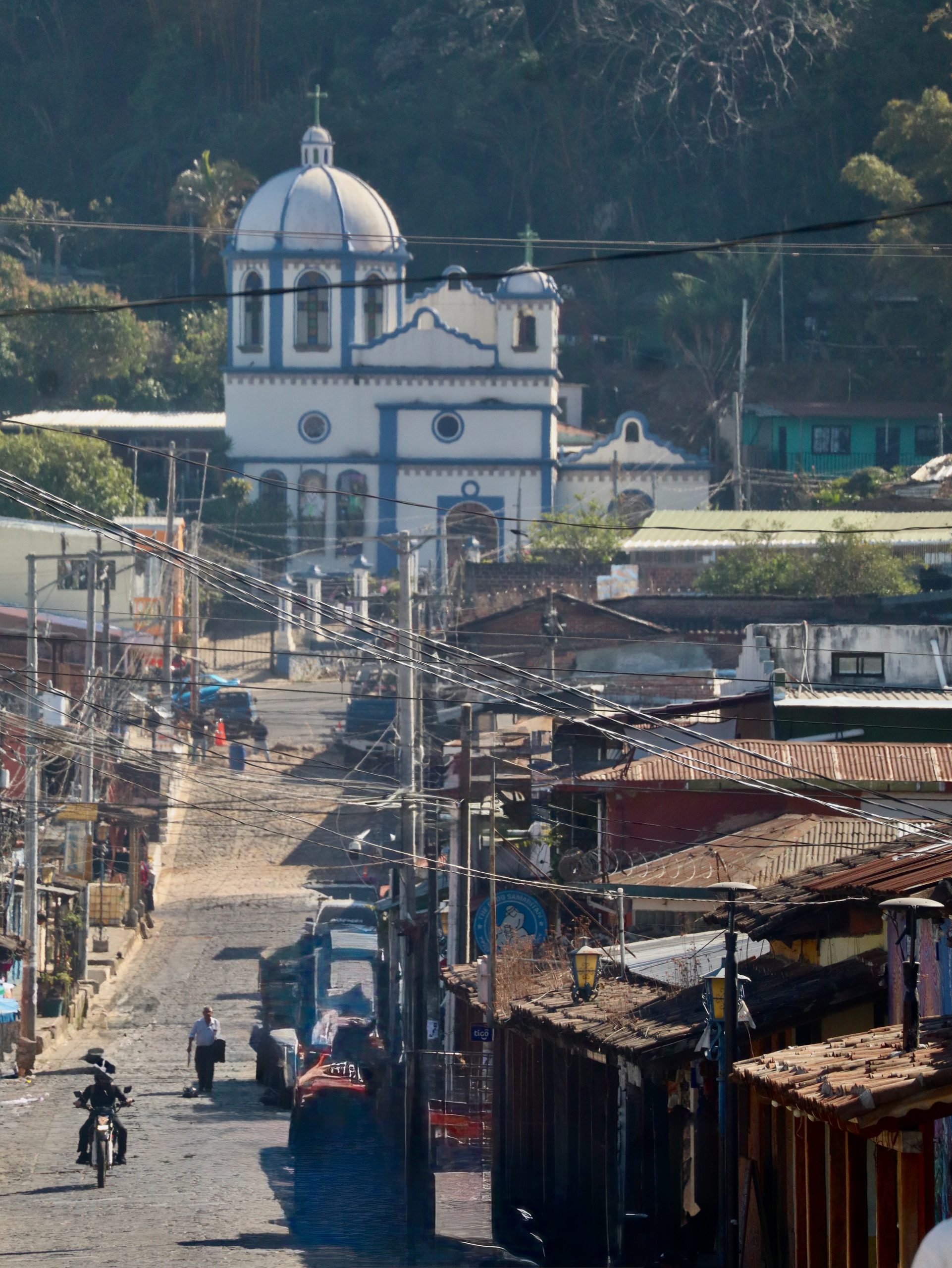
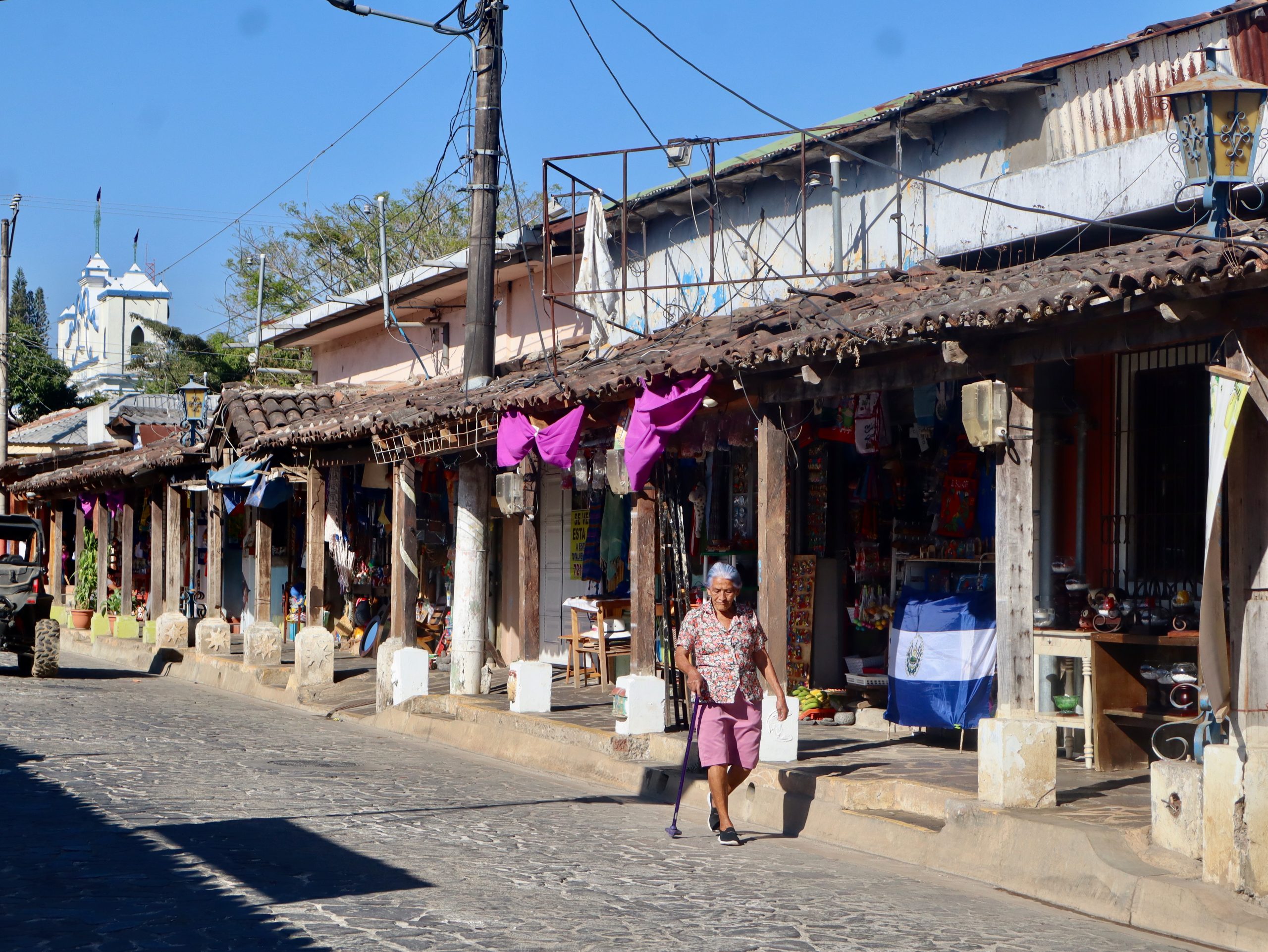
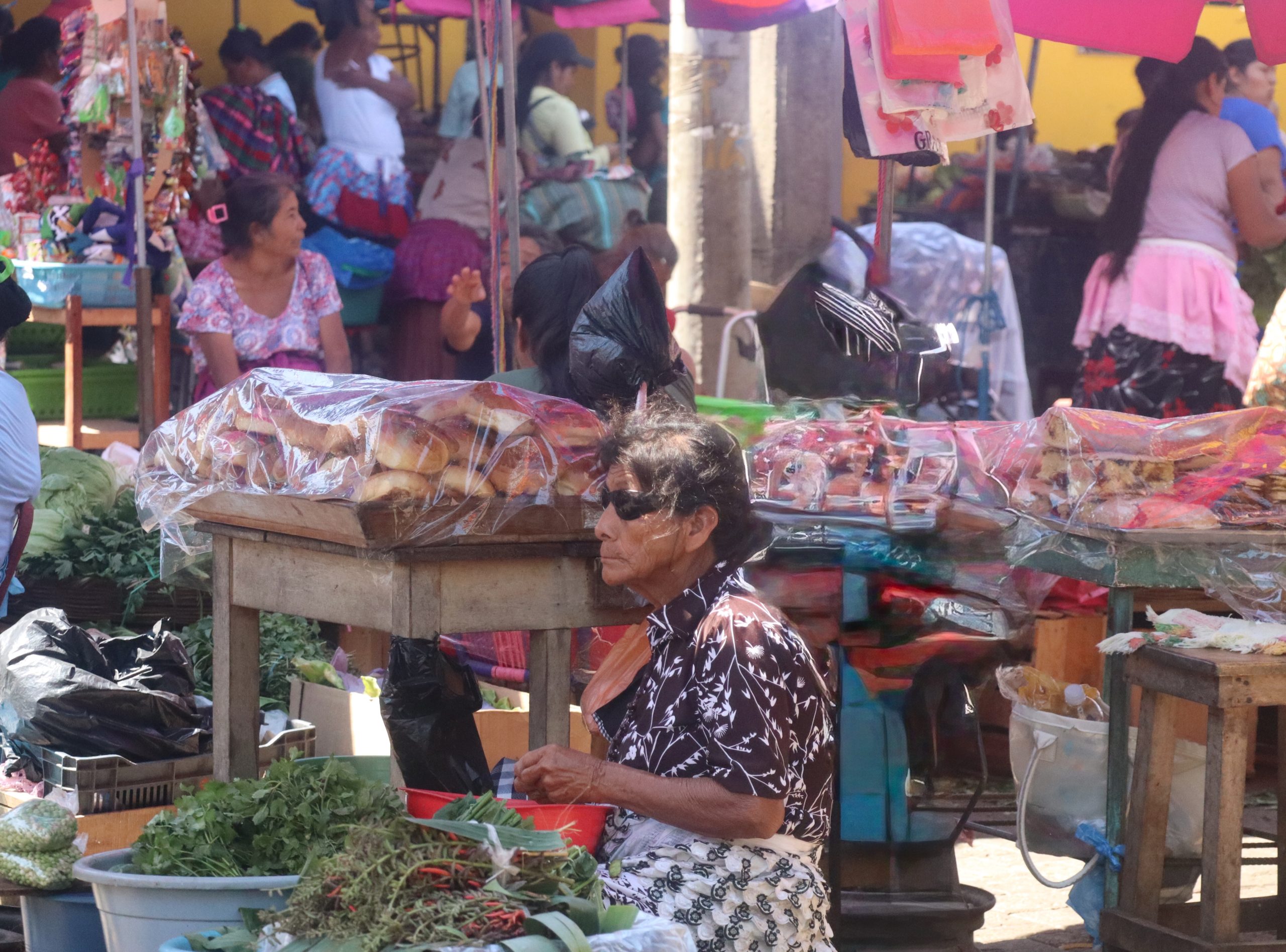
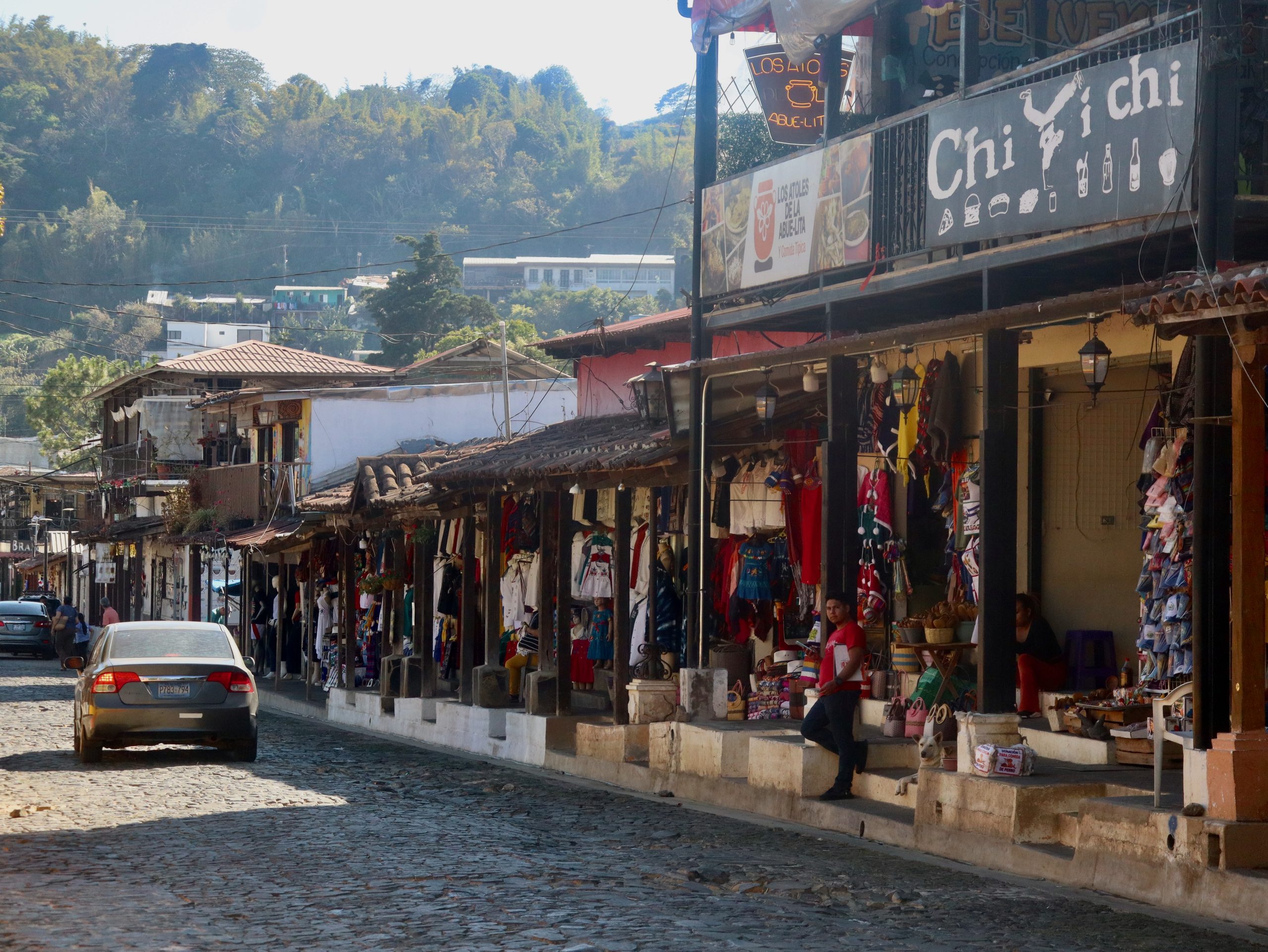
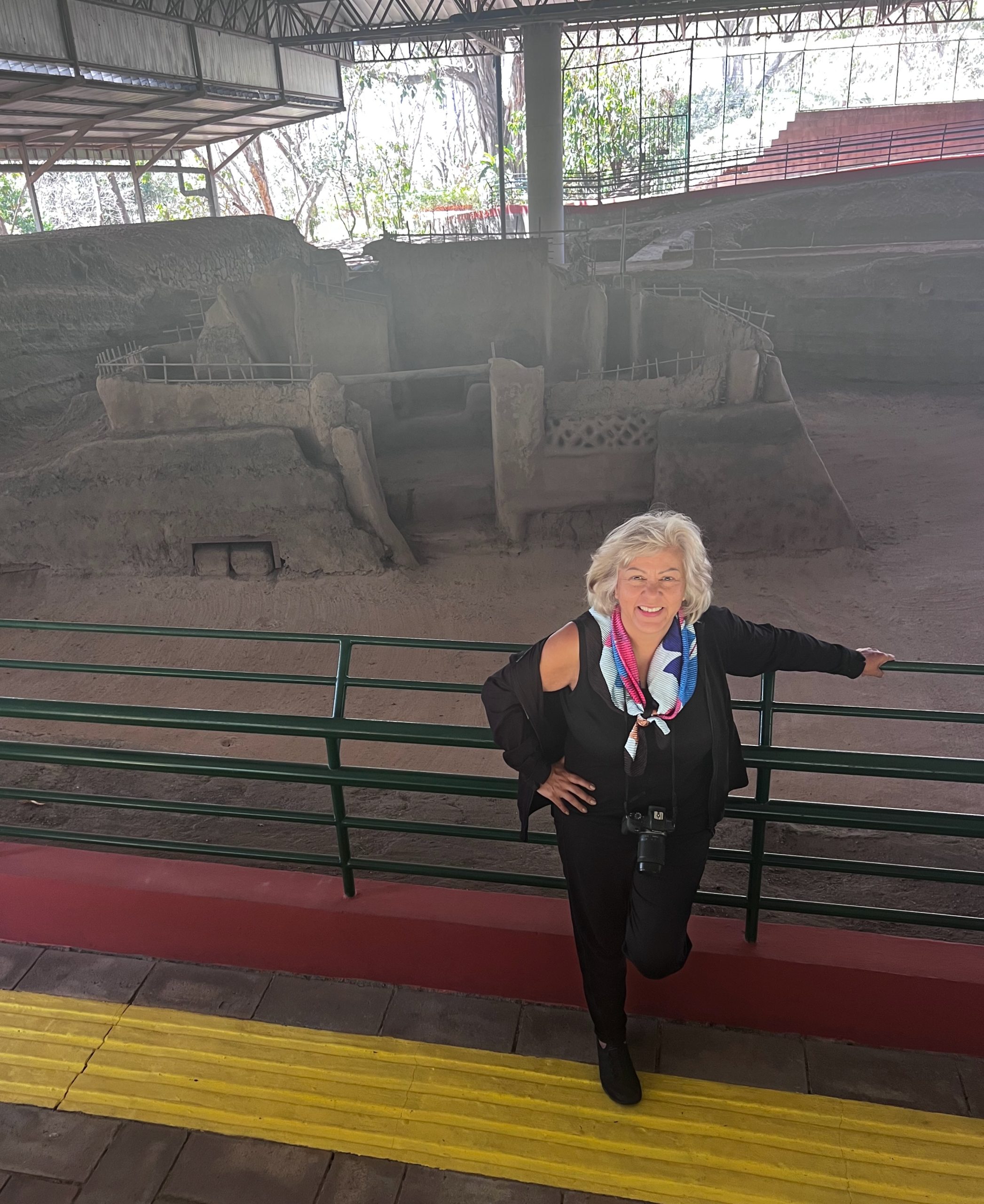
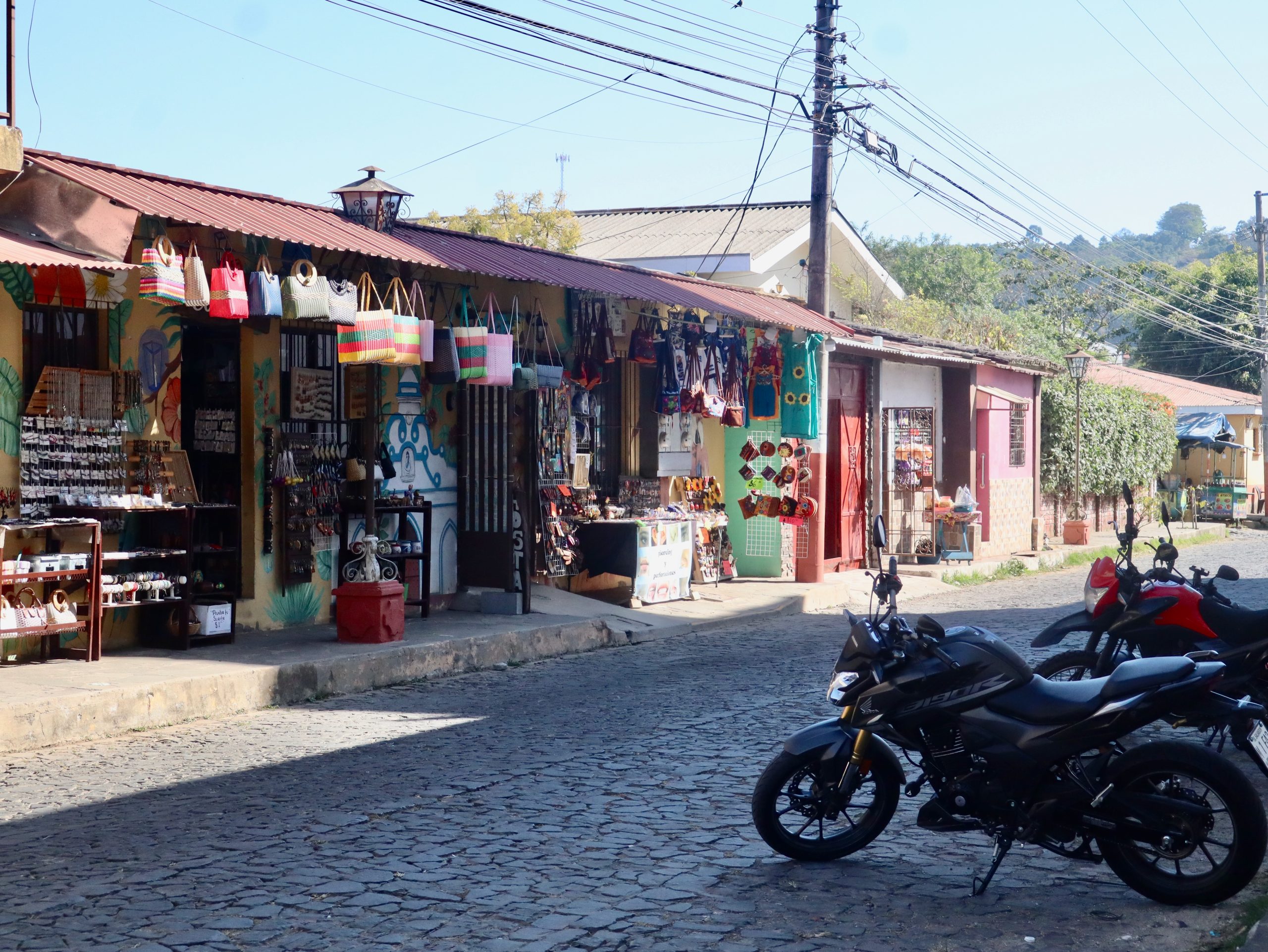
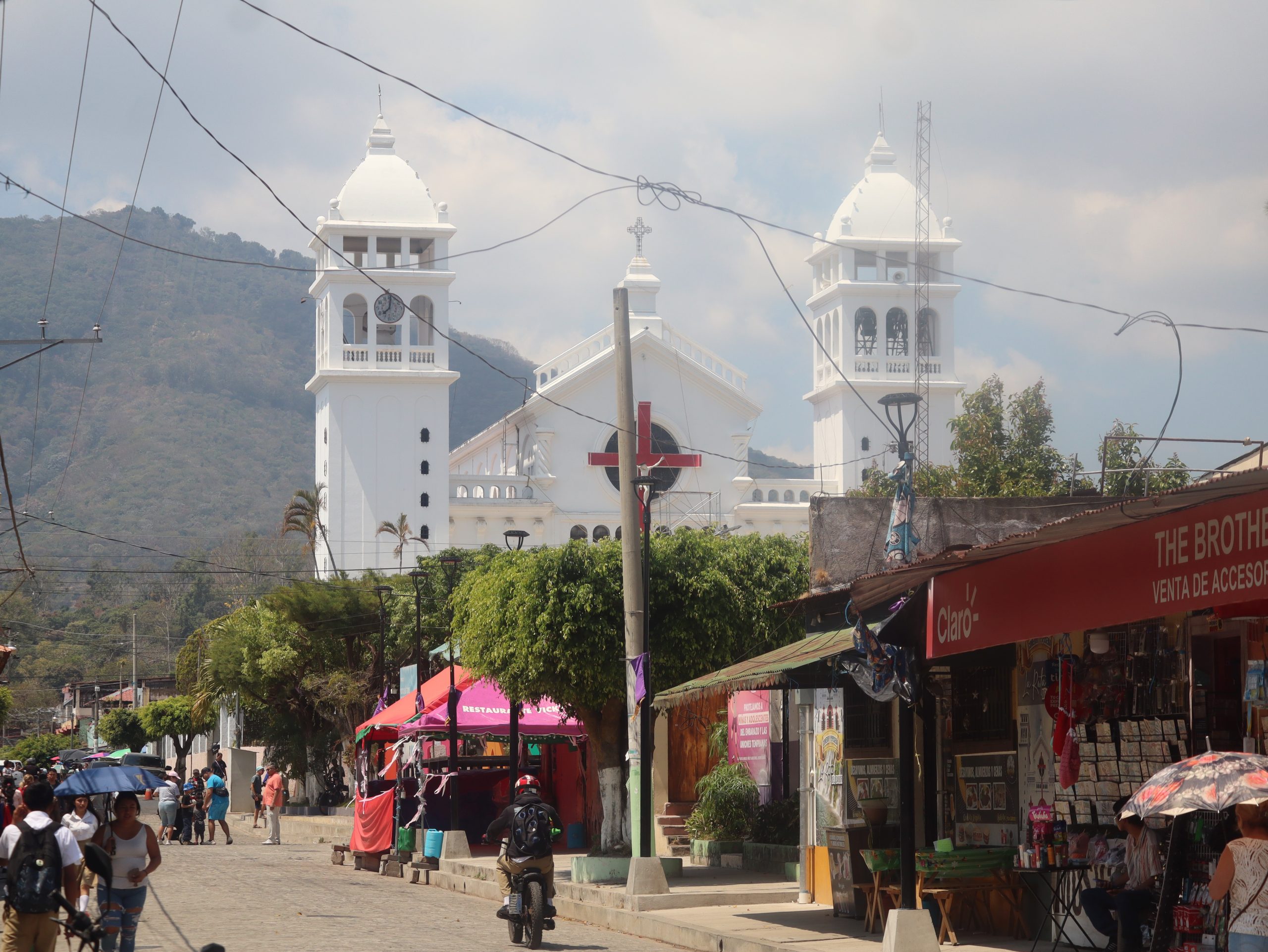
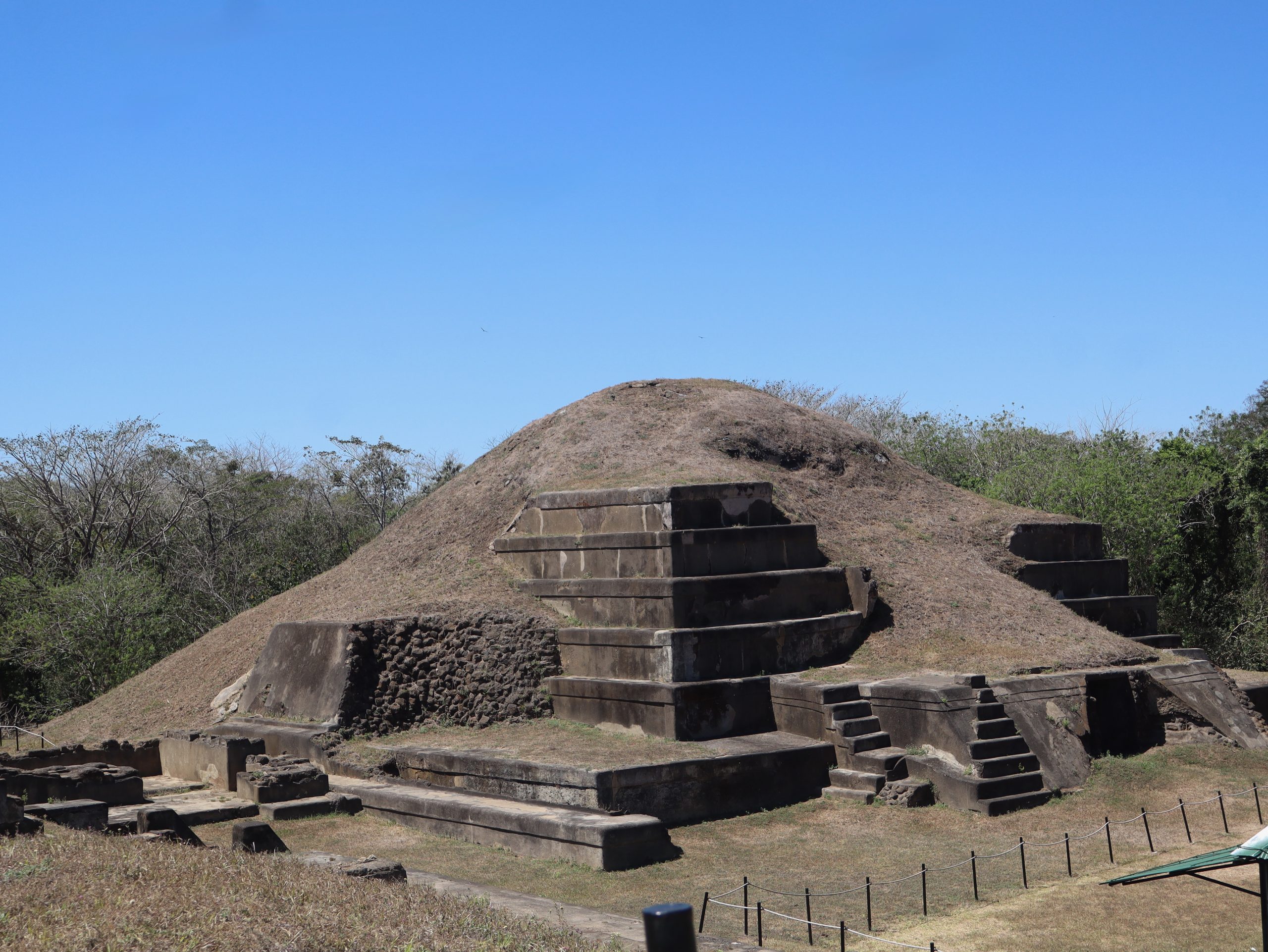
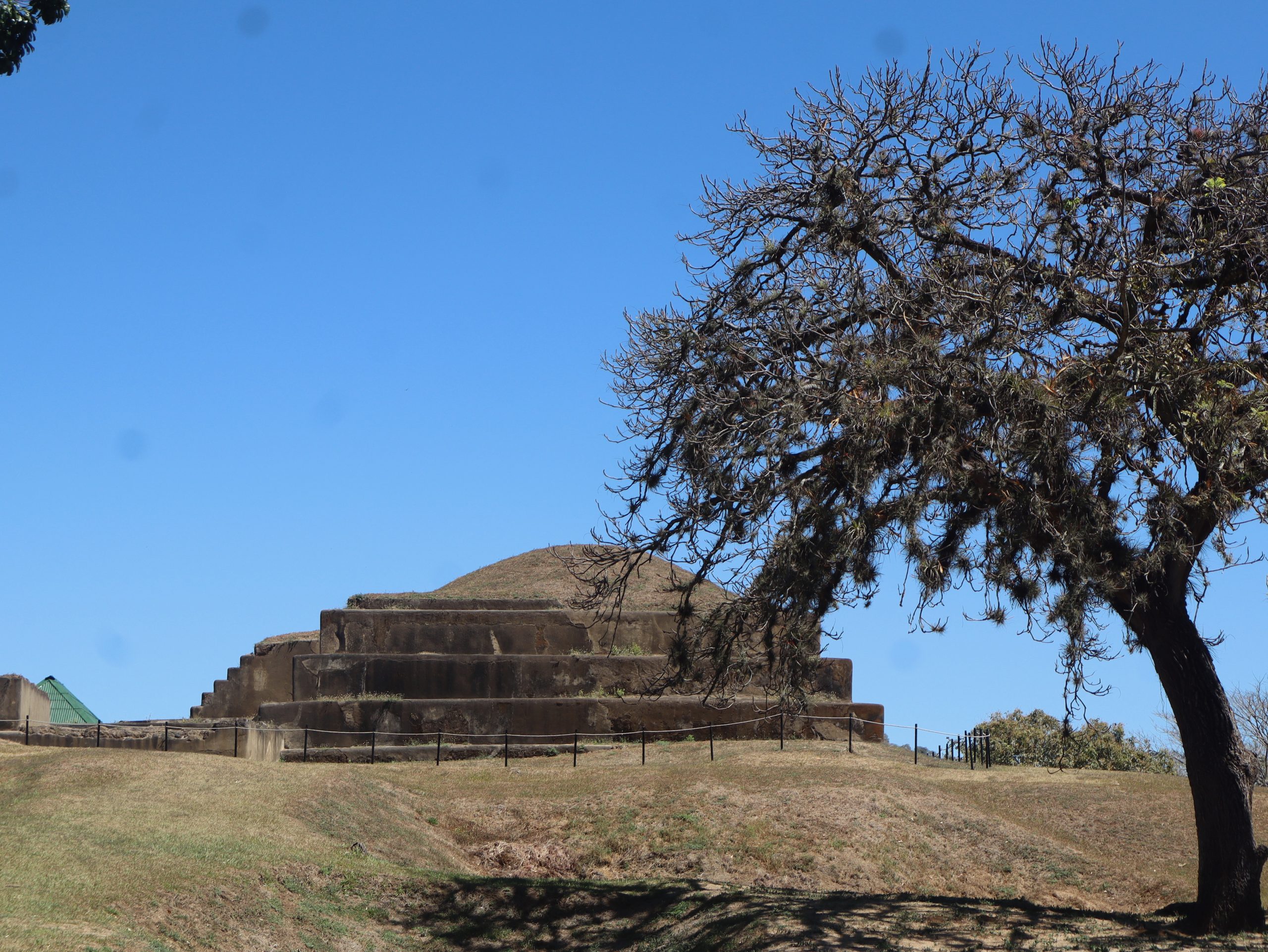
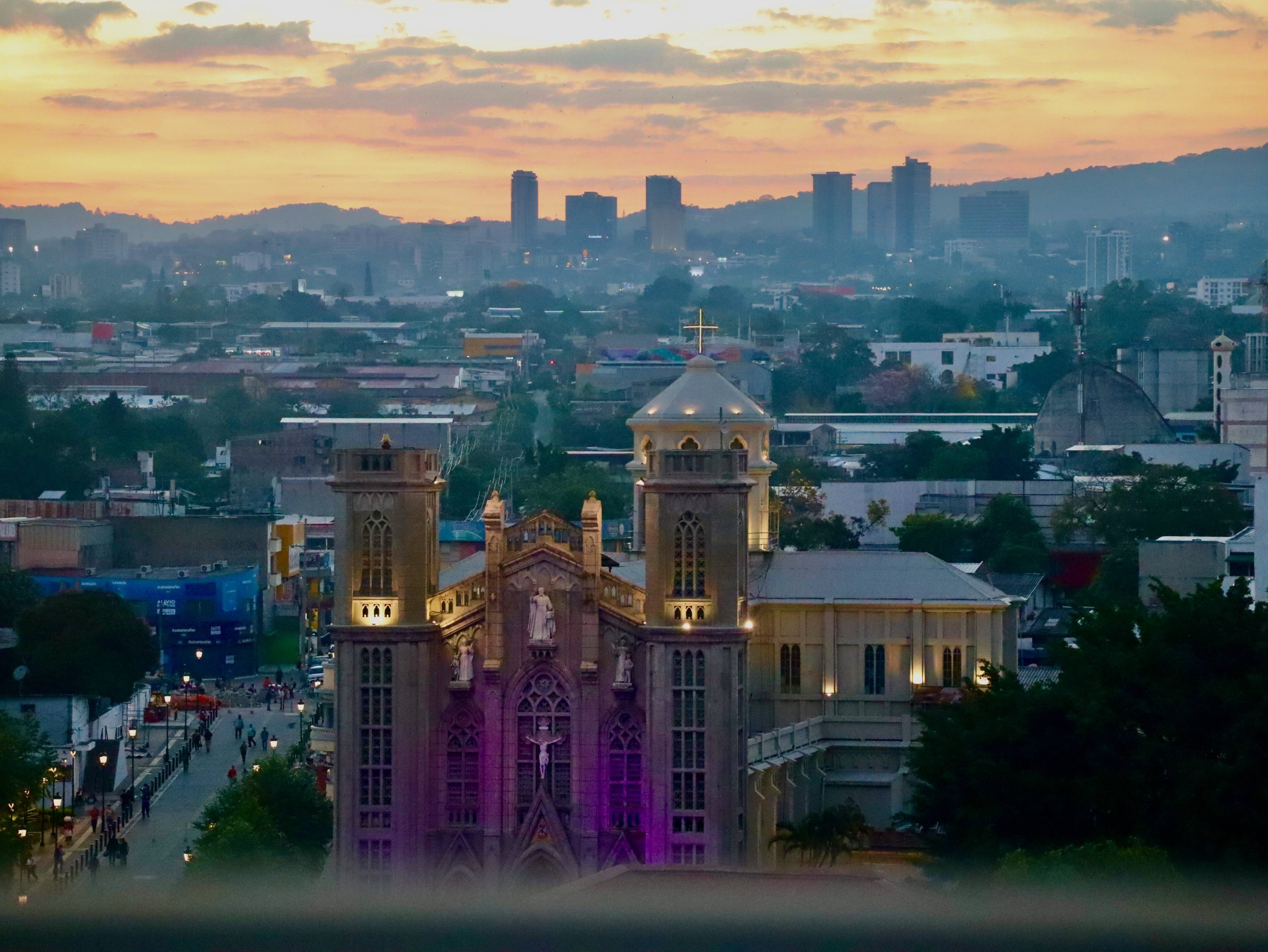
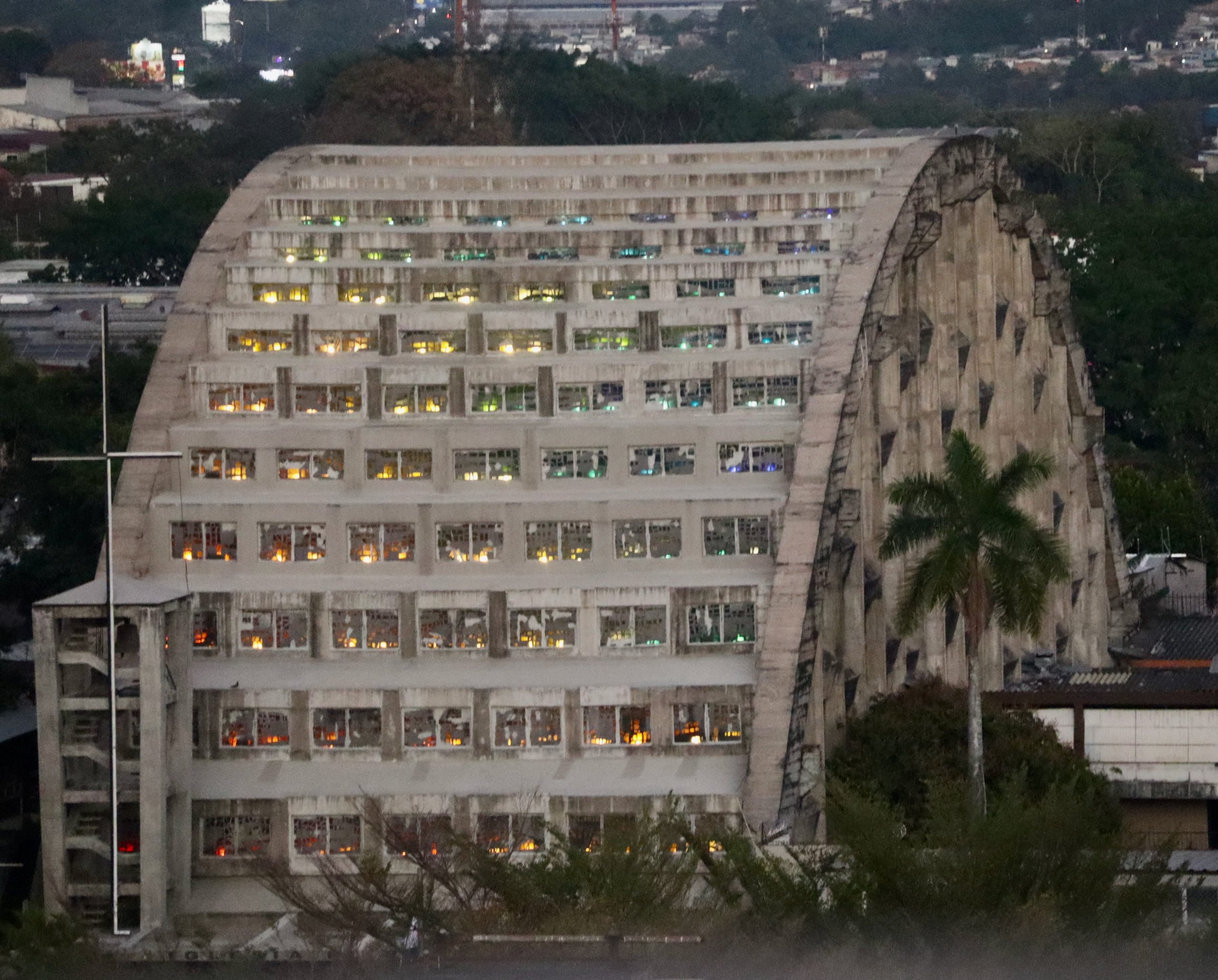
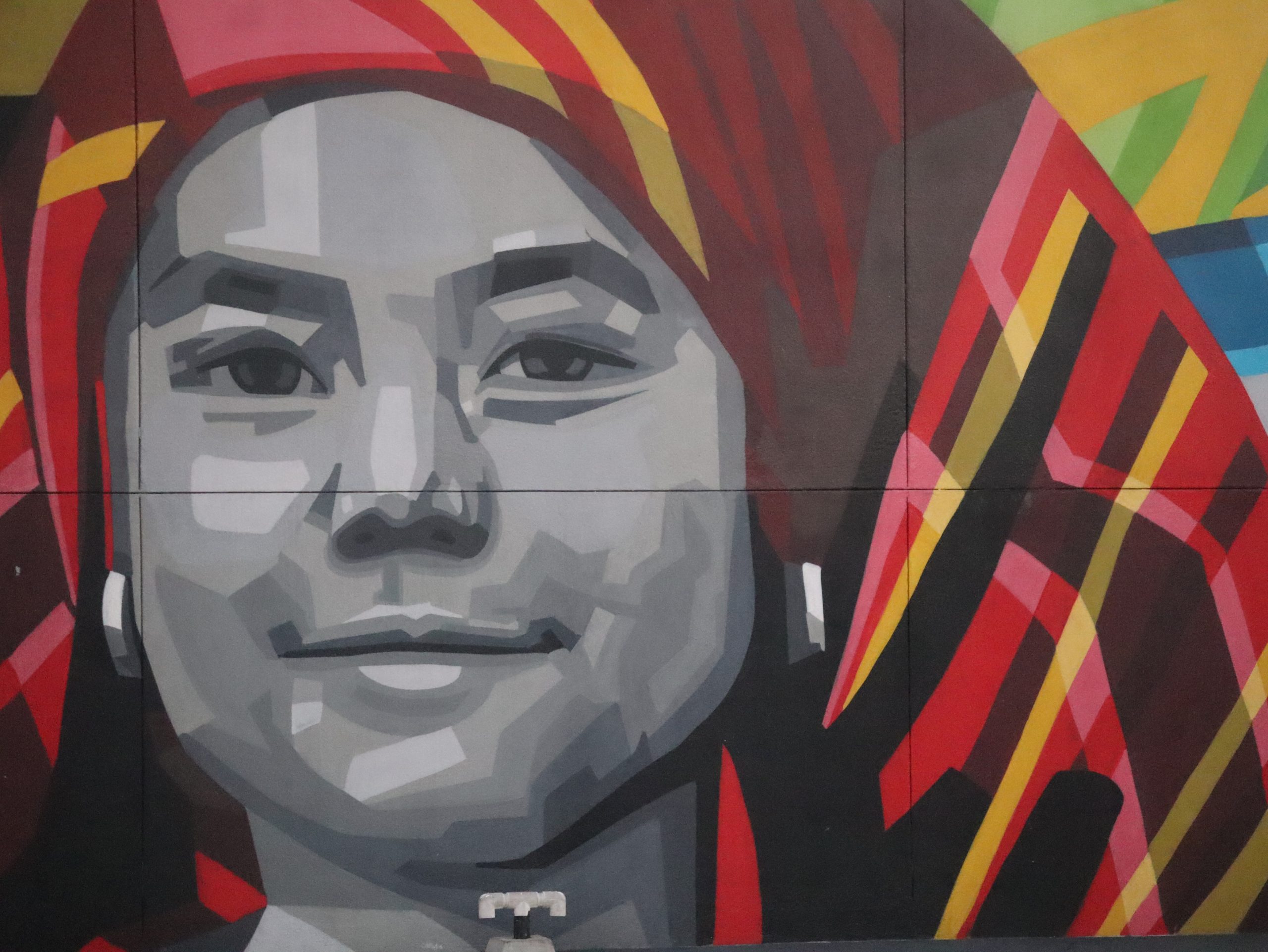
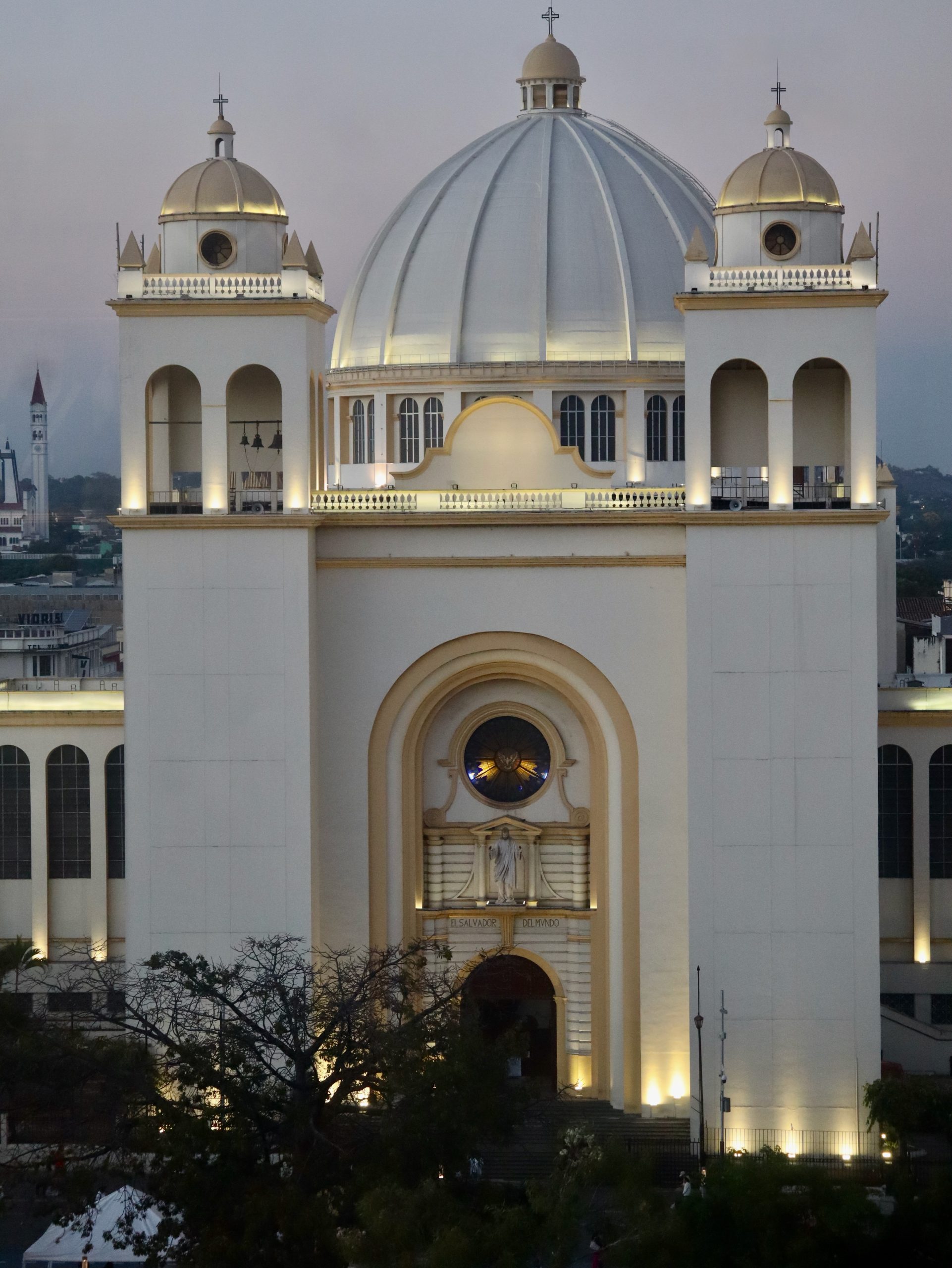
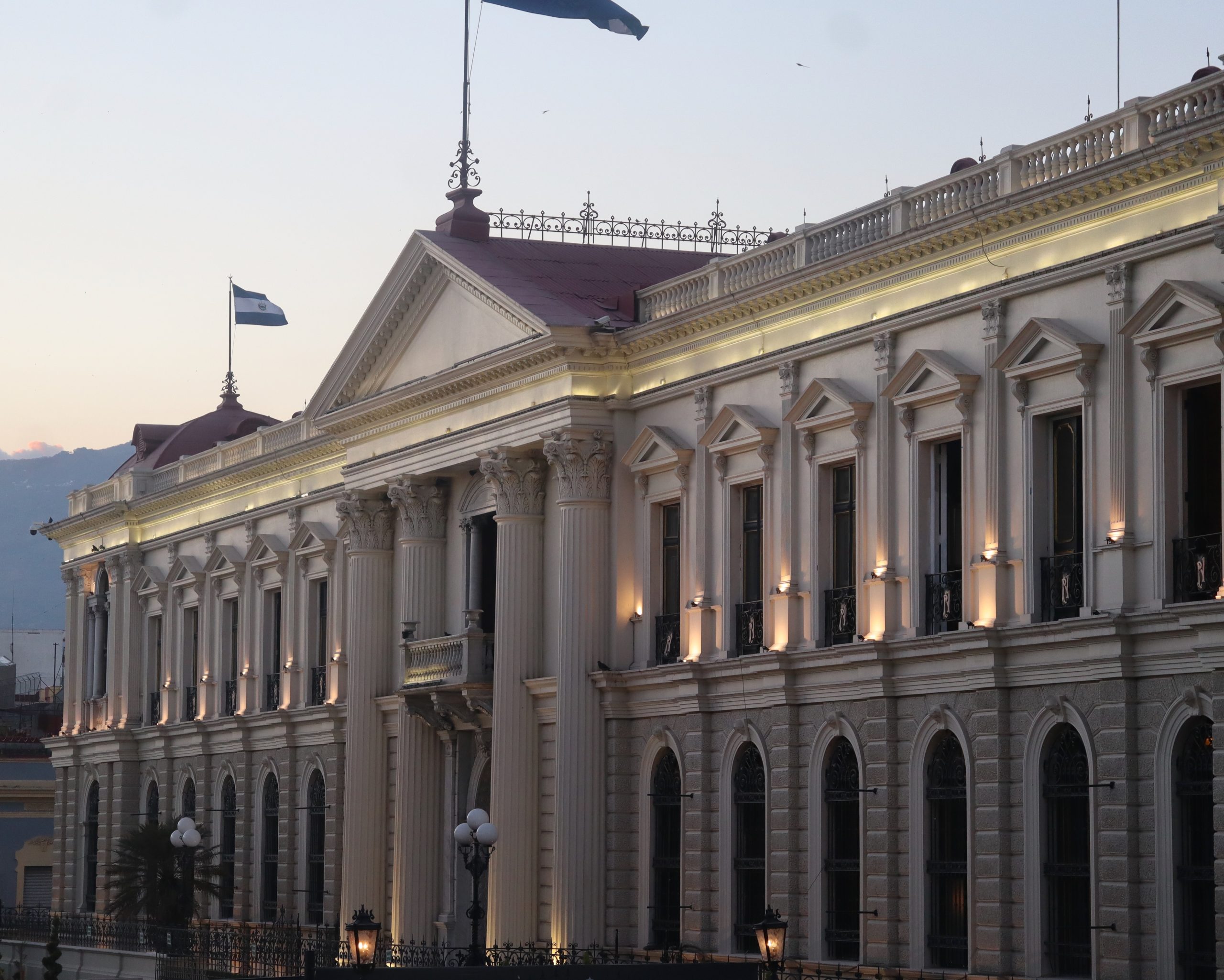
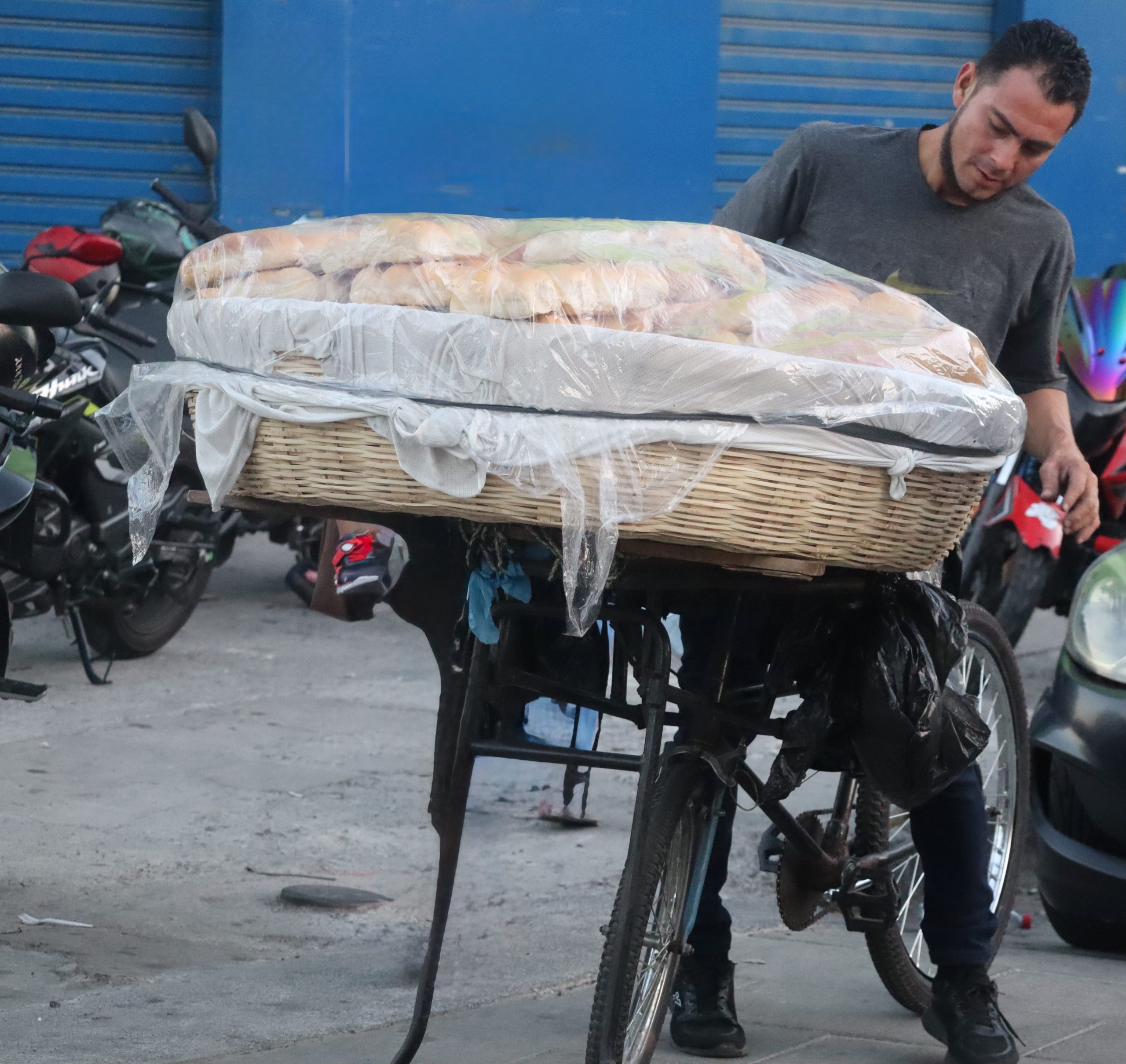
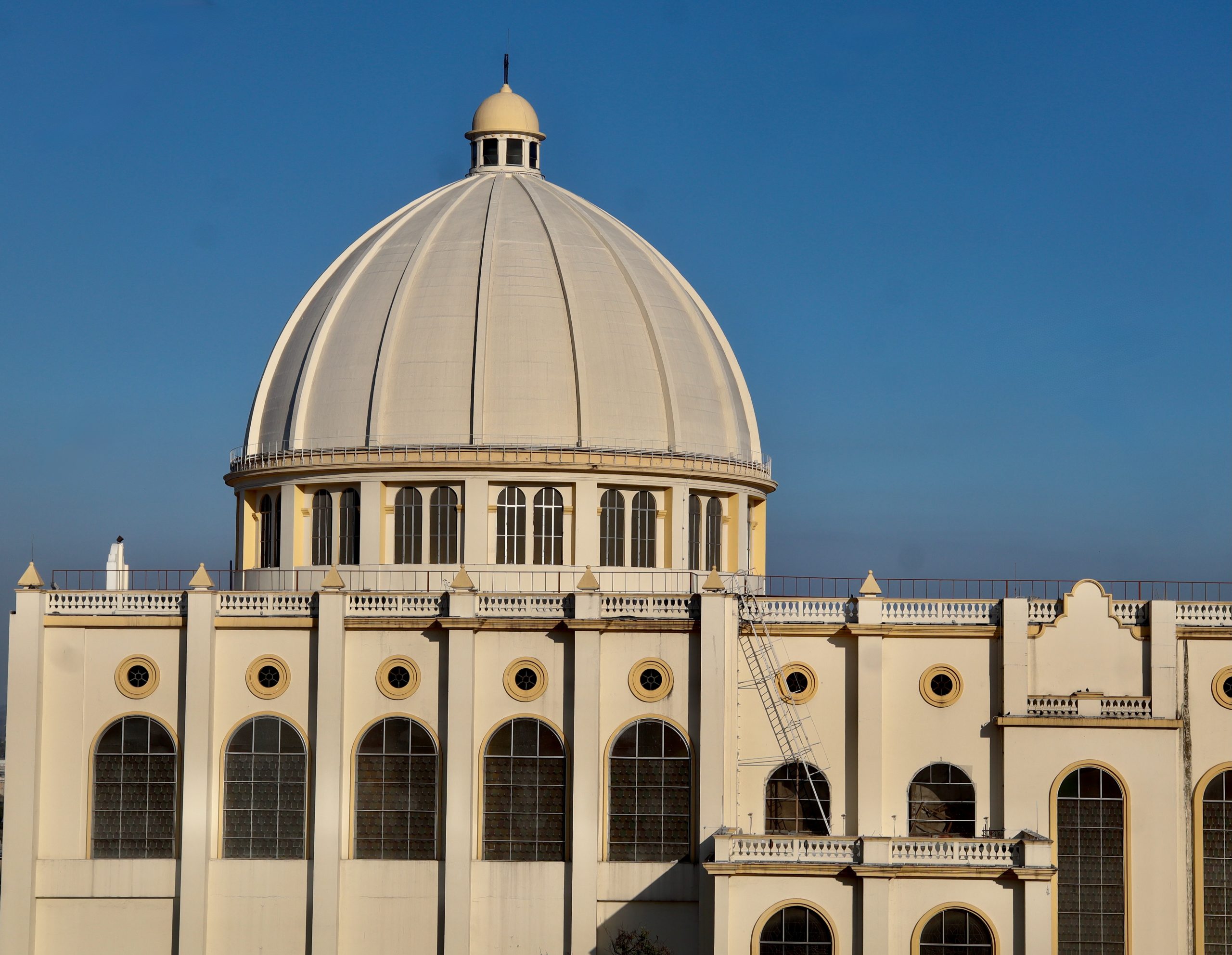
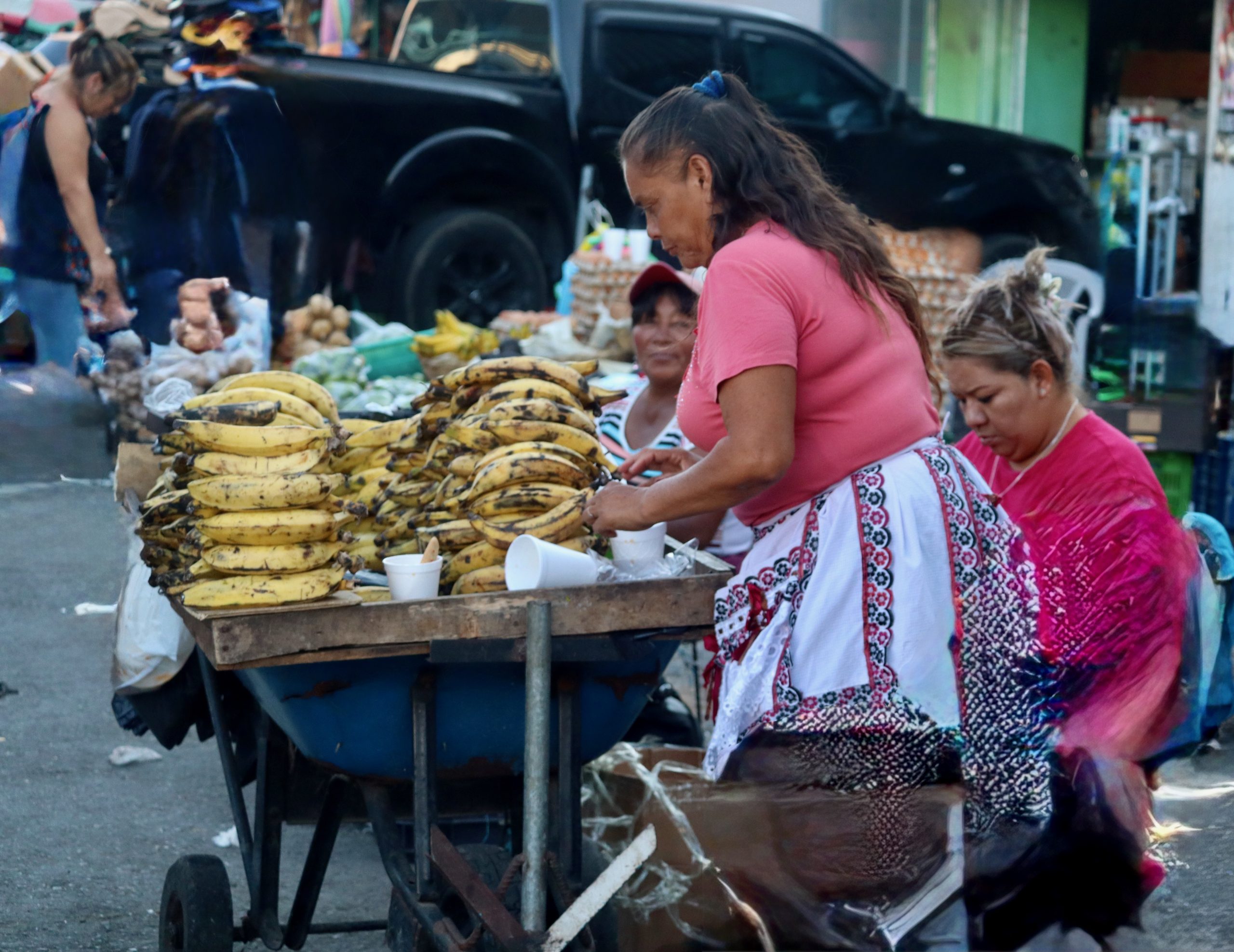
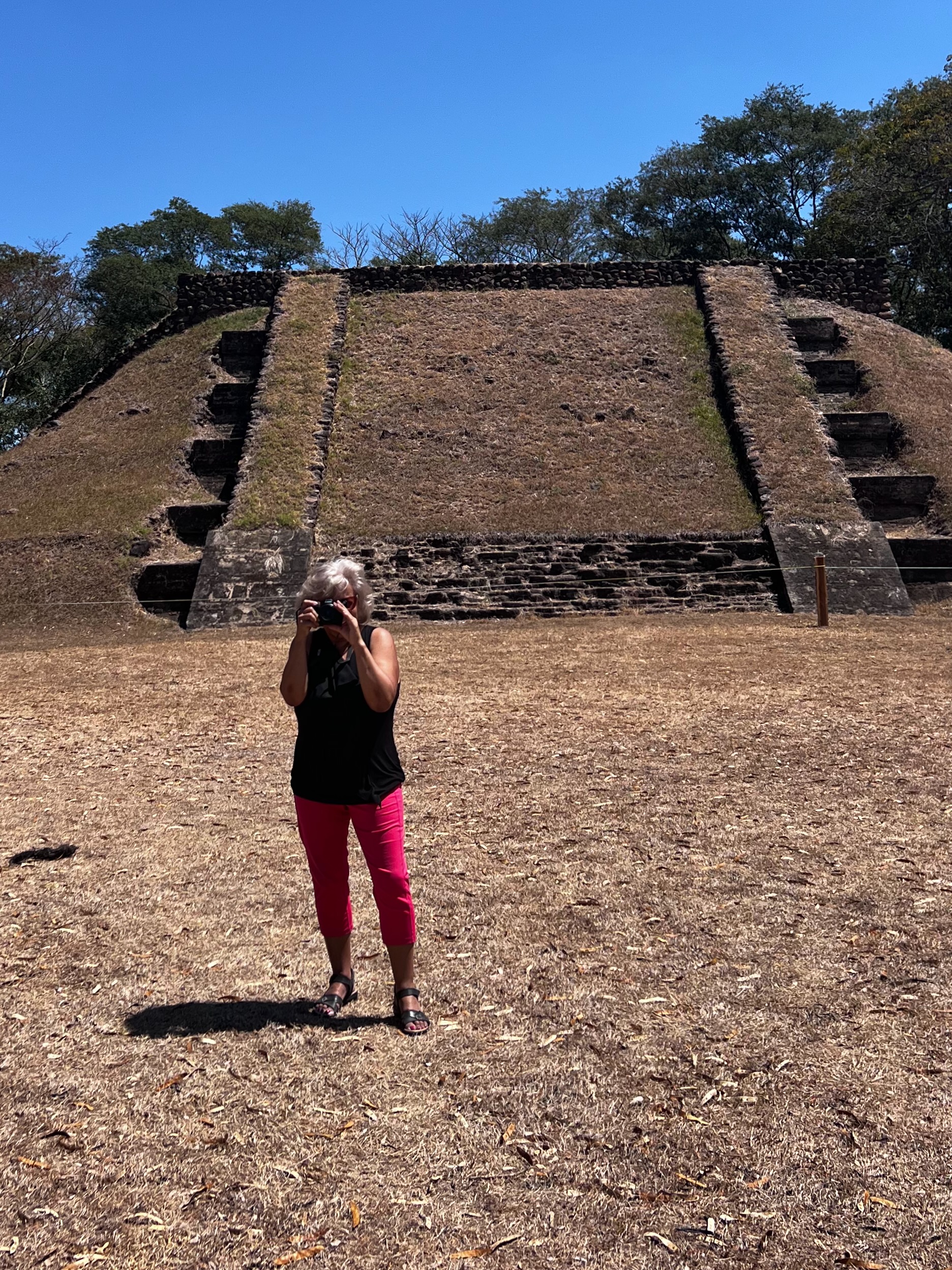
During a two-week visit to El Salvador, the smallest nation in Central America and commonly referred to as the “Land of Volcanoes,” I witnessed a remarkable transformation.  The city of San Salvador, once labeled as one of the most dangerous in the world, has been experiencing a renaissance that has transformed its historic center while improving the quality of life and safety for its residents. However, beneath the surface of safety and renewal lies a complex reality shaped by civil war, genocide, gang violence, and now a controversial state-led crackdown. The country’s charismatic president has restored order while raising urgent concerns about democracy and human rights. Nevertheless, it remains a beautiful country known for its historic architecture, vibrant street markets, rainforests, Mayan temples, volcanic hiking, and surfing beaches. Let me also add its popular Pupusa, a culinary dish of thick corn or rice tortillas stuffed with cheese, beans, and meat. A place of quiet contradictions, where the tension between beauty, control, recovery, and history is quite revealing.  Here is what I learned and wish to share…..

Power, History, and Everyday Life in Guatemala’s Cultural Heart

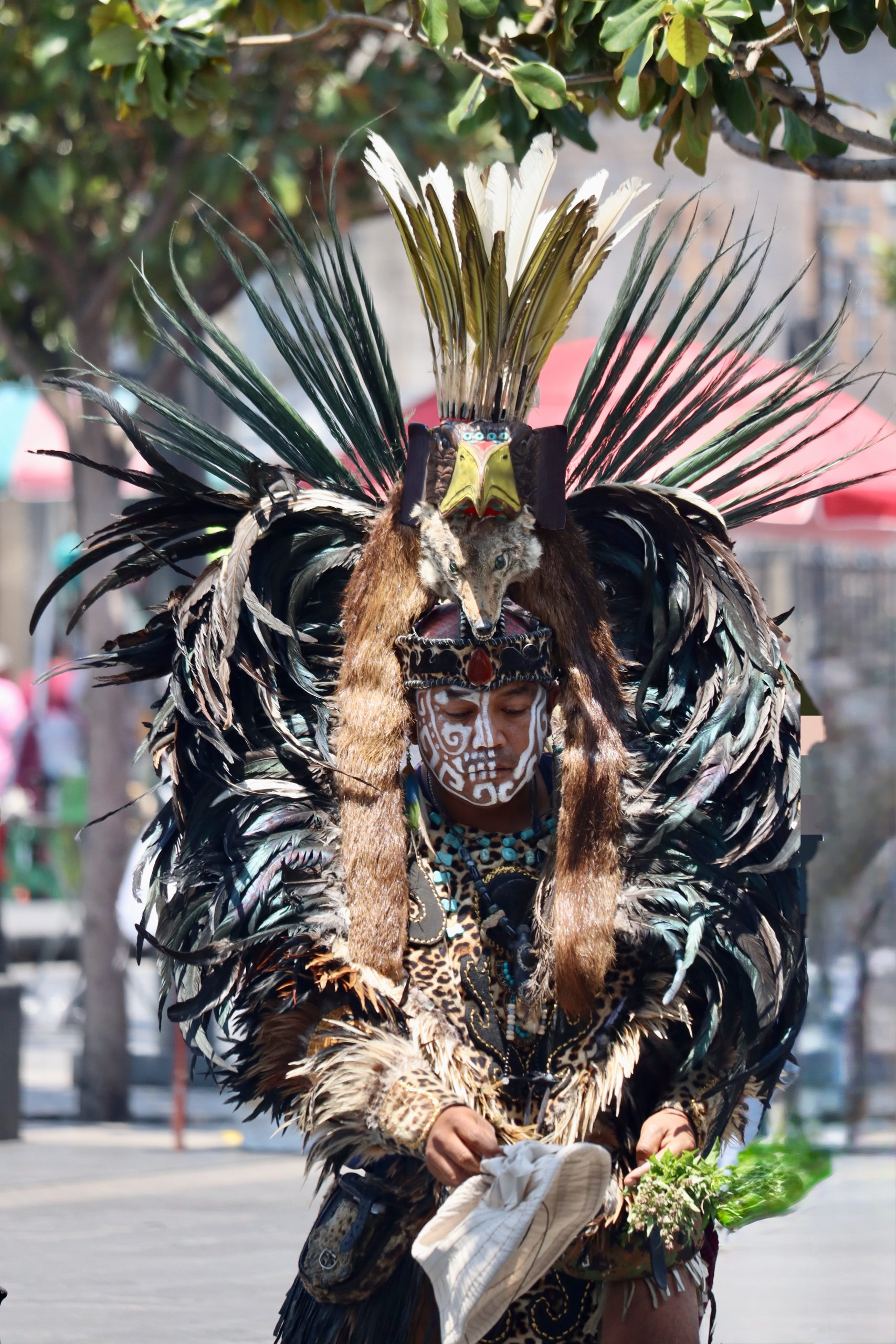
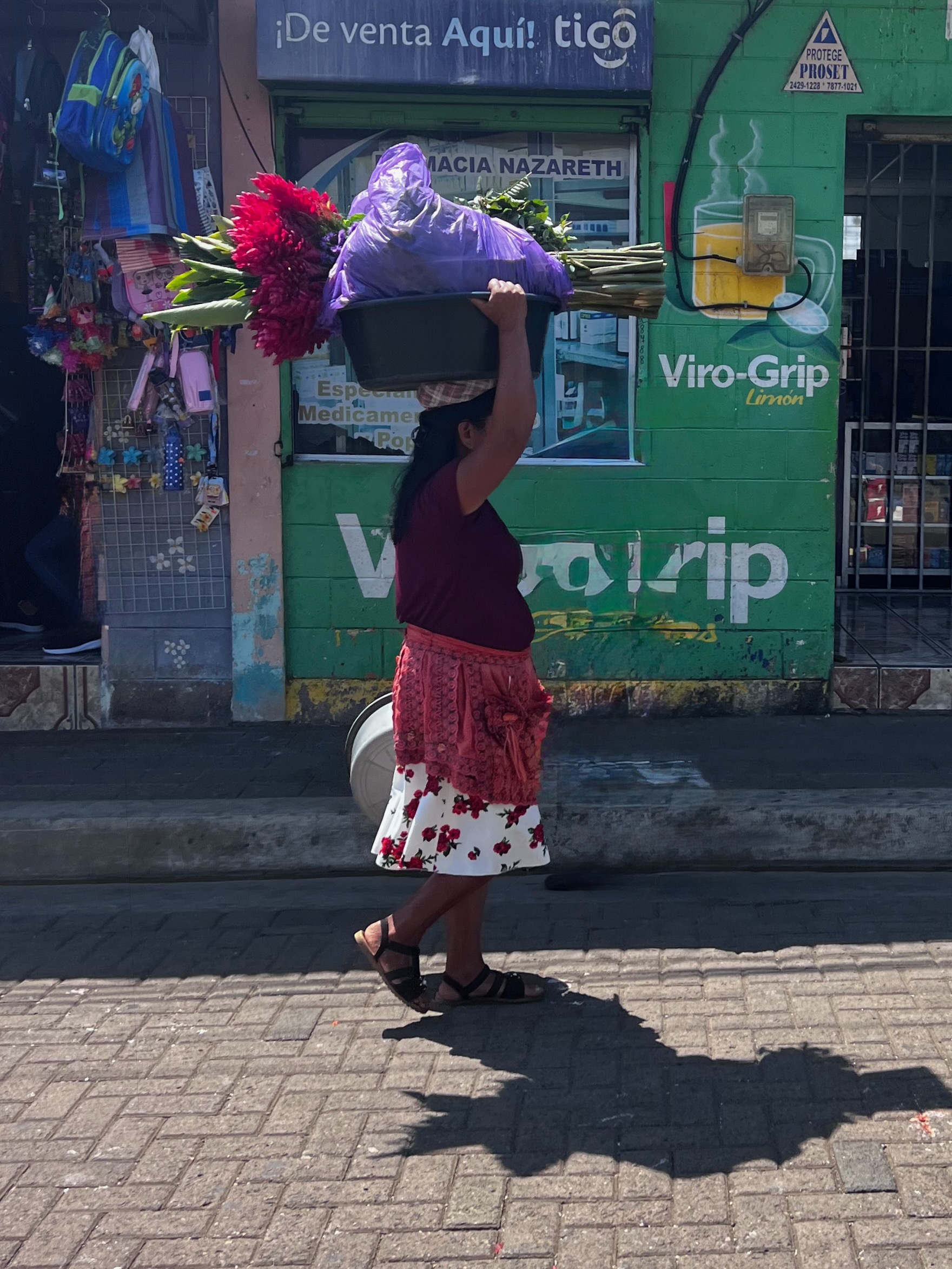
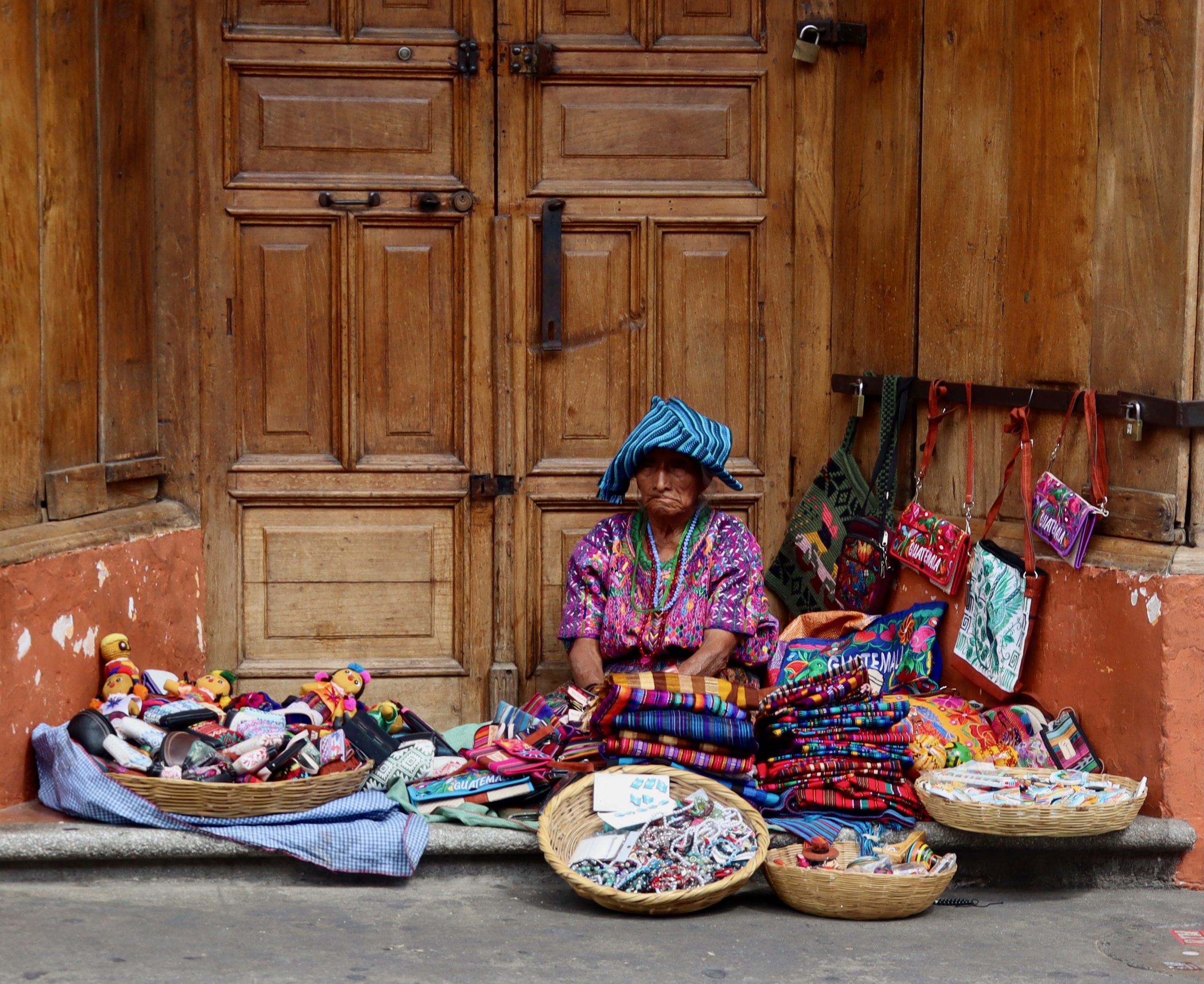
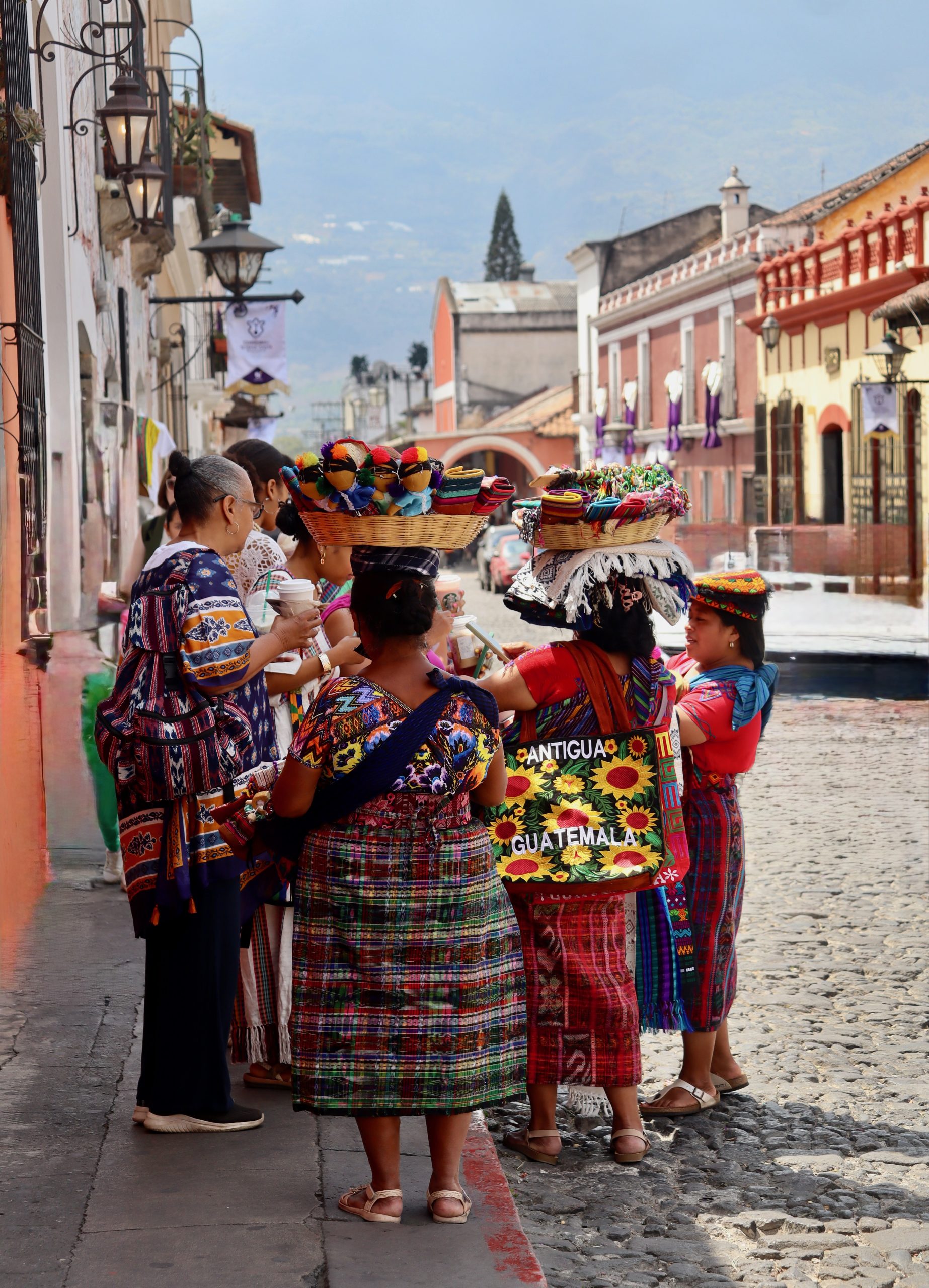
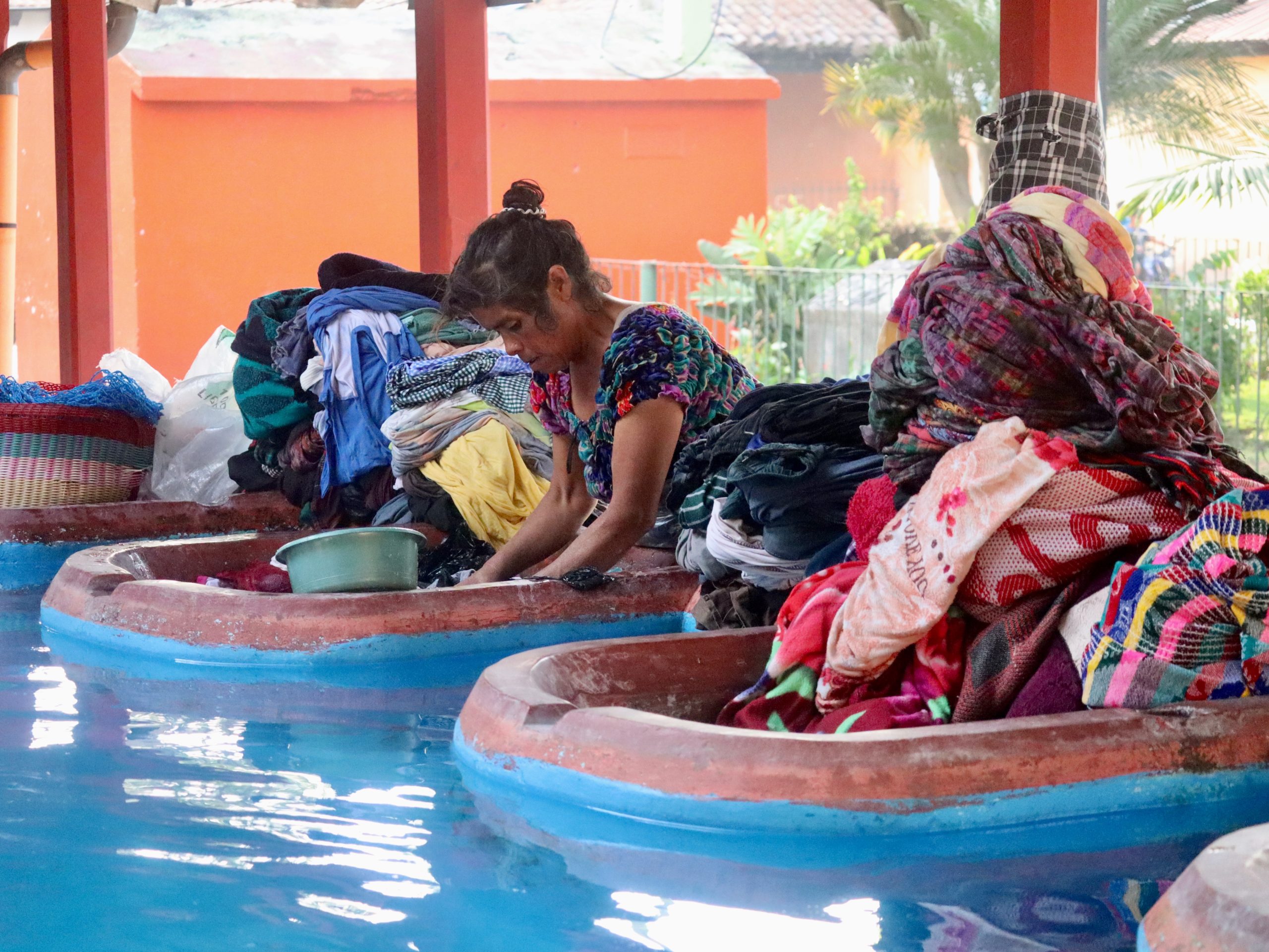
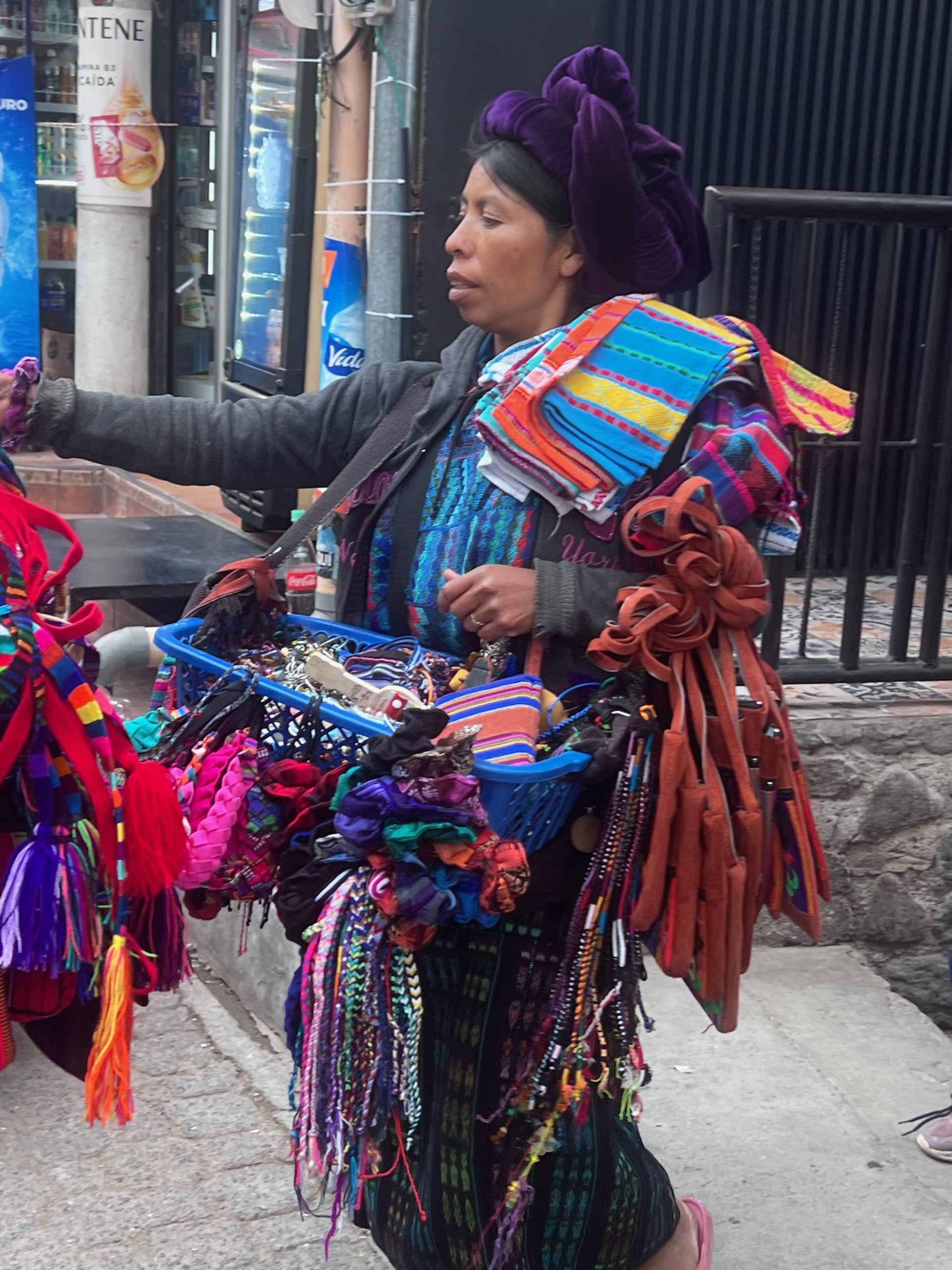
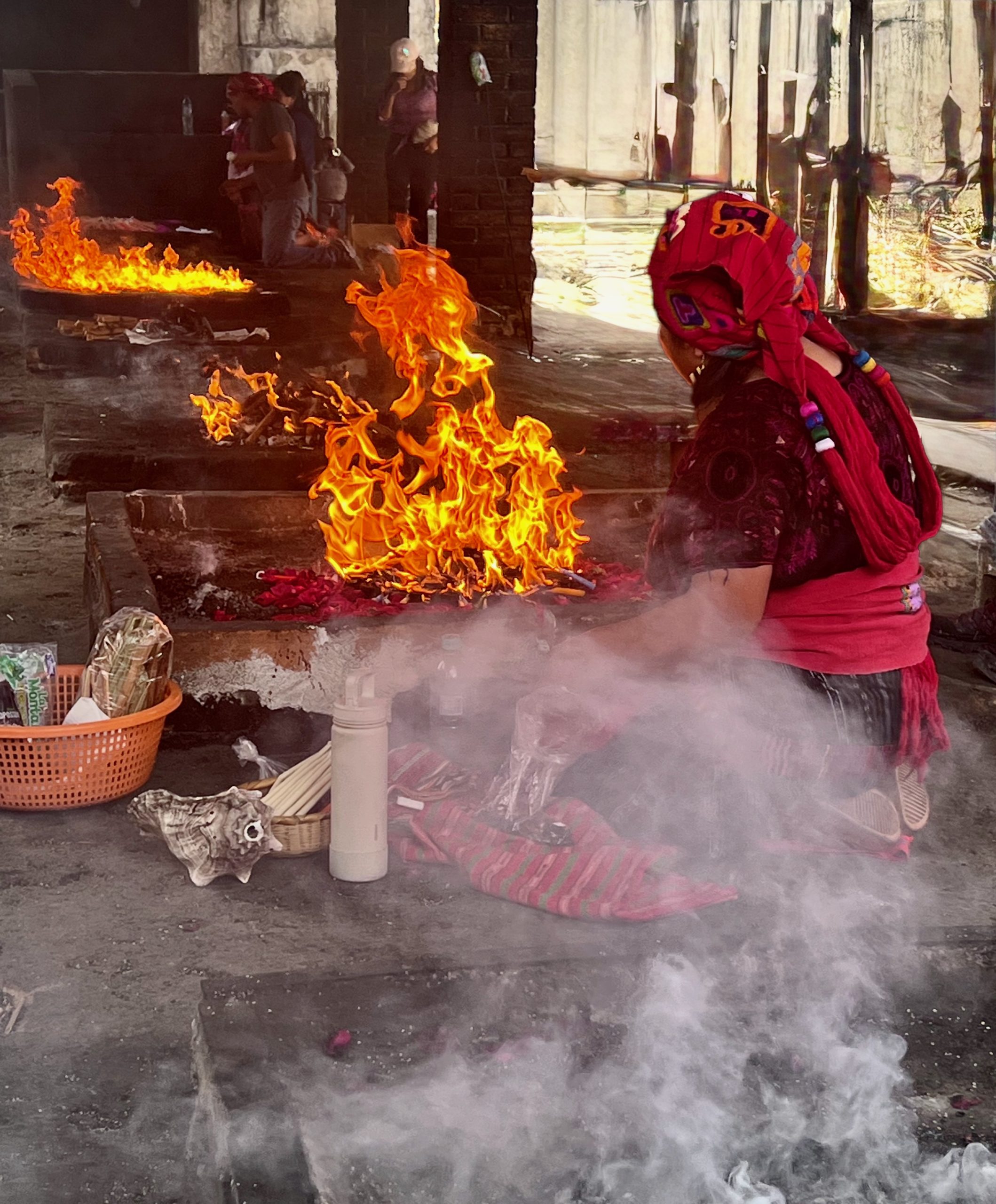
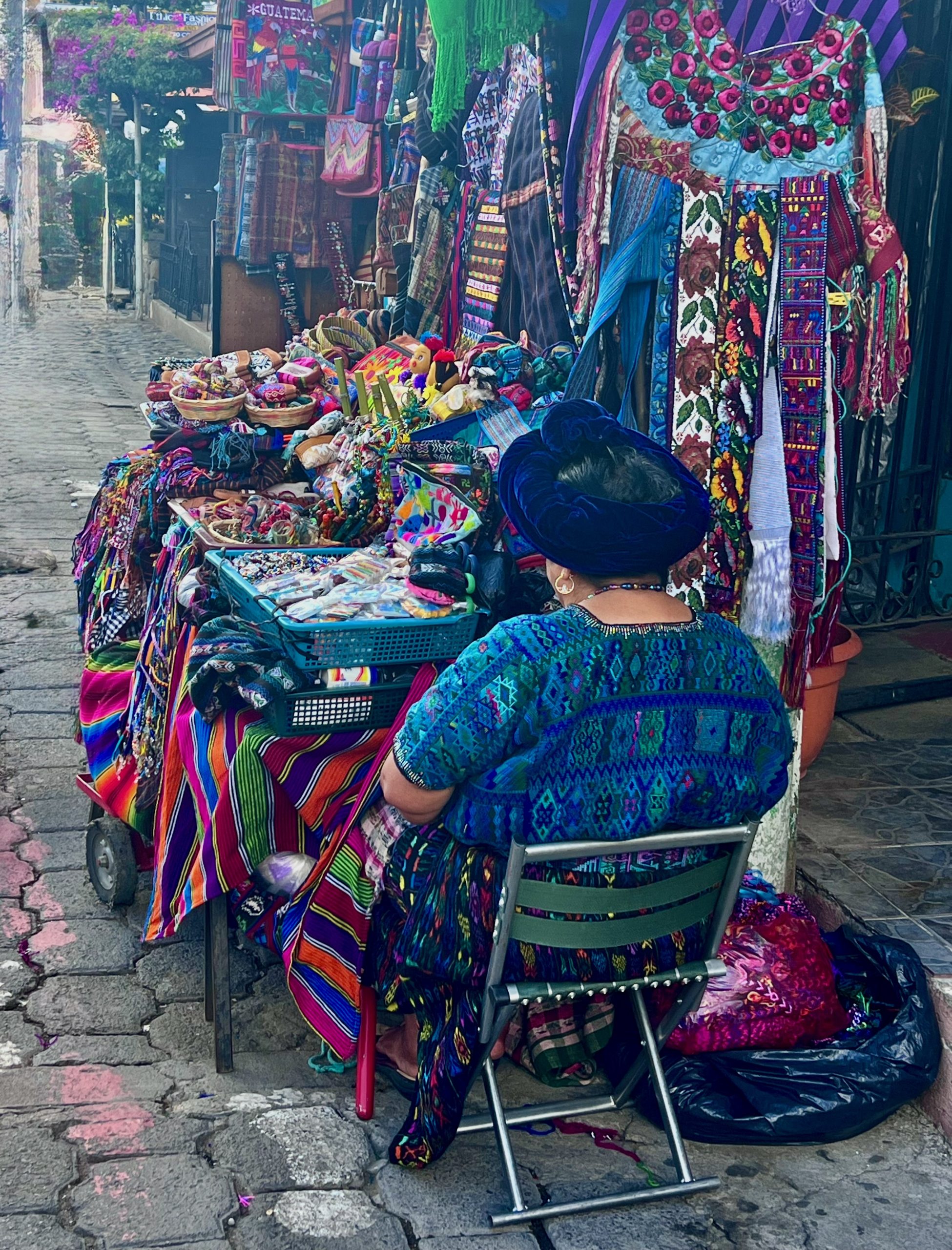
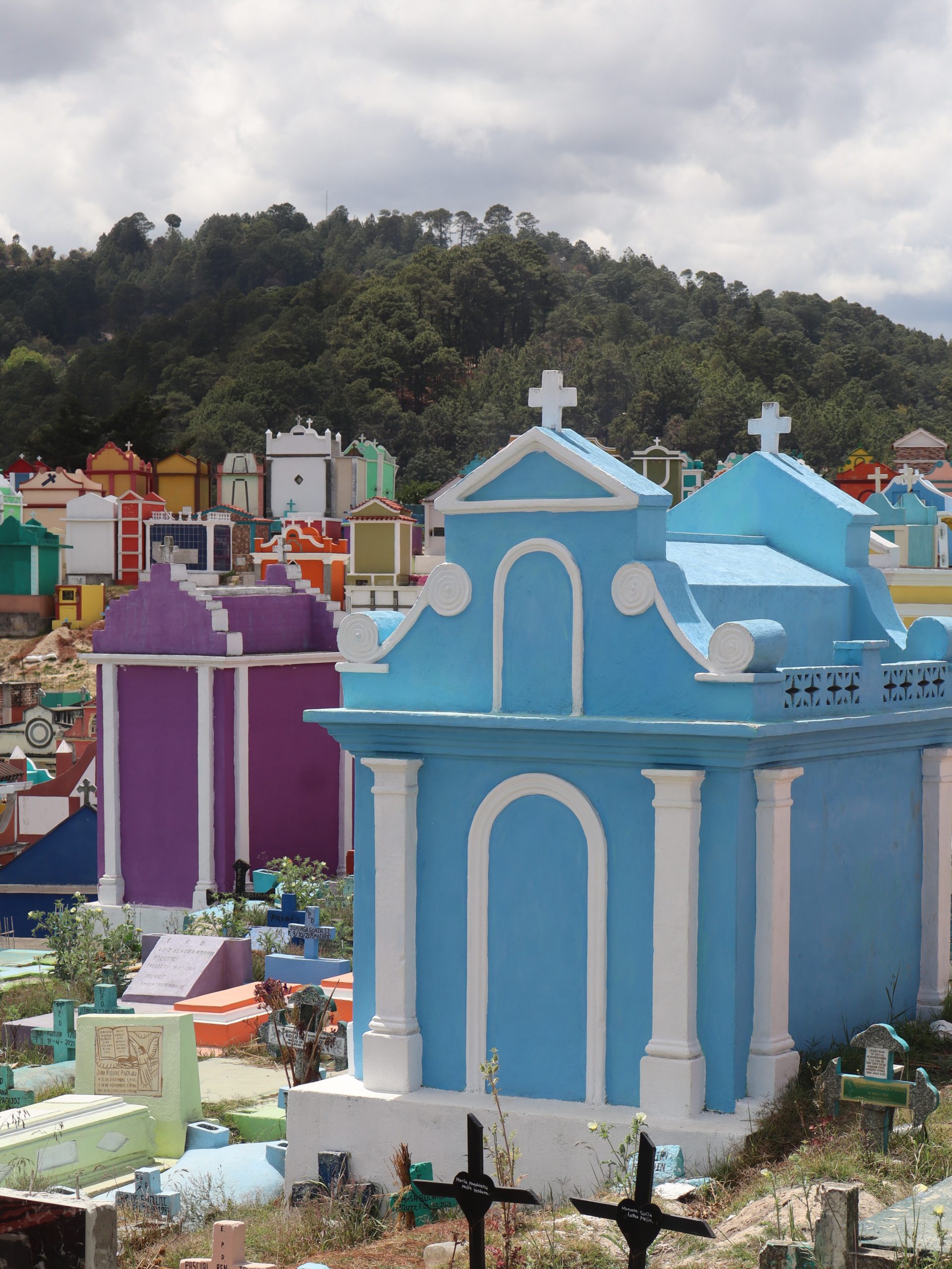
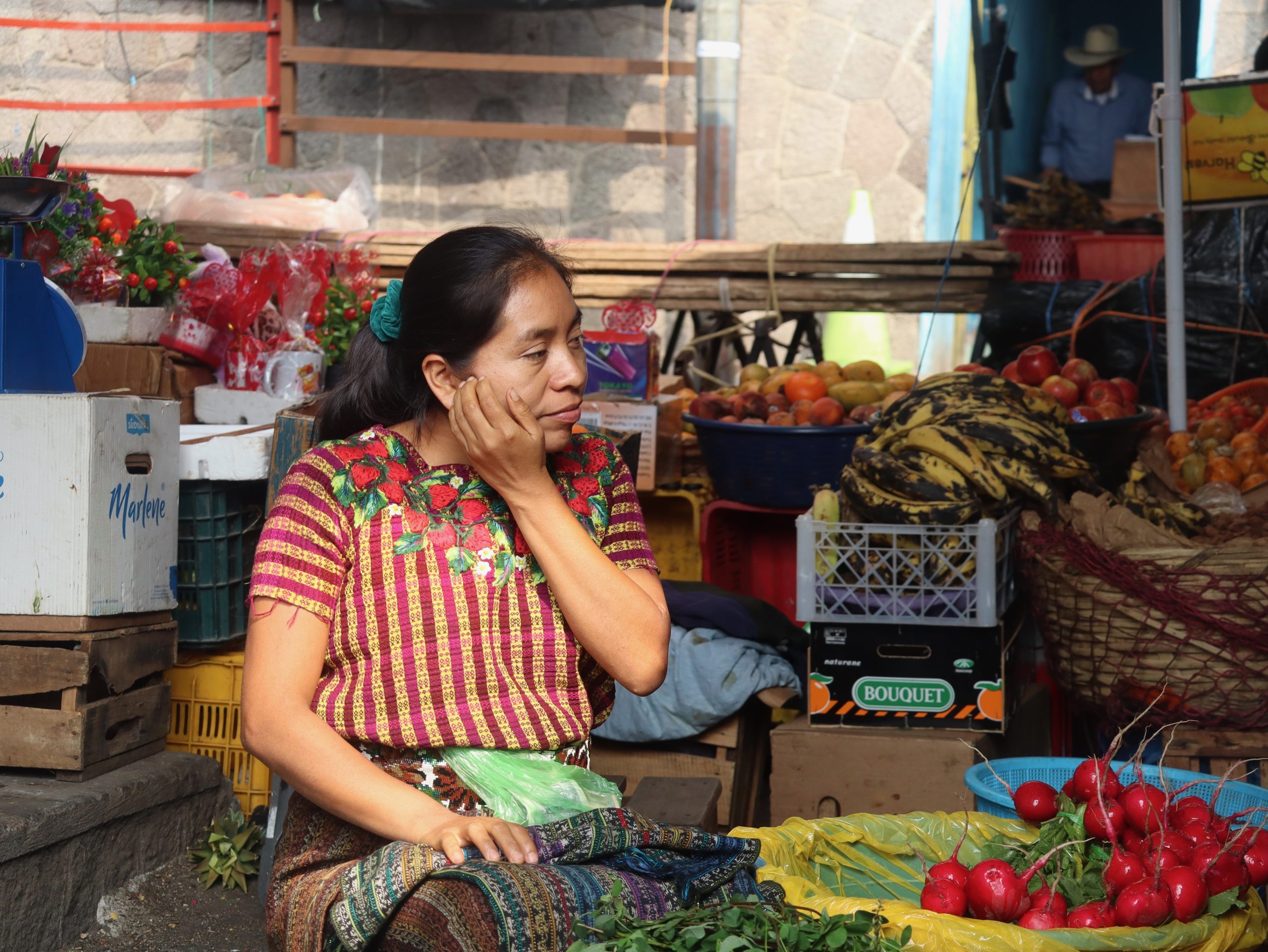
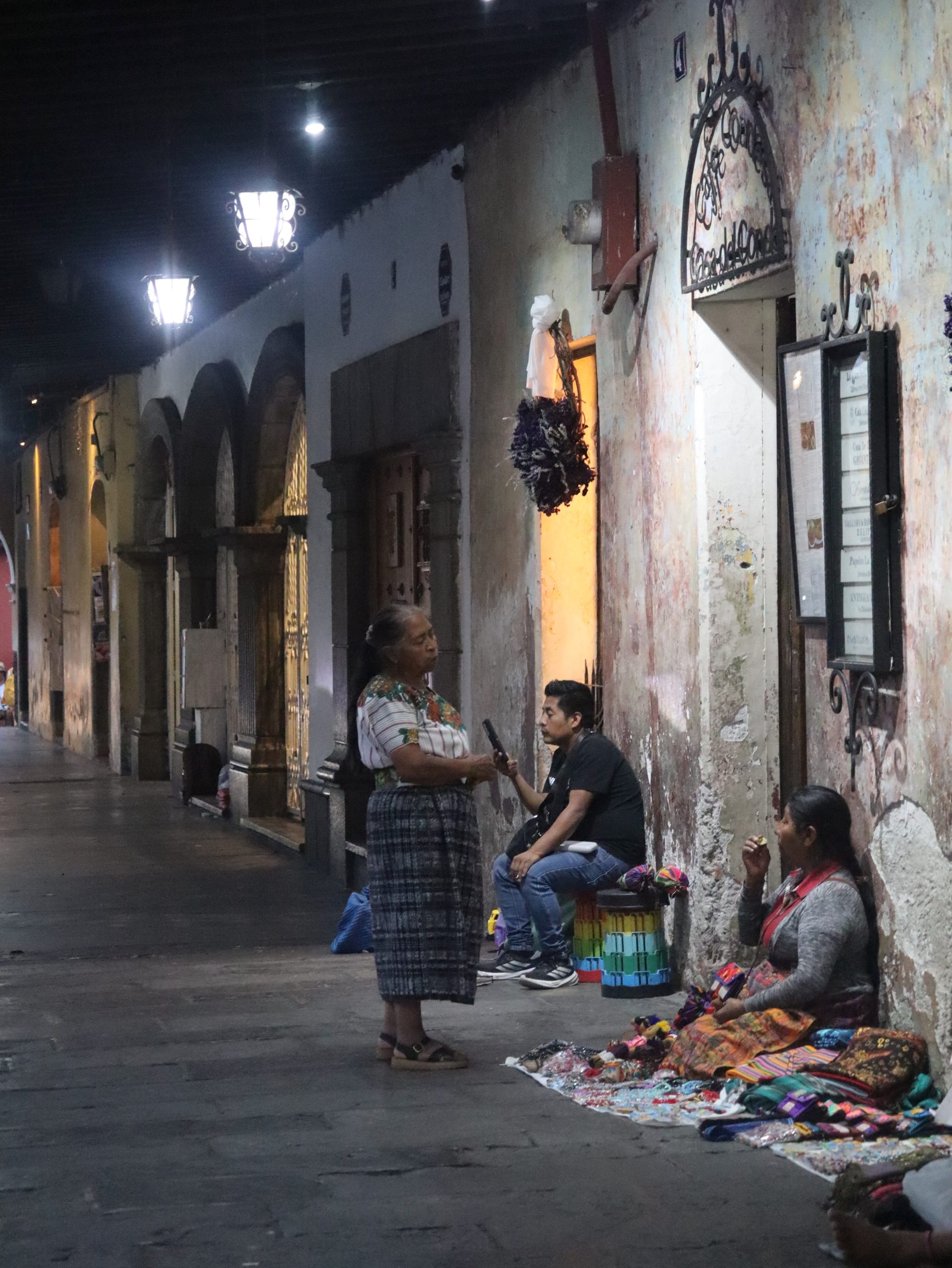
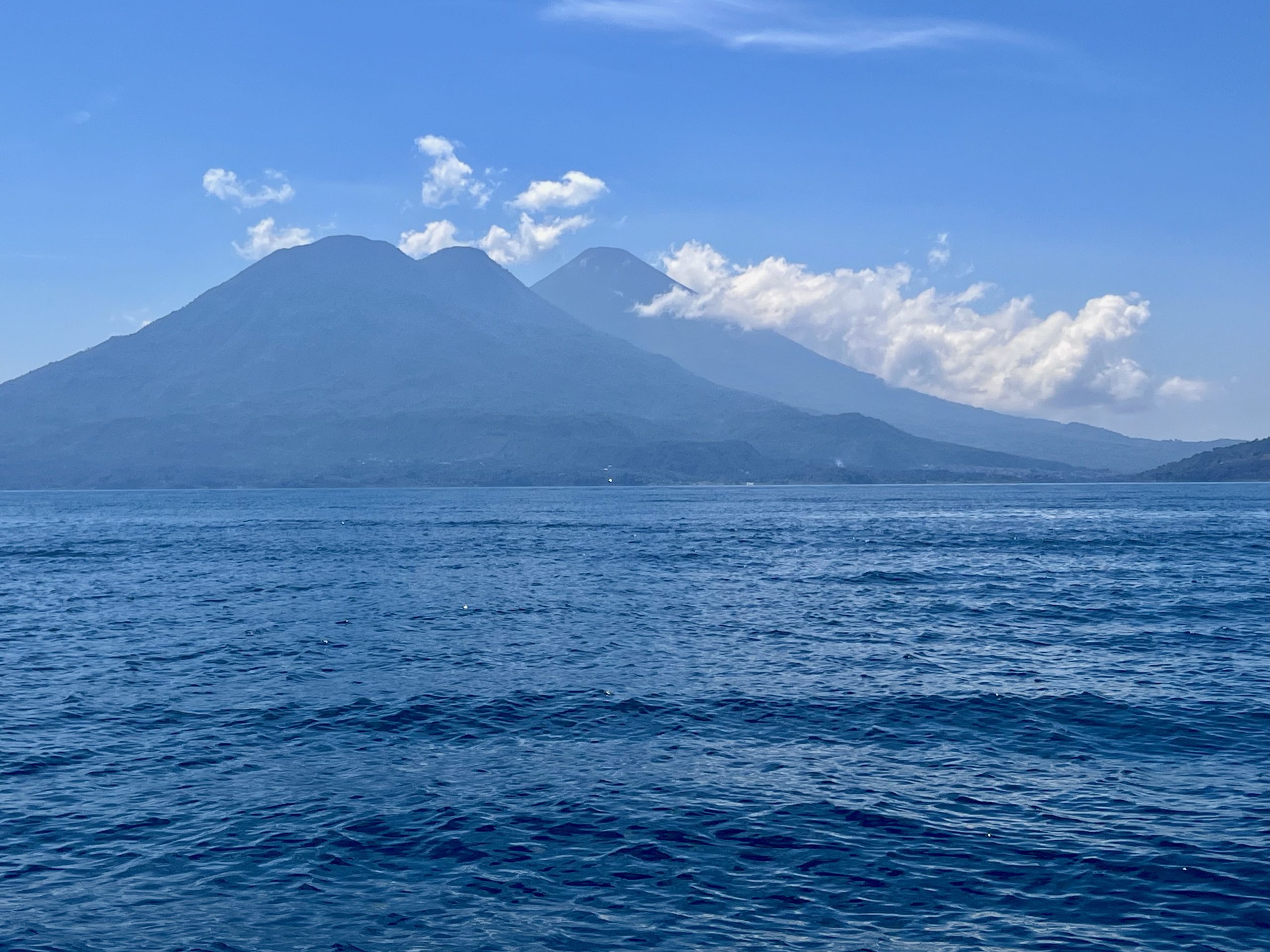
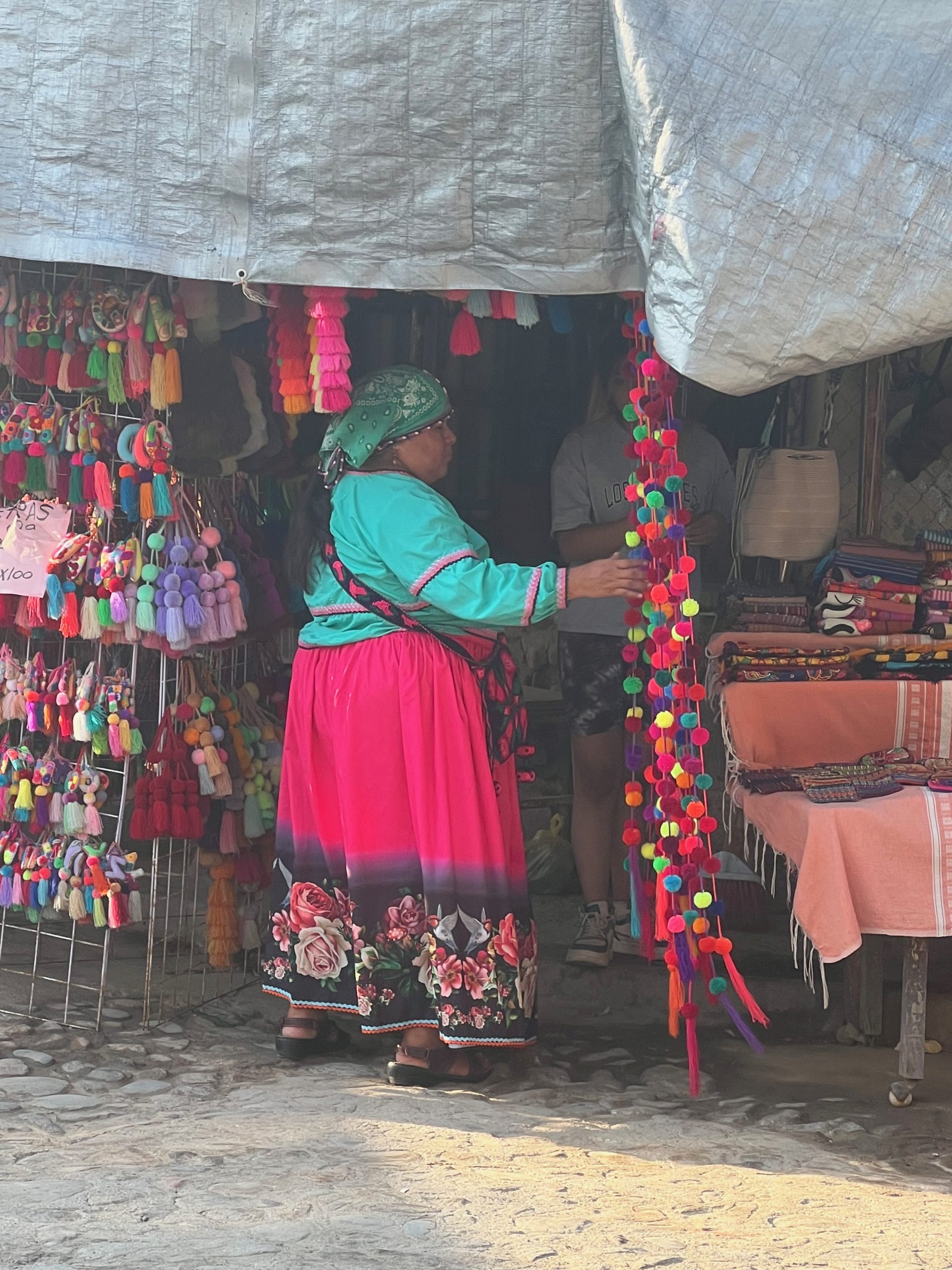
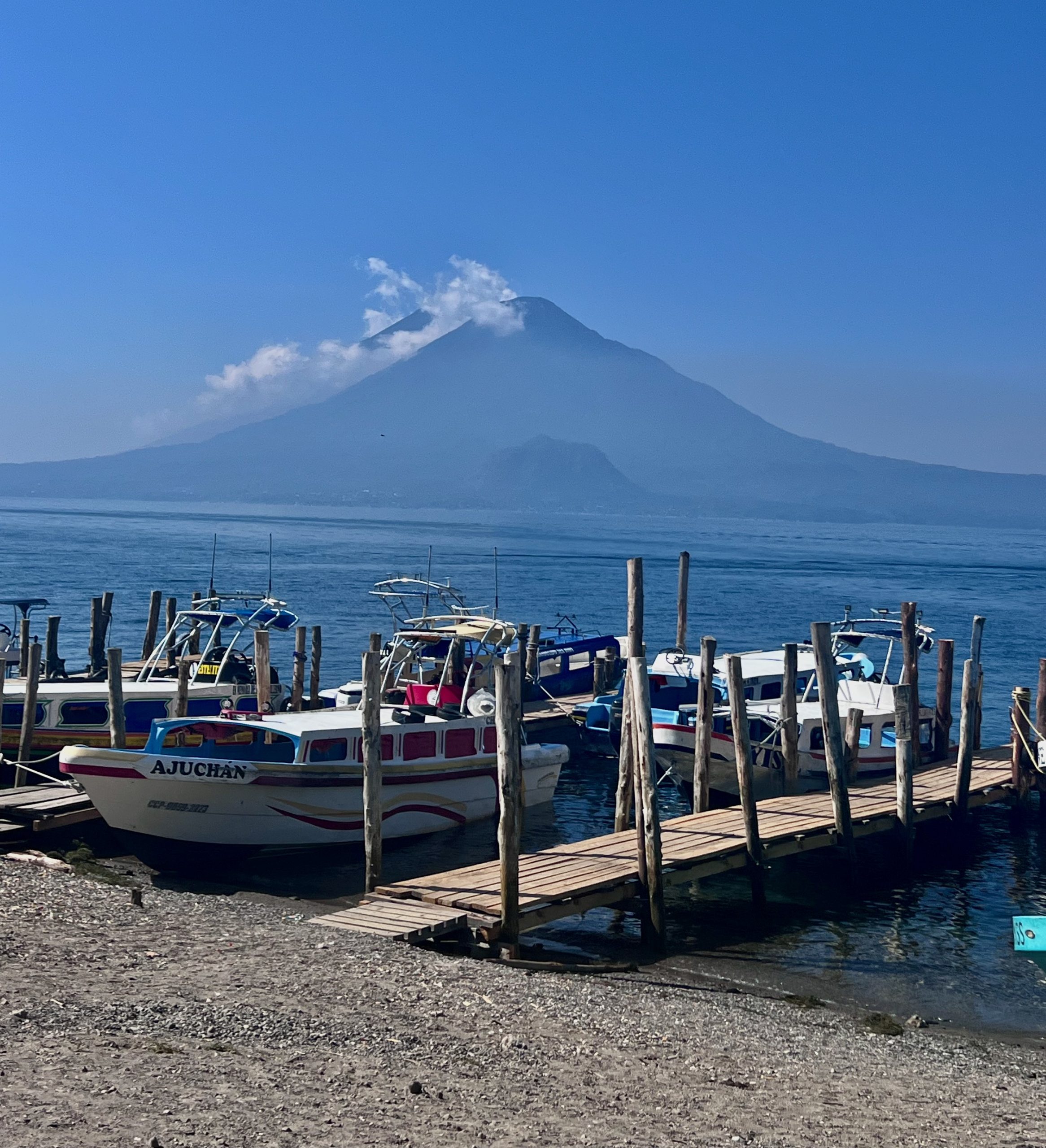
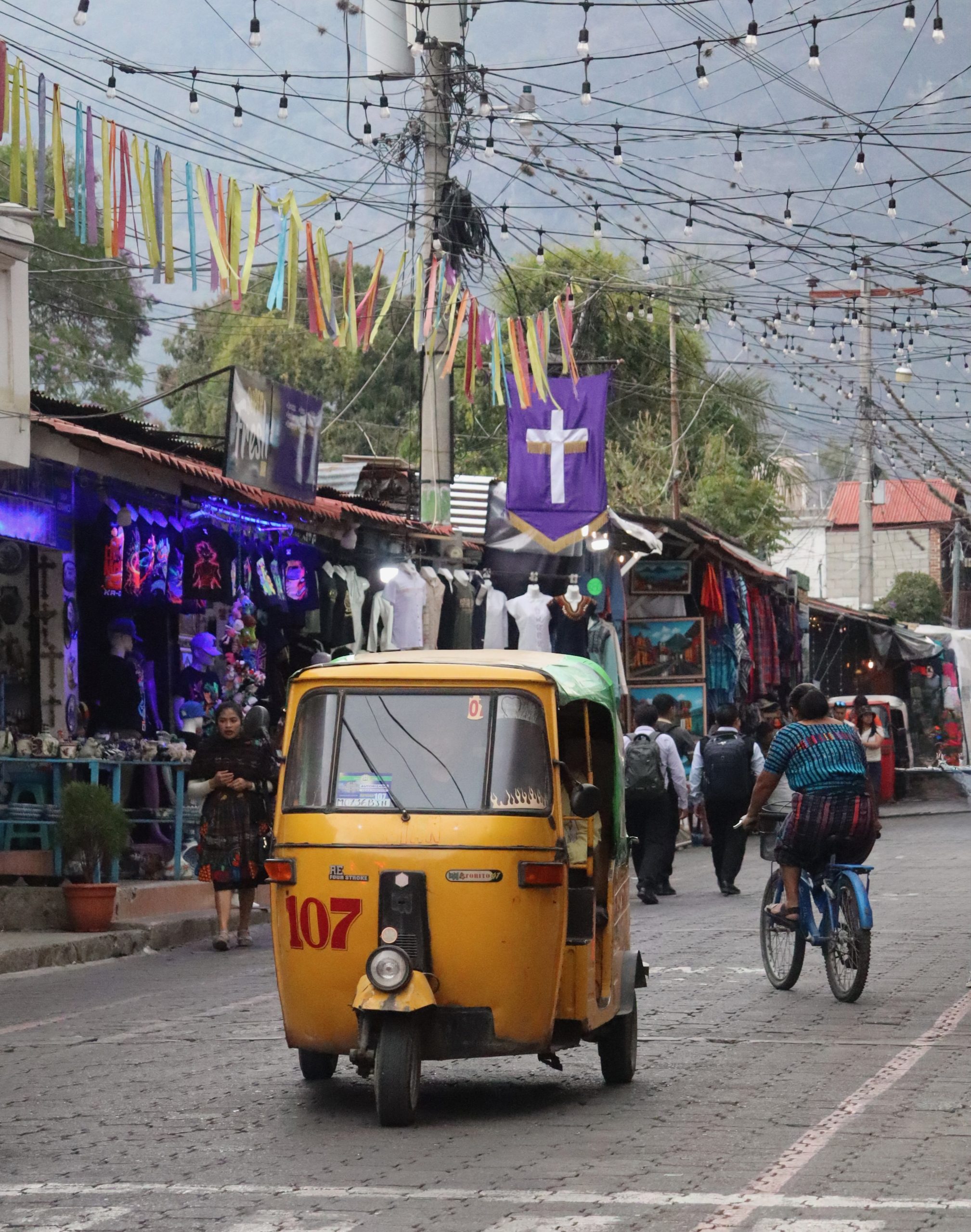
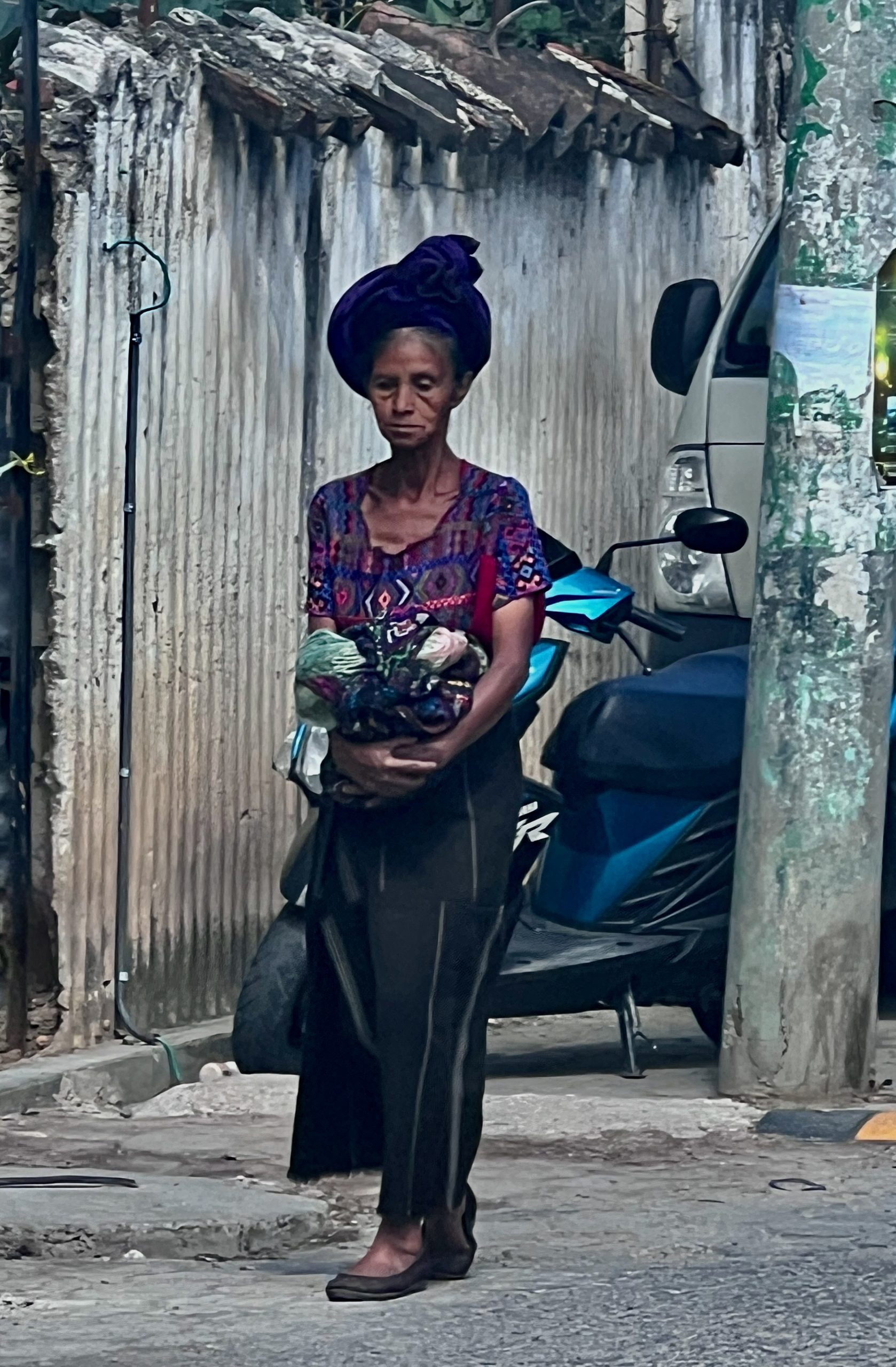
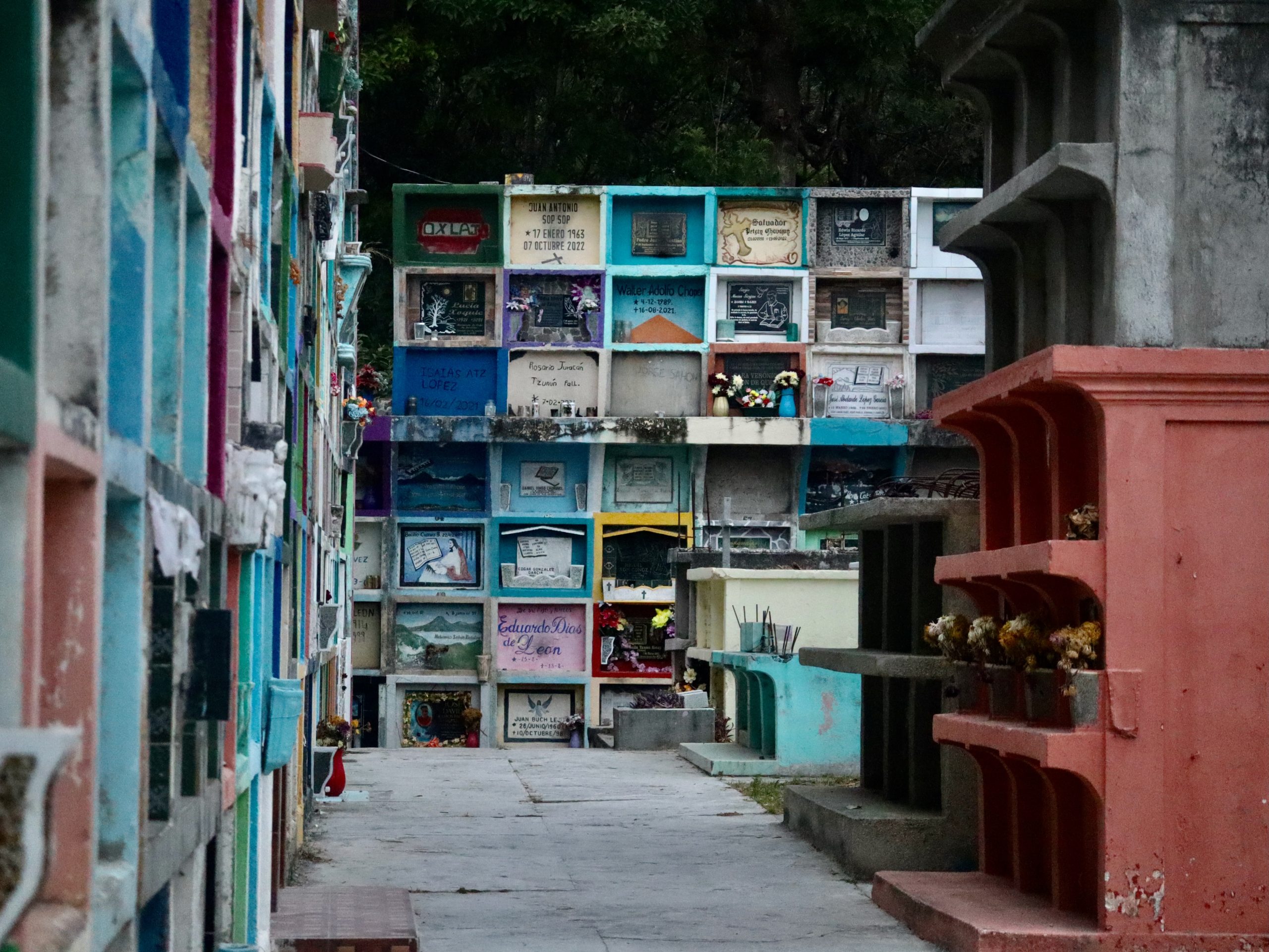
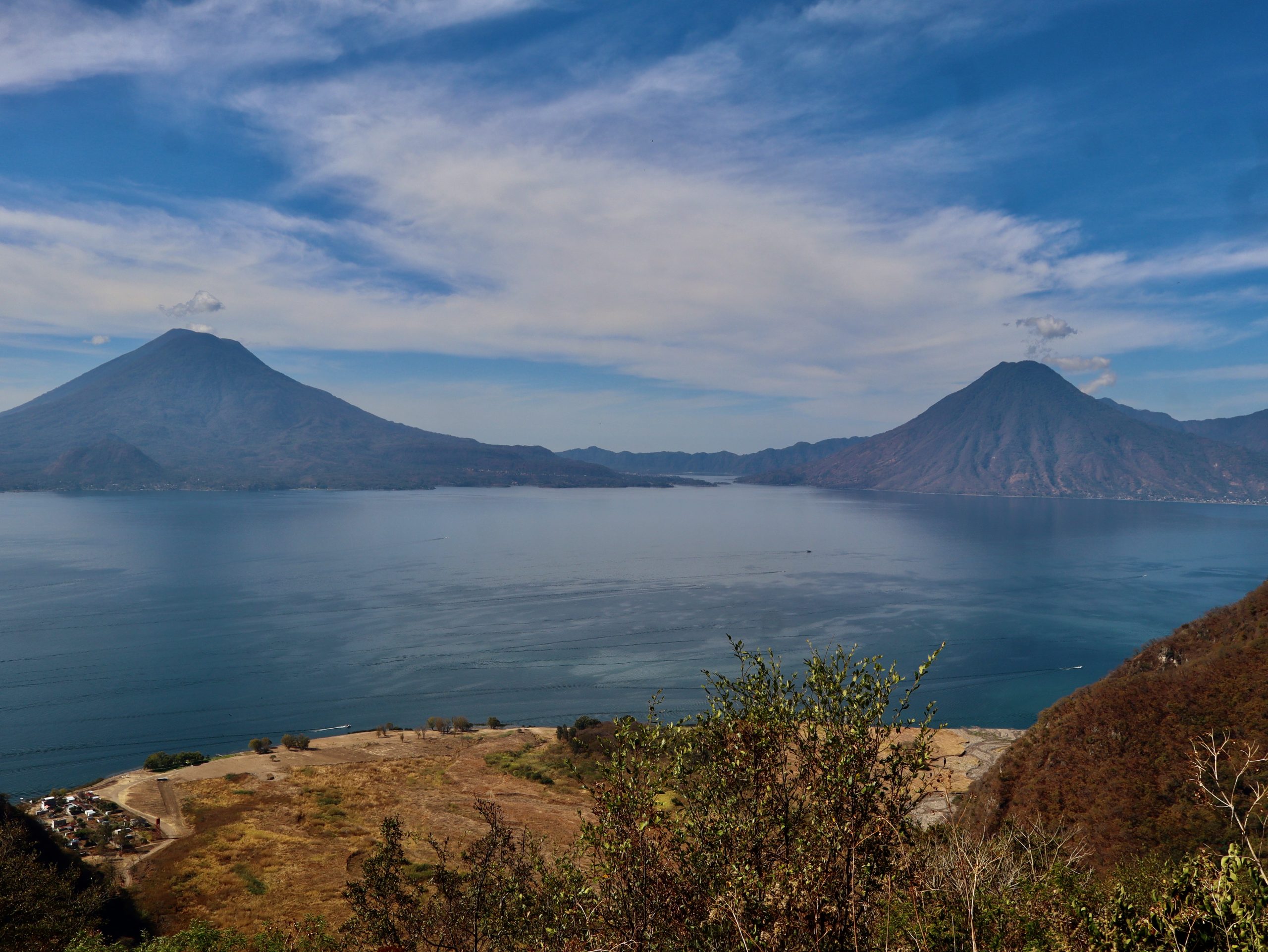
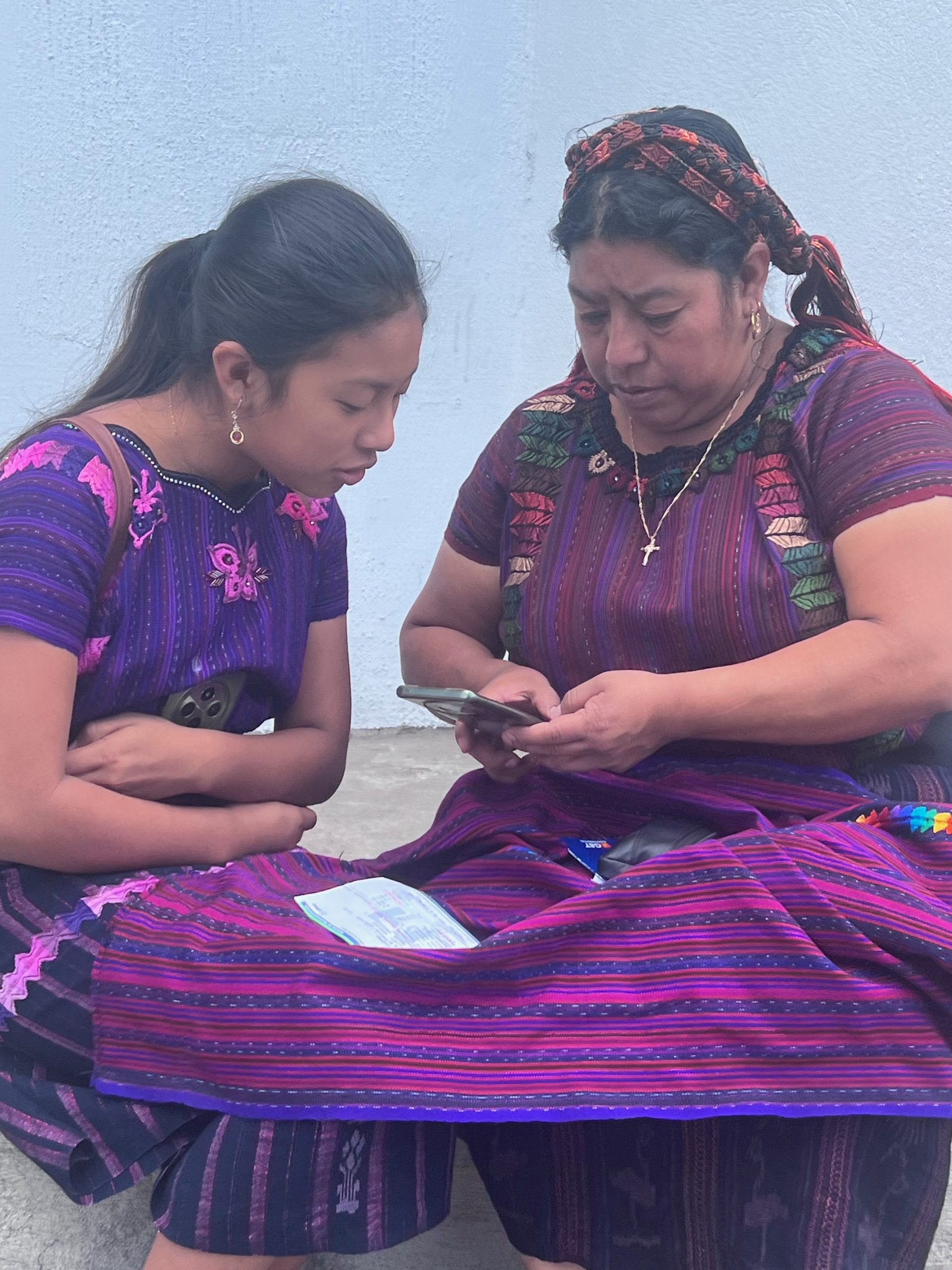
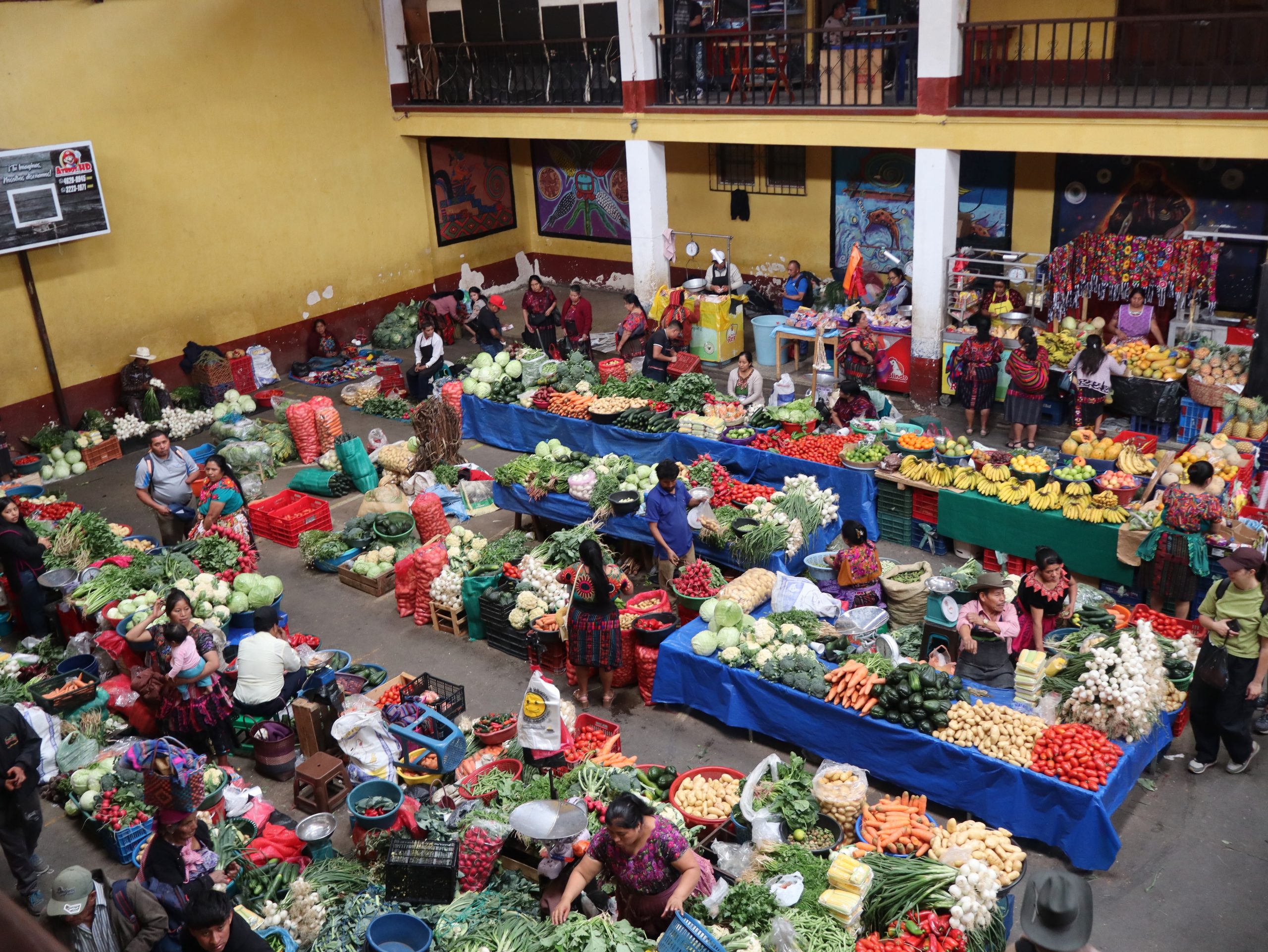
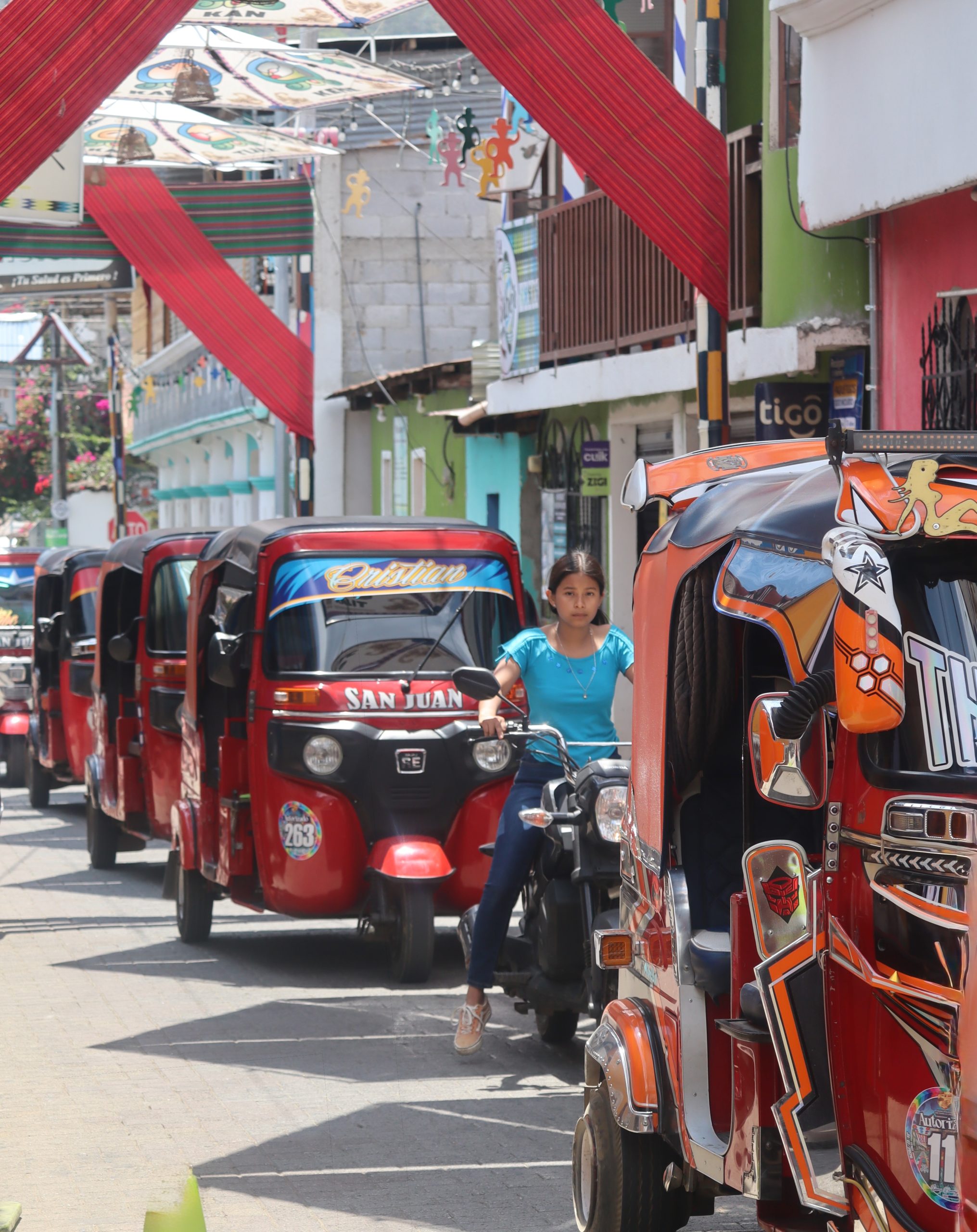
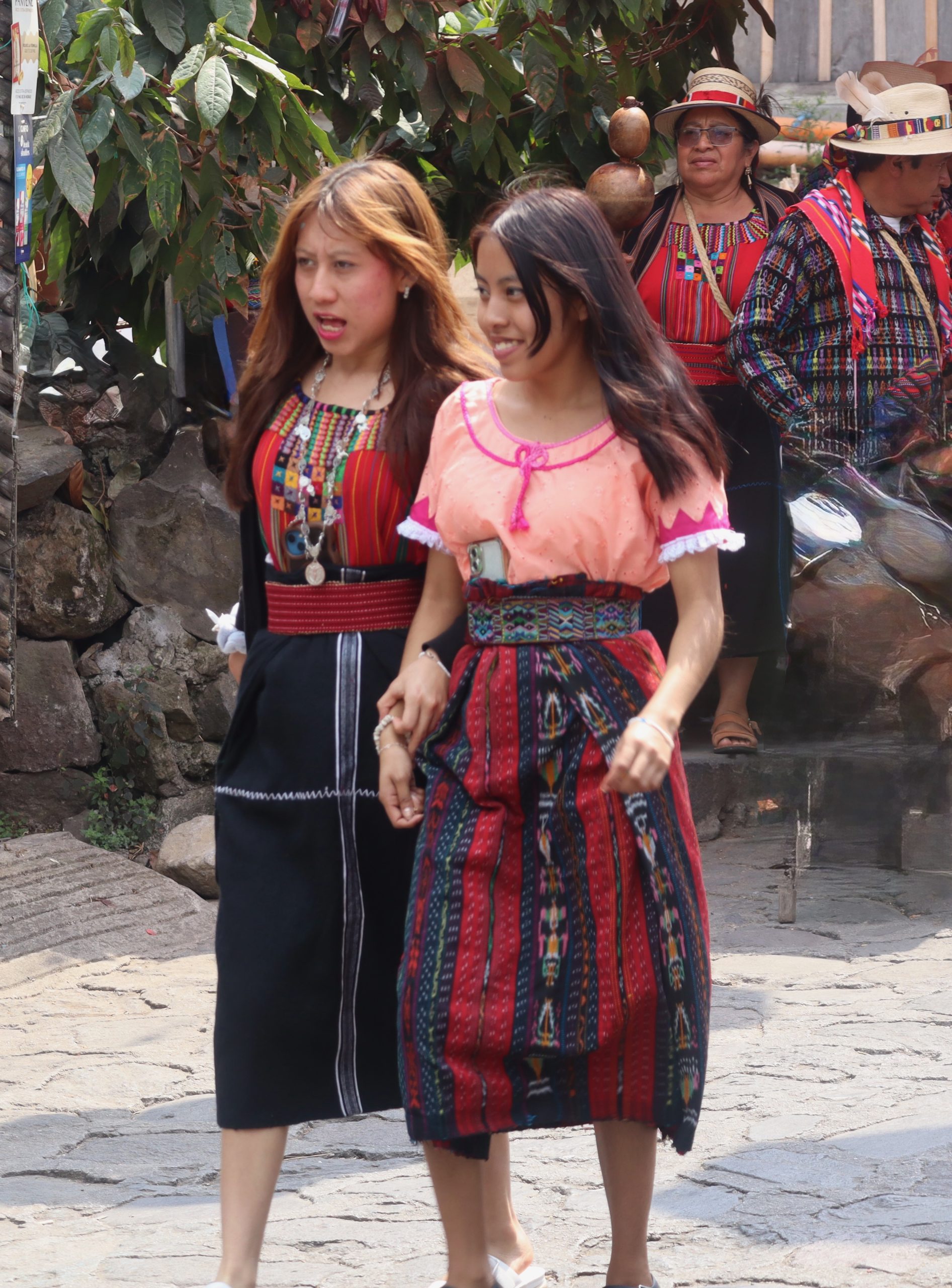
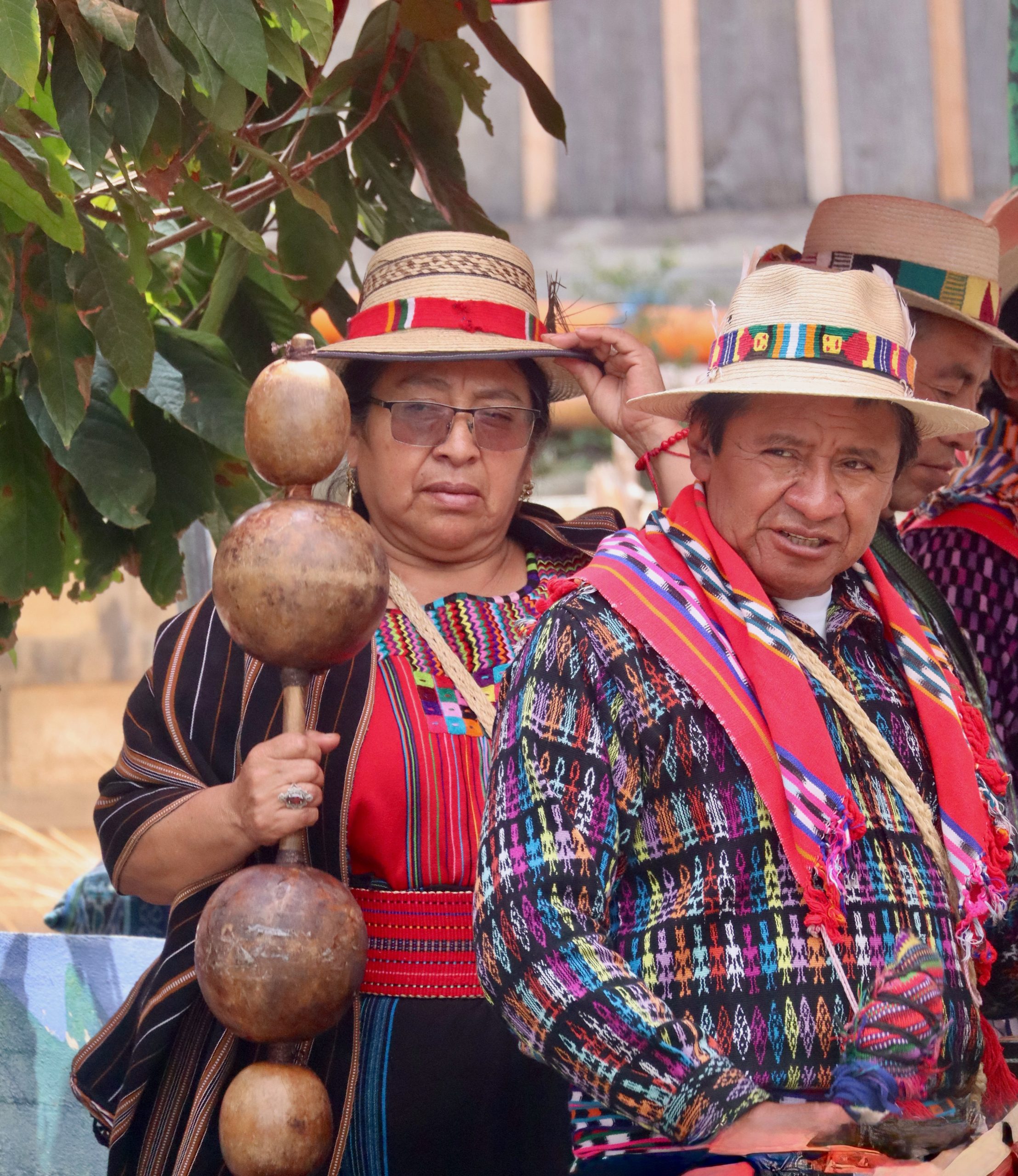
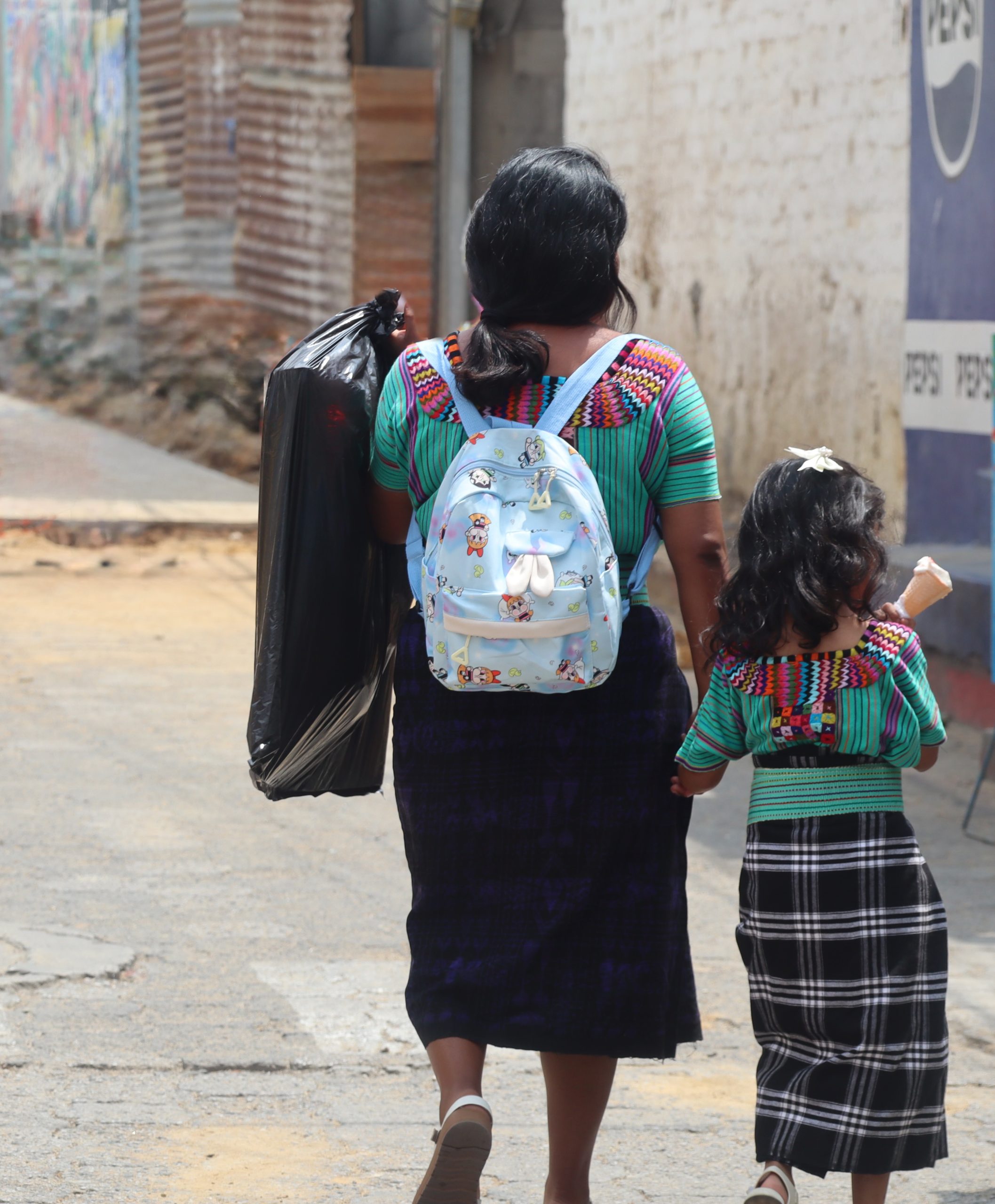
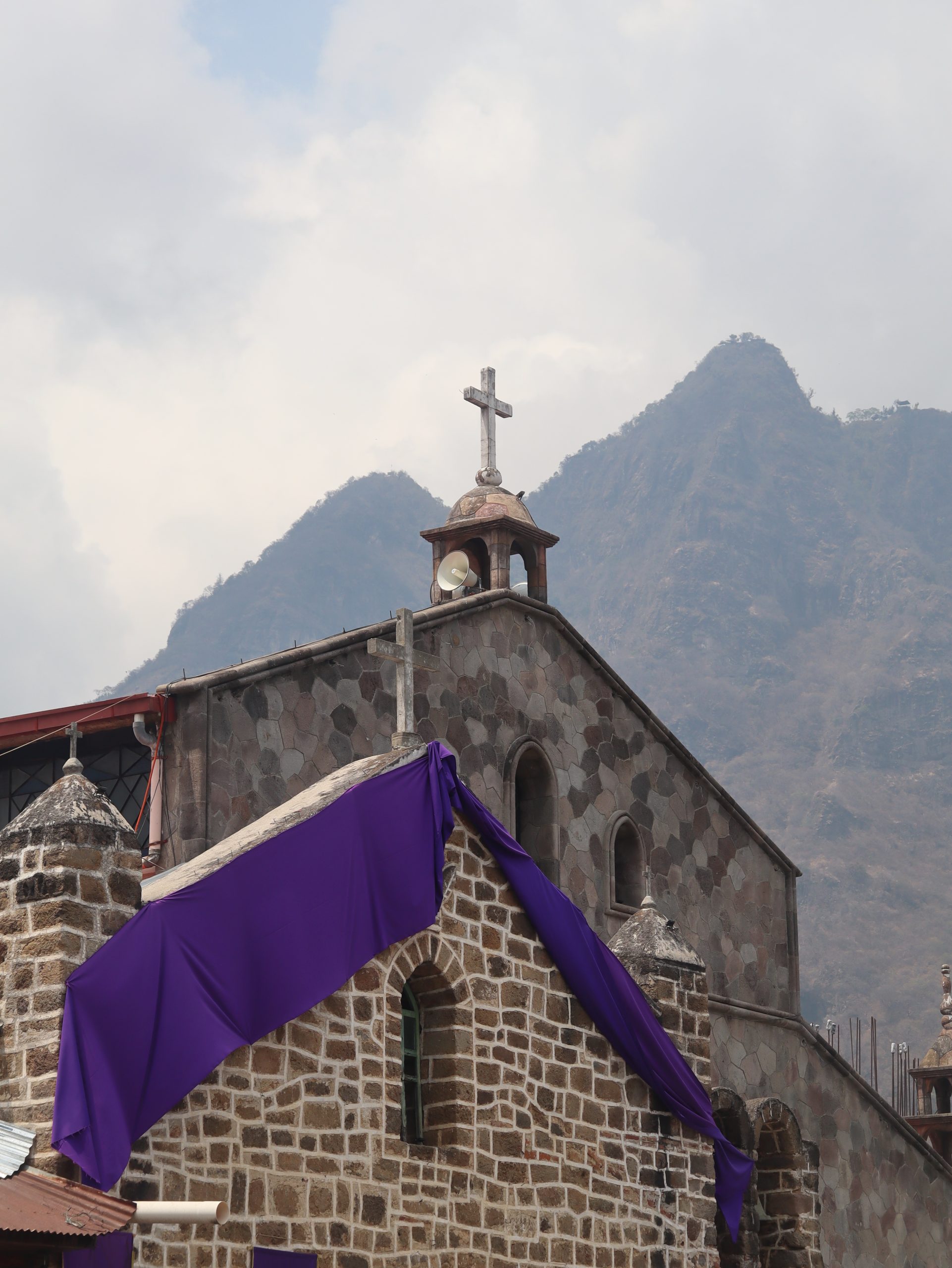
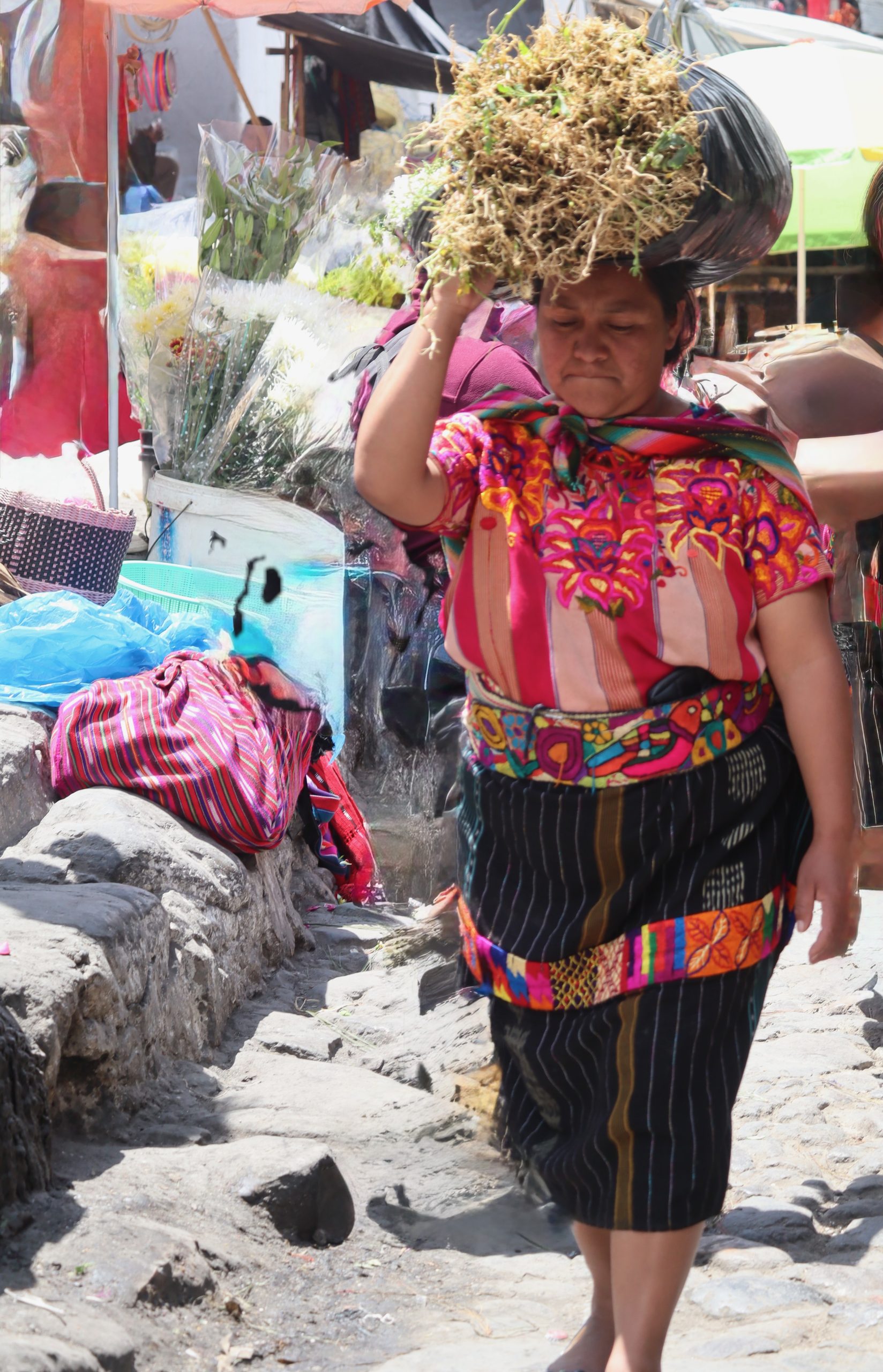
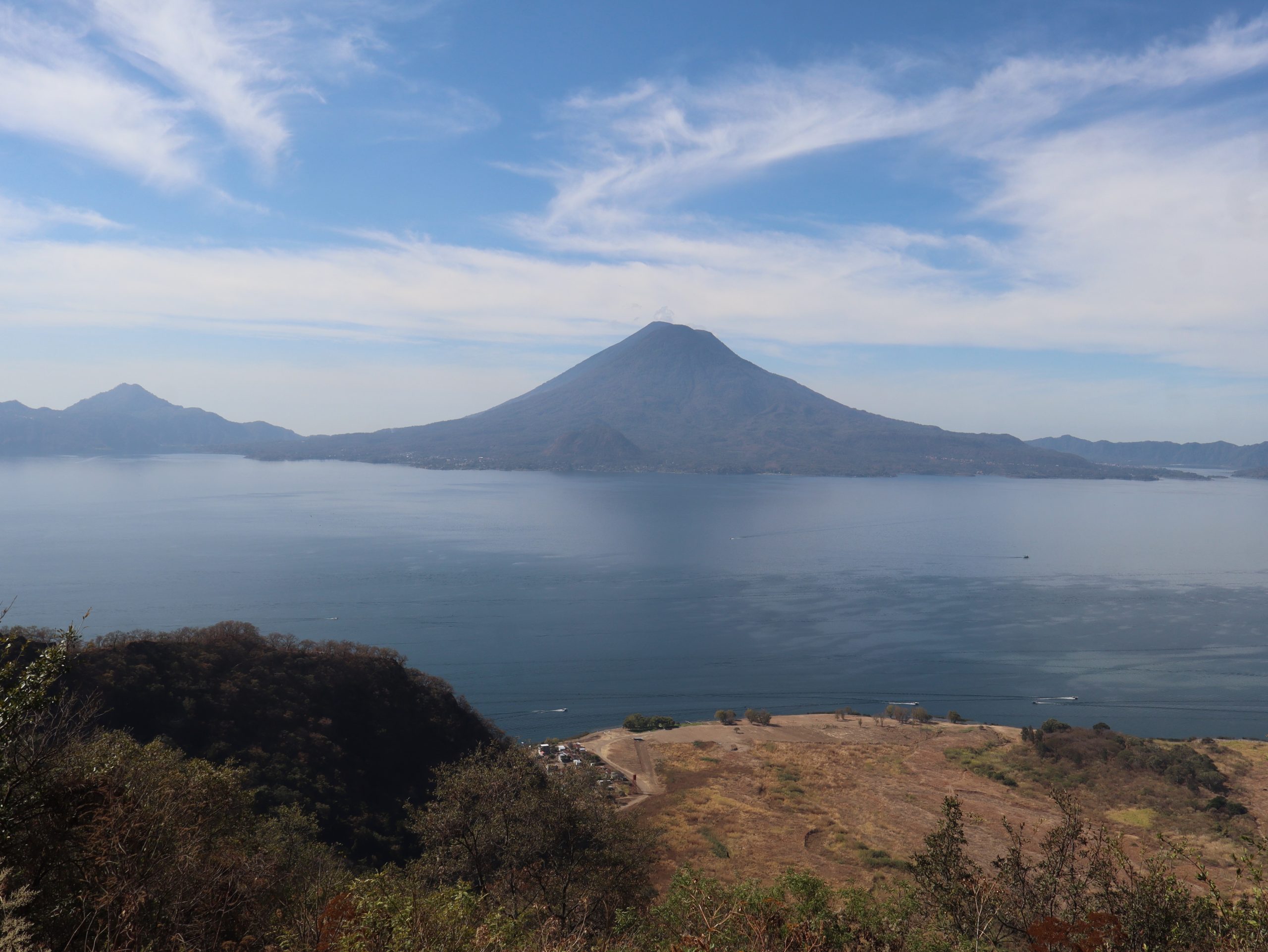
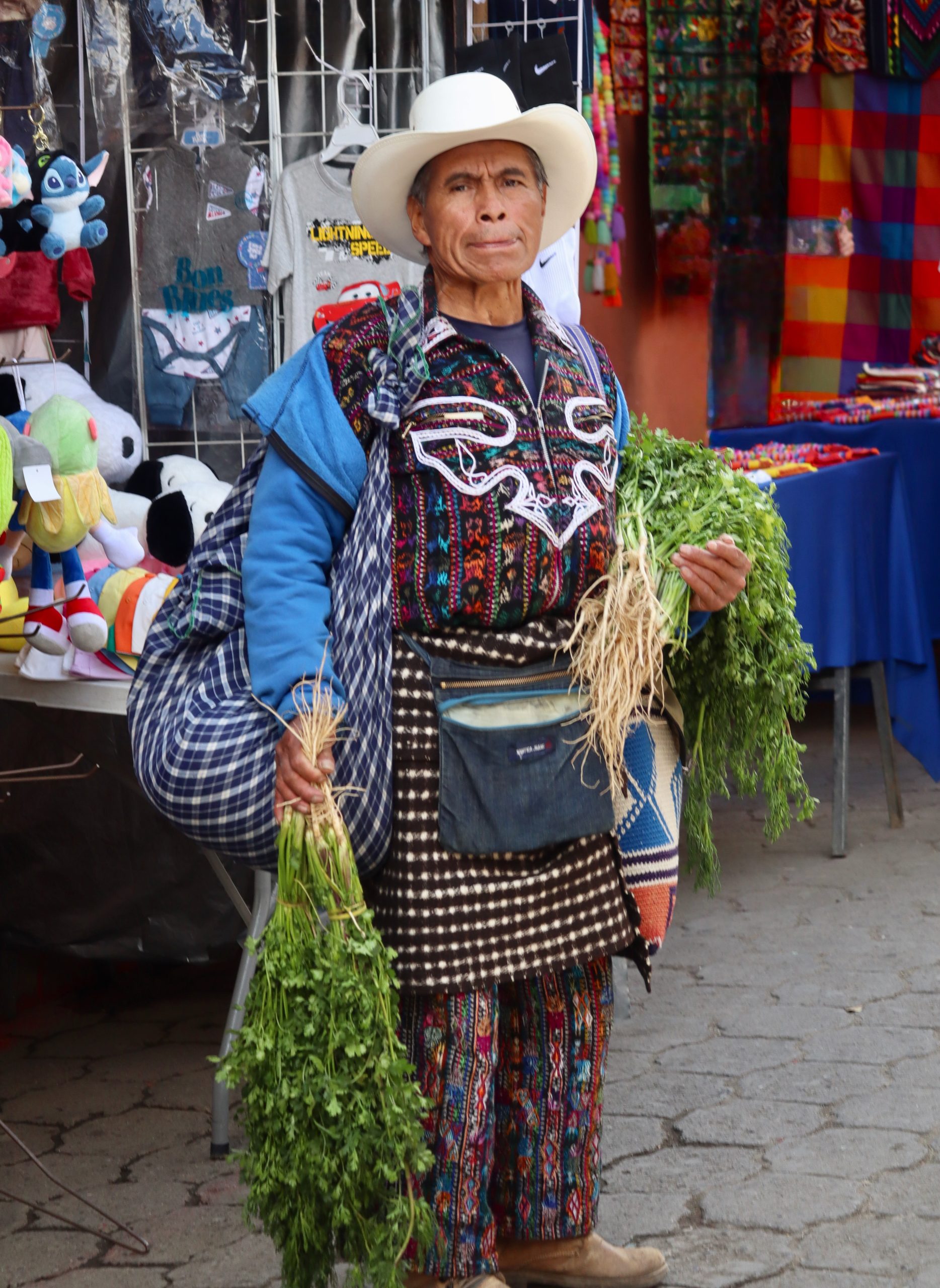
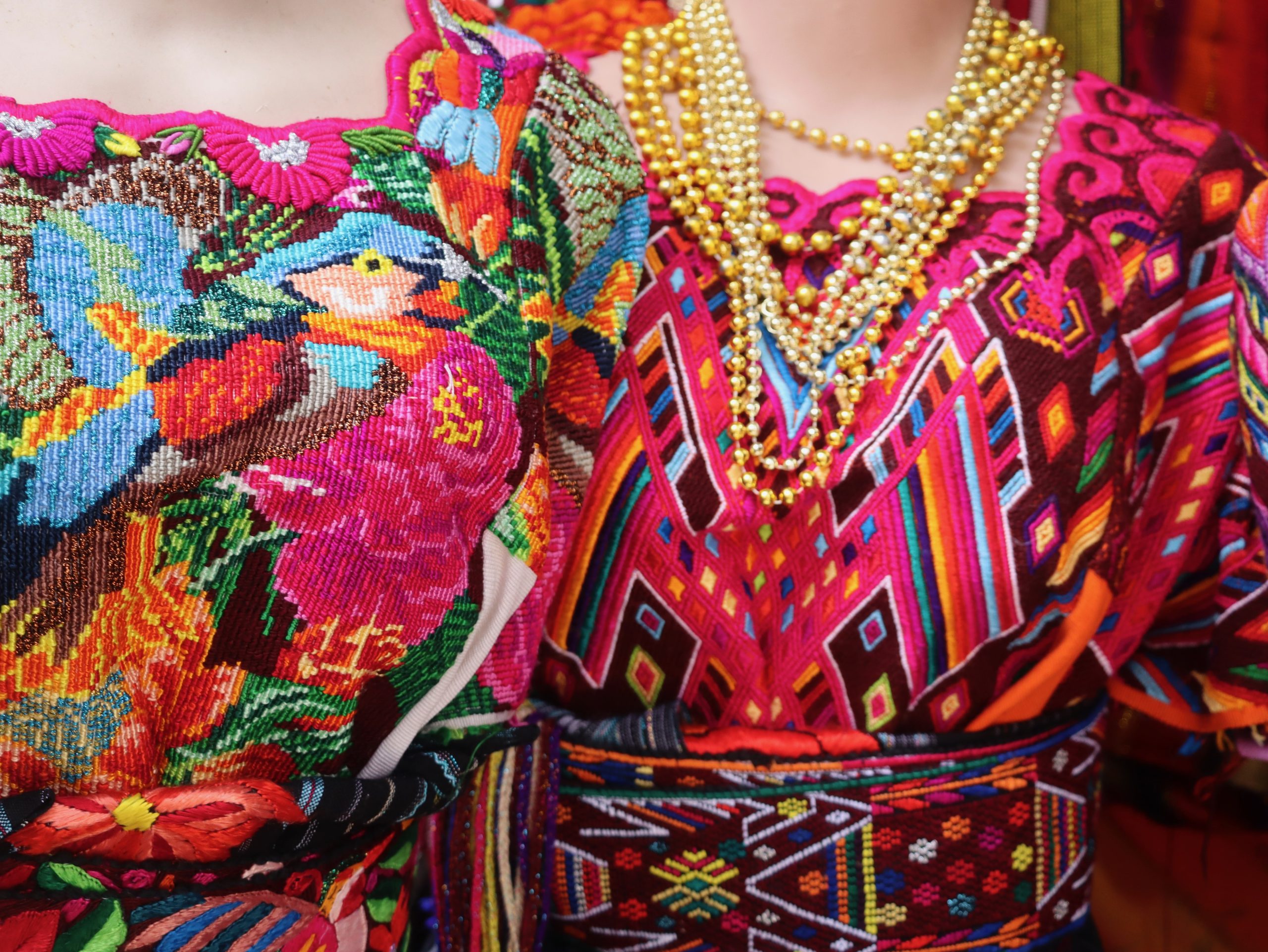
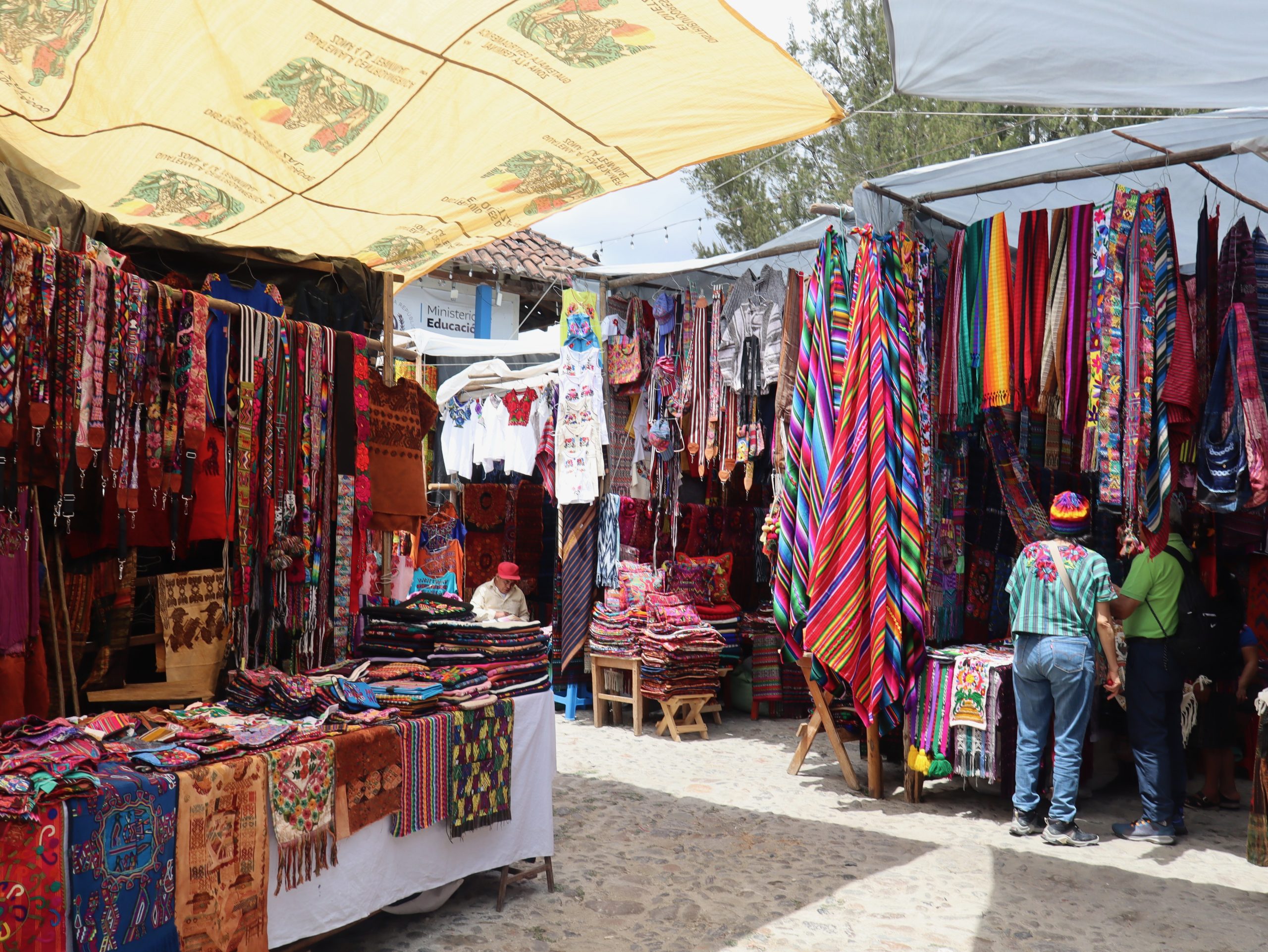
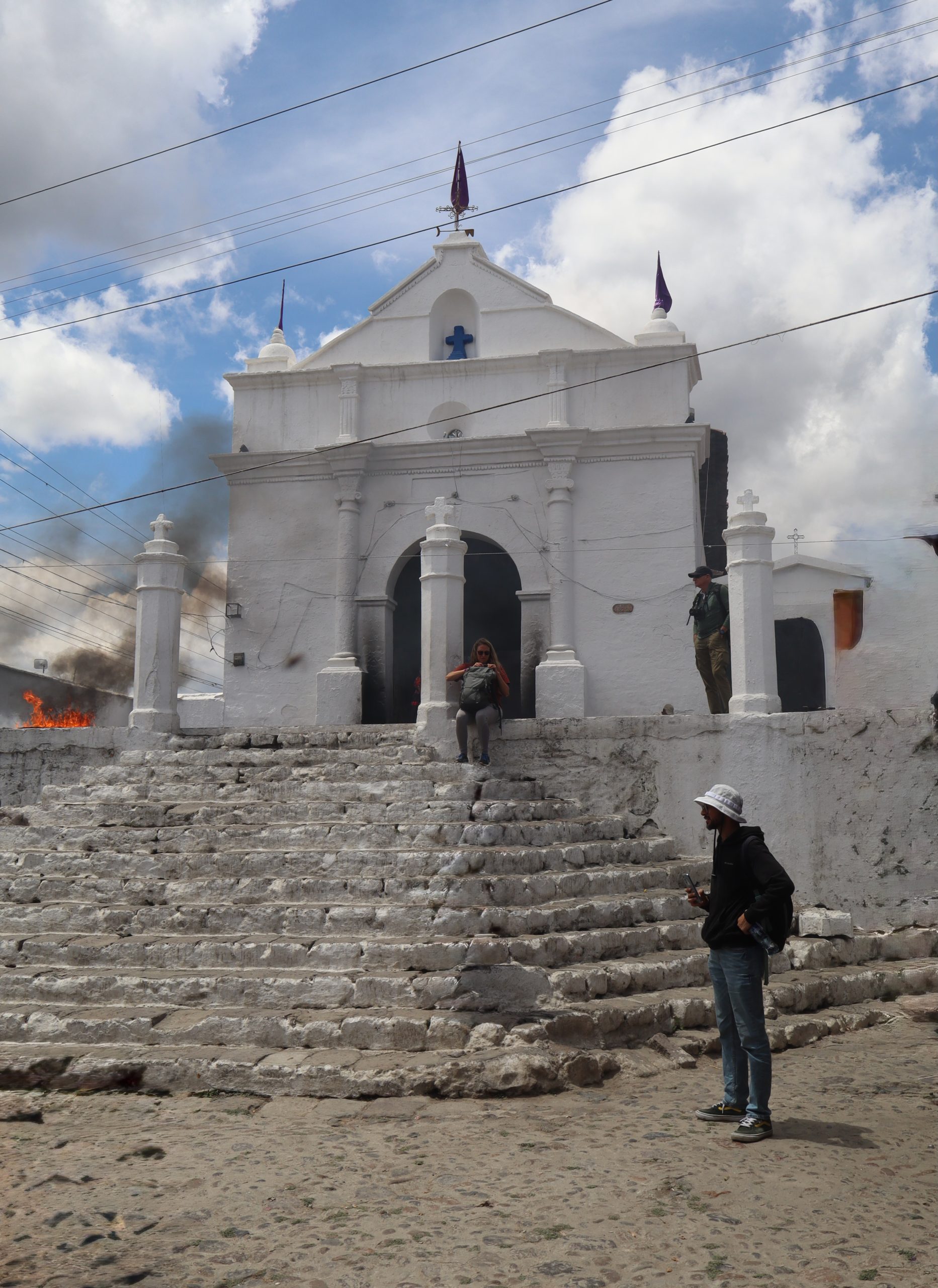
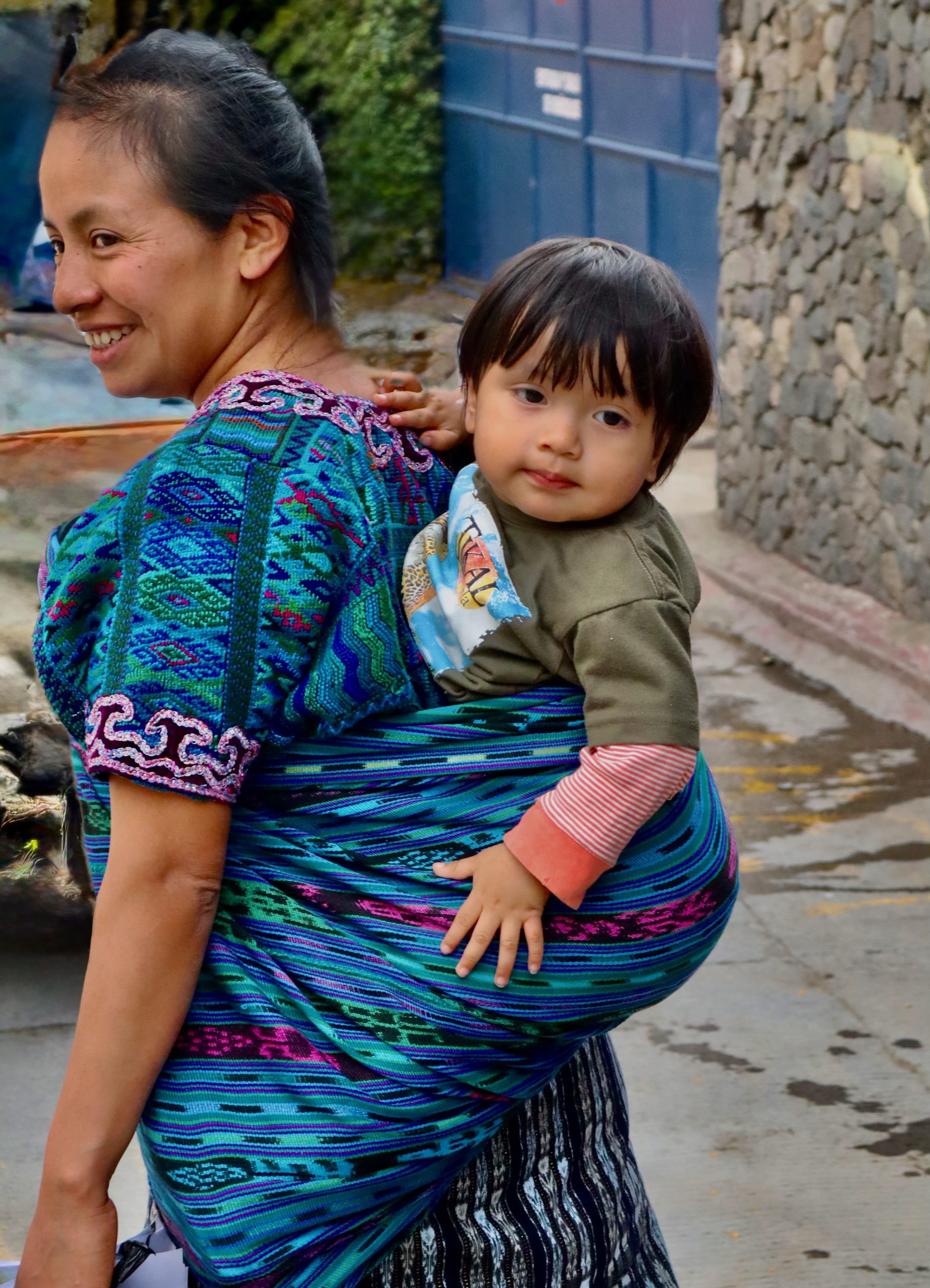
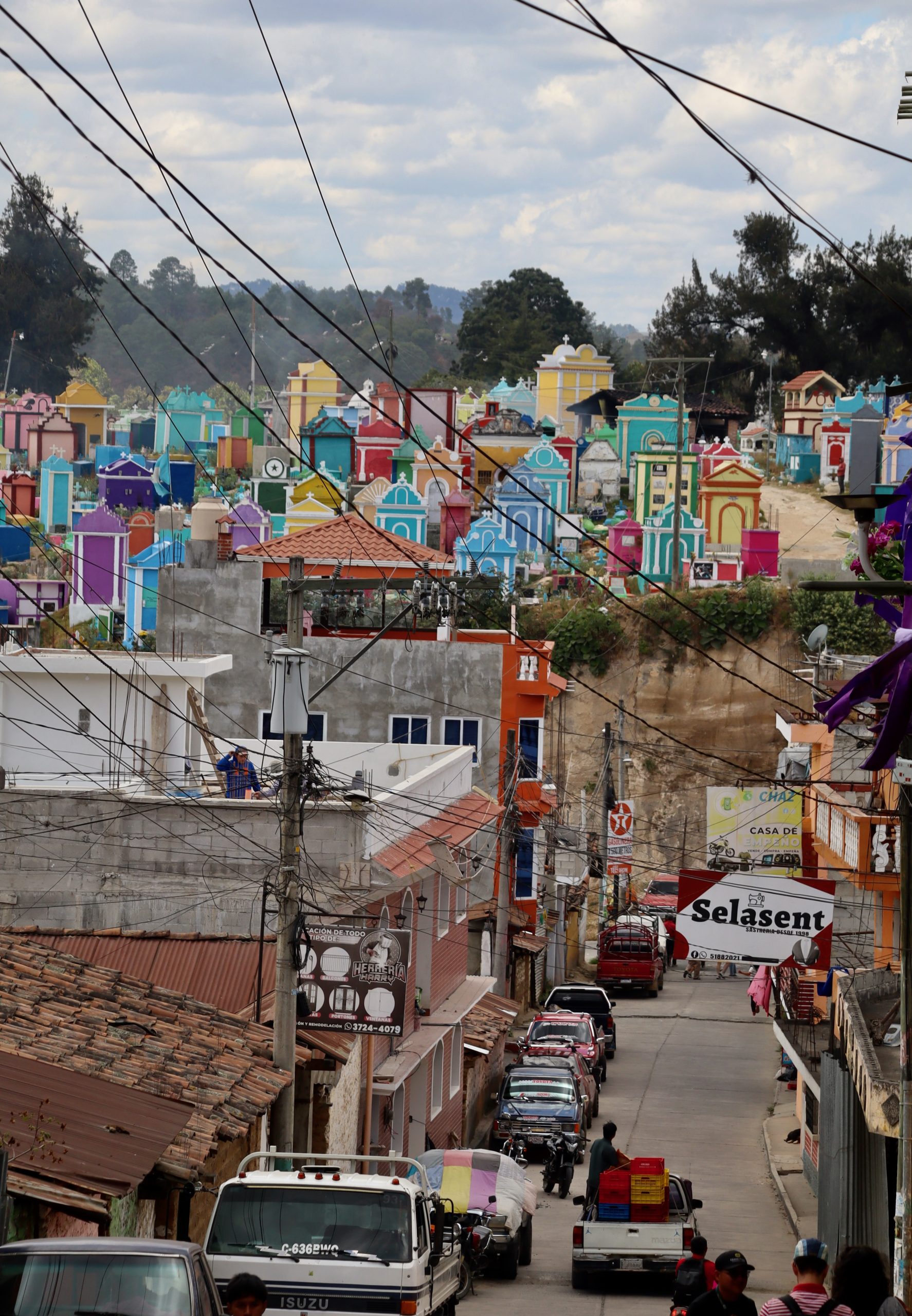
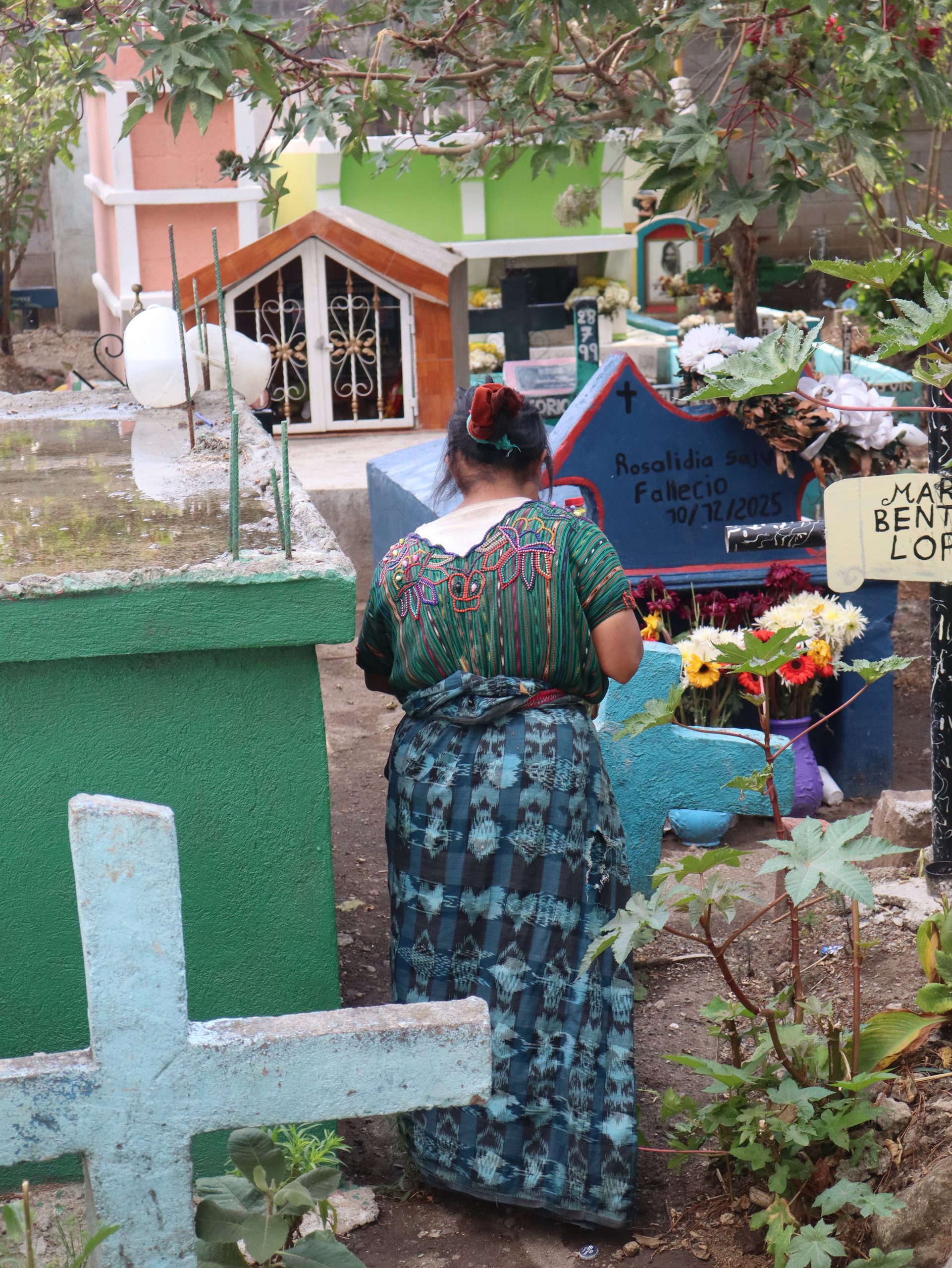
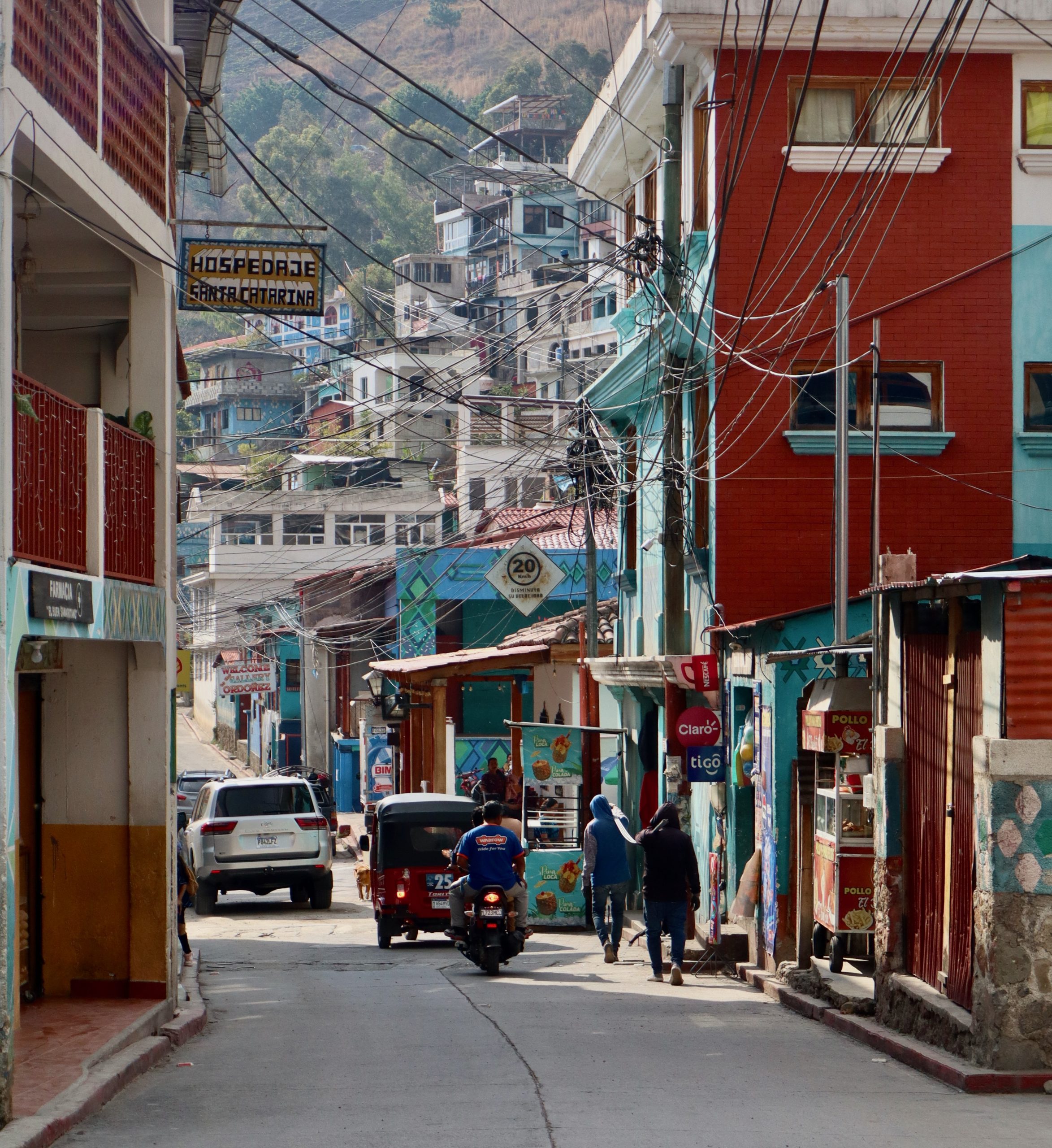
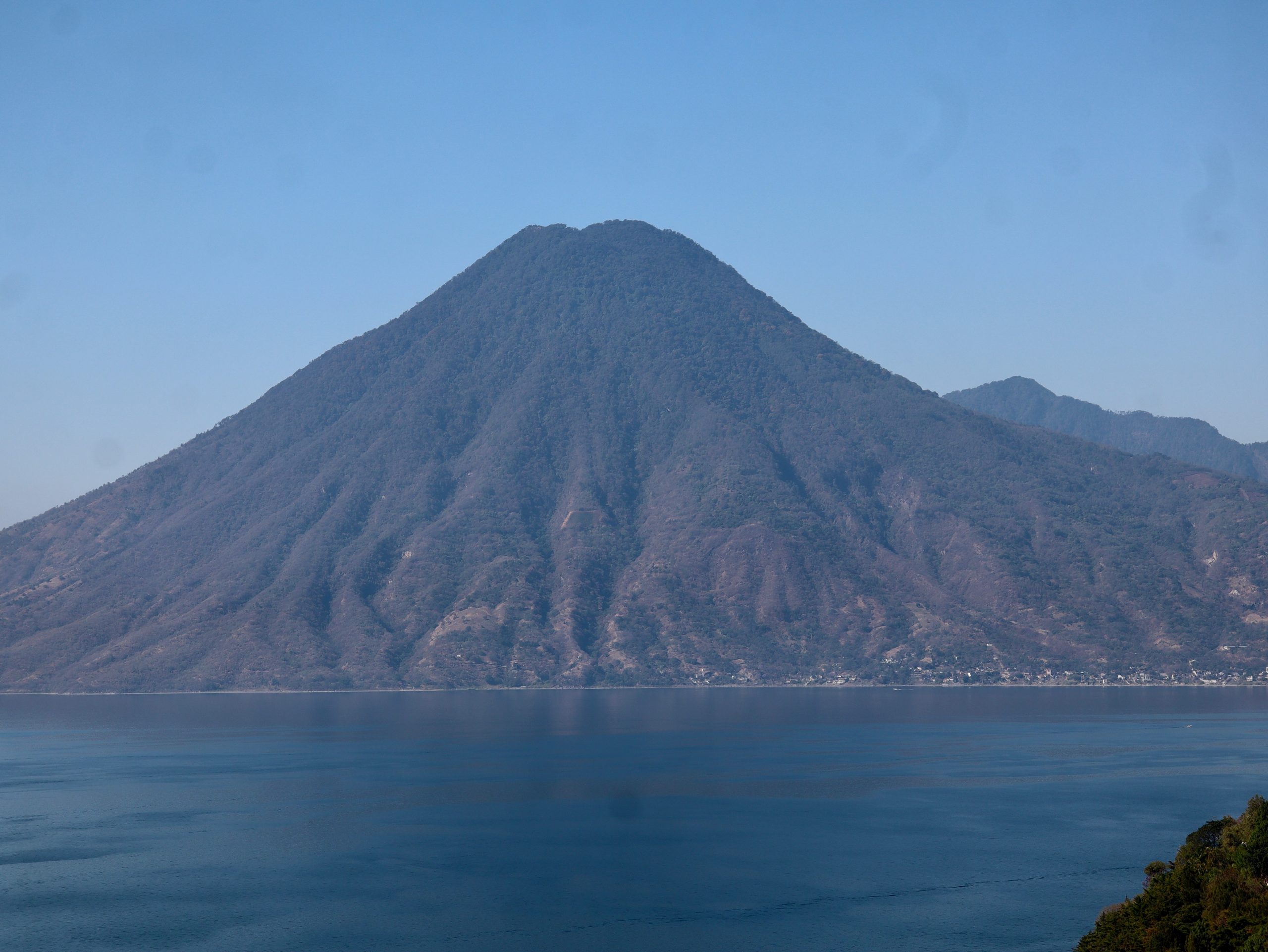
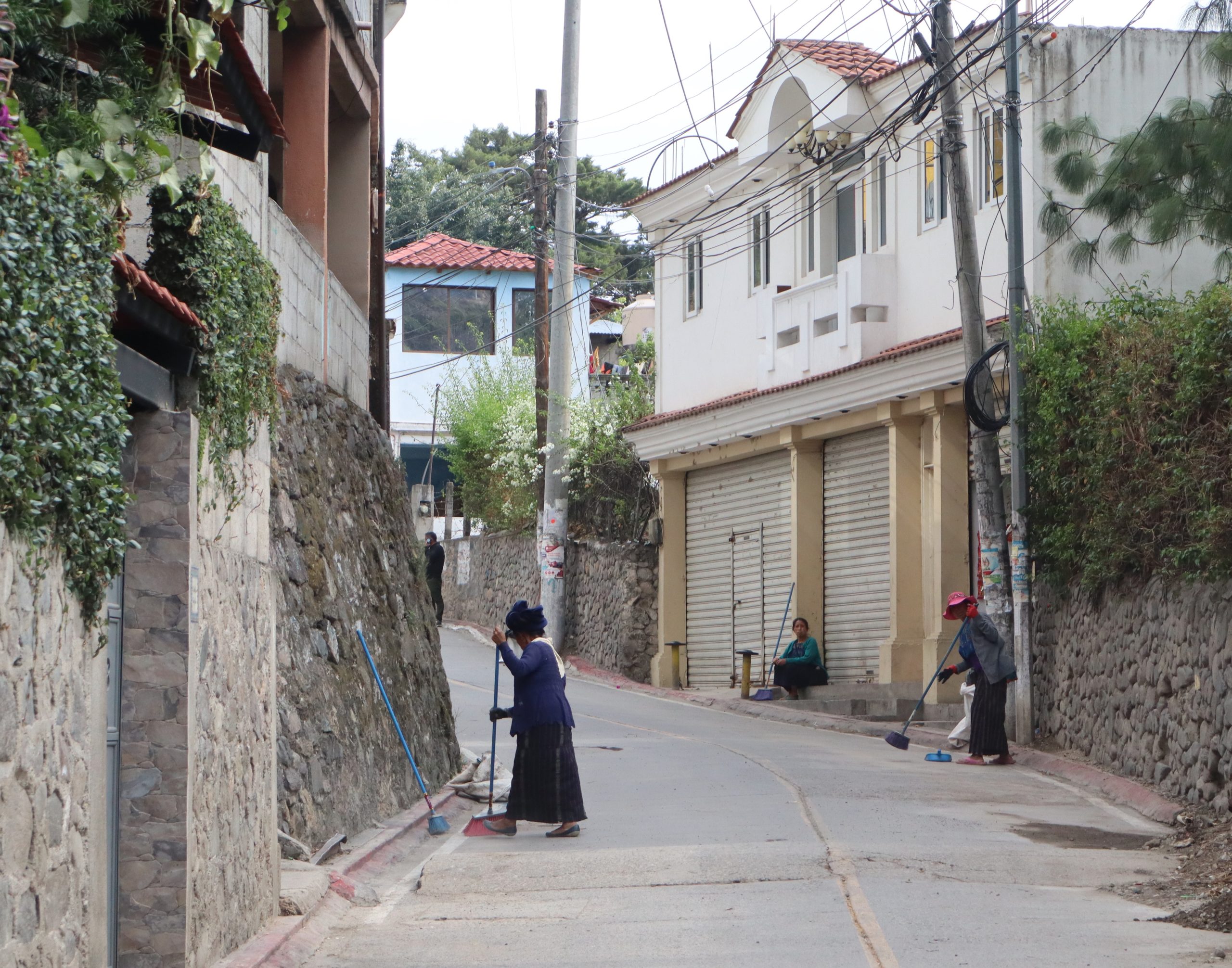
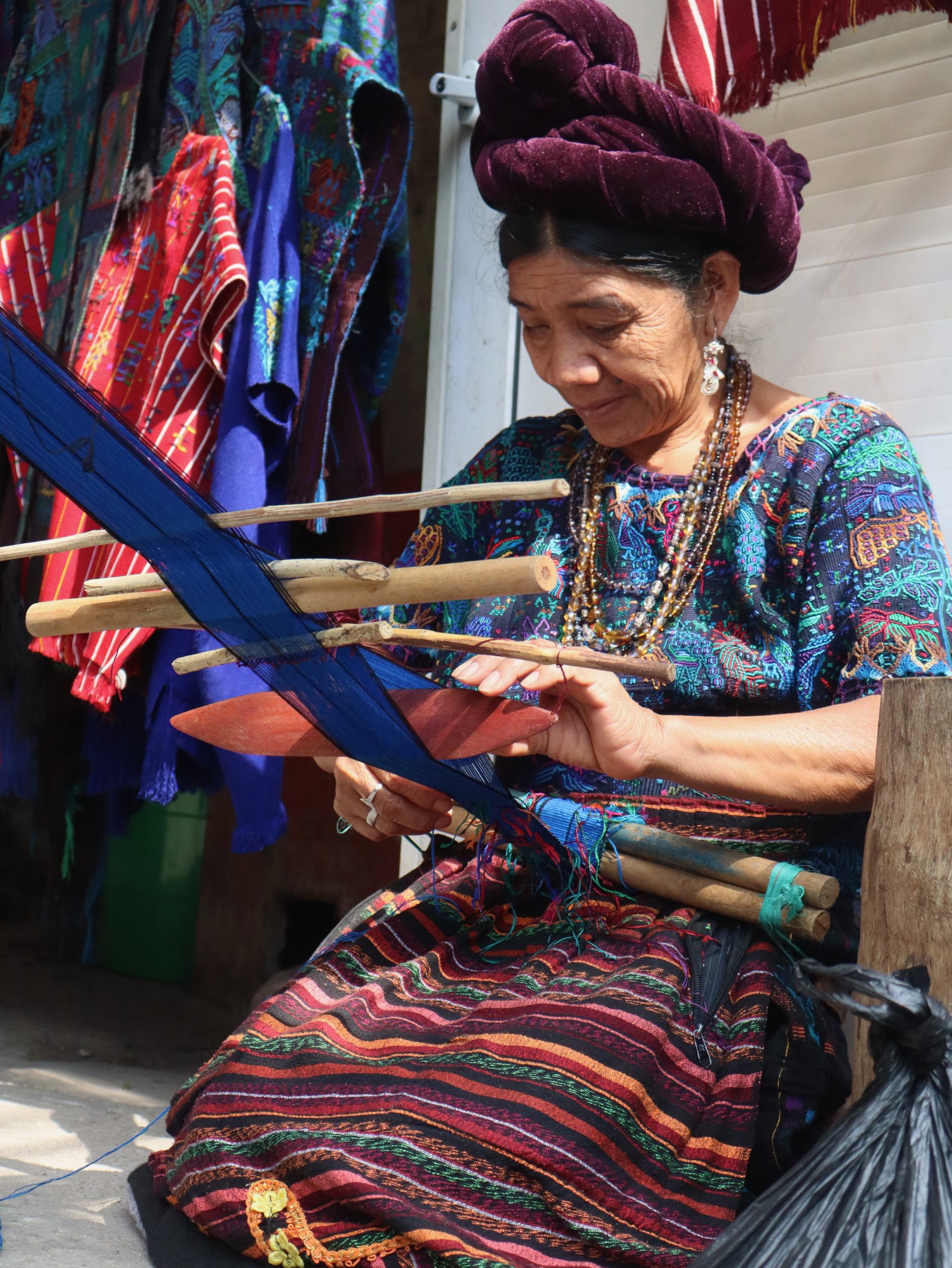
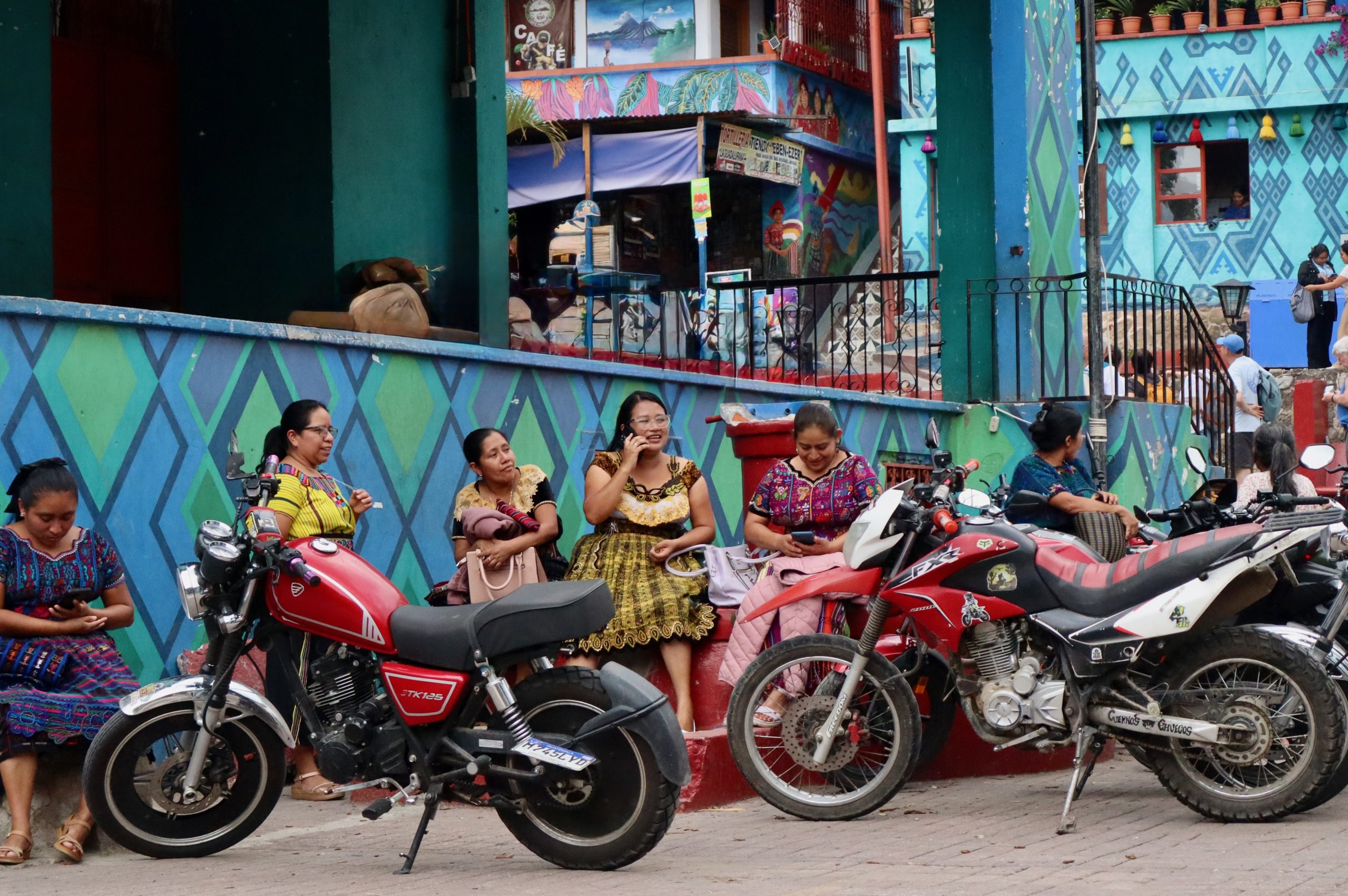
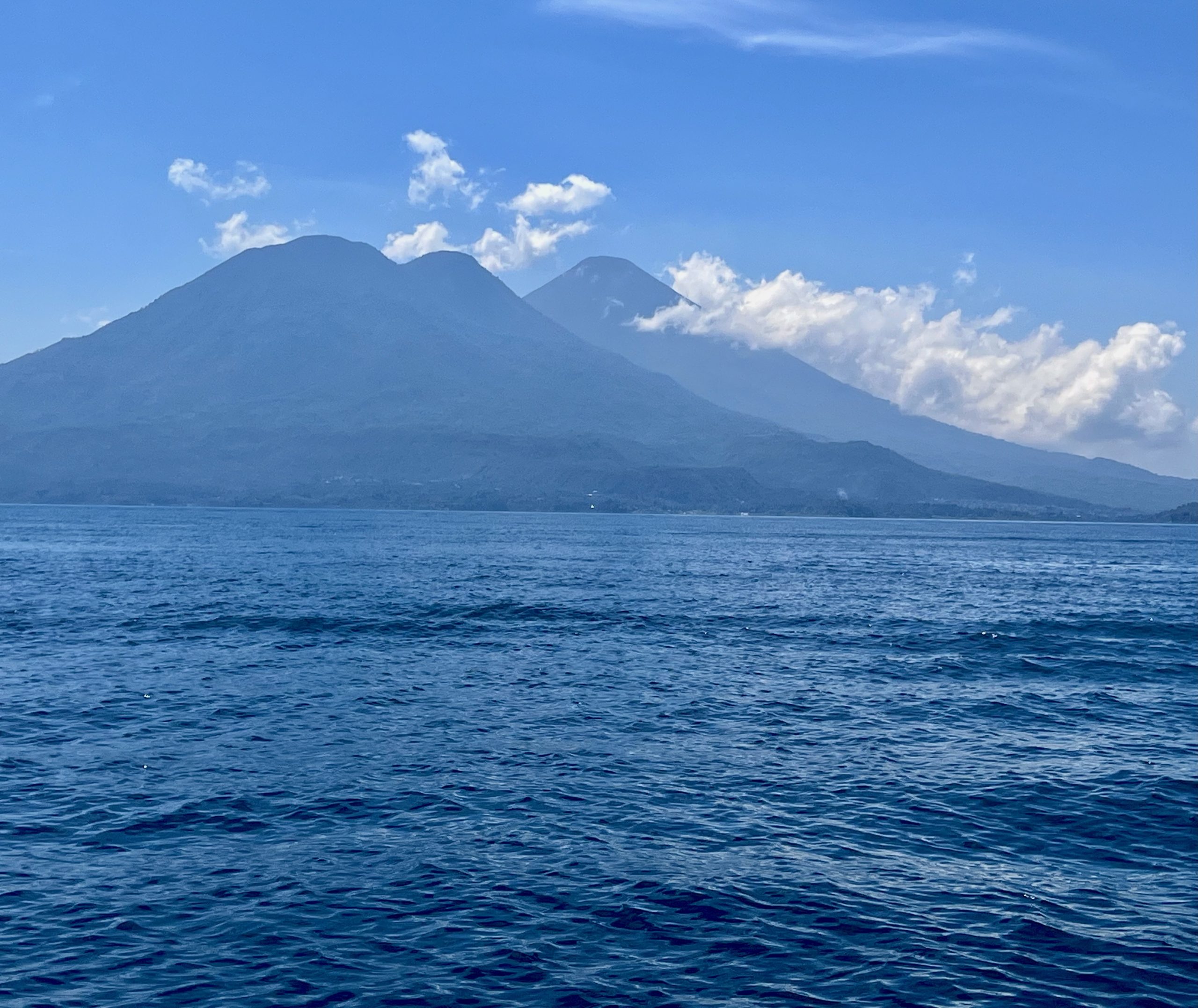
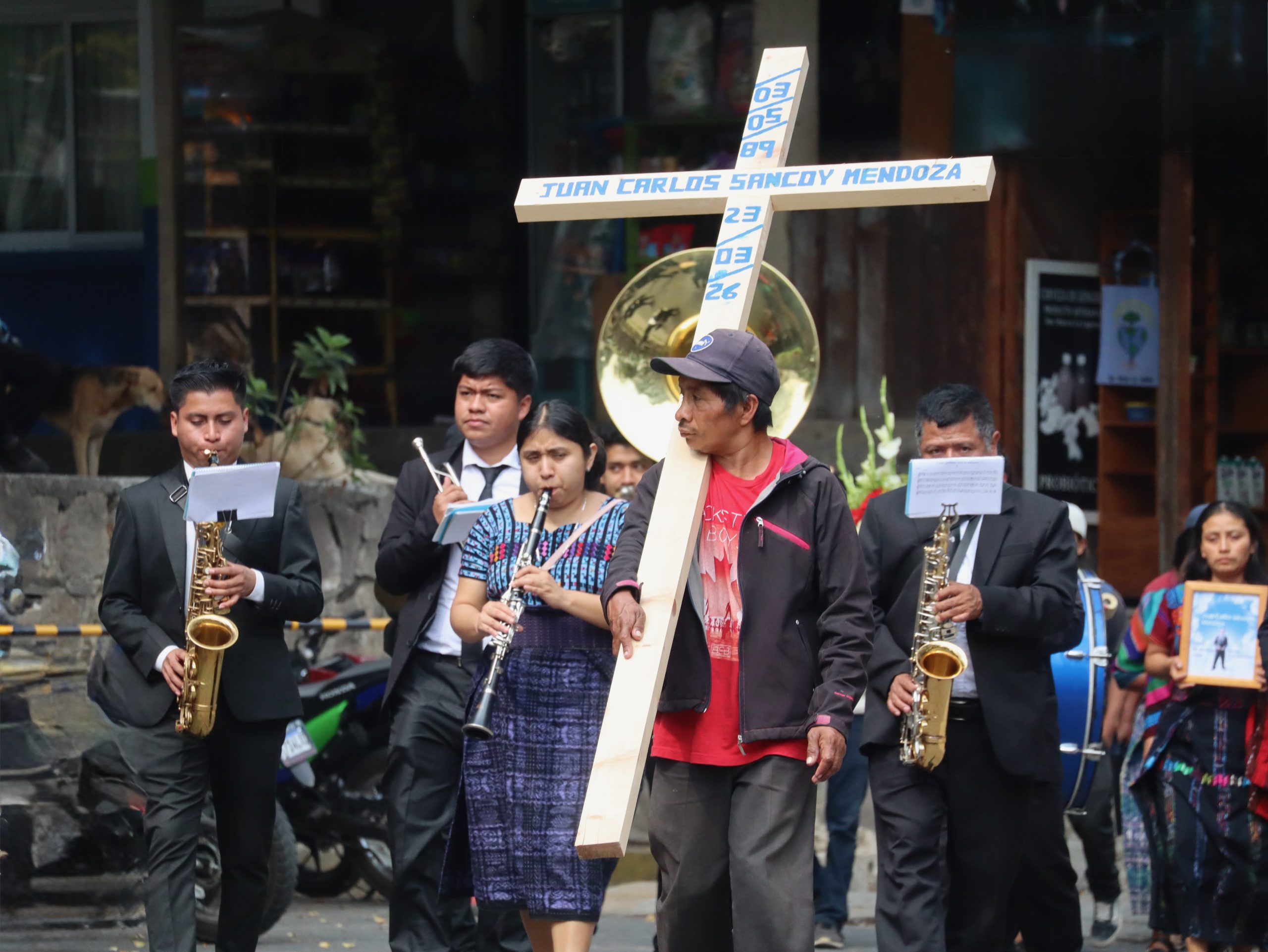
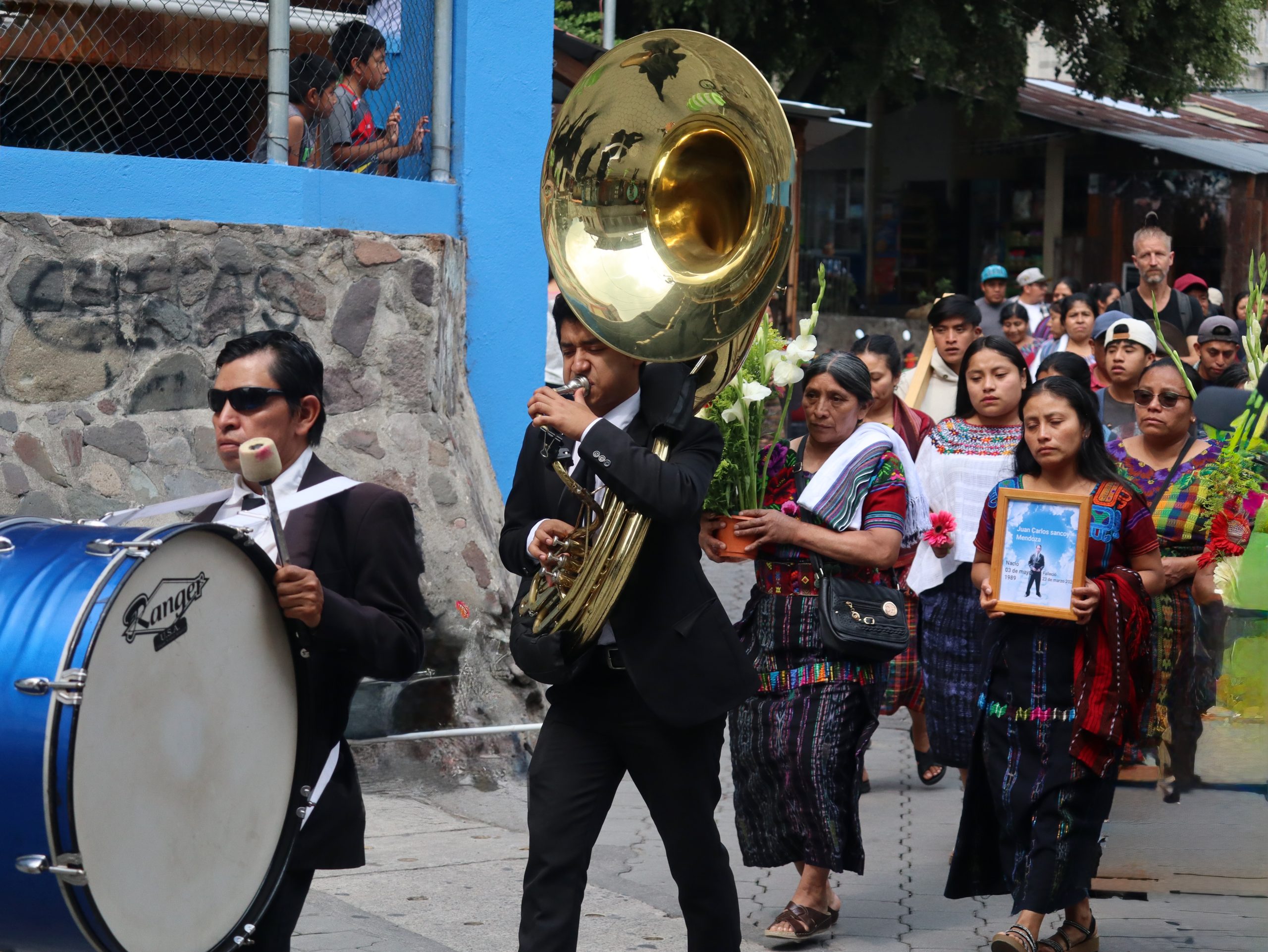
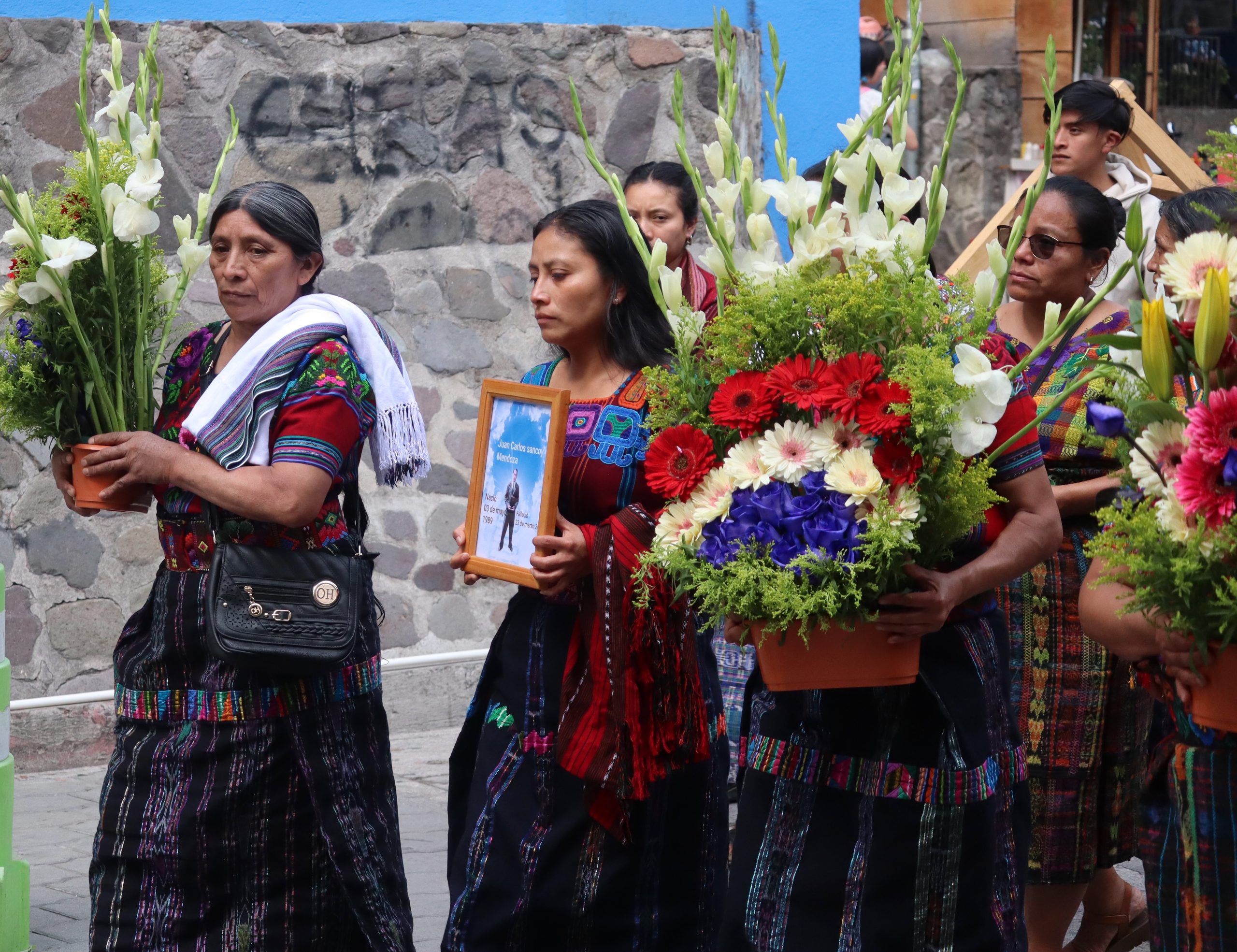
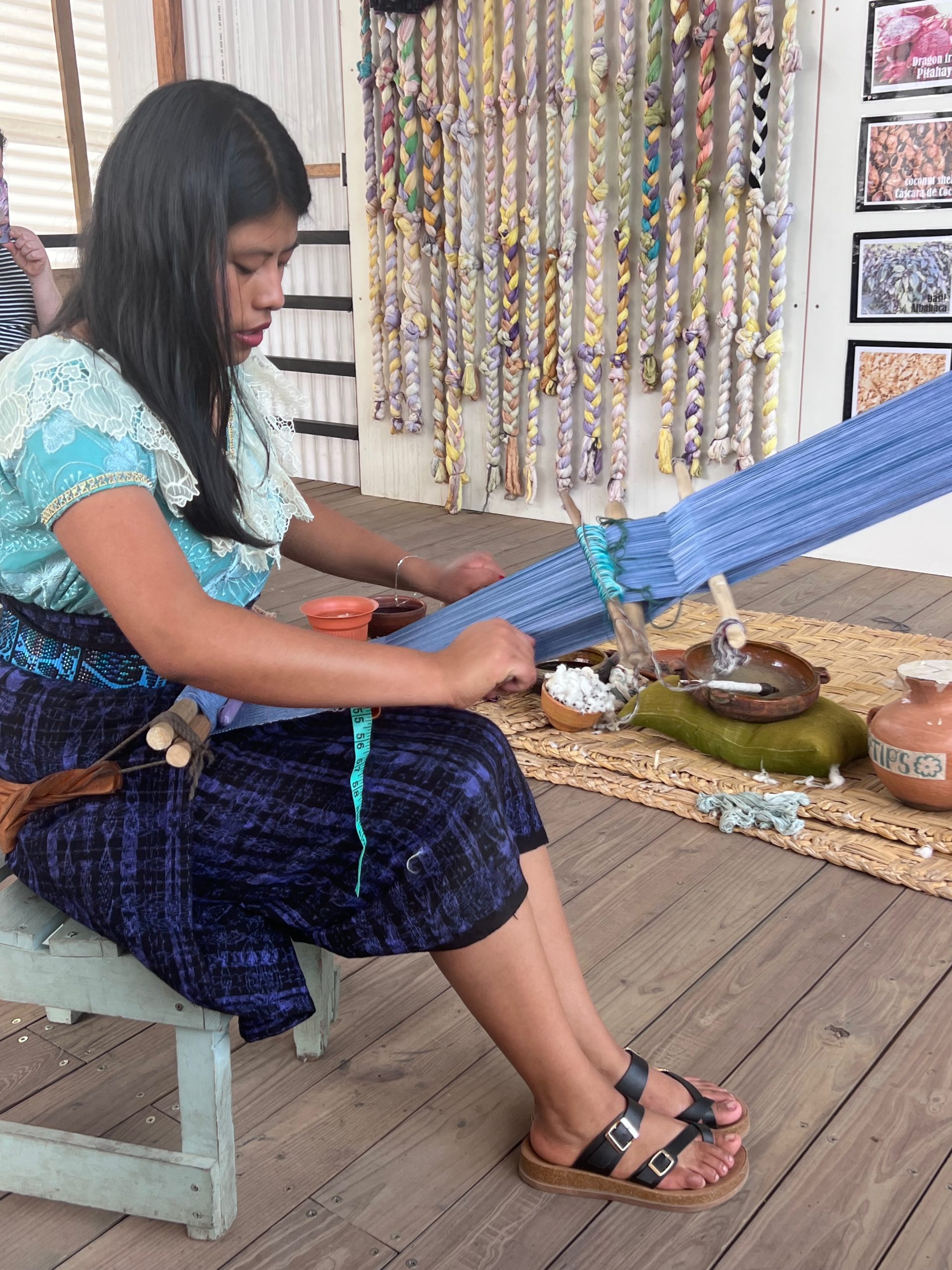
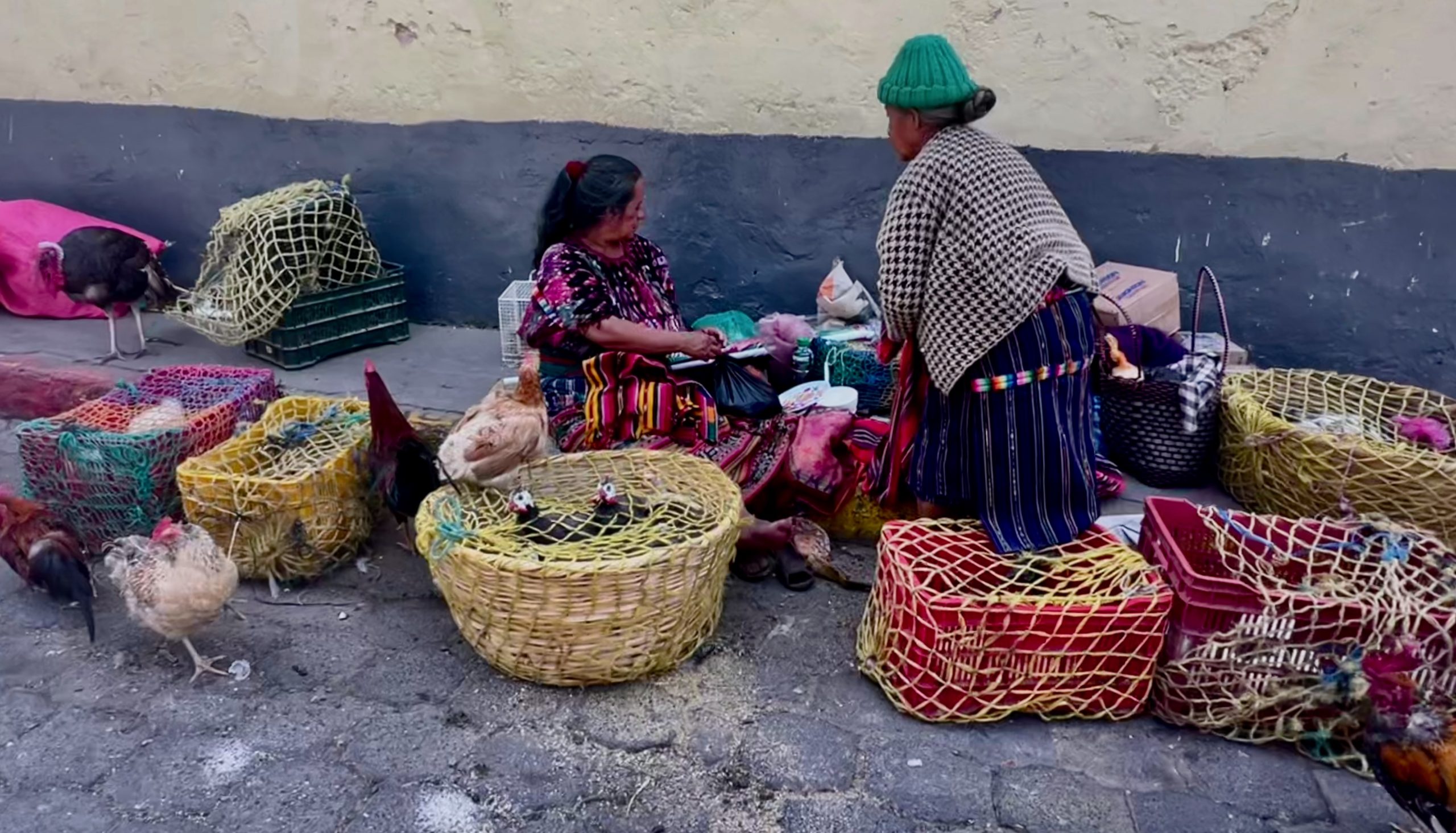
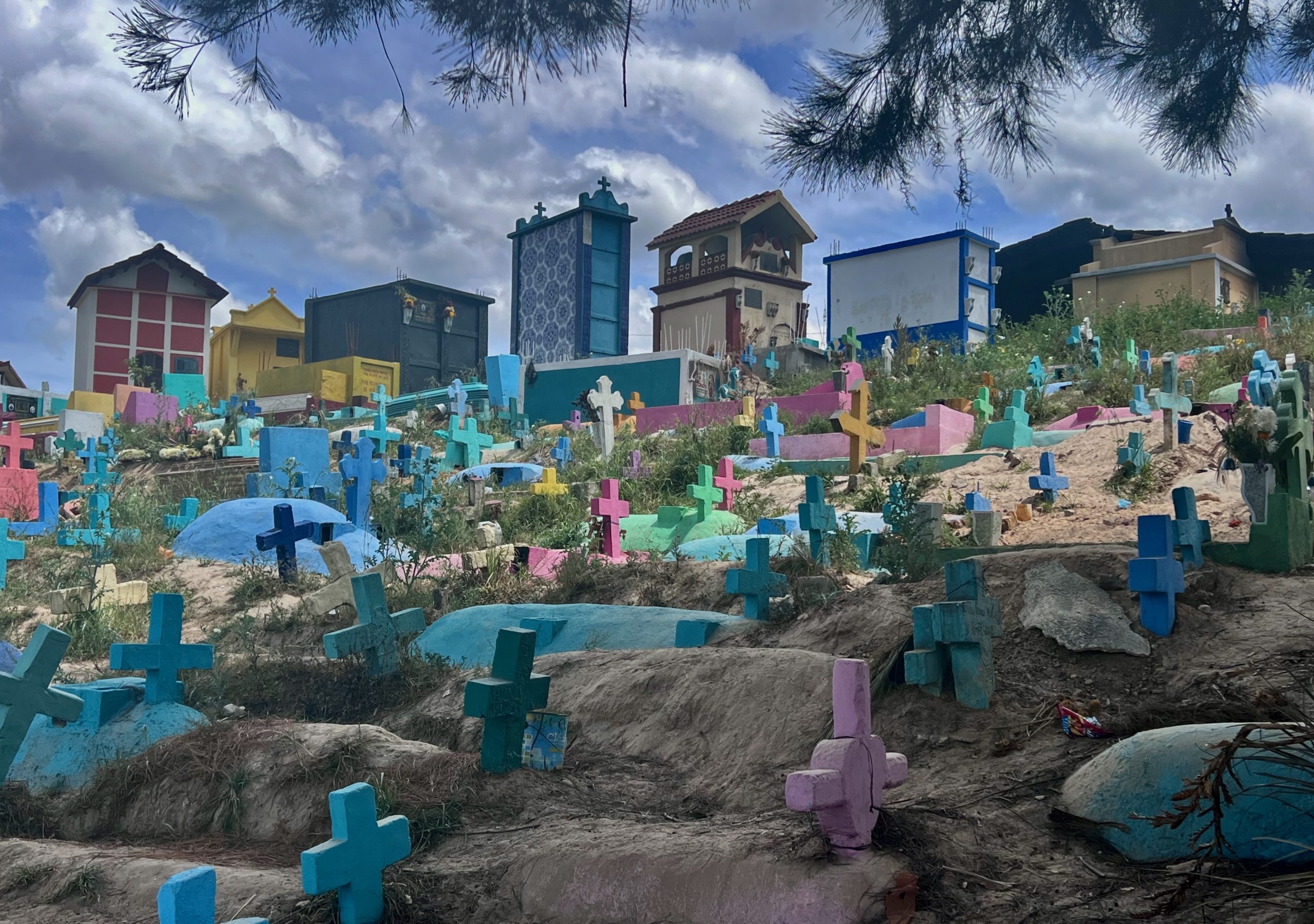
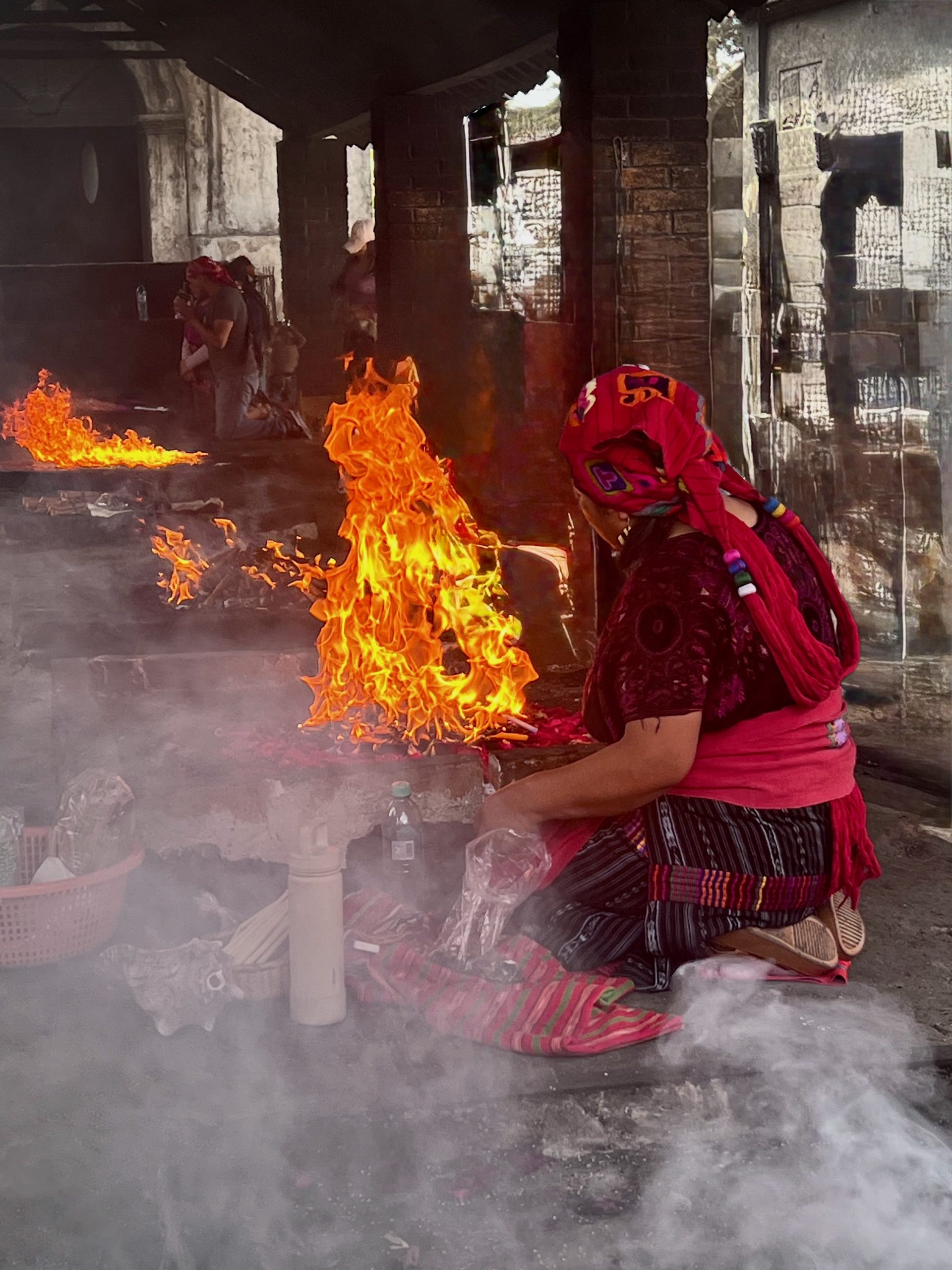
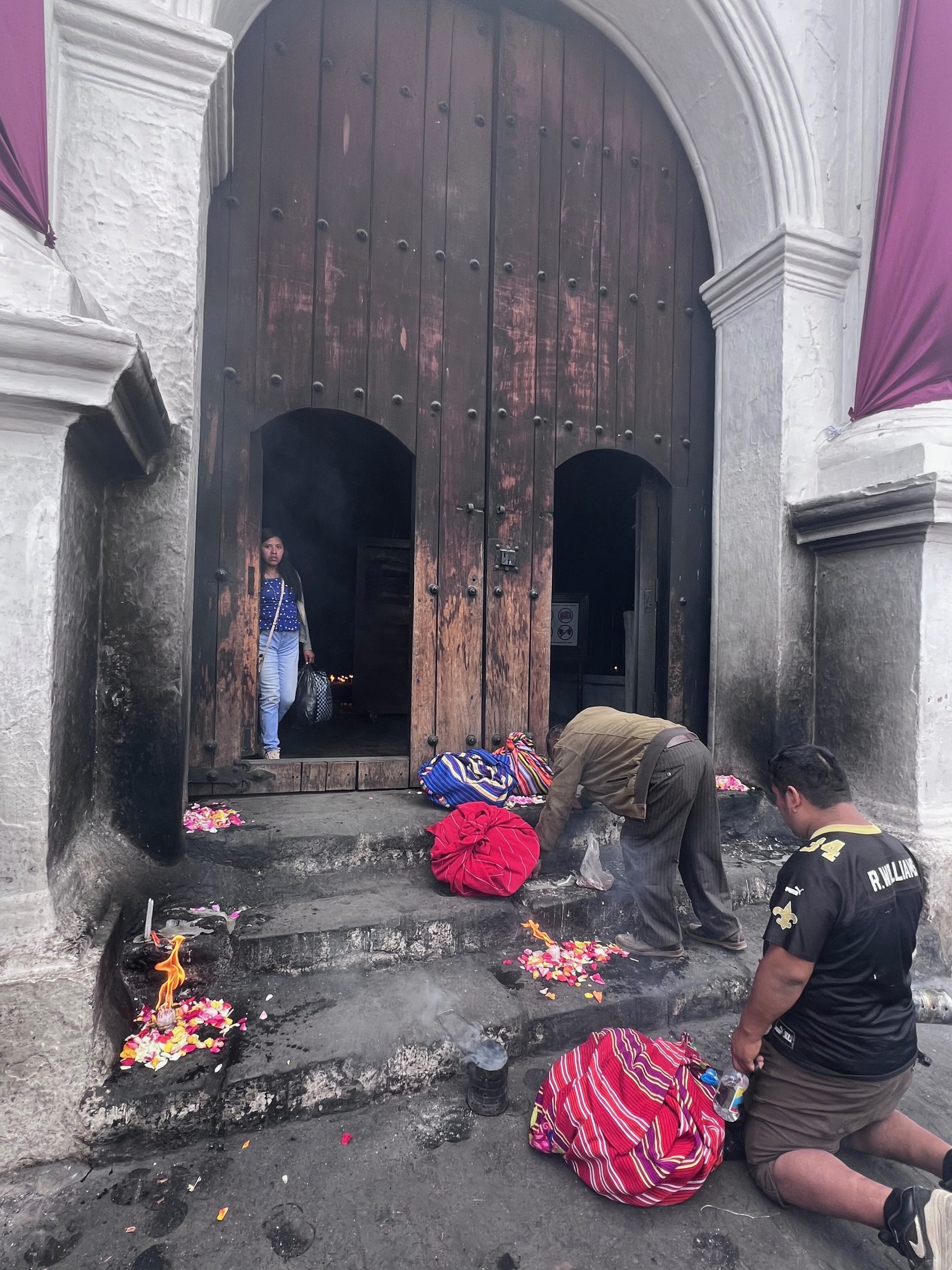
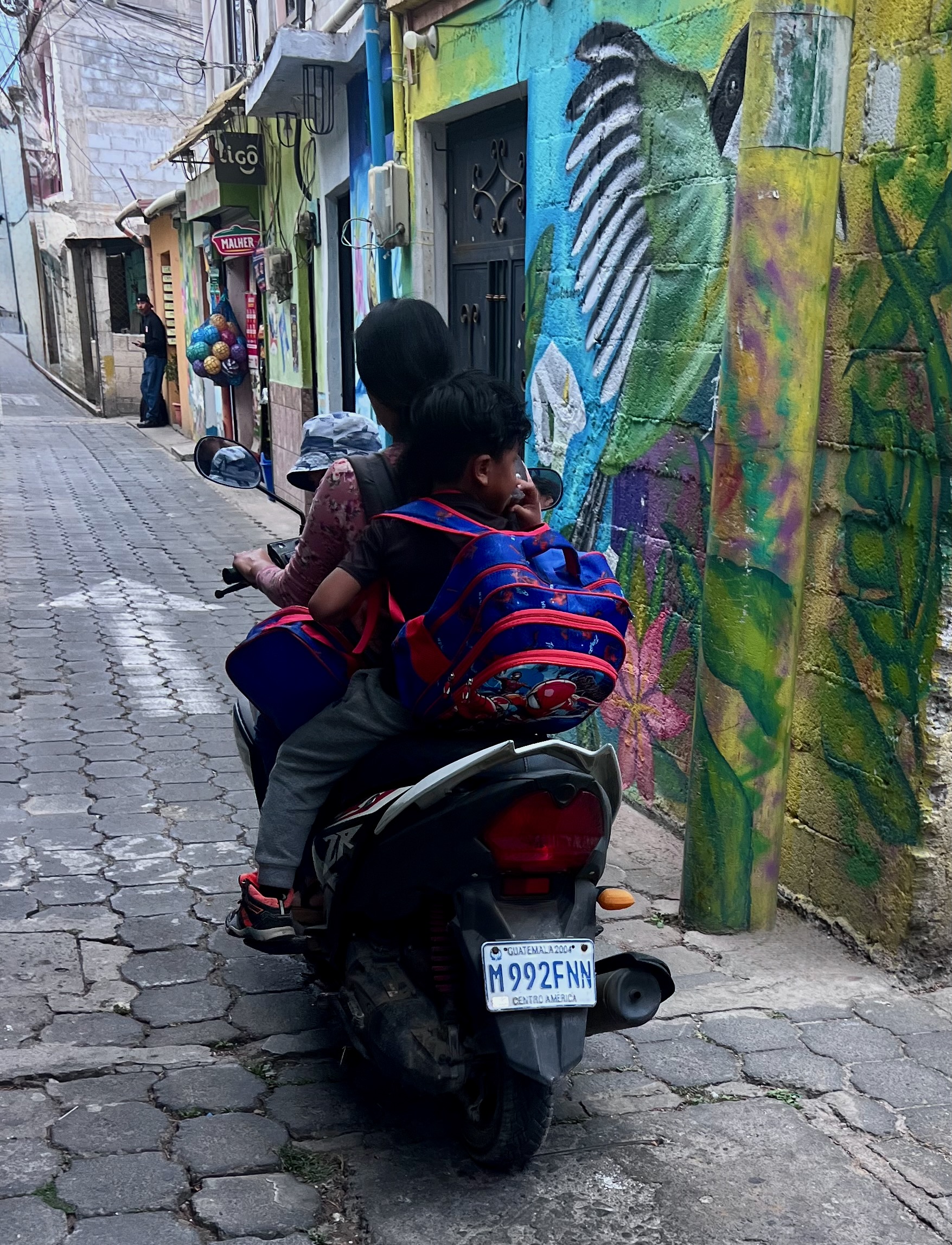
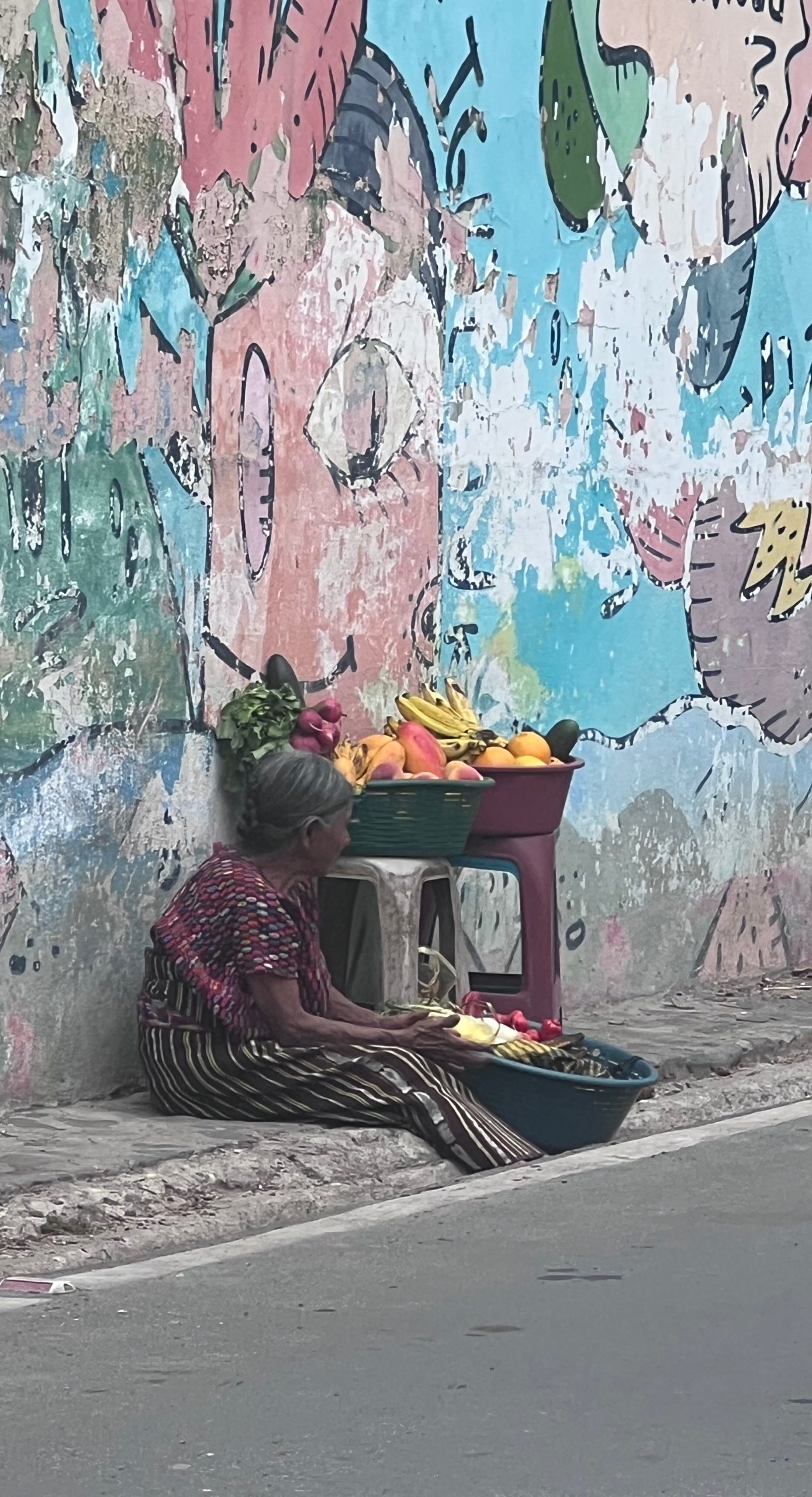
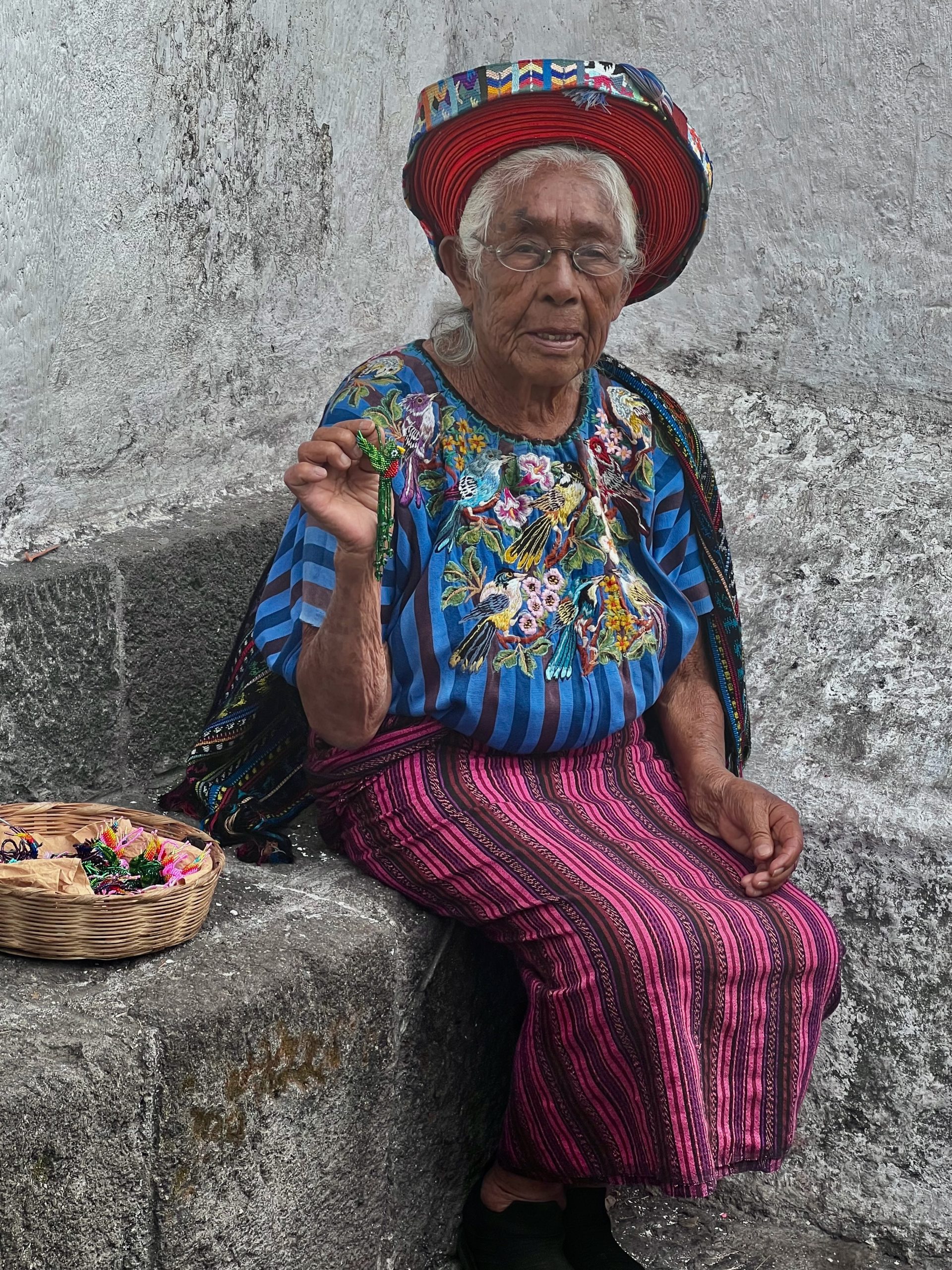
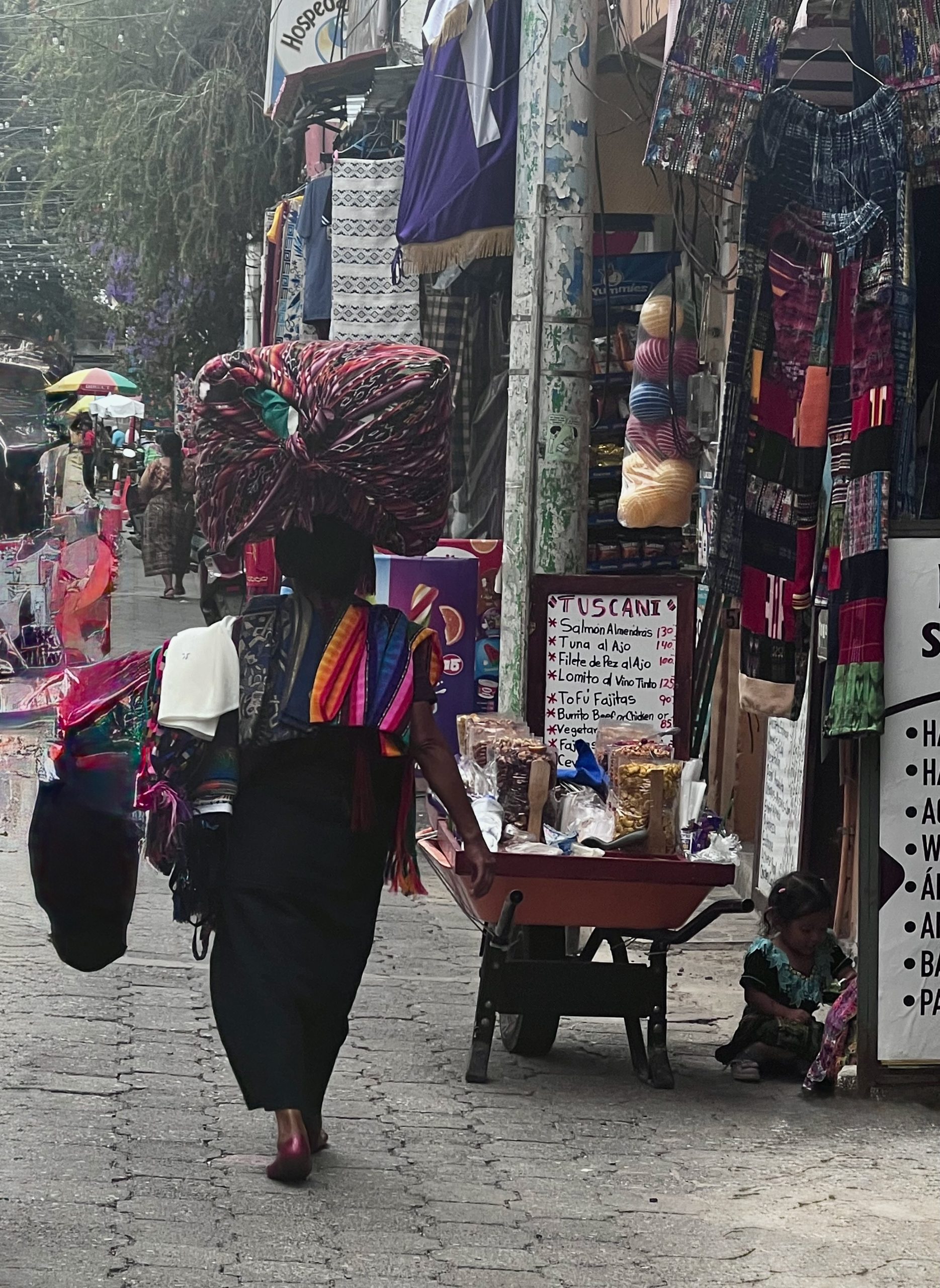
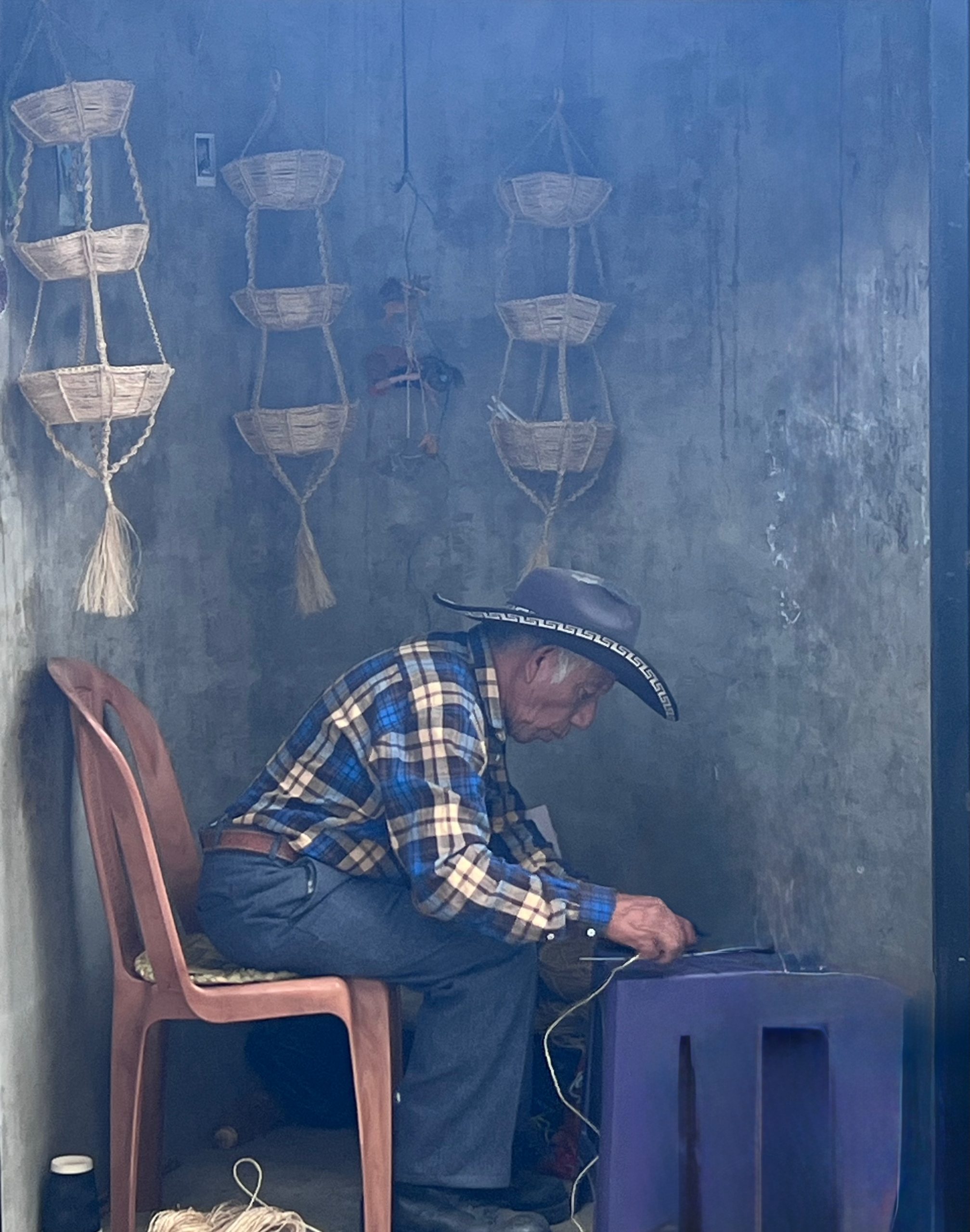
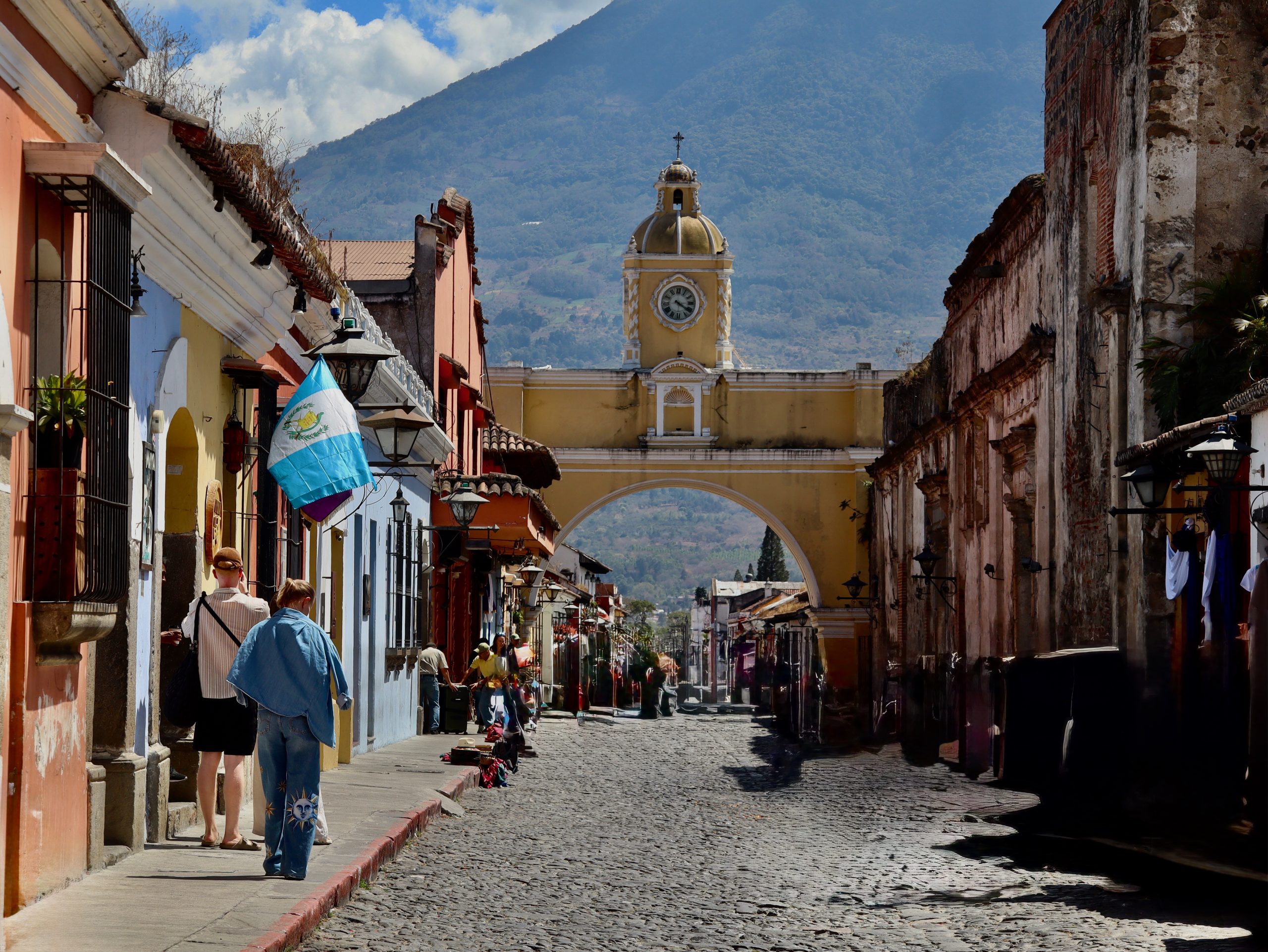
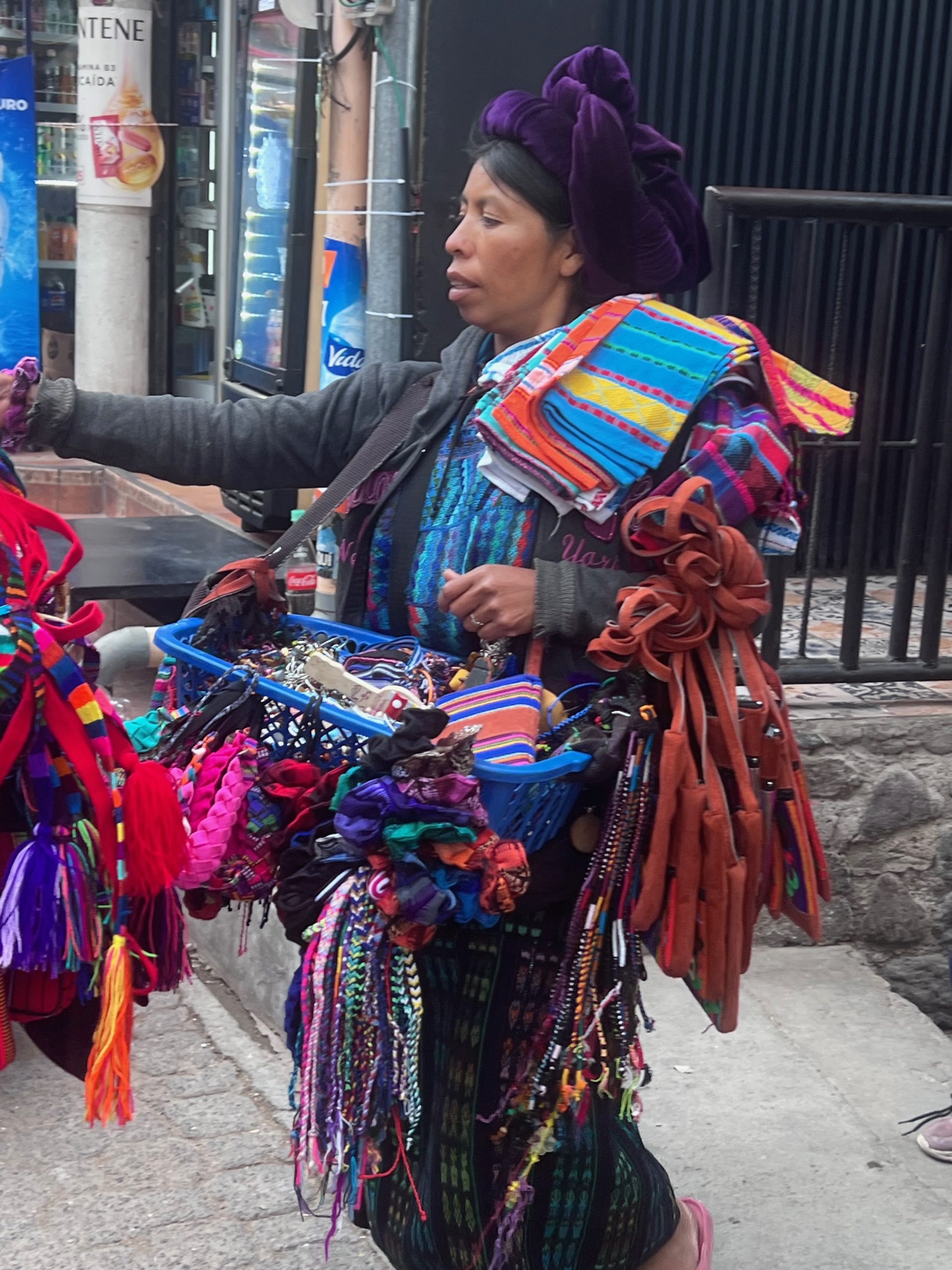
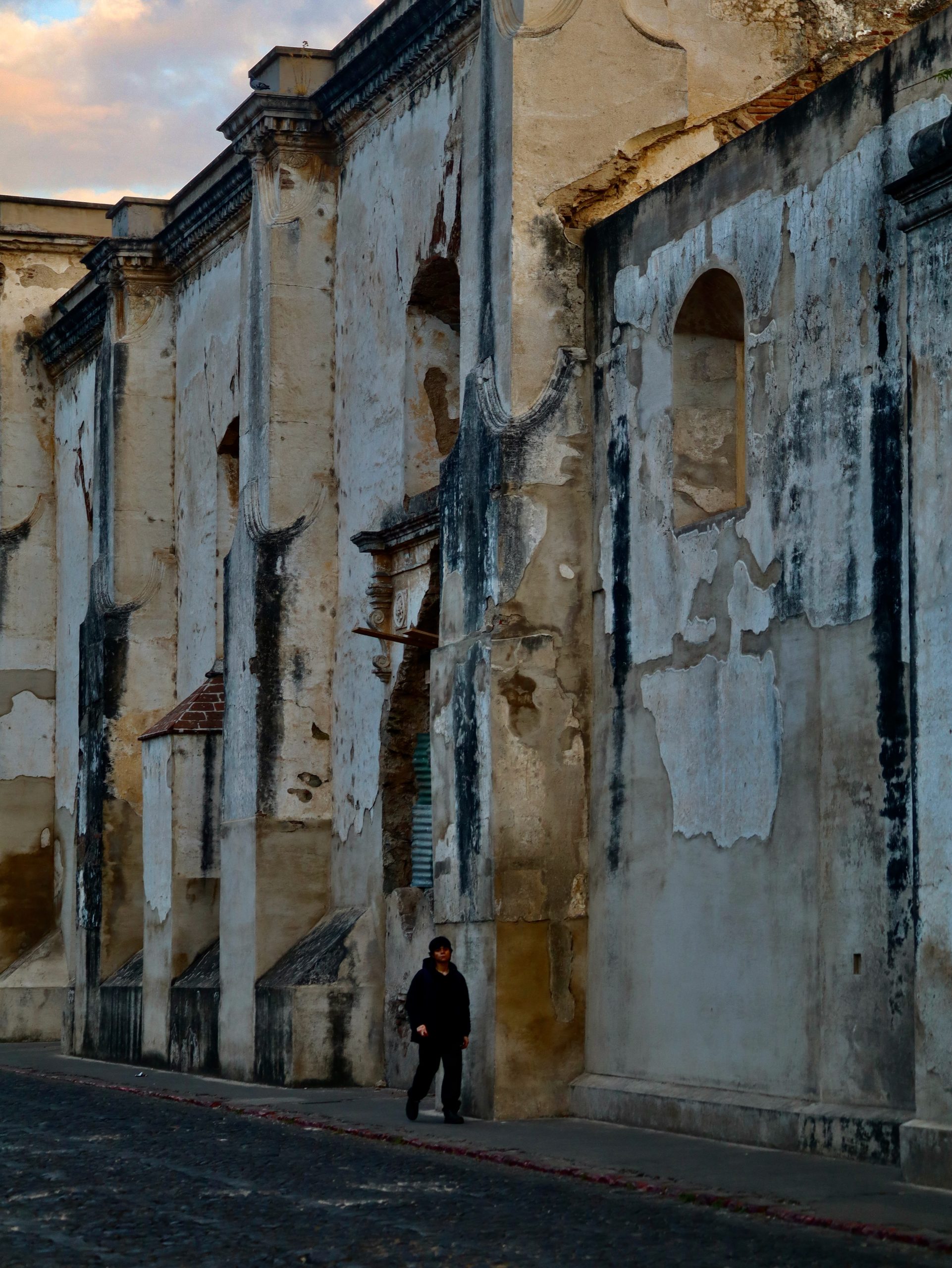
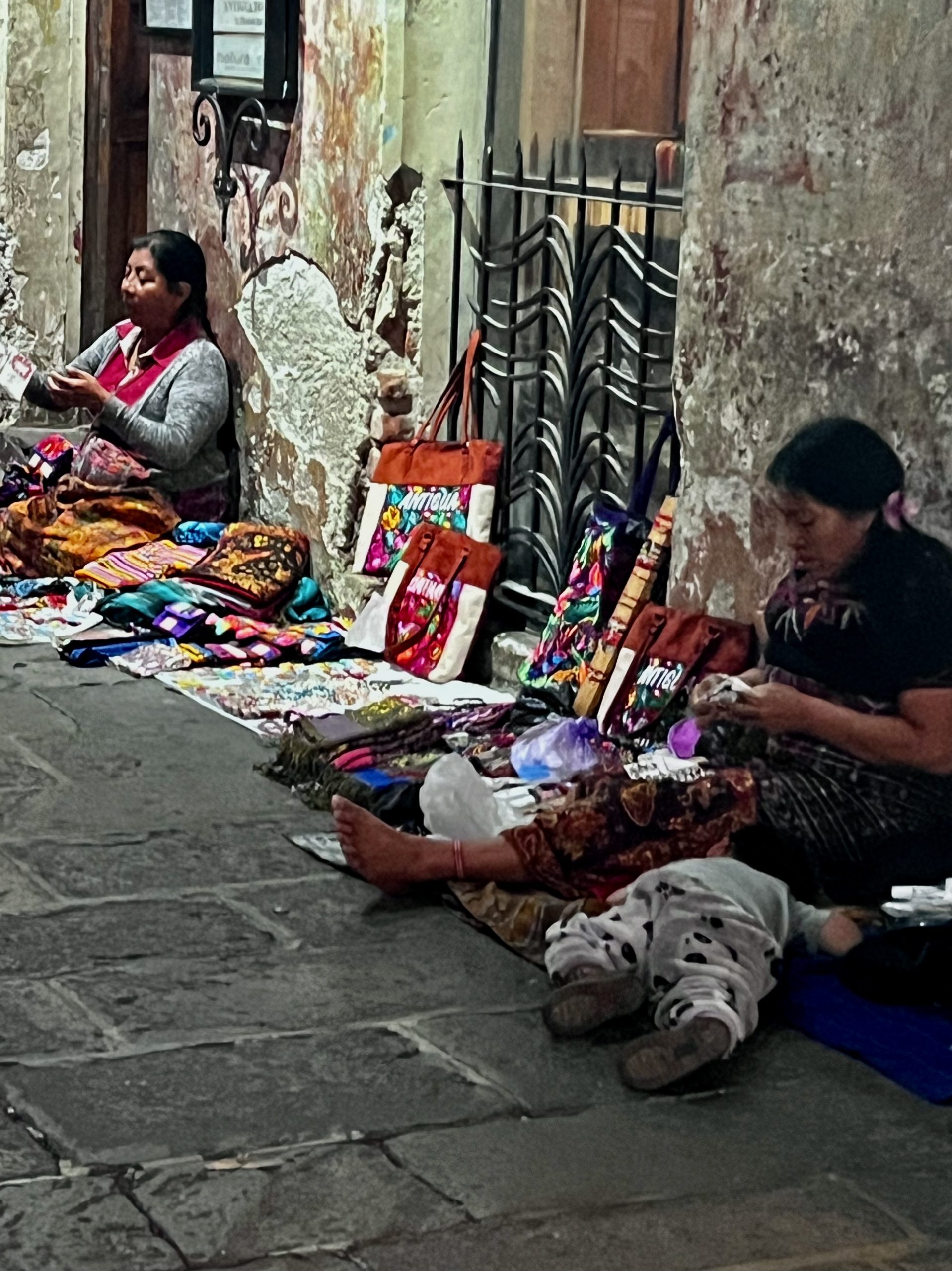
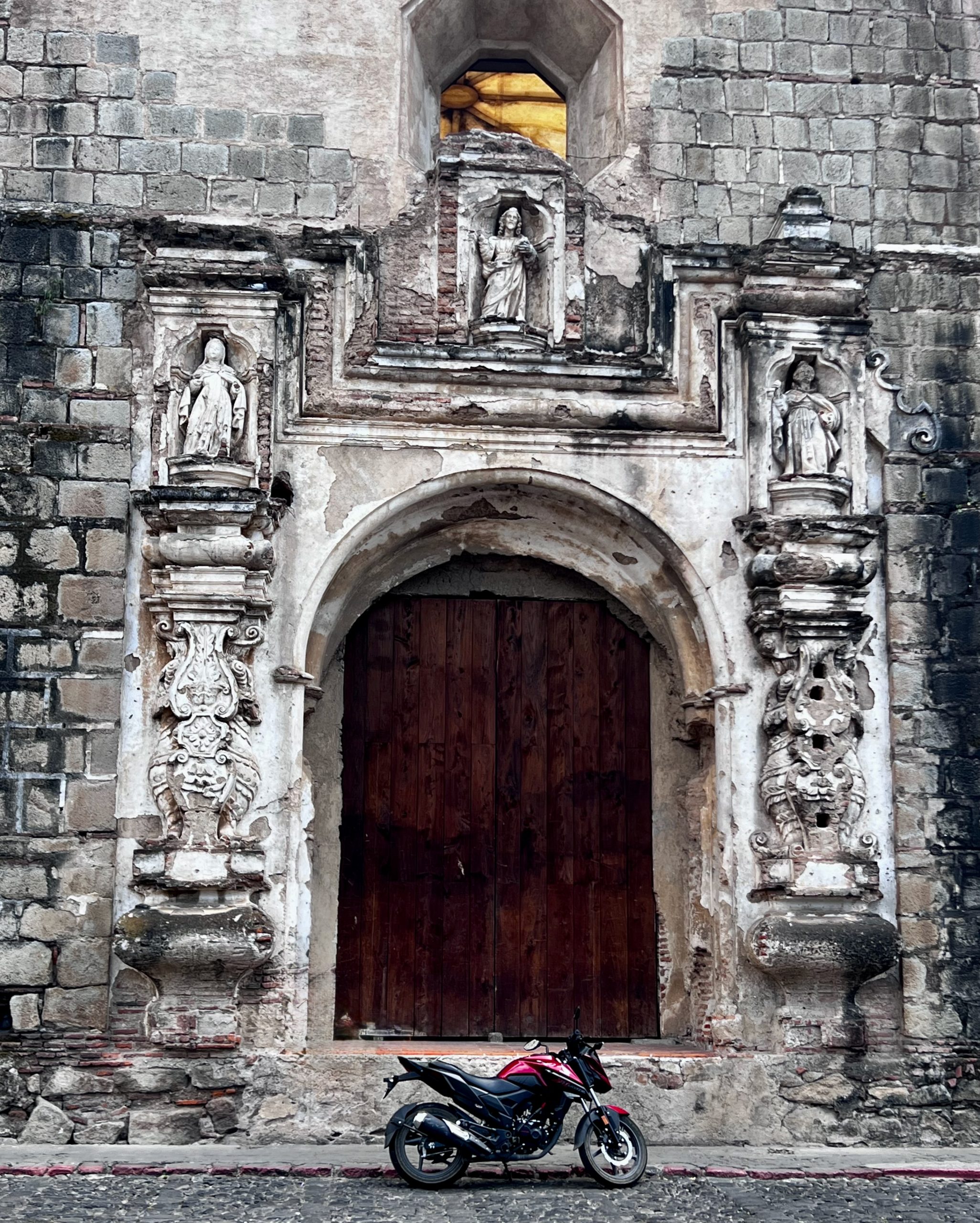
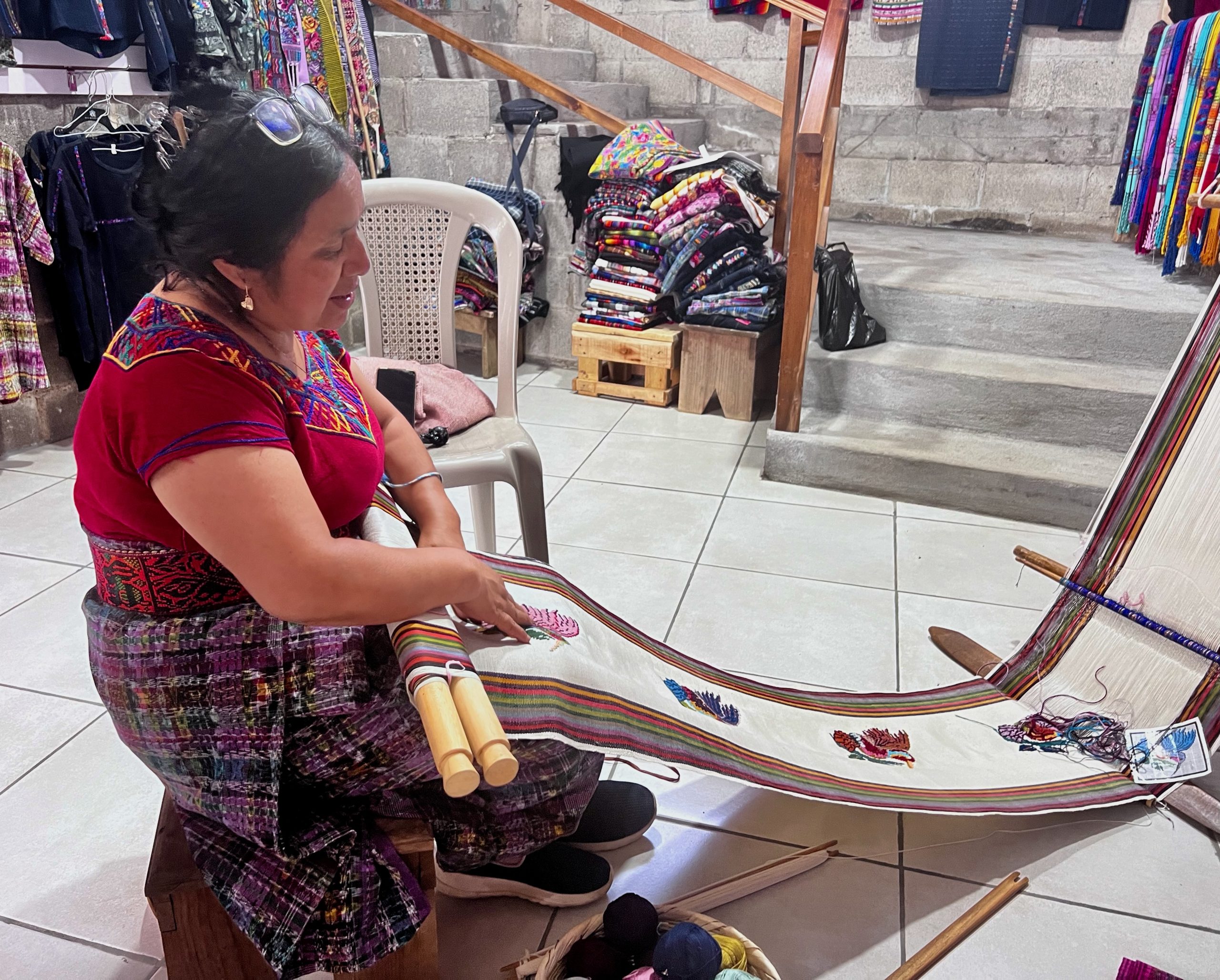
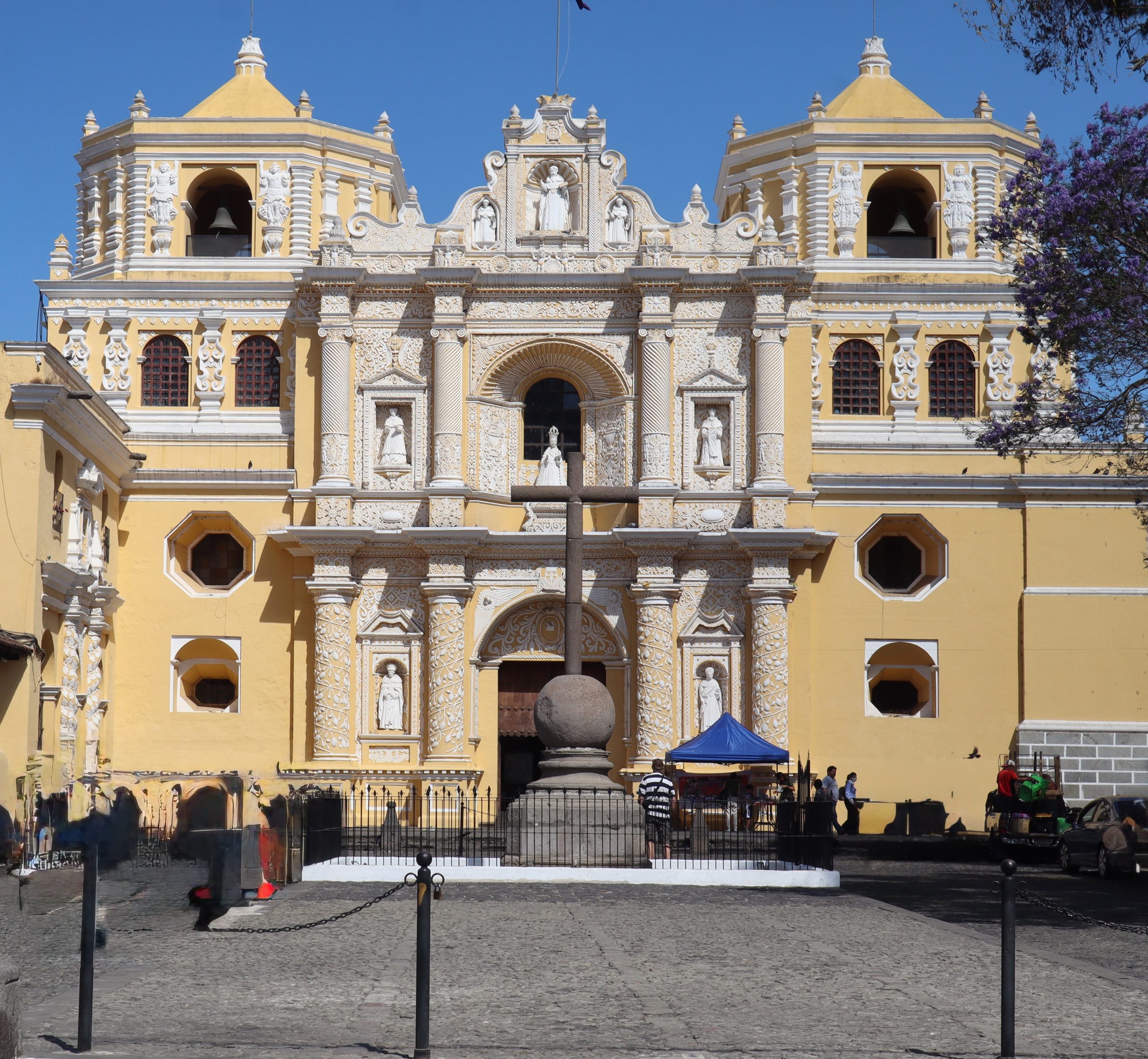
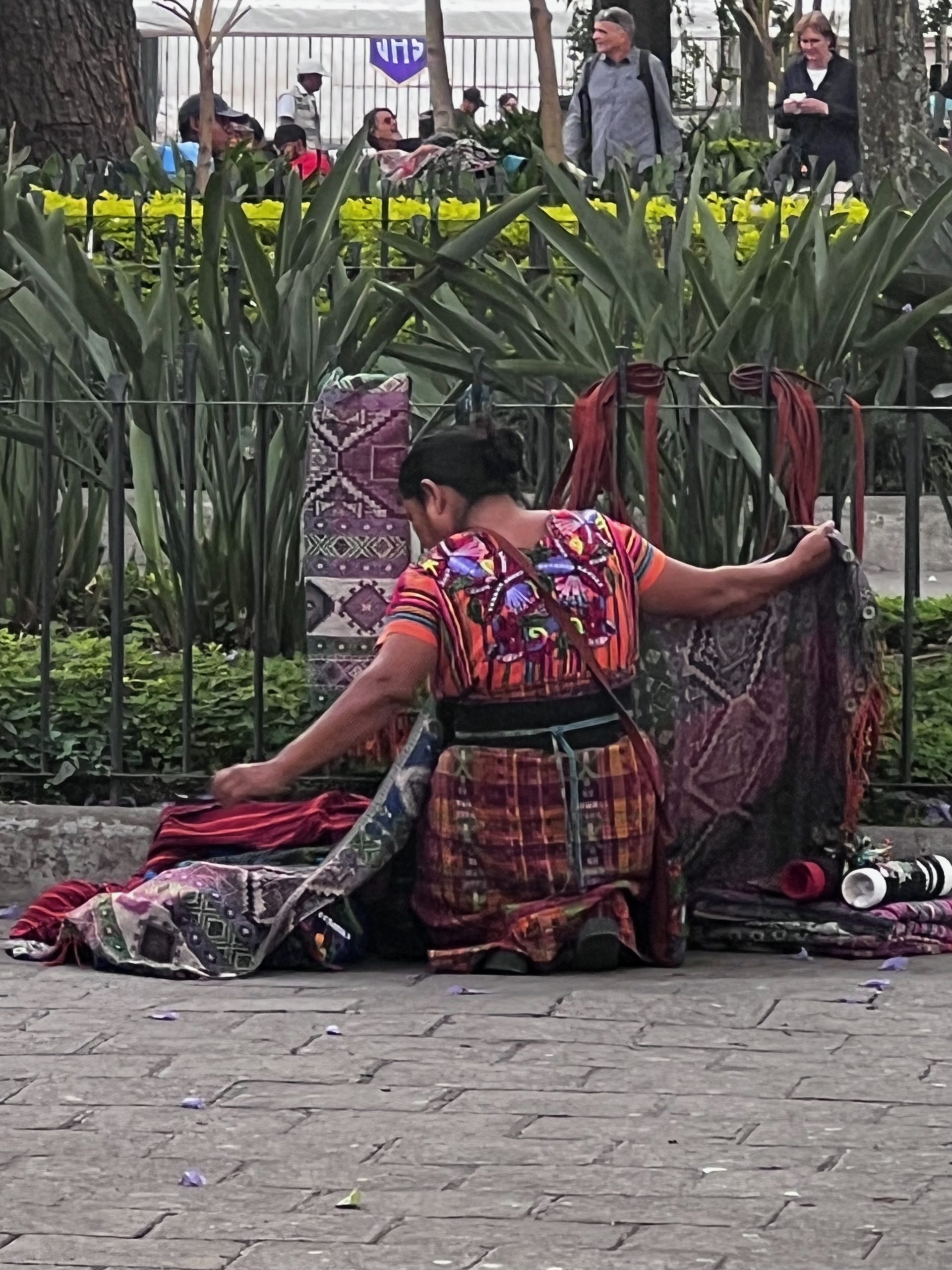
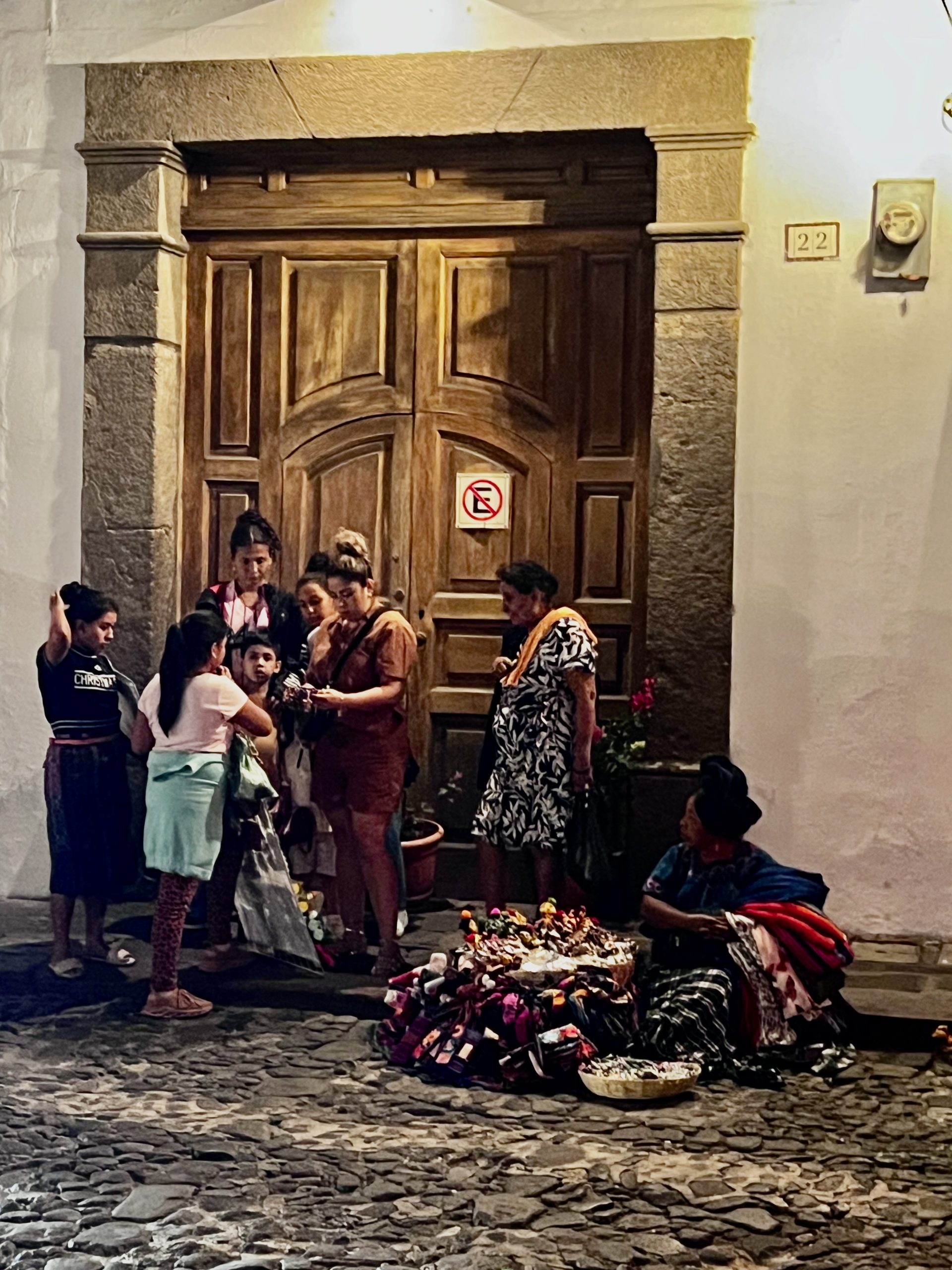
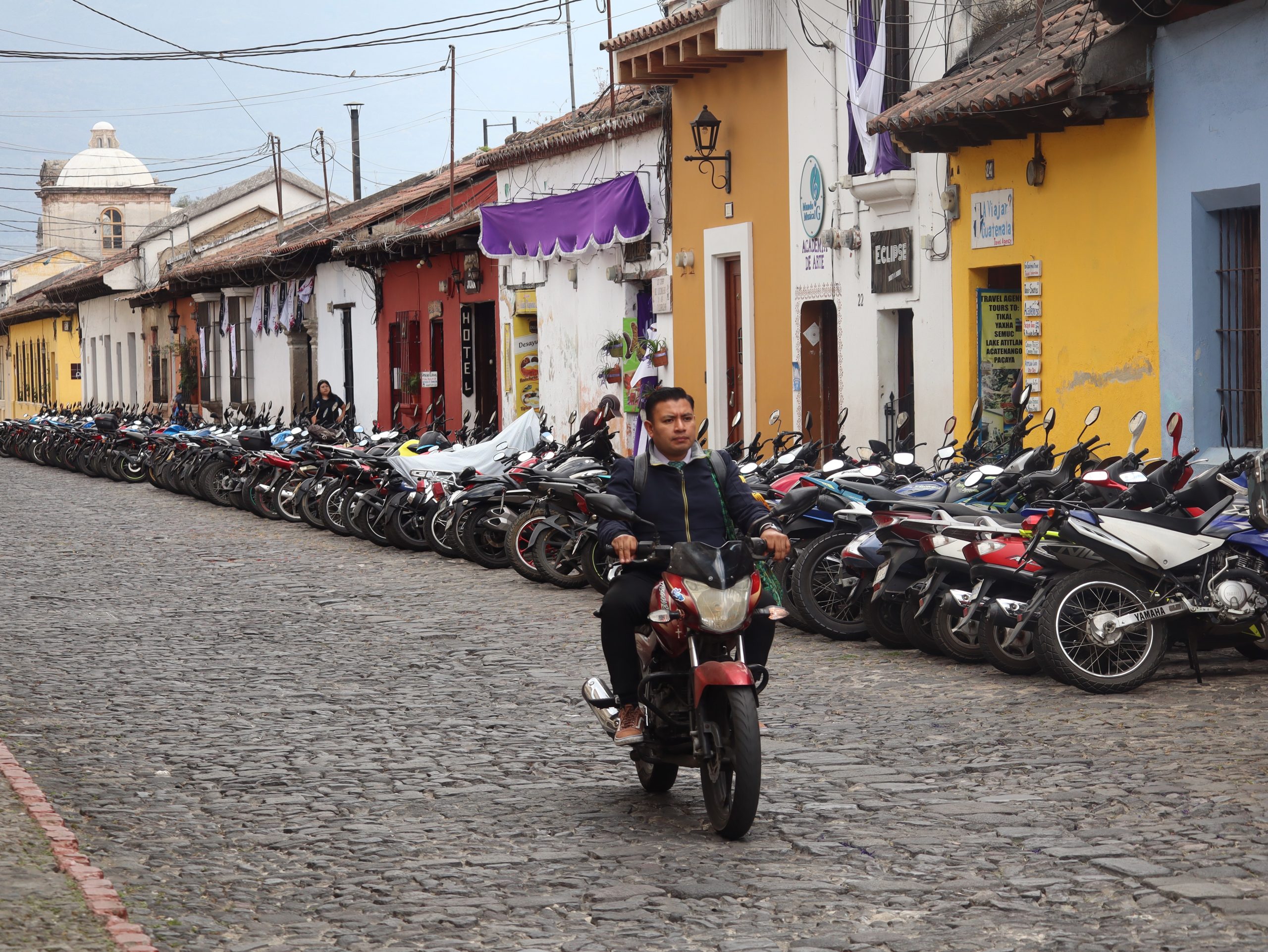
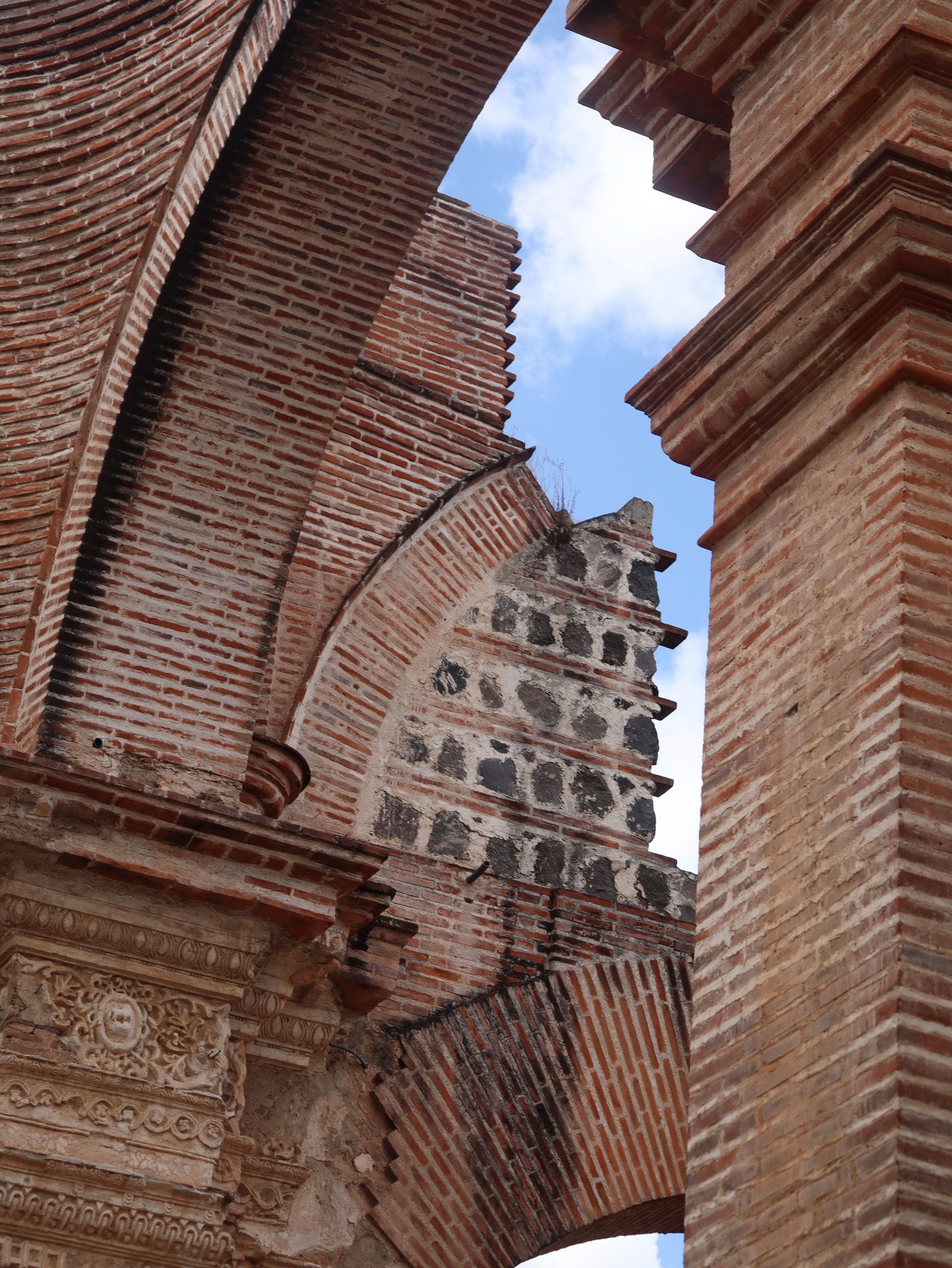
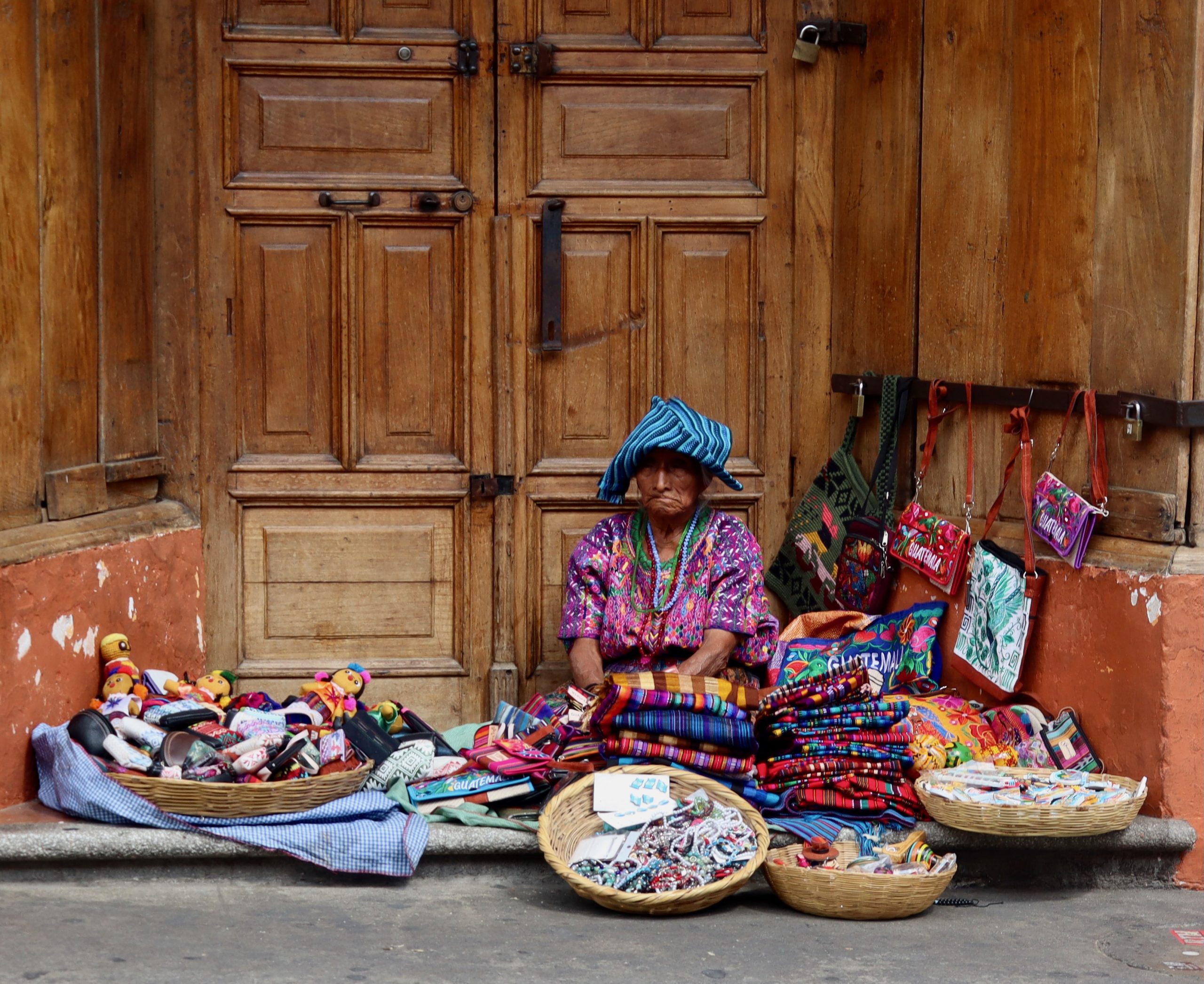
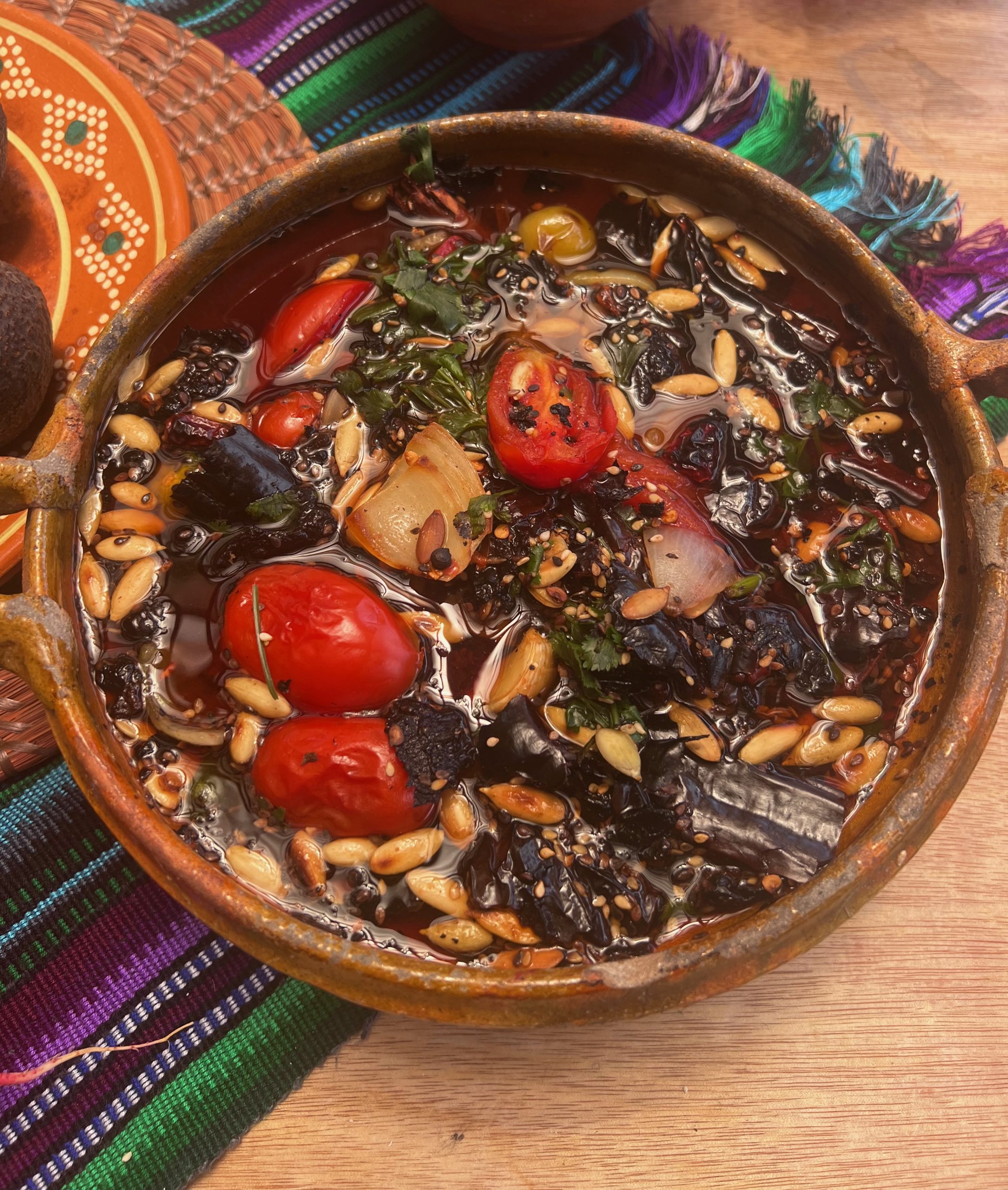
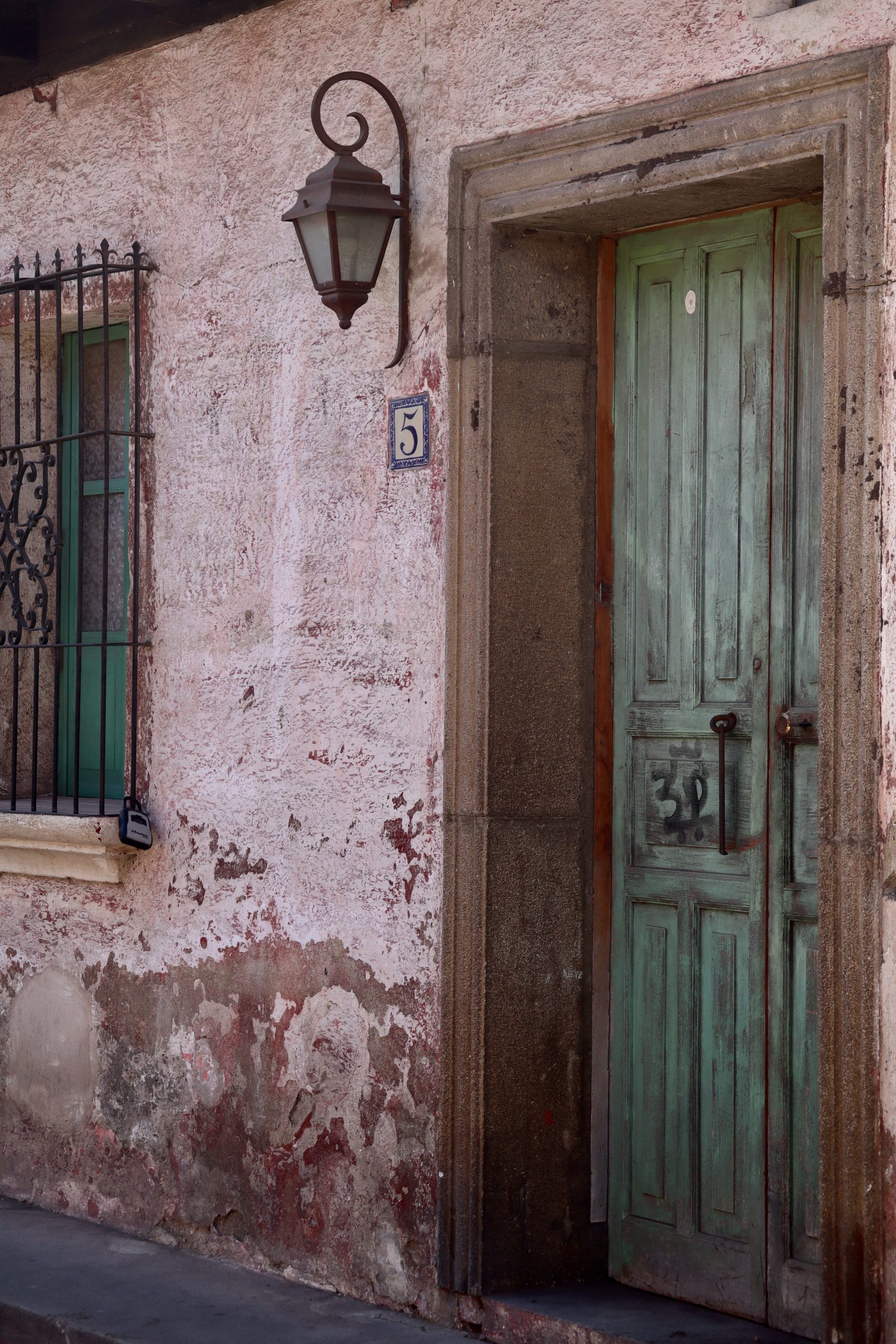
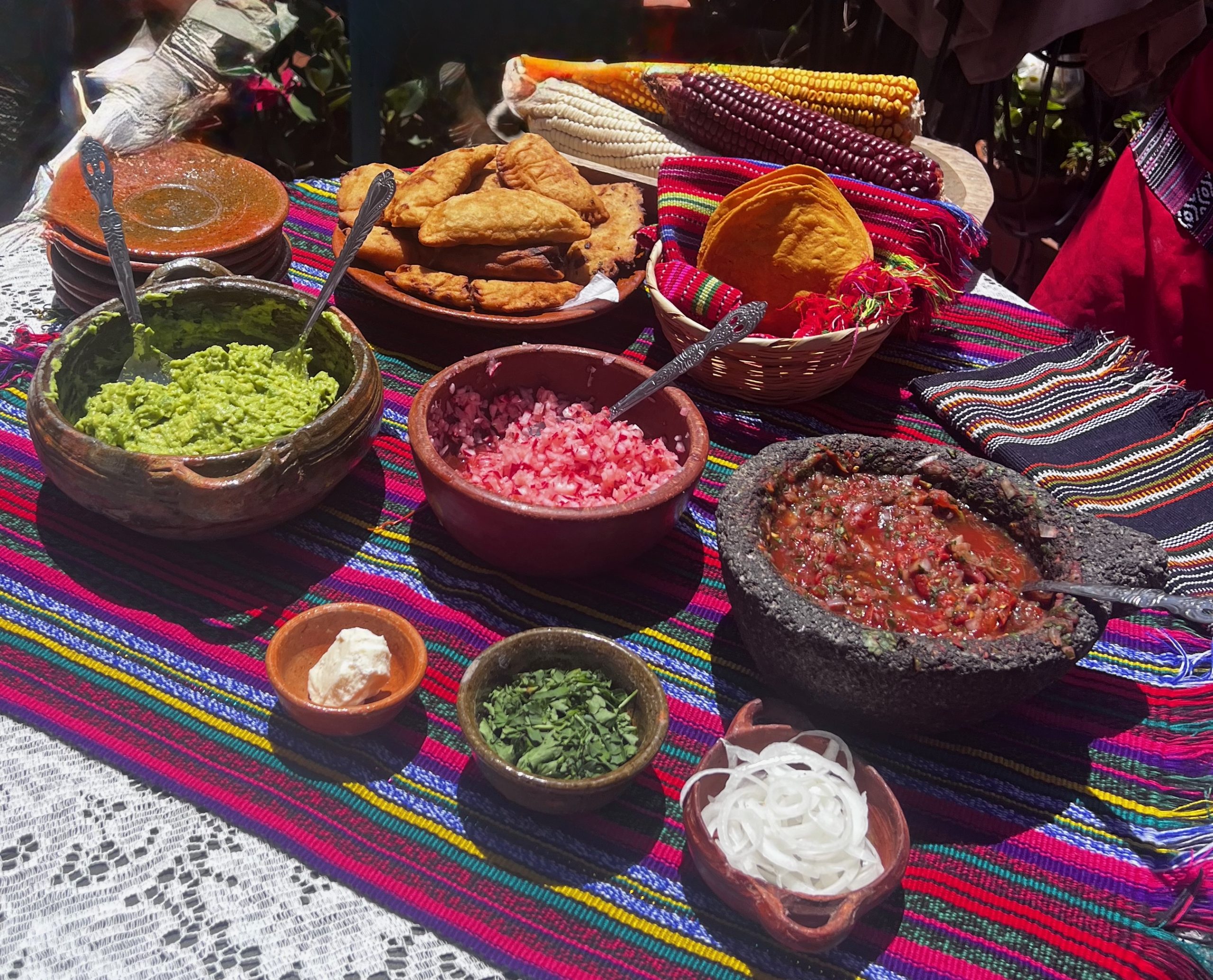
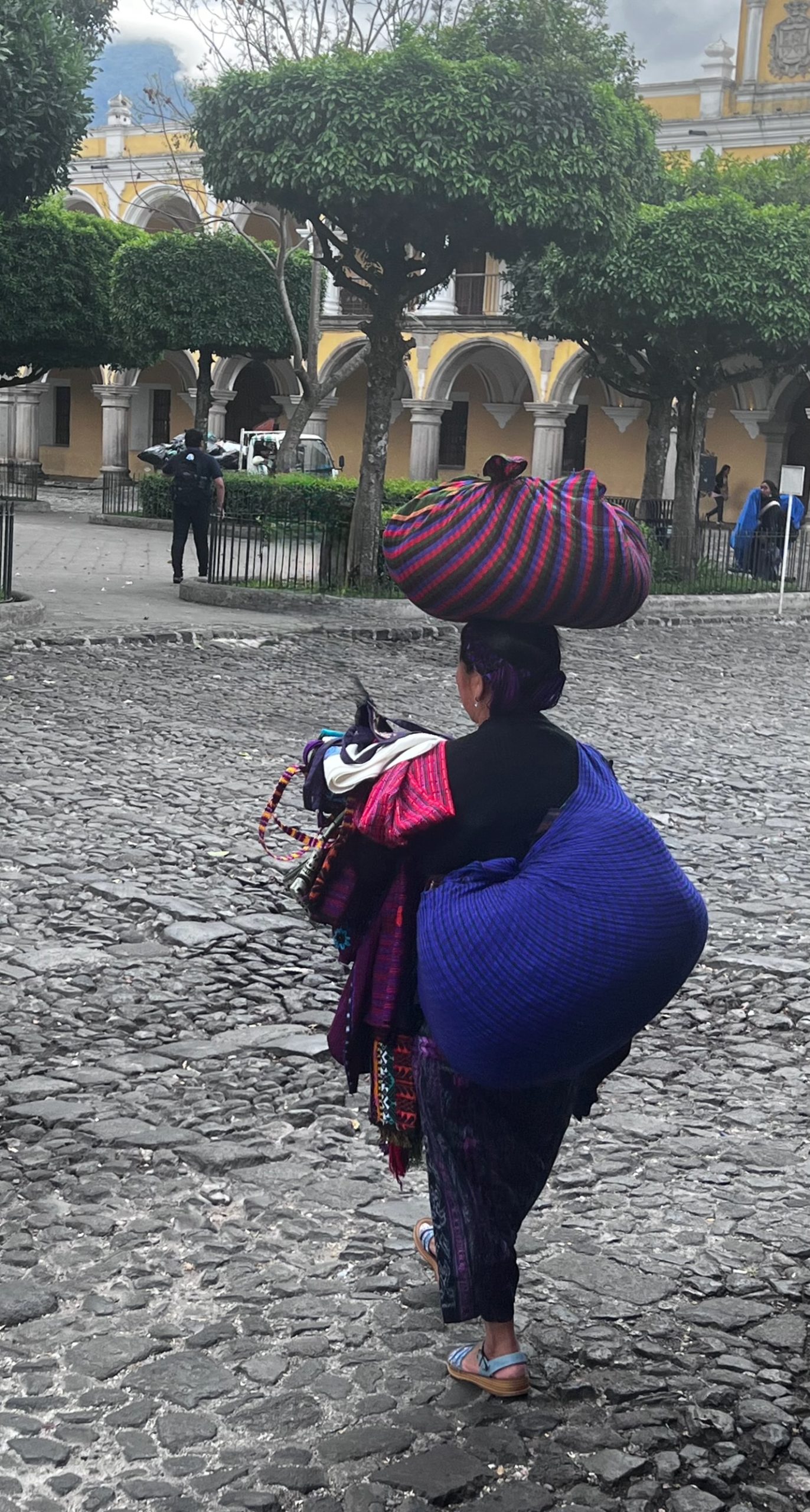
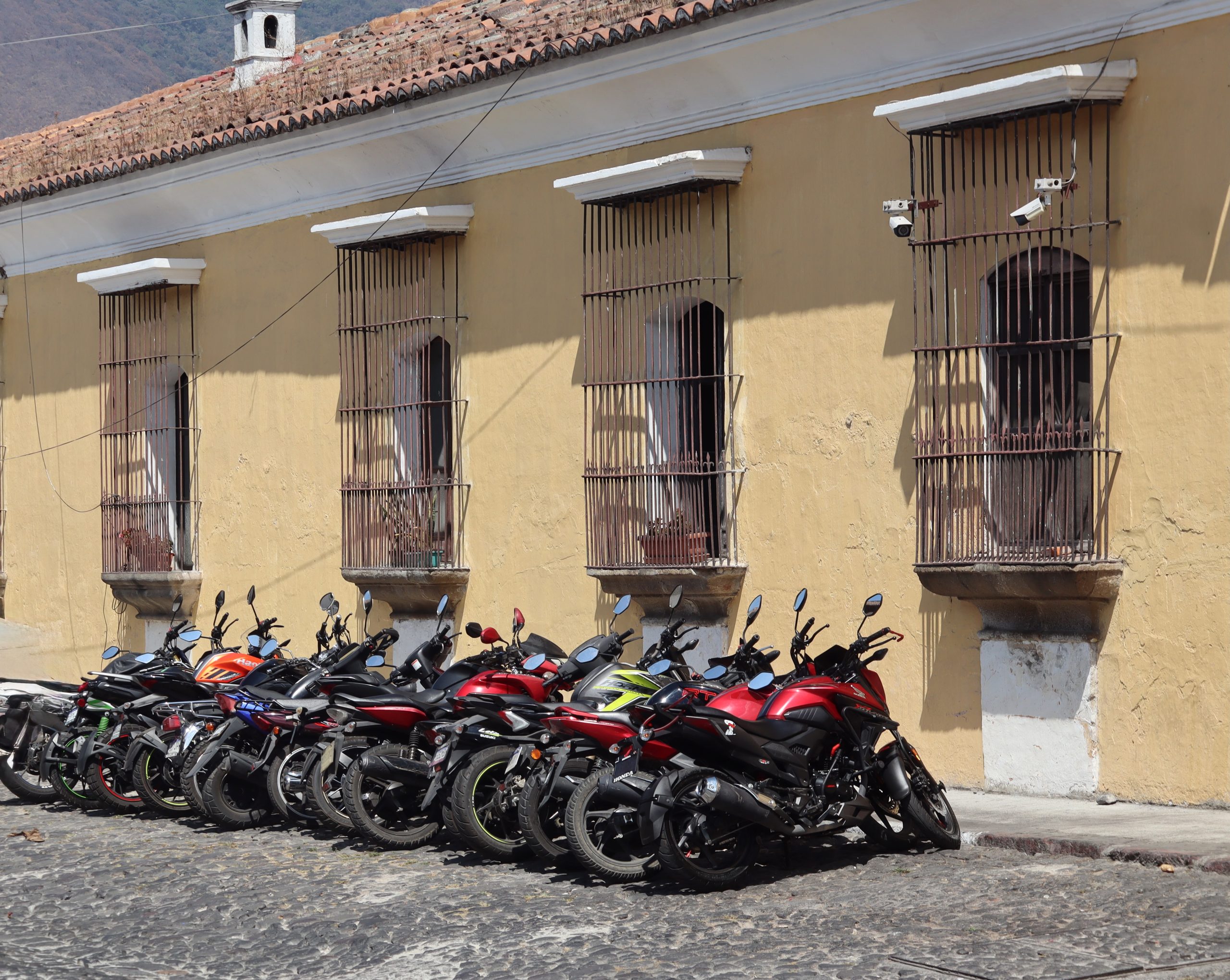
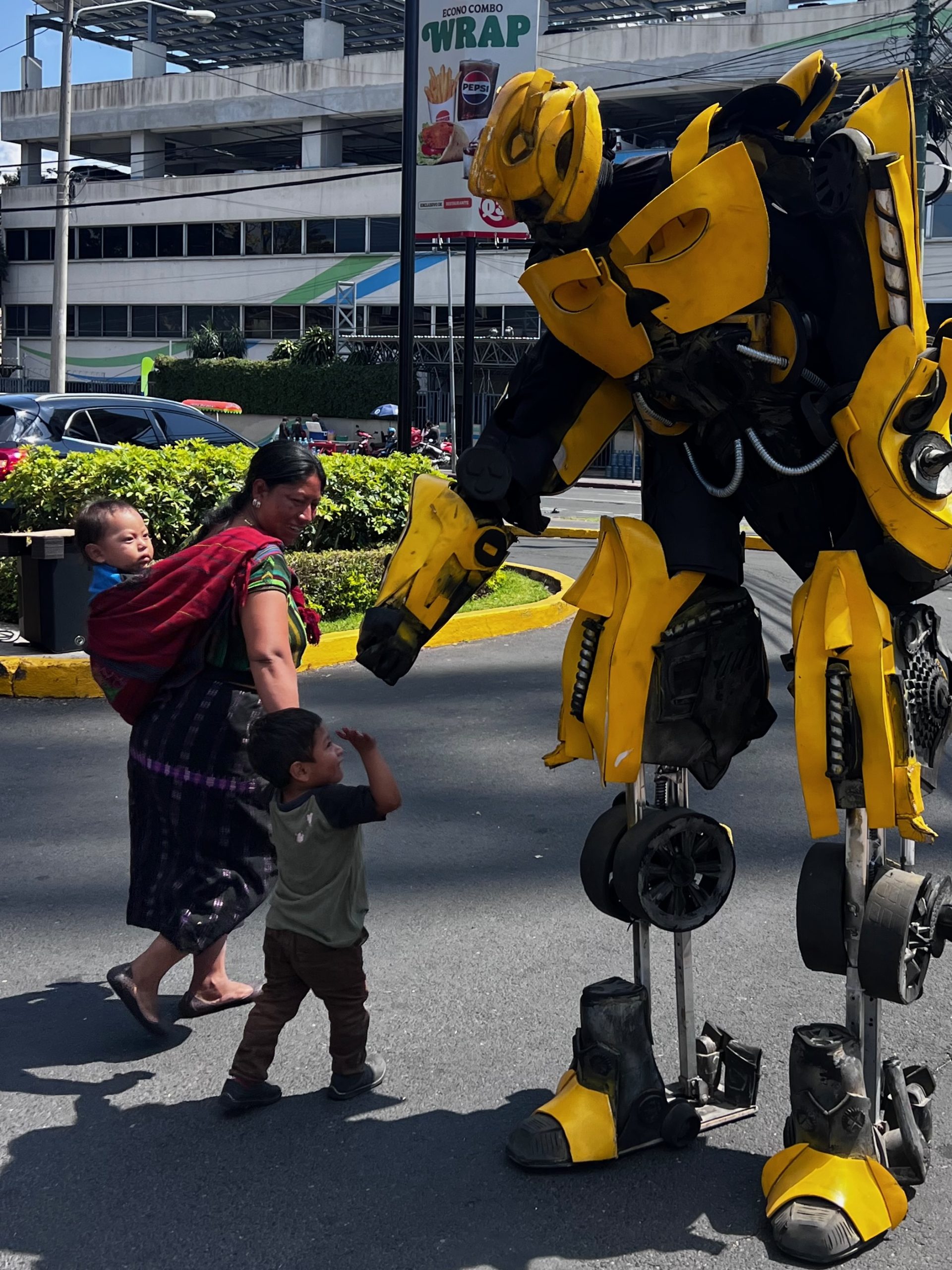
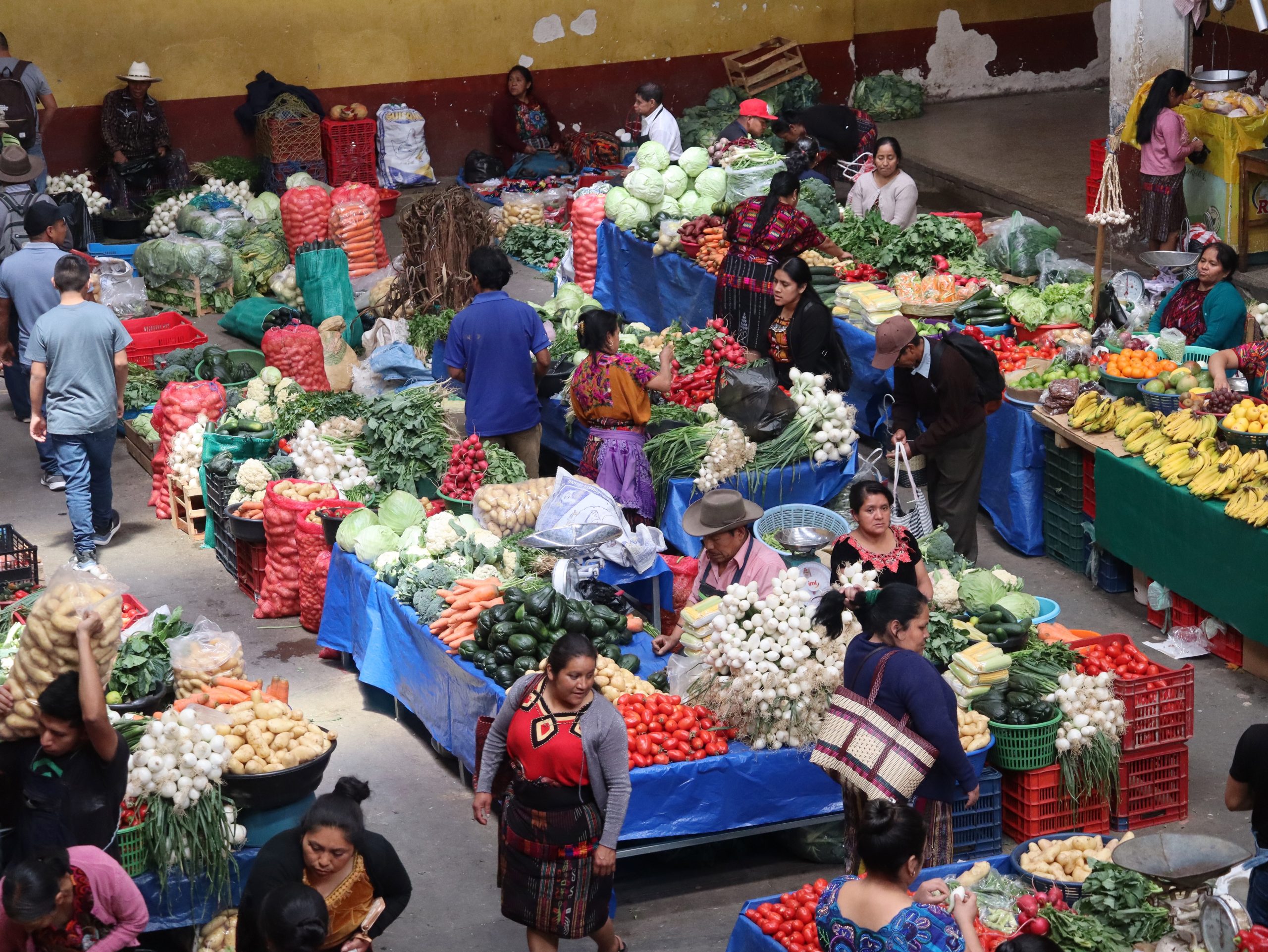
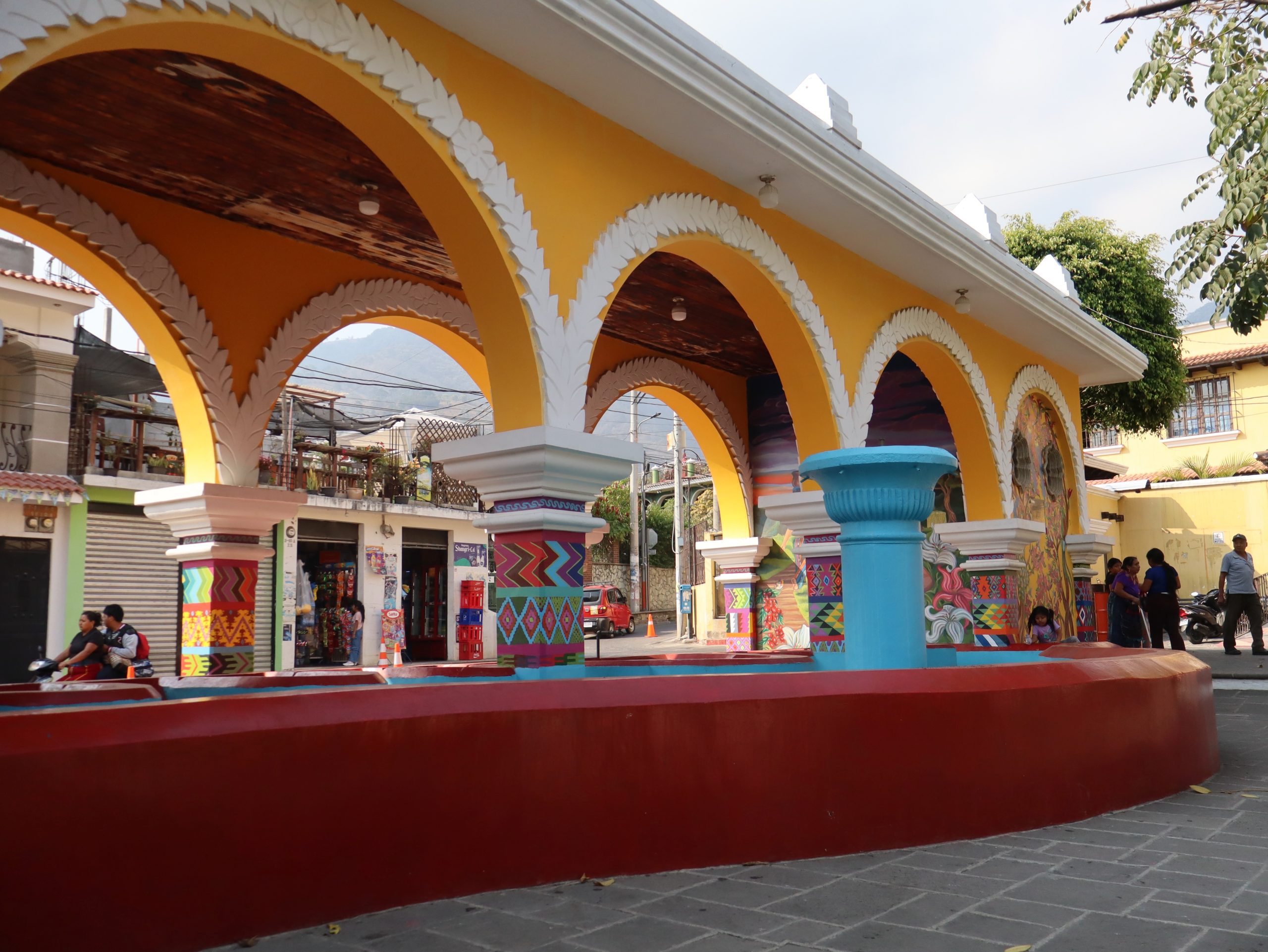
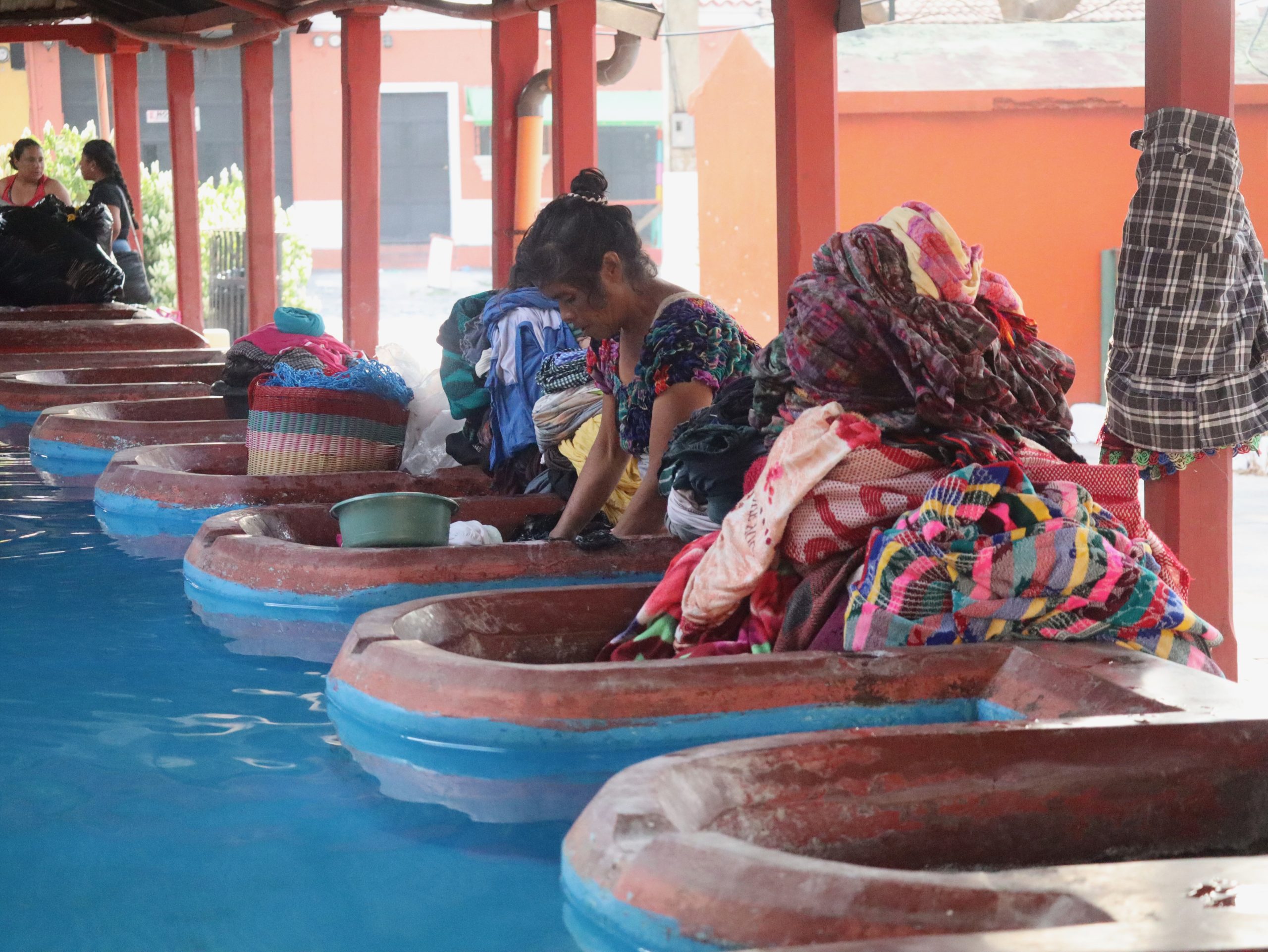
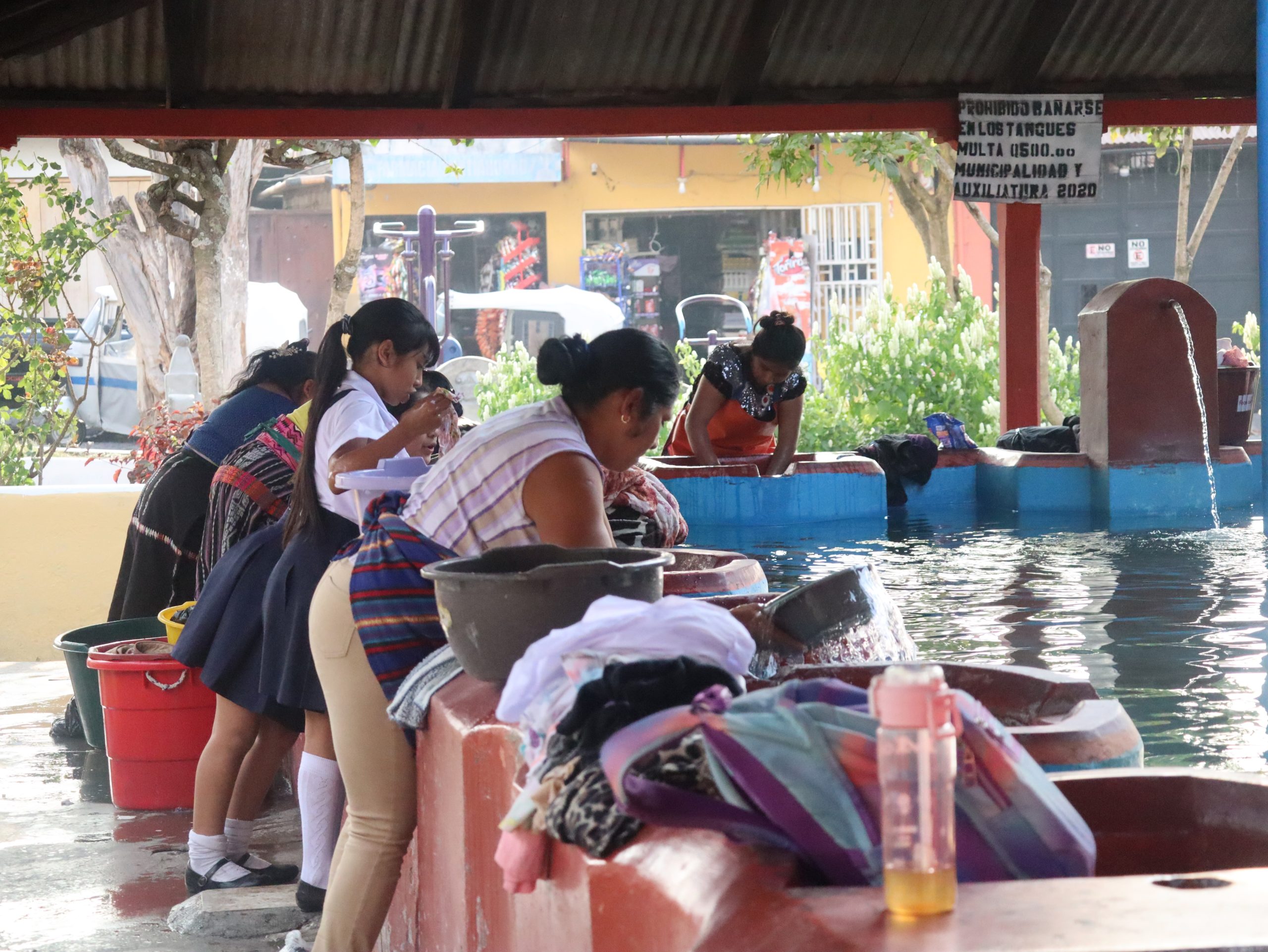
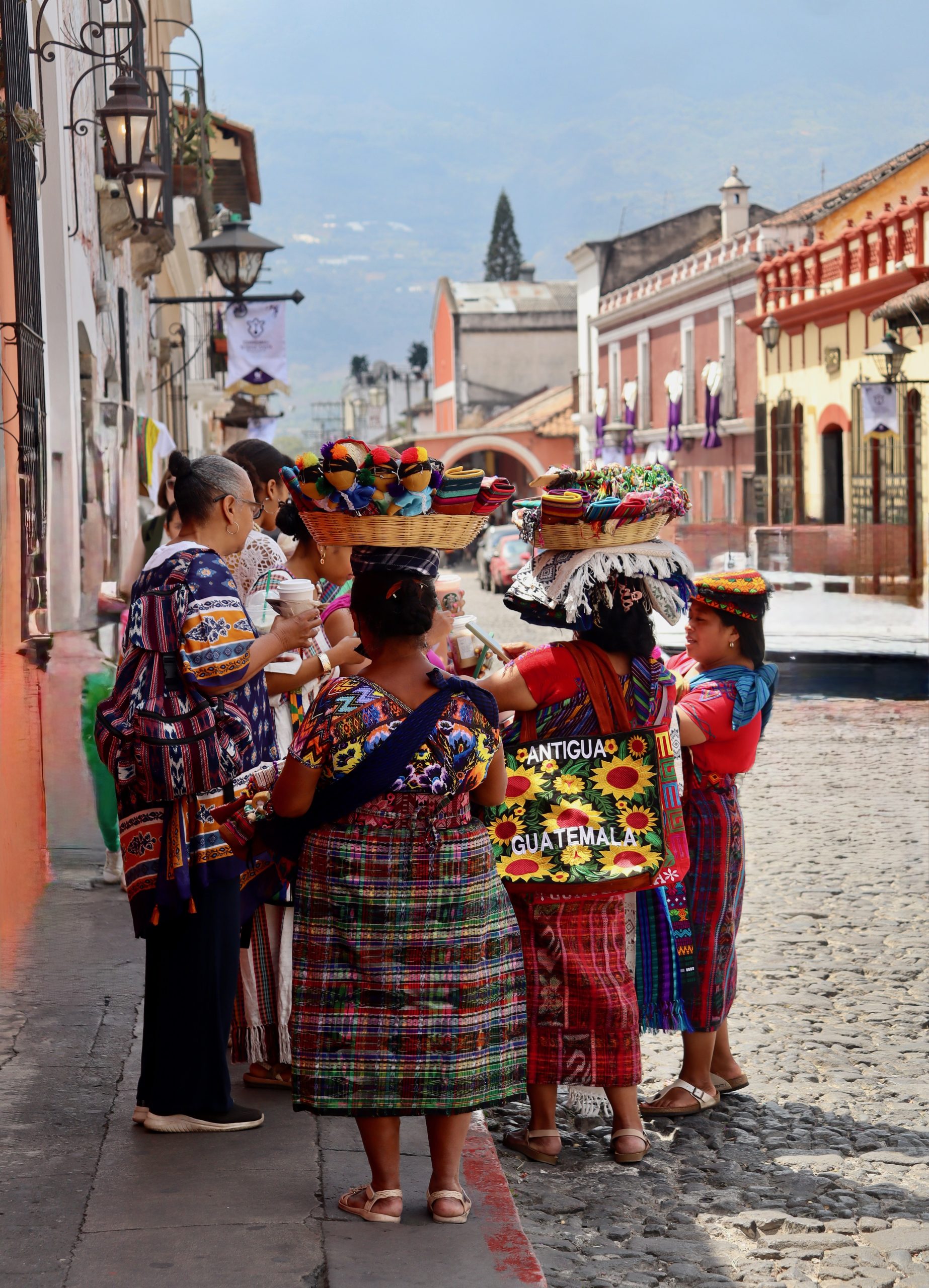
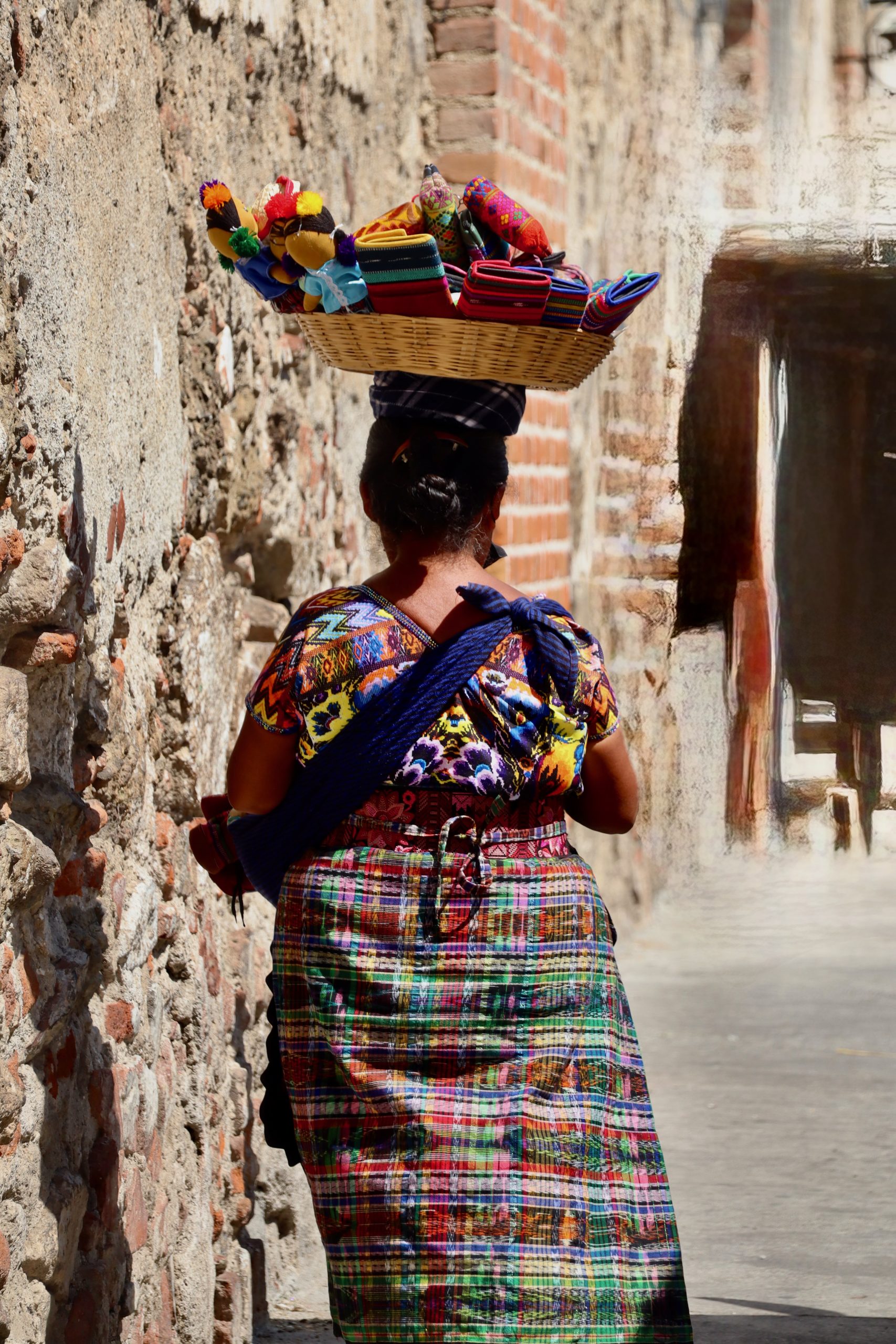
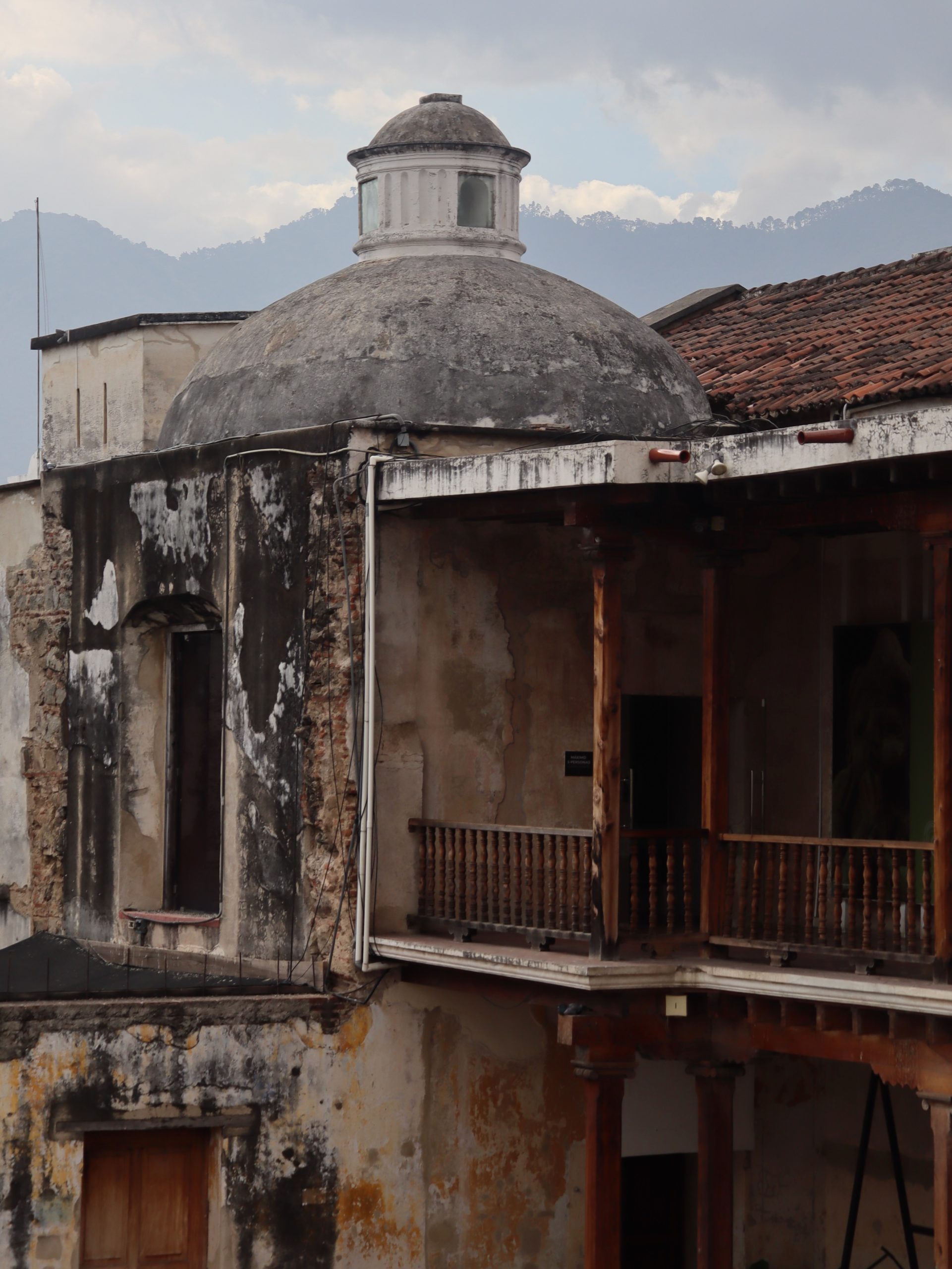
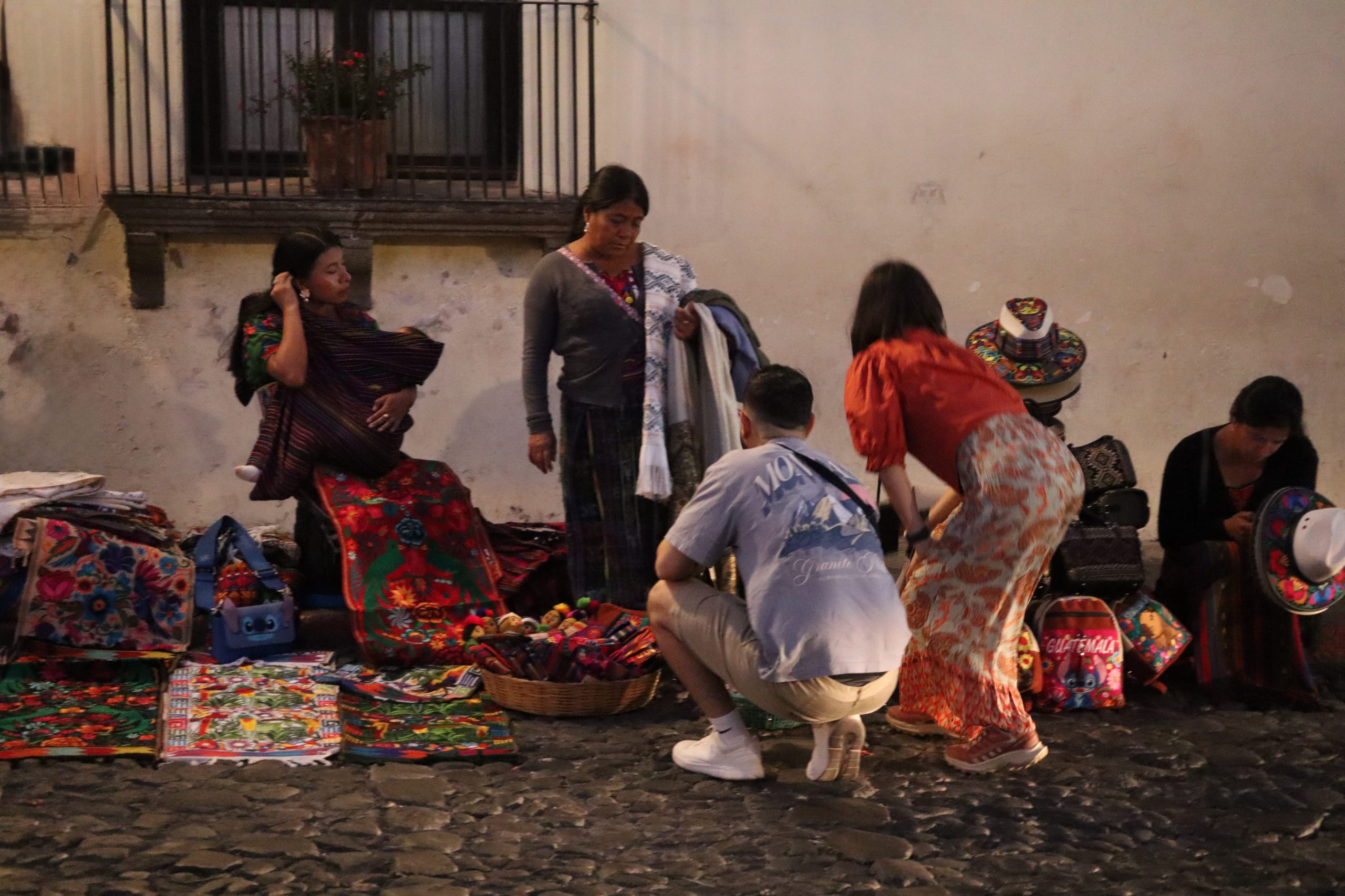
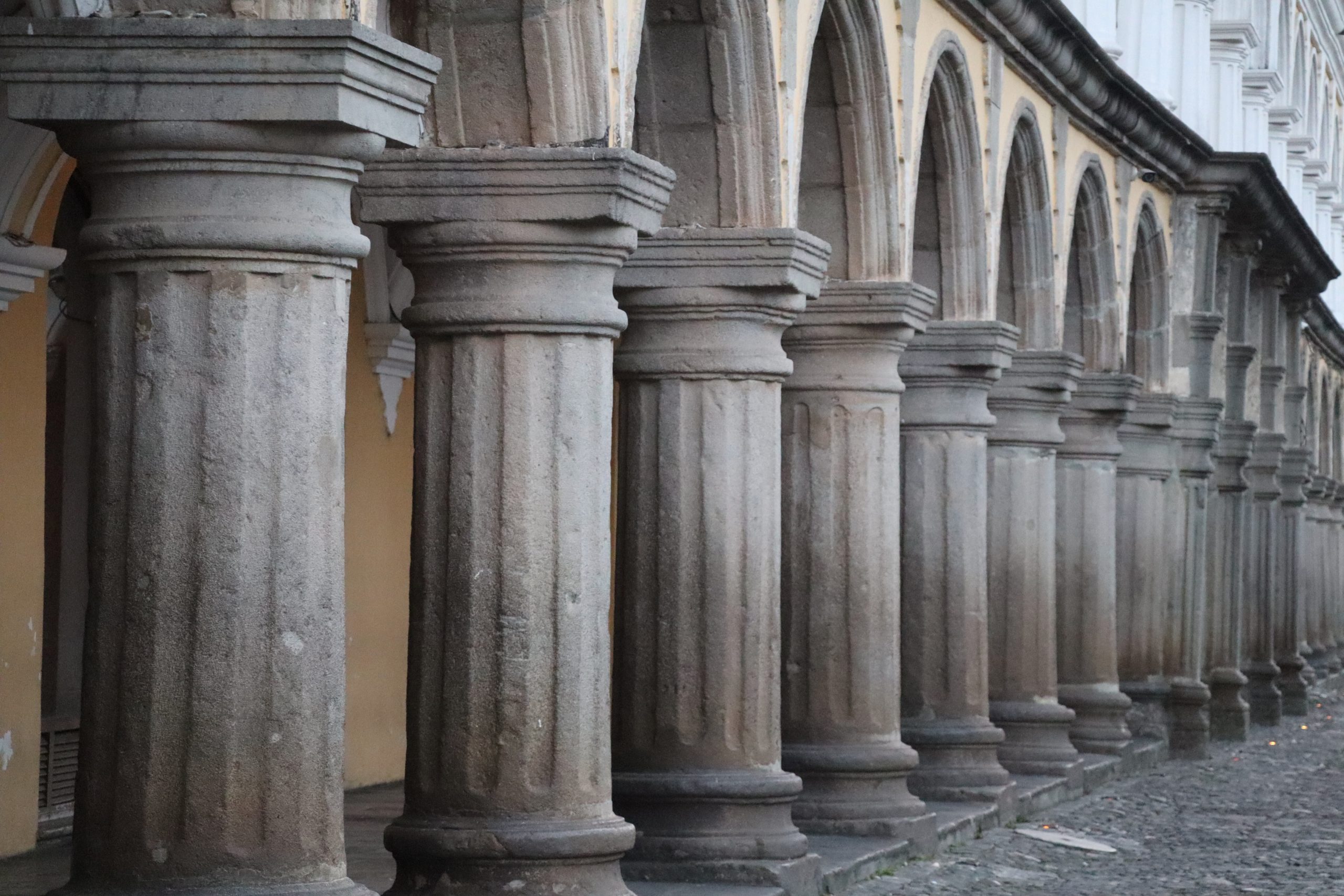
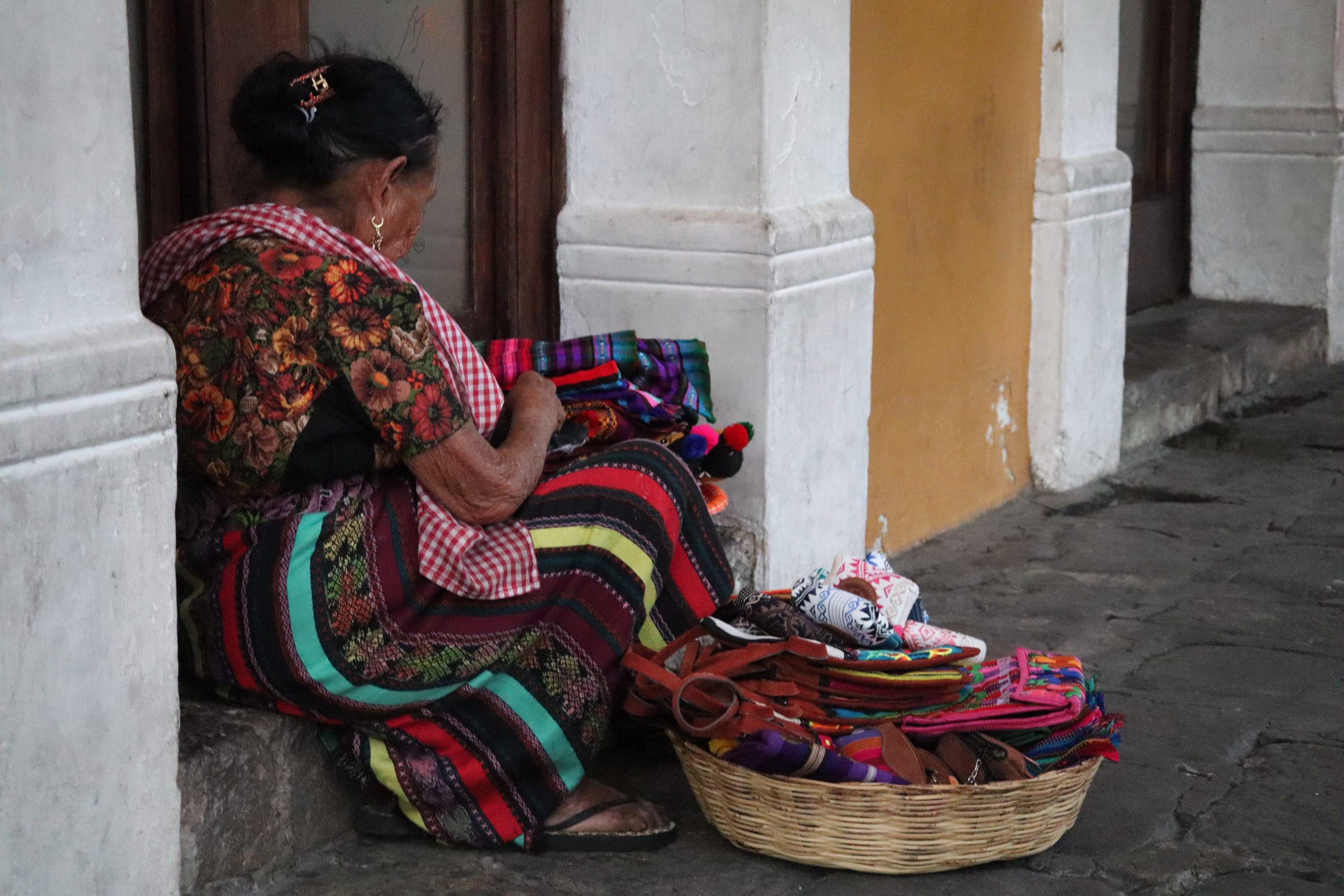
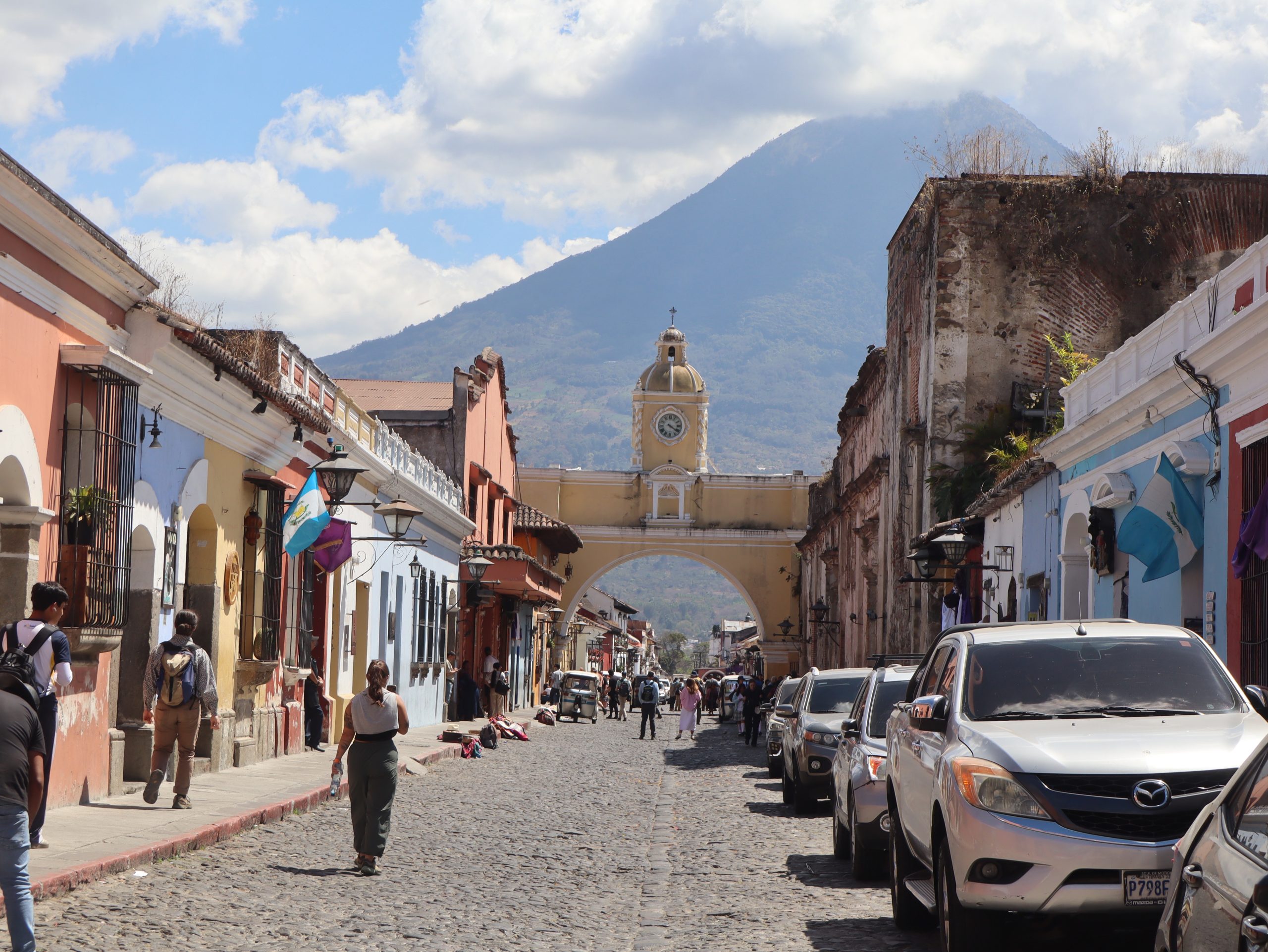
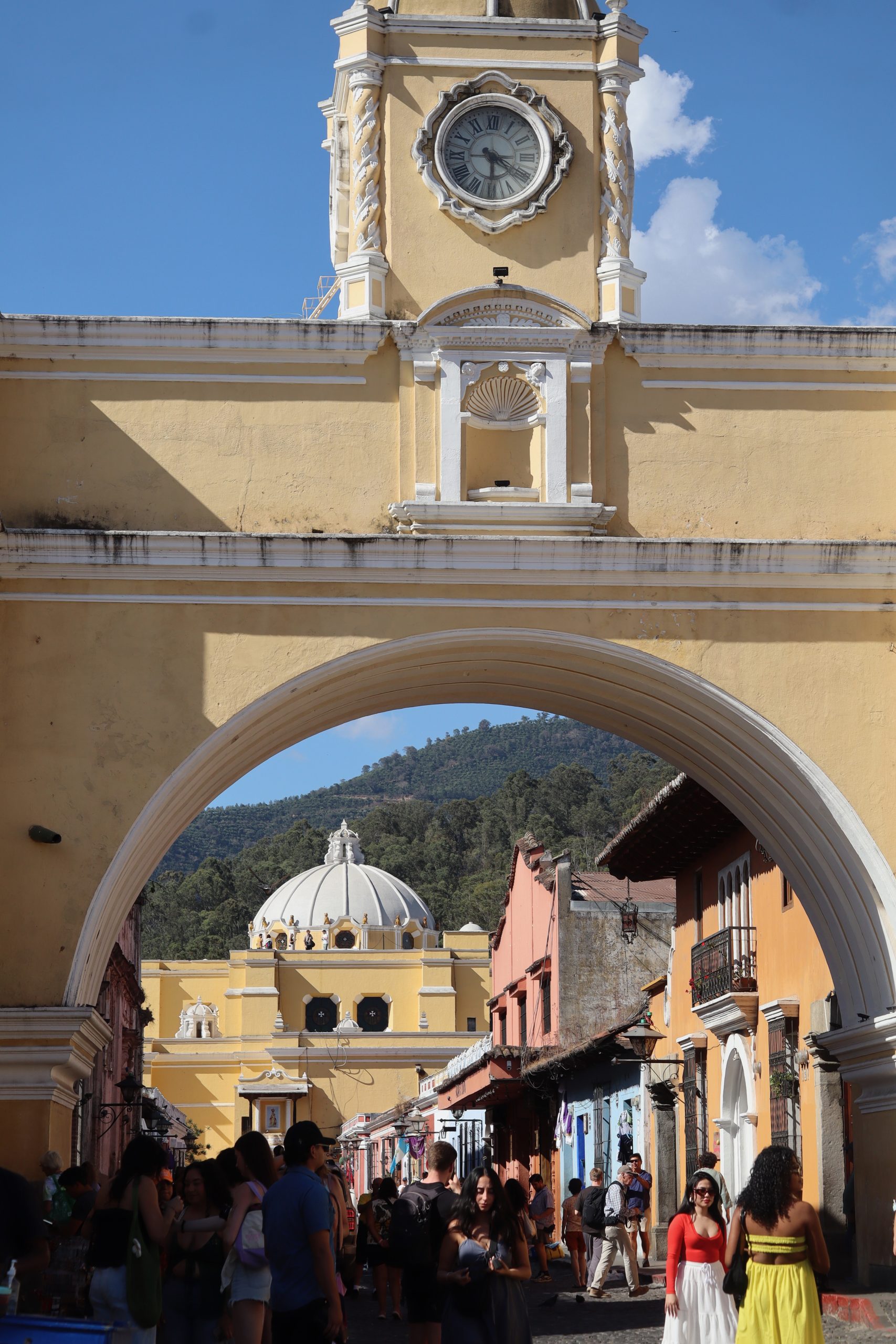
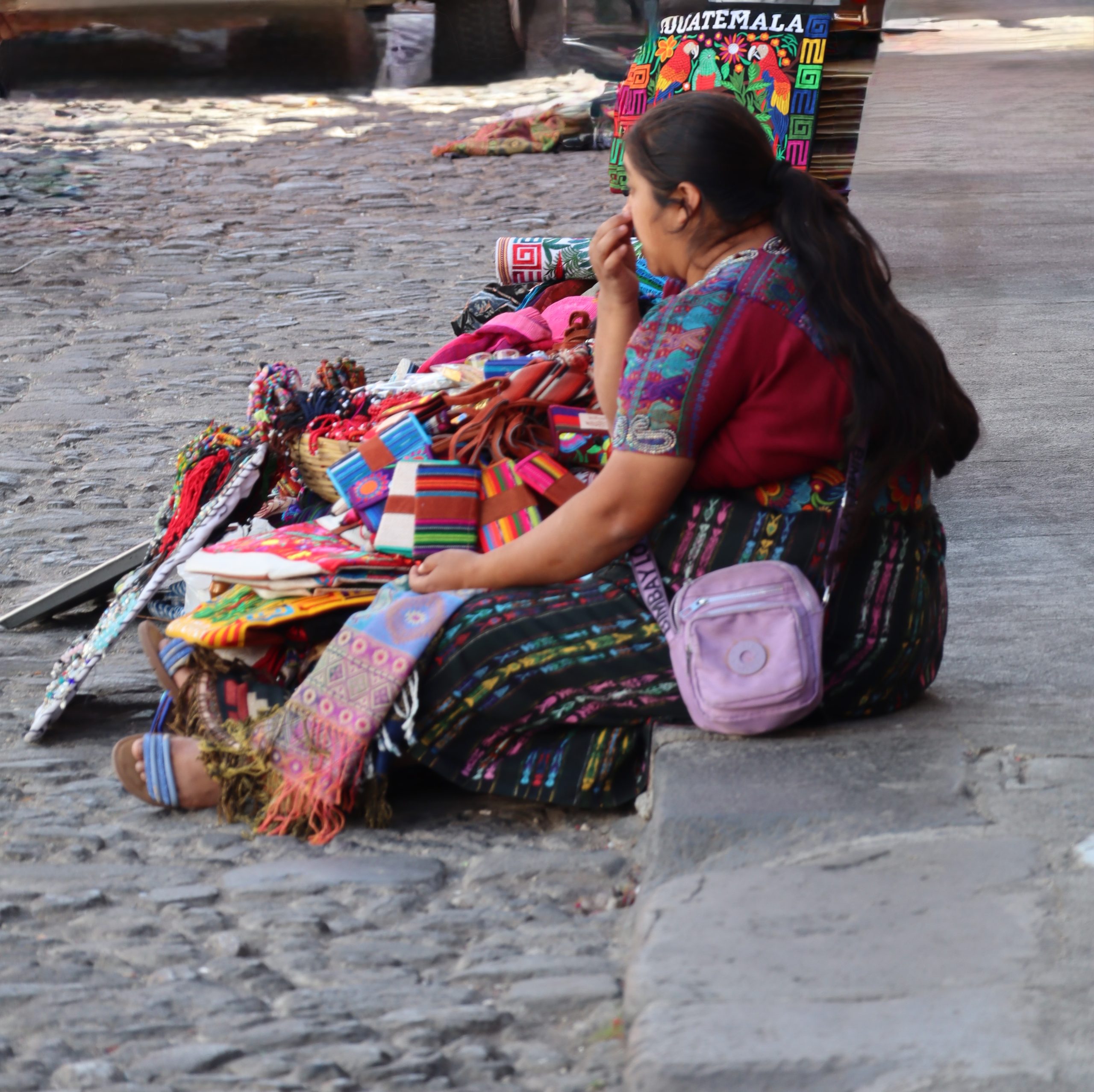
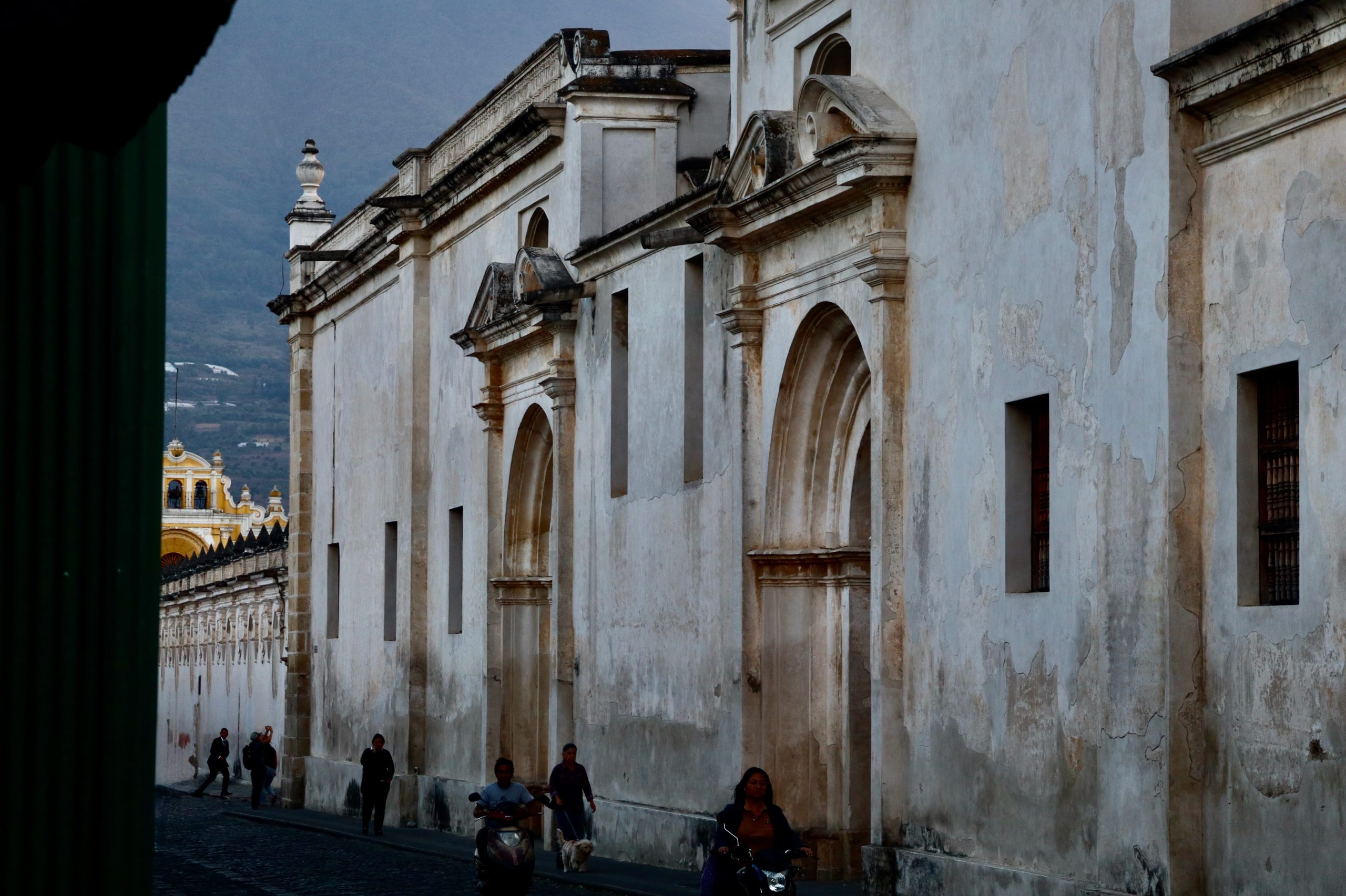
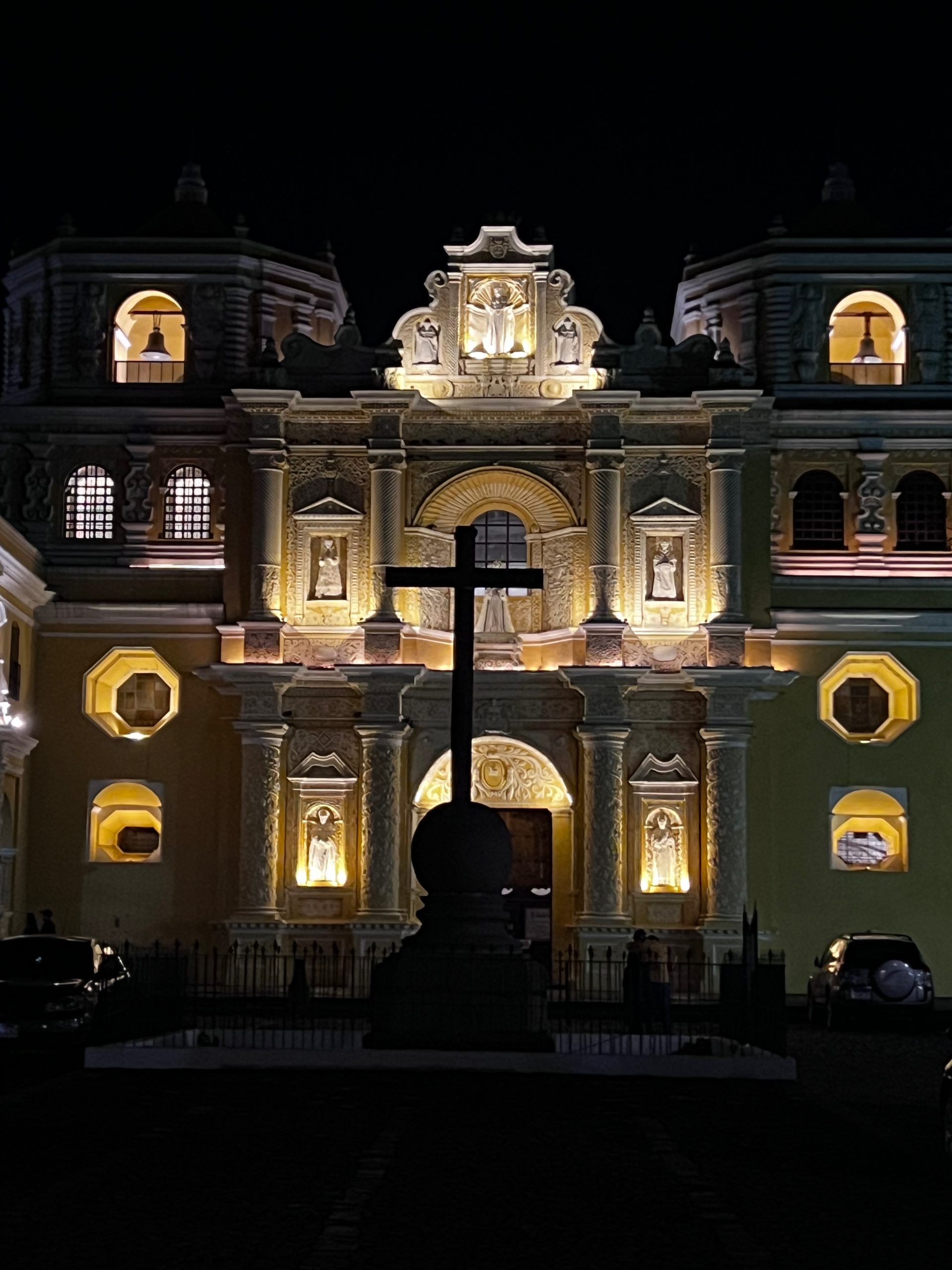
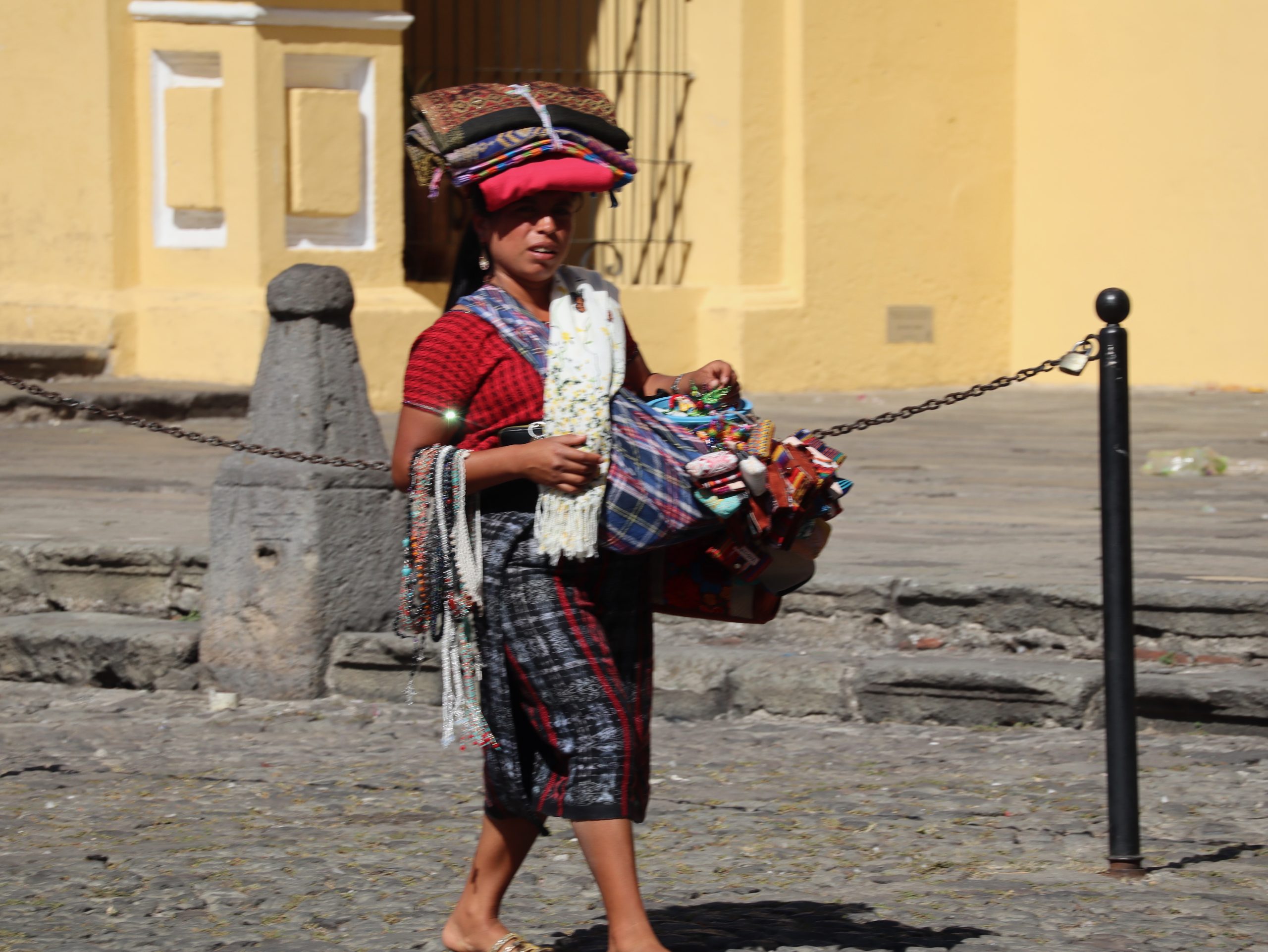
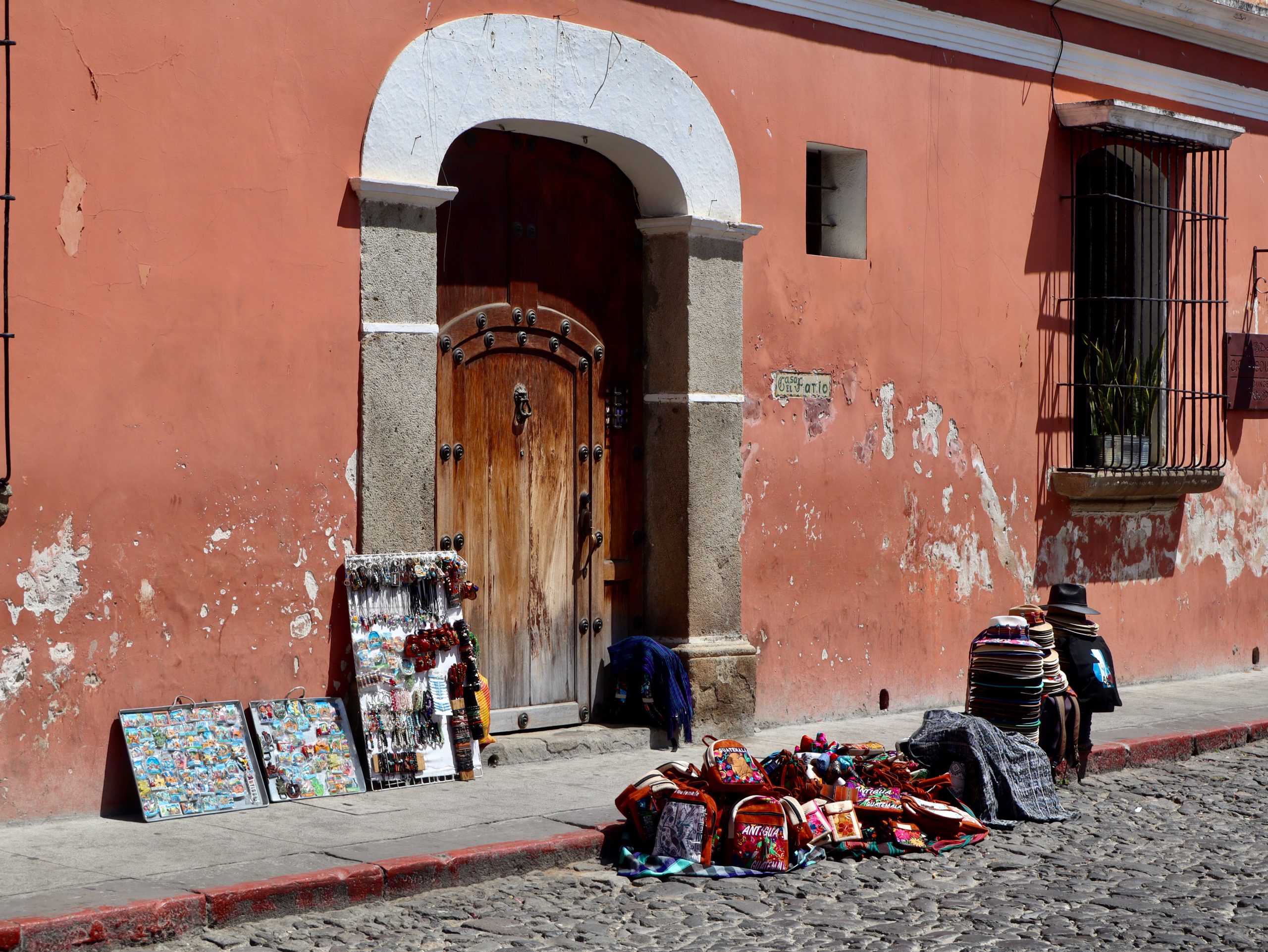
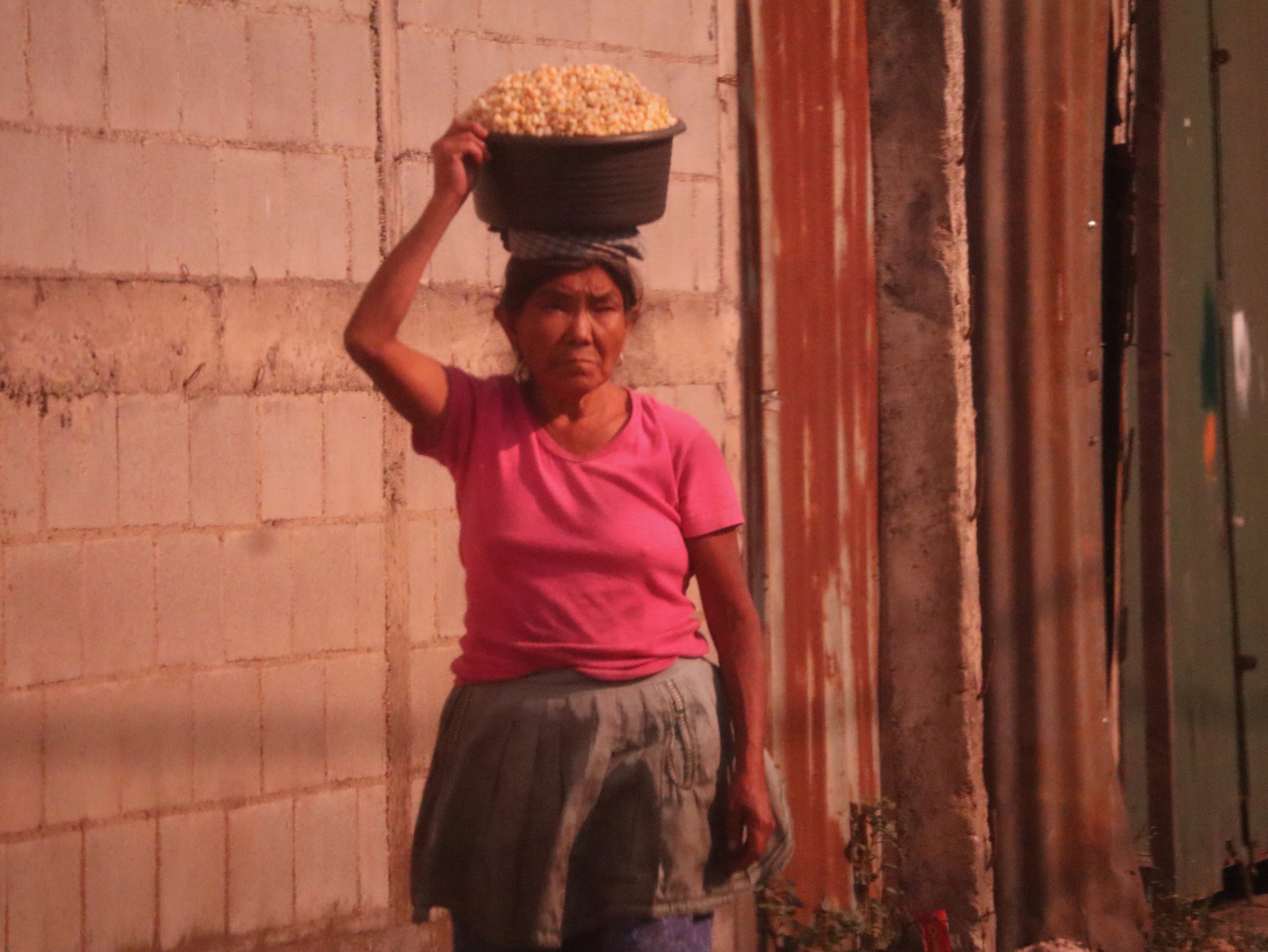
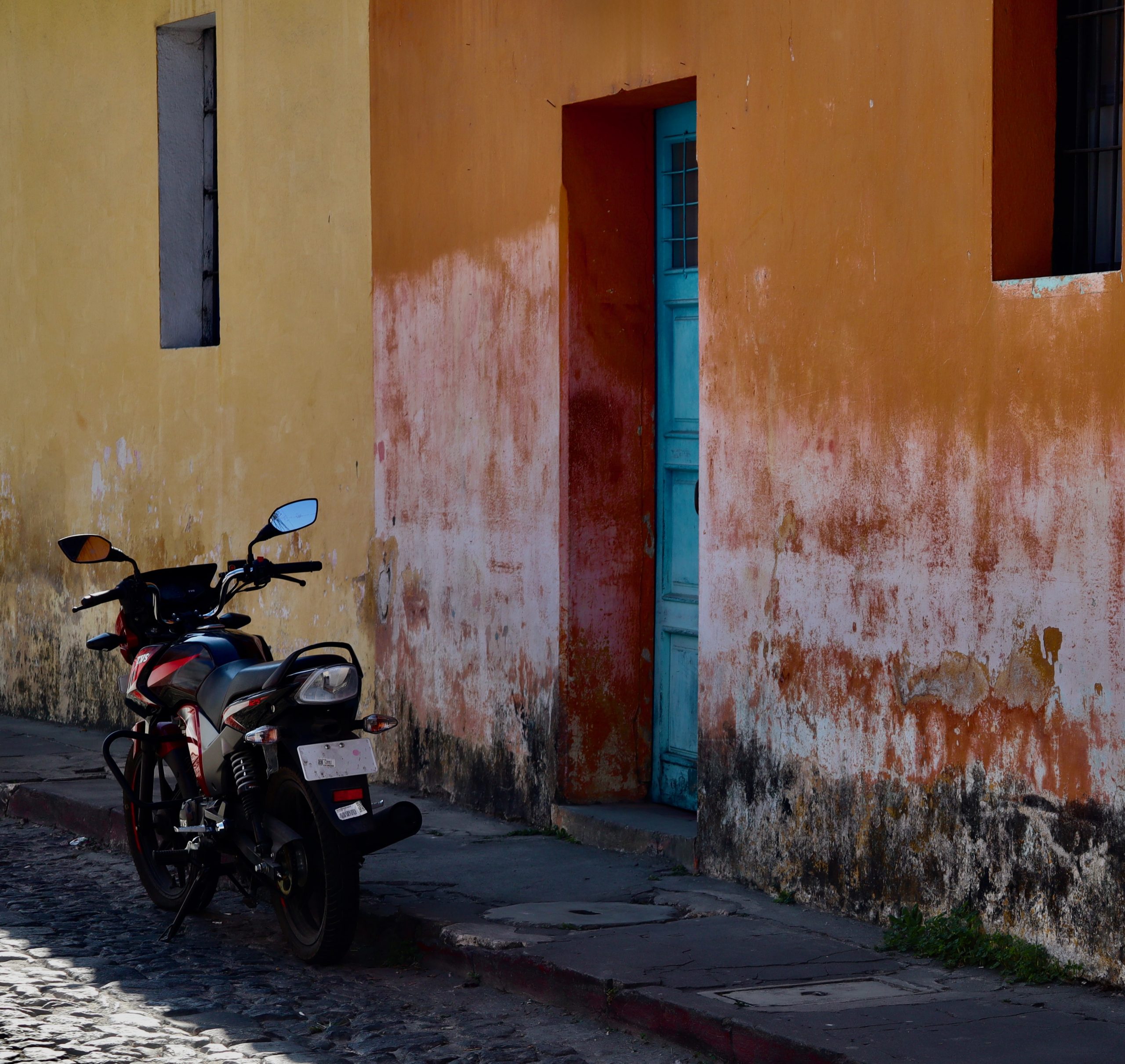
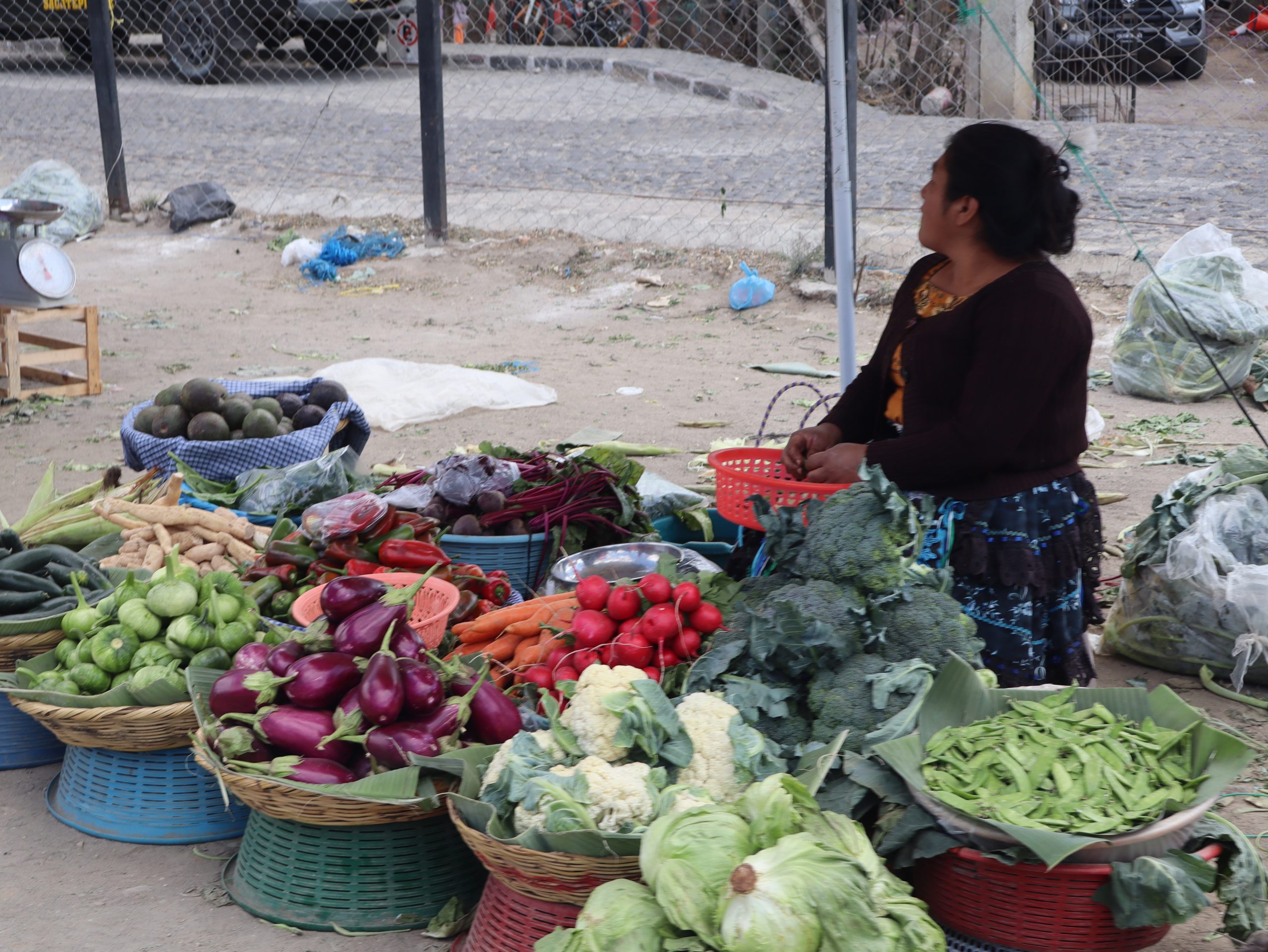
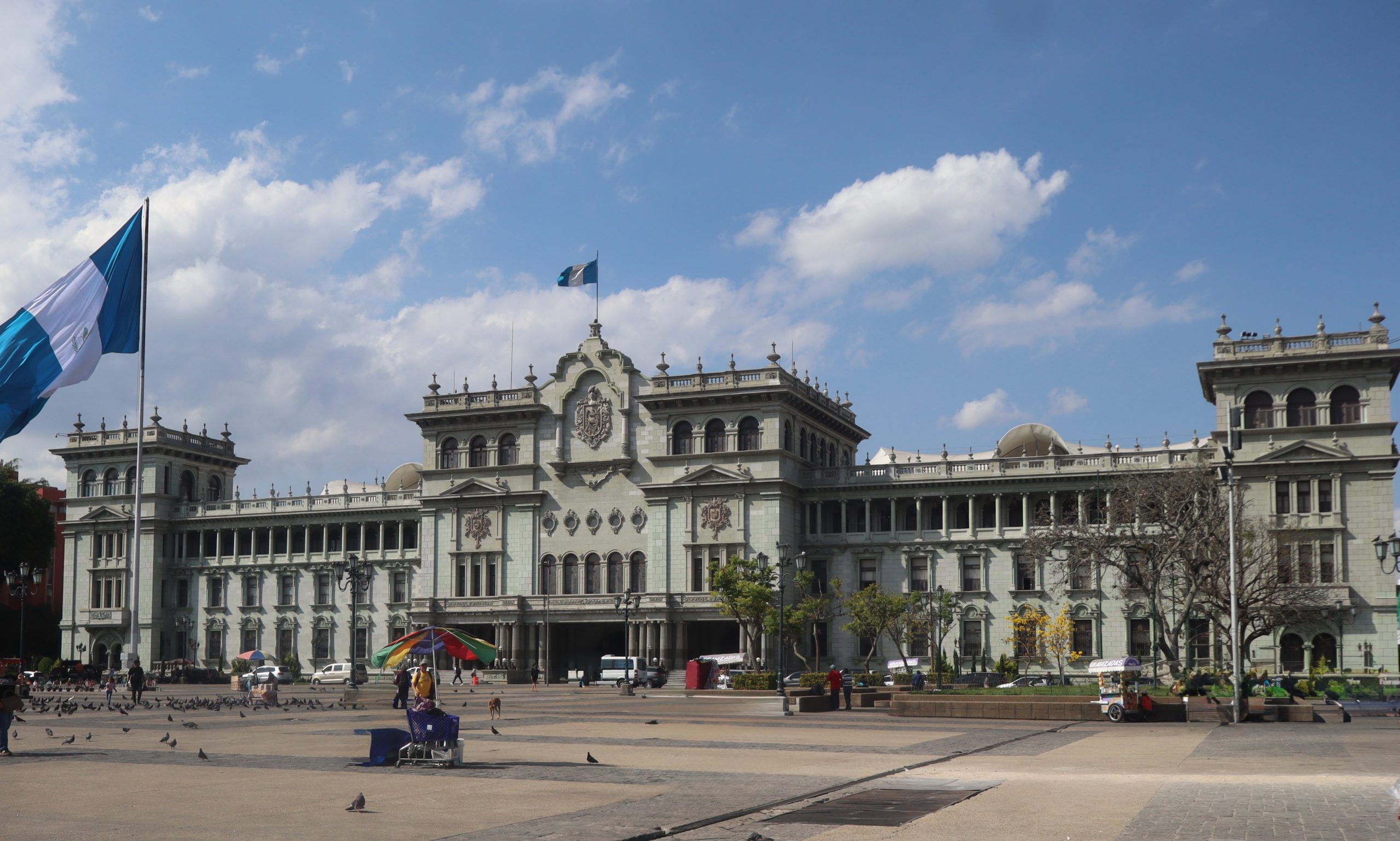
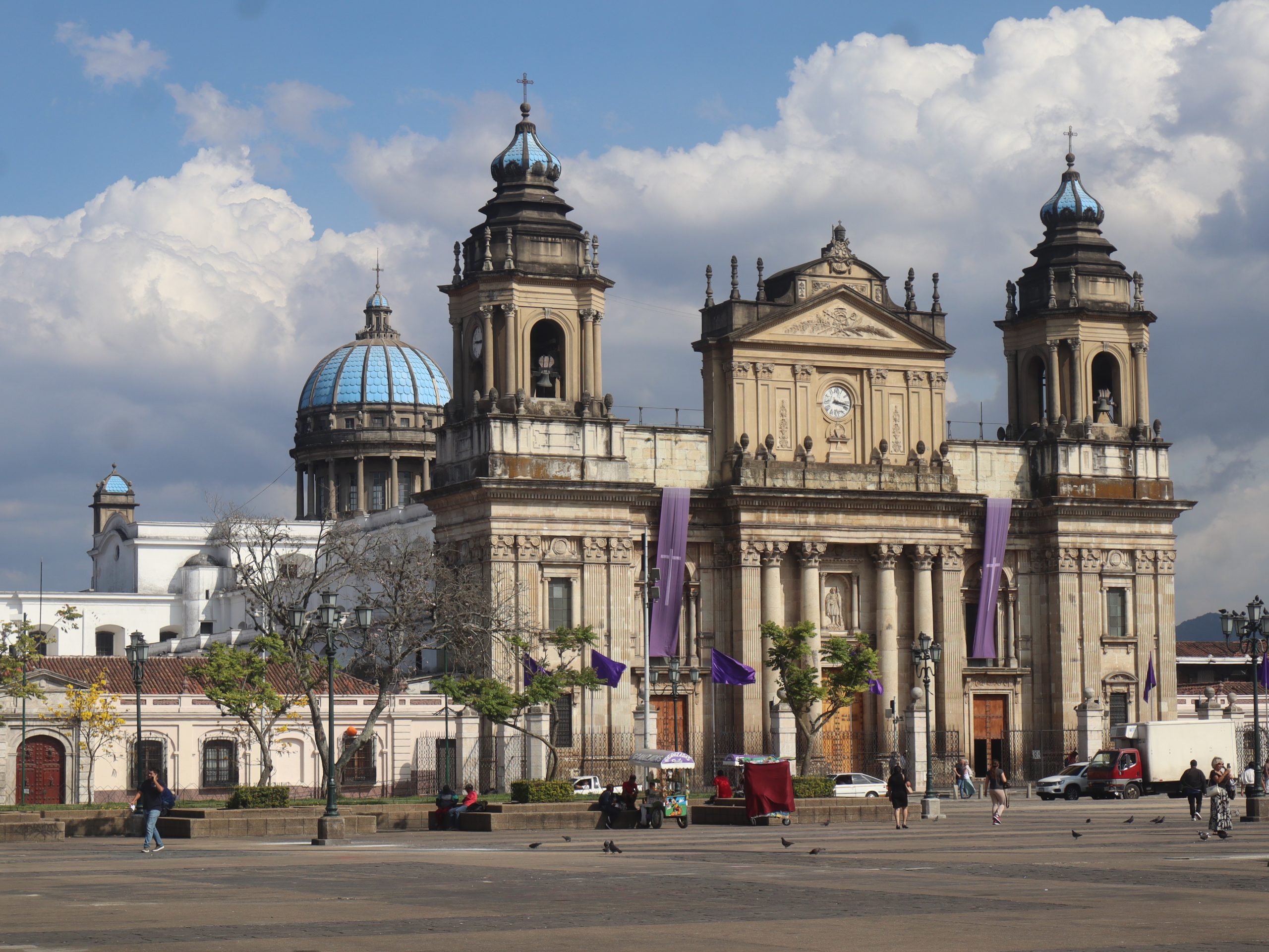
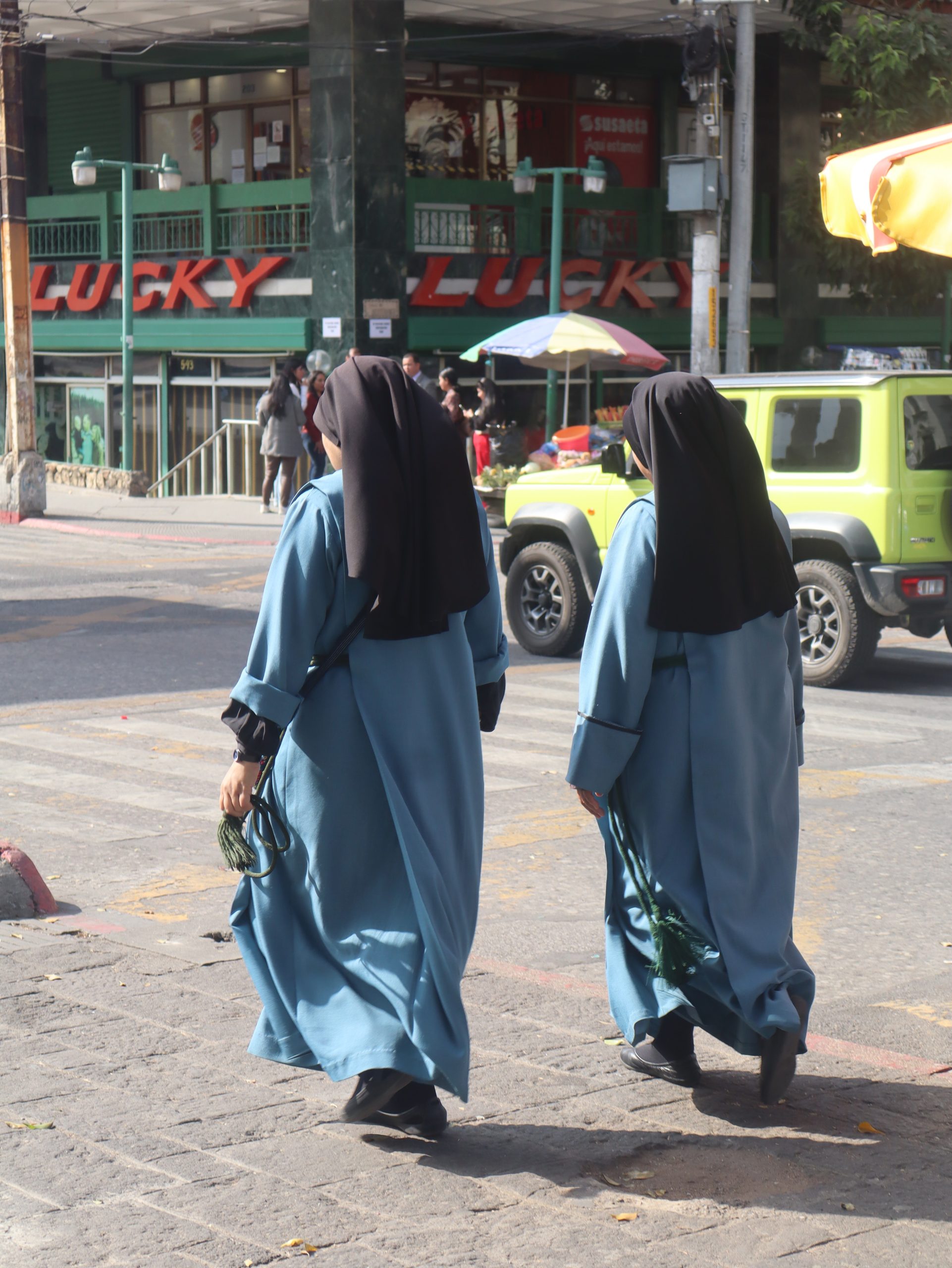
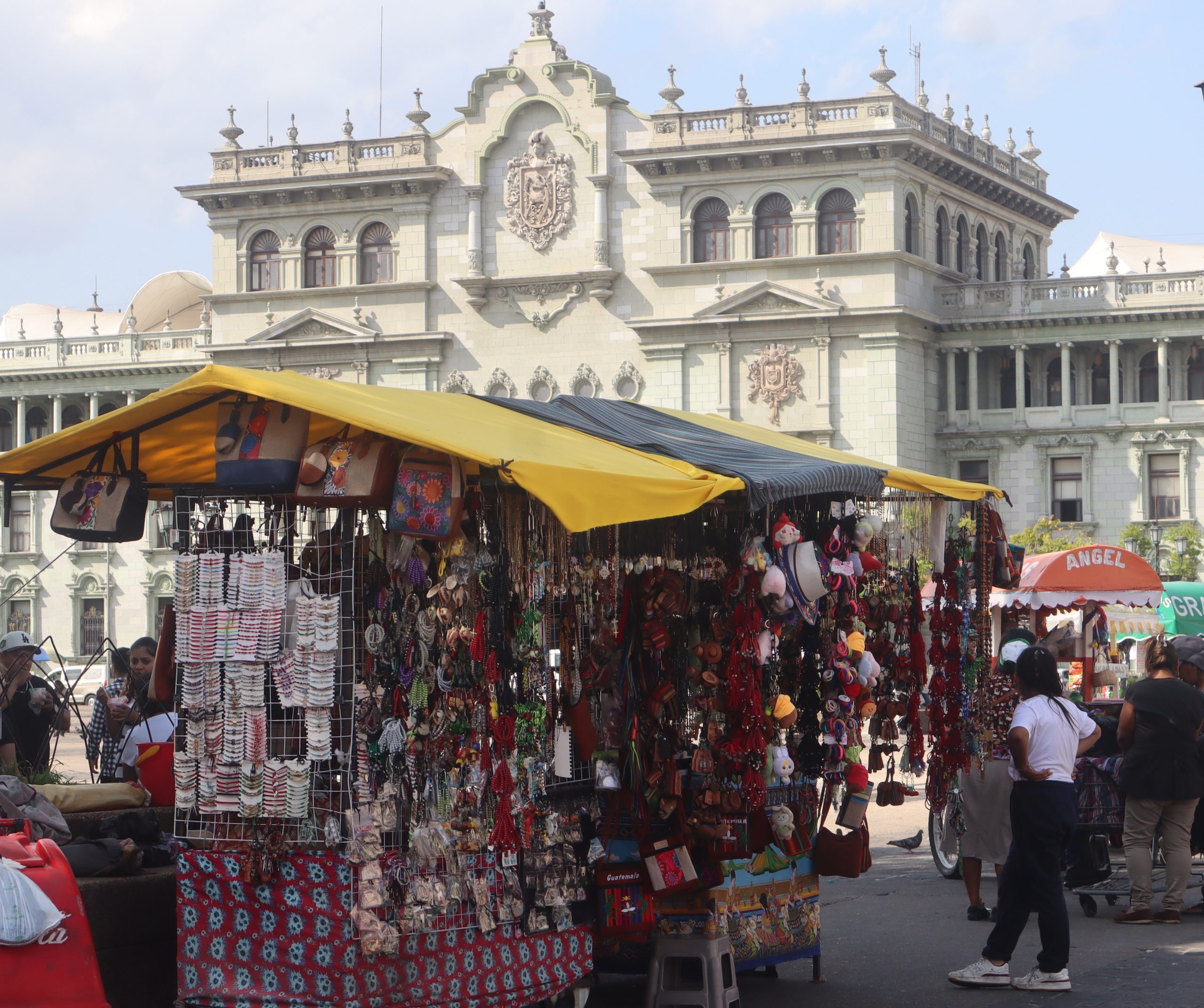
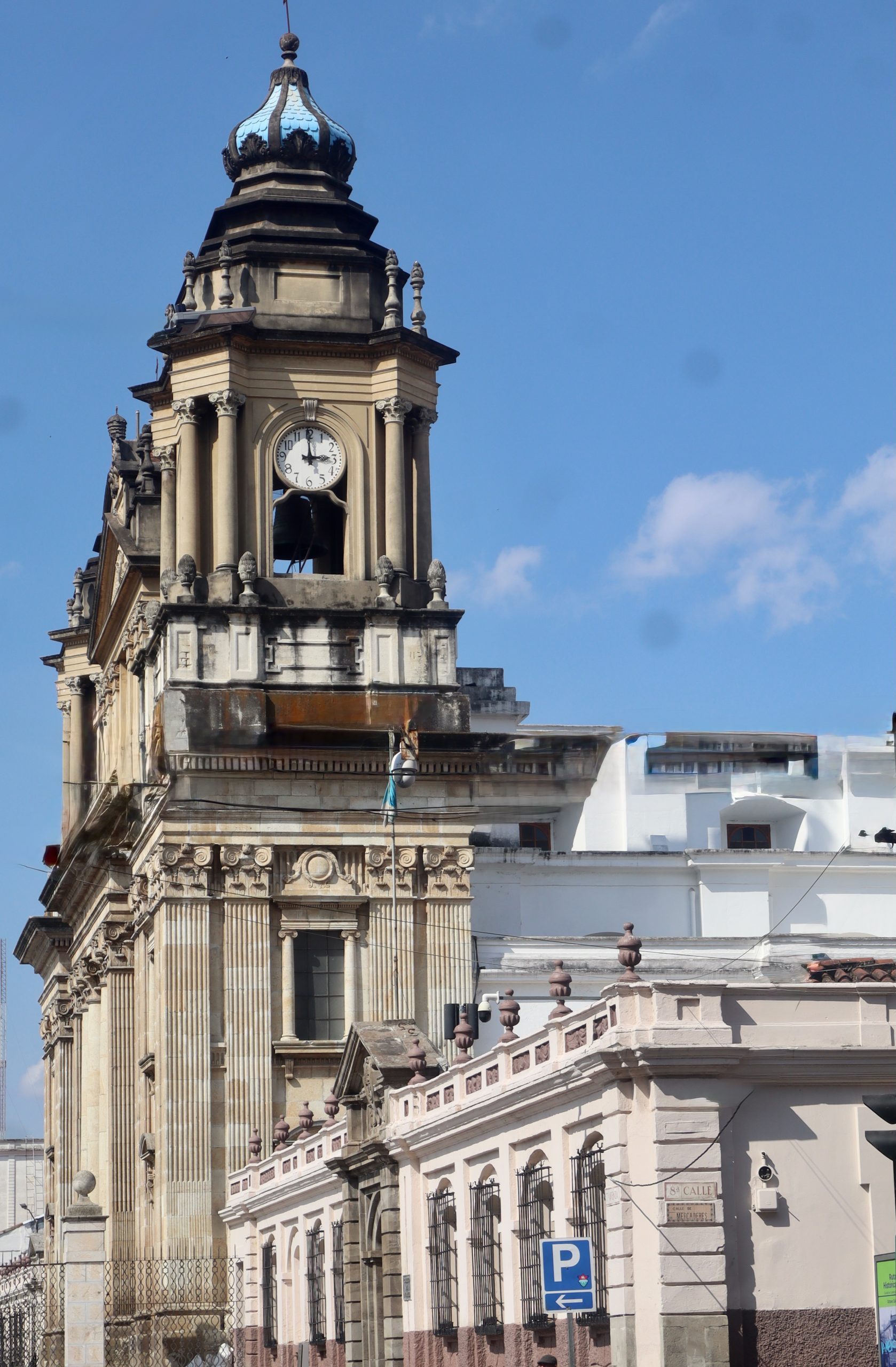
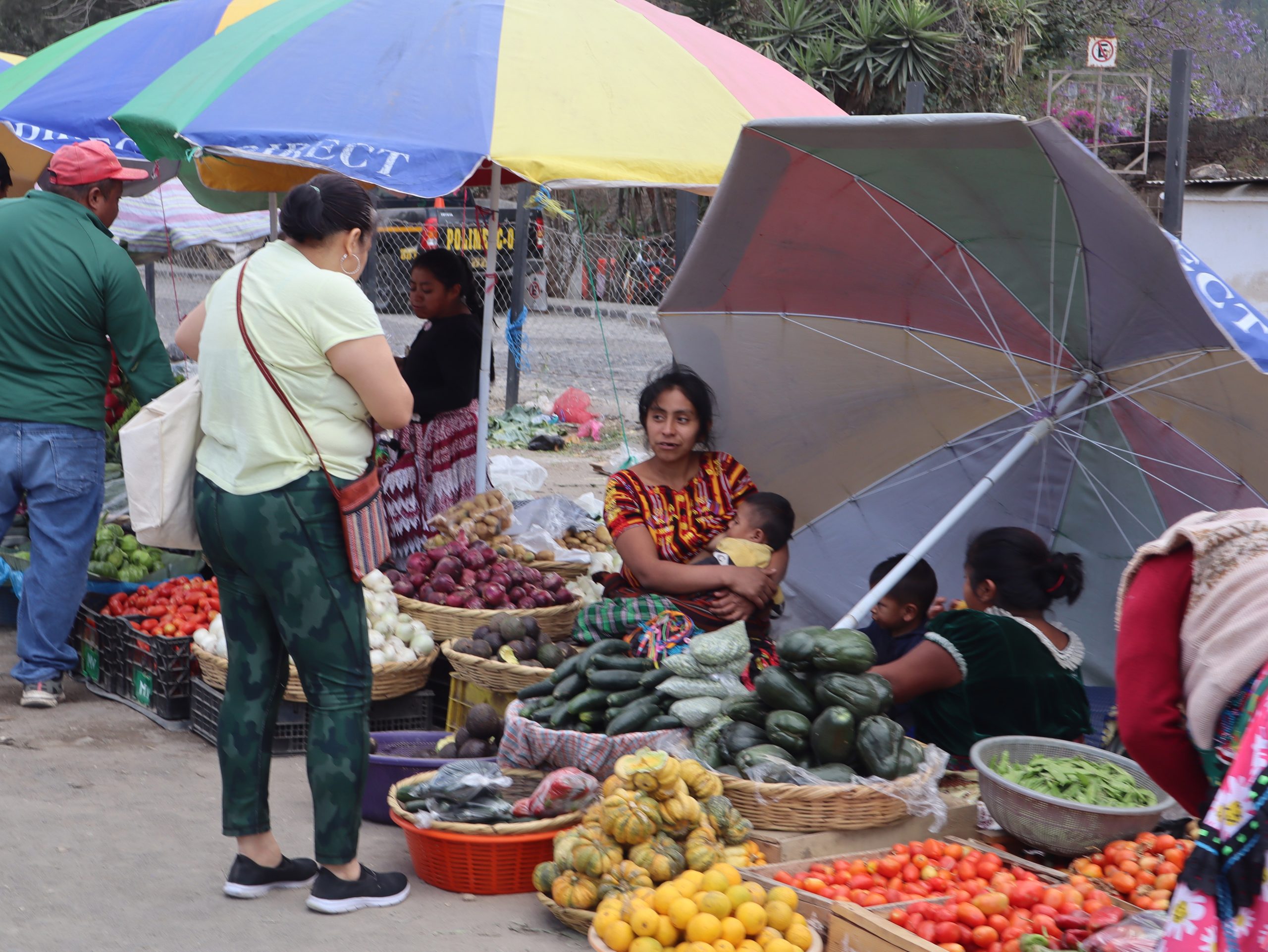
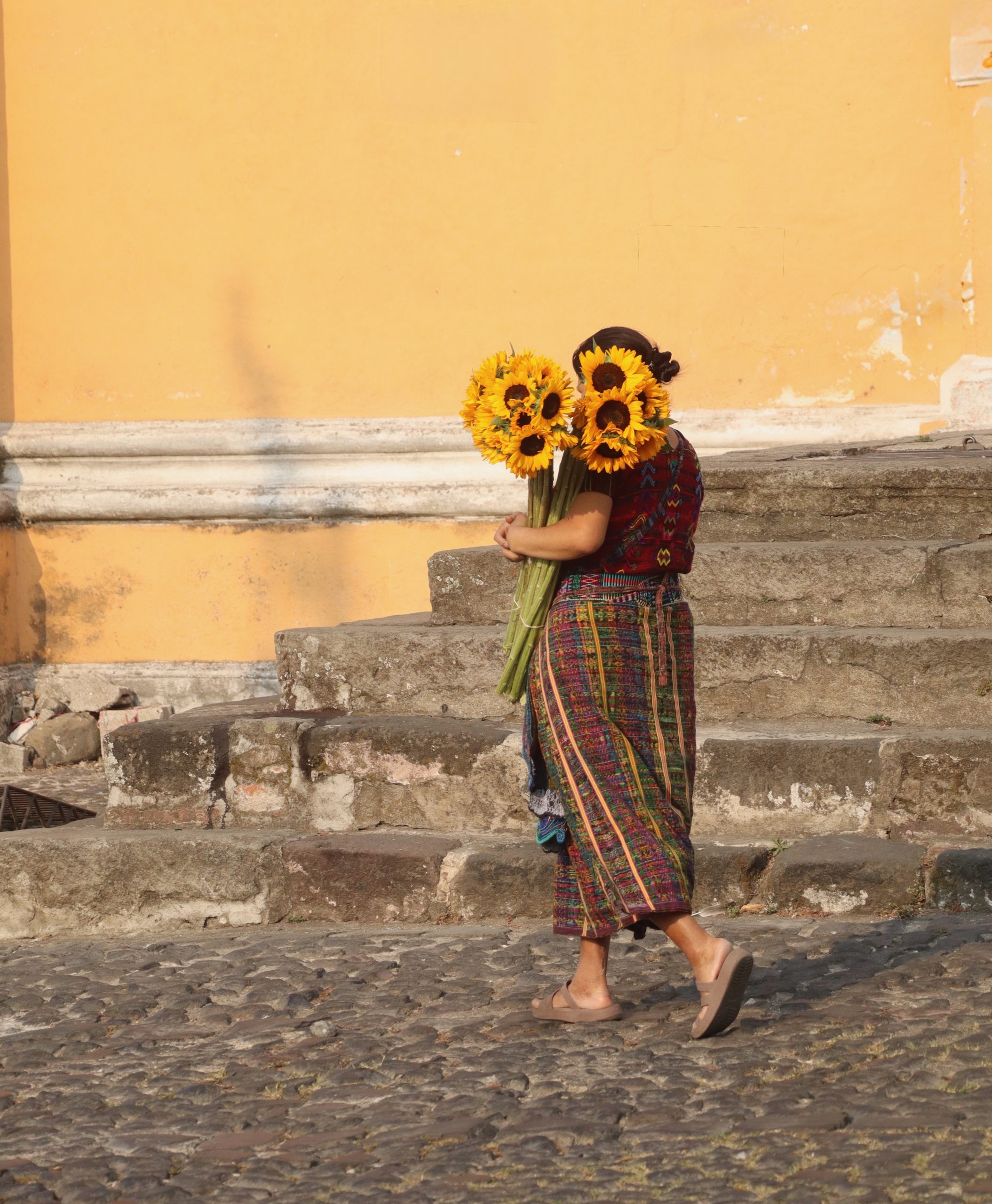
I spent an entire month in Guatemala, a place of preserved beauty and modern living, known for its mountainous landscapes and vibrant indigenous Maya culture.  Honestly, I would have loved to spend more time here, and am hopeful I will return.  A country with a bit of everything— coastlines, a volcanic mountain range with 30+ volcanoes, rainforests and well-preserved colonial towns and villages steeped in tradition. The city of Antigua, hands down, is probably one of the most beautiful colonial cities in the world. This ancient city, surrounded by volcanoes, experienced significant earthquake destruction. This destruction led to the preservation of some of its most beautiful ruins, declared as a UNESCO World Heritage Site. Like most Latin American countries, Guatemala also experienced a long history of armed conflict—36 years of it—one of the longest and deadliest conflicts in Latin American history ending in 1996 with over 200,000 people (mostly Mayan communities) killed or disappeared by government forces (with help from the CIA).  This story is part one of a two-part series about what makes this place a ​”must​” to learn about and visit…

Rio de Janeiro: Between Splendor, Struggle, Carnival, Beauty, and the Shadows of Decline

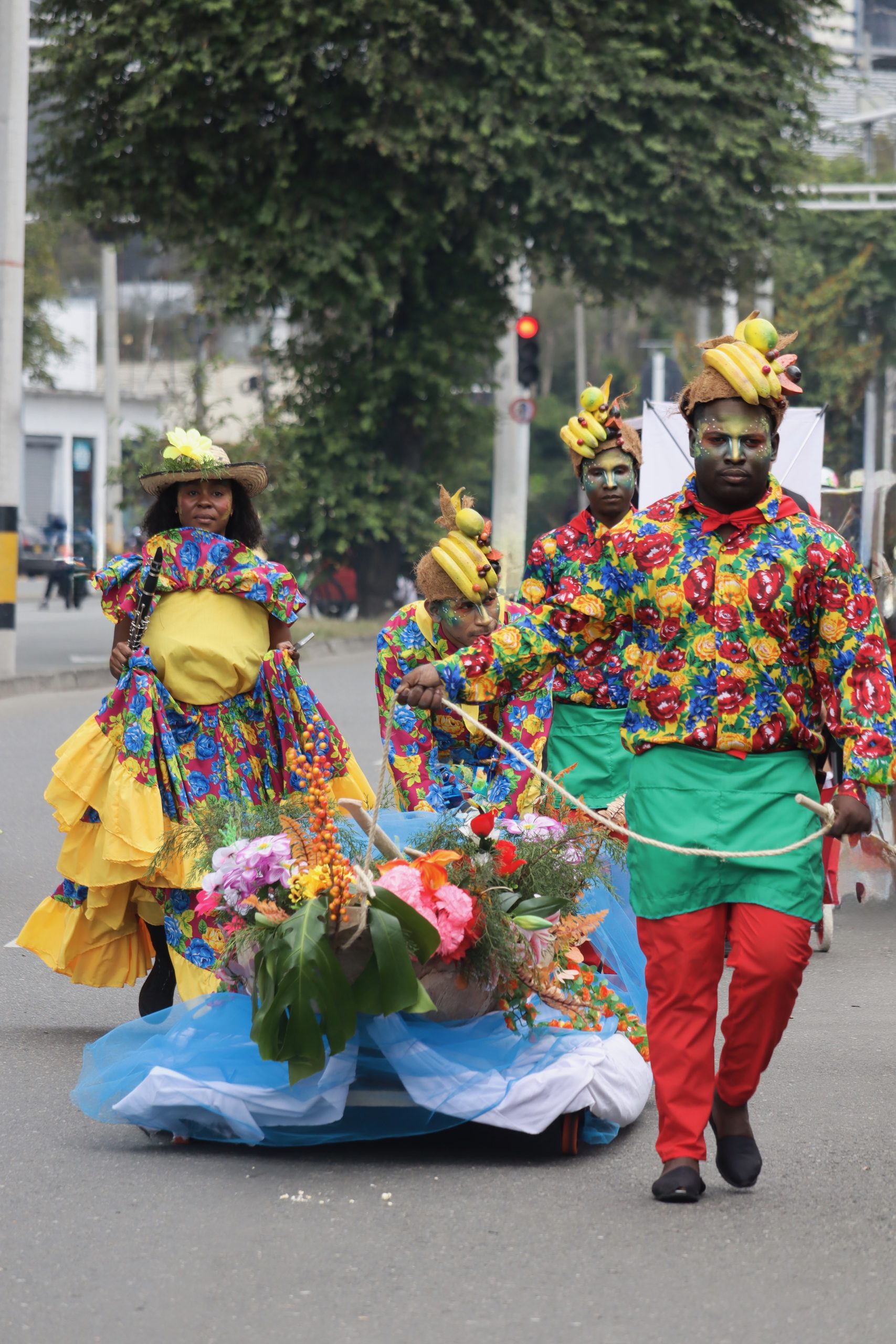
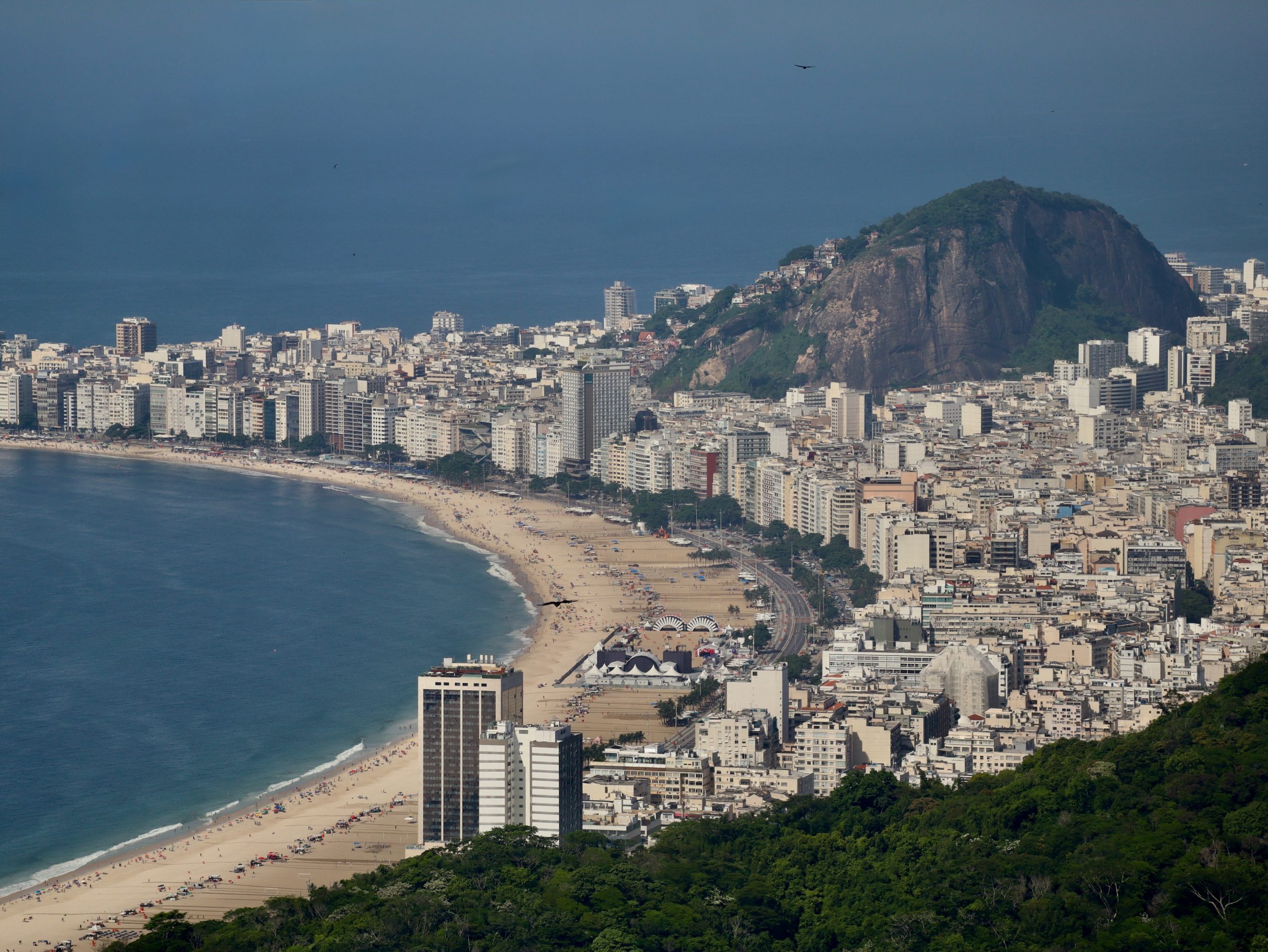
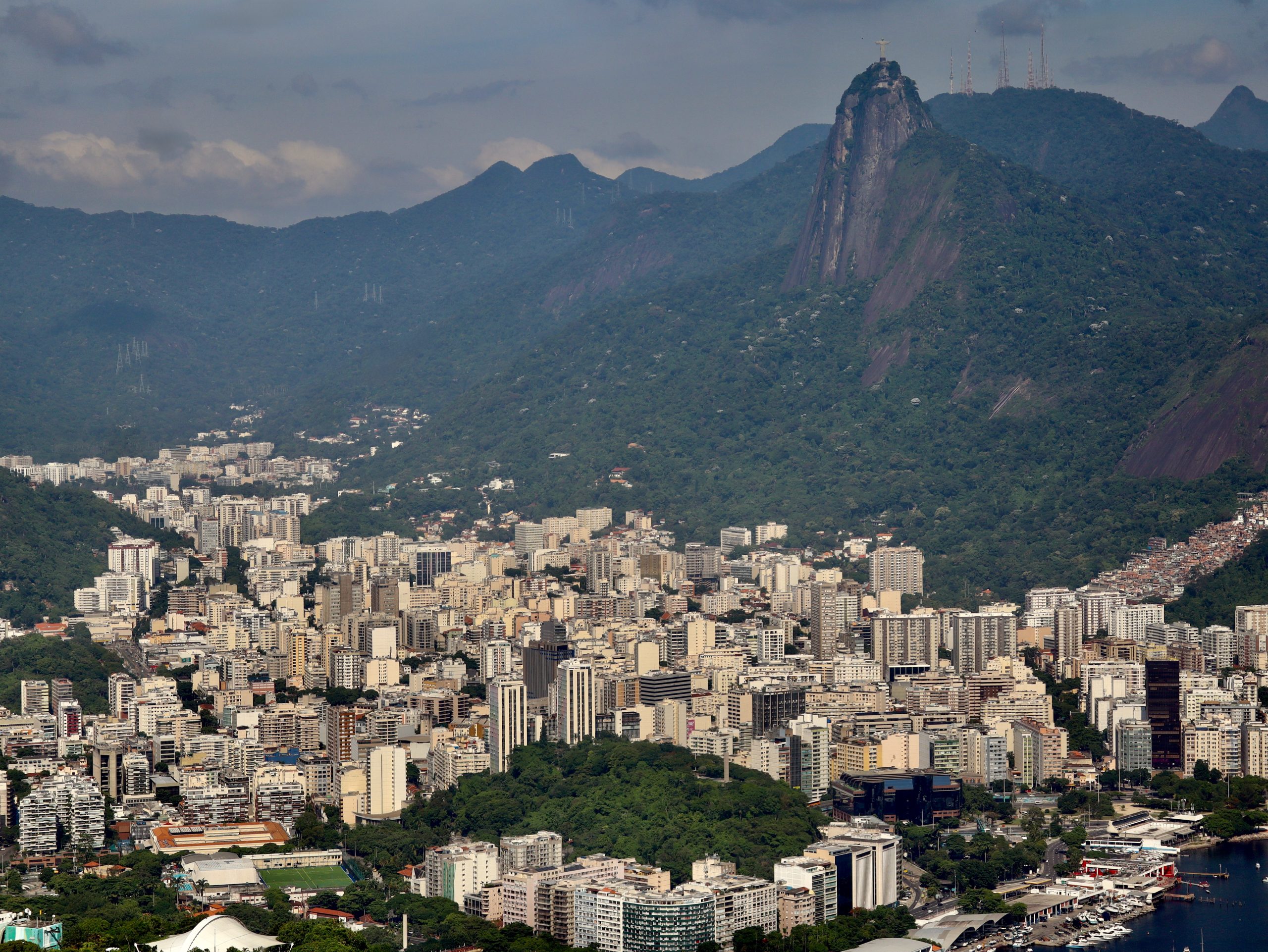
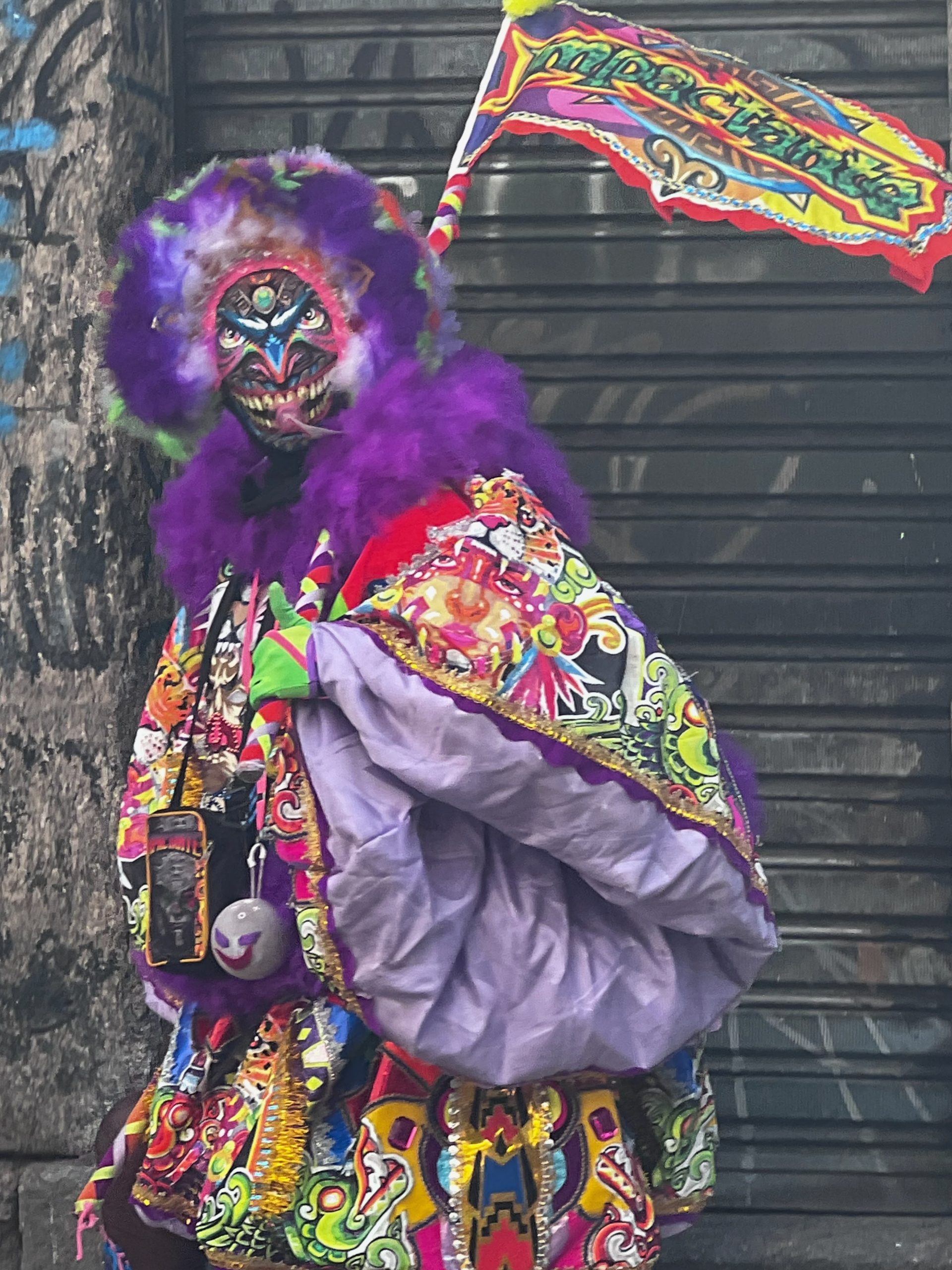
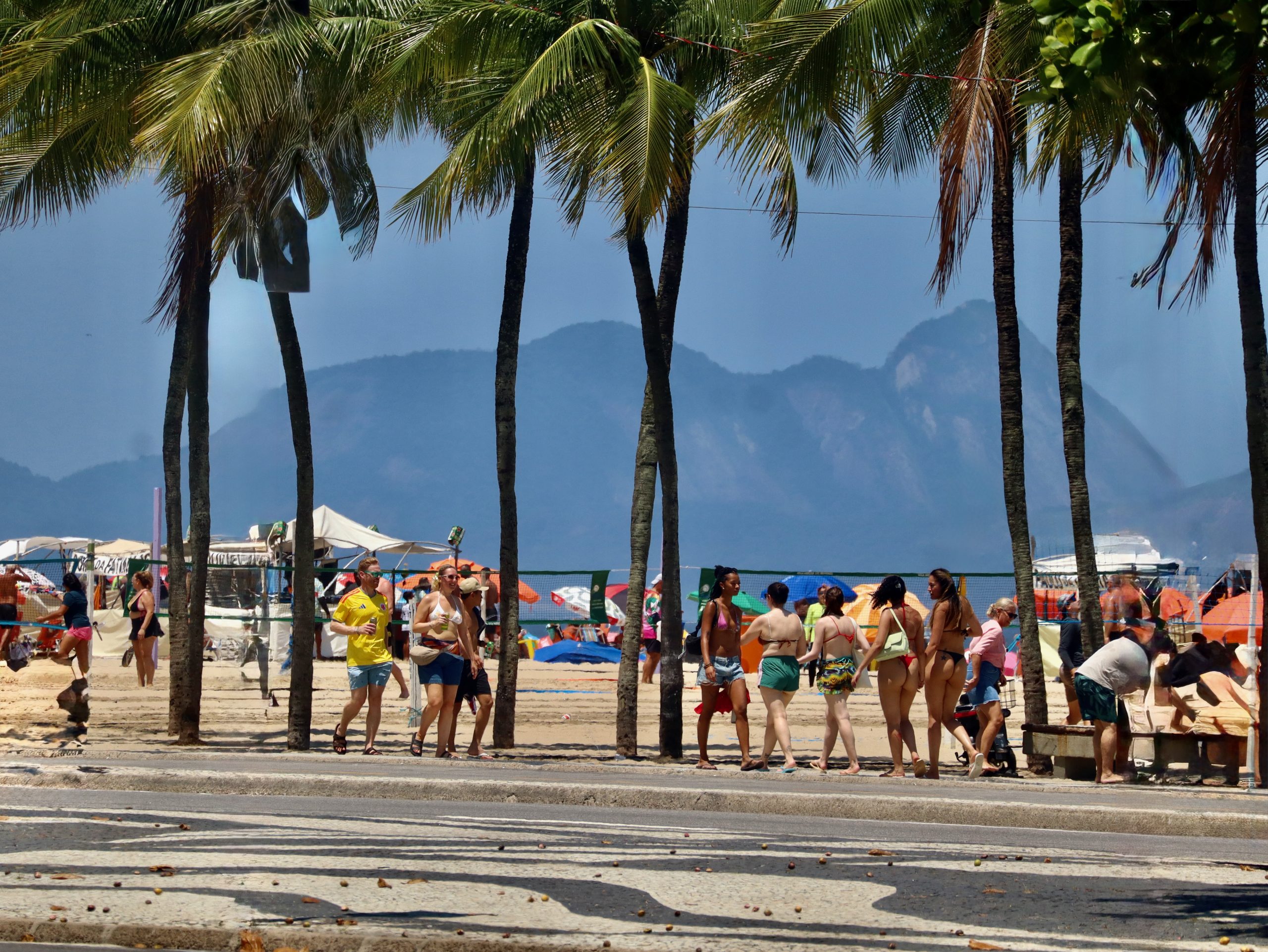
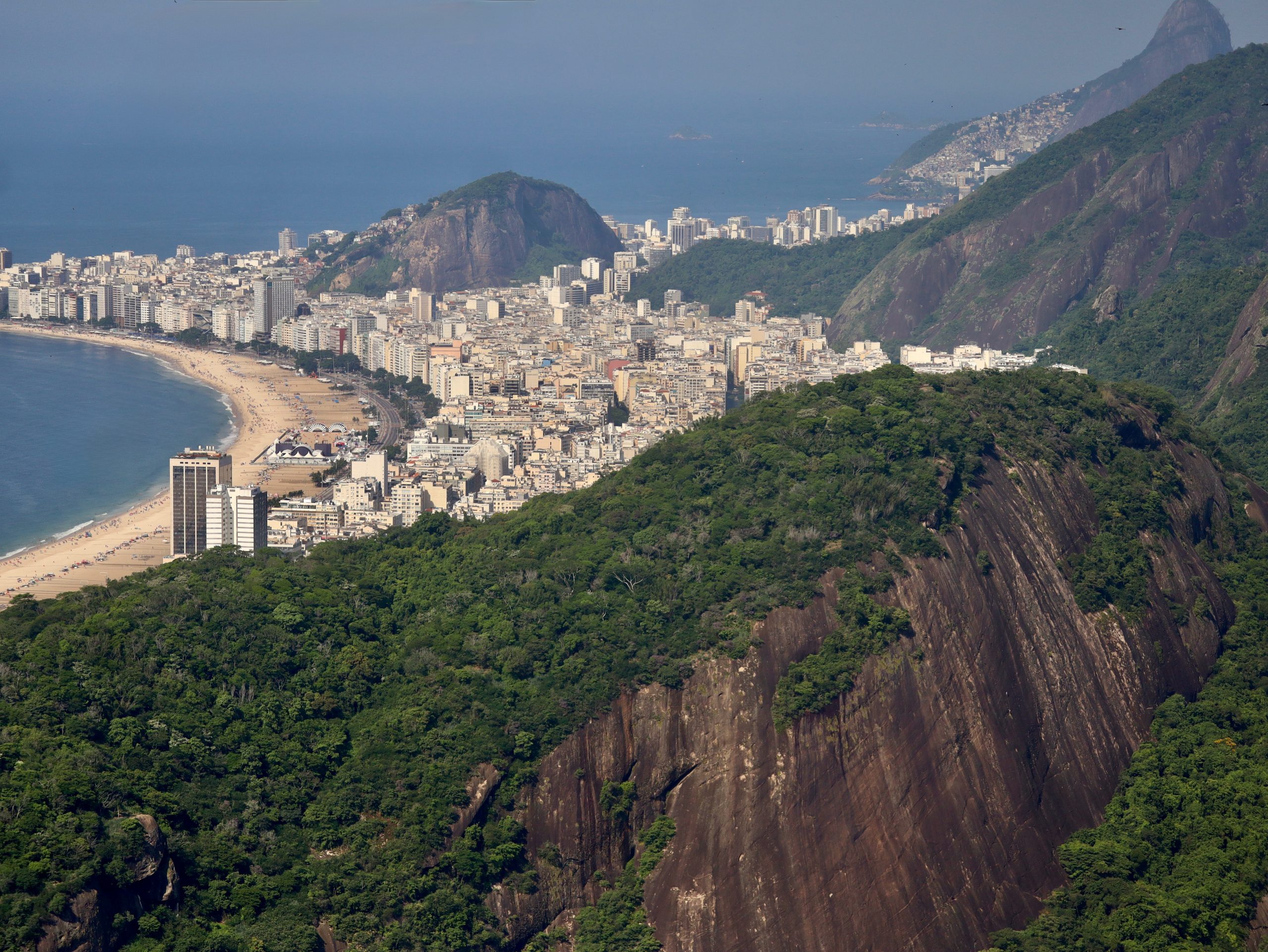
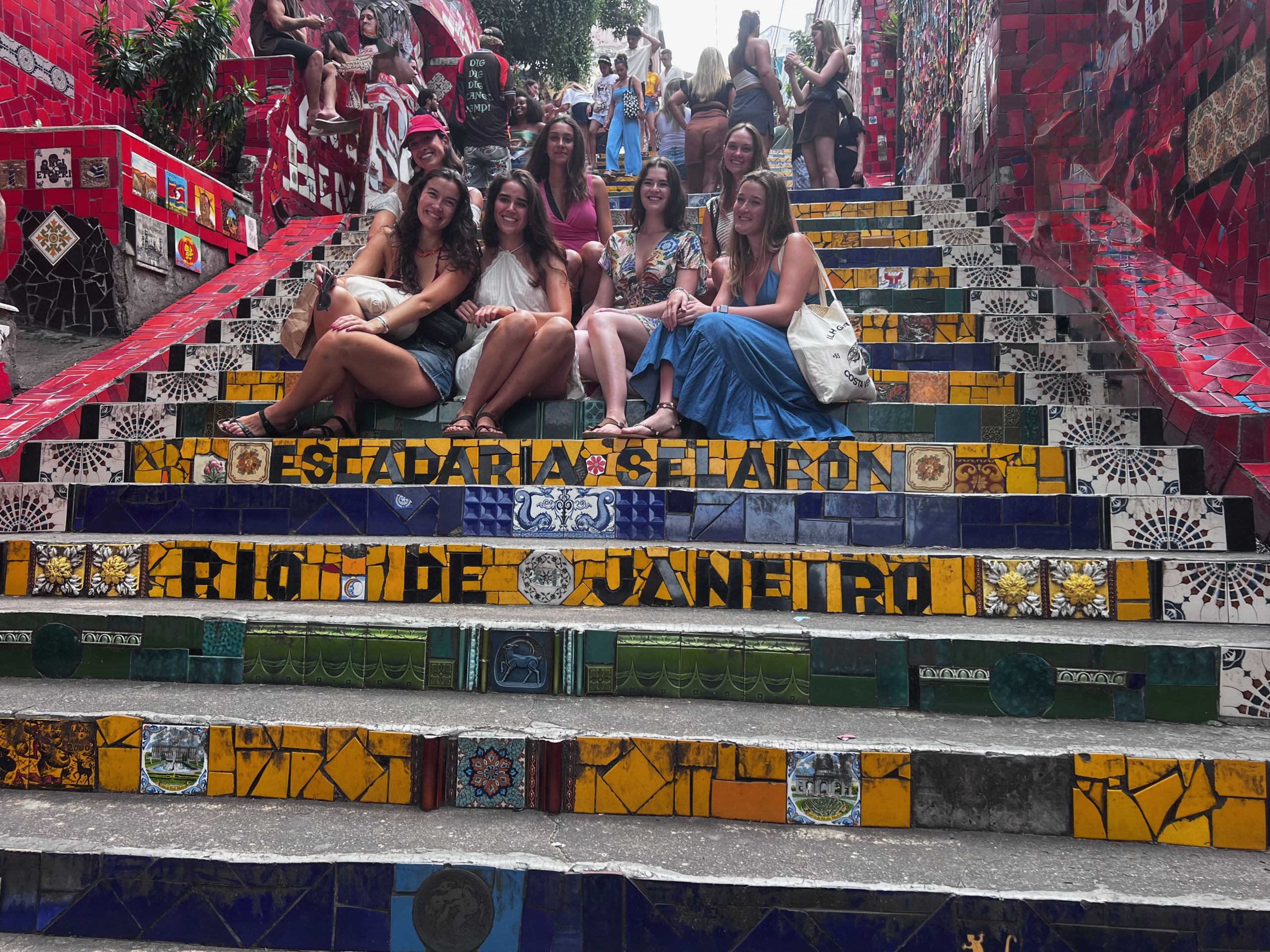
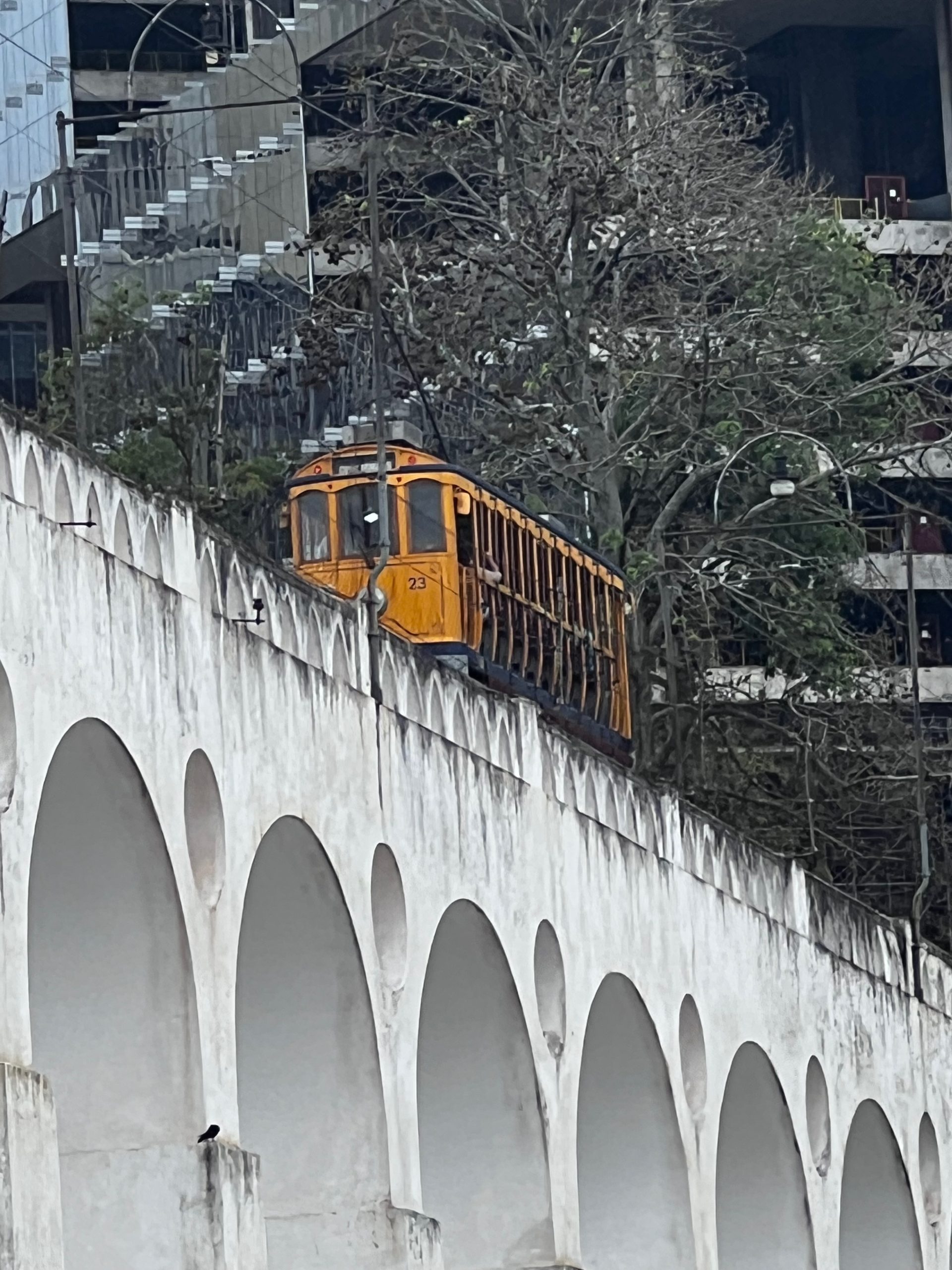
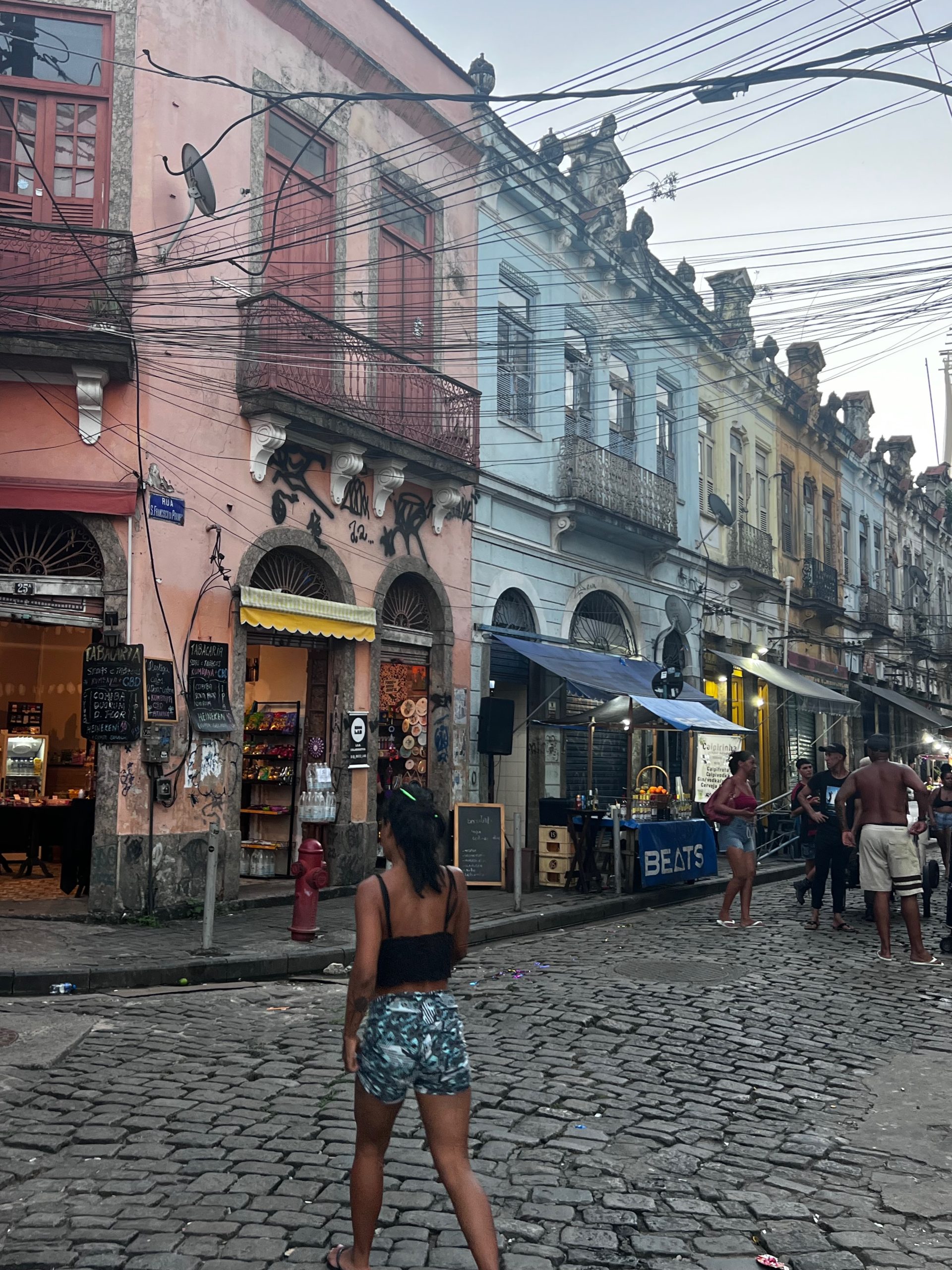
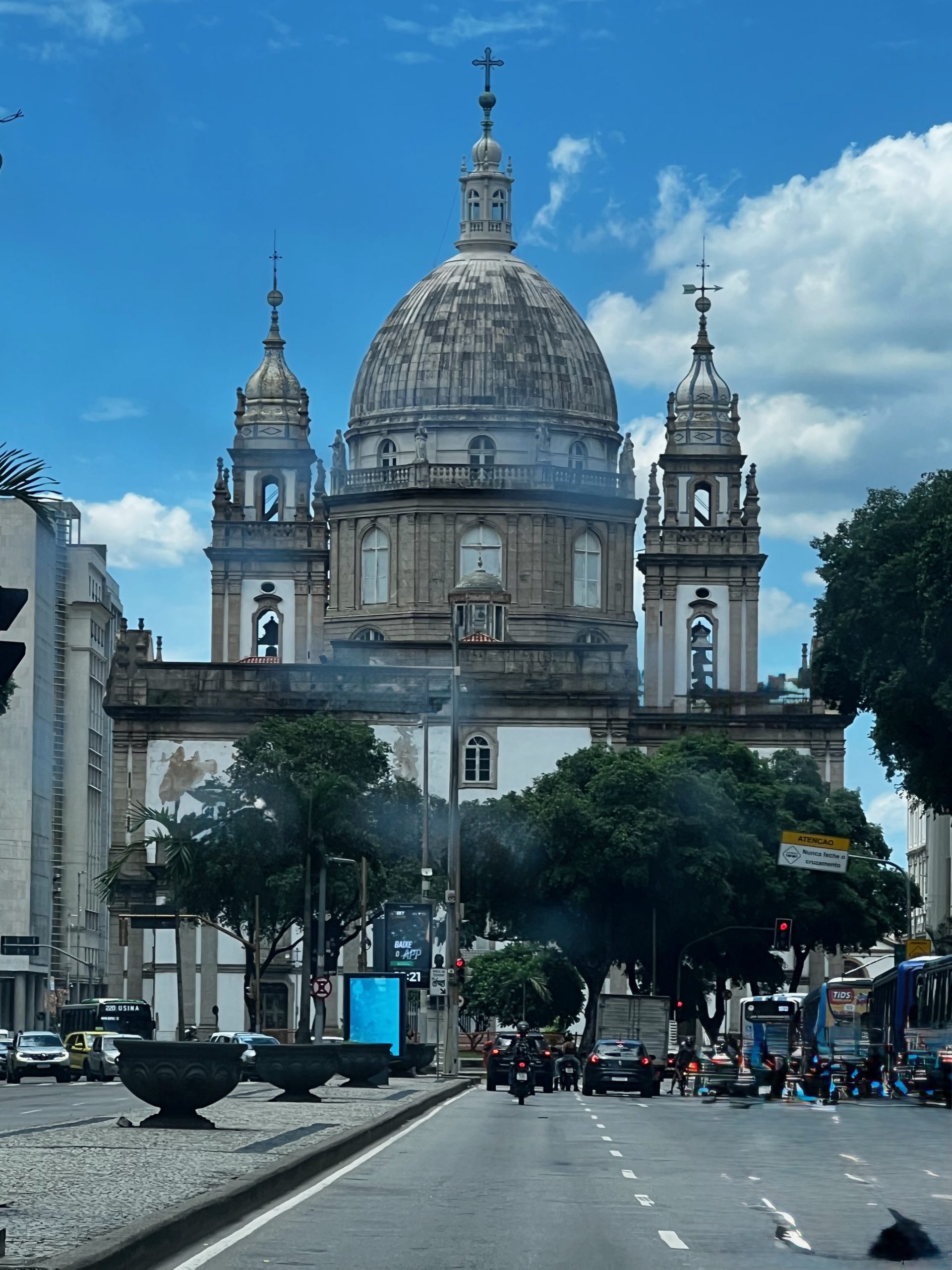
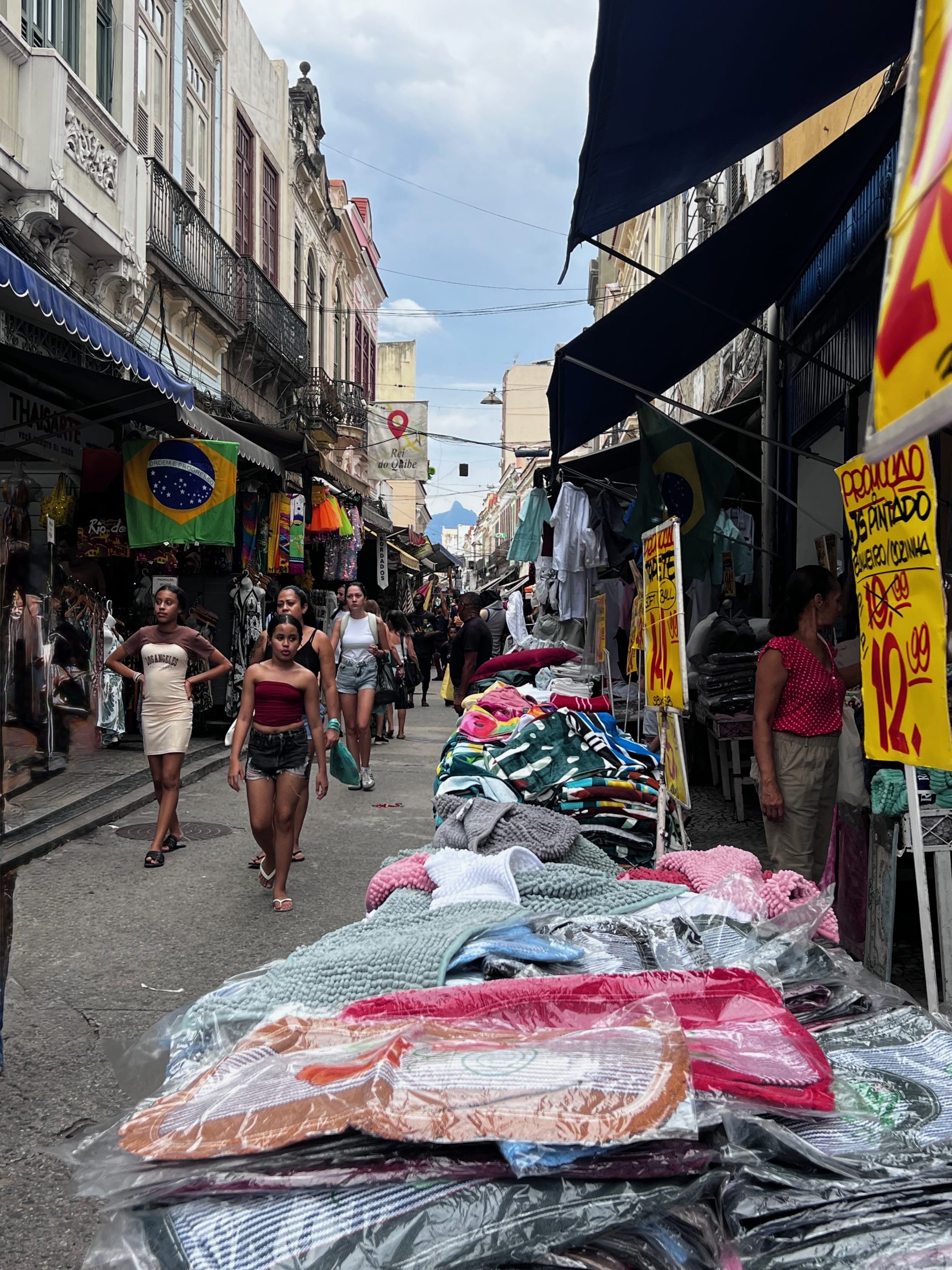
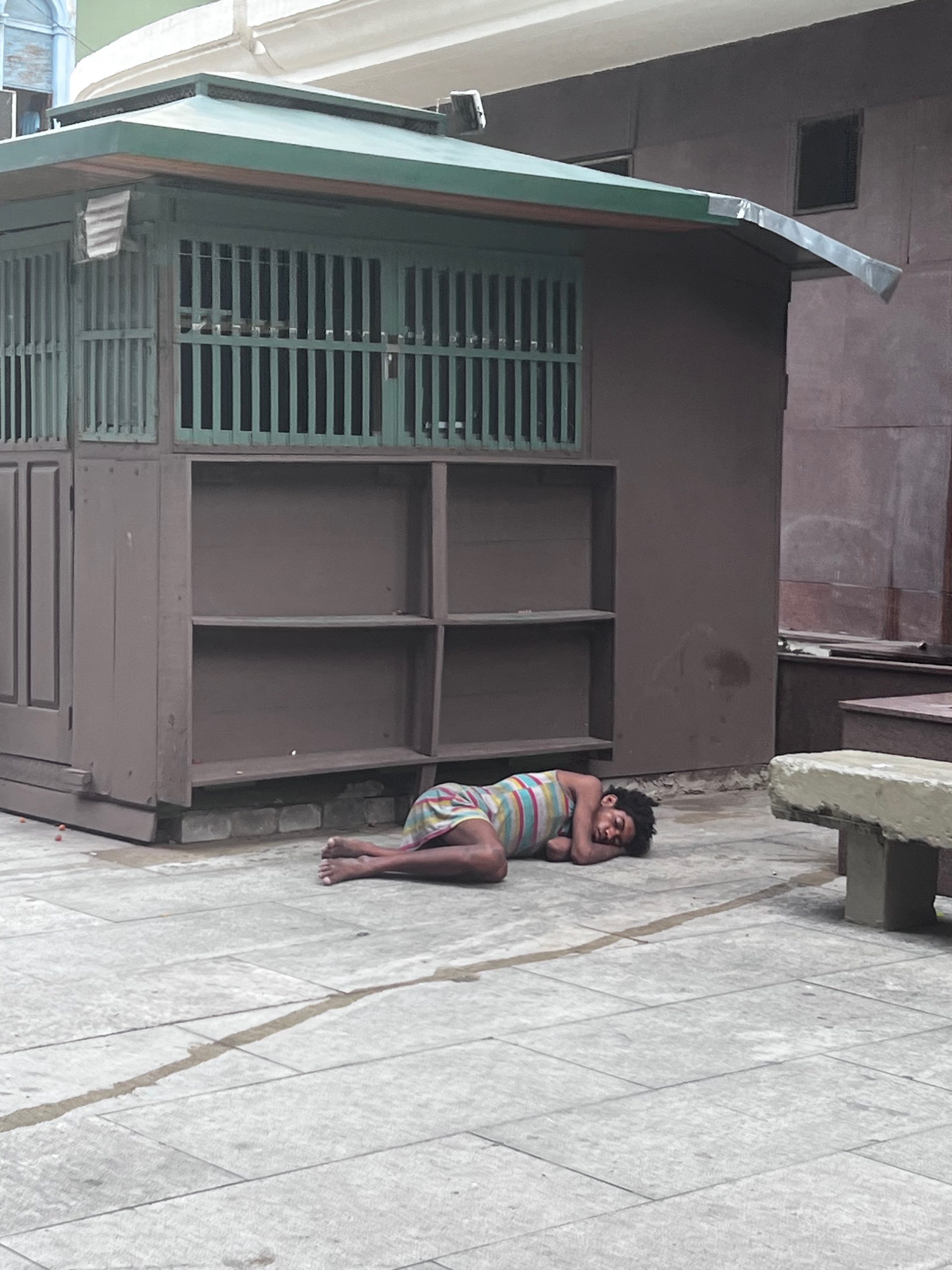
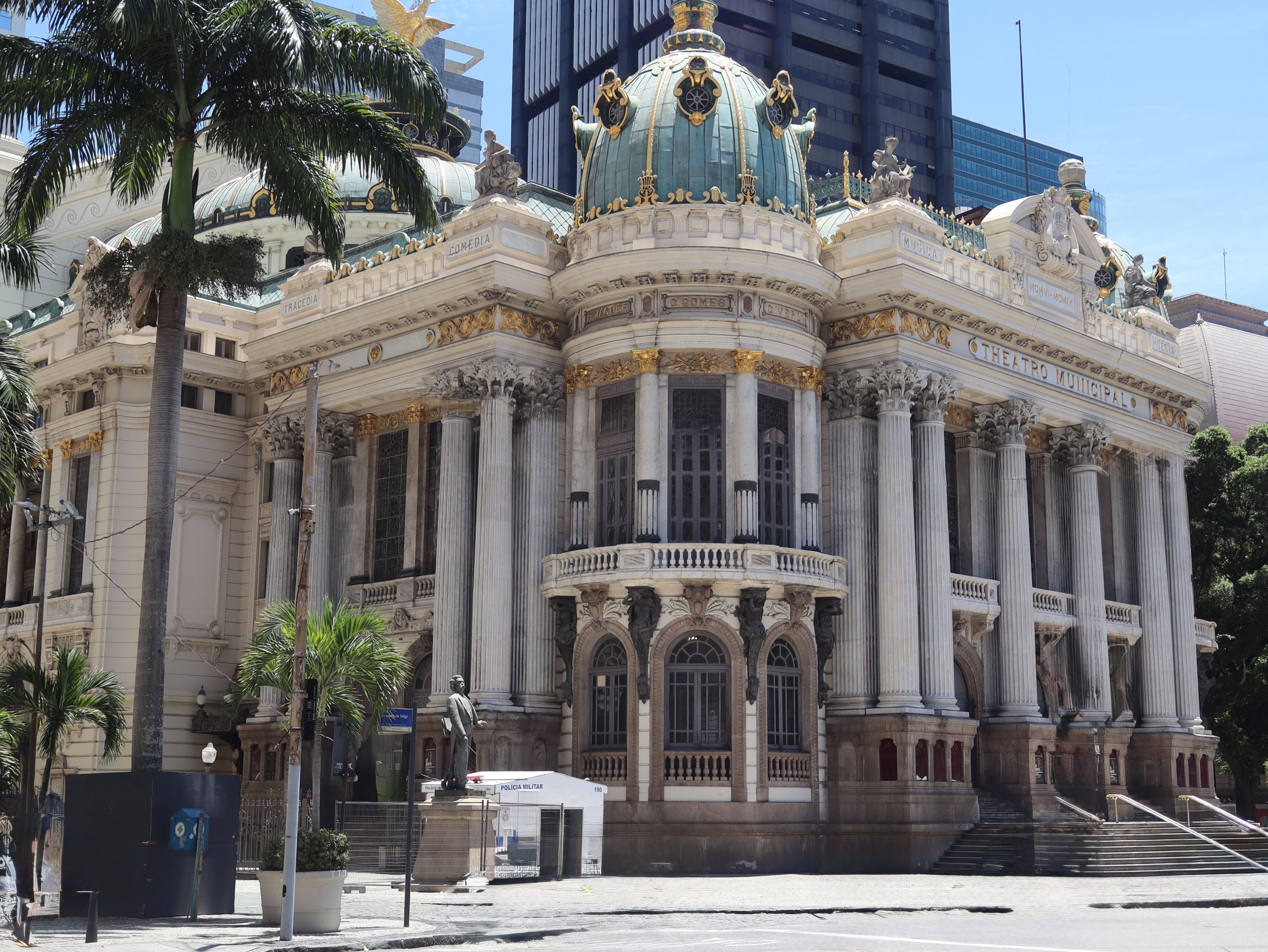
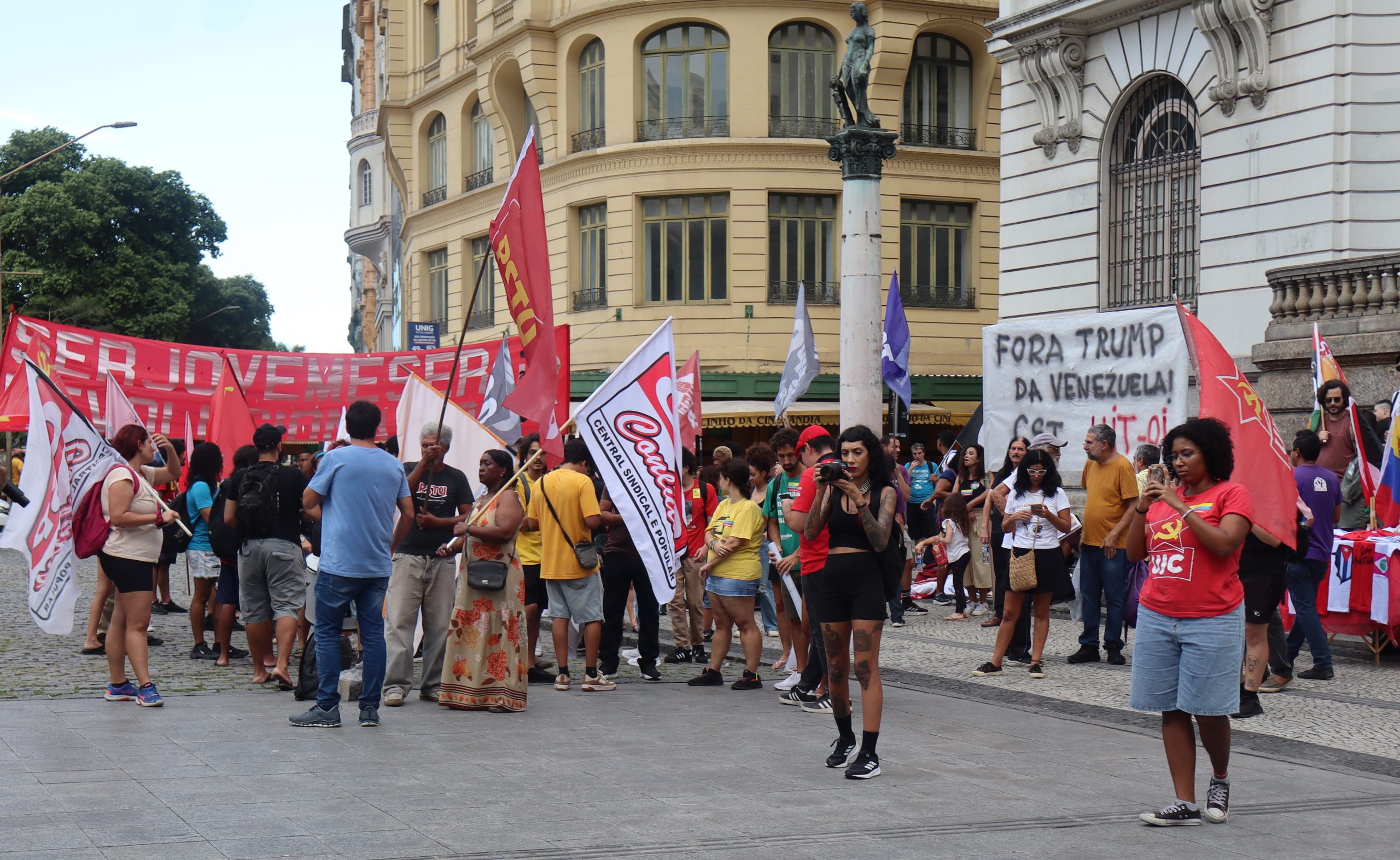
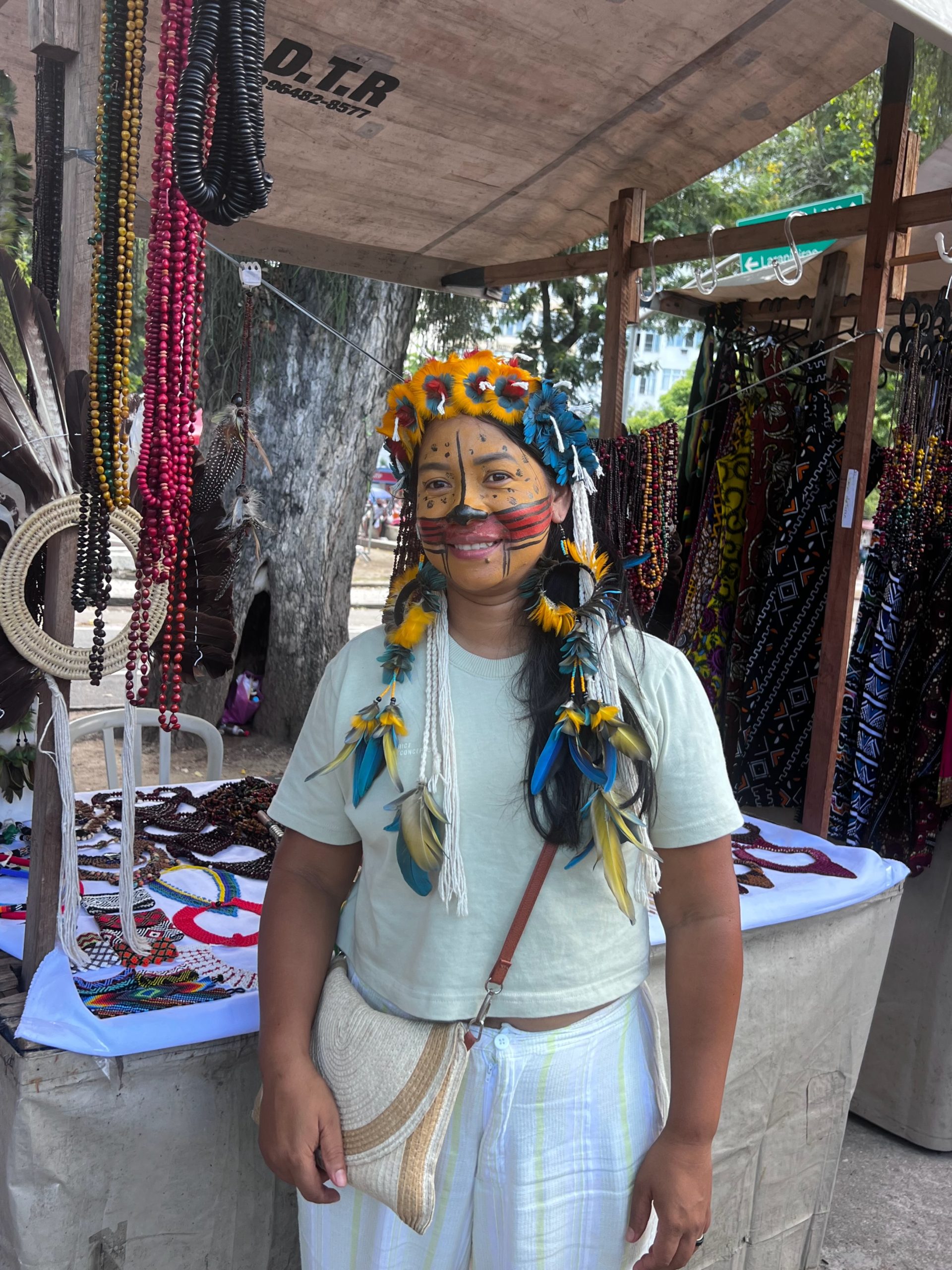
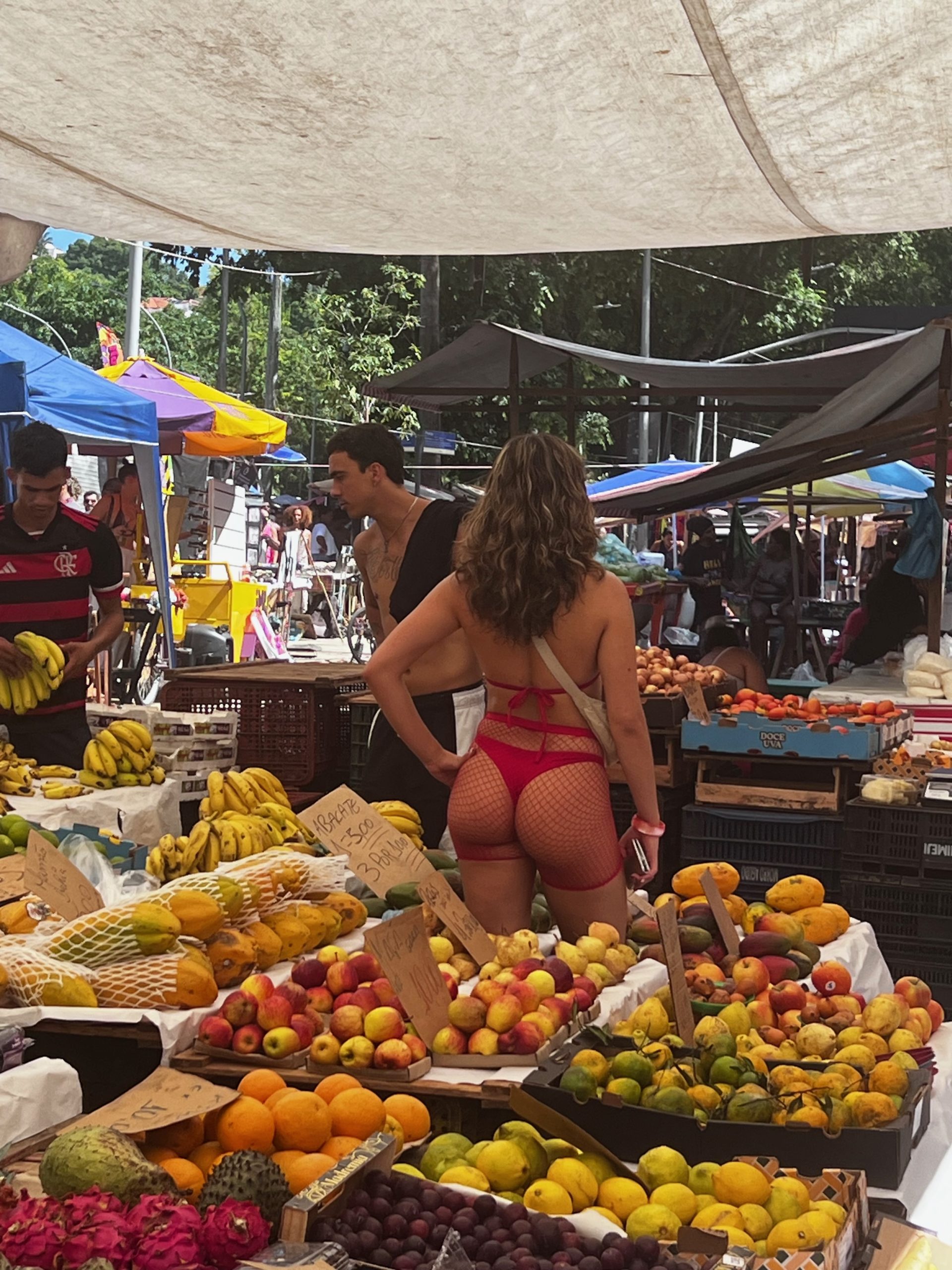
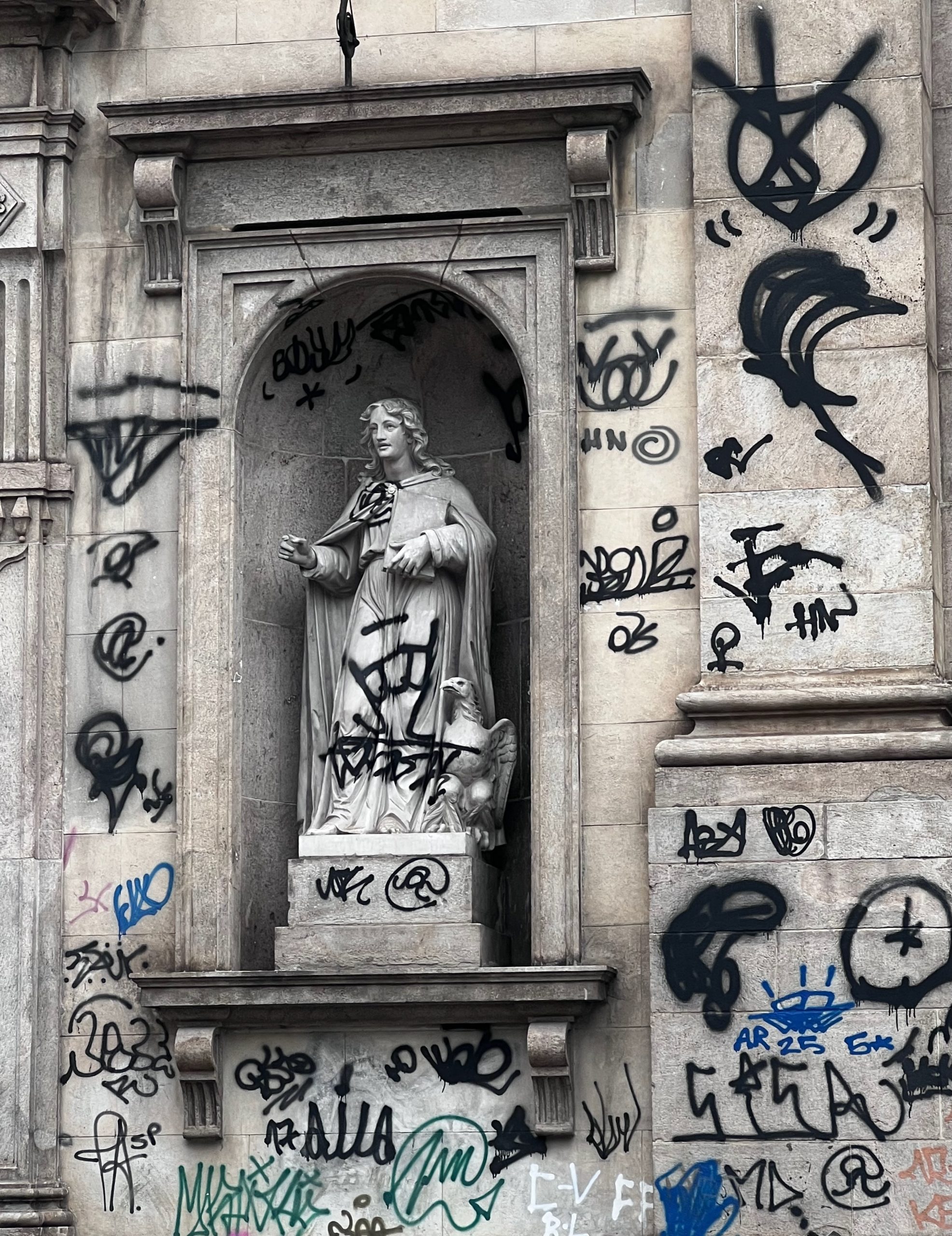
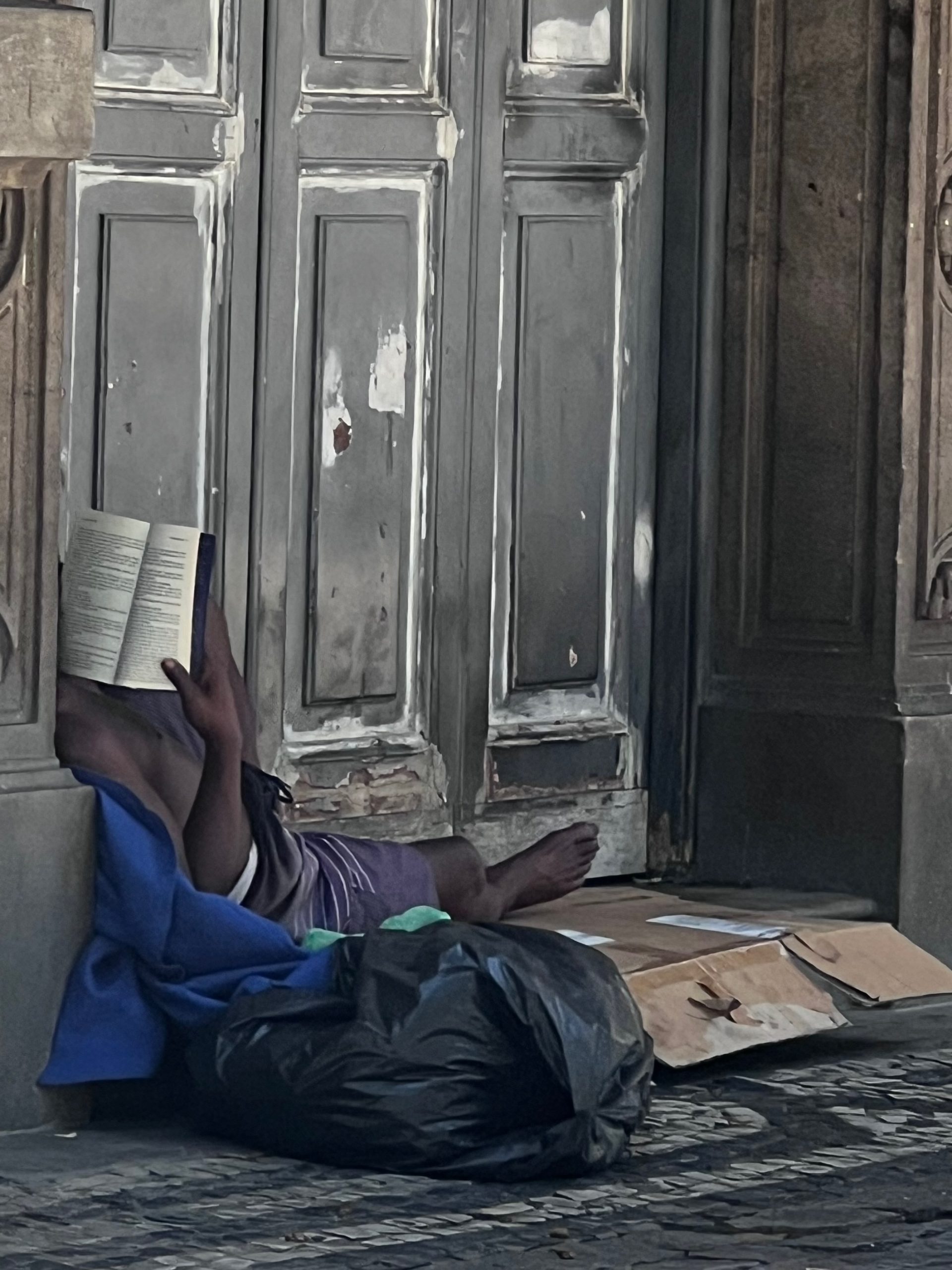
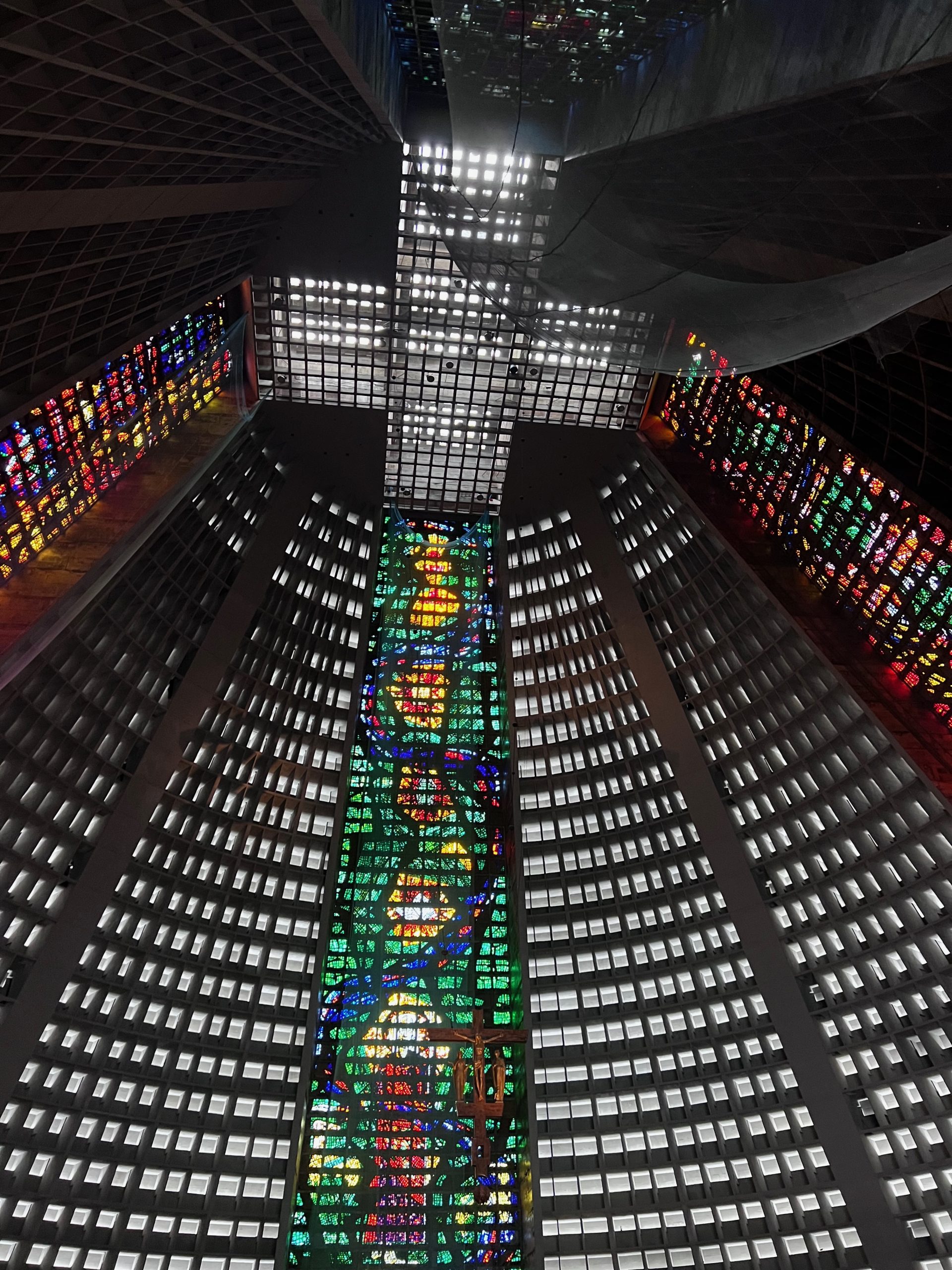
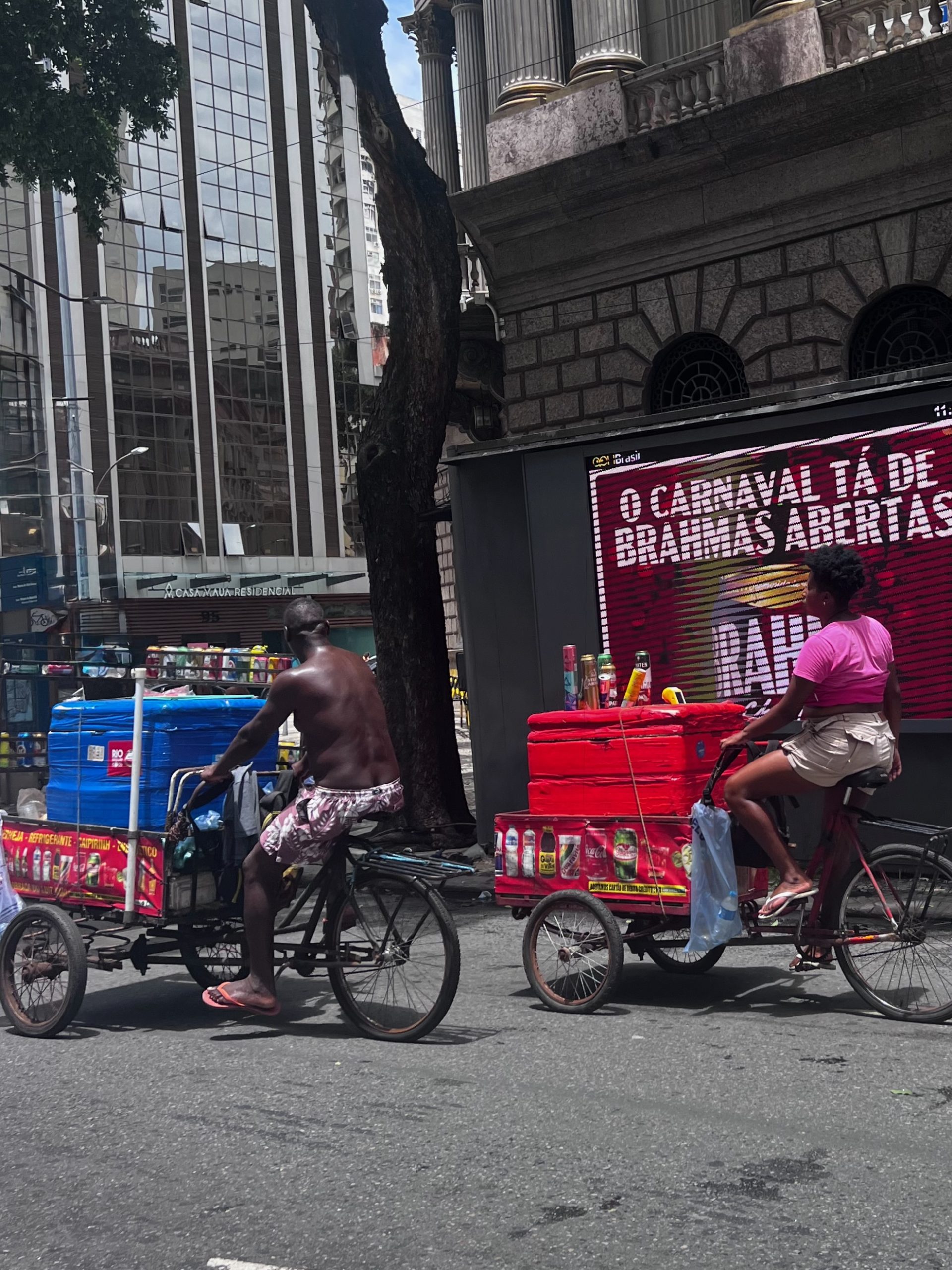
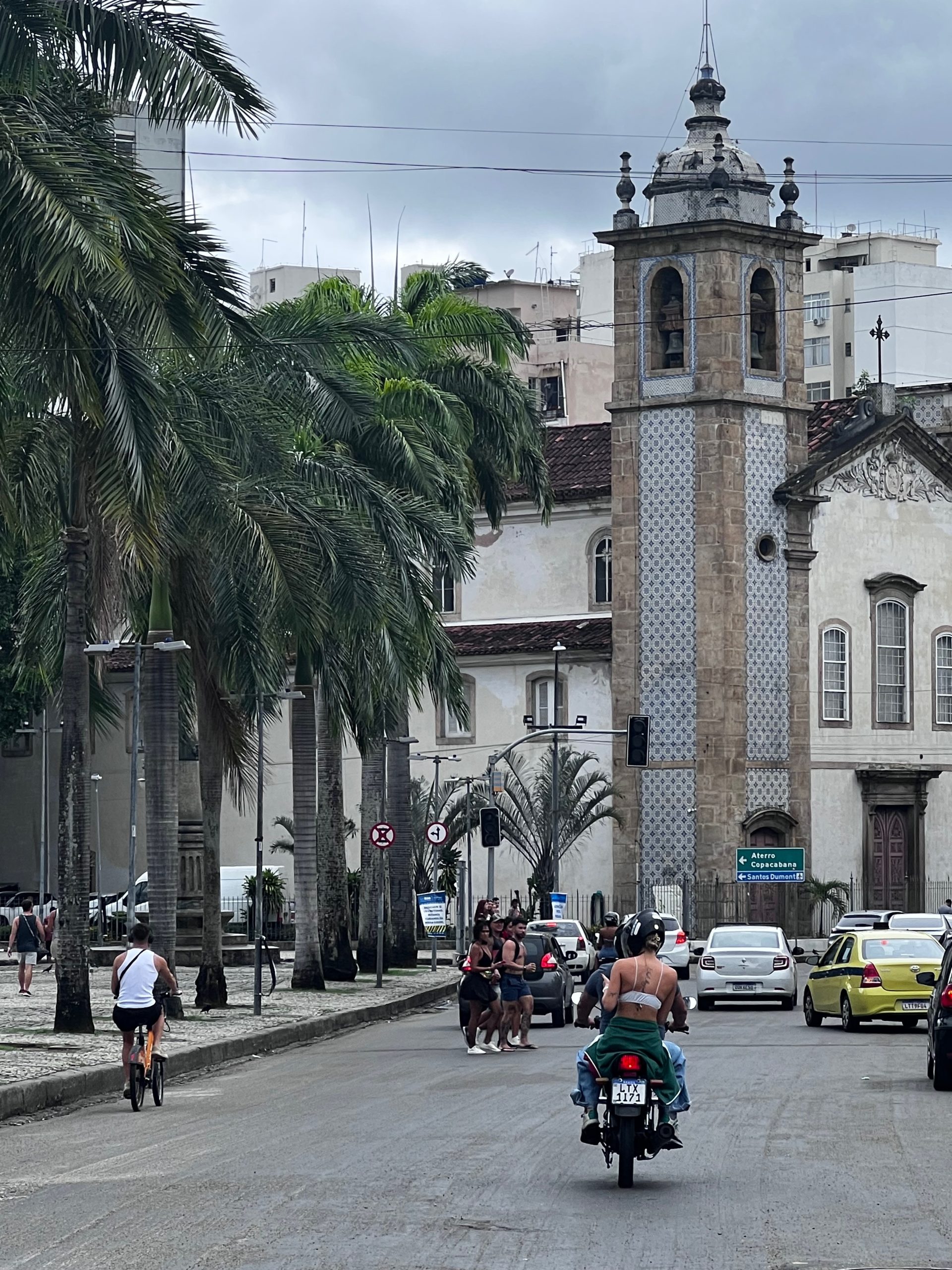
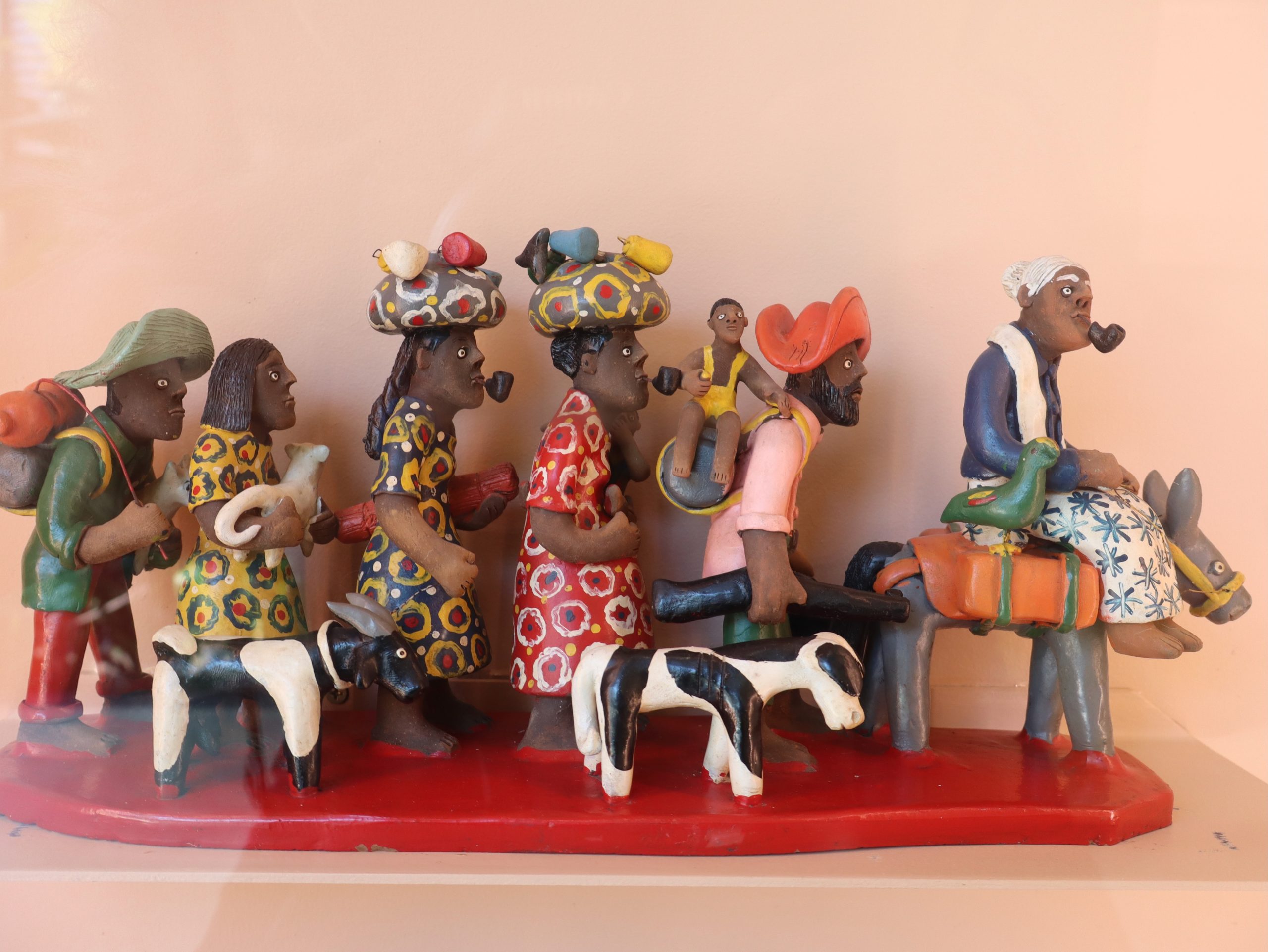
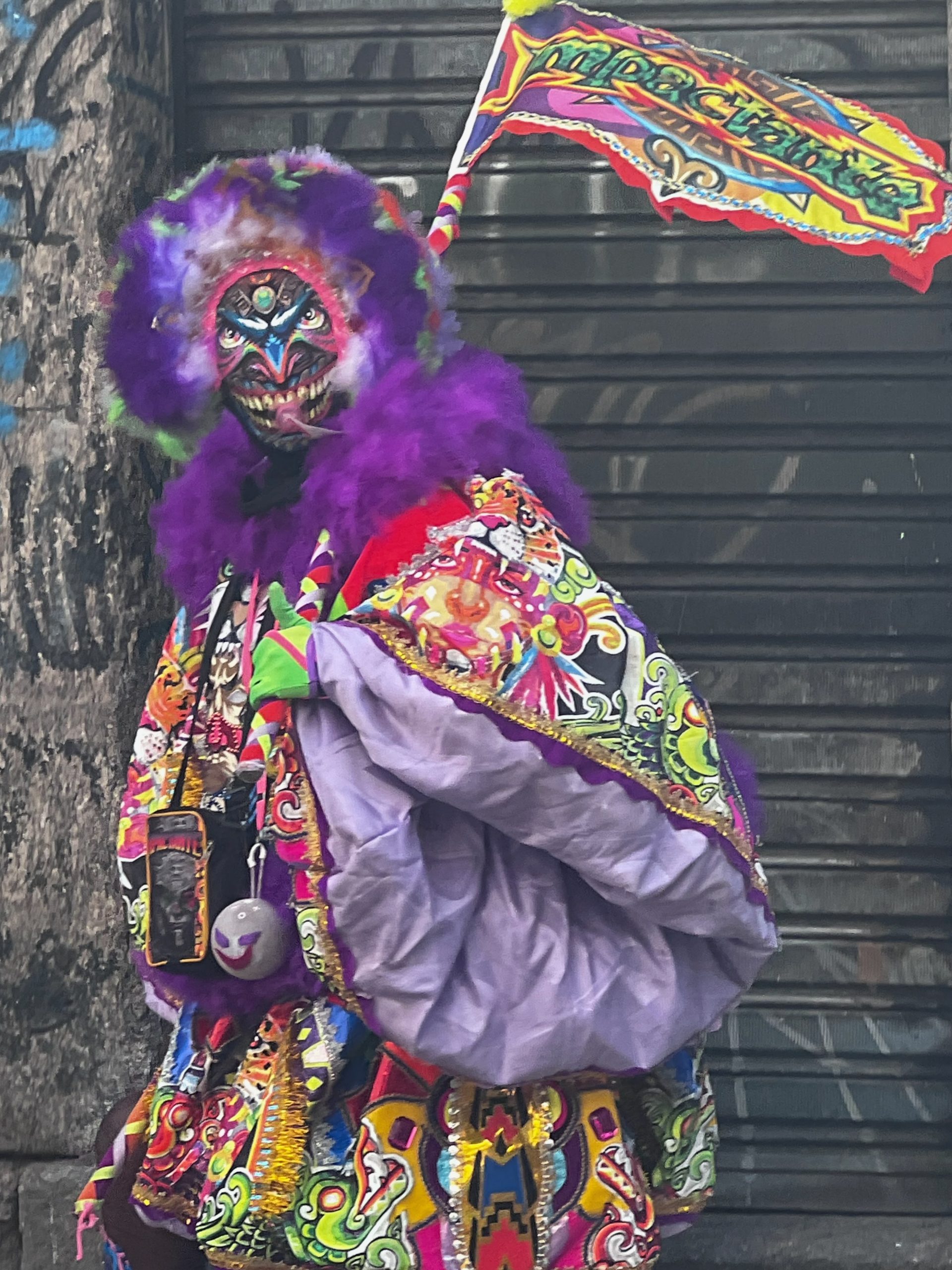
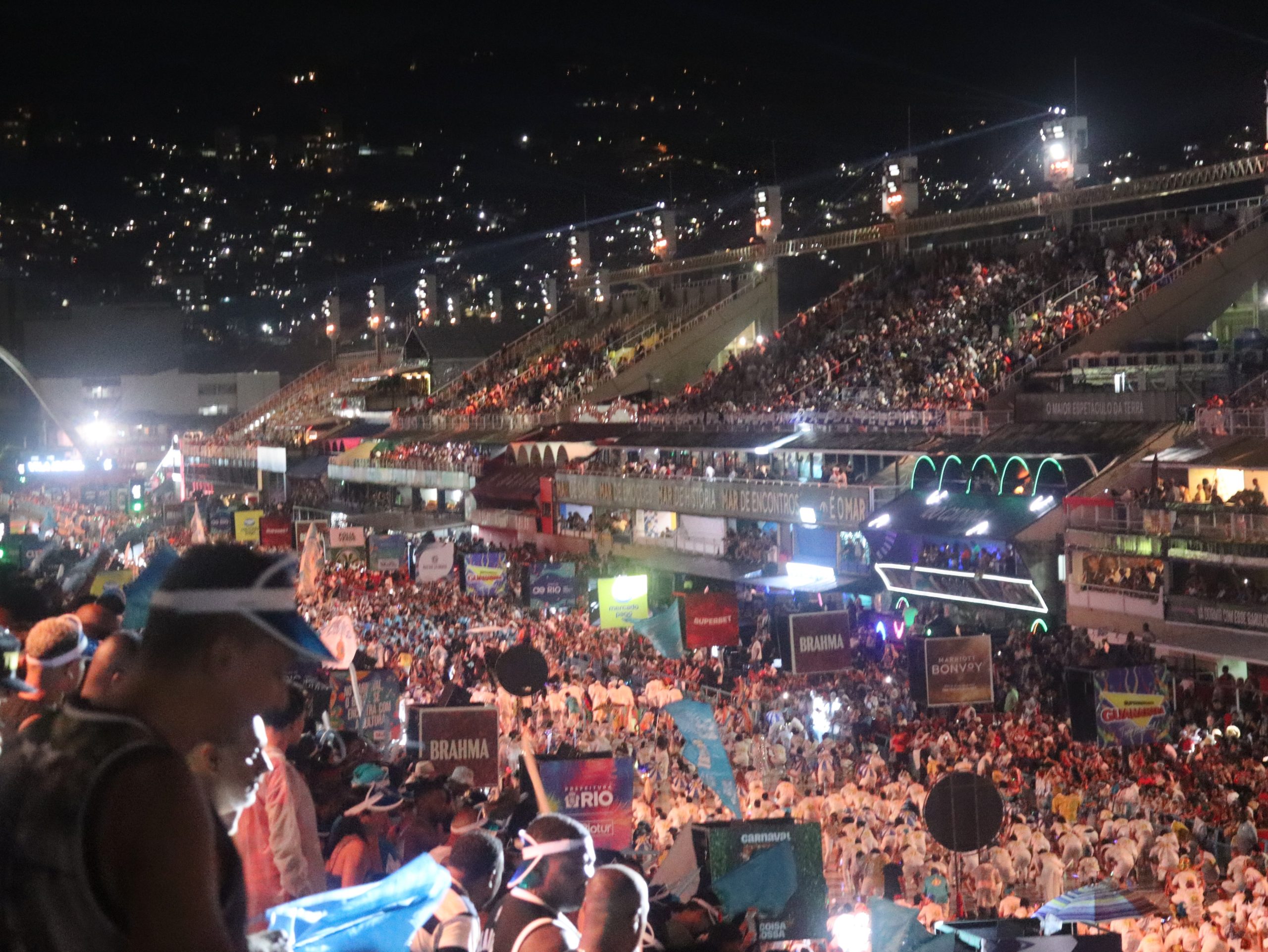
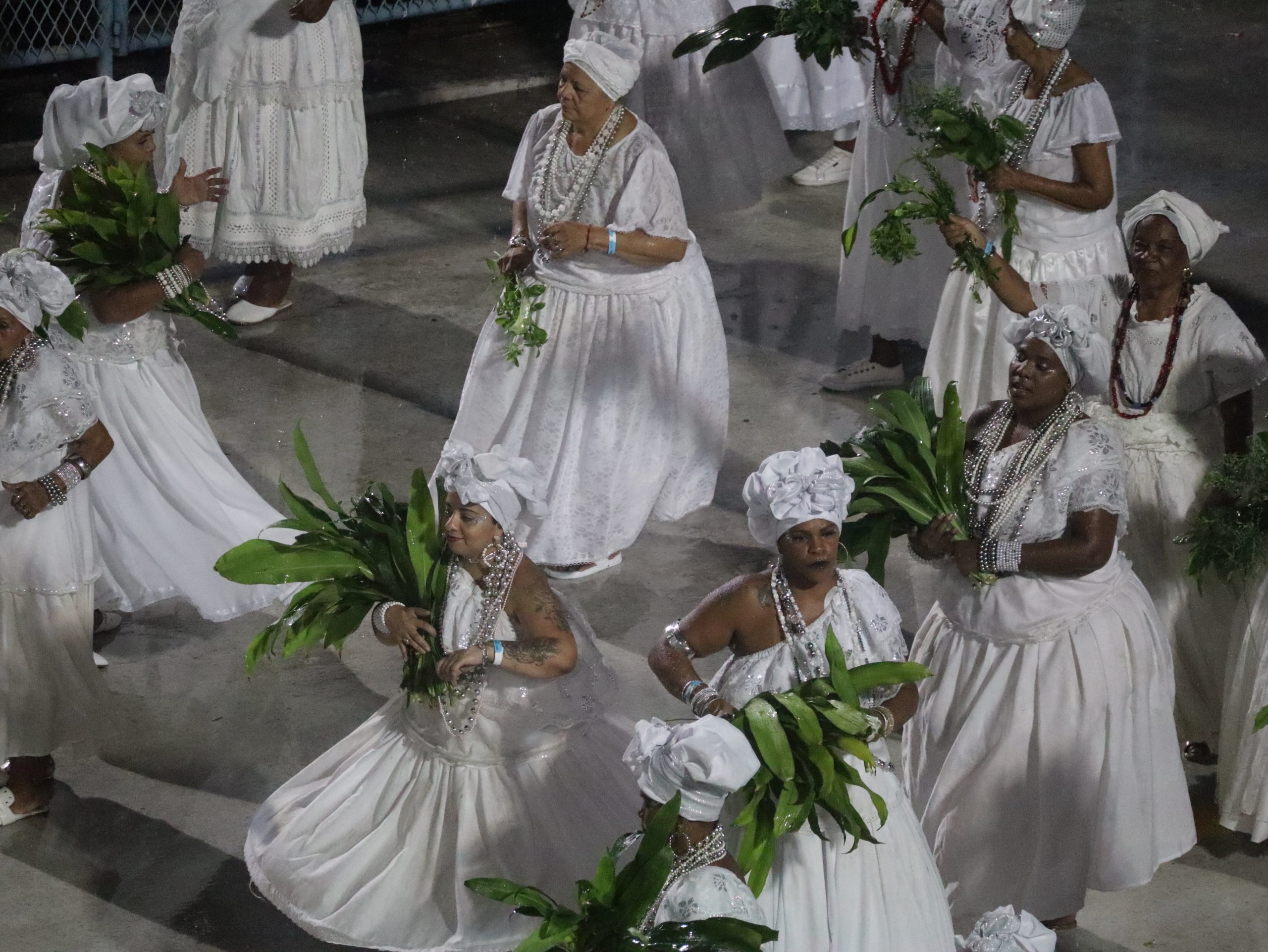
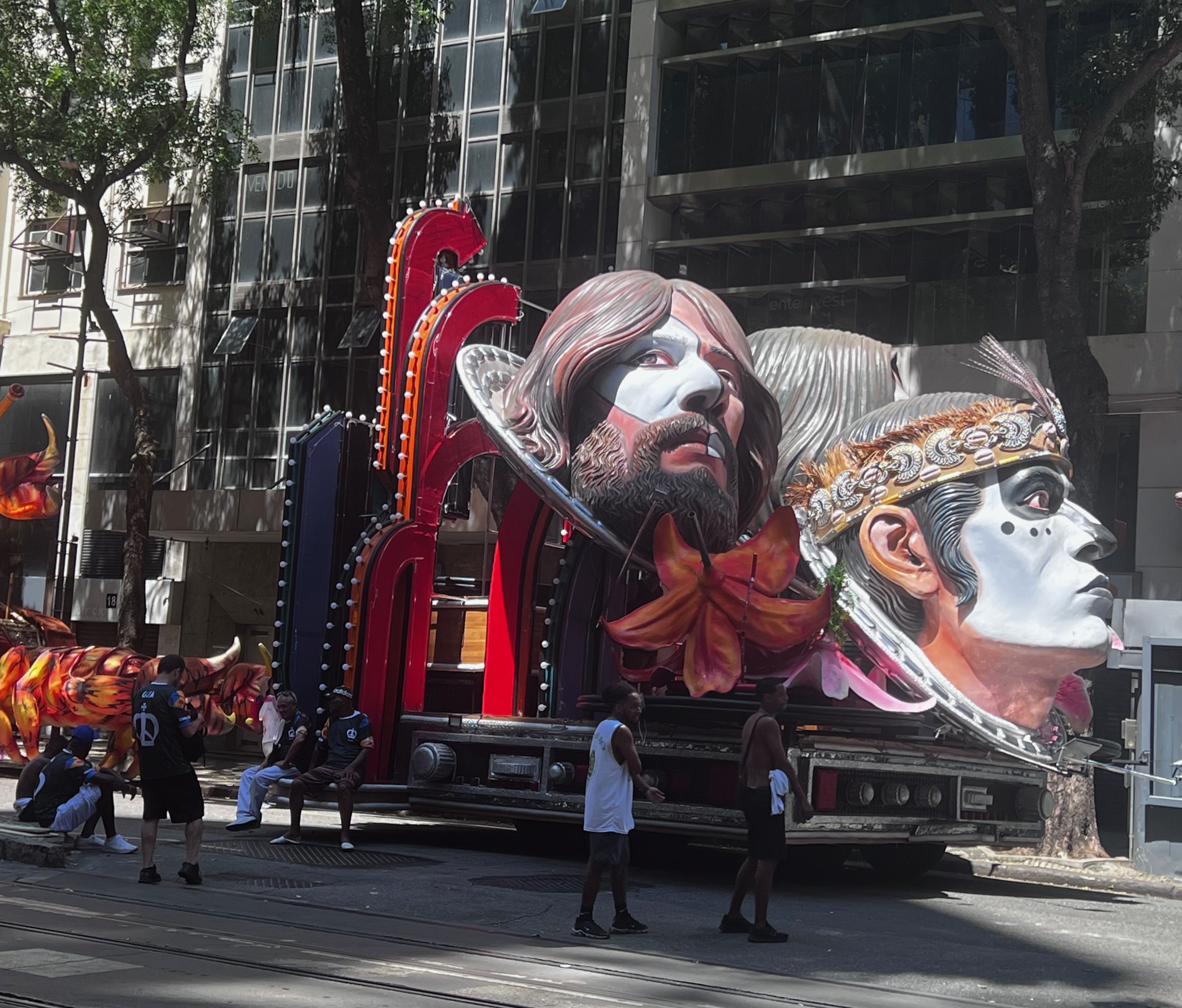
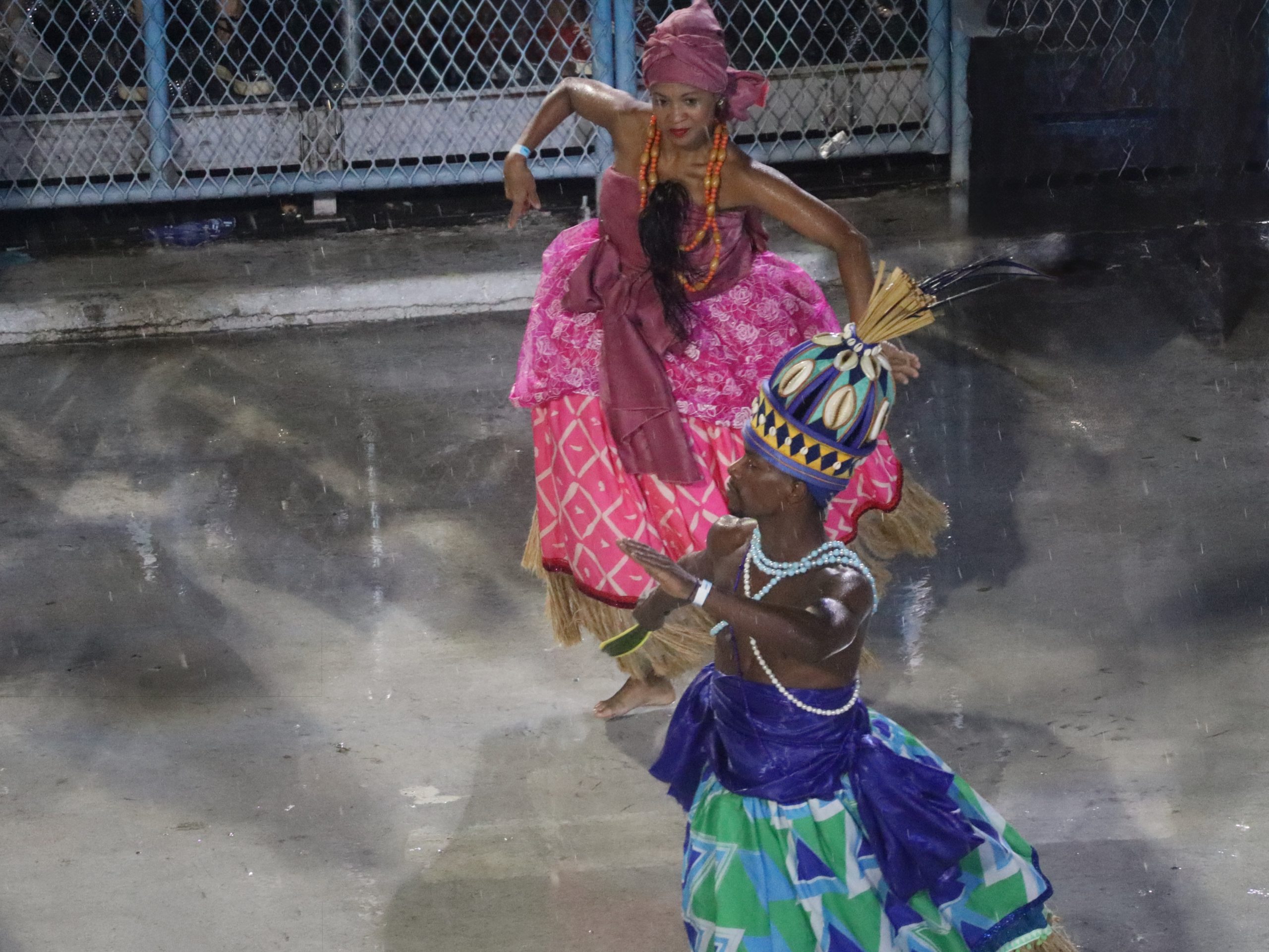
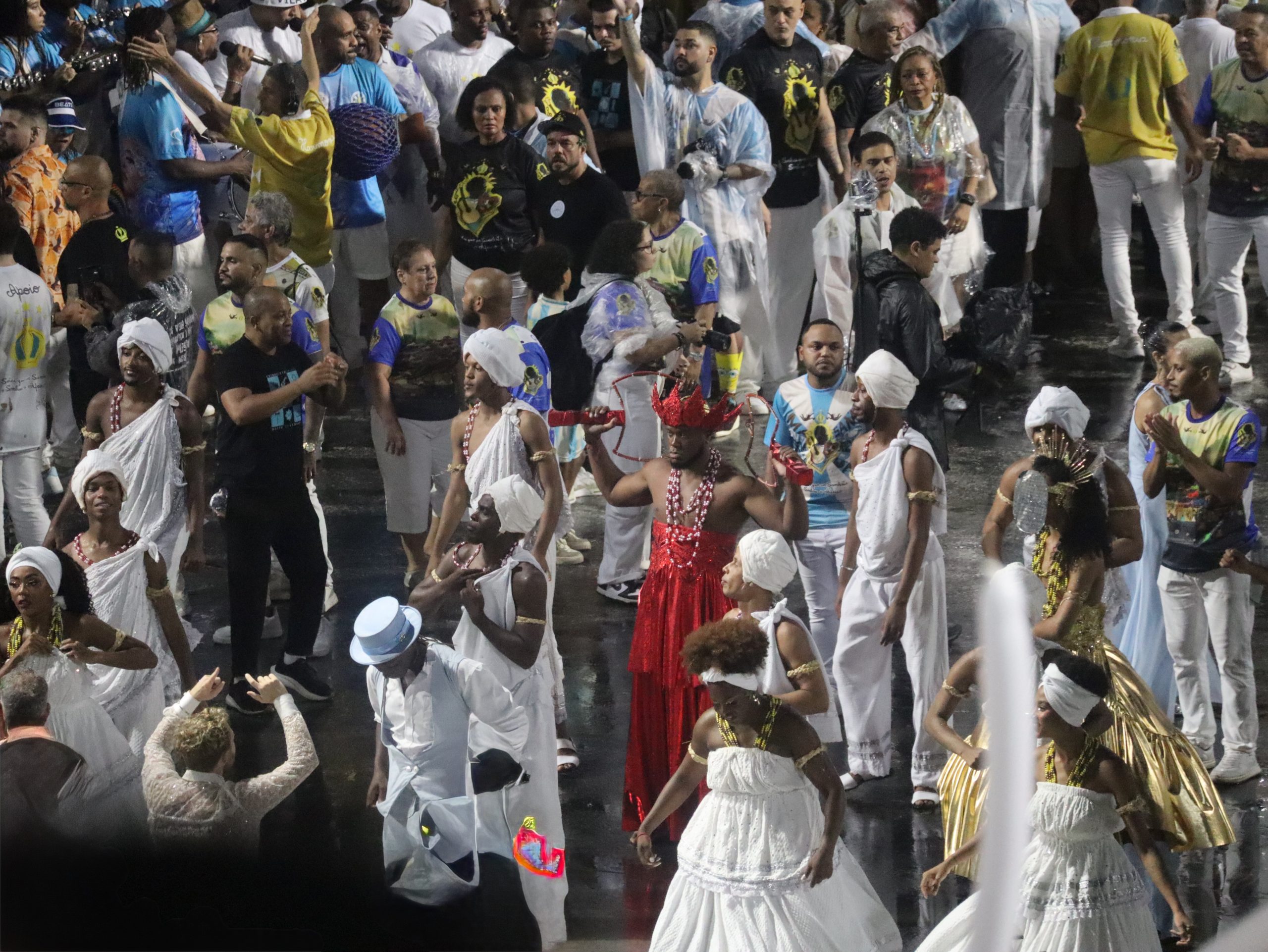
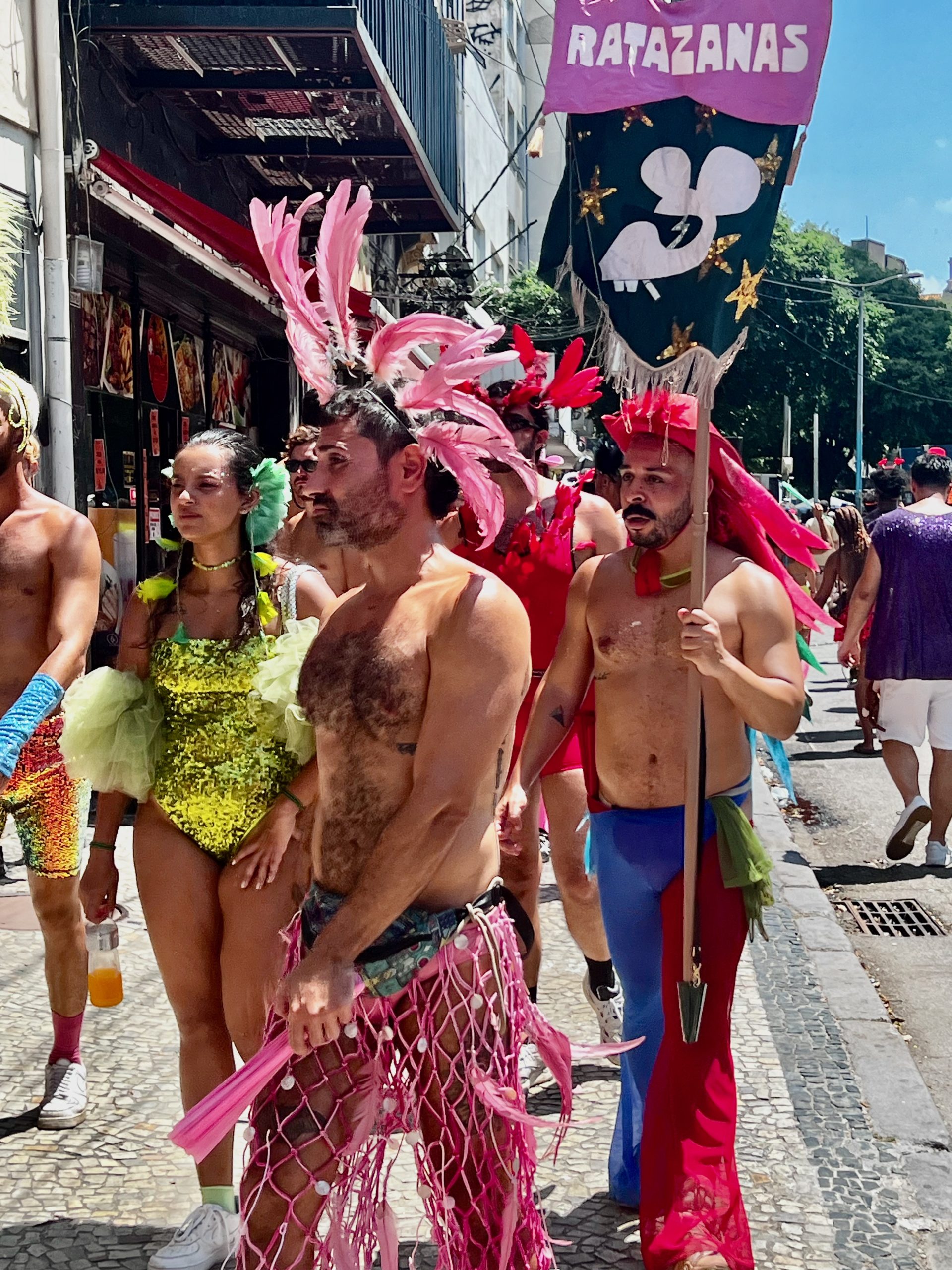
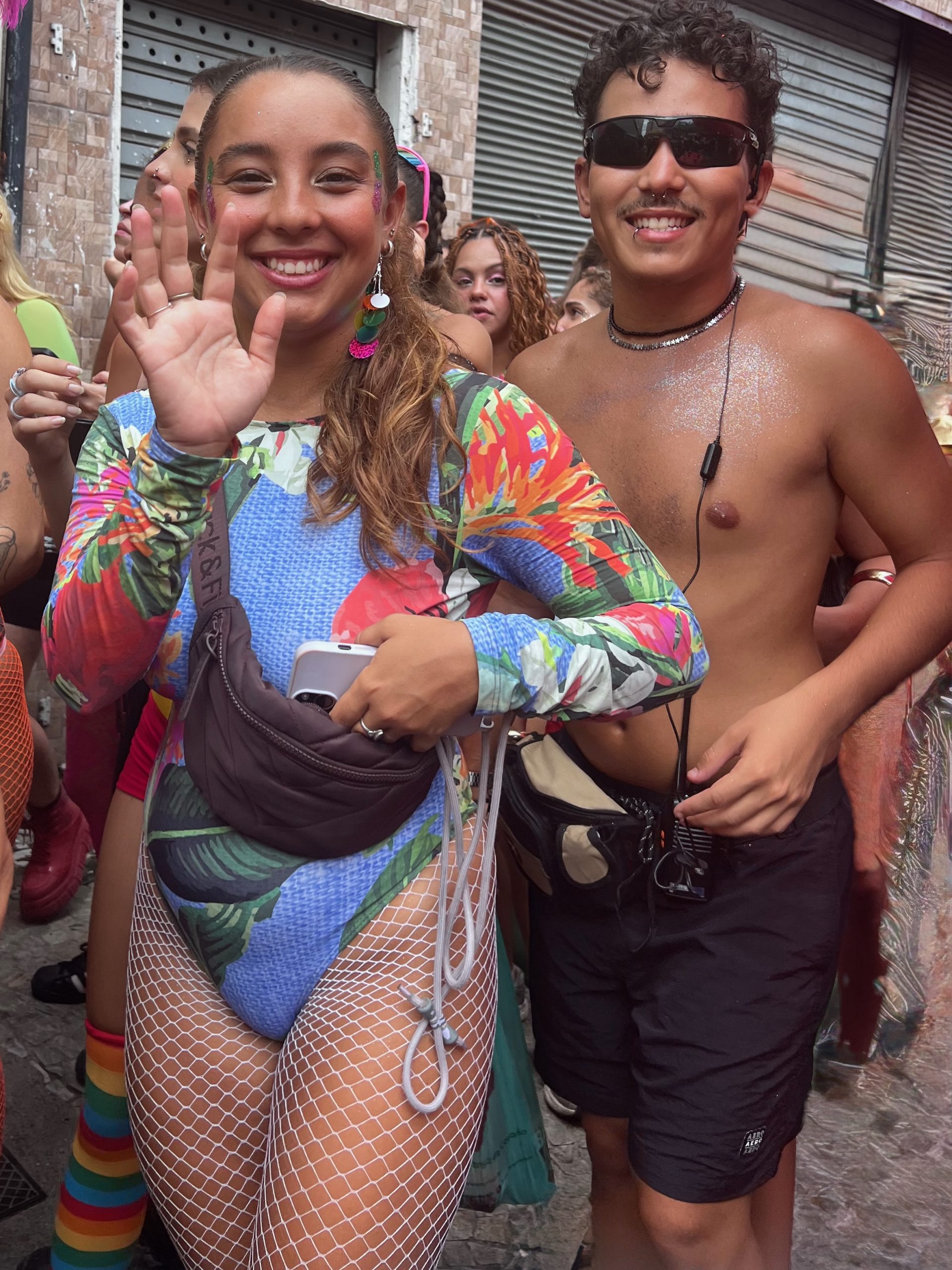
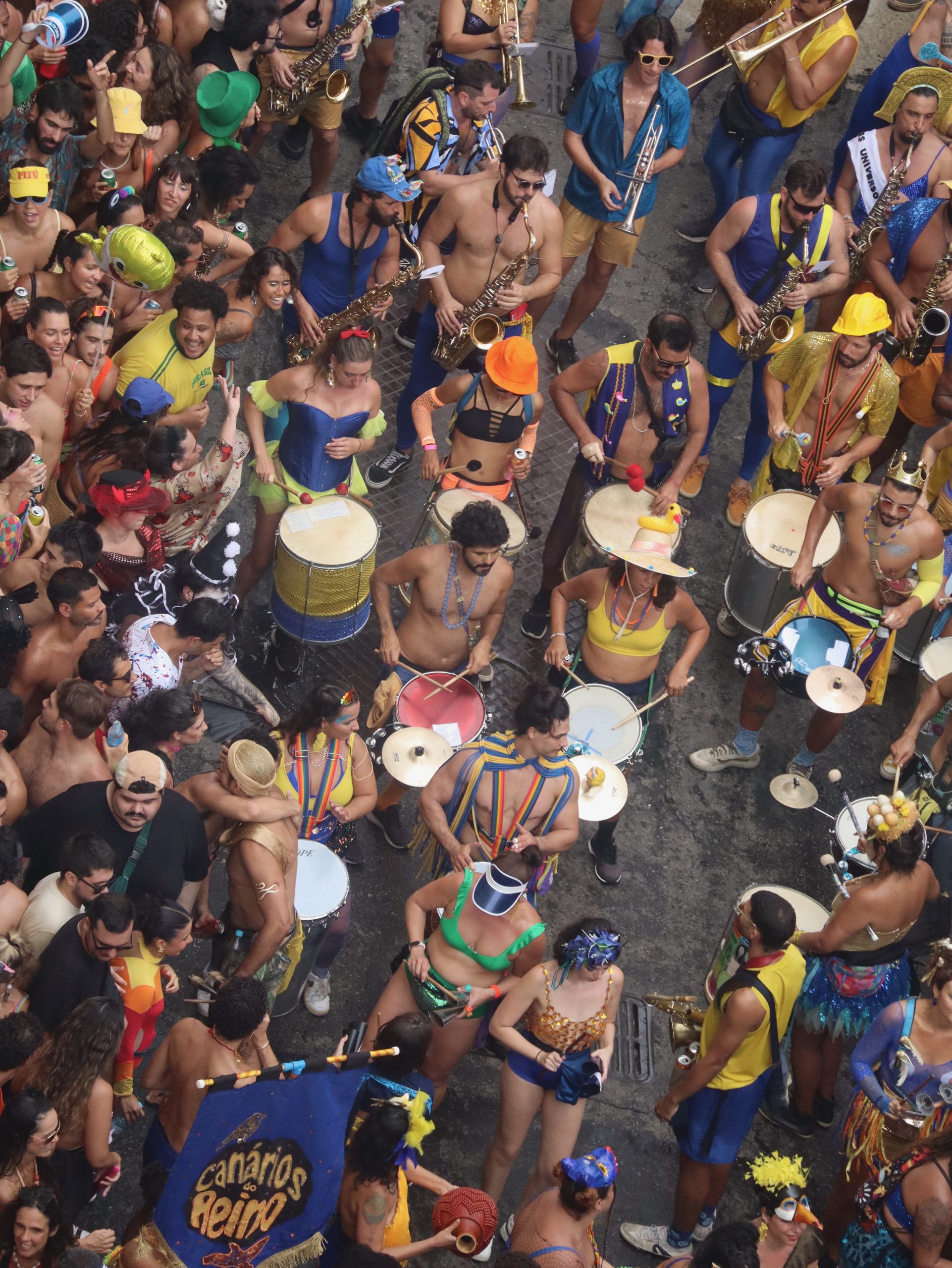
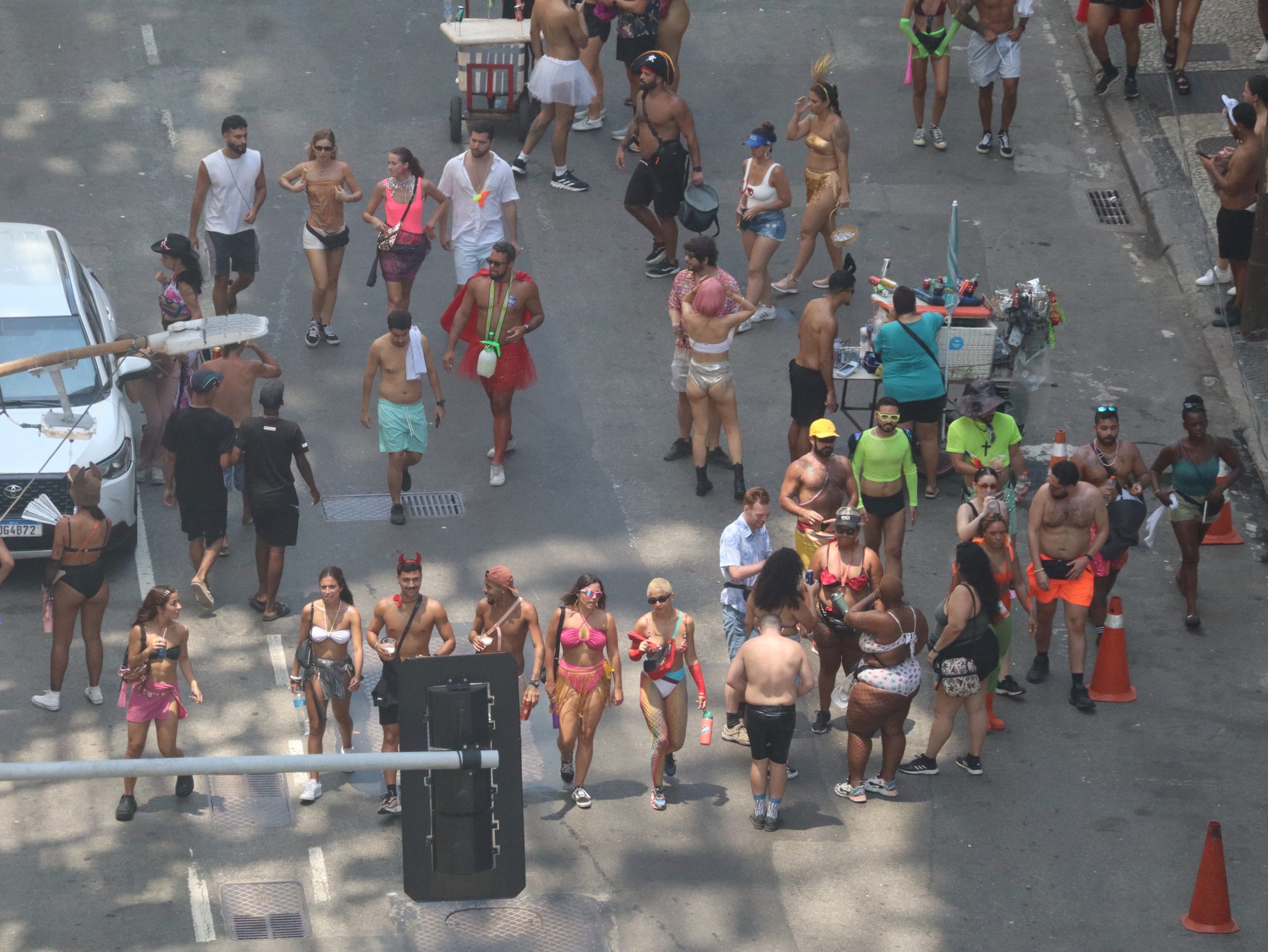
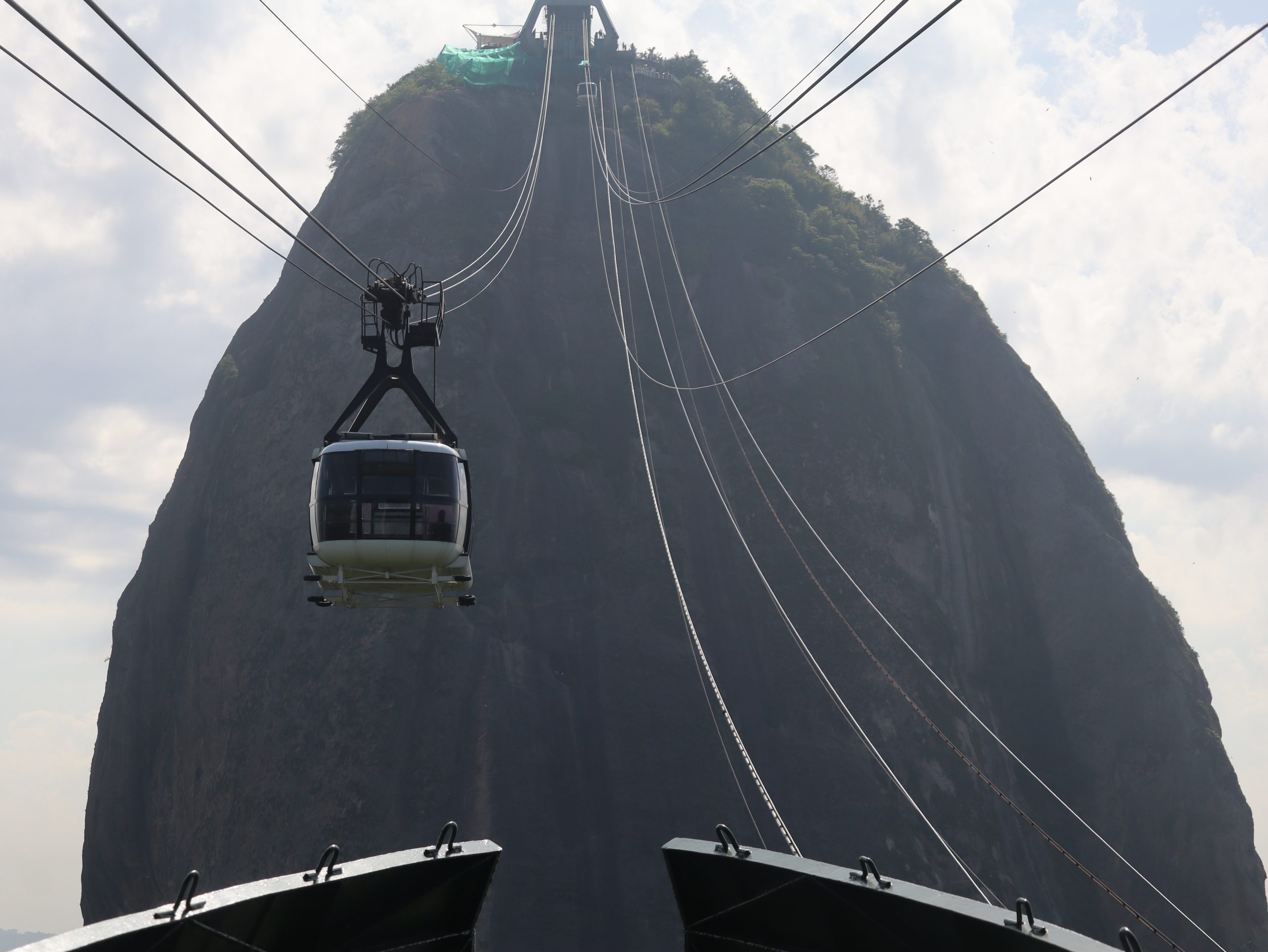
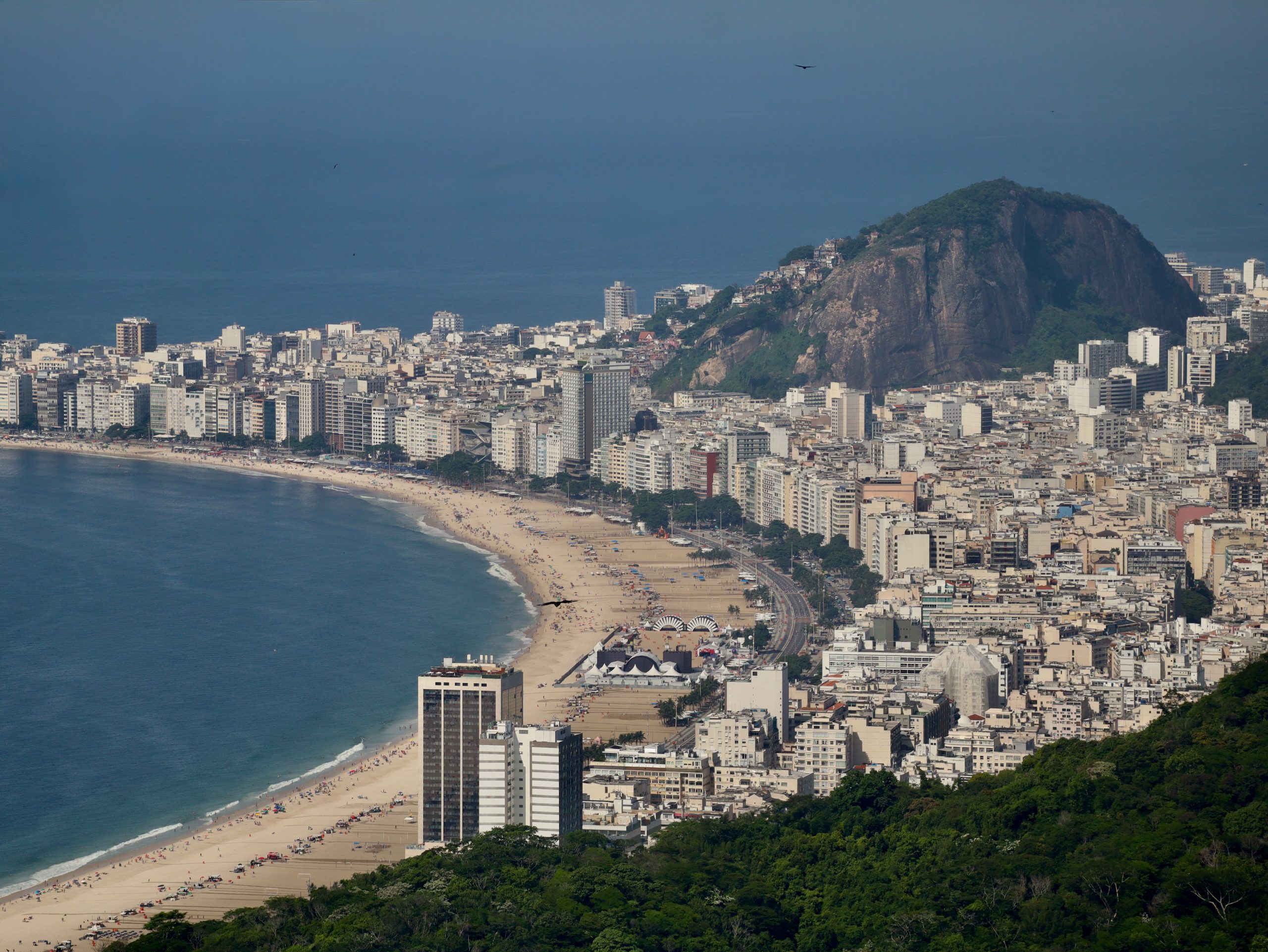
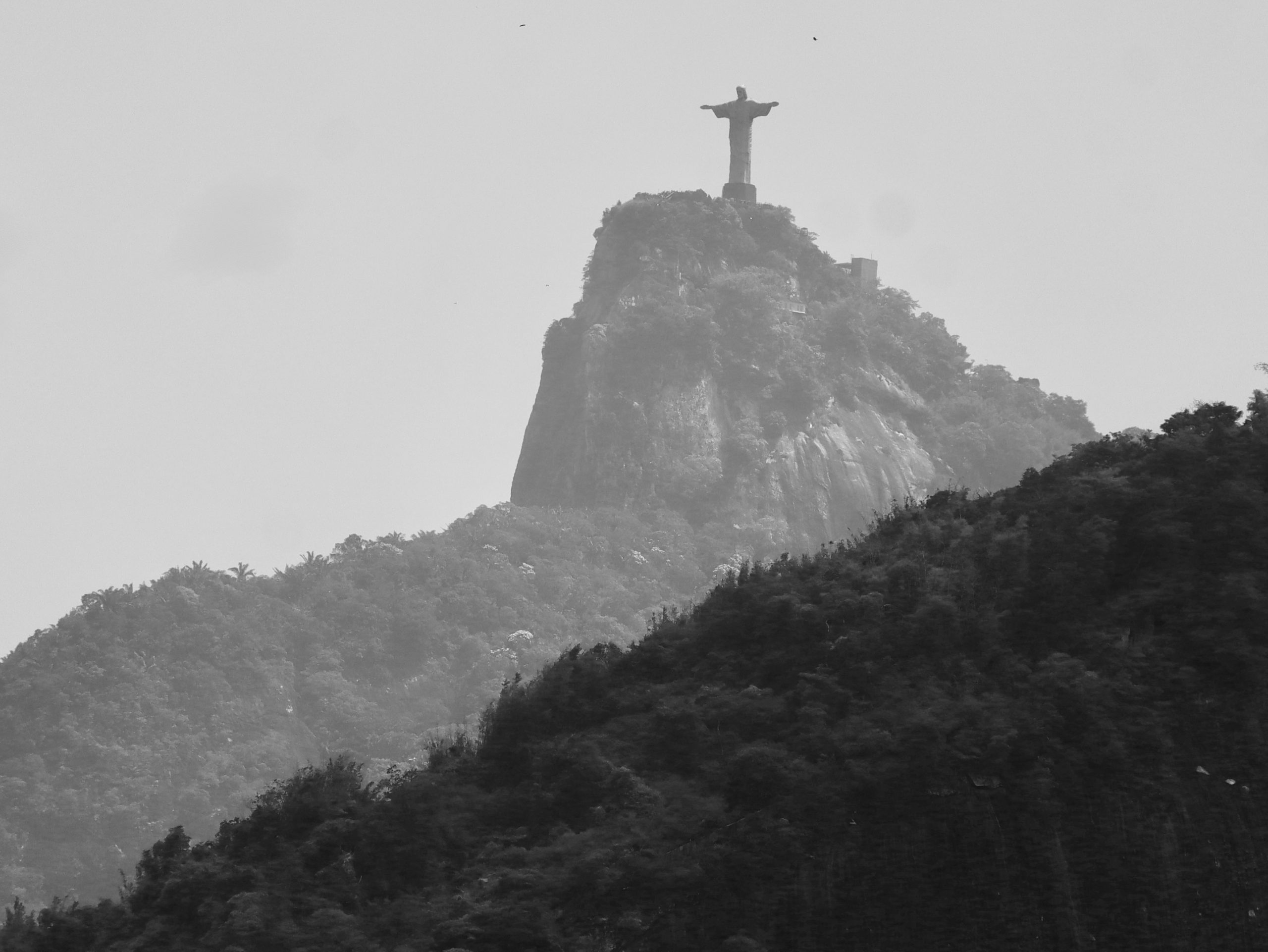
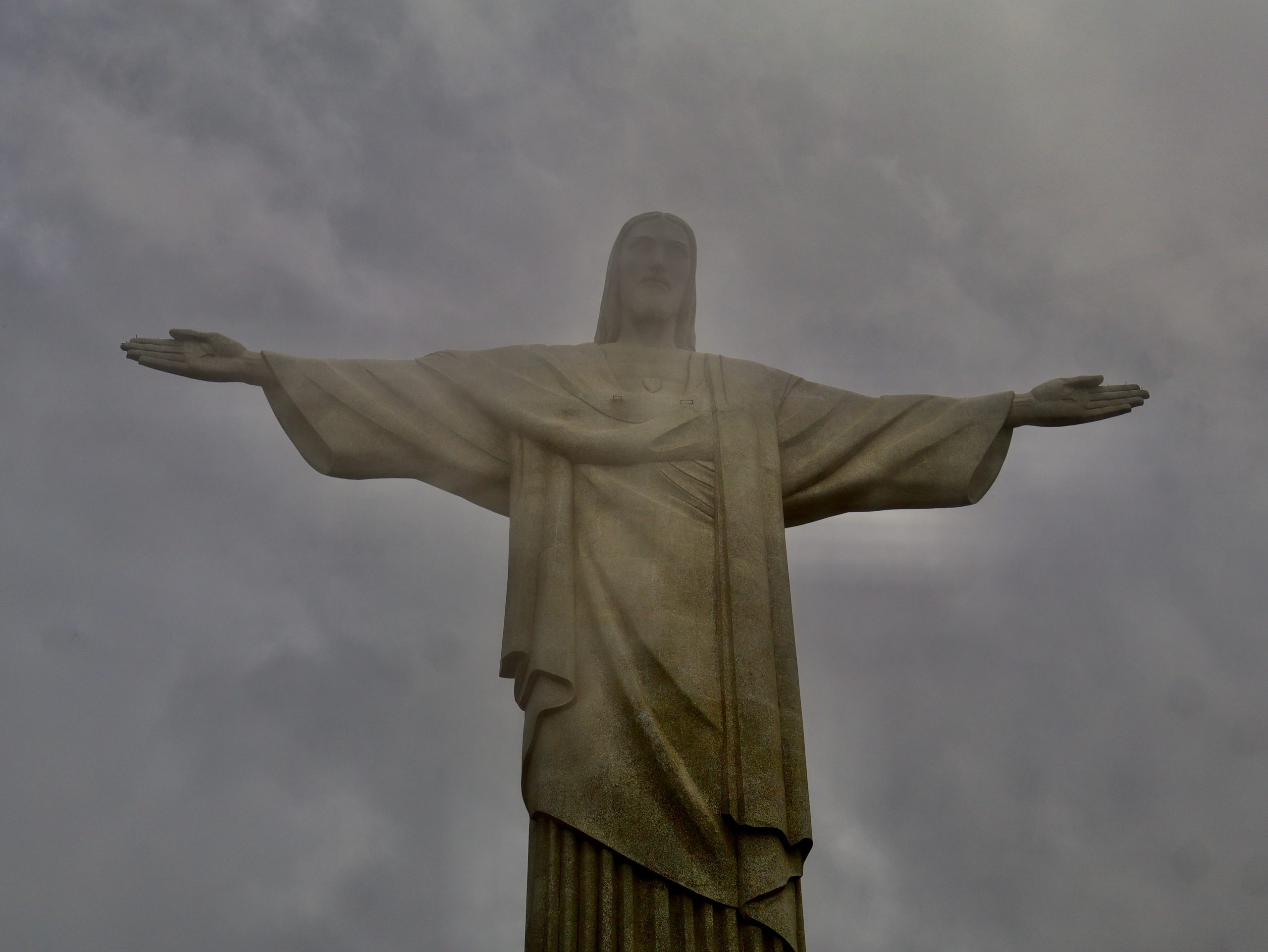
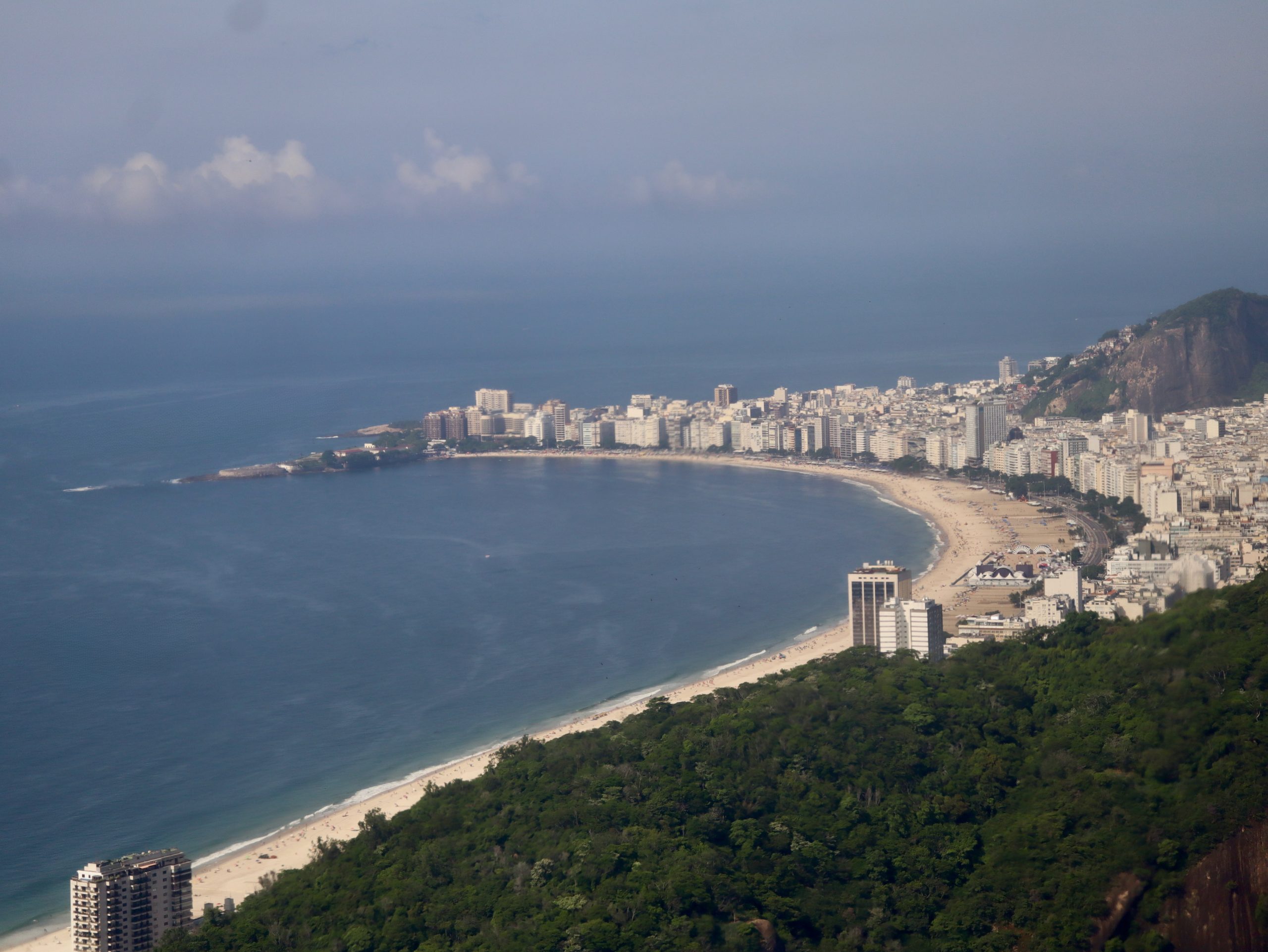
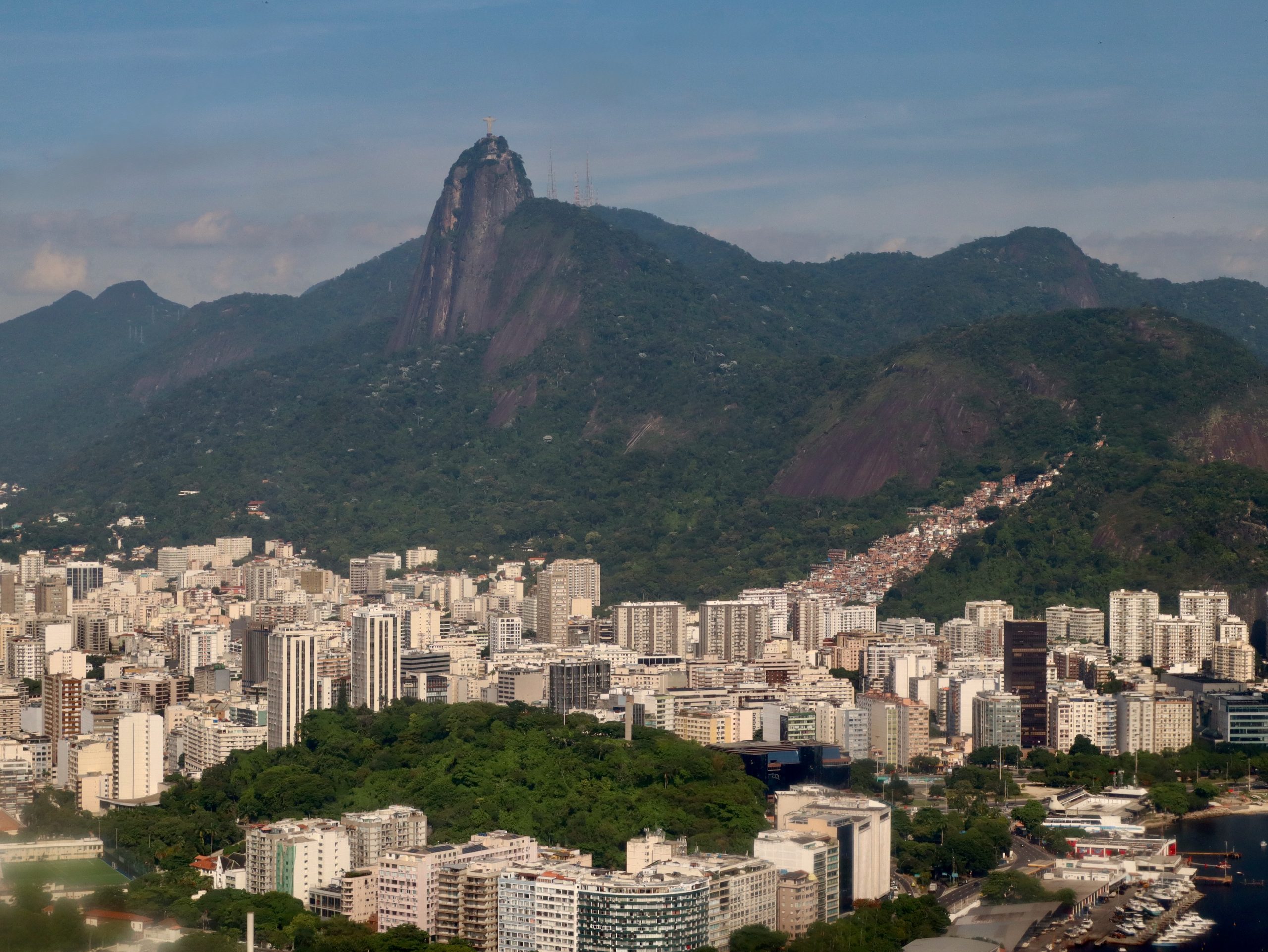
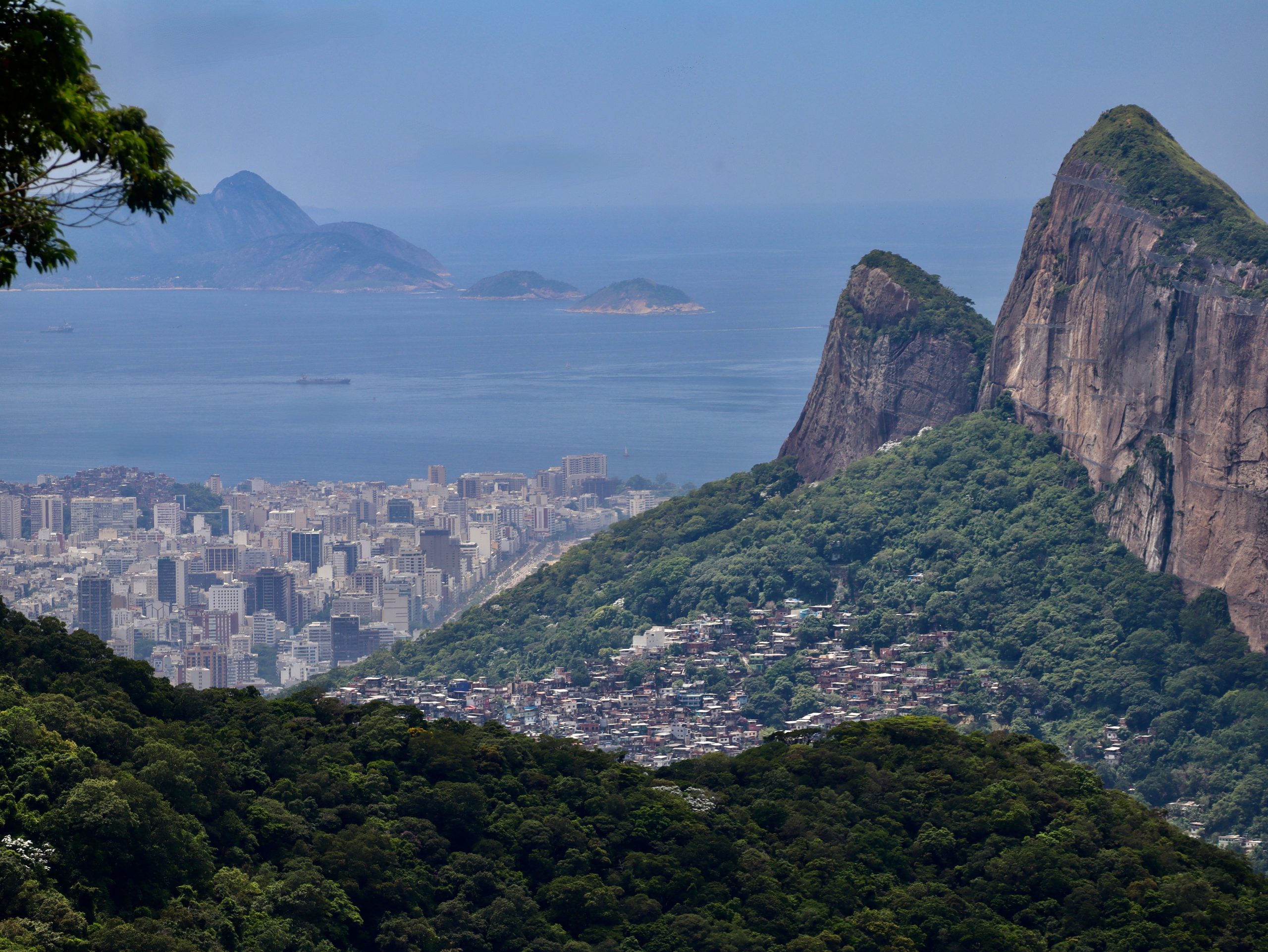
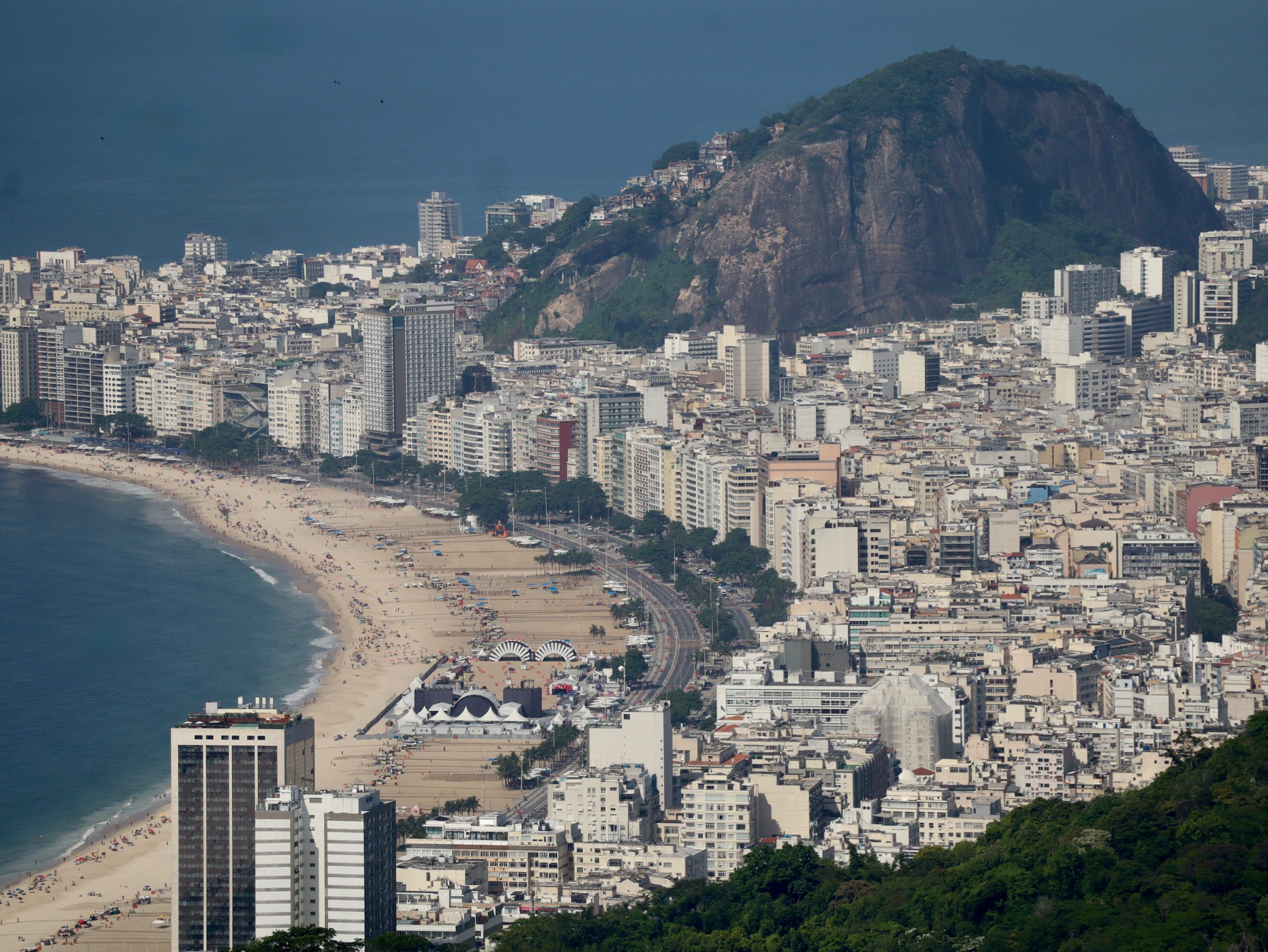
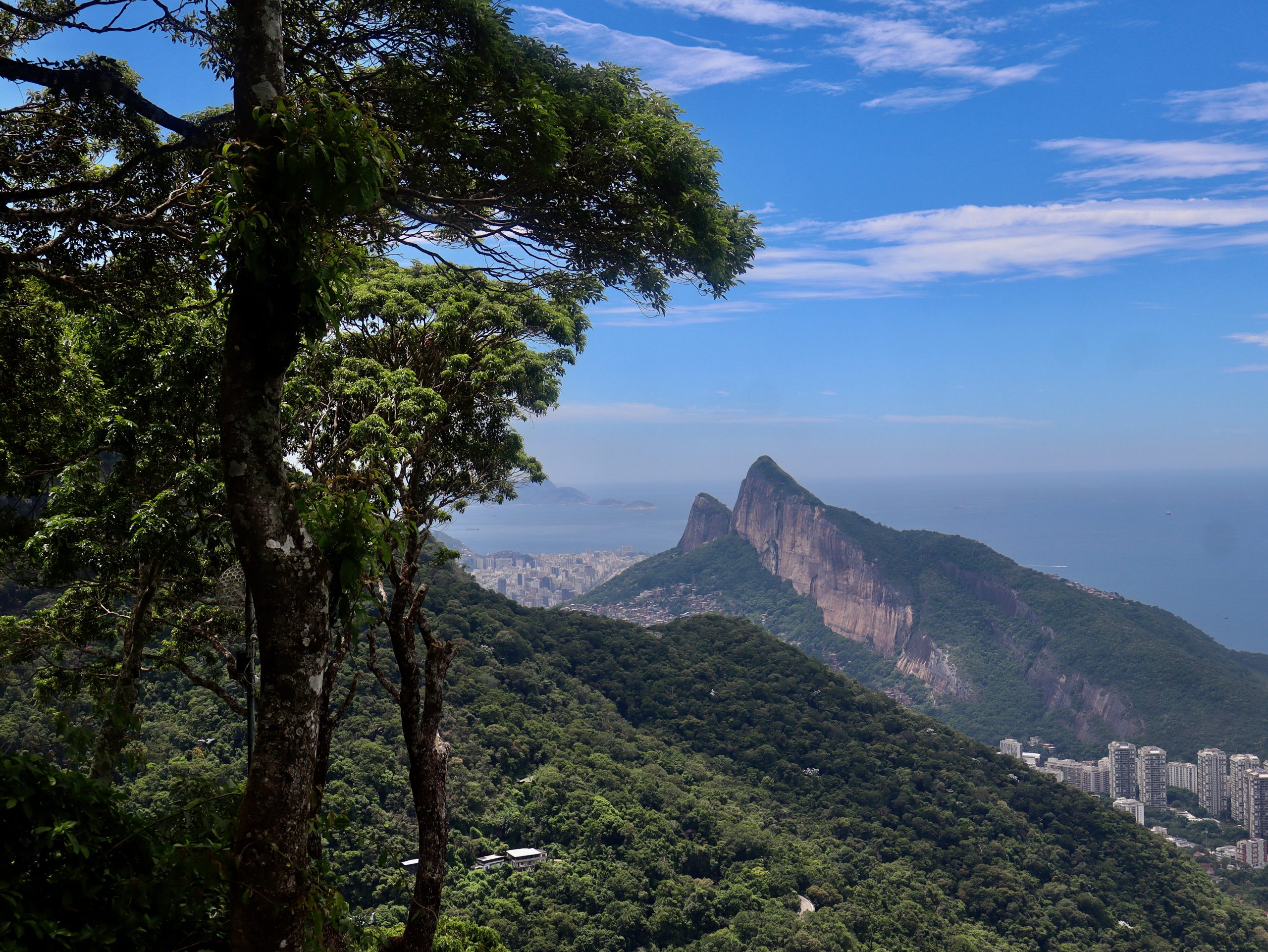
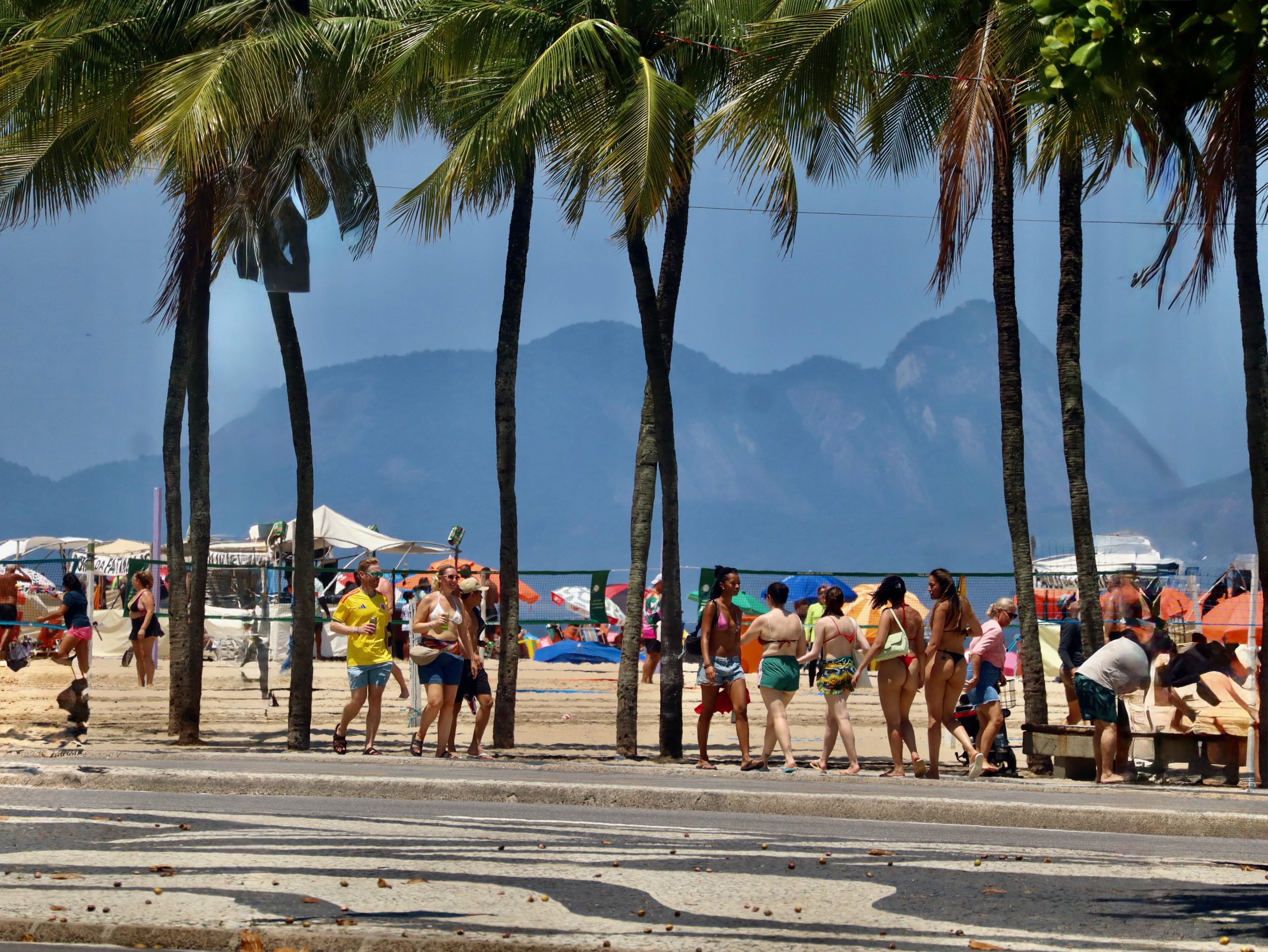
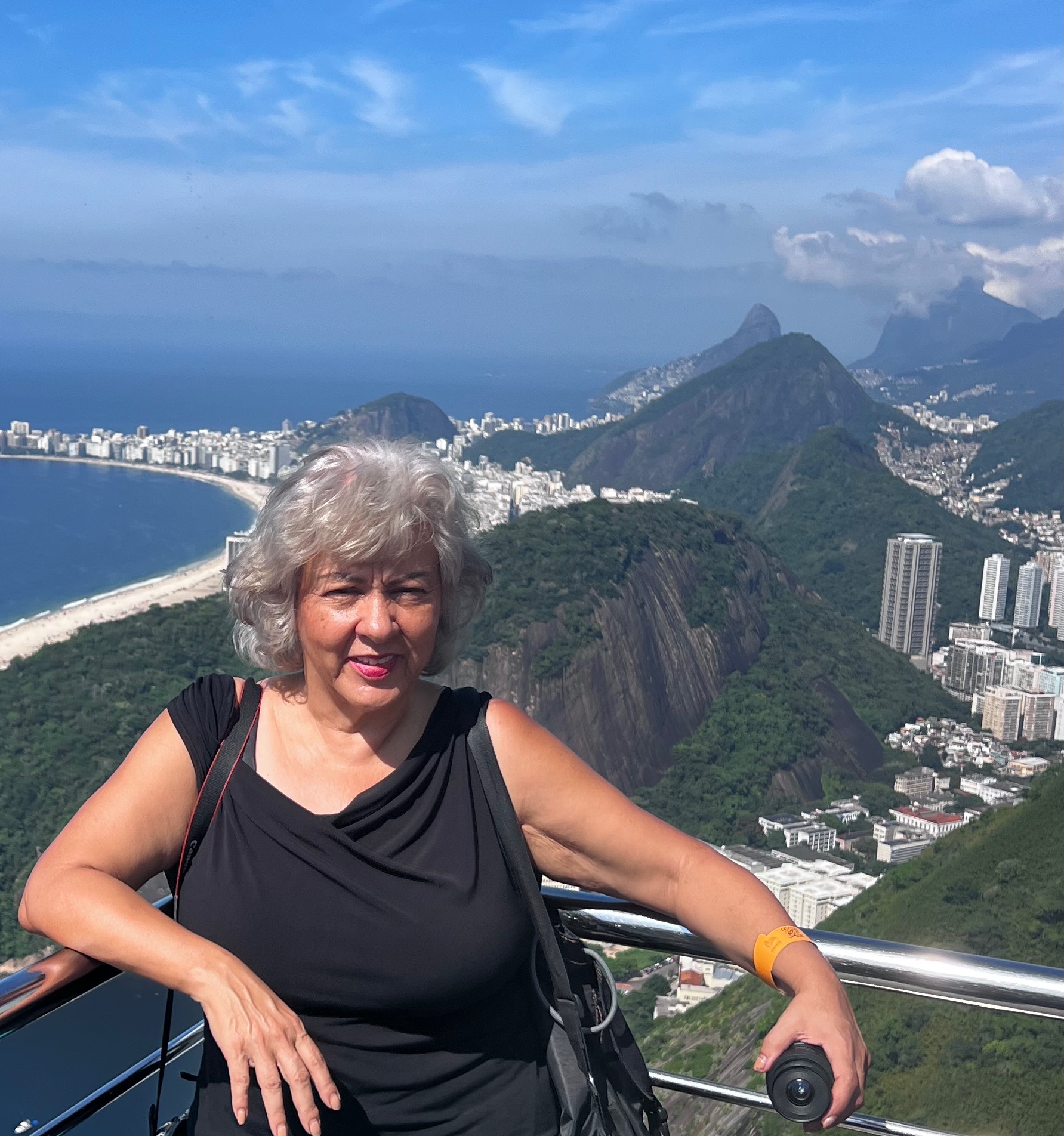
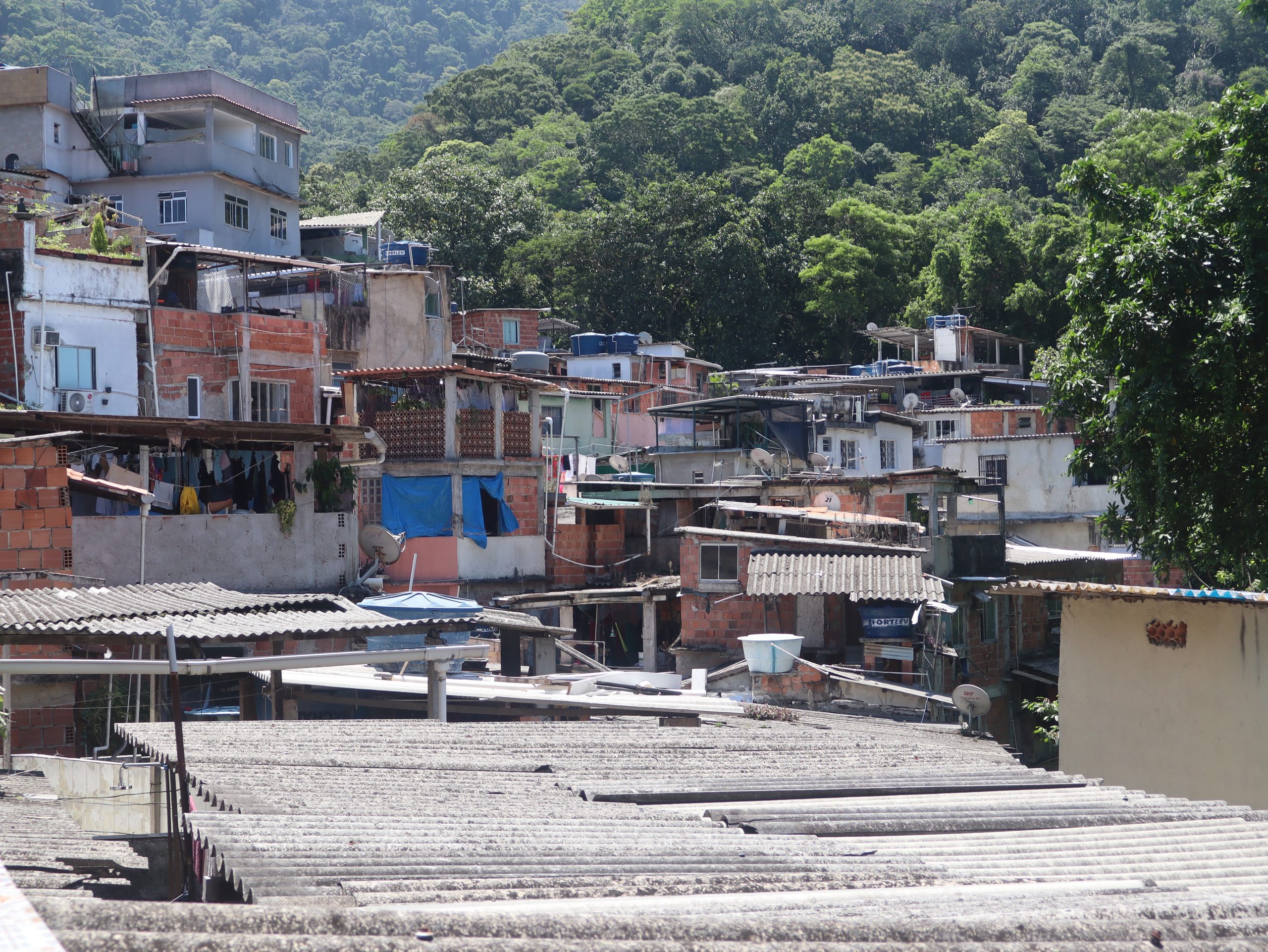
I stayed in Rio de Janeiro for a month, arriving a couple of weeks before Carnival. One of the most visited cities in the world, with some of the most beautiful mountainous coastal landscapes. The iconic Sugarloaf Mountain, the Tijuca Urban Rainforest (one of the largest in the world) and Christ the Redeemer are purely breathtaking and staggering. Rio de Janeiro is a city where extraordinary natural beauty and persistent inequality coexist, revealing a city that dazzles the eye while exposing the deep historical roots of Brazil’s colonial past. A country with a long history of emperors and dictators, yet chosen to remain a democratic society.  A haven for so many rural migrants, which has led to the city experiencing significant decline. A city with close to 1000 favelas (slums), known as the birthplace of samba. You are perplexed and dumbfounded to witness the decline of the city’s historic downtown center. Imagine the contrast between a slowly decaying city center next to wealthy beachfront neighborhoods surrounded by hillside favelas. Yet, the country has managed to lower its poverty rate.   This story is about how I experienced this complex city beyond what you see on a postcard….

Traveling With Purpose in Rio de Janeiro: A Journey That Changes Lives

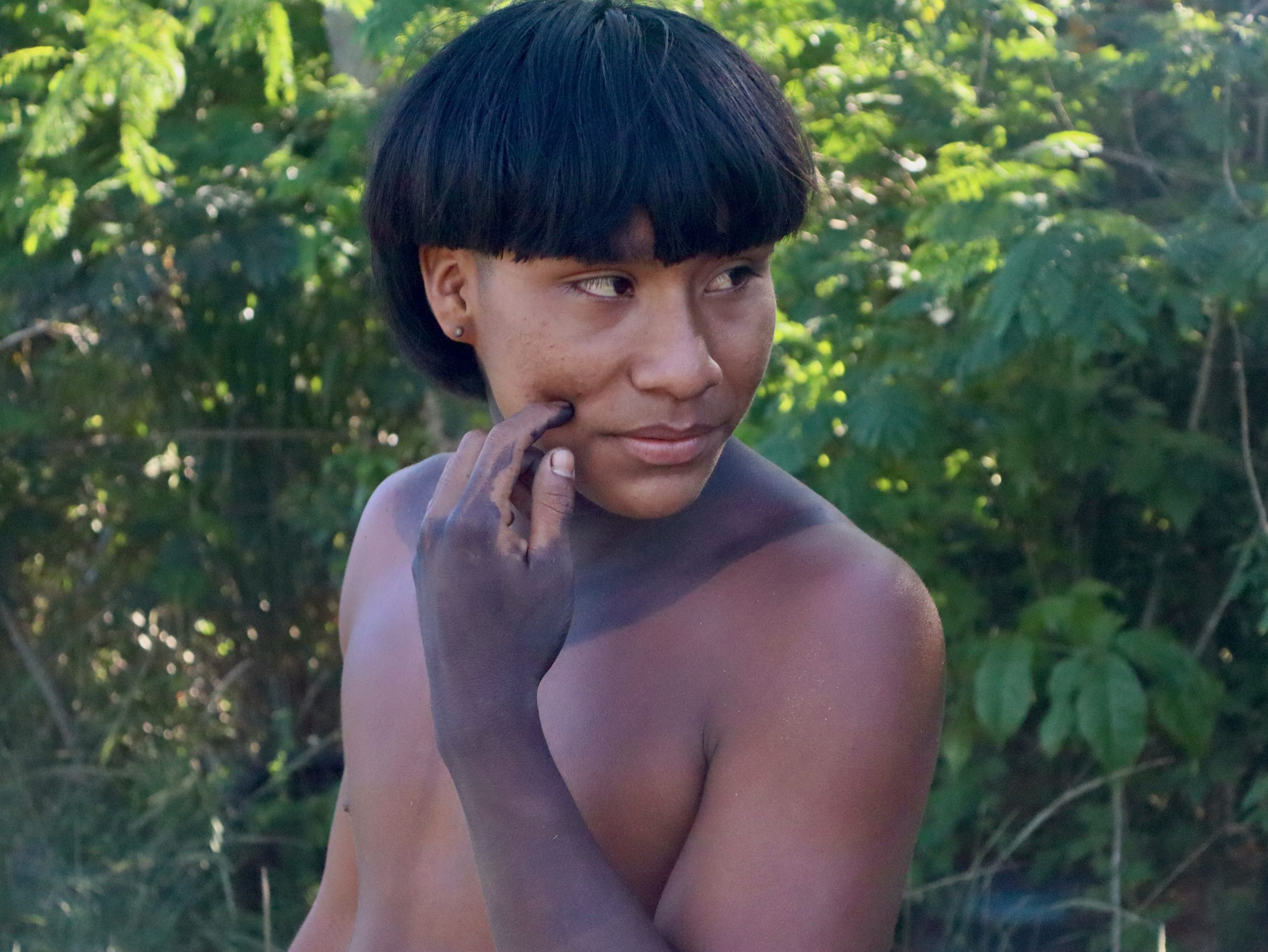
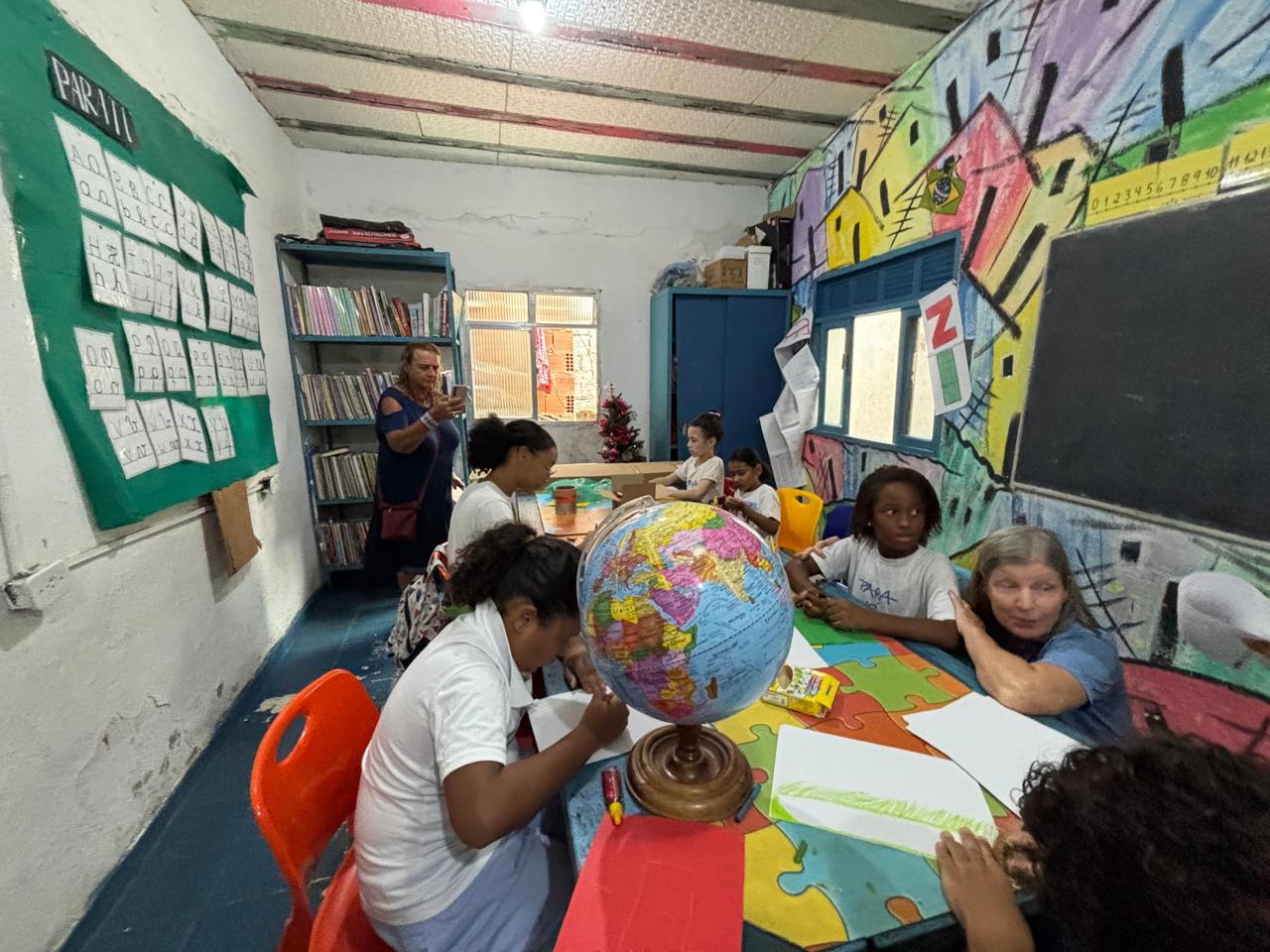
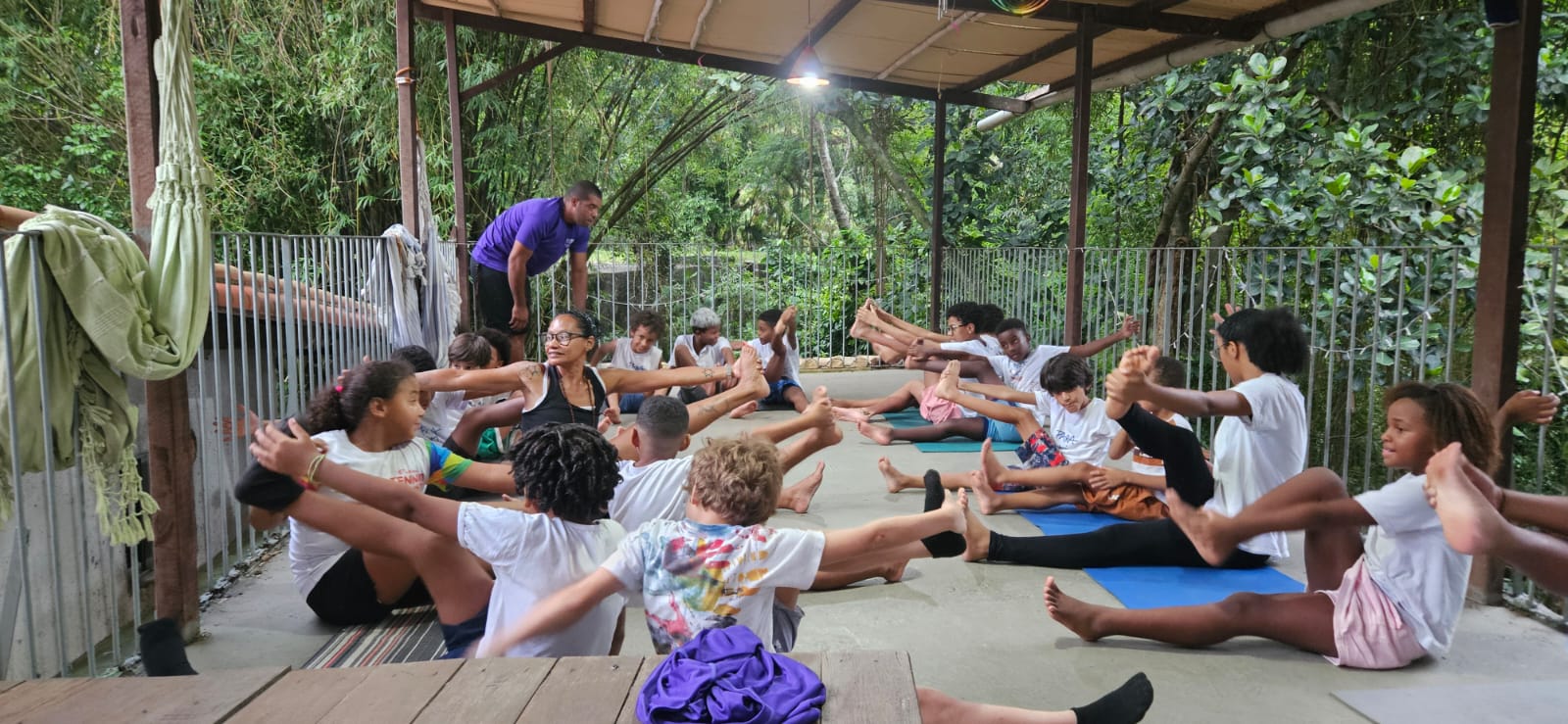
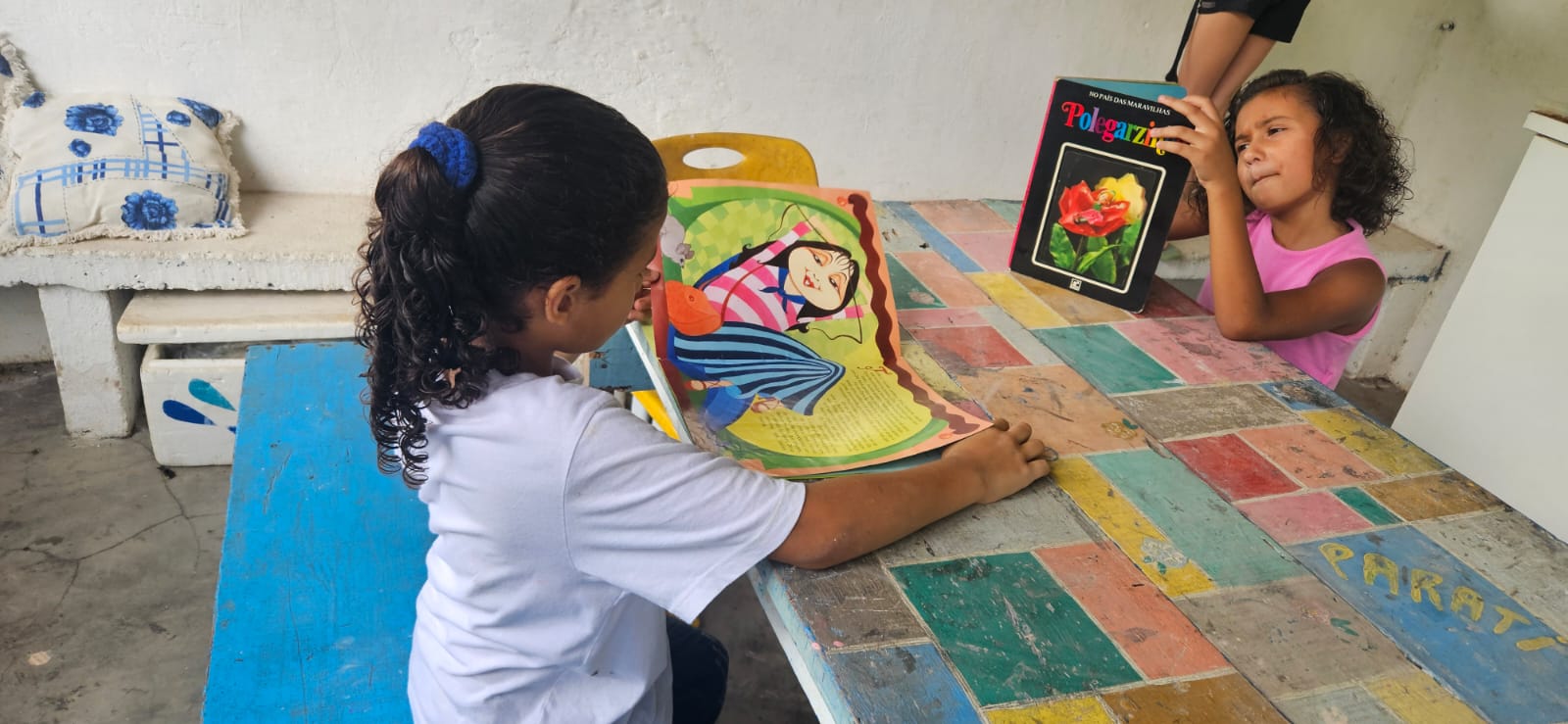
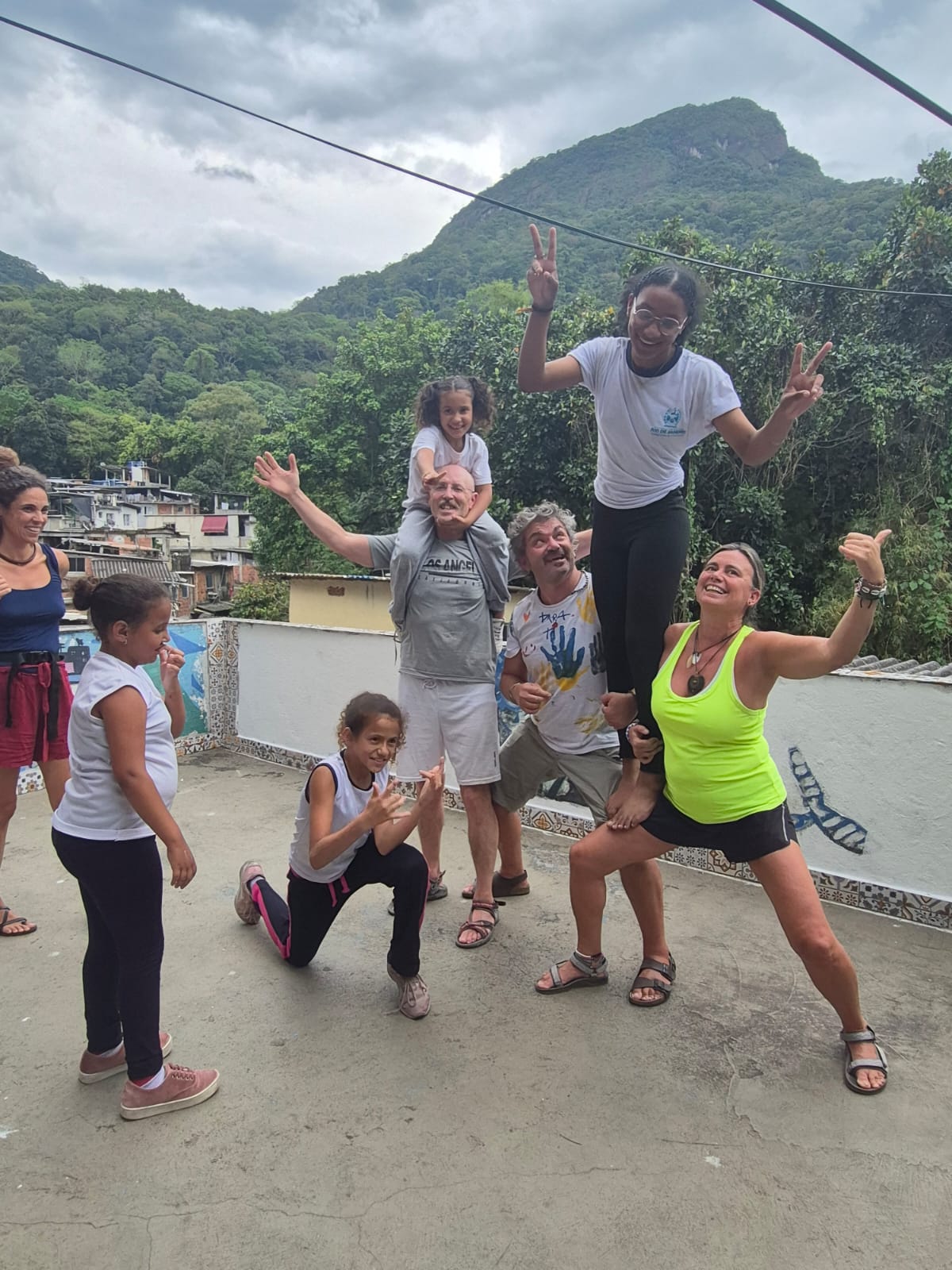
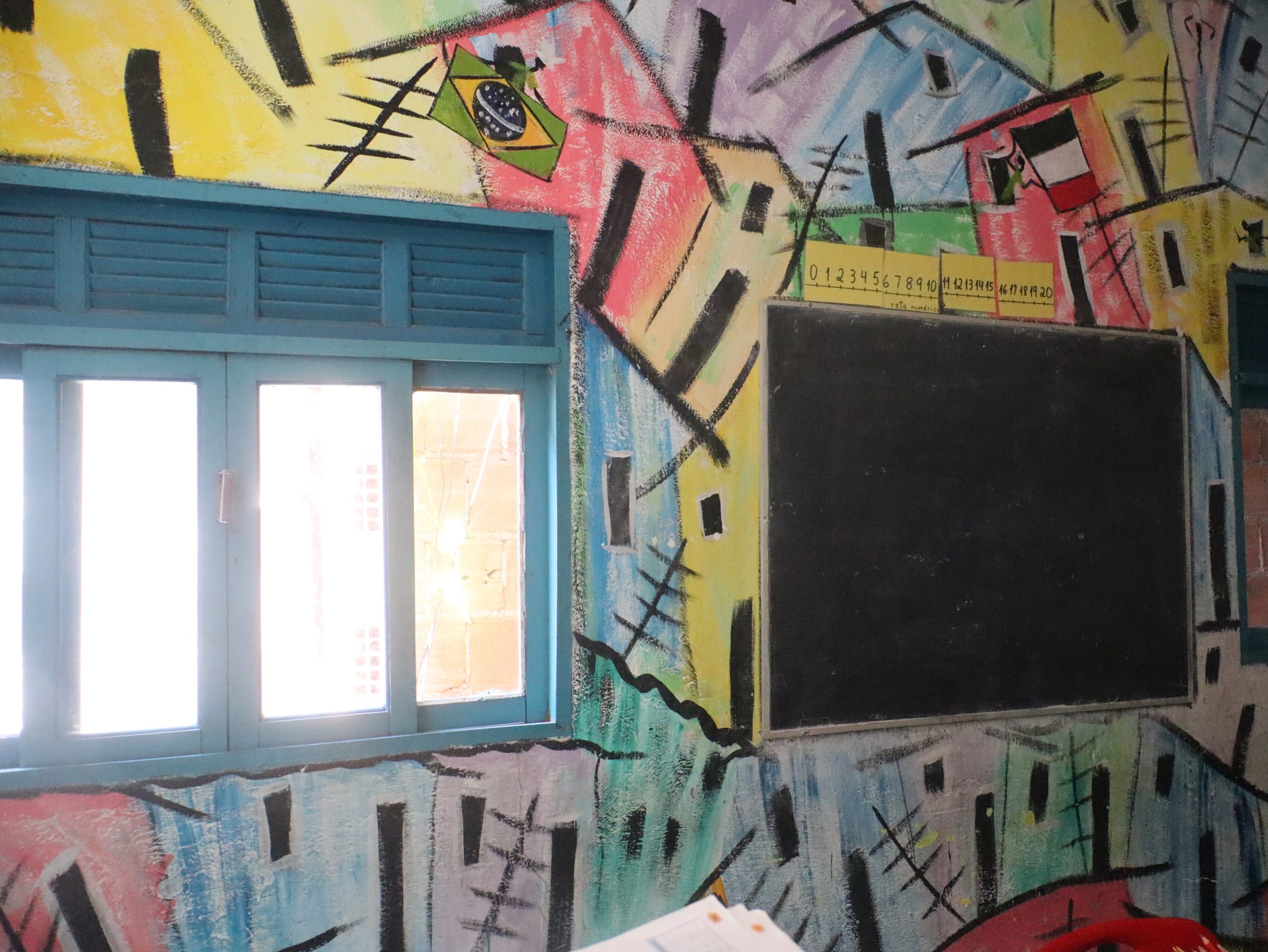
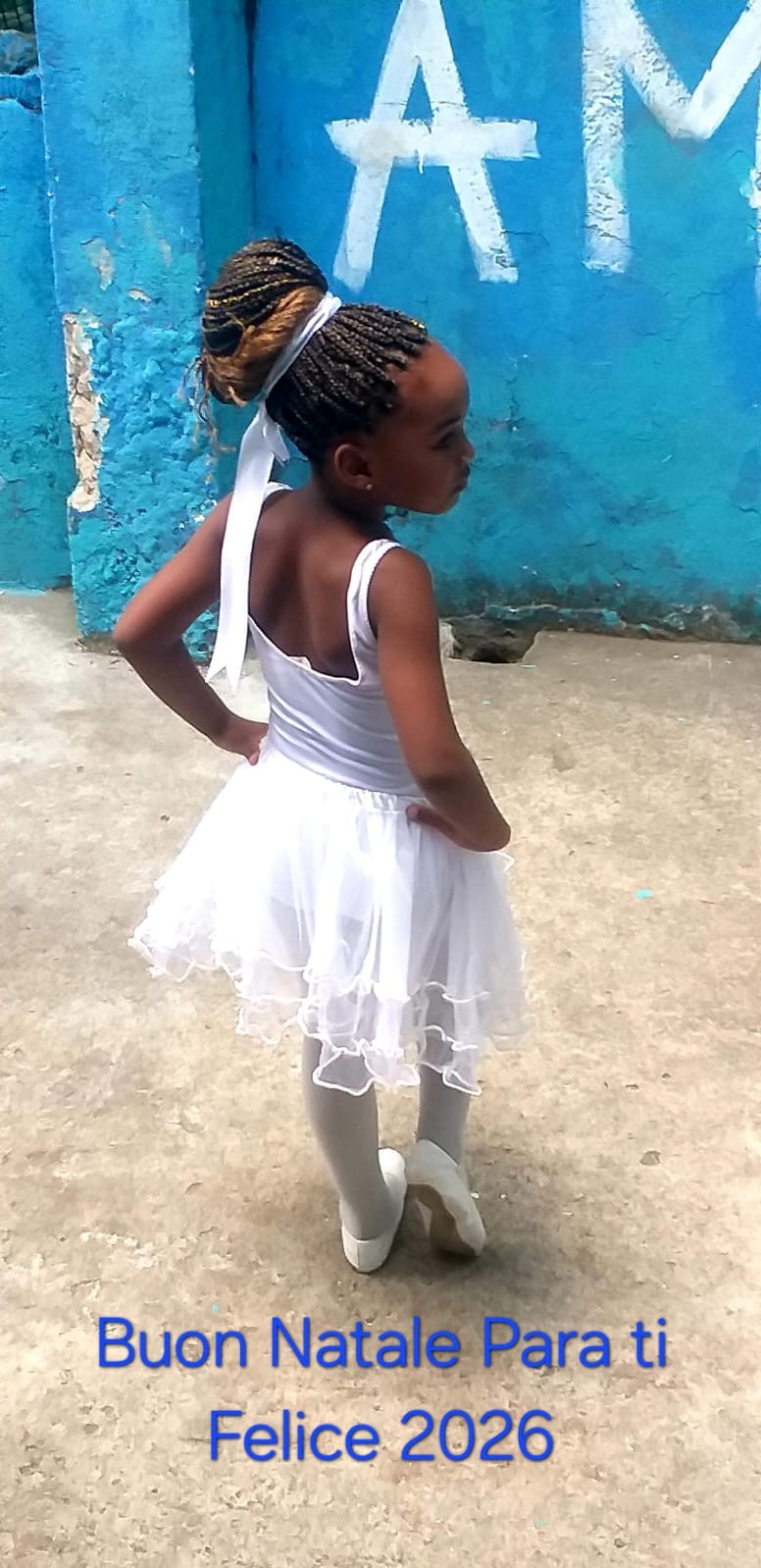
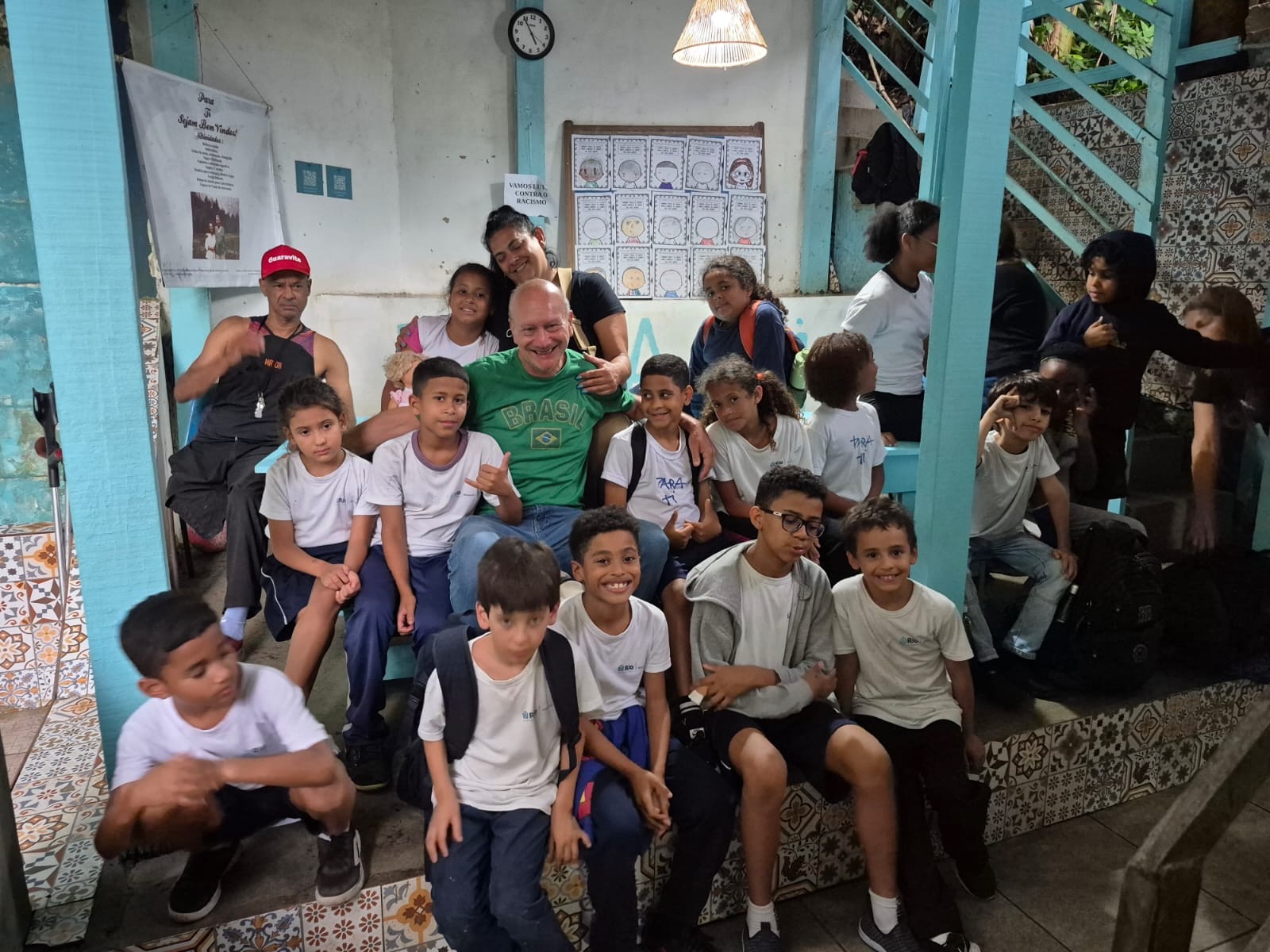
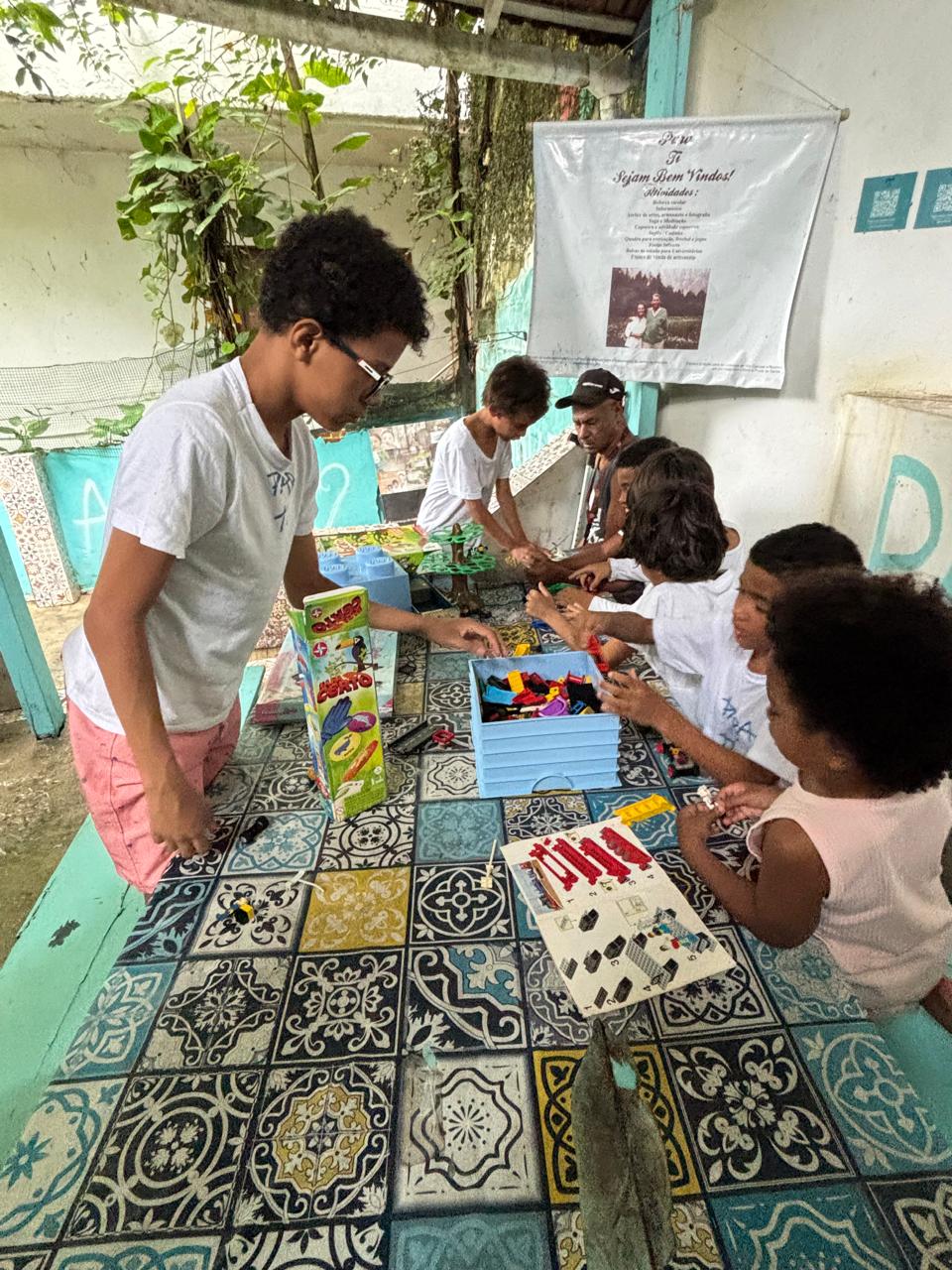
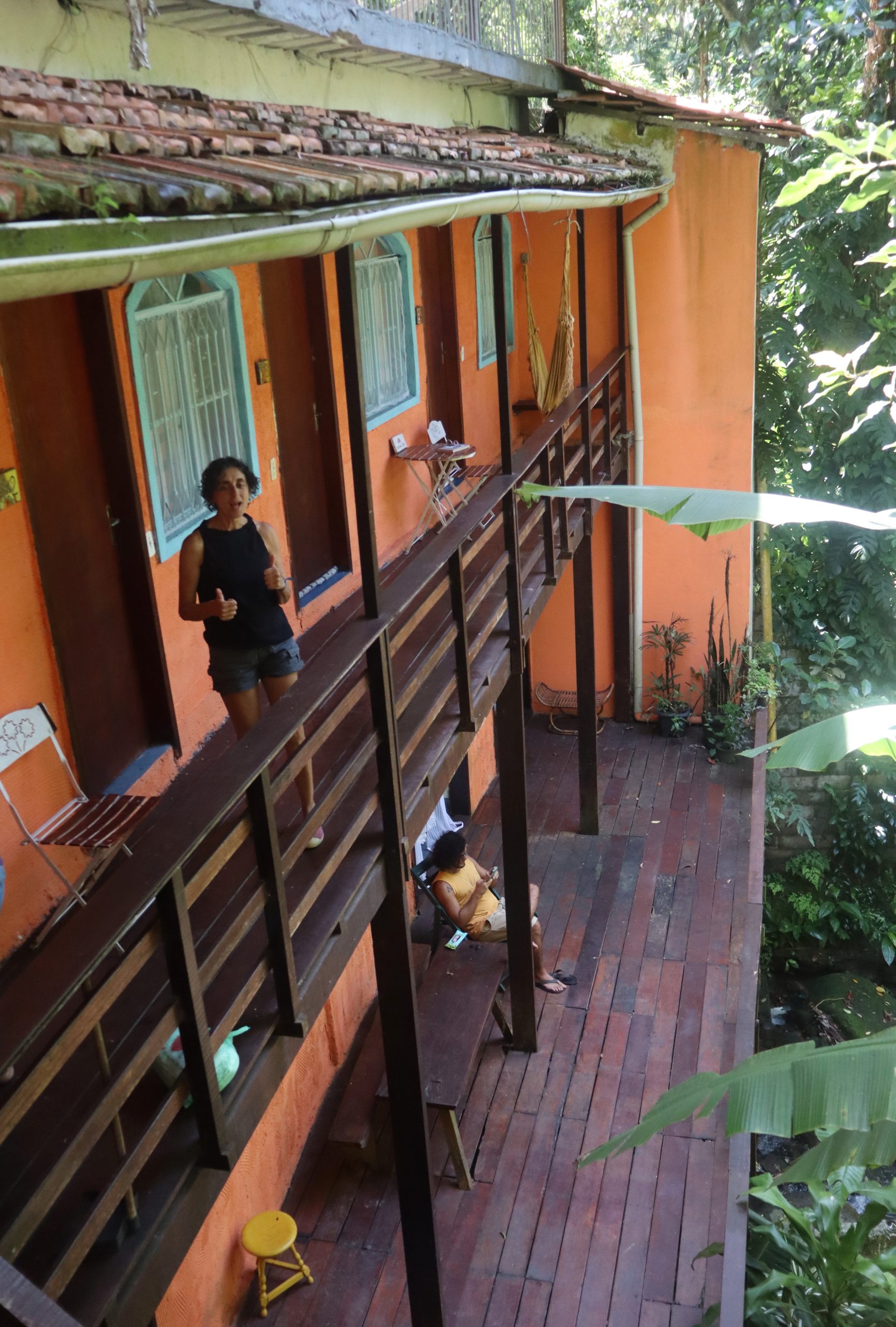
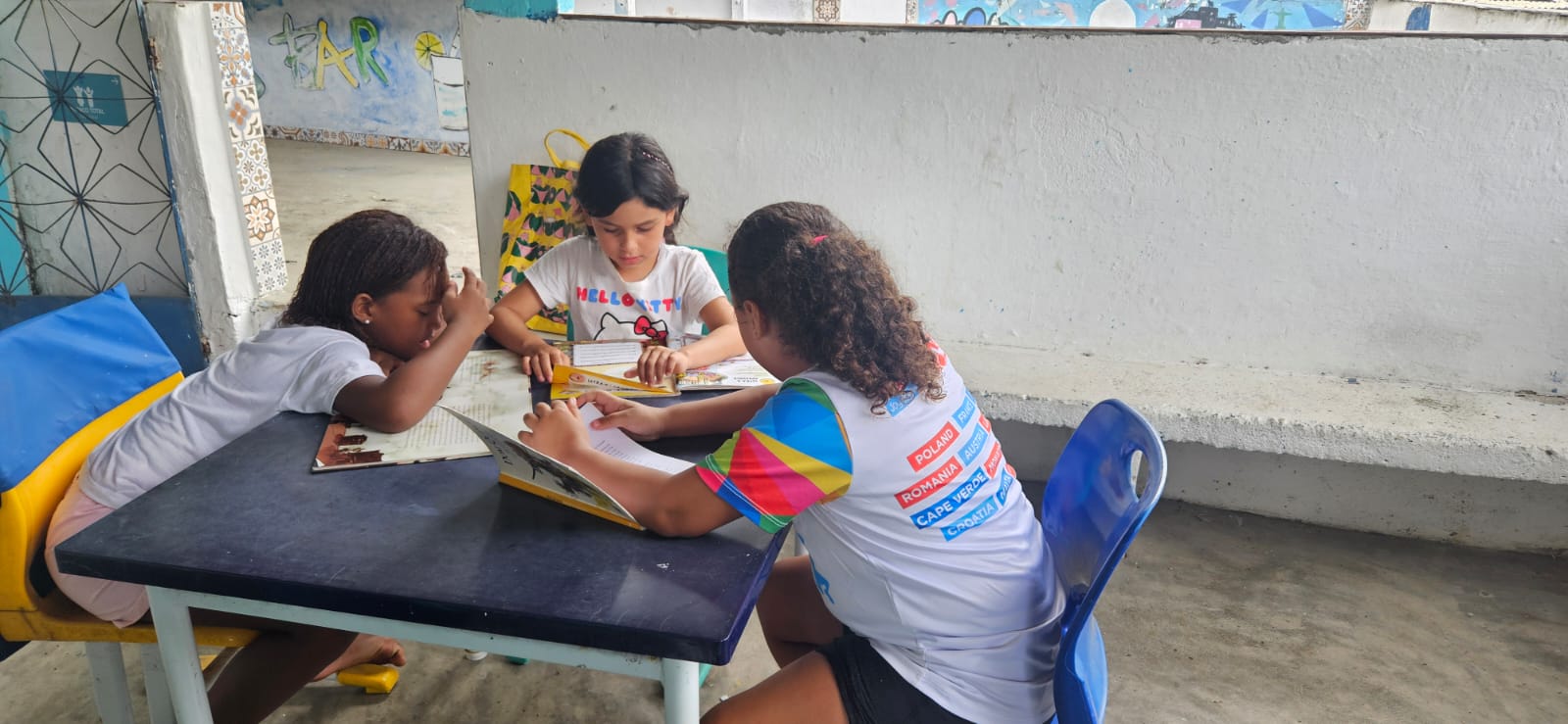
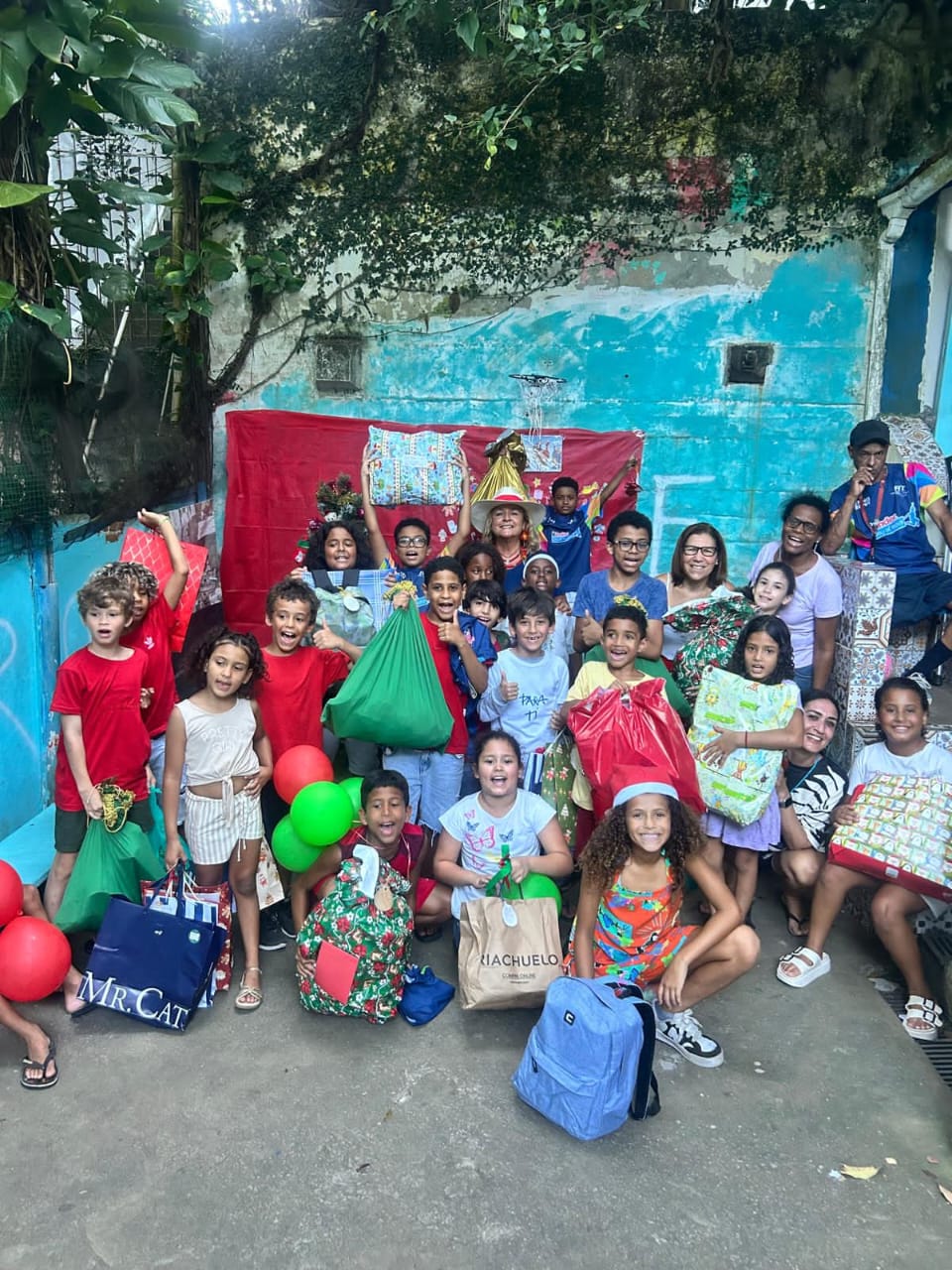
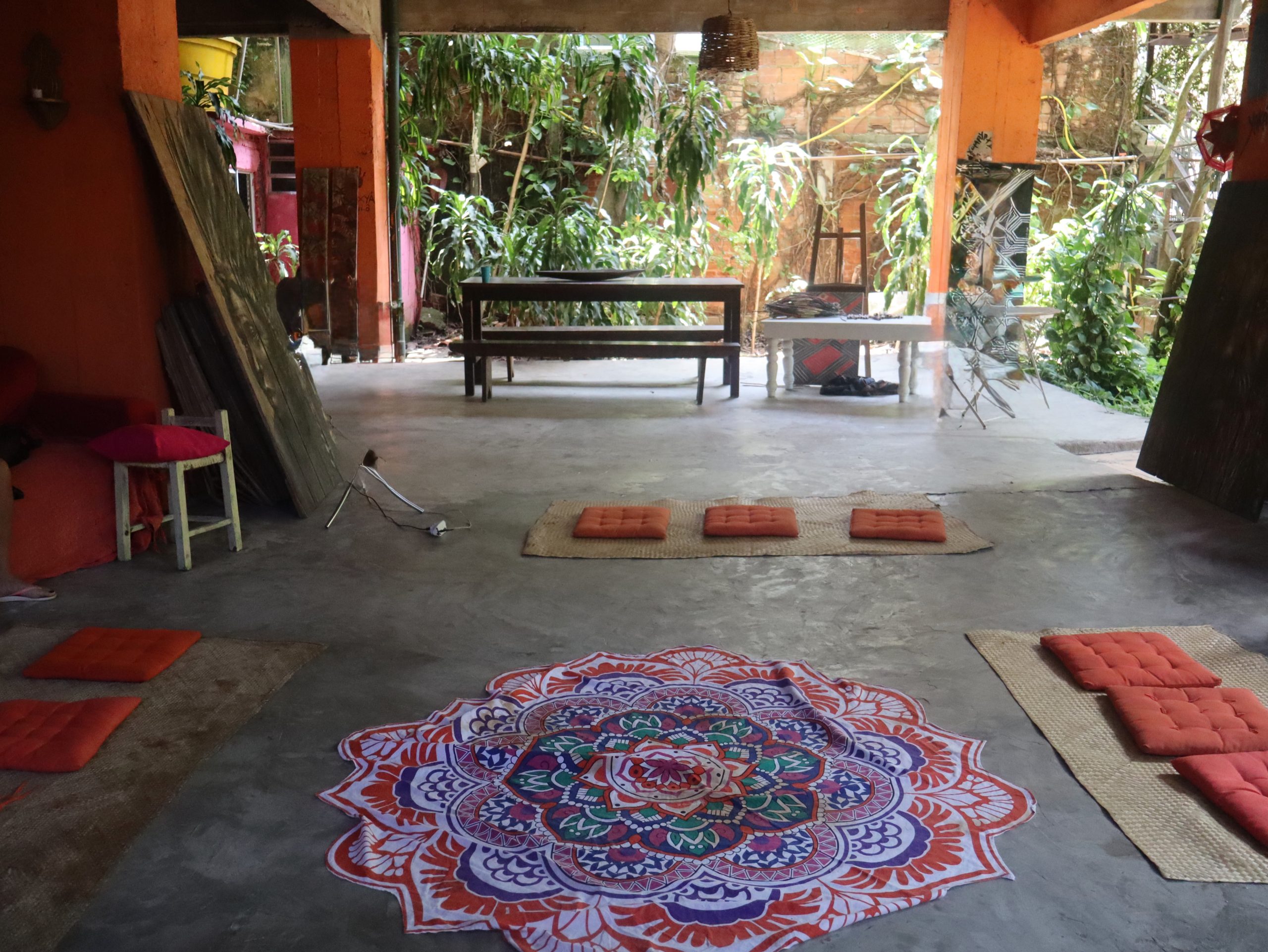
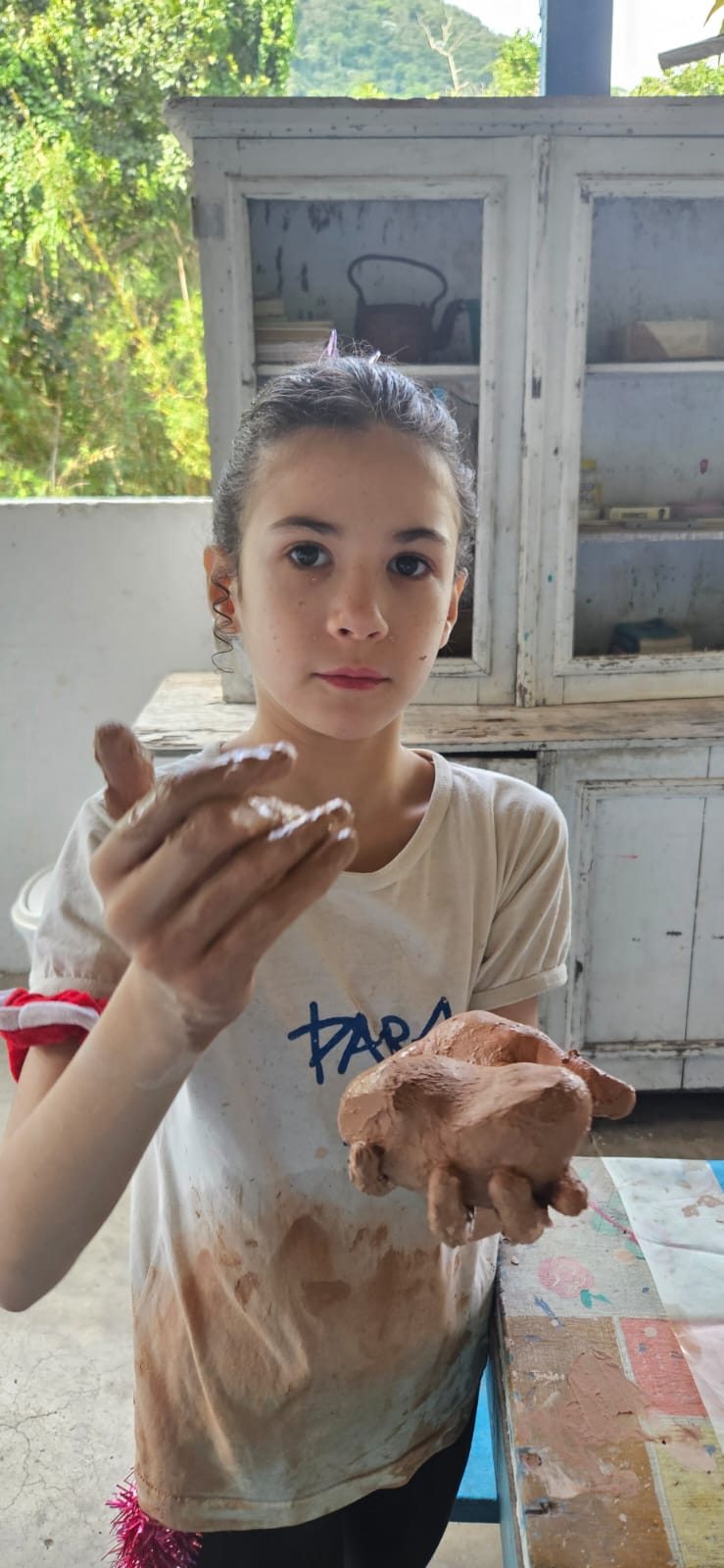
During my month’s travel to Brazil, I came across a volunteer-driven education program in Rio de Janeiro that invites travelers, retirees, and young professionals to share their skills in discovering a deeper way to see the world. For fifty years, a family-run program originally from Italy has supported children living beside a favela (slum) providing a holistic educational program that offers tutoring, arts, meditation, and language education, transforming the lives of children. During my travels over the past several years, I have increasingly come to see travel as more than movement between places. In Kenya, I volunteered at a small rural school and continue to support their efforts today. Experiences like this remind me that travel can be an exchange—not just of culture and stories, but of care and commitment that allows travelers to become part of a community while helping a child build a brighter future.  Can you spare a bit more time to read about this unique program in hopes that you or others may want to consider visiting….

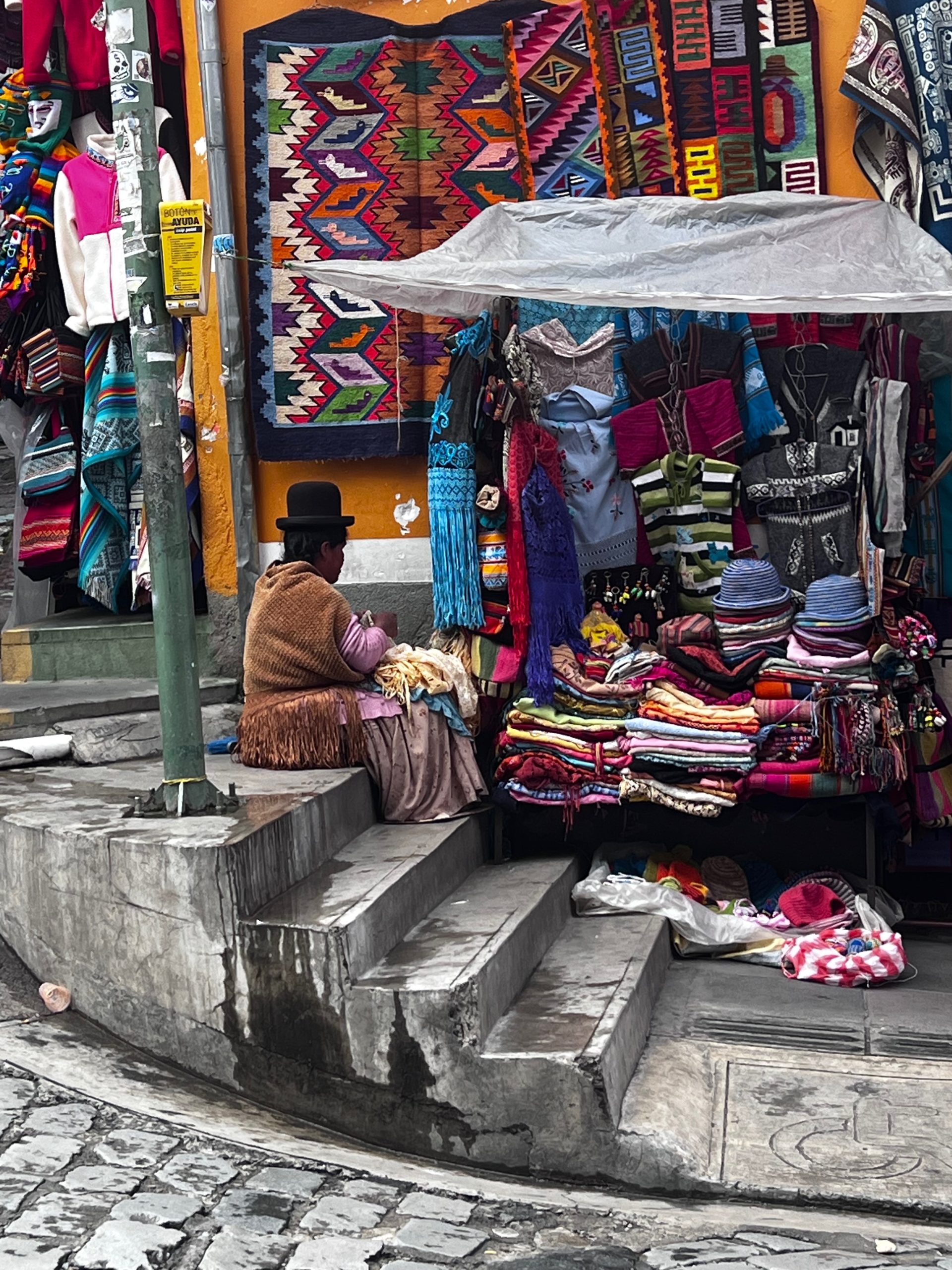
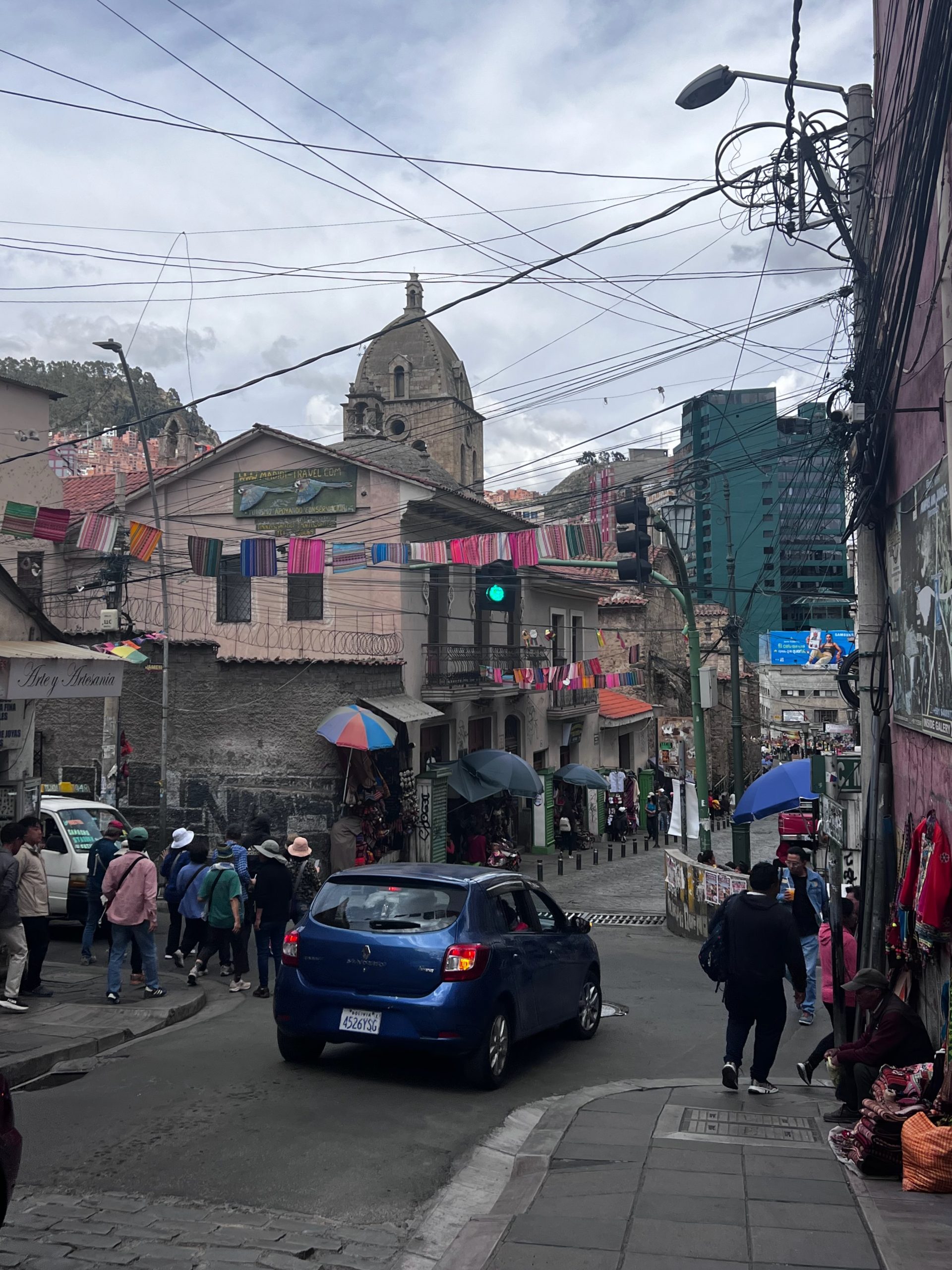
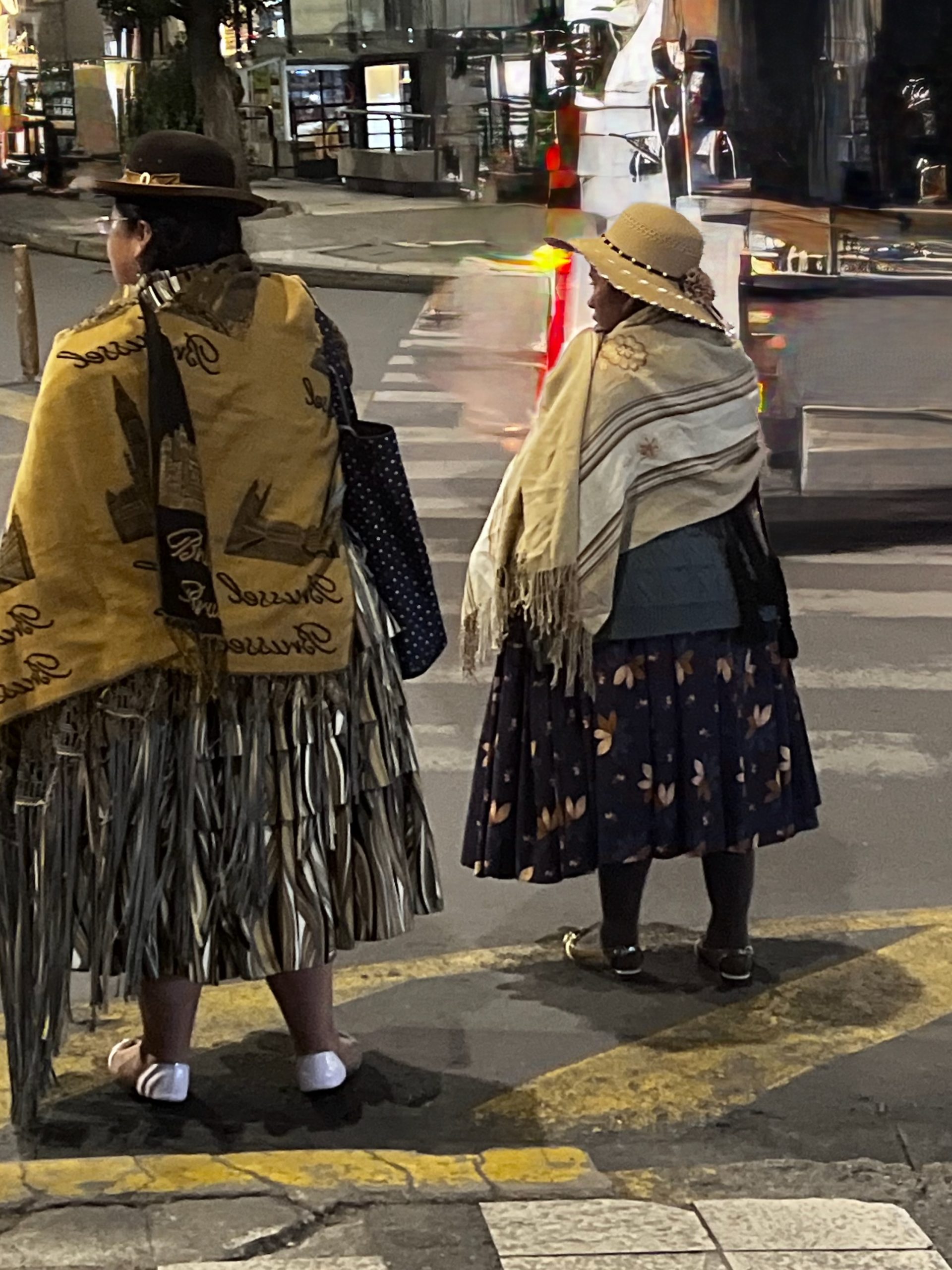
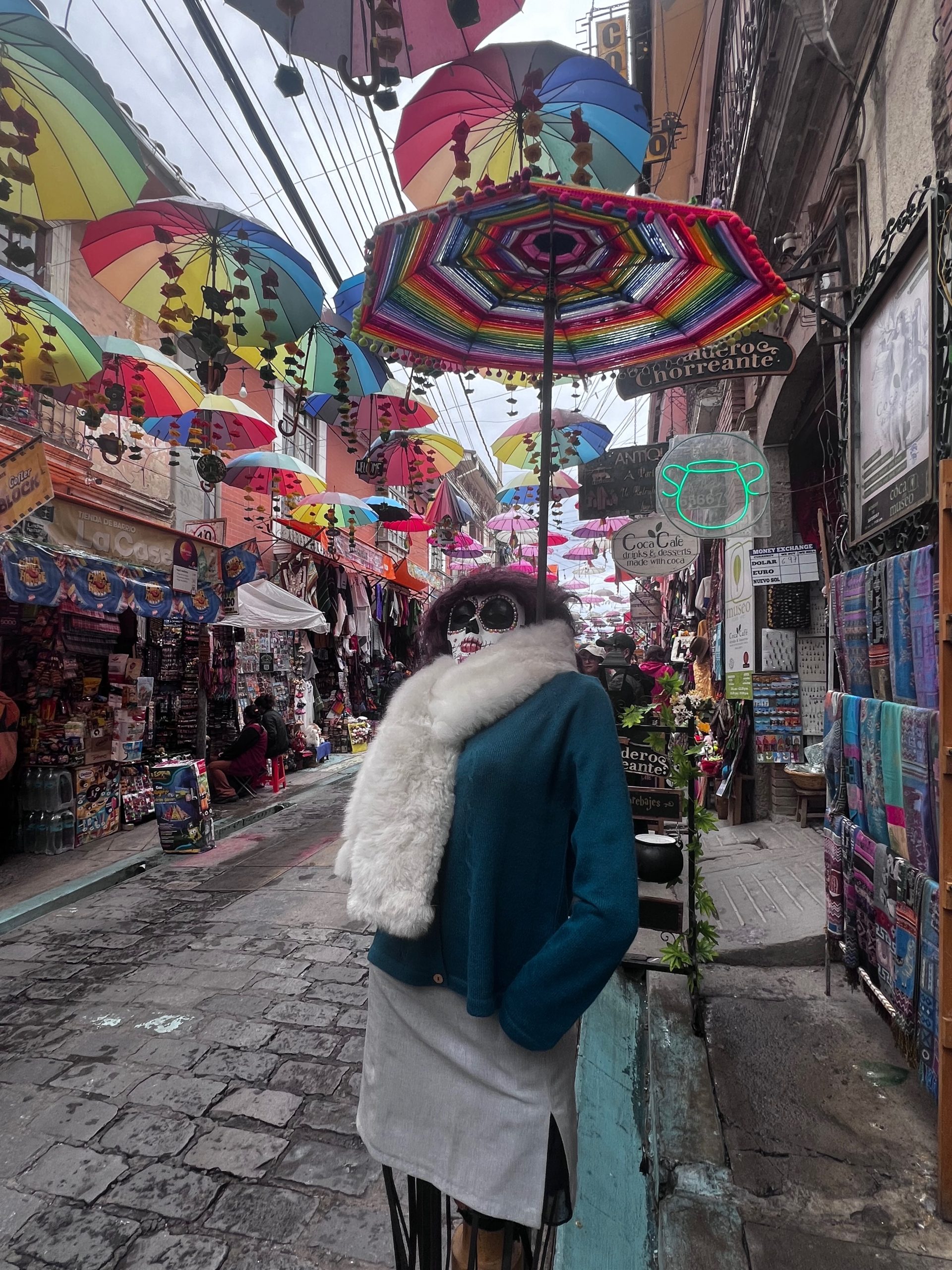
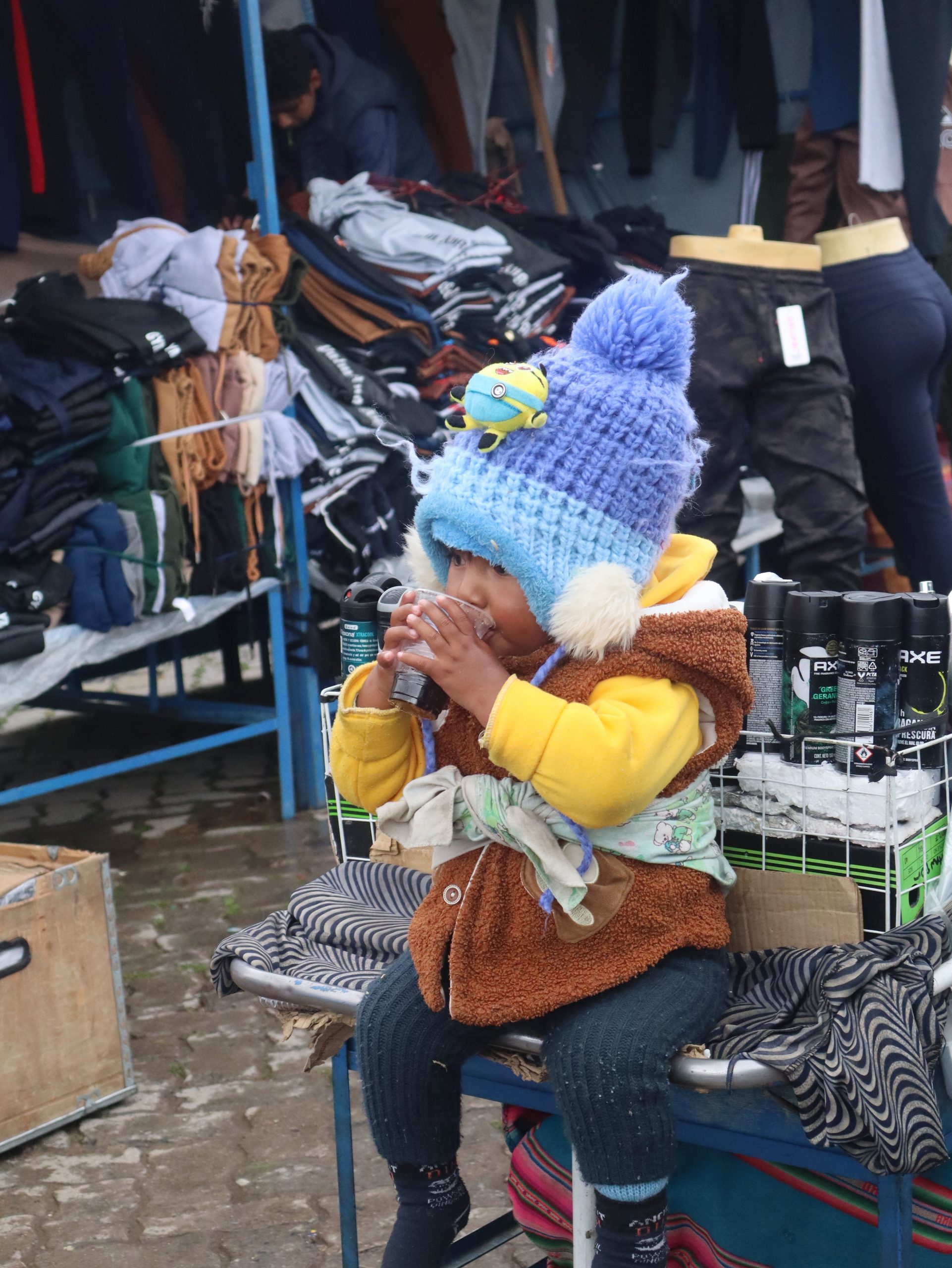
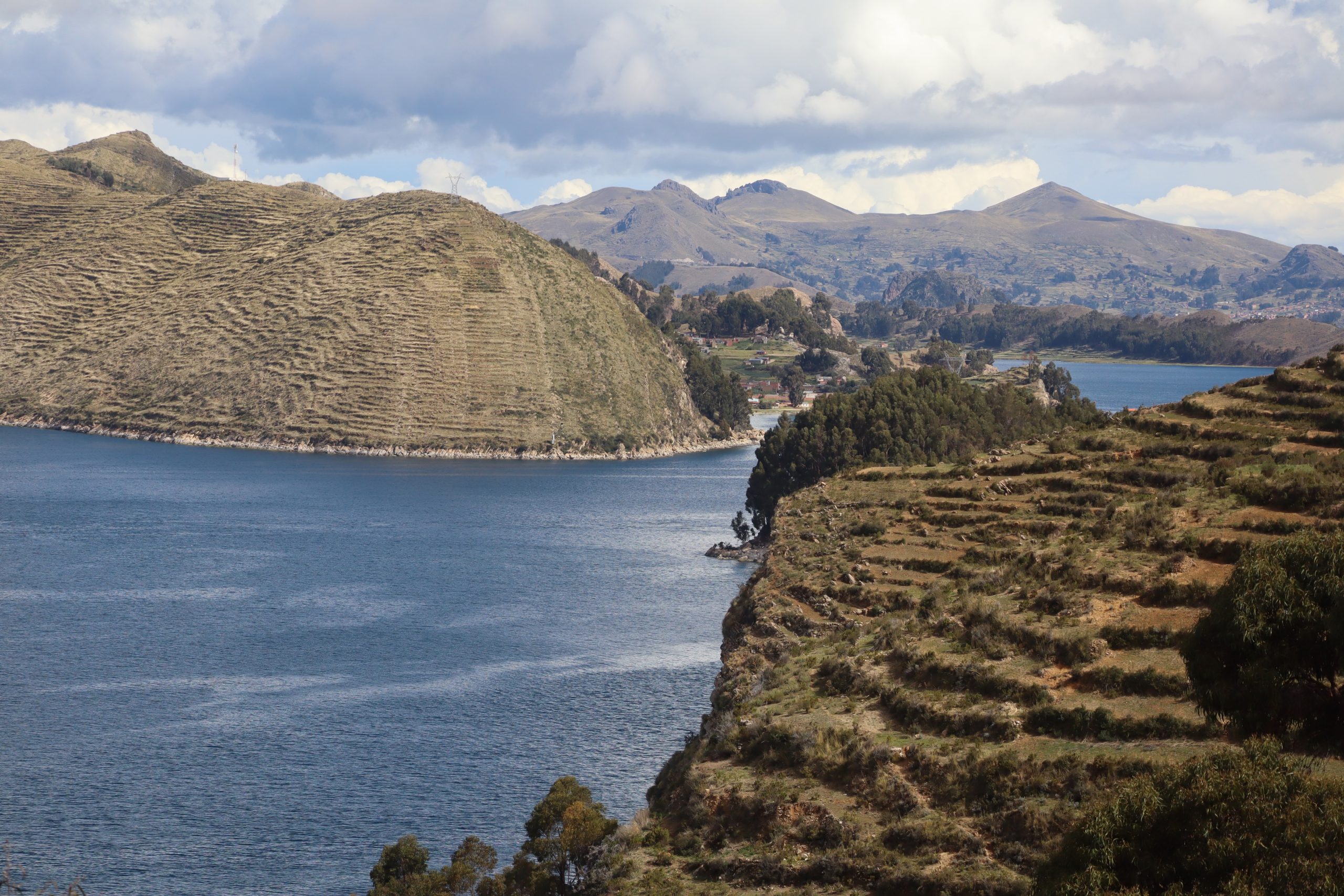
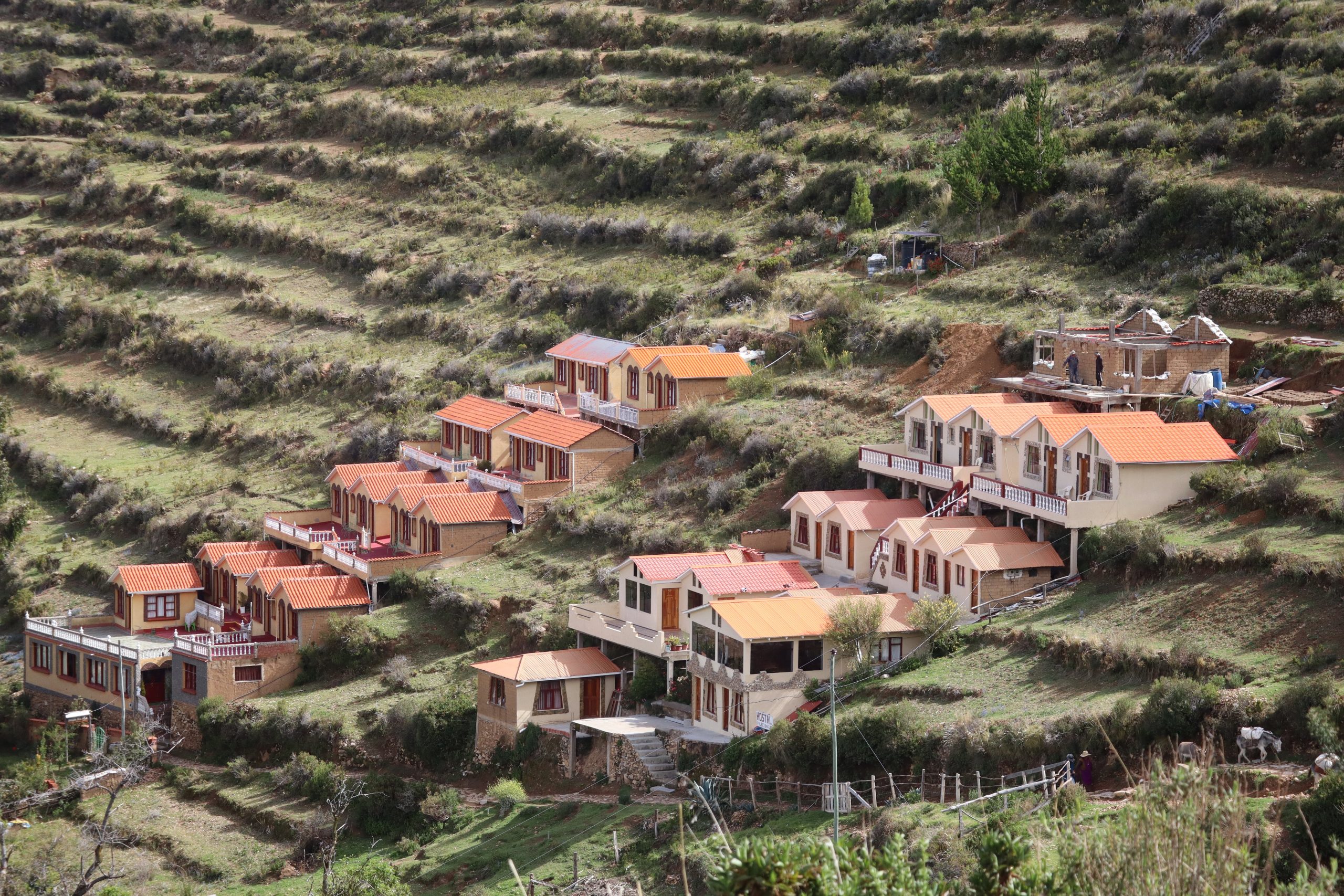
High Altitudes: Life Across Urban and Indigenous Bolivia

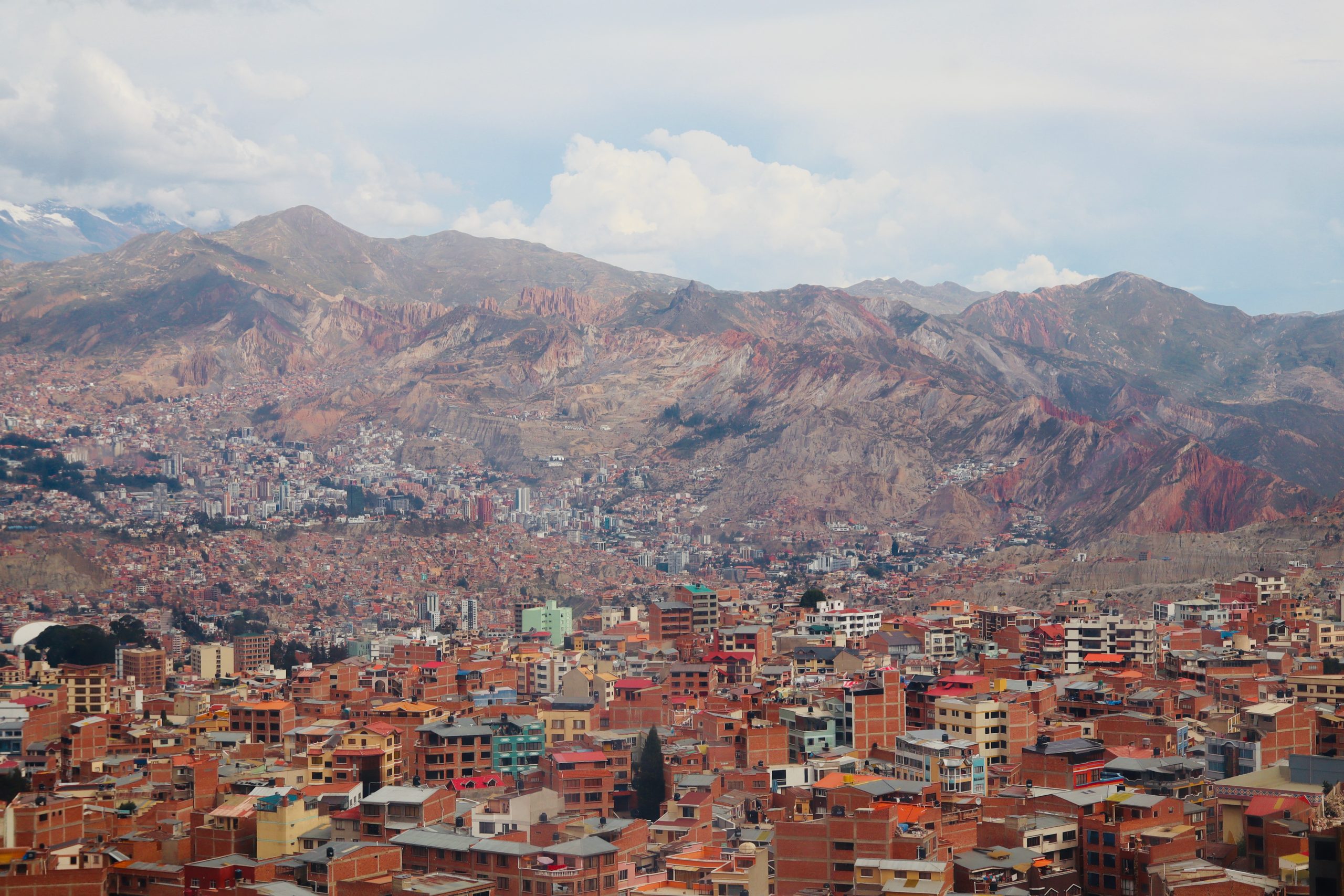
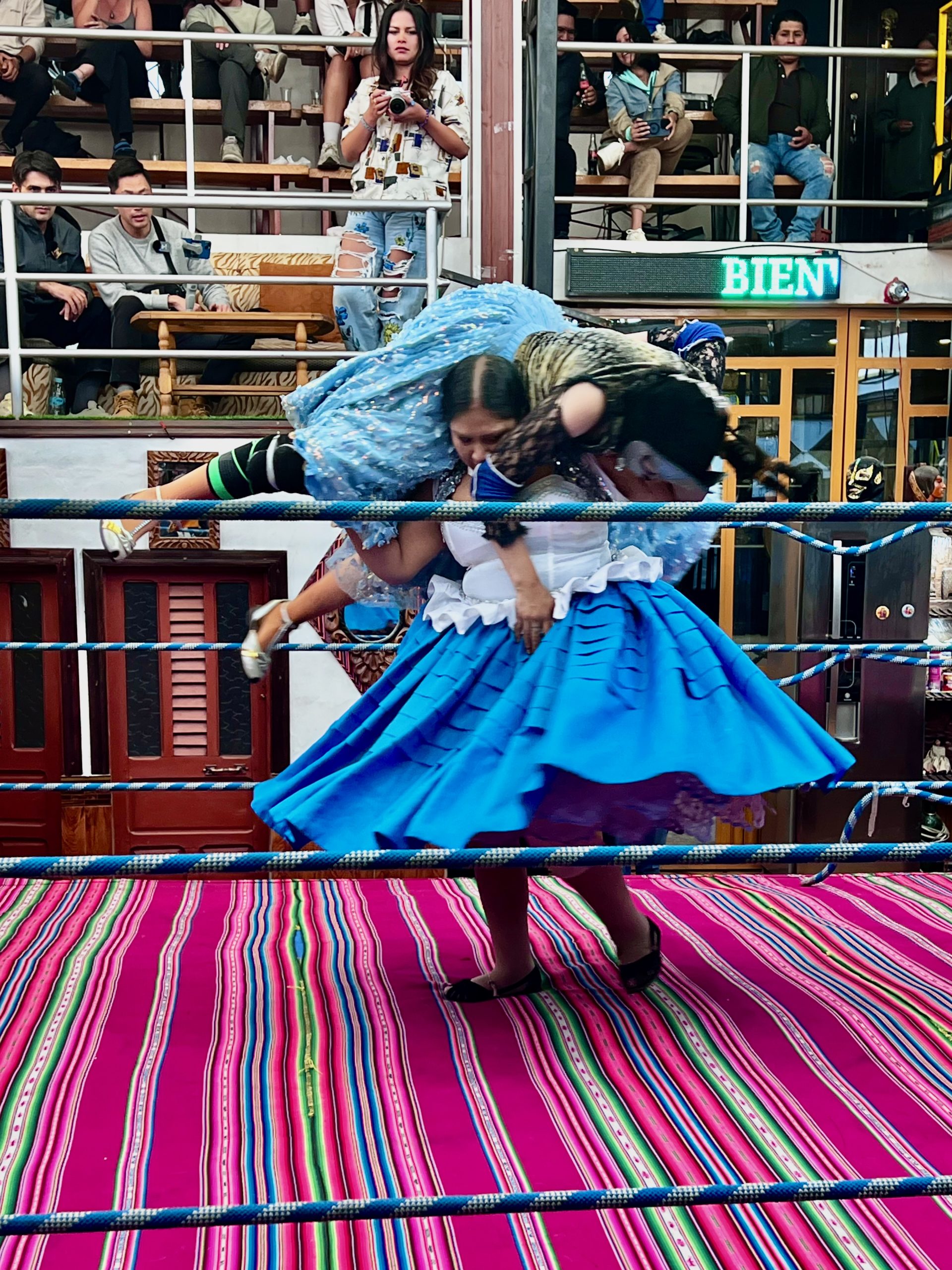
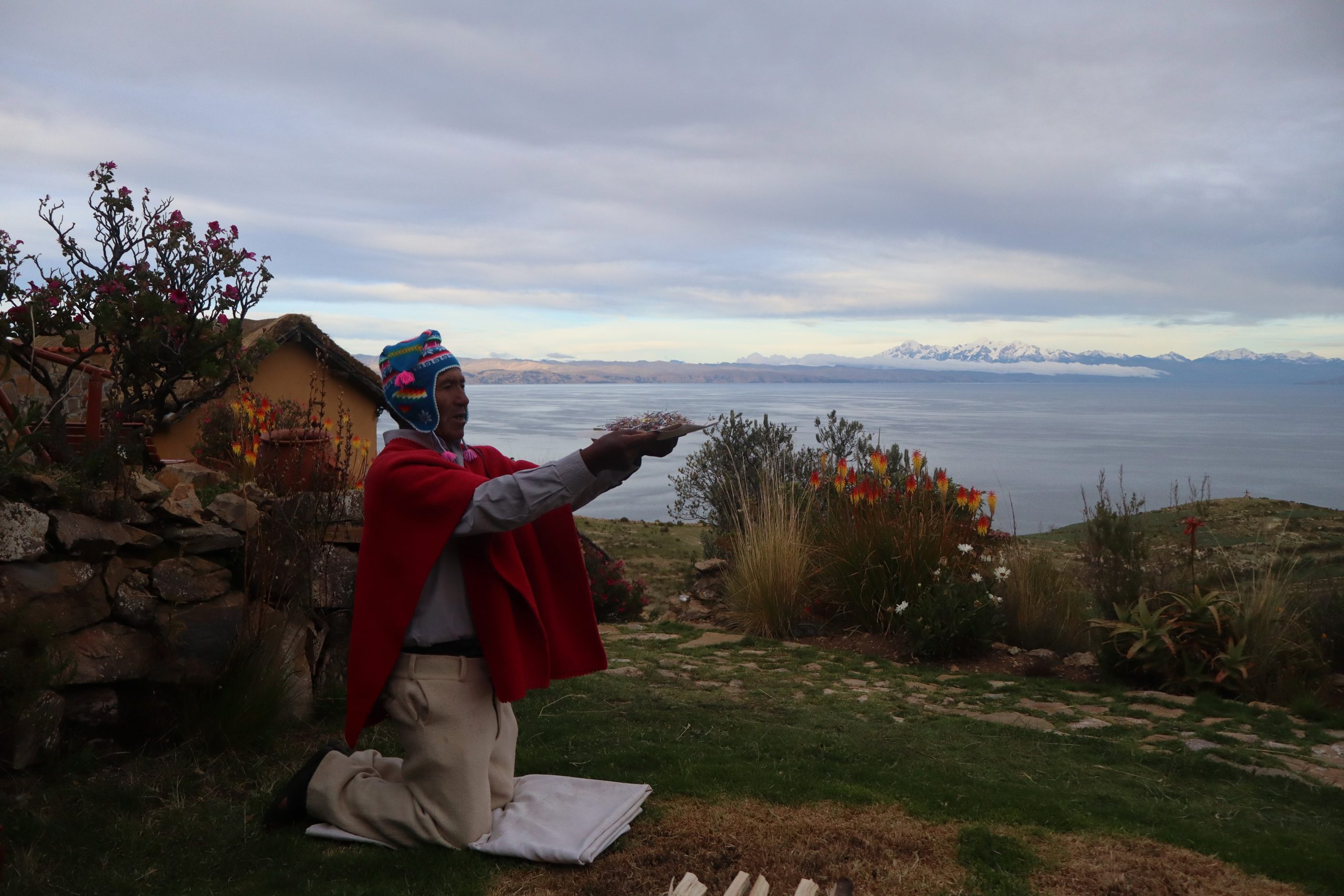
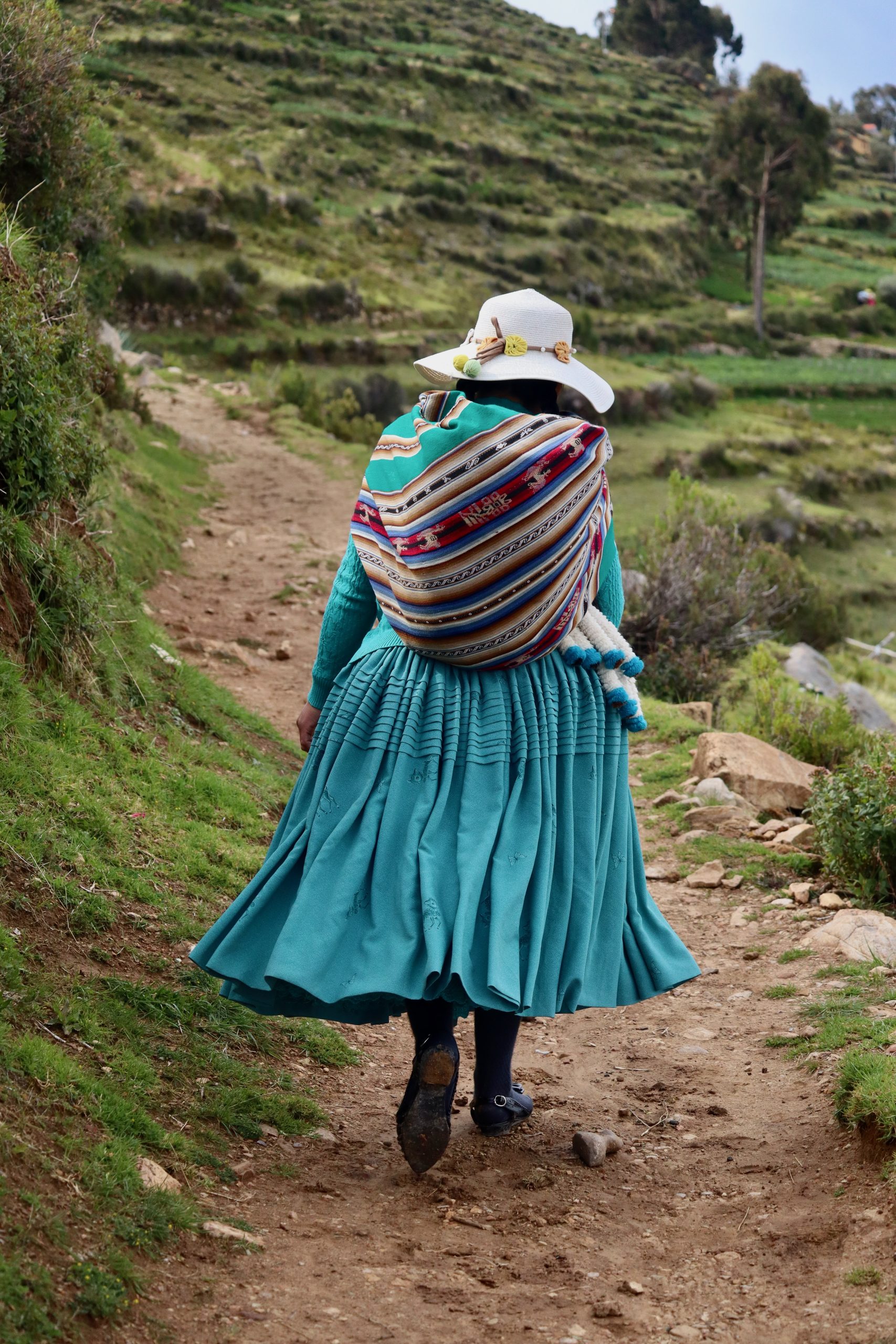
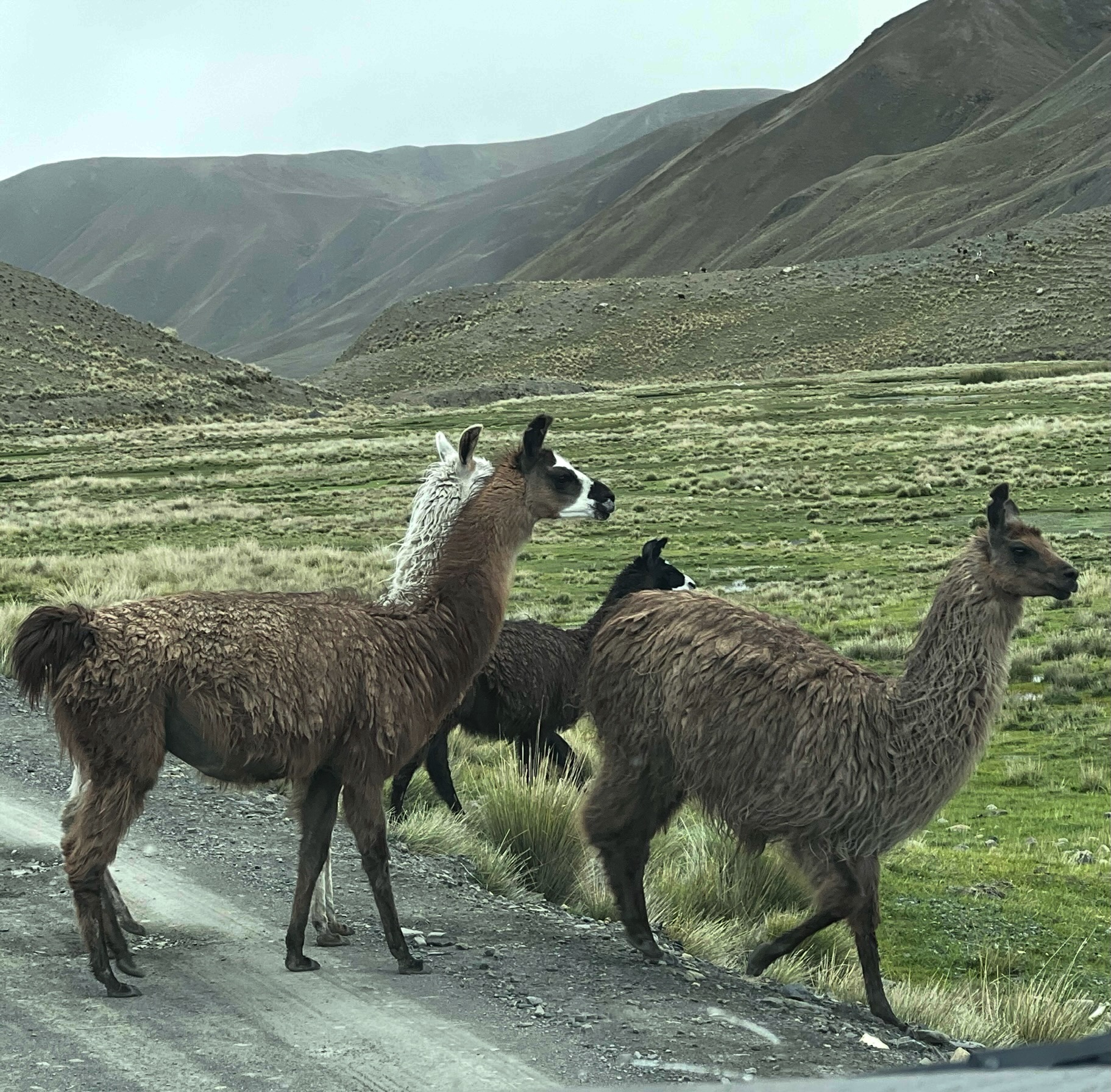
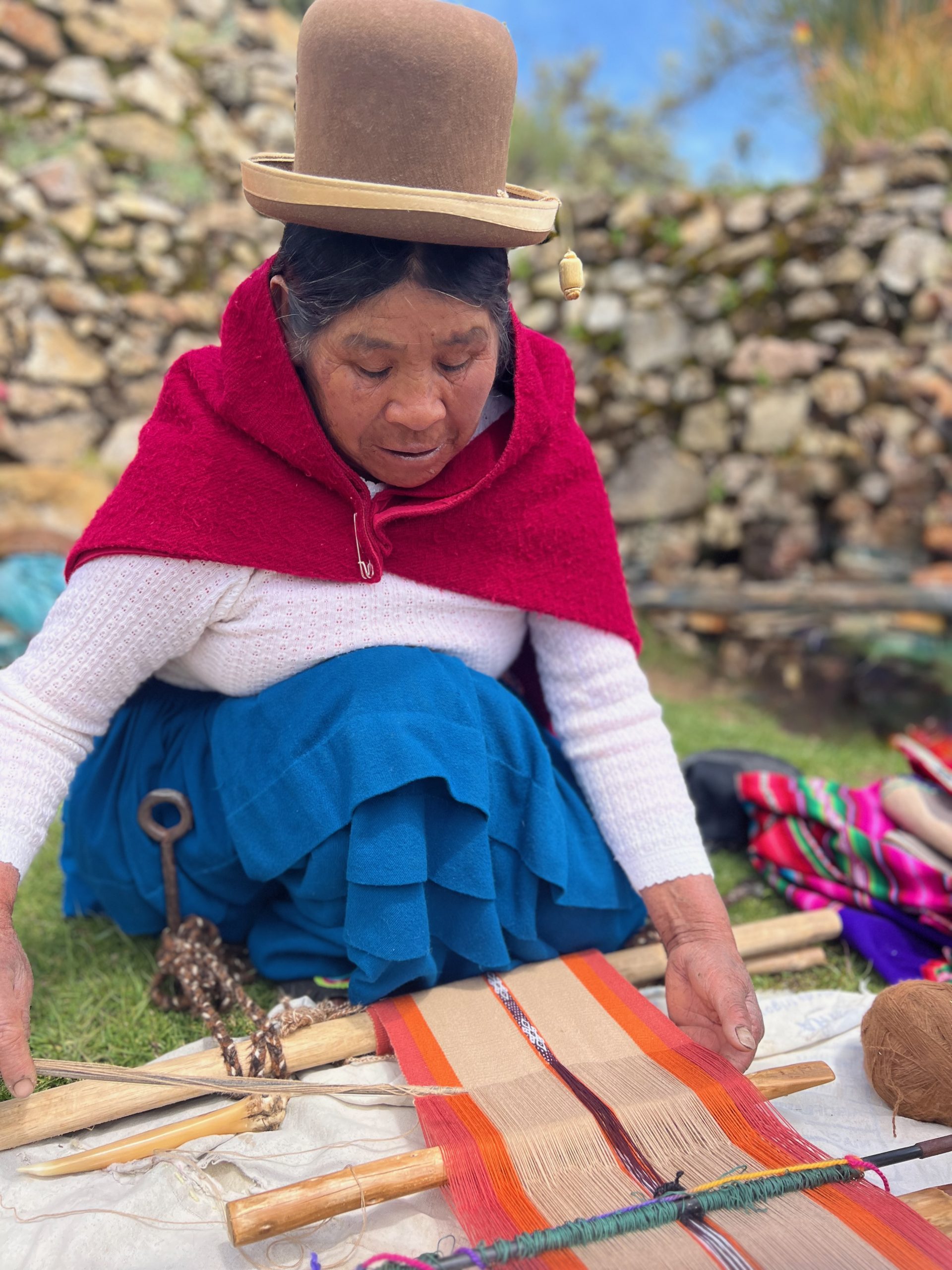
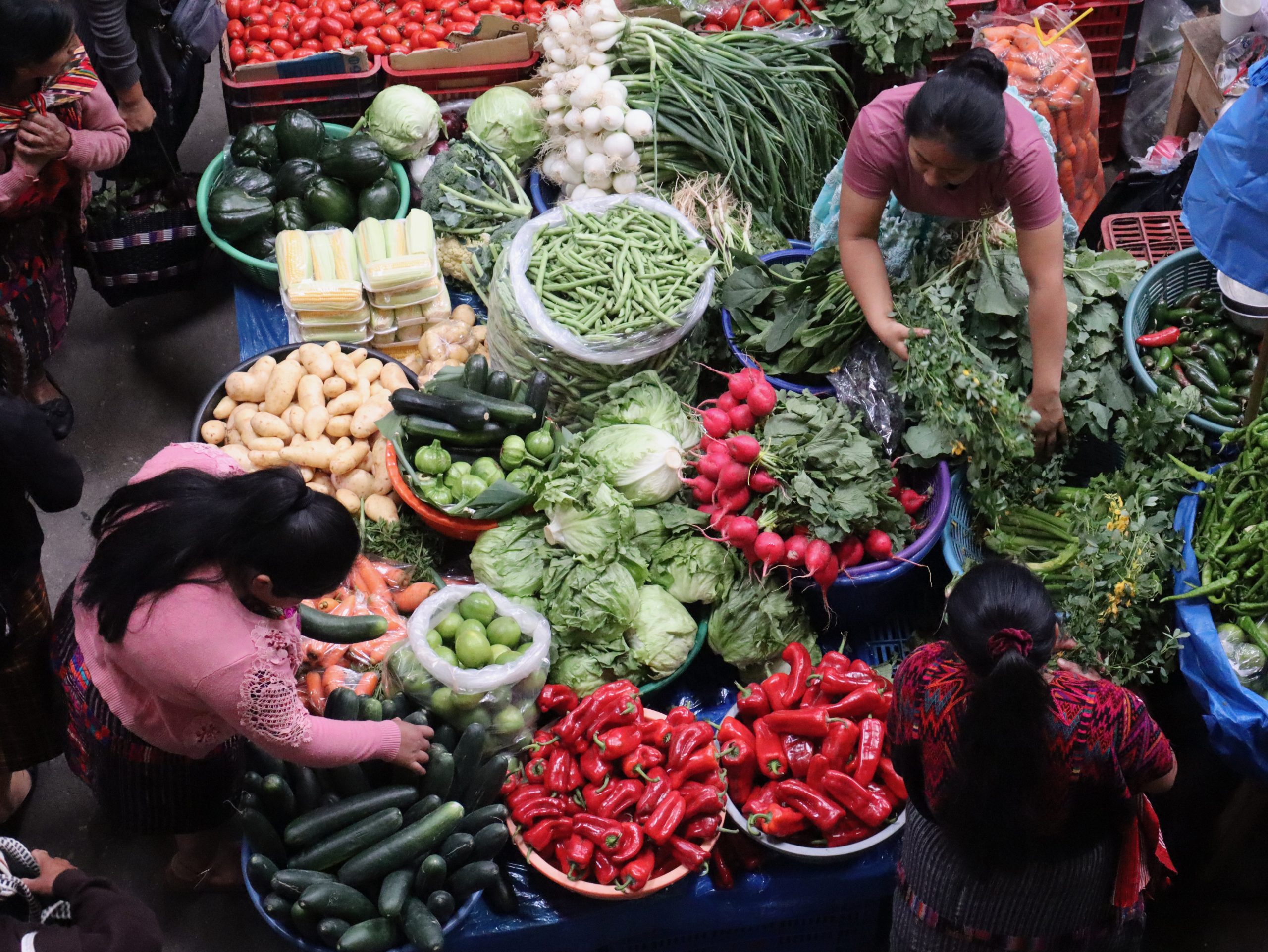
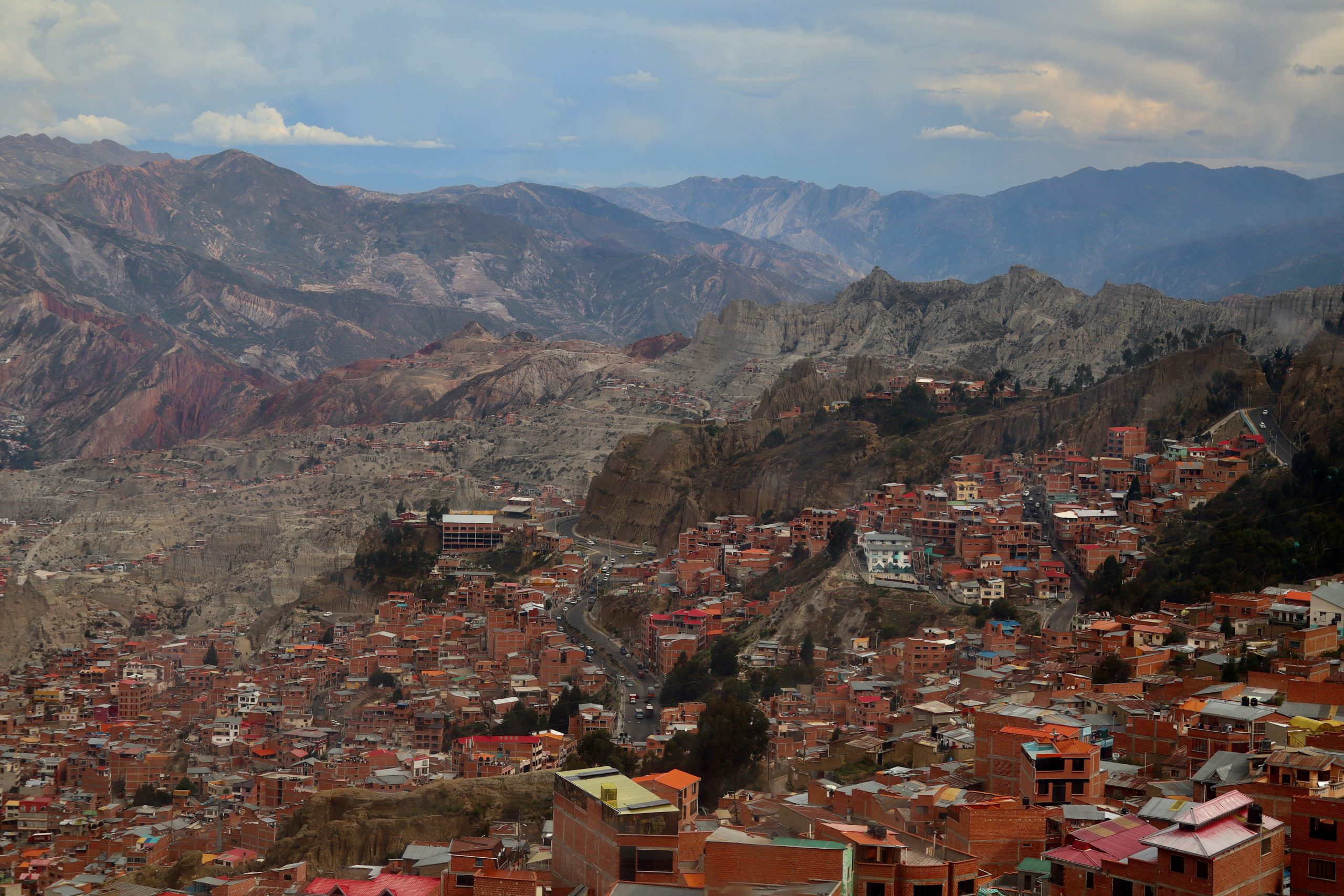
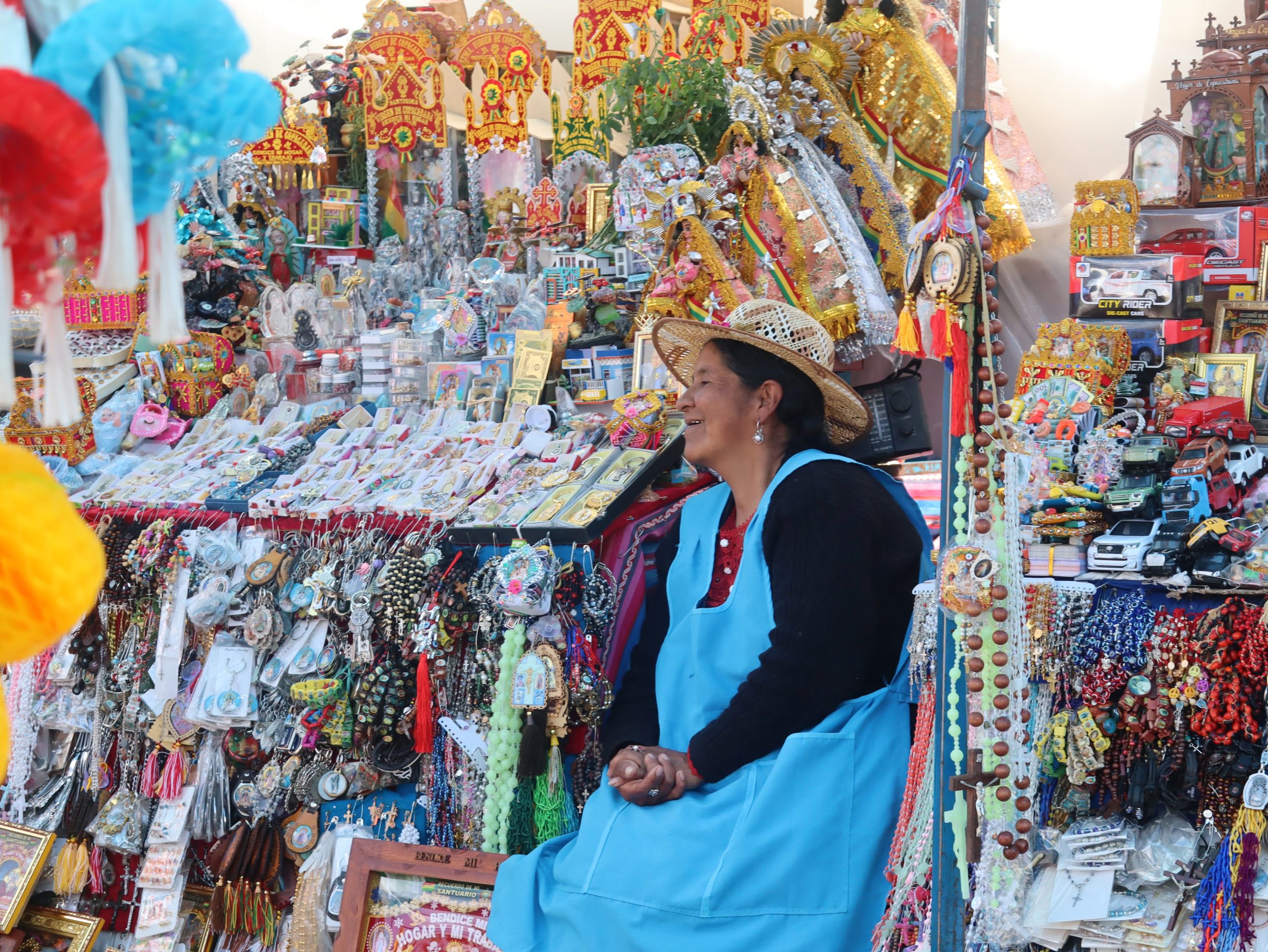
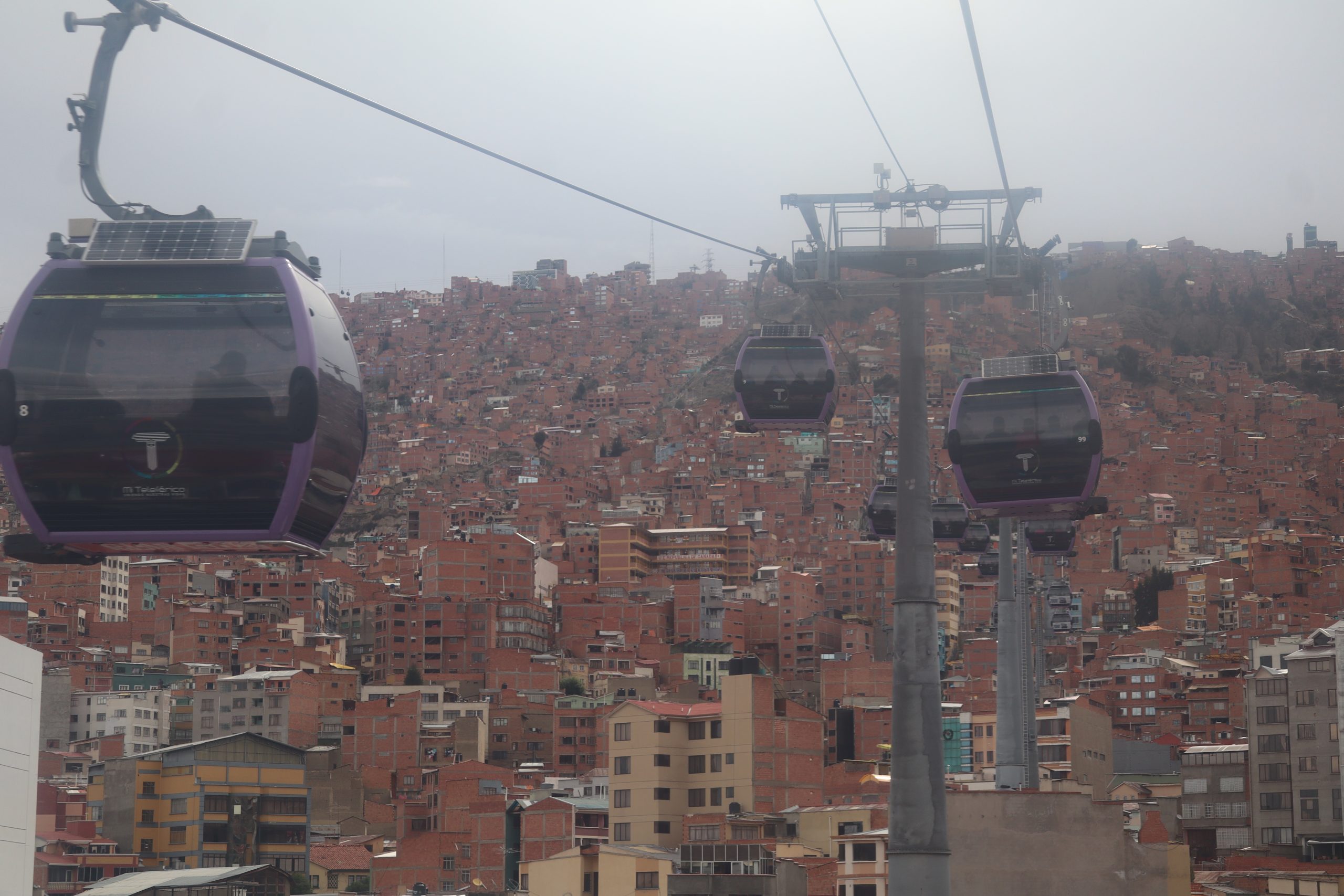
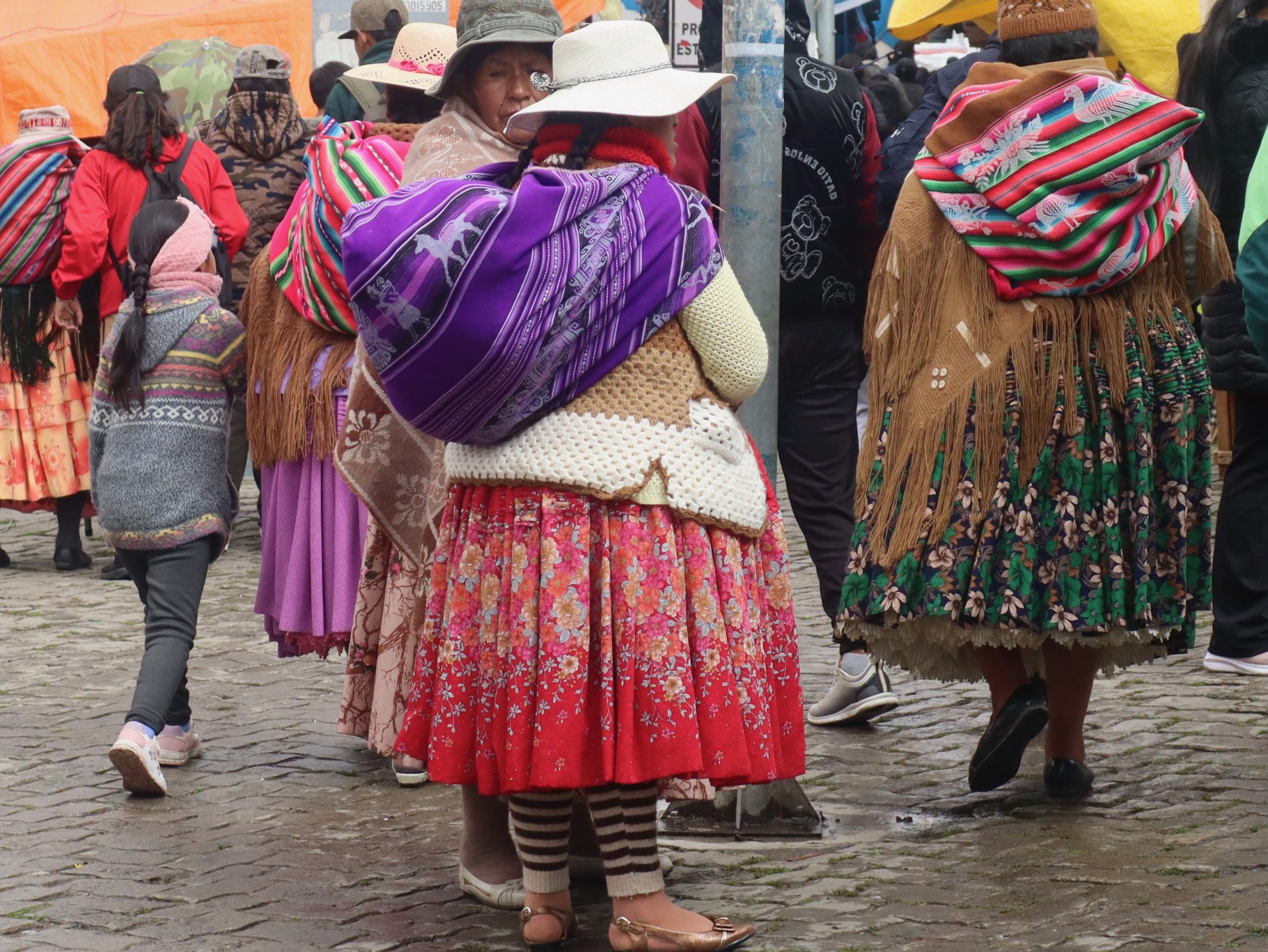
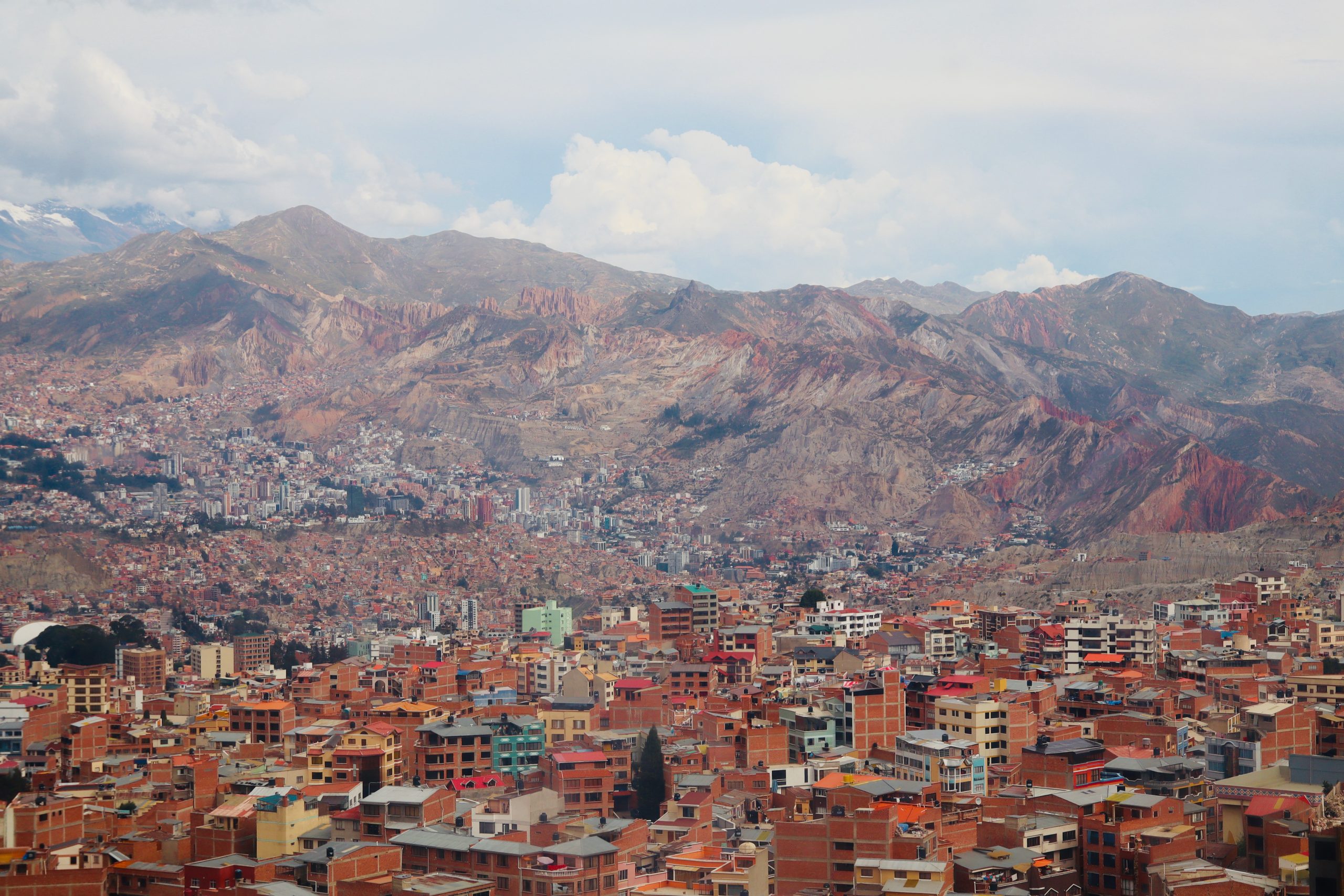
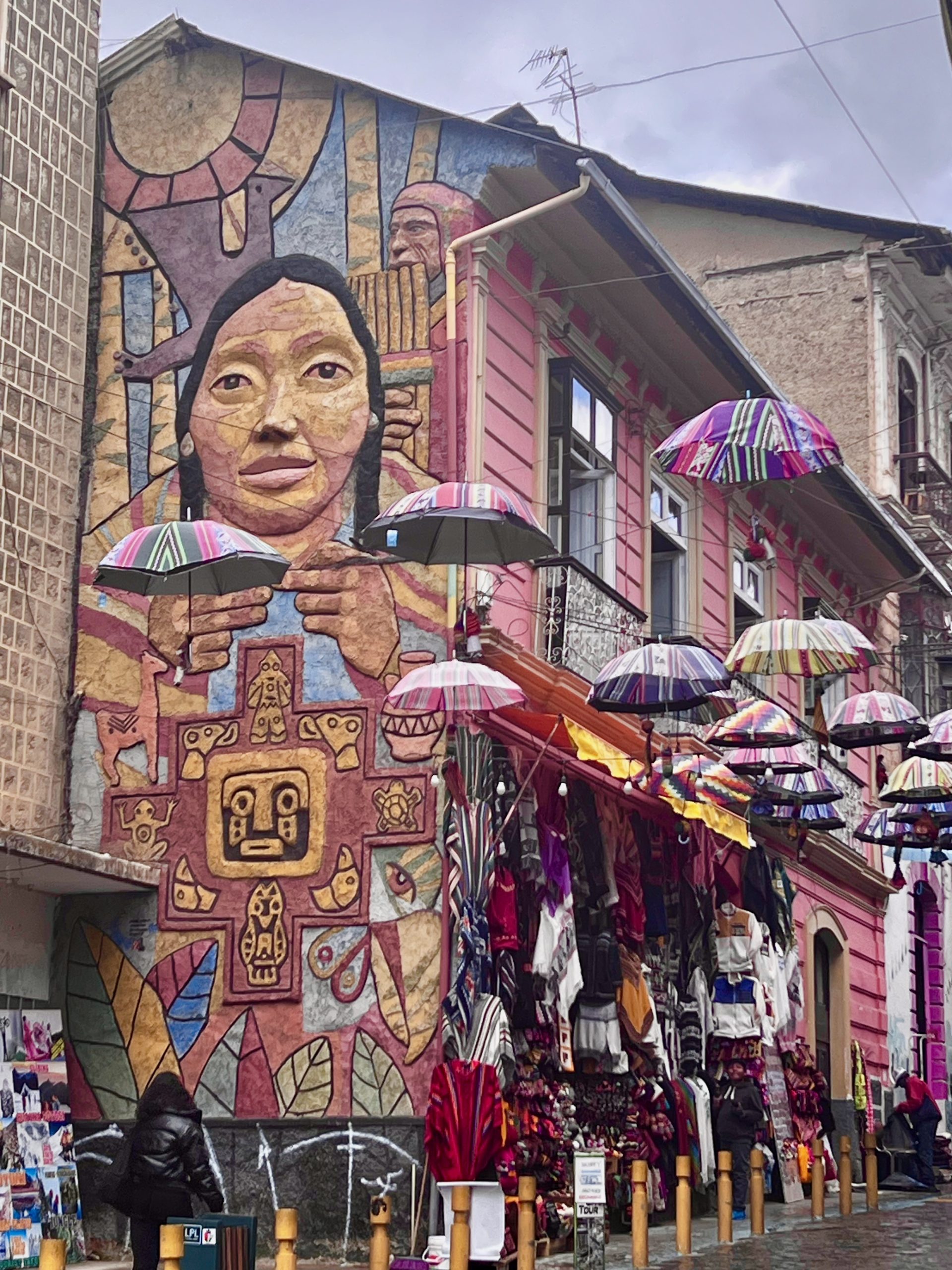
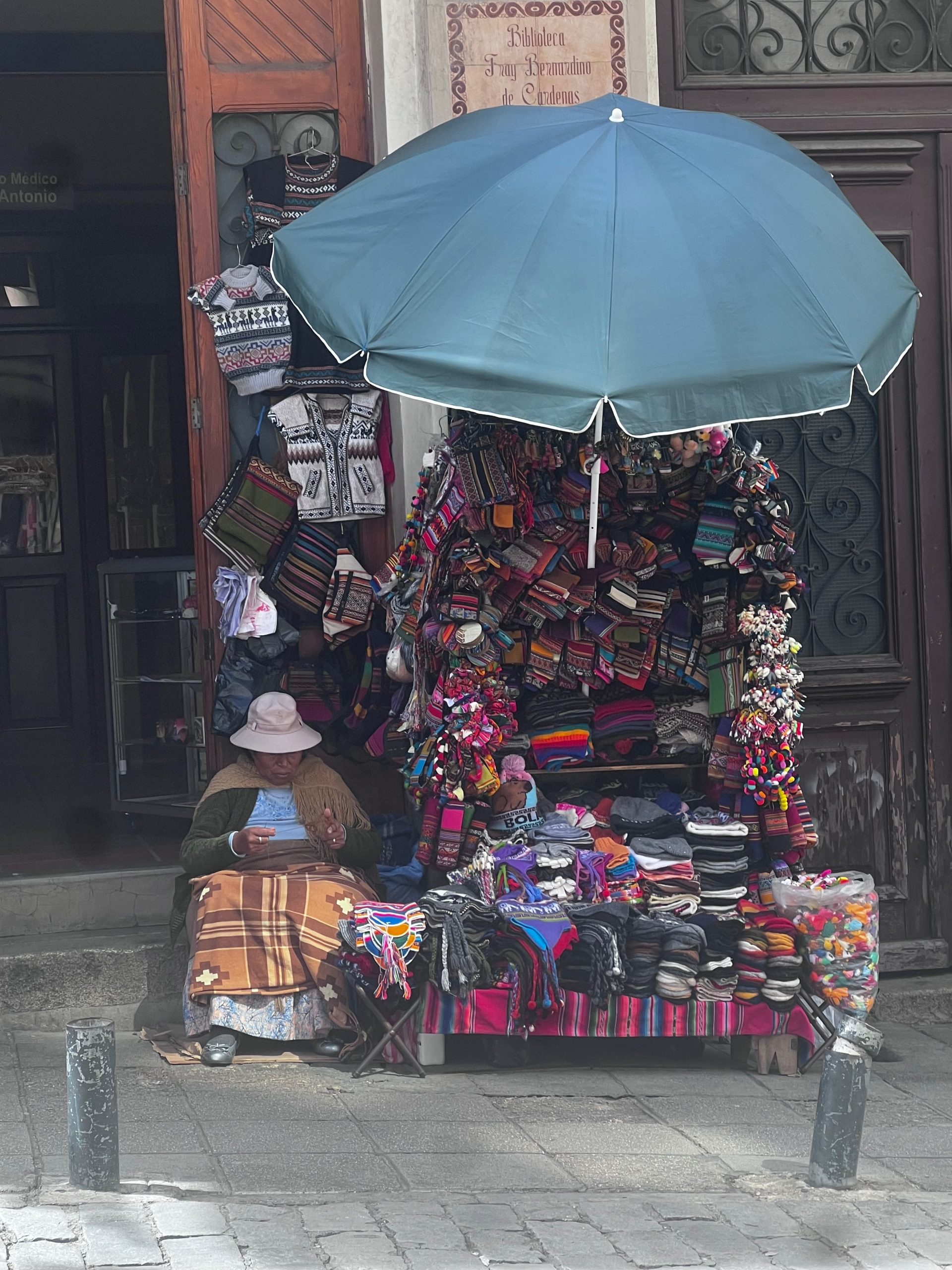
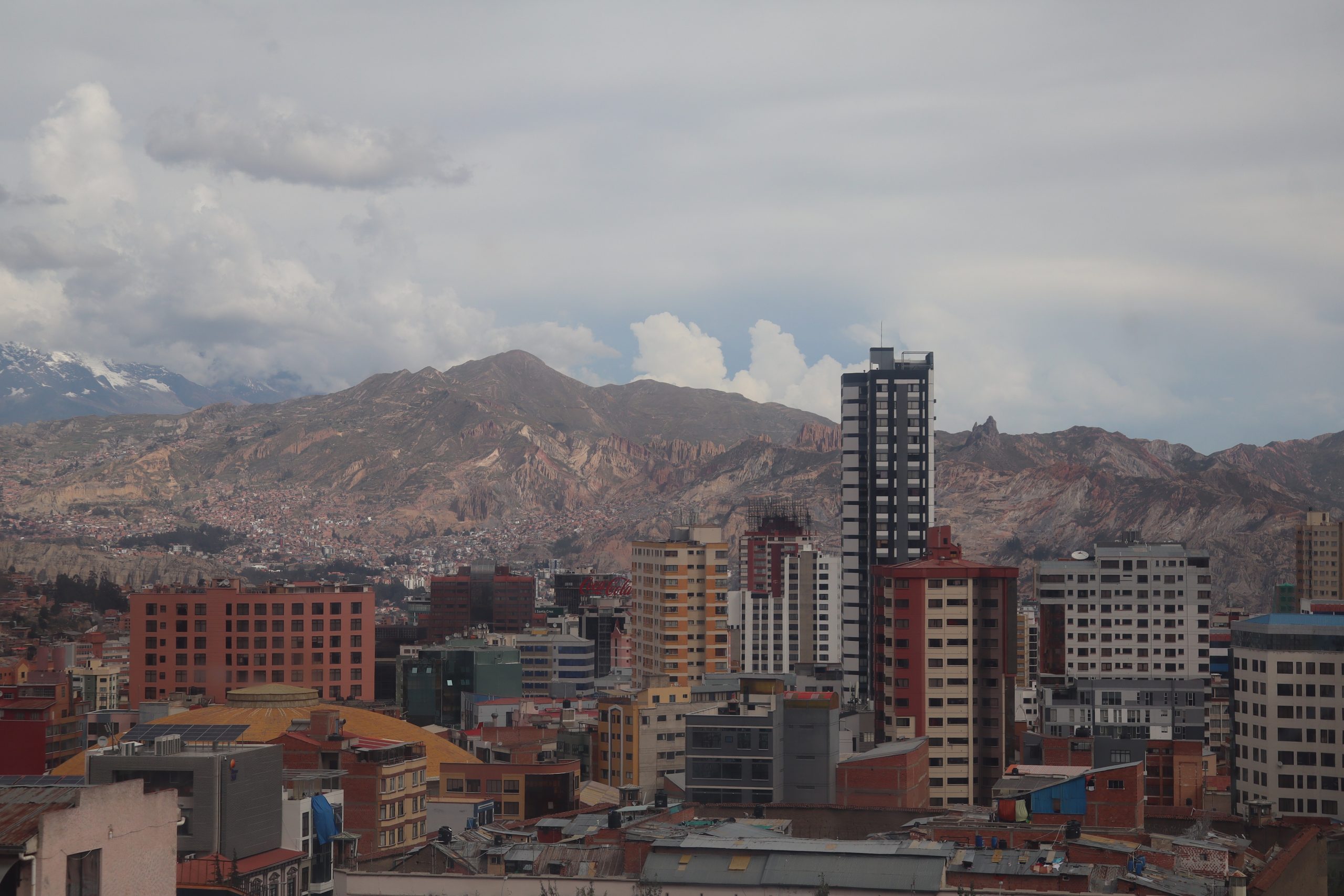
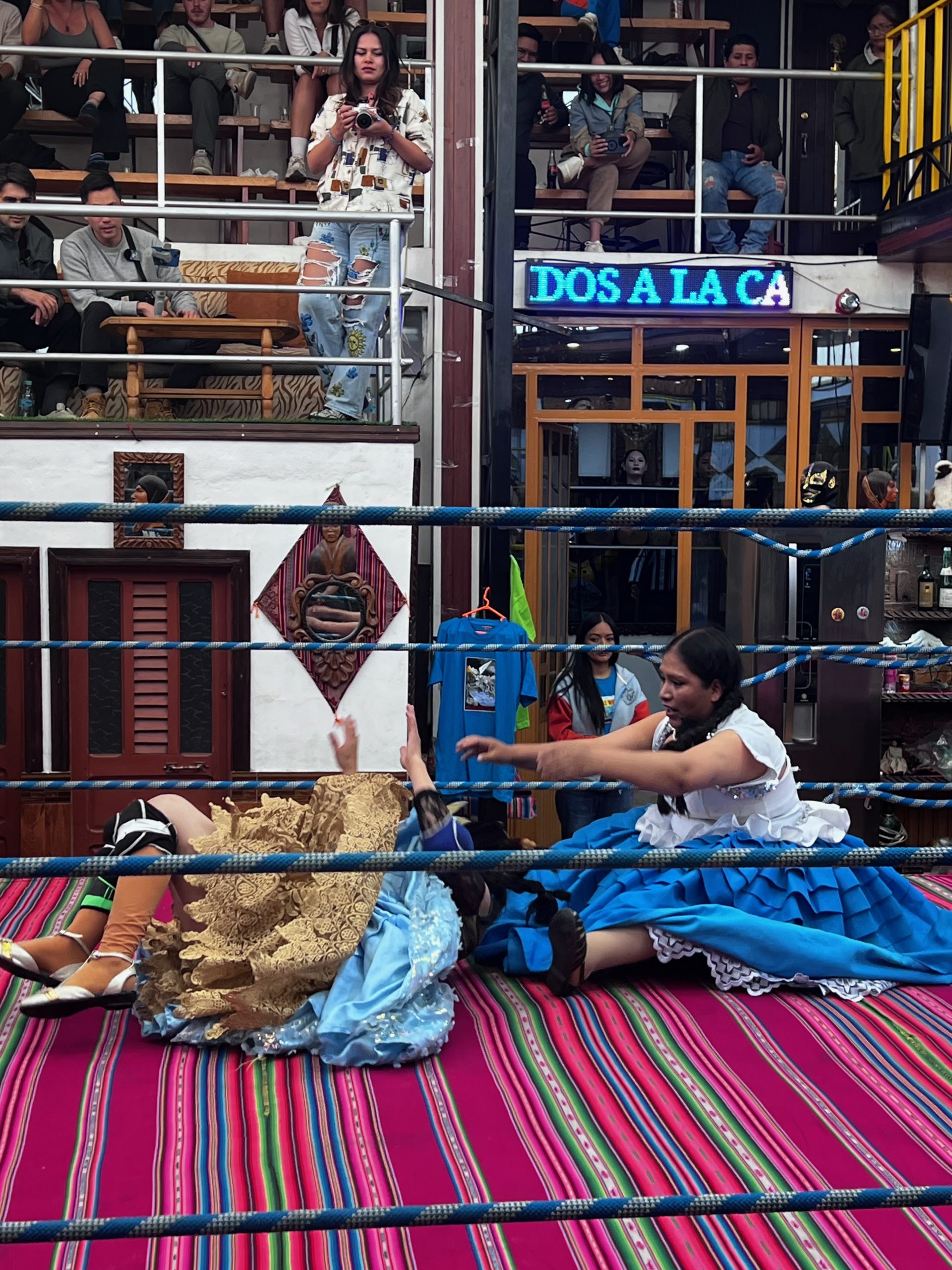
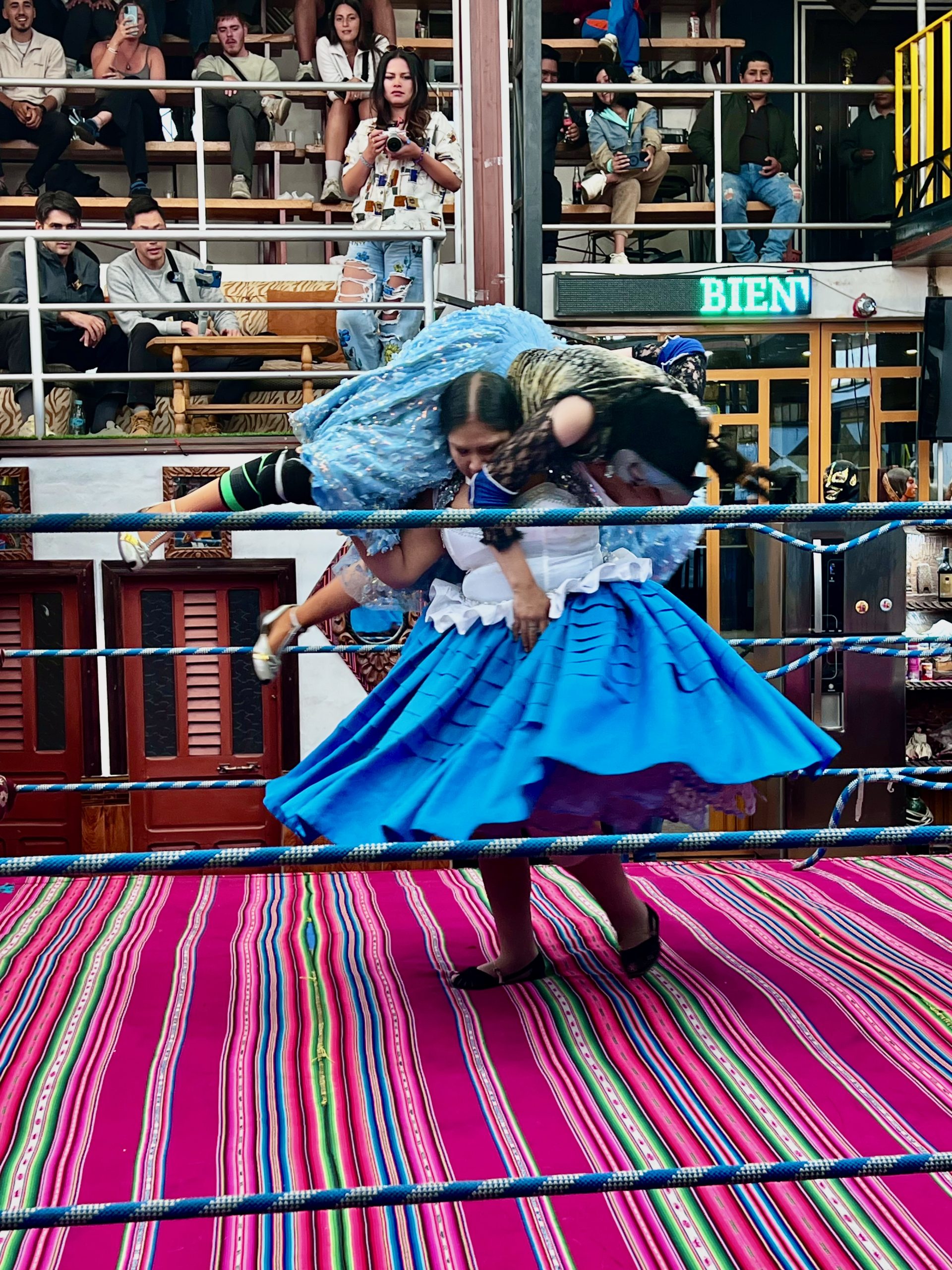
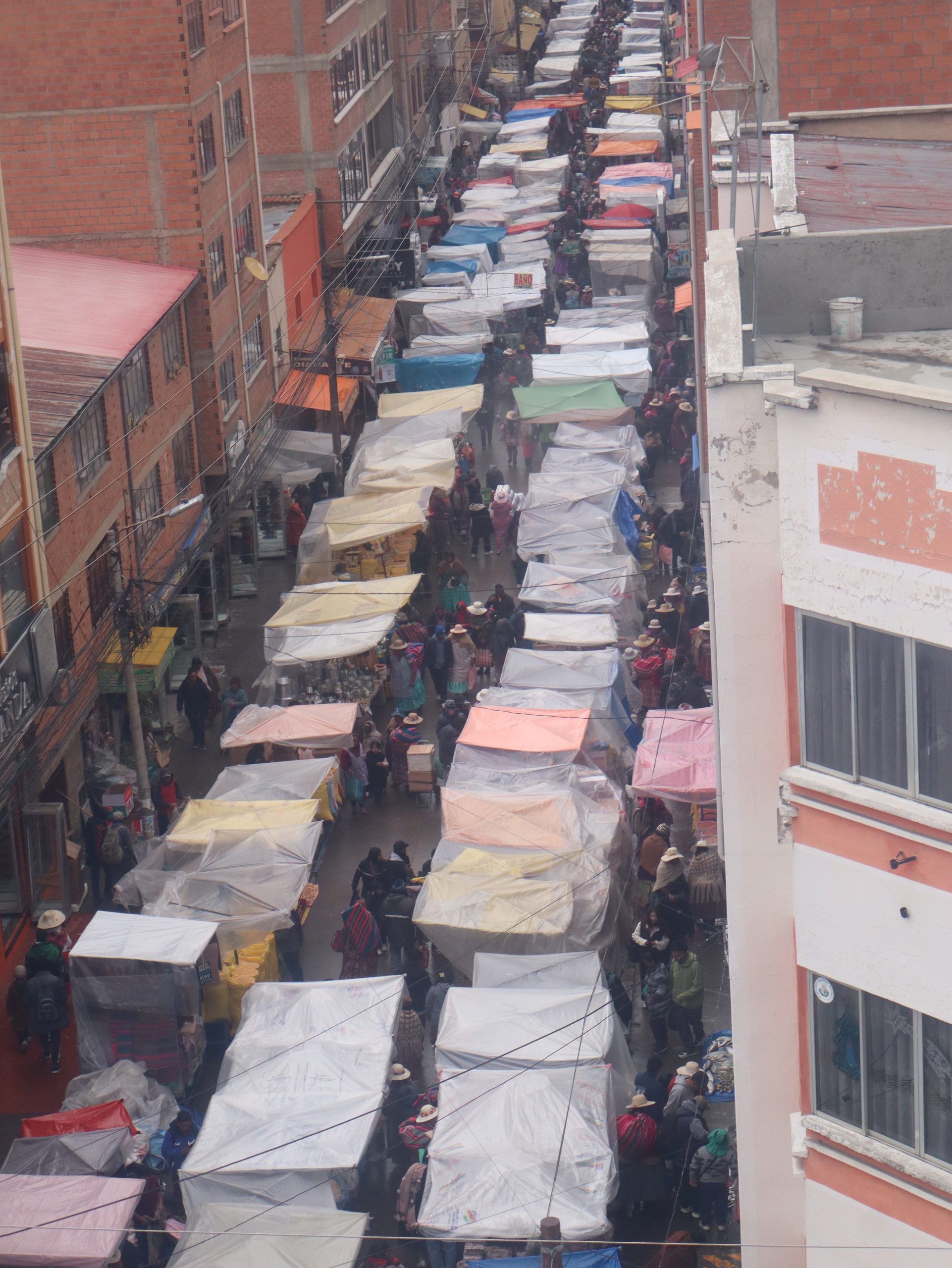
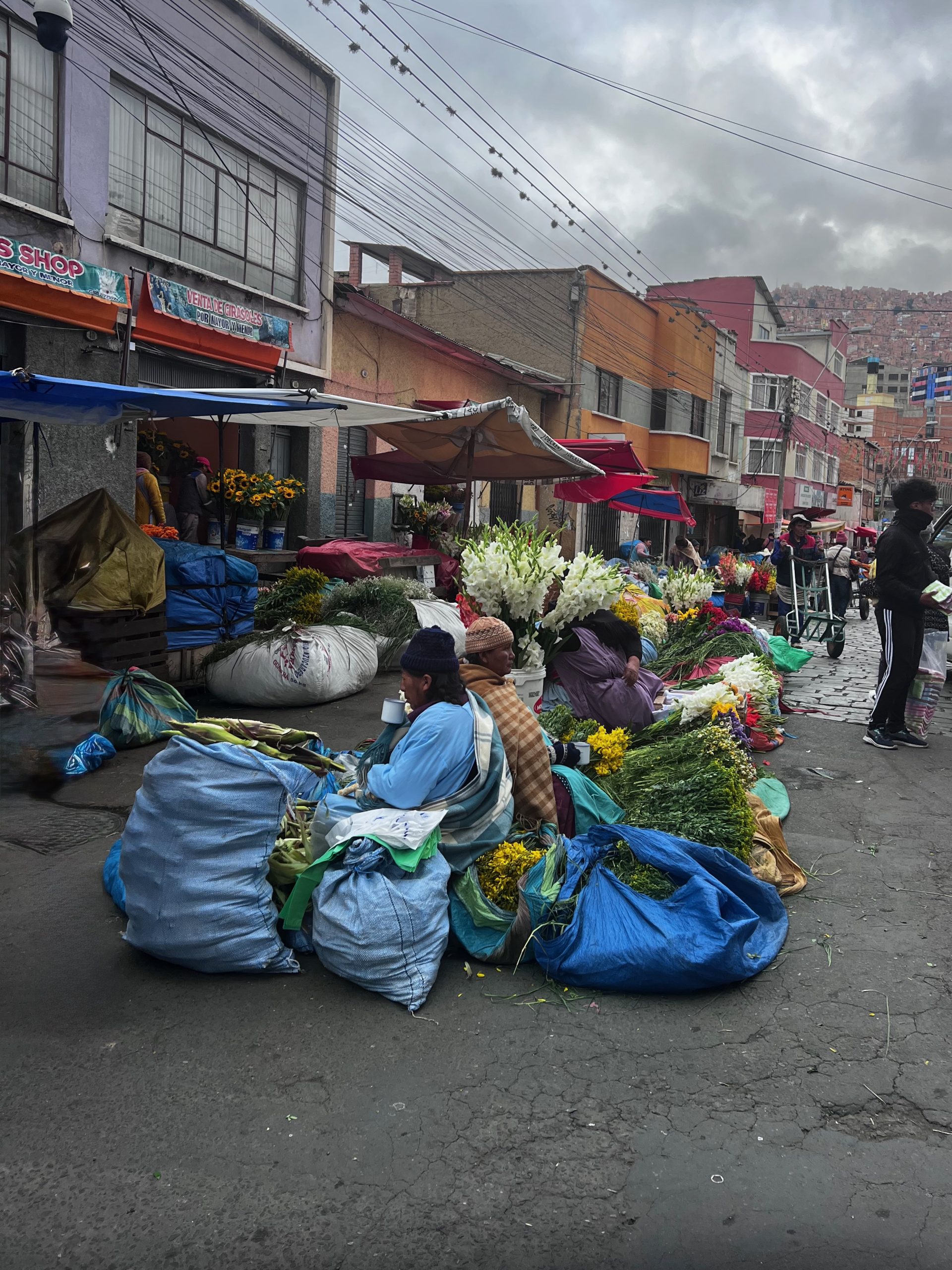
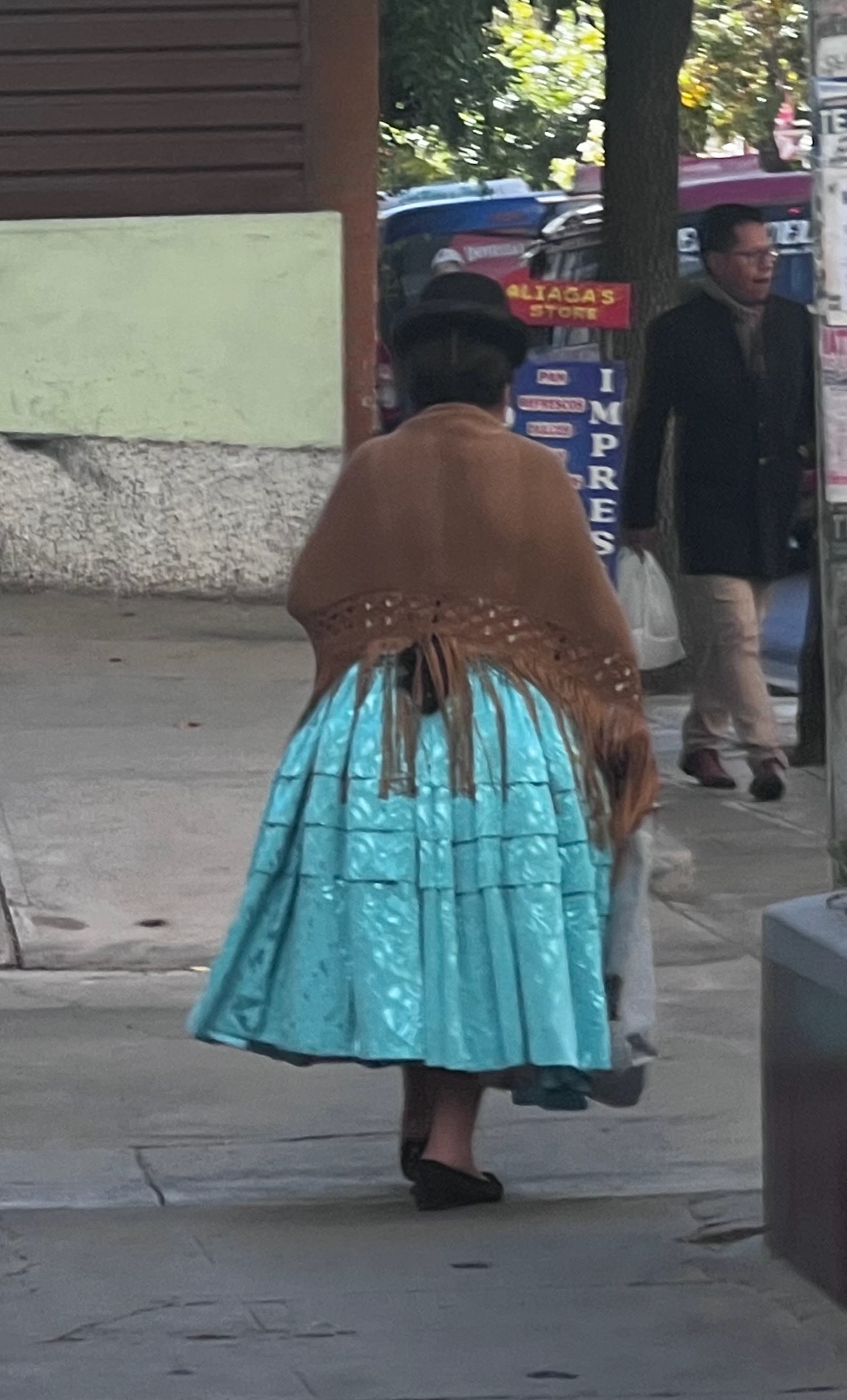
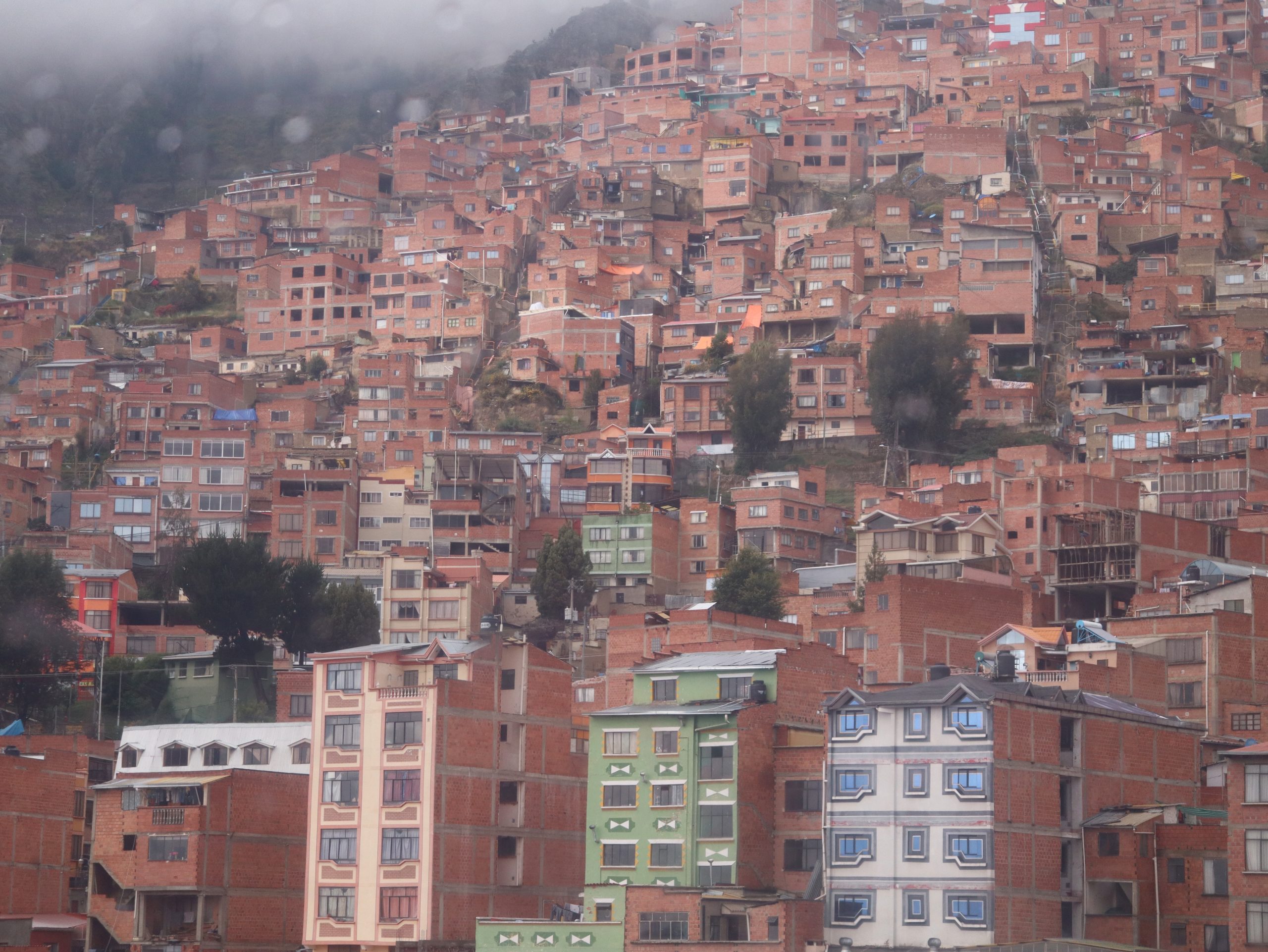
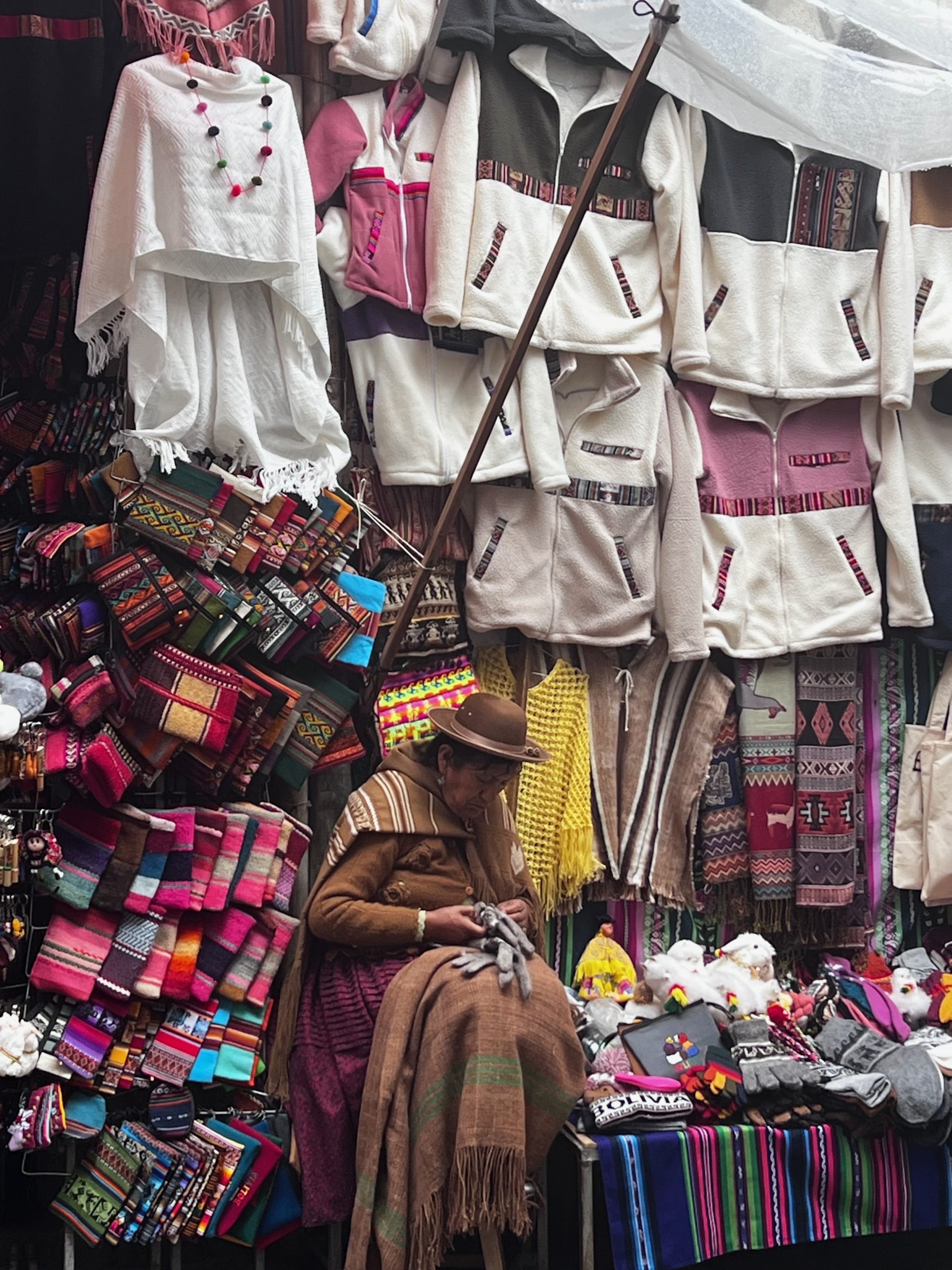
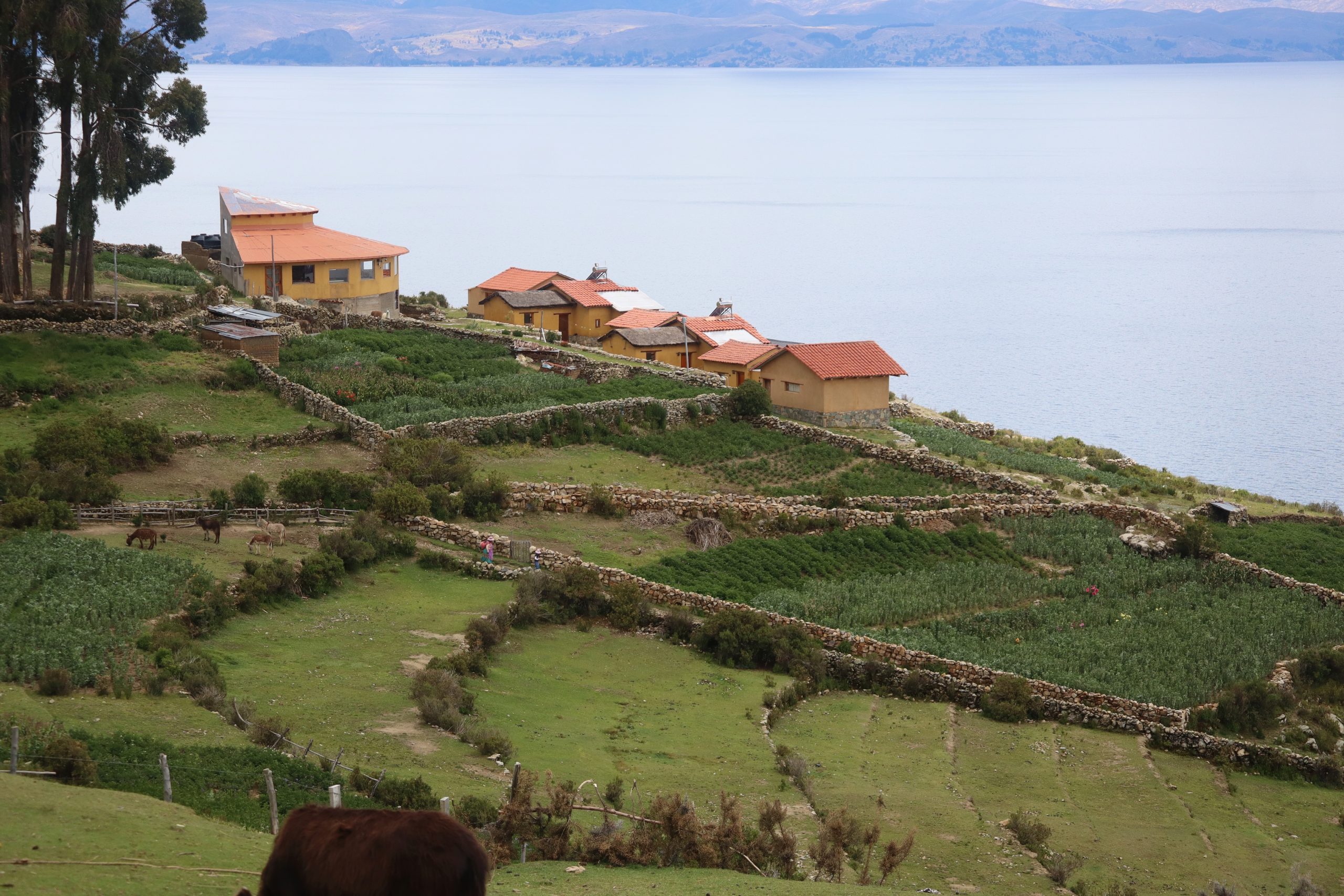
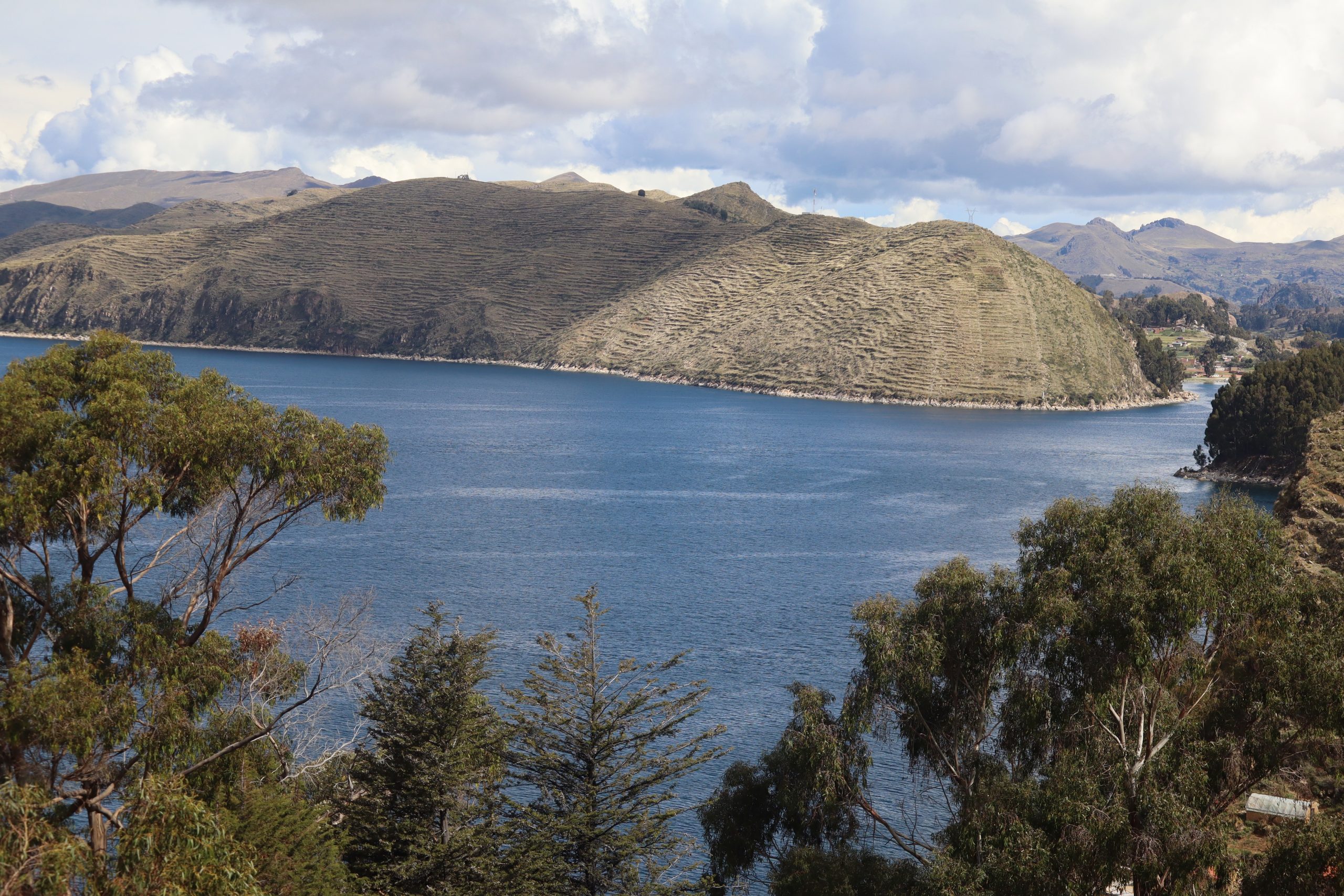
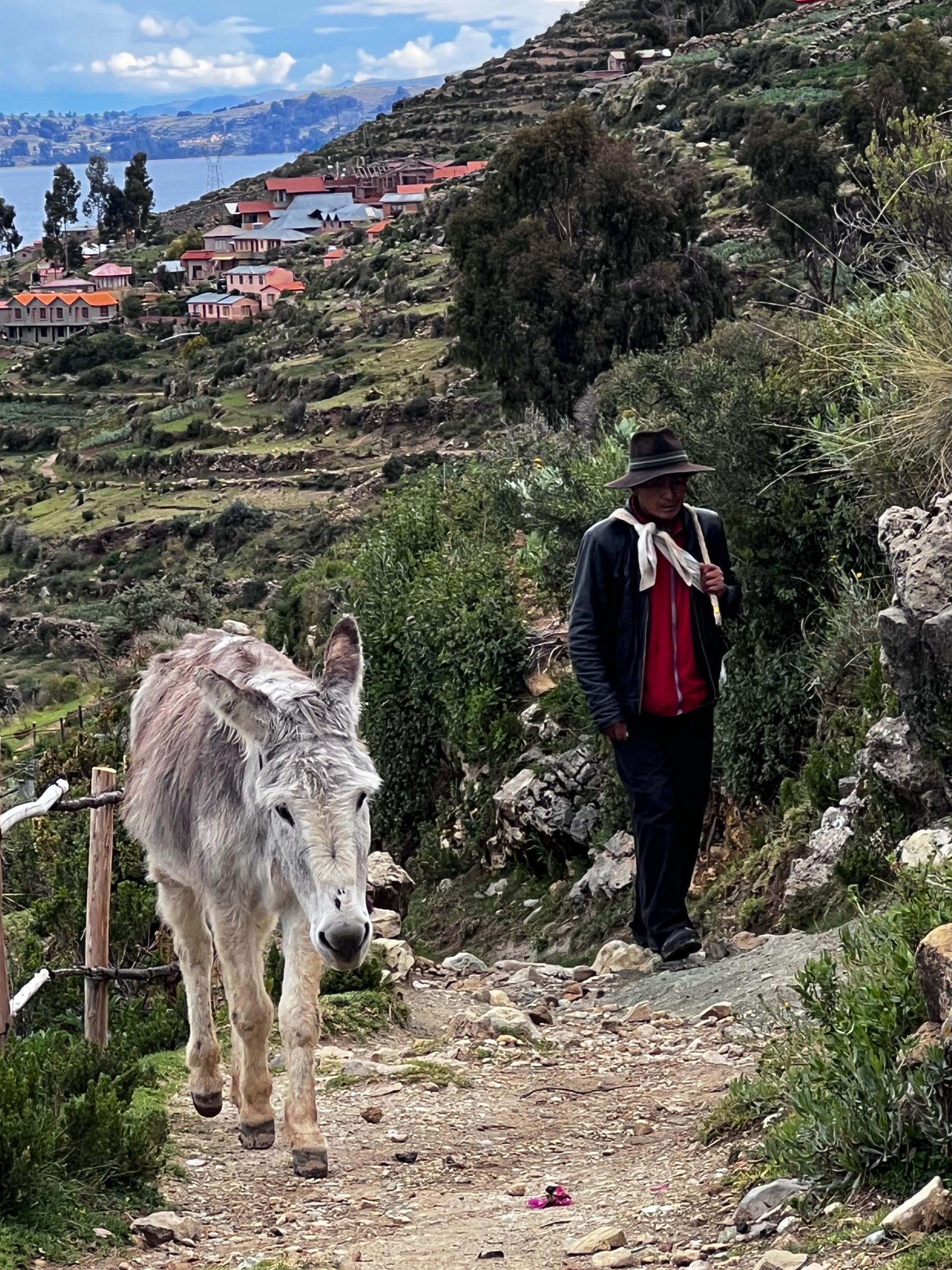
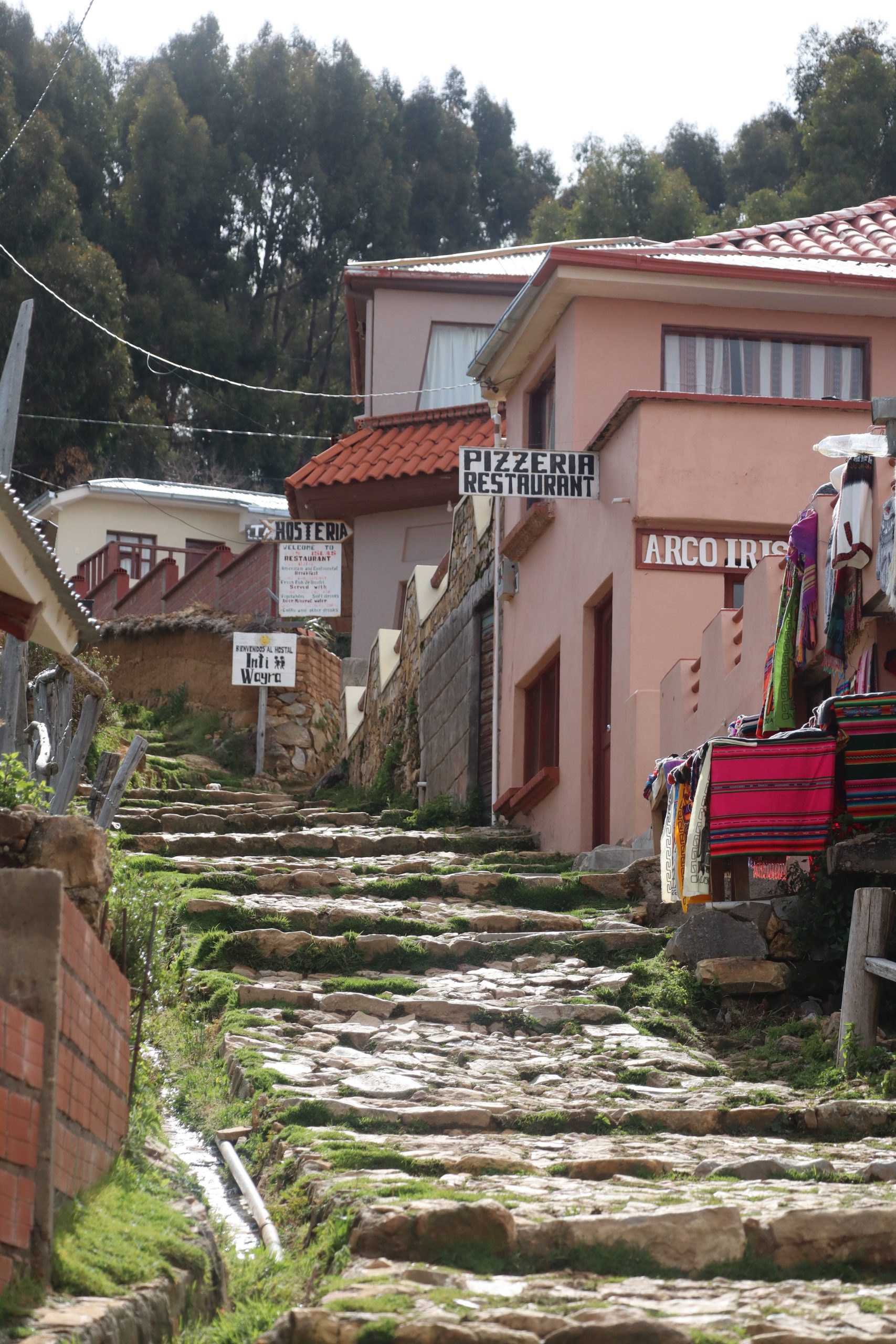
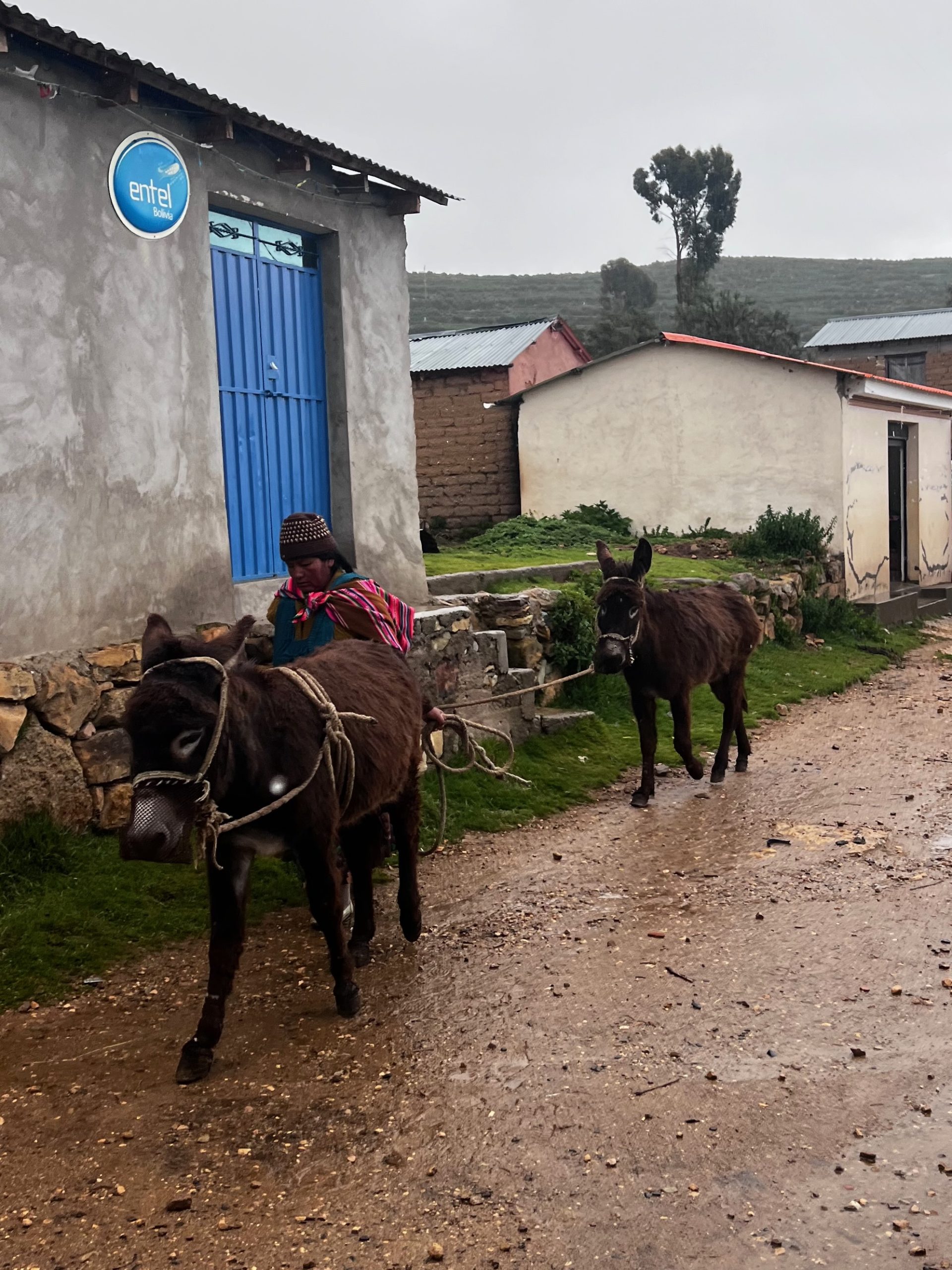
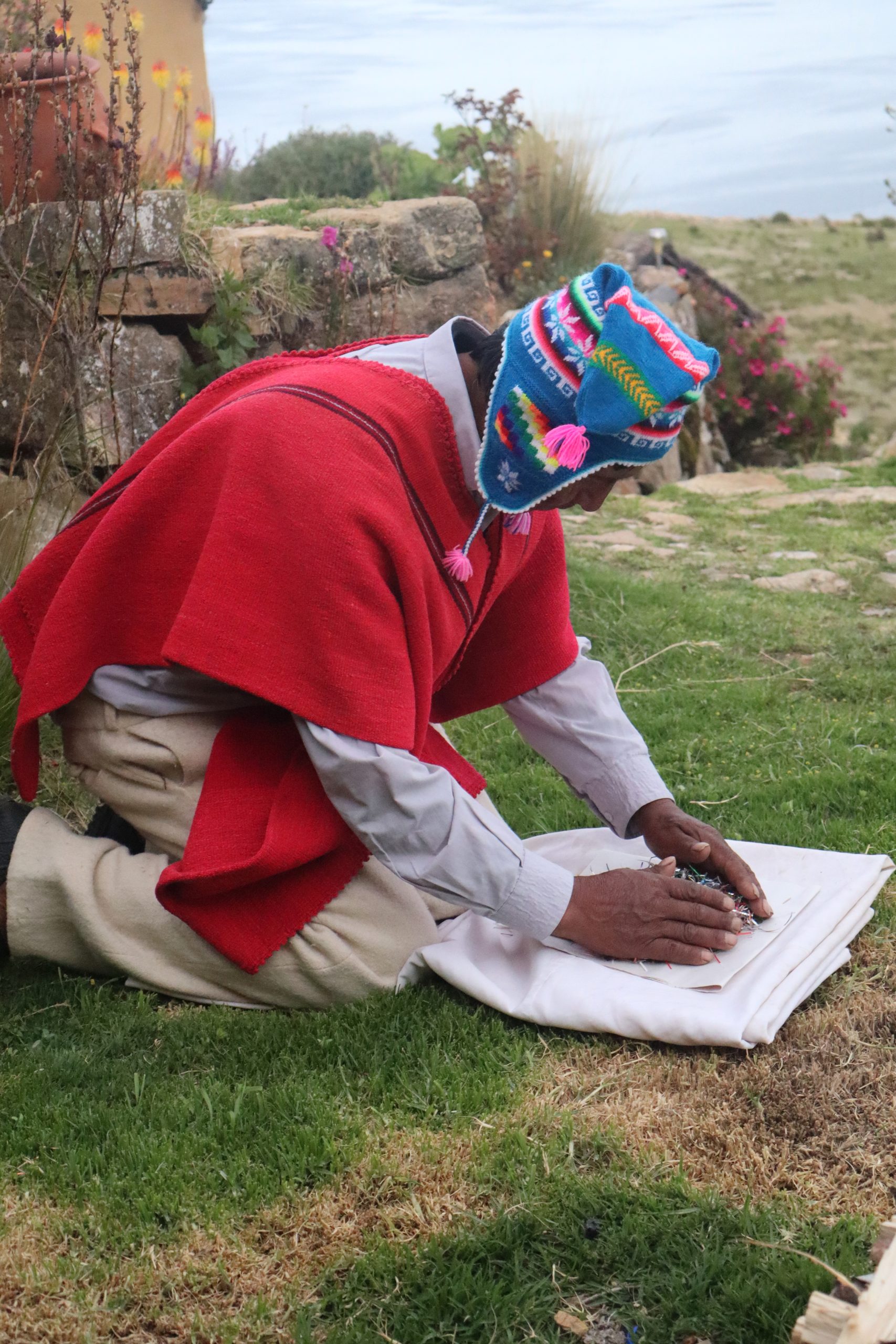
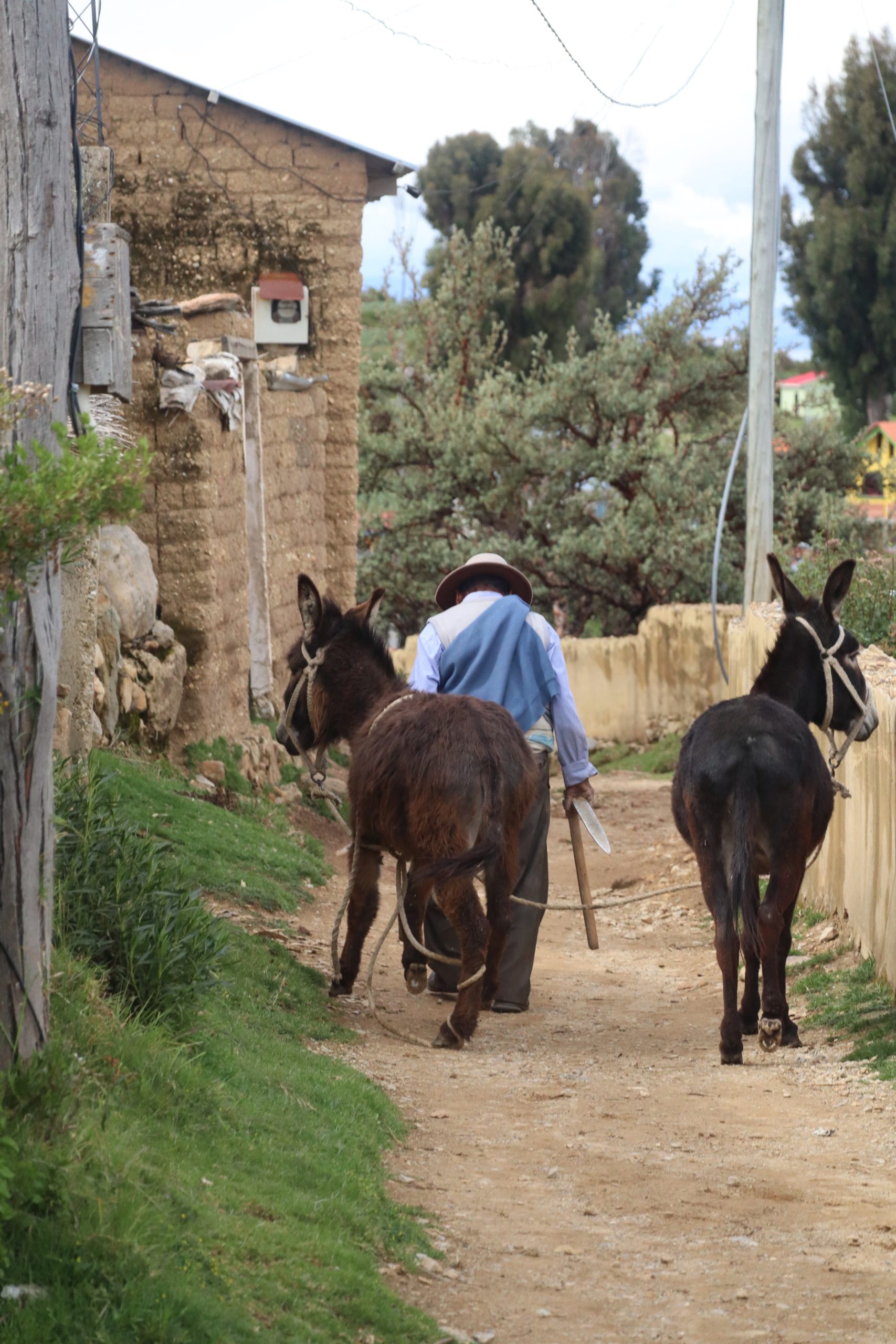
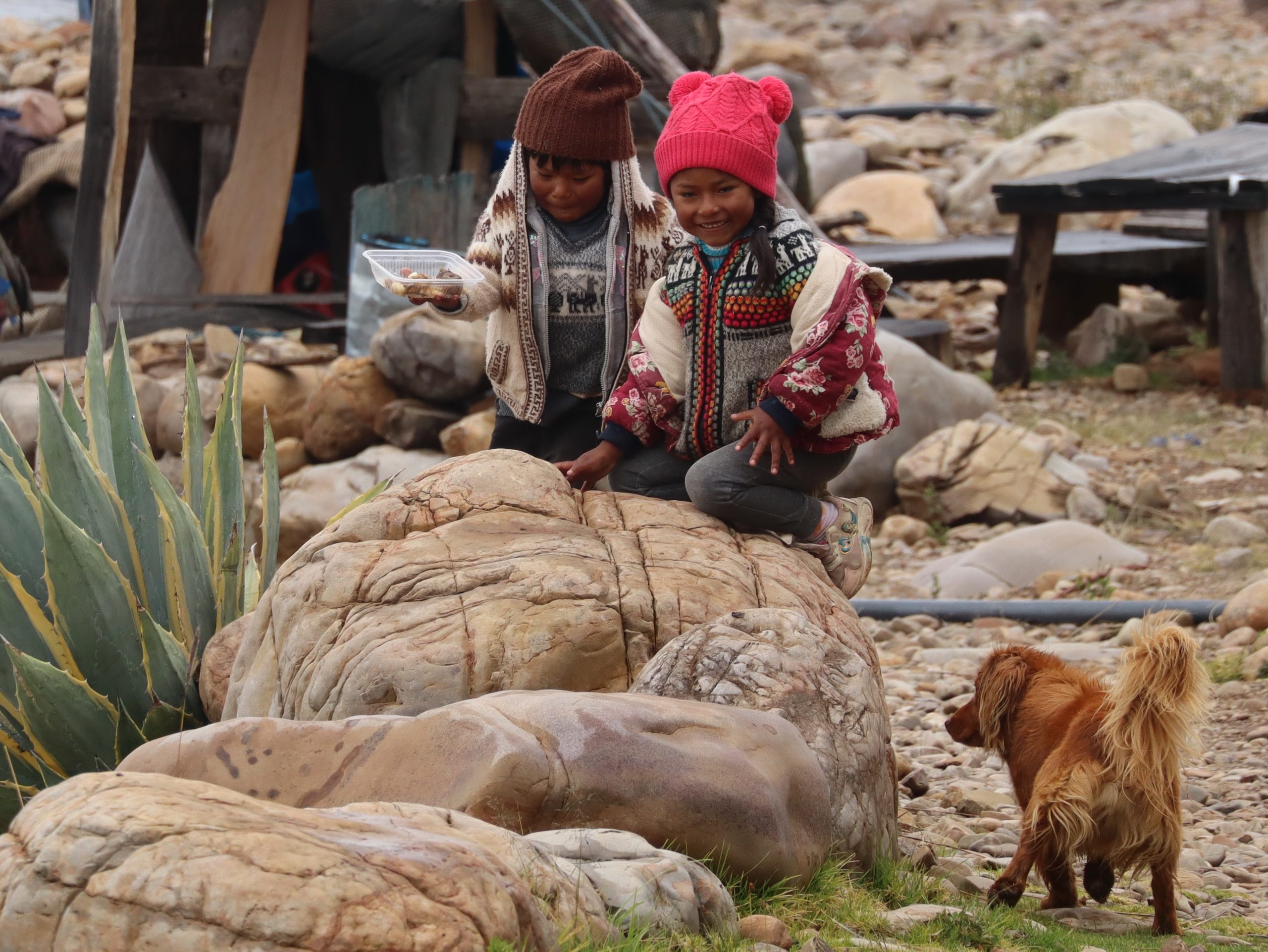
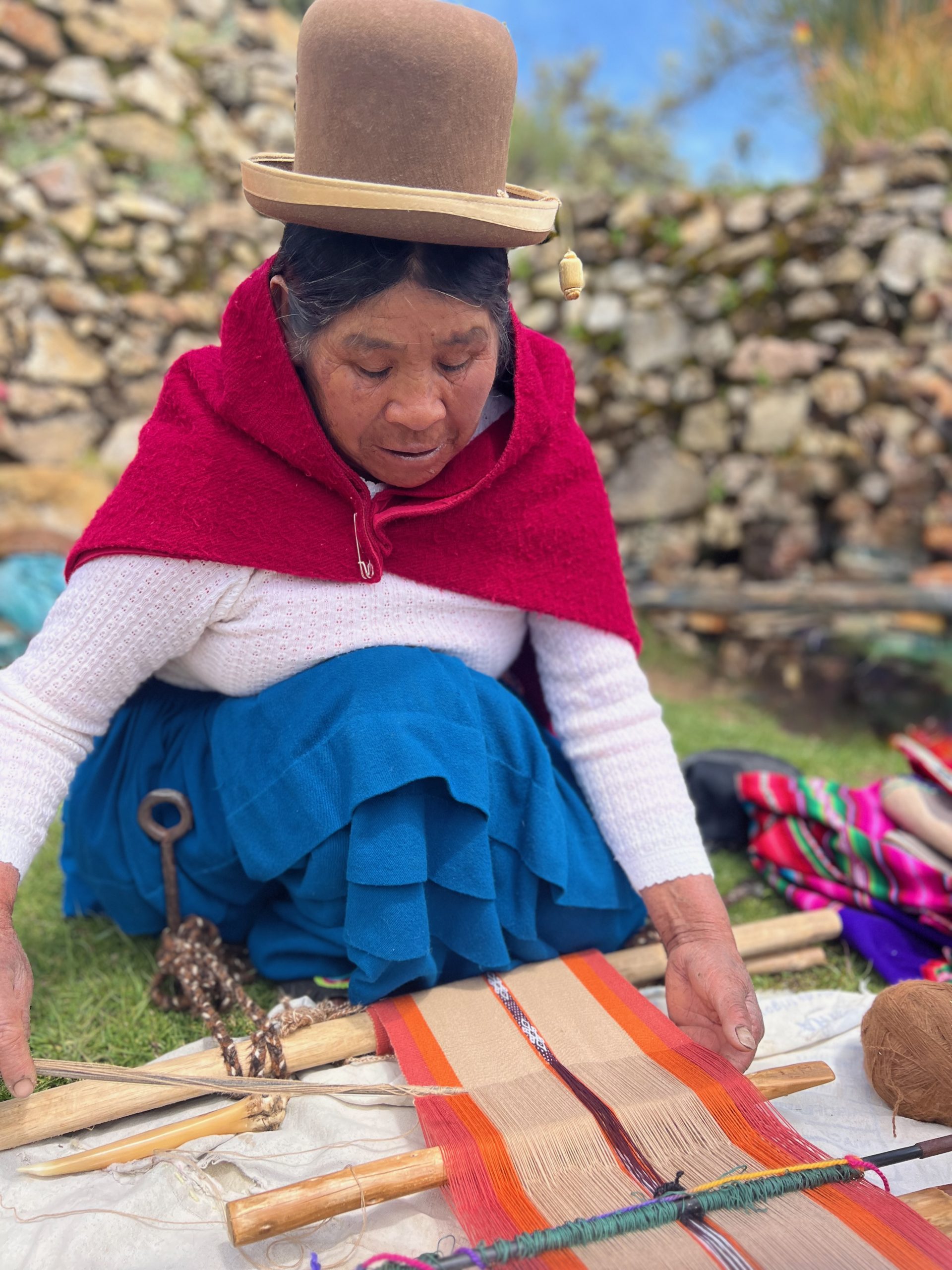
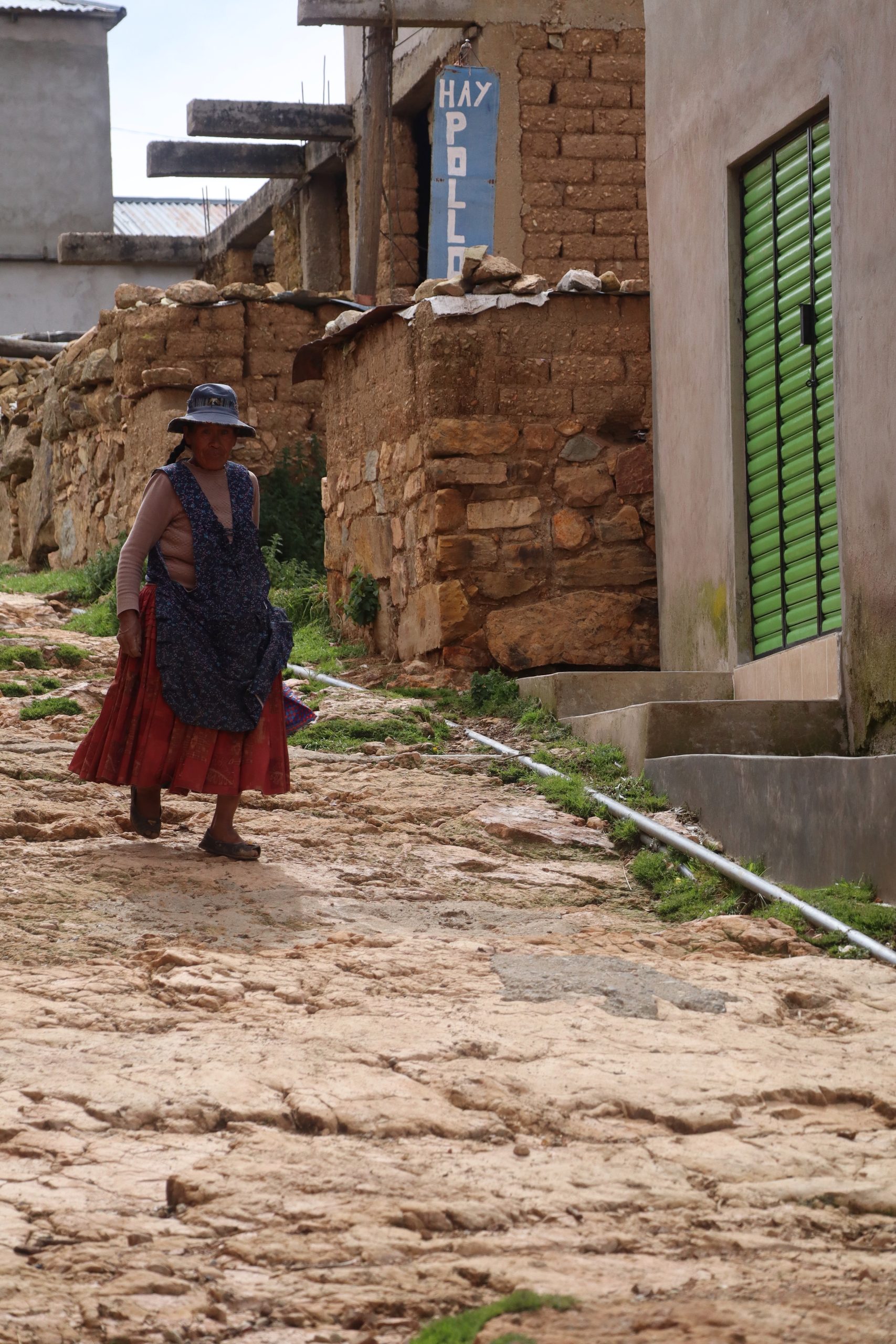
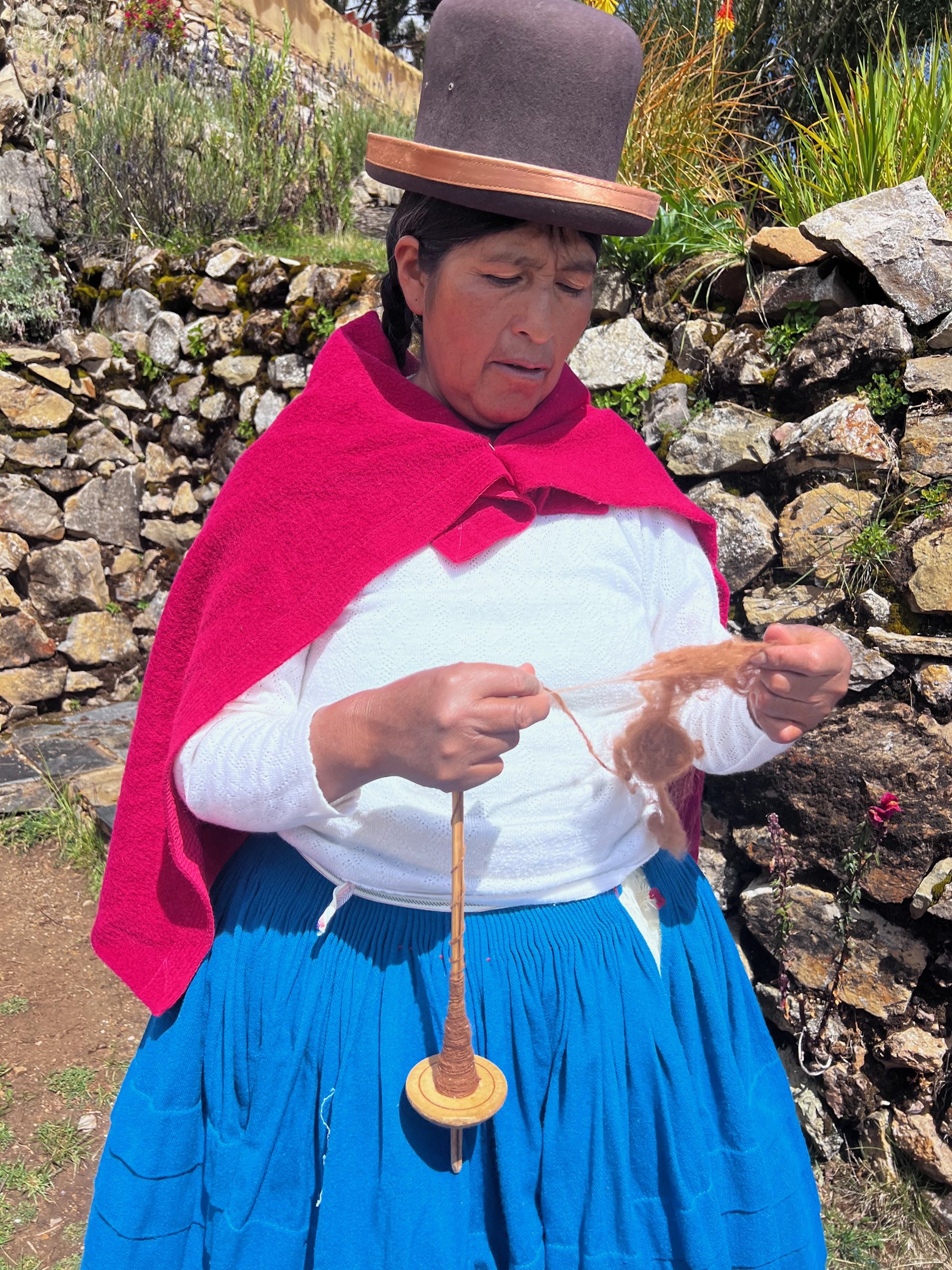
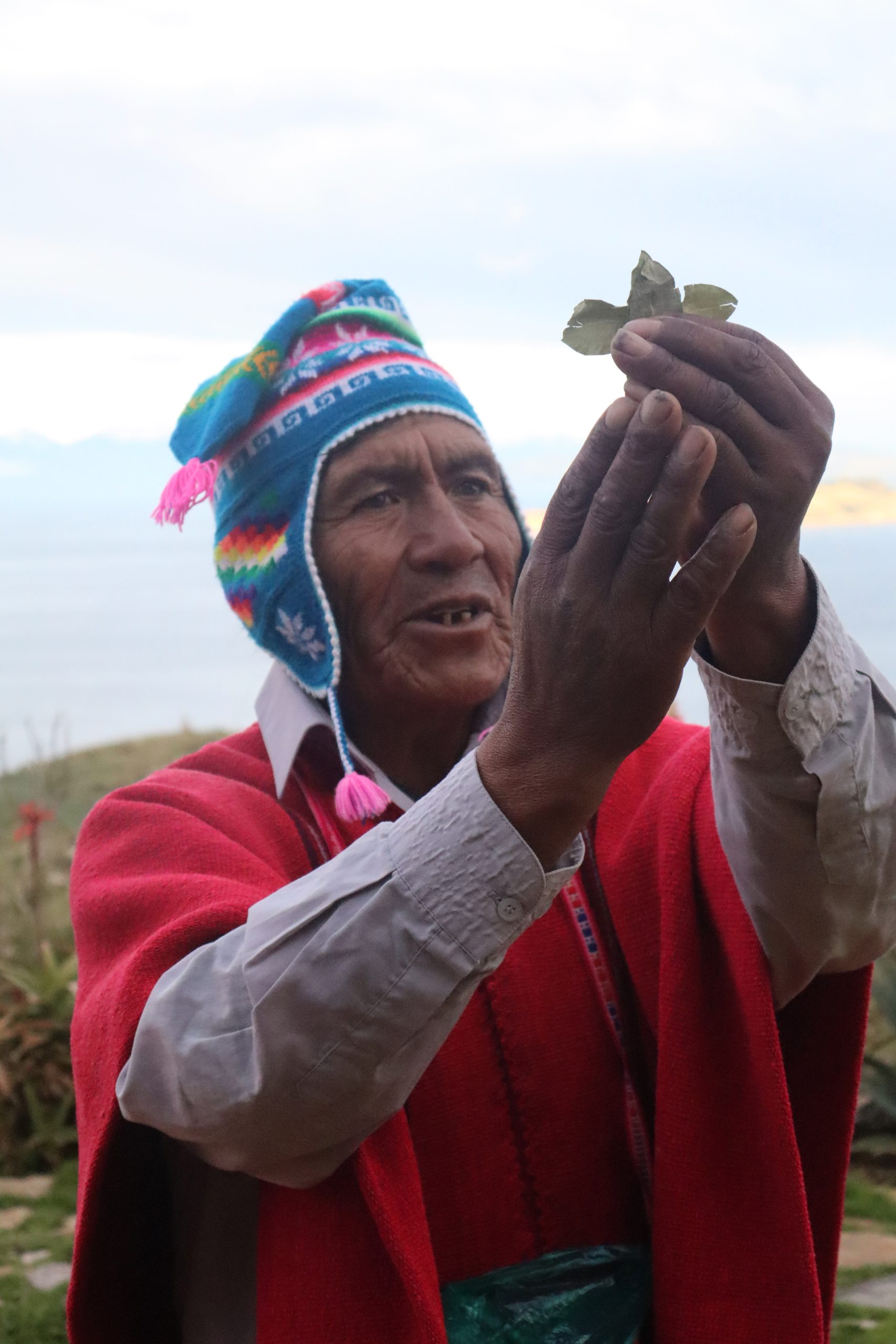
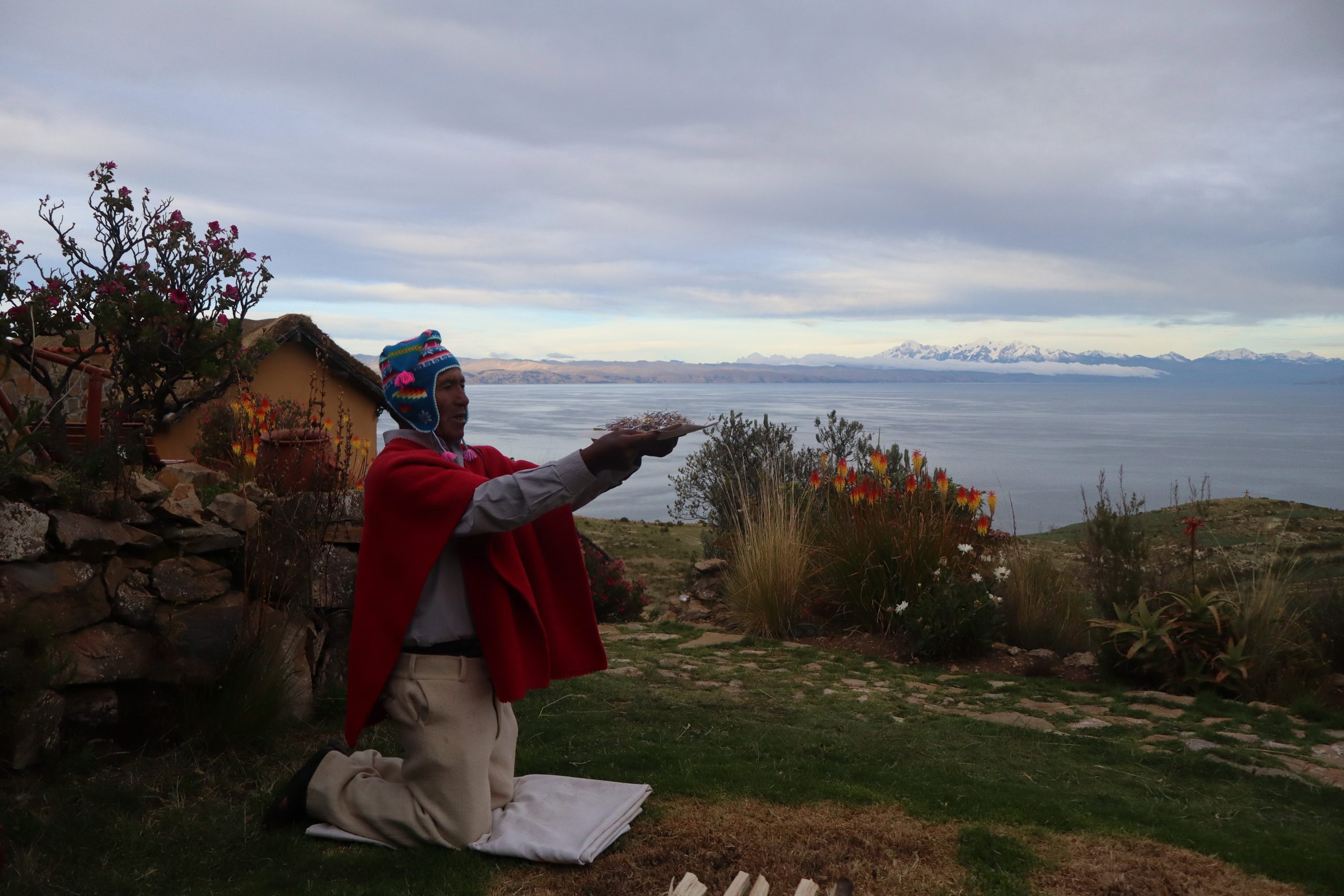
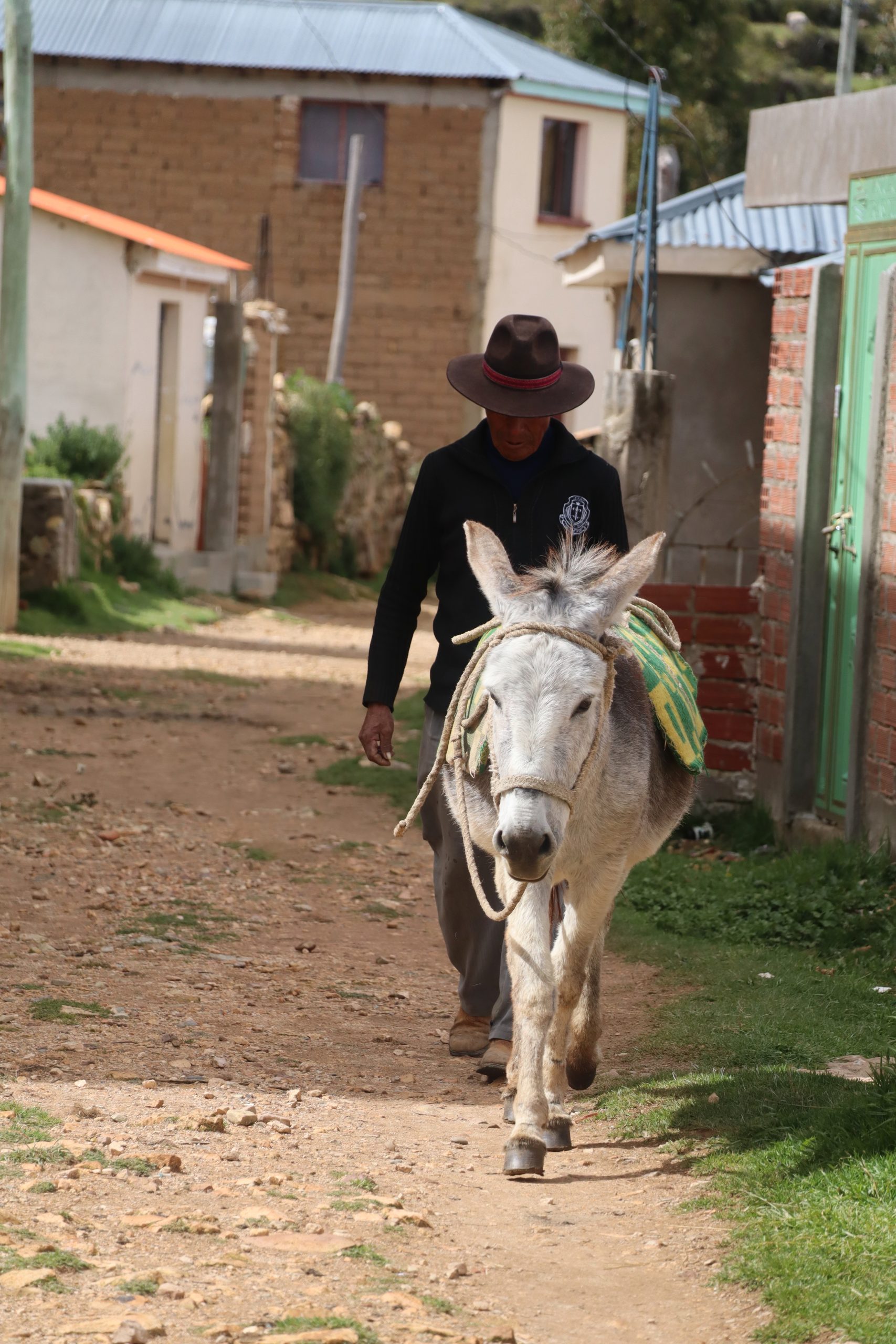
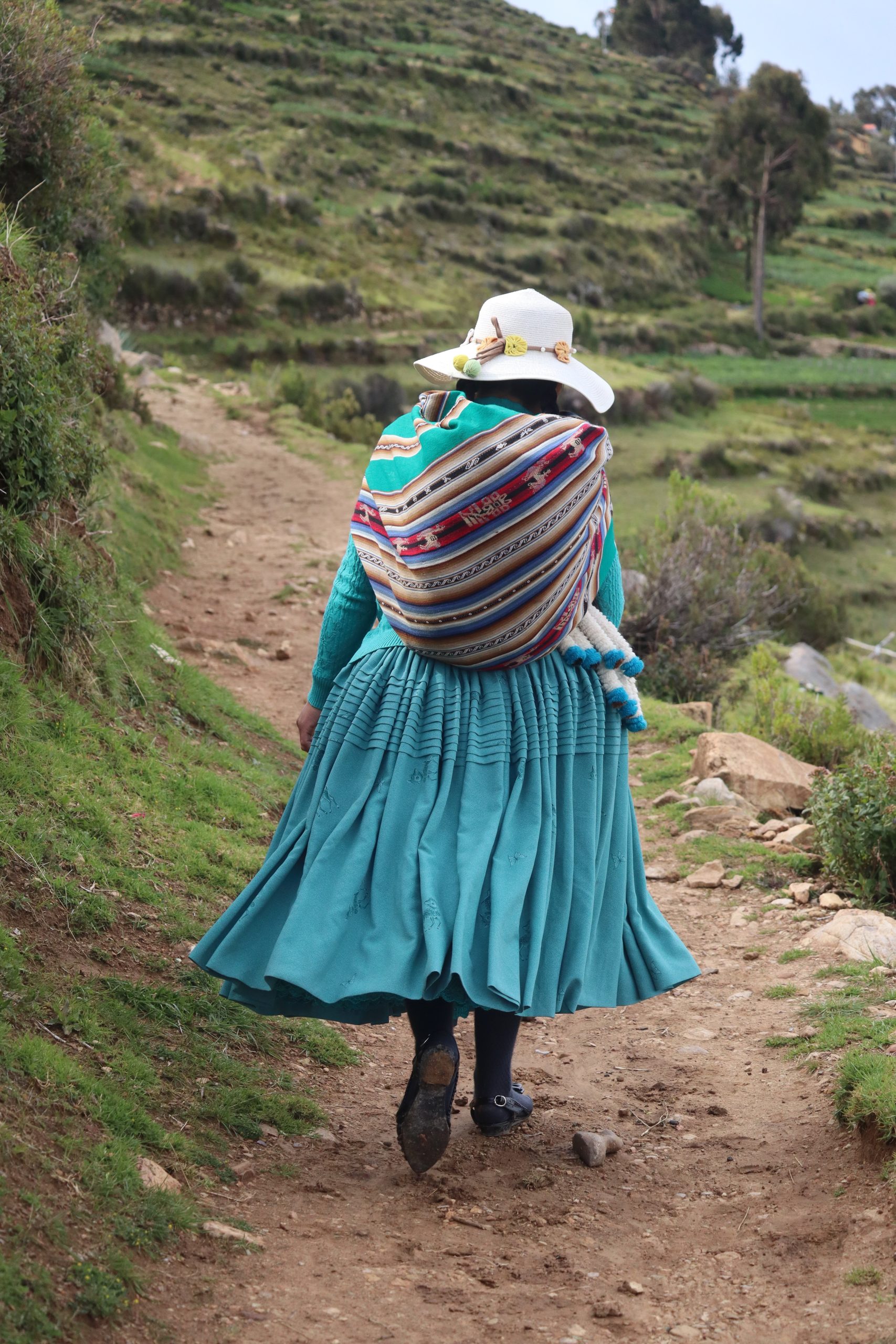
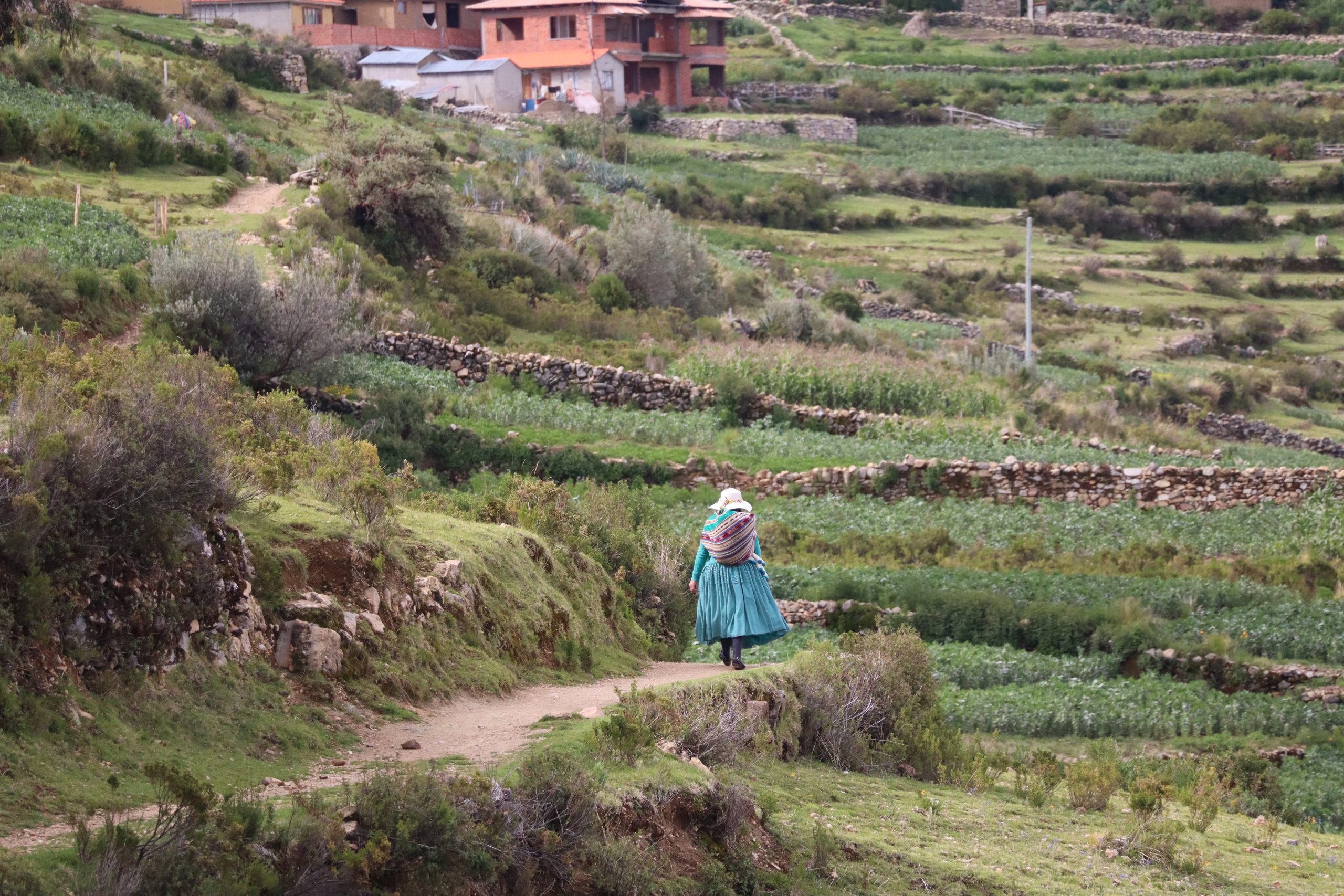
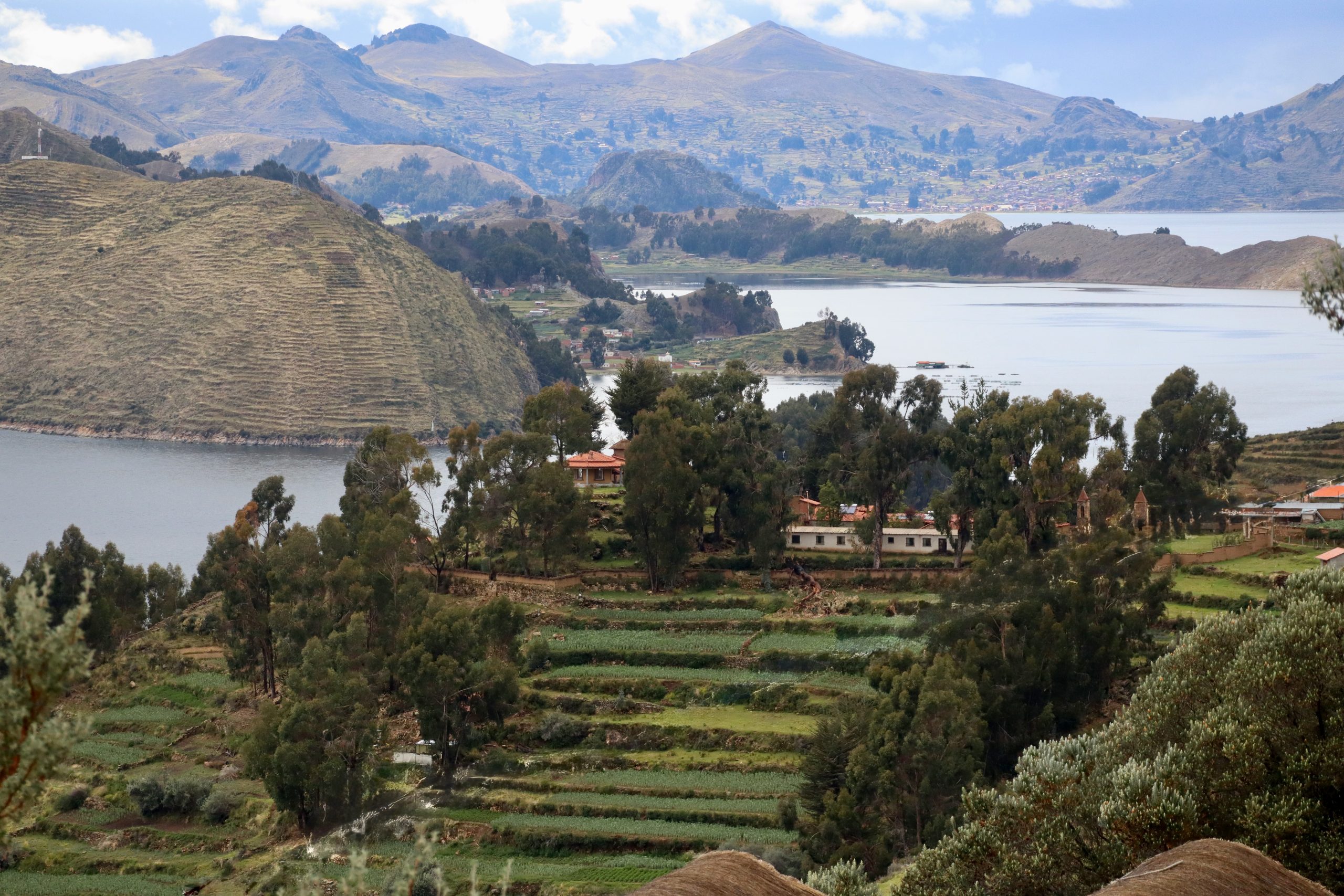
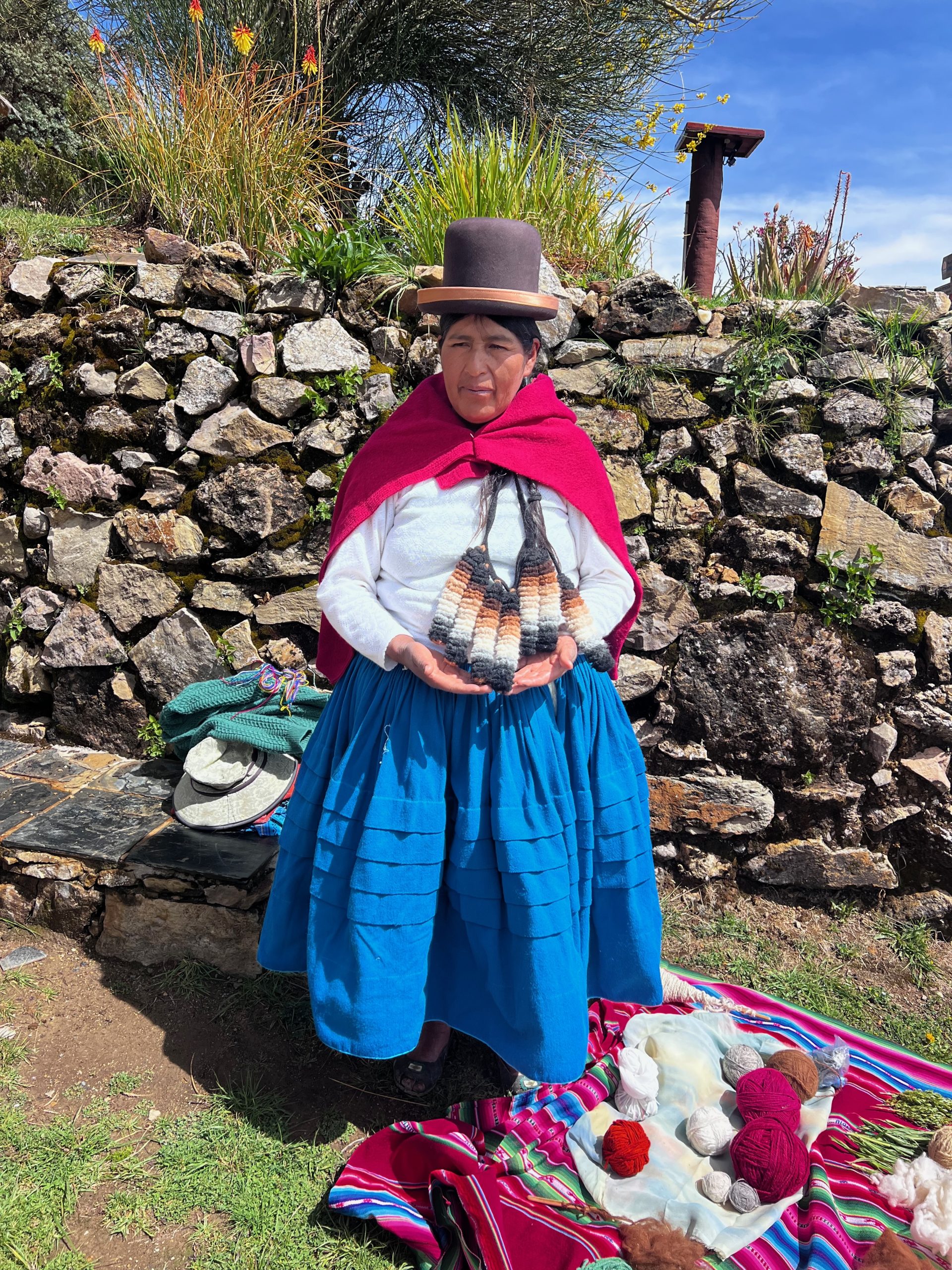
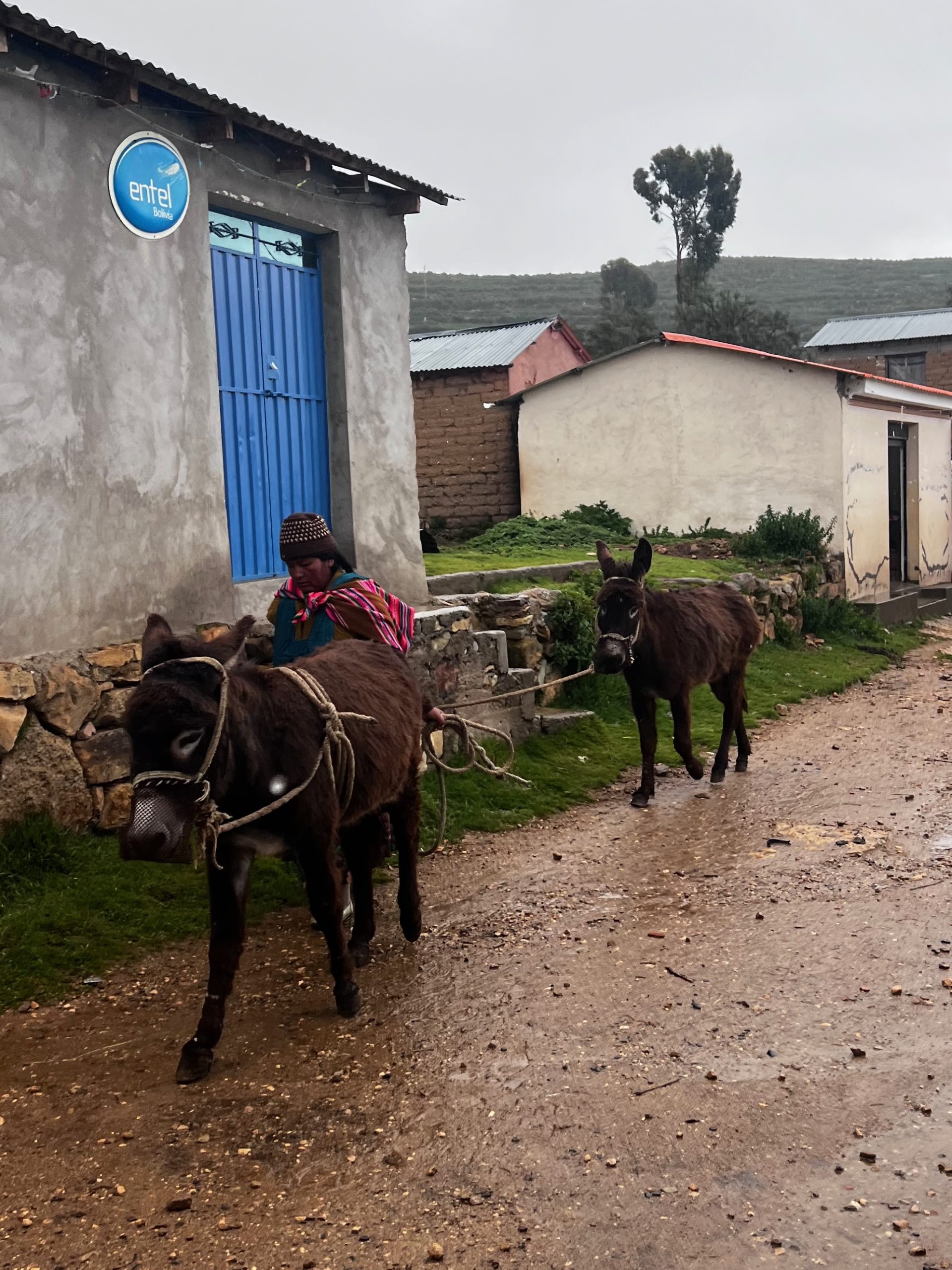
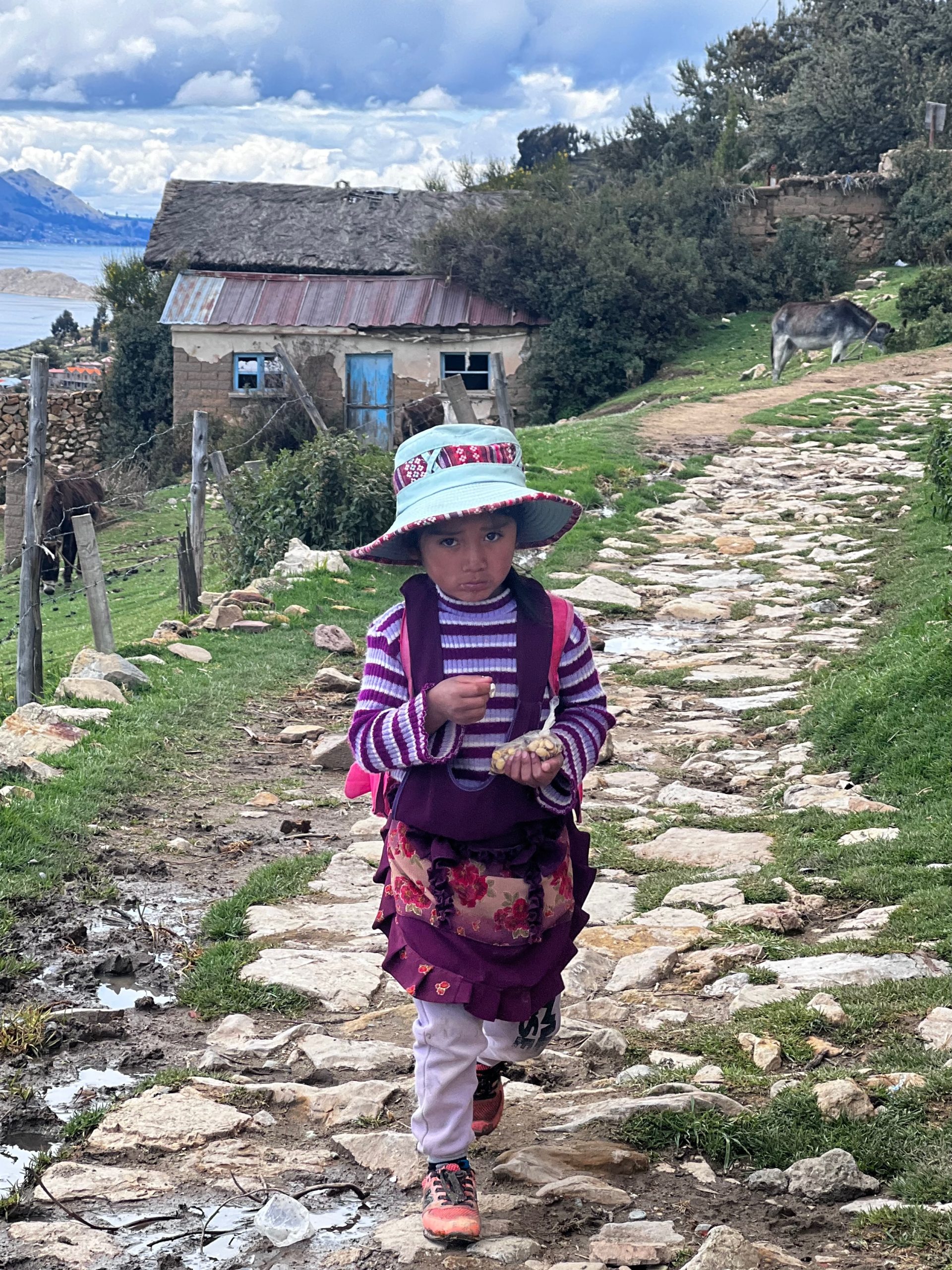
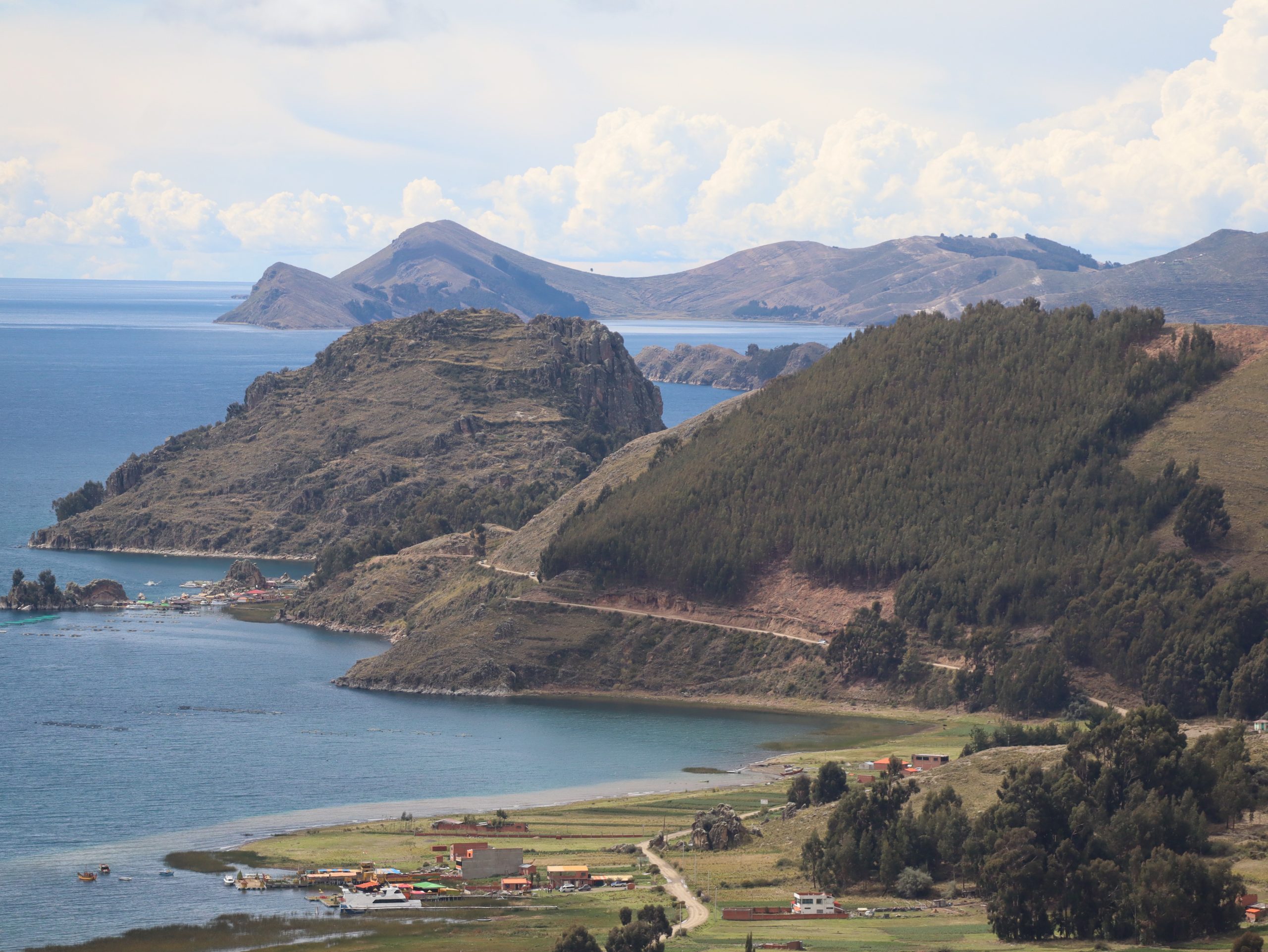
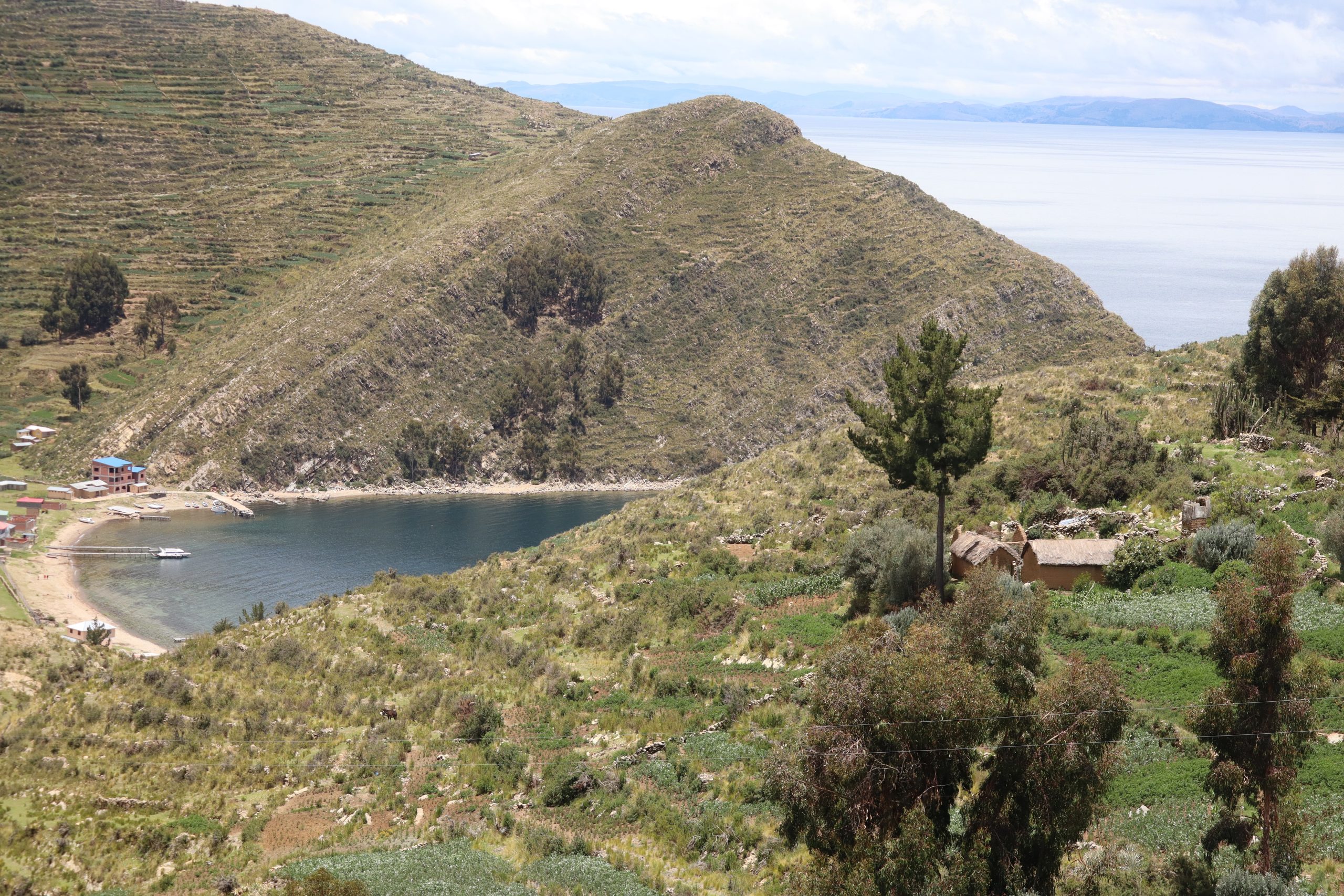
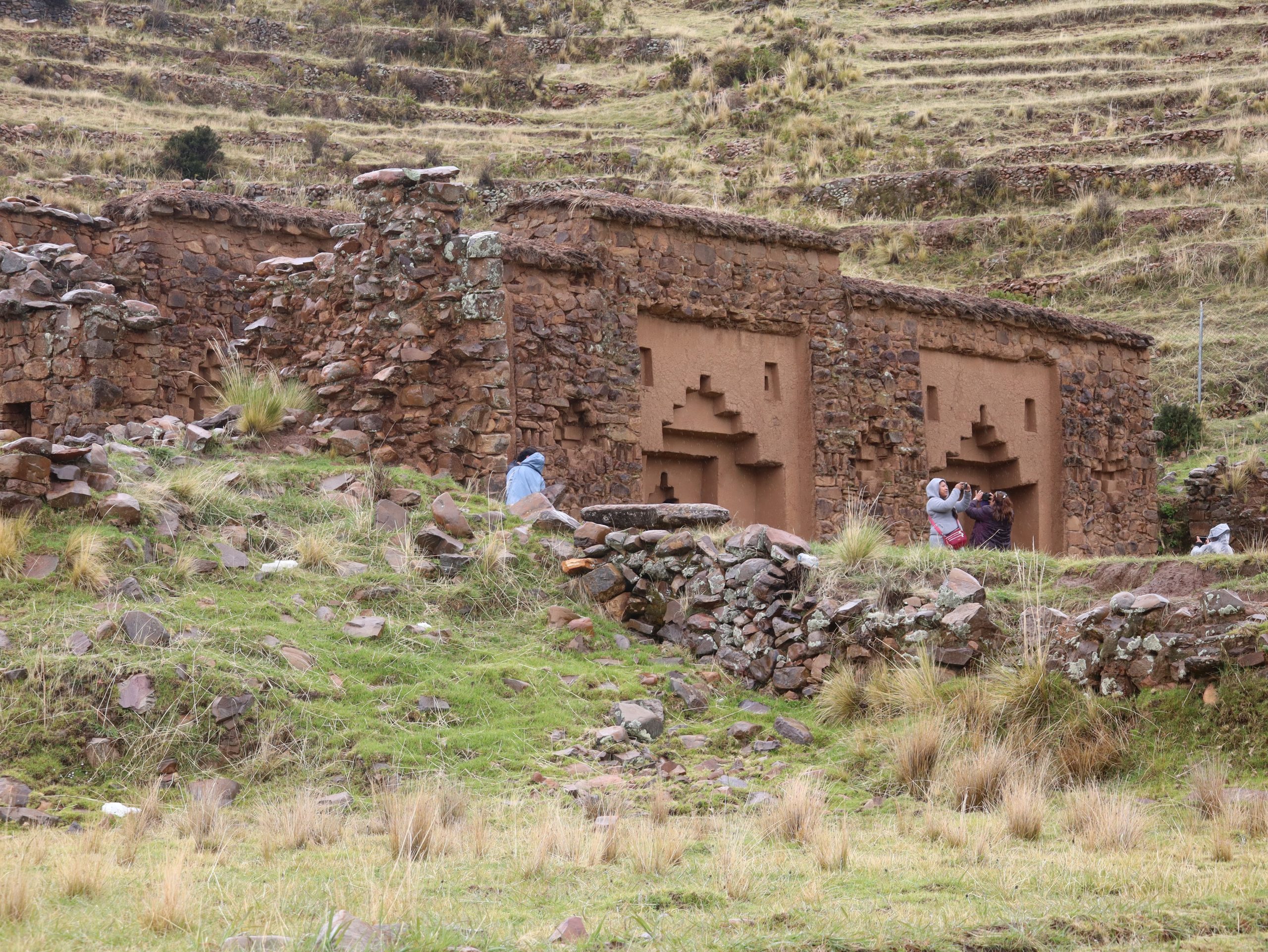
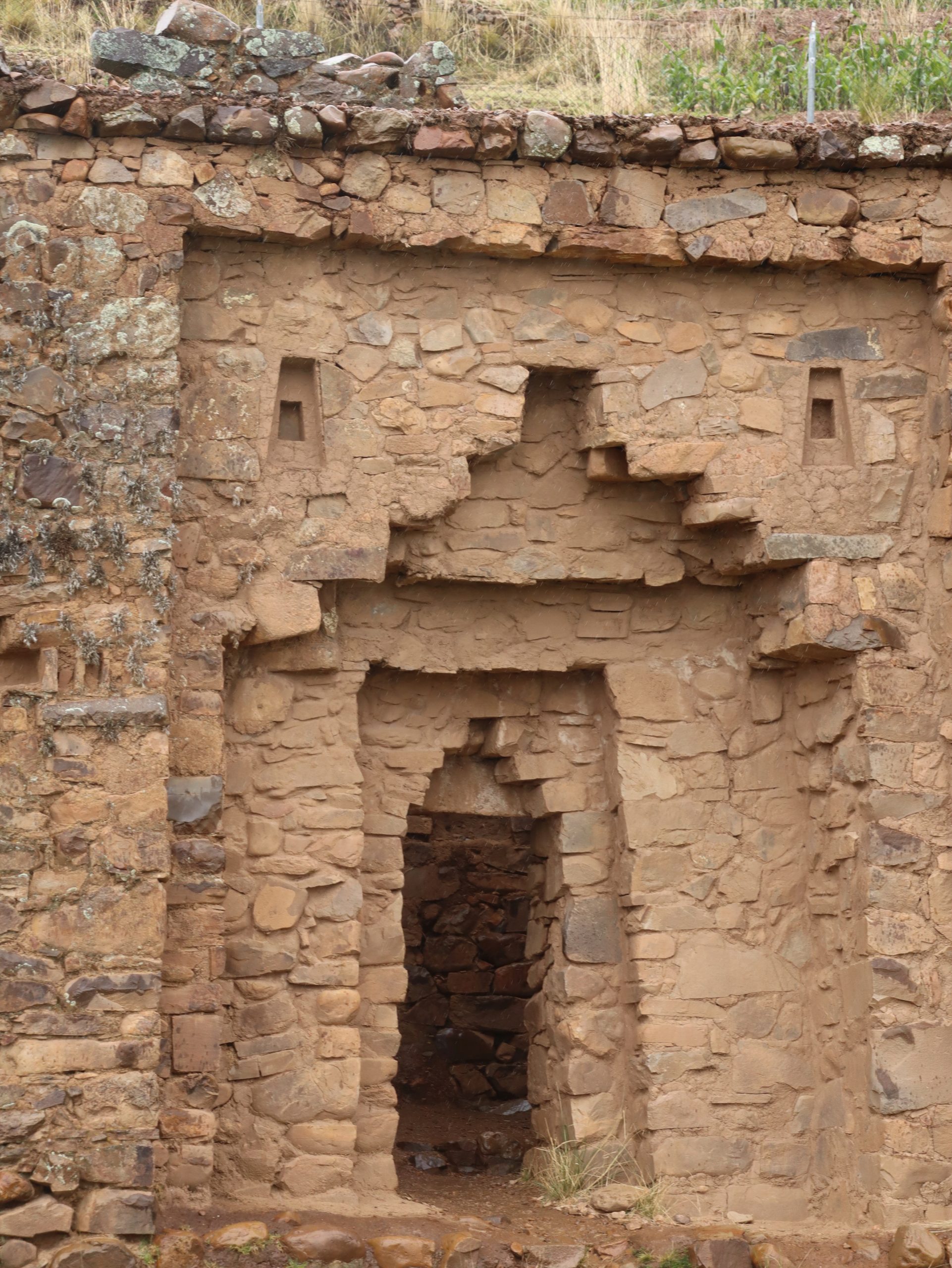
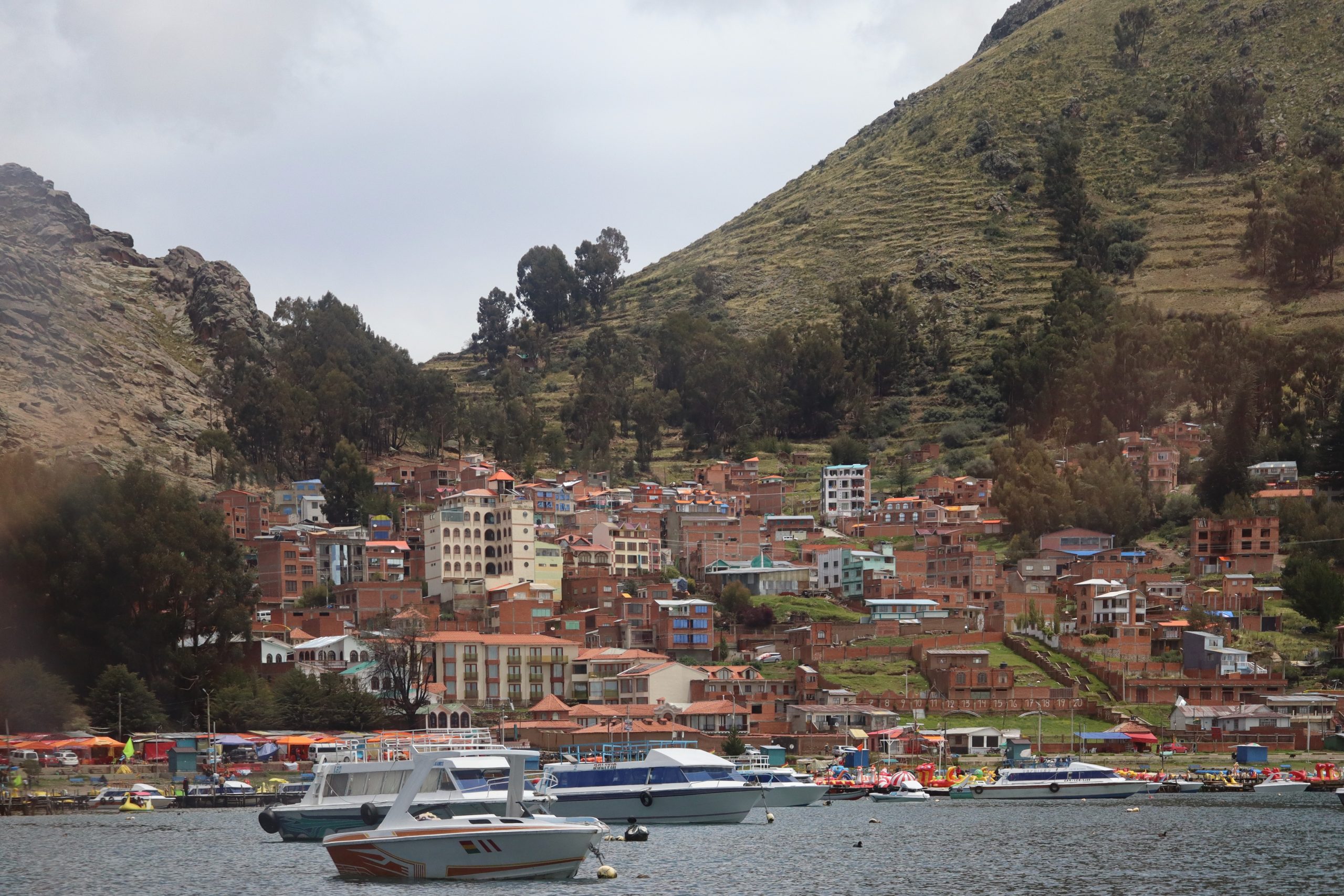
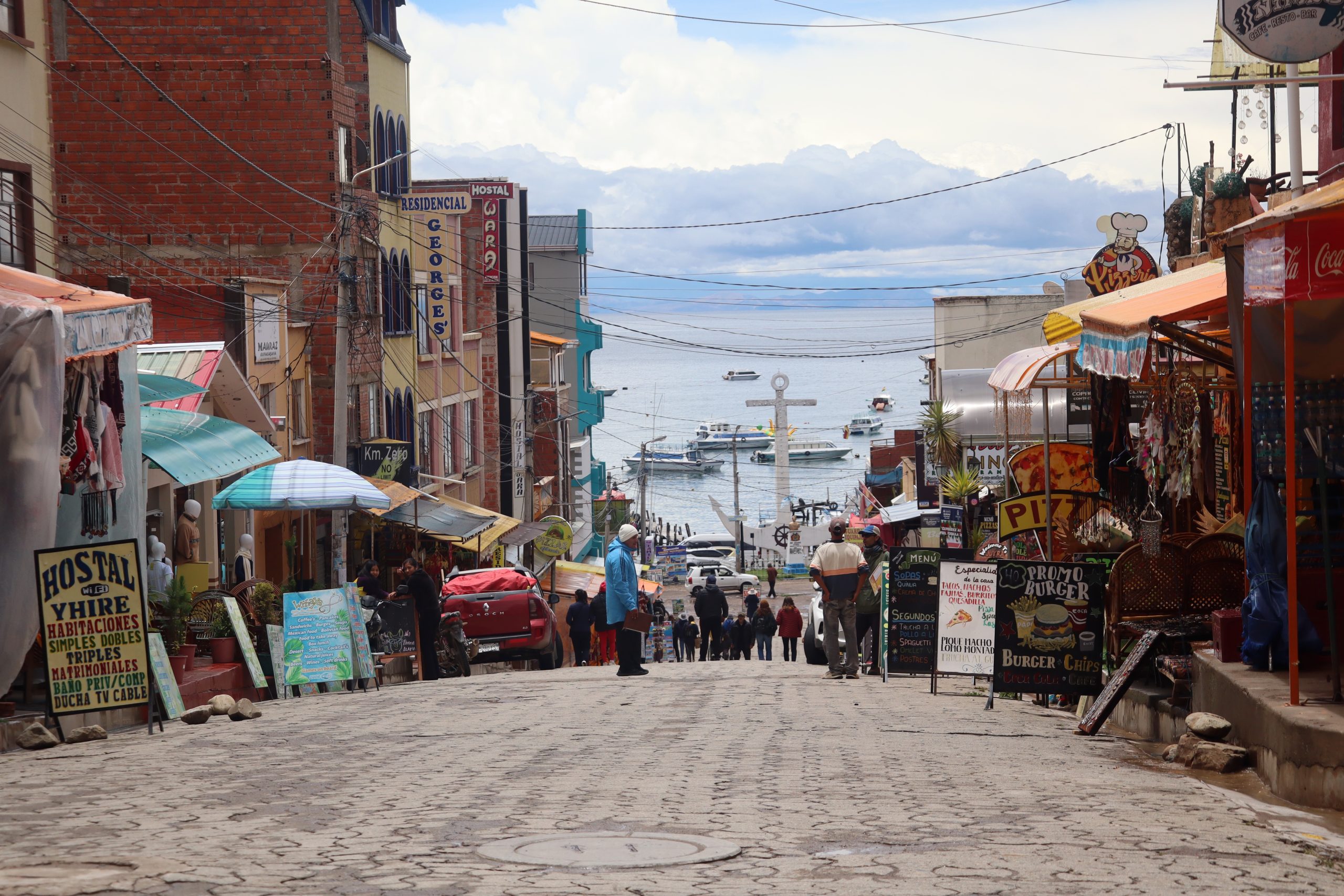
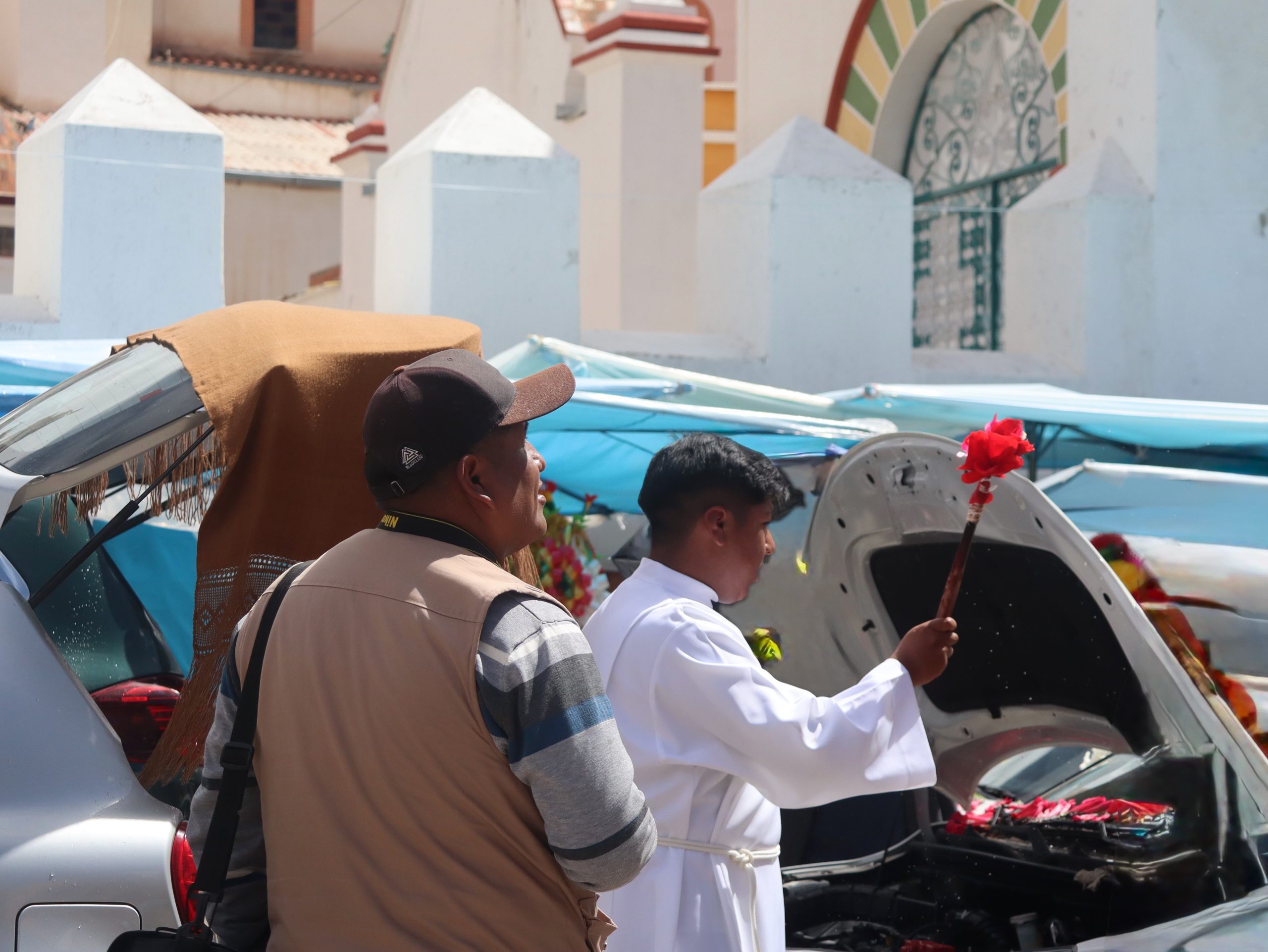
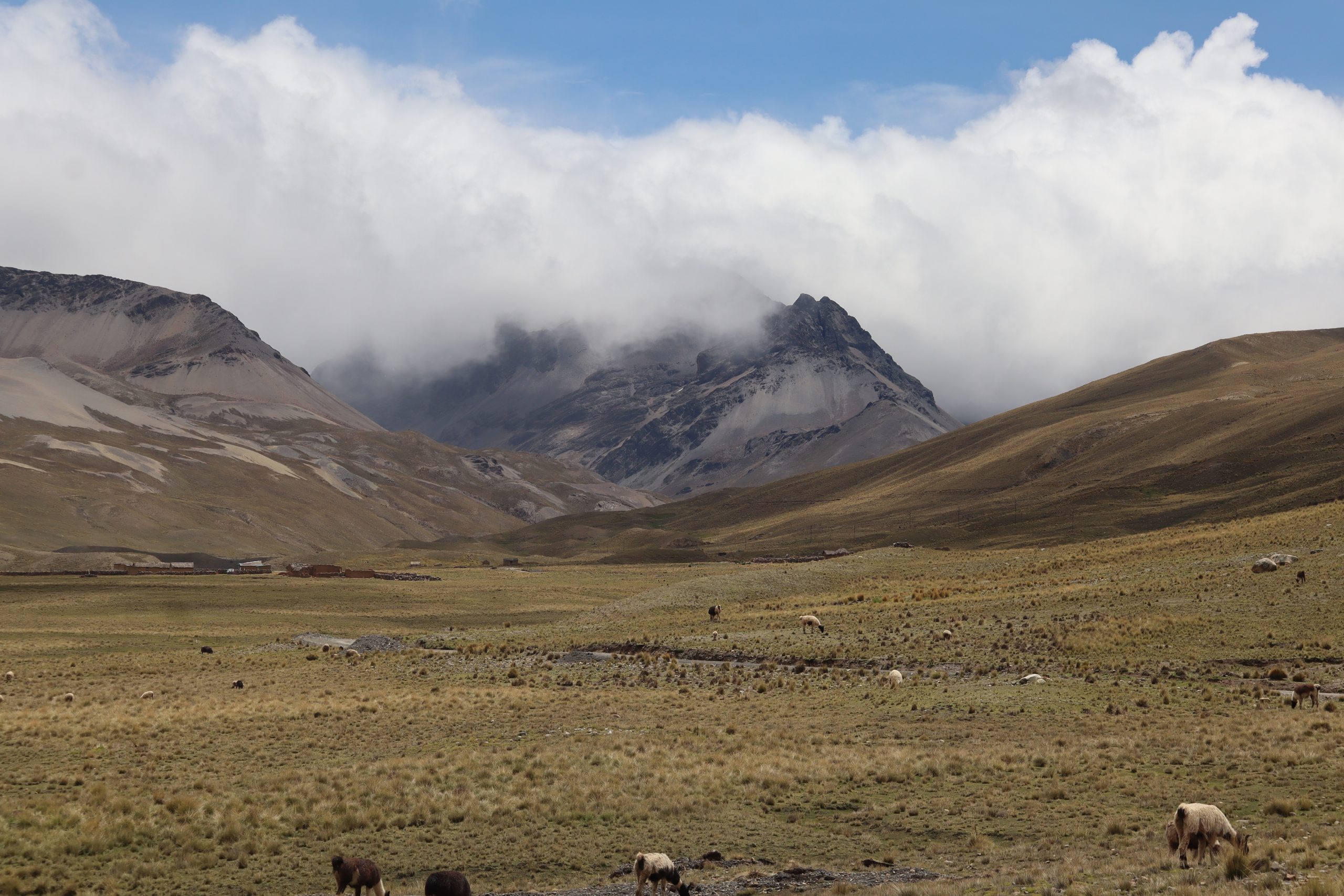
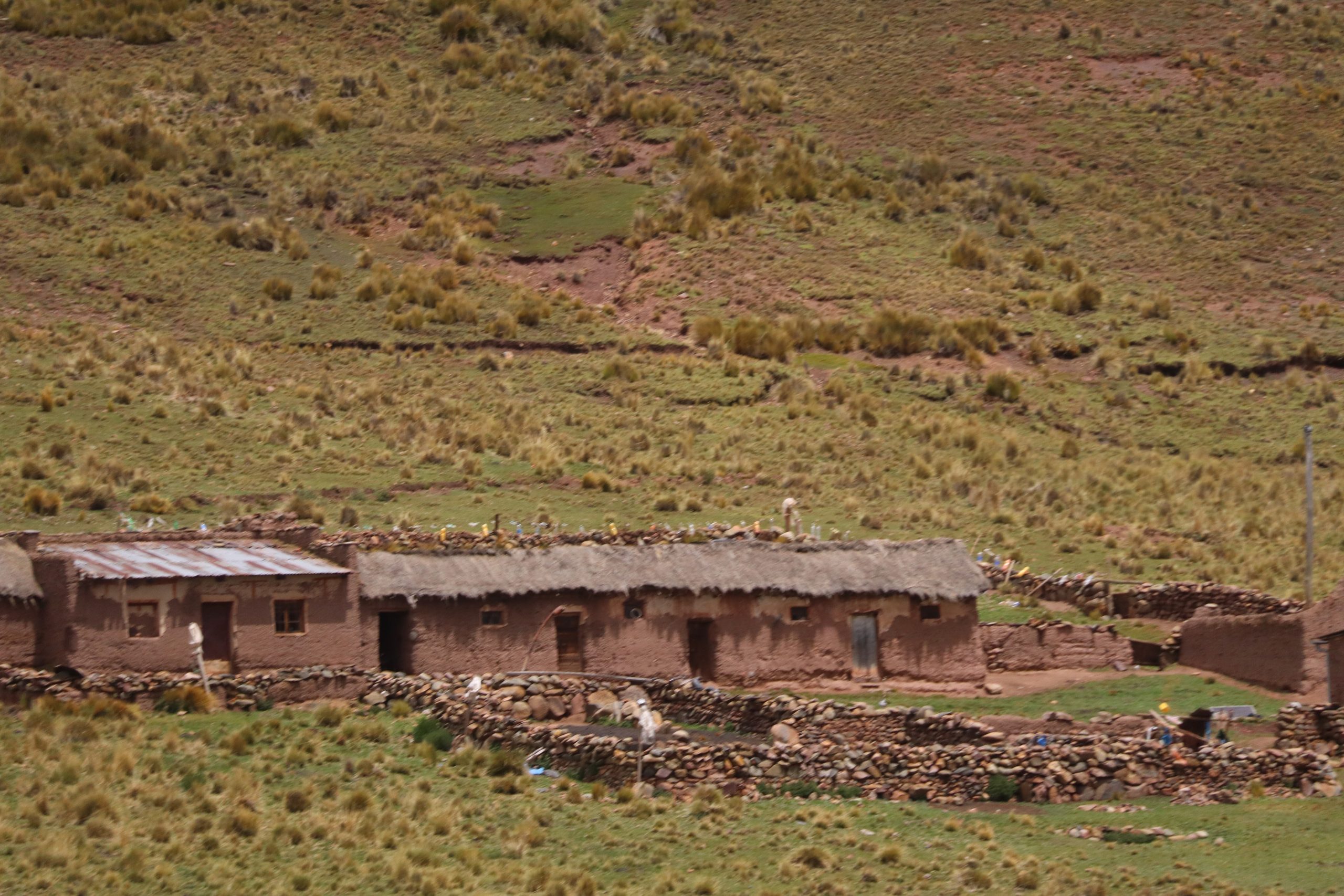
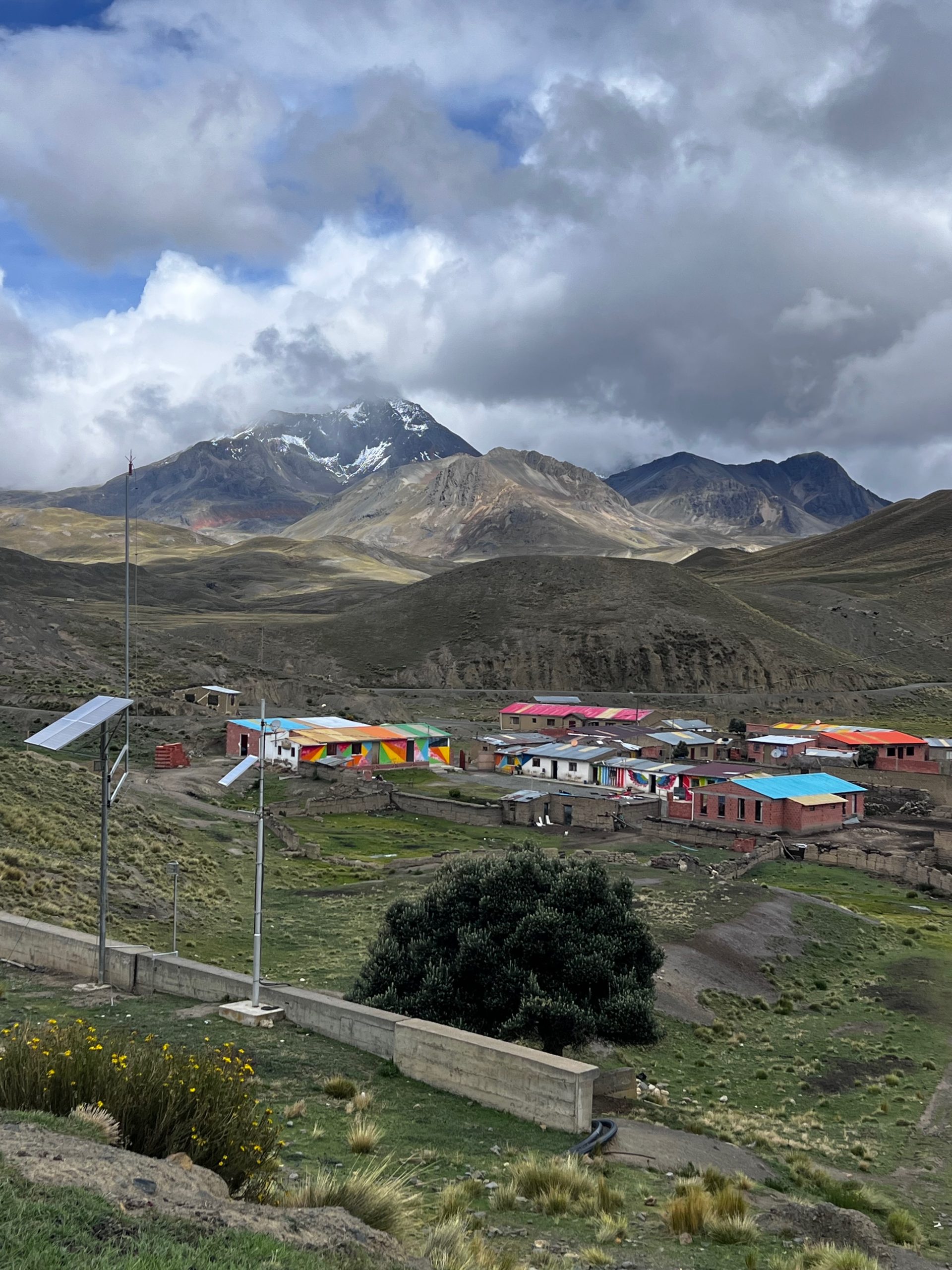
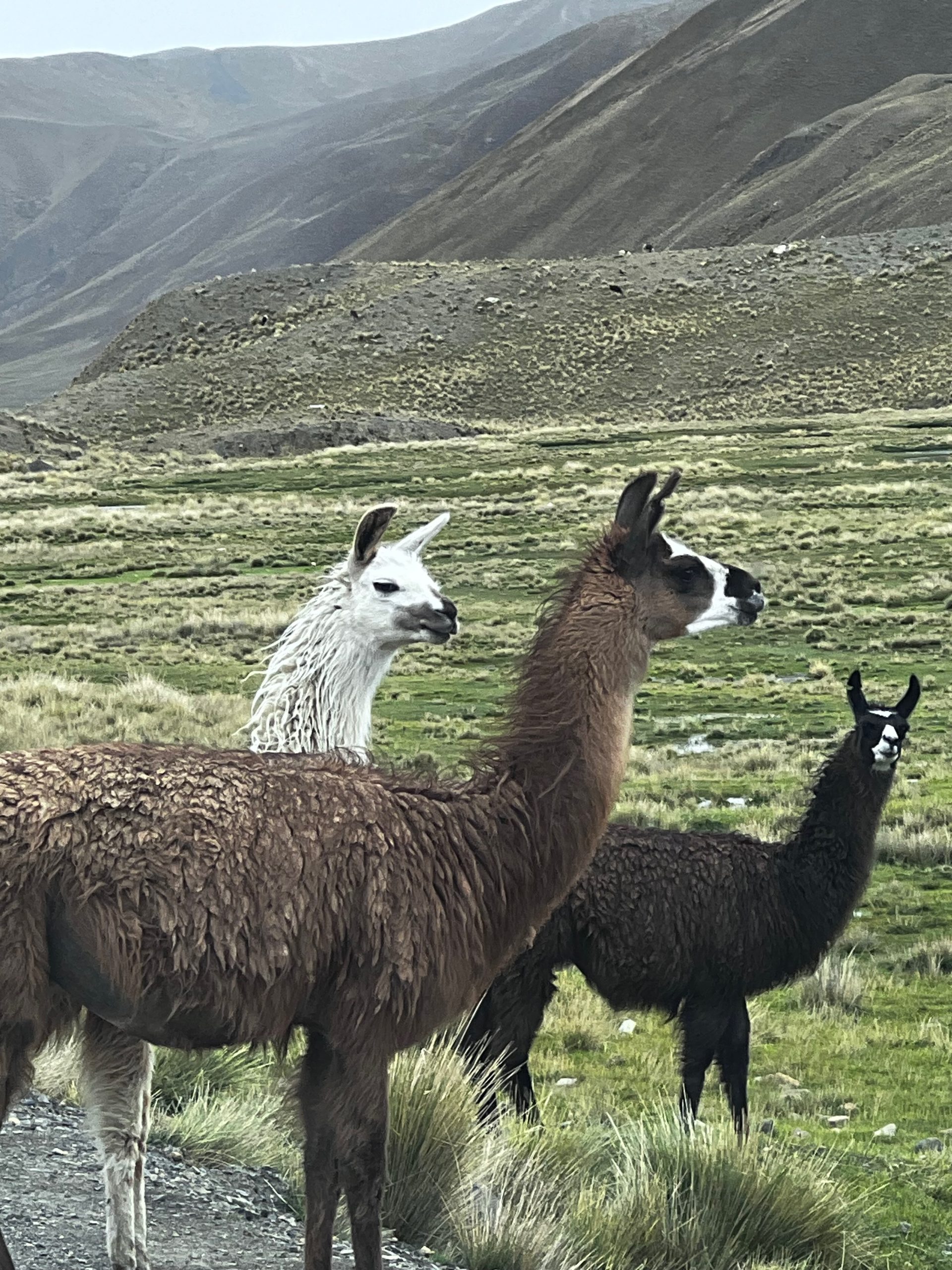
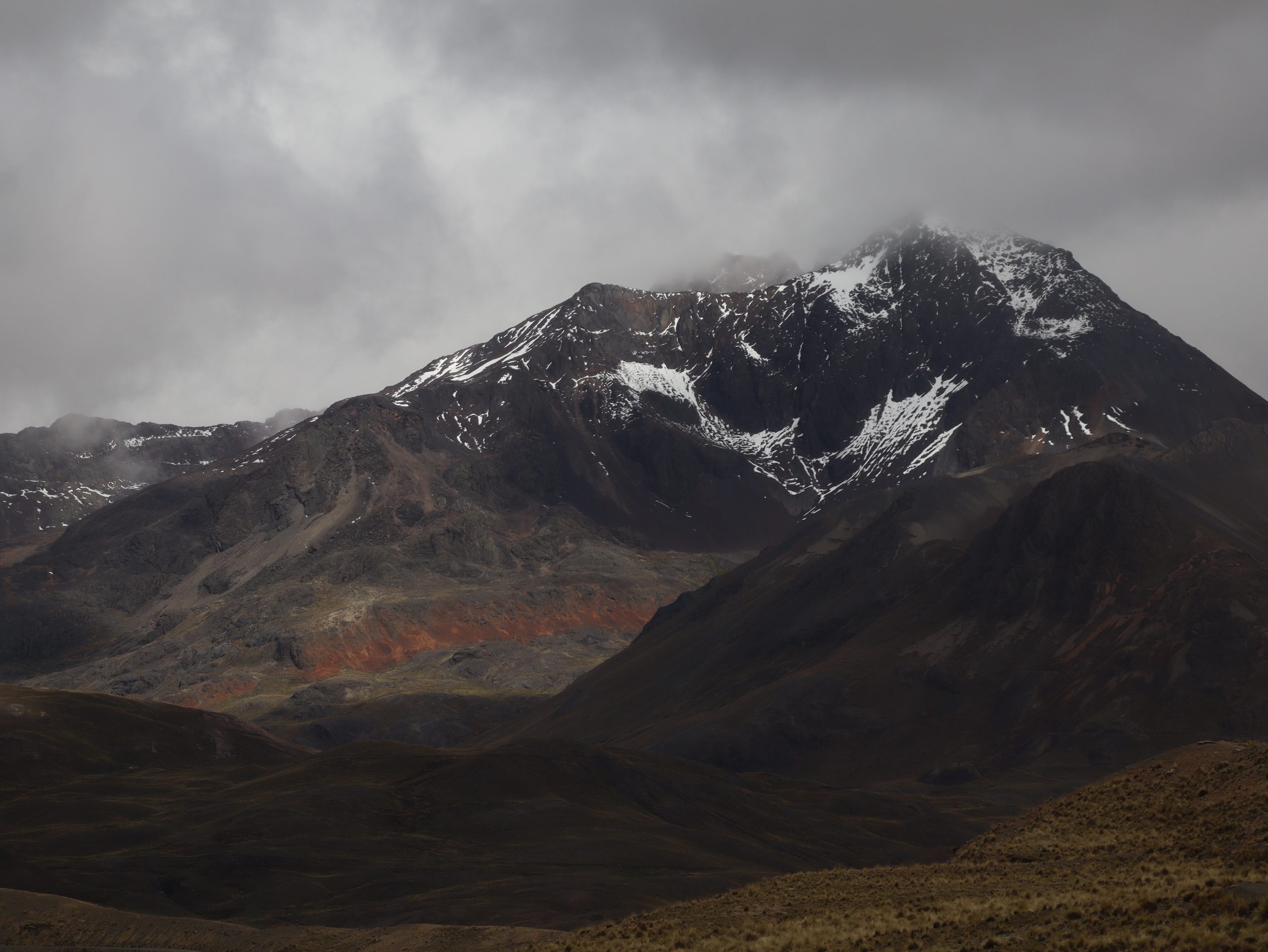
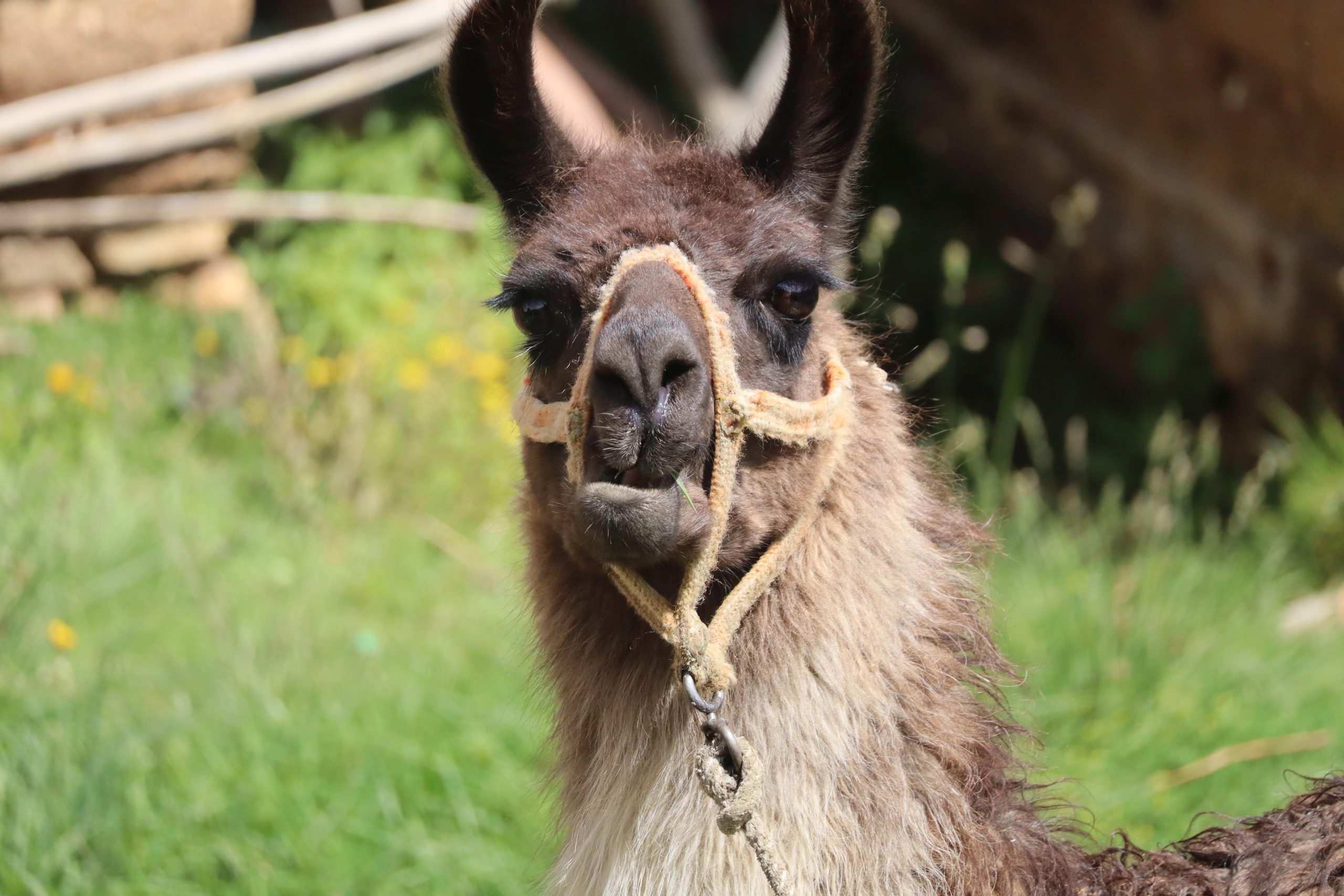
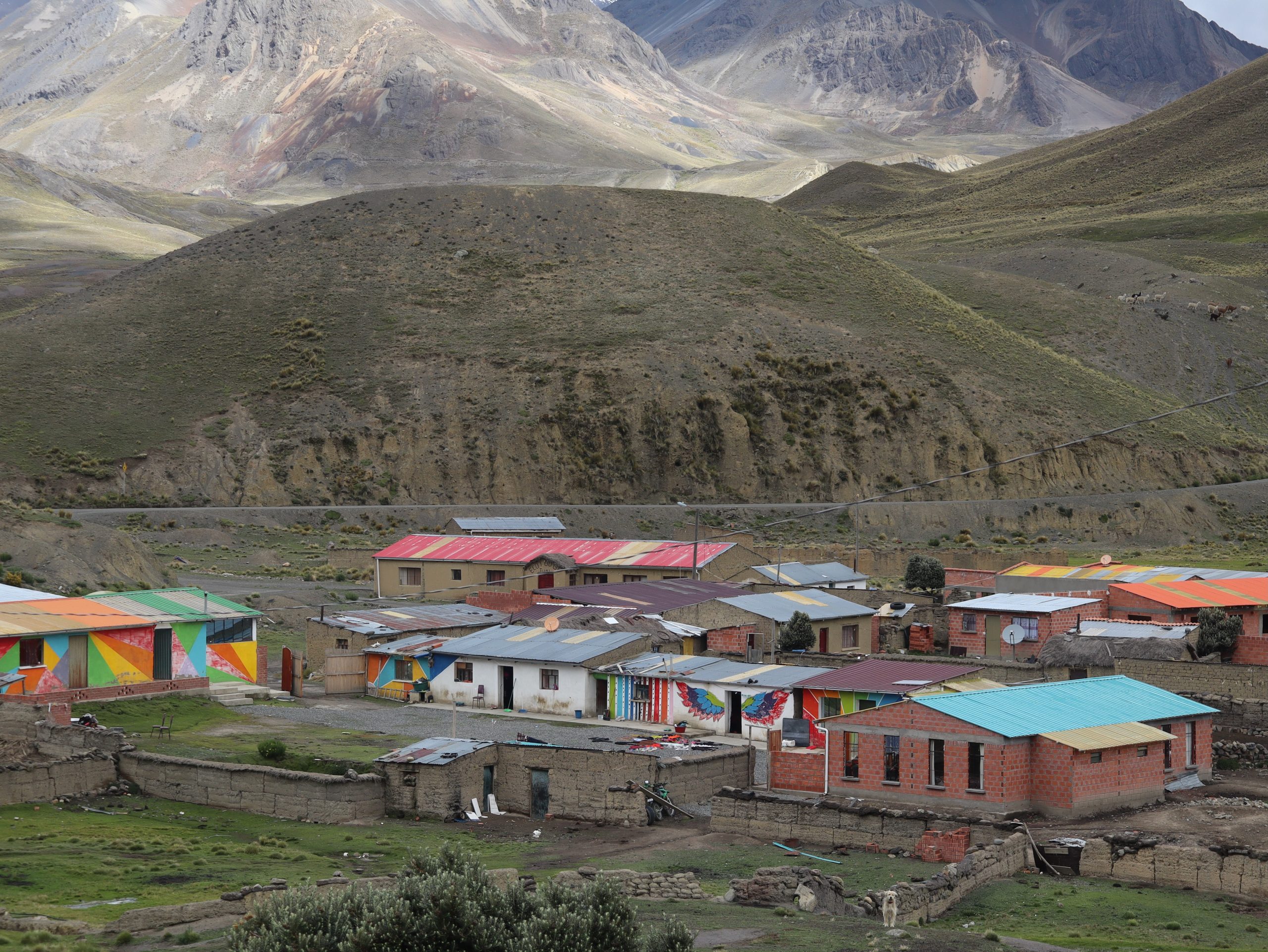
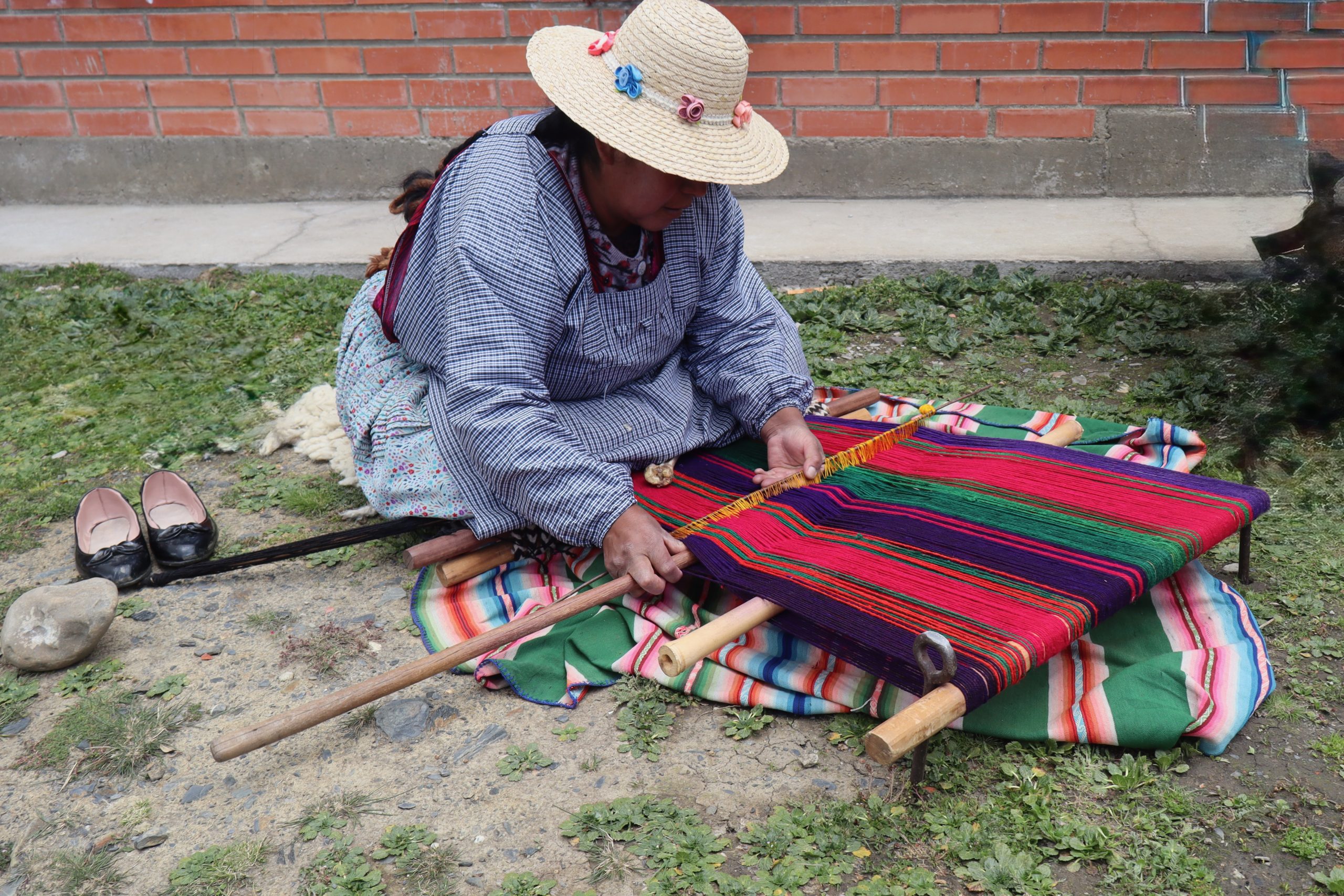
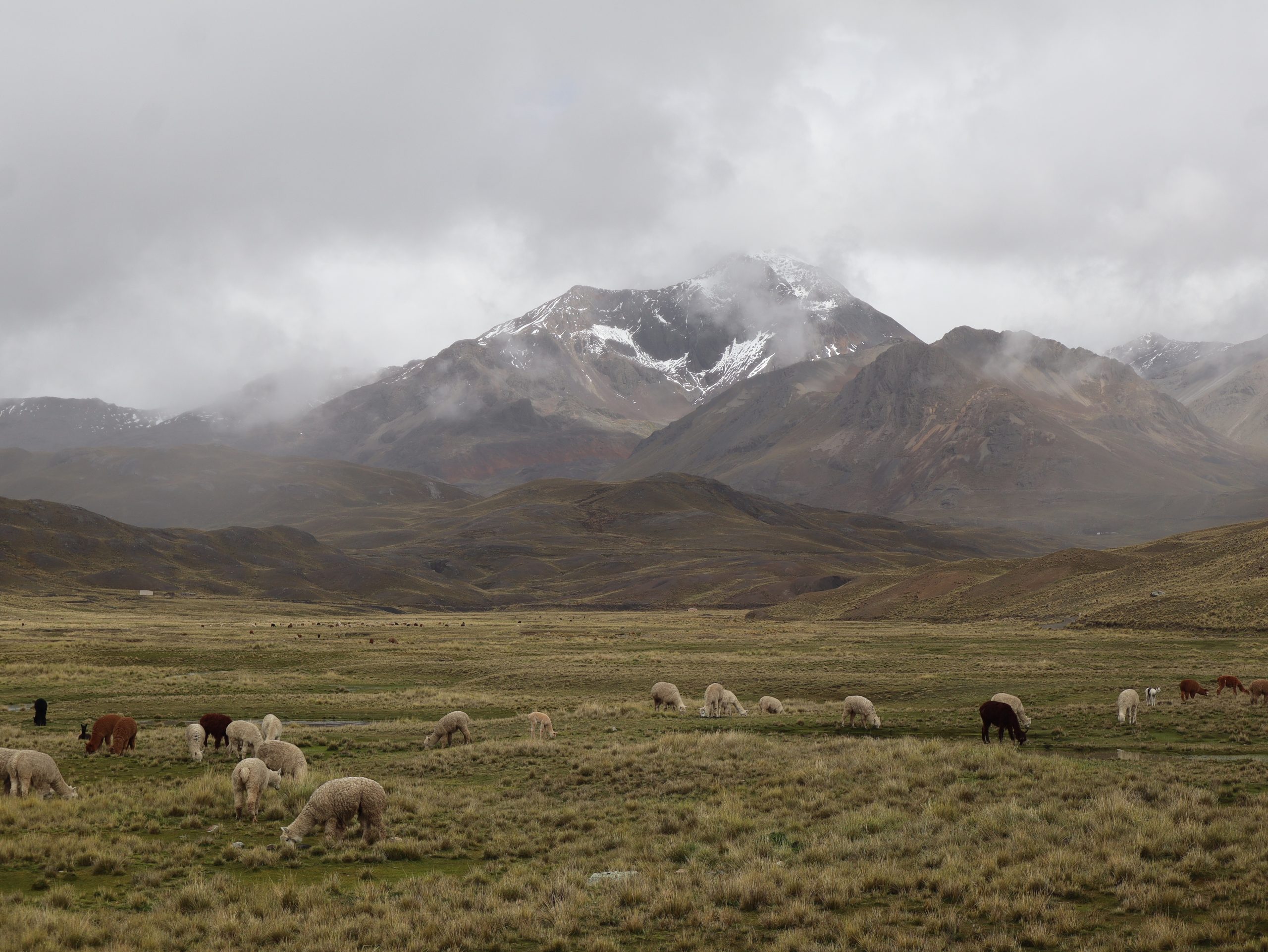
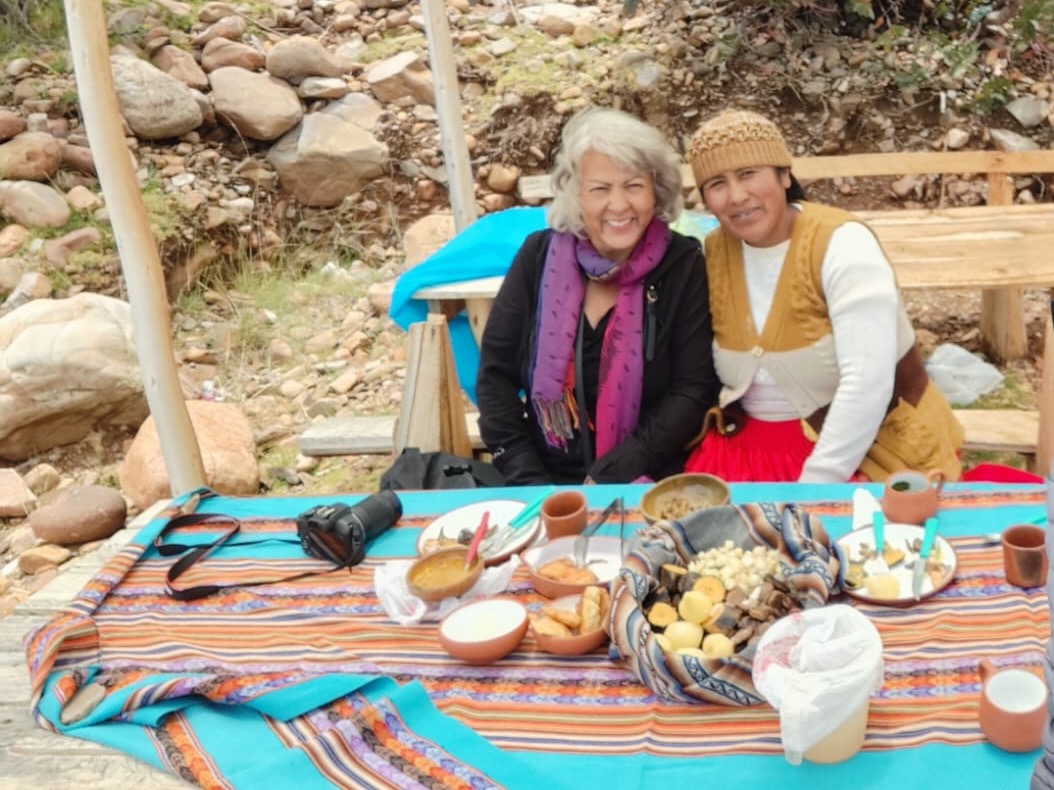
I have always been curious about Bolivia as a place where centuries-old traditions persist even as the country becomes more modern.   With altitudes close to 12,000 ft above sea level, you find yourself, at times, both breathless and fatigued. Bolivia has two capital cities which include La Paz. This vibrant city, nestled in a deep canyon, is known for its crowded streets, huge street markets, and strong Indigenous culture. I spent four days touring outside the city to experience the contrasts between the region’s high altitudes (up to 15,000 ft above sea level) and its arid and rugged terrain at the foothills of the country’s dramatic Andean mountains connecting with indigenous villages along the way.  Here is what I learned from a place where tradition endures and progress is gradual….

Two Neighbors, Two Cultures: Uruguay and Paraguay Beyond the Tourist Map

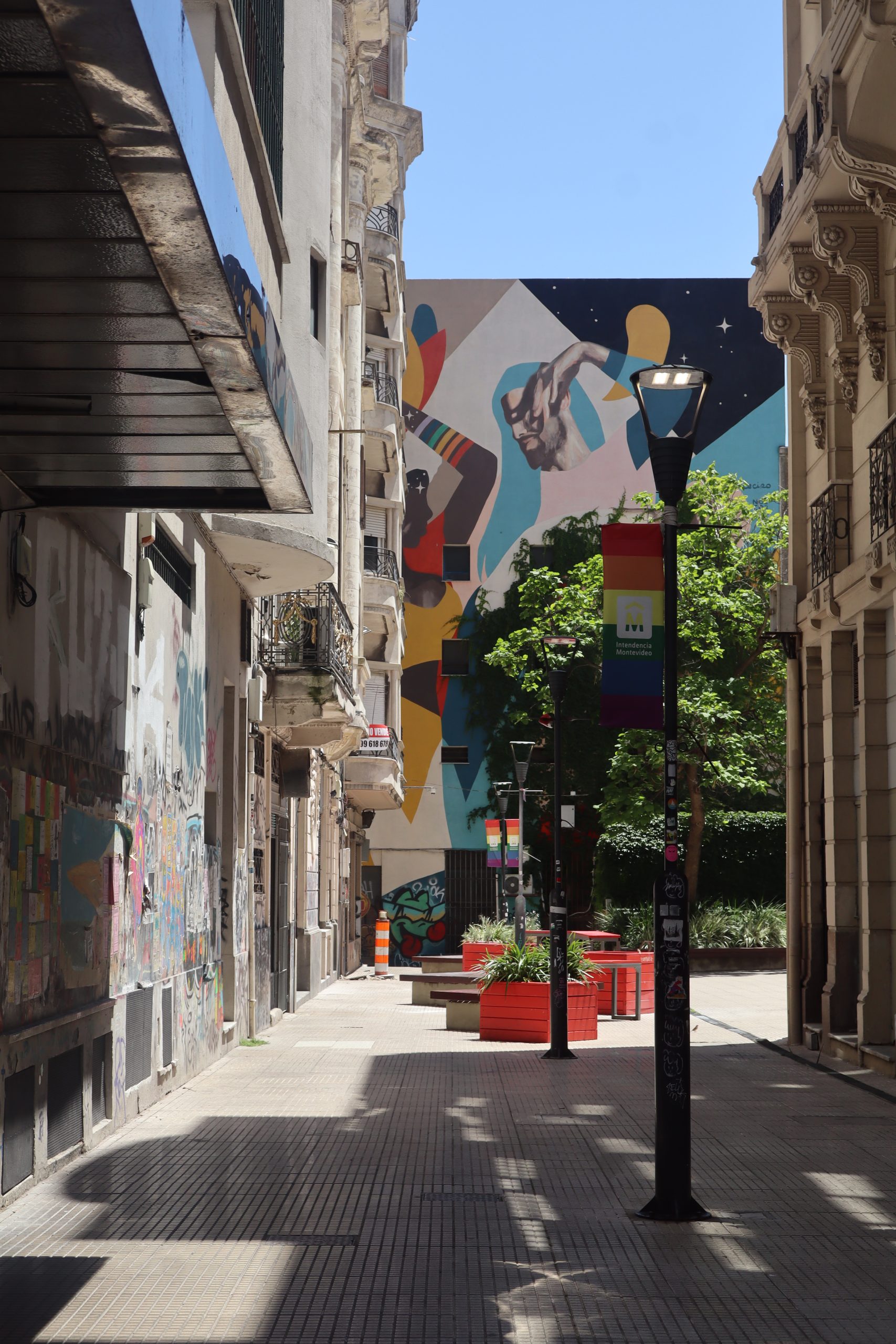
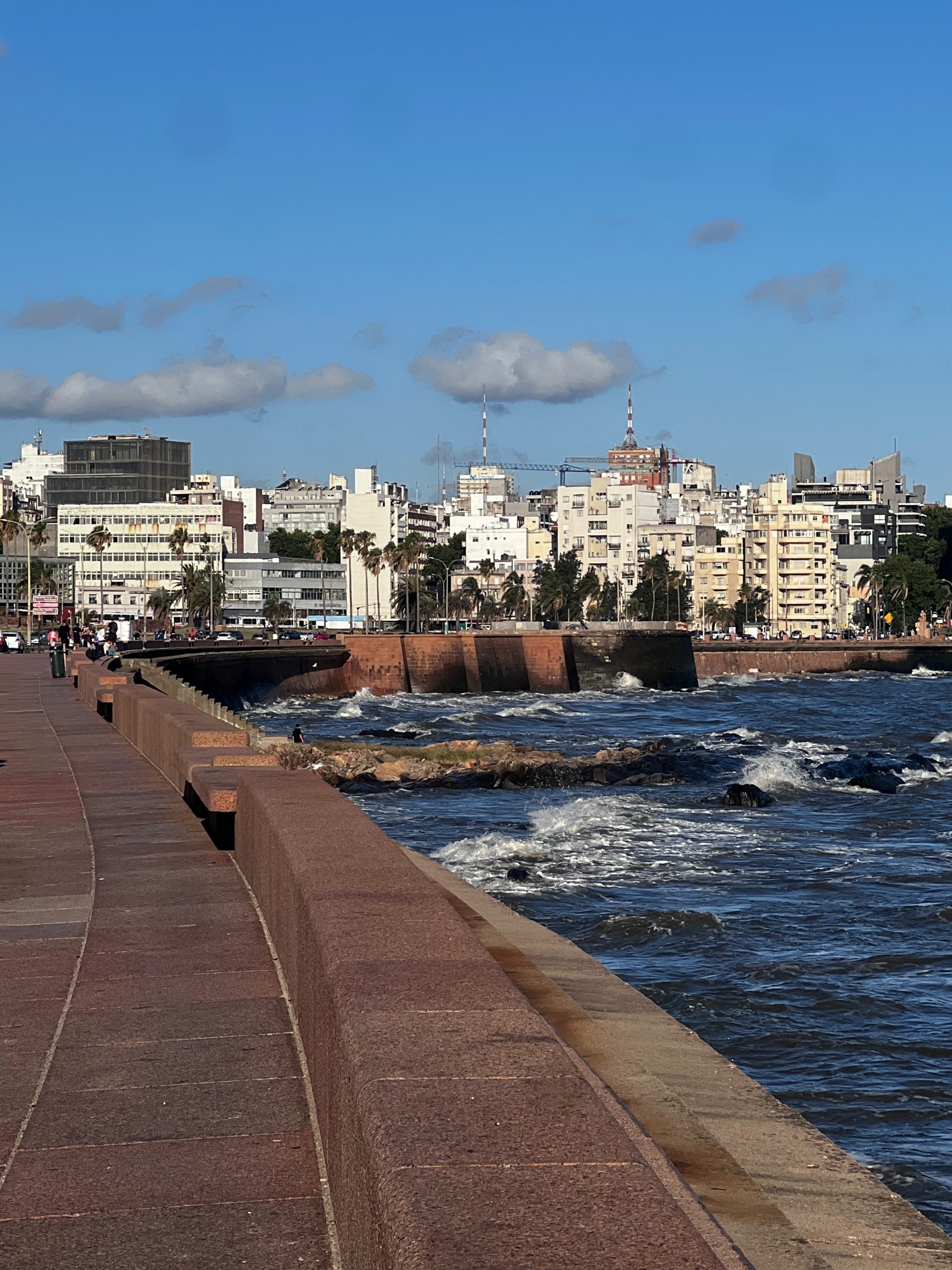
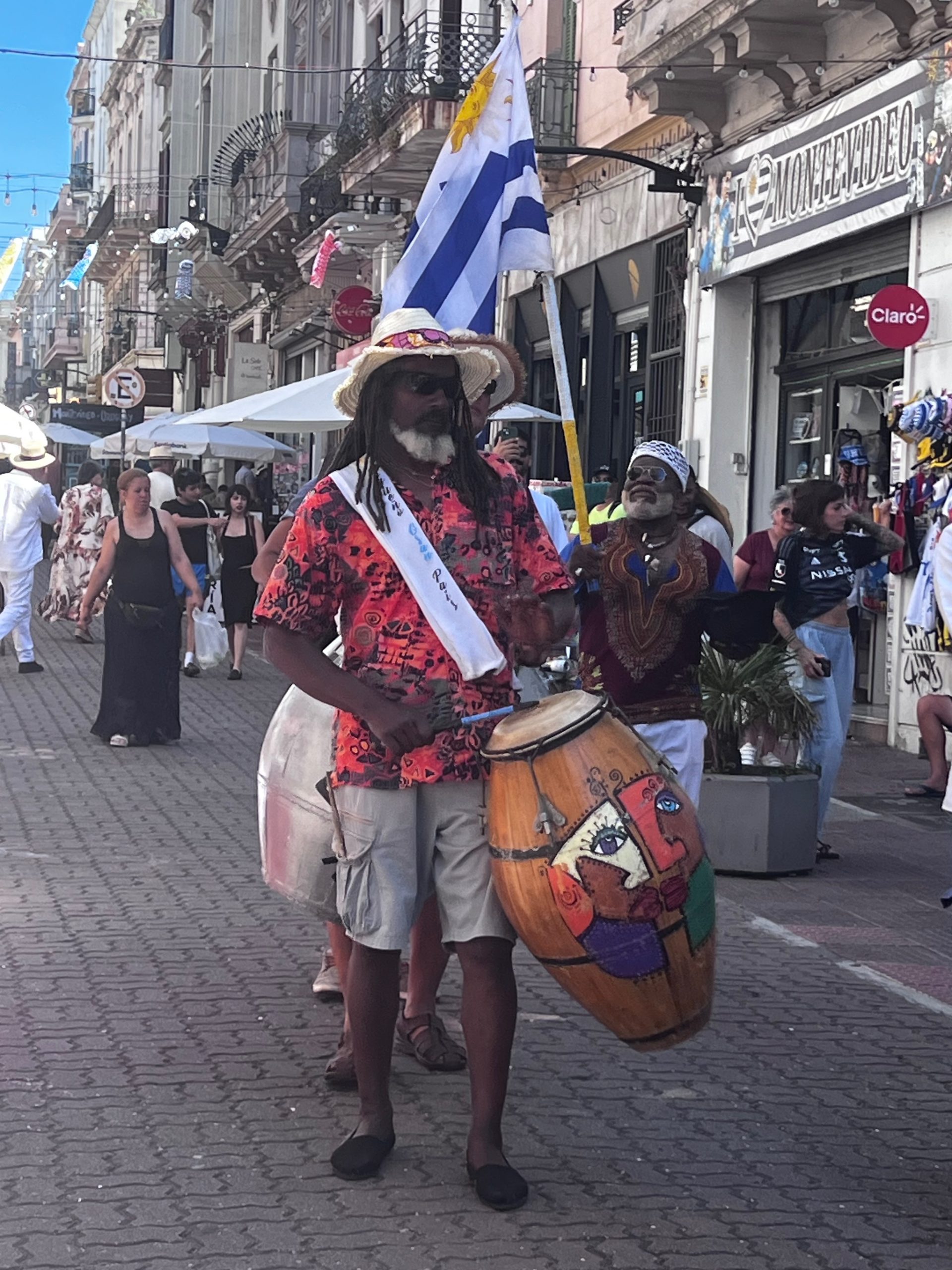
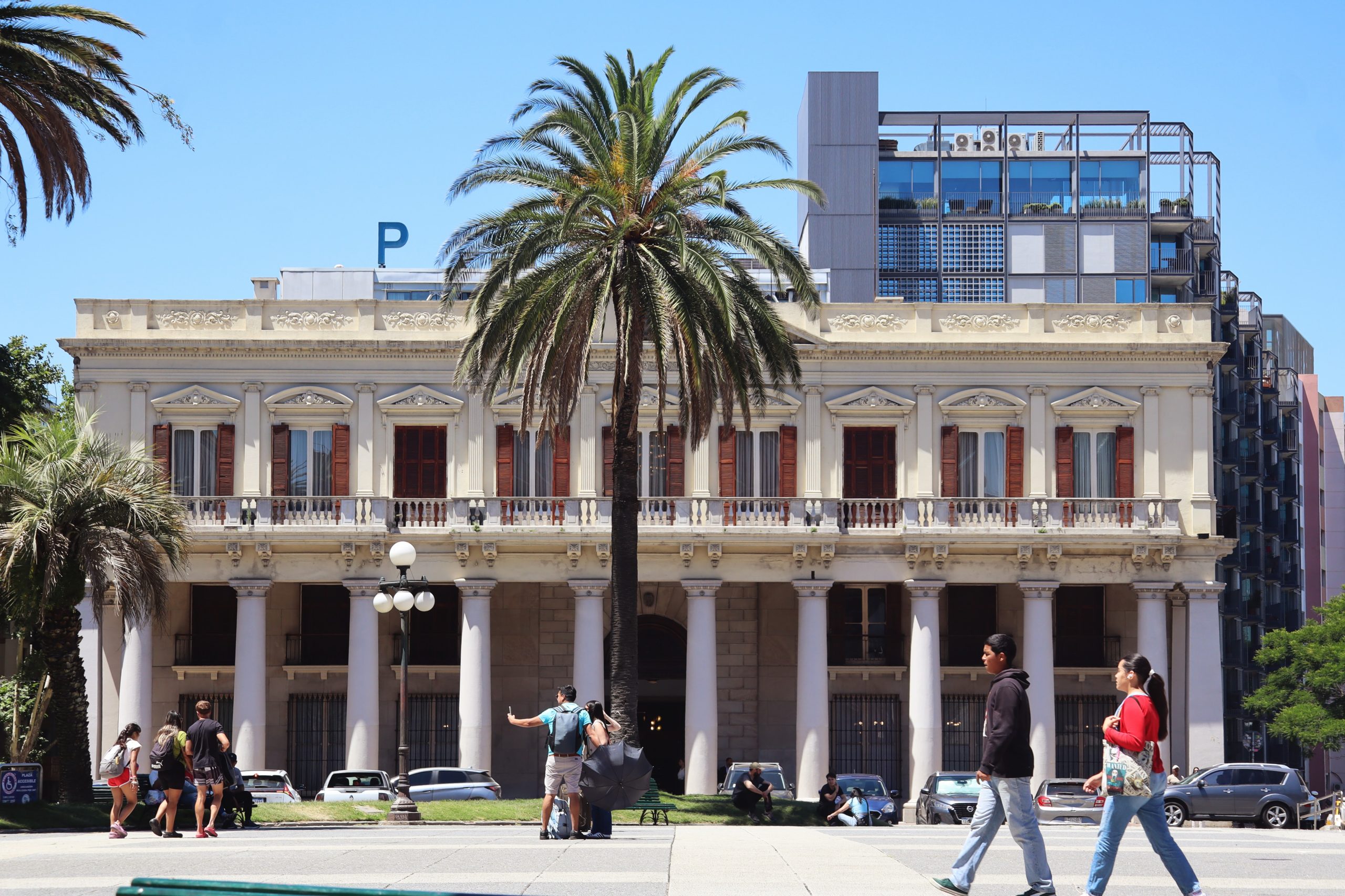
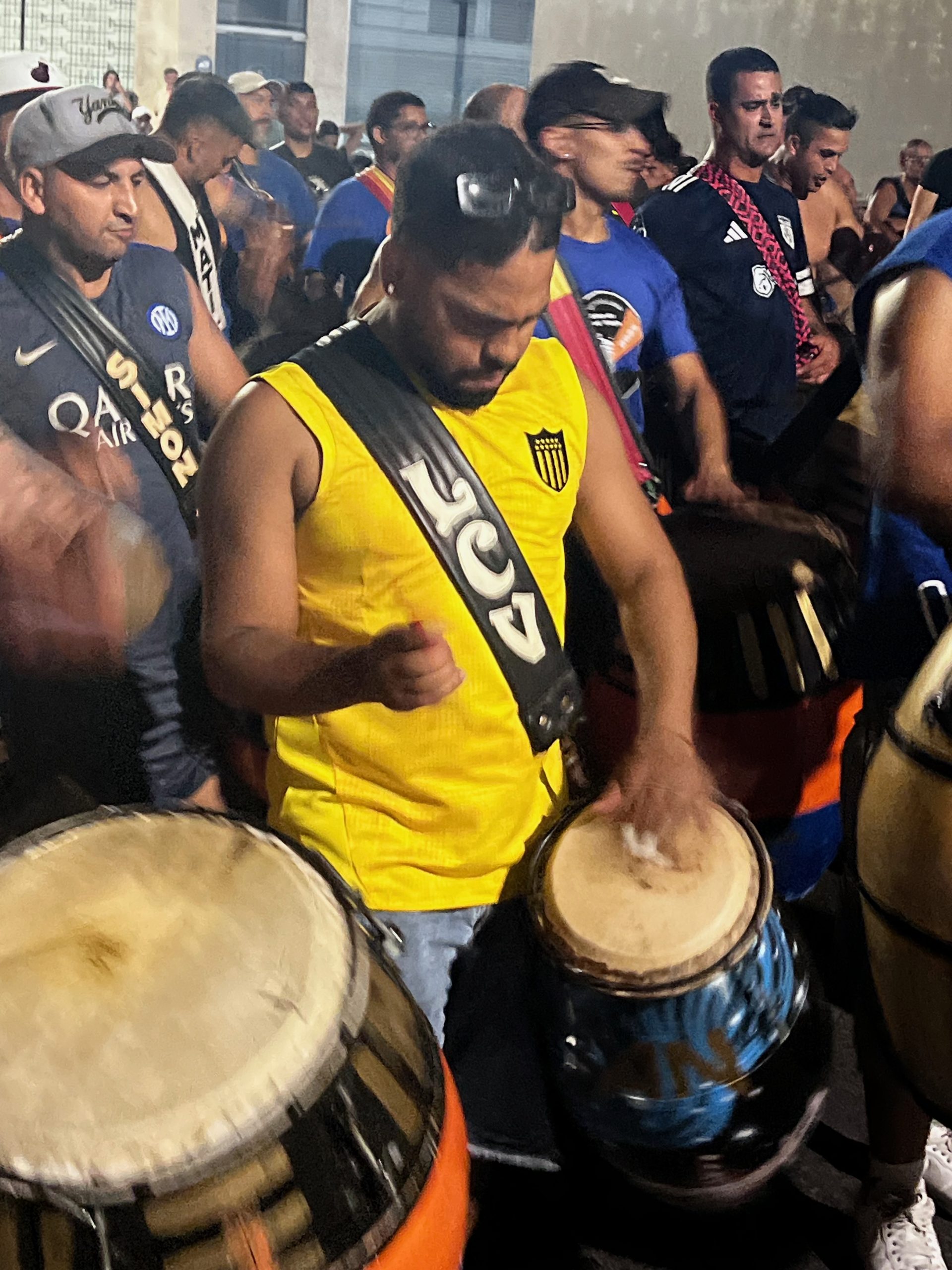
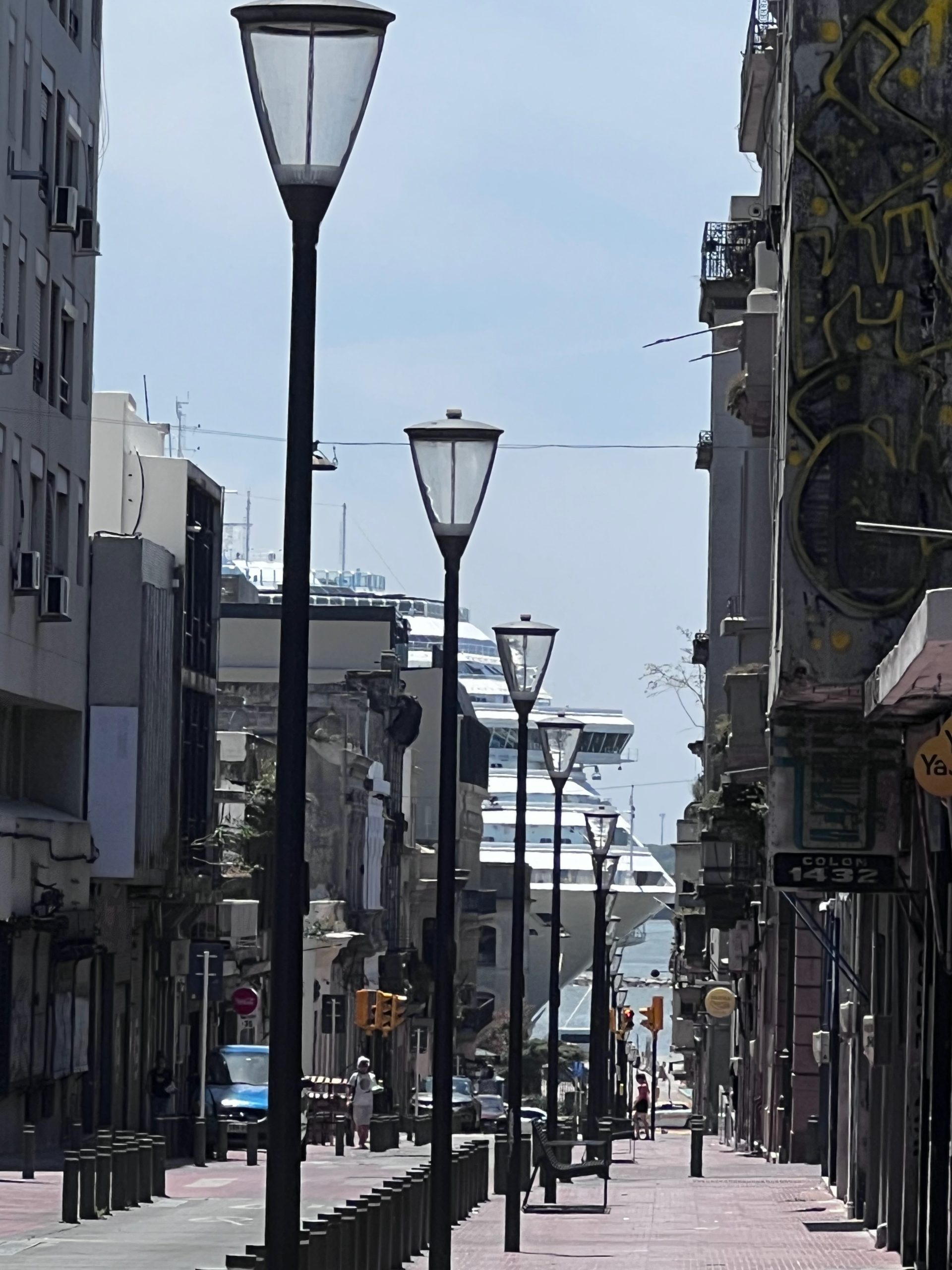
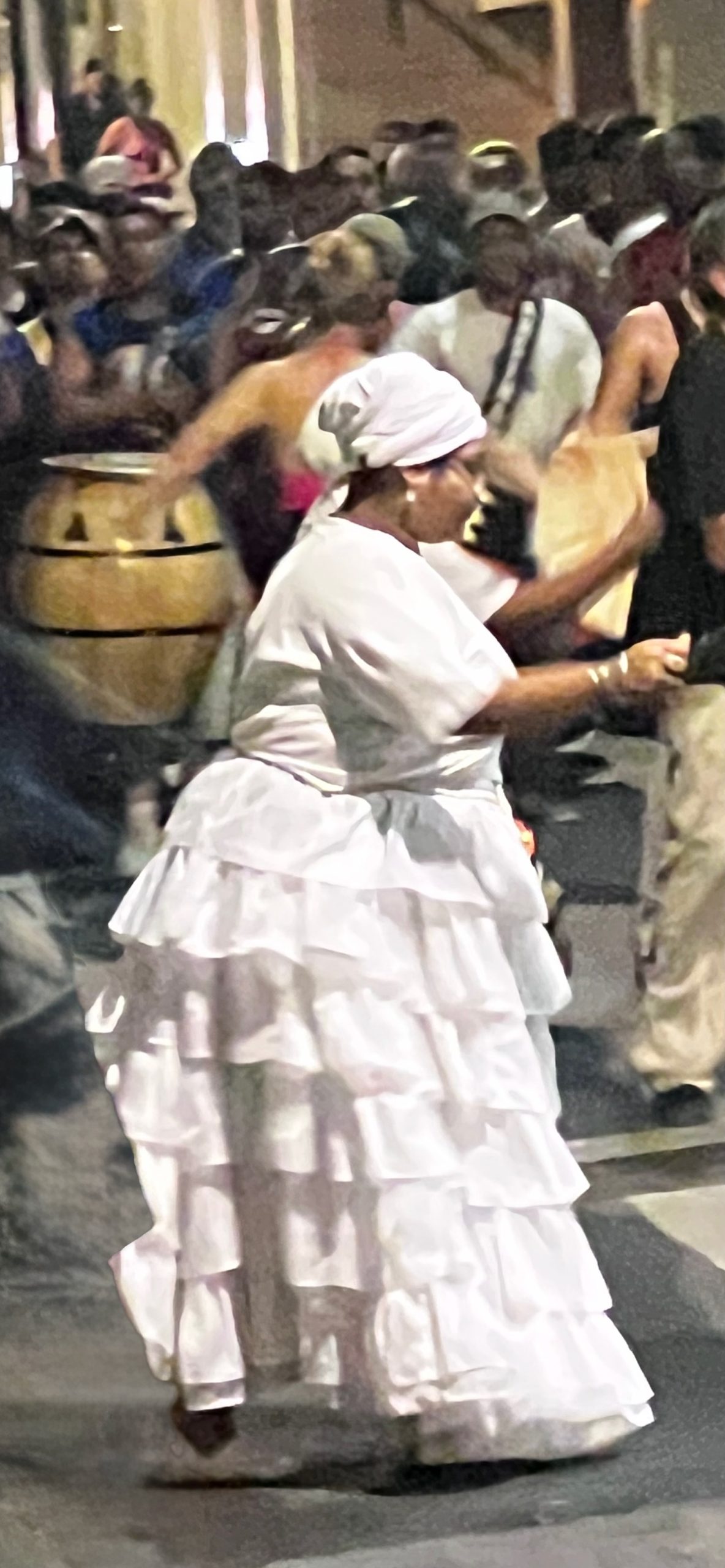
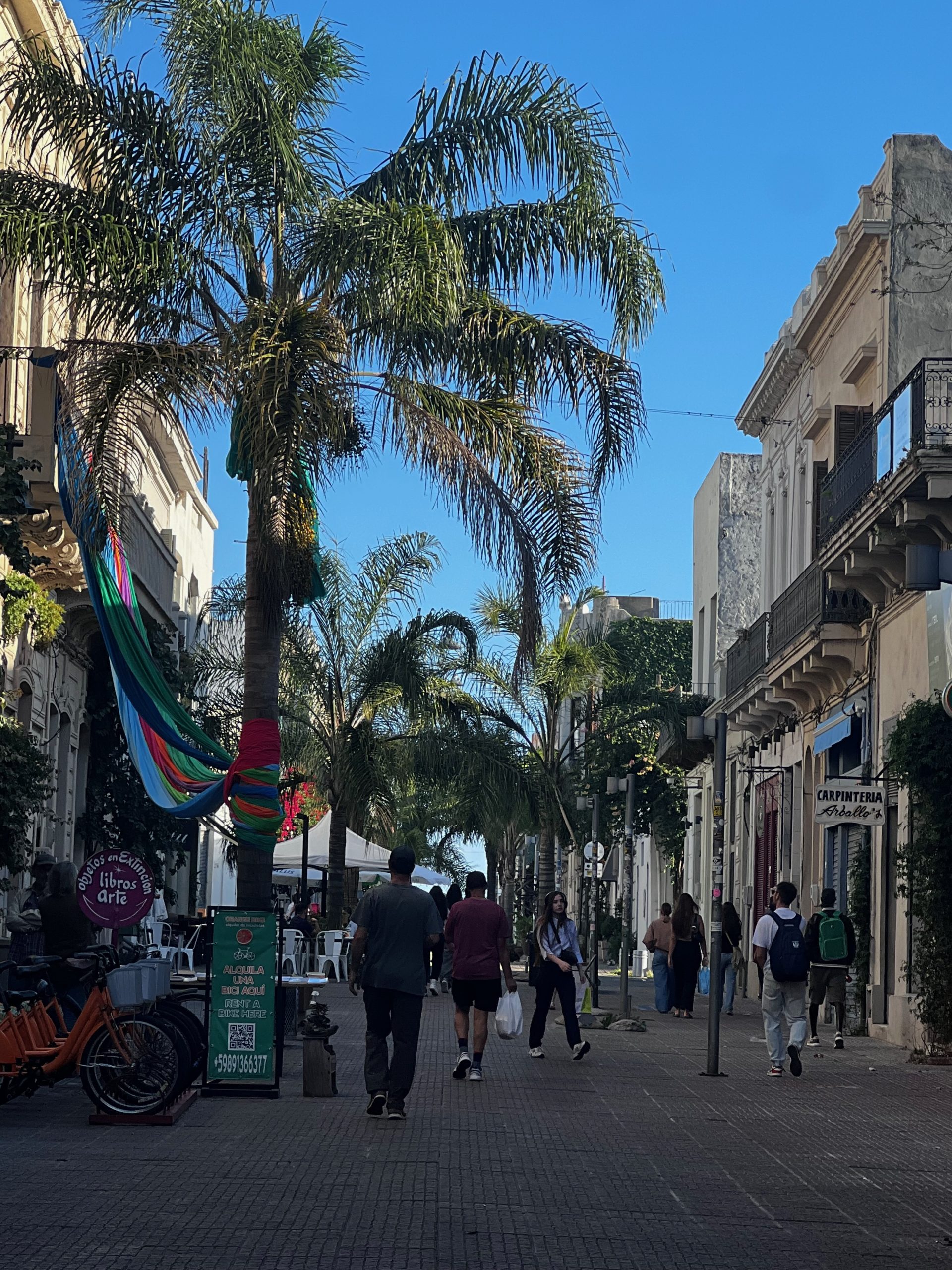
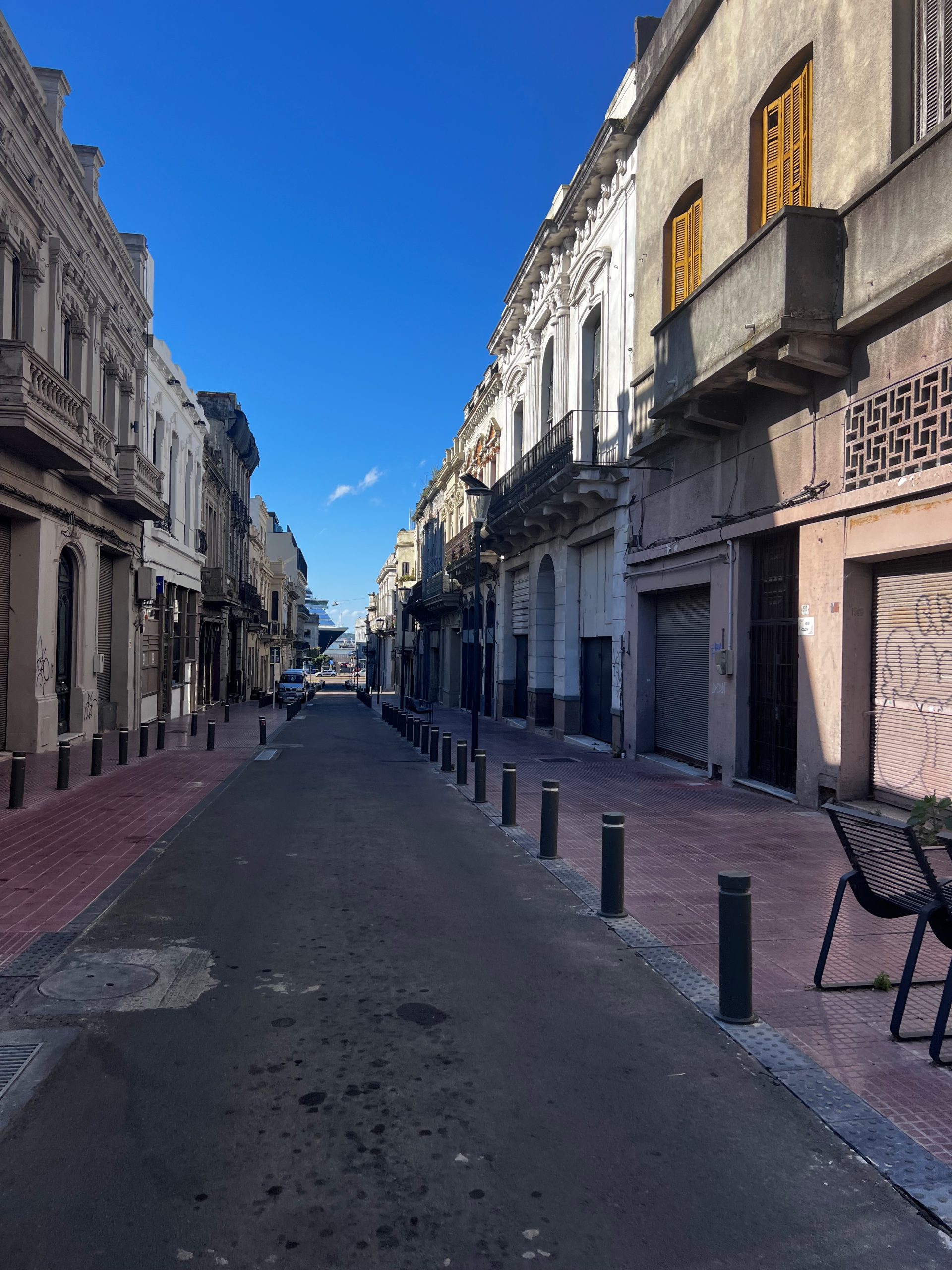
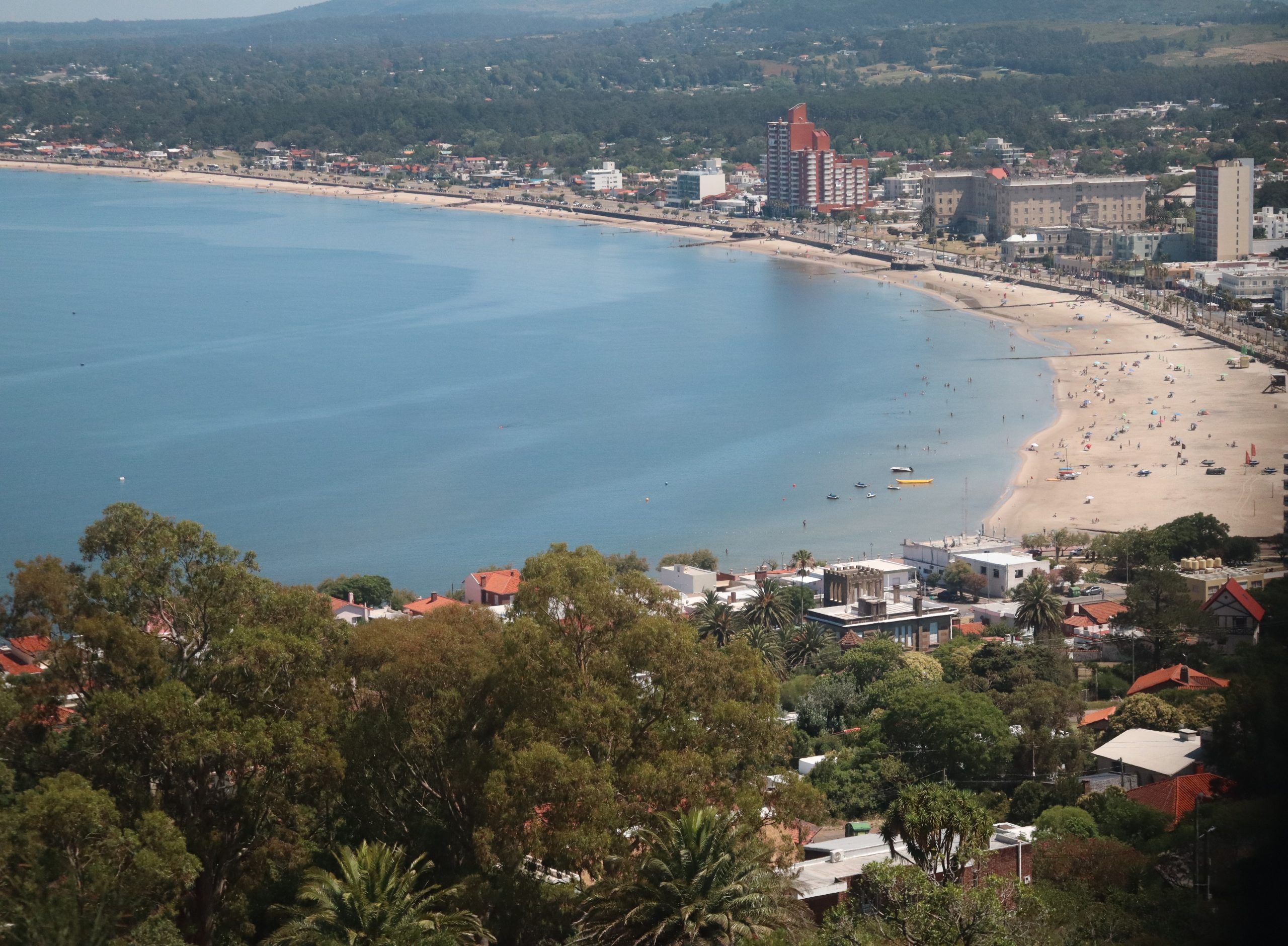
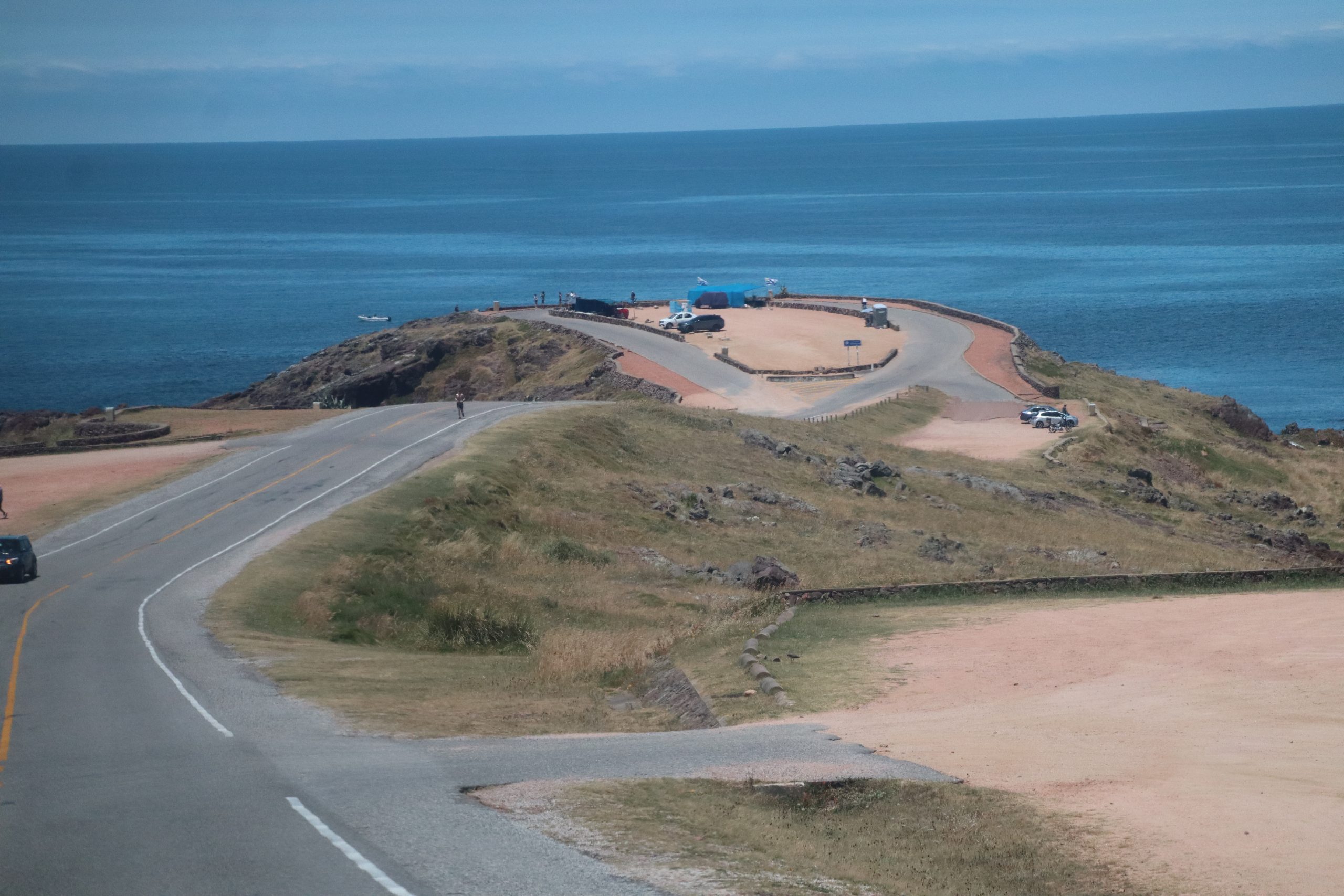
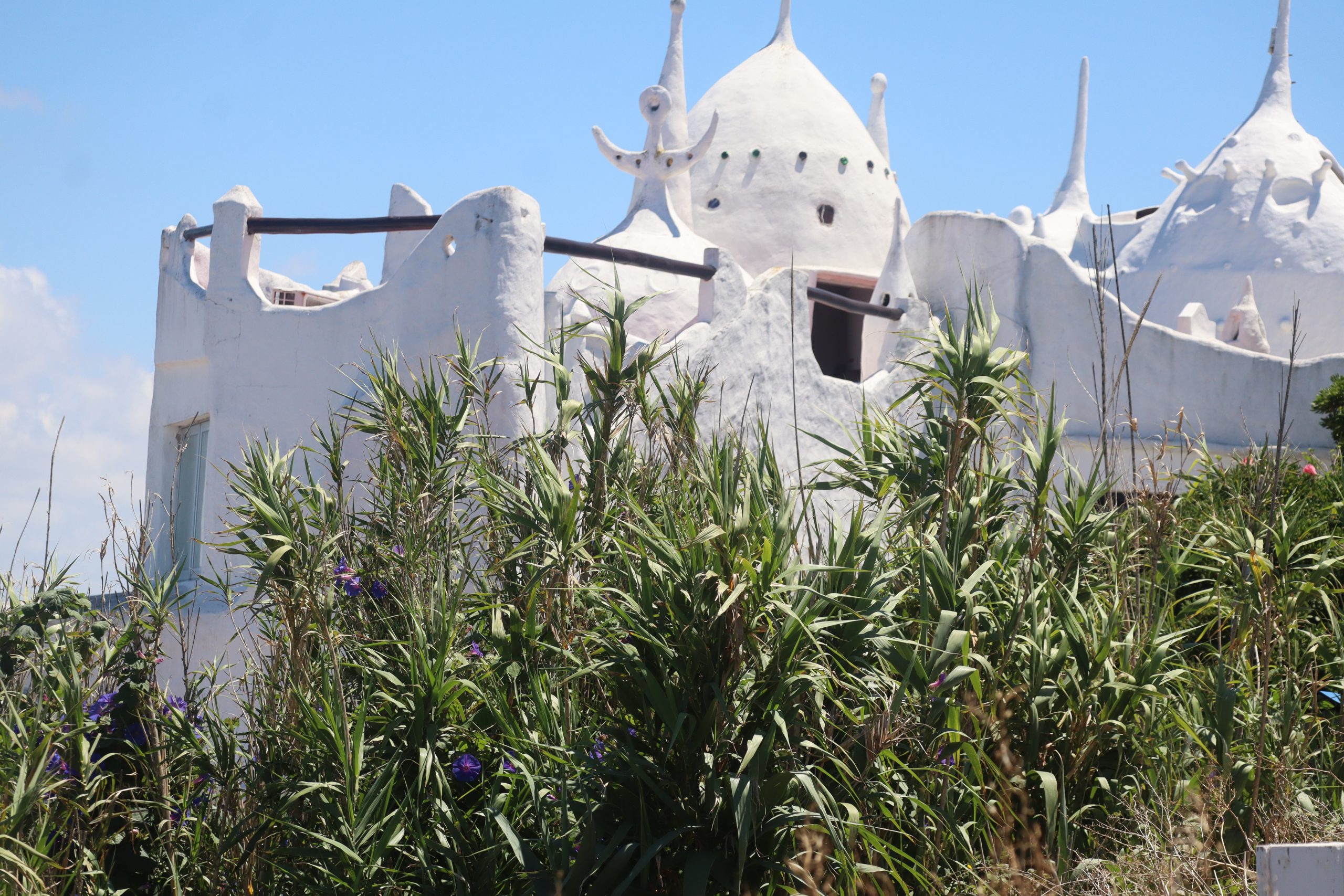
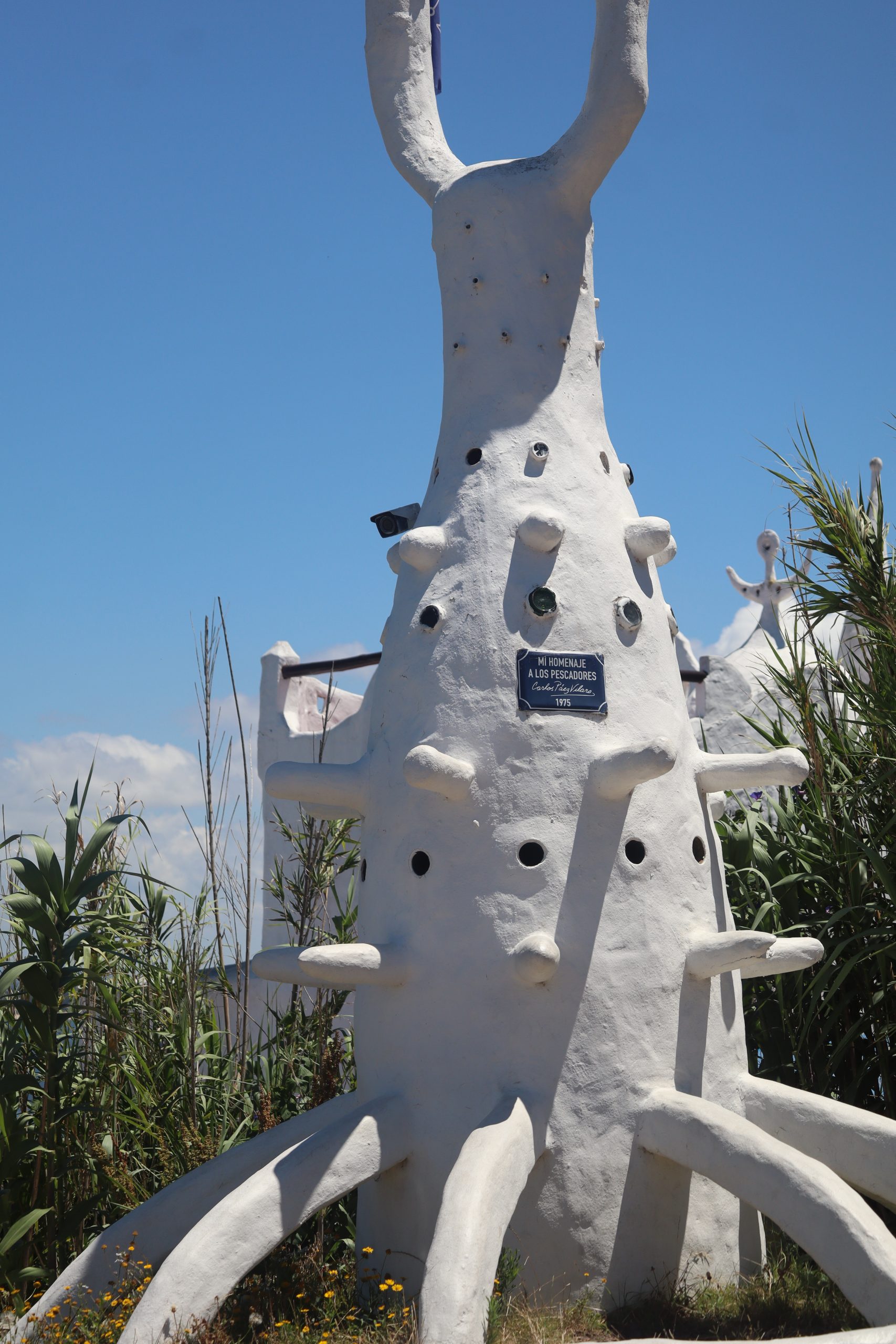
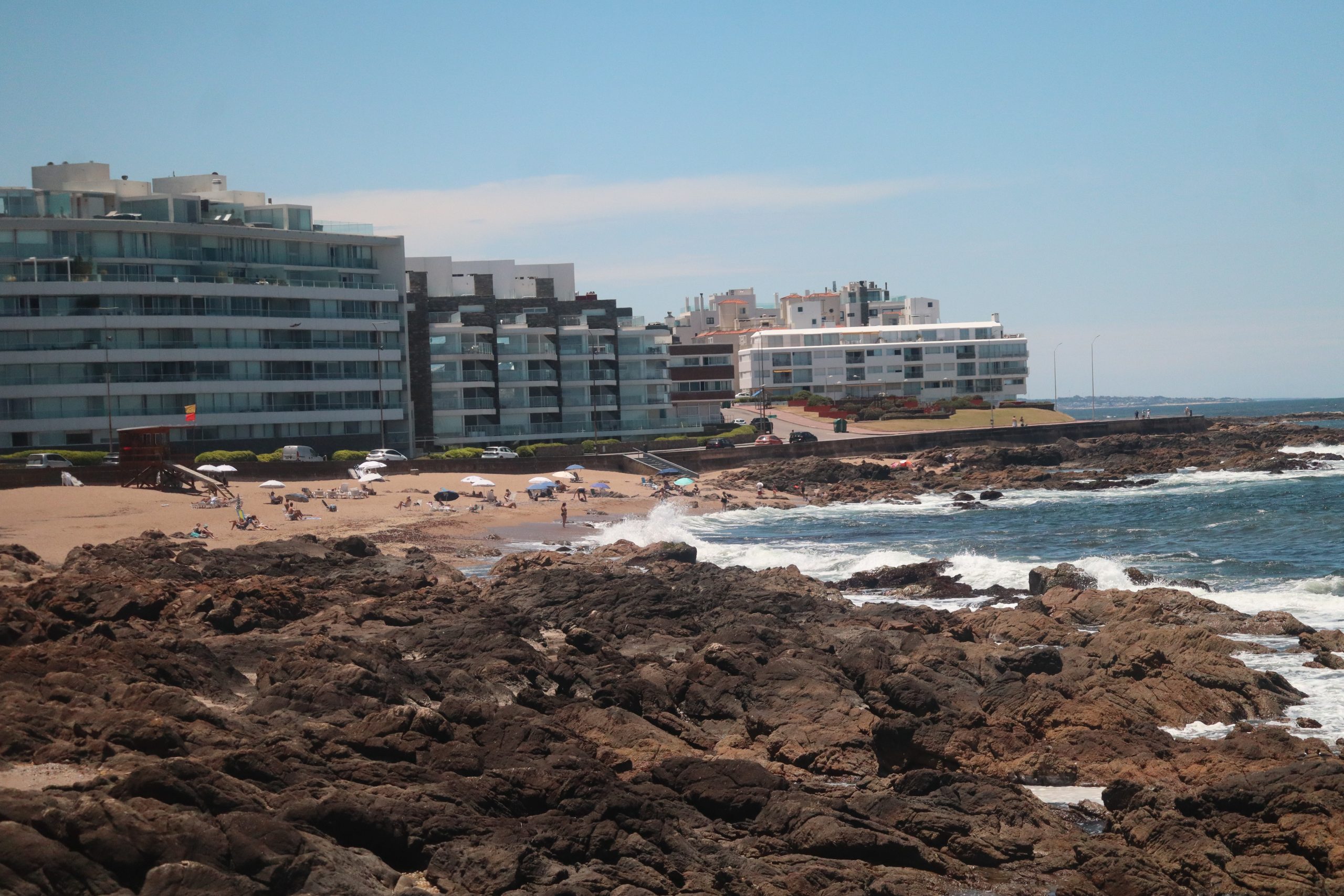
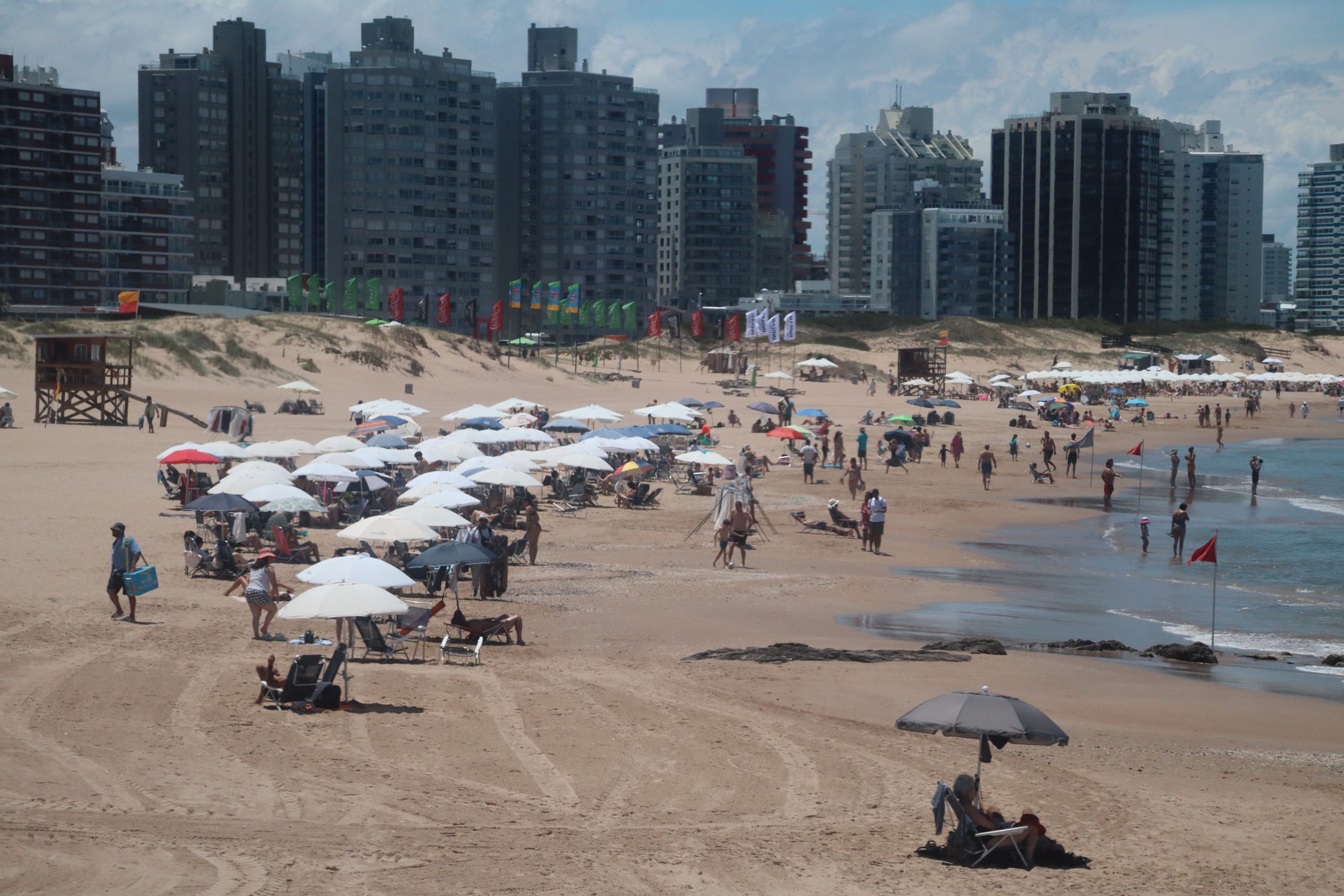
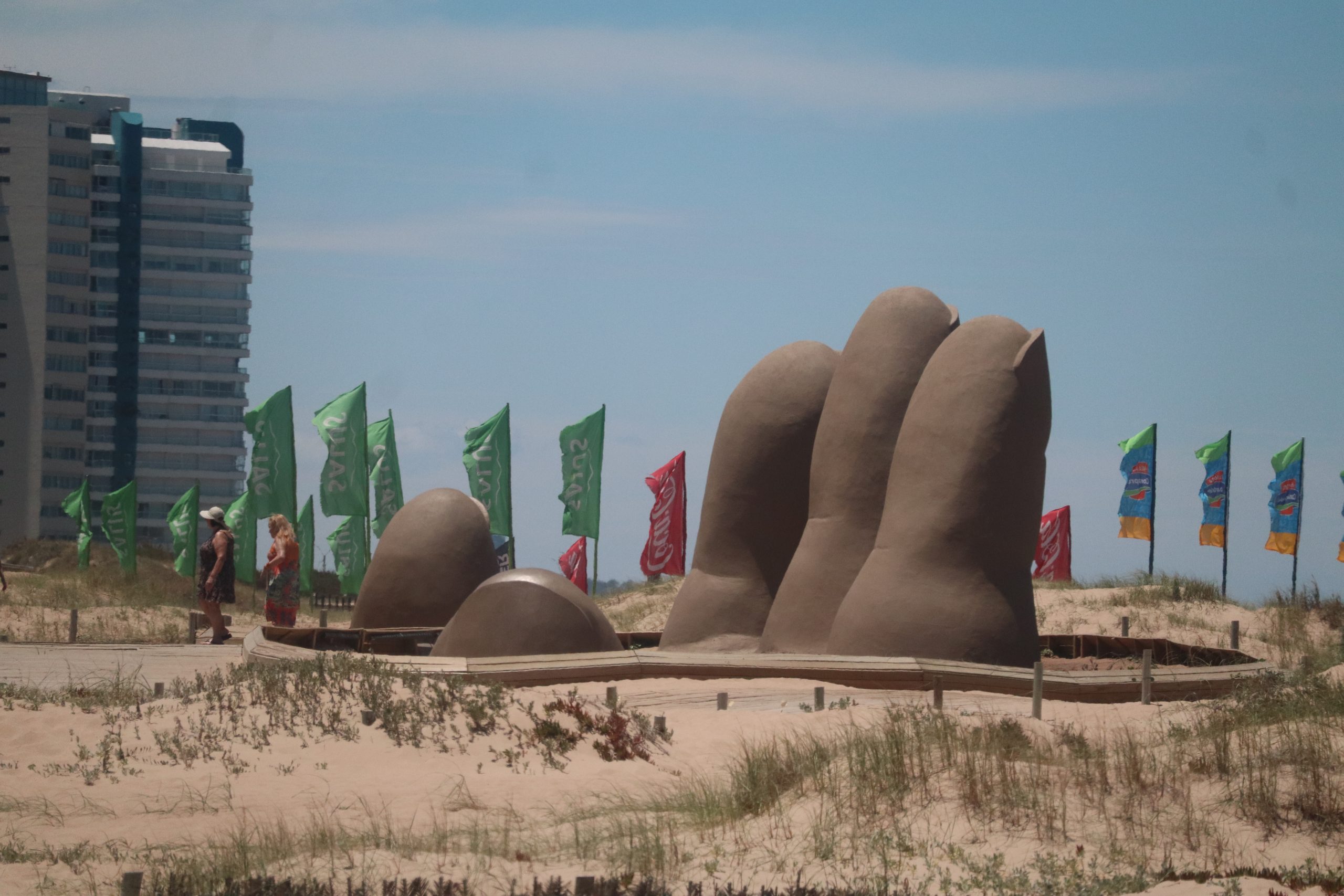
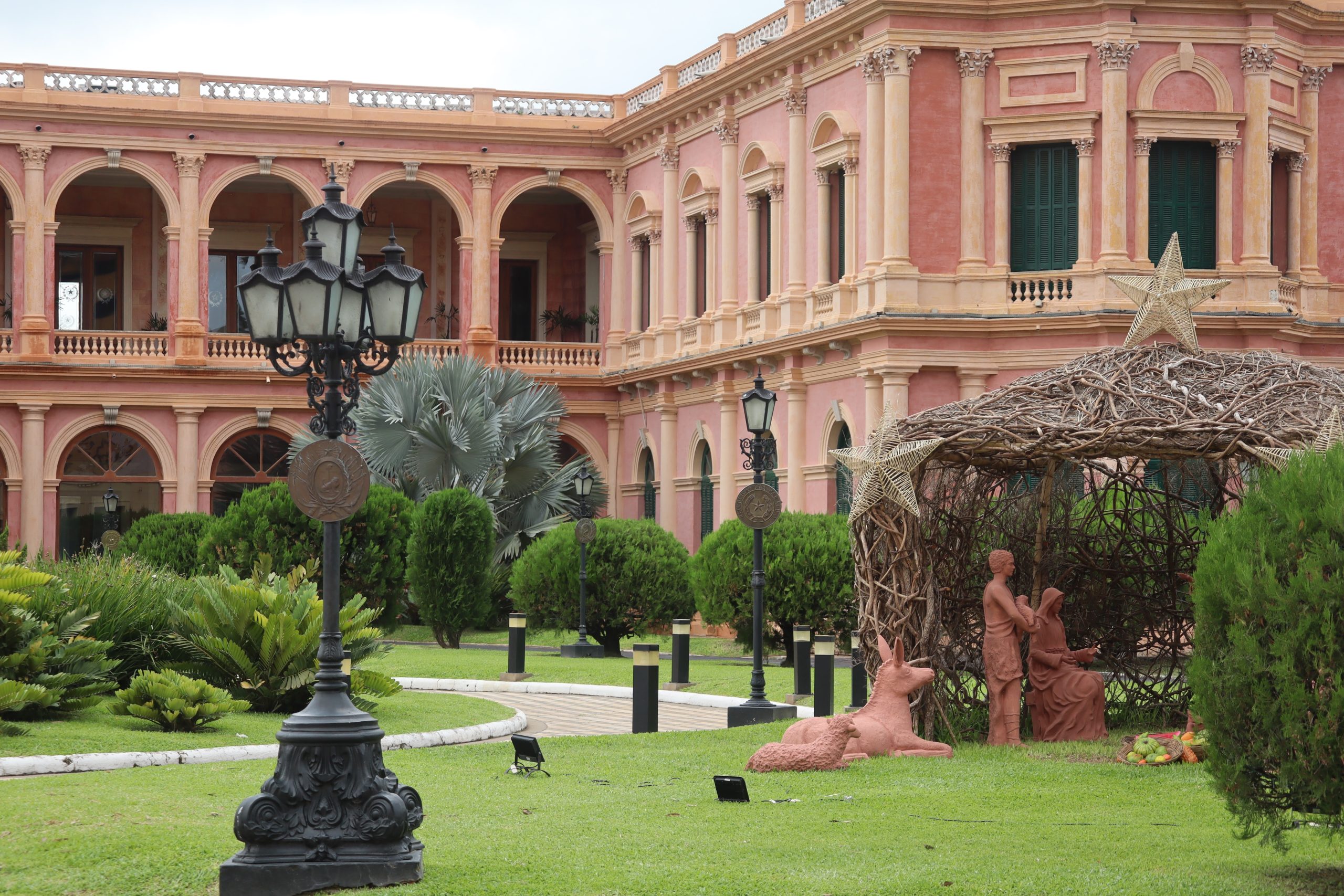
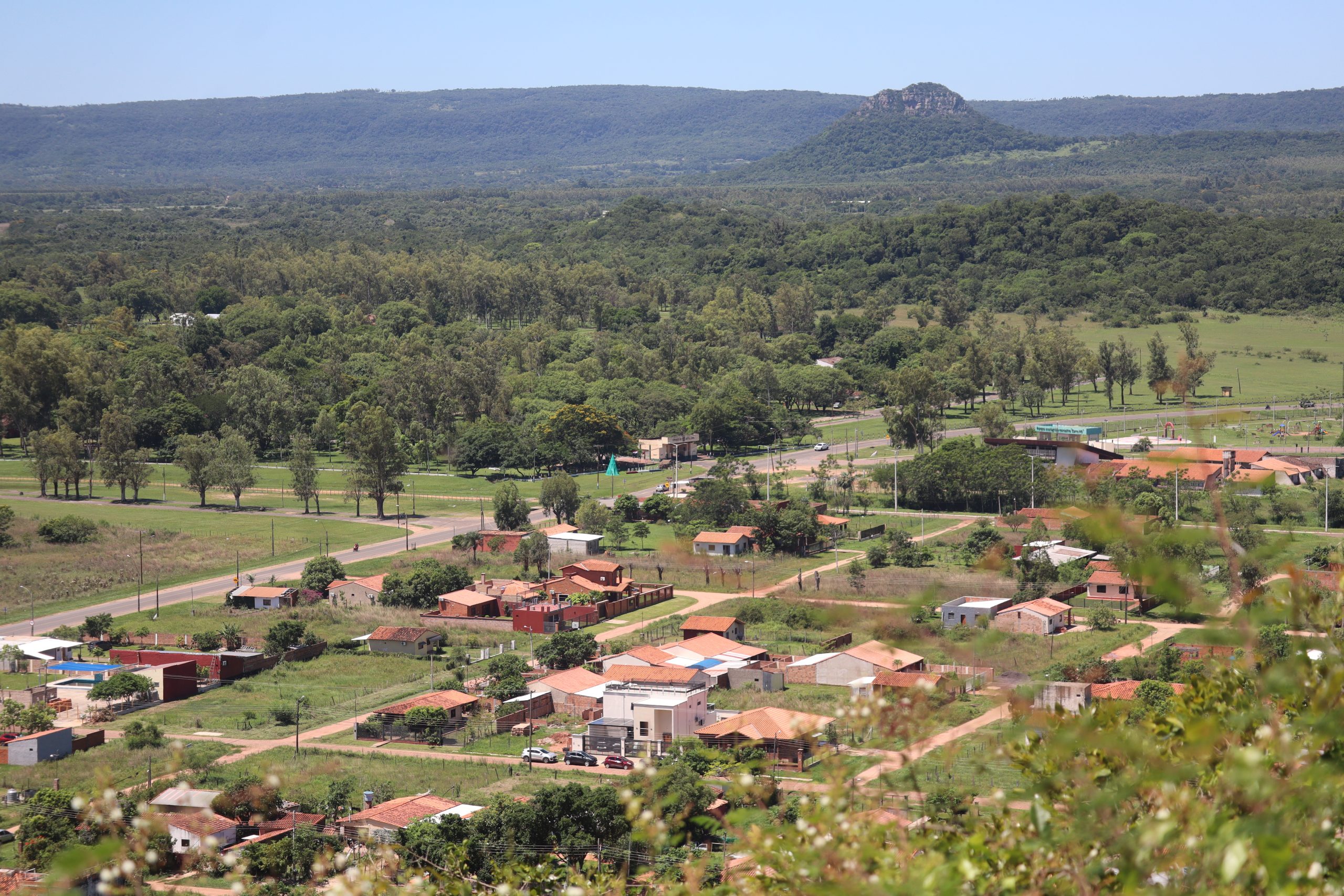
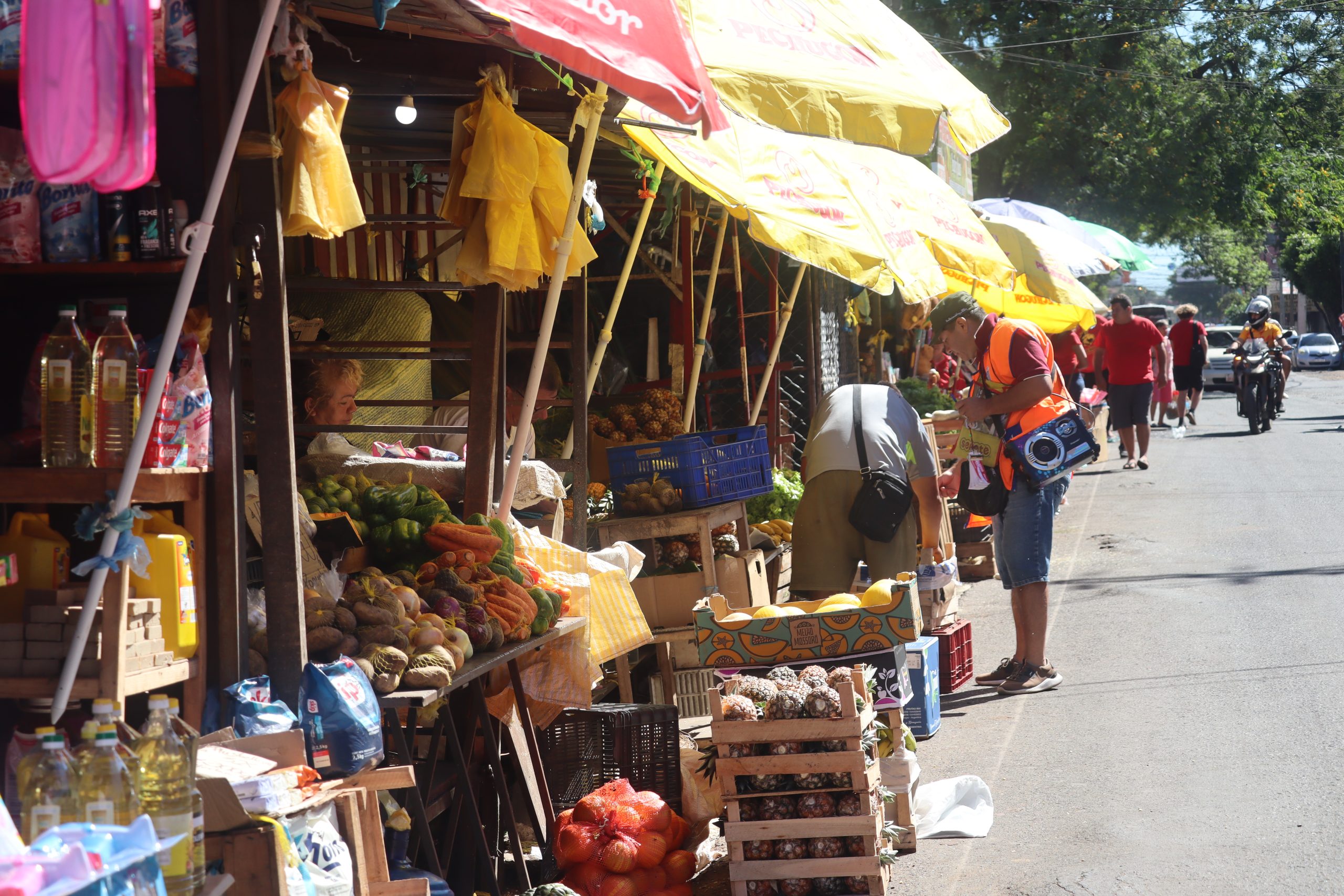
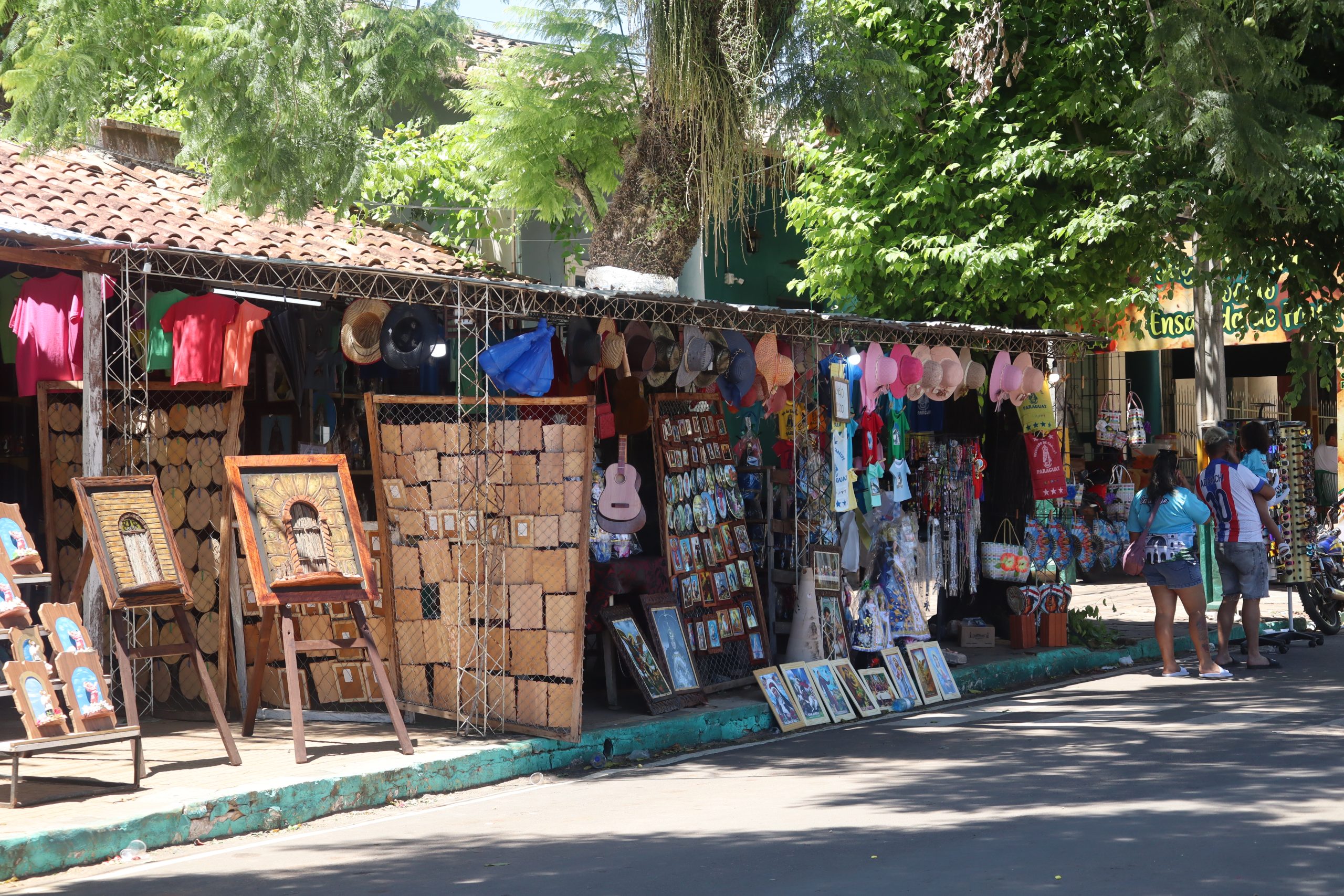
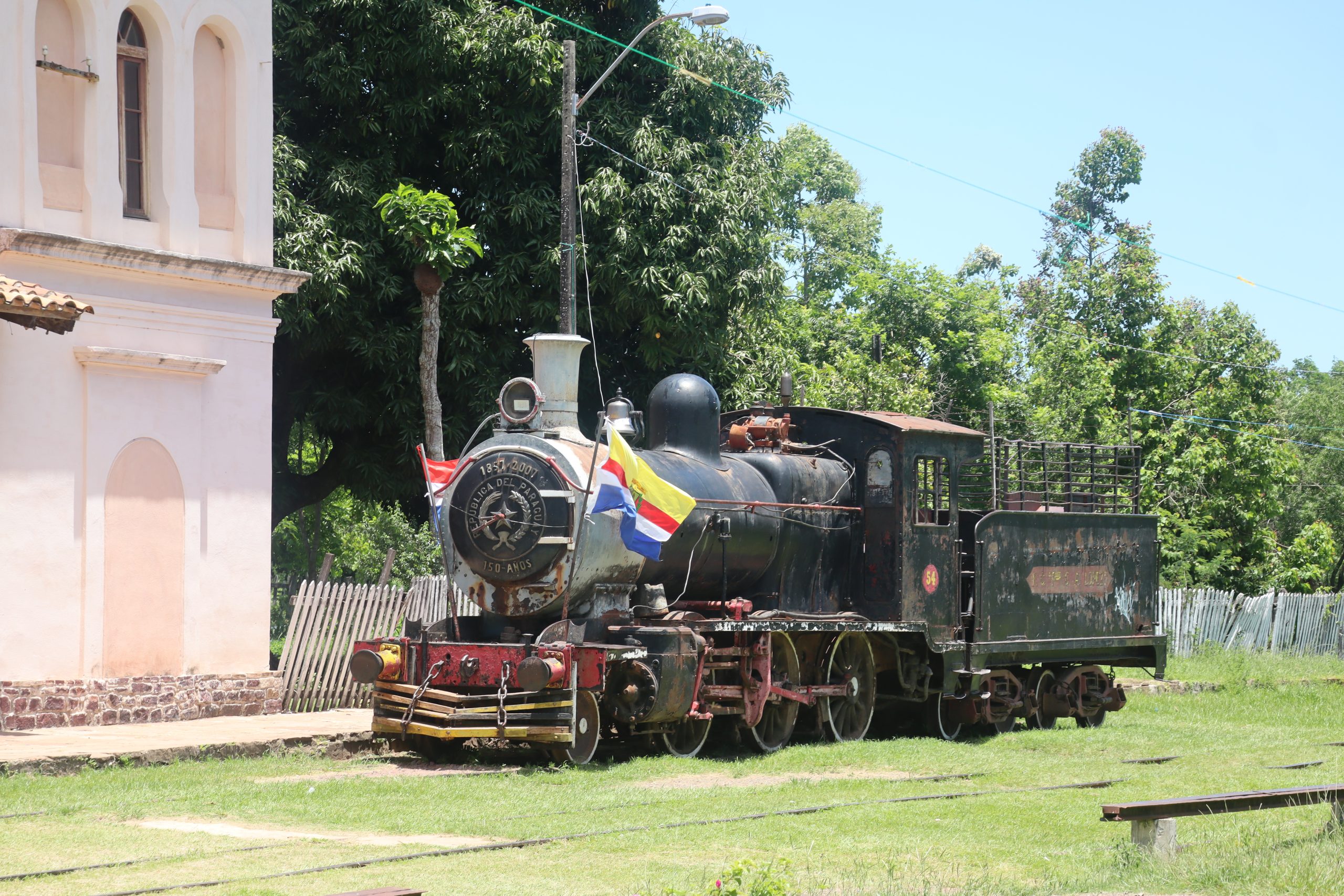
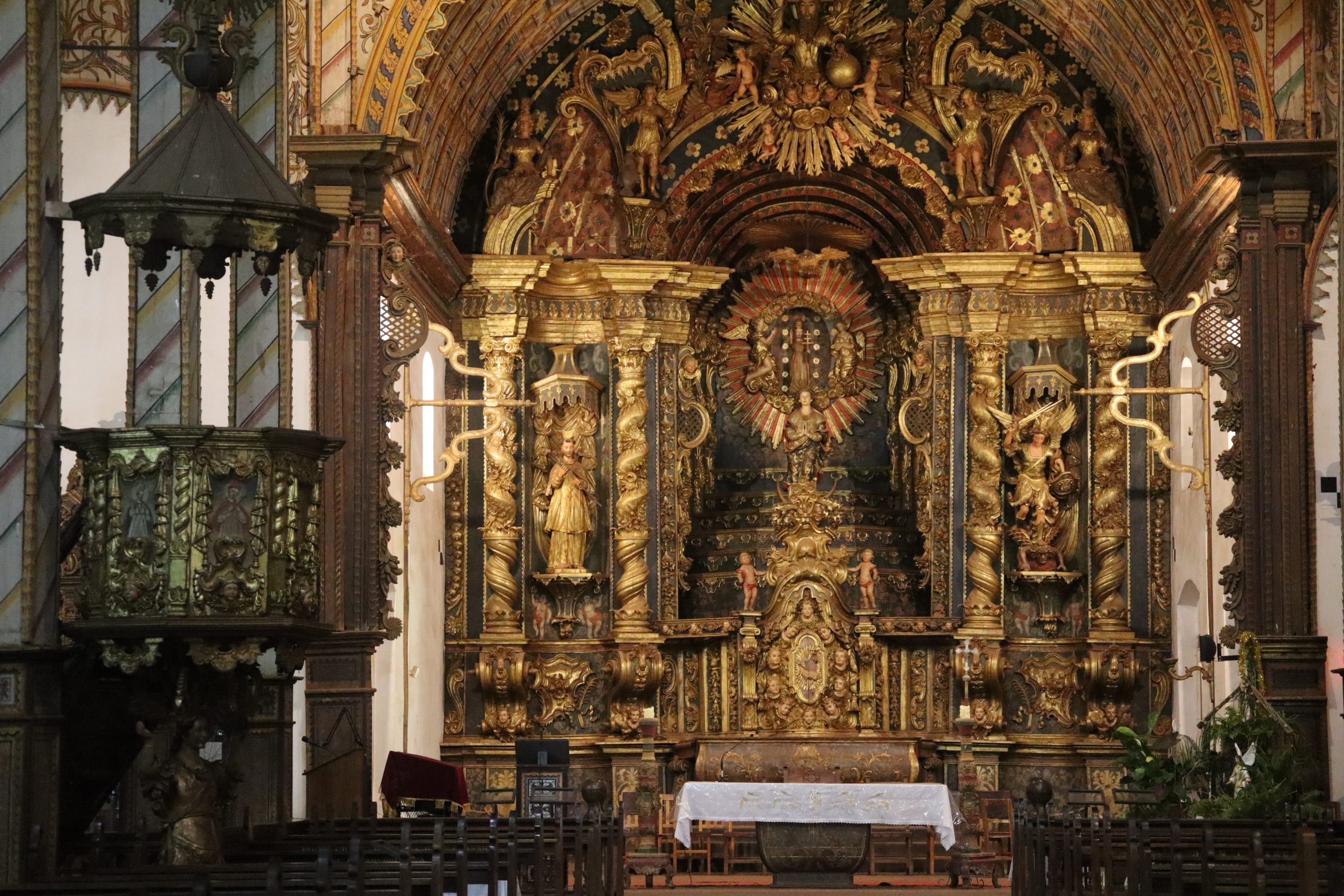
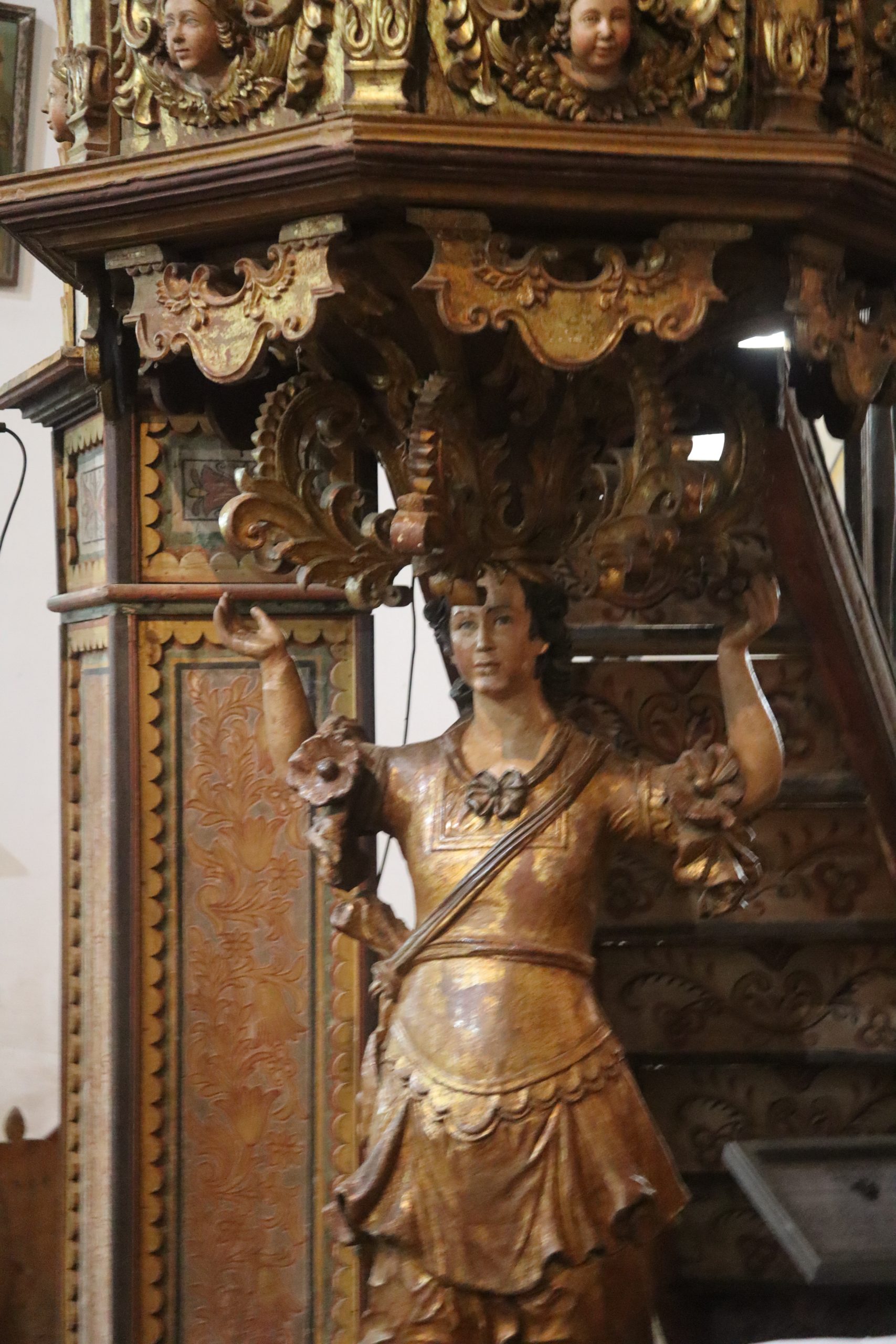
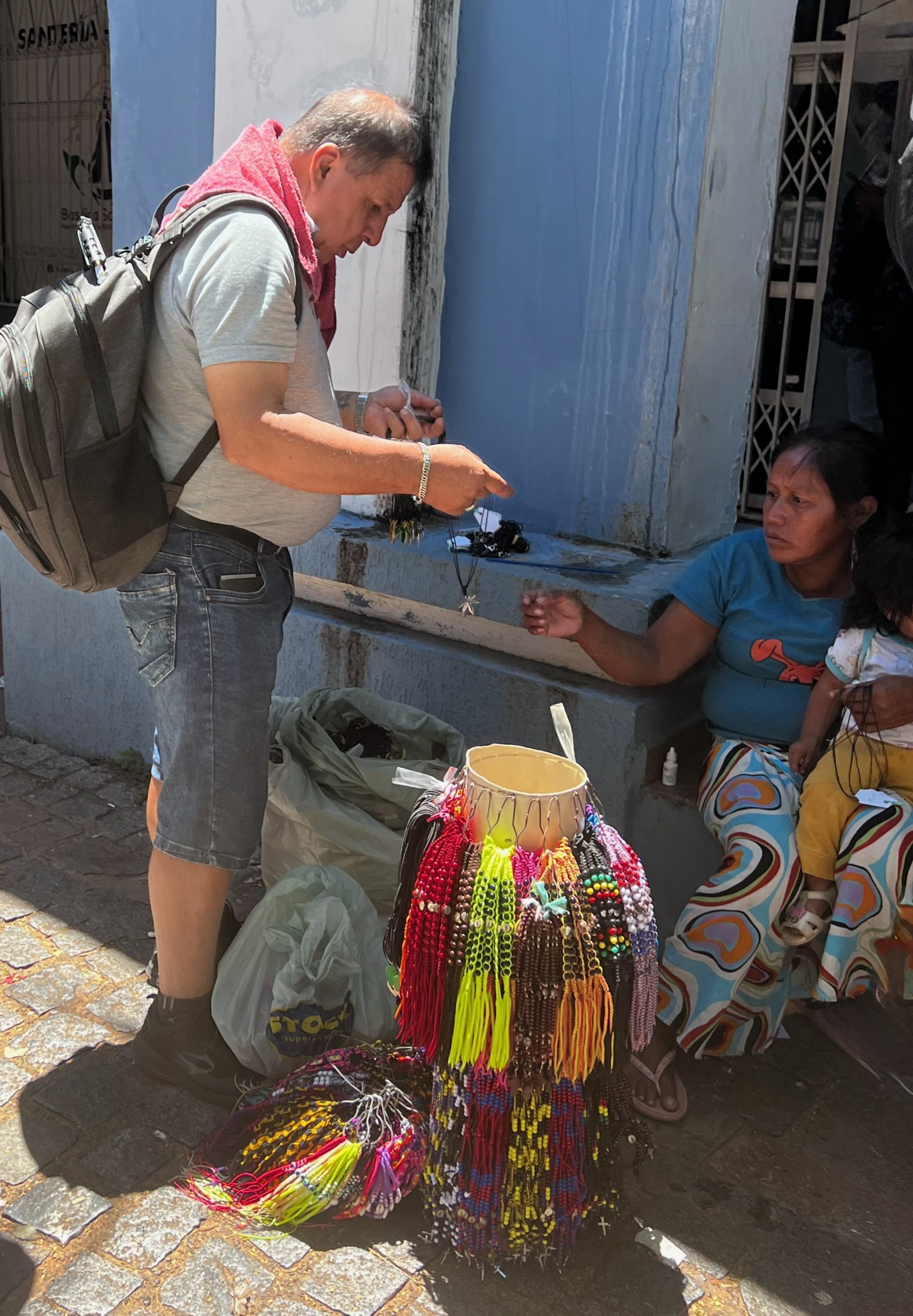
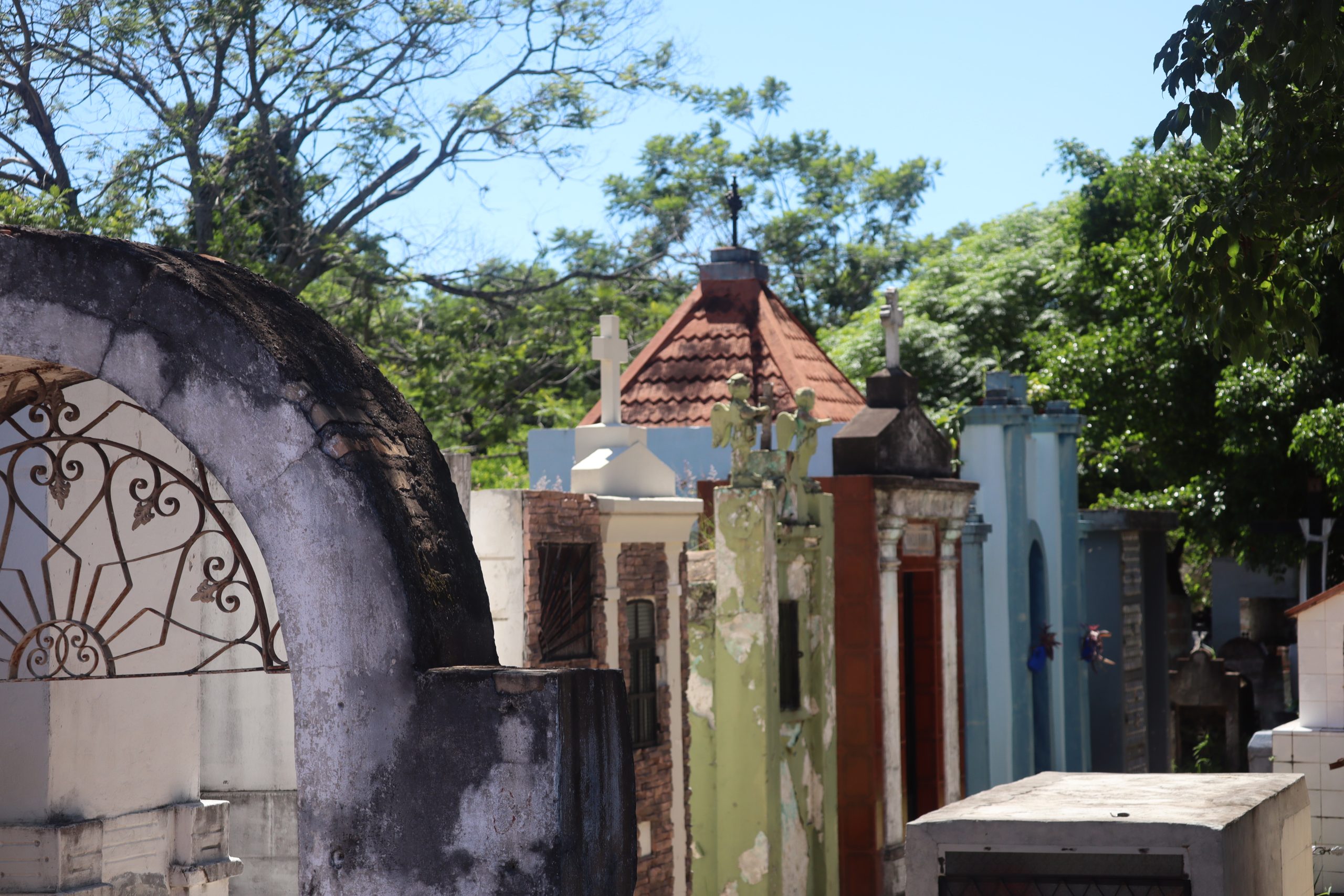
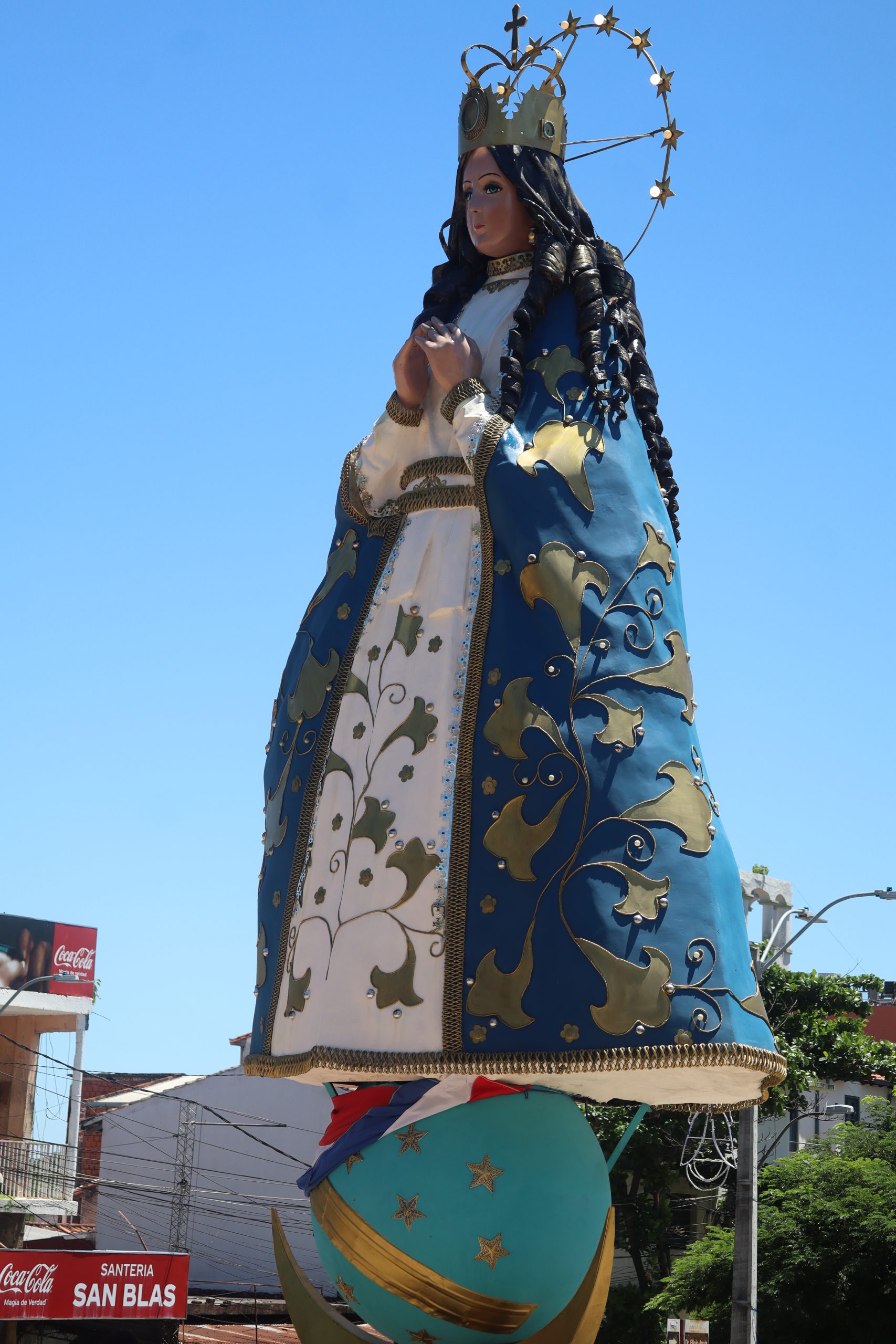
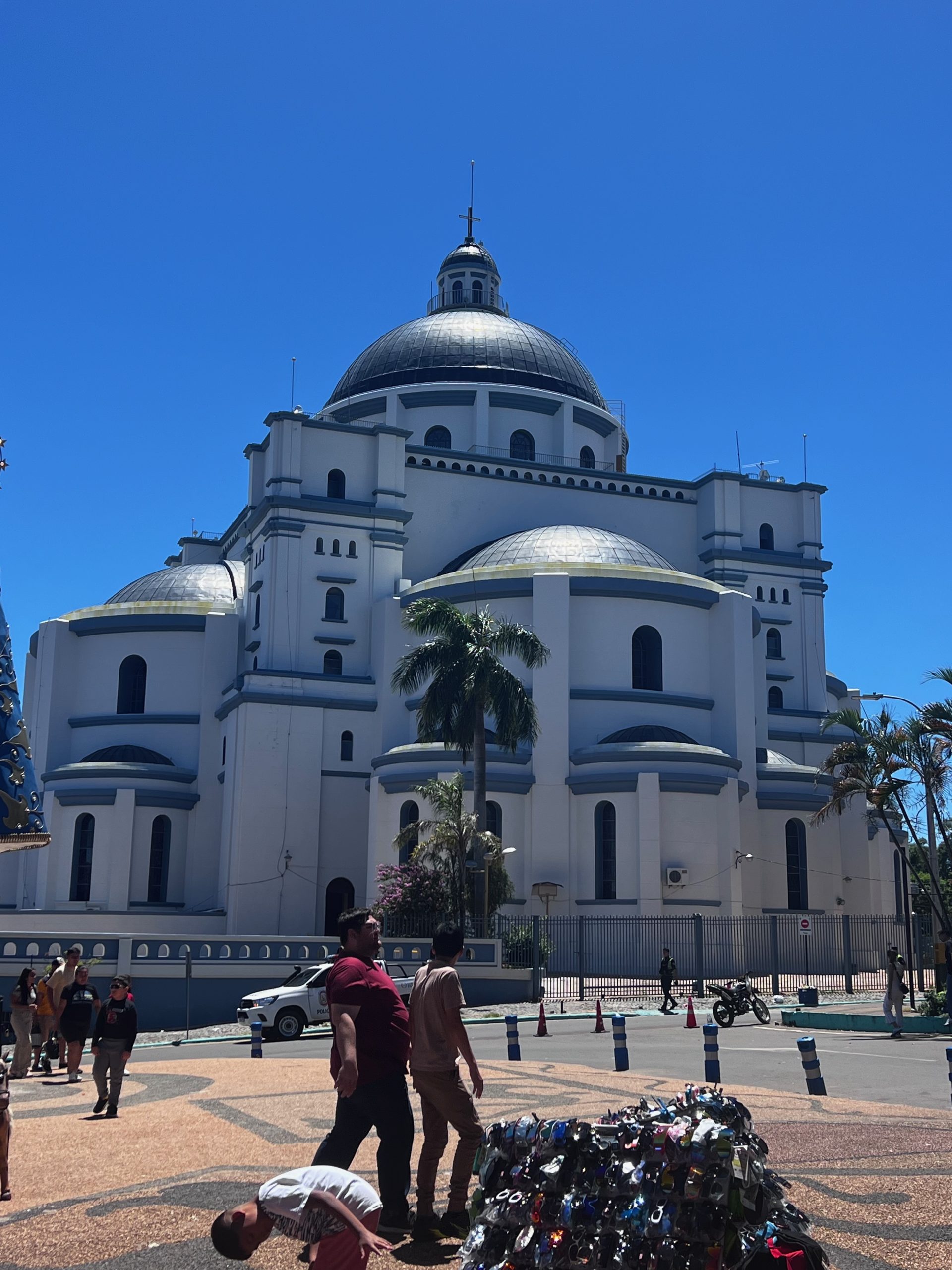
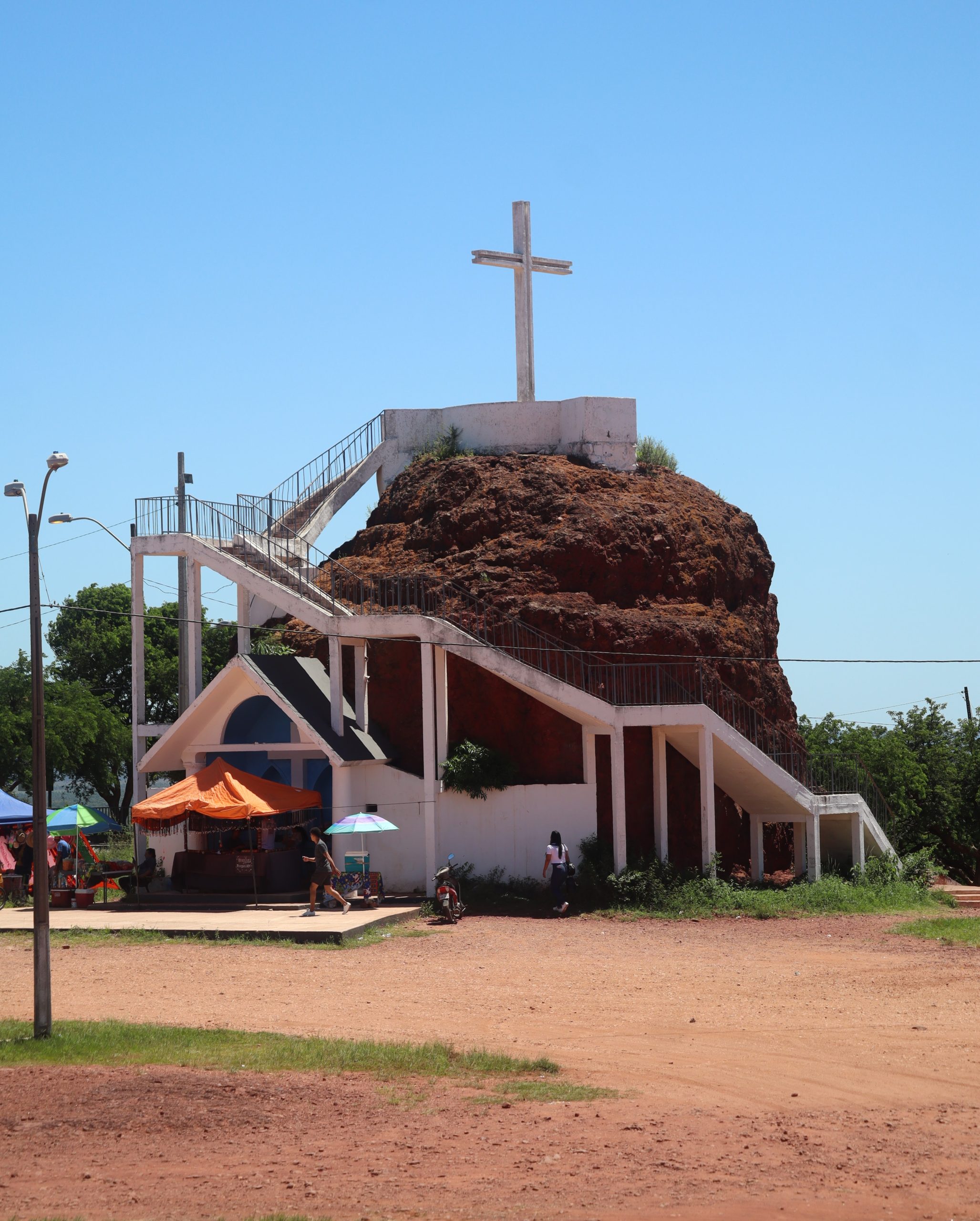
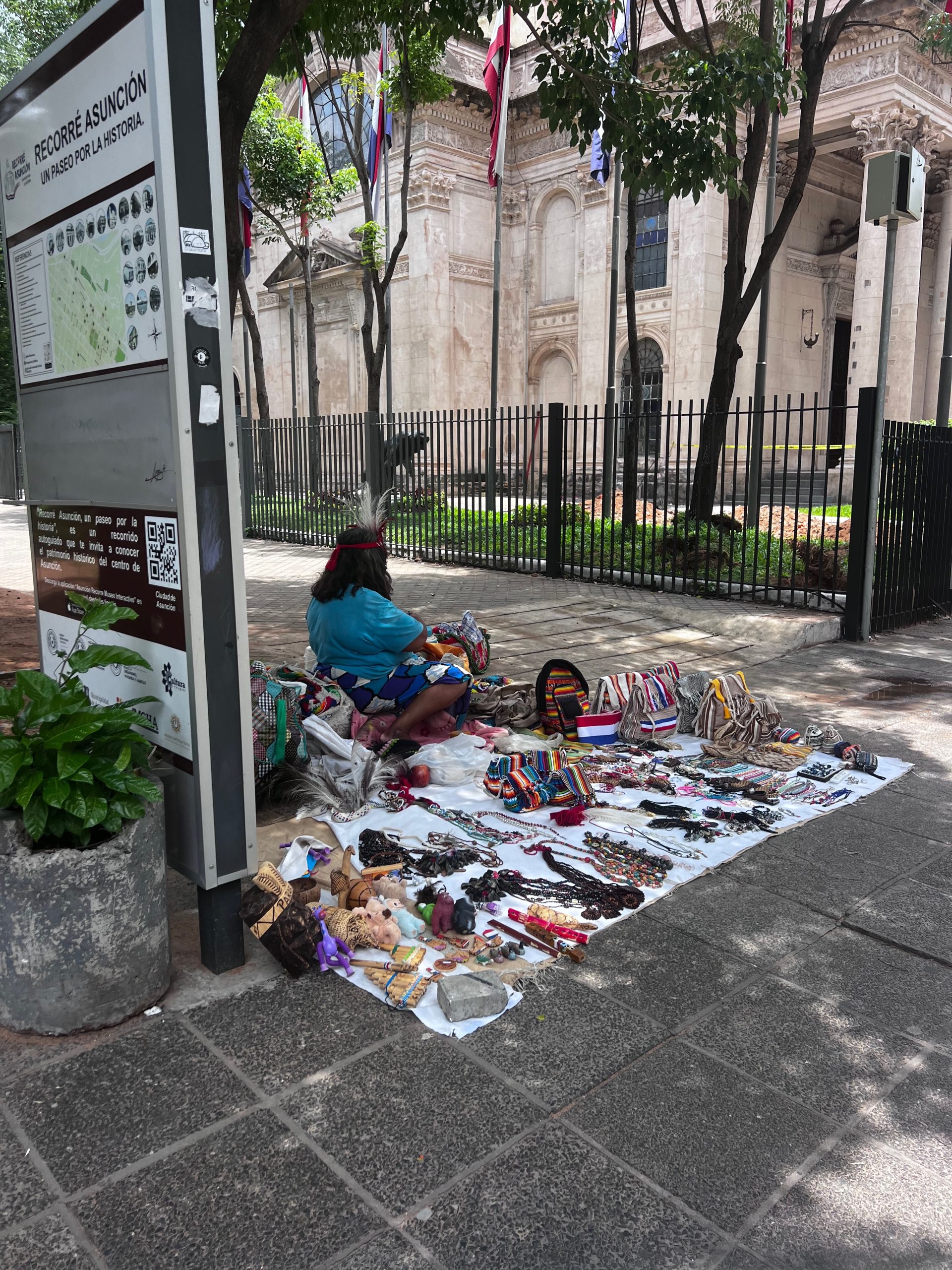
During my travels throughout South America, I was interested in visiting Uruguay and Paraguay, less known, small​er countries with similar names yet with unique histories and cultures.  Neither one has a strong tourist infrastructure, although Uruguay has more to offer. I thought writing about the parallels and contrasts between them would make for a more interesting story.   I spent two weeks in each country exploring as much as possible their culture, history and people.   Here is what I have learned about both countries….

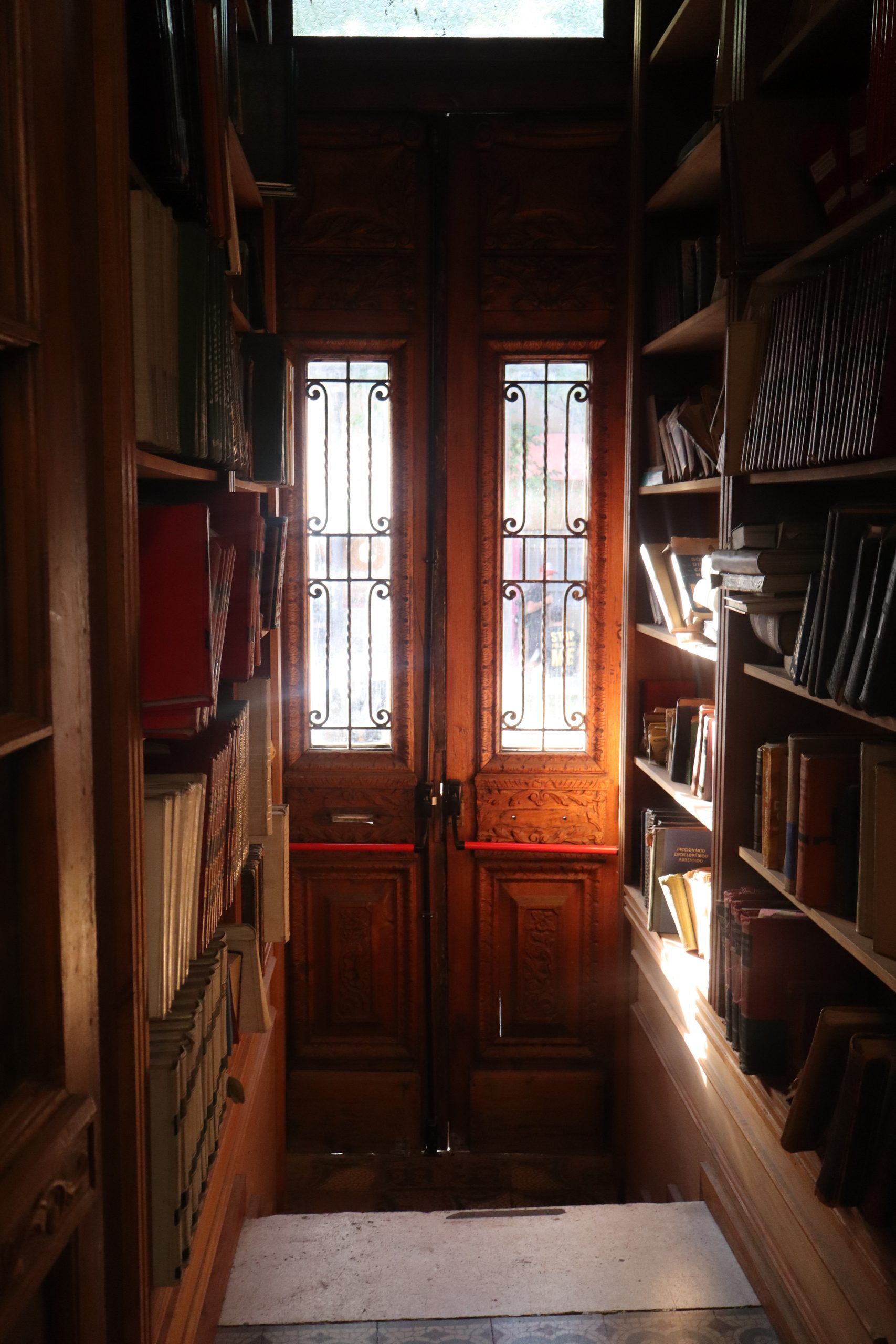
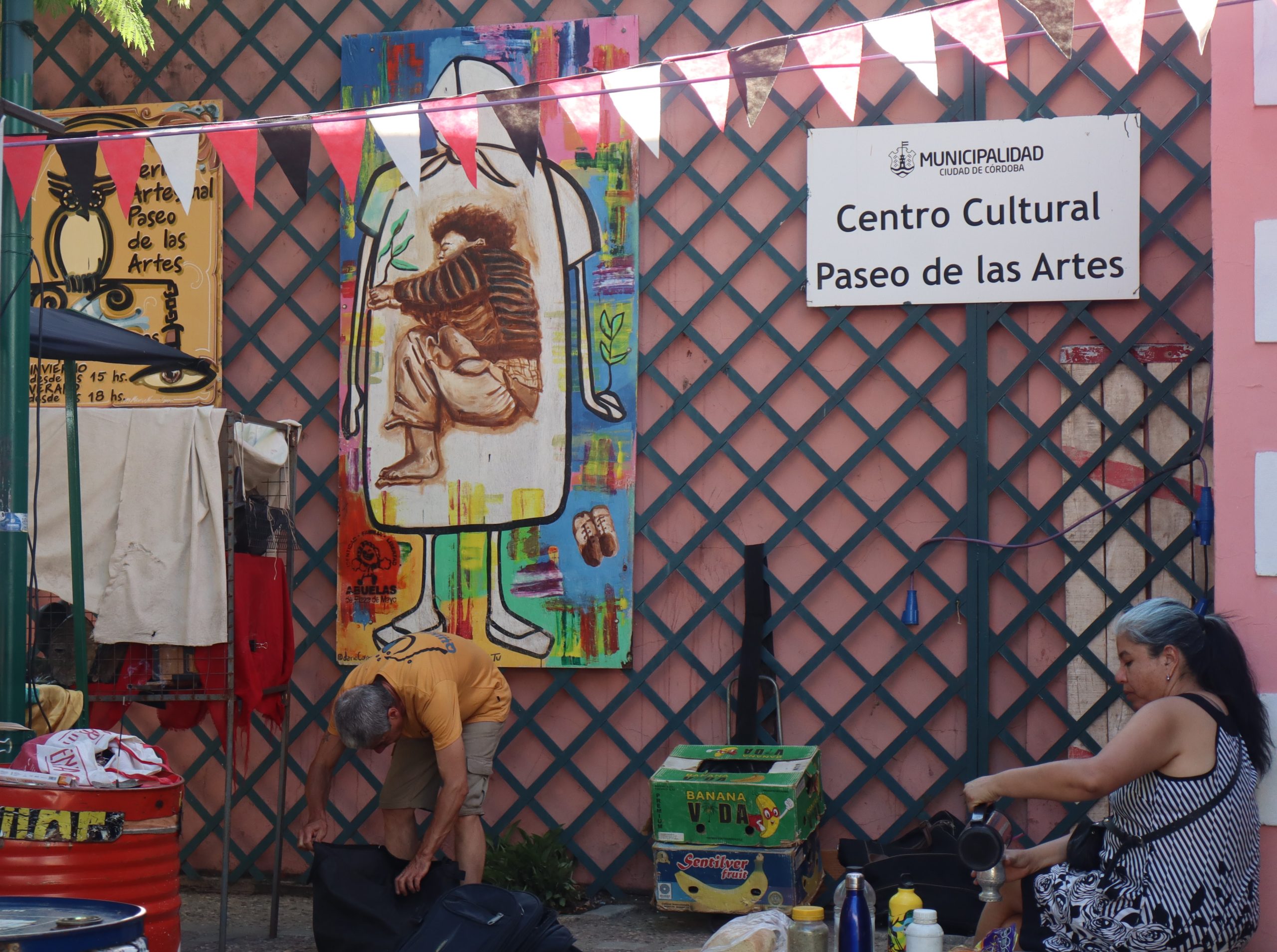
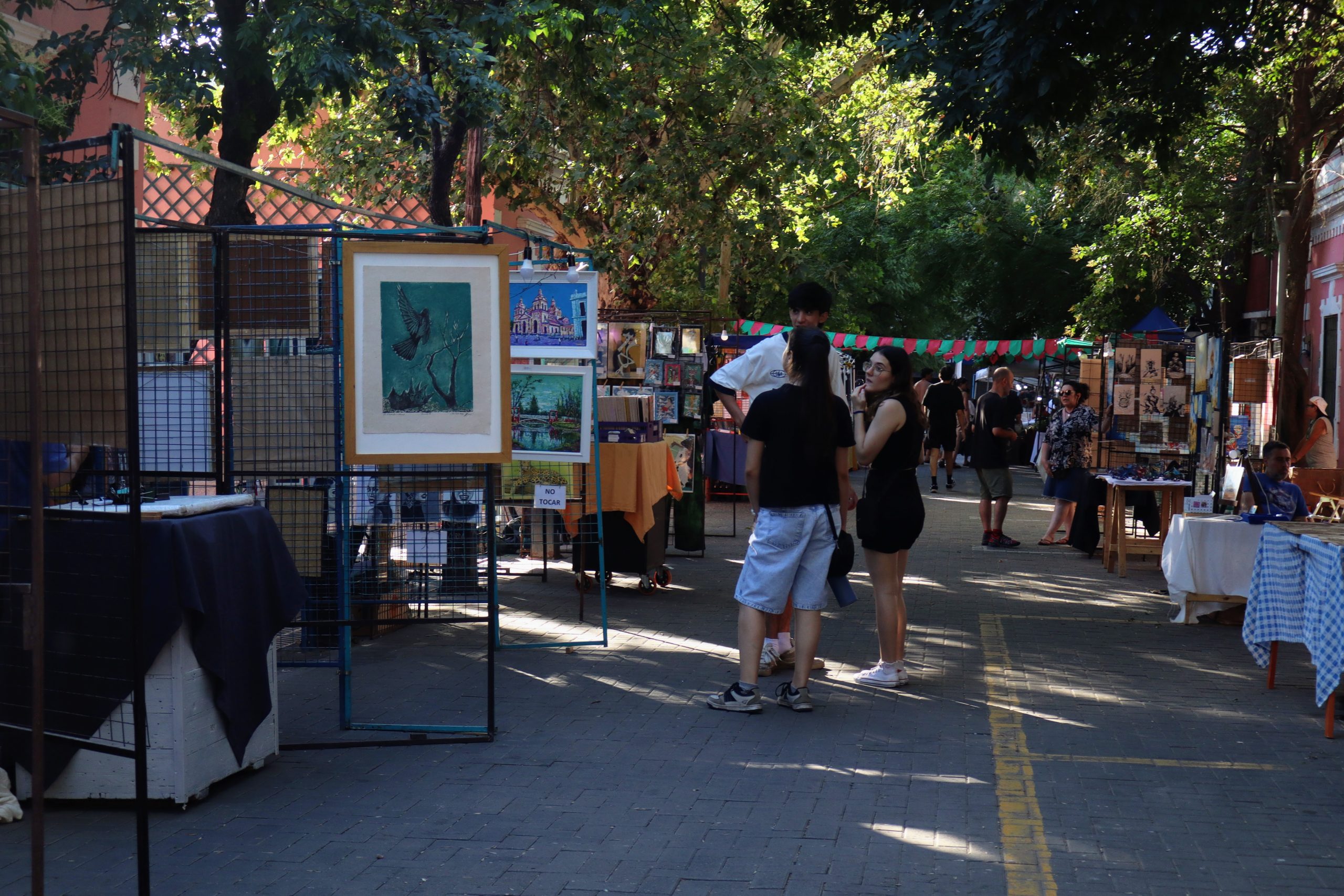
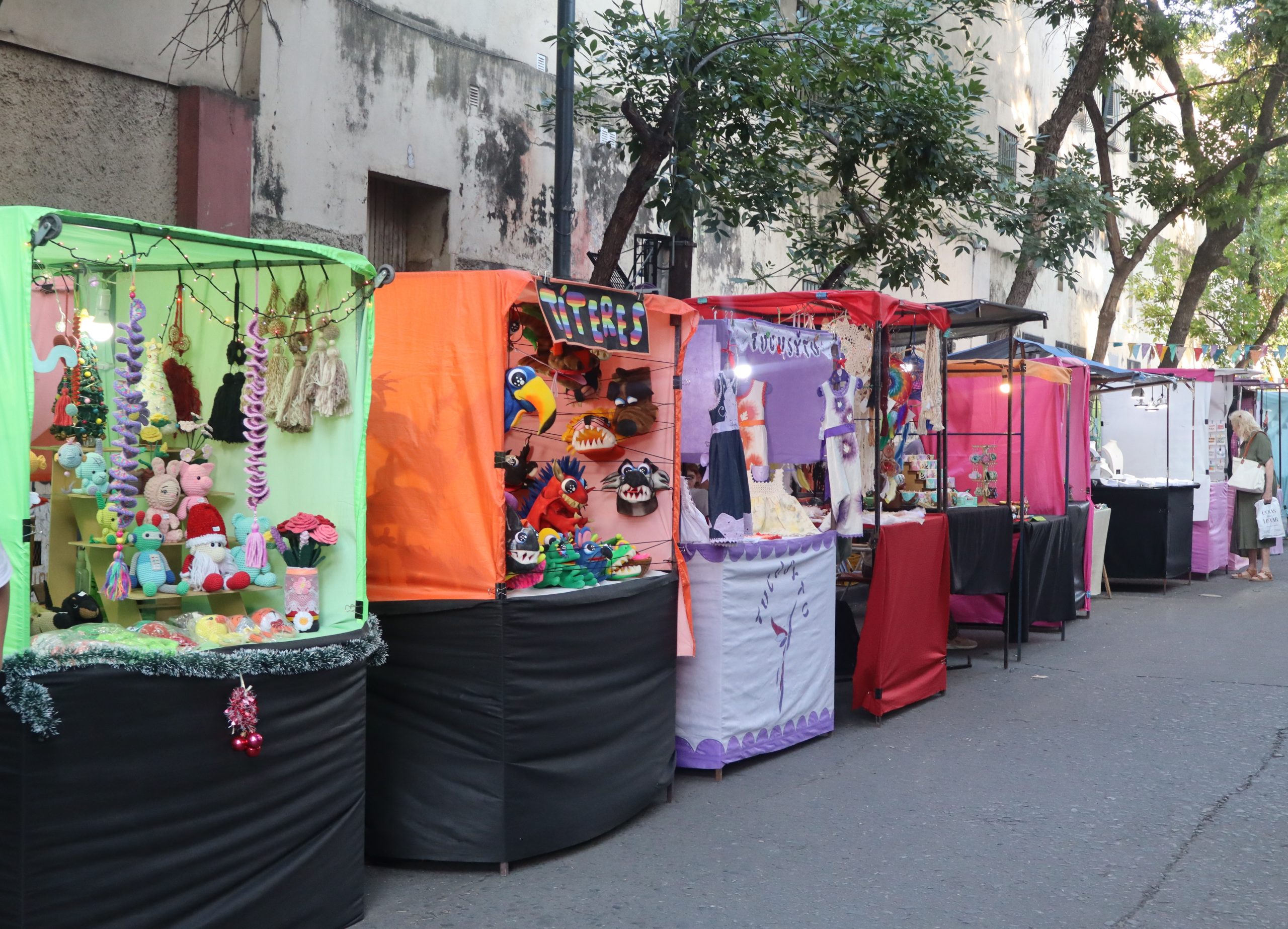
 Five Days in Córdoba, Argentina: Tracing a Jesuit Legacy

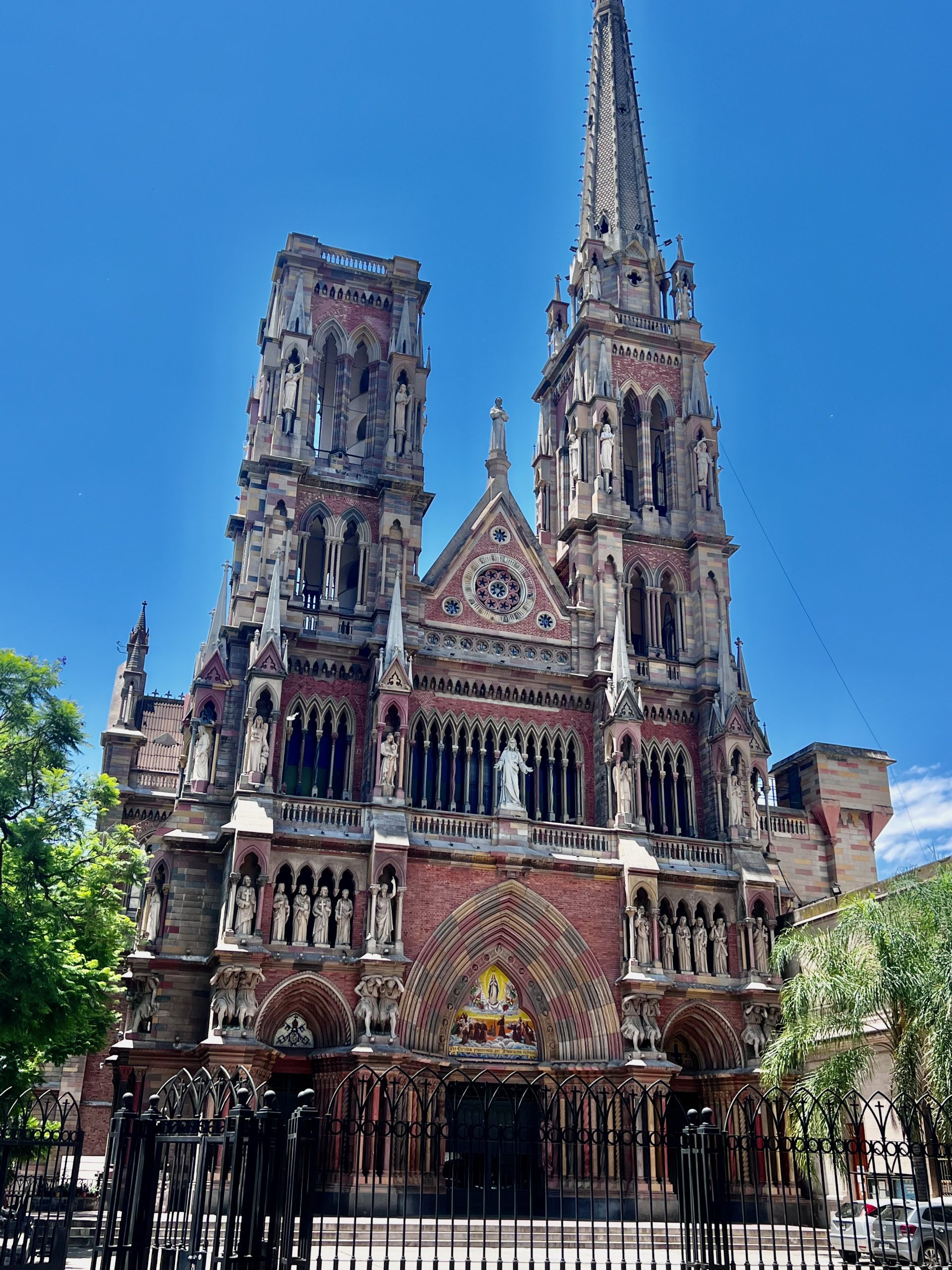
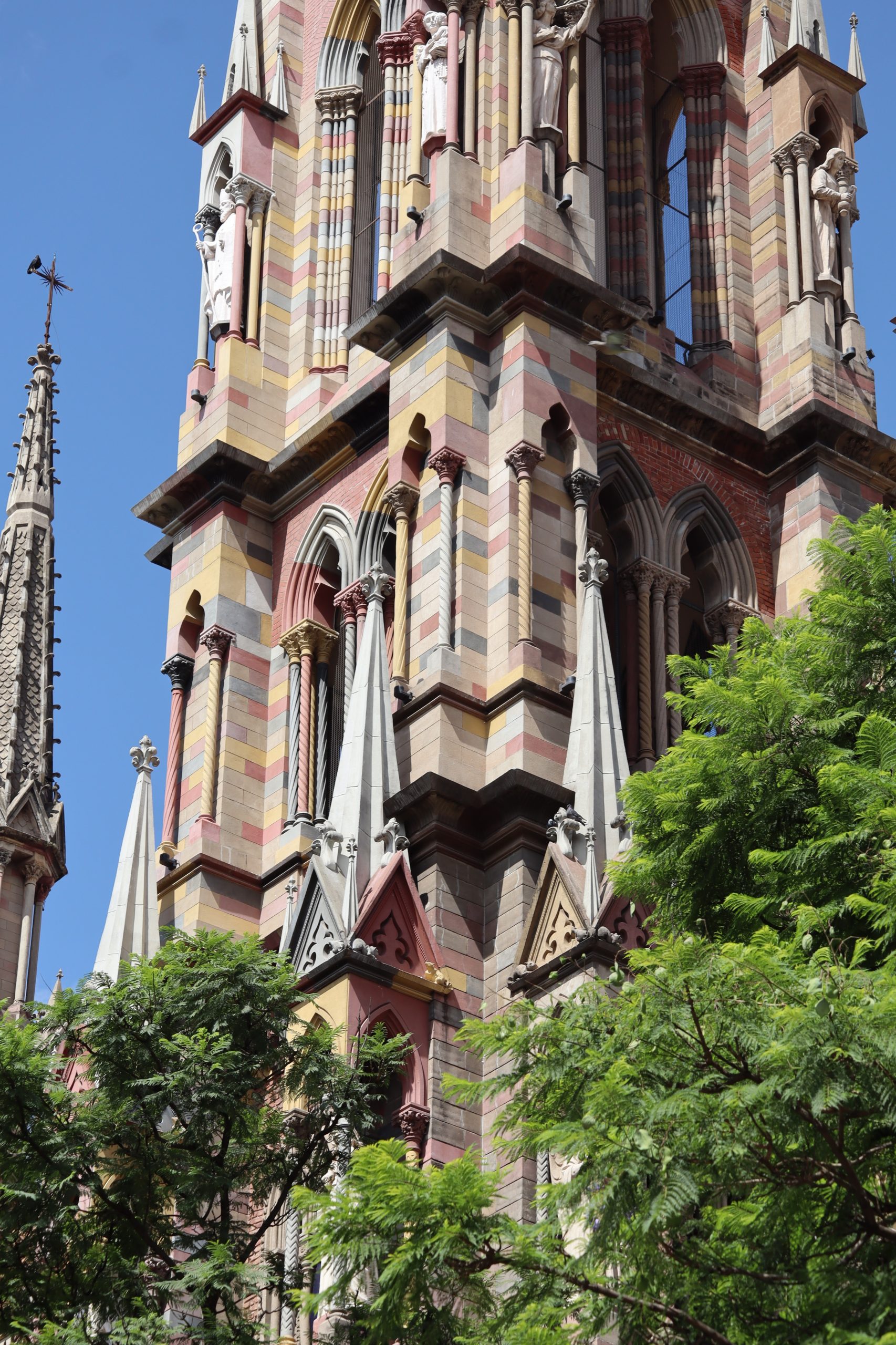
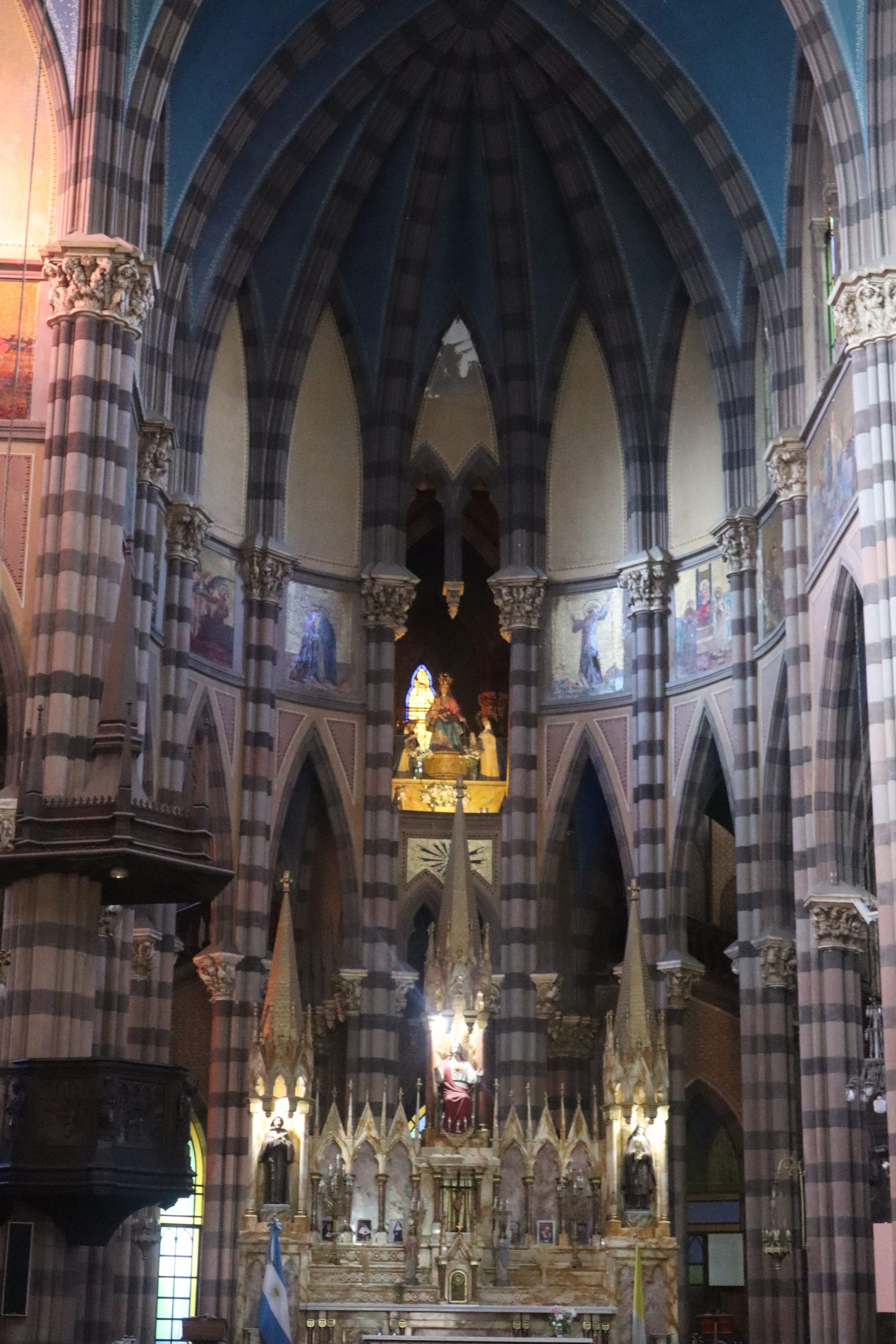
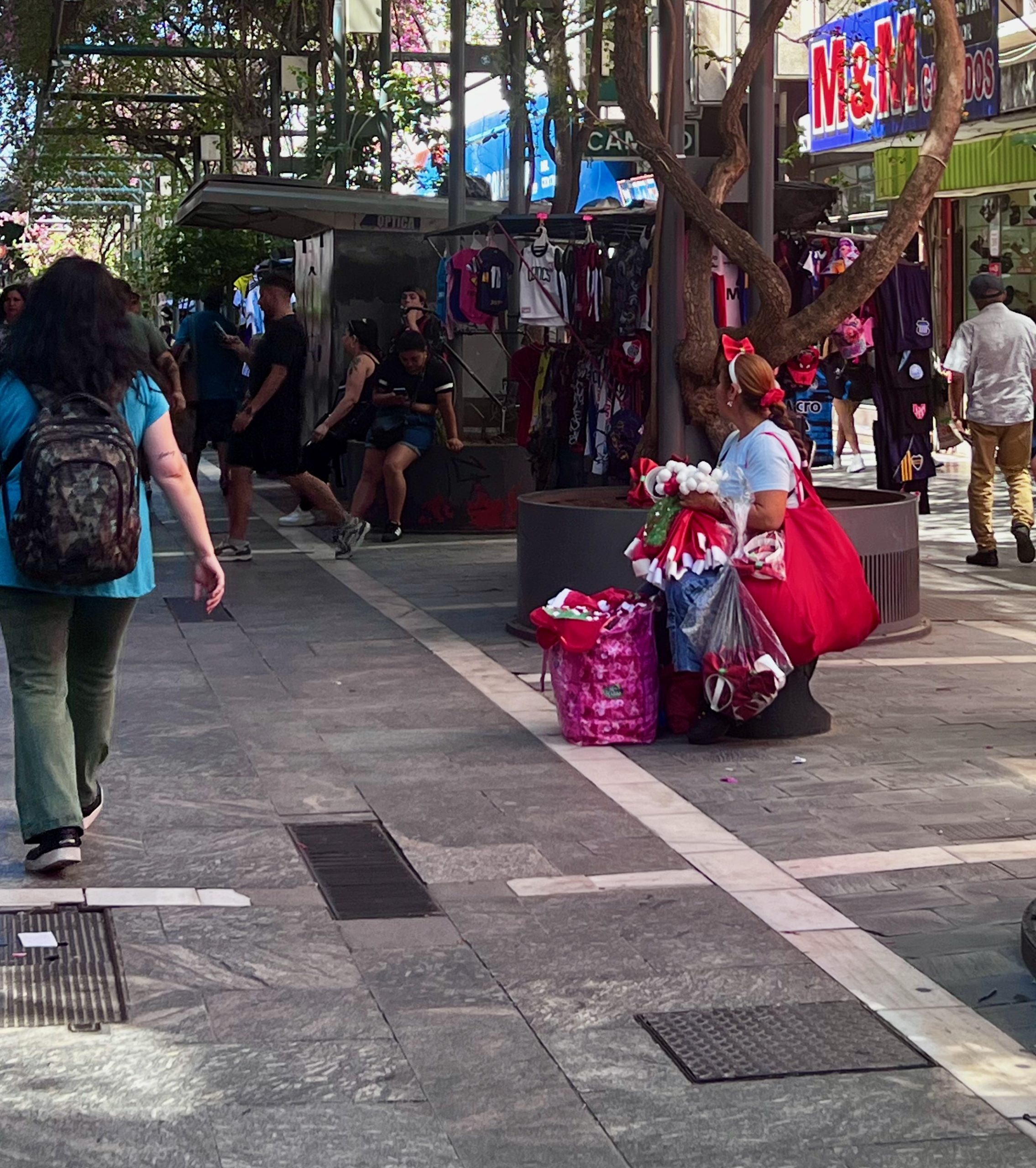
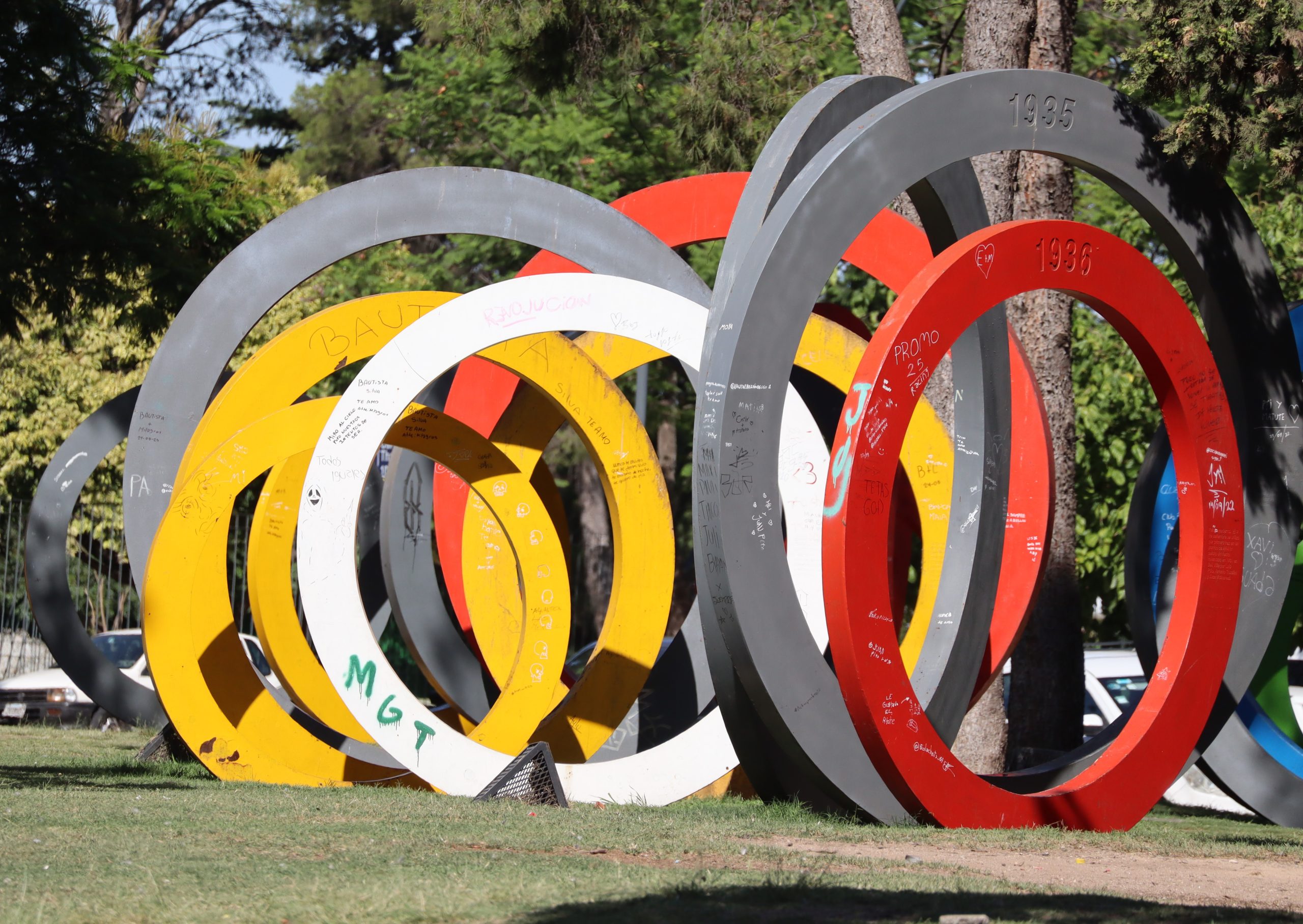
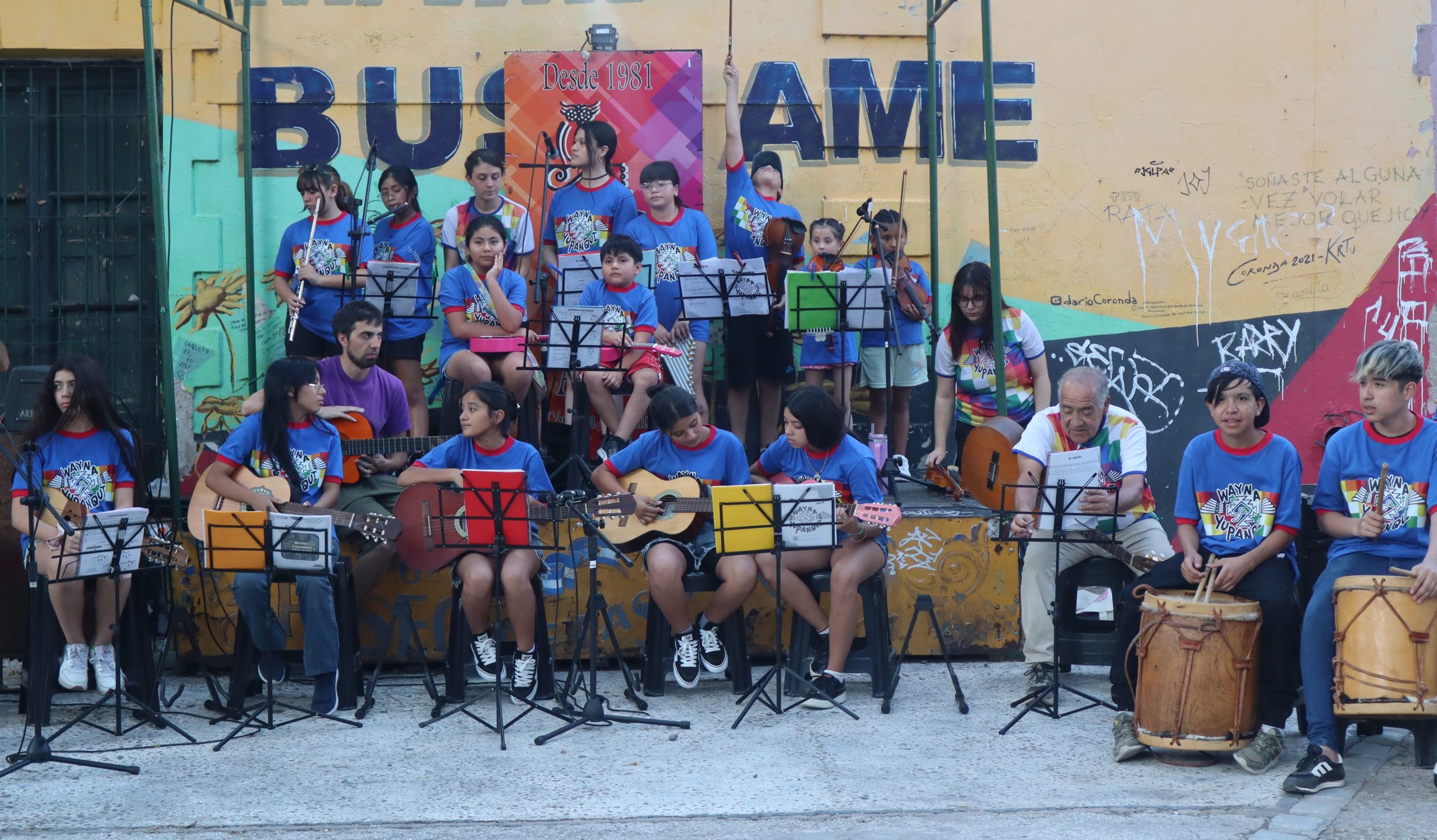
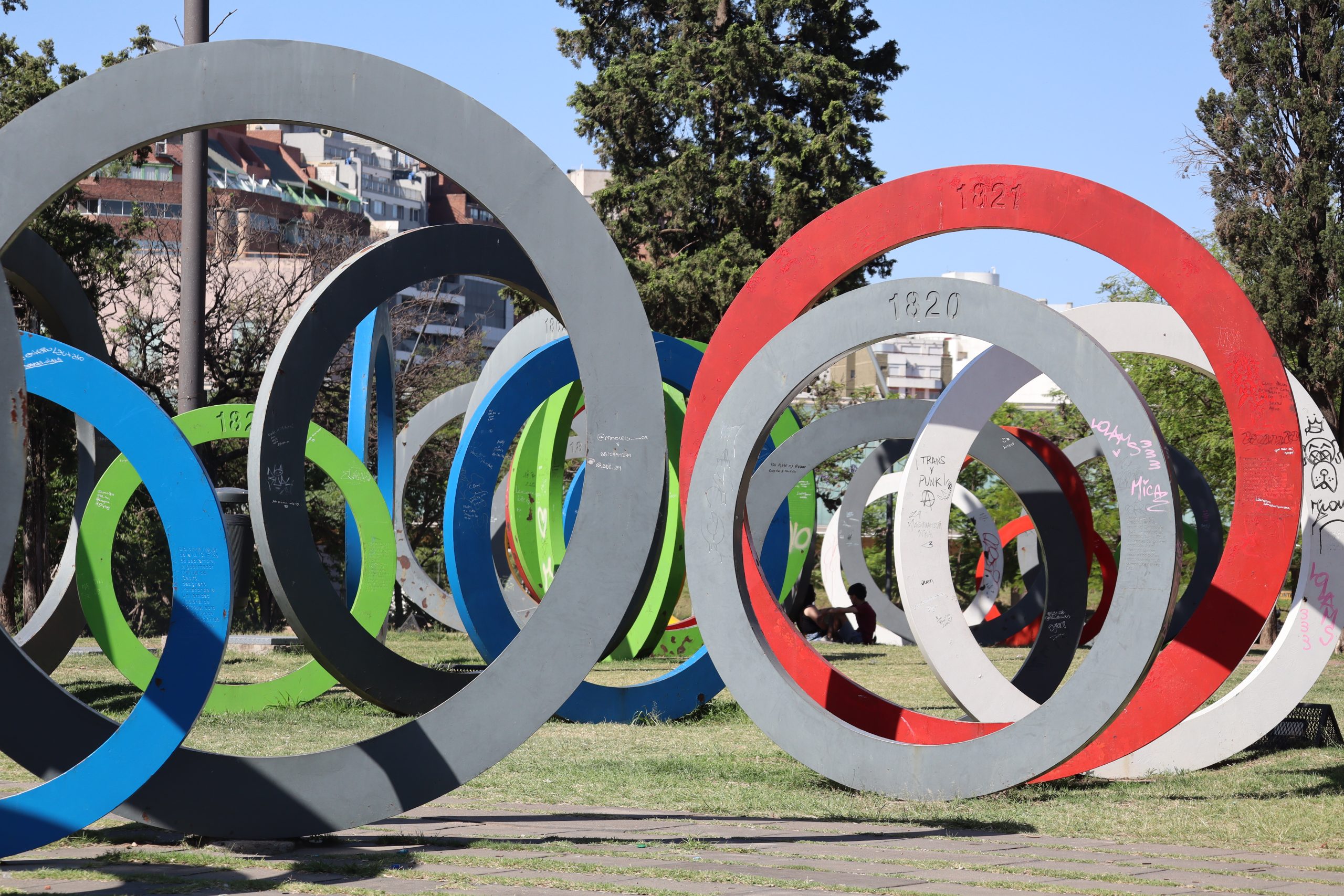
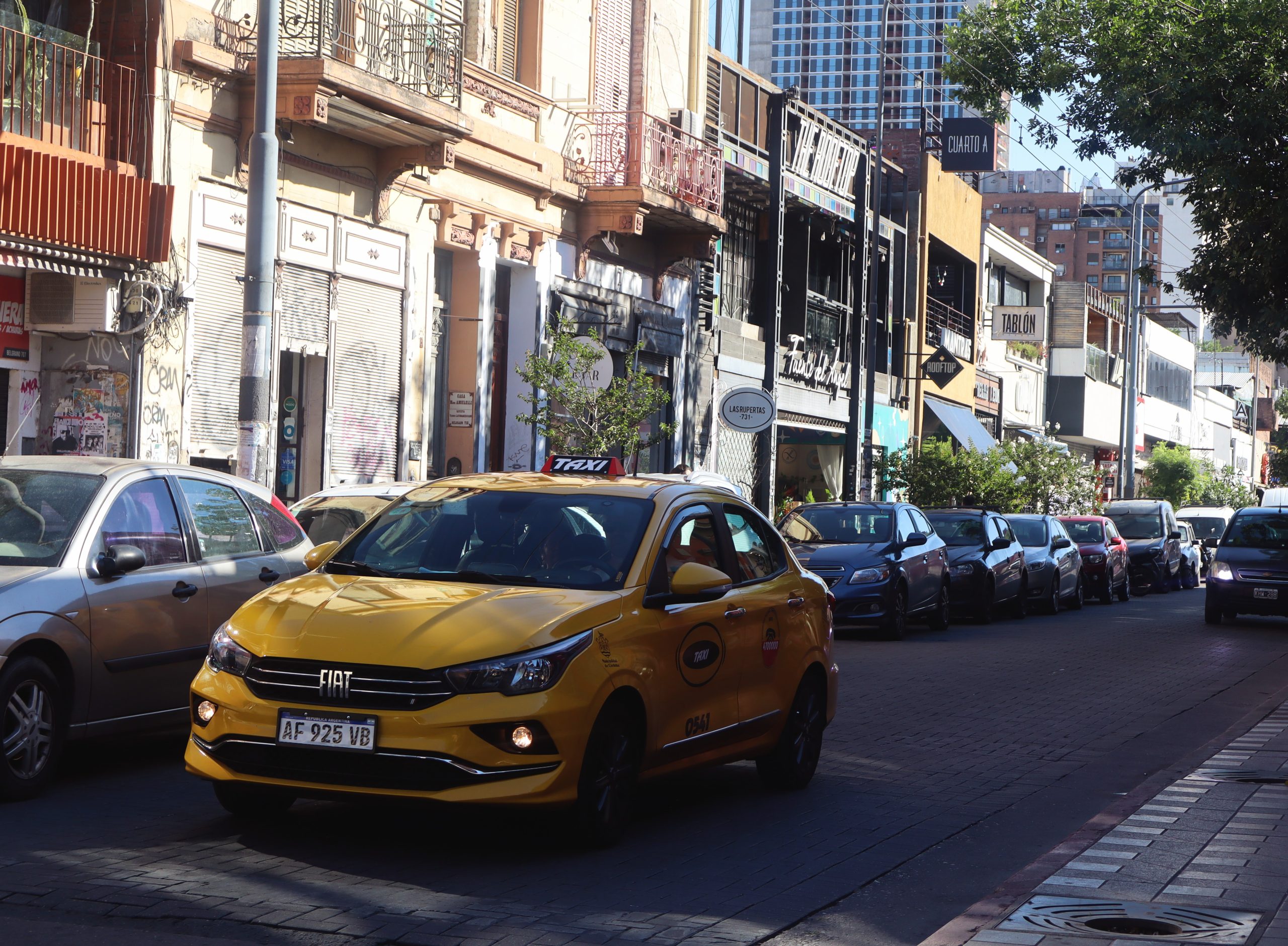
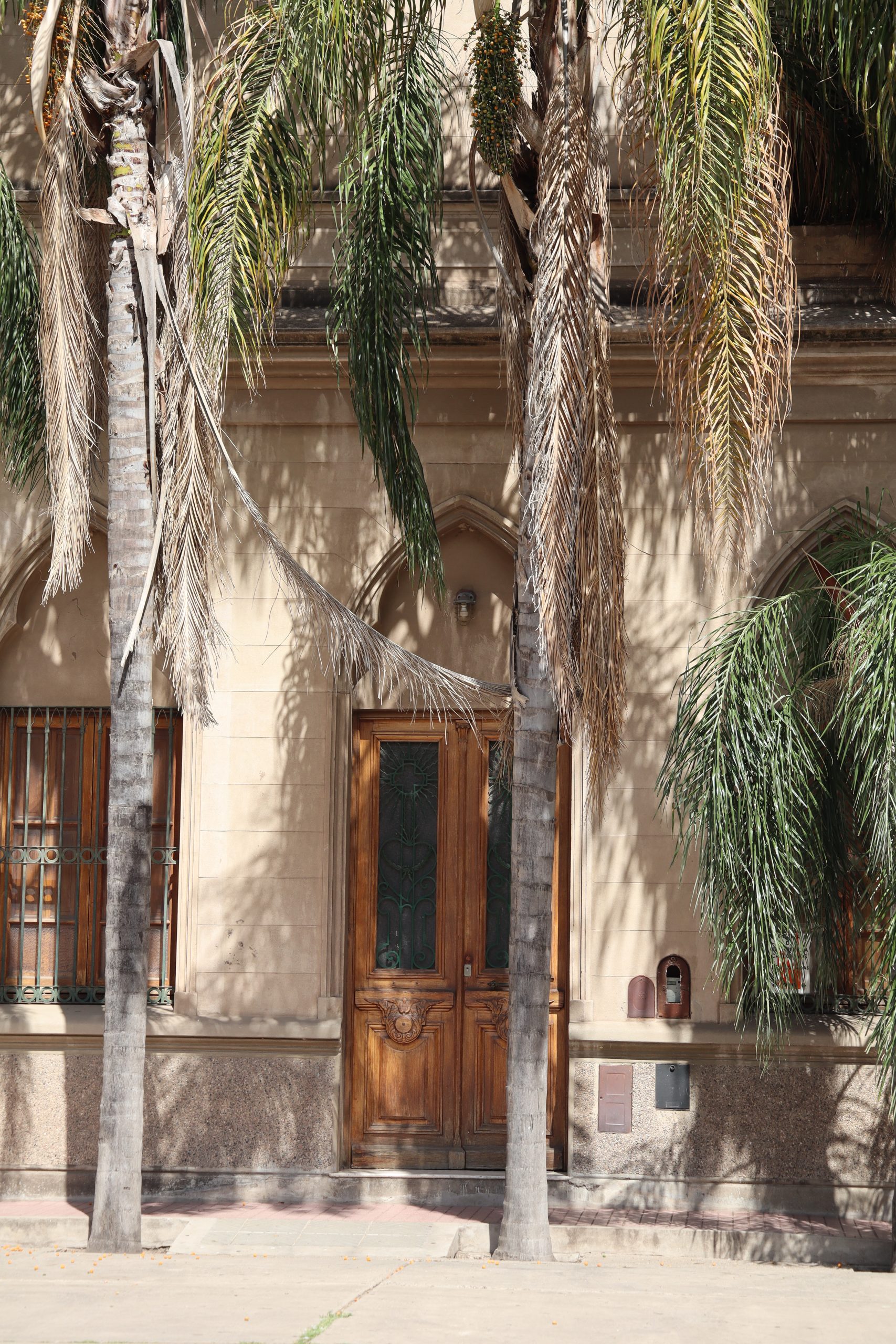
I visited the city of Cordoba for a five-day stay, ending my six-week journey of Argentina as I now move on to other countries.  Cordoba is very much like a smaller version of Buenos Aires, walkable to all its historic sites.  It is a beautiful, well persevered colonial yet modern city, the second largest in Argentina.  Cordoba is known for its many educational and religious institutions, many of which are part of the city’s historical sites.
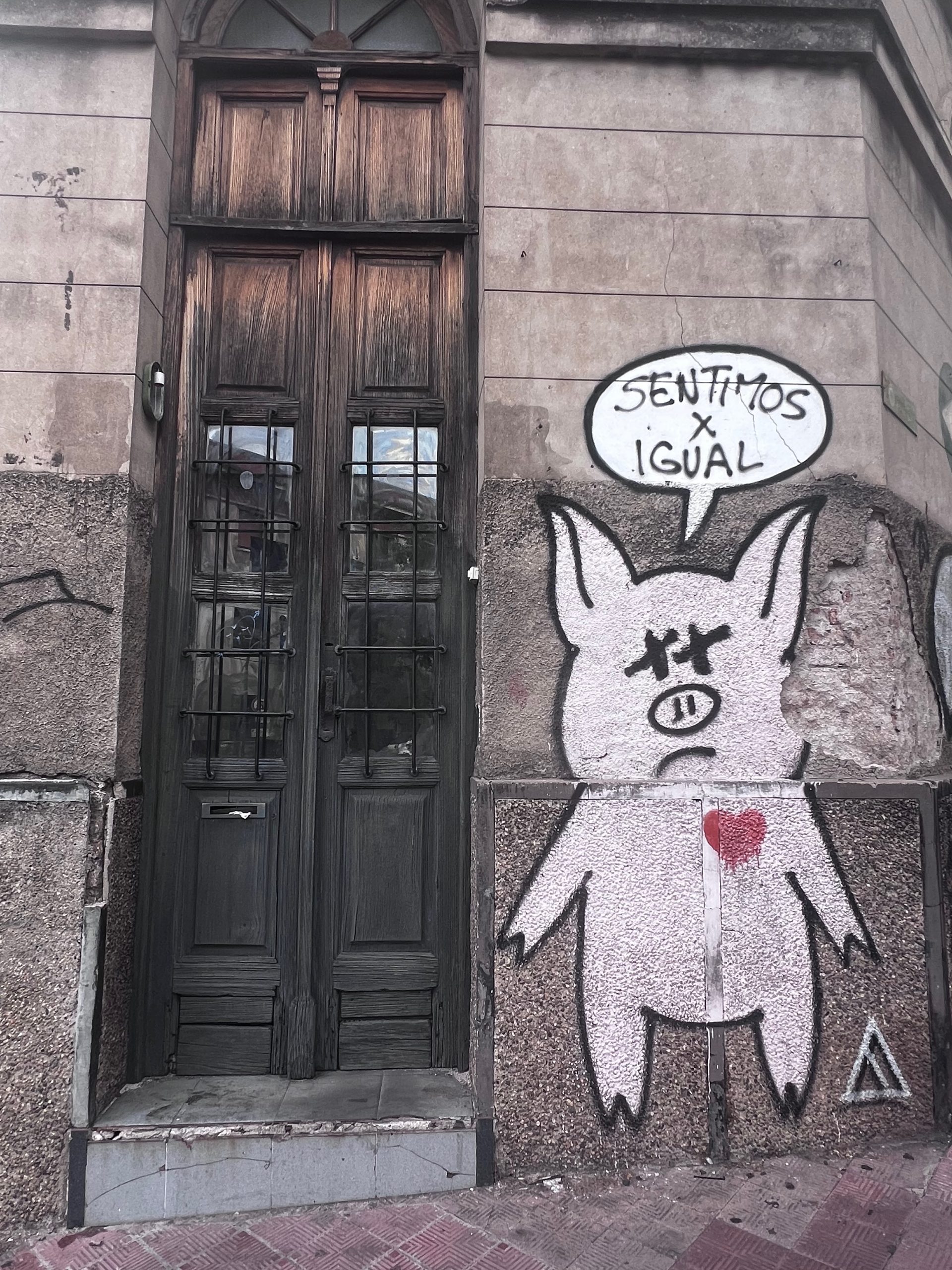
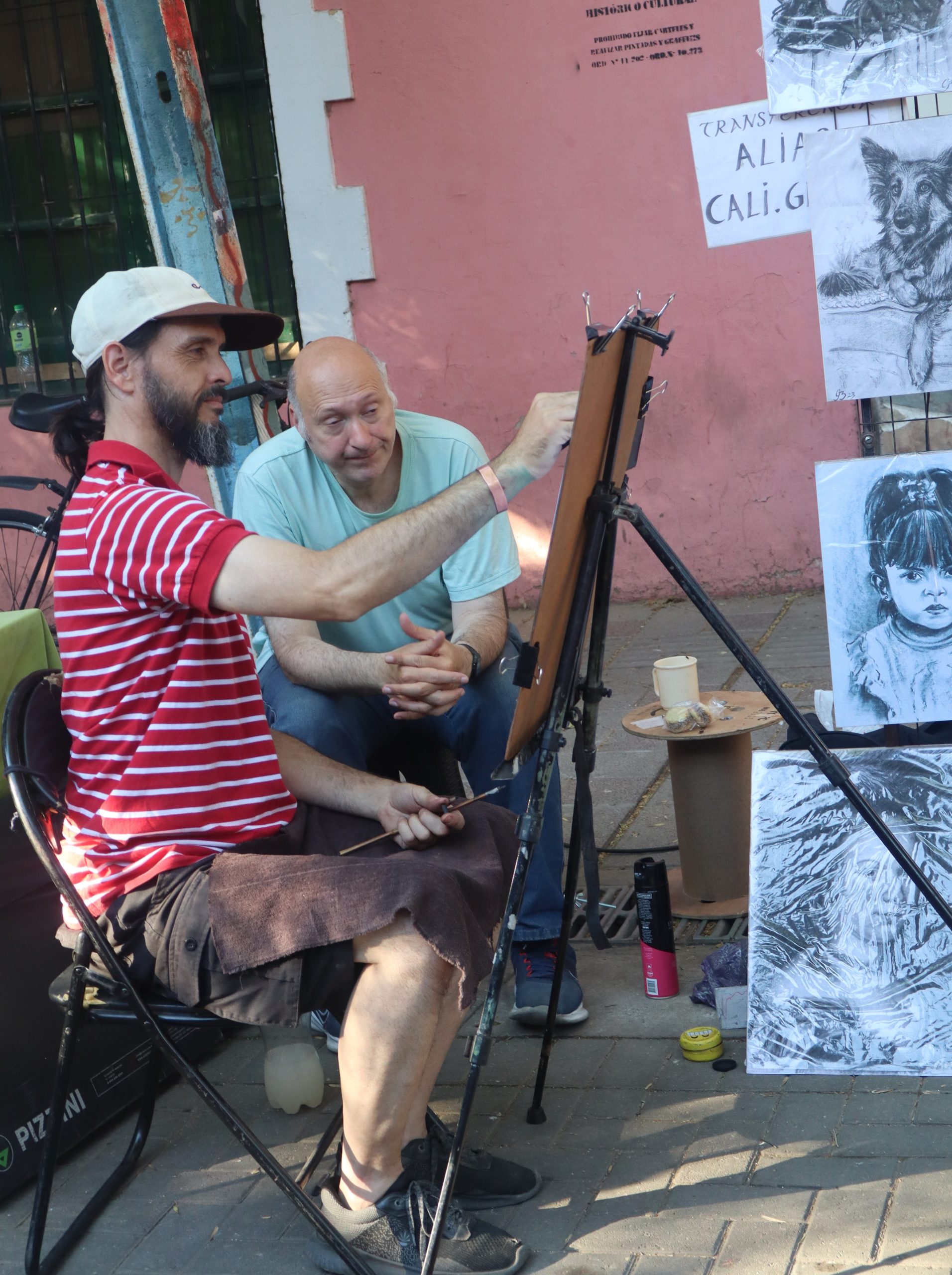
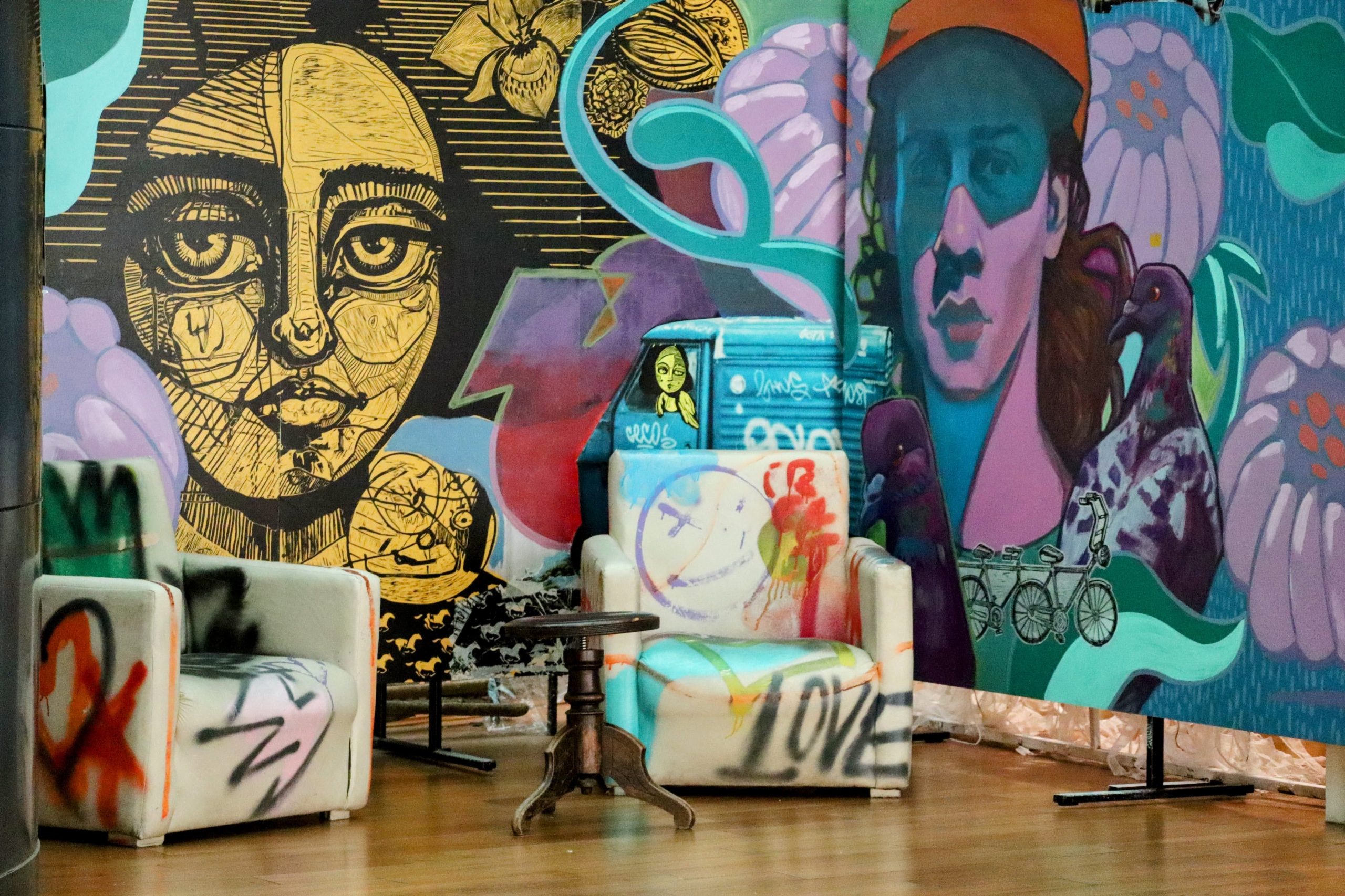
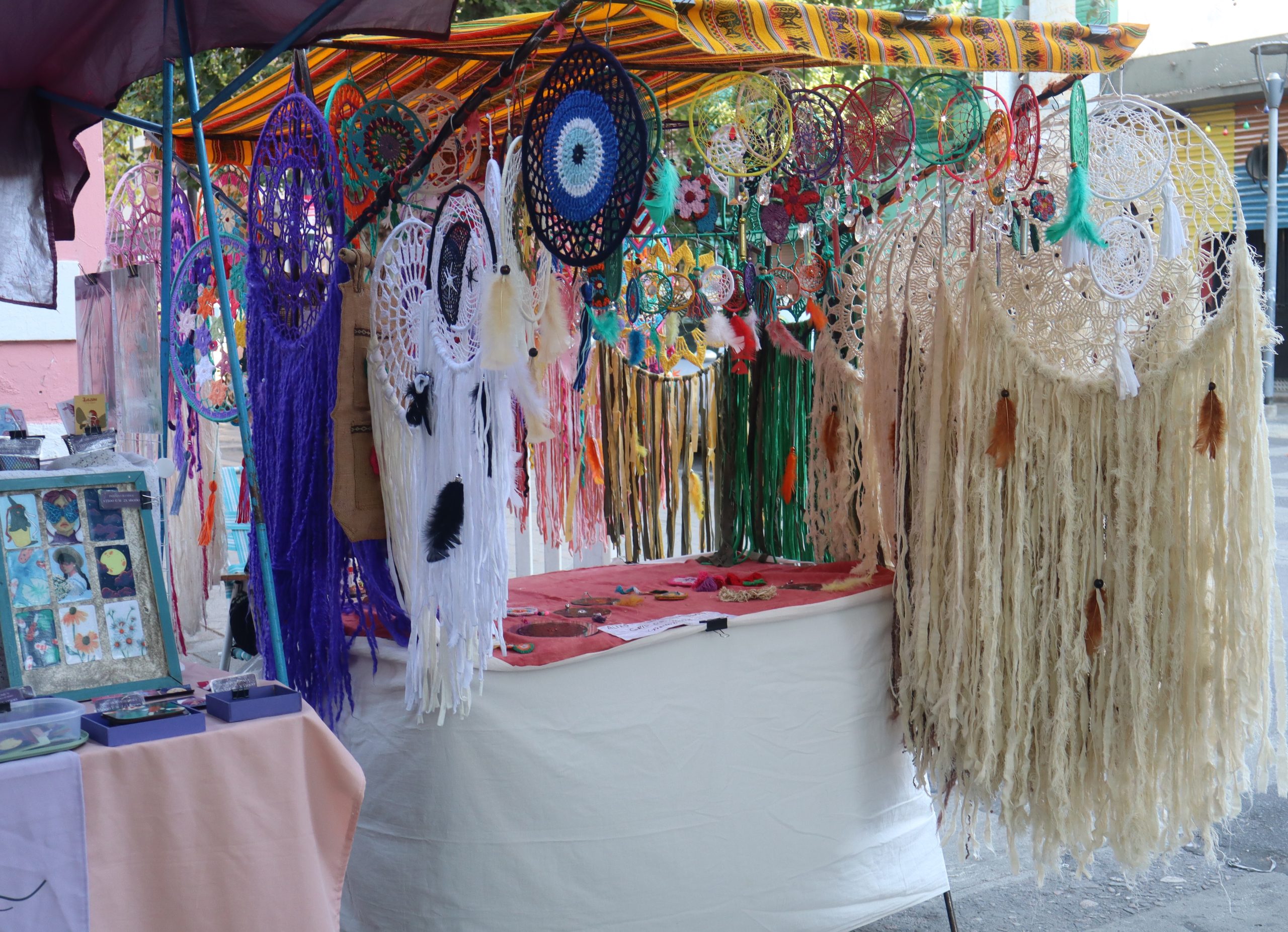
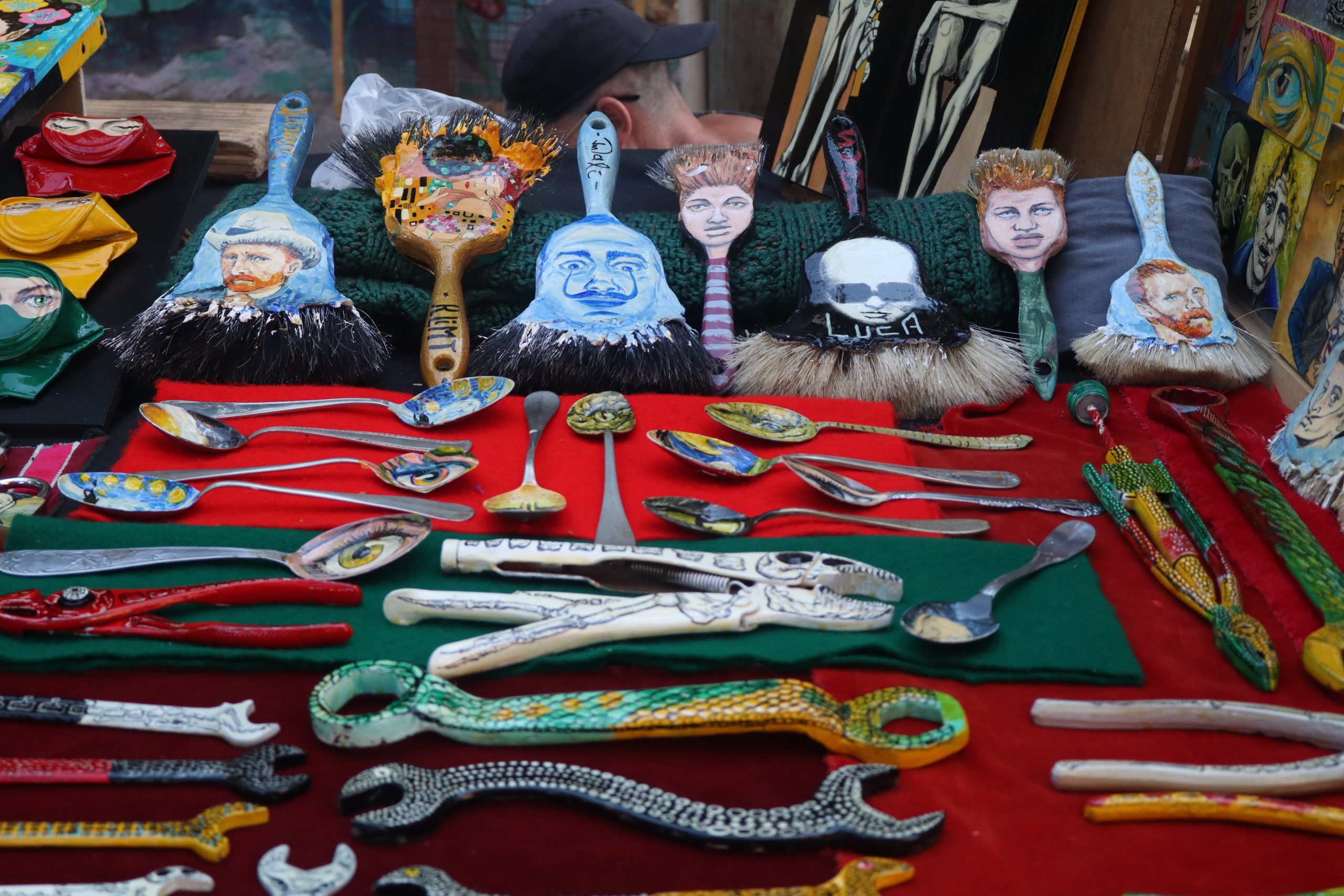
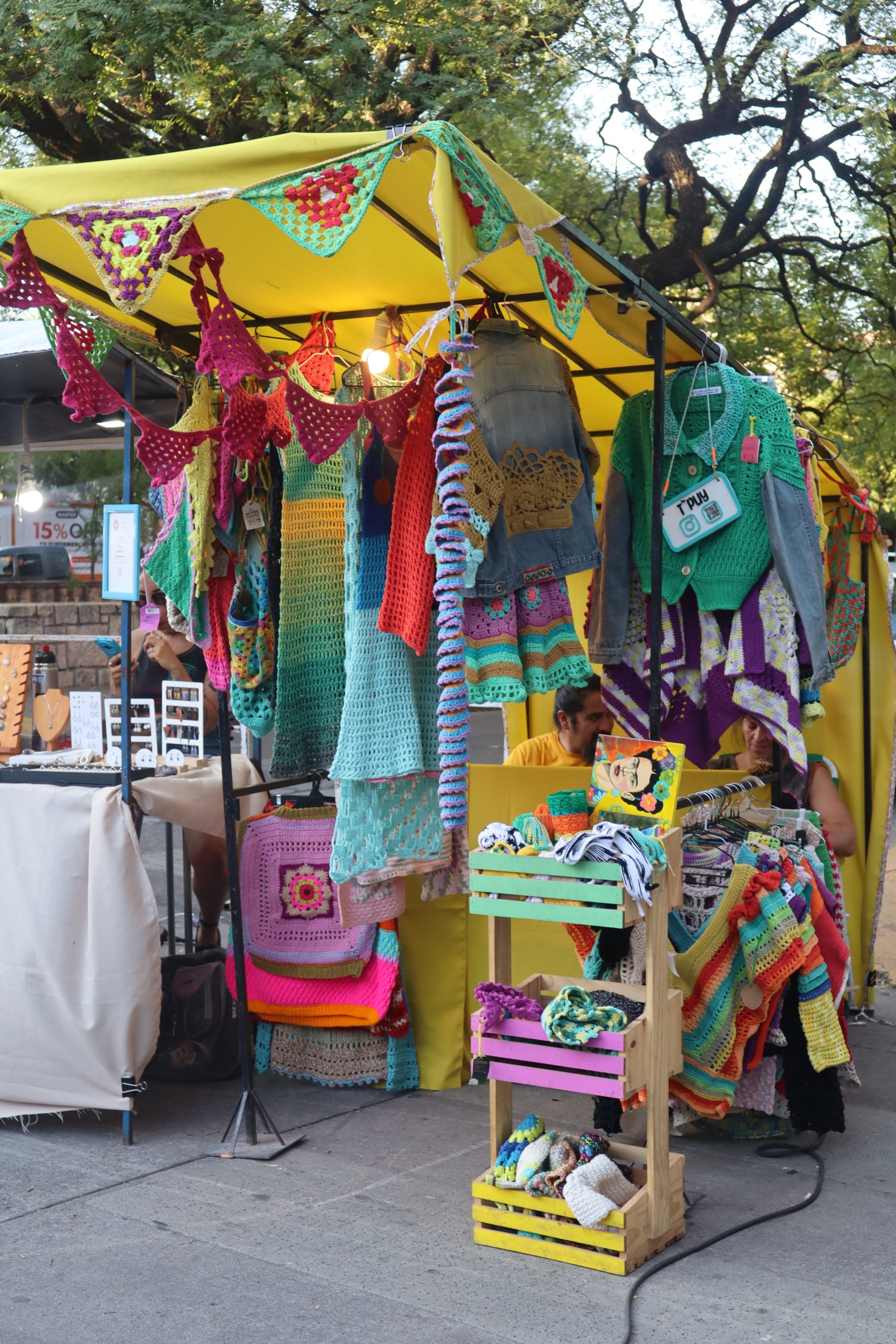
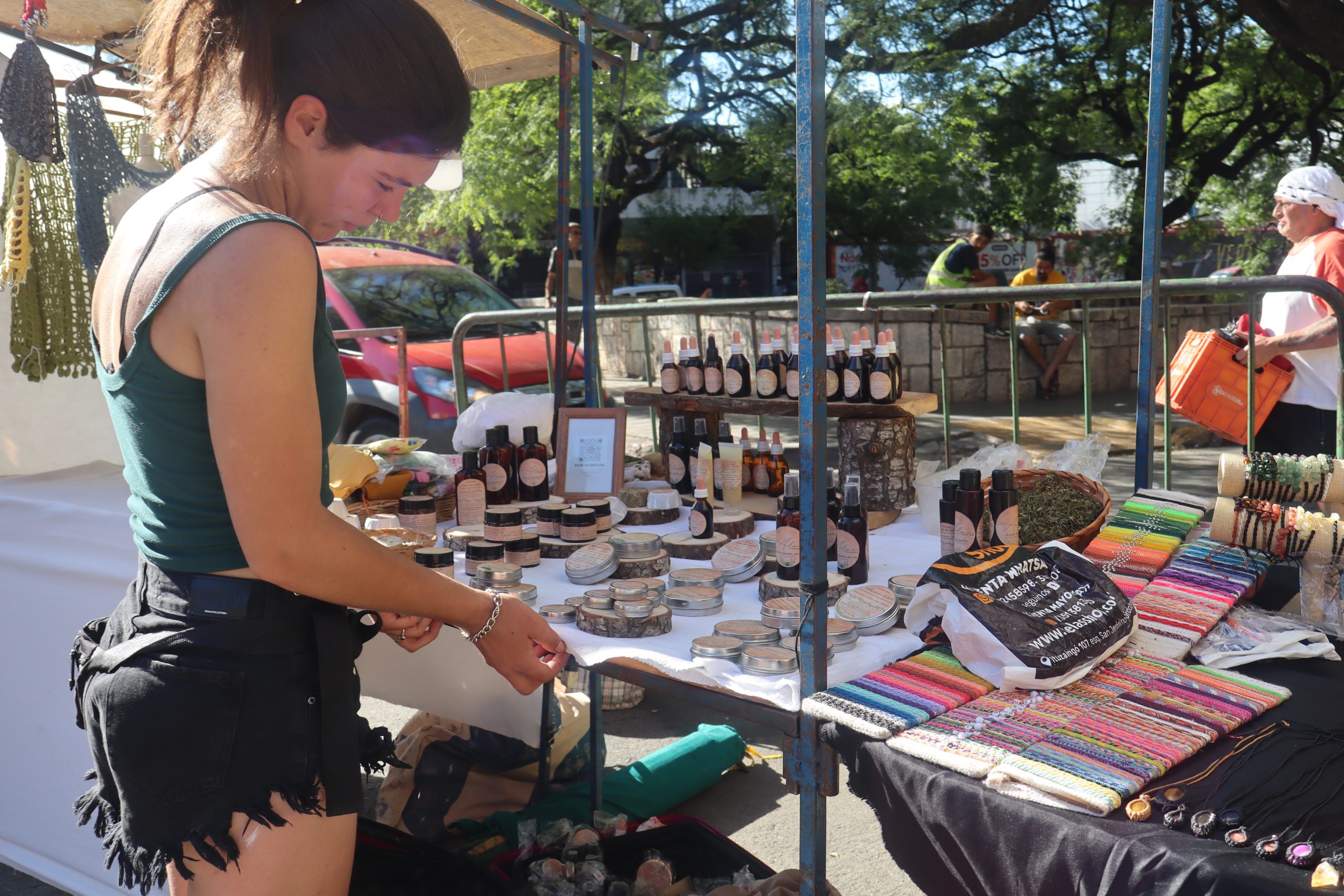
I am staying near the Barrio Güemes, a bohemian district known for its cultural vibe, galleries, and shopping. Besides its colonial charm, Cordoba originated Cuarteto music and dance, a bit folky similar to Meringue played with an accordion and violin. It is also a city that dines late at night, known for its Cabrito Cordobes (roasted baby goat) and Ajoblanco Cordobes (cold soup made of almond, garlic and bread).  During my short stay here, this is what I learned and liked about this colonial city…
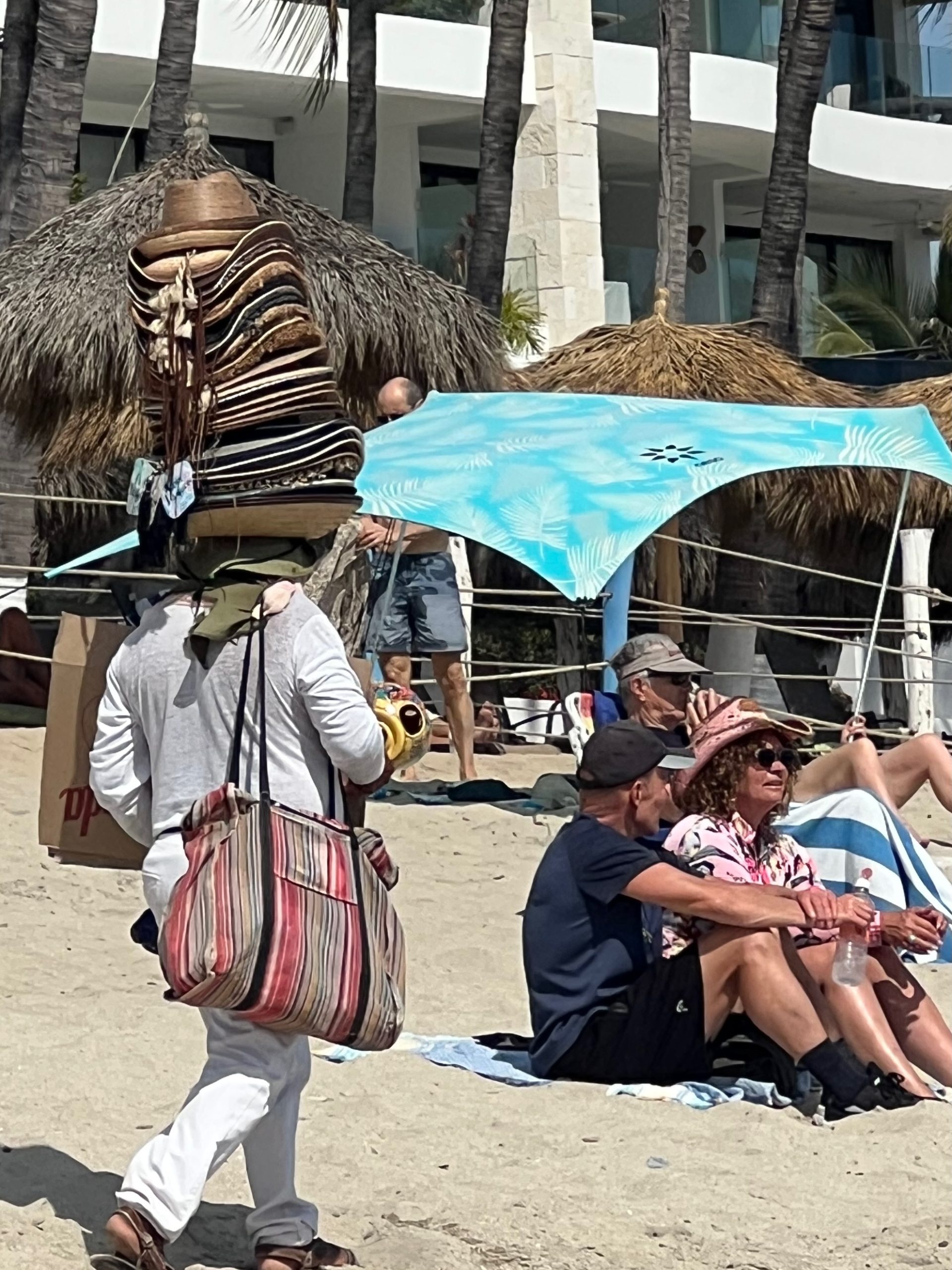
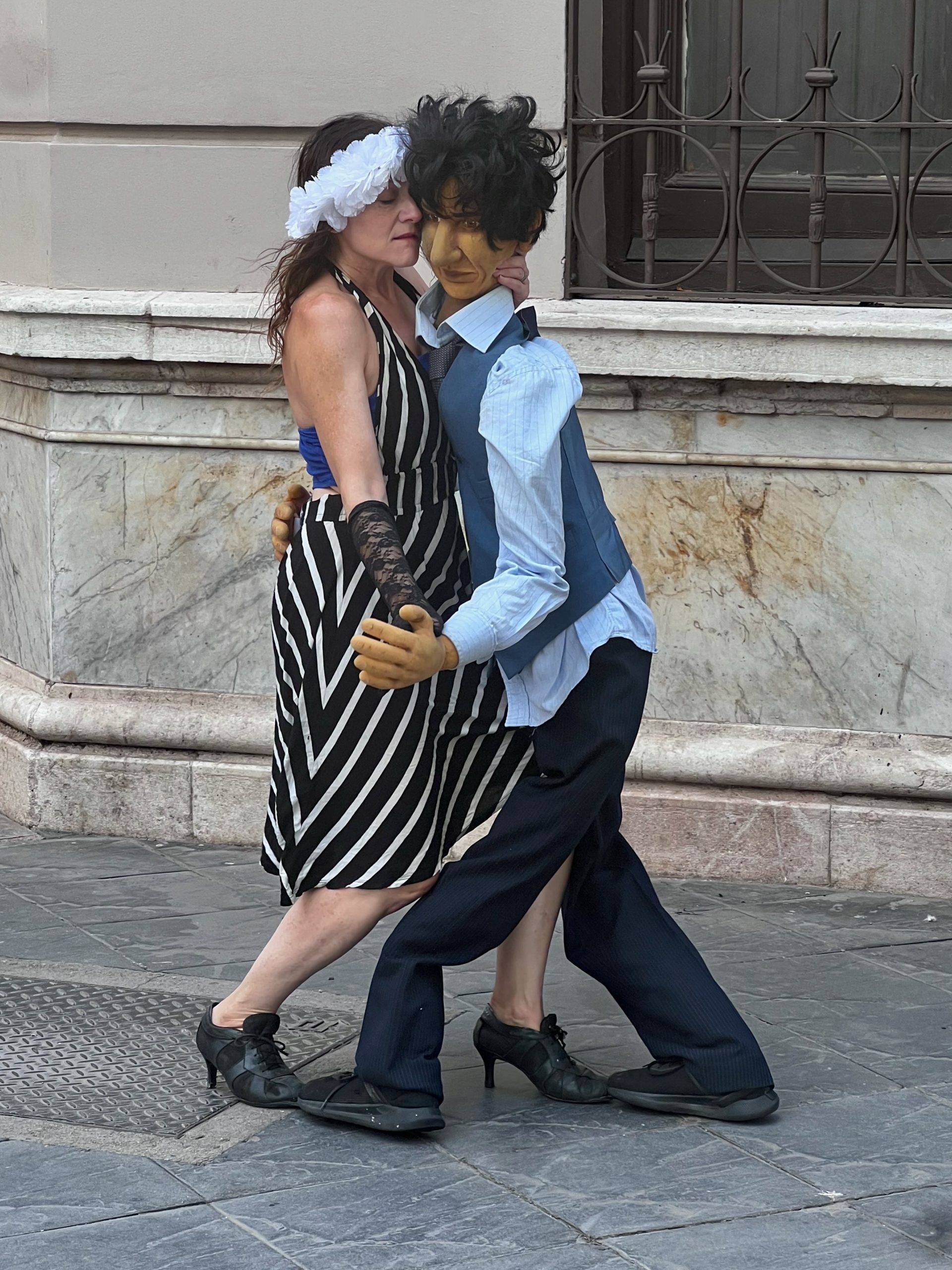
Buenos Aires Remembered: Culture, Memory, and the Weight of History”

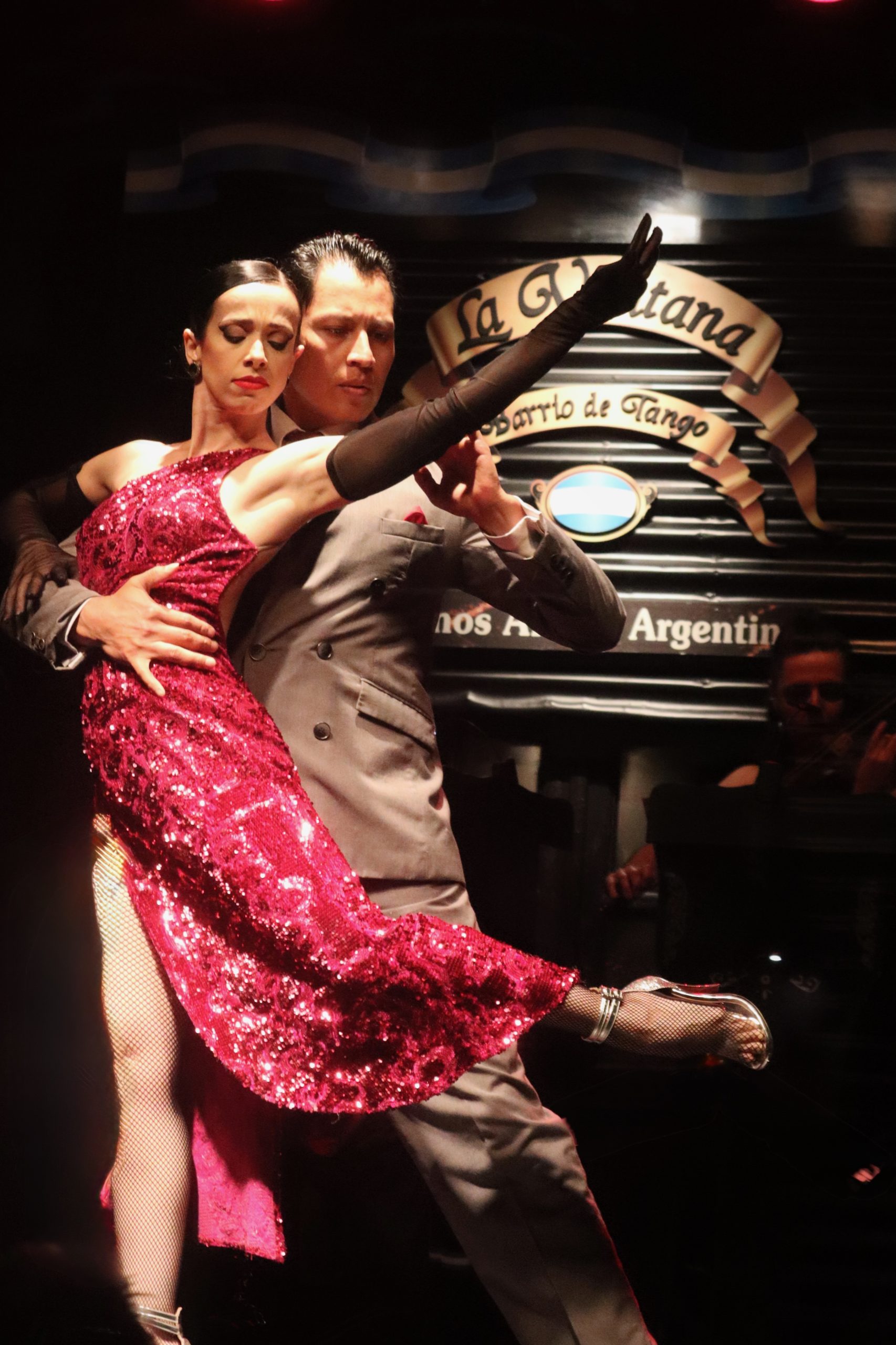
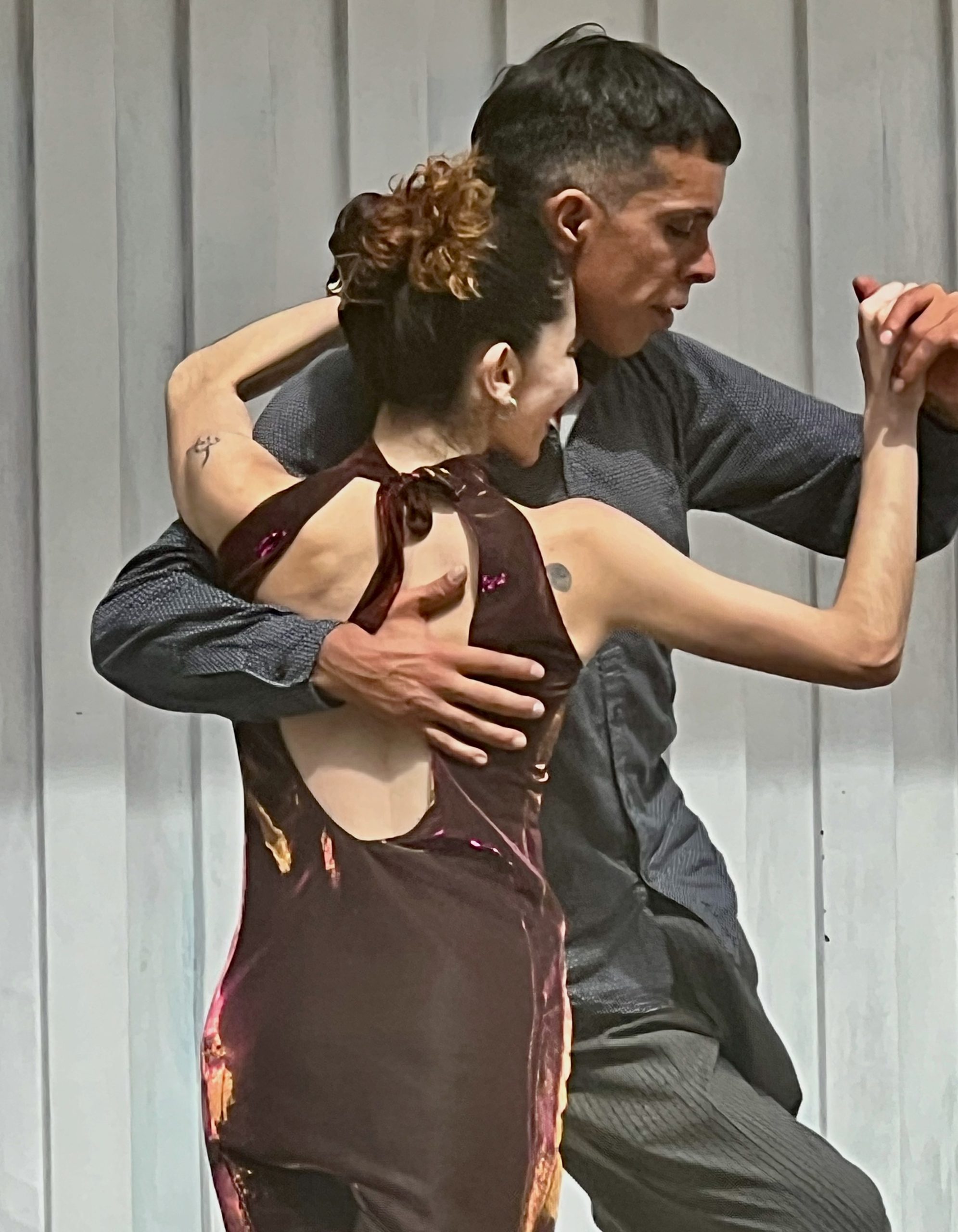
I stayed in Buenos Aires for a month in the colonial neighborhood of San Telmo, the birthplace of Tango.  I must say I was quite taken by the city’s rich culture, European architecture and its empanadas (much savory than Chile). Buenos Aires is a vast metropolis where one can easily get lost with so many neighborhoods to choose from. The resemblance between New York City and London is uncanny and is why I chose to stay in San Telmo with its bohemian vibe, colonial buildings, gas lanterns and cobblestone streets. Here is what I learned and liked most about living in Buenos Aires…
Between Painted Mountains and Waterfalls: A Journey Through Northwest Argentina

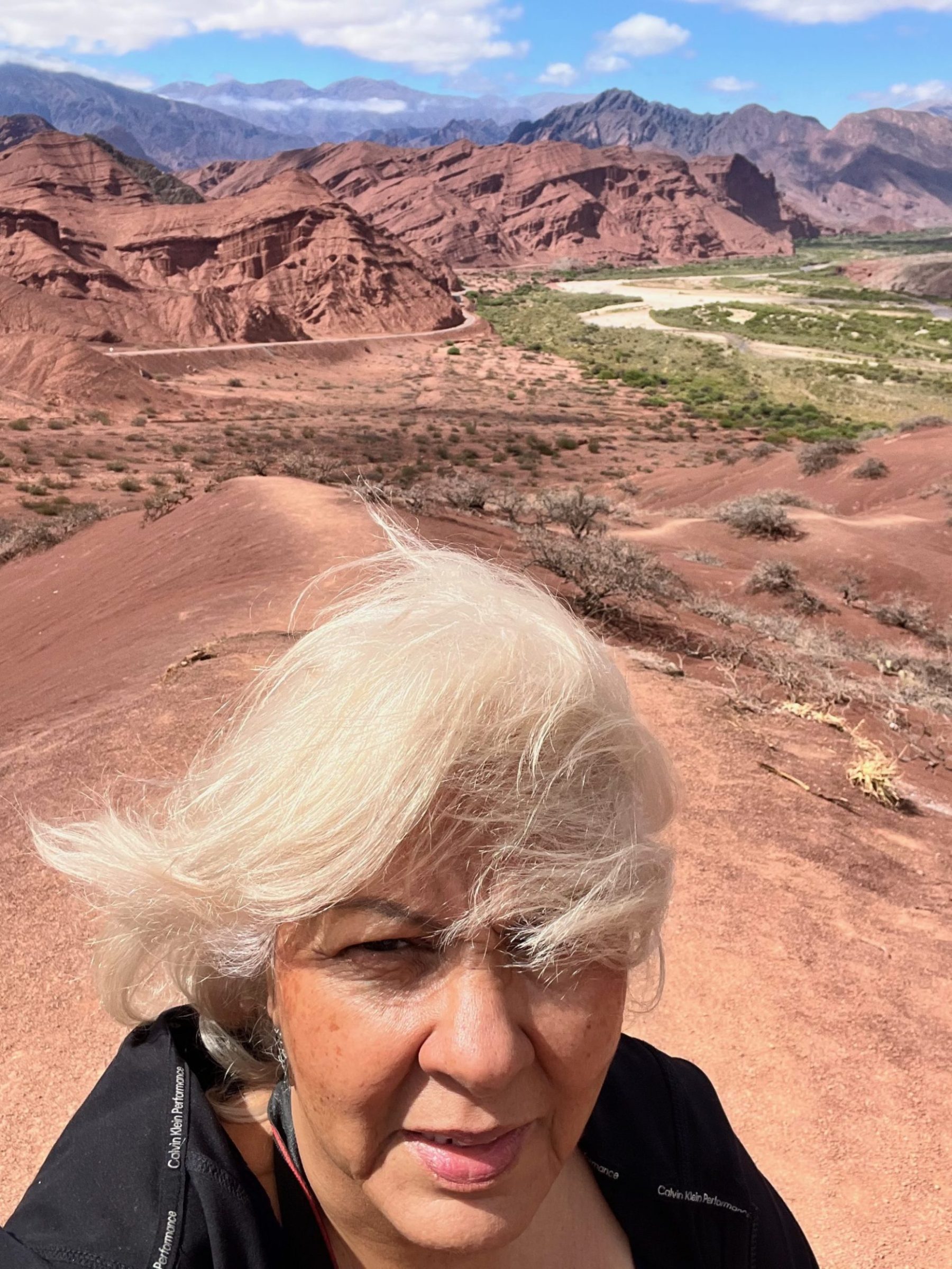
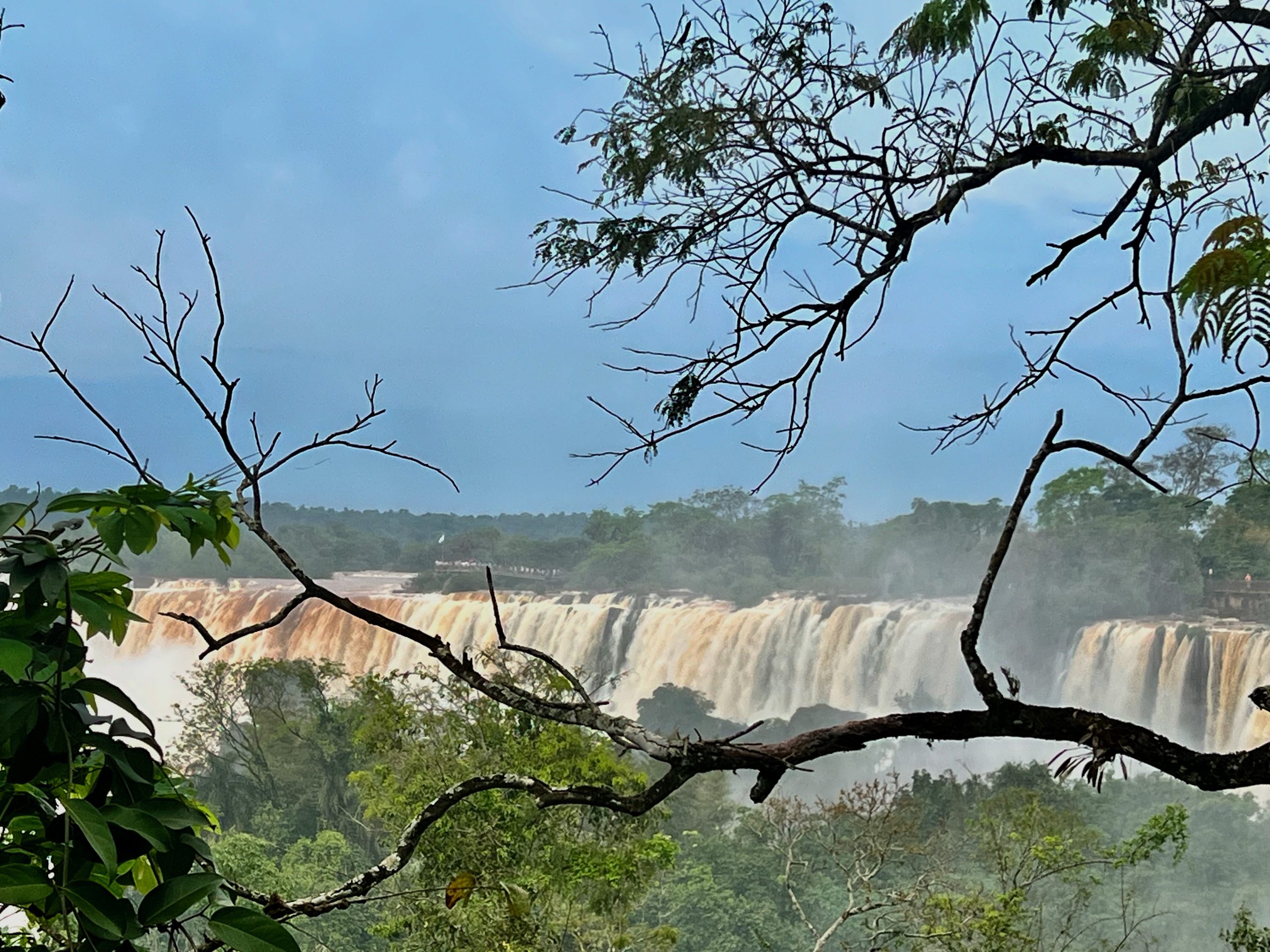
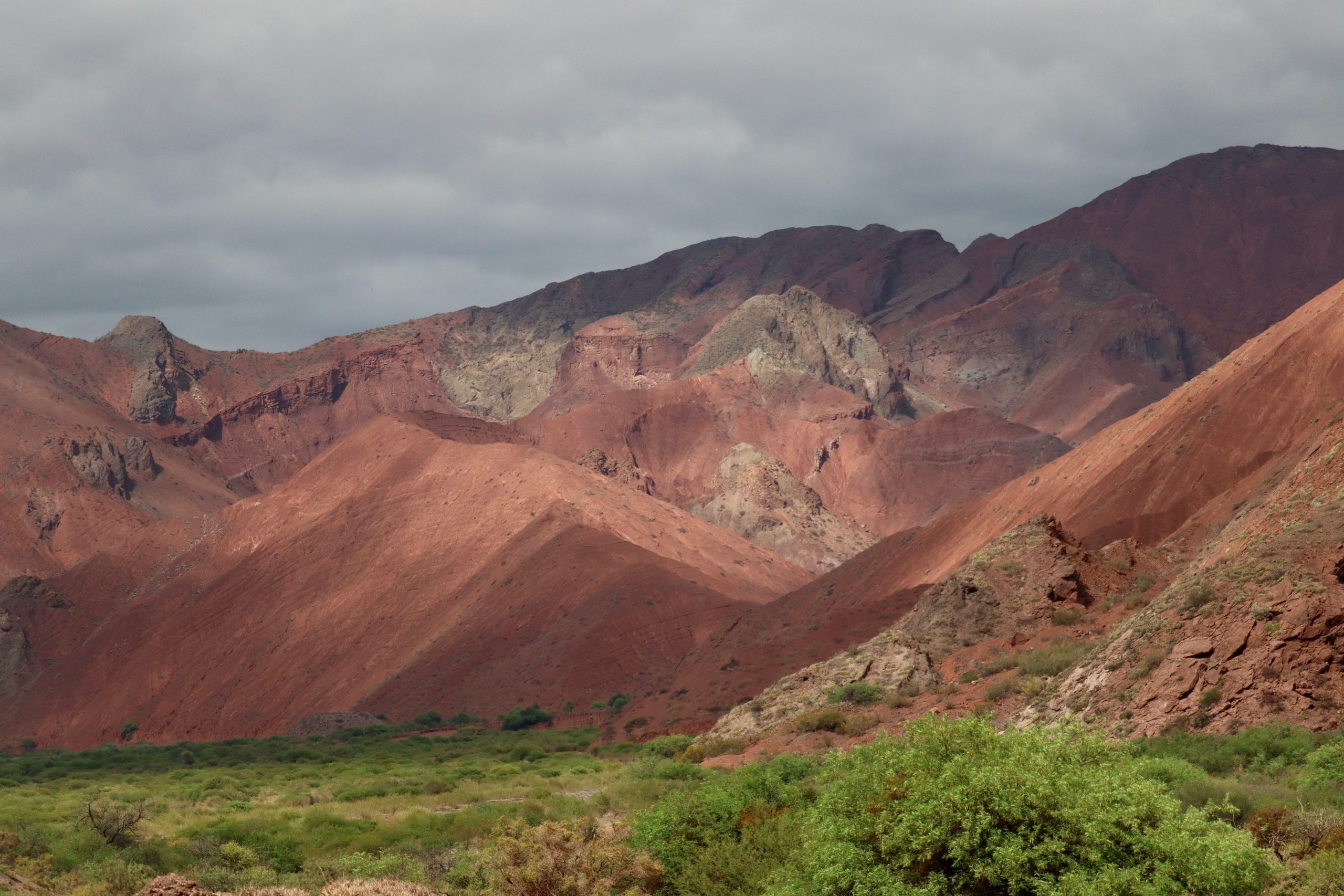
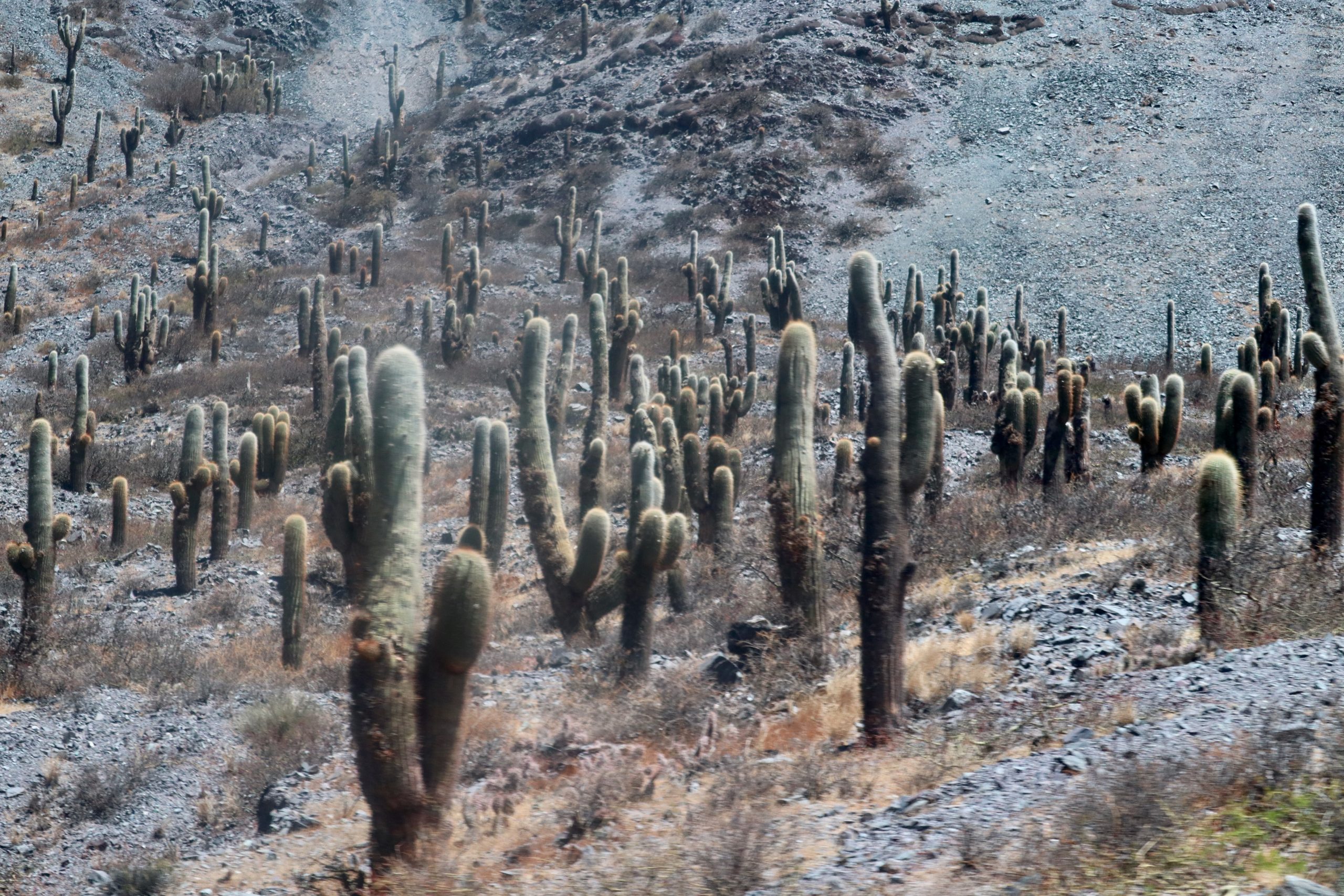
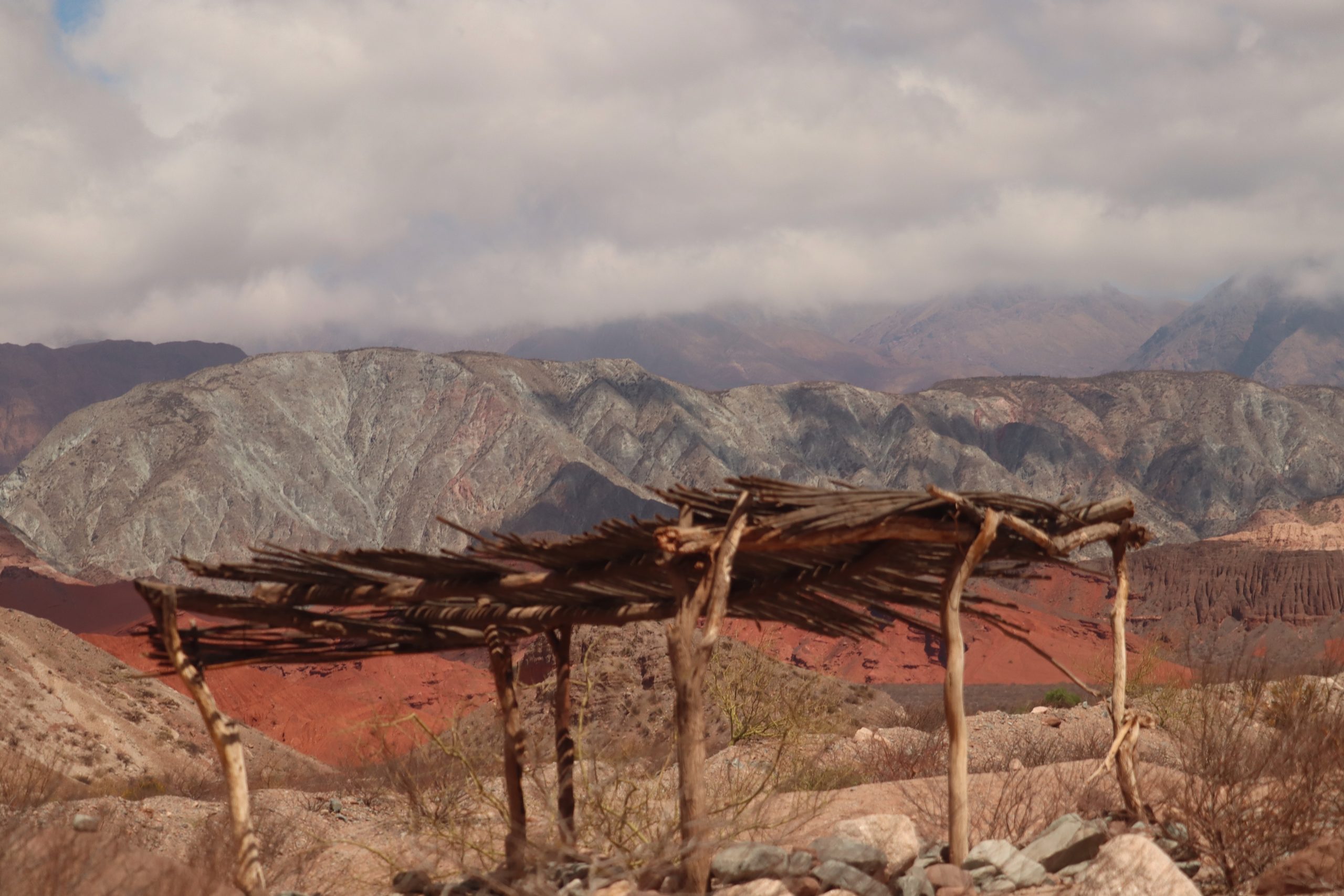
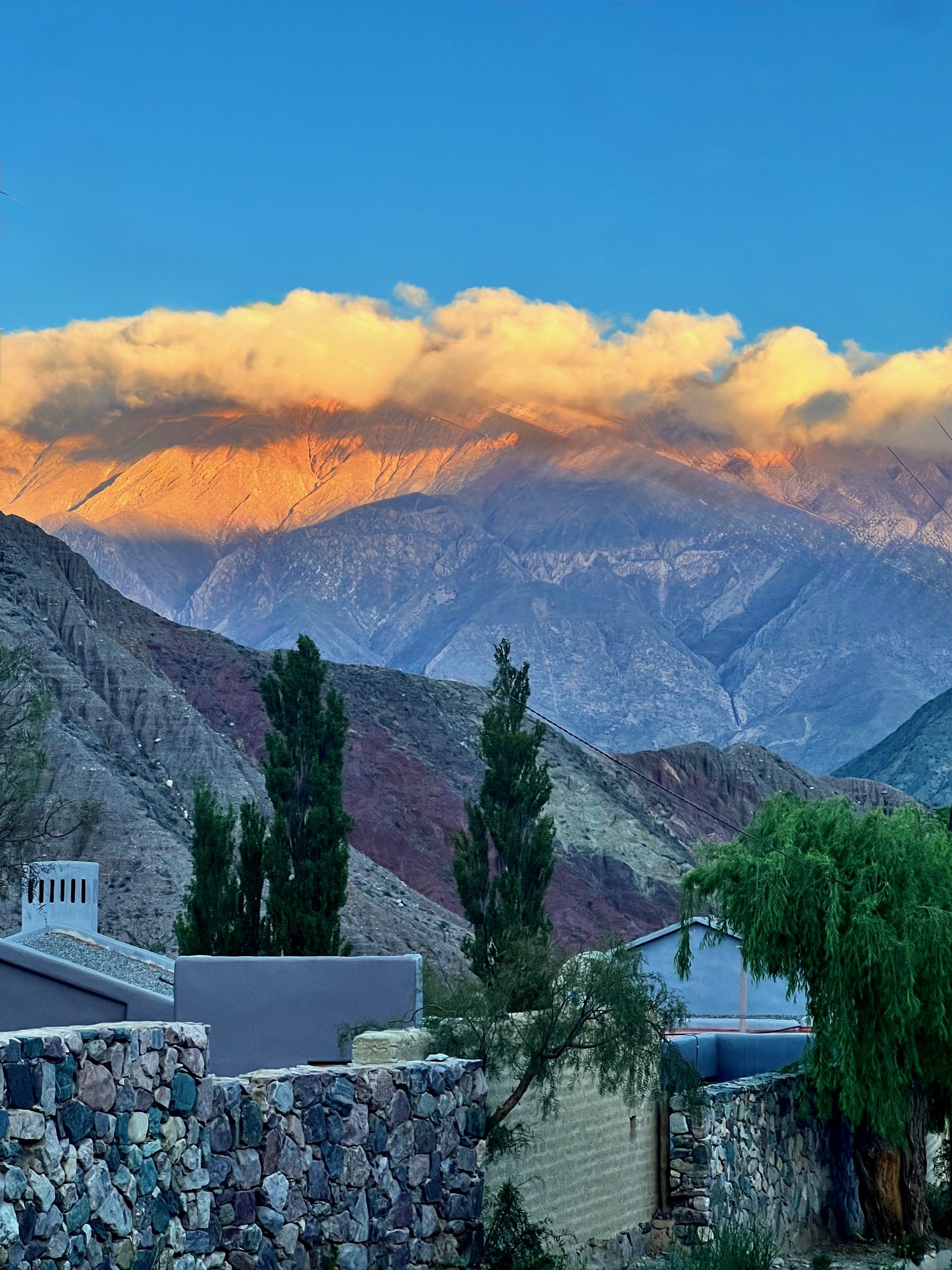
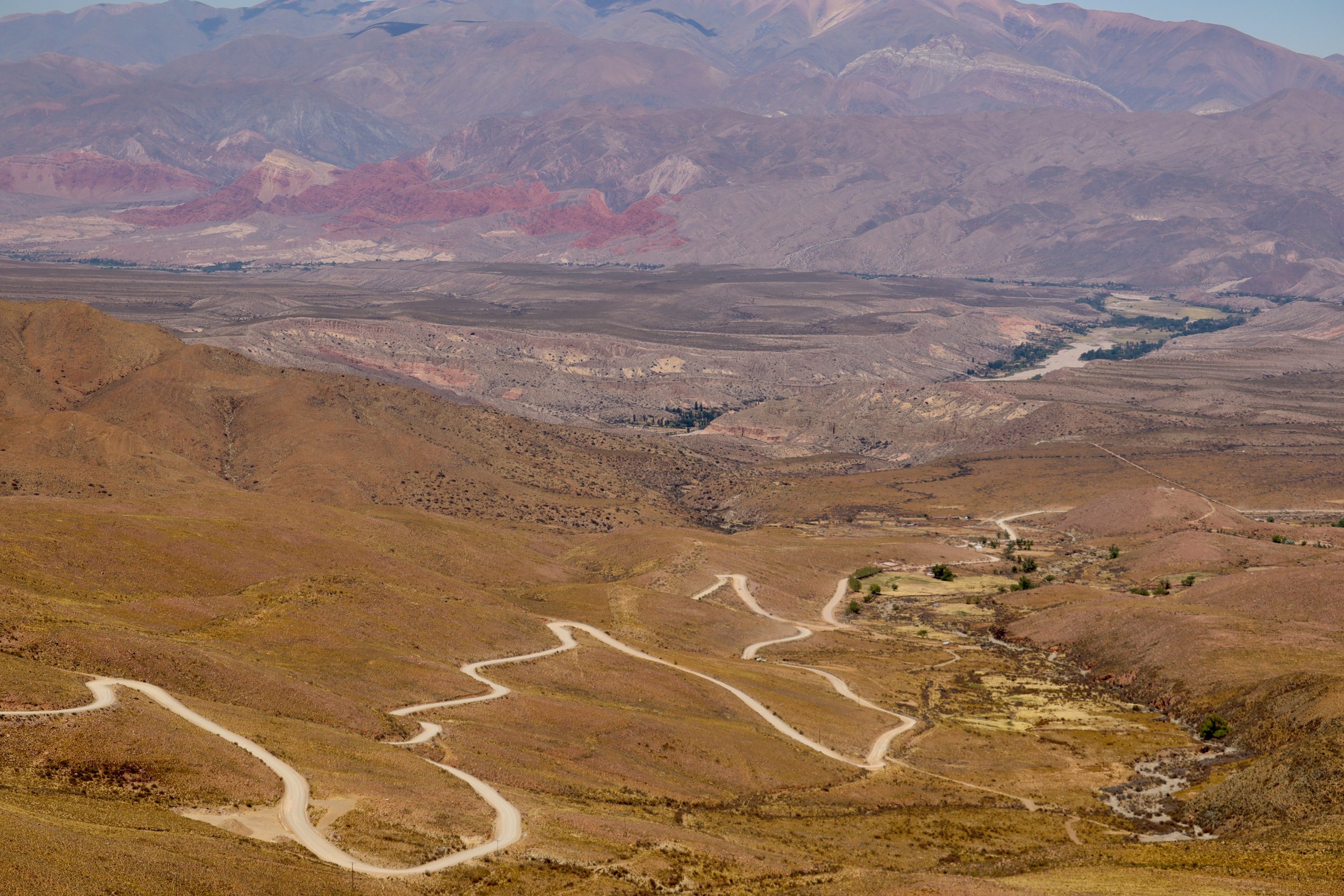
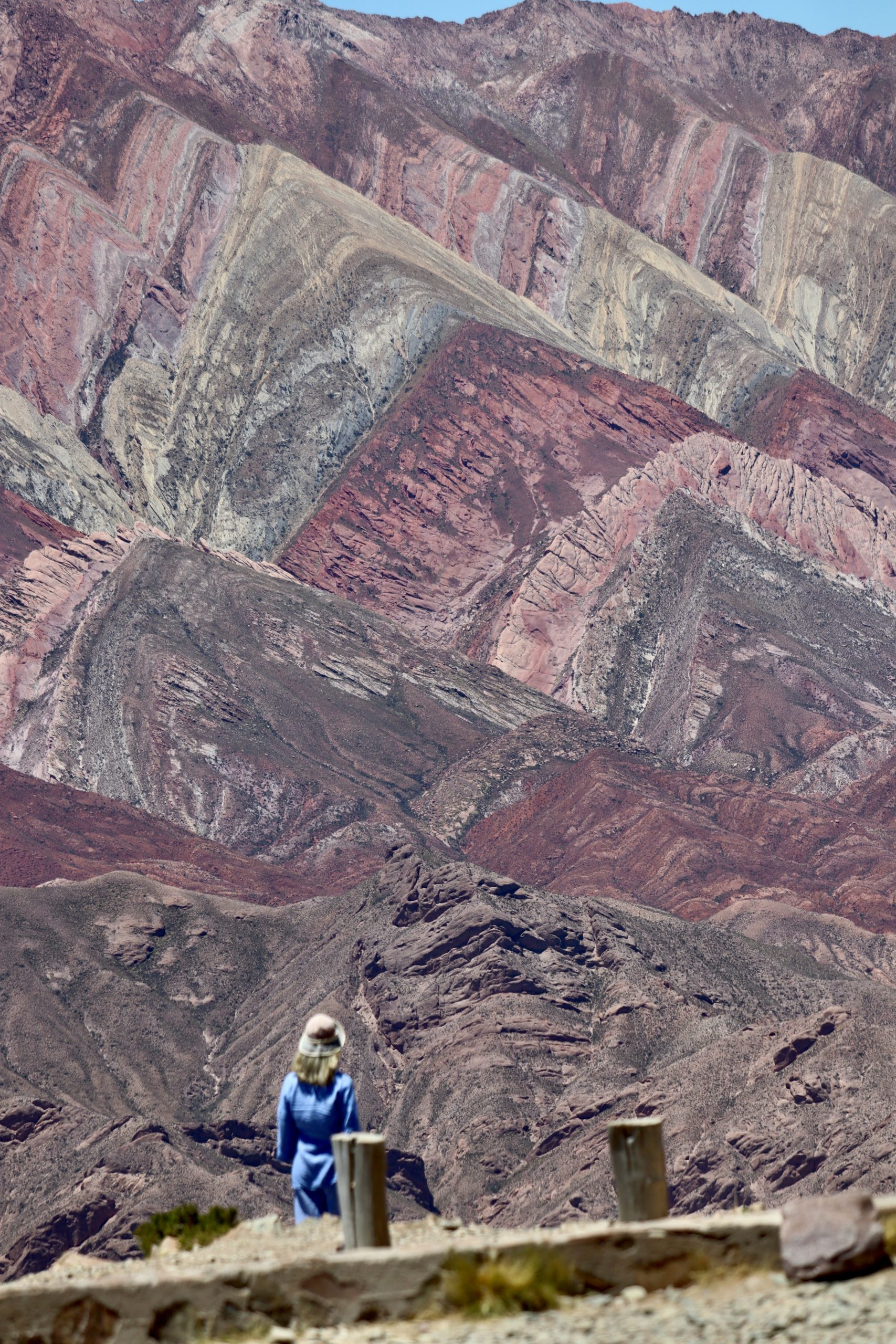
A ten-day journey starting in Buenos Aires, traveling through the Northwest countryside of Argentina to experience the roar of the Iguazu waterfalls, the largest in the world, and moving from there to the colonial city of Salta. From here we ascend through valleys and winding roads of dramatic landscapes of rainbow mountains and ancient villages of adobe homes… almost surreal. It’s impossible to really experience Argentina’s history and culture if you only stay in Buenos Aires. On this journey where the air is a bit thinner, you get to explore cactus-dotted deserts, steep canyons, wine-producing farms and mountains of rose, jade, mustard, and violet colors celebrated by its people as Pachamama (Mother Earth). Here’s more on the highlights of this journey and what I learned from this experience…