
Artisan Life and Indigenous Resilience at Lake Atitlán, Guatemala
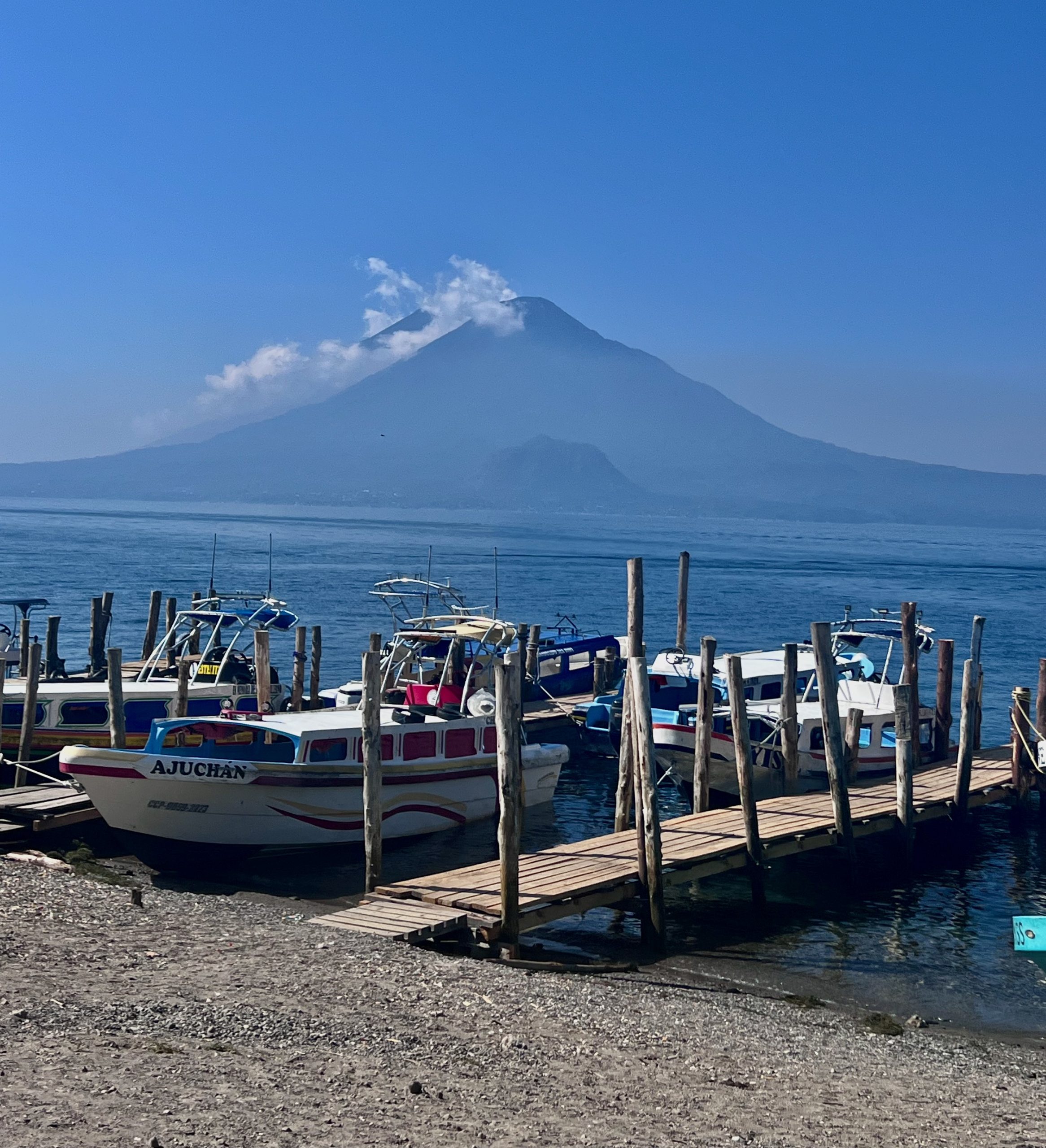
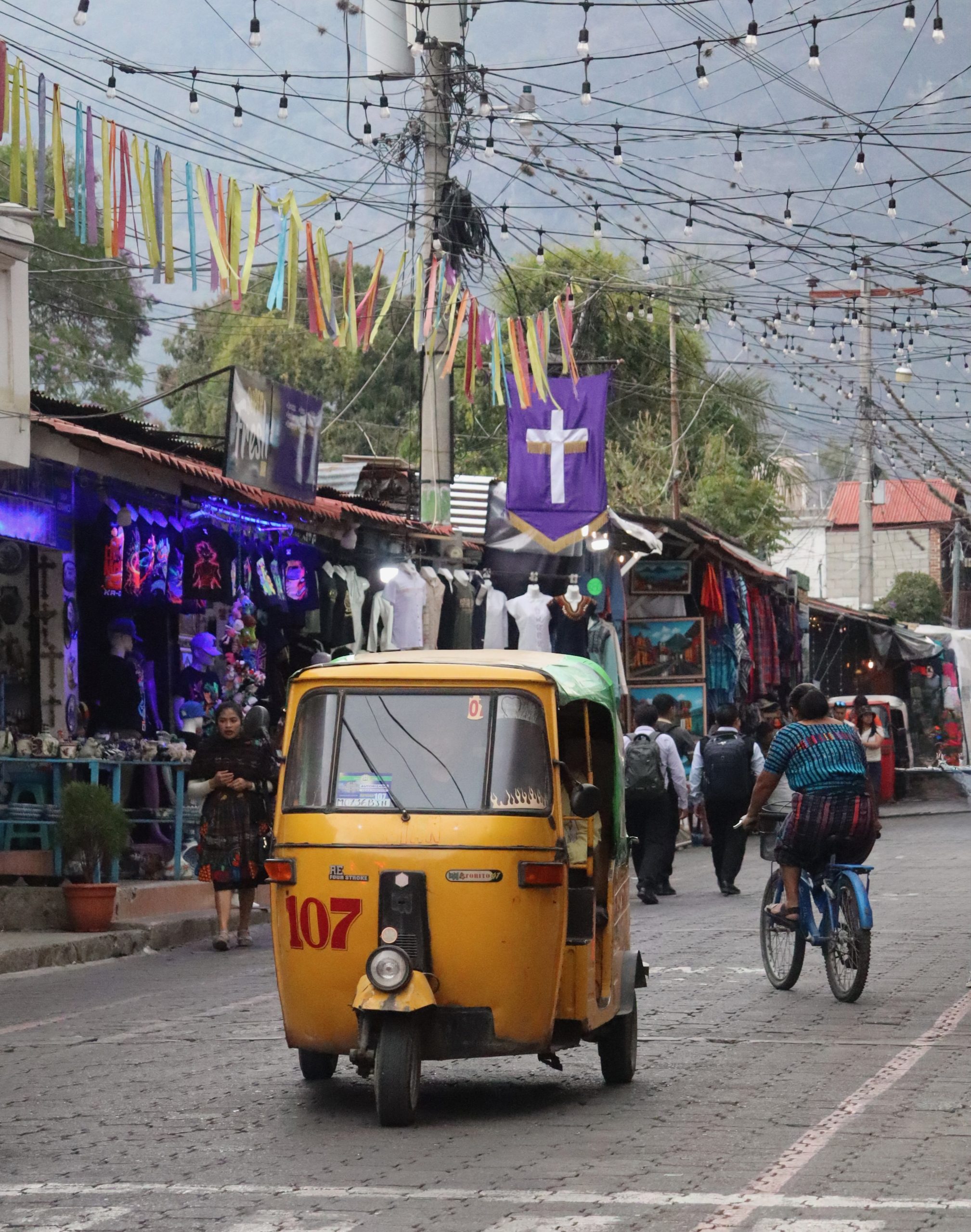
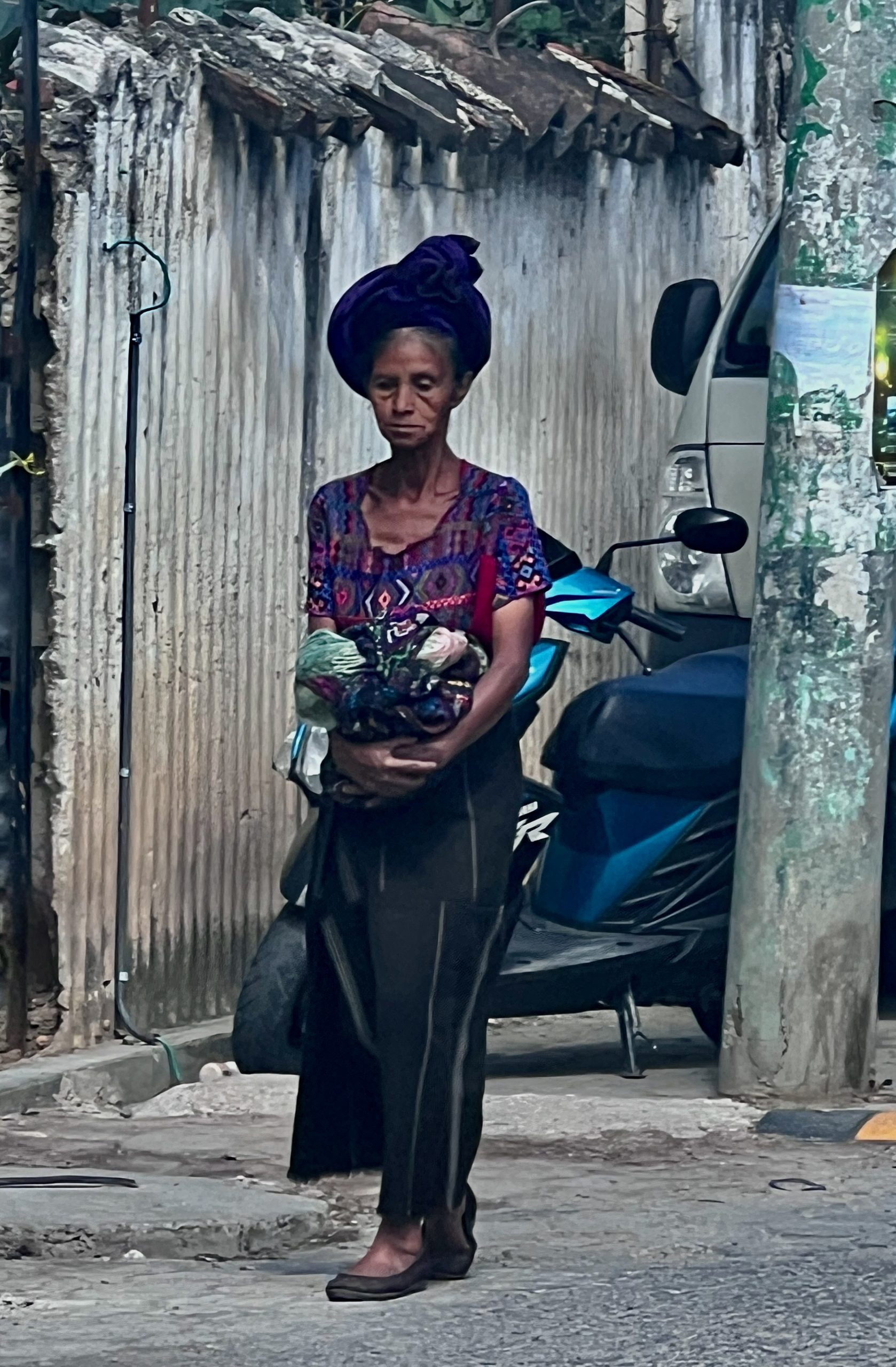
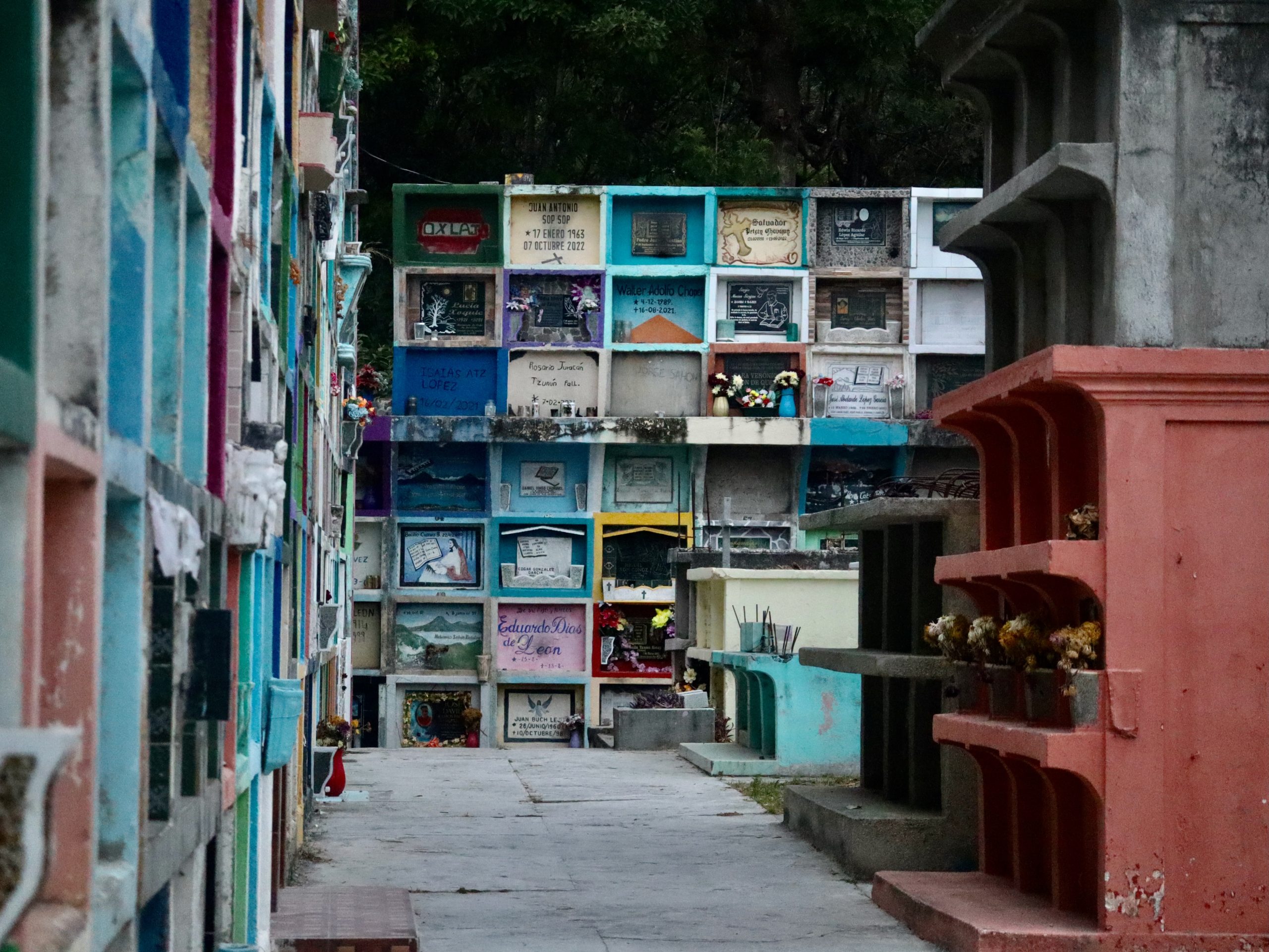
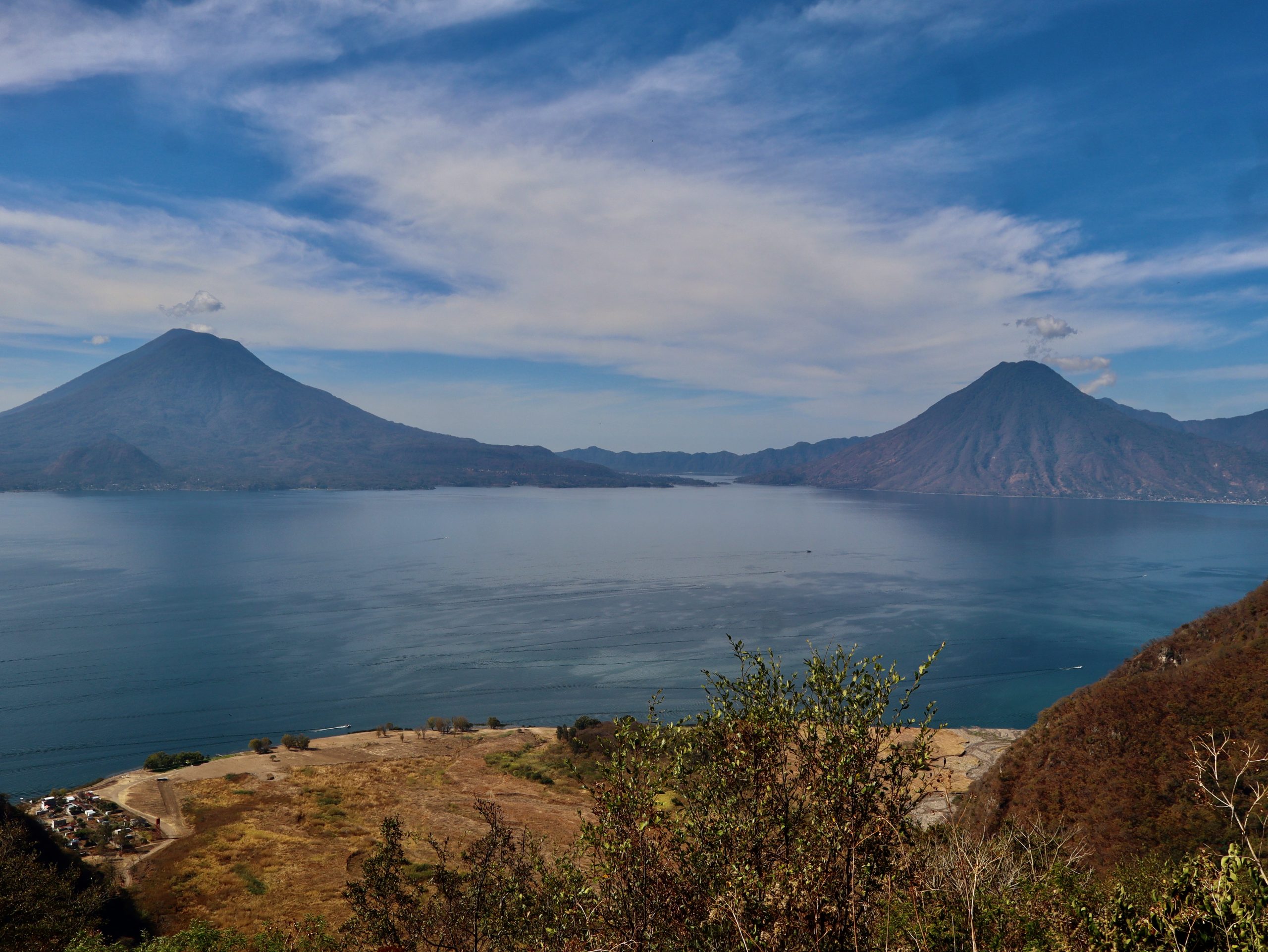
Two weeks staying at Lake Atitlan in Guatemala was simply not enough. Guatemala’s most famous lake was formed by an enormous volcanic eruption, surrounded by mountains and volcanoes where Mayan villages continue to flourish. In fact, Lake Atitlan offers its visitors a unique and authentic experience beyond just being a perfect getaway for travelers and hikers worldwide. I immediately fell under its spell, hoping to return someday. This story is a continuation of a two-part series on Guatemala. This story is part two…
There are nearly a dozen villages to visit and explore around the lake, many of the residents are descendants of the Kaqchikel and Tz’utujil Mayan tribes. These indigenous communities reflect a powerful continuity of tradition, blending ancestral Maya customs with the realities of modern life and tourism. Their resilience is sustained by indigenous-led cooperatives that support artisans, a spiritual life shaped by both Mayan and Catholic beliefs, and a commitment to protecting the environment and ancestral traditions. A place where motorcycles, Tuk-tuks and ferries are how most people get around in harmony with the lake and its mountainous landscape. A place where the people are a force of nature, maintaining their cultural and agricultural resilience despite historical discrimination.
But First, a Bit of History
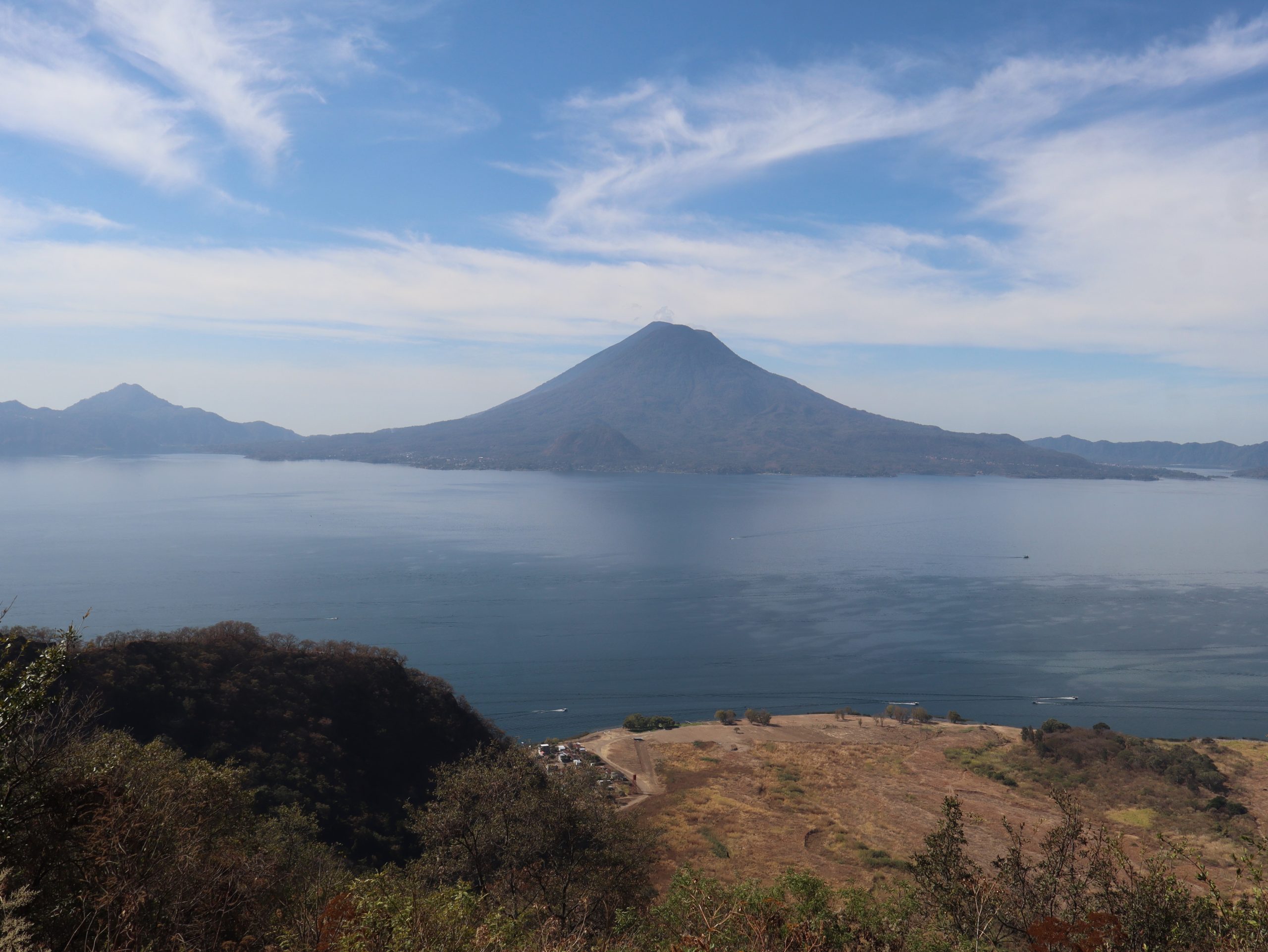
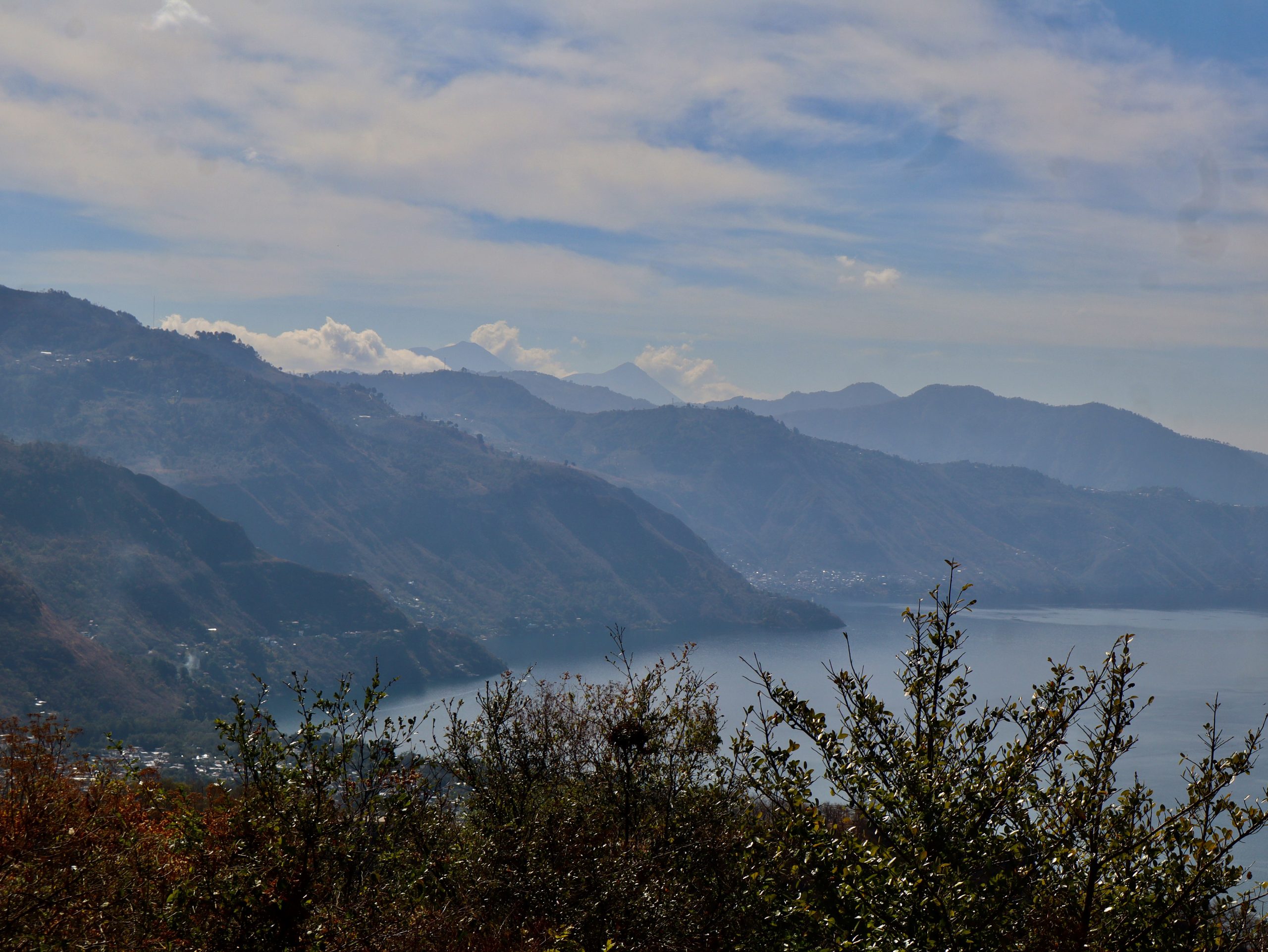
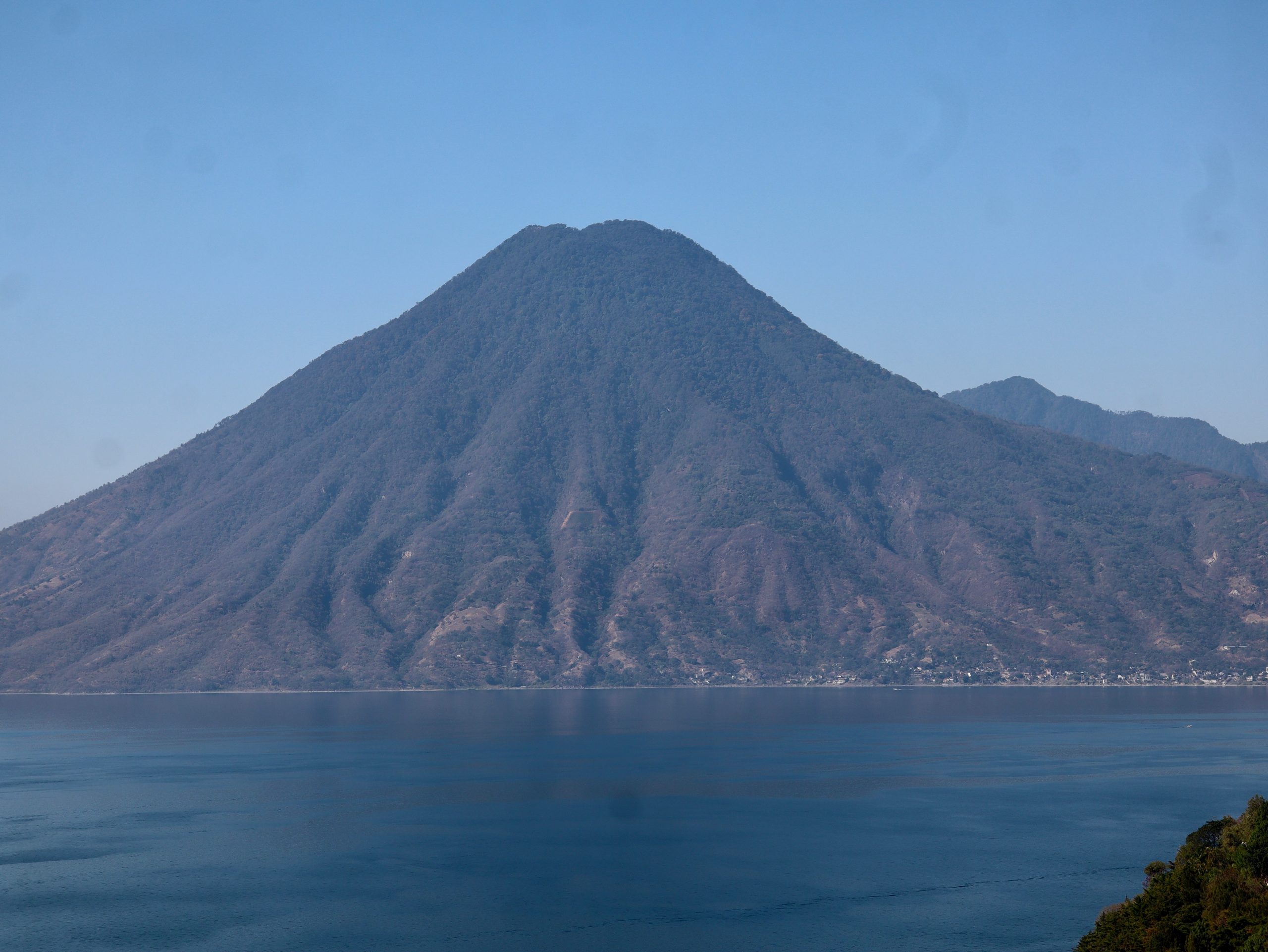
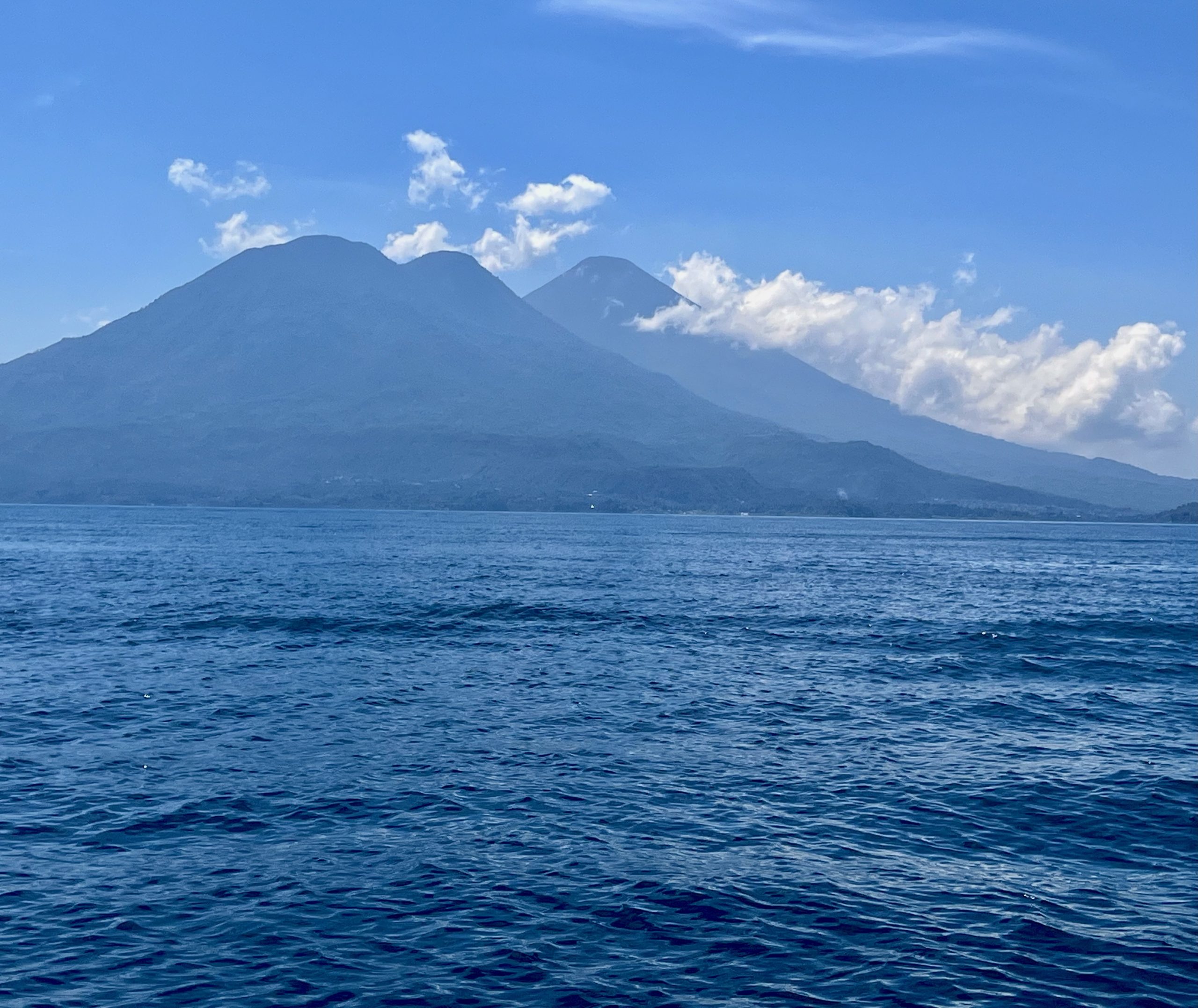
About 84,000 years ago, a massive volcanic eruption in Guatemala’s highlands, known as Los Chocoyos, formed Lake Atitlán. The lake is a 340-meter-deep caldera, often compared to Santorini, and is framed by the volcanoes Atitlán, Tolimán, and San Pedro. Beneath its waters lies the submerged archaeological site of Samabaj, often called the “Mayan Atlantis,” which is believed to have sunk around 250 AD and can be explored by certified divers.
The Spanish colonized the region in 1524, but its rugged isolation helped preserve much of the Maya culture that still exists today. Because the area remained remote for centuries, Lake Atitlán did not become a major international tourist destination until the 20th century, when its economy gradually expanded beyond fishing and agriculture to include tourism, coffee, and textiles. Today, the area is a mix of traditional Maya culture and modern tourism, with its own challenges. More on this later.
Arriving at Lake Atitlan
From where I was staying, stopping at the city of Antigua to arrive in Panajachel, it’s about a 2-hour ride in a shuttle on very congested roads. Panajachel, known as (Pana) is the main gateway and the second largest town on the lake. Once you arrive, depending on where you stay, you can take a ferry or a tuk-tuk to your destination. I had planned to stay in Panajachel for the entire two weeks and arrange daily trips to the other villages from there. This was the best option for me as I have too much luggage to move from village to village. My apartment was about a 20-minute walk from the town center and the ferry, which I preferred over taking a tuk-tuk. The lake region’s altitude is about 5,000 feet, which was not much of a problem for me, aside from slightly increasing the inflammation on my lower back (such is life). The town was less hilly compared to other villages which had much steeper inclines.
Lake Atitlan Mayan Villages —Indigenous Identity in Motion
Starting with Panajachel, every one of these Mayan villages blends an indigenous lifestyle with modern living, and as descendants of several tribes, each maintains their cultural and linguistic heritage. Walking through these villages was like traveling back in time. Away from most of the modernization that we are accustomed to, which makes us less in harmony with who we want to be and with nature. As mentioned earlier, there are nearly a dozen villages, some more popular and touristy than others. A good number of them are accessible by ferry, but others are inland and reachable by car. I visited 8 villages, spending a majority of my two weeks familiarizing myself with Panajachel. The following are highlights of each village visited:
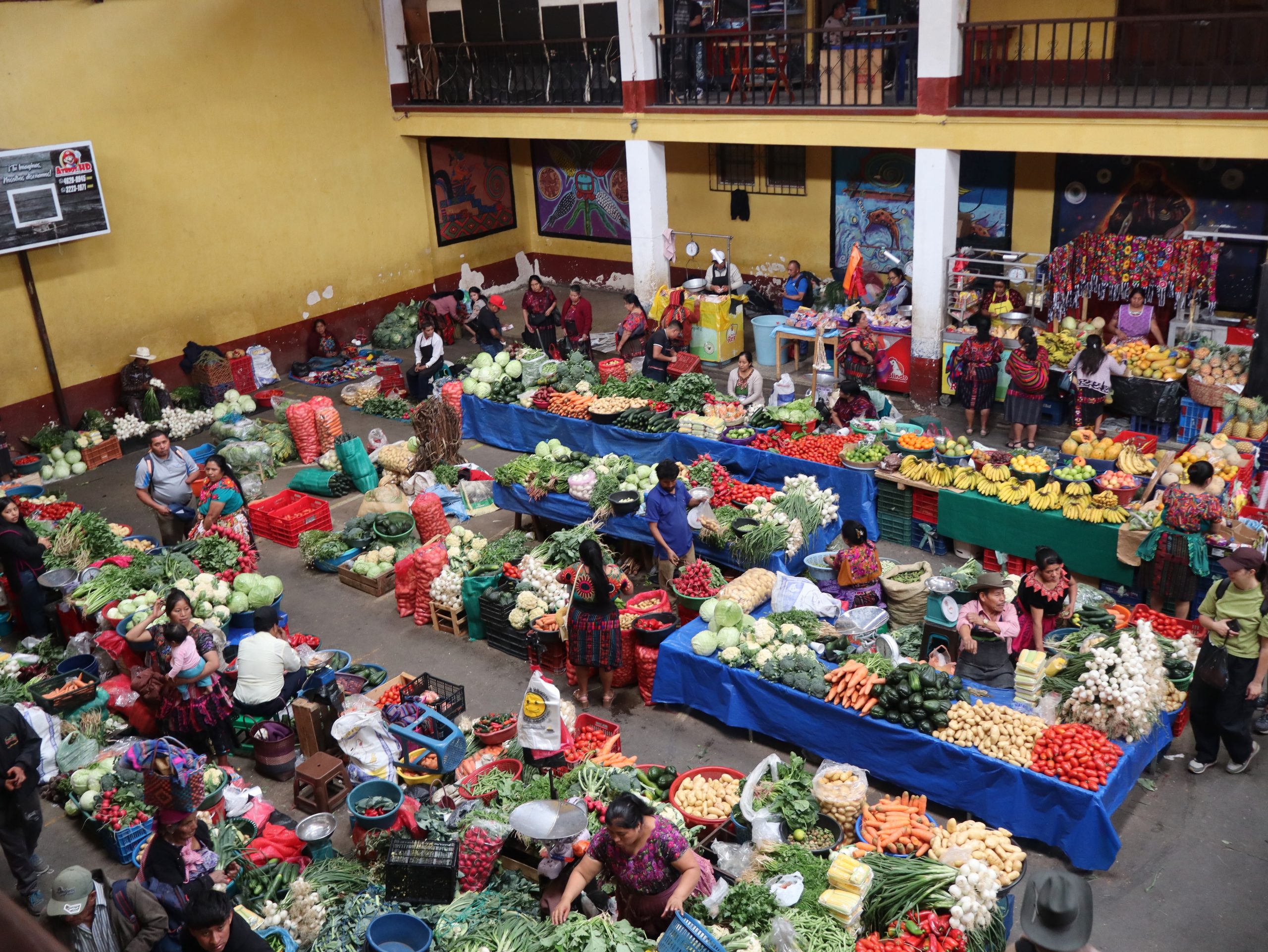
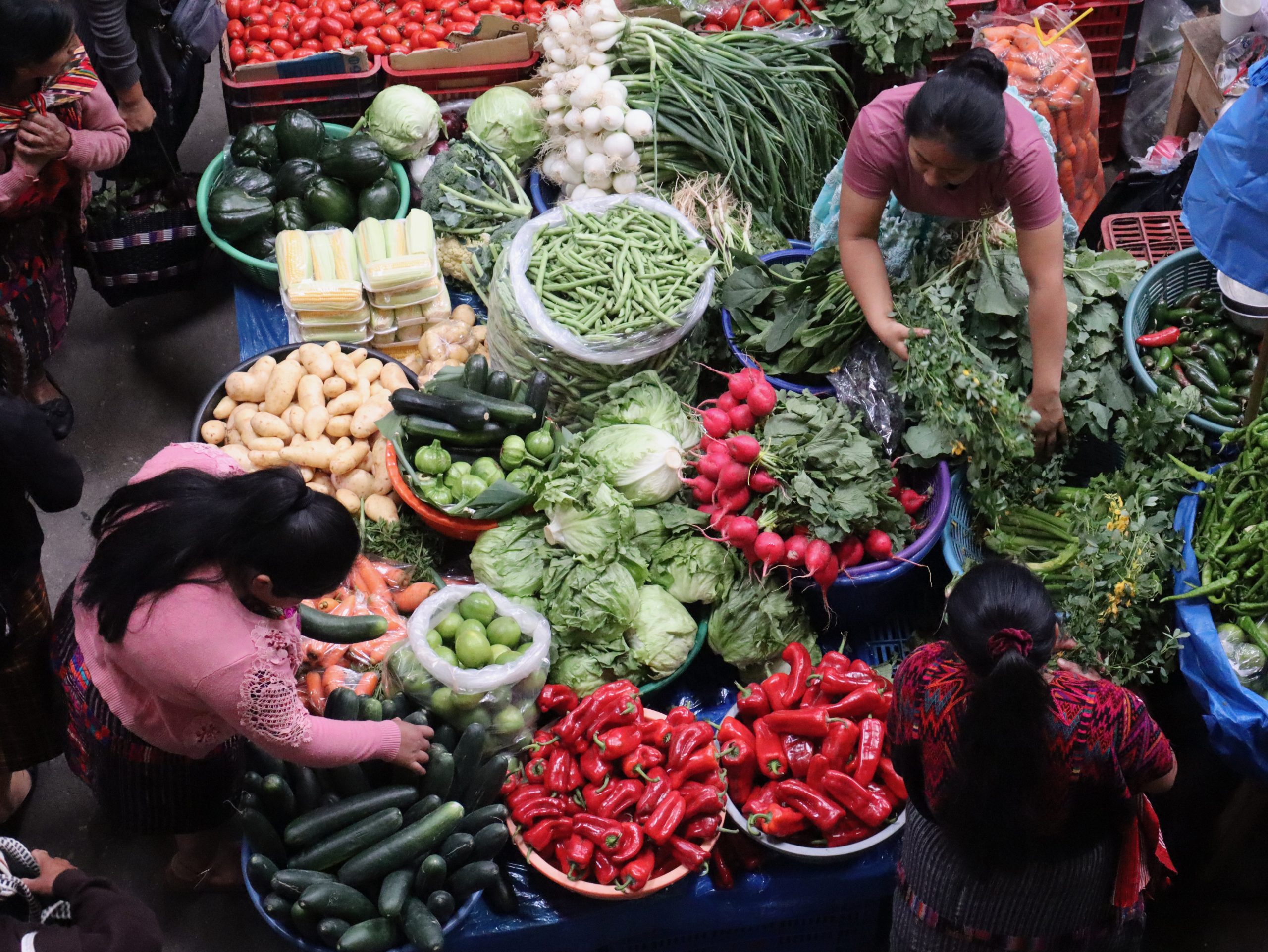
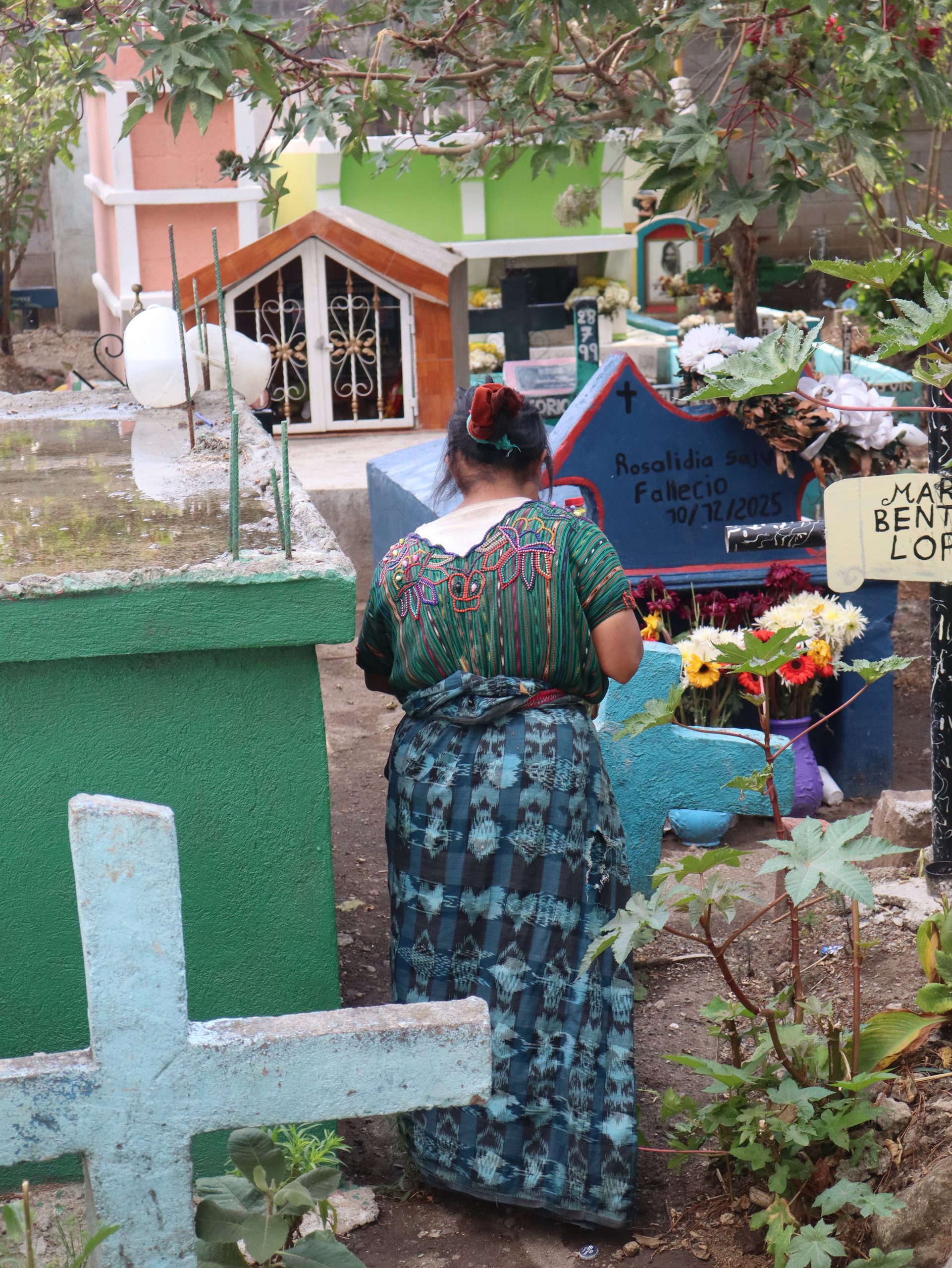
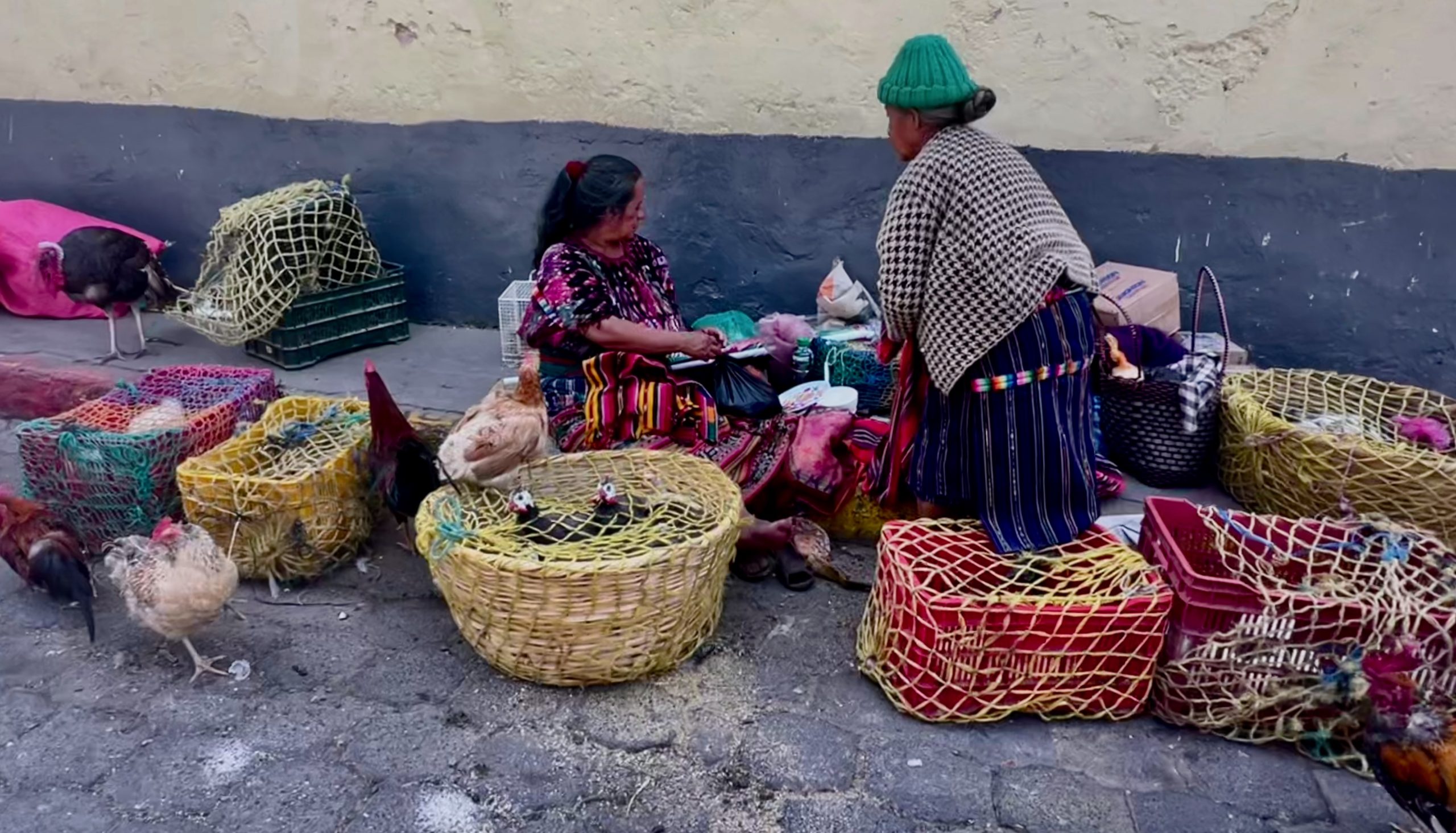
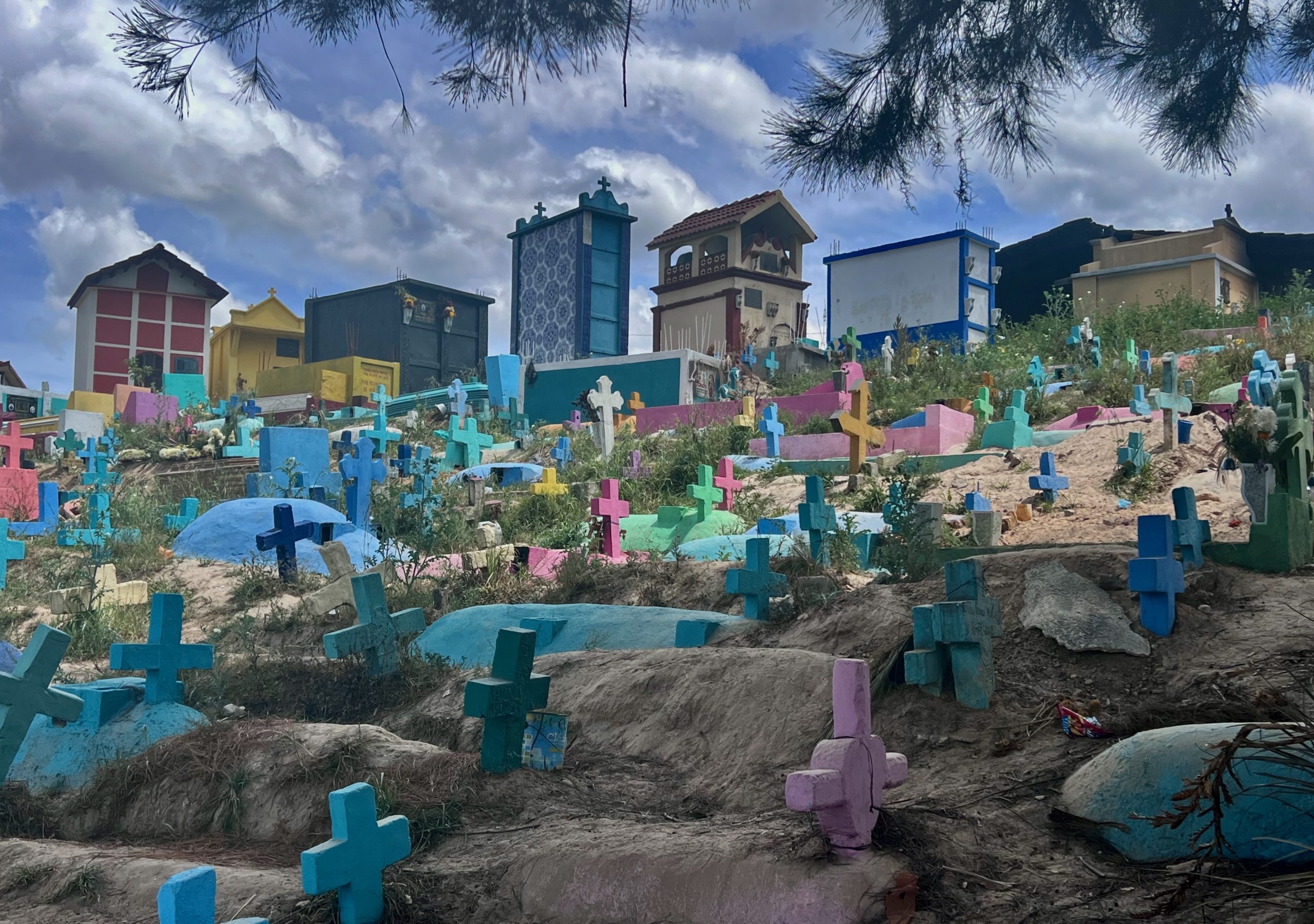
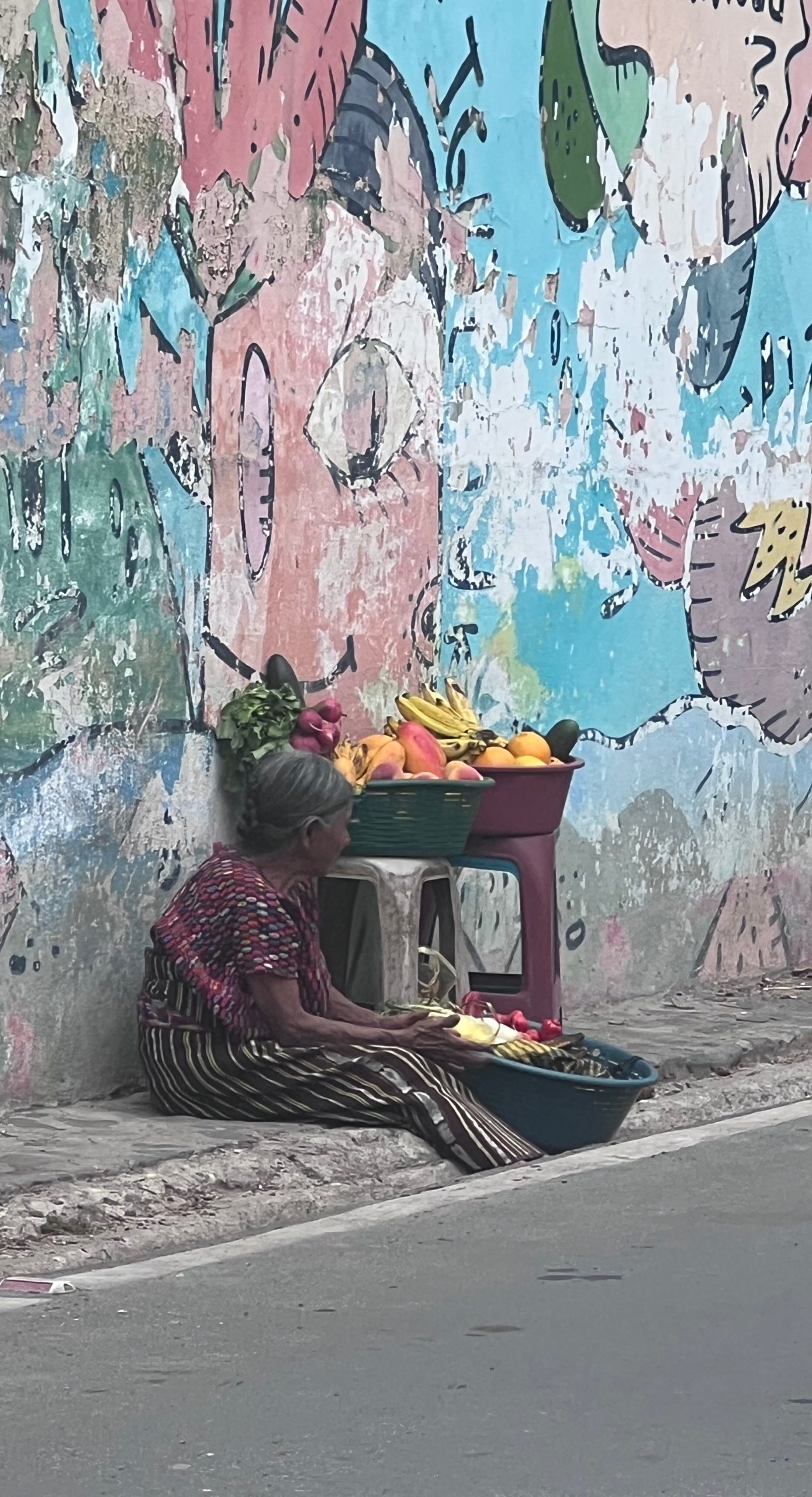
Panajachel is the busiest hub on the lake, being the first stop and the gateway to the other villages. Its central district has a large indigenous market that caters to both tourists and locals. It also has sufficient ferry rides to get you to the other villages throughout the day. Besides walking the center and its coastline, I enjoy visiting their colorful cemetery, several small museums and galleries, celebrated my birthday at all day Mayan spa, and took a ATV bike ride through the mountain range (I don’t recommend the ATV tour as I found it to be too much speeding and a bit scary).
Santiago Atitlán: This is the largest indigenous Mayan town on the lake. I attended both a honey and a coffee-making demonstration. Also visited their traditional cultural center and street markets. There is a lot to see here. I was part of a tour that involved one other town. I was hoping to get back there to spend an entire day, but did not quite make it.
San Pedro La Laguna: This village caters to backpacking and nightlife, known for its hostels, bars, and many Spanish schools. It is where hikers begin their adventure hiking the San Pedro volcano. None of these interests me other than its bohemian vibe and street markets. I was amused by the many Spanish schools that teach Spanish to tourists.
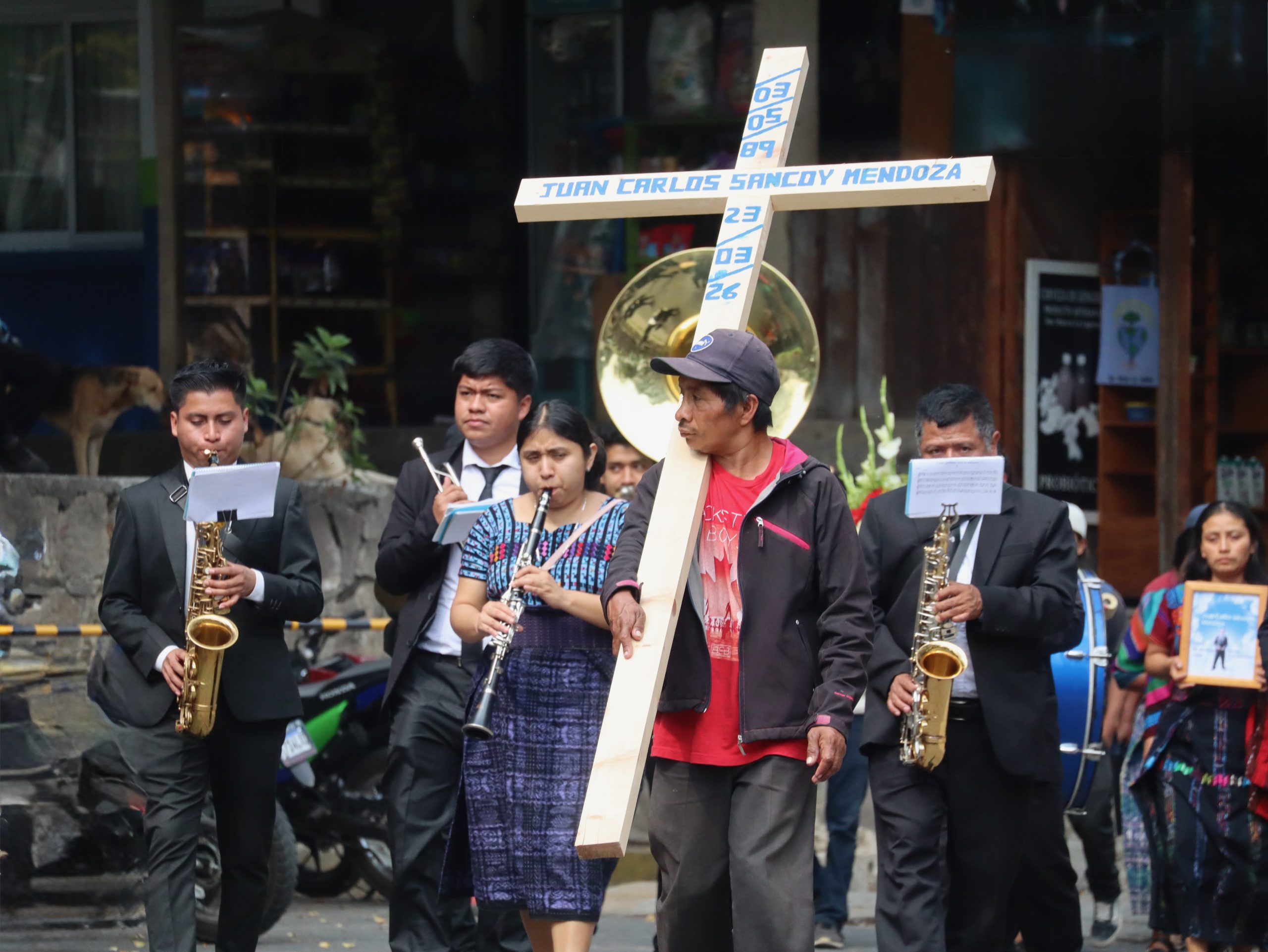
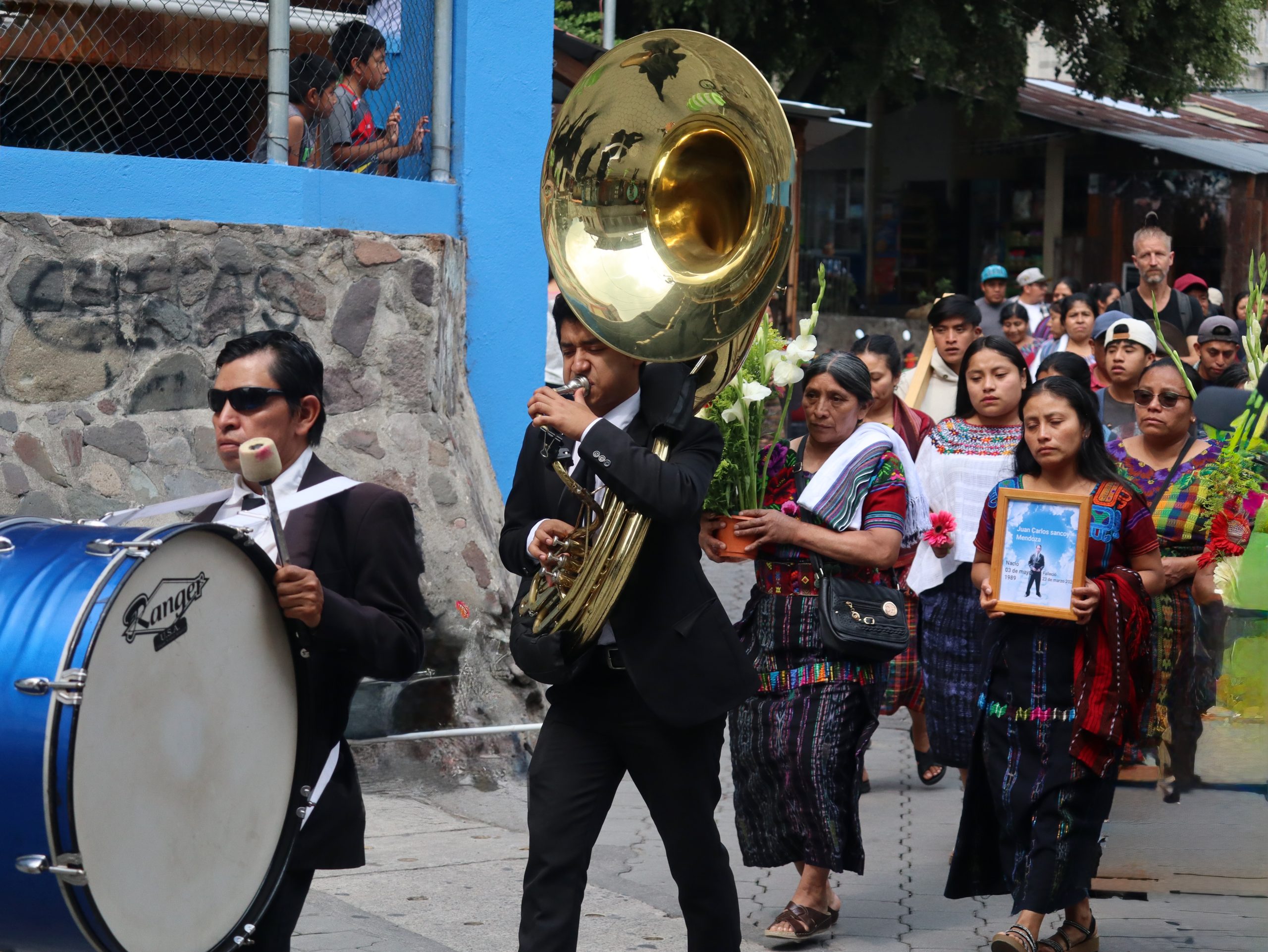
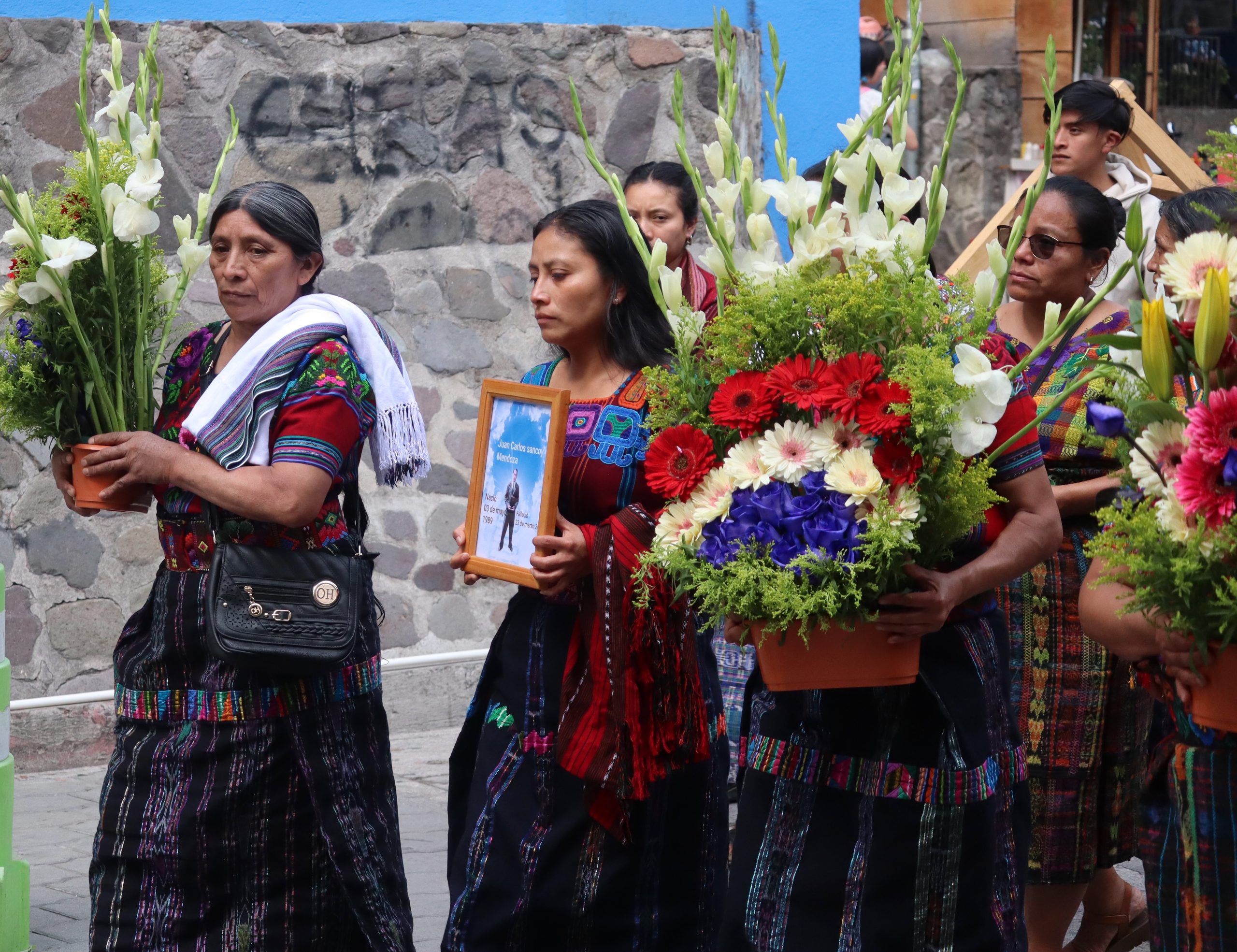
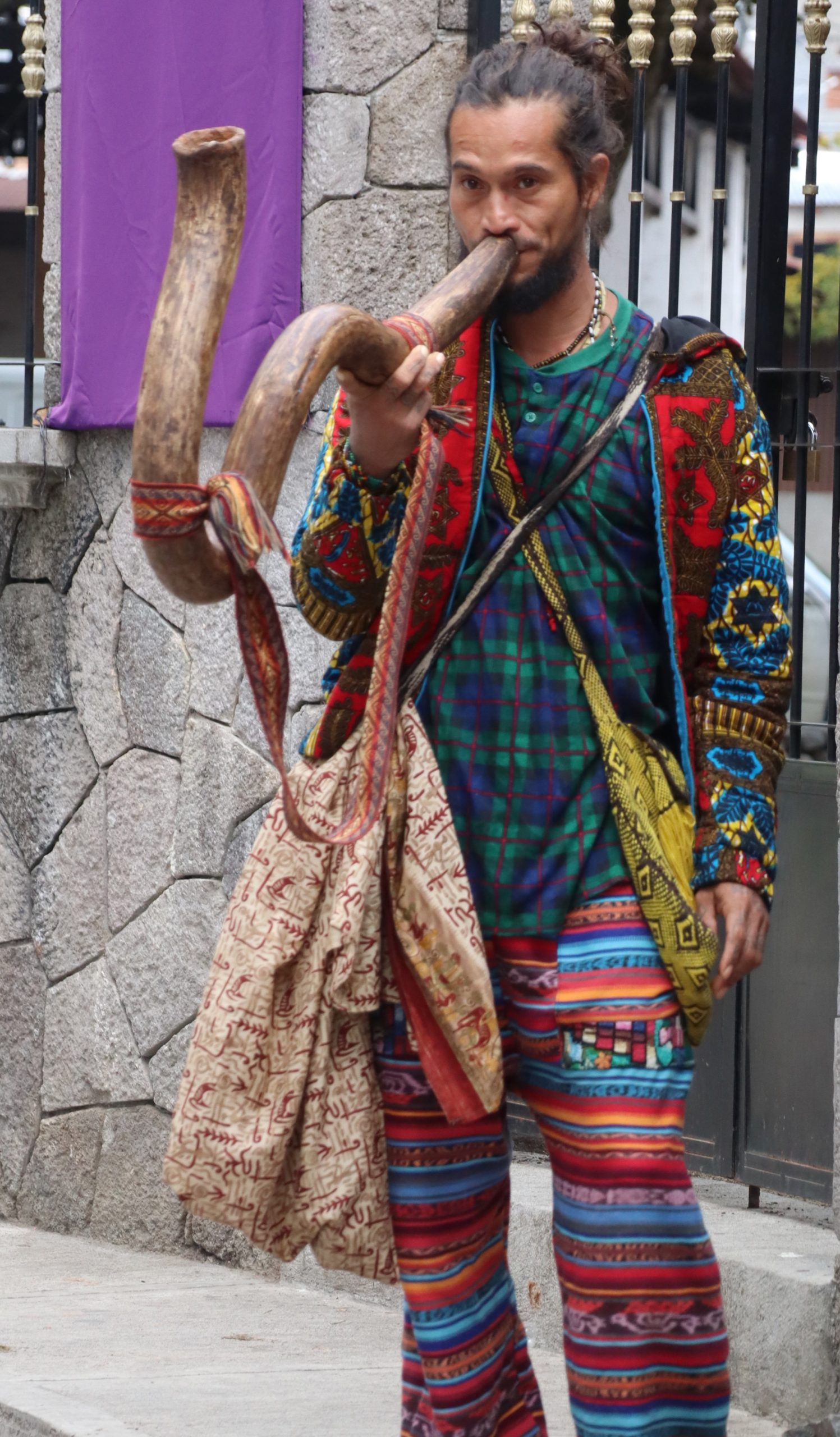
San Marcos La Laguna: This village is known as the holistic and spiritual center of the lake. A wide range of holistic remedies exists, starting with yoga, meditation, and alternative therapies. Some I had never heard, including indigenous remedies. I found it to have a bit of a hippie vibe and liked it enough to want to stay here on a return trip. You can easily take a tuk-tuk to San Pedro. For those who like hiking, it is also where you can visit the cliff-jumping trails at Reserva Natural Cerro Tzankujil. I experienced a funeral procession, community folks, alongside a small band playing music, walked from the church to the cemetery, carrying the coffin, a large cross, and flower baskets. Quite different from funeral processions today, which mostly use cars.
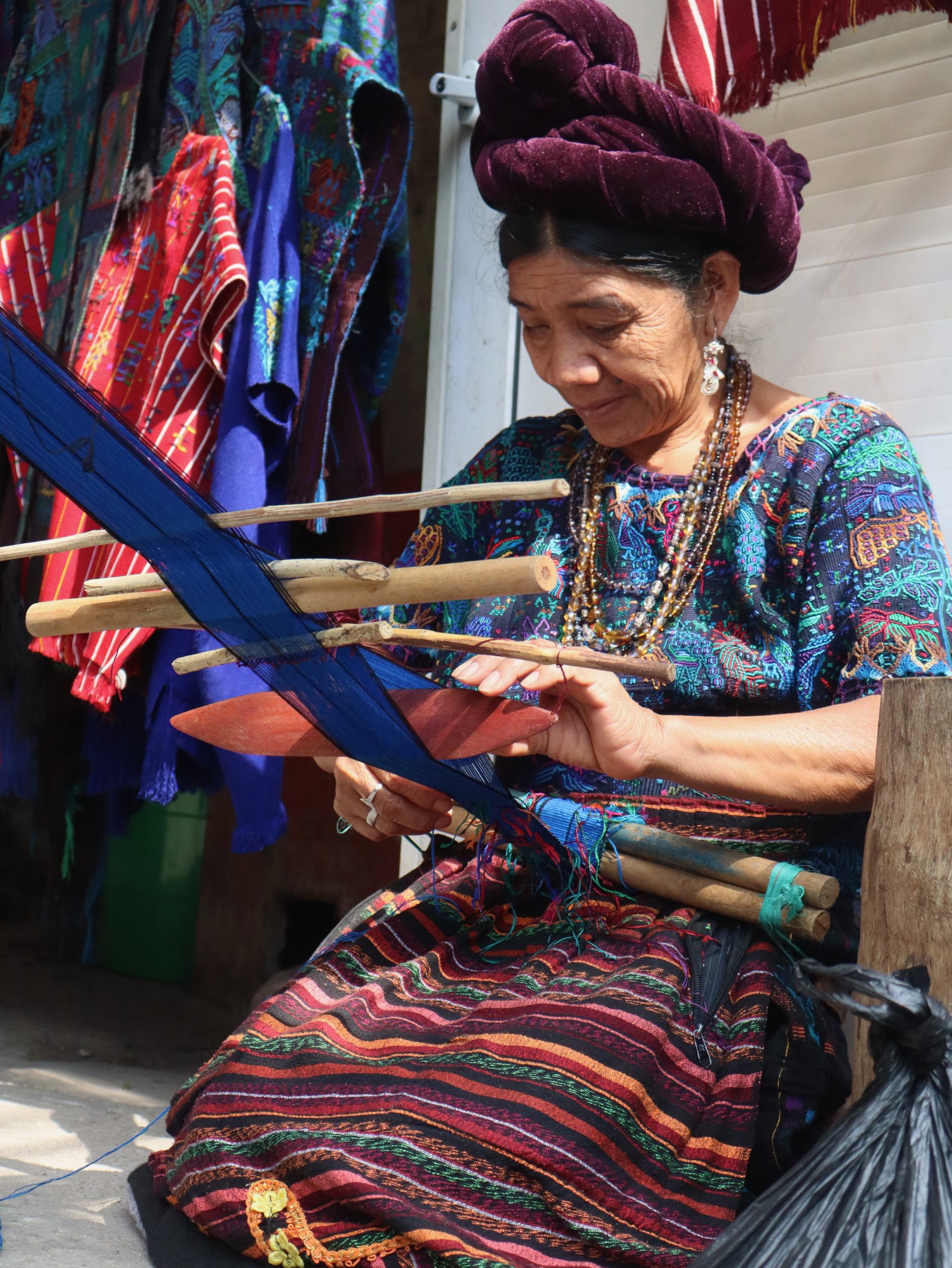
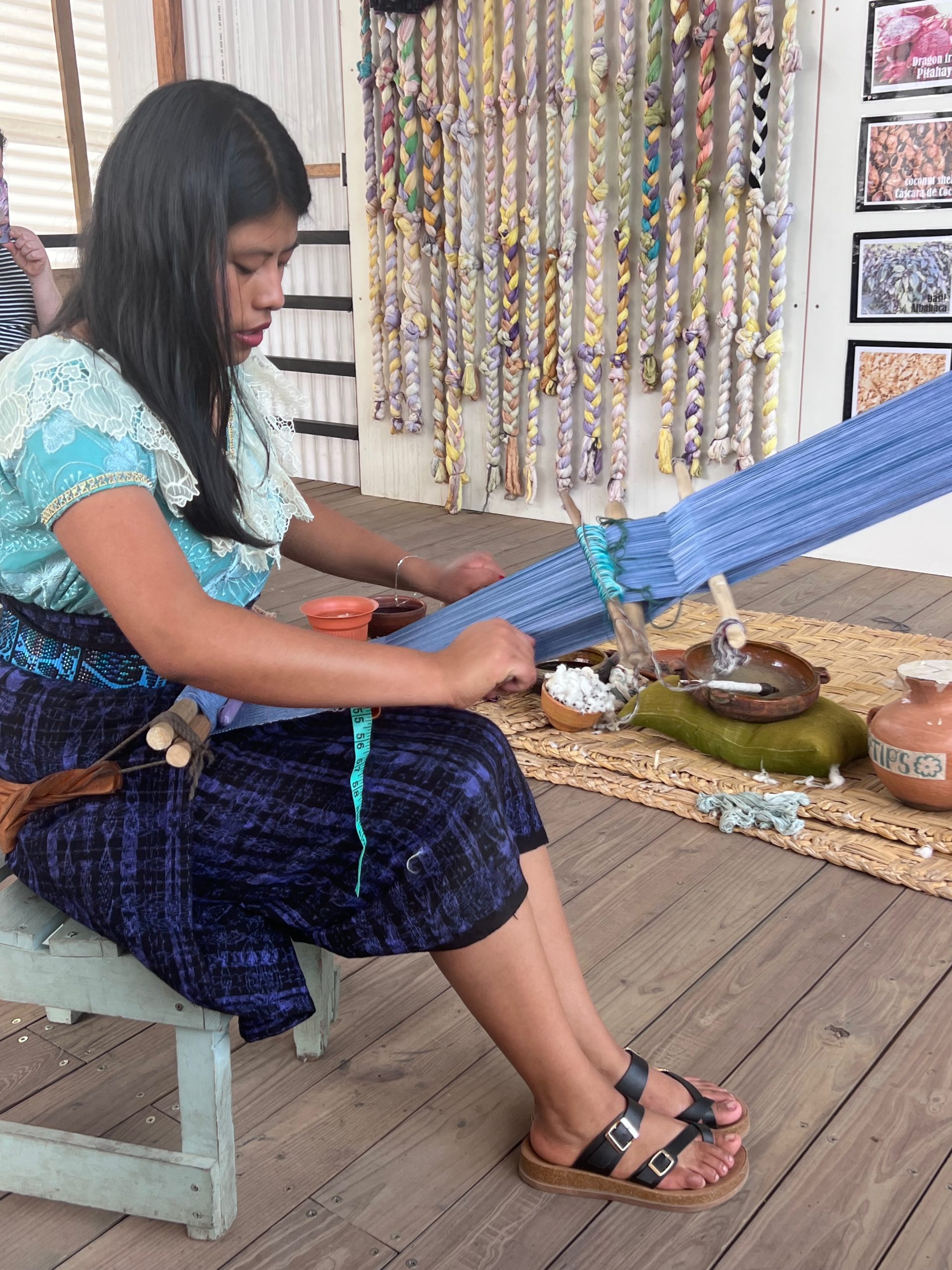
San Juan La Laguna: Lovely town where there are many female-led textile cooperatives that use natural dyes from plants and insects. This town also produces jewelry, ceramics, and the production of coffee. There is a well-known women’s collective known as Lema Association that offers a three-hour class on loom weaving. I purchased a couple of items from their store to support their work.
Santa Cruz La Laguna: A small village built into a steep hillside, for which a tuk-tuk is a must. It offers beautiful volcano views of the lake. Also known for scuba diving and kayaking. I attended a cooking class at an incubator place that teaches cooking, weaving, and jewelry making and purchased several items to support both their programs and an elementary school that they formed. This place was both slow pace and peaceful, not as touristy as the others.
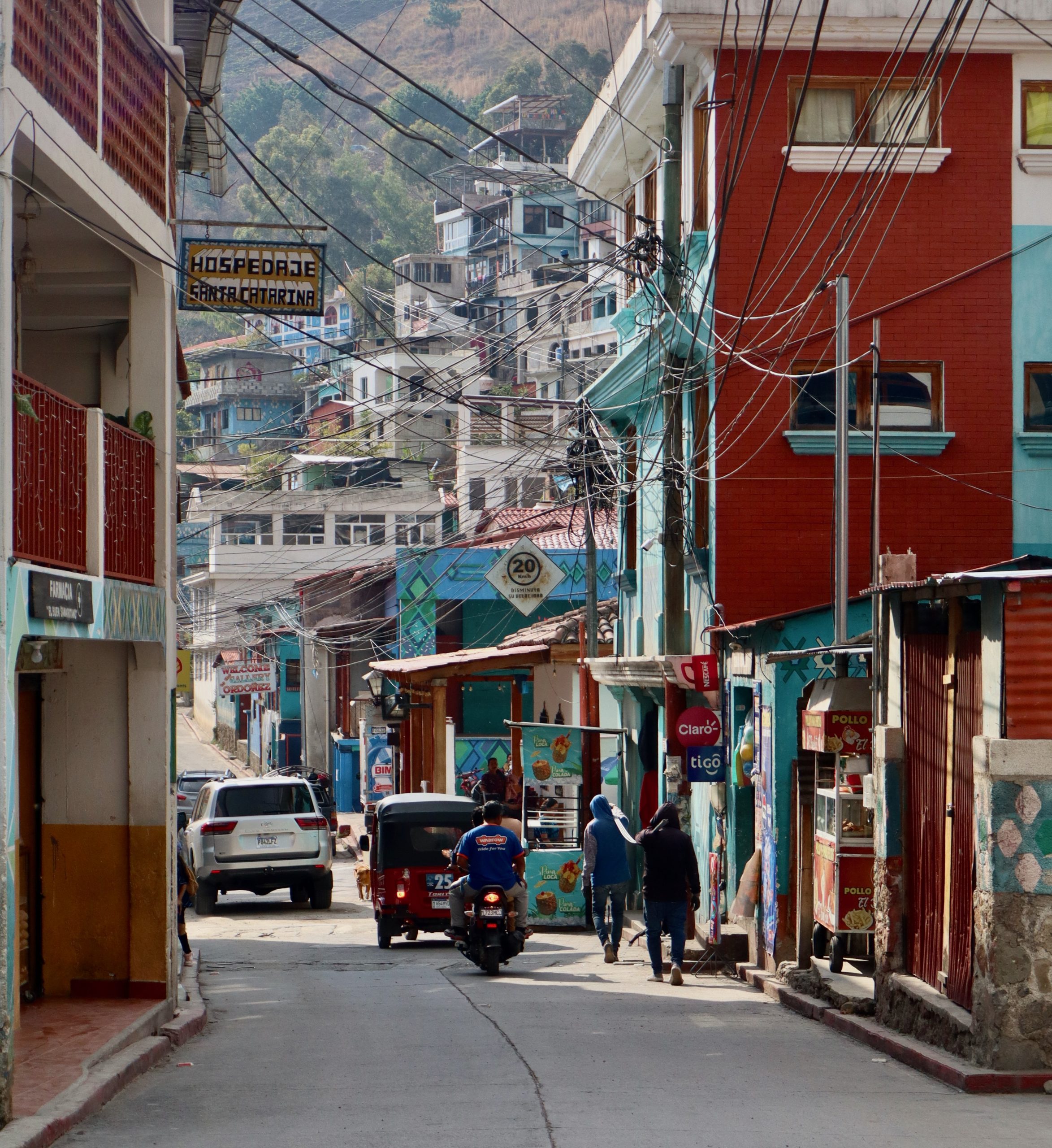
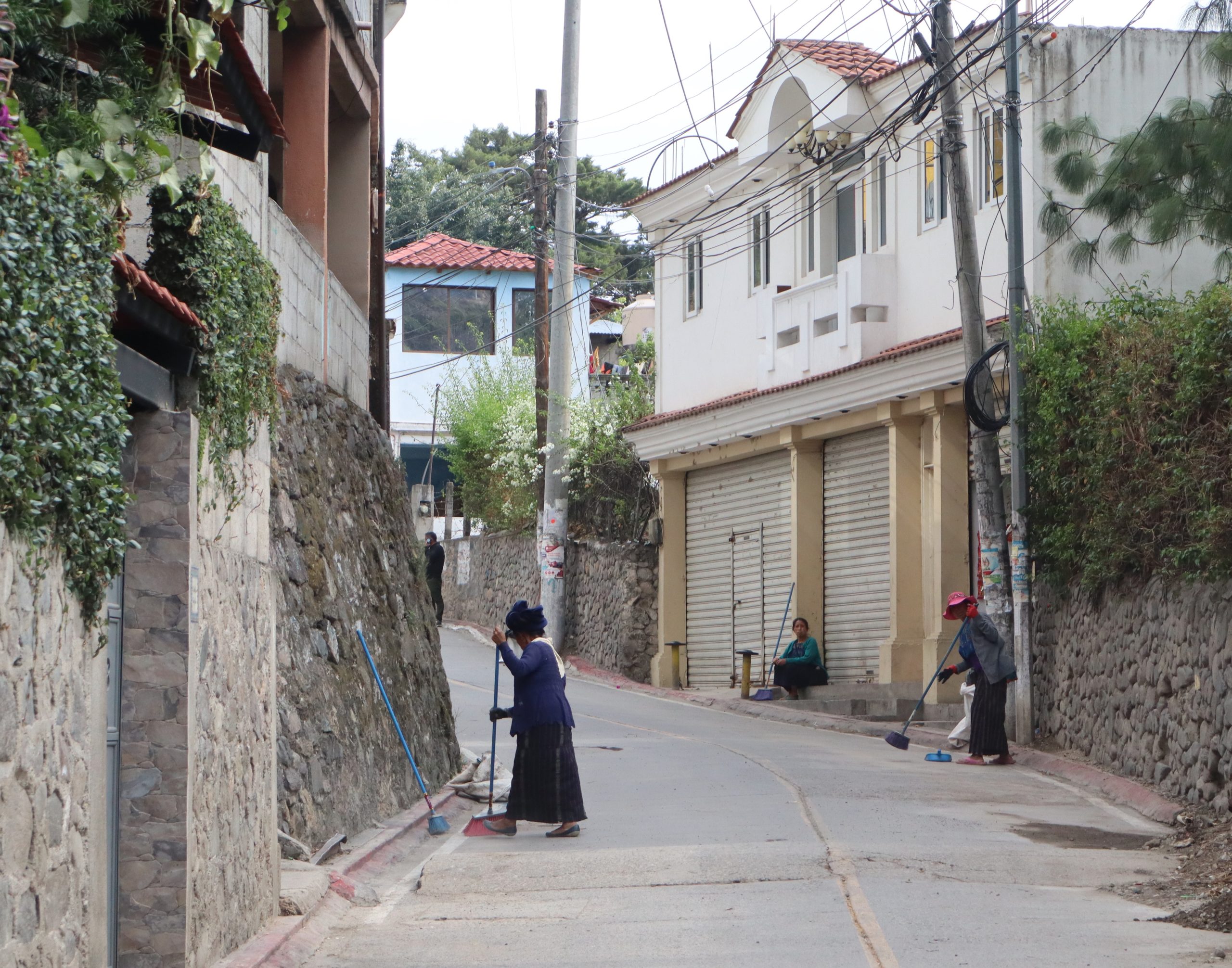
Santa Catarina Palopó: A short 10-minute tuk-tuk ride from my apartment. A small, picturesque village on a bit of an incline that you can walk in an hour. I visited their colorful cemetery, spoke with the women who sweep the streets, including many of its vendors, ending my time there with a late lunch.
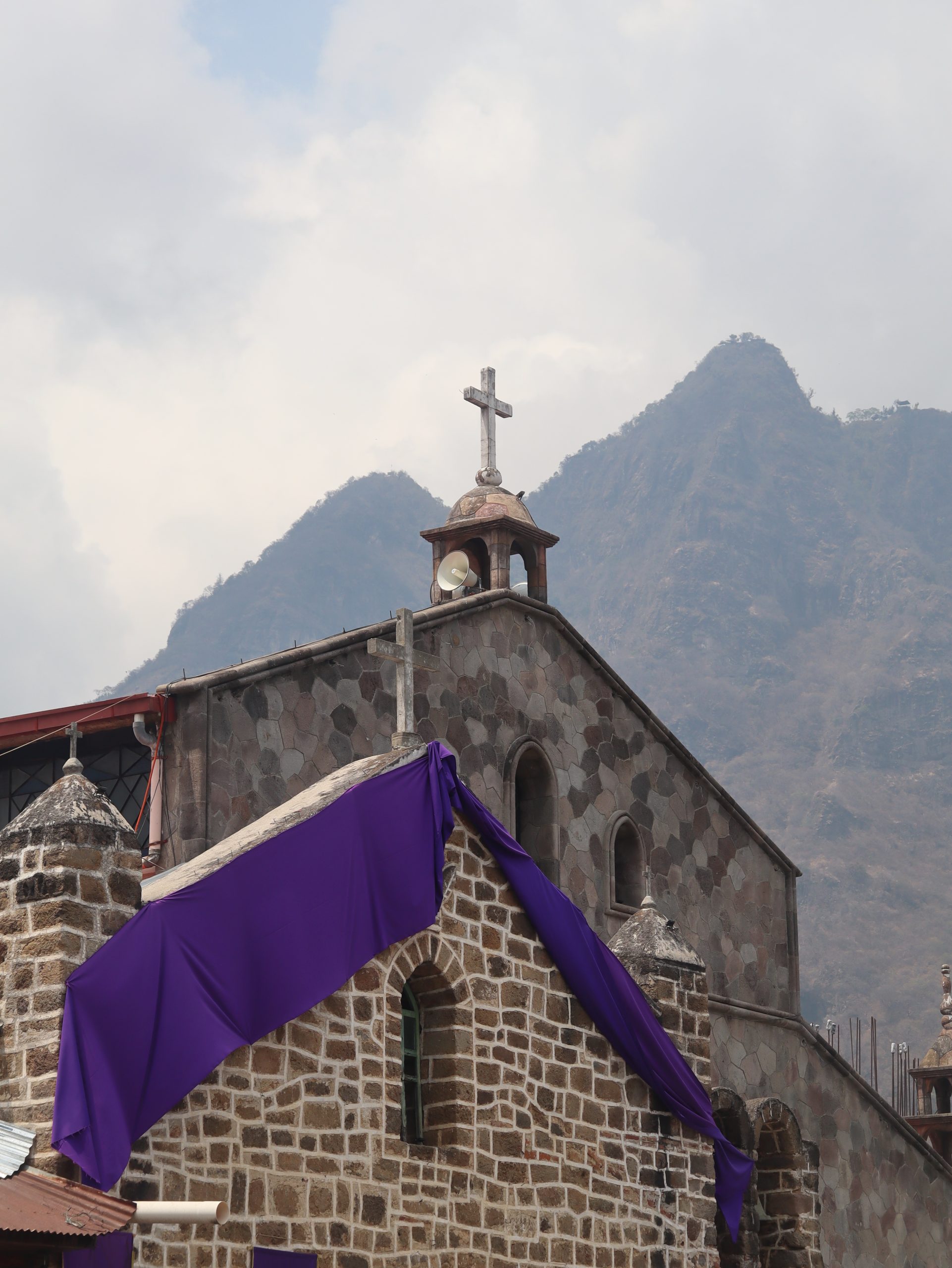
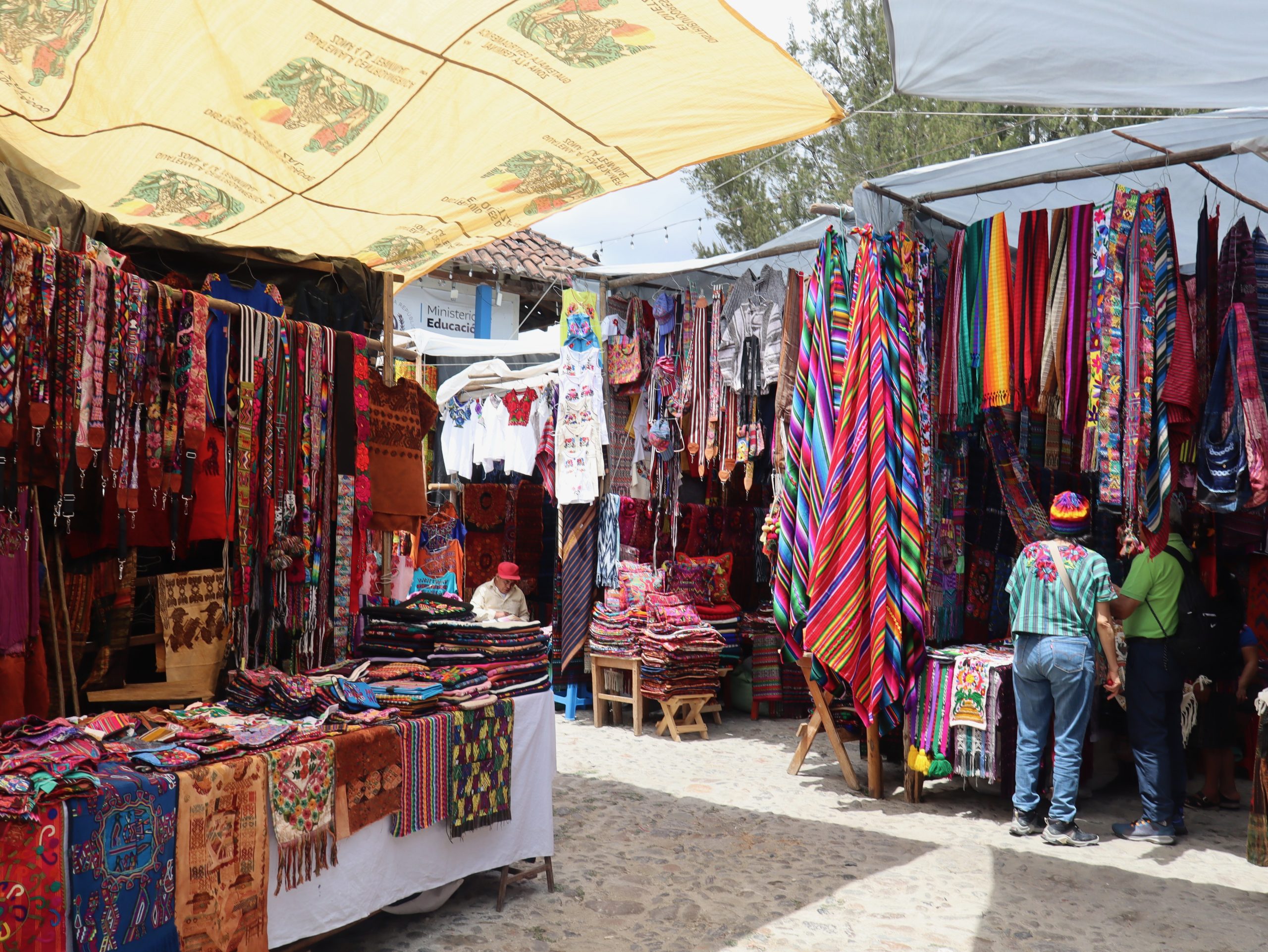
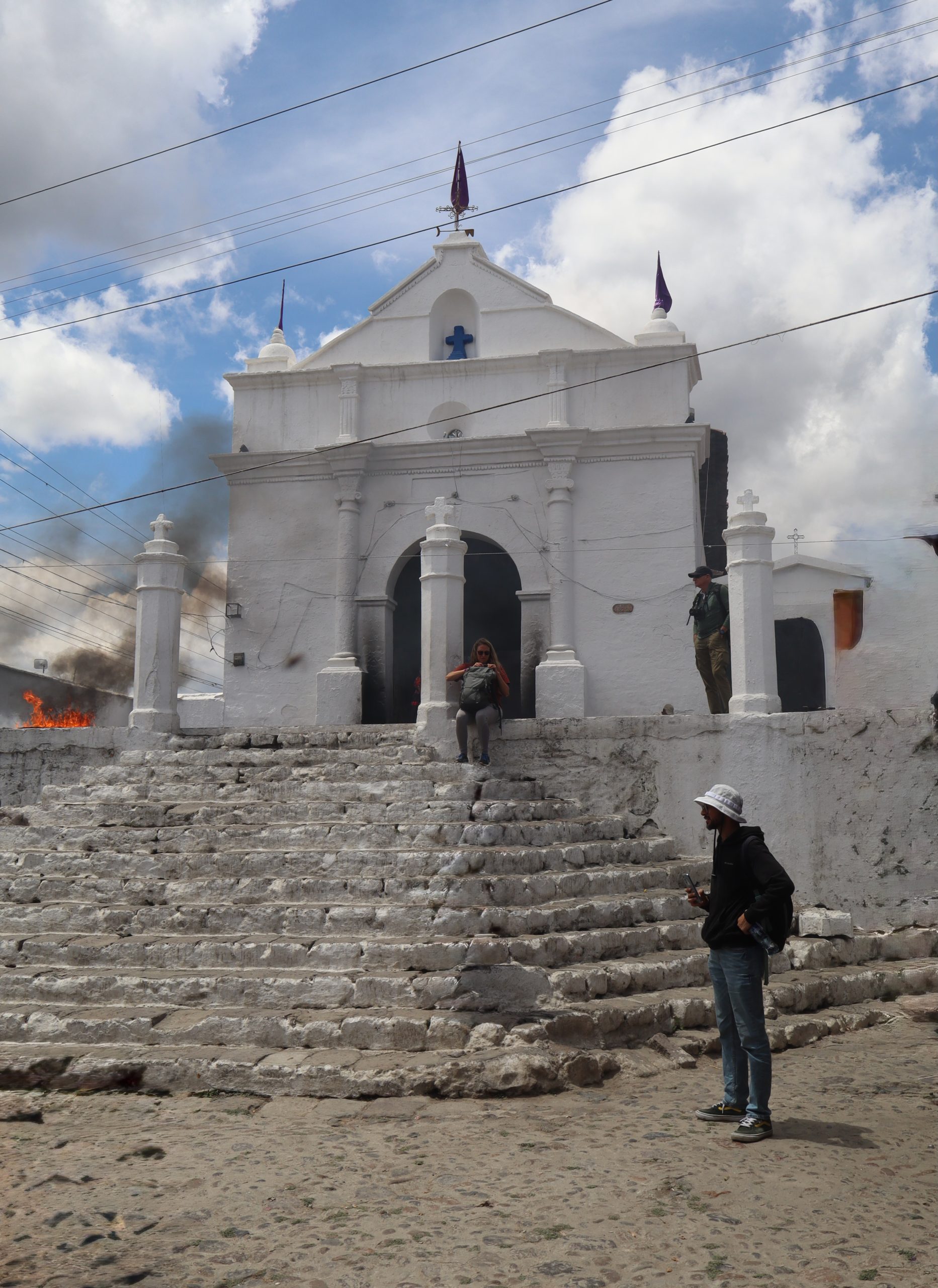
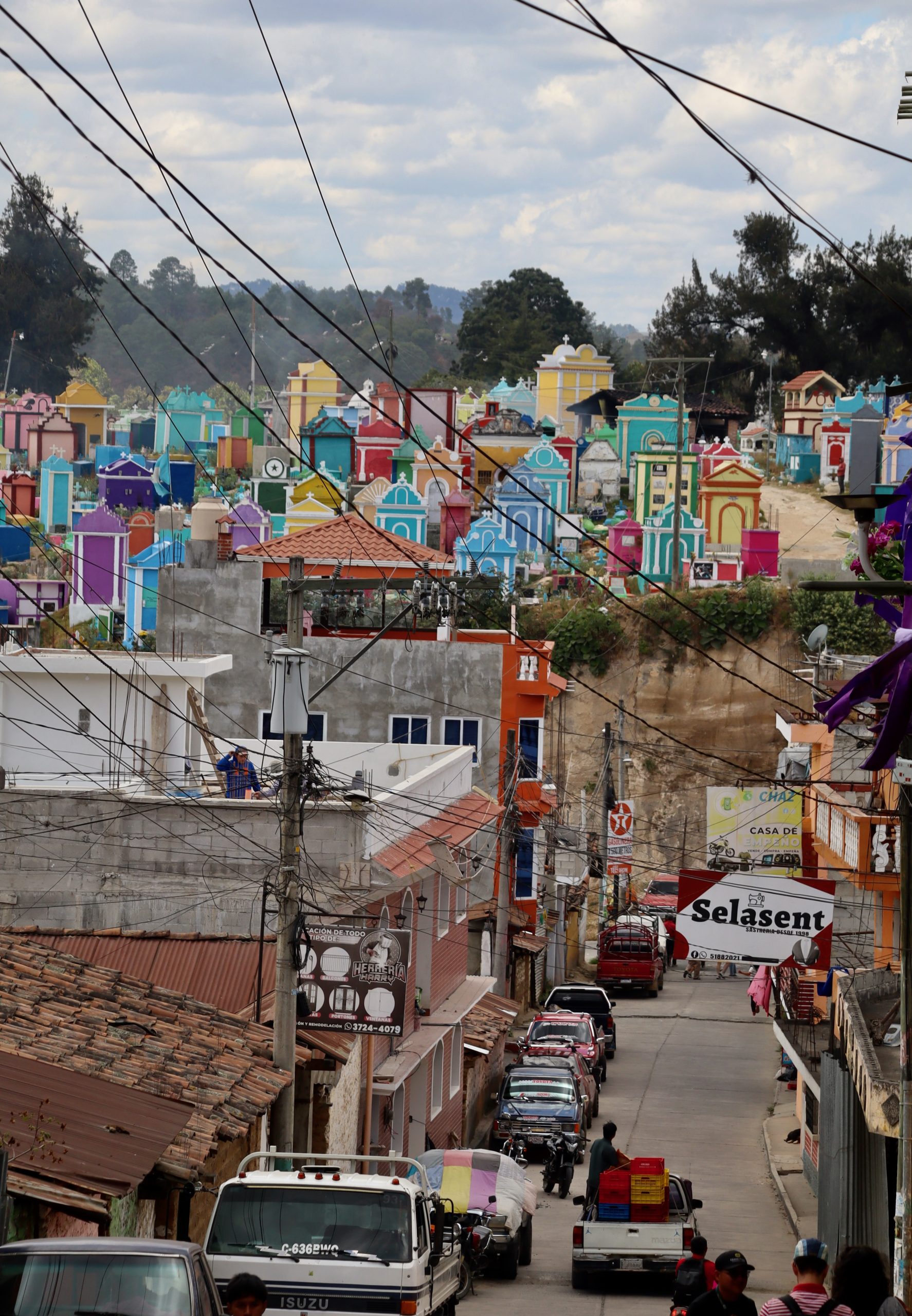
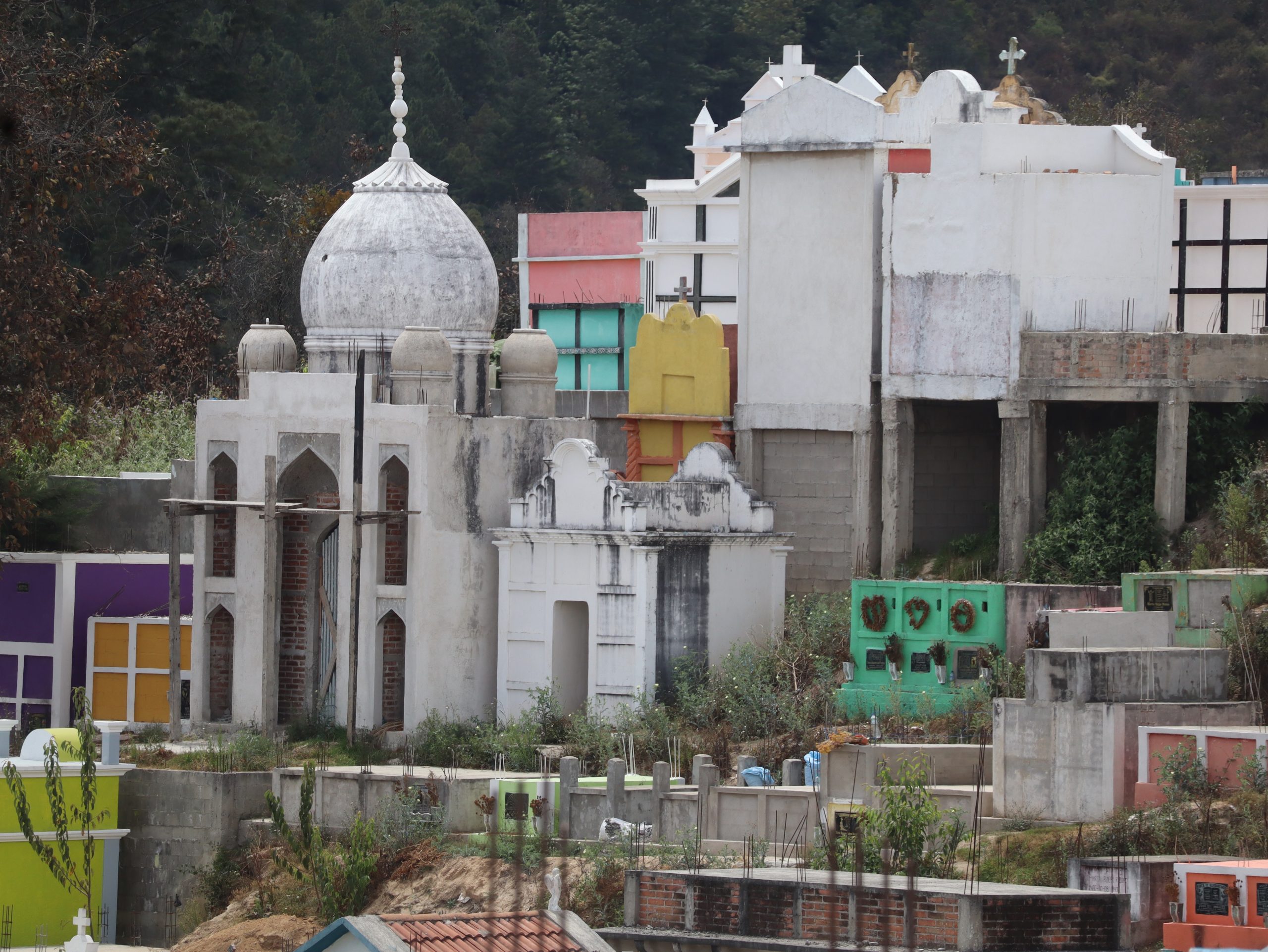
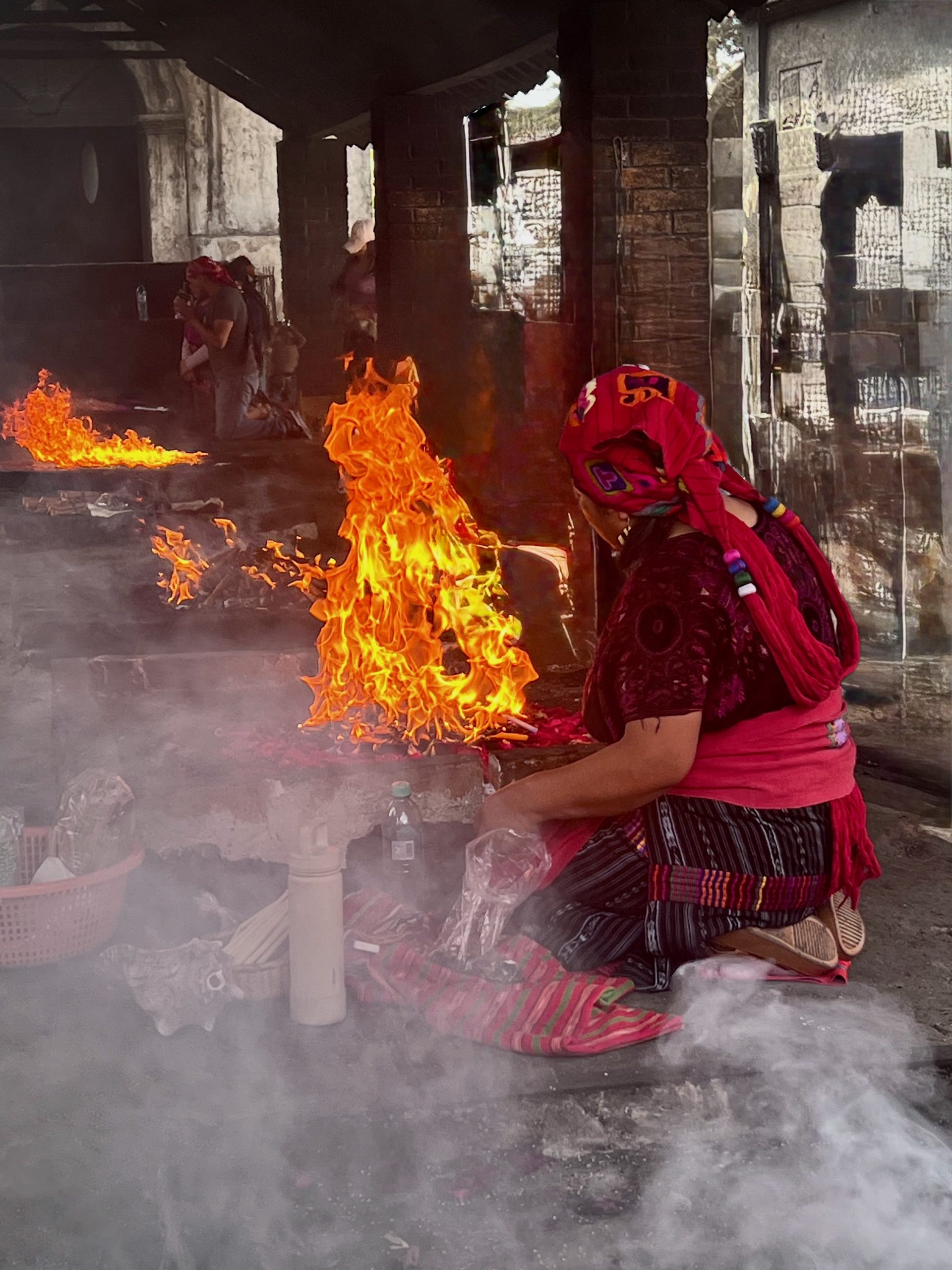
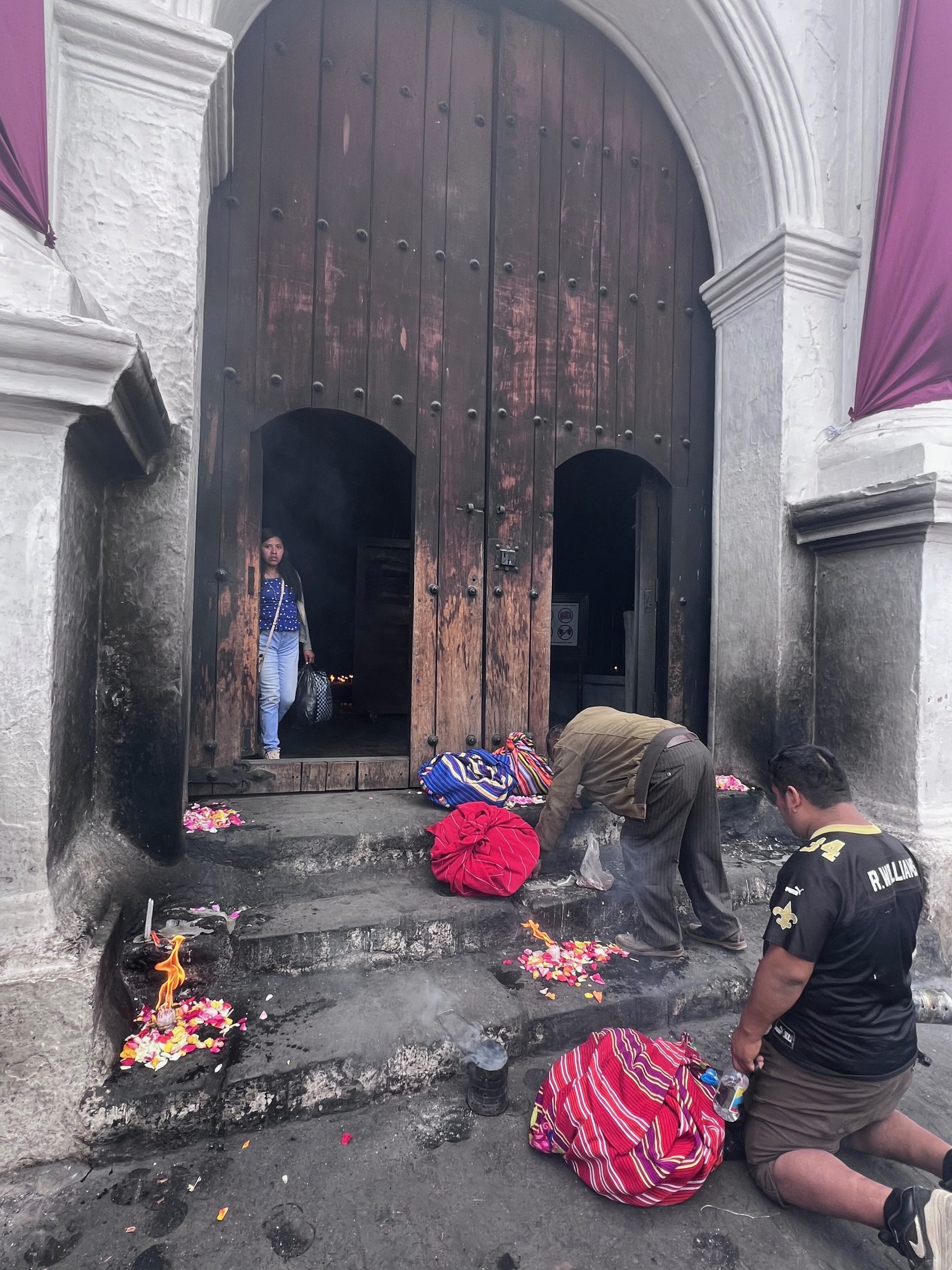
Chichicastenango: This town is quite amazing, known for its massive street market every Thursday and Sunday. I took a tour with four others, along with a knowledgeable young man who served as our tour guide. The van ride is about an hour long, driving through winding roads (I had to keep my eyes shut to avoid getting dizzy). Once there, the market was exceptional, and I walked away unable to resist buying a four-pound textile piece to stuff into my already bloated luggage. We also went to two churches where we saw a ritual combining both Mayan and Christian practices, —burning flowers on the stairways before entering the buildings. This town also has one of the most beautiful cemeteries I have ever seen. From afar it looked like a colorful village, once you are in the cemetery, it is mesmerizing. We saw a spiritual ritual by a Mayan priestess, using fire. Quite a stunning day.
There are several other villages that I did not get to visit. I found the ferry rides a bit tough on my back as most were very bumpy due to the winds and speed of these fiberglass boats. All these villages share many similarities, yet have carved out their own distinct personalities and local economies.
The Artisan Economy
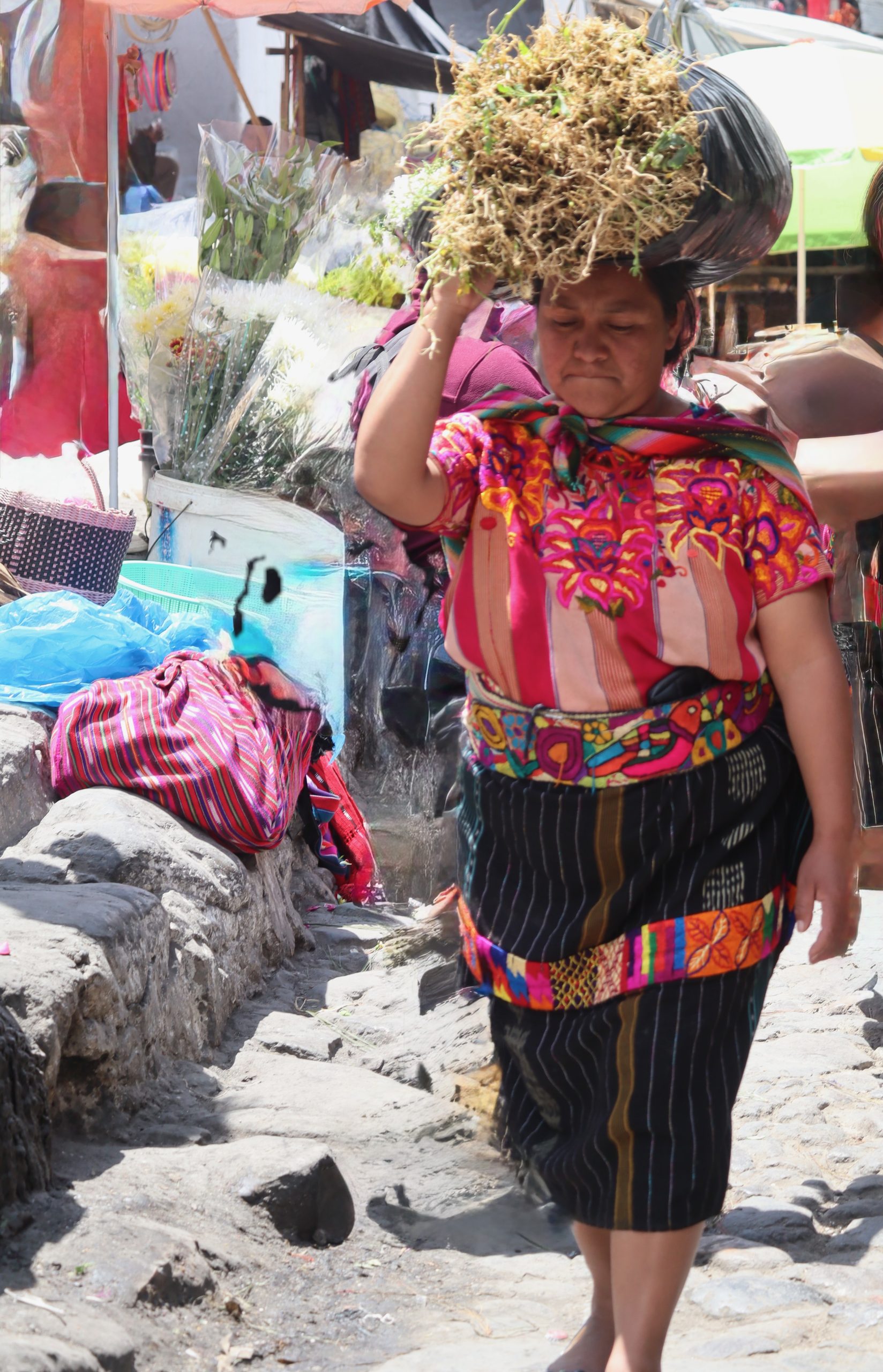
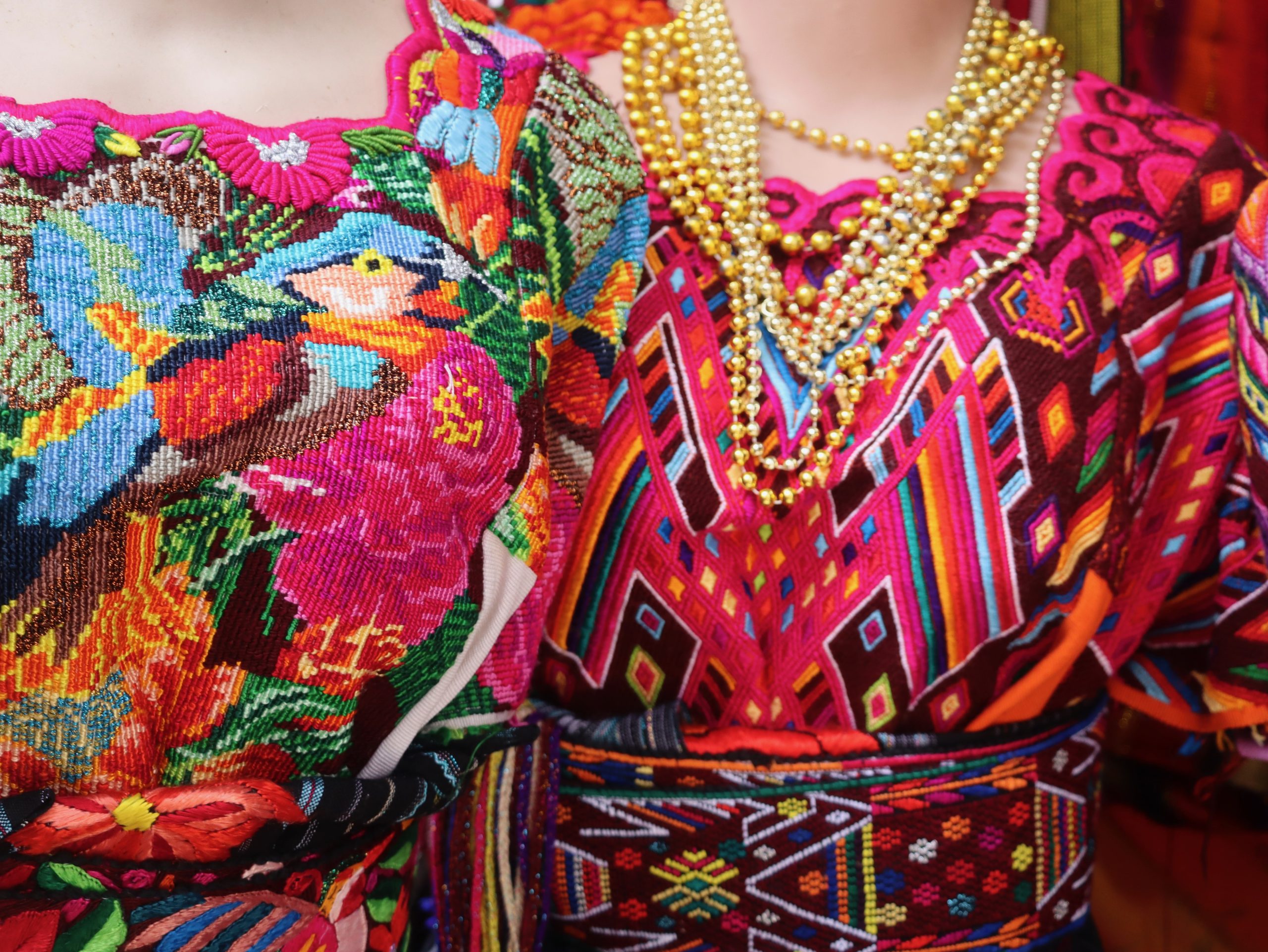
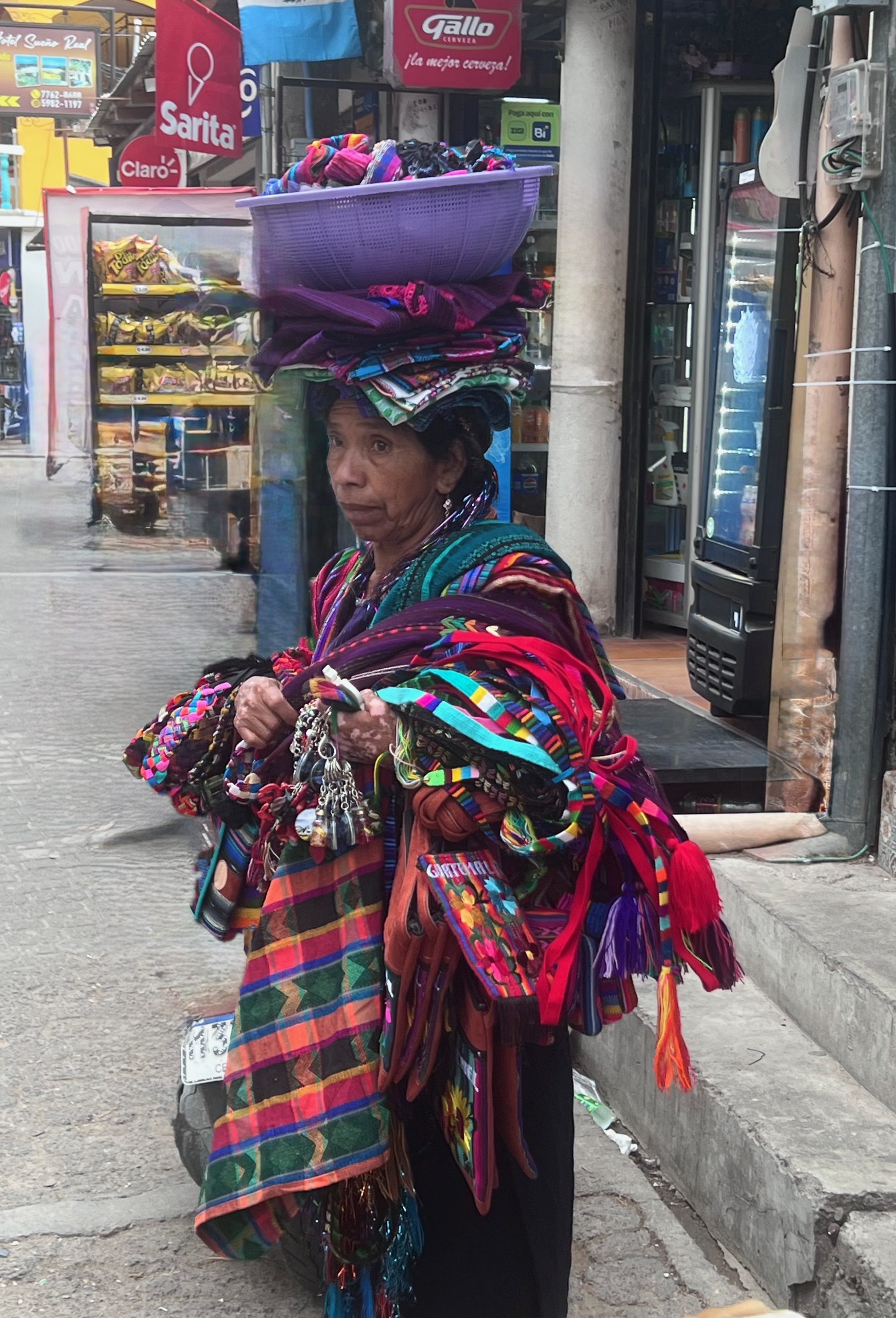
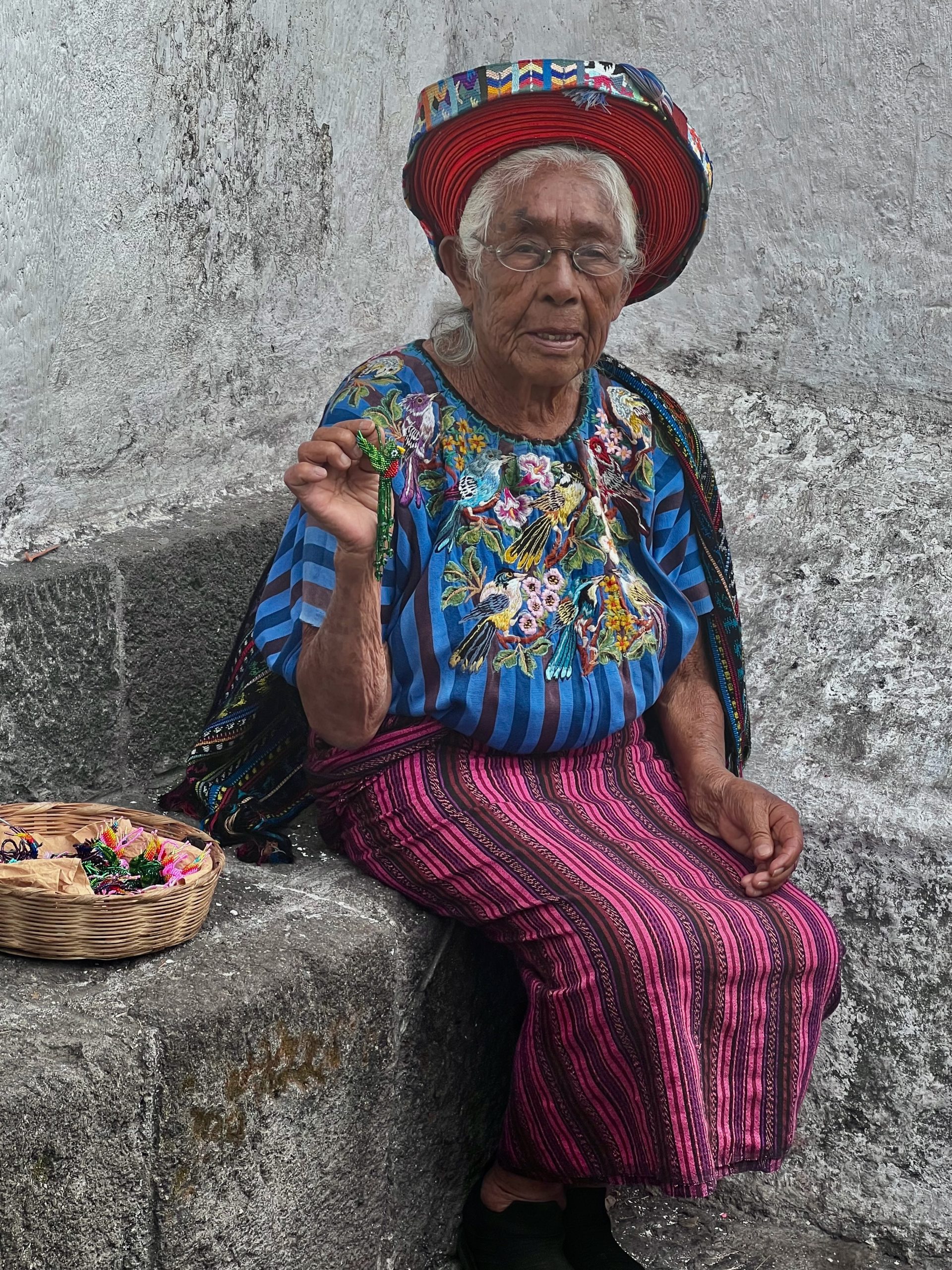
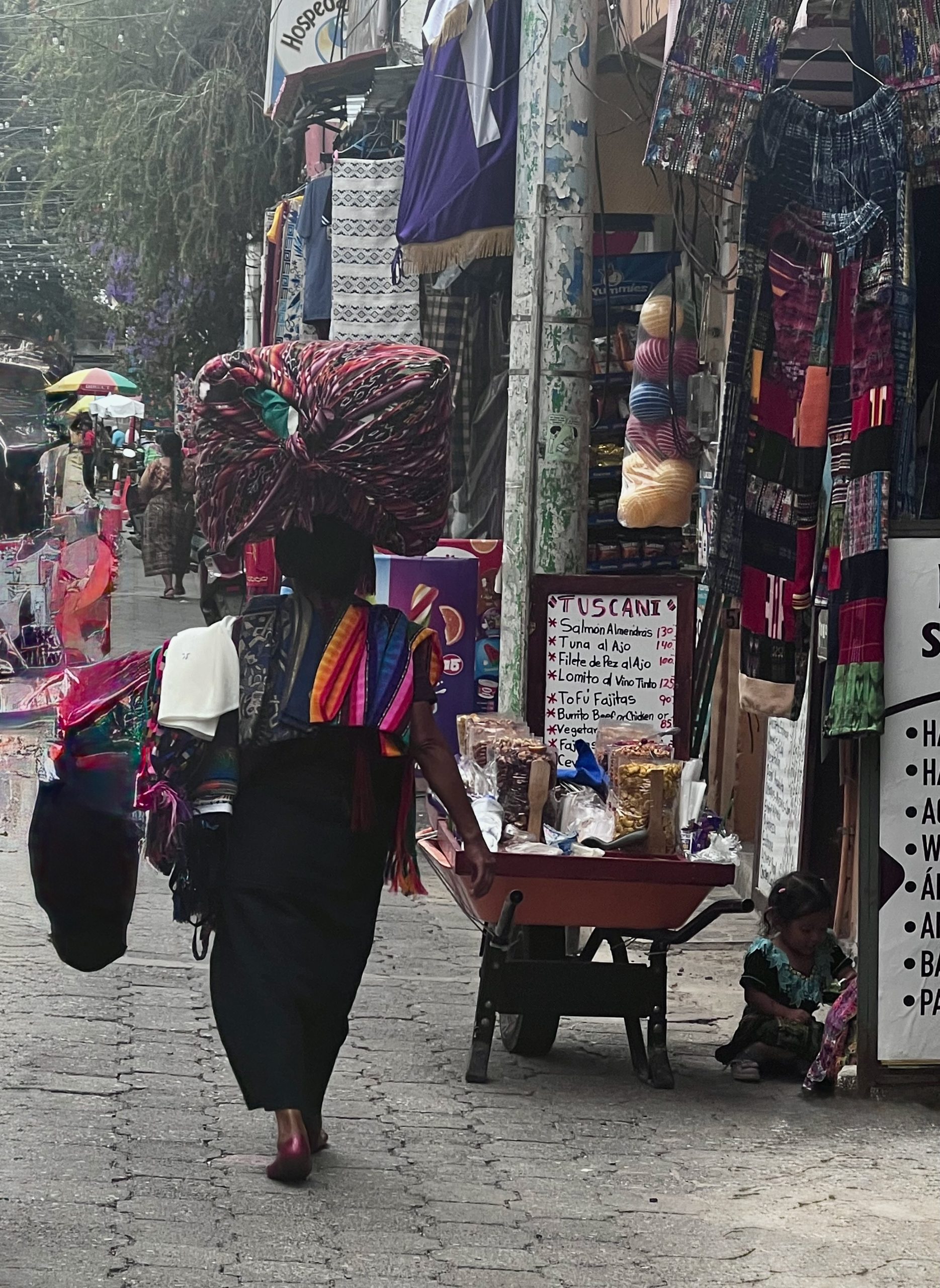
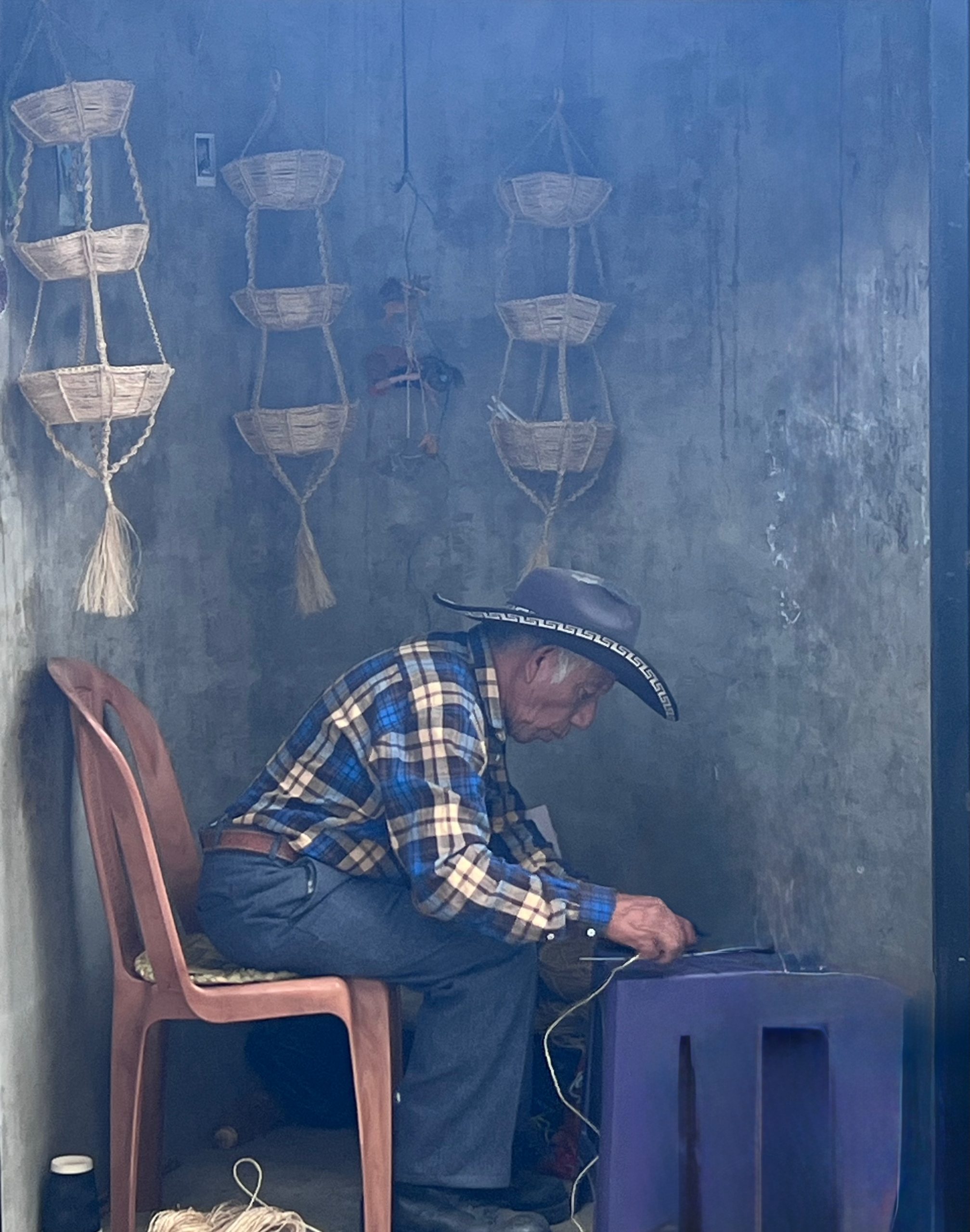
After the pandemic, Guatemala and its many villages committed to rebuilding and developing a strong artisan economy using collectives and incubators to grow this industry. Today, many of these enterprises are led by women, especially in the textile sector. This is their way of participating in the modern economy without fully surrendering their cultural identity. More importantly, the artisan economy is not just economic survival—it’s cultural preservation disguised as commerce (quite ingenious). It is about endurance, adaptation, and cultural reinvention without compromising their way of life while sustaining their livelihood. In my travels through most of Latin America, I found both Guatemala and Mexico to be leaders in this field, specifically Guatemala in its representation of ancestral textiles. Truly artisanal excellence in hand-woven textiles and intricate patterns of embroidery. This has led to a stronger connection and demand for fair trade, opening global markets along with the lake’s growing tourism.
Cultural Dynamics and Authenticity
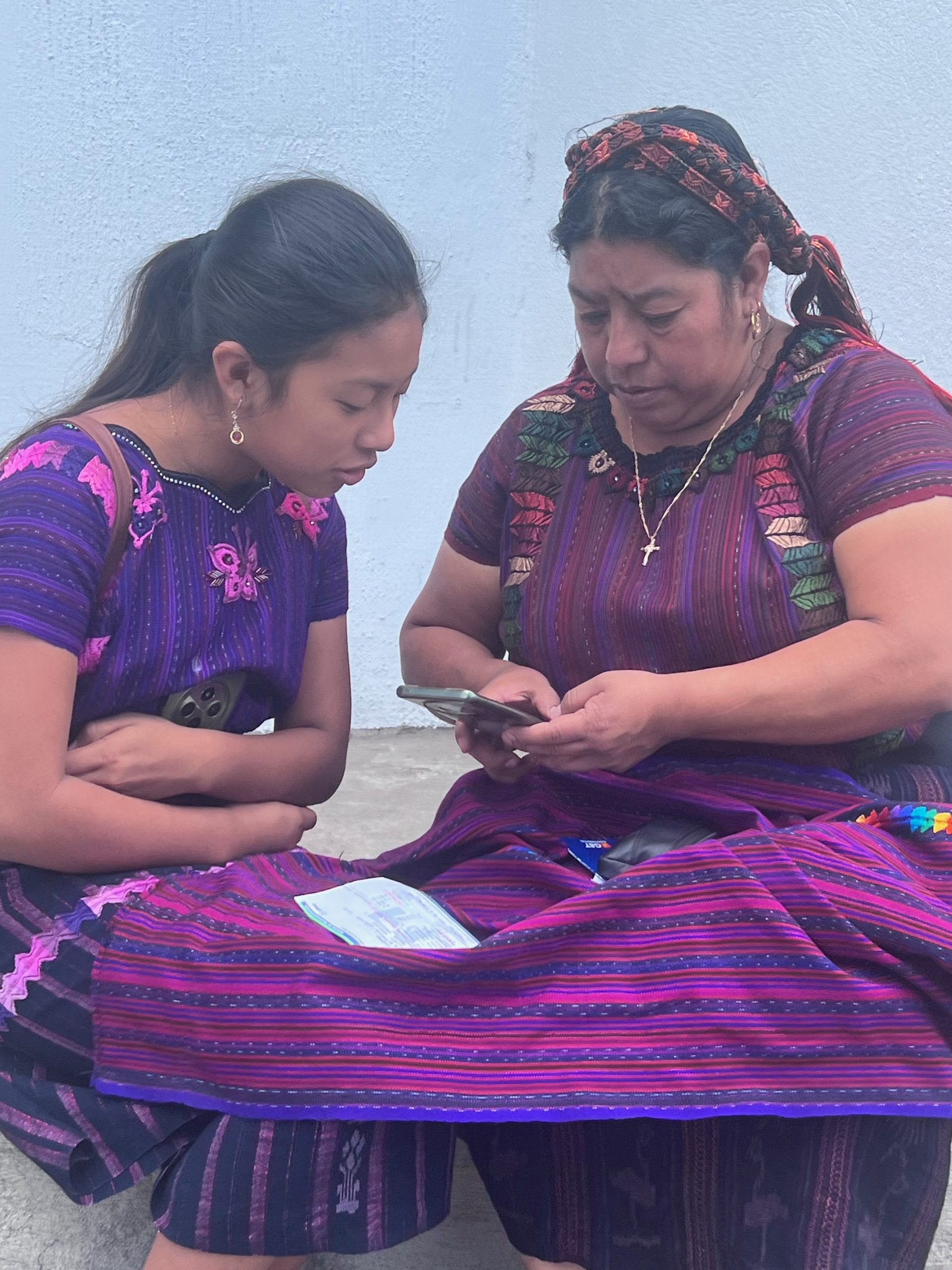
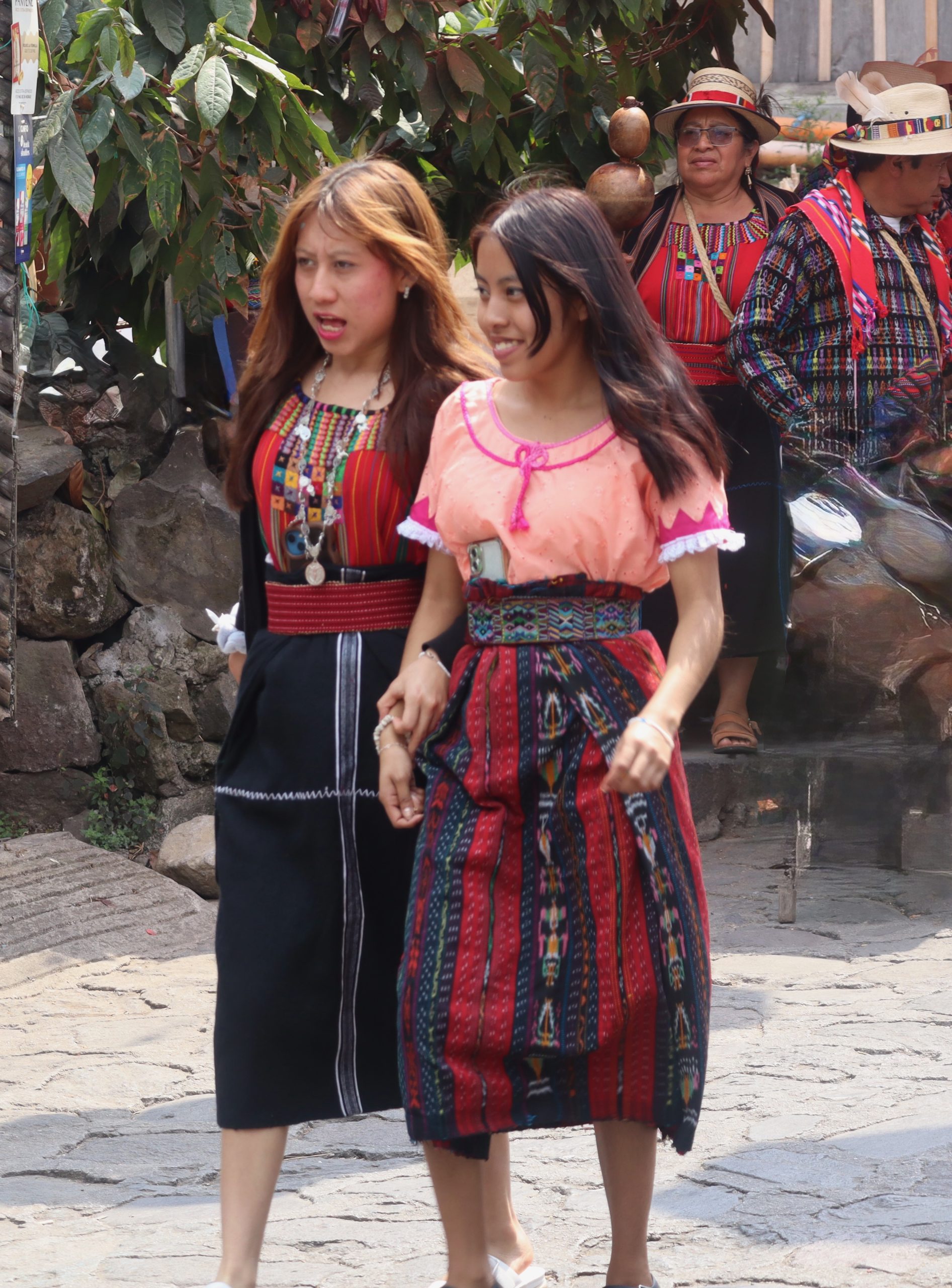
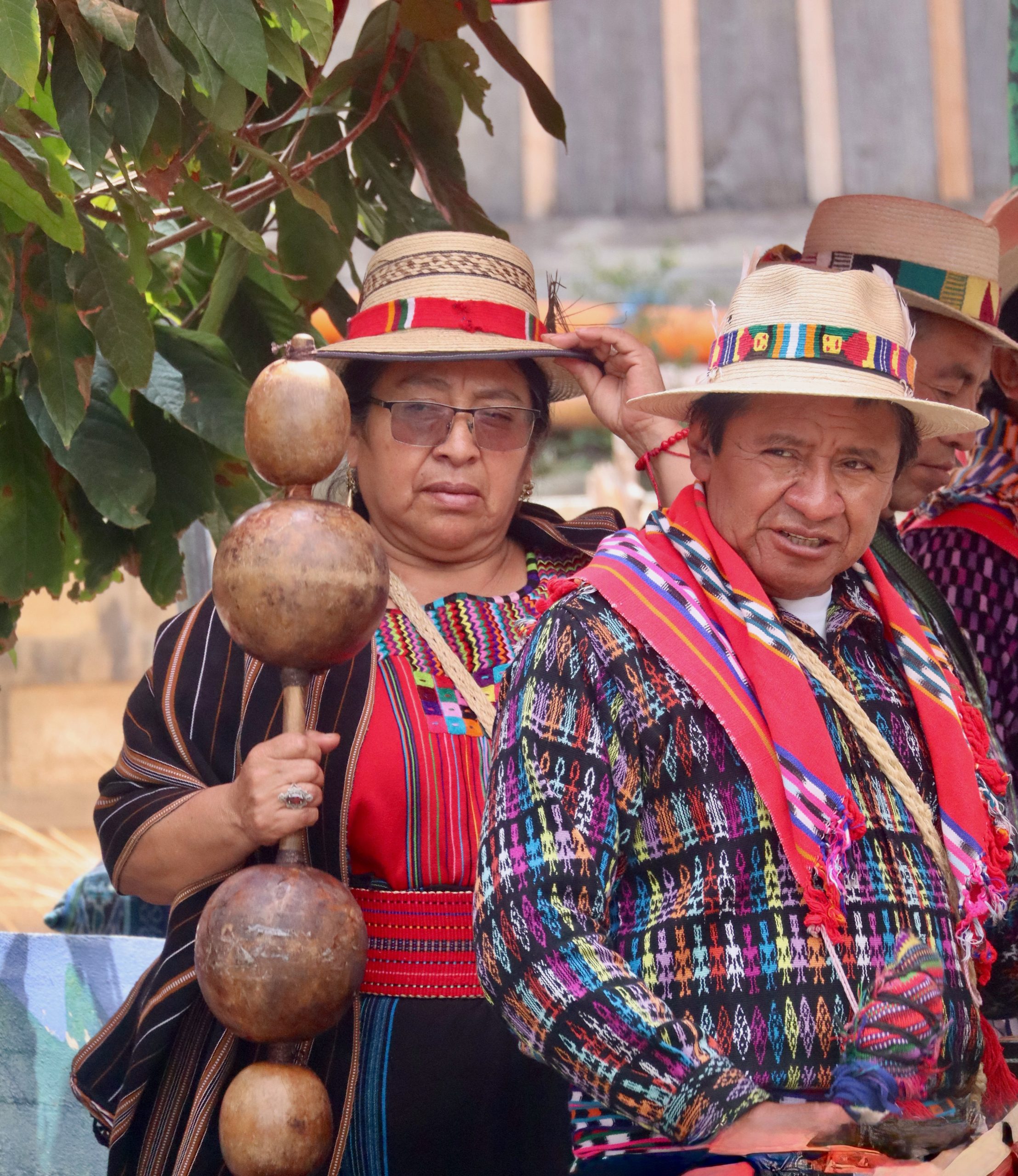
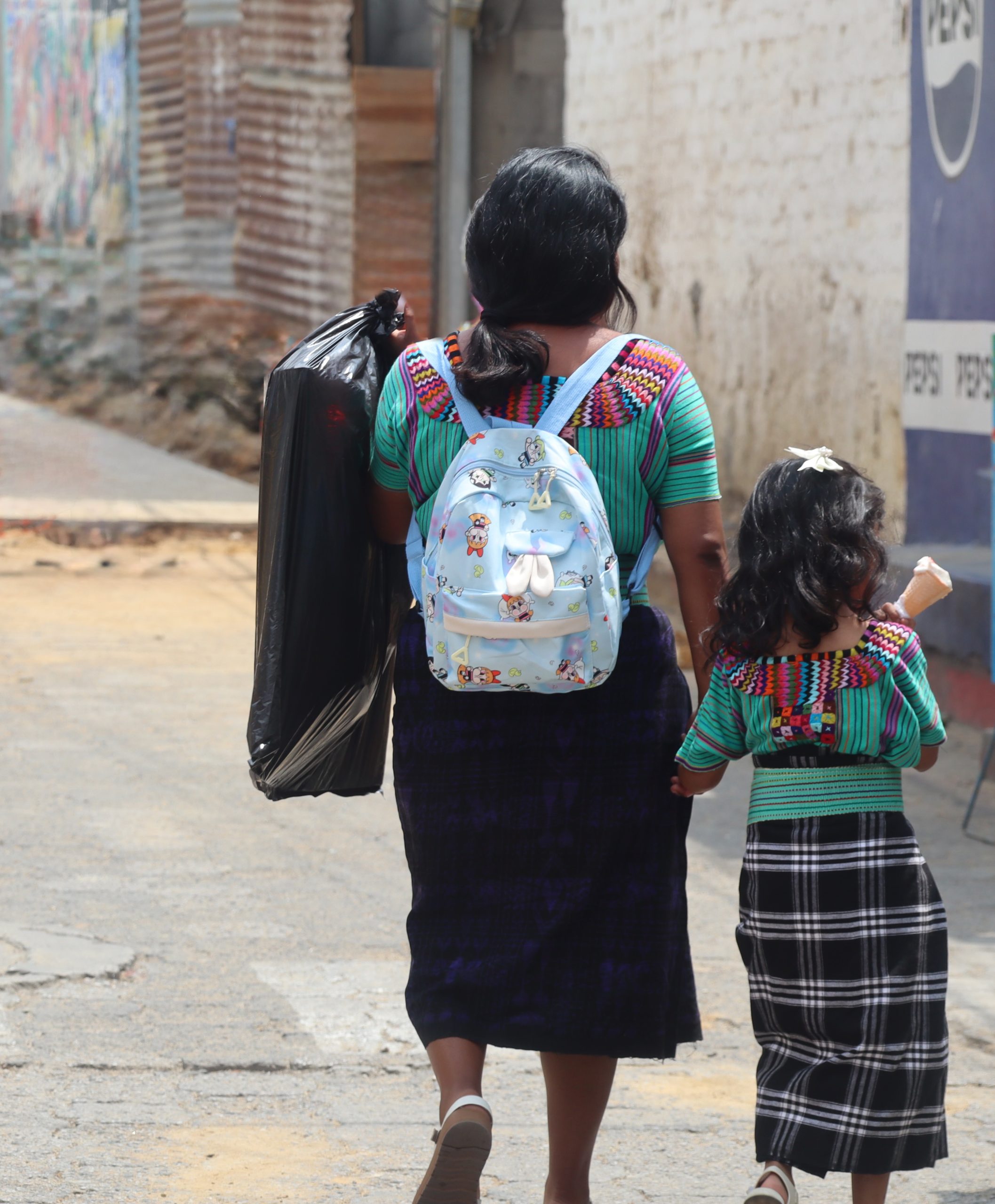
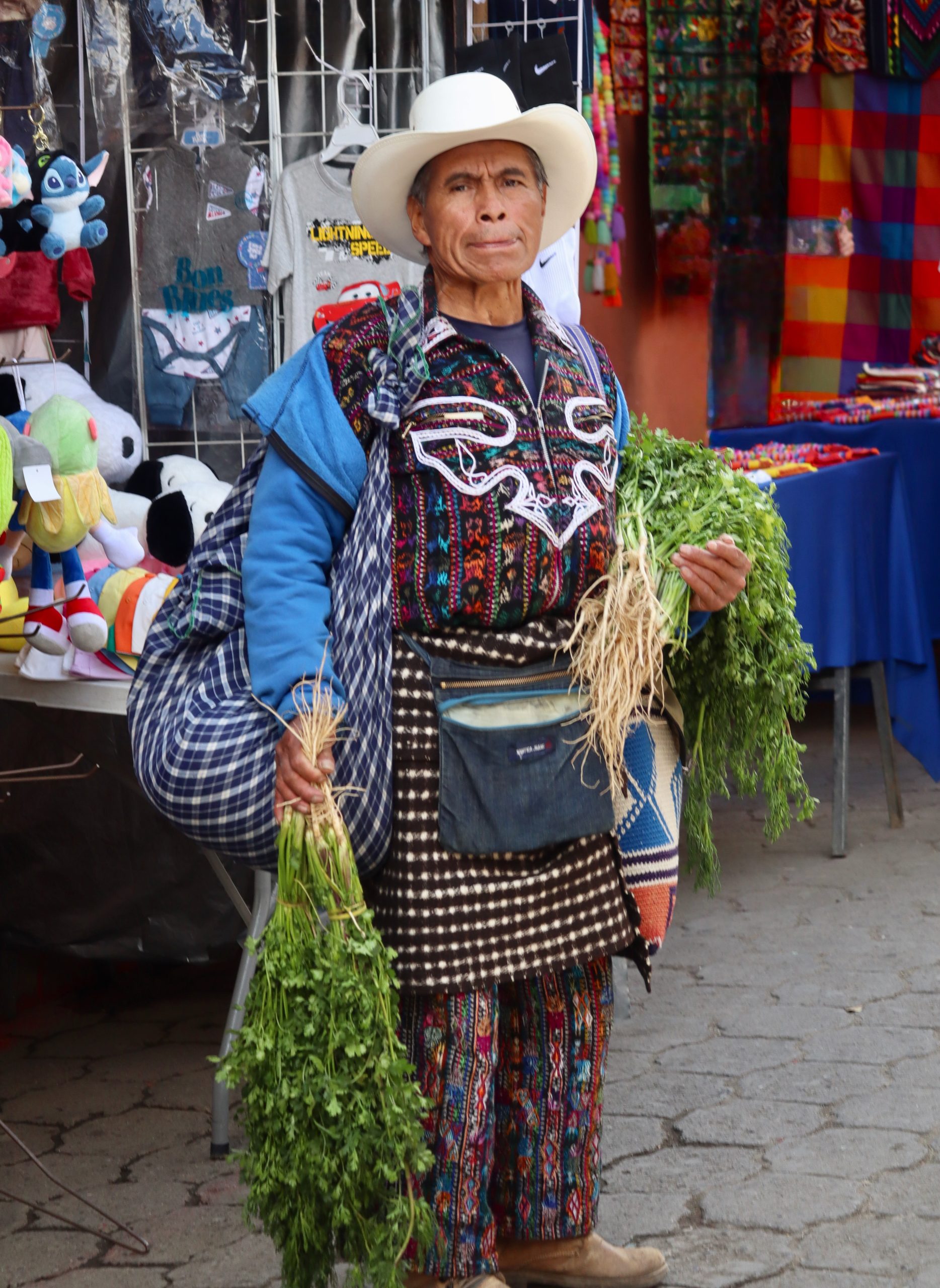
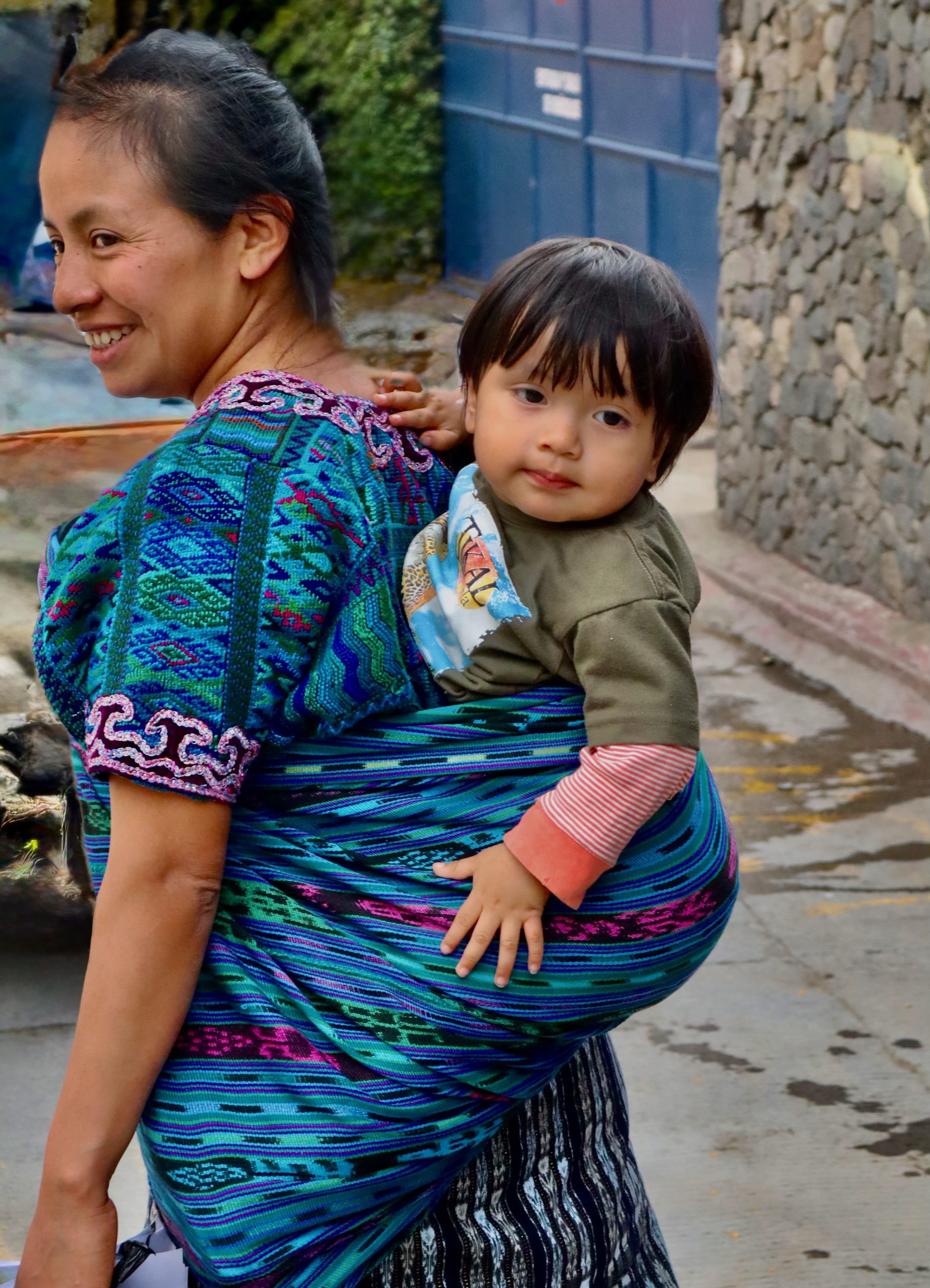
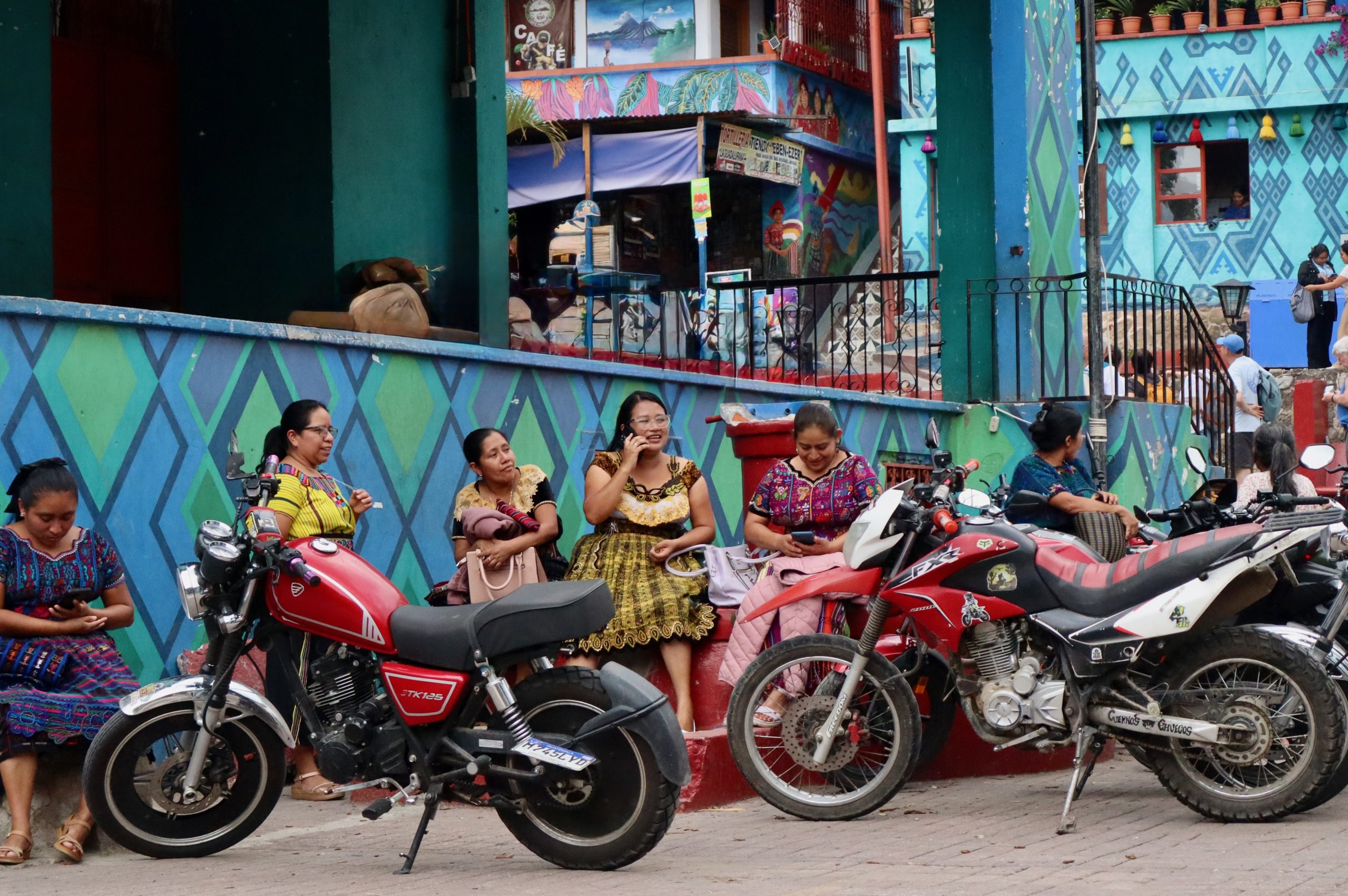
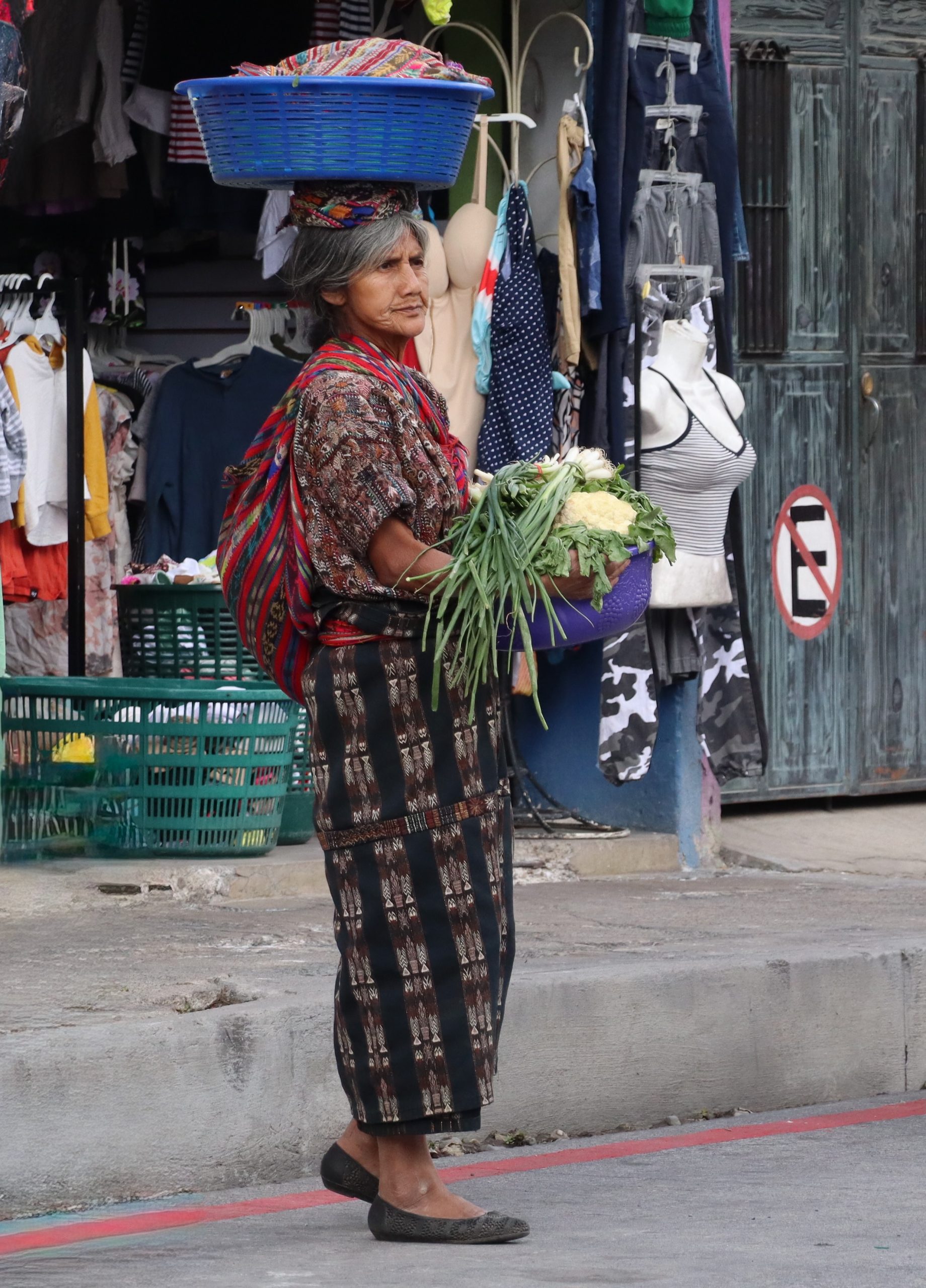
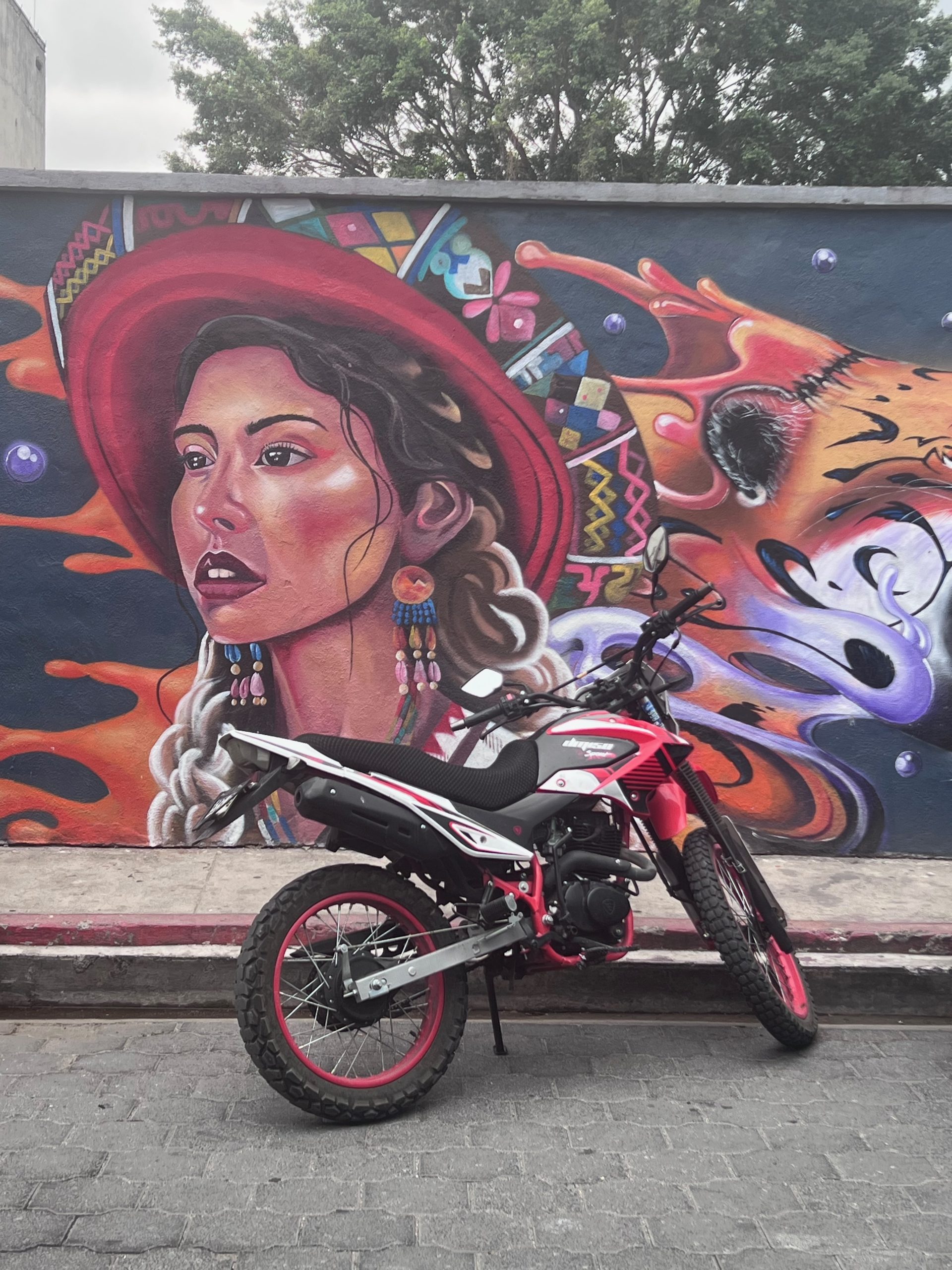
Similar to Antigua and its surrounding villages, daily life in the Lake Atitlán region is deeply rooted in culture. I was struck by how strongly the region has preserved its heritage—from its colorful one-story colonial architecture and plazas painted with historical murals to its commitment to building a sustainable artisan economy. People in these communities wear traditional ancestral clothing every day, not just for special occasions. The combination of colors and patterns seen in their textiles, combining natural dyes and traditional loom weaving, is also reflected in the clothes that they wear. Many women also wear the Tocoyal head wrap.
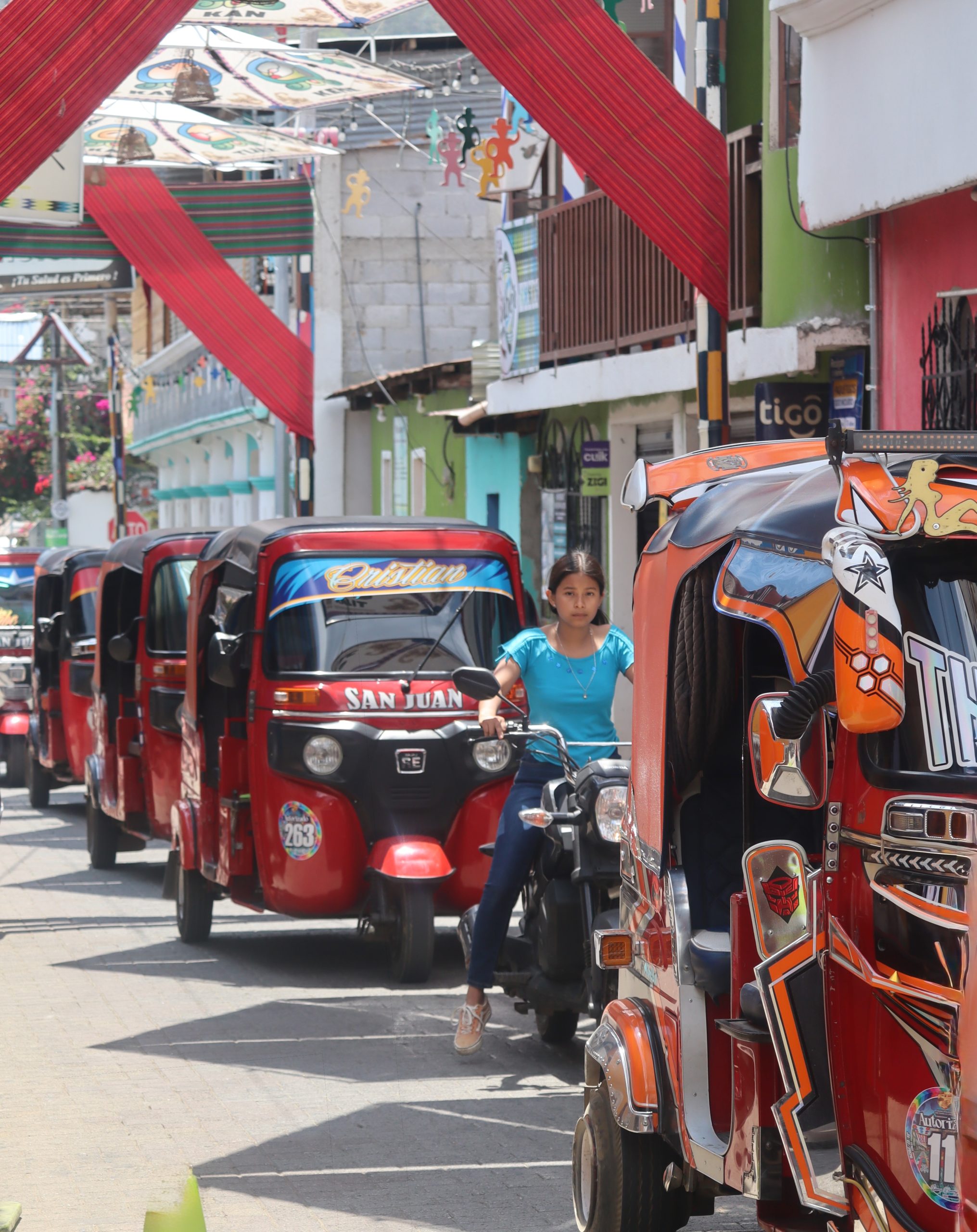
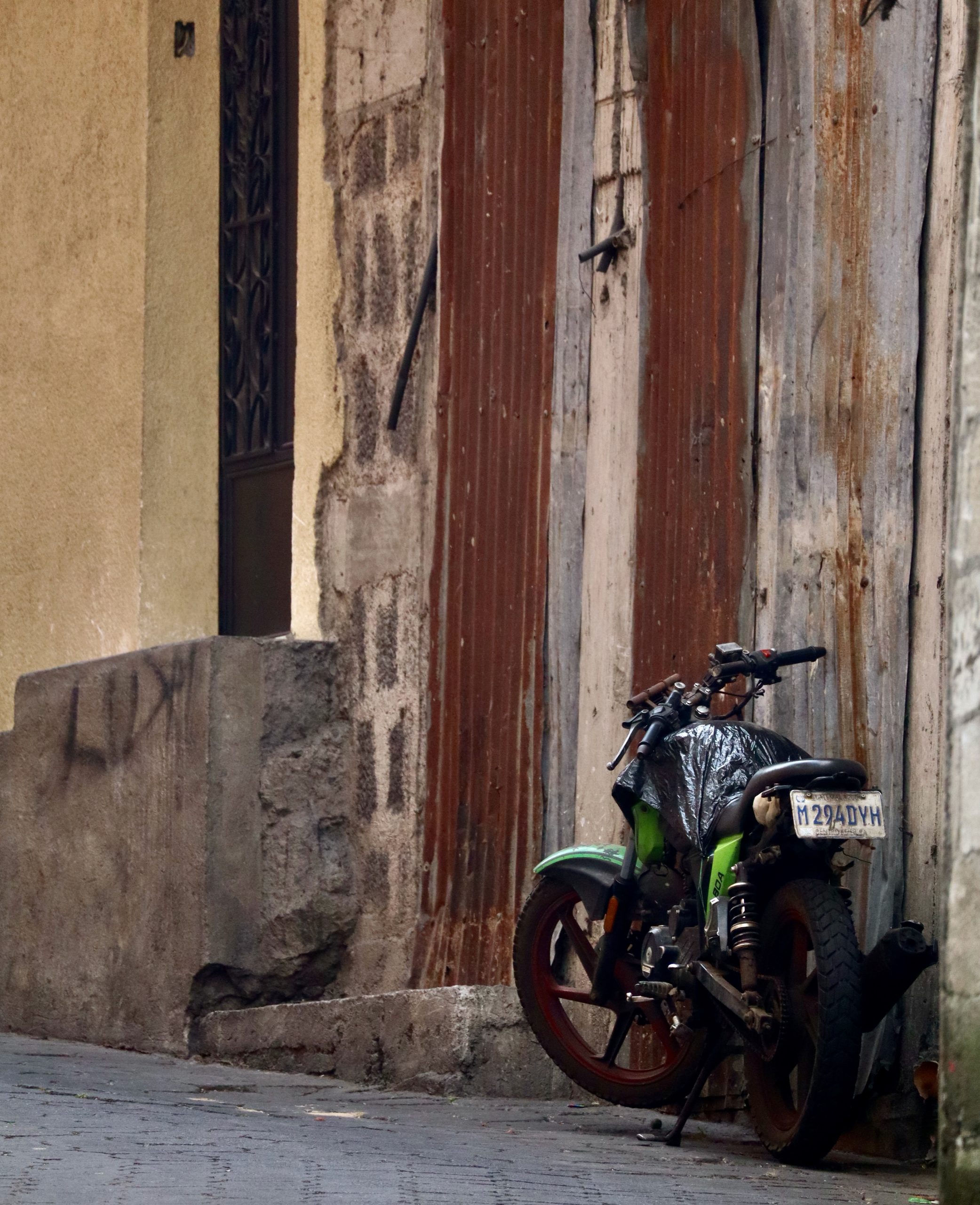
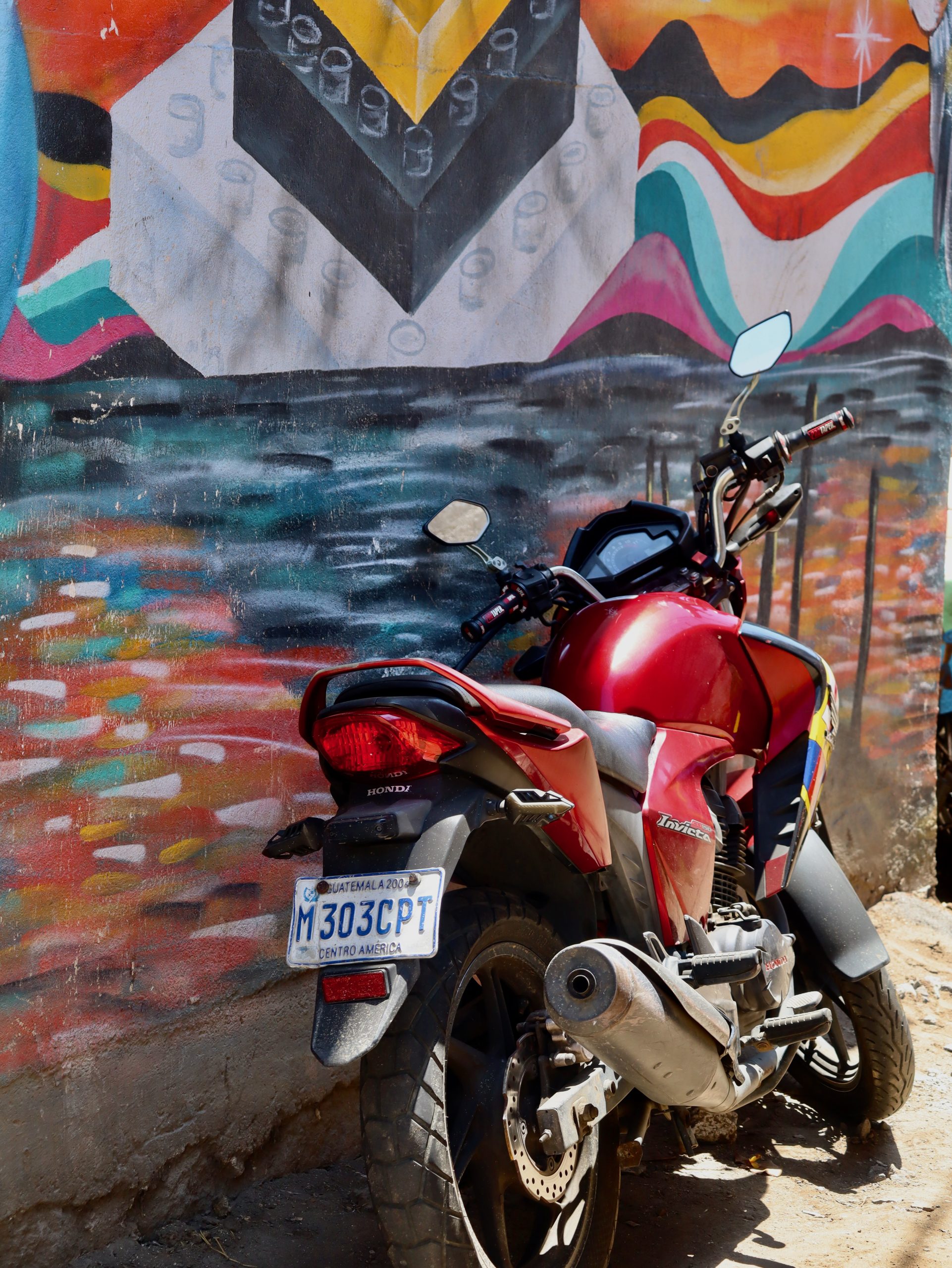
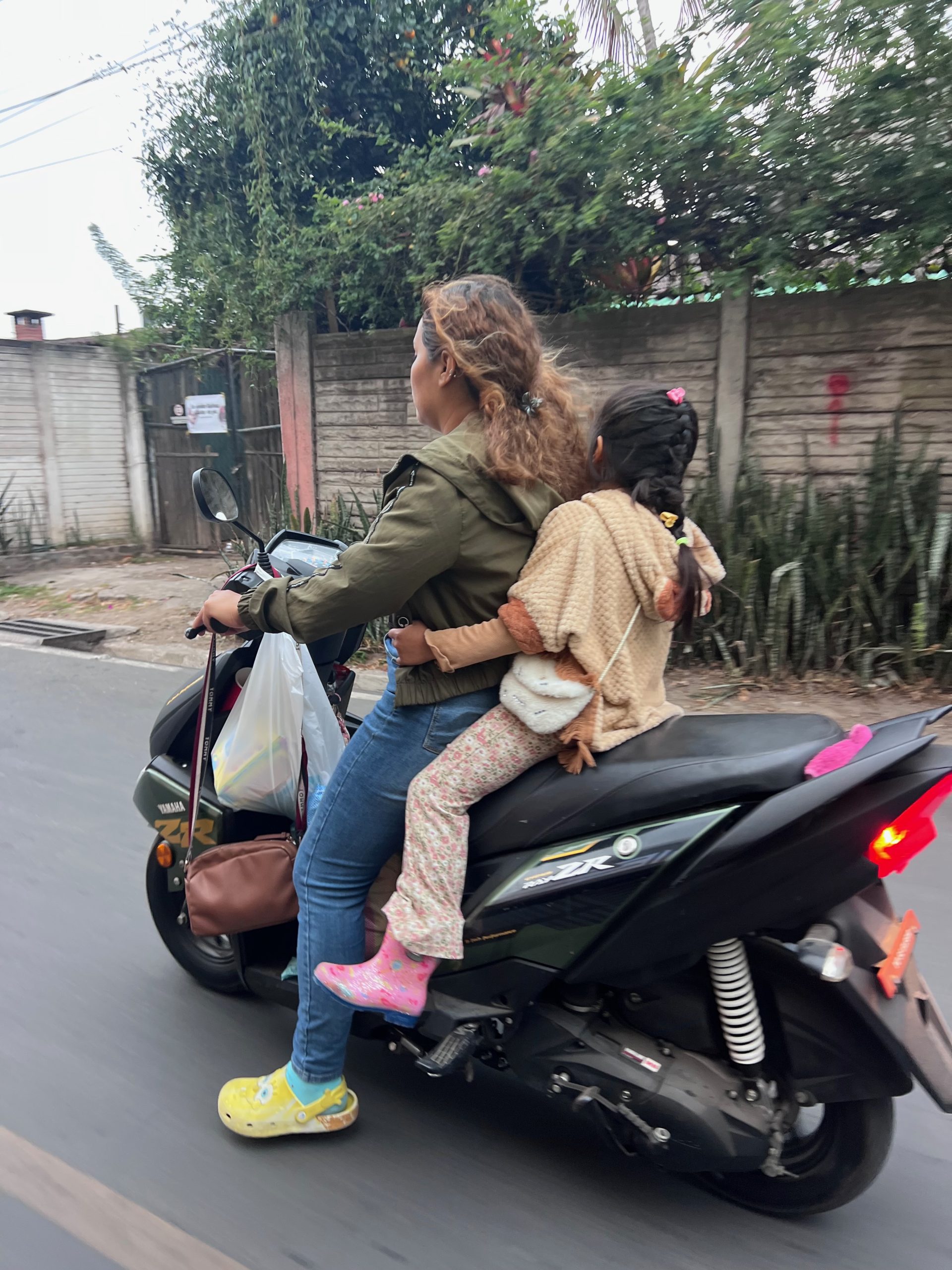
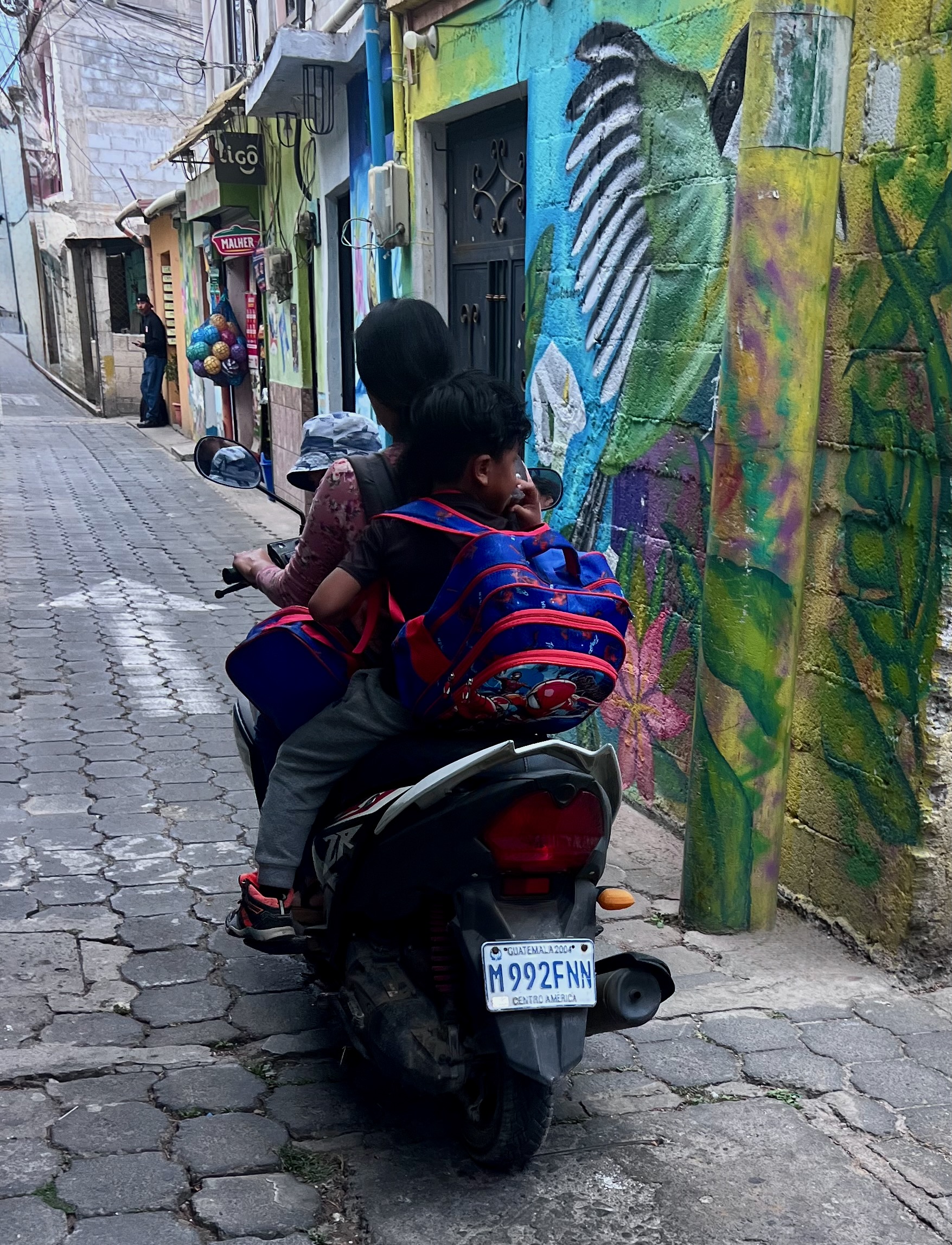
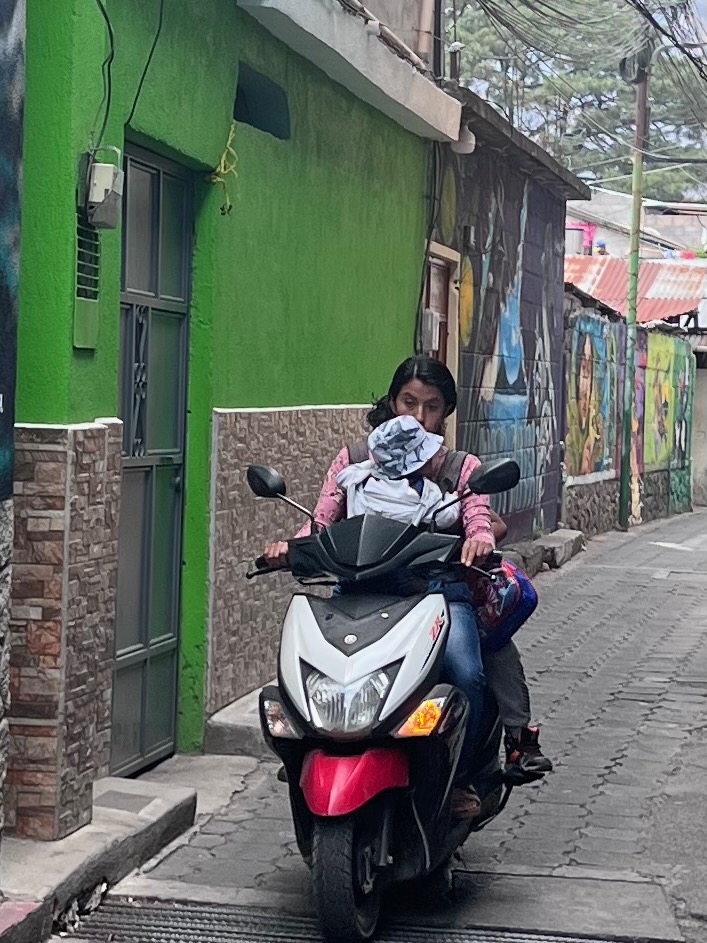
Even the Catholic Church has had to adapt, blending Christian beliefs with Maya spiritual practices to remain relevant. Because most of these villages are built into hillsides, the roads are very rugged, and most of the daily transportation is based on tuk-tuk and motorcycles. In these communities, both men and women of all ages use motorcycles for work, taking children to school, attending church, and most everything else. The motorcycle is as much a utilitarian tool as it is part of the country’s culture.
Present-Day Challenges versus Prospects
Governmental Relationships: It’s important to note that Mayan villages have experienced both historic genocide and ongoing discrimination. Even today, many indigenous communities remain under-funded, politically underrepresented, and geographically neglected. Over time, villages learn that their survival depends more on community structures than on solely relying on the government. An example of this is the women who sweep the streets in the village of Santa Catarina. By becoming communal, villages have greater resilience working through their local councils, religious leaders, cooperatives, and family/business networks alongside municipal government. Regardless, it is still heavily influenced and controlled by the elite.
Tourism vs. Over-tourism: The Guatemalan government has heavily promoted tourism around Lake Atitlán because it generates foreign revenue, creates jobs, and offers international visibility. But there is also a strain that comes with too much tourism, as seen in Europe and other parts of the world.
Excess is impacting the region’s sewage system, waste management, transportation gridlock and environmental pollution, especially within the lake. Folks have noticed that the lake is no longer as blue. How much of the revenue earned through tourism is used to address these issues?
Environmental Concerns: The lake is already encountering untreated sewage, agricultural runoff, plastic waste, and overdevelopment. Also, there is climate change that adds to both erosion and water insecurity. This is a wake-up call to both Guatemala and many other countries that depend on tourism.
Finally, indigenous life in Guatemala is very special and essential to preserve in what is becoming worldwide modernization. Only time will tell if those in leadership roles understand the consequences and find solutions to these challenging events.
Notwithstanding, this is a region with a strong cultural identity. Its indigenous traditions remain vibrant along with its lake and mountainous landscapes. It has a strong global attraction, with more tourists visiting every year, a bright spot for the artisan economy and hopefully for the next generation.
Final Notes and My Photos
I hope to return to Guatemala to visit the ancient Tikal Temple and surrounding communities, as well as stay several nights in Antigua and at one of the other lake villages, but with less luggage. Guatemala reminds me of Mexico’ Yucatan peninsula which has a strong Mayan presence. I enjoyed photographing the normal daily life of people, village culture, and this magnificent lake. With so many photos to choose from, it was difficult getting this down to 50. As always, remember to click the center of the photo for a full view.
Lastly, I thoroughly enjoyed my entire time in all of Guatemala. If you like to read what the first two weeks of my stay in Guatemala were like, click the link to read “Power, History, and Everyday Life in Guatemala’s Cultural Heart”.
I am now in Bucerias, Mexico for the remaining three months, finishing my three-year nomad journey at a place that I purchased during this journey. I am heading to New Jersey to resettle and start the next phase of my life. More on this later…


No Comments