Rio de Janeiro: Between Splendor, Struggle, Carnival, Beauty, and the Shadows of Decline
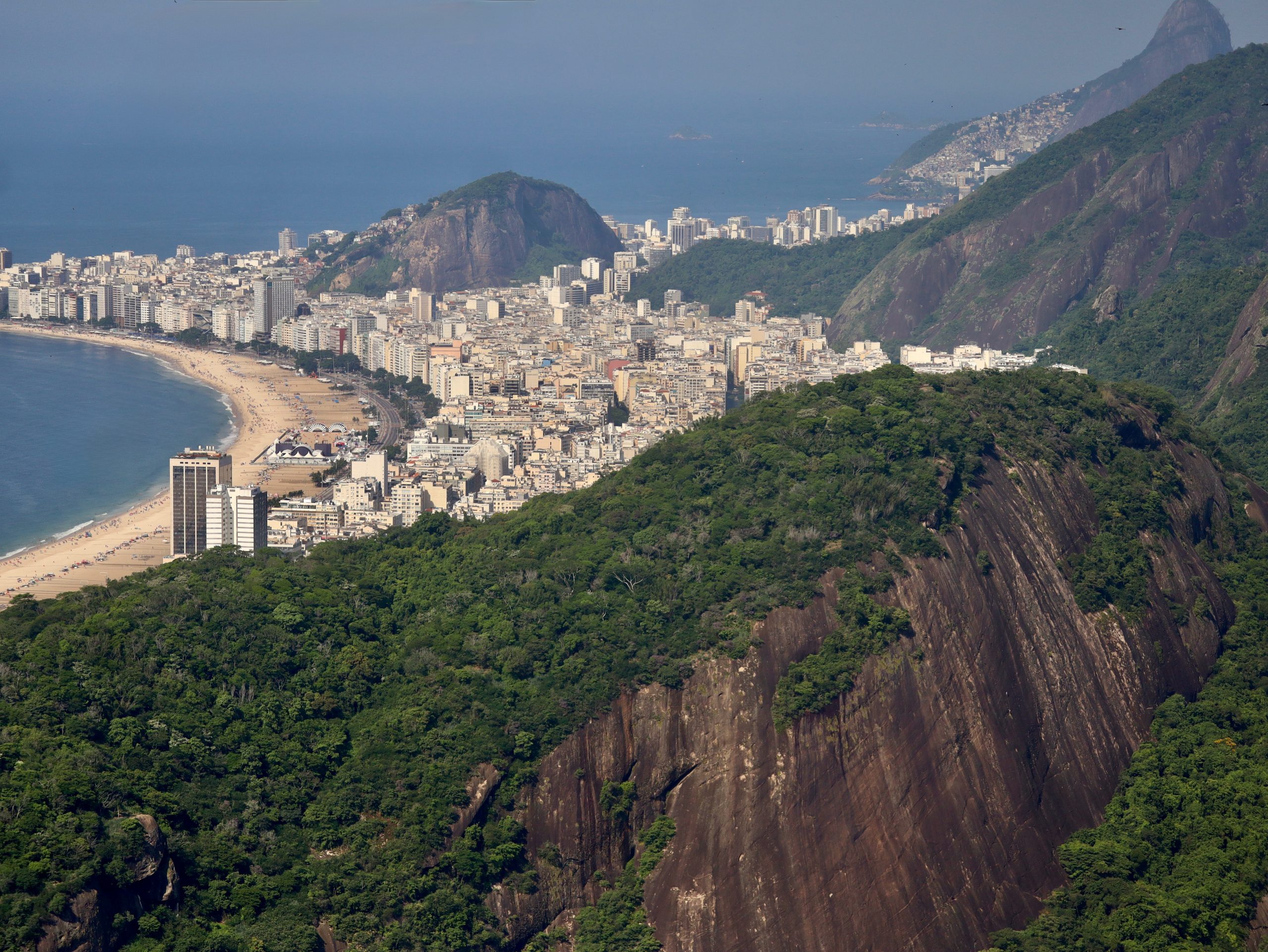
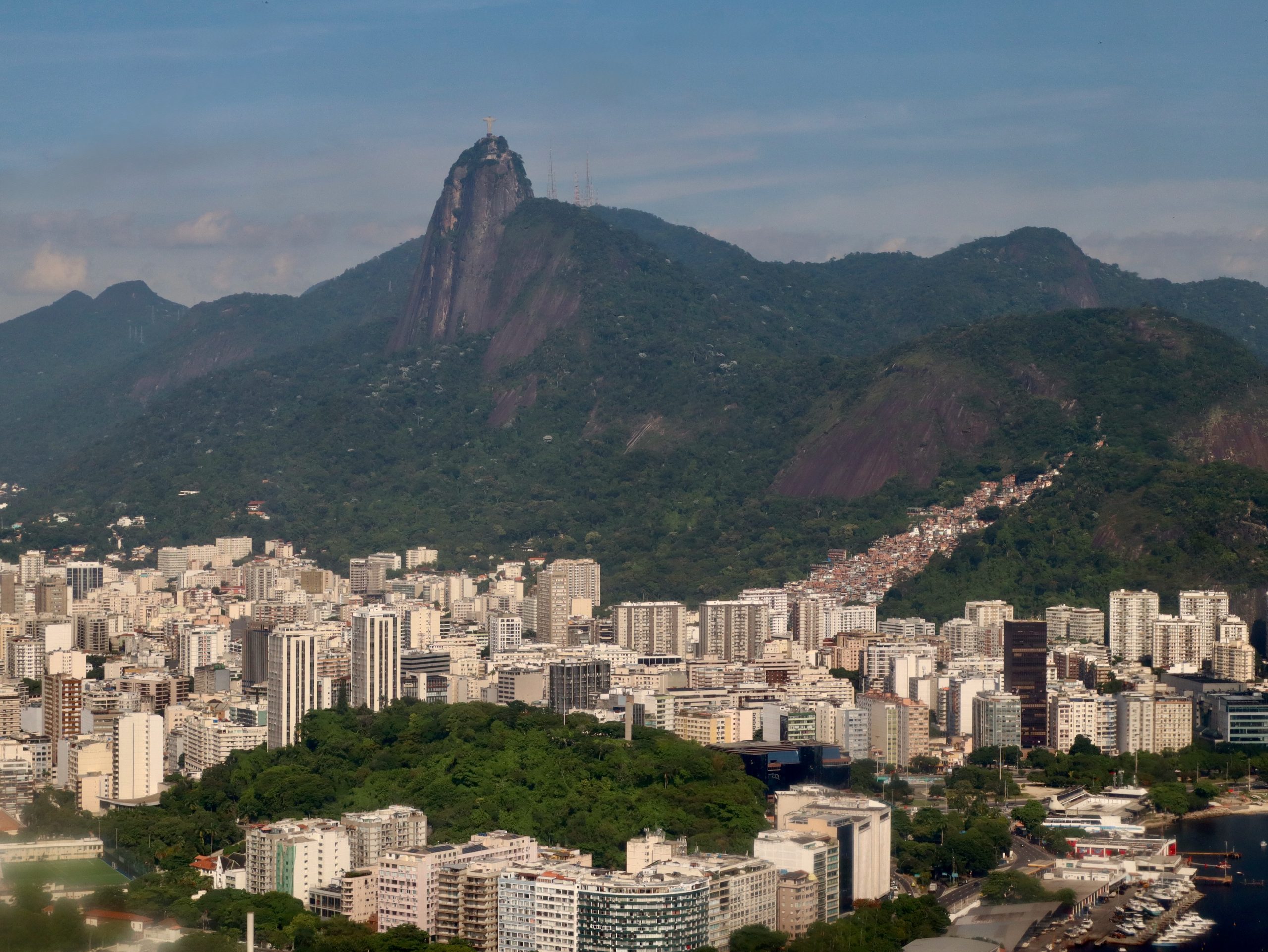
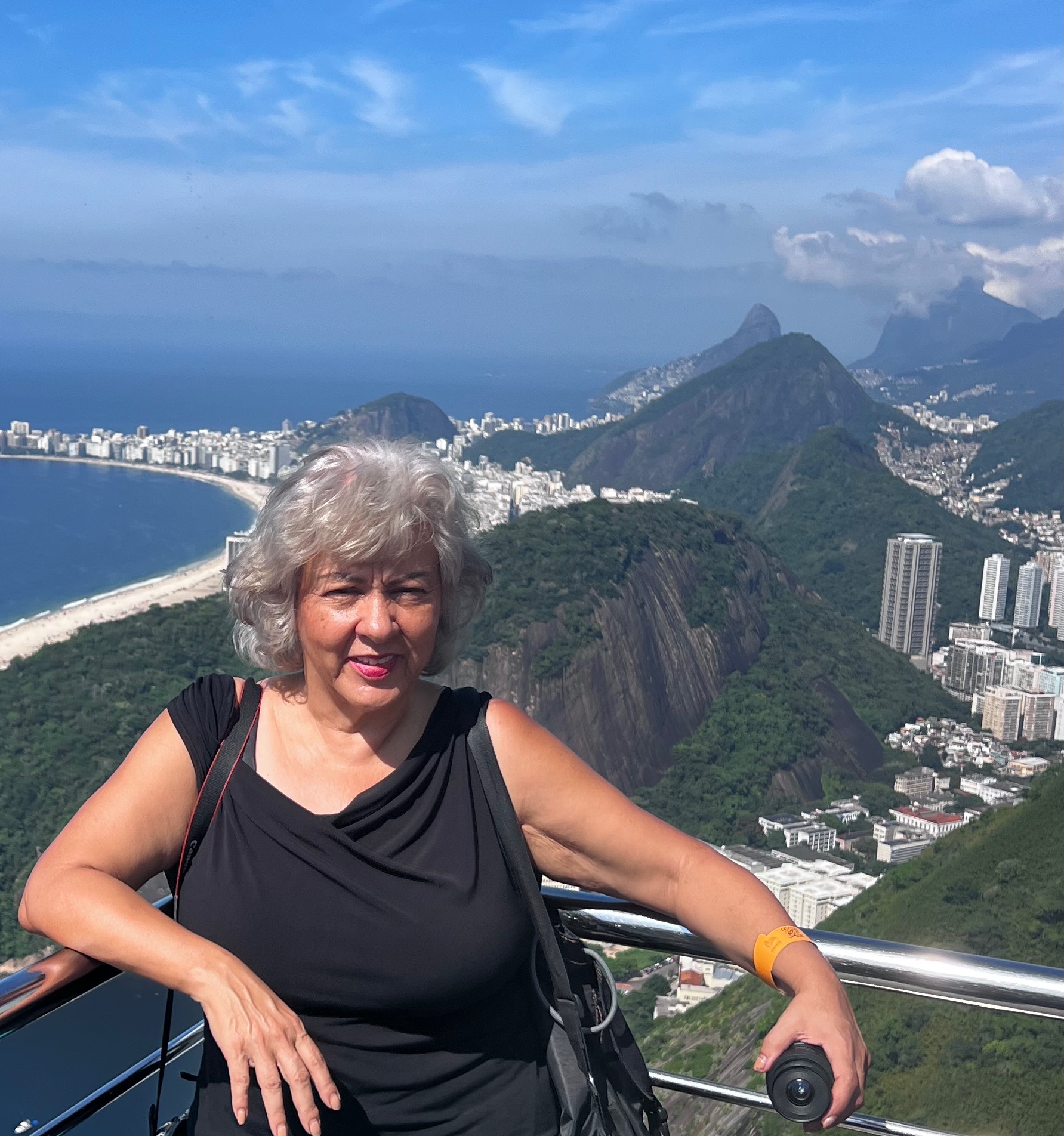
I stayed in Rio de Janeiro for a month, arriving a couple of weeks before Carnival. Rio is one of the most visited cities in the world, with some of the most beautiful mountainous coastal landscapes. The iconic Sugarloaf Mountain, the Tijuca Urban Rainforest (one of the largest in the world) and Christ the Redeemer are purely breathtaking and staggering.
Rio de Janeiro is a city where extraordinary natural beauty and persistent inequality coexist, revealing a city that dazzles the eye while exposing the deep historical roots of Brazil’s colonial past. A country with a long history of emperors and dictators, yet chosen to remain a democratic society. A haven for so many rural migrants, which has led to the city experiencing significant decline. A city with close to 1000 favelas (slums), known as the birthplace of samba. You are perplexed and dumbfounded to witness the decline of this city’s historic downtown center. Imagine the contrast between a slowly decaying city center next to wealthy beachfront neighborhoods surrounded by hillside favelas. Yet, the country has managed to lower its poverty rate. This story is about how I experienced this complex city beyond what you see on a postcard….
But First a Bit of History
Brazil was discovered in the 1500 where already many native communities coexisted. Rio was founded in 1565, briefly becoming the capital of the Portuguese Empire when Napoleon invaded Portugal and the royals fled to Brazil. By 1822, Brazil became an independent monarchy from Portugal, only to be toppled by a military coup that led to decades of dictatorships.
Rio became the largest slave port in the Americas and the political and economic center of a resource-rich Brazil. Slavery was not abolished until 1888 after many rebellions and conflicts. Reforms were few, leaving formerly enslaved populations with little land, education, or economic opportunity (sounds familiar).
As Brazil industrialized and urbanized in the 20th century, migrants from both Brazil’s rural communities and Europe moved to the hillsides, giving rise to what is known as the favelas (slums). The rapid urbanization, along with the country’s exports of minerals and agricultural products further increased migration. Sadly, the exploitation of migrants and formerly enslaved people continues to grow along with corruption and inequality. It was not until 1985 that the country transitioned to a democracy, even as extreme poverty continues to this day. Brazil is currently Latin America’s largest economy and stands as one of South America’s most racially diverse nations, though it continues to experience significant inequality, particularly among those of darker skin.
Arriving in Rio
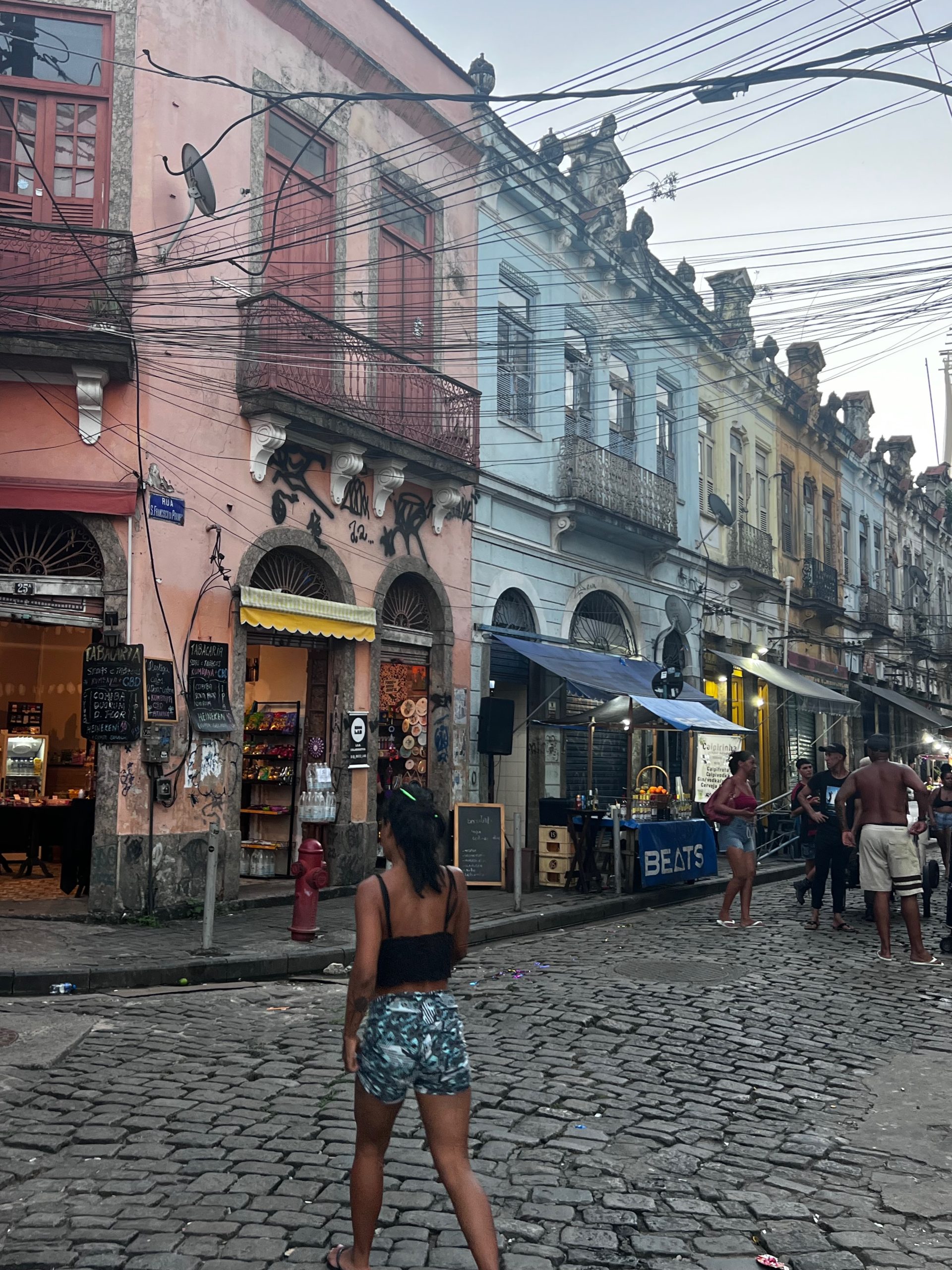
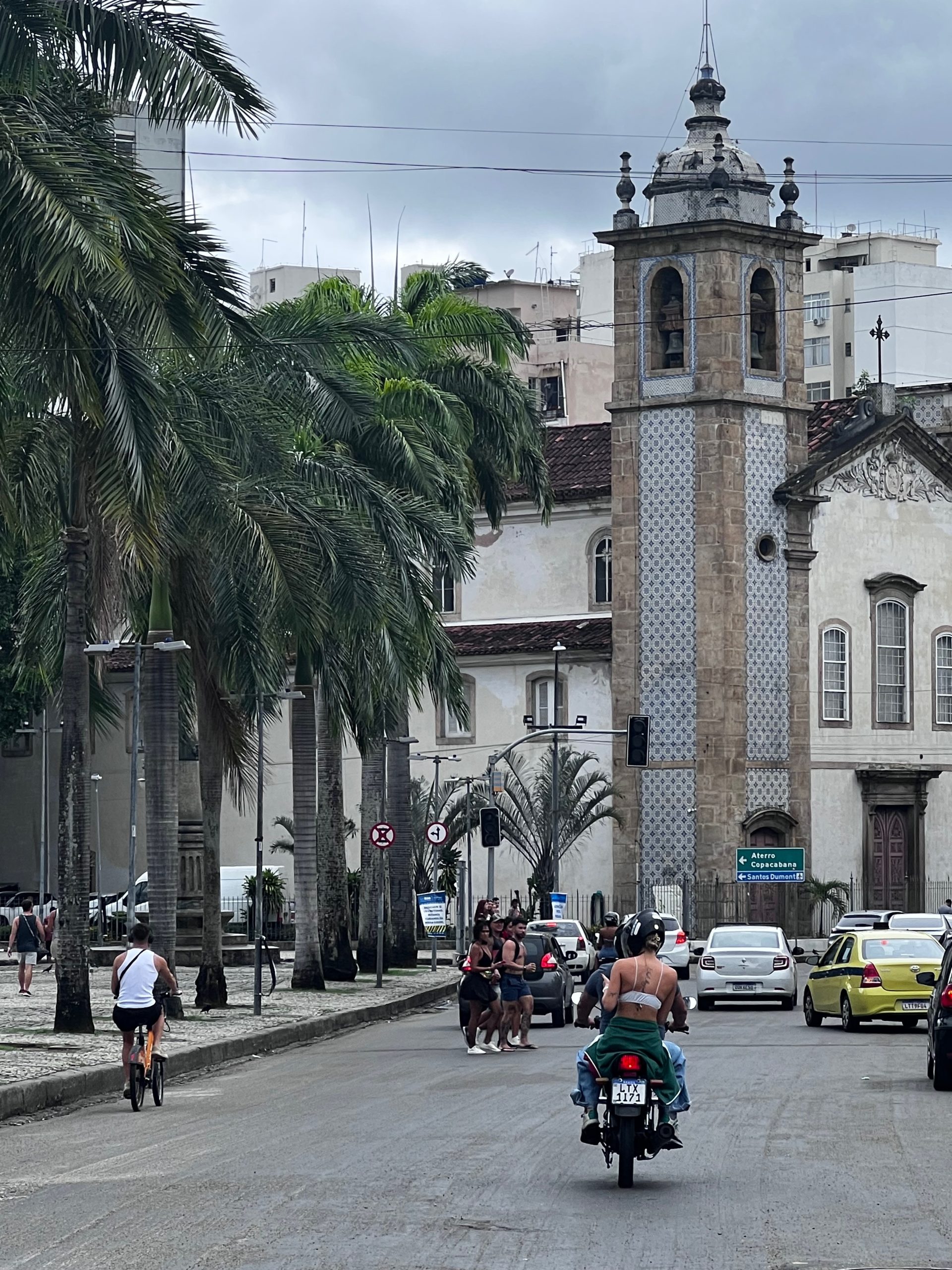
Unable to stay longer in Bolivia due to altitude sickness, I left early and arrived in Rio in mid-January with plans to stay through some of the carnival celebrations. I chose the Lapa neighborhood, which has a bohemian vibe and is part of the historical, commercial, and financial heart of the city. The Lapa neighborhood, rich in history and centuries old, attracts both locals and tourists to its many historic sites. While the area has a worn and gritty appearance, it can at times feel unsafe. At times, it reminded me of the South Bronx or Delancy Street. The streets bustle with shoppers and tourists during the day, and after dark is known for its nightlife and is unsafe.
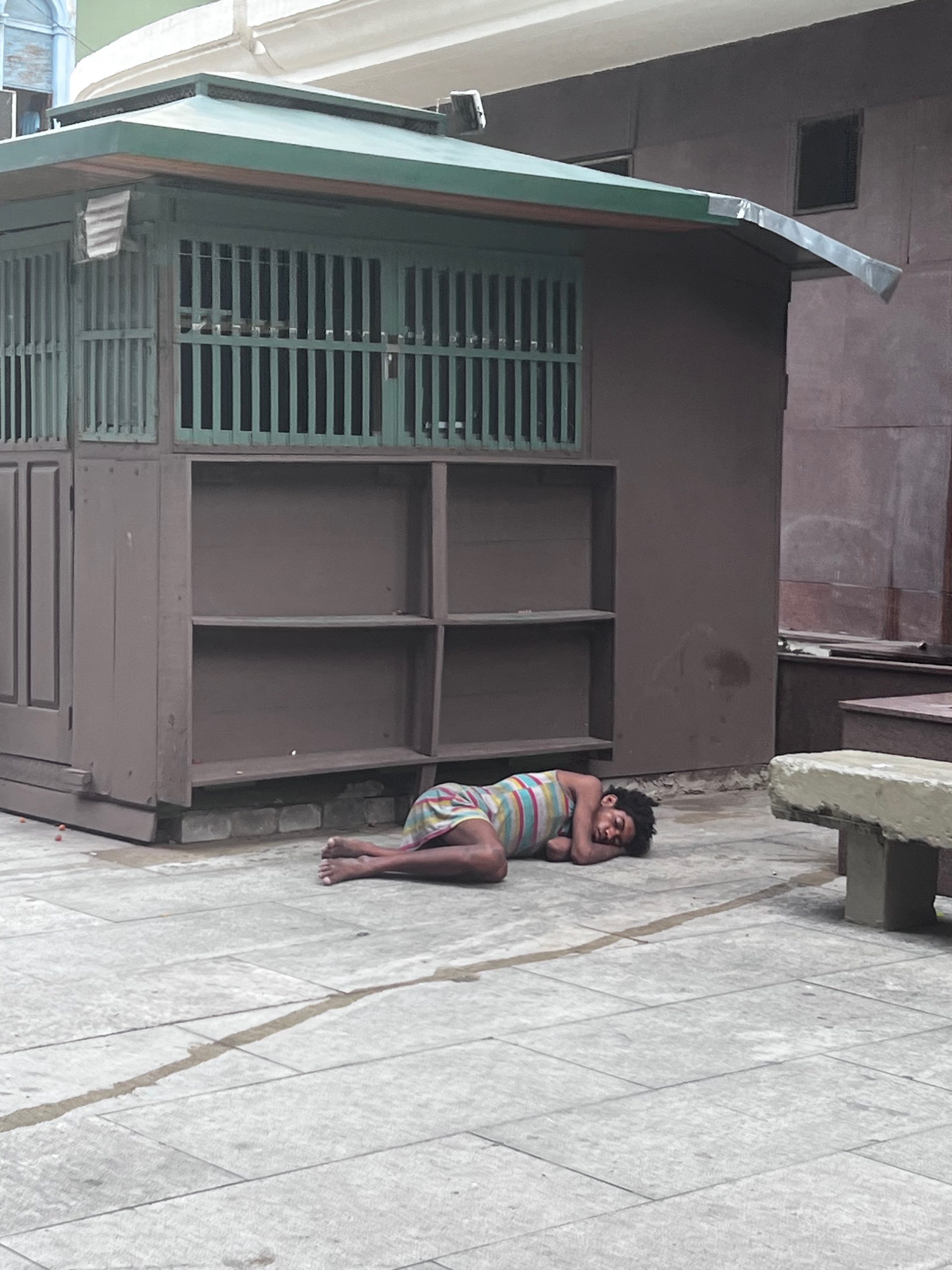
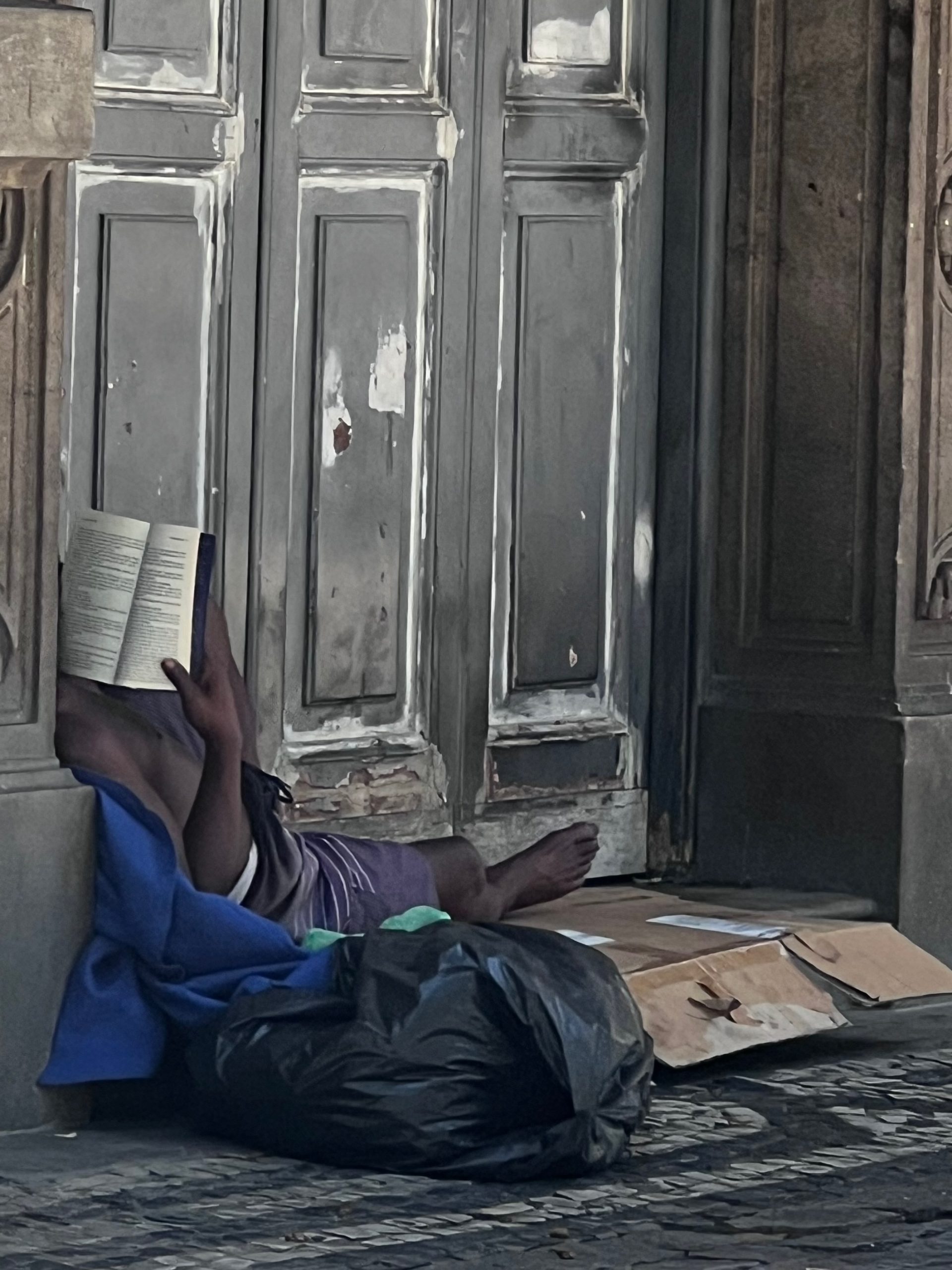
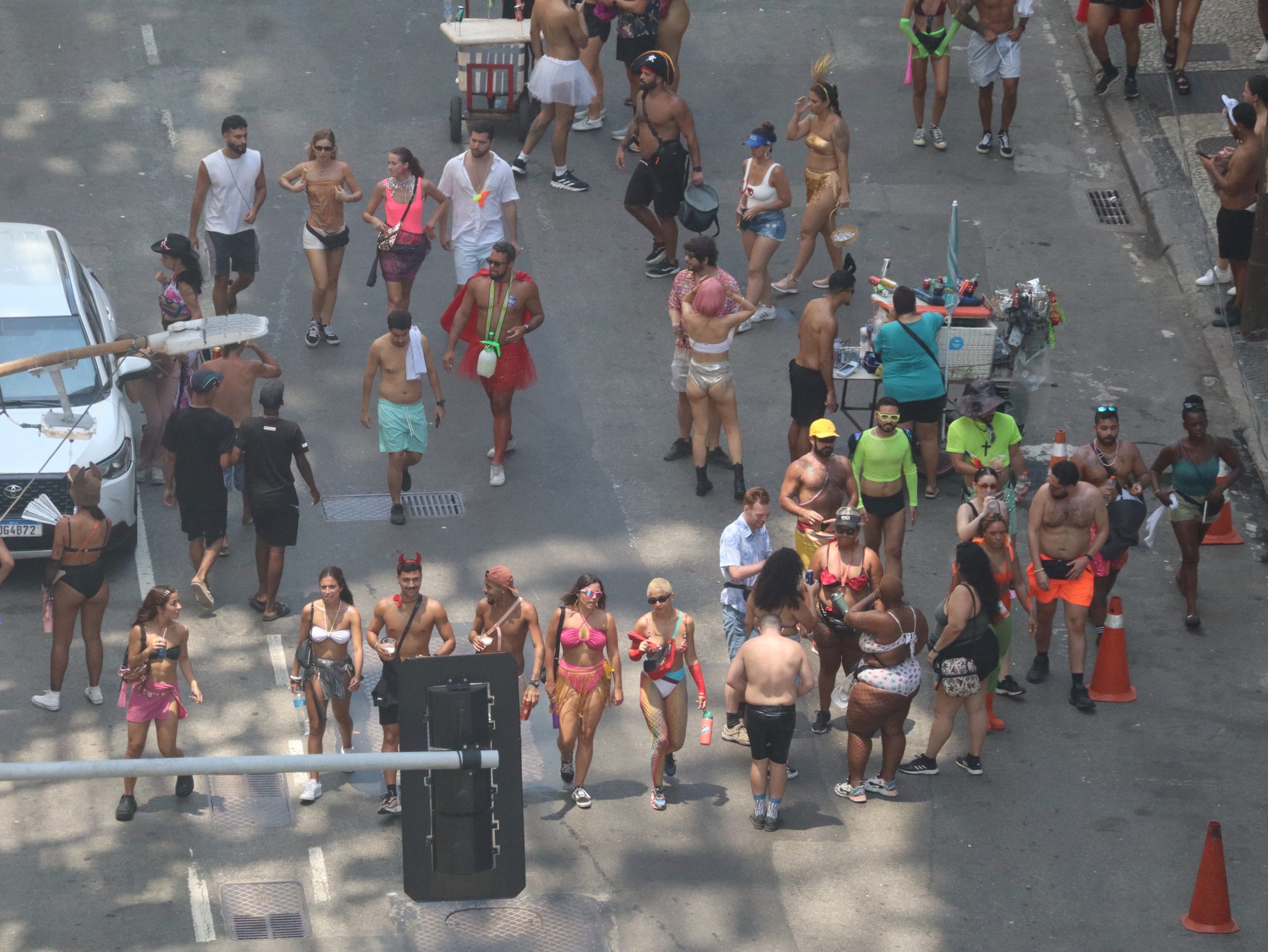
I was struck by the homeless population that roams the streets at night and sleeps during the daytime. It is quite disturbing to see so many people (men and women) sleeping in the streets. After visiting most of the sites near Lapa, I decided not to renew my lease and moved closer to the downtown center near the Guanabara Bay port. Much better, not as many homeless, but once carnival season began it got crazy with so many people roaming the streets half-naked.
Postcard and Reality
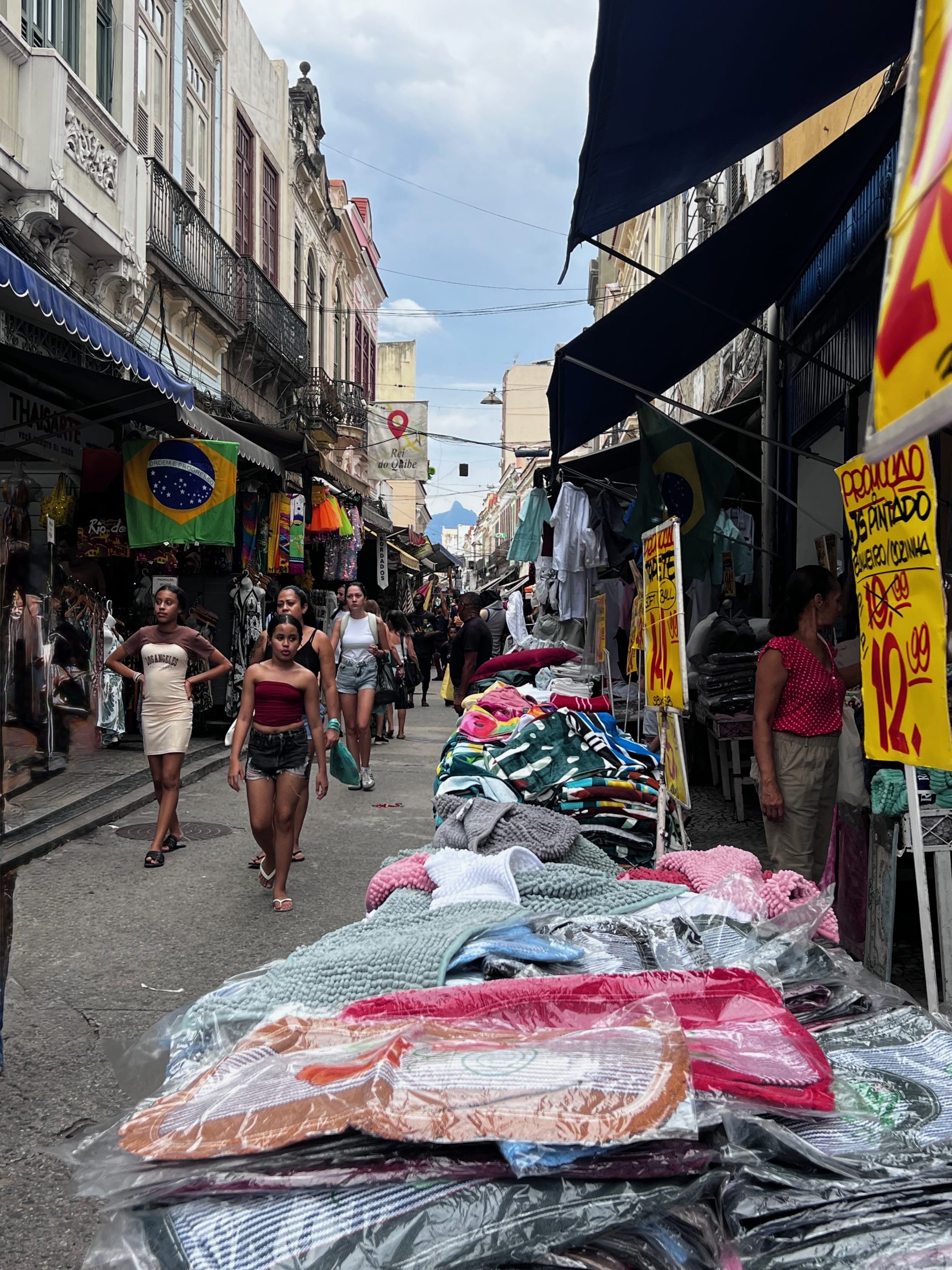
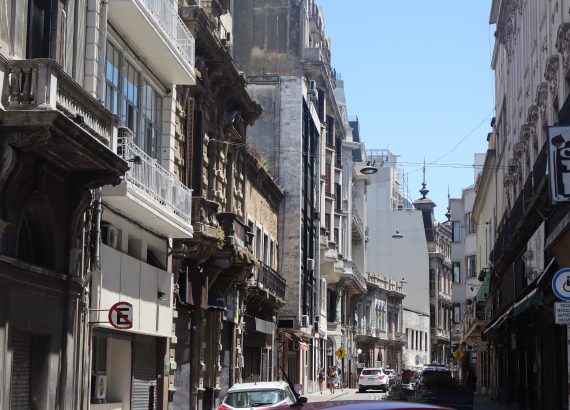
It was sad and perplexing to witness the decline of the city’s downtown center, where many of its historical sites and museums are located and where commerce takes place. The loss of businesses is astounding, just about every block has several abandoned storefronts of businesses closed. Many have moved to the suburbs or the beaches. The most troublesome part is how bad the city smells. There is trash everywhere, along with the smell of urine and a poor sewage system. The worst that I have experienced on all my travels (urinating in the streets cannot be solely blamed on the homeless). In some areas, there are no trash bins. Residents and businesses drop their trash on a street corner where animals and the homeless rummage and scatter it on the sidewalk. It gets picked up every day only to start all over again. I left feeling there was a lack of pride and residential care among Rio’s government and citizens. It’s important to note that the hollowing of historic centers isn’t unique to Rio — I witness similar abandonment existing in Uruguay, Paraguay, and parts of Lima.
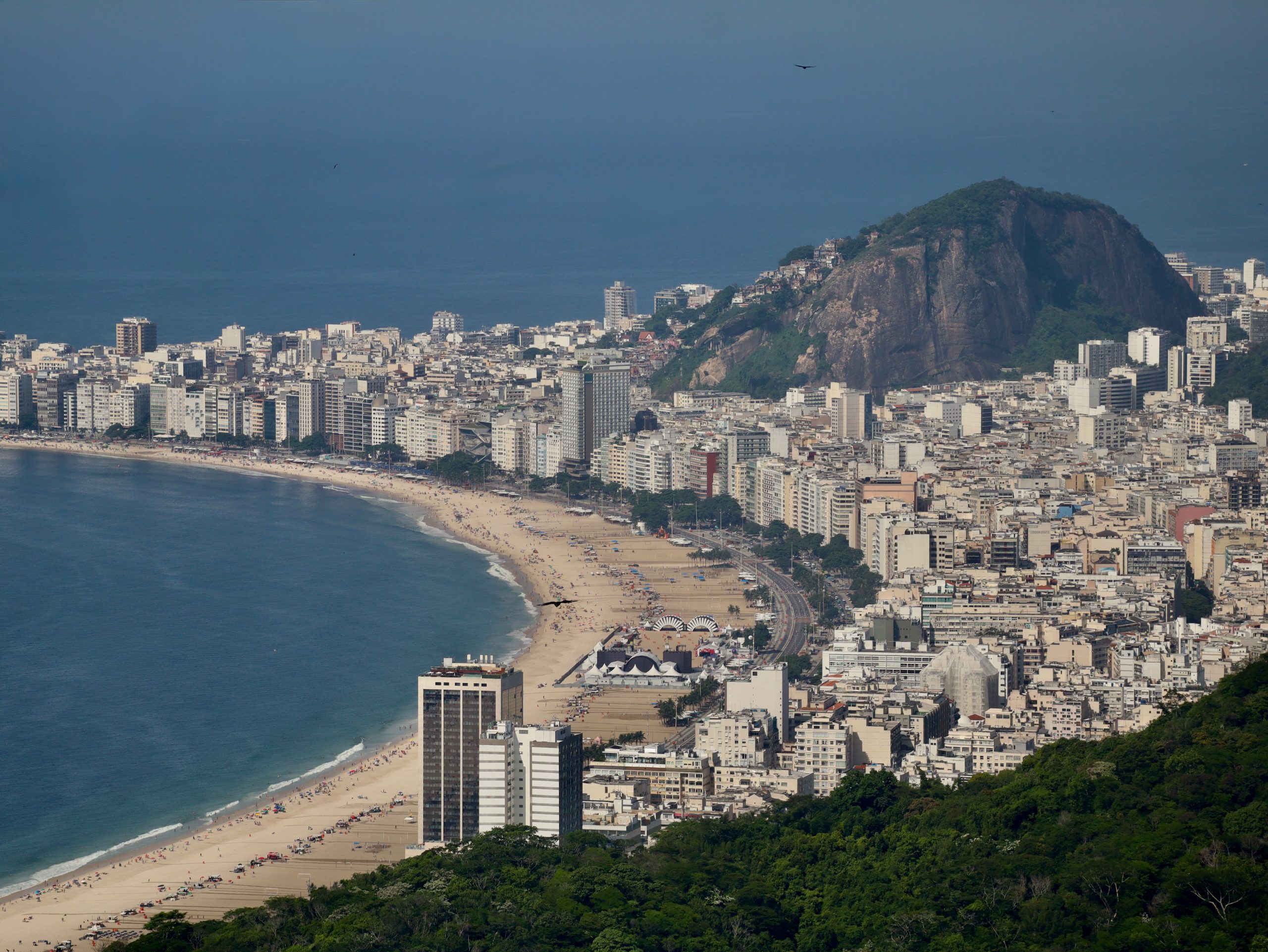
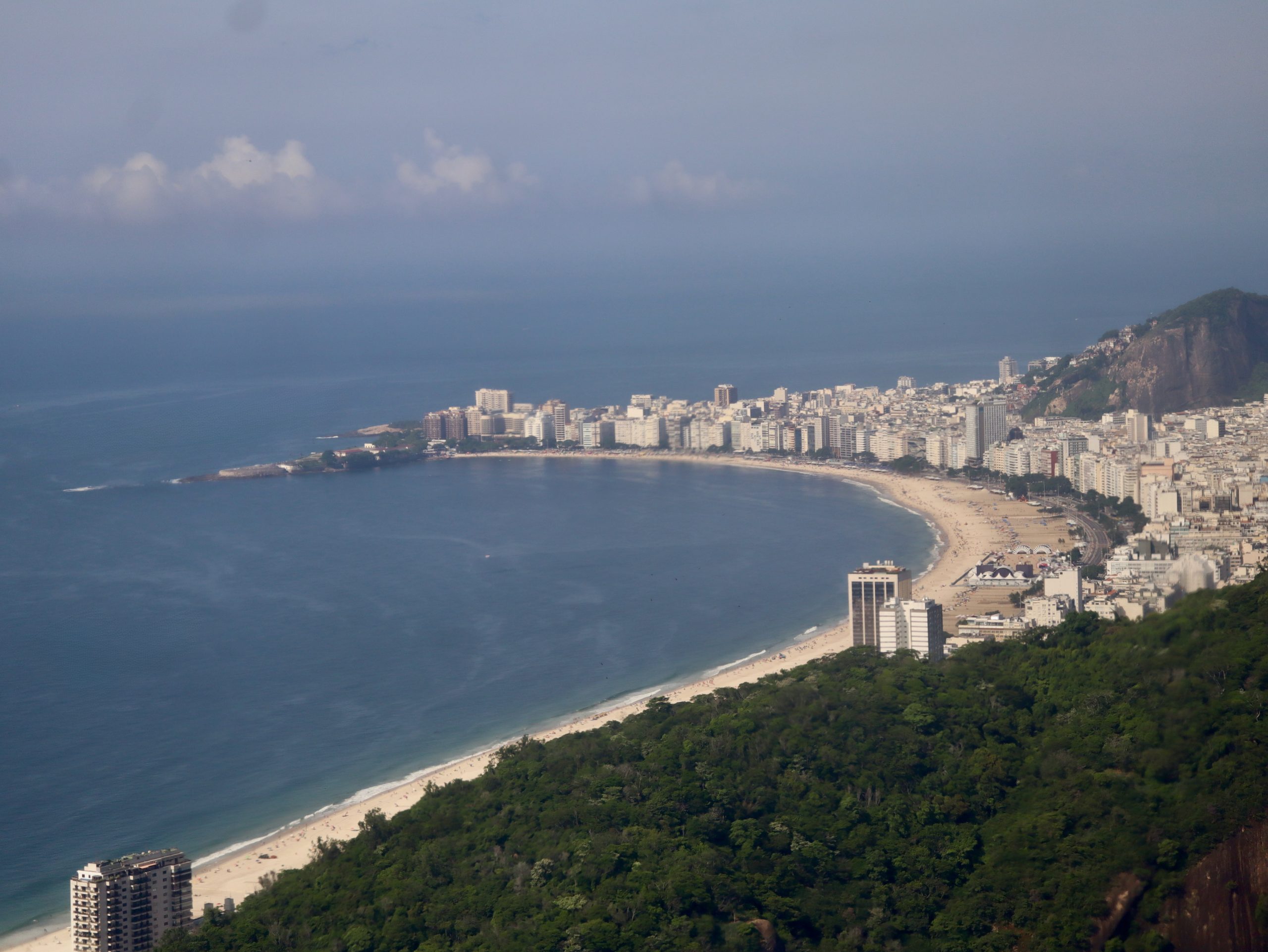
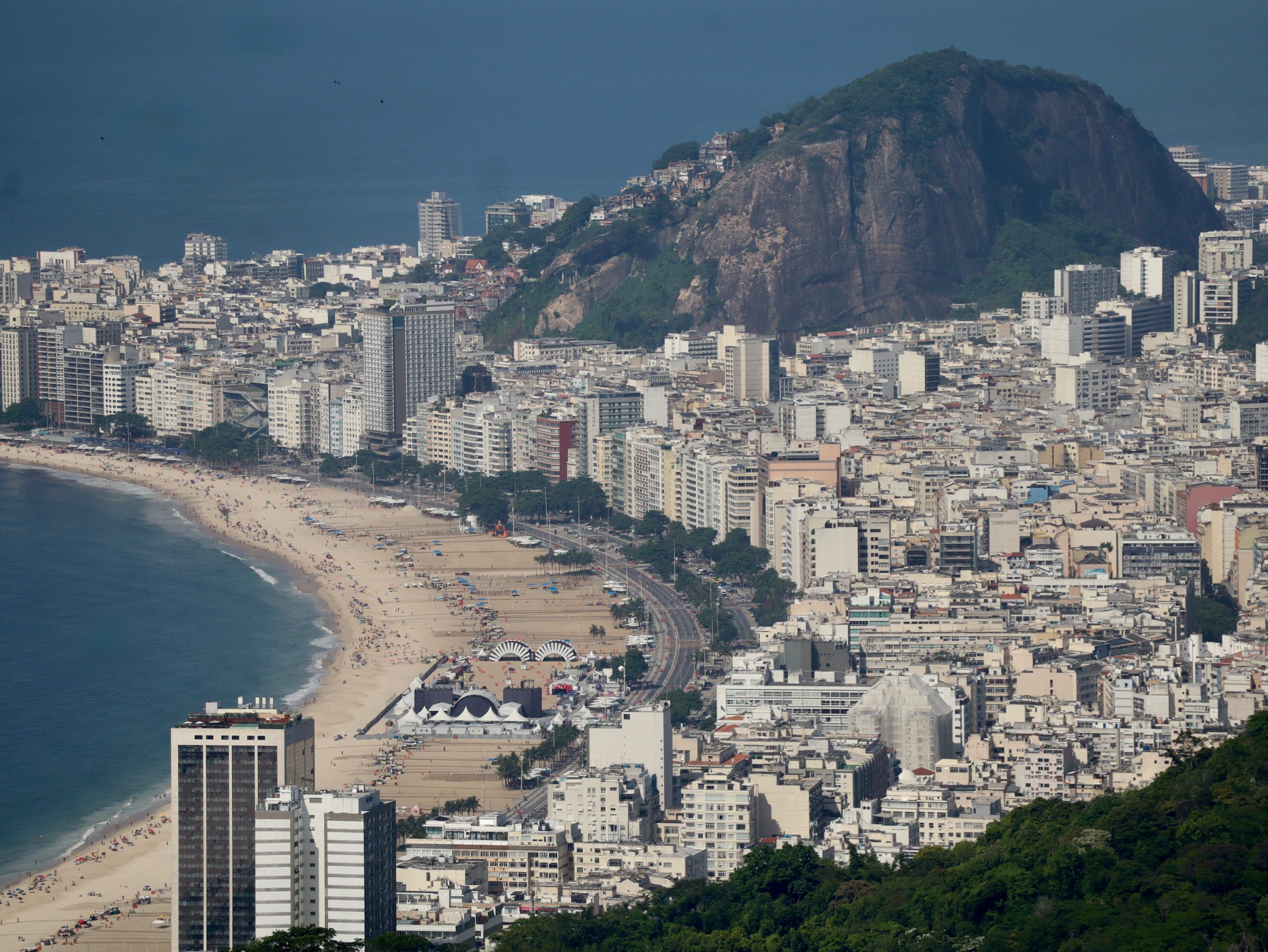
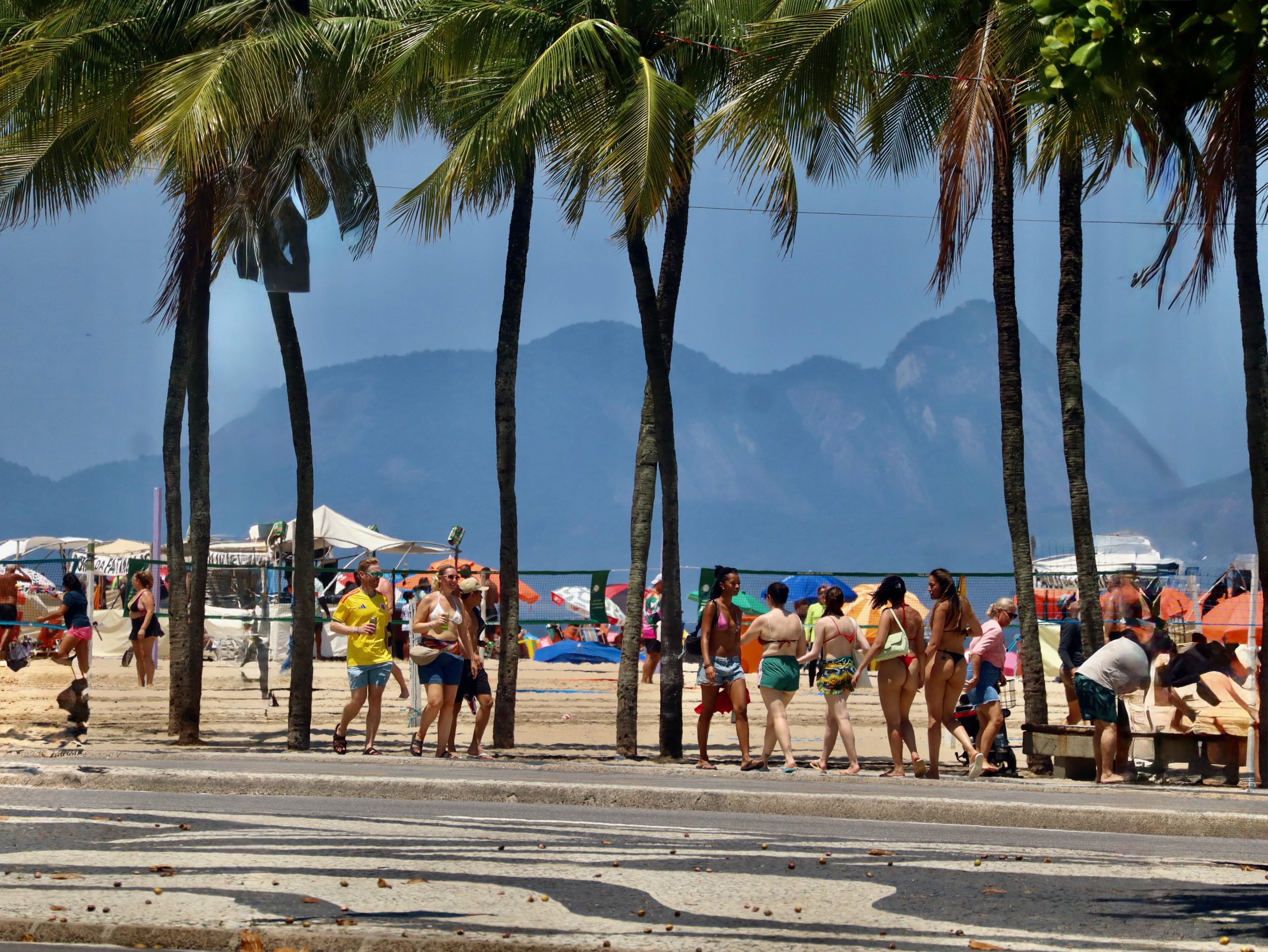
Copacabana Beach, a 30-minute ride in an Uber ($6.00) reminded me of most major city beaches. On one side, the beach, and across the street, a line of hotels and restaurants. You can appreciate its natural beauty when you are looking down at the coast, not so much when you are walking its streets. Here also one can witness homeless people and experience the constant urine and sewage smell.
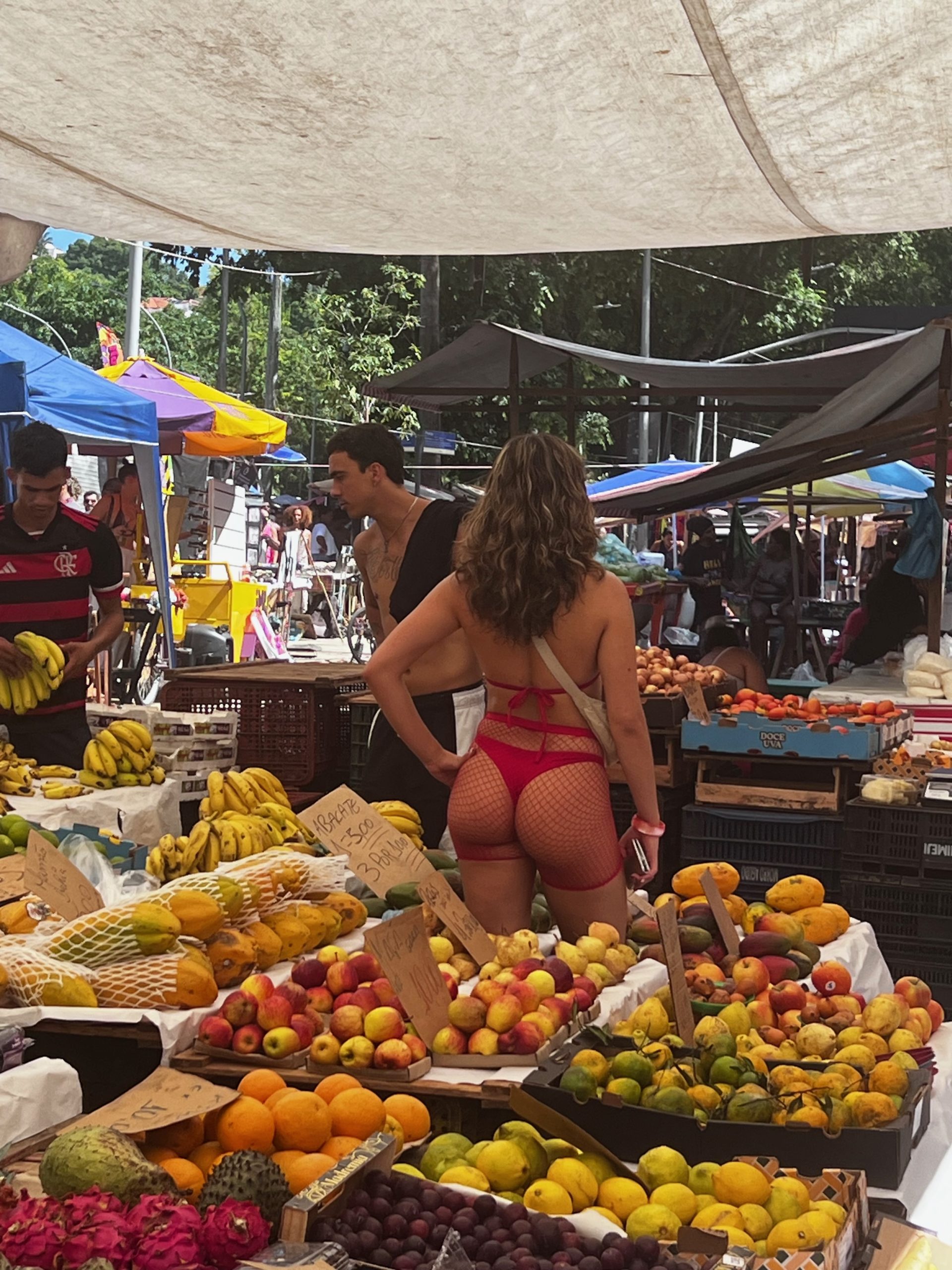
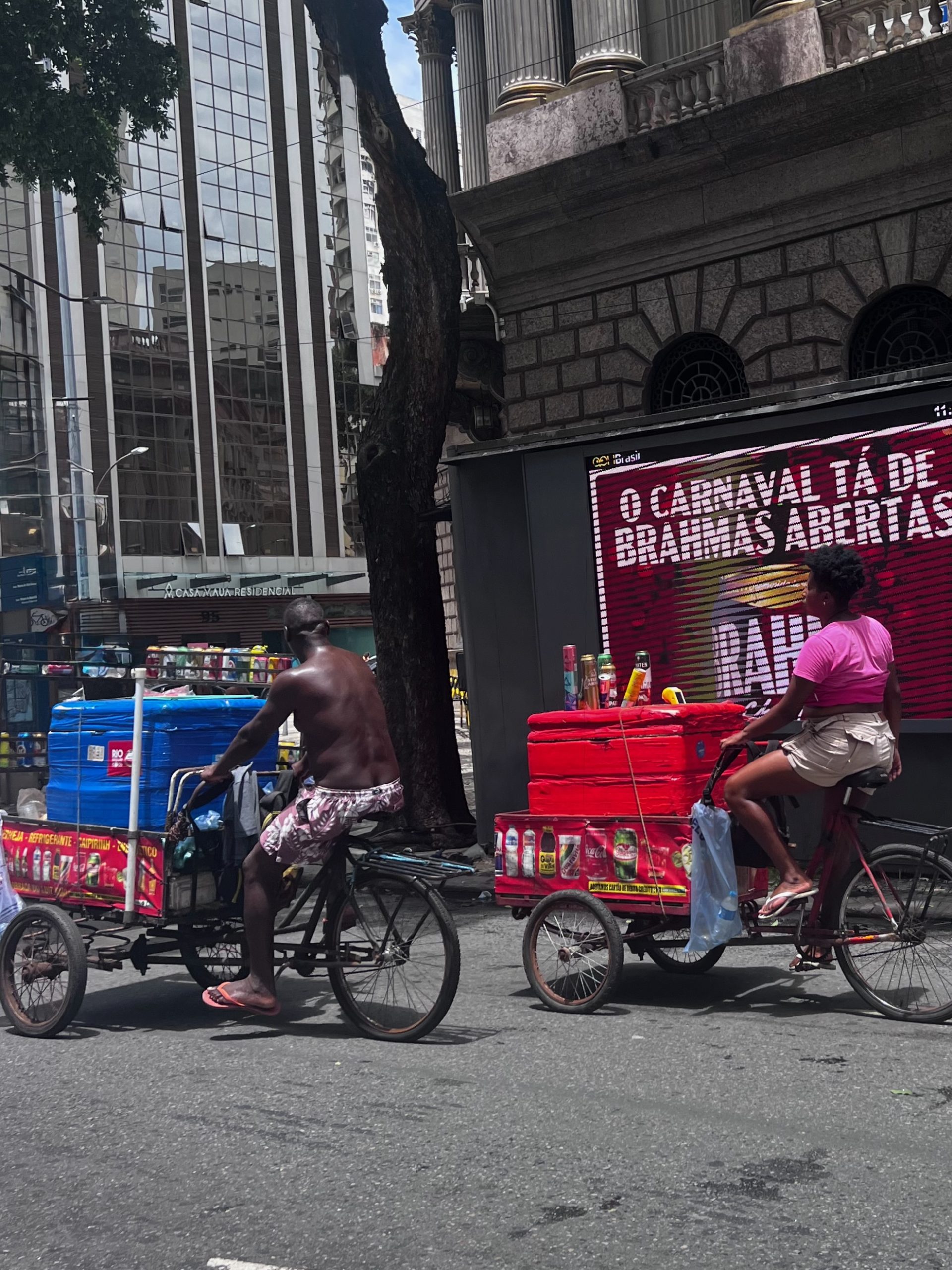
Solo vending is prevalent in Rio de Janeiro, as it likely is throughout other regions of Brazil. The visibility of informal street vendors highlights social inequality, with many individuals turning to street sales when traditional jobs are limited or income is insufficient. Some operate permanent or temporary stalls occupying public spaces, mostly sidewalks and parks. Others navigate the streets, using carts or bicycles to transport their merchandise. On weekends, there is a significant increase in street vending activities, especially the sale of beverages and food products such as water, soft drinks, alcoholic beverages, and snacks. Many weekend vendors have side jobs due to low wages. Also, the city appears to facilitate and support vendors, particularly during events, by permitting the rental of temporary stalls to a wide range of vendors.
Extreme poverty and wealth concentration have historically kept poverty rates high in Brazil. Yet, somehow the country has managed to lower its poverty rate for the last three years, due in part to an increase in jobs and public welfare programs. Housing, however, continues to be a problem, adding to the growth of favelas and people sleeping on the streets. It’s important to note that the government played a role in creating its housing problem by displacing many households to accommodate mega-events like the 2014 World Cup and 2016 Olympics.
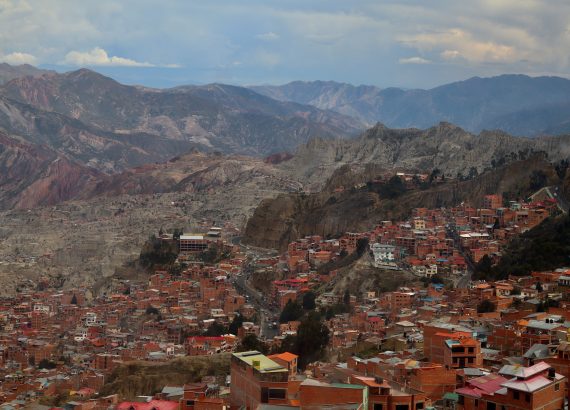
When travelling to cities such as Medellin and Bogota in Colombia and La Paz in Bolivia, you see significant informal hillside settlements that are self-built from recycled materials. You also see poverty and plenty of street vending in the historic centers. But what you don’t see are so many people sleeping in the streets. Most likely something that will stay in my memory bank about Rio for some time.
Carnaval Joy and Dancing in the Streets
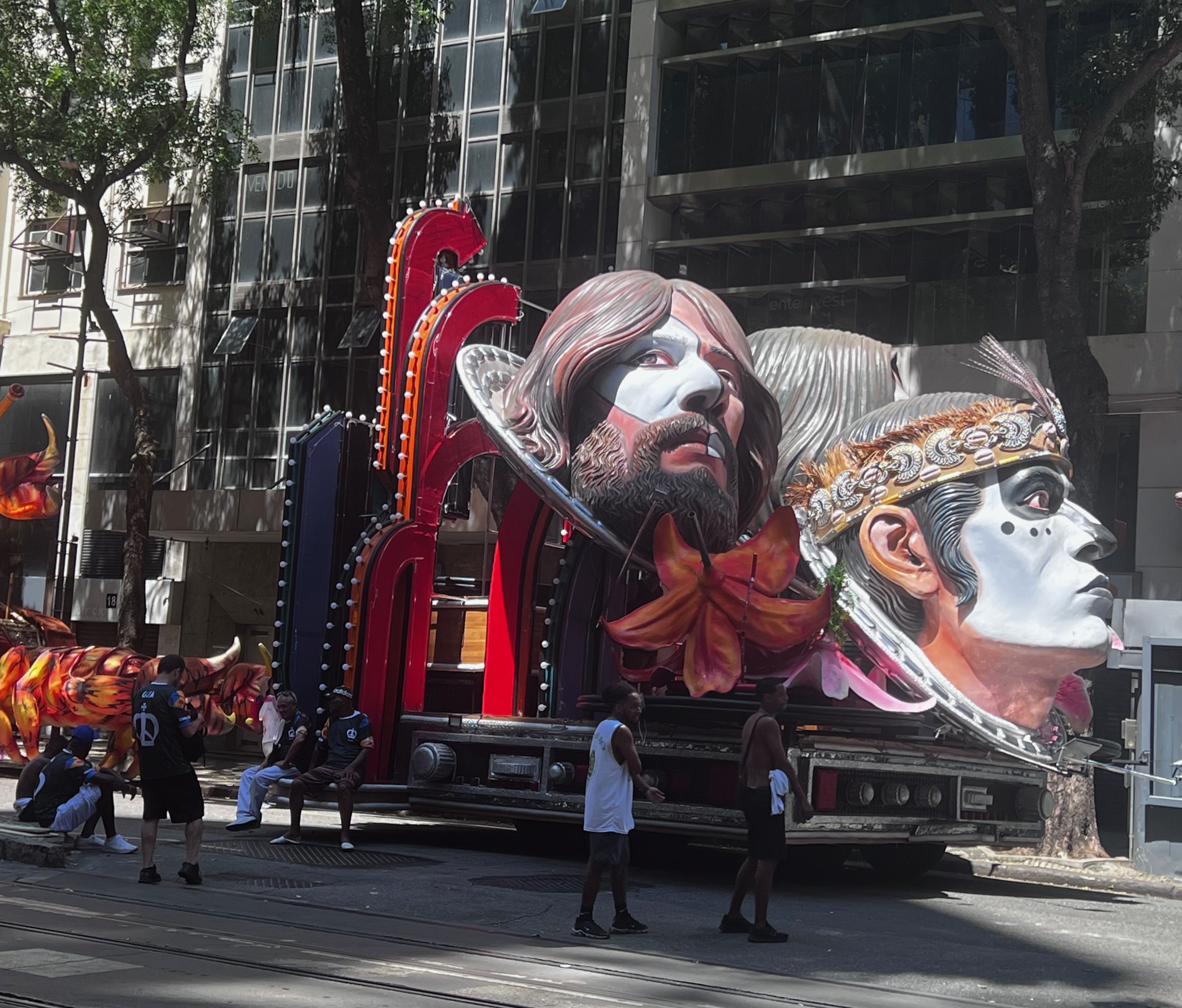
This Portuguese-speaking country is in many ways culturally the same as its neighboring Spanish-speaking countries. Its passion for soccer, (having won five FIFA World Cup titles), its love for samba and Latin music, and its annual carnival and street festivals are incontestable. Carnival season is an event that is planned all year round, with the month of January marking the start of rehearsals during the weekends.
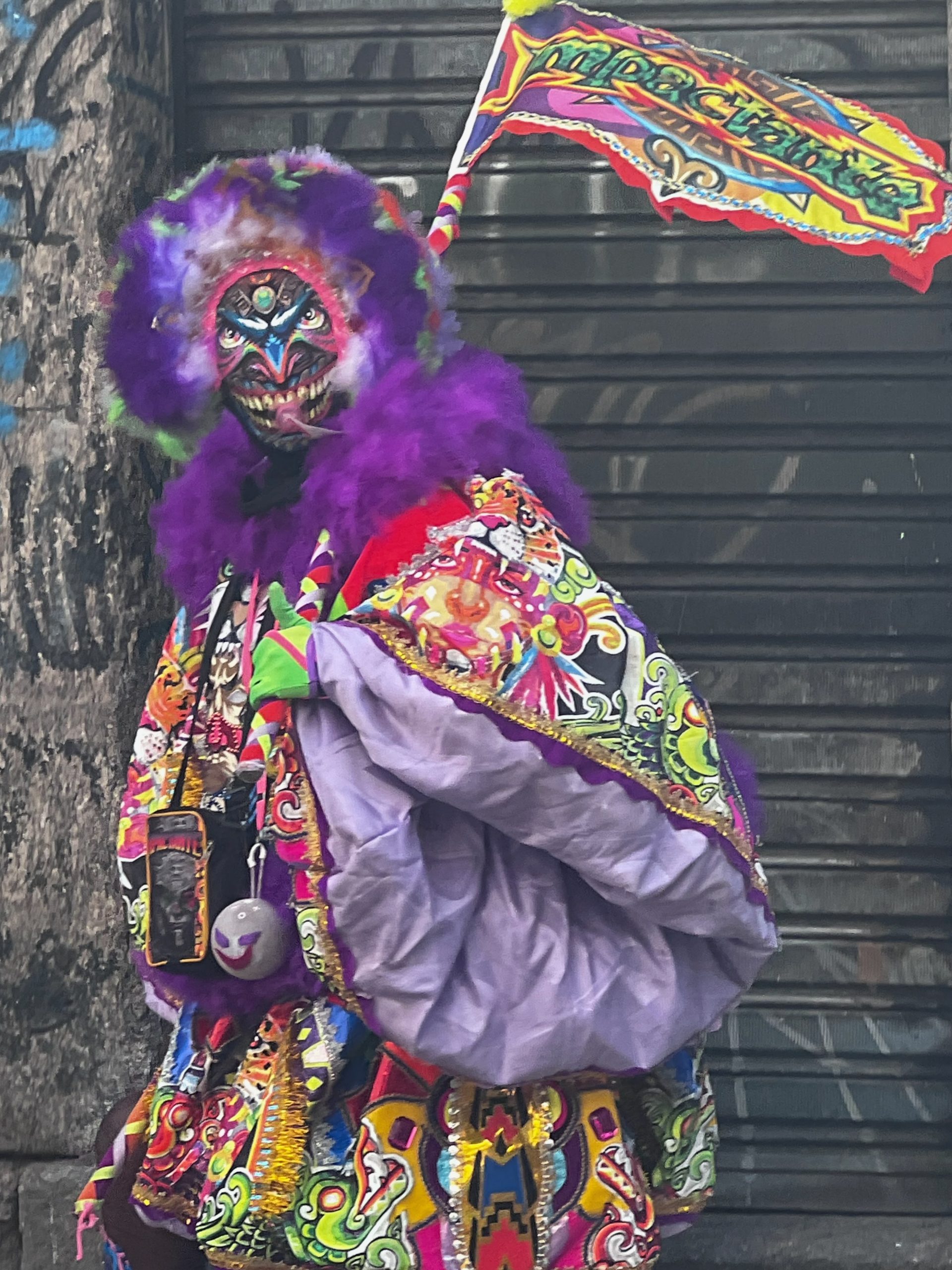
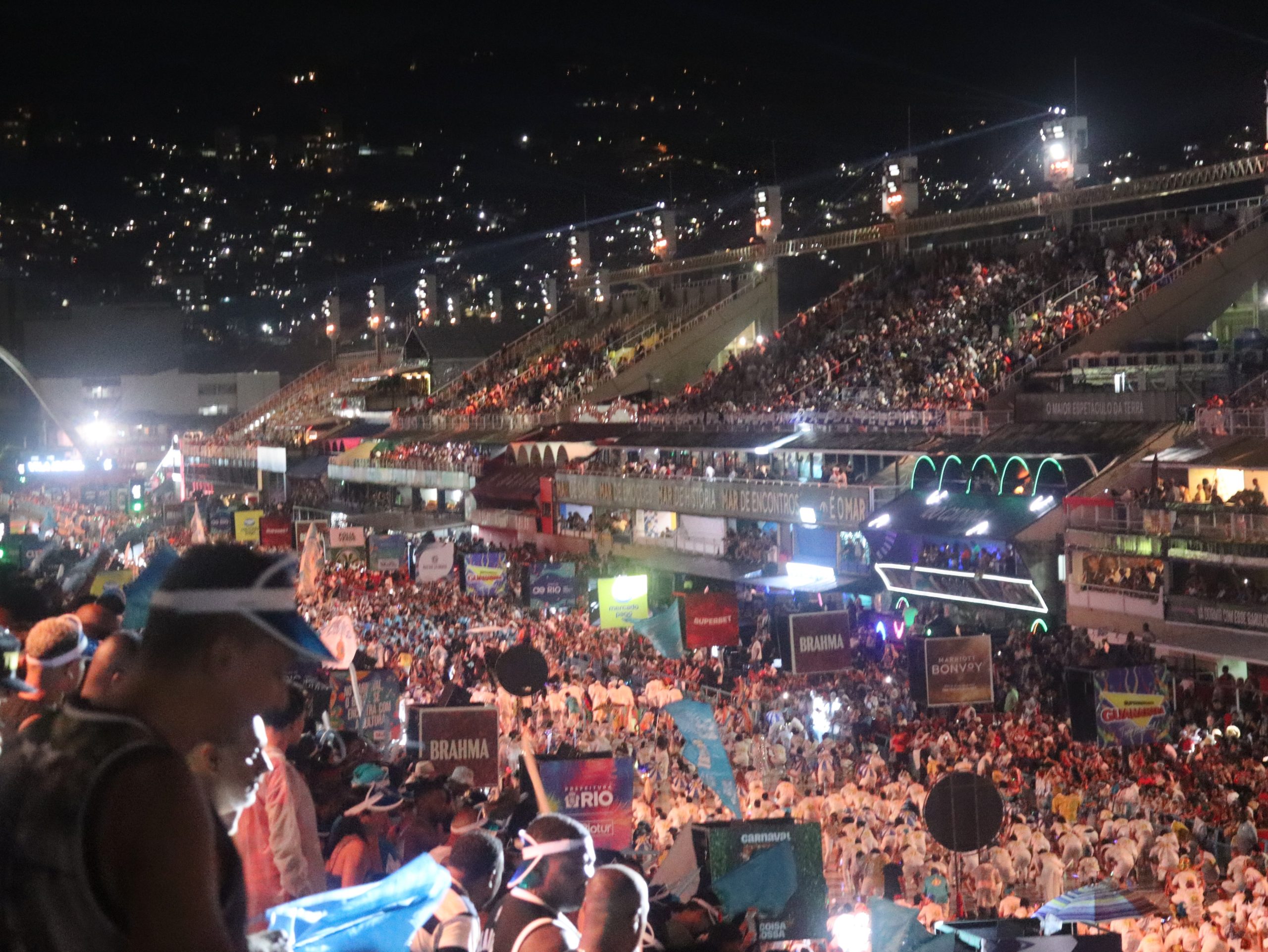
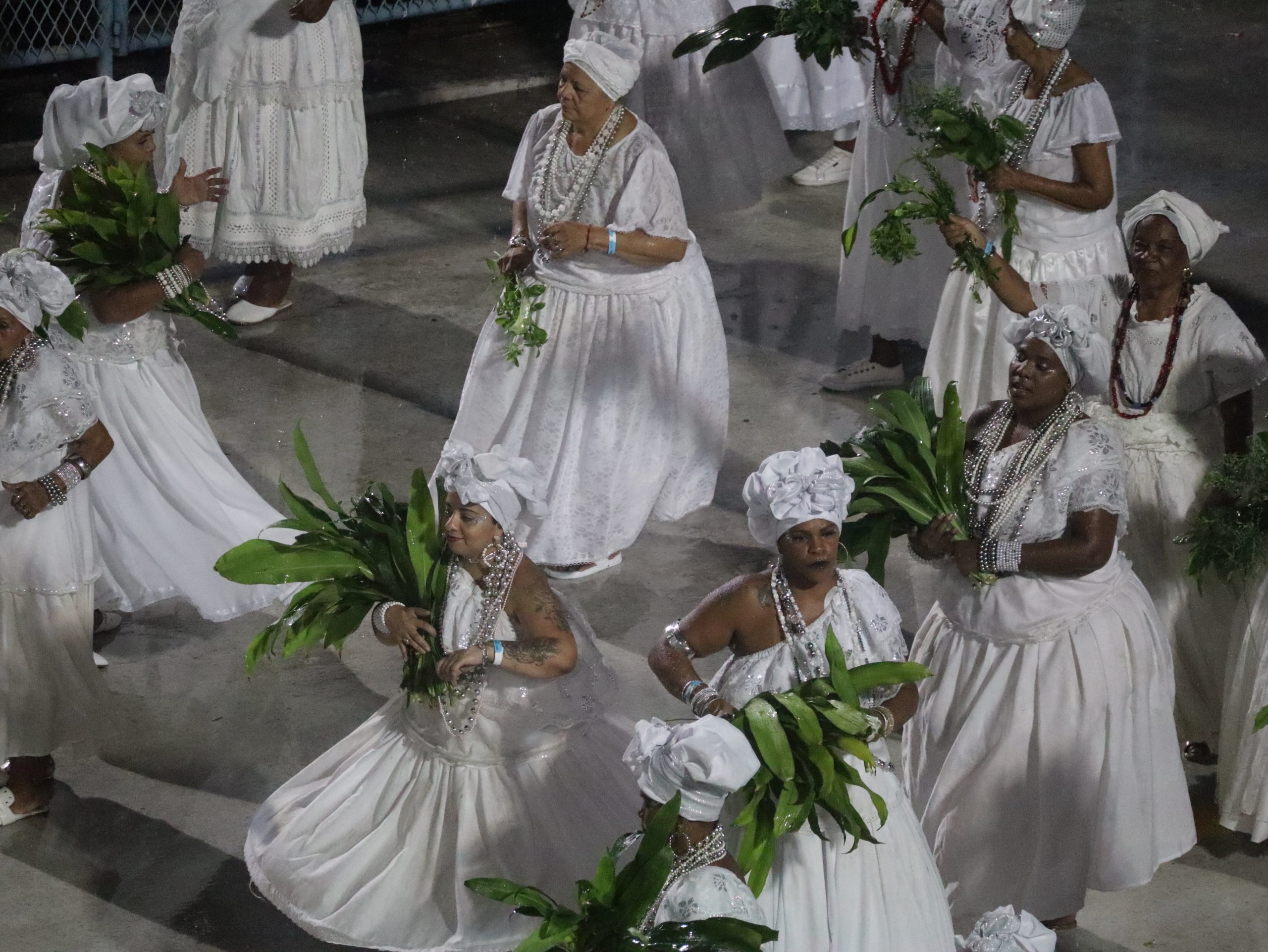
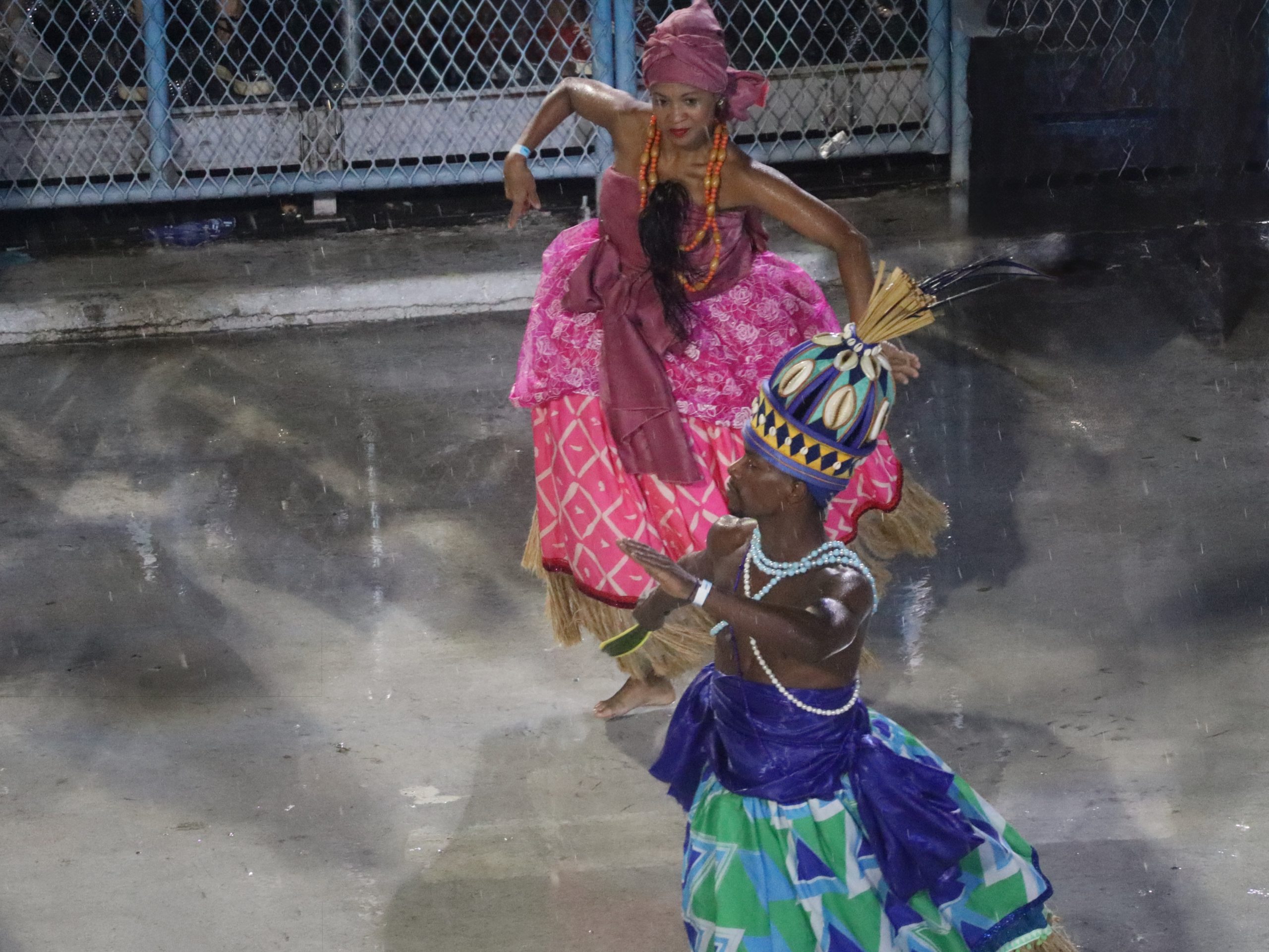
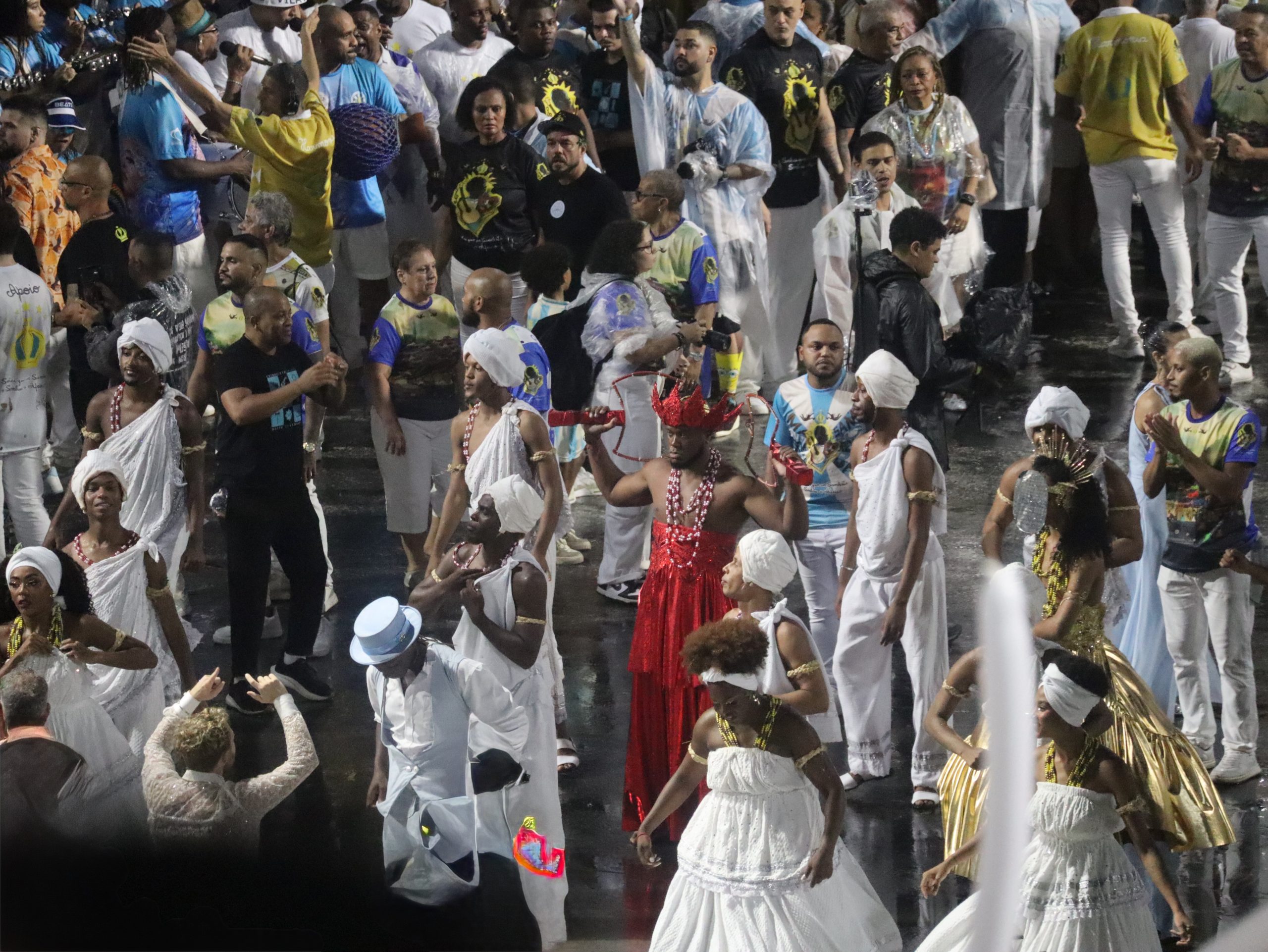
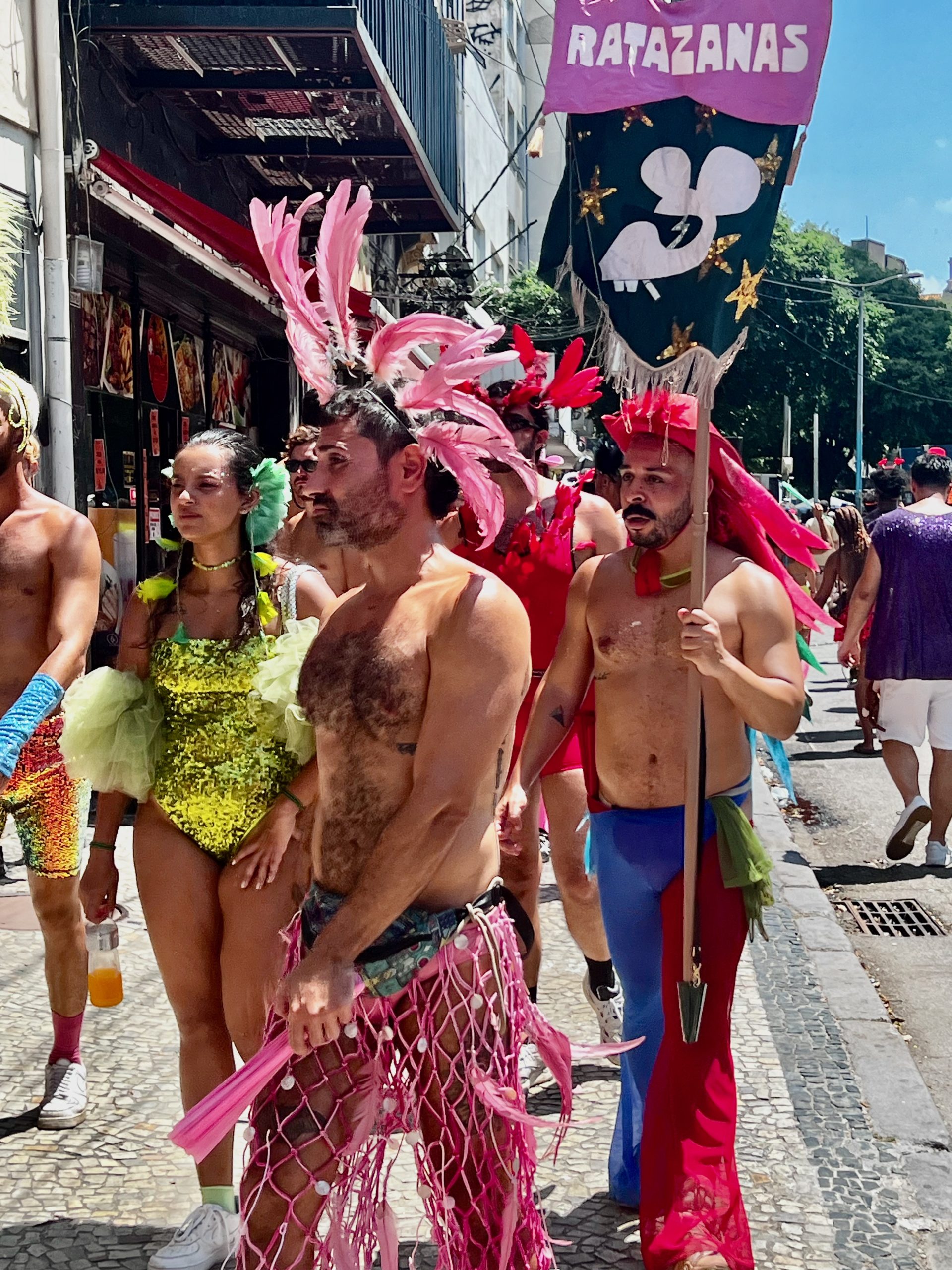
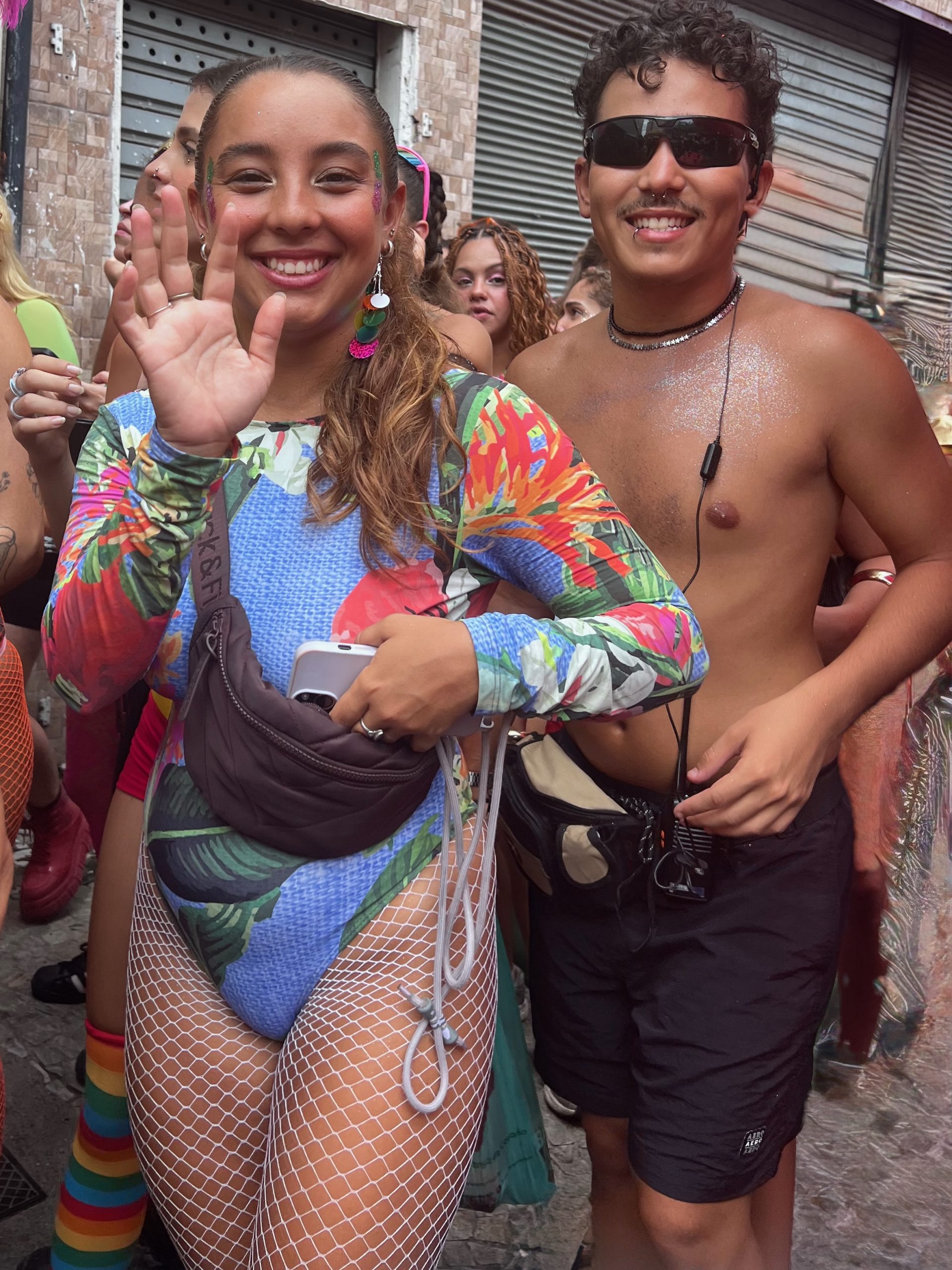
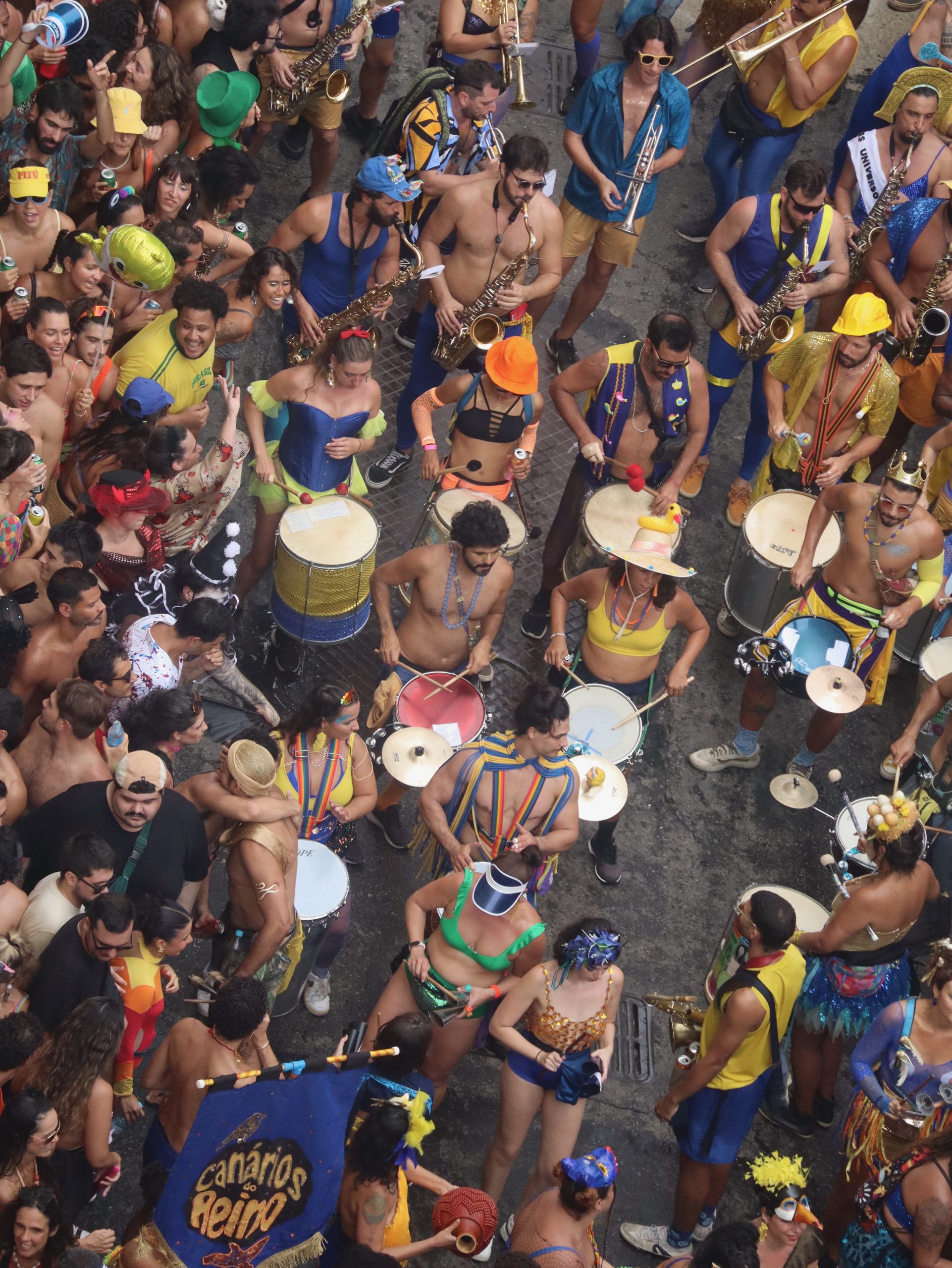
The weekends approaching carnival and during carnival is where you will find “Blocos” street parties where both men and women dress down to mostly skimpy bathing suits with fishnet stockings, glitter on their bodies and flowers and feathers in their hair, mostly fueled by the young. In both places I stayed, I experienced three Blocos crossing in front of my building. Two of them, late hours in the night and one at 8:00 in the morning. Generally, they consist of a band with plenty of drums, with up to a thousand participants, many half-naked or in costumes, and at least a dozen street vendors following the crowds. Once carnival begins, much of the city closes down, and many places set up barriers to protect their properties. There are people walking the streets all day and night during the weekends, even more so during the last week closer to the end of the carnival season. I found it a bit puzzling to see so many folks just walking and hanging out in parks, plazas, and street corners waiting for the next street party (I guess it beats Tinder). It is a cultural phenomenon unique to Brazil– colorful, joyful, but not as safe. I chose to attend a Carnival Sambadrome rehearsal as part of a group tour, which was quite impressive, to avoid being alone in crowds where one doesn’t speak the language.
Highlights of What I Did and Liked About Rio
The Lapa Neighborhood
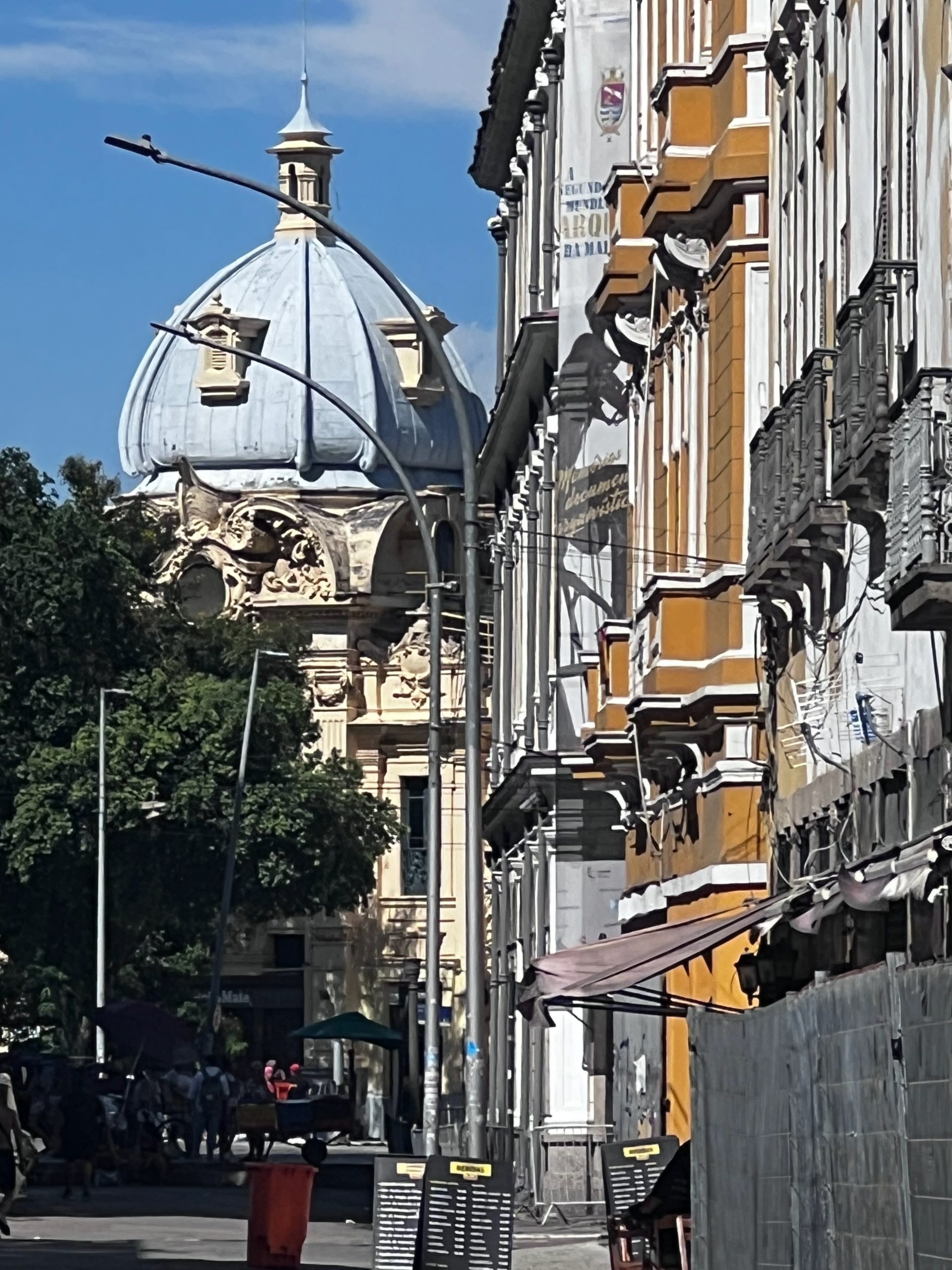
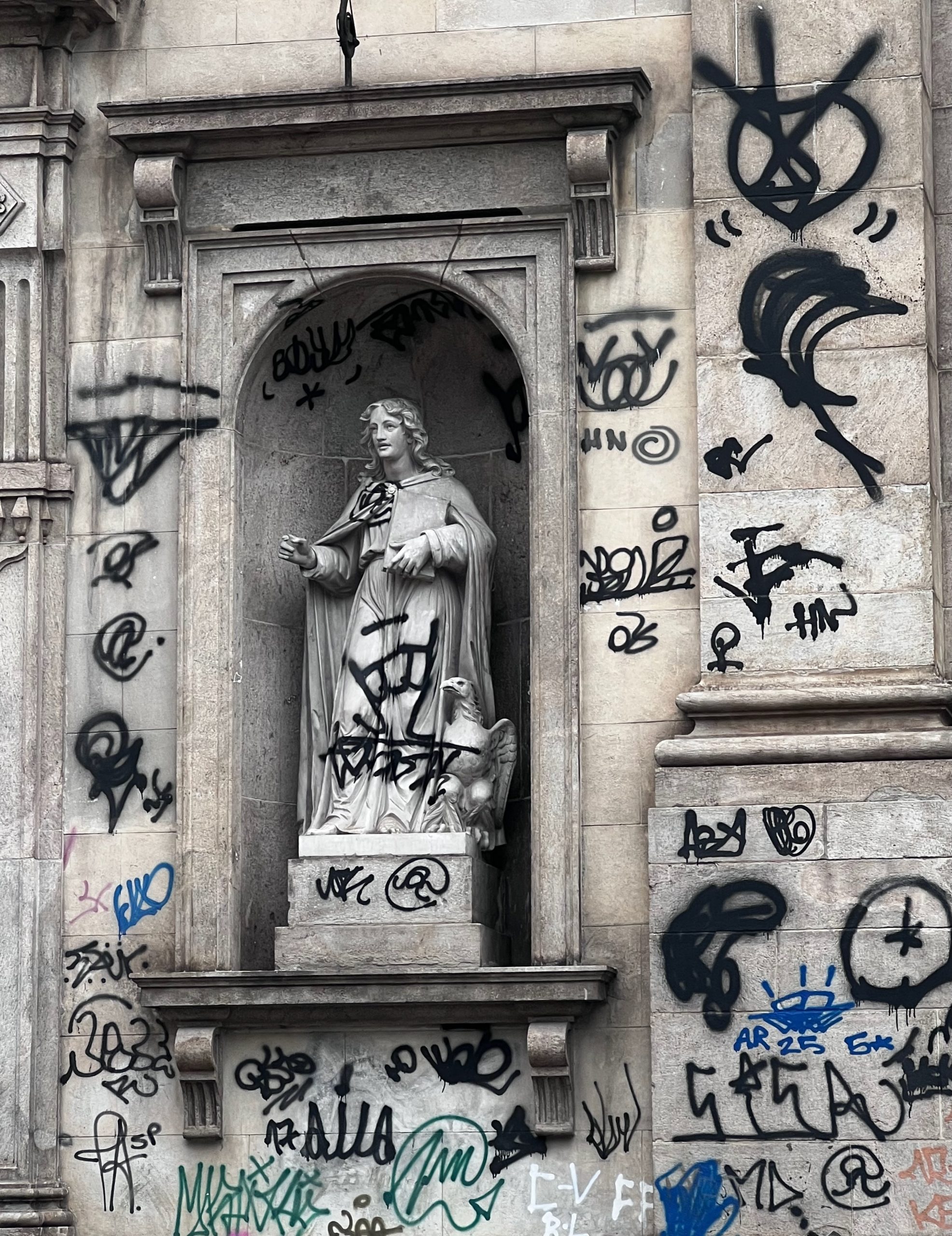
Walking through the Lapa neighborhood offers a view of one of the oldest areas of the city with a broad range of European architecture, bustling streets, graffiti and art murals, street markets, and the homeless. It has a strong bohemian cultural vibe with signs of decline amidst many modern structures. It is both griming and compelling. After two weeks, I just needed to be somewhere else where I did not feel so guarded. I recommend taking a walking tour if you are short on time. I was able to see most of its historical sites noted below:
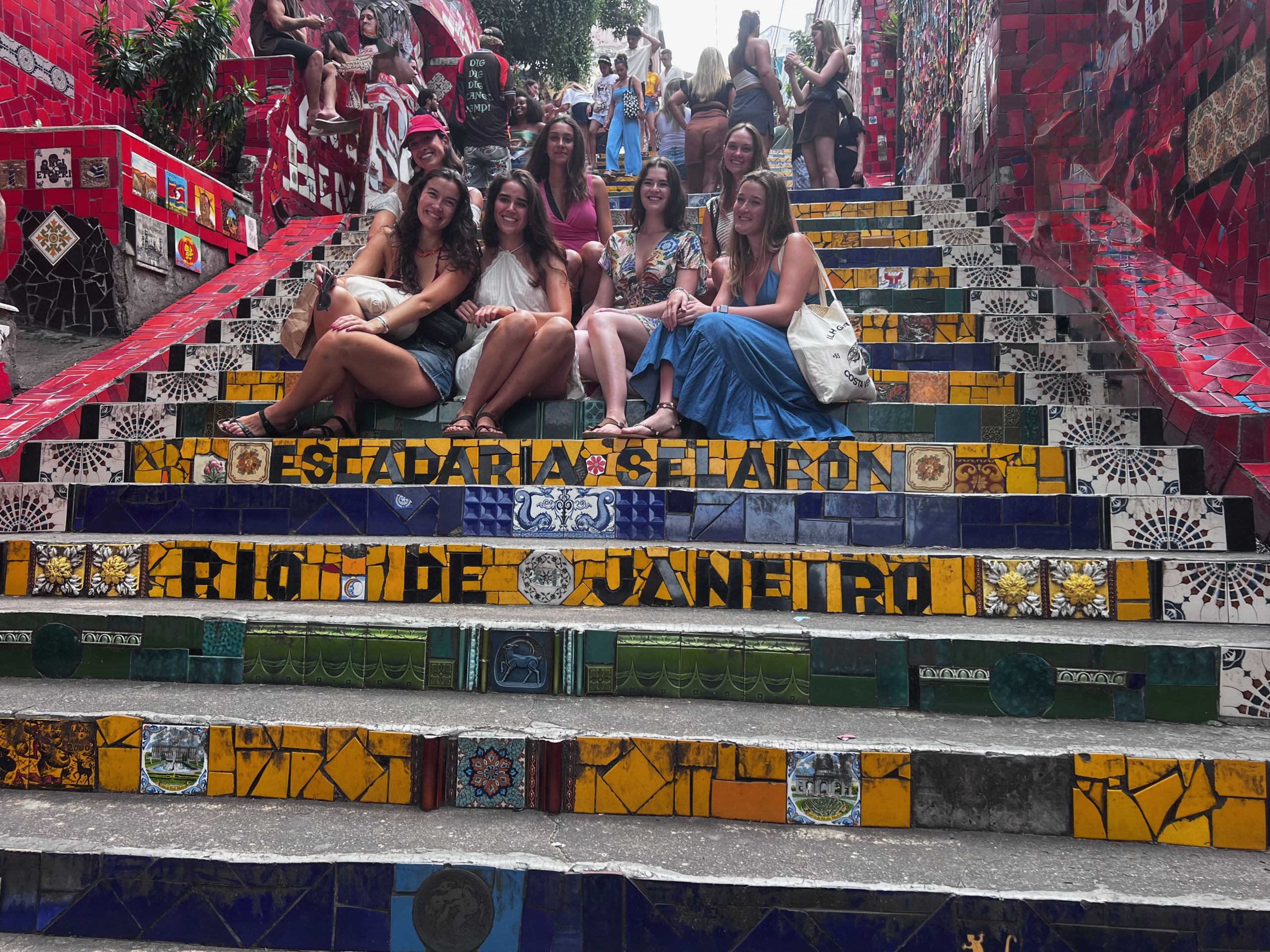
Selarón Steps (Escadaria Selarón): These iconic 250 steps are covered in tiles from around the world by artist Jorge Selarón. Go early as it gets a bit too crowded.
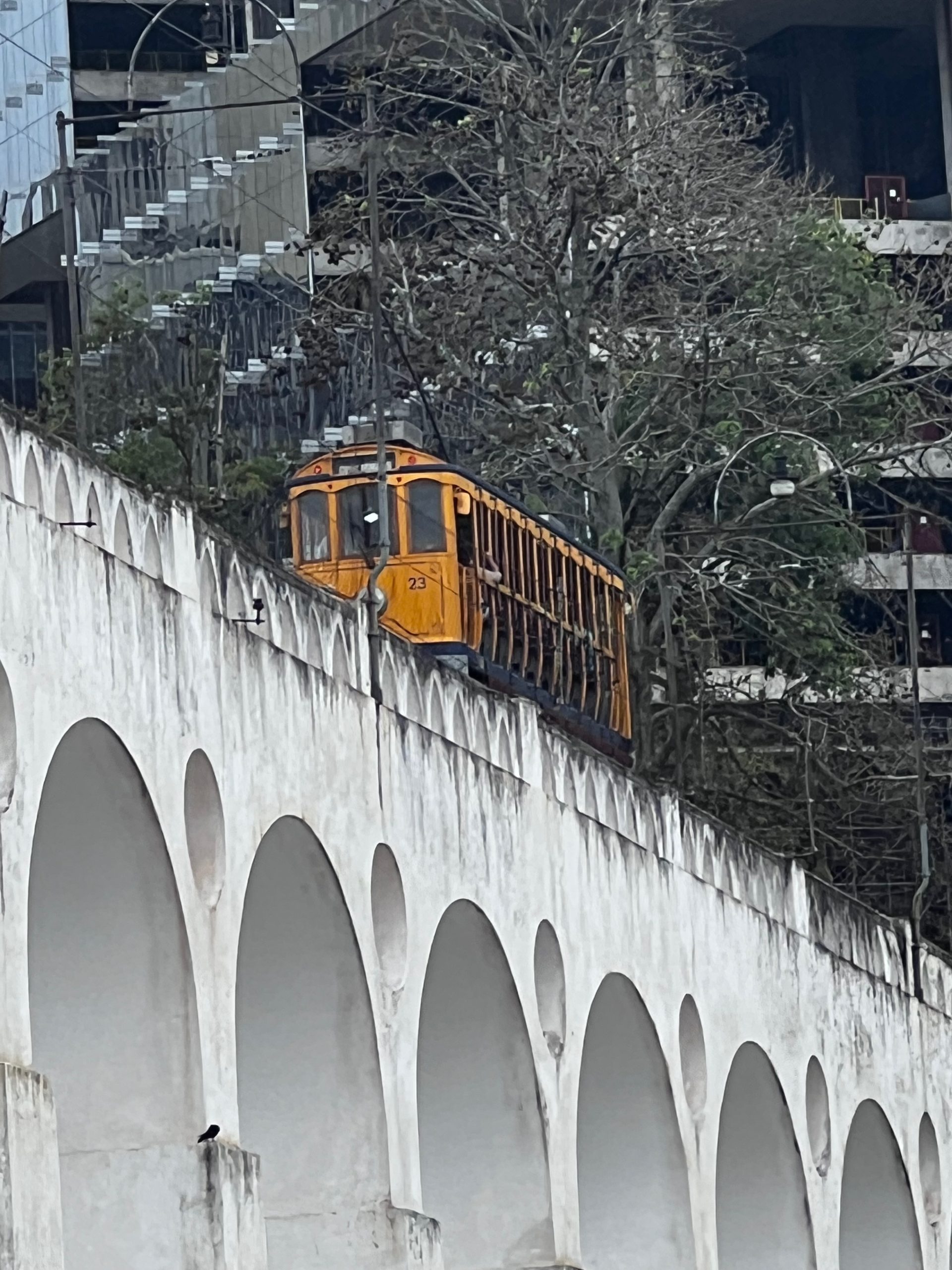
Arcos da Lapa (Carioca Aqueduct): These are historic 18th-century arches where you can catch a tram to the Santa Teresa neighborhood. They are not hard to miss. The upkeep is quite bad. I did not take the tram, but I do recommend it.
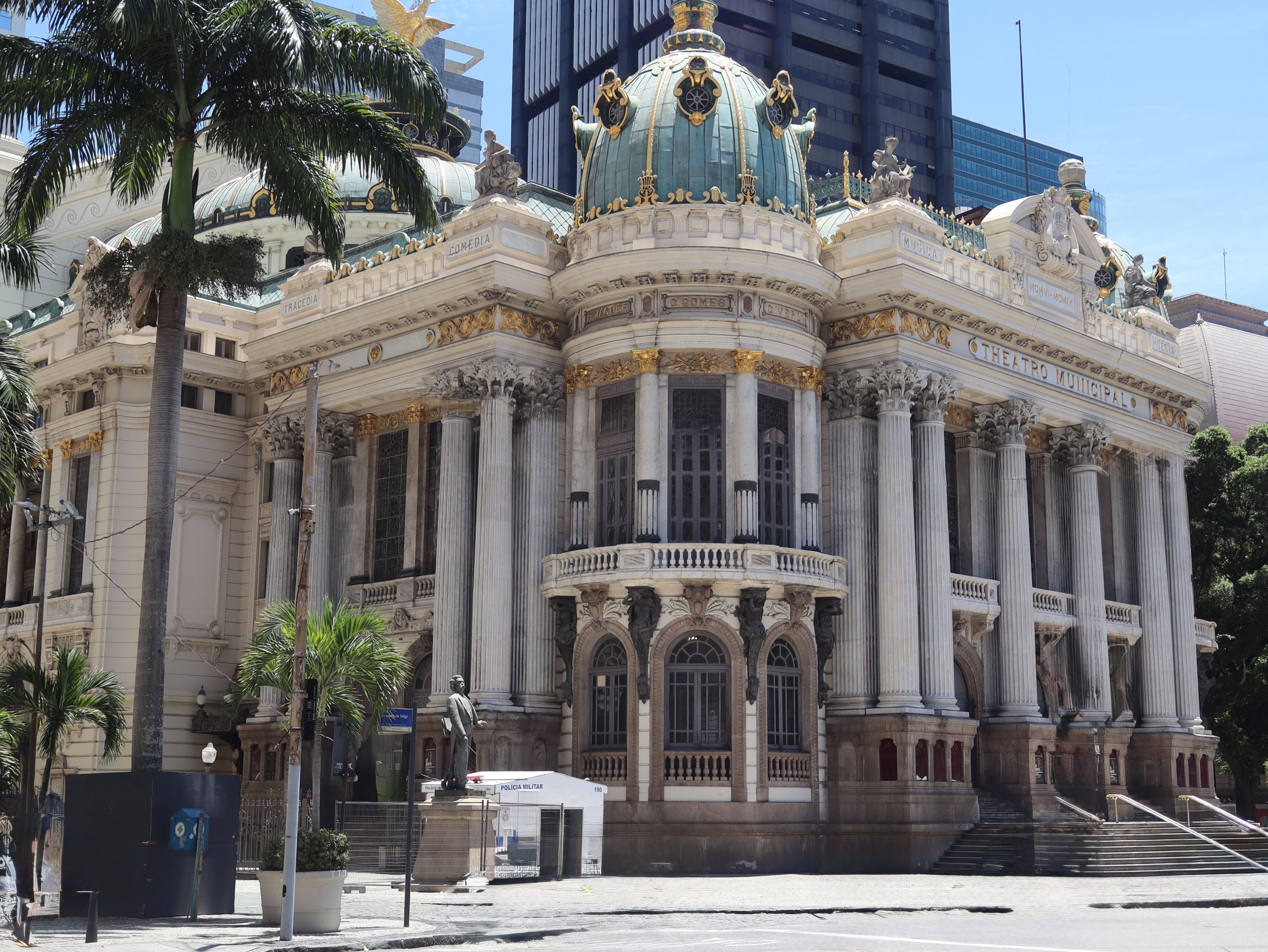
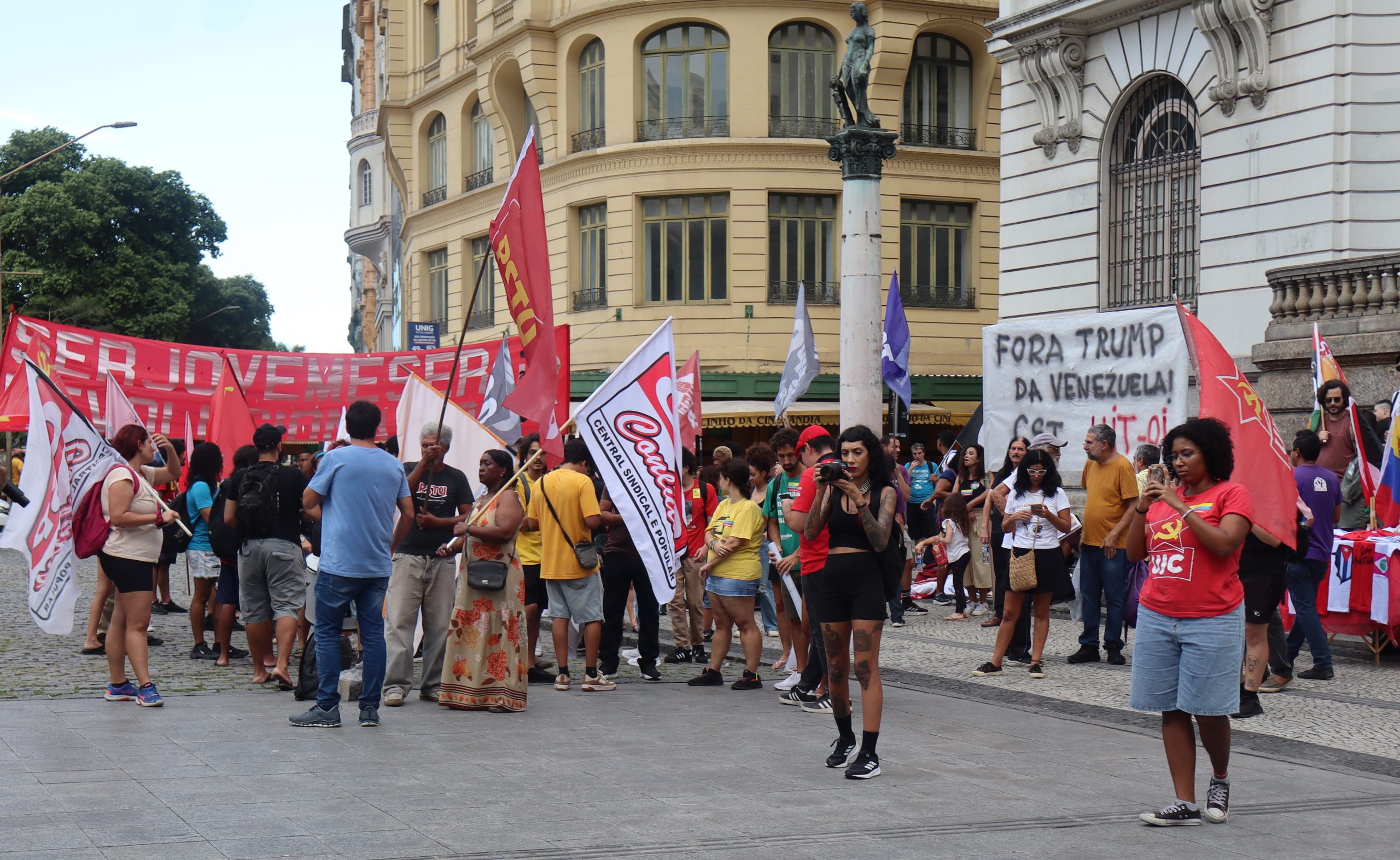
Cinelandia and Municipal Theatre: Visited the historic Cinelandia square where the Beaux-Arts Municipal and other cultural buildings are located.
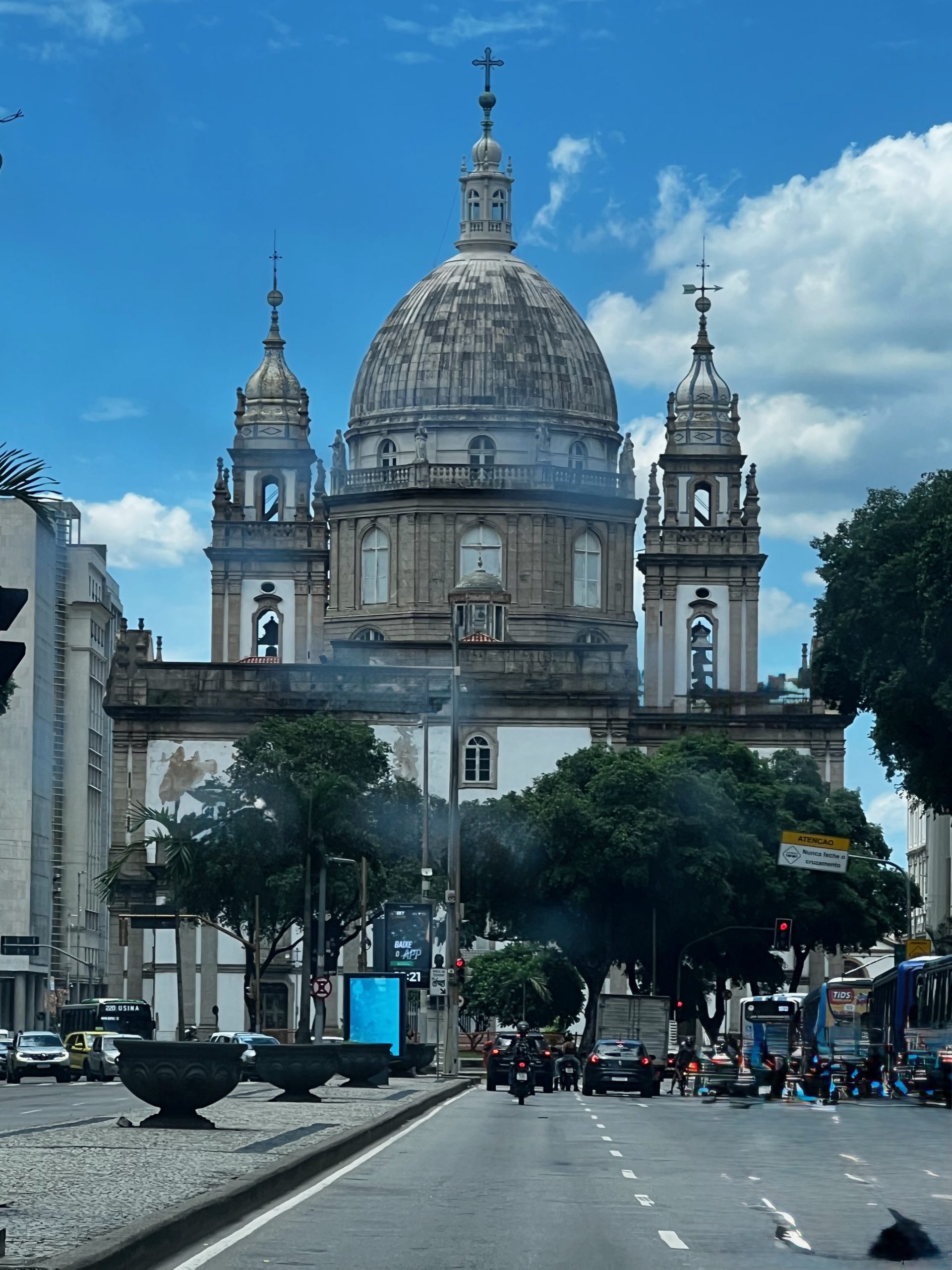
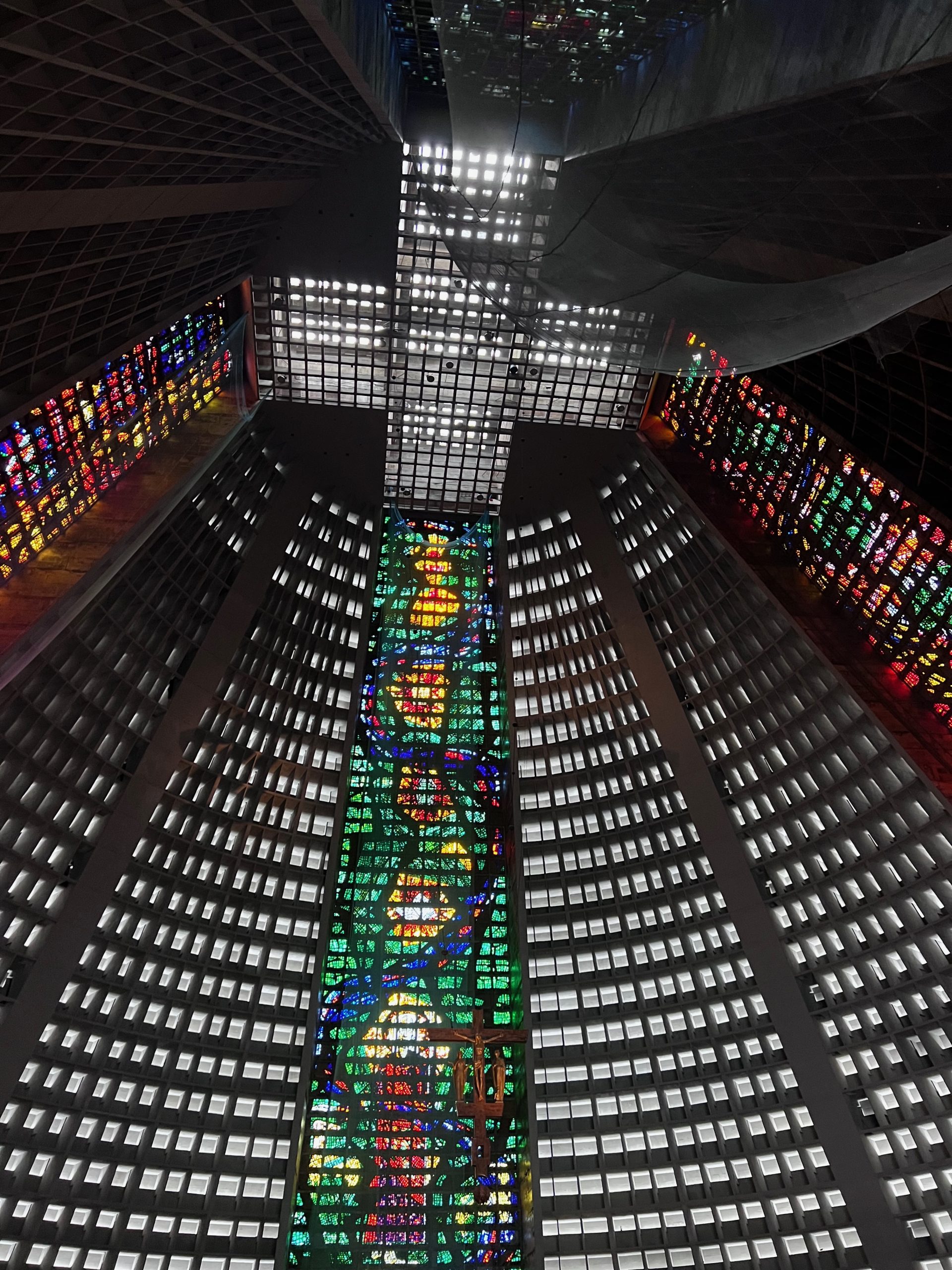
Metropolitan Cathedral: Visited this huge cone-shaped modern cathedral, quite different from what most Catholic churches look like.
Royal Portuguese Reading Room: Absolutely one of the most beautiful libraries in the world.
Museums
Rio has at least a dozen museums, many of them free, especially if you are a senior. Besides art galleries, I visited six museums, two of which are in the Lapa neighborhood. They are:
Museum of Modern Art (MAM Rio): it features modern art and modernist architecture near Lapa—quite nice
National Museum of Fine Arts (Museu Nacional de Belas Artes):Holds a collection of 19th-century Brazilian art and sculptures. A bit boring, although they do have temporary exhibitions that are more current.
Museum of Tomorrow (Museu do Amanhã): Wow, a super innovative science museum with a focus on sustainability, the future, and technology. The design of the building facing the bay resembles a white whale and is stunning.
Centro Cultural Banco do Brasil (CCBB): Another great place to go to. Got to experience a free classical concert, contemporary Brazilian art, as well as an international exhibit on Michealangelo’s life. Never would have thought that I could learn so much about Michealangelo in Brazil.
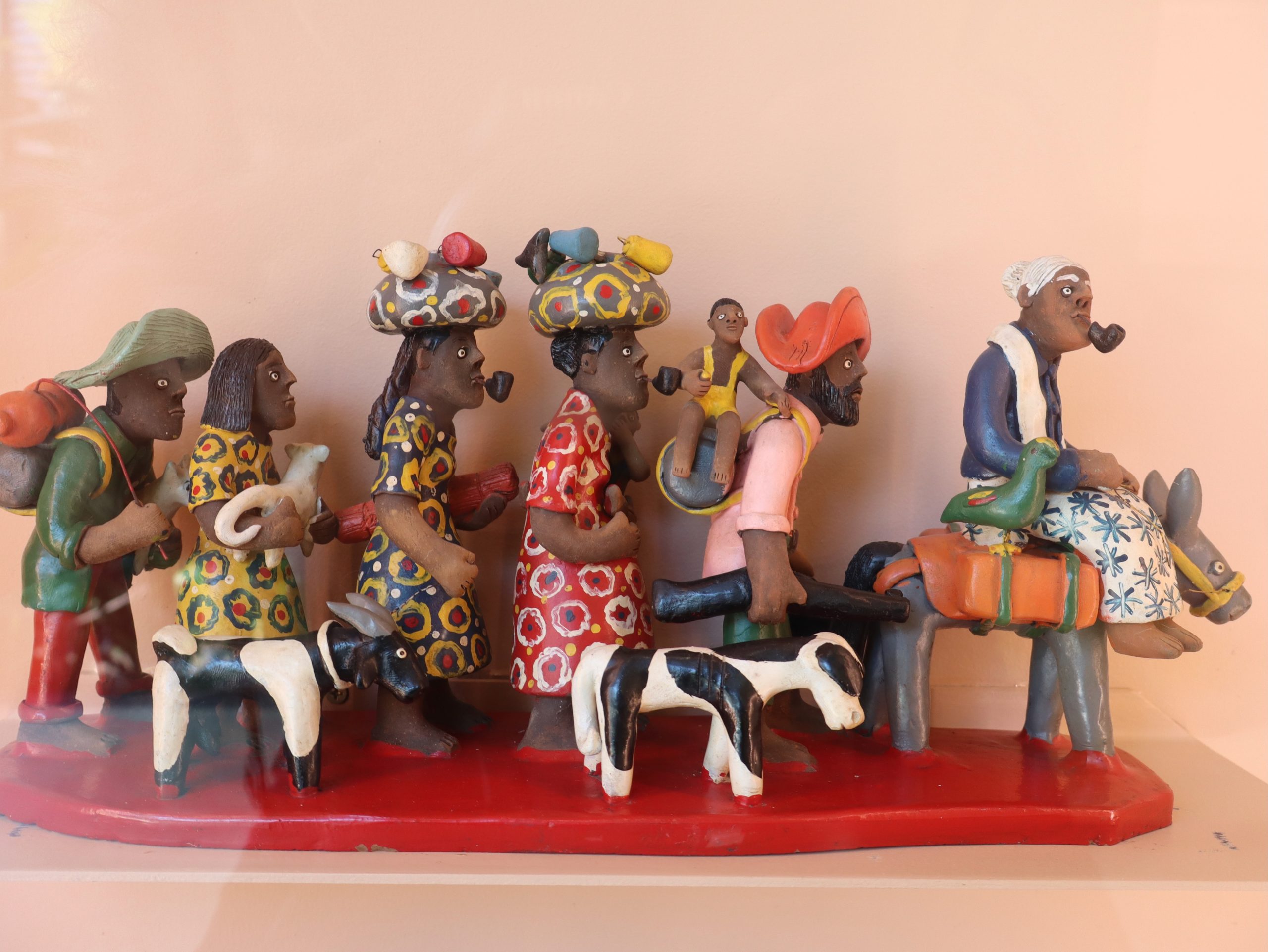
Museum of Pontal: This museum was a bit off the beaten path, a 30-minute ride. The museum is in an upscale suburb of Rio, mostly a white community. It offers one of the strongest histories of popular art, mostly clay figures. Practically all the clay figures depicted Africans or natives representing their culture, labor, and migration. It also had an exhibit on the history of Carnivals tracing it back to its African roots. This museum, with a permanent exhibition depicting the life and struggles of black and brown people in an all-white community I found a bit puzzling.
Rio’s Iconic Attractions
Carnival Sambadrome Rehearsal Tour: If you cannot get tickets to the Sambadrome or are alone, I suggest you sign up for a rehearsal tour, a four-hour samba rehearsal of one of the samba schools. It’s without the floats but just as impressive, intense and crowded. What I liked most was being part of a group and having a tour guide to explain what was happening.
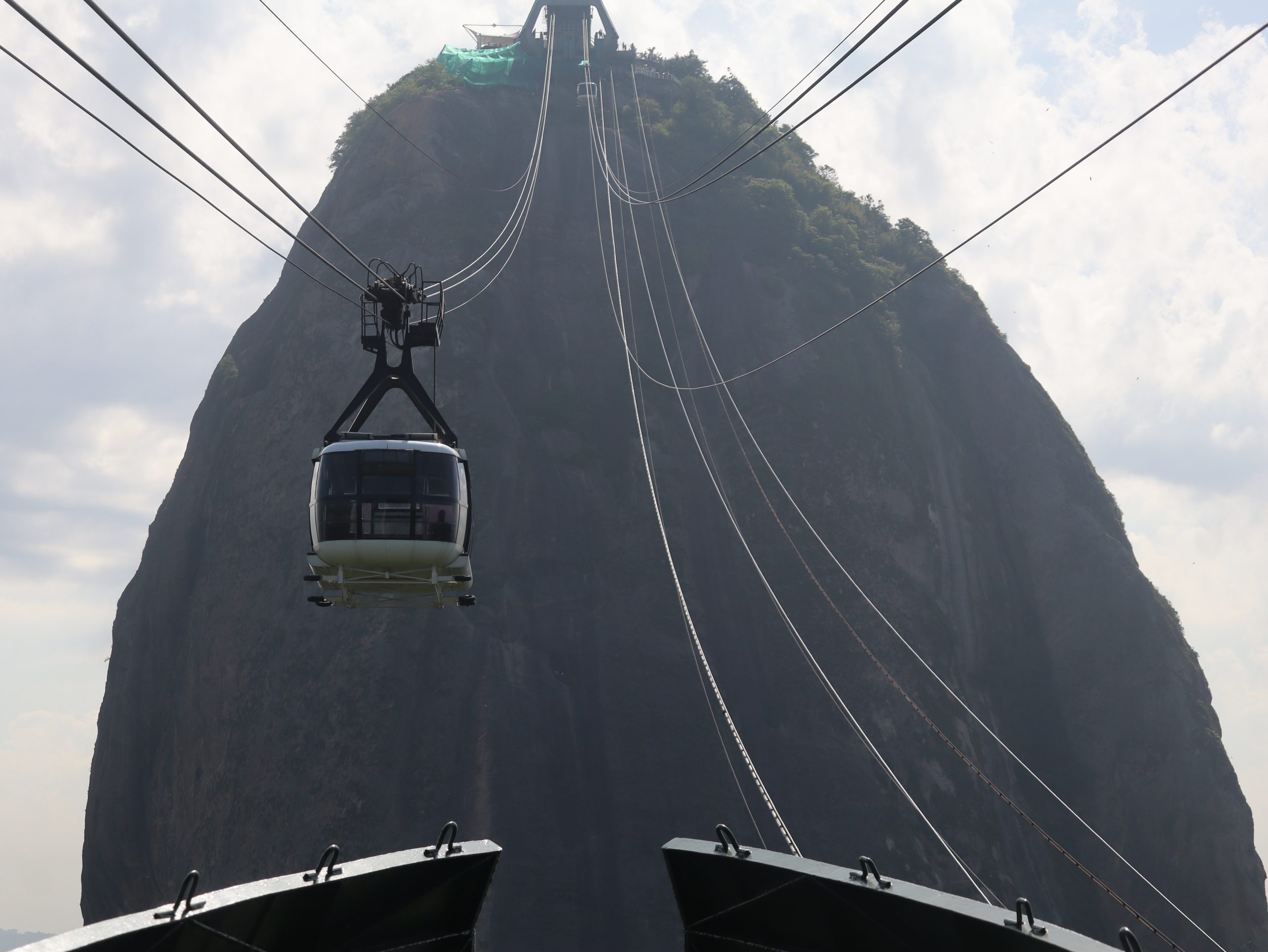
Sugarloaf Mountain: Riding the cable car up to this amazing force of nature is a must do. The views of Rio’s coastal landscape and its city are stunning and unforgettable.
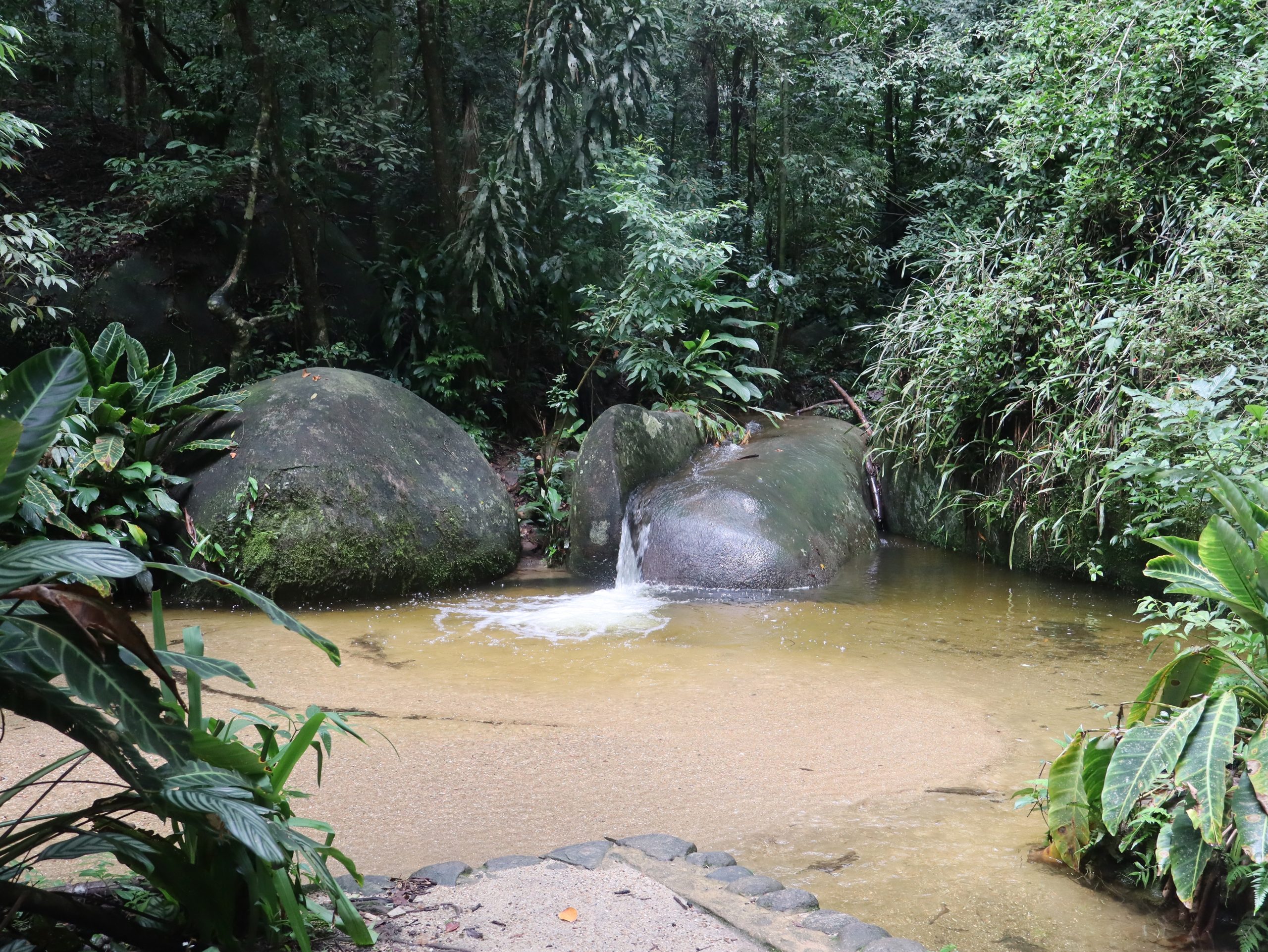
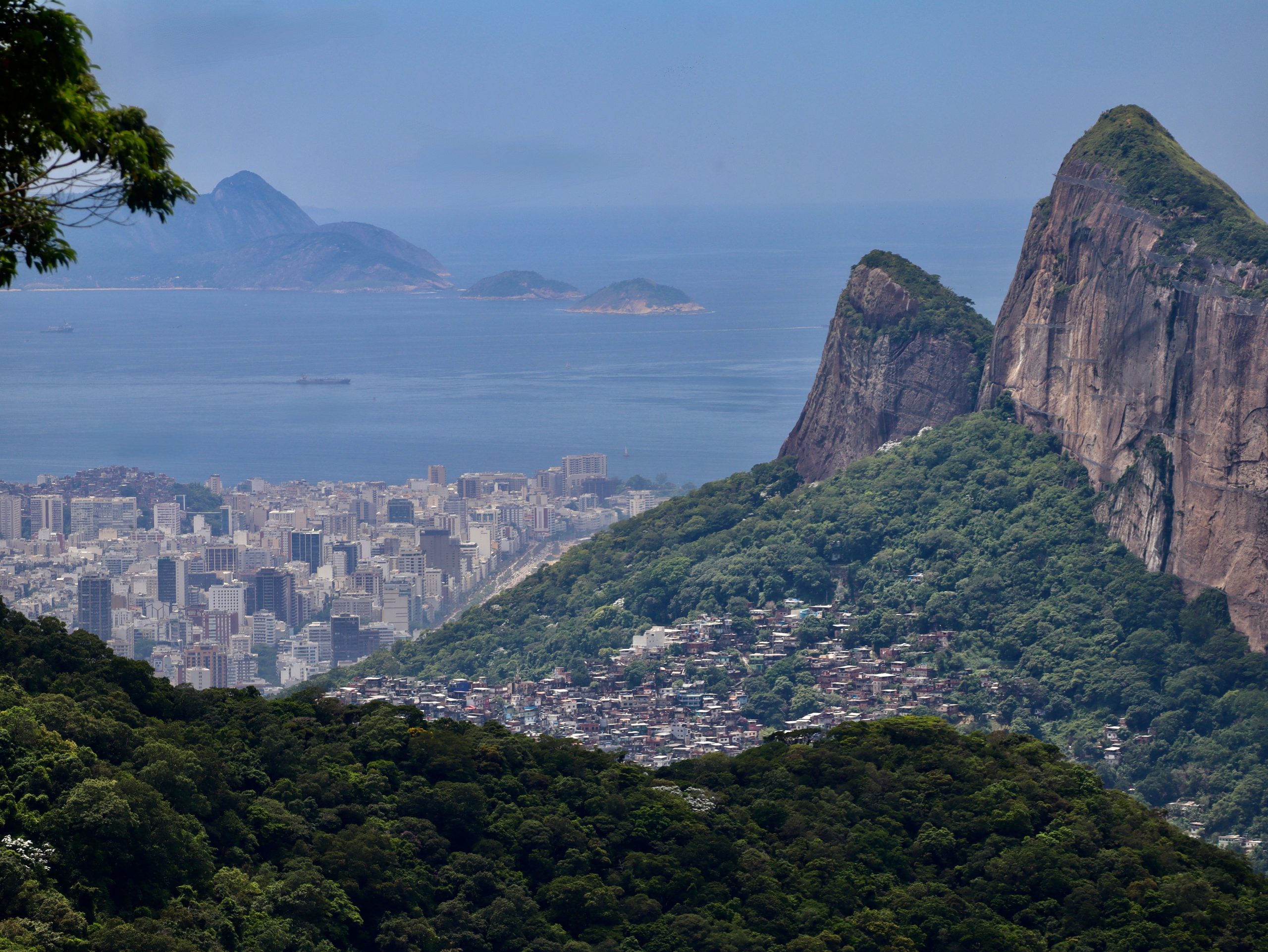
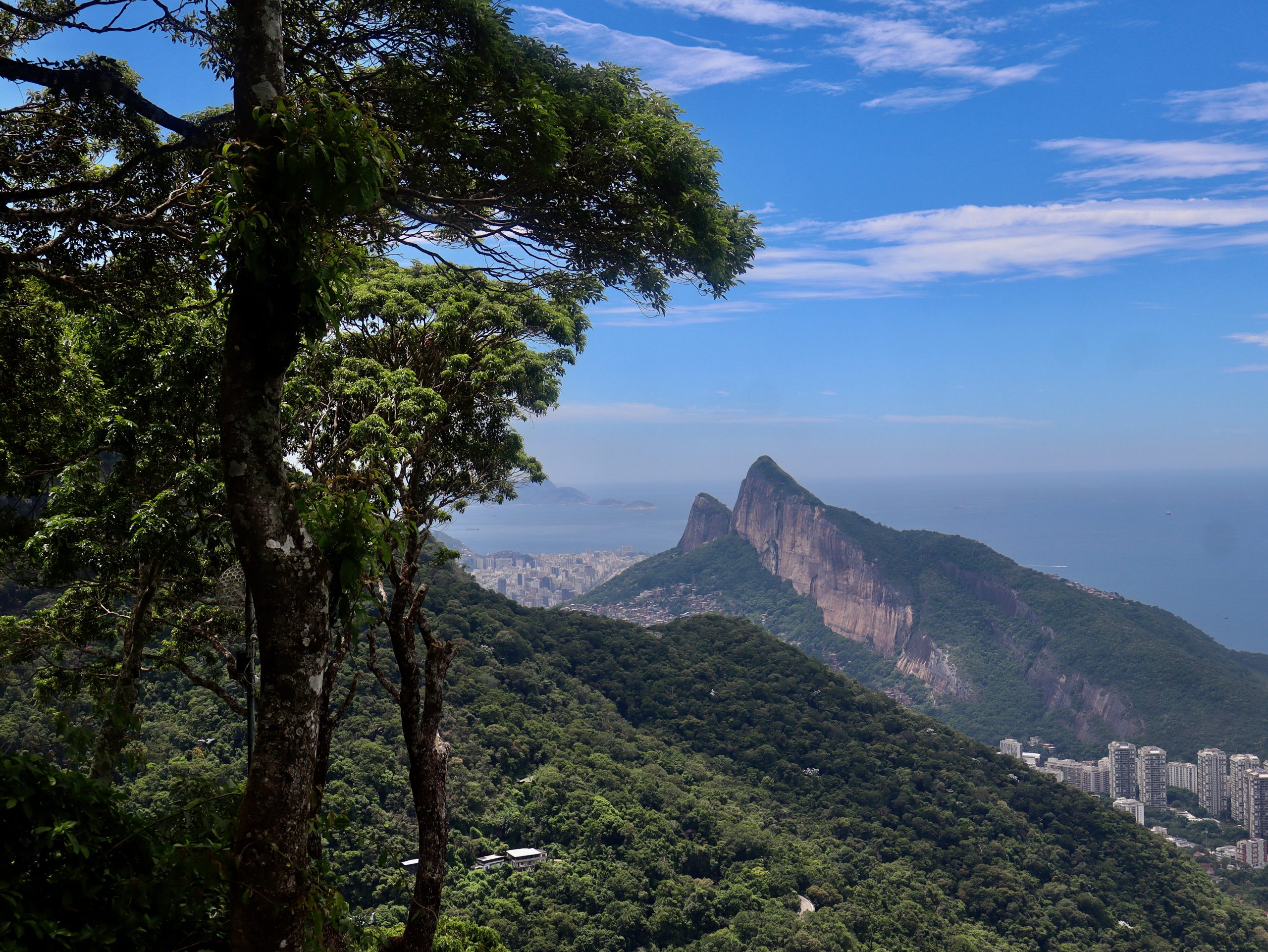
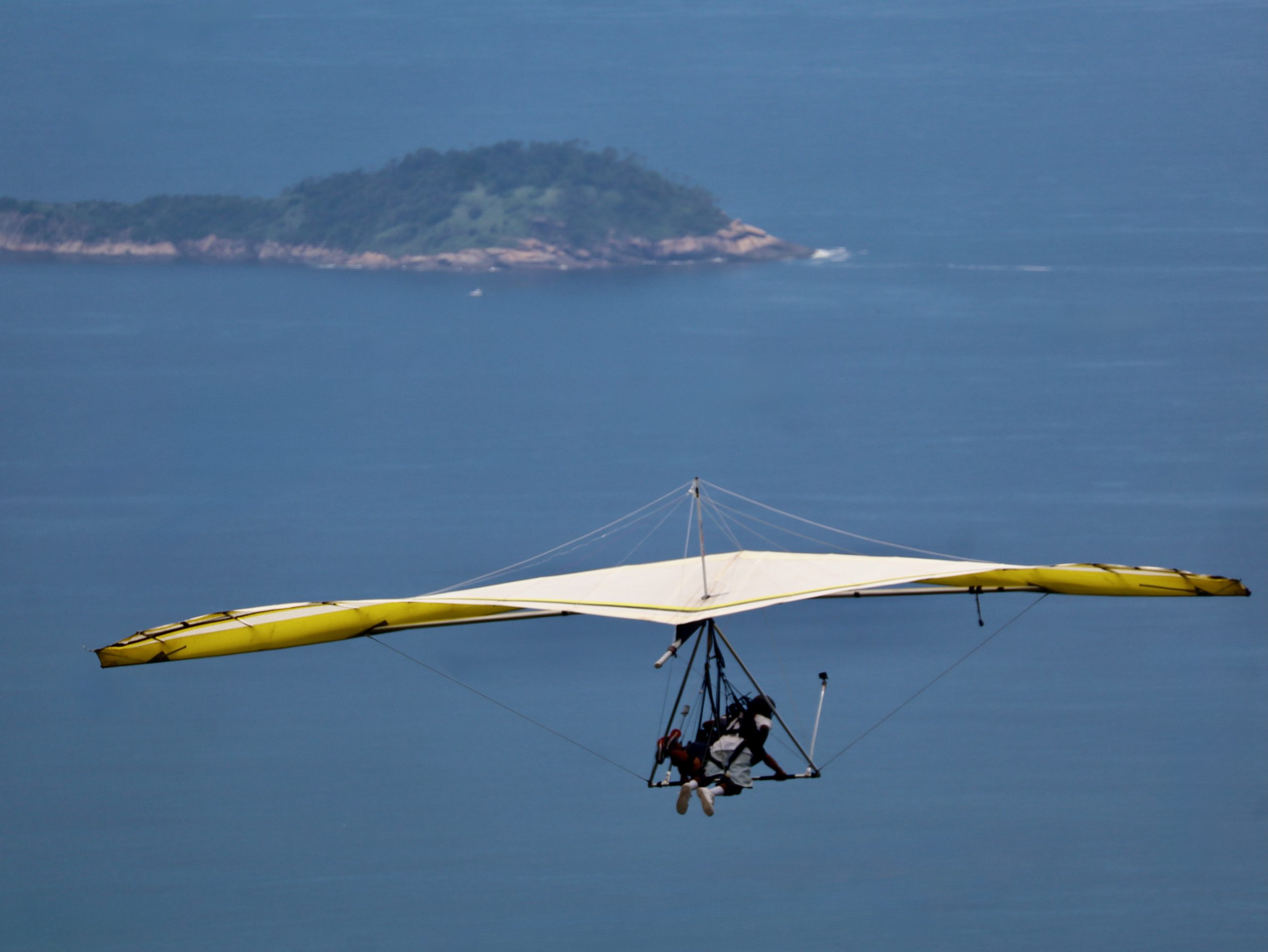
Tijuca Urban Rainforest: This is a wonderful (not too demanding) hike through a rainforest with waterfalls, mountains, caves, and spectacular views of the city. We also got to see hang gliders take off into the sky from one of the mountain peaks—Quite remarkable!
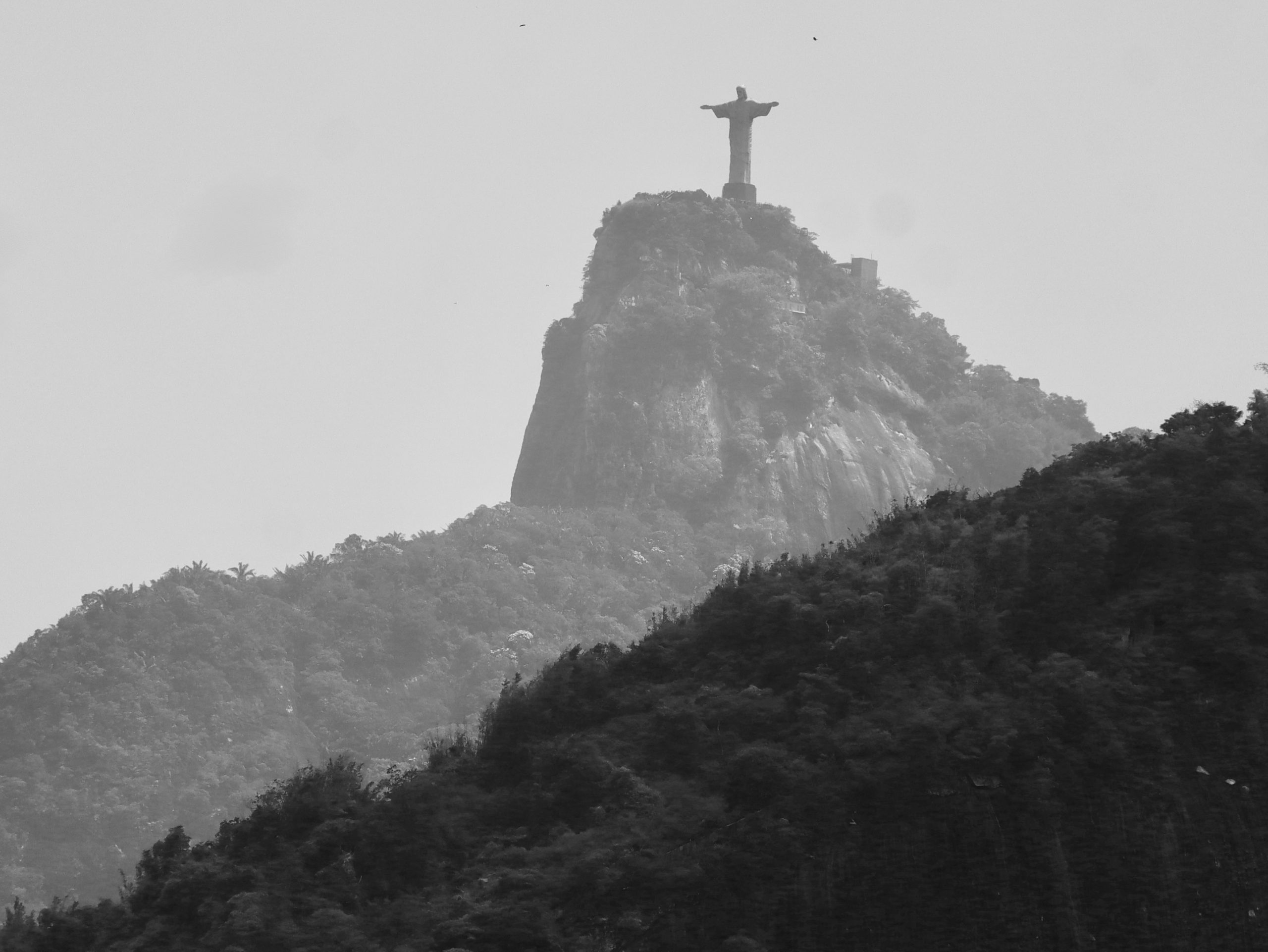
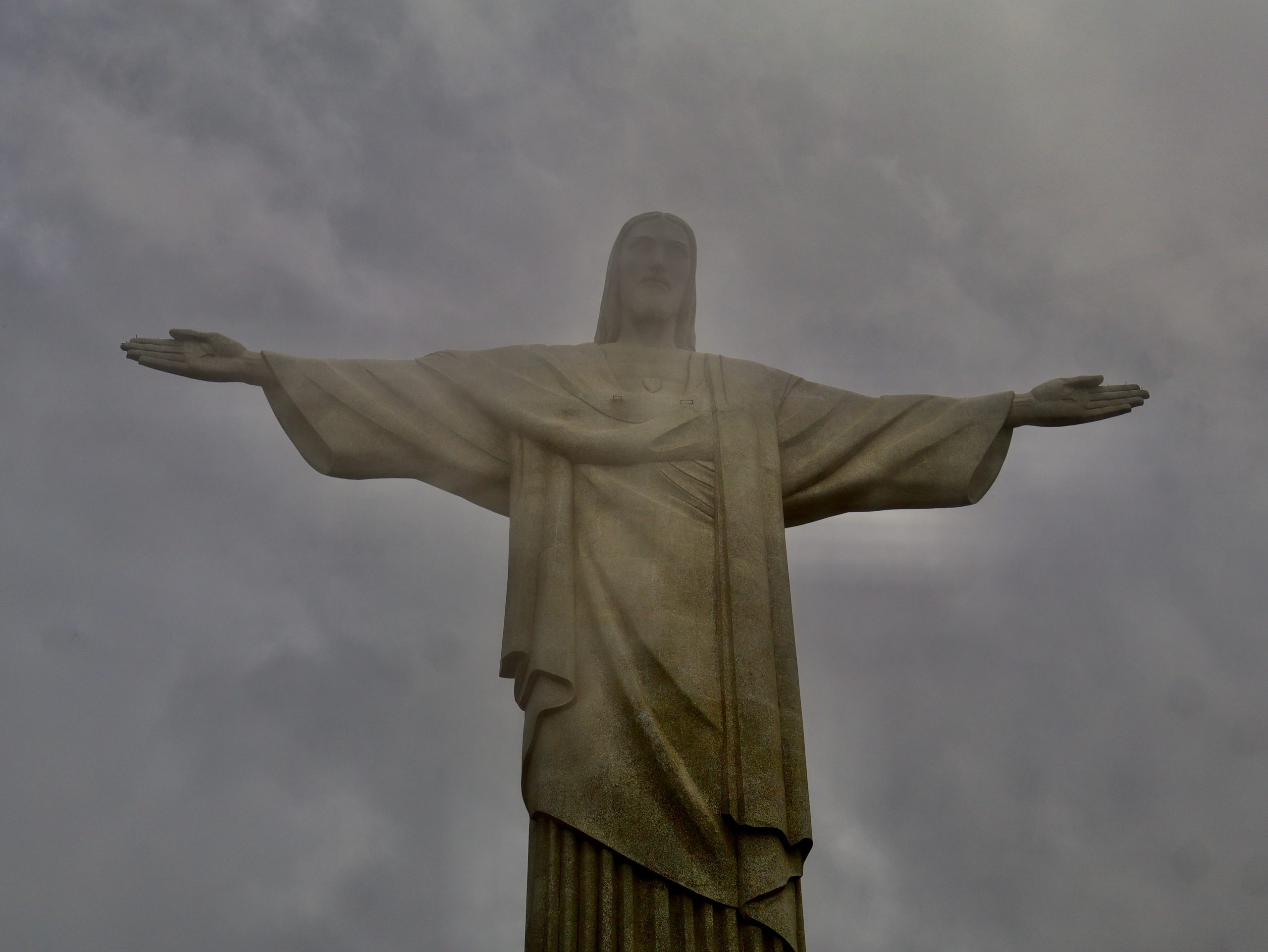
Christ, the Redeemer: Another must-do tour, a bit crowded, but being in the presence of the Redeemer does come with stunning views and inspiration. Got to hand it to the French for their gifting of iconic statues.
Special Purposeful Visits
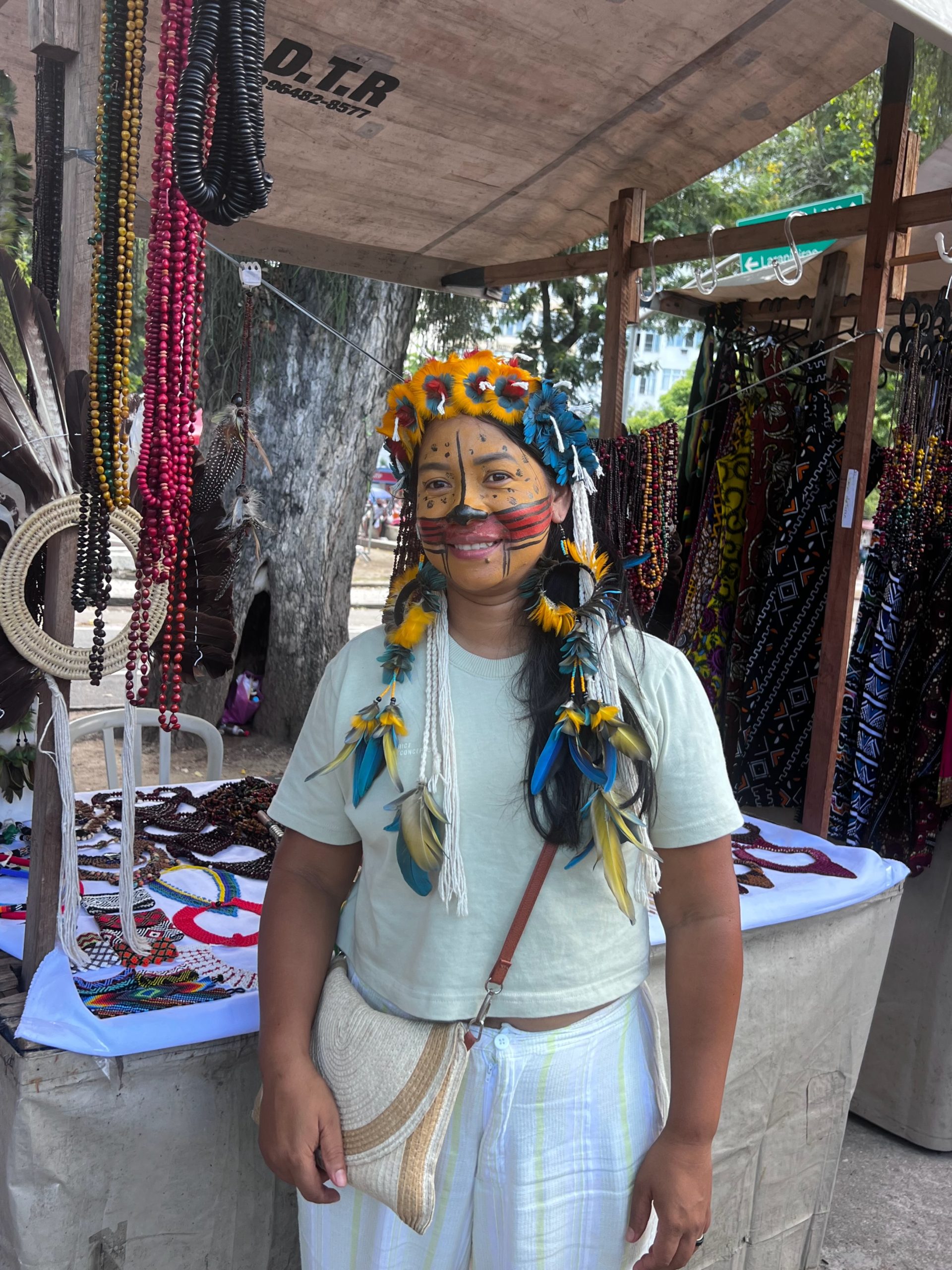
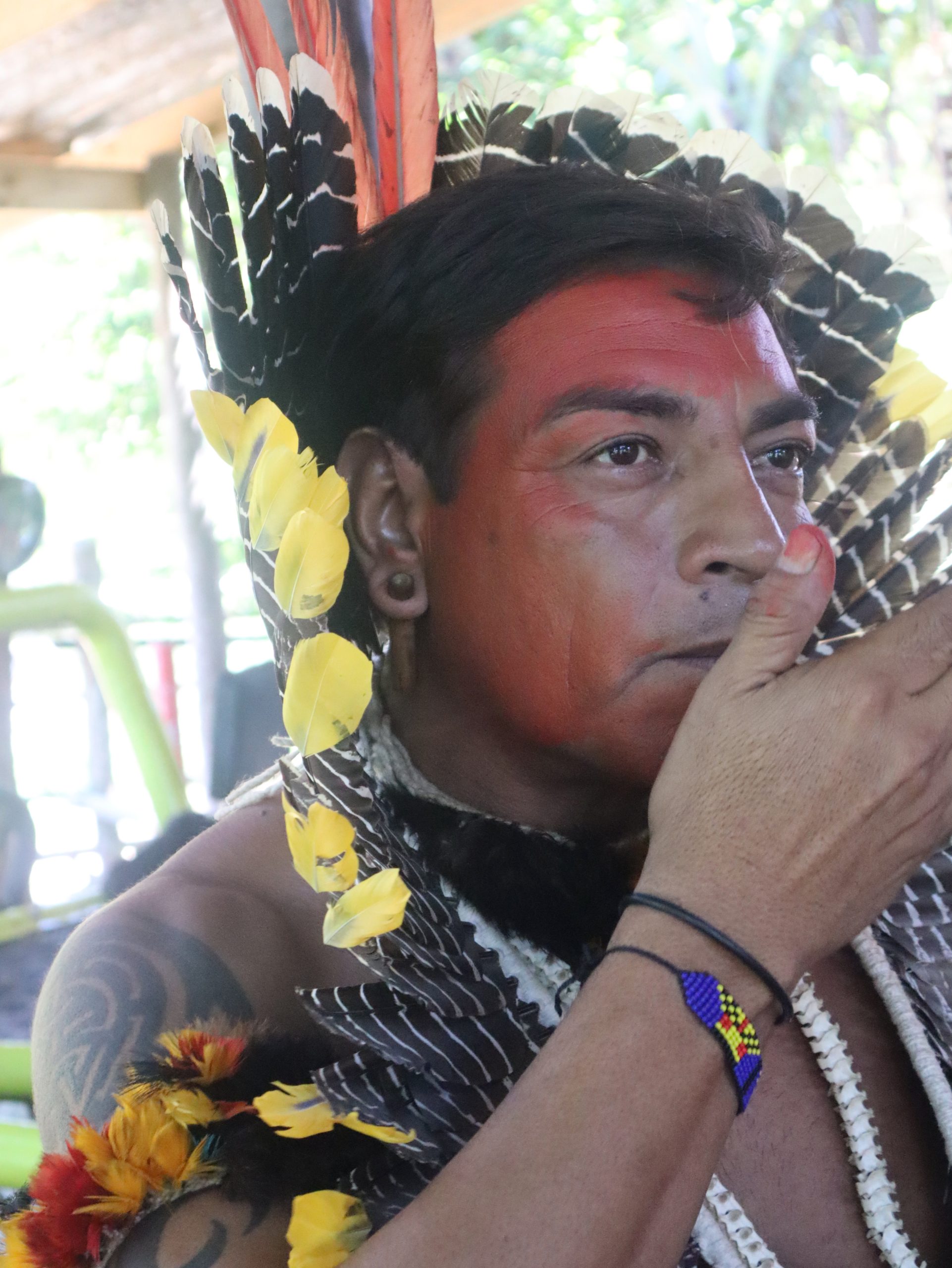
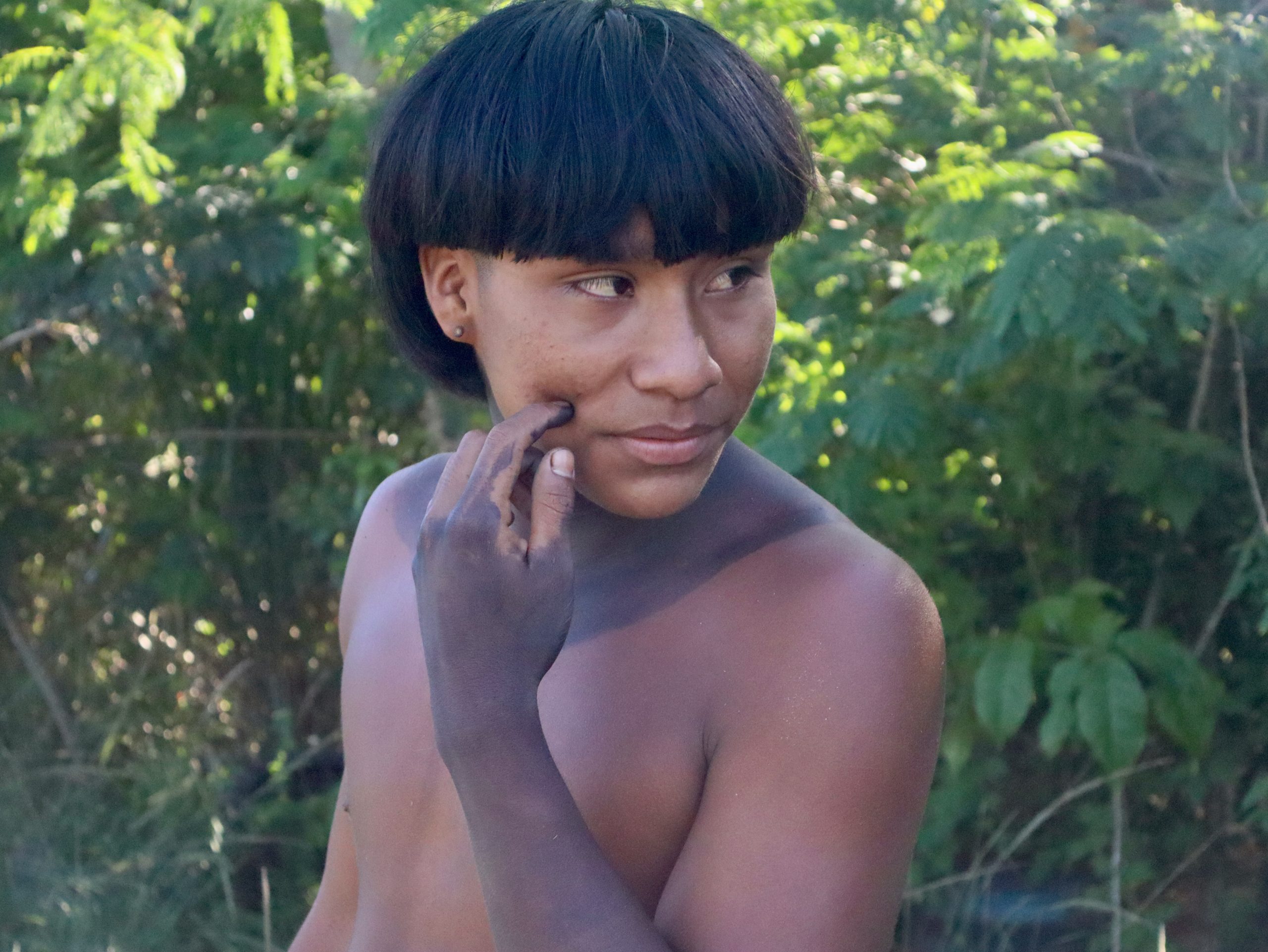
Guarani Village of Marica: In my travels, I have been visiting and photographing indigenous communities as one of many topics I have been documenting. These visits are usually a bit more expensive but truly humbling and worthwhile. In Brazil there are over 300 distinct indigenous ethnic groups in what is the largest country in South America with some of the most significant rainforest terrain serving the world. Native communities have been the gatekeepers of the rainforest at a cost to themselves. Land grabbing is a big problem among Brazil’s many native communities. Yet, they remain resilient.
I visited the Guarani Village of Marica near Rio, comprising of 120 families (300 individuals) living much like their ancestors while maintaining what they believe is sacred land. They are currently fighting the city and developers who continue to exploit native lands for profit. Presently, a portion of their land has been sold by the city to build a Marriott resort. The visit was quite informative and enlightening. I very much enjoyed my time with the chief, whom I found to be a young, attractive leader, and was floored when they told me he had six wives. Although I only got to meet one. If you are interested in knowing more or seeing the chief in action protesting the development project, click here.
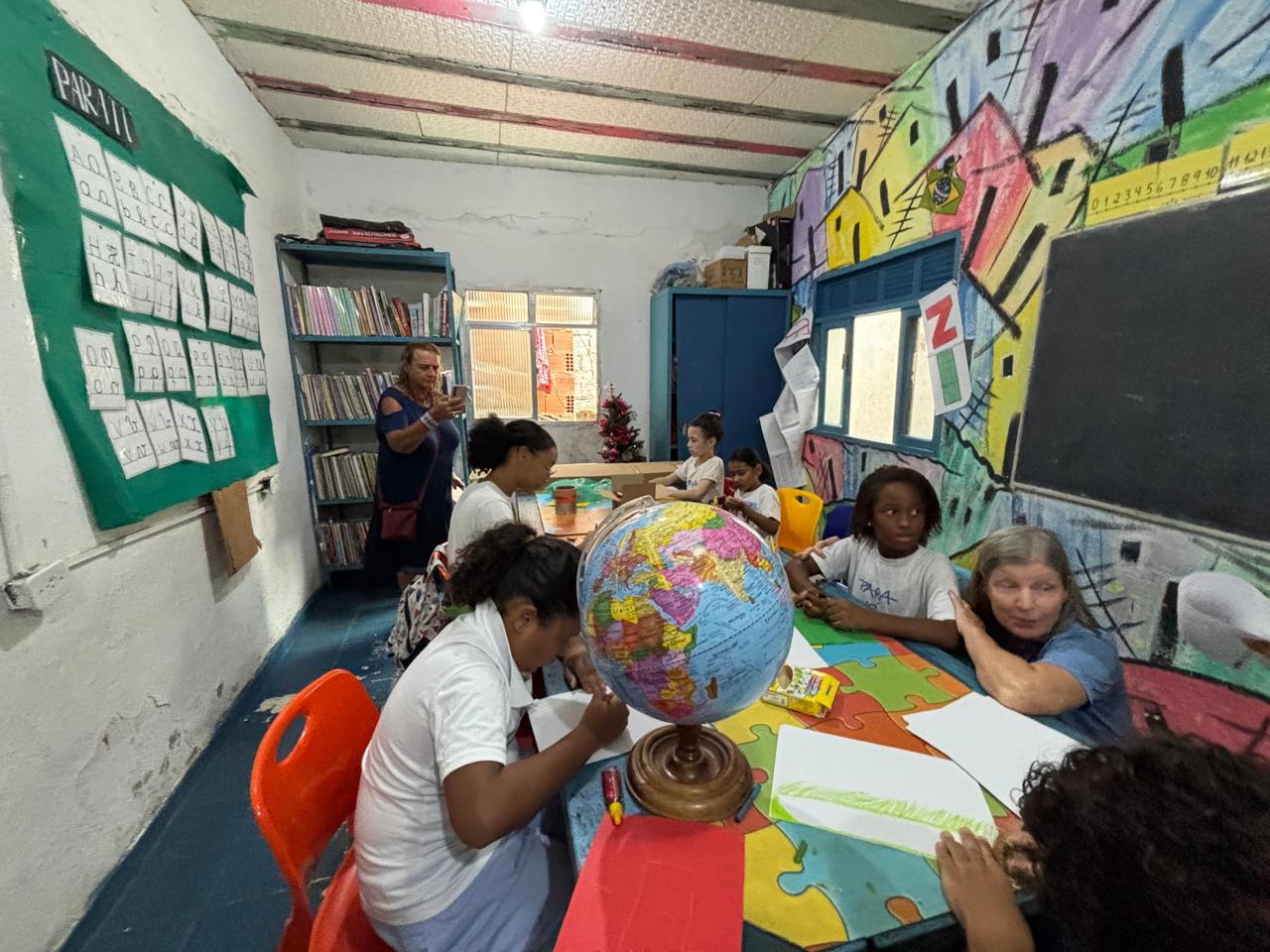
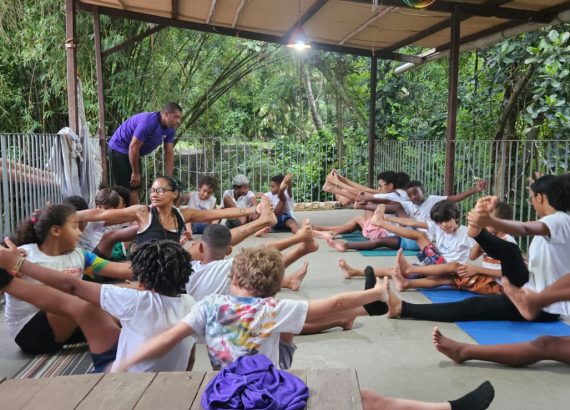
“Para Ti” Volunteer After-School Program:I also visited Para Ti, an after-school volunteer program serving the educational and holistic needs of the children of the Vila Canoas favela. My tour guide mentioned her volunteer work with this organization that includes a guest house for volunteers worldwide to take part in. A 50-year mission by an Italian family that migrated to Brazil, which today their surviving daughter continues to carry on this family tradition. I was a bit intrigued and asked whether I could visit and offer to write a story about their journey and how interested folks may connect if they wish to volunteer while exploring a new destination. This story is part of my March Newsletter. If you are interested in learning more, or how you can volunteer, click here.
Final Notes and My Photos
After writing this story, I felt better about having spent an entire month in Rio. Frankly, I was a bit baffled by the extreme poverty that I witnessed and the neglect of this vastly huge, iconic historic center where there is so much to see. I am glad that I stayed and was able to write about what most bloggers fail to do in presenting a more balanced representation of what this city is about. I think it important that folks know what to expect and how best they can plan and prepare for it. I preferably always choose to stay in historic centers or cities instead of the beach, mostly for cultural reasons. I suggest that if you are traveling alone (or not) that you consider staying at any of Rio’s beaches— Copacabana, Ipanema, or Leblon. They are safer and a bit expensive, depending on the season. You will still need to watch your back and arrange to visit the many sites in the historic center.
My photos are about everything mentioned in this story as it relates to Brazilian life, recognizing my being careful not to expose my camera too much to the public eye. The photos follow the sequence of the narrative, starting with the sites in the Lapa neighborhood, the carnival culture and the many iconic attractions, including my visit to the Guarani village and the Para Ti program. As always, remember to click the center of the photo for a full view. I am now in El Salvador for a couple of weeks, with plans to also spend time in Guatemala before heading back to Mexico and then to the US by July, when I will end my three-year self-journey. Until next month.
If you enjoyed this story or the newsletter issue, help others discover it by sharing it with your friends. Your support will go a long way in continuing the blog. If you are not a subscriber and want more stories and photos like these, please click here to subscribe.




No Comments