Two Neighbors, Two Cultures: Uruguay and Paraguay Beyond the Tourist Map
During my travels throughout South America, I was interested in visiting Uruguay and Paraguay, less known, smaller countries with similar names yet with unique histories and cultures. Neither one has a strong tourist infrastructure, although Uruguay has more to offer. I thought writing about the parallels and contrasts between them would make for a more interesting story. I spent two weeks in each country exploring as much as possible their culture, history and people. Here is what I have learned about both countries….
But First, a Bit of History
I am a bit challenged trying to highlight what the history of both these countries was like without getting too much into the weeds. Both countries were under Spanish rule until they declared independence in 1811. Paraguay chose a path of war against Brazil, Argentina and Uruguay, known as the War of the Triple Alliance, in which it lost, sustaining significant casualties, being forced to give up disputed land while becoming more isolated from its neighbors. This most likely affected its immigration patterns. Paraguay is mostly Mestizo (mixed indigenous /Spanish) compared to Uruguay, considered one of the whitest countries in South America with 90% descendants from Europe. In fact, over 75% of Paraguay also speak the indigenous language Guarani. Both countries (besides Argentina and Chile) have had quite a bit of Nazis escape to their countries. Paraguay specifically has a large enclave of Germans who have their own schools.
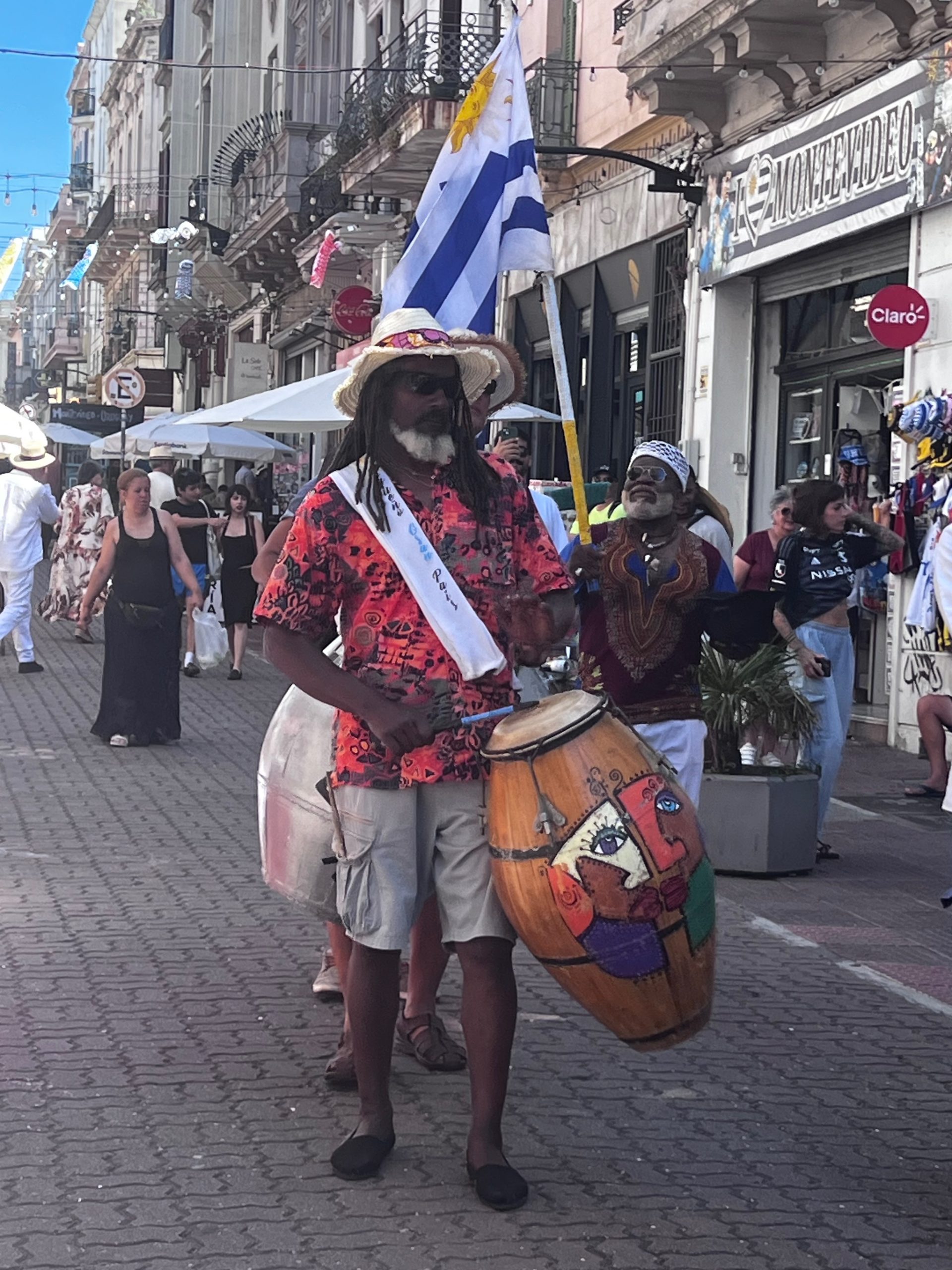
As mentioned before, Paraguay has mostly a mestizo population, unlike Uruguay where up to 10% of its population are descendants of enslaved Africans brought to this country during the Spanish colonial era, primarily concentrated in Montevideo. The Afro-Uruguayans have had an enduring influence on the city’s Carnival culture (more on this later). However, they have historically faced socioeconomic disparities with limited representation.
Interestingly, both countries endured long dictatorships in the 20th century. Most Latin American countries have had ruthless dictatorships that have tortured and killed thousands of people. Paraguay under dictator Alfredo Stroessner was one of the worst, remaining in power for 35 years. Although today both have stable democracies. Uruguay has a stronger and more progressive economy, where Paraguay’s historical past has led to a more fragile economy with a much lower cost of living. (In fact, I found Uruguay pricey compared to most South American countries). It’s important to note that Uruguay has a beautiful coastline, while Paraguay is landlocked and less developed. Both have access to the Rio de Plata, known as the widest river in the world, and the similarity in their names is related to water, part of the Guarani language.
Arrival in Both Countries
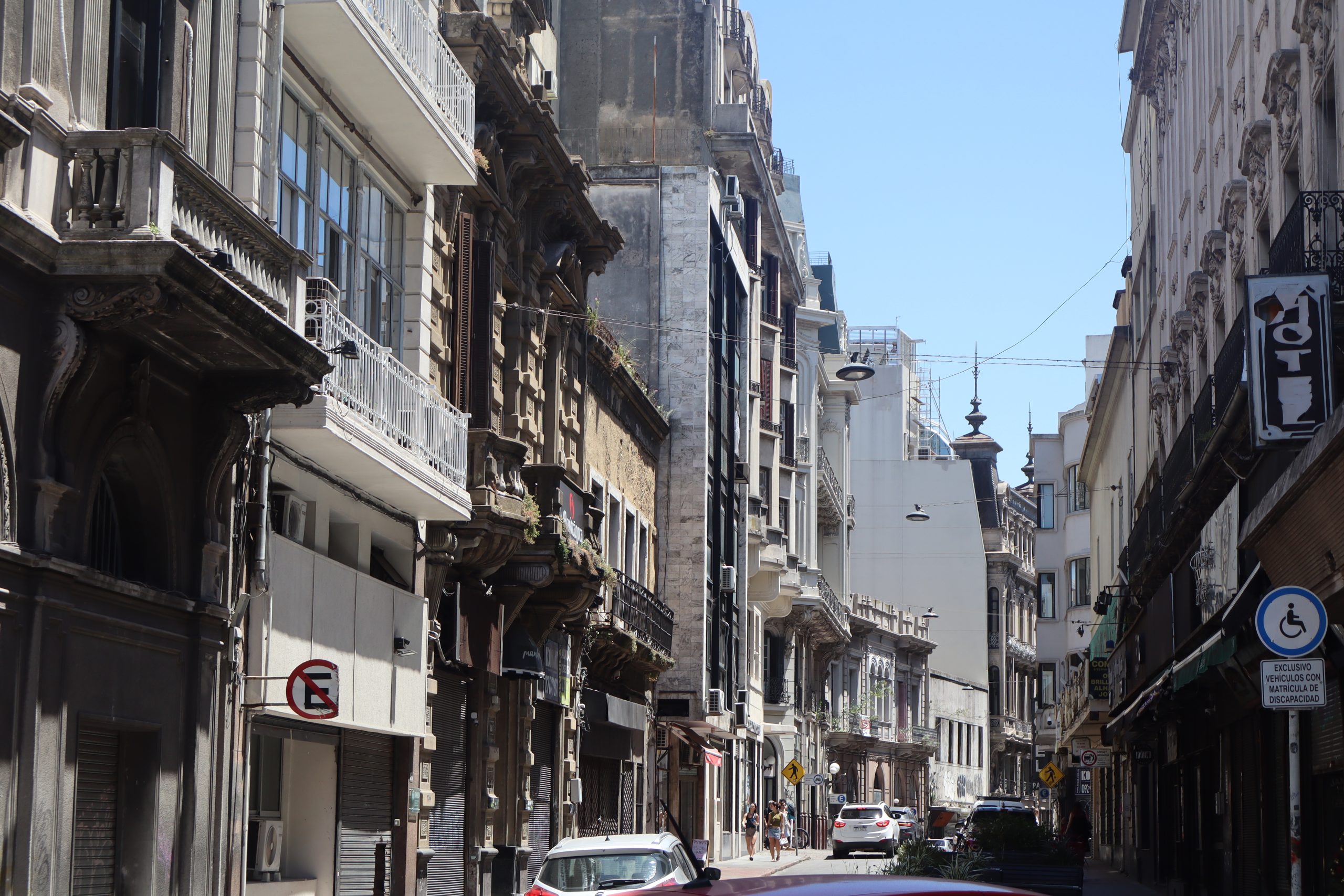
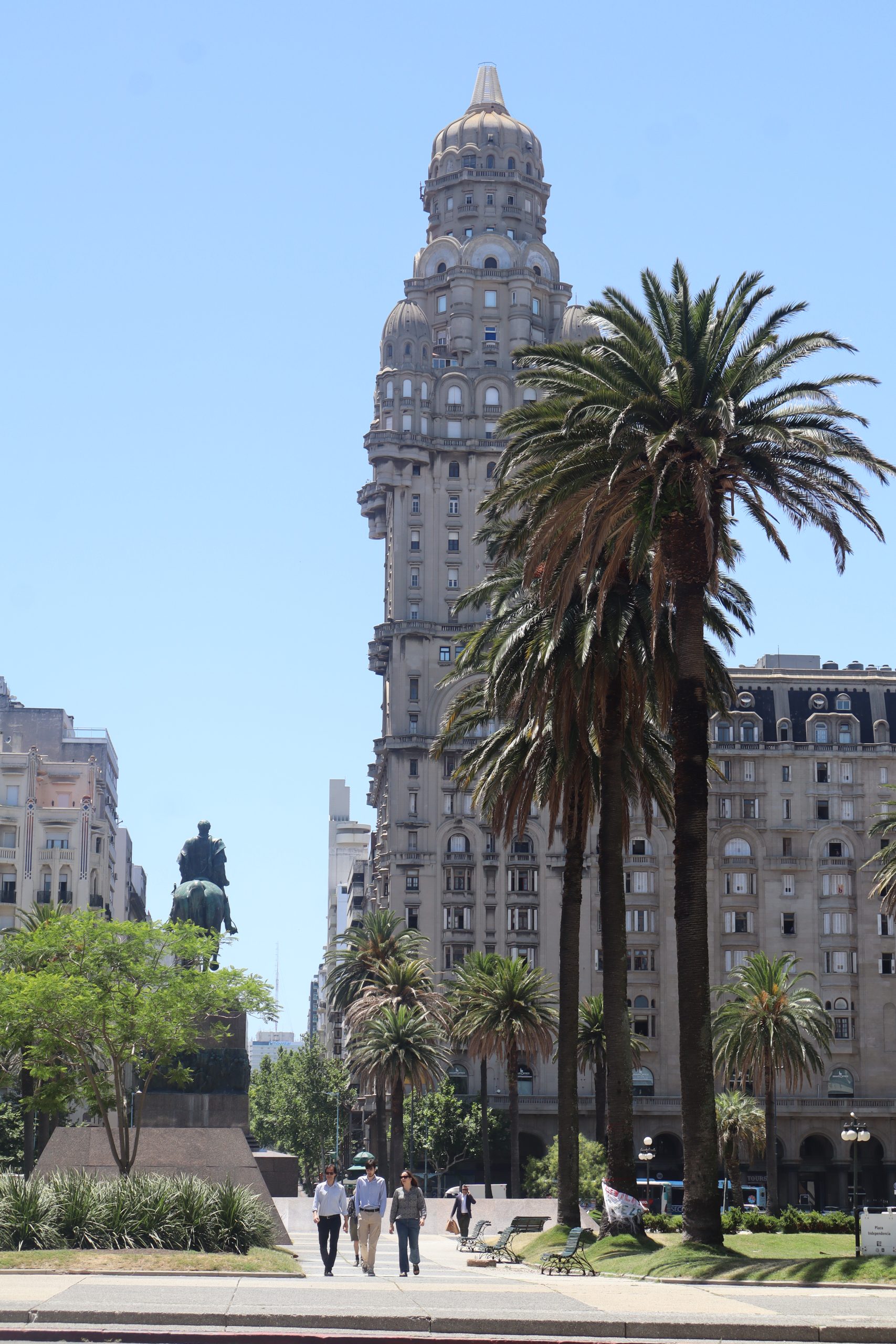
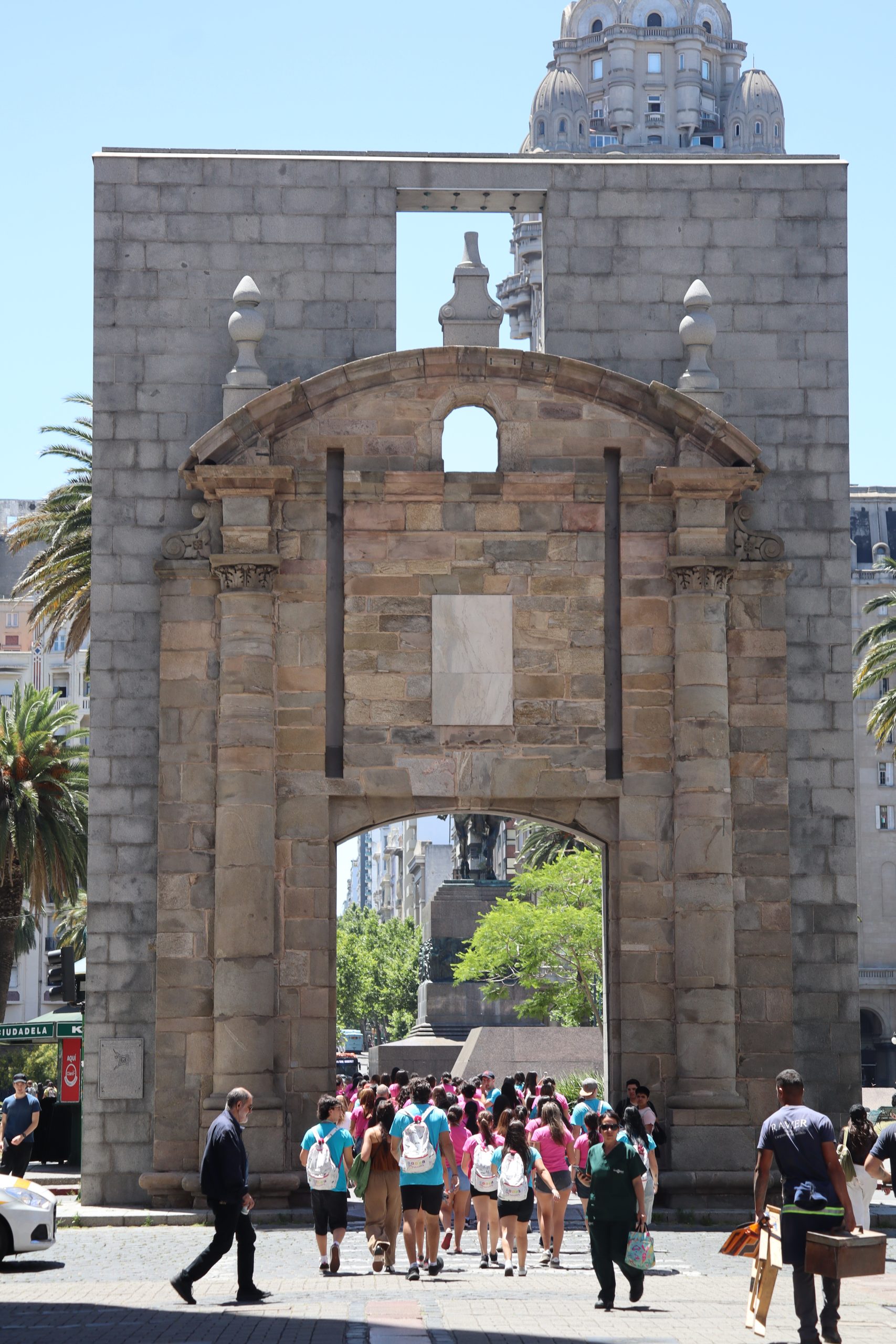
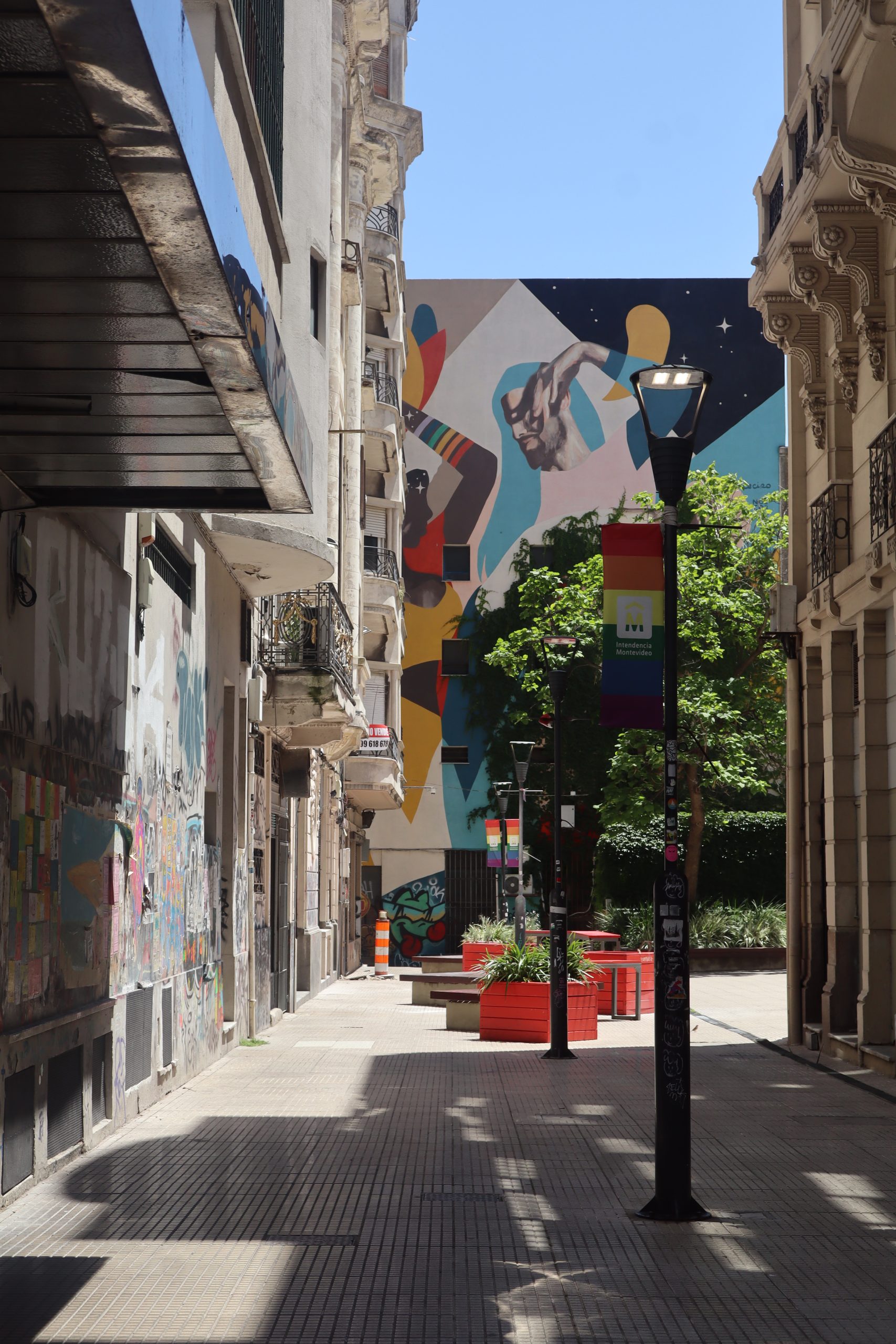
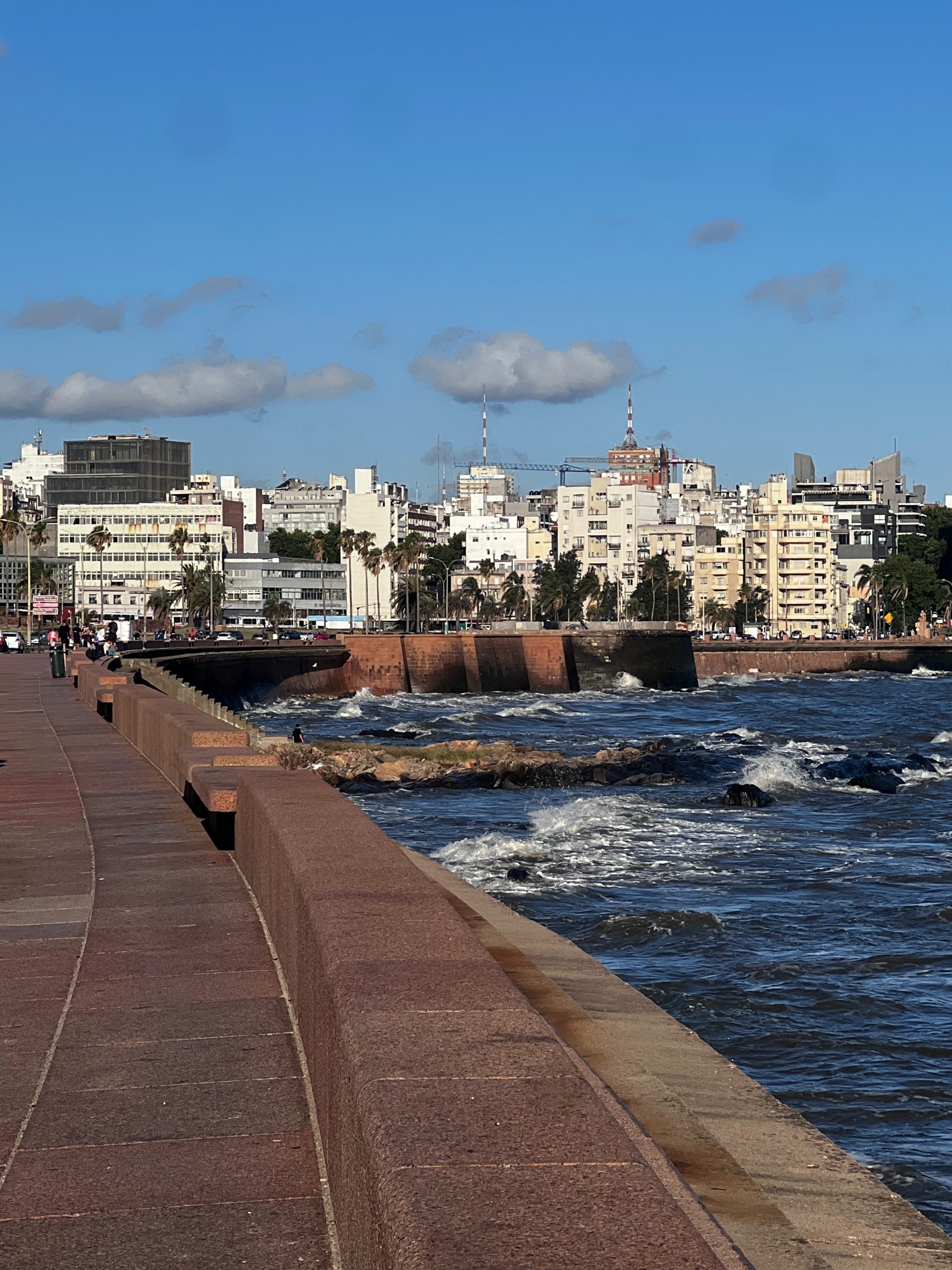
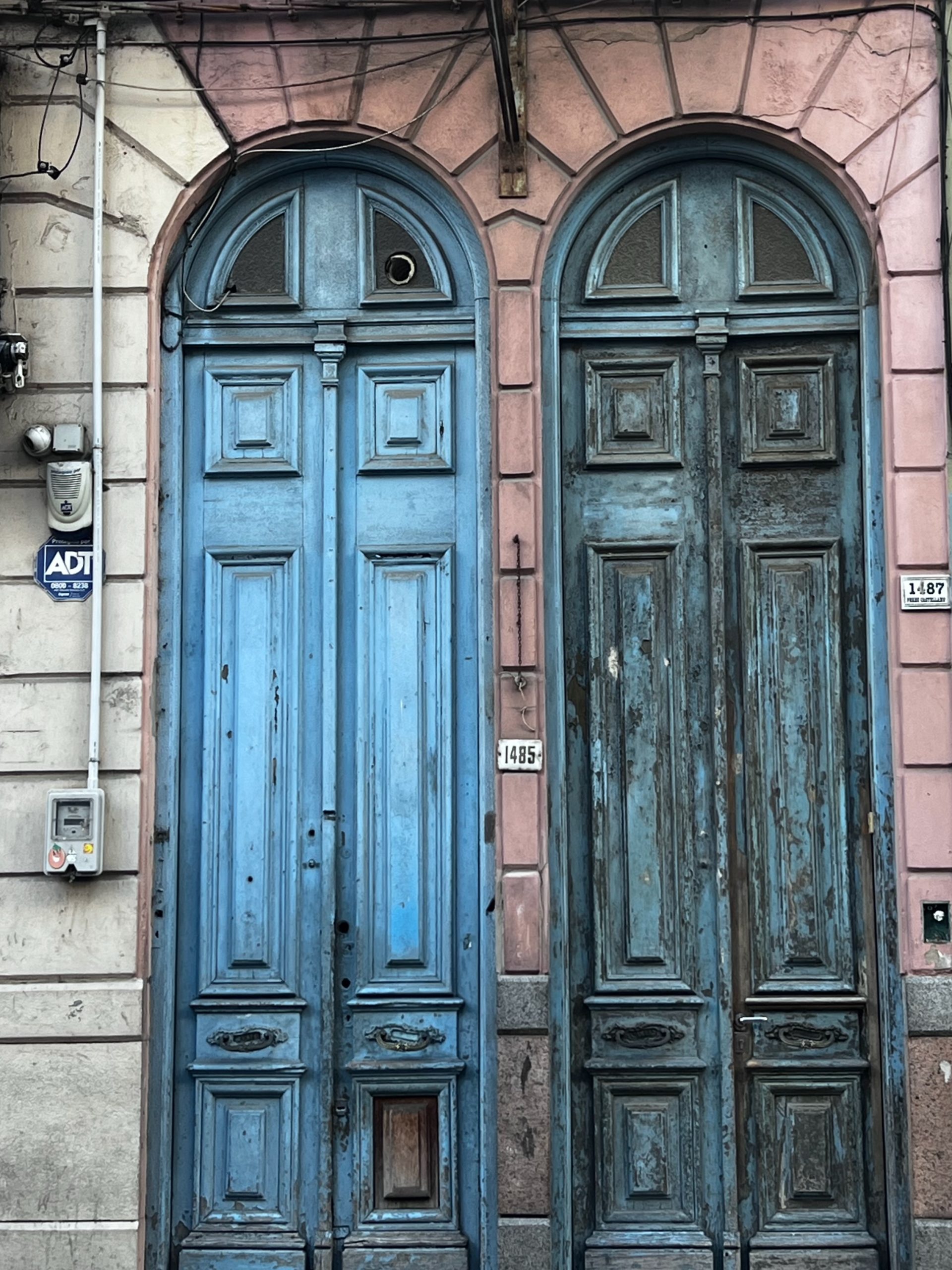
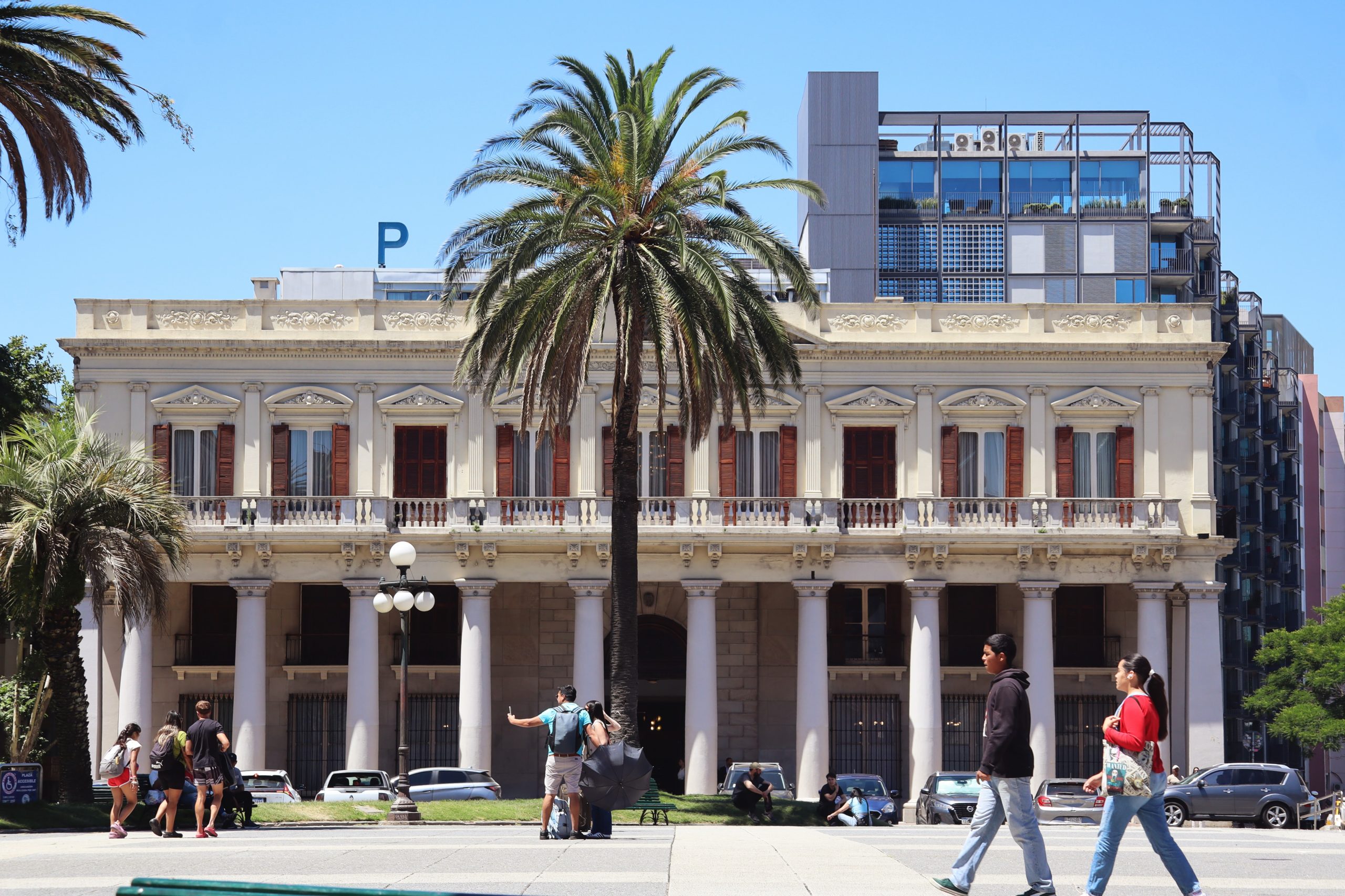
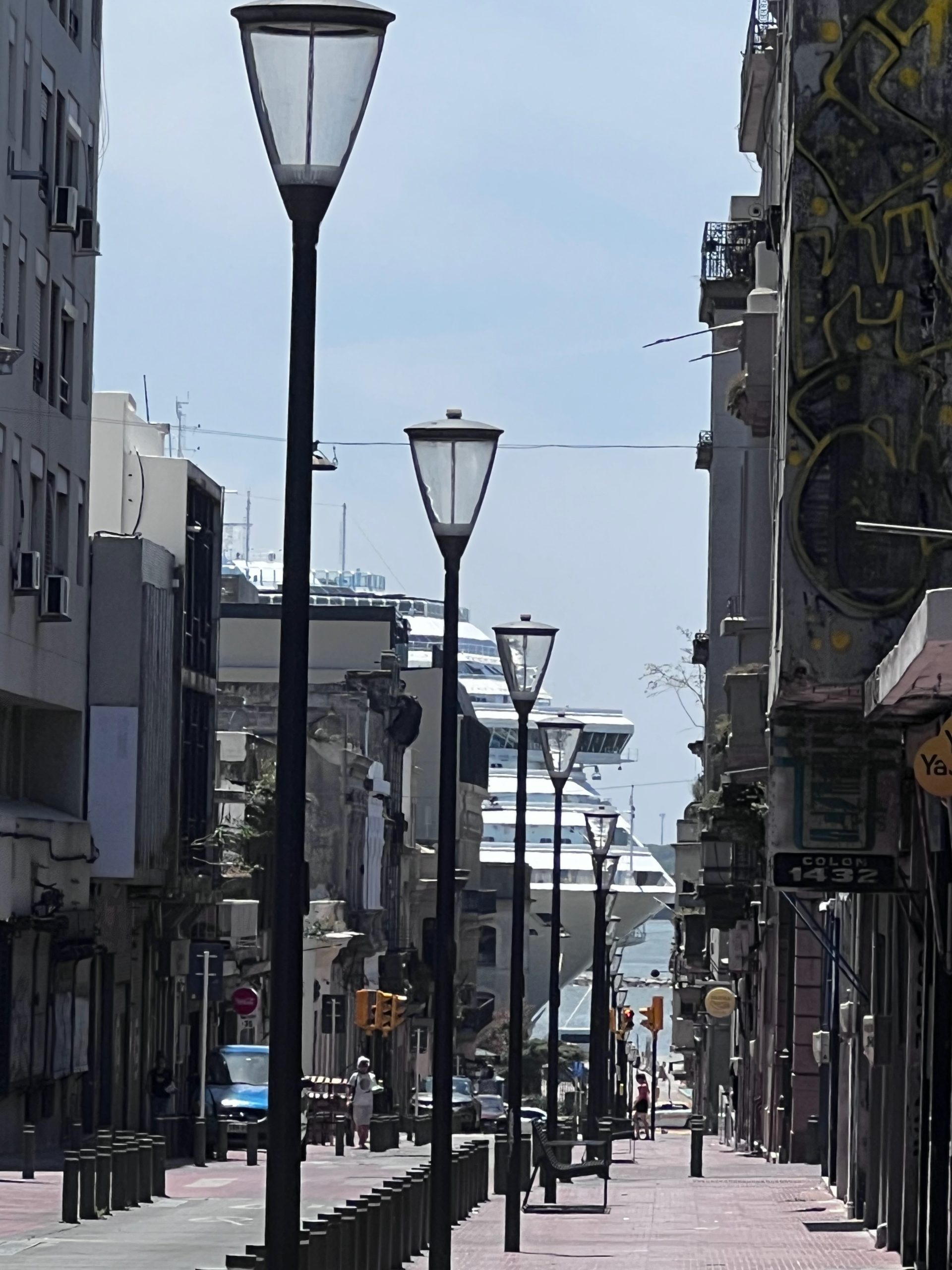
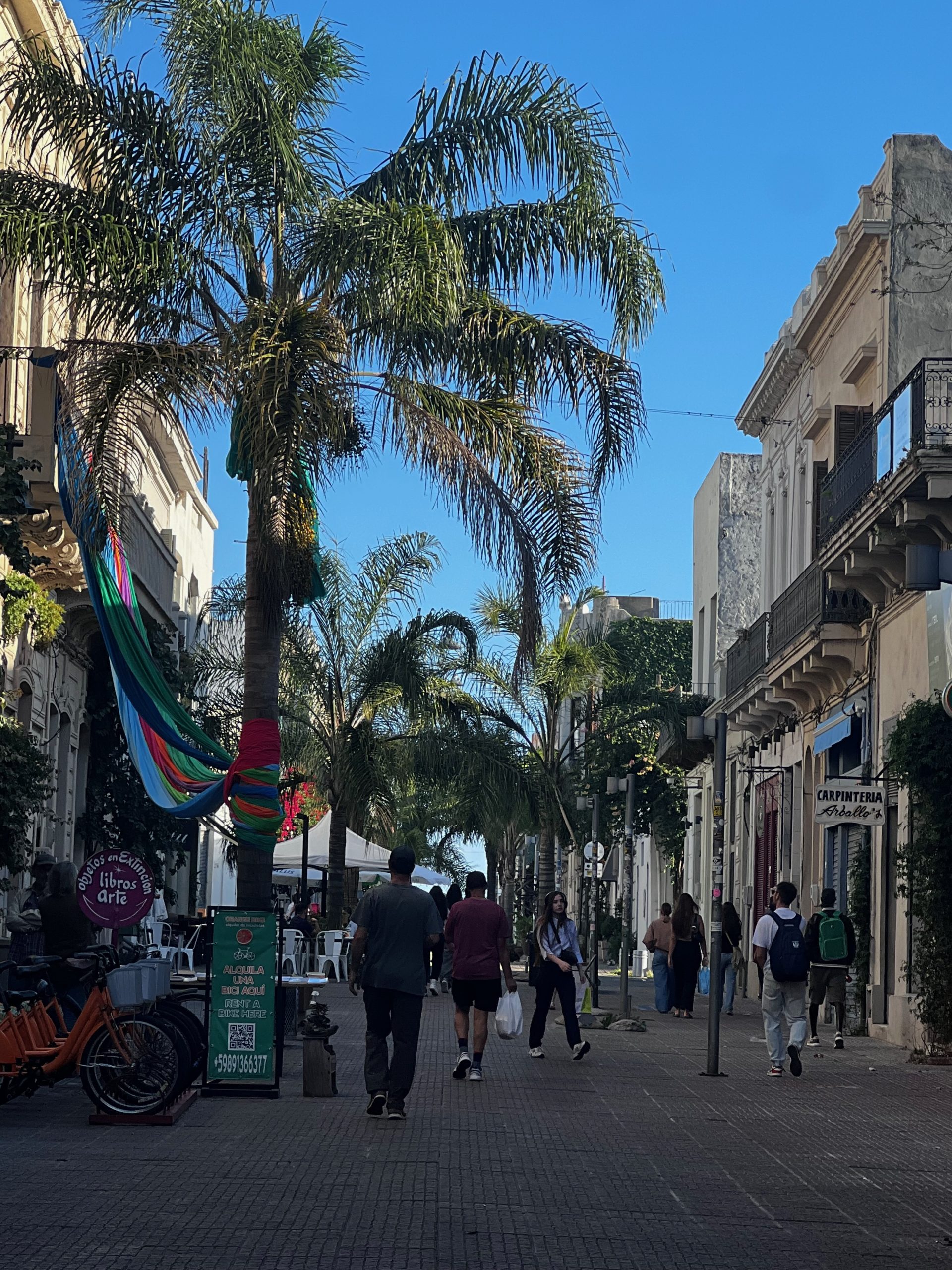
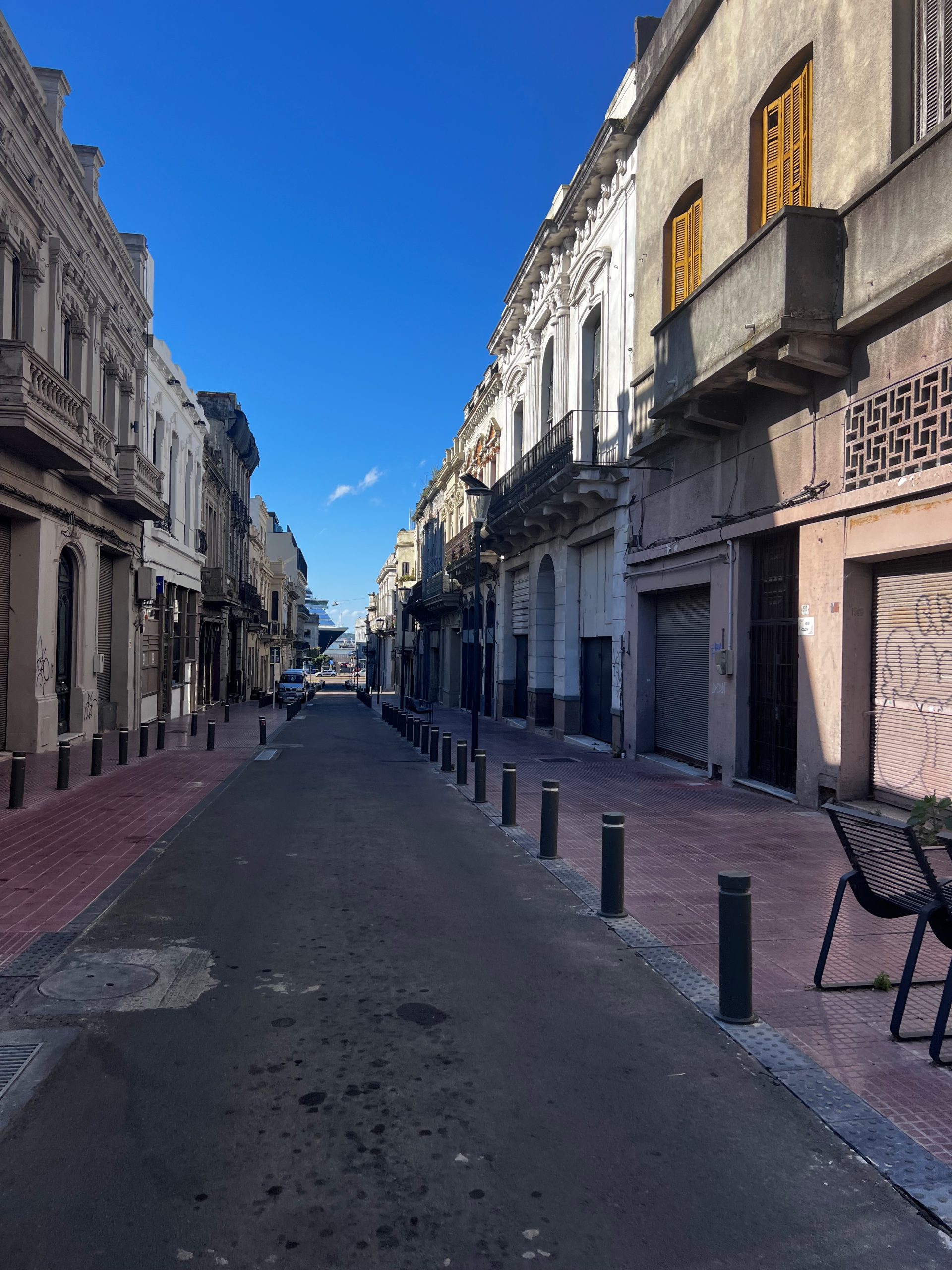
For Uruguay, I chose to stay in Montevideo, its capital, a city of immense historic charm, consisting of old mansions and colonial European architecture. A city with a coastline for everyday strolling on La Rambla (Boardwalk). The city is surrounded by water — Rio de Plata. I stayed in La Ciudad Vieja (old city) a bit worn and gritty, yet nostalgic of what colonial life was like. Quite worn and less inviting, even though it is still the center of government and banking. The entire district, except for tourist-designated areas, shuts down at five. It has less of a retail life and fewer places to eat unless you are in the tourist section. Yet its buildings, although many are abandoned, are not vandalized, and the streets are fairly clean. It would be interesting to see what the next 30 or 40 years might look like for this district with so much potential.
In Paraguay, the city of Asuncion is also its capital. I decided this time not to stay in the colonial district and instead stayed in one of its suburbs. Much like Uruguay, the colonial center needs even more TLC. The rest of the city is quite modern and healthy. It’s almost like being in the US.—too many malls. Paraguay has less of a tourist infrastructure than Uruguay, and is much the case when you leave the city.
What I Managed to Do in Both Countries
City Tours– I made a point to do a city tour of both countries to help me understand their history and geography. Clearly, Uruguay had much more to offer, having a coastline.
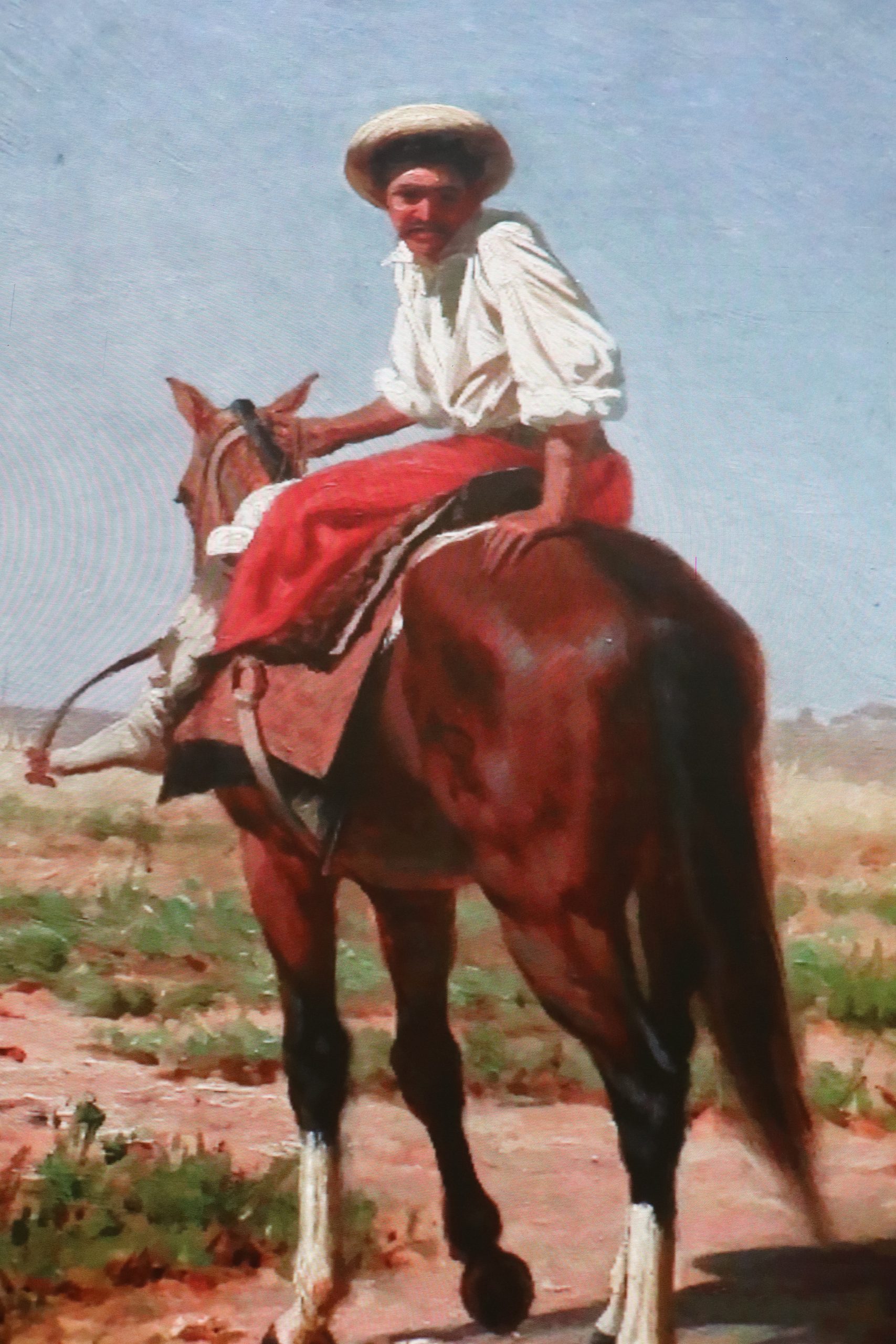
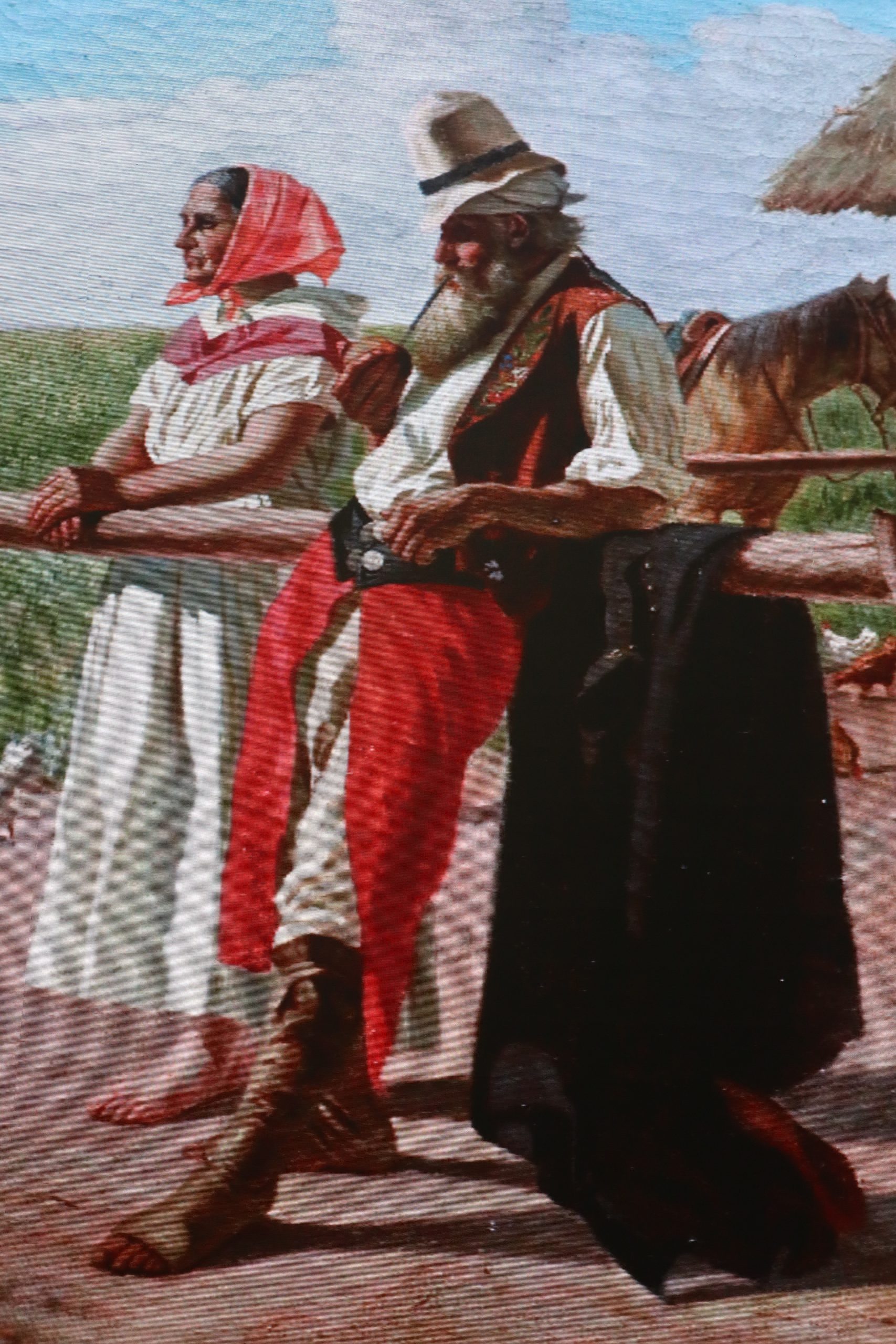
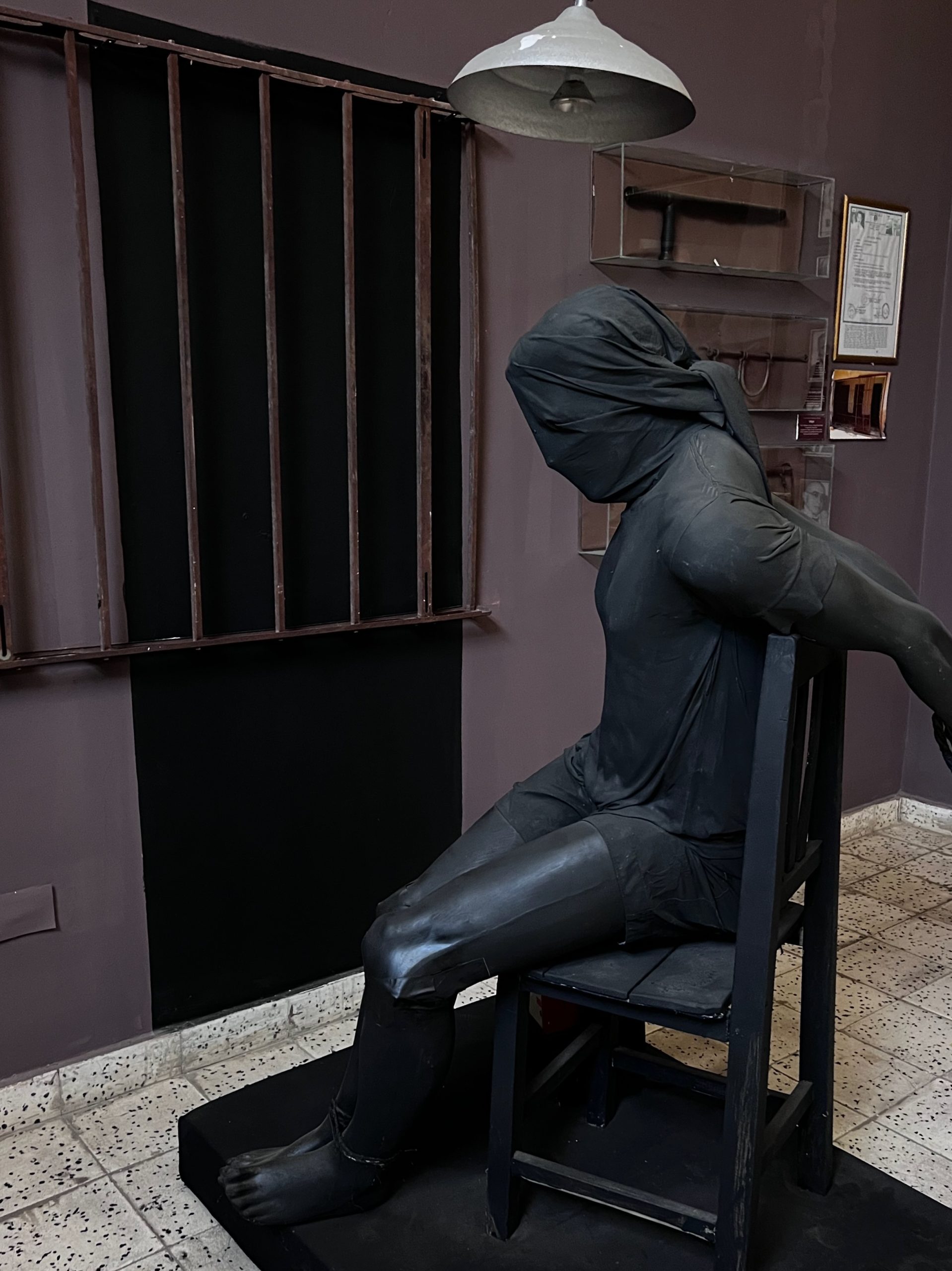
Museums– Both cities have a range of museums that not only showcase their art but also narrate all aspects of daily life and their heritage. I was able to visit most of them. Both have museums of Memory and Human Rights narrating the years of dictatorship and memorializing those that resisted and died. I especially thought the Paraguay museum displayed a good chronology. Both museums were fascinating and could benefit from a substantial grant to improve their facilities and incorporate educational tools for the young and the old. One museum that I enjoyed, 5 minutes from my apartment, was the Gaucho museum in Uruguay. Gauchos in Uruguay, known as South American cowboys, fought to overthrow Spanish colonial rule as well as in the War of the Triple Alliance. Their culture and way of life are quite captivating as they are slowly disappearing.
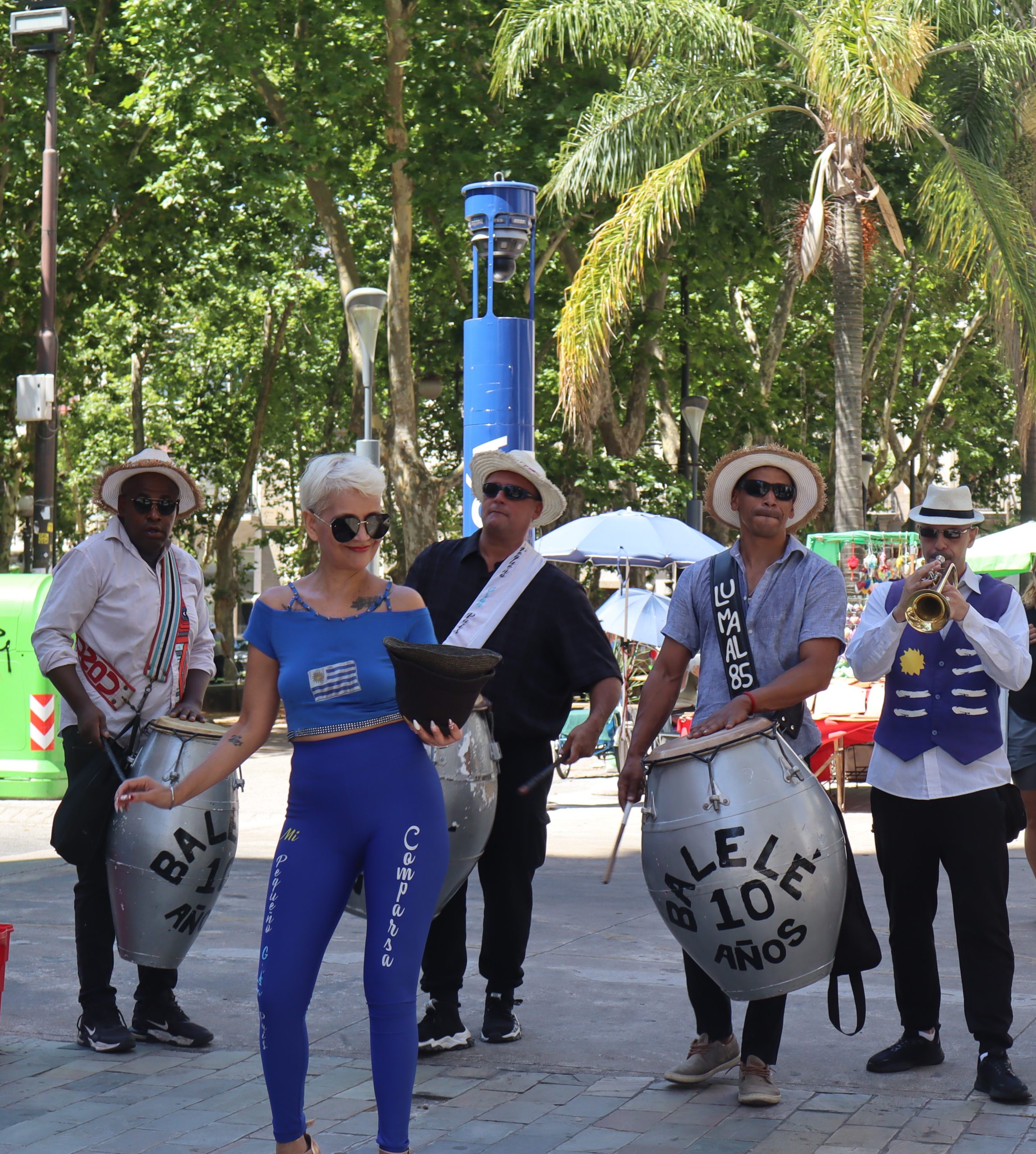
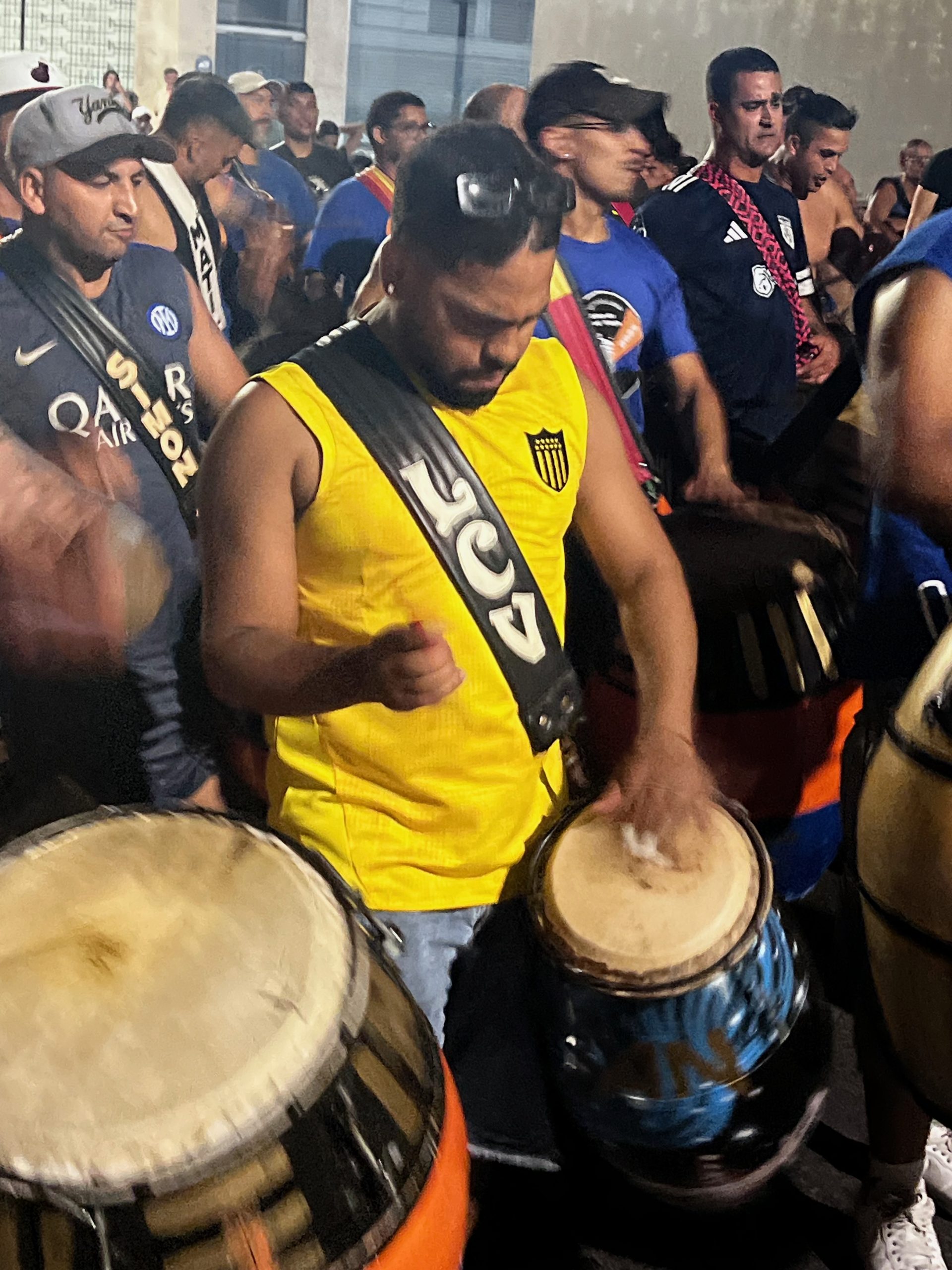
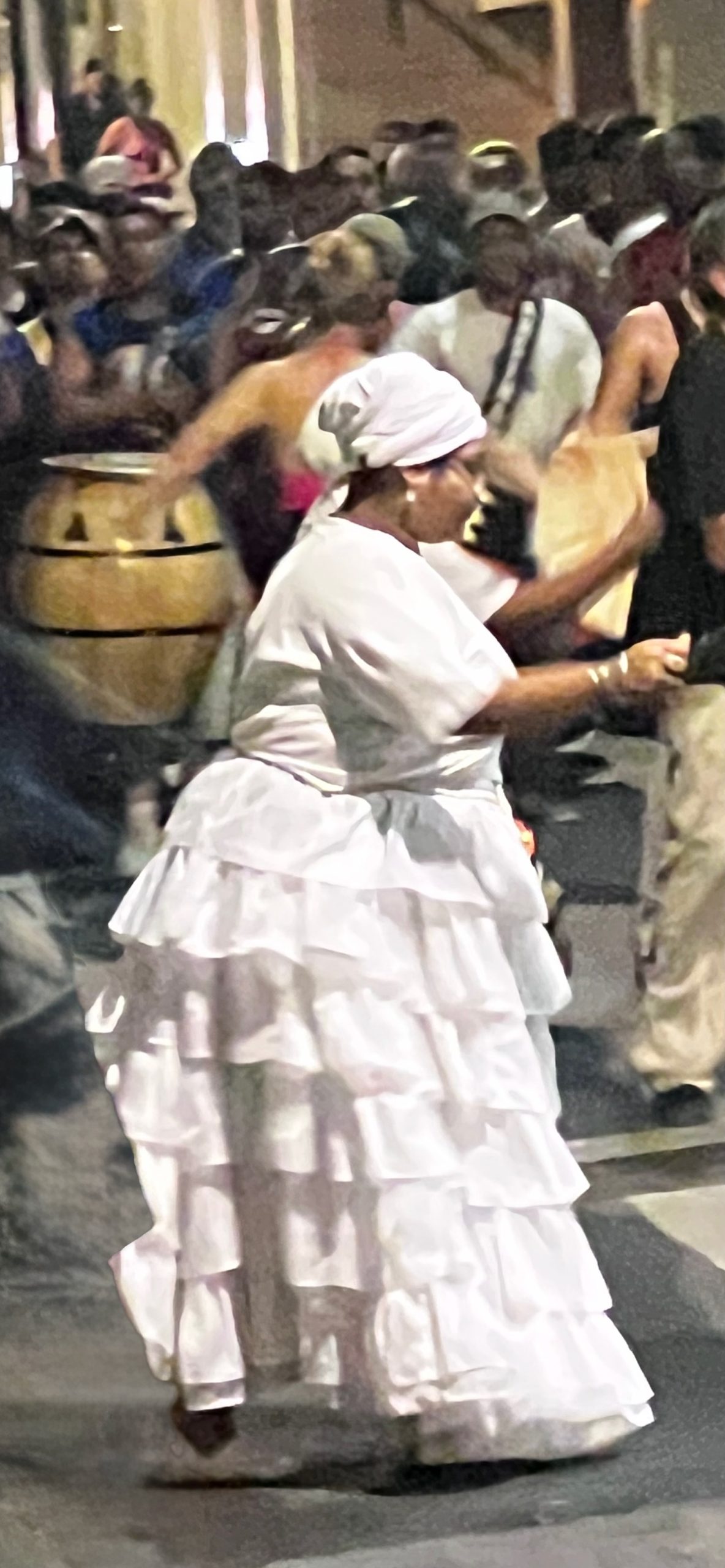
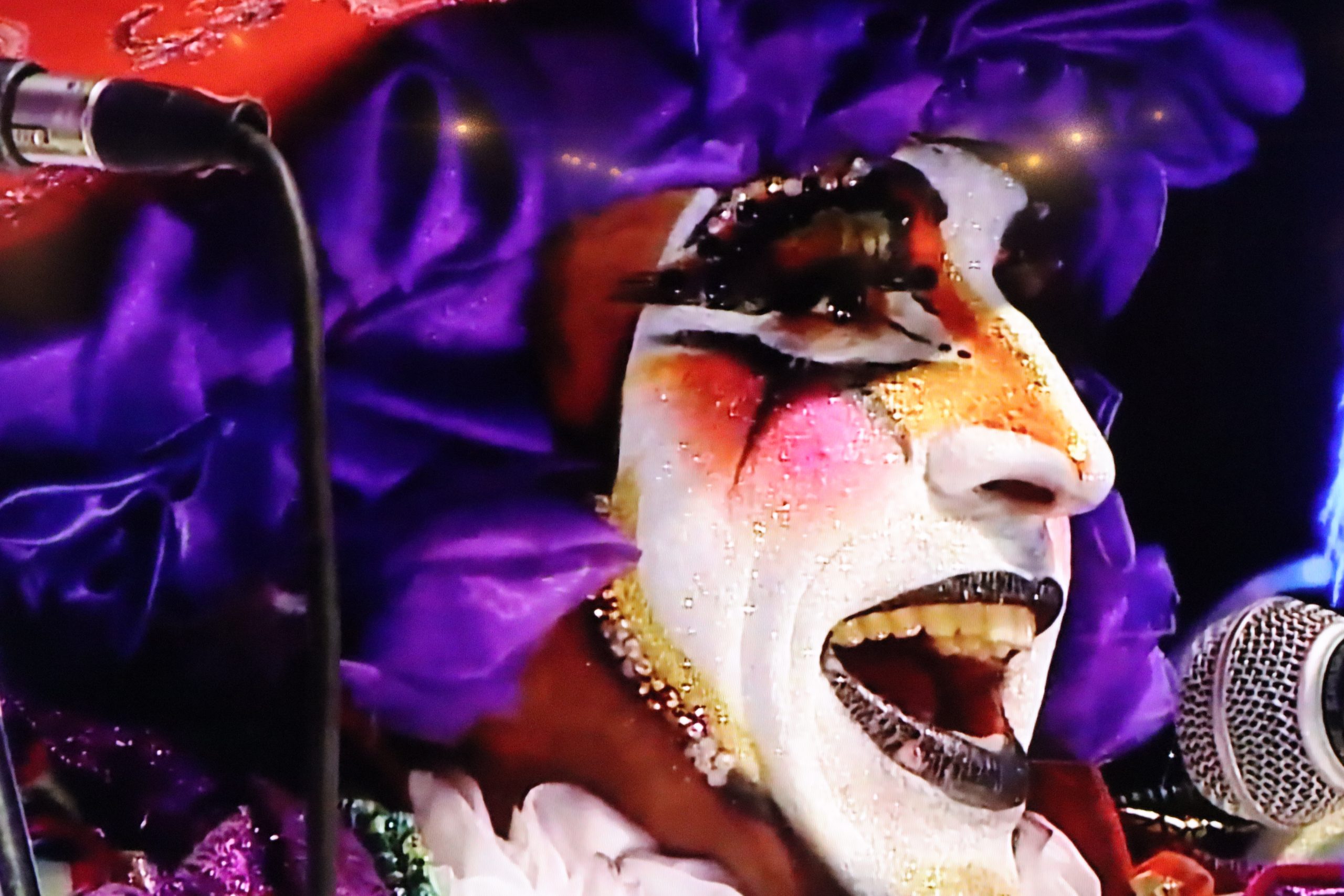
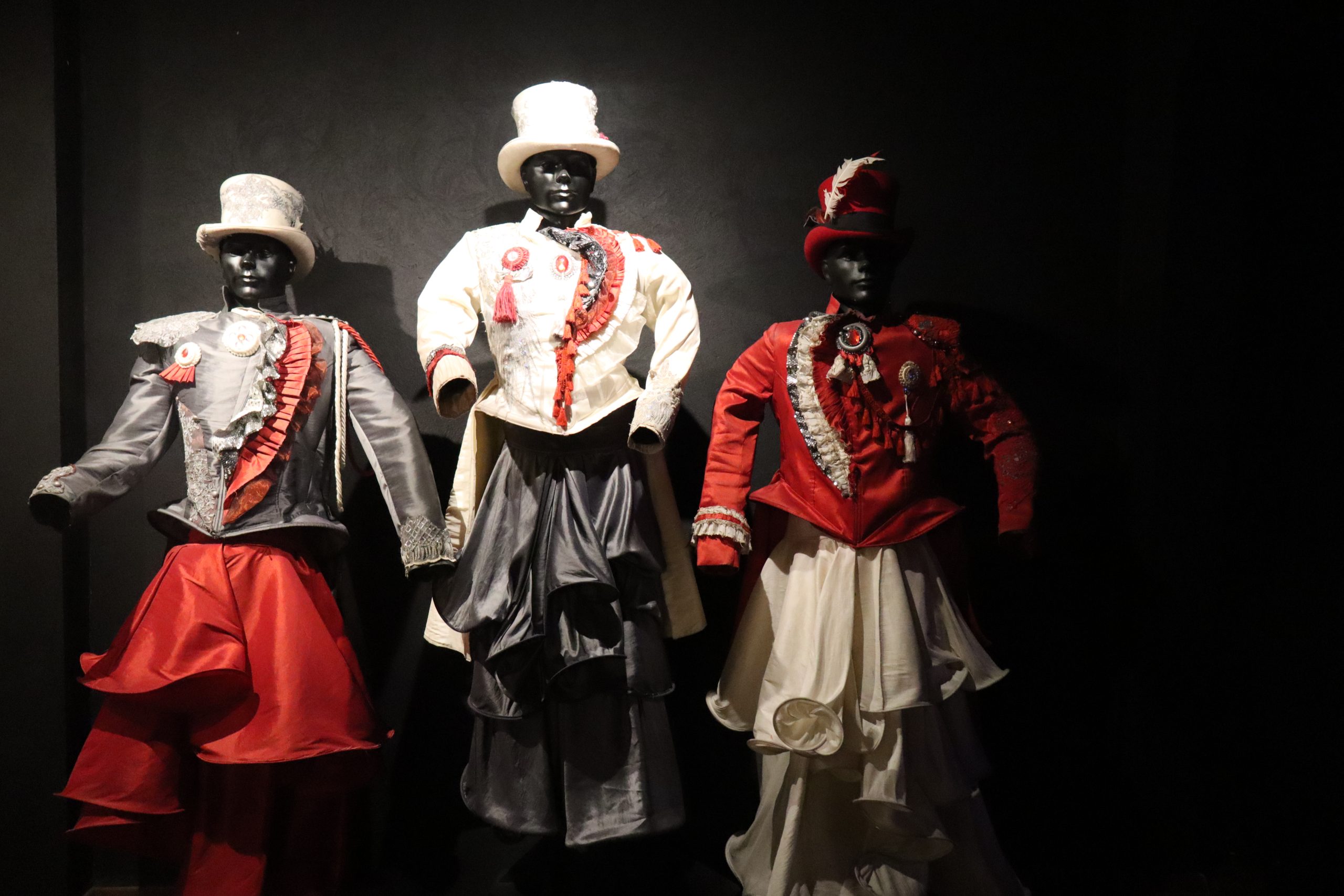
Carnaval in Montevideo starts in mid-January and ends in March. During my time there, I got to see several parades of drummers and dancers practicing for the start of Carnaval. Some of them were already in costume, raising funds for the festivities. The Carnival museum in Uruguay is worth visiting as it details the history of the Afro- Uruguayan’s candombe music and dance, which is an essential part of Carnival.
Leaving the City of Asuncion, I booked two tours to learn more about the rest of the country. Both tours were a bit disappointing as there is not much to see of what is still an undeveloped country. Mostly rural and poor, with lots of cattle farms. I also was able to visit where the Germans live.
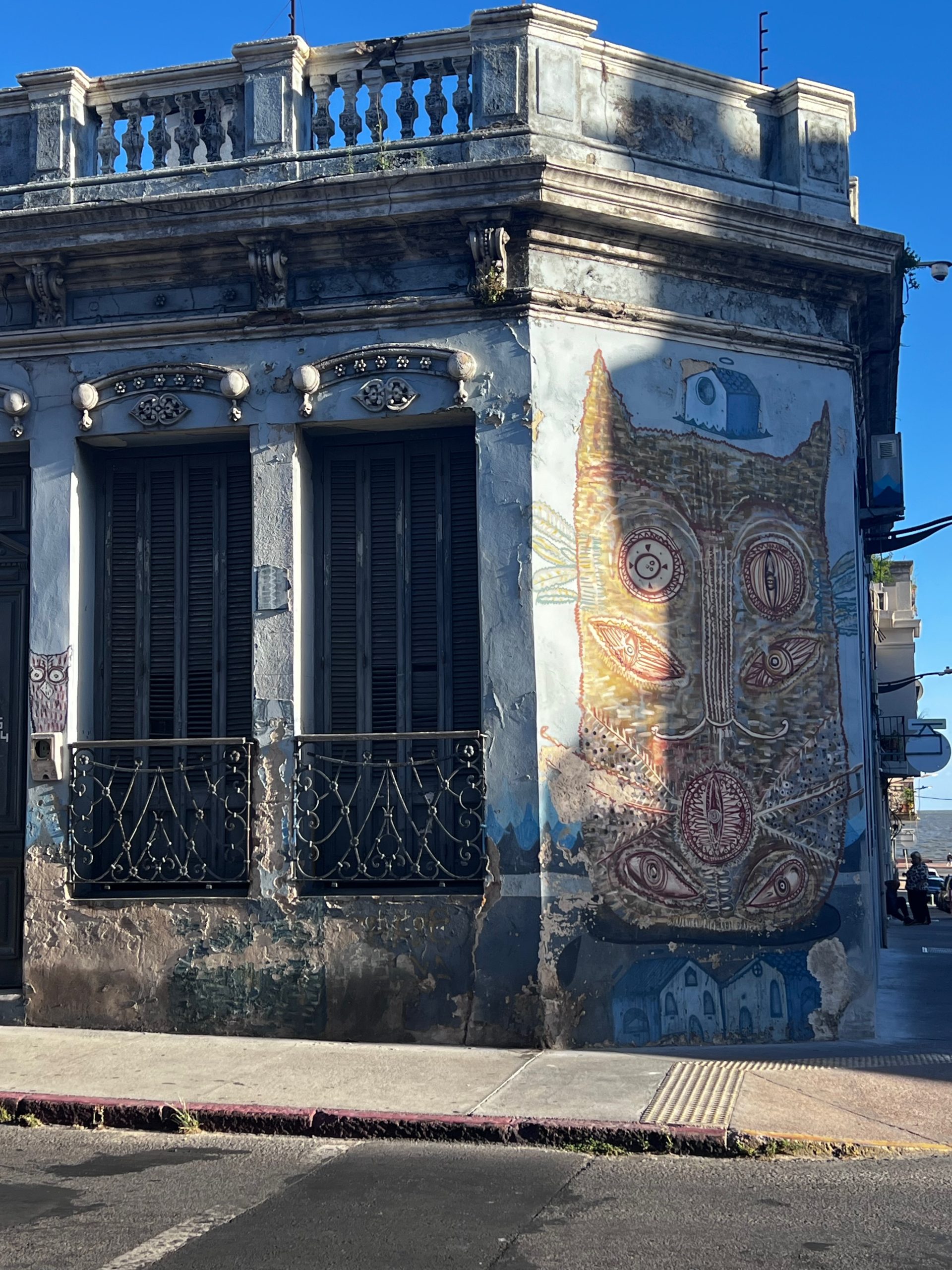
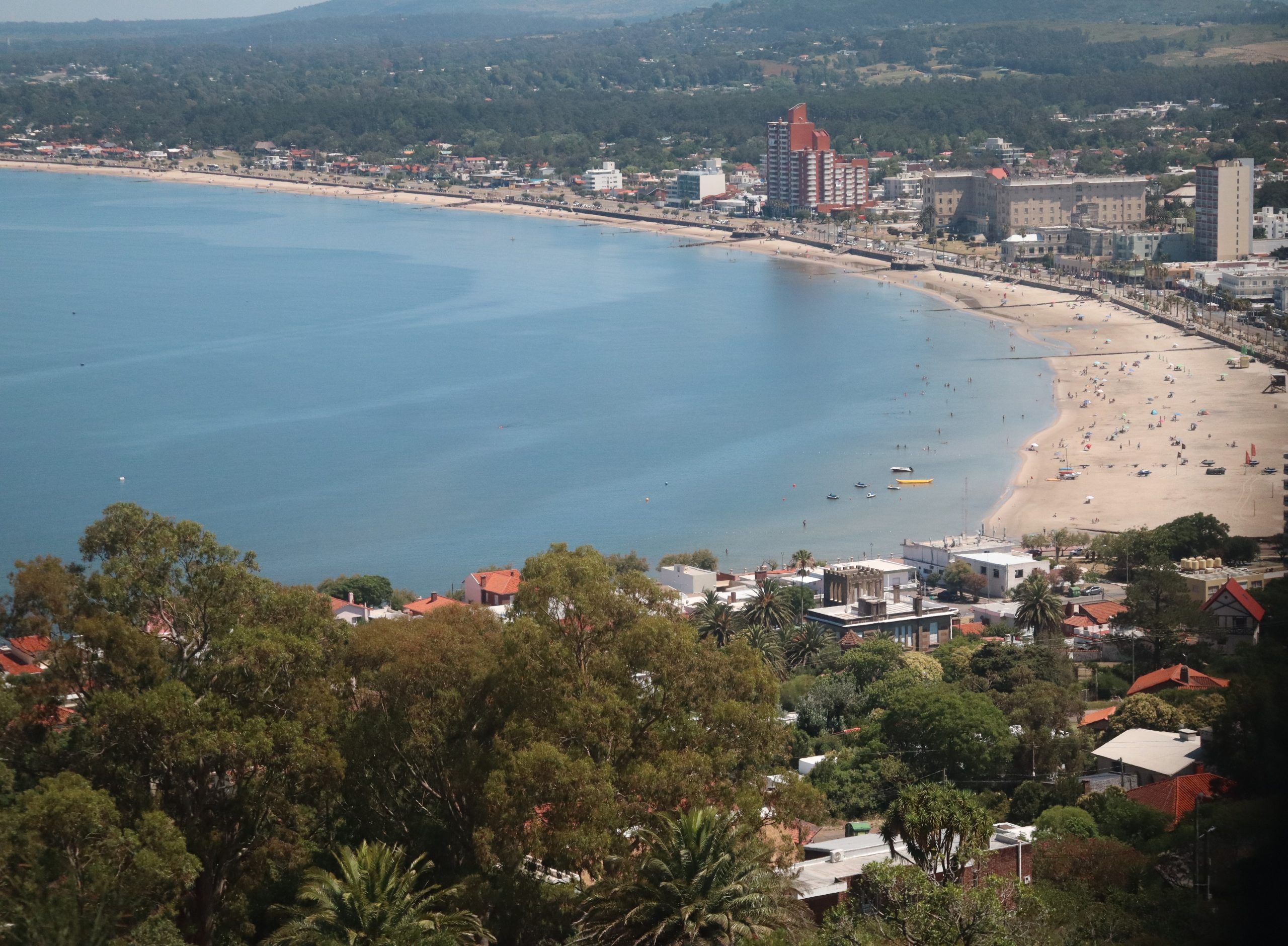
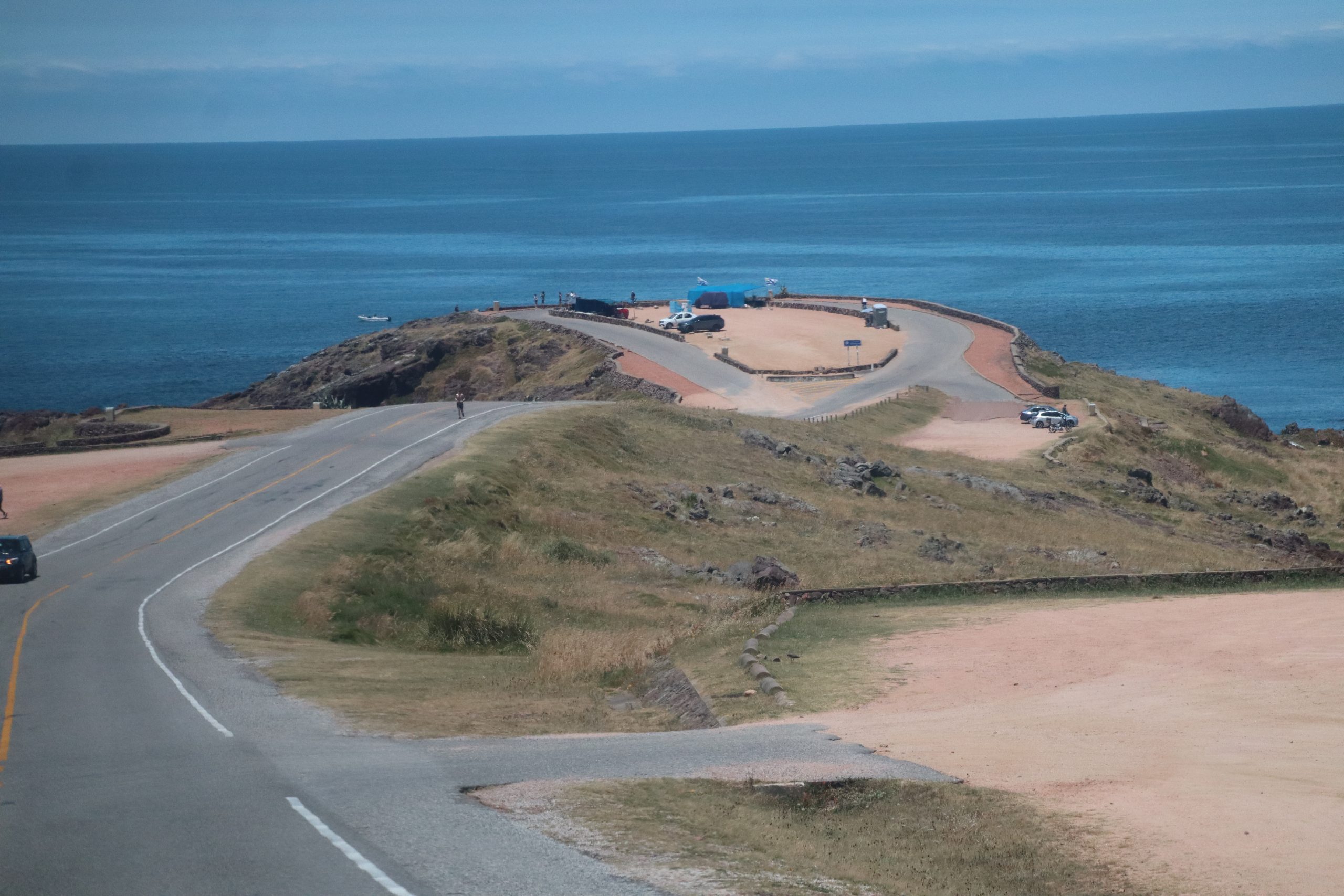
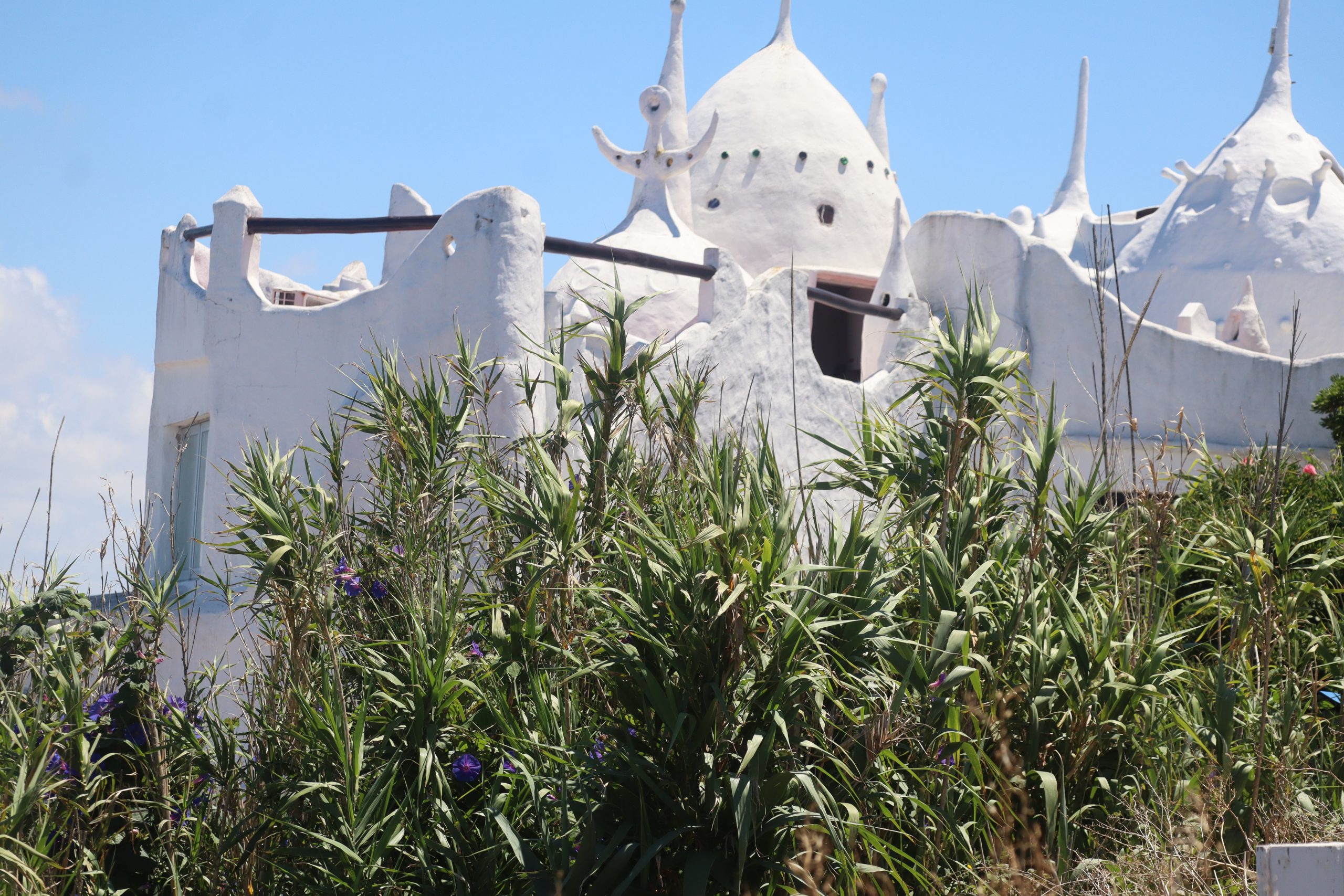
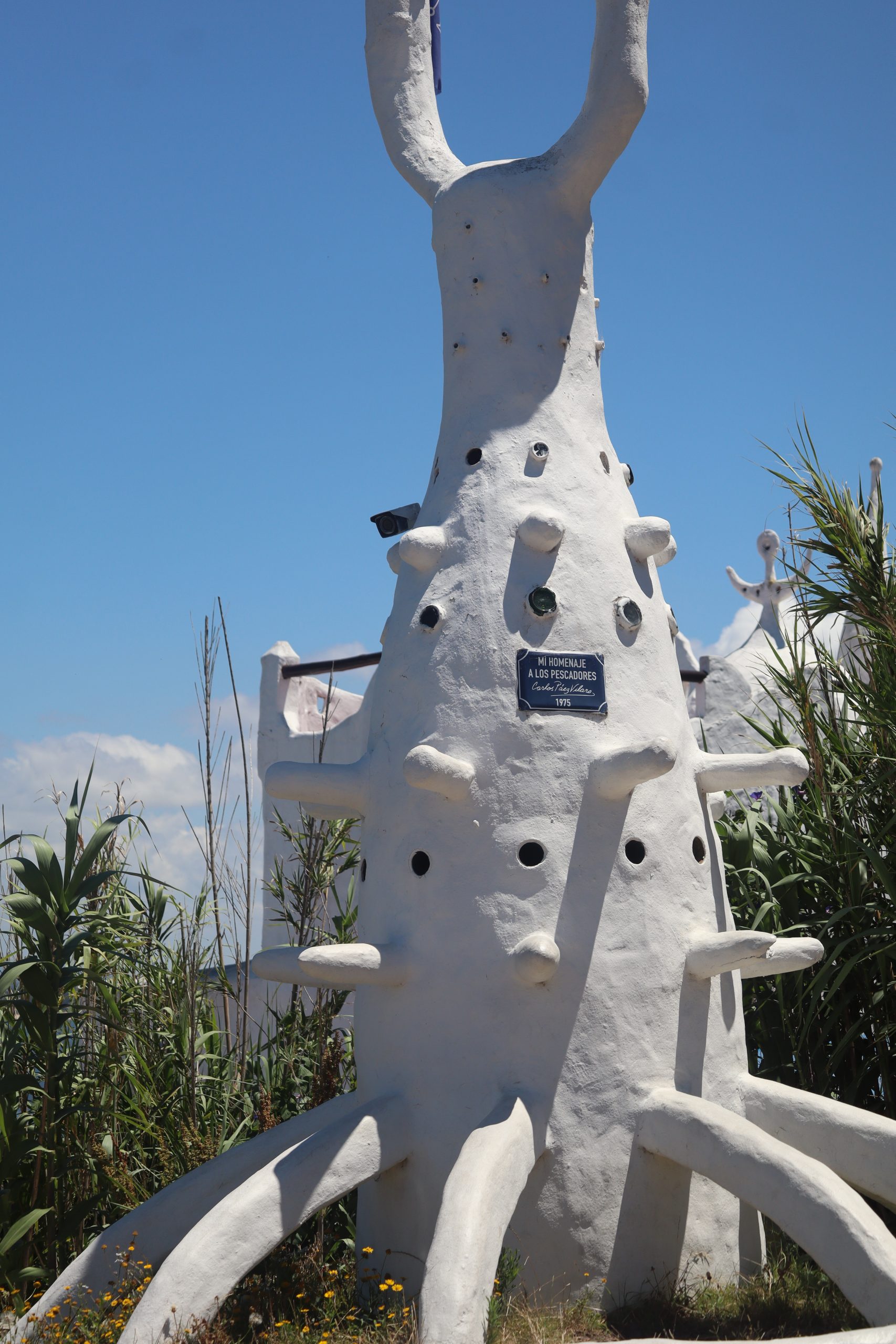
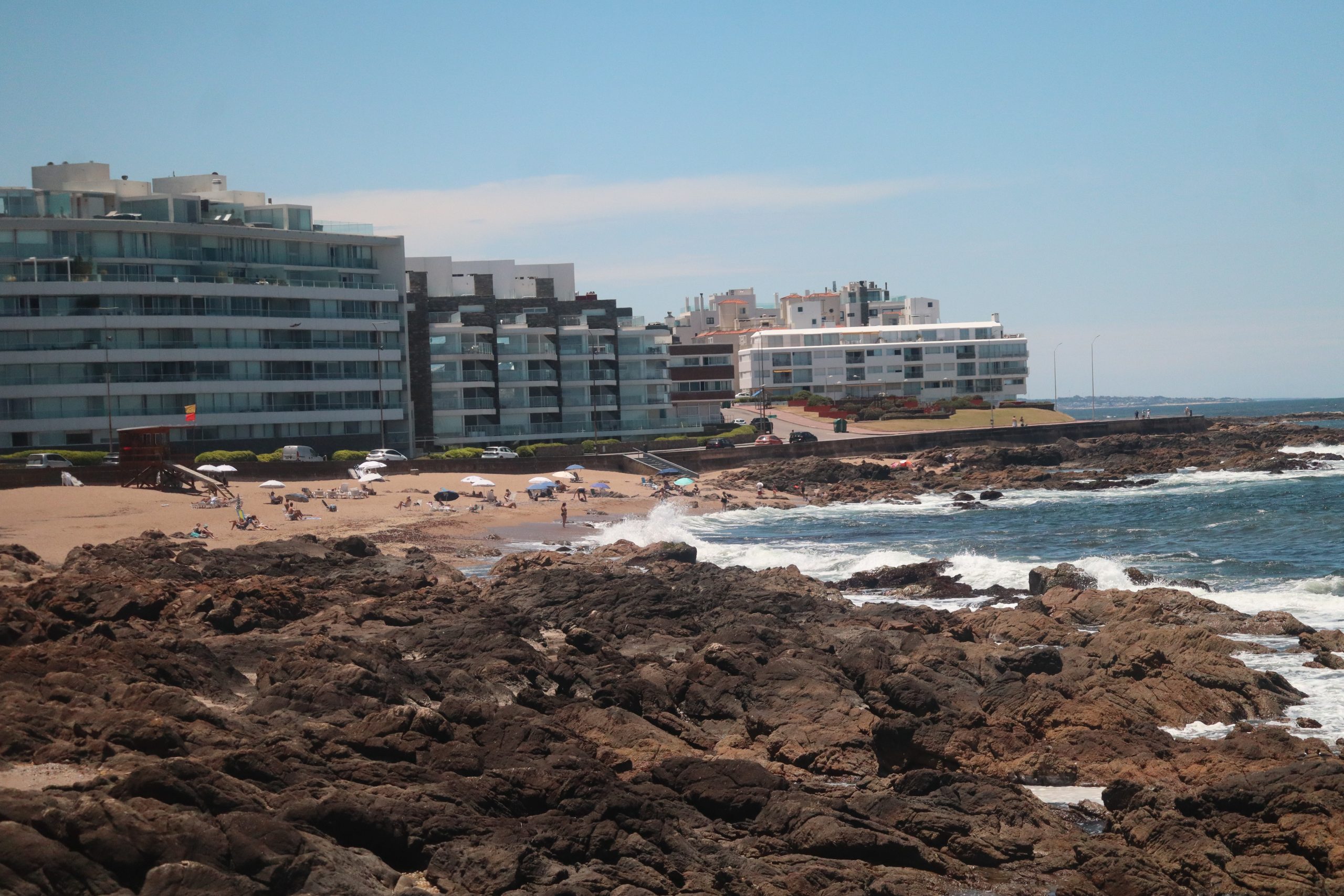
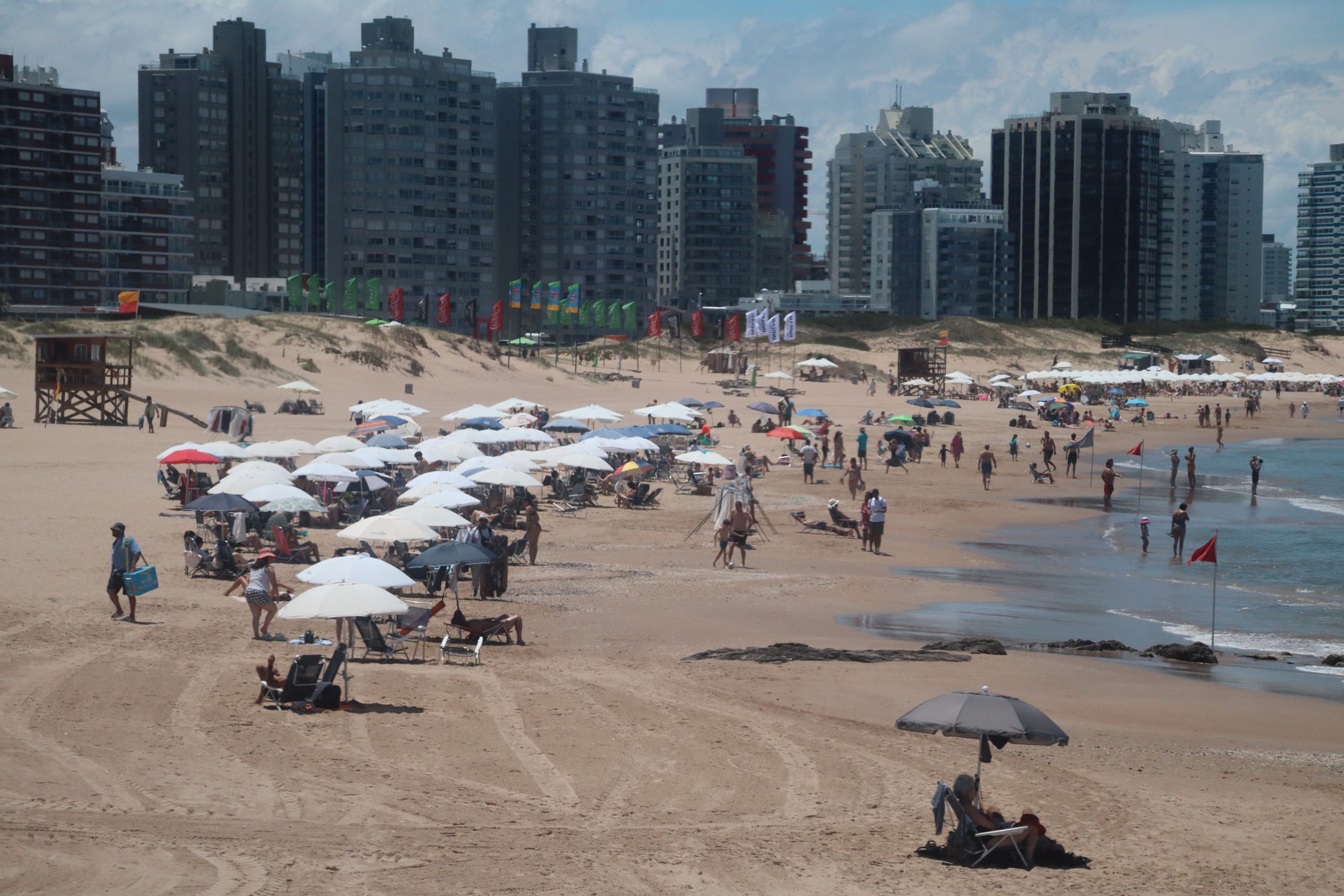
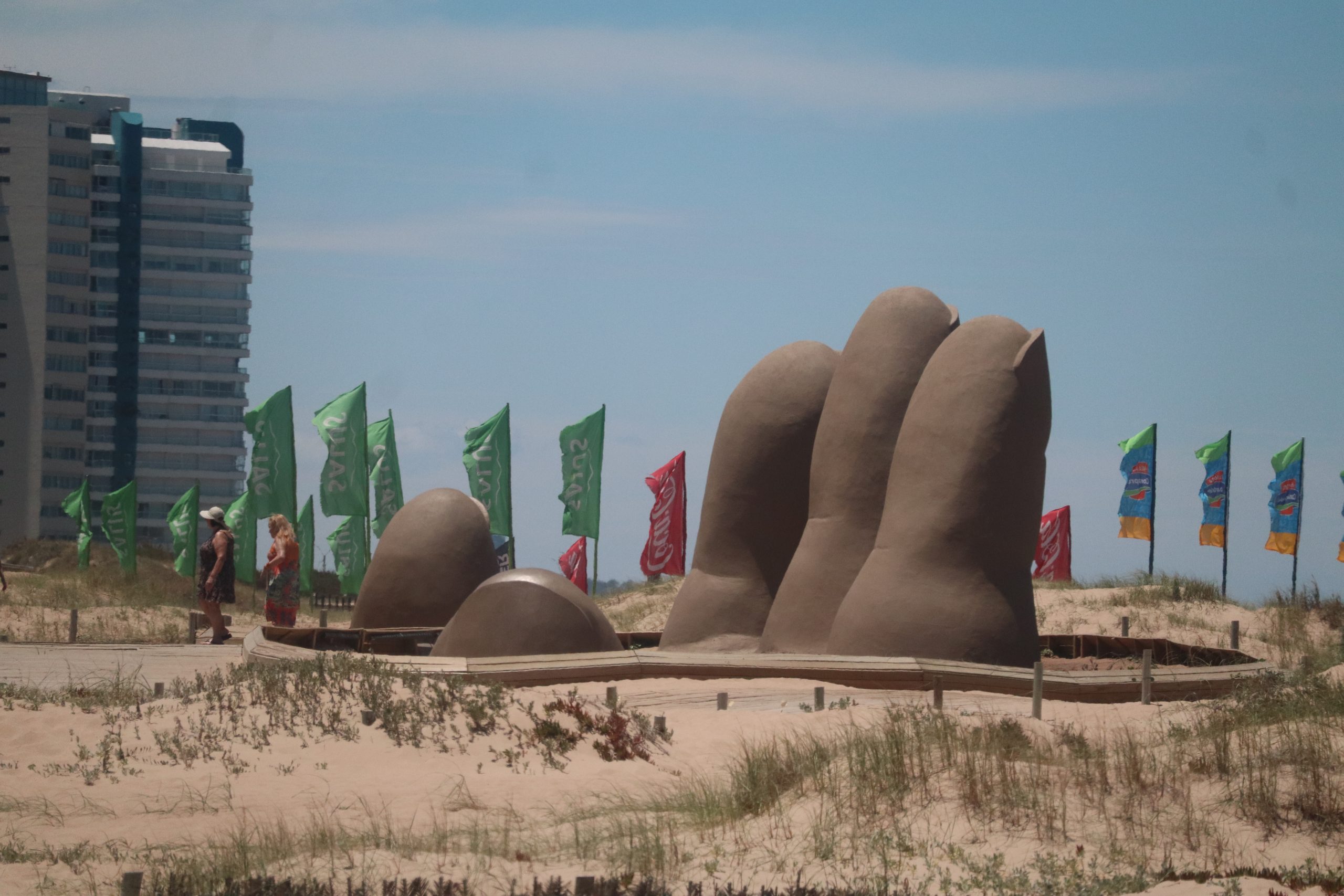
Leaving the City of Montevideo, I booked a tour to the popular resort of Punta del Este, a bit like Miami Beach and where Uruguay’s master artist Carlos Páez Vilaró built his all white whimsical home, now a museum. It is also where you will find the iconic “Mano” (Hand) sculpture of five human fingers emerging from the sand, created by Chilean artist Mario Irarrázabal, a warning about climate change. I spent the entire day in the city and love walking its cobblestone streets with plenty of art murals and places to shop. Worth a visit, although I would stay a couple of days to enjoy the beach and the rest of the city.
Culinary Differences – Both cities are heavy meat lovers, preferably asado (grilled). Uruguay, much like Argentina, is known for Mate (a hot, caffeine rich tea consumed through a metal straw called a bombilla). In Paraguay, they also enjoy the same mate herb tea, they call it Terere and you drink it cold. Paraguay is a big producer of the yerba mate plant. They also are known for their “Chisparias” small makeshift bakeries where they bake bagels from Yuca flour with a condiment of your choice and coffee or tea –quite addictive. For alcohol, Uruguay is known for Grappamiel, while Paraguay is known for Caña.
Final Note and My Photos
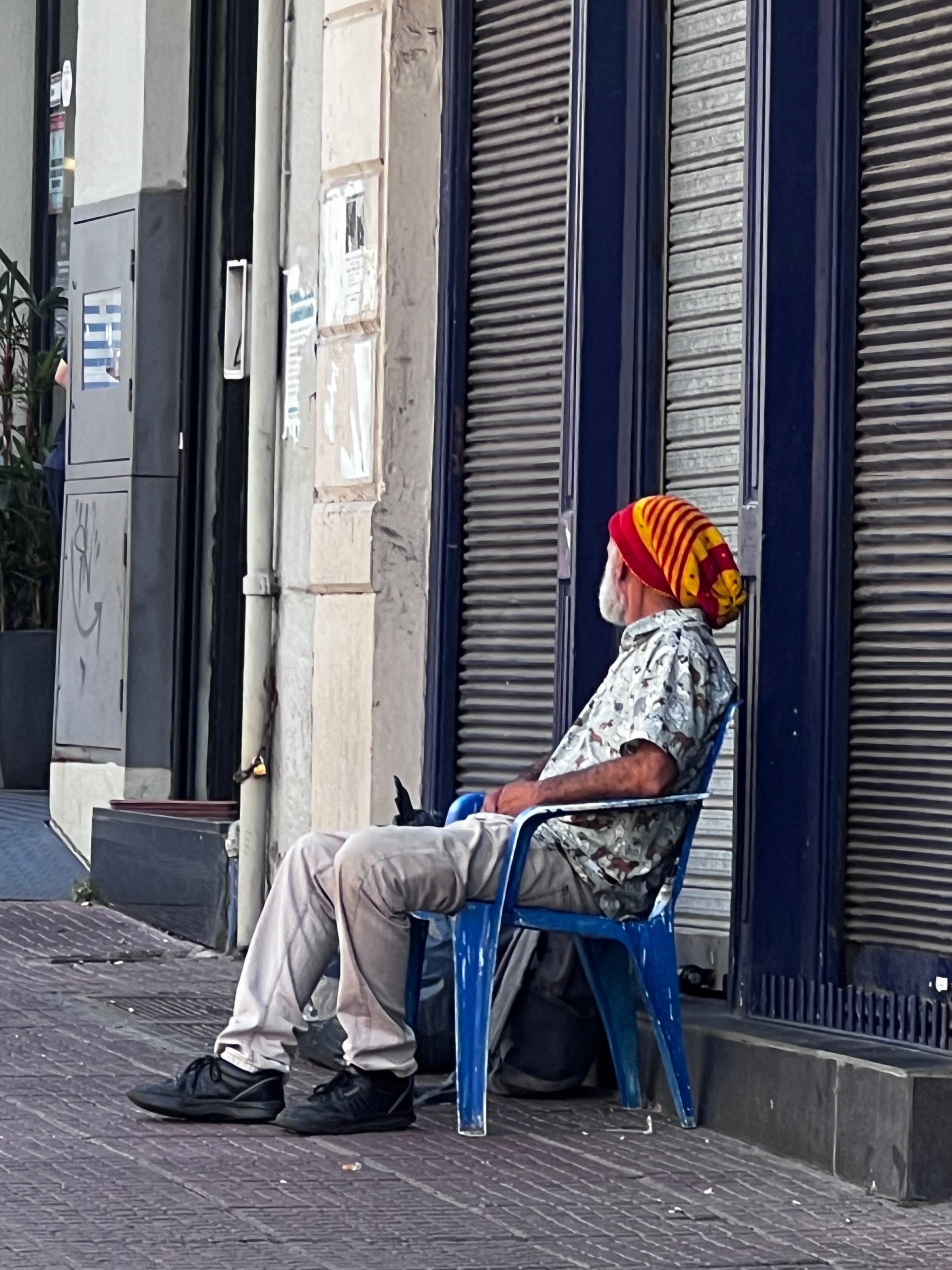
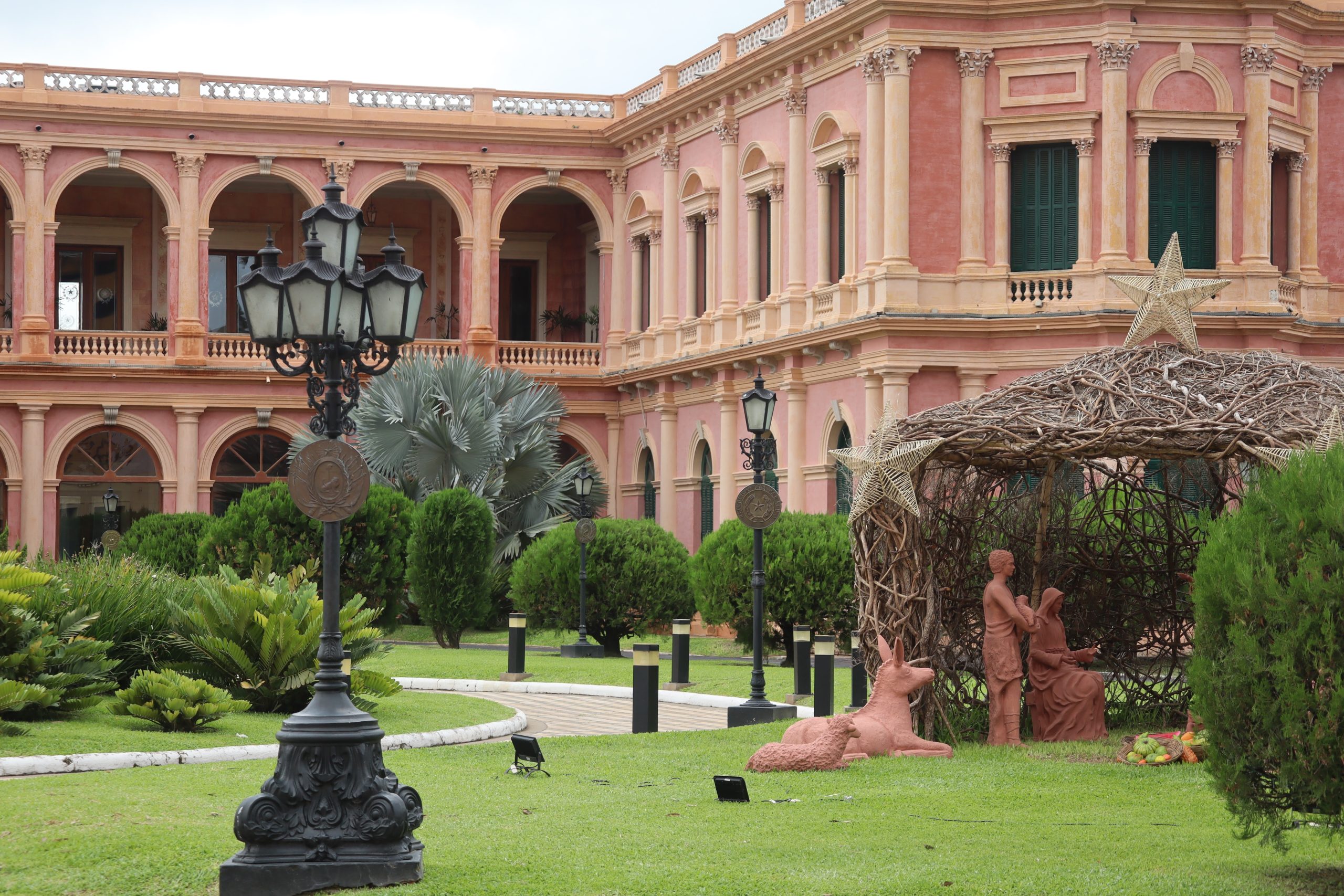
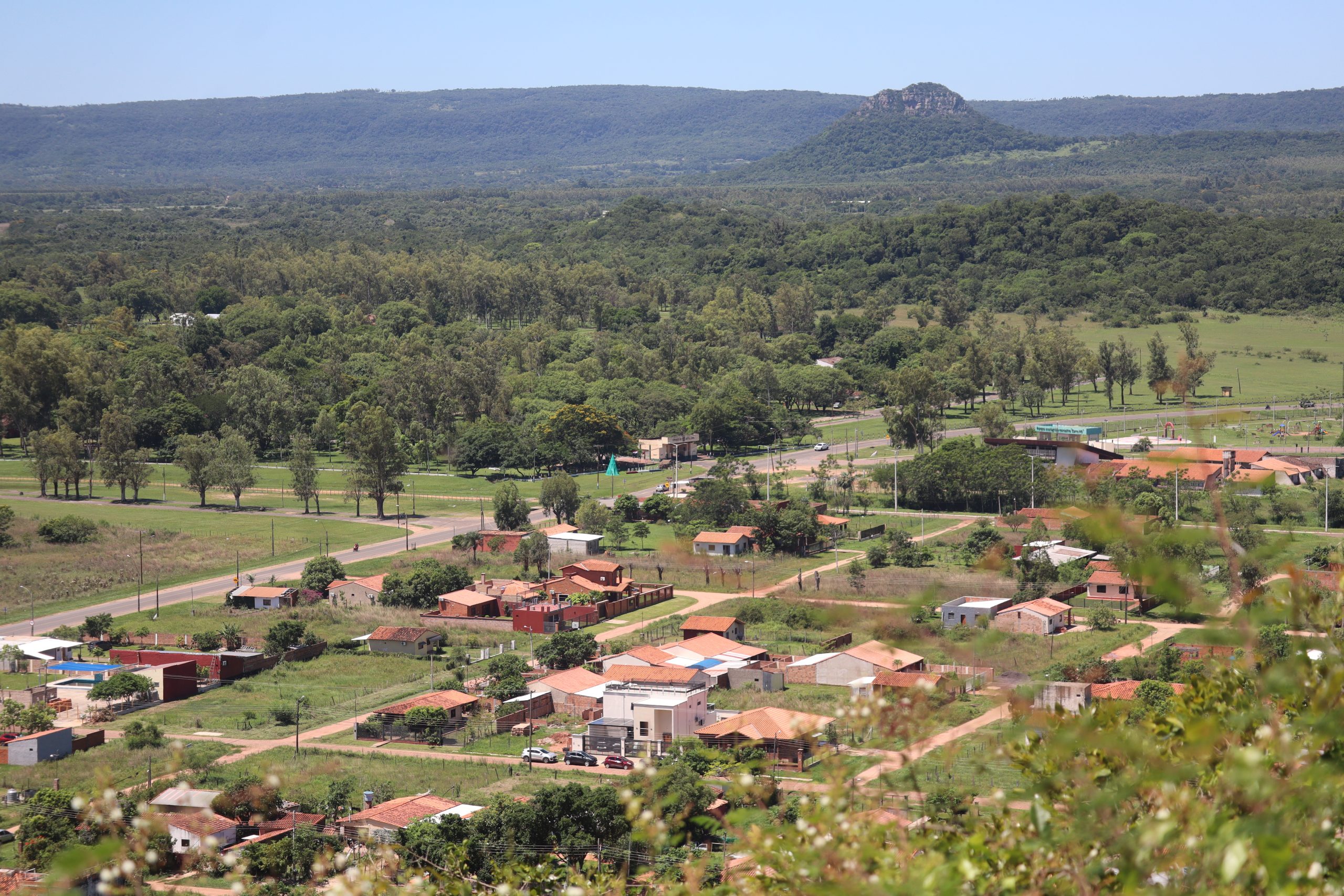
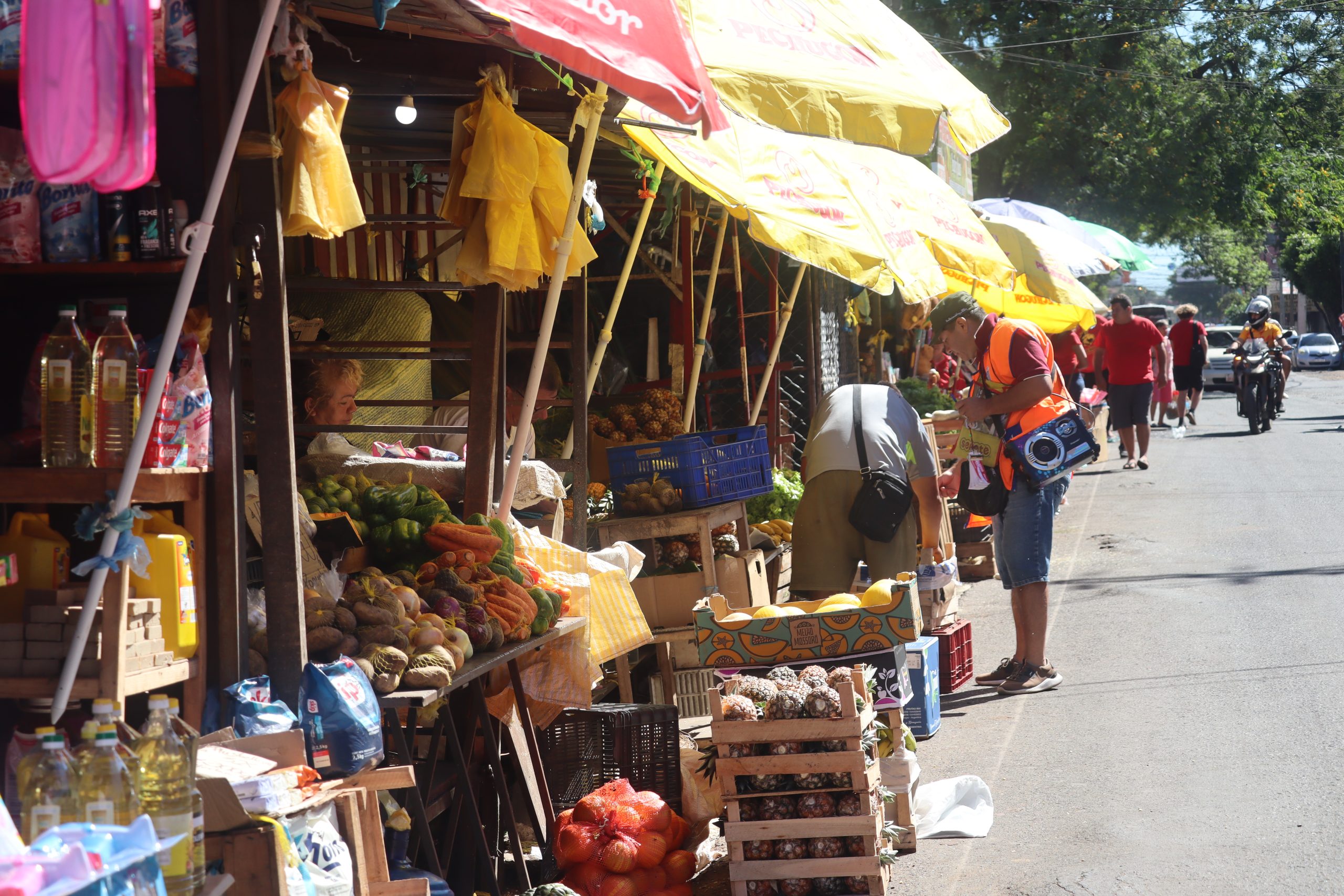
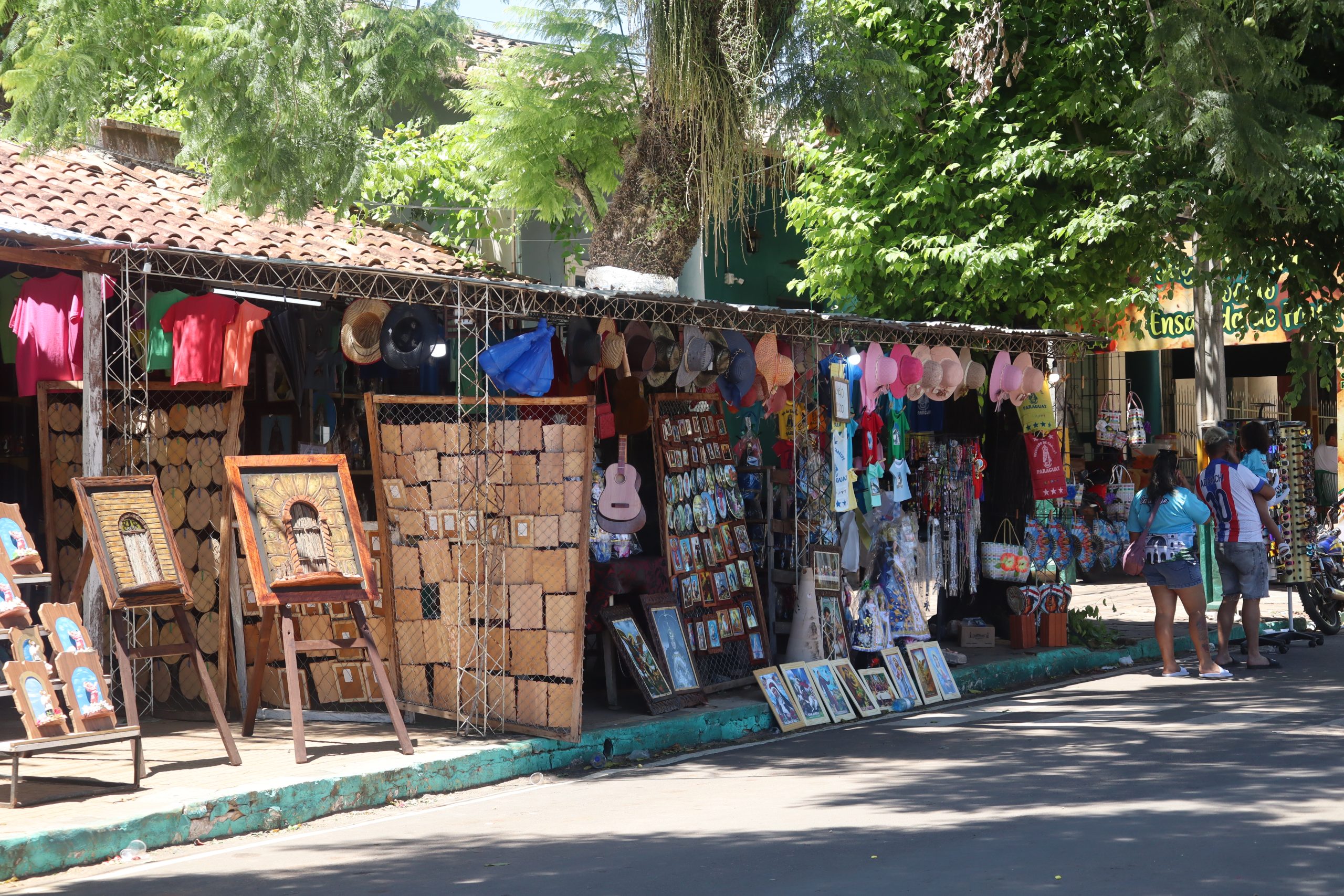
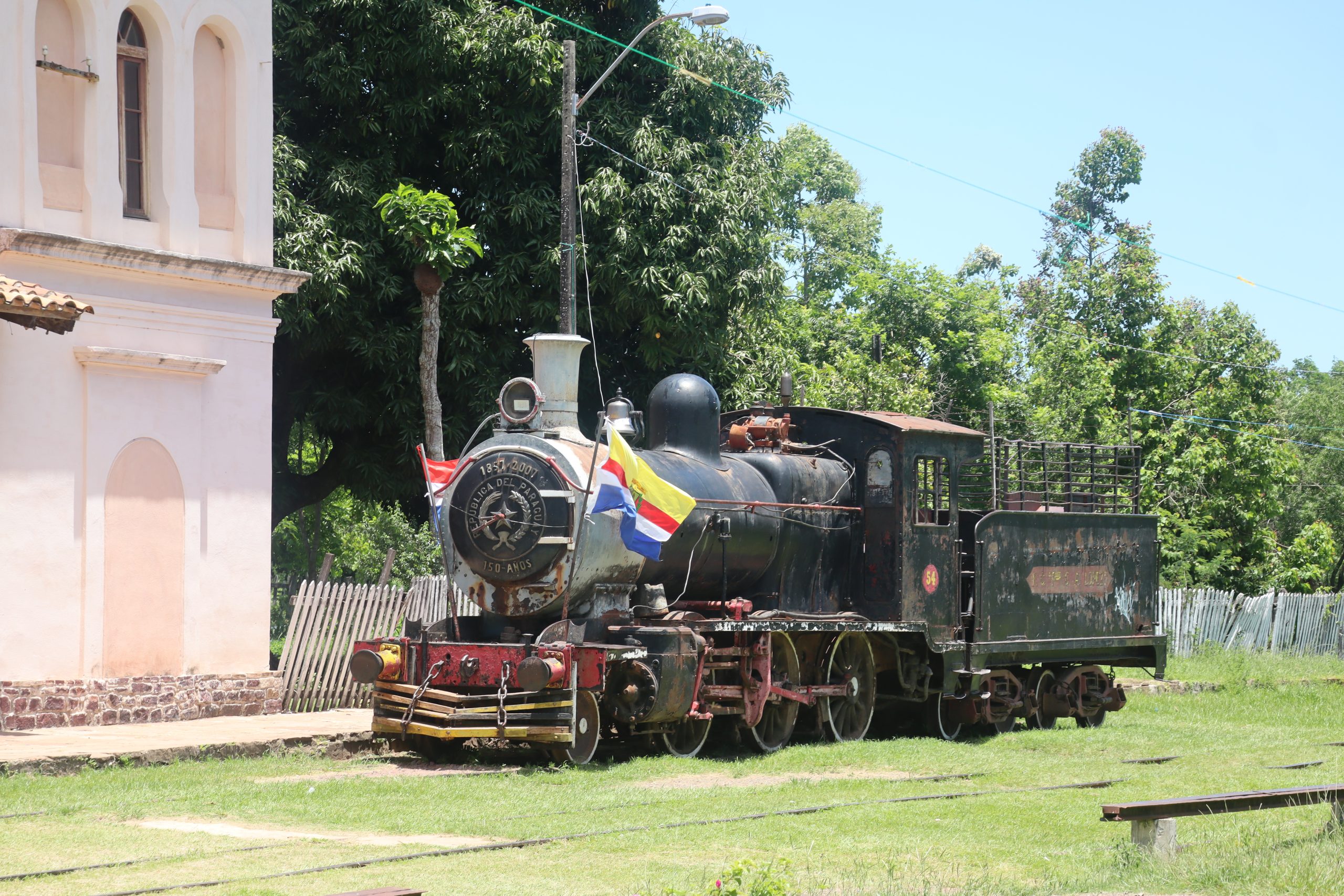
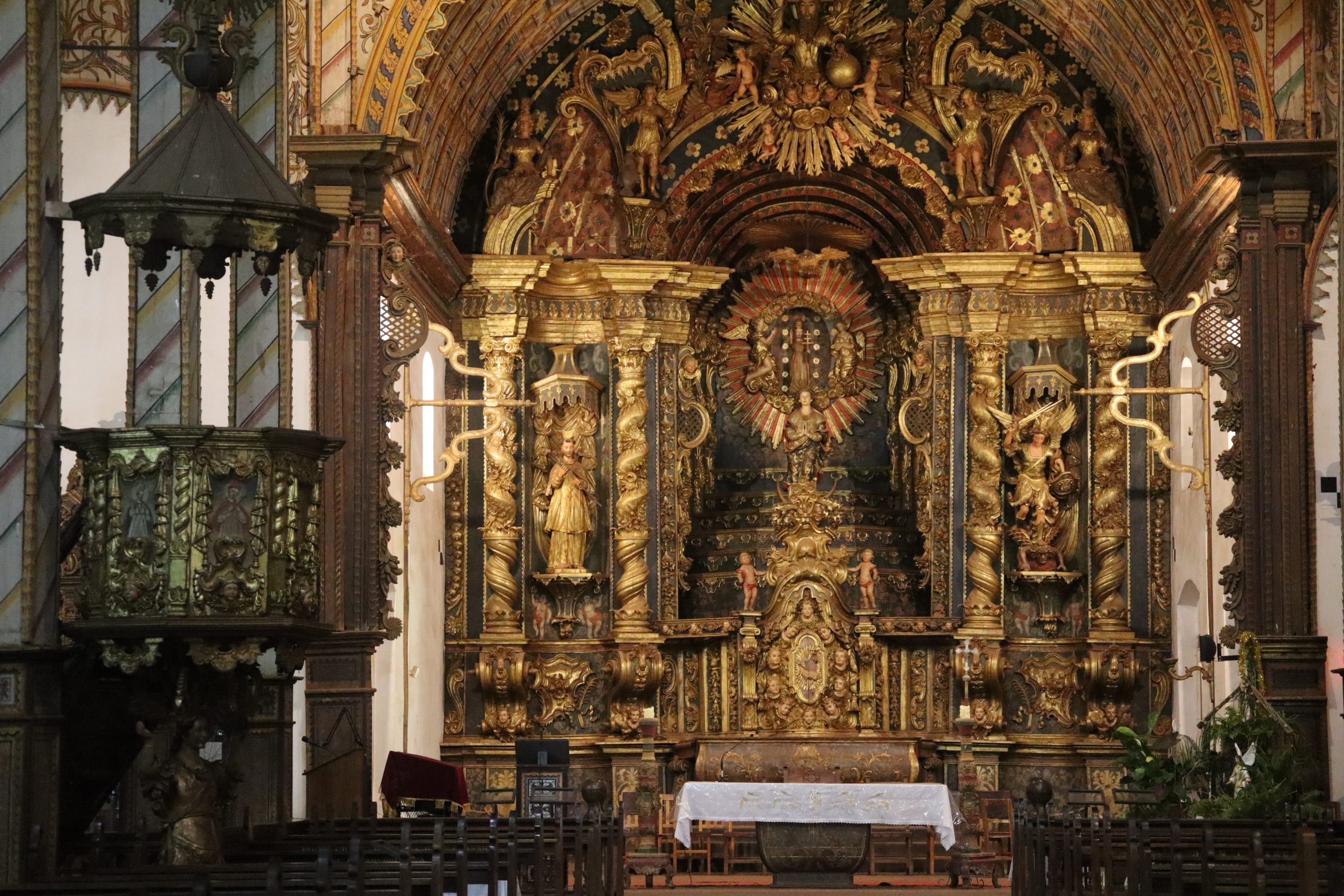
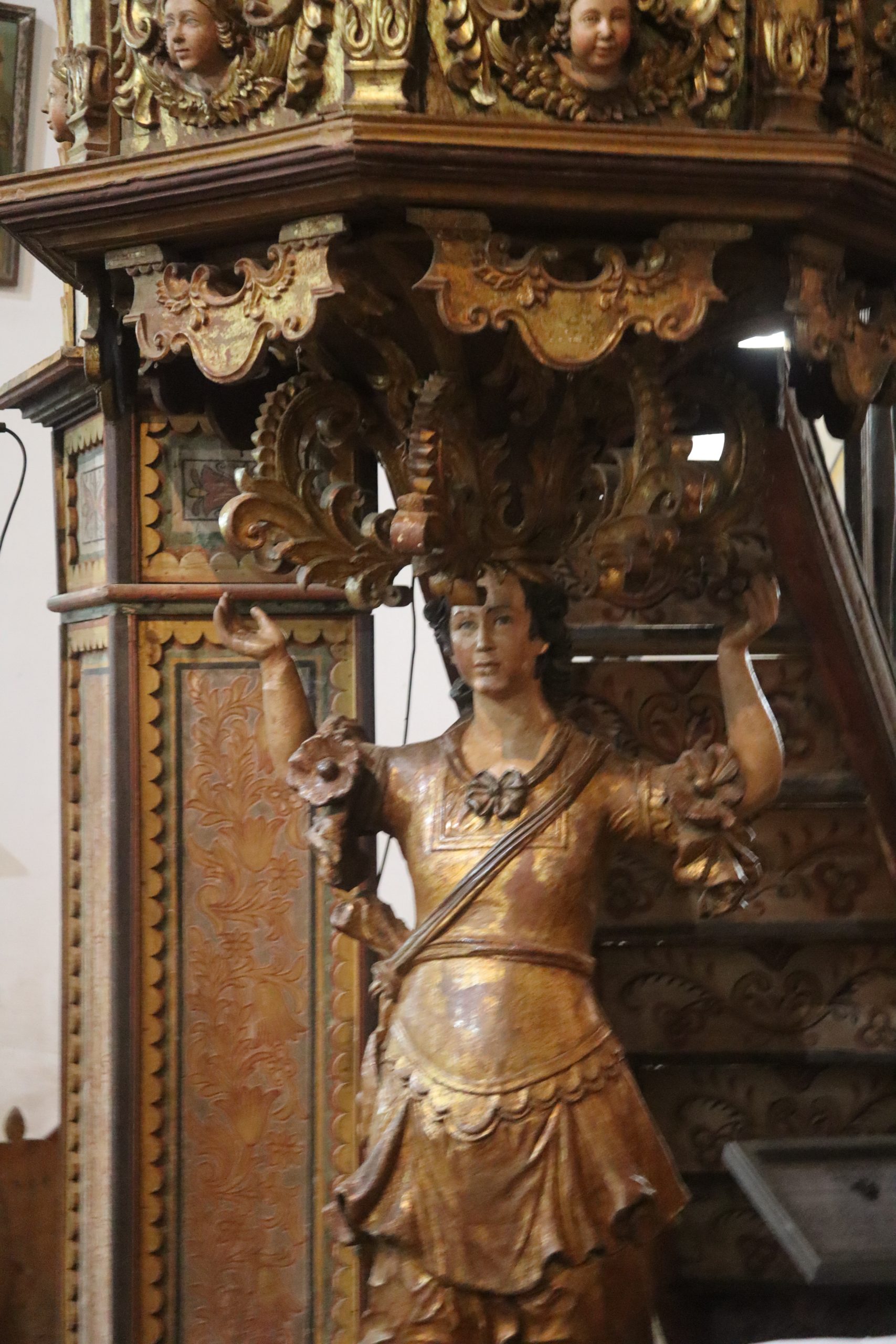
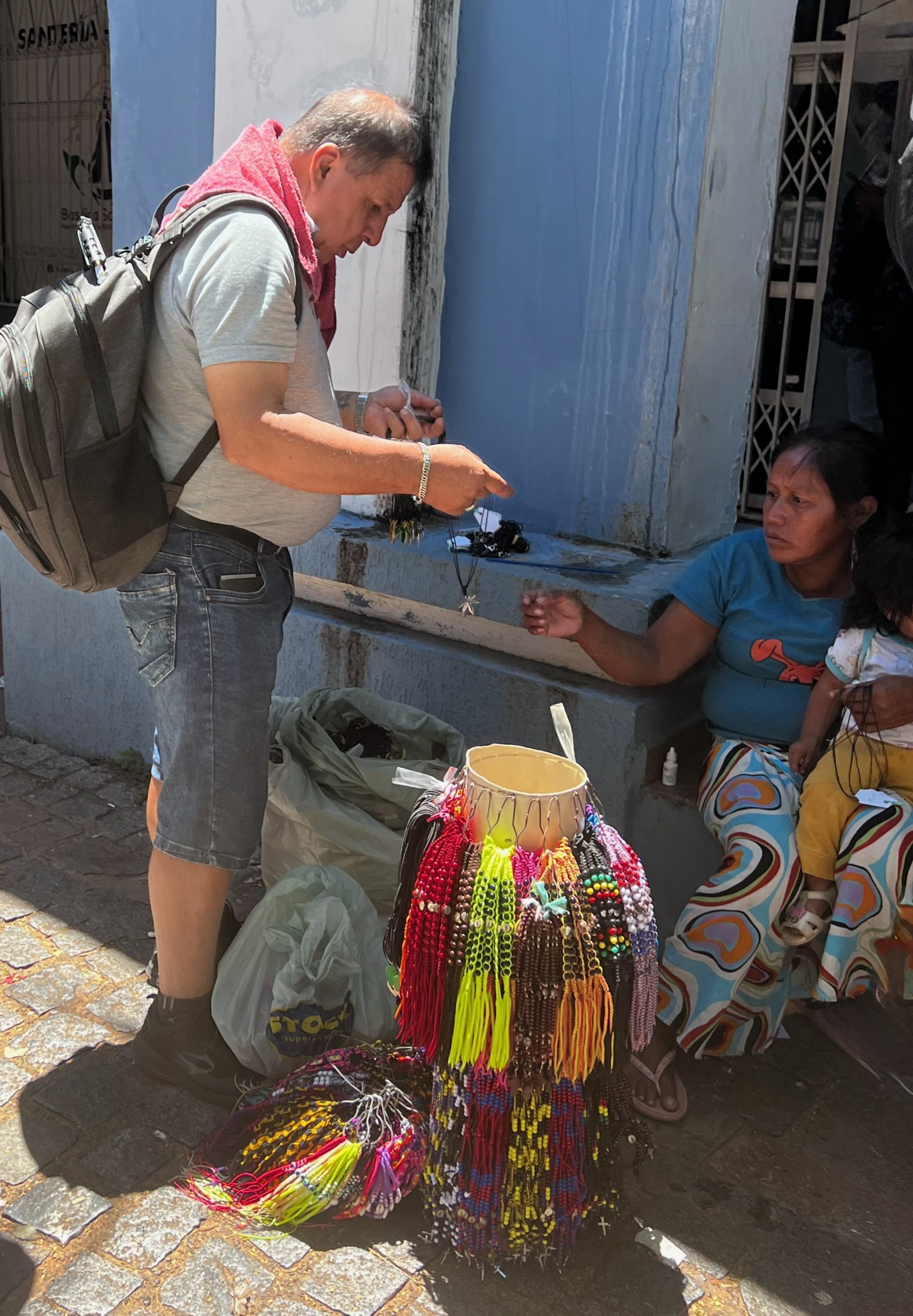
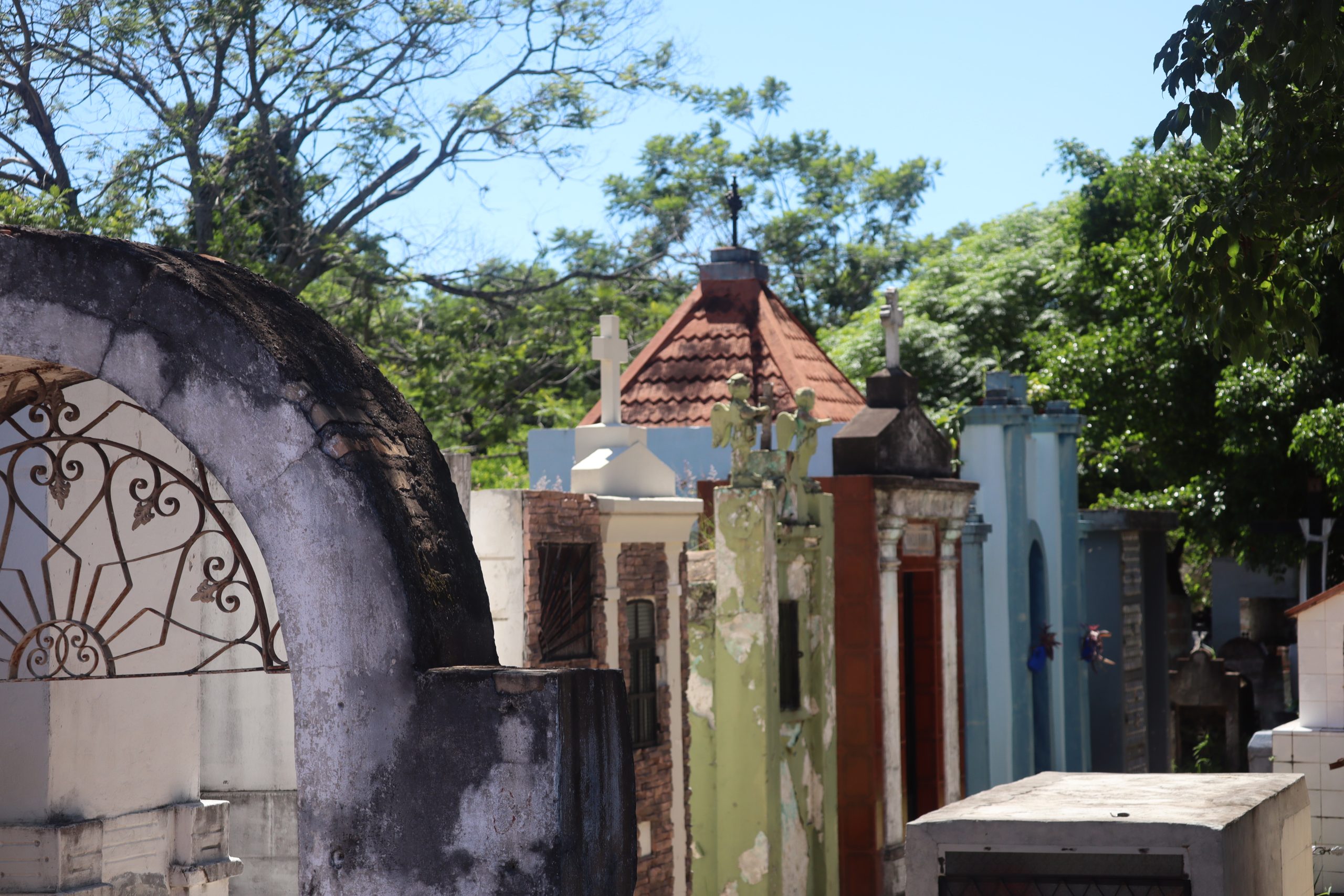
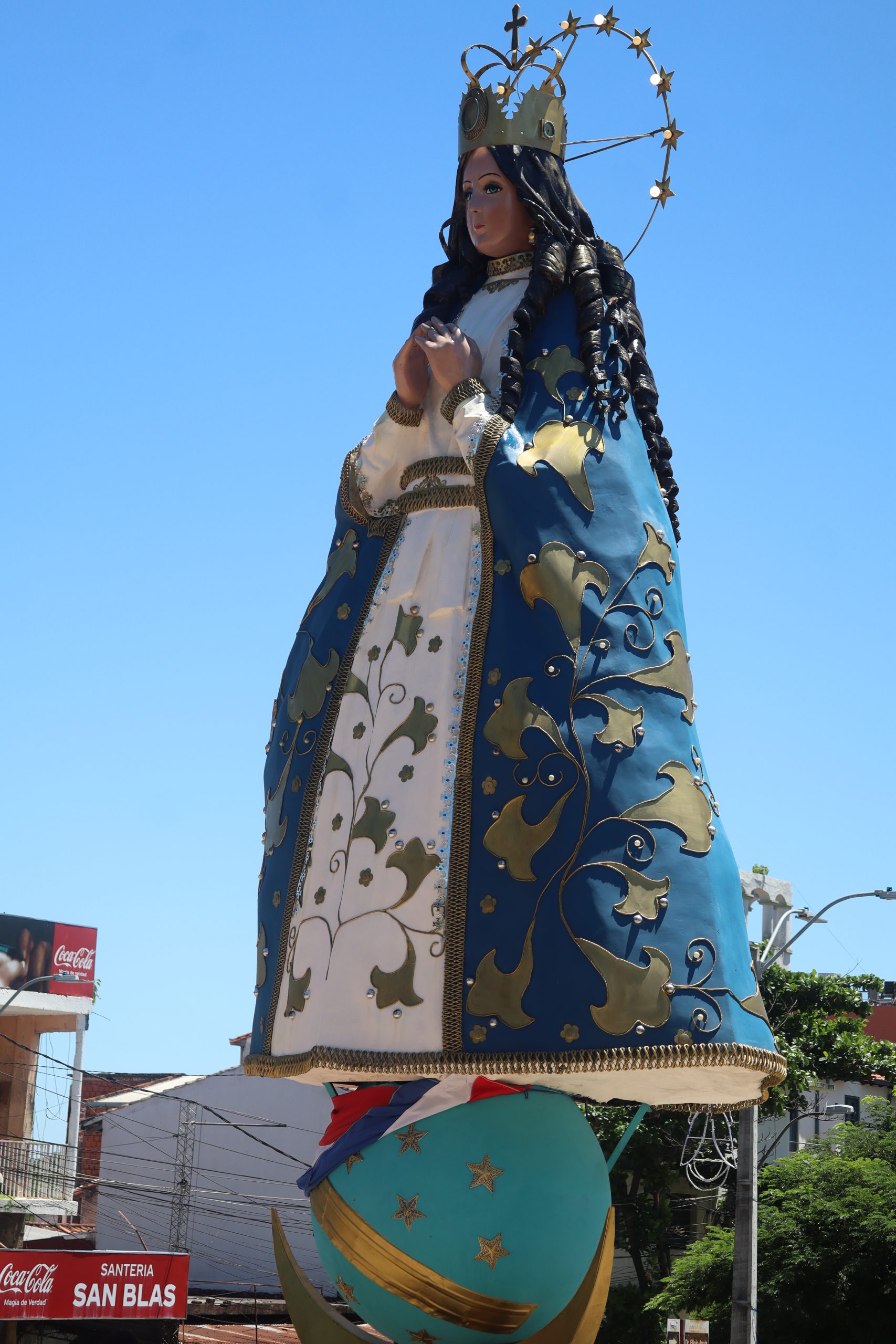
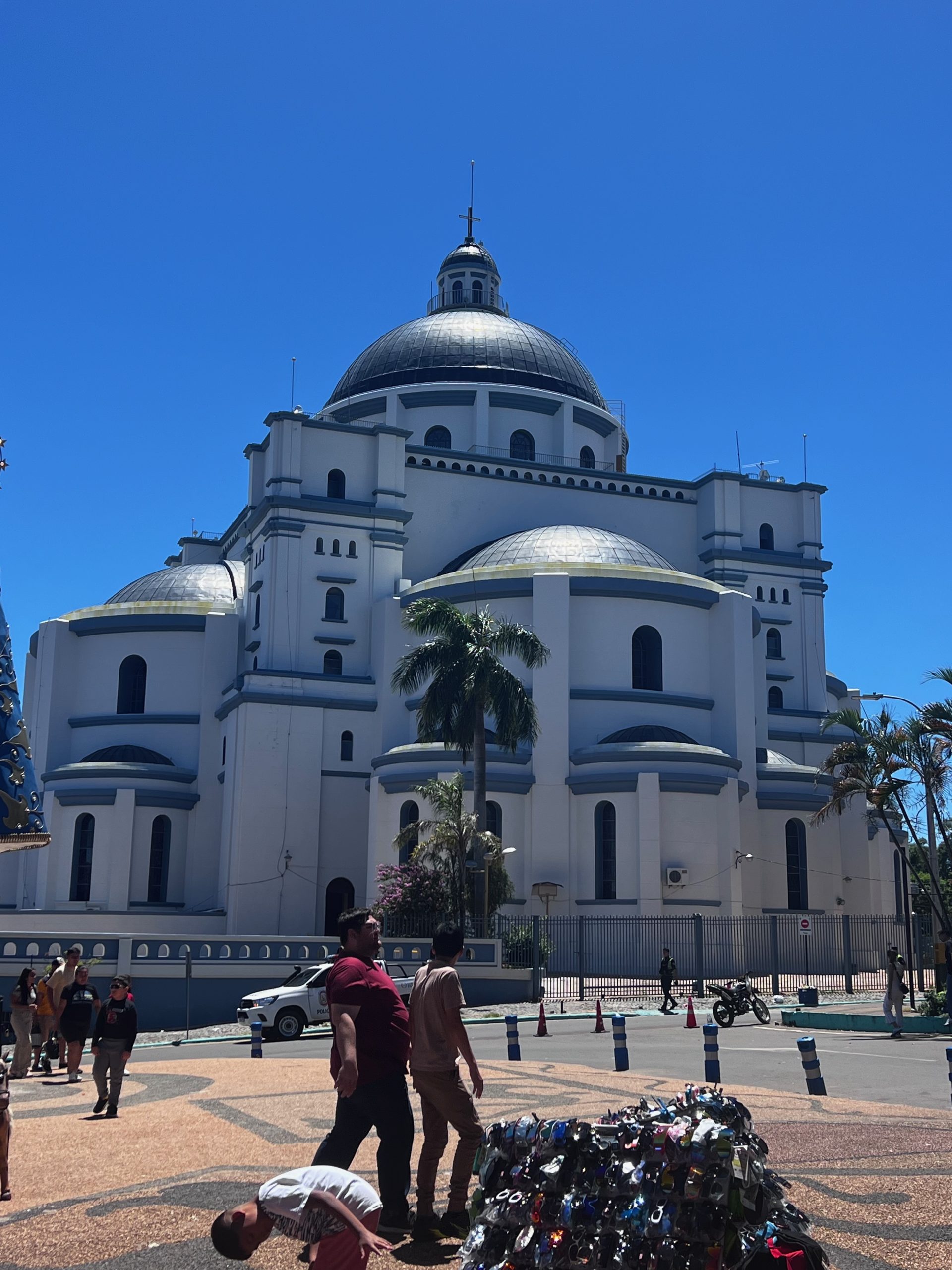
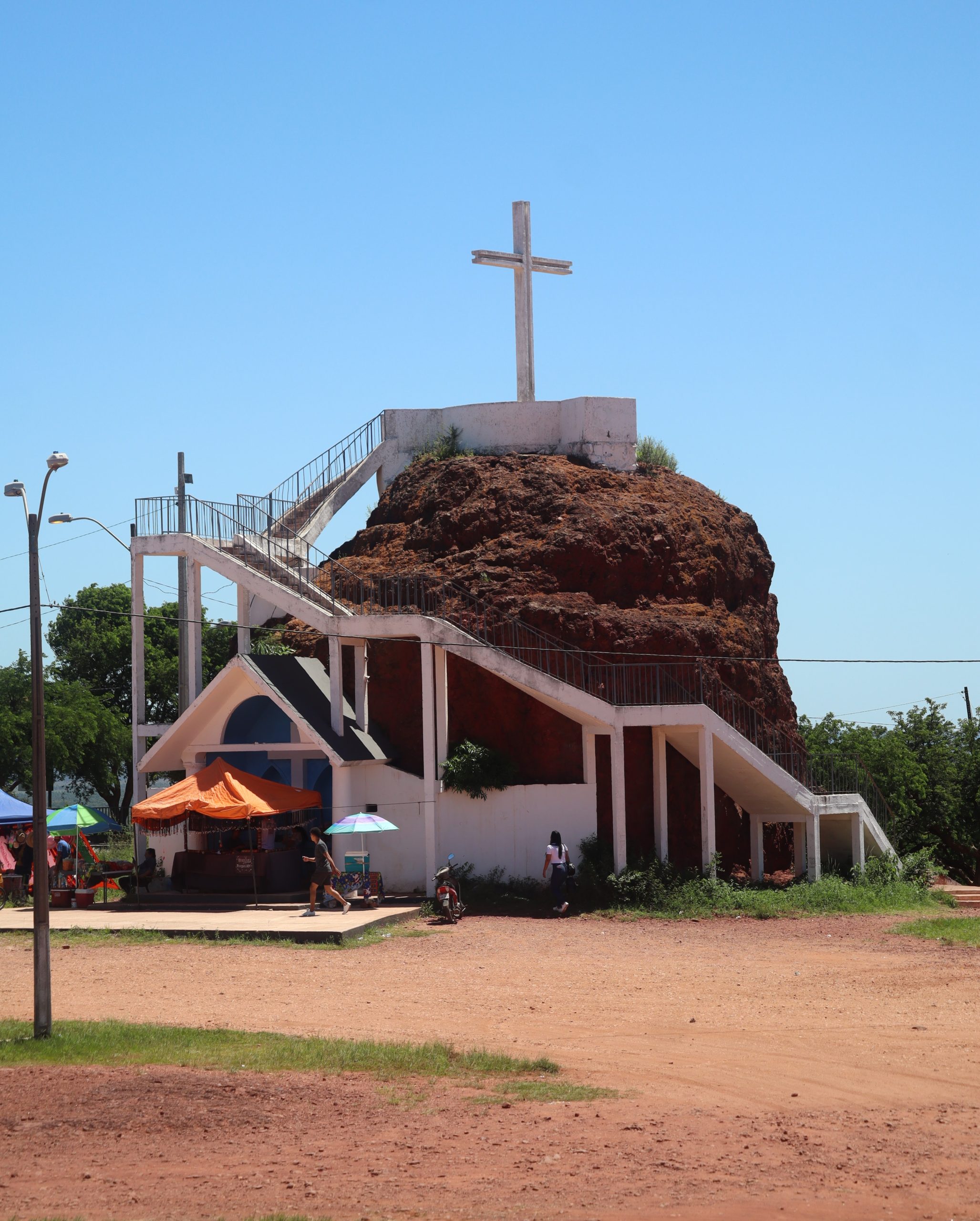
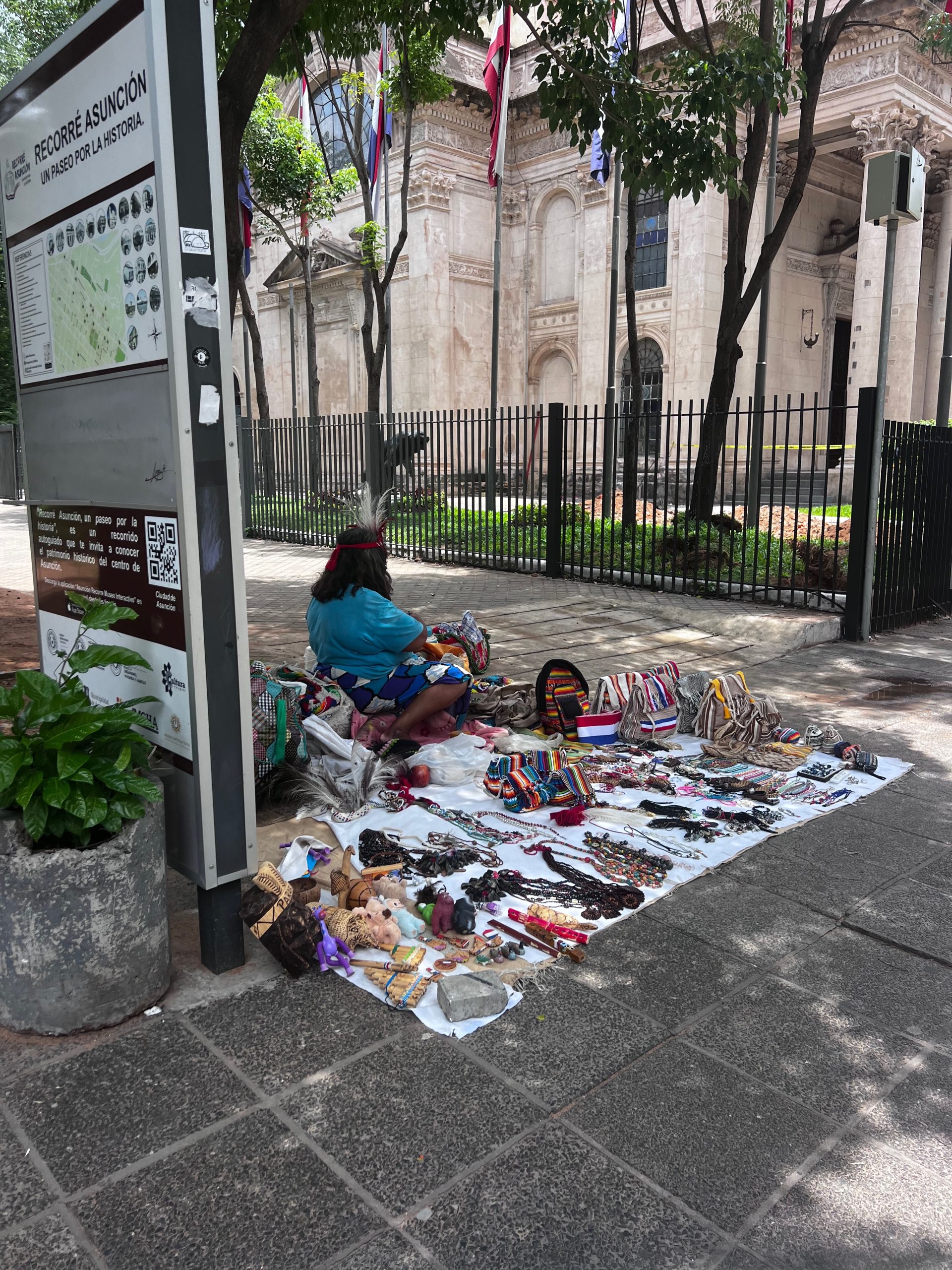
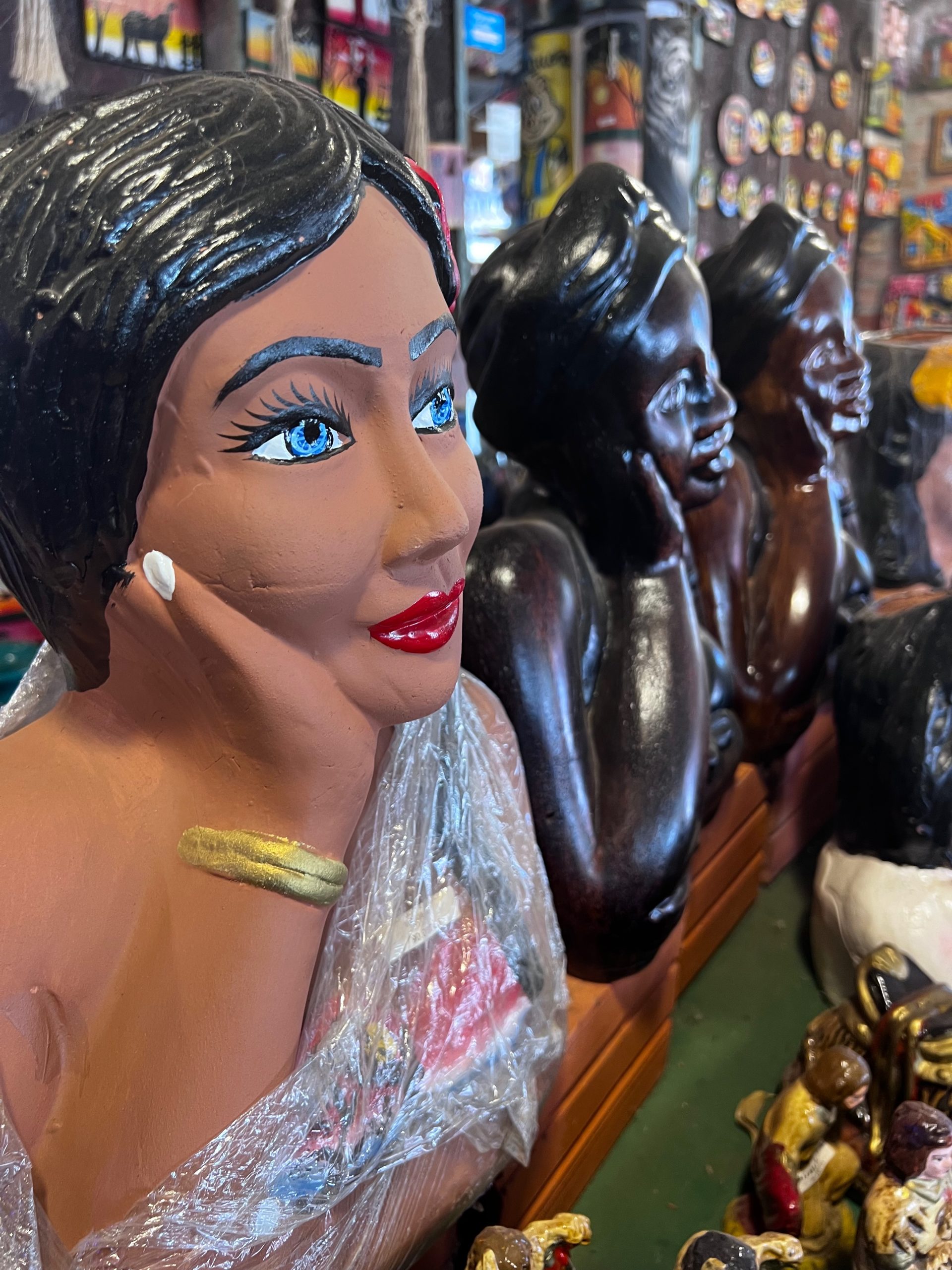
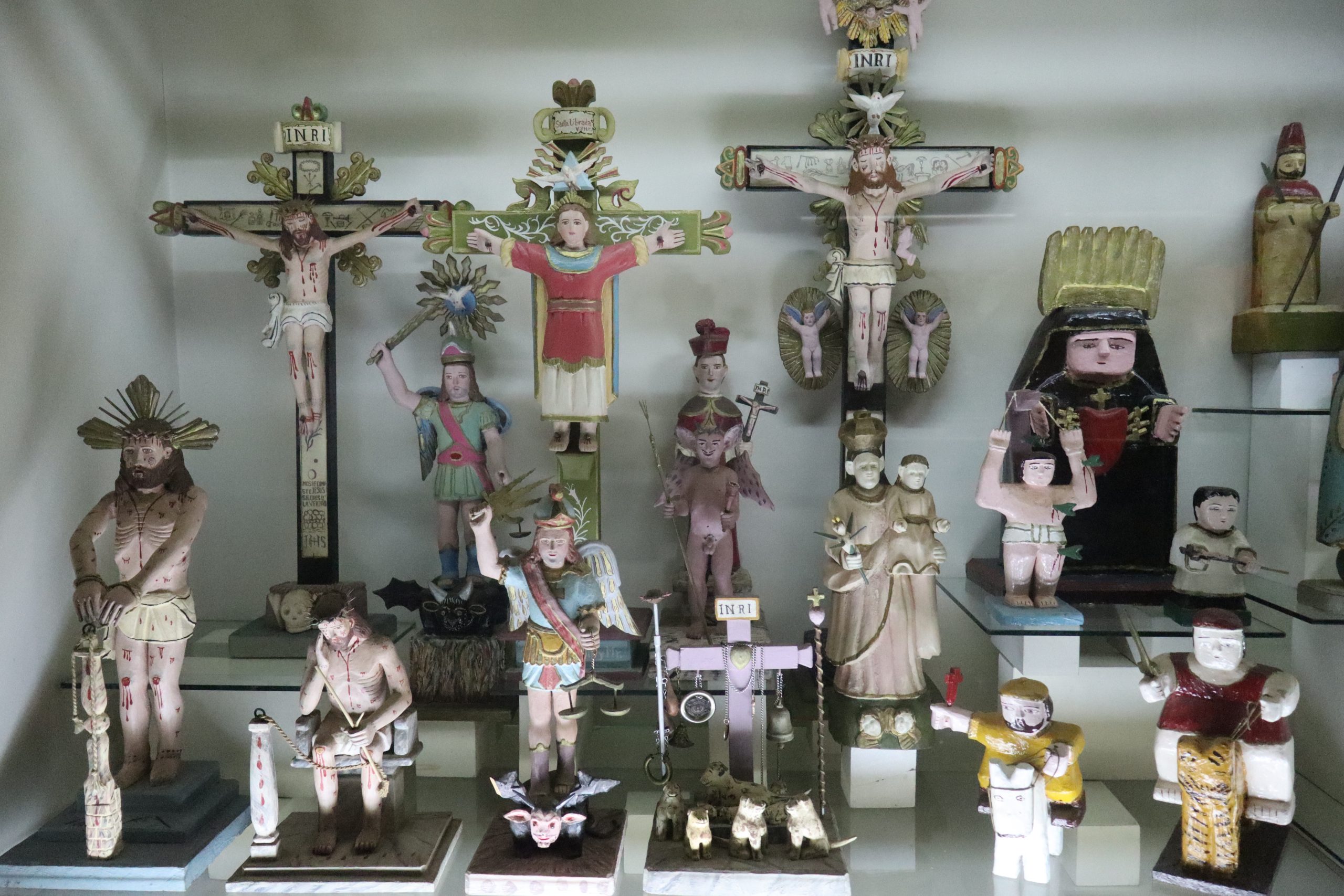
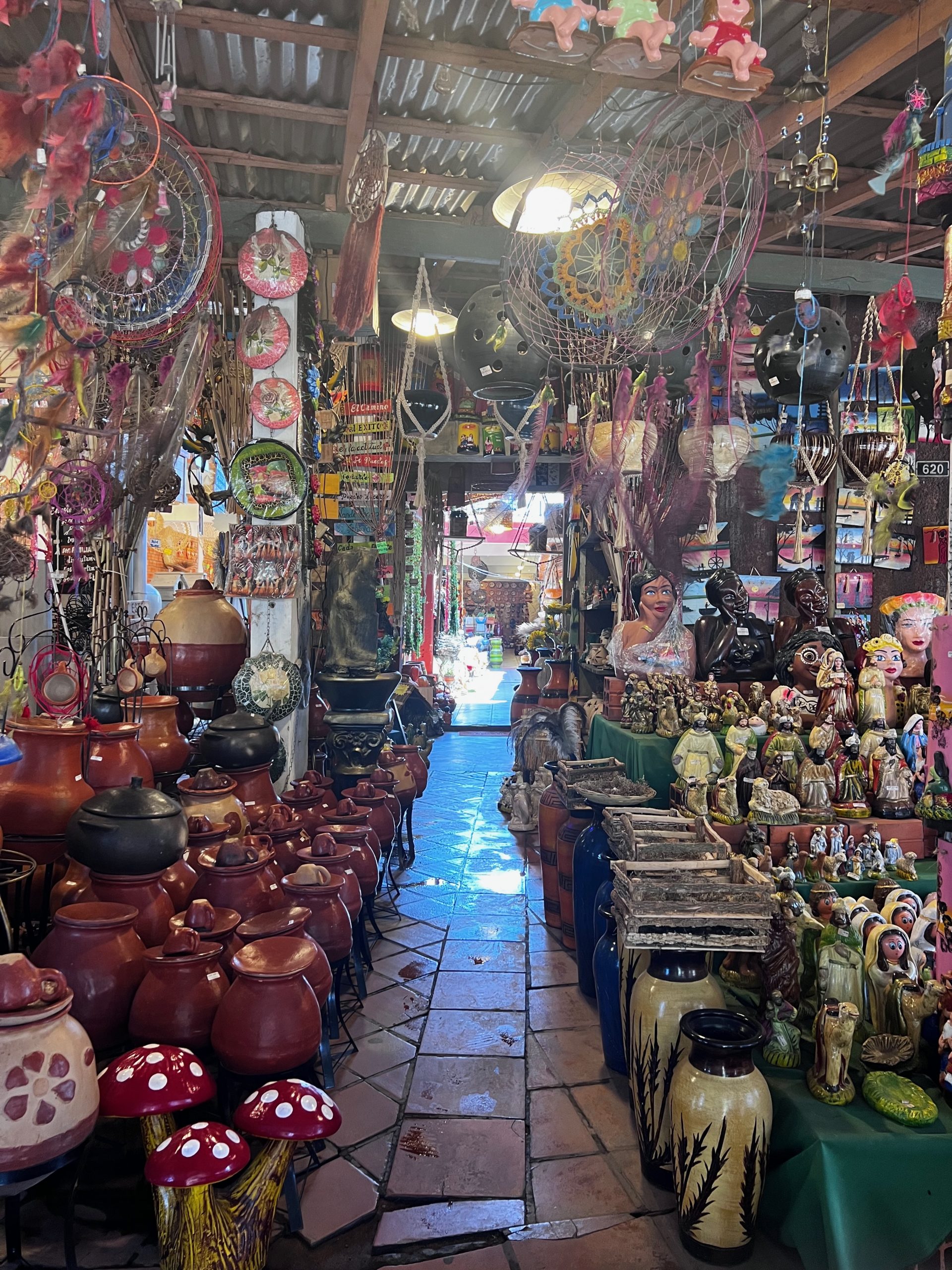
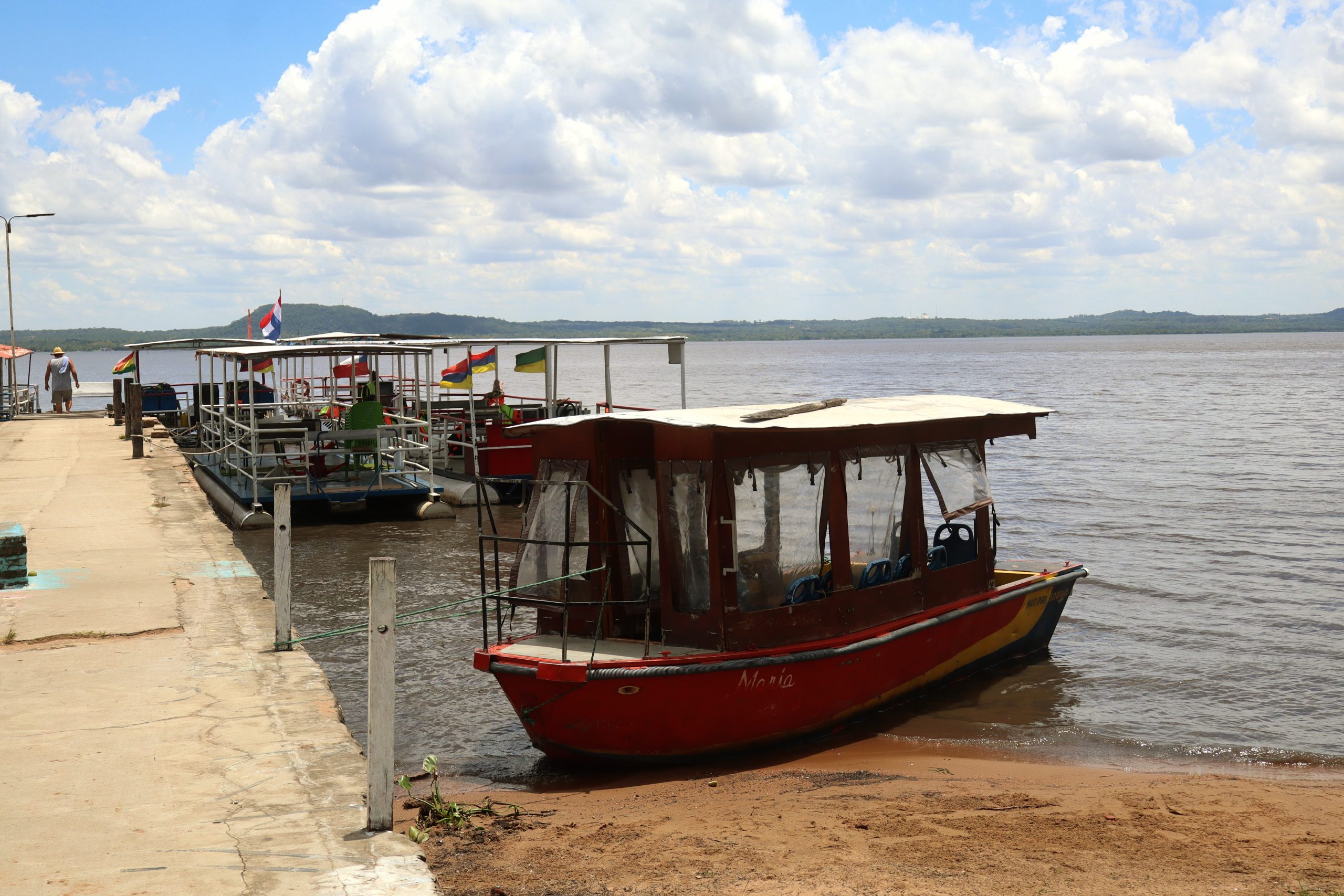
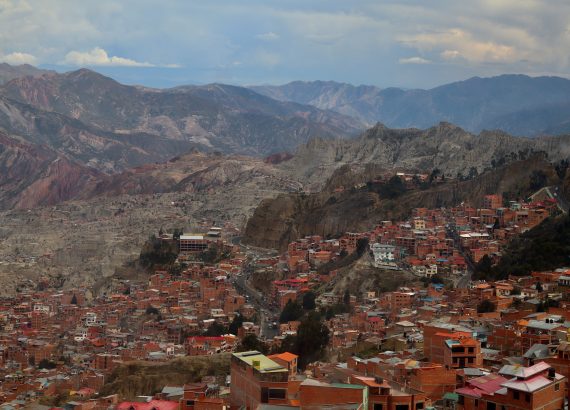
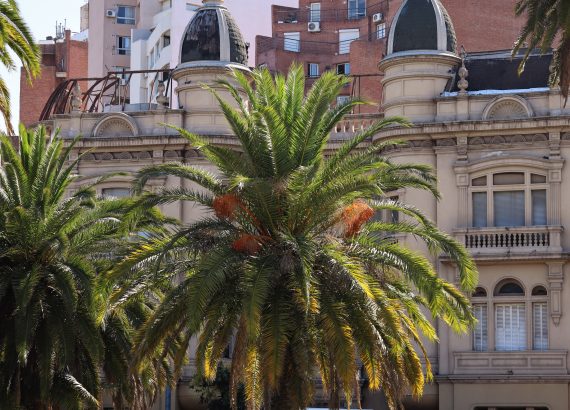
While I enjoyed my stay in both countries, I would say two weeks is maybe a bit much unless you are looking for some time to relax on the beach. In that case, I highly recommend spending several days in Punta del Este. I think 5 days, no more than a week on your way to another country would be about the right amount of time. My photos are of both countries, more on Uruguay than Paraguay, as I felt a bit challenged scouting for photos of the few places I visited. The photo after the sculpture Mano (hand) is where Paraguay begins. My photos are of the historic sites, architecture, places of interest, the carnival, the people and their art. As always, click the center of the photo for a full view. I am now headed to La Paz, Bolivia, for several weeks. Until then!
If you enjoyed this story or the newsletter, help others discover it by sharing it with your friends and family members. Your support will go a long way in continuing the blog. If you are not a subscriber and want more stories and photos like these, please click here to subscribe.


No Comments