
Twelve Days Across Peru: The Road to Machu Picchu
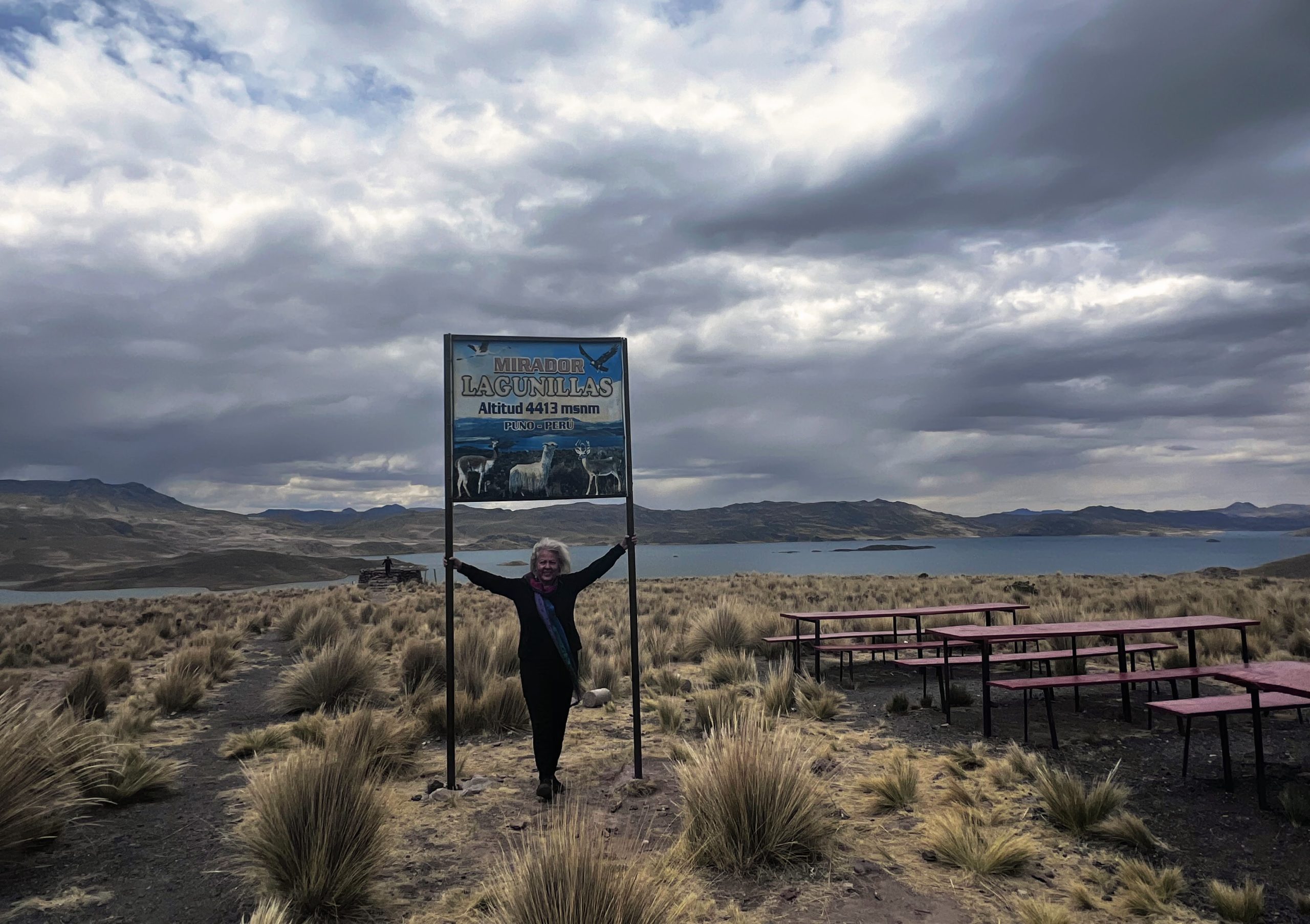
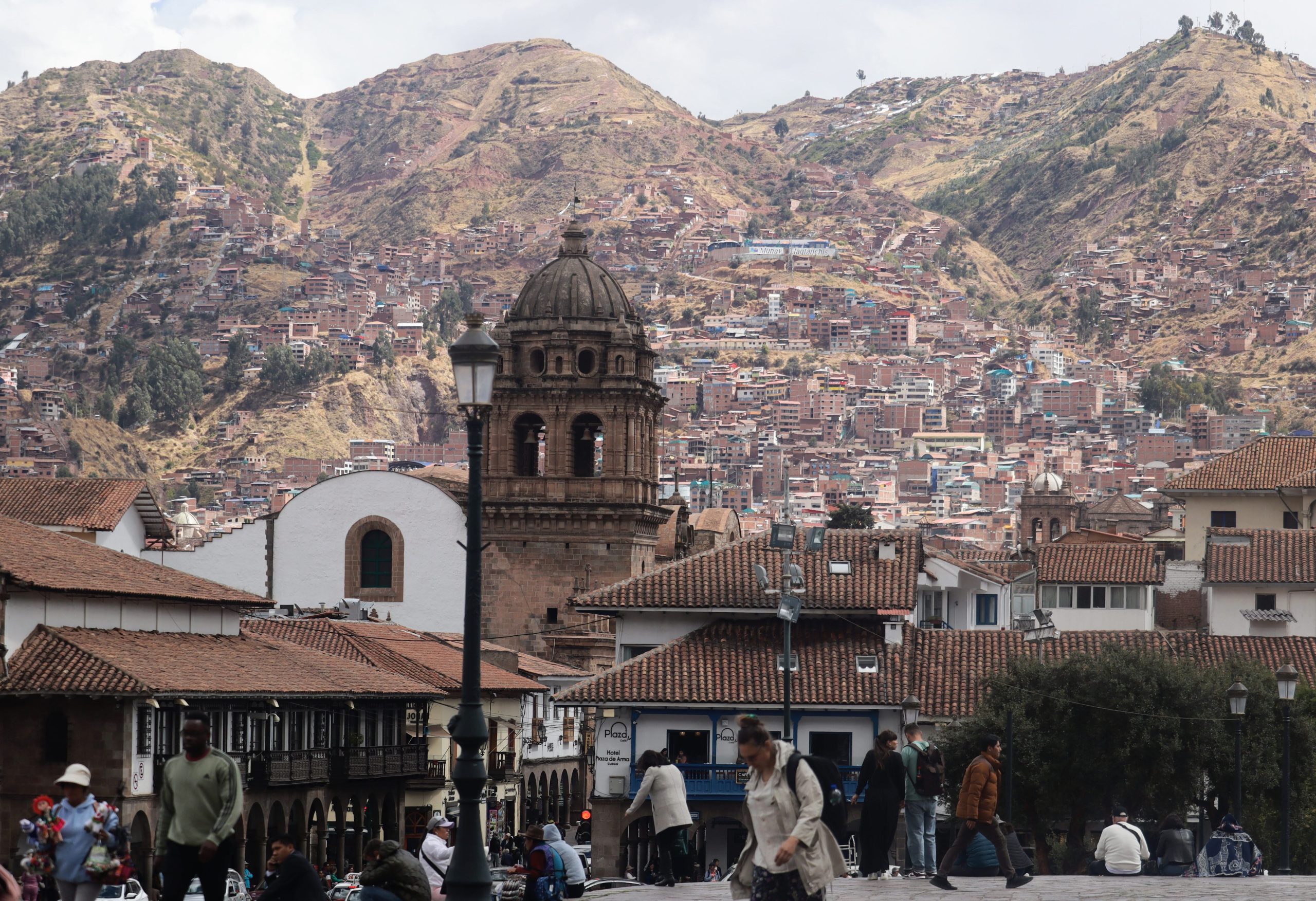
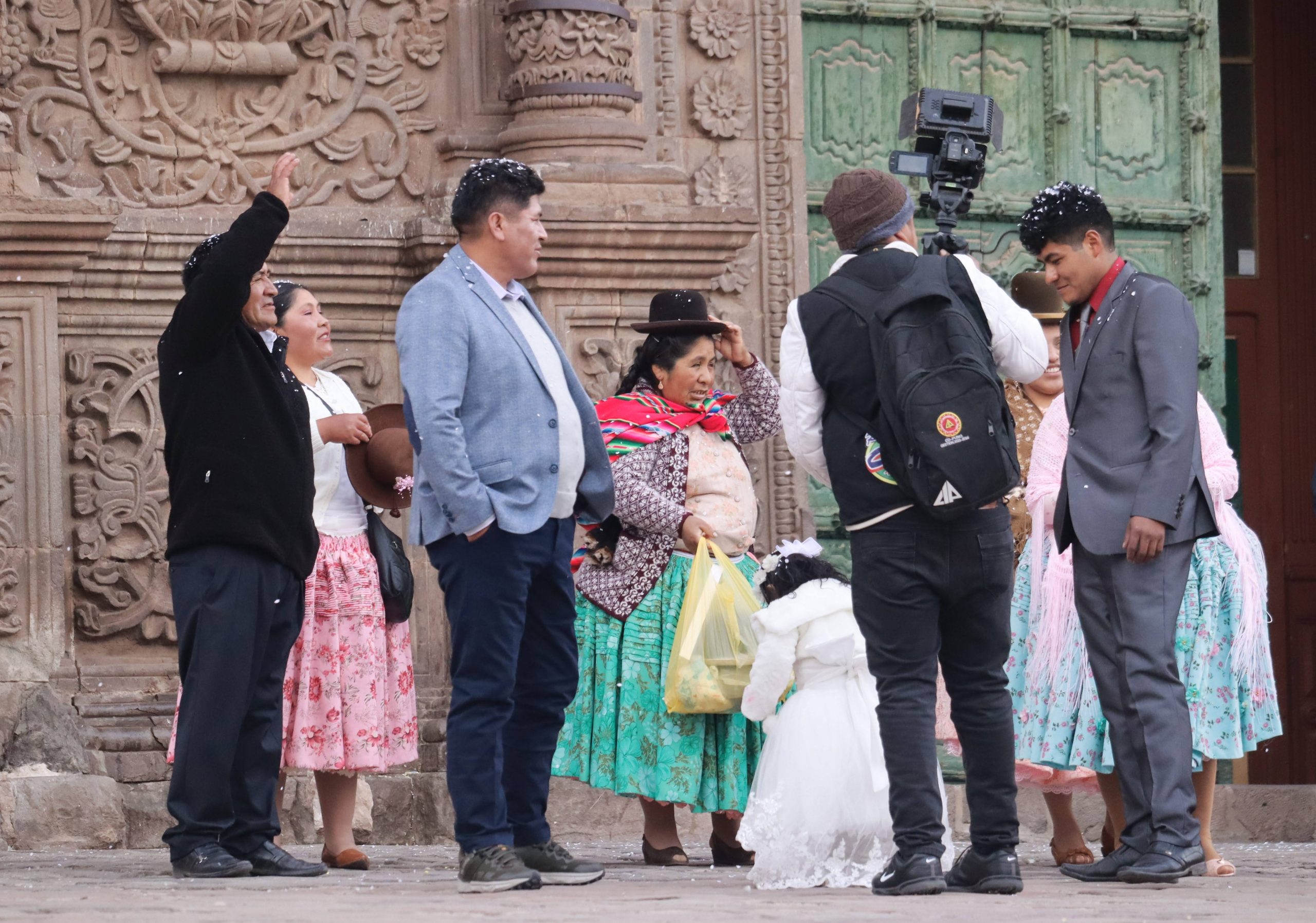
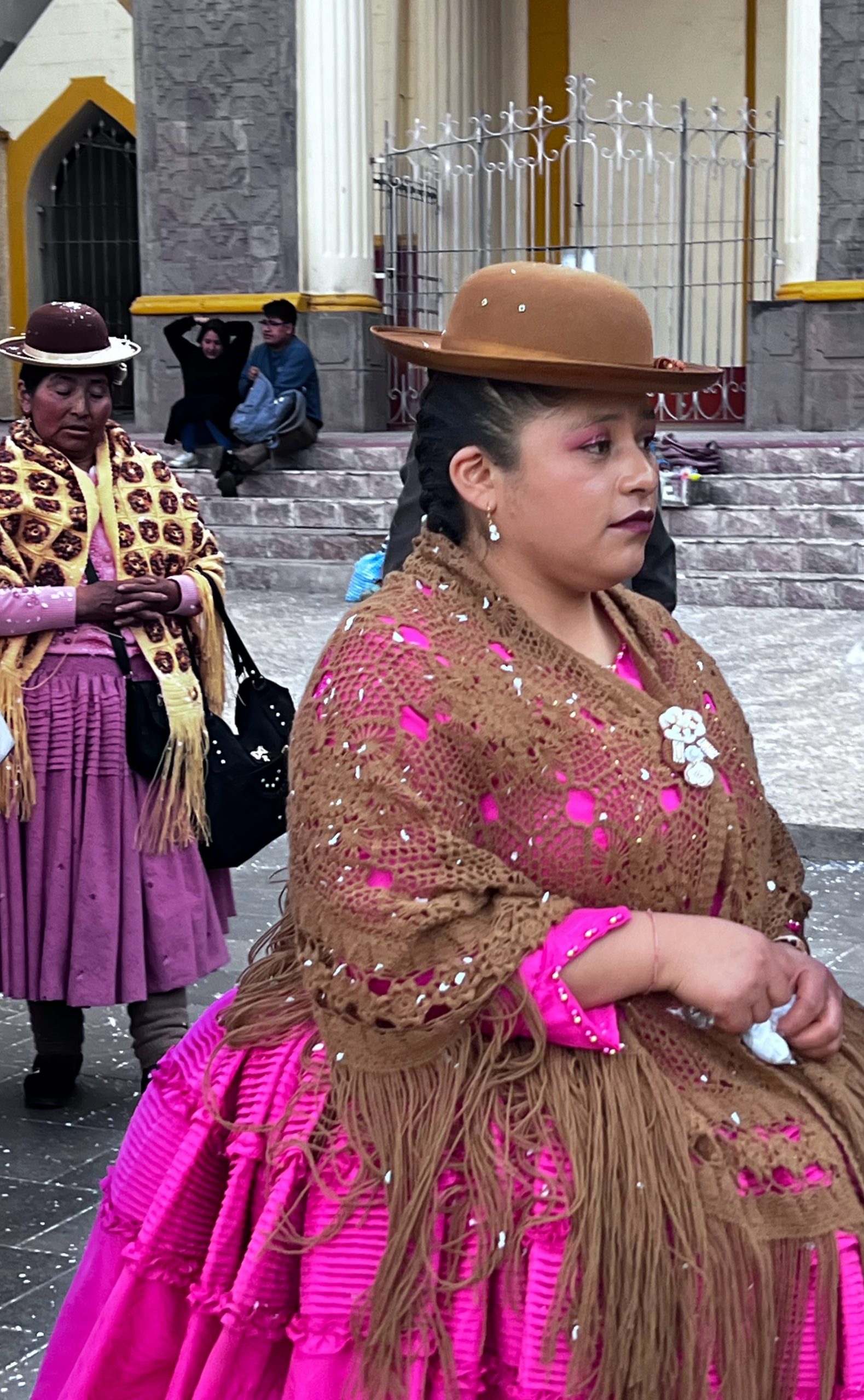
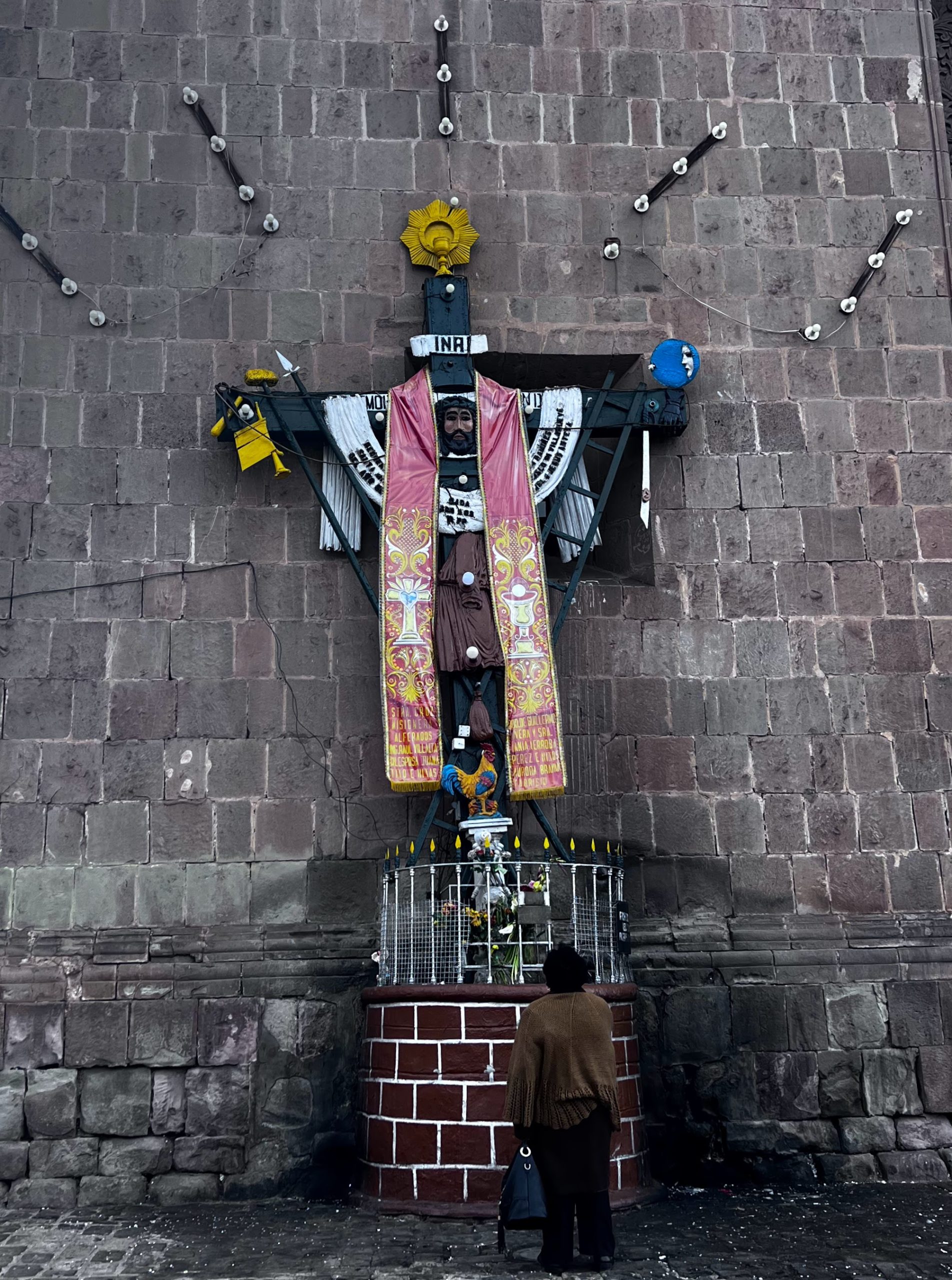
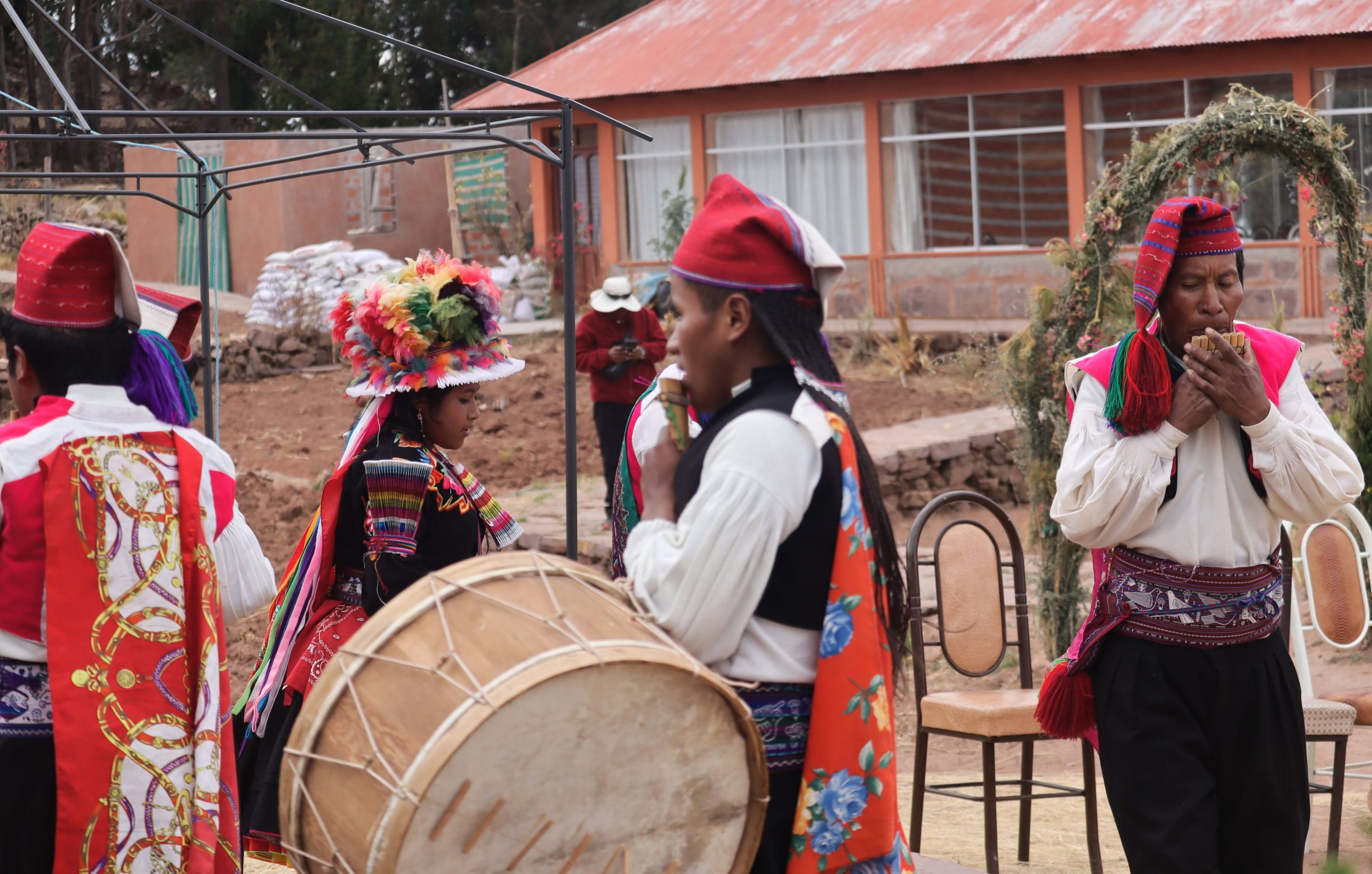
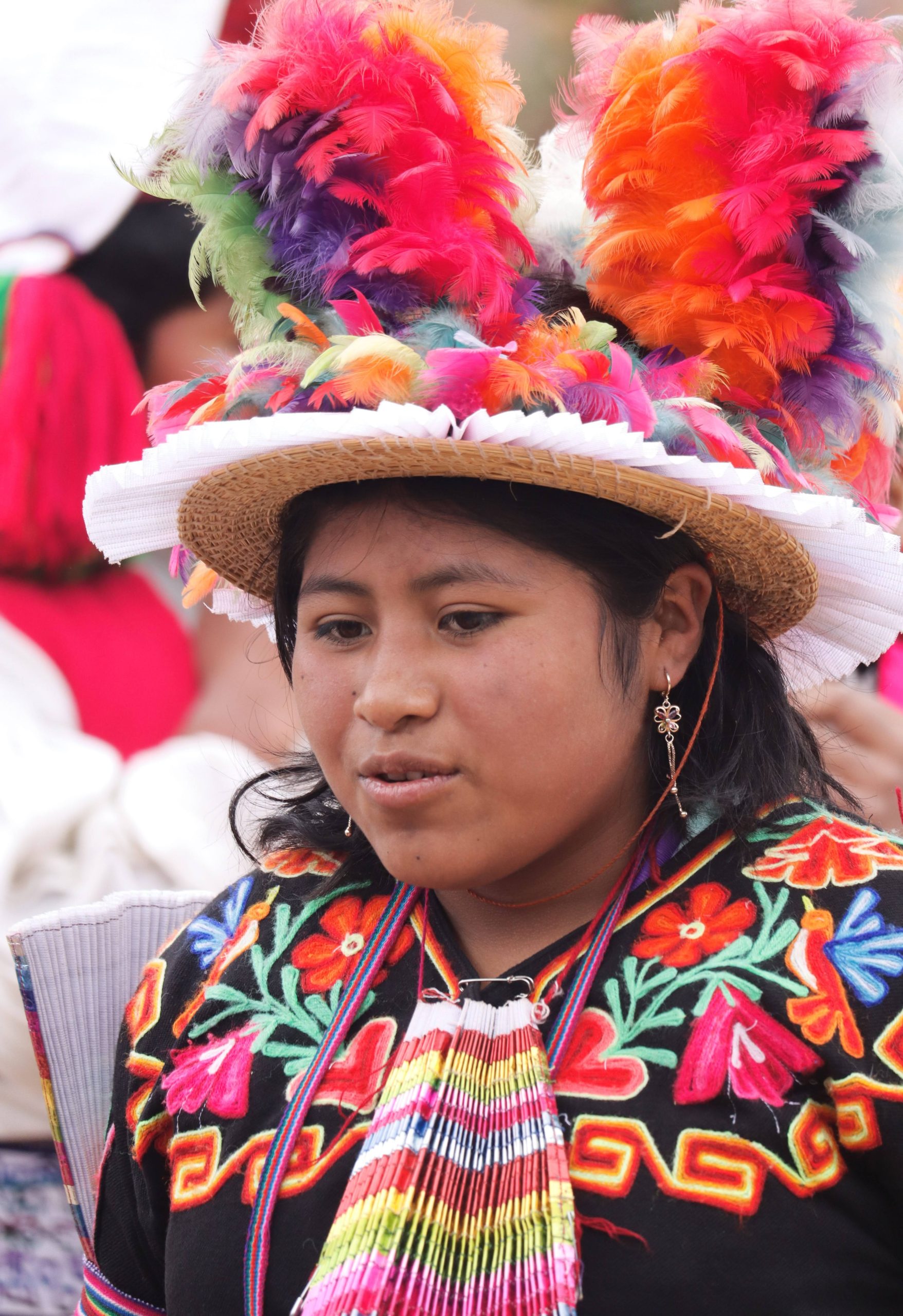
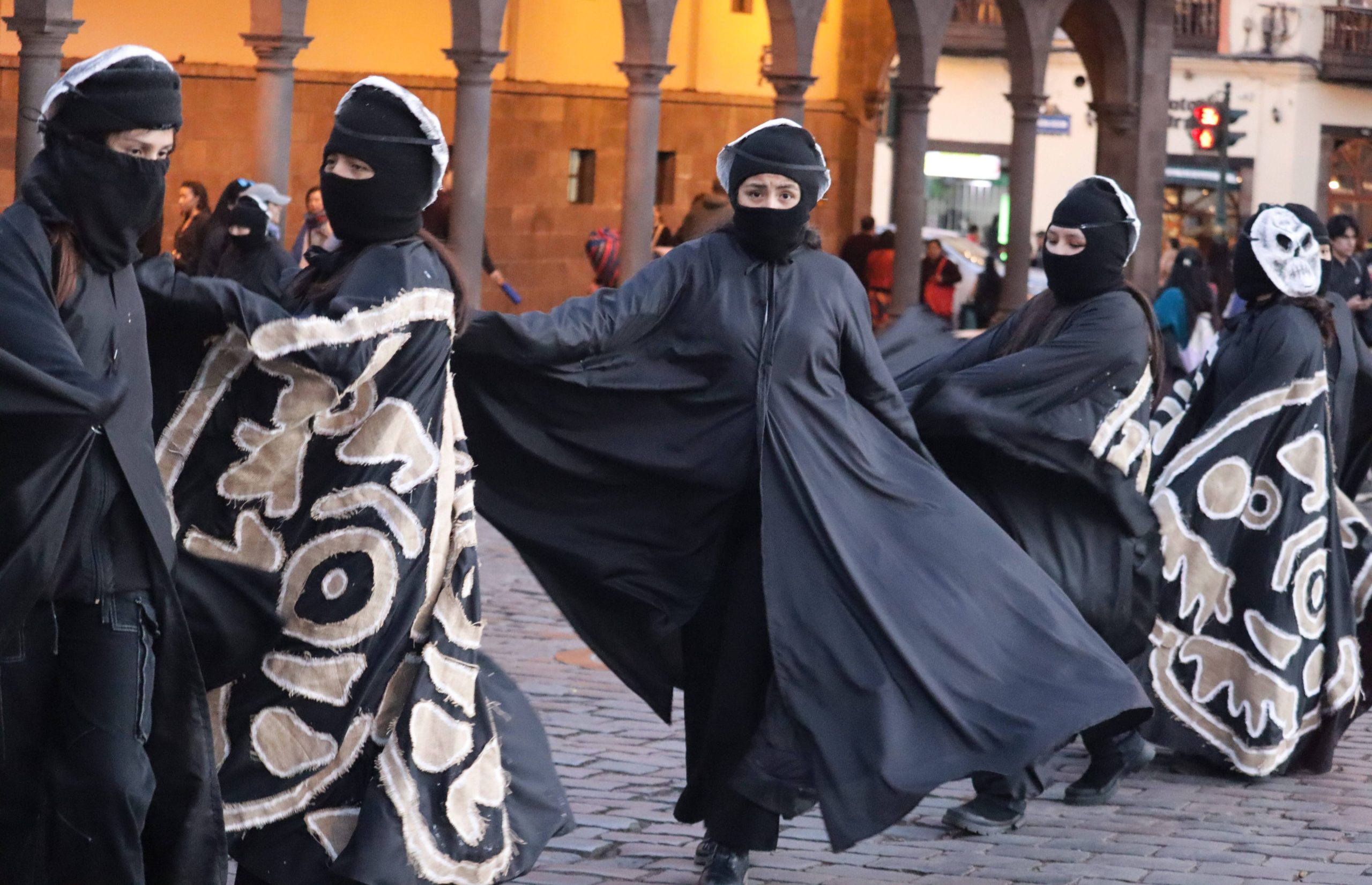
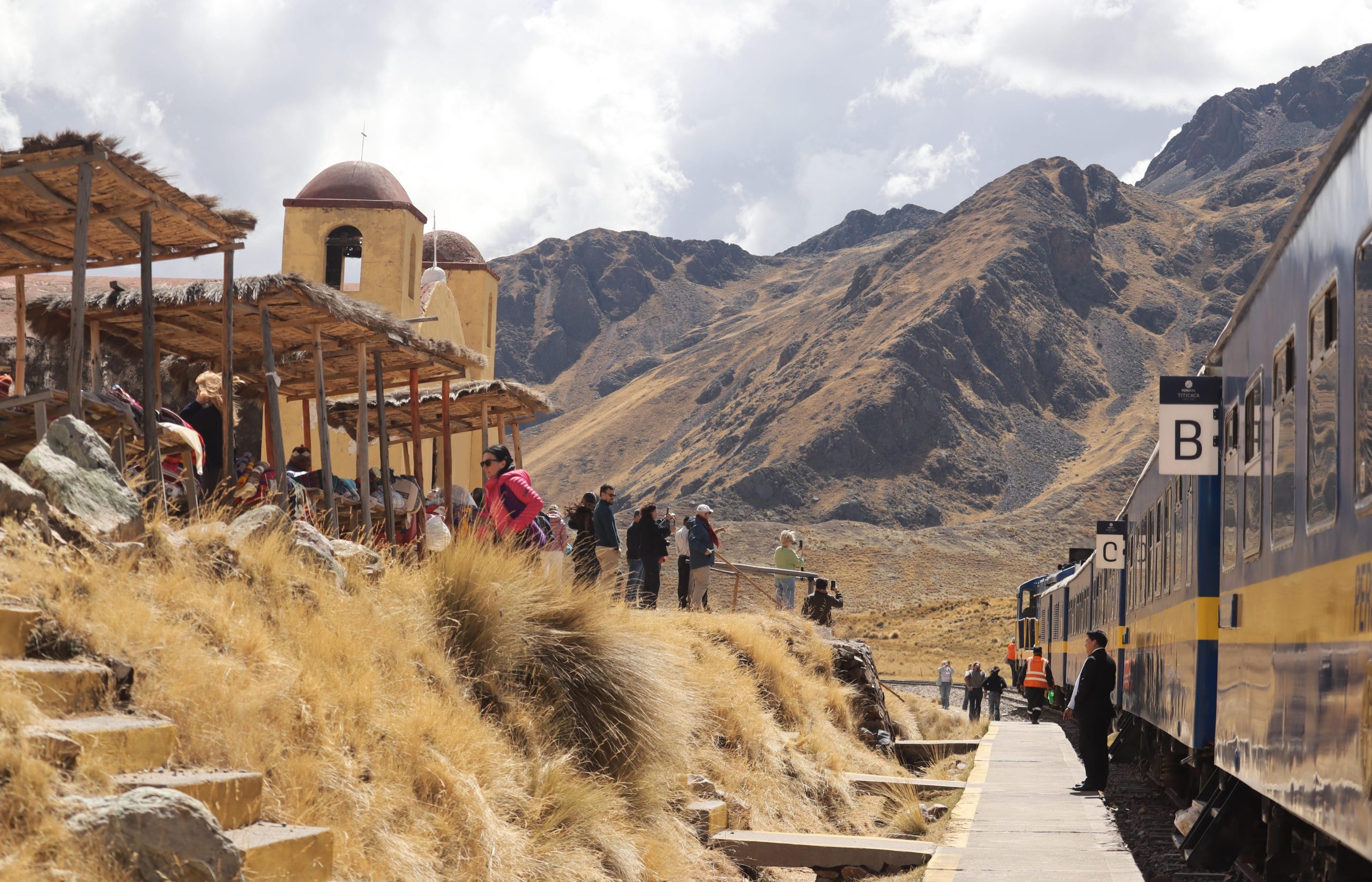
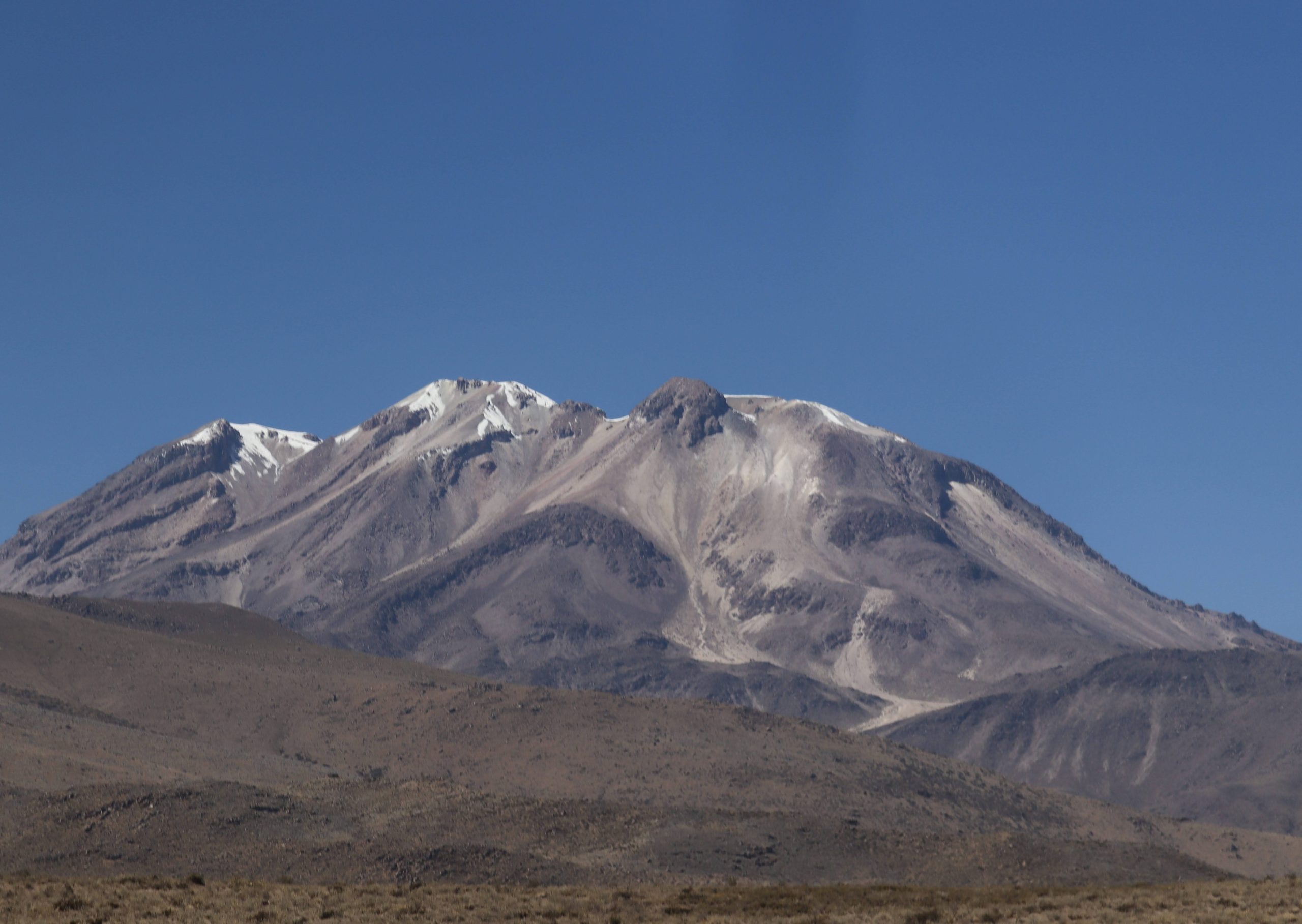
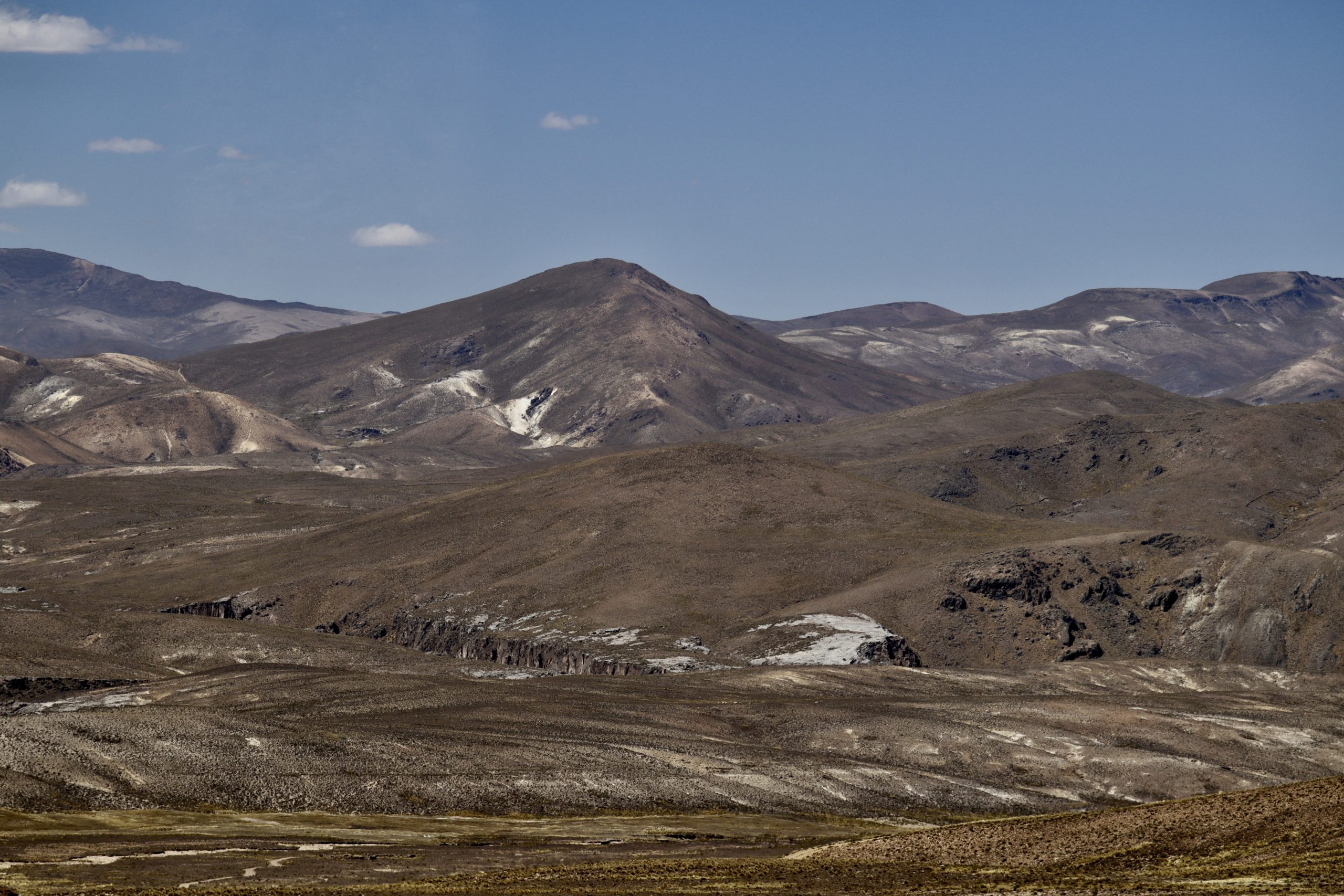
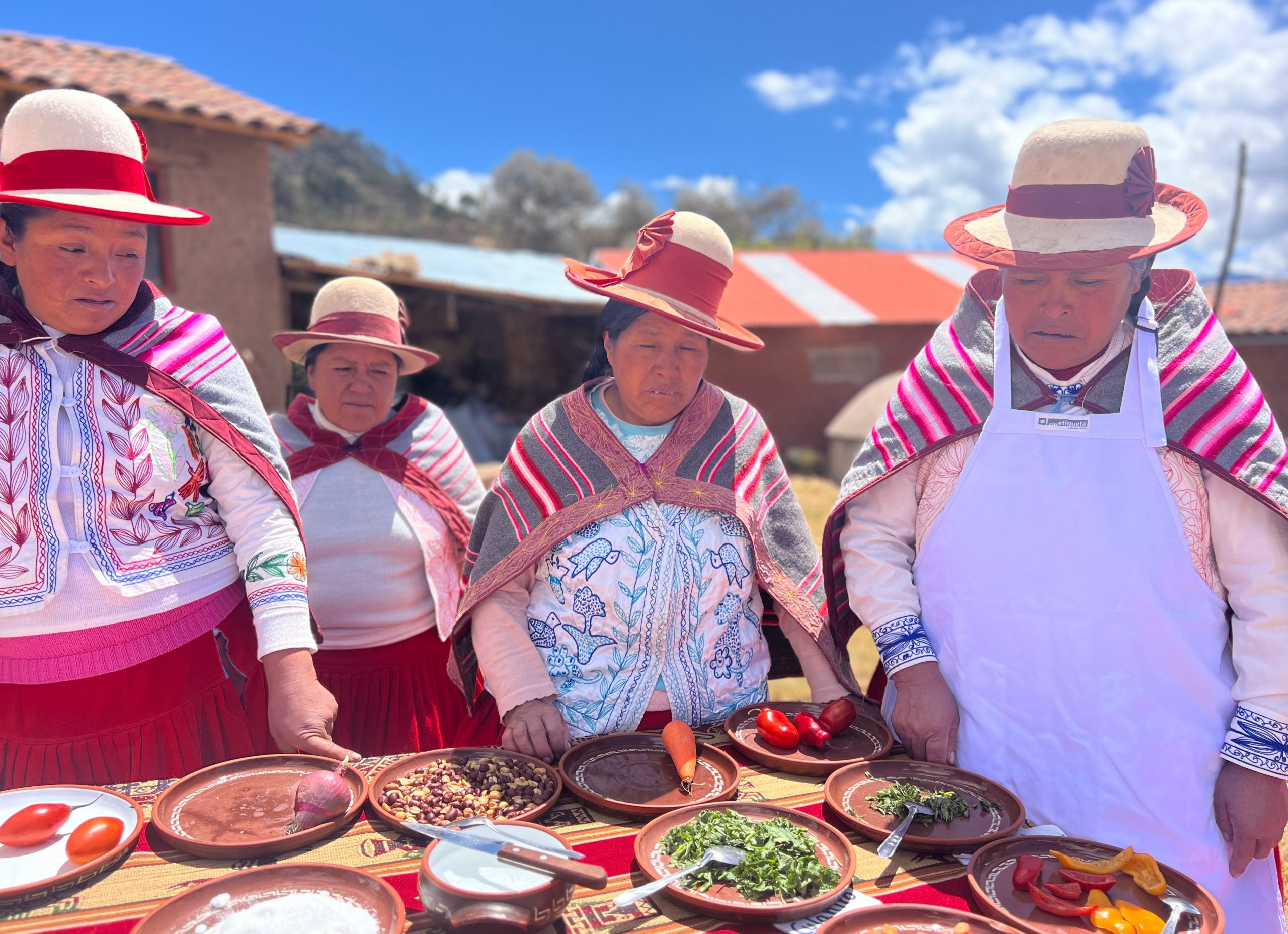
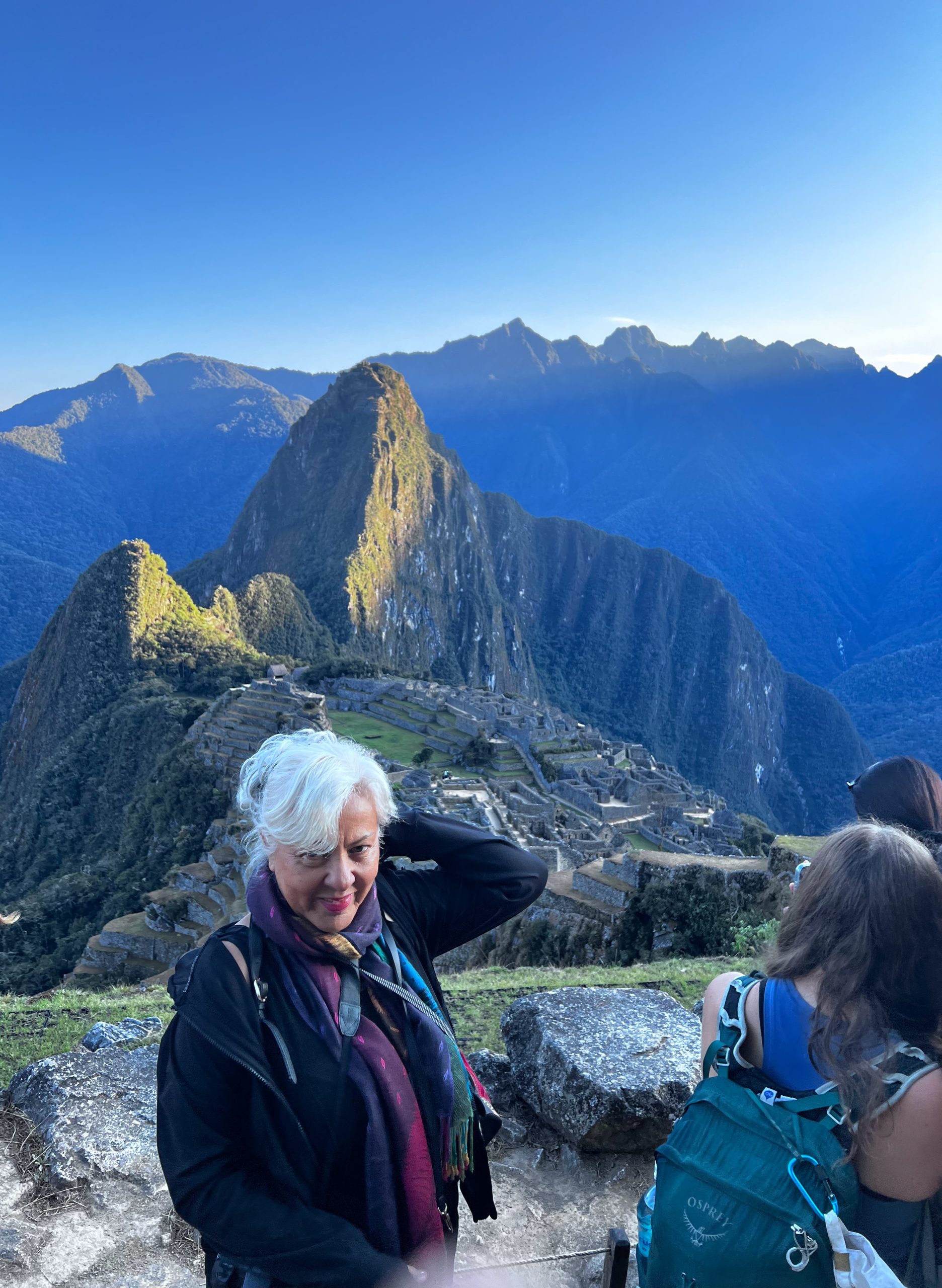
A journey through the countryside of Peru beyond just visiting Machu Picchu was on my list of places to go before I die. My objective was to undertake a slow-paced journey through Peru to thoroughly explore its countryside, landscapes, the imposing Andes mountains, colonial cities, rural towns, and its indigenous communities. I was particularly interested in experiencing village life that is deeply entrenched in the cultural traditions of the Inca ancestral heritage. To do this, I committed to a 12-day tour starting in the city of Lima, ending at the ancient site of Machu Picchu, and returning to Lima. The adventure was beyond my expectations, with some minor hiccups, as expected when traveling in challenging terrain. Here are highlights of what this journey was like and what I learned from this experience….
But First a Bit of History
How did Peru come to be? Well before the Inca empire, there were several smaller native civilizations. The Incas became the largest, most advanced and organized of all Pre-Columbian America. They were best known for their engineering skills, having created road networks for trade, irrigation systems, and agricultural techniques such as terrace farming, among many other contributions. By the 16th century, the Spaniards had forcibly conquered the Incas, and the Viceroyalty of Peru was formed, leading to a period of colonial rule until 1821, when Peru declared its independence.
Much like many other South American countries, Peru has had a long history of instability and political conflict marked by military coups as it gradually transitions into a democratic government. It remains politically fragmented, having removed four presidents since 2020. Today, Peru is the sixth-largest economy in Latin America also known for its extraordinary cuisine, conservation of its heritage, and tourism. More on the impact of tourism later…
Arriving in Lima
I left Medellin to arrive in Lima a couple of days before starting my tour to reduce travel time and, more importantly, to pick up a debit card replacement delivered from my bank. International delivery can take up to two weeks, not allowing me enough time to have it delivered to Medellin. This is at least the fourth time I’ve had to request a replacement credit or debit card due to loss or being scammed. When traveling, I do not conduct any transactions without a VPN on my computer. Although helpful, this alone is not enough.
On the third day, I was picked up by my tour guide and taken back to the airport to catch a domestic flight to Arequipa, where the 12-day journey officially began. Overall, I was feeling pretty good, despite some lower back pain, a bit rested, recognizing that I will experience altitude symptoms throughout the trip. Plans are to spend time in Lima after my return from the countryside. To truly experience Peru, you need to travel deep into the countryside. Lima is just another metropolitan city much like most big cities.
The City of Arequipa
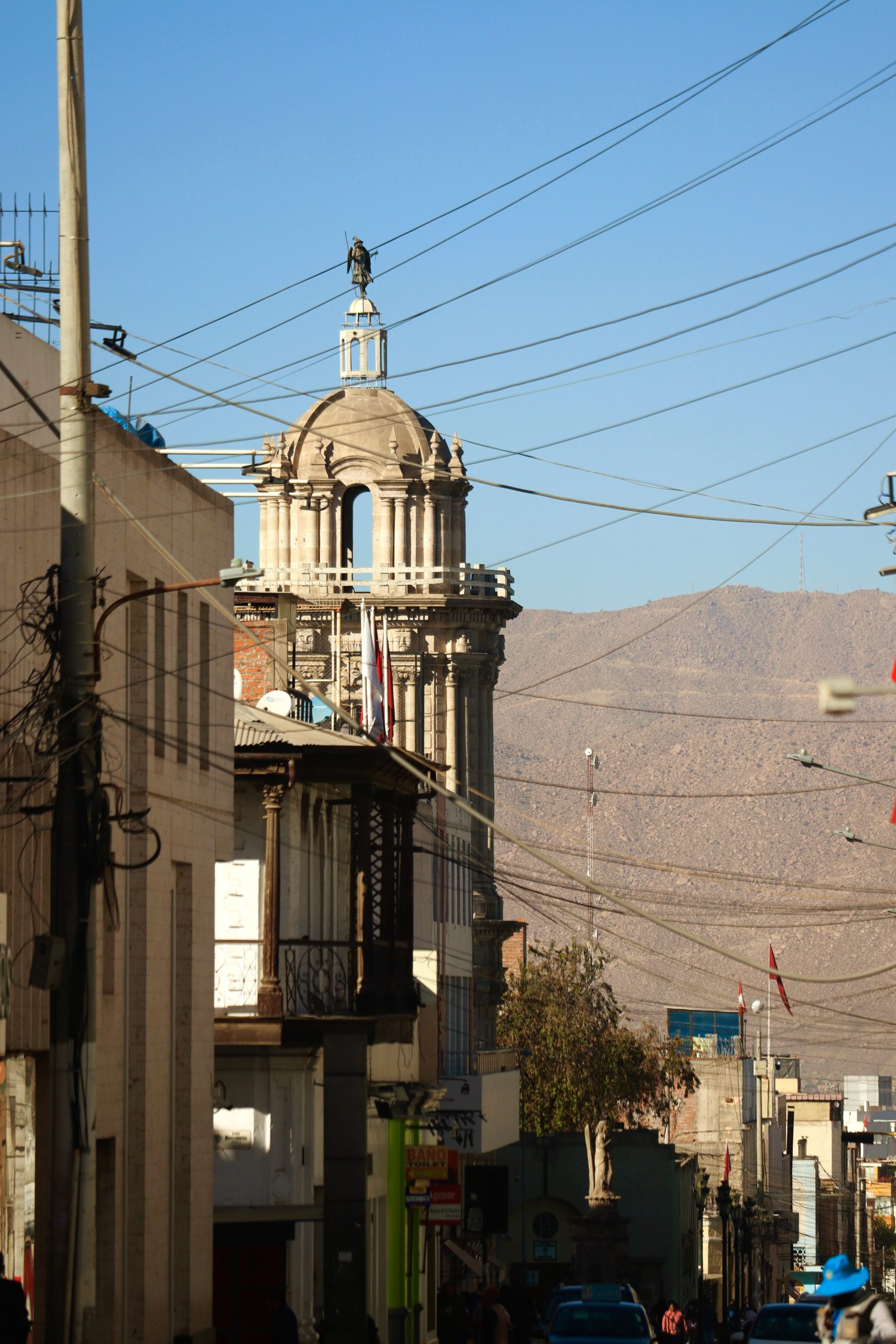
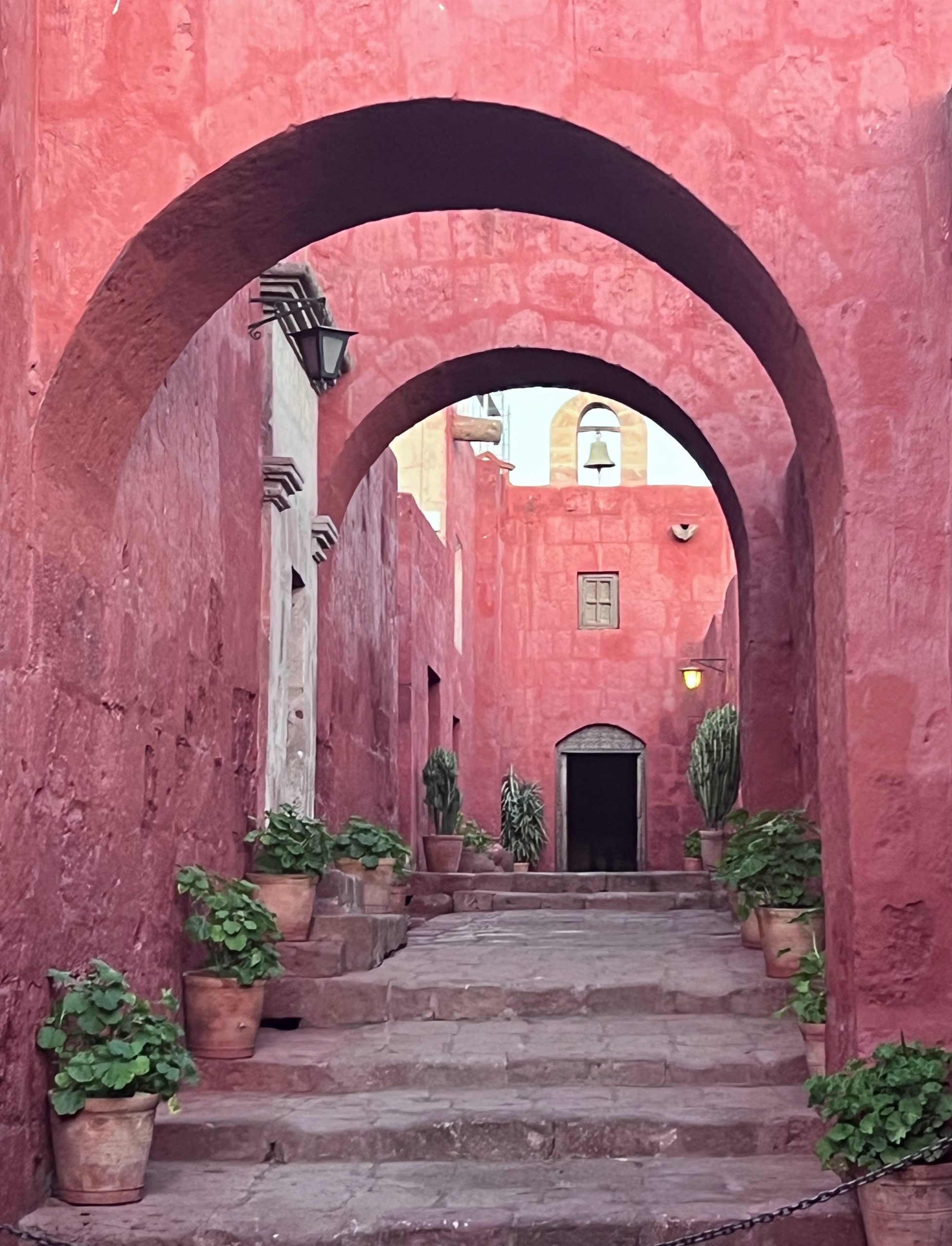
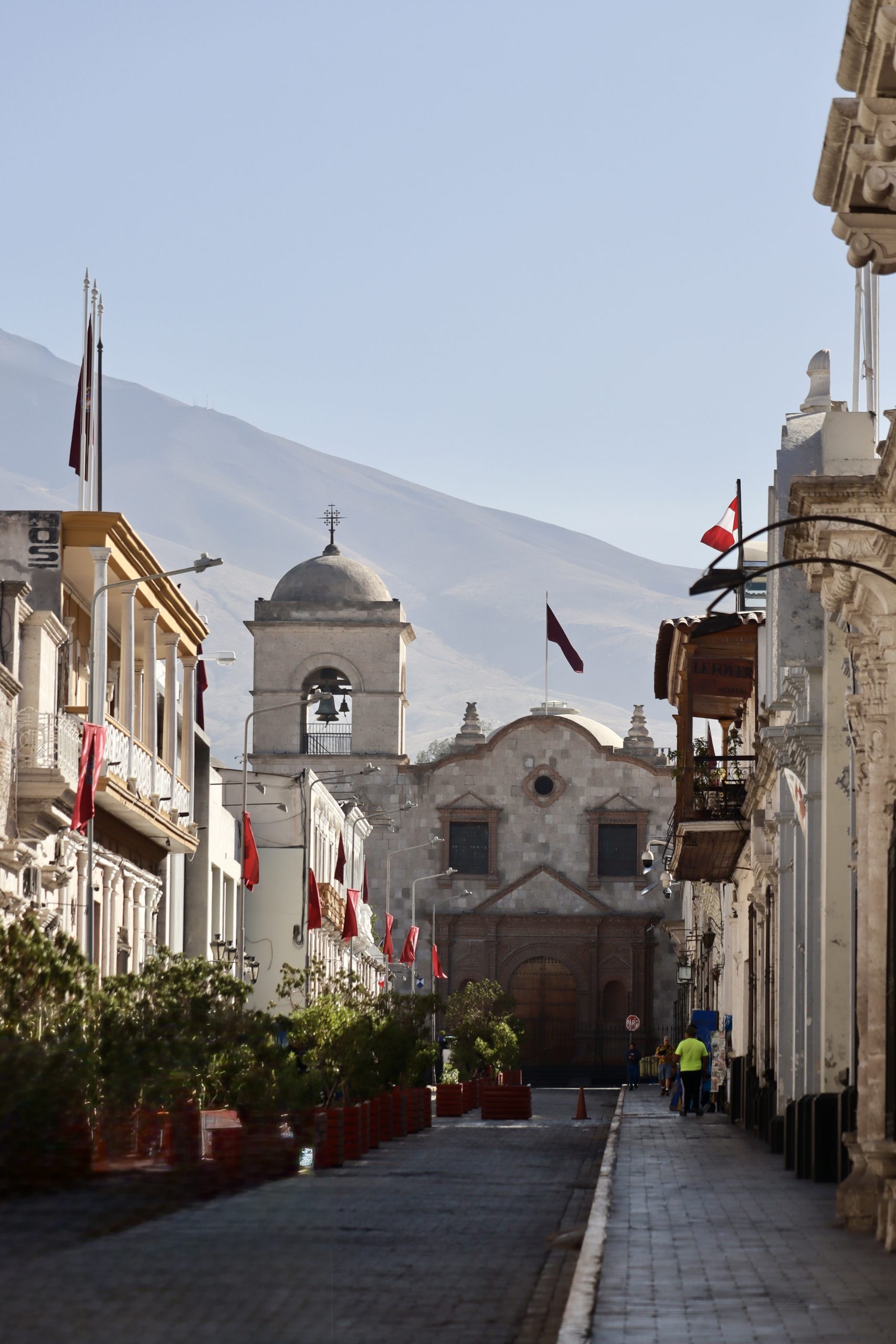
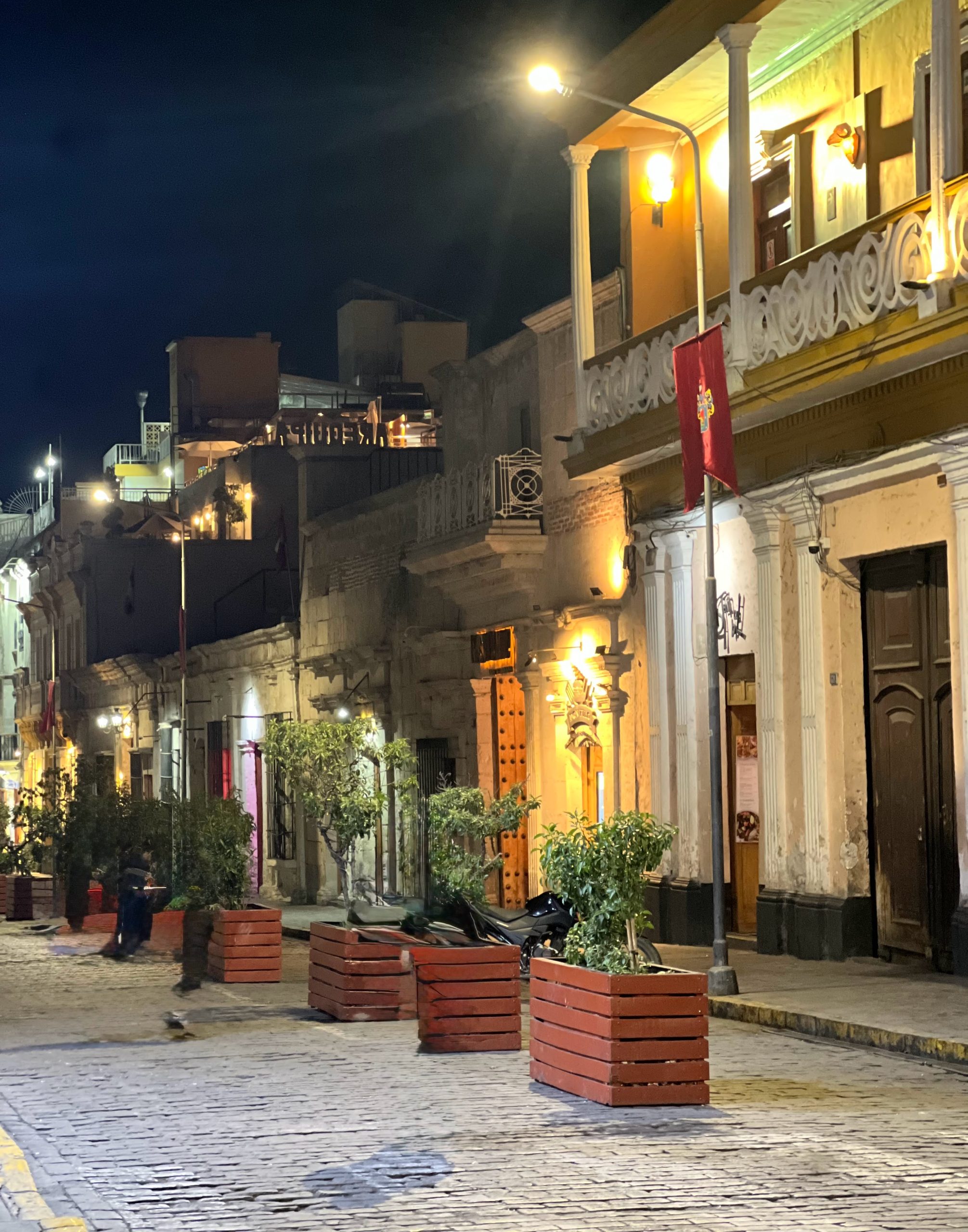
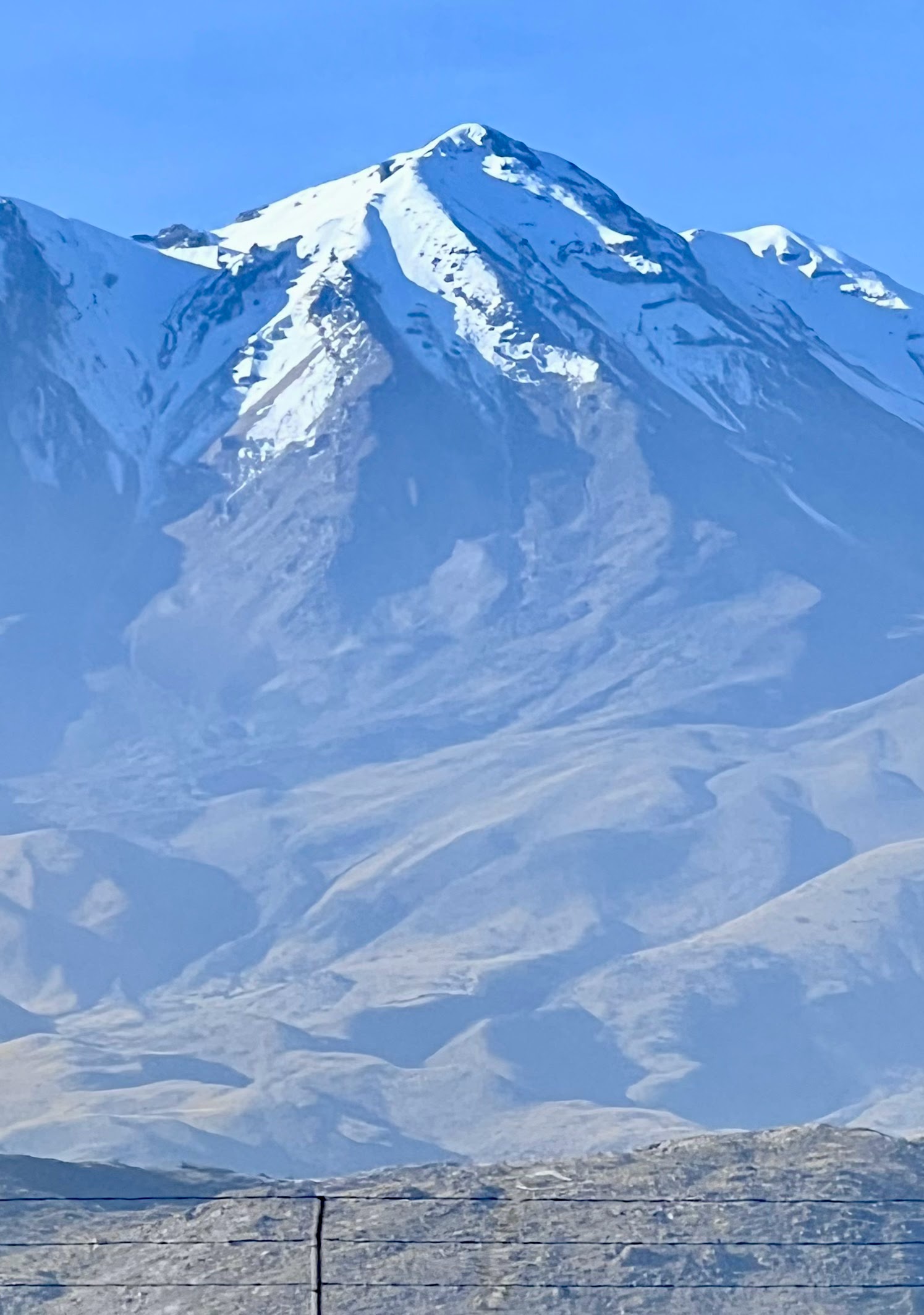
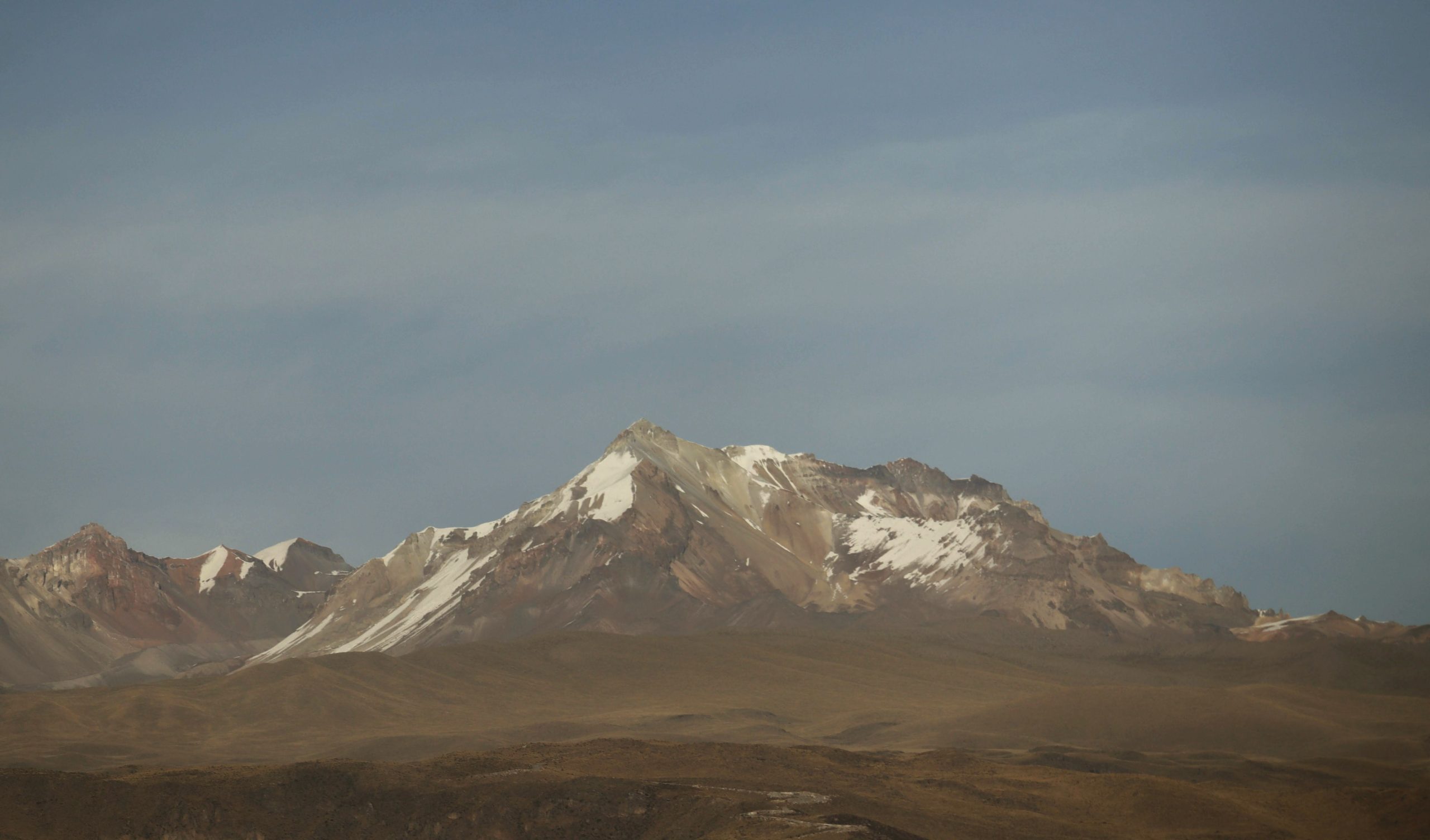
I stayed in this enchanting city for two days and loved it. This colonial city is nestled in a valley surrounded by mountains and volcanoes with over 1.2 million inhabitants. The contrast between modern life and colonial culture is striking. Its colonial and neoclassical architecture is built from white volcanic stone and is recognized as a UNESCO World Heritage Site, often referred to as the White City. From the center of the city, you are offered a panoramic view of two of its snow-covered volcanoes. Great food and culture. I tasted alpaca meat for the first time (quite delicious) and tried several types of native species of potatoes and quinoa. Besides walking the city’s colonial streets, I visited many of its historical sites, such as the colorful Santa Catalina Monastery, the Plaza de Arma and the archeological site of Yanahuara.
The Pulse of Rural Peru
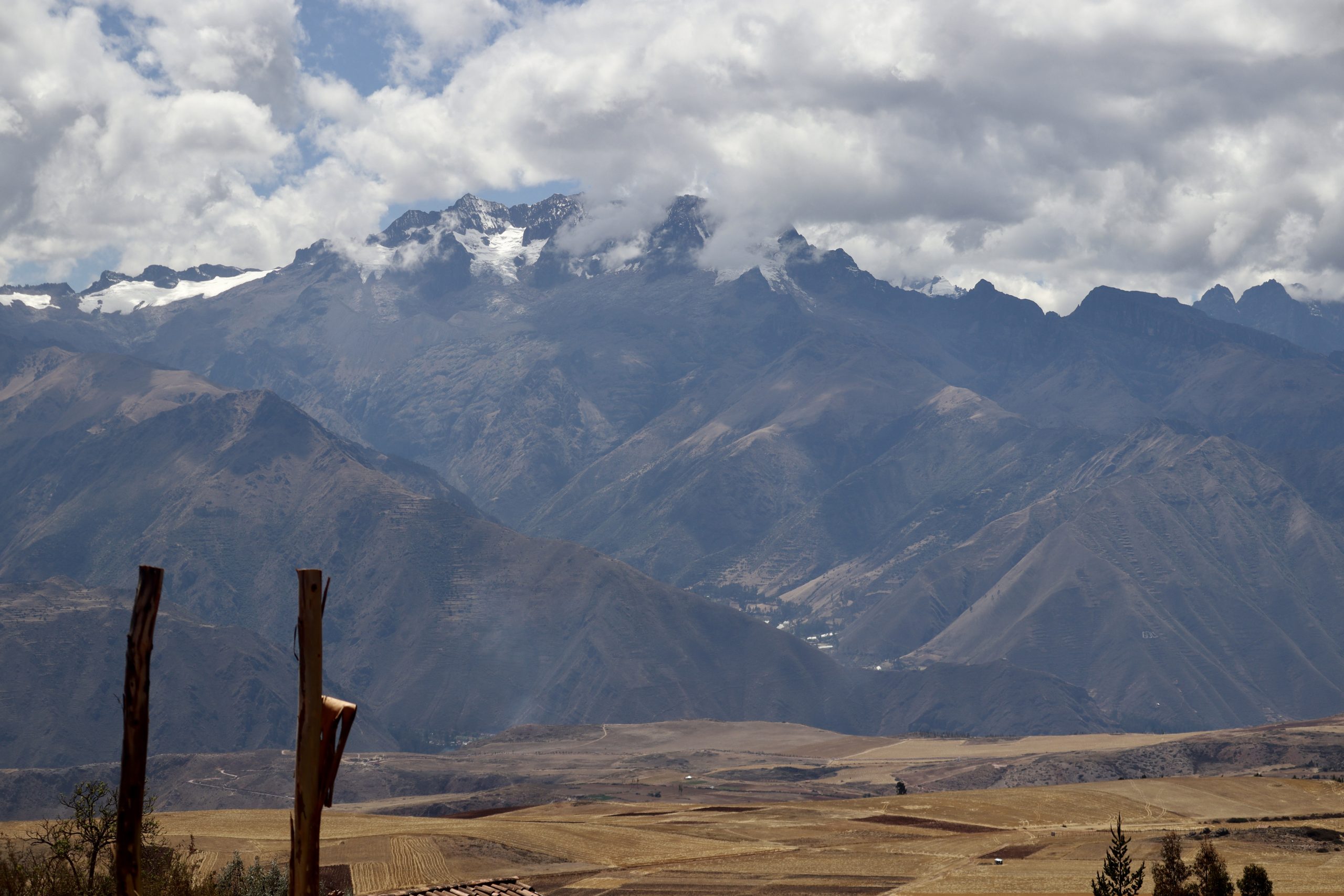
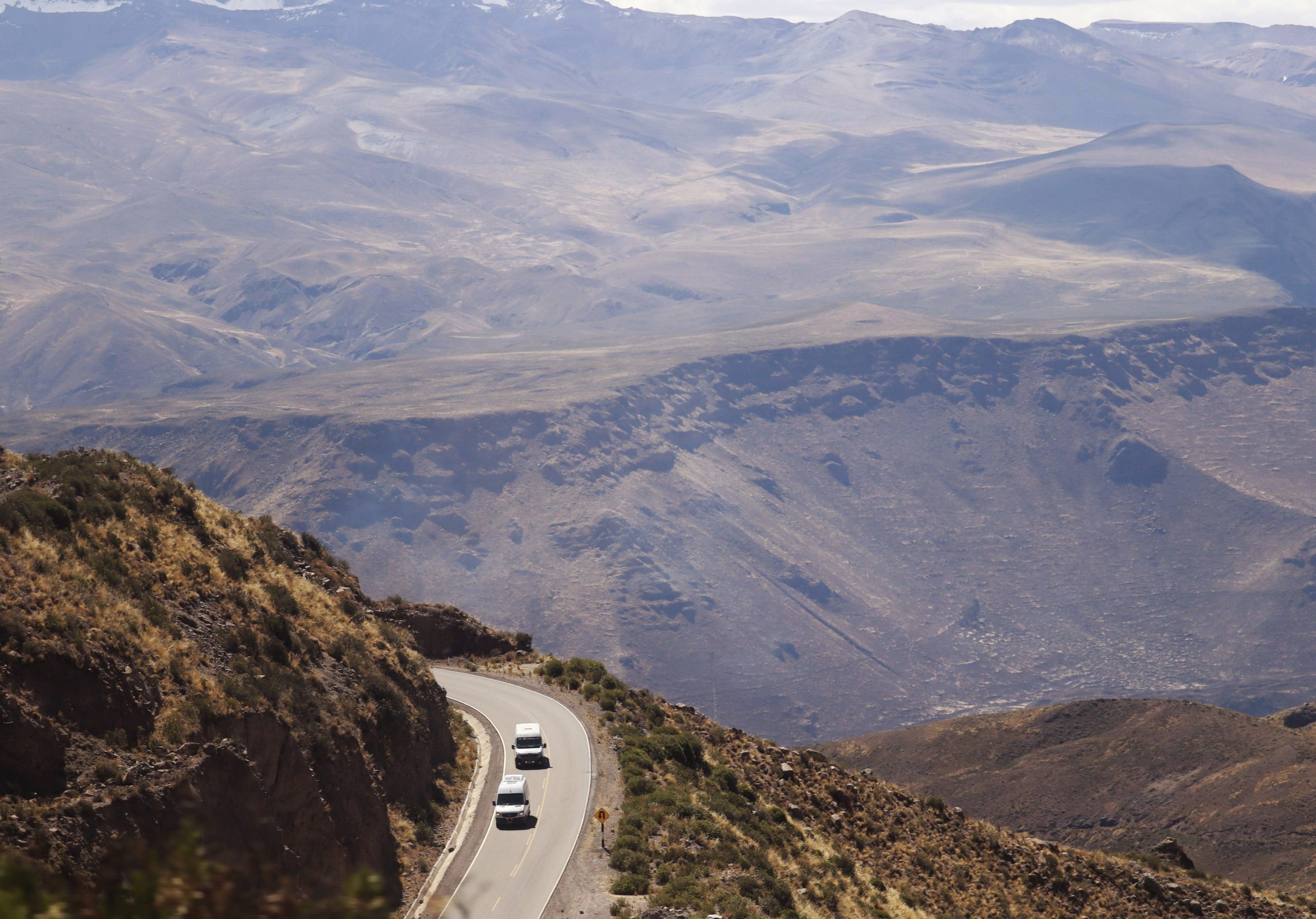
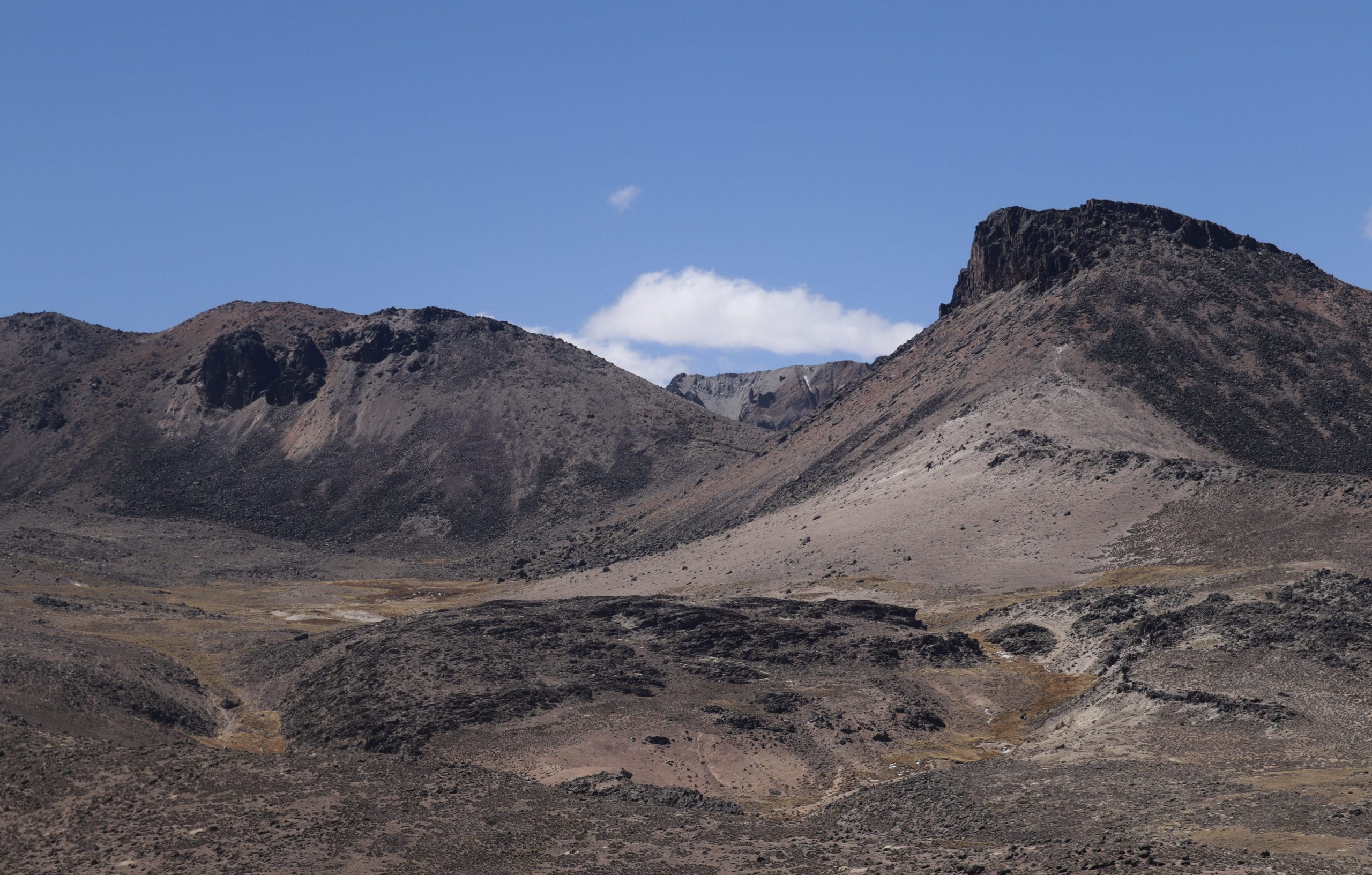
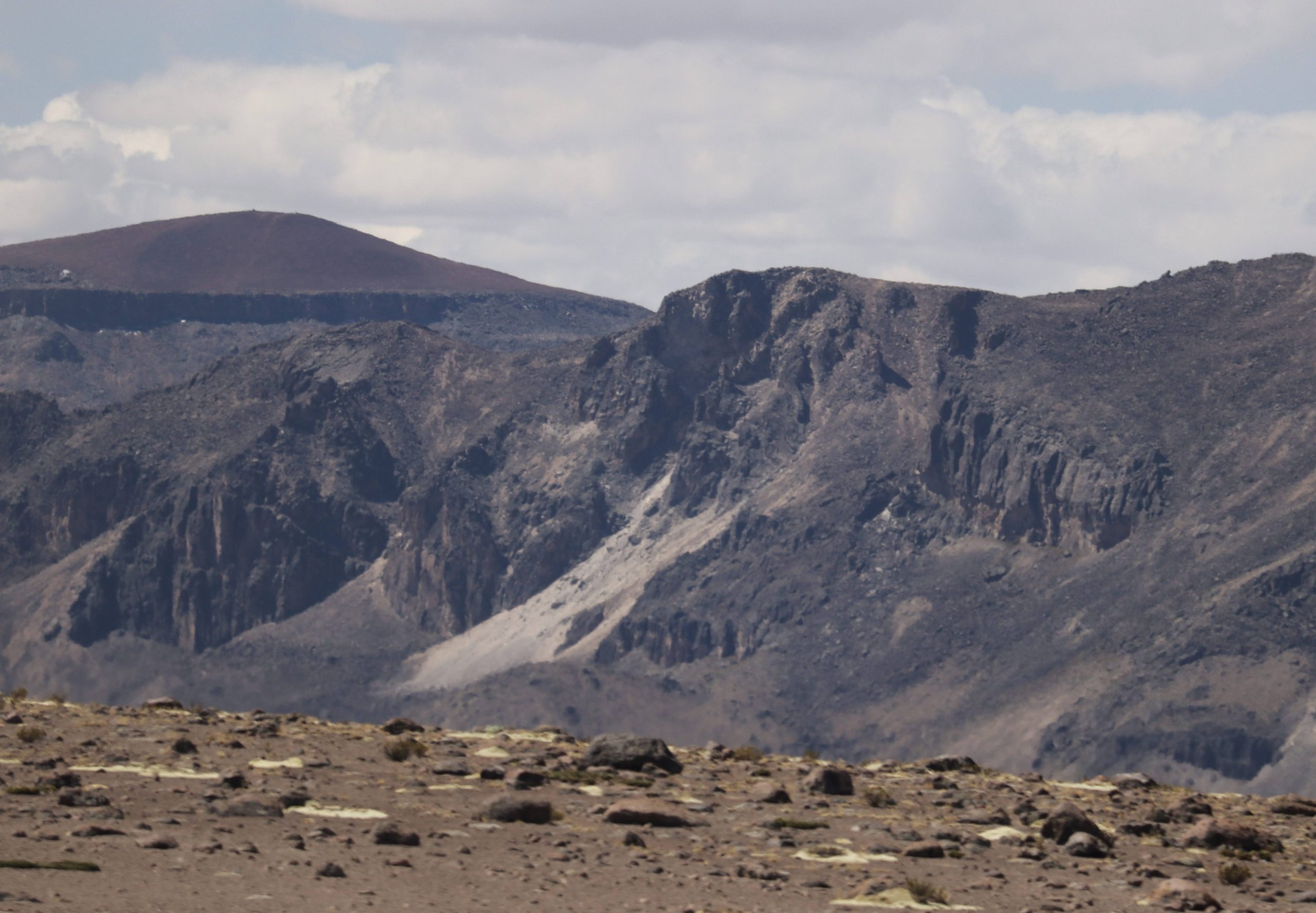
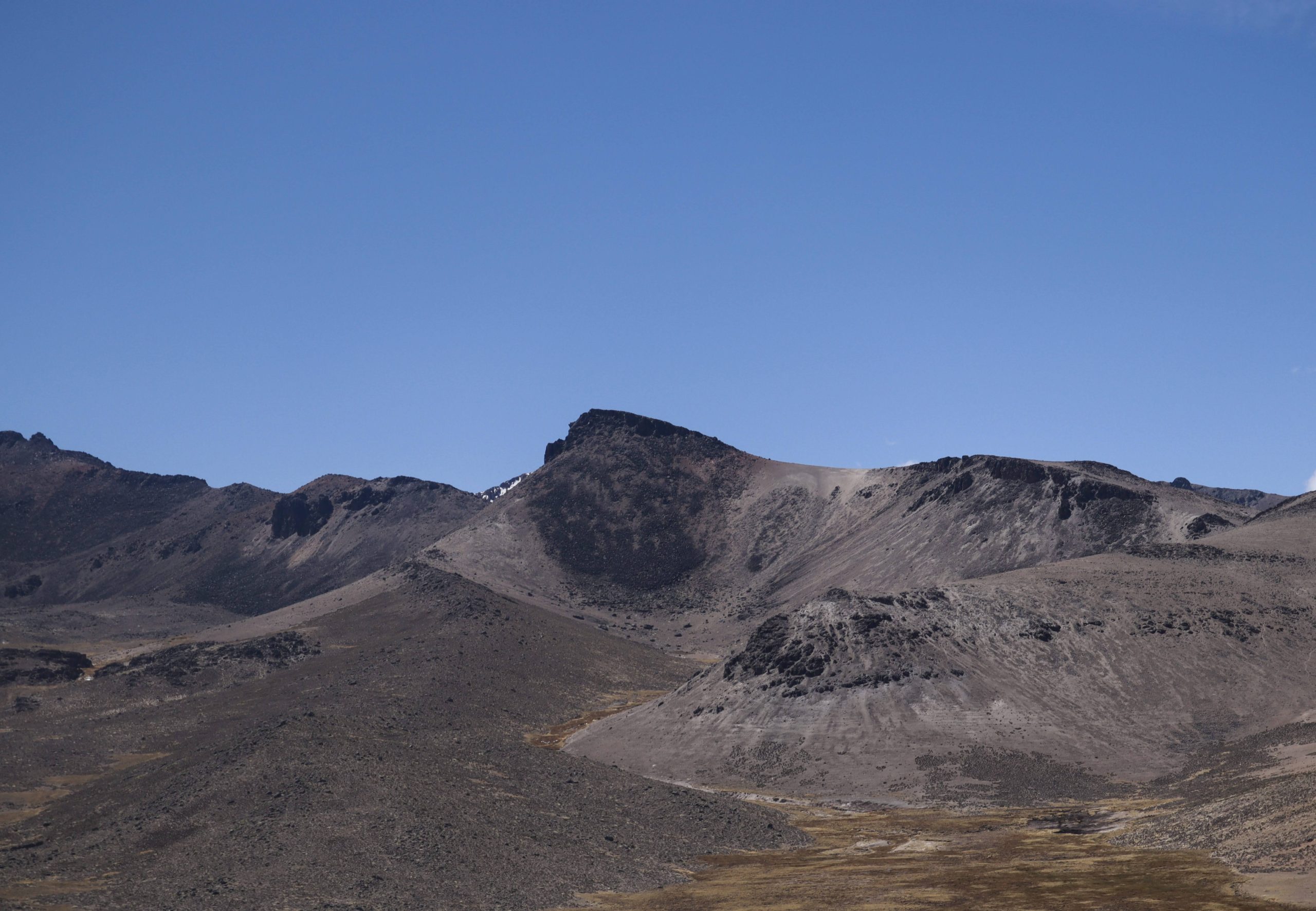
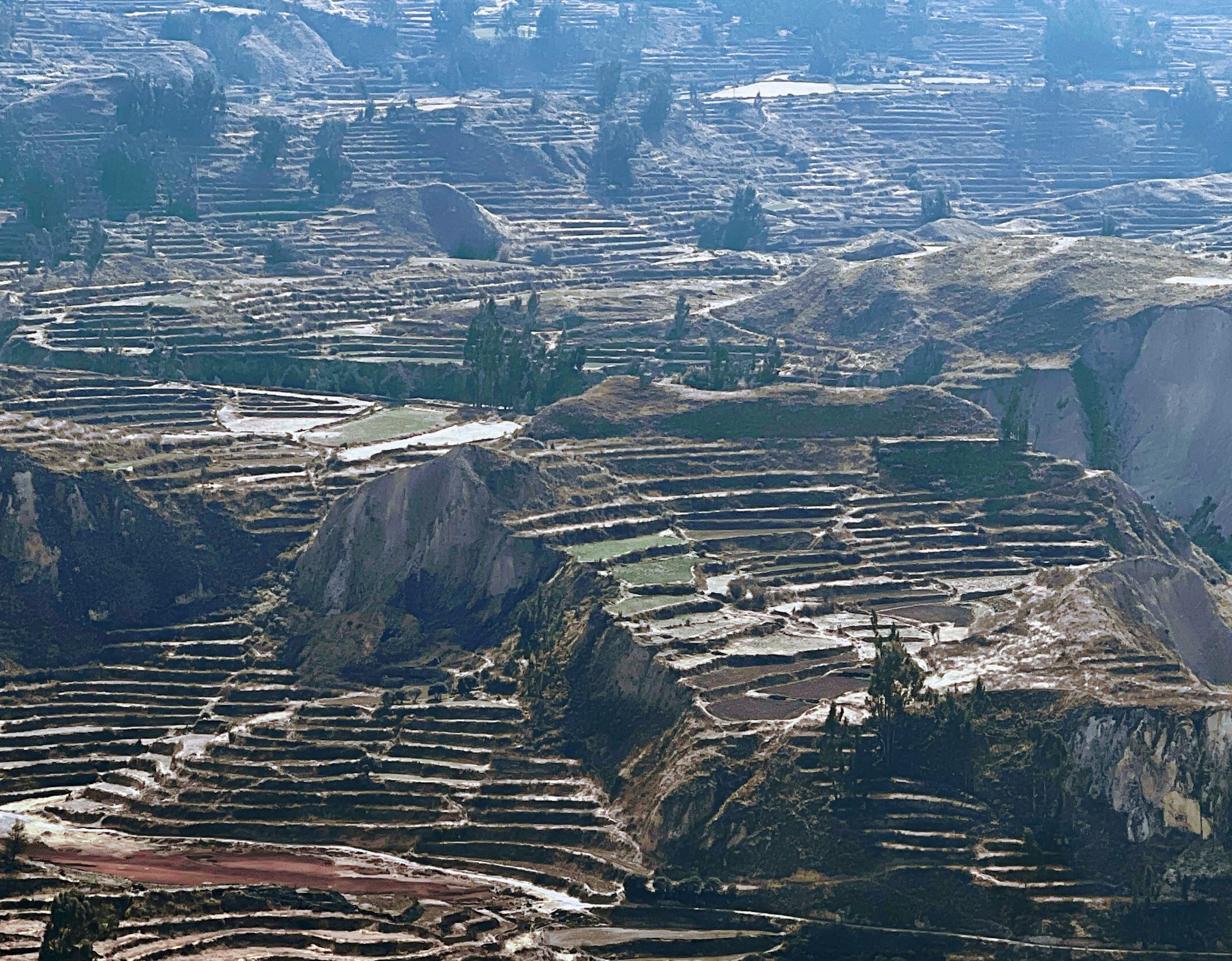
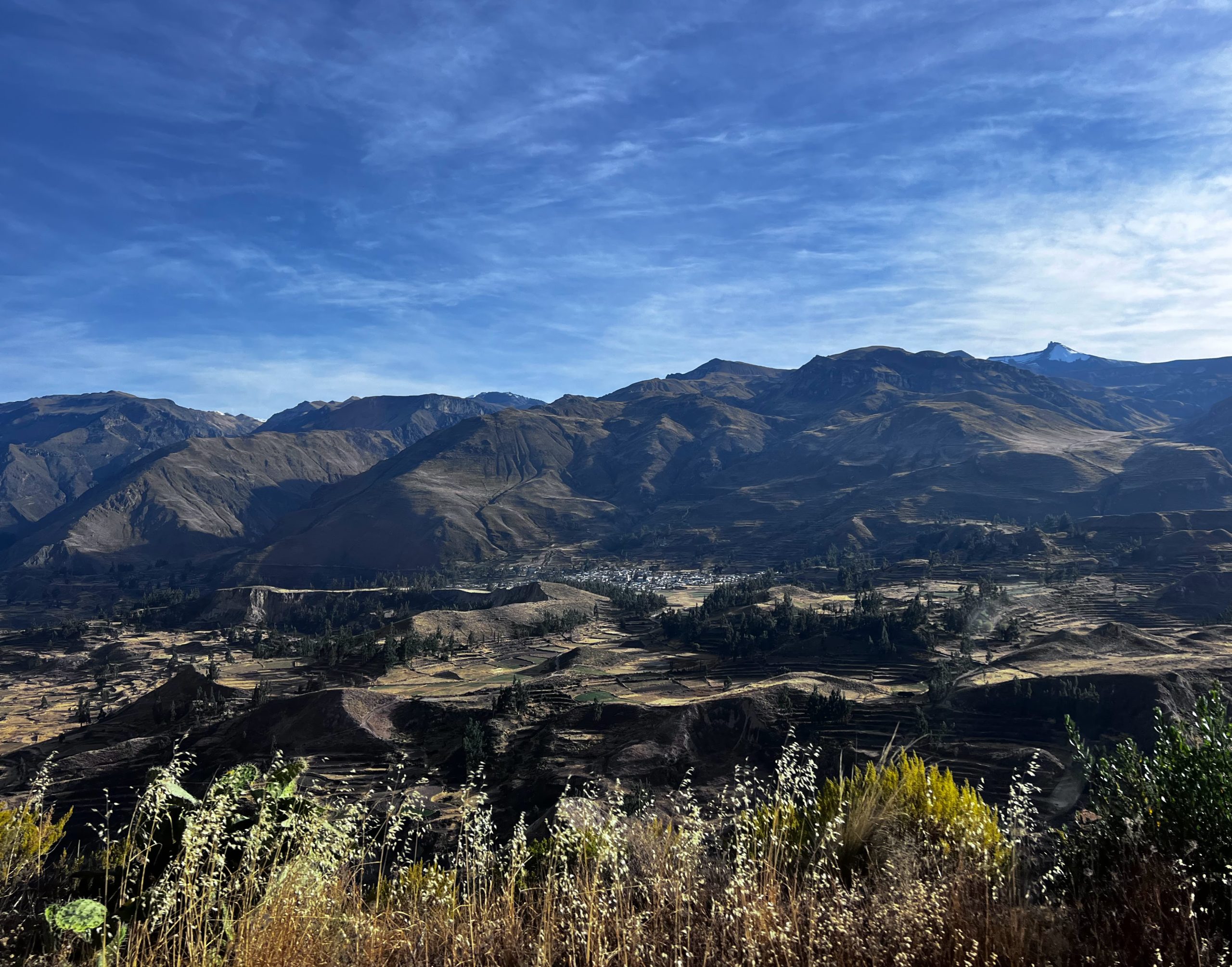
Leaving early in the morning in a van with a group of travelers mostly from Europe, we headed to the Canyon of Colca within the Puno region. We drove through valleys and peaks, climbing higher into the mountains, passing farming landscapes, terraced fields, small villages and people along the road (six-hour drive). It almost felt like you were watching a movie. The immense beauty of this country’s massive landscapes unfolds in front of your eyes…truly the land of the Inca gods.
Here in the Colca Valley we stayed two nights for two glorious days of sight-seeing starting with the Cruz del Condor, one of the deepest canyons in the world with breathtaking and “breathless” moments of the sky and mountains at 16,400 feet above sea level. We were hoping to see Andean condors flying through the canyon. Unfortunately, we were there a bit too early, and these guys were busy doing something else. Subsequently, I encountered a tourist who kindly shared his video showing the remarkable abilities of these iconic, majestic birds (lucky guy).
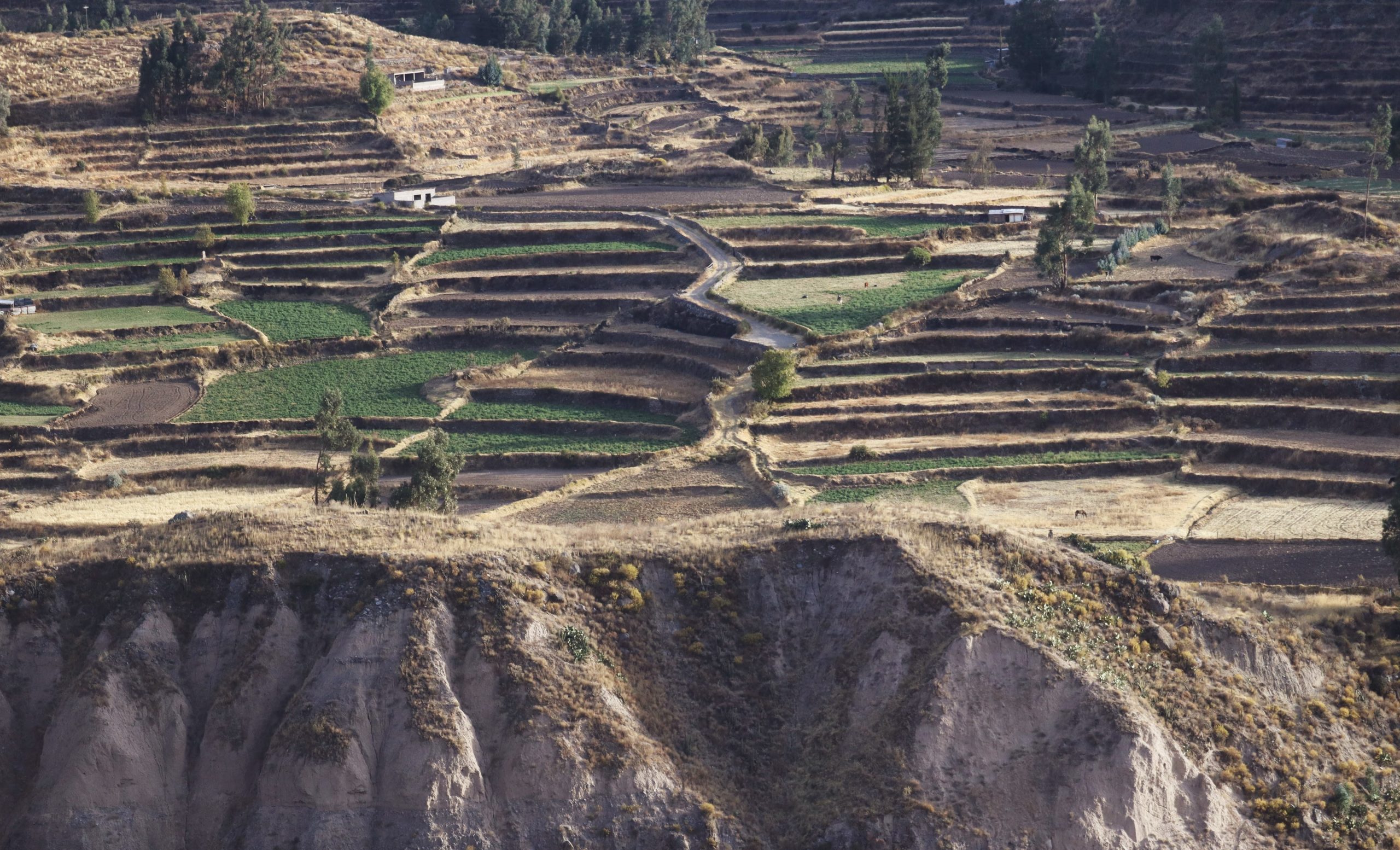
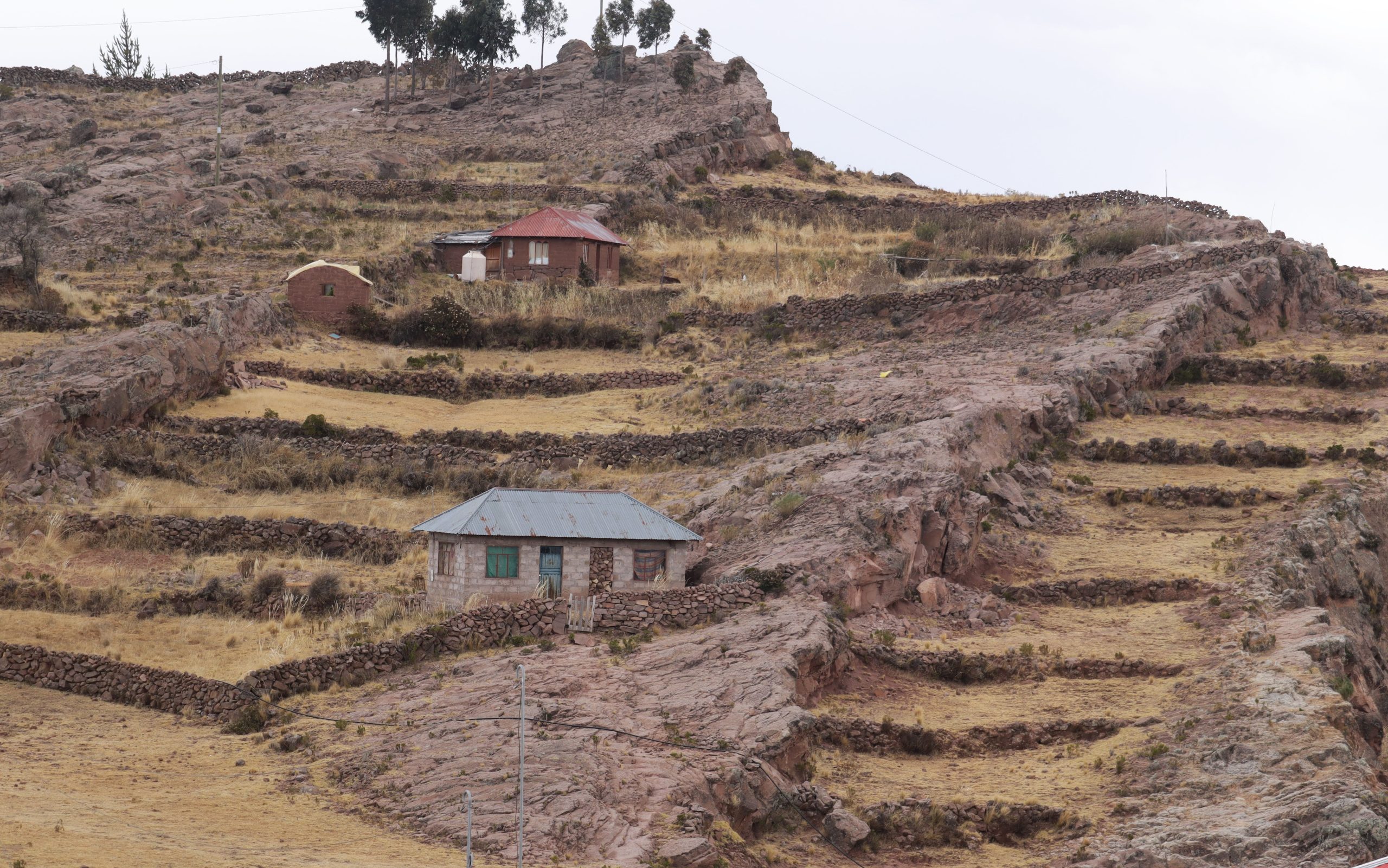
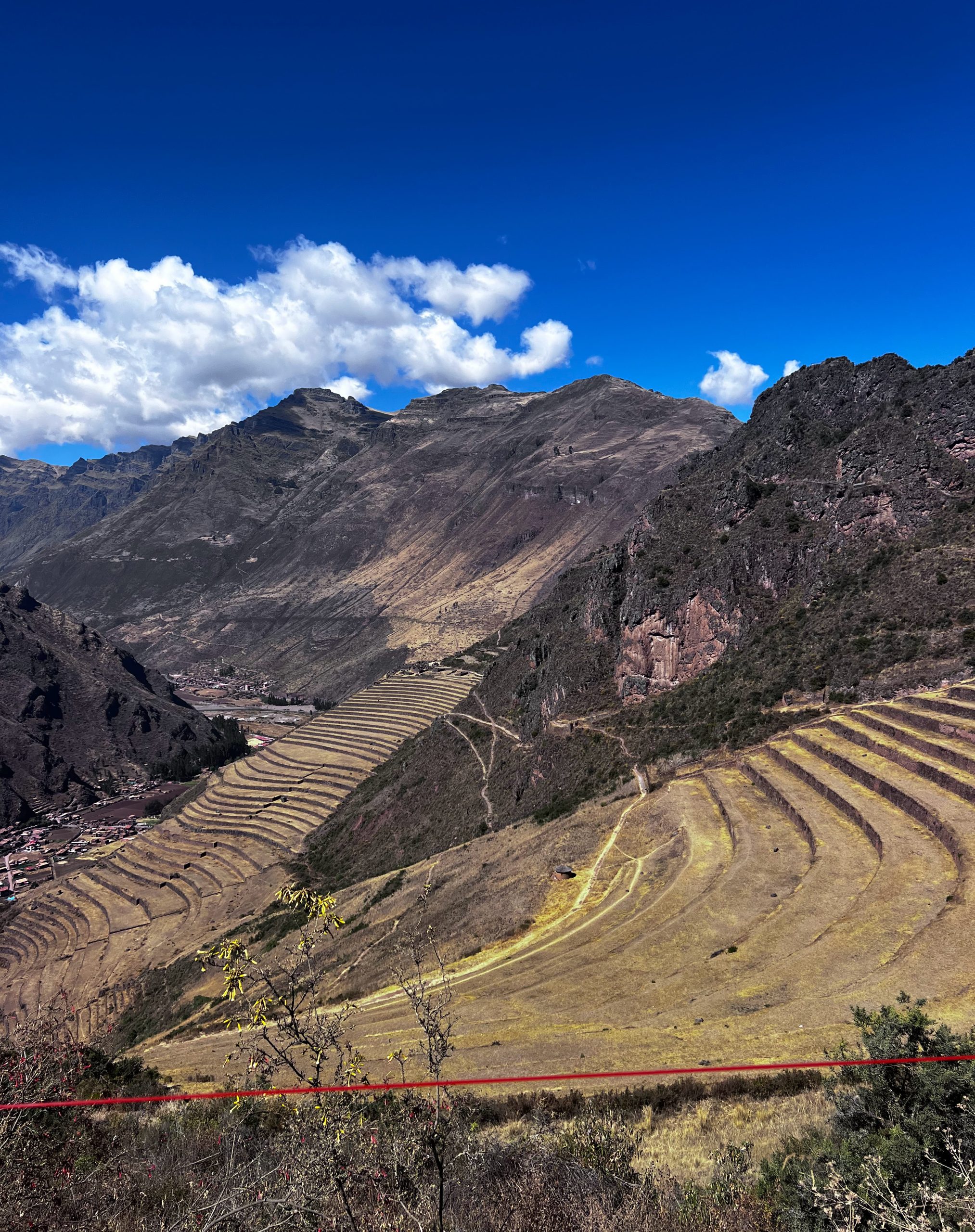
Throughout our travels, we could see these amphitheater-shaped agricultural terraces and lagoons surrounding this magnificent valley. The almighty Incas were quite inventive and created a sophisticated agricultural/irrigation system similar to terraces known as “Andeneria” to cultivate food on steep slopes by managing water, testing different crops and preventing soil erosion. The Incas were quite the scientists! How else can you feed a vast ancient empire? No wonder, today Peru has thousands of corn, potato, and quinoa species with no GMO engineering. Today these terraces remain intact with some still in use for farming, but most have been abandoned and are part of the country’s archeological preservation efforts.
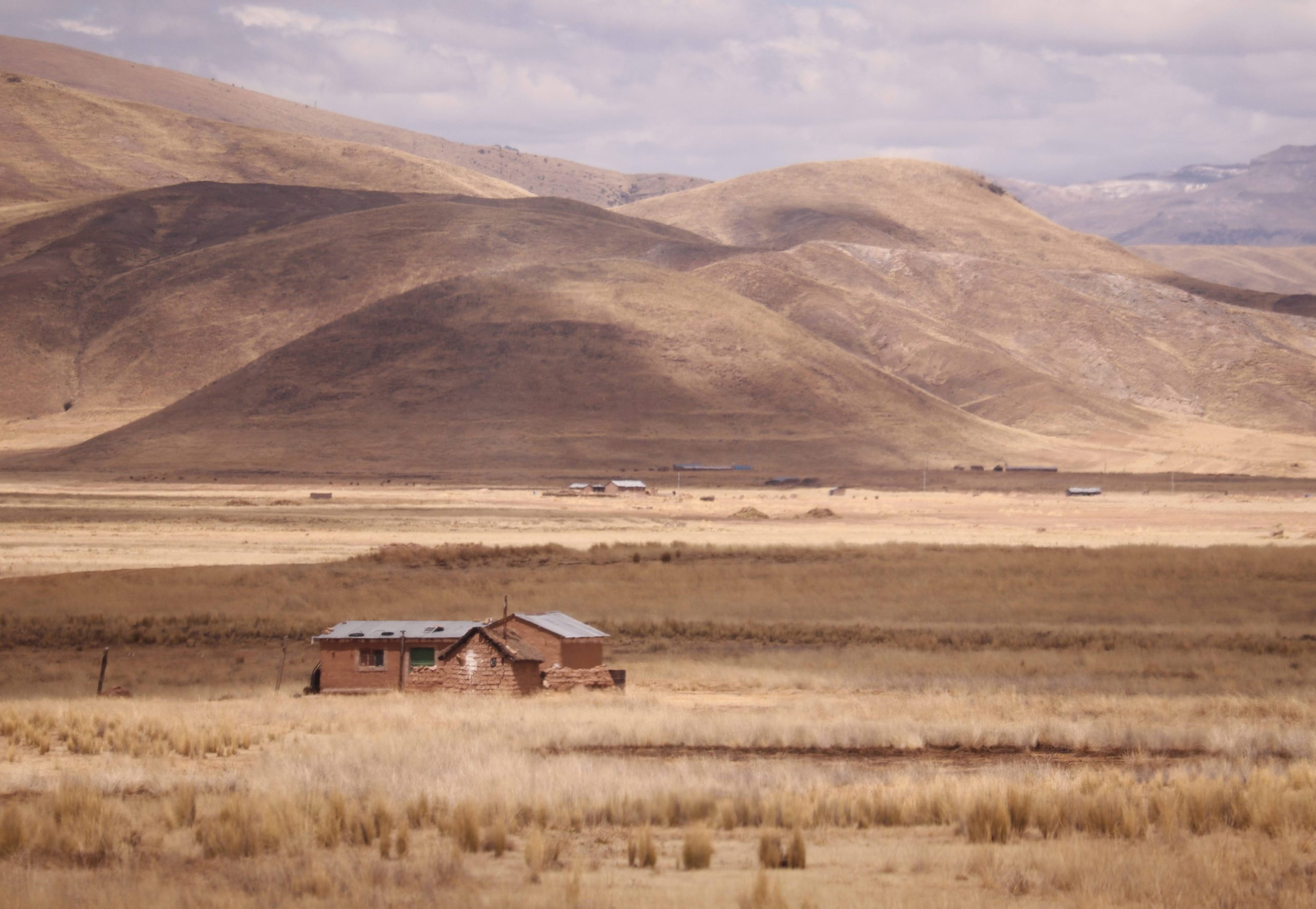
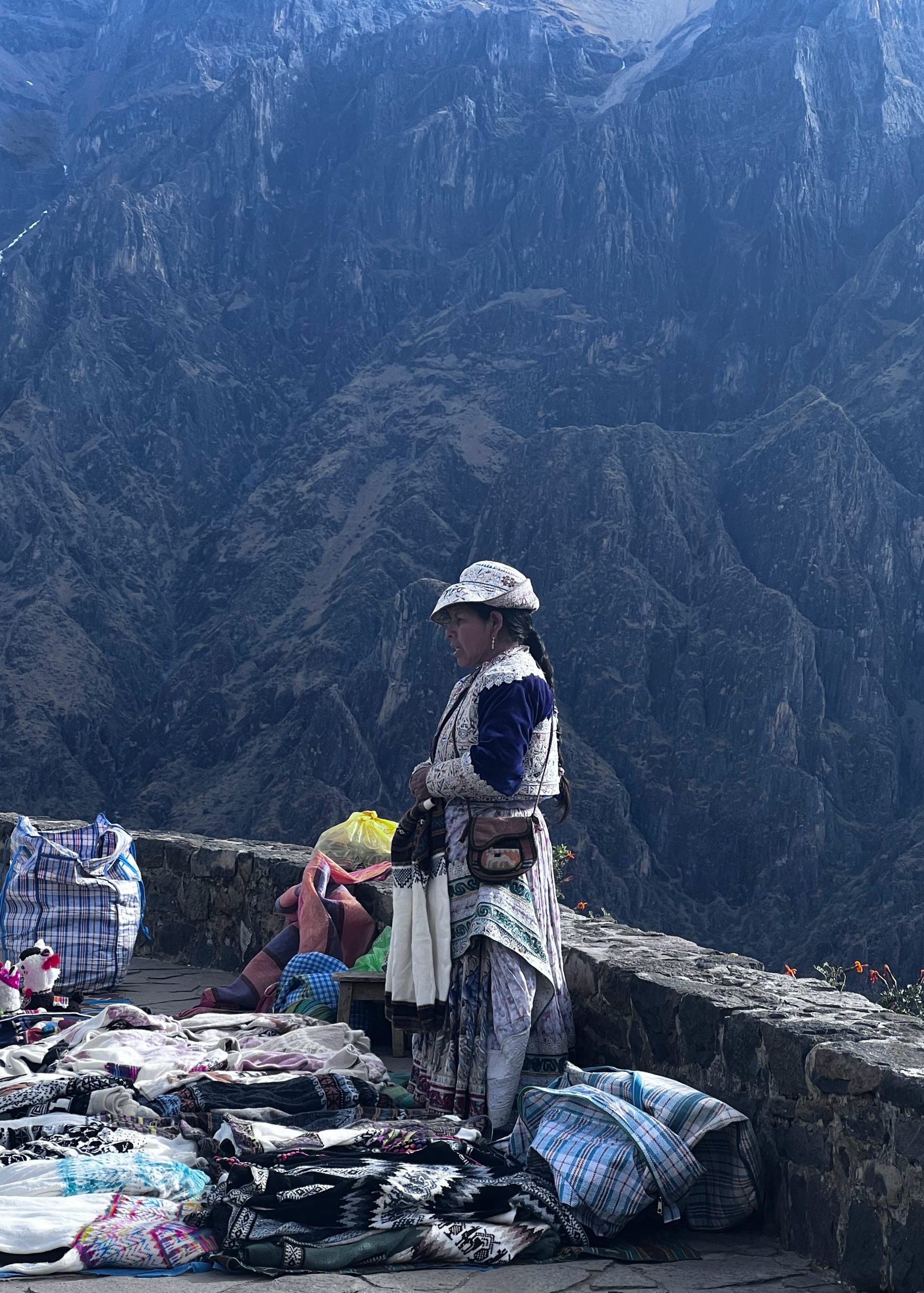
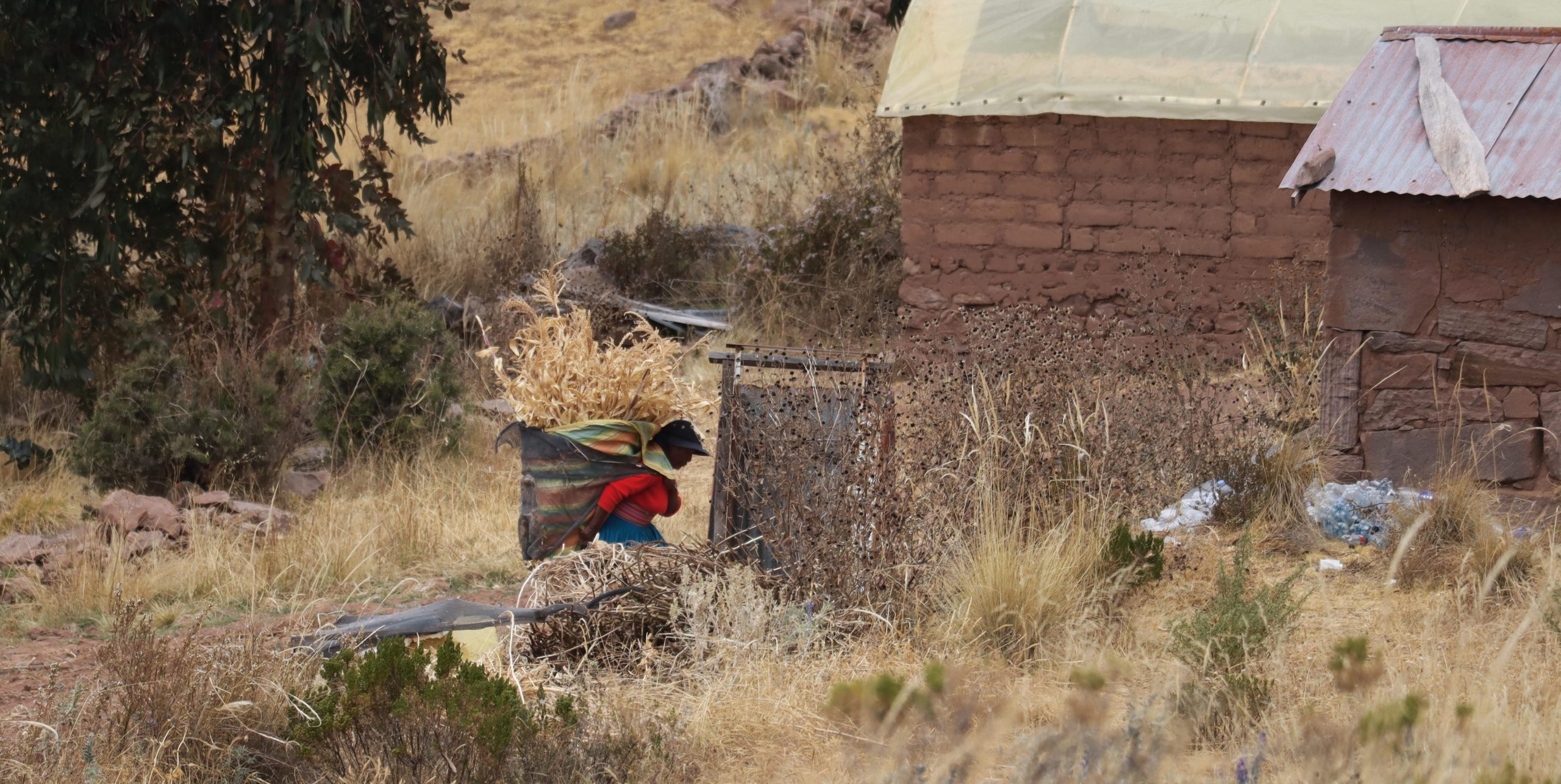
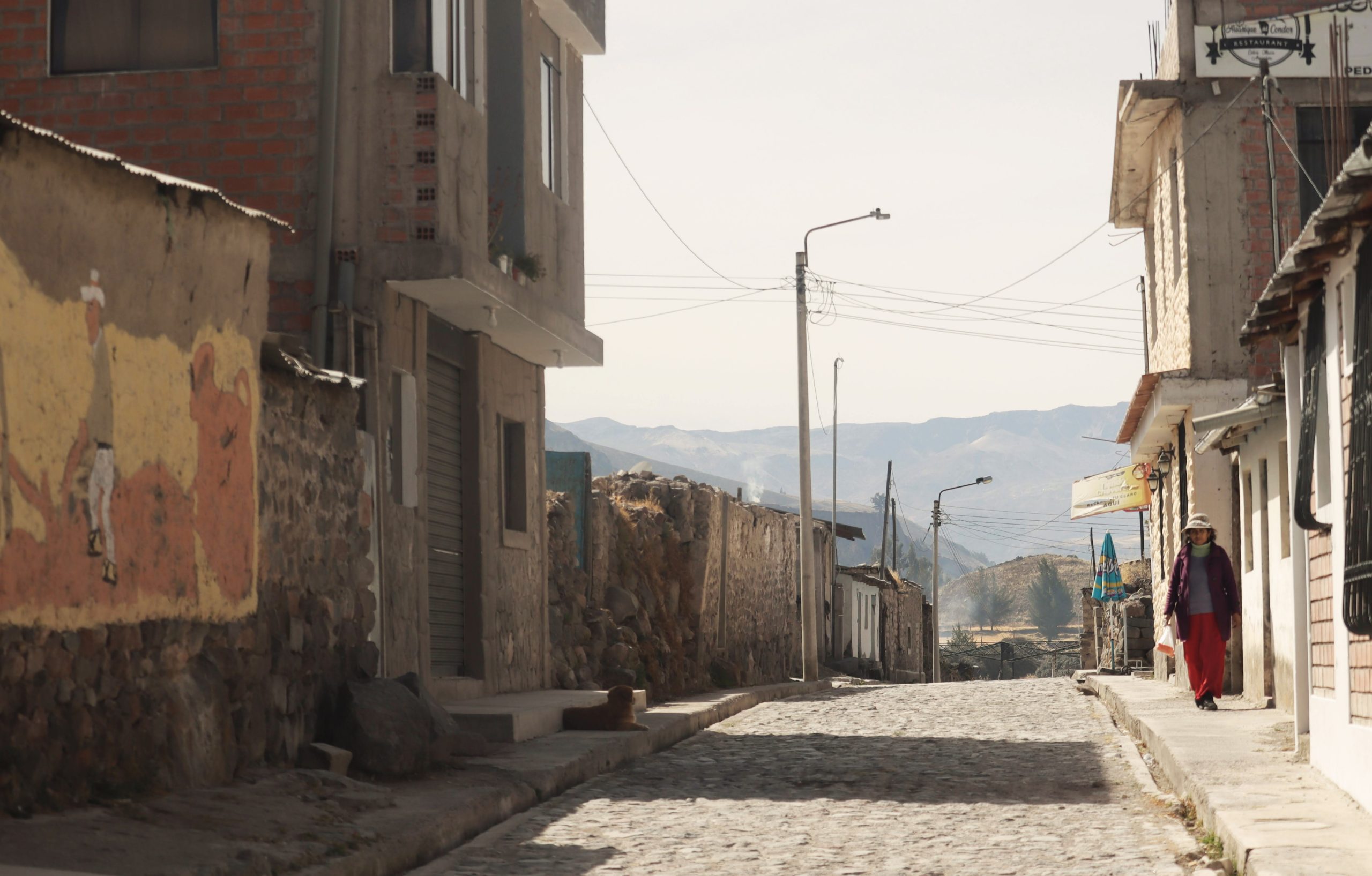
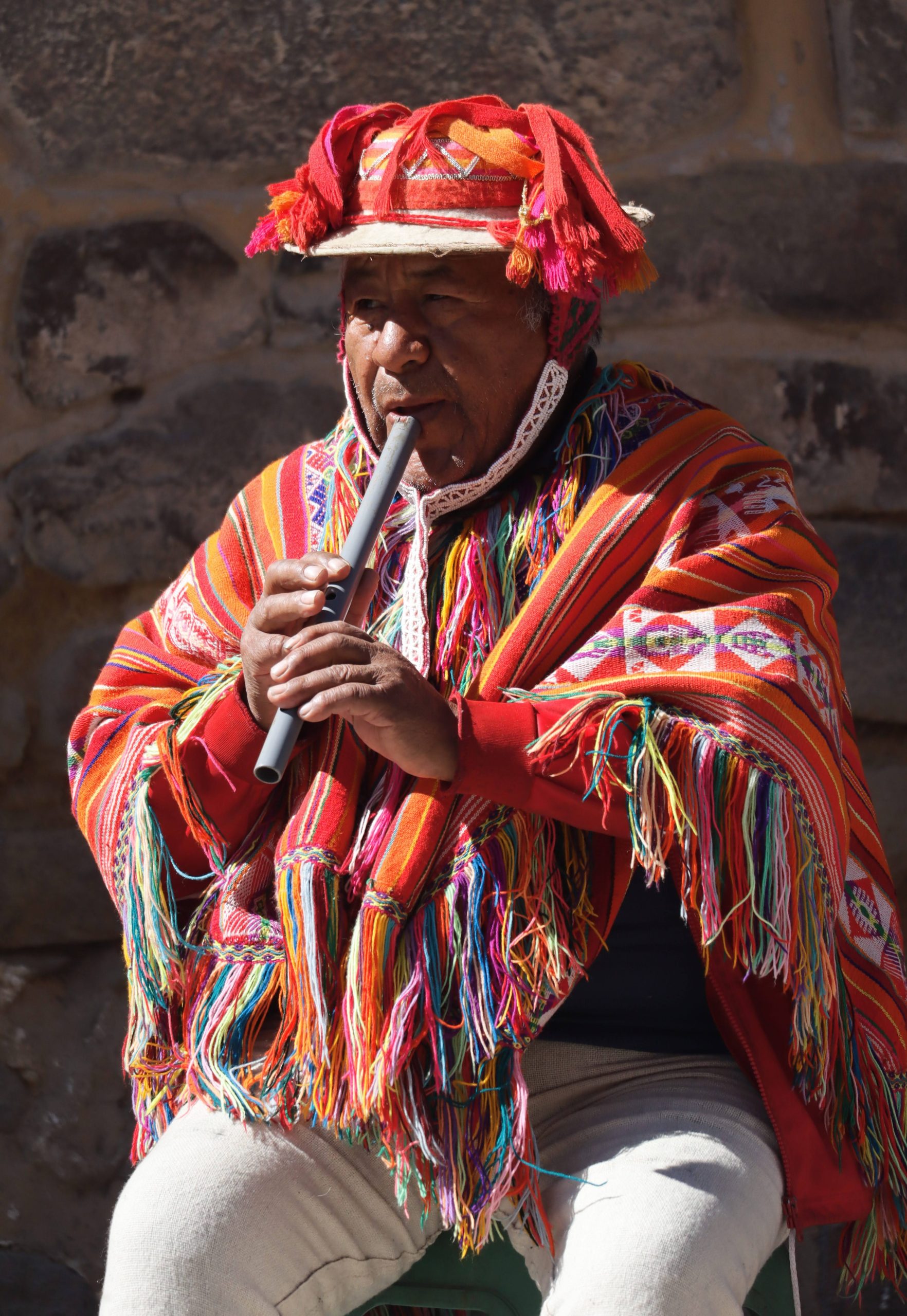
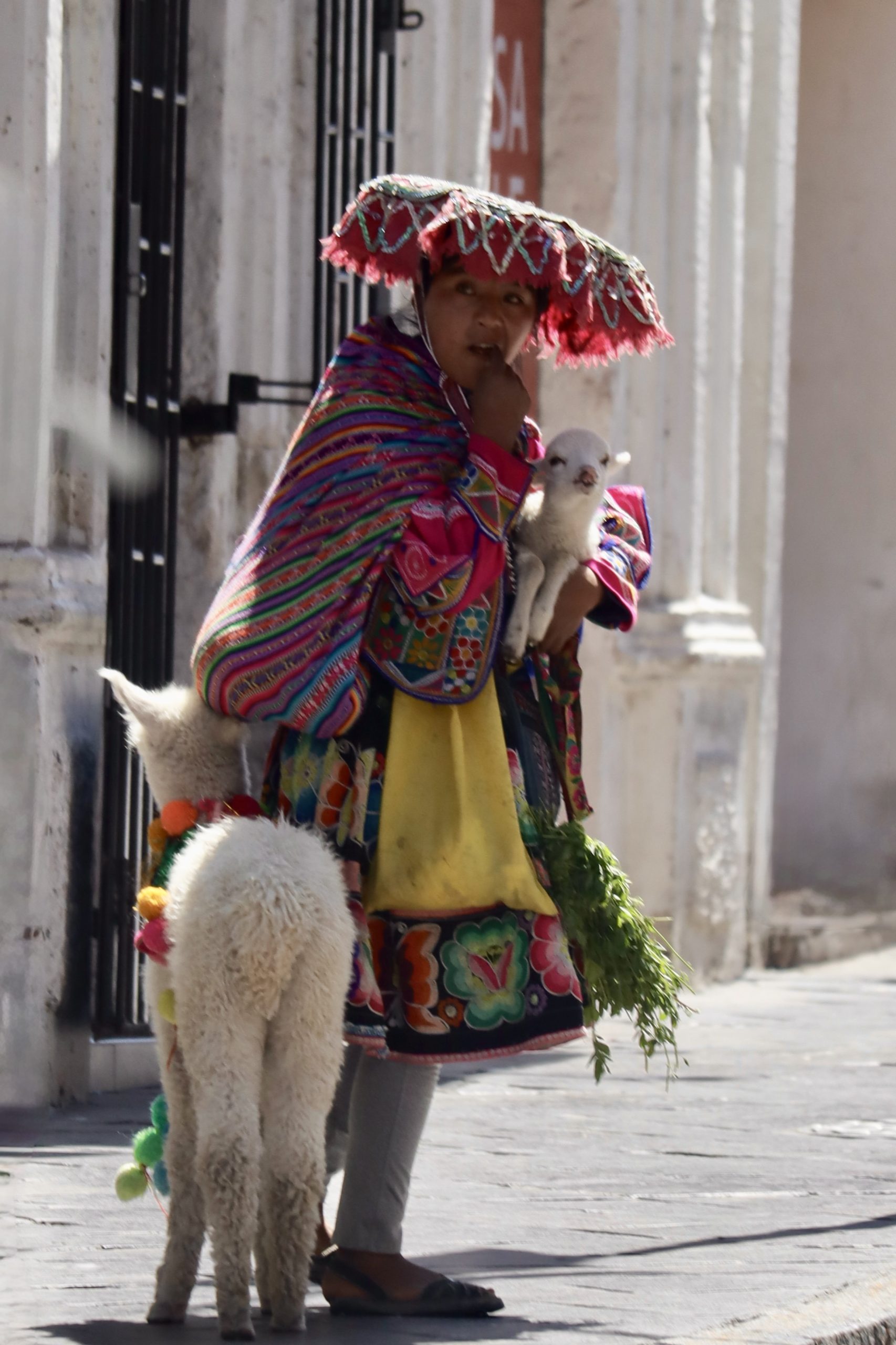
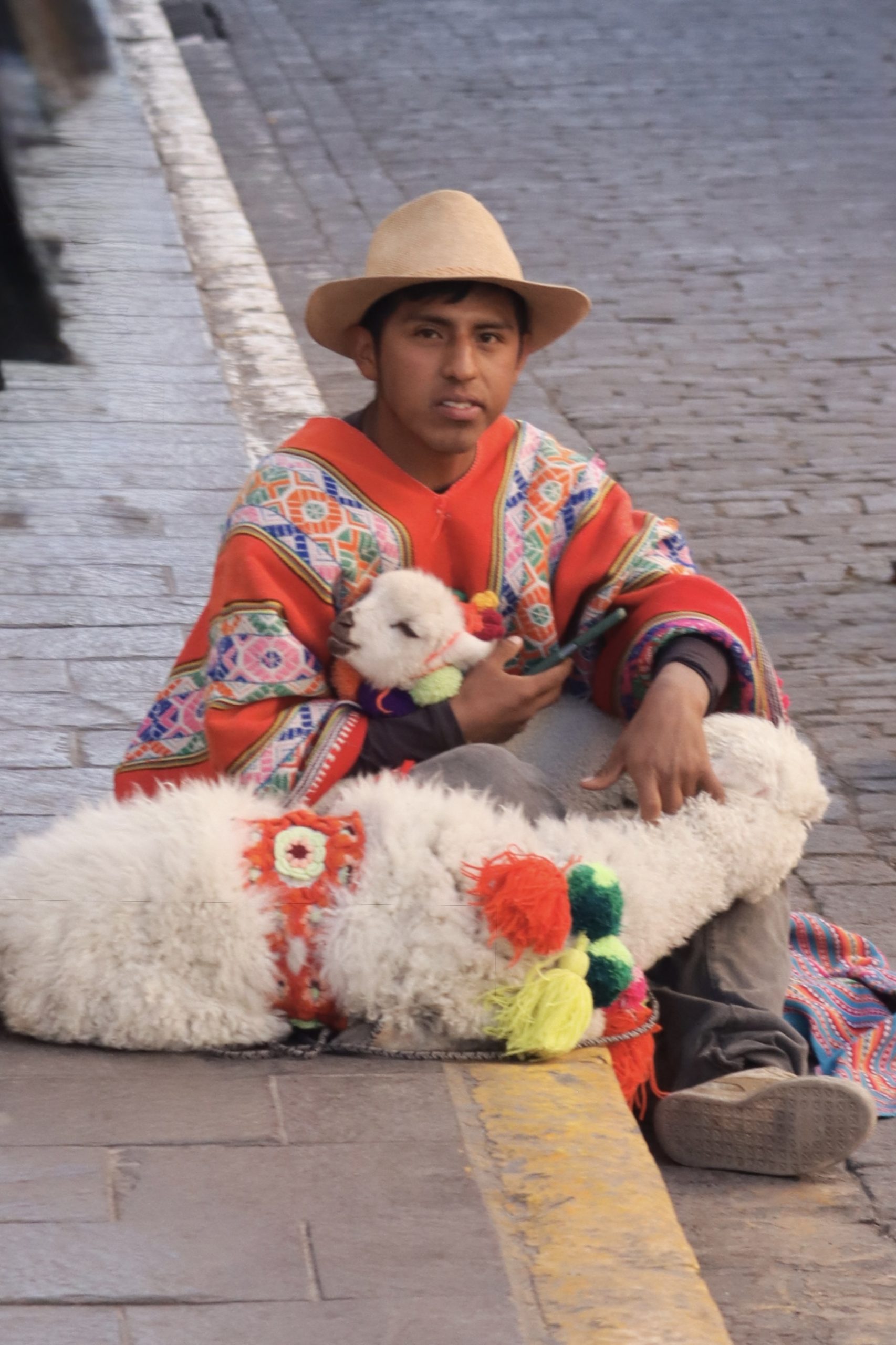
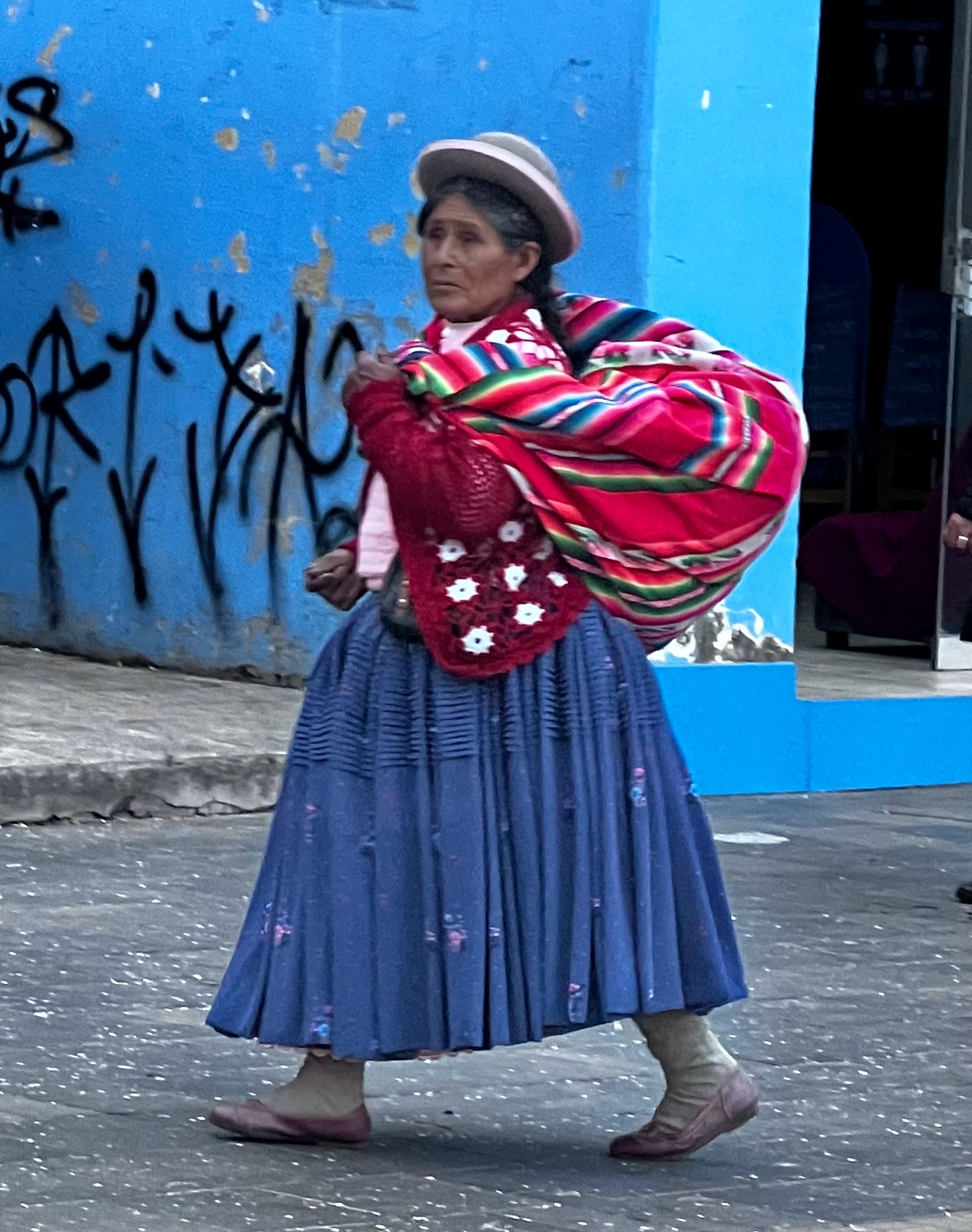
We also visited several small villages, such as the towns of Wayra Punku and Maca, where you get to see an entirely different lifestyle. The tallest buildings in these villages tend to be a church near a plaza. Most are small, simple one-floor homes alongside streets made of gravel or cobblestones with few cars—mostly motorcycles and bikes. Villagers are often dressed in traditional clothes; many are street vendors working alongside retail businesses. Time almost seems to stop here; no one is in a hurry except the buses that come and go with tourists.
The City of Puno and the Boundless Titicaca Lake and Floating Islands
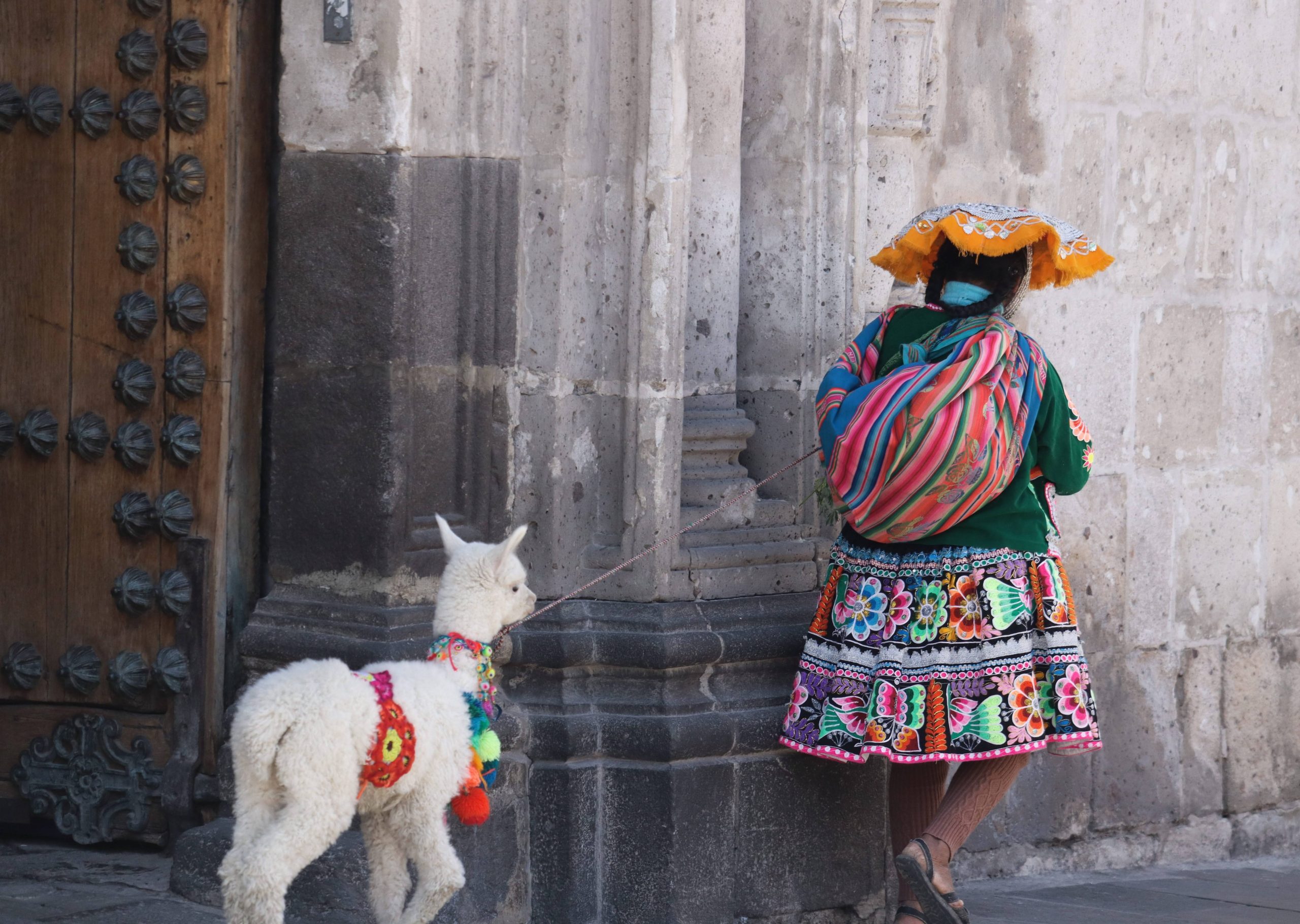
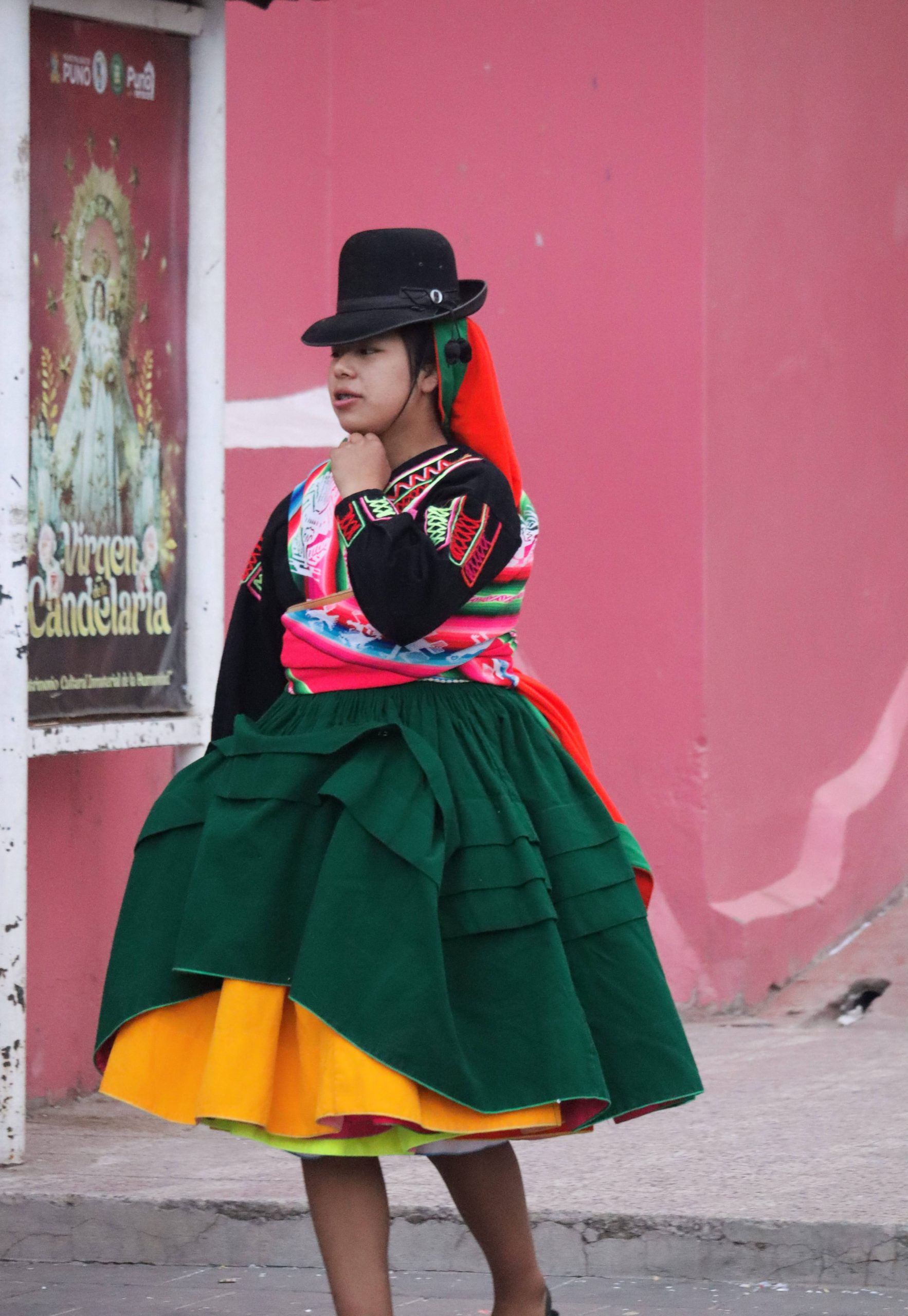
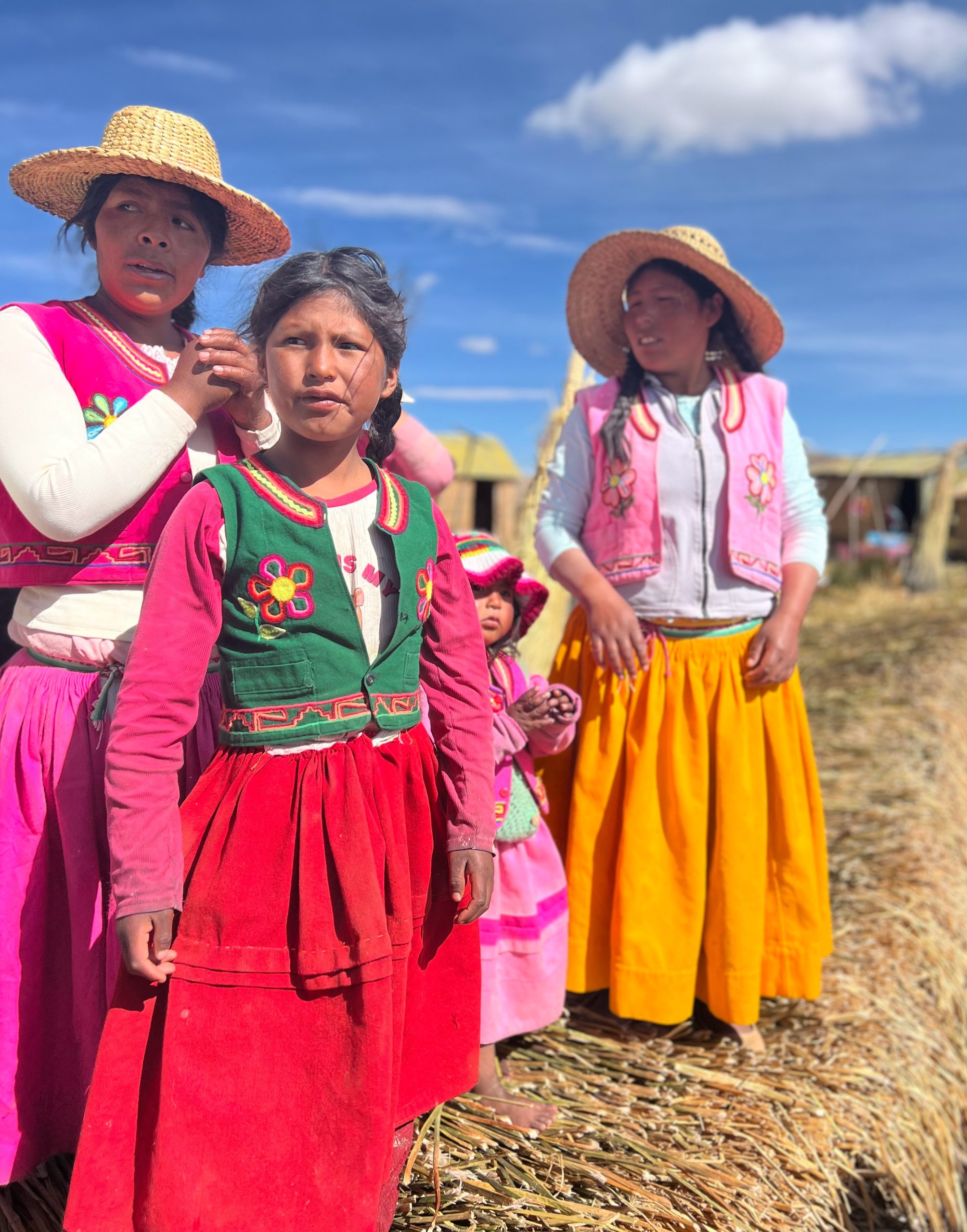
Once we arrived at the city of Puno, many of us took to the streets to experience what this small colonial city offered—an interesting mix of it being both a tourist destination and a traditional community. Noting that it was Friday evening, I walked over to the church and plaza where groups of people were performing or dressed up in traditional Andean clothes celebrating a family event. I was struck by the clothes women wore (it almost felt like I was stepping into a colonial era). The women of all ages wore these multilayer pleated skirts called “polleras” featuring bright colors and intricate design patterns. I have witnessed these polleras in other communities, however, in this town, the skirts were a bit huge and puffier in the front. The plaza was full of families and couples sitting and enjoying a breezy evening, while many, including tourists, were shopping or dining. Quite the spectacle! After a meal, I was quite exhausted from the altitude and called it a night.
The Uros and Floating Islands
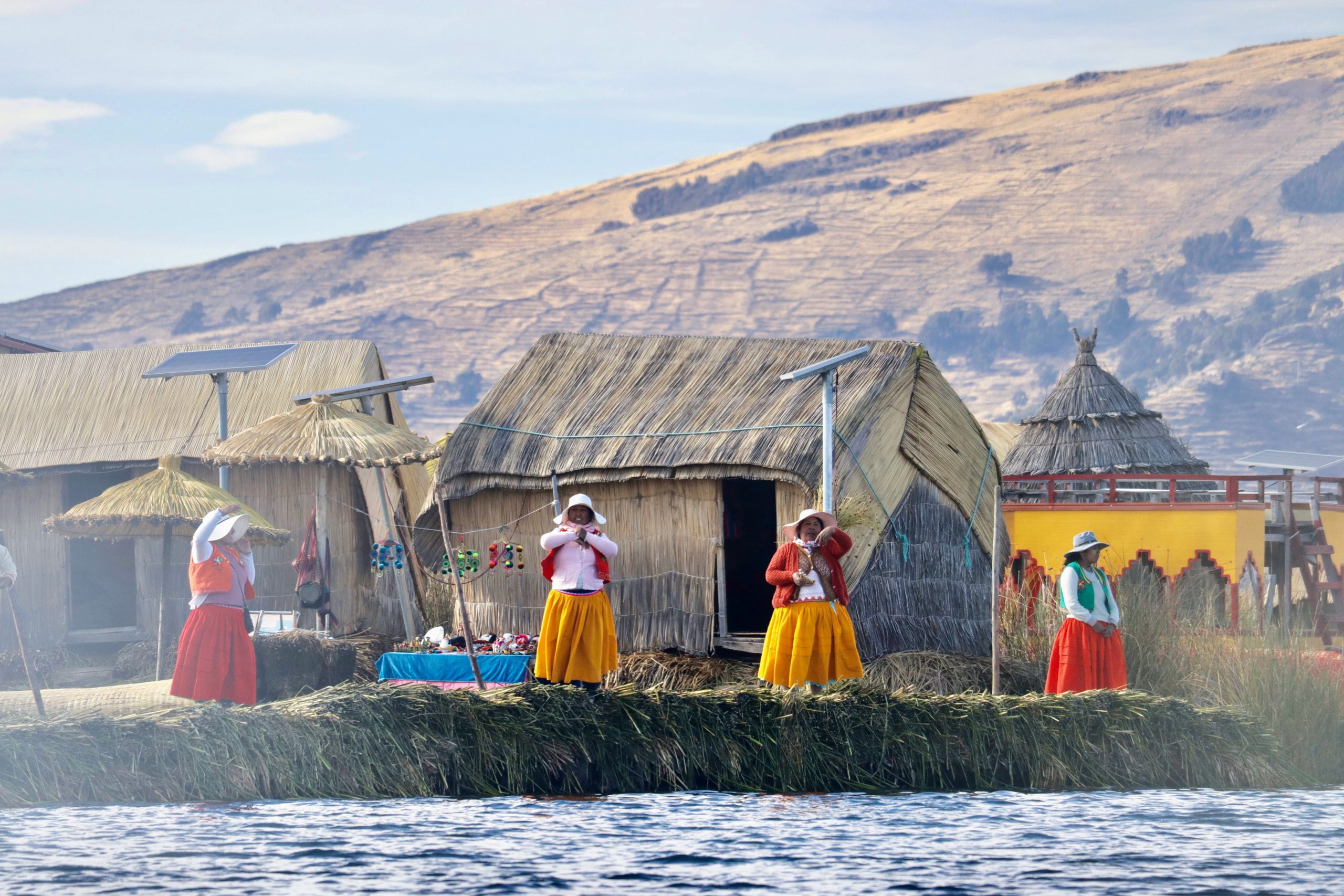
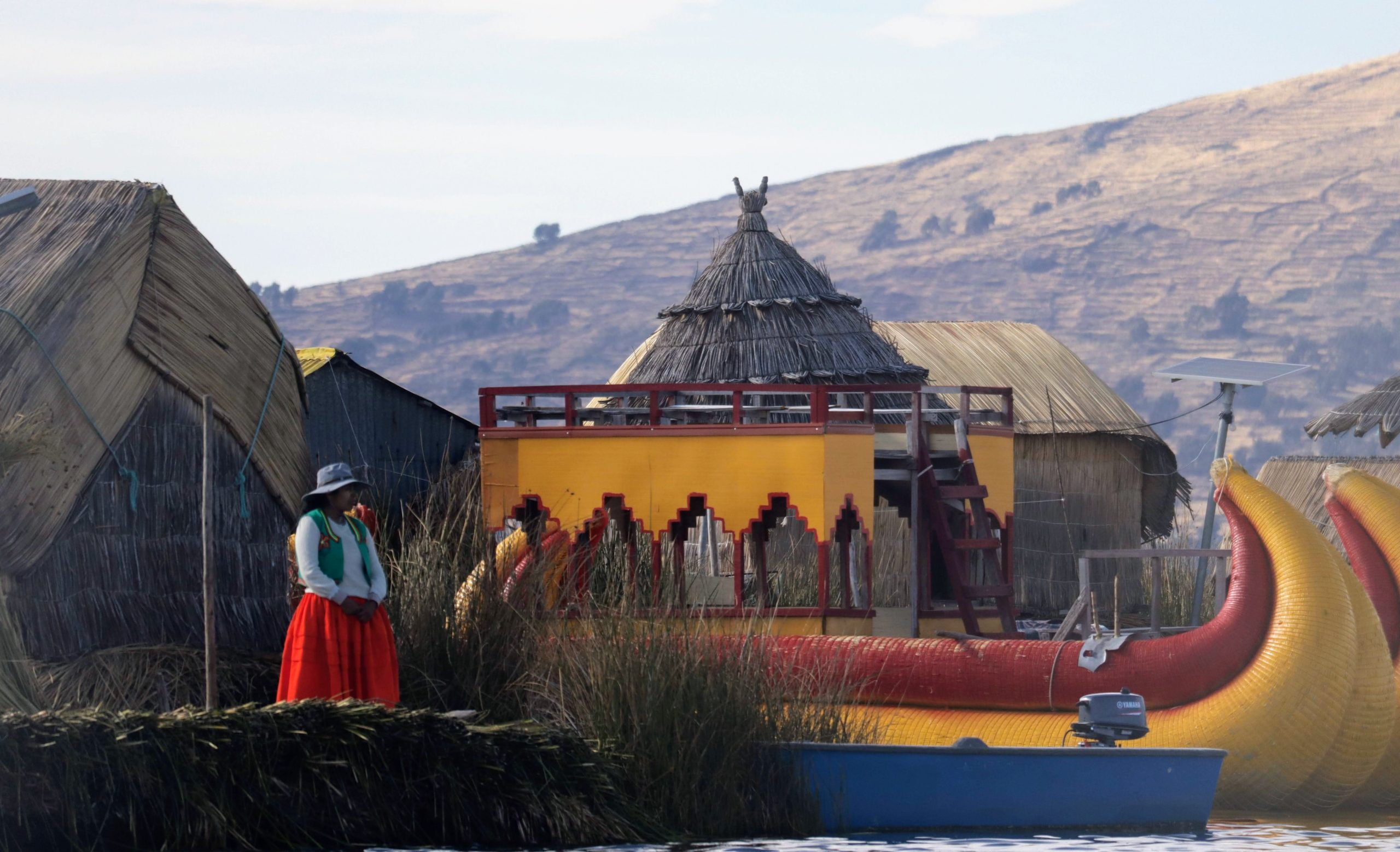
The next day we were driven to the port to board a boat to visit Lake Titicaca, the highest navigable body of water in the world. Lake Titicaca sits 12,500 ft above sea level and stands as one of South America’s largest lakes. It’s surreal to see such a gigantic lake nestled in the mountains between Peru and Bolivia. But the most interesting part of this lake is the 120 floating islands built by the Uro people, the oldest ethnic group in the central Andes dating back to pre-Inca times. I was very excited to visit these floating islands and learn about the Uro people. I was floored and amazed by this unique experience, thus deserving its own story. Click below to read.
The Floating Islands: The Enduring World of the Uro People.
From there we left to visit the island of Taquile for lunch and to experience what rural life is like for 2,000 households. Once on the island, we experienced a slow pace hike to get to the top of the cliff where the restaurant was located. Many of us were consistently out of breath. I must have stopped at least 5 times to rest (all worth it). We feasted on traditional Peruvian food, learned about the island’s population and experienced a musical performance by young folks. By the time we returned, it was the end of a full day and quite satisfying.
Train Ride to the City of Cusco
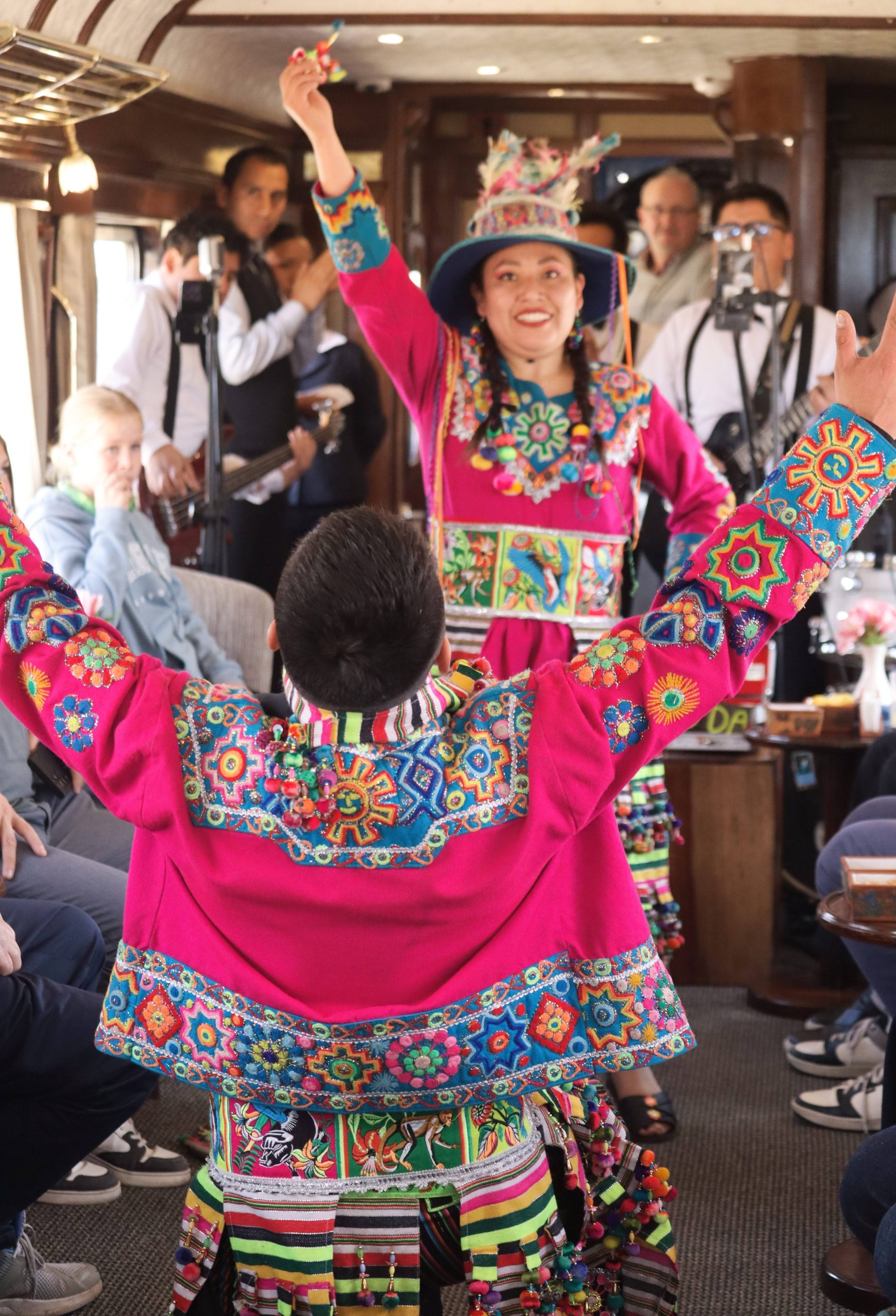
I had already dreamed of taking this 10-hour train to eventually get to Machu Picchu. Nothing like riding a well-preserved old-fashioned train that offers you plenty of food, music, performances and even a fashion show. The best part was the wondrous views of the Peruvian Andes’ majestic landscapes and later stopping at the Abra La Raya, the highest point of the route (14,107 feet about sea level) to step out of the train, stretch your legs and take more photos. By the time we got to Cusco, it was almost 7 pm. I managed to walk a bit around the district, grab something to eat and begin experiencing this vibrant city. Cusco is also a UNESCO World Heritage Site—a colonial city much larger than Arequipa with its own airport. In hindsight, I would have liked to have spent three nights in this city as there was much to do but very little time. During these two and a half days the tour included a visit to the iconic San Pedro Market, a visit to several archeological sites including the well-known Koricancha Temple, an ancient Inca palace and cult center of the Sun God, and the city’s Plaza de Arma and cathedral. All quite interesting except the cathedral (they all look alike).
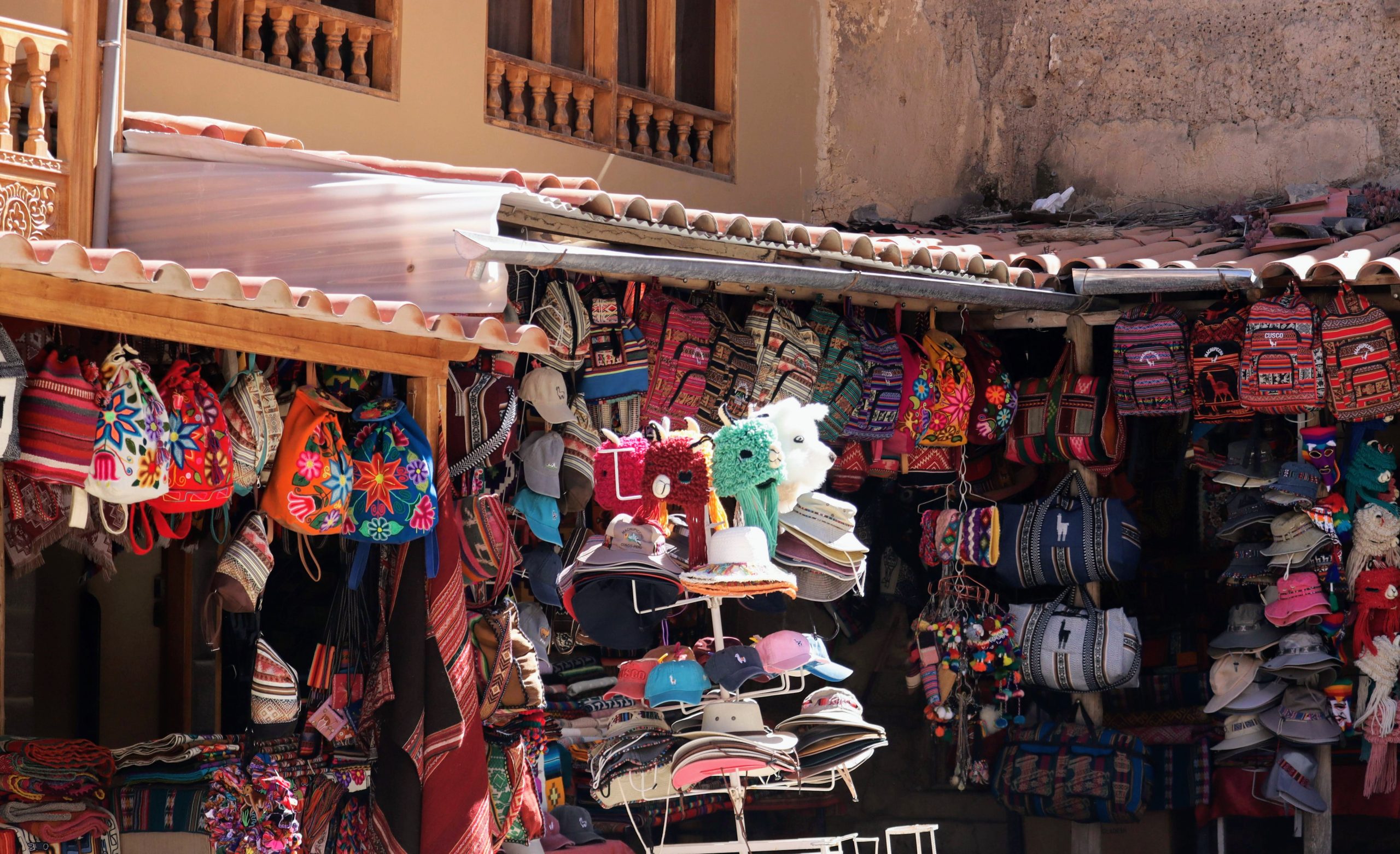
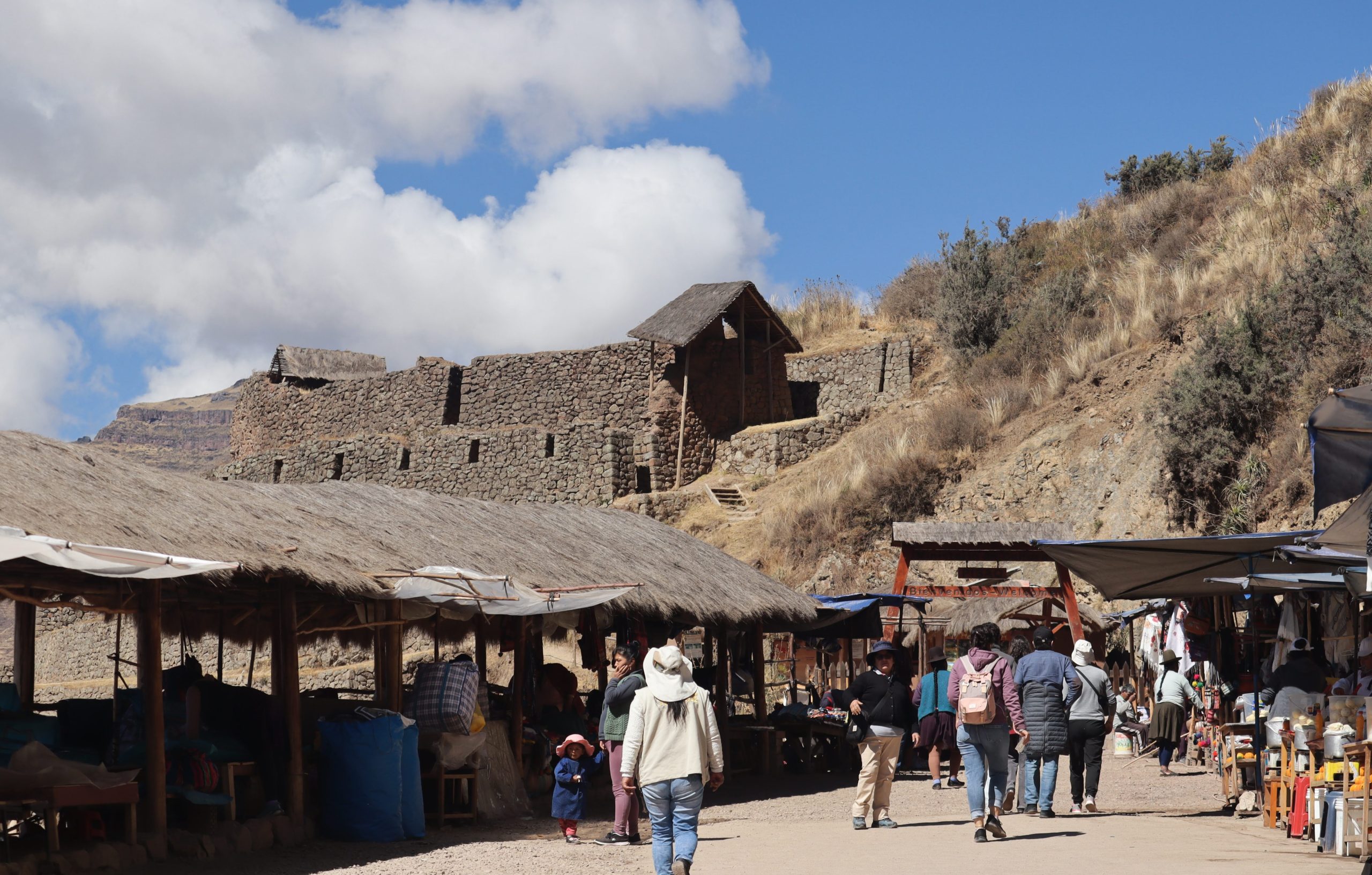
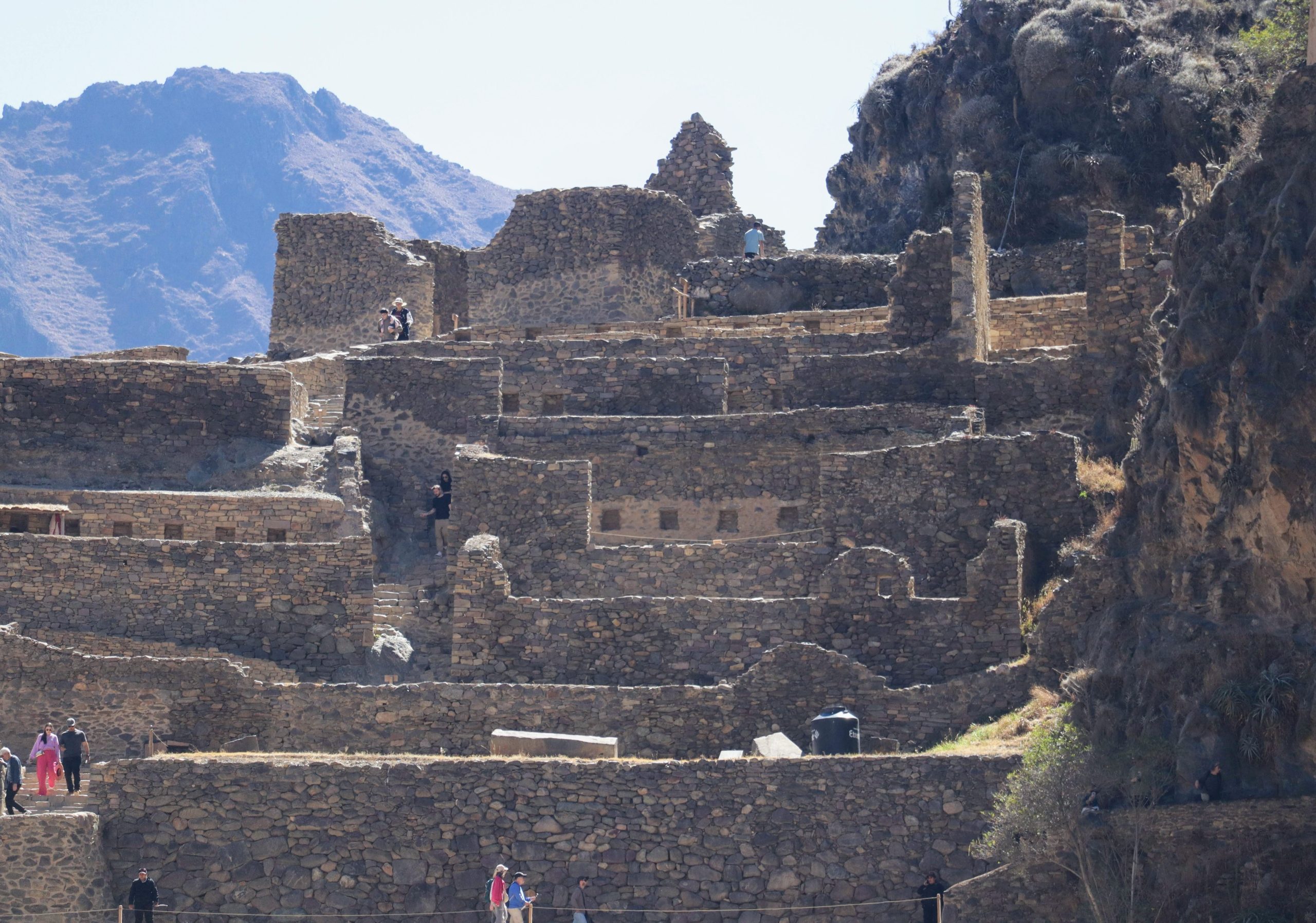
Next on our way to the Sagrado Valley, we spent the entire day visiting Písac, a lovely, picturesque, colonial town with a bustling marketplace for buying all kinds of crafts, textiles and ceramic artifacts. Quite, the cultural tapestry celebrating artisans and Peruvian traditions of all kinds. Also, we visited the Inca military ruins known as the fortress of Ollantaytambo, which I chose not to climb to pace myself as my back was hurting a bit. I still had a couple more days of touring ahead to get to Machu Picchu.
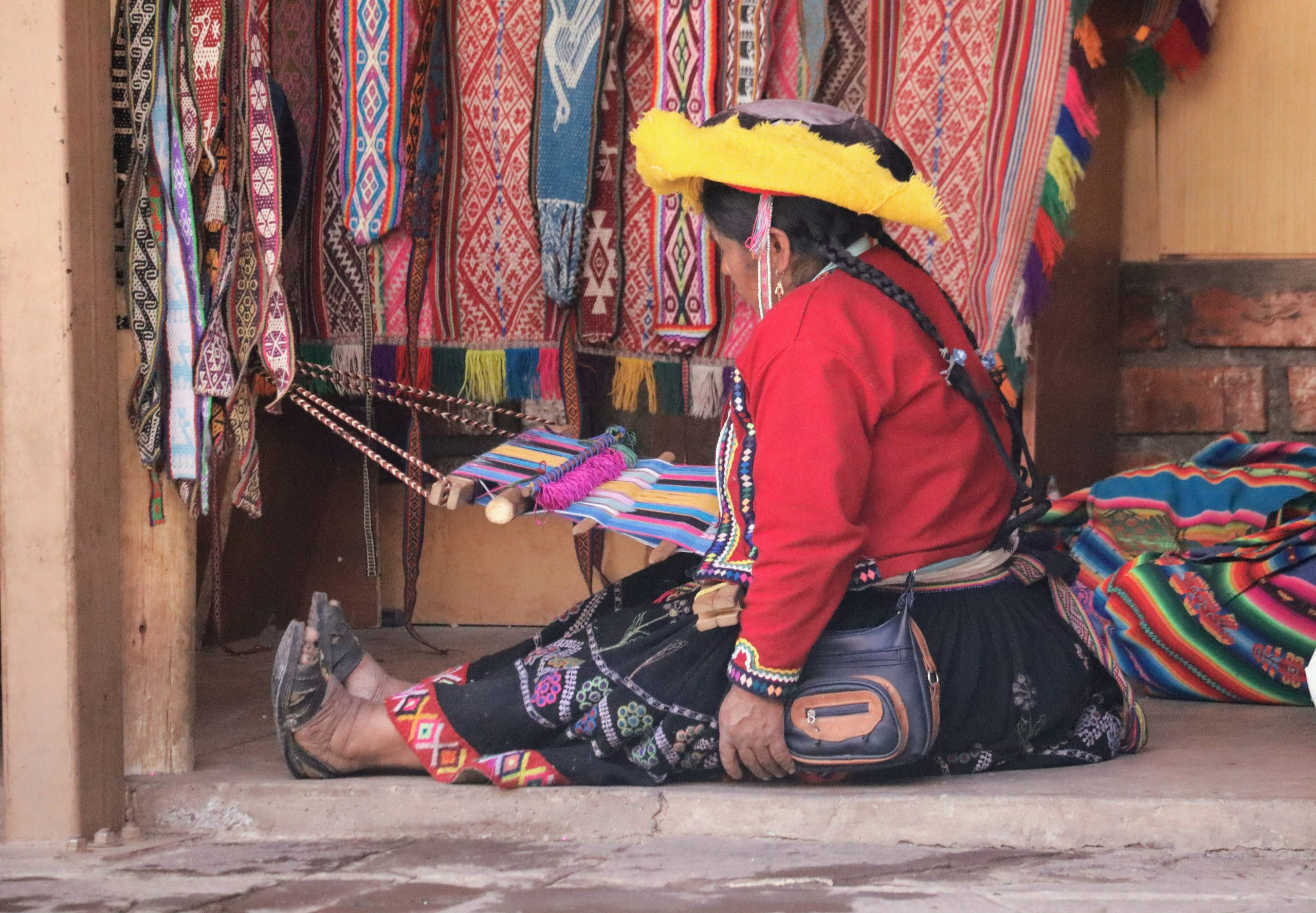
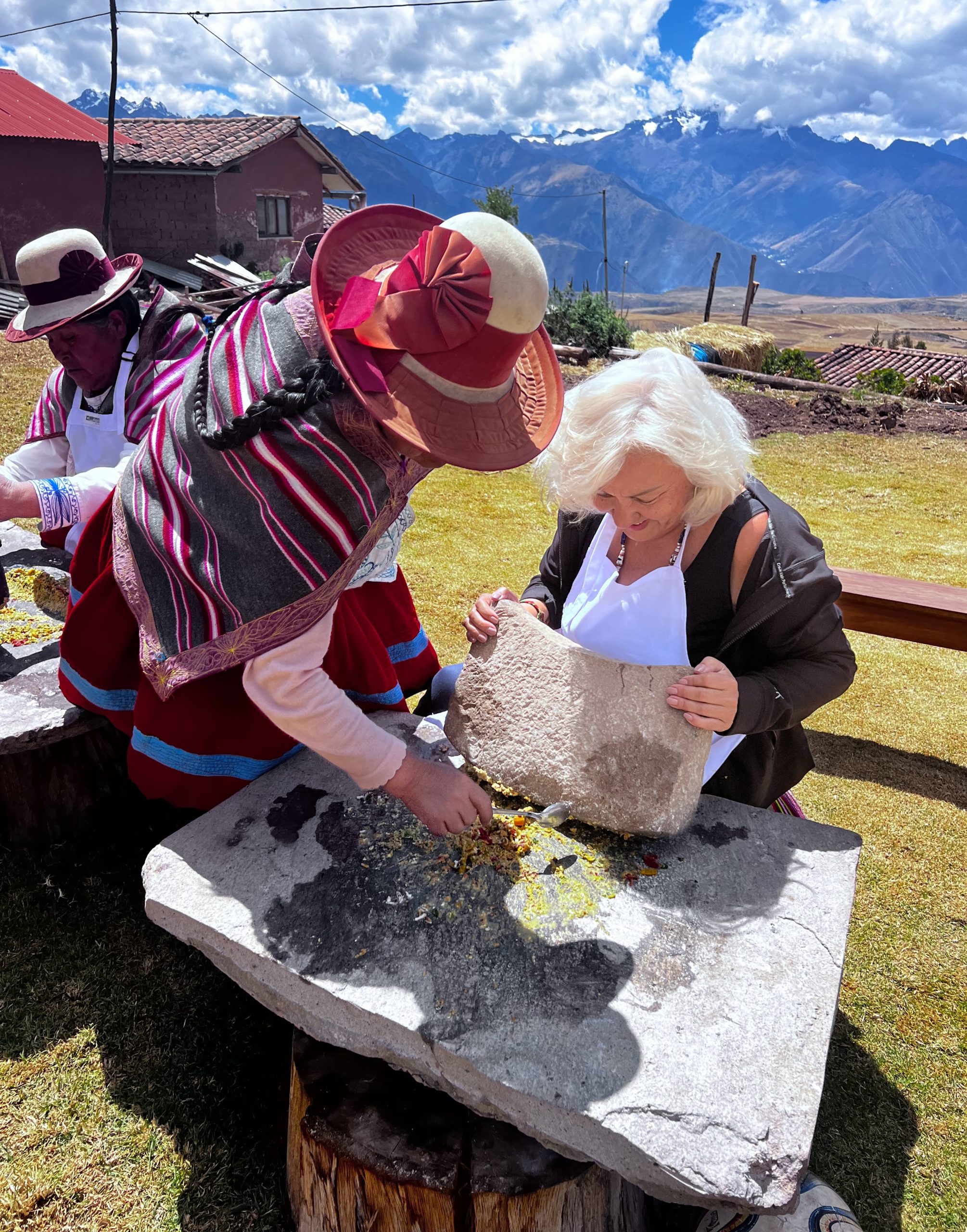
On the last day before arriving at Aguas Calientes—the gateway to Machu Picchu, I had the opportunity to spend half a day with another indigenous community known as the Misminay situated in the Sacred Valley. This primarily agricultural community is known for preserving ancestral customs both in agriculture and in weaving. I spent time learning their traditional technique, helping make a sauce for our lunch that had to be ground by hand with stones (quite a task). “Experiential tourism” is another income stream for indigenous communities to thrive while preserving their lifestyle. I plan to write about the Misminay community in my October newsletter and will update this story to include the link.
The Road to Machu Picchu… The Inca Legacy
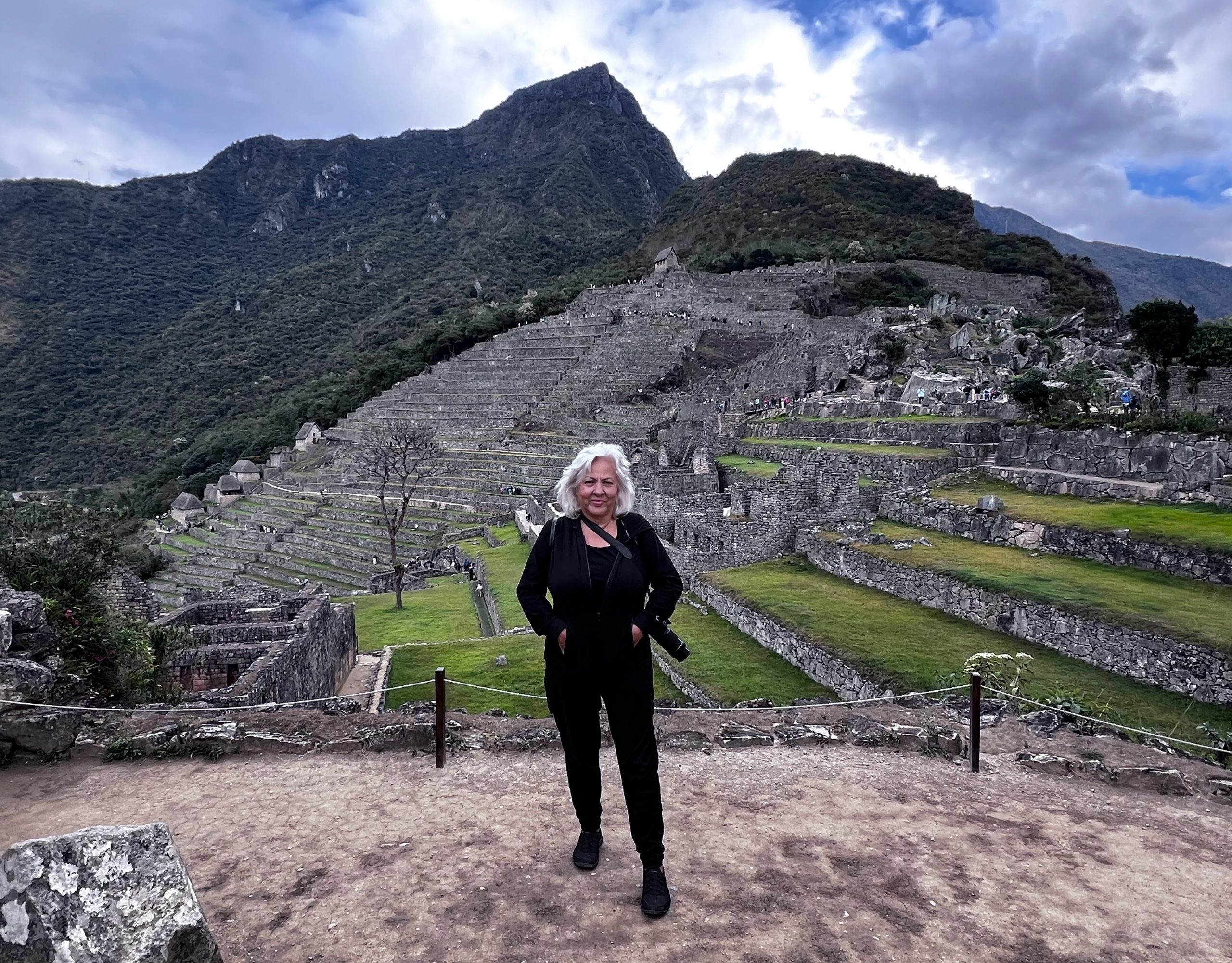
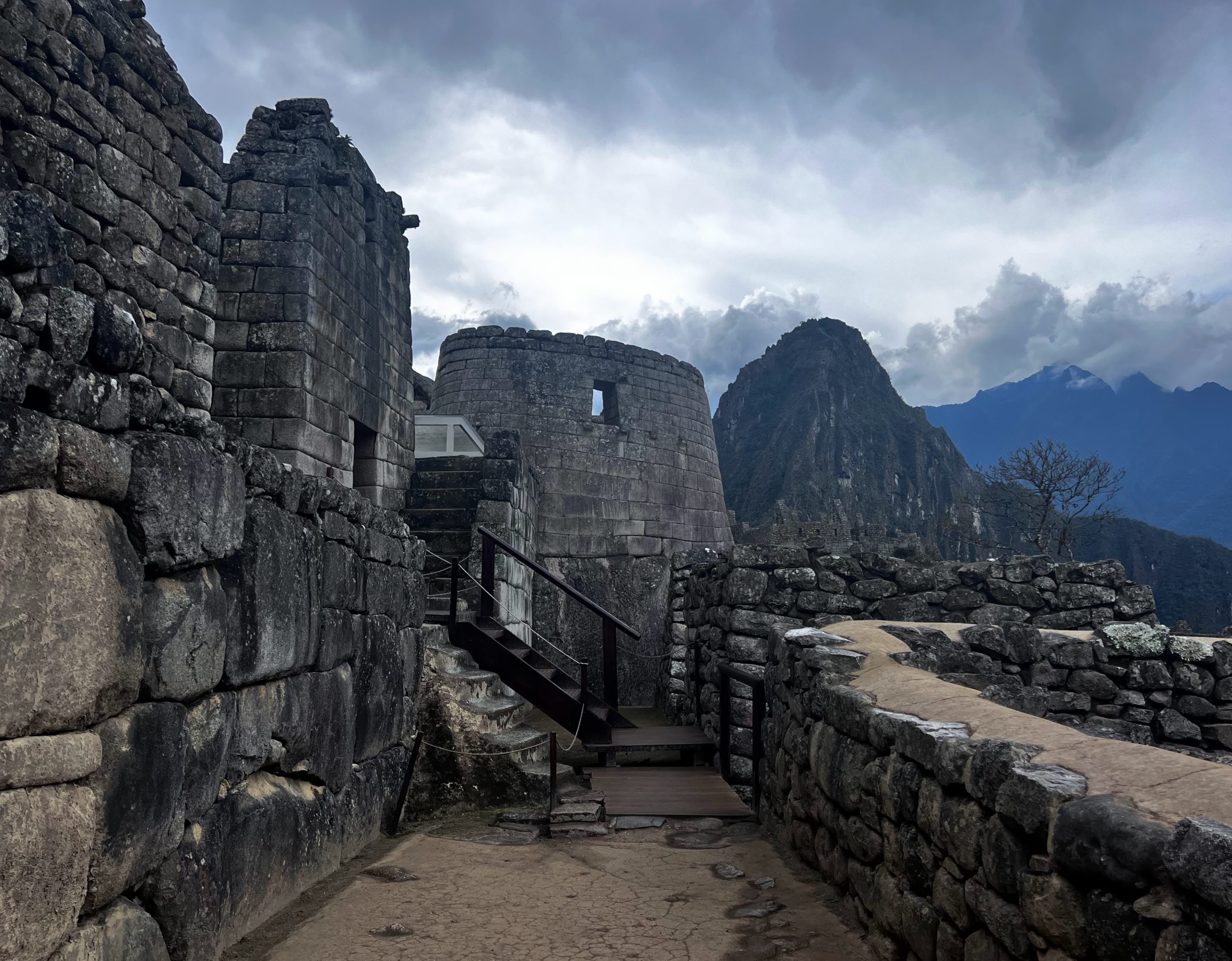
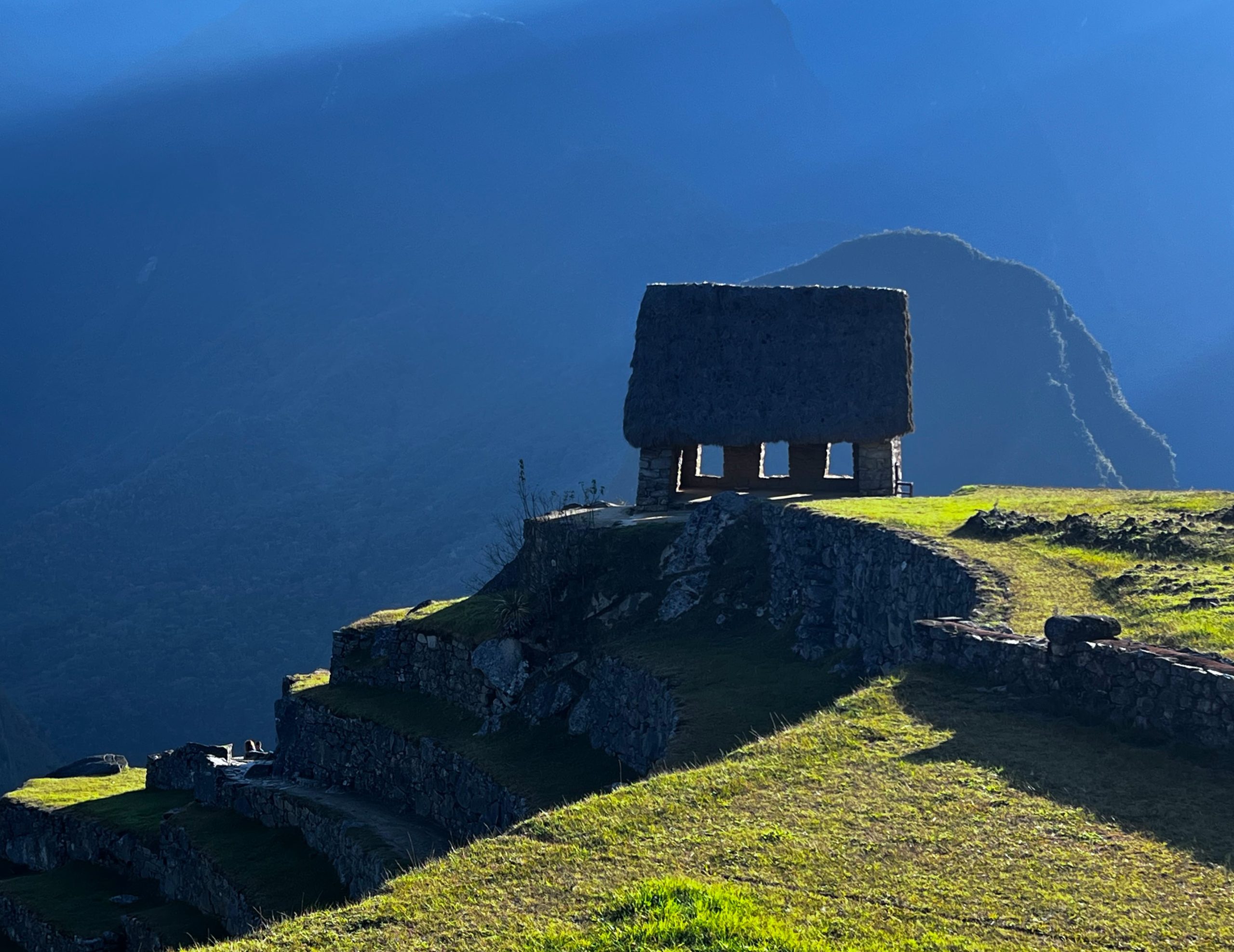
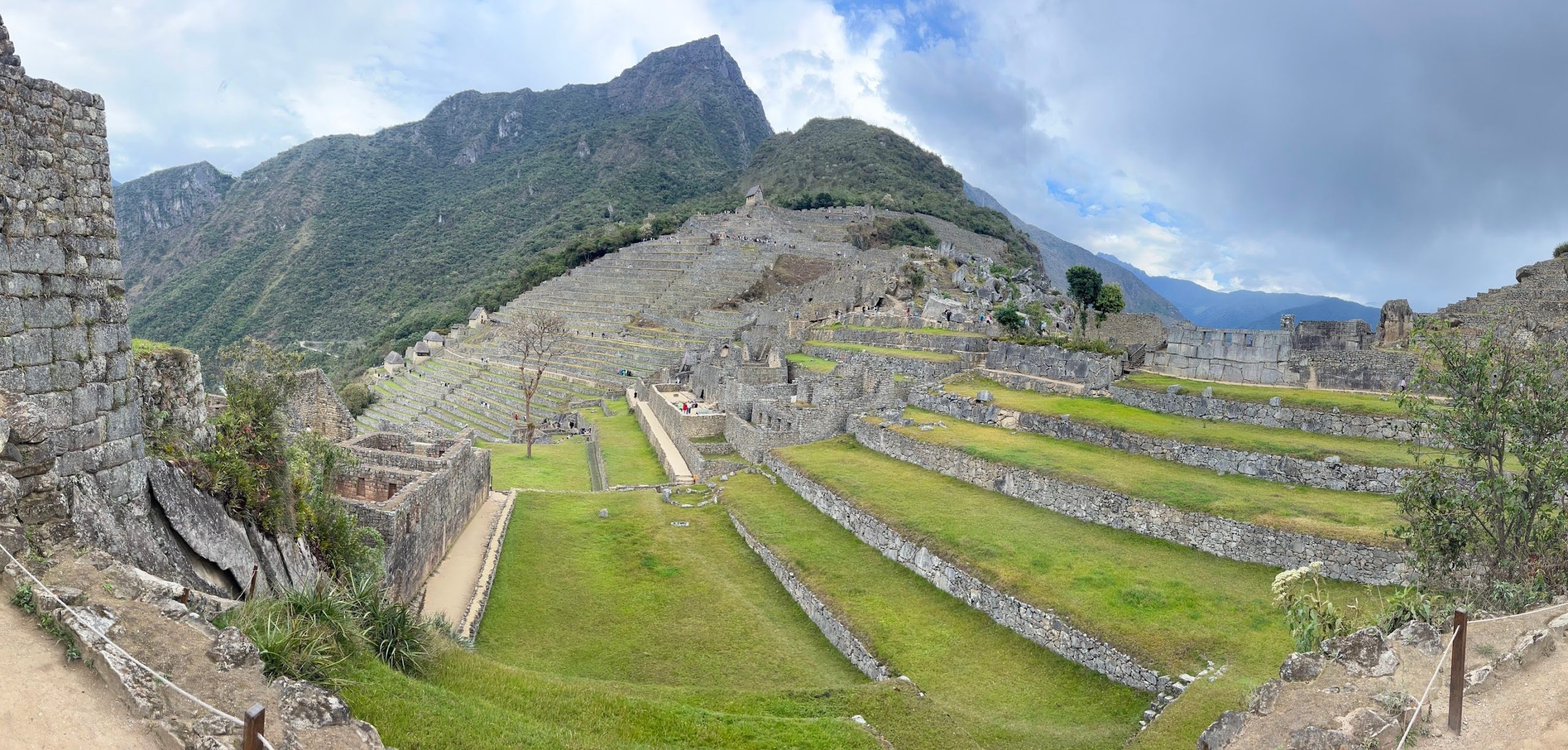
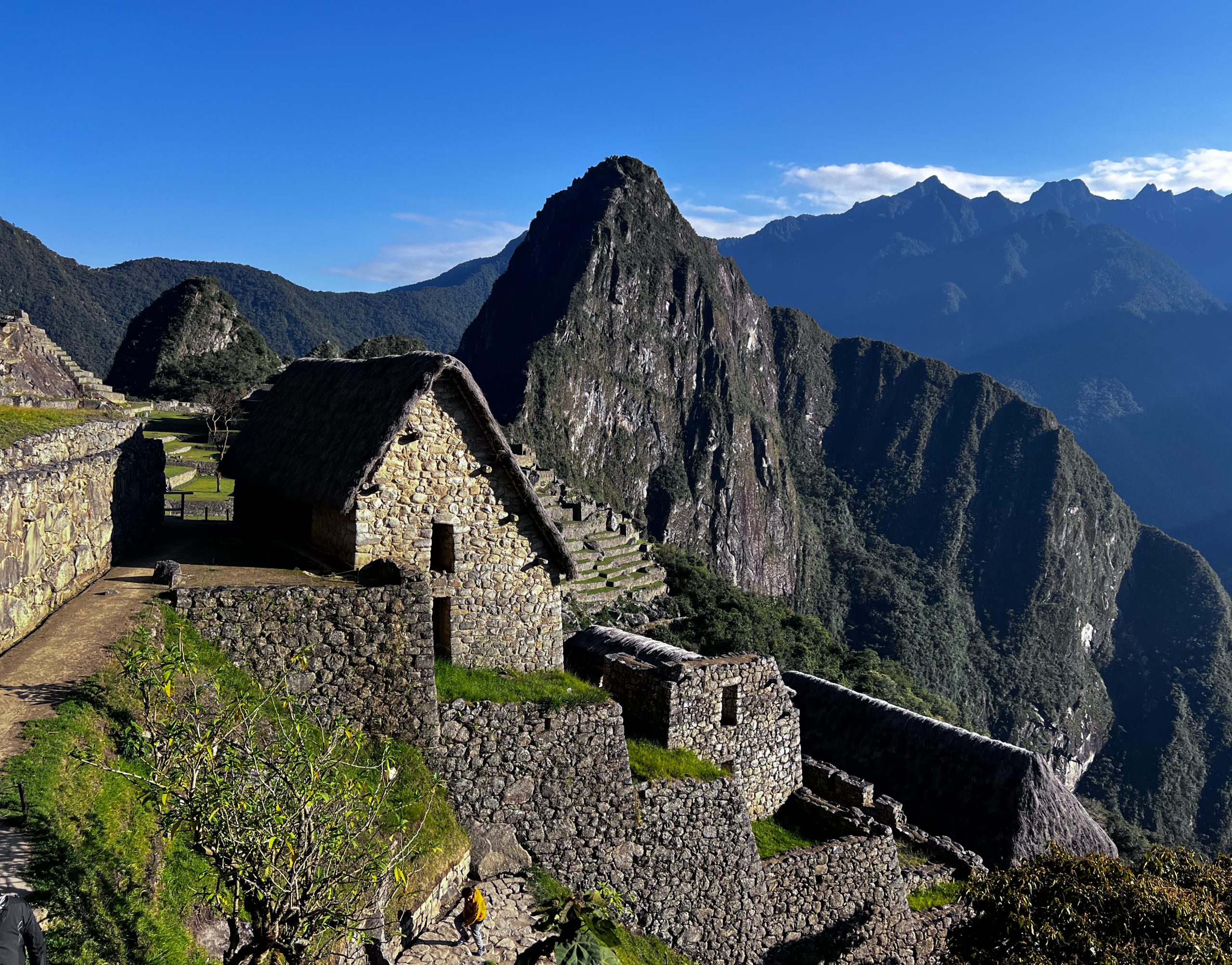
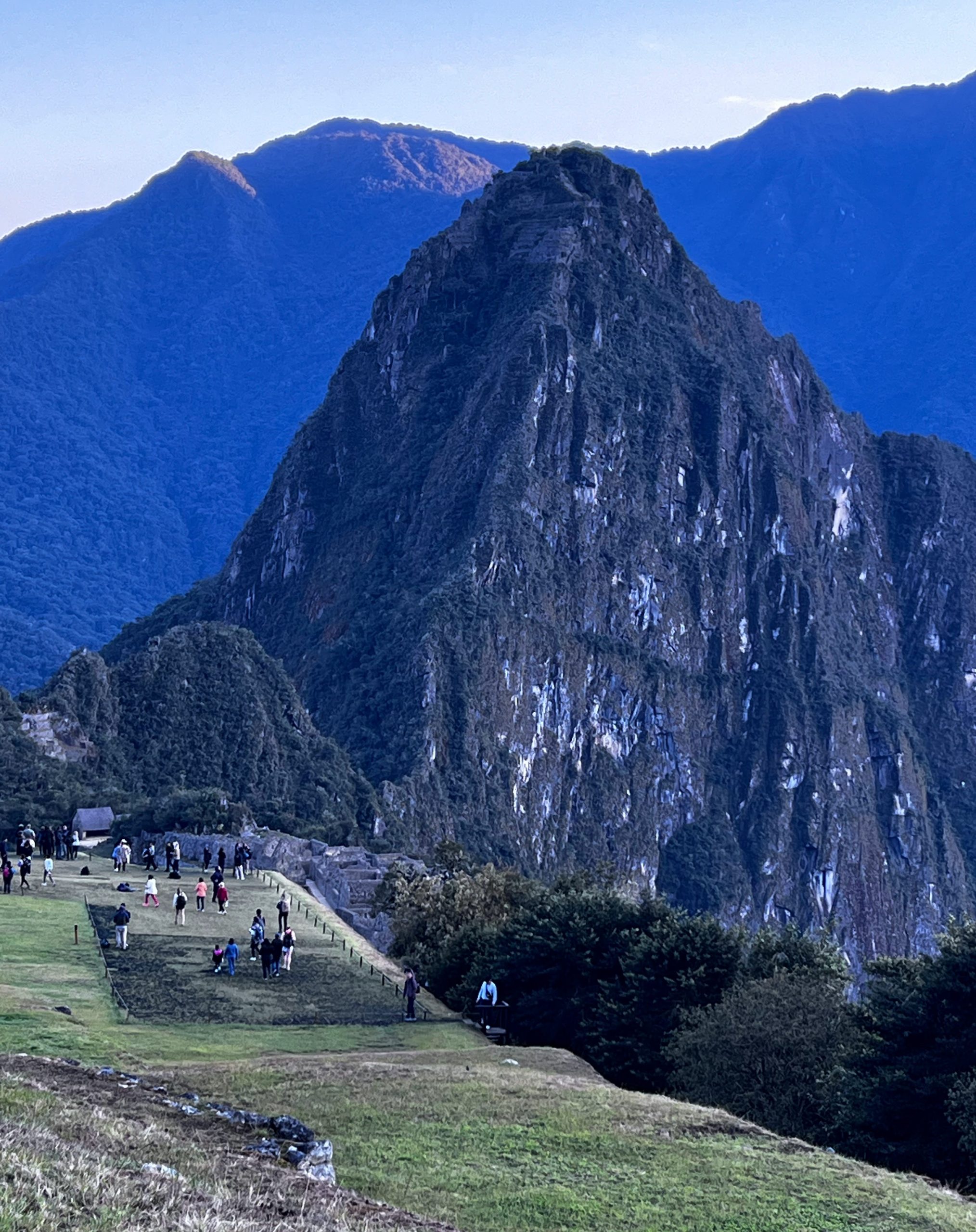
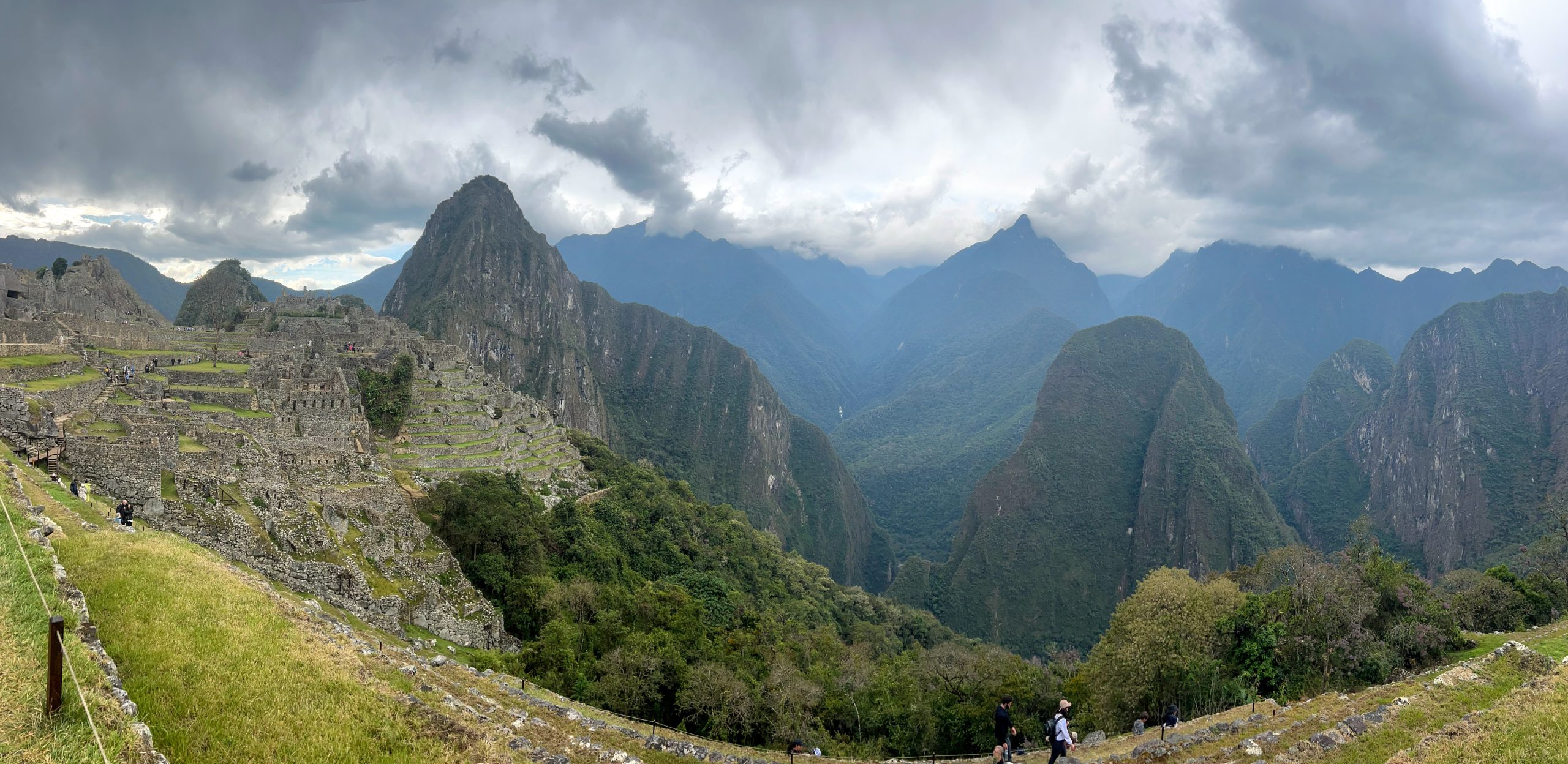
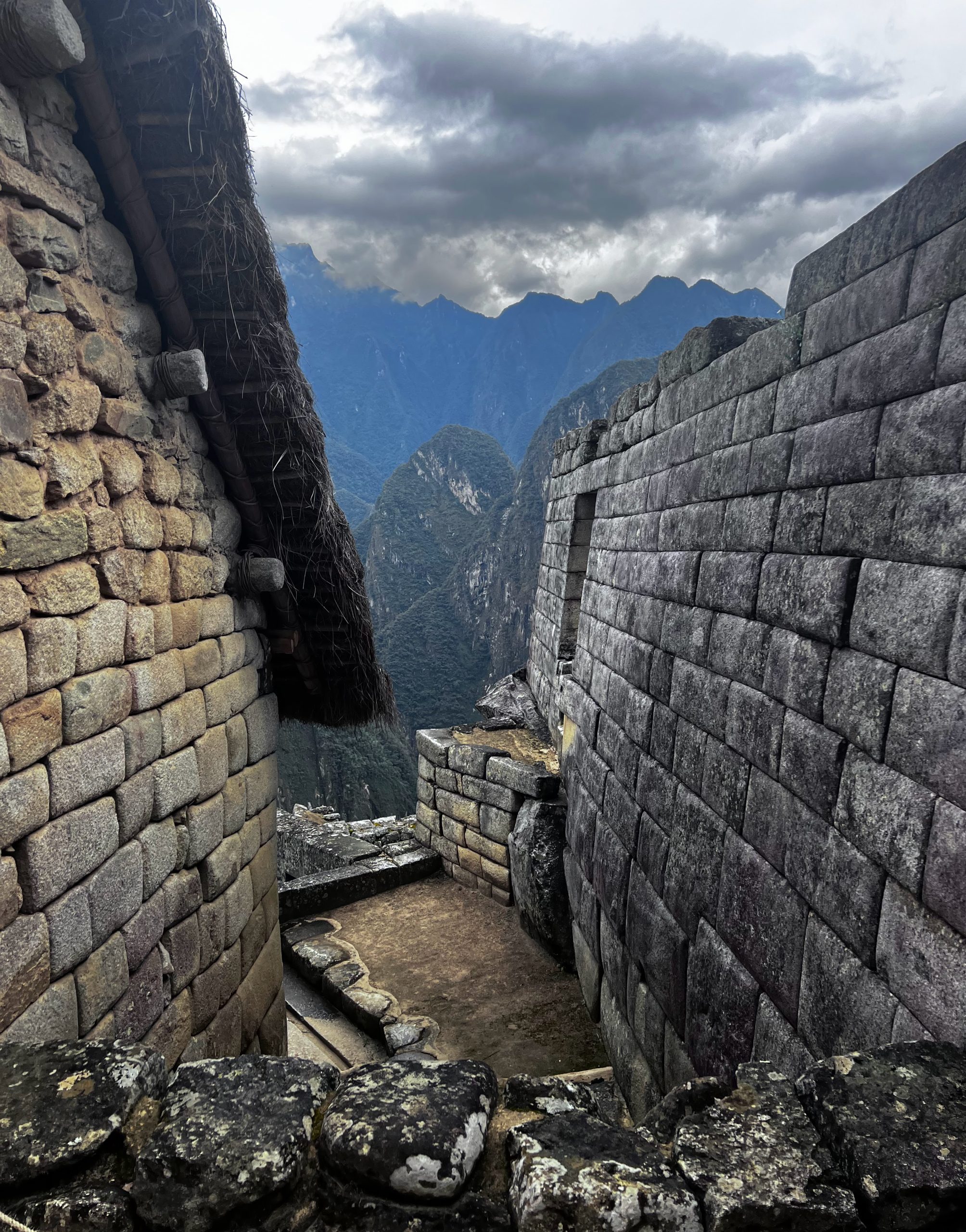
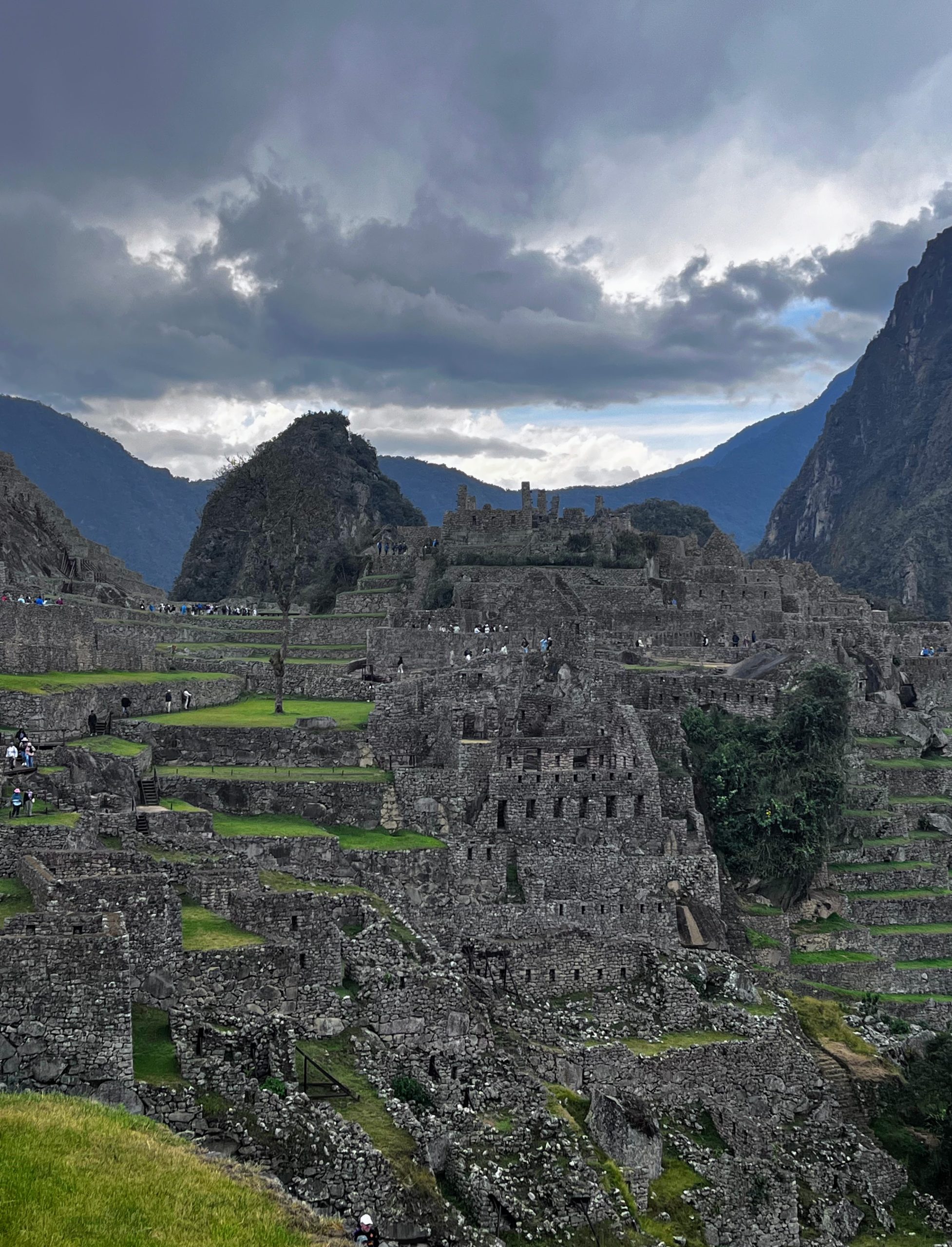
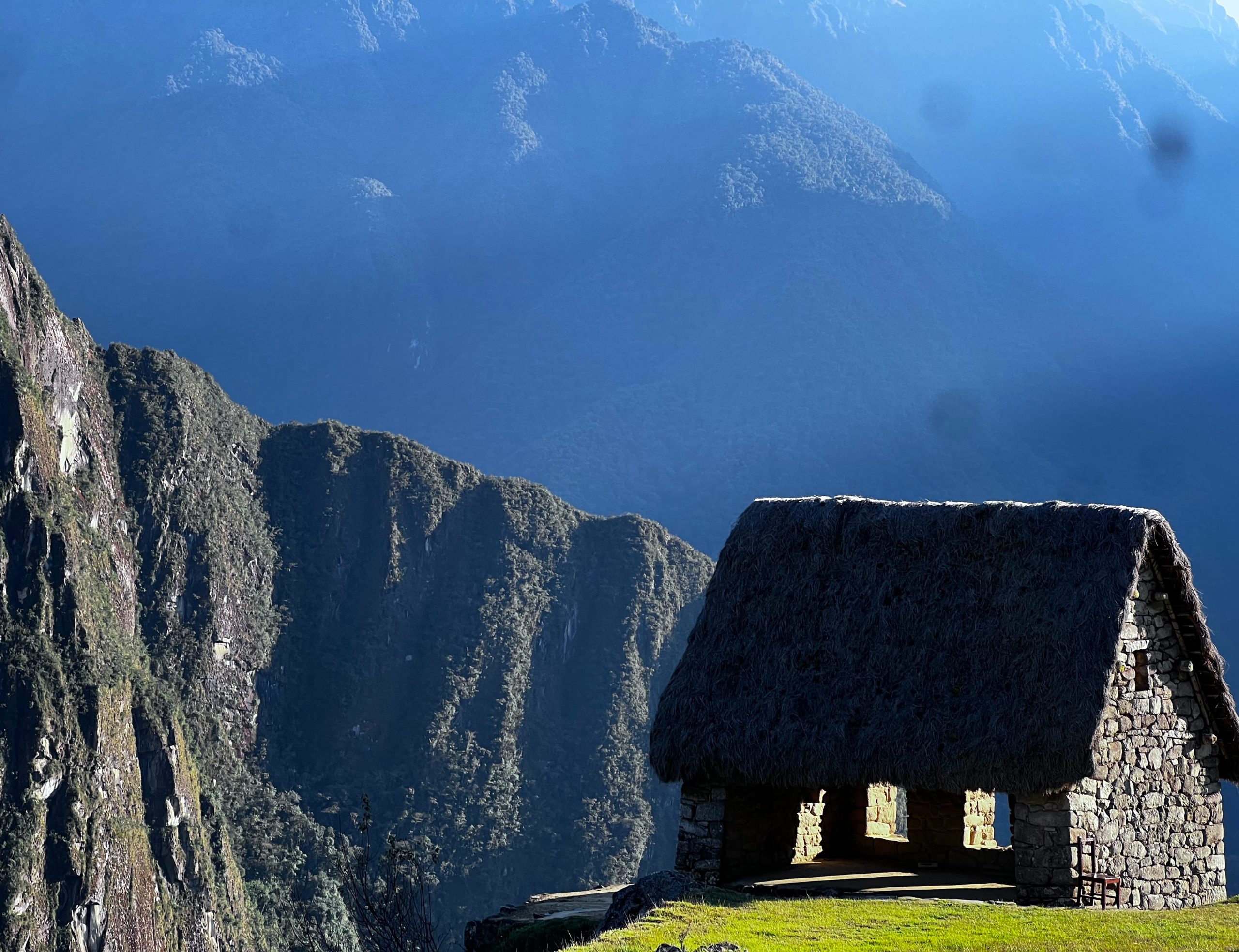
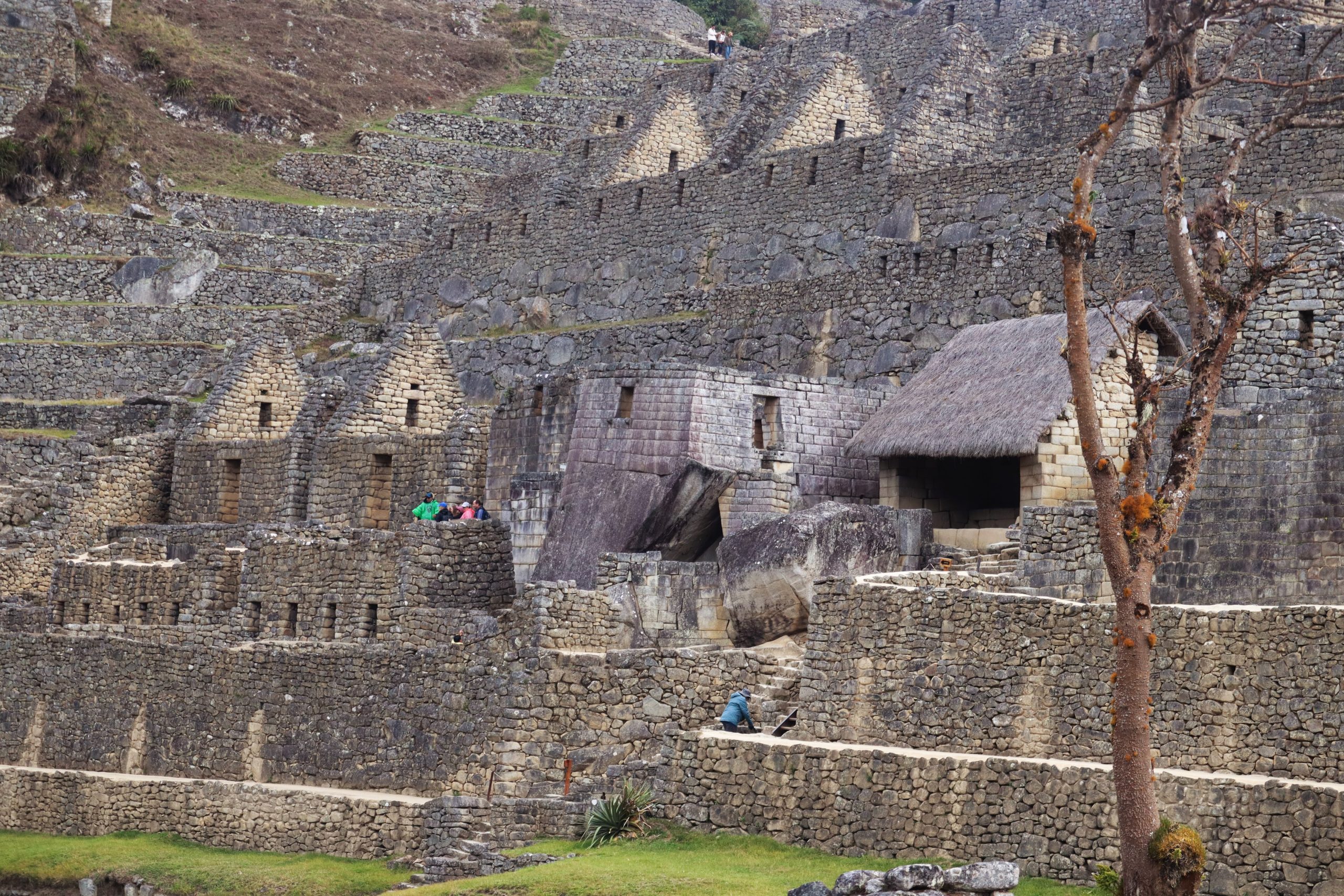
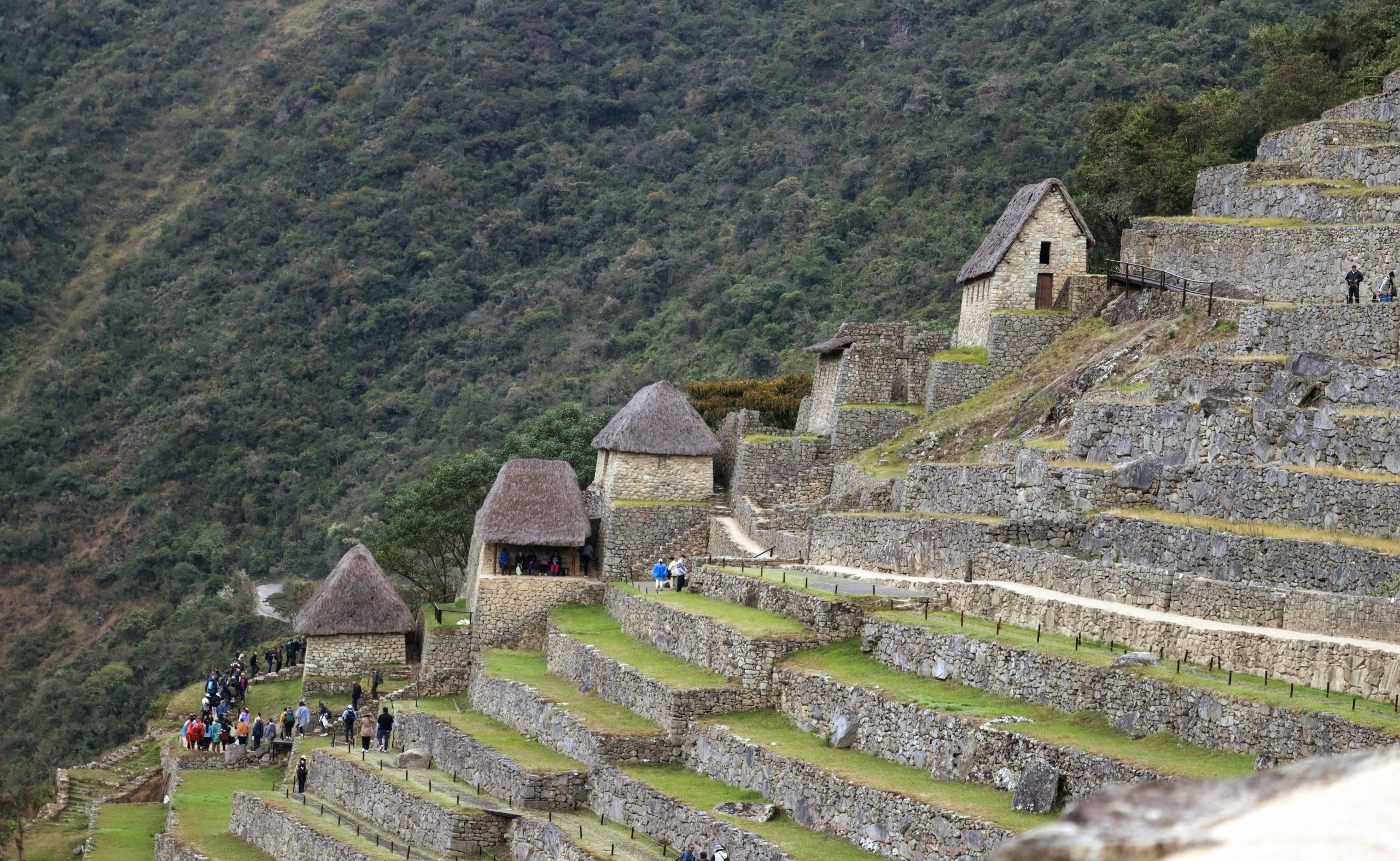
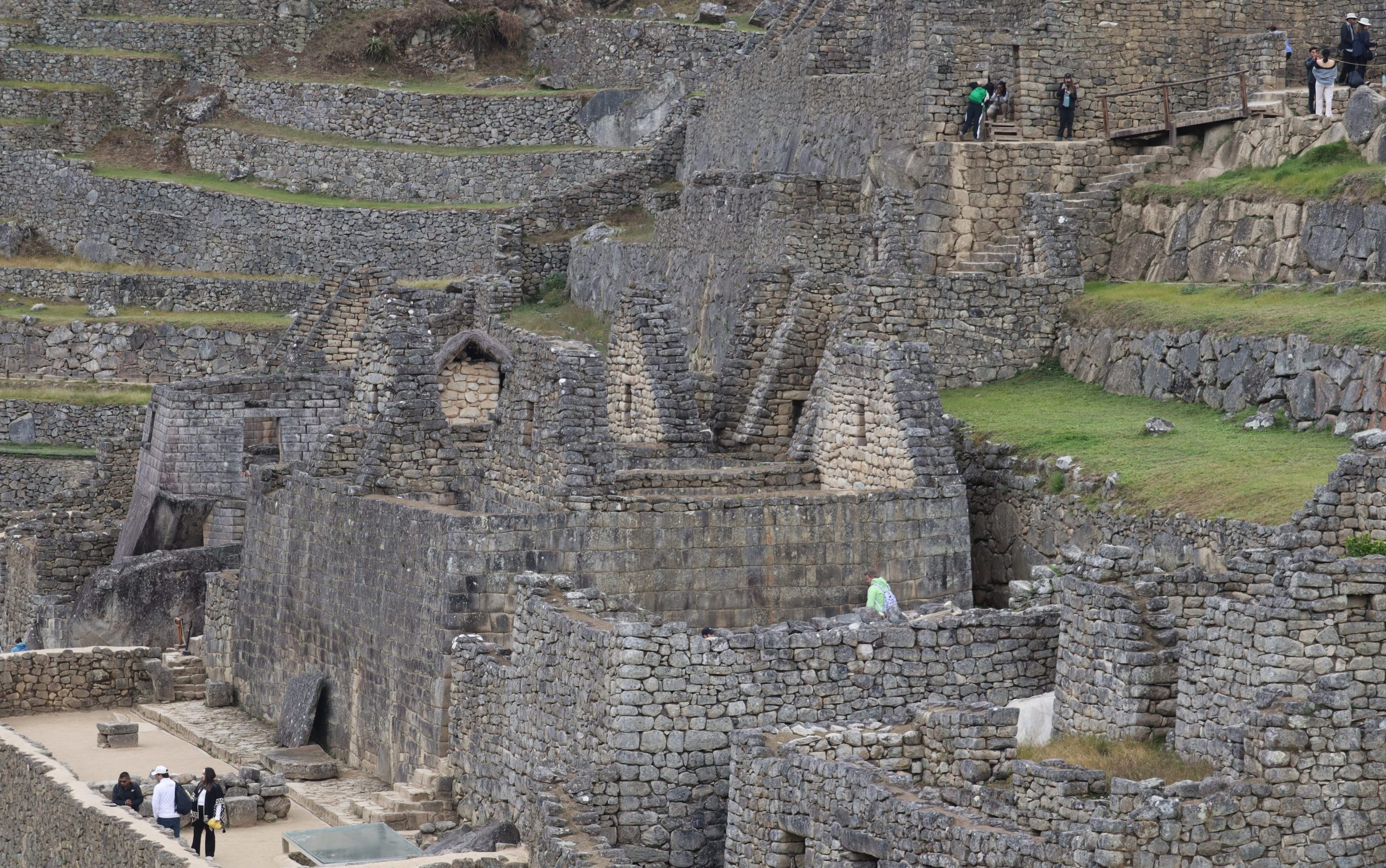
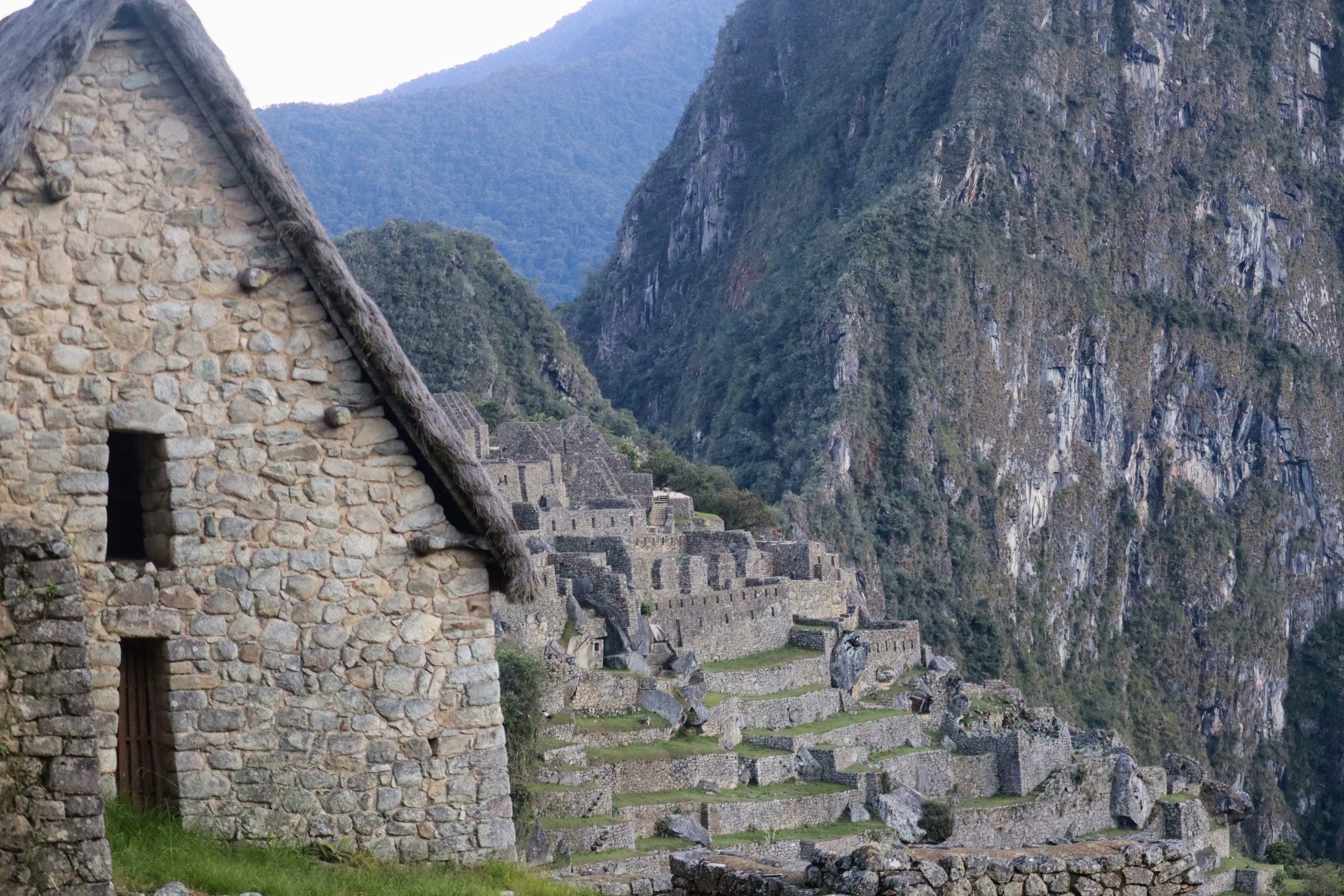
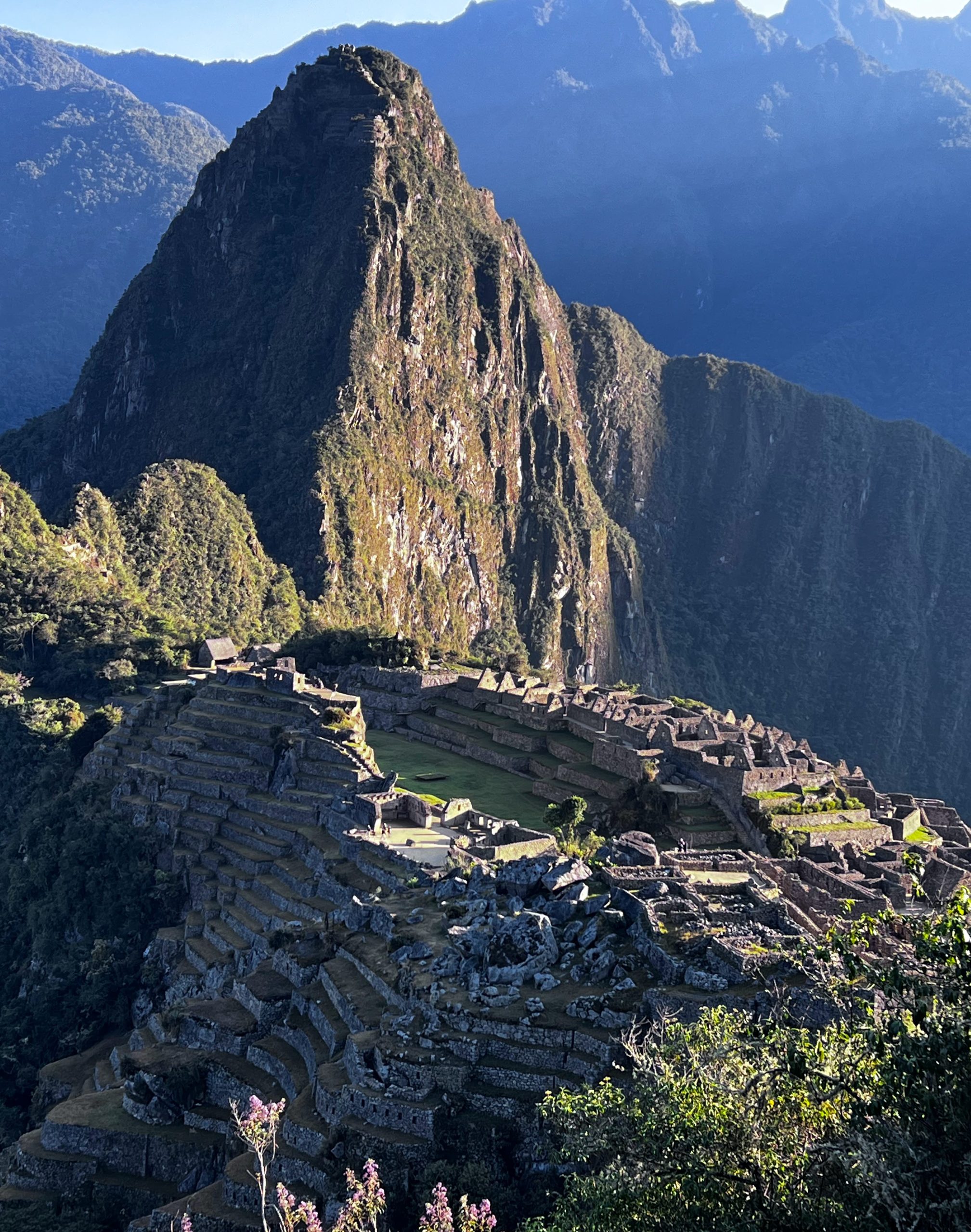
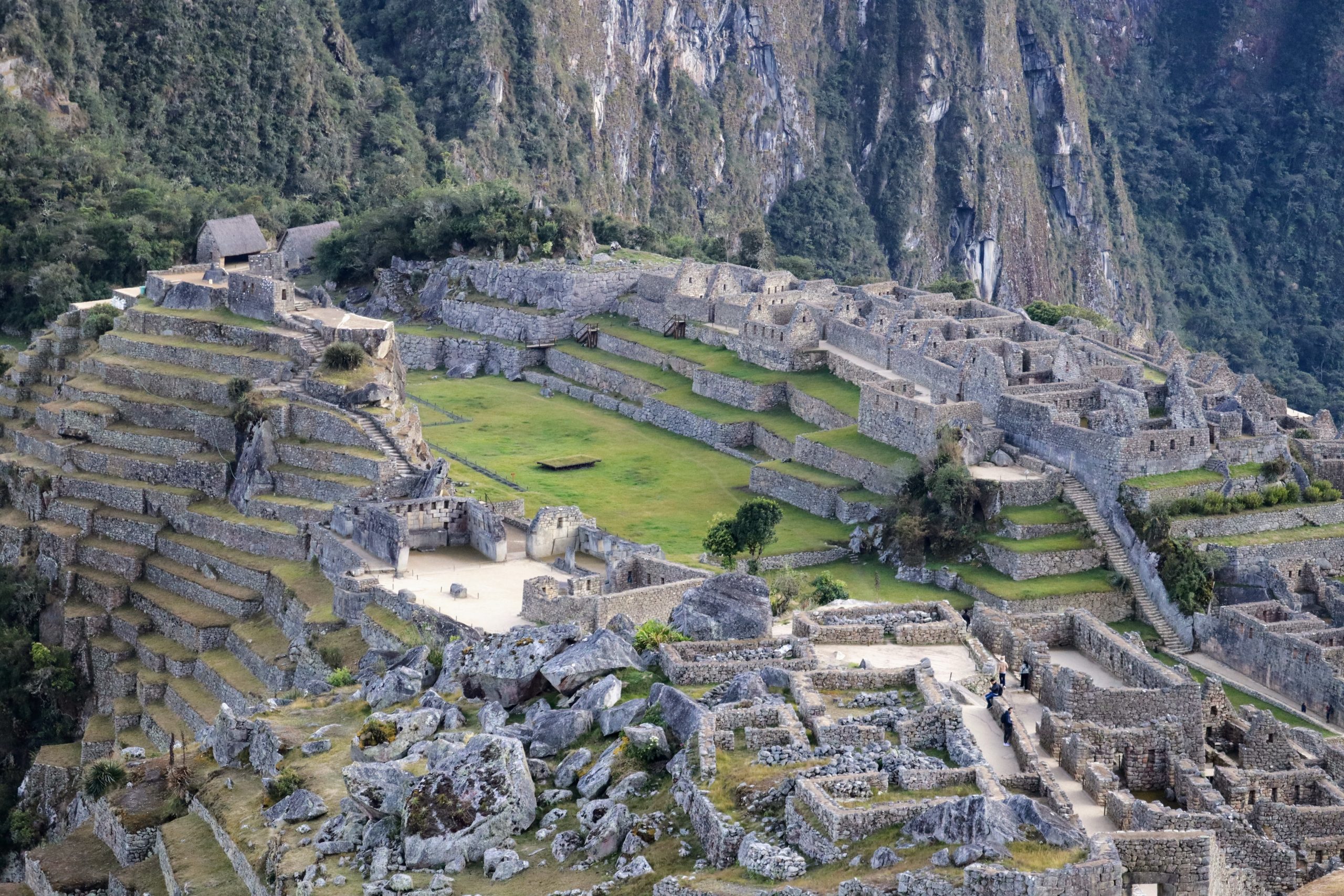
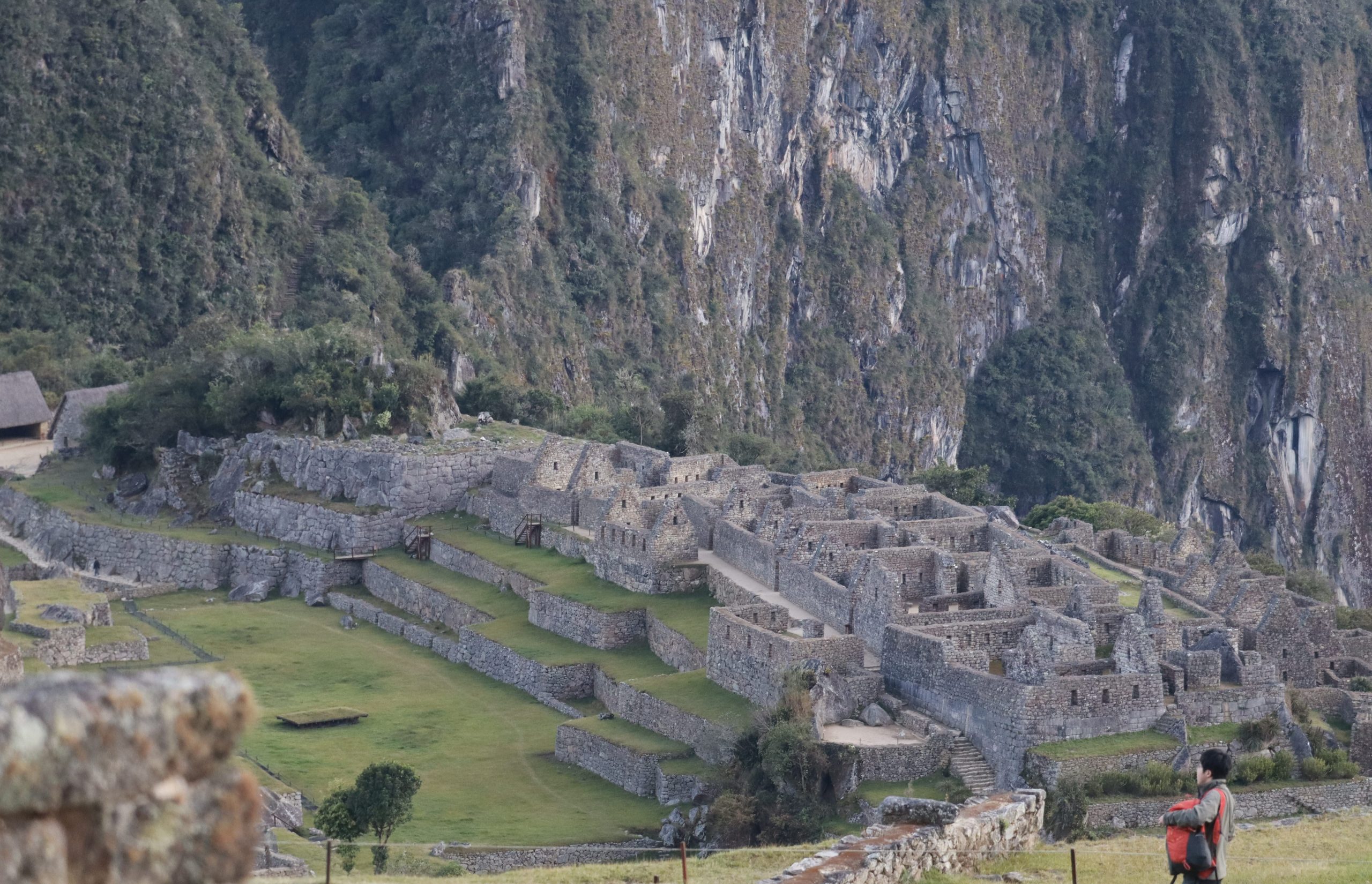
The next day I was taken to the train station in the city of Písac for a two-hour ride to Agua Calientes, the last train stop to this small town specifically built to support one of the world’s biggest tourism destinations—Machu Picchu. On the train, you are allowed only a backpack or a small carry-on. There is no room for luggage. I left my luggage at the hotel for the tour company to deliver to the airport. I had time to register at the hotel, have lunch and head out for a 3 pm tour to Machu Picchu. Thousands of people were lined up to catch buses for a 30-minute ride up to the mountains. Once you arrive, you are mesmerized by how this extraordinary site was built among these peaks. My tour guide was excellent in sharing so much about the history and significance of Machu Picchu with the opportunity to return the next day. Since the Incas did not write their history, much about their origin and the purpose of this site is unknown. Contrary to popular belief, it was not a religious temple, as some have speculated. Visitors are given a lot of latitude to walk throughout the site. However, having a tour guide to provide both guidance and context is essential. After a couple of hours, it was getting dark, and with some regret, it was time to leave but very excited about returning the next day.
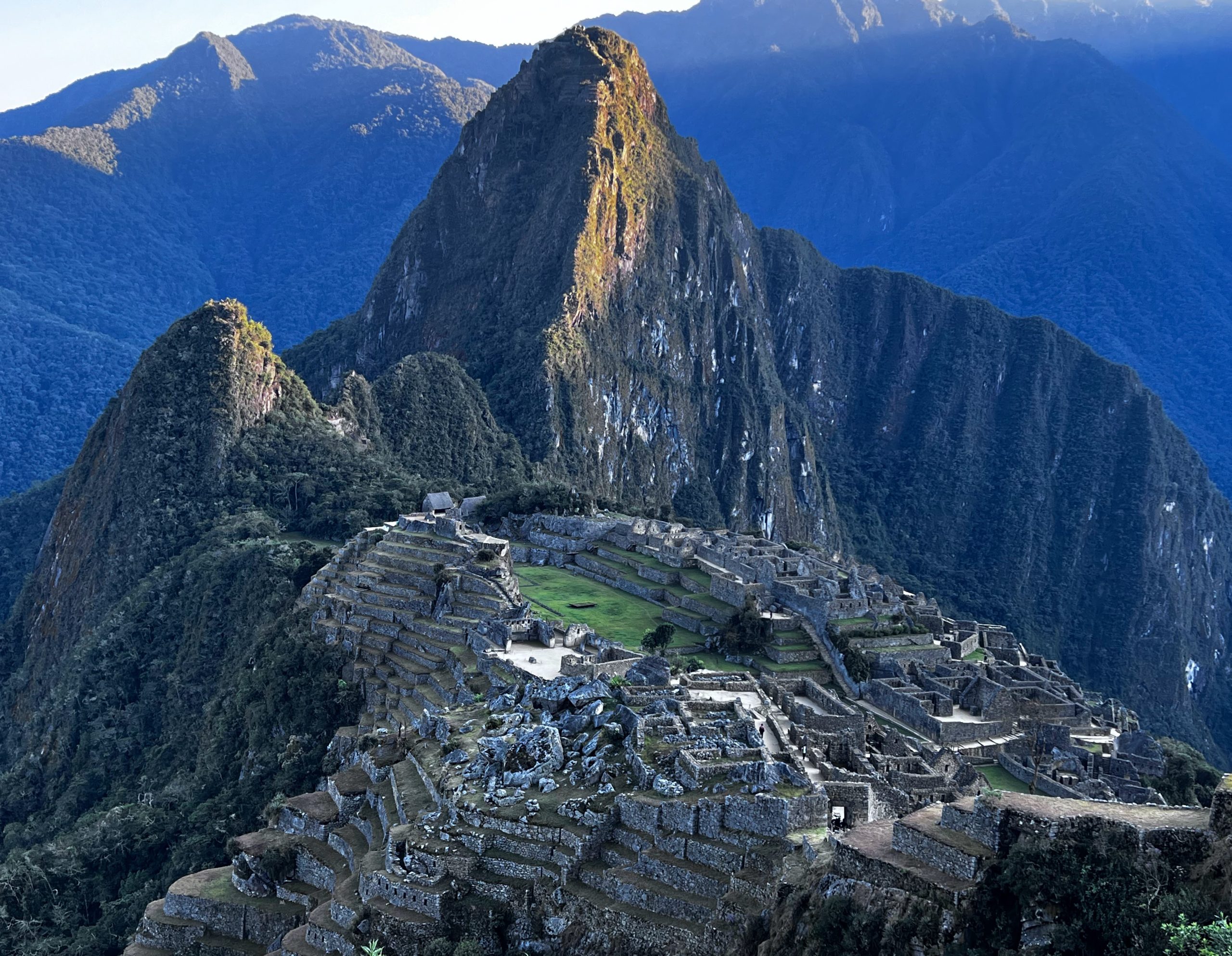
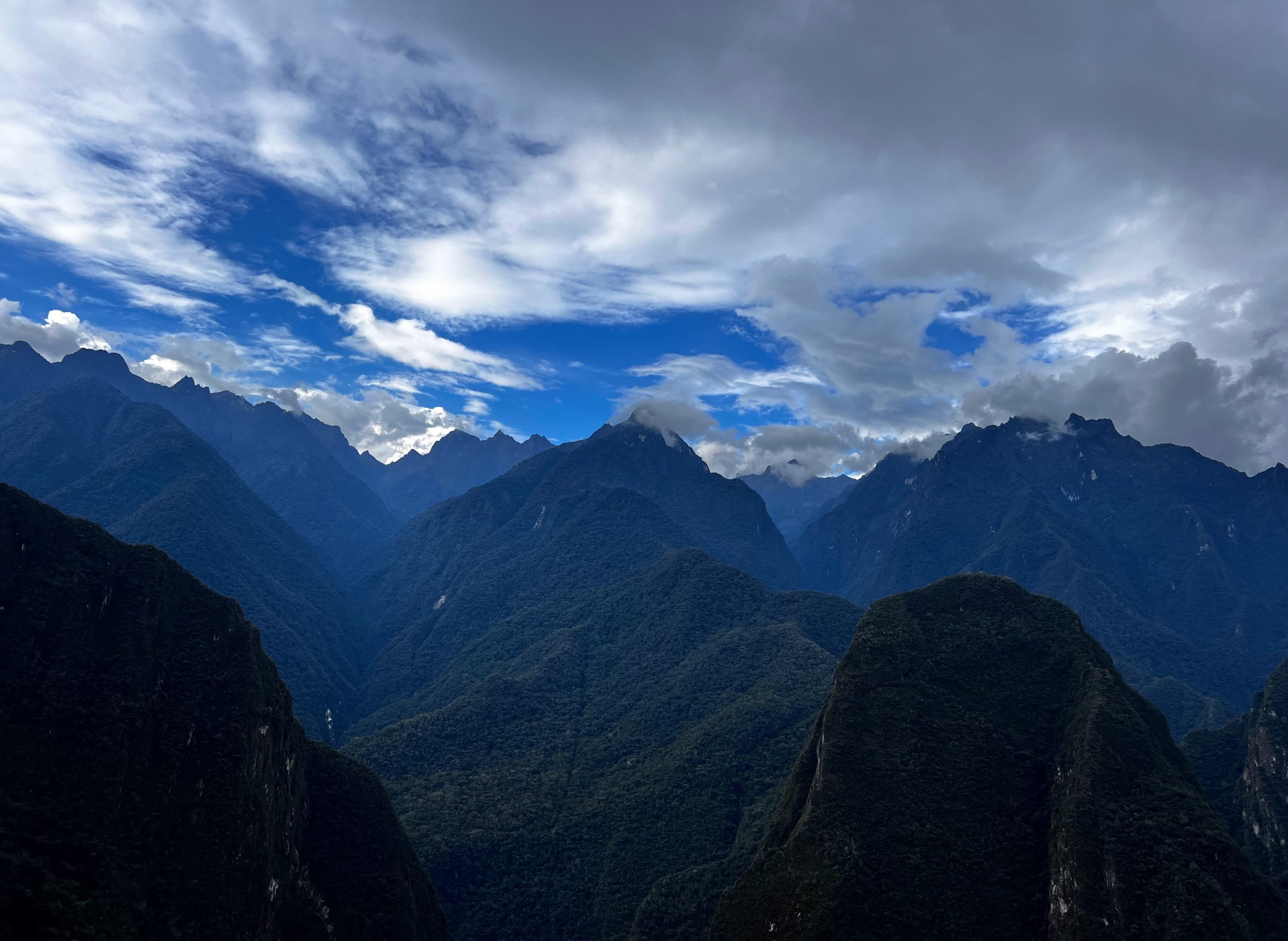
Upon returning to the Agua Calientes, I explored the town’s marketplace, ate and got to bed earlier for a 6:00 AM scheduled tour. The next day at 5:00 AM the streets were full of tourists already in line for buses headed to the mountains again. This time I wanted to hike to the top of the cliff to look down at the entire archeological site framed by these incredible mysterious mountains. The climb takes about 30-minute on uneven steps made of stones. For me, it most likely took at least 40 minutes to manage both my breathing and my back. Once you are there, the views are beyond spectacular, with deep thoughts and moments of silence imagining what life in that world must have been like. After a few hours touring the site and taking photos, it was time to return to catch the train to Písac, followed by a 90-minute drive to the Cusco airport. After a couple of hours of waiting to board the plane to Lima, I arrived at my apartment by 10 pm, quite exhausted with no plans to do any sightseeing for a week.
The Other Side of Machu Picchu
This seventh Wonder of the World is experiencing its own set of problems brought on by overtourism and climate change. It is important to recognize that tourism in Peru makes up a vital part of the national economy, providing both formal and informal jobs for individuals from diverse backgrounds, especially in rural communities. Yet, as more tourists visit the region, there is a greater risk that the ancient city and the surrounding environment will continue to be harmed. Already, the thousands of walking and climbing feet have loosened some parts of the ancient city walls, requiring officials to rope off sections. New policies on hiking, camping and visiting are more rigid than they were several years ago, with more restrictions to come. Climate change is also threatening the vegetation and the water supply. Meanwhile, the constant flow of thousands of buses, vans and cars, mostly full of tourists, is also polluting the environment. It’s not clear what the solutions are as there is also a strong sense among the population that they should have the right to earn an income and do not want restrictions on tourism. Where does one draw the line between present needs and those of future generations?
Final Note and My Photos
This 12-day journey was indeed both amazing and a bit grueling, mostly due to the altitude. At times I felt dizzy, breathless, fatigued and unable to eat (best part, it kept my weight down). The tour was well organized, working around traffic and minor hiccups, although at times the days were a bit long with an overload of information. Honestly, I must have taken over 2000 photos, which I plan to drill down to 500. The photos I have selected for this story are in the same sequence as the narrative, recognizing the limitations of staying under 70. As always, remember to click the center of the photo for a full view.
I plan to spend at least three weeks in Lima as I am terribly behind on several of my projects and yearn for a slower travel pace to get to know the other half of Peru before heading to Santiago, Chile.
If you enjoyed this story or the newsletter issue, help others to discover it by sharing it with your friends. Your support will go a long way in continuing the blog. If you are not a subscriber for more stories and photos like these, please click here to subscribe.
No Comments