
Three Weeks in Santiago, Chile: Between the Andes and the Sky
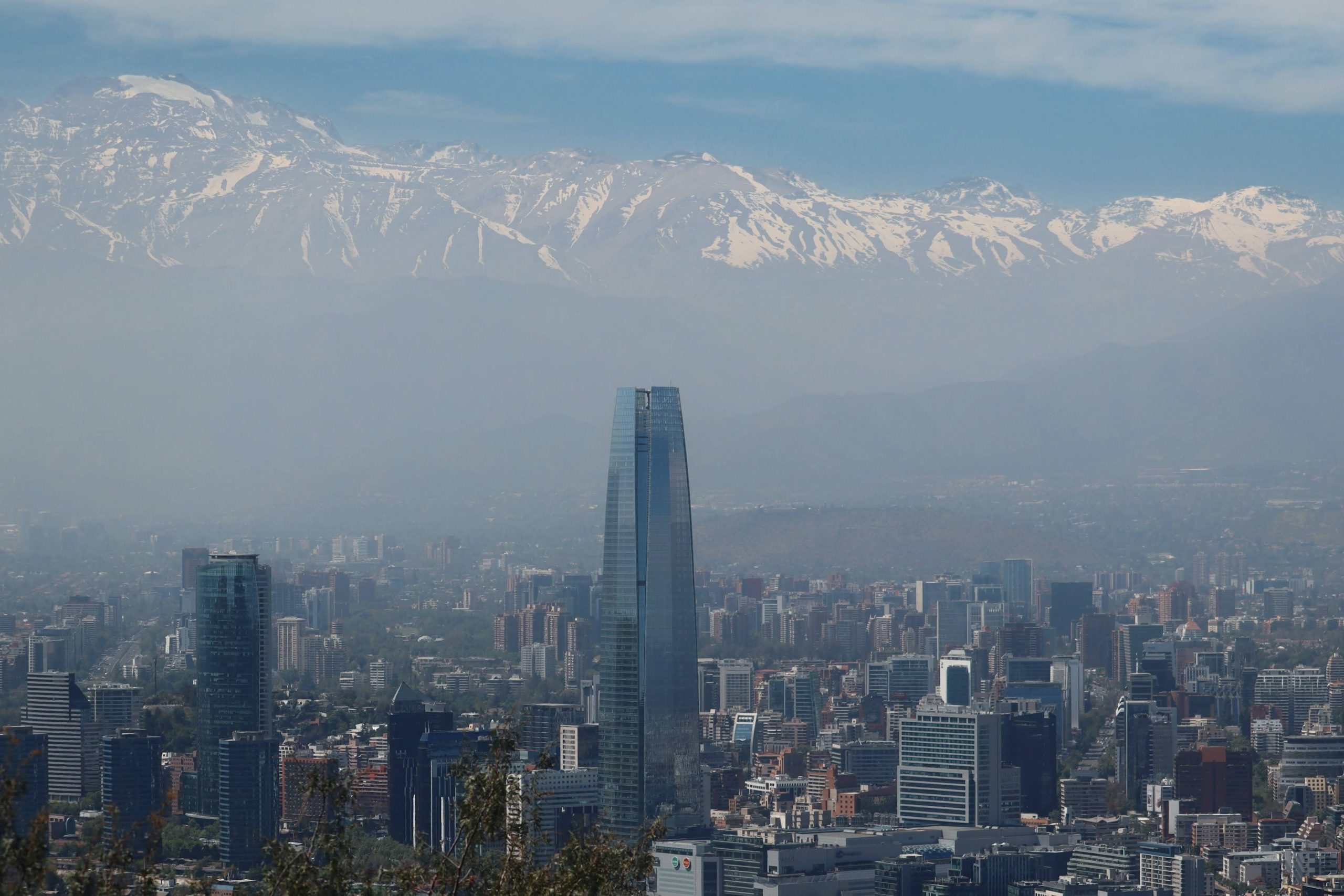
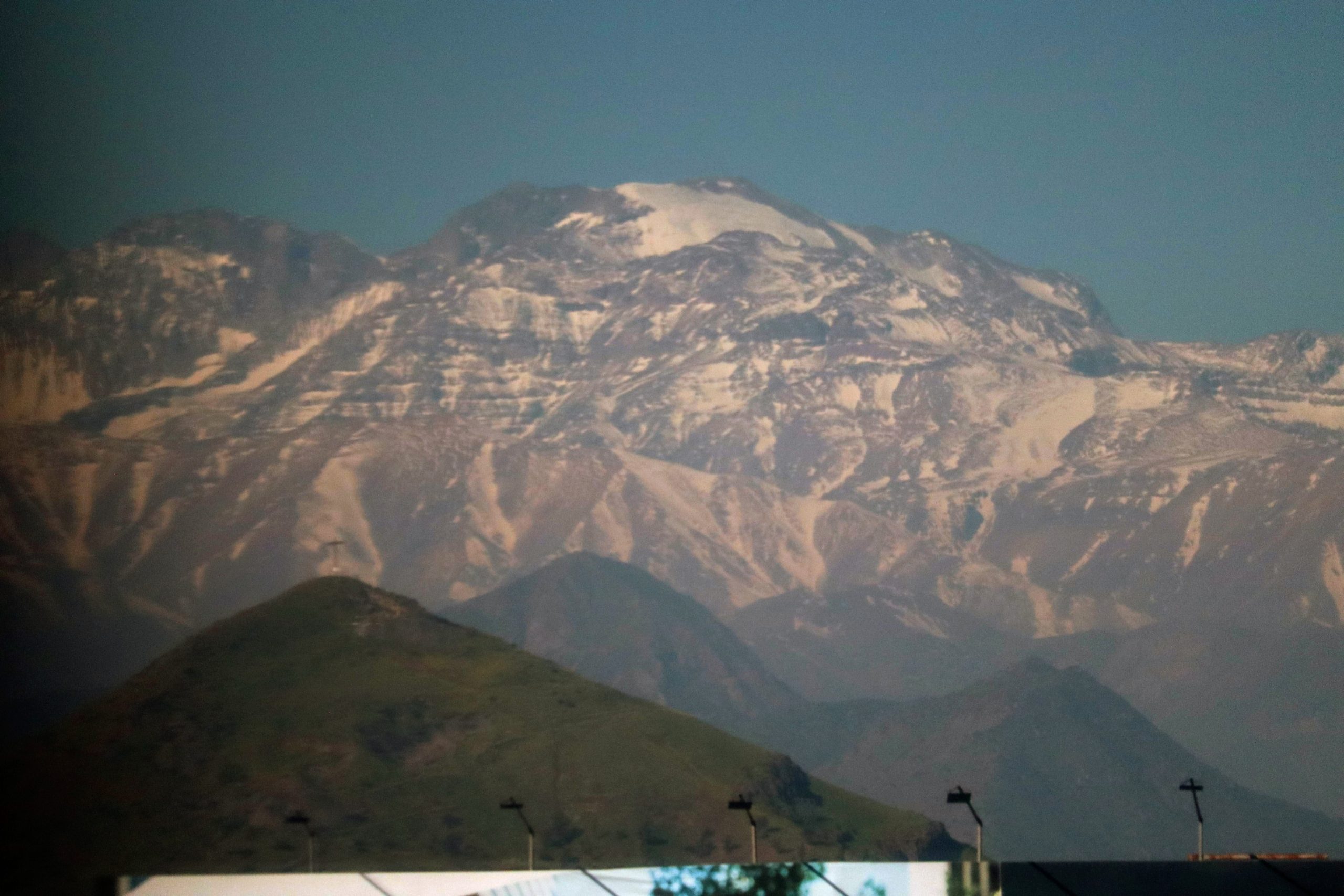
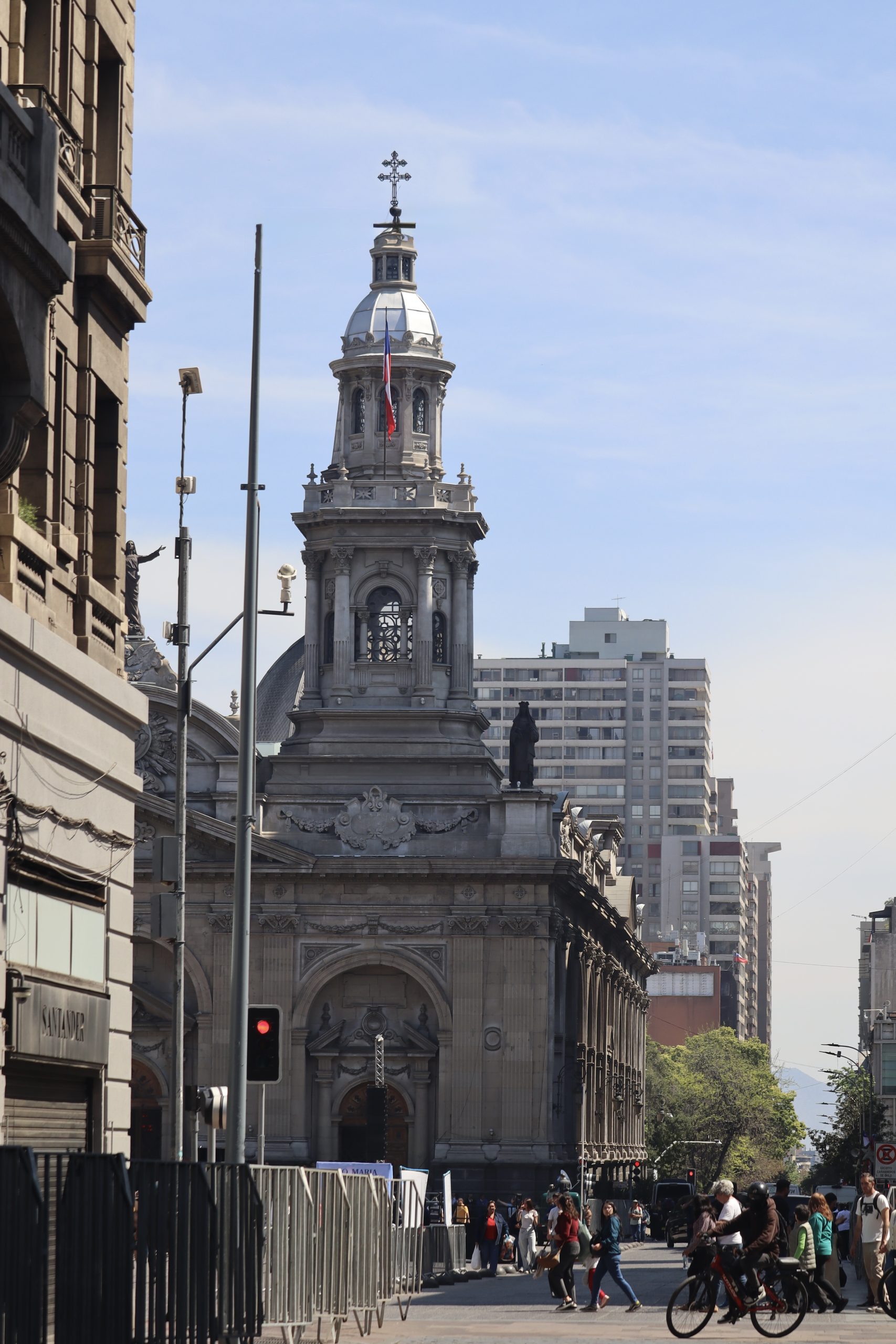
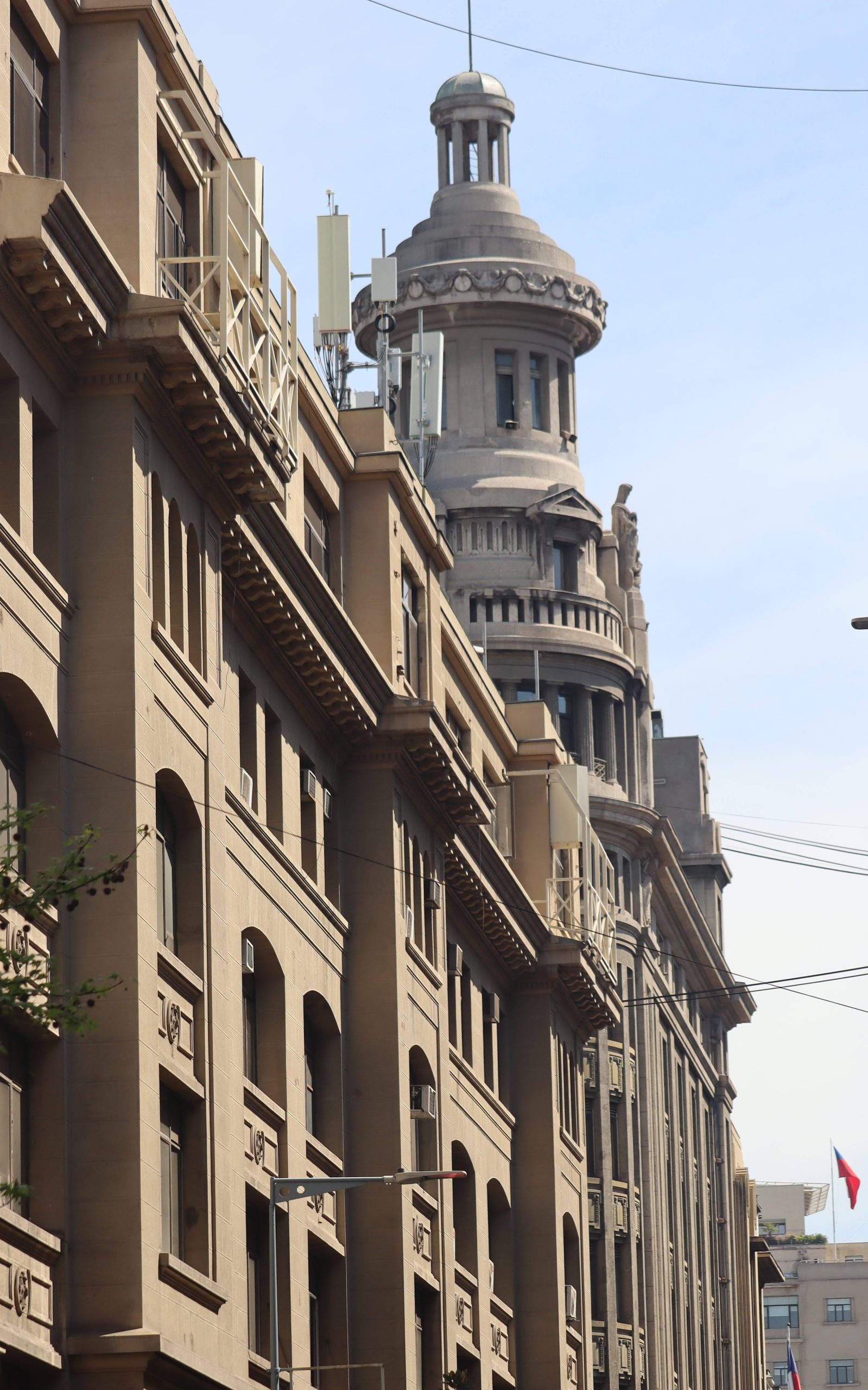
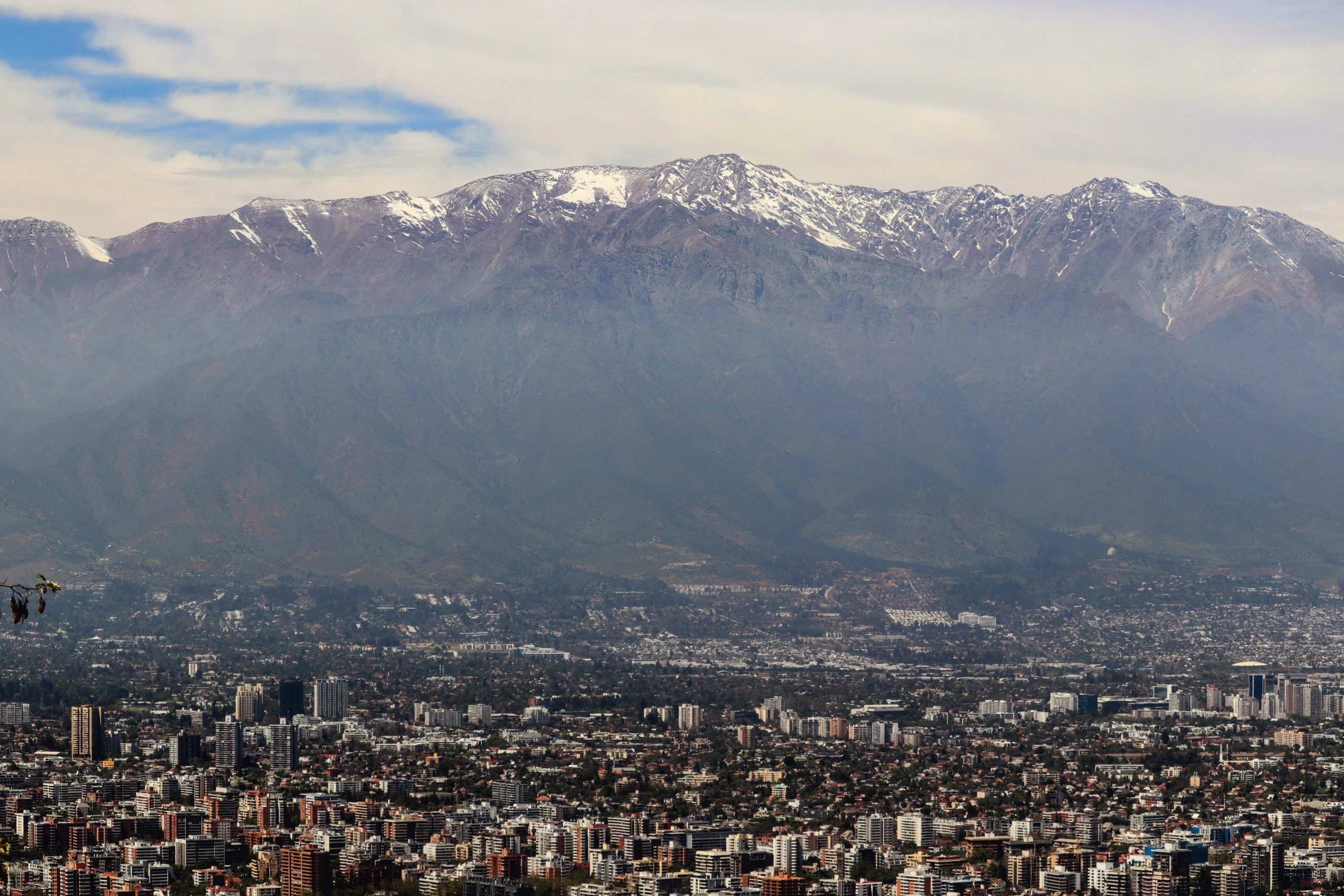
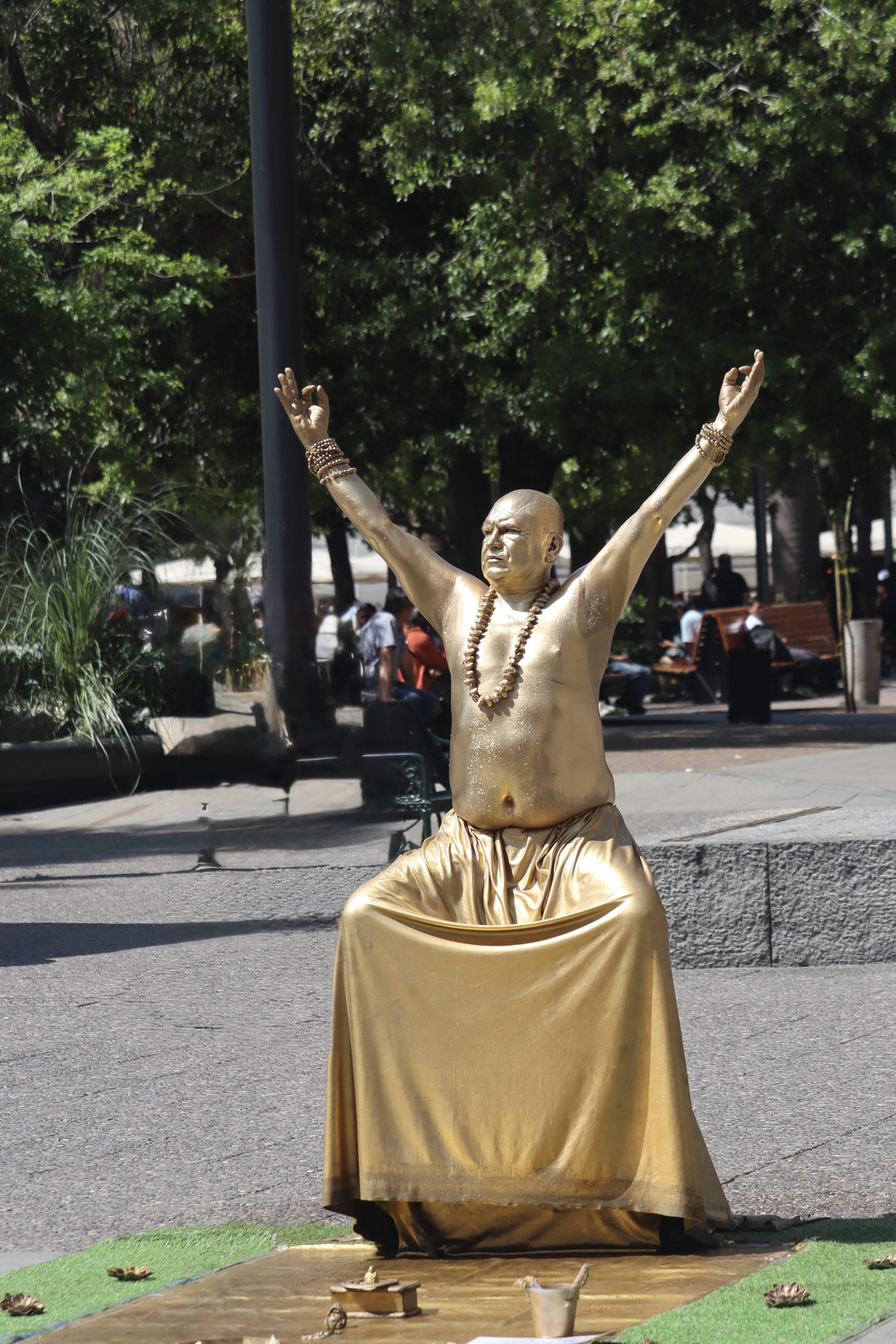
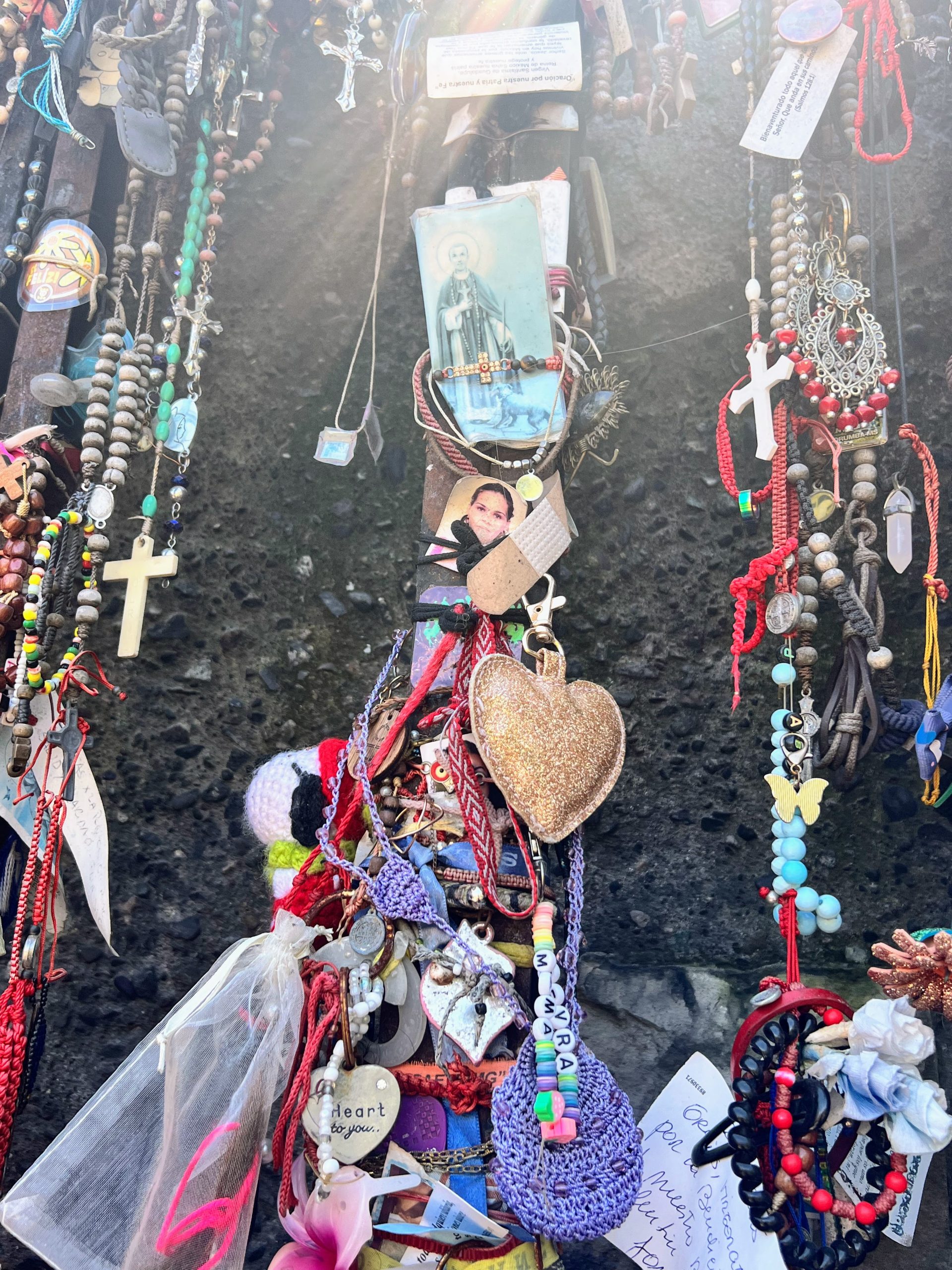
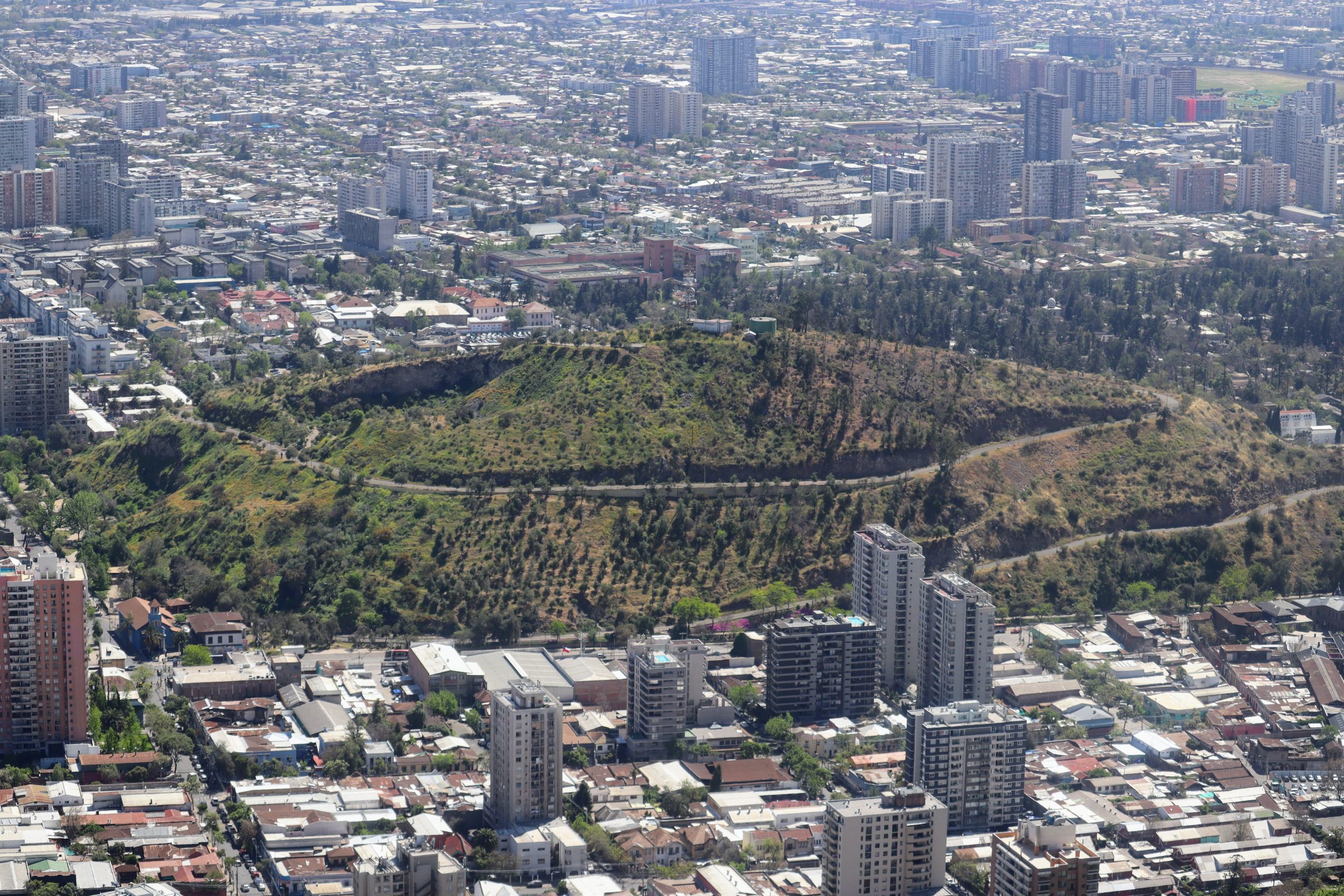
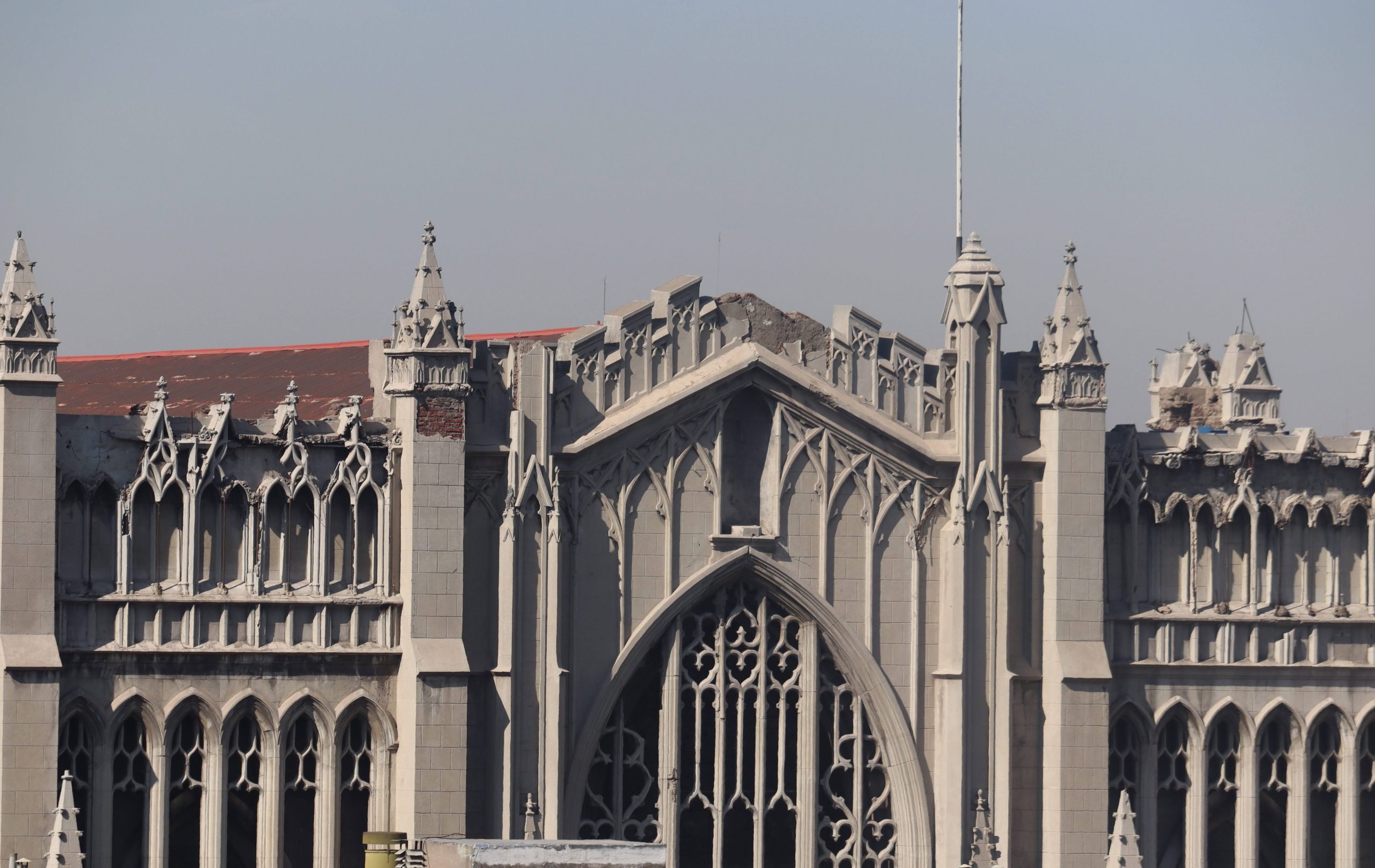
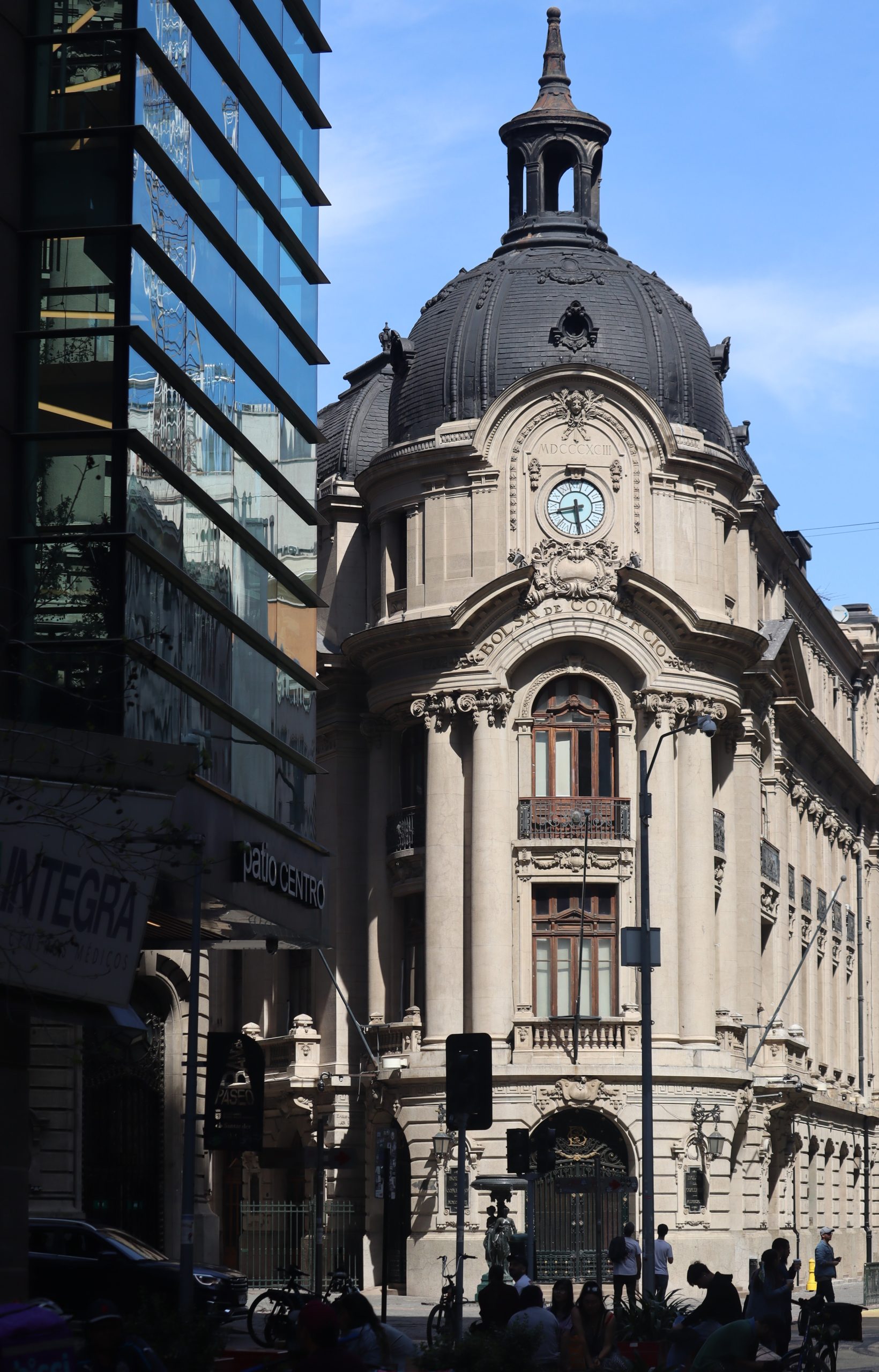
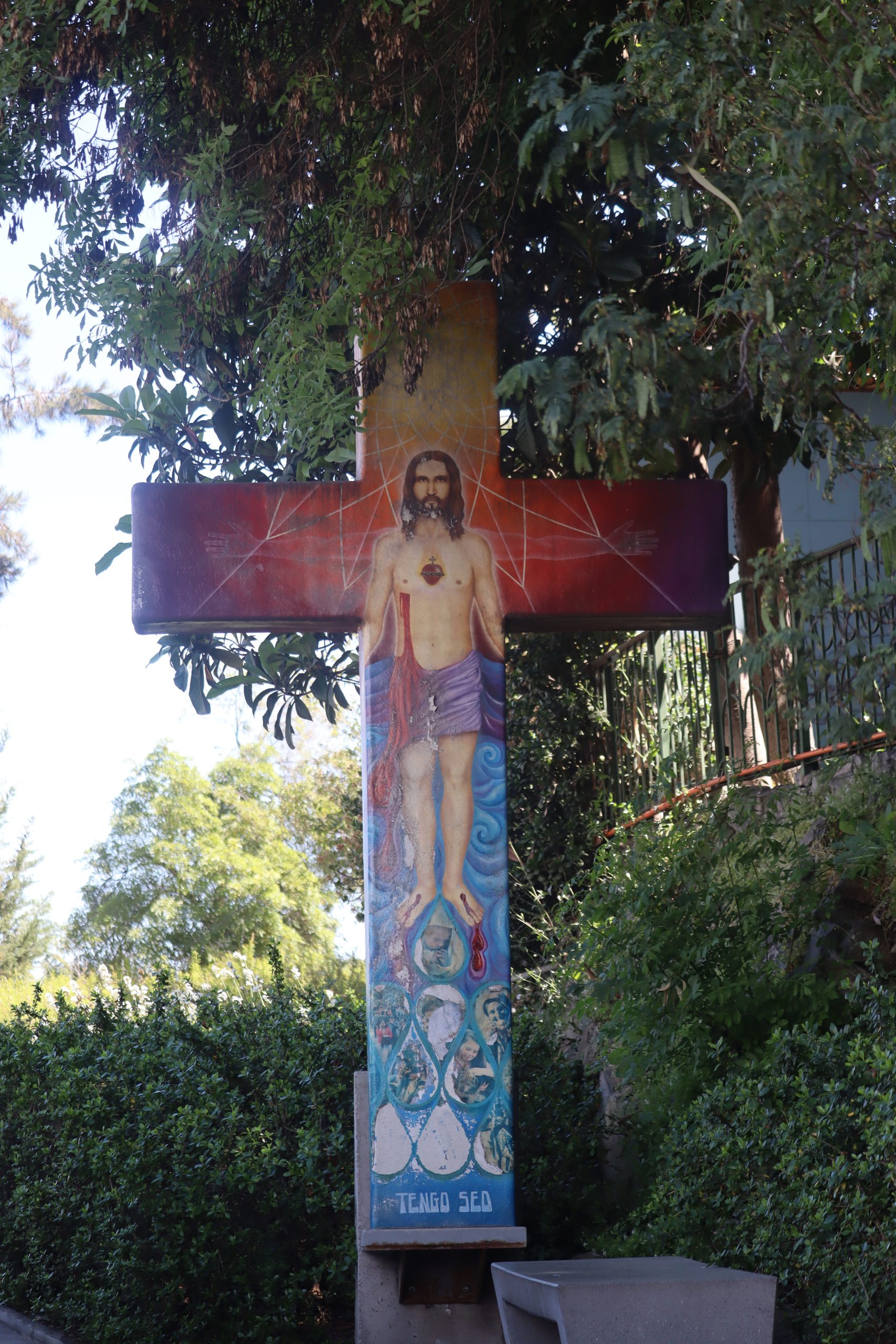
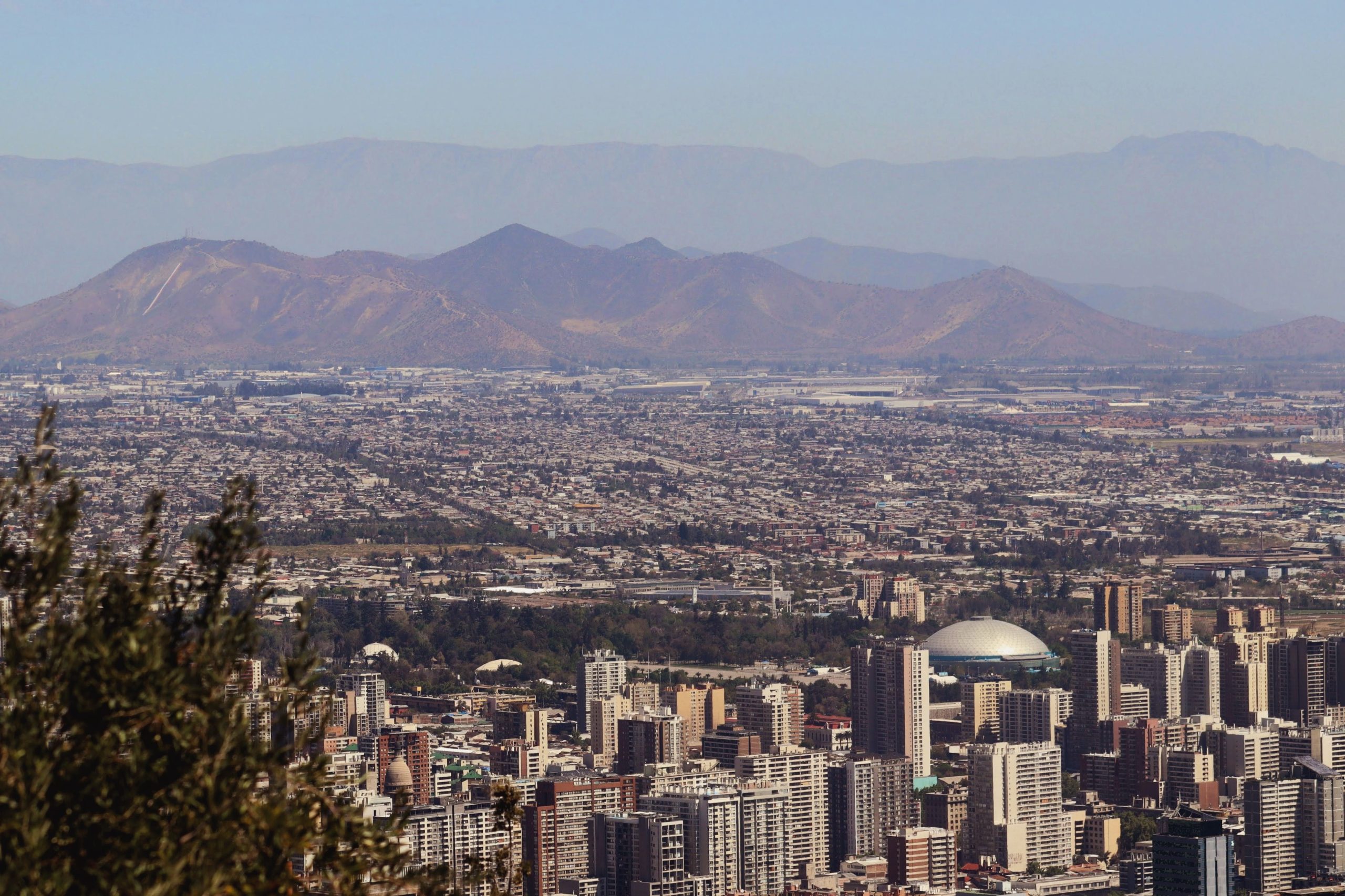
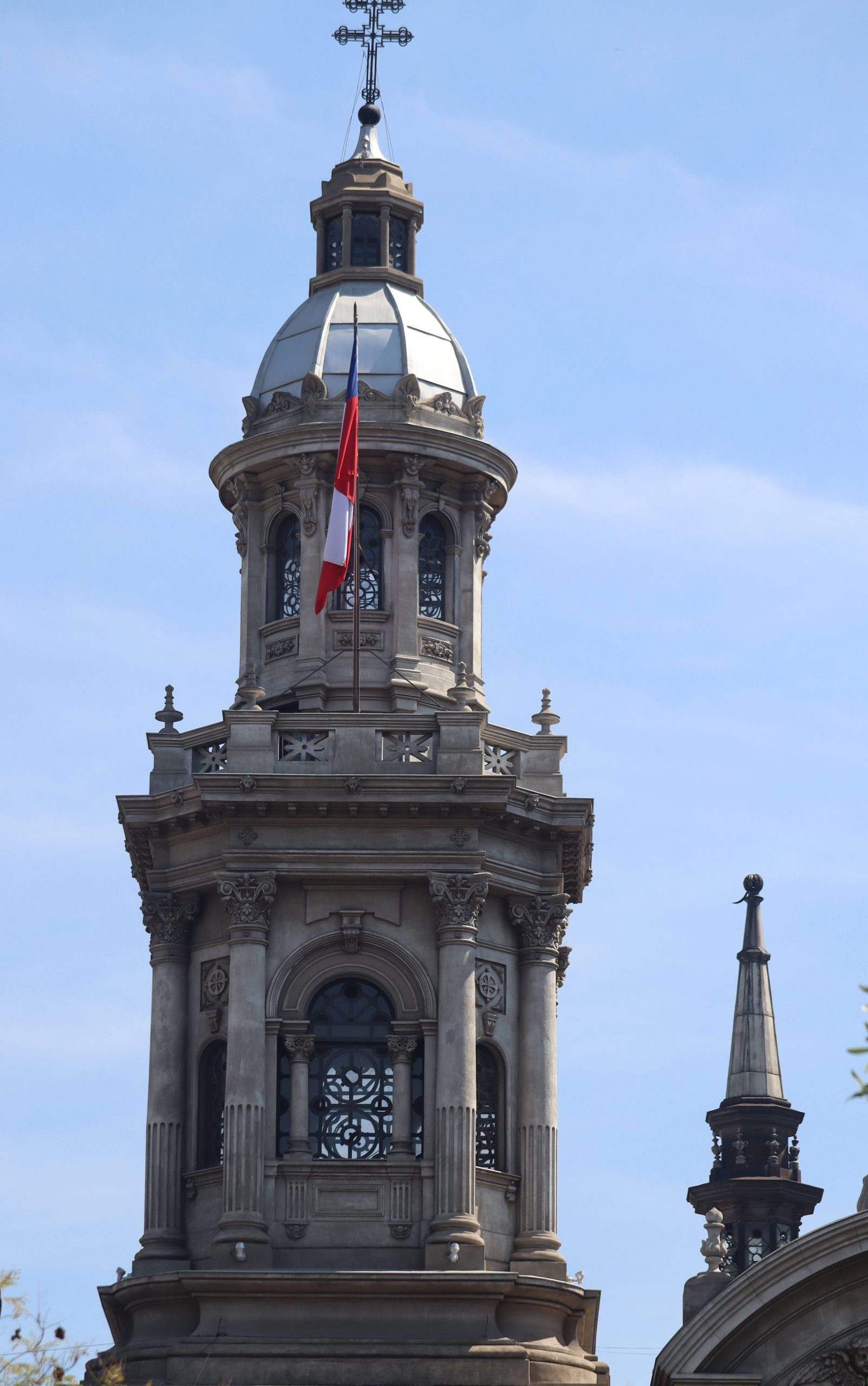
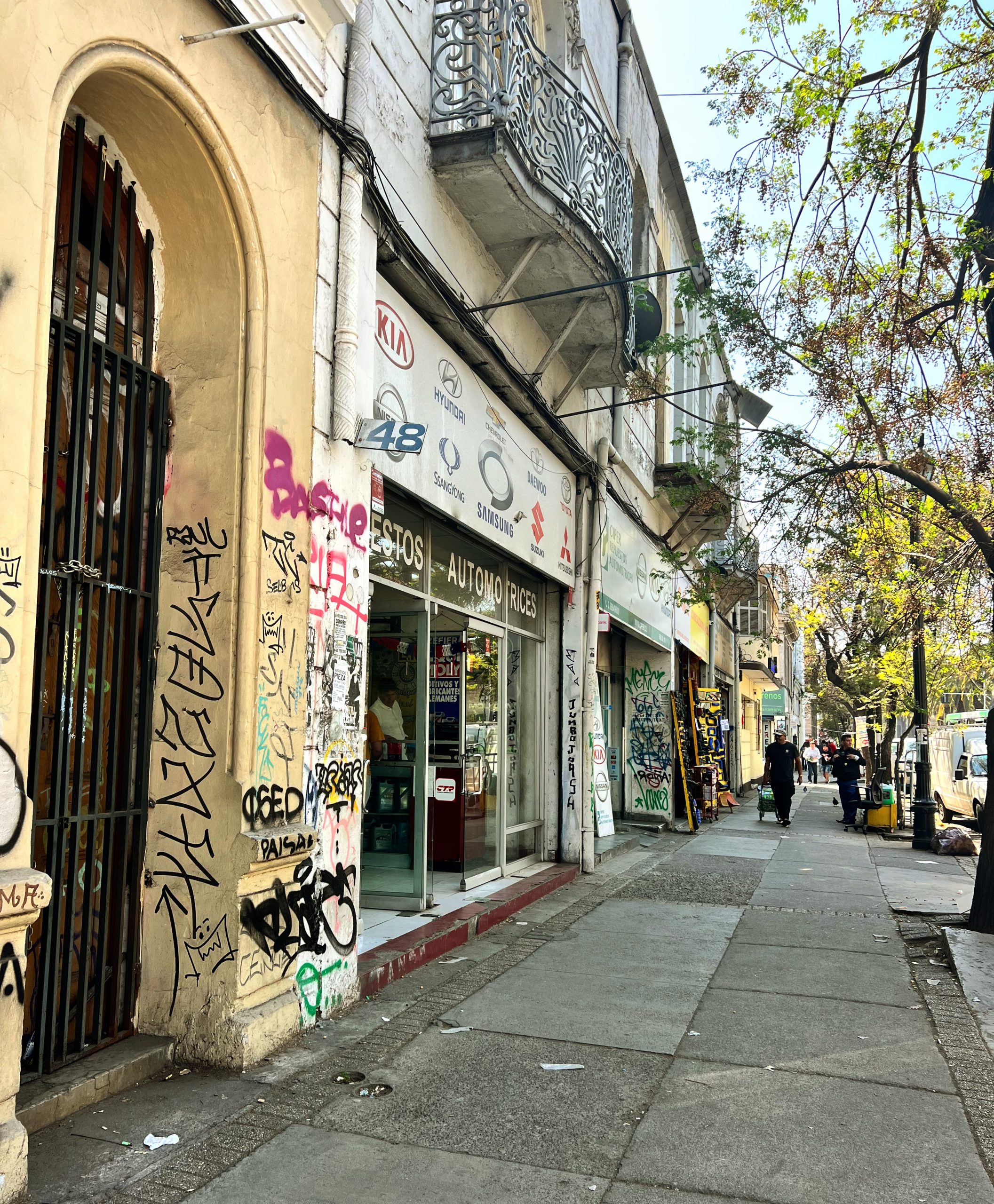
I am now staying in the city of Santiago, Chile, a large modern metropolis with a walkable historic center. A blend of modern living surrounded by colonial architecture and the panoramic views of the Andes Mountains. A country that endured 17 years of a brutal dictatorship led by General Pinochet in the 70s. Today, Chile is known for its stunning vineyards, empanadas, ceviche and pisco sour. Its long stretch of Andes mountains attracts both hikers and skiers worldwide. Its most famous resident, Poet Pablo Neruda has one of three homes in Santiago. His Love Sonnet XI is best read in Spanish (Tengo hambre de tu boca, de tu voz, de tu pelo) along with a glass of Carmenere, Chile’s most popular wine. I spent three weeks getting to know the city enjoying its wine and museums. Here is what I can share with you about this cosmopolitan city…
But First a Bit of History
Before the Spaniards conquered Chile, the native population of the region was known as the Mapuche who eventually were enslaved. Over time to address the growing demand for labor, over 20,000 Africans were brought to Chile of which a significant number did not survive. Chile remained a colony from 1540 to 1818, when it gained its independence from Spain. During the next 150 years, it continuously underwent different forms of government that eventually led to an economic downturn under Socialist President Salvador Allende. The CIA played a role in financing the overthrow of Allende with the help of General Augusto Pinochet, who led a military dictatorship for 17 years that killed over 3000, tortured 10,000 and exiled 20,000 Chilenos. By the 1990s, Chile had transitioned to a democratic government. Today, the president is Gabriel Boric, from the left wing, who clearly is having his fair share of challenges with those from the right along with a public disapproval rate of 60%. Yet, this is a country that is experiencing some economic growth, producing one third of the world’s copper.
Arriving in Santiago
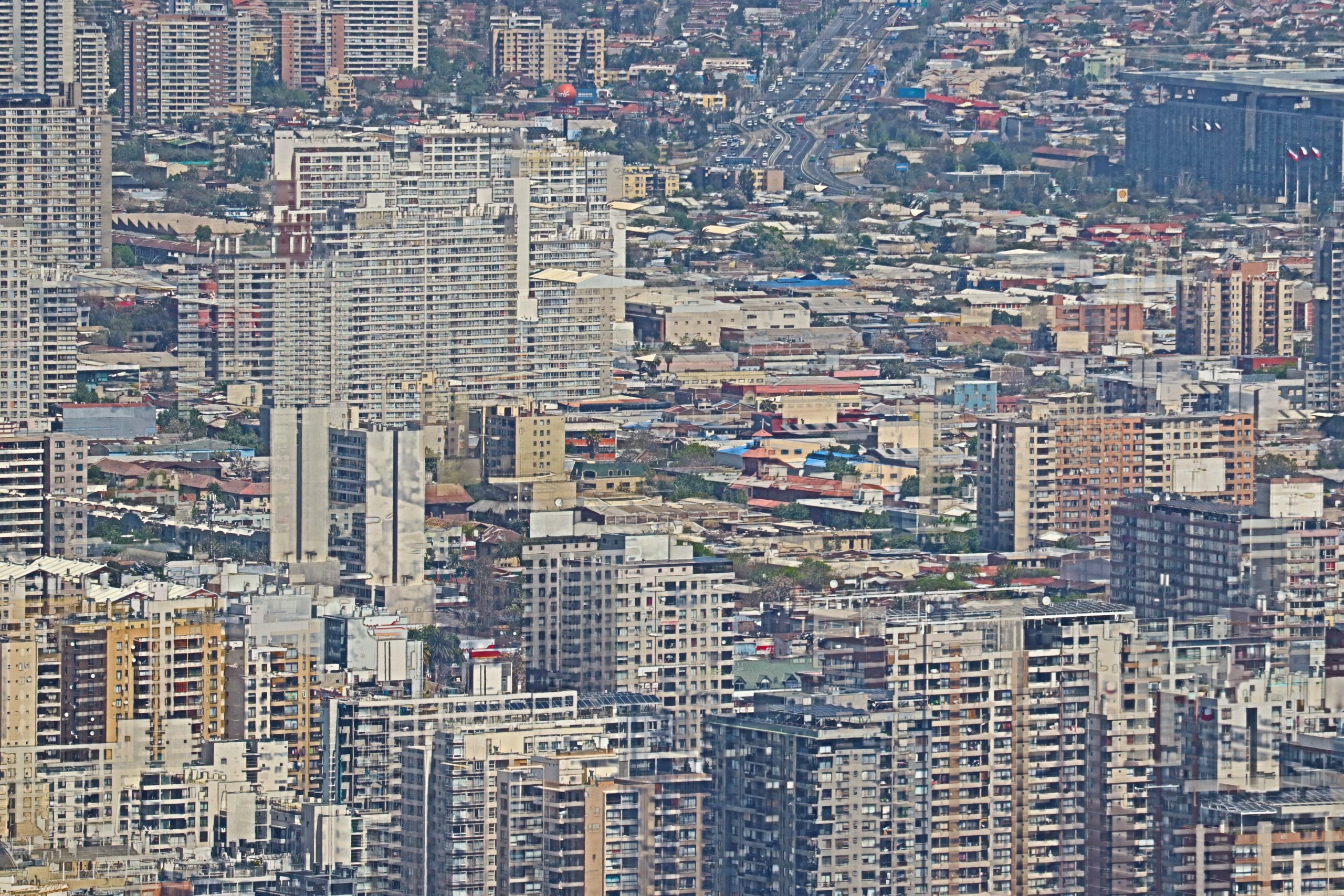
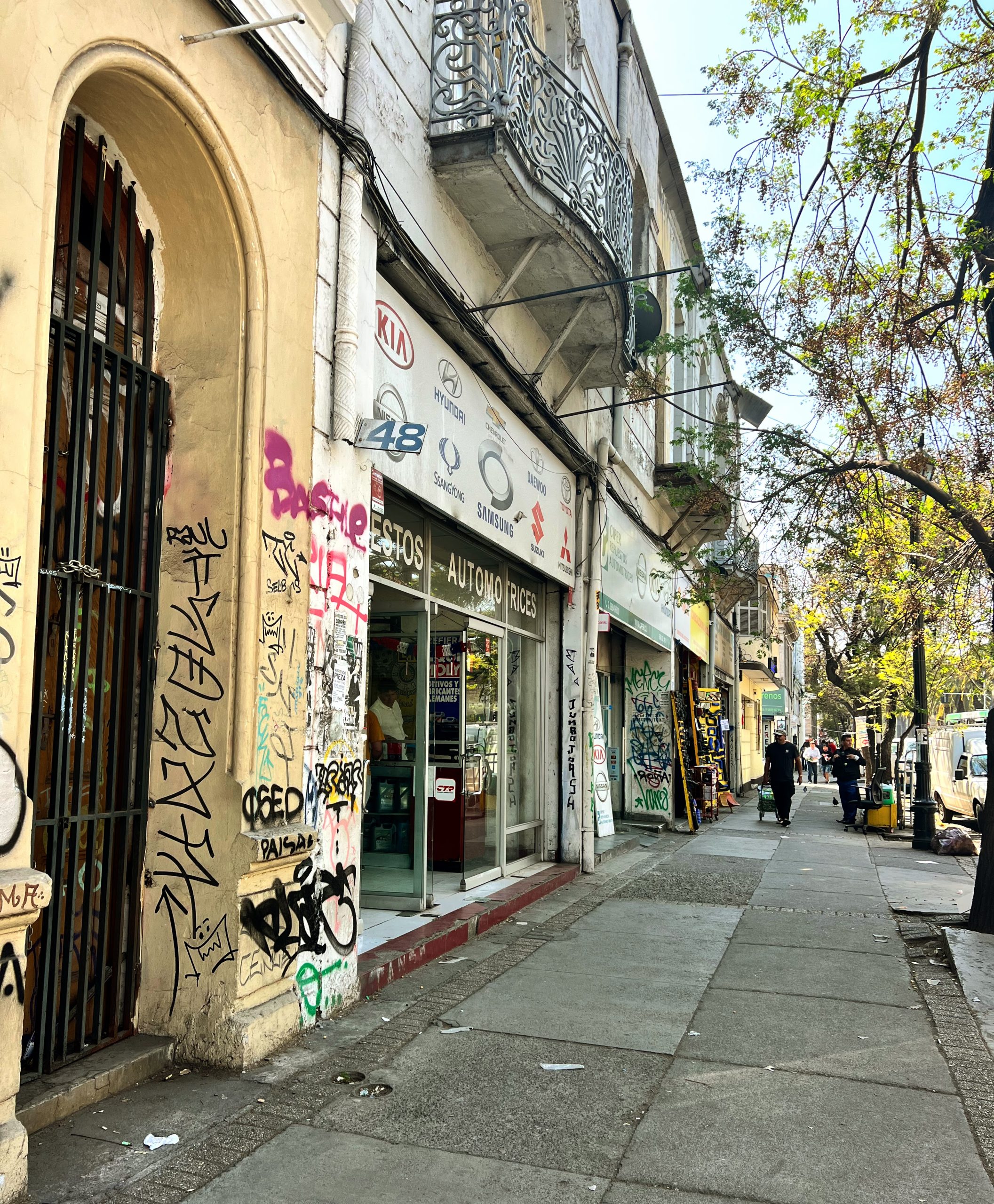
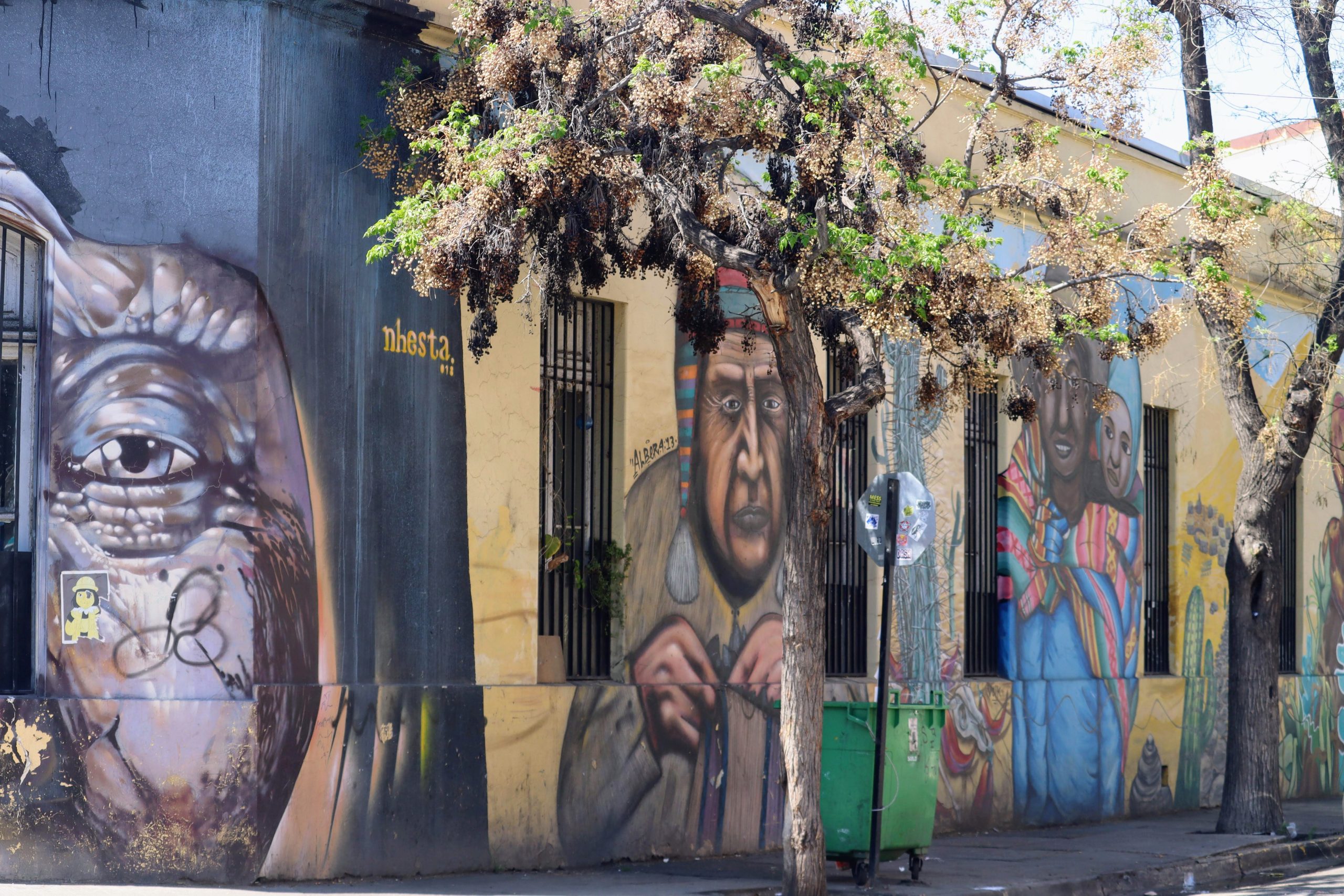
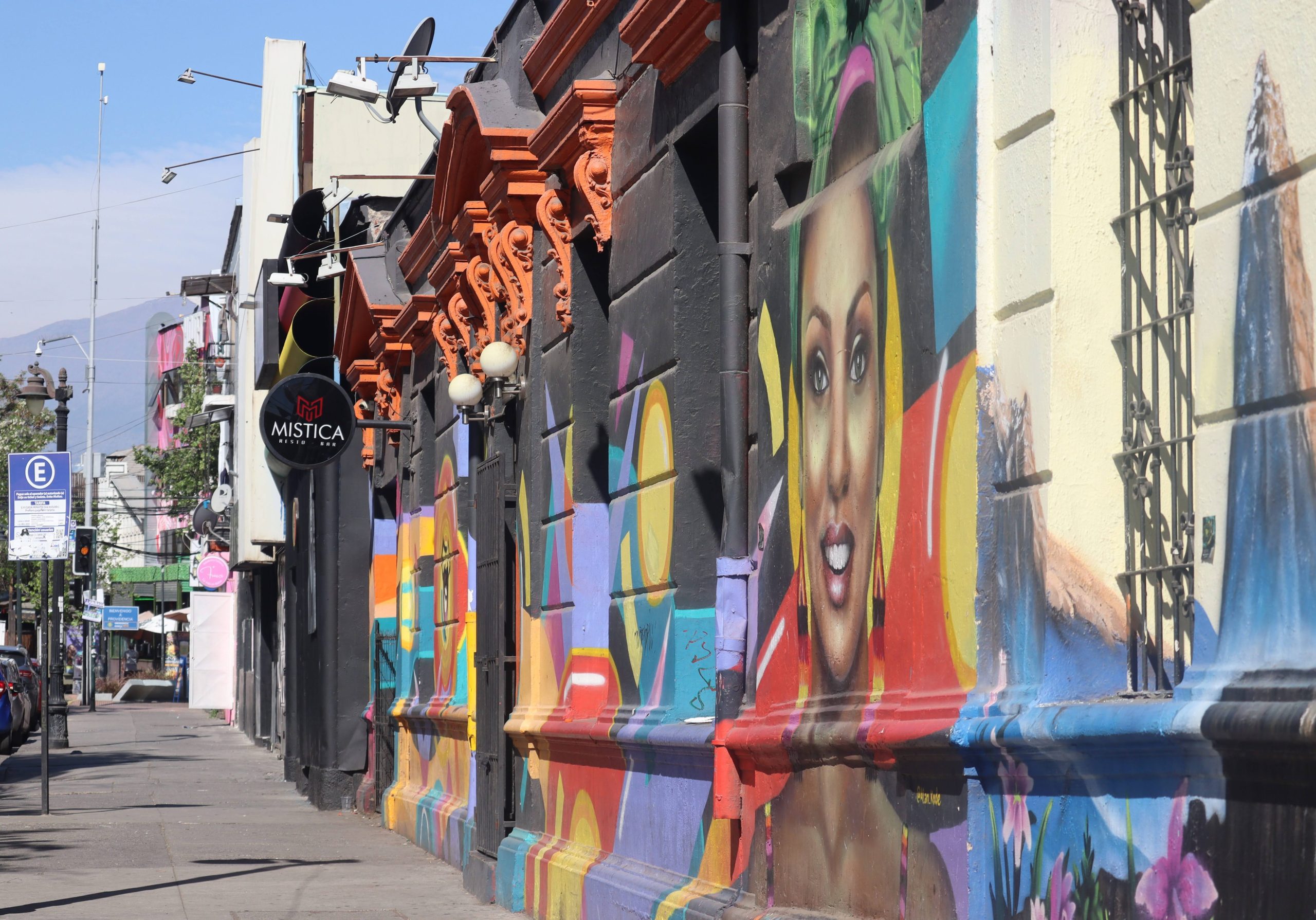
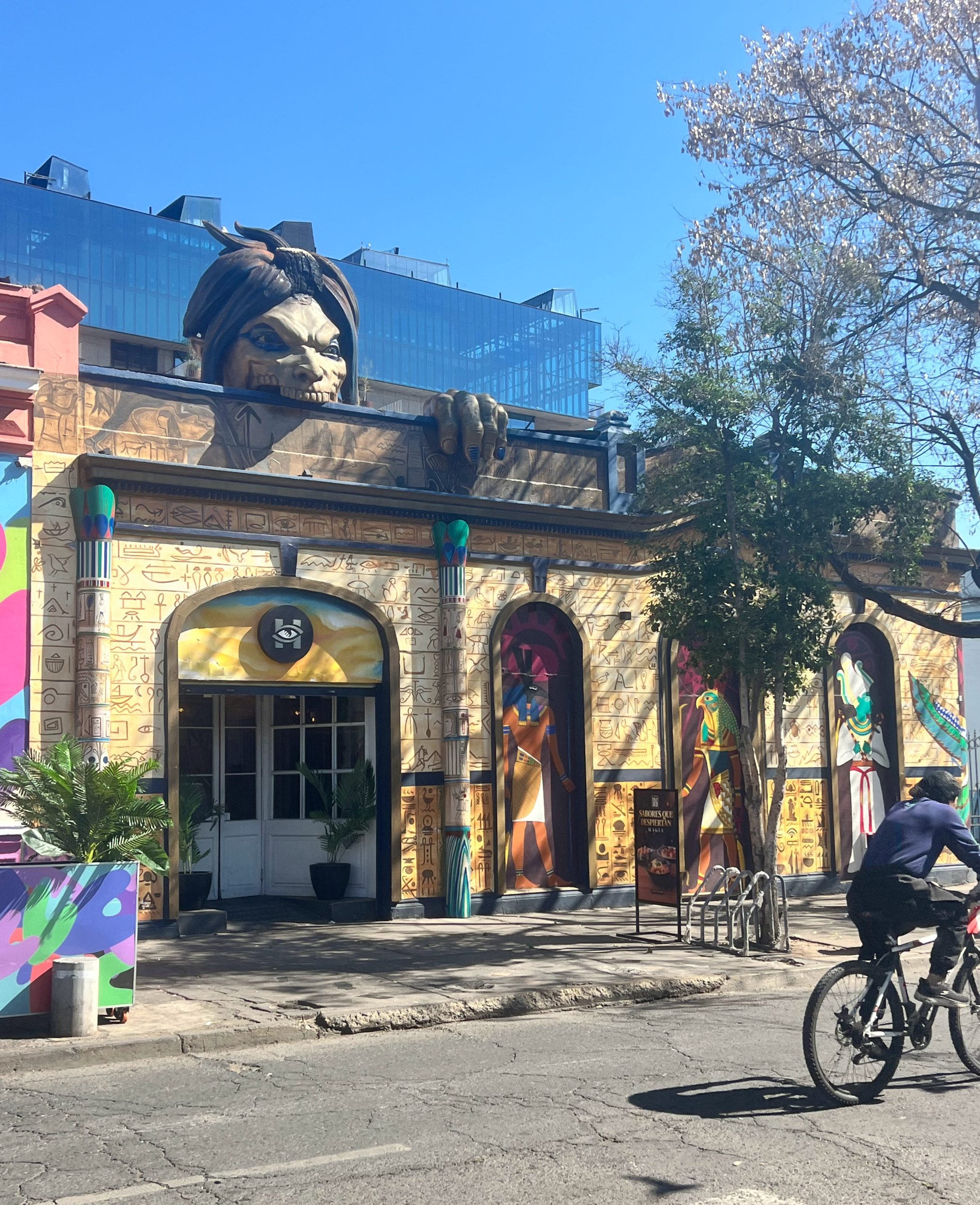
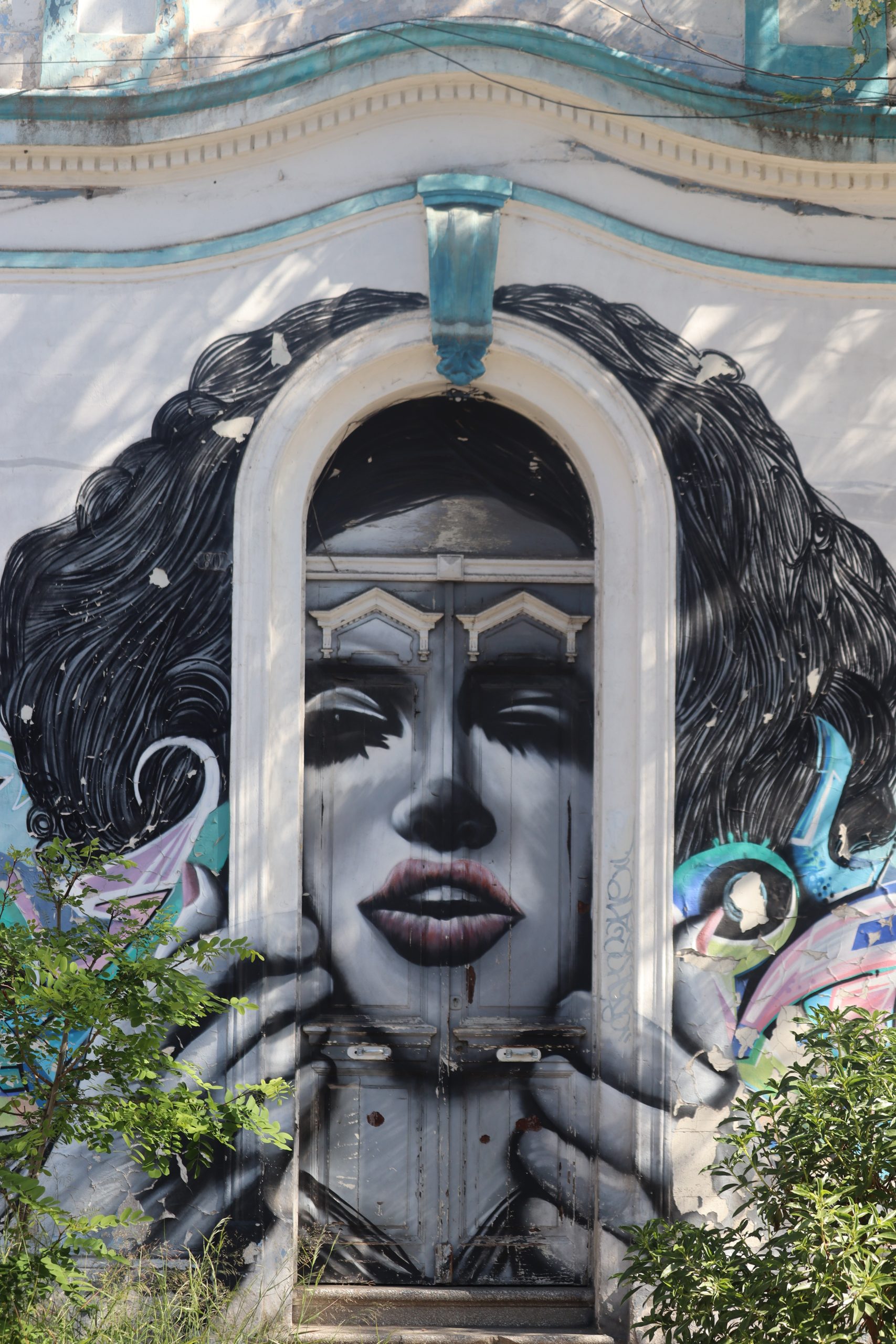
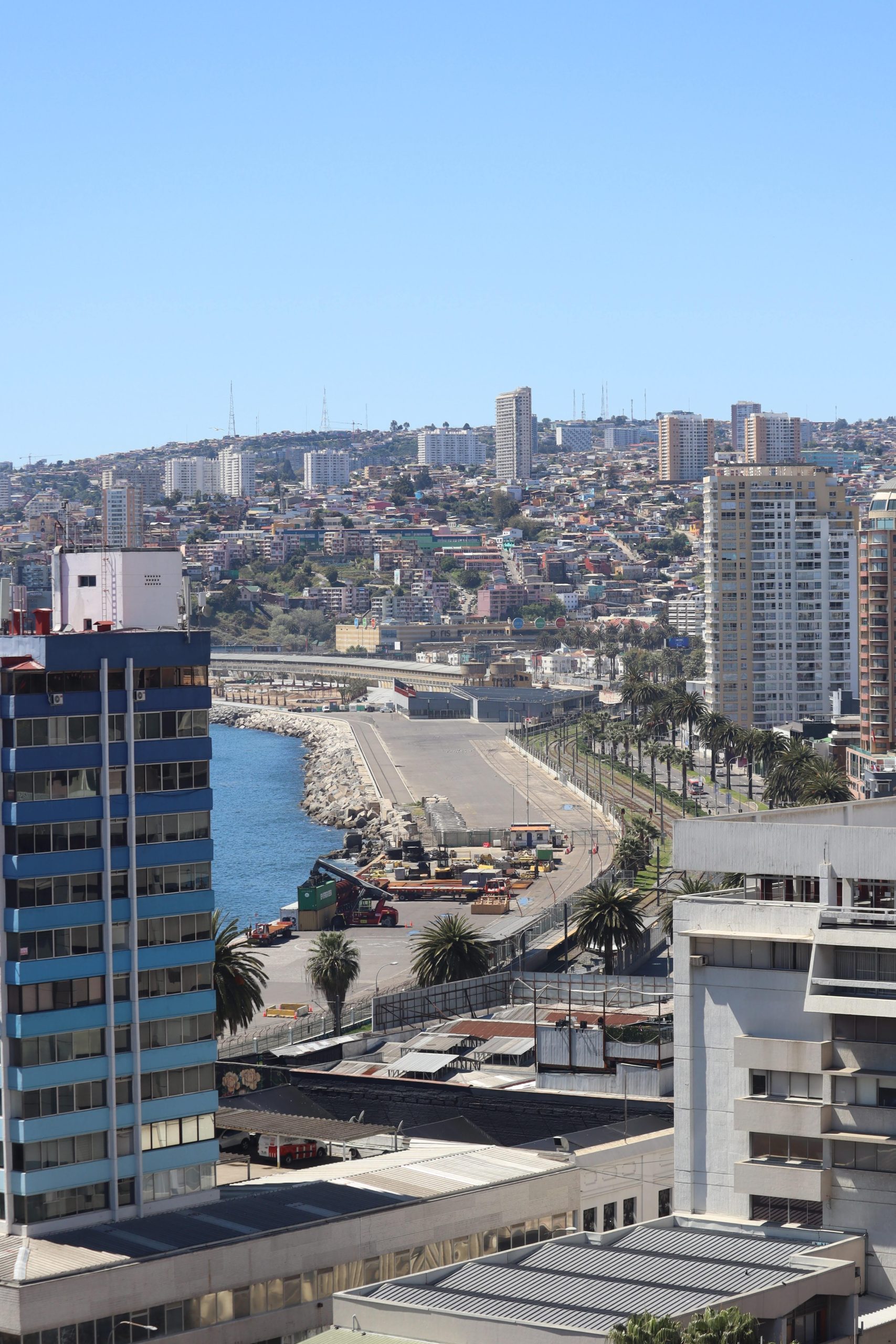
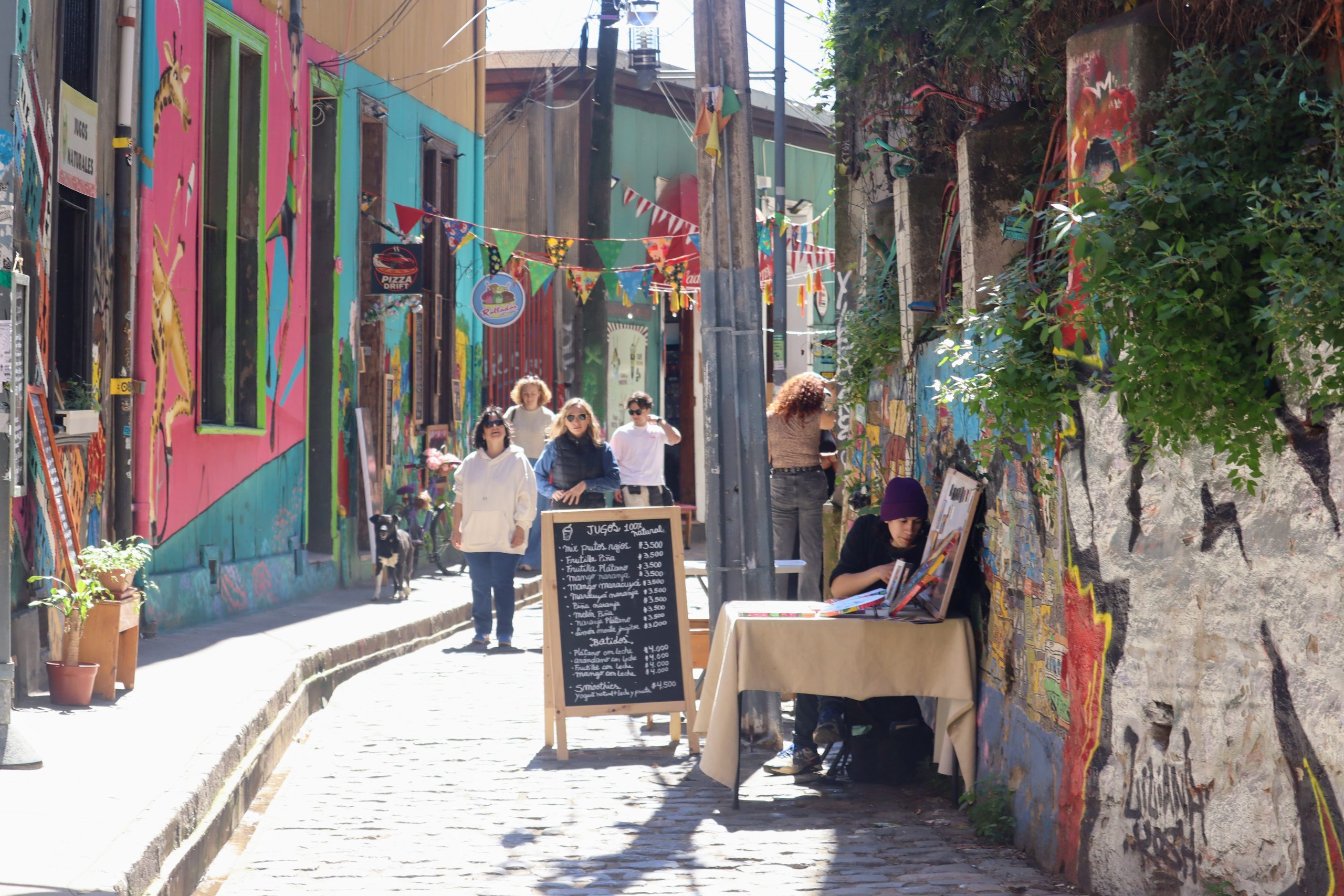
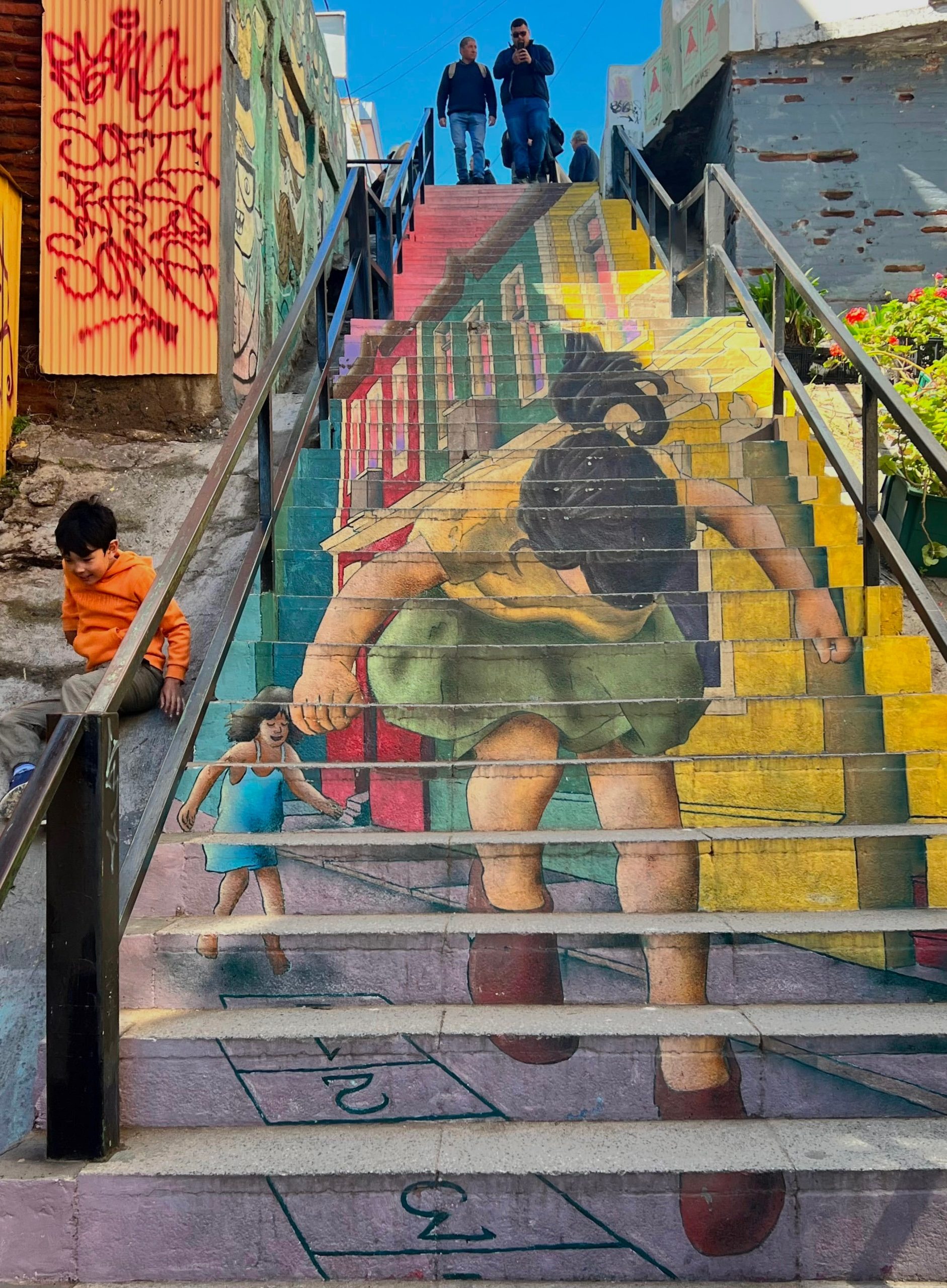
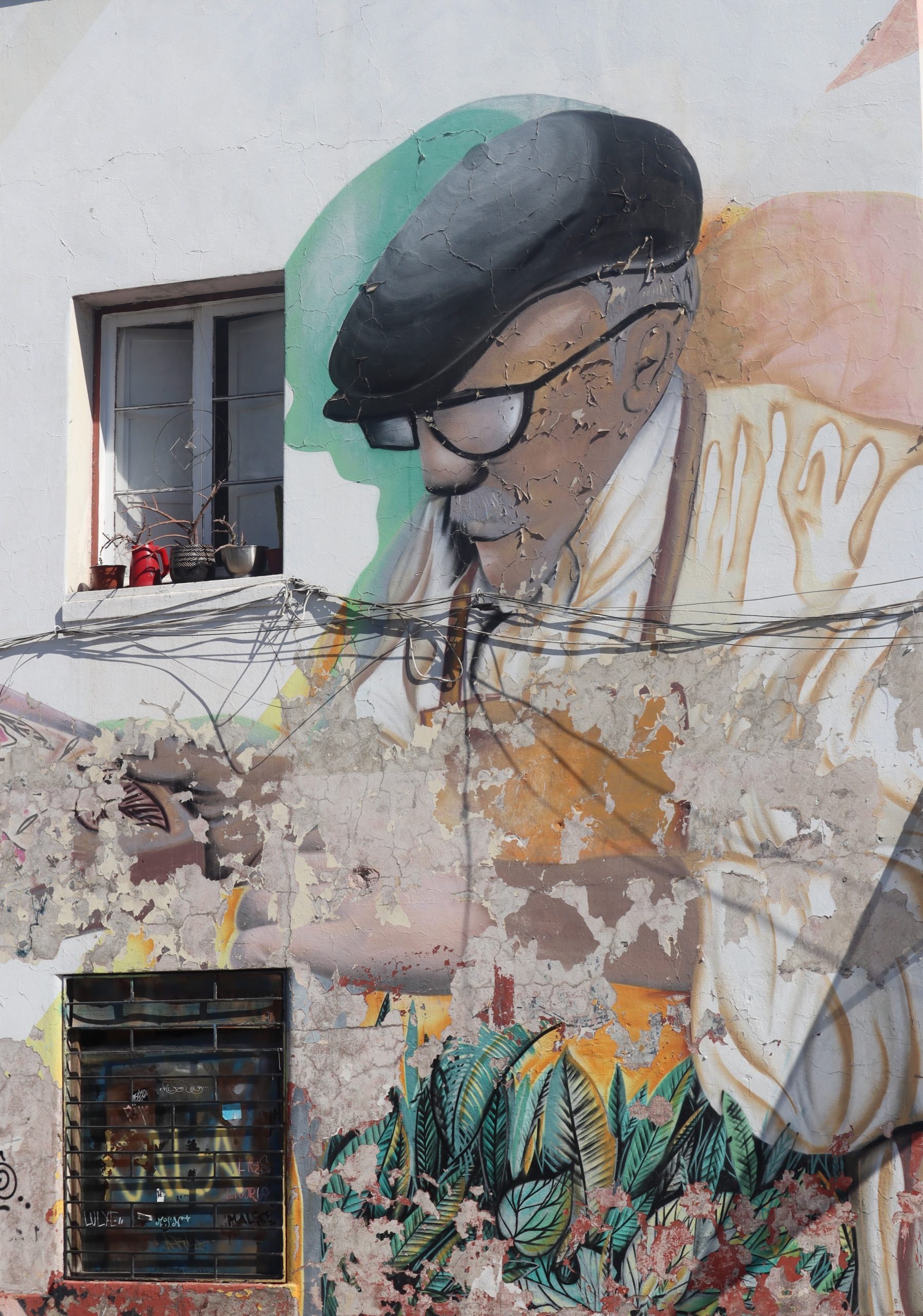
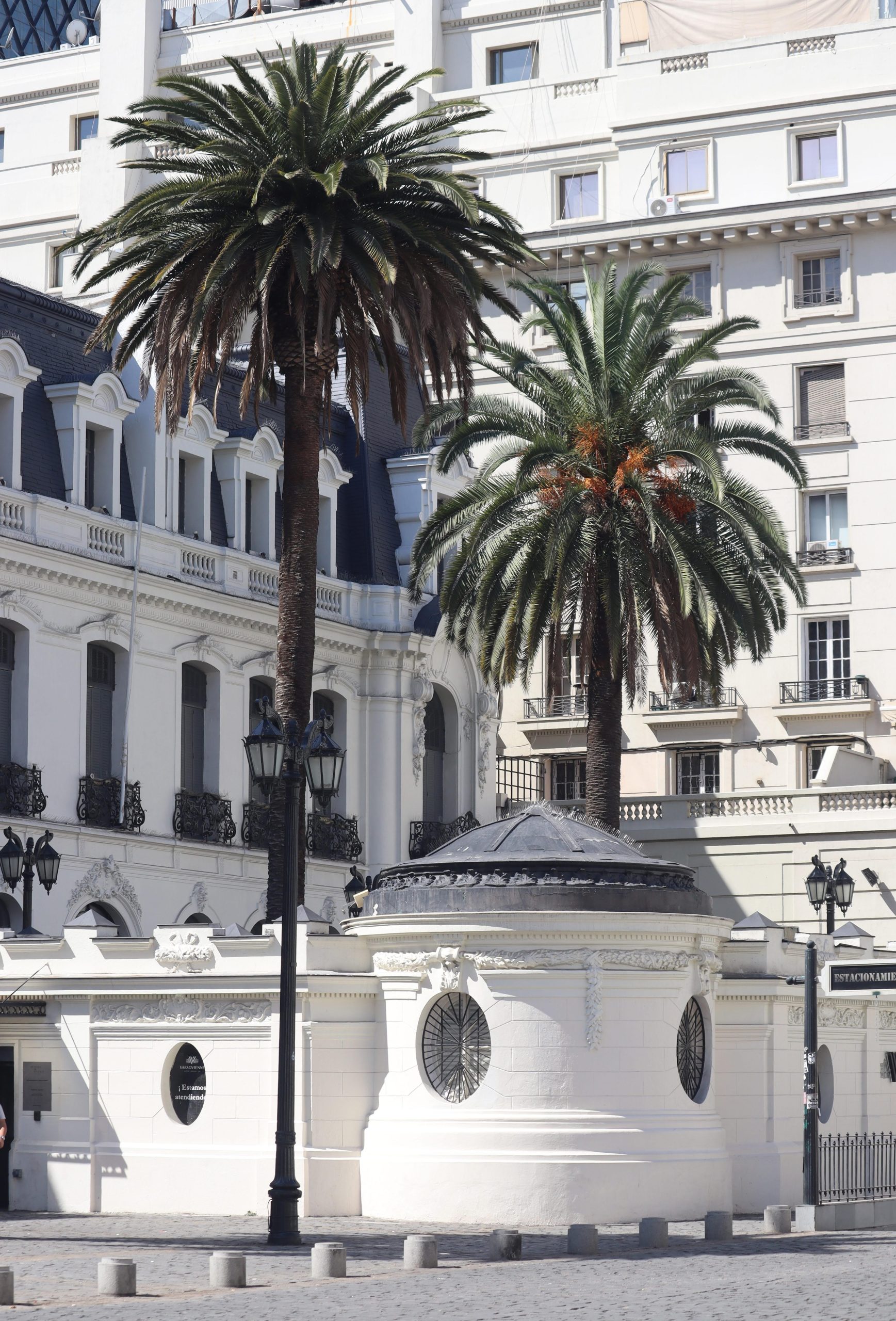
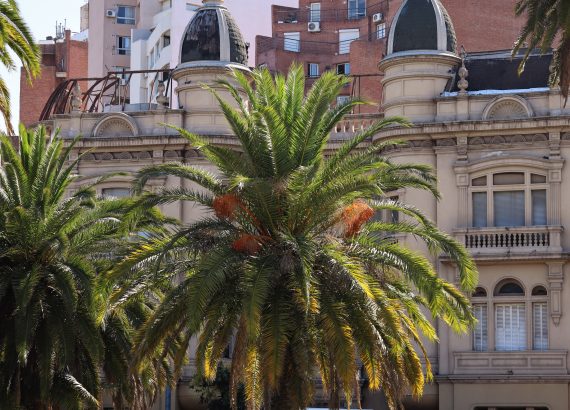
The city is huge with increasing density, having over 19.8 million inhabitants and growing. It is a combination of skyscrapers and high rises, both new and old buildings with many from the colonial era. I stayed near the historic center of the city to avoid being too far from the attractions I planned to visit. My apartment was within walking distance of the Brasil neighborhood, an upcoming bohemian community. Looking back, I would have chosen to stay in the Bellavista and Lastarria neighborhoods, as I found them both more colorful and engaging. Throughout Santiago, I was struck by the abundance of graffiti, a bit too much. Many were unattractive taggings or old, faded works. There were also newer graffiti styles (wildstyle and bubble), as well as many impressive street murals (Fact: there are at least 15 different graffiti styles that have evolved over the years).
The weather here for the month of October is much warmer than in Lima, yet strange. The mornings and late nights are in the 50s. By 1:00 pm the temperature starts climbing up to the 70s and 80s, and it stays like that til about 7 or 8 pm when it cools down. I find the folks here not as friendly, and their accent is a bit more difficult to understand both due to the dialect and how soft and fast they speak.
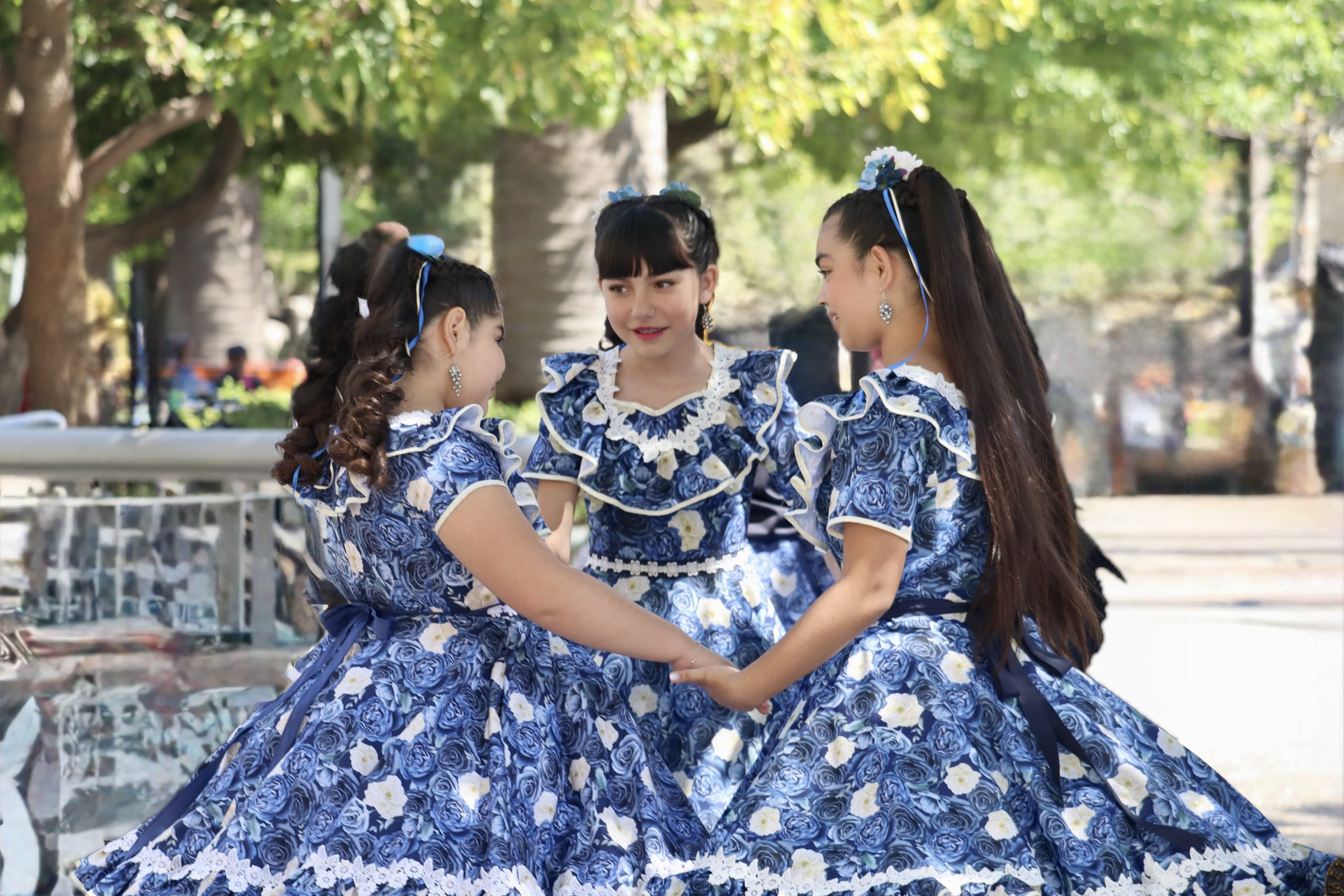
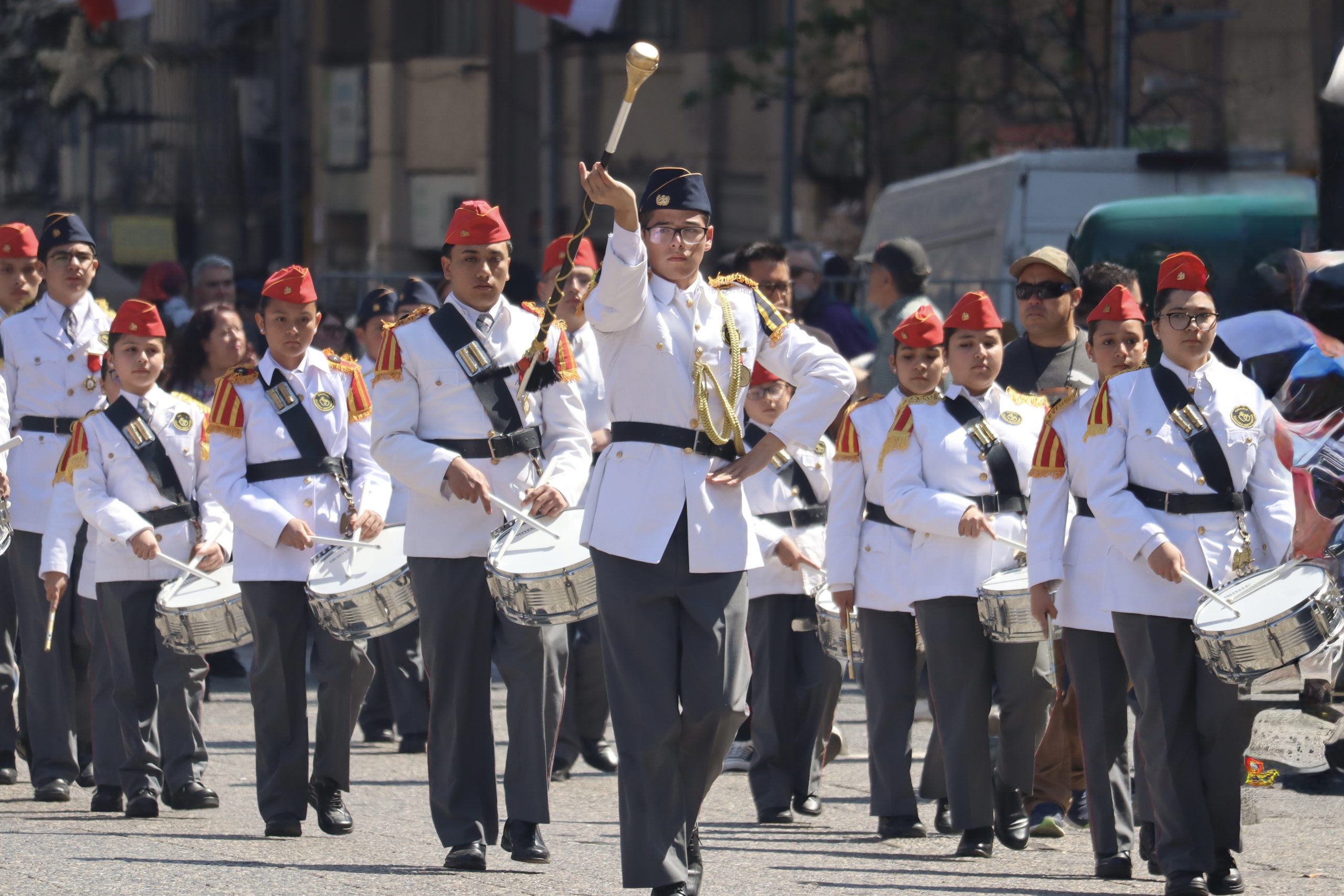
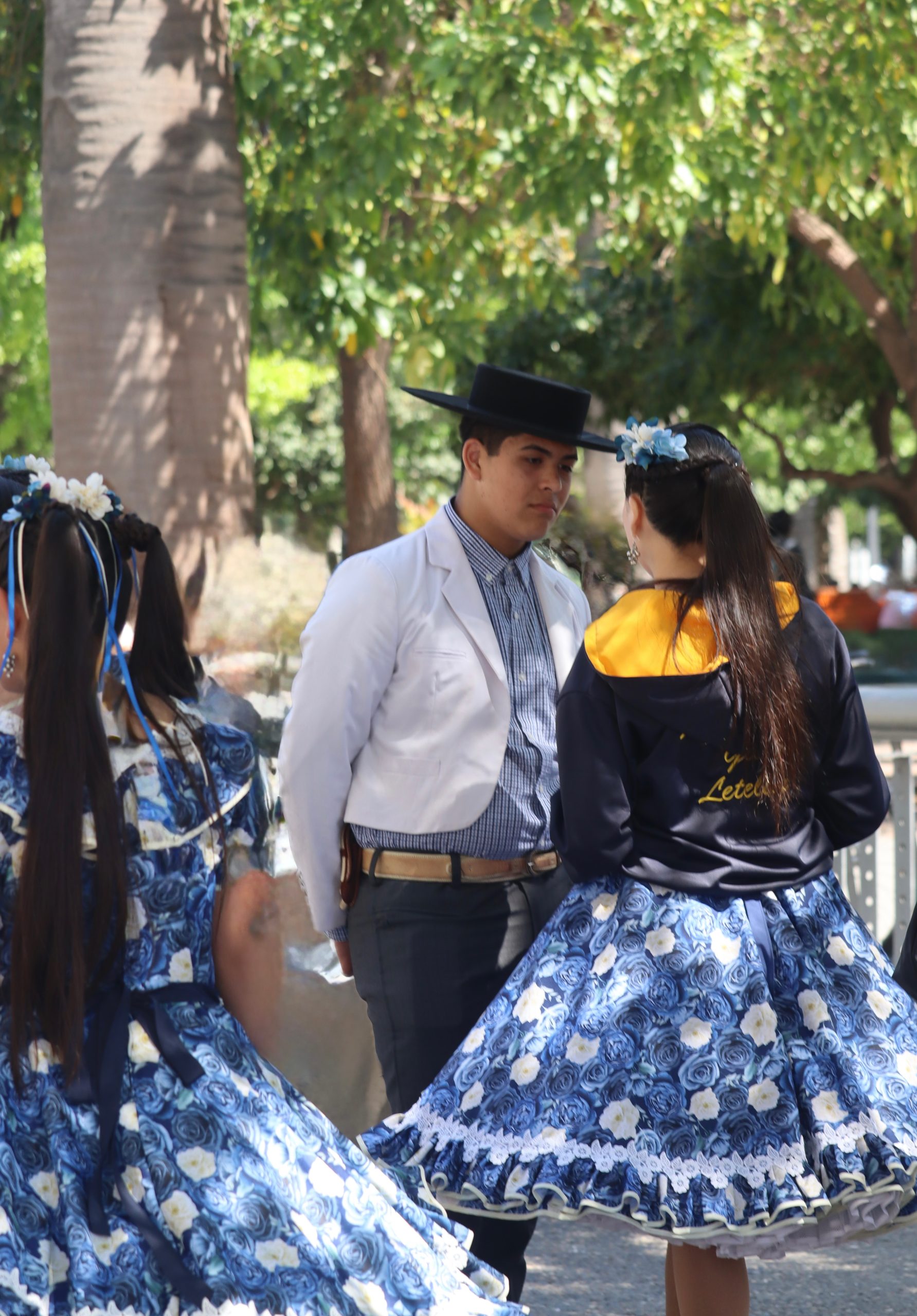
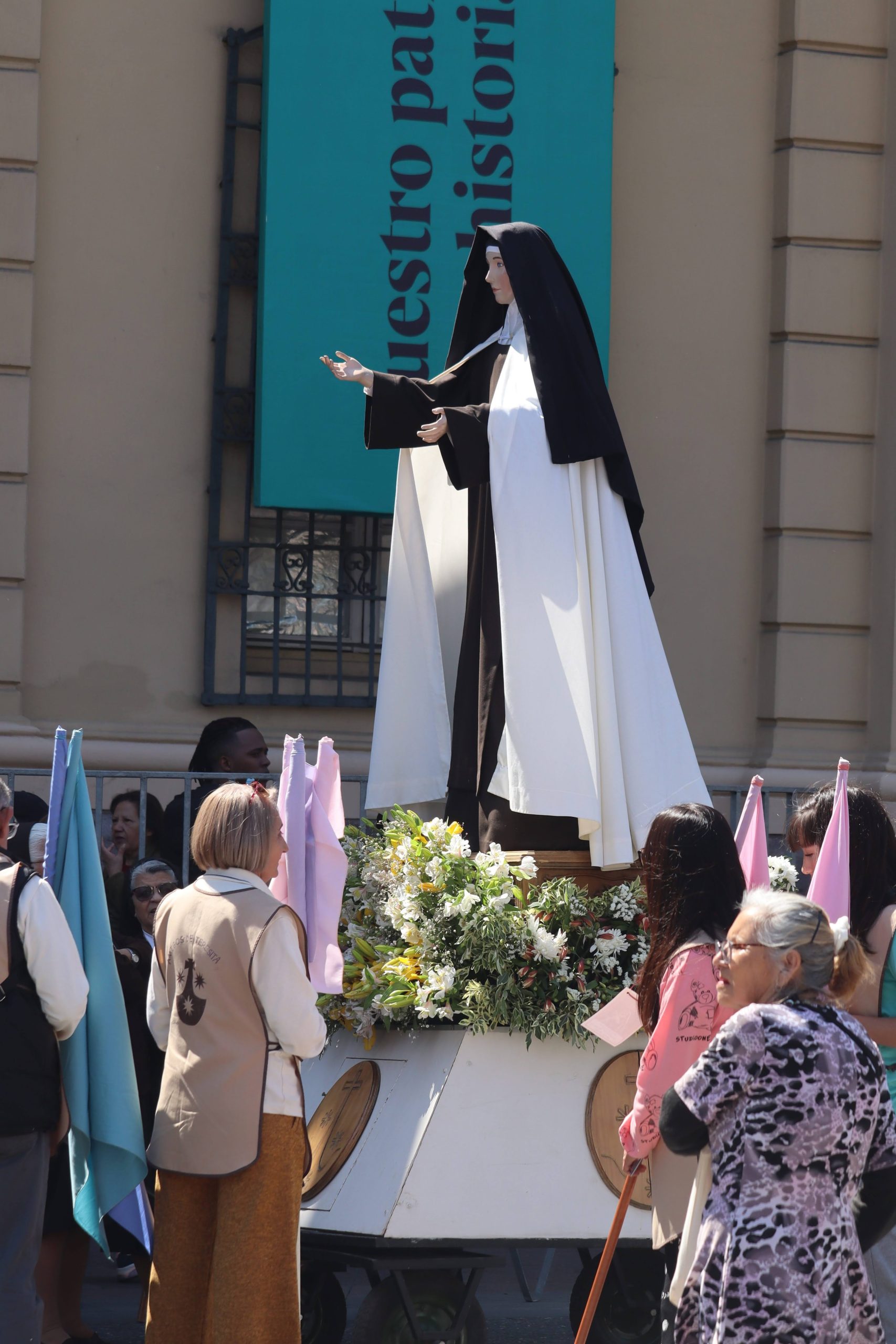
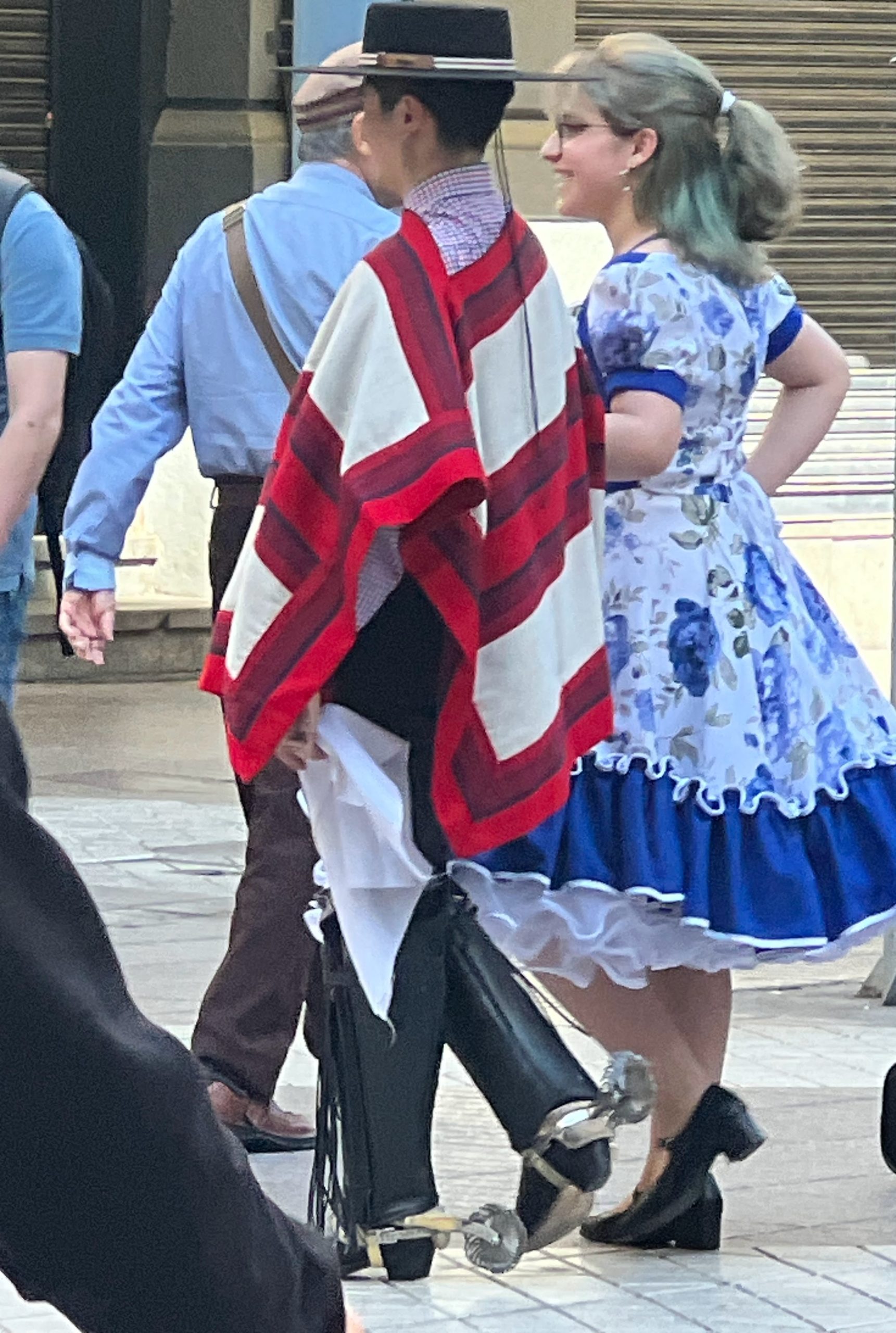
For the most part, this is a very modern city, much like Lima and Medellin. Therefore, you had to look hard for cultural elements beyond the city’s colonial architecture. In the beginning, I was not sure I liked the city, but it slowly grew on me as I explored more of its sites and attractions. On a walking tour in the historic center on a Sunday, we came across a procession celebrating one of their patron saints- Theresa of los Andes. We were able to see more of the country’s culture, including the popular traditional Chileno dance known as the Cueca (a courtship dance between couples dancing with handkerchiefs).
What to Do in Santiago
I am highlighting most of the attractions and activities I managed to go to and what I liked and didn’t like about them, starting with:
Historic Center –This is a fairly large yet walkable center which also includes the Plaza de Arma. The colonial architecture is remarkable, well-maintained, and many buildings continue to serve public functions. There are also several pedestrian-only blocks featuring retail shops, cafés, as well as street vendors and performers. You are within minutes of several museums, the cathedral and the park.
Museums – I managed to go to several museums; some in the historic center and others in neighborhoods.
Museum of Memory and Human Rights – I was blown away by the intention of this museum. First, the design of the building is quite modern and different from the Brasil neighborhood, walking distance from where I was staying. The main purpose of this museum is to provide Chilenos a chronology of the years that led to General Pinochet’s military dictatorship, along with a strong human rights program of art, film and education. The permanent exhibit is two-thirds of the space, containing every aspect of the dictatorship era before and after. It can be a bit depressing viewing so much of what was done to destroy the country’s democracy, including brutal repression, censorship, torture, and death. Sadly, I couldn’t help thinking about some similarities to what we are seeing in the US under Trump. This was a great history lesson.
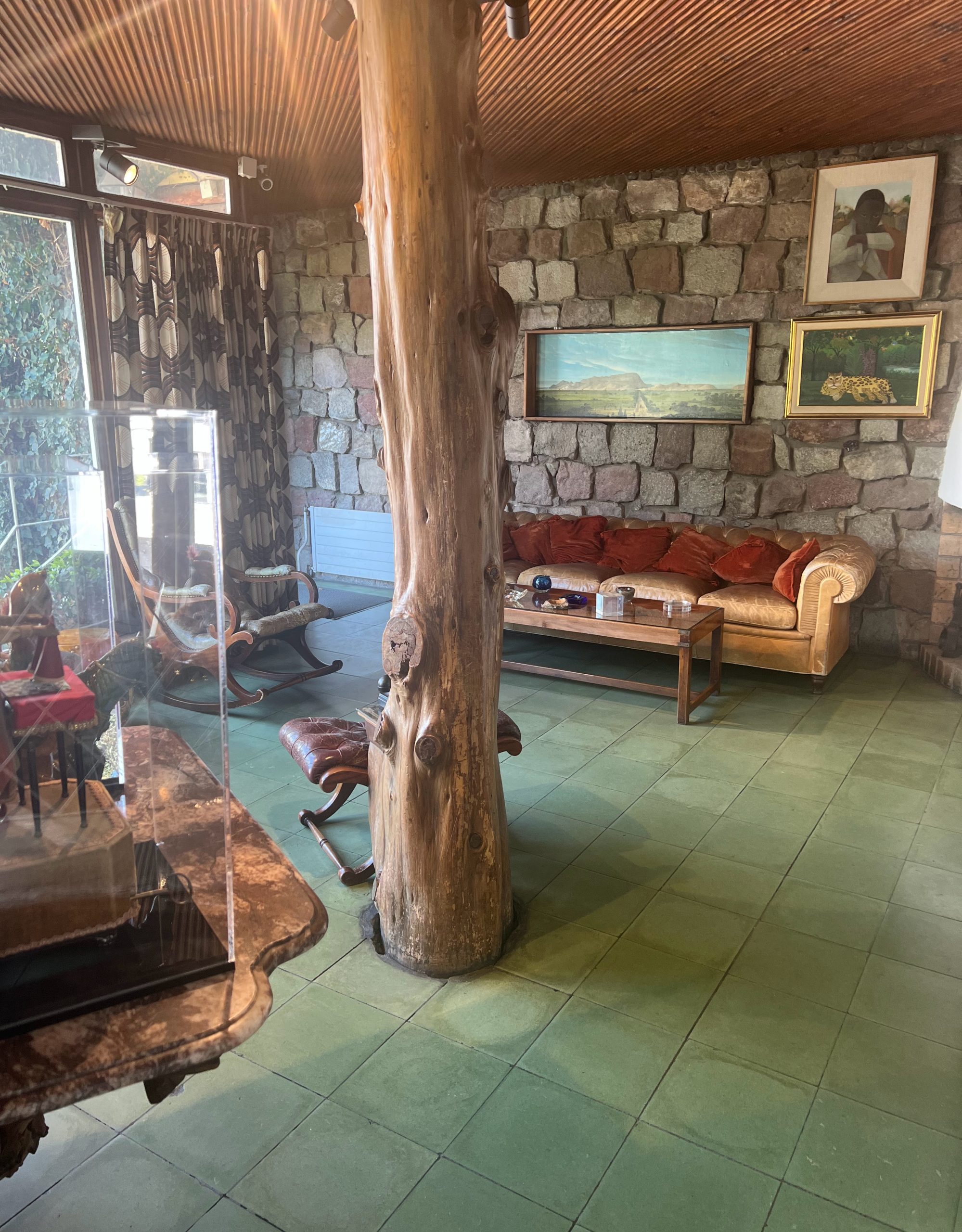
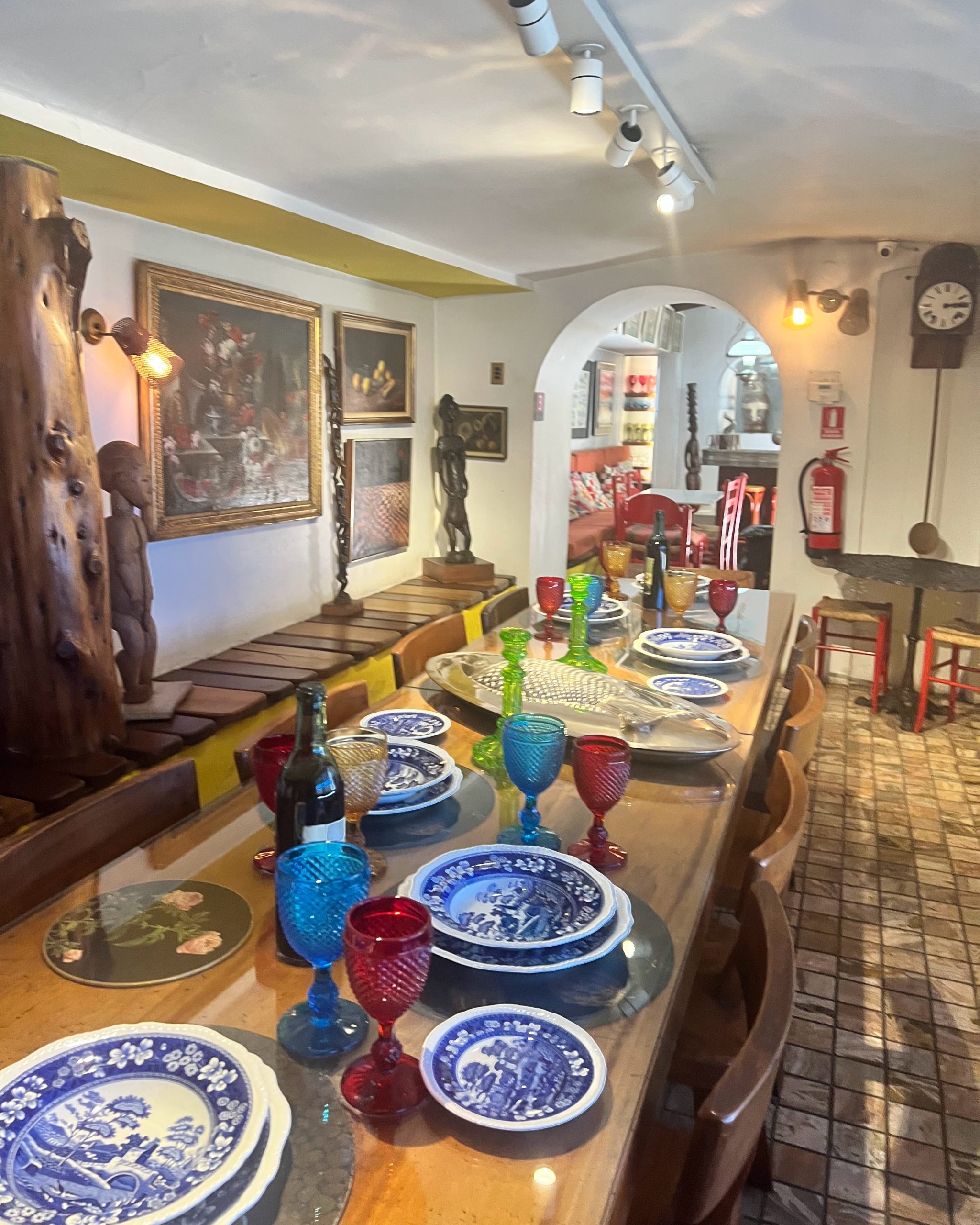
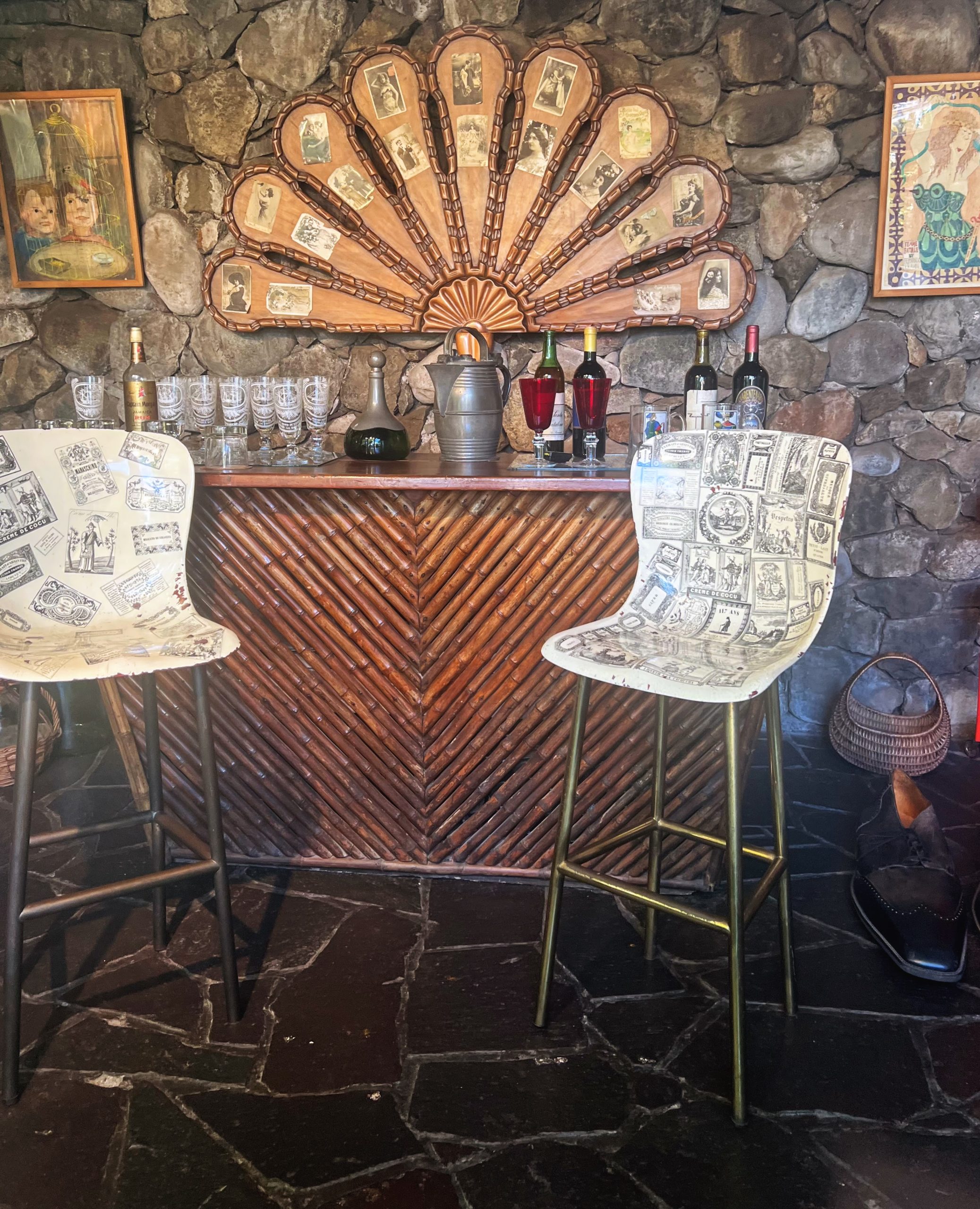
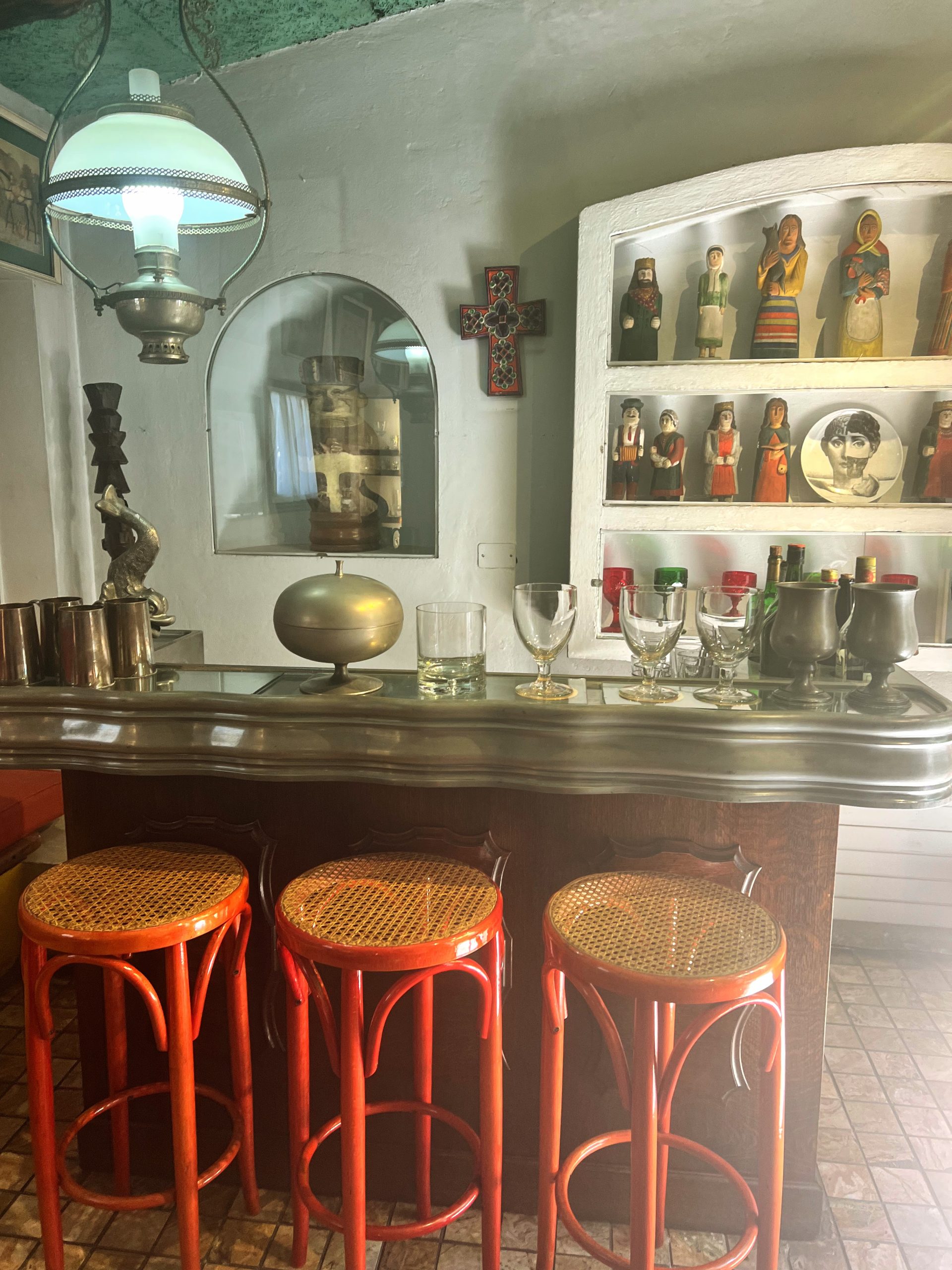
Poet Pablo Neruda’s Home is in the Bellavista neighborhood and is definitely worth a visit. This was the home Neruda built for his mistress, whom he eventually married, and moved in, expanding it to three separate floors on a cliff. This is one of three museum homes. A time capsule of what their lives were like in the early 70s. I managed to take several photos even though it is forbidden. (nothing like breaking no-photo rules).
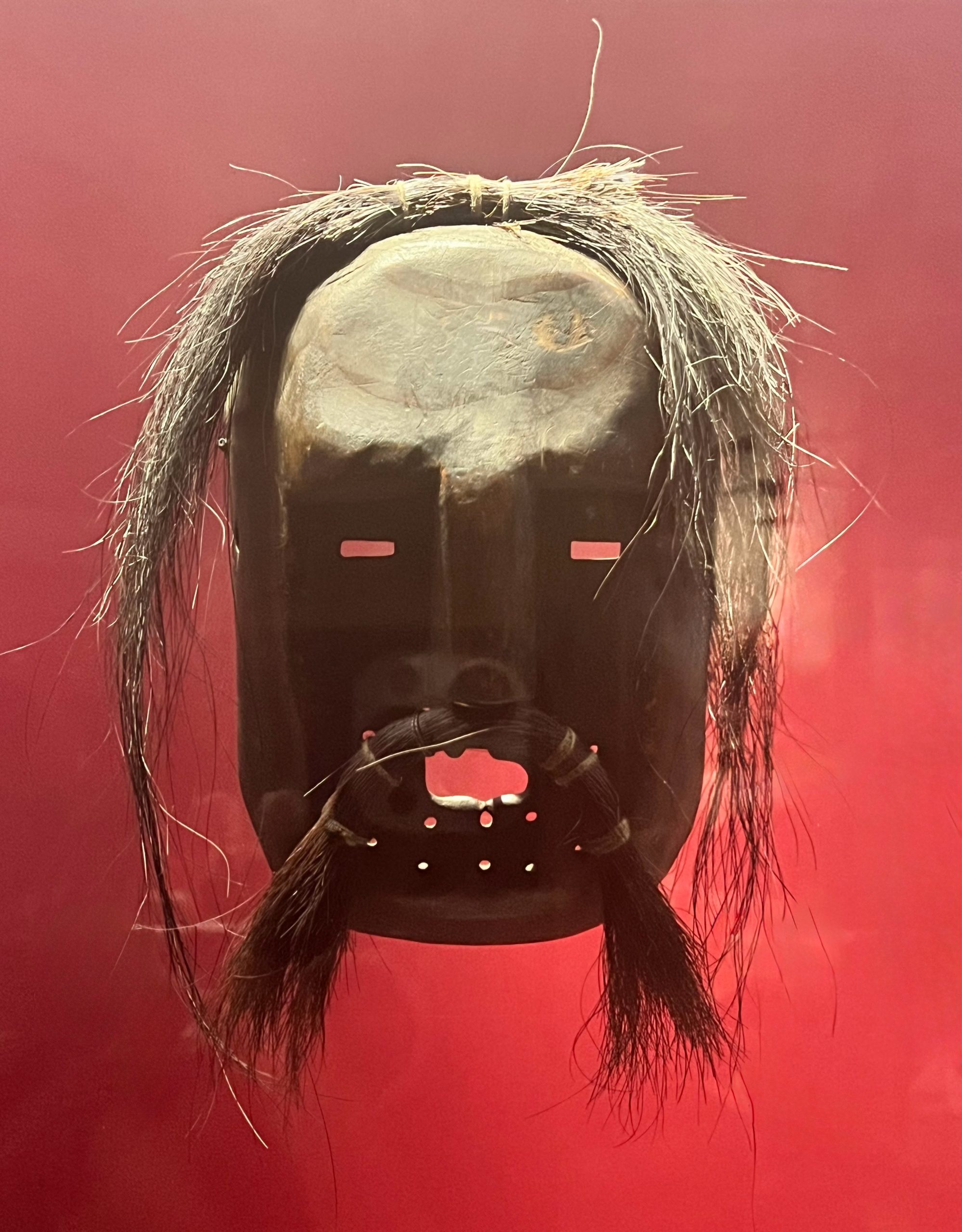
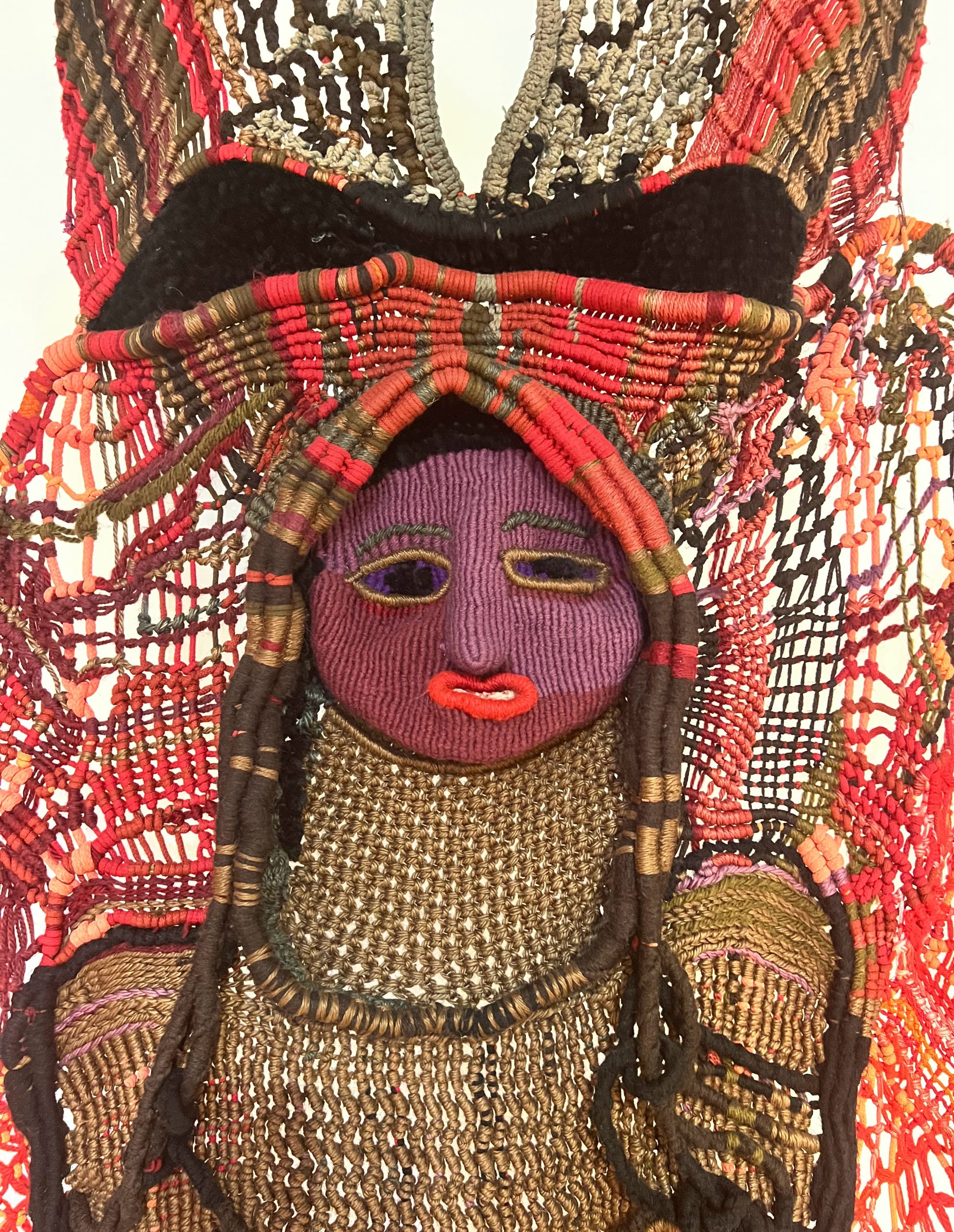
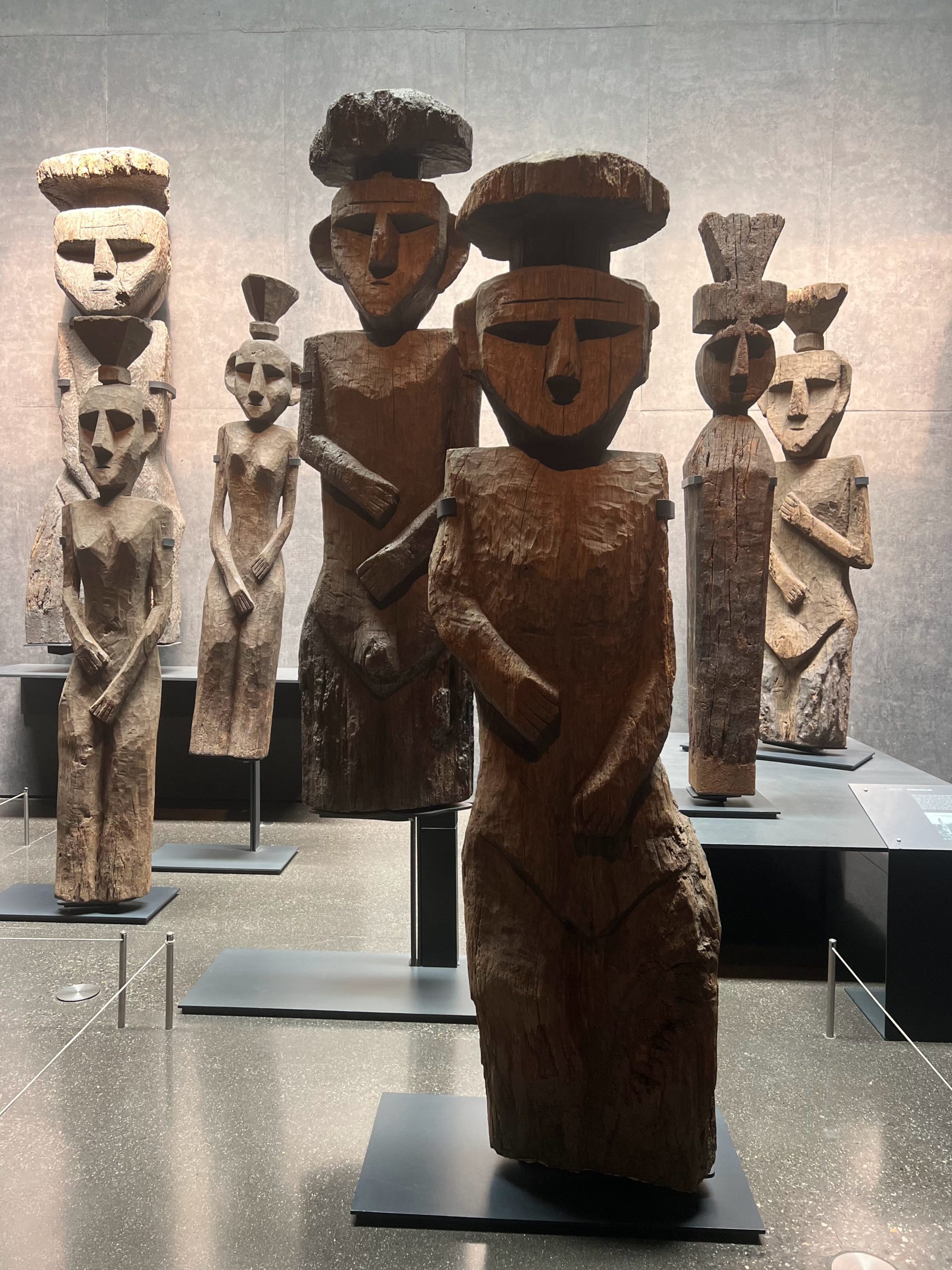
Pre-Columbian Art Museum – Truly one of the most comprehensive permanent exhibition of Pre-Columbian artifacts and textiles from all of Latin America— from Mexico to Chile. It has an entire floor just on Chile, representing over a dozen civilizations — quite impressive
Salvador Allende Solidarity Museum (MSSA)–This museum of modern and contemporary art is probably one of the most progressive museum ever. Its entire existence is to educate and inform people of all ages to resist authoritarian regimes and fight against injustice. It’s history it’s based on its own resistance to exist after Allende was killed and the military junta took over under General Pinochet. Many of its founders had to leave the country yet continued to work on the museum, hopeful of returning one day. Much of the artwork is donated by major national and international artists to support its mission. The museum is a historic colonial building in what is now a neighborhood of local colleges and training programs.
Other Museums -I also visited the Bellas Artes Museum, National History Museum and the Palace de Moneda Museum. All three are in the historic center and offer great insights into the country’s history and the daily living of Chilenos. None struck me as exceptional, yet important to view in better understanding Chile.
San Cristobal Hill Funicular is within walking distance from Neruda’s home and is a must if you want to see the entire city surrounded by the Andes Mountains. The funicular, which is 100 years old, takes you directly to the top of the hill, where the famous Sanctuary of the Virgin statue stands overseeing the city. There is also a cable car system, both offer great photo ops.
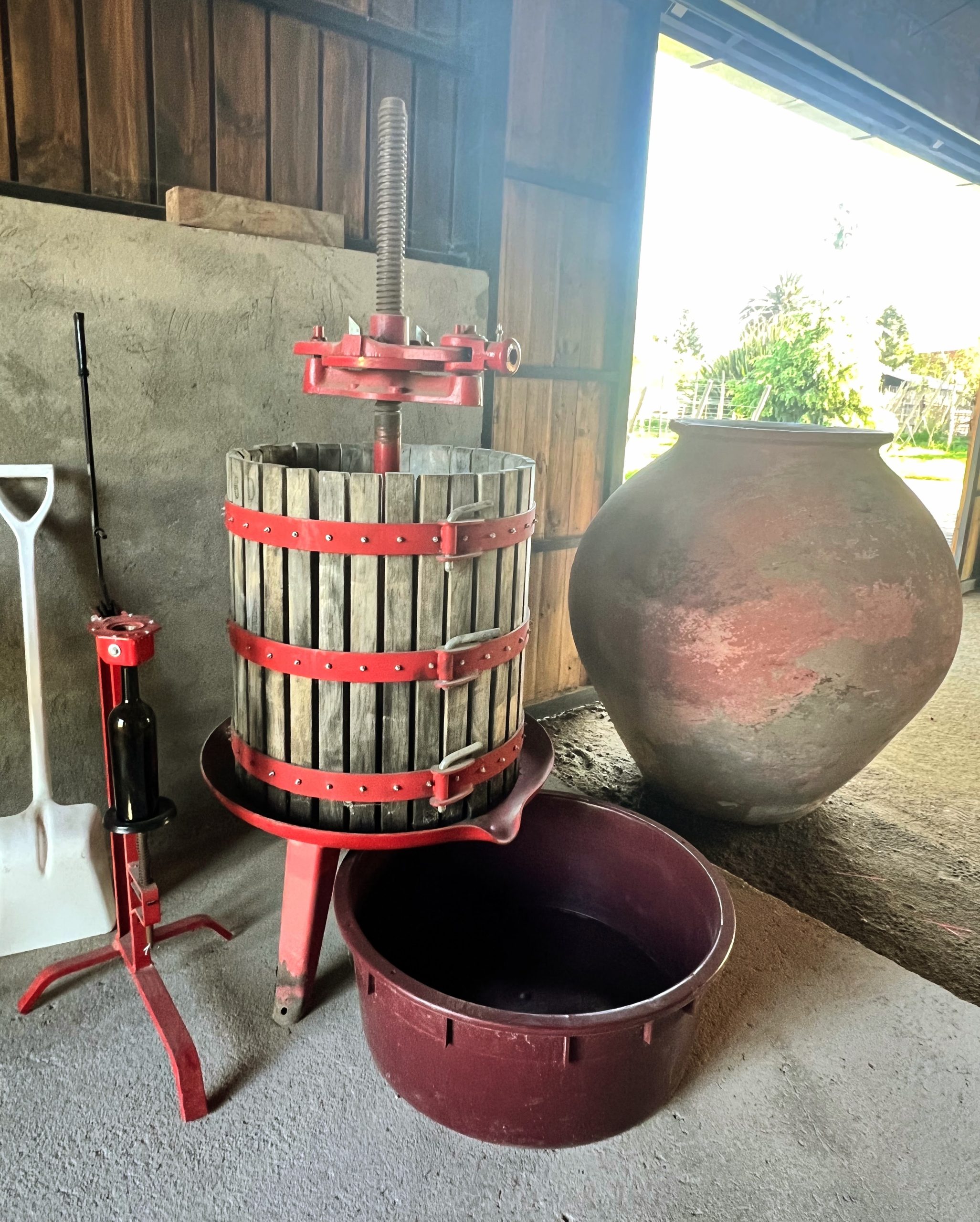
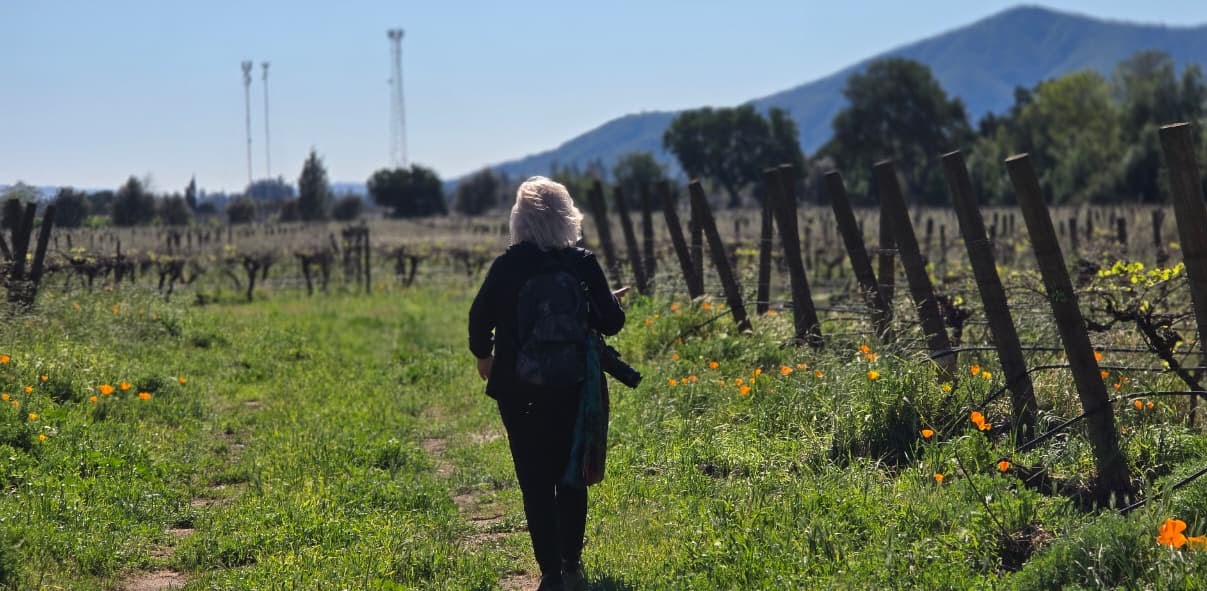
Wineries – I selected a winery tour that visited 3 vineyards with lunch, starting with a boutique organic vineyard that uses a holistic approach to making wine. It uses plants and animals to fertilize and protect the fields and modern and traditional equipment to make the wine—quite delightful. From there we went to two others that were of a larger scale- also interesting. All of them offer their version of Carmenere (no longer cultivated in France) which is the most exported wine in Chile.
Chile Cooking Class– Taking a cooking class is one of the best ways to learn about a country’s culture and history. The class was held at the chef’s home. I was the only student which afforded me the space to ask a million questions and partake in preparing all the meals. I made pisco sour, sangria, several appetizers and empanadas for lunch, and I even got to bring some of it back to my place.
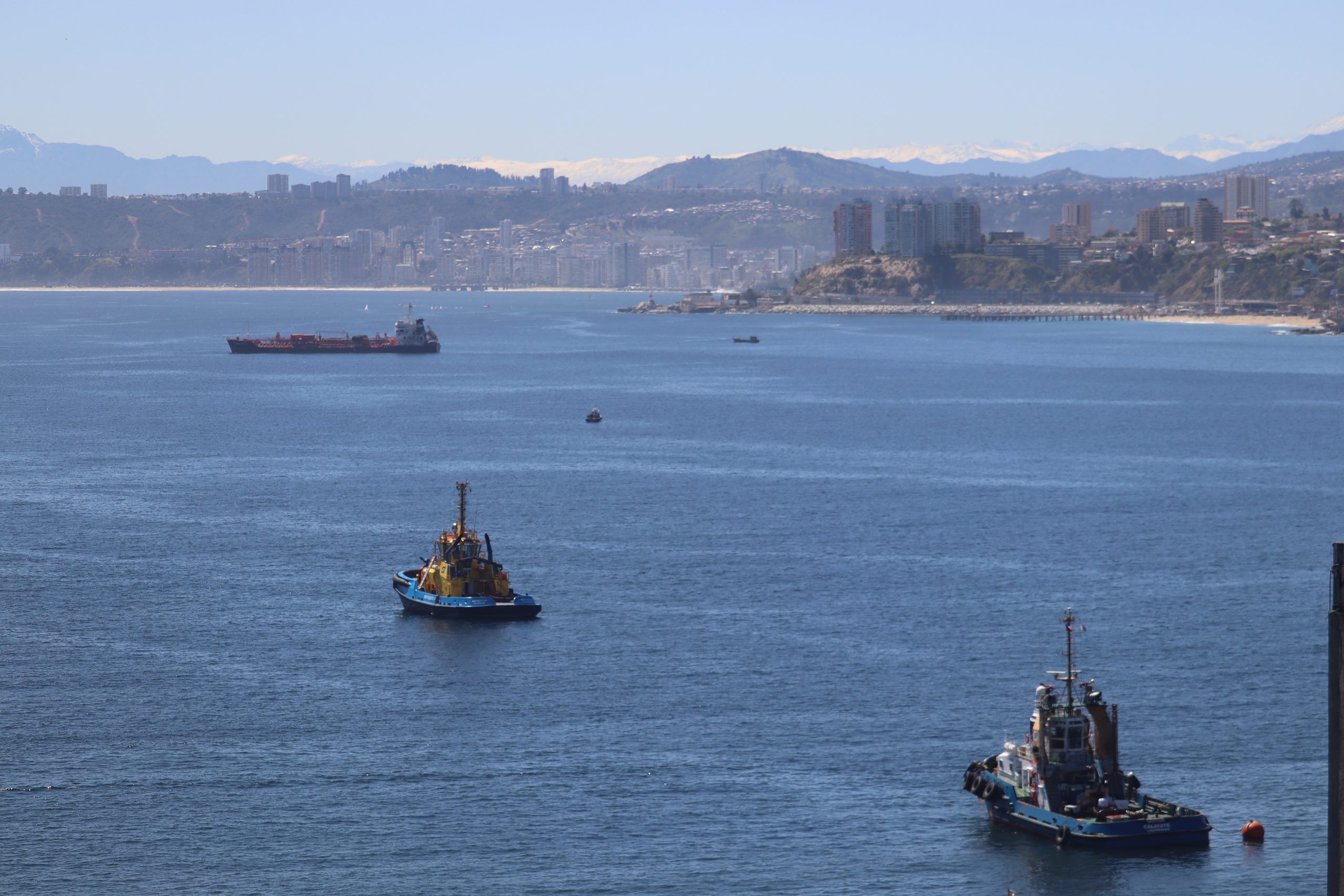
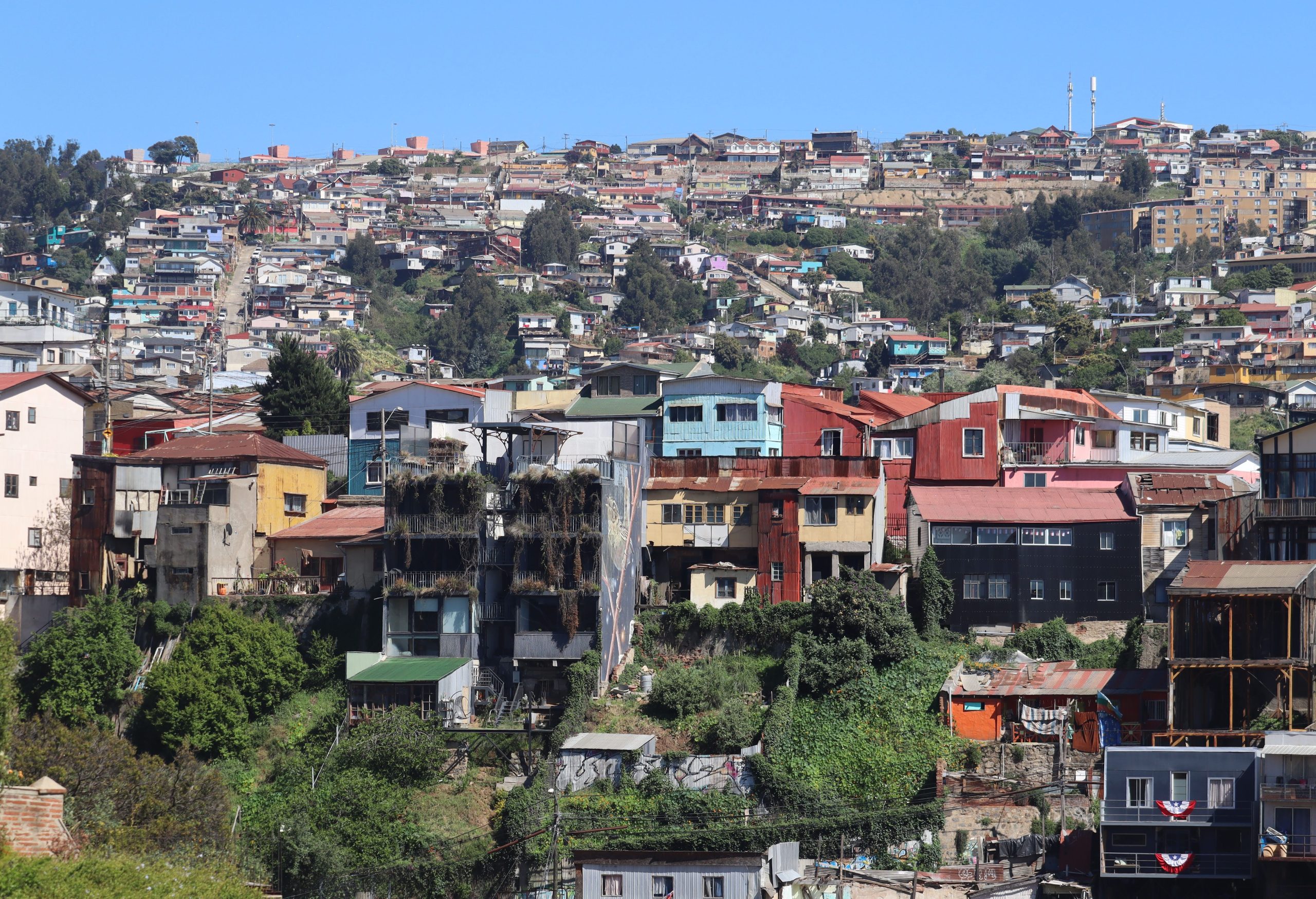
Viña del Mar and Valparaíso – These are two adjacent coastal cities in Chile about 40 minutes from Santiago. Viña del Mar is a modern-day beach resort. Valparaíso is a historic port city with steep hills and colorful homes and hundreds of art murals. A UNESCO World Heritage Site characterized by its bohemian and historic ambience. To get to the top of the hill, there is a funicular to take with views of the port. From there, we also stop at a local winery for a tasting, ending a full day of touring.
The Challenges Facing Santiago Today
The city’s density is creating severe overcrowding, causing a higher cost of living, lower wages, an increase in crime and severe air pollution. There is also a growing immigrant population that is impacting the city’s low wages, creating friction. The most obvious challenge is the significant gap between the rich and the poor, which is also fairly segregated within the city’s neighborhoods. Human rights and discrimination remain a problem throughout Chile which has led to ongoing protests. Its strong infrastructure tends to benefit the upscale communities, adding to a divided city. Right now, the government’s efforts are focused on seeking ways to improve its pension and health care systems and increase economic opportunities.
Final Note and My Photos
This is a city that a week’s visit would be sufficient time to familiarize yourself with its culture and history and possibly move on to other parts of the country if you are interested in hiking or skiing. The cost of living is much lower here than in the US for travelers, which is the case for most of South America.
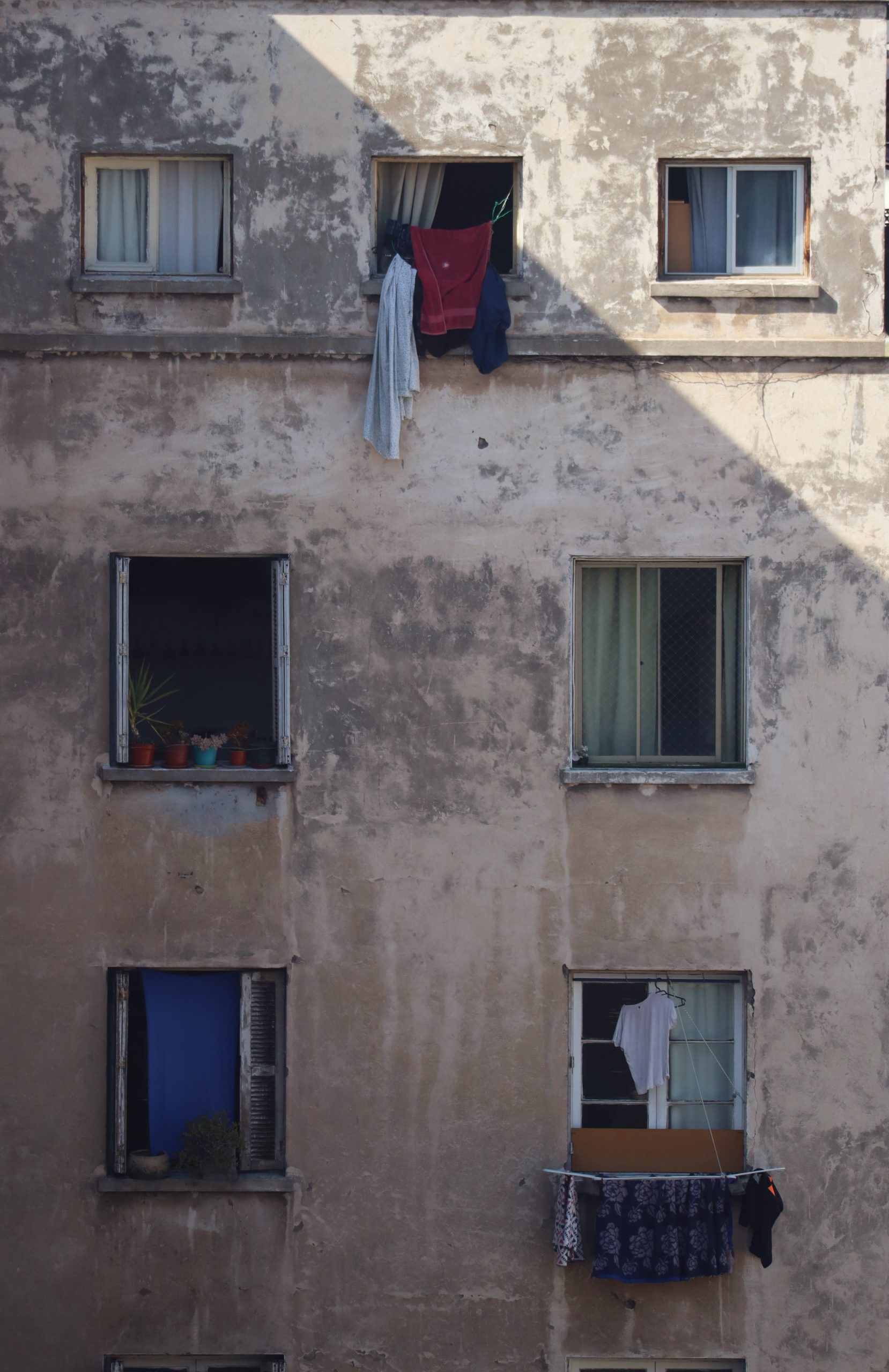
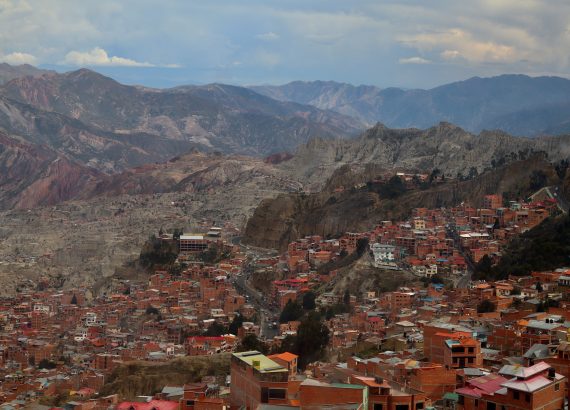
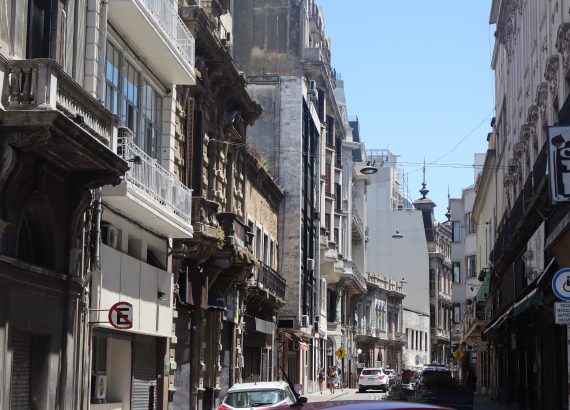
My photos are of everyday living in Chile, its urban landscapes, street art, and its people. As always, remember to click the center of the photo for a full view. My next stop will be Argentina, both visiting the countryside and staying in Buenos Aires for a couple of weeks.
If you enjoyed this story or the newsletter issue, help others to discover it by sharing it with your friends. Your support will go a long way in continuing the blog. If you are not a subscriber for more stories and photos like these, please click here to subscribe.
No Comments