The Floating Islands: The Enduring World of the Uro People of Peru
Traveling to Peru opens a world of diversity and traditions that are tied to thousands of years of history. The story of the Uro People represents one of the oldest living cultures in the Andes, and it is quite remarkable. It is also one in a series of stories on my journey through Peru’ magnificent countryside. On my fourth day of traveling through Peru’s countryside near the City of Puno, we were promised a boat ride to visit the highest navigable body of water in the world. Lake Titicaca at 12,500 ft above sea level, stands as one of South America’s largest lakes. It’s surreal to see such a gigantic lake nestled in the mountains between Peru and Bolivia.
But the most interesting part of this lake is the 120 floating islands built by the Uro people, the oldest ethnic group in the central Andes dating back to pre-Inca times. The opportunity to spend some time learning and engaging with Uro families was a priceless experience that inspired one’s faith in humanity. Here’s a bit more about their resilience, their ability to adapt to change and preserve their way of life….
But First a Bit of History
Who are the Uros and how did they come to live on the lake? It is said that the origins of the Uro people predate the Inca civilization, going back thousands of years. Originally living in the Amazon jungle and along the coastline, the Uros migrated to the Andes mountains. To avoid enslavement by the Inca Empire, they ultimately established their homes on the lake, giving up agriculture for hunting and fishing. Over time, with the arrival of the Spanish colonizers, there was more intermingling among the Uros and two larger indigenous groups known as the Quechua and Aymara.
A DNA study helped eliminate the threat by the government to remove them from the lake in order to create a state-owned reserve. In 2018, the Peruvian government passed a law that “recognizes the Uros as an ancestral indigenous and native people of Peru,” allowing them to remain on the lake. Today, they are experiencing a different threat to their way of life as climate change is impacting the lake along with the growing problem of pollution. More on this later…
The Floating Islands and the Uros’ Way of Life
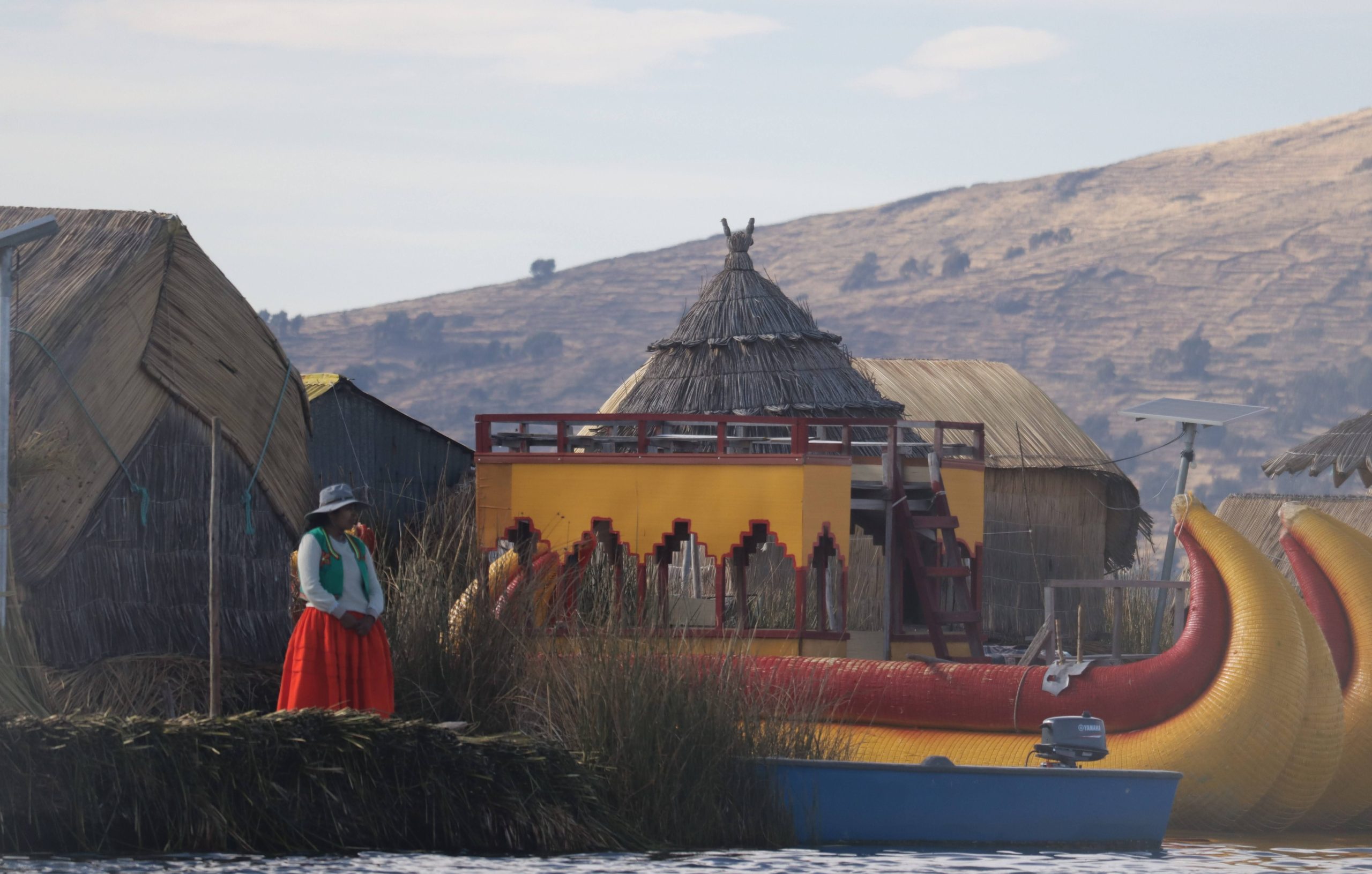
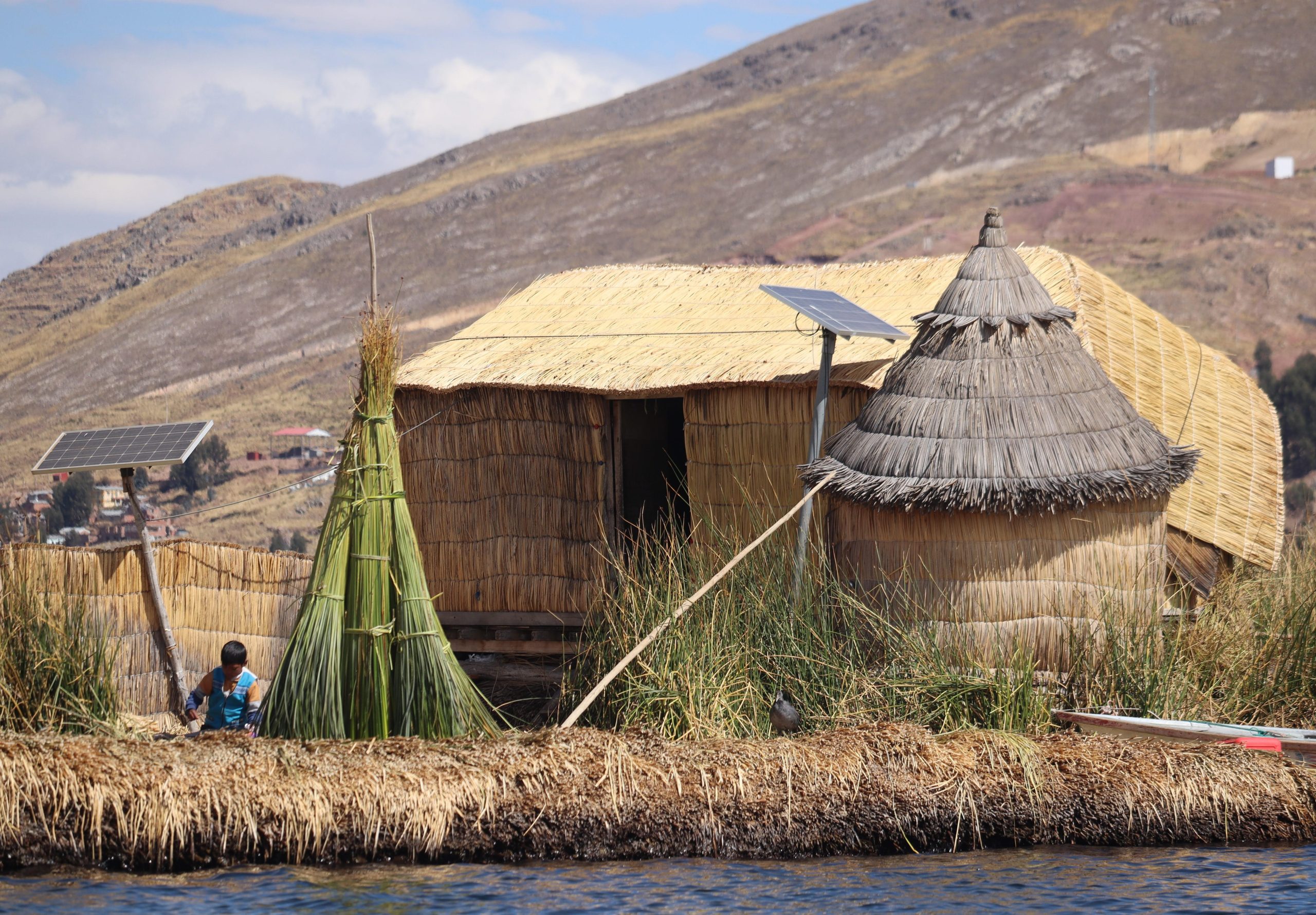
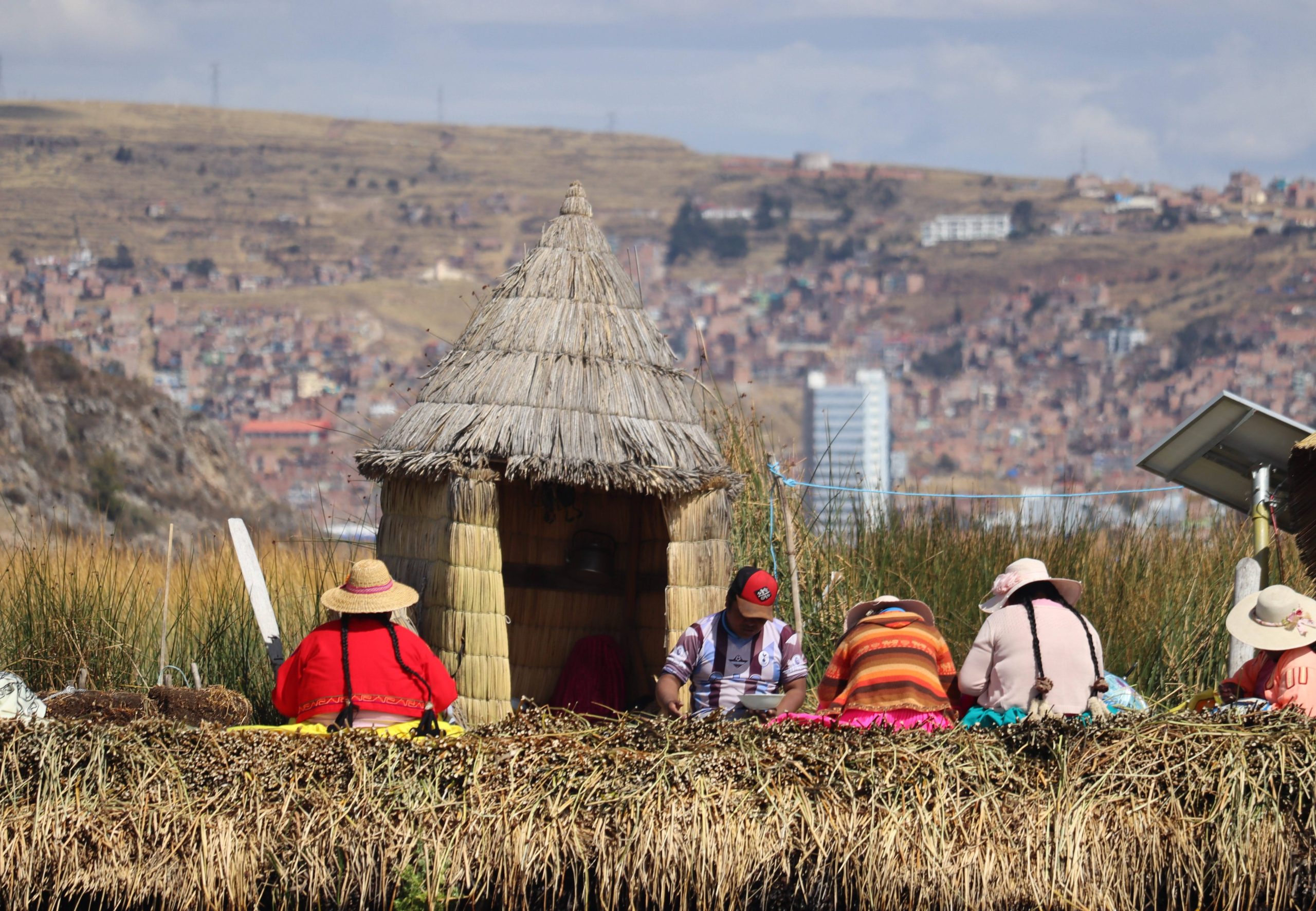
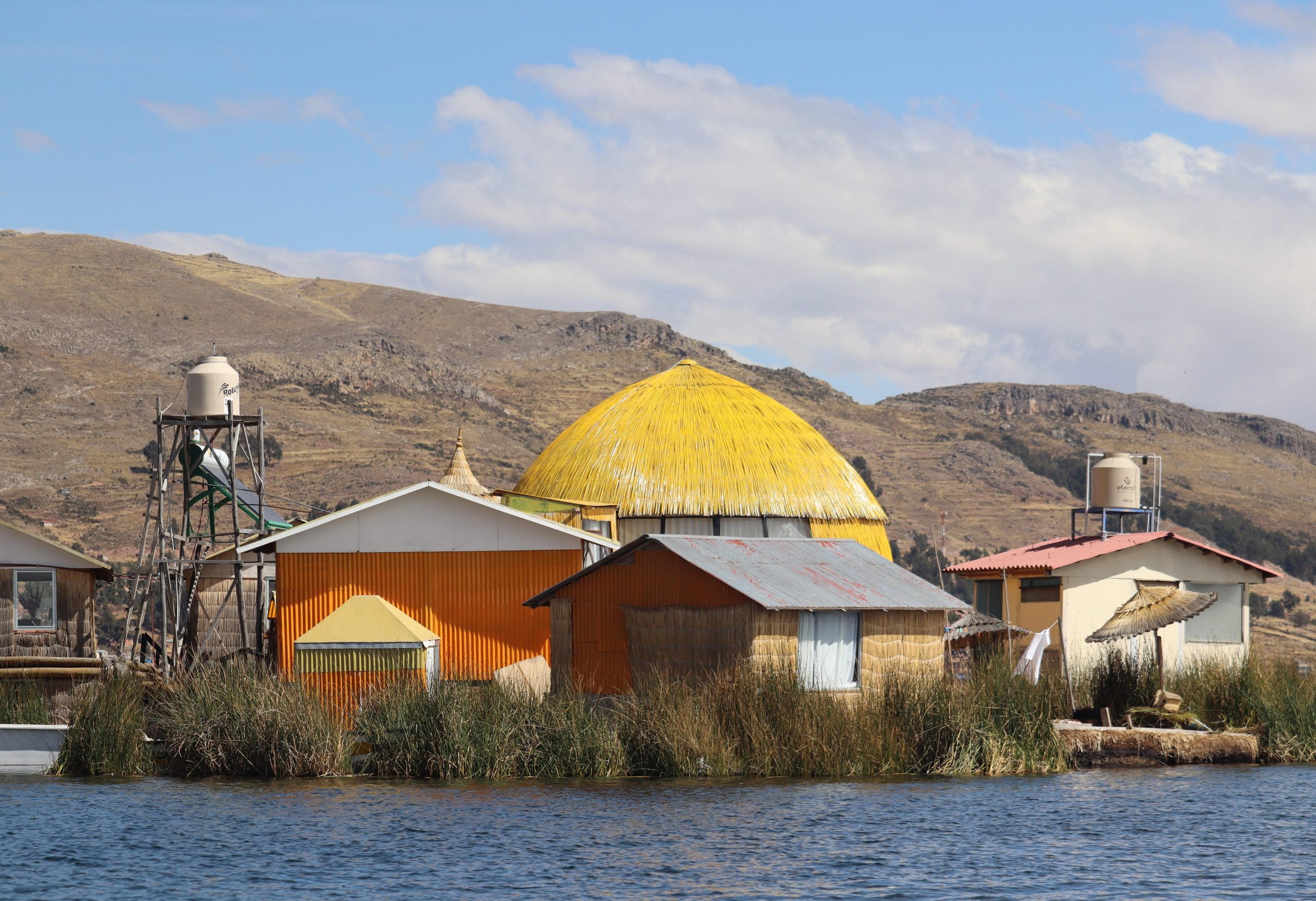
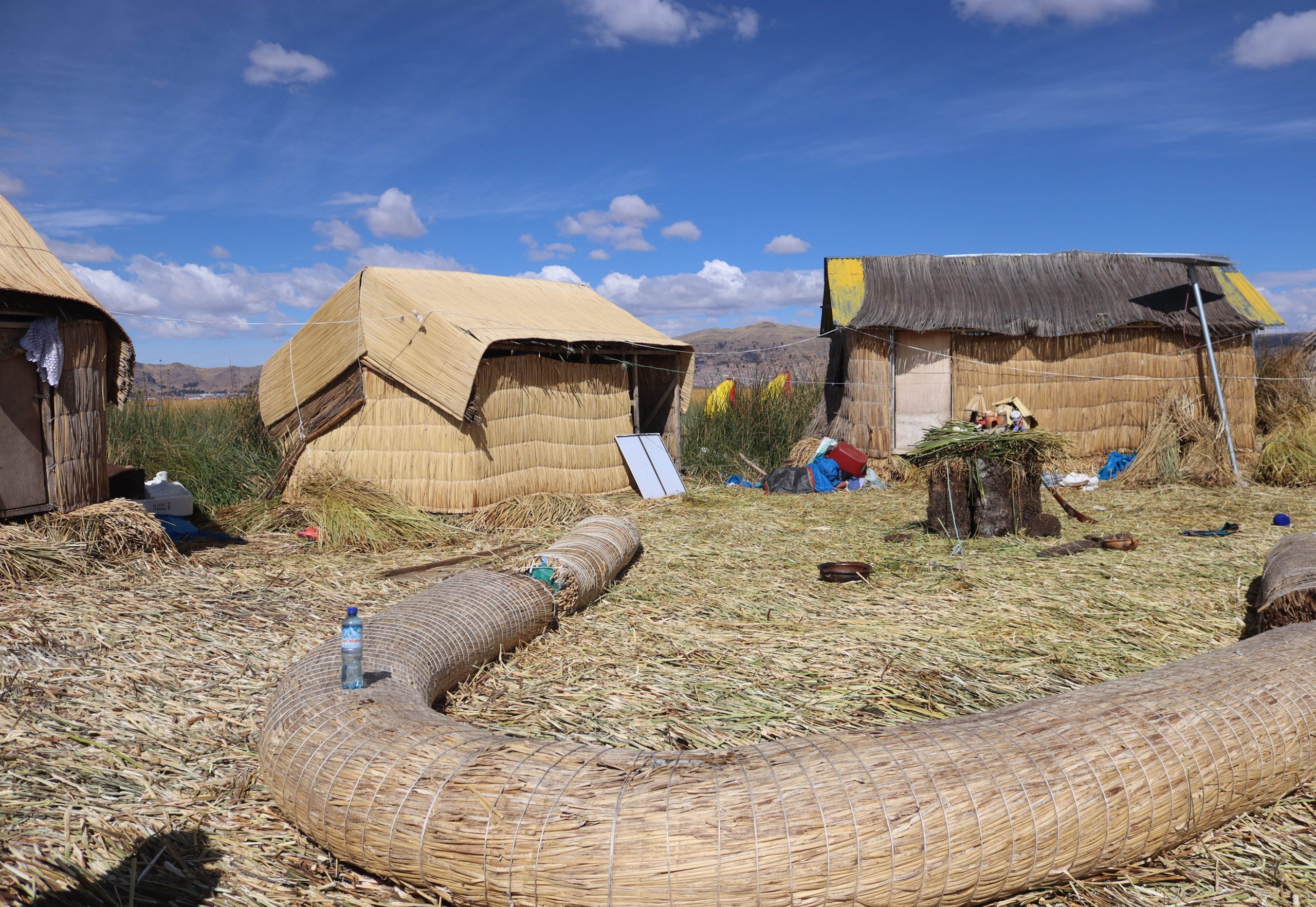
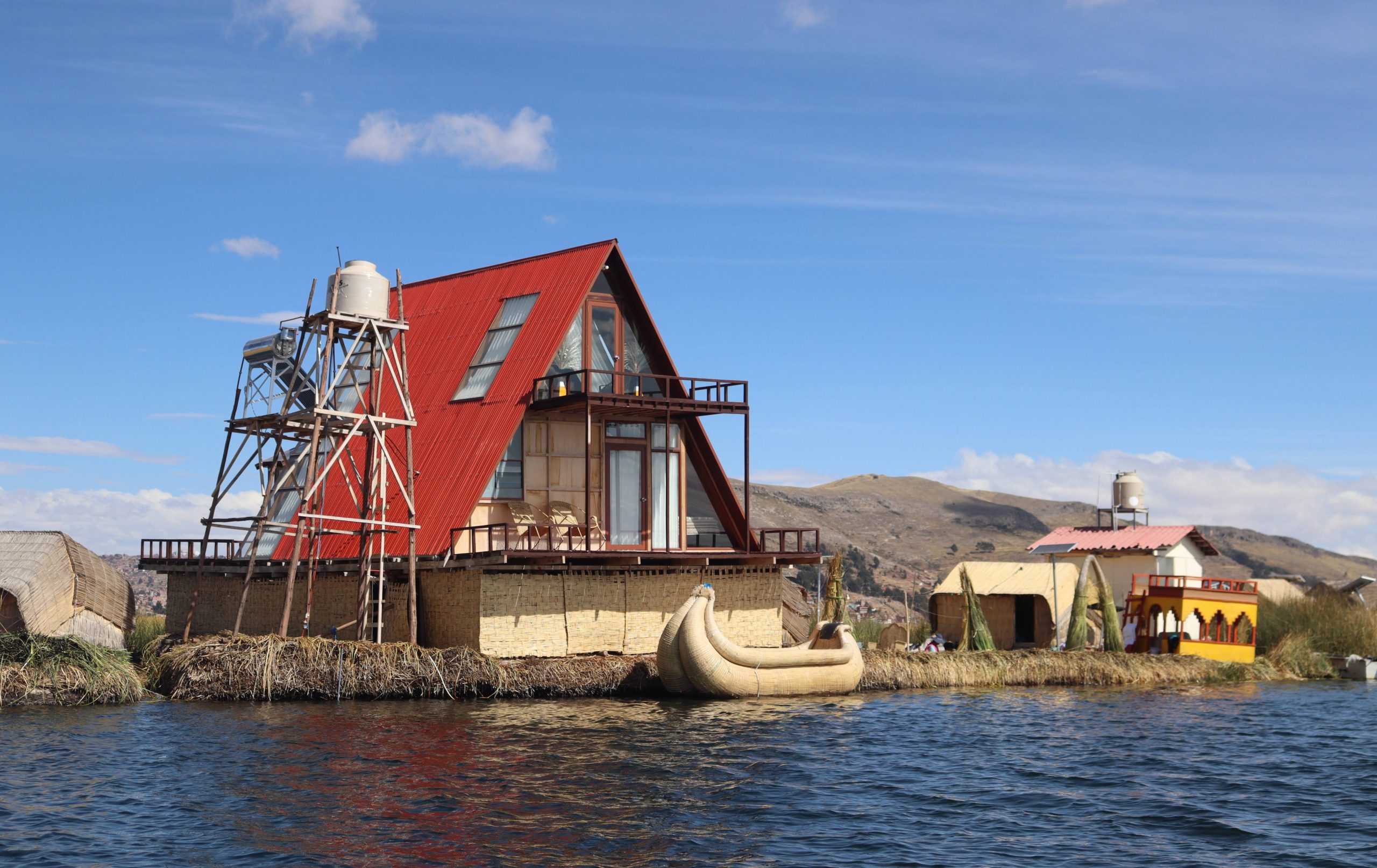
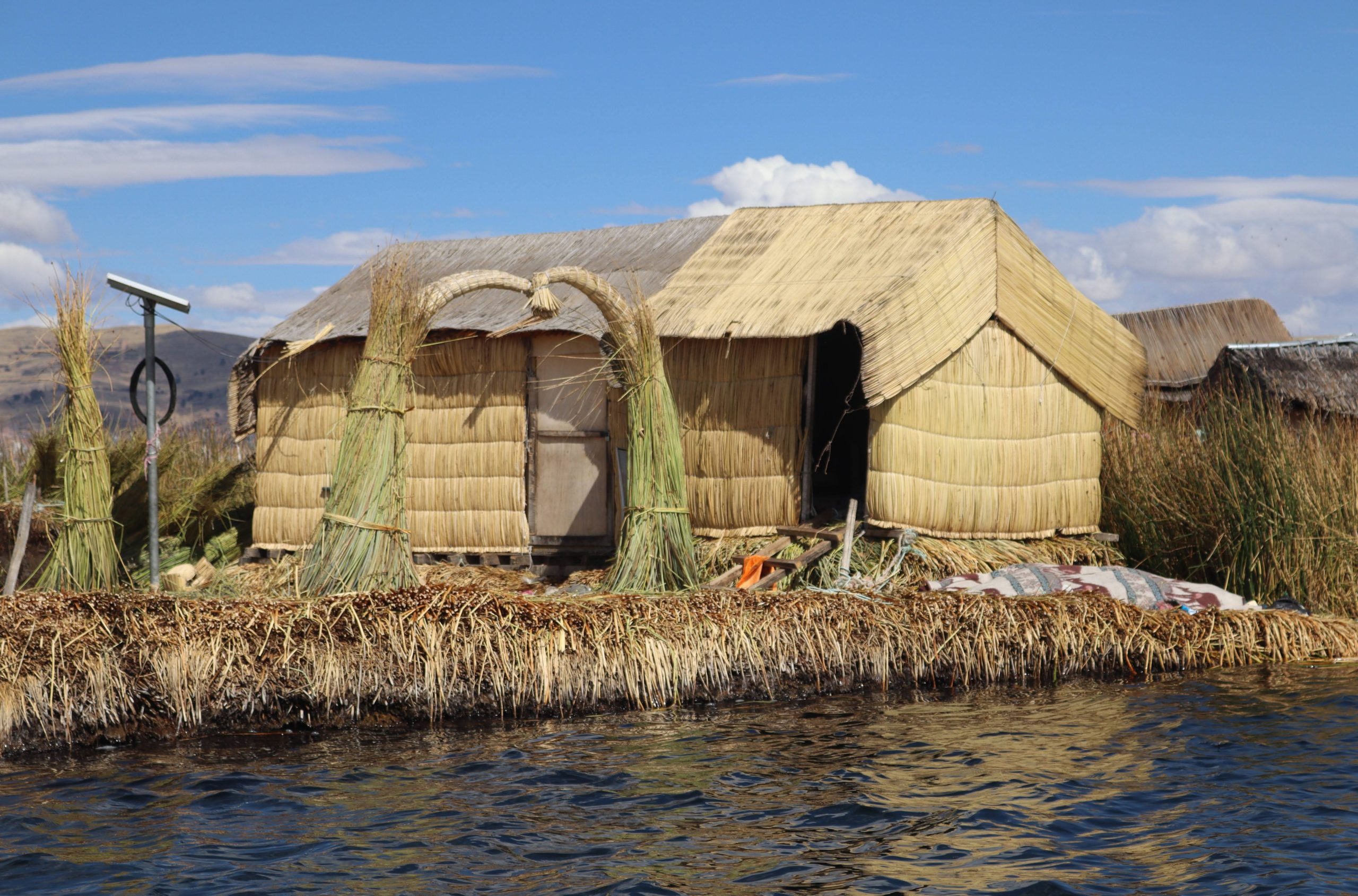
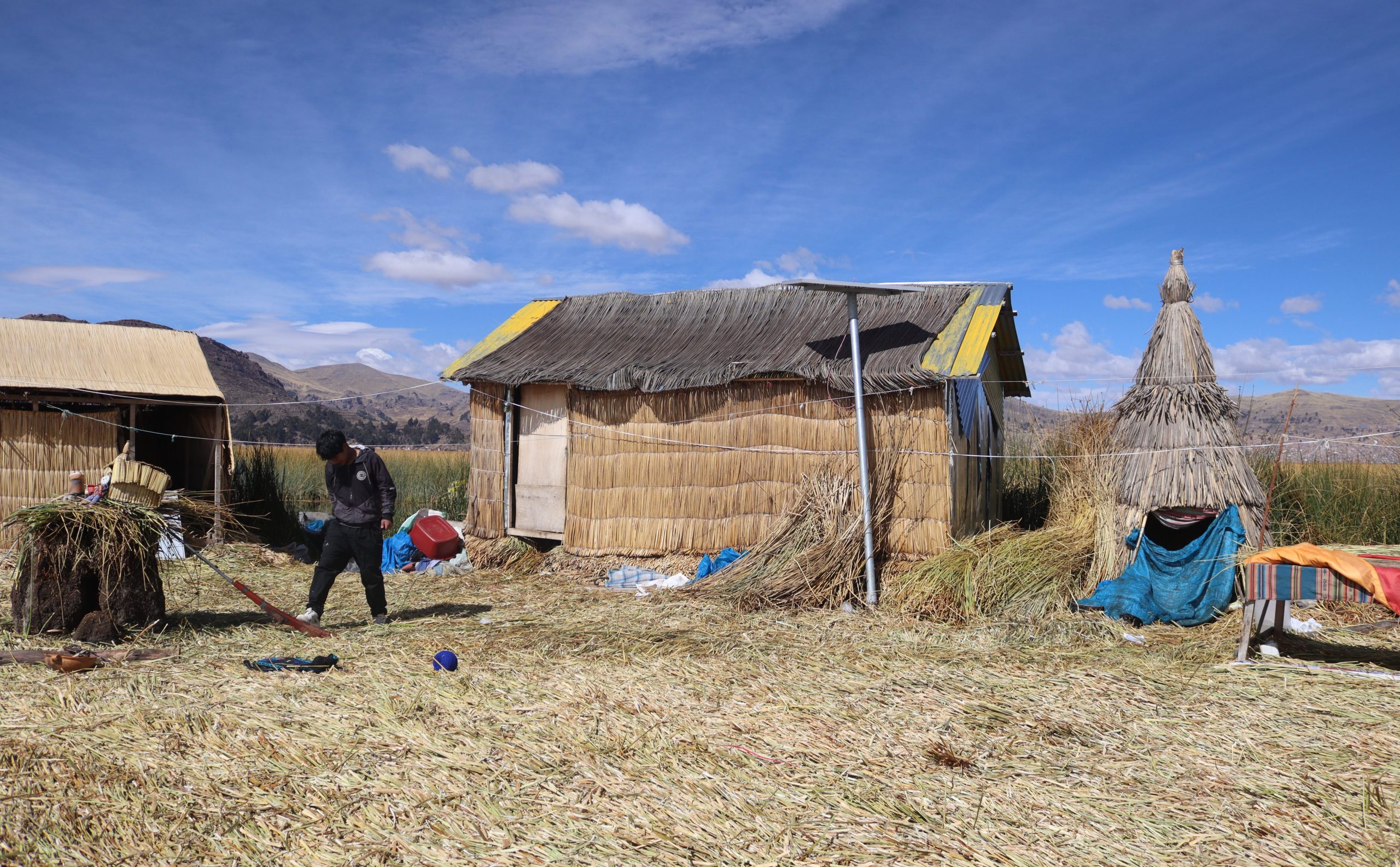
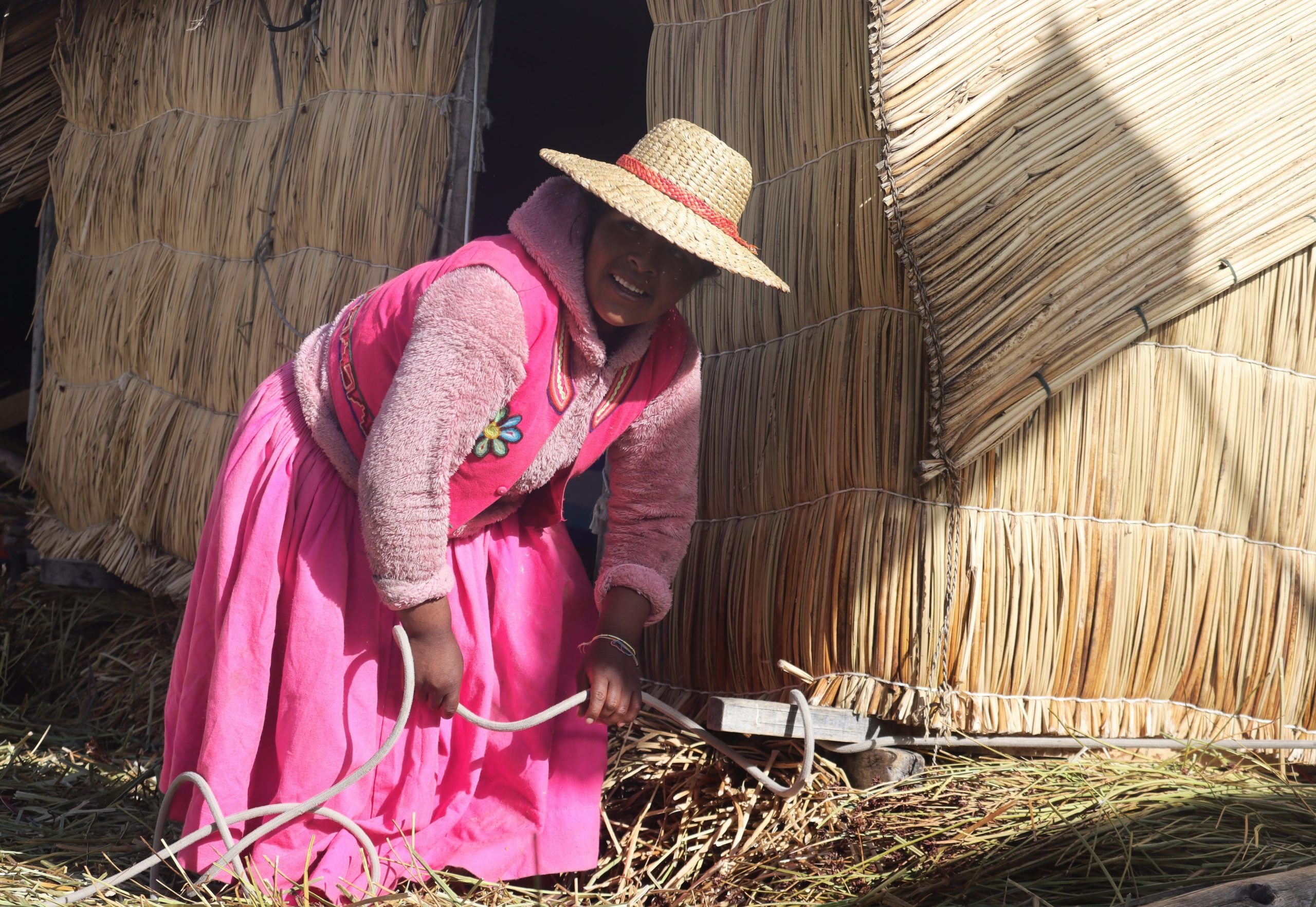
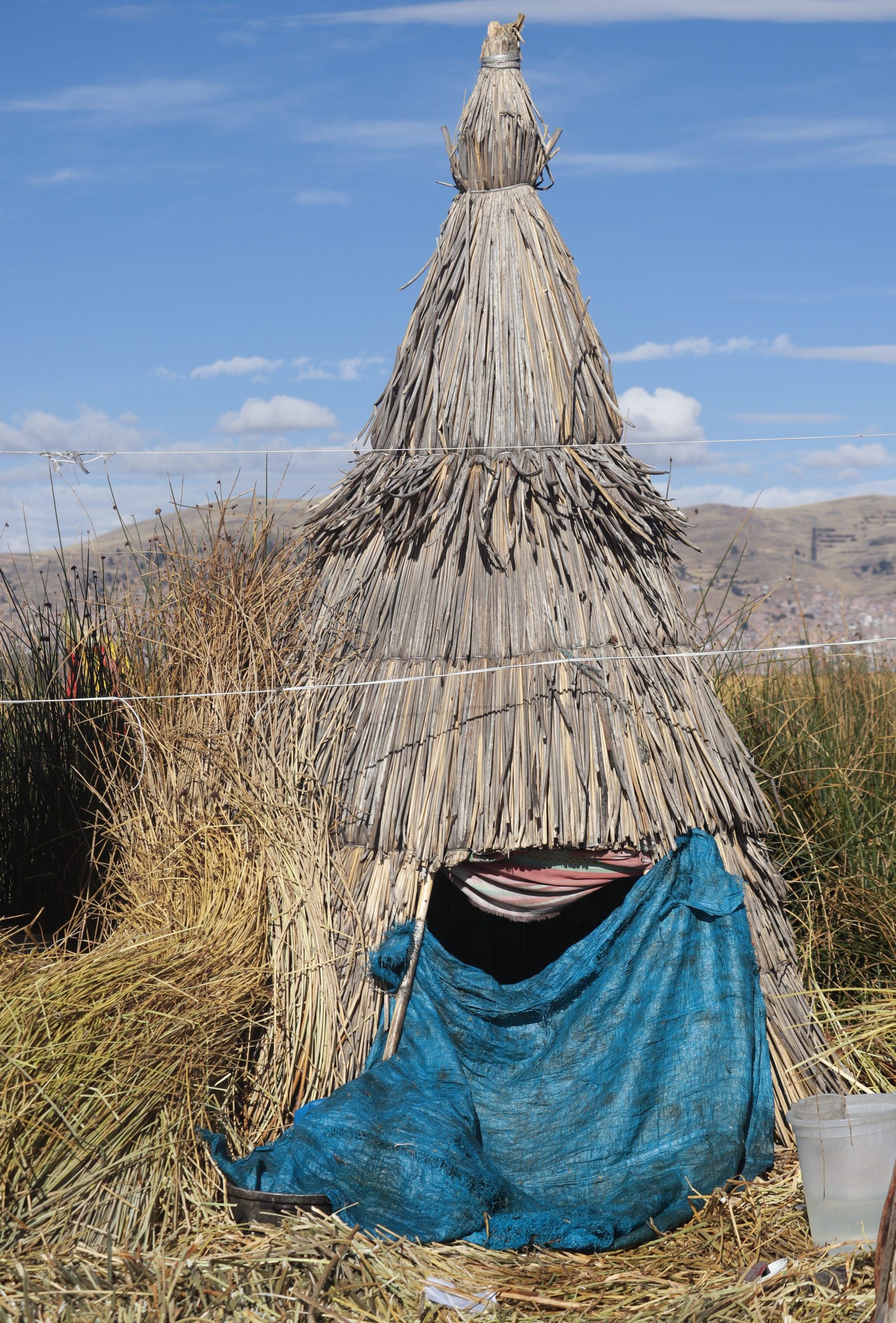
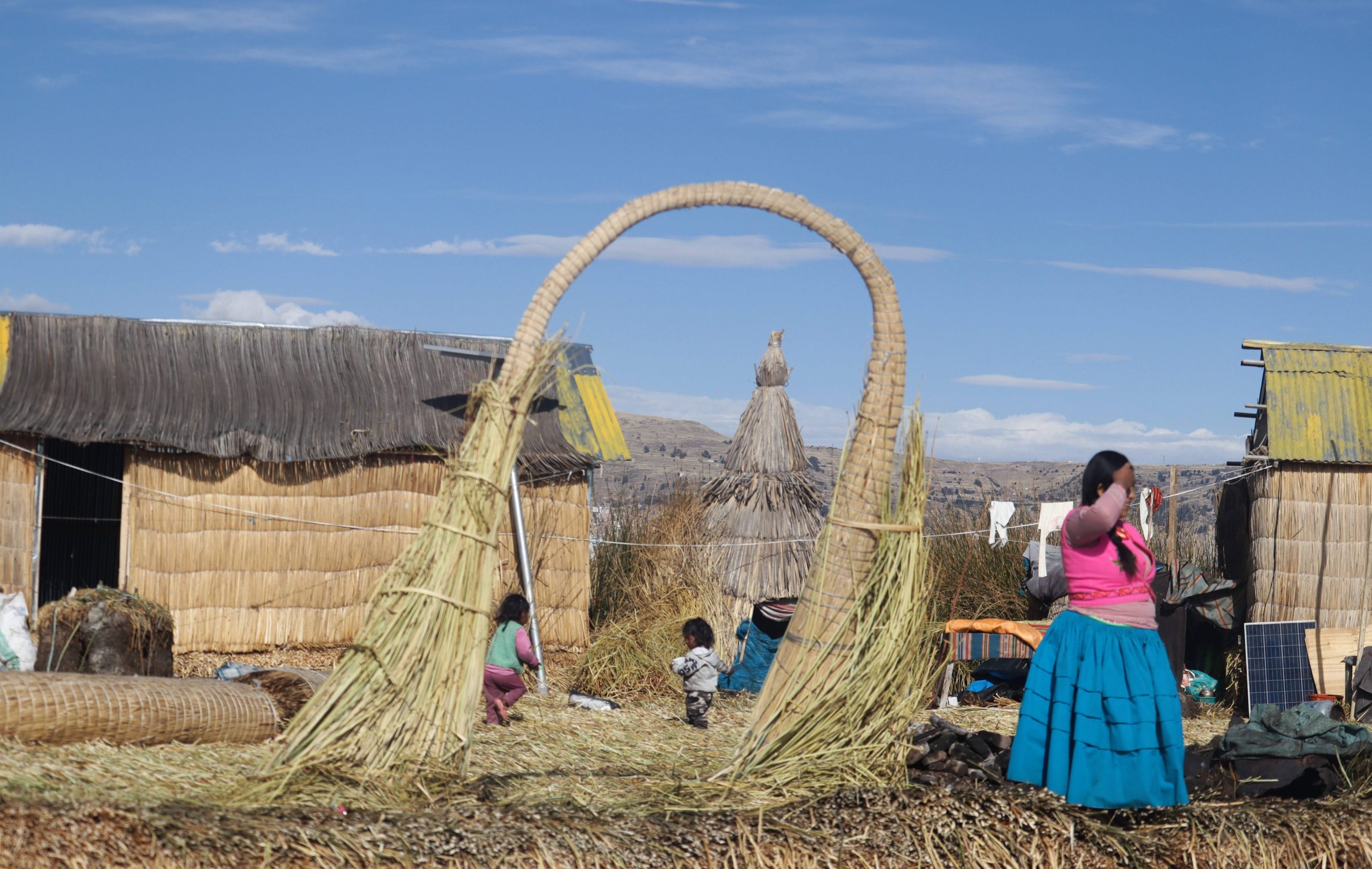
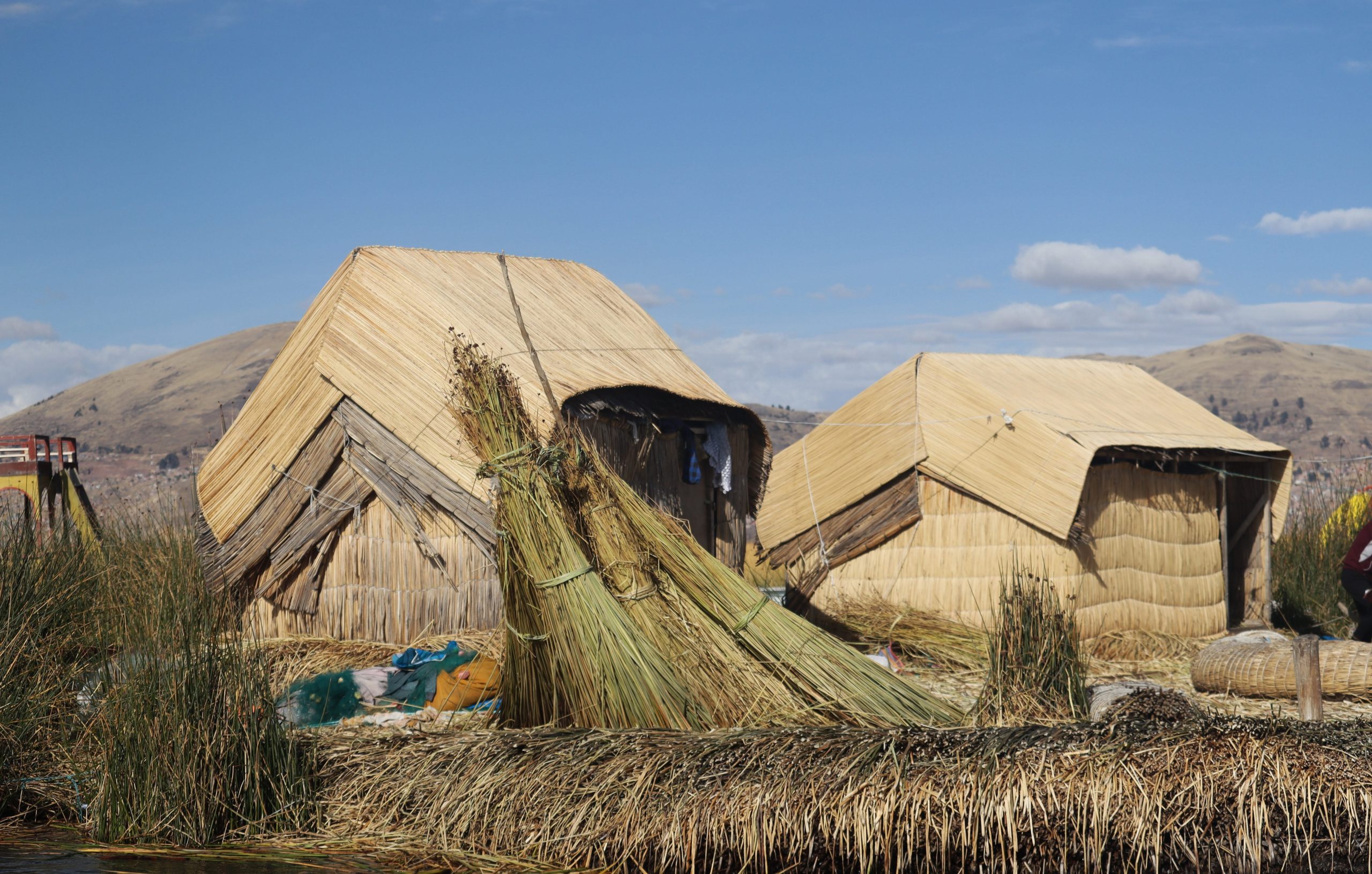
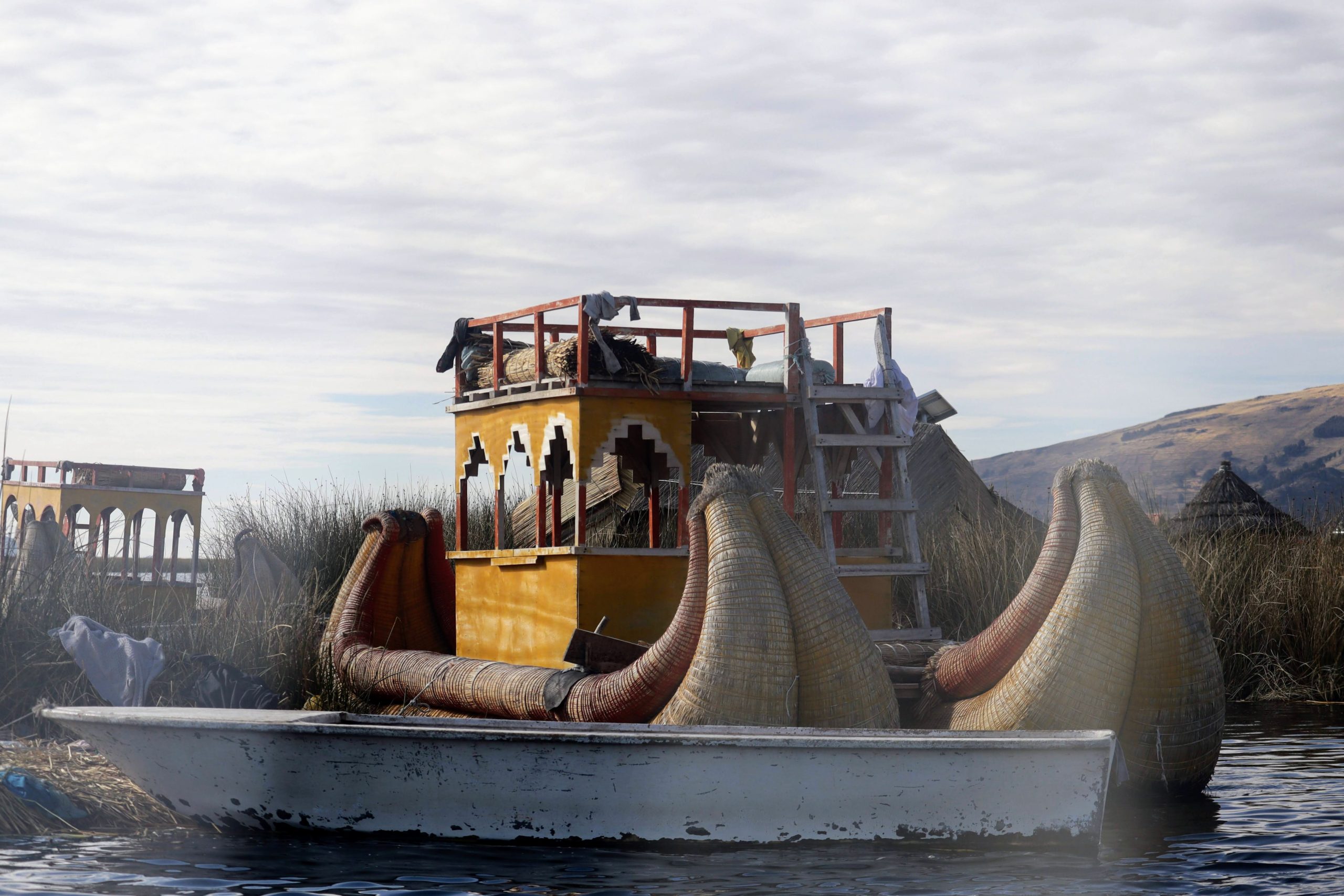
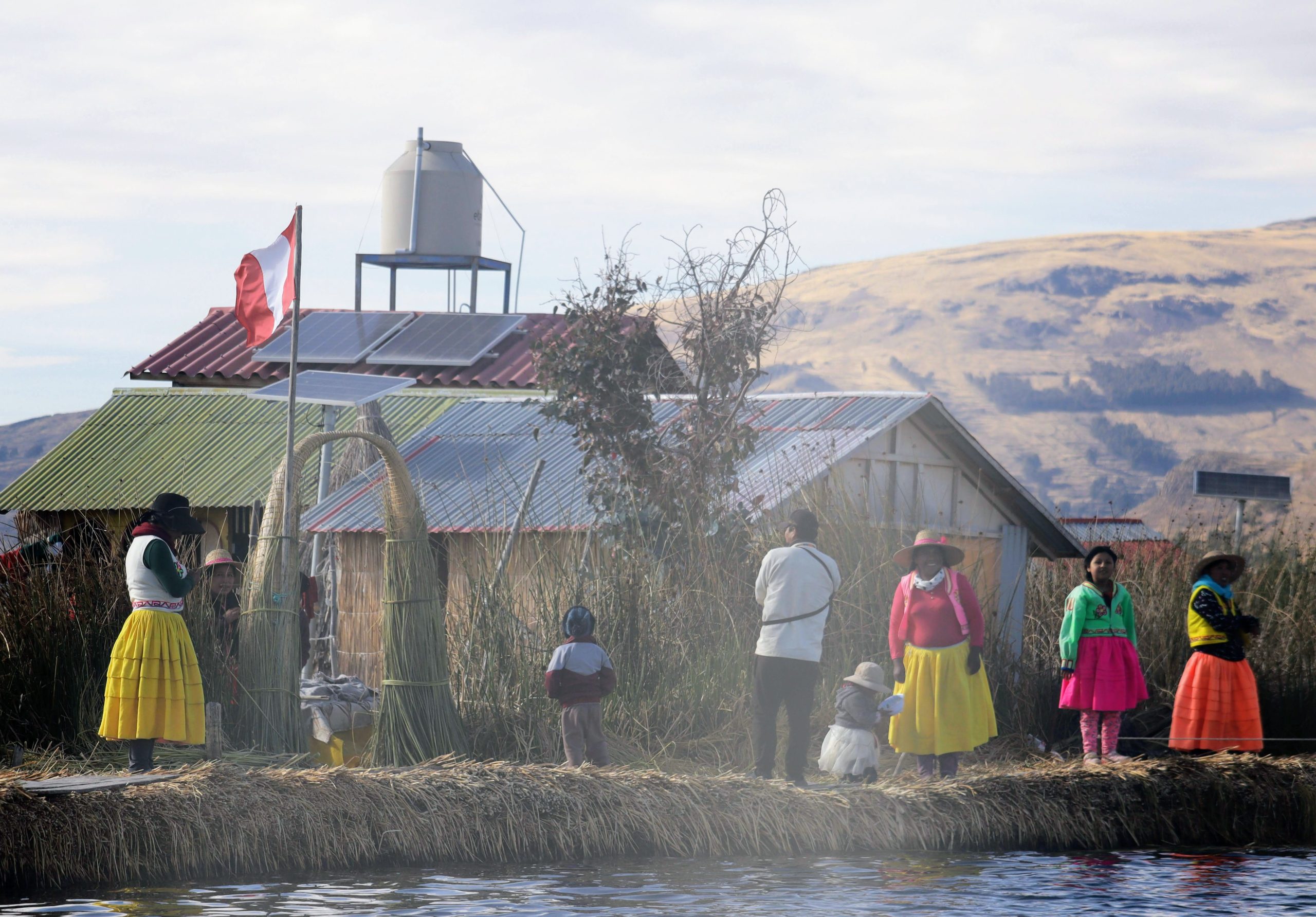
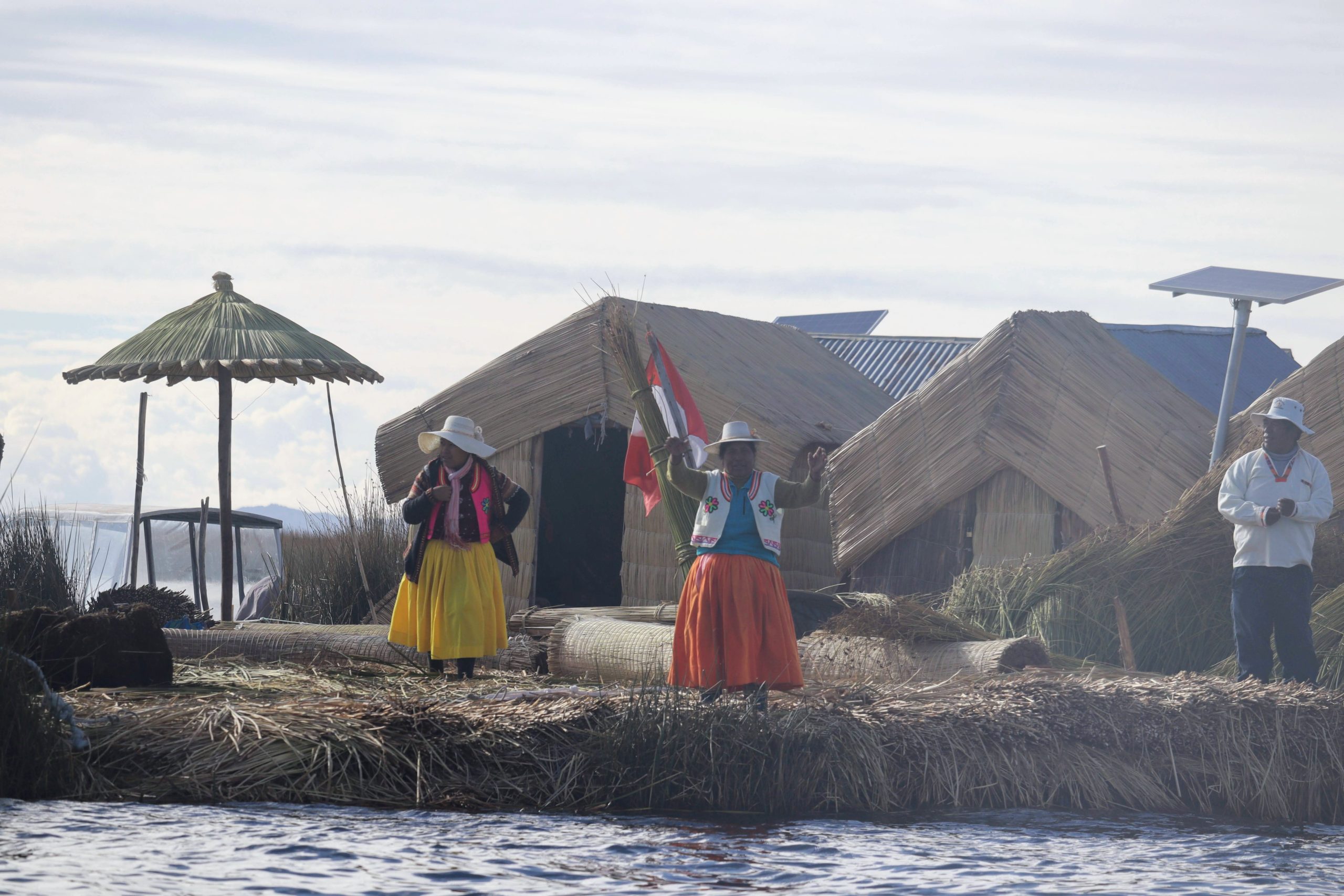
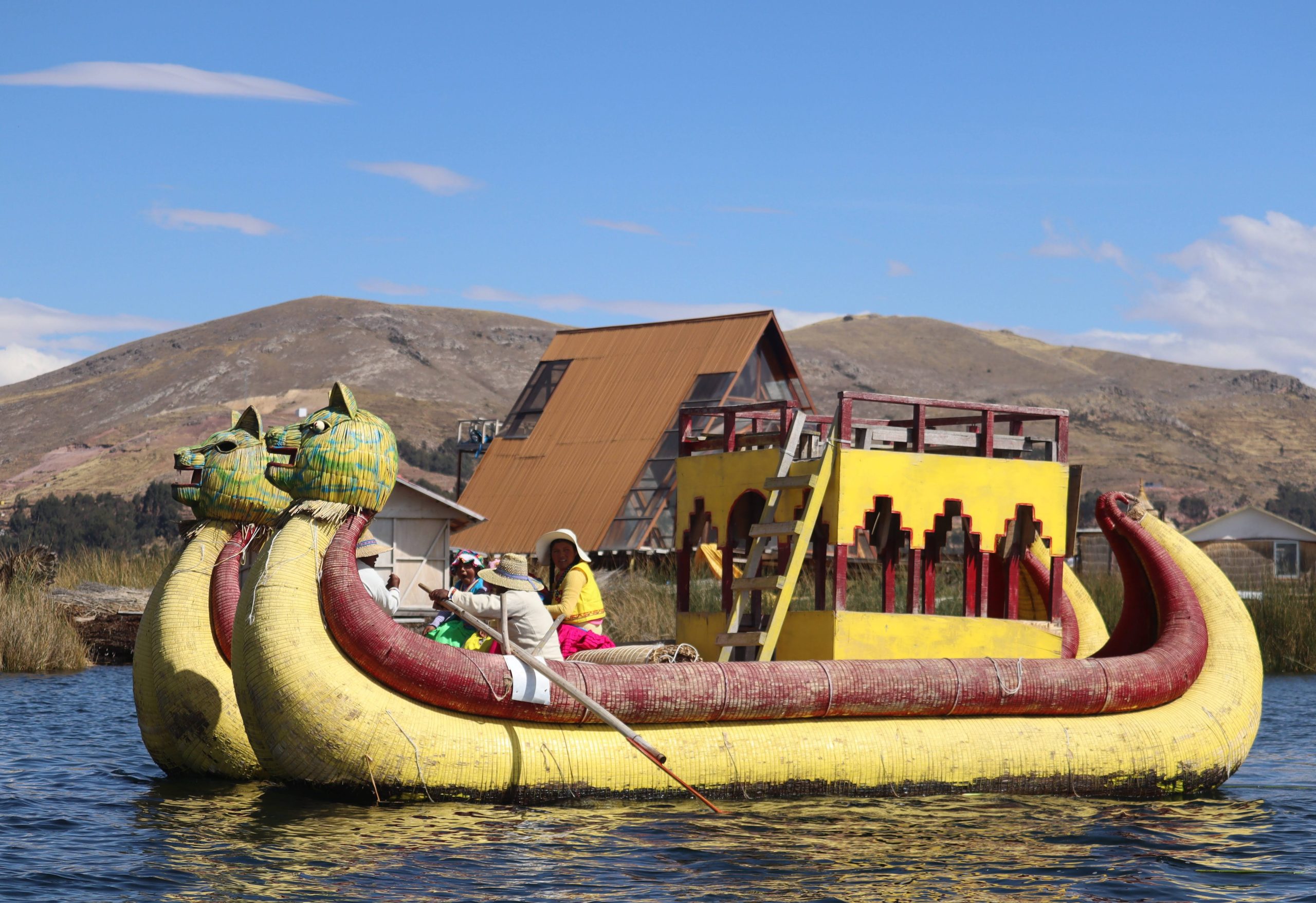
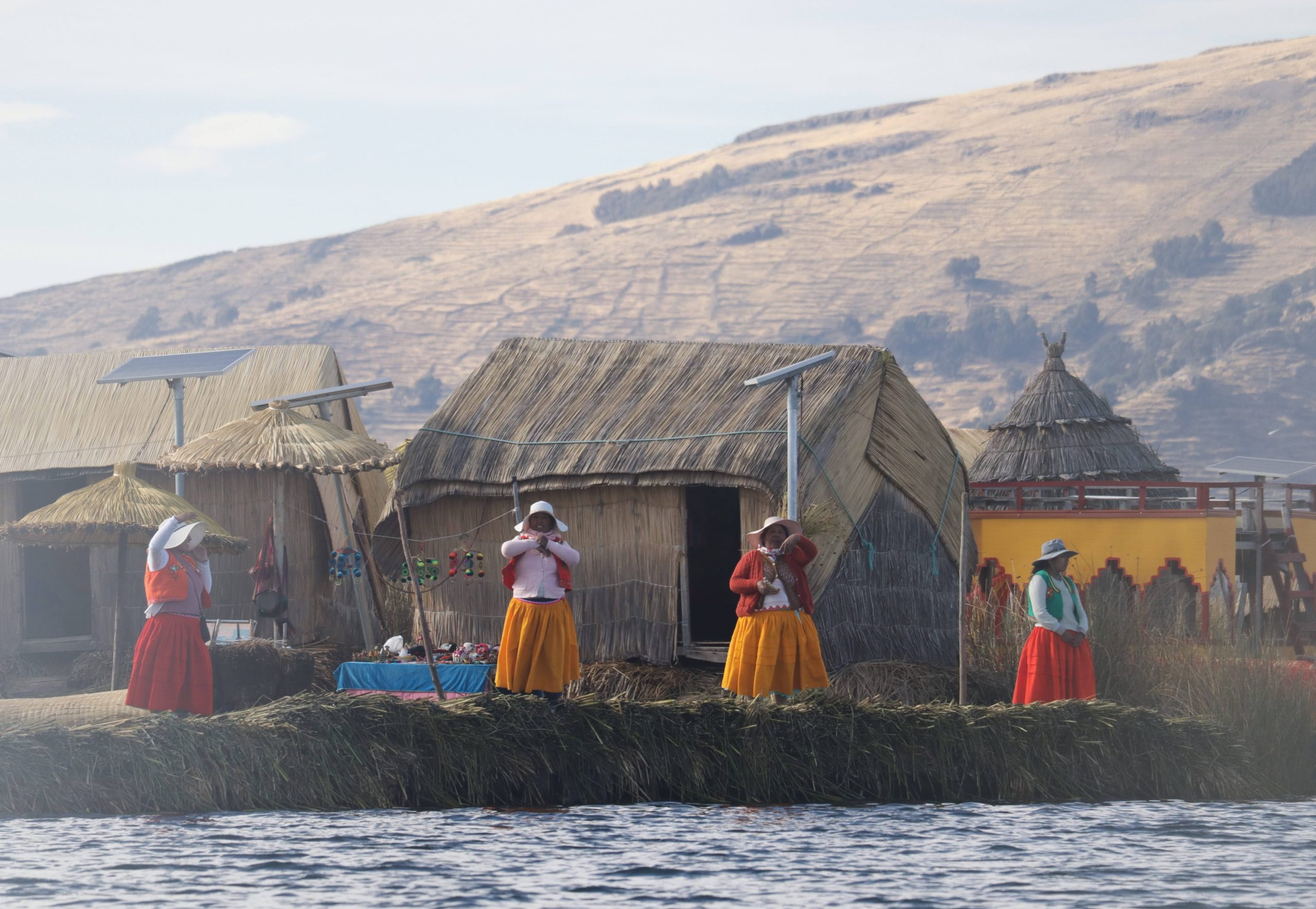
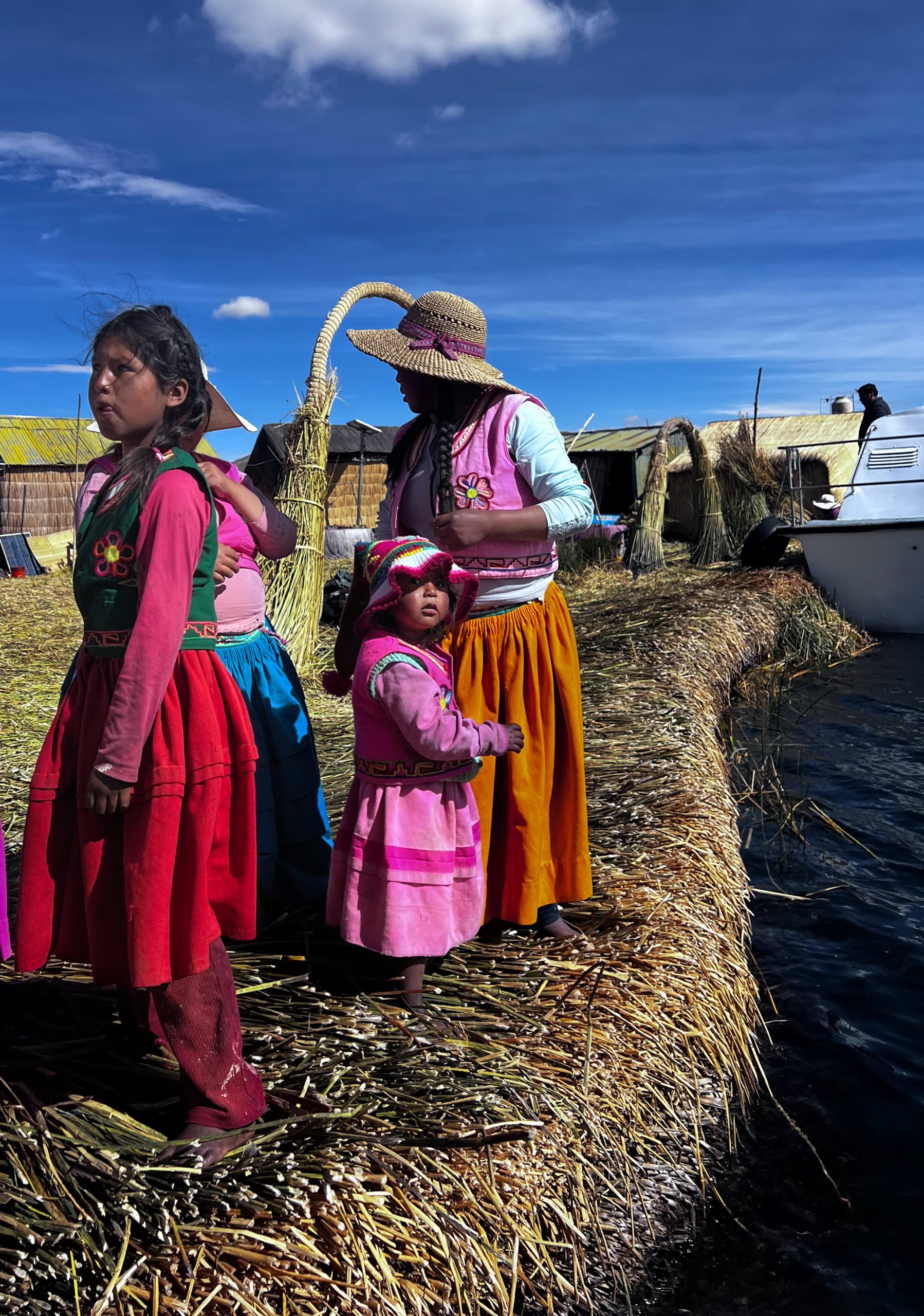
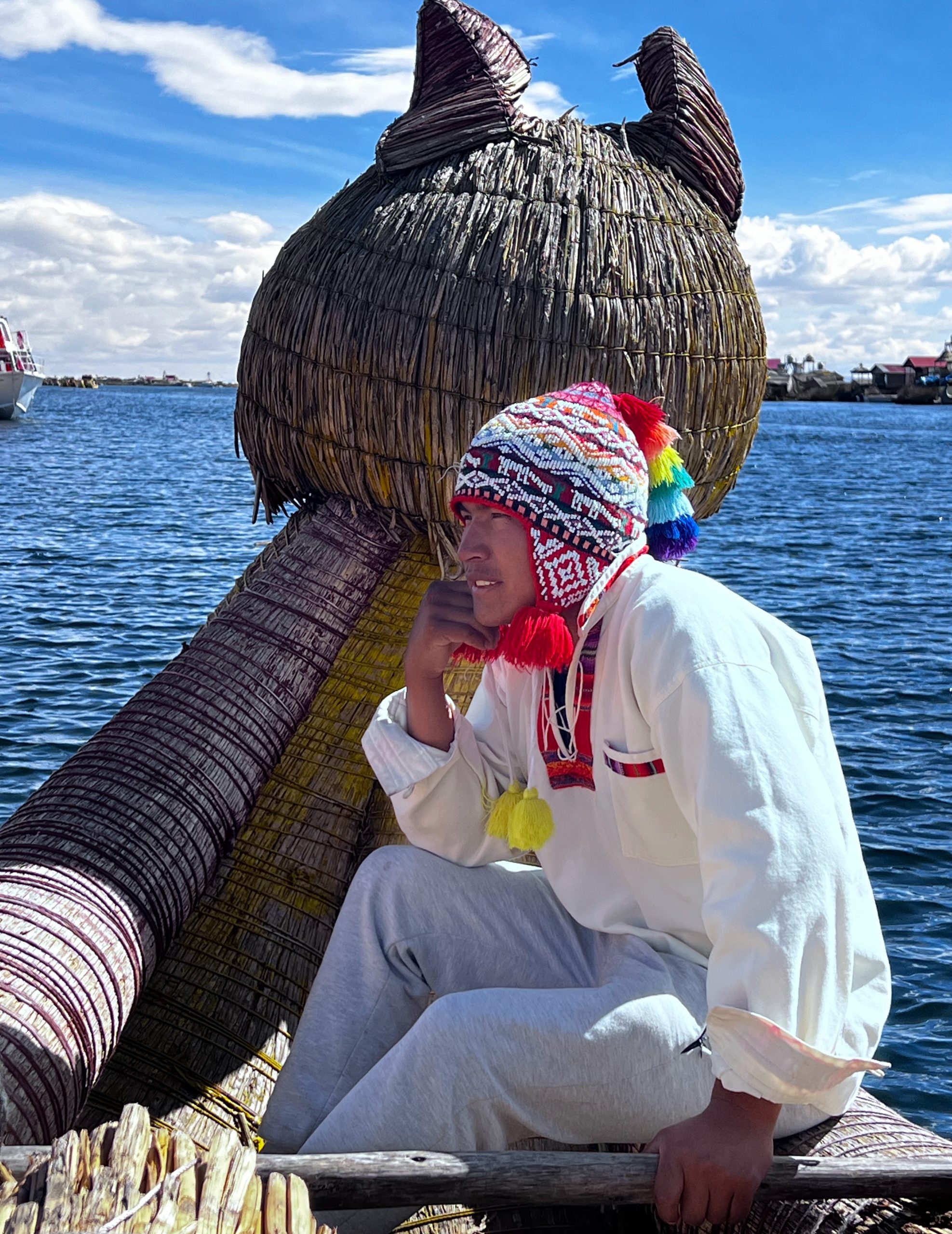
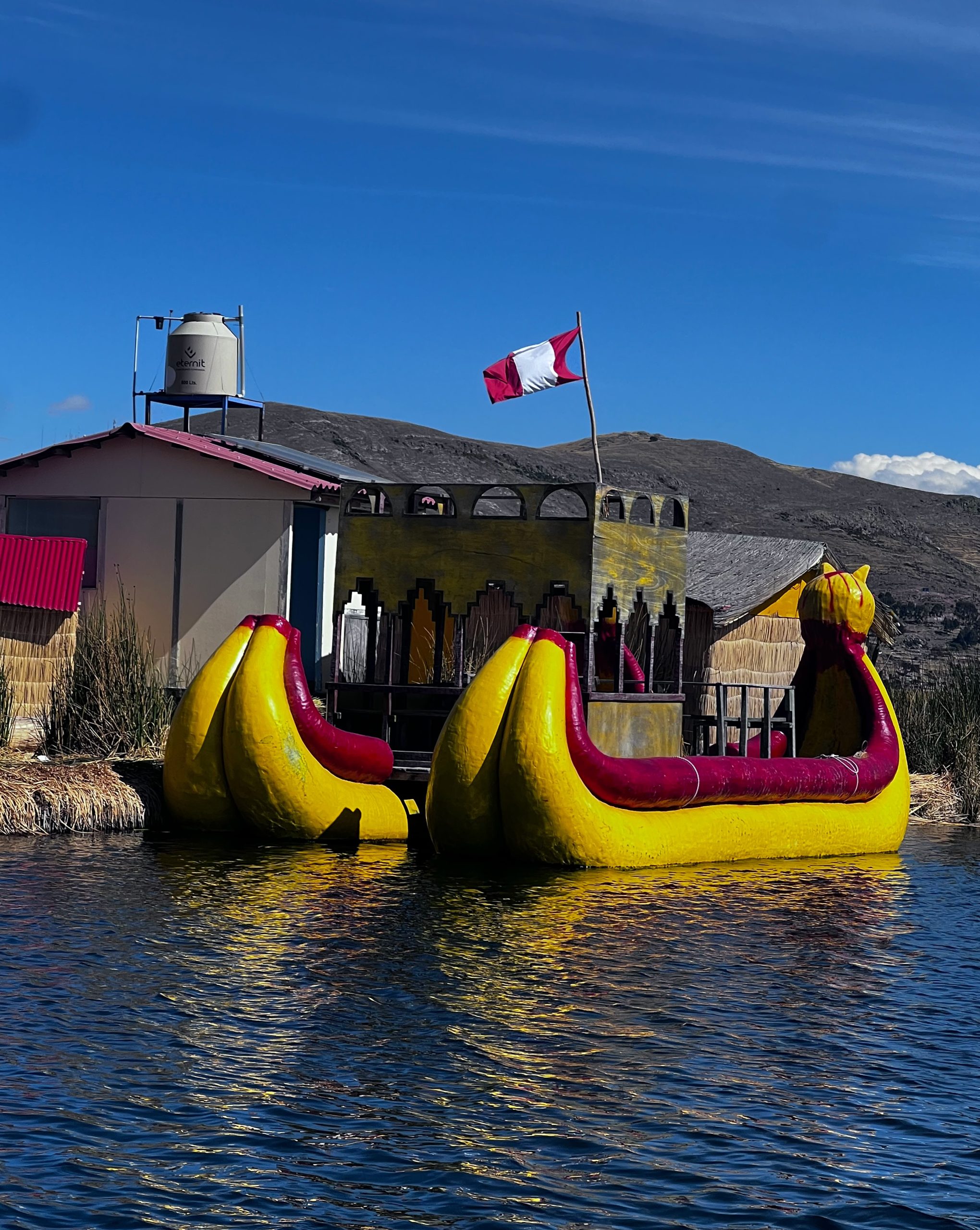
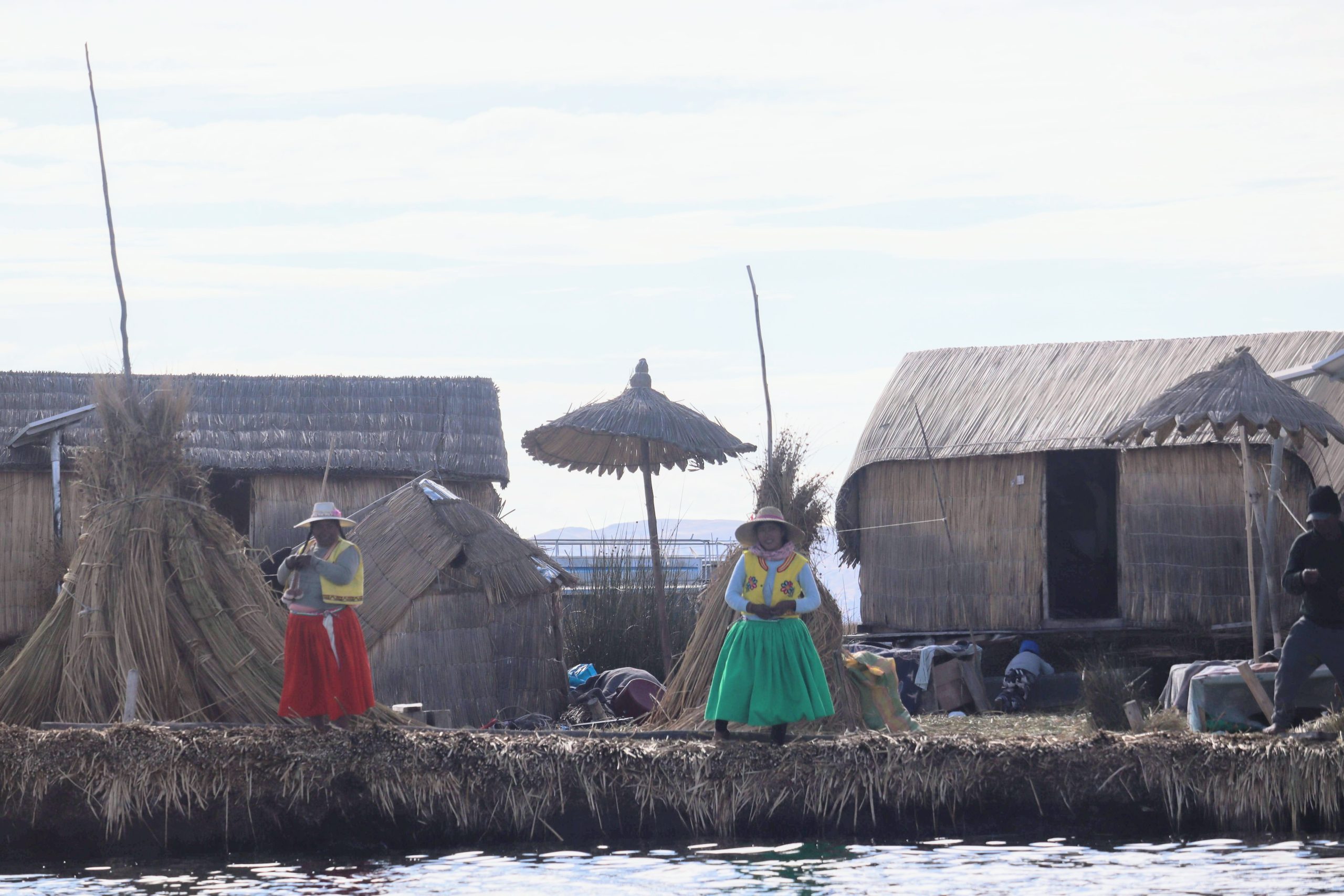
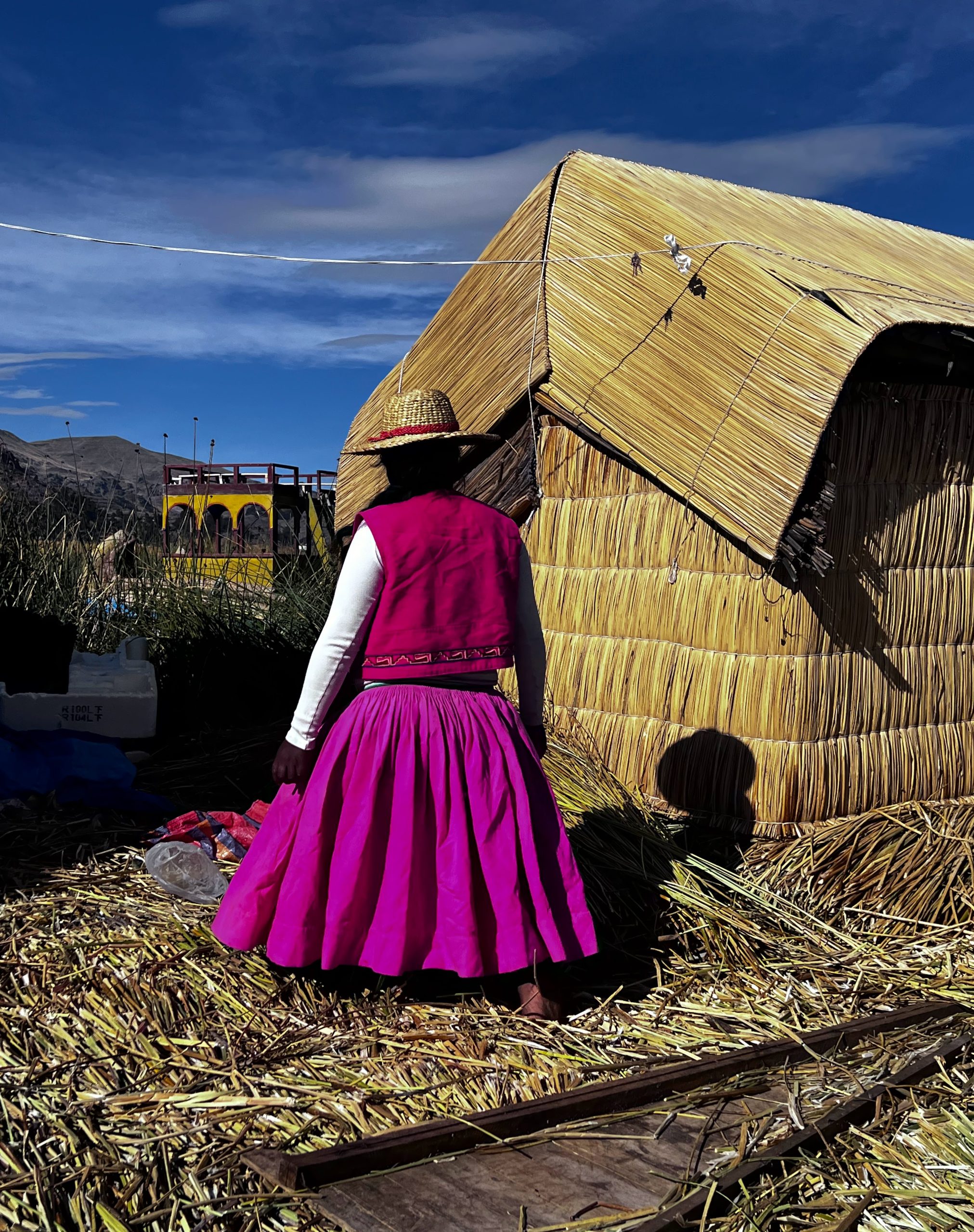
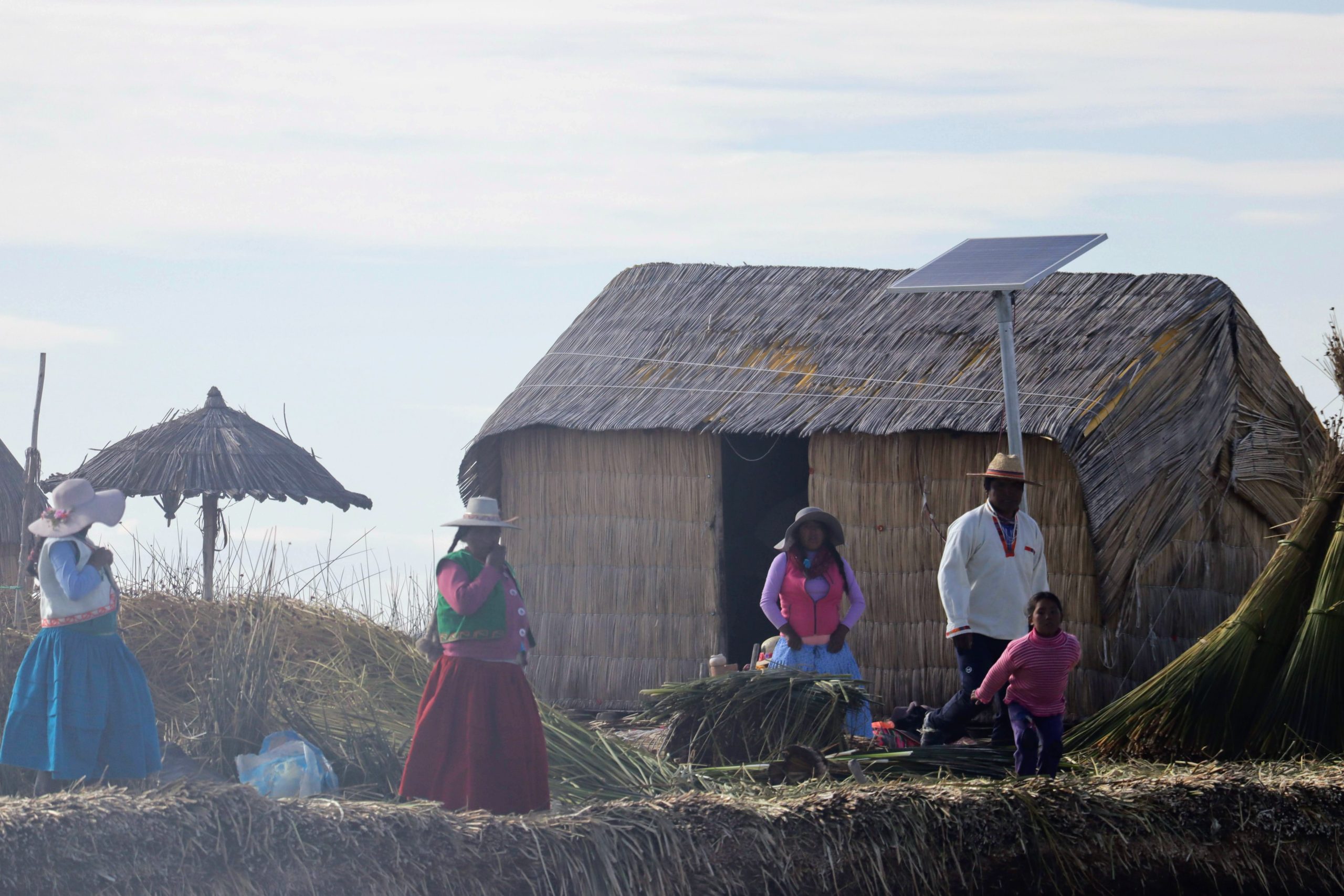
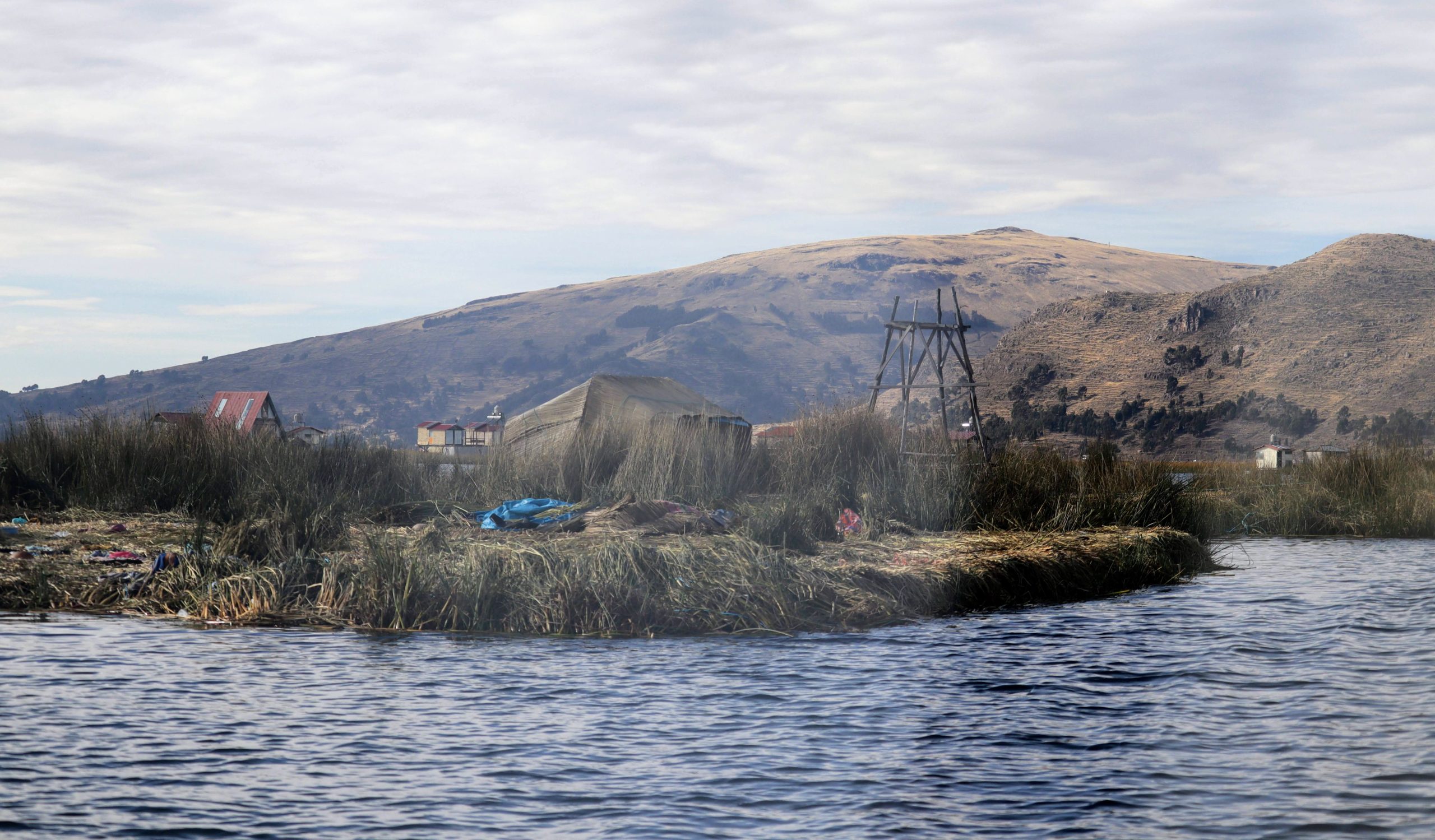
Throughout my travels, I have visited indigenous communities who continue to maintain their ancestral traditions and languages. This is the fifth indigenous group that I have visited, and I am a bit blown away by their tenacity. These floating islands contain anywhere from 3 to 10 families who together build the island, their homes and boats from aquatic plants, mostly from the Totora roots. These are artificial islands that are constructed from the abundance of the Totora plant, which they use to form a base on which layers of dried reeds are added. To prevent the islands from sinking, they are anchored onto the lakebed, and new layers of Totora grass replace those that have decomposed. They use the same Totora plant to build their homes, furniture, boats, handicrafts and for food. More recently, the Uros have used solar panels to allow for electricity.
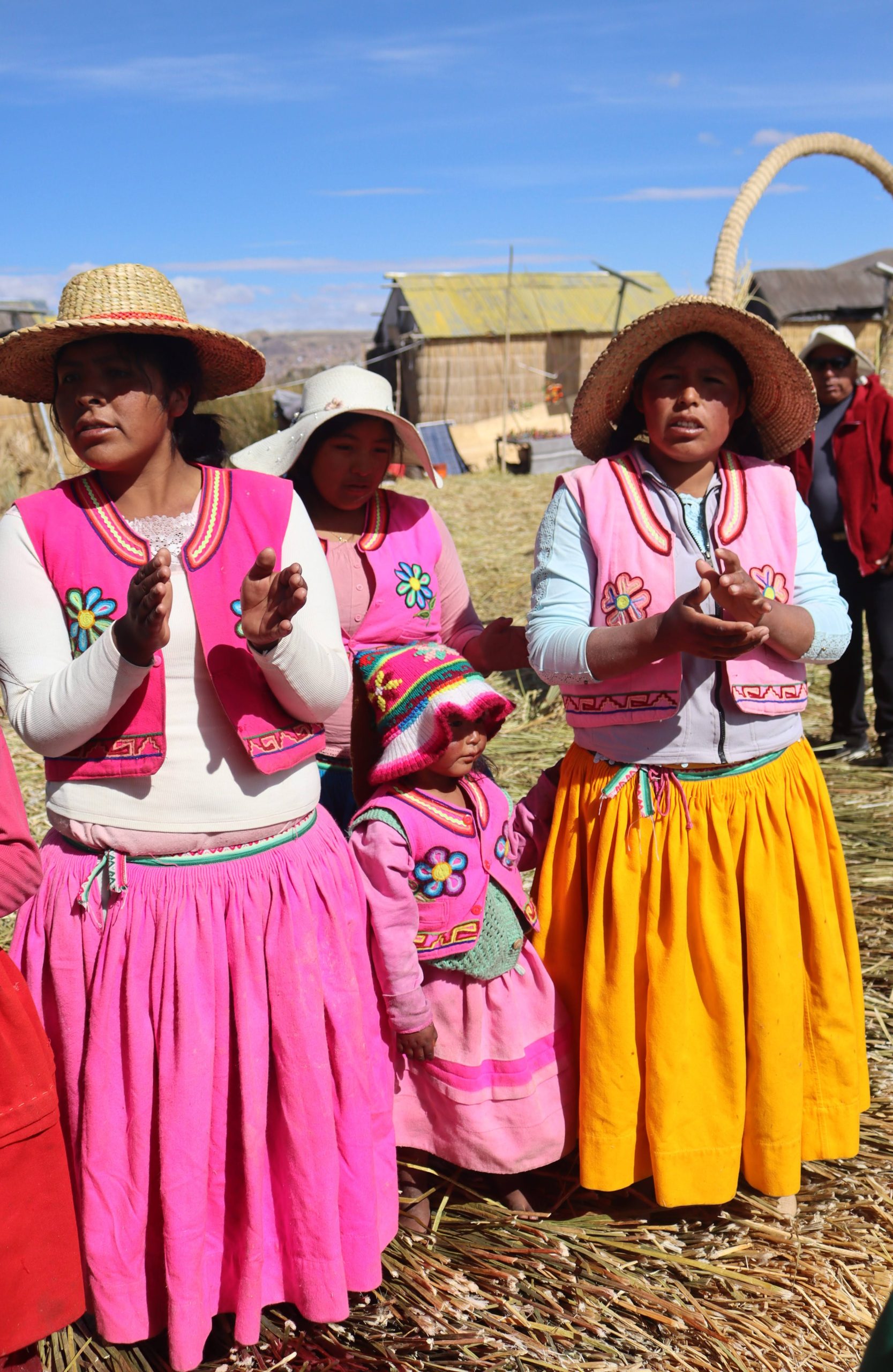
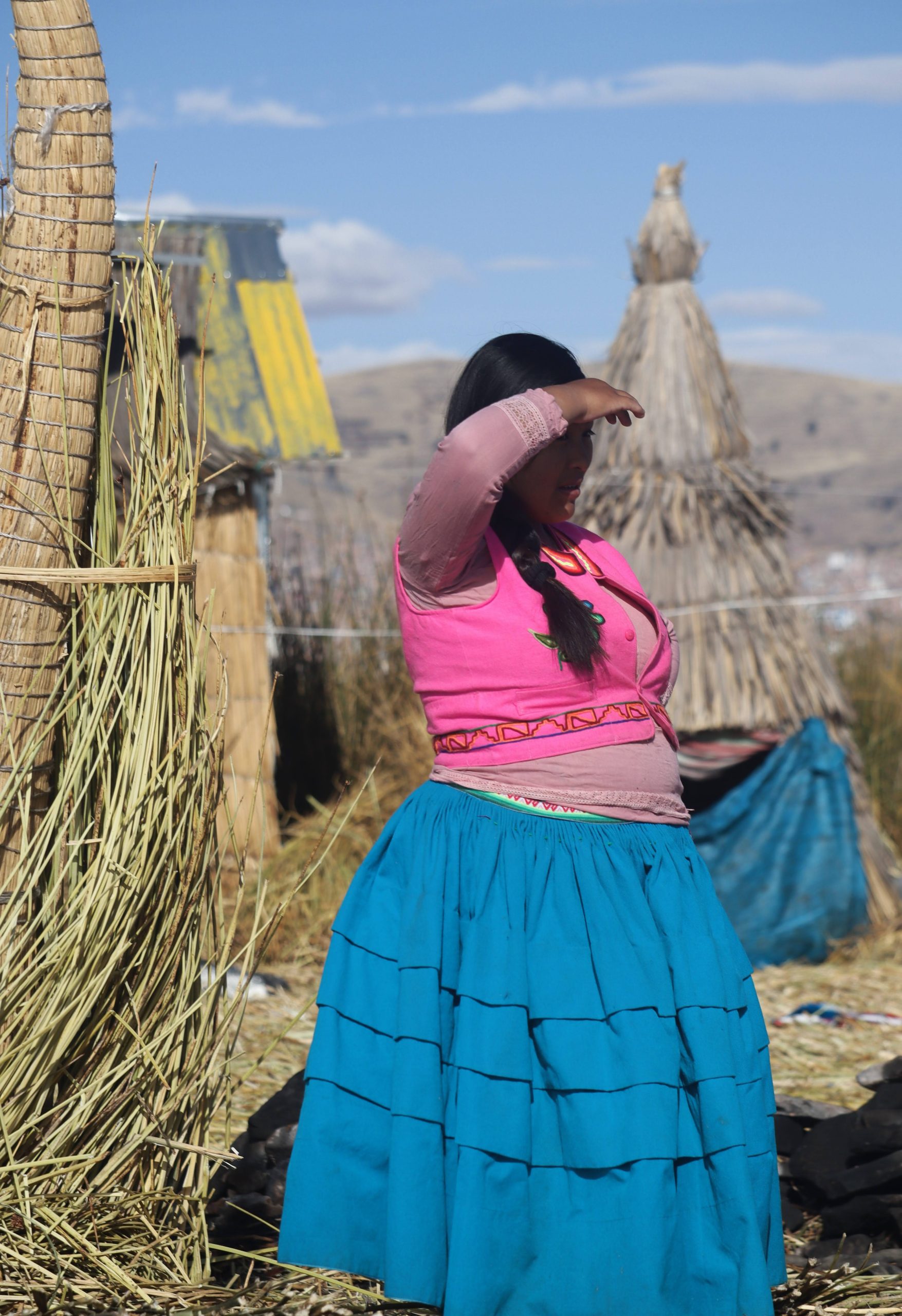
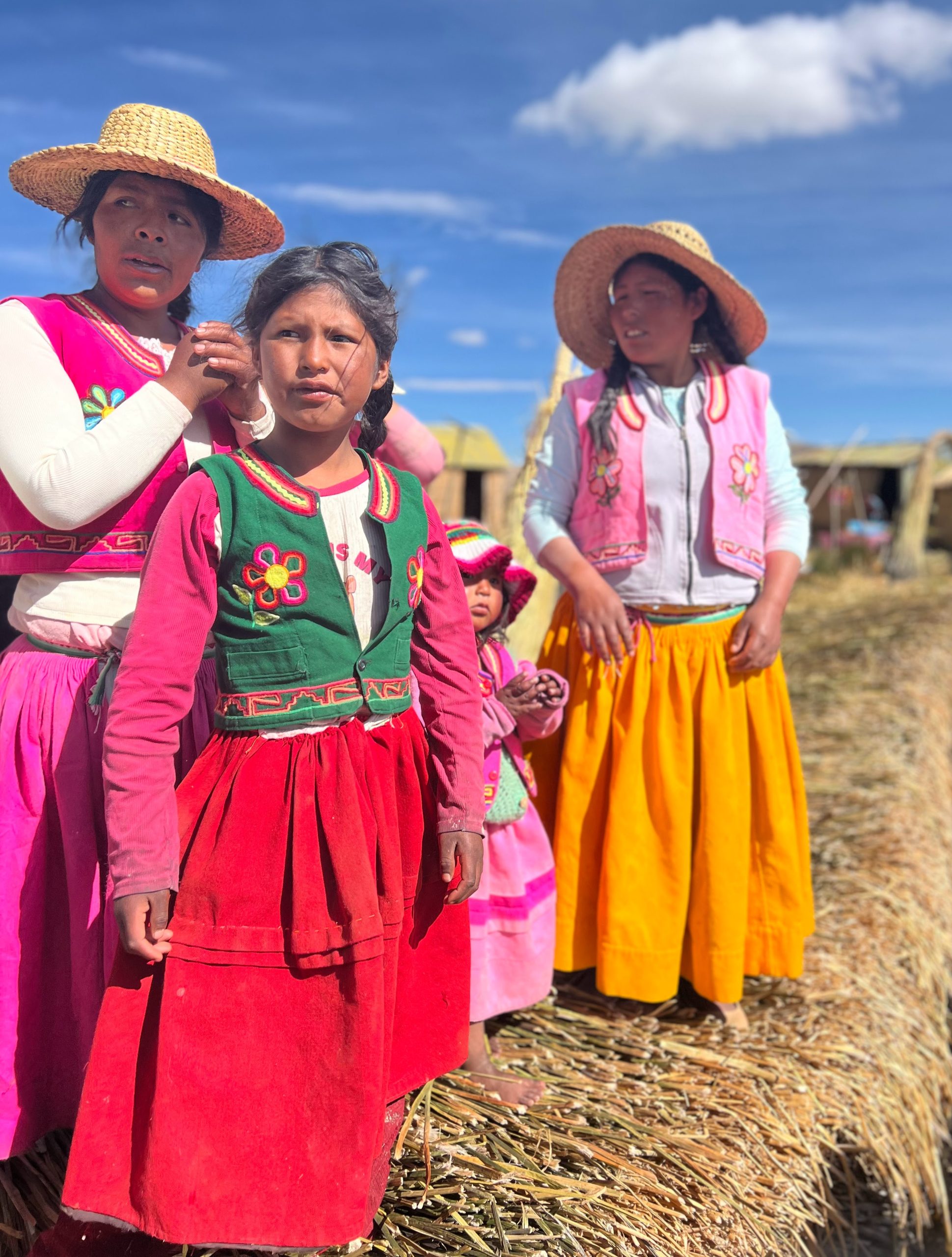
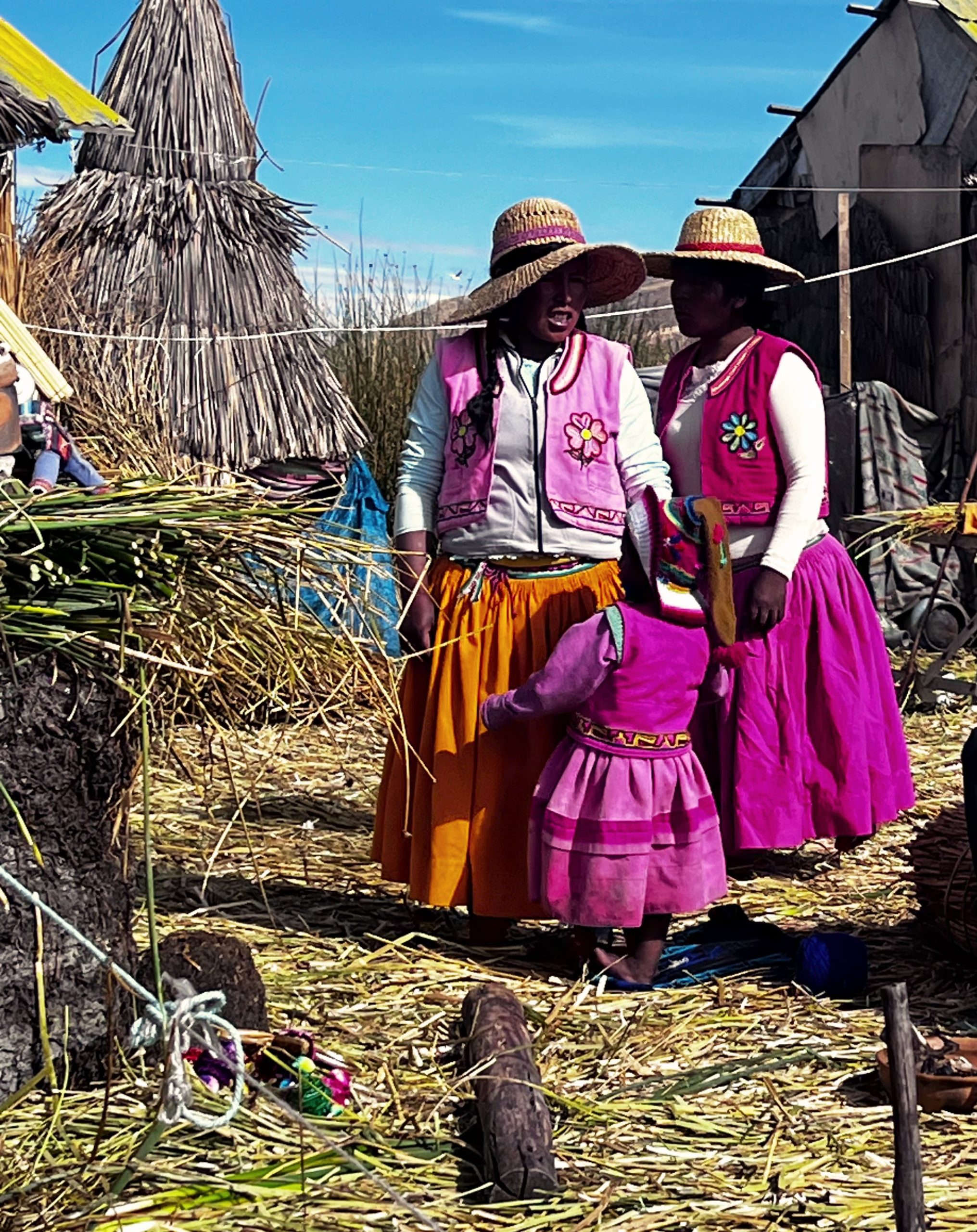
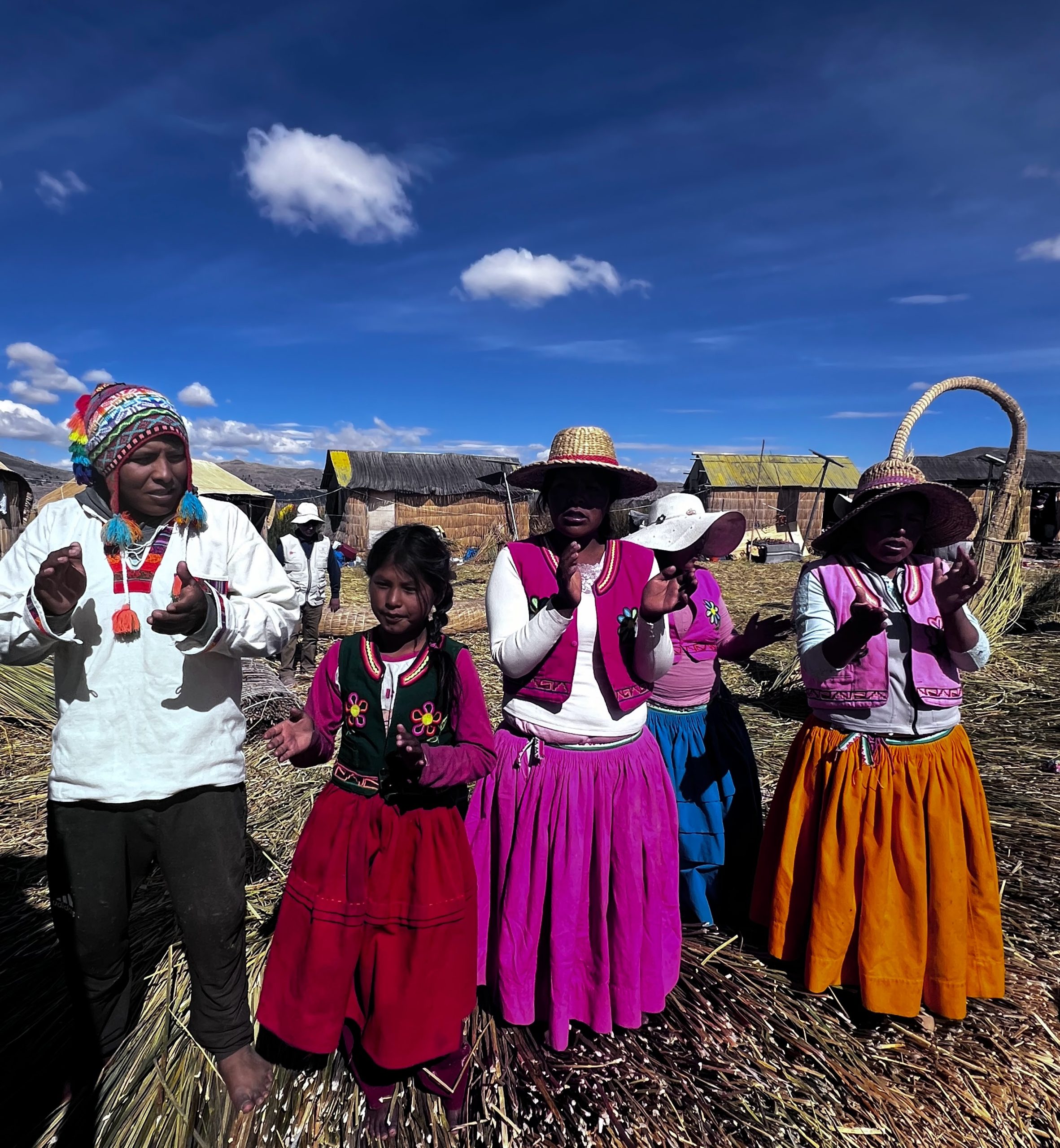
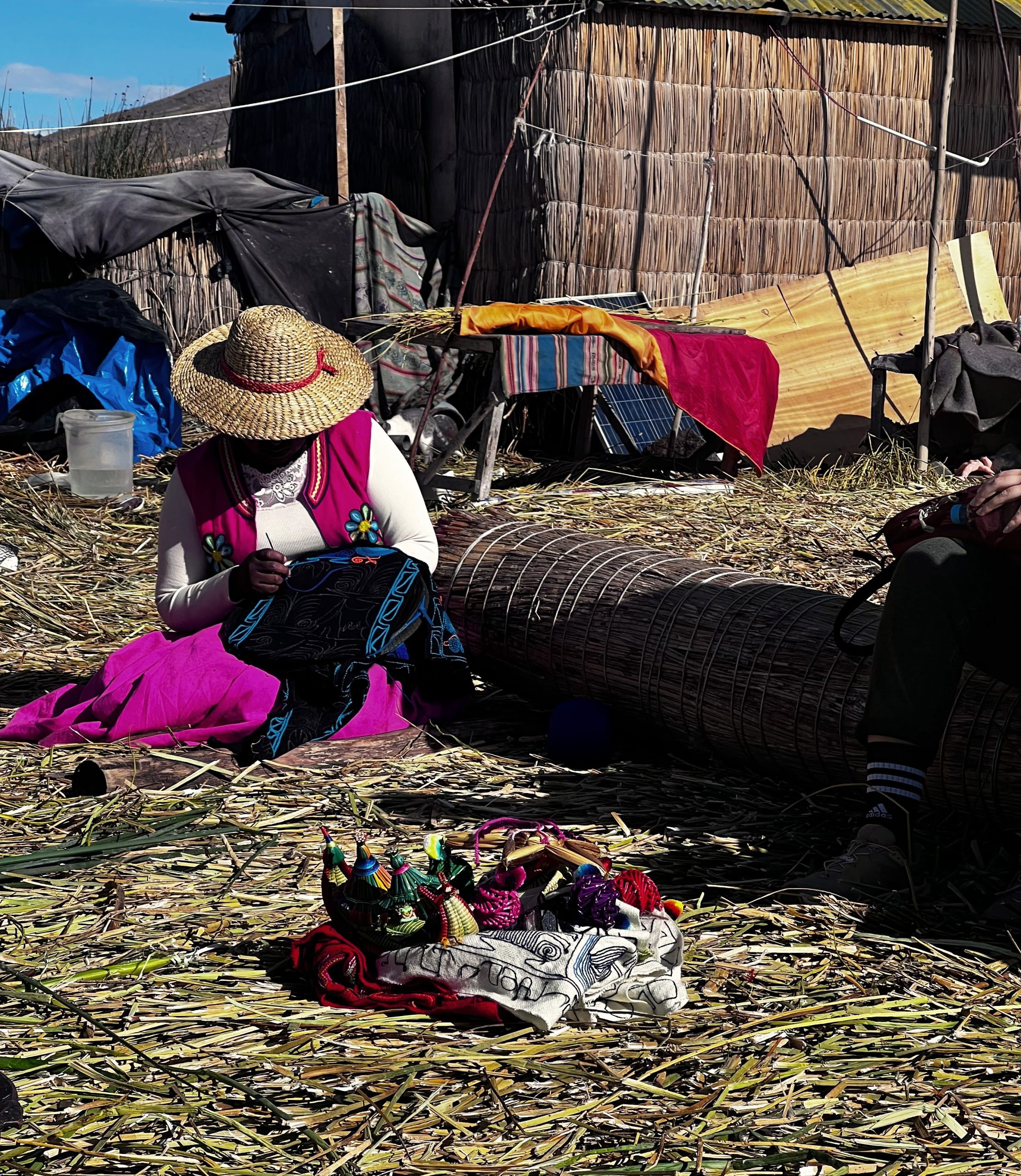
The boat ride to these islands is part of a tourism program that enables this community to earn income and continue to preserve their way of life. Once a tourist boat arrives at one of the selected islands, the tourists are educated about how the floating communities are constructed and the Uros’ way of life. You may enter their homes, which are mostly small huts, and ask questions. They do not cook in their huts to avoid the possibility of a fire. An outdoor cooking area is reinforced with stone slabs to prevent a potential fire hazard to the islands. Besides fishing and hunting birds, which they also sell, they are crafters and weavers known for their colorful textiles and elaborate embroidery reflecting their lifestyle and culture. Each family sets up a table to sell their wares to tourists. I always try to purchase small items when I come across communities of vendors. Every dollar spent supports their ability to feed their children or buy essentials. The challenge arises when there are too many tables to buy from.
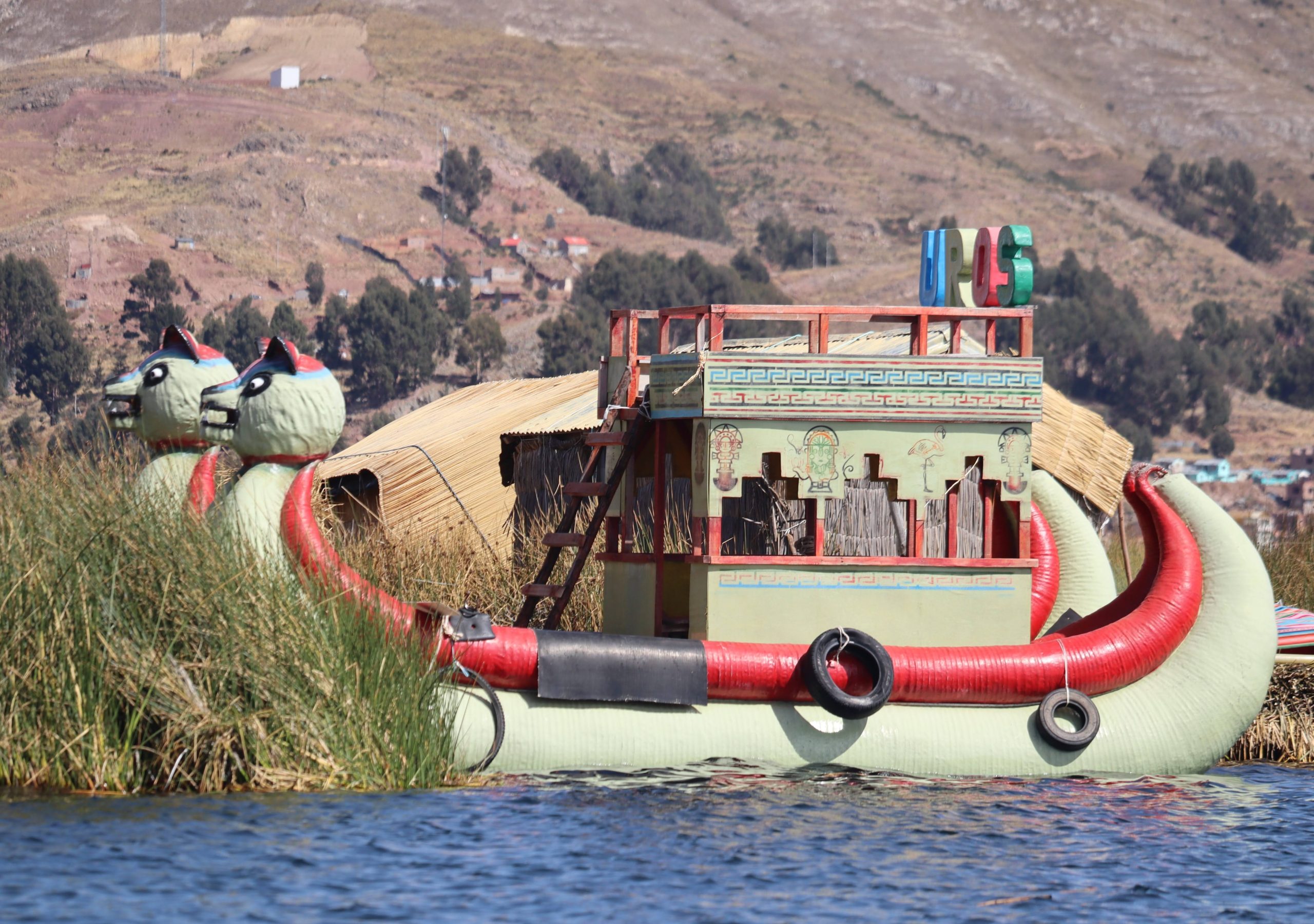
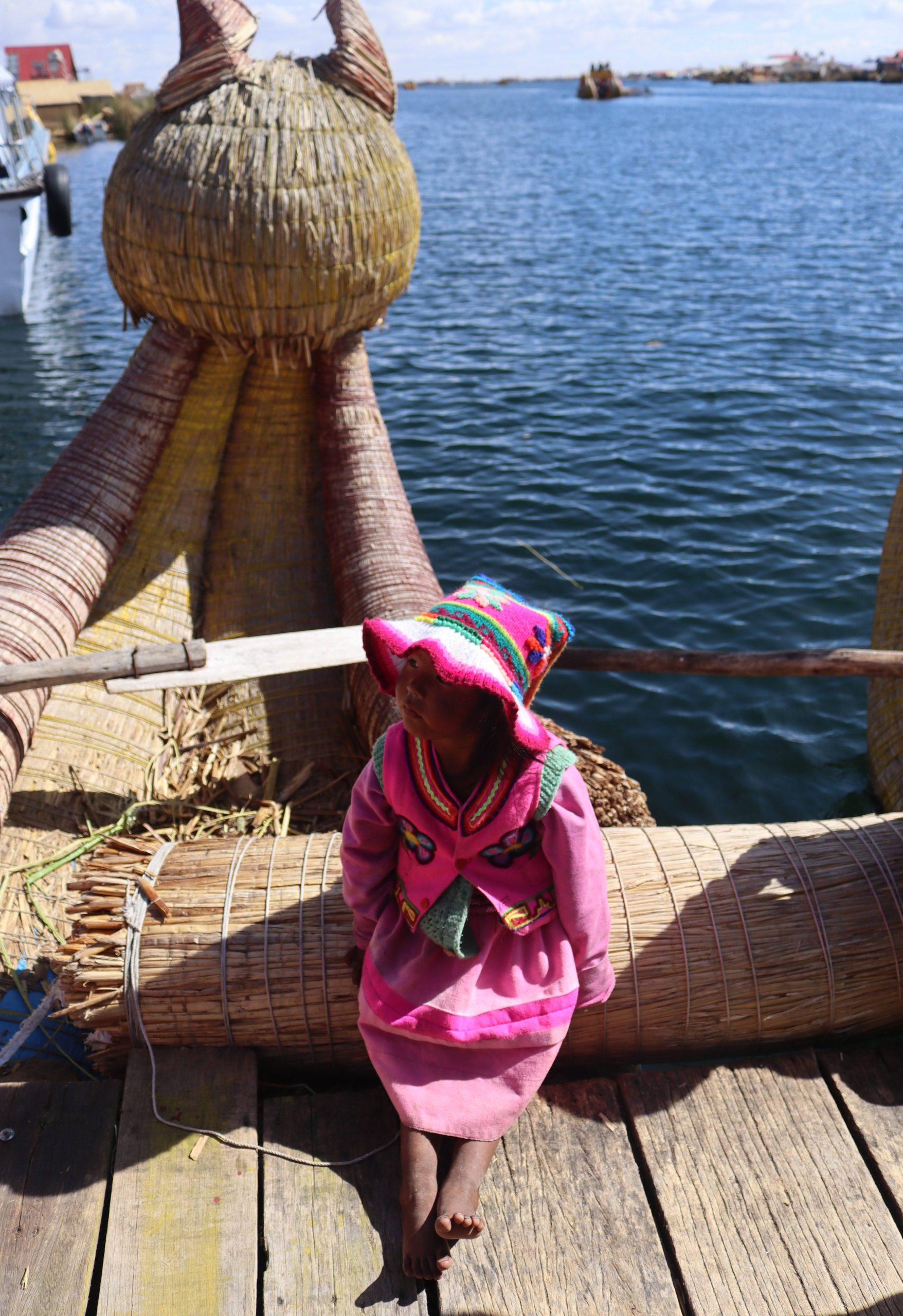
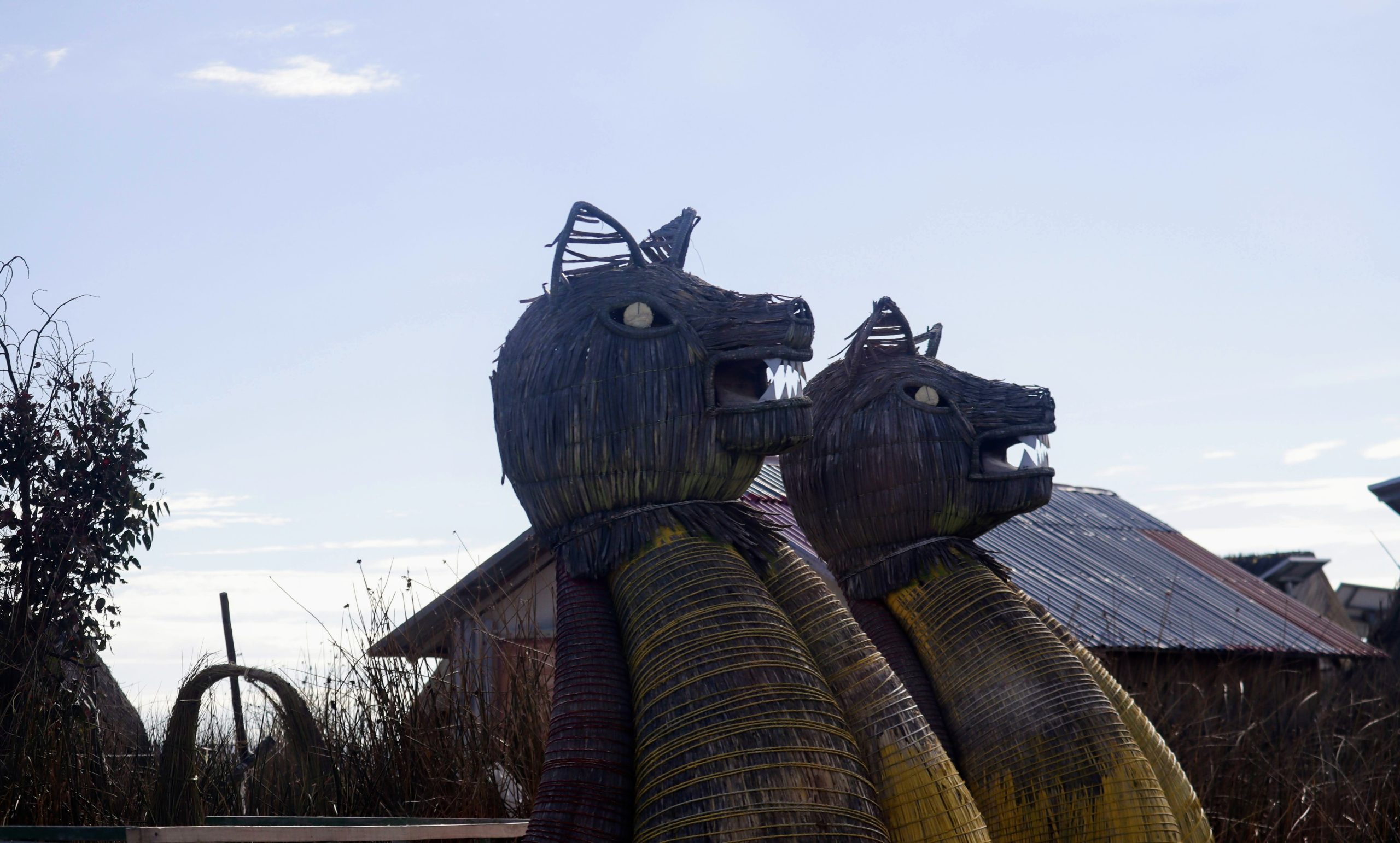
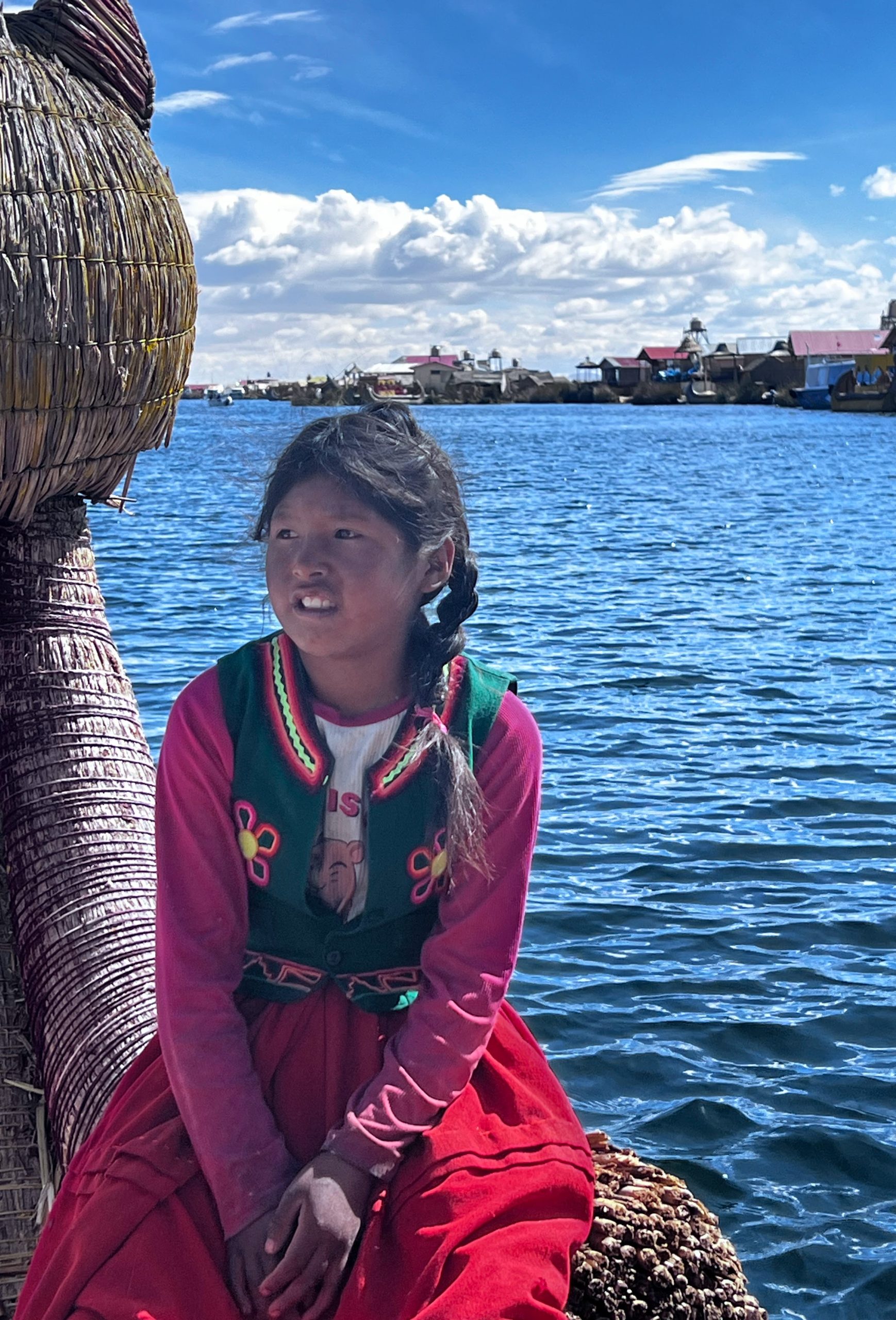
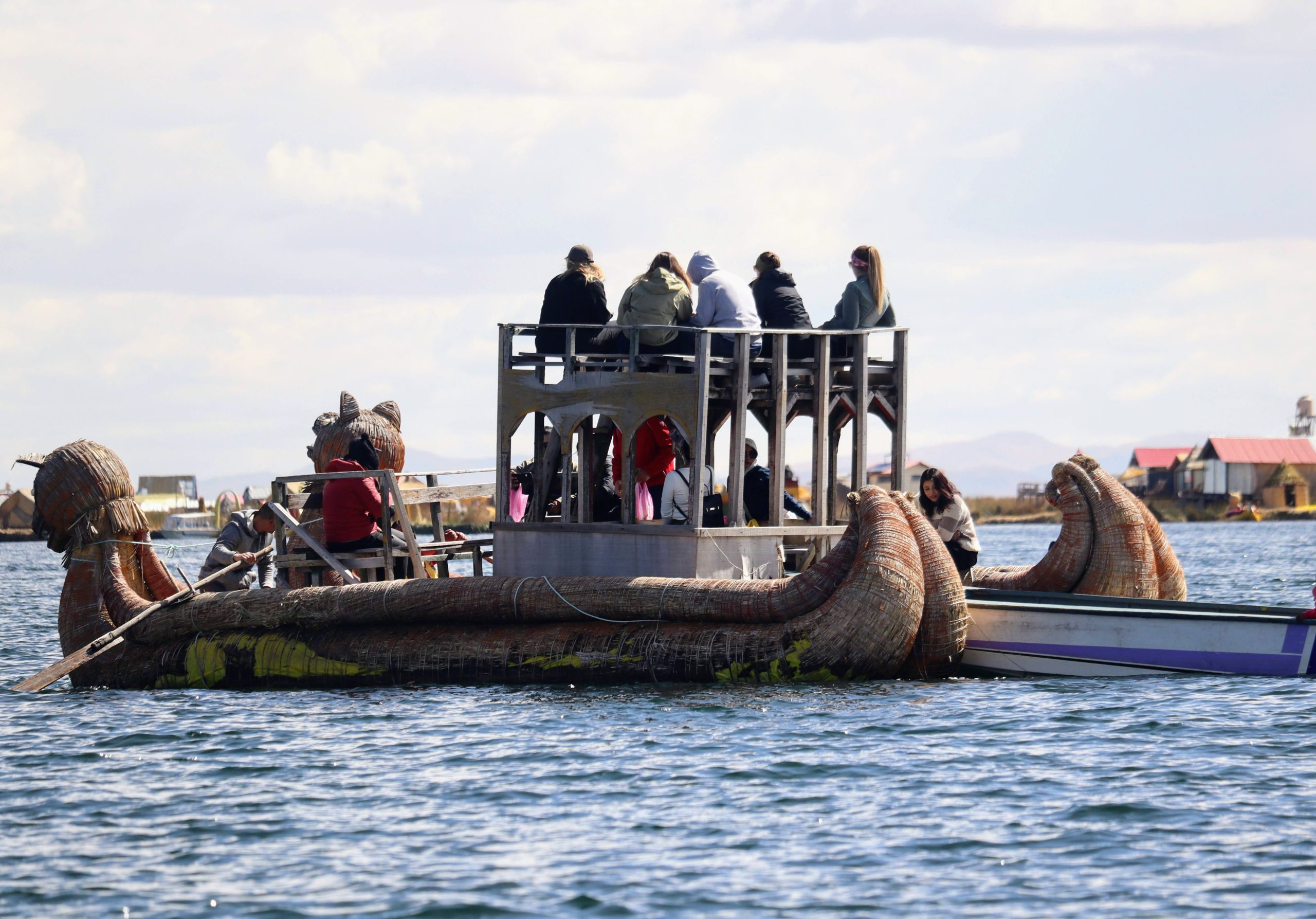
There are other ways that they generate income. The boats are constructed from the Totora plant and feature colorful designs, including representations of the puma, which is native to Peru. There is a fee for the ride that takes you to another floating island that has a restaurant and bathrooms. During the ride, children sing to you and accept donations. From there, the tourists hop onto their boats and are taken to the island of Taquile for lunch.
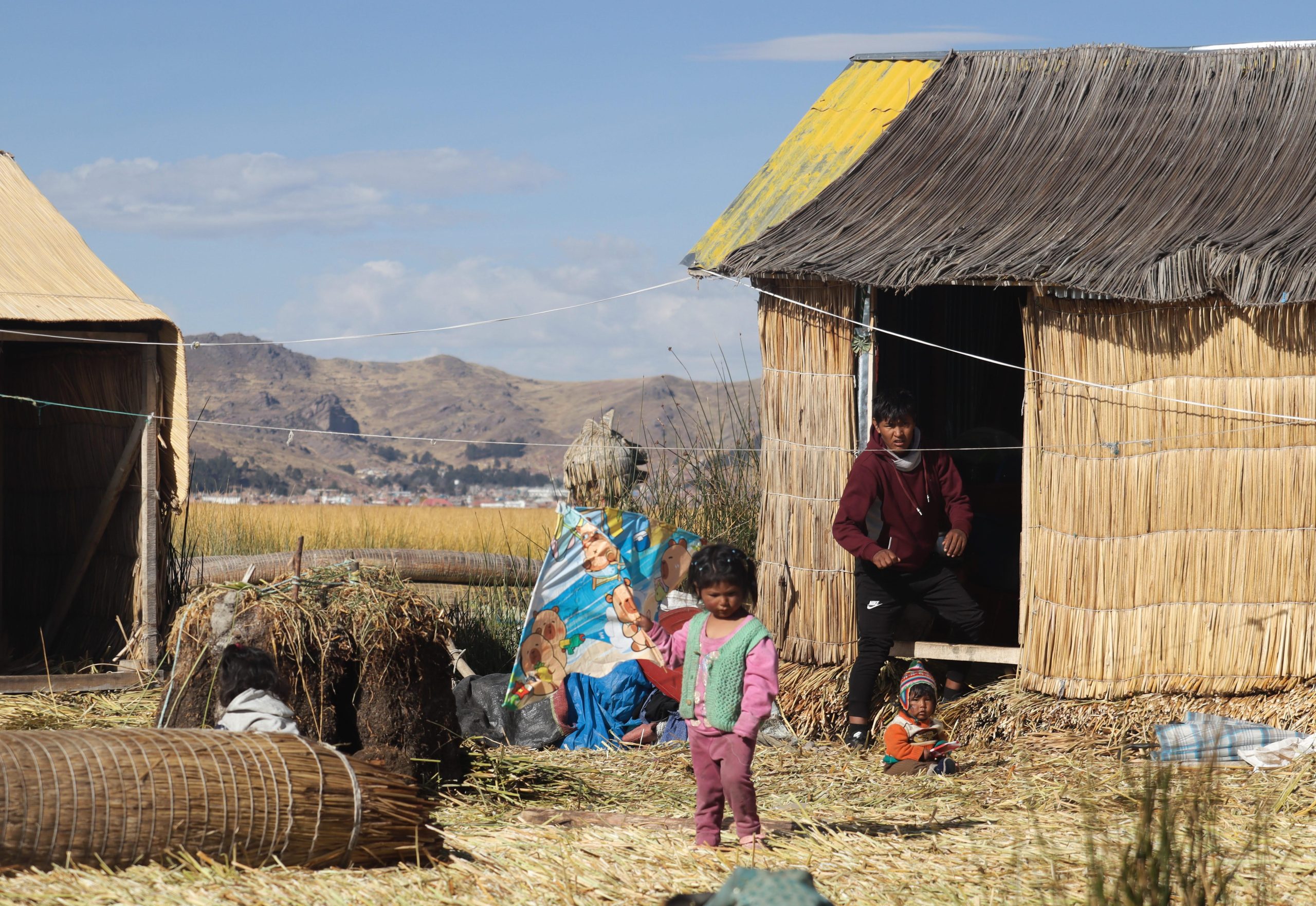
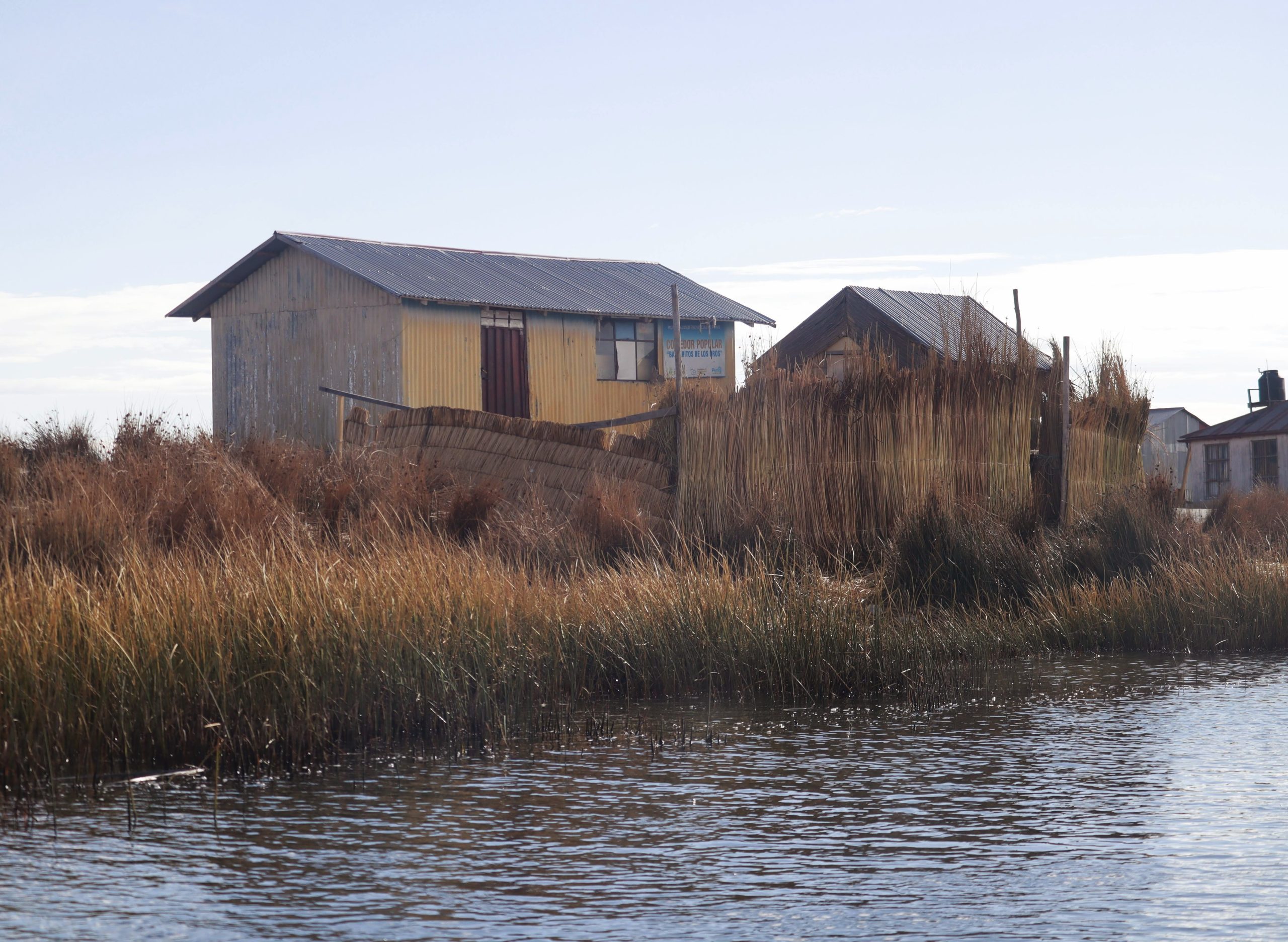
Not all the islands consist only of huts. There are some well-built homes for those who are financially successful yet choose this way of life. There is a primary school for children and a couple of churches. They have a system of governance, which includes a mayor to manage their community and ensure their rights.
Challenges Confronting the Uros and their Resiliency
As mentioned earlier, there are environmental pressures that are impacting both Lake Titicaca and the Uros. Climate change and El Nino are already impacting the lake, causing a drought that is shrinking the reeds. There is also pollution that is killing both plants and aquatic life. Efforts are underway, working with the Government, to see how more preservation and sustainability practices can be added. There is also a concern about the impact that over-tourism can have on the lake. There are quite a bit of boats on the lake at all hours of the day, adding to the pollution problem and overcrowding.
There is also tension between maintaining traditions and responding to today’s modern lifestyle, as seen by the addition of solar panels, mobile phones, motorboats and other modern elements. Clearly, tourism enables these indigenous communities to remain sustainable, but at what cost? Is this becoming solely an income stream, or are they ensuring their authenticity while engaging with the outside world? It is a tough question to answer. The other concern is that this remains a hard life, and families have migrated to the mainland. You can already see some homes abandoned. This is true especially among the younger generation, who choose to seek an education. Will they return? This problem is not unique to the Uros, as it is also impacting other indigenous groups who are trying to keep traditions alive in the face of globalization.
My Photos
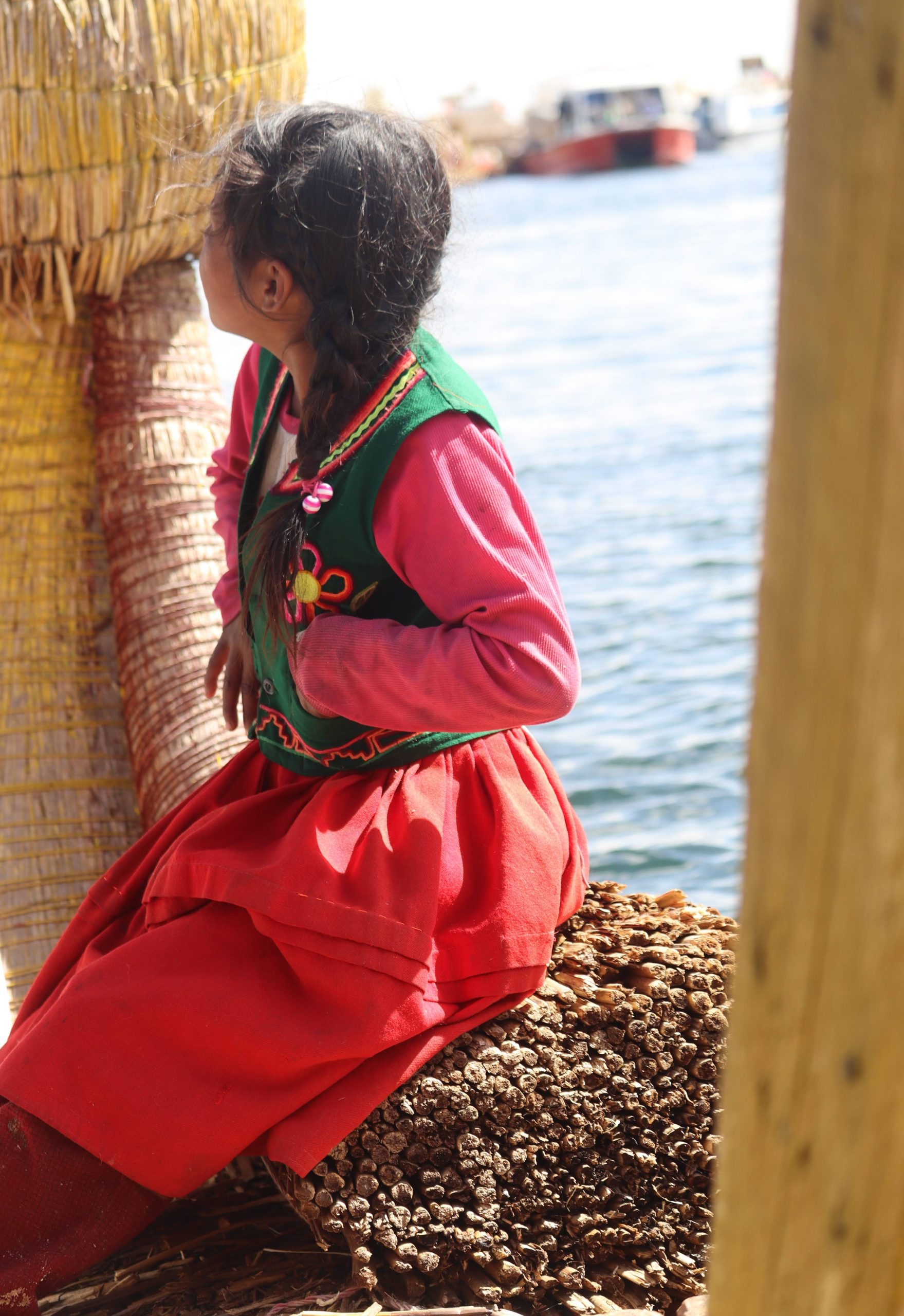
As always, I seek to capture the day-to-day living of the people I photograph and the beauty of the lake. I was stunned by how colorful this community is, beginning with the designs of their homes, boats and clothing. I was also taken by their friendliness and openness in sharing their culture. These photos will always take me back to this unique experience. If you go to Peru, this is worth your time, although it requires a bit of traveling. As always, remember to click the center of the photo for a full view.
If you enjoyed this story or the newsletter issue, help others to discover it by sharing it with your friends. Your support will go a long way in continuing the blog. If you are not a subscriber for more stories and photos like these, please click here to subscribe.
Grizel, thanks for the insight on such a beautiful trip! And the photos, beautiful! Feels as if the reader has also gone on this tour. Once again, thank you! Could you provide info on this tour/trip? Once again, thank you.
LimitedLimitless
December 7, 2025
Sure I can certainly give you more information regarding the actual tour that. what’s the best way to reach you?

Eliud Lopez
Grizel, thanks for the insight on such a beautiful trip! And the photos, beautiful! Feels as if the reader has also gone on this tour. Once again, thank you! Could you provide info on this tour/trip? Once again, thank you.
LimitedLimitless
Sure I can certainly give you more information regarding the actual tour that. what’s the best way to reach you?