
The City of Lima…The Pulse of Peru
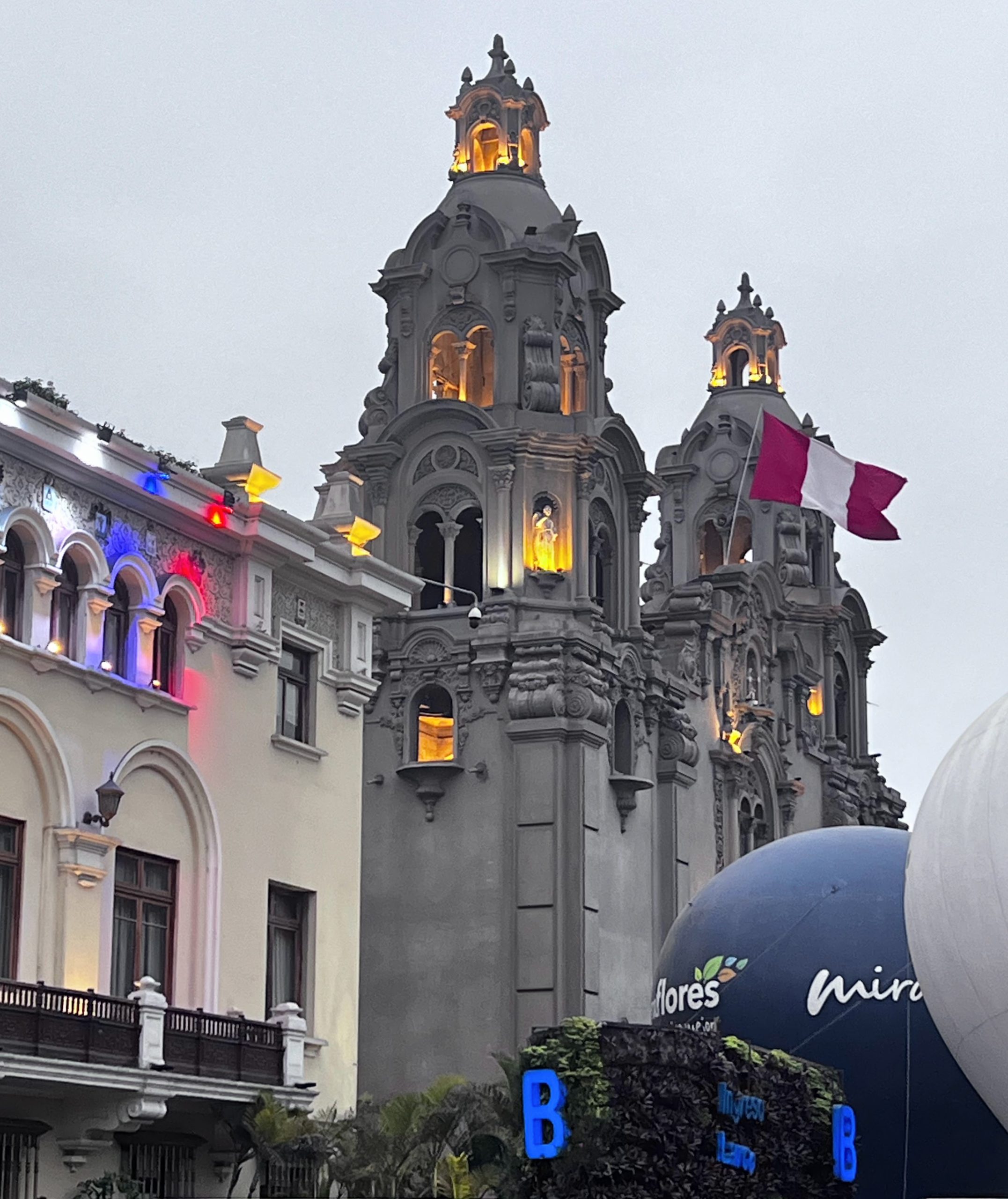
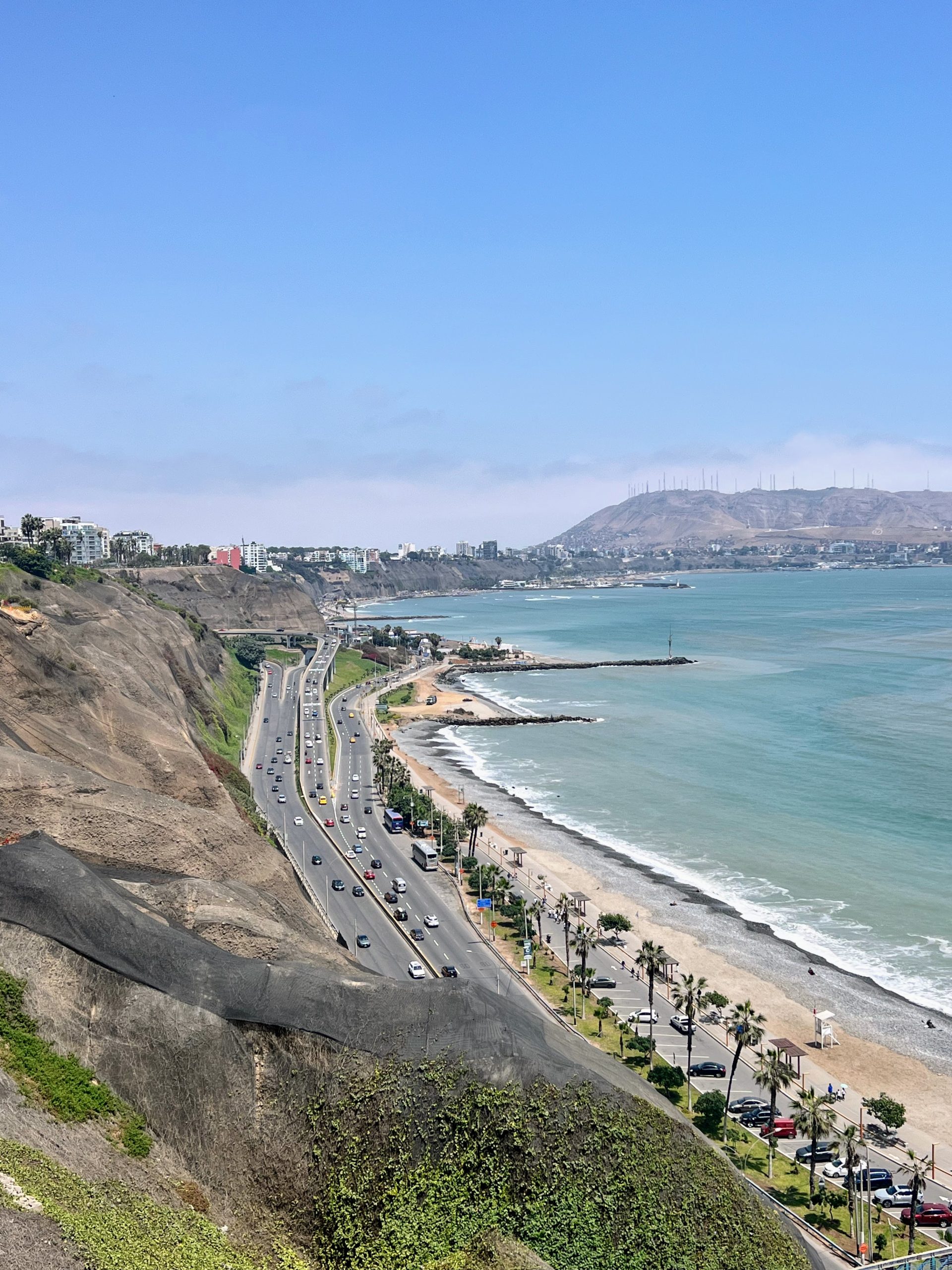
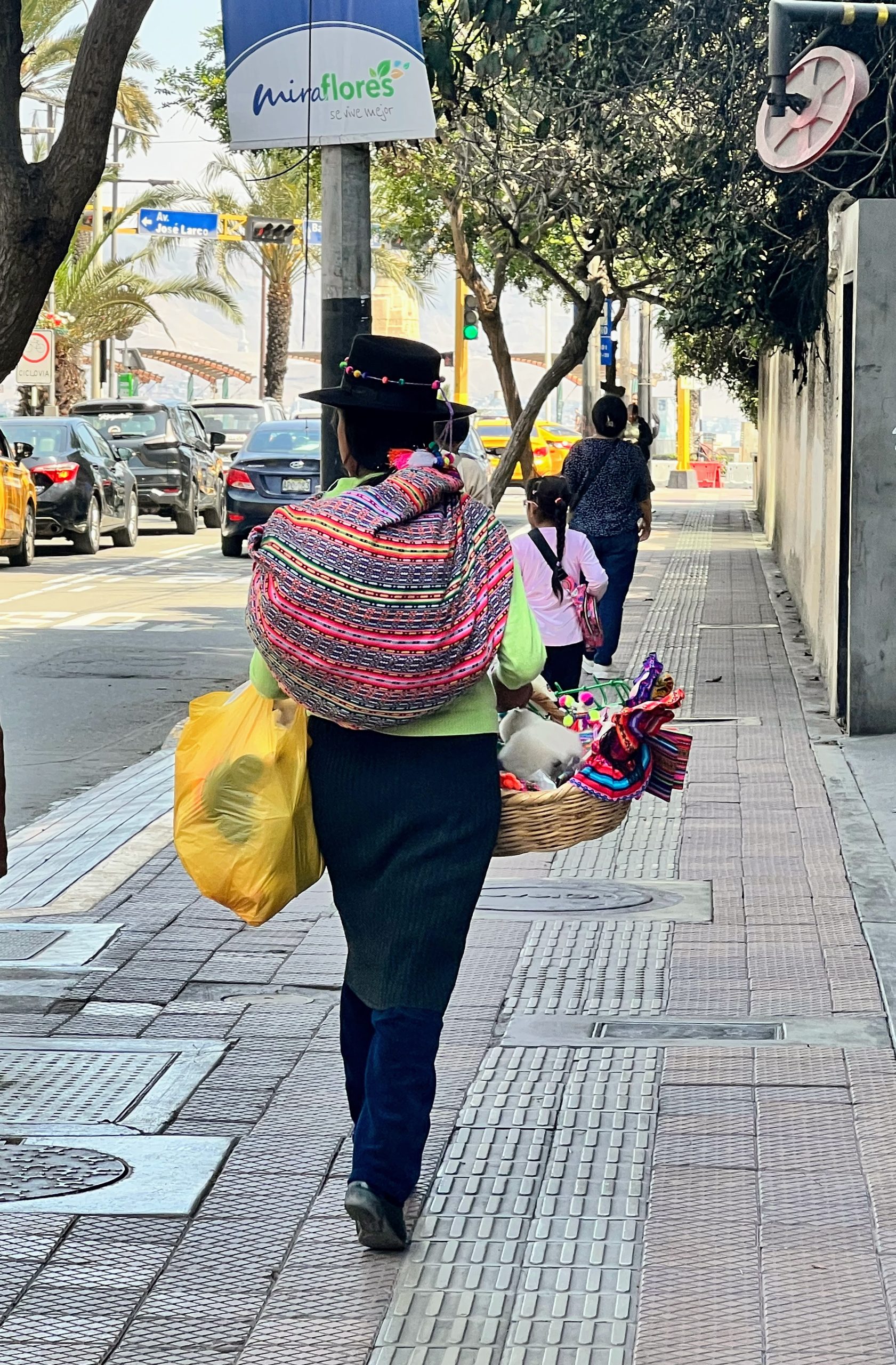
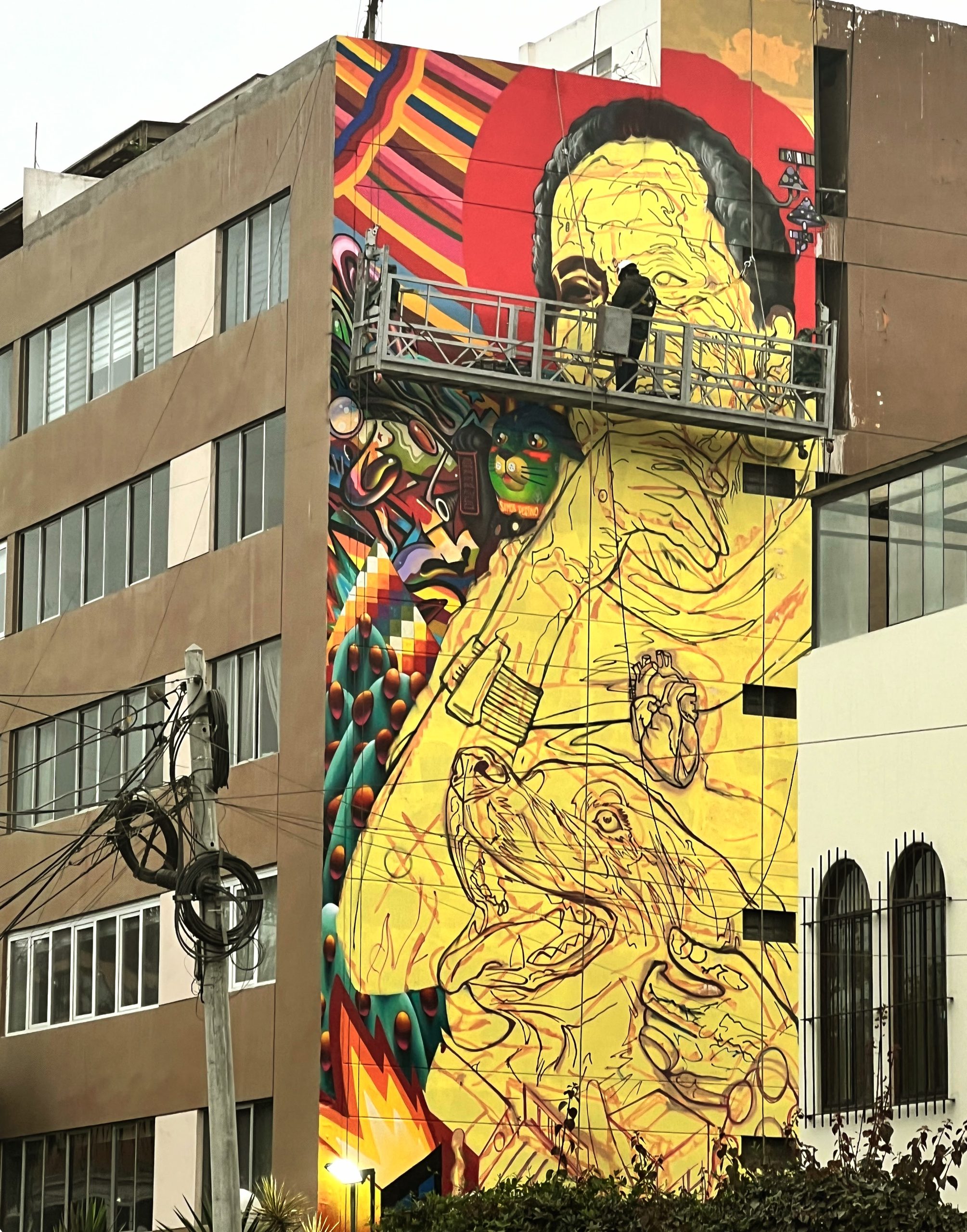
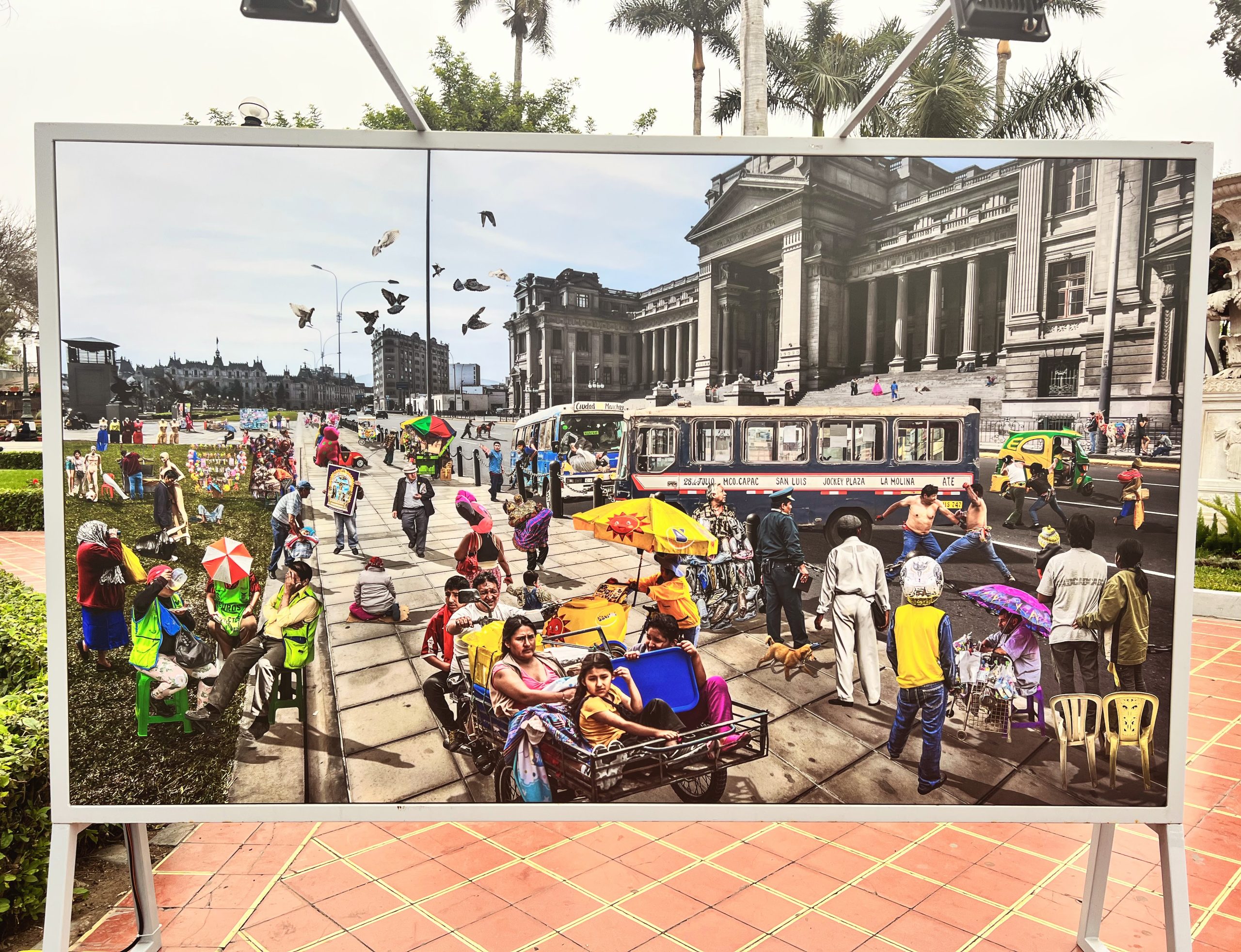
After 12 days of traveling through Peru’s countryside from the colonial city of Arequipa to Machu Picchu, I decided to spend several weeks in the City of Lima to both recover and to become acquainted with the other side of Peru widely known as the culinary capital of South America. Lima is the fourth largest city built on a desert coast overlooking the Pacific Ocean. A UNESCO Heritage site known for its colonial architecture with over 9 million inhabitants. Lima serves as Peru’s cultural hub (partly thanks to Machu Picchu, which drives tourism into Peru) as well as the country’s center for business, and manufacturing. If you have plans to come to Peru, read about my time there…..
But First a Bit of History
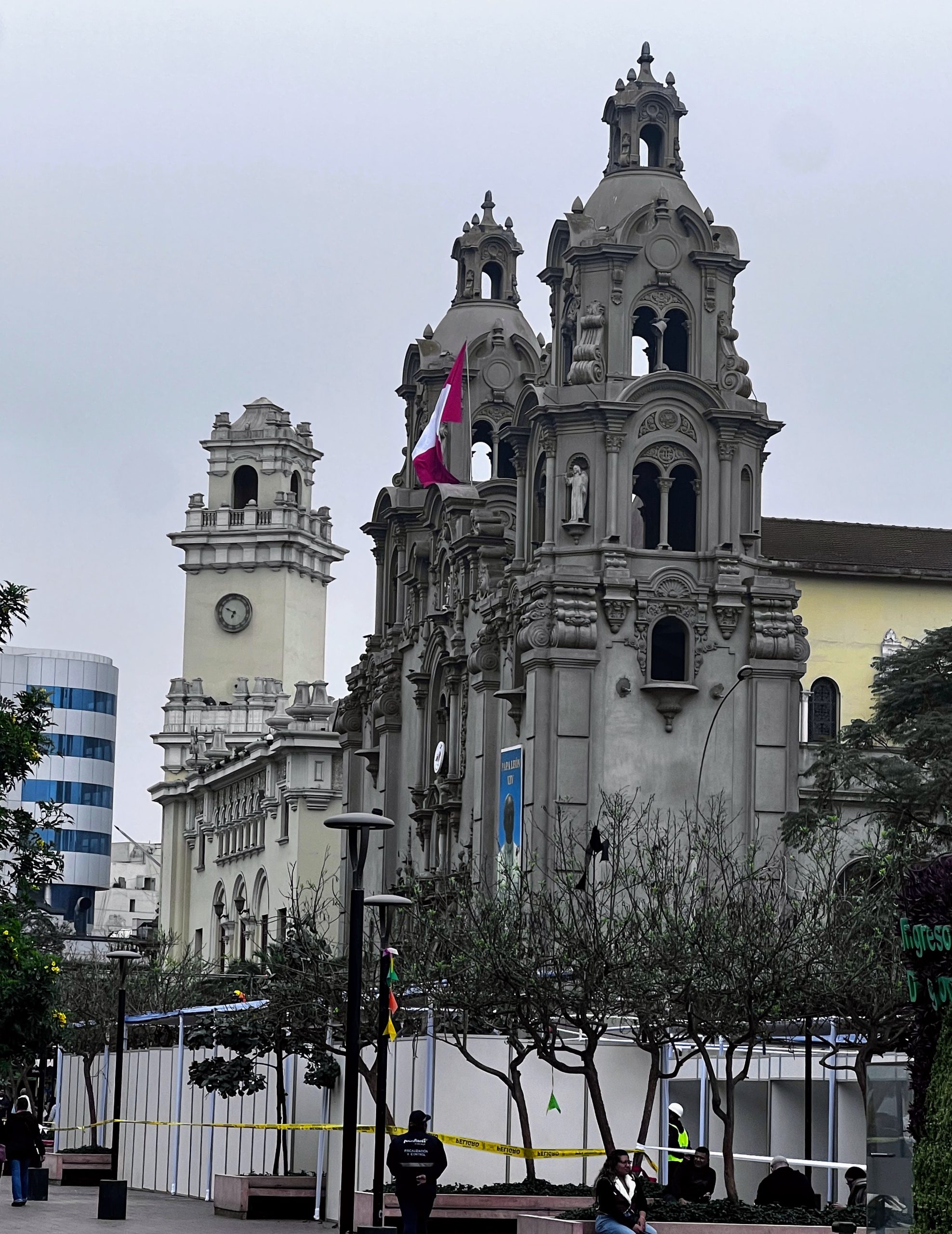
The city of Lima was founded in 1551, known as the “City of Kings ” and became the center of the Spanish Empire in South America after the conquest of the Incas. It gradually became a mix of Spanish and indigenous cultures which by the 1800s played a crucial role in Peru’s victory over Spain, which led to its declaration of independence in 1821.
Since then, Peru has had a long history of instability and political conflict marked by military coups as it remains politically fragmented, having removed four presidents since 2020. Currently, Peru has a woman president who leans to the right with a public approval rating of 2%. Peru, like many South American countries, has a history of corruption by its government officials.
Today, Peru is the sixth-largest economy in Latin America, known for its extraordinary cuisine, conservation of its heritage, and tourism, with the city of Lima being its largest and most populous.
Arriving in Lima
After twelve days of traveling in the countryside, managing altitude sickness, on most days, I was happy to be in Lima at sea level, slowing the pace of travel. My back was beginning to catch up with me, and by the end of the first week in Lima I suffered a sciatic attack but this time on my left leg. It took me almost a week to get it under control through exercise and anti- inflammatory painkillers. This was not the first time and most likely not the last (my cross to bear). The goal is not to let it control you.
I stayed in the neighborhood known as Miraflores instead of the historic center. Before my departure on my 12-day countryside tour, I stayed in the center of the city for two days and, frankly, did not like it. As mentioned earlier, the city is built in a desert where it rarely rains. It is dusty, dirty, and dense, much like the city of Cairo, also built on a desert.
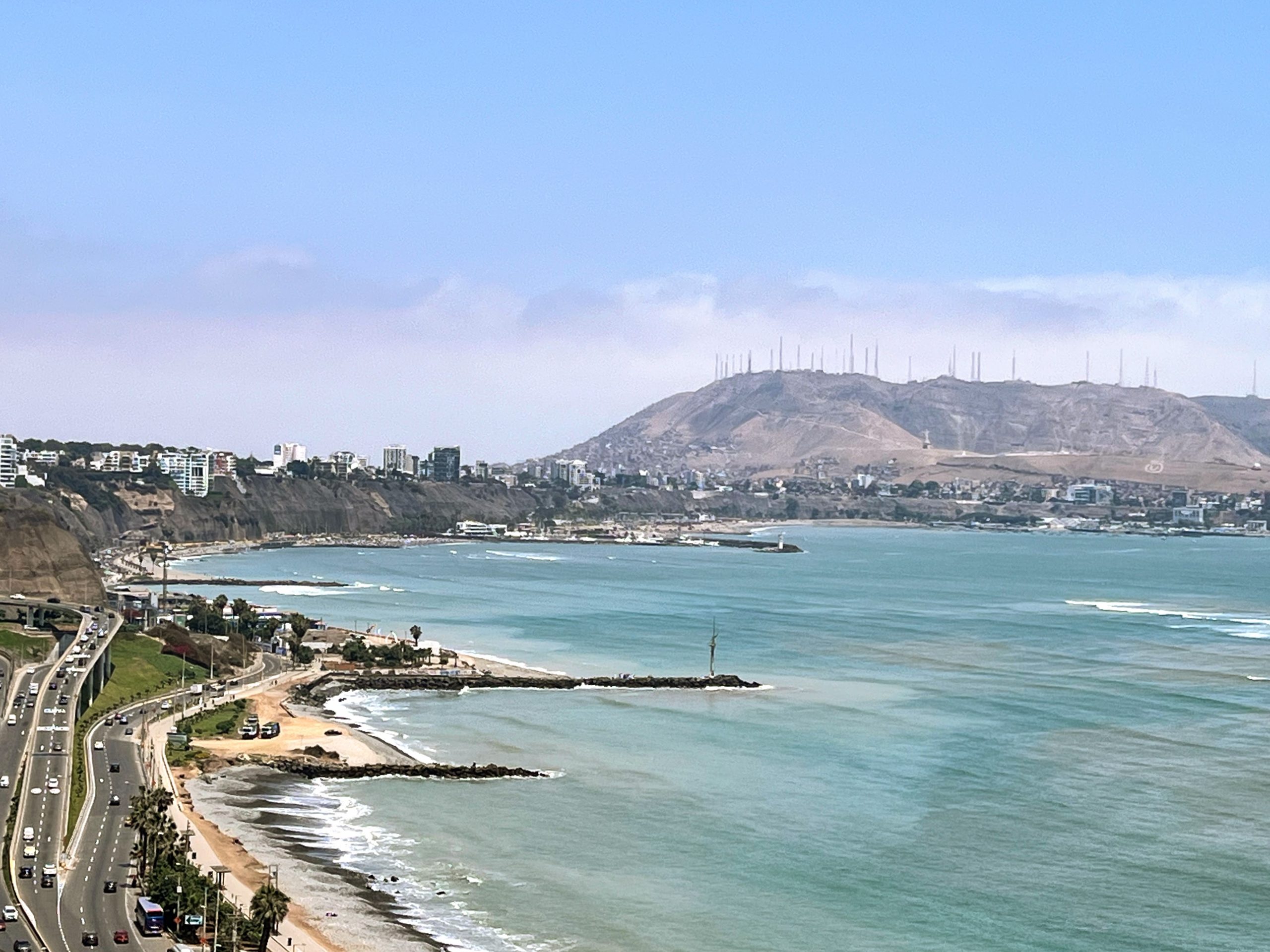
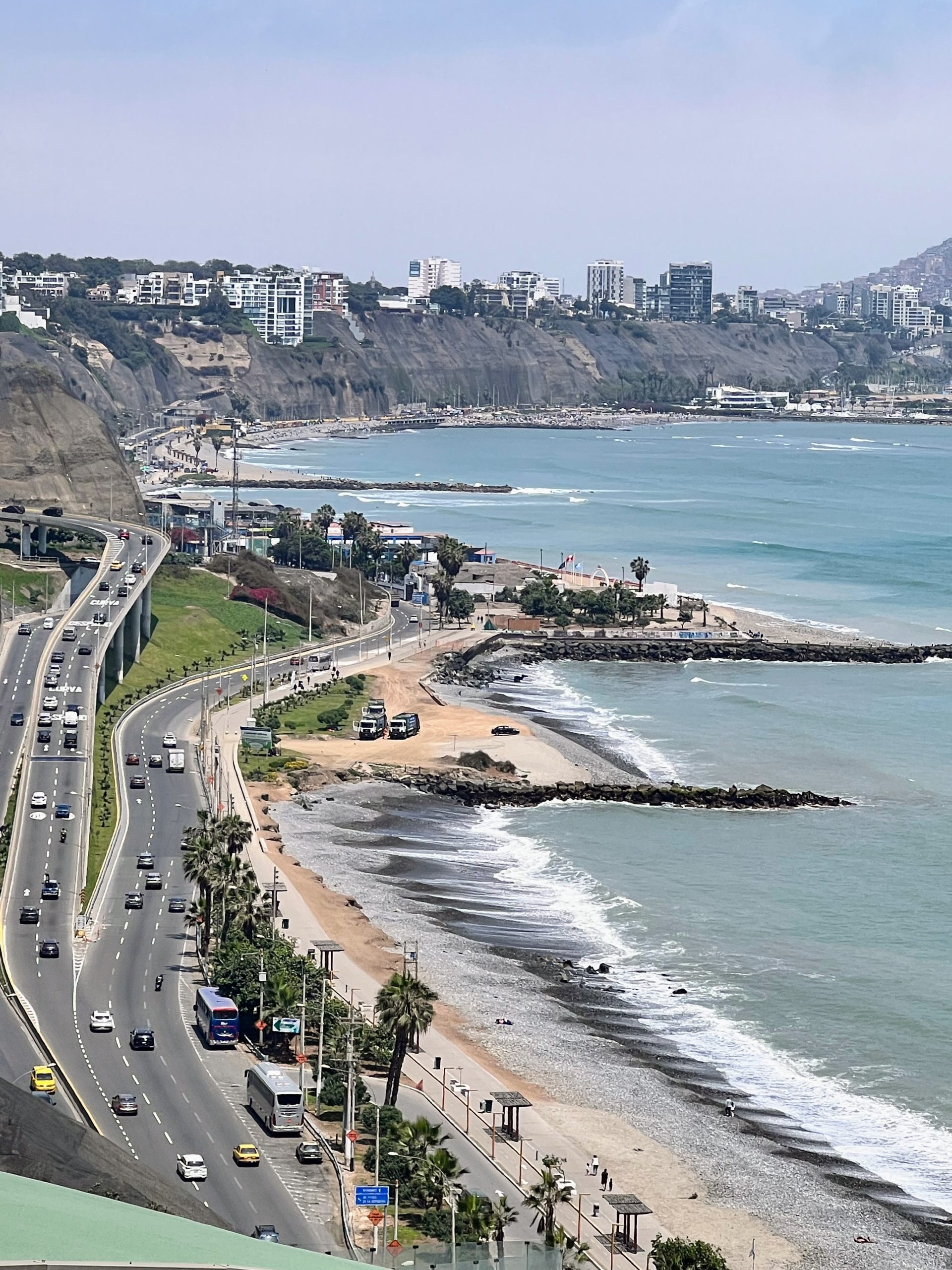
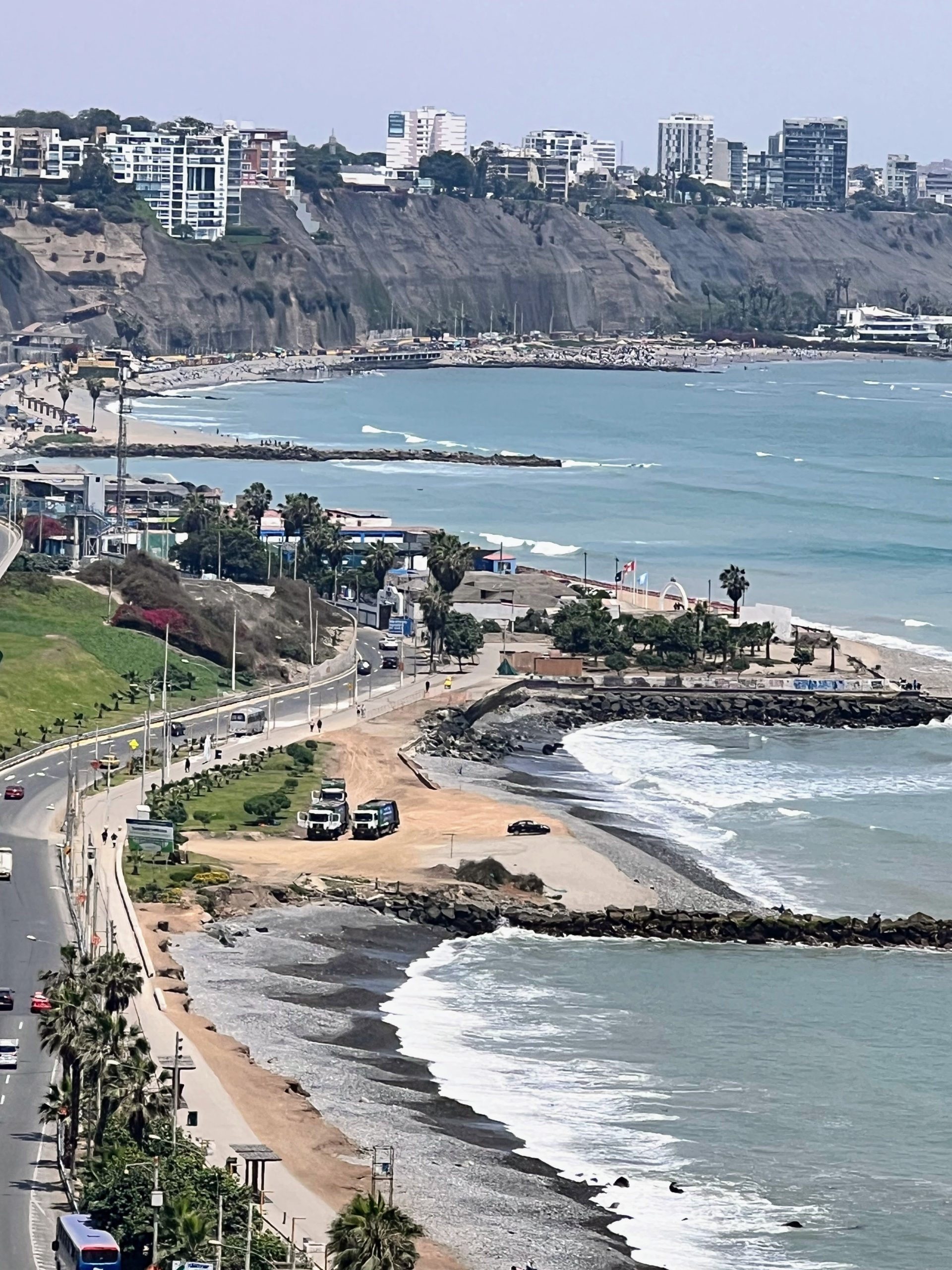
Miraflores is like a city within a city, like Brooklyn is to NYC. It is much more modern, clean and attractive with its fair share of colonial buildings. The neighborhood is on the coast of the Pacific Ocean which provides enough humidity to prevent it from being dusty. It is in close proximity to the neighborhood Barranco, both similar and walkable communities. I spent time in both neighborhoods exploring all that they offer. The weather was mostly Spring with the mornings being cooler, remaining in the mid-sixties.
What to Do When Visiting Lima
Frankly, the city of Lima does not differ from American cities such as Boston, Philadelphia or Chicago. Other than the Spanish language, the similarities are about the same. You will not find as much Peruvian culture as in the countryside except for its worldwide cuisine reputation. In fact, Lima’s restaurant Miado ranks as number one in the world, requiring at least a three-month reservation. Lima’s chefs are known for their blending of European, Asian and native ingredients and cooking techniques. In 2025, Lima was listed as having four of the World’s 50 Best Restaurants. Below, I highlighted one restaurant among the many places I visited.
Kjolie Restaurant
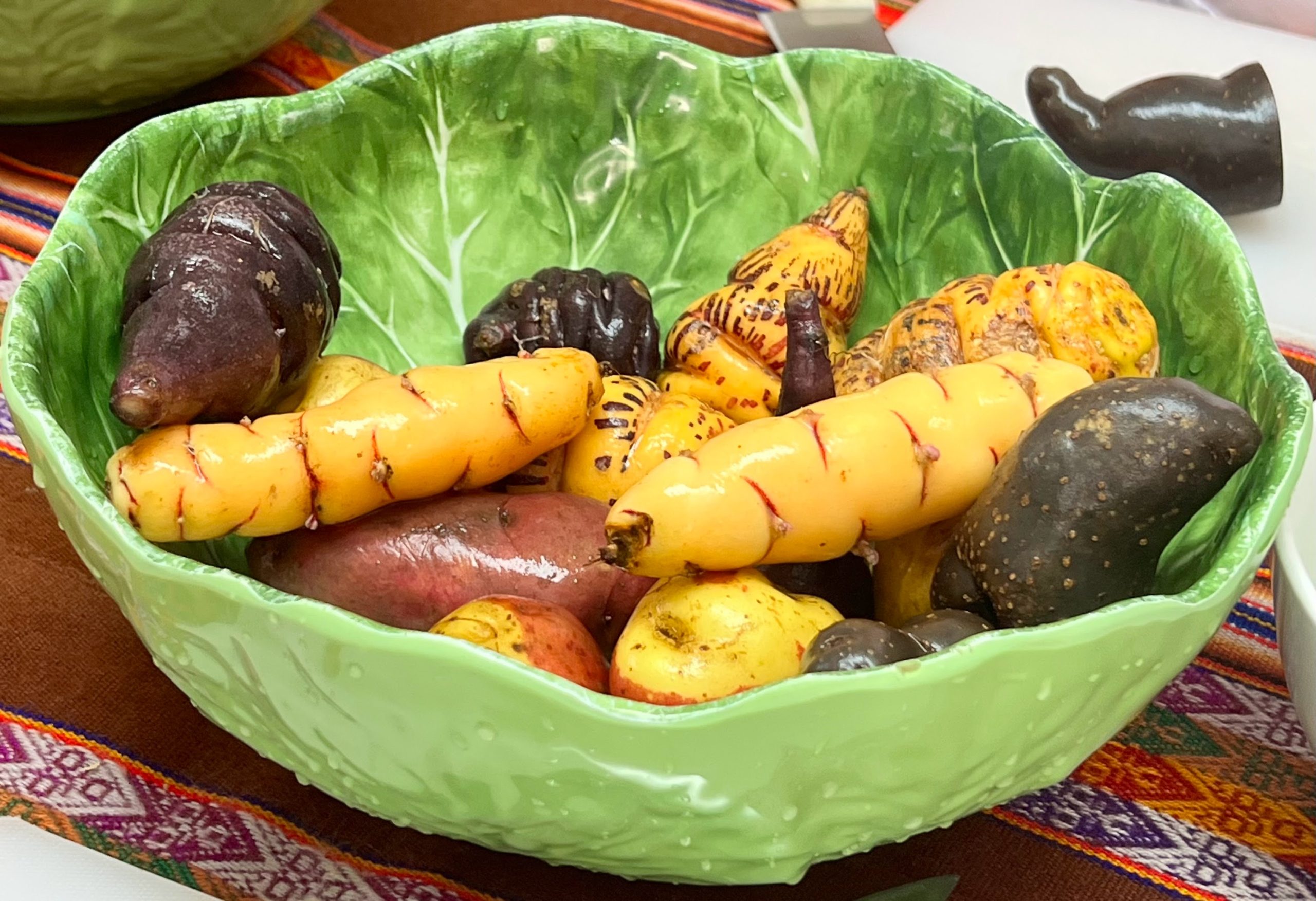
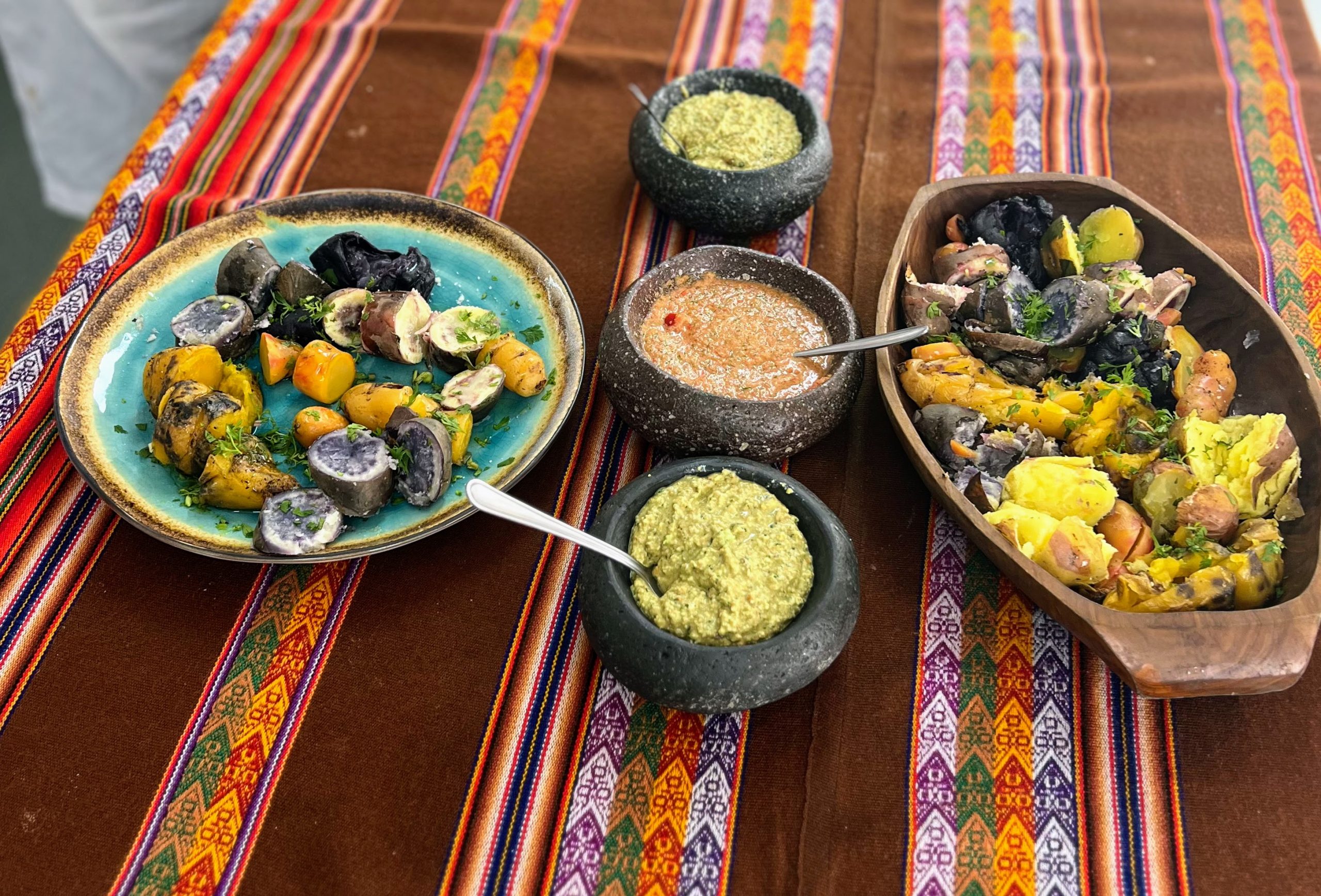
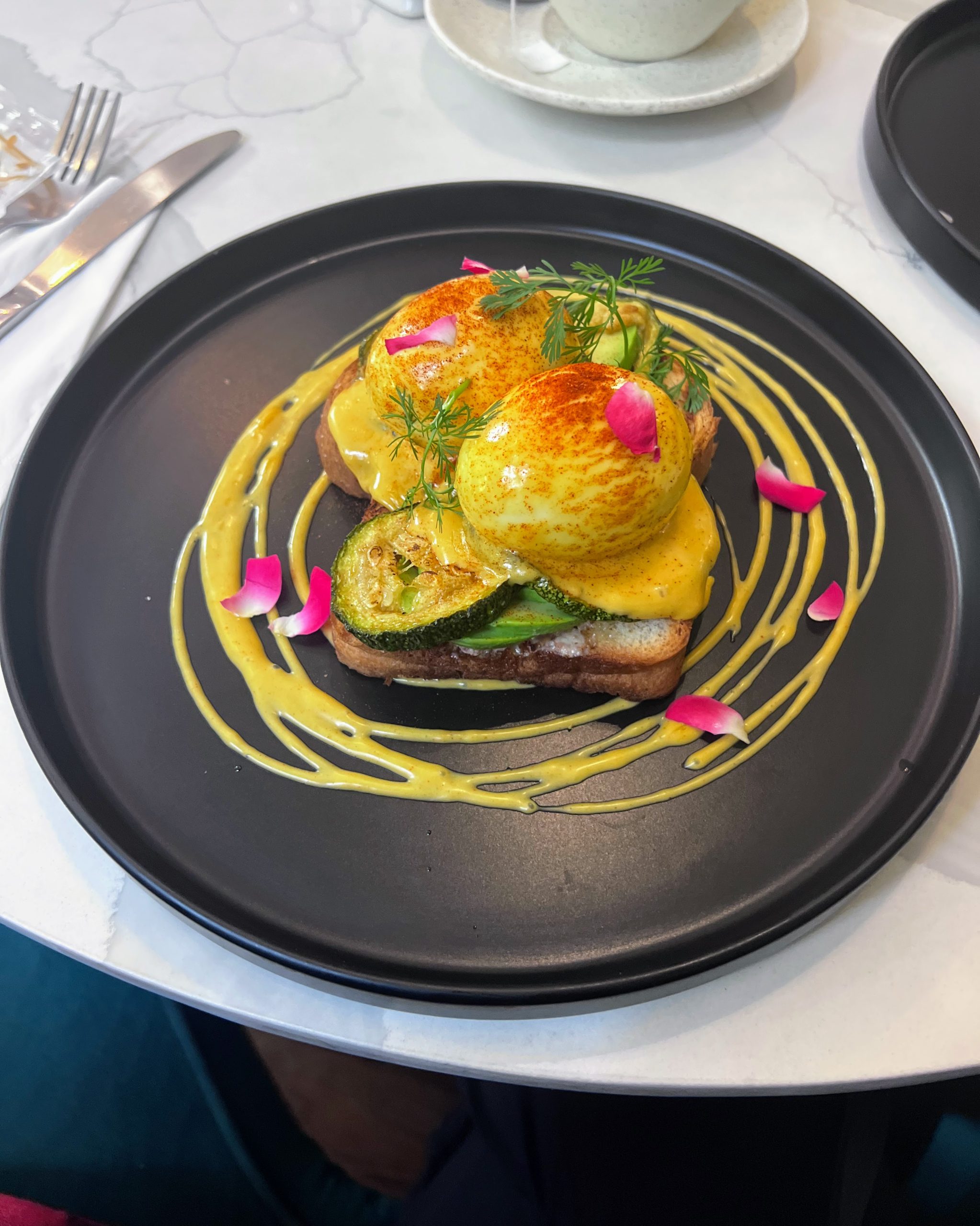
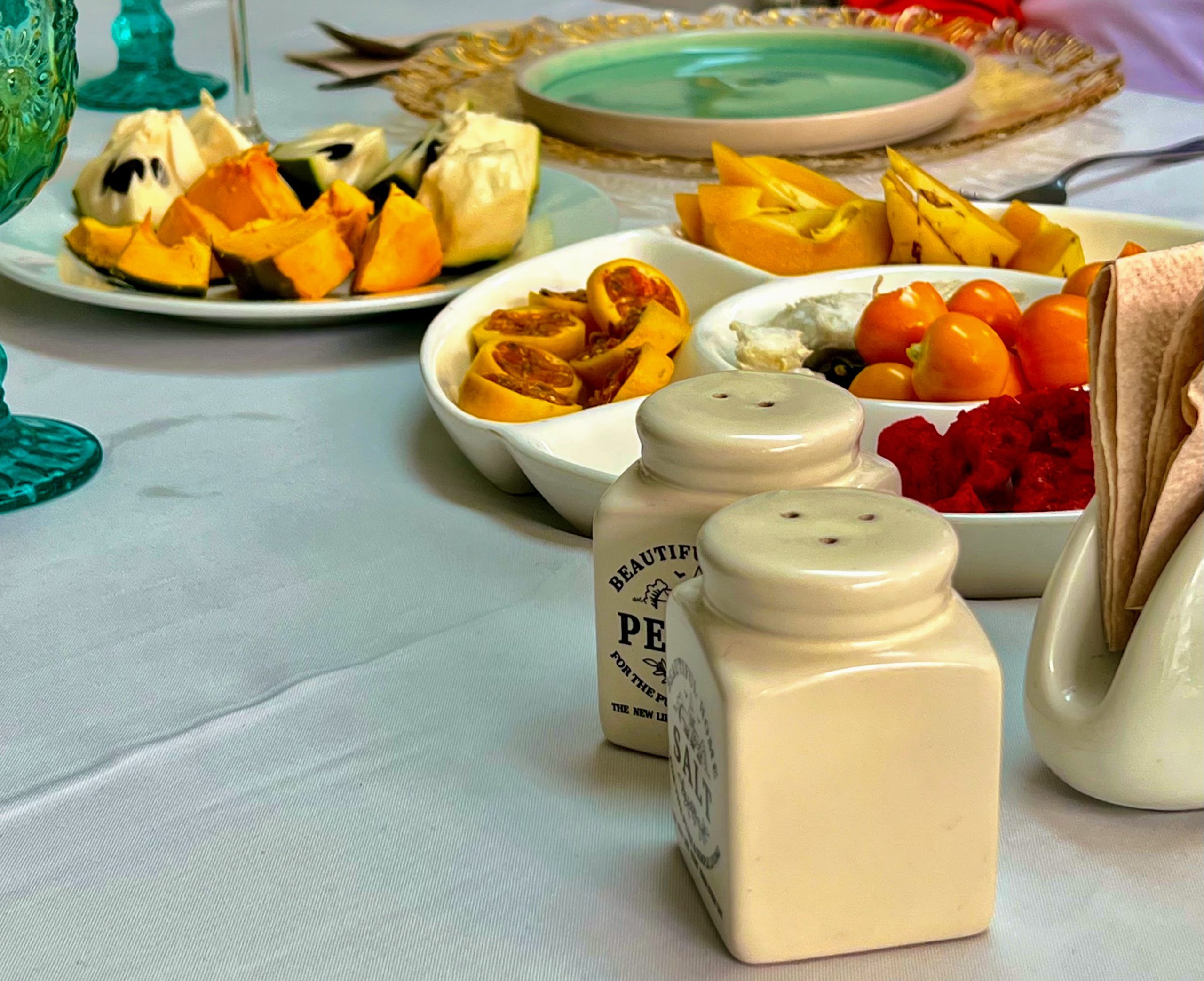
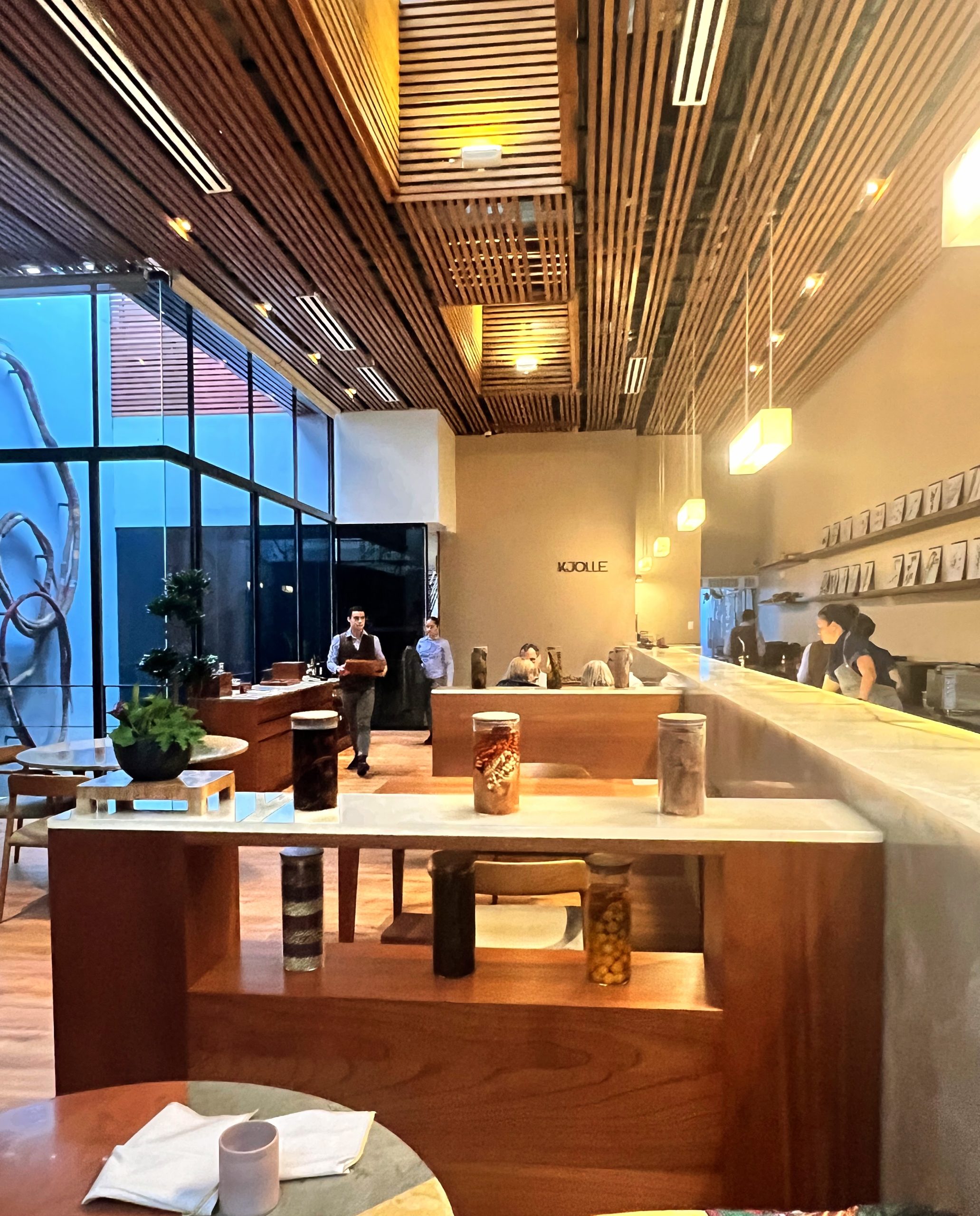
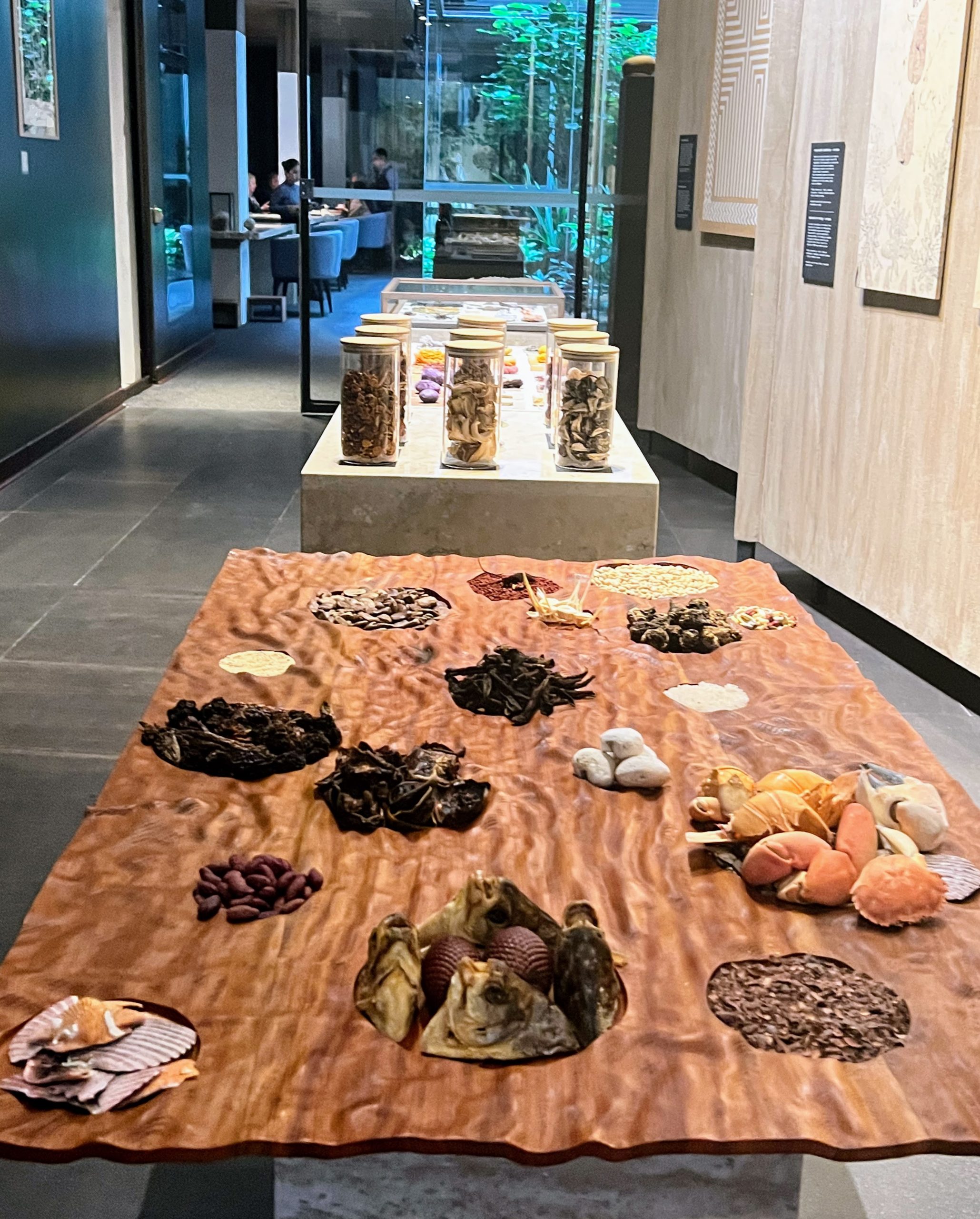
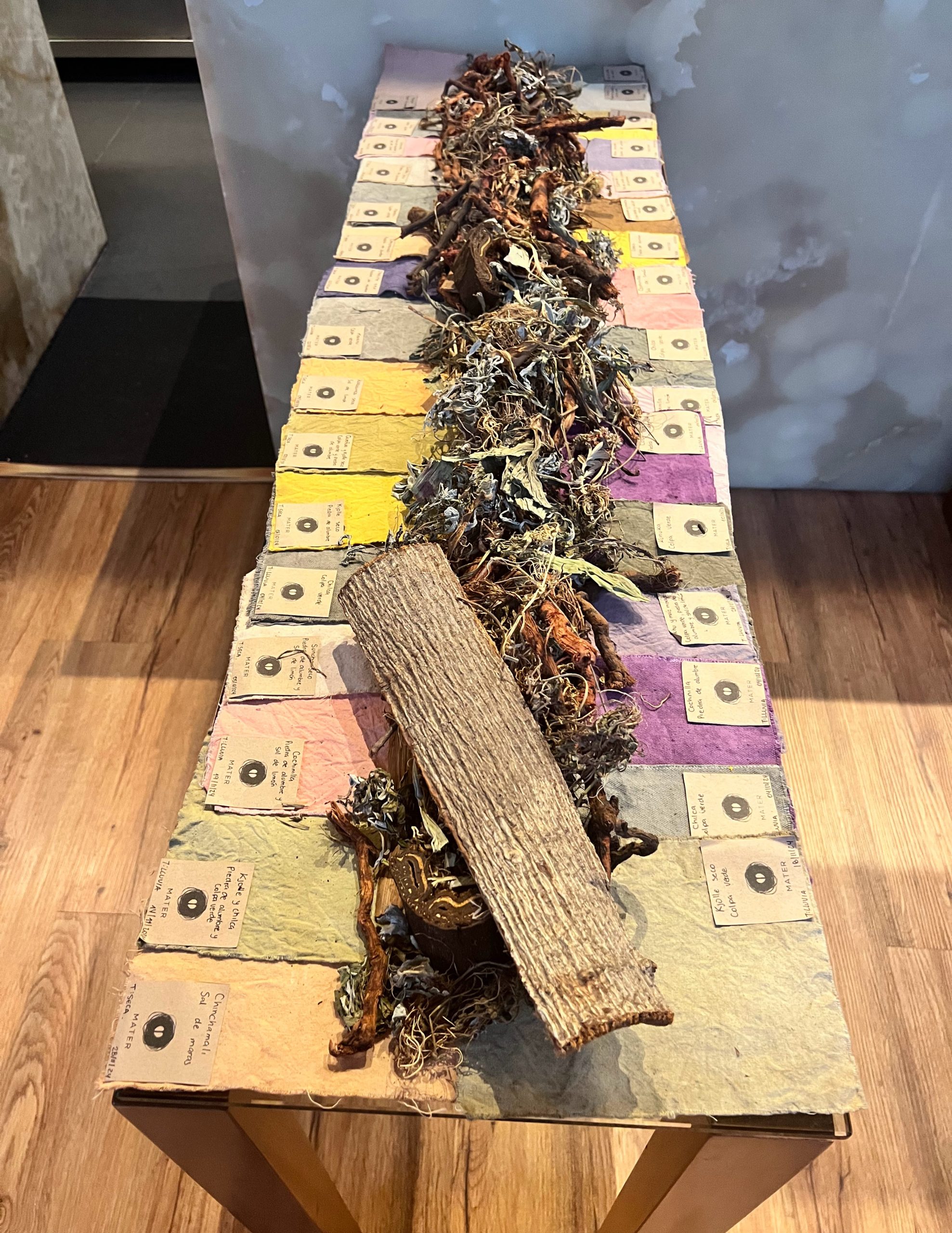
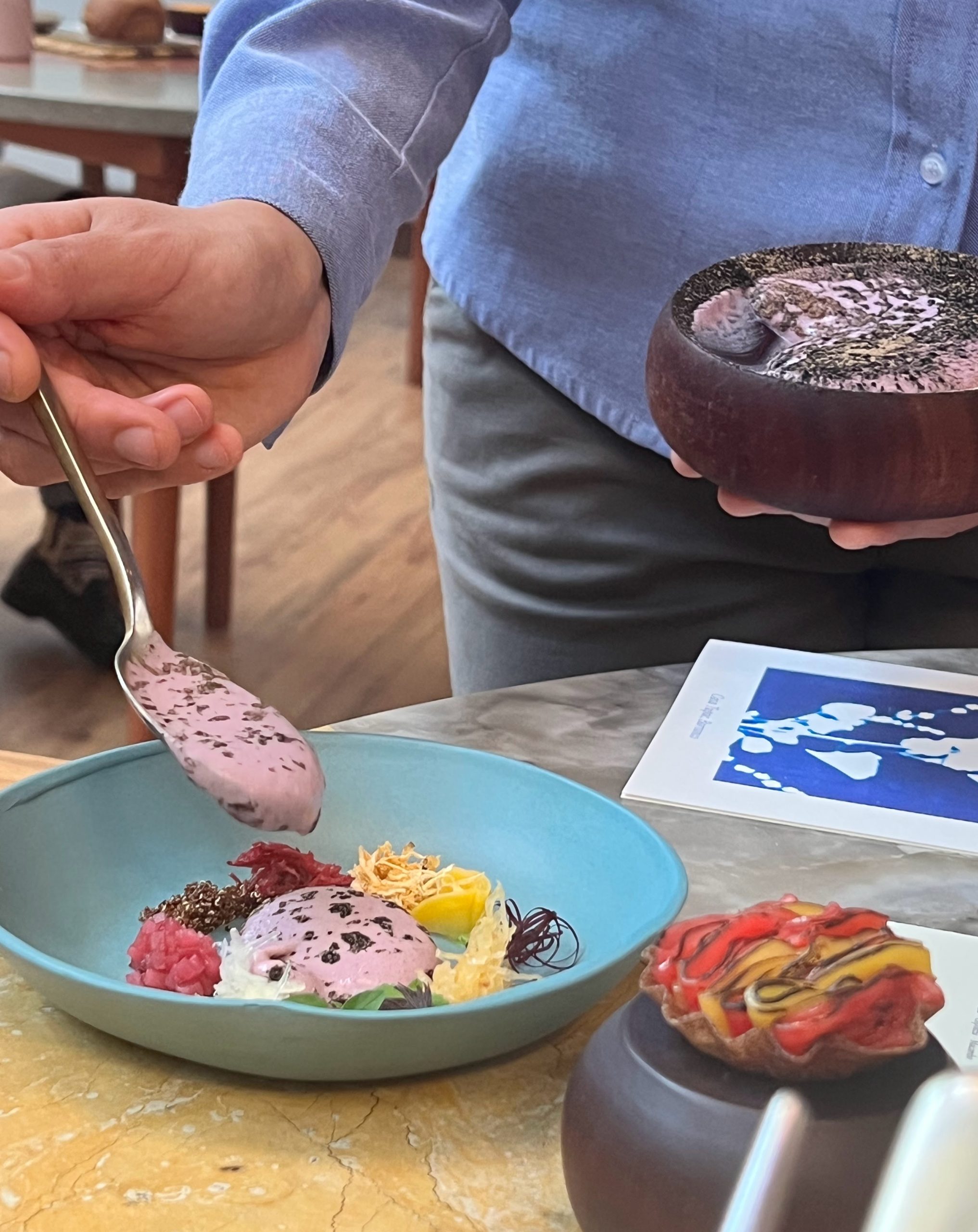
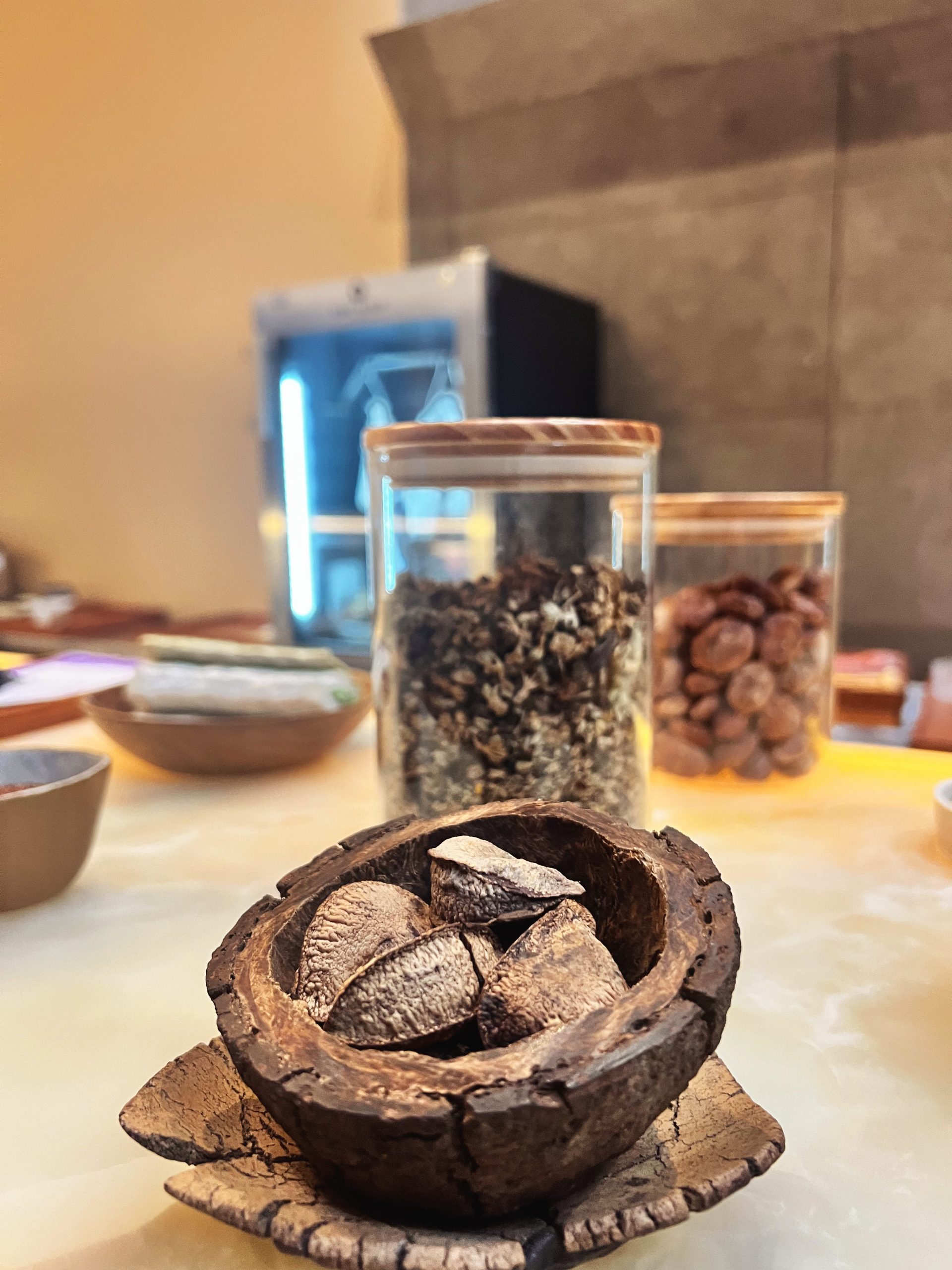
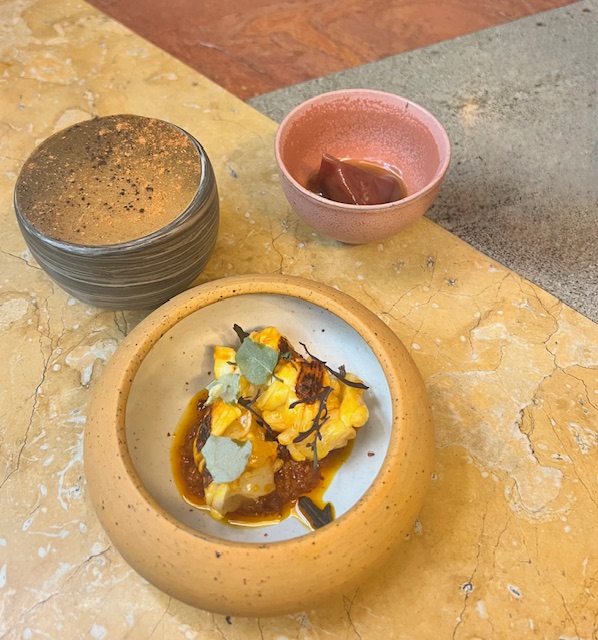
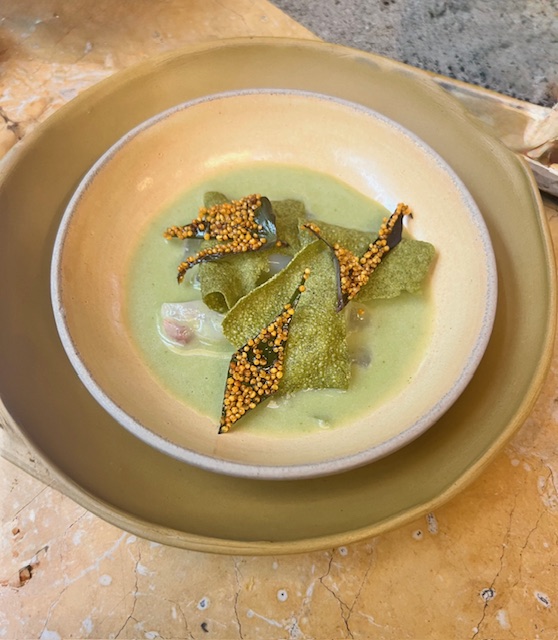
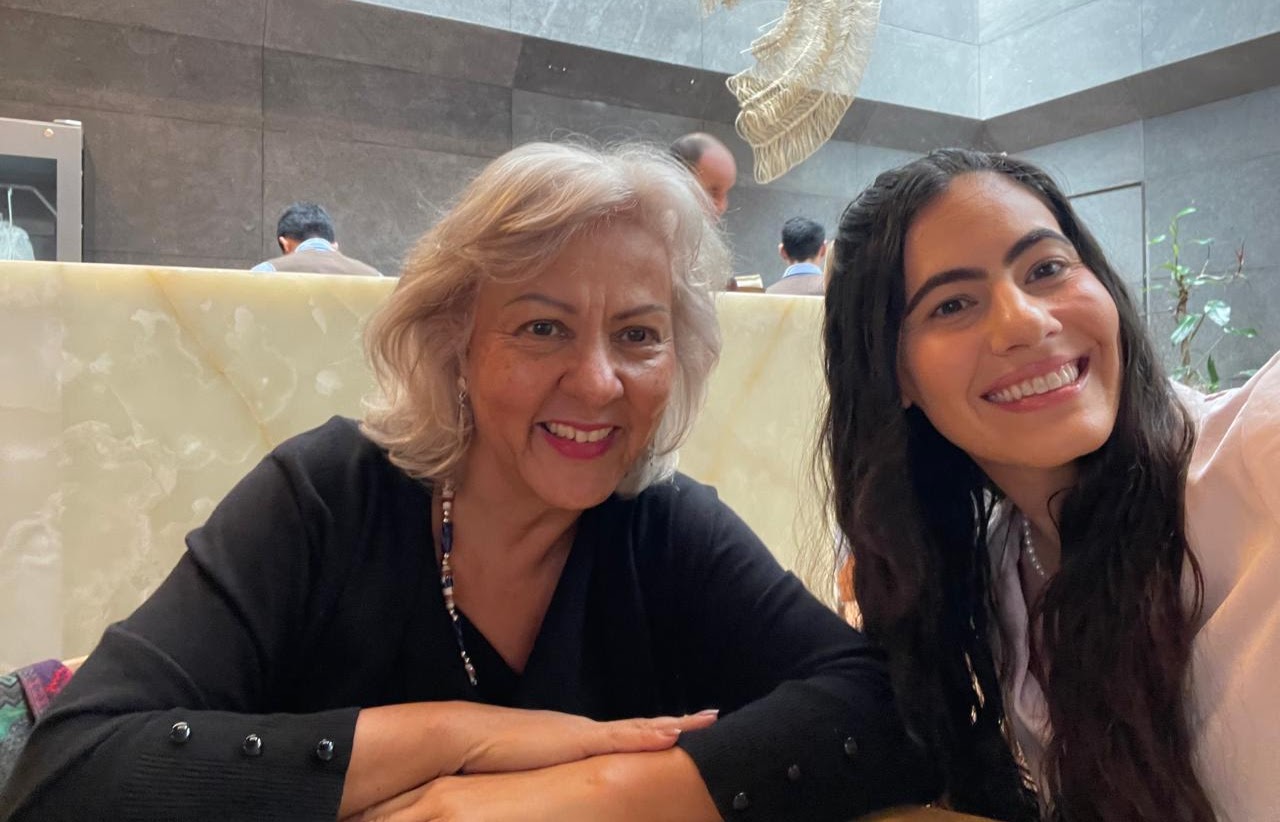
During my stay in Miraflores, I was able to connect with a friend visiting her mother. She got us a reservation for lunch at Kjolie which is ranked as the number 9 best restaurant this year. Female Chef Pia Leon’s first solo restaurant is quite impressive and more like an experience than just a meal. The entire restaurant is beautifully designed in neutral colors that reflect the country’s native vegetation and biodiversity. It offers its guests displays of the country’s unique vegetation, a combination of seeds, plants and produce. Prior to entering the restaurant, patrons pass through a thoughtfully designed garden featuring exhibits intended to inform and engage visitors.
A truly unique experience where time slows down as we are treated to a menu of delightful native dishes, beautifully crafted, laid out in small clay dishes. Each meal was explained to us before we consumed it. To my surprise, they don’t let you leave empty-handed; they gift you with an elegantly designed folding card to use as you like. This was both a dining and cultural exploration that will stay with you for a very long time. I can’t thank Alex enough for arranging this.
Museums
Two museums that I visited were the Museo de Arte de Lima(Mali) and the Museo de Arte Contemporaneo known as MAC. Mali was a bit disappointing. It has a strong permanent collection of pre-Columbian artifacts but not much more. MAC was small but interesting, offering a range of contemporary artworks mostly from South American artists. One museum that I was hoping to visit but could not is the Larco Museum, known for its erotic archaeological collection.
Historic Center
I found the historic center disappointing and, frankly, was not that interested in visiting many of the city’s historic and religious sites. I did not find Lima to be a cultural hub for tourism. It attracts a great many tourists who stop on their way to the countryside and to Machu Picchu. I found both Miraflores and Barranco more interesting with its ocean view/ boardwalk. Barranco offers a bohemian atmosphere filled with colorful street art, galleries and artisan markets. Both neighborhoods are known for their cuisine and nightlife.
Peruvian Cooking Class
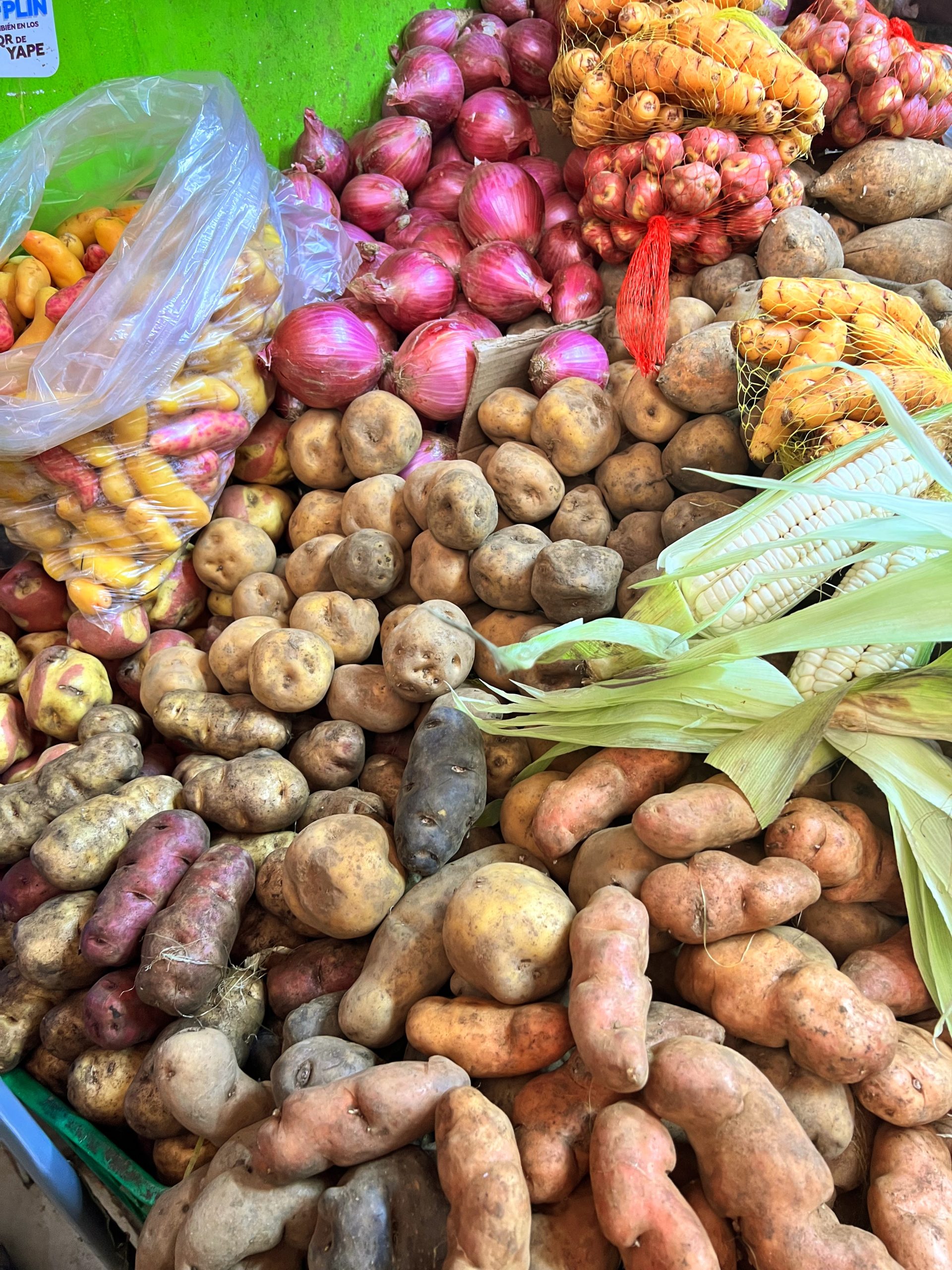
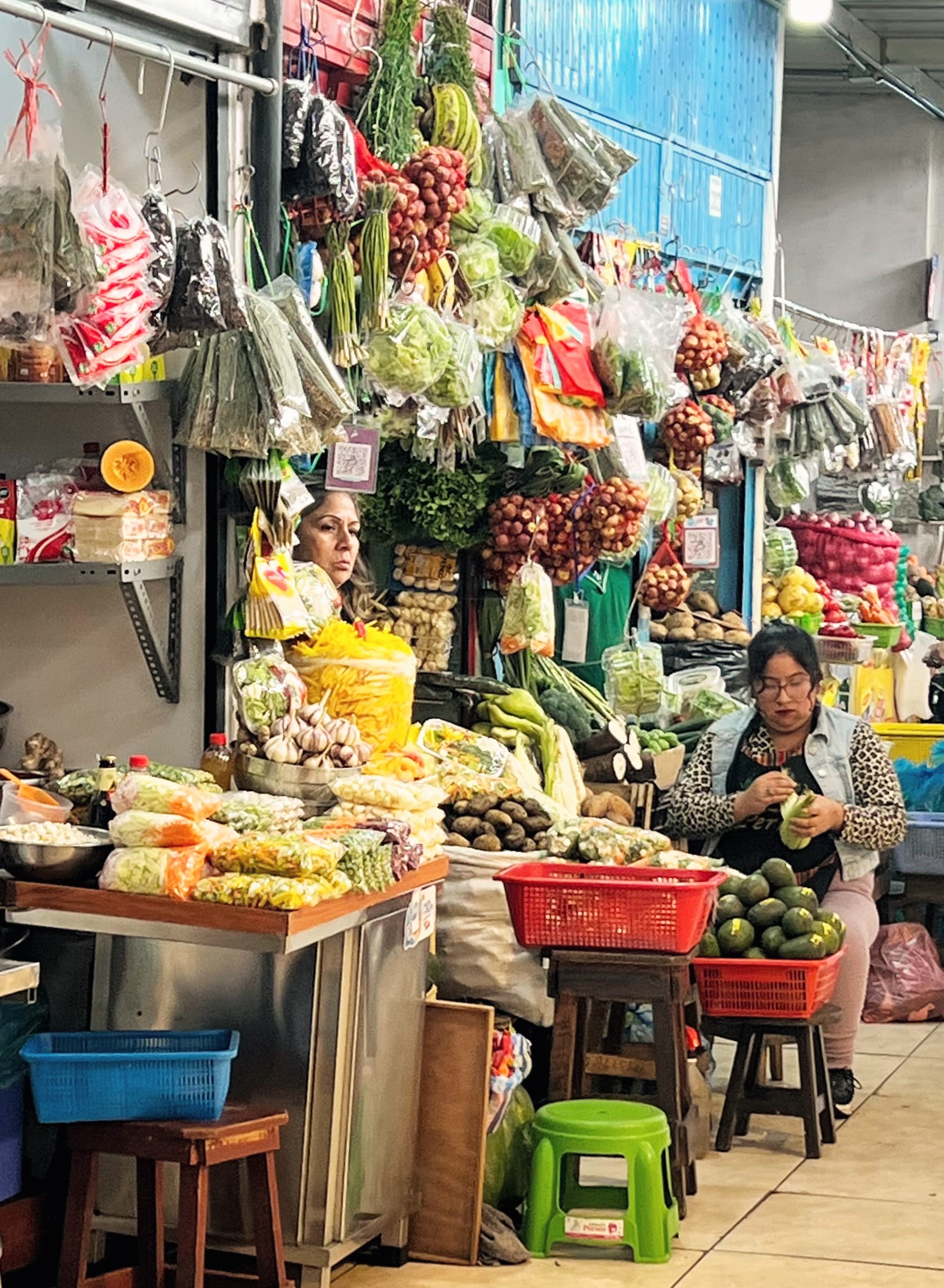
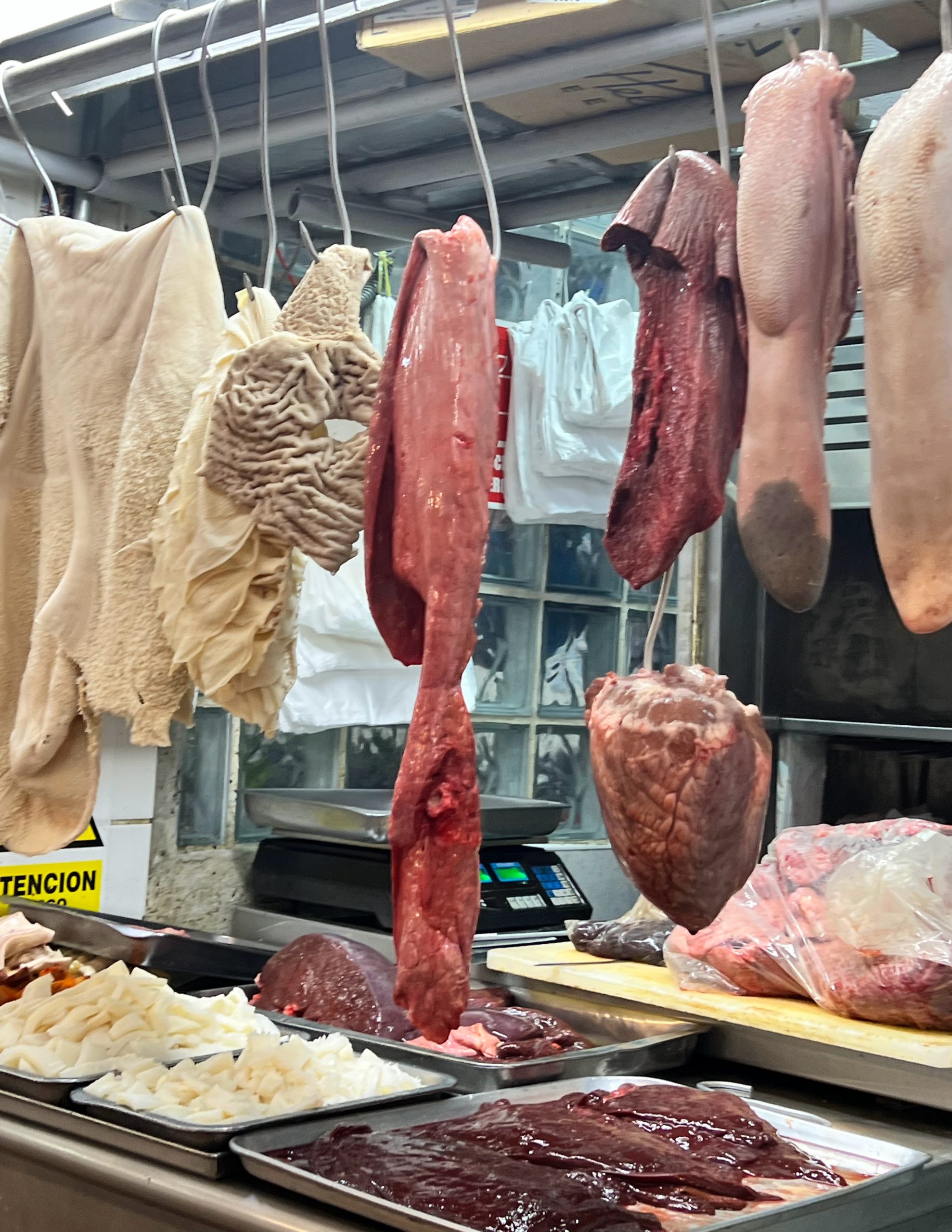
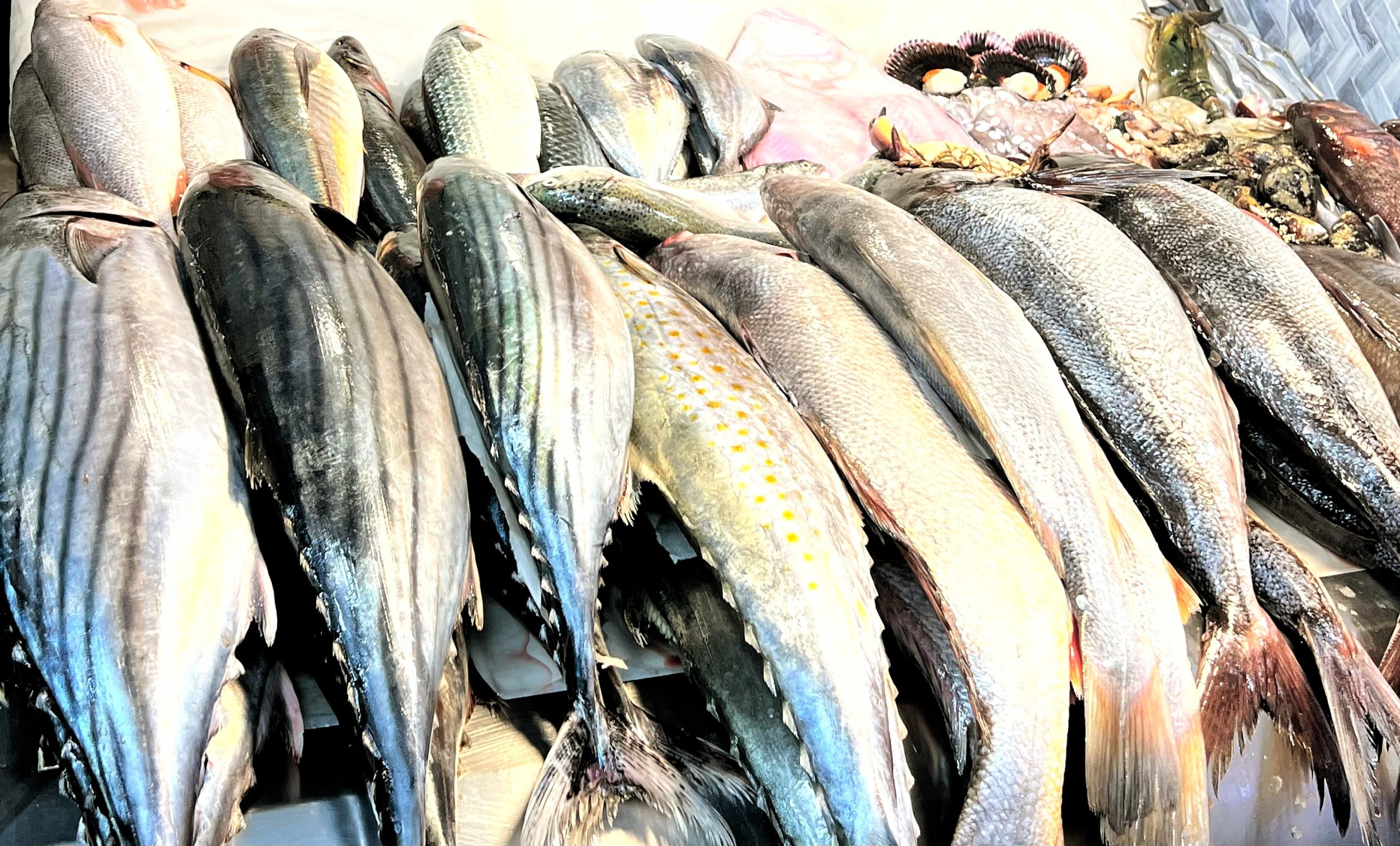
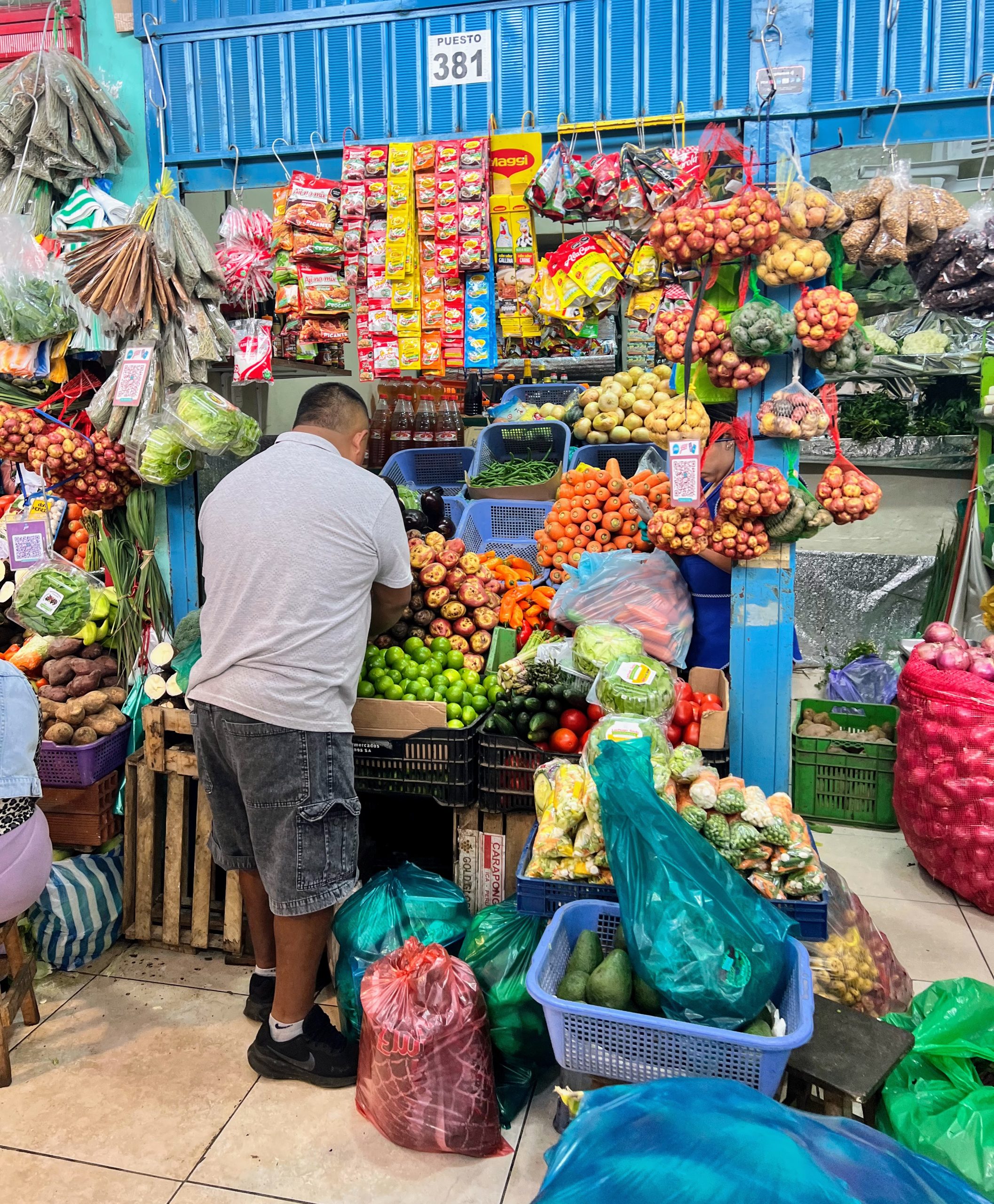
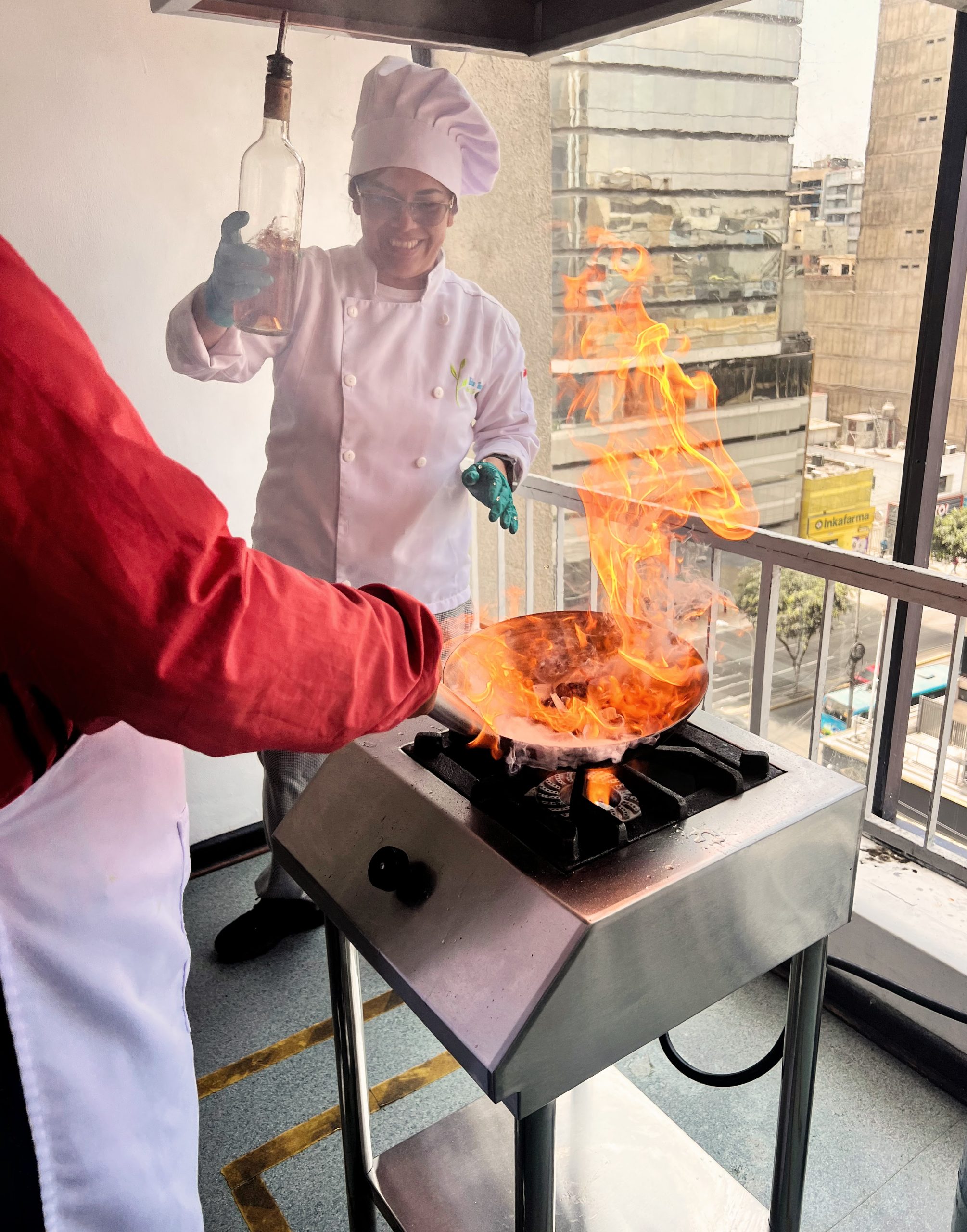
A cooking class is a must for me when I travel. It’s one of the best ways to immerse yourself in learning a country’s history and culture as well as meeting other travelers. The chef first took the class to the Mercado de Surquillo. A truly authentic South American marketplace where you can experience an explosion of activities and see firsthand the country’s biodiversity and farming production. From there, a group of seven travelers joins with the chef to cook a variety of Peruvian meals and to break bread.
Challenges Facing Lima Today
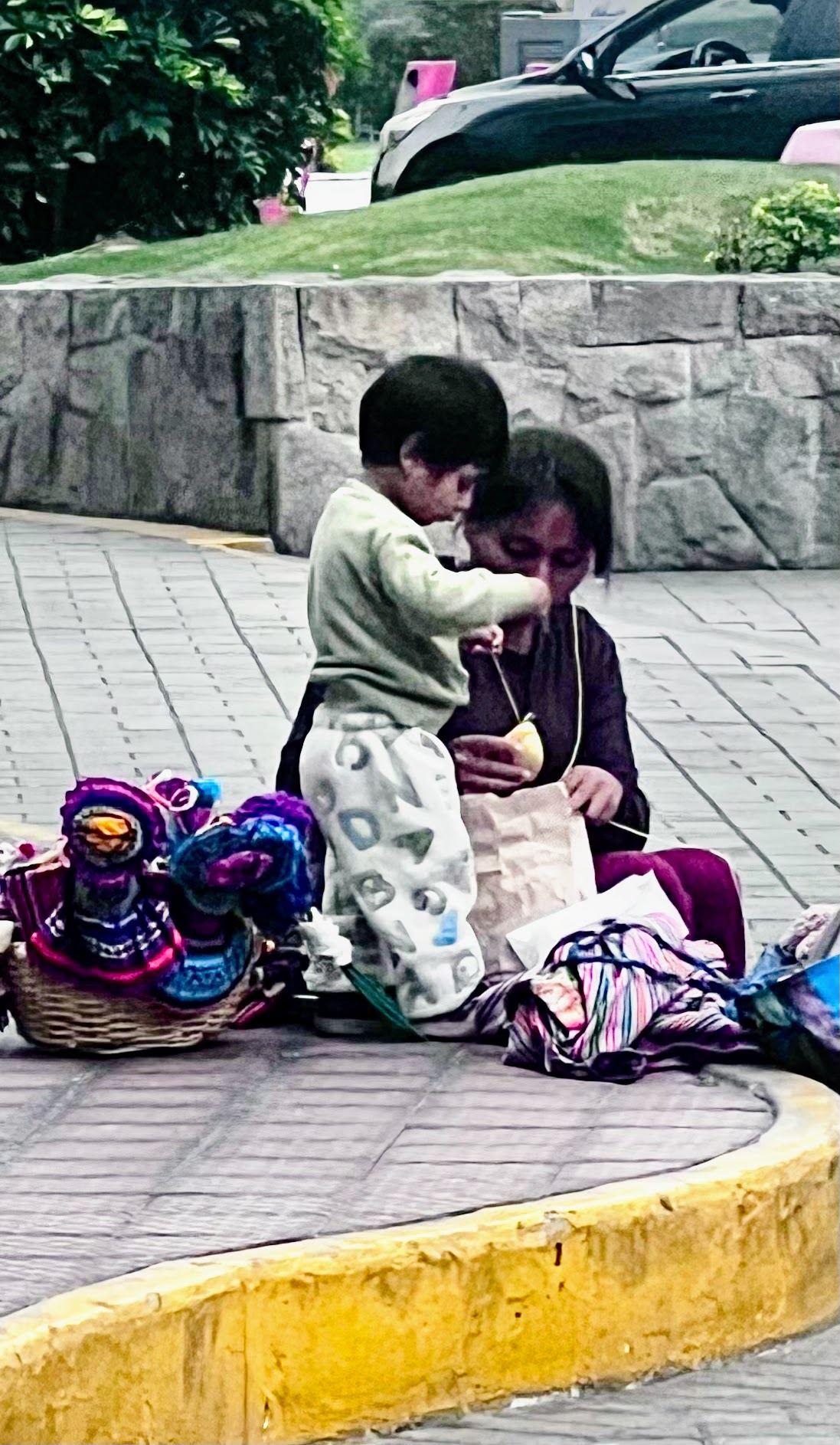
The city’s rapid growth is reflected in the growing estimates of its squatter population. These settlements, known as Barriadas have increased the city population by 35% with many of these communities lacking basic services like clean water and electricity. Most squatters have migrated from the countryside, highlighting the persistent challenges of poverty and inequality in Peru that directly impact the city.
Besides Lima’s growing squatter population, much like many cities, it too is experiencing a critical water shortage. Its chaotic city growth is also due to poor urban planning, a weak infrastructure and corruption complicated by the country’s ongoing political instability and the effects of climate change. A city in much contrast with the rest of the country.
Final Note and My Photos
Staying in Lima for one week would be more than enough to experience the city before or after heading to the countryside. For me, the three weeks I spent allowed me to recover and catch up with several of my projects. If Lima is on your bucket list preferably, try to go during its late spring season to avoid the cooler morning and evening temperatures. Ideally, plan to book a reservation as early as possible to enjoy one of its world-best restaurants. It is worth the expense!
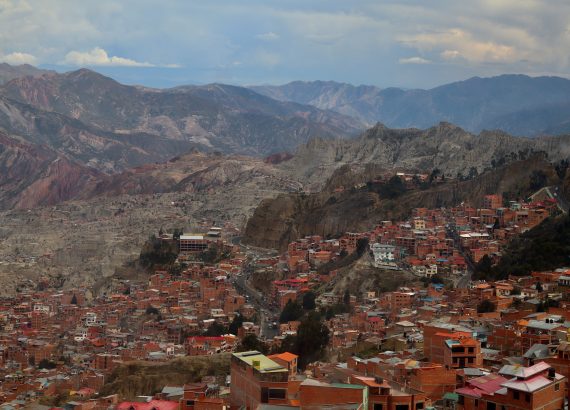
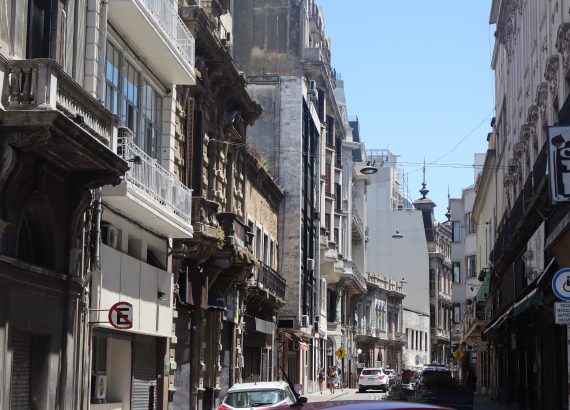
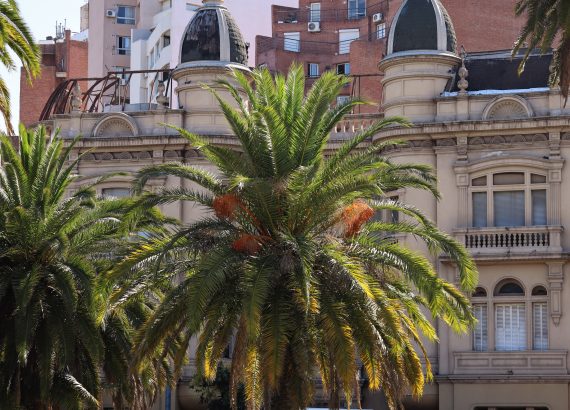
As always, I try to capture in my photos aspects of what daily living is like in Lima. Hard to do with a city that resembles most urban centers. Photos are mostly of Miraflores and Barranco beach area and urban landscape. There are photos of the trip to the Mercado, the cooking class and the Kjolie restaurant. As always, remember to click the center of the photo for a full view.
If you are interested in visiting Peru’s countryside, click here to learn about my 12-day journey across Peru on the road to Machu Picchu
If you enjoyed this story or the newsletter issue, help others to discover it by sharing it with your friends. Your support will go a long way in continuing the blog. If you are not a subscriber for more stories and photos like these, please click here to subscribe.
No Comments