Limited Limitless Living

Generic selectors
Exact matches only
Search in title
Search in content
Post Type Selectors
Generic selectors
Exact matches only
Search in title
Search in content
Post Type Selectors

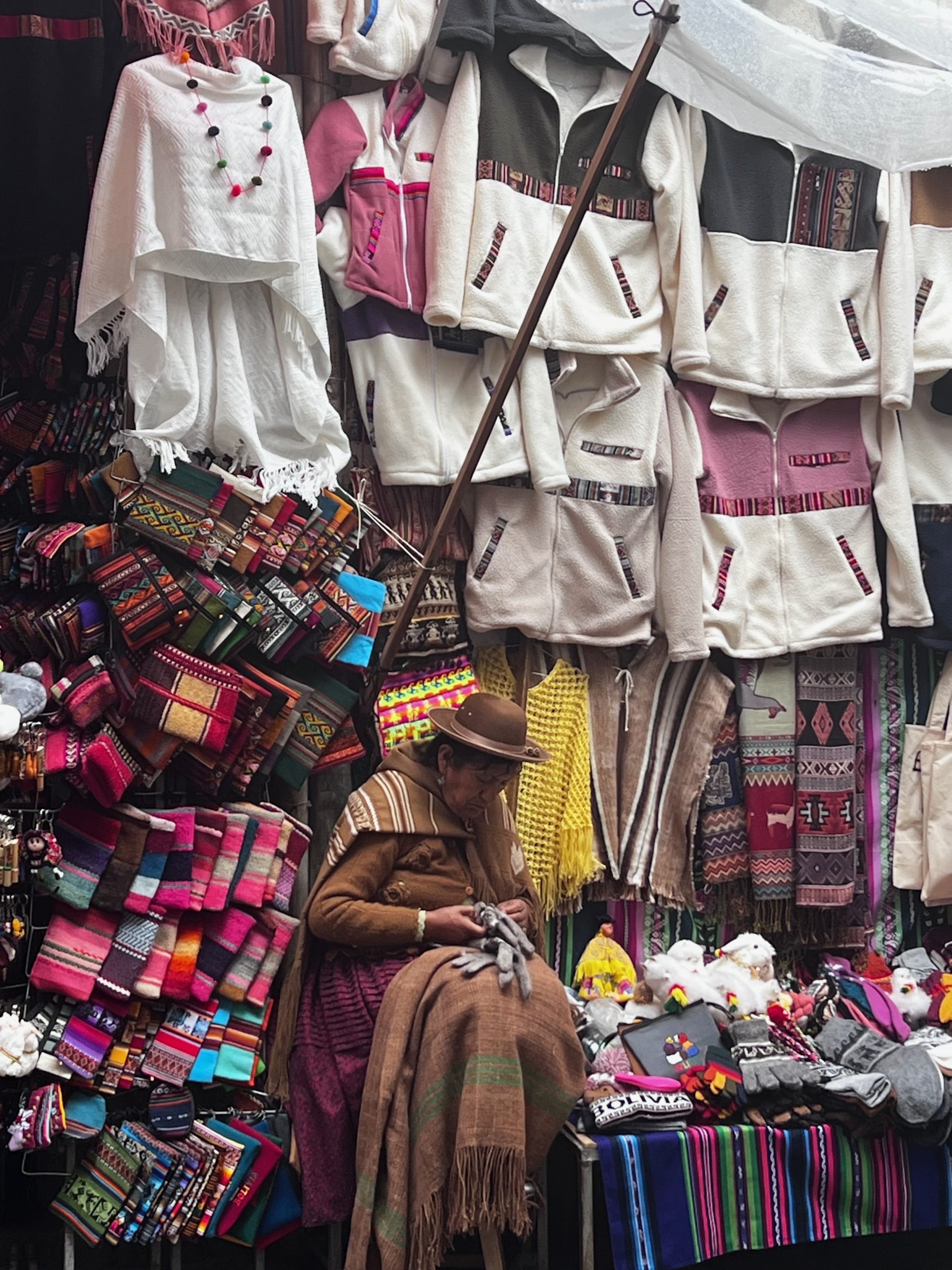
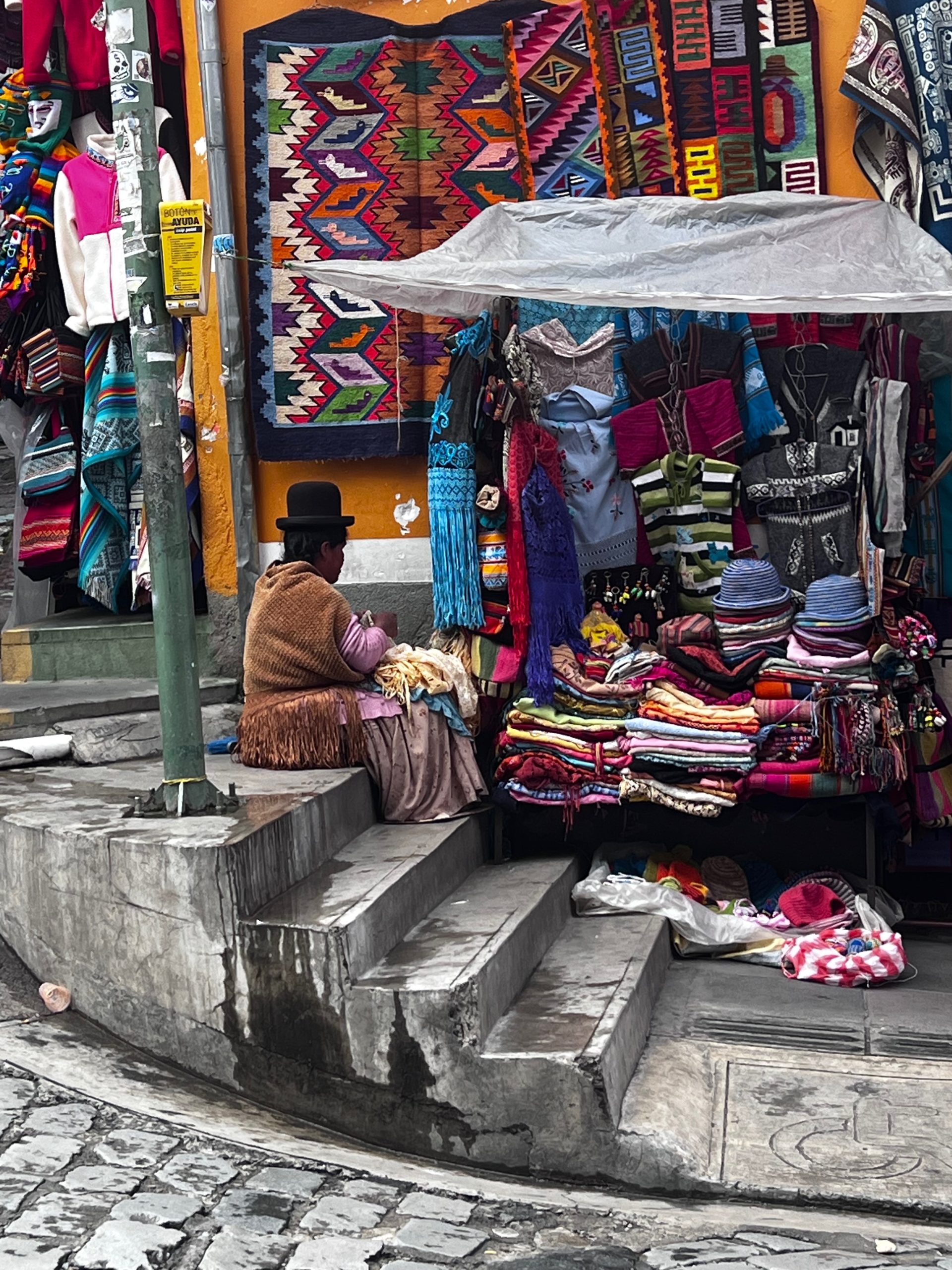
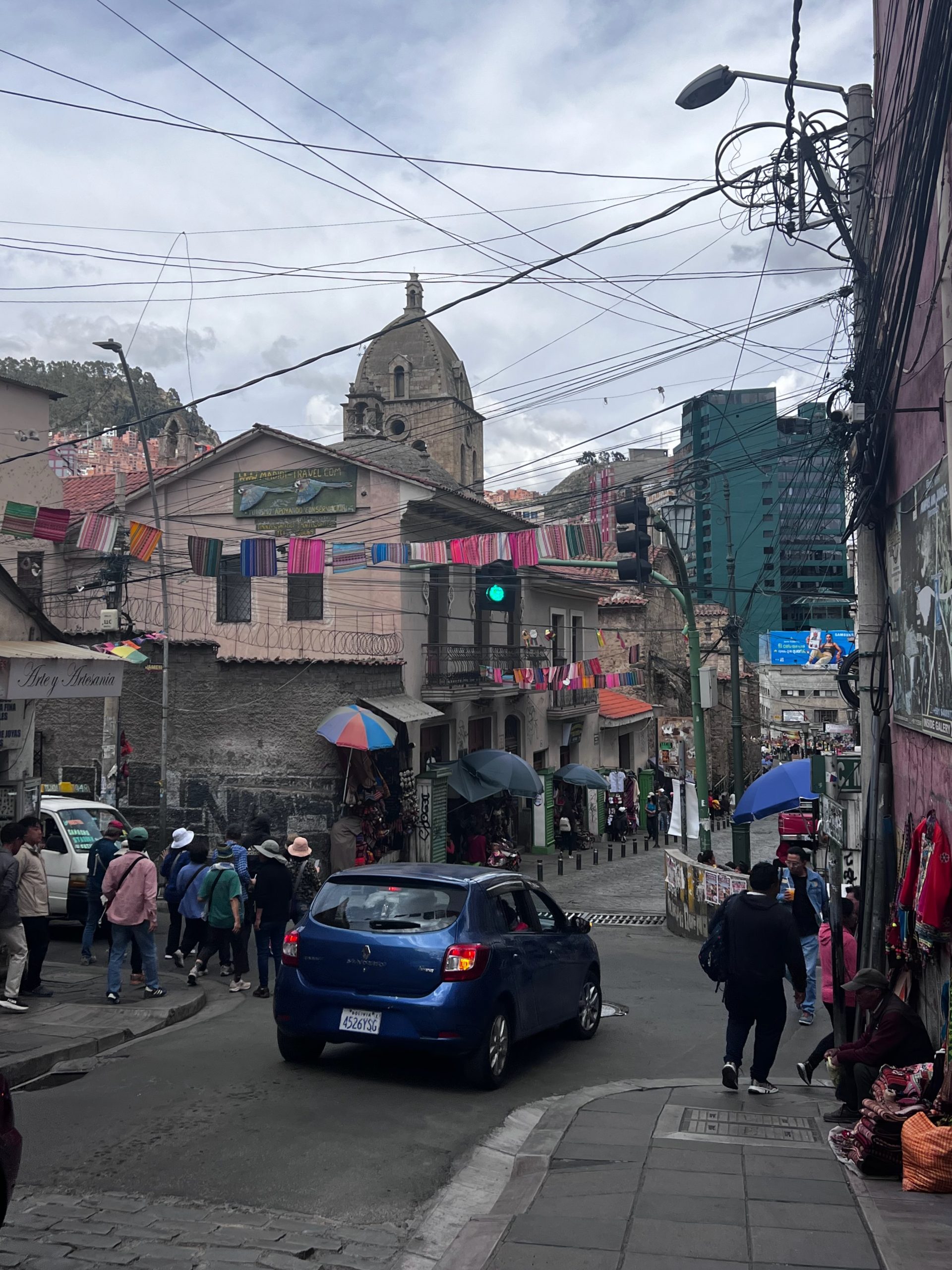
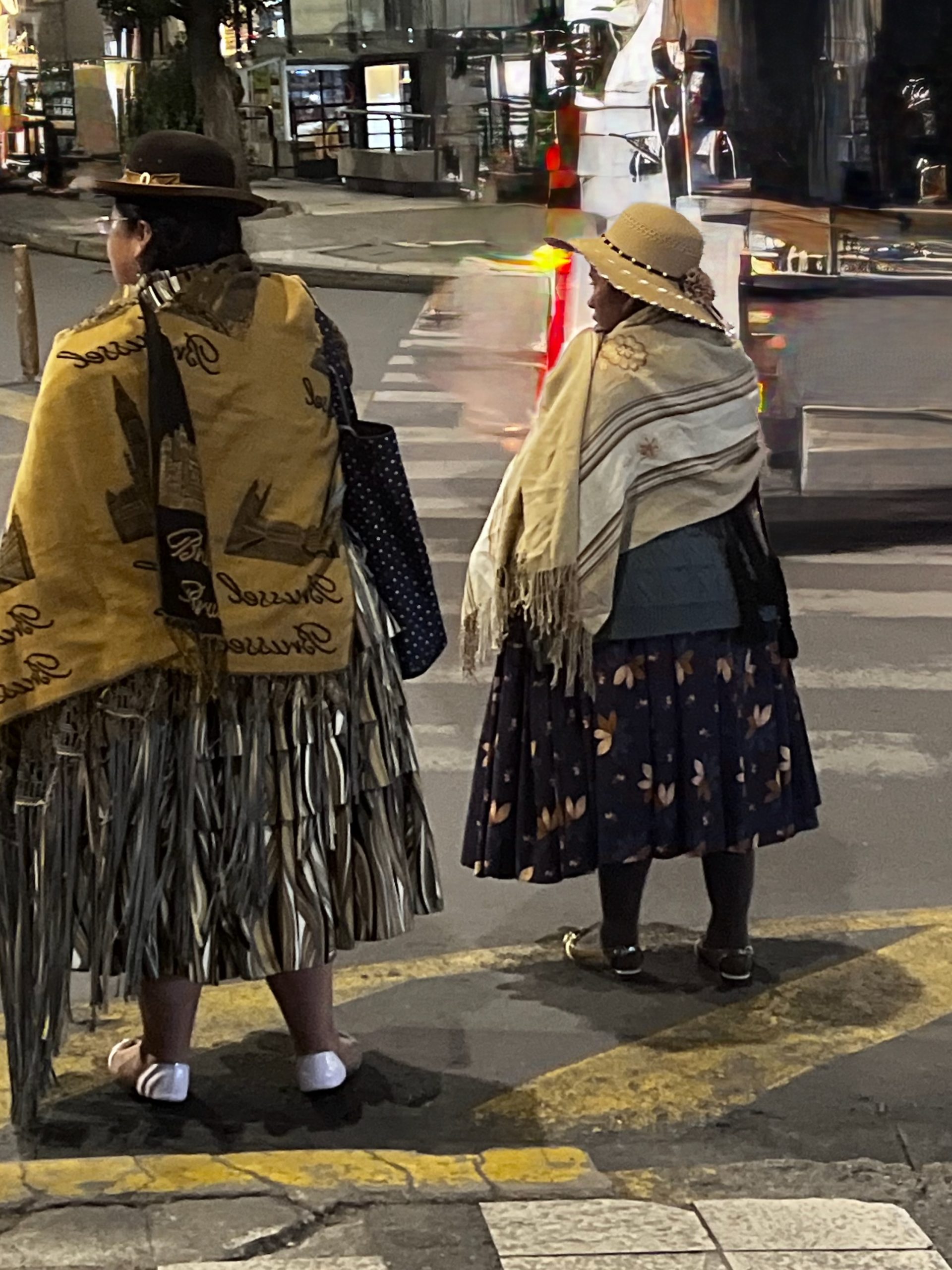
High Altitudes: Life Across Urban and Indigenous Bolivia
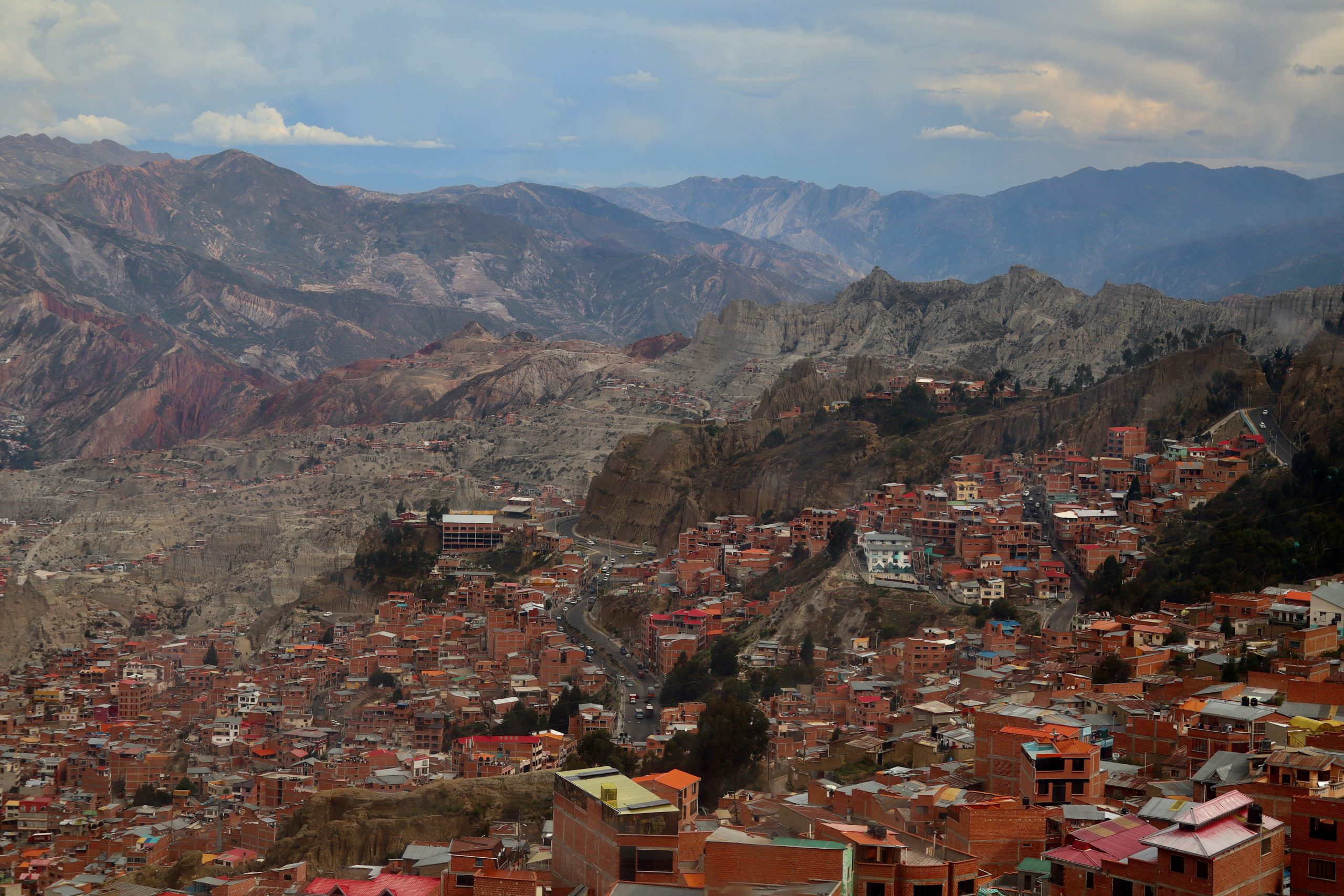
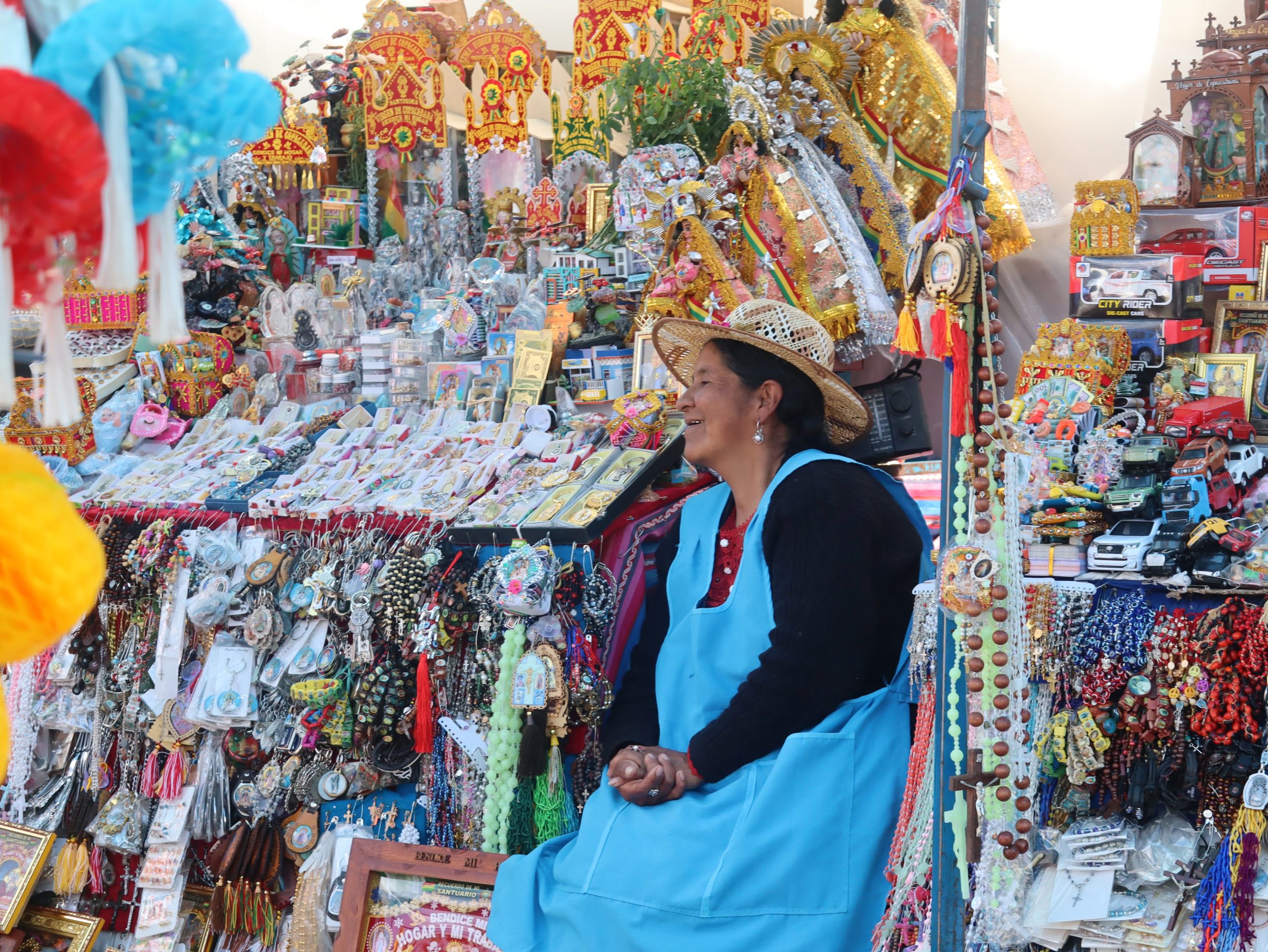
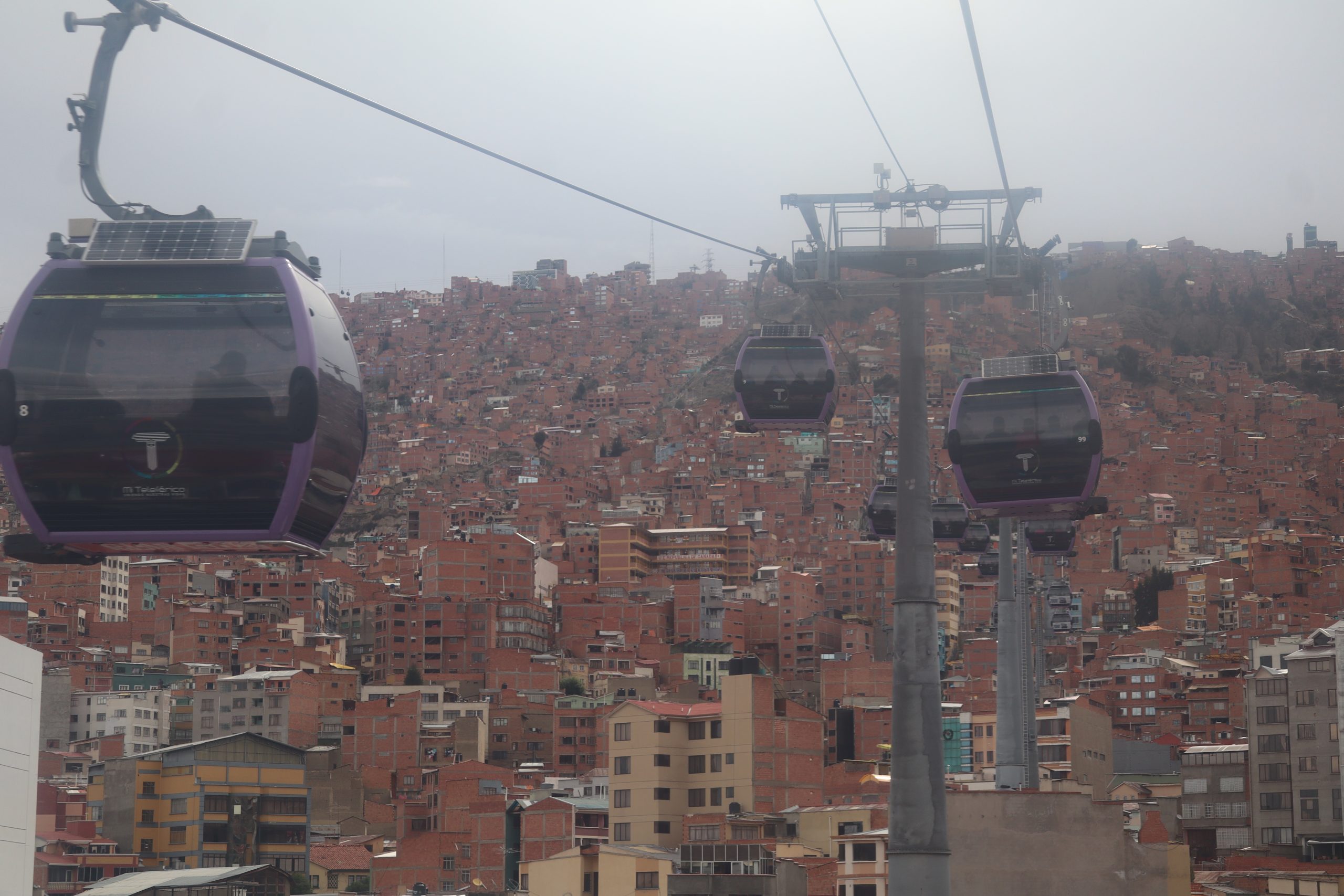
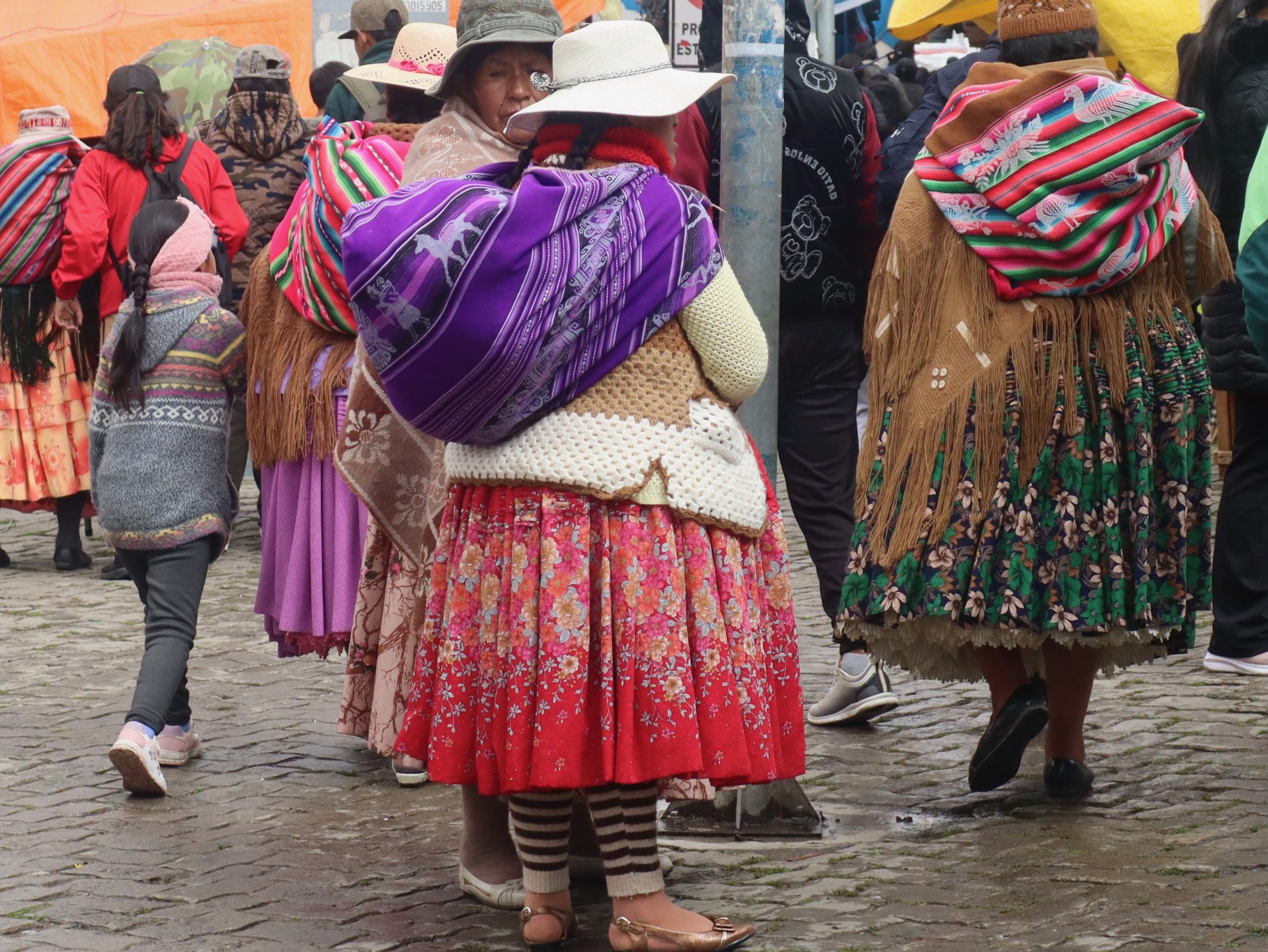
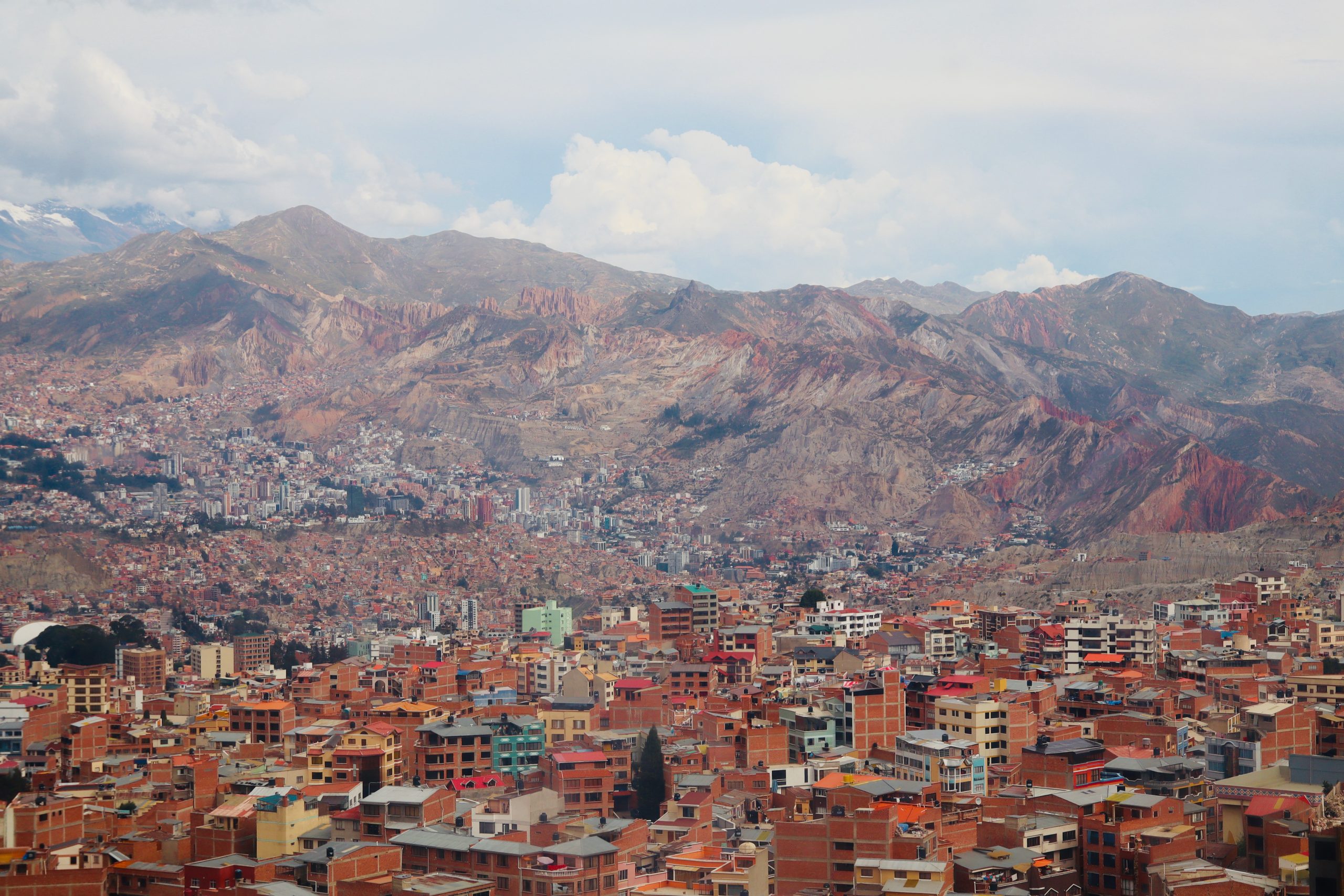
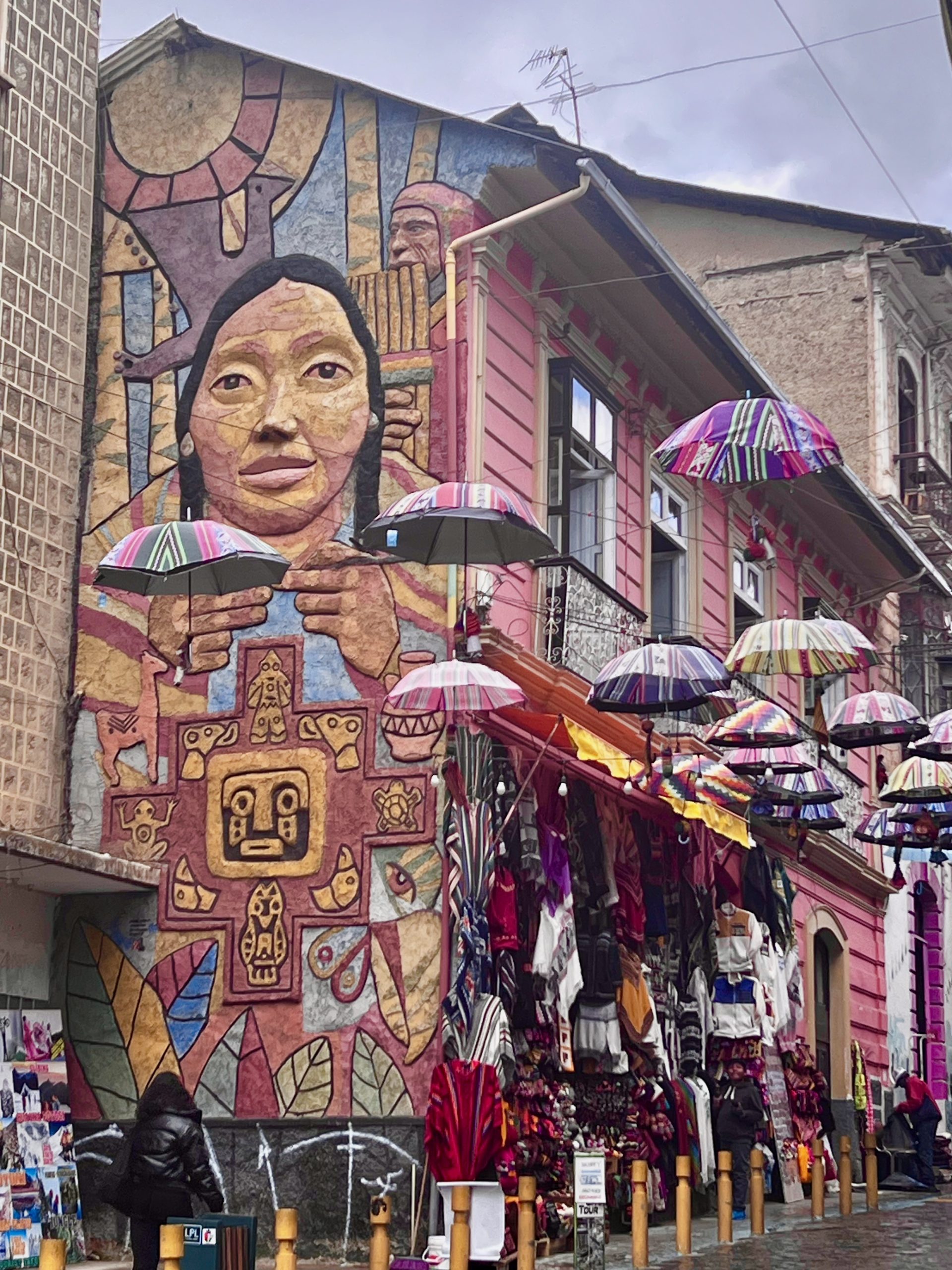
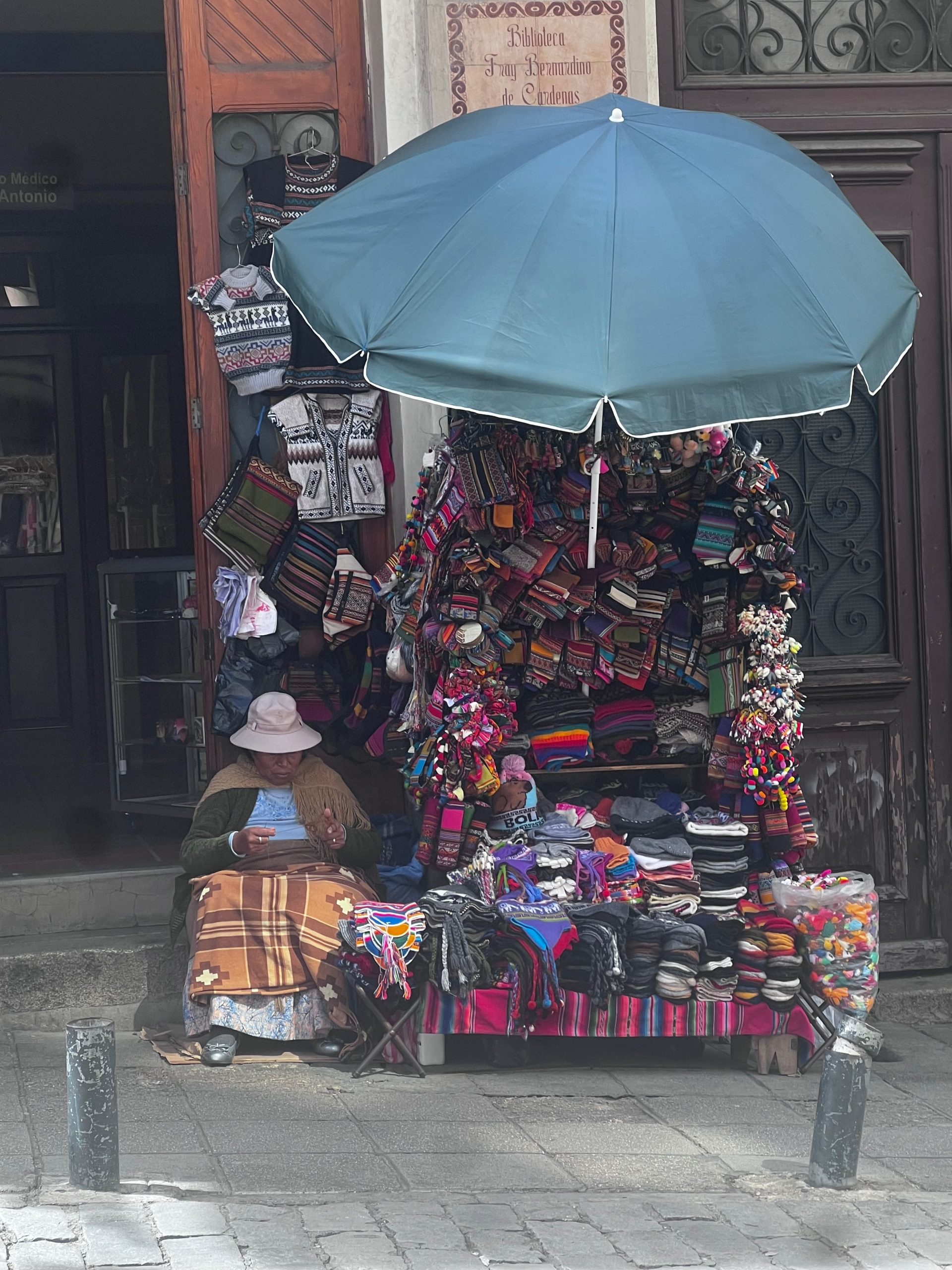
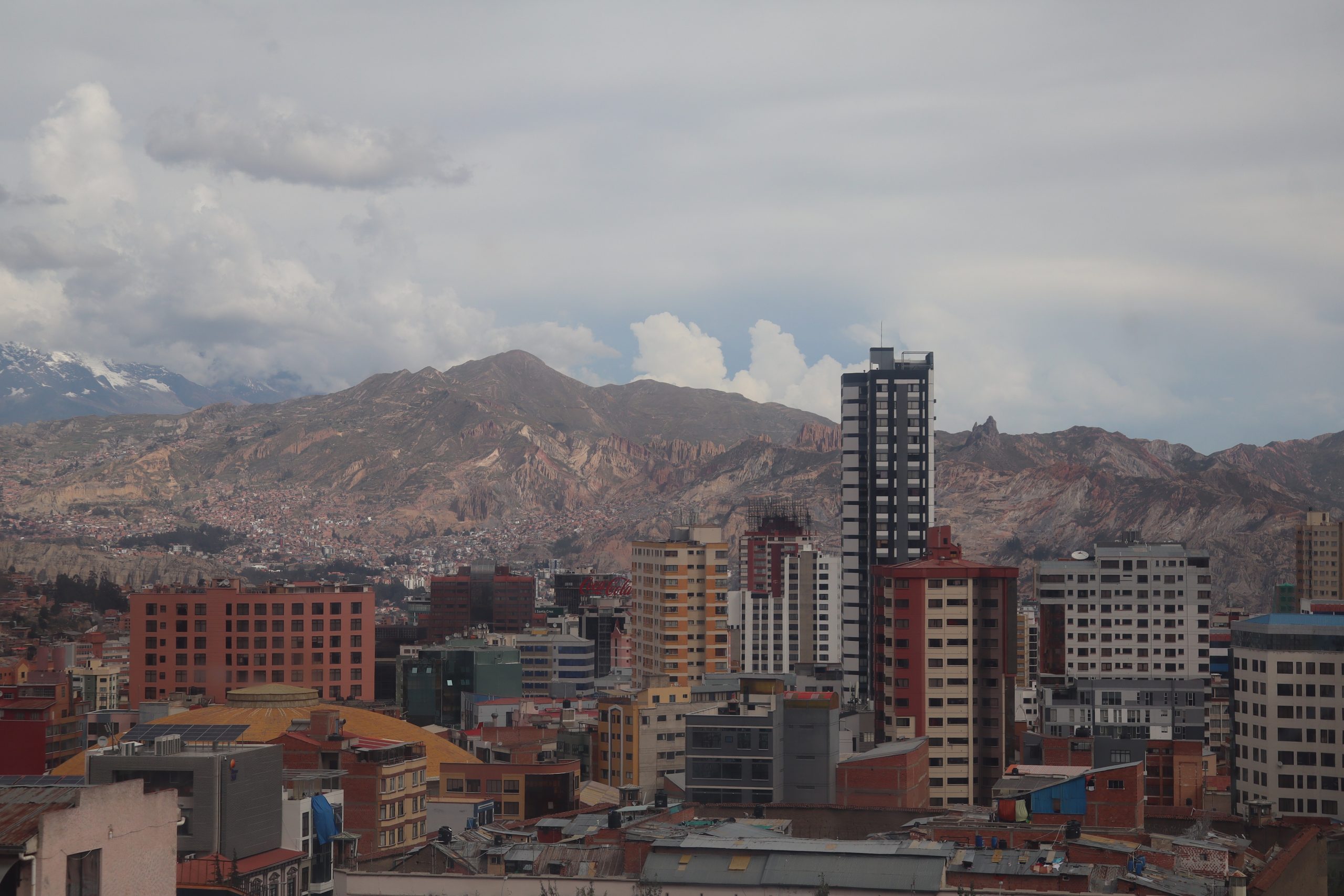
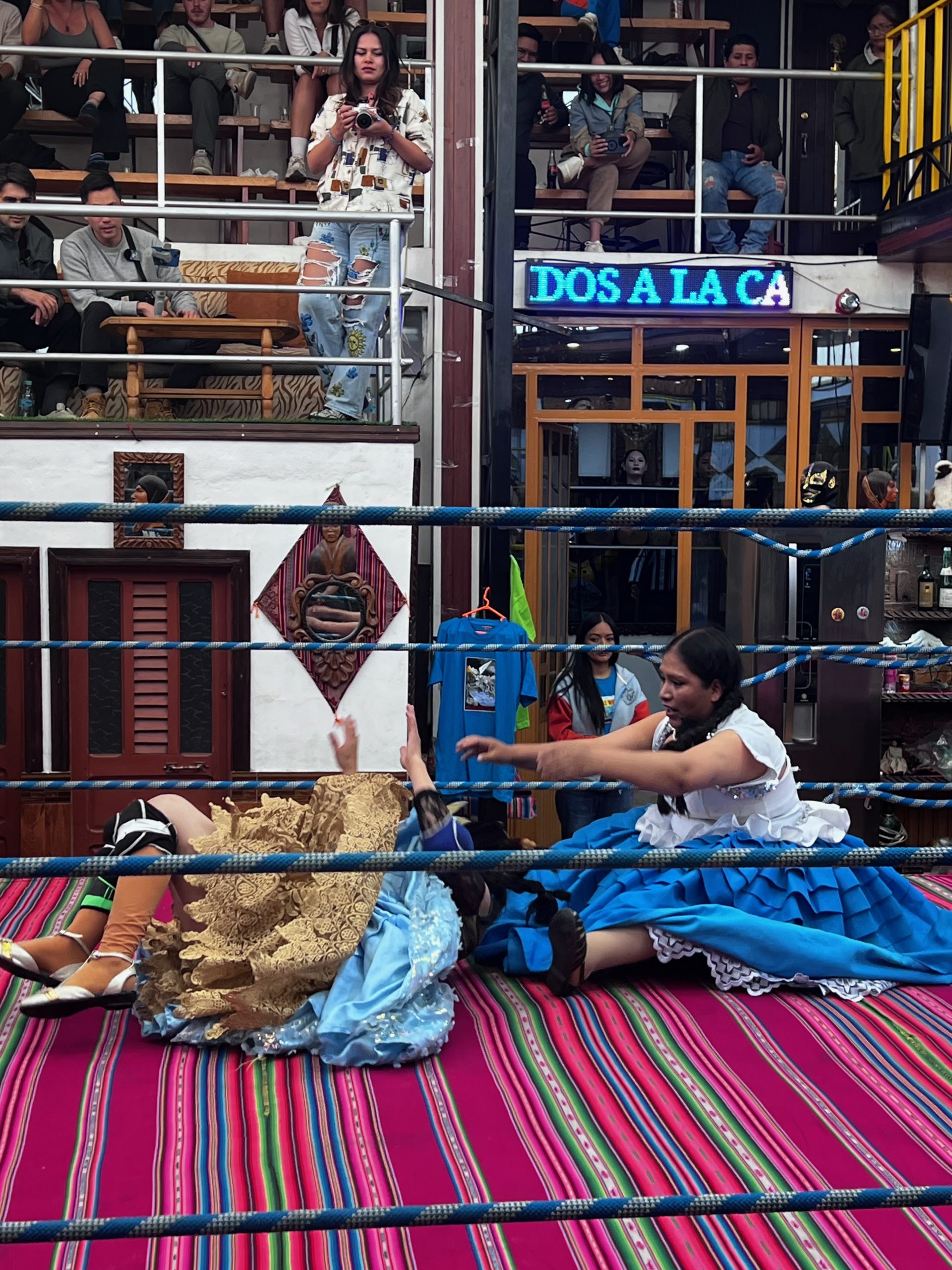
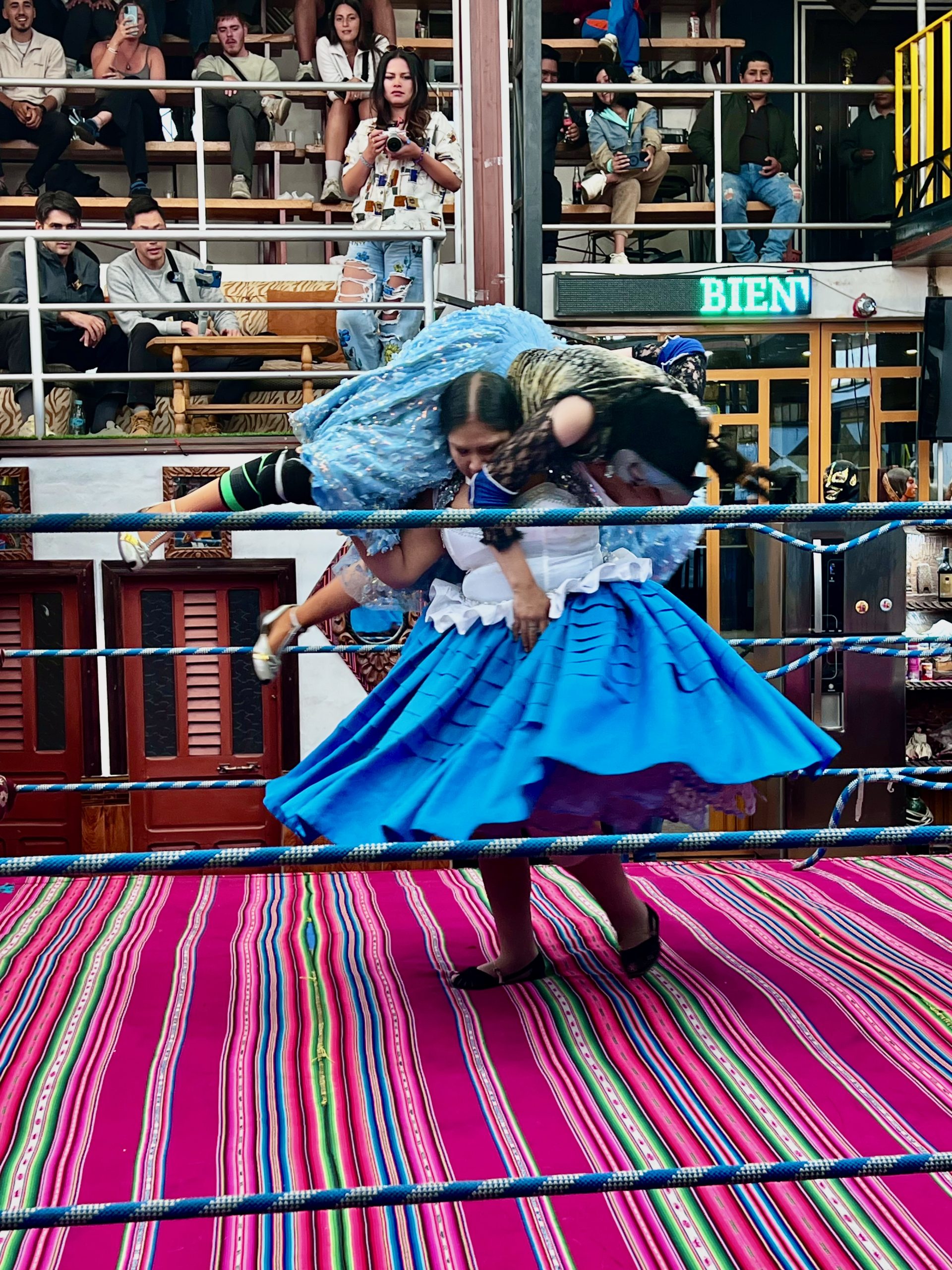
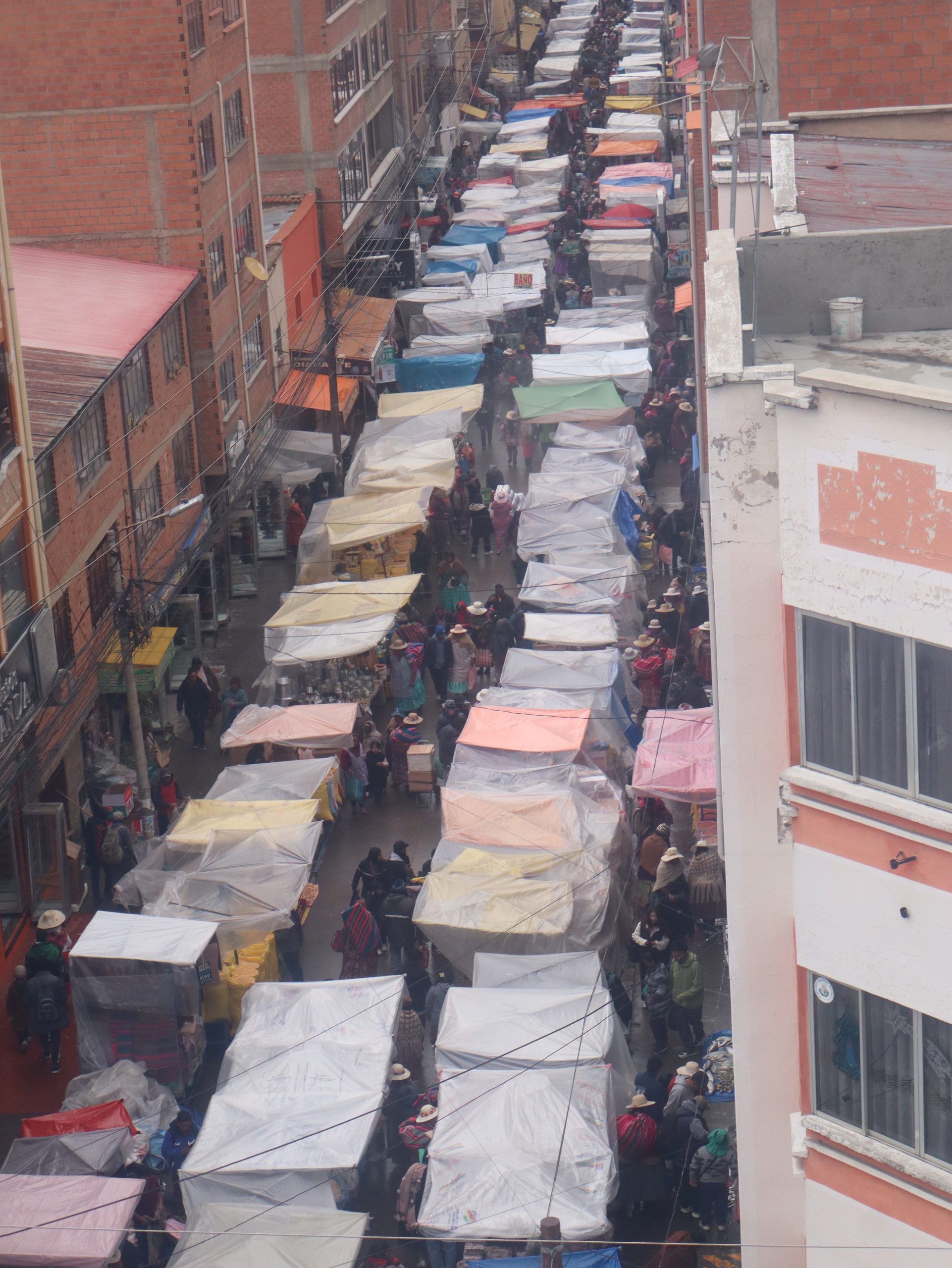
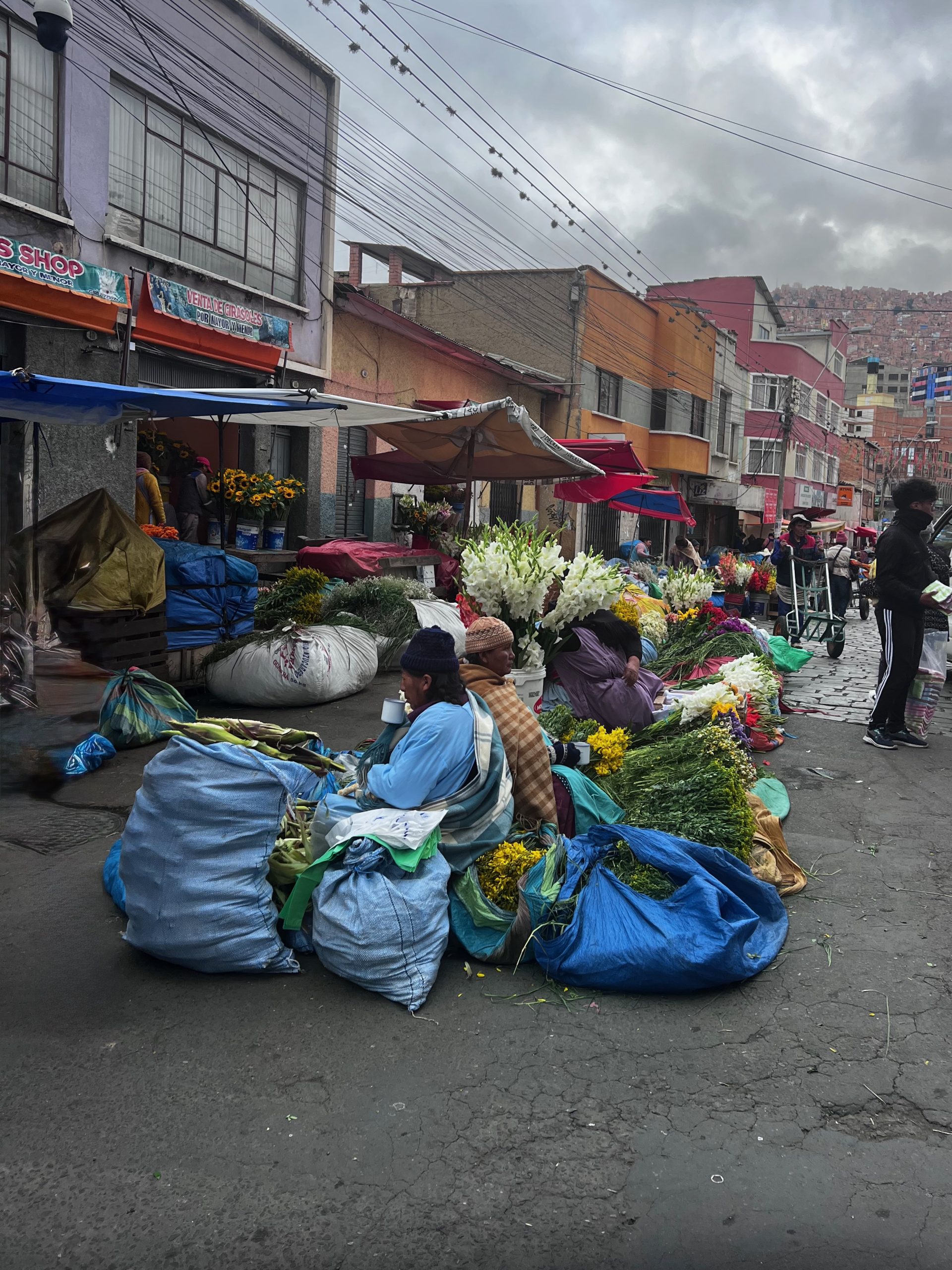
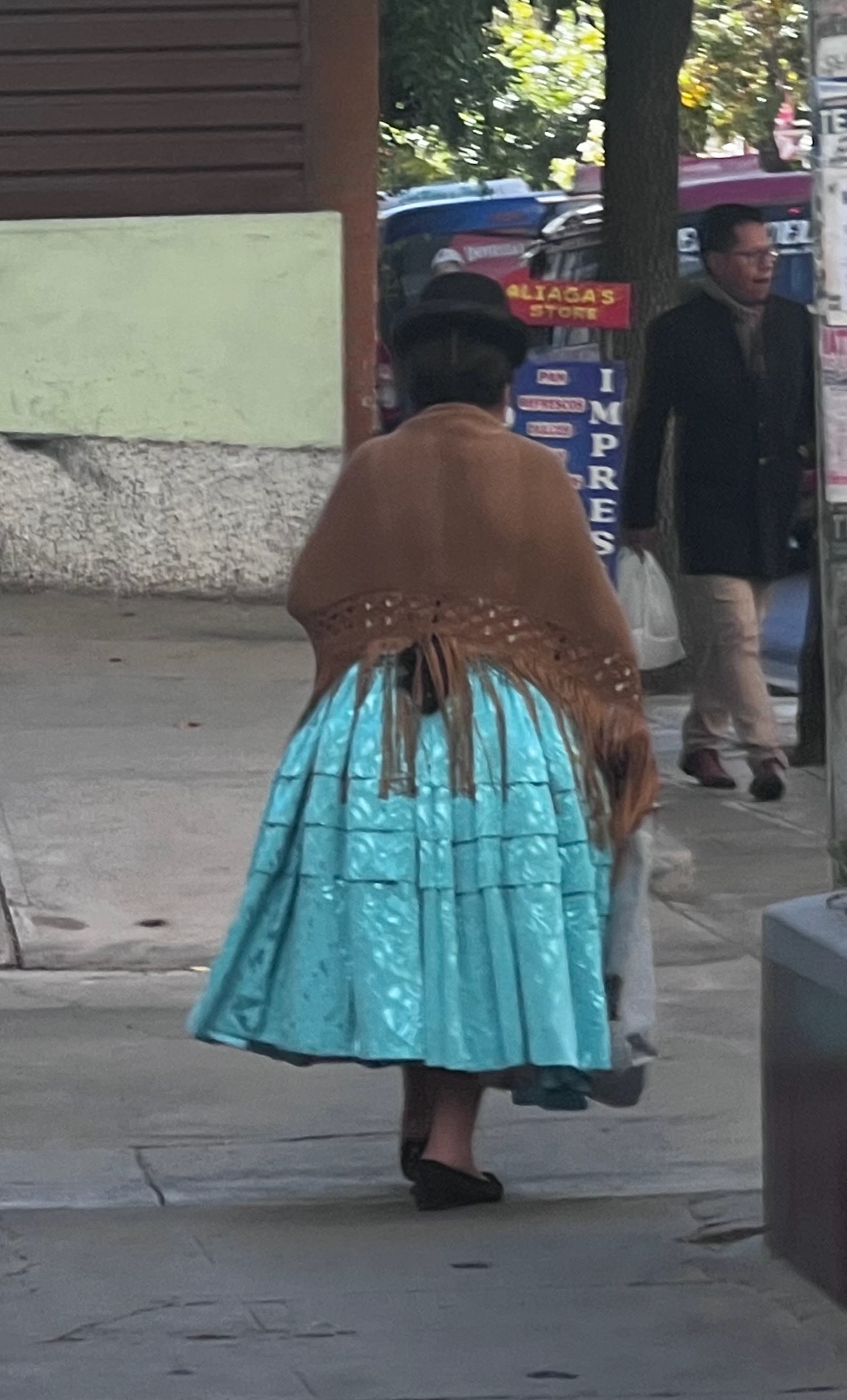
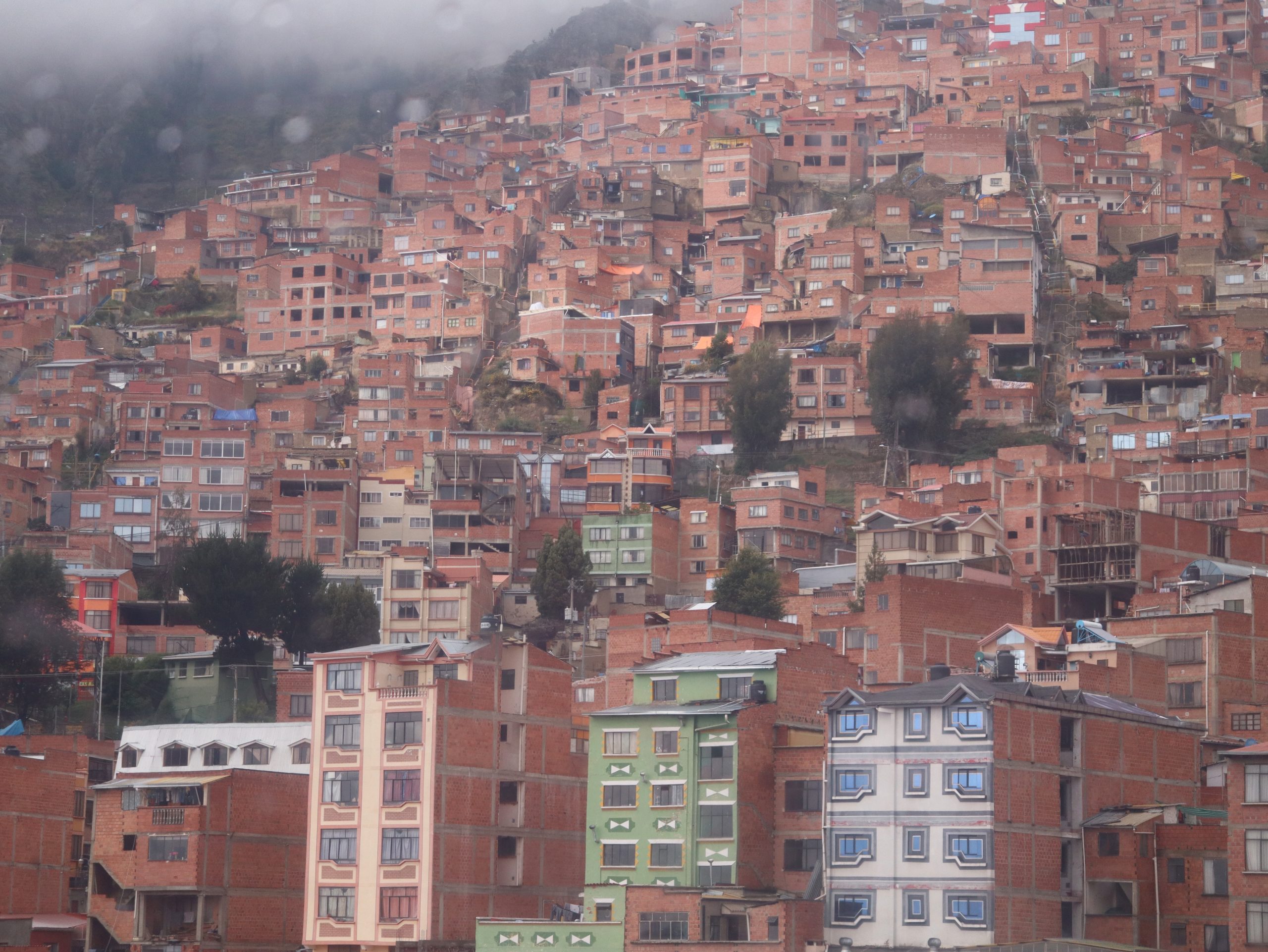
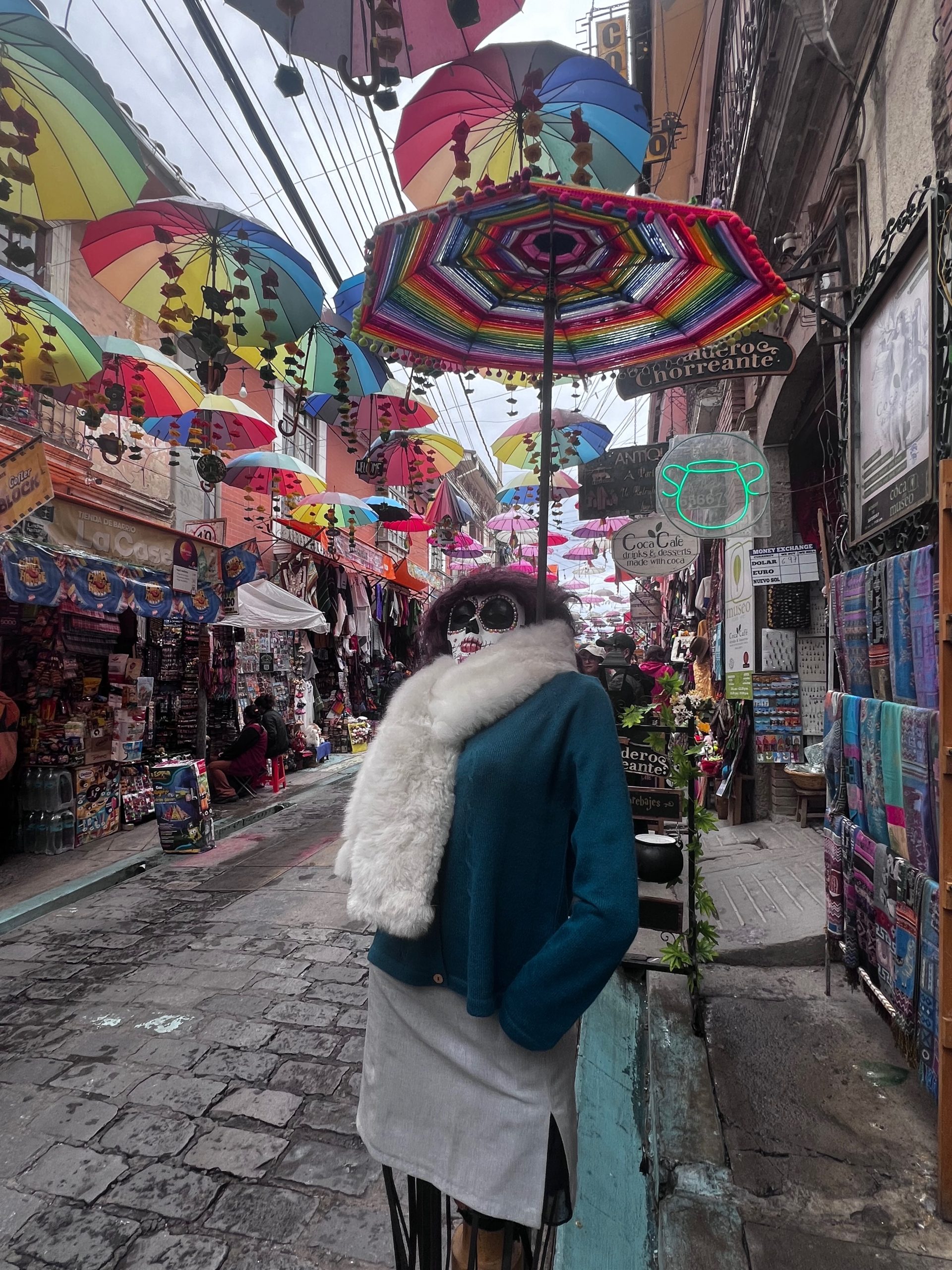
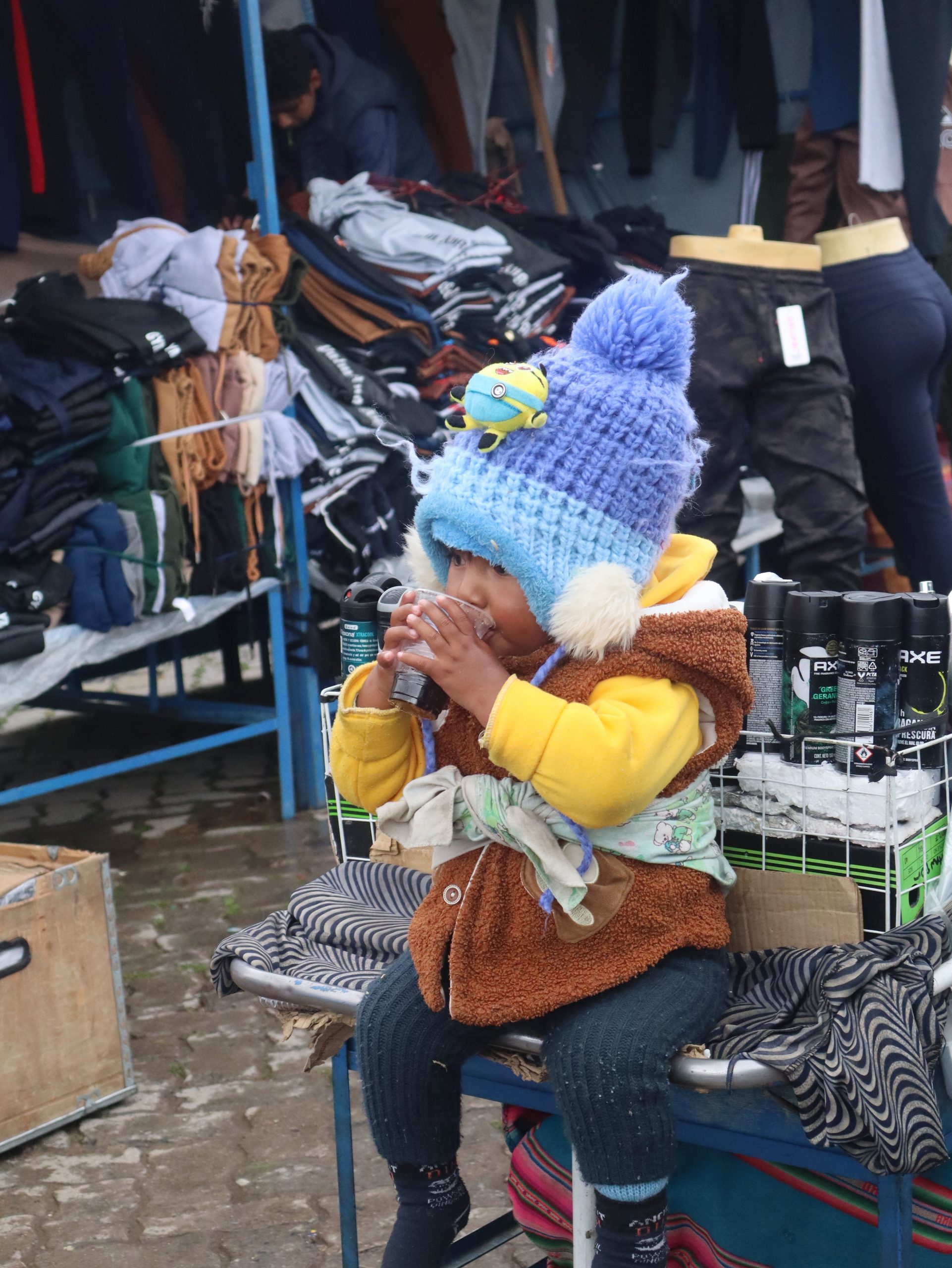
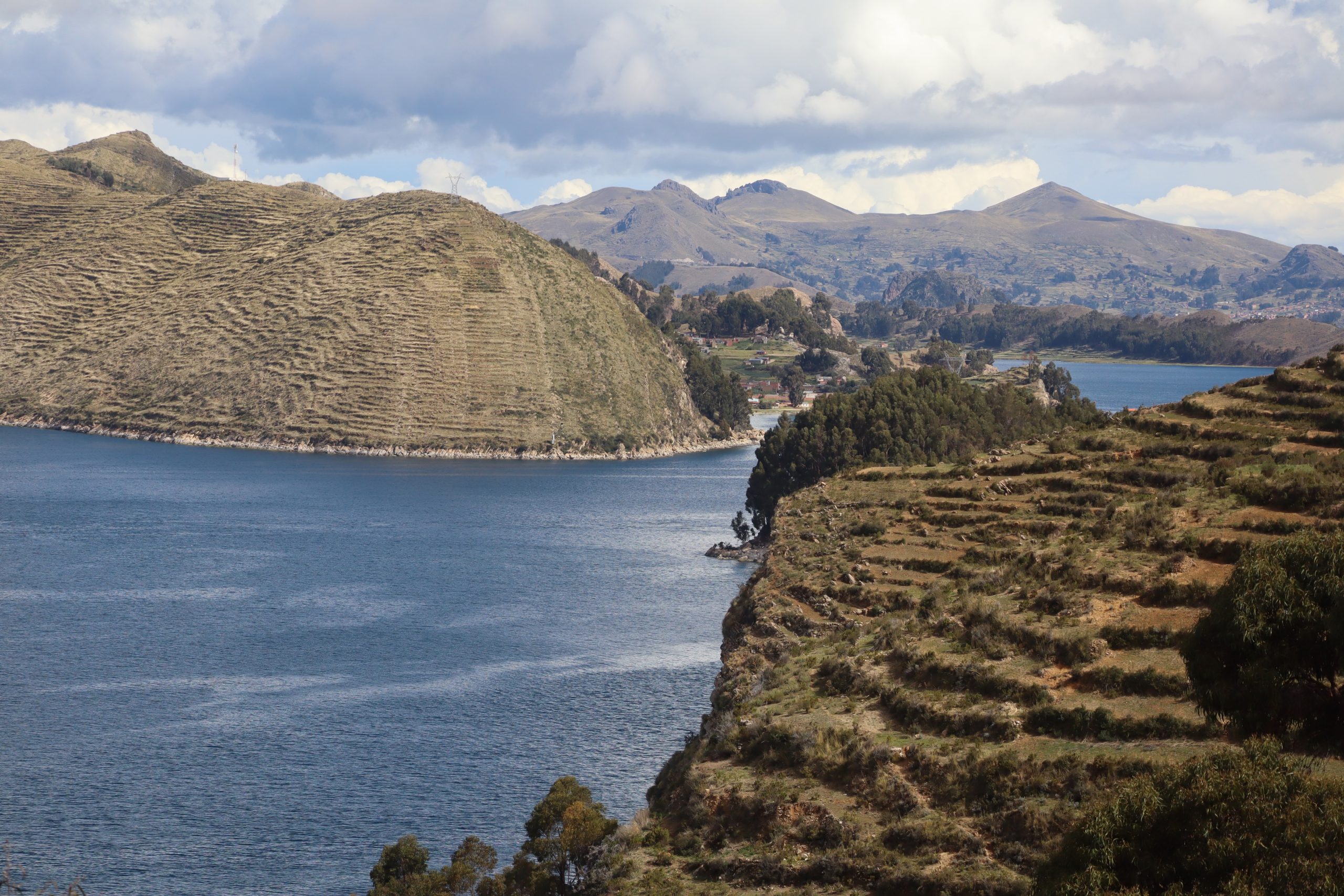
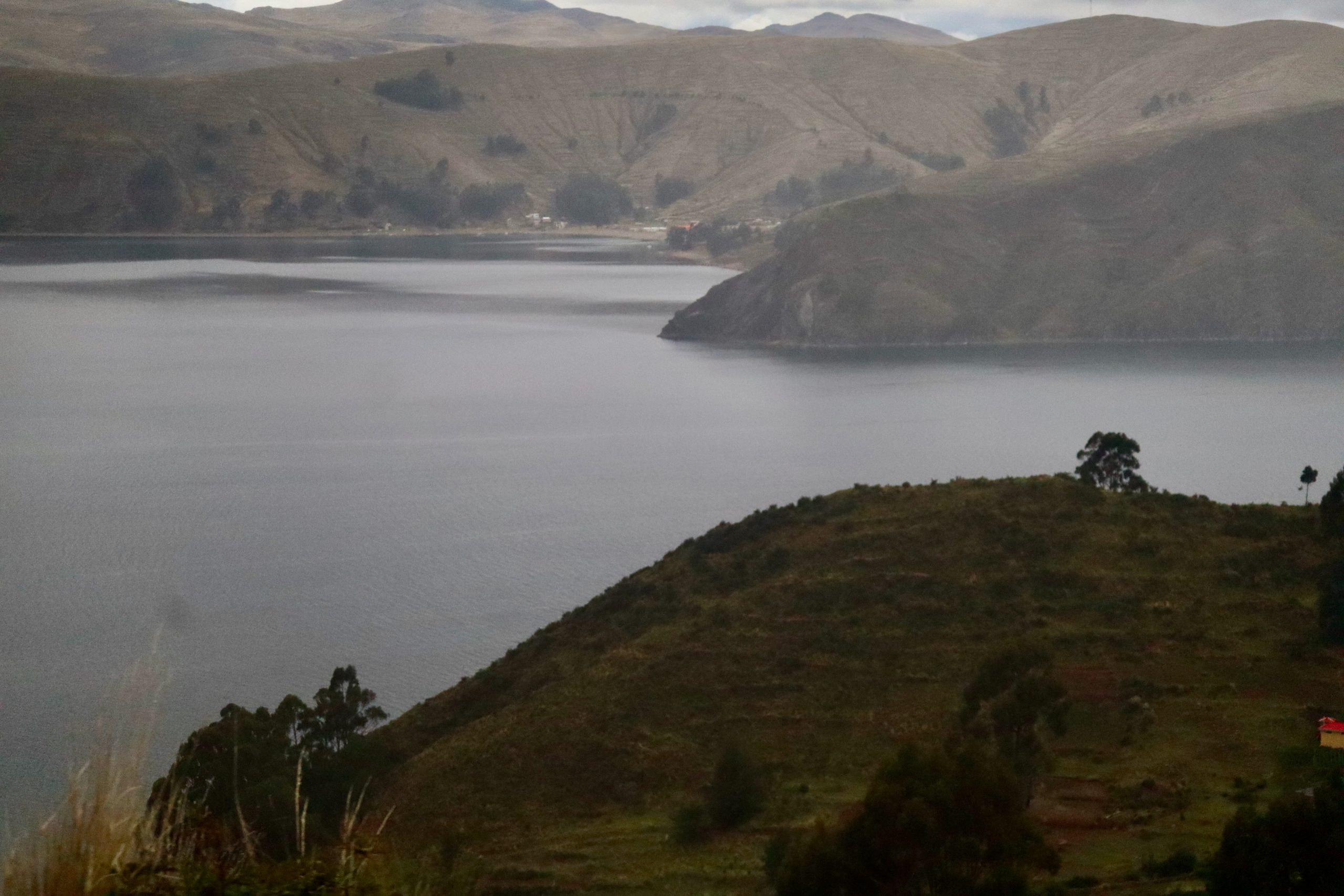
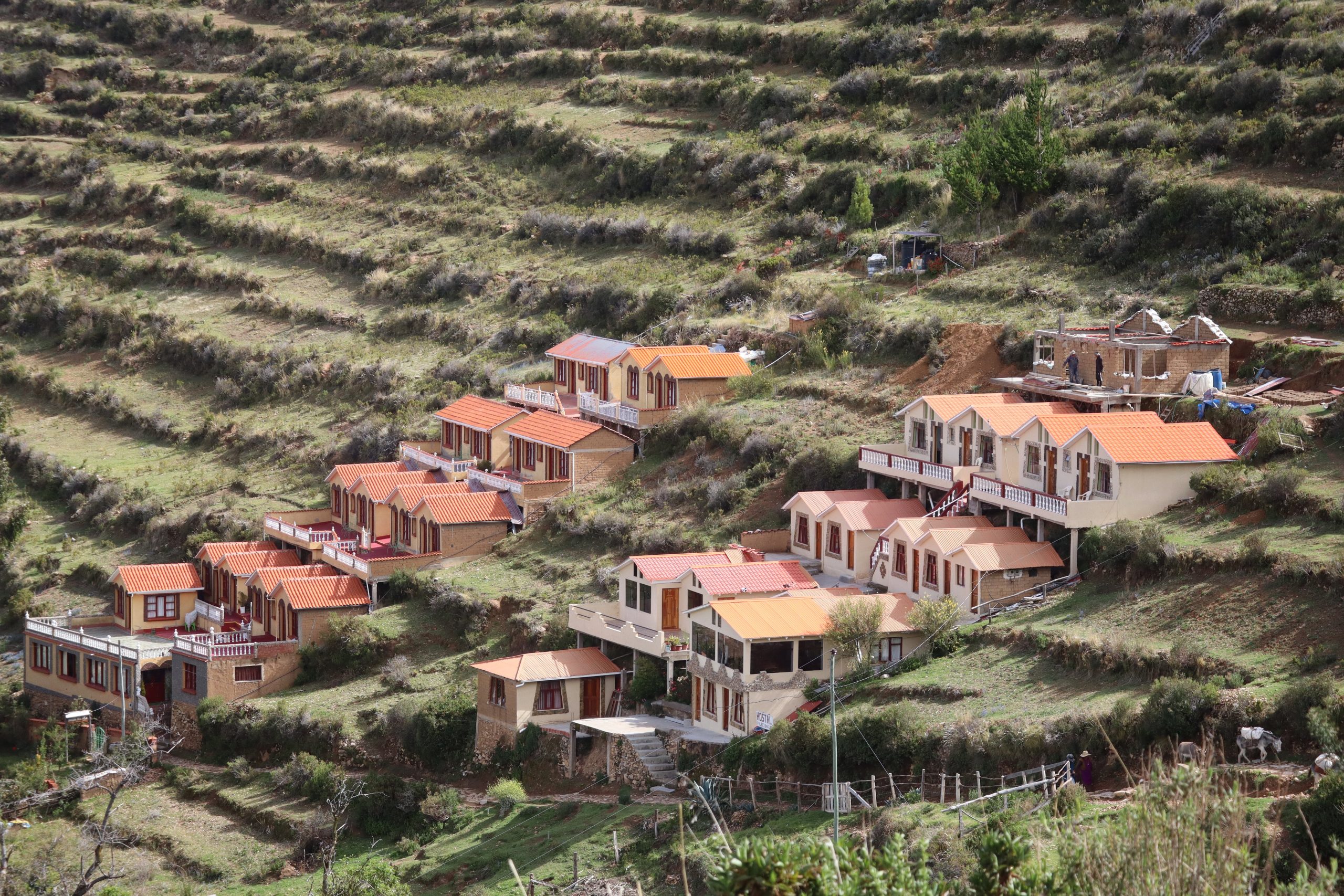
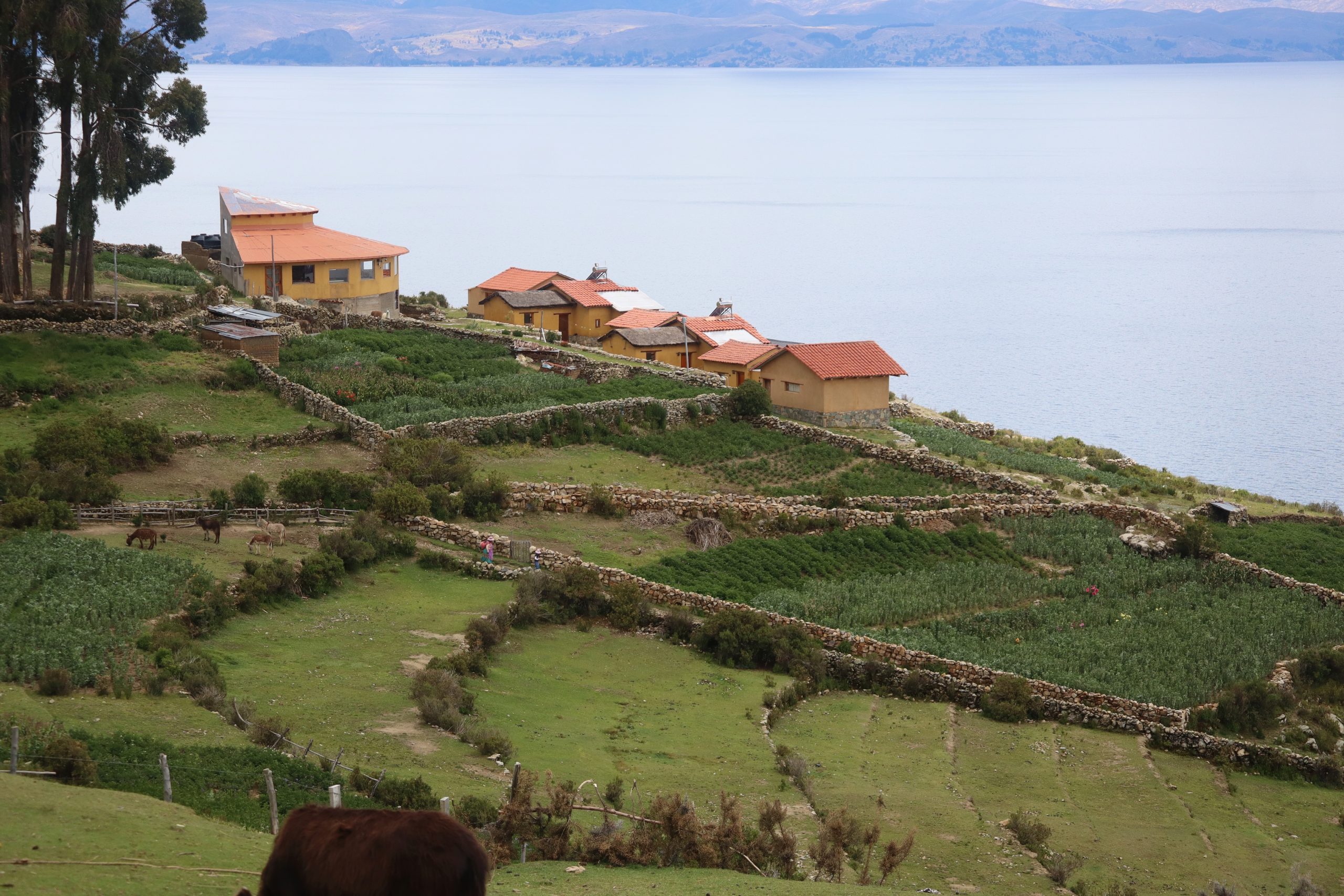
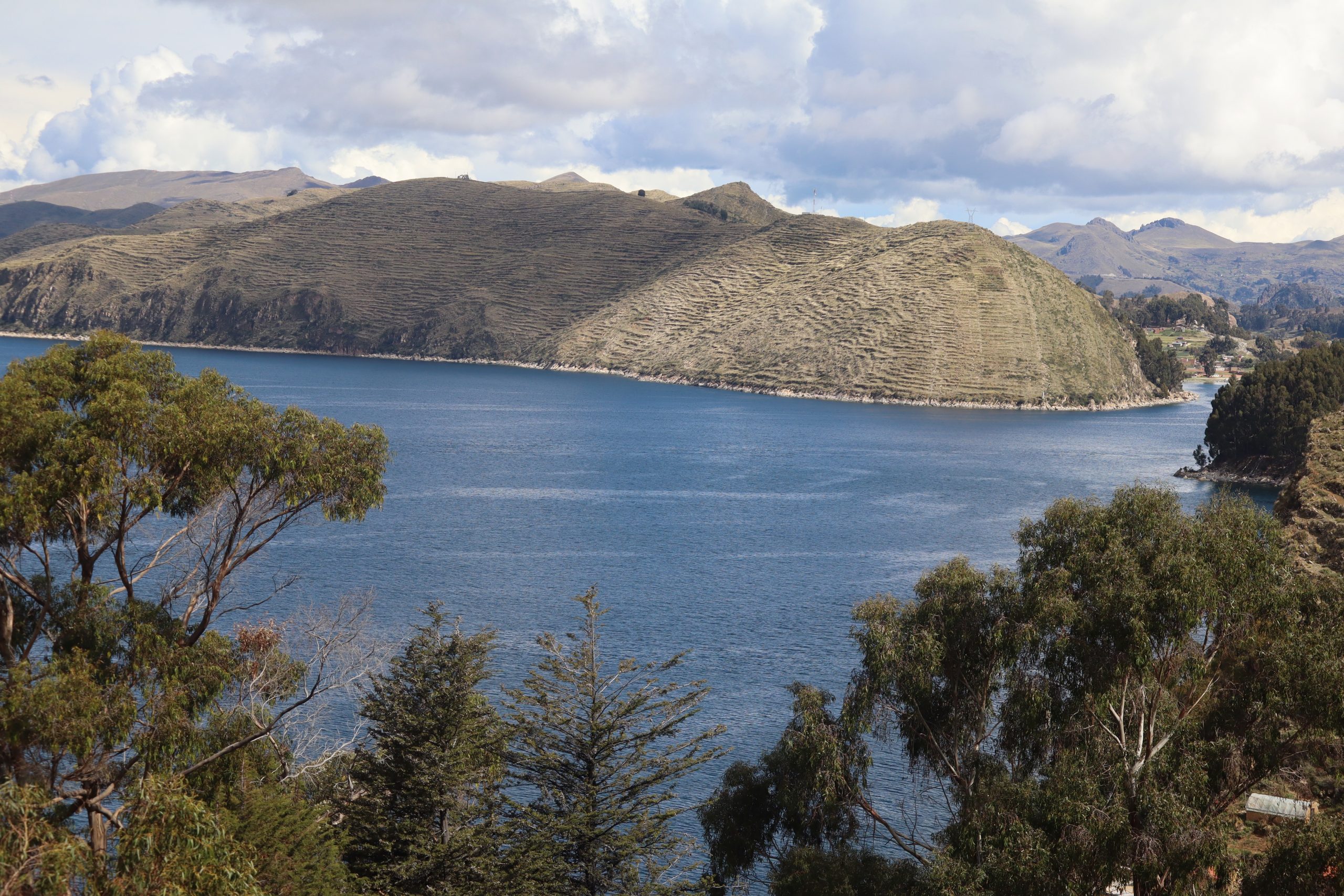
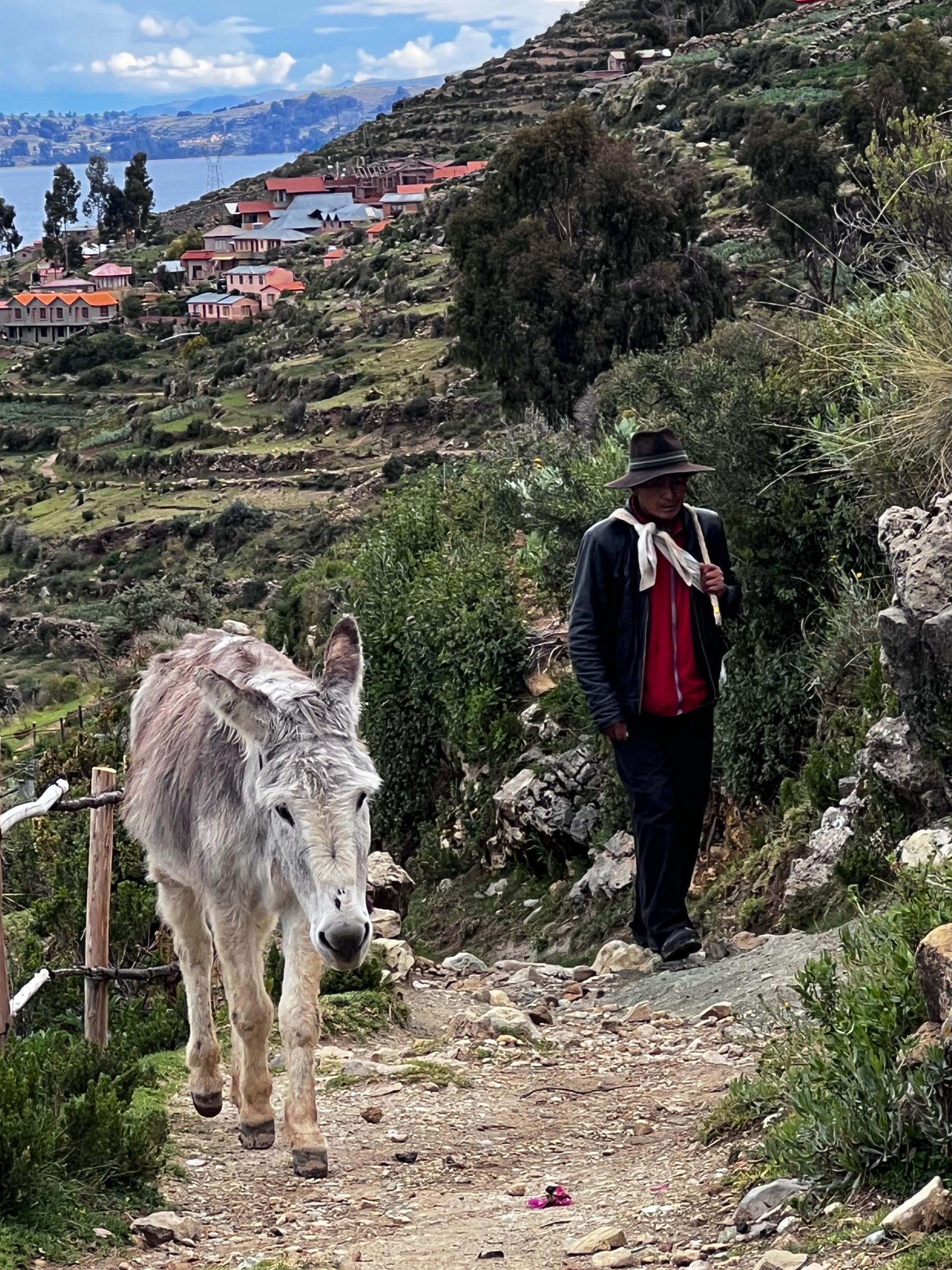
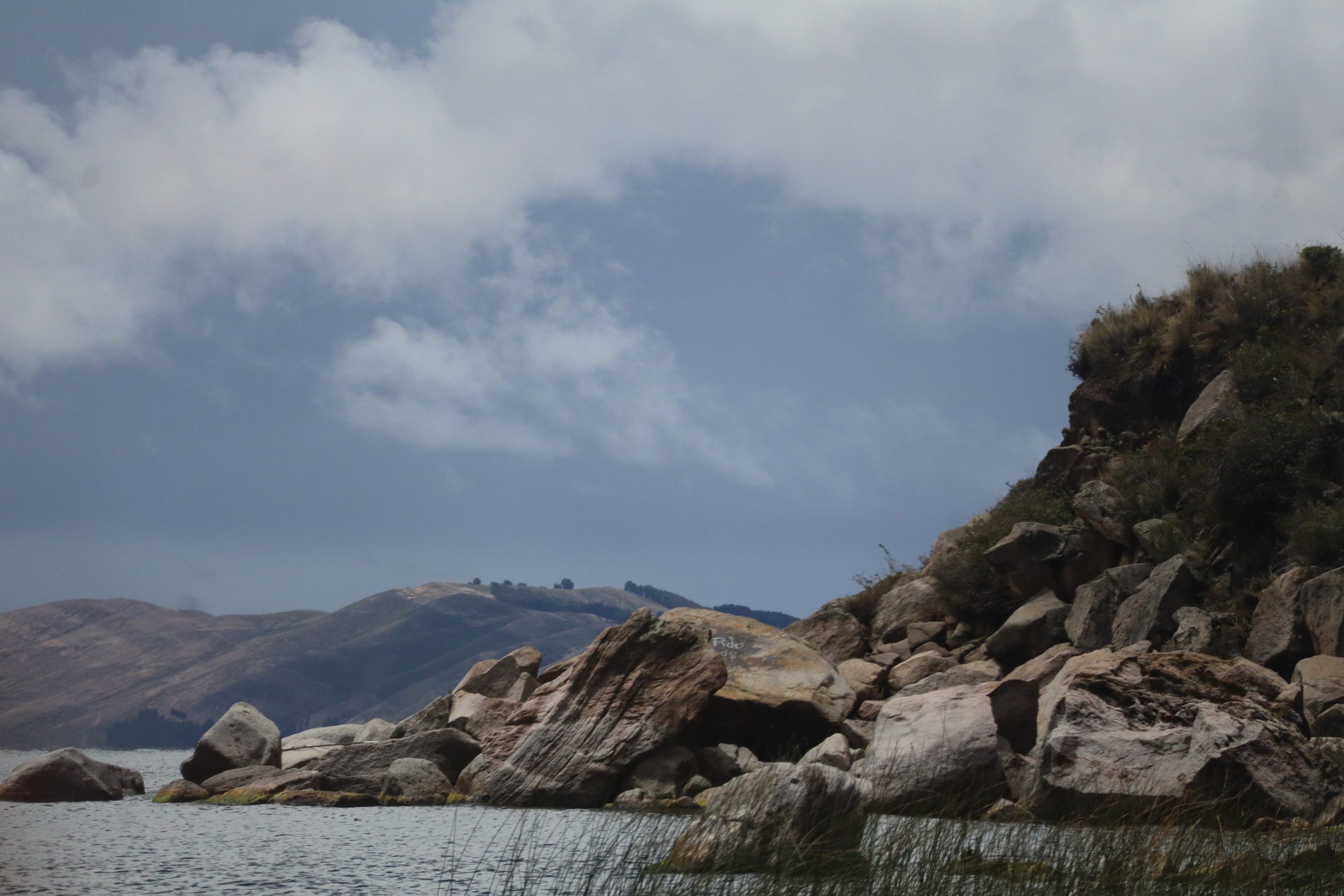
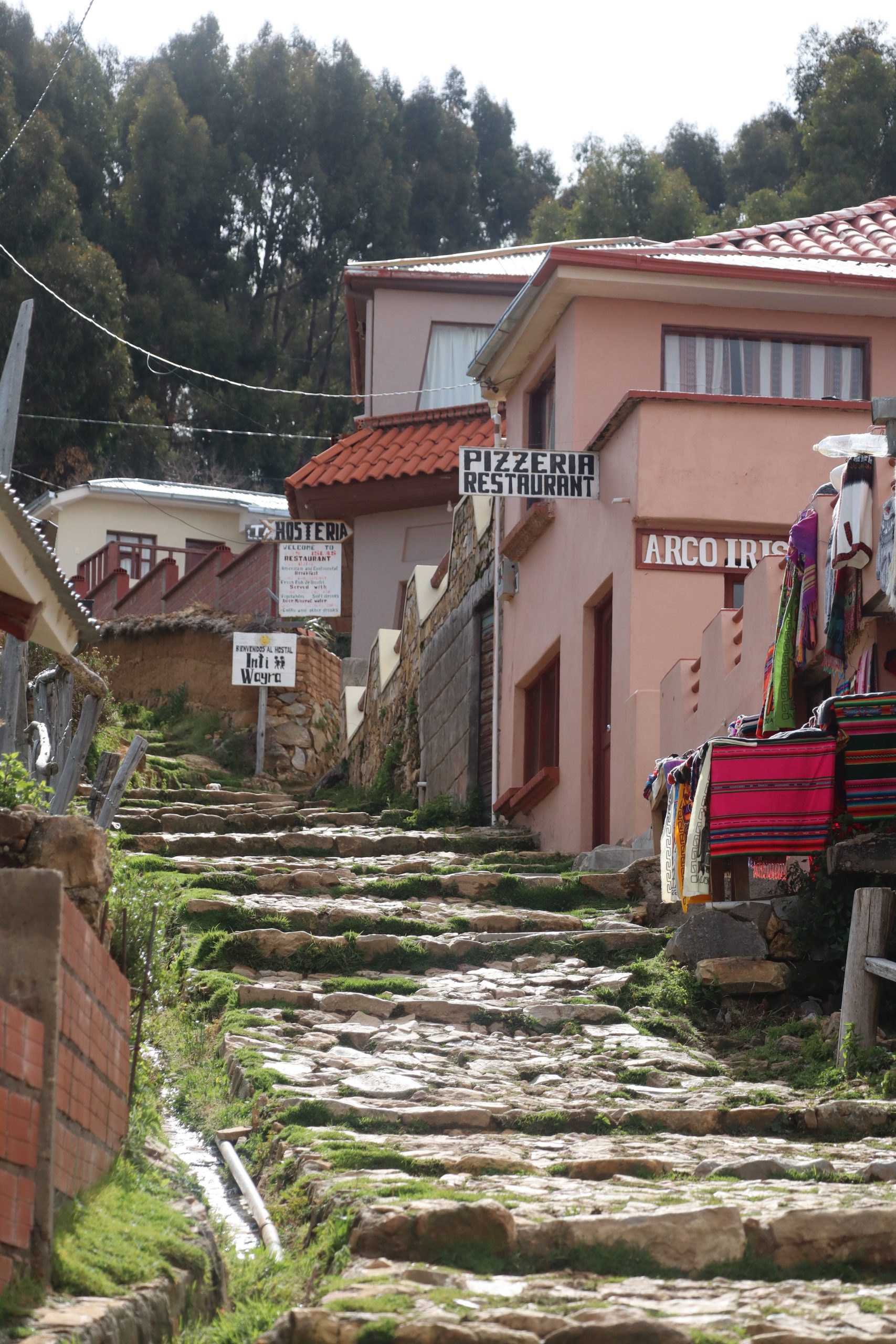
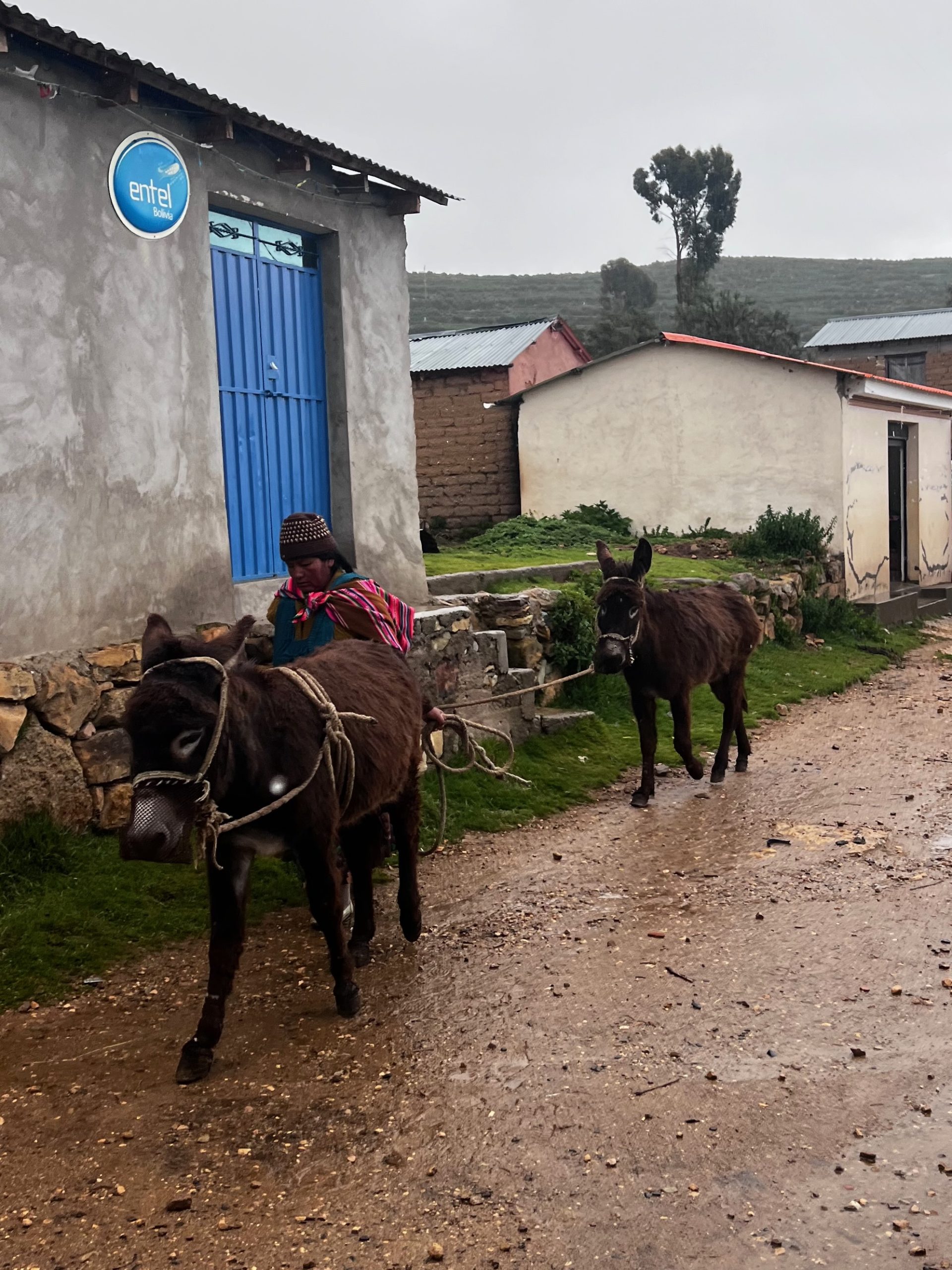
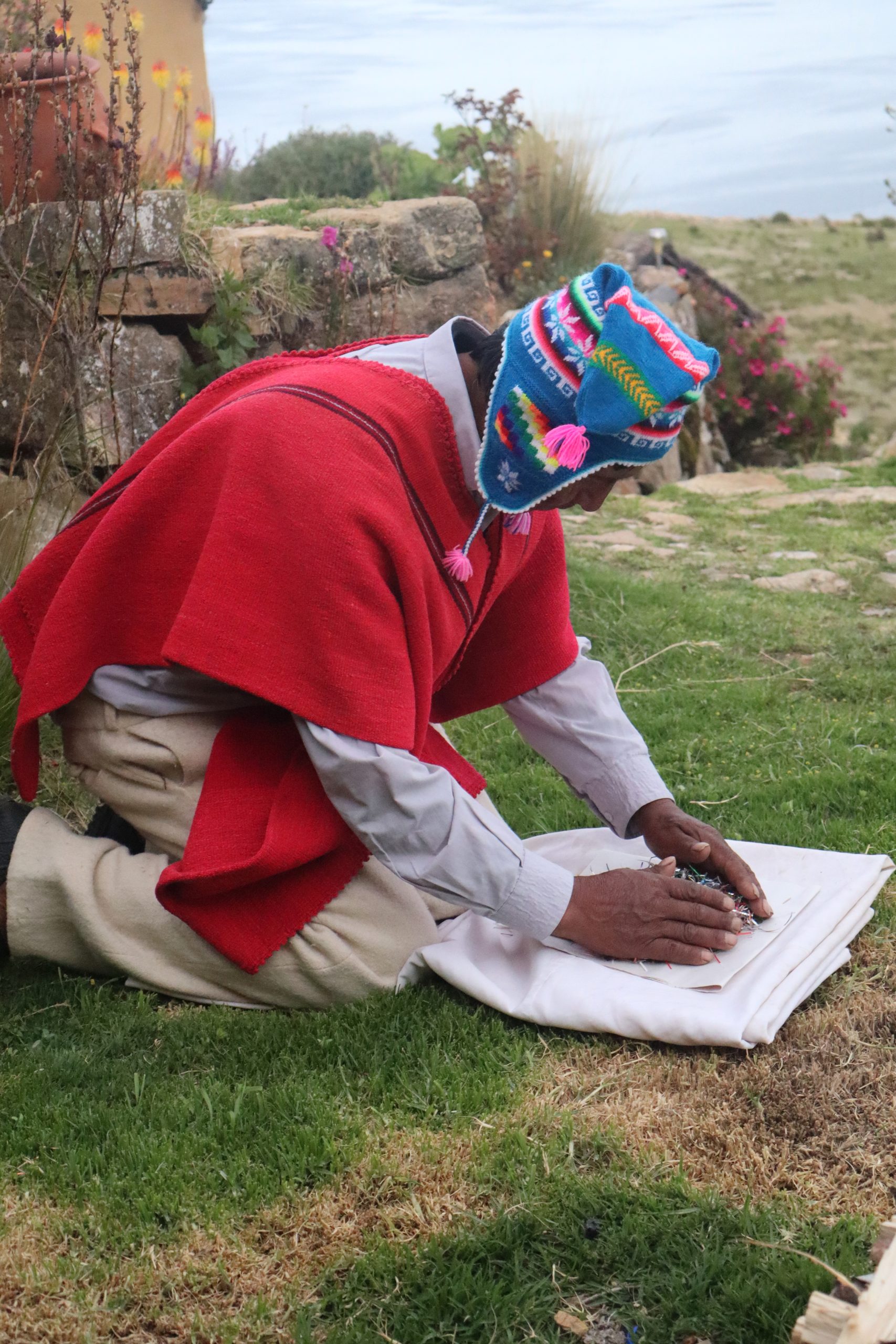
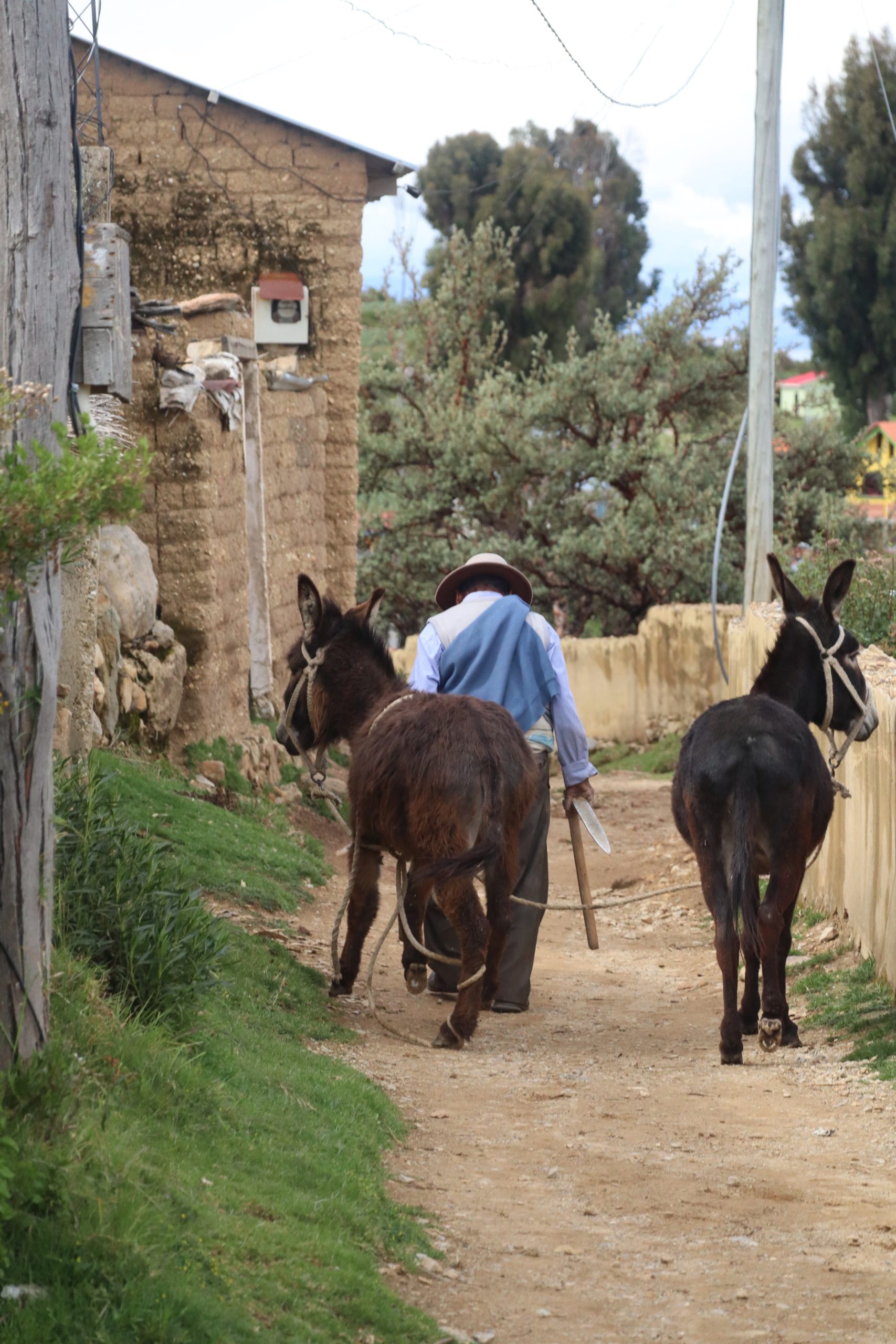
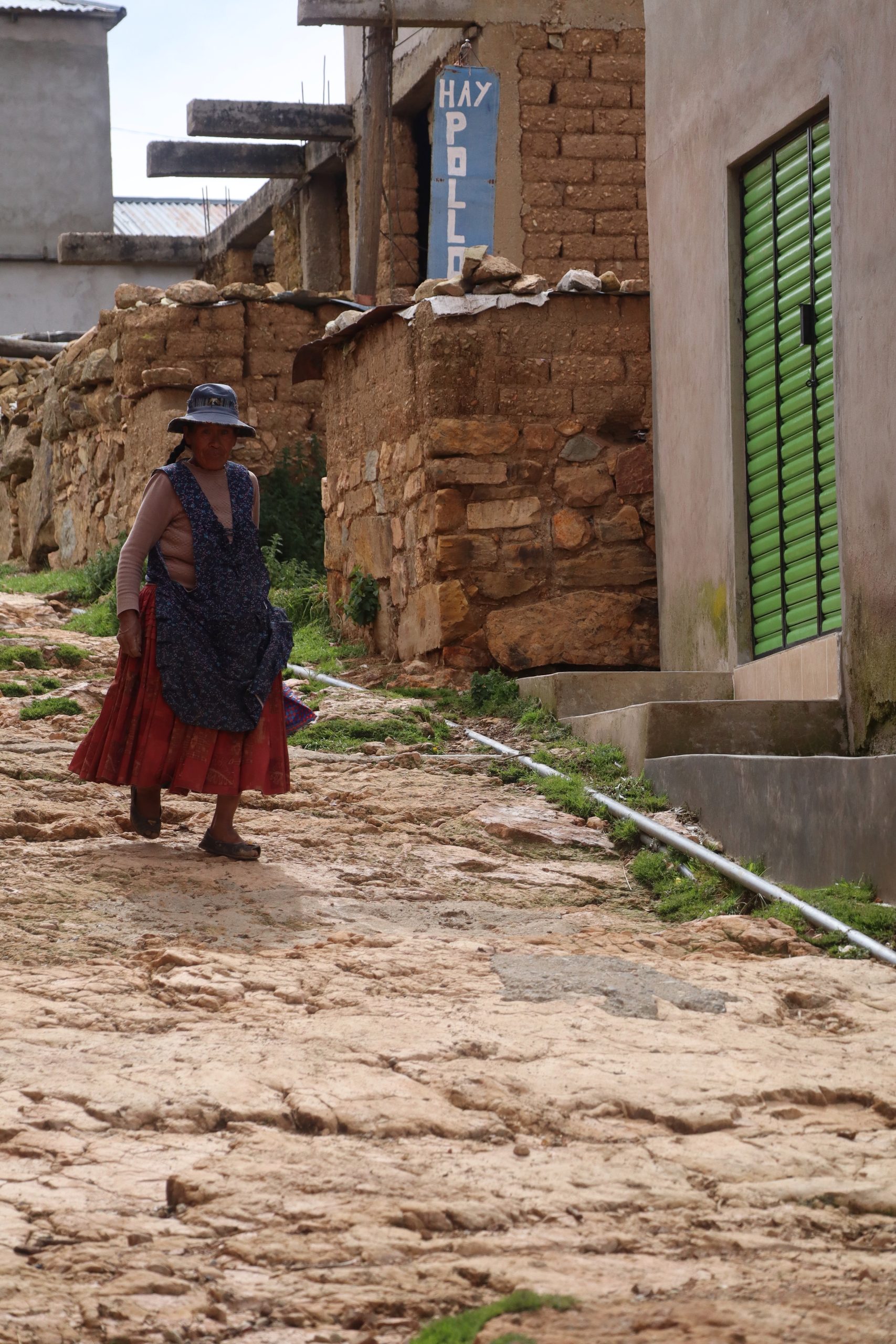
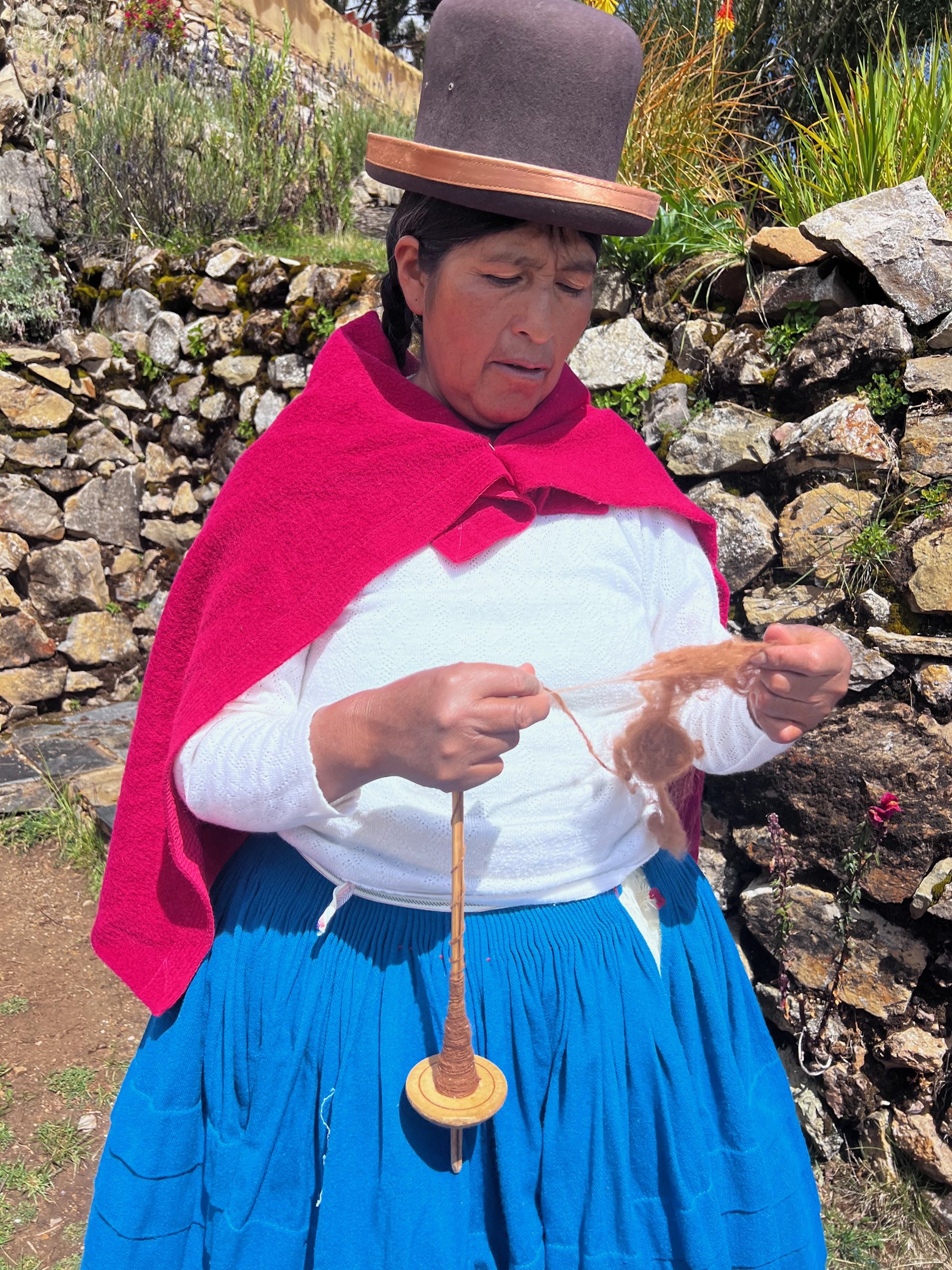
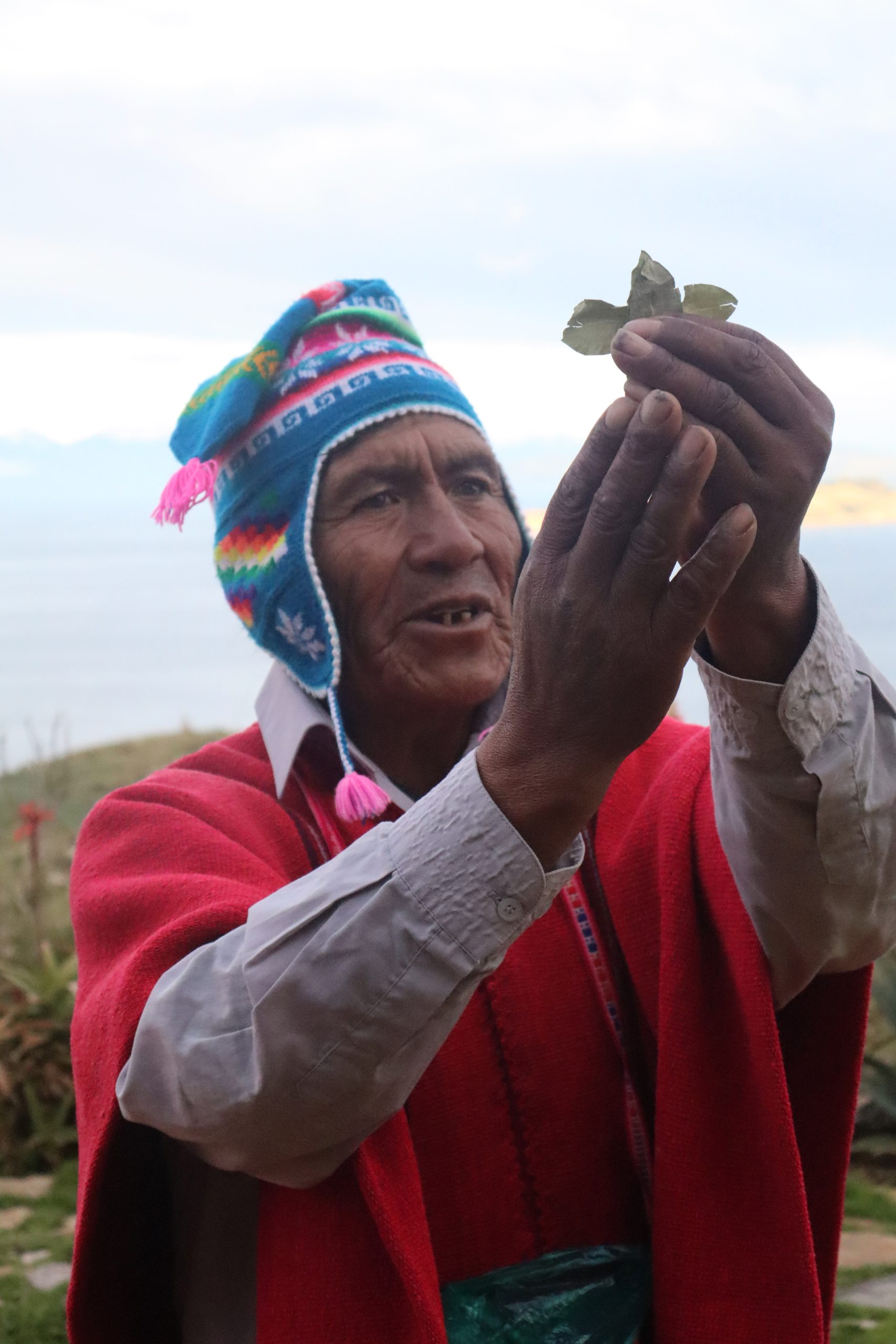
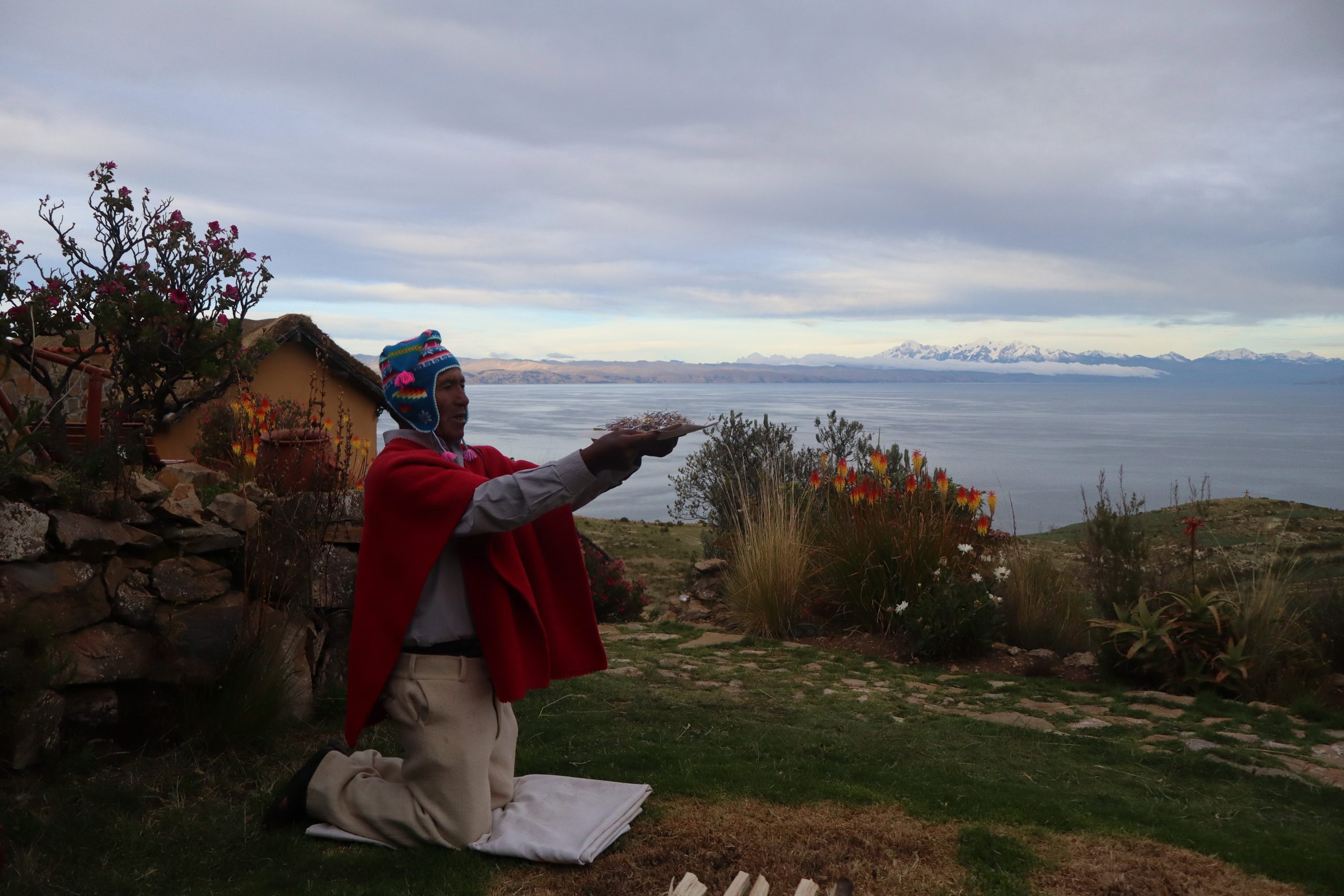
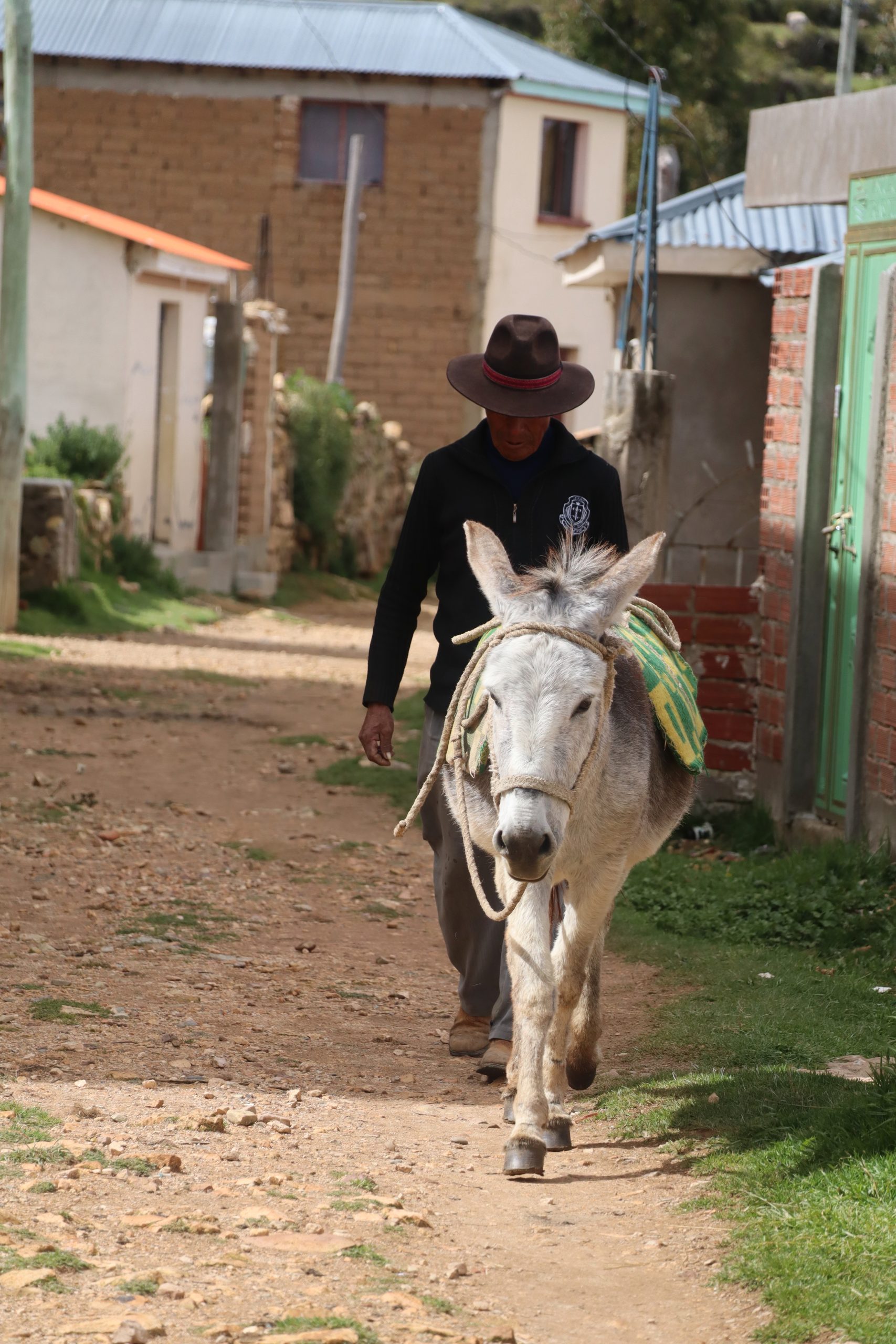
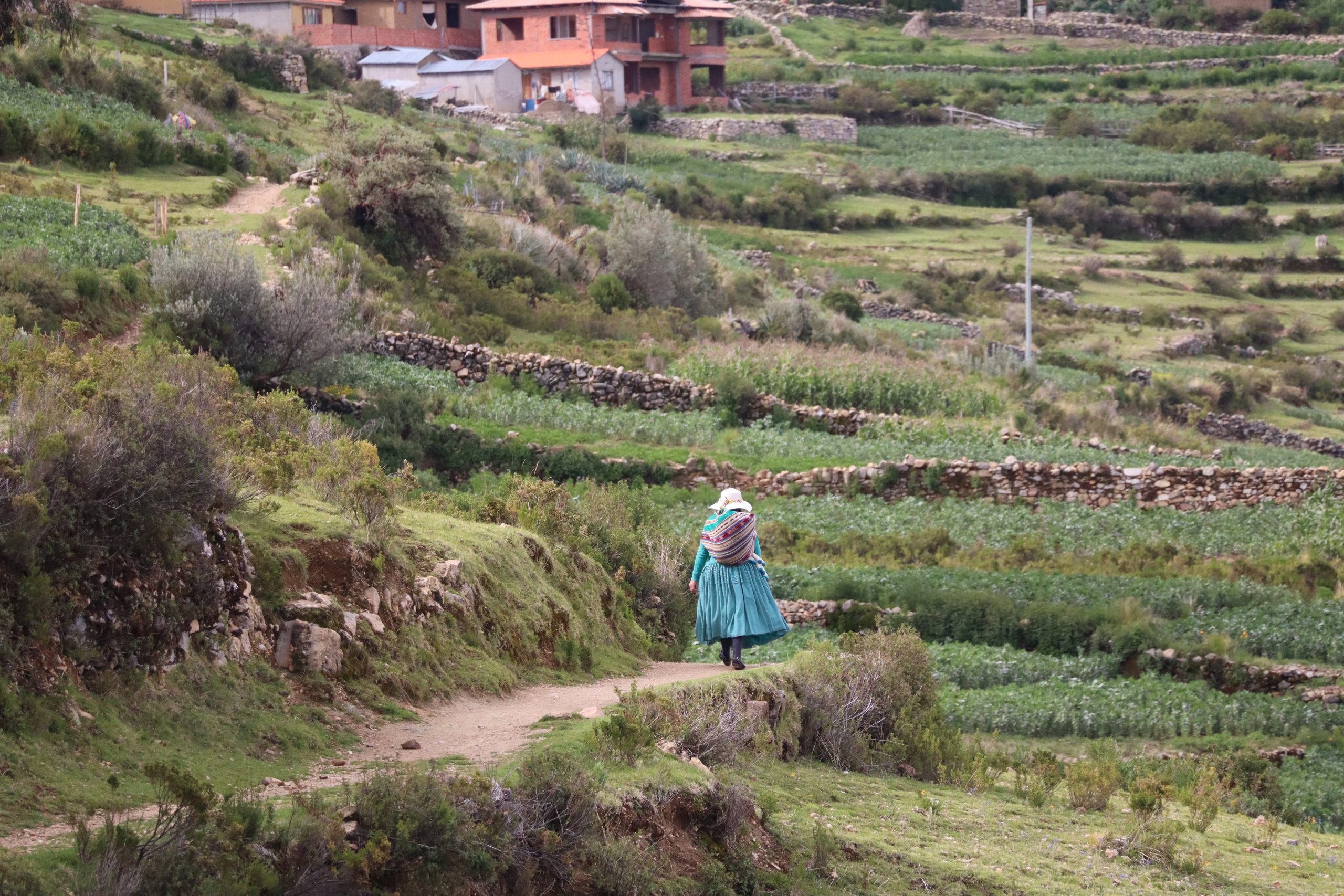
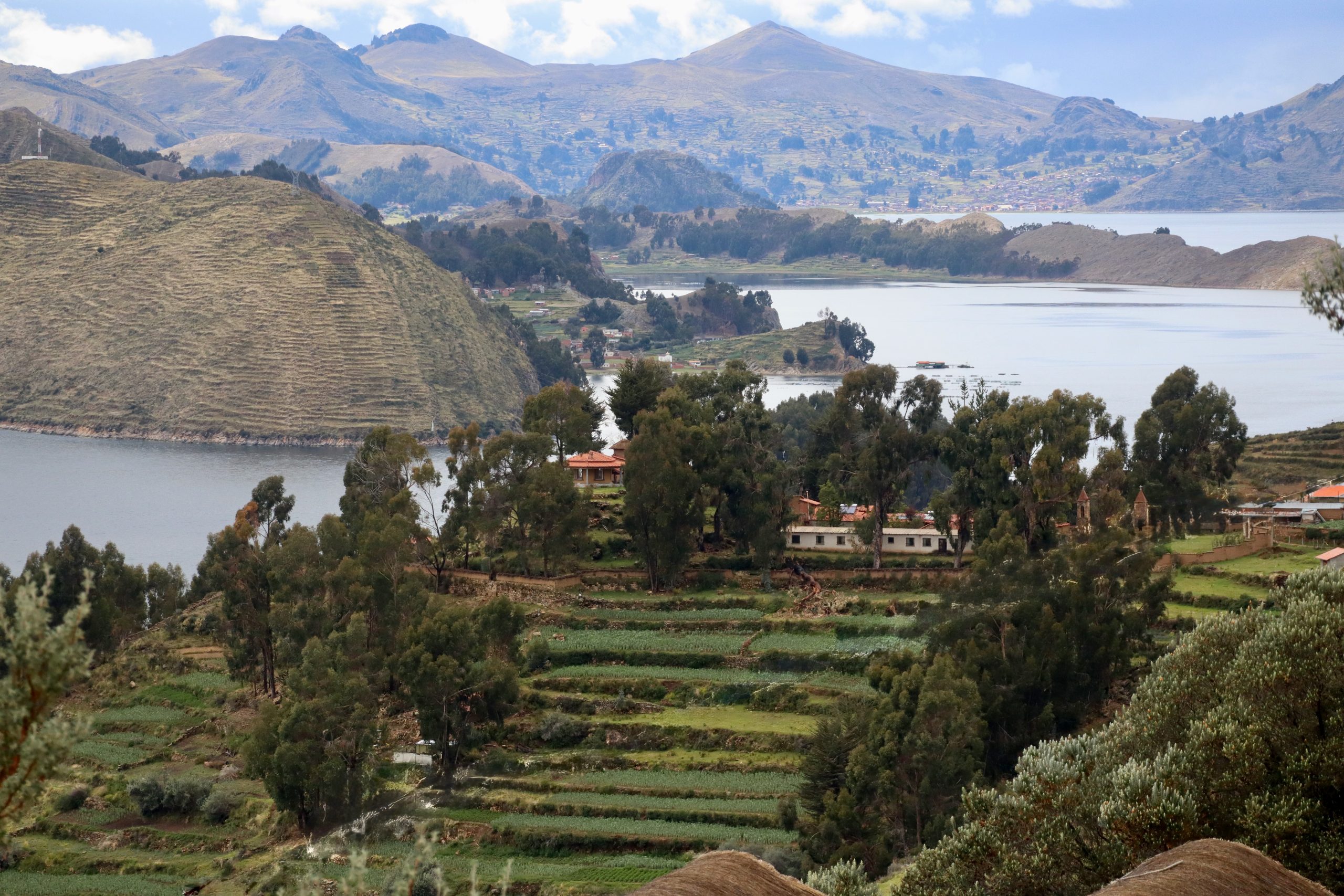
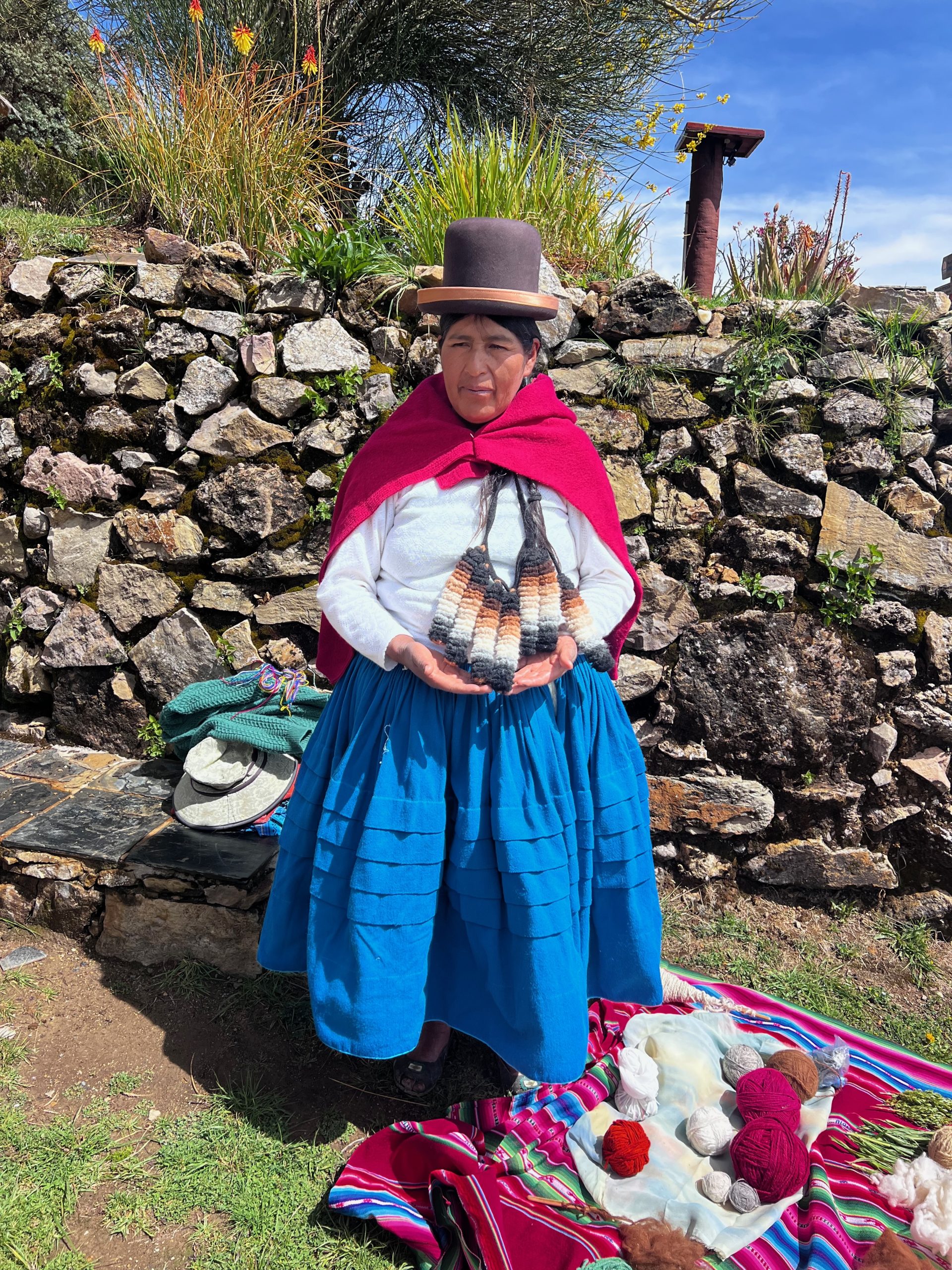
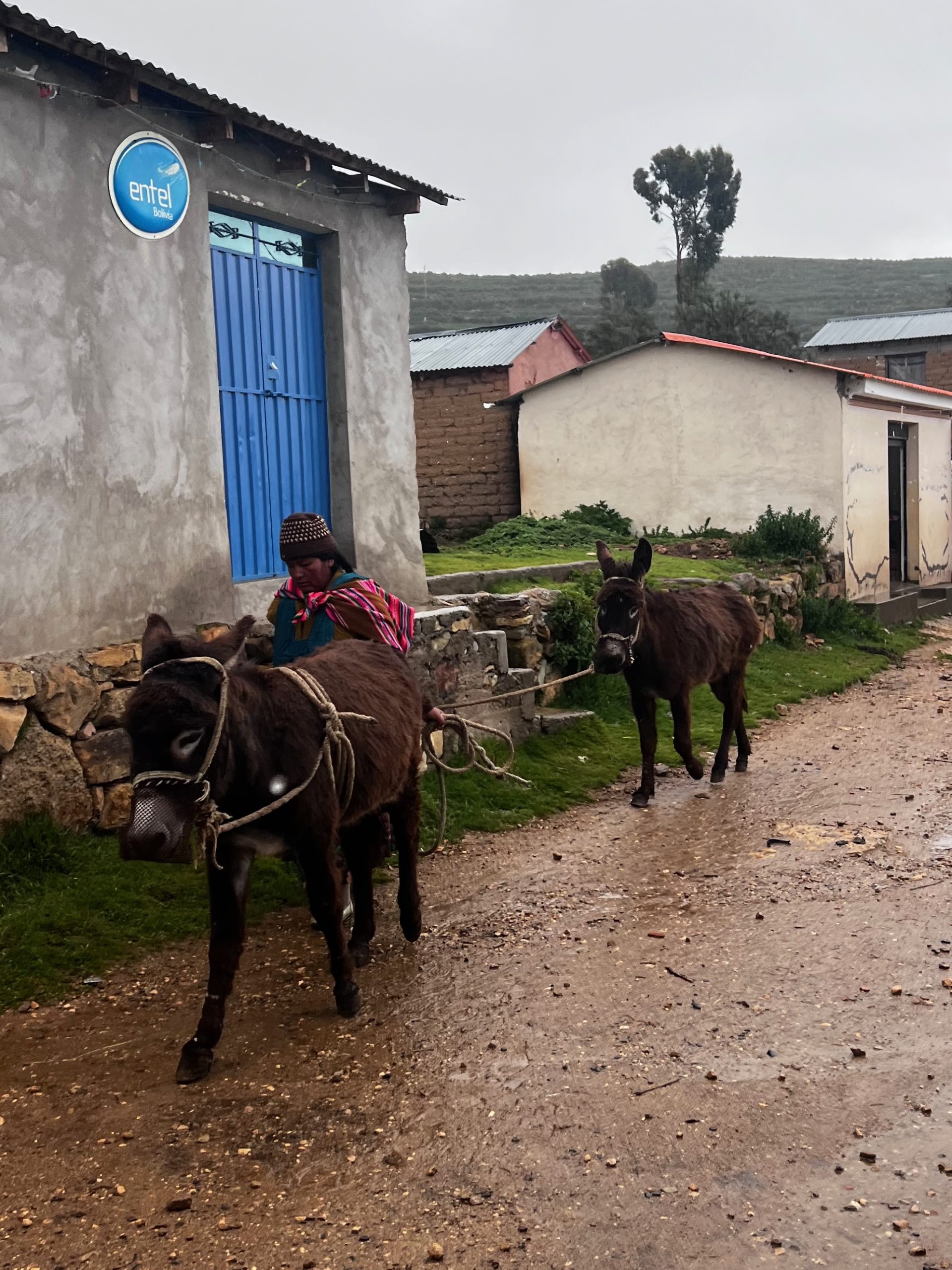
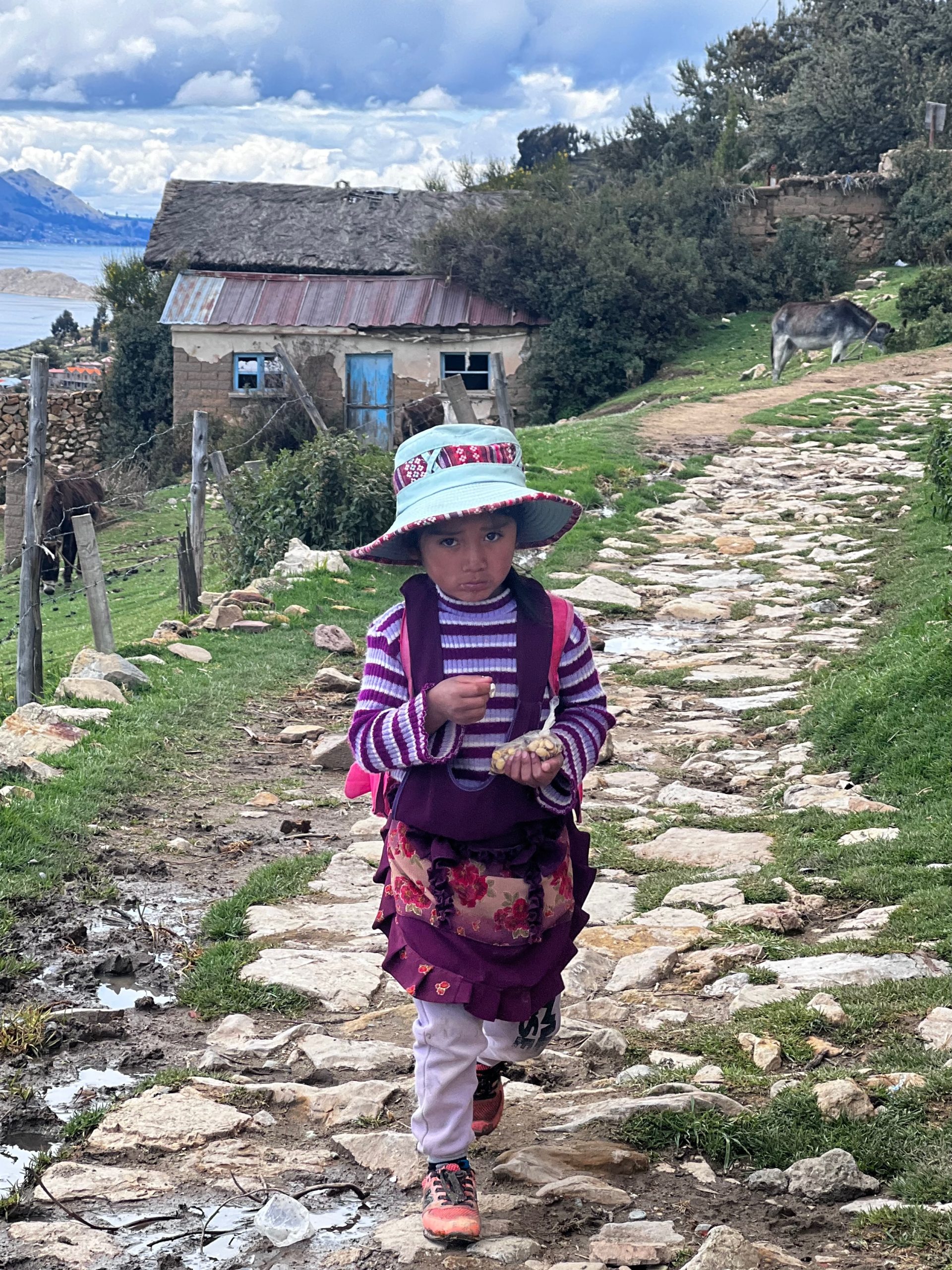
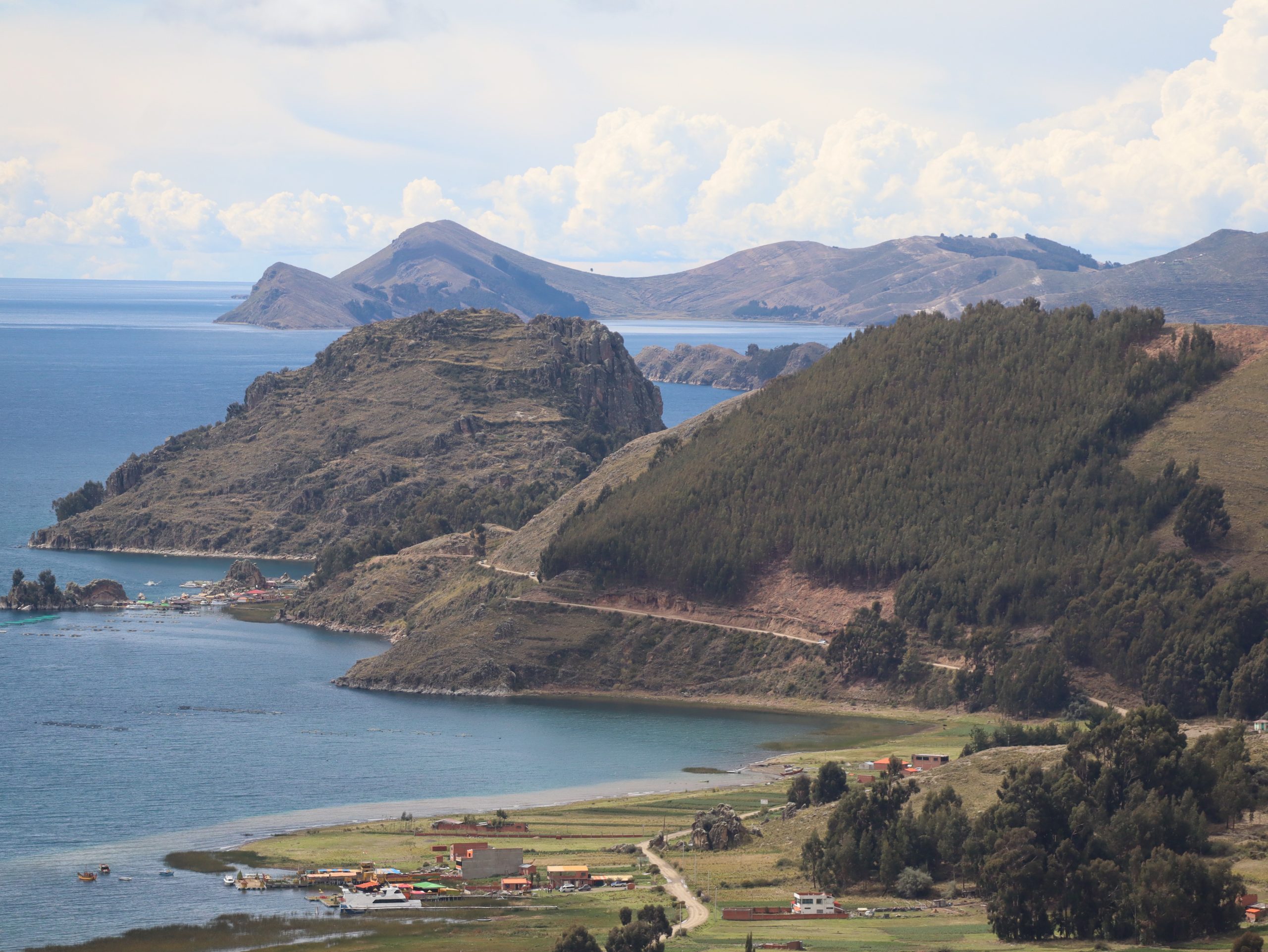
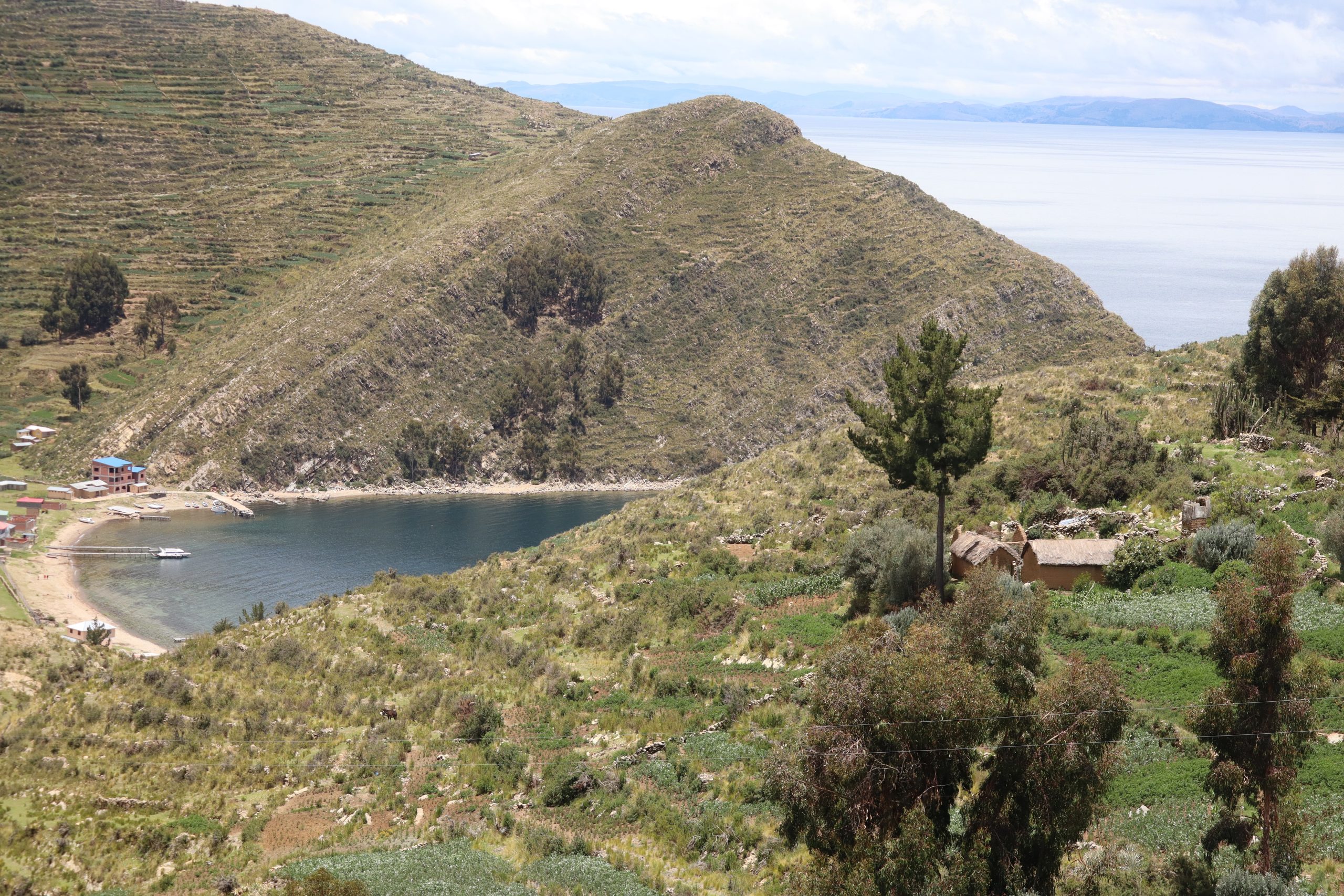
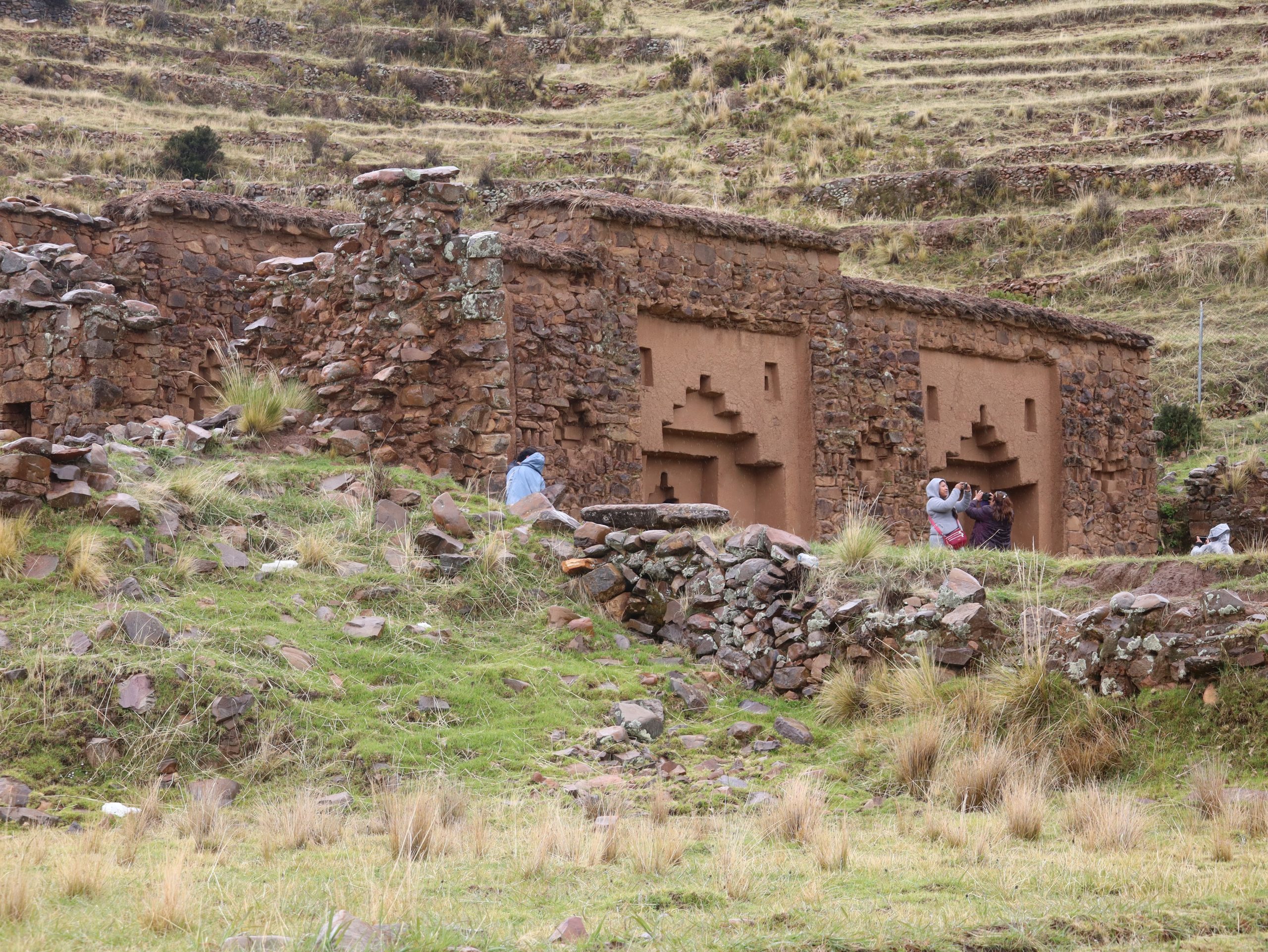
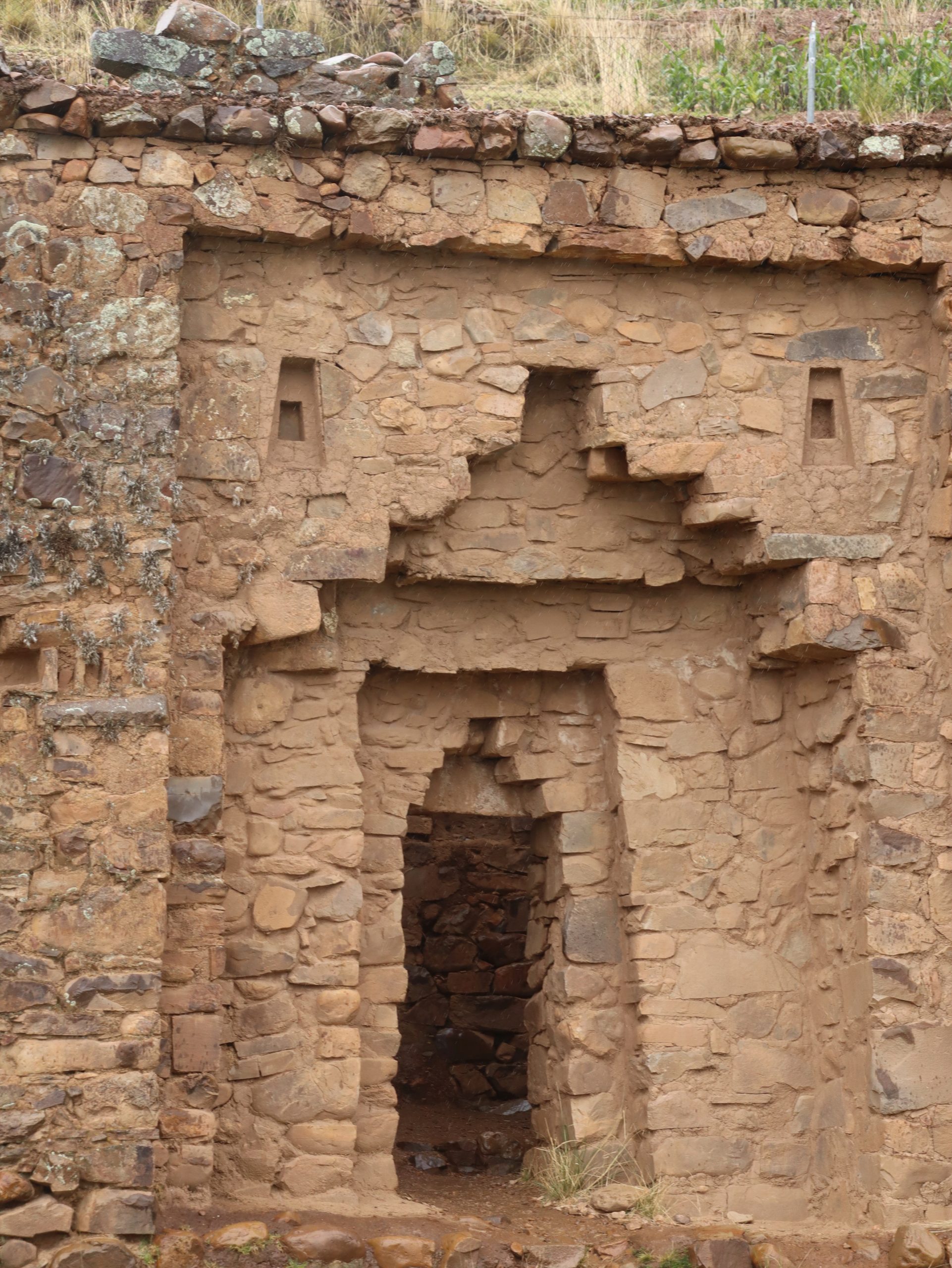
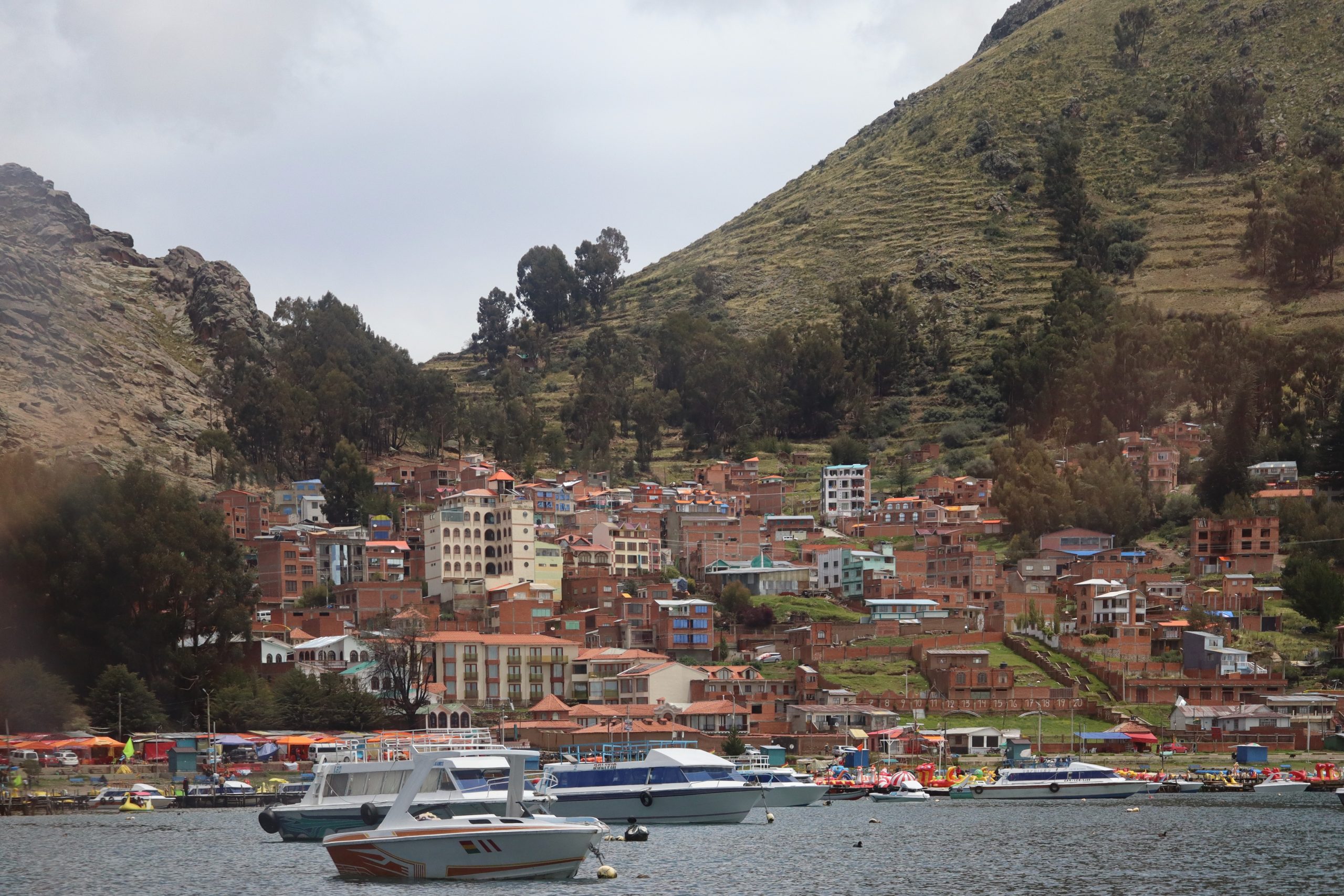
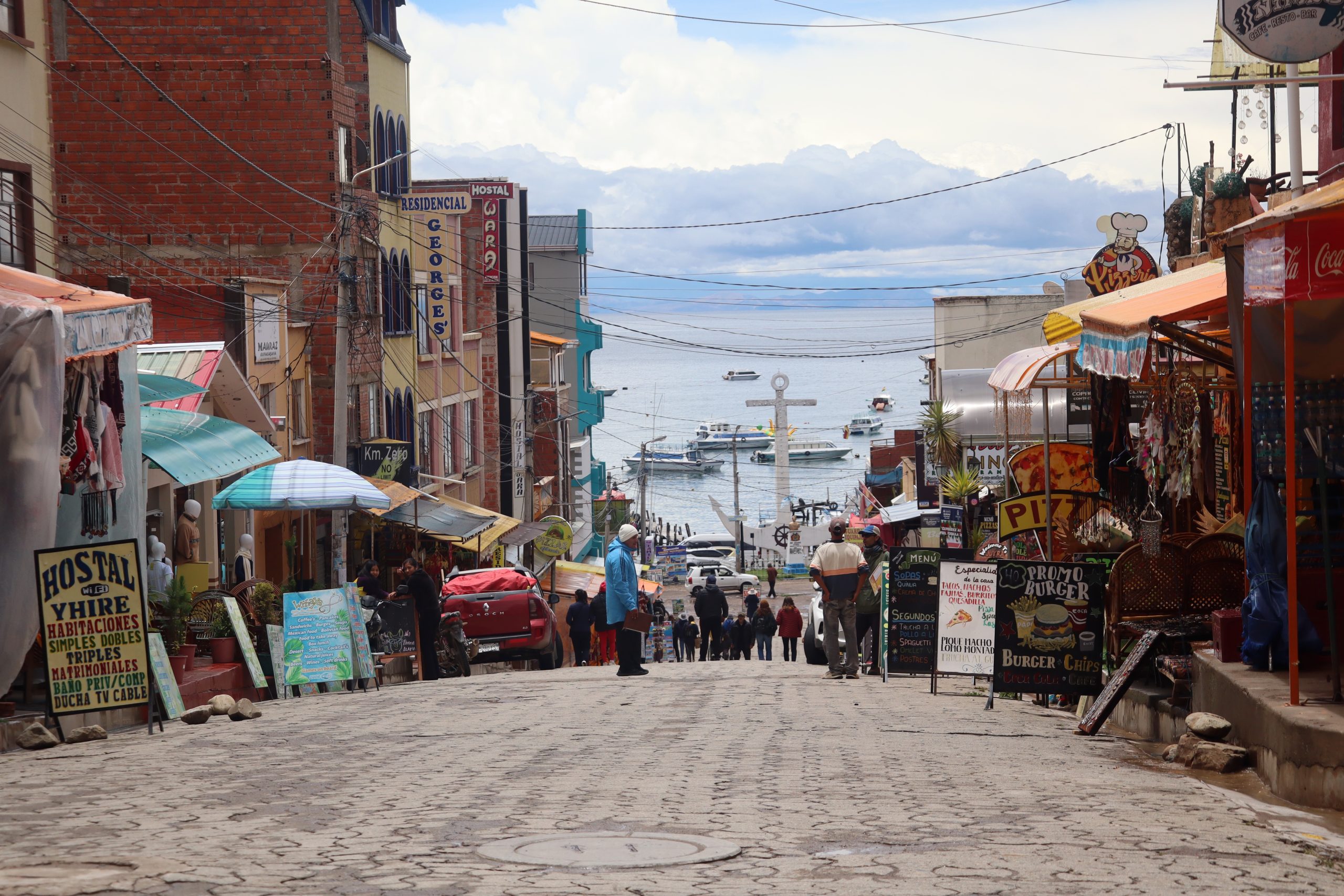
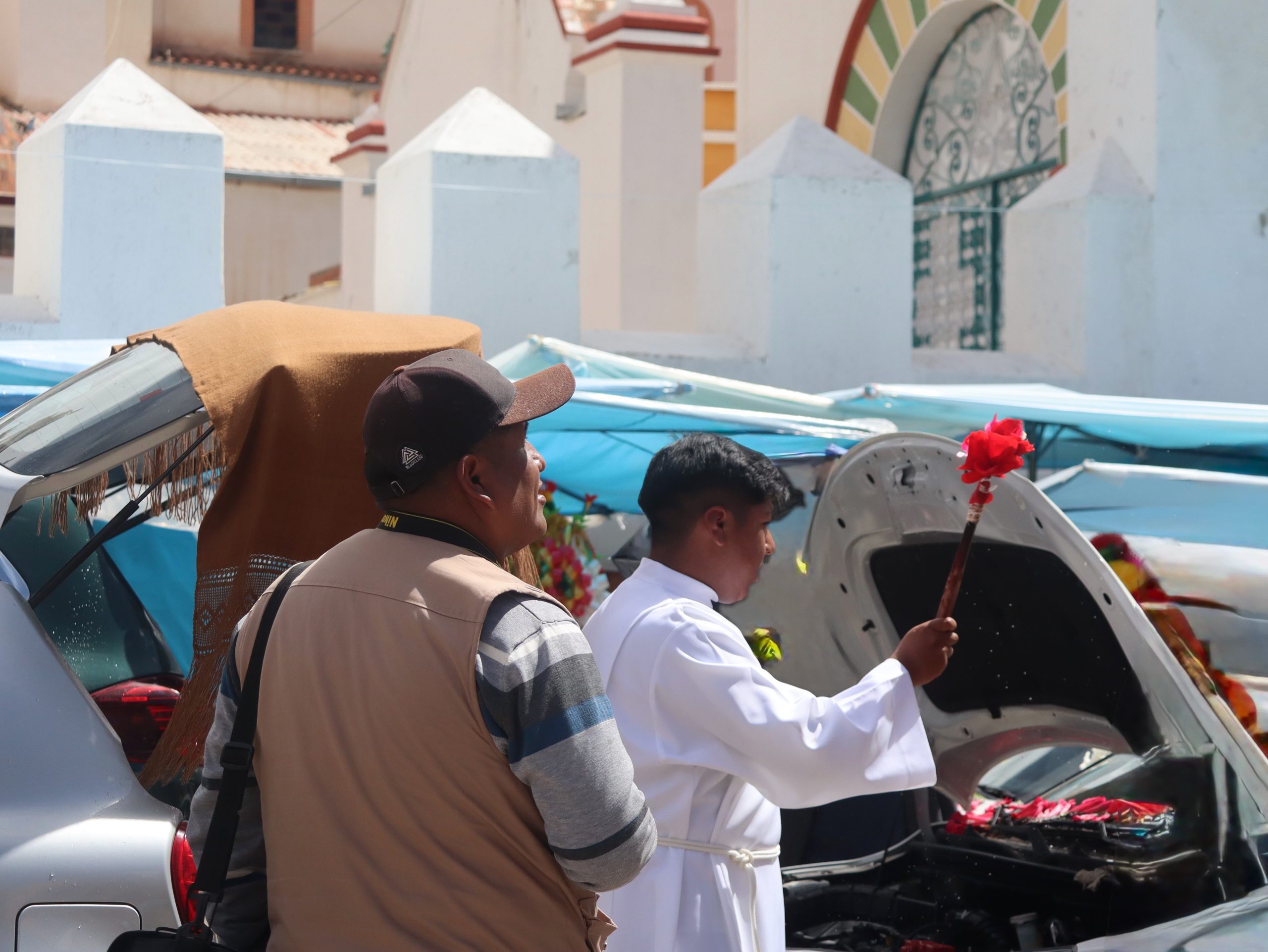
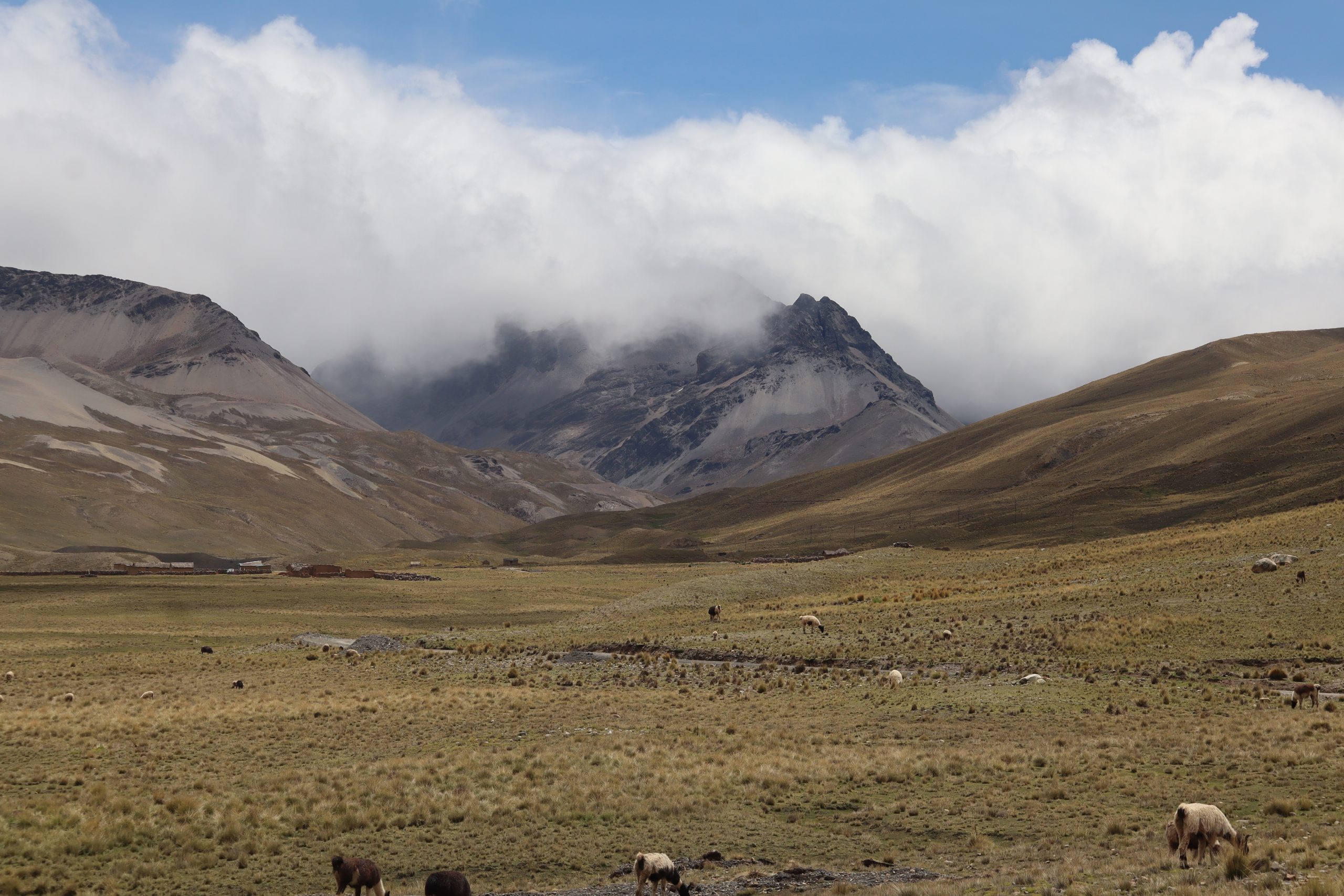
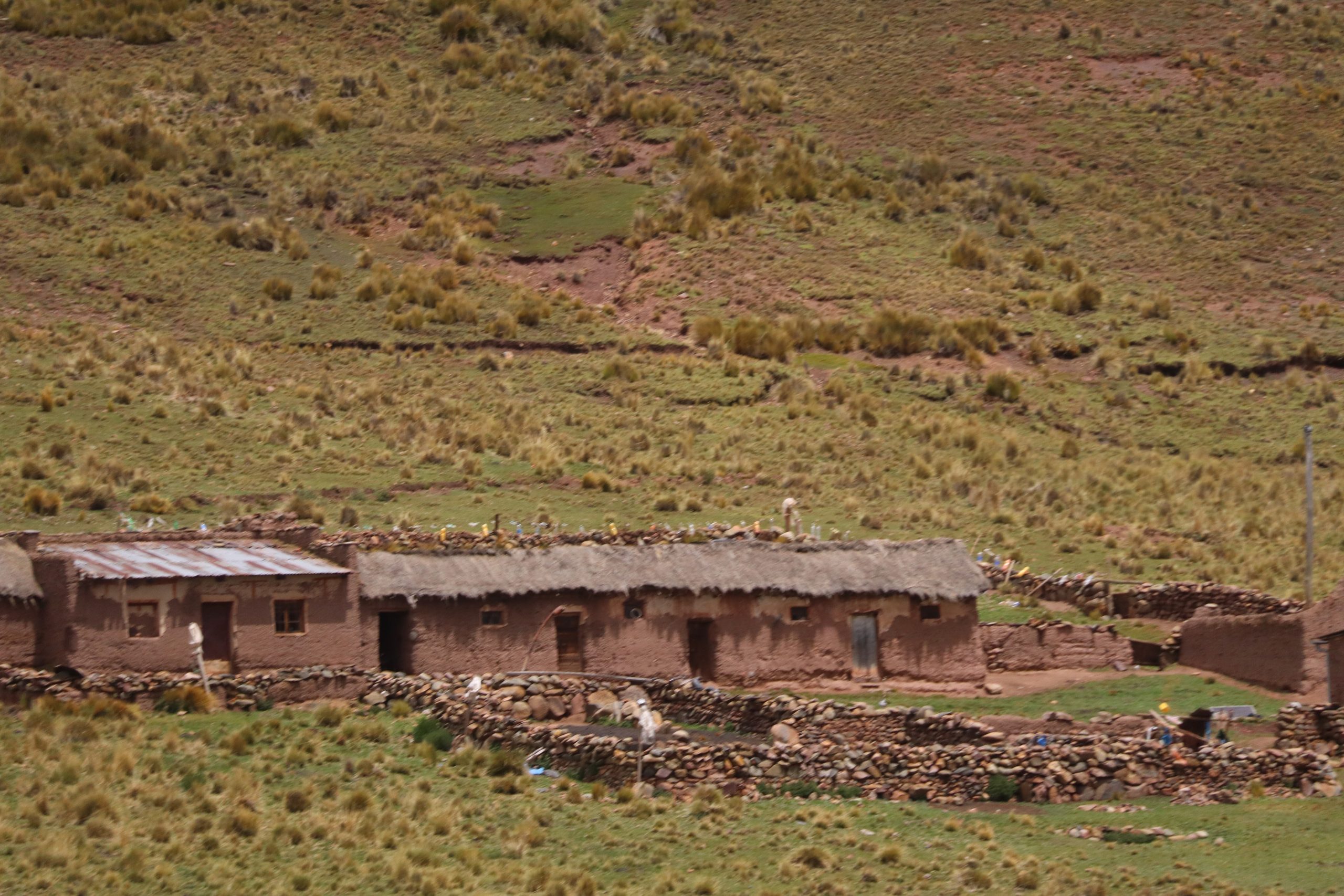
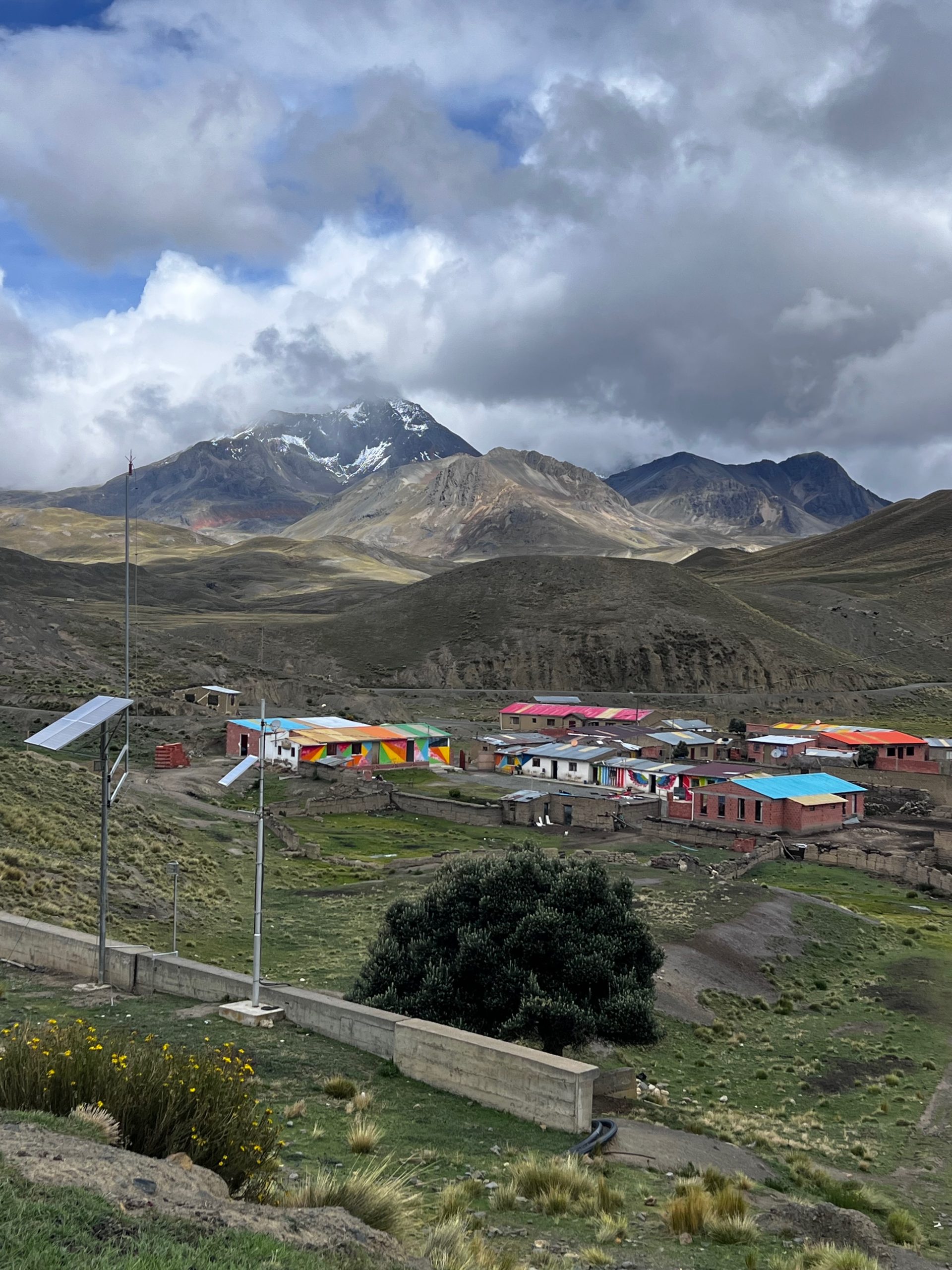
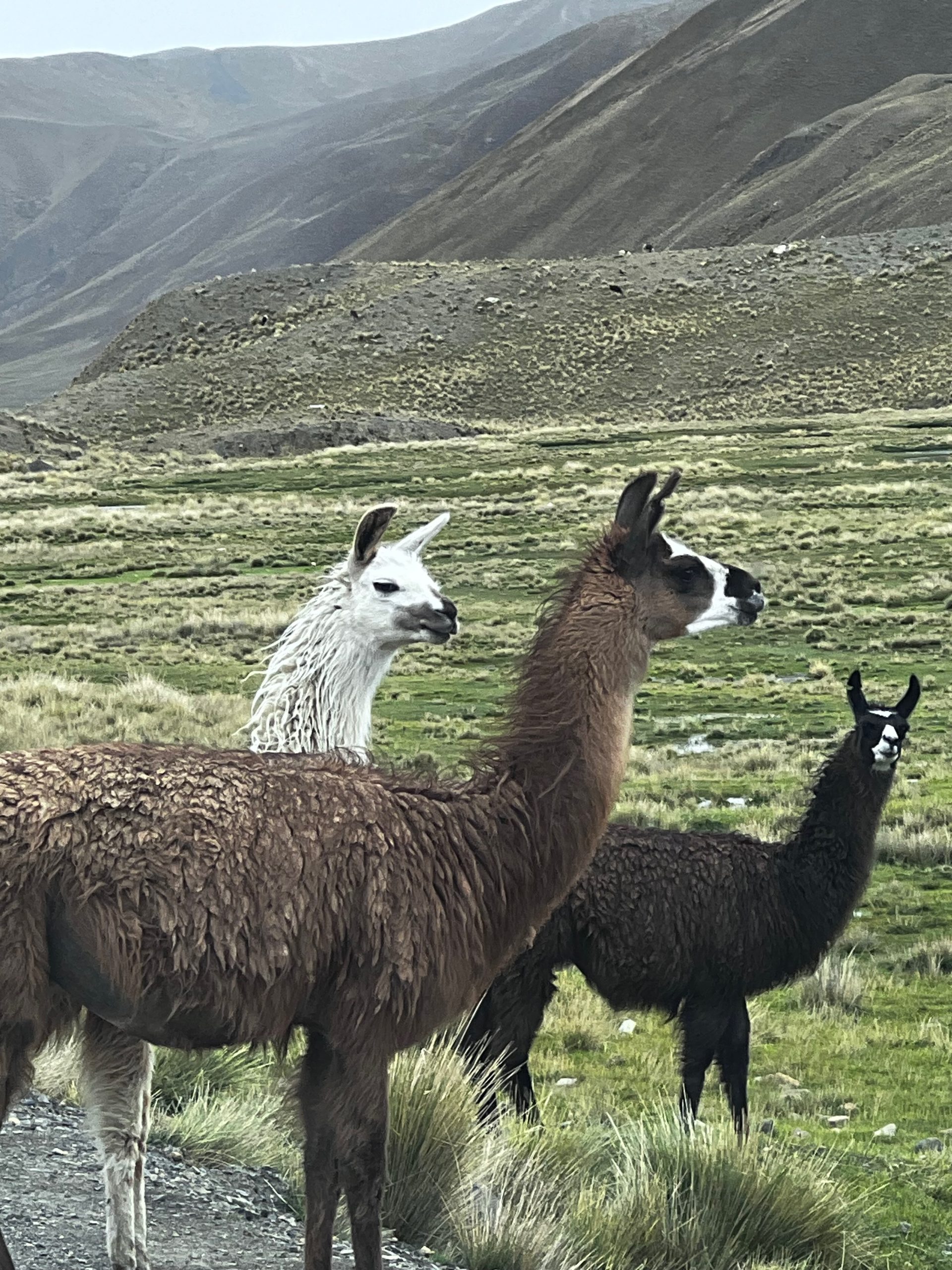
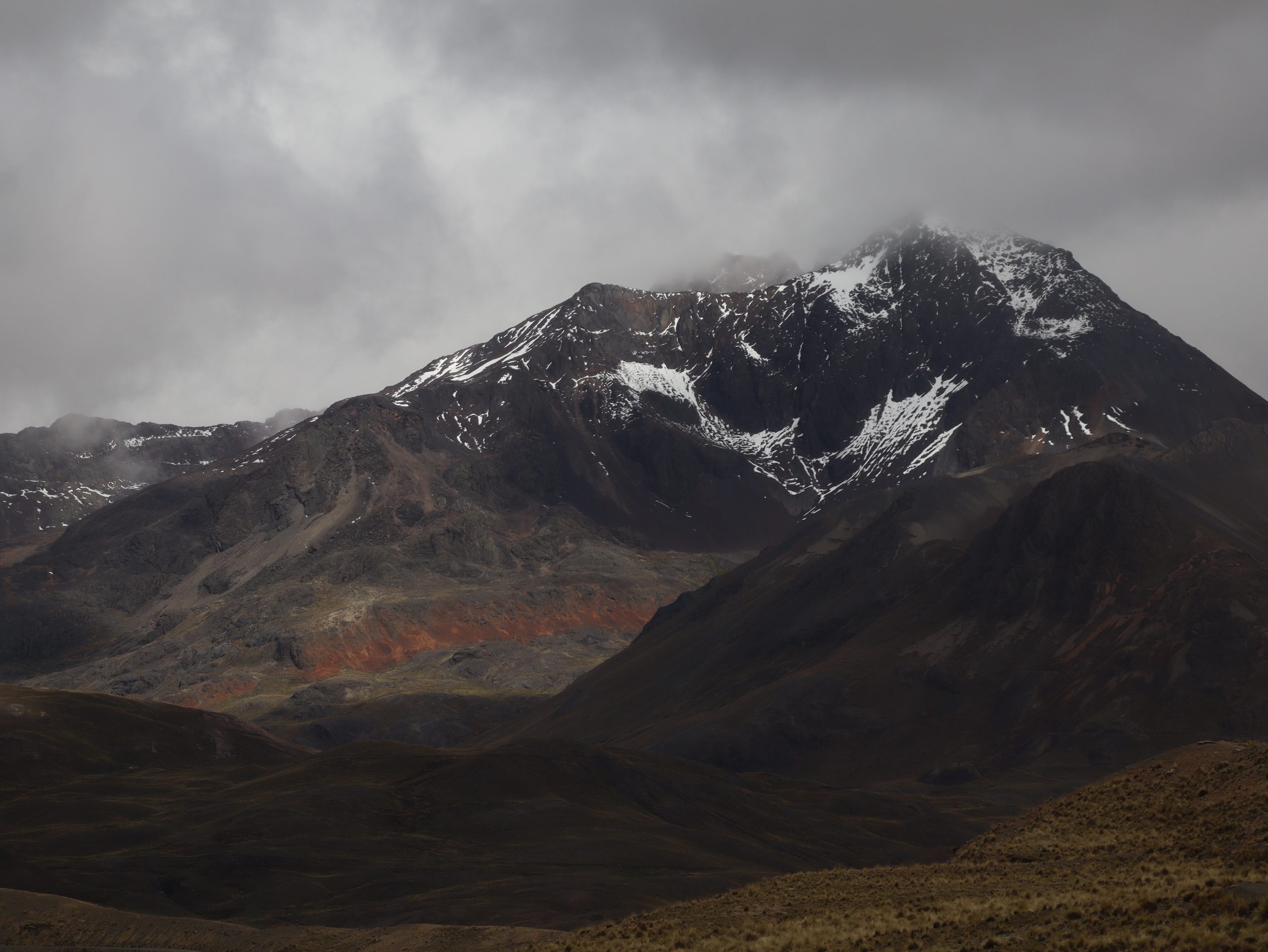
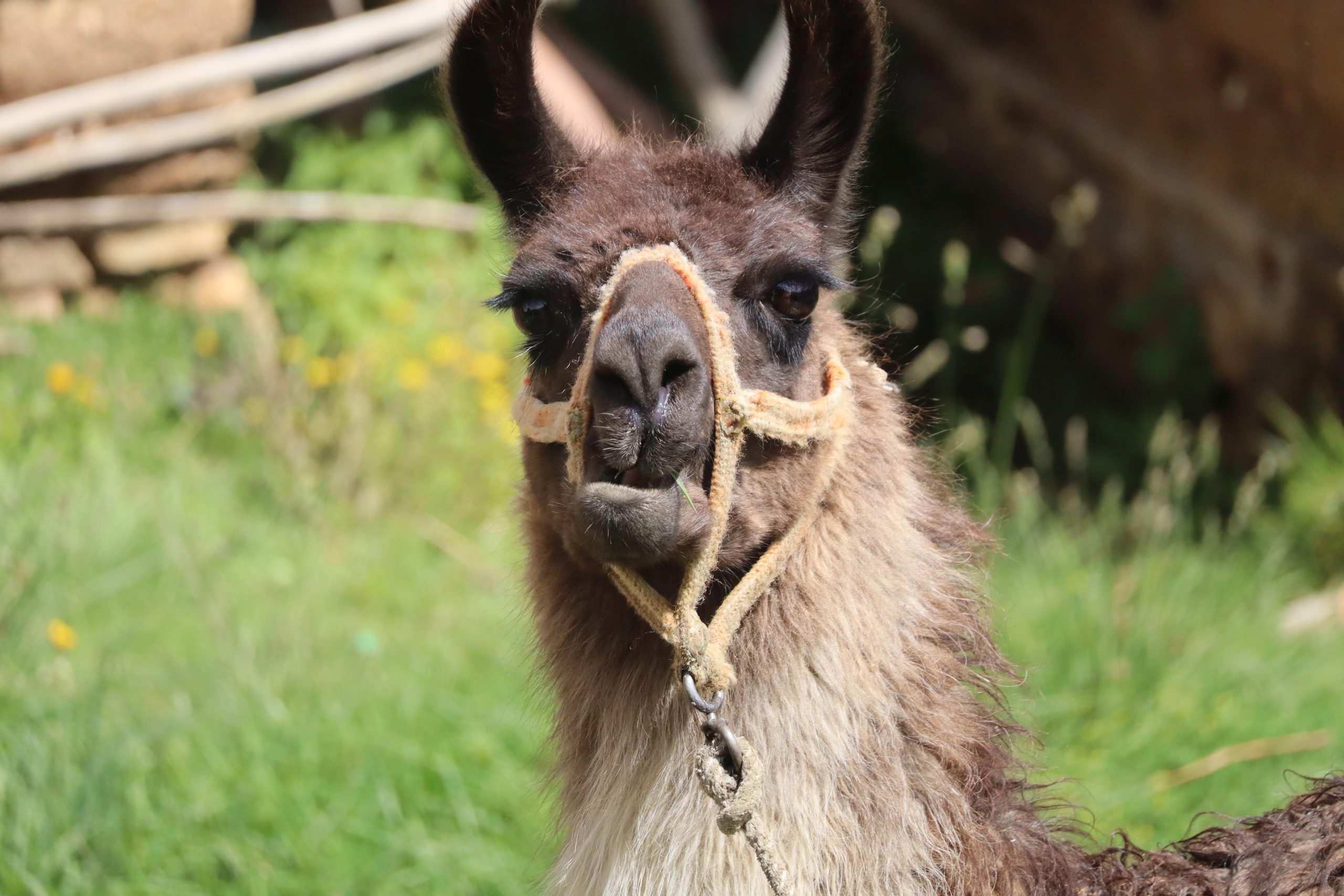
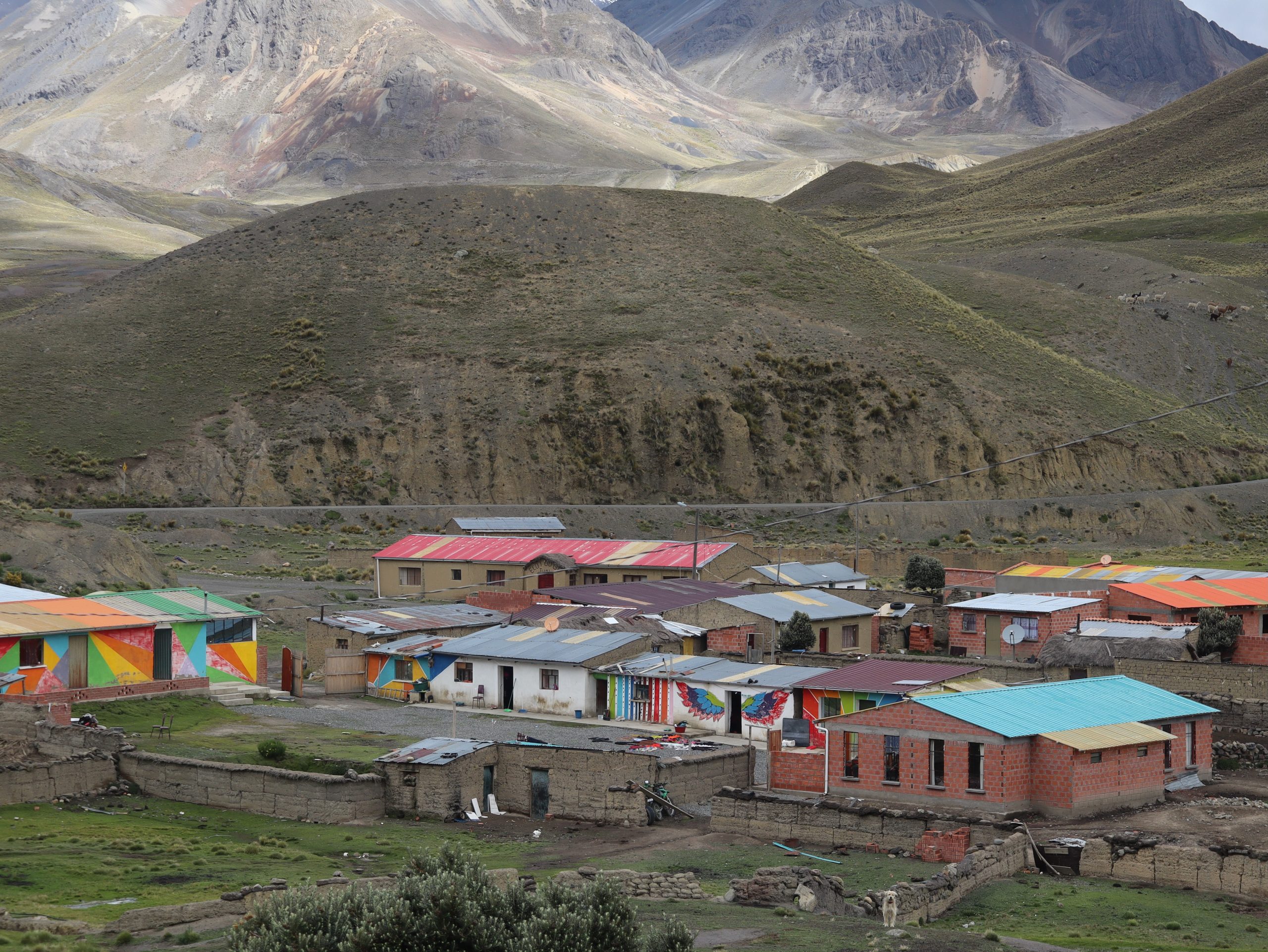
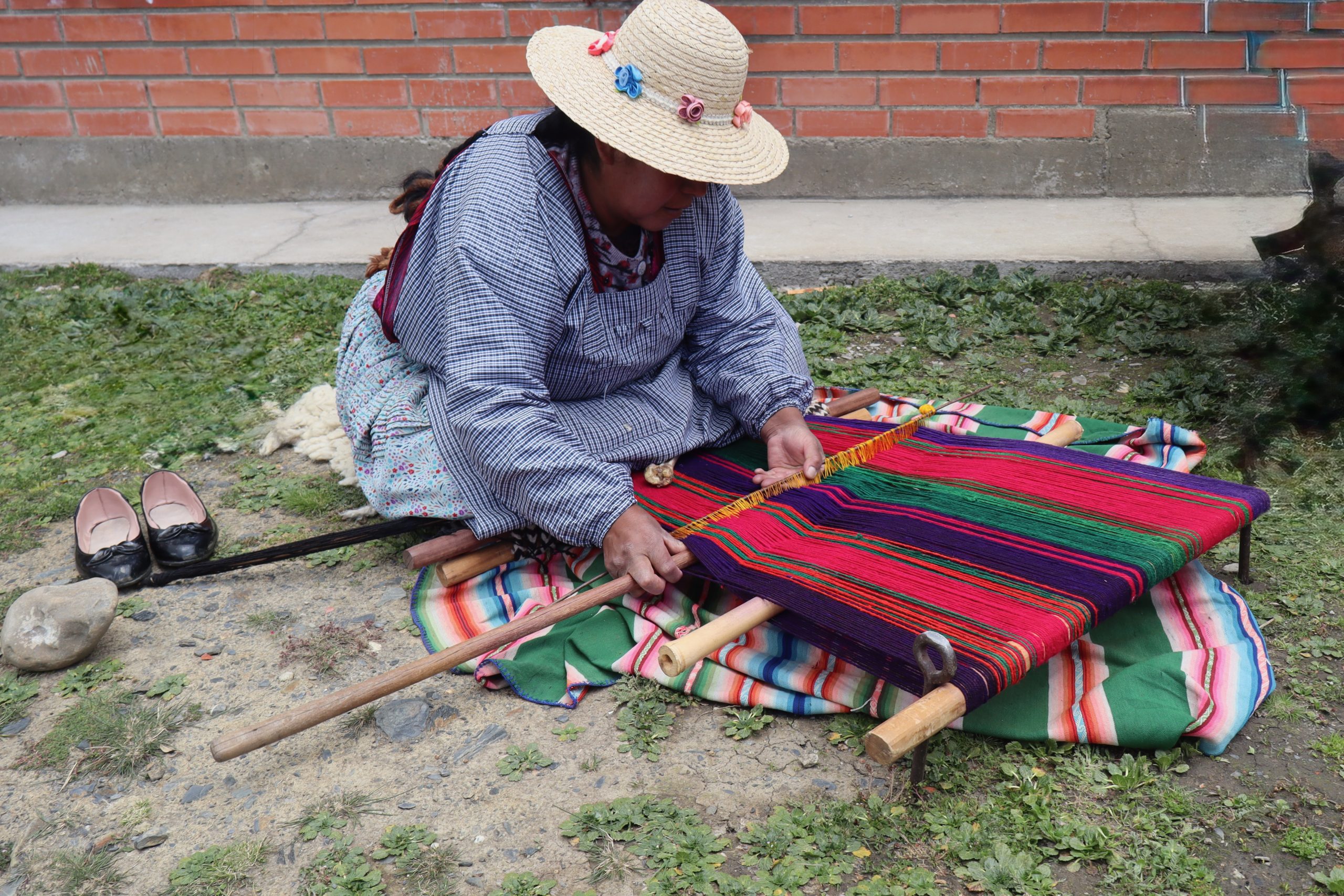
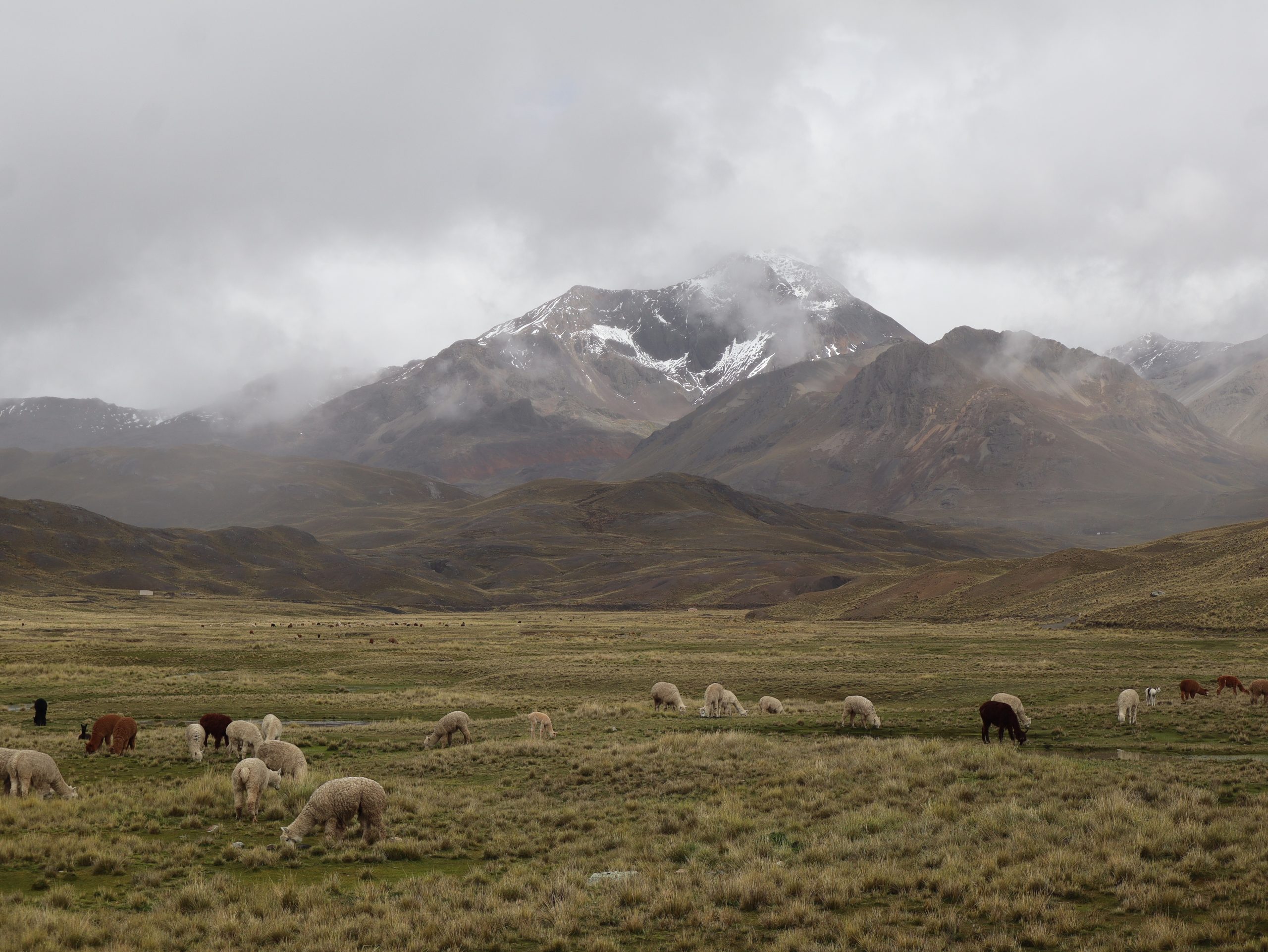
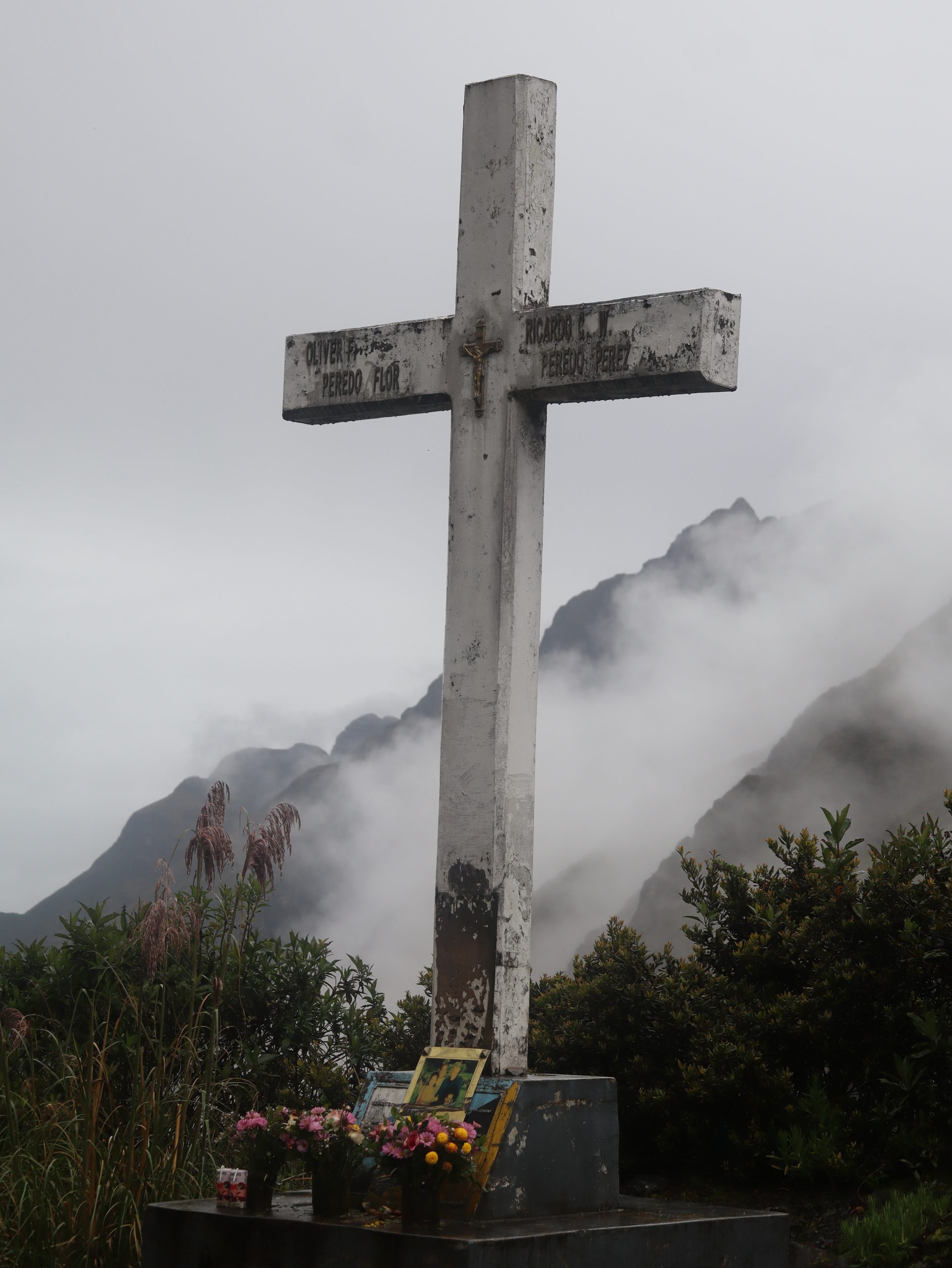
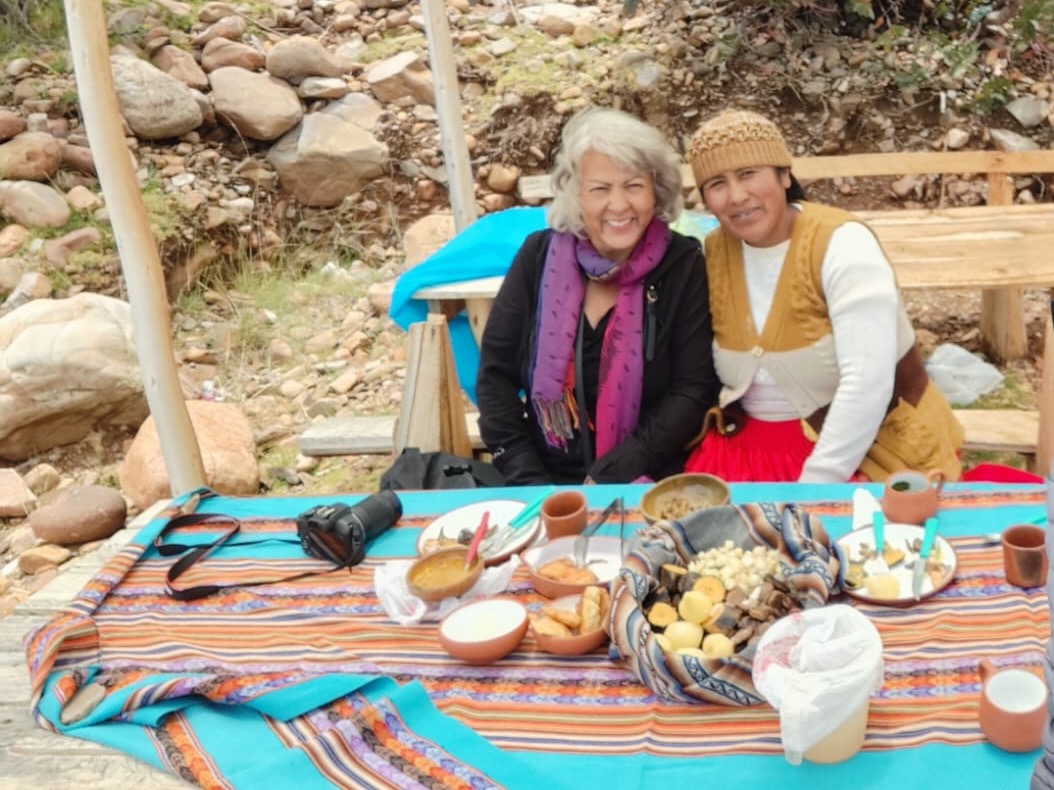
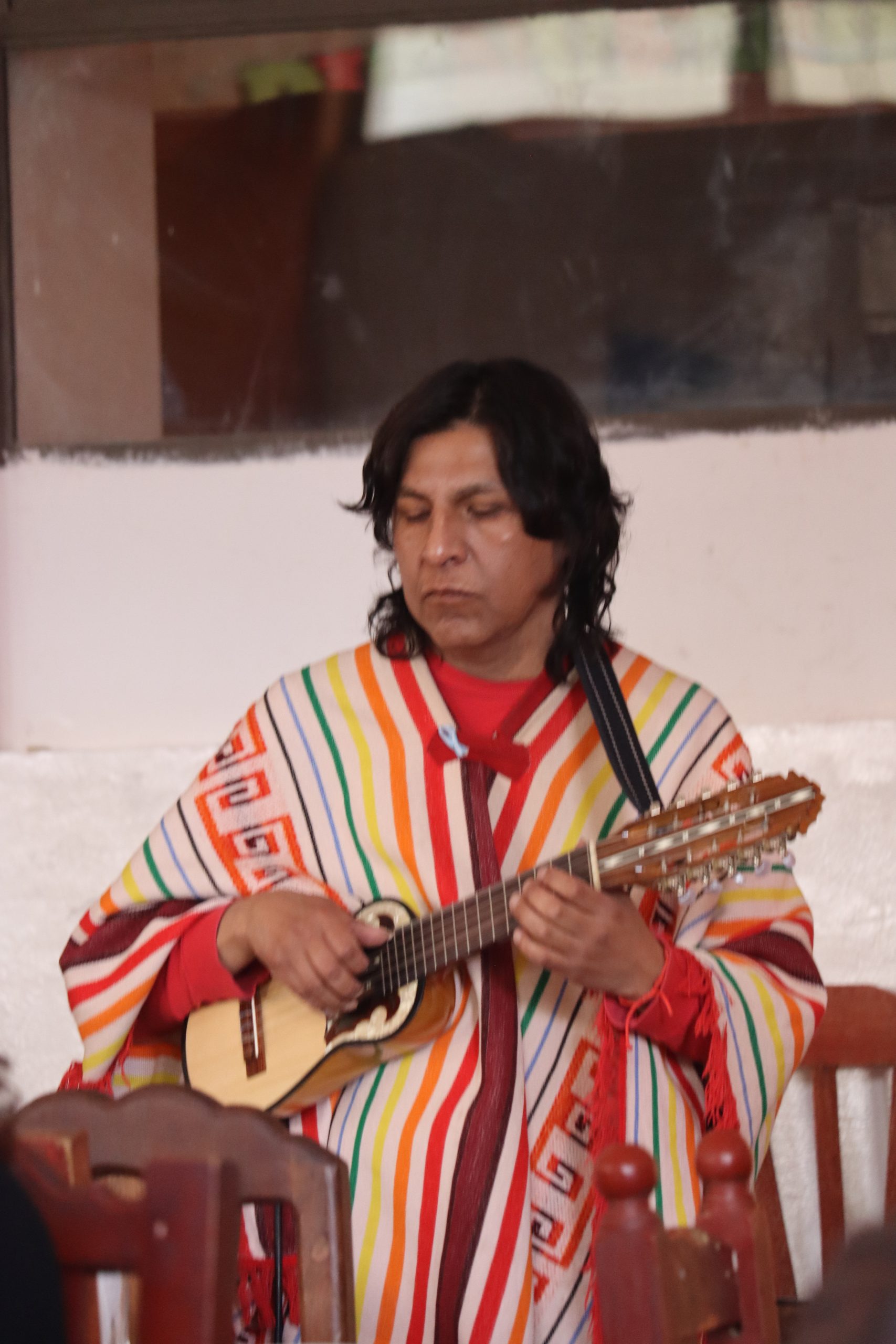
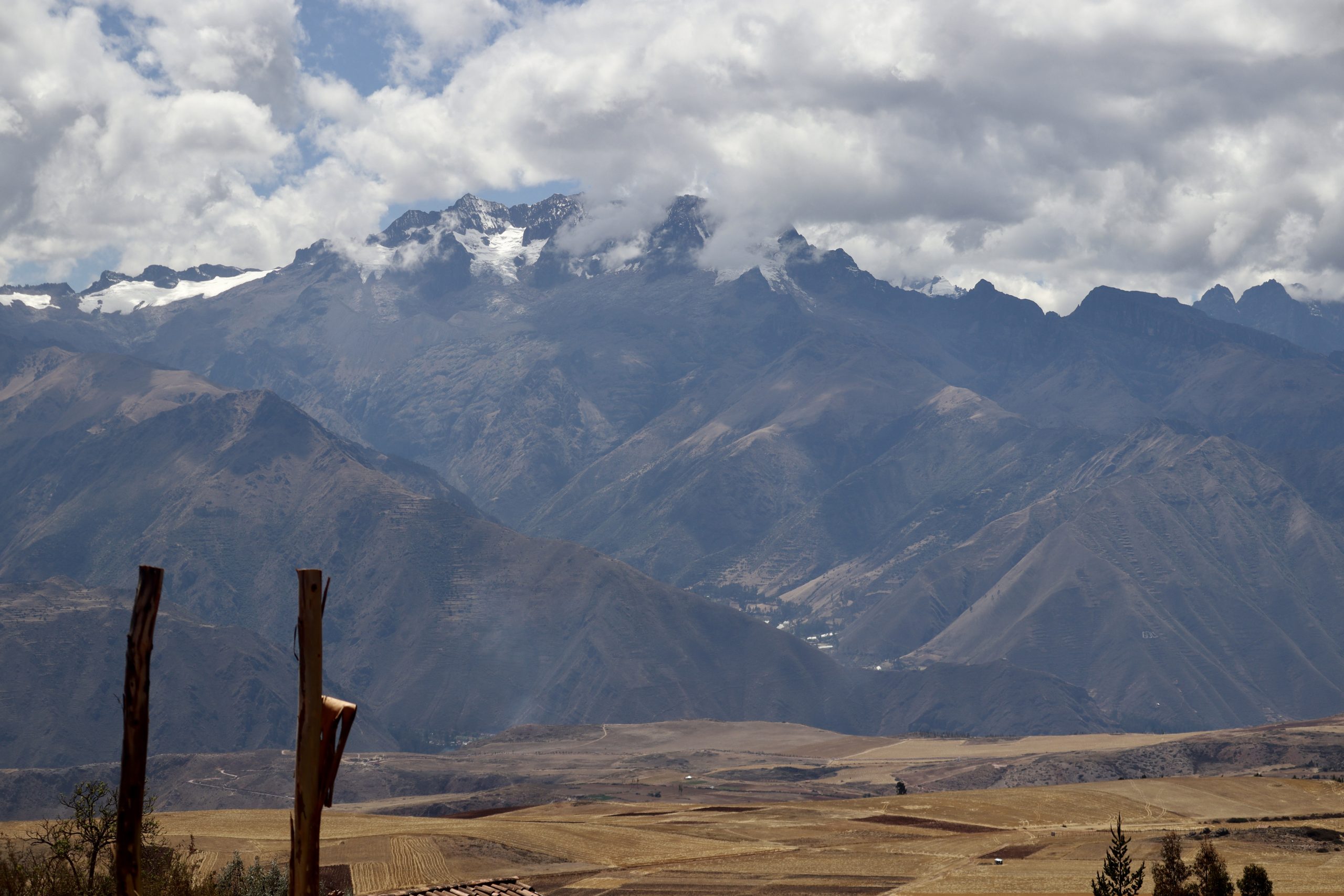
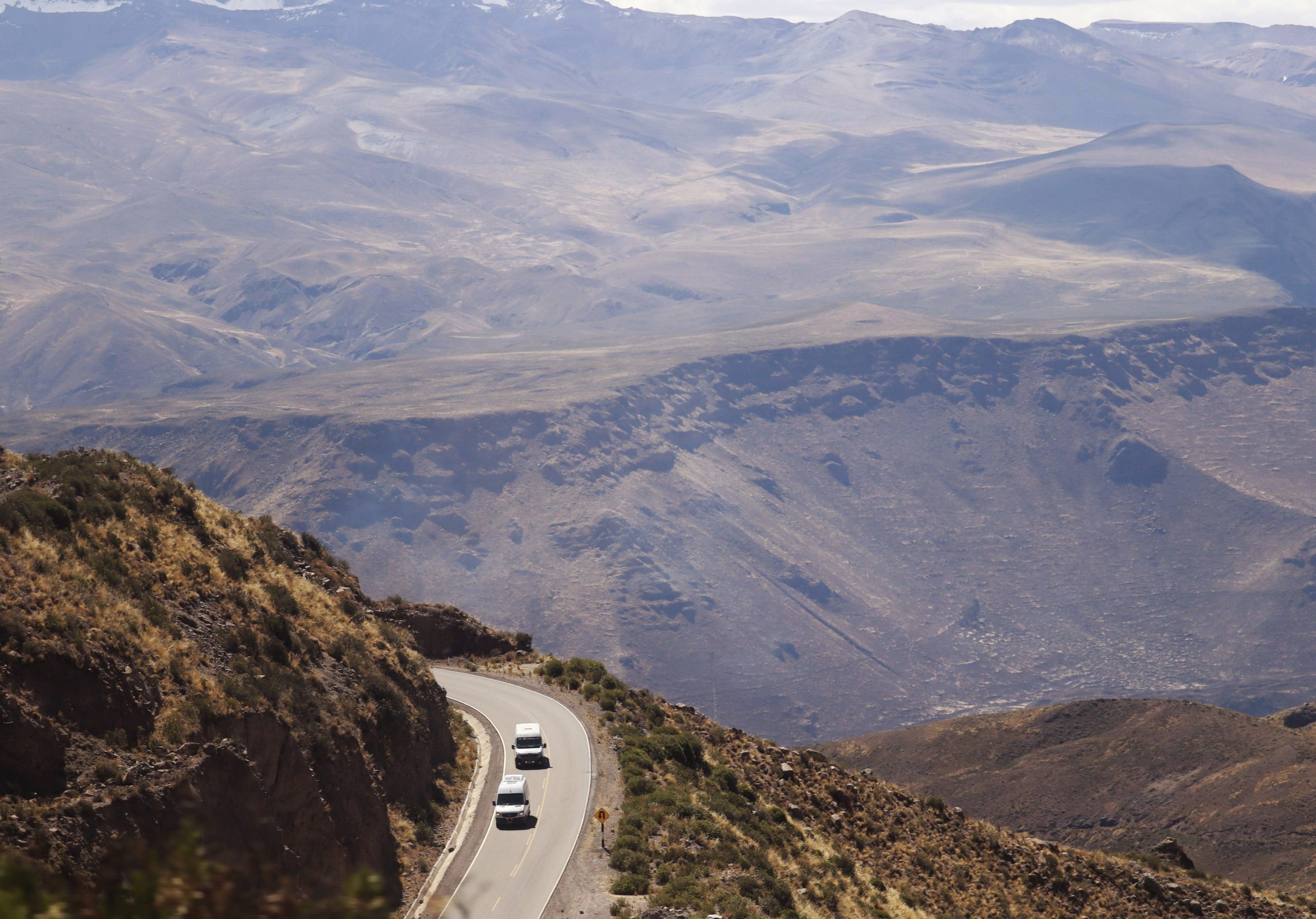
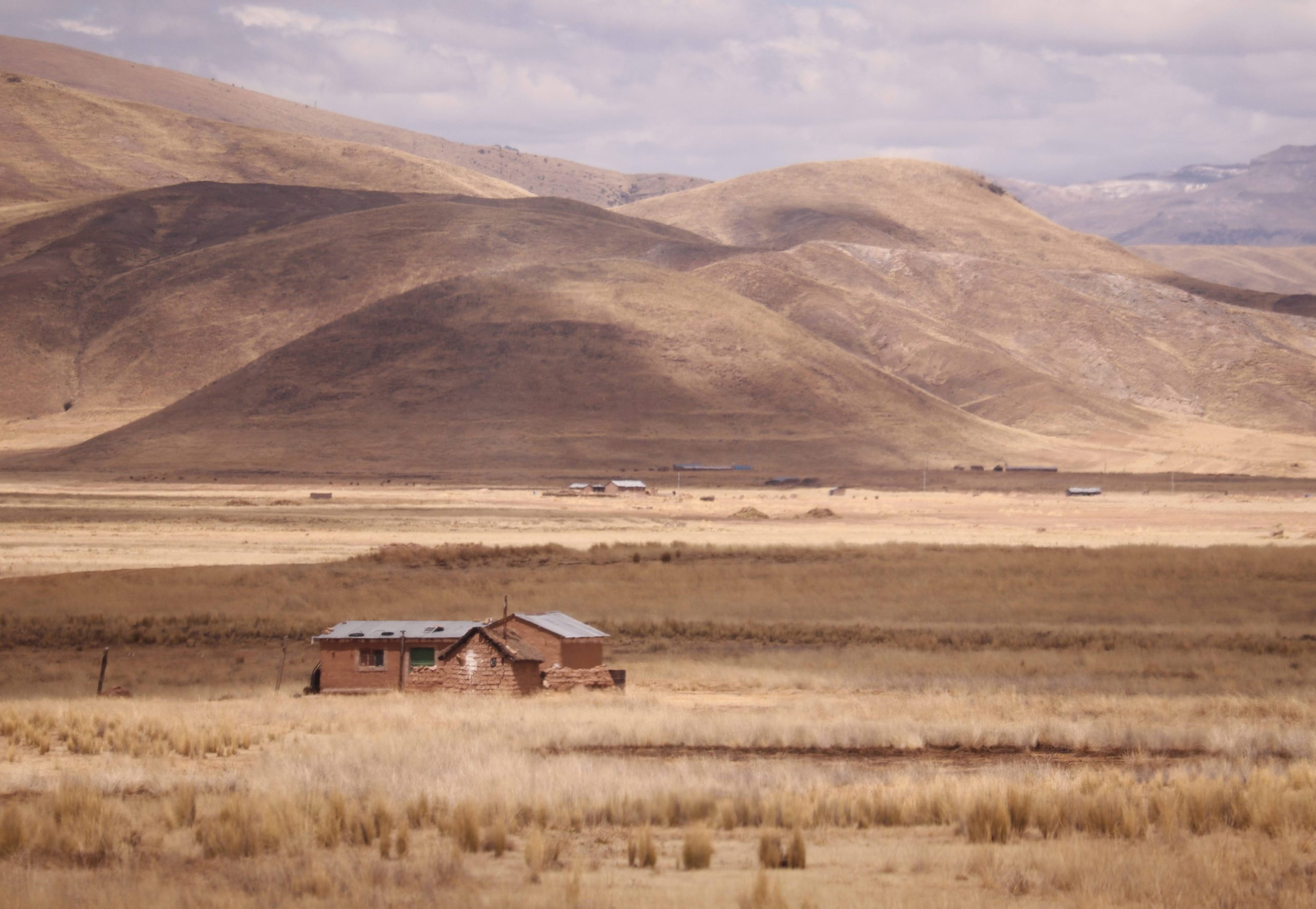
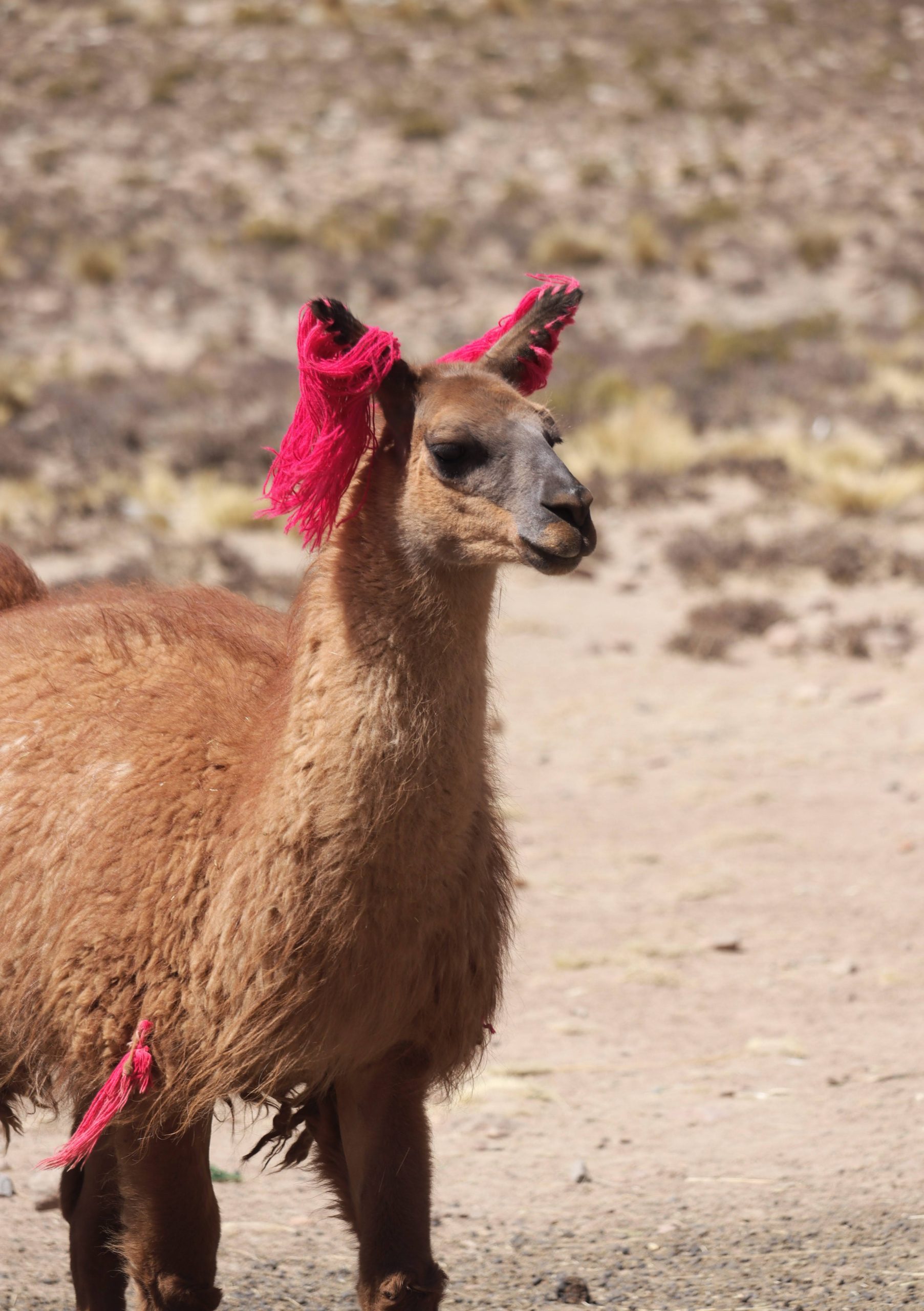
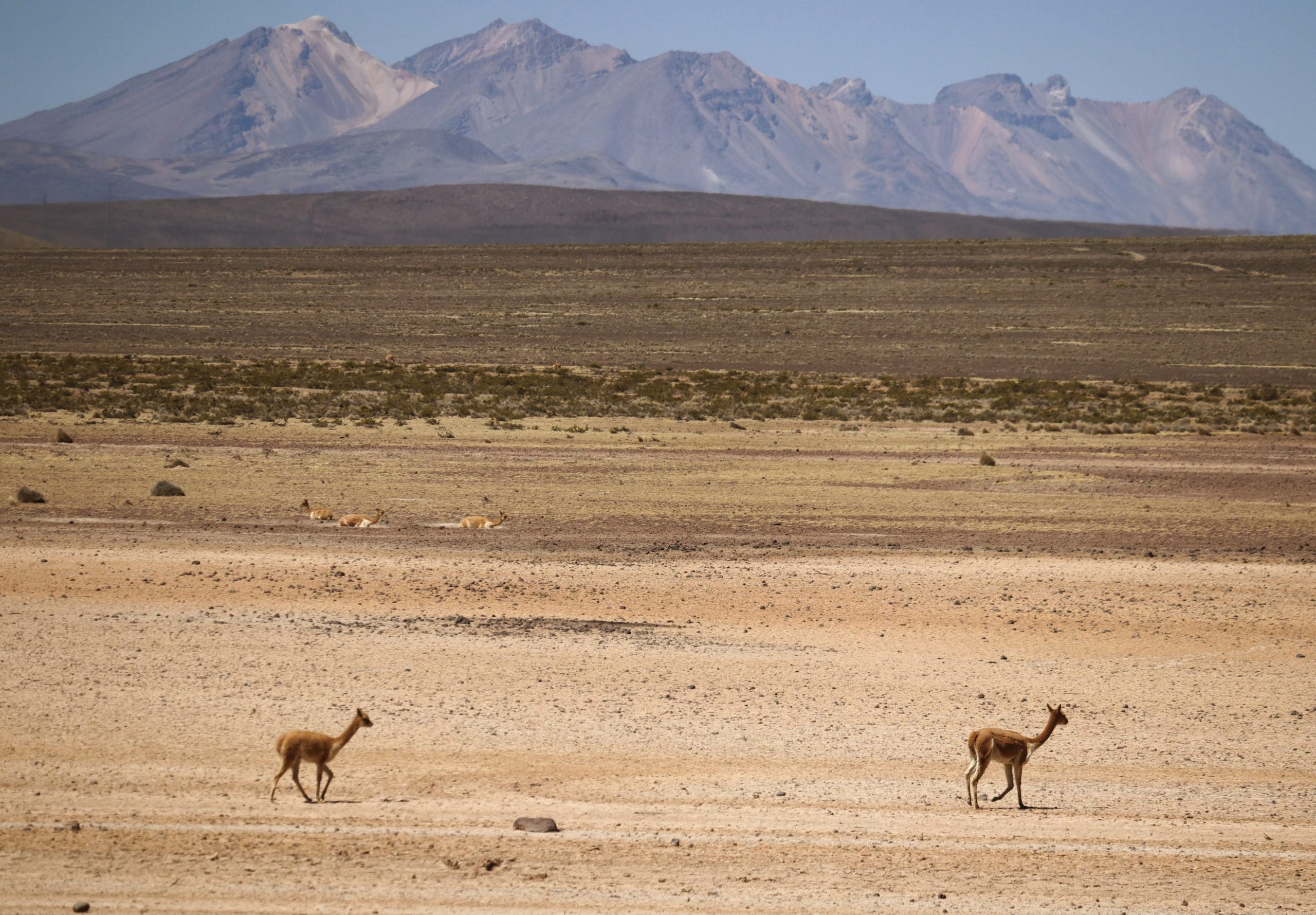
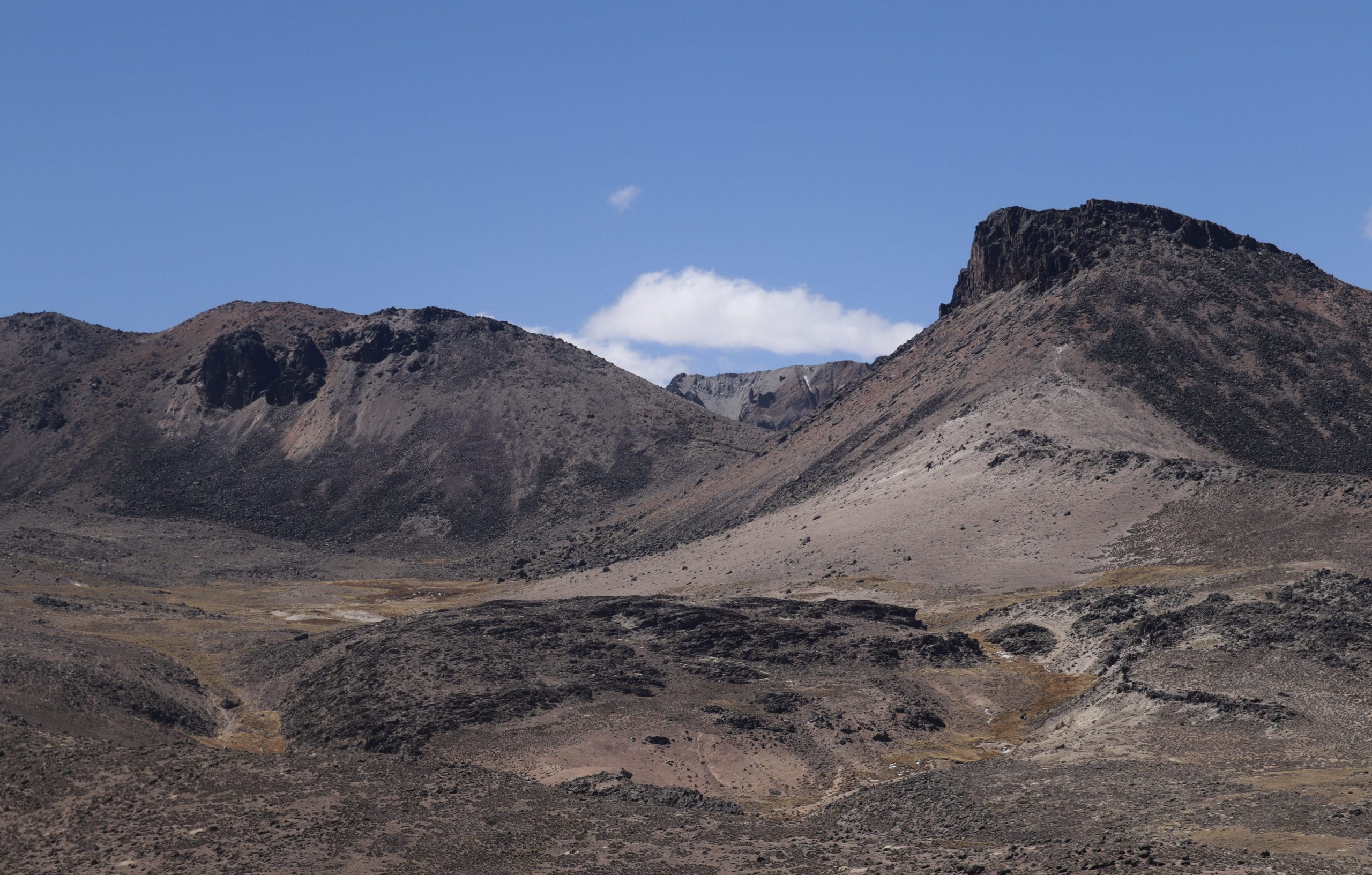
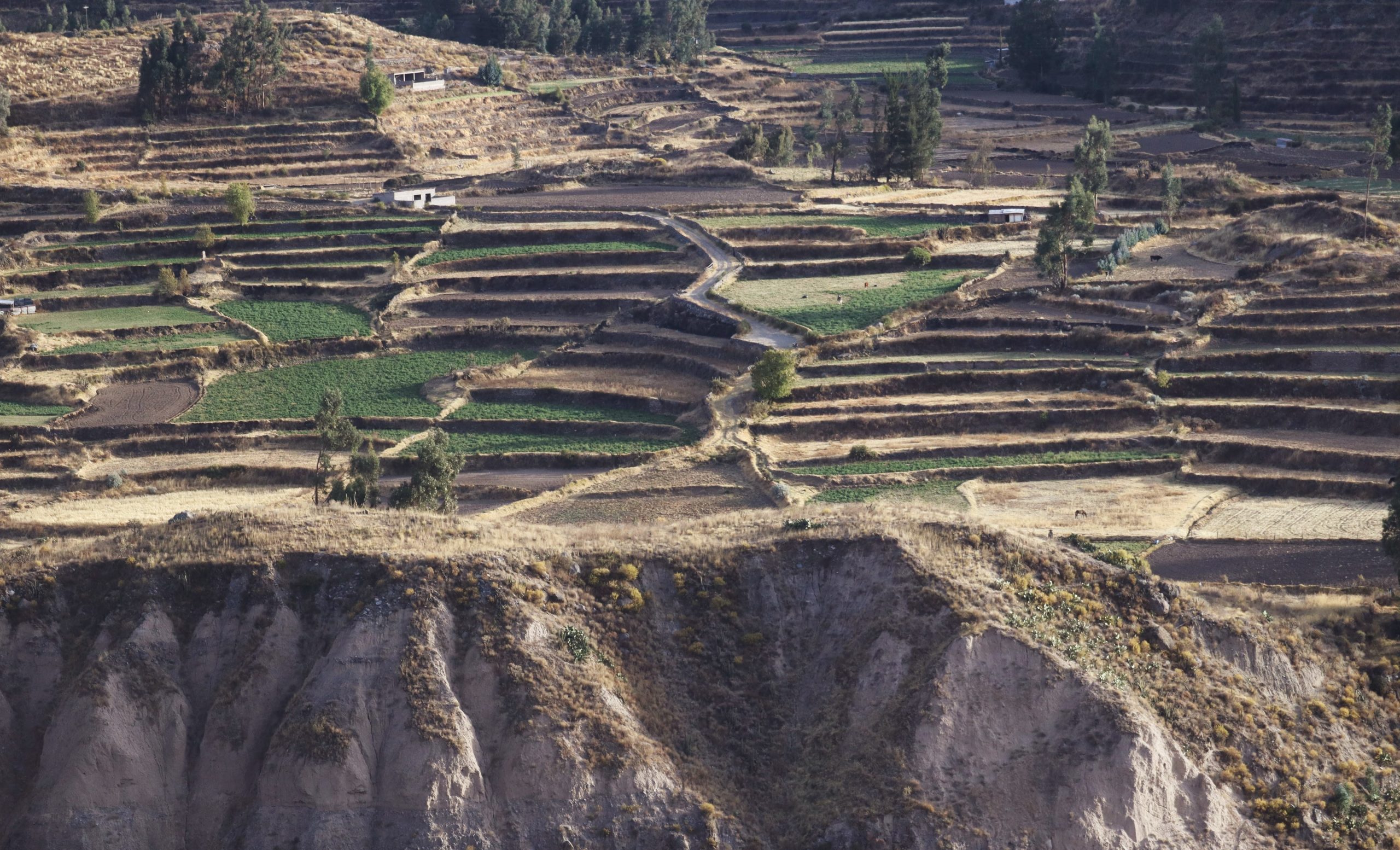
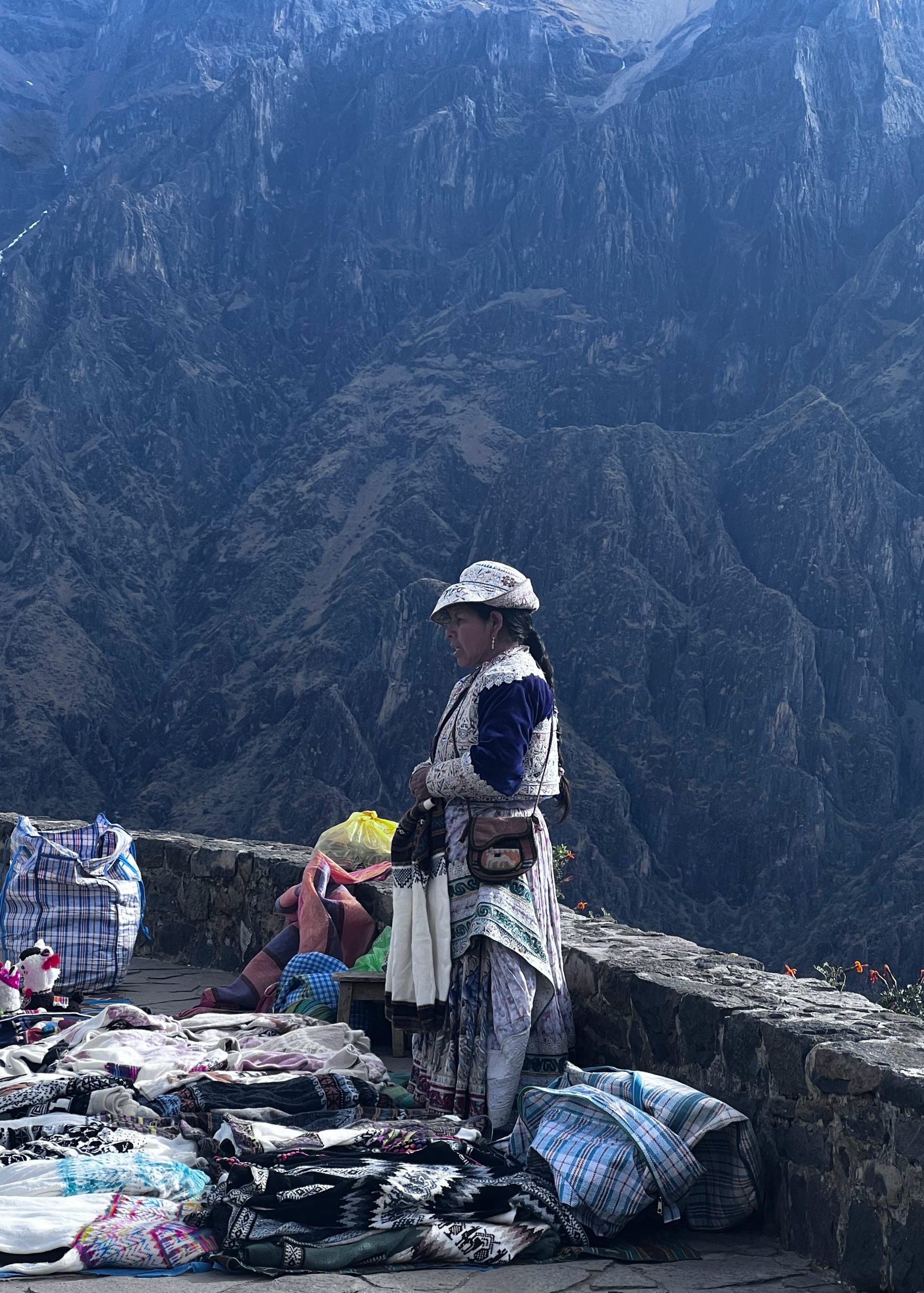
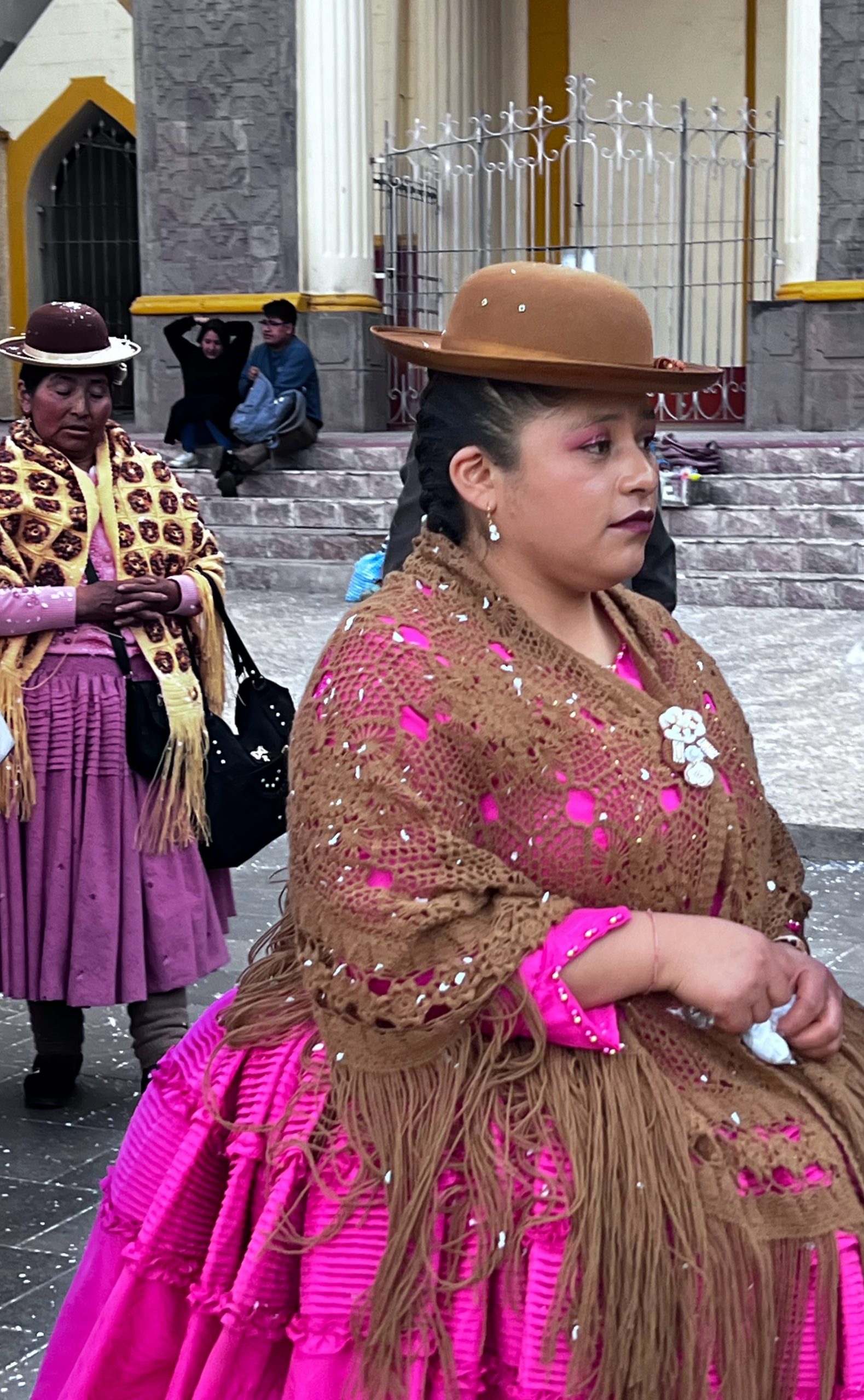
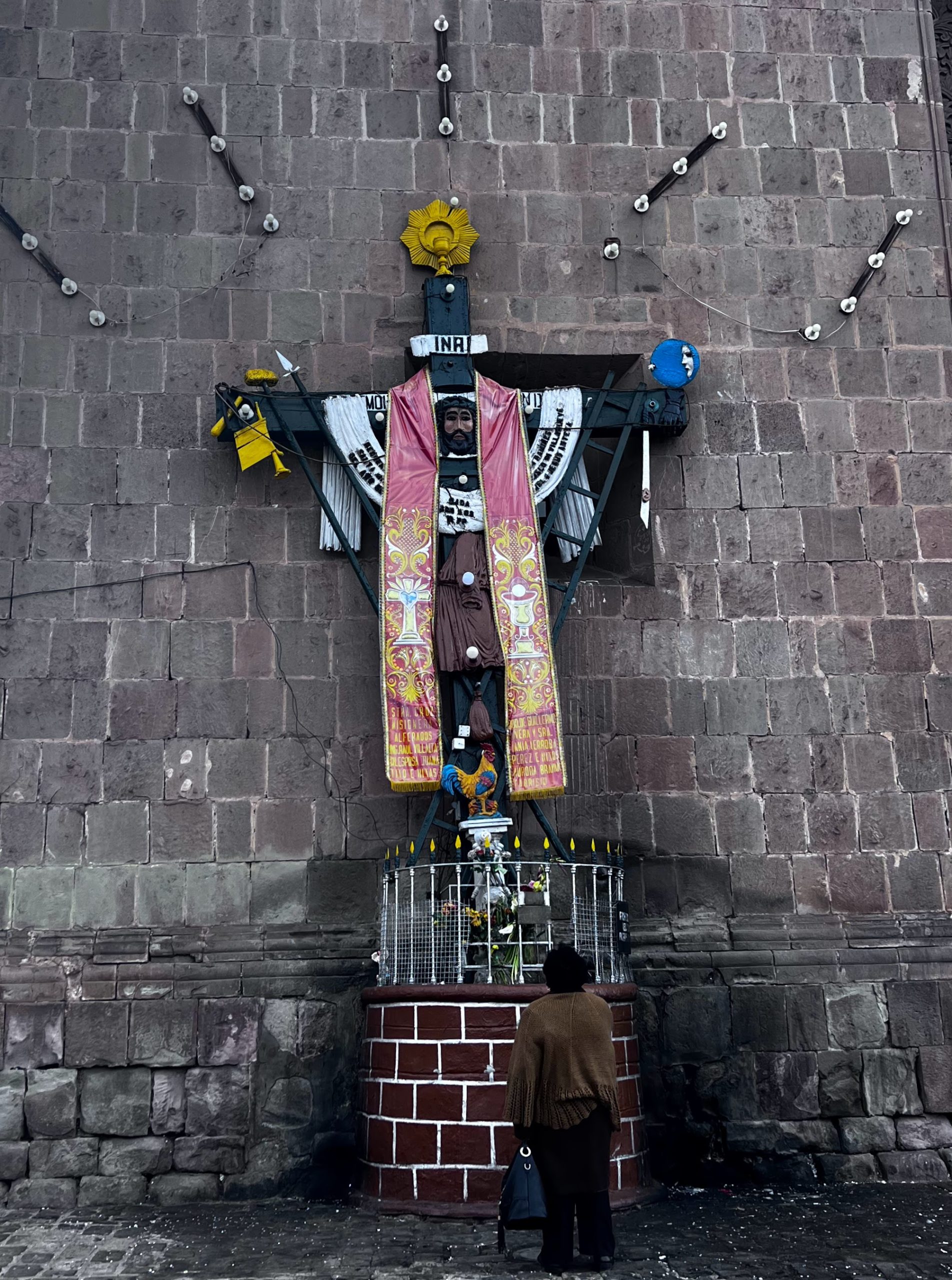
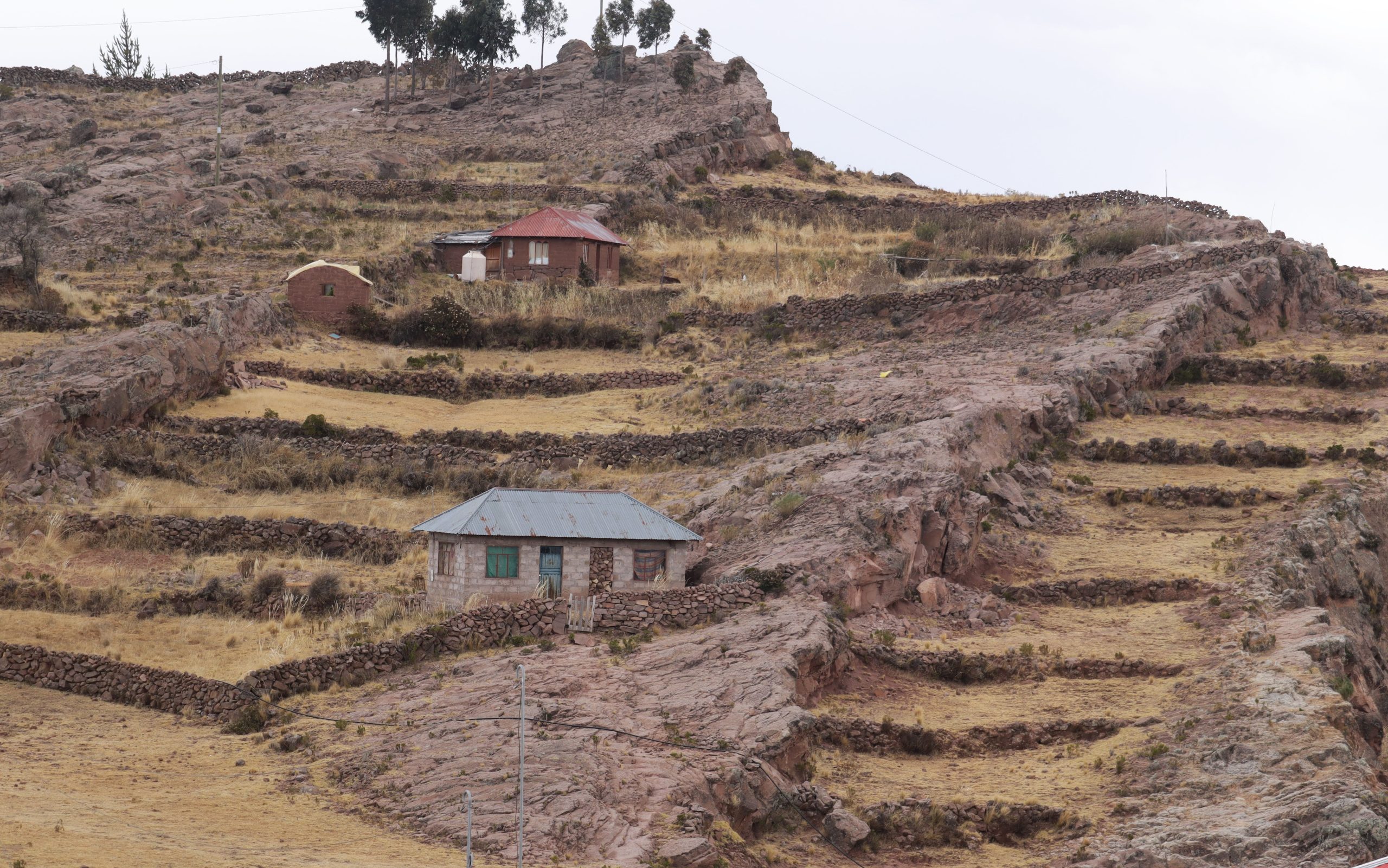
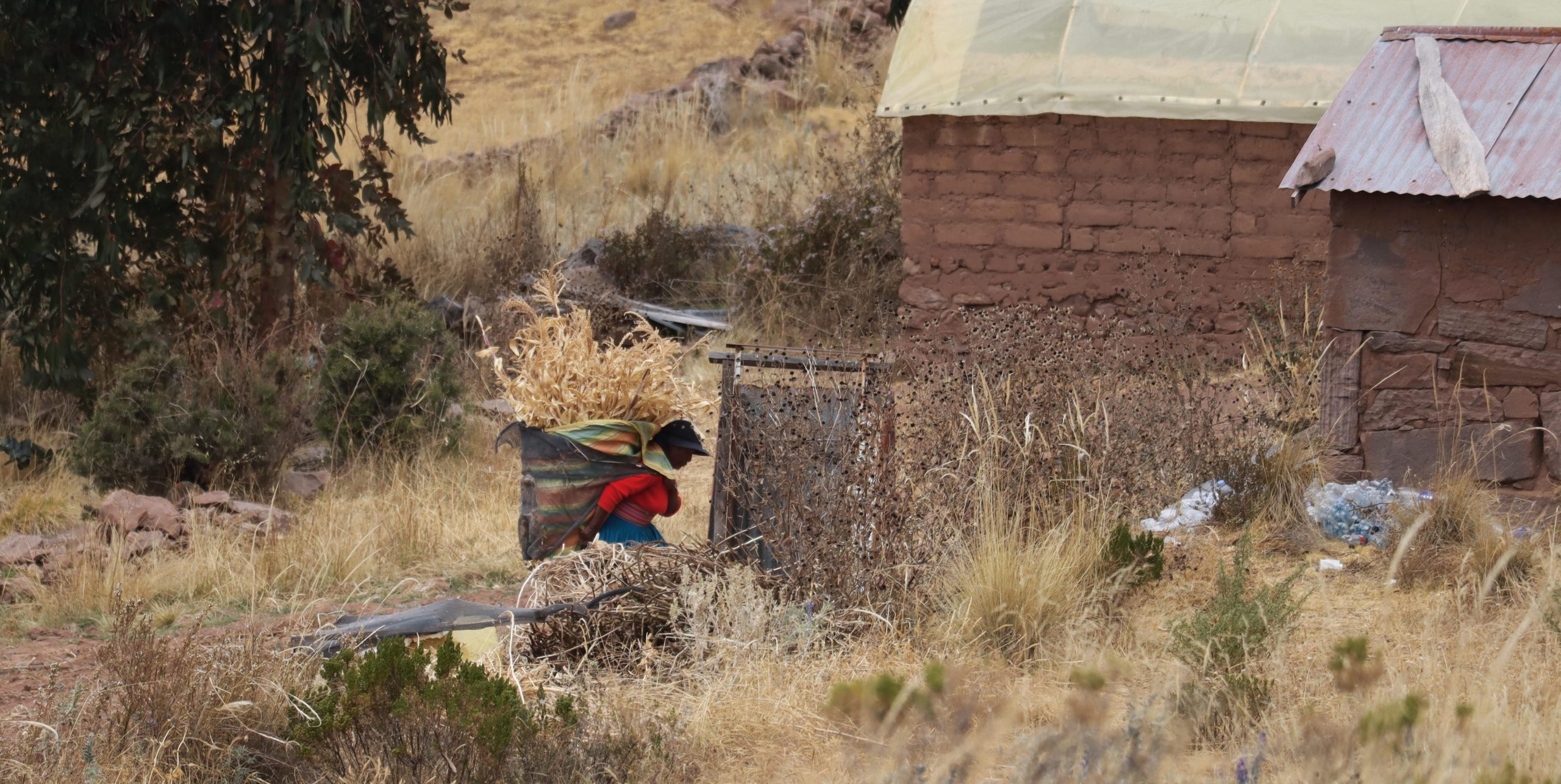
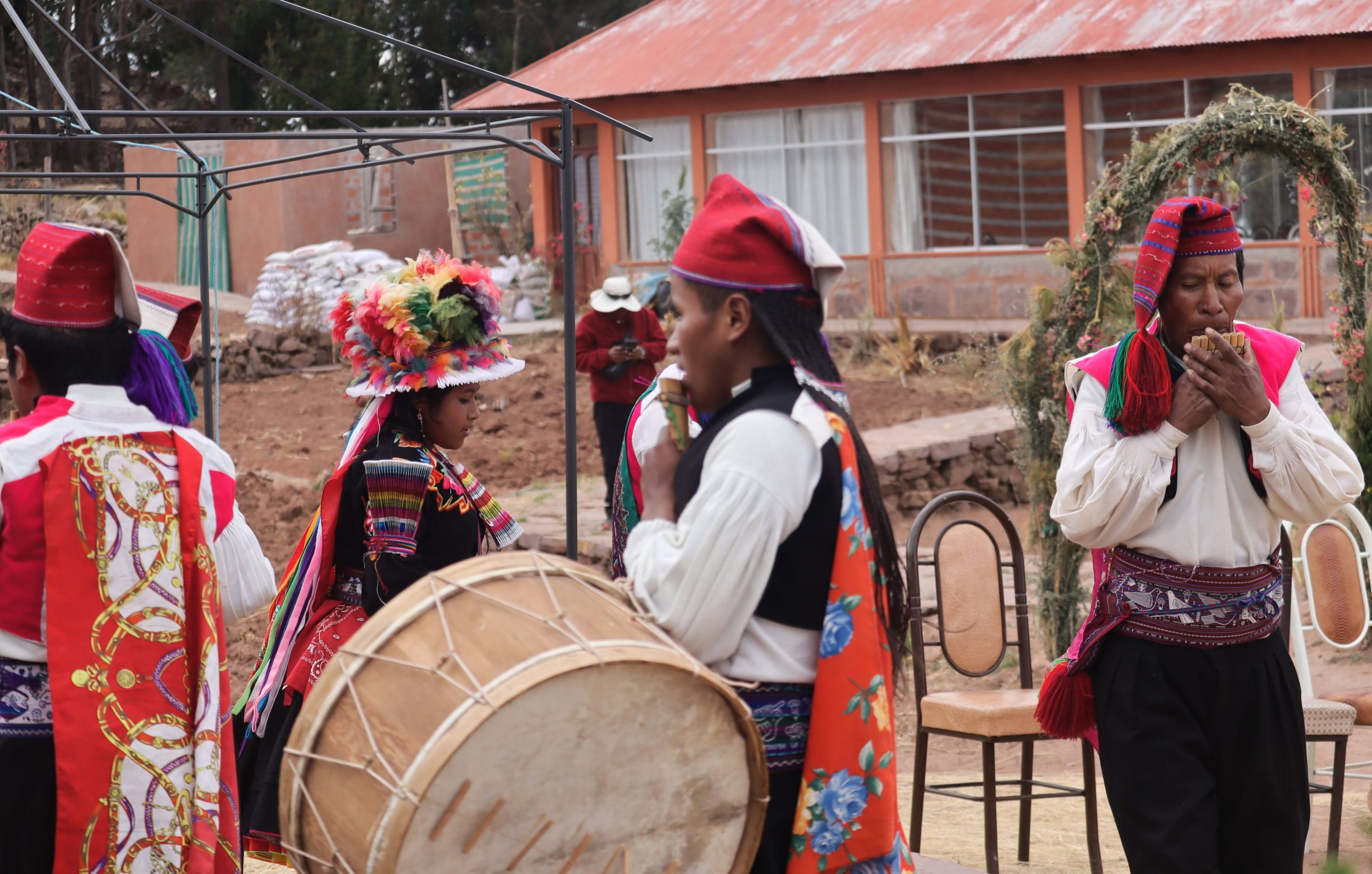
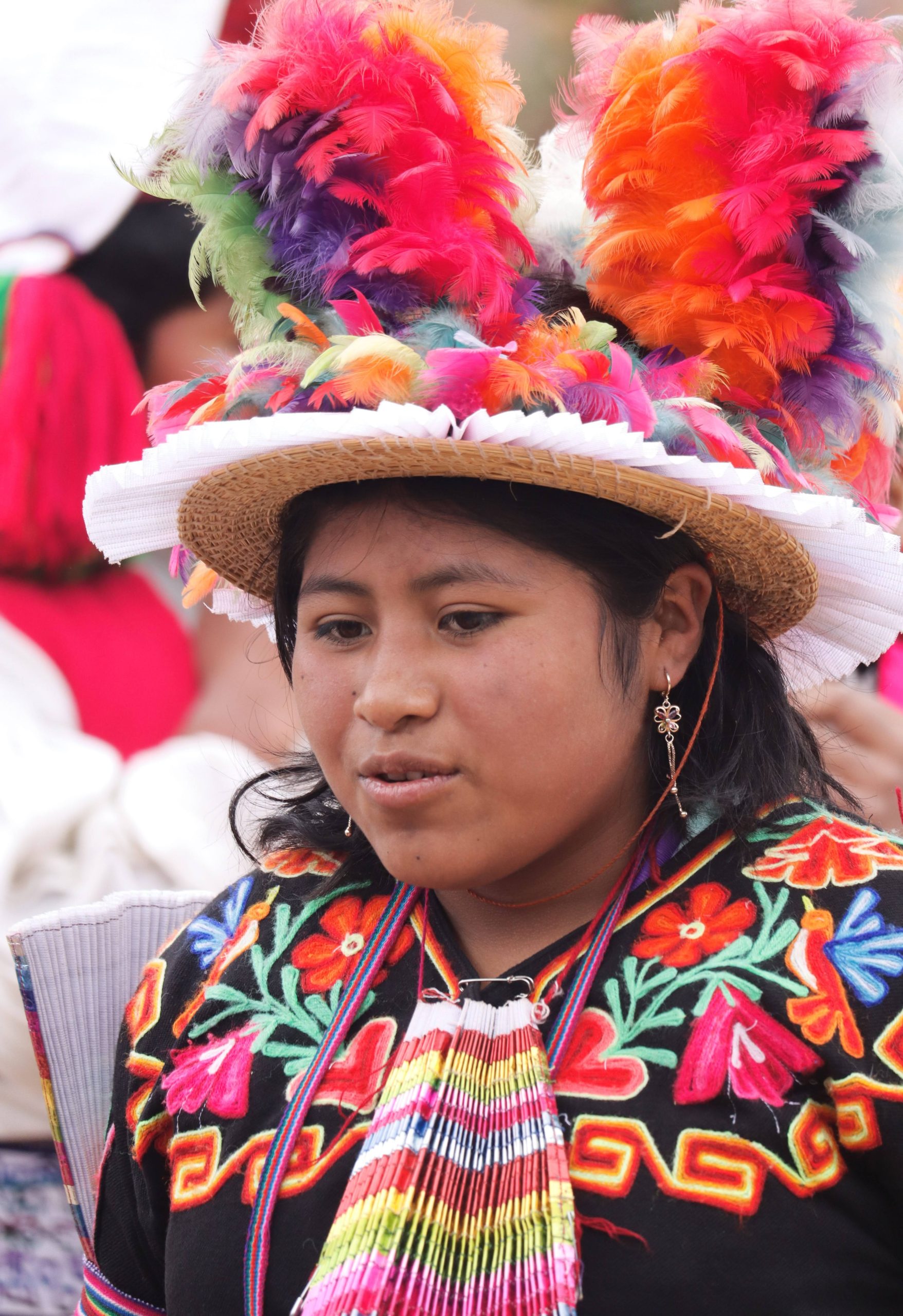
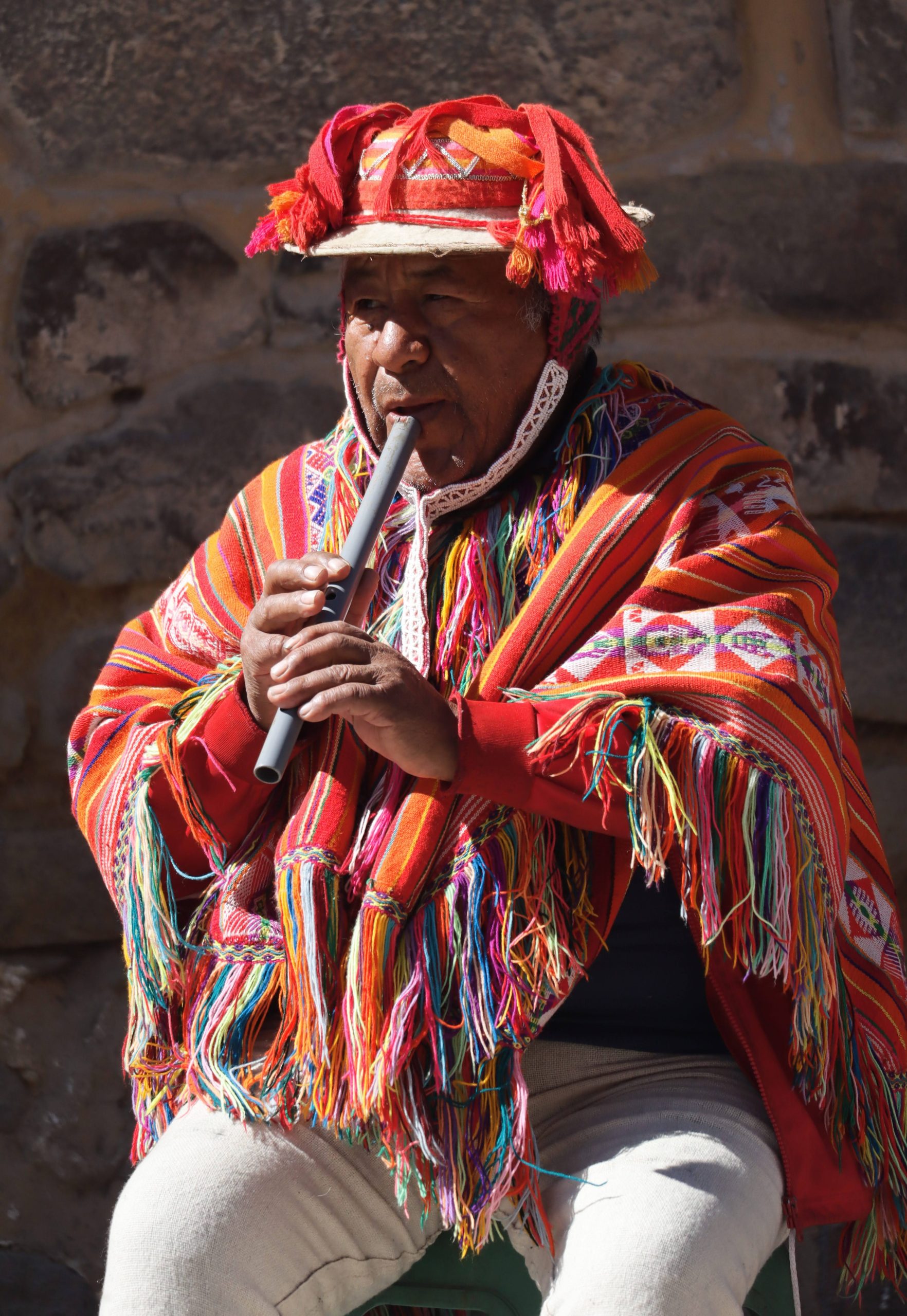
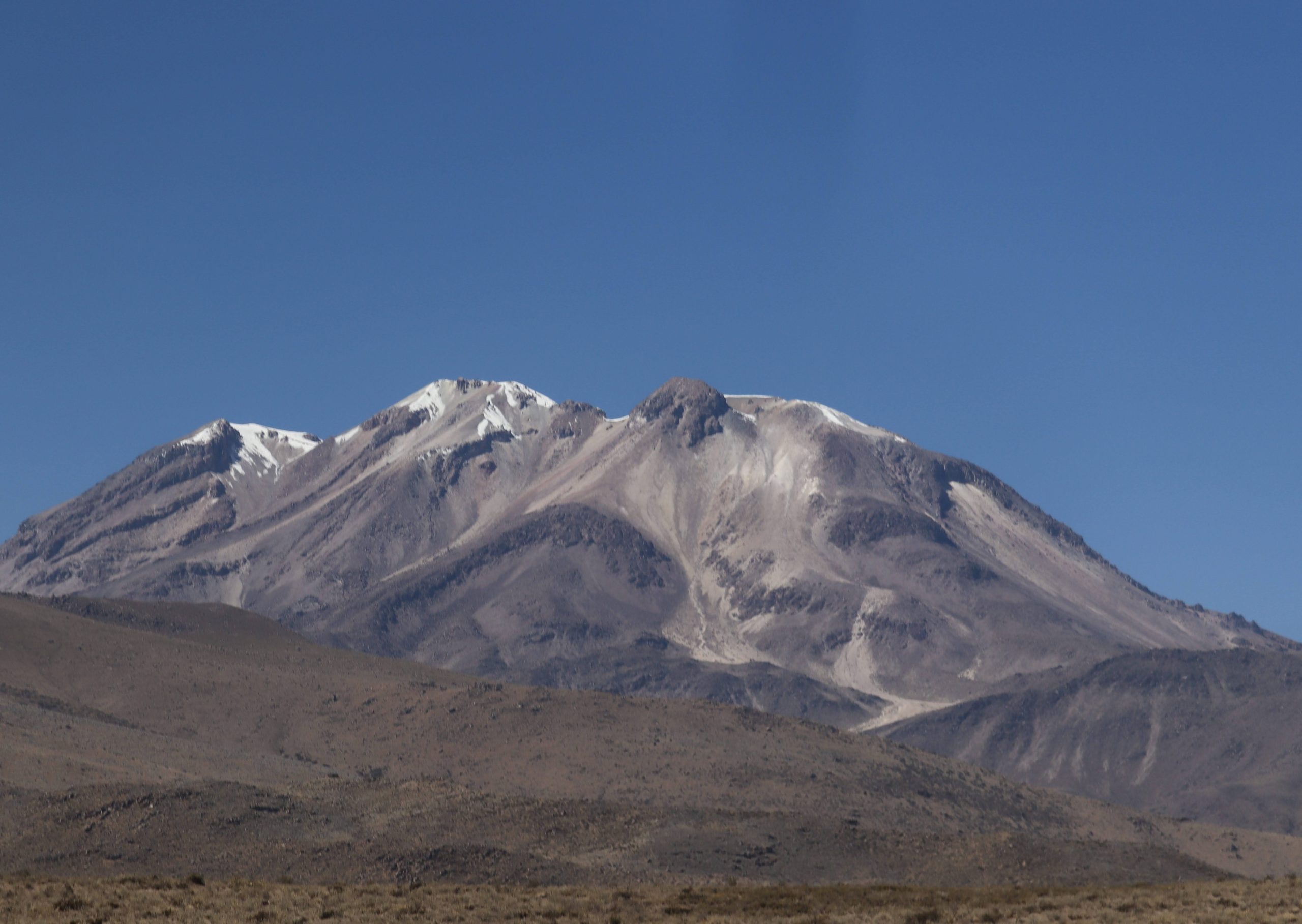
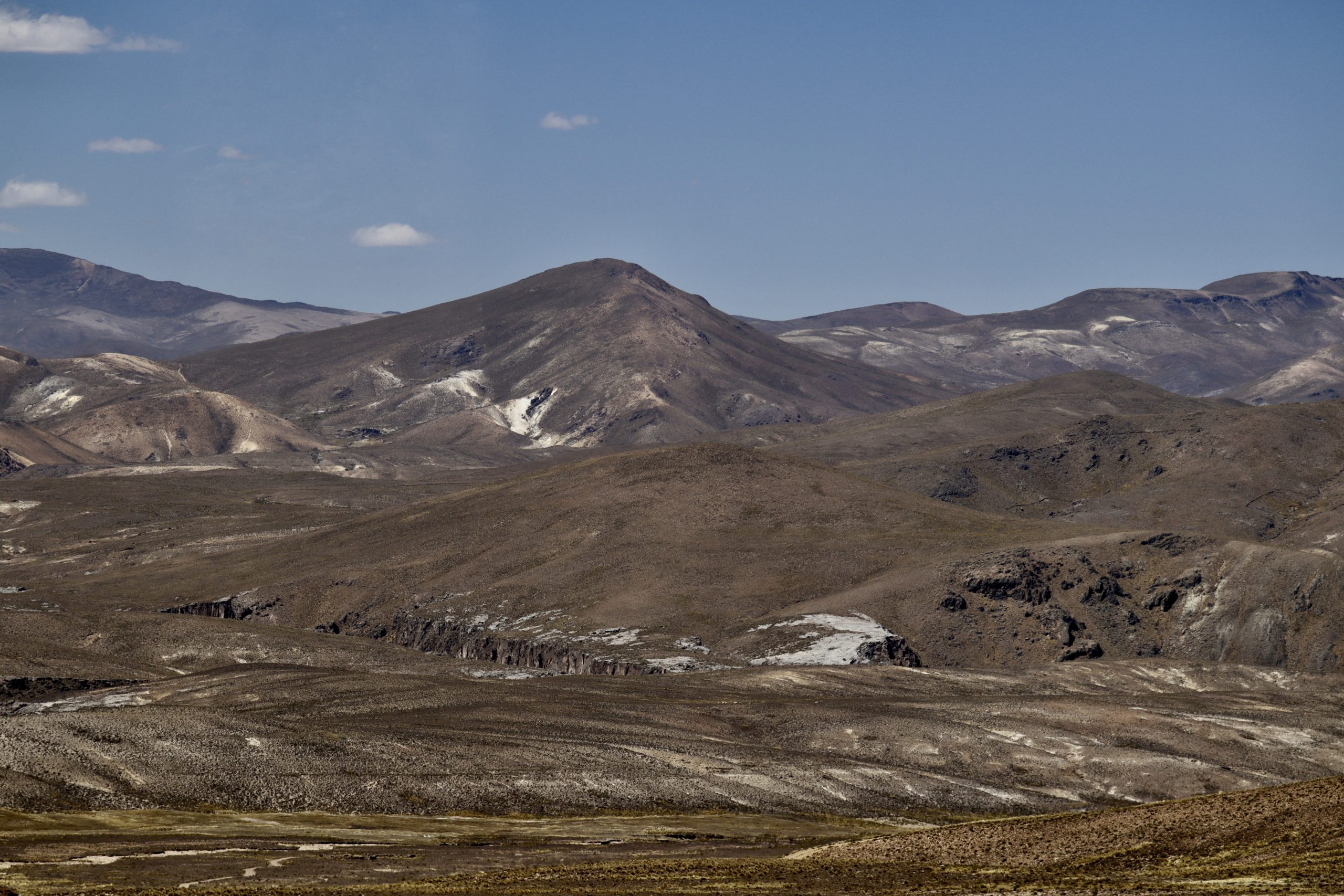
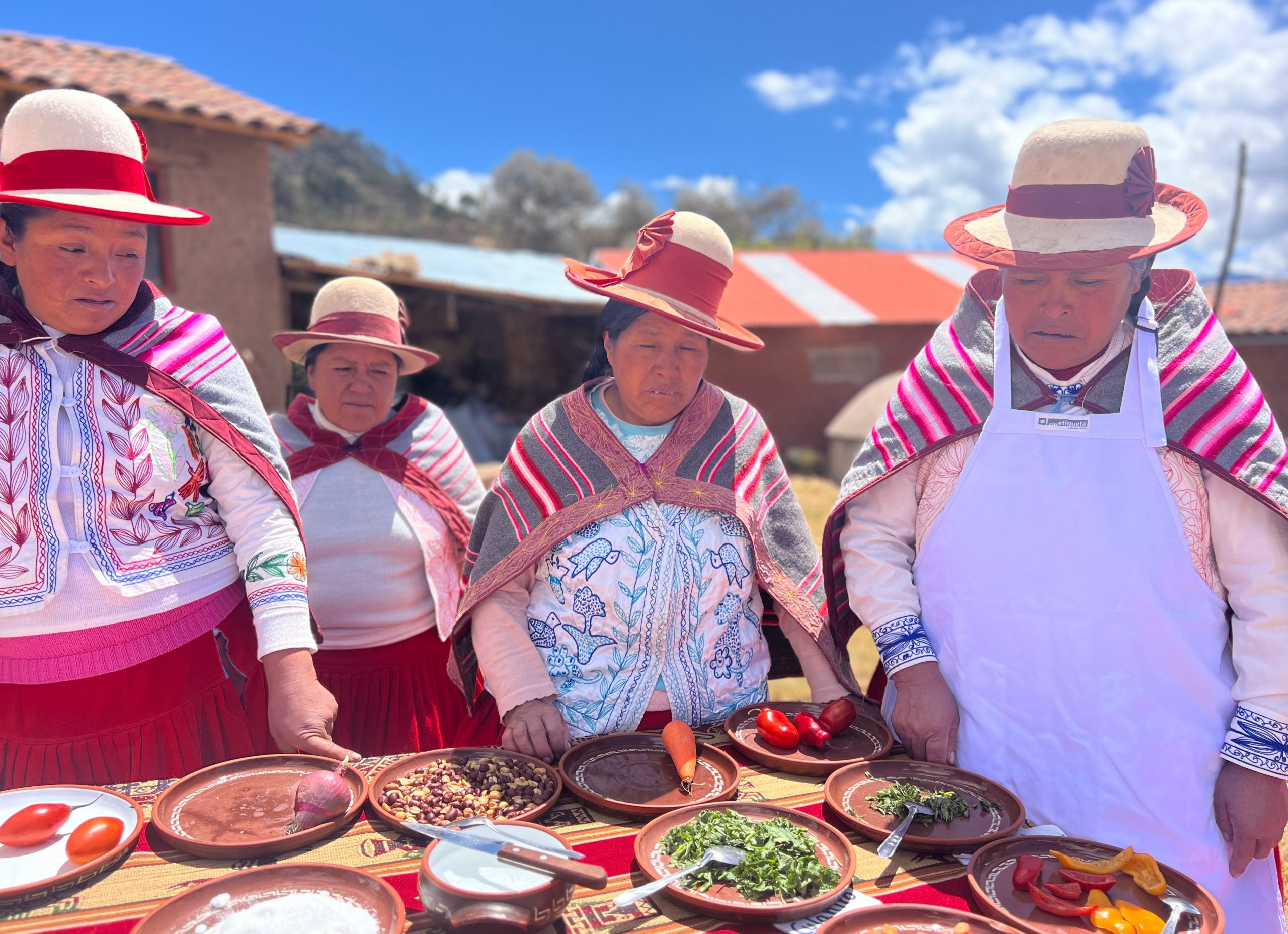
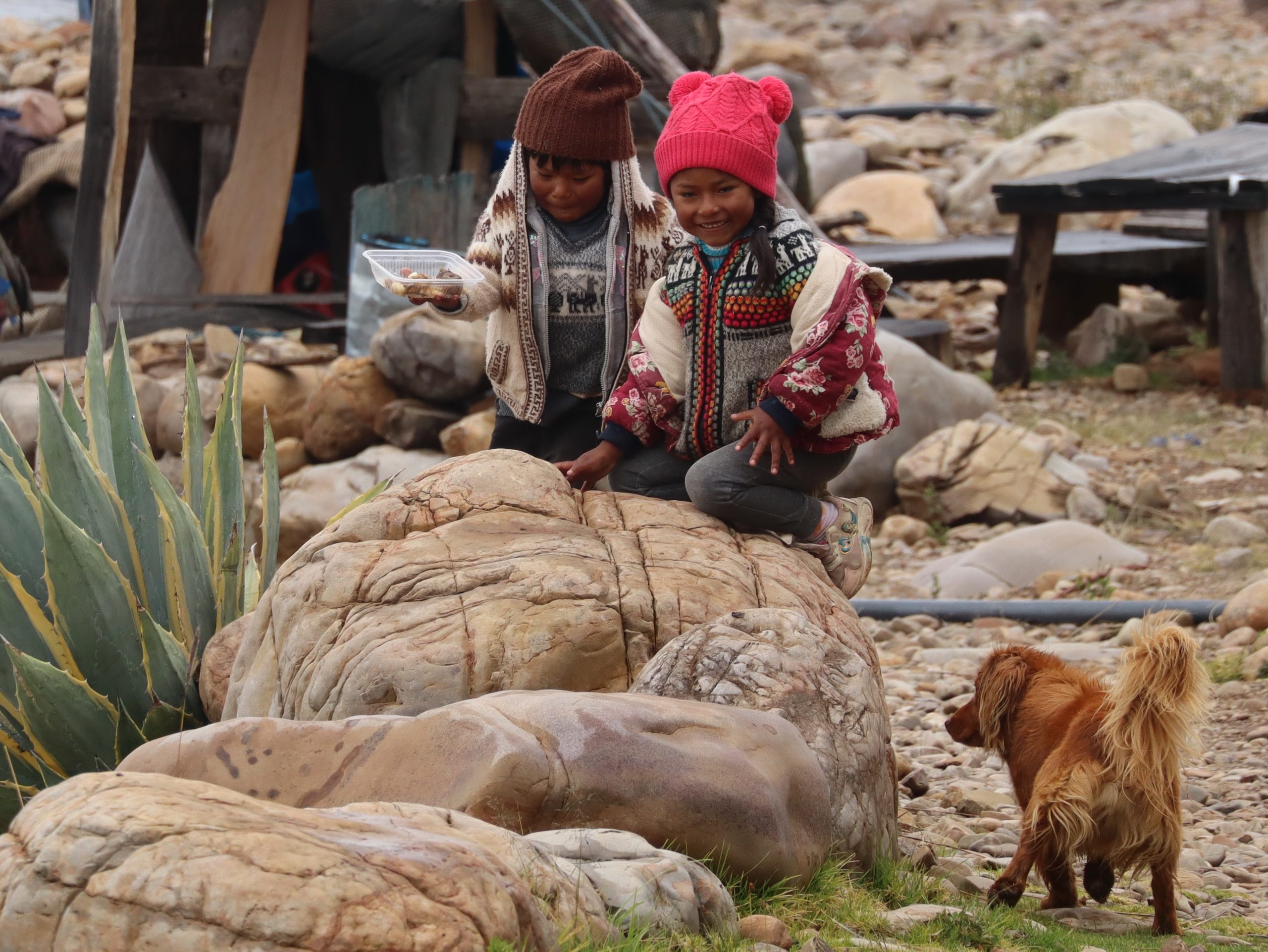
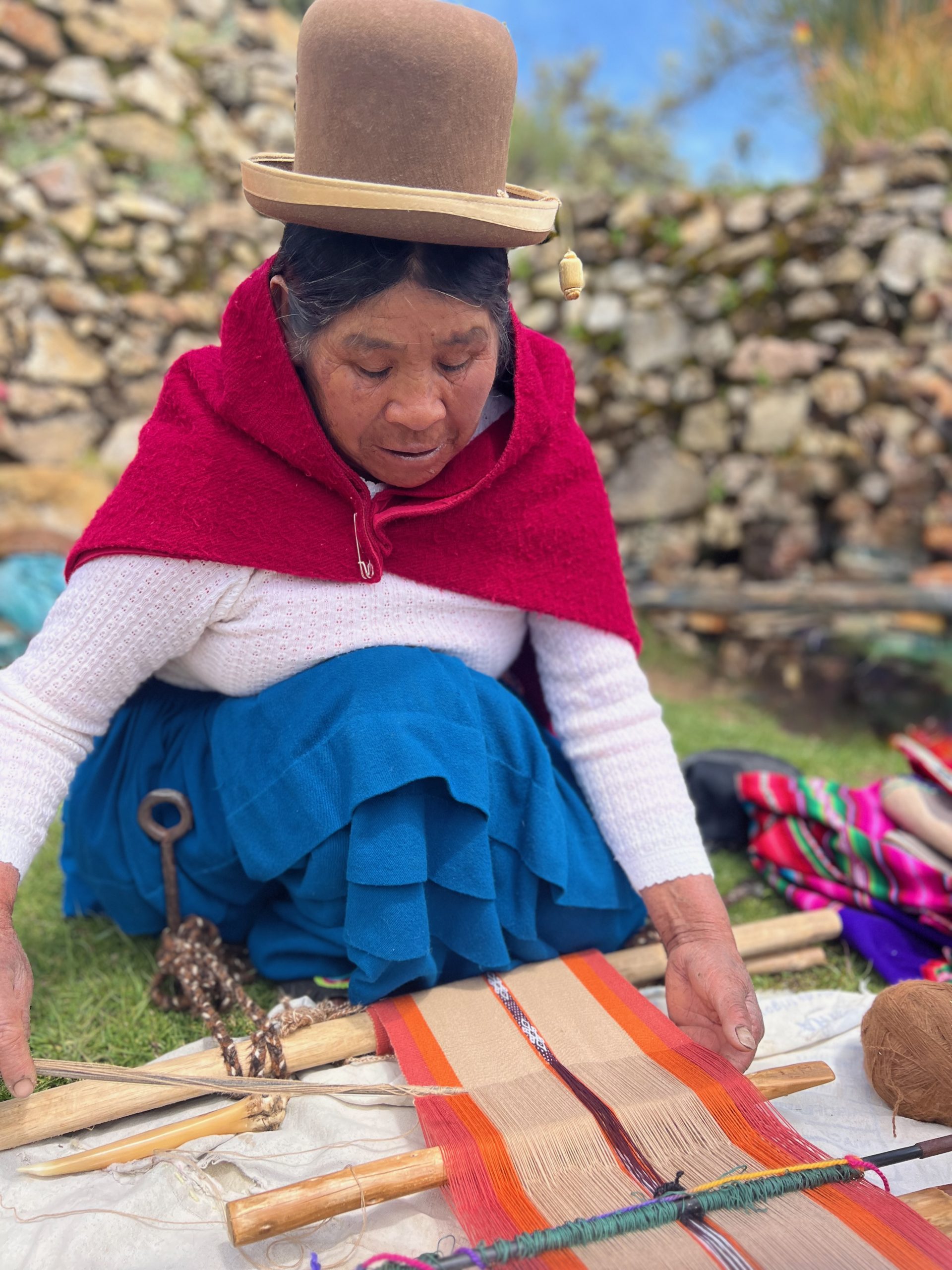
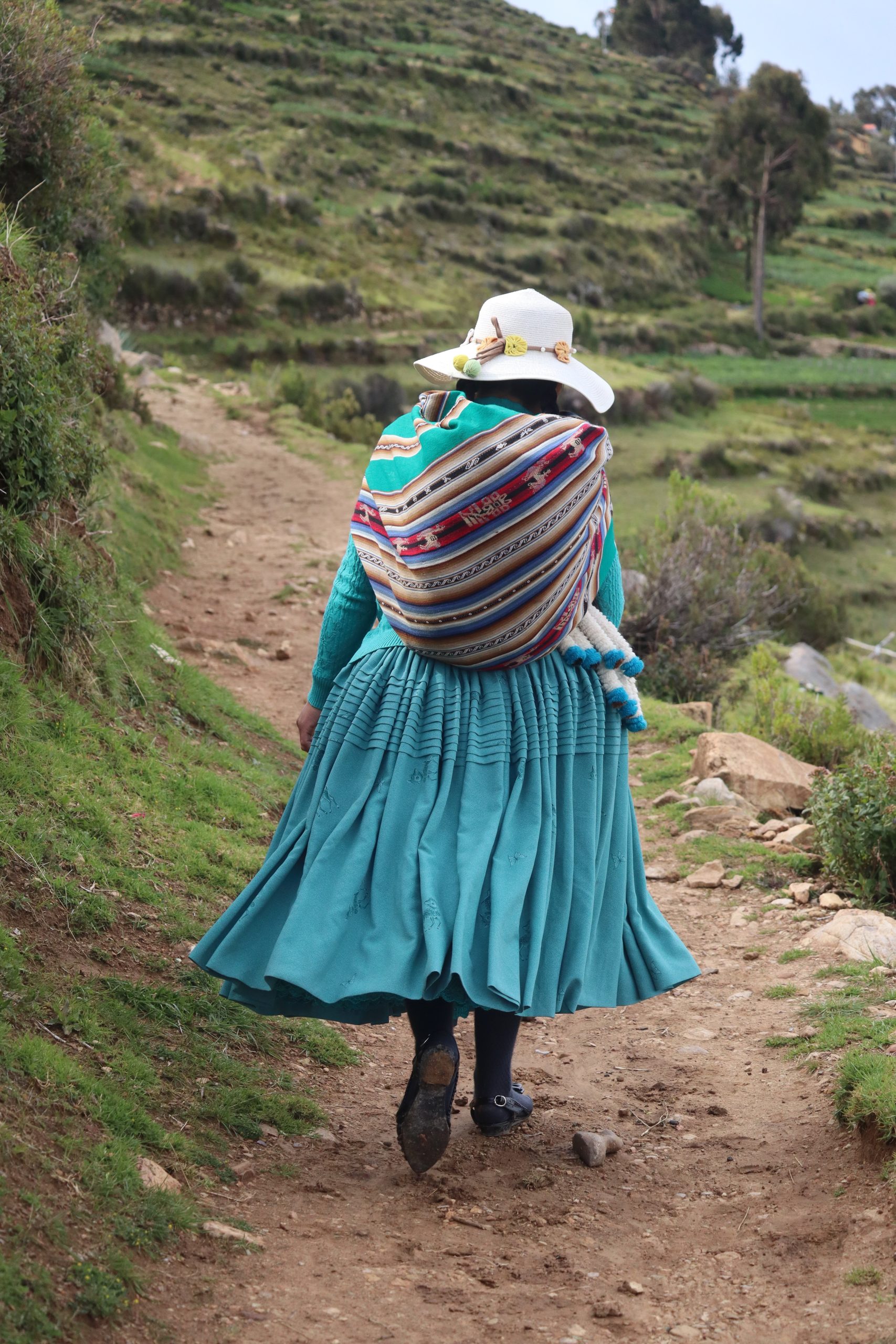
I have always been curious about Bolivia as a place where centuries-old traditions persist even as the country becomes more modern.   With altitudes close to 12,000 ft above sea level, you find yourself, at times, both breathless and fatigued. Bolivia has two capital cities which include La Paz. This vibrant city, nestled in a deep canyon, is known for its crowded streets, huge street markets, and strong Indigenous culture. I spent four days touring outside the city to experience the contrasts between the region’s high altitudes (up to 15,000 ft above sea level) and its arid and rugged terrain at the foothills of the country’s dramatic Andean mountains connecting with indigenous villages along the way.  Here is what I learned from a place where tradition endures and progress is gradual….
 Five Days in Córdoba, Argentina: Tracing a Jesuit Legacy

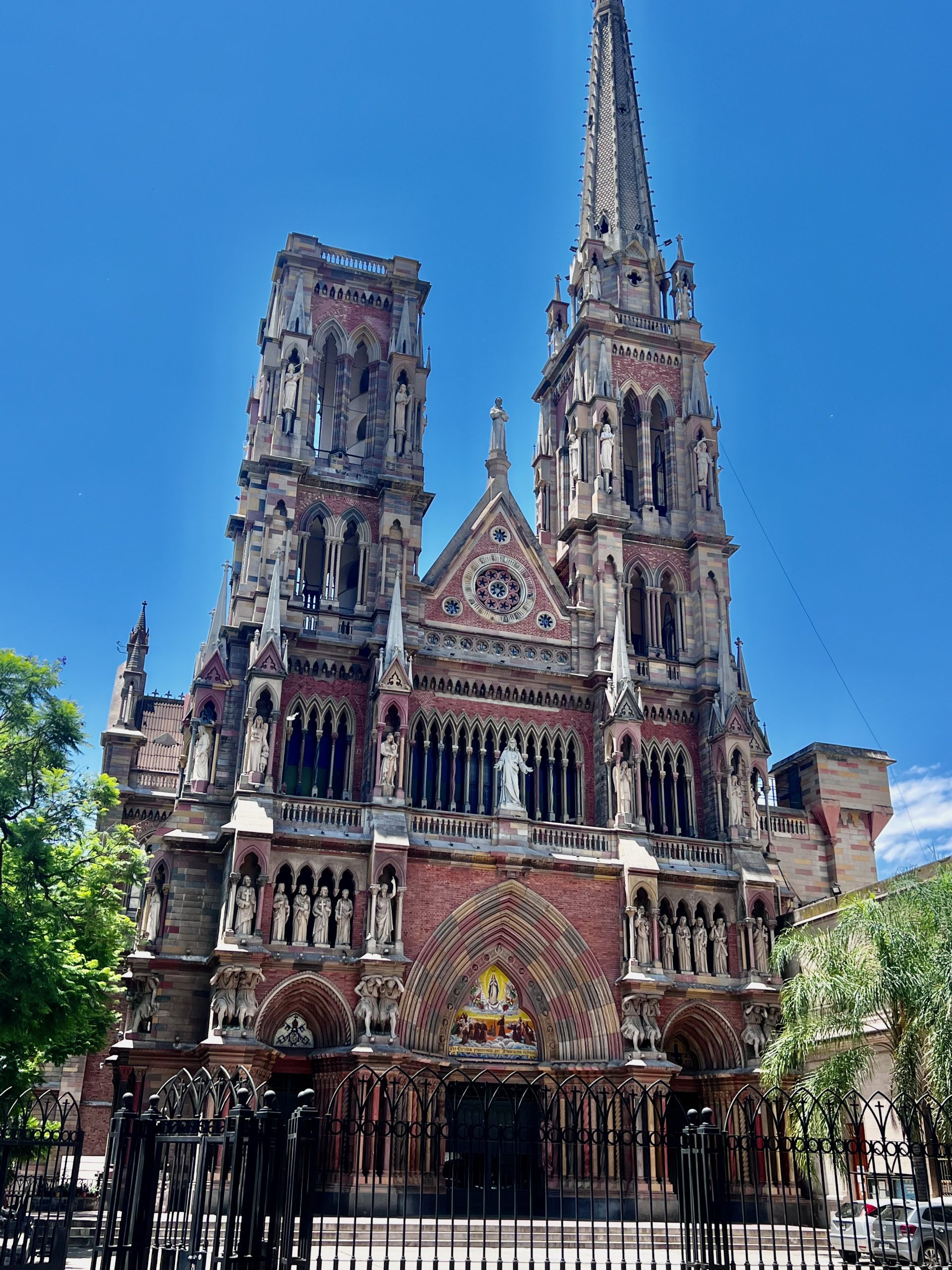
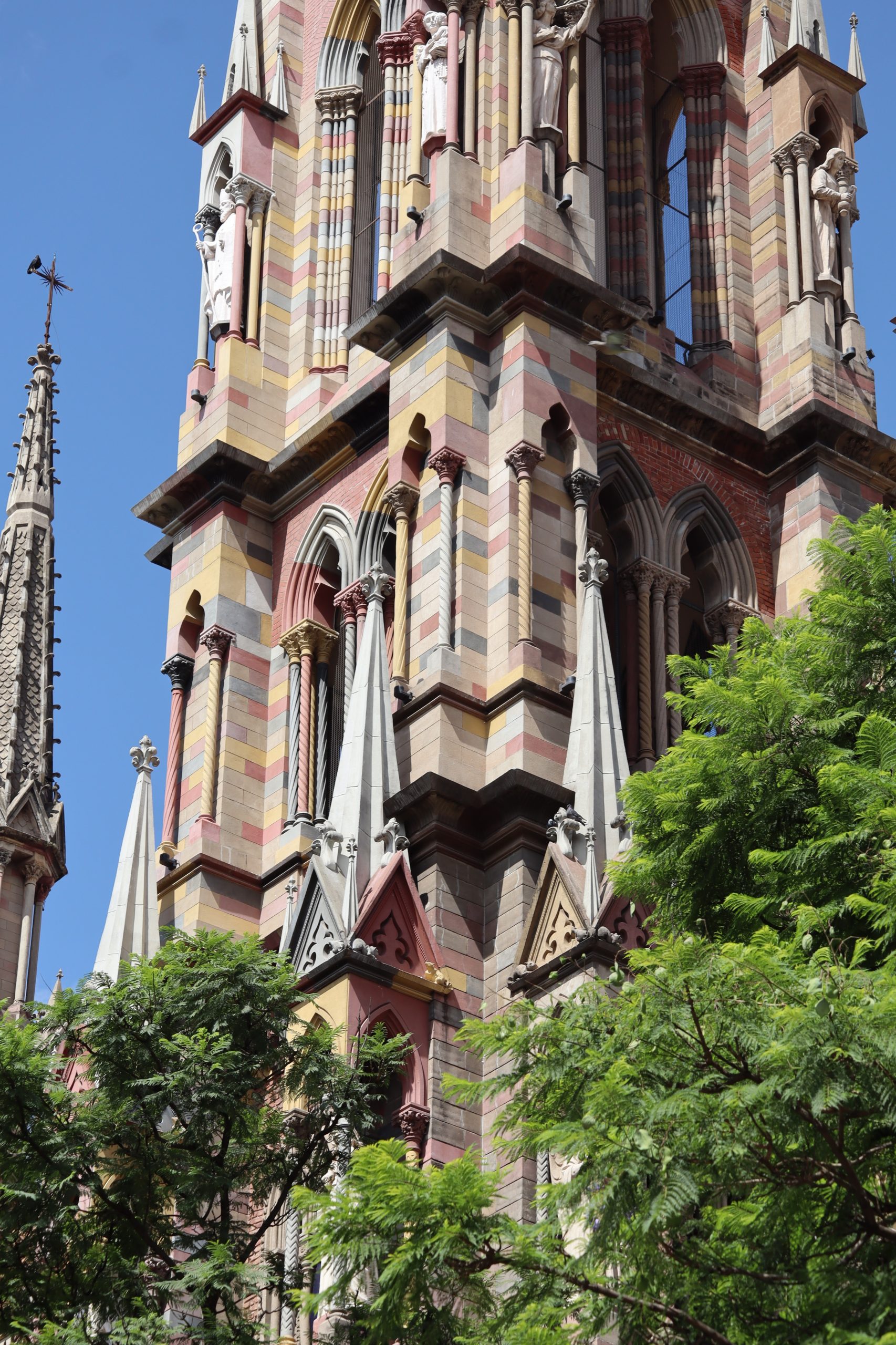
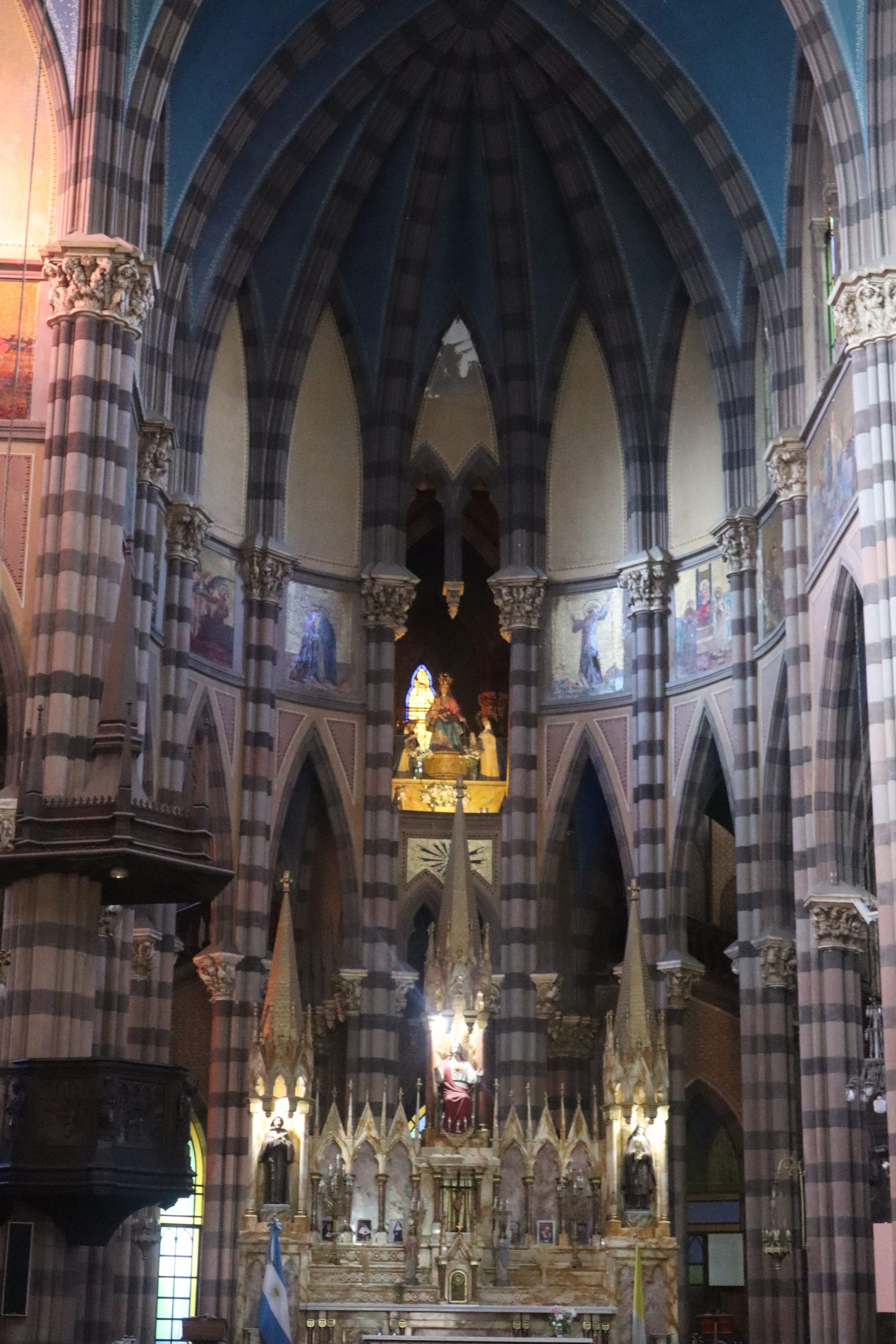
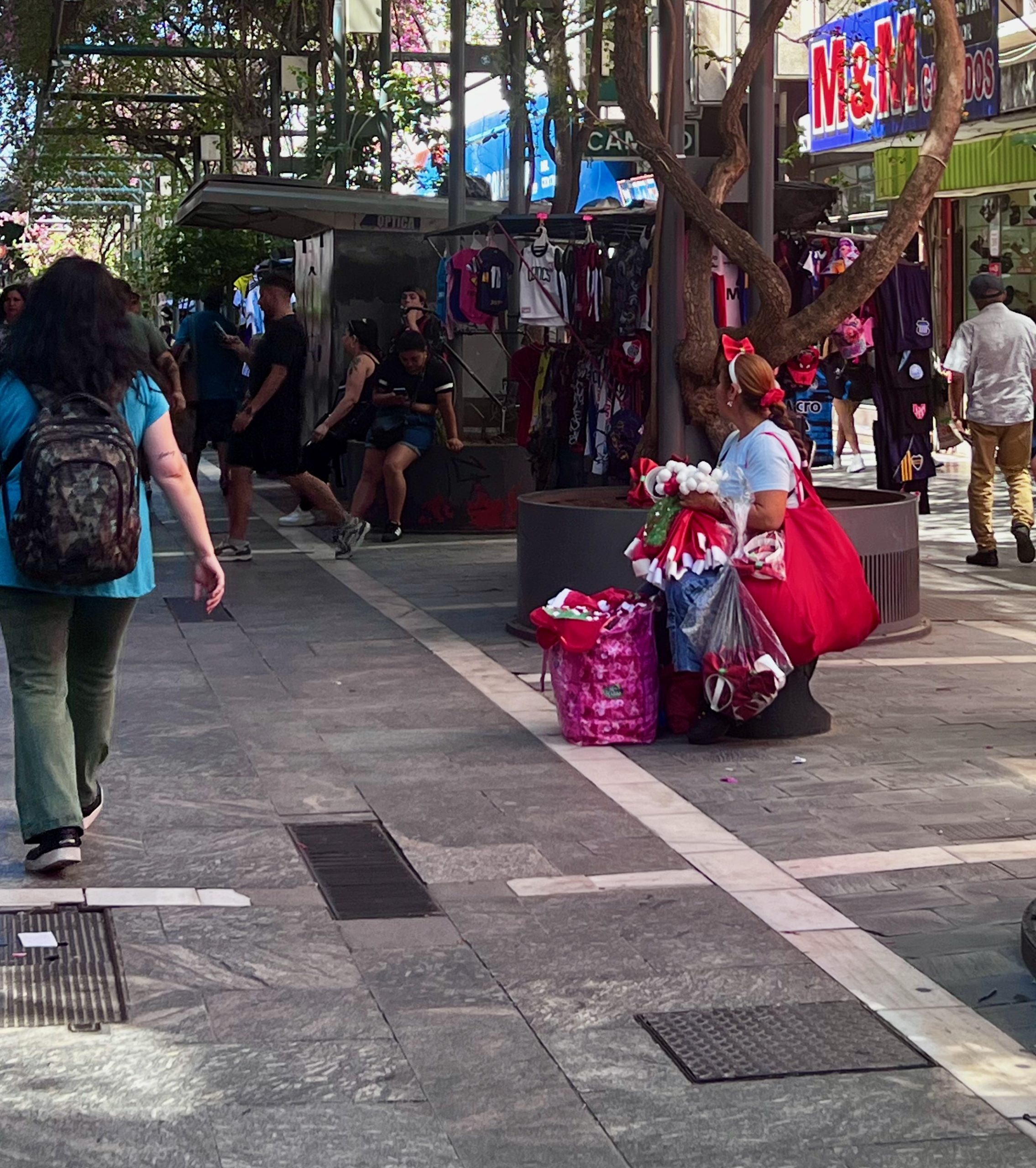
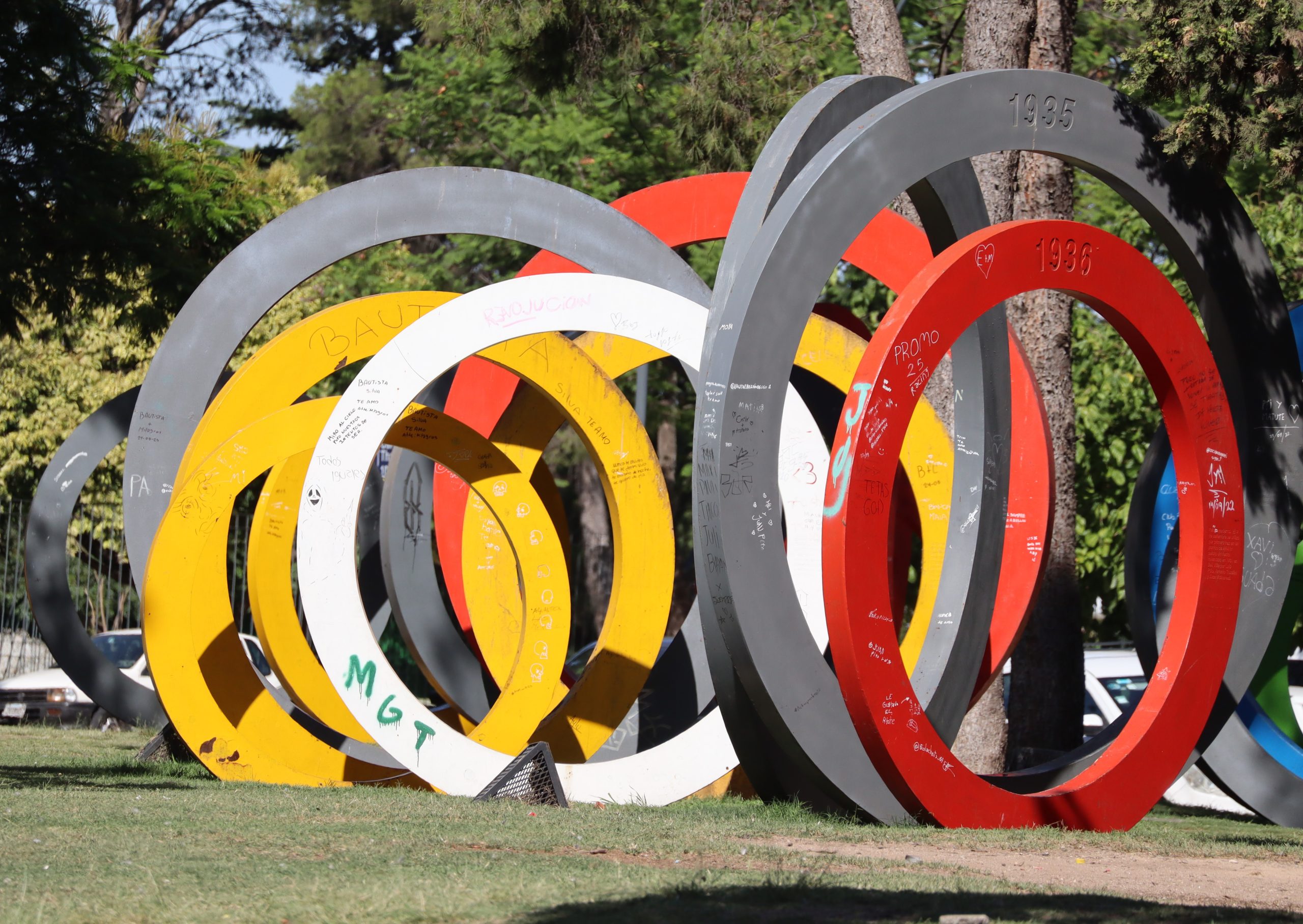
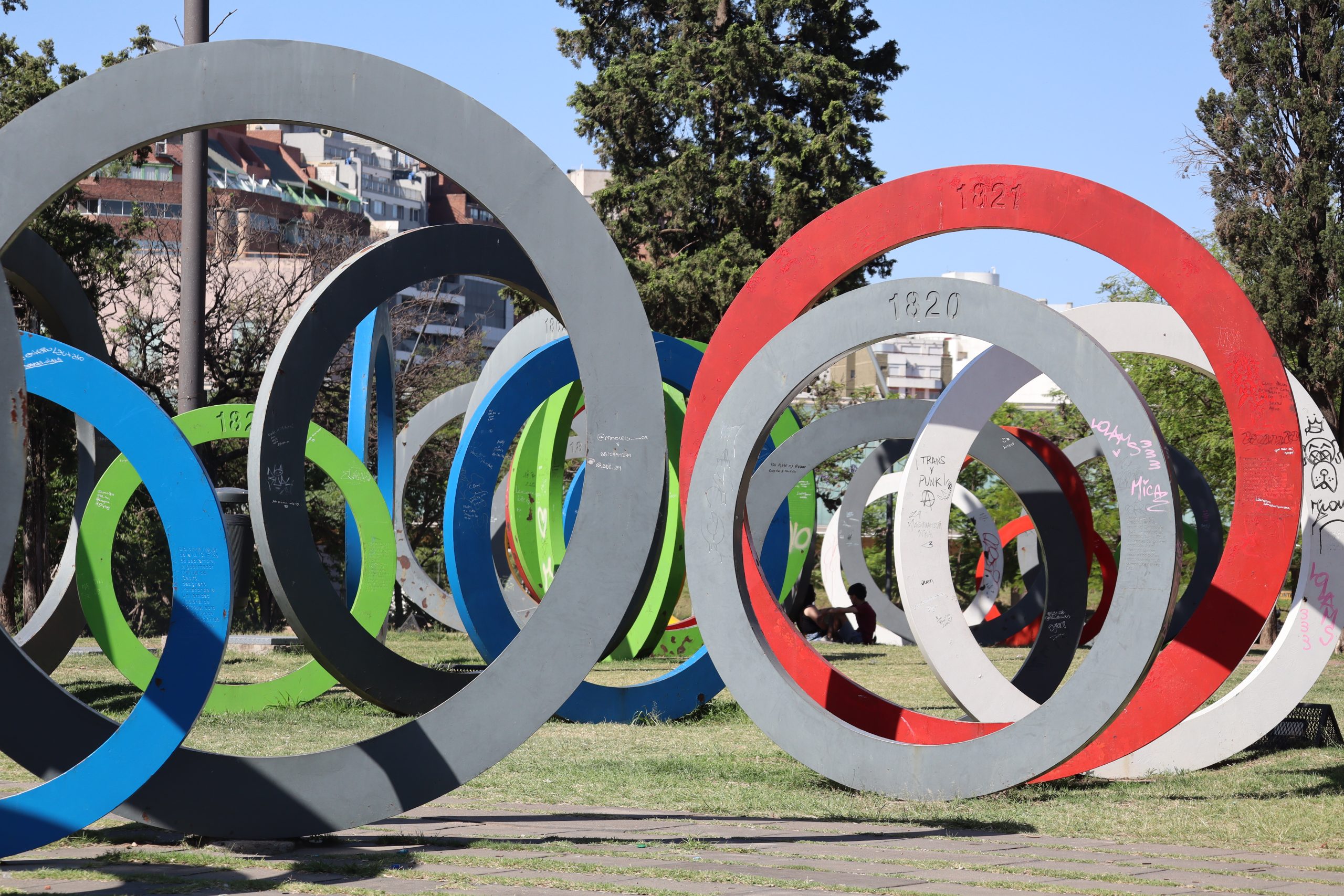
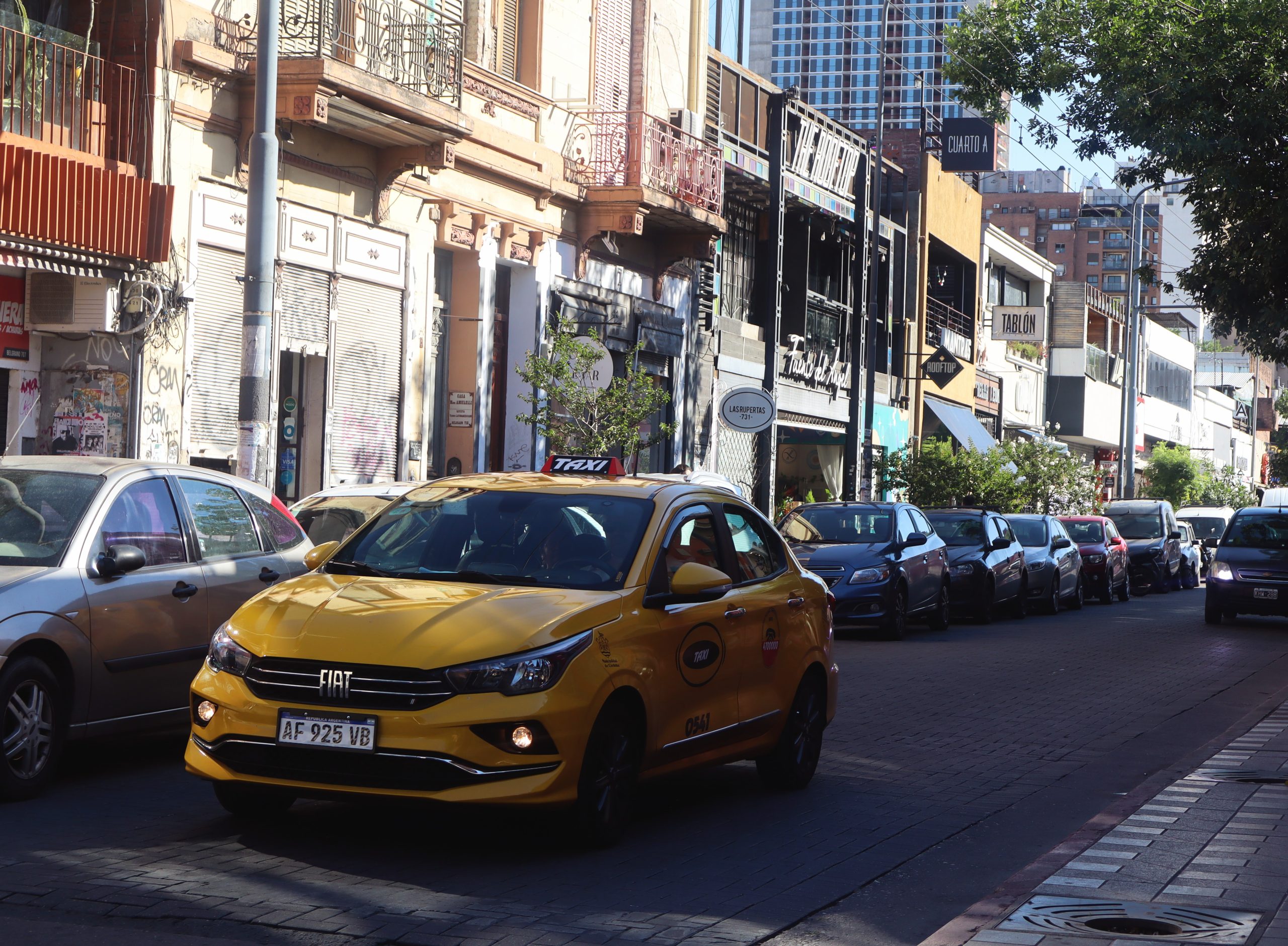
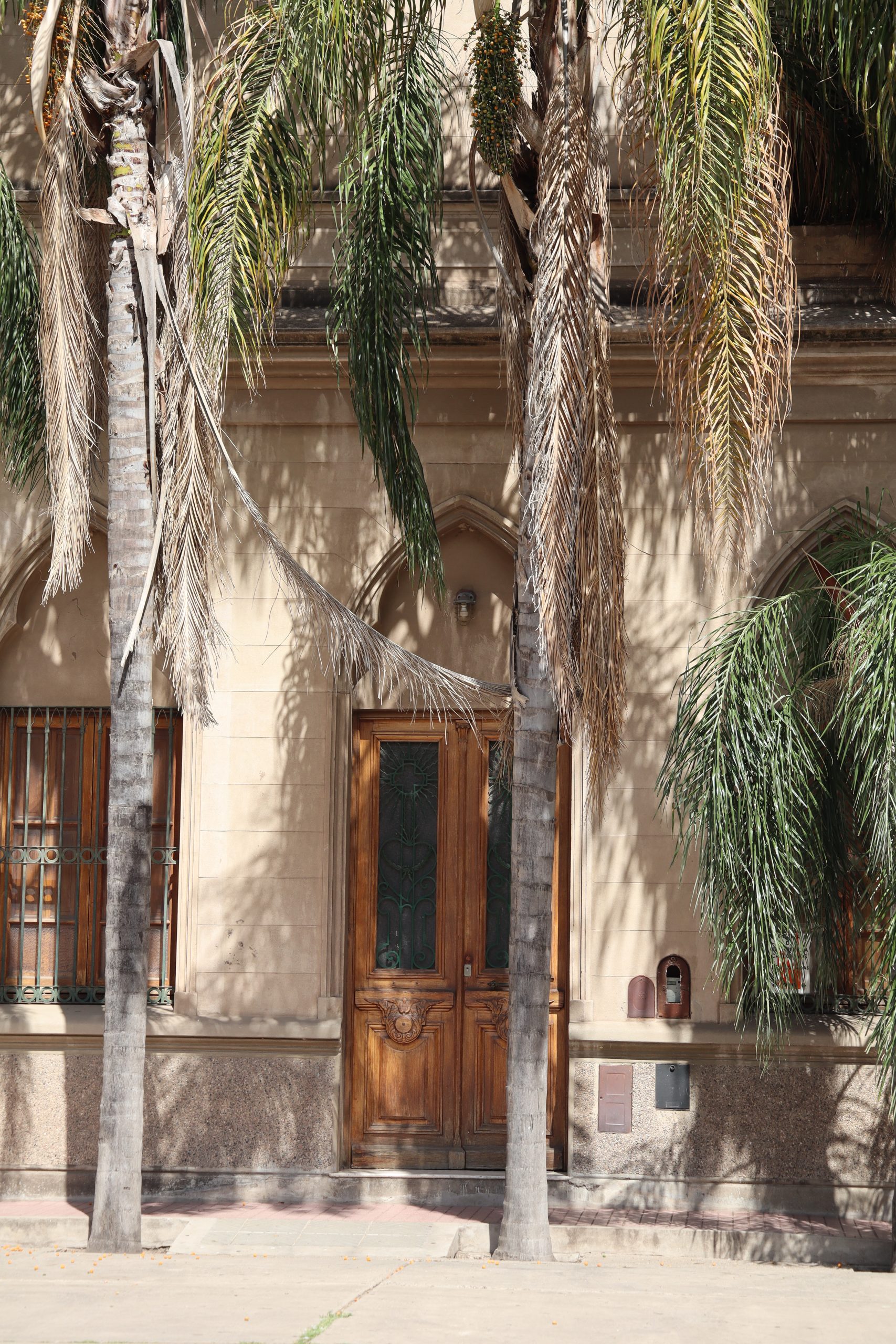
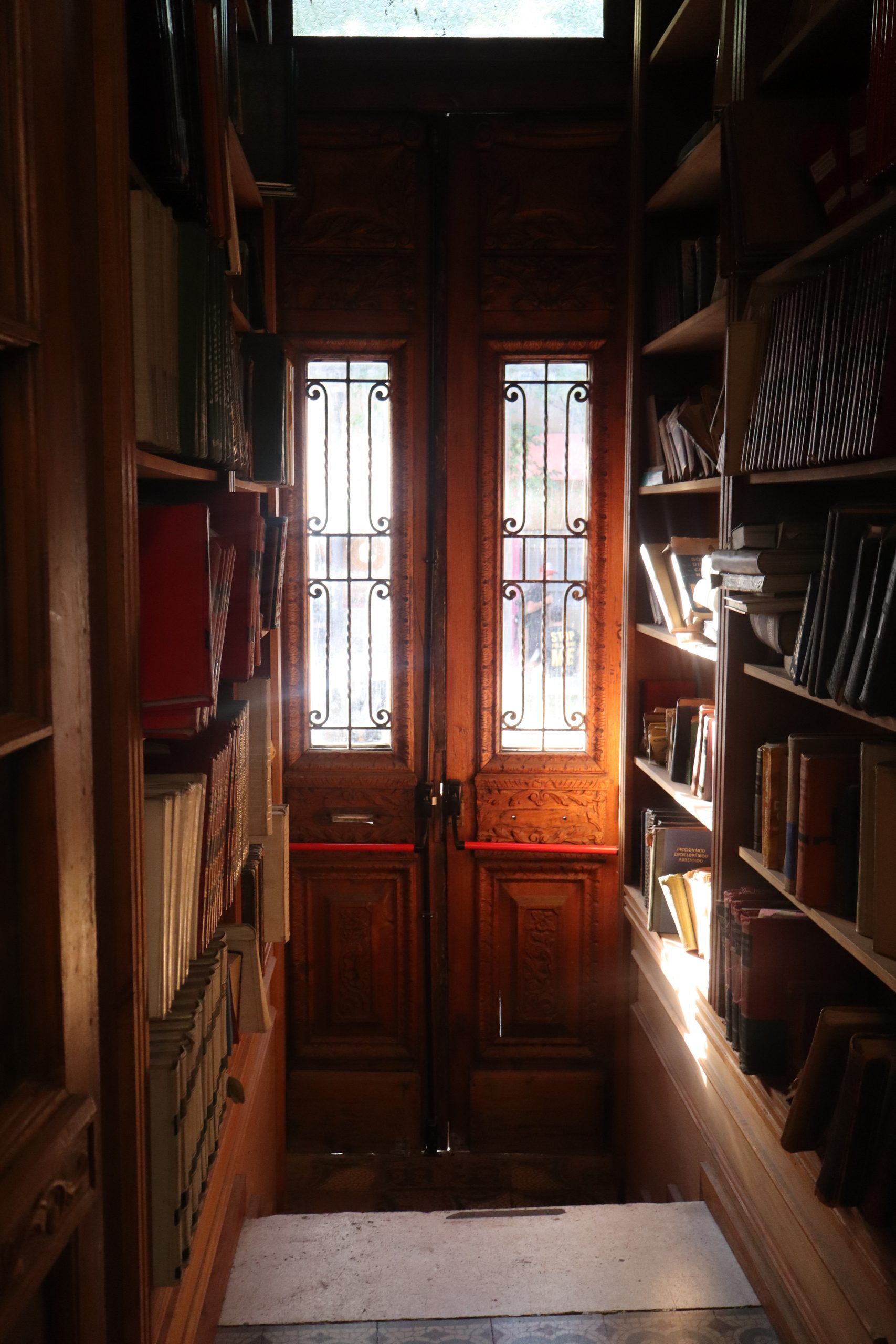
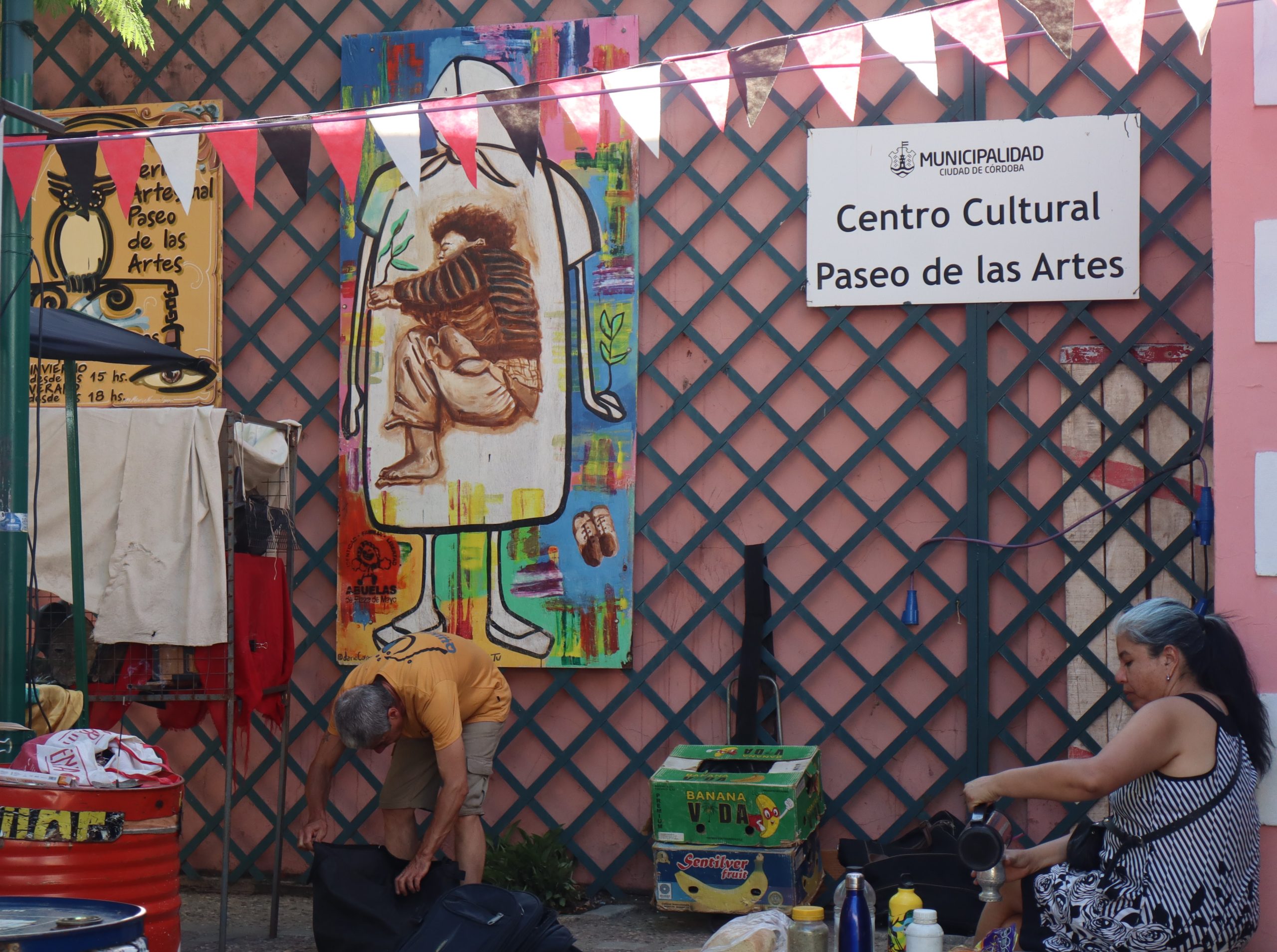
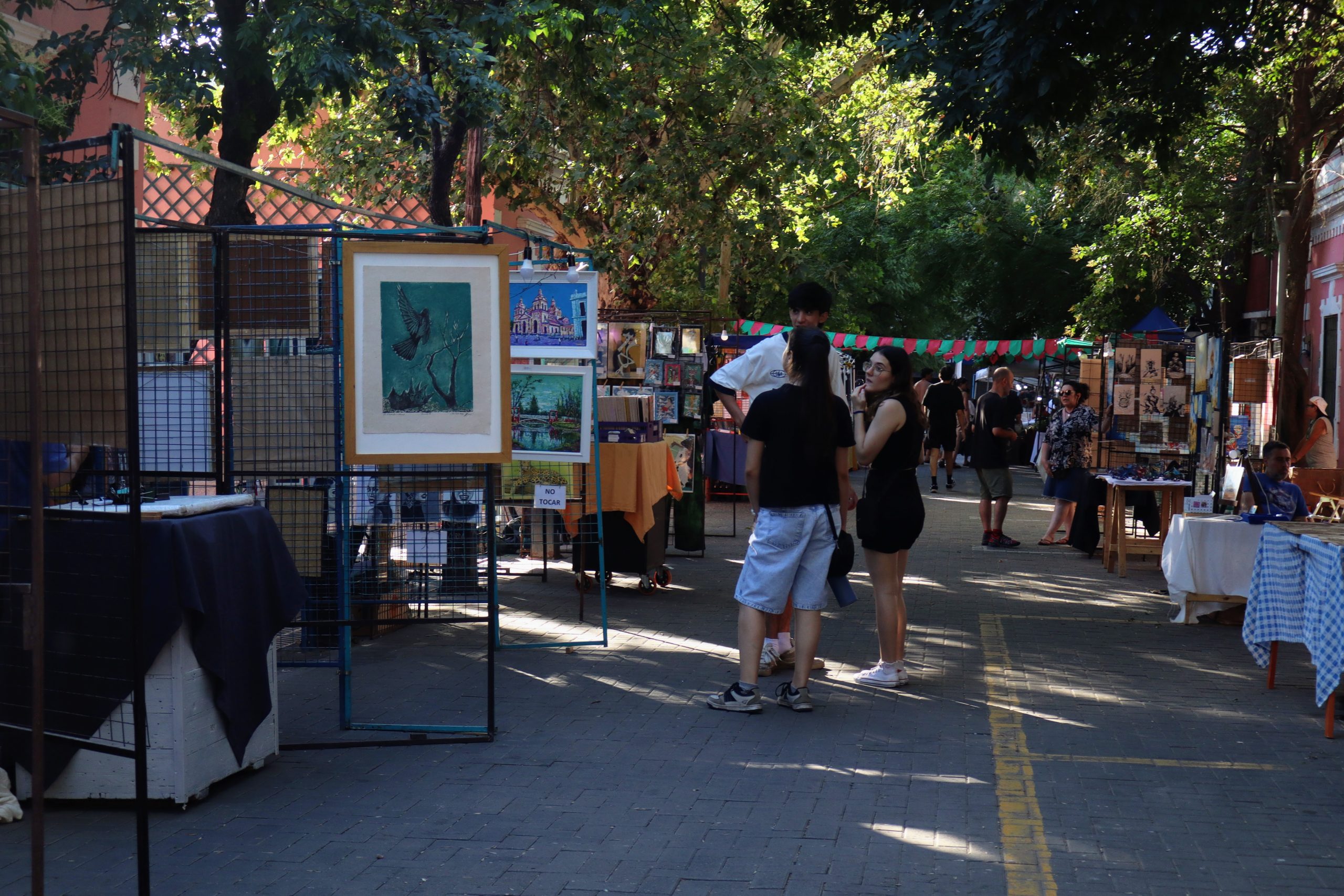
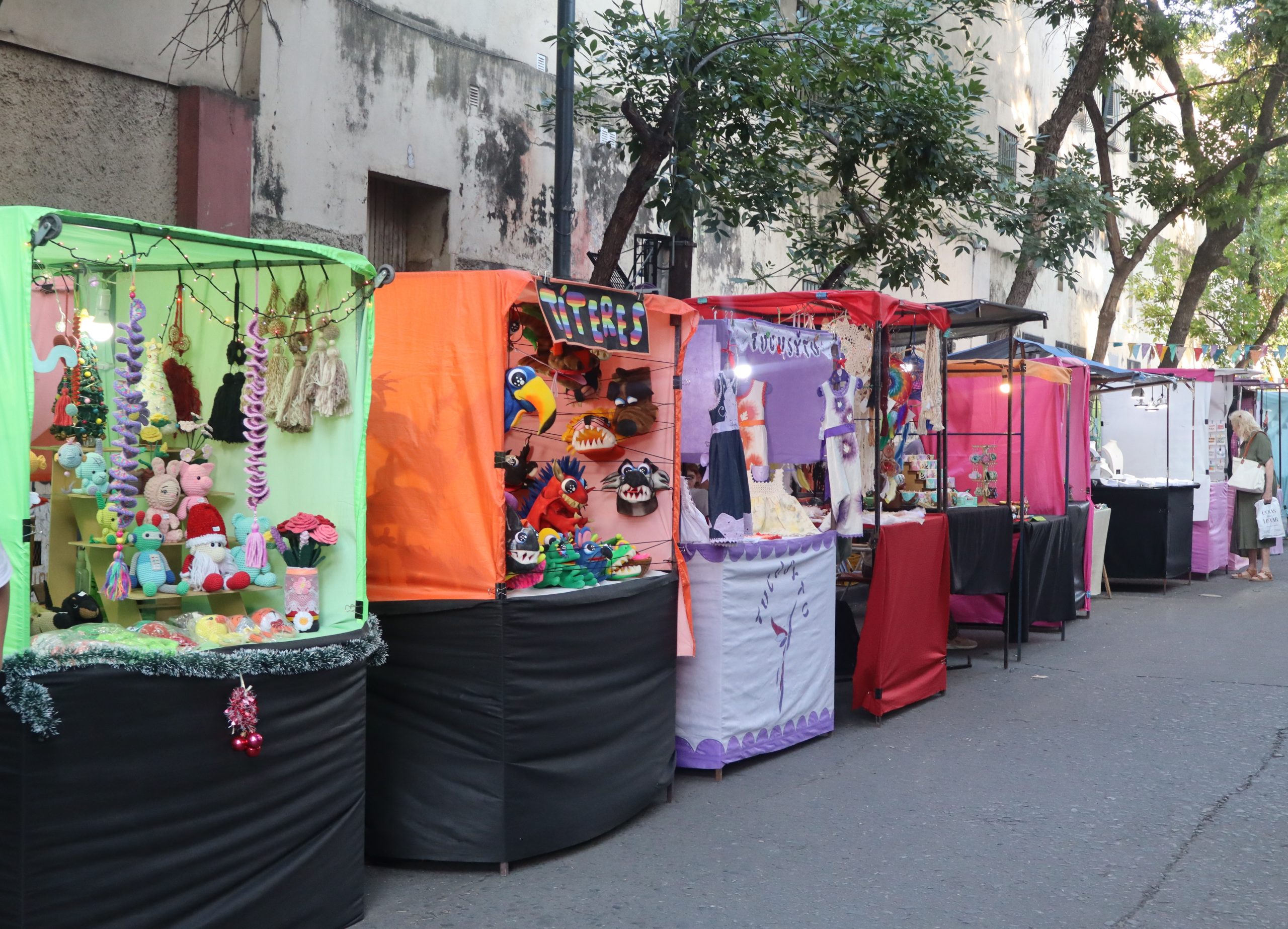
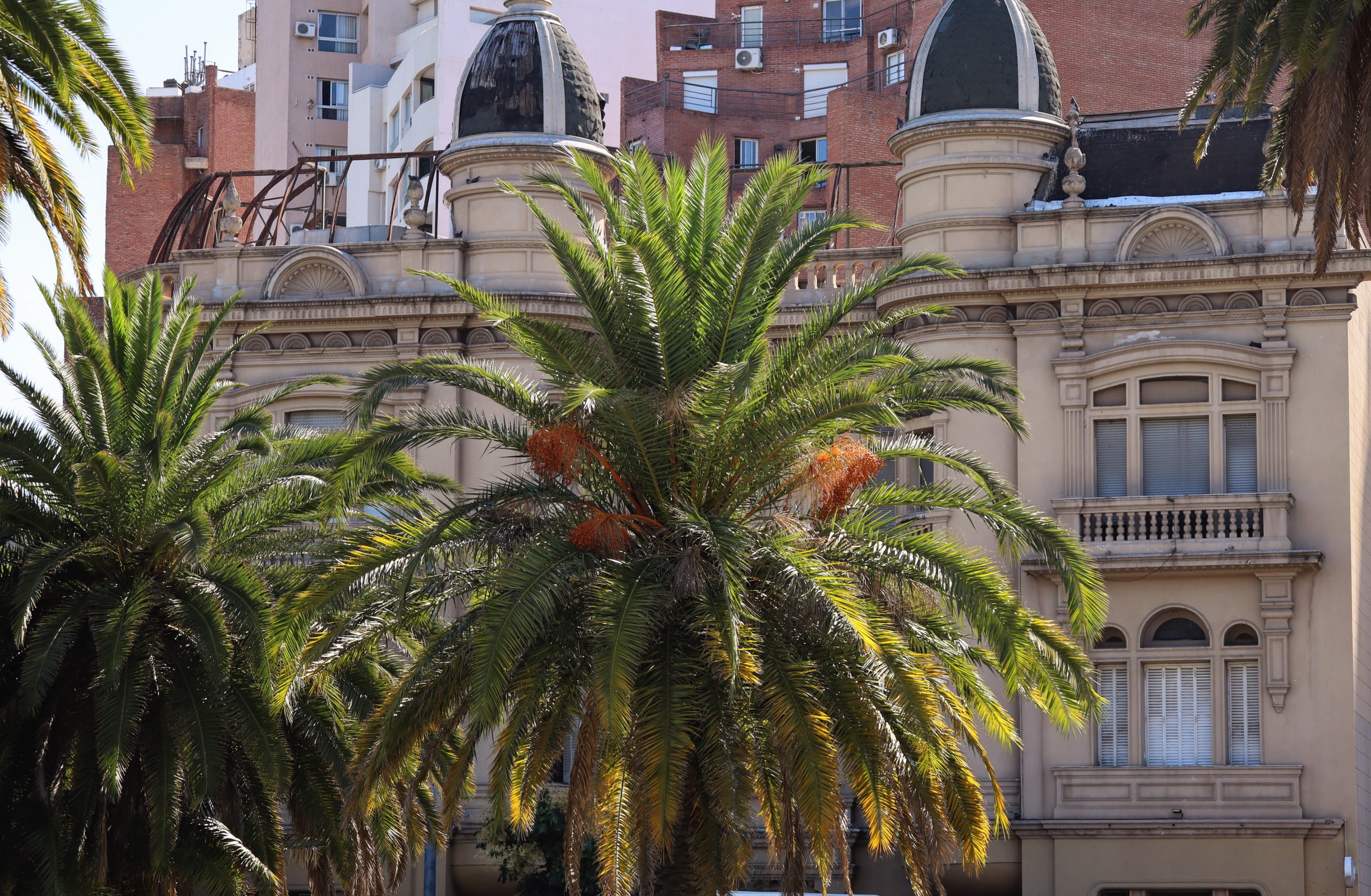
I visited the city of Cordoba for a five-day stay, ending my six-week journey of Argentina as I now move on to other countries.  Cordoba is very much like a smaller version of Buenos Aires, walkable to all its historic sites.  It is a beautiful, well persevered colonial yet modern city, the second largest in Argentina.  Cordoba is known for its many educational and religious institutions, many of which are part of the city’s historical sites.
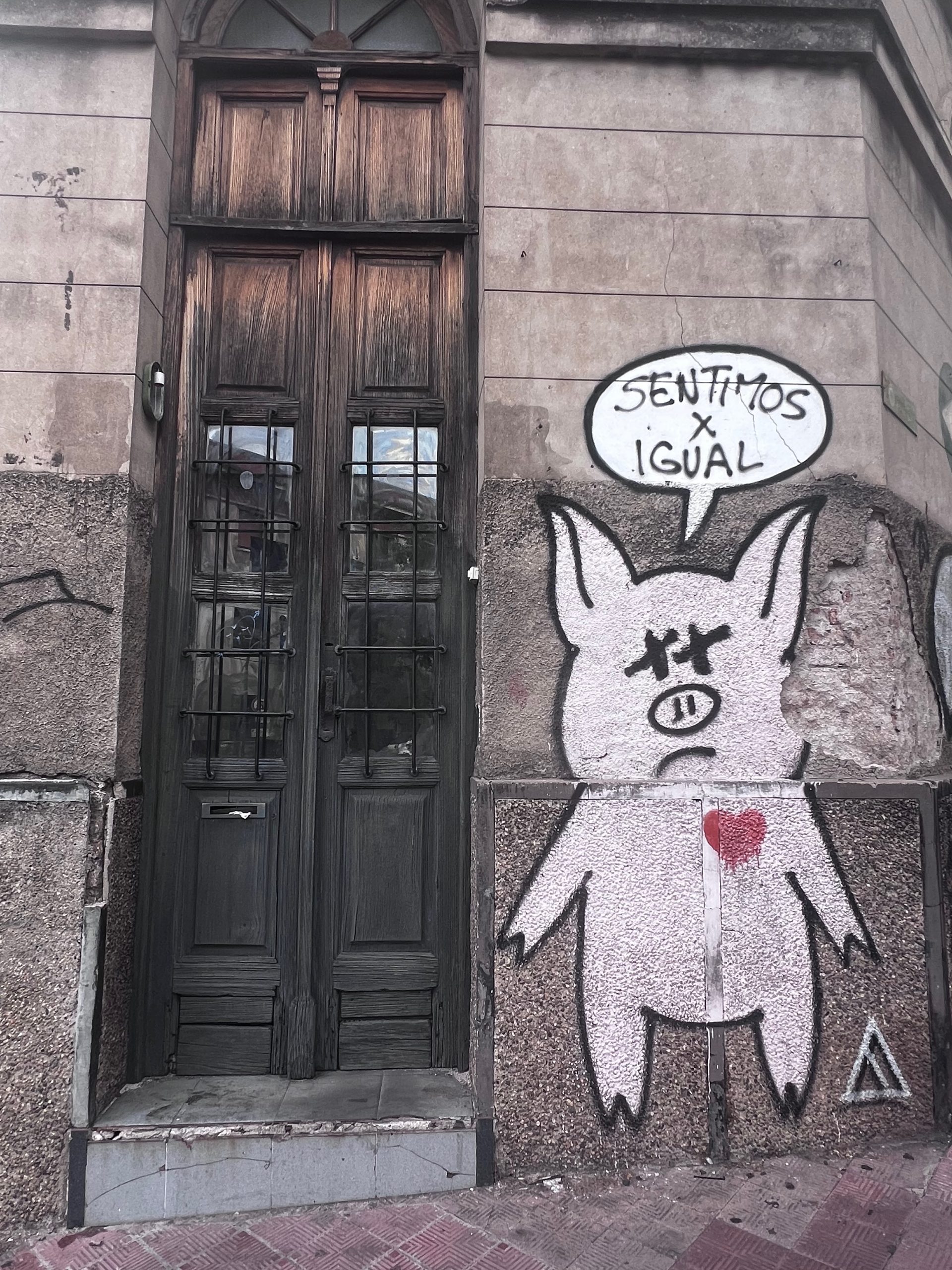
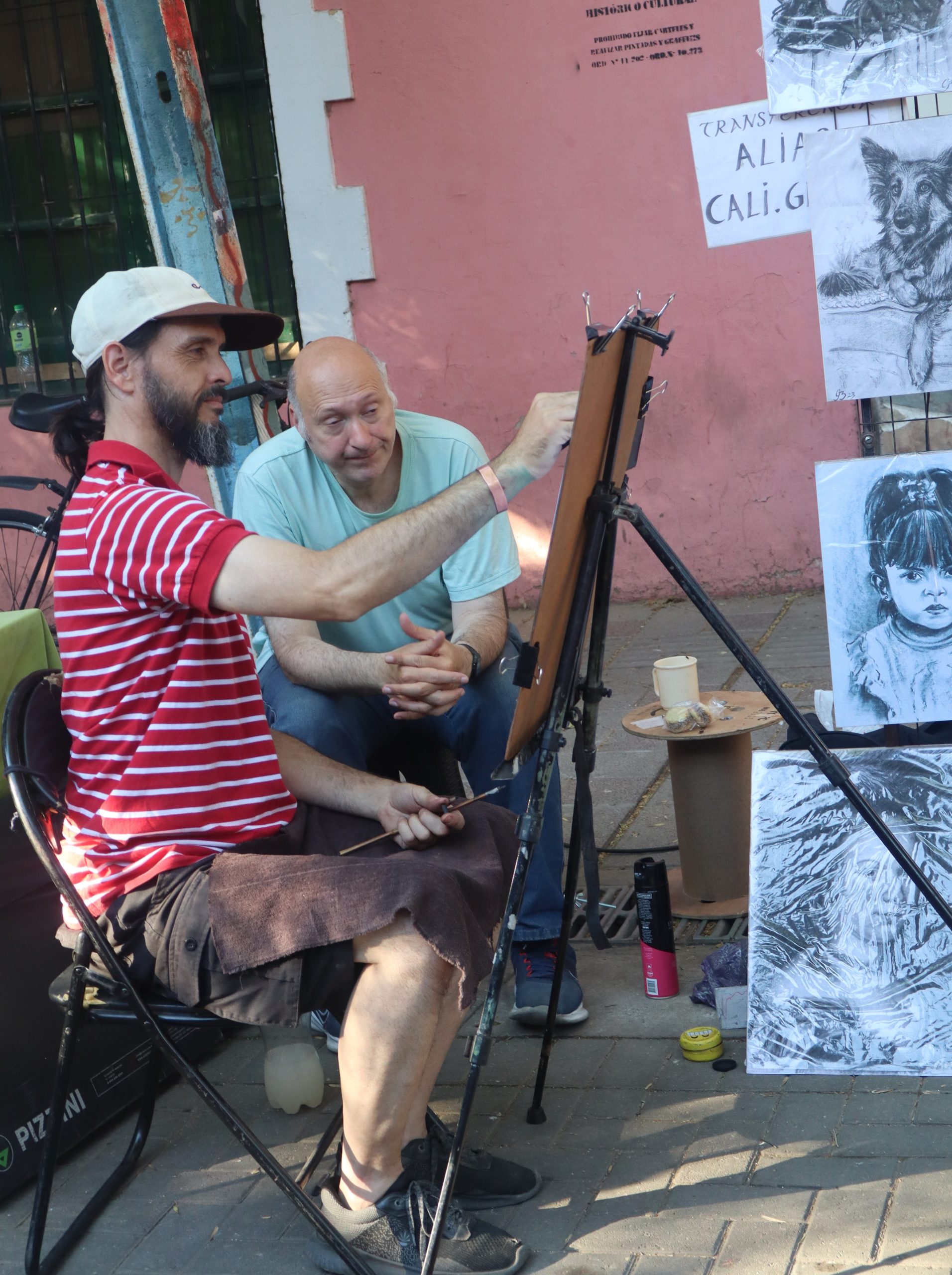
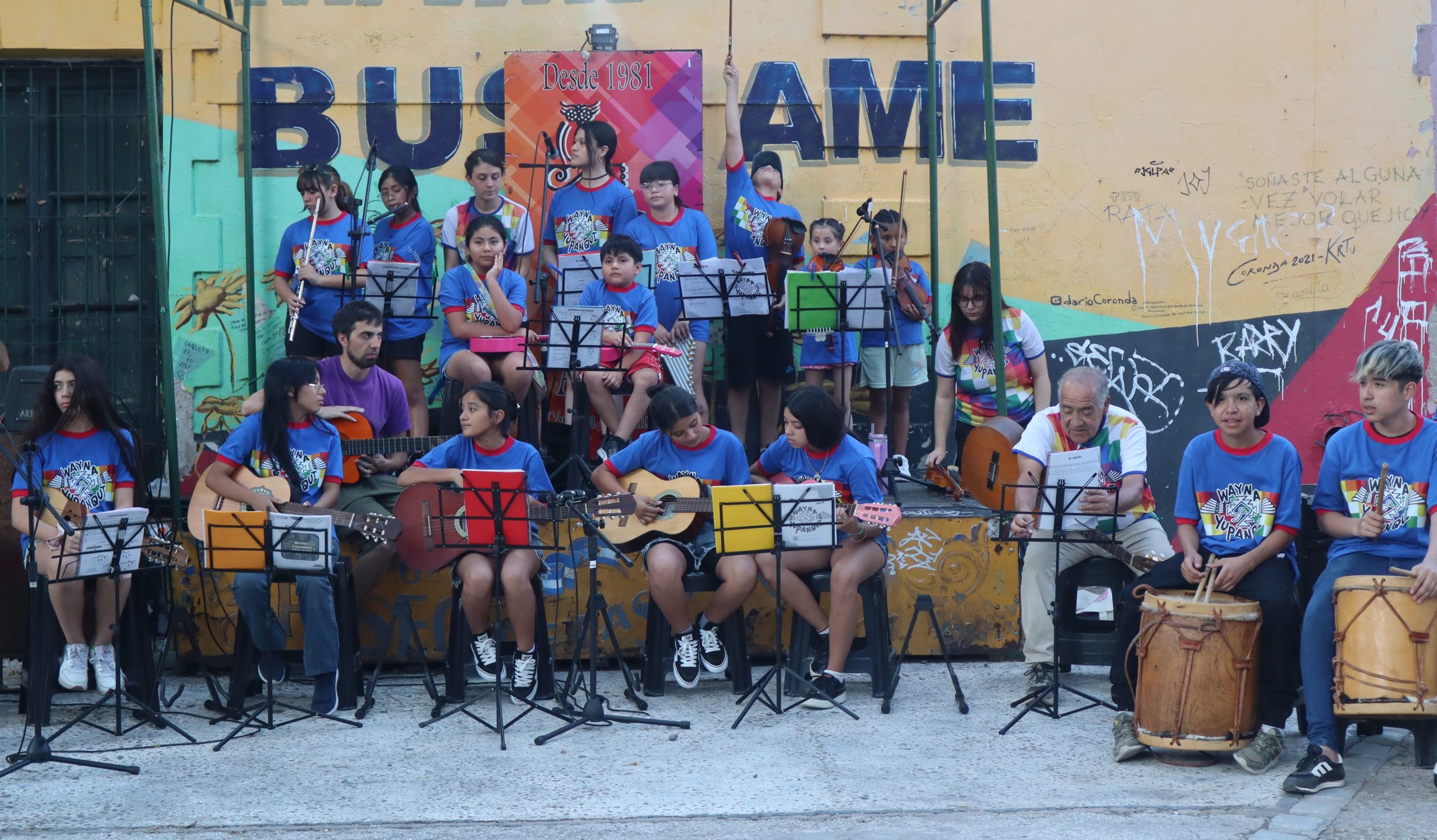
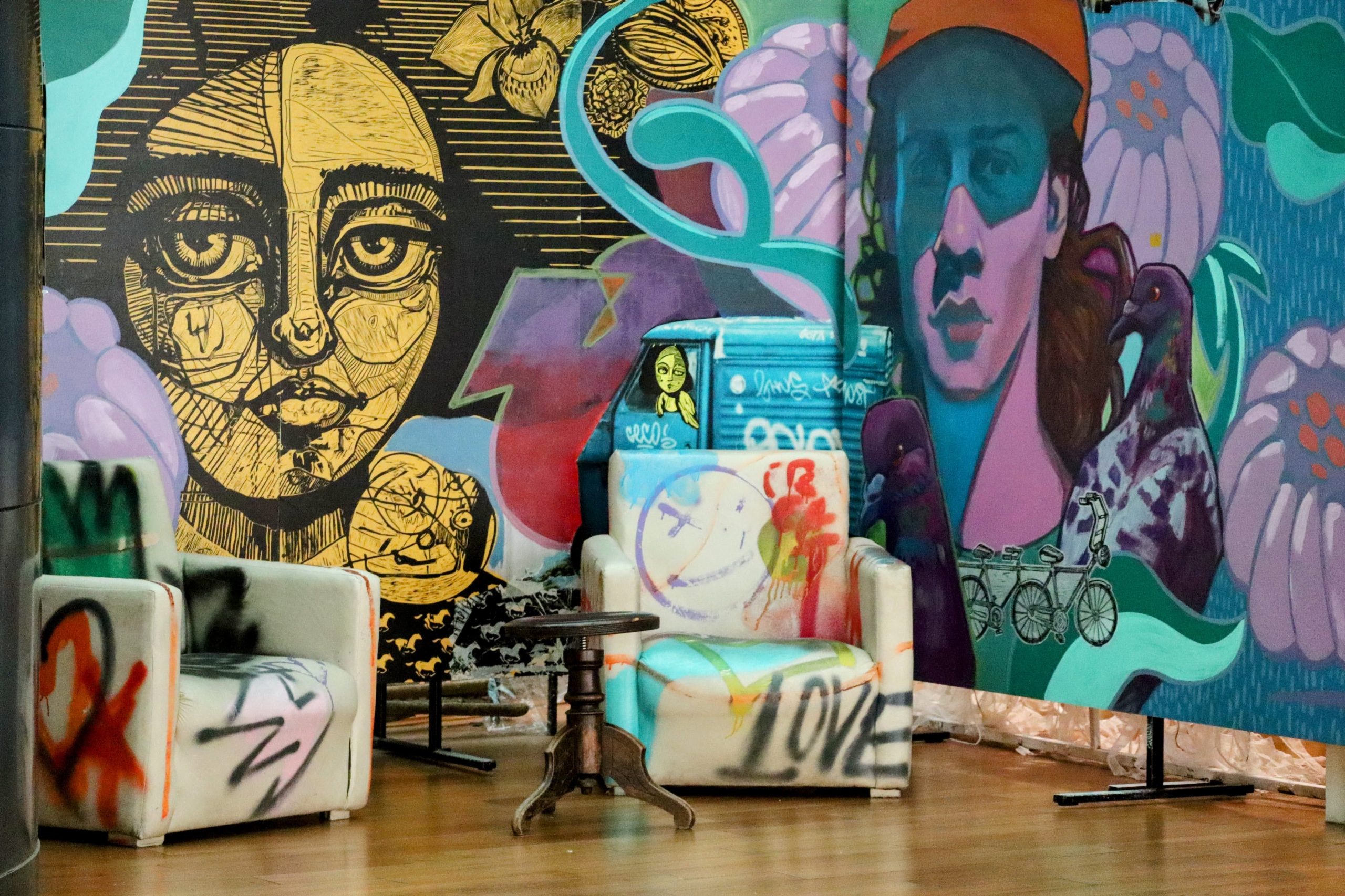
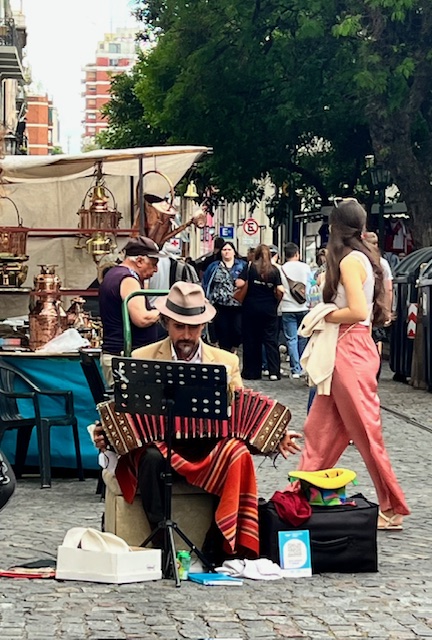
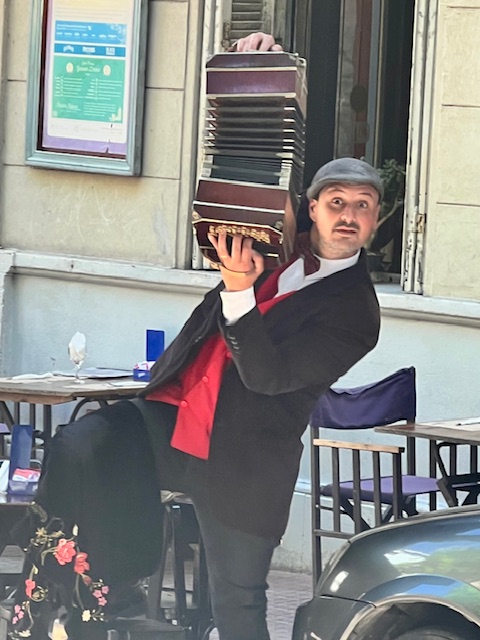
I am staying near the Barrio Güemes, a bohemian district known for its cultural vibe, galleries, and shopping. Besides its colonial charm, Cordoba originated Cuarteto music and dance, a bit folky similar to Meringue played with an accordion and violin. It is also a city that dines late at night, known for its Cabrito Cordobes (roasted baby goat) and Ajoblanco Cordobes (cold soup made of almond, garlic and bread).  During my short stay here, this is what I learned and liked about this colonial city…

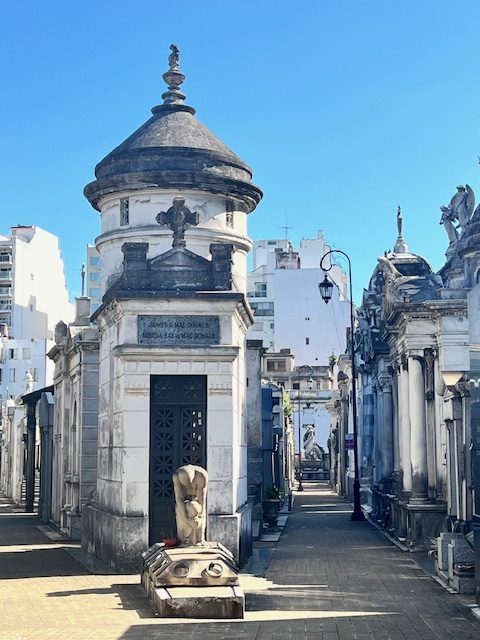
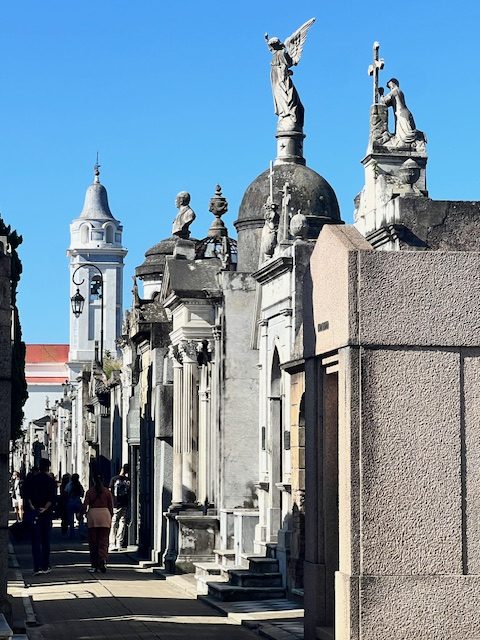
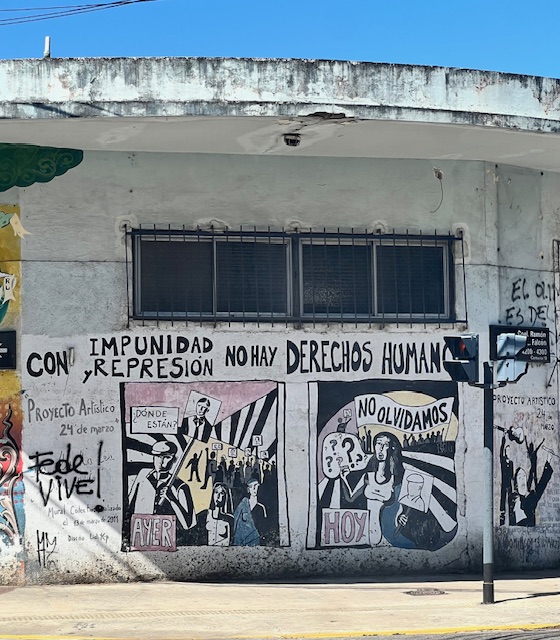
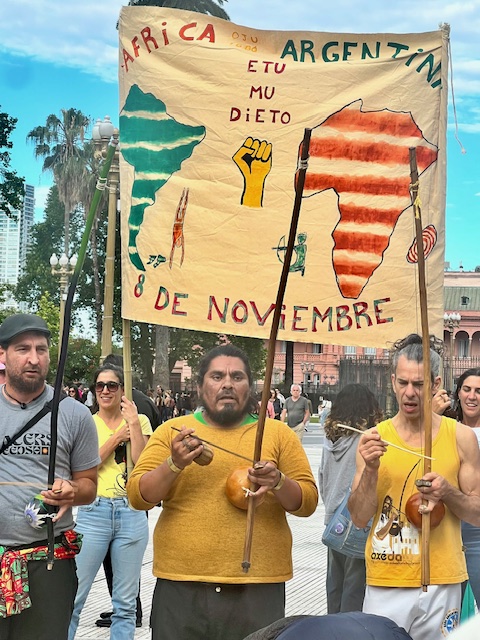
Buenos Aires Remembered: Culture, Memory, and the Weight of History”

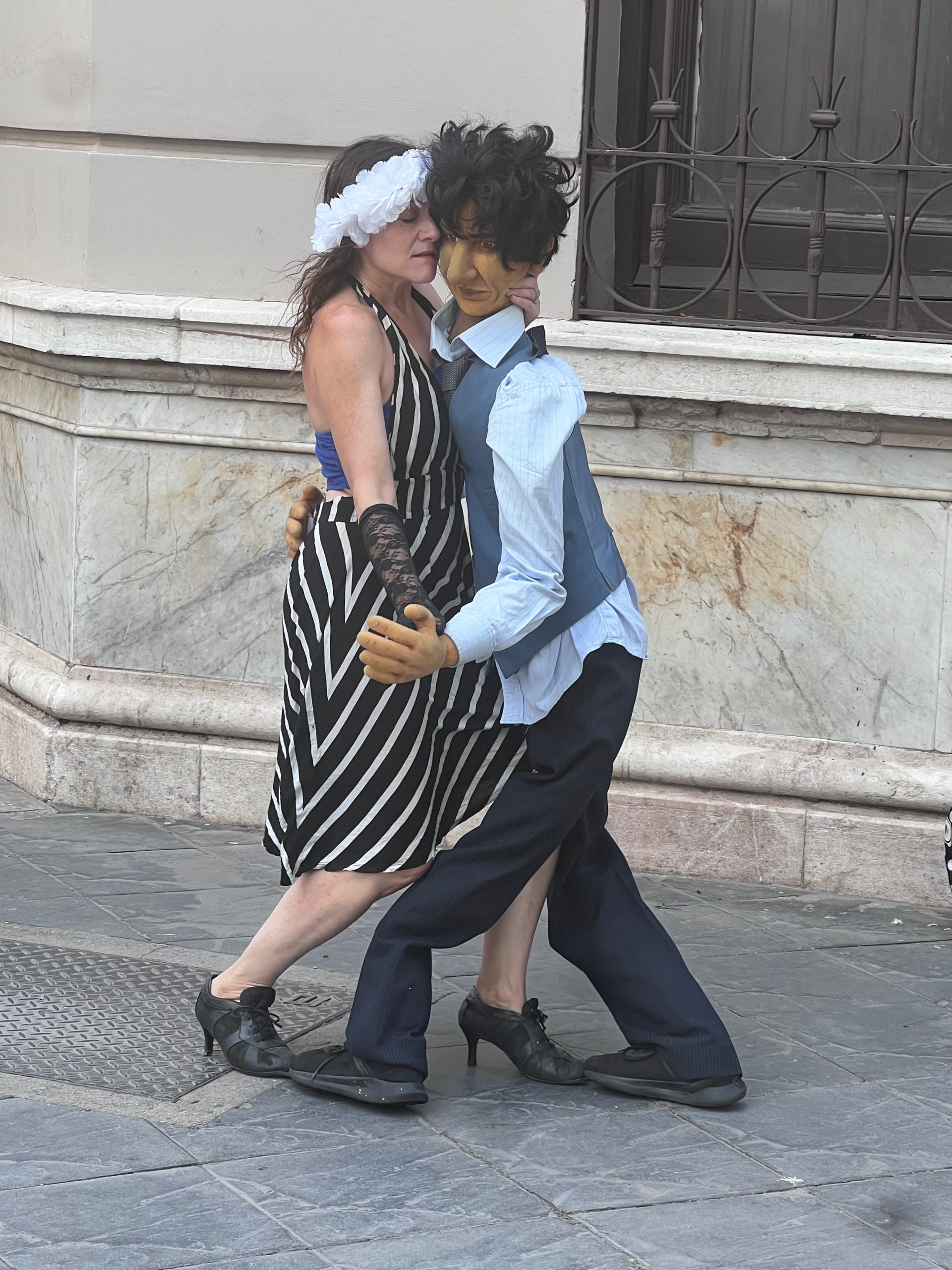
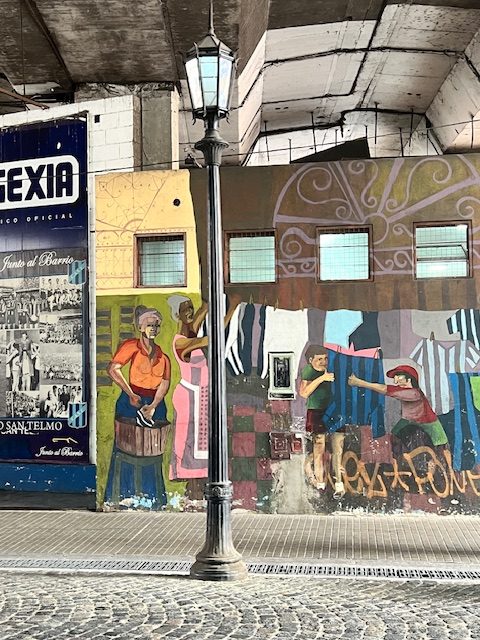
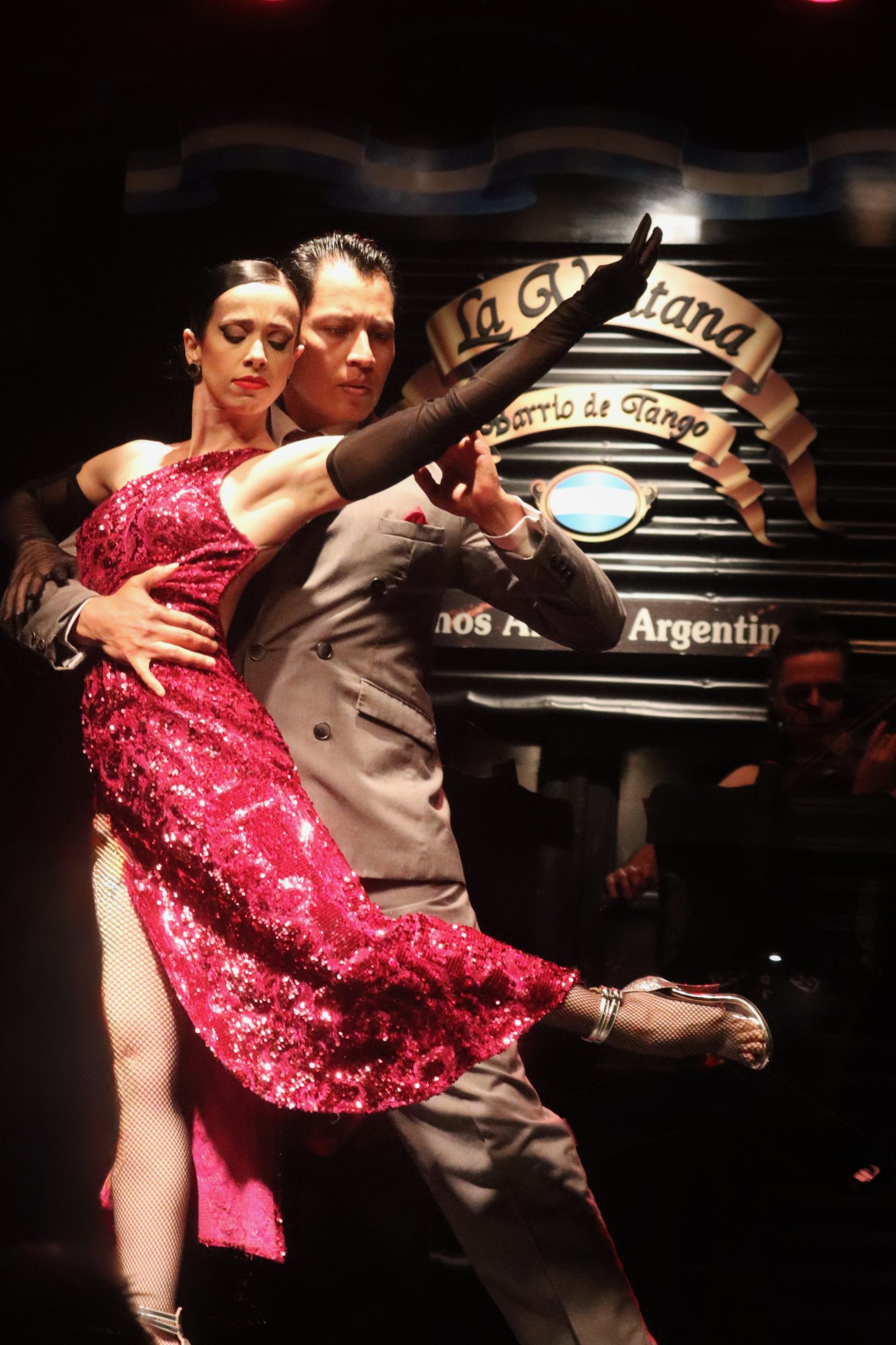
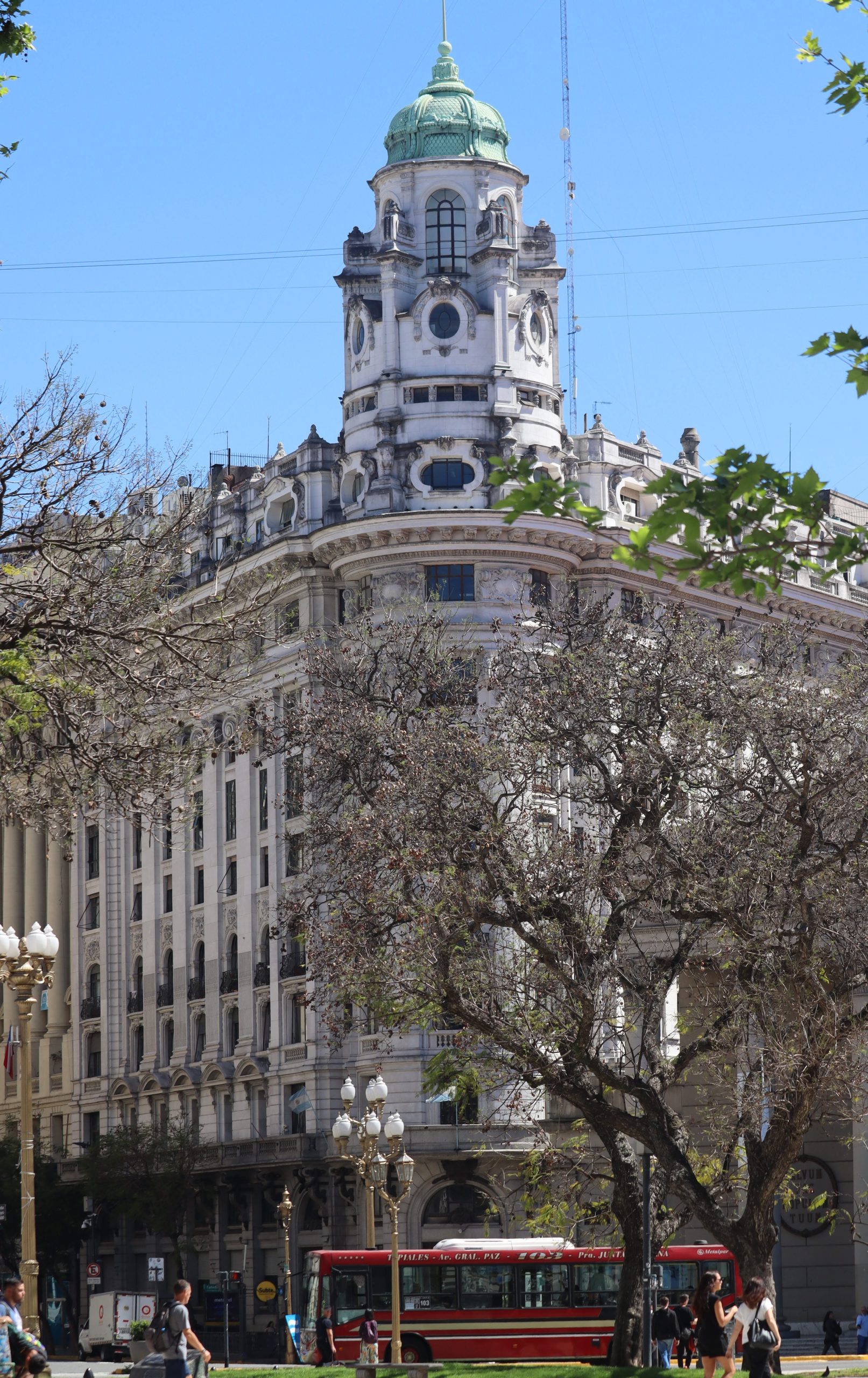
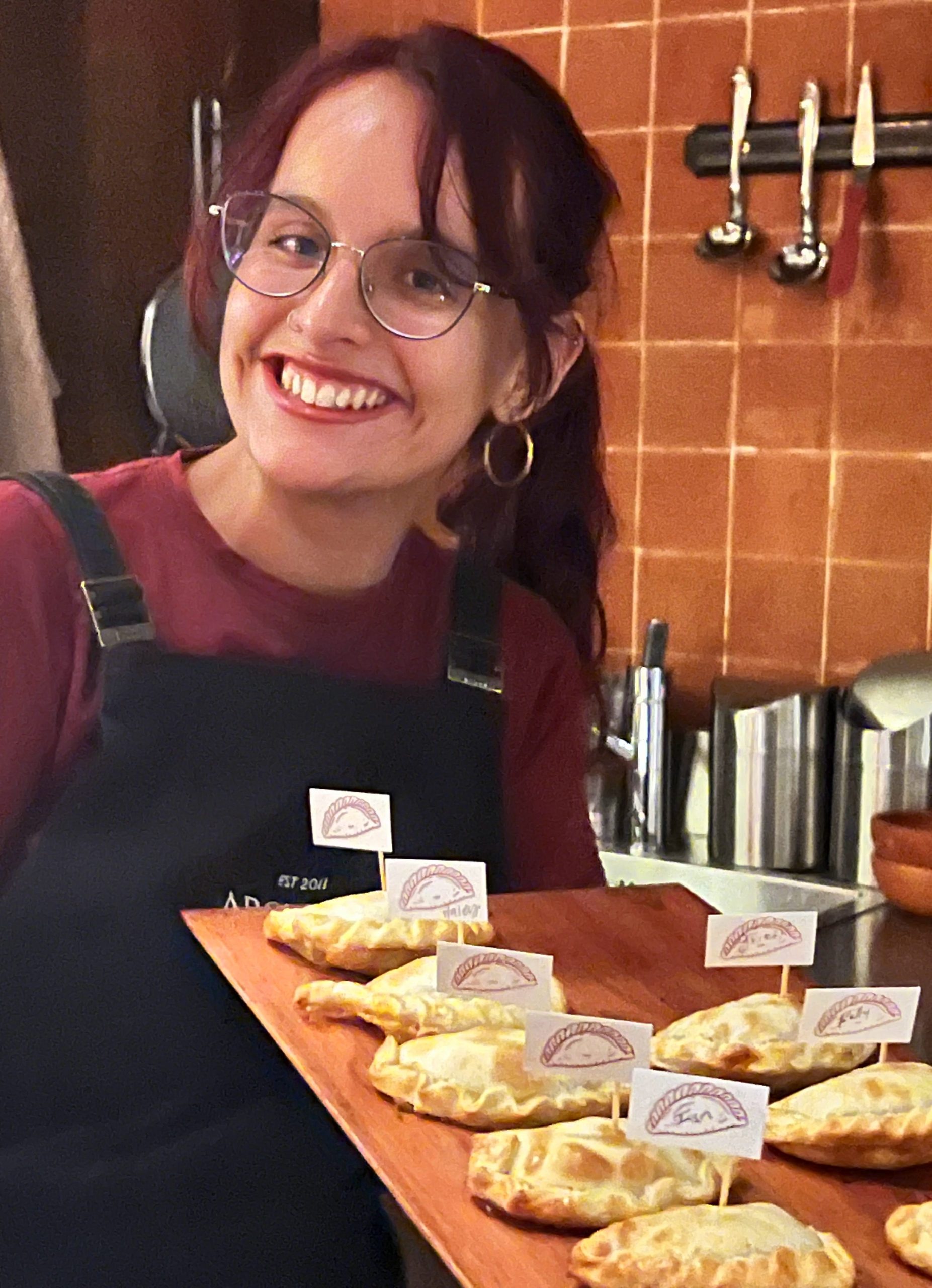
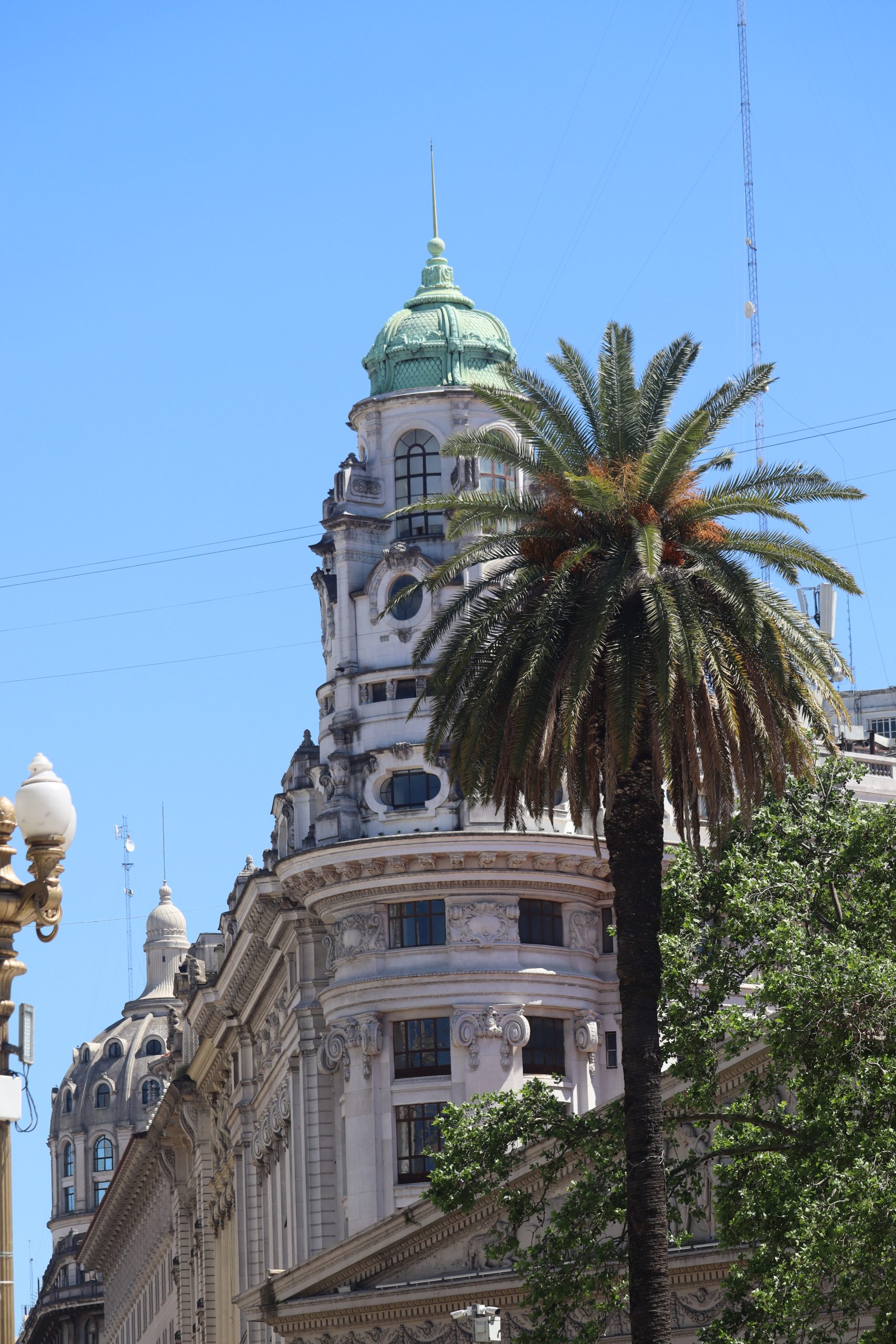
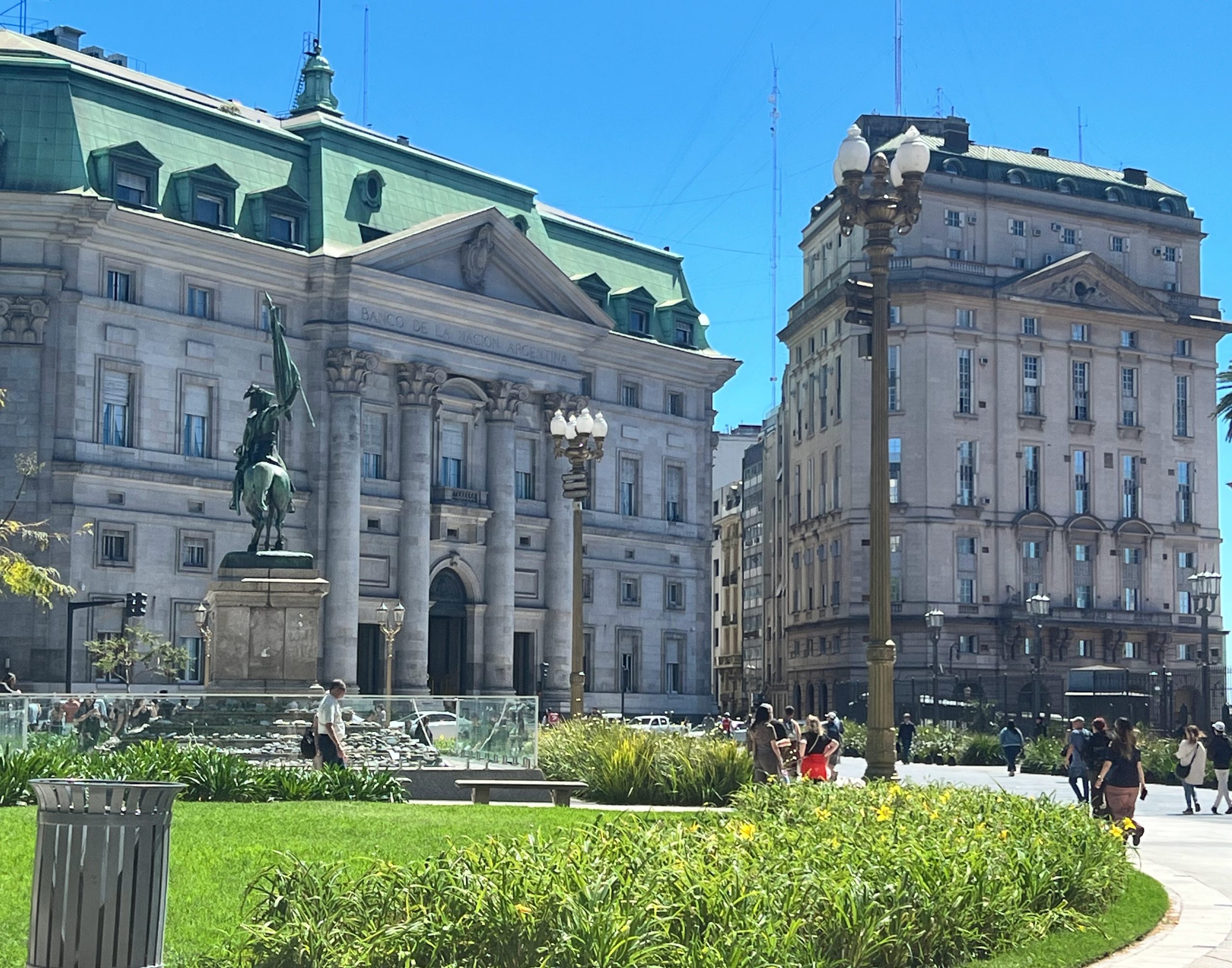
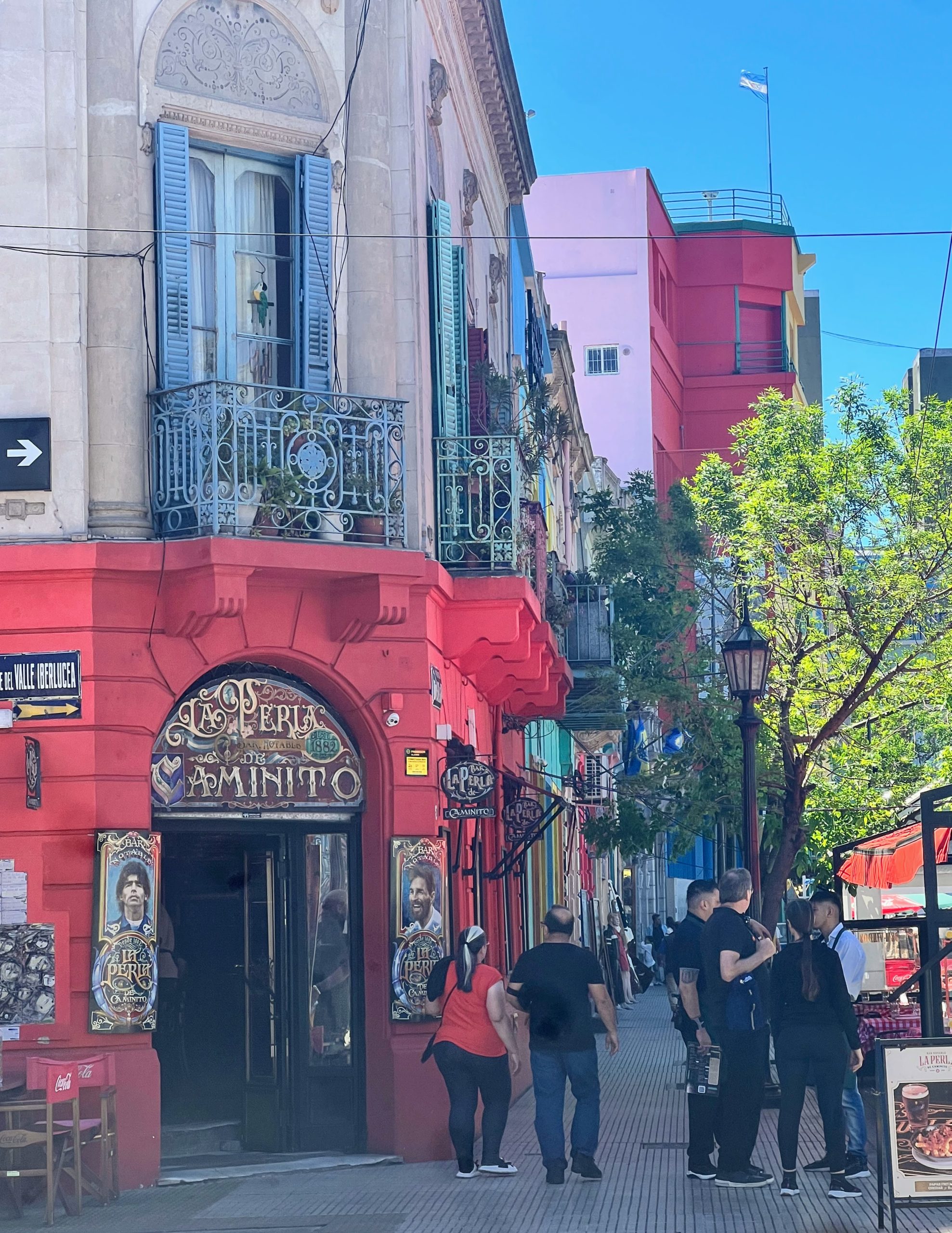
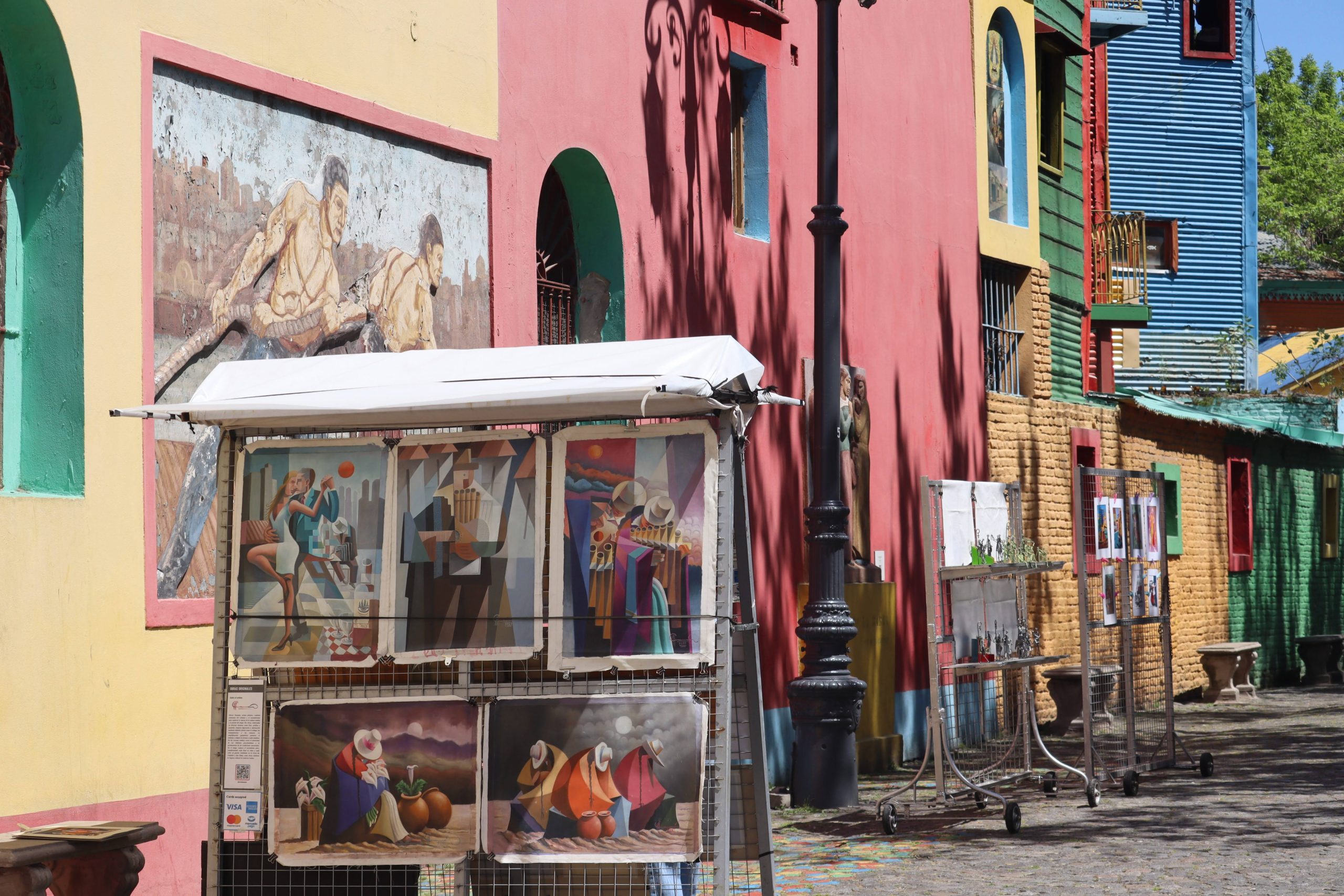
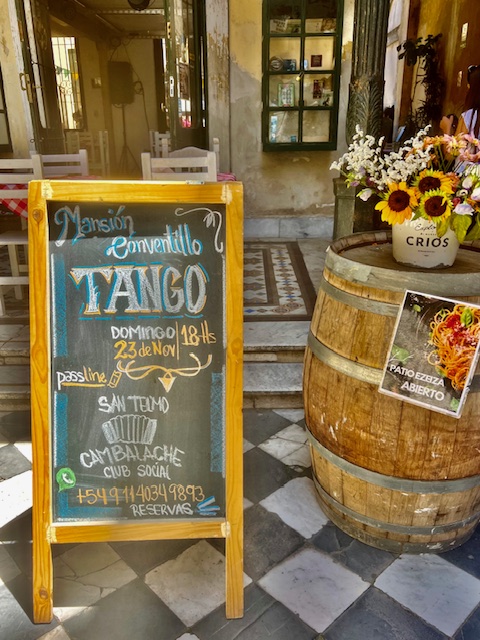
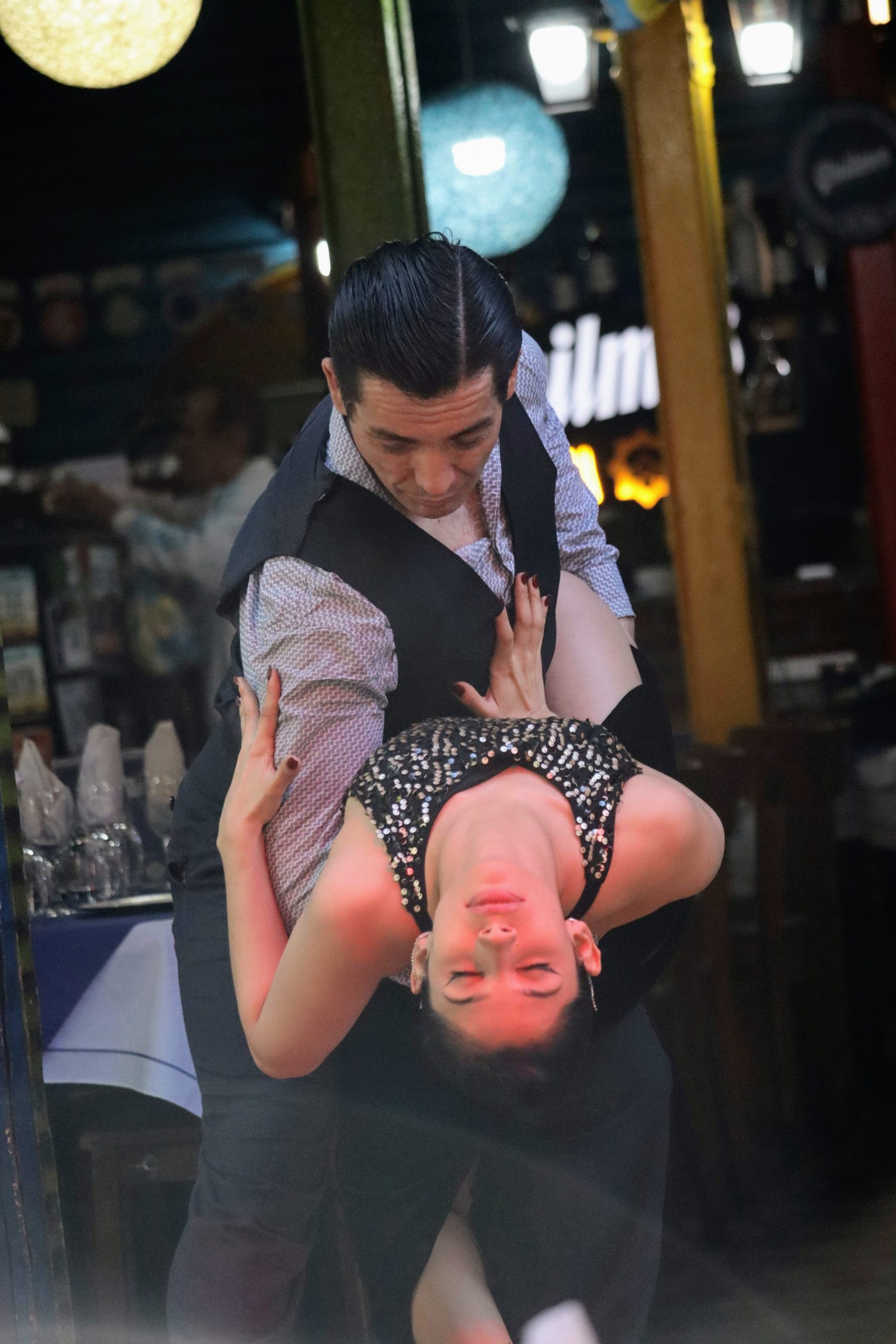
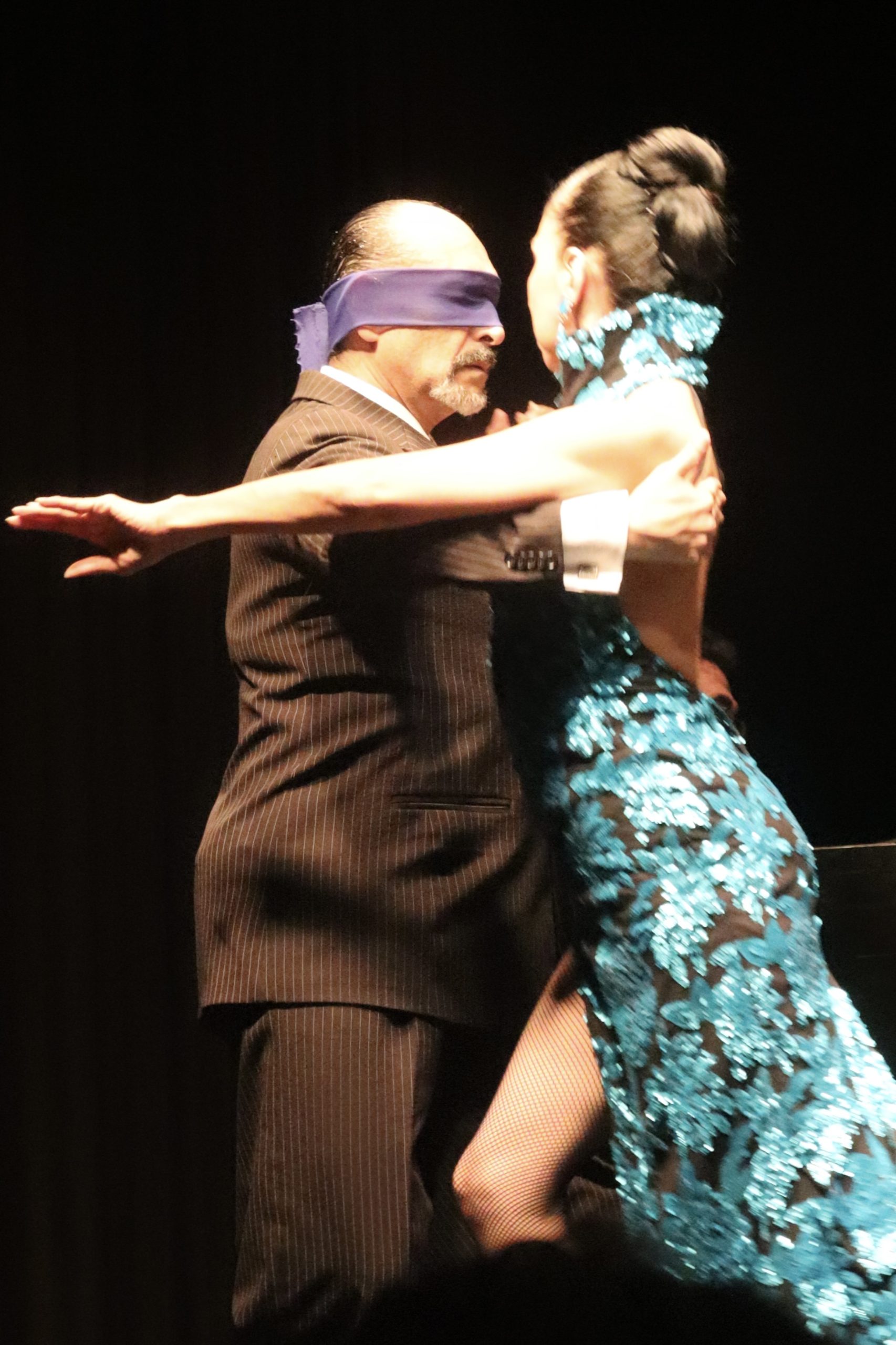
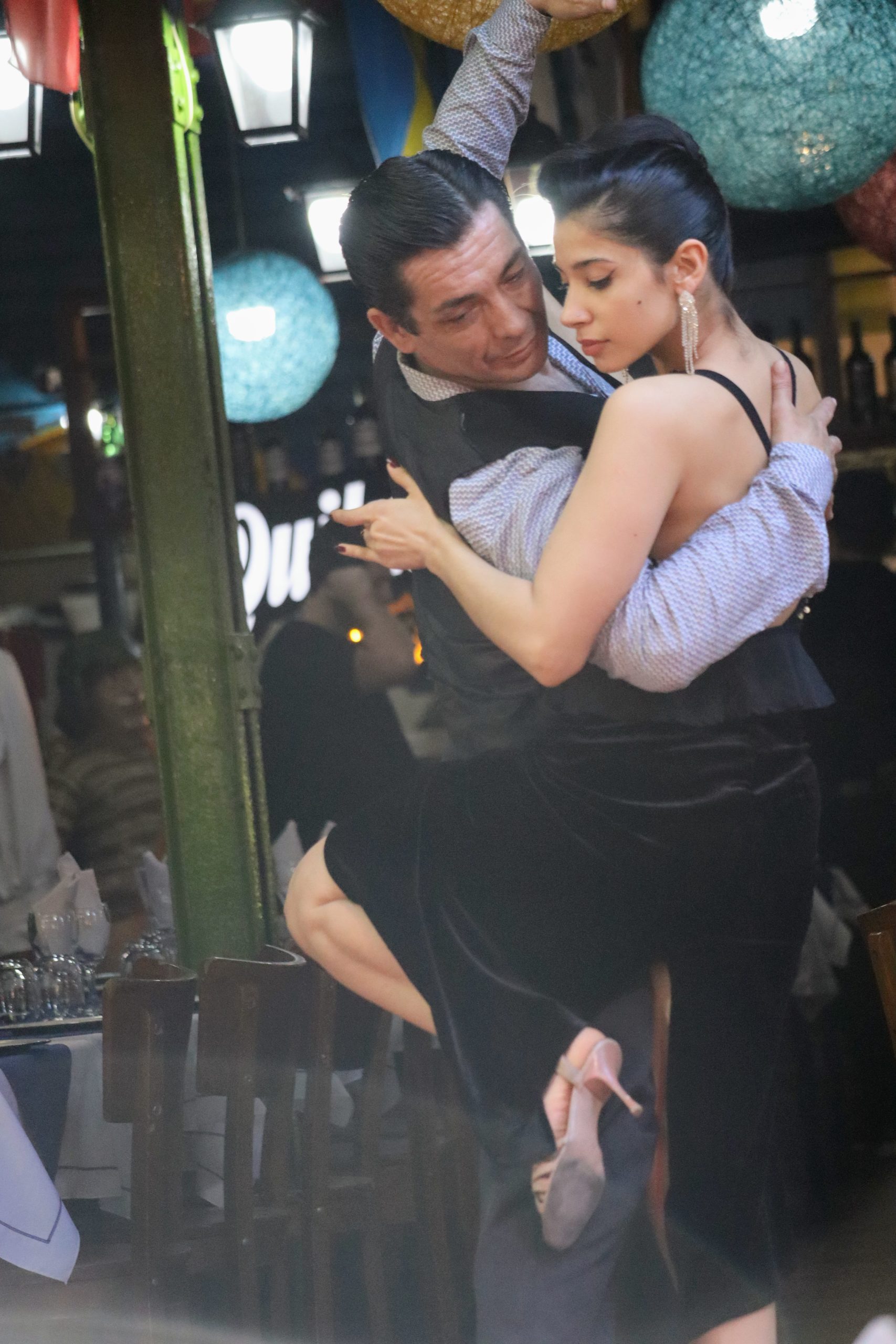
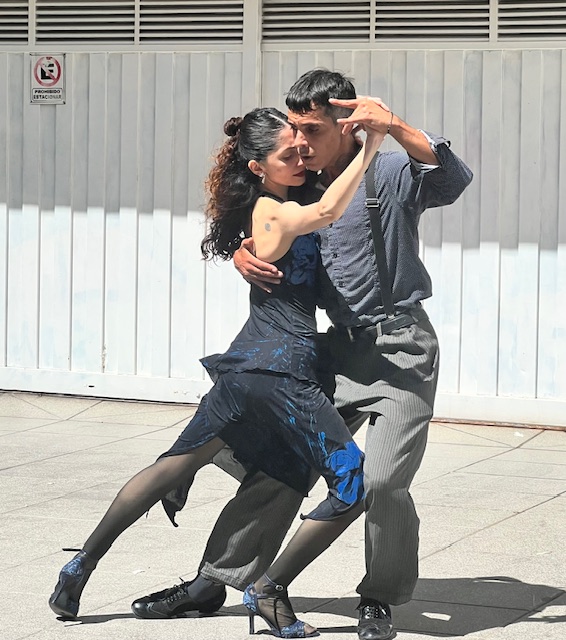
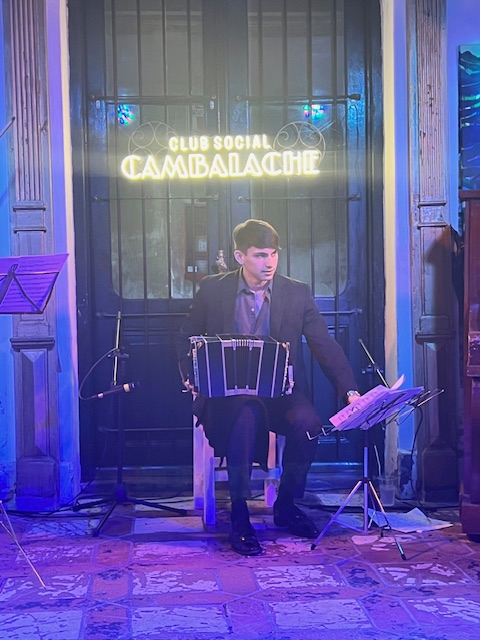
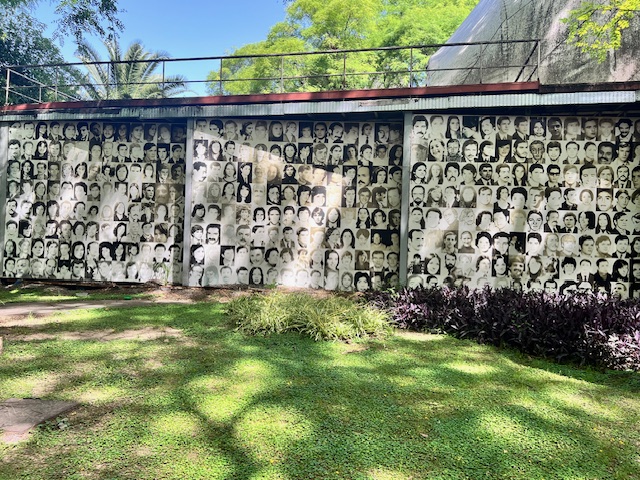
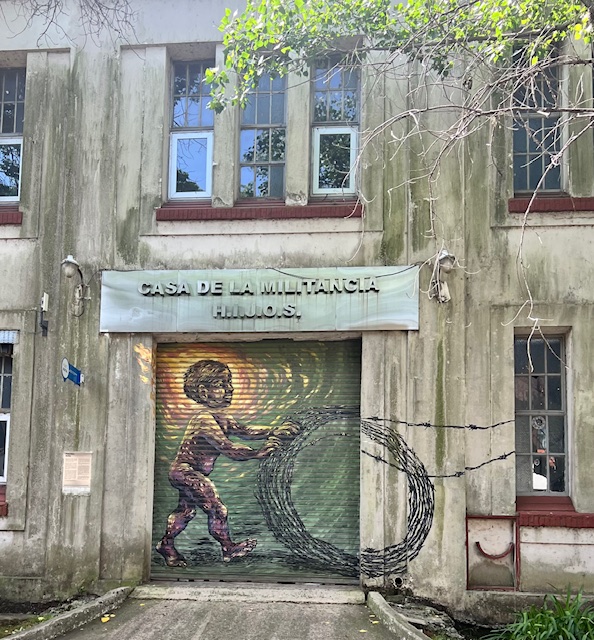
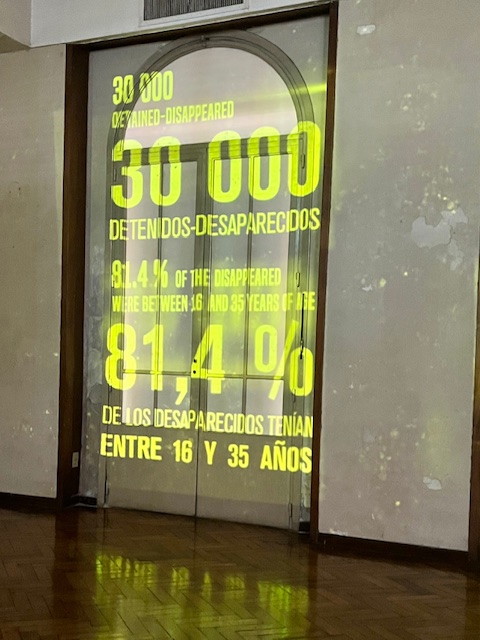
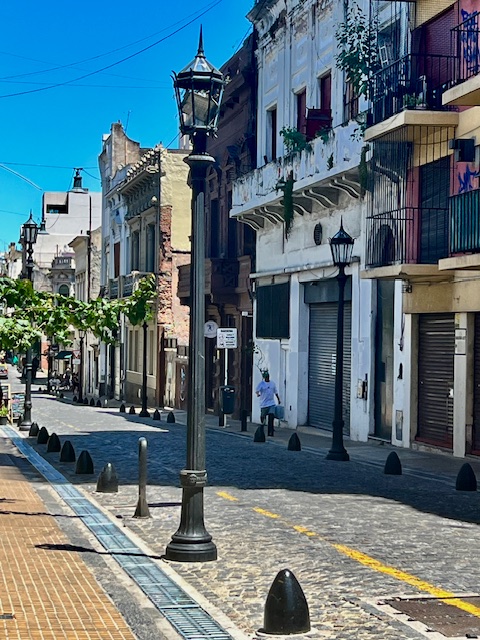
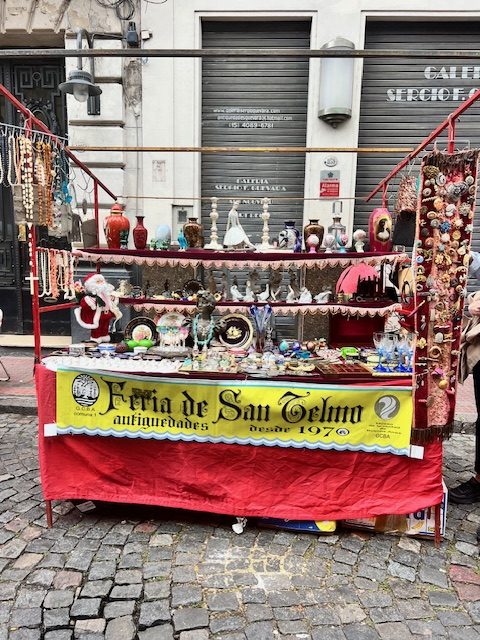
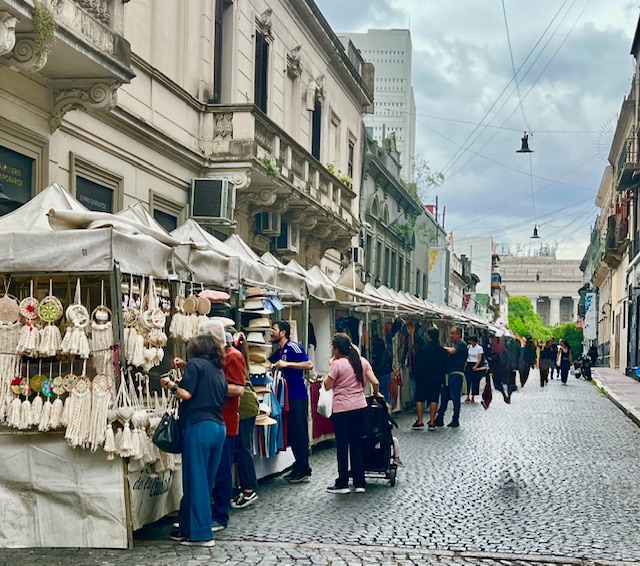
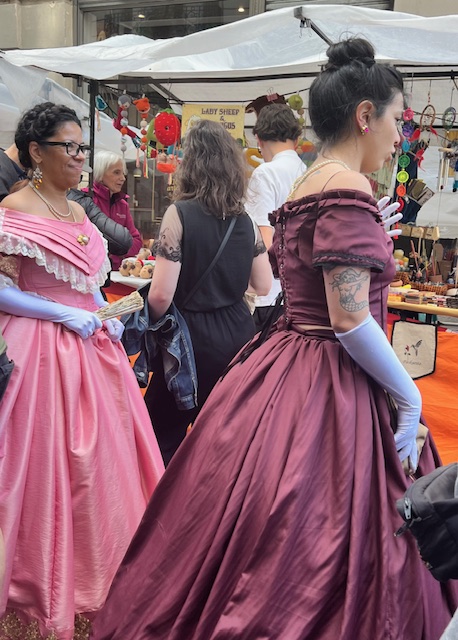
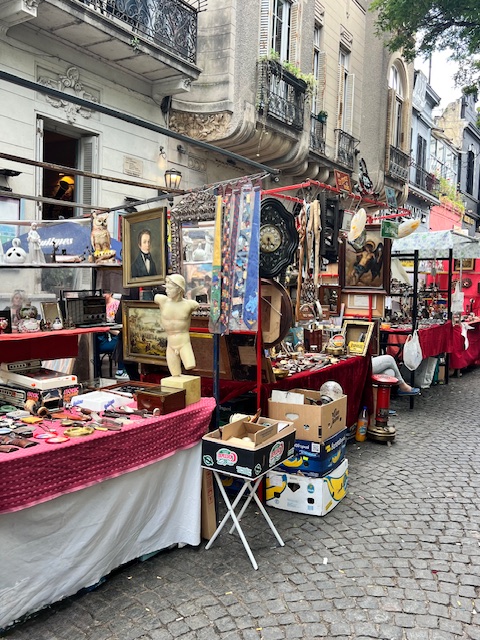
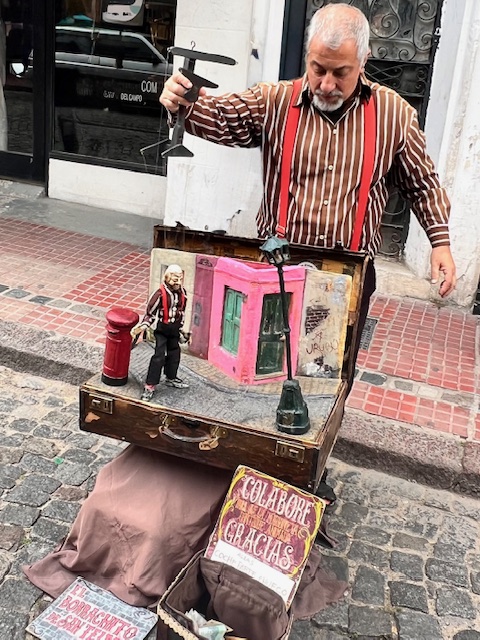
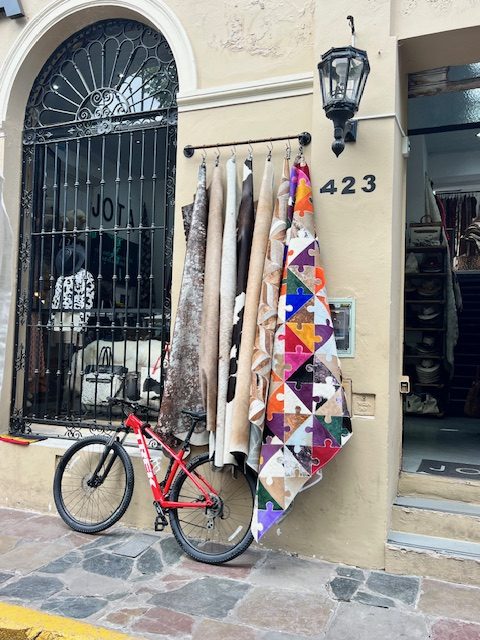
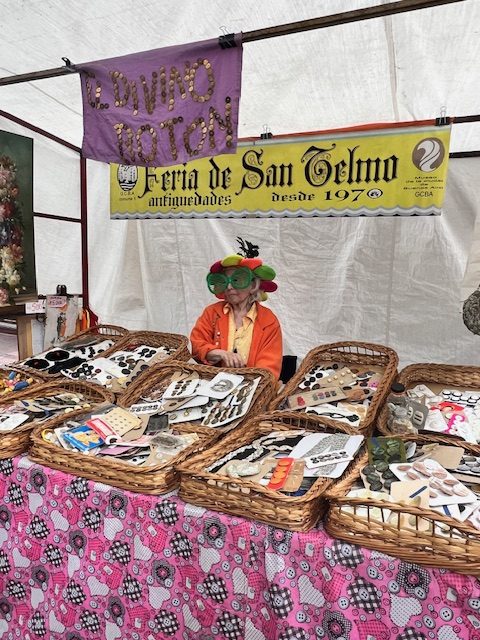
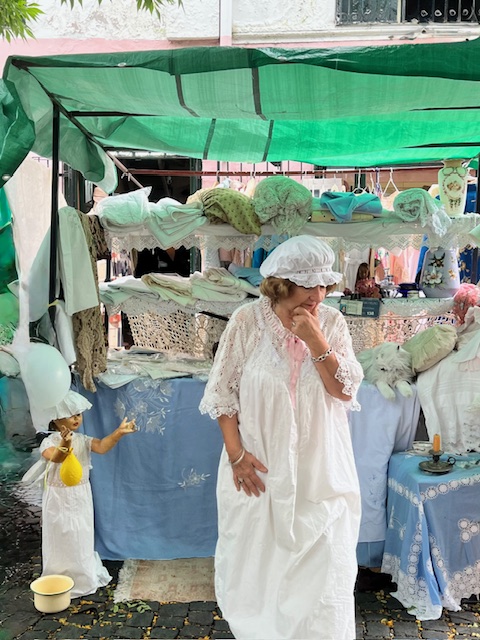
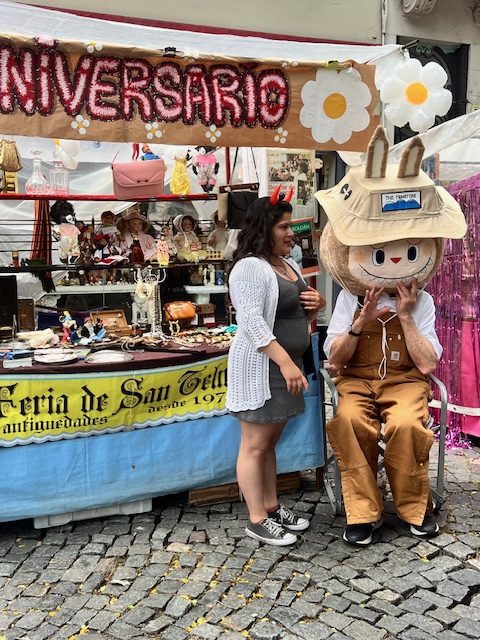
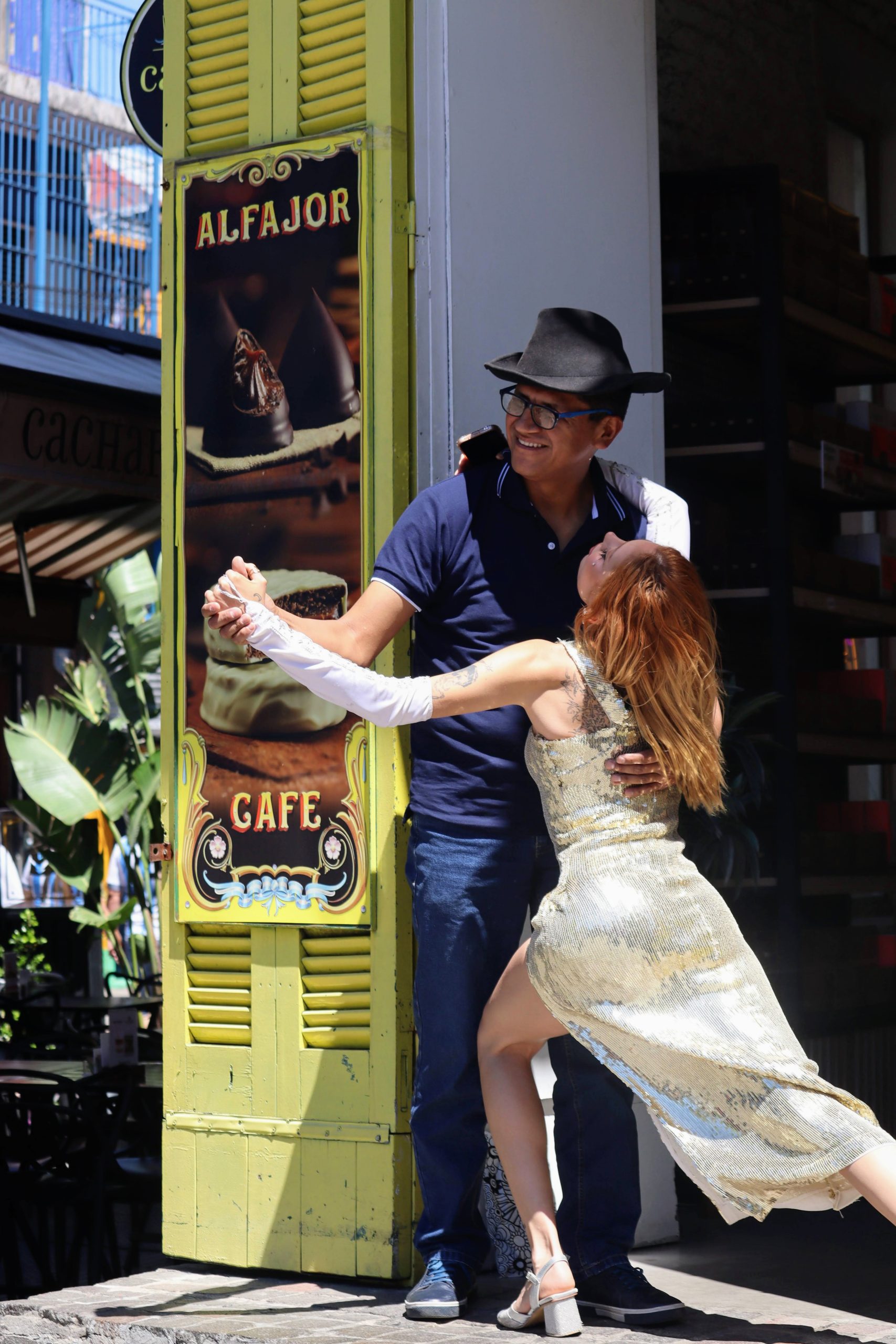
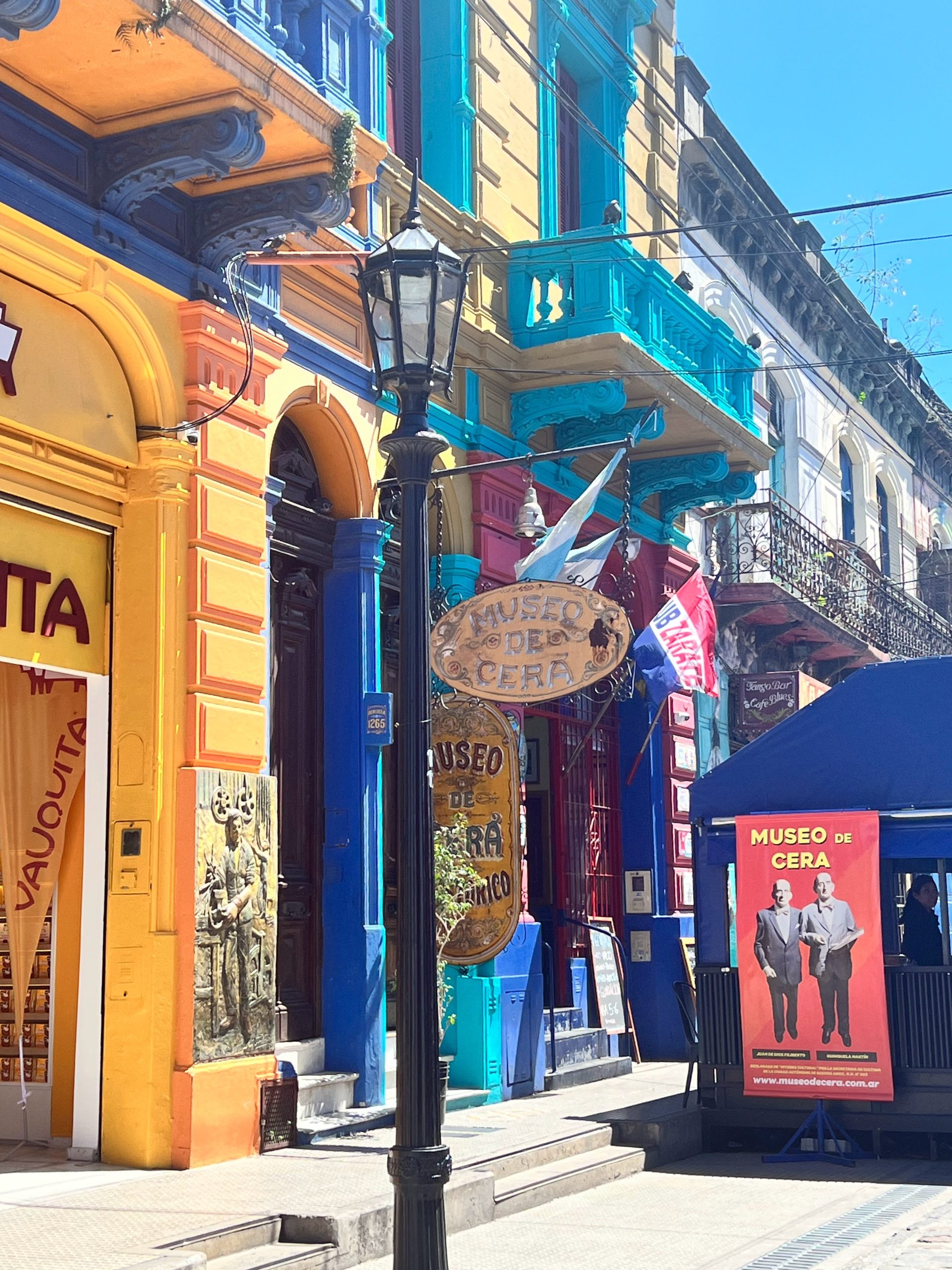
I stayed in Buenos Aires for a month in the colonial neighborhood of San Telmo, the birthplace of Tango.  I must say I was quite taken by the city’s rich culture, European architecture and its empanadas (much savory than Chile). Buenos Aires is a vast metropolis where one can easily get lost with so many neighborhoods to choose from. The resemblance between New York City and London is uncanny and is why I chose to stay in San Telmo with its bohemian vibe, colonial buildings, gas lanterns and cobblestone streets. Here is what I learned and liked most about living in Buenos Aires…

Between Painted Mountains and Waterfalls: A Journey Through Northwest Argentina

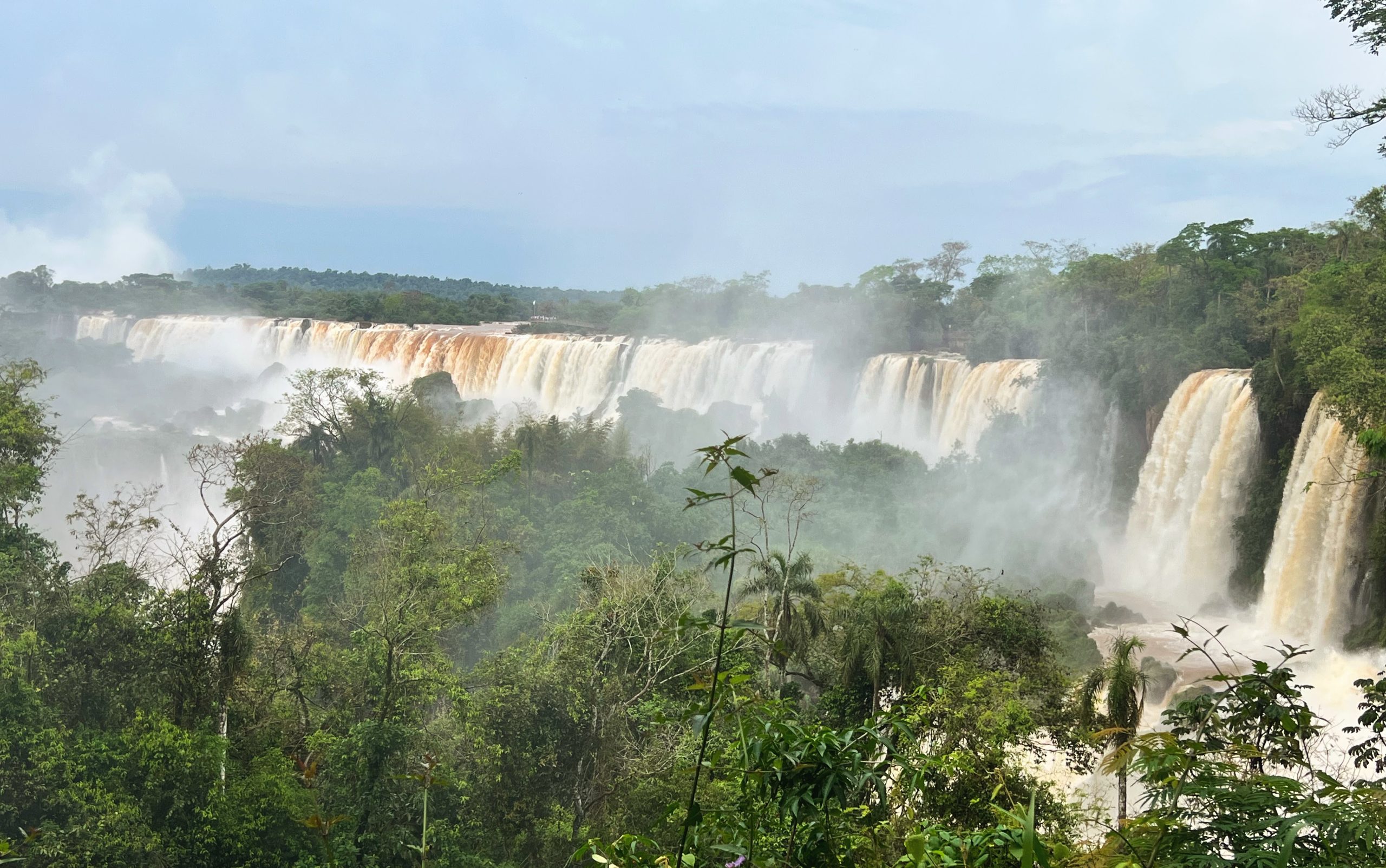
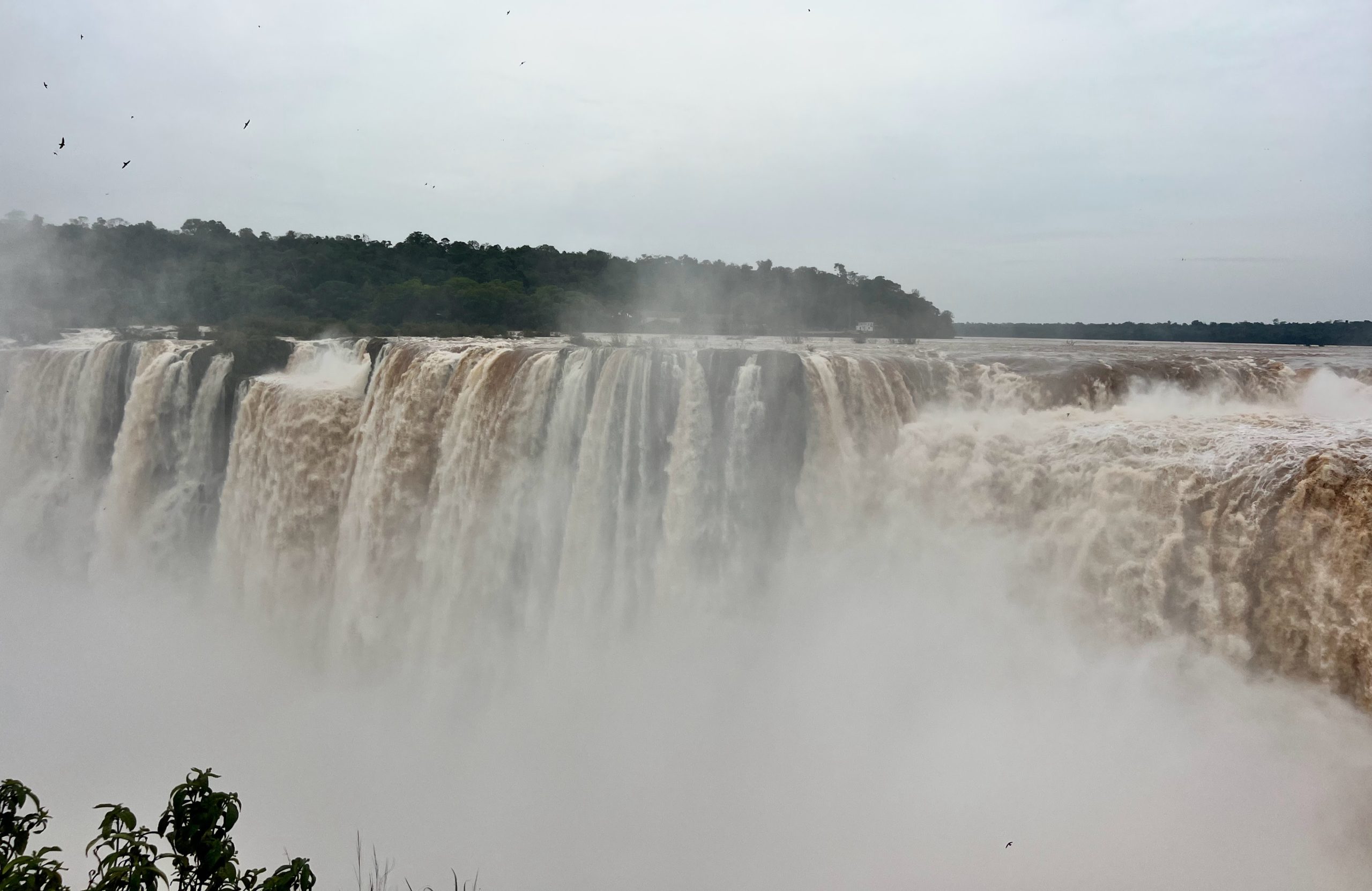
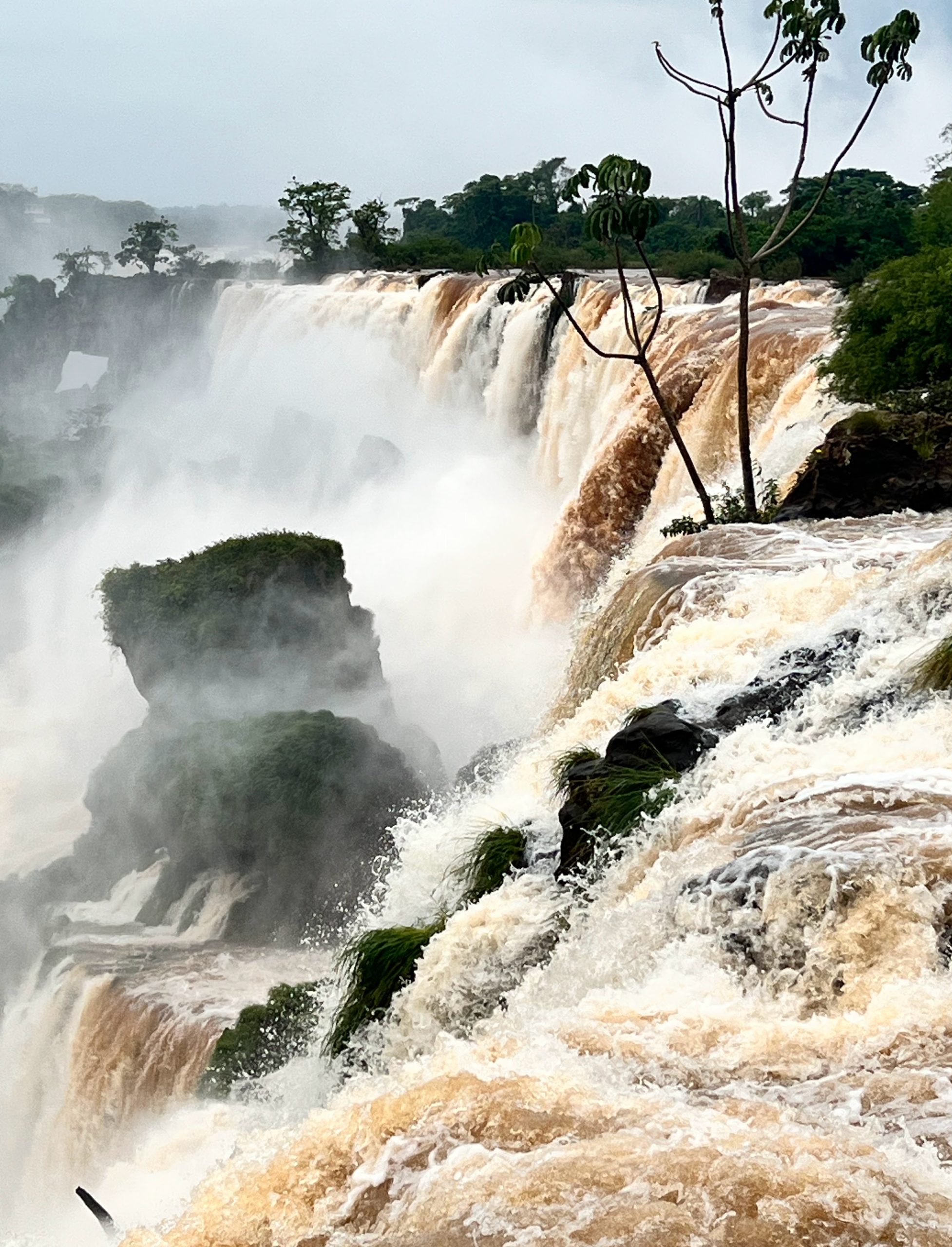
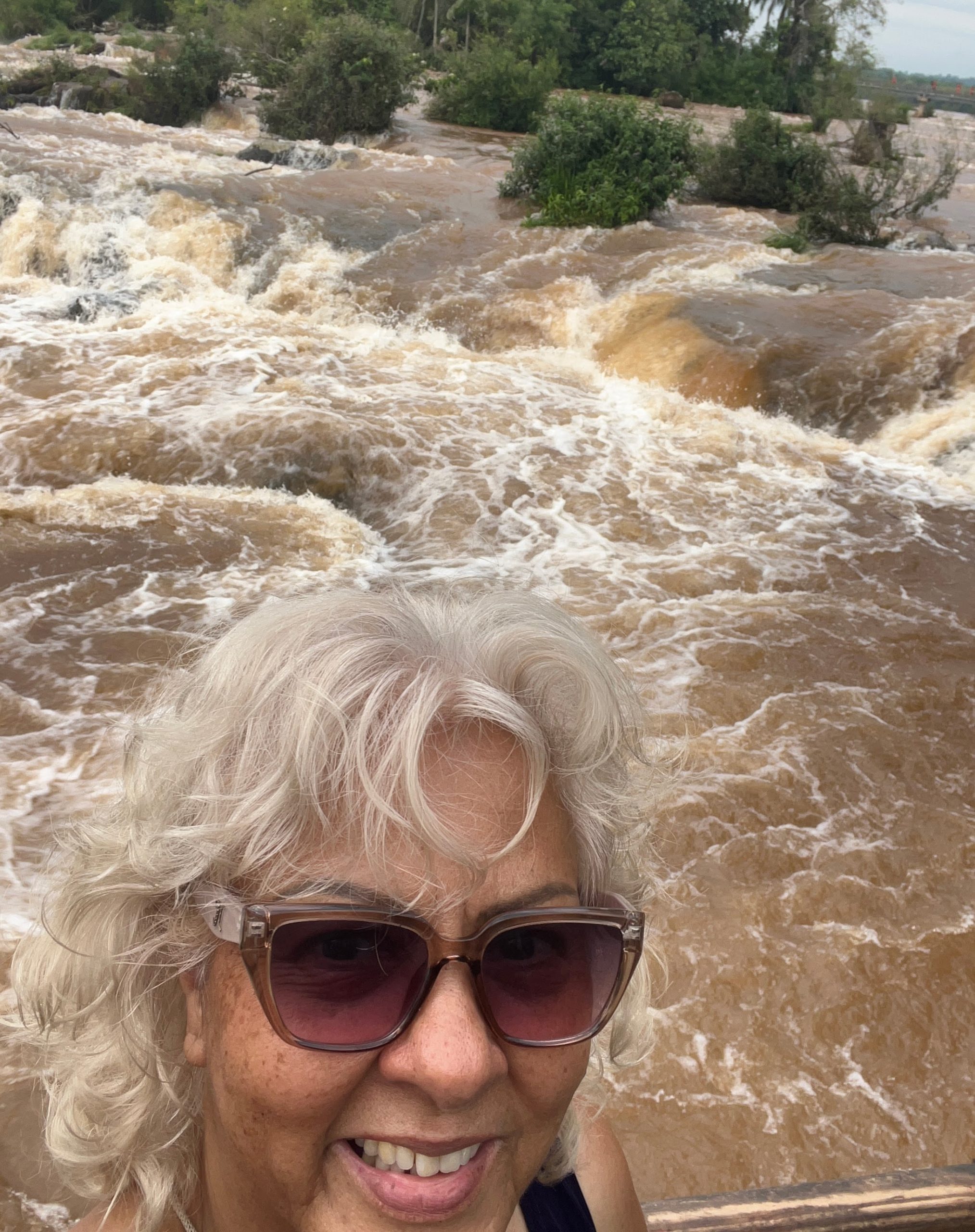
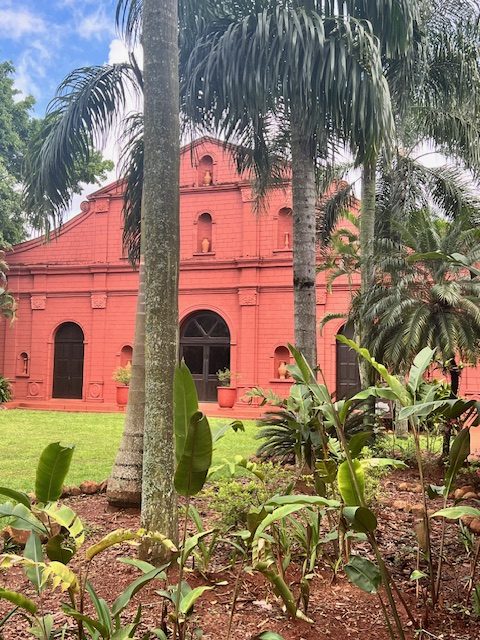
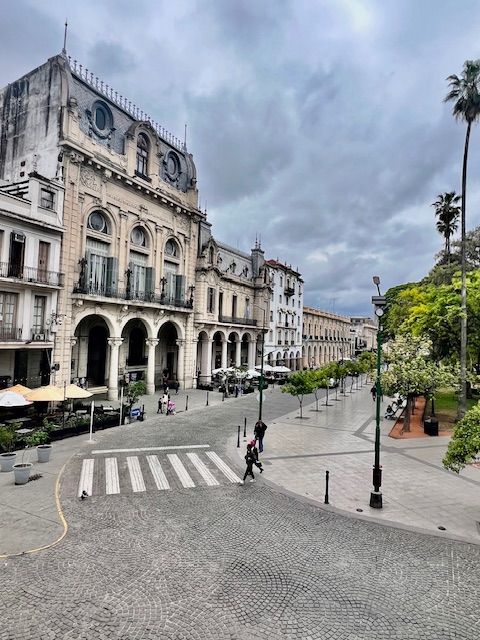
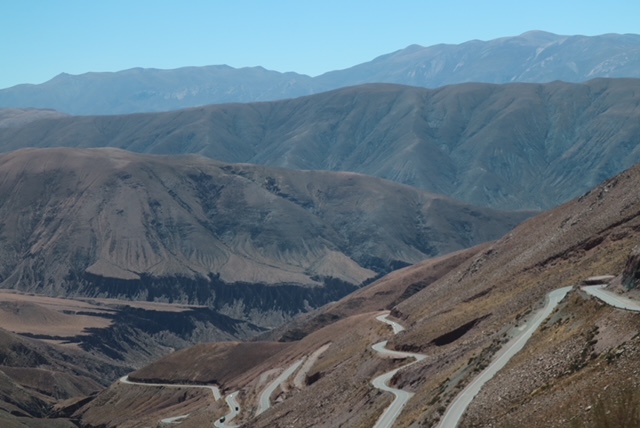
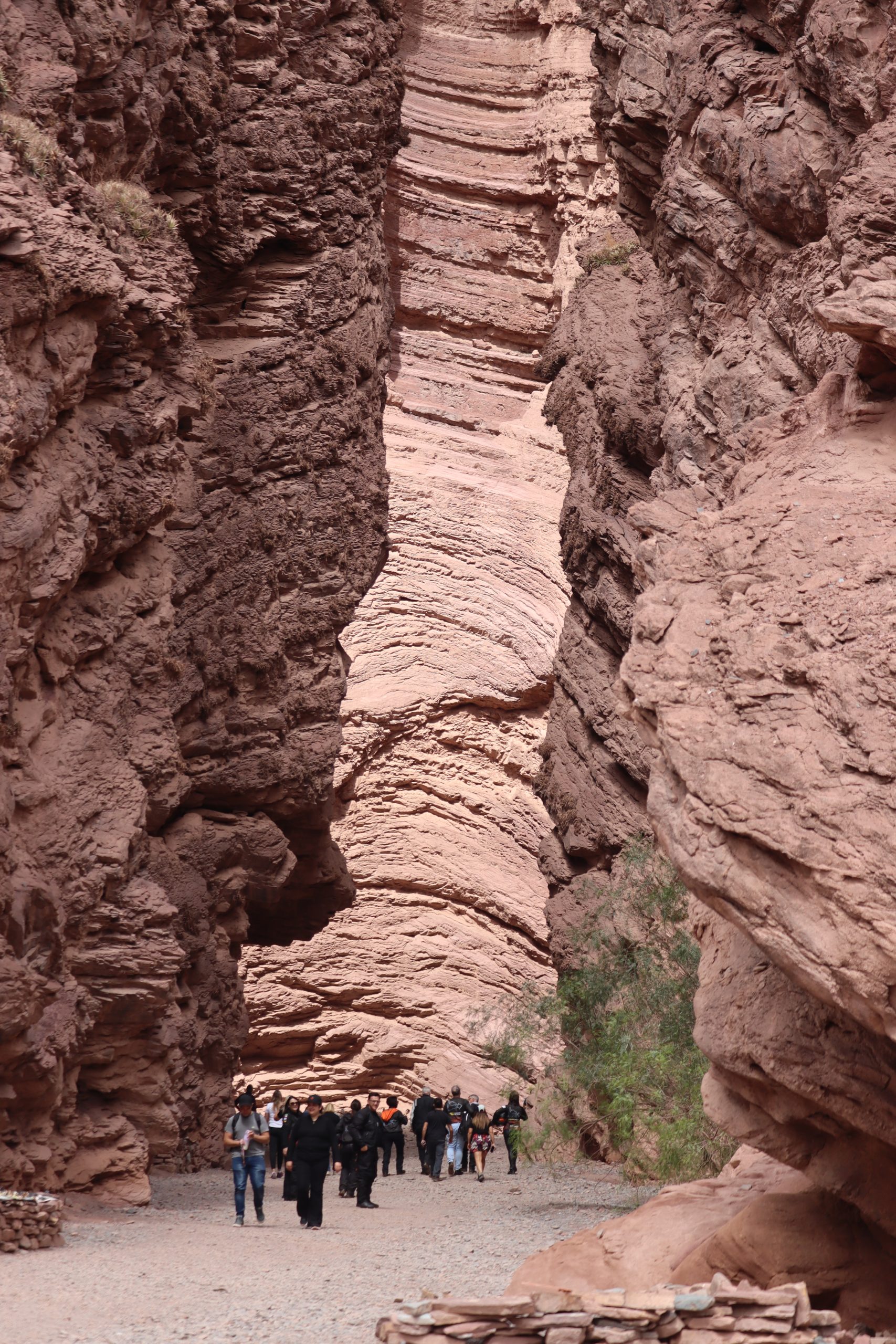
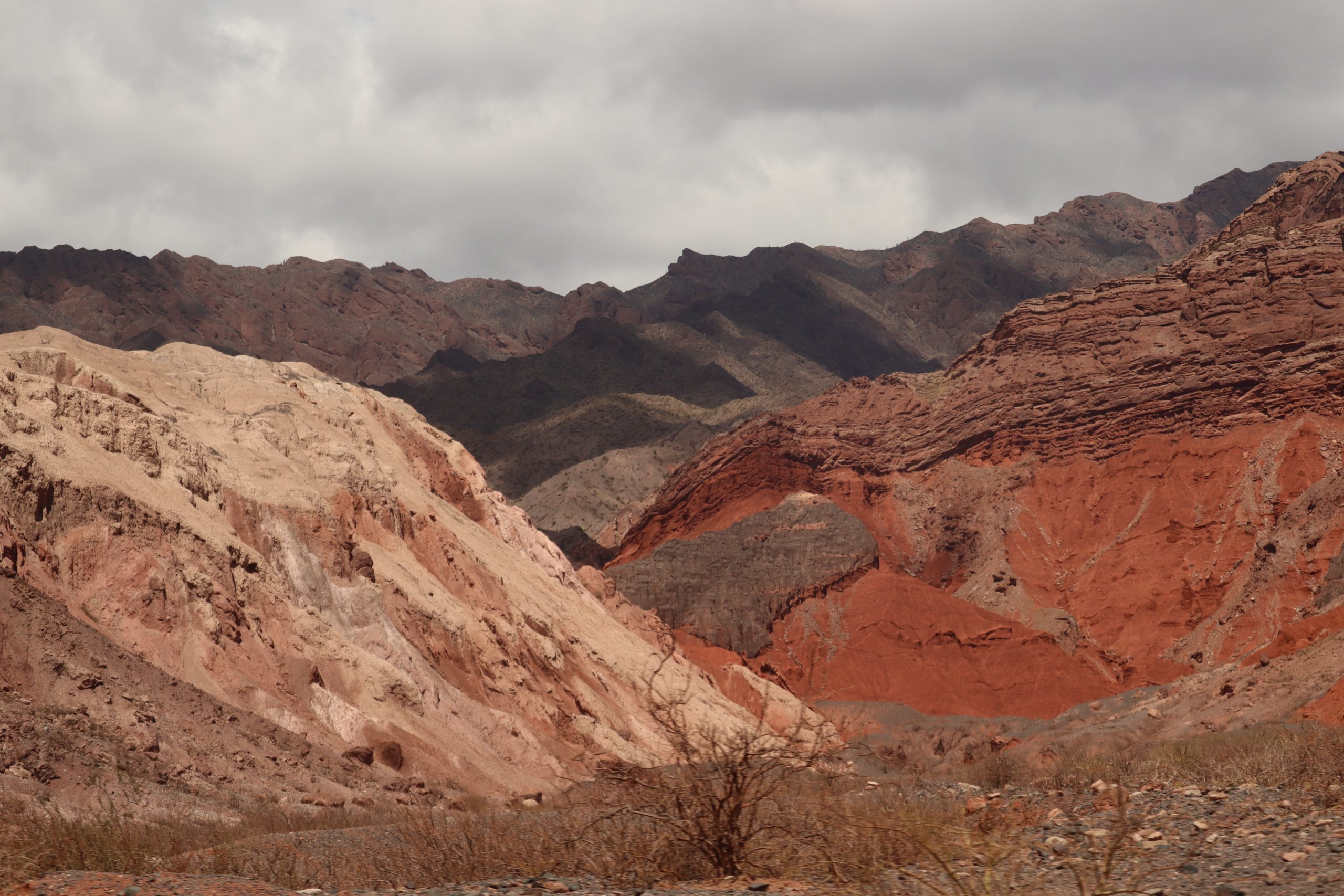
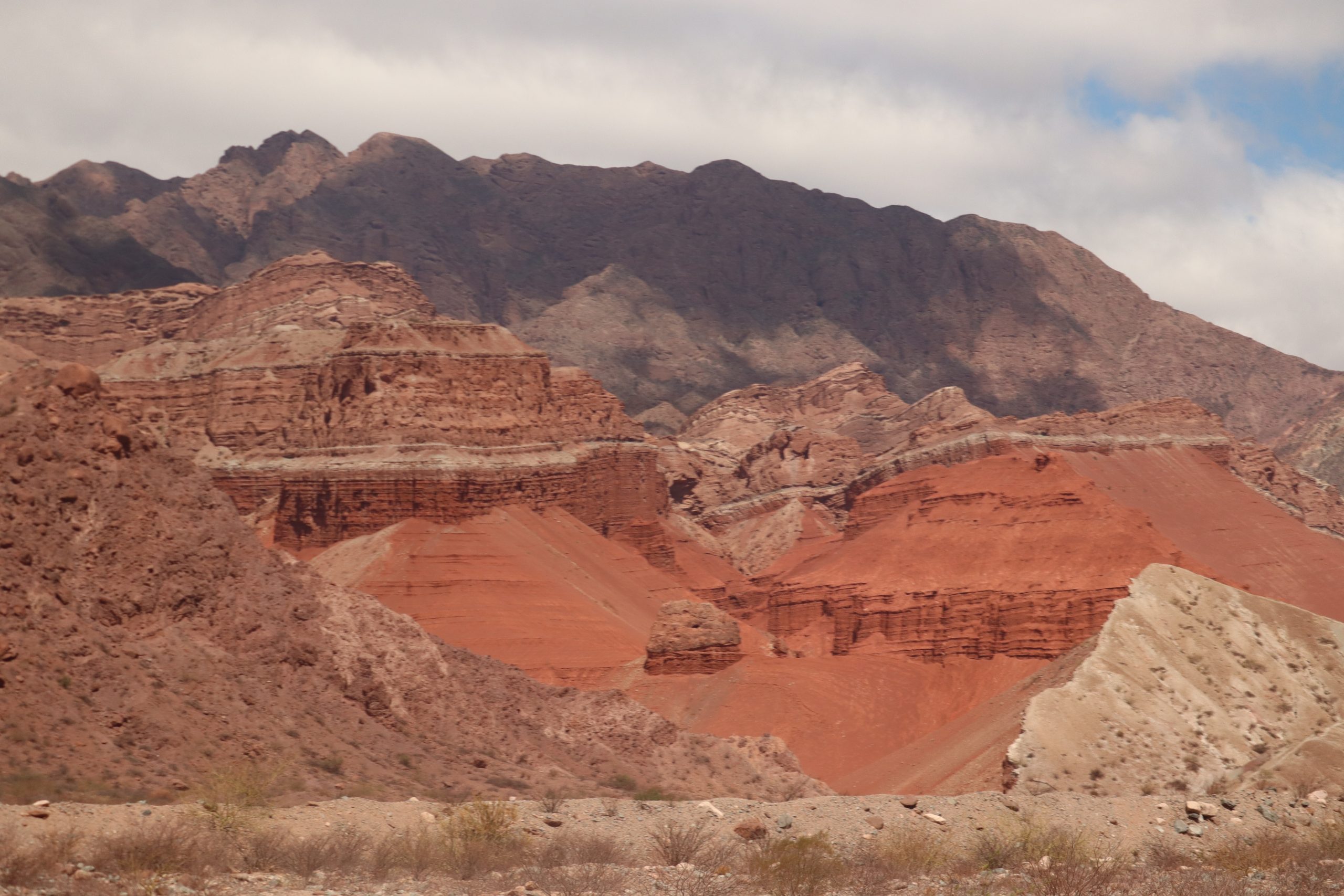
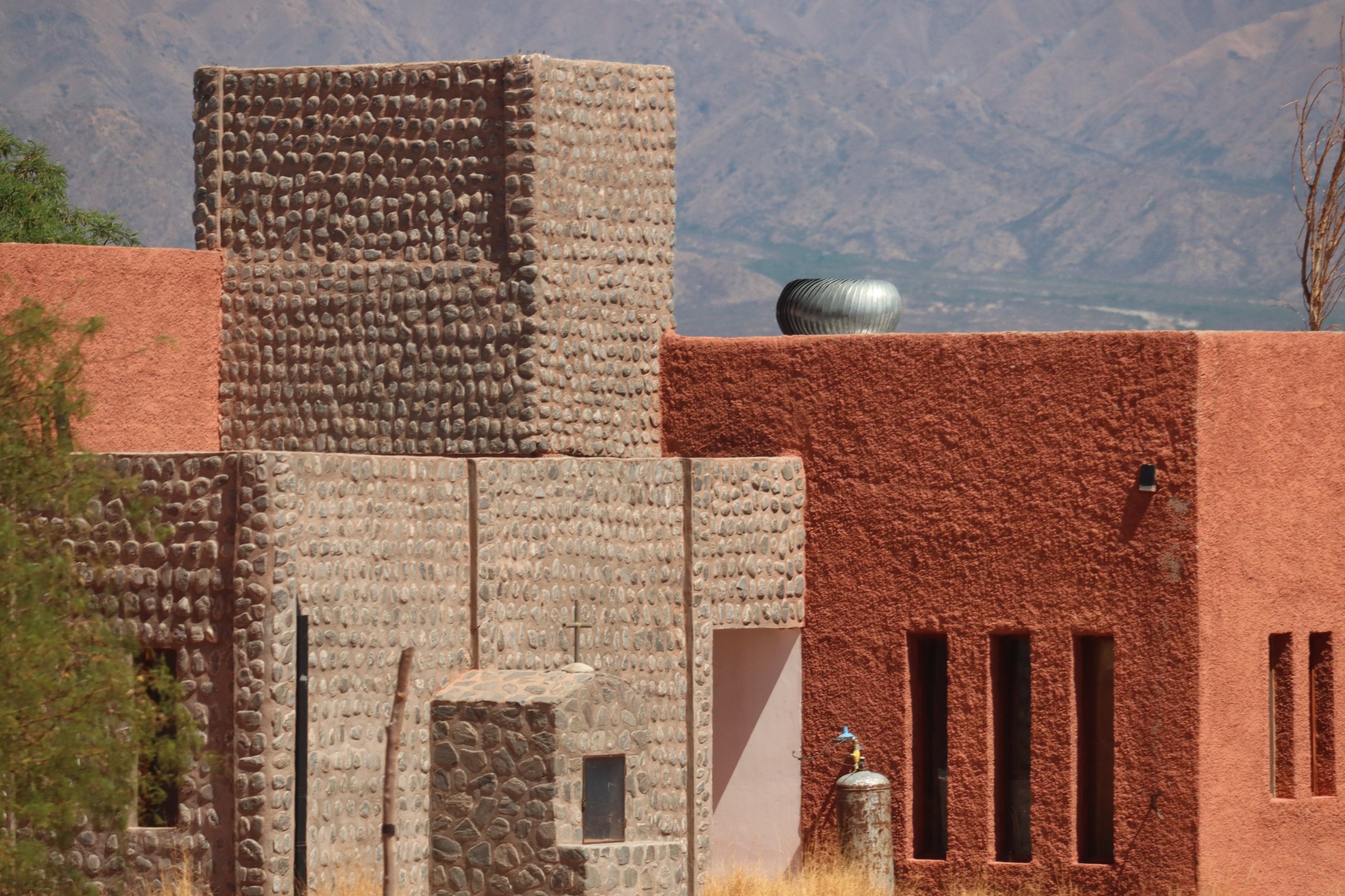
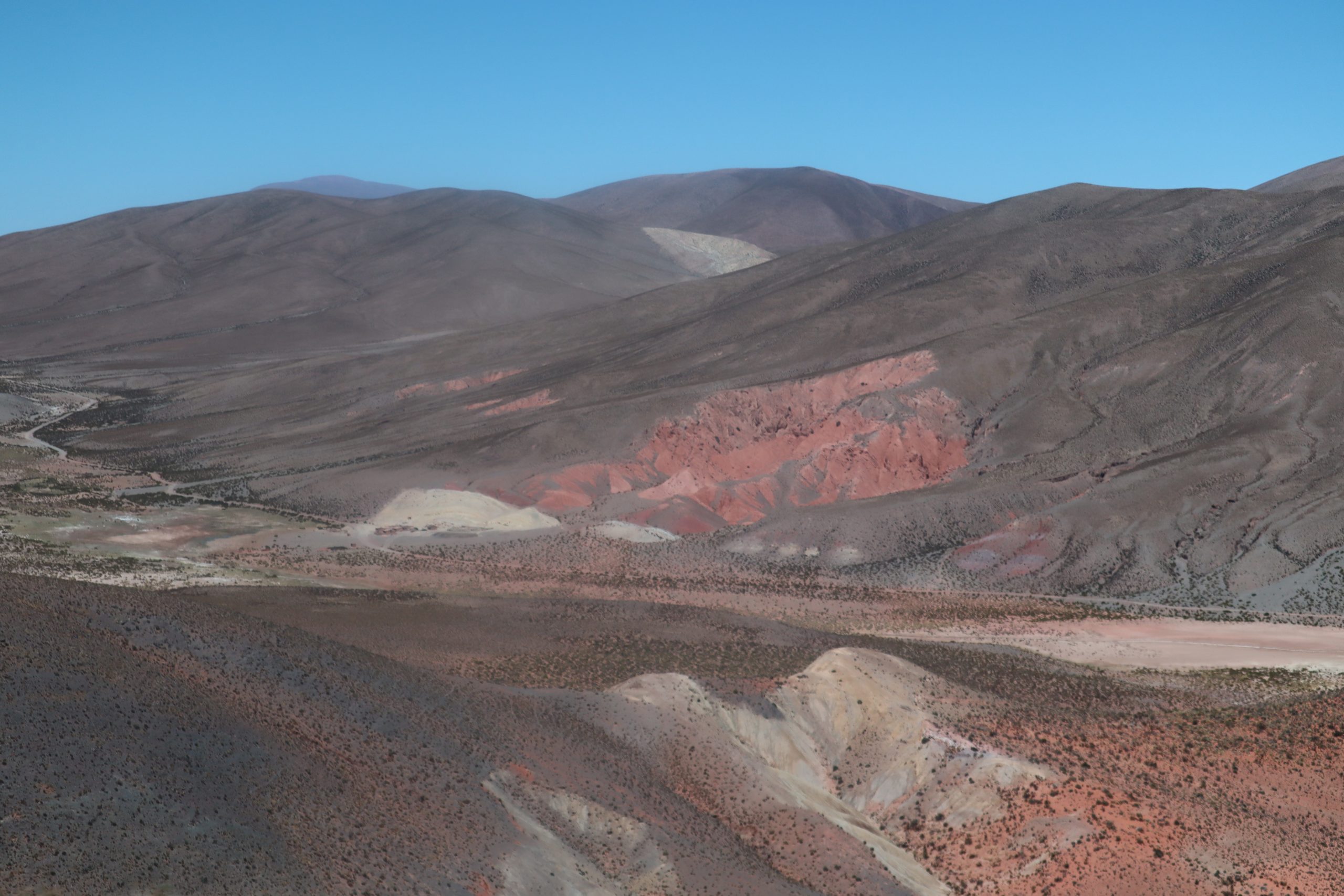
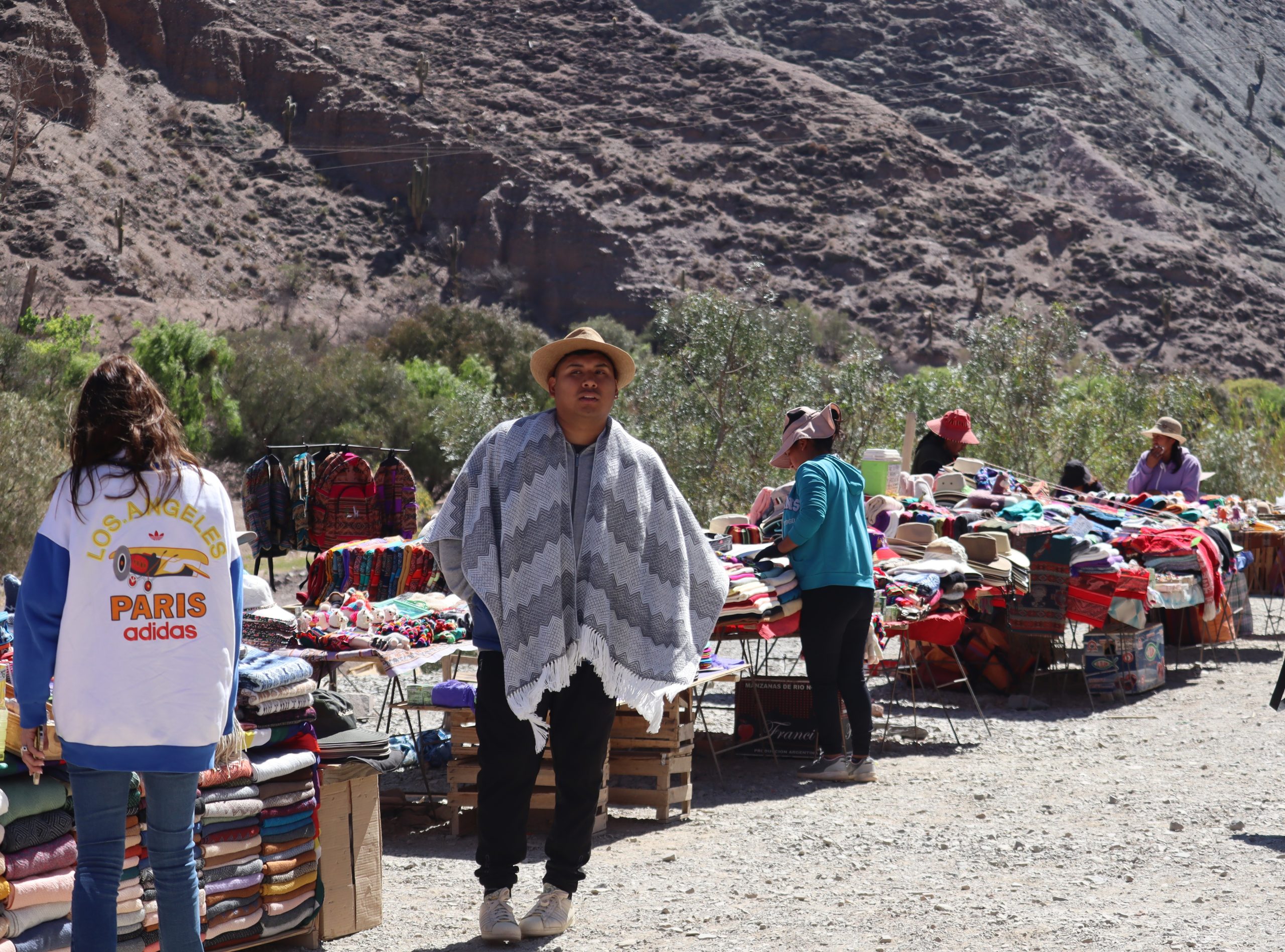
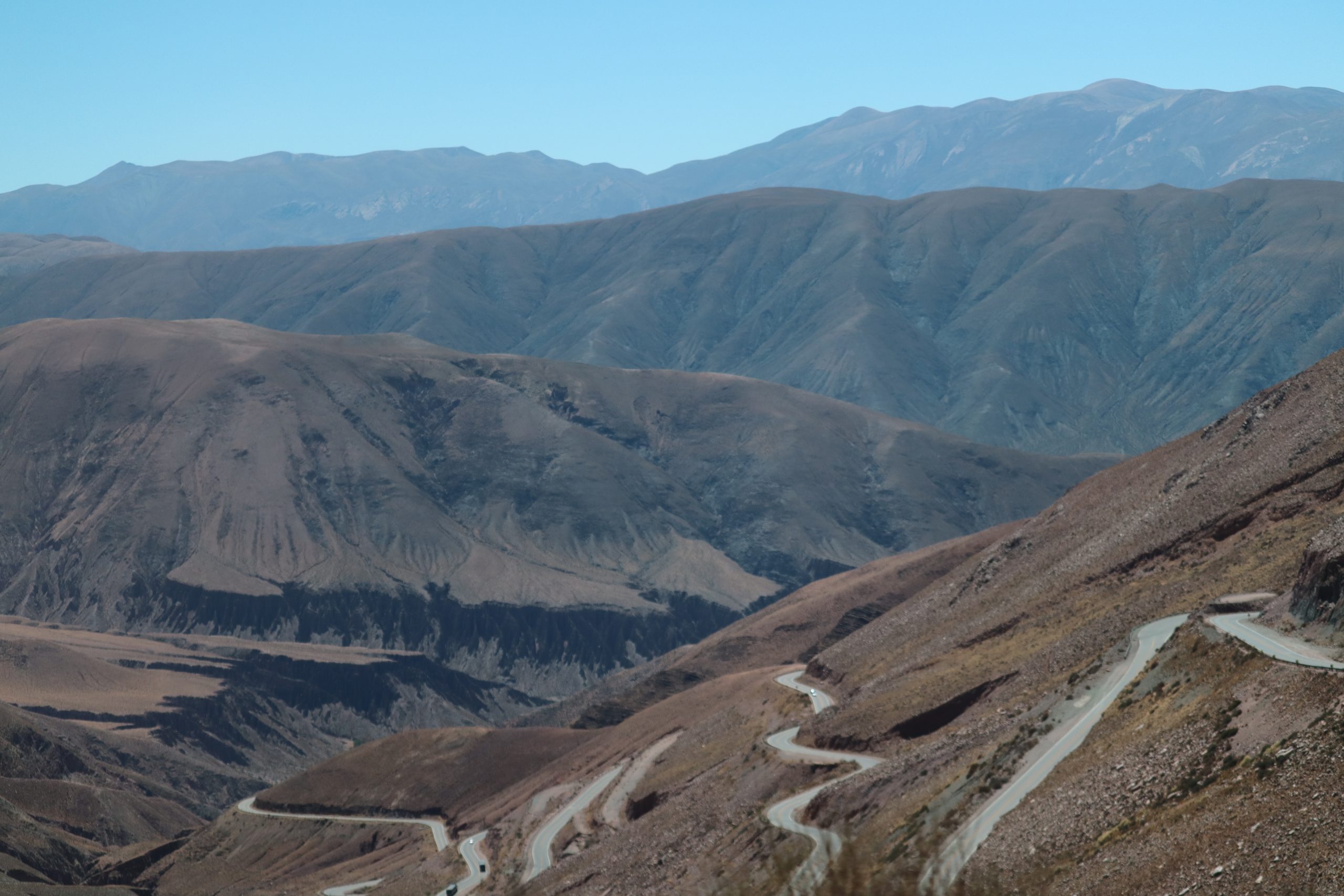
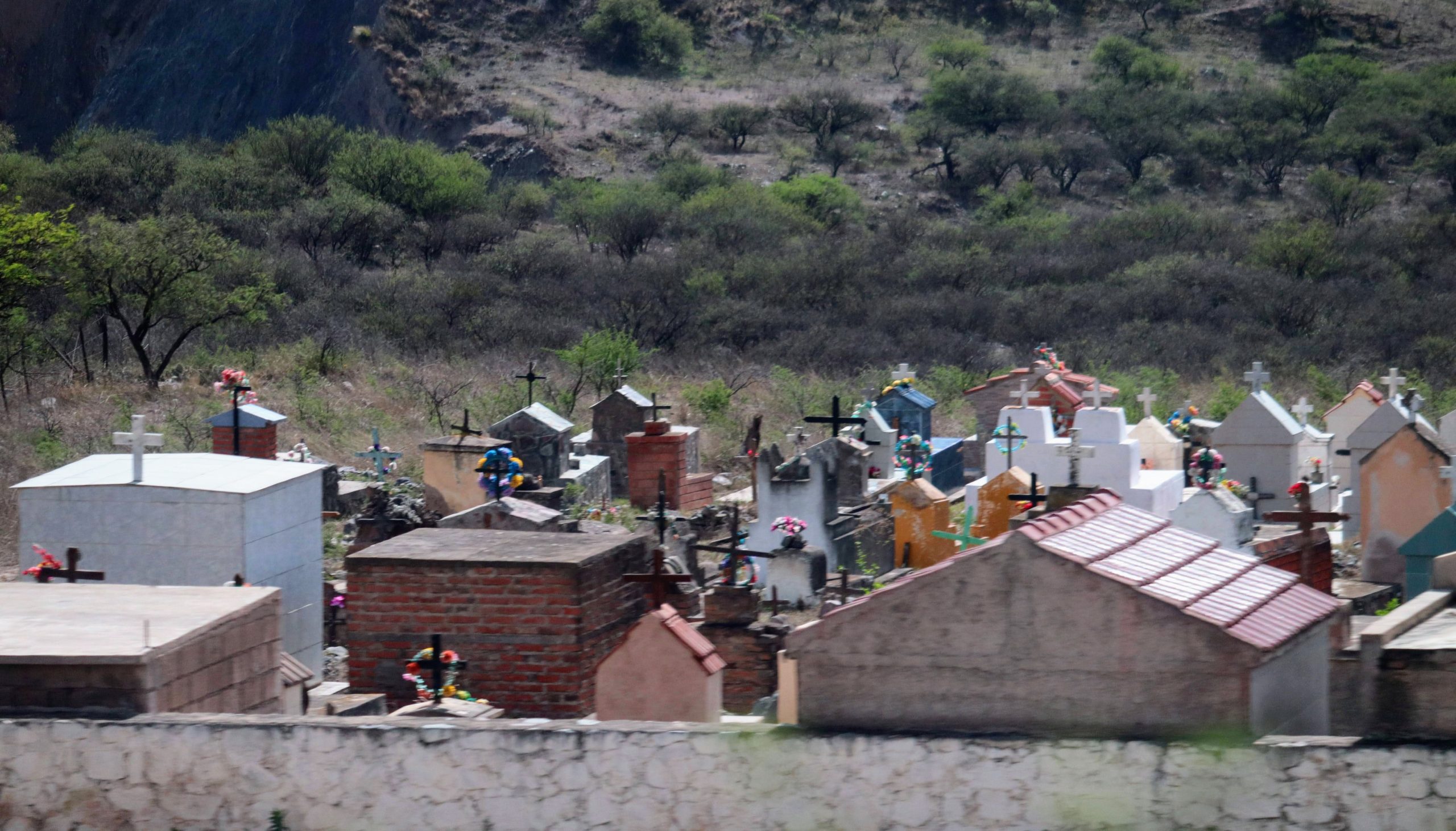
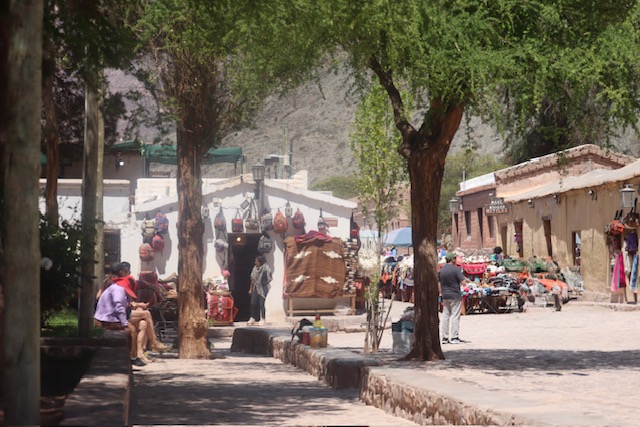
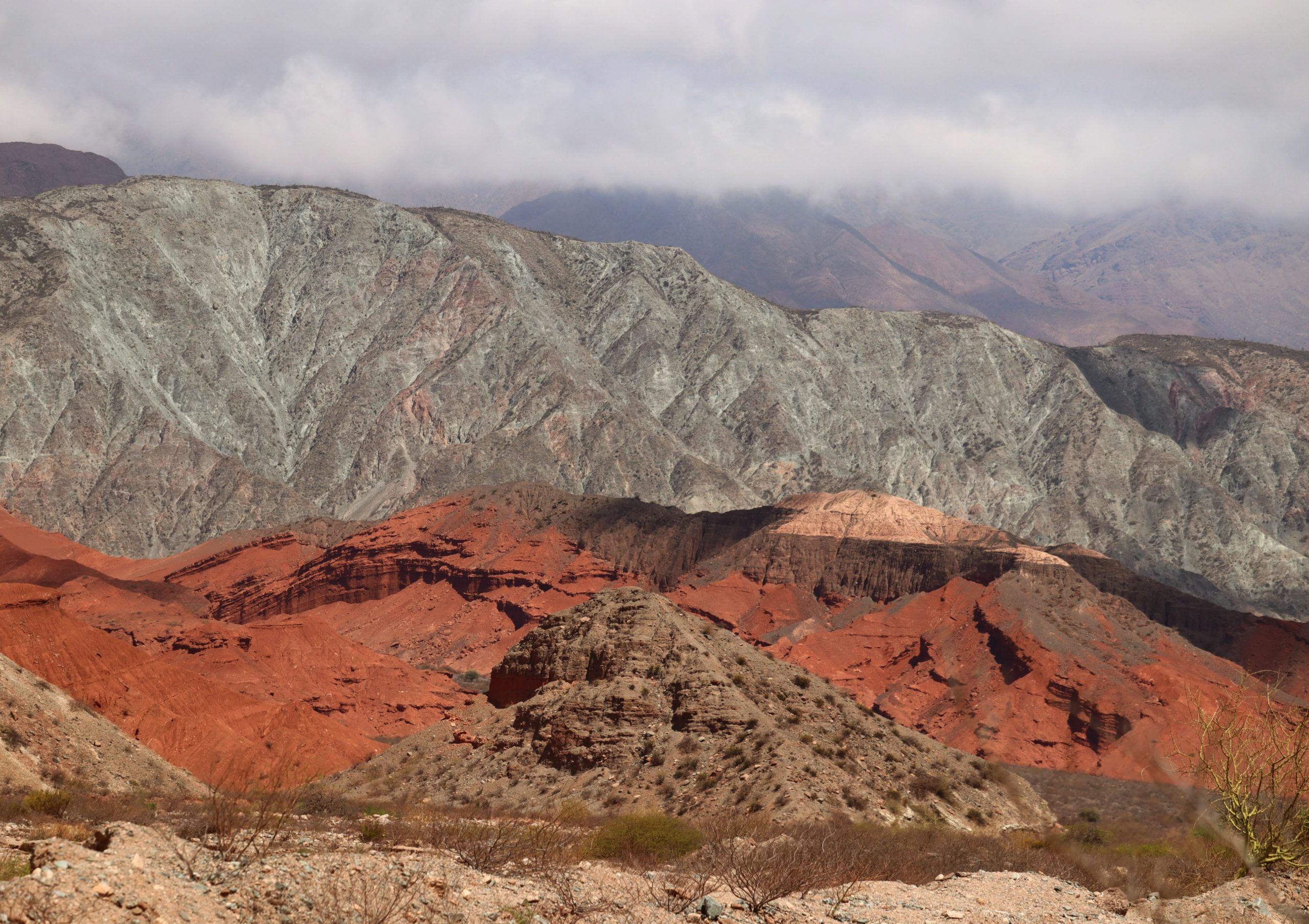
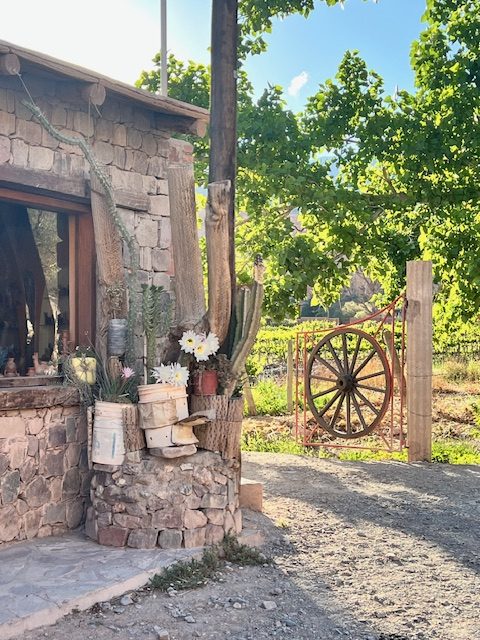
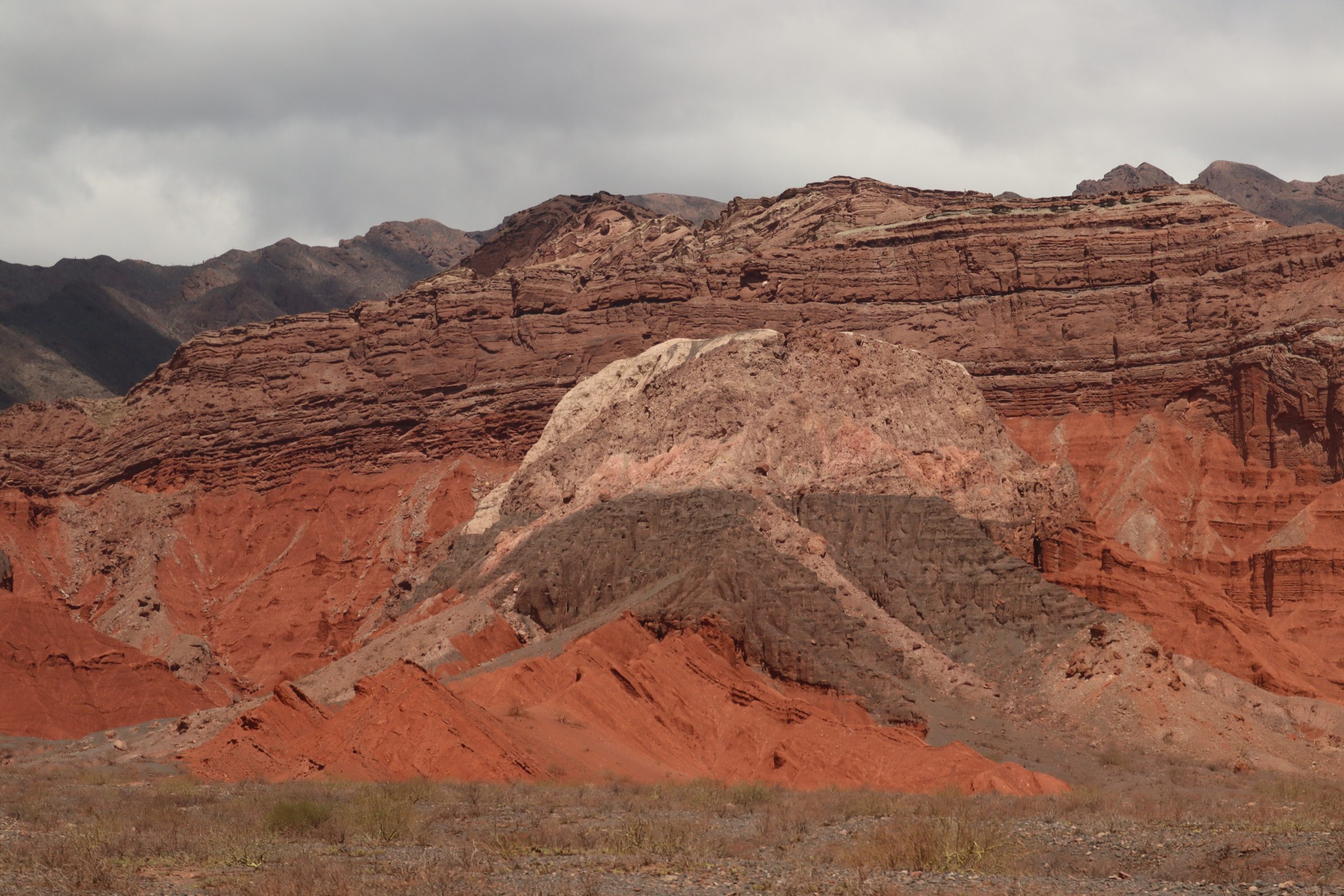
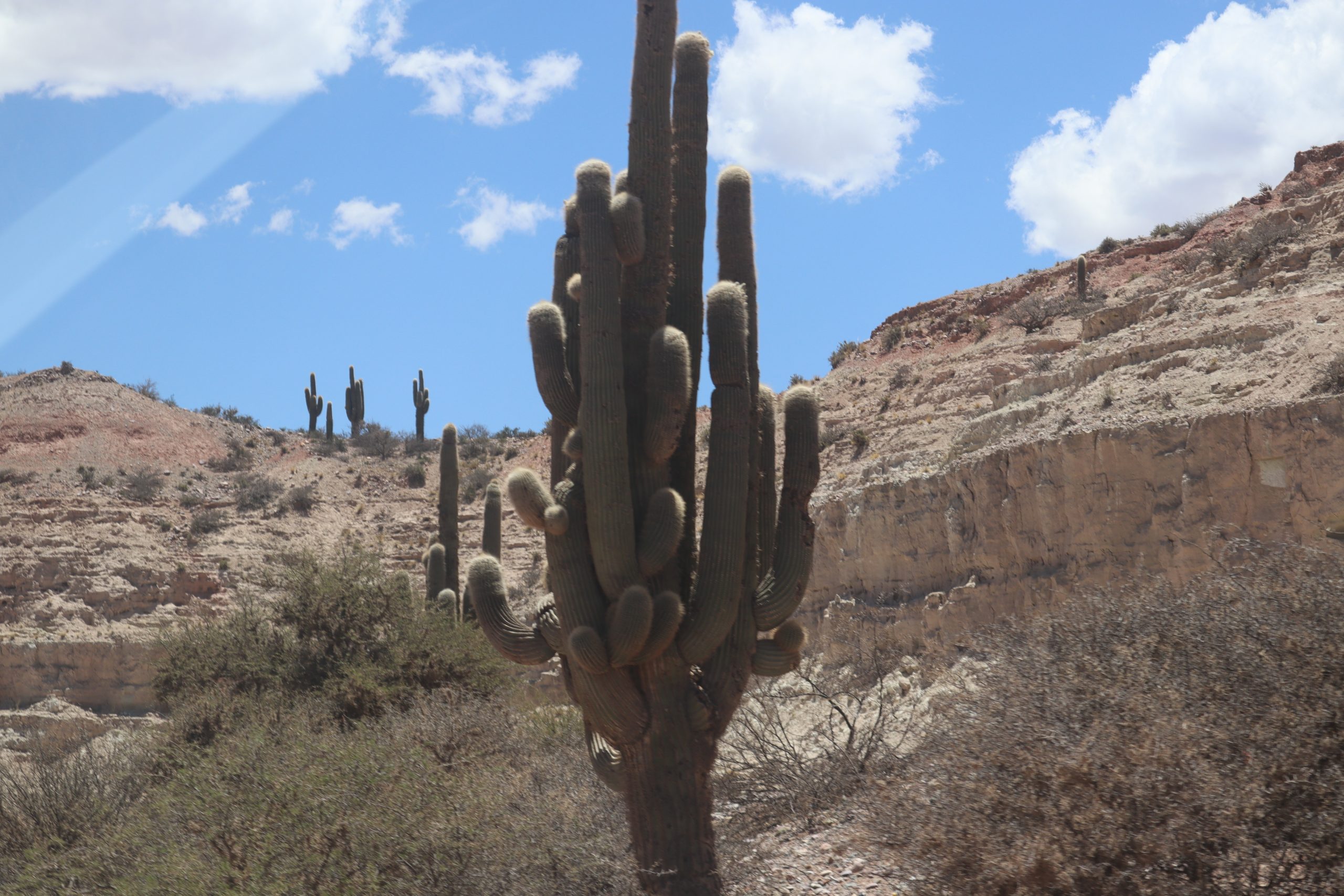
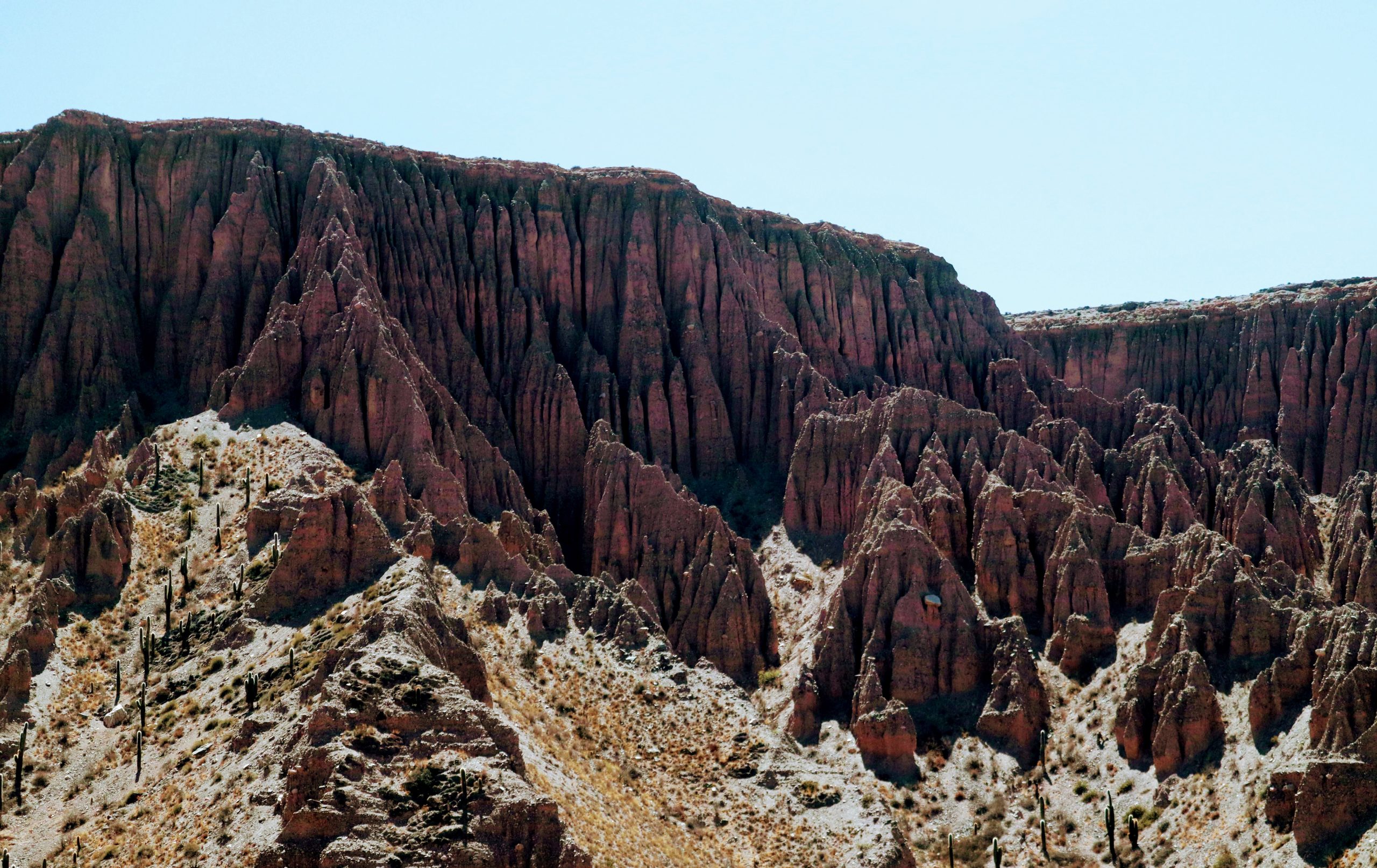
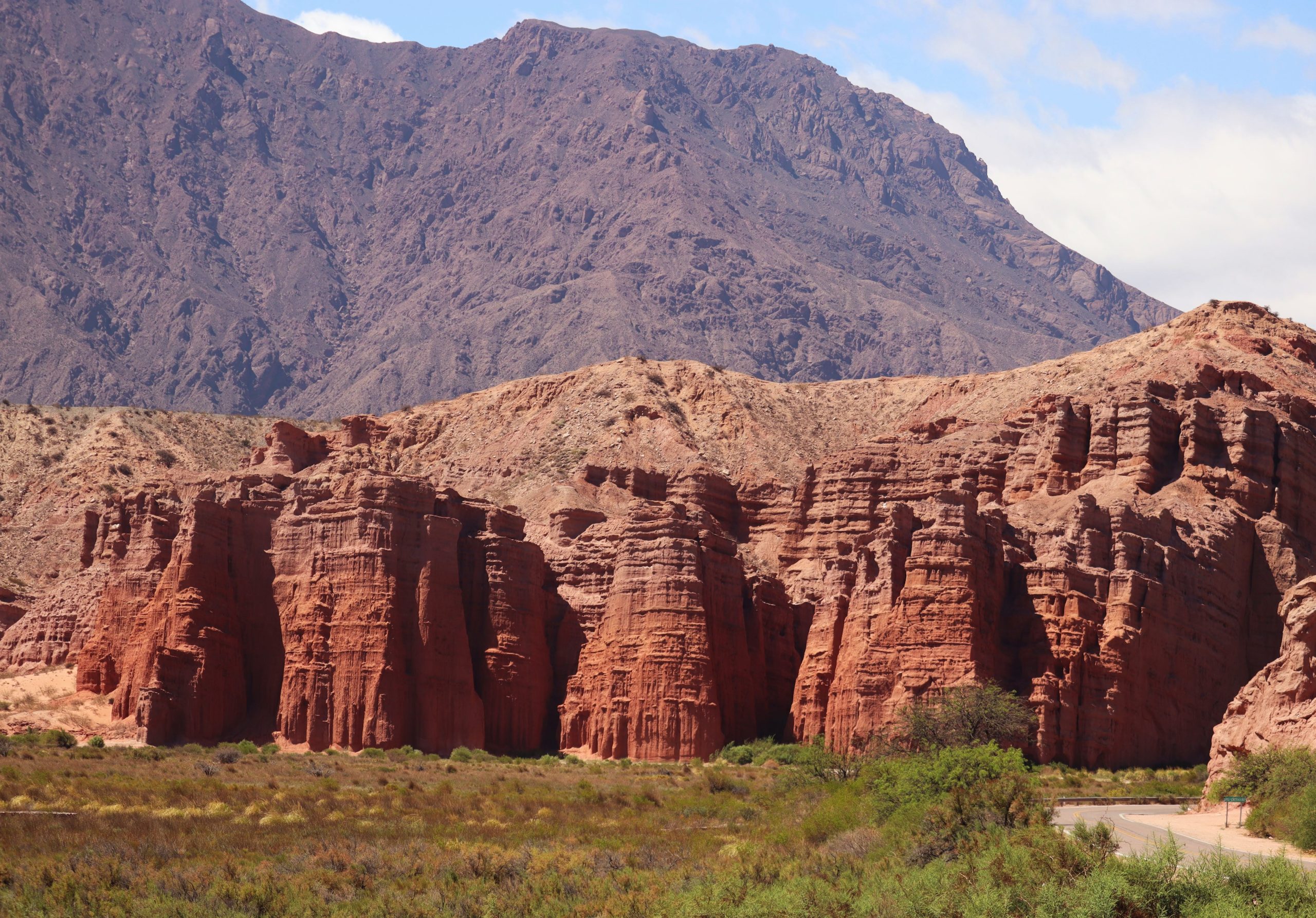
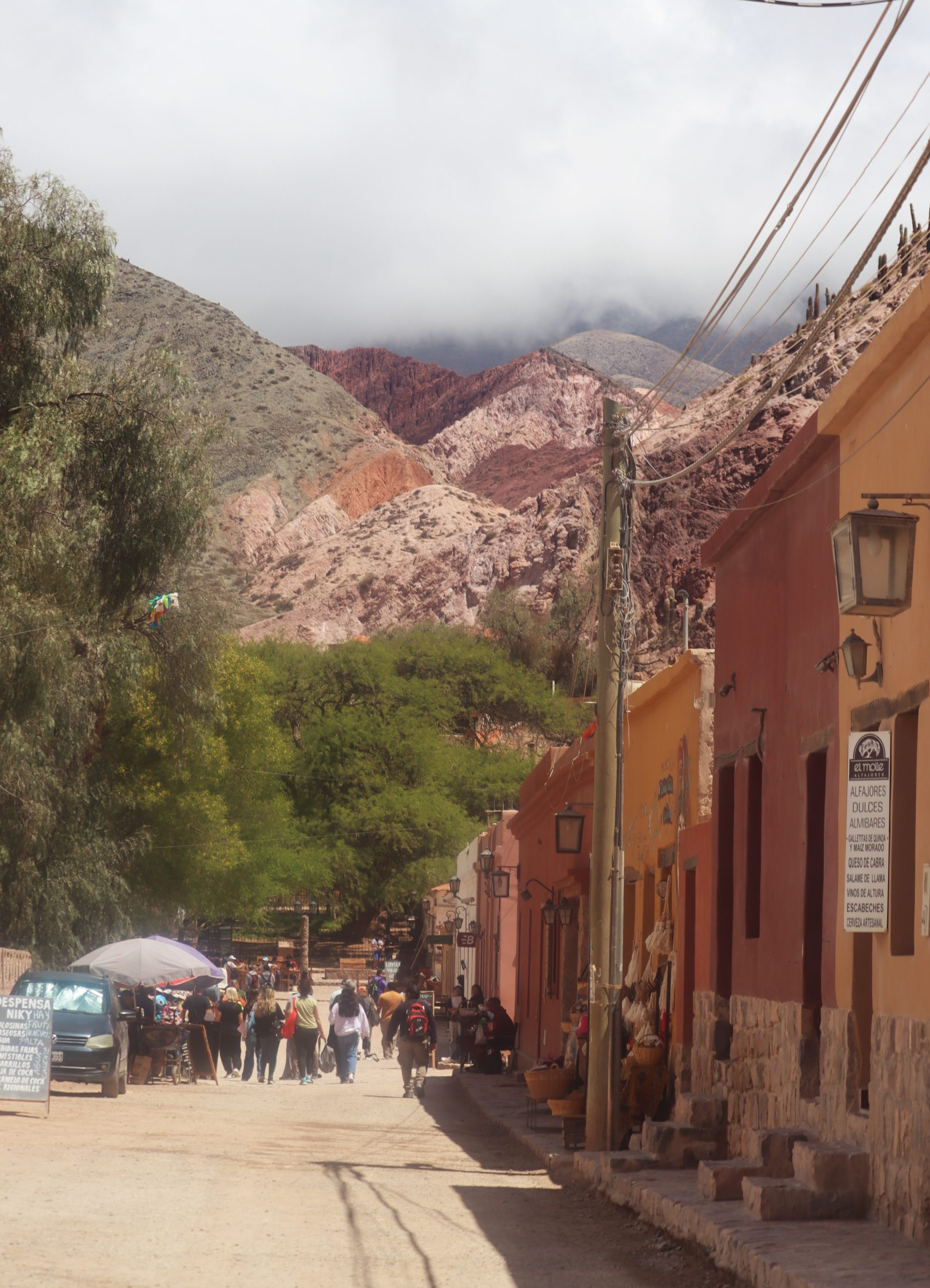
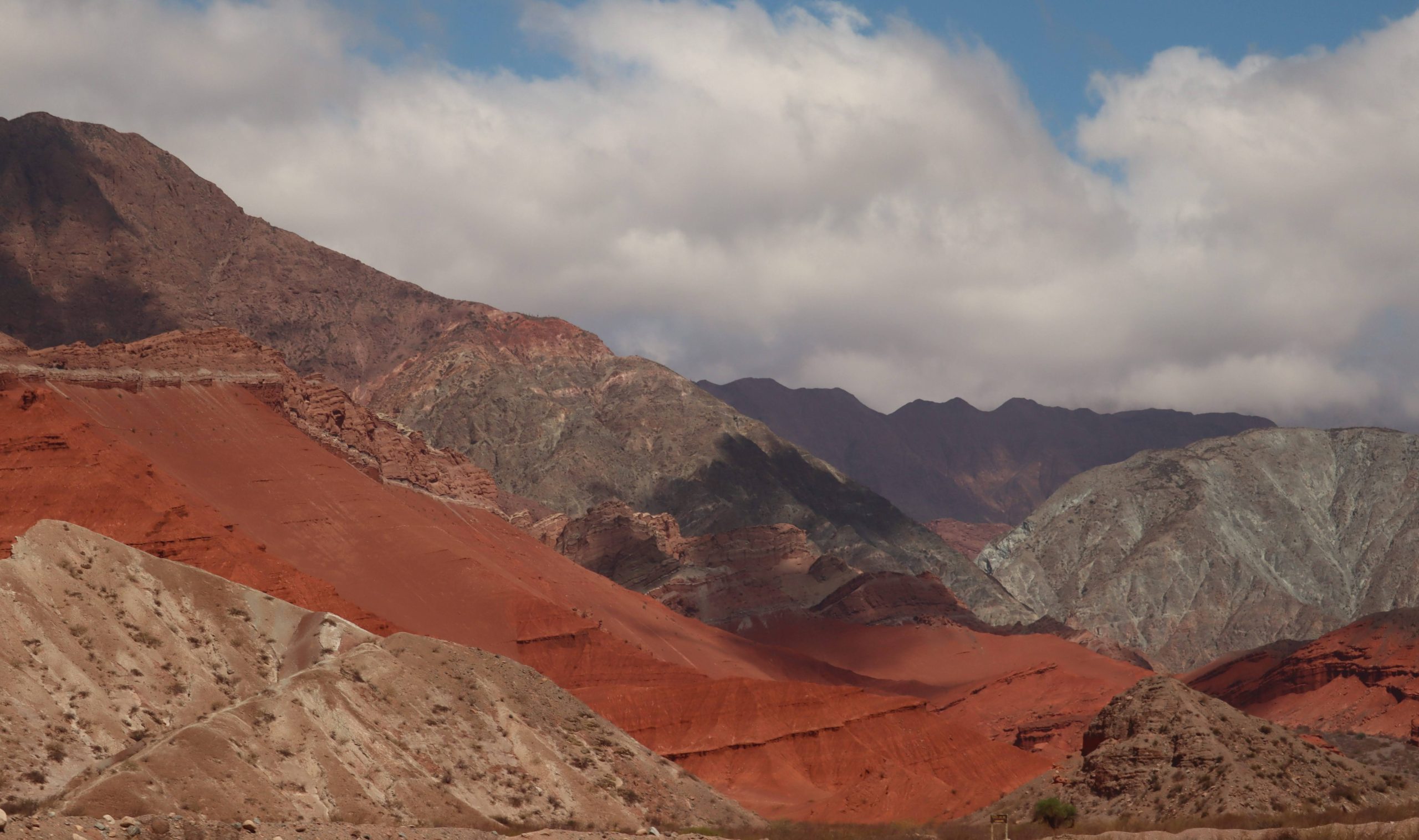
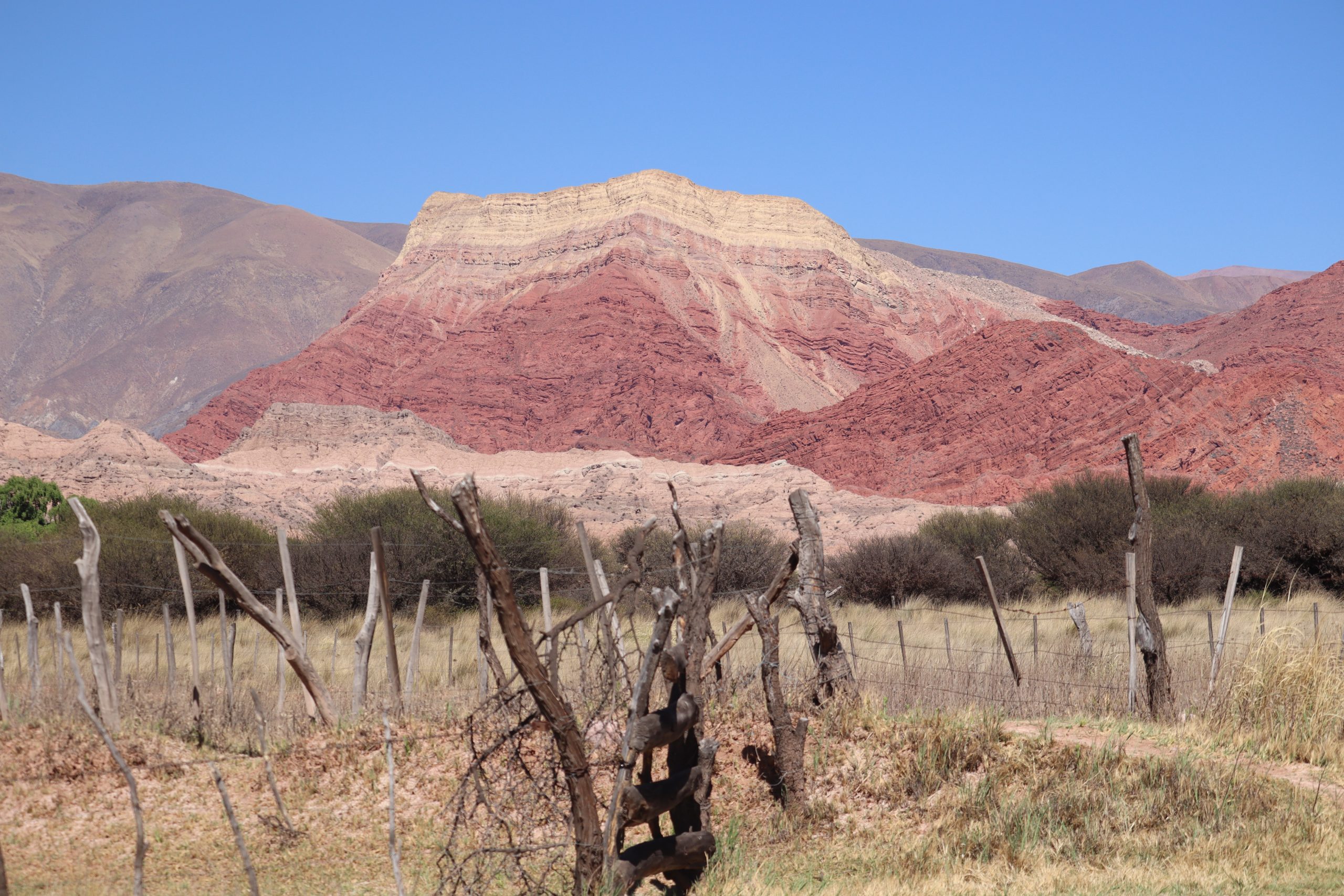
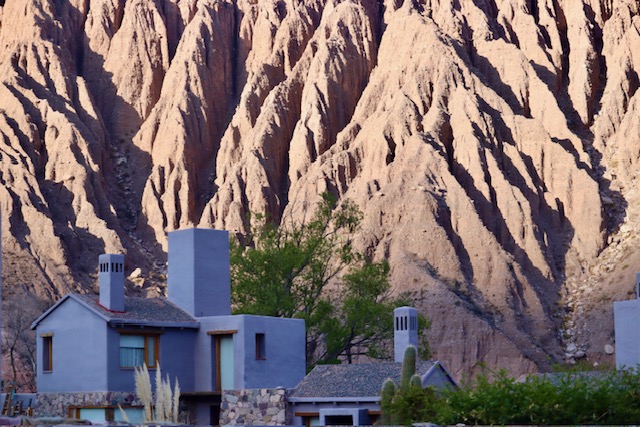
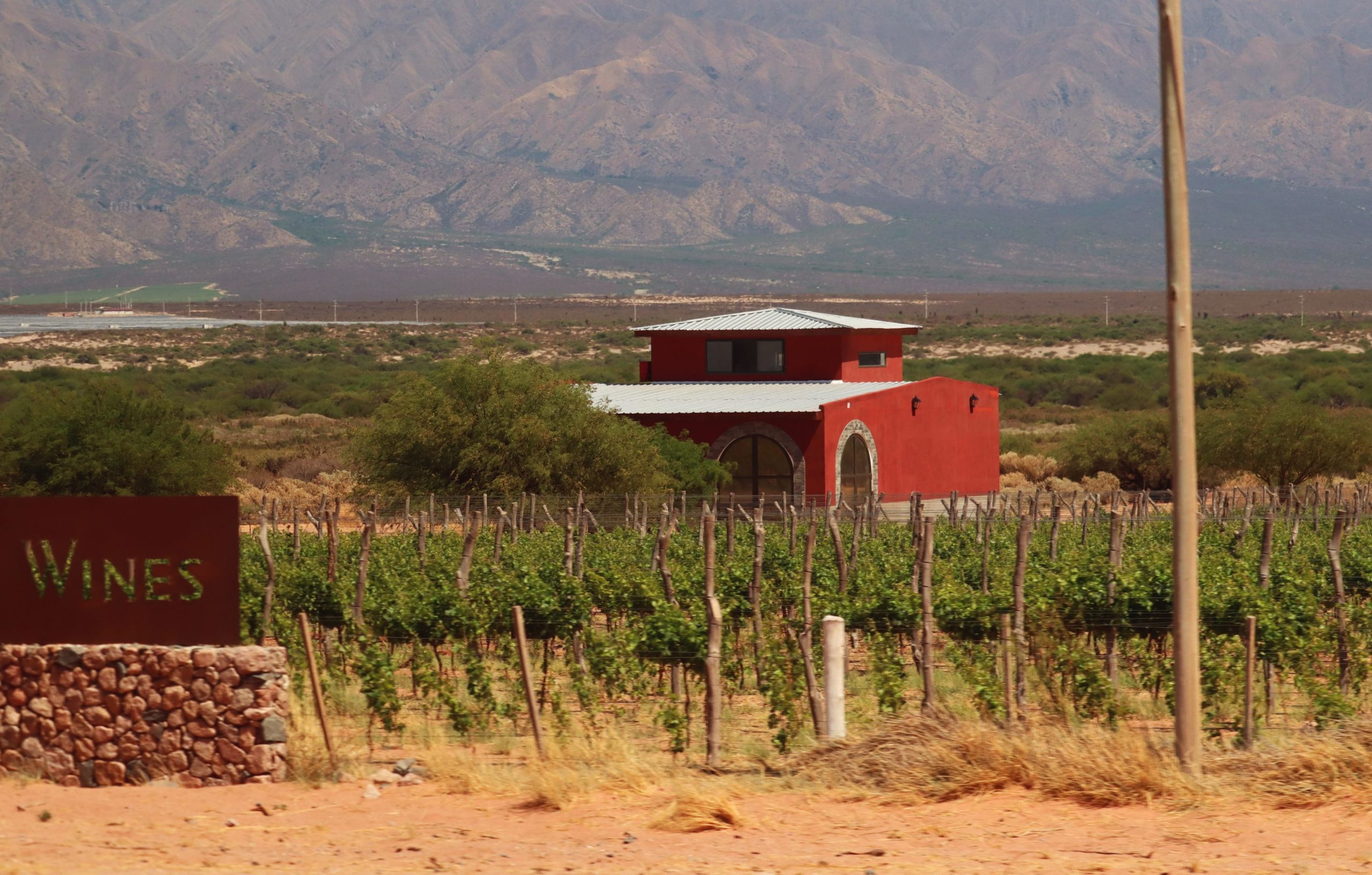
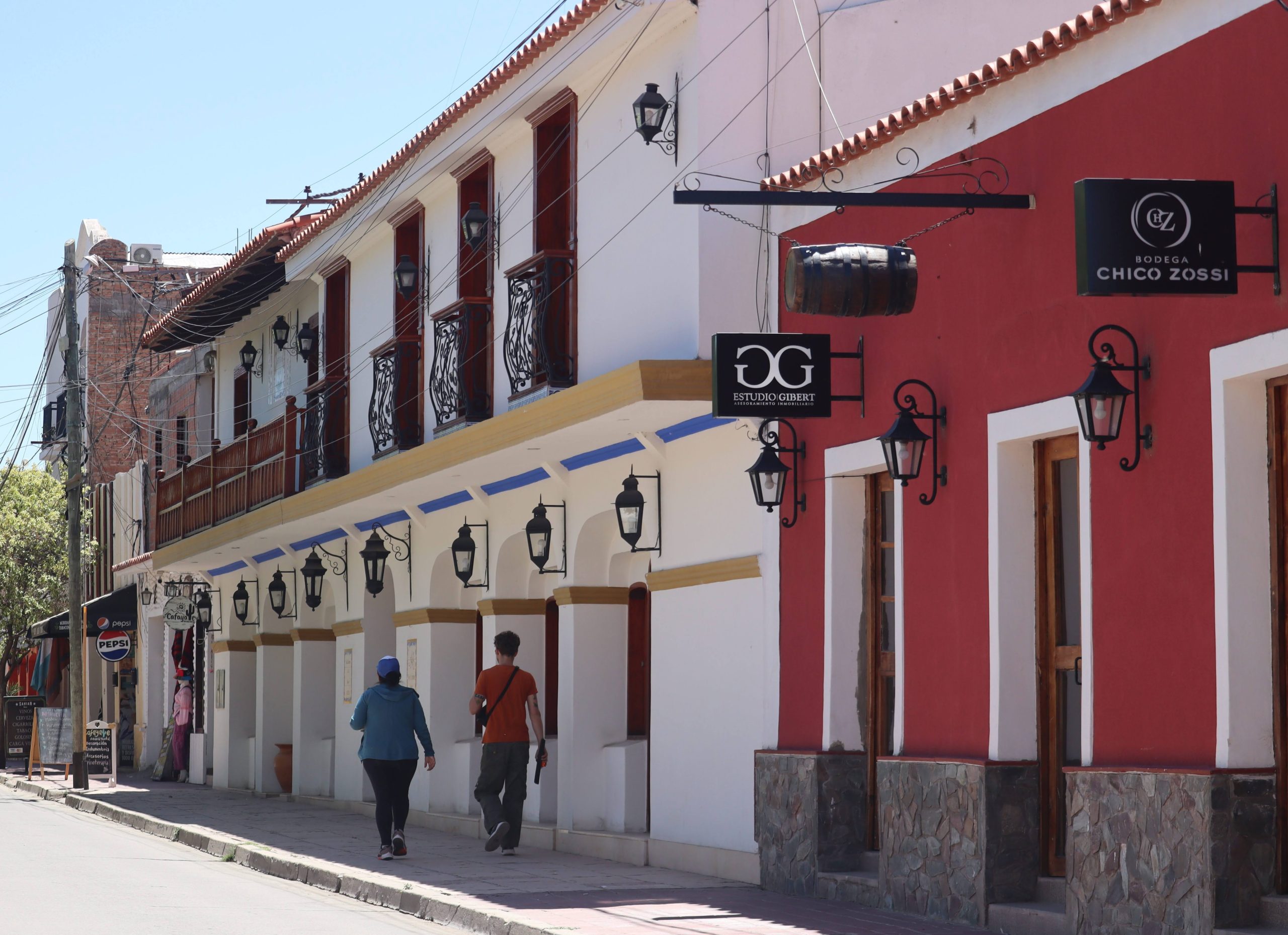
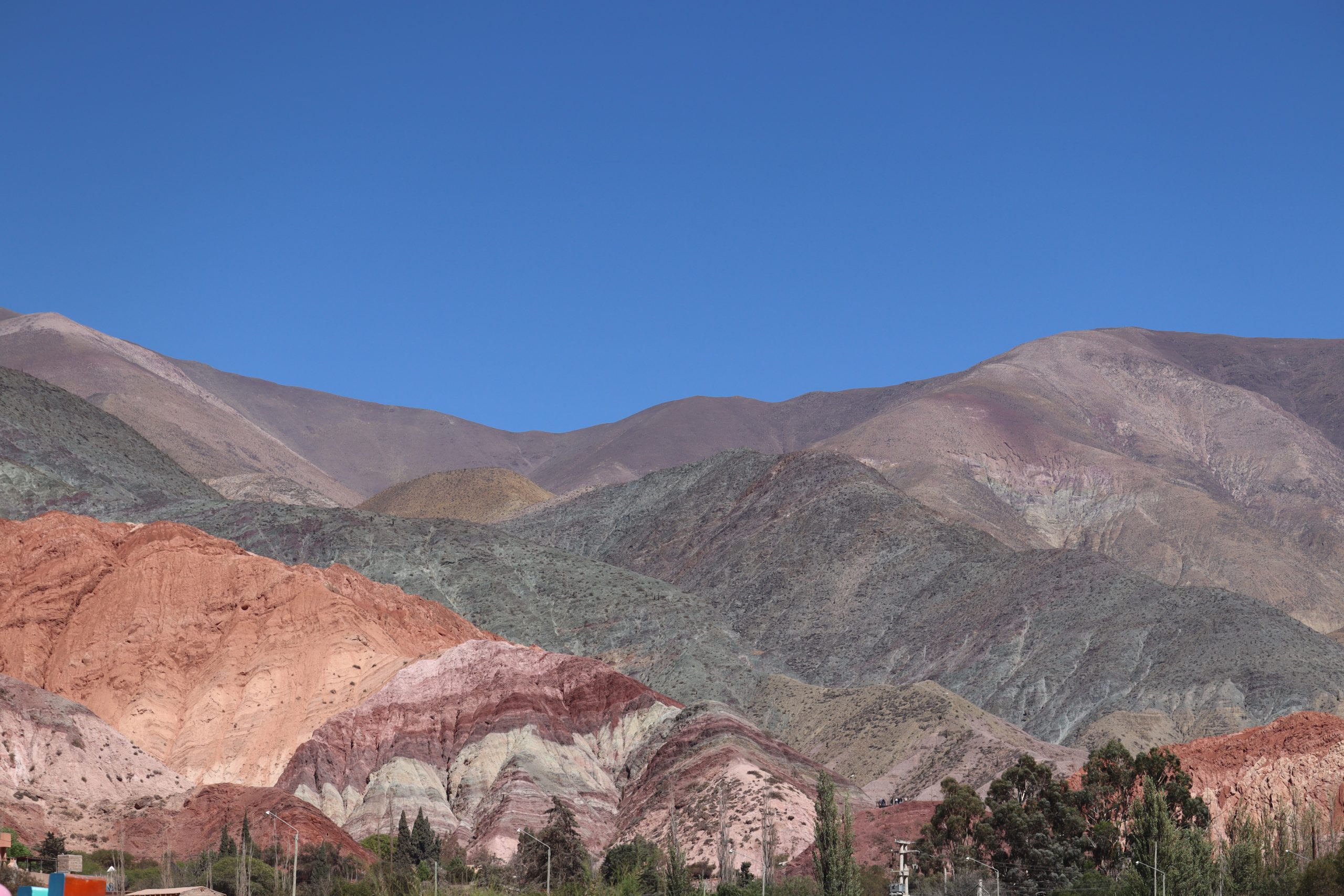
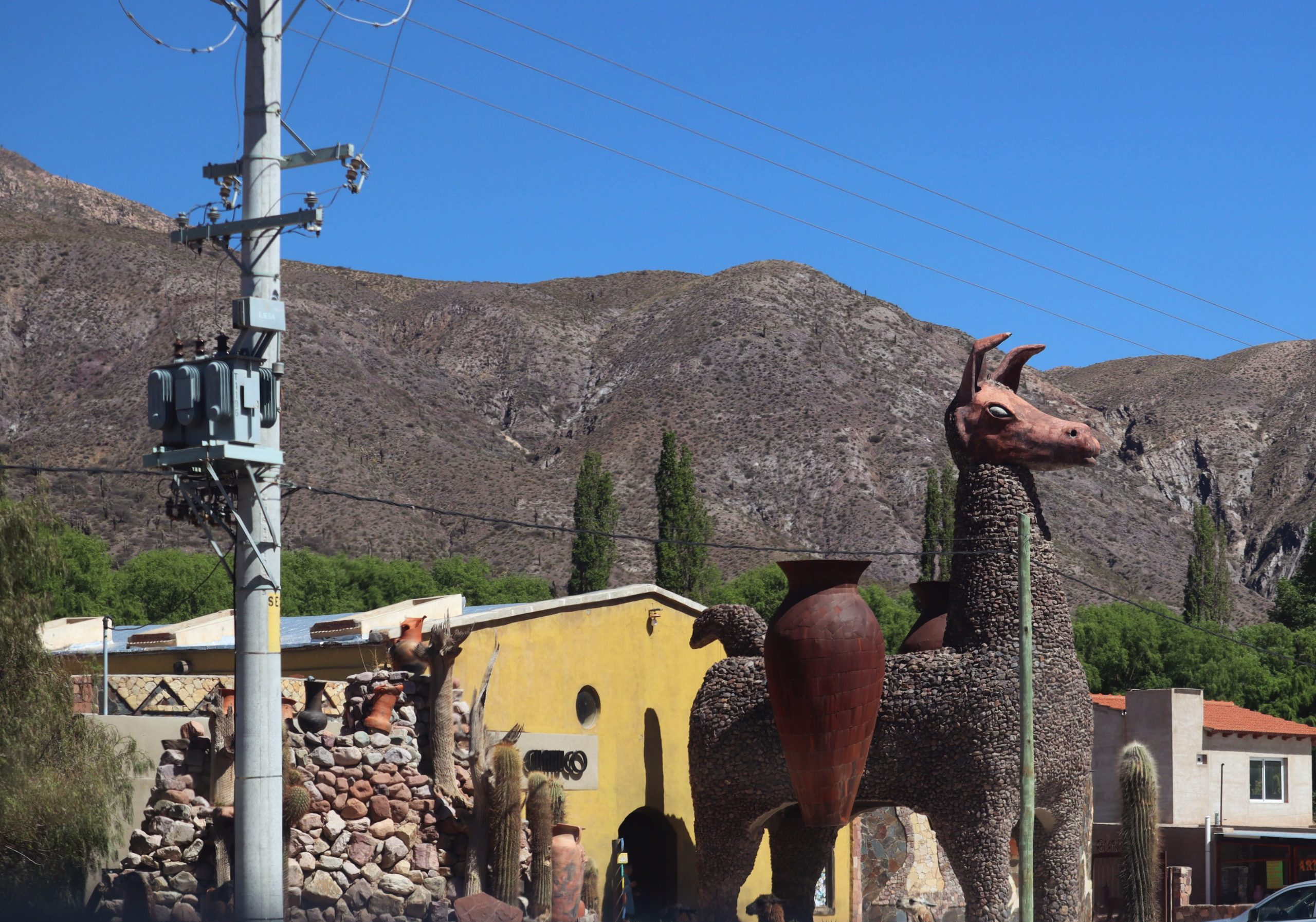
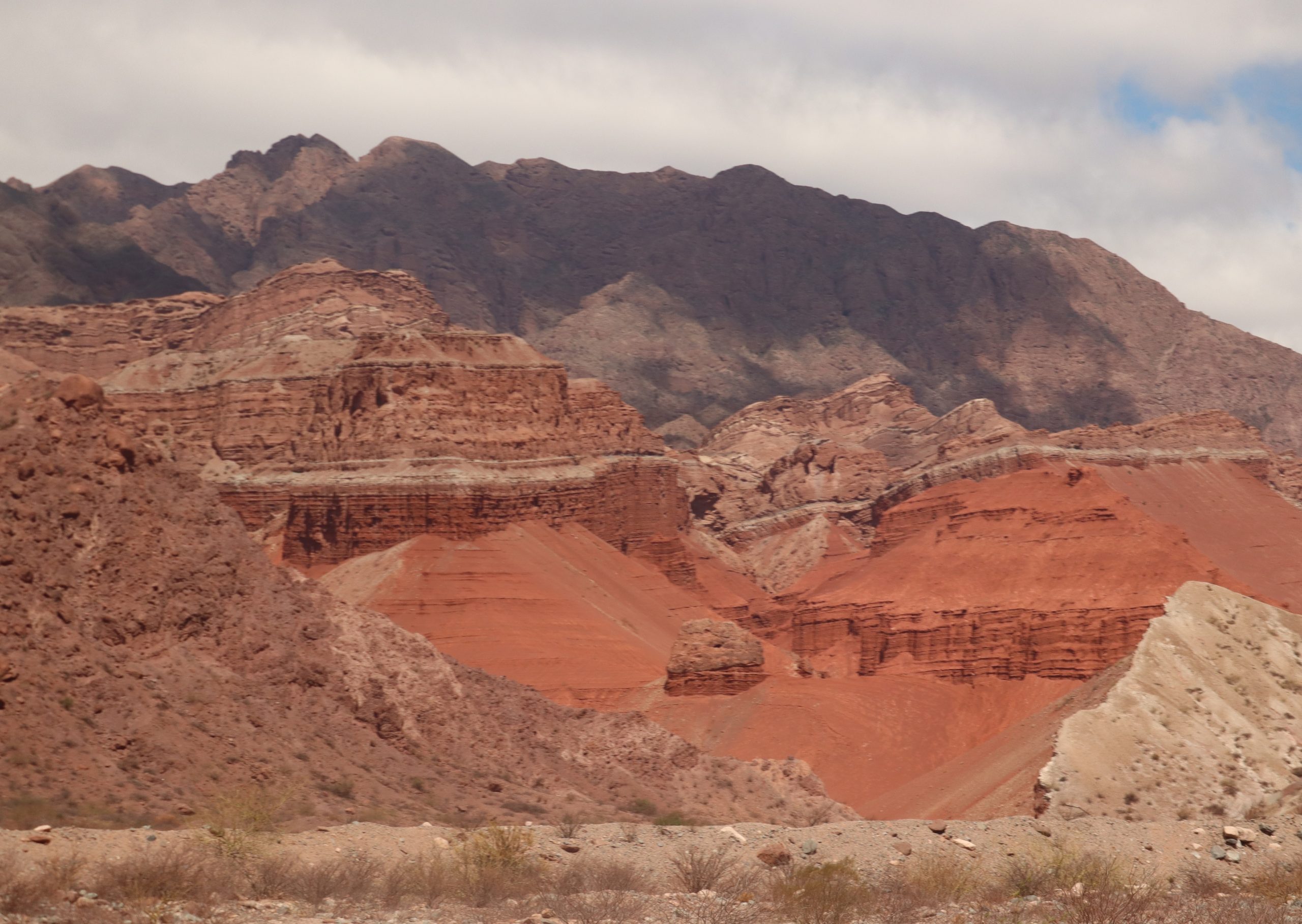
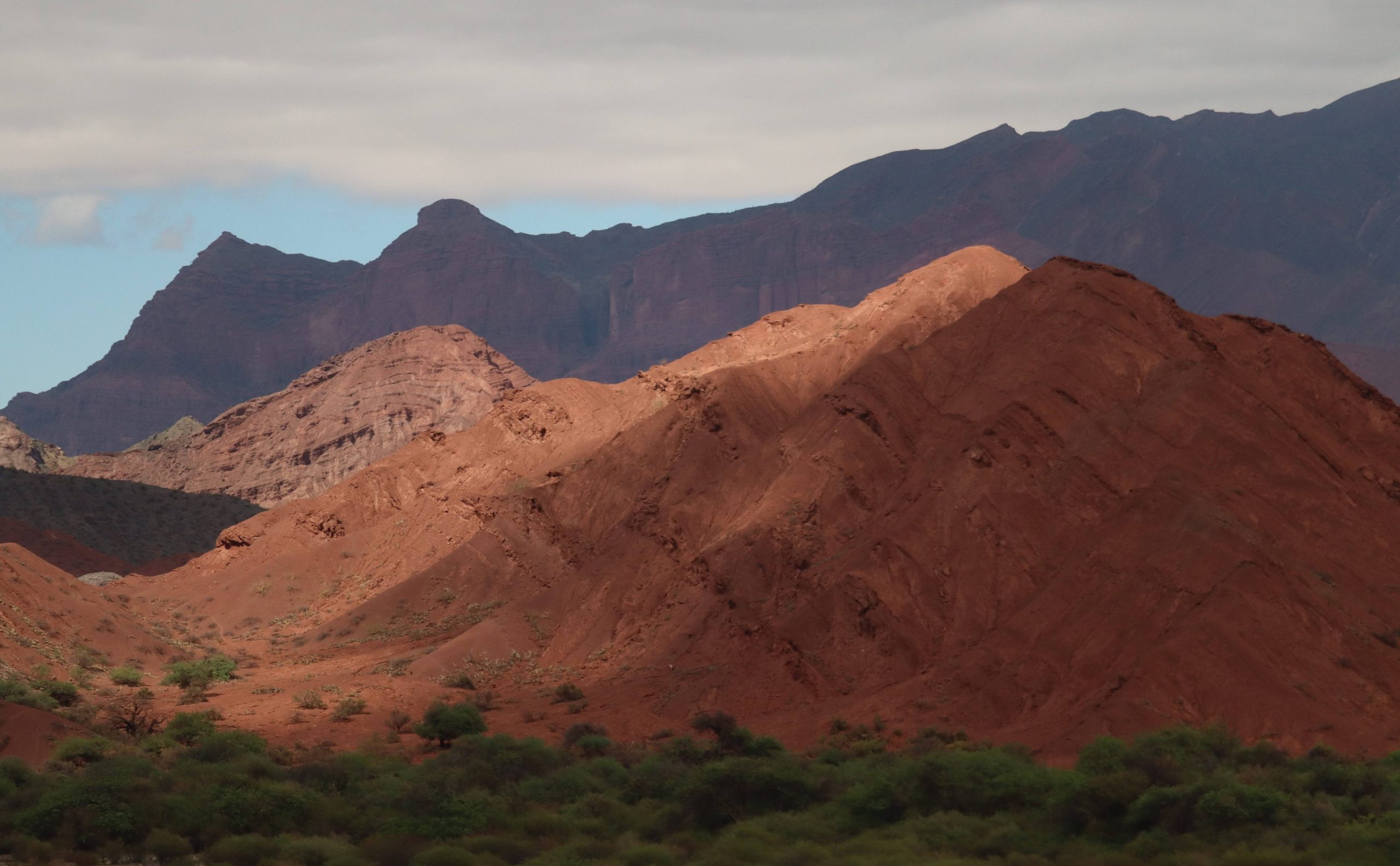
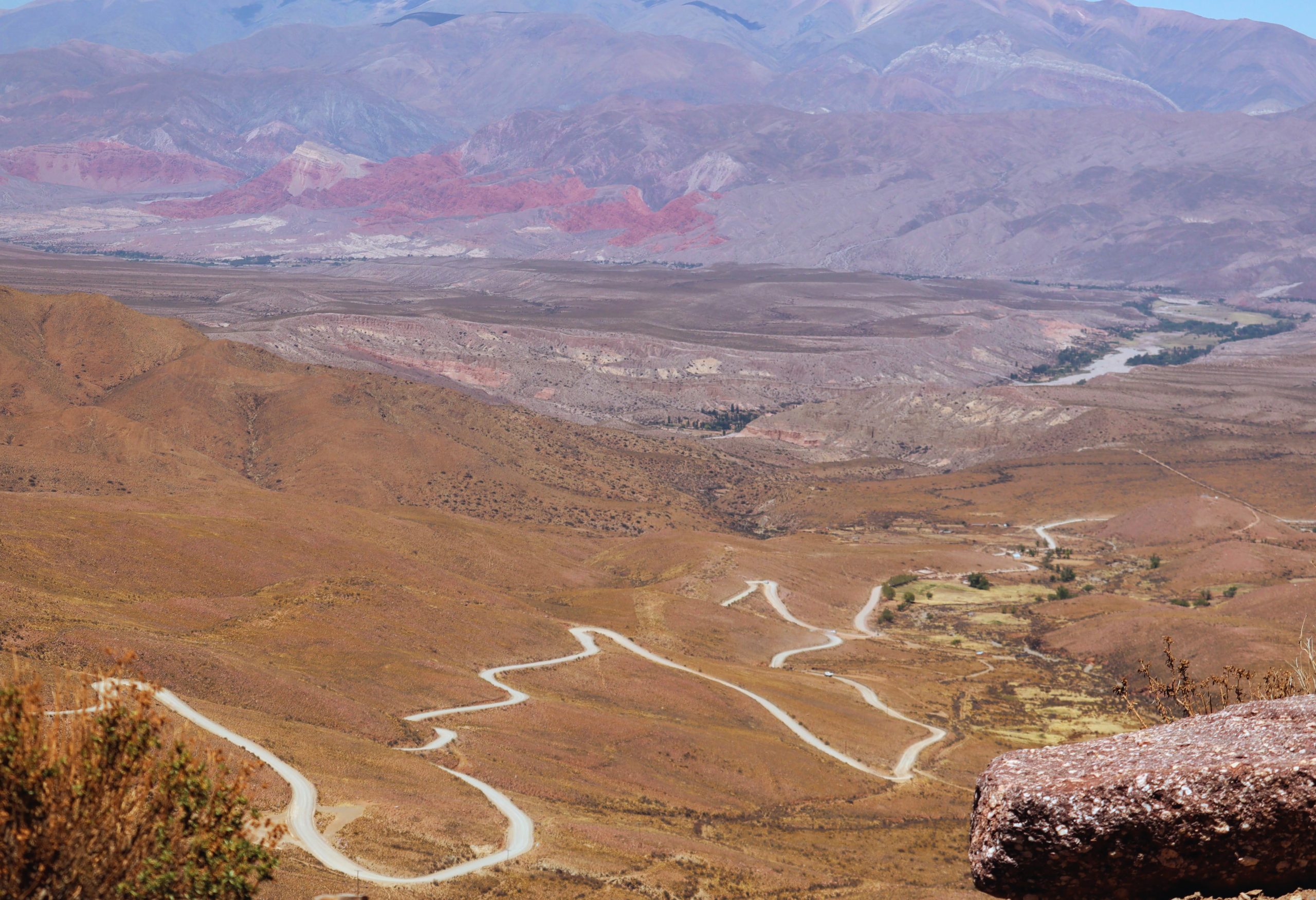
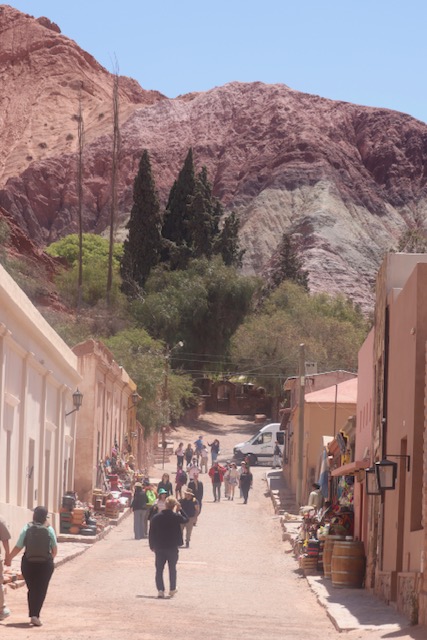
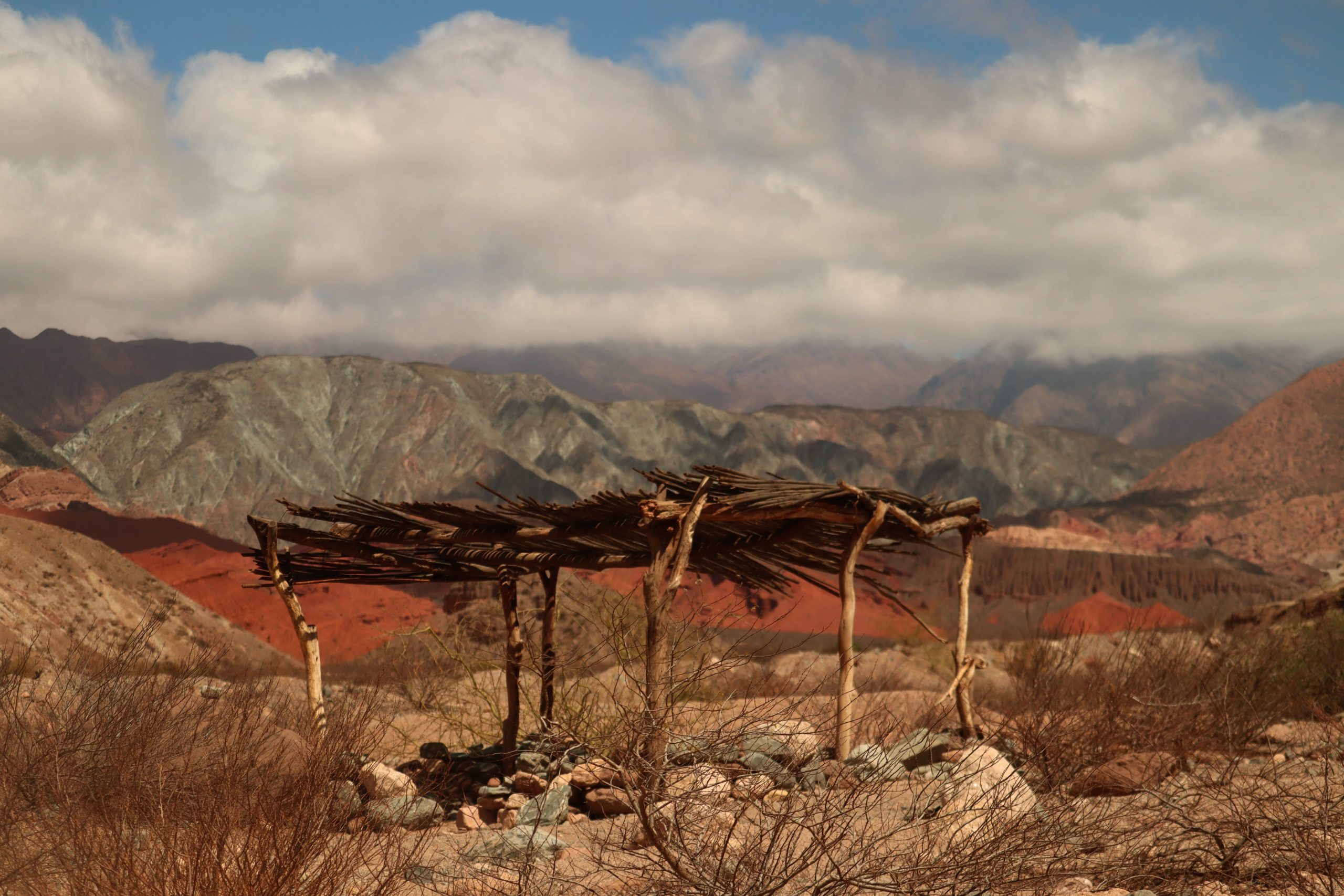
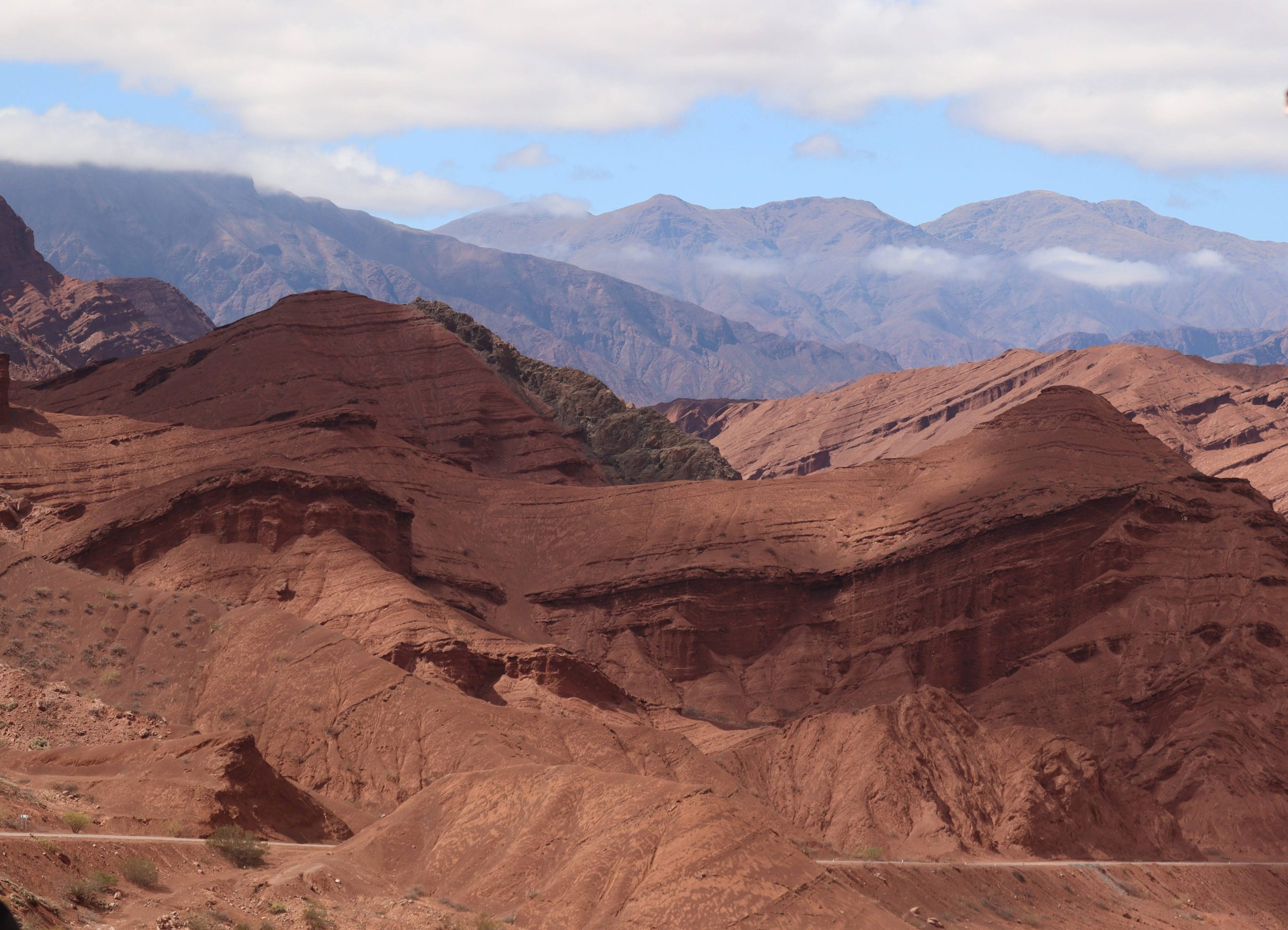
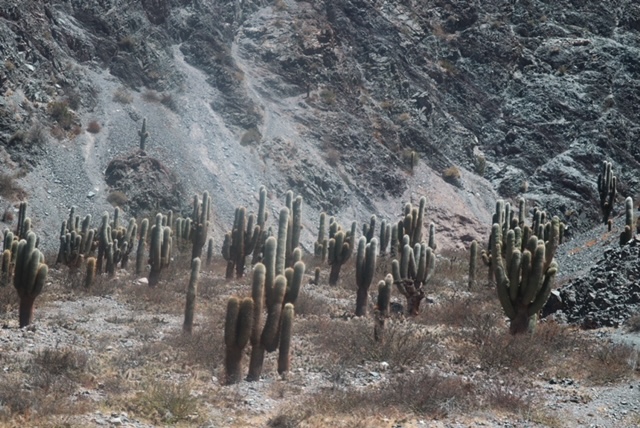
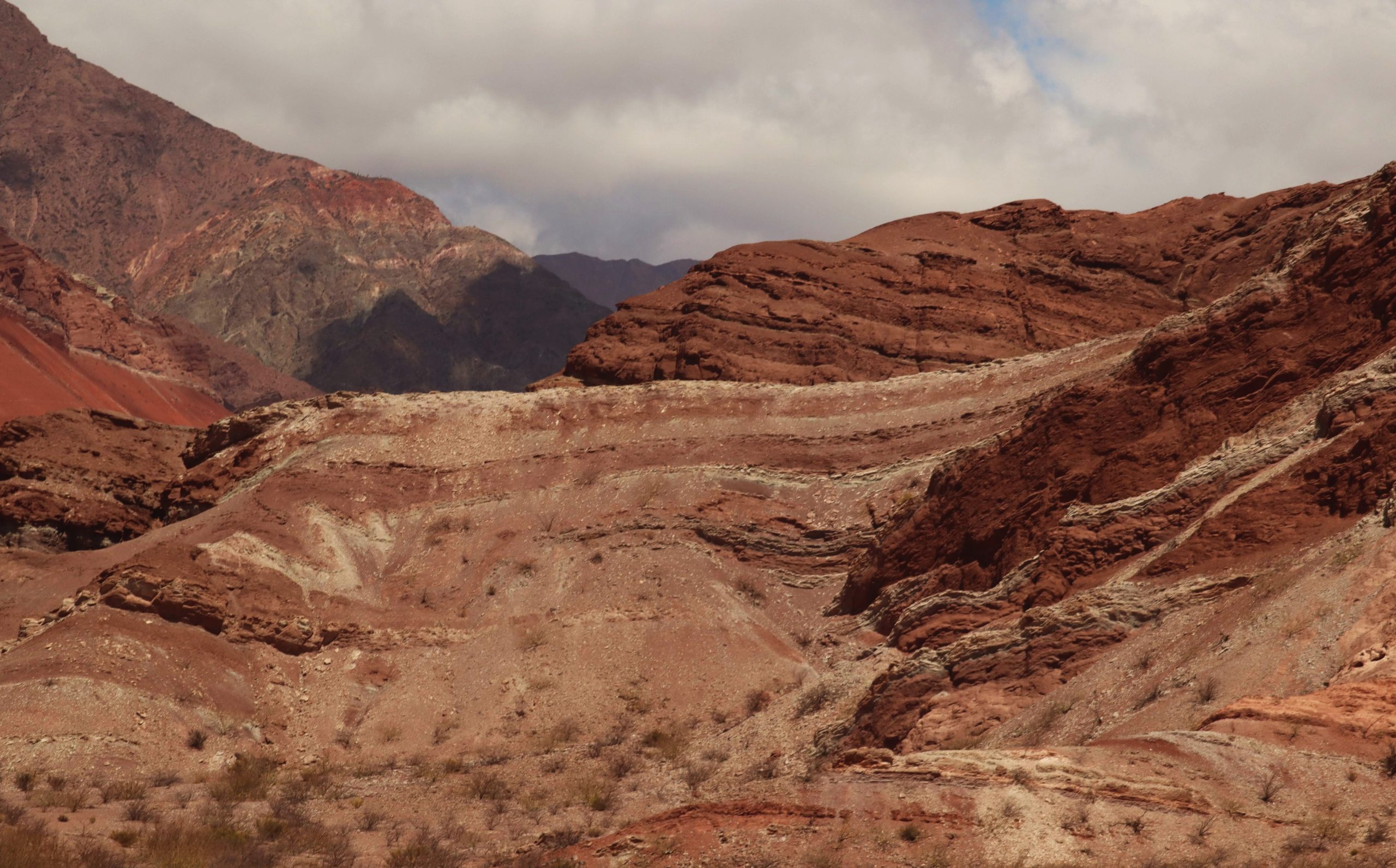
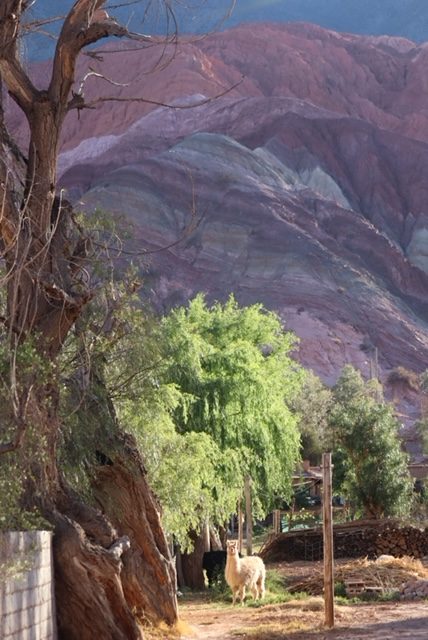
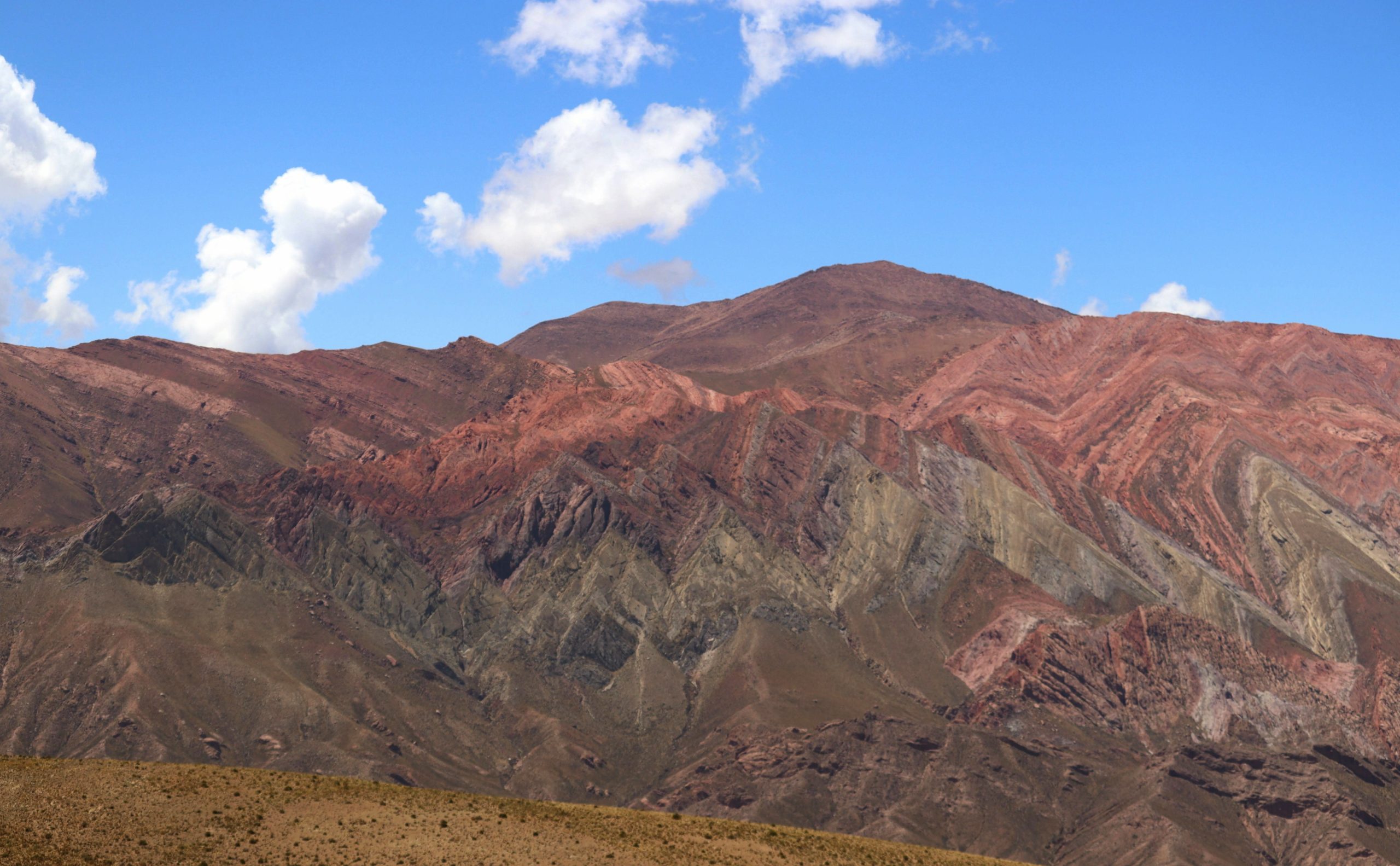
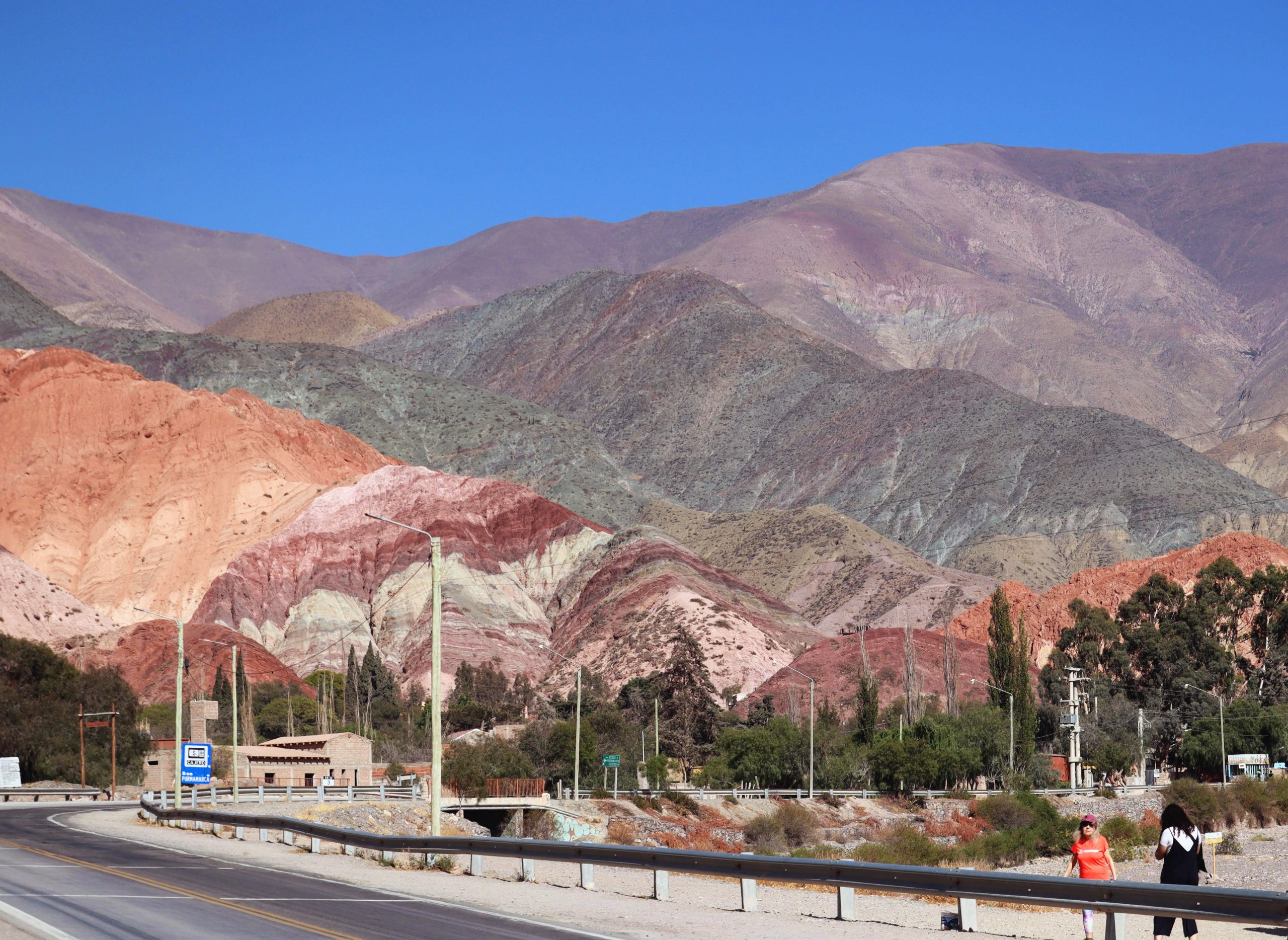
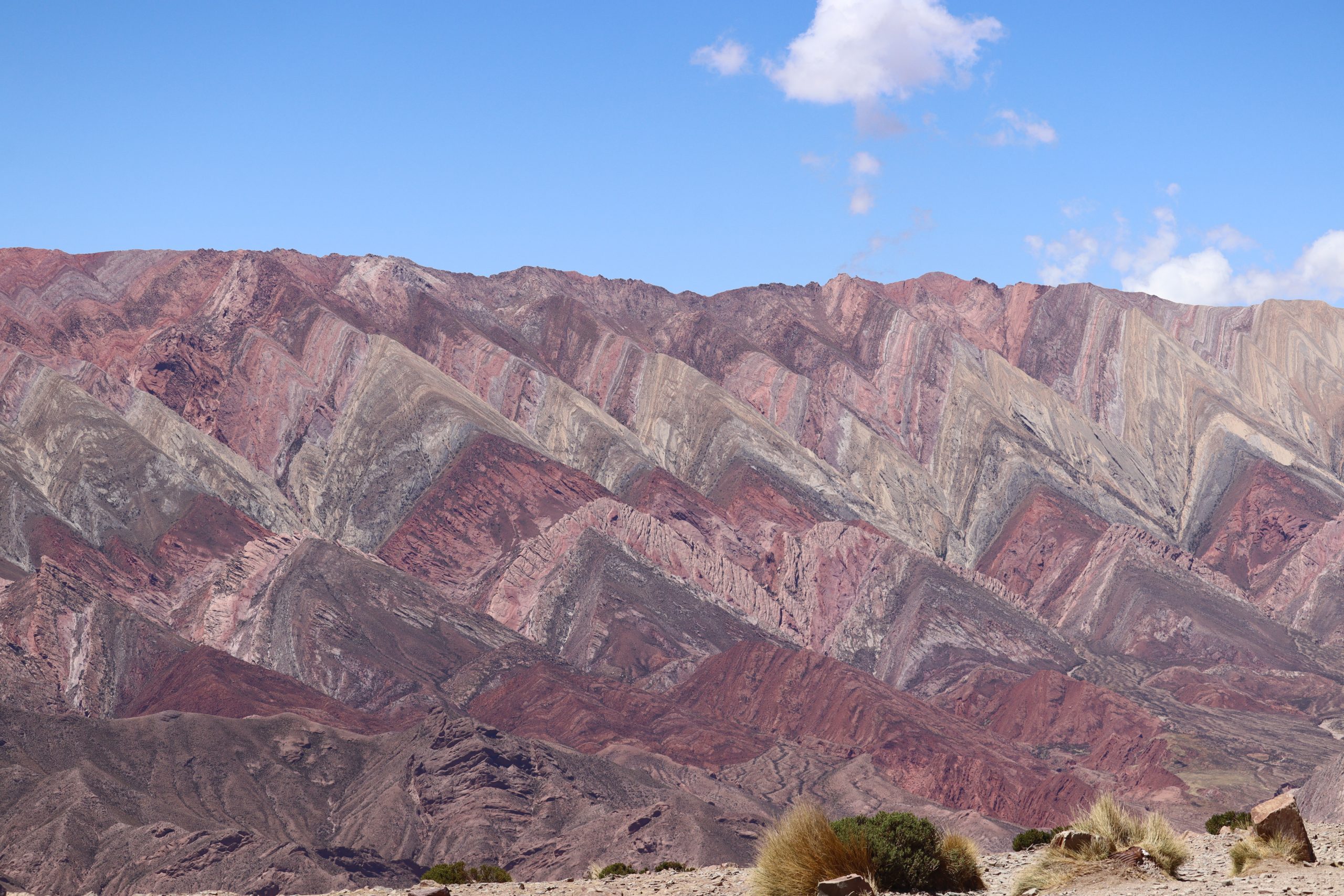
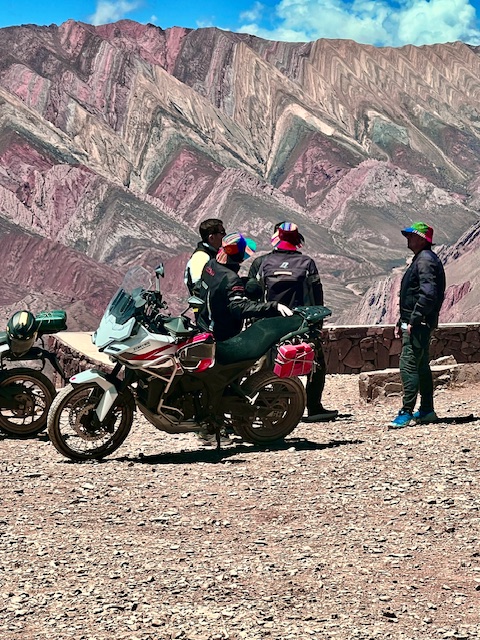
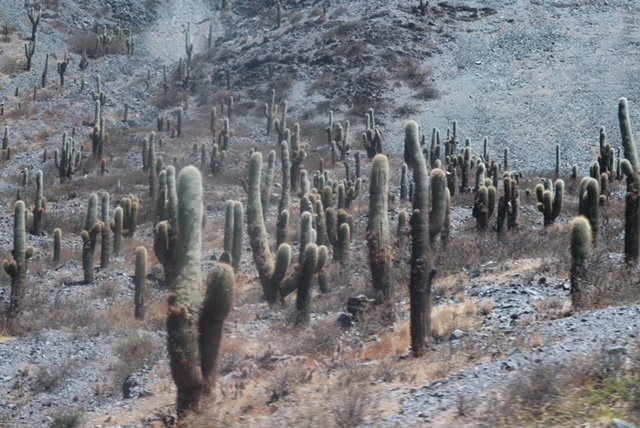
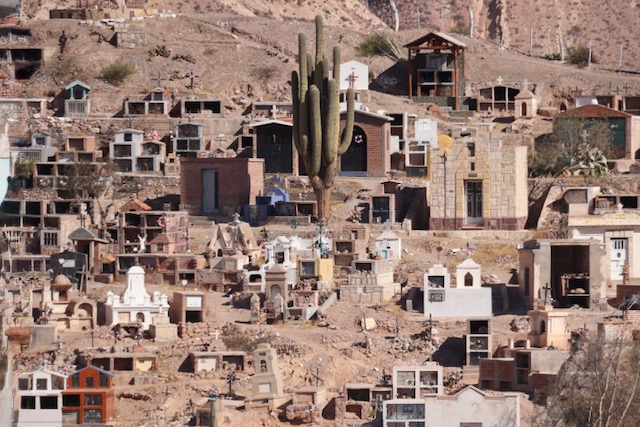
A ten-day journey starting in Buenos Aires, traveling through the Northwest countryside of Argentina to experience the roar of the Iguazu waterfalls, the largest in the world, and moving from there to the colonial city of Salta. From here we ascend through valleys and winding roads of dramatic landscapes of rainbow mountains and ancient villages of adobe homes… almost surreal. It’s impossible to really experience Argentina’s history and culture if you only stay in Buenos Aires. On this journey where the air is a bit thinner, you get to explore cactus-dotted deserts, steep canyons, wine-producing farms and mountains of rose, jade, mustard, and violet colors celebrated by its people as Pachamama (Mother Earth). Here’s more on the highlights of this journey and what I learned from this experience…

The City of Lima…The Pulse of Peru

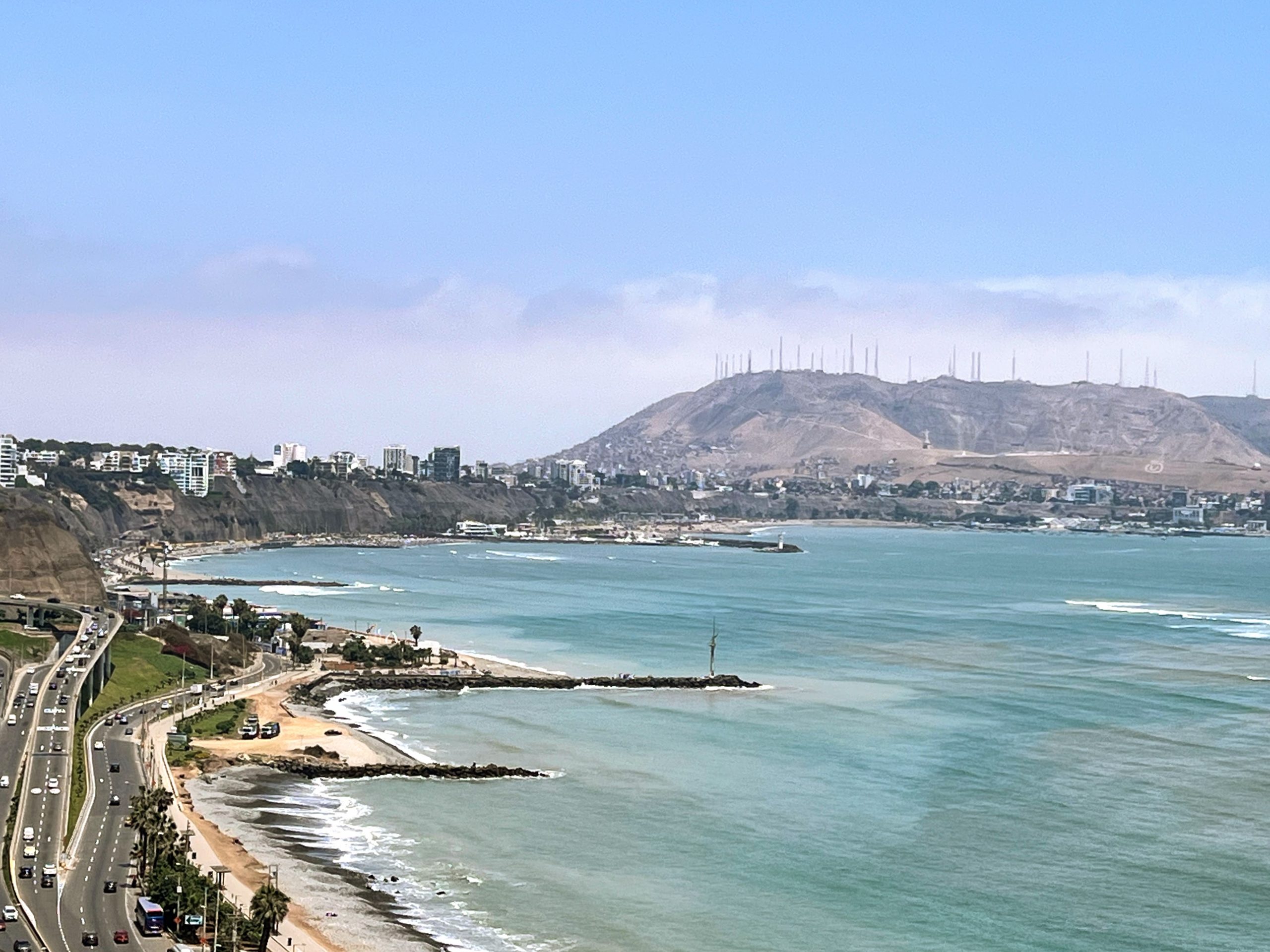
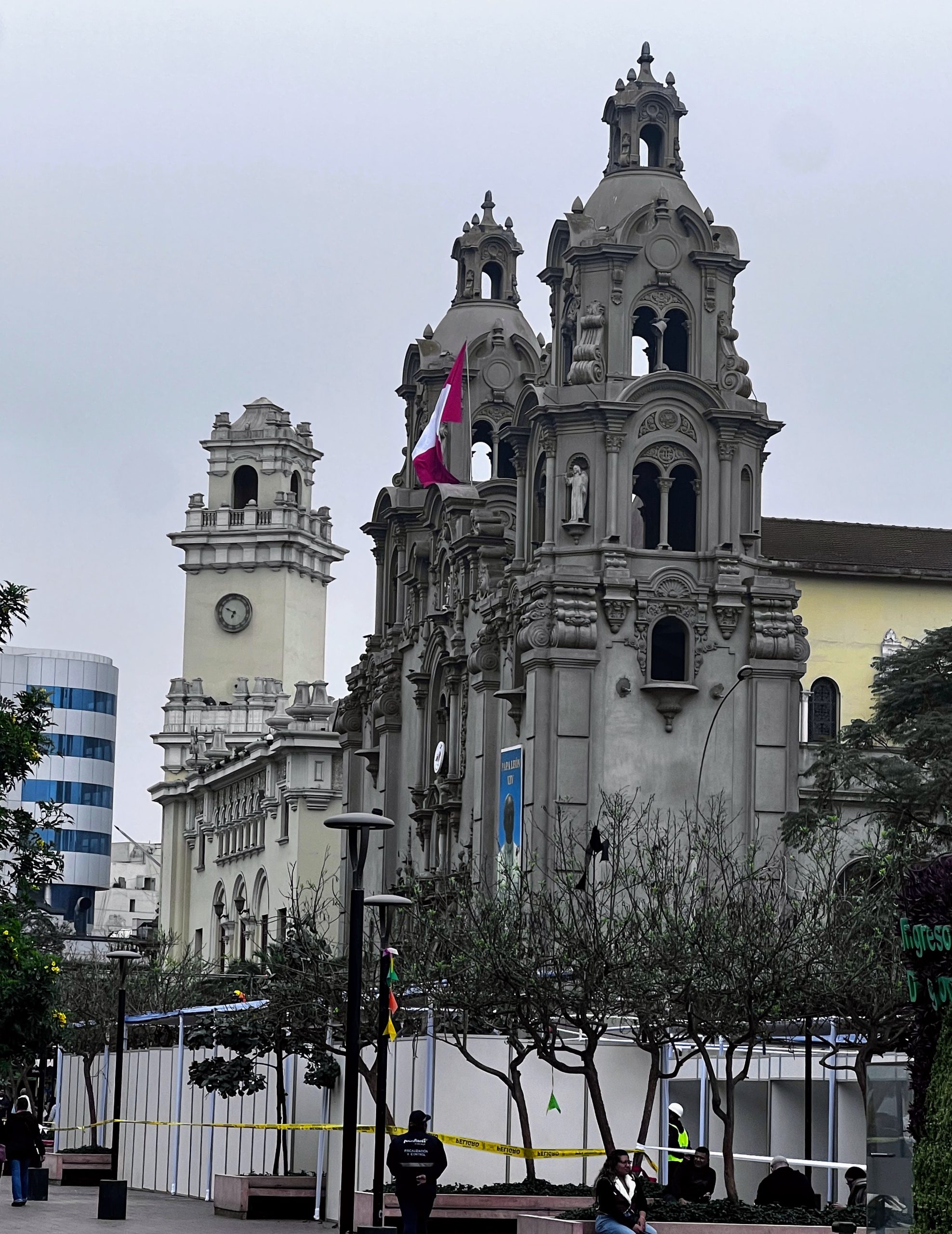
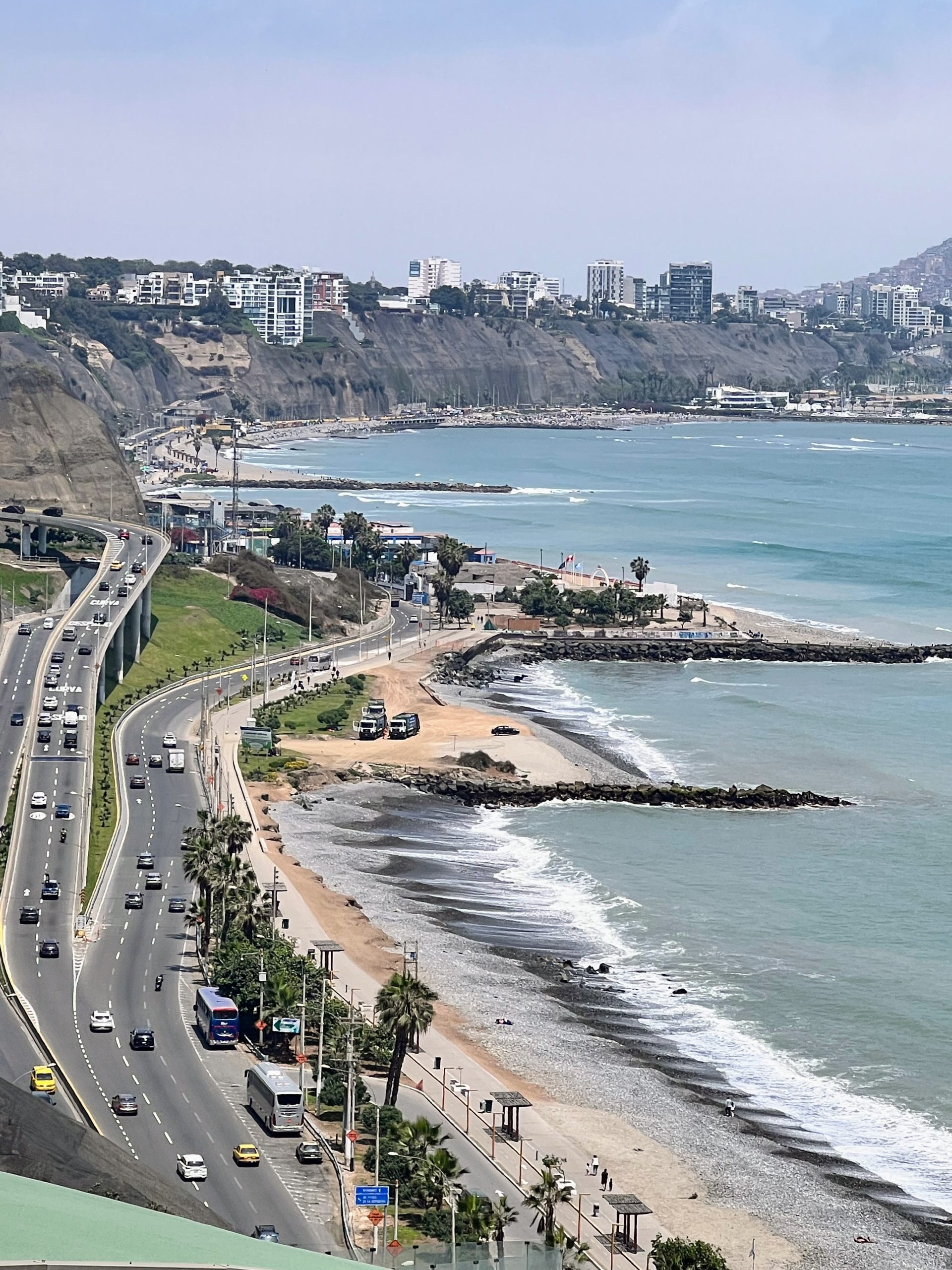
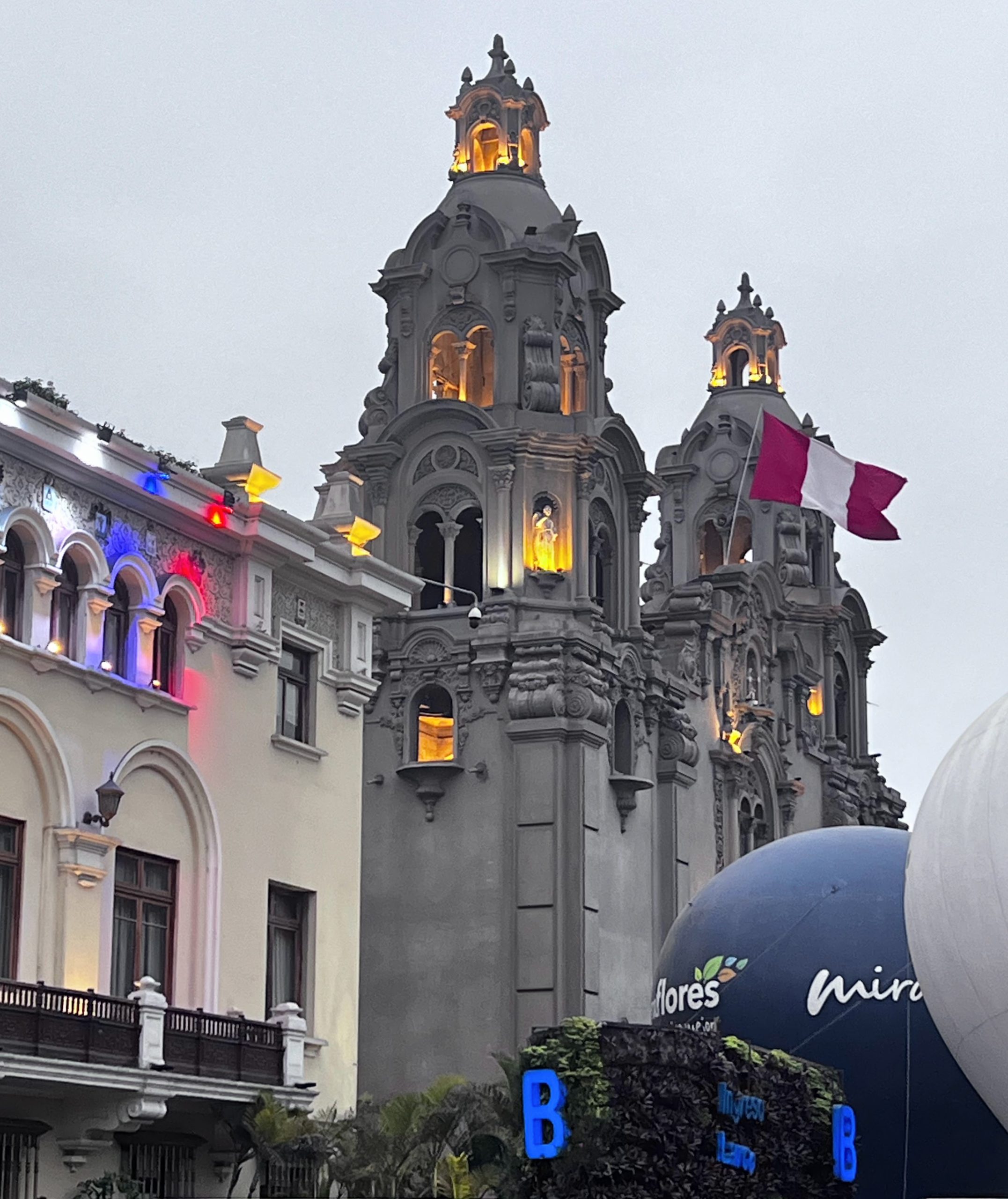
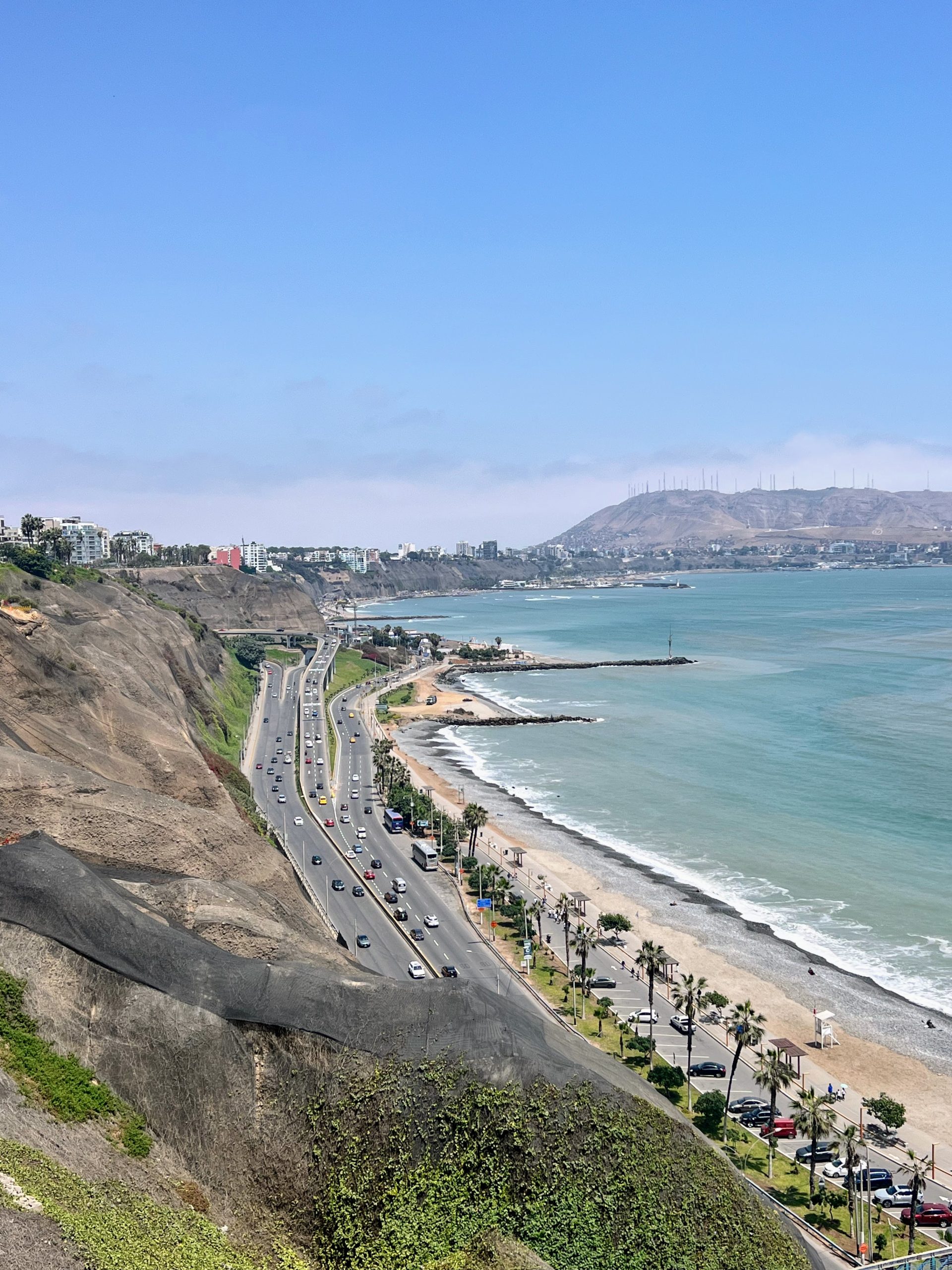
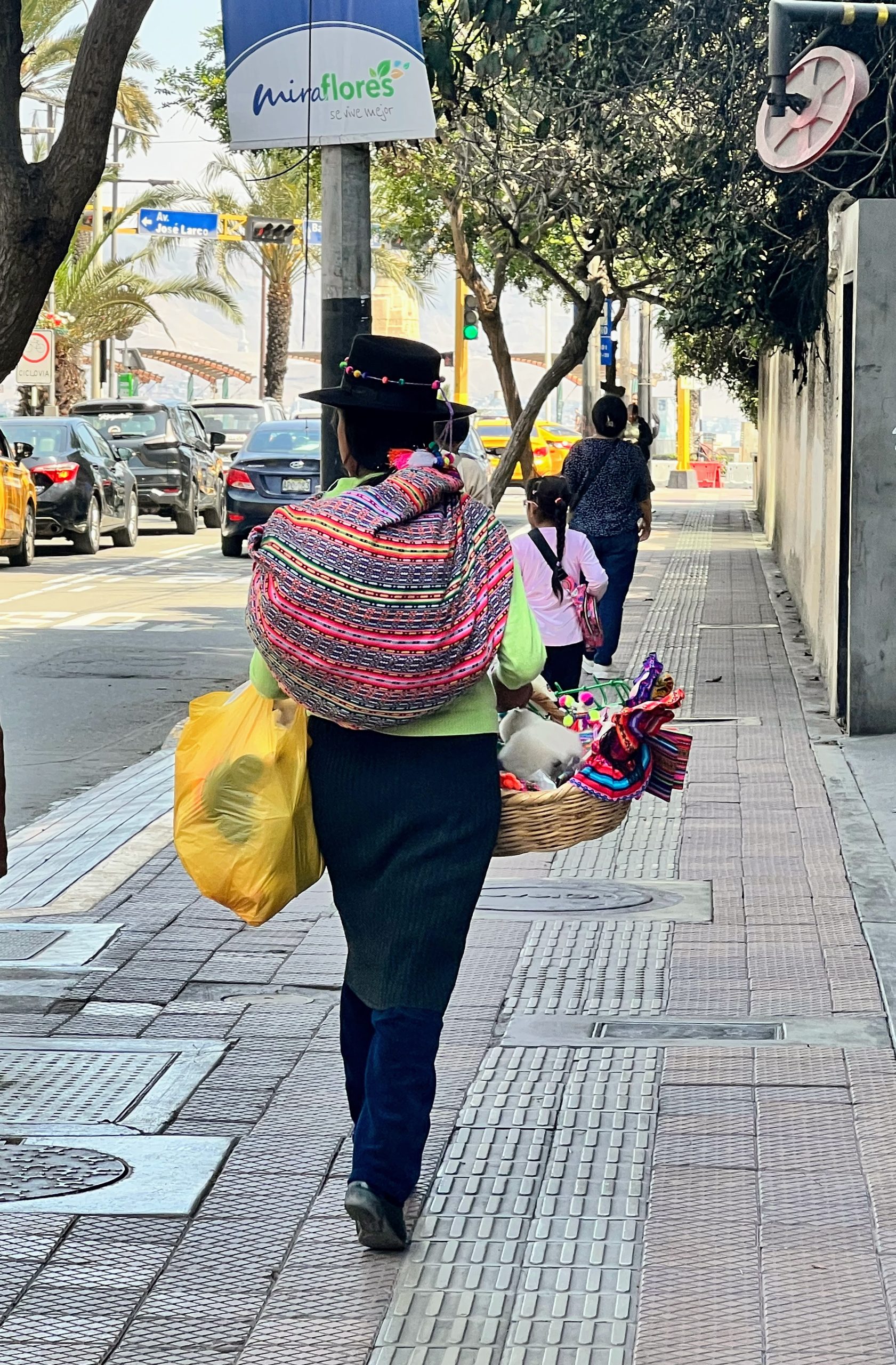
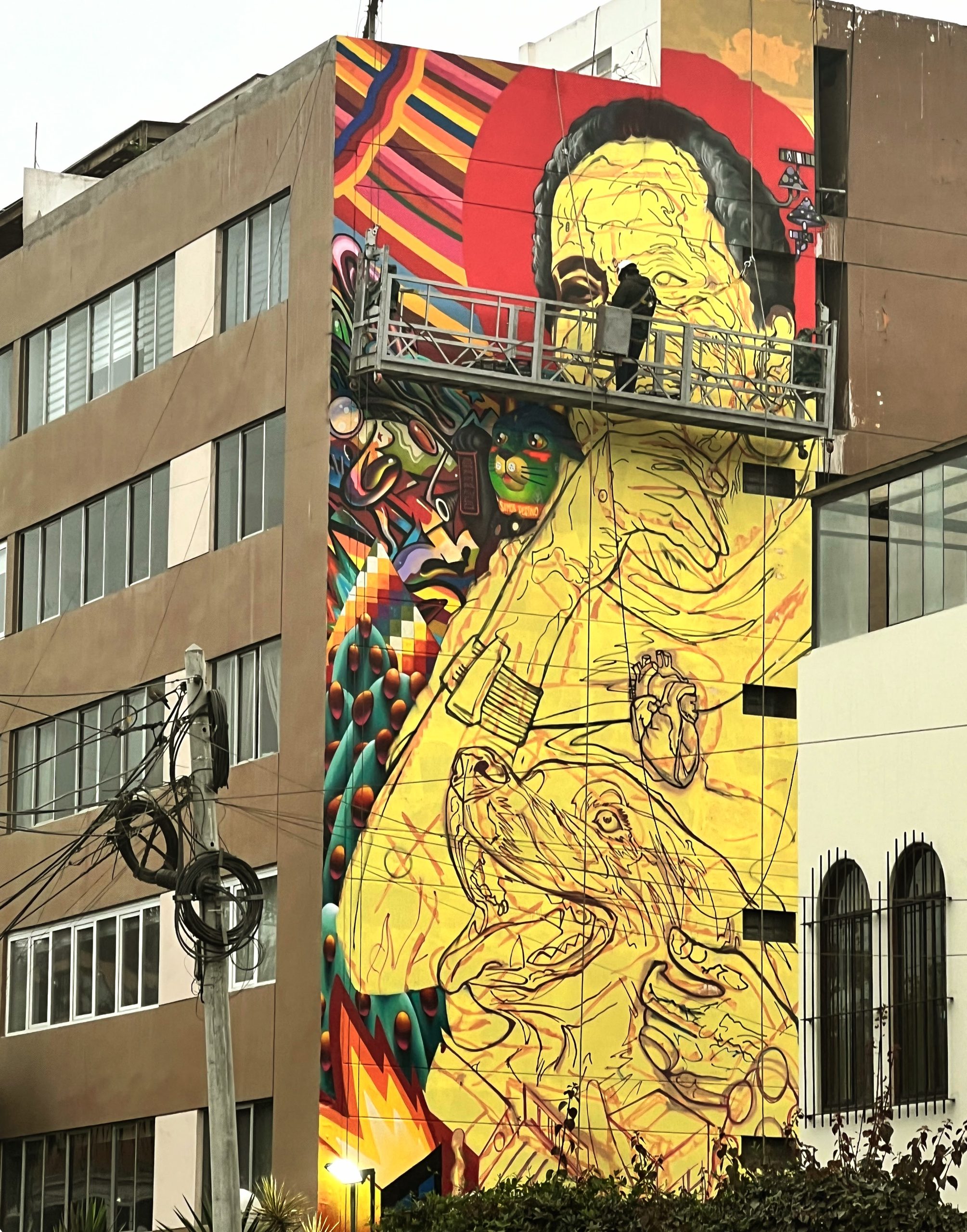
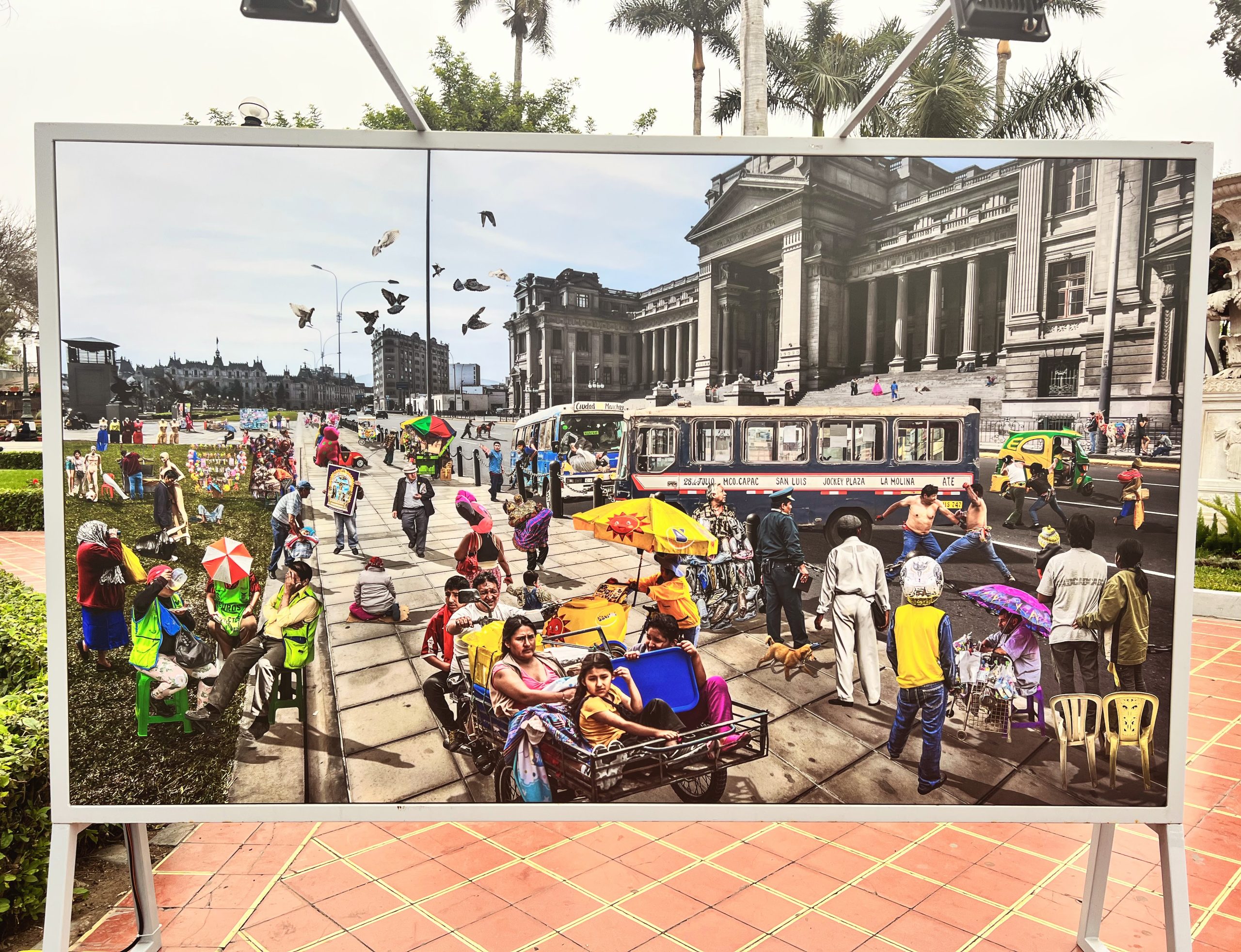
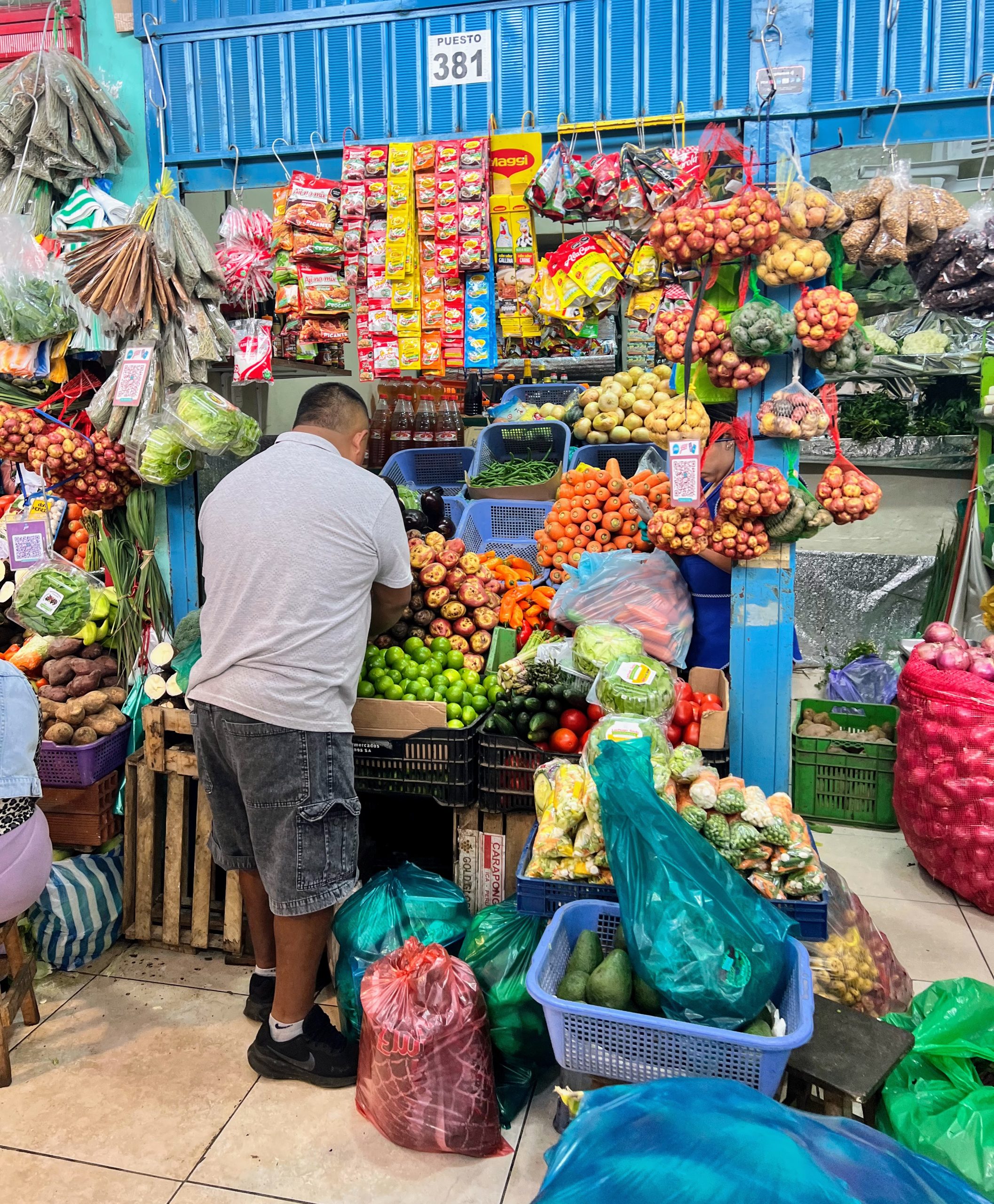
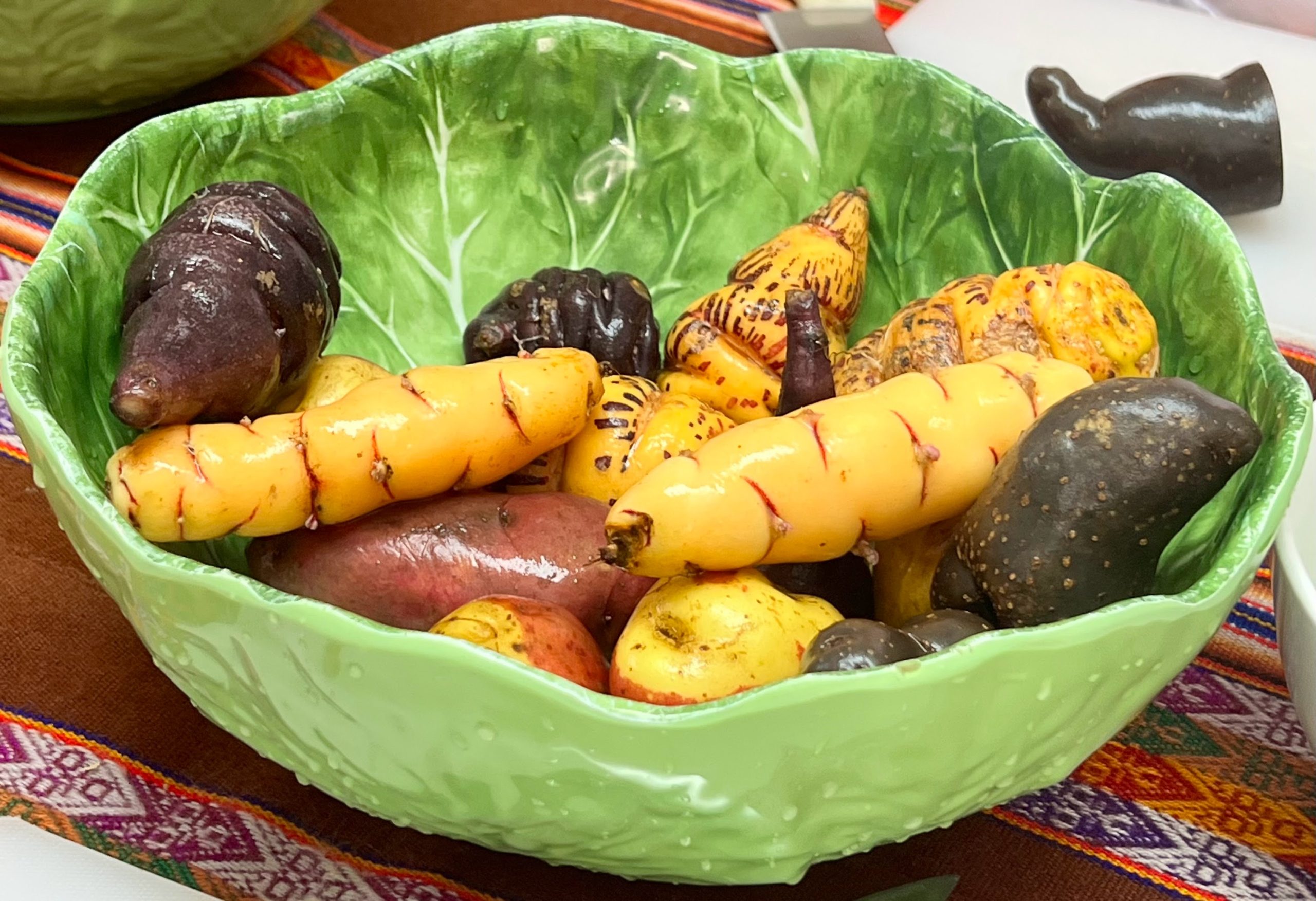
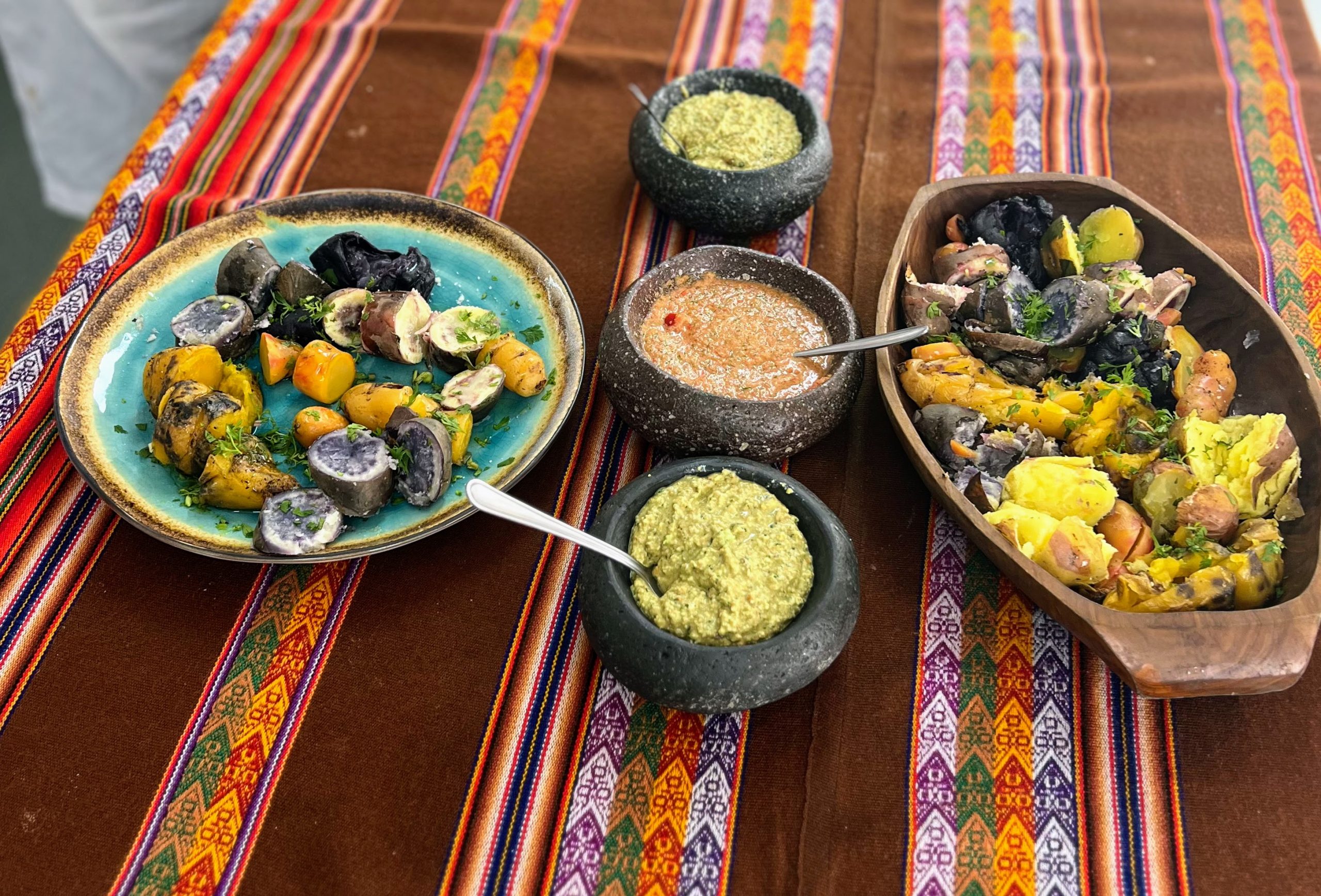
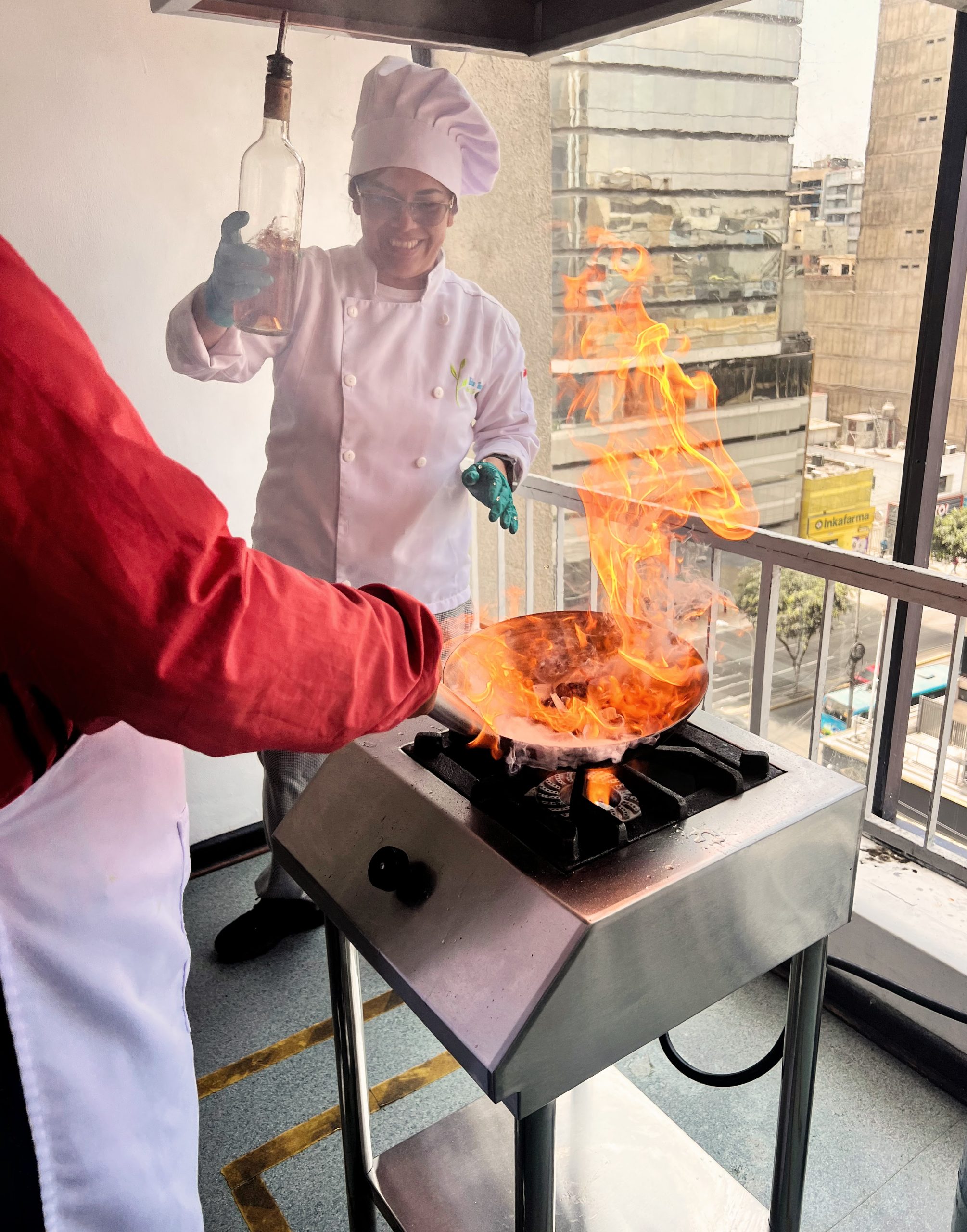
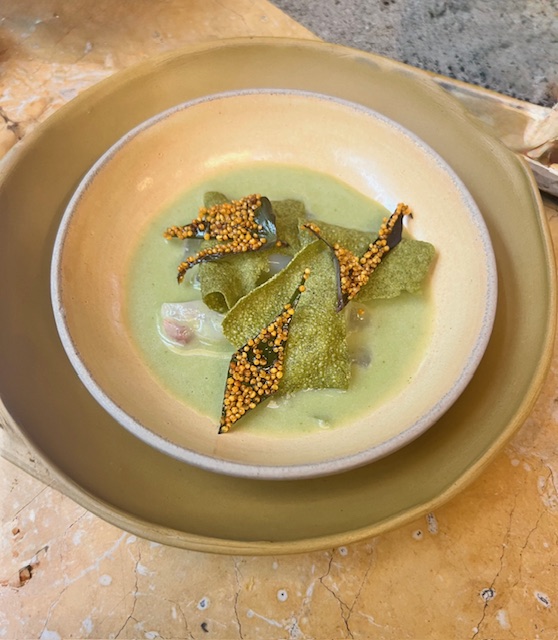
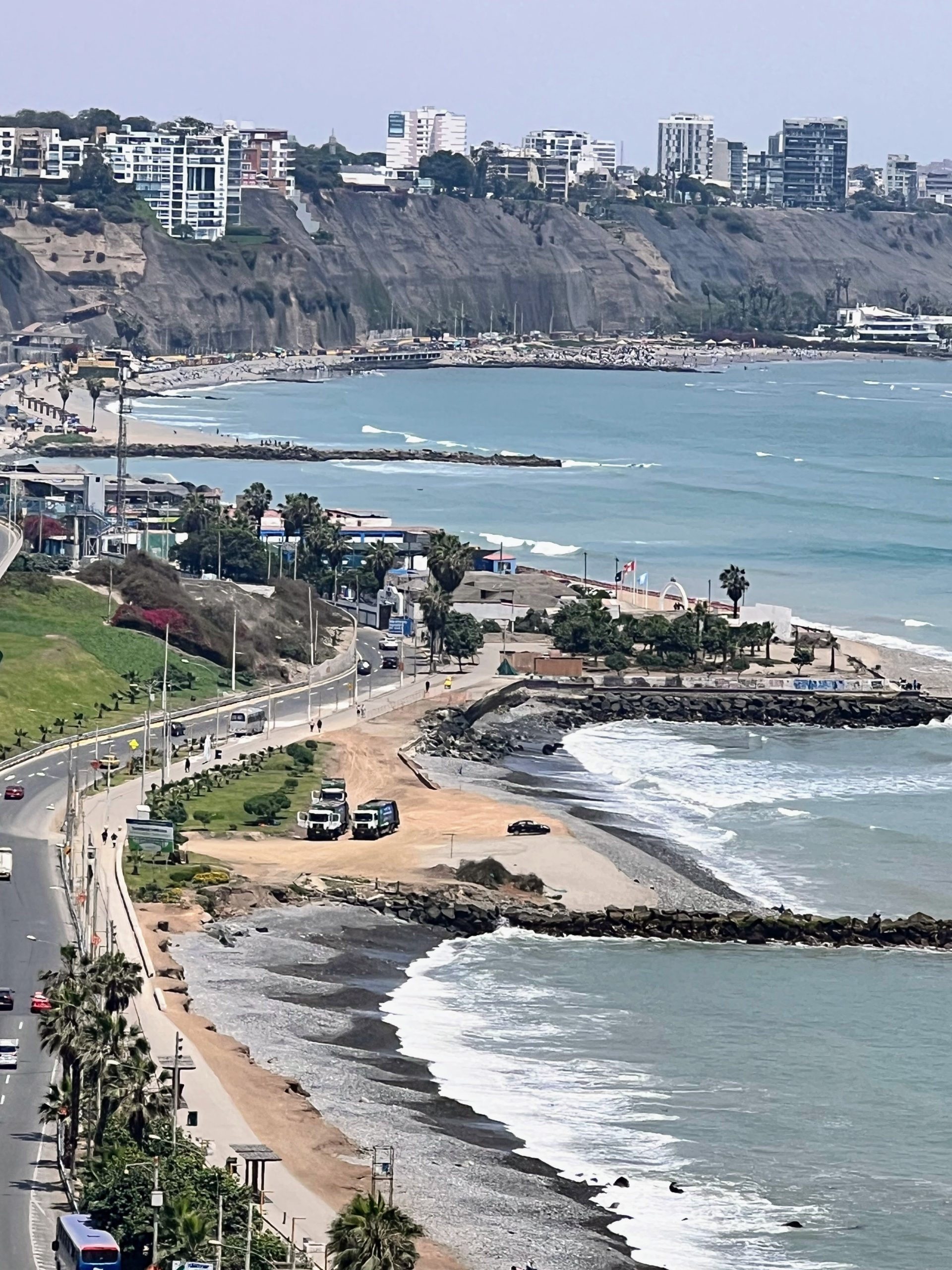
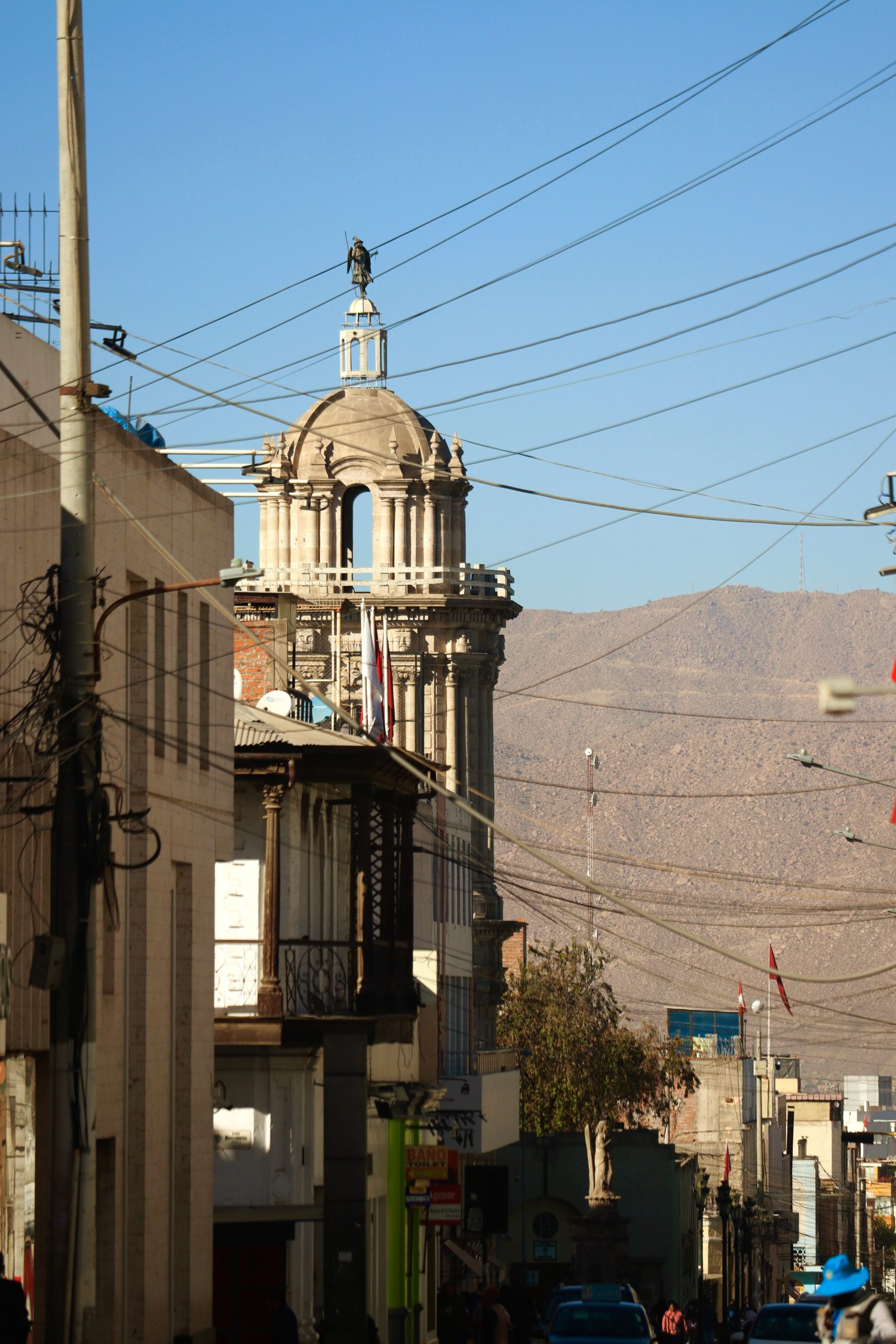
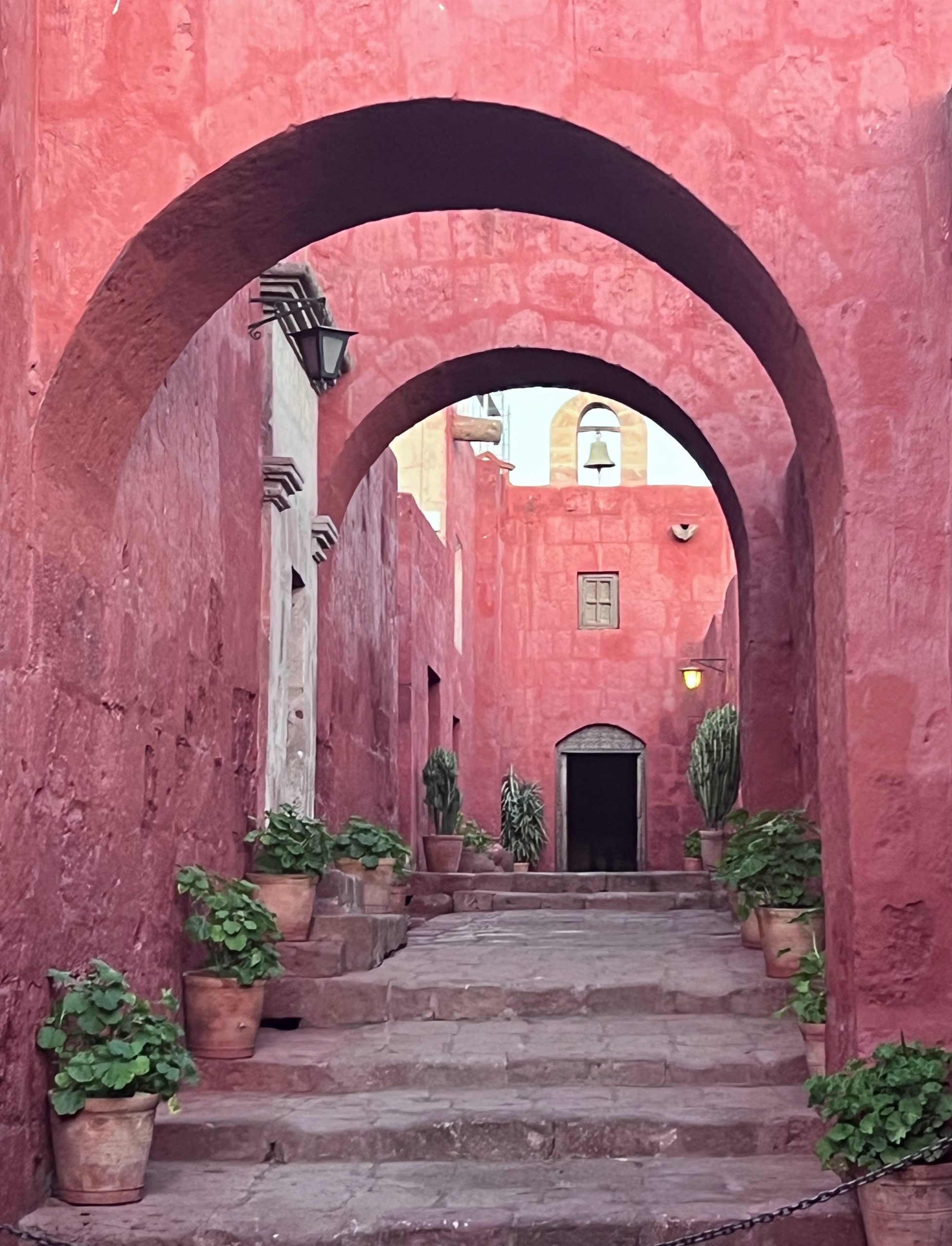
After 12 days of traveling through Peru’s countryside from the colonial city of Arequipa to Machu Picchu, I decided to spend several weeks in the City of Lima to both recover and to become acquainted with the other side of Peru widely known as the culinary capital of South America. Lima is the fourth largest city built on a desert coast overlooking the Pacific Ocean. A UNESCO Heritage site known for its colonial architecture with over 9 million inhabitants. Lima serves as Peru’s cultural hub (partly thanks to Machu Picchu, which drives tourism in Peru) as well as the country’s center for business, and manufacturing.  If you have plans to come to Peru, read about my time there…..

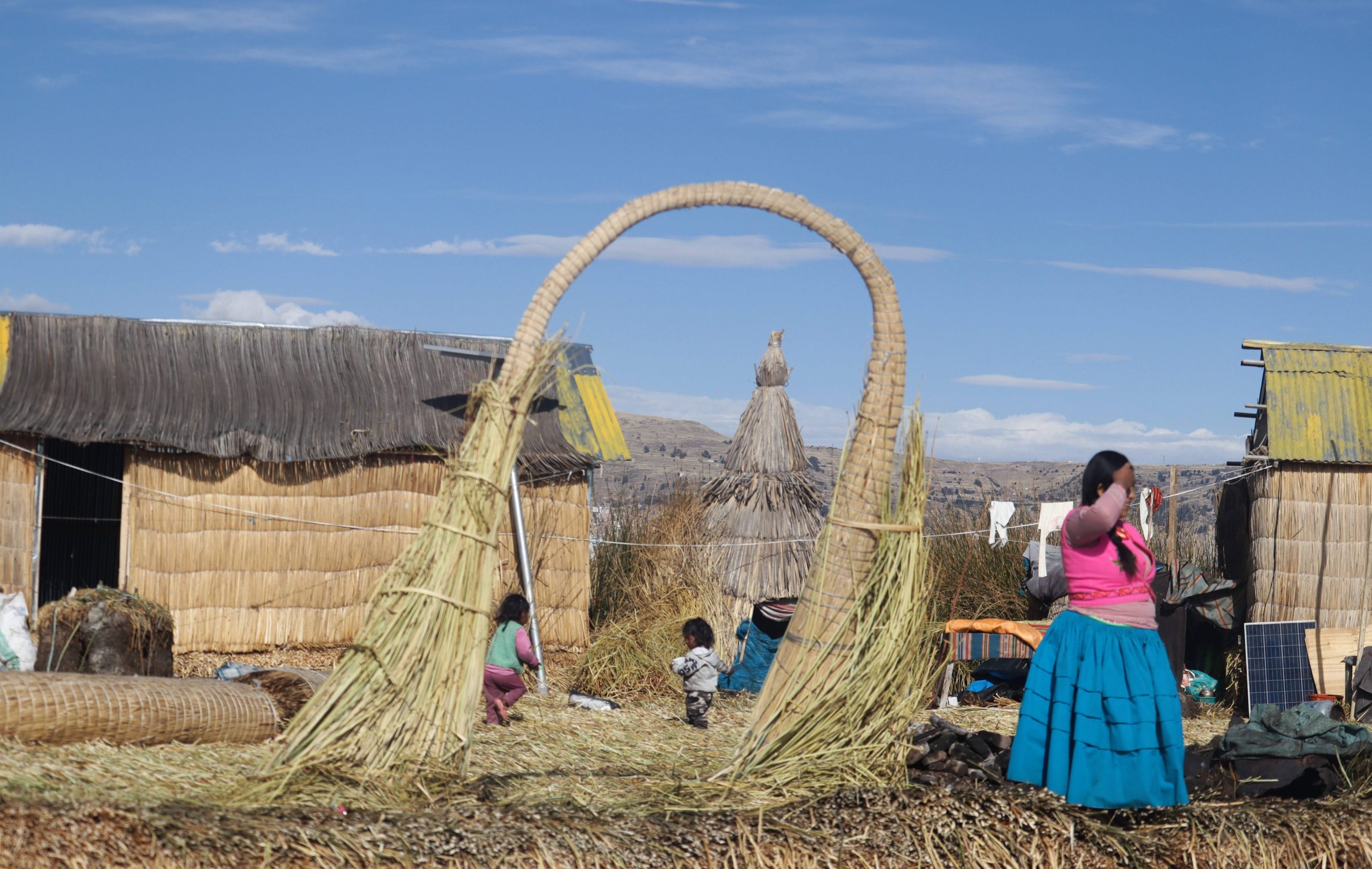
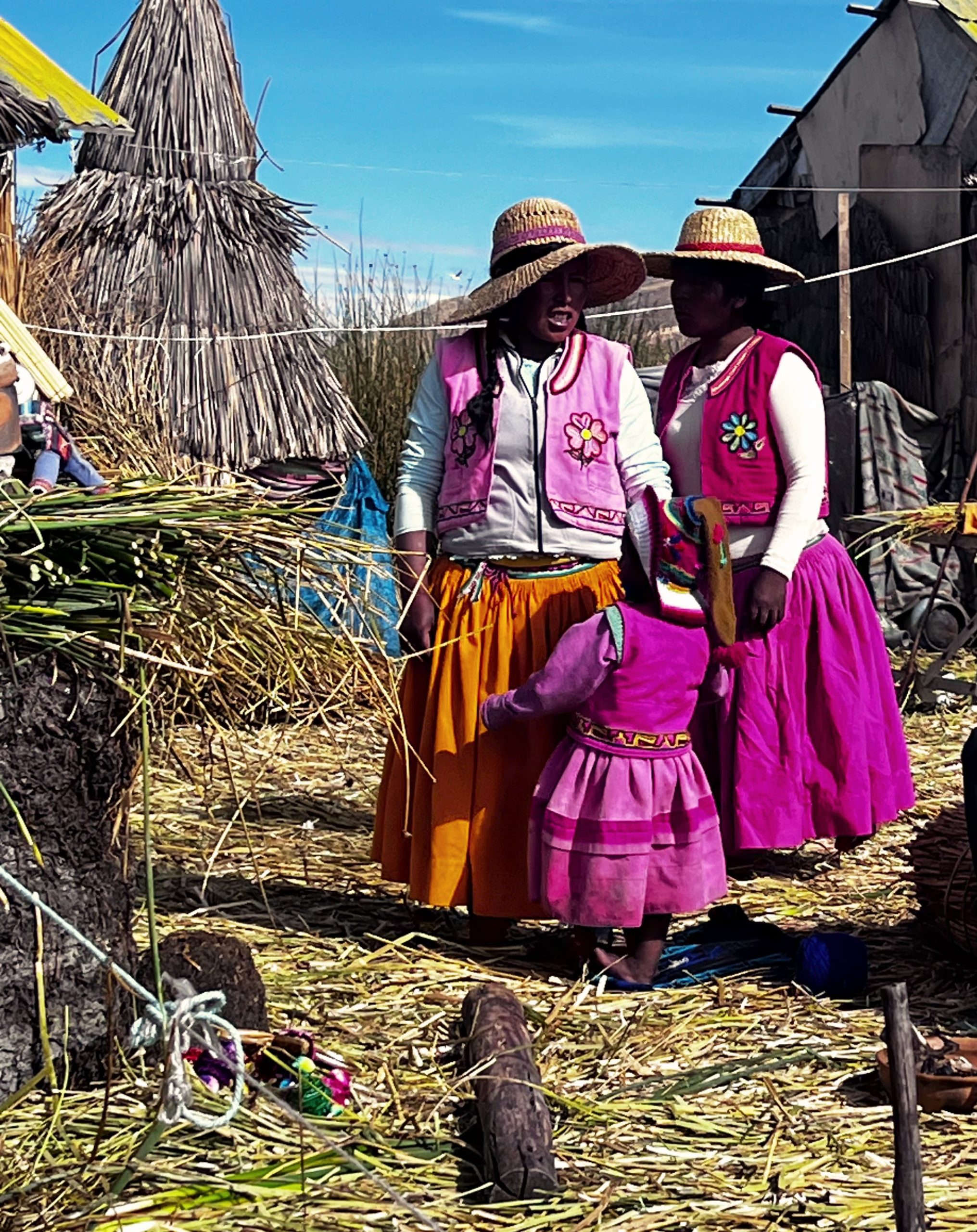
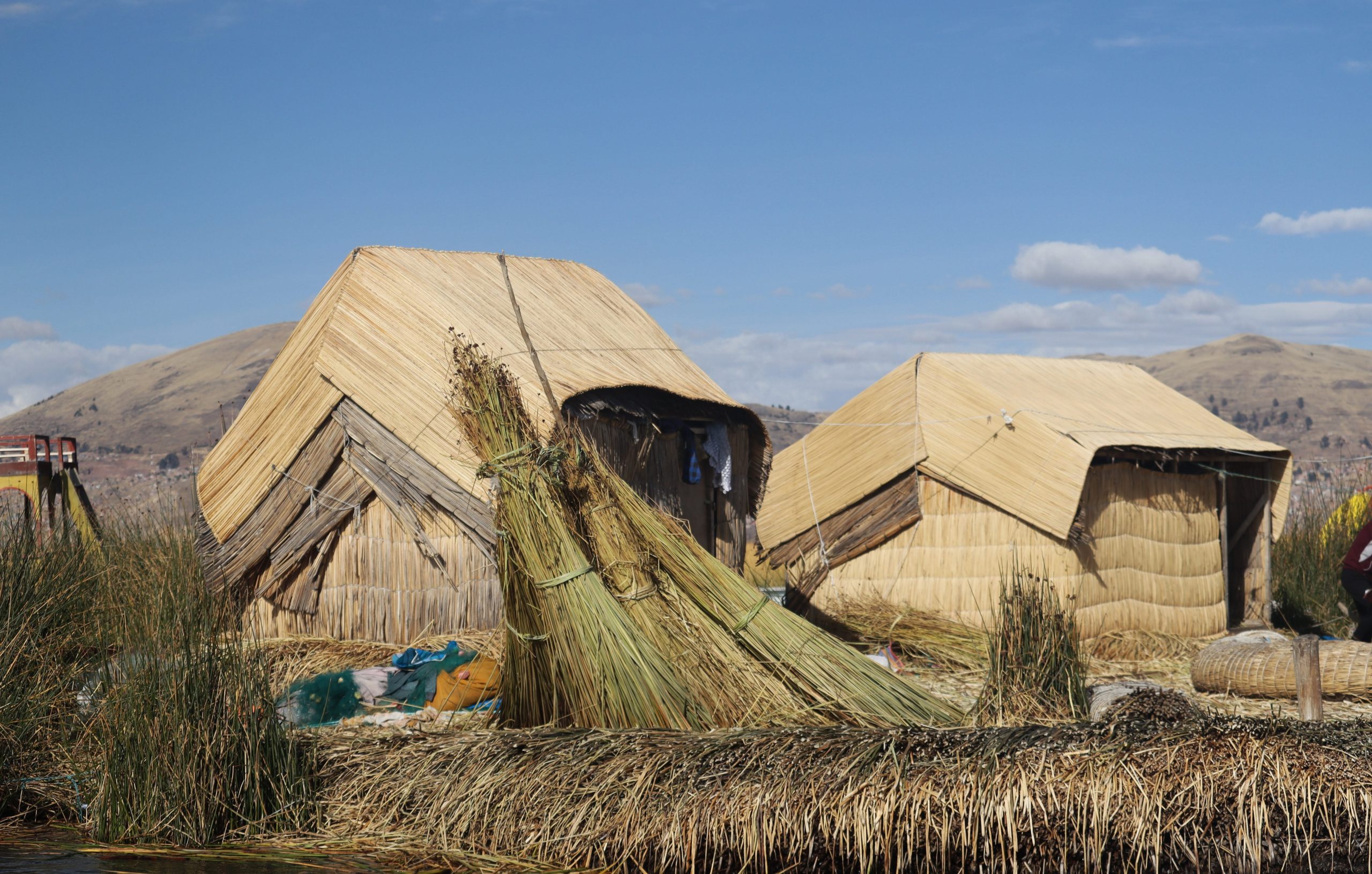
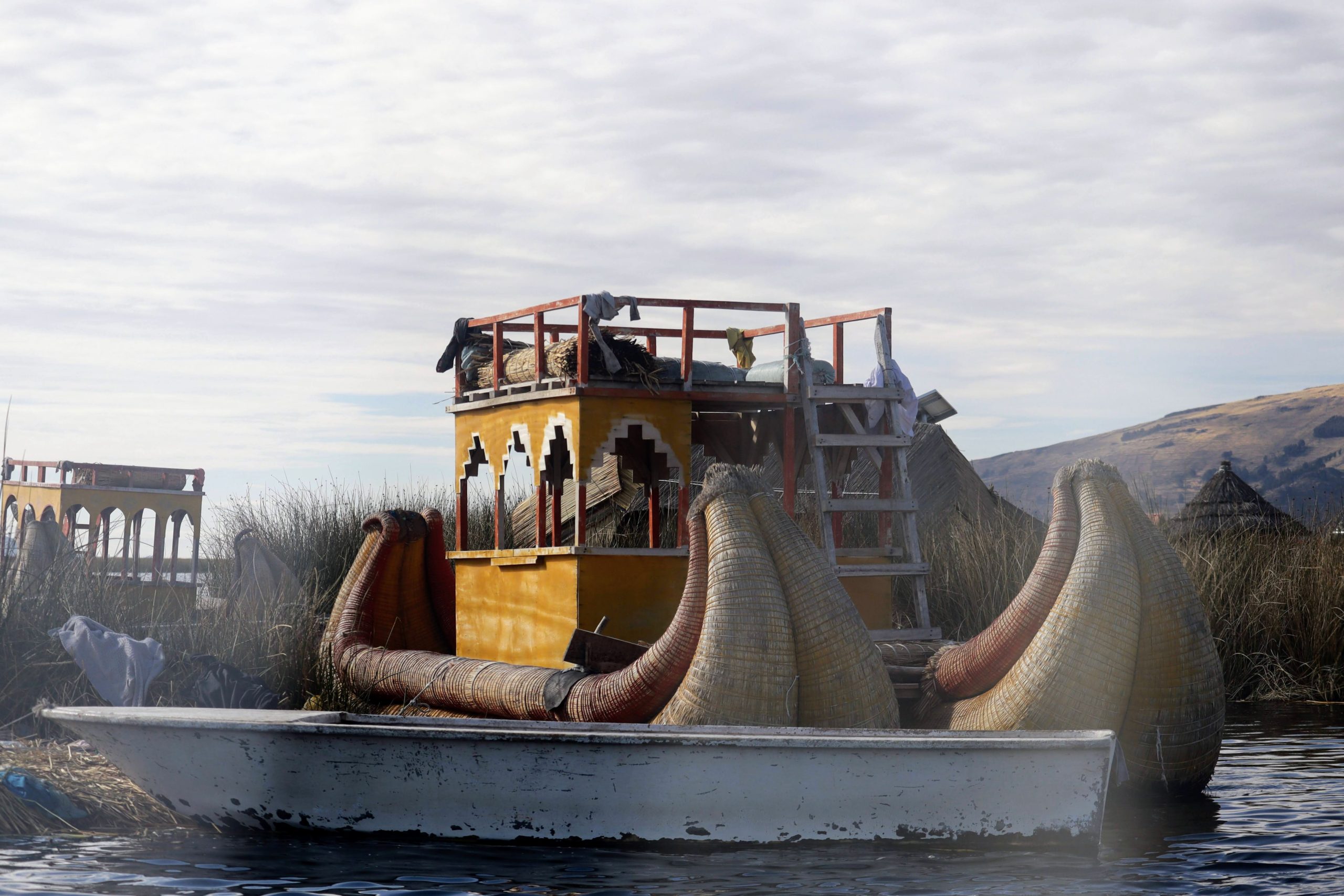
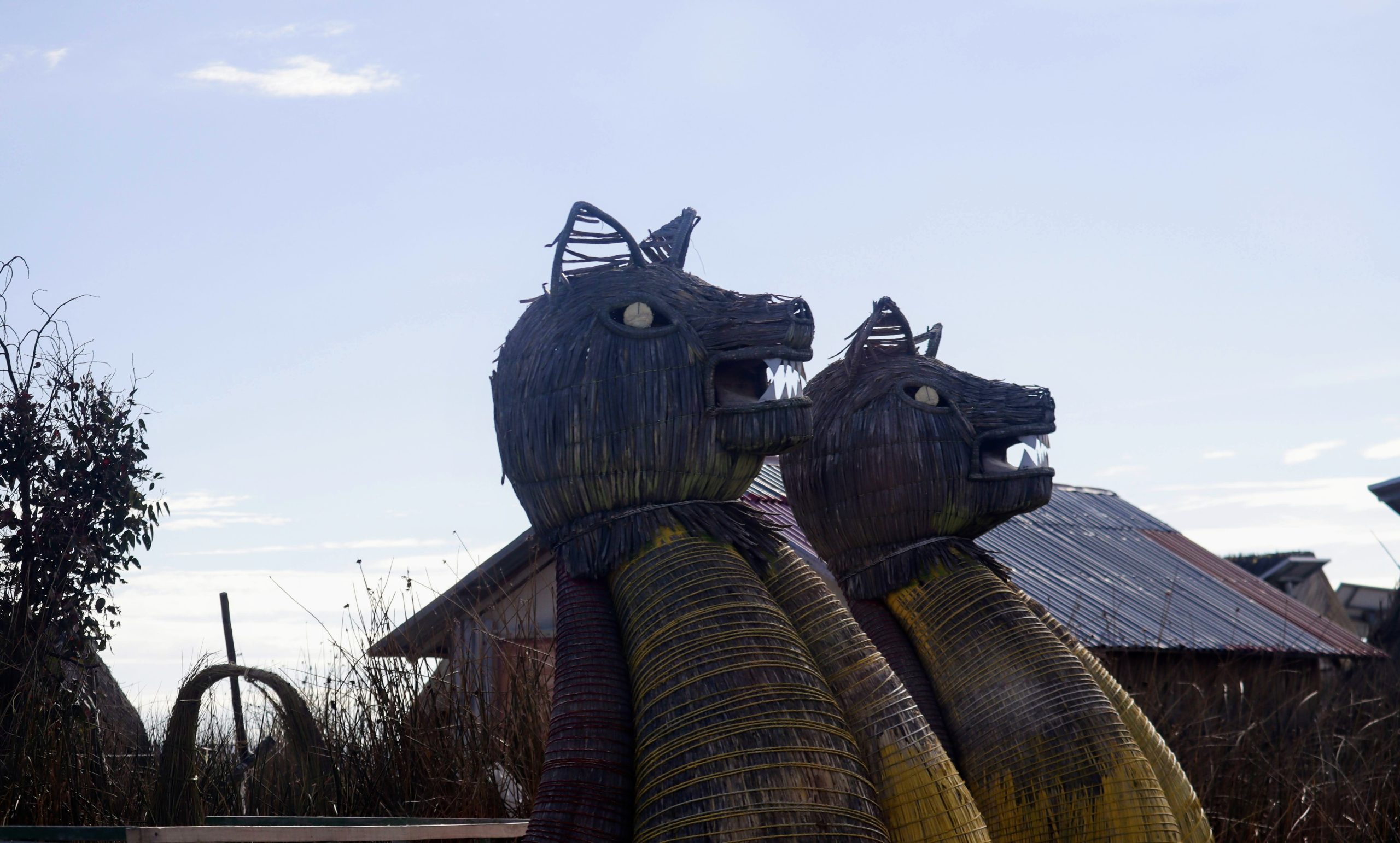
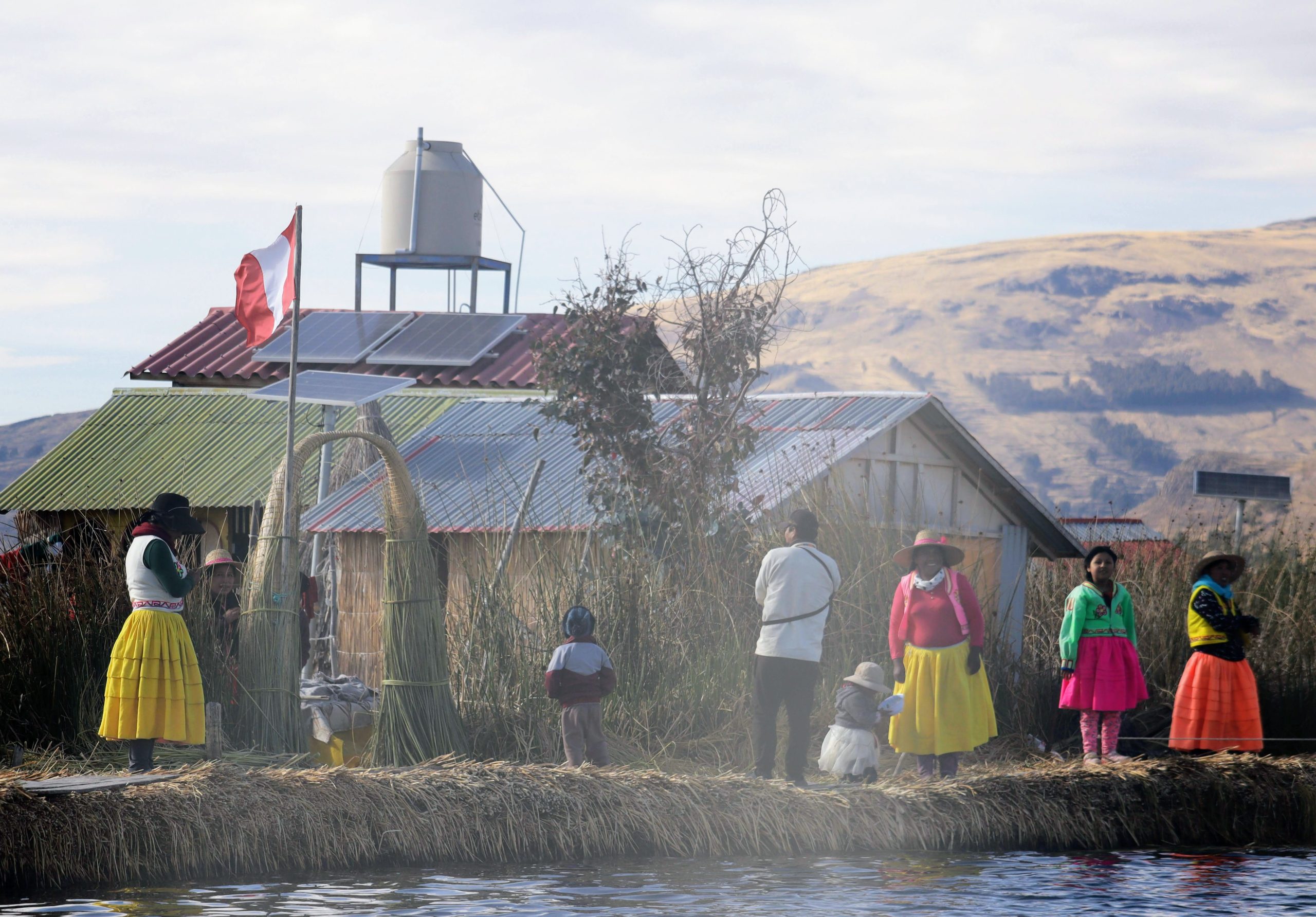
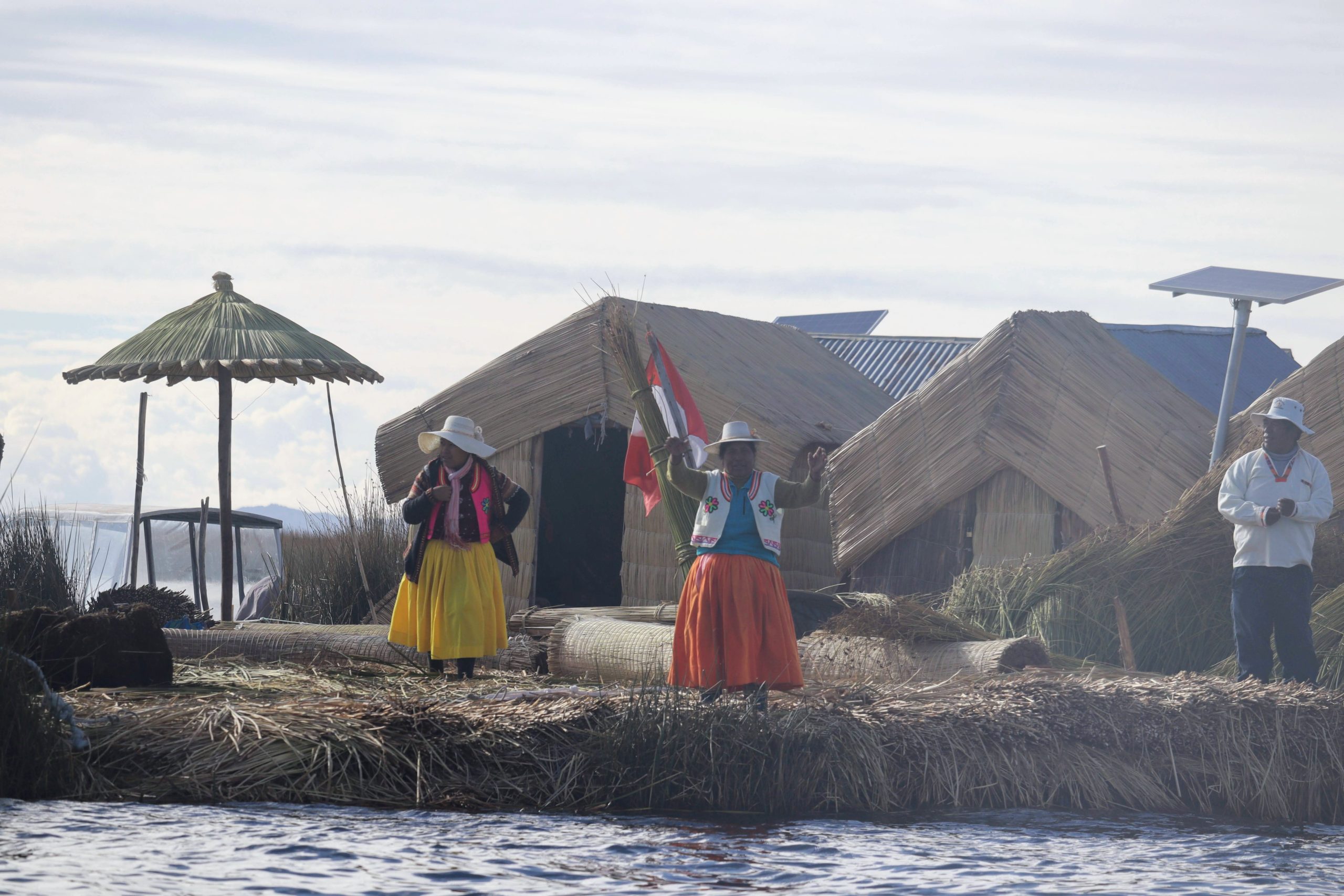
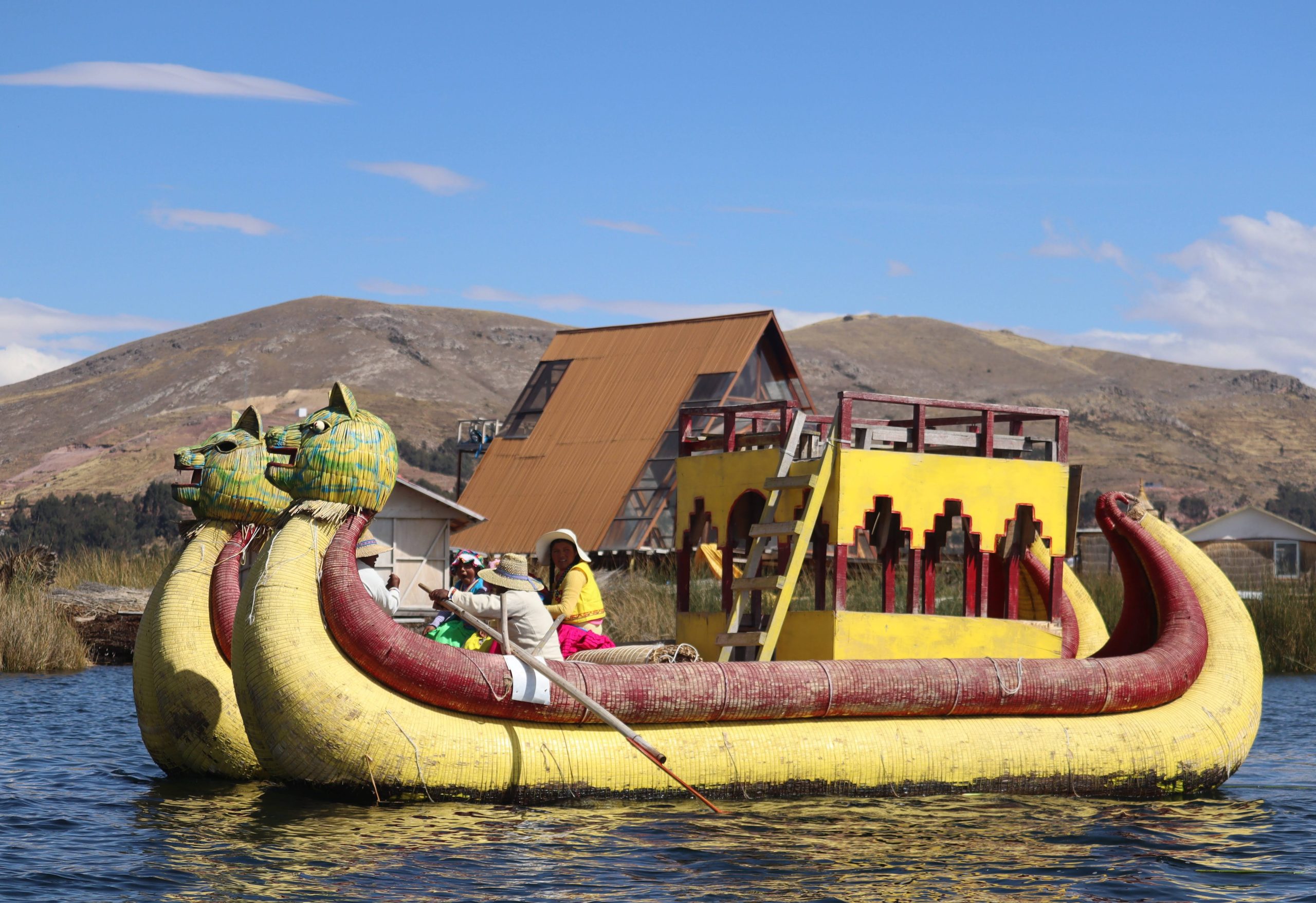
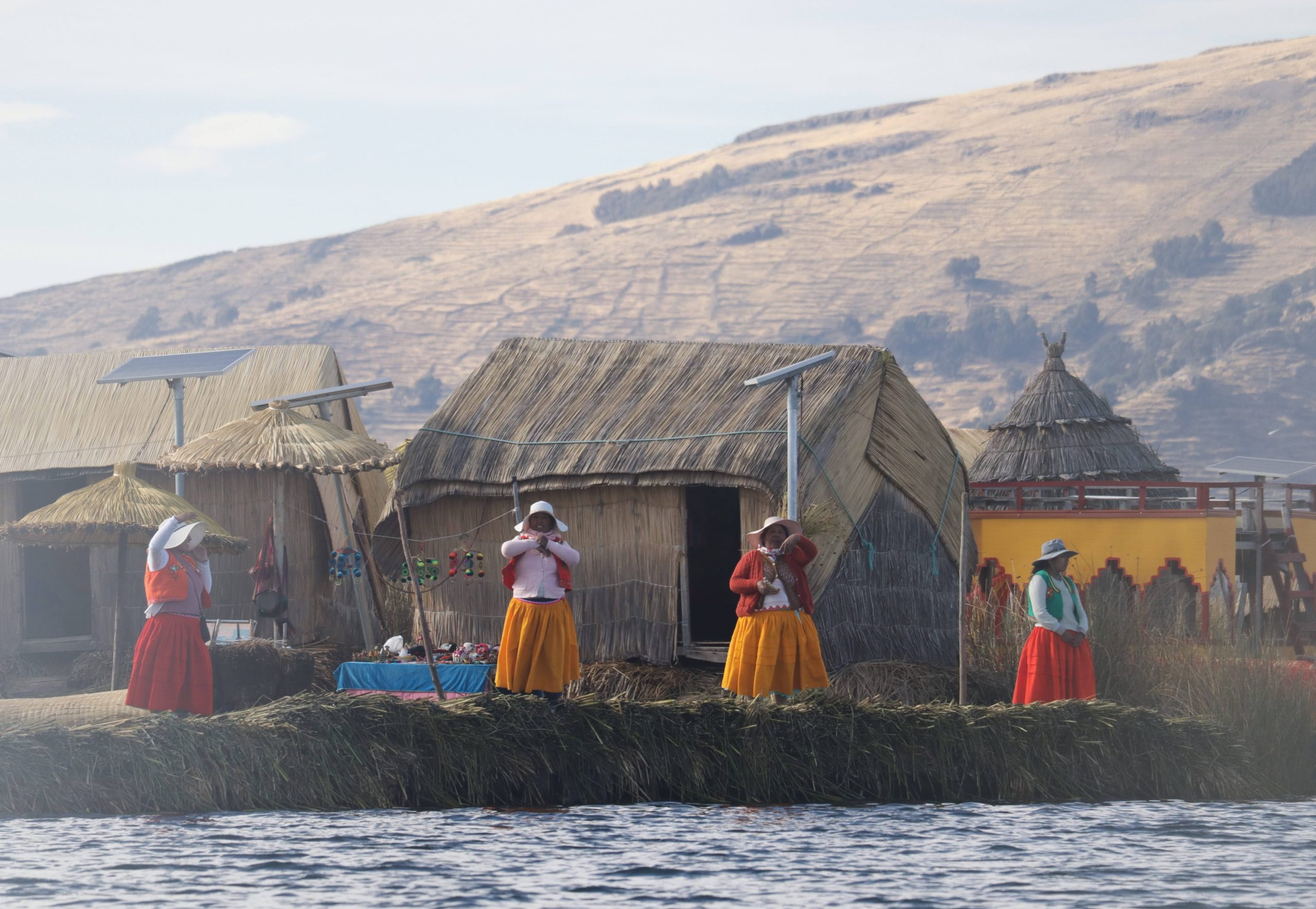
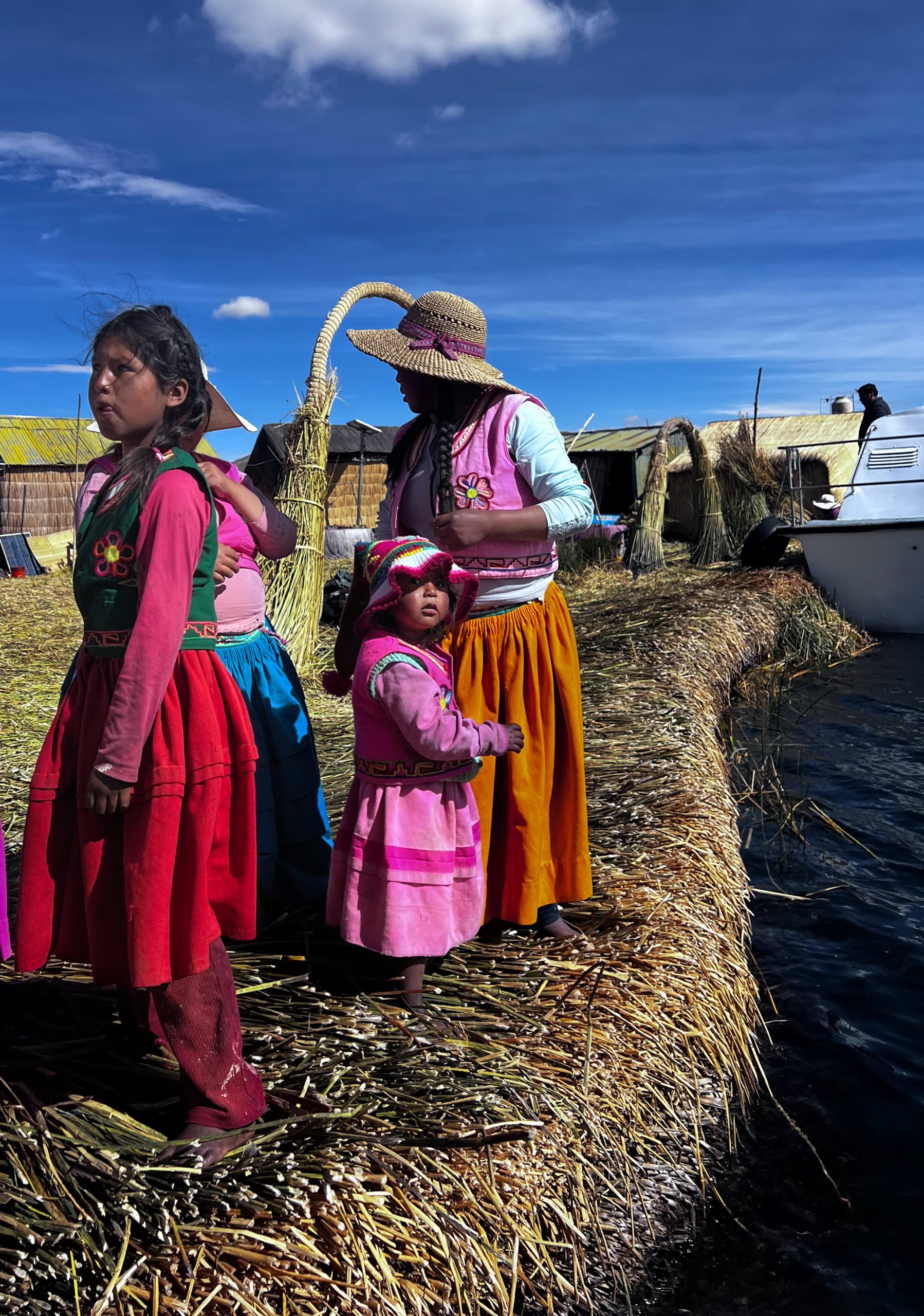
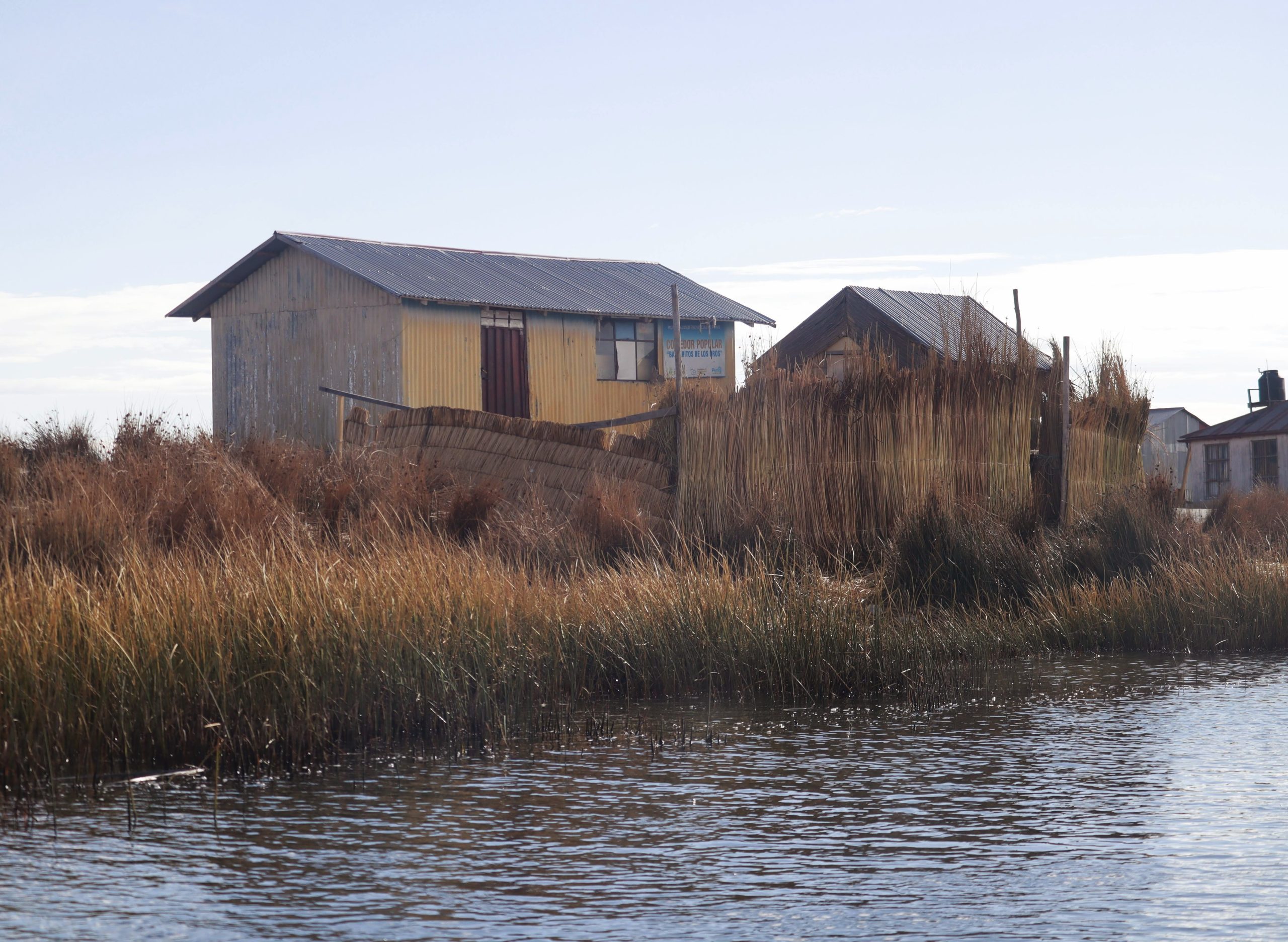
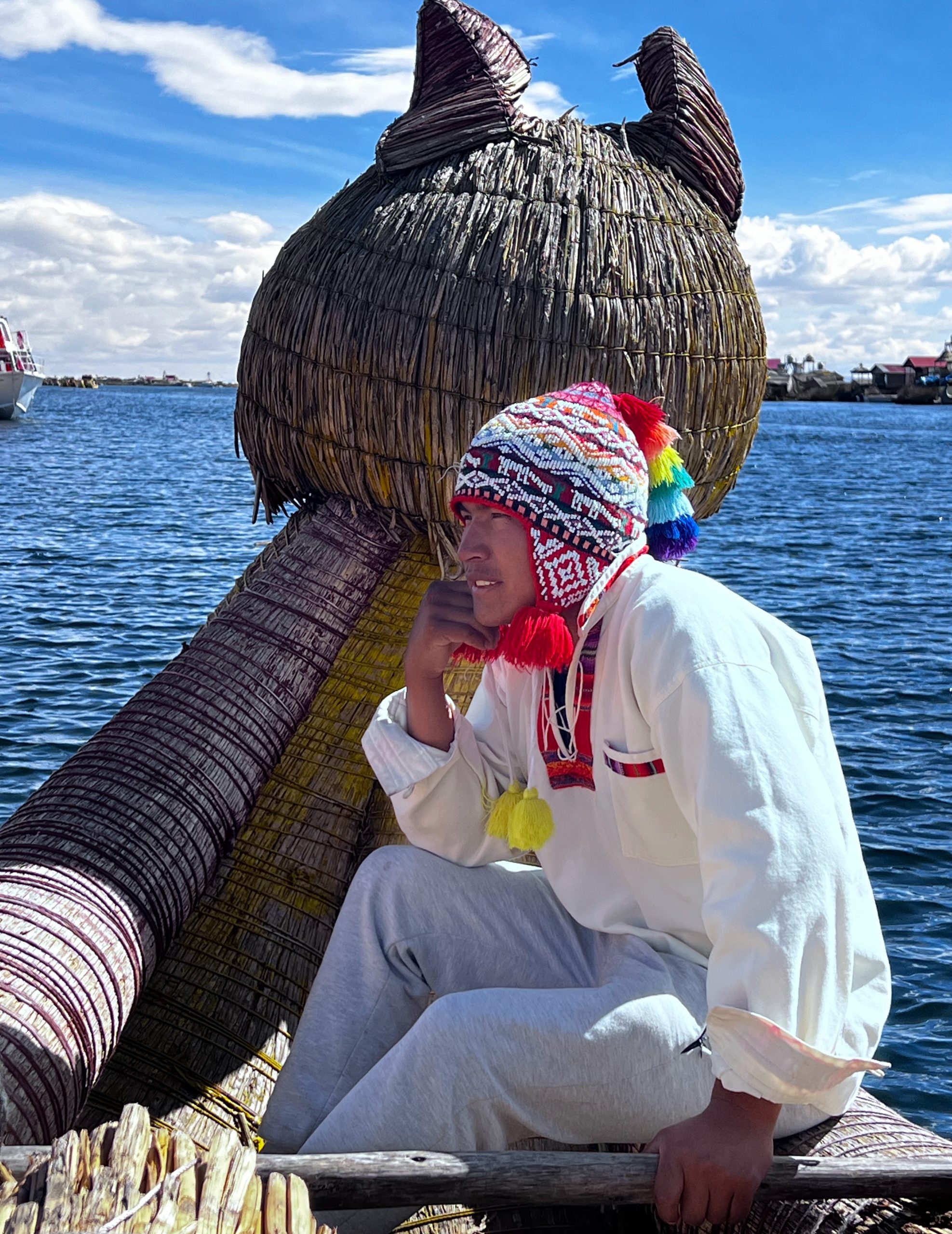
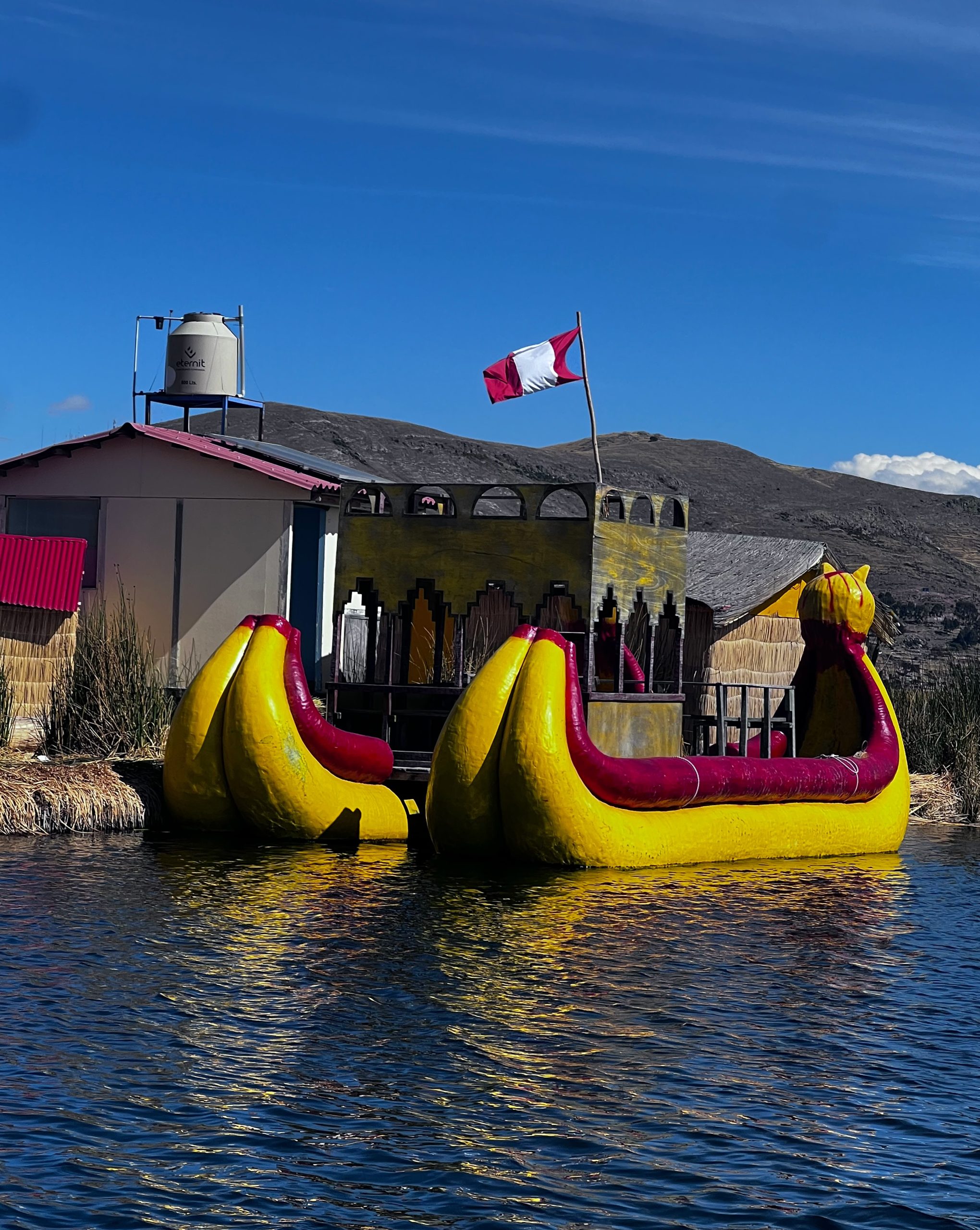
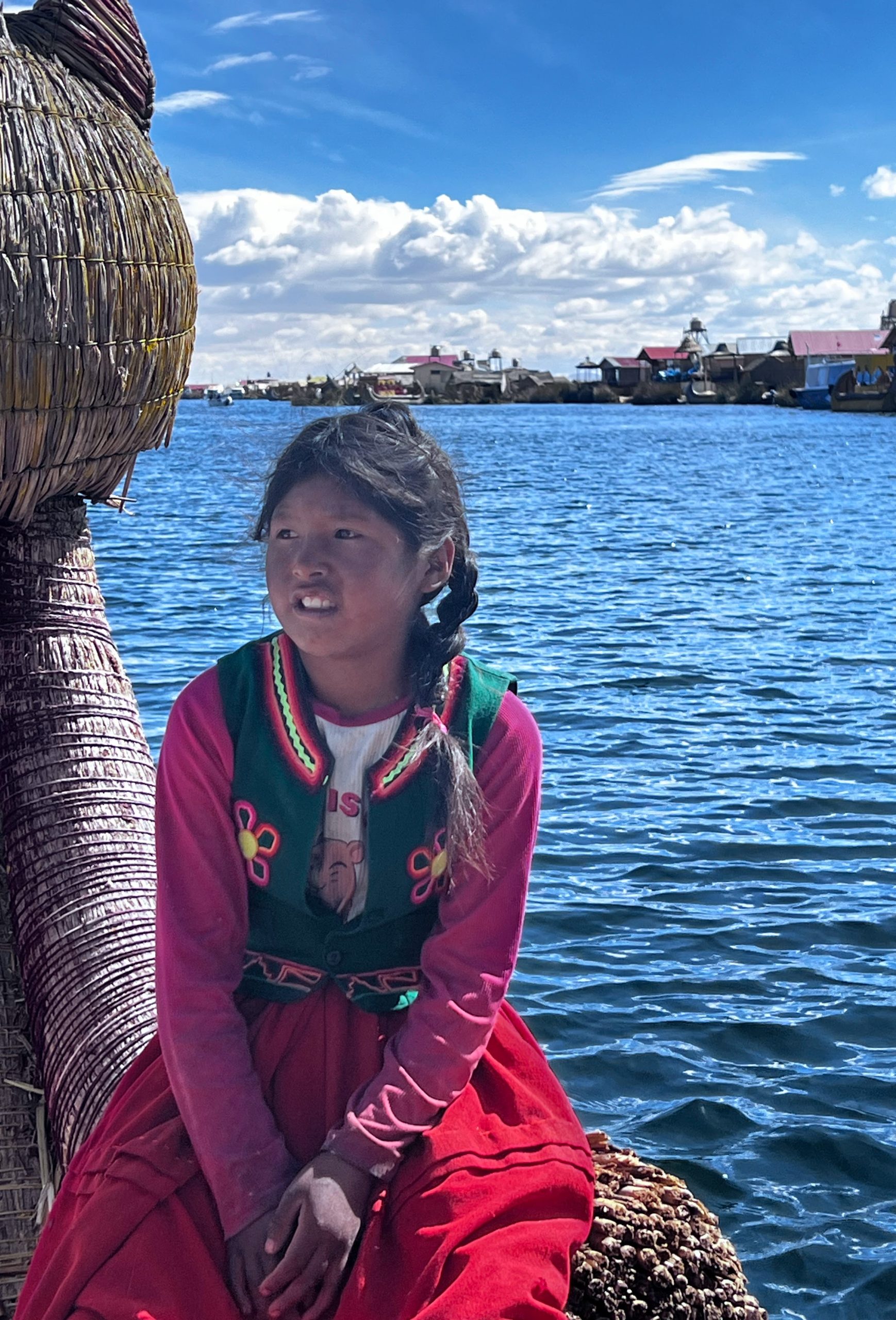
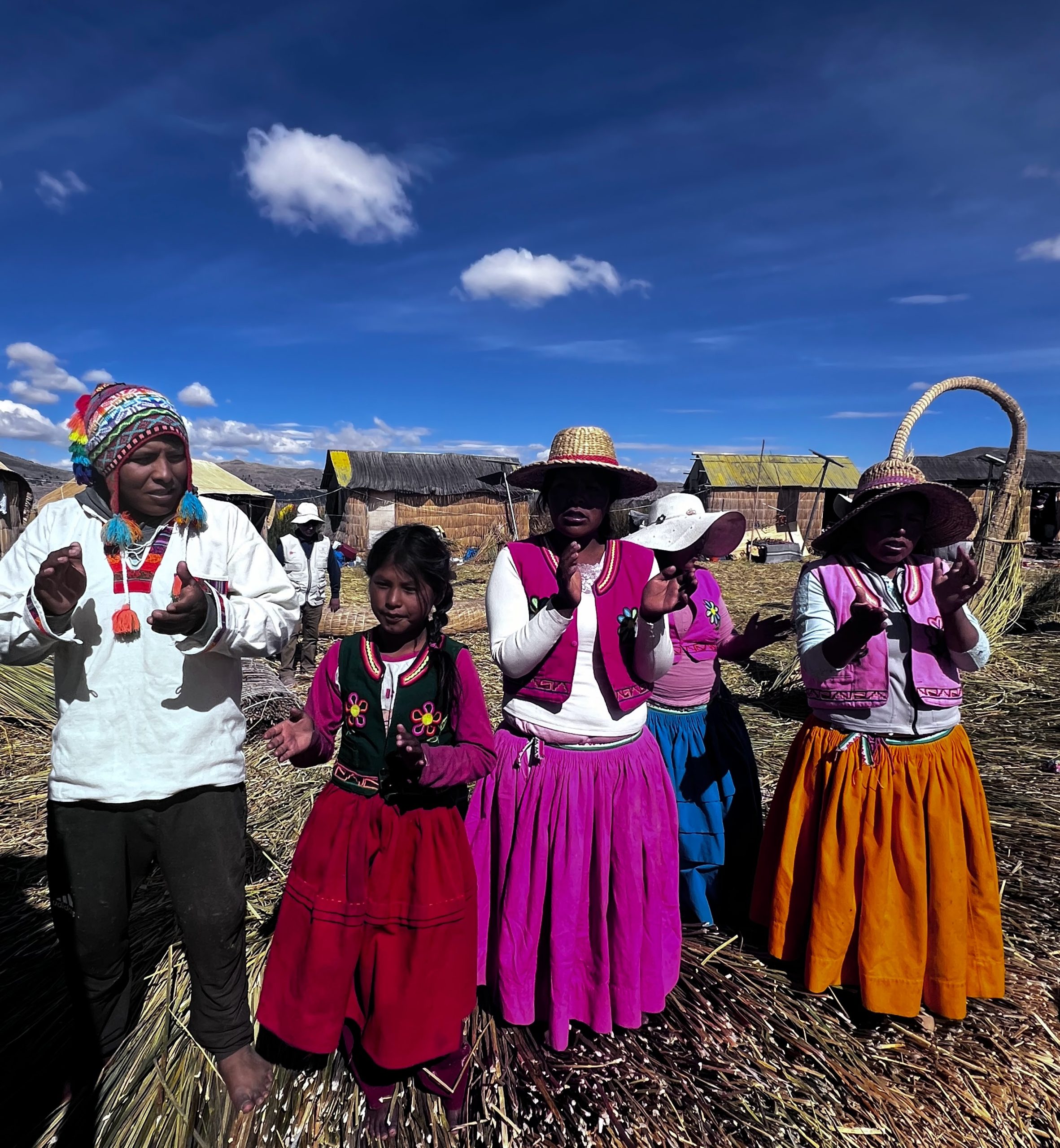
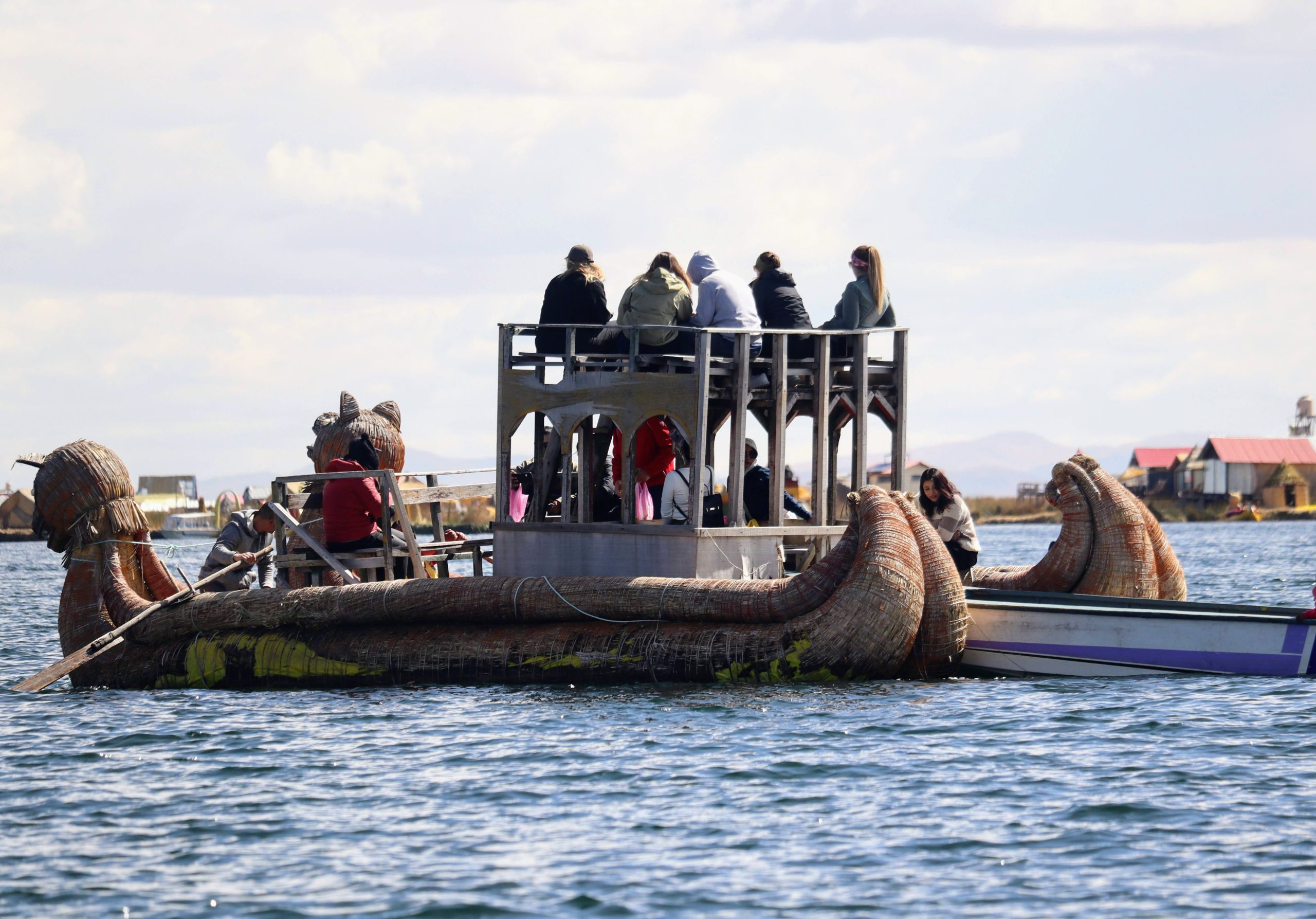
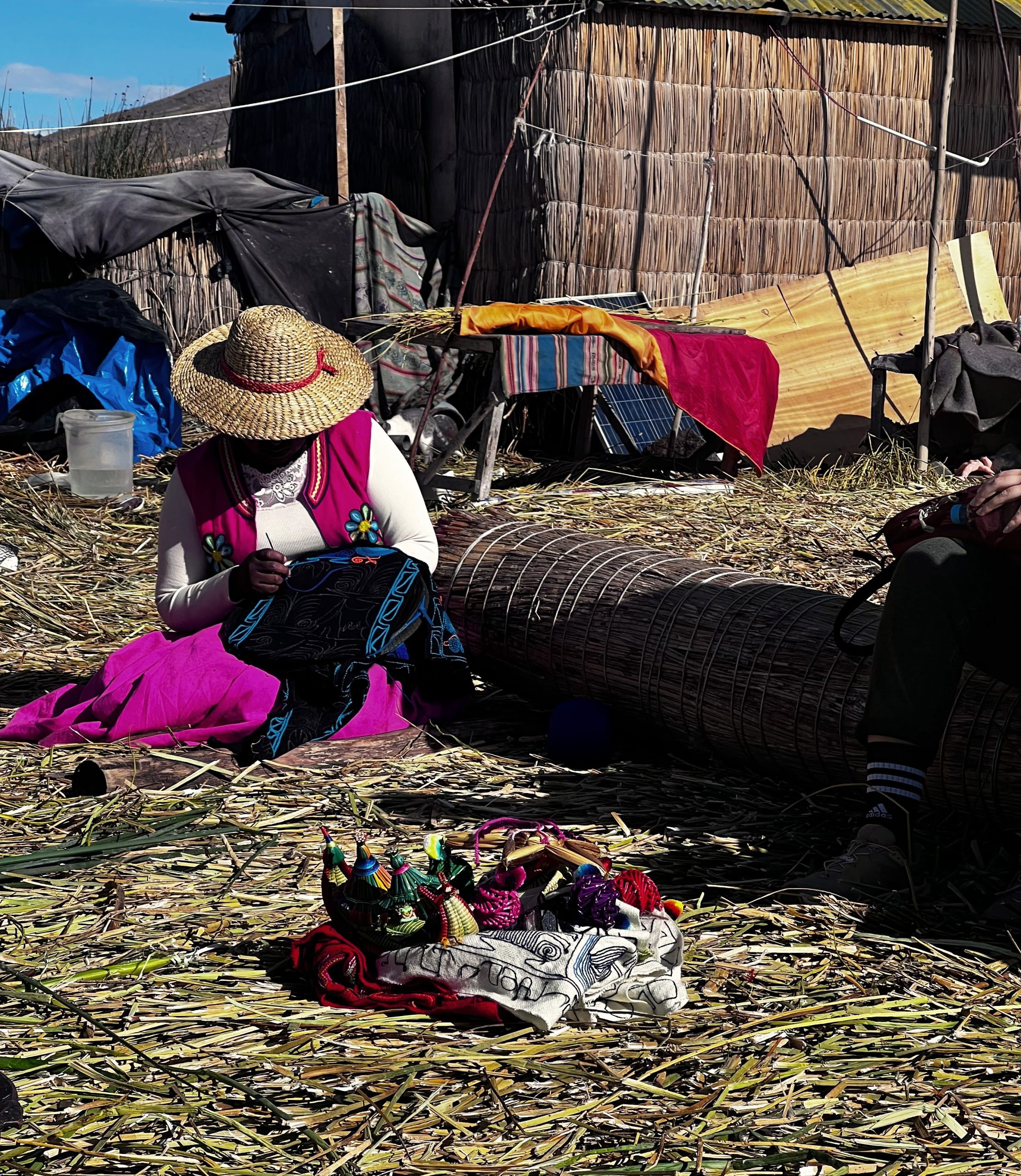
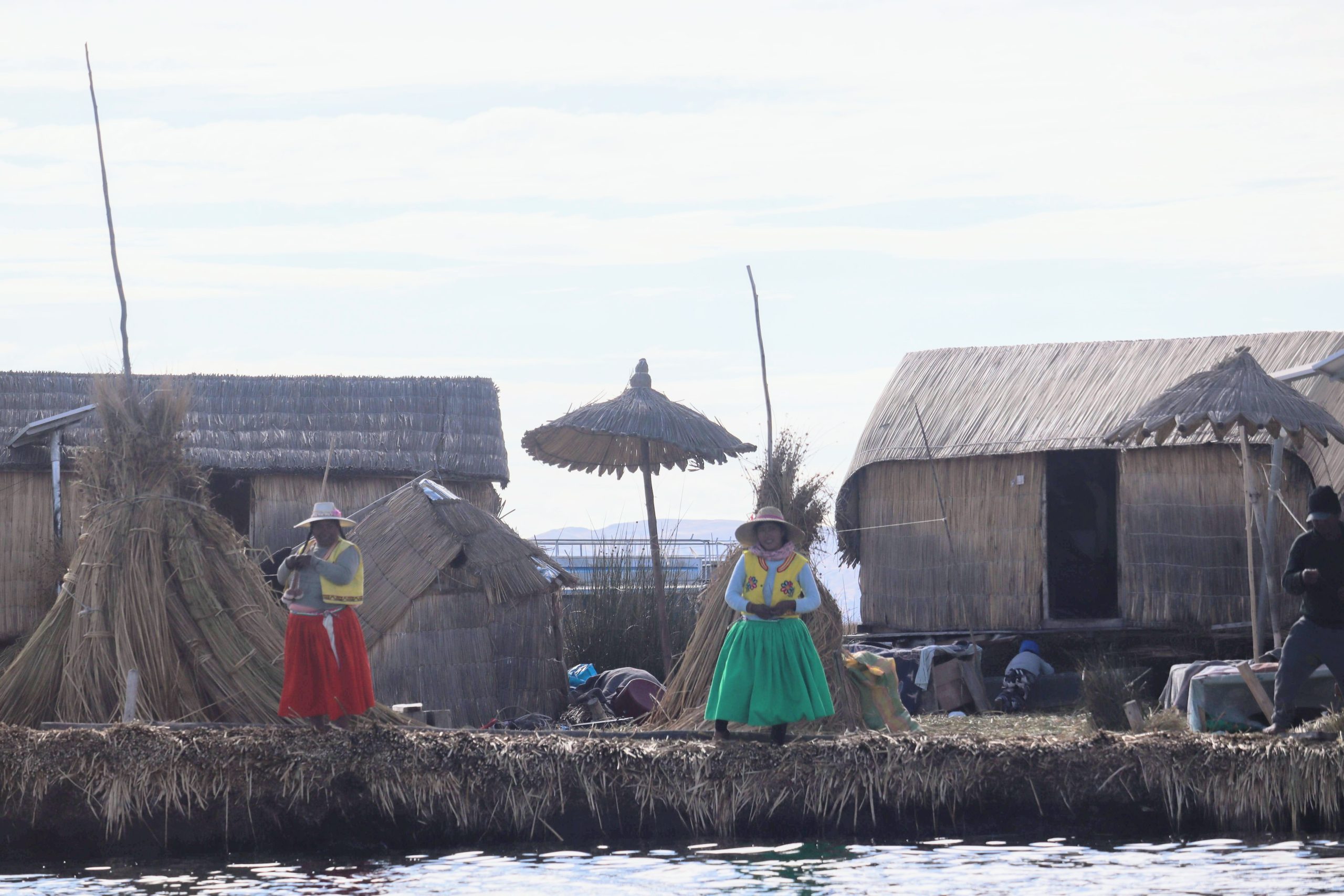
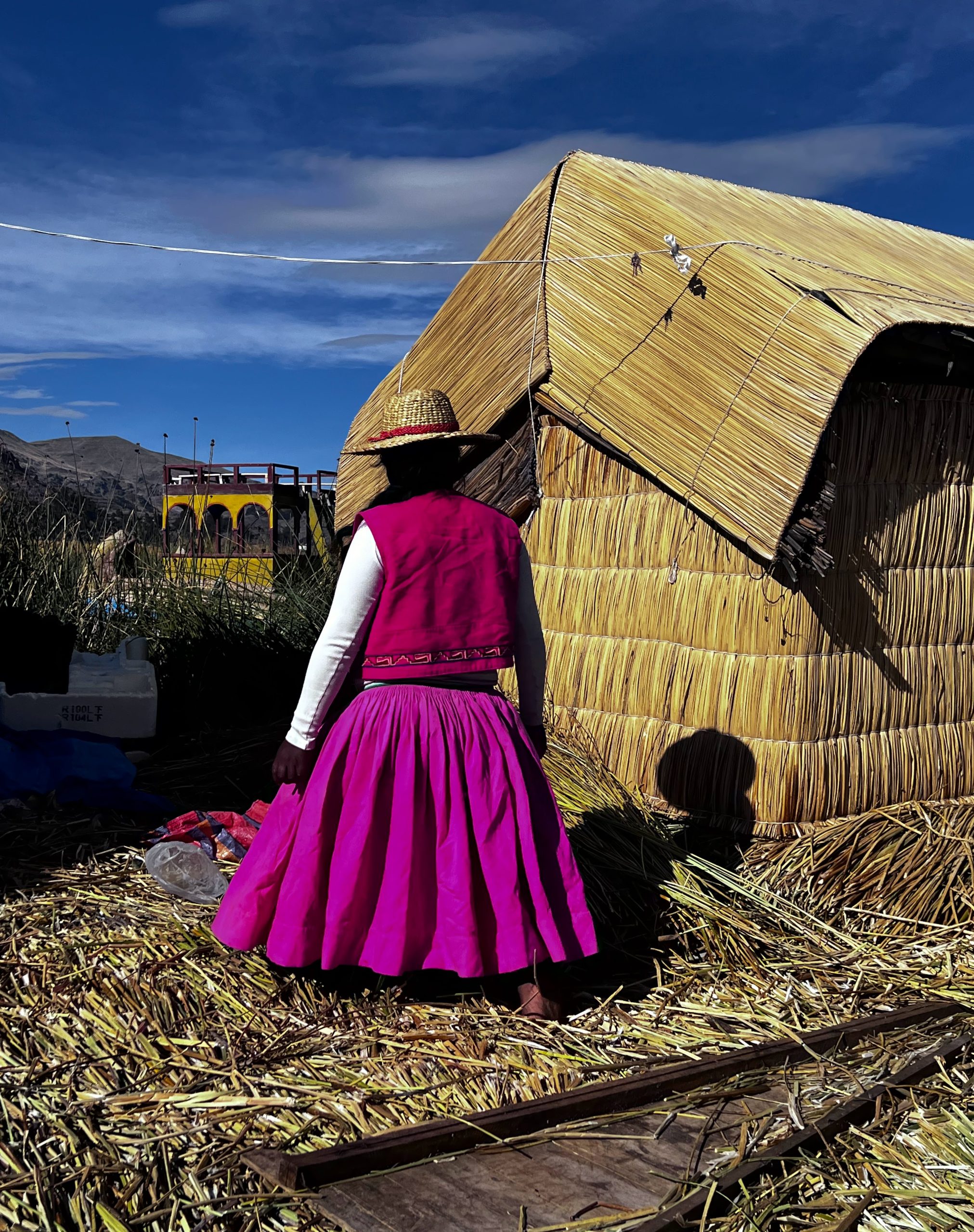
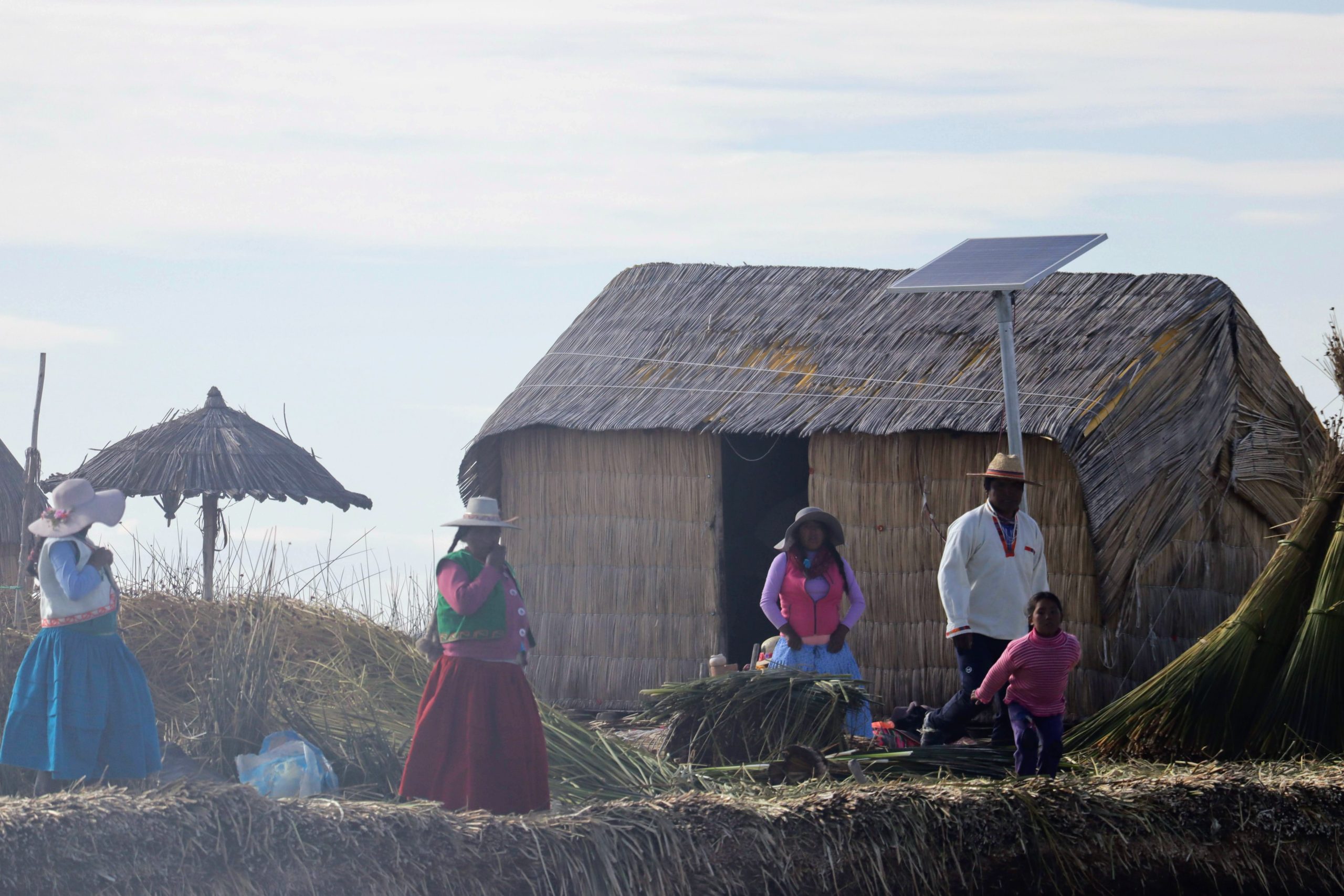
The Floating Islands: The Enduring World of the Uro People of Peru

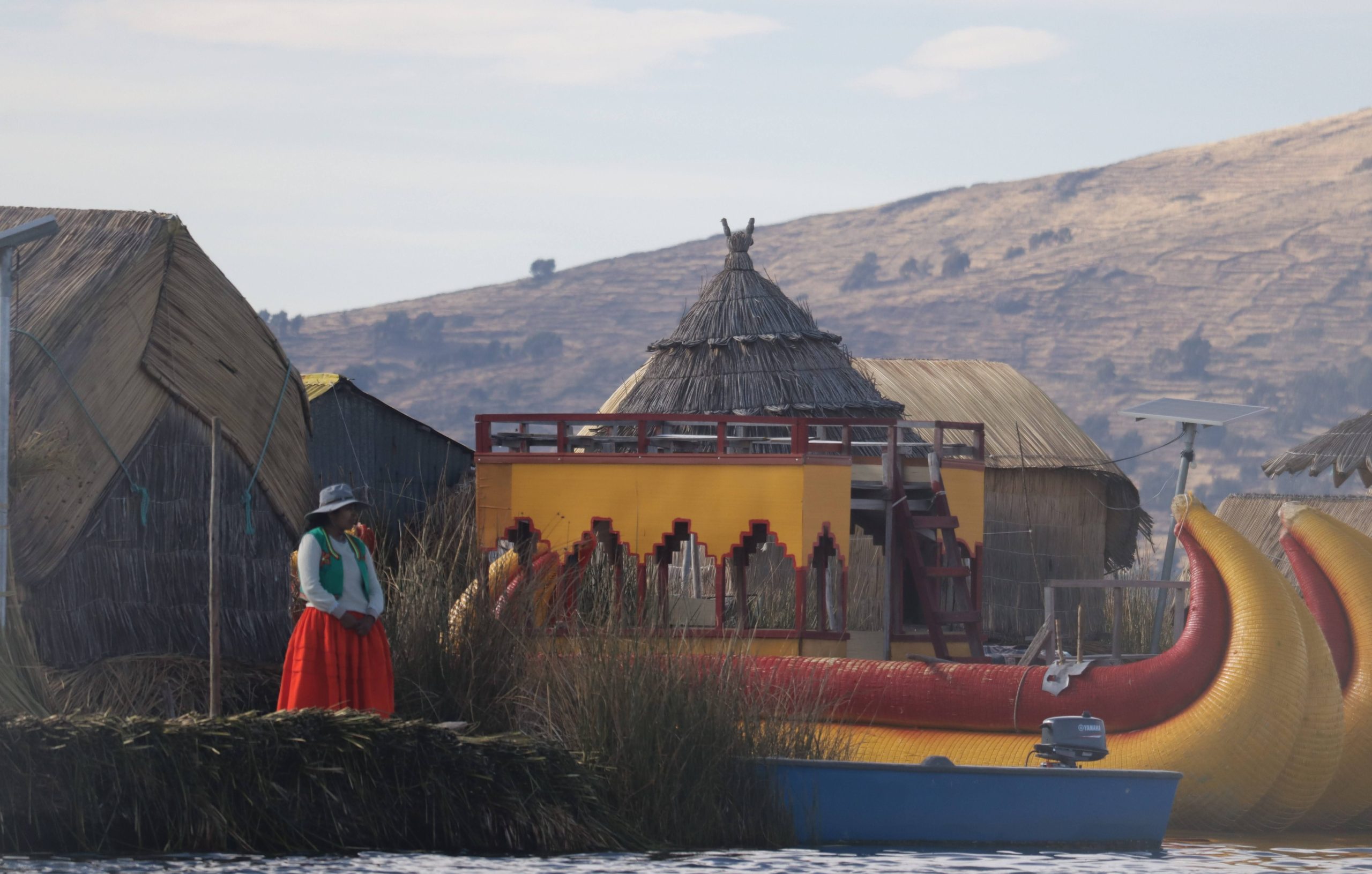
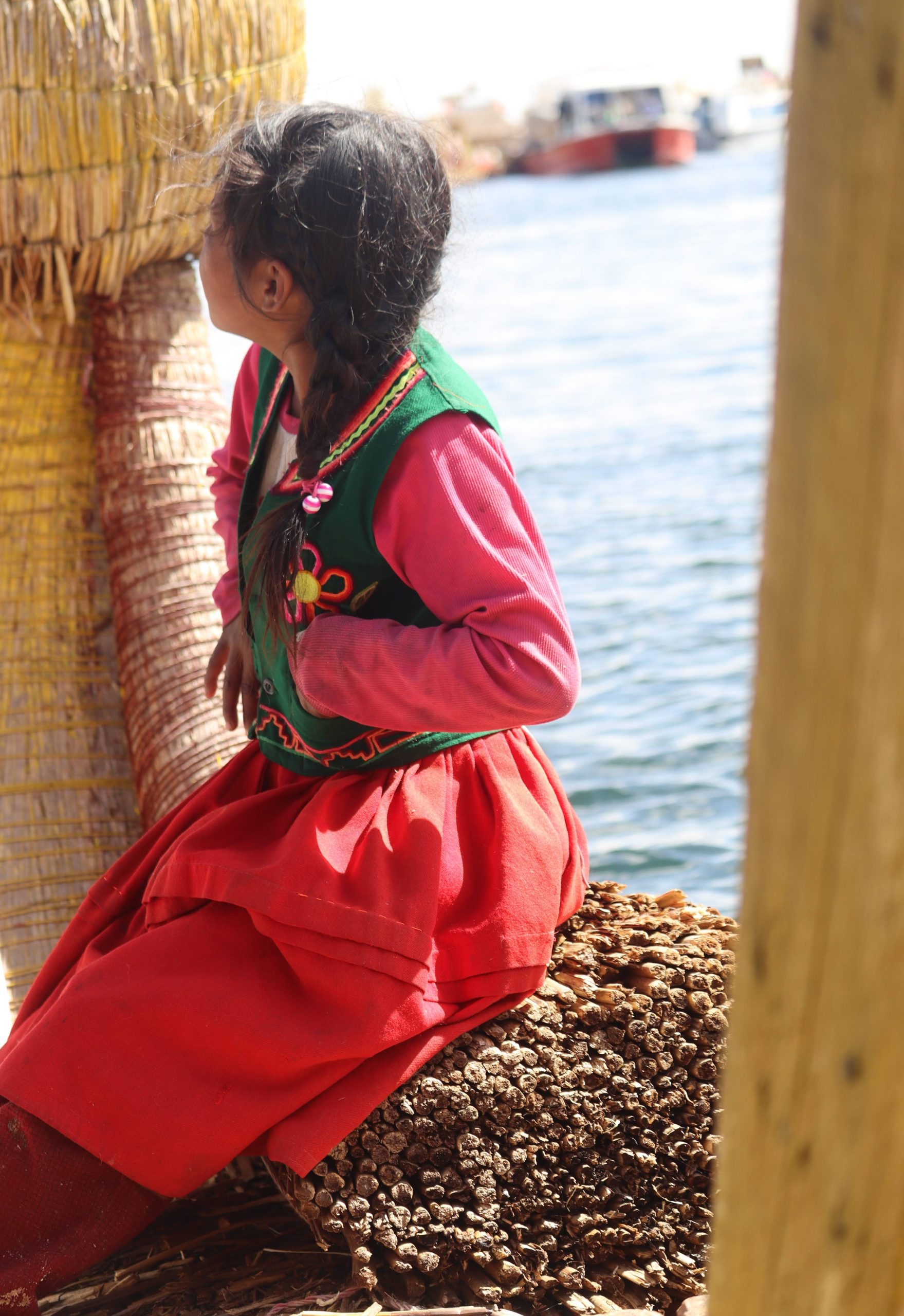
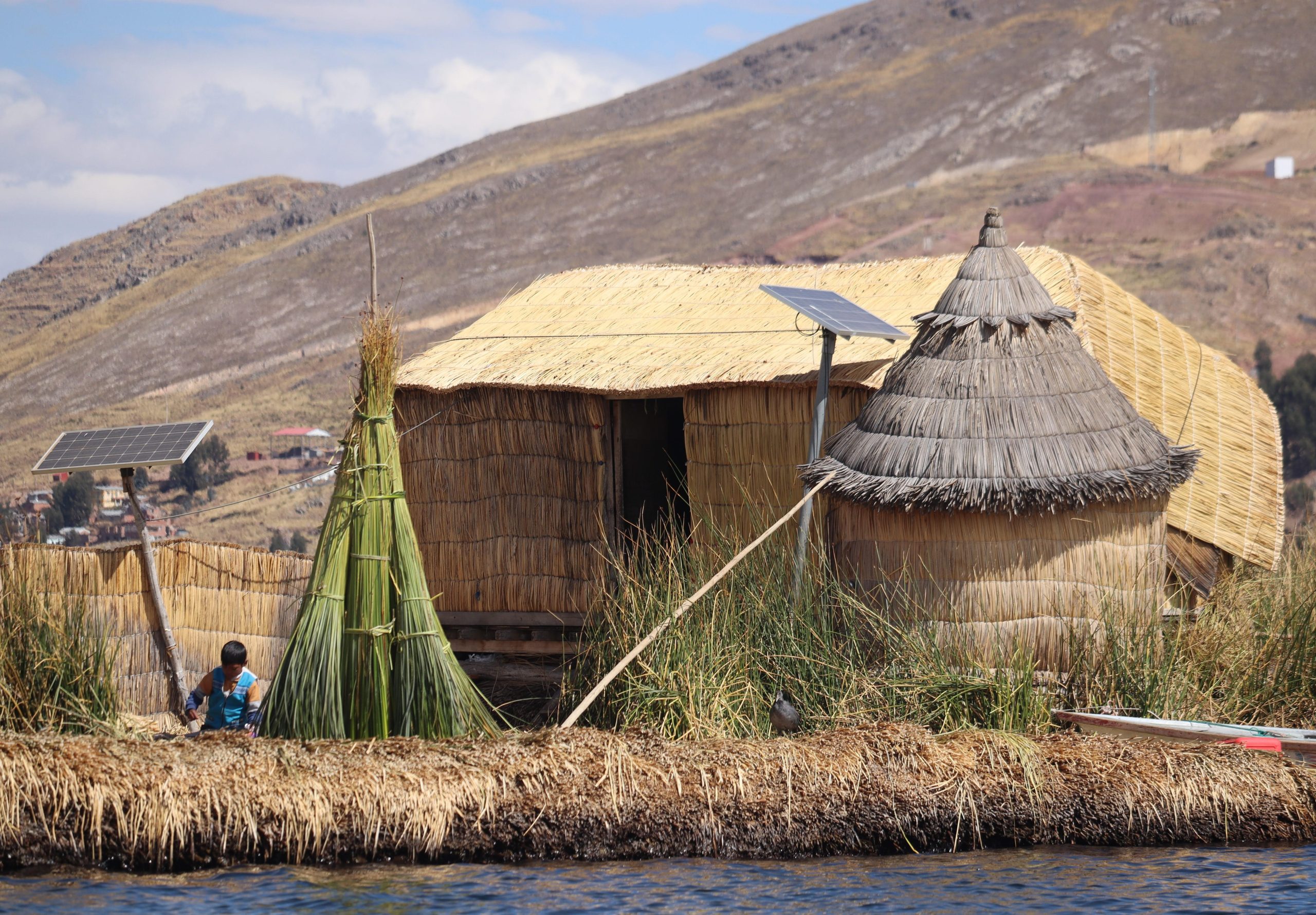
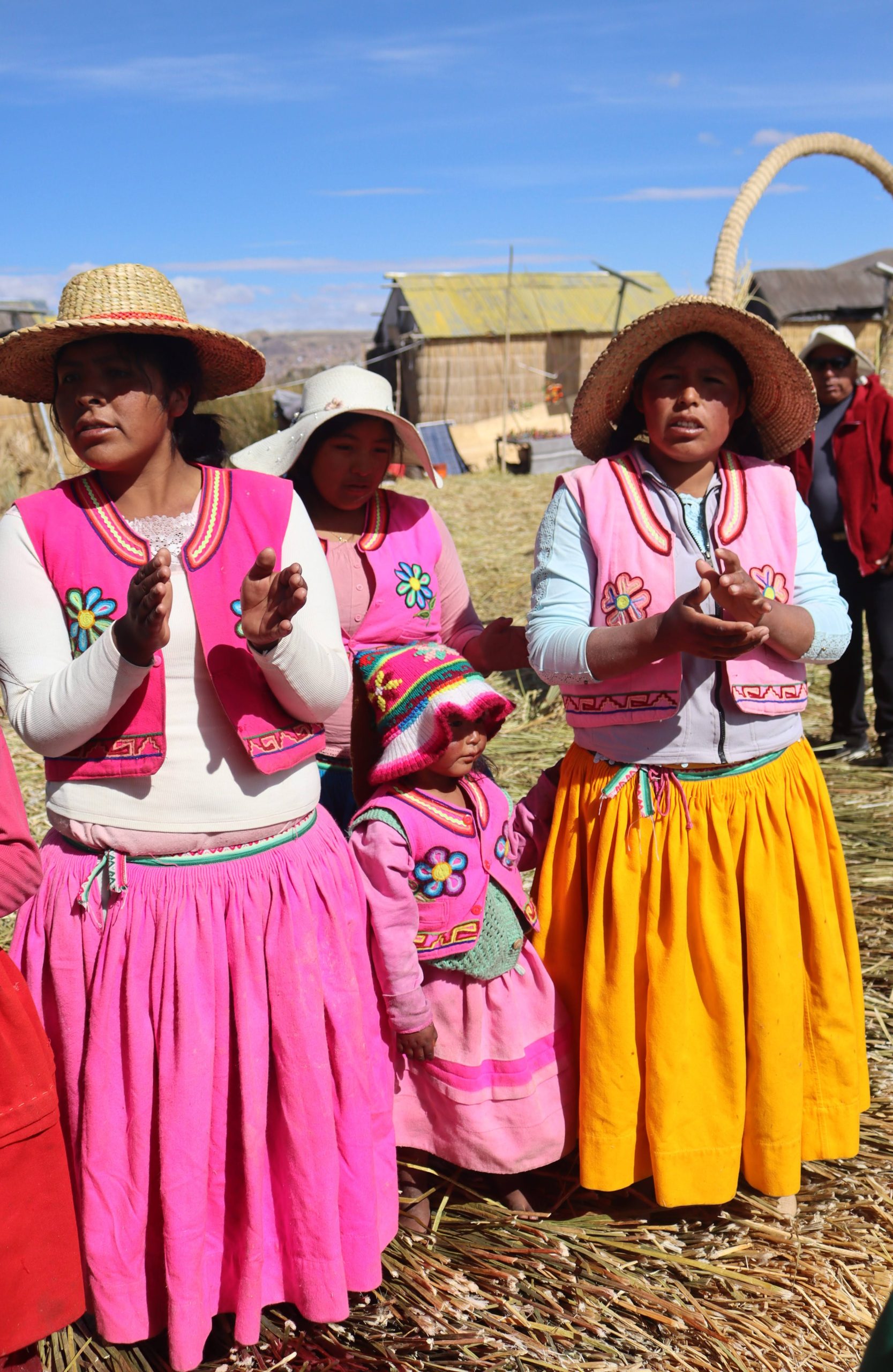
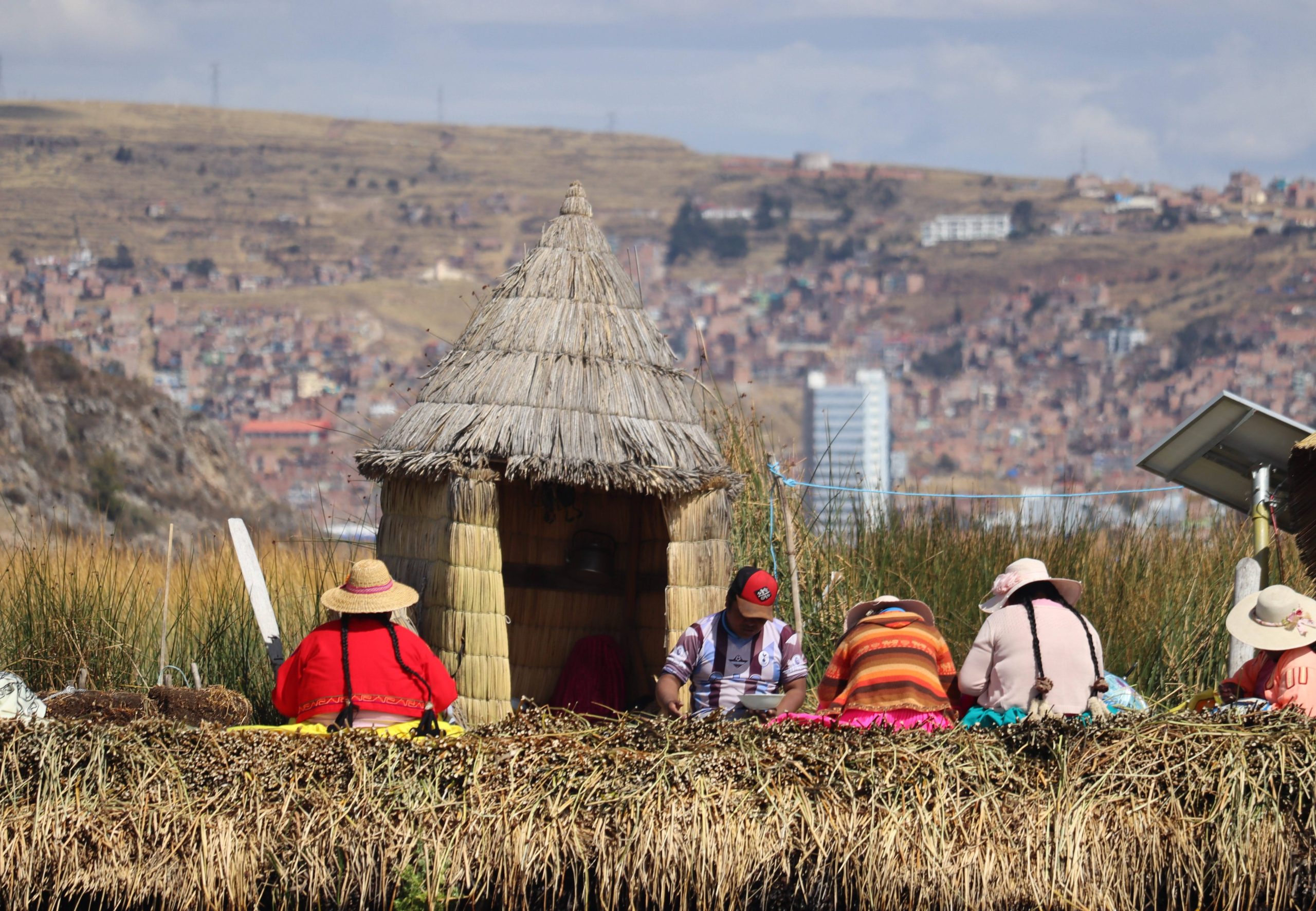
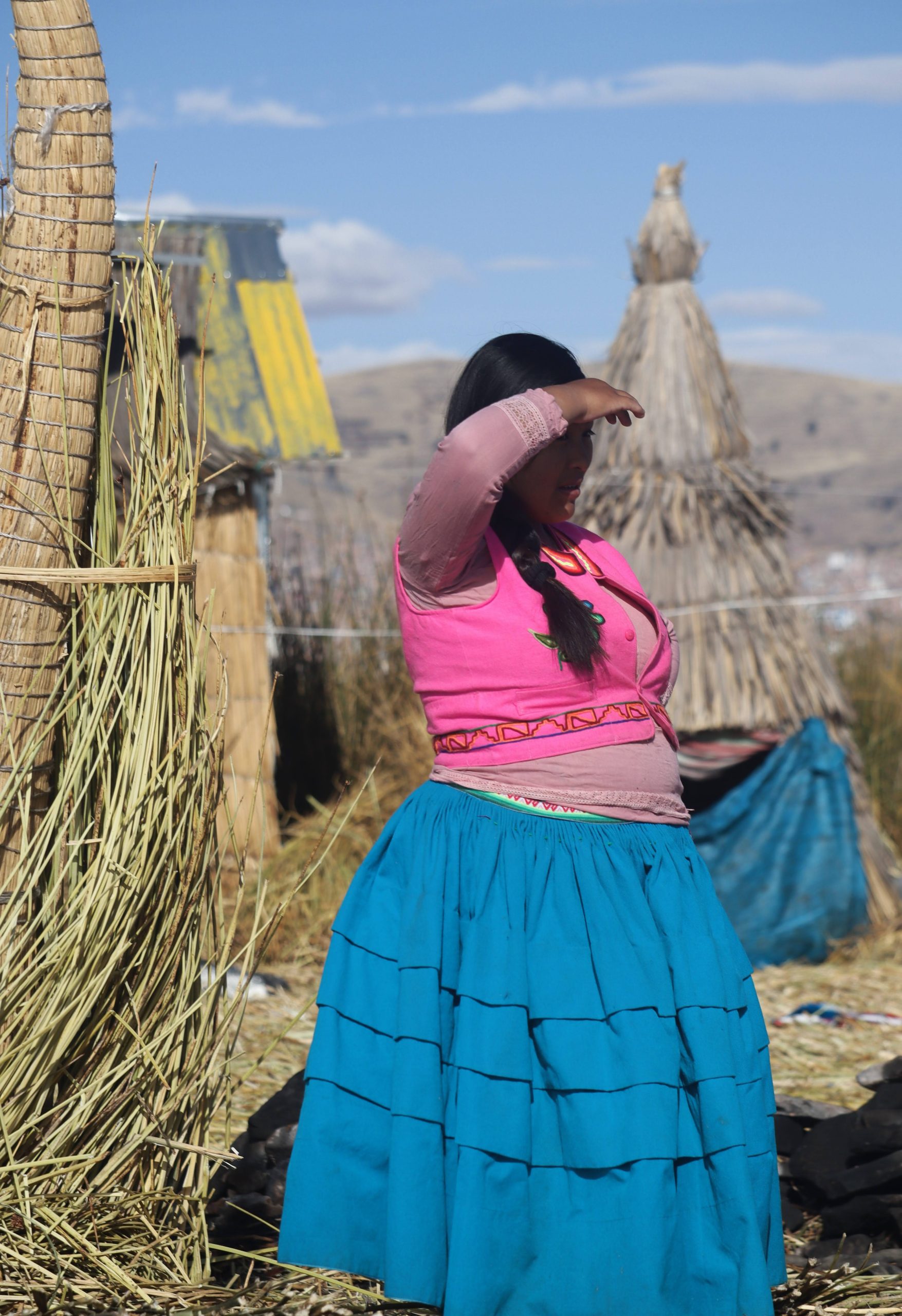
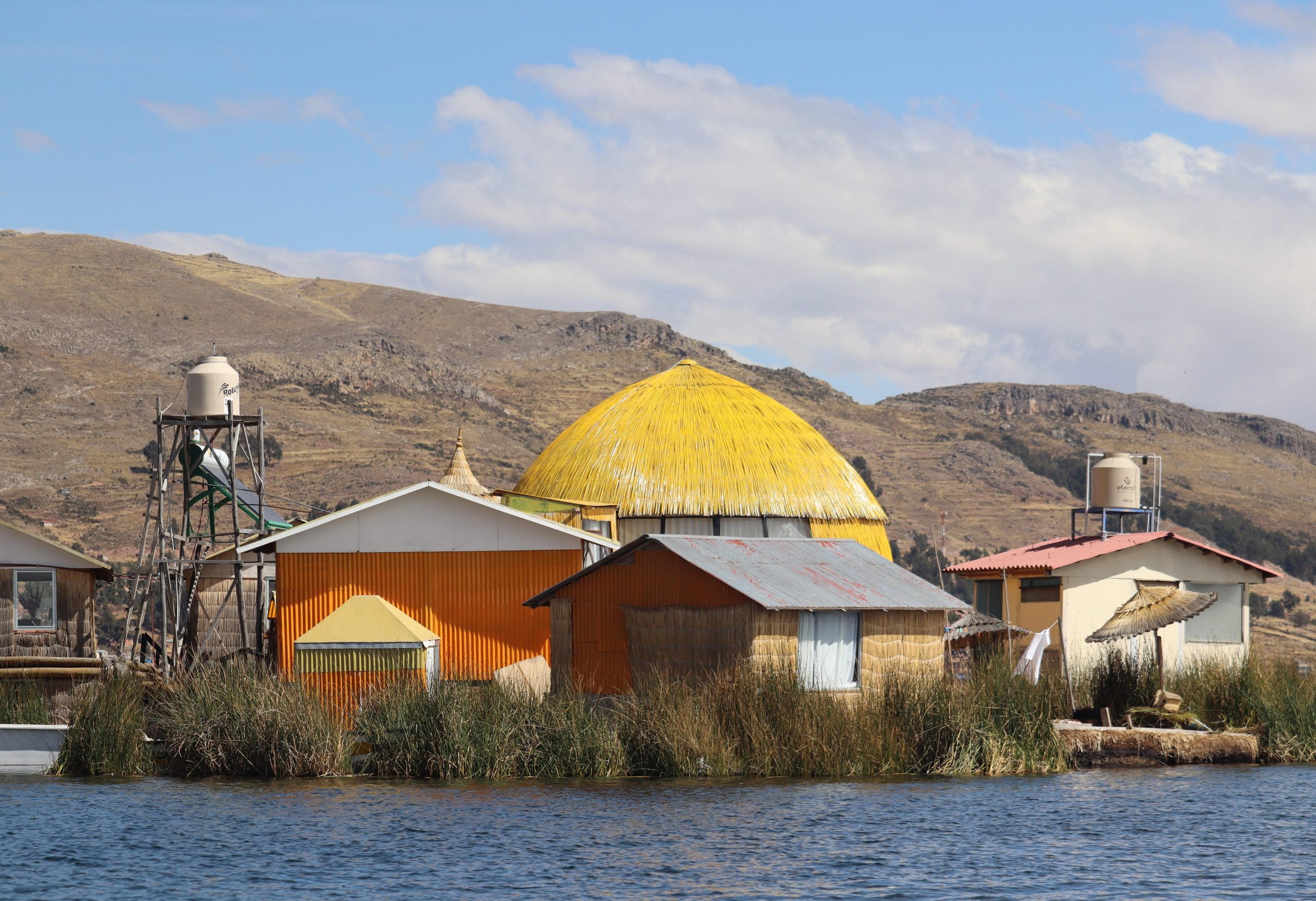
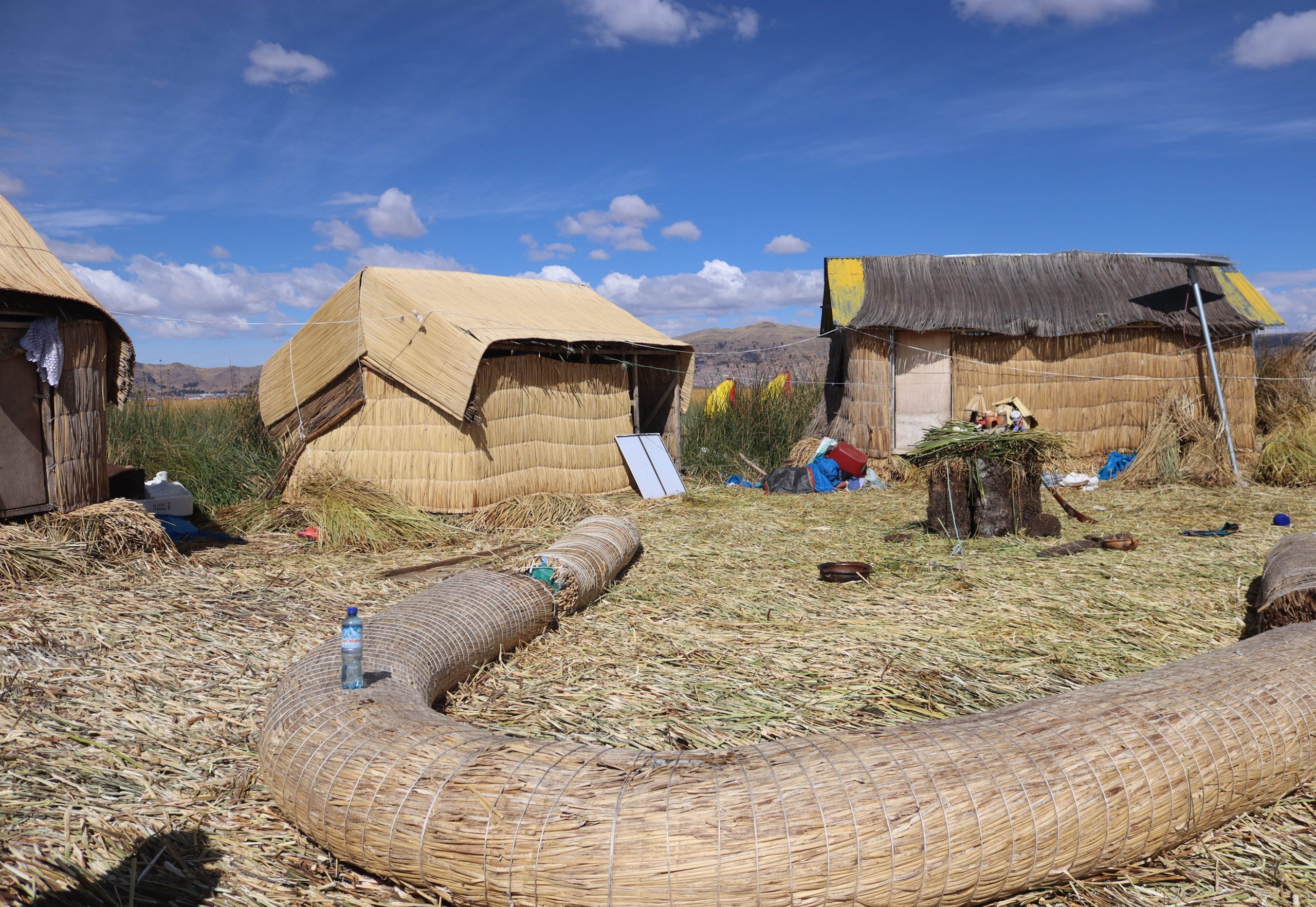
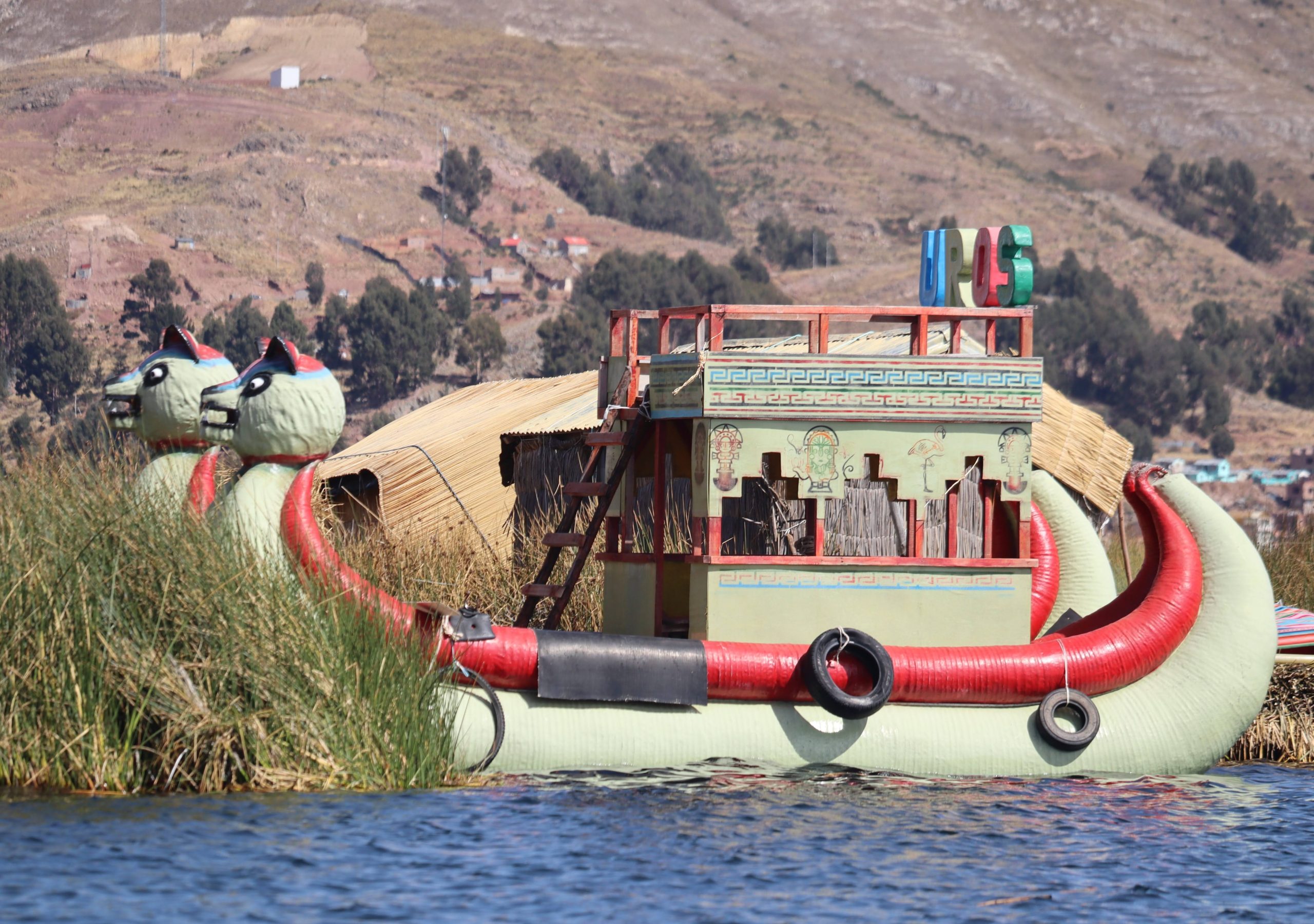
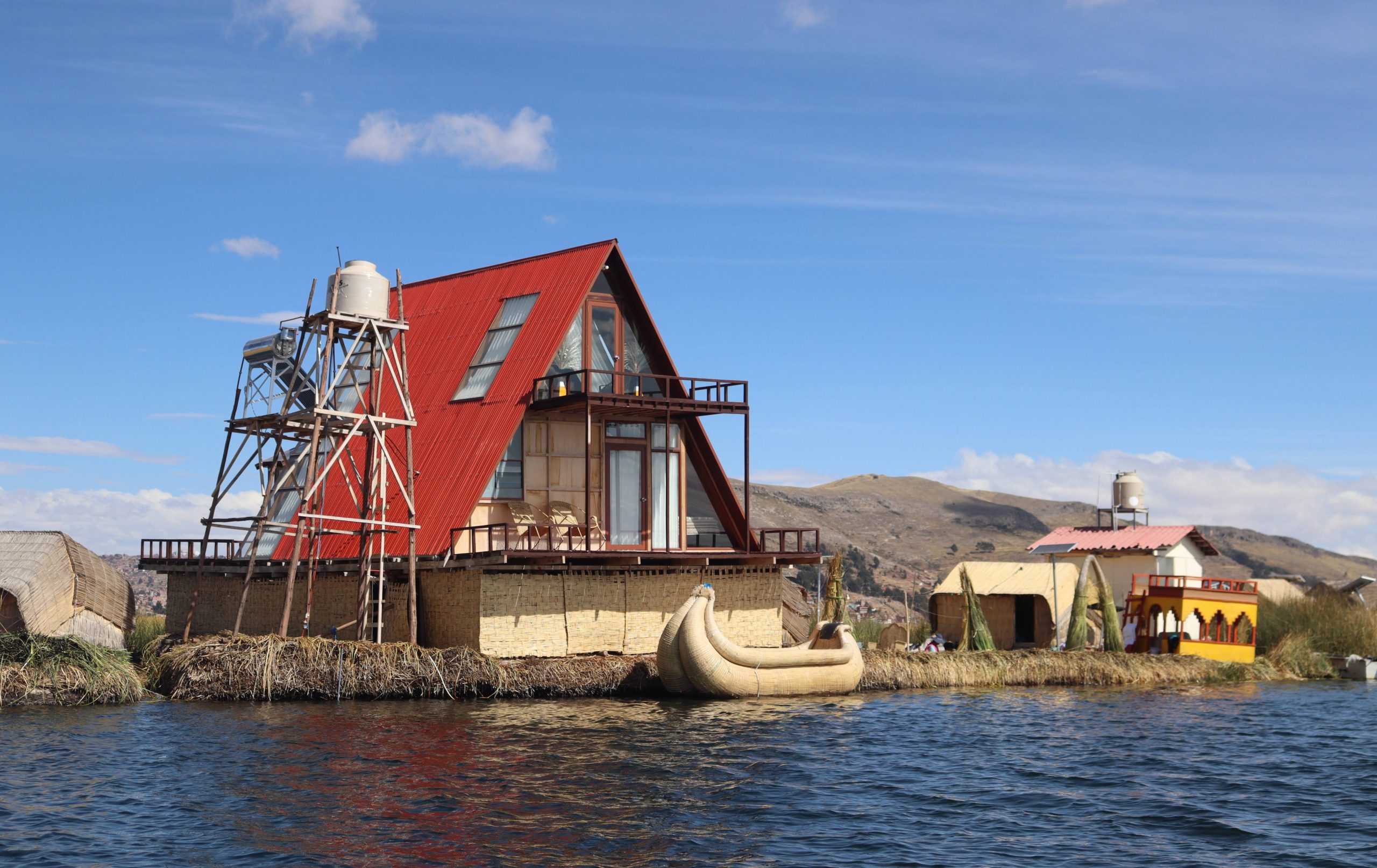
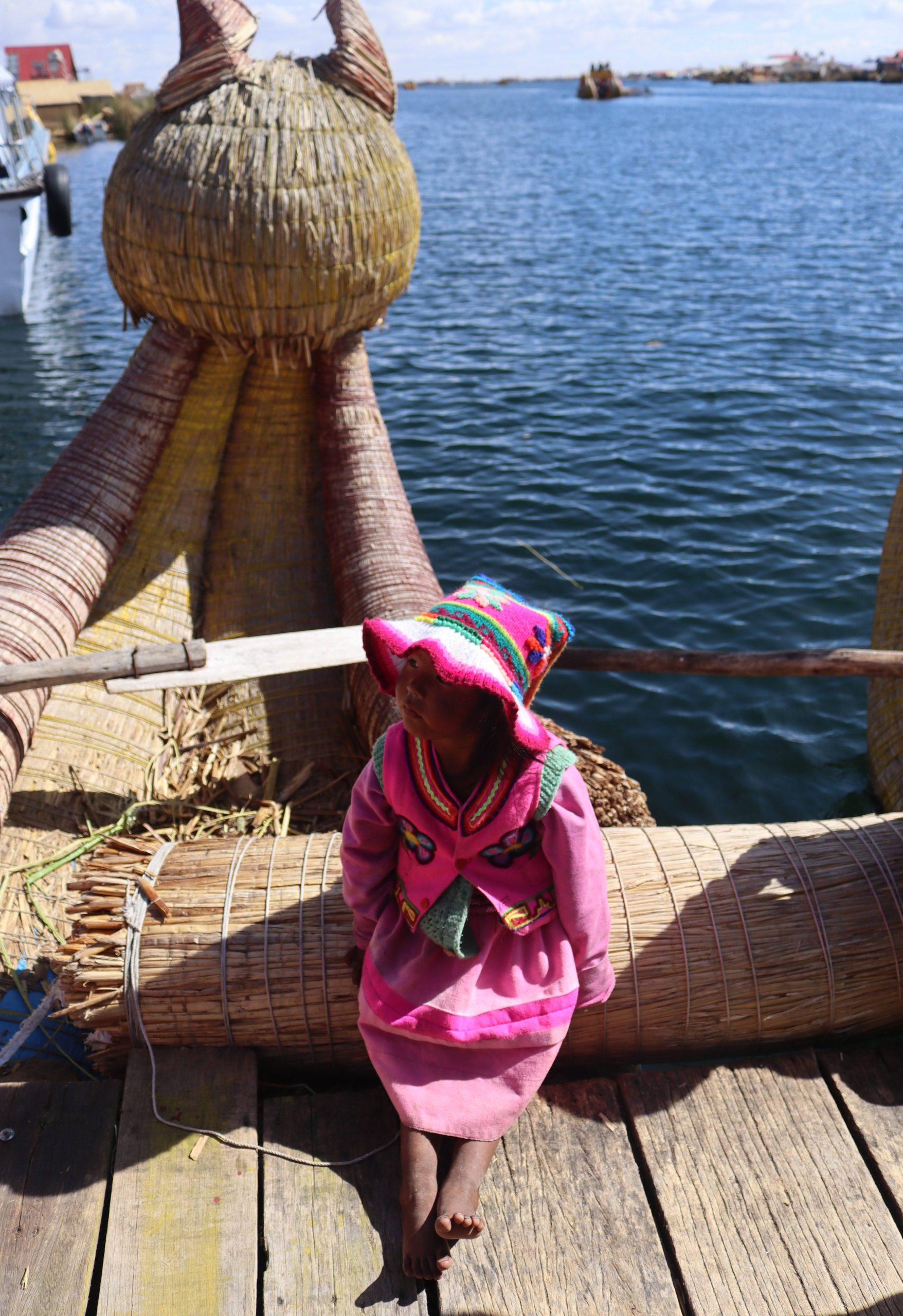
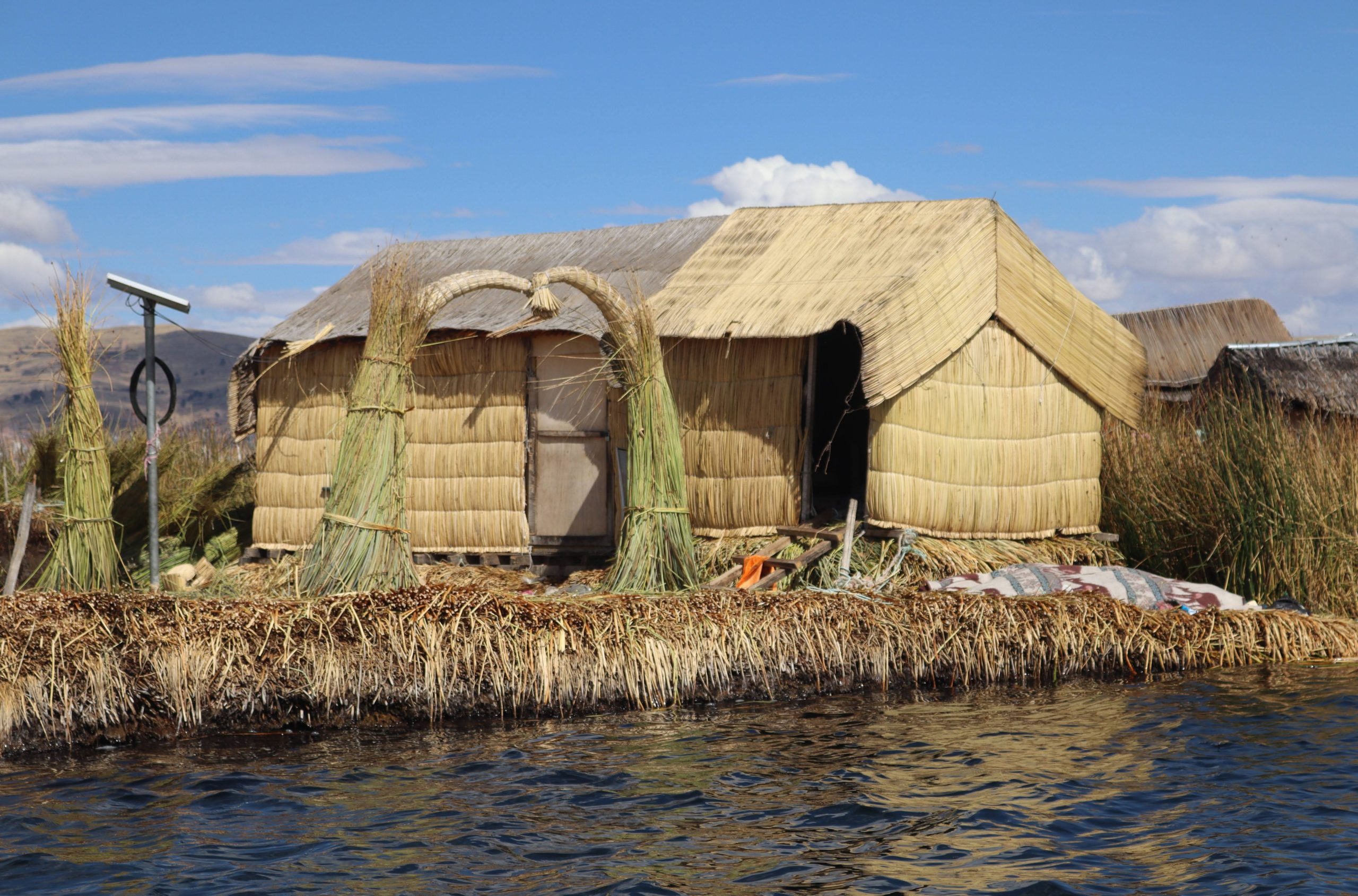
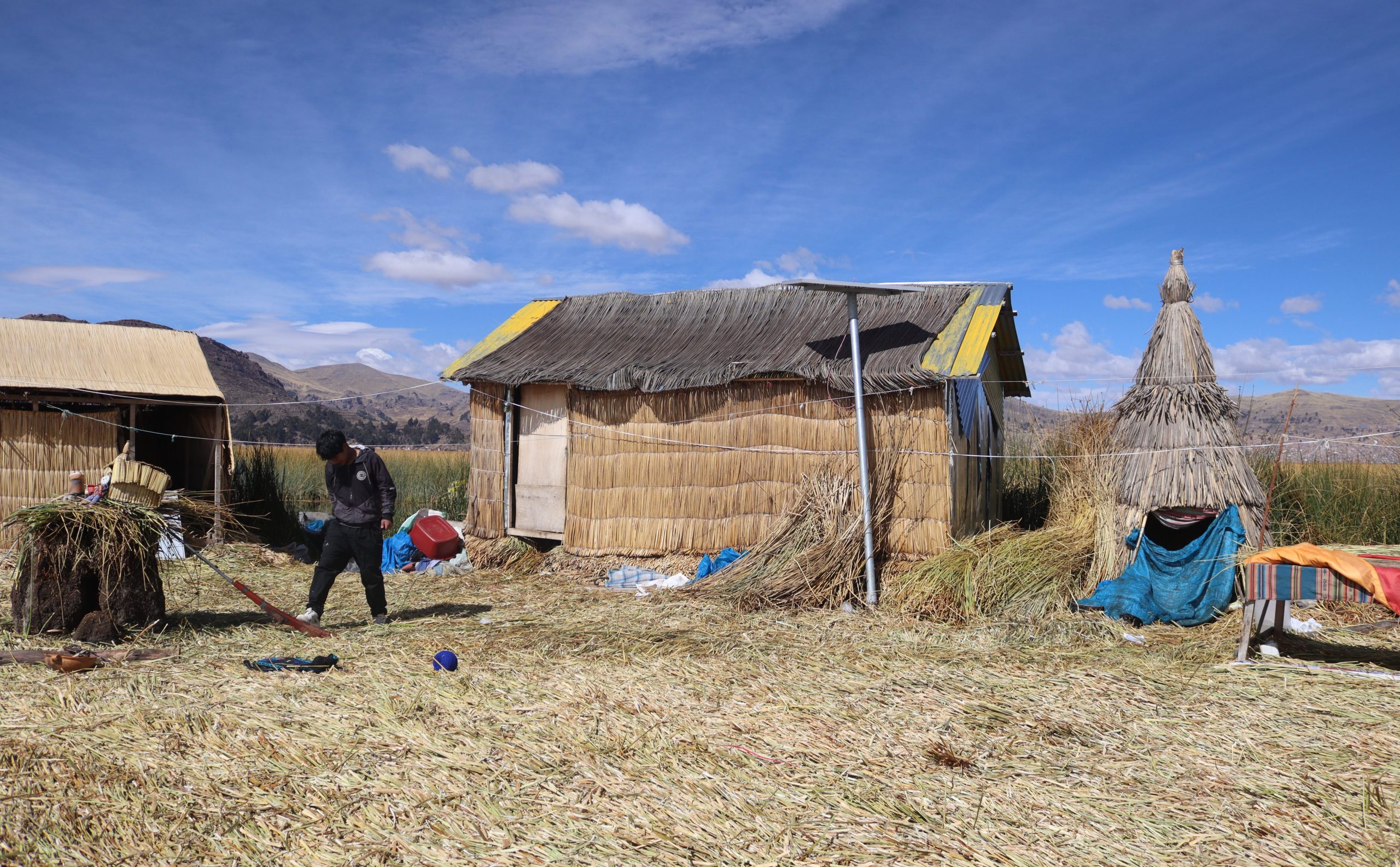
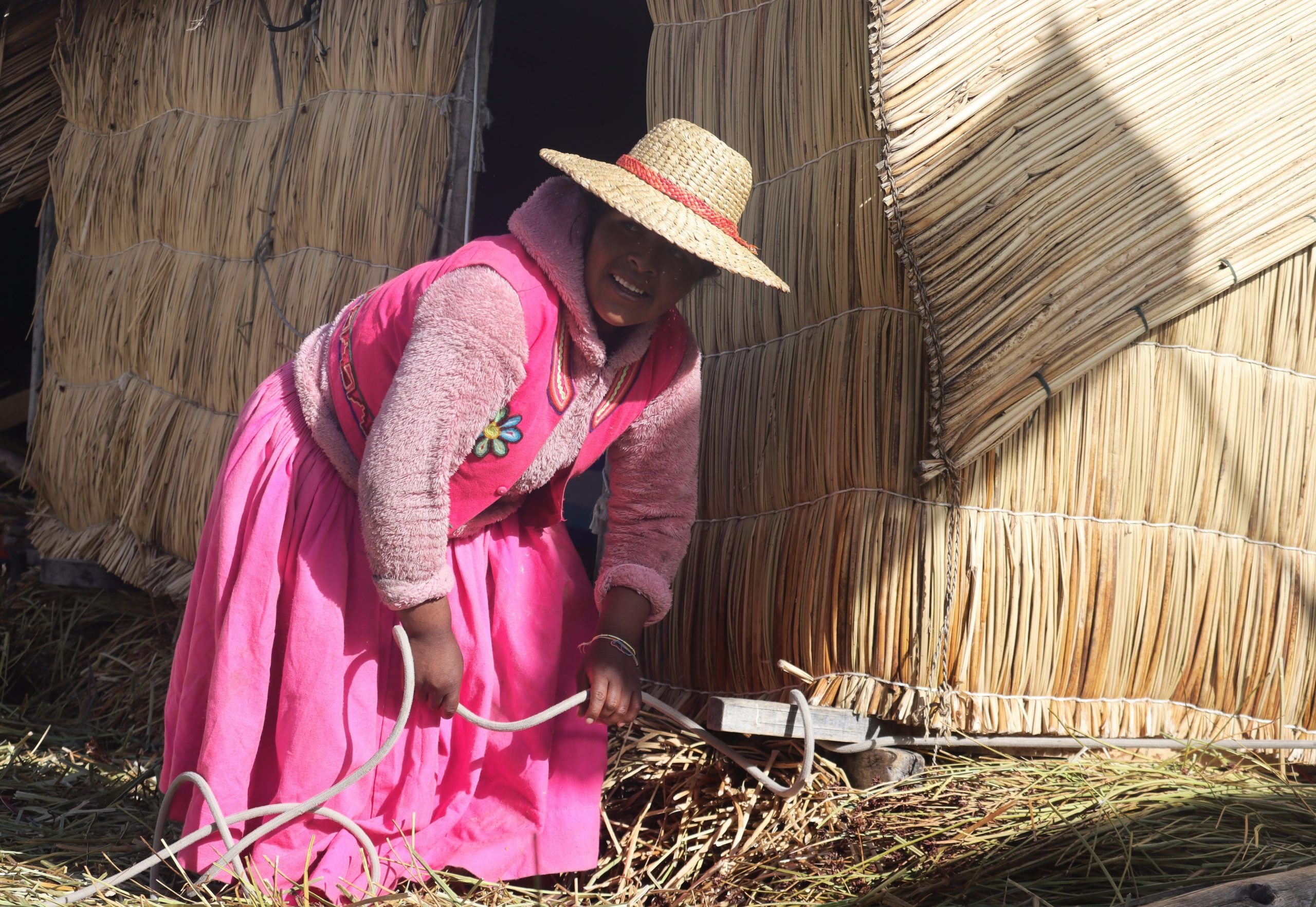
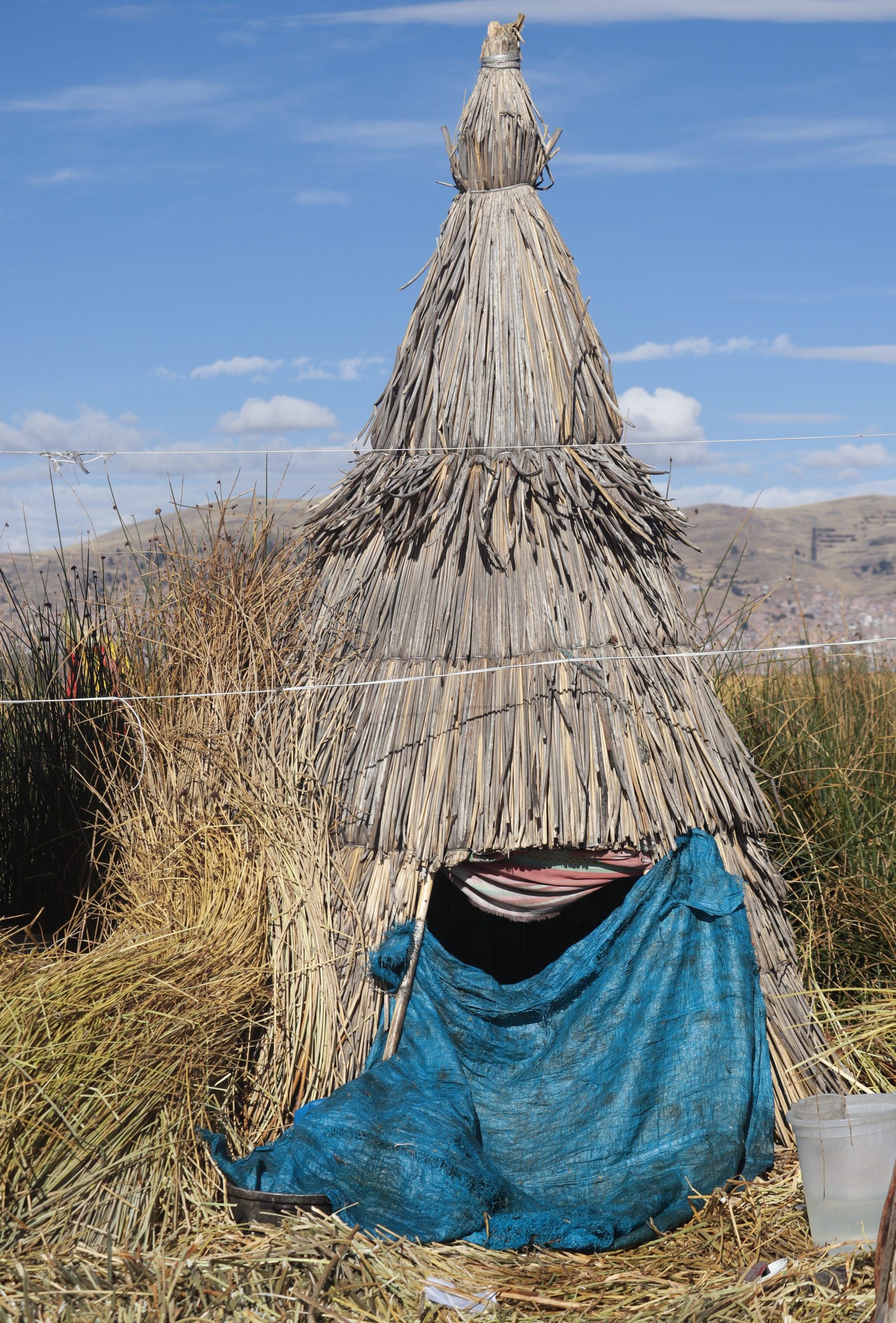
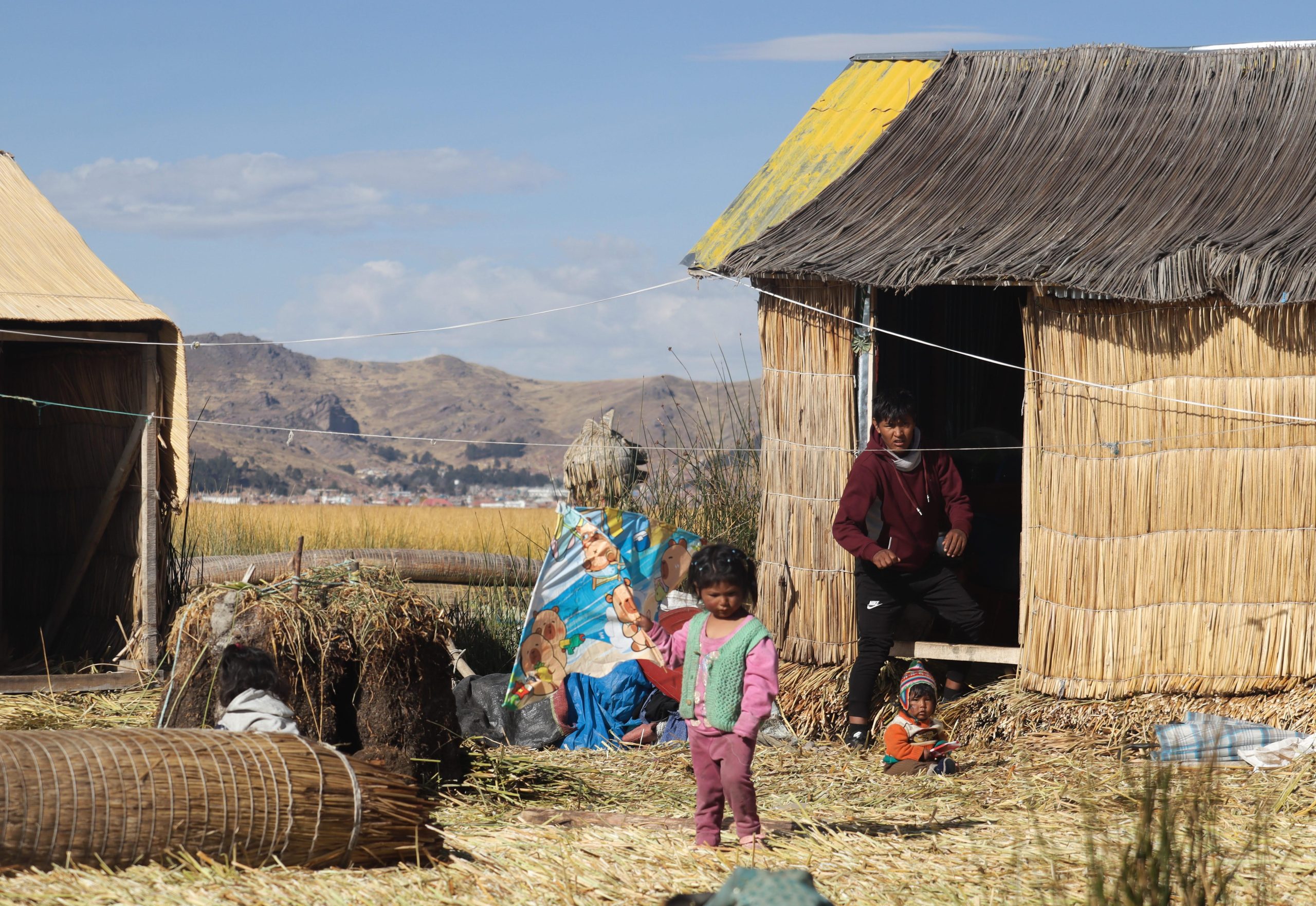
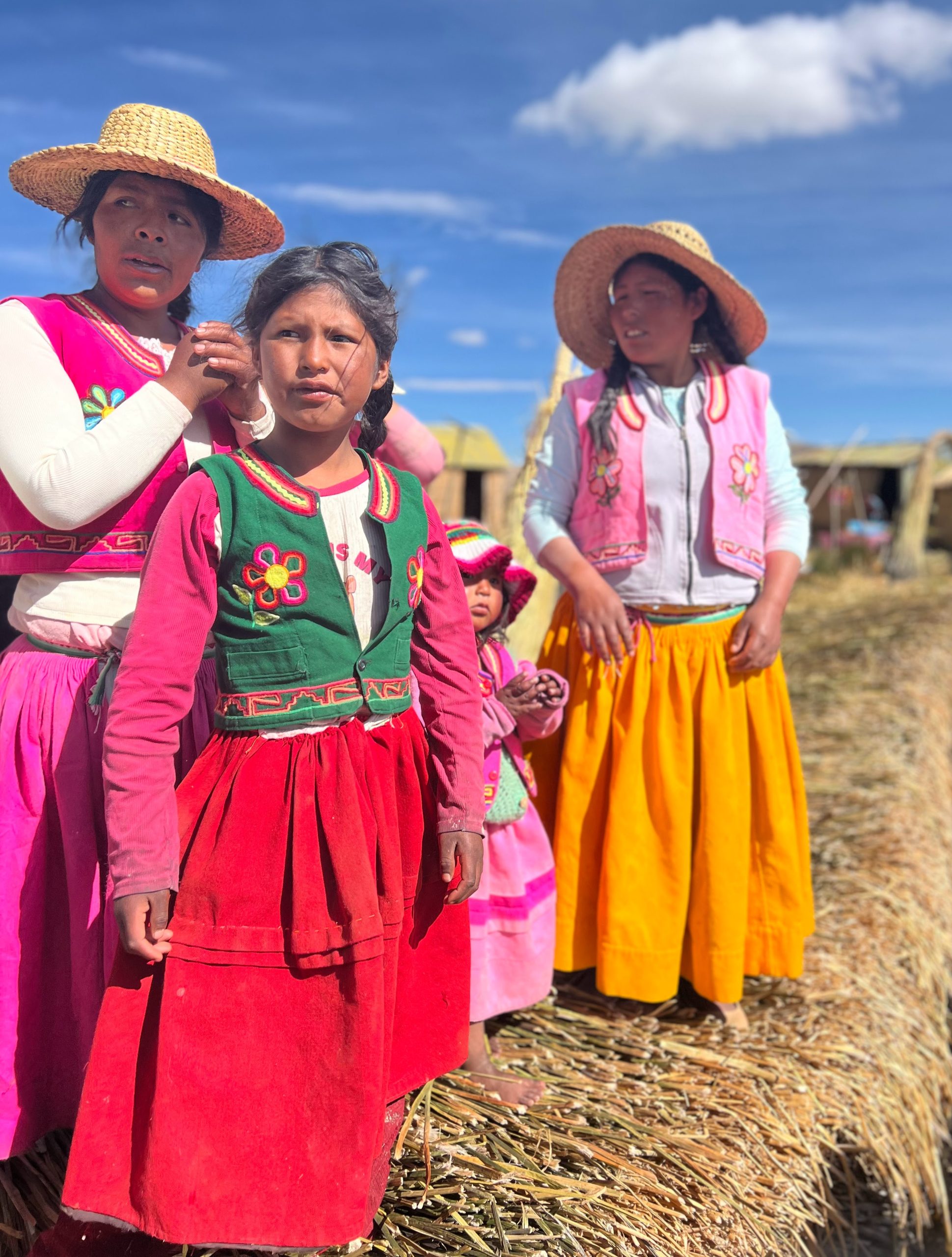
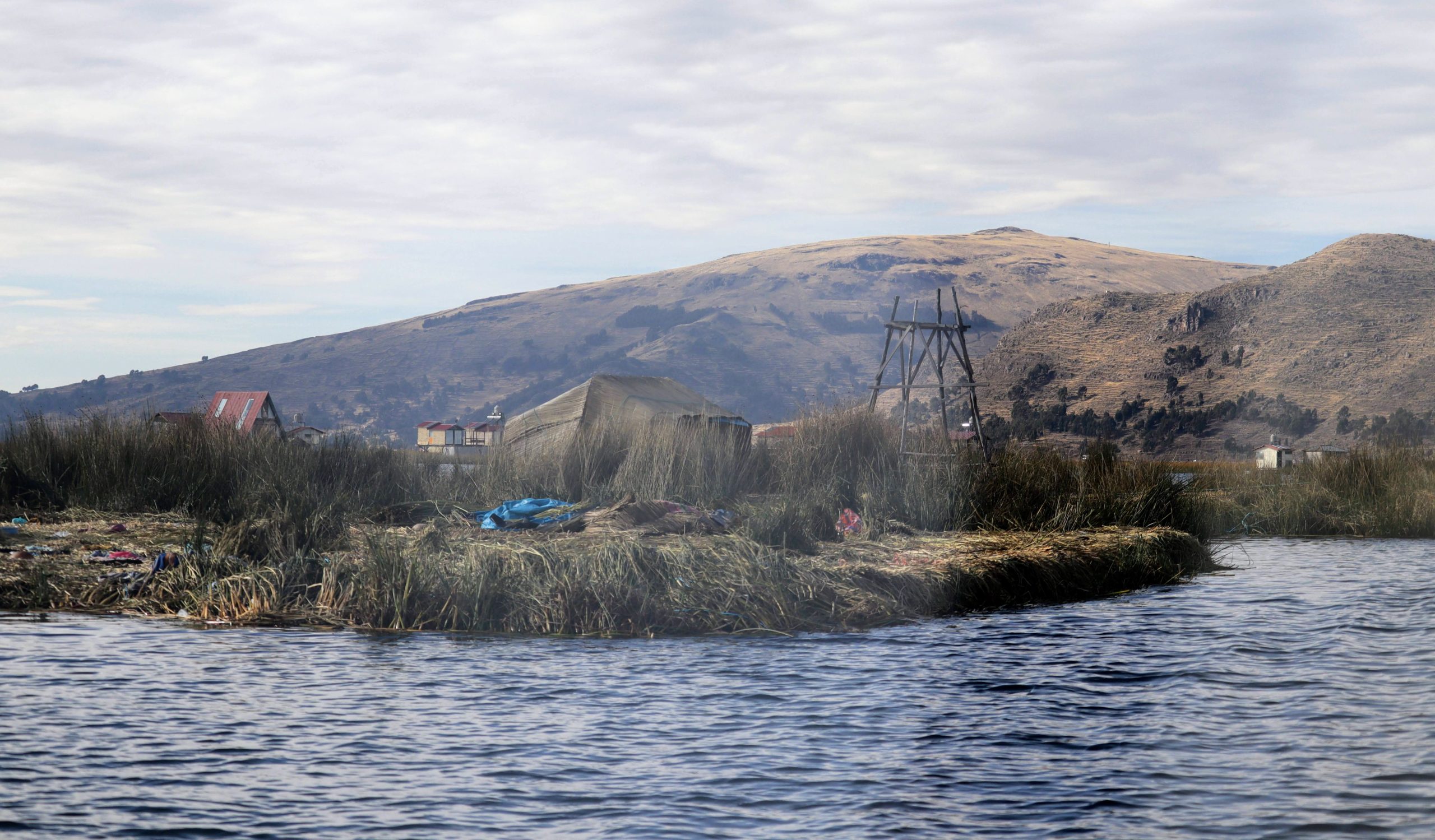
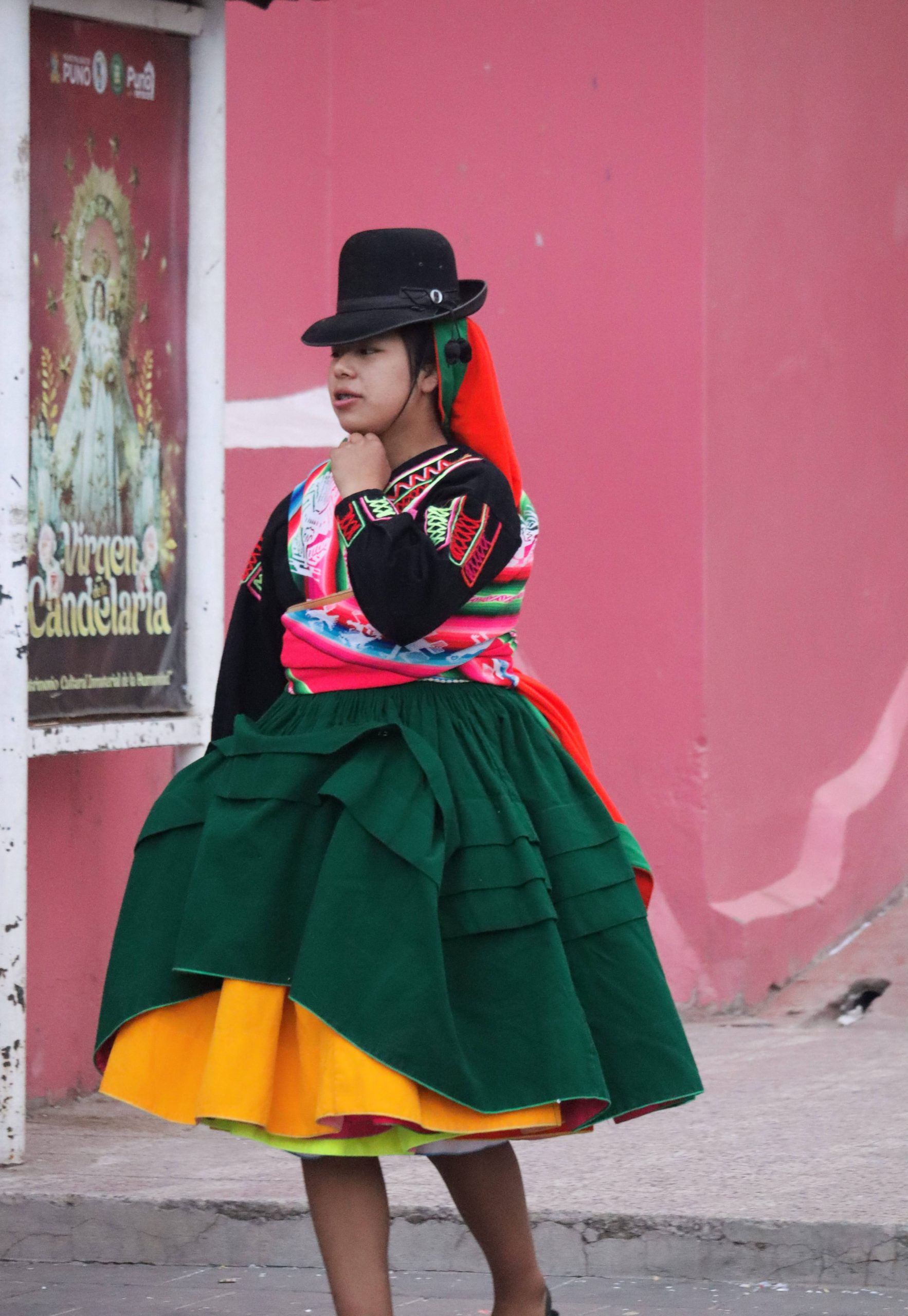
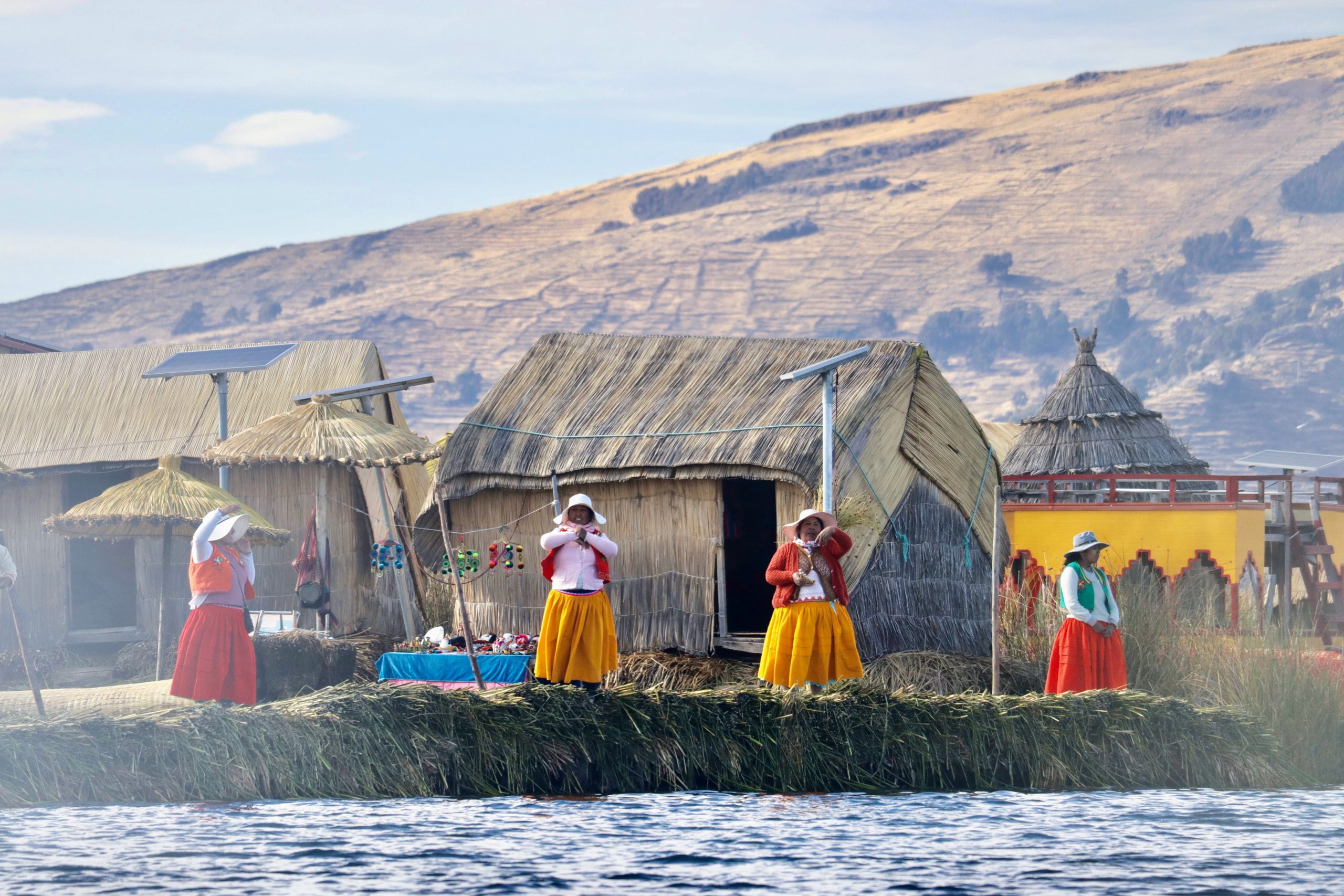
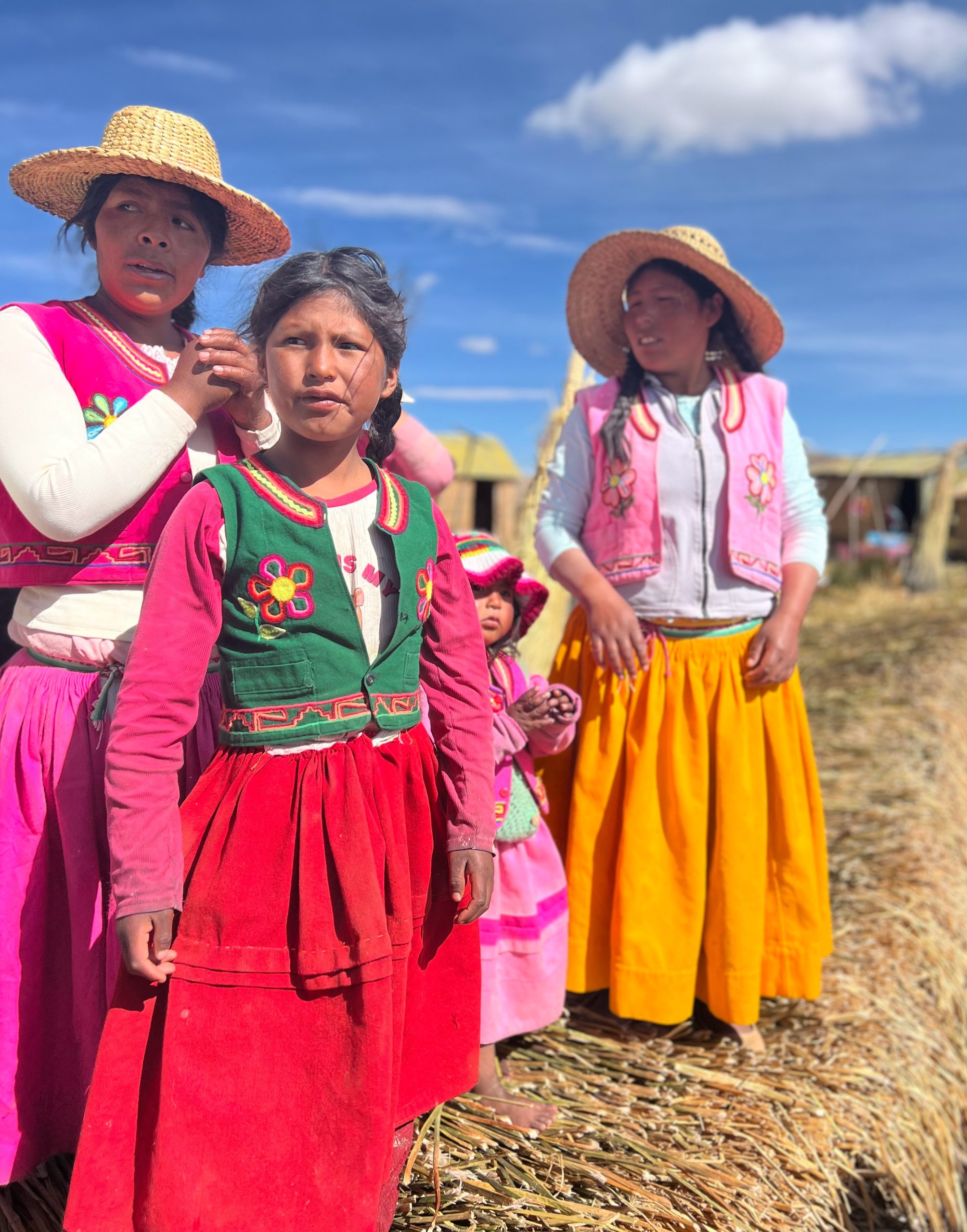
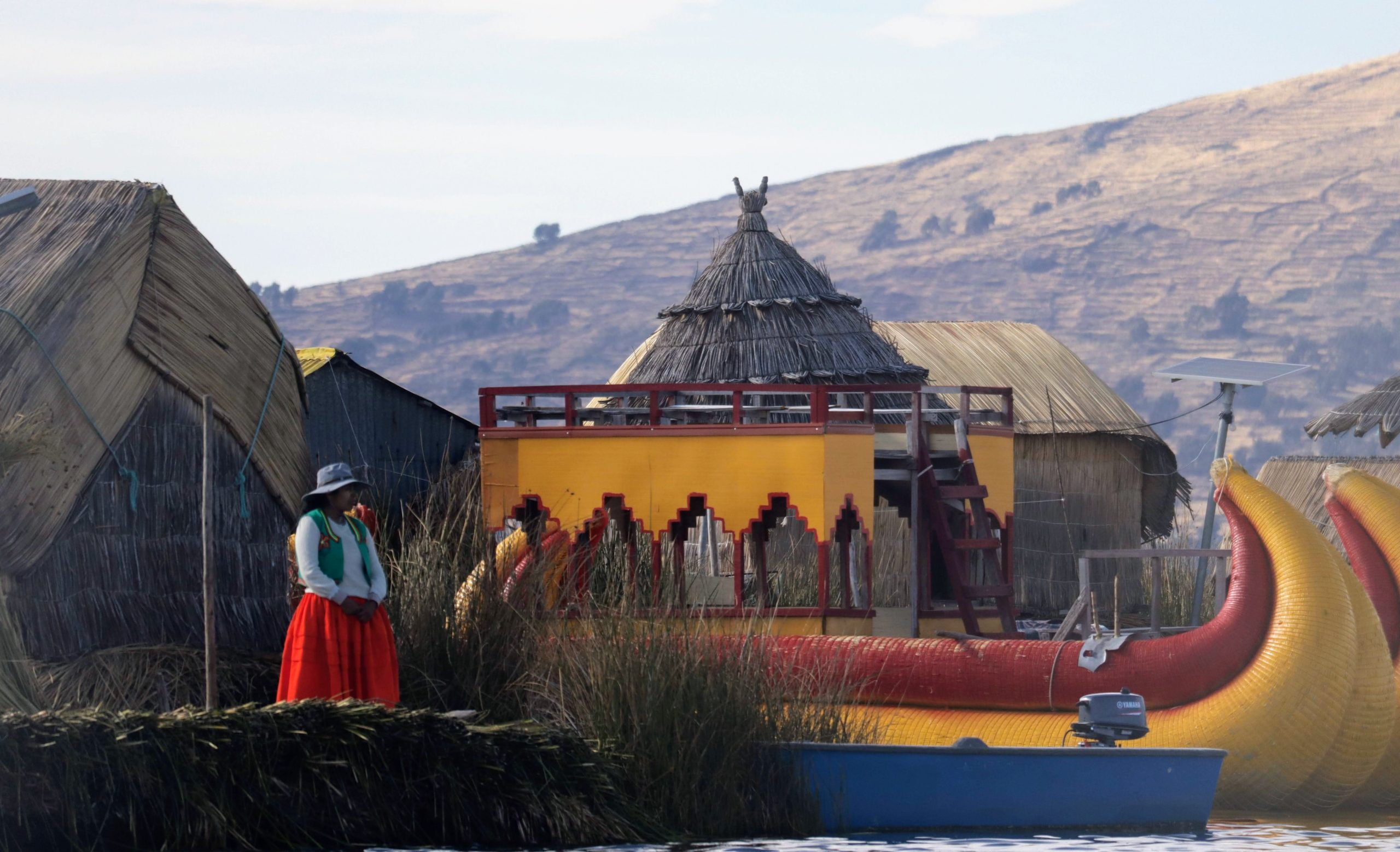
Traveling to Peru opens a world of diversity and traditions that are tied to thousands of years of history.  The story of the Uro People represents one of the oldest living cultures in the Andes, and it is quite remarkable.  It is also one in a series of stories on my journey through Peru’ magnificent countryside.  On my fourth day of traveling through Peru’s countryside near the City of Puno, we were promised a boat ride to visit the highest navigable body of water in the world. Lake Titicaca is 12,500 ft above sea level and stands as one of South America’s largest lakes. It’s surreal to see such a gigantic lake nestled in the mountains between Peru and Bolivia.  But the most interesting part of this lake is the 120 floating islands built by the Uro people, the oldest ethnic group in the central Andes dating back to pre-Inca times.  The opportunity to spend some time learning and engaging with Uro families was a priceless experience that inspired one’s faith in humanity.  Here’s a bit more about their resilience, their ability to adapt to change and preserve their way of life….
Twelve Days Across Peru: The Road to Machu Picchu

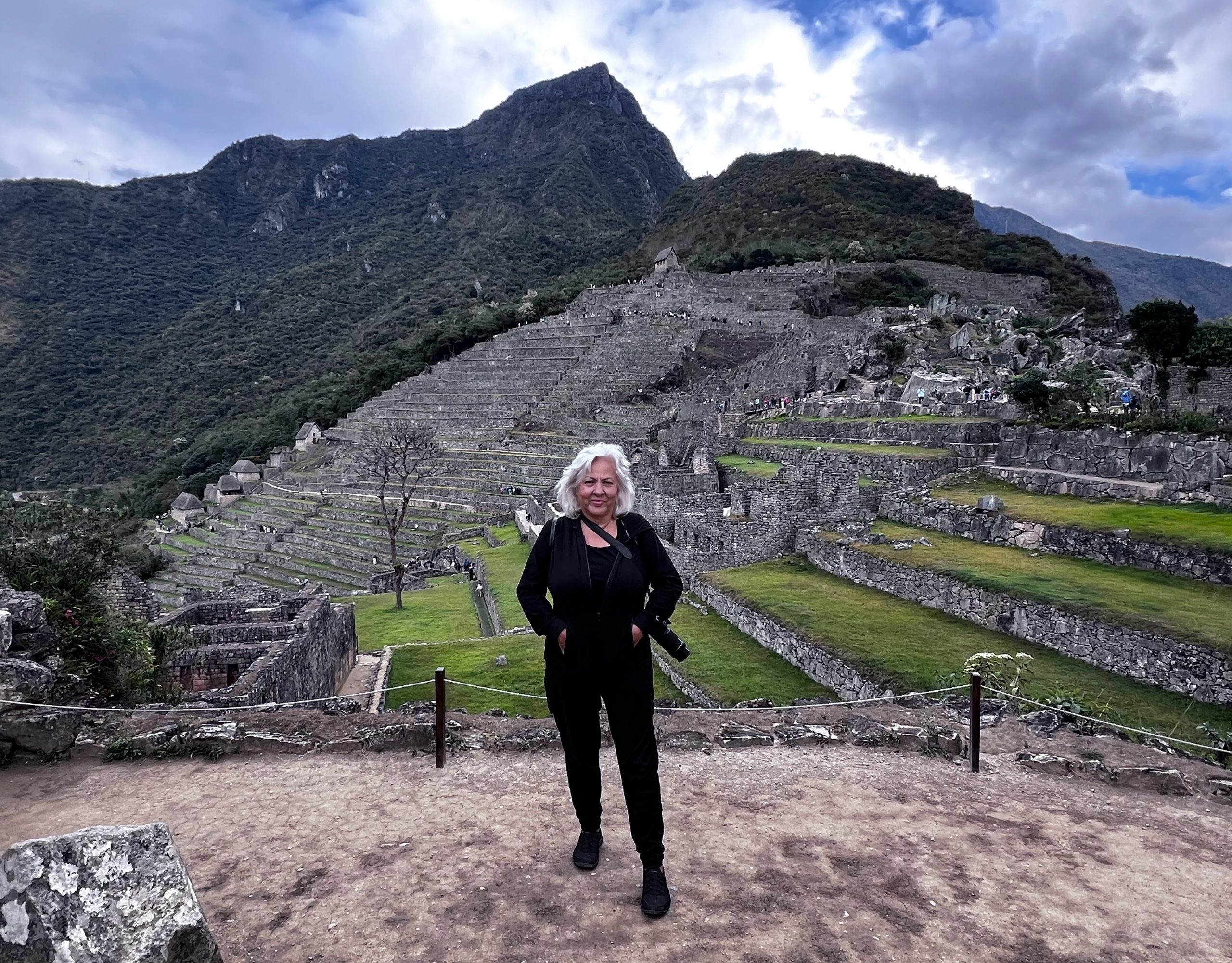
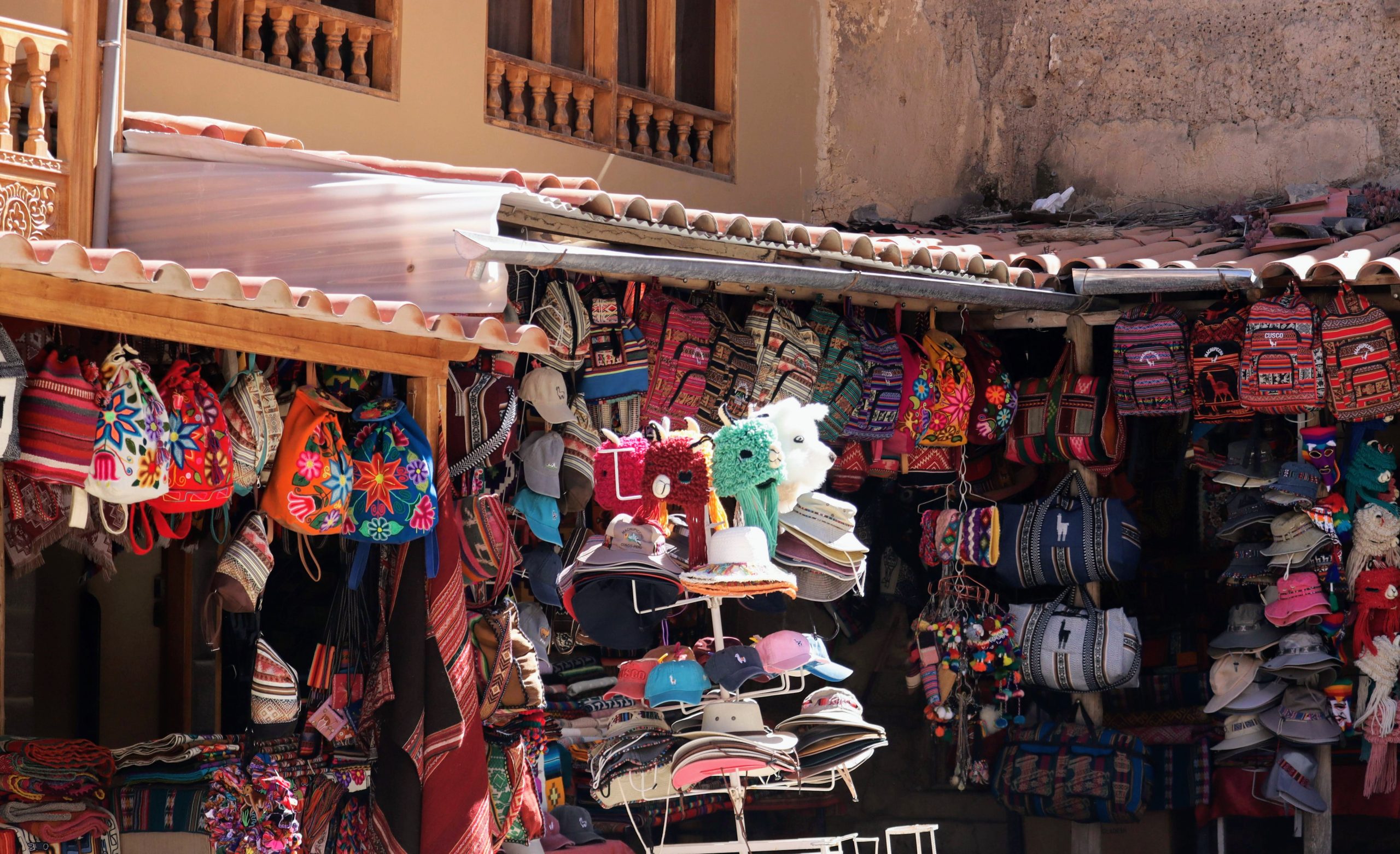
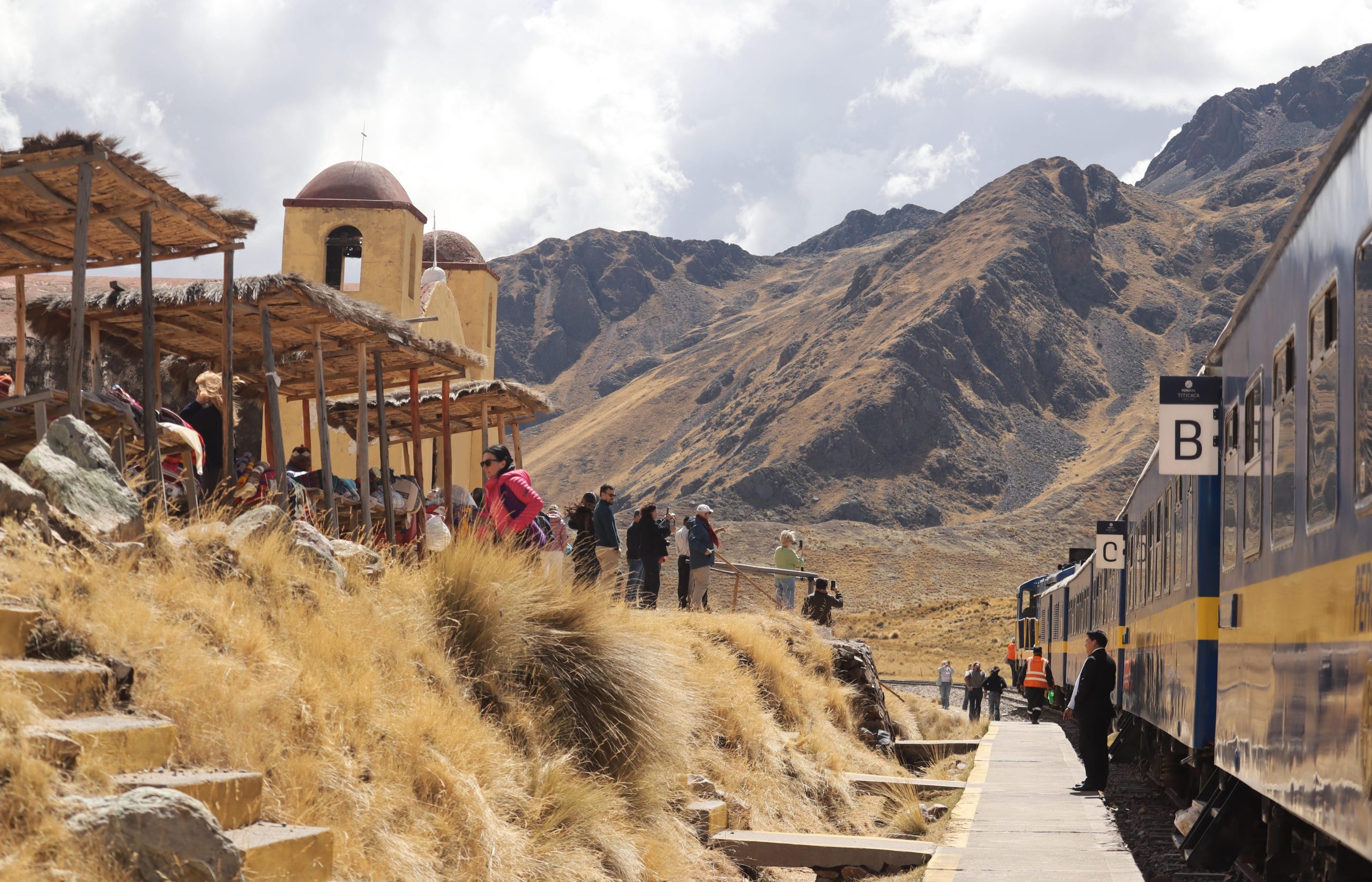
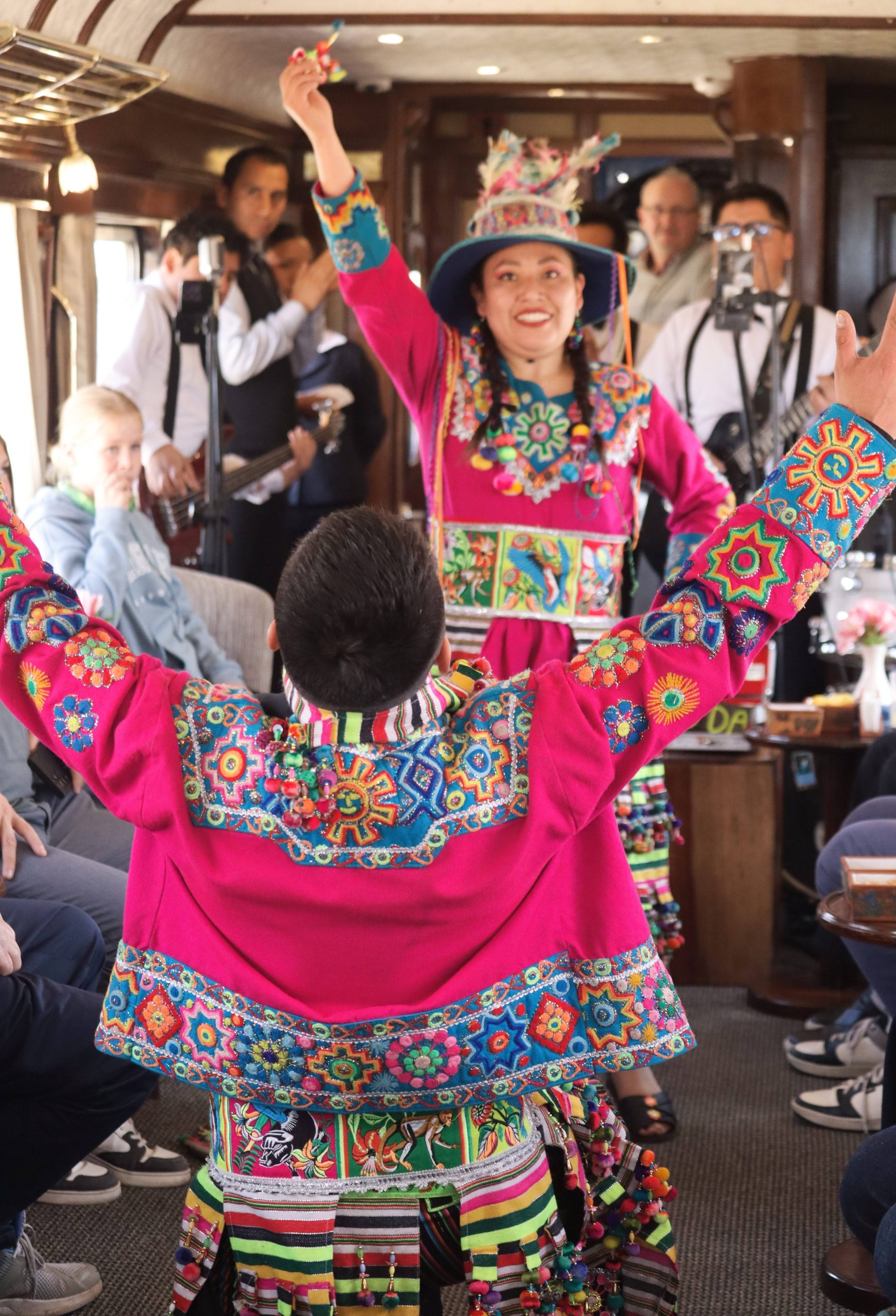
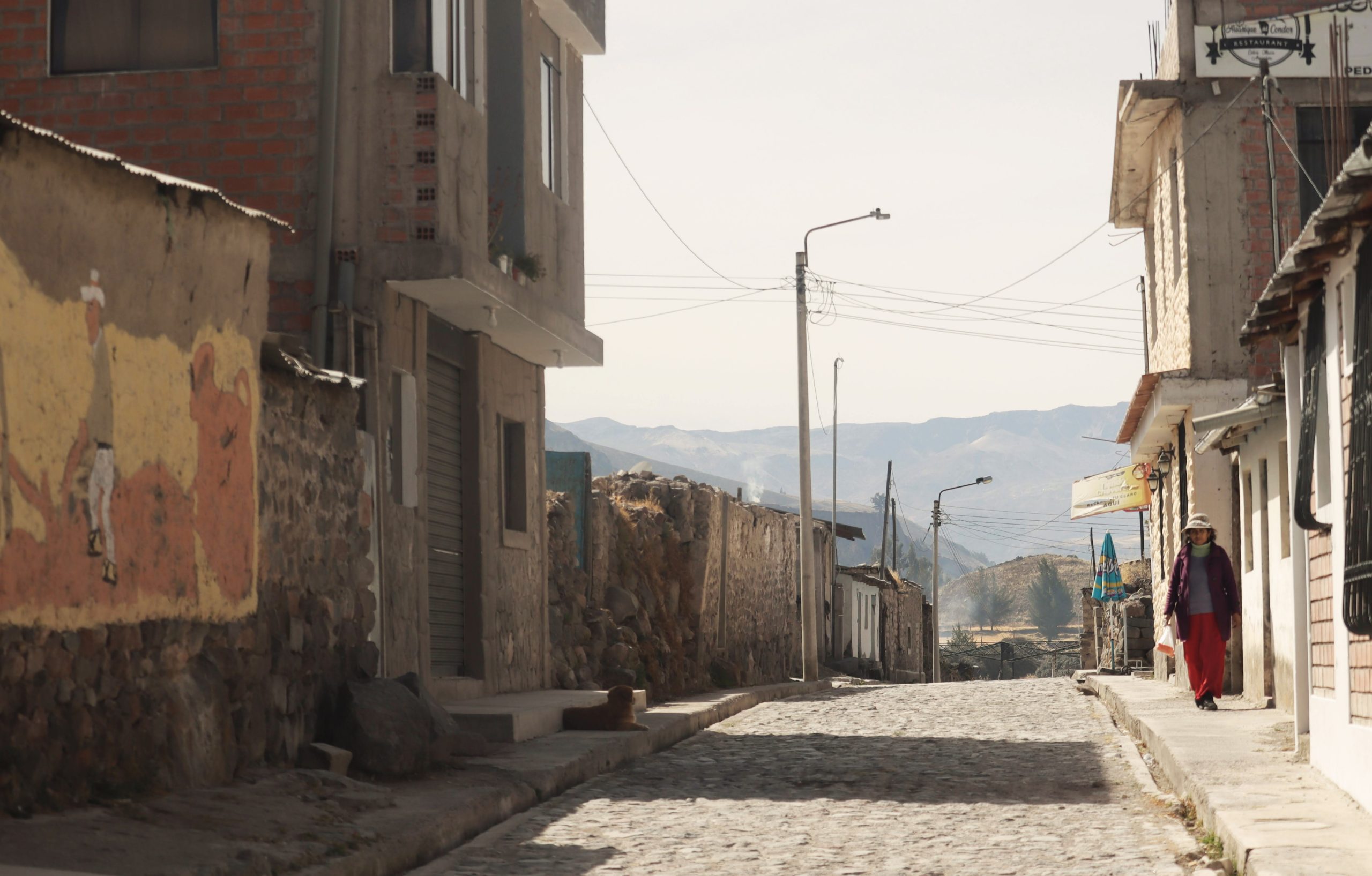
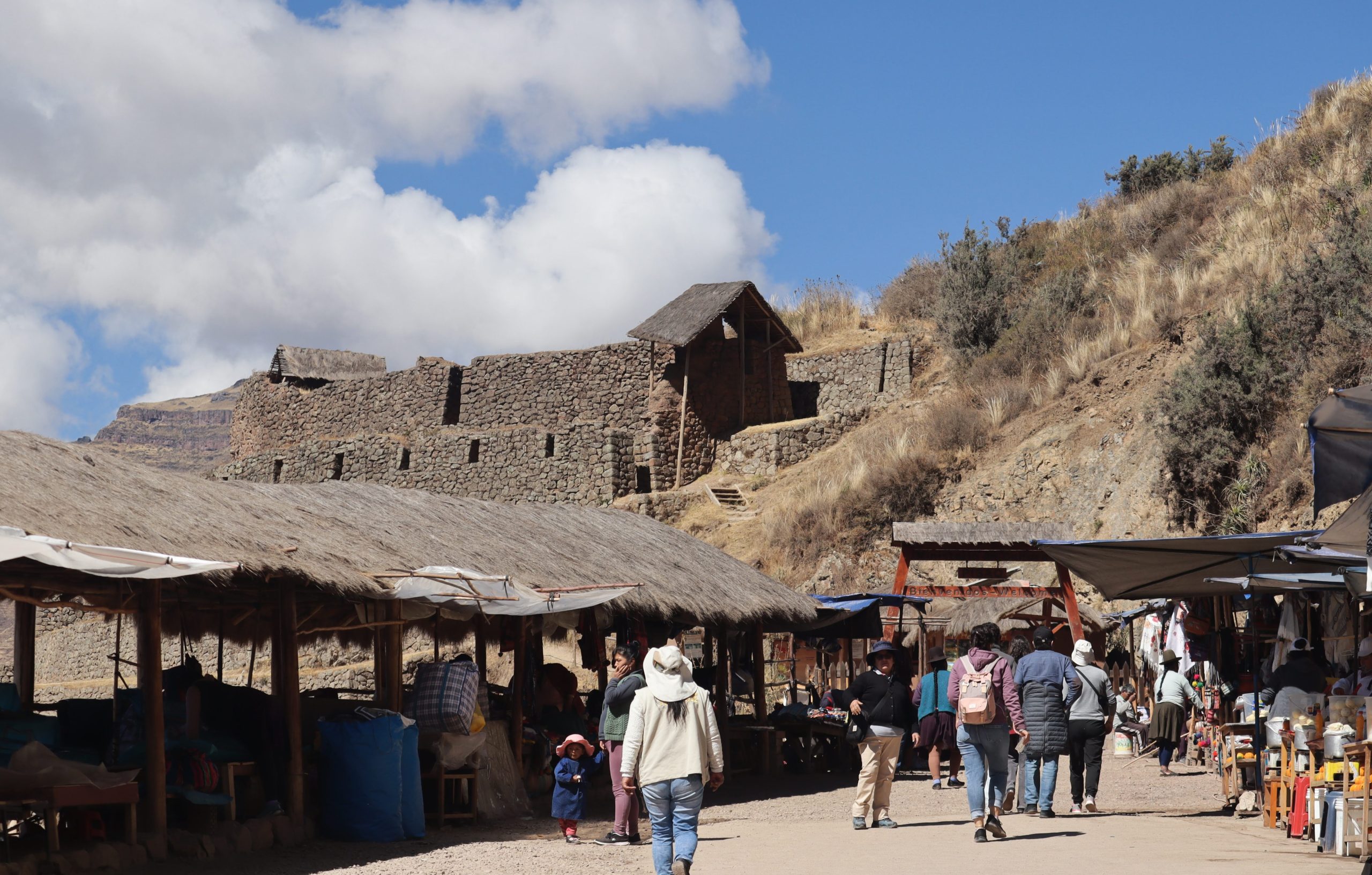
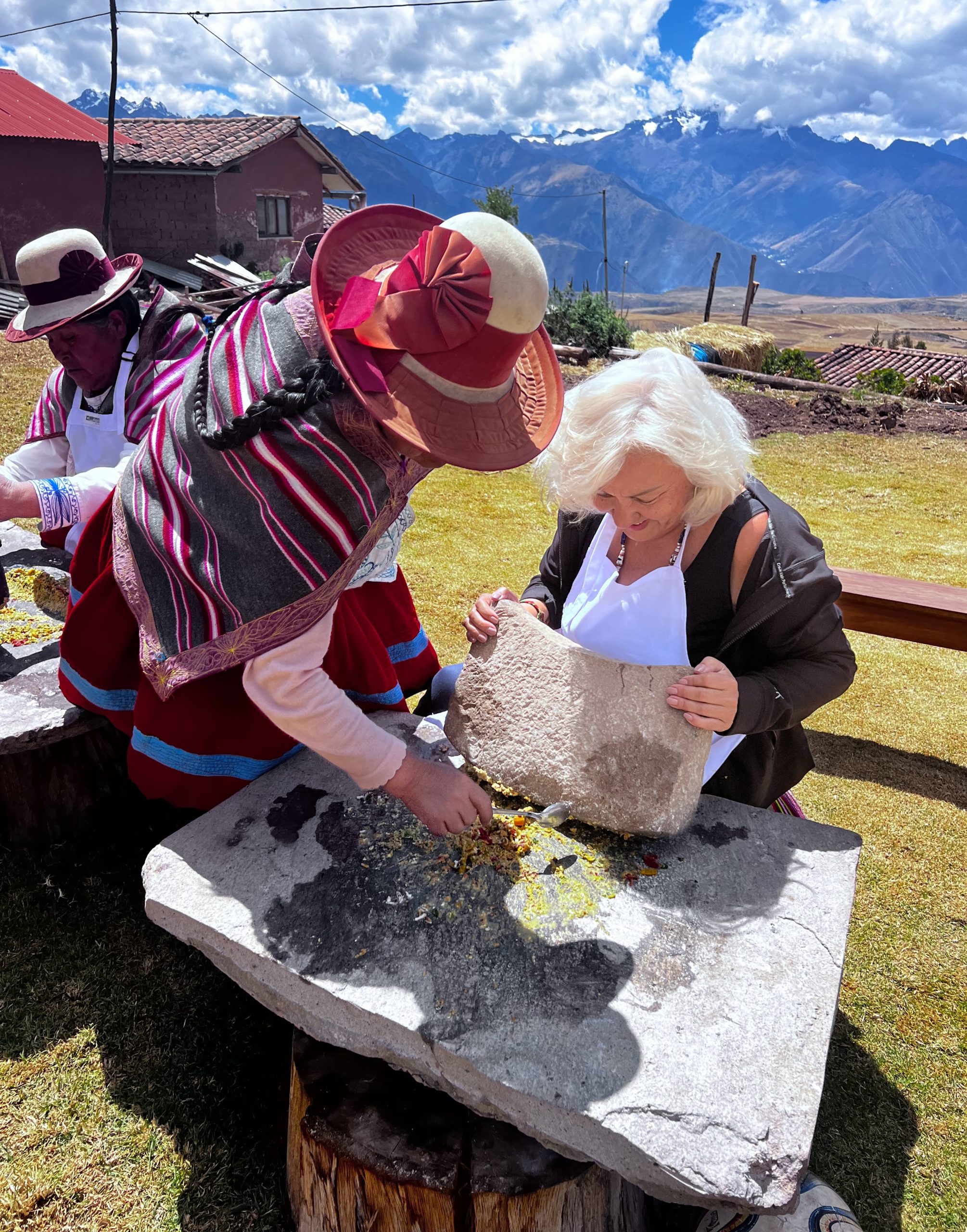
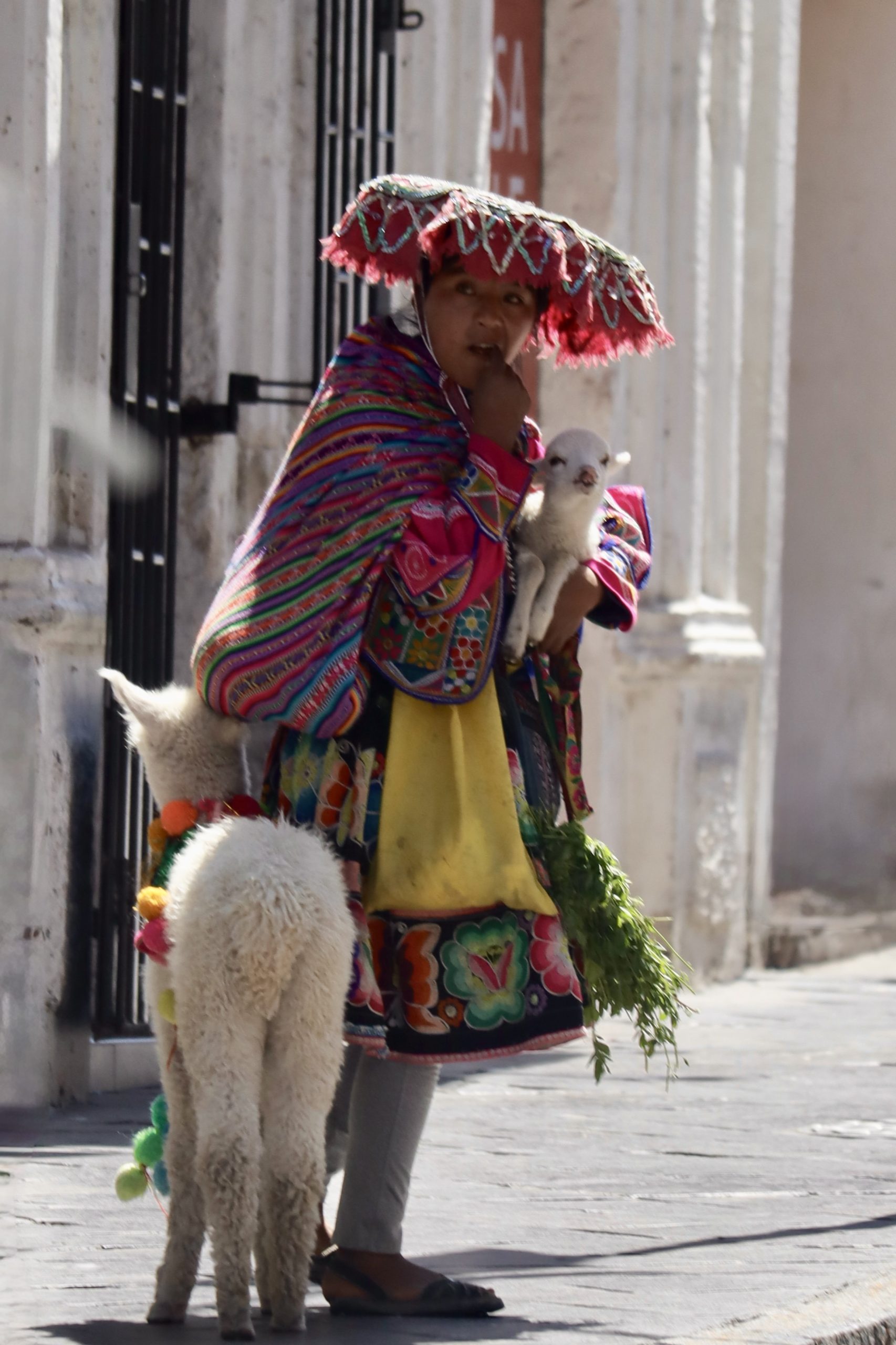
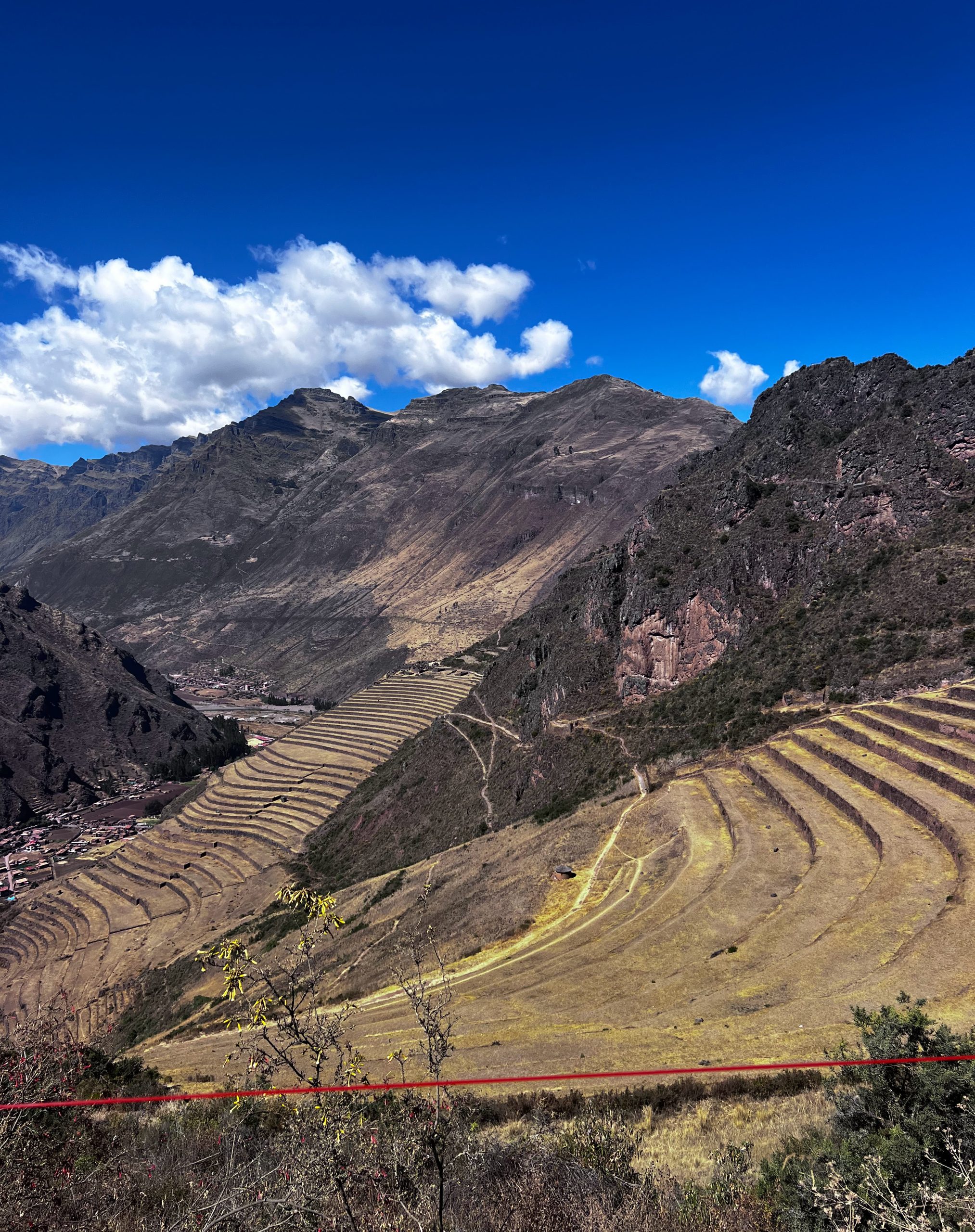
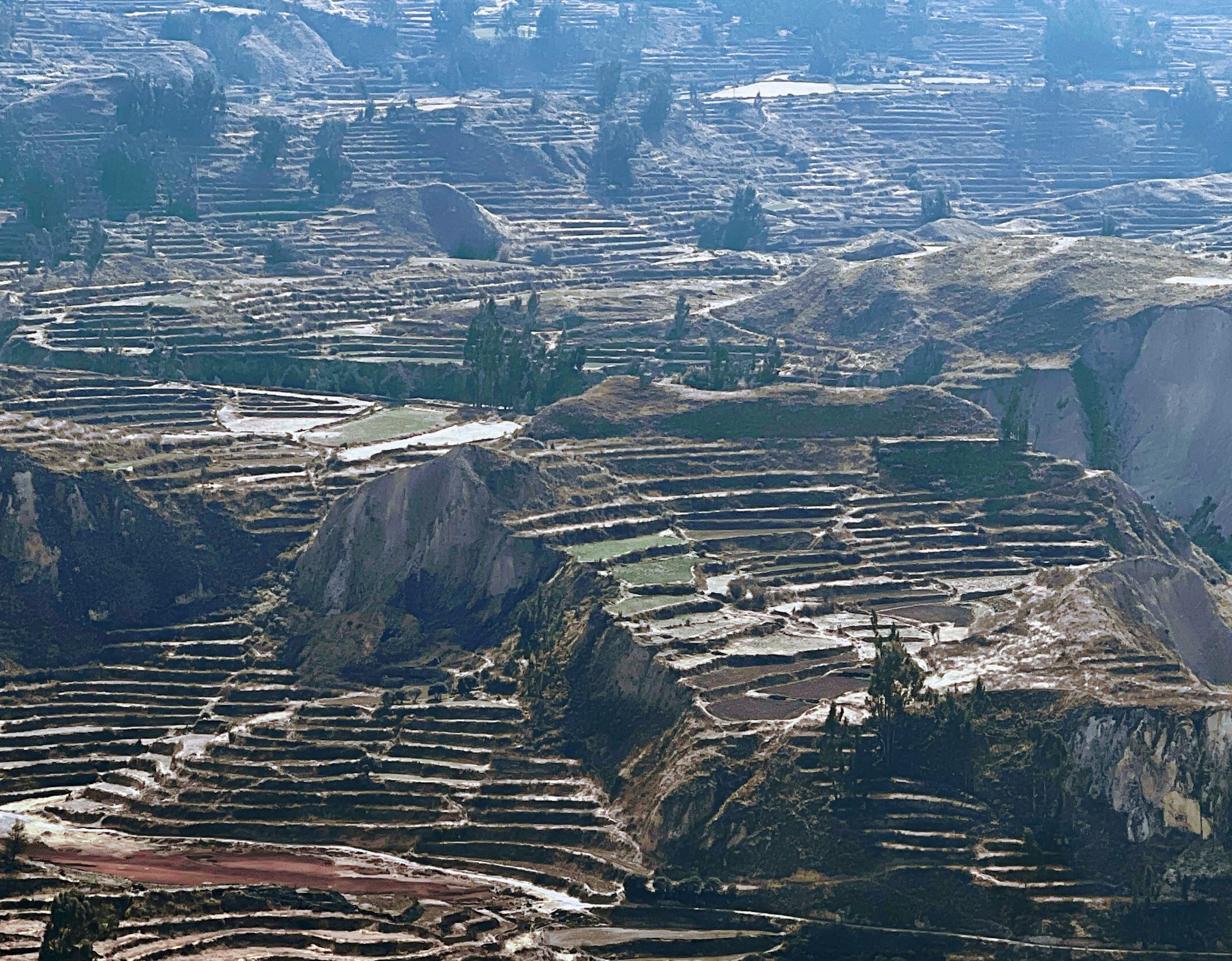
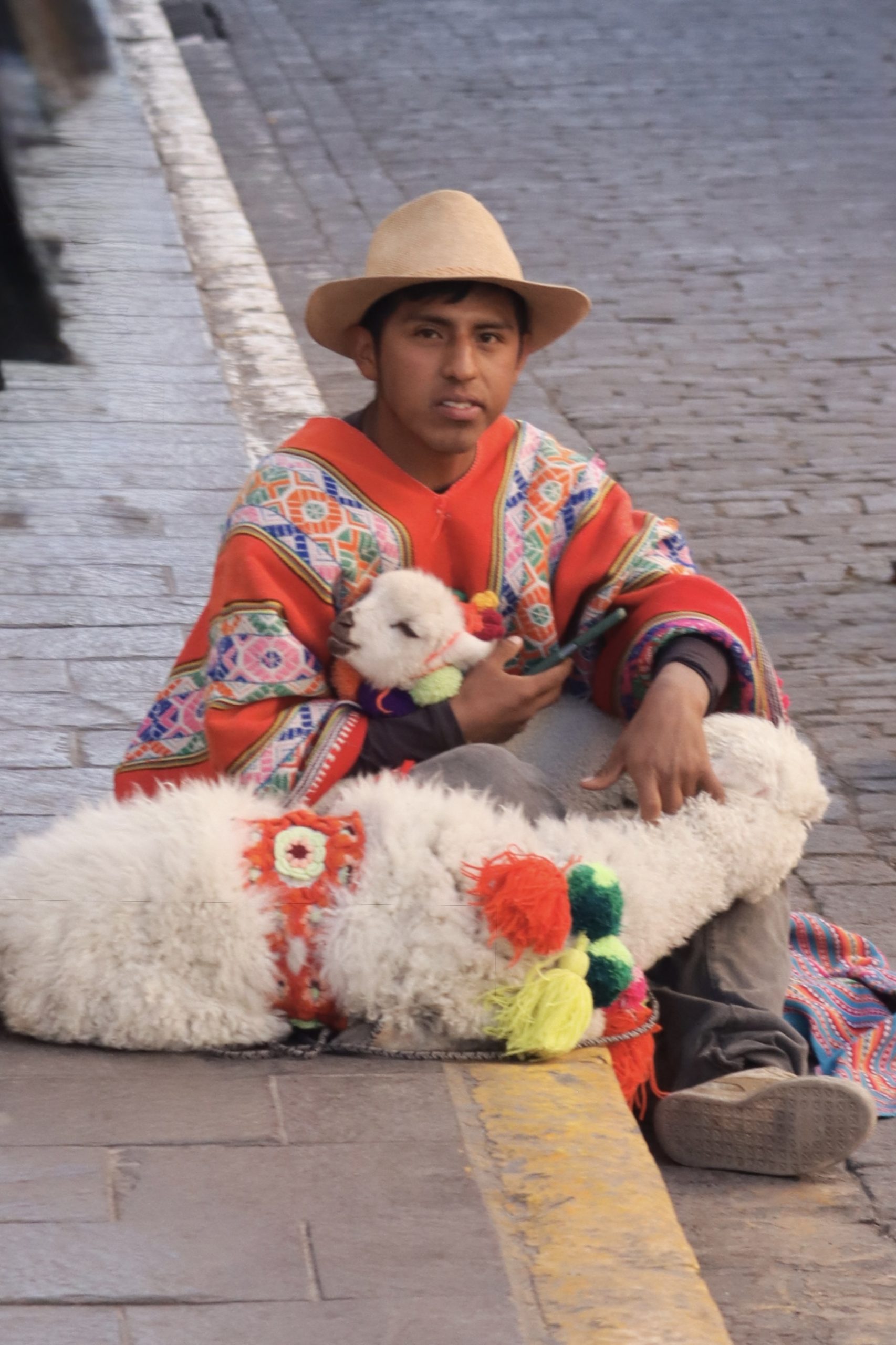
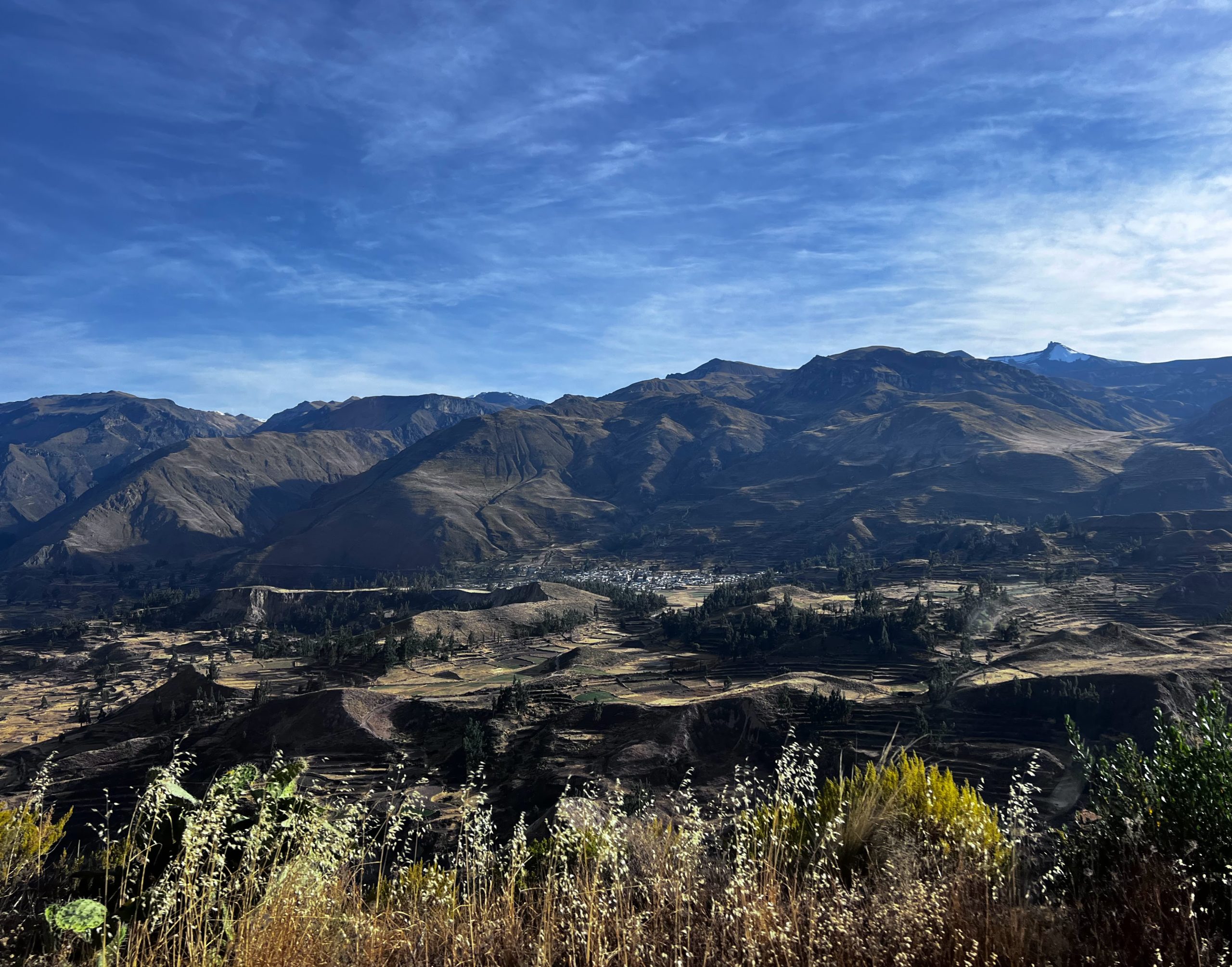
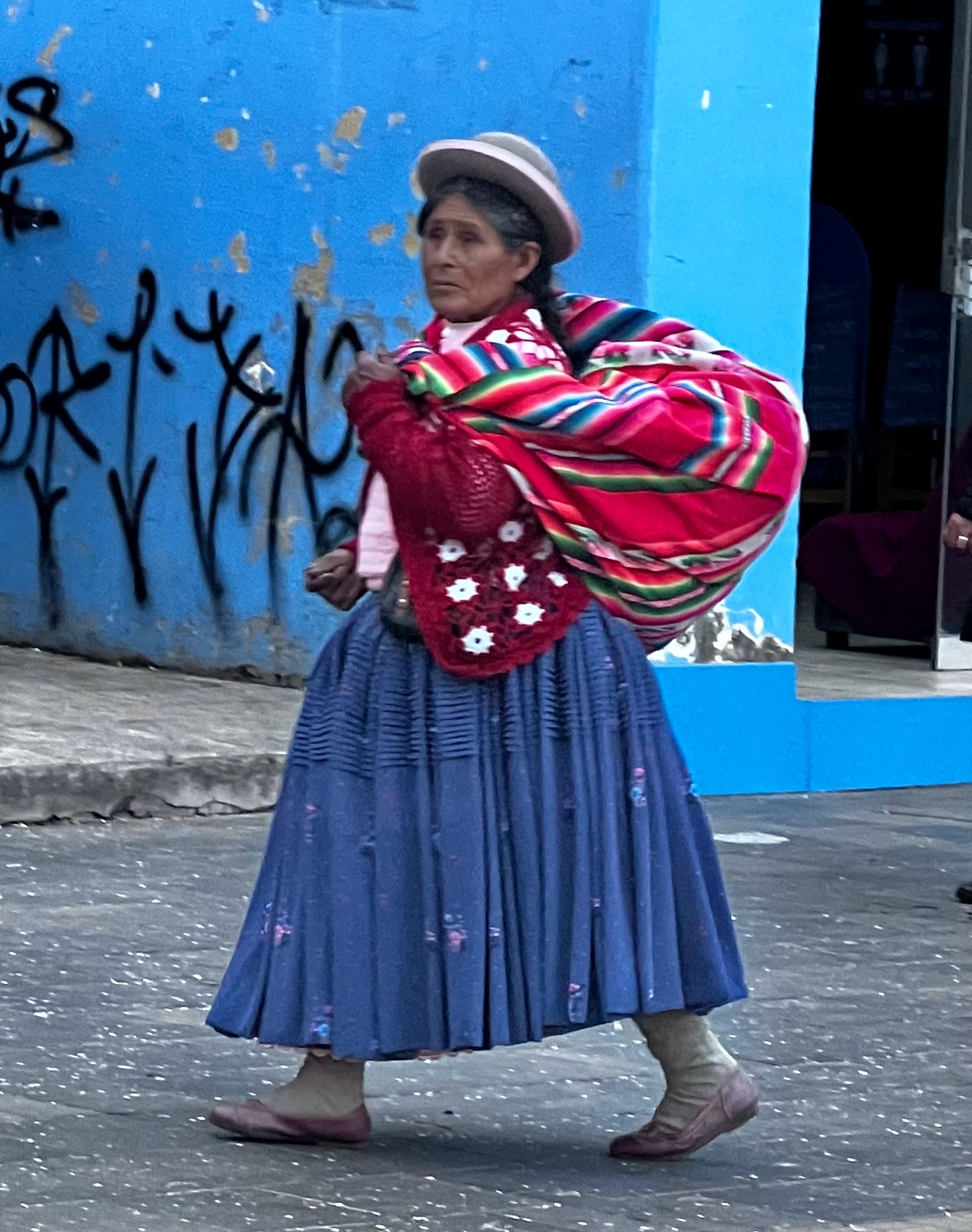
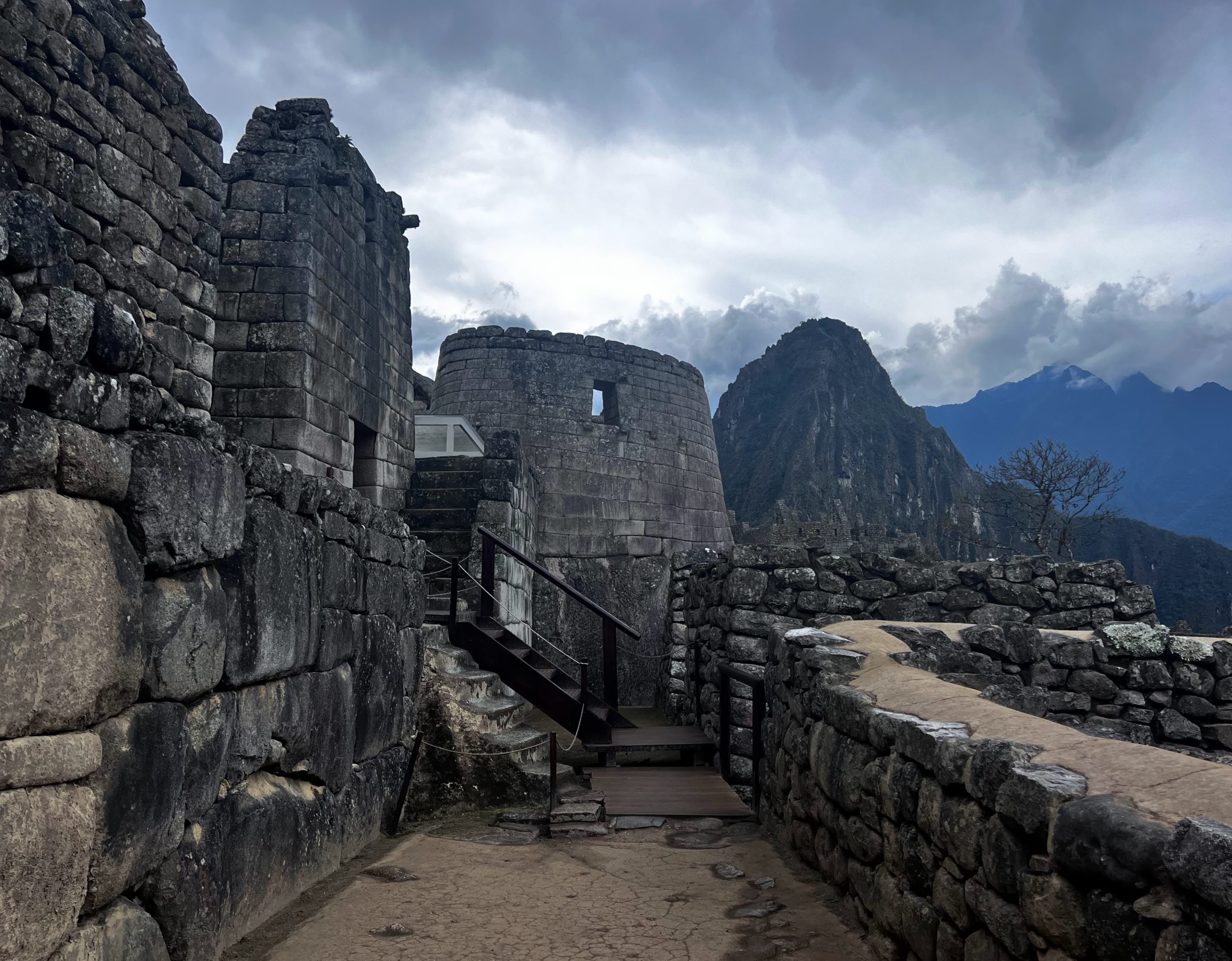
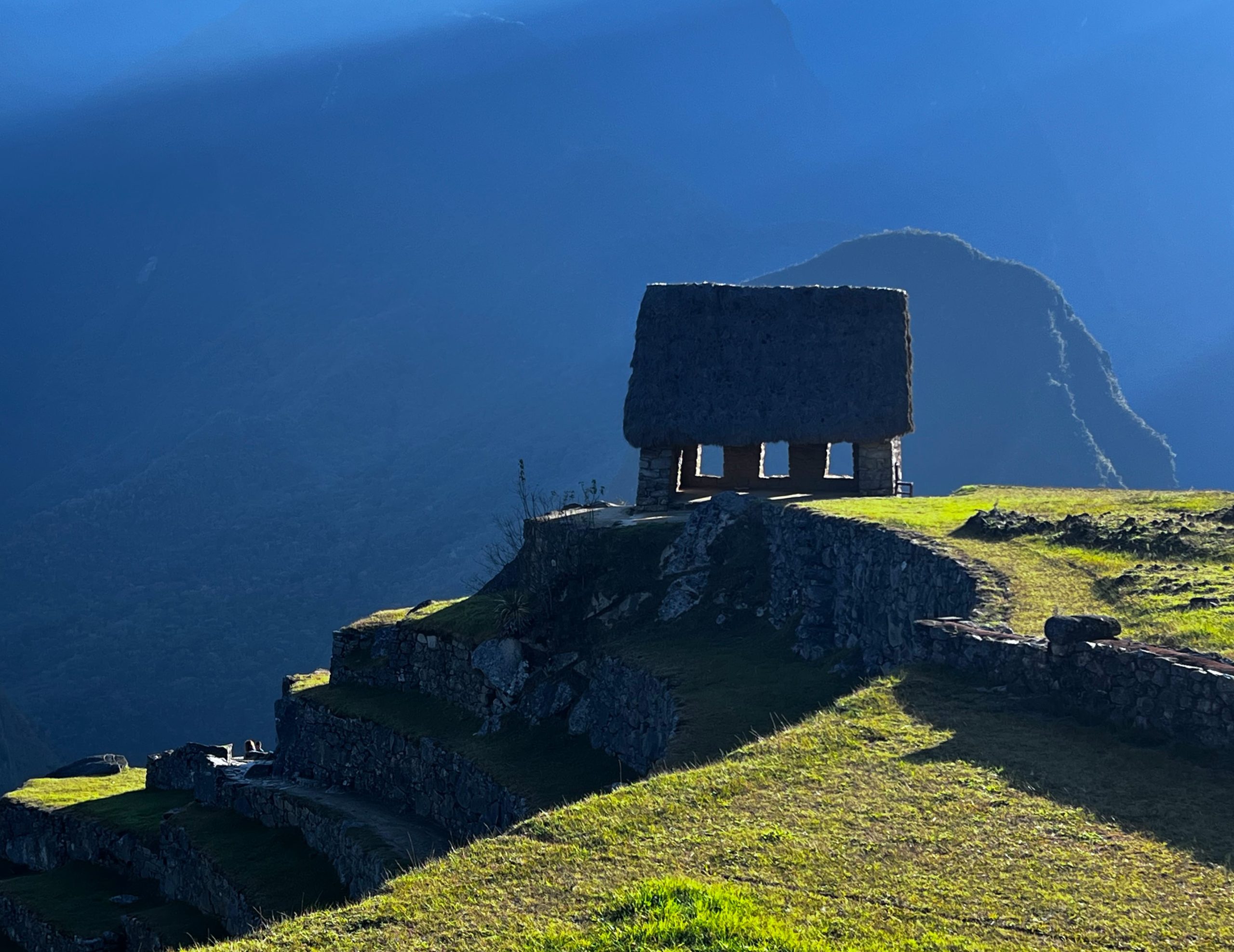
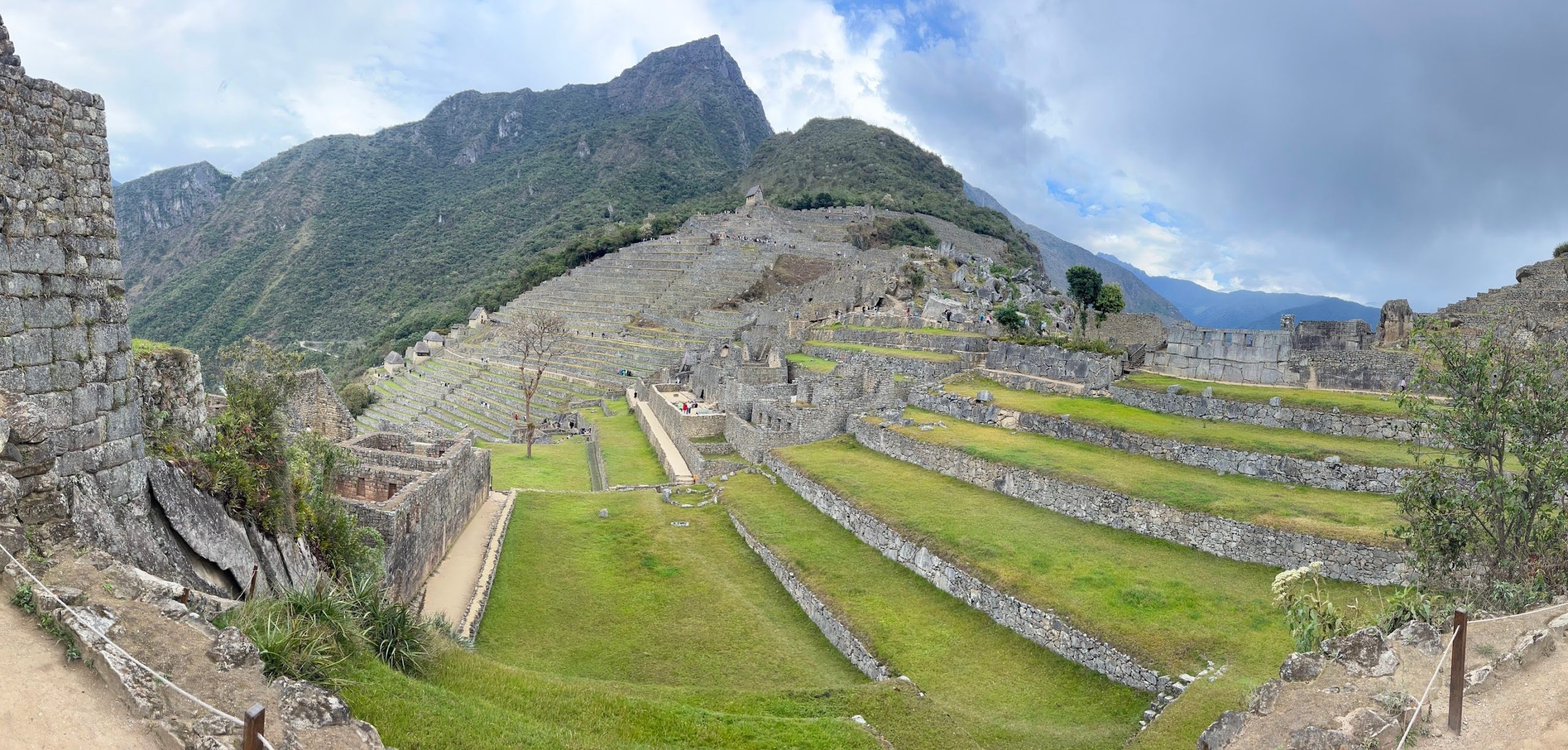
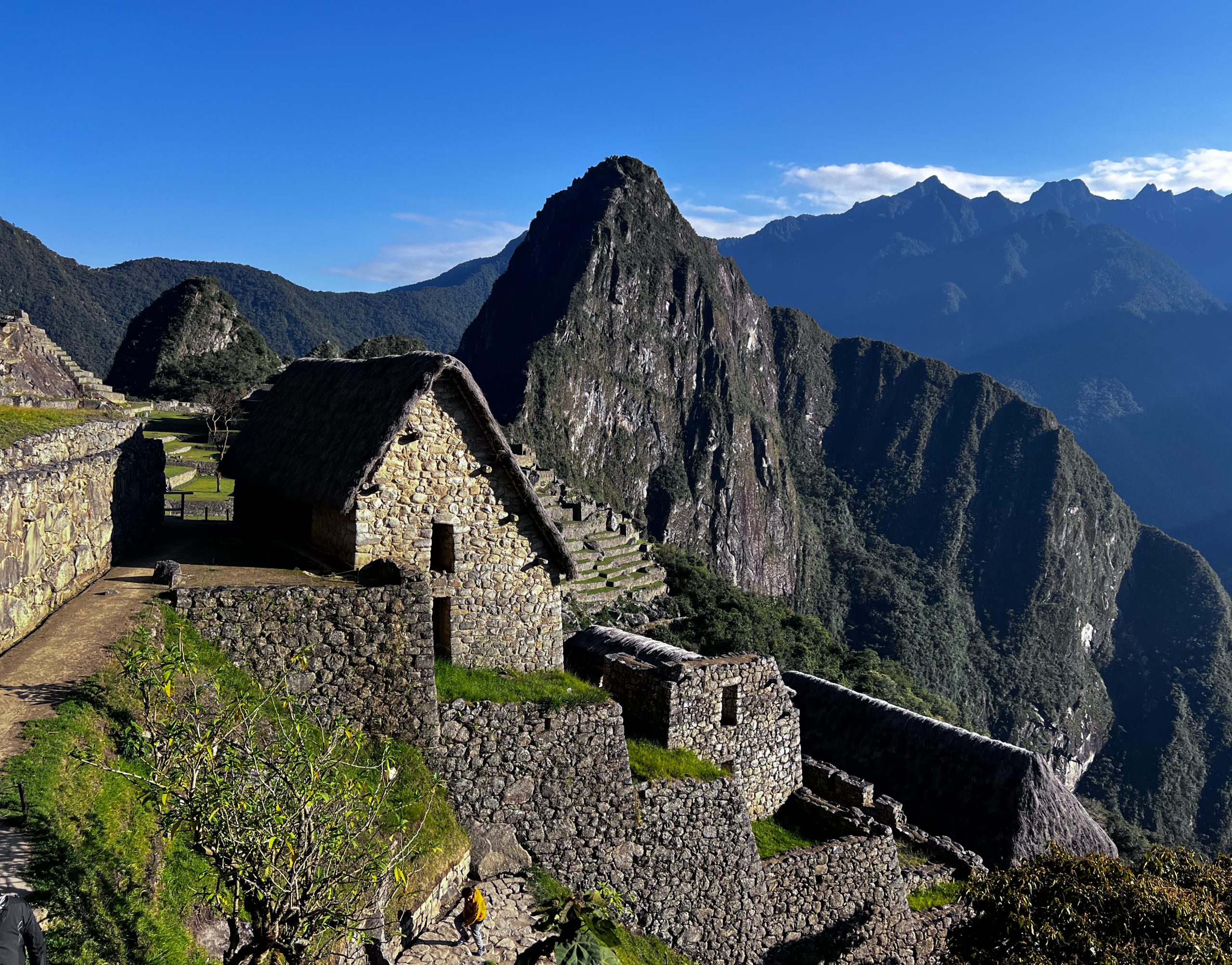
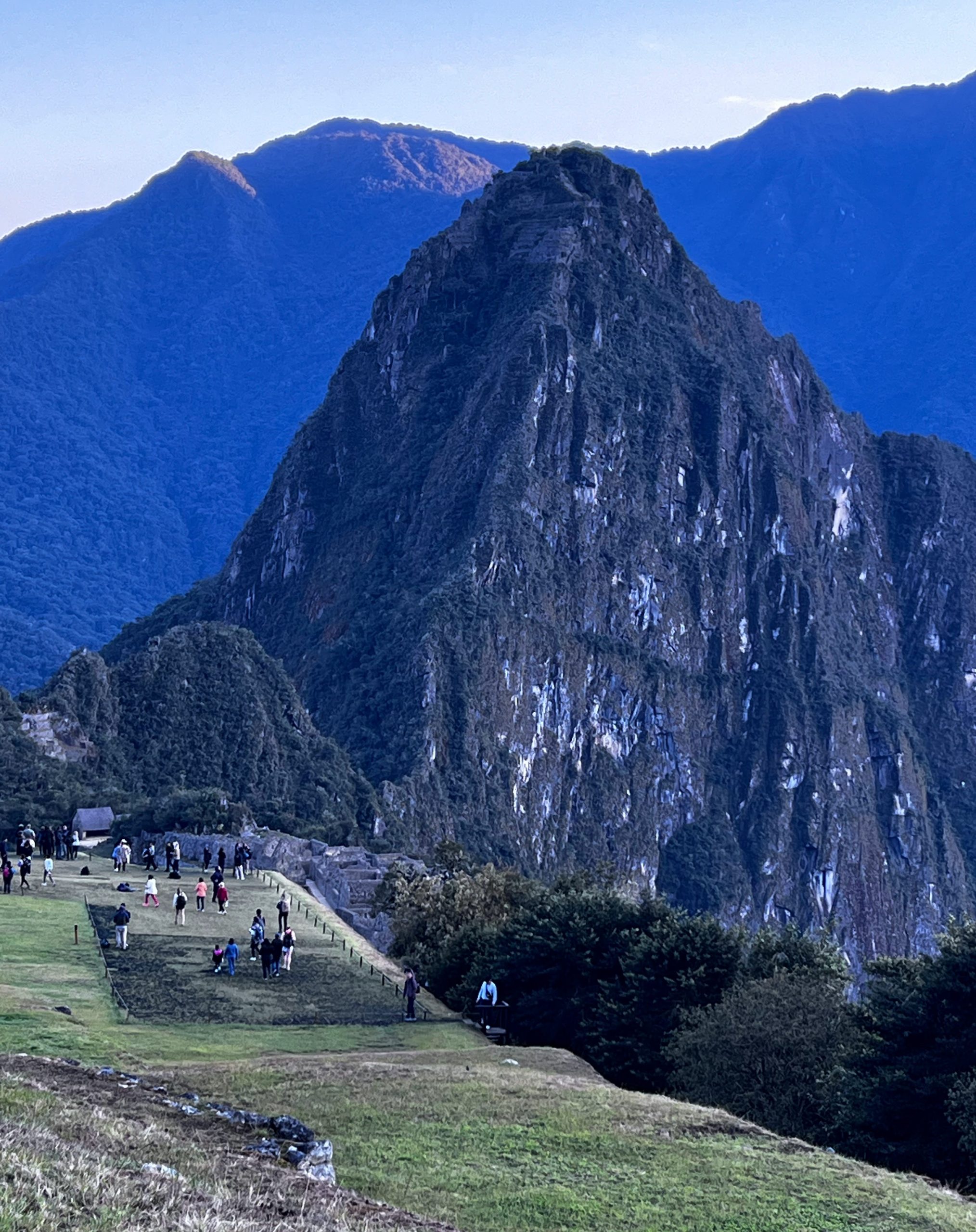
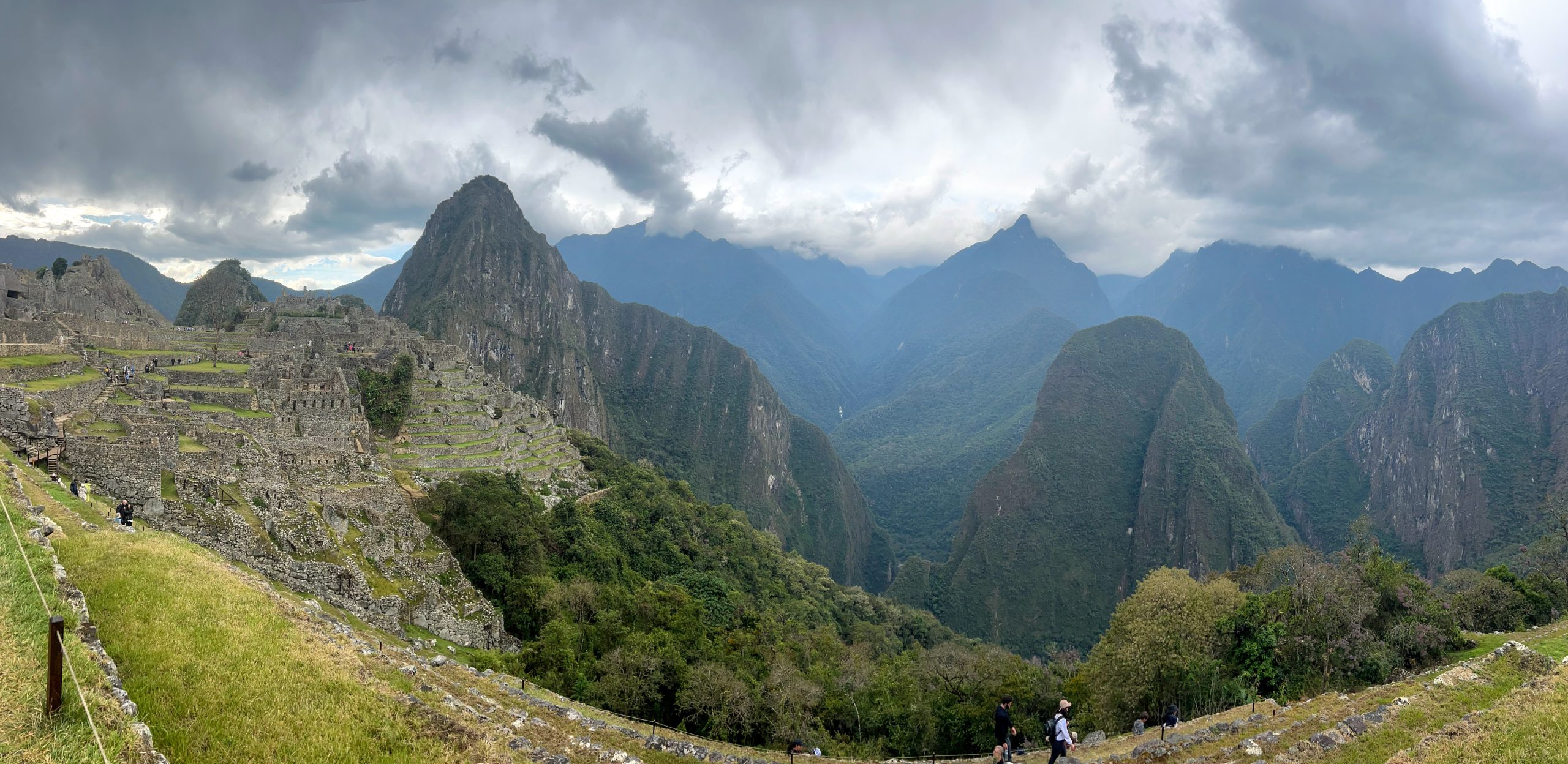
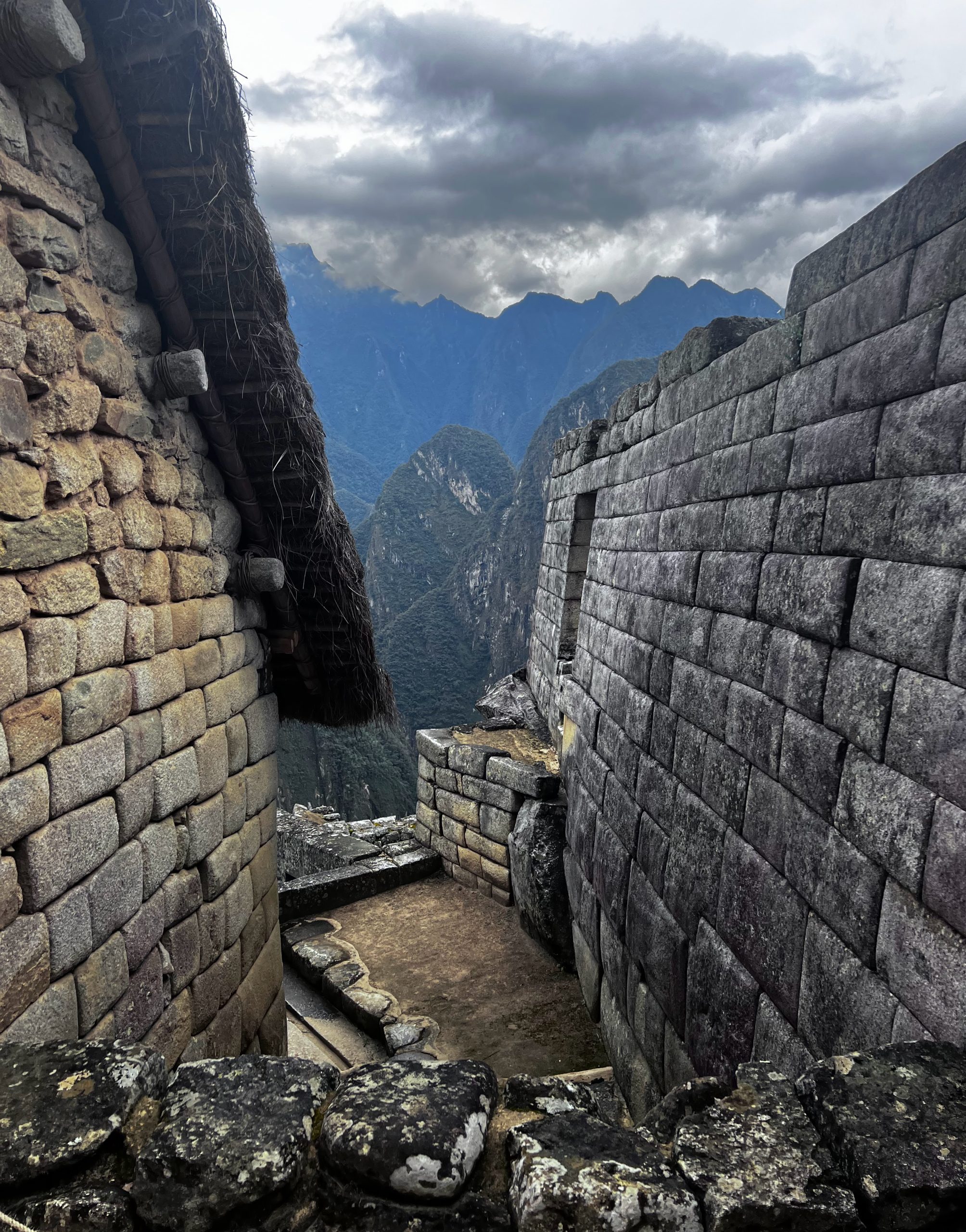
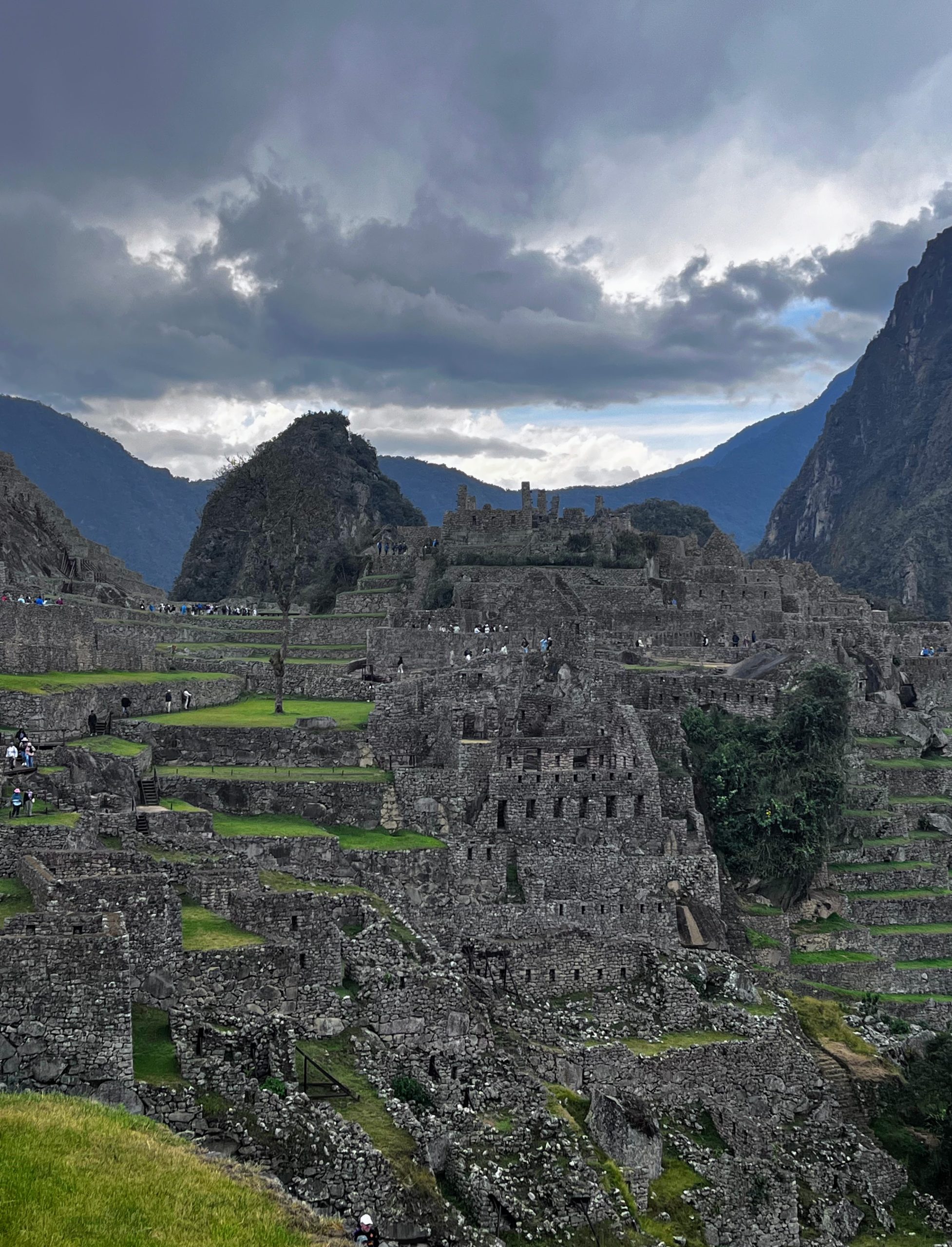
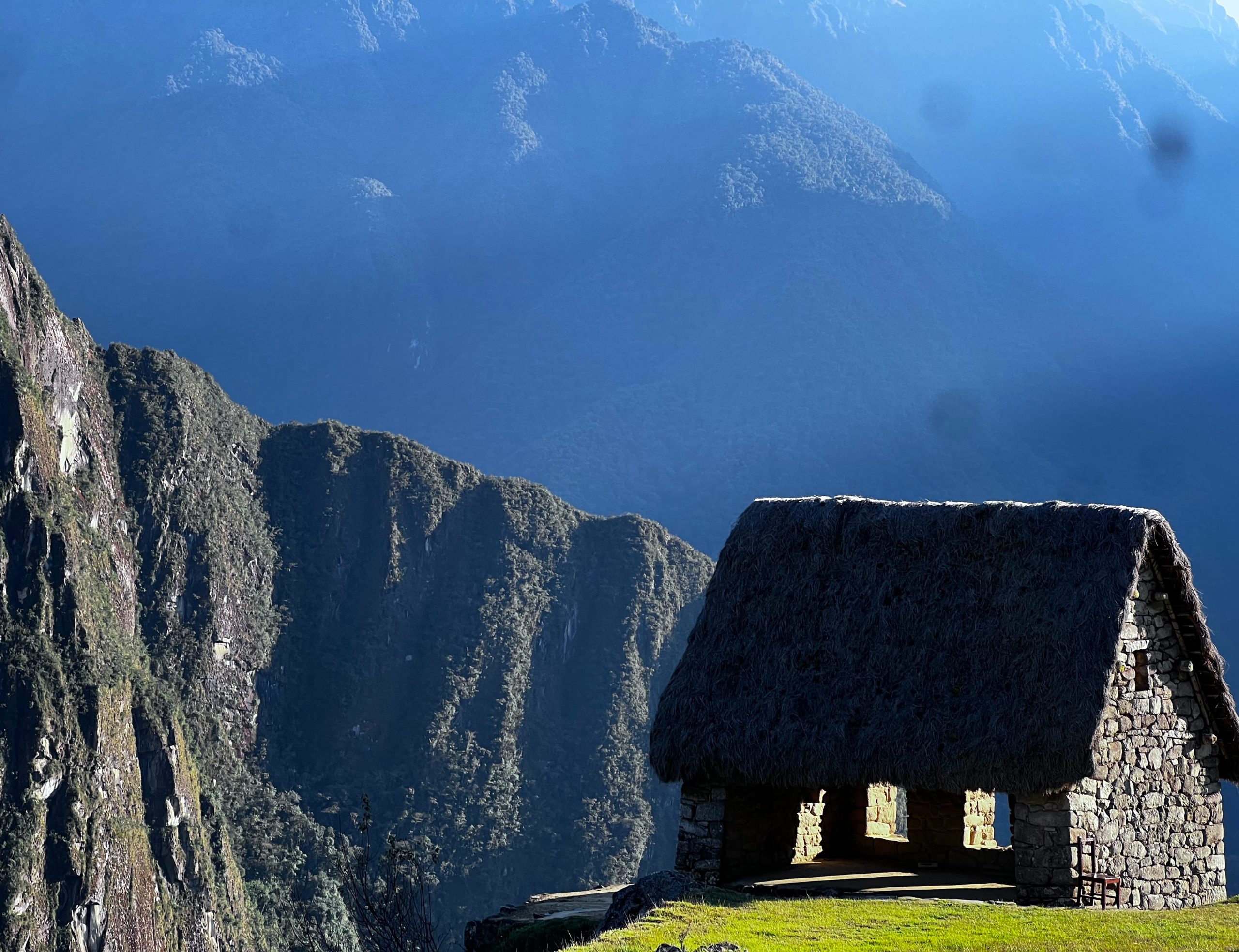
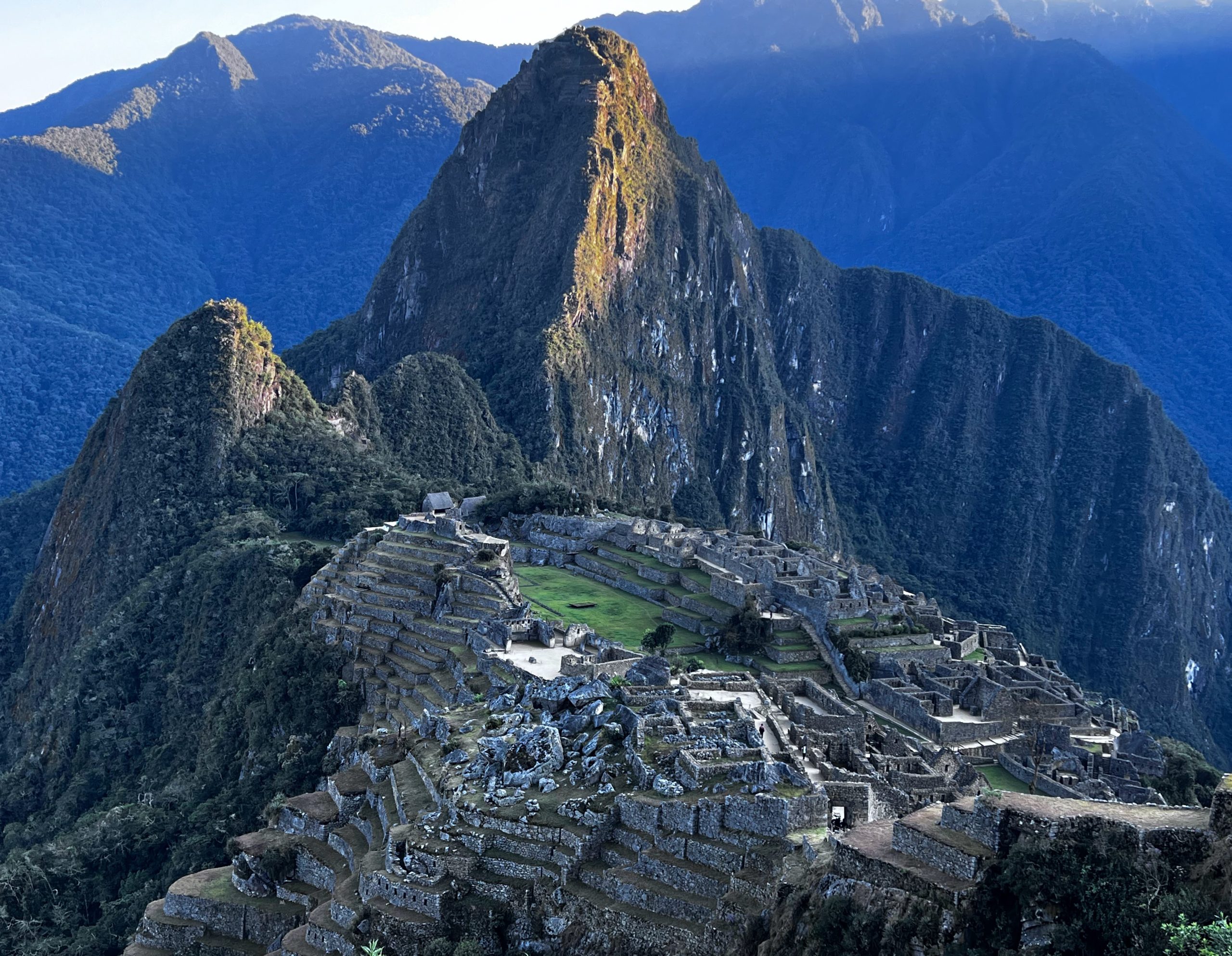
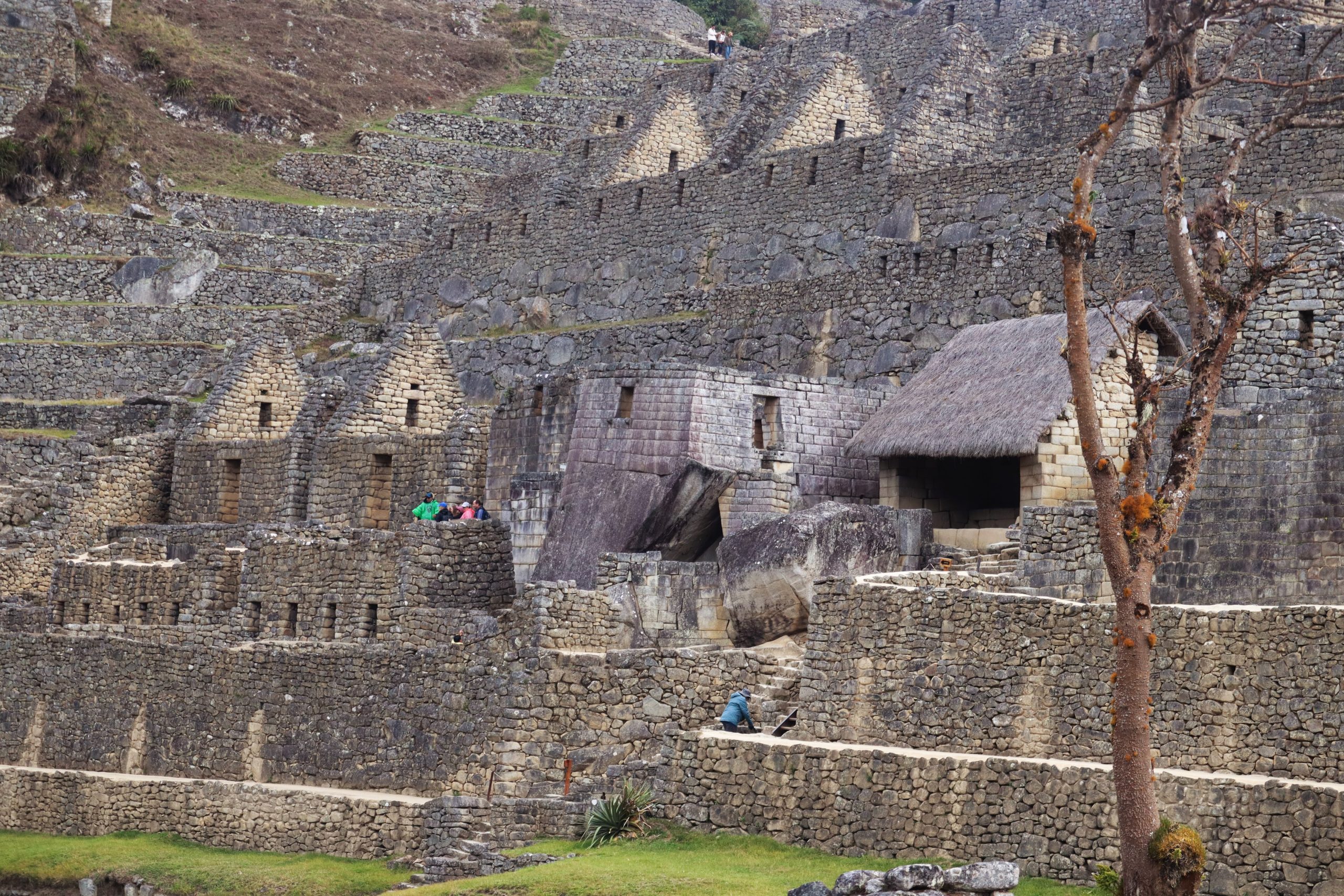
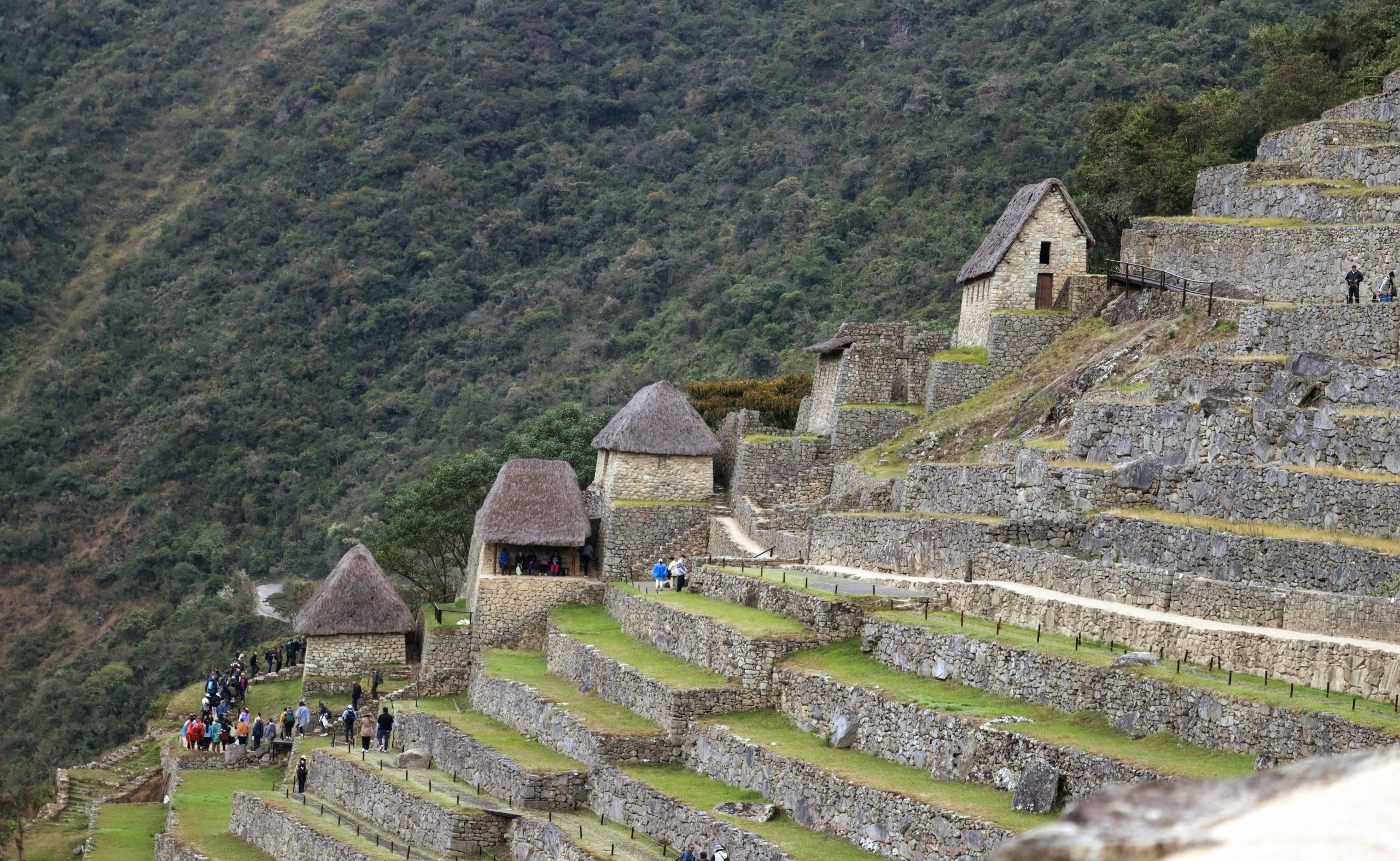
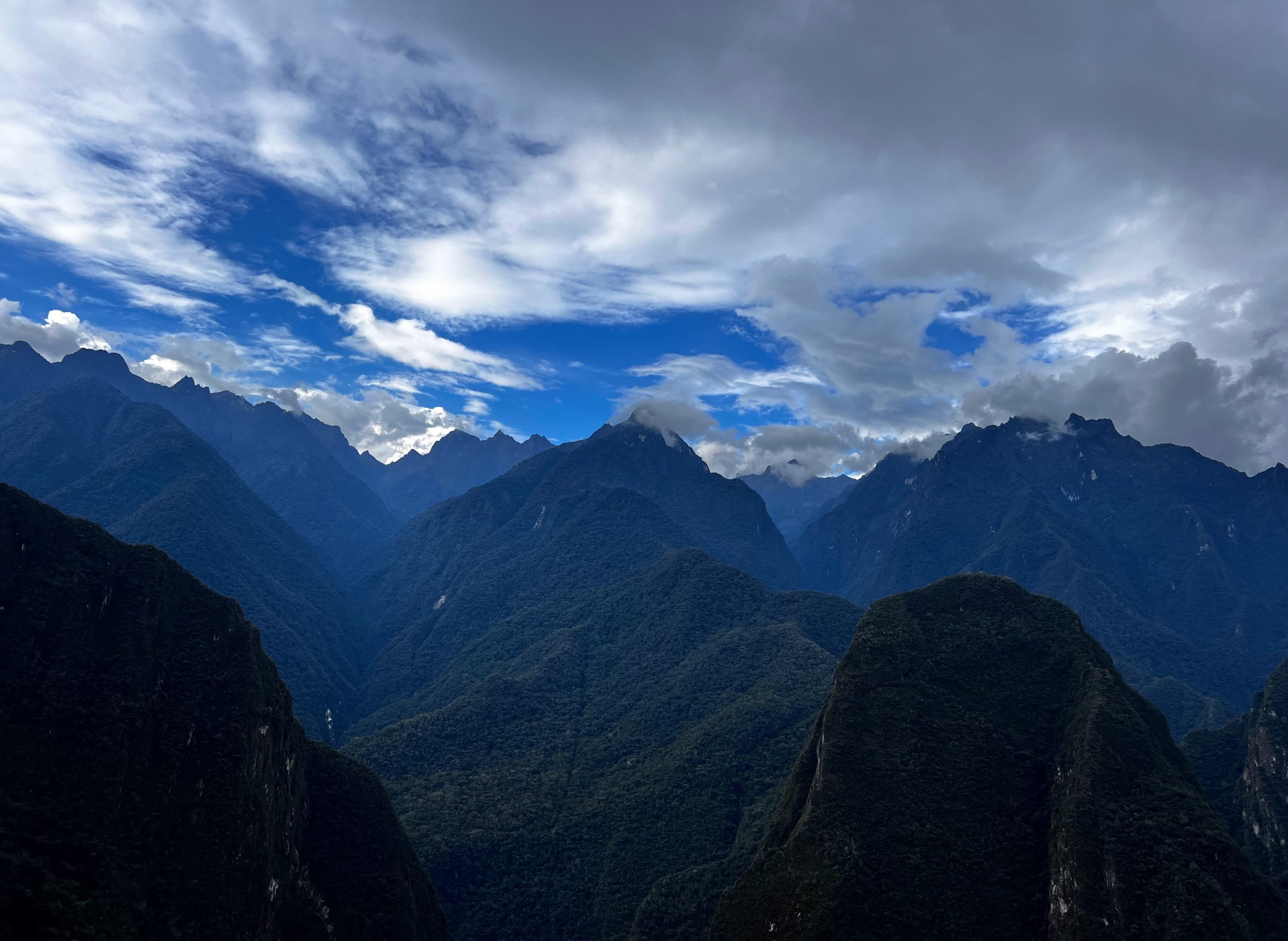
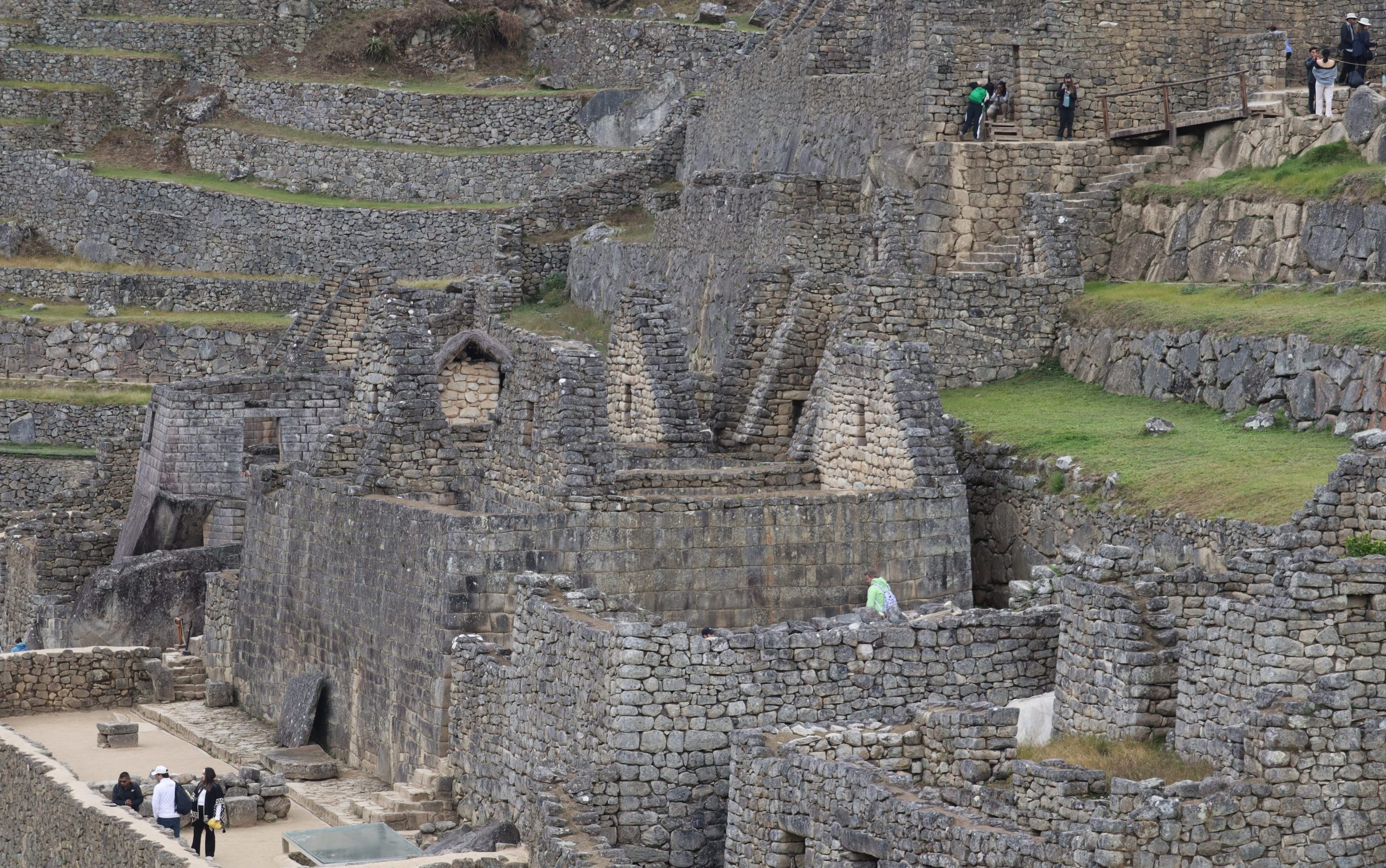
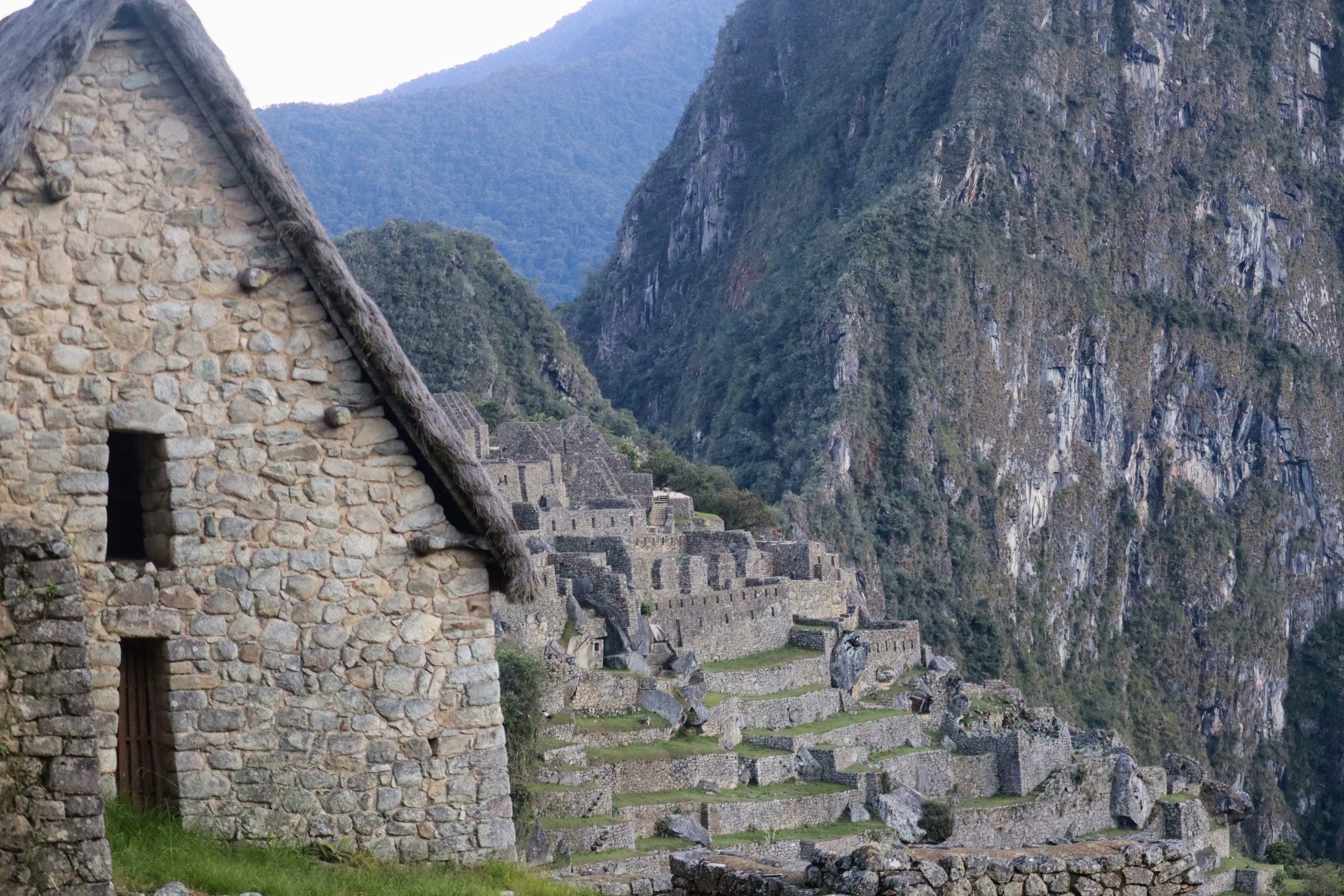
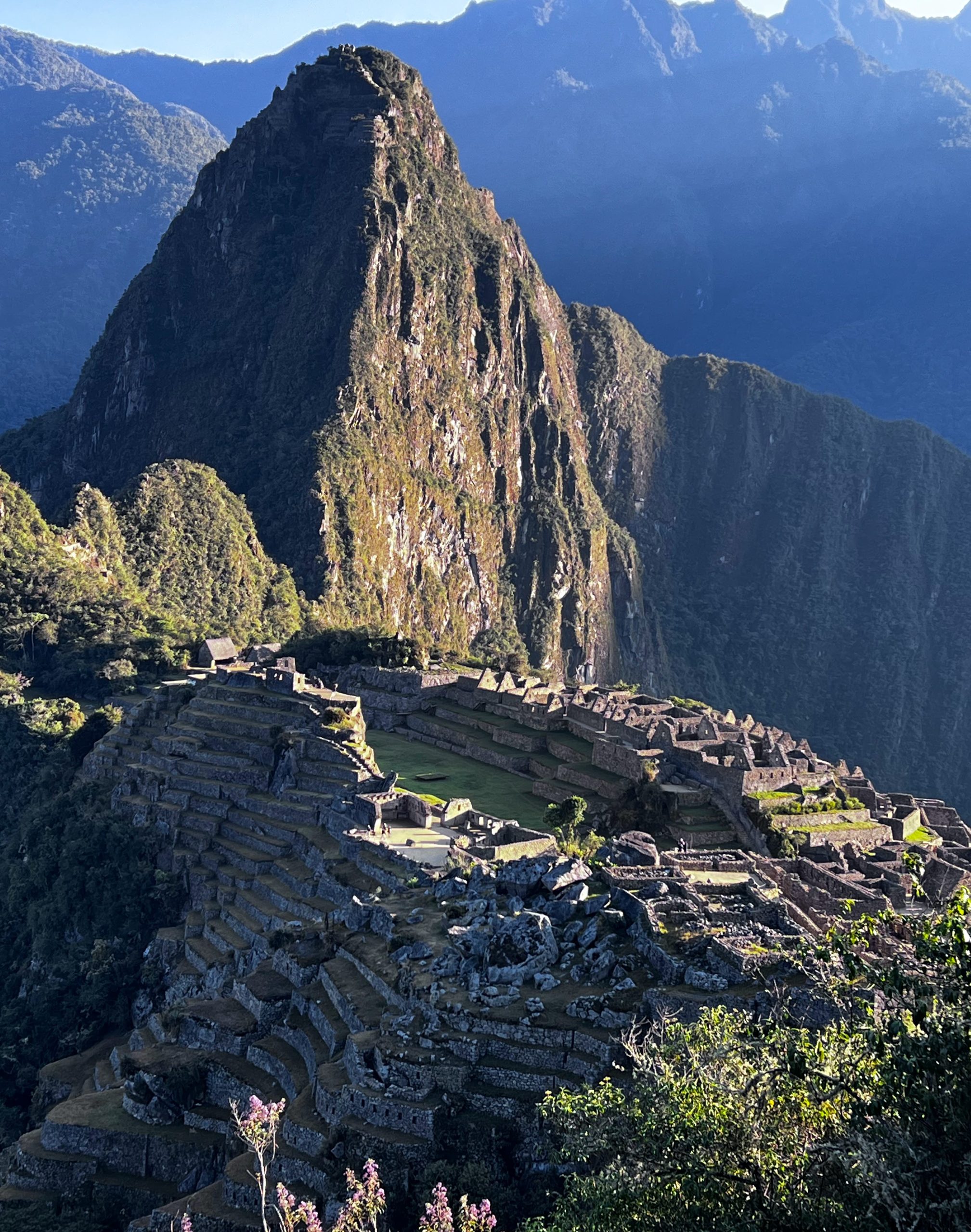
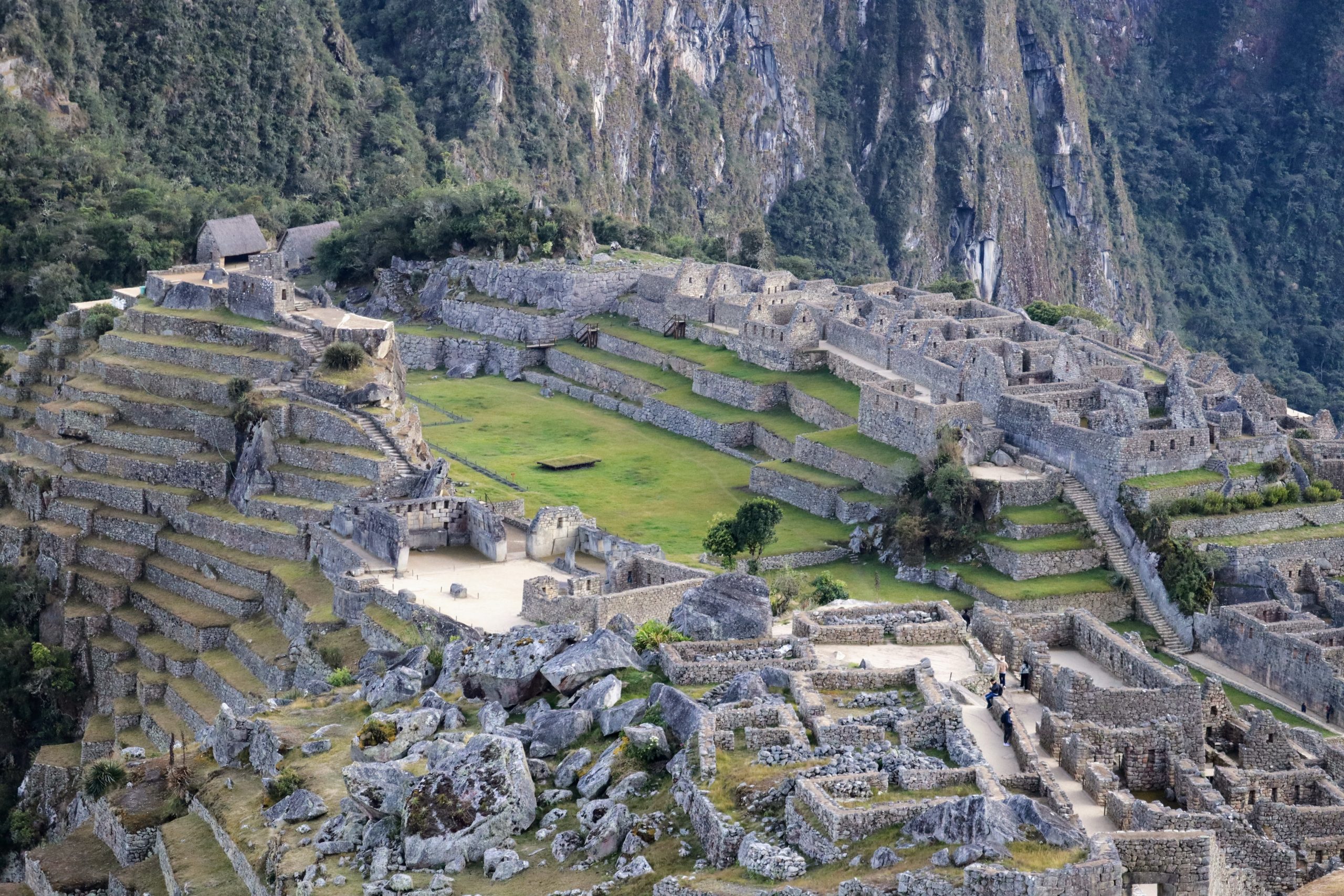
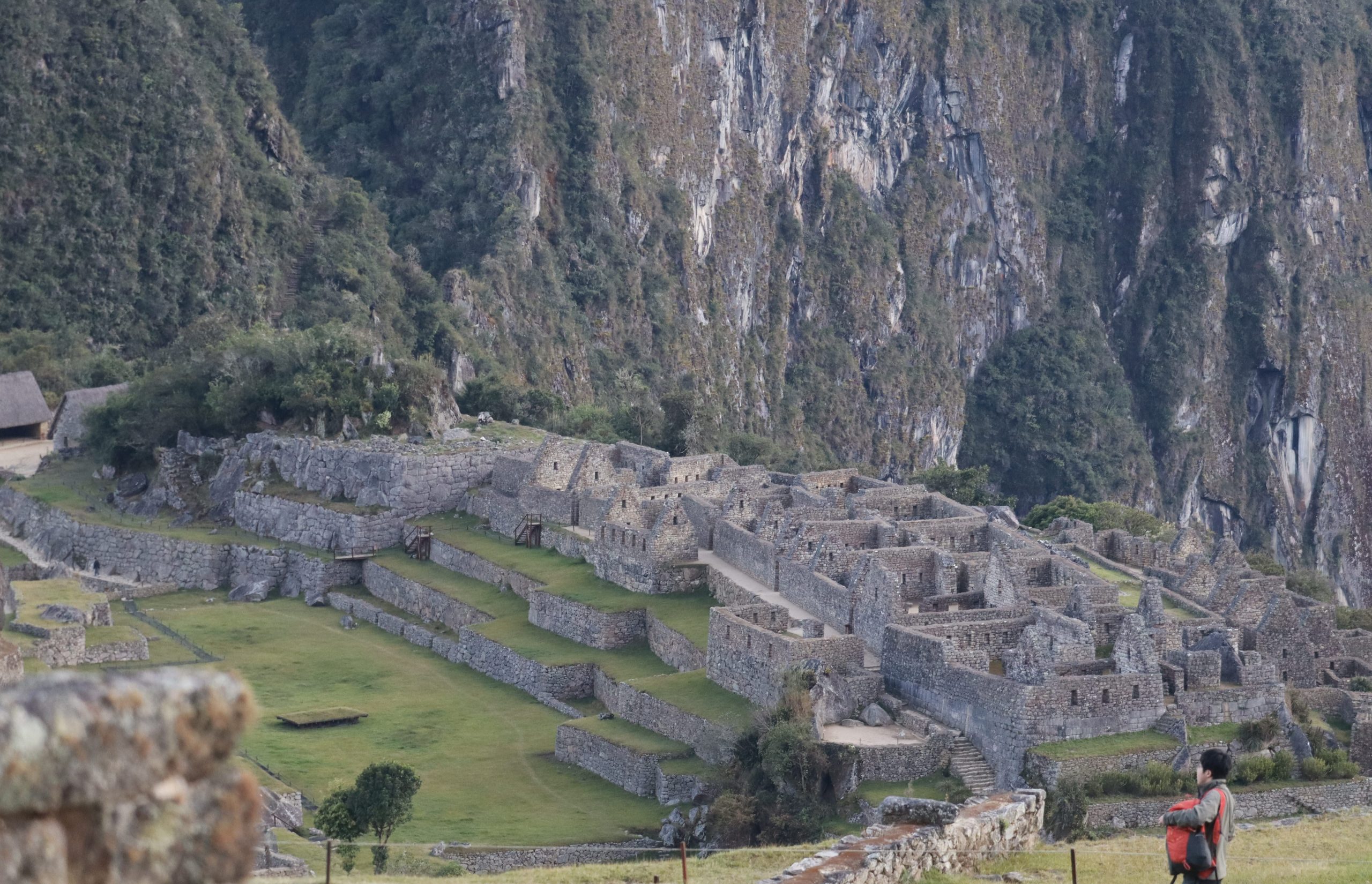
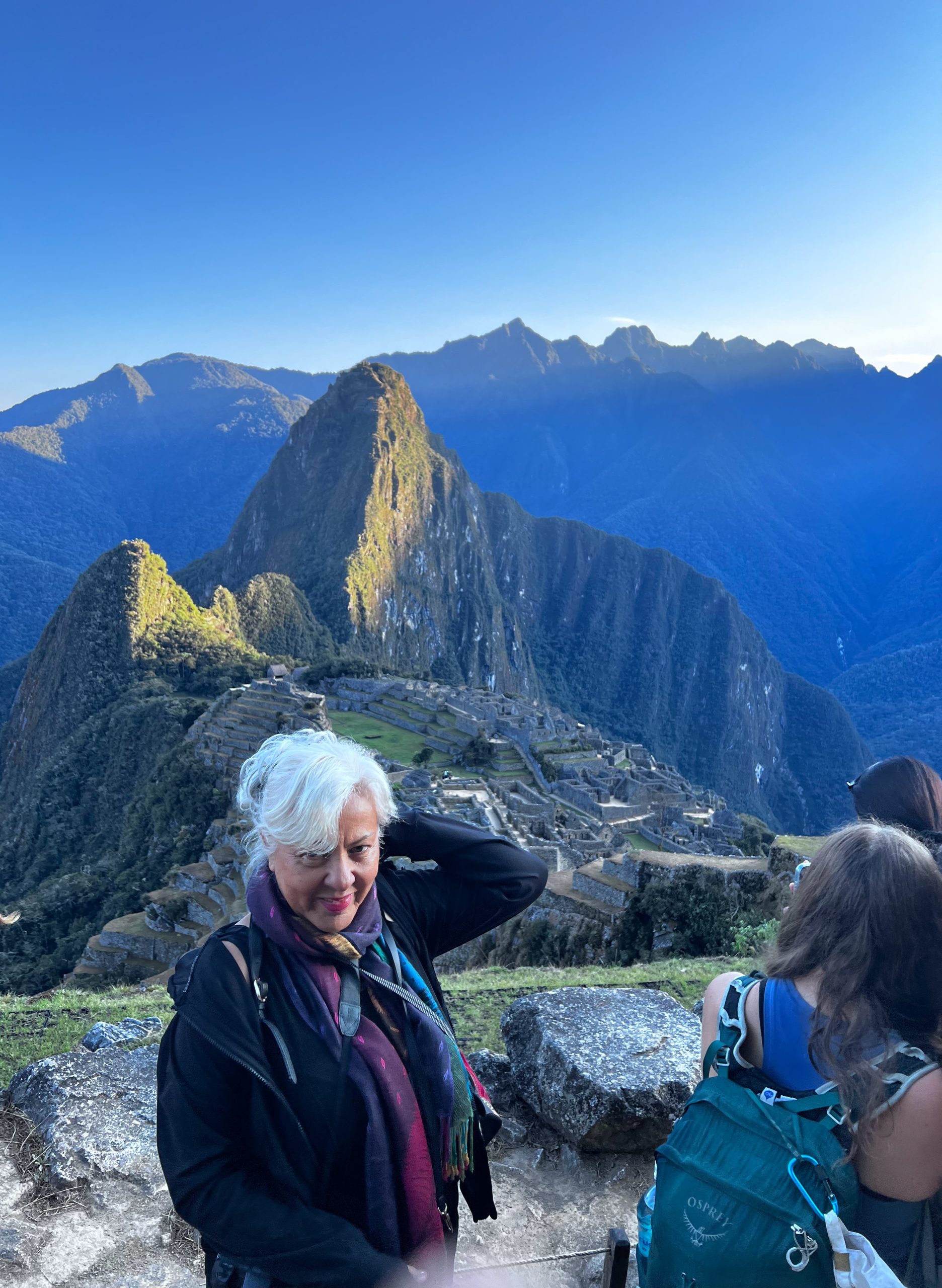
A journey through the countryside of Peru beyond just visiting Machu Picchu was on my list of places to go before I die. My objective was to undertake a slow-paced journey through Peru to thoroughly explore its countryside, landscapes, the imposing Andes mountains, colonial cities, rural towns, and its indigenous communities. I was particularly interested in experiencing village life that is deeply entrenched in the cultural traditions of the Inca ancestral heritage. To do this, I committed to a 12-day tour starting in the city of Lima ending at the ancient site of Machu Picchu, returning to Lima.   The adventure was beyond my expectations, with some minor hiccups, as expected when traveling in challenging terrain.  Here are highlights of what this journey was like and what I learned from this experience….
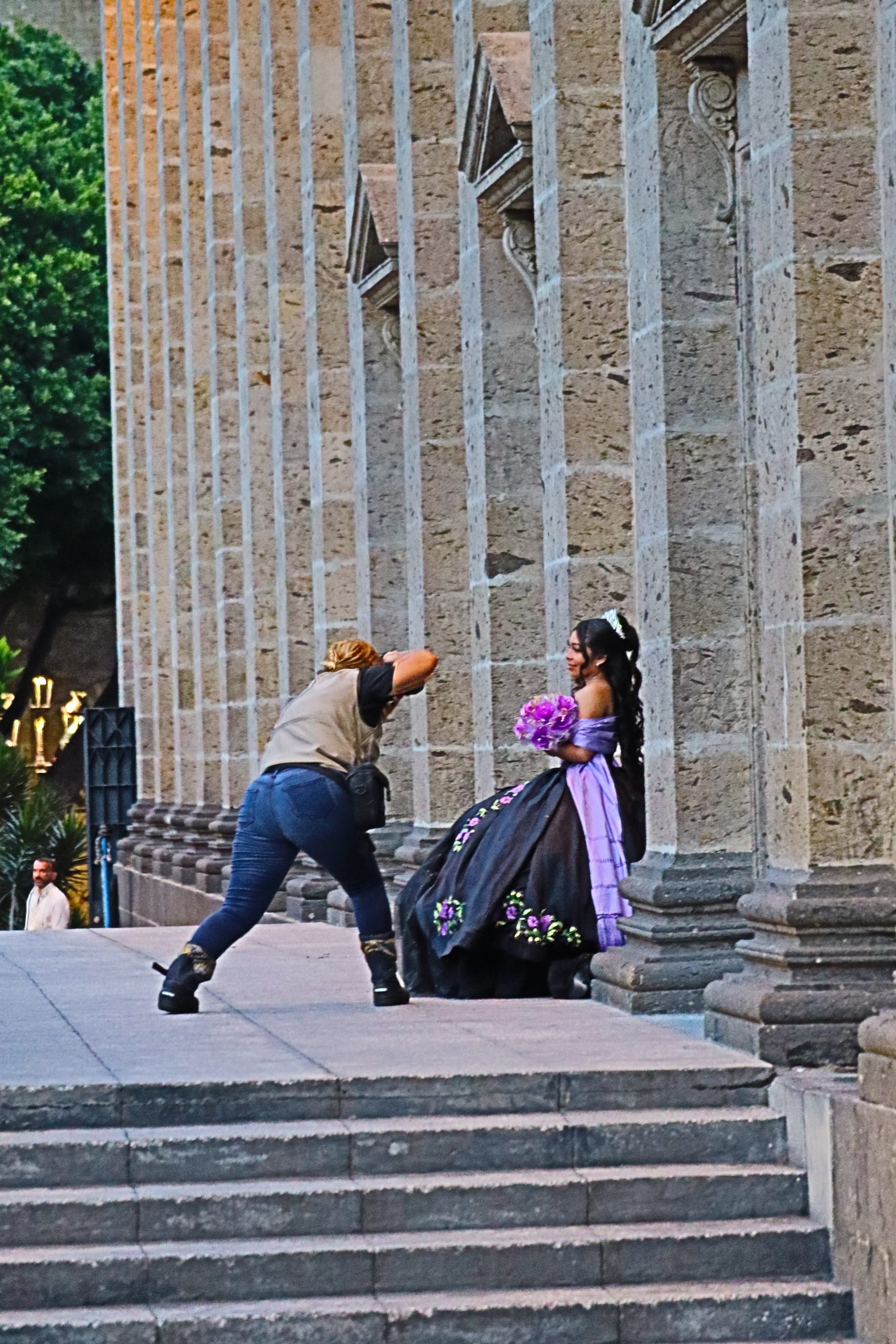
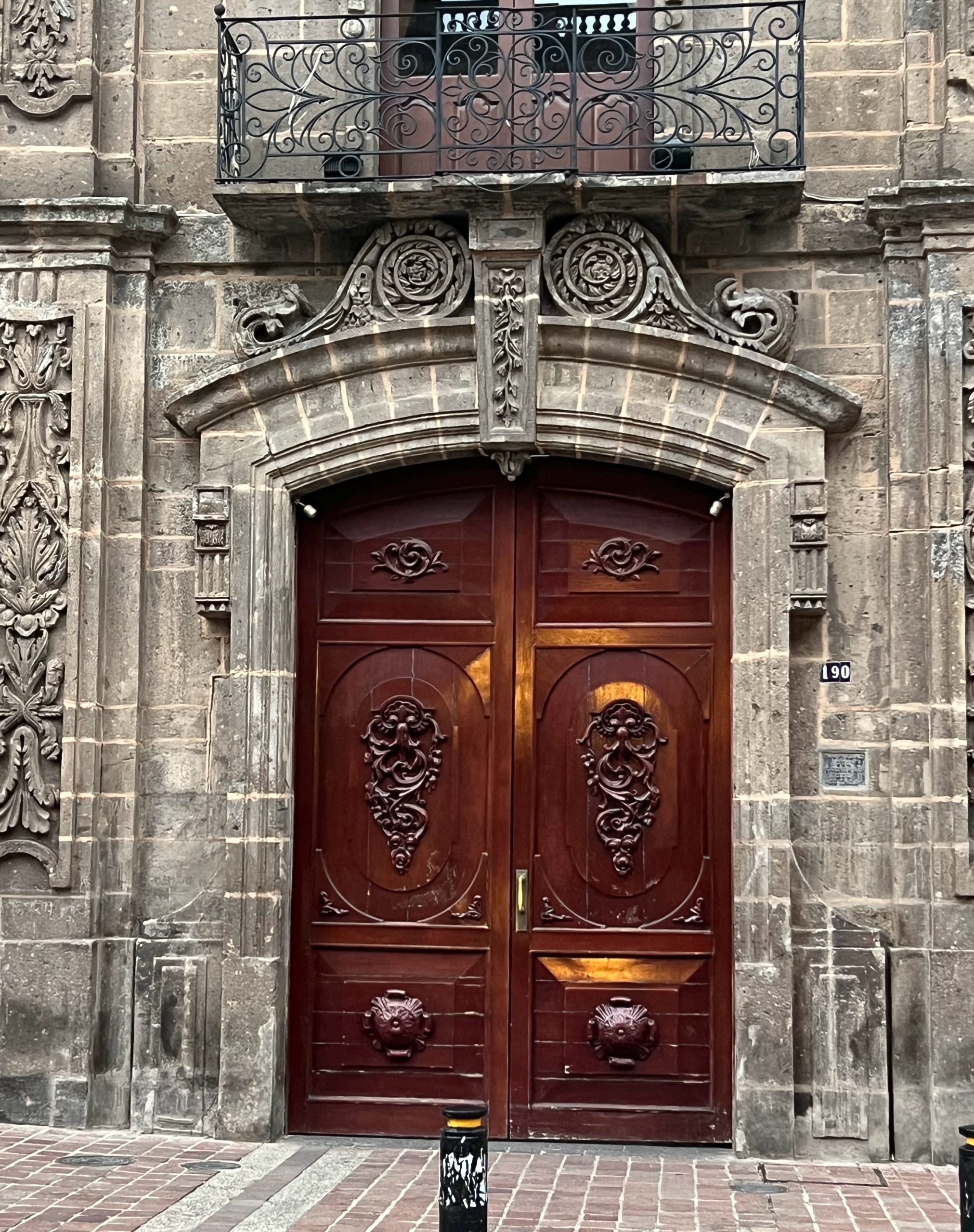
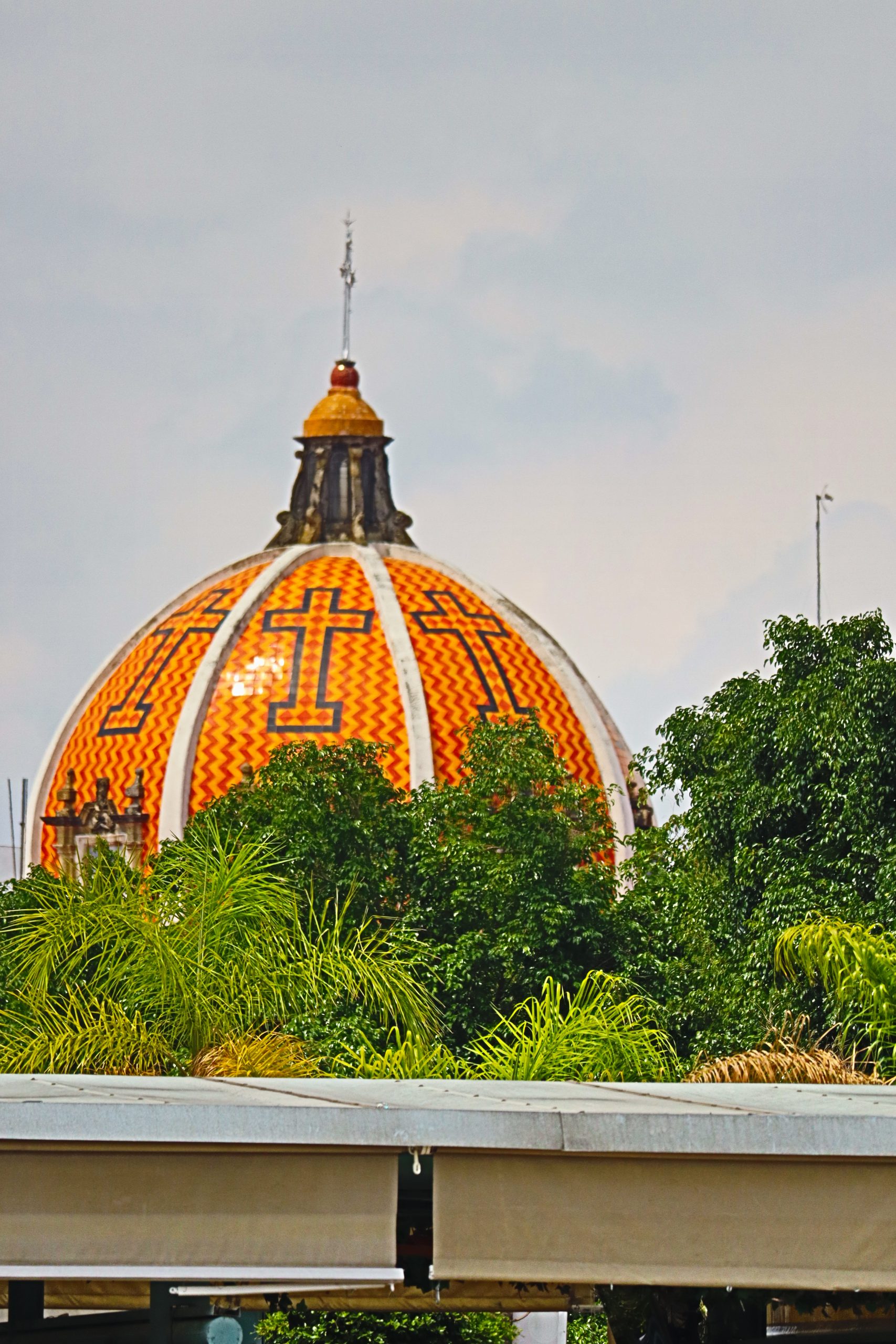
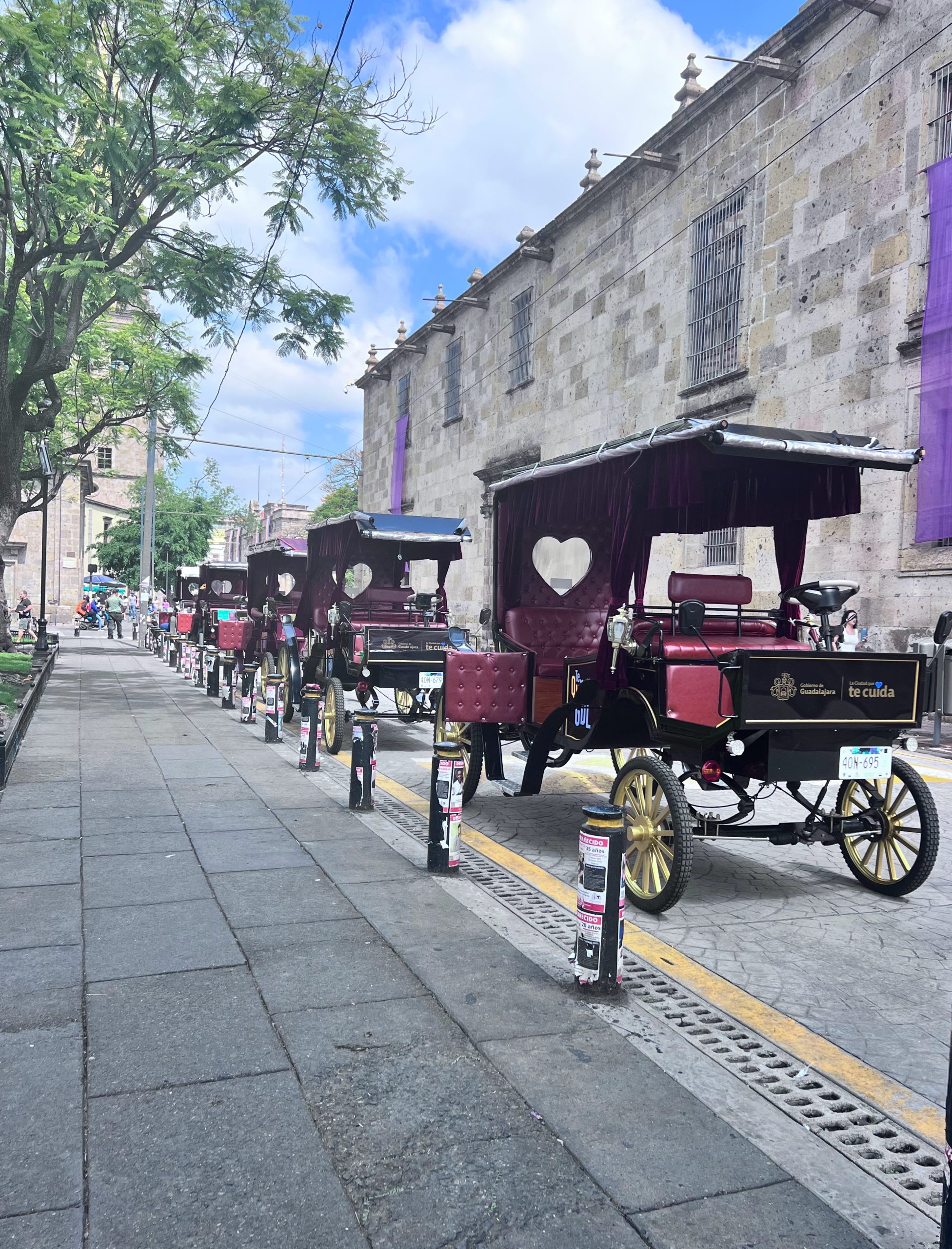
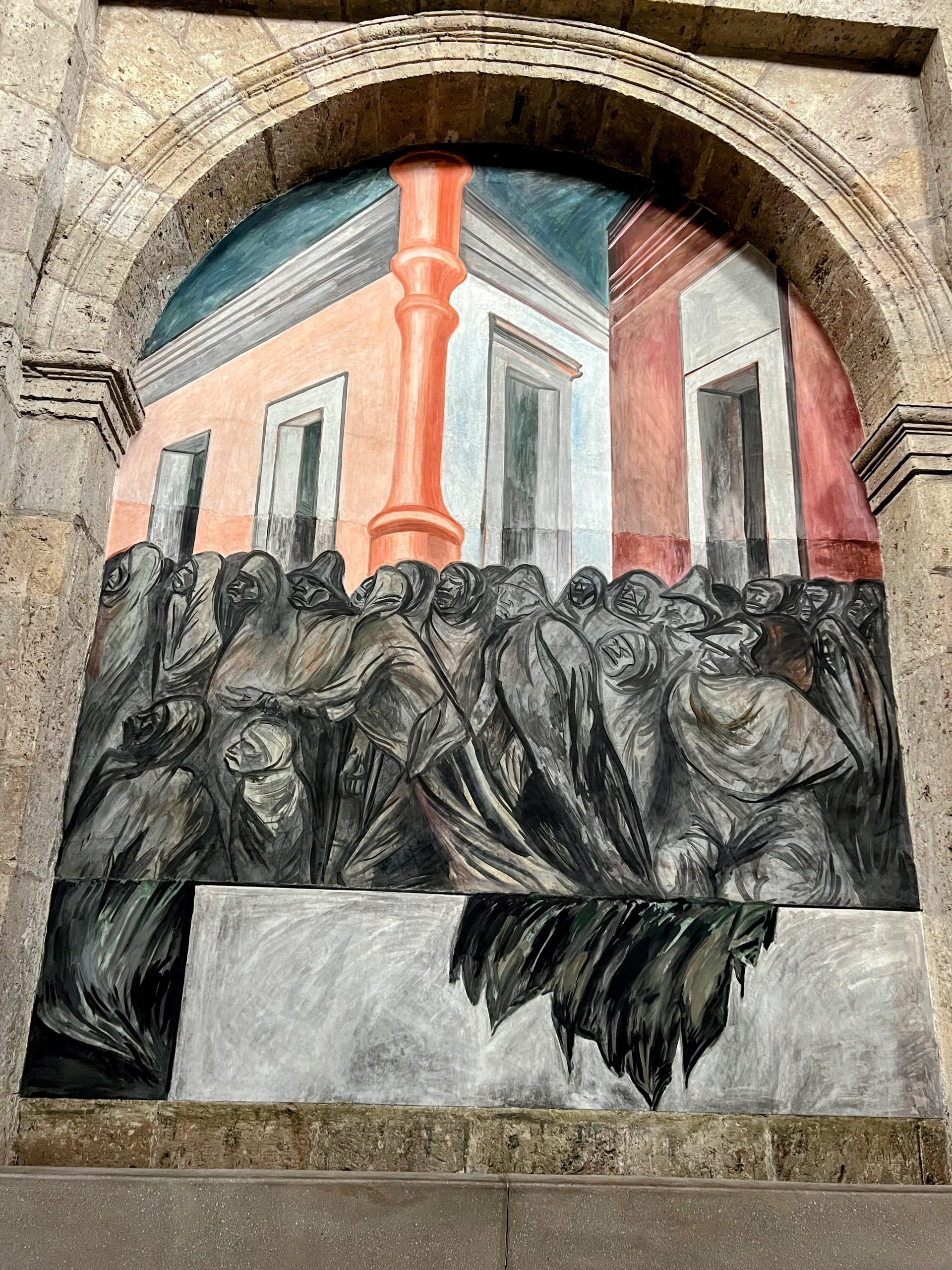
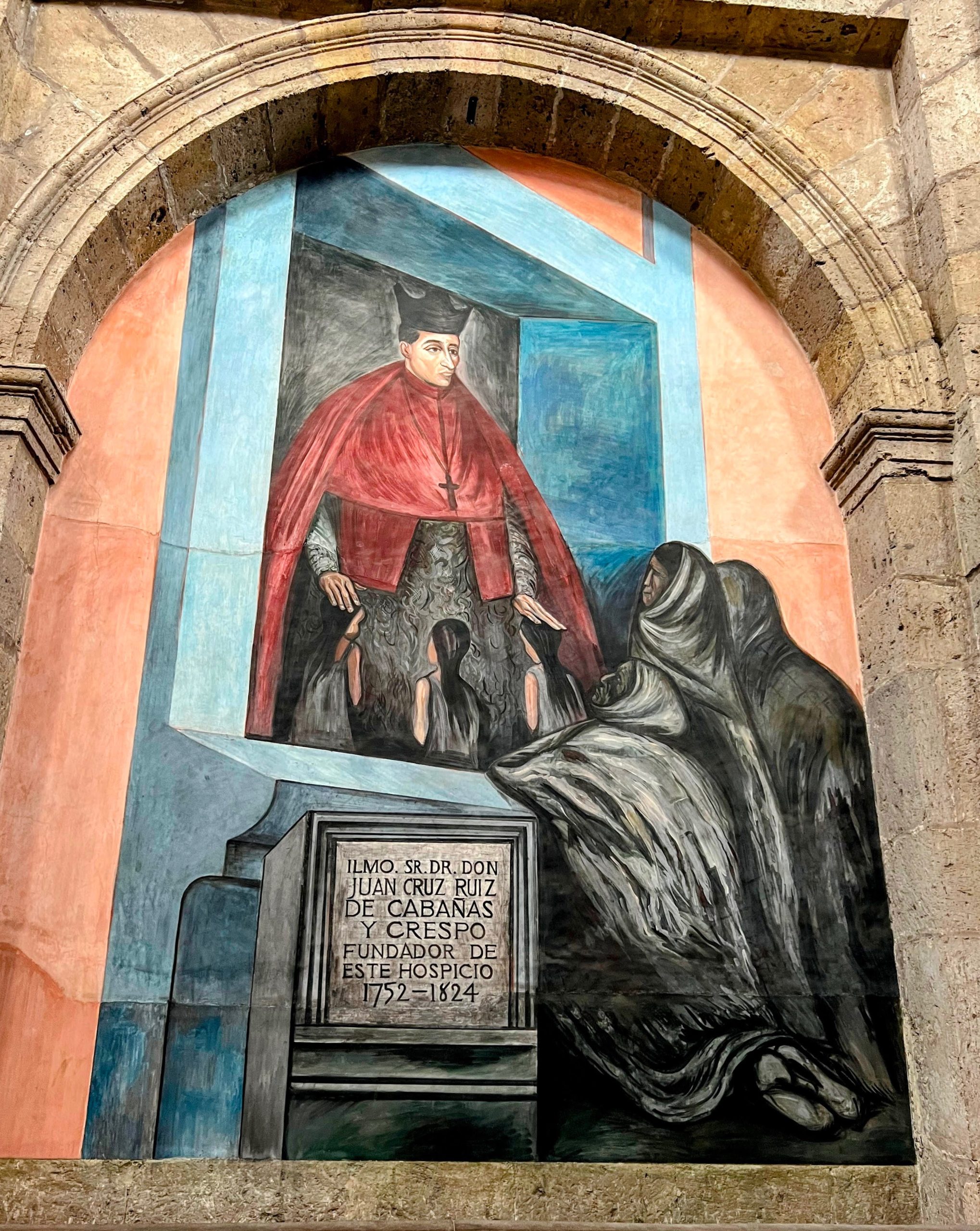
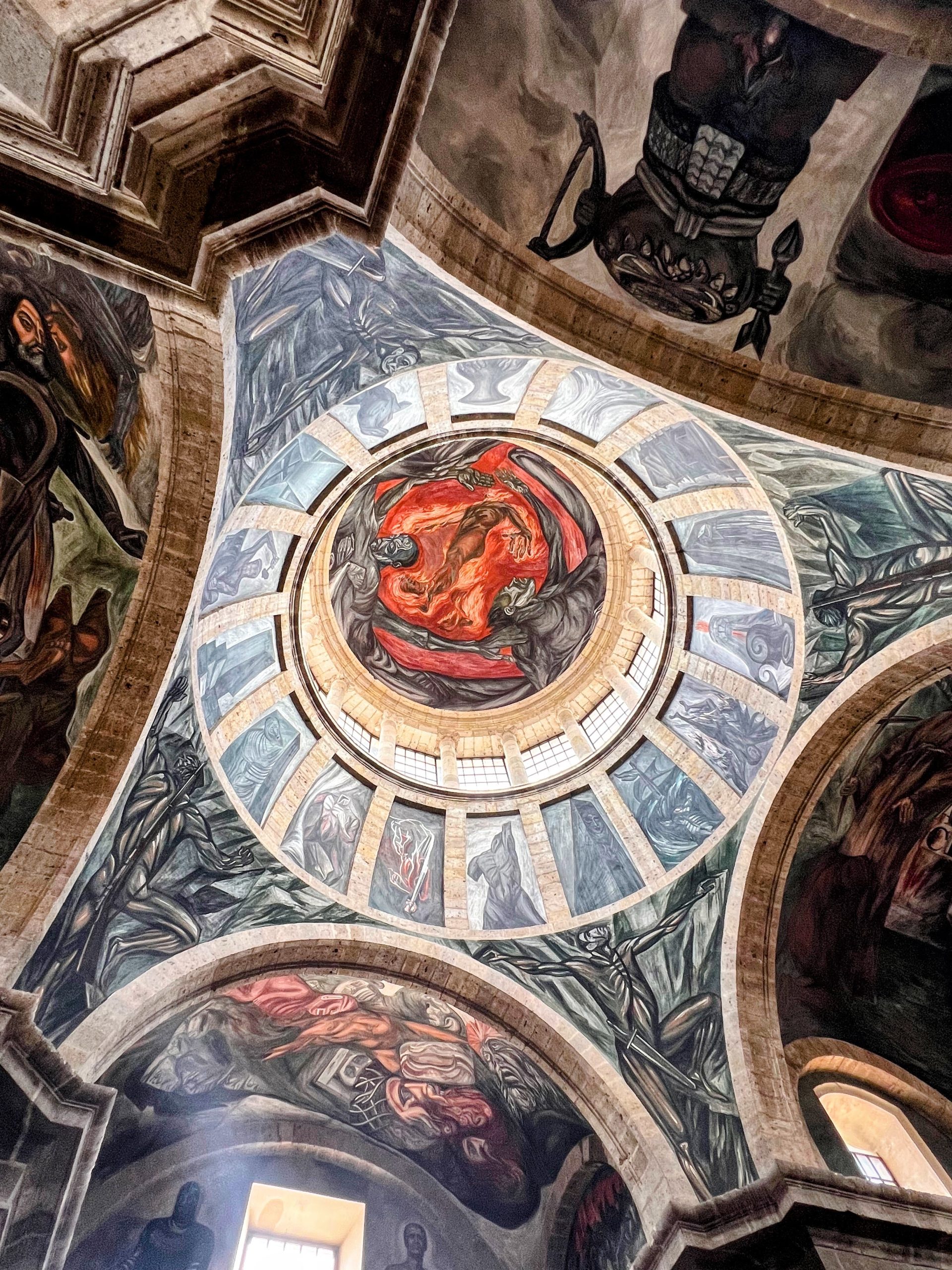
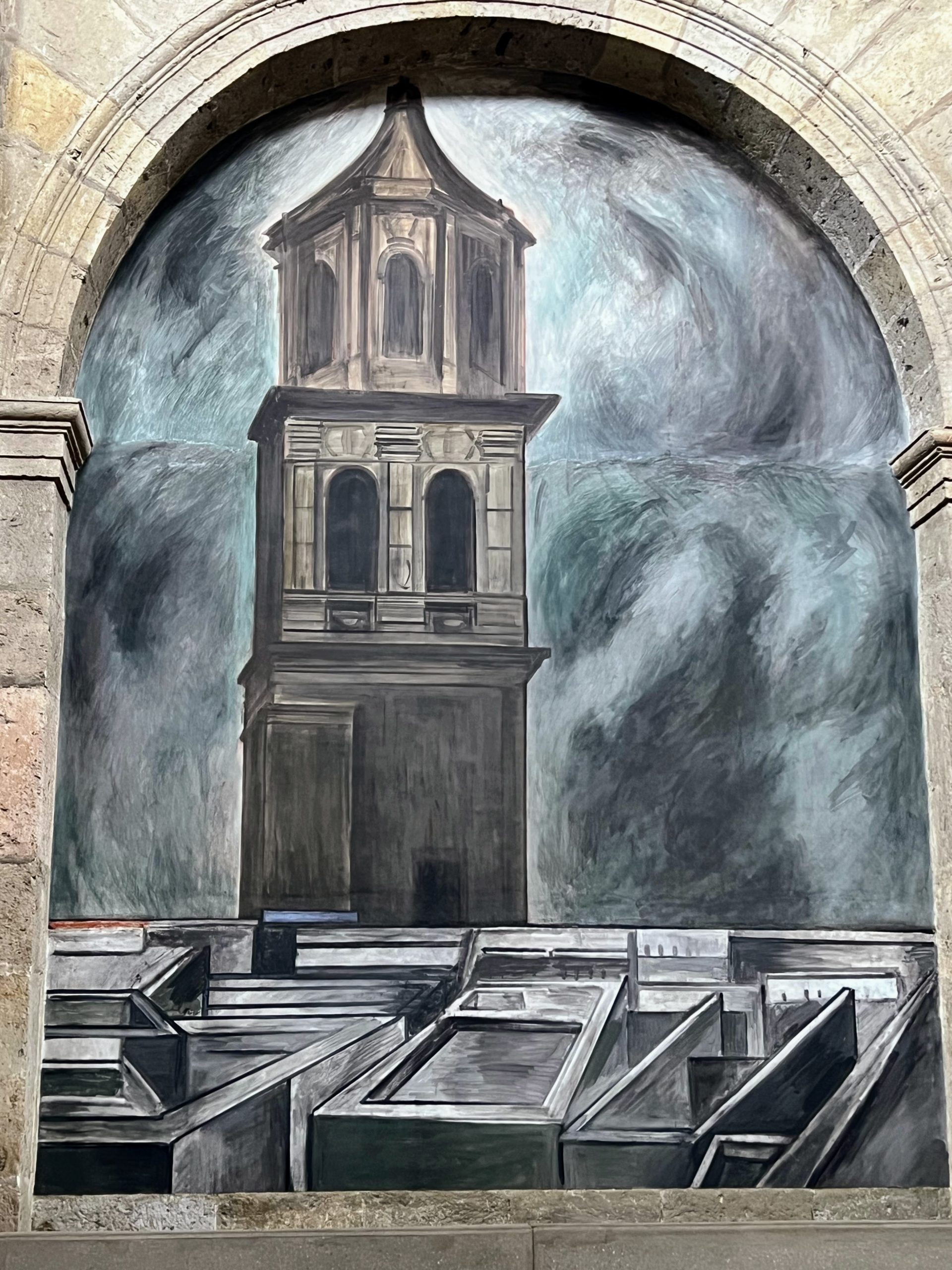
  From Guadalajara’s Grand Plazas to Tlaquepaque’s Artisan Alleys

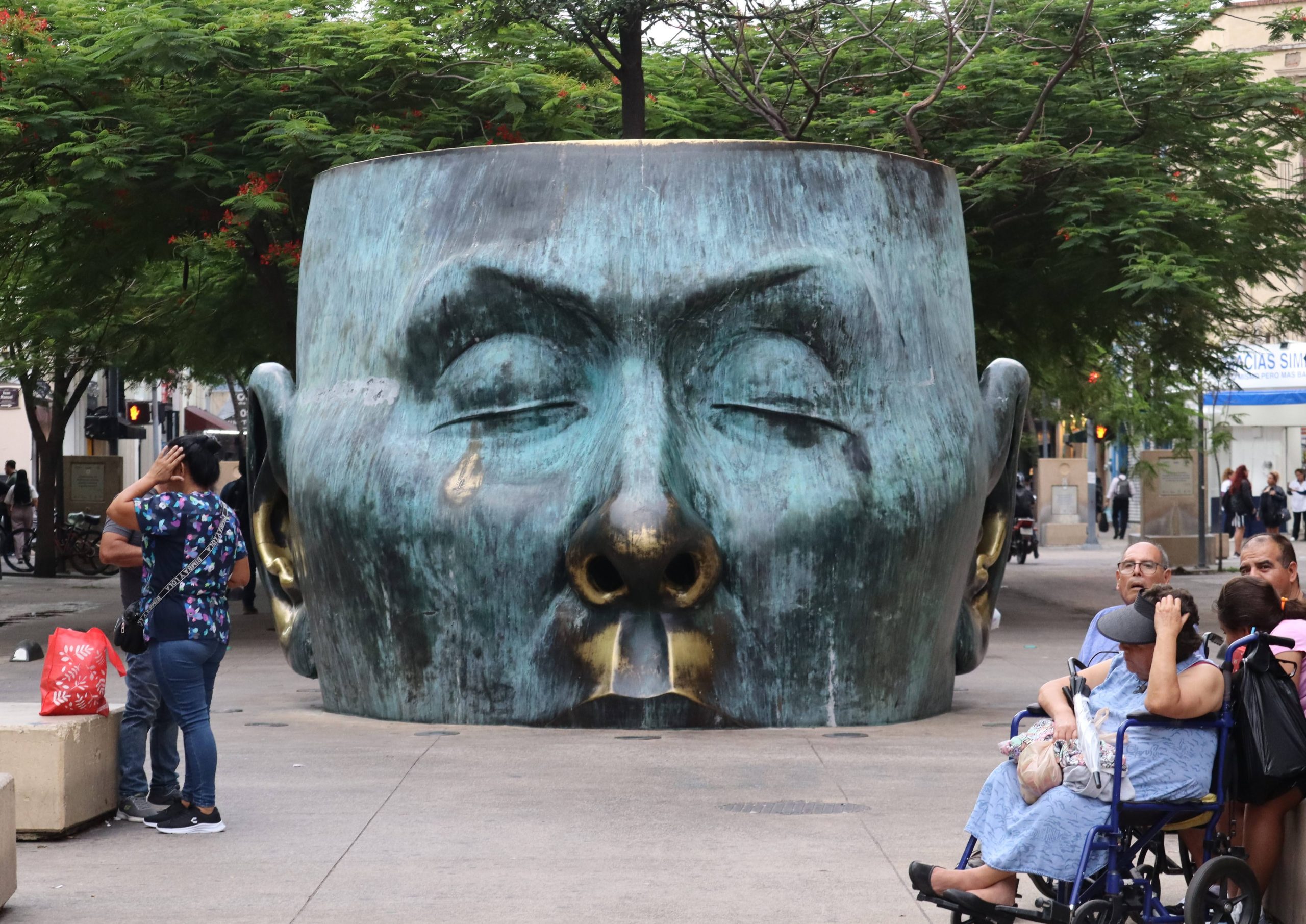
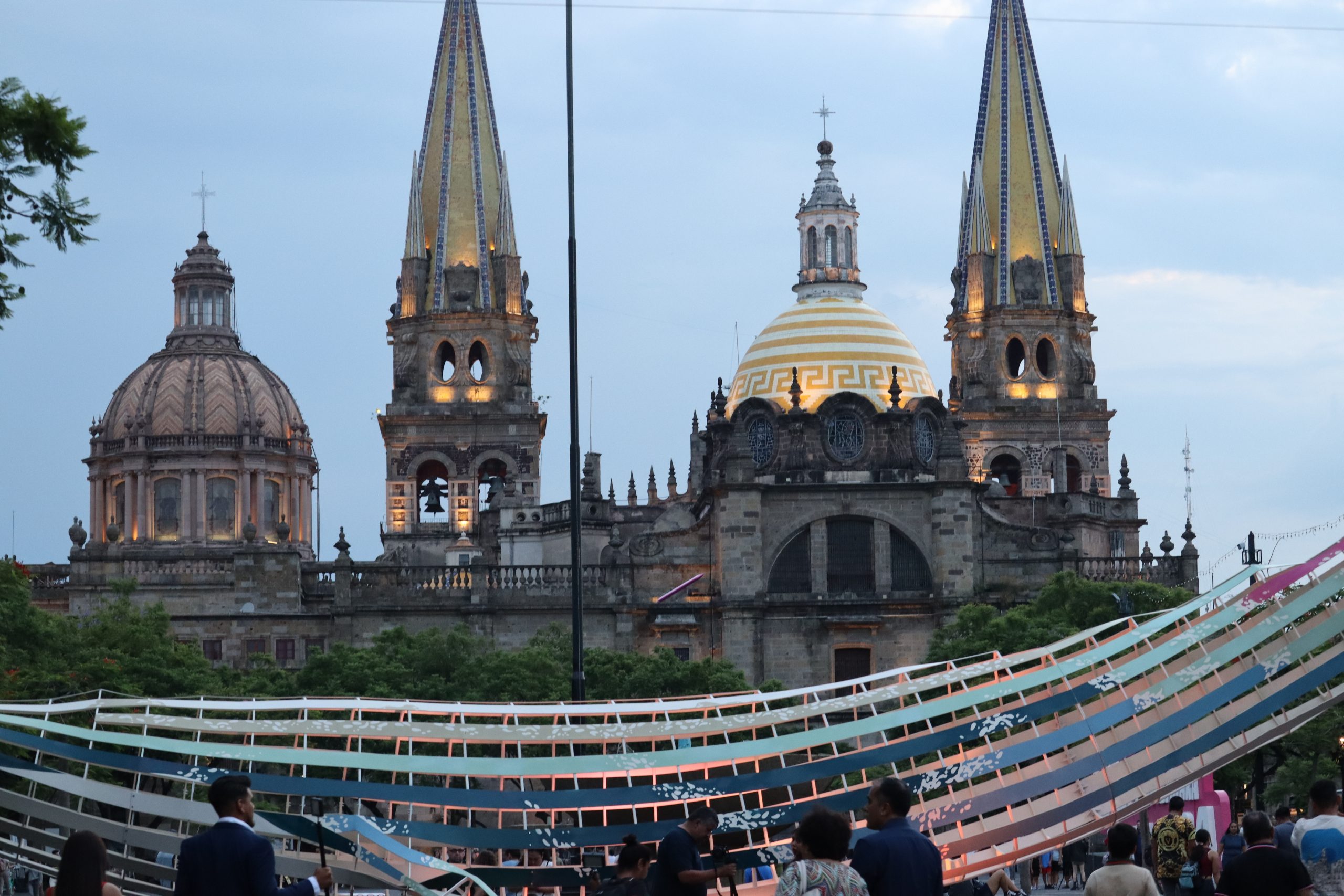
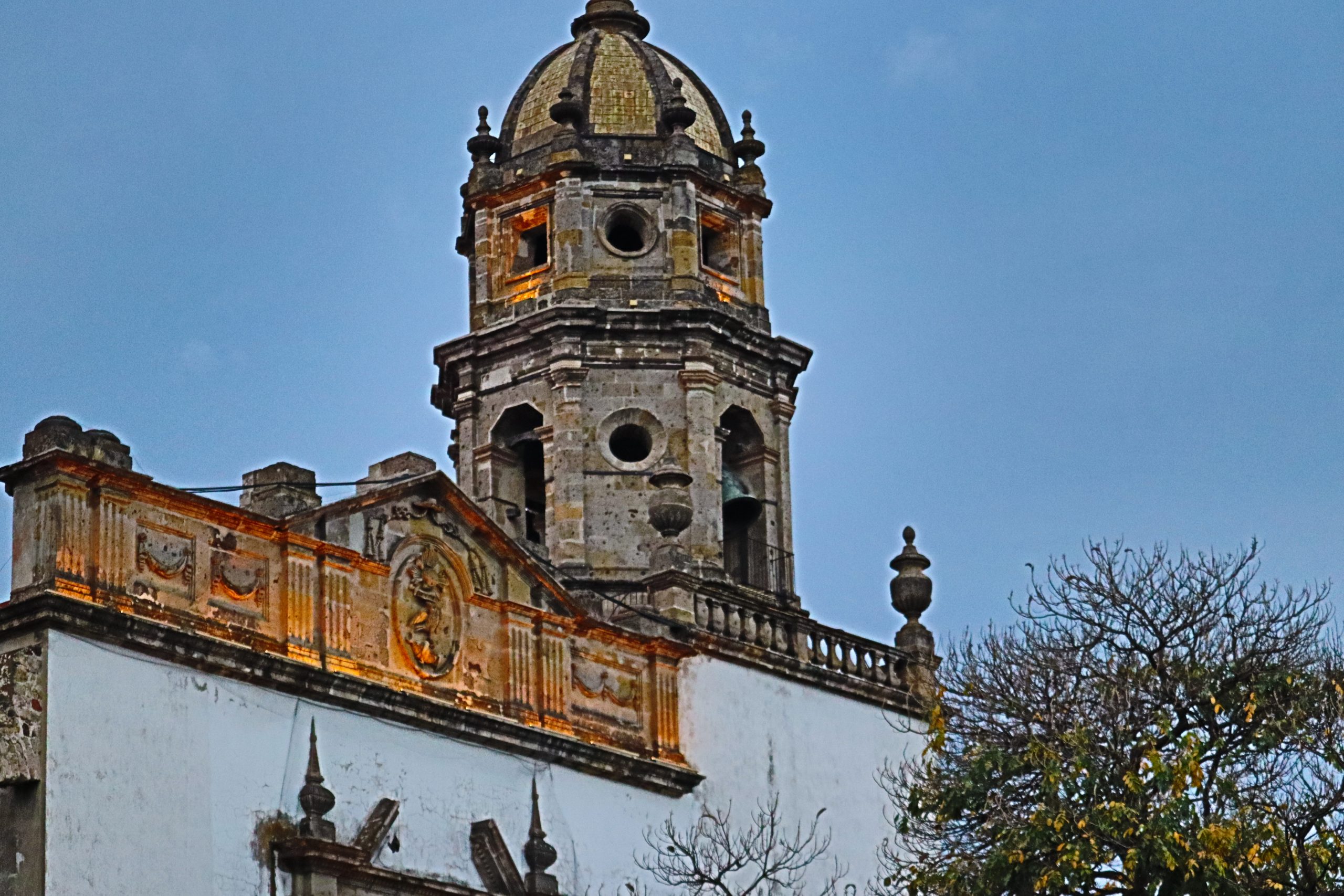
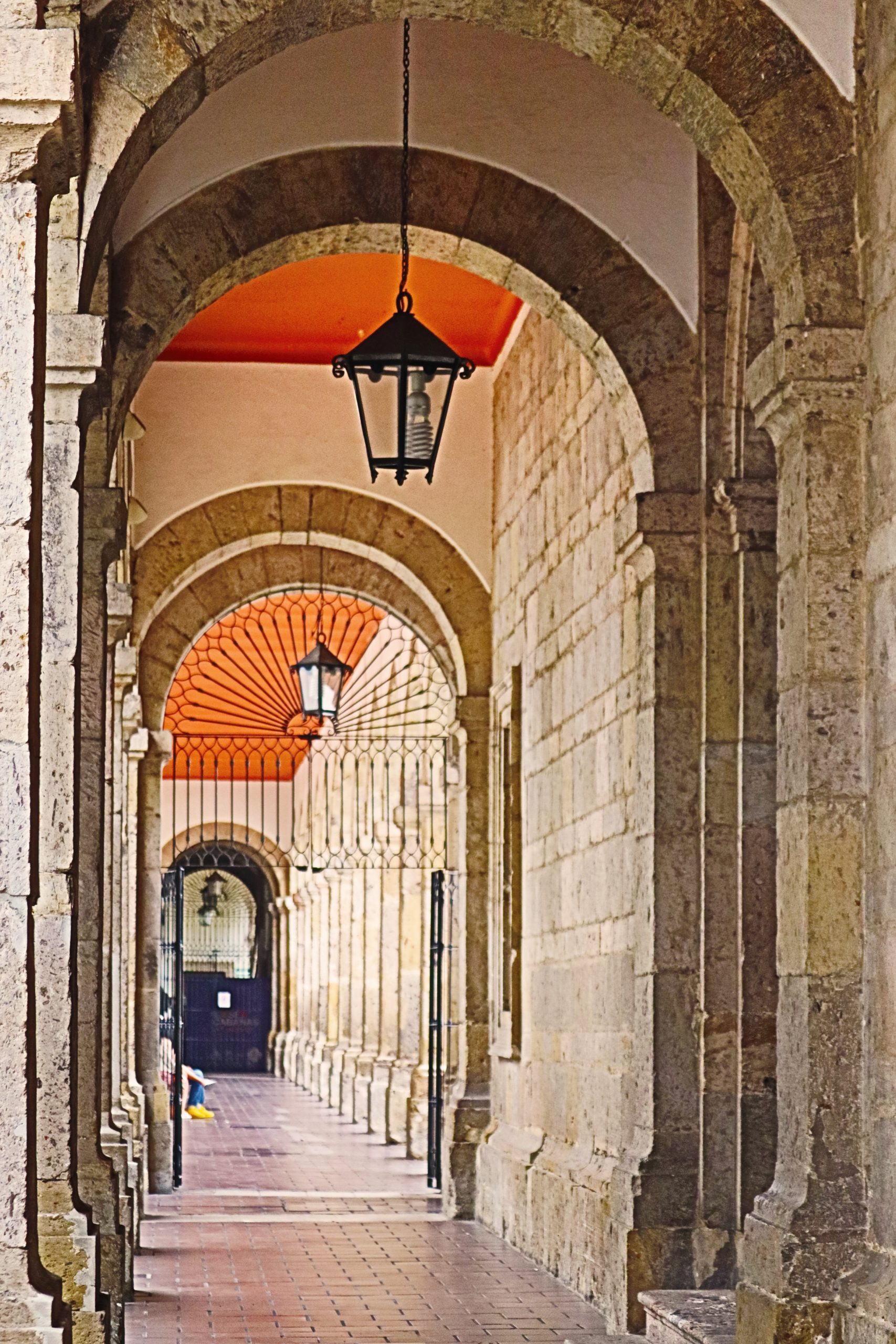
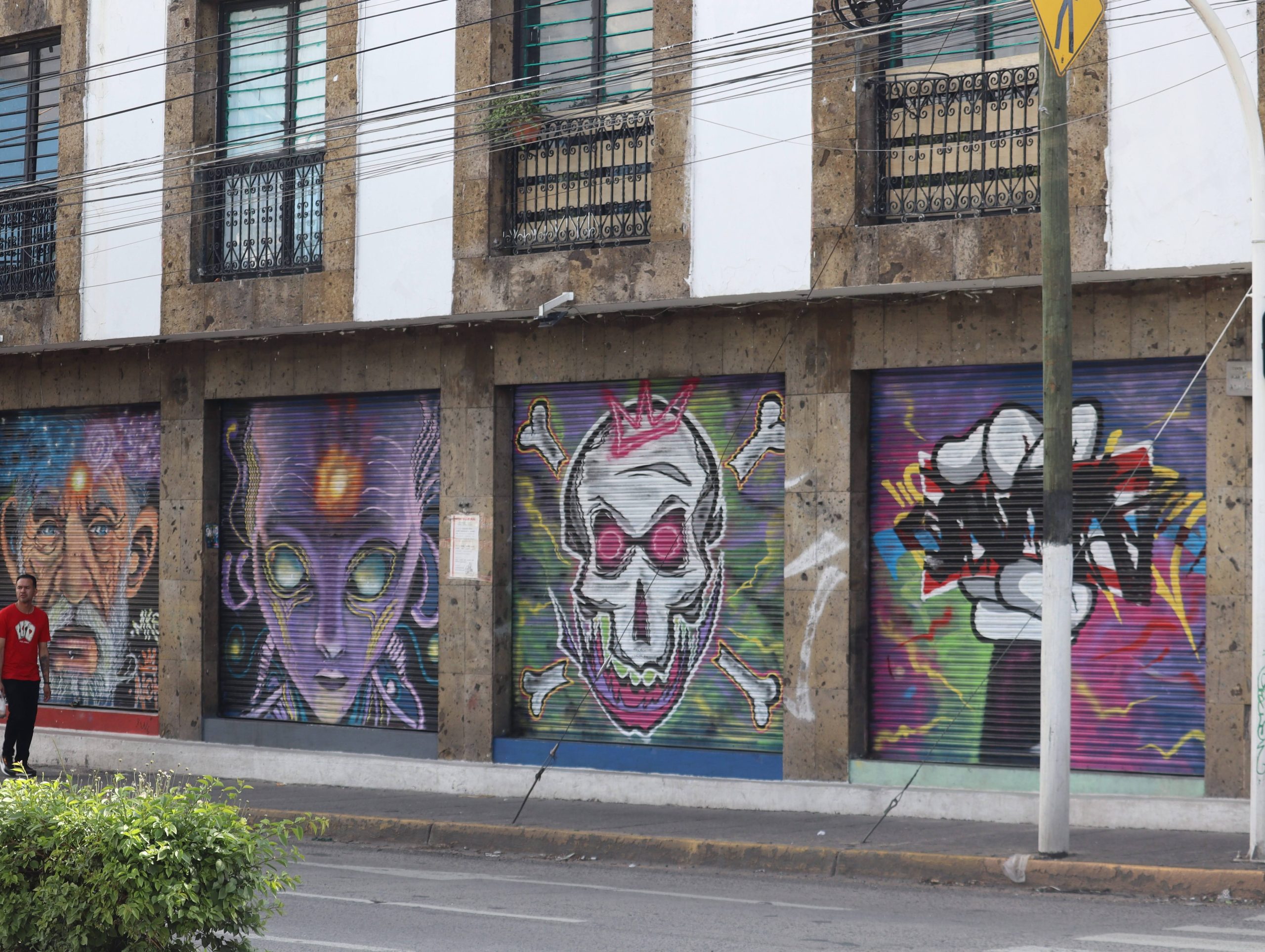
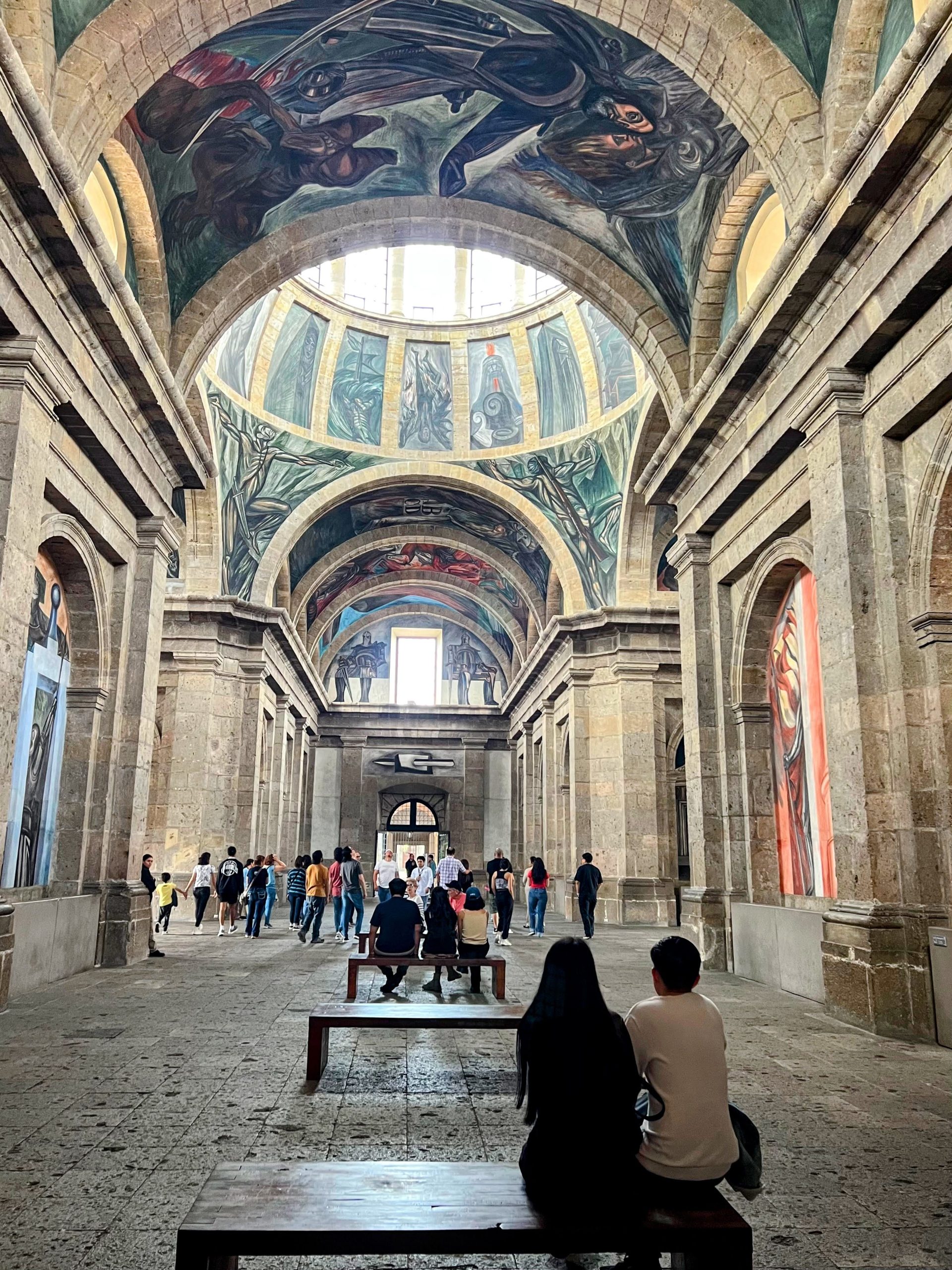
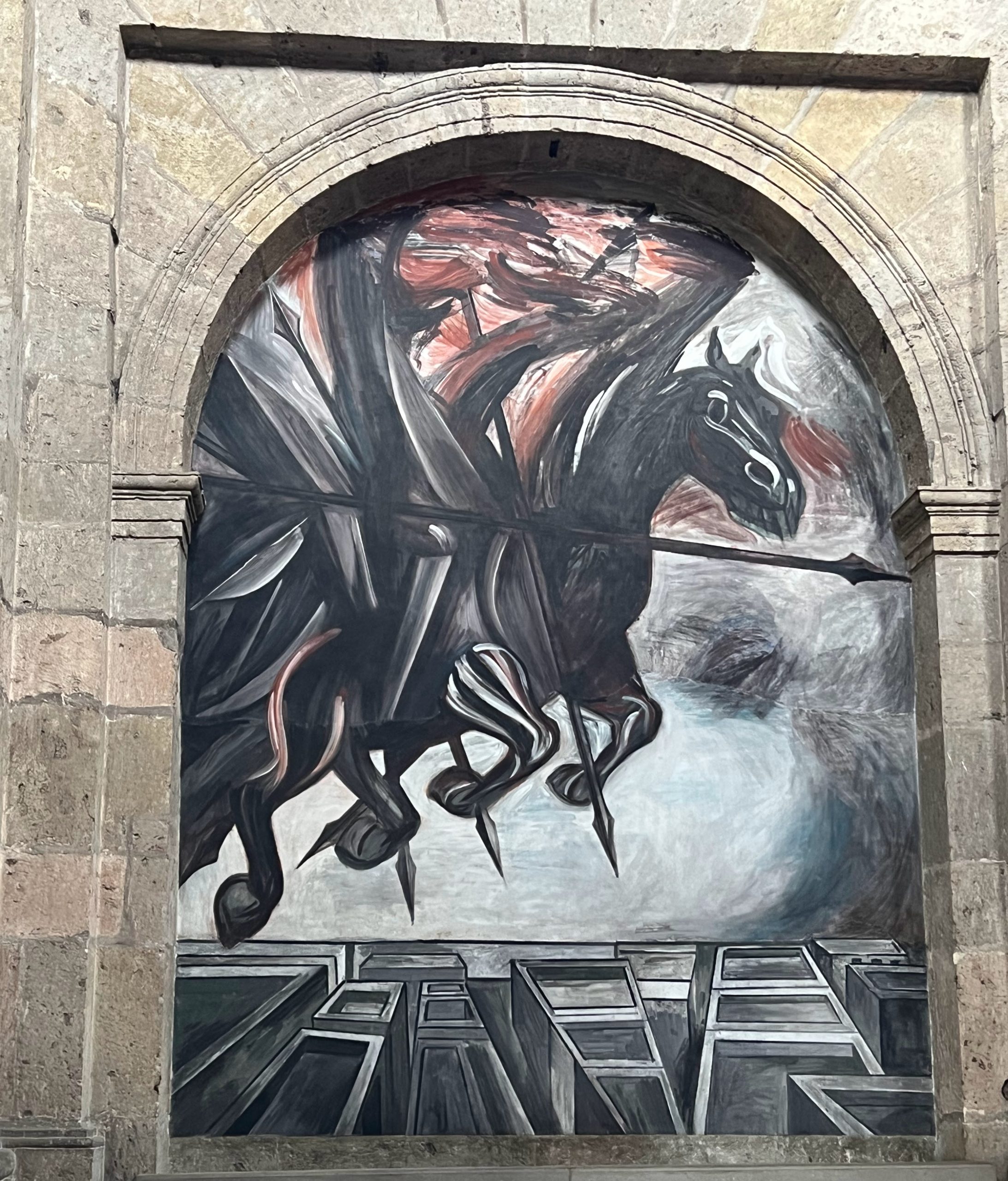
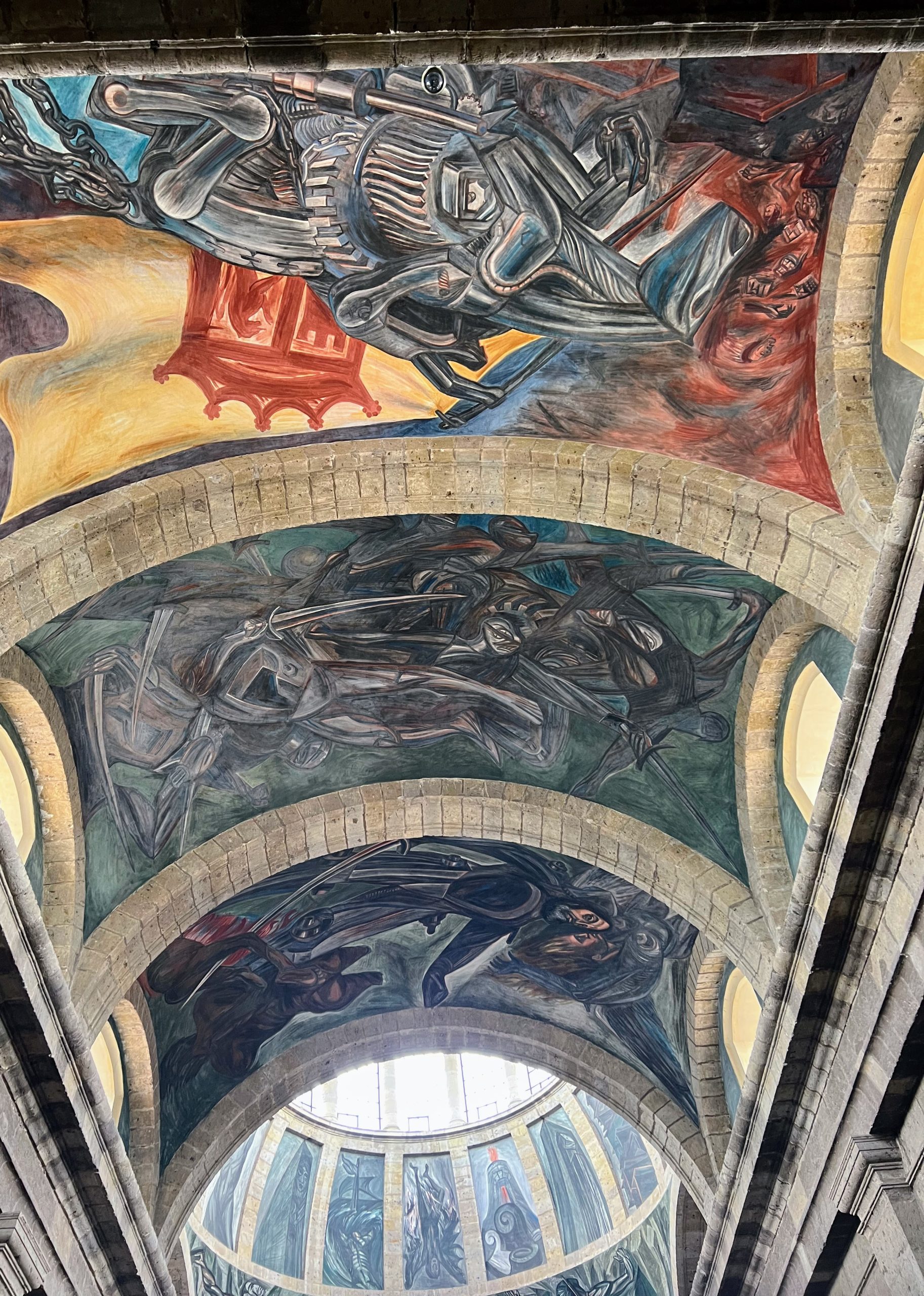
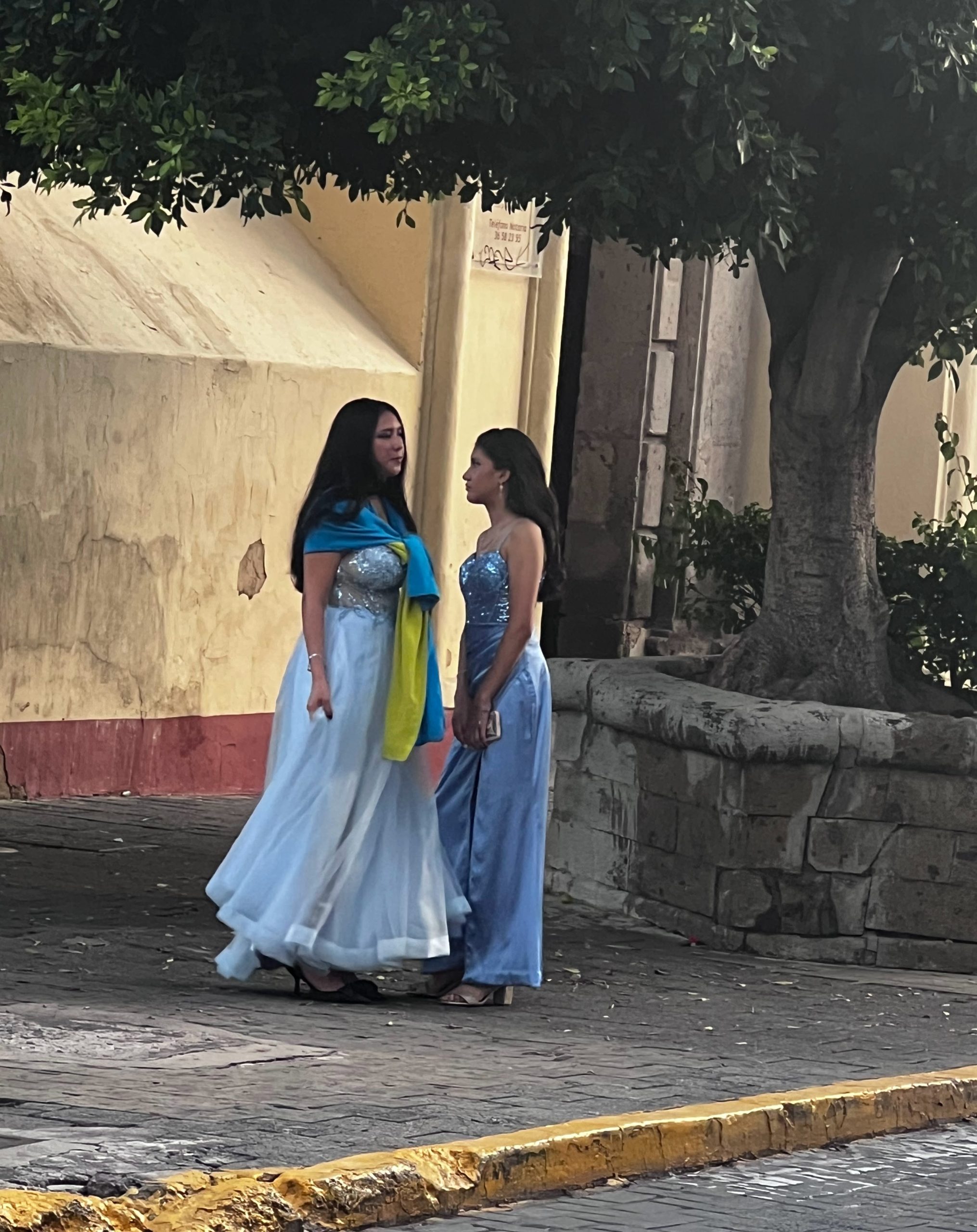
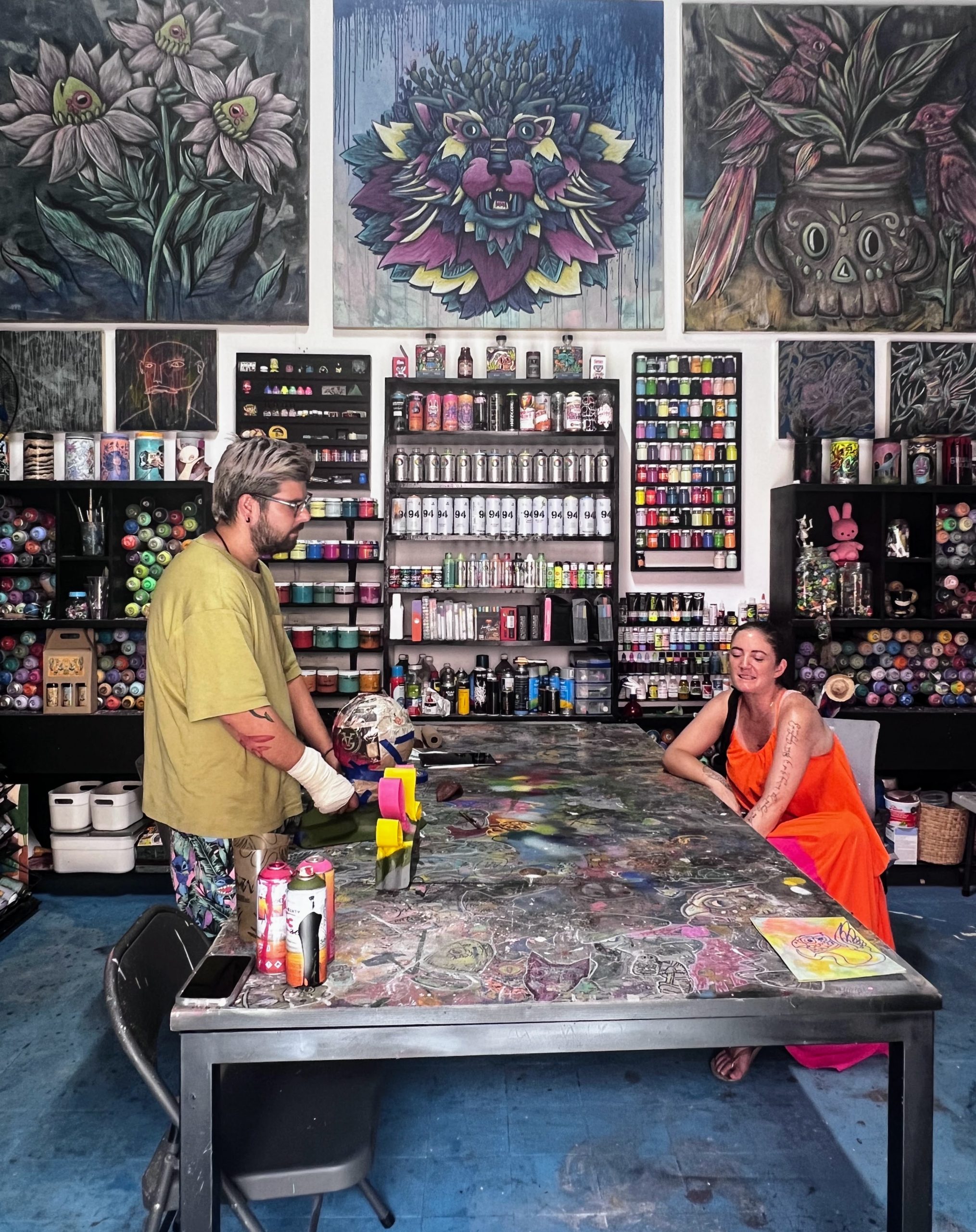
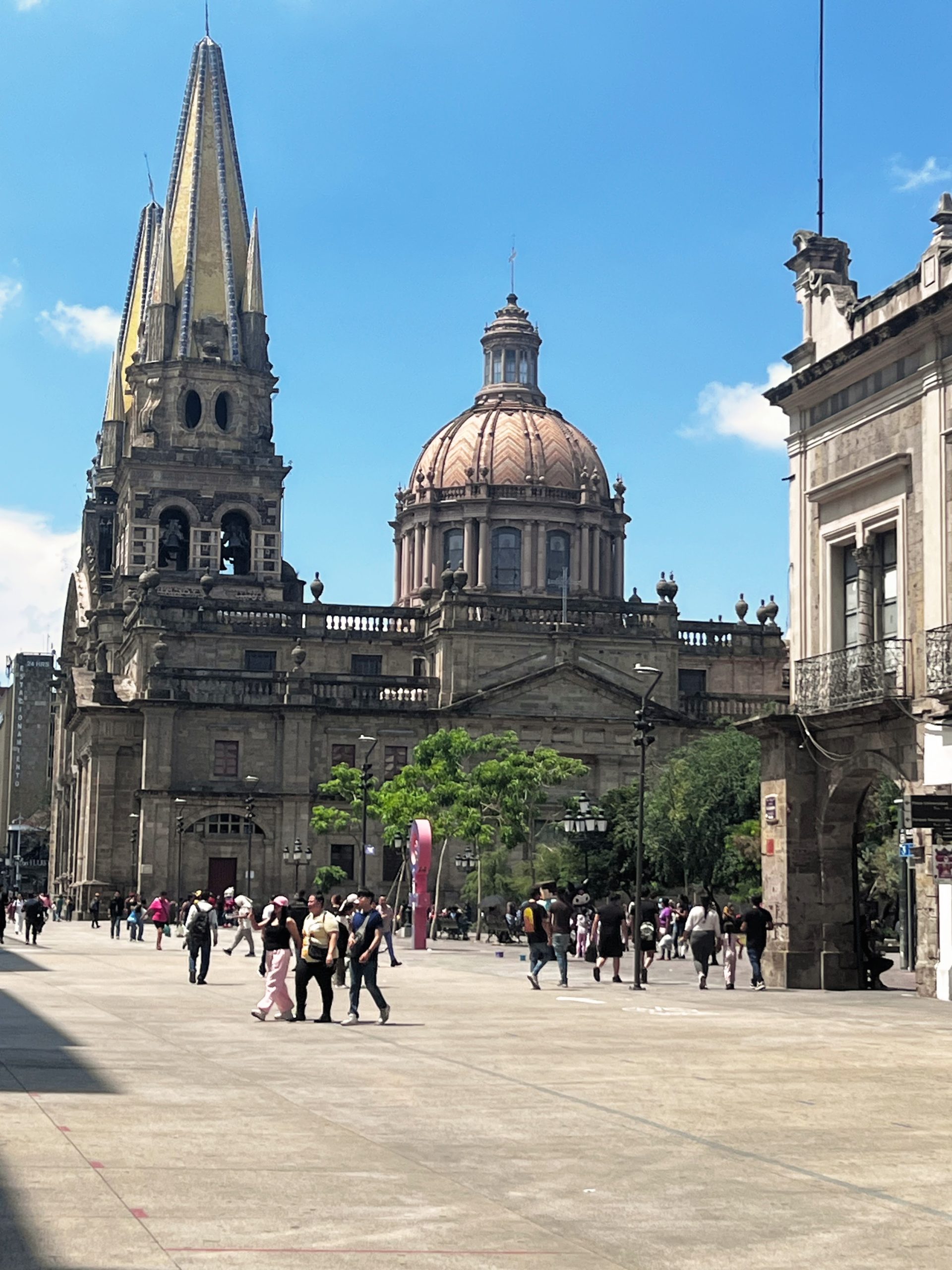
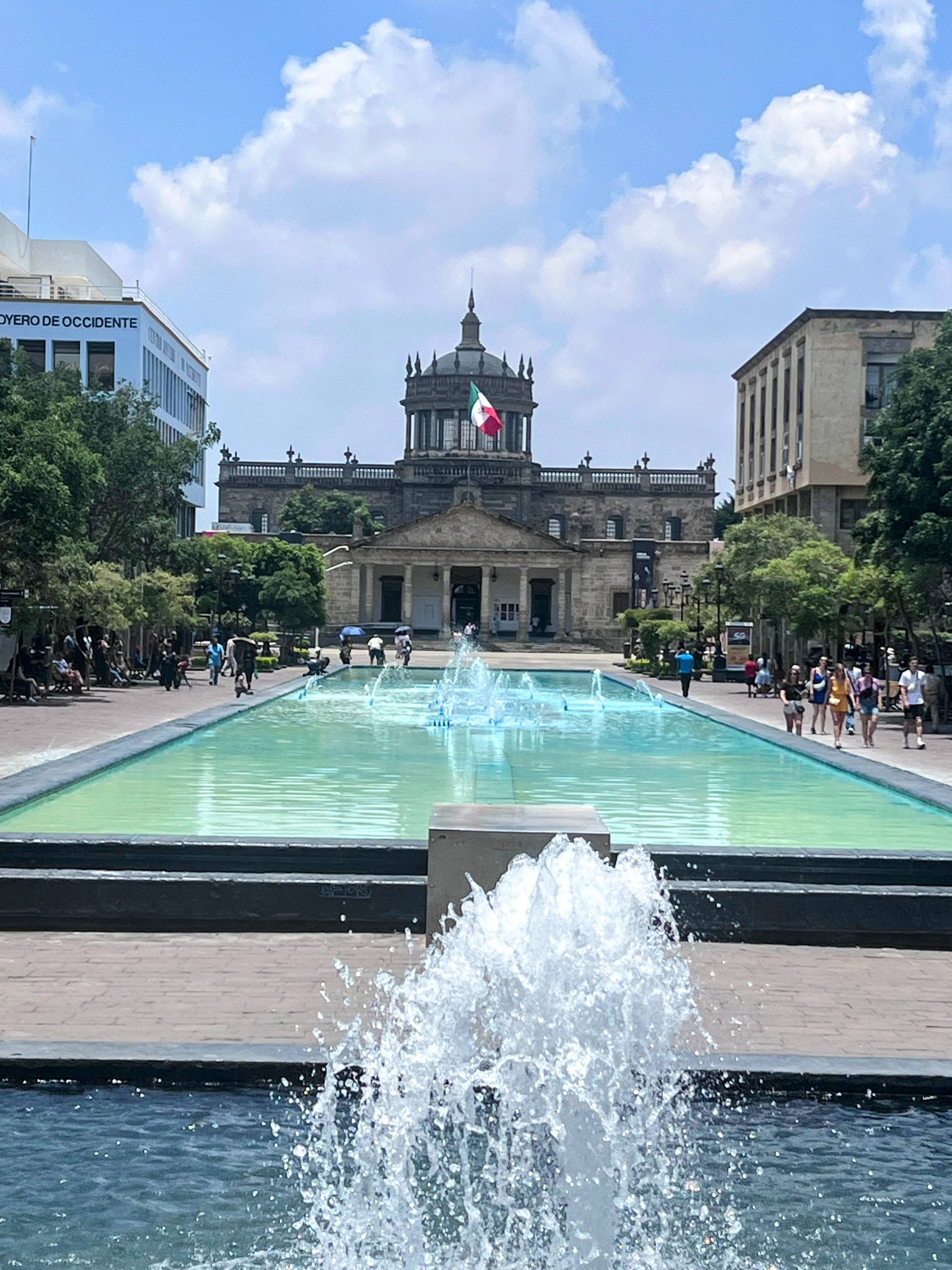
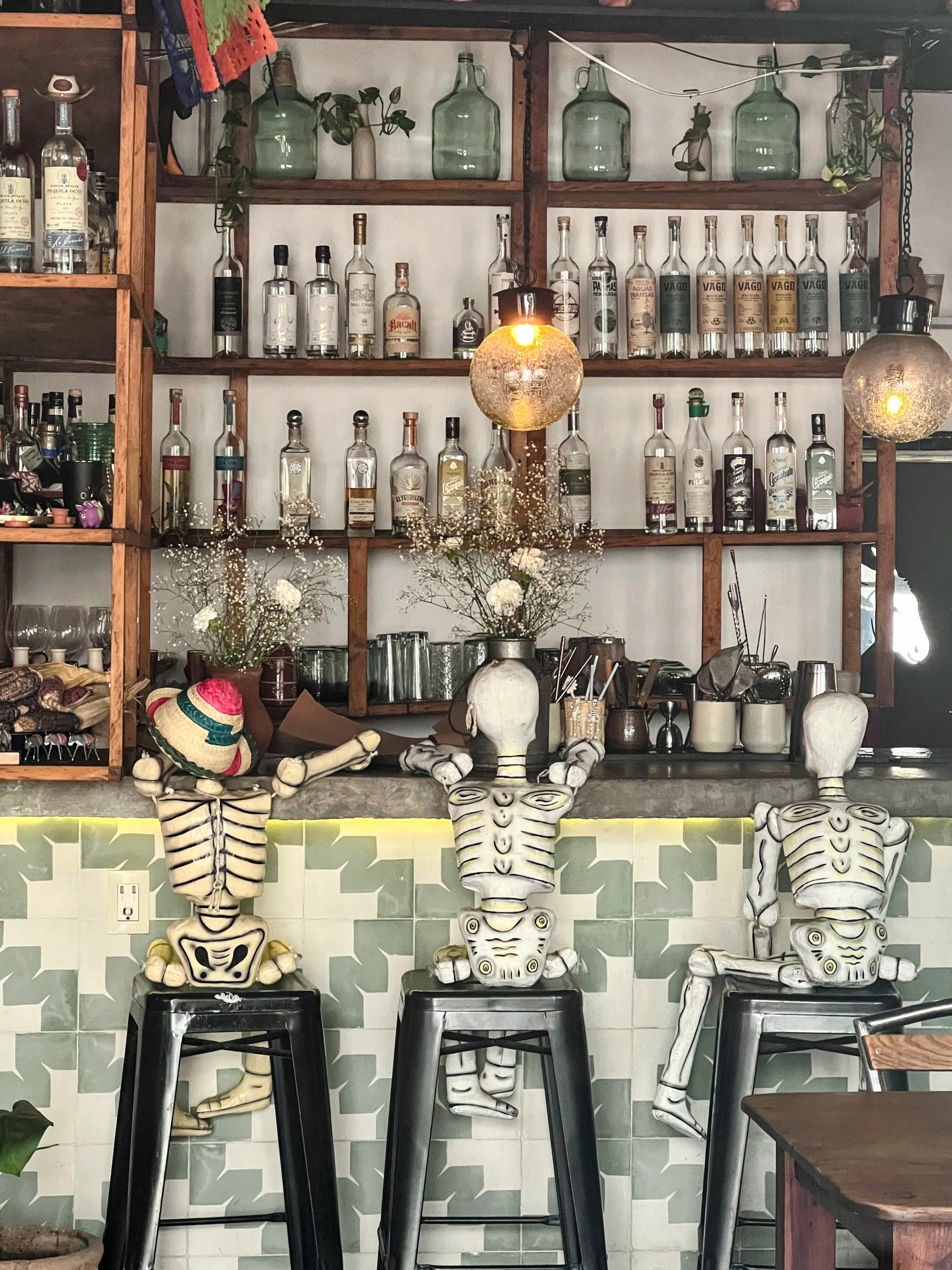
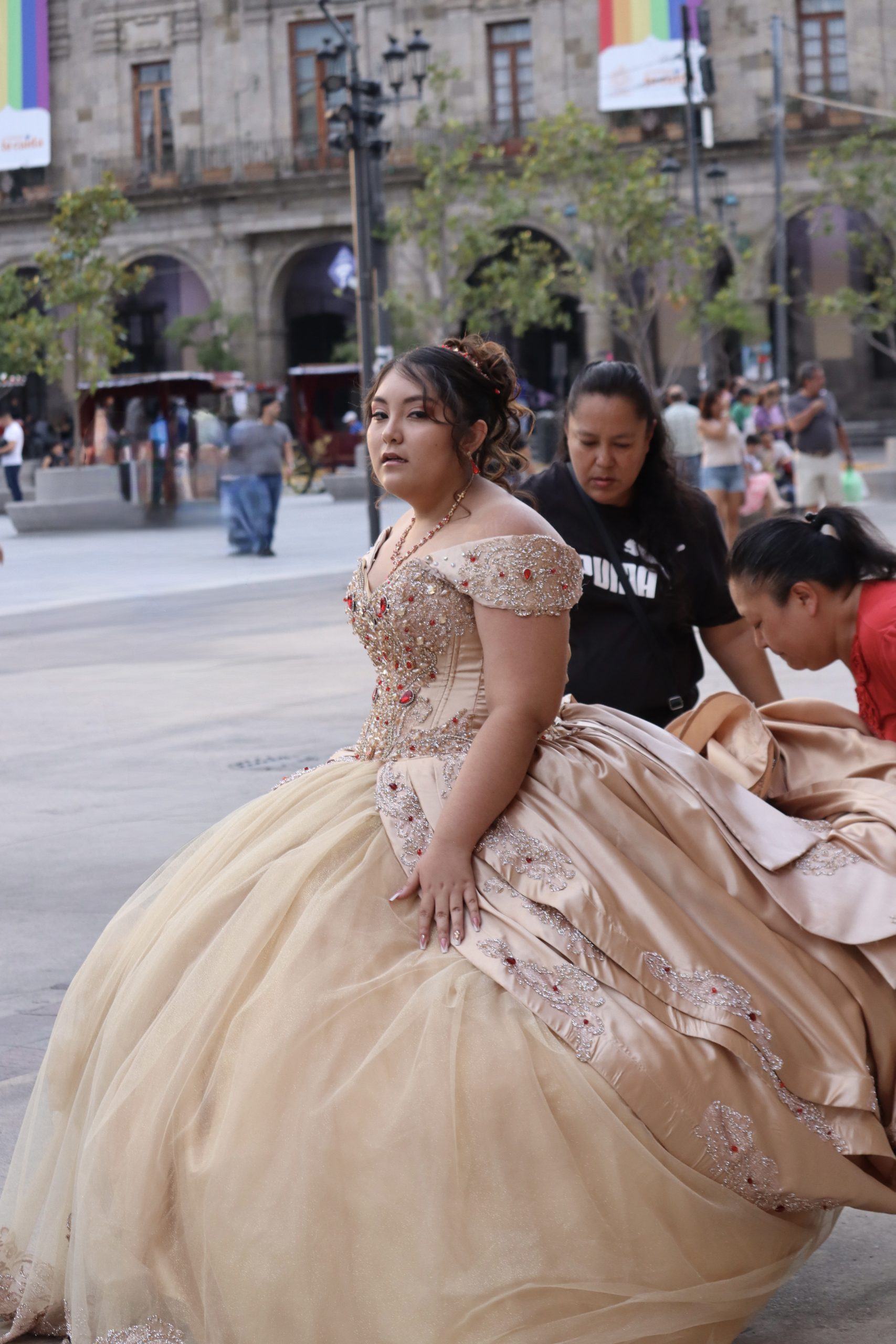
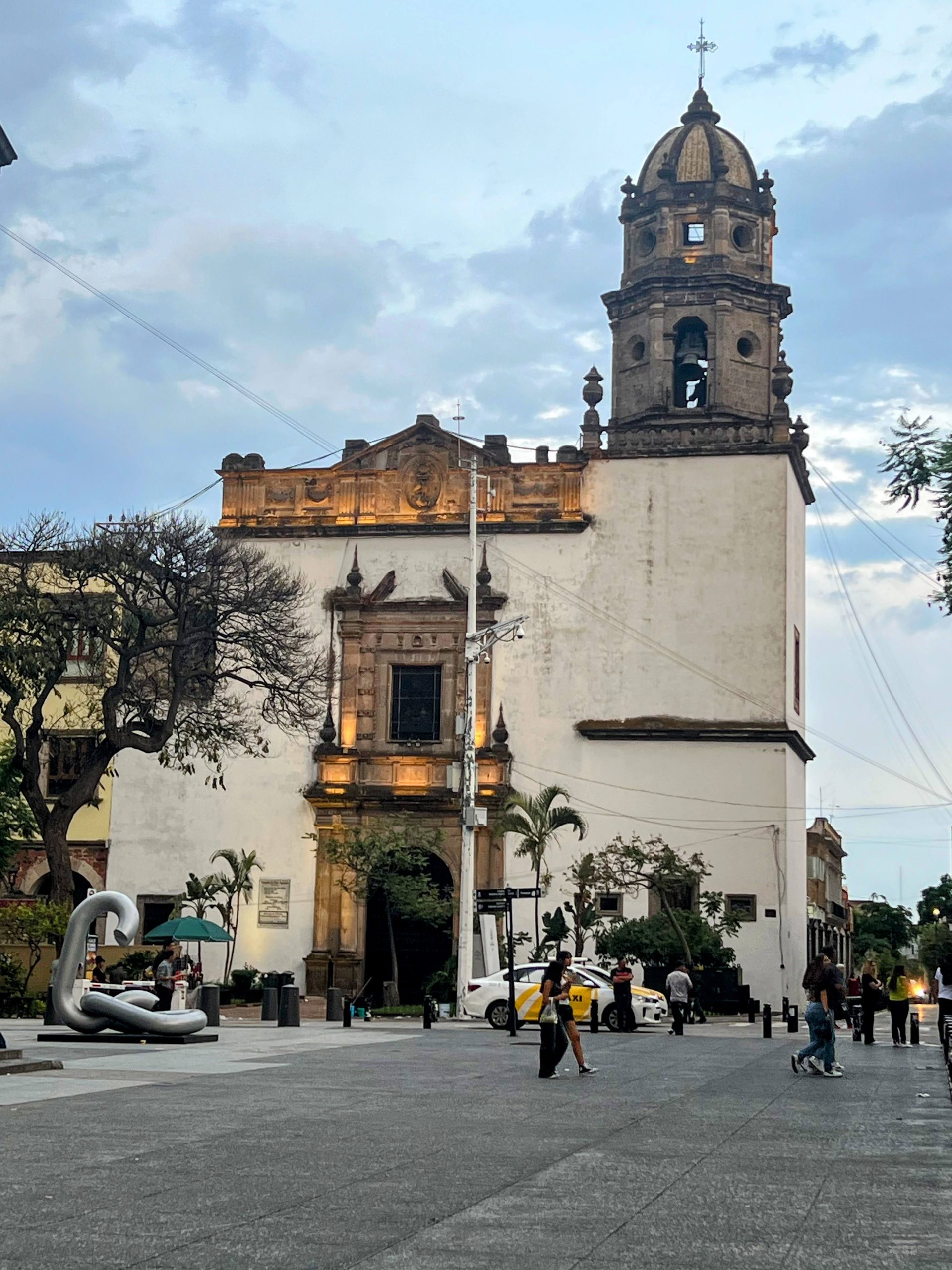
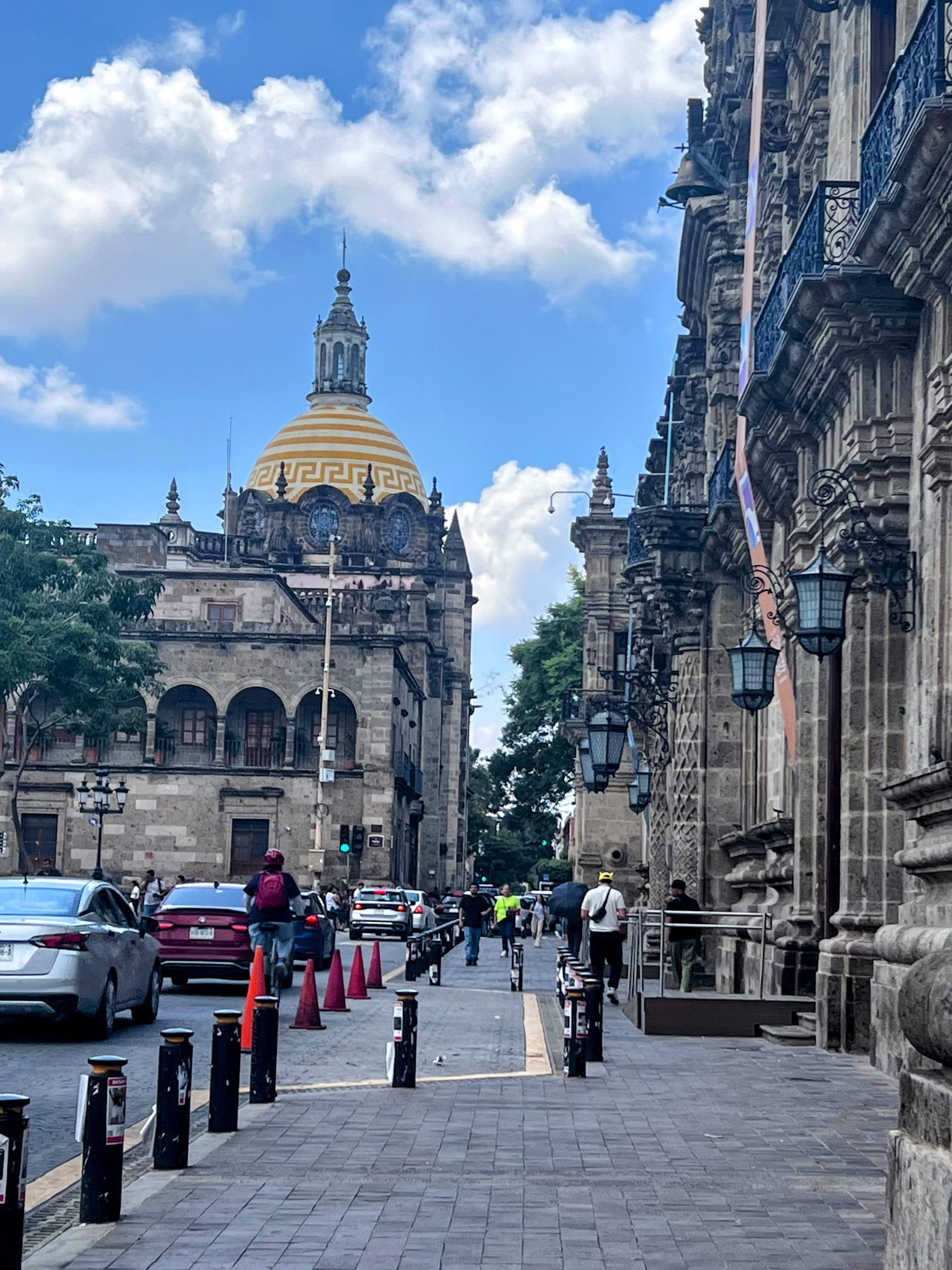
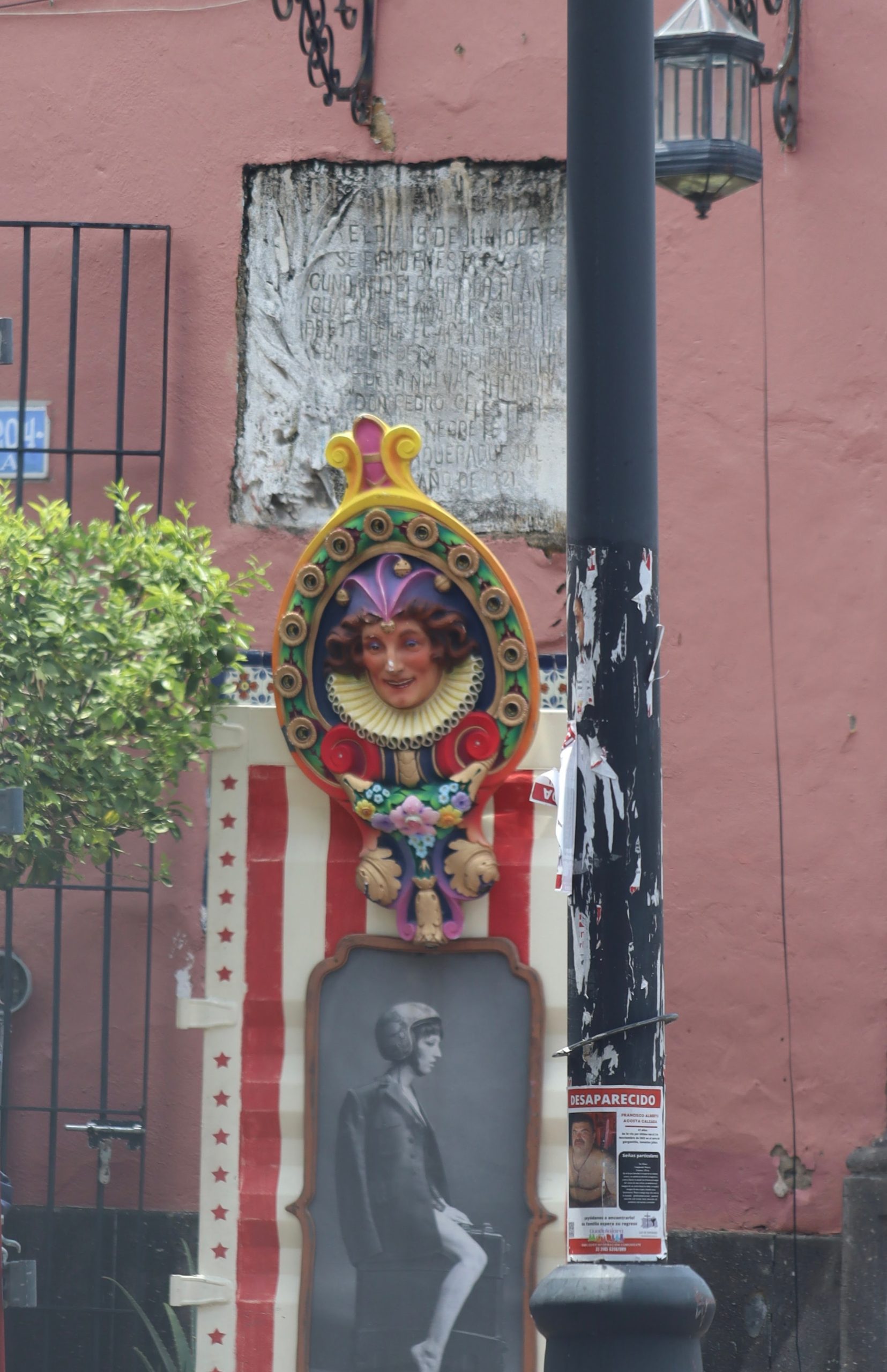
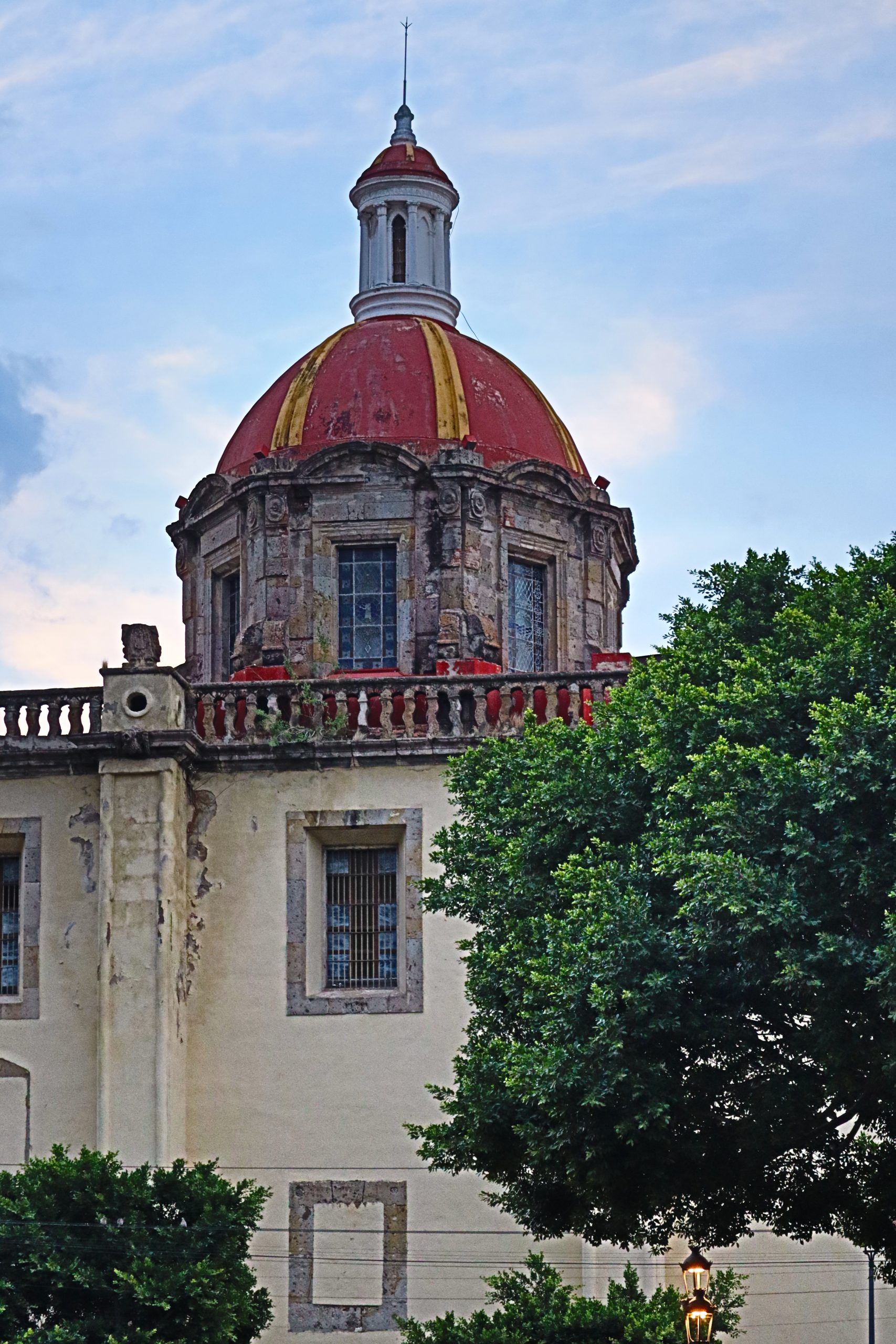
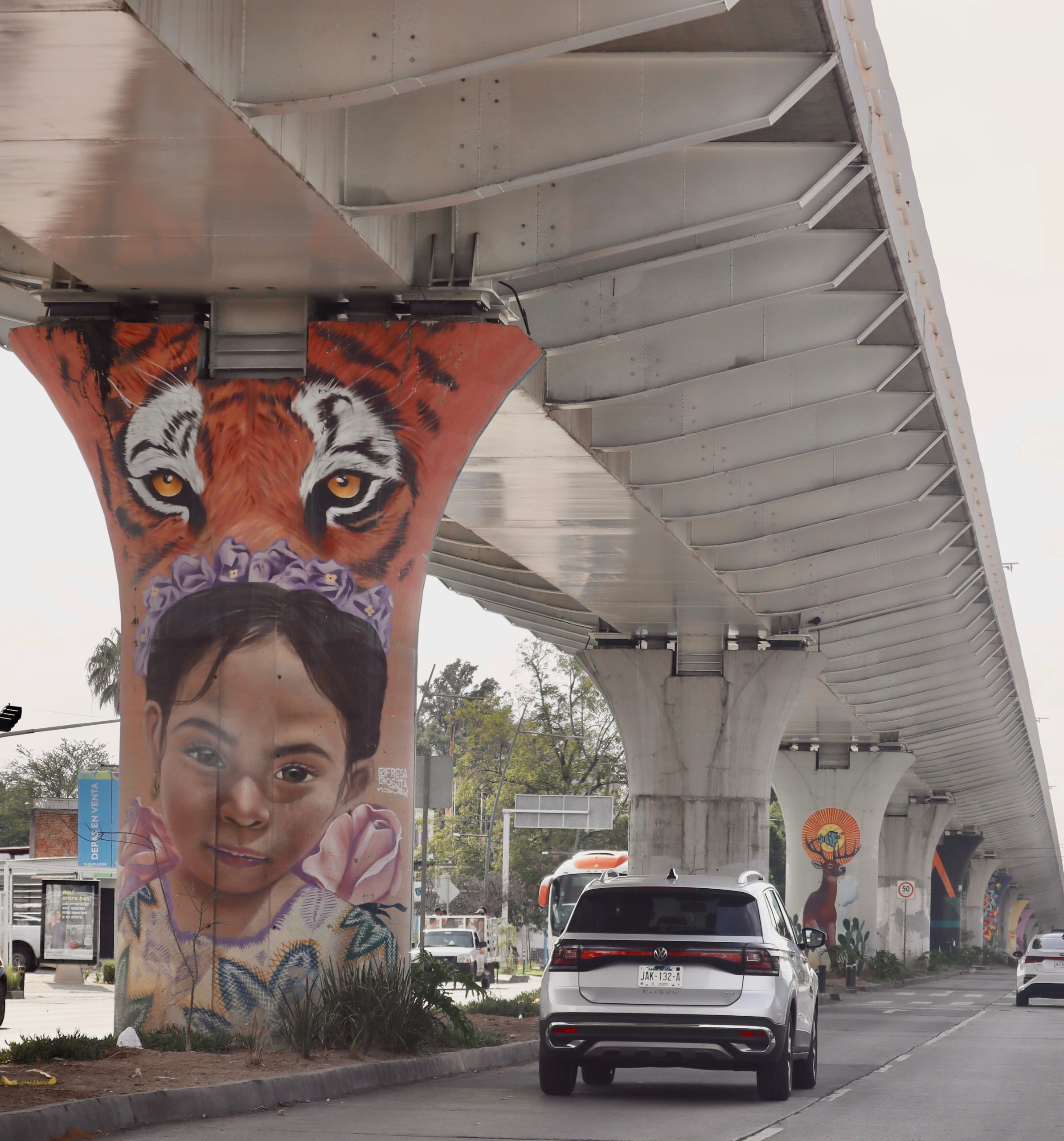
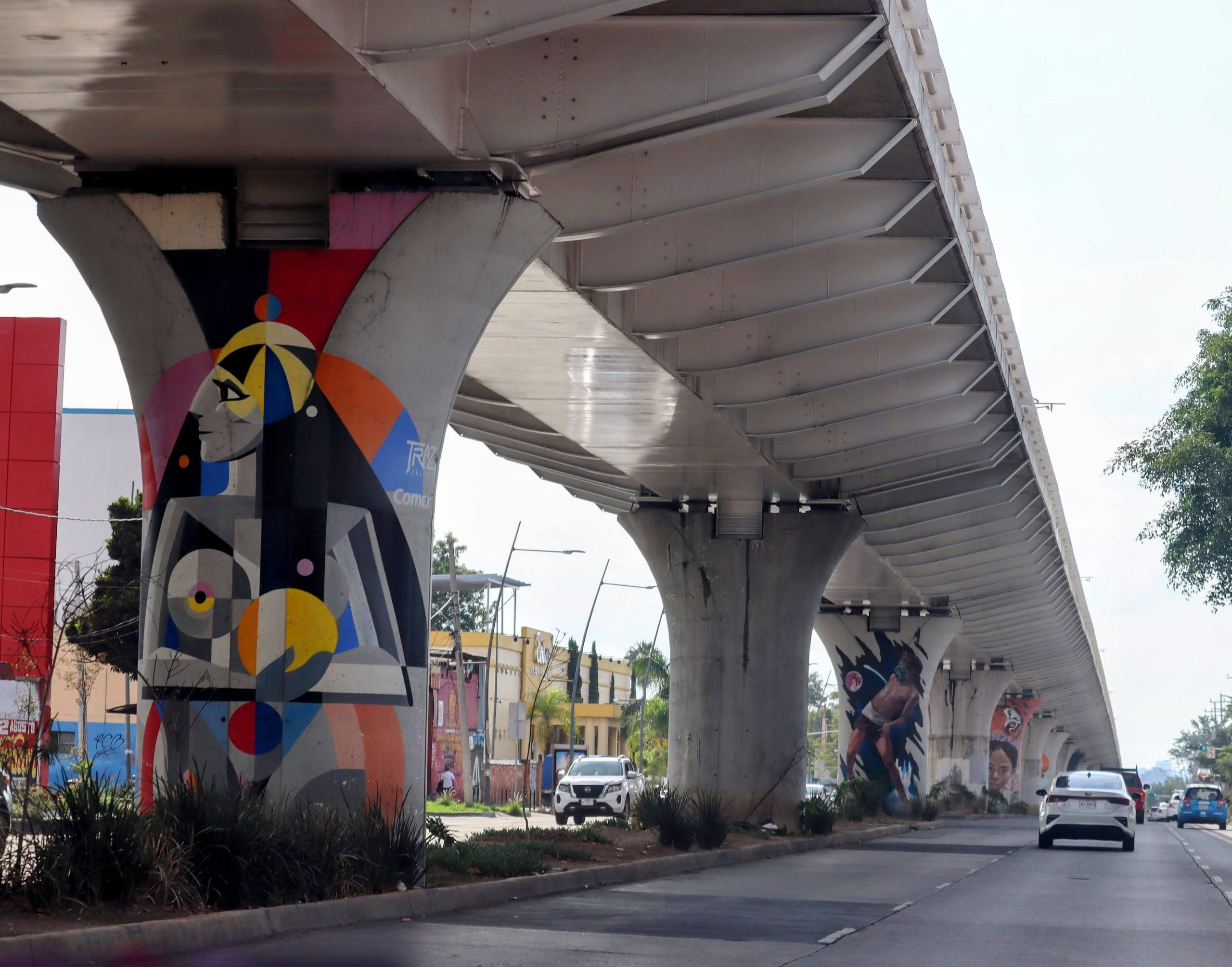
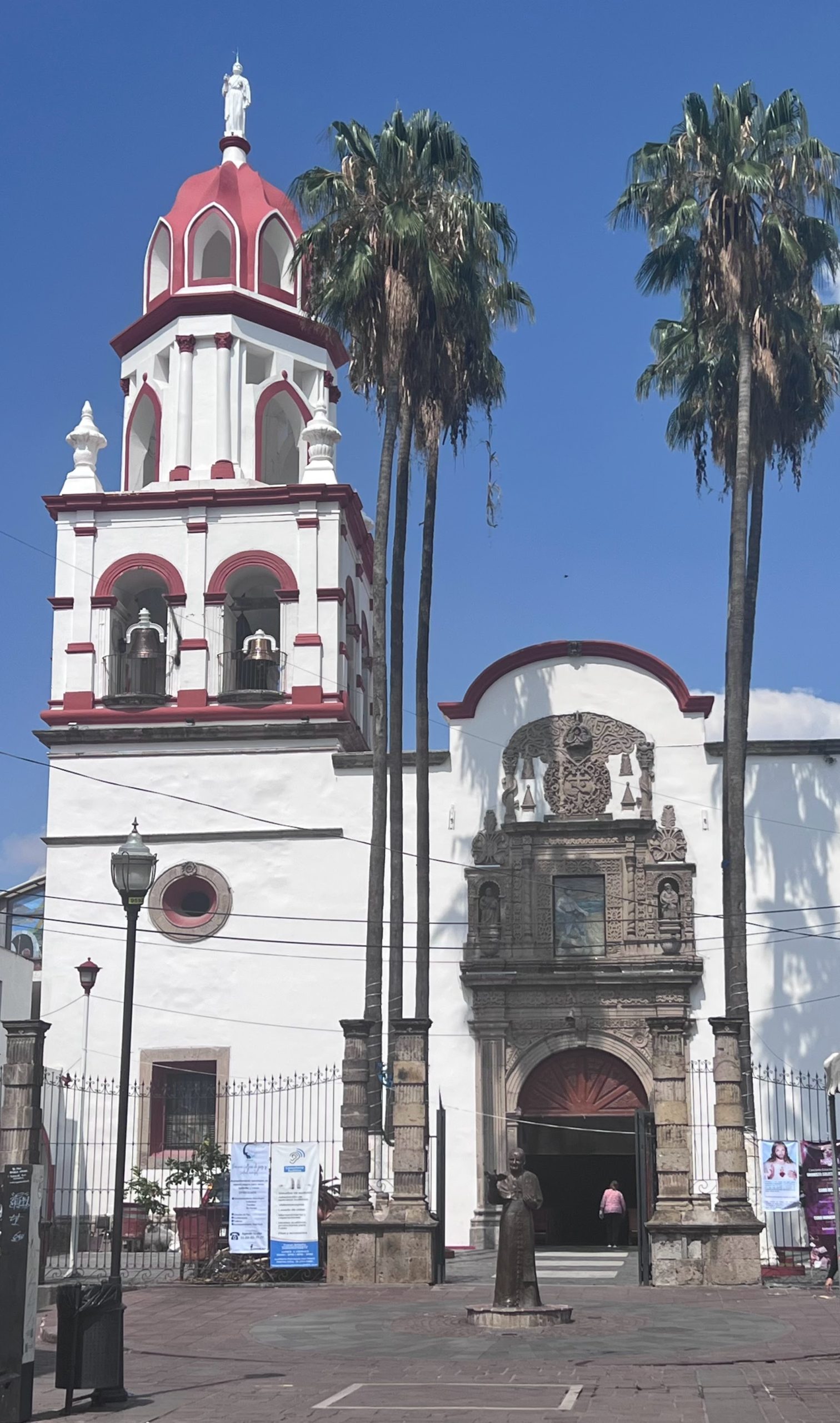
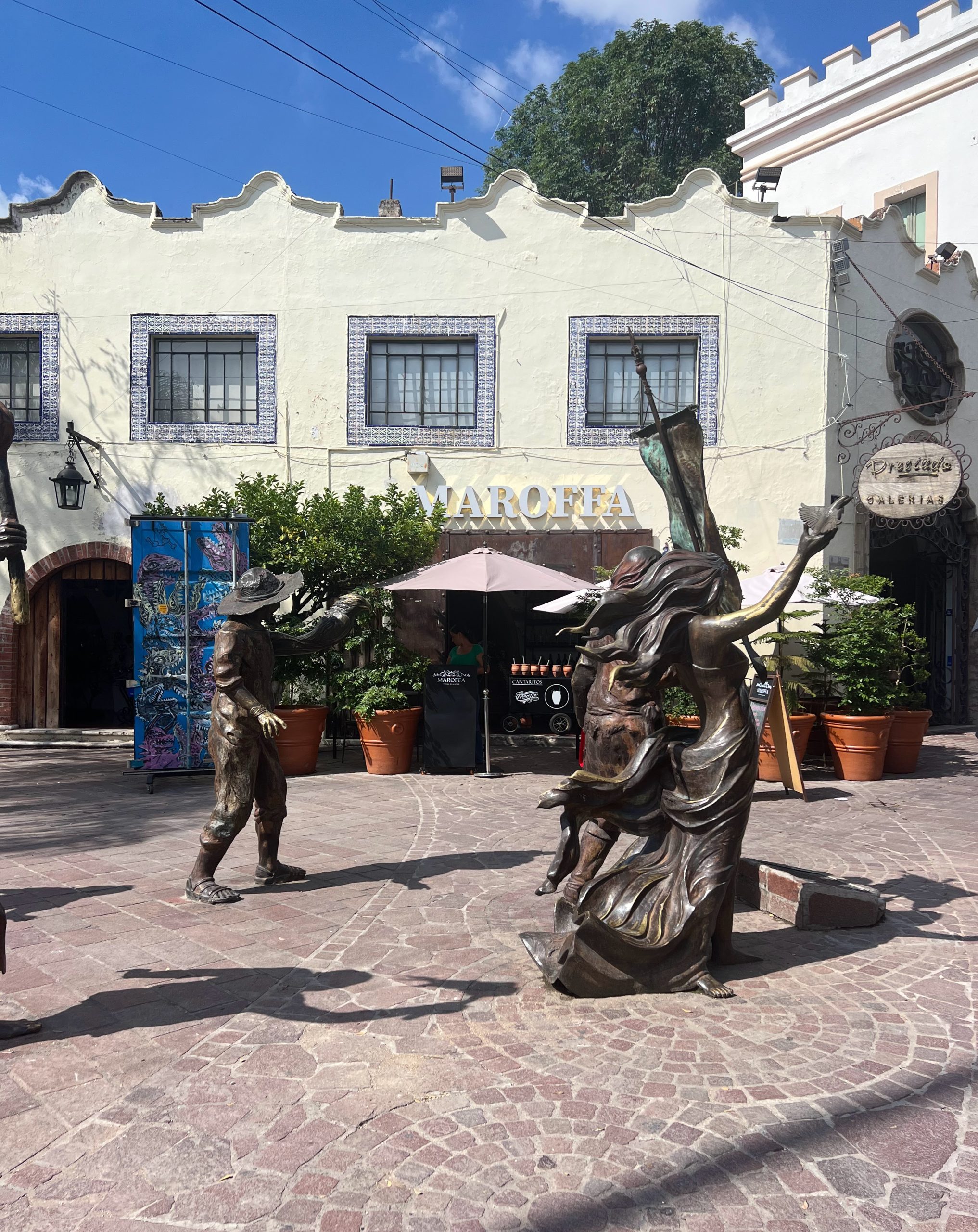
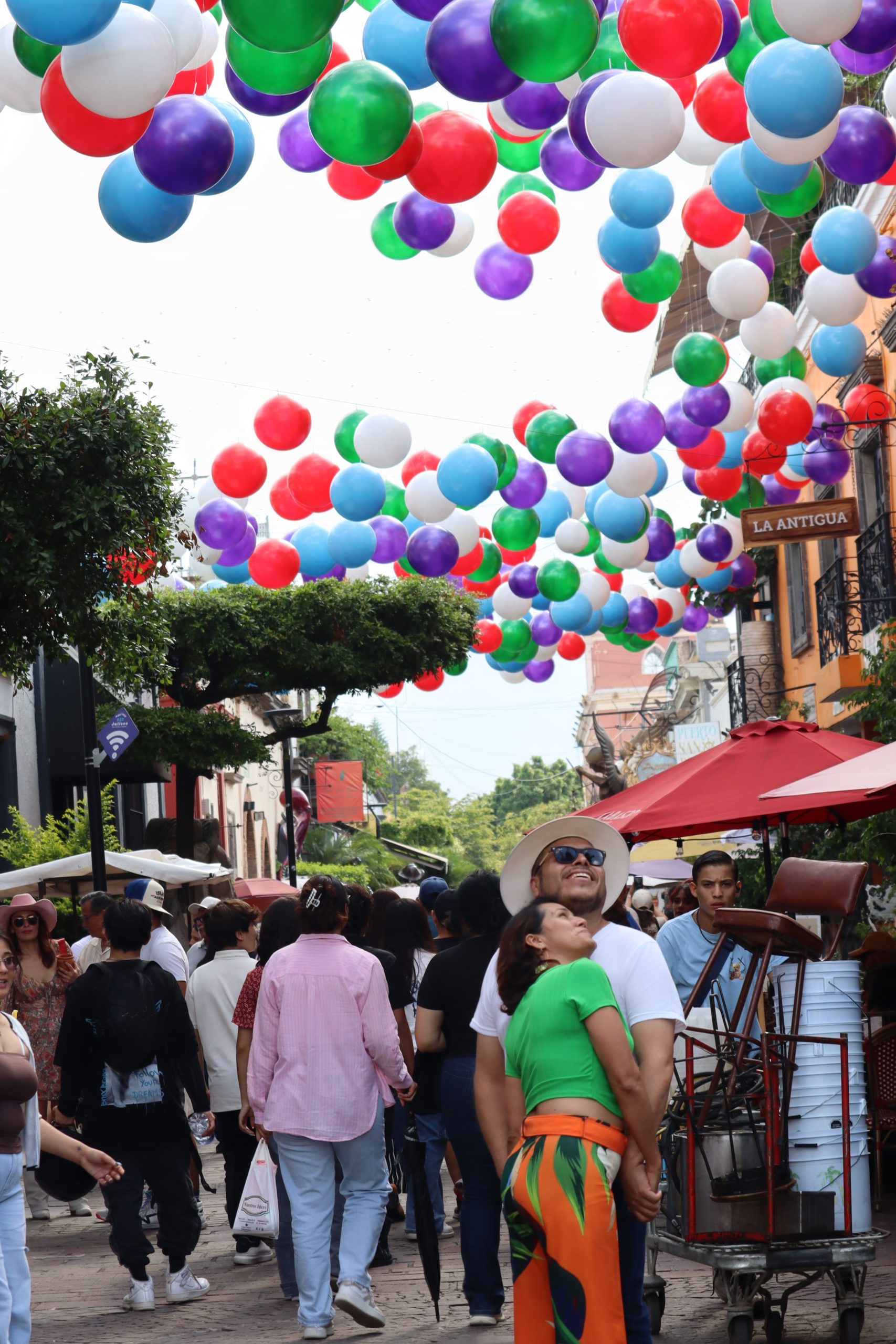
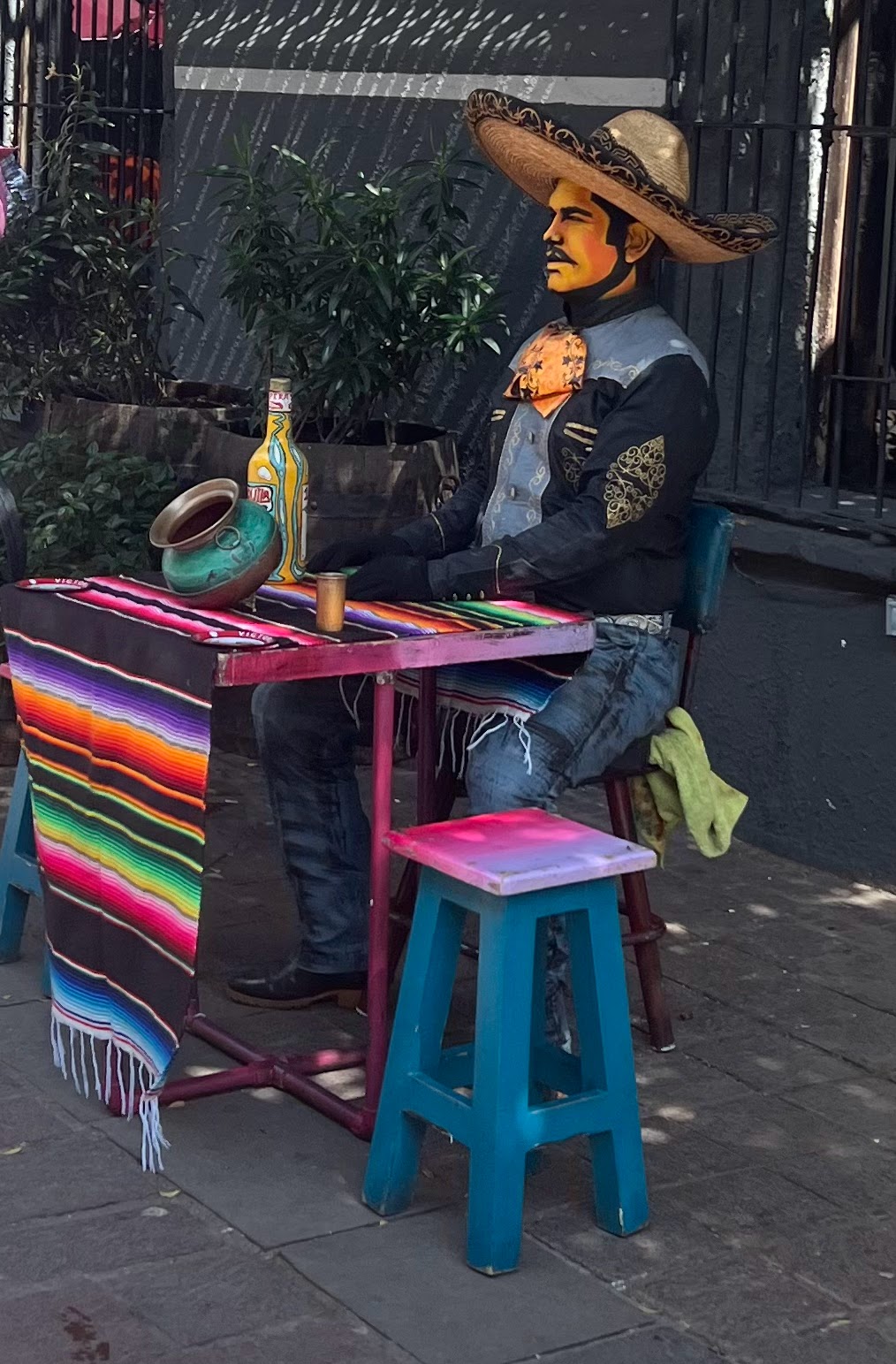
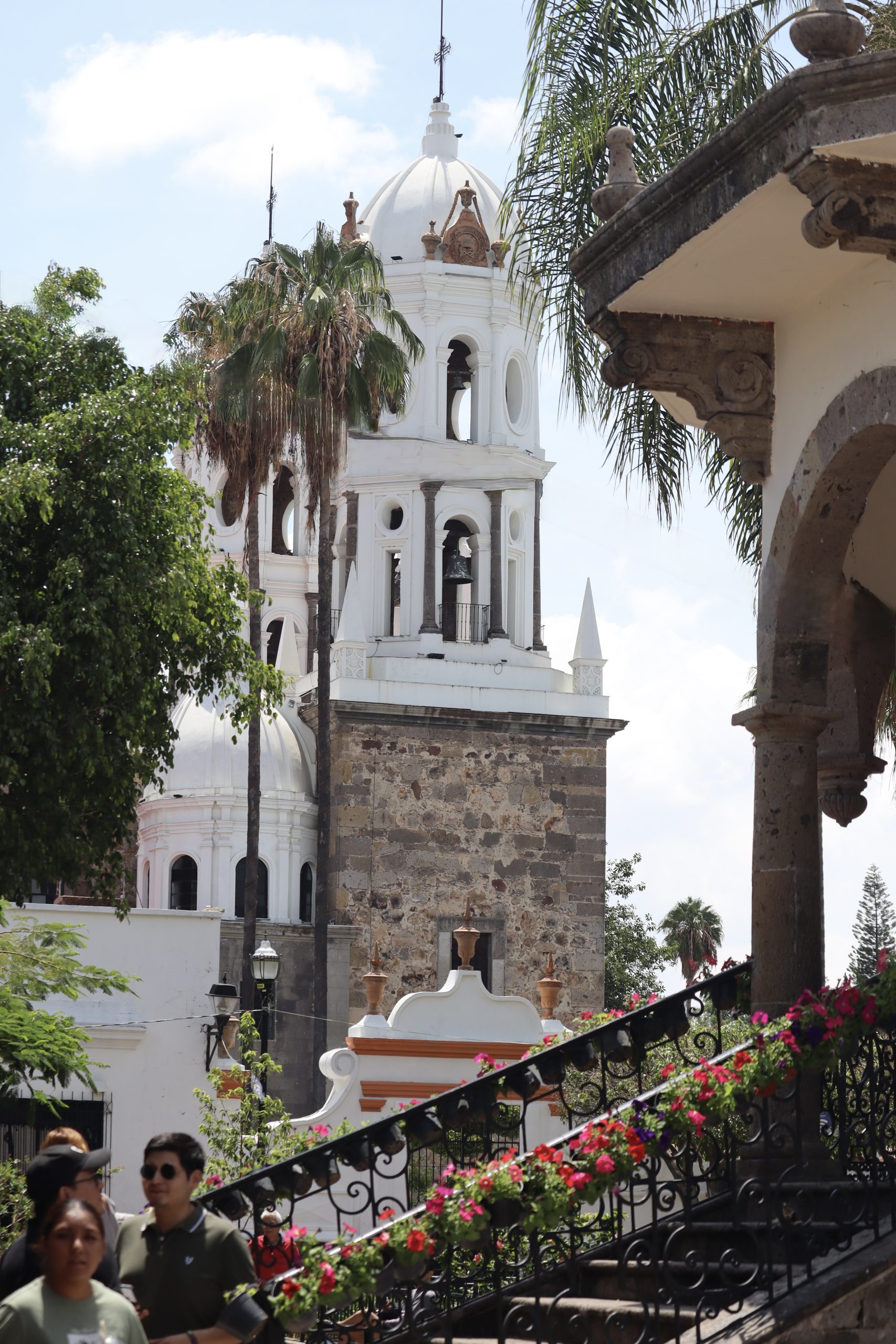
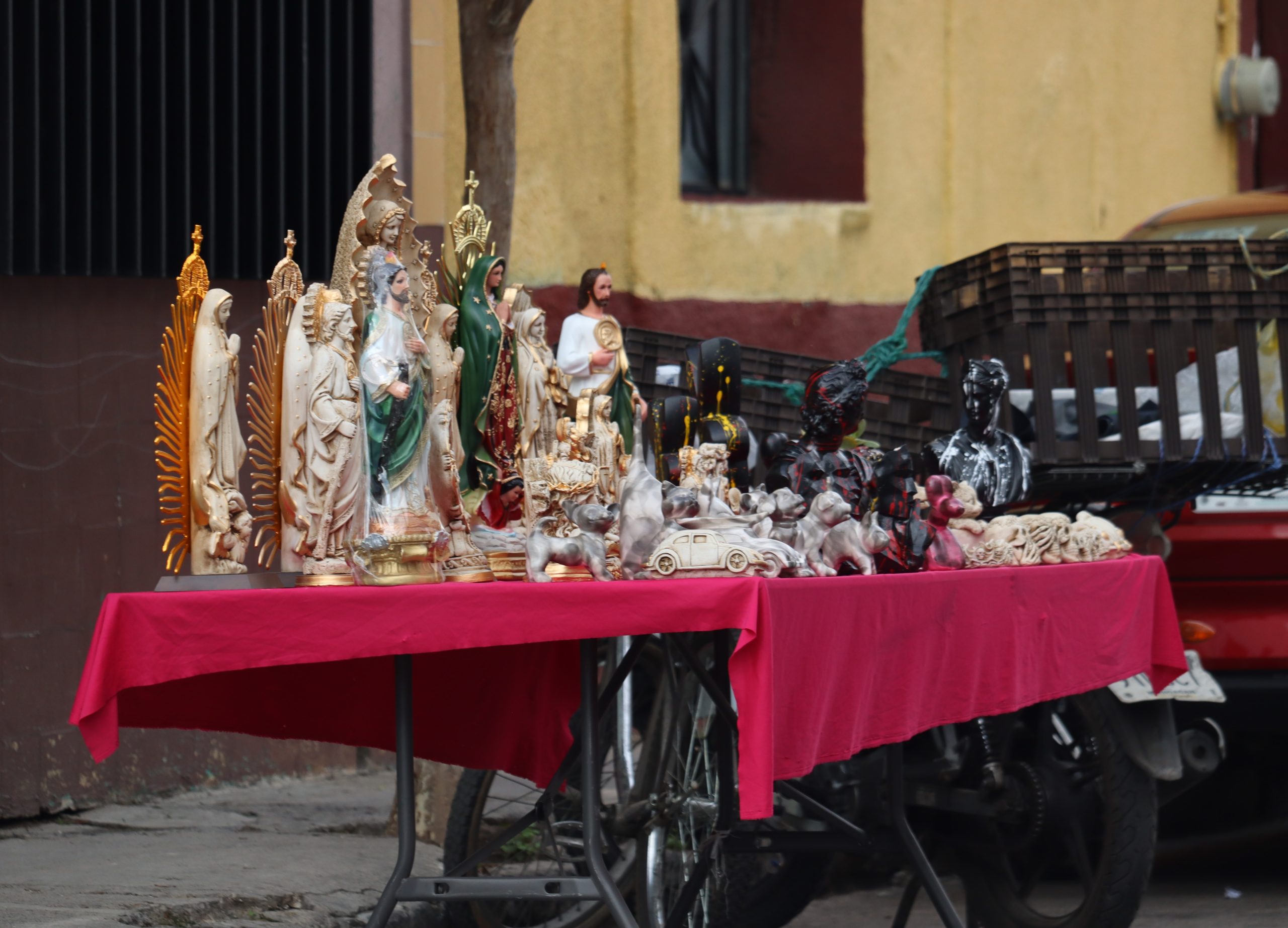
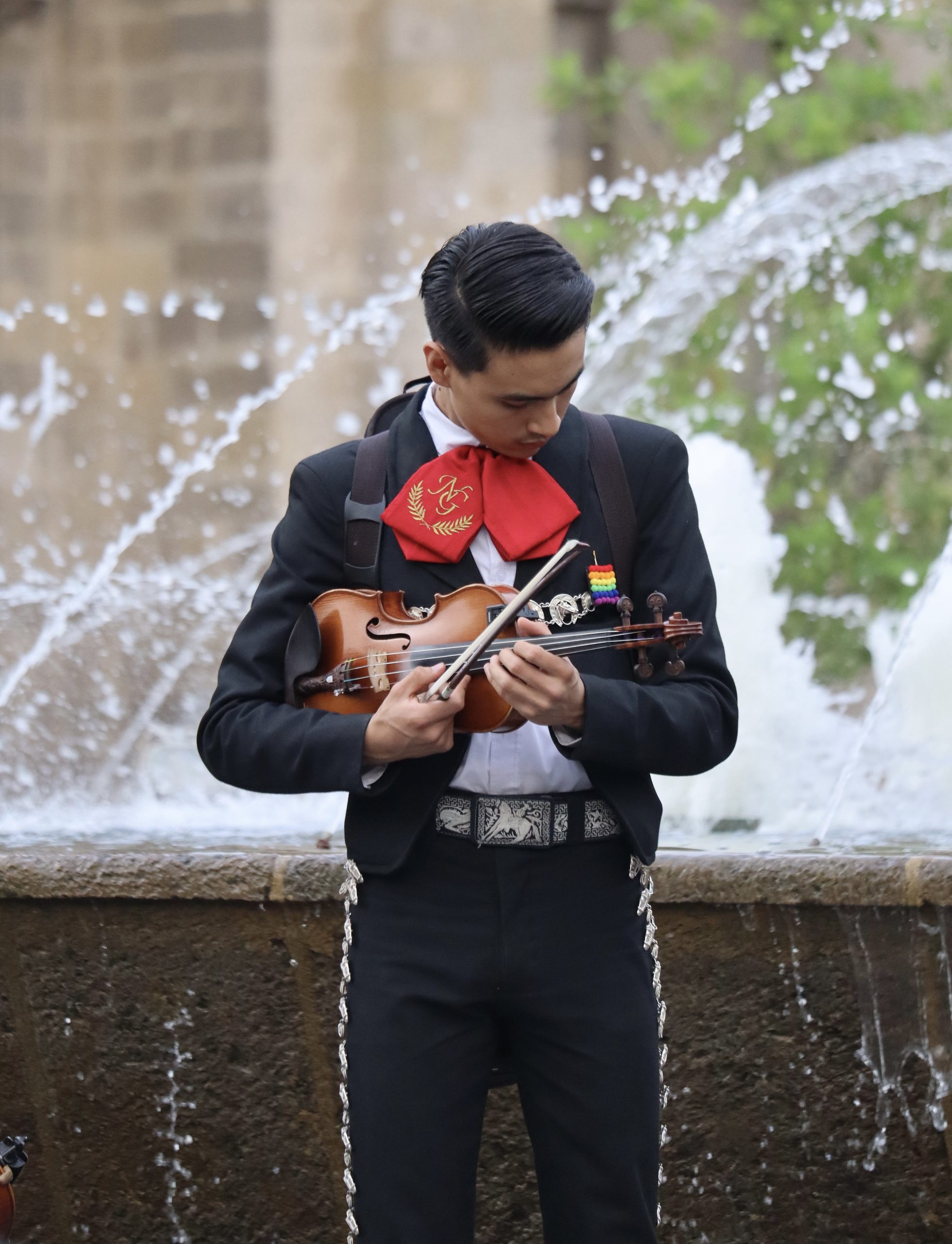
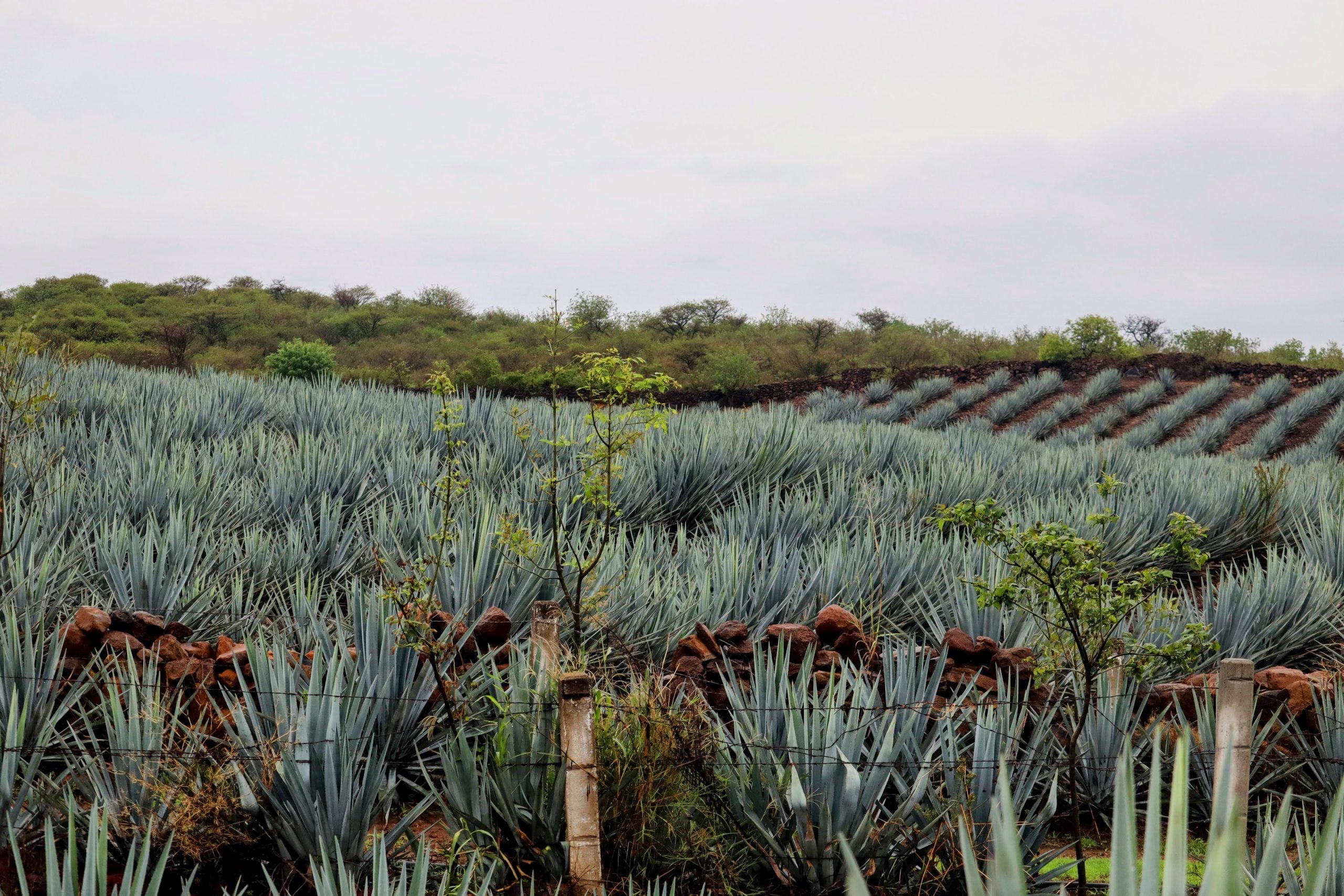
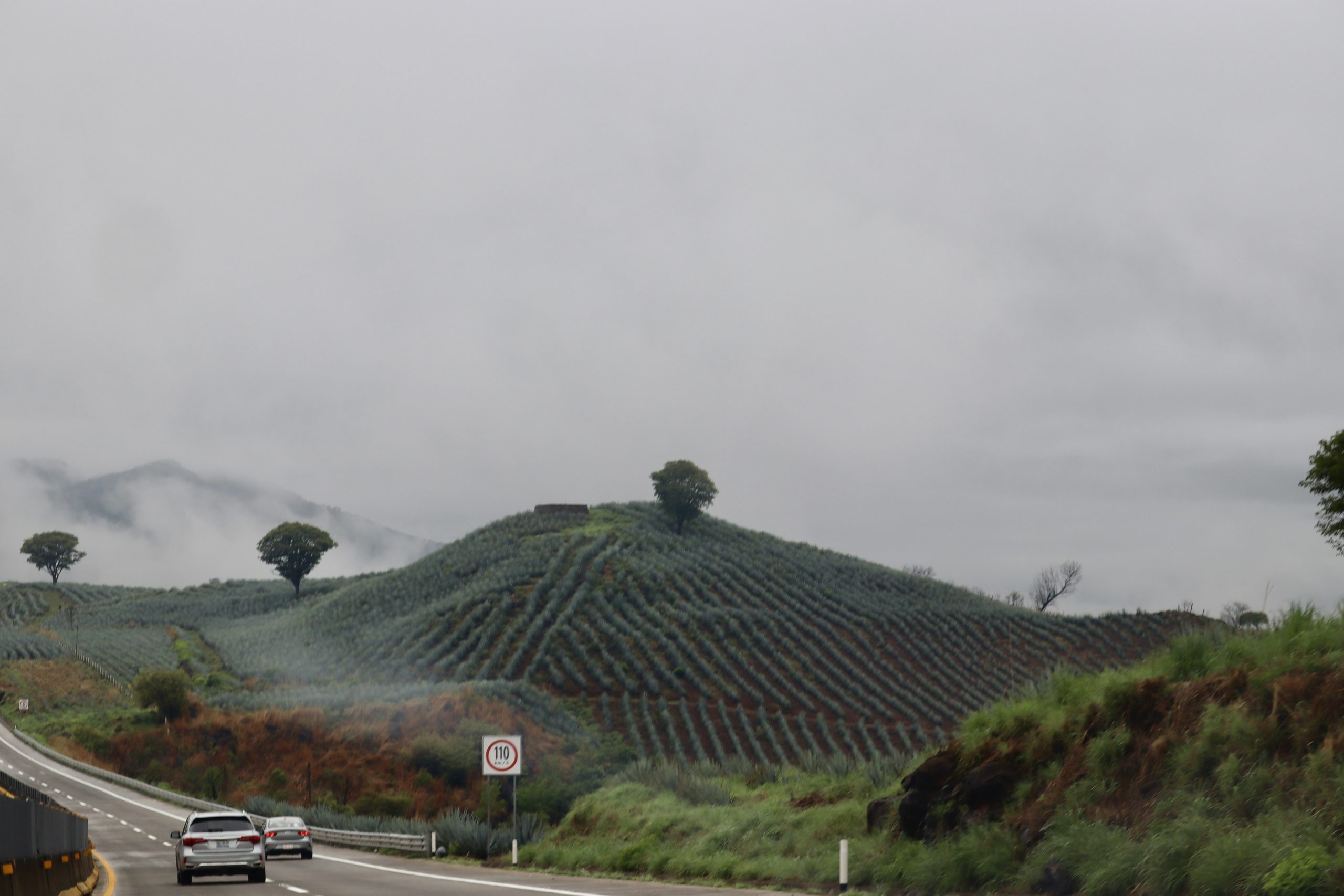
A four-day road trip to the cities of Guadalajara with day tours to the neighboring city of Tlaquepaque, 20 minutes away.    Guadalajara is Mexico’s second largest city, the birthplace of mariachi music, tequila and the charreada (Mexican rodeo). Its historic center is impressive with huge interlocking pedestrian plazas that draw crowds all day surrounded by so many majestic colonial buildings with plenty of public art and sculptures. Interestingly, underneath one of its plazas is an underground train system. The contrast between modern living and the city’s colonial heritage is quite remarkable. The city of Tlaquepaque is where you get exposed to the artisan world of the region. One of the best places to shop and enjoy the culture of this area….
Puerto Vallarta: A Tapestry of Color and Culture

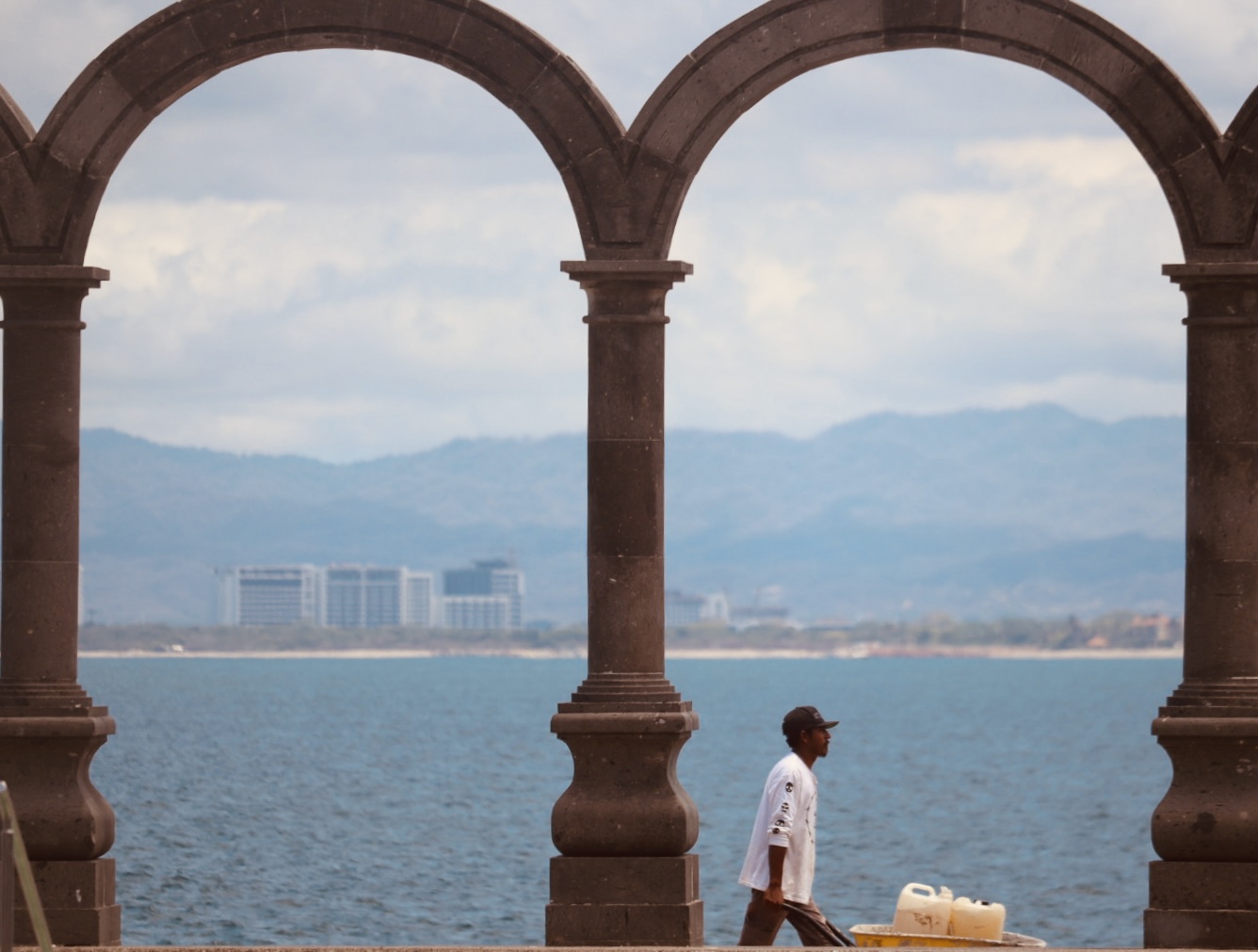
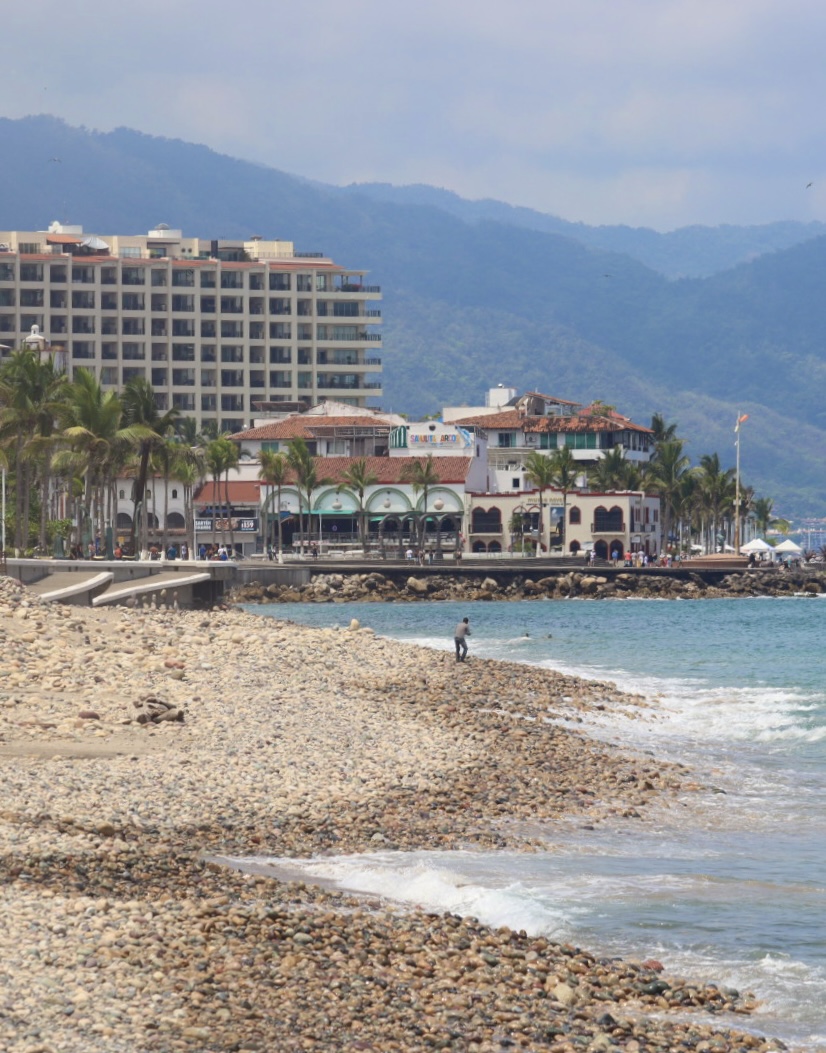
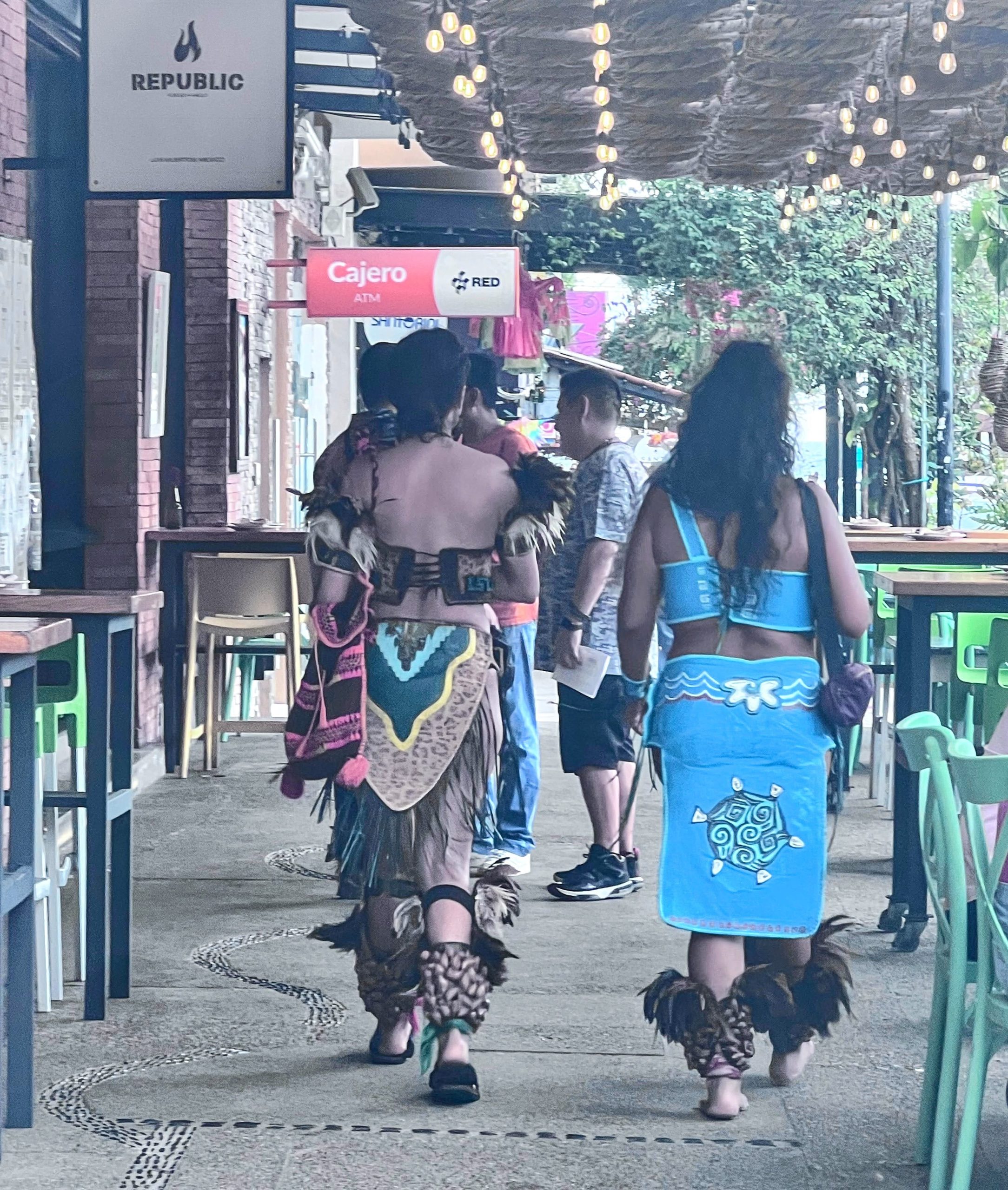
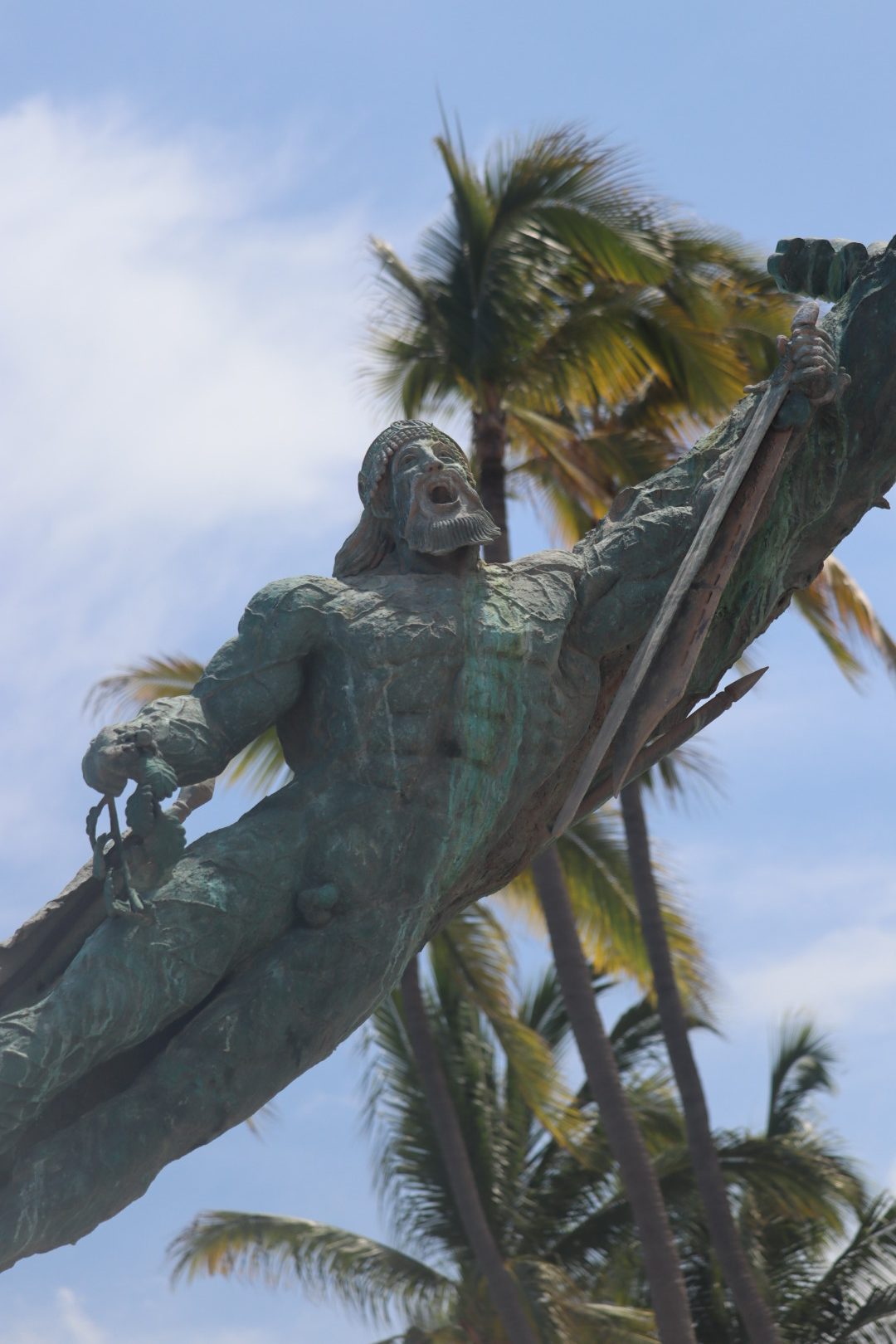
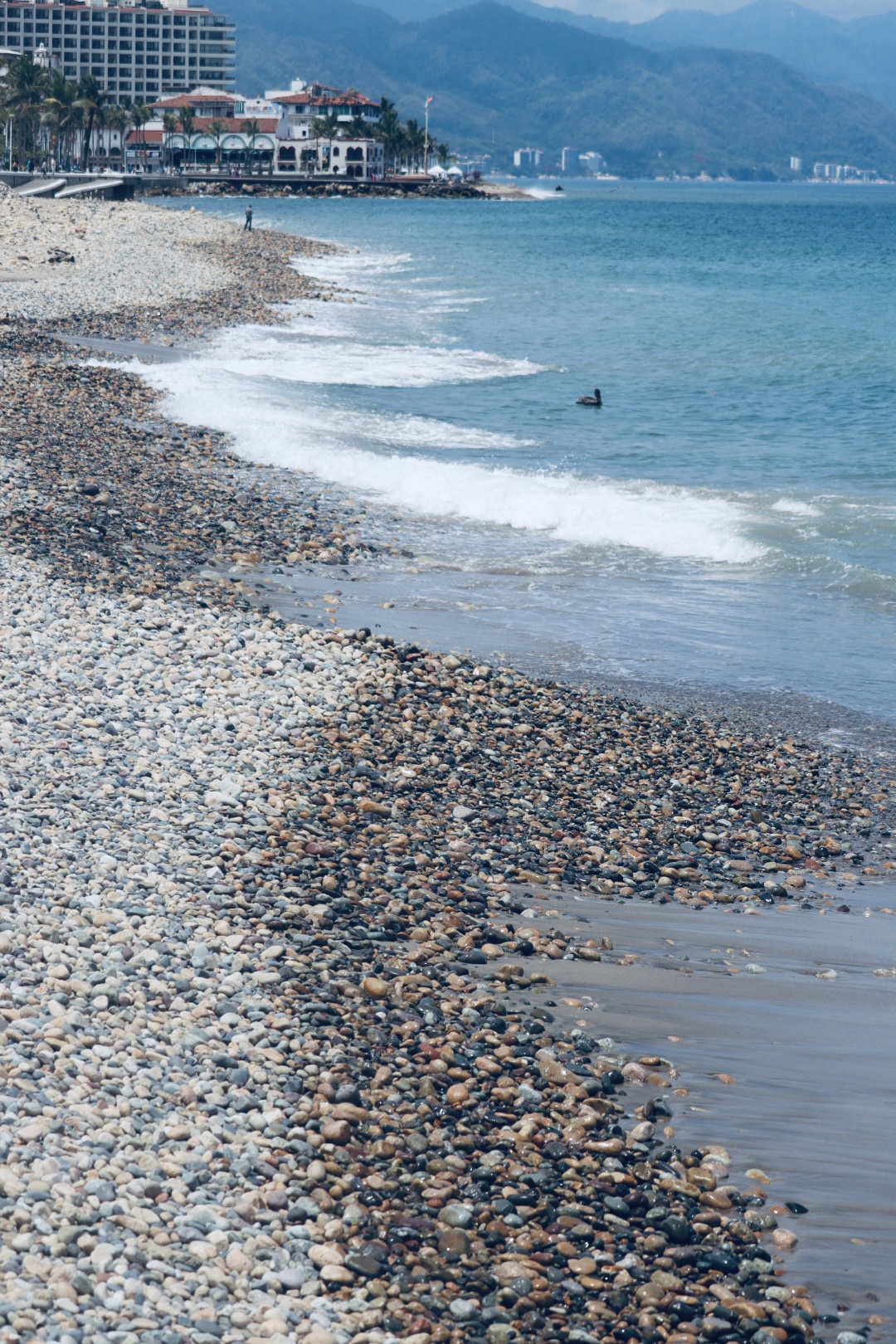
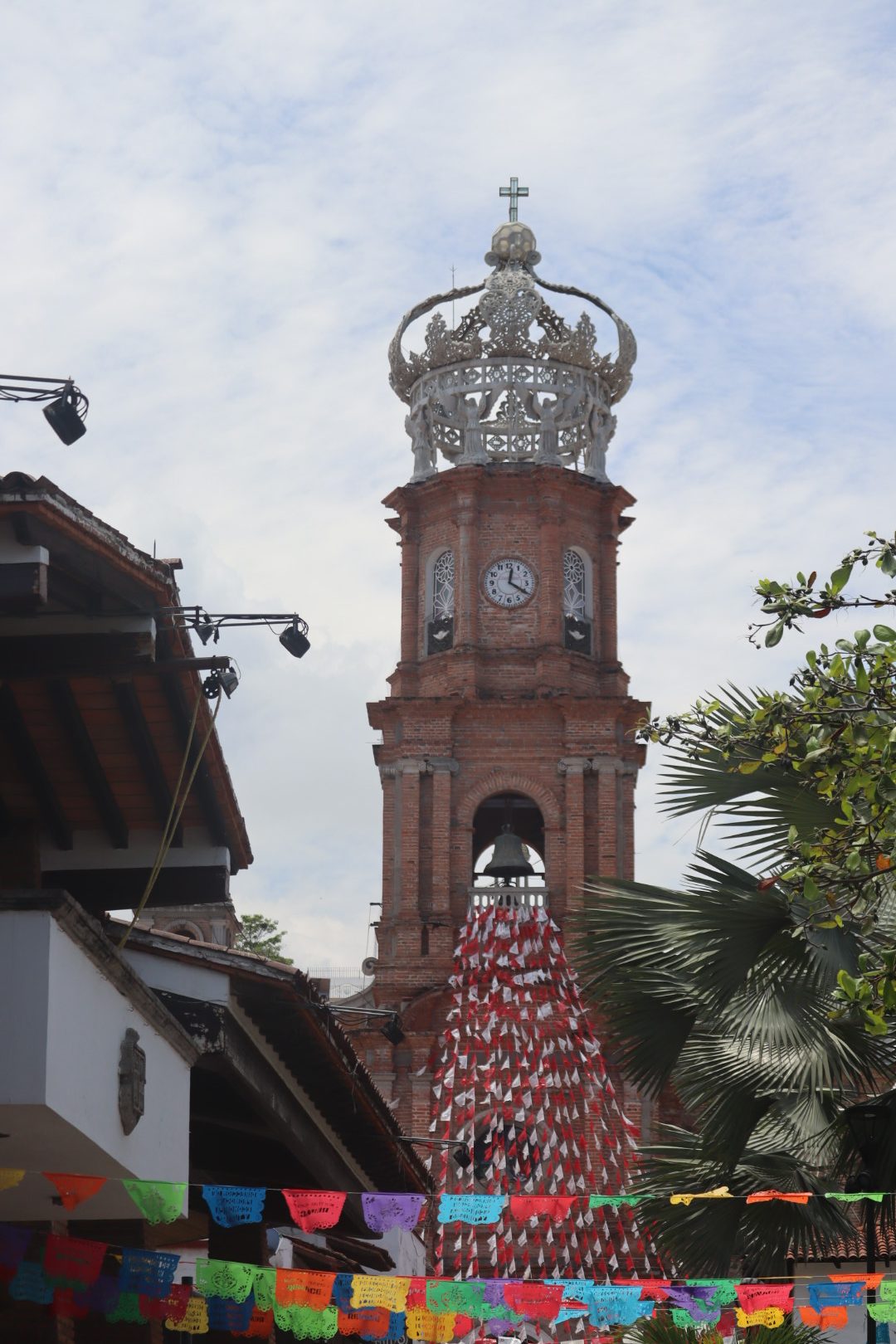
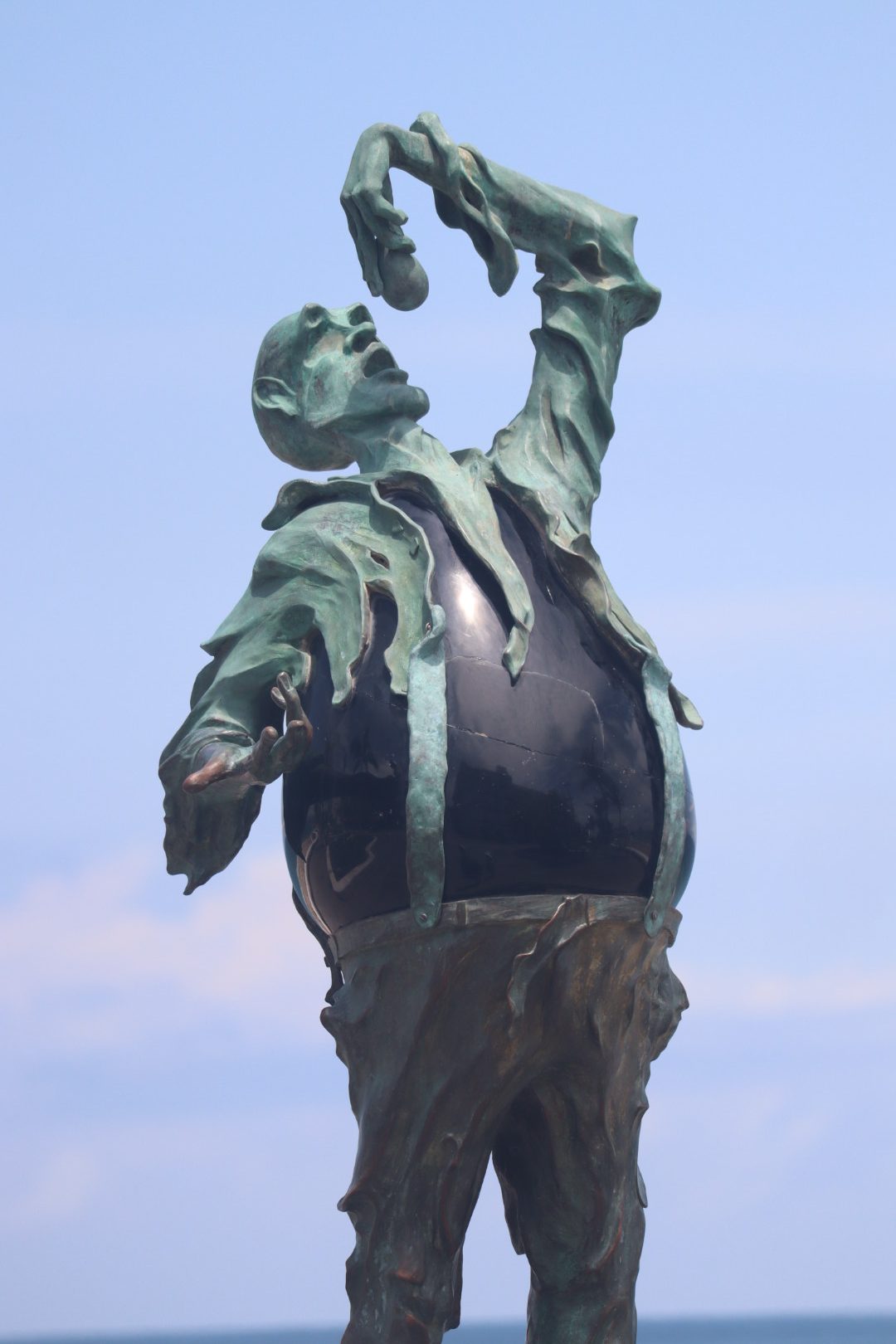
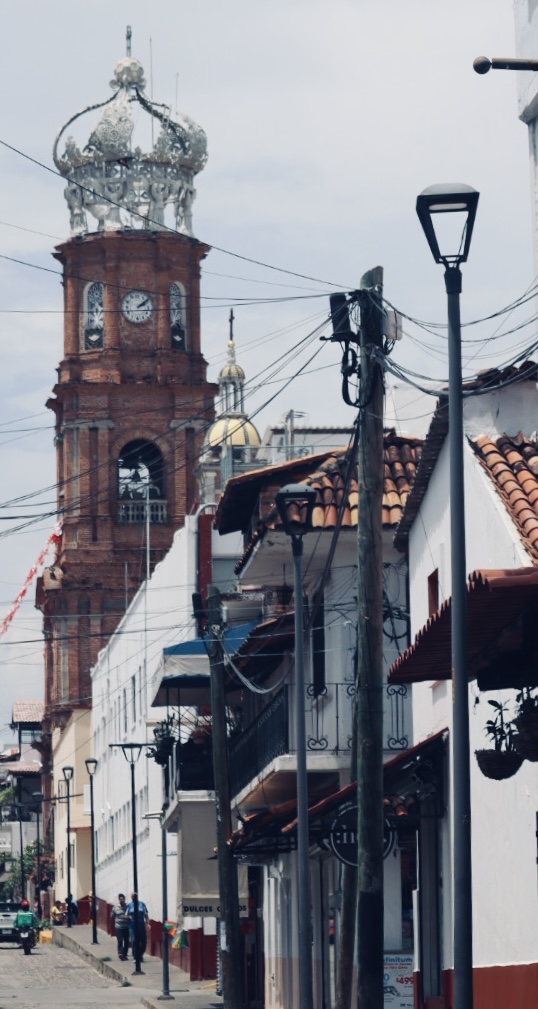
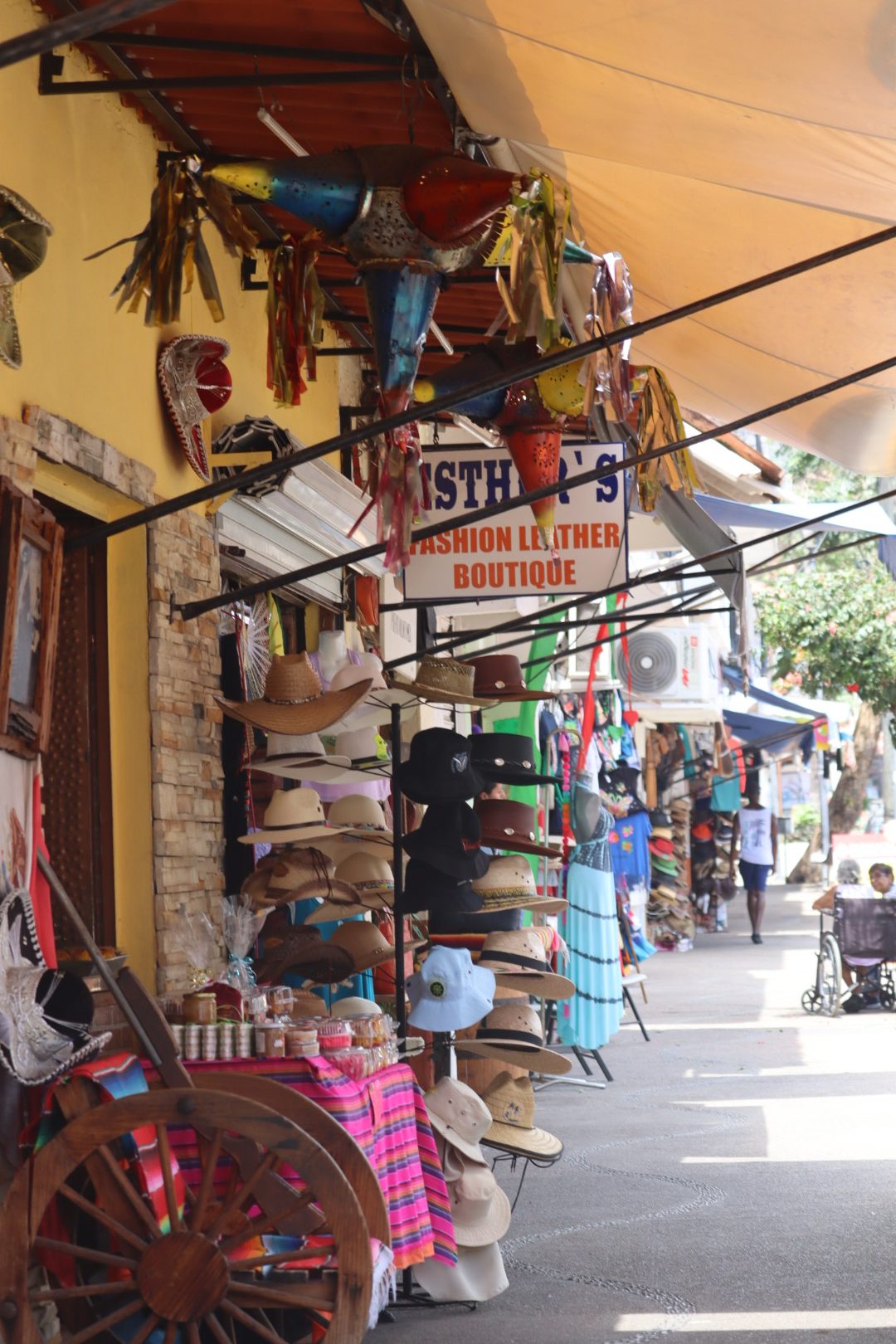
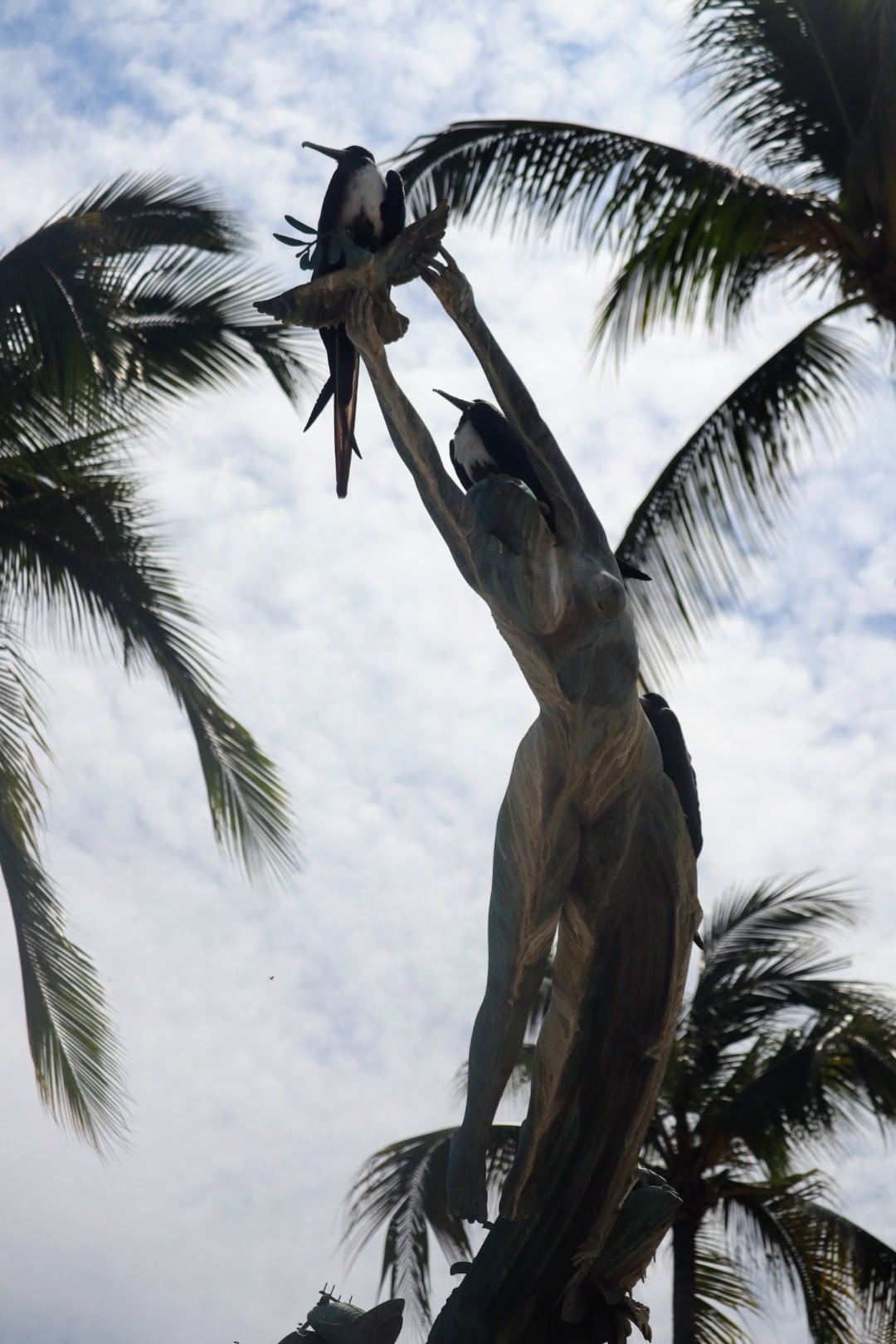
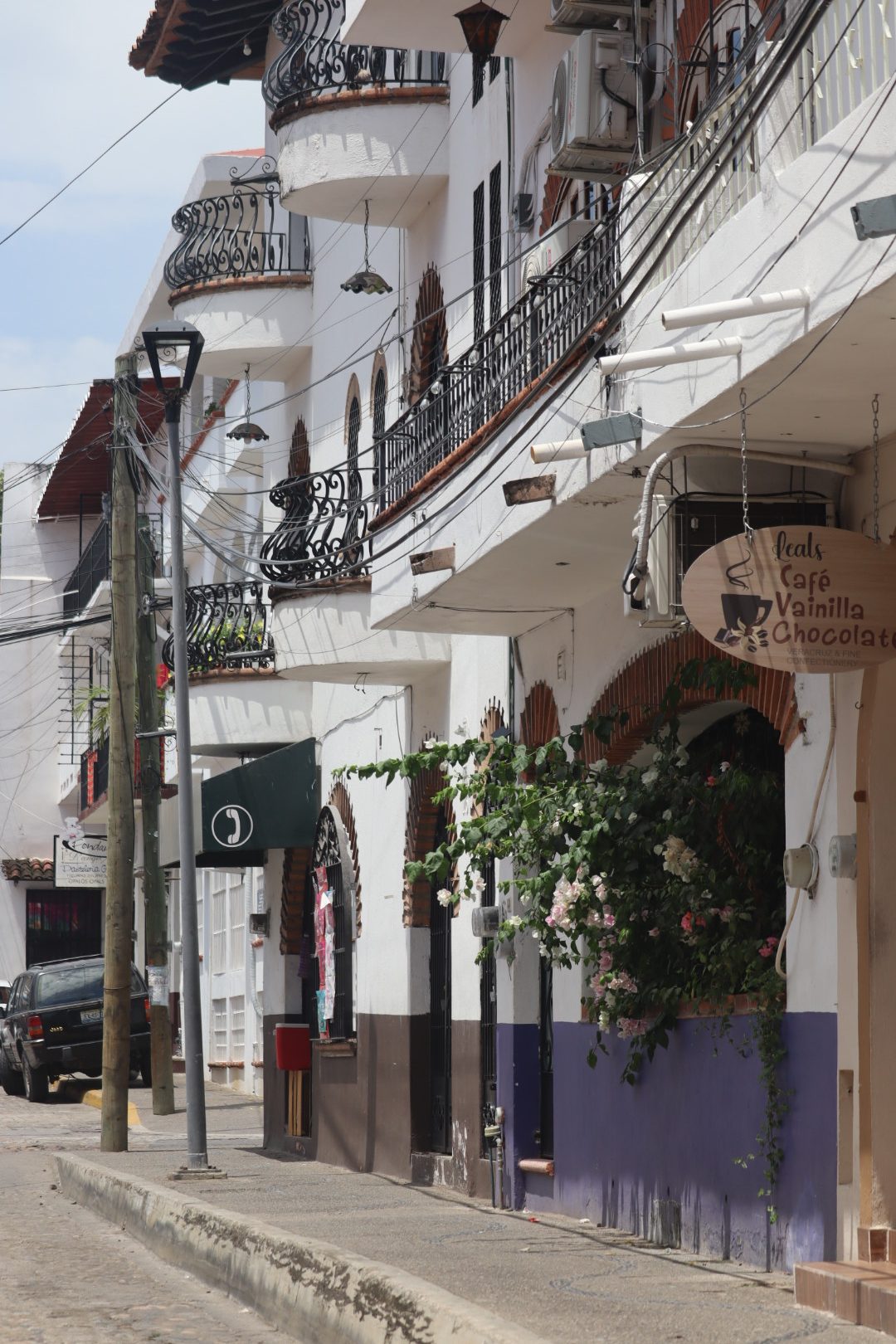
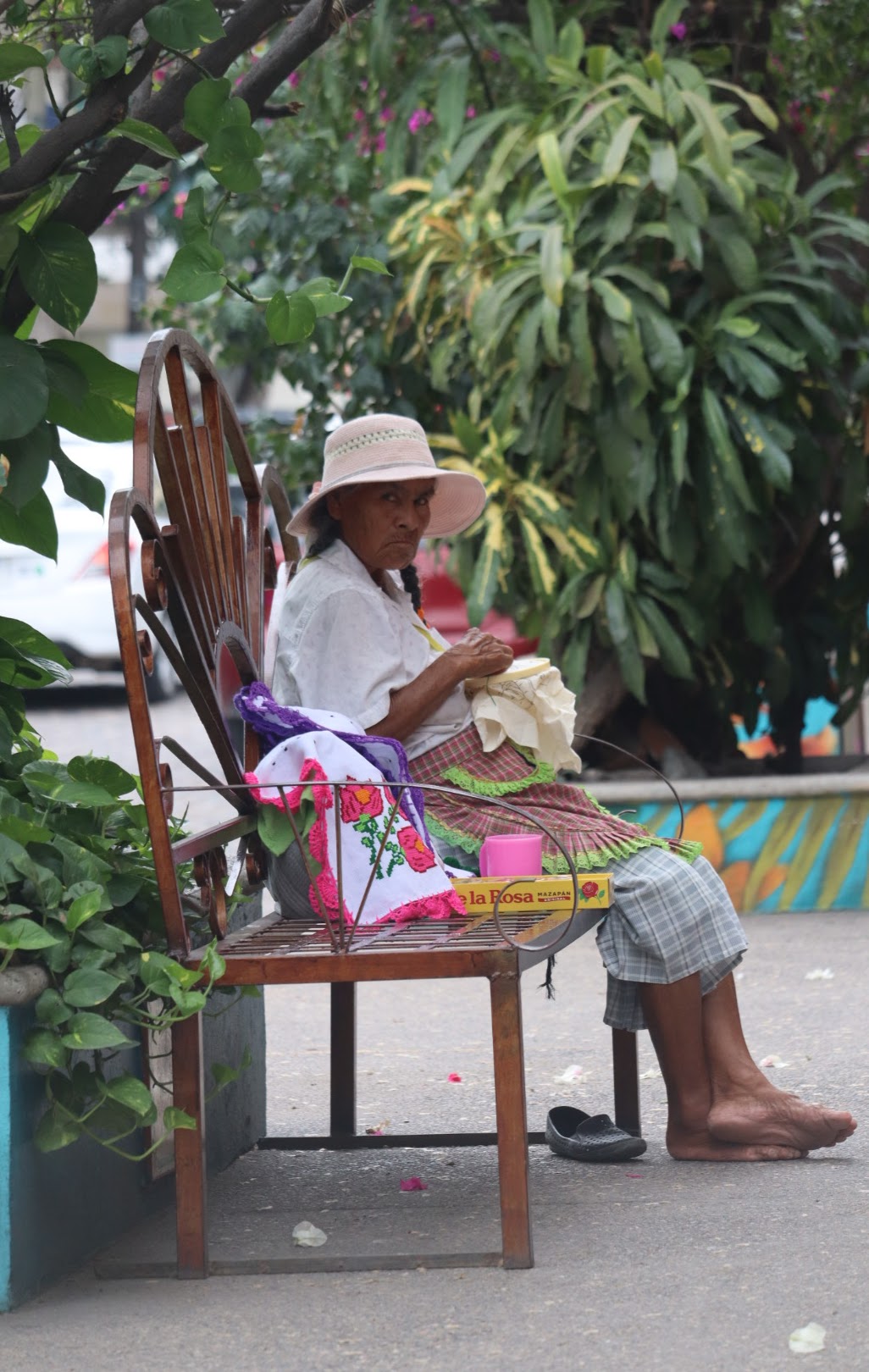
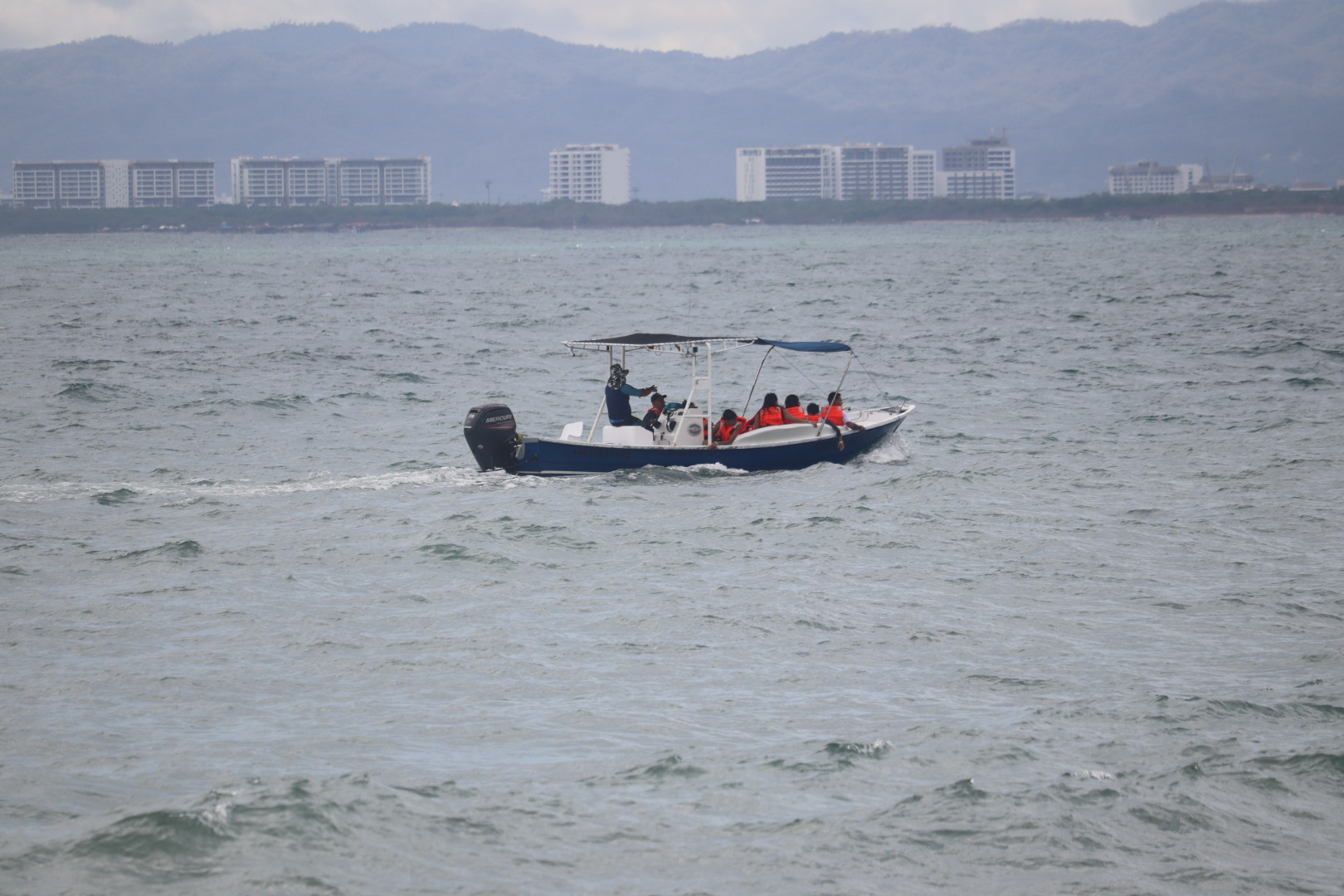
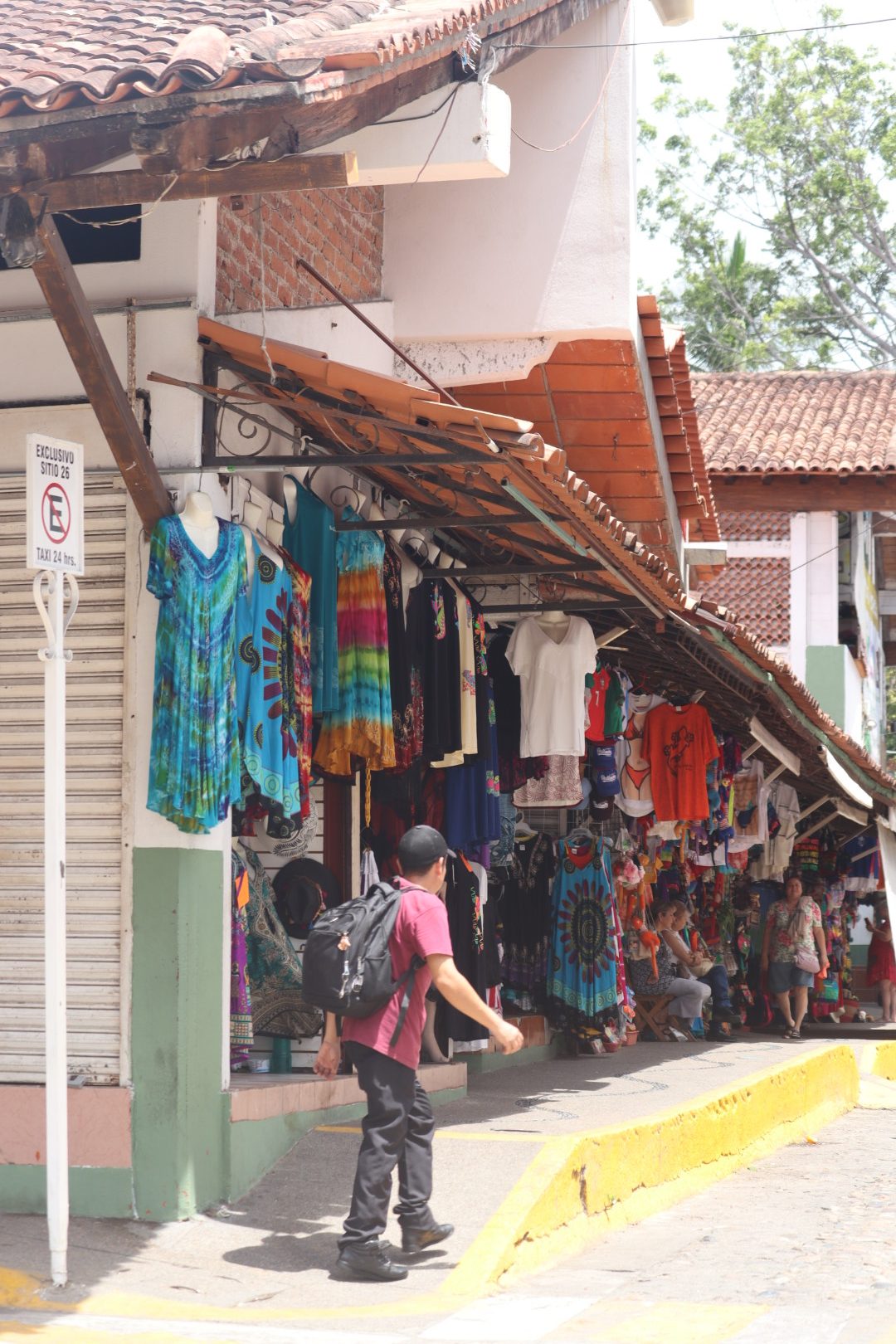
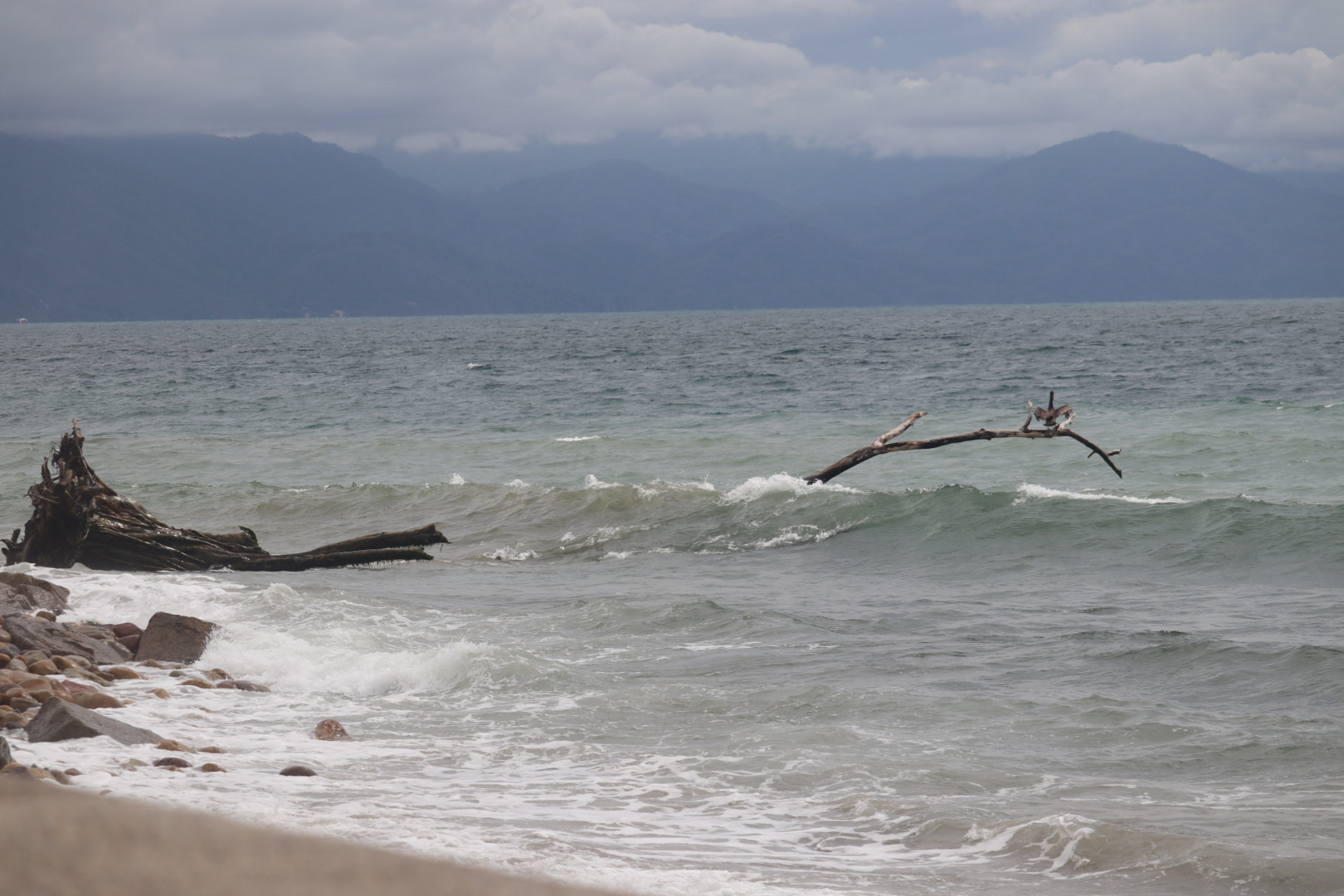
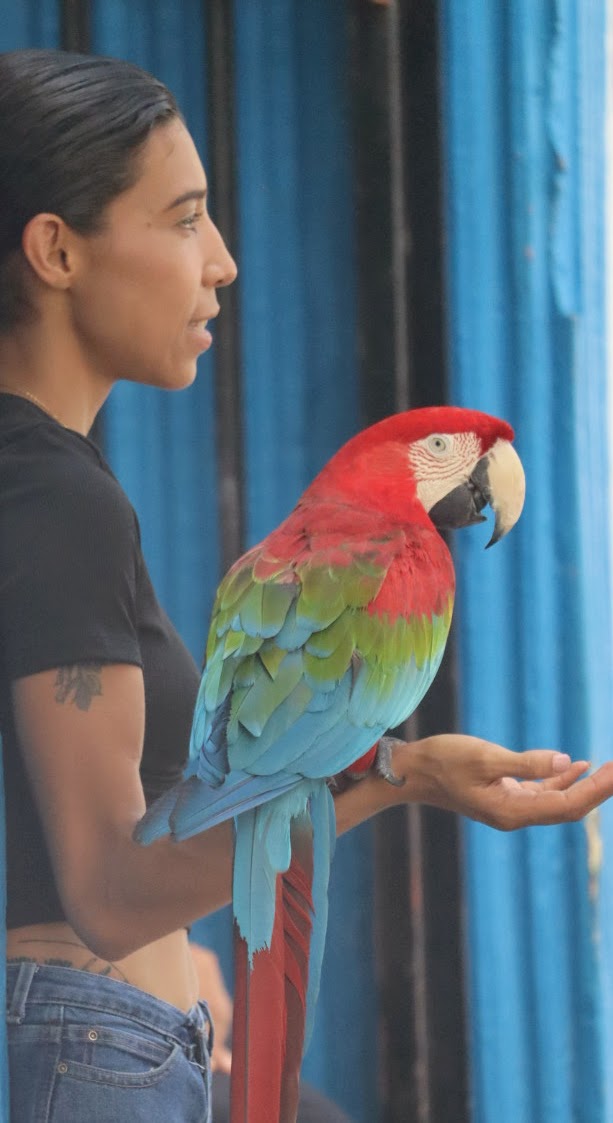
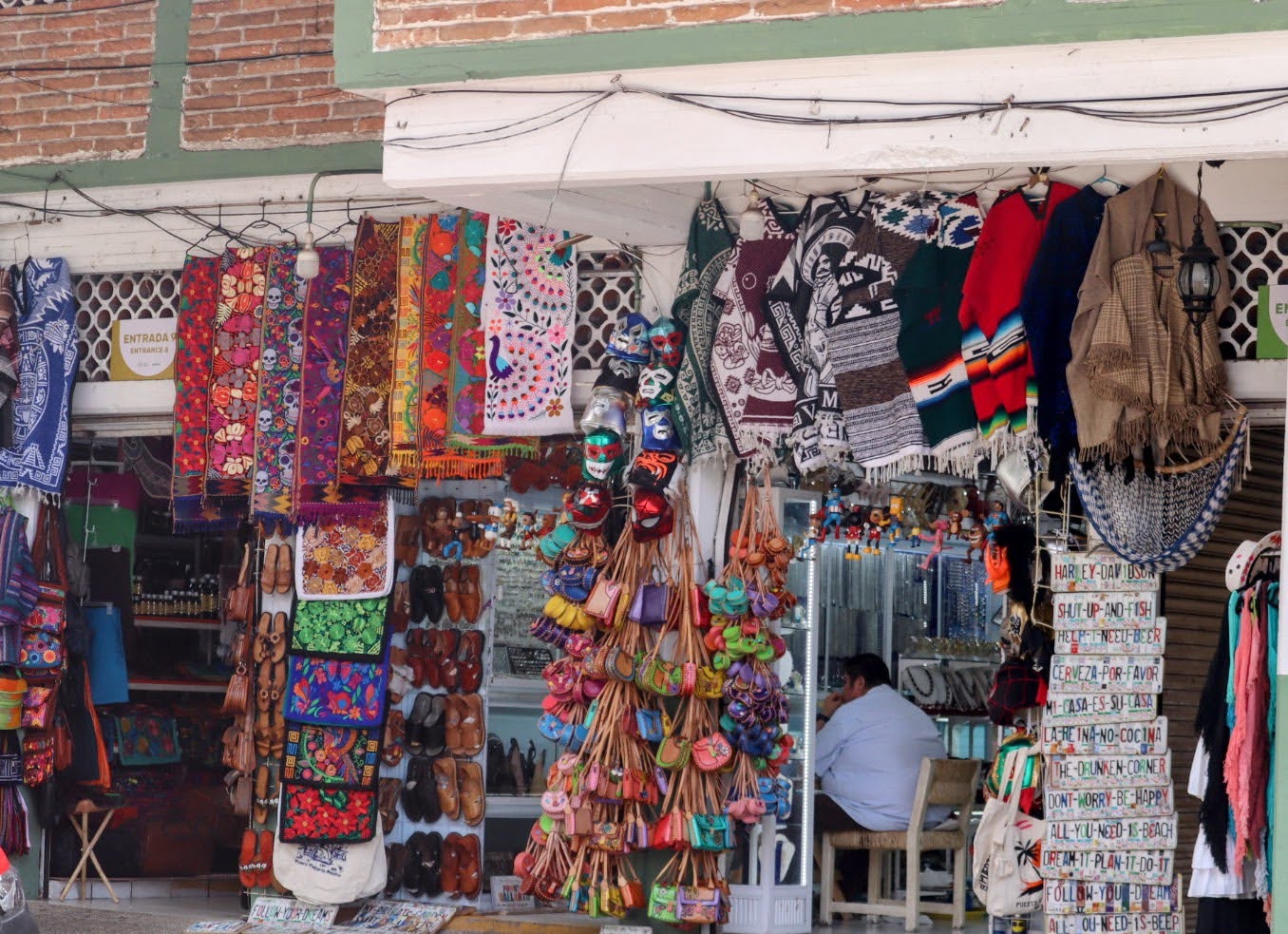
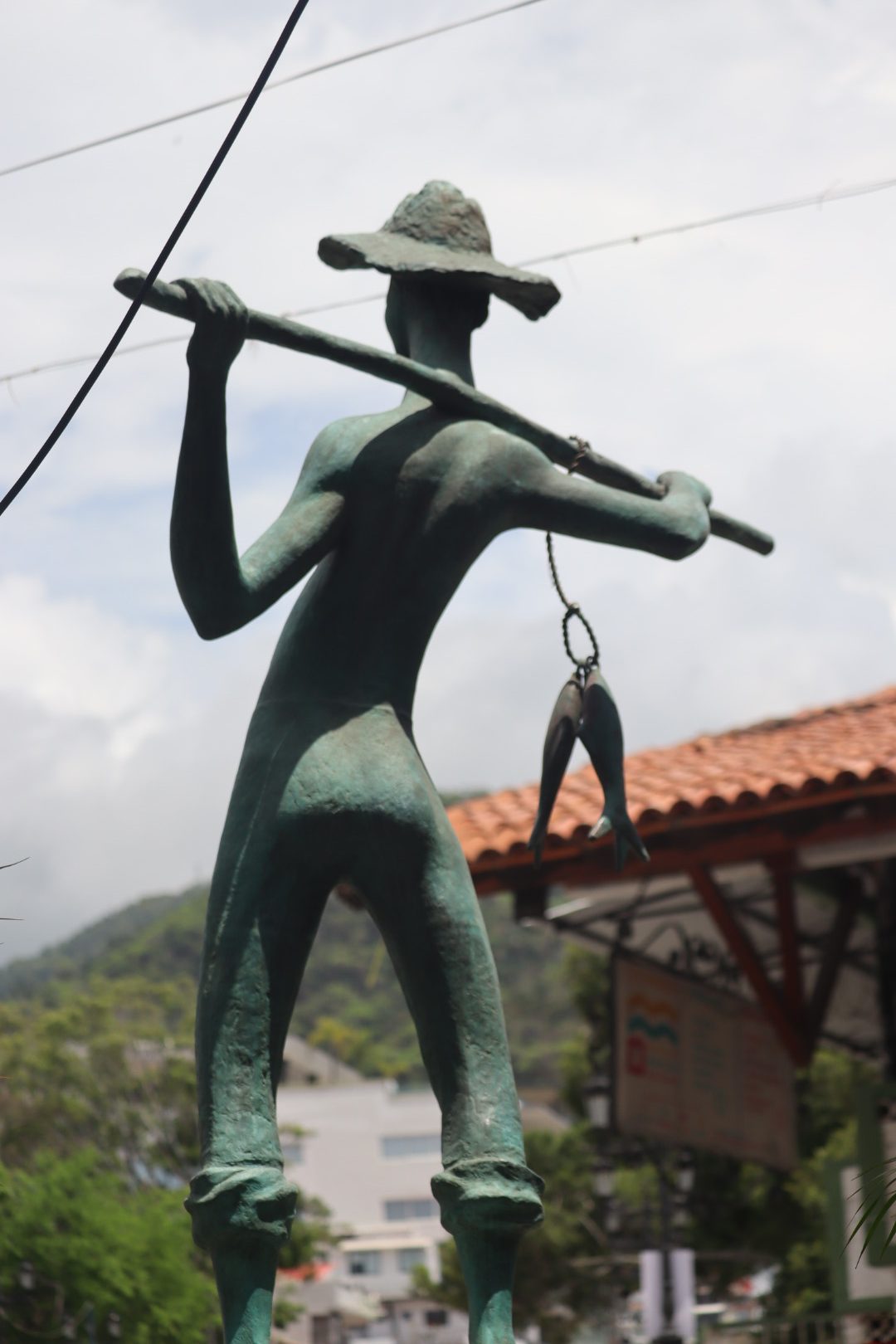
During my stay in Bucerias, Mexico, I made a day trip to Puerto Vallarta, a 20-minute ride from Bucerias where I am living.  This colonial city became famous back in the 1960s, thanks to a global tabloid sensation when Elizabeth Taylor and Richard Burton, both married to other people were carrying on a scandalous love affair during the filming of “The Night of the Iguana” (Can’t imagine that being a scandal today!).  Puerto Vallarta features both colonial and modern architecture recognized internationally as a resort beach town. Its boardwalk, known as El Malecon, includes unique surrealist sculptures along with boutiques, galleries, bars, and restaurants. I have visited this town several times over the past 15 years, and it has undergone significant changes each time, increasing its popularity. A fun place to stay or visit throughout the year….