
High Altitudes: Life Across Urban and Indigenous Bolivia
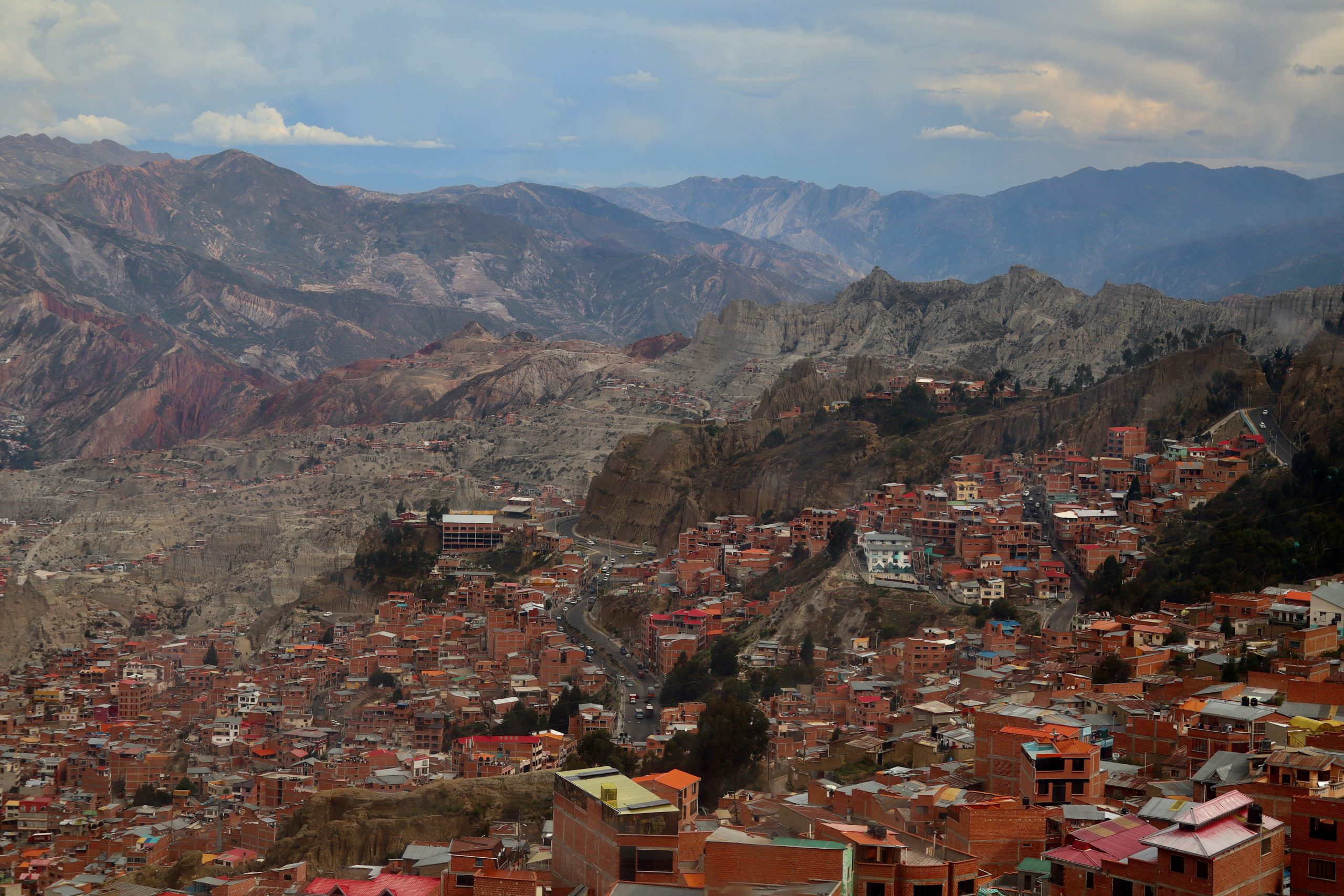
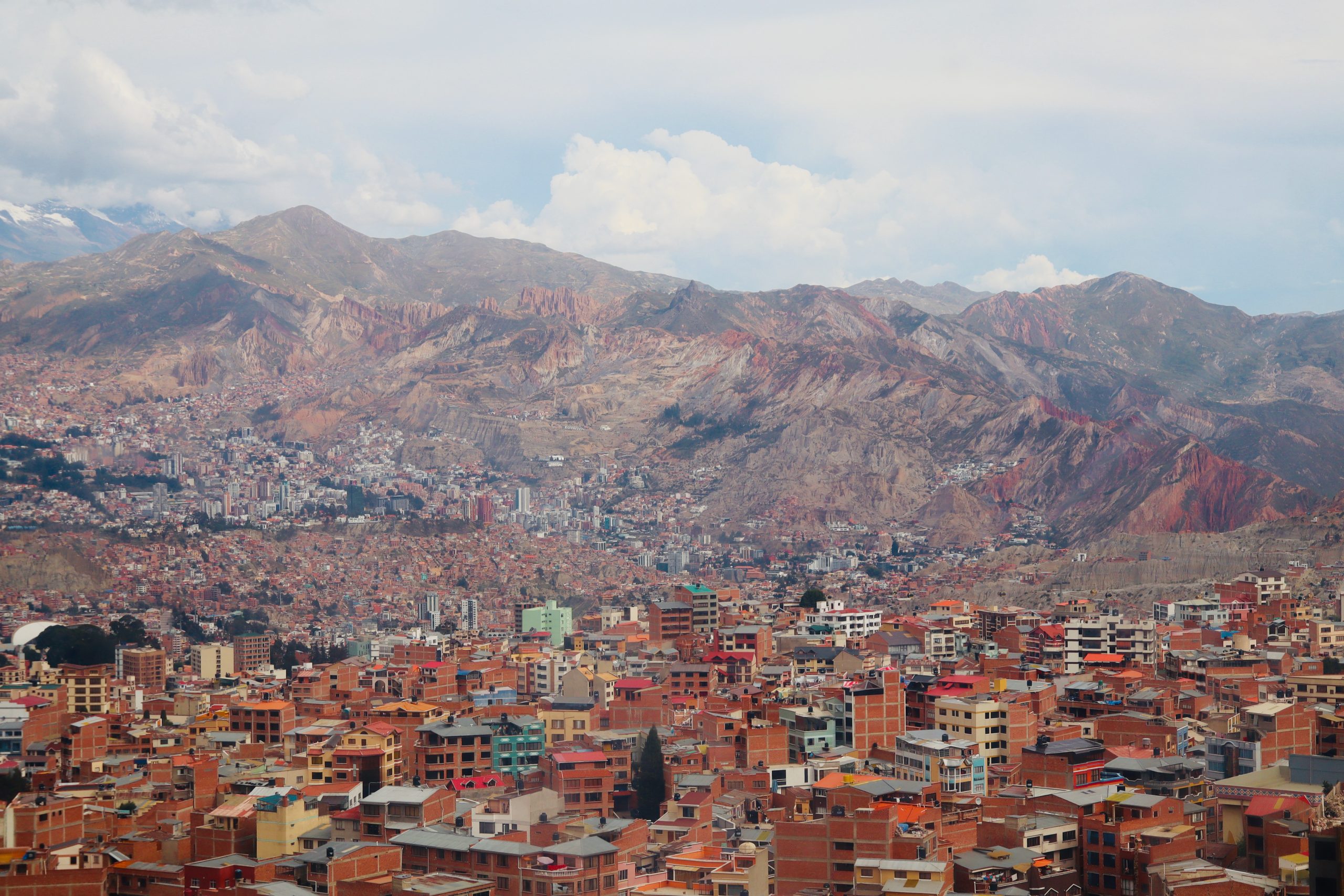
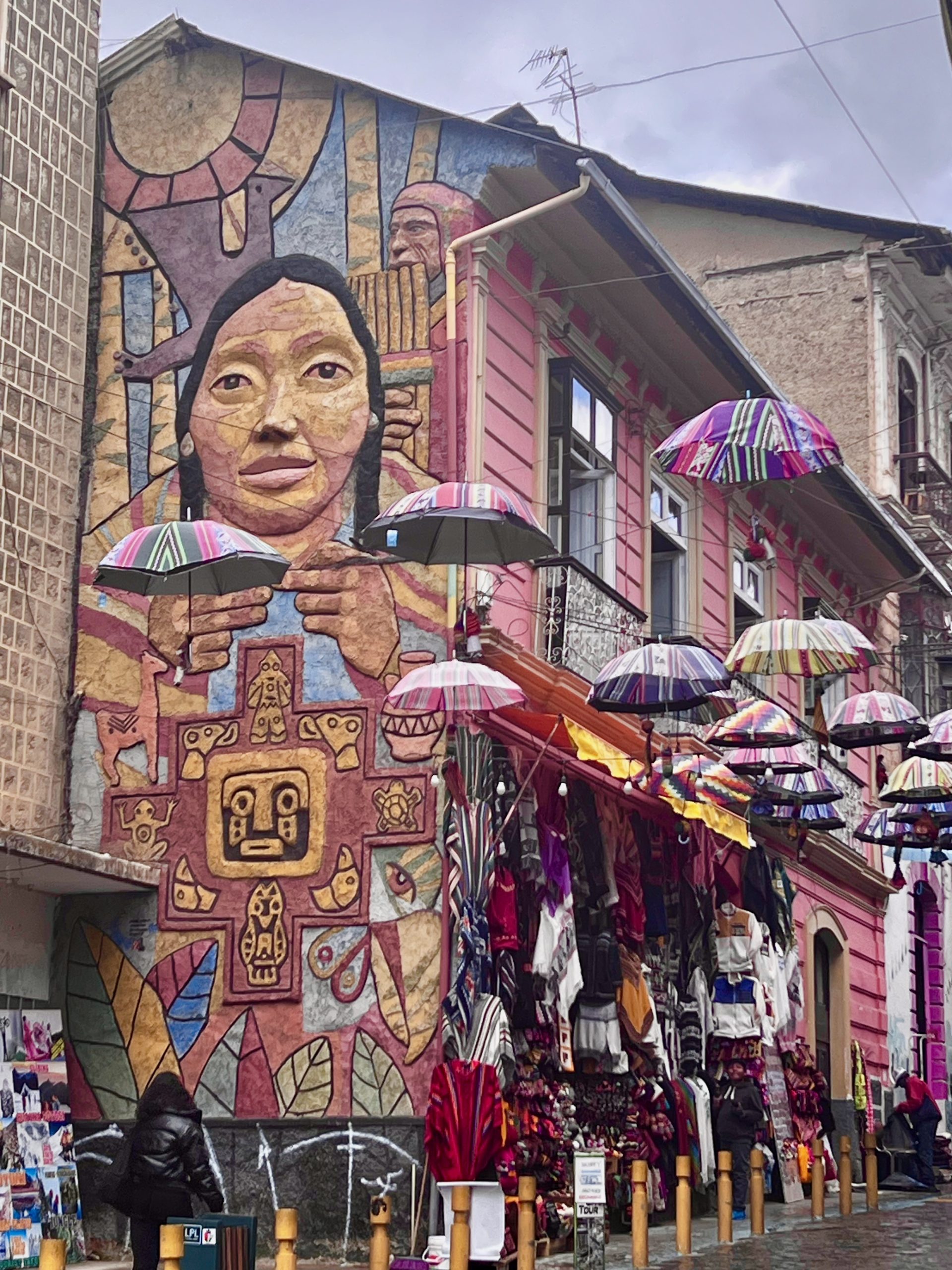
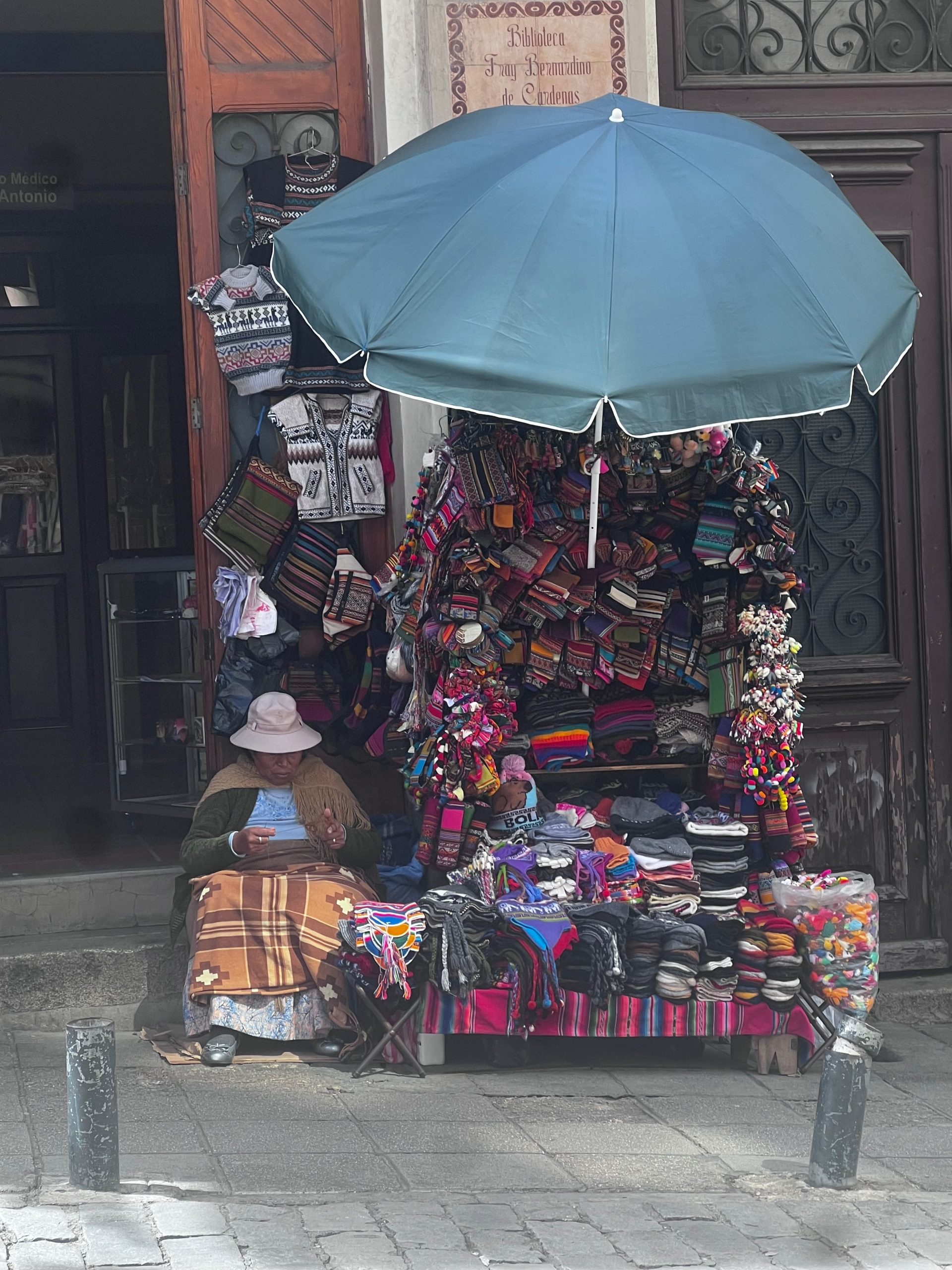
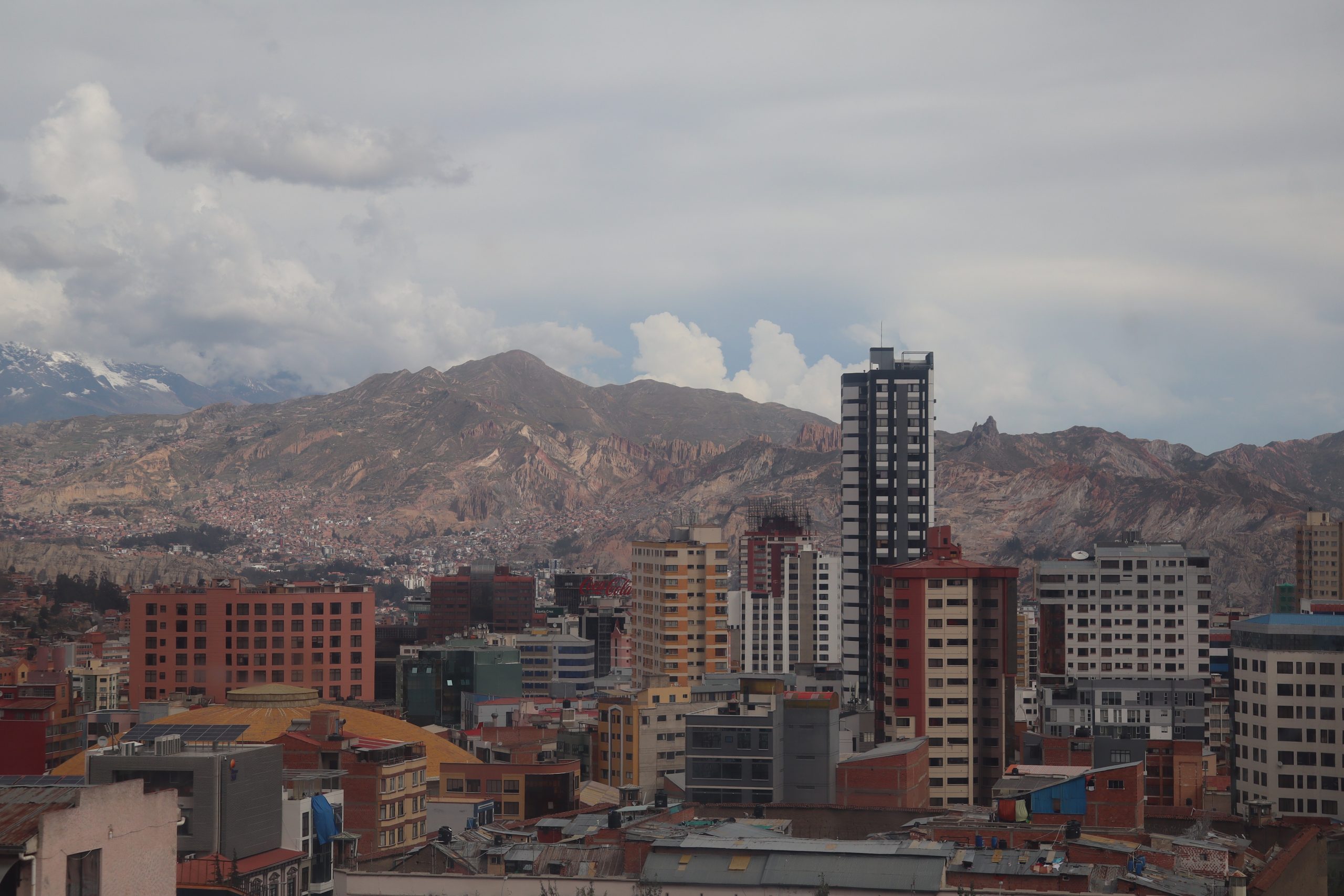
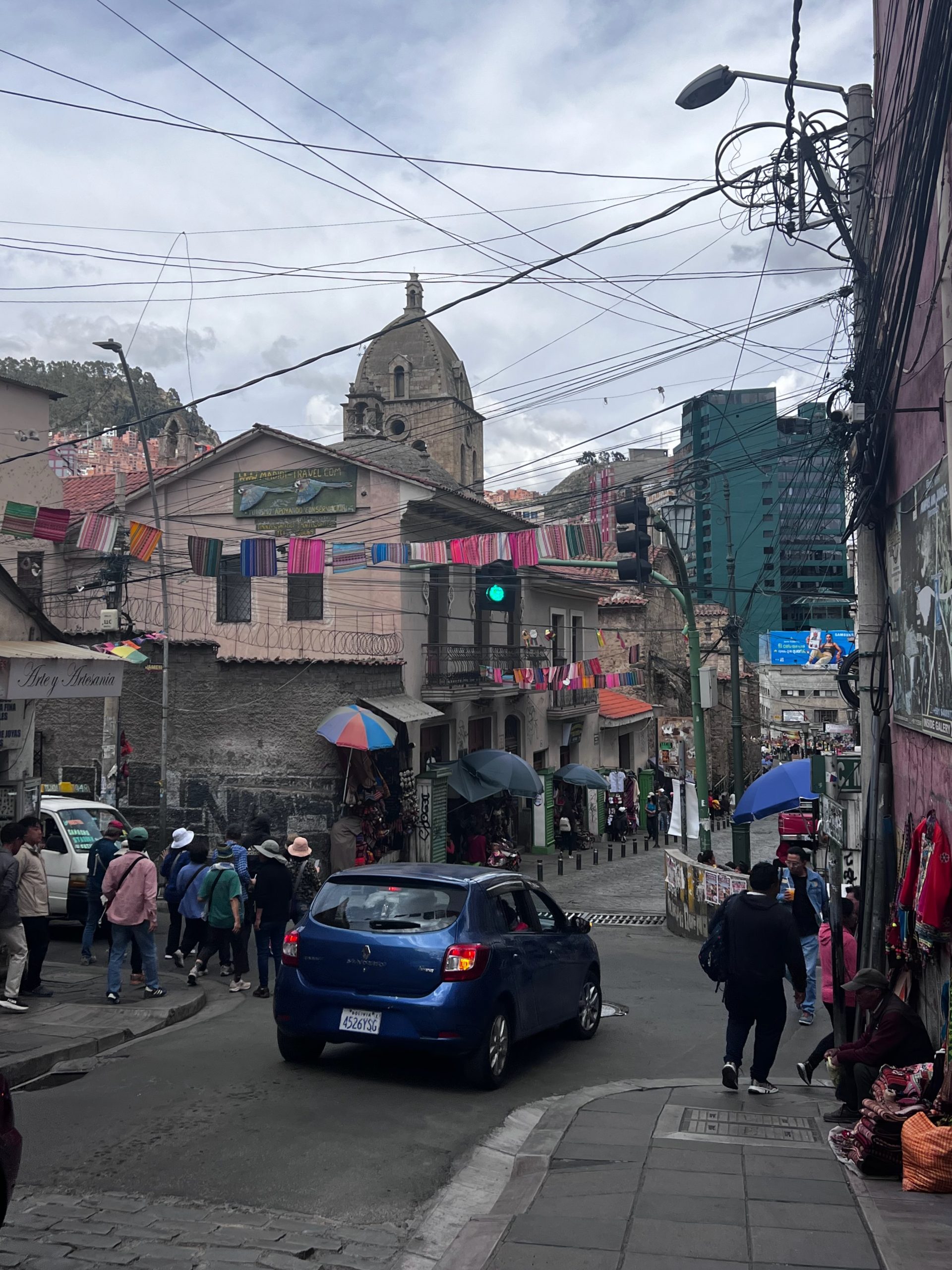
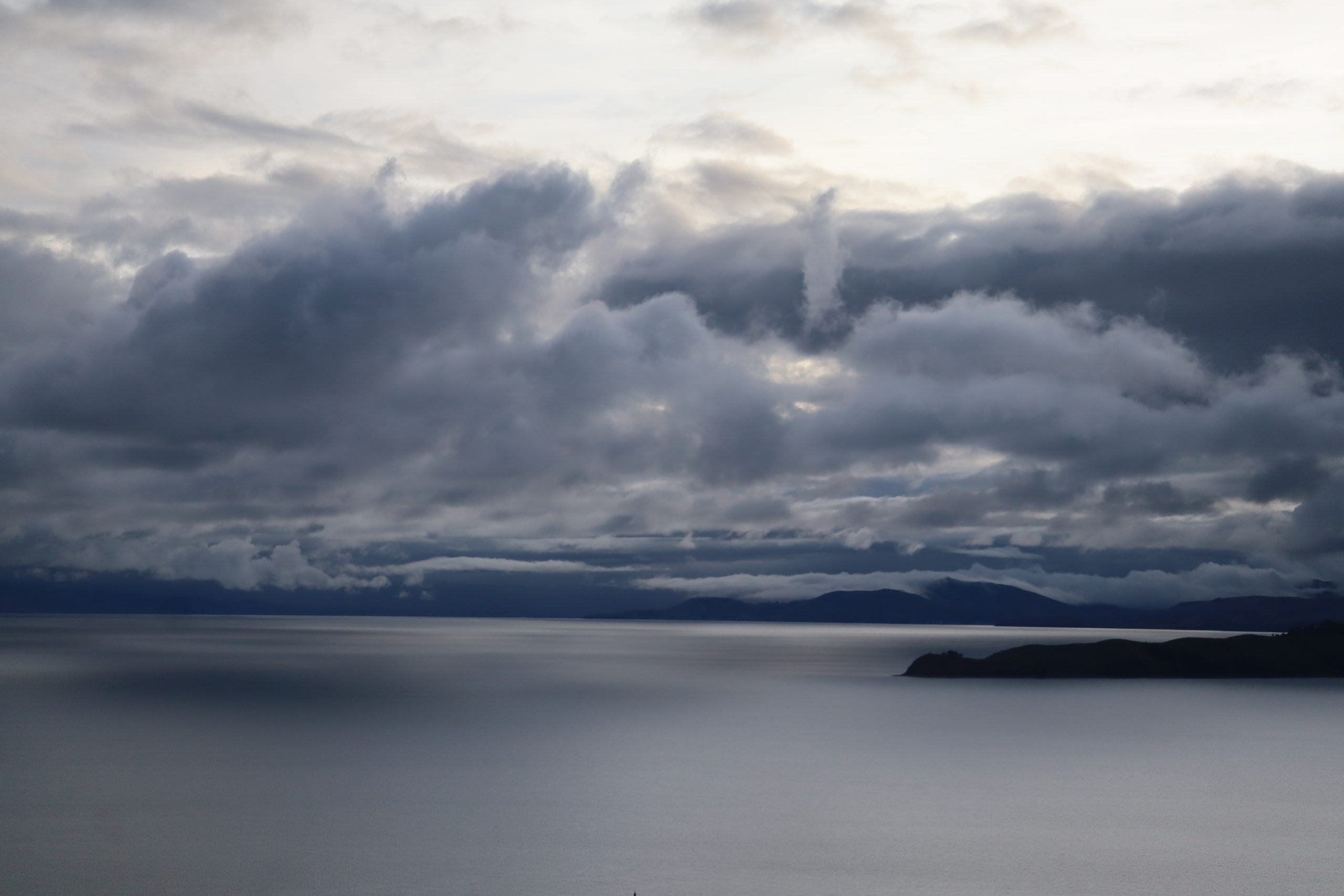
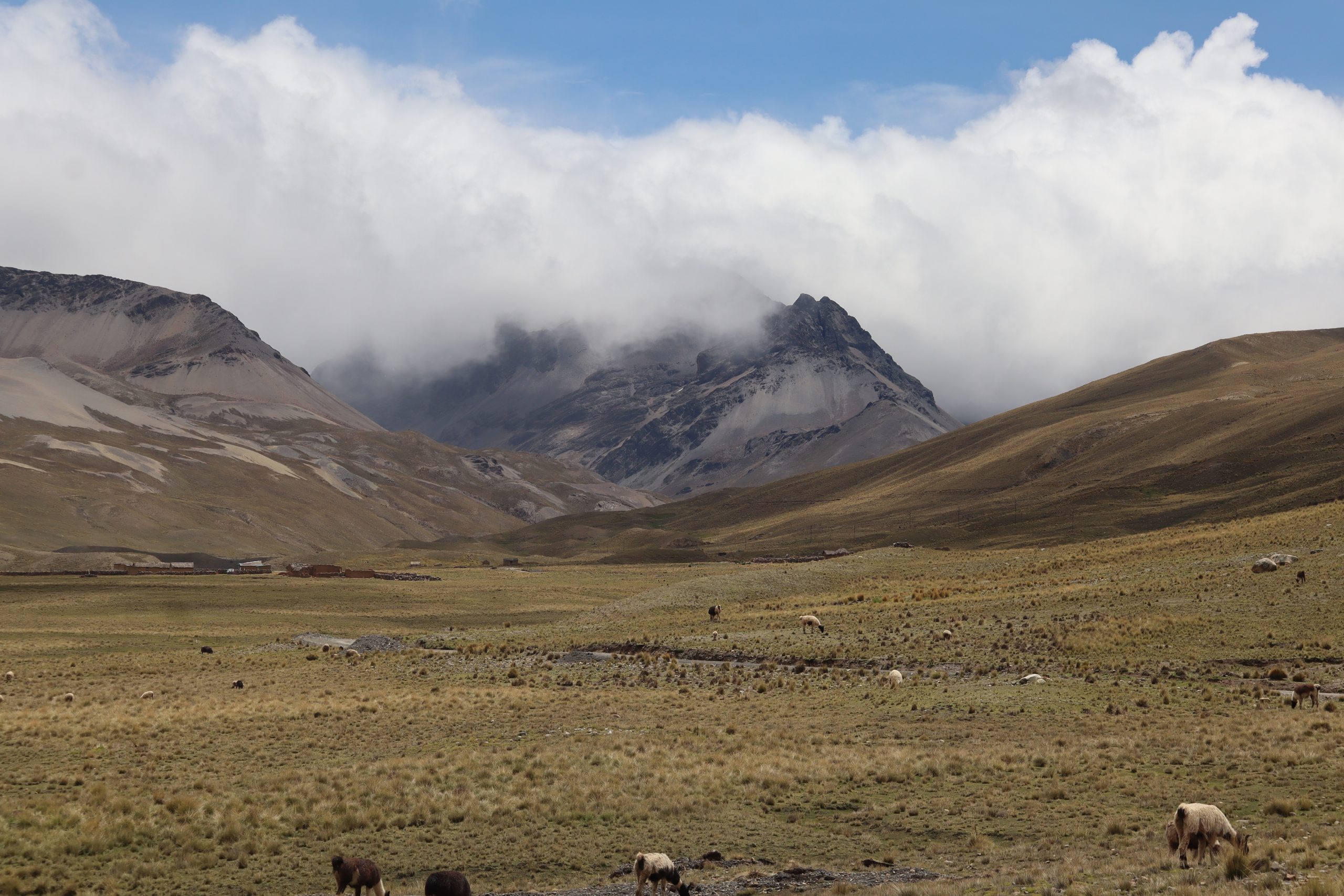
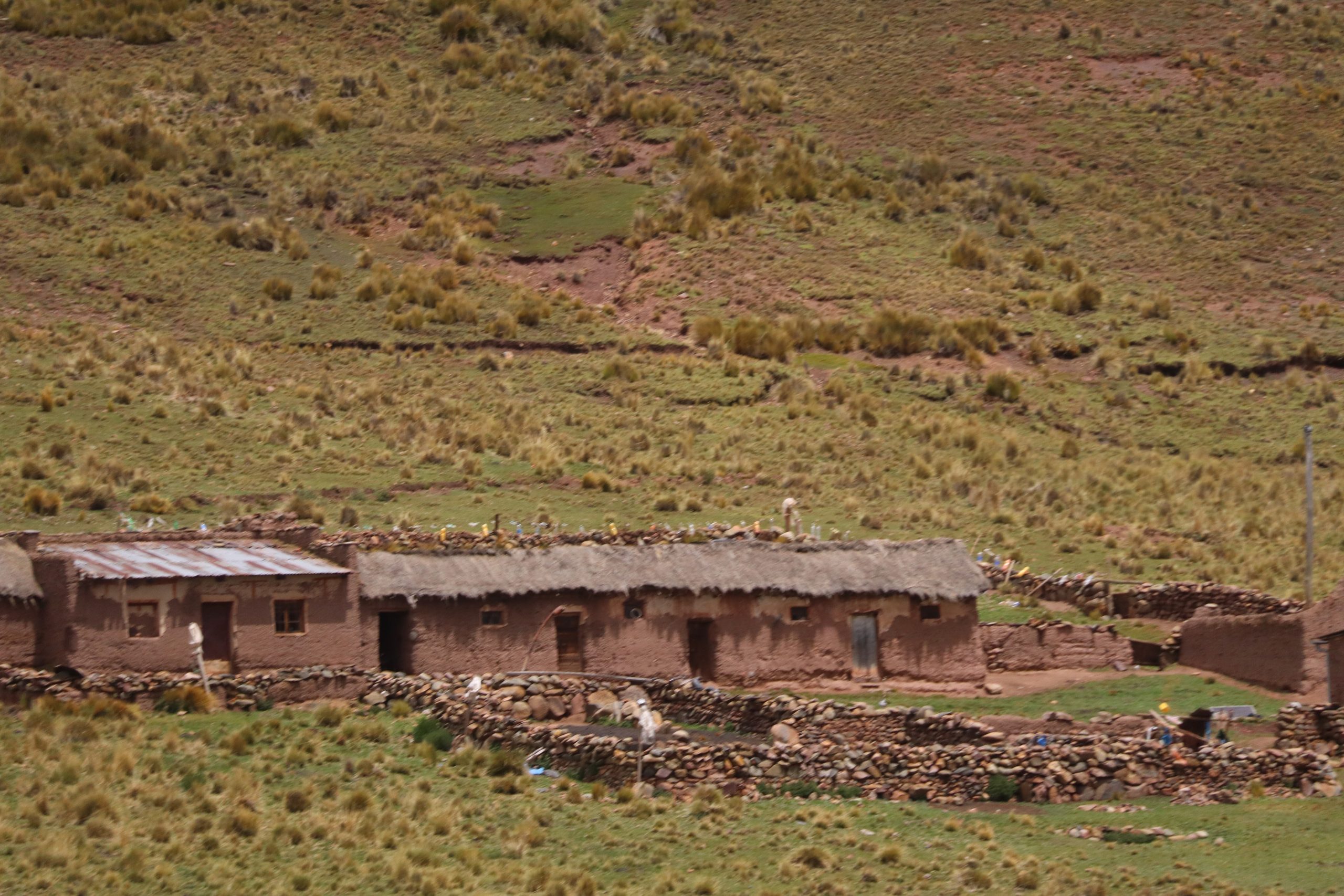
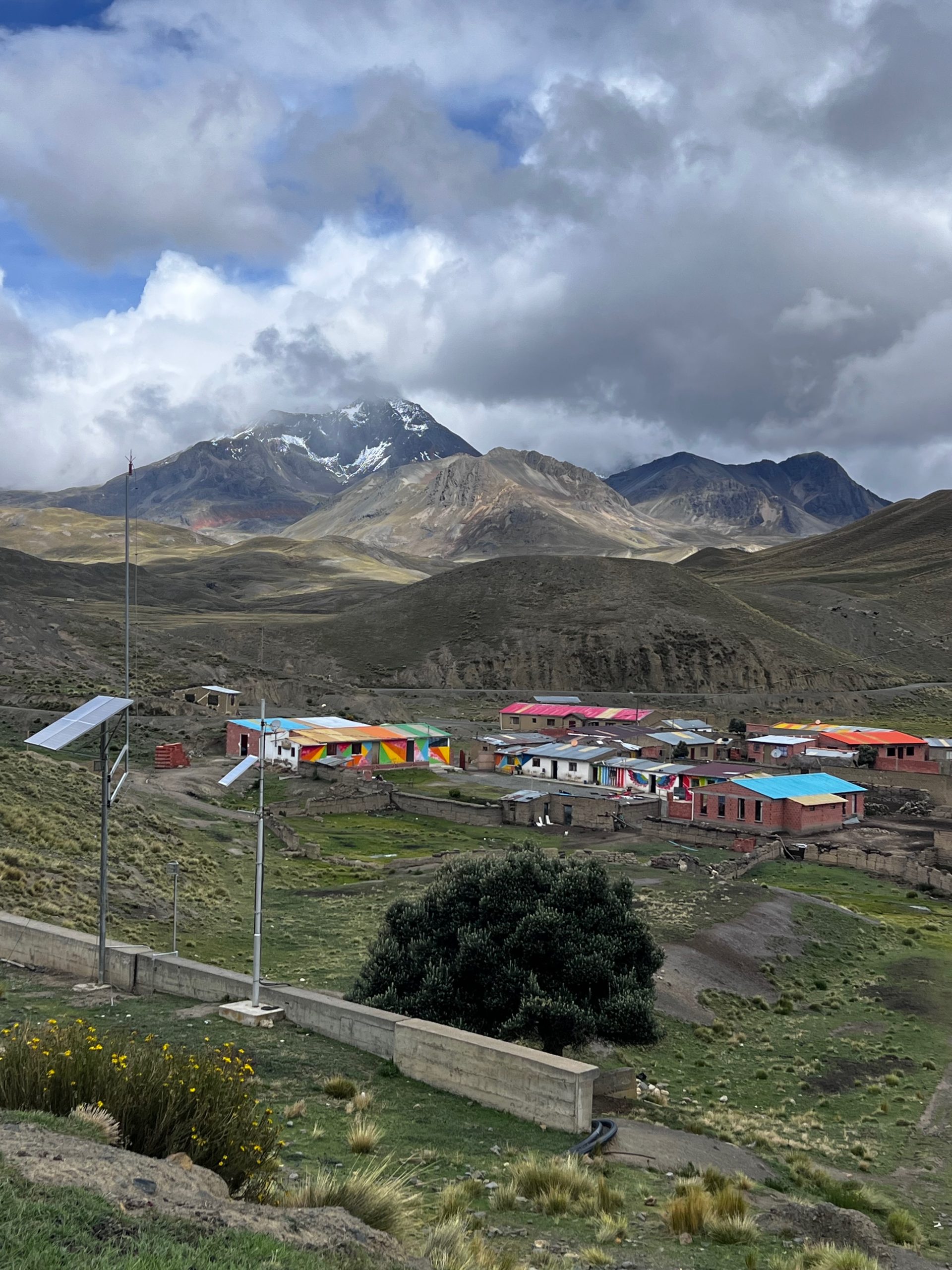
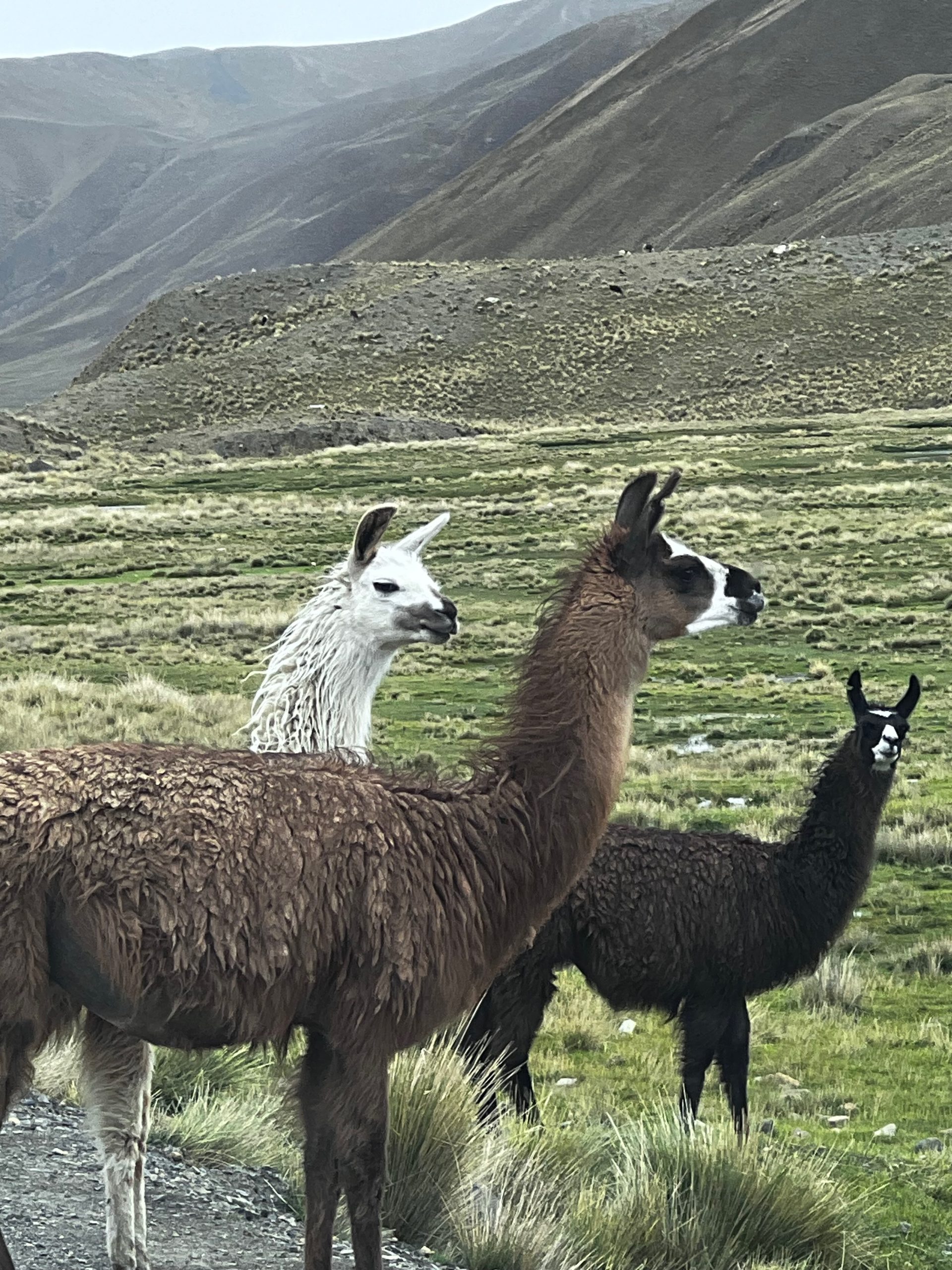
I have always been curious about Bolivia as a place where centuries-old traditions persist even as the country becomes more modern. With altitudes close to 12,000 ft above sea level, you find yourself, at times, both breathless and fatigued. Bolivia has two capital cities, which include La Paz. This vibrant city, nestled in a deep canyon, is known for its crowded streets, huge street markets, and strong Indigenous culture. I spent four days touring outside the city to experience the contrasts between the region’s high altitudes (up to 15,000 ft above sea level) and its arid and rugged terrain at the foothills of the country’s dramatic Andean mountains connecting with indigenous villages along the way. Here is what I learned from a place where tradition endures and progress is gradual….
But First a Bit of History
For centuries, the Aymara and Quechua native communities of Bolivia ruled until the 1600 when the Spaniards conquered and enslaved them, establishing mines to extract silver and minerals. Much like many of its South American neighbors led by Simón Bolívar, the country gained its independence in 1825. Unfortunately, its political problems and the marginalization of its native population continued for at least another century before significant reforms towards creating a democratic society were established by 1950. But not for long, the country endured numerous military coups and changes in leadership. Between 1978 and 1982, Bolivia had ten different presidents, which led to corruption and authoritarian rule. Between 1989 and 2005 the presidency changed hands seven times. For the first time, elections in 1989 experienced no military intervention. In 2025, the country elected a center-right pro-business leader, ending almost 20 years of a socialist government with plans to “rebuild” Bolivia by fostering a “capitalism for all” model. Today, Bolivia remains in the bottom half of South American countries per GDP capita, making it one of the poorer nations in the region.
Arriving in La Paz
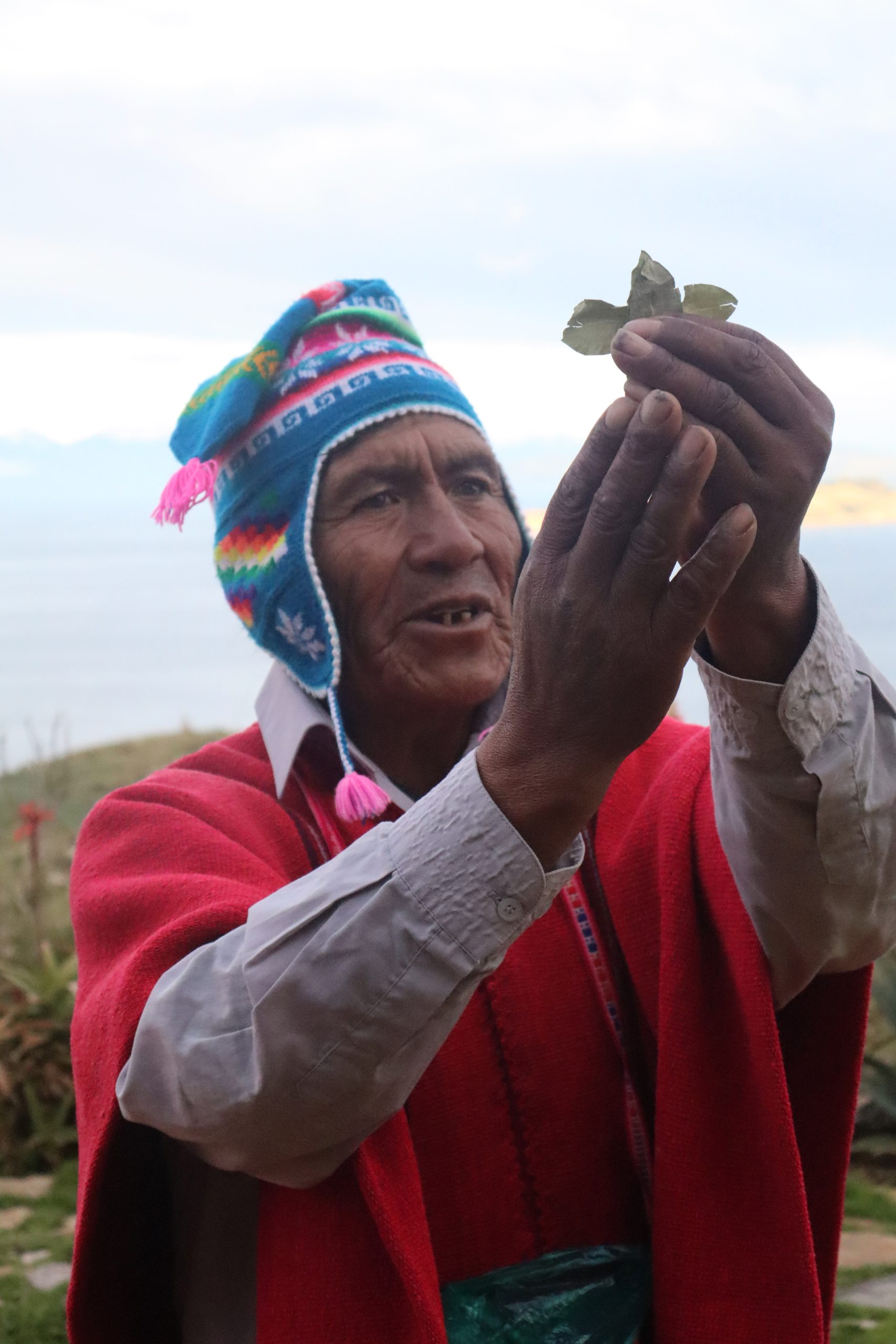
As soon as I stepped off the plane from Paraguay, I got a massive migraine that continued through the night. Almost immediately I could sense my lungs forcing themselves to breathe harder. Having experienced this before in Mexico, Peru and Argentina, I followed what is mostly recommended, which is to pace yourself, drink a lot of water, and sip or chew coca leaves. I tried all these remedies which helped, but not by much. I specifically became concerned at night, waking up every two hours to breathe and to drink water from the severe dryness in my mouth. The fatigue also was wearing me down along with feeling dizzy and experiencing sleepiness, migraines and stomach tightness. In my travels, I had experienced these symptoms before, but mostly temporary. In Bolivia it was the opposite due in part to the altitude being continuously over 12000 ft above sea level. I have high blood pressure that I manage with a pill. High altitude can raise blood pressure and inflammation, both of which I was experiencing. Frankly, it was freaking me out. After two weeks of not seeing much improvement, I decided to leave the country. I would have loved to have stayed at least one more week, the tiredness and lack of sleep along with my usual back pain were draining my energy, such is life.
The City of La Paz
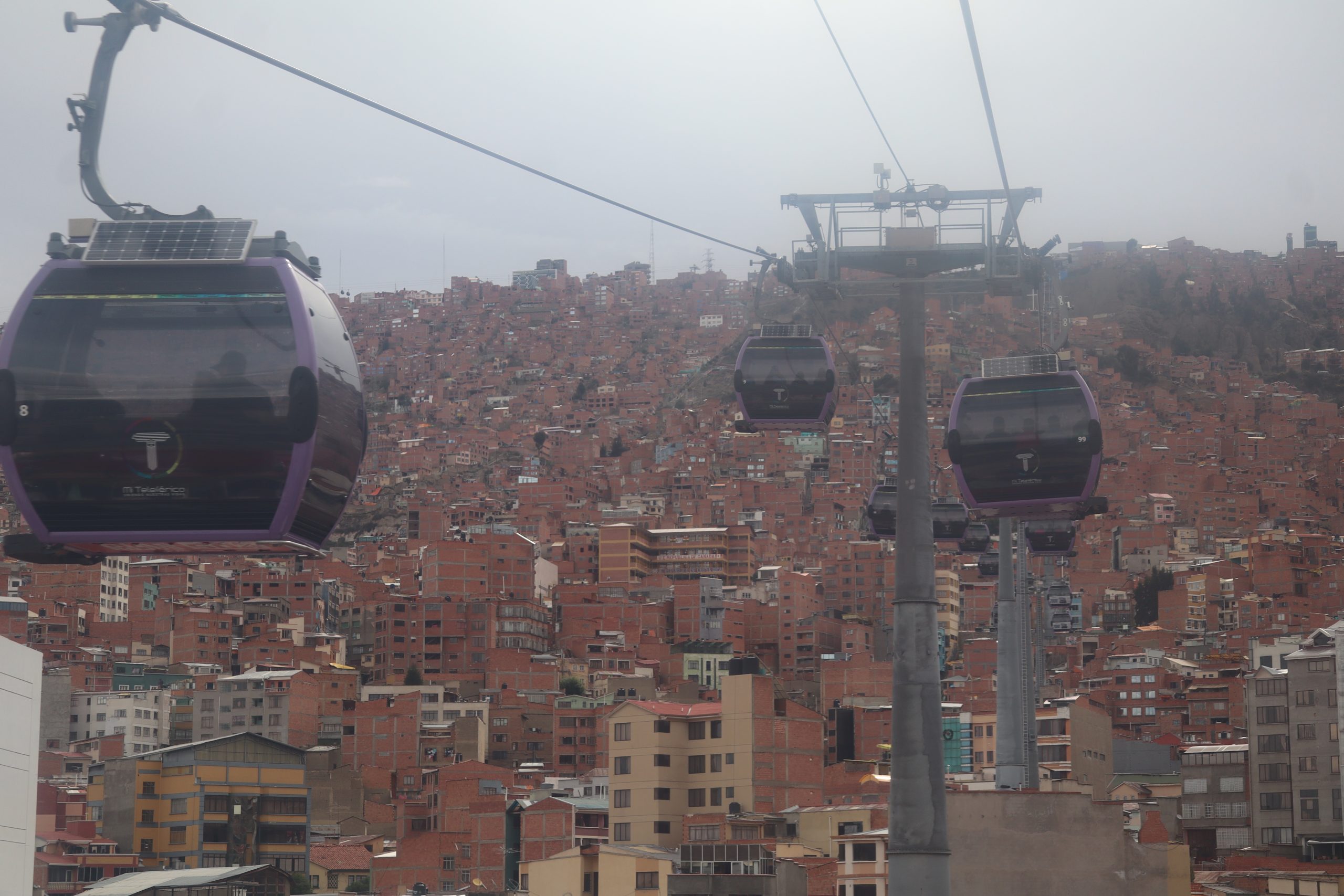
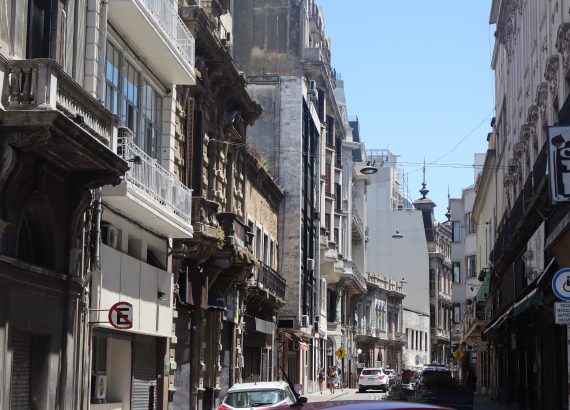
I stayed for a week in the downtown center of the city in a neighborhood known as Sopocacha, a vibrant commercial and residential area not too far from the more touristy area. A combination of old colonial and modern buildings with plenty of restaurants, cafés and retail. What struck me the most was the vehicle and pedestrian traffic. The city does not have much of a bus transit system besides its cable cars(one of the largest in the world). It relies on private vans to transport people from place to place. There are thousands of these mostly white vans crowding the streets, making the roads a bit chaotic.
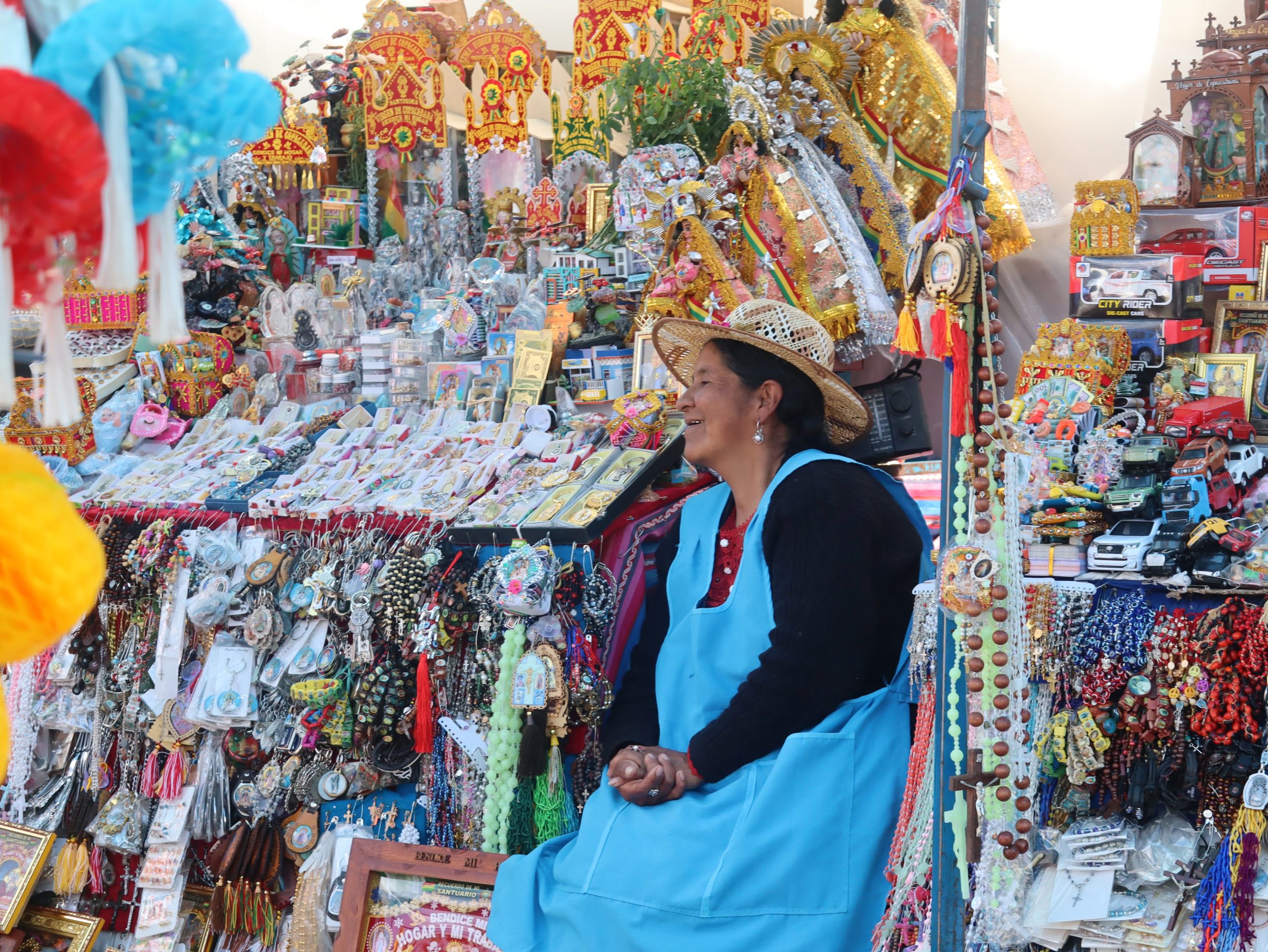
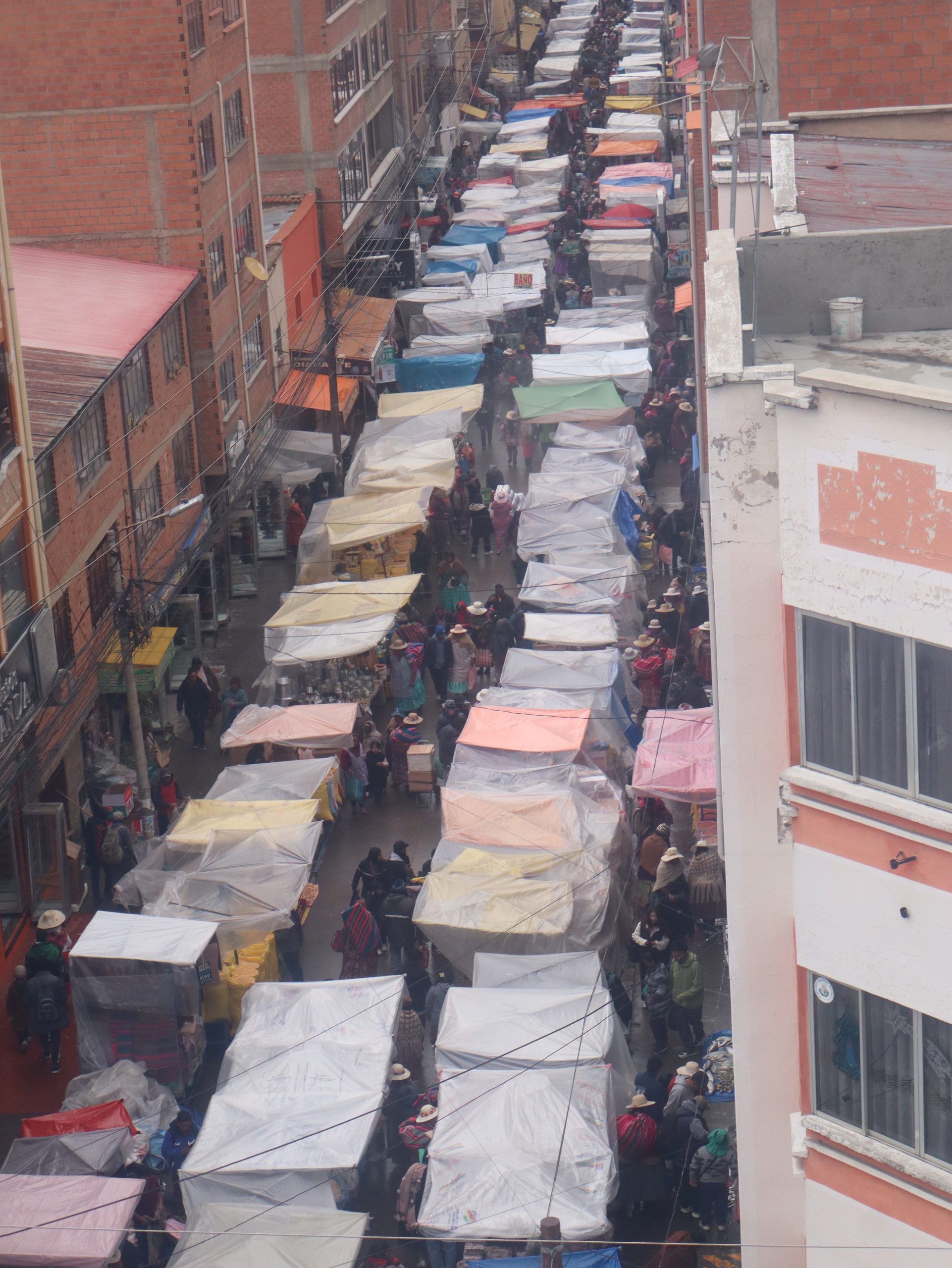
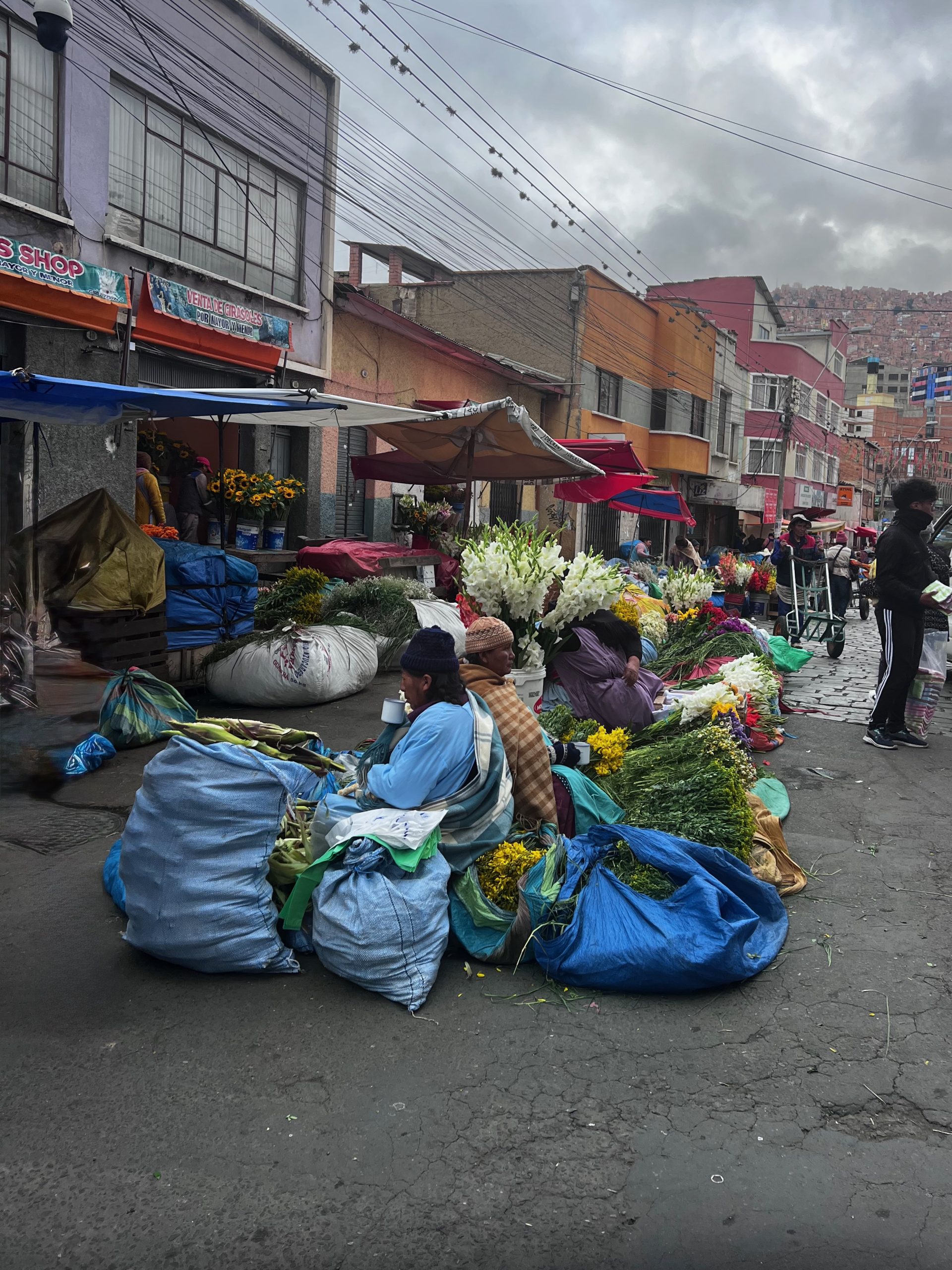
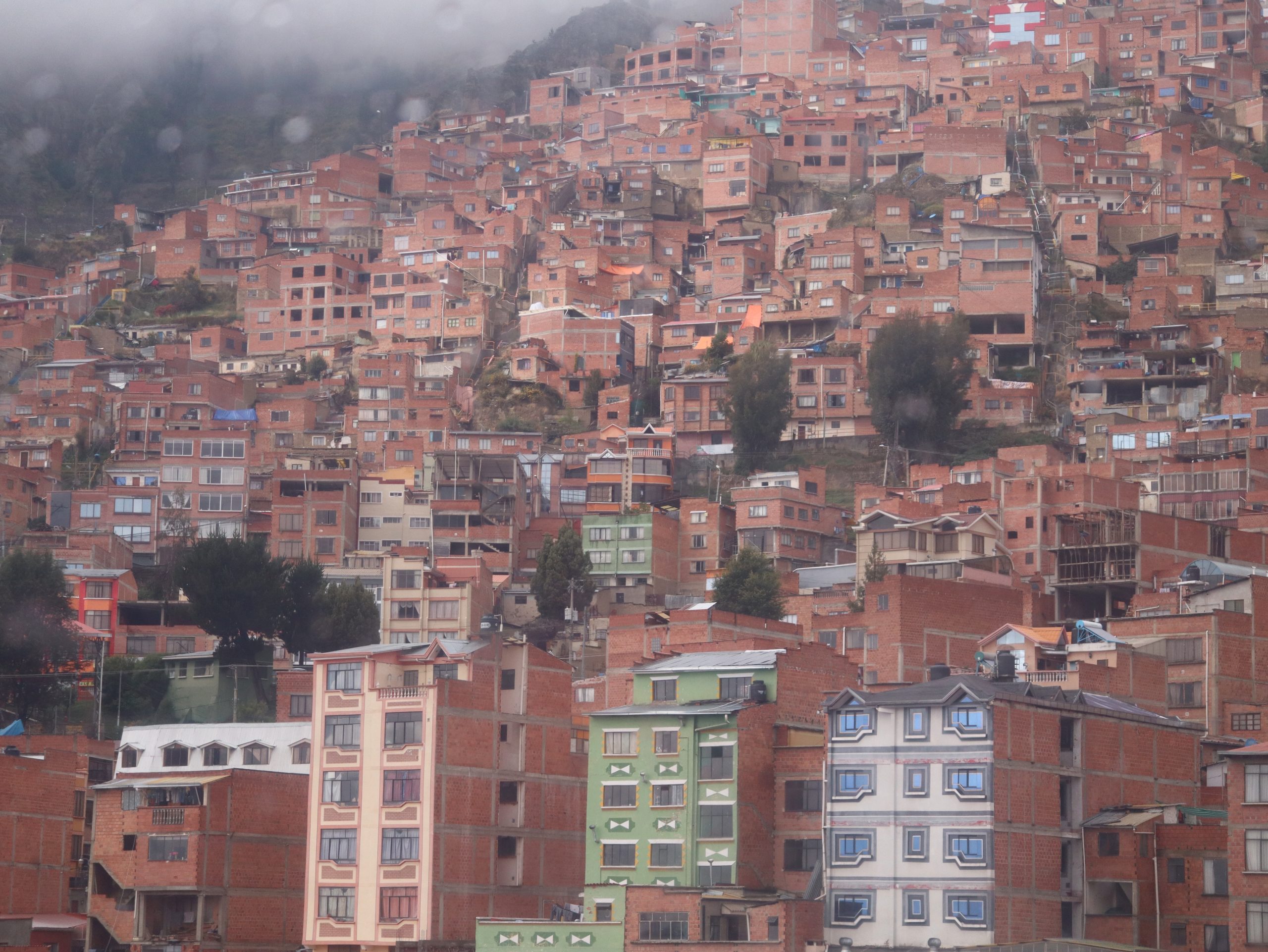
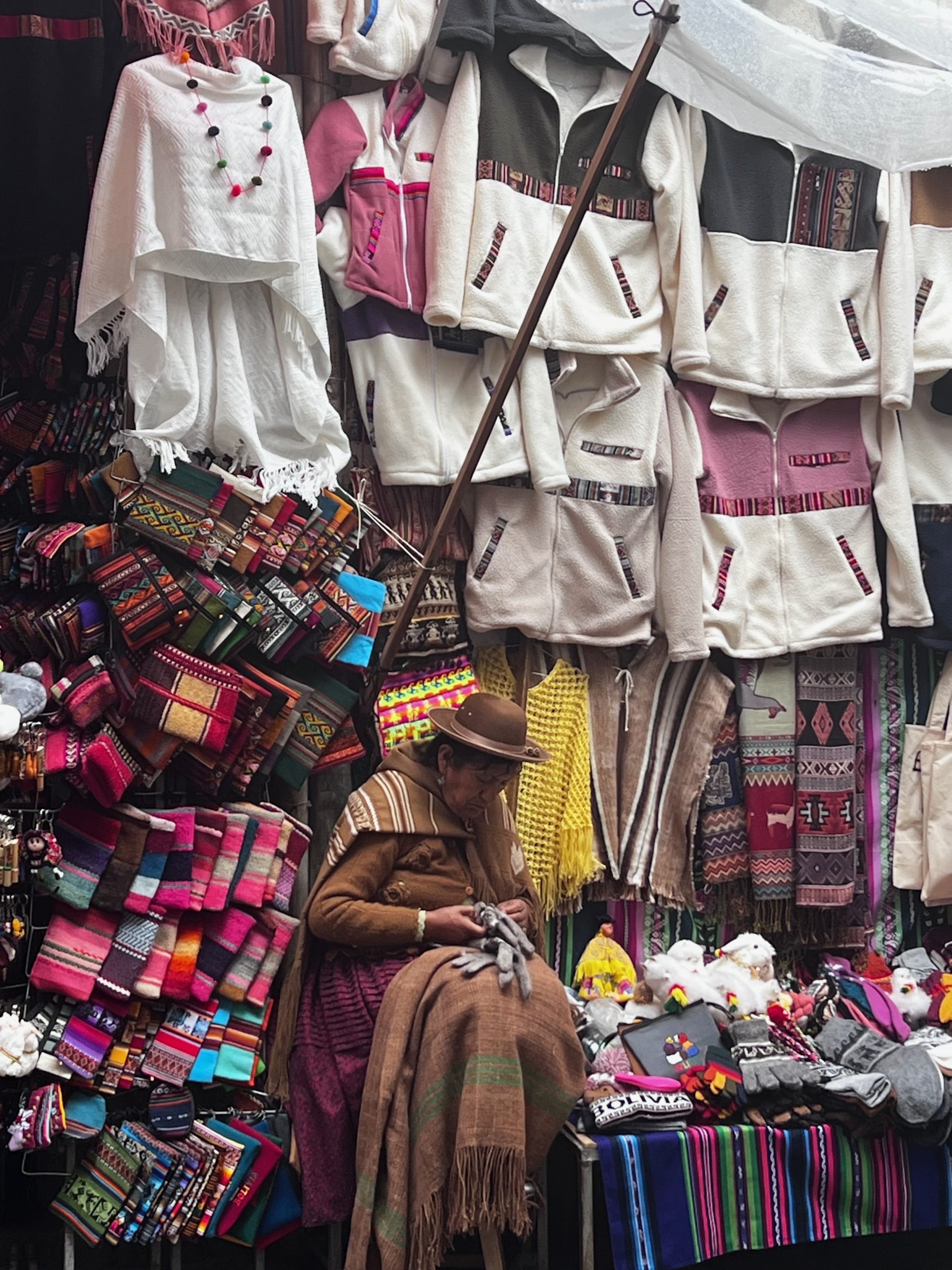
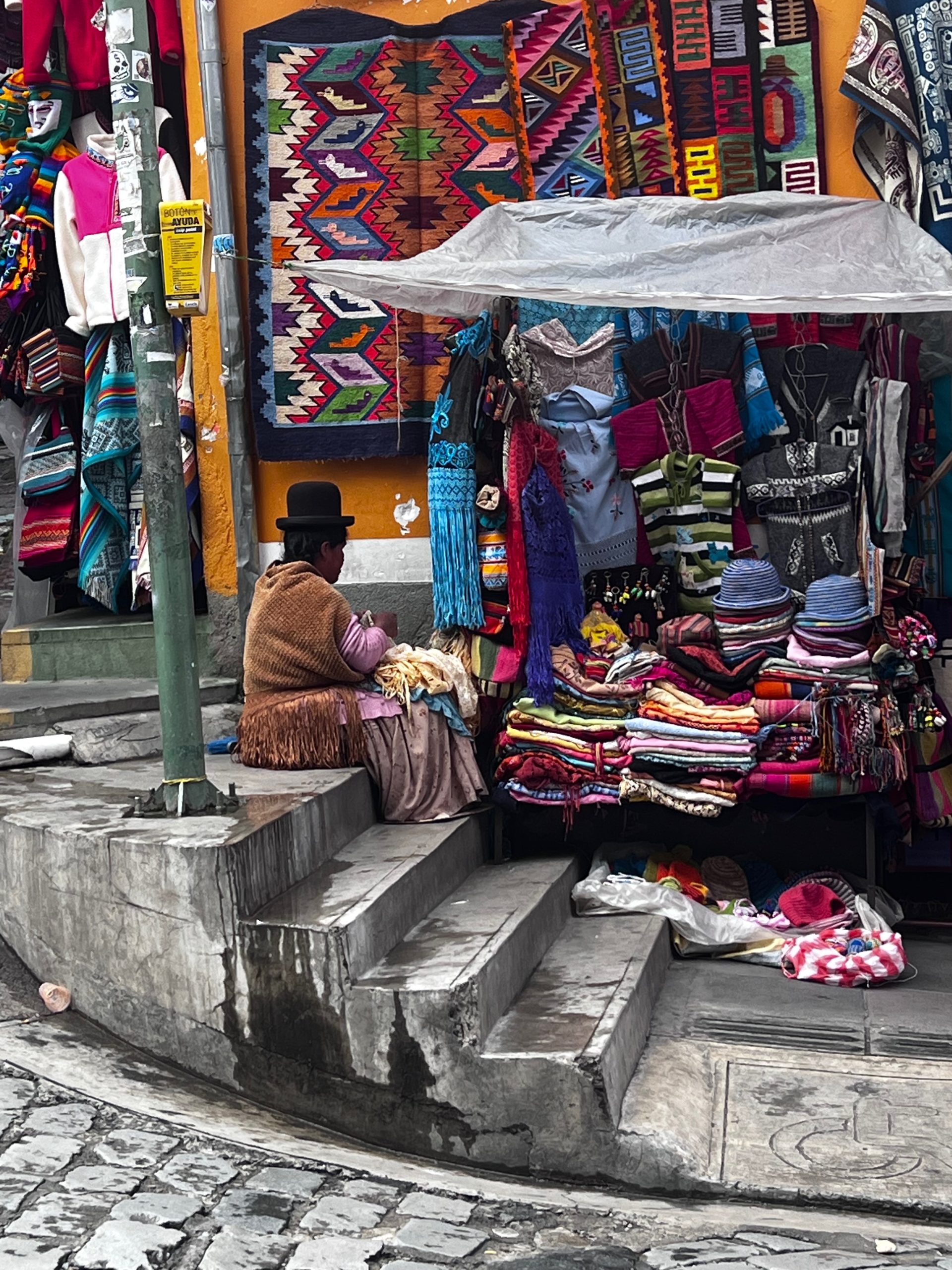
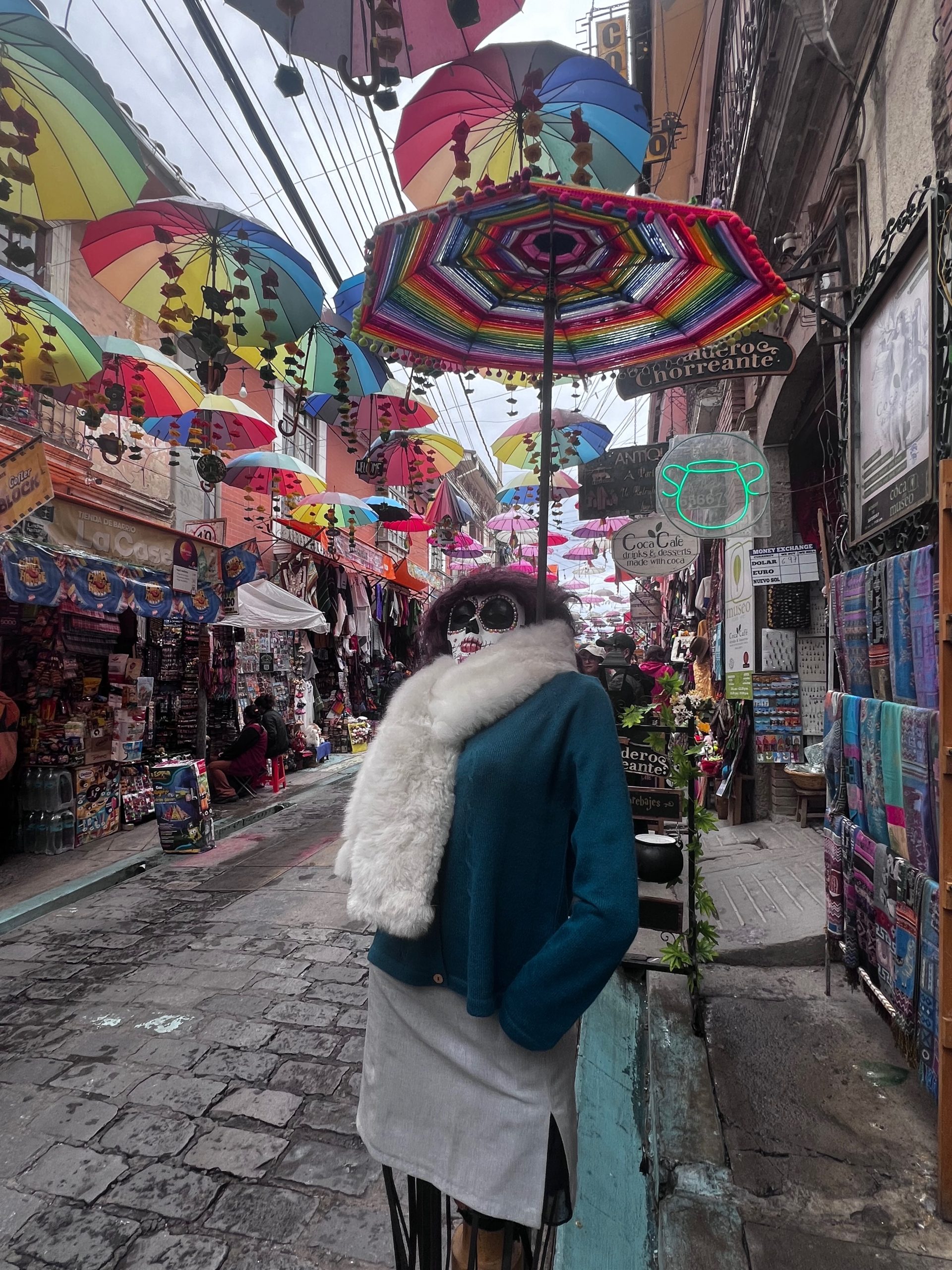
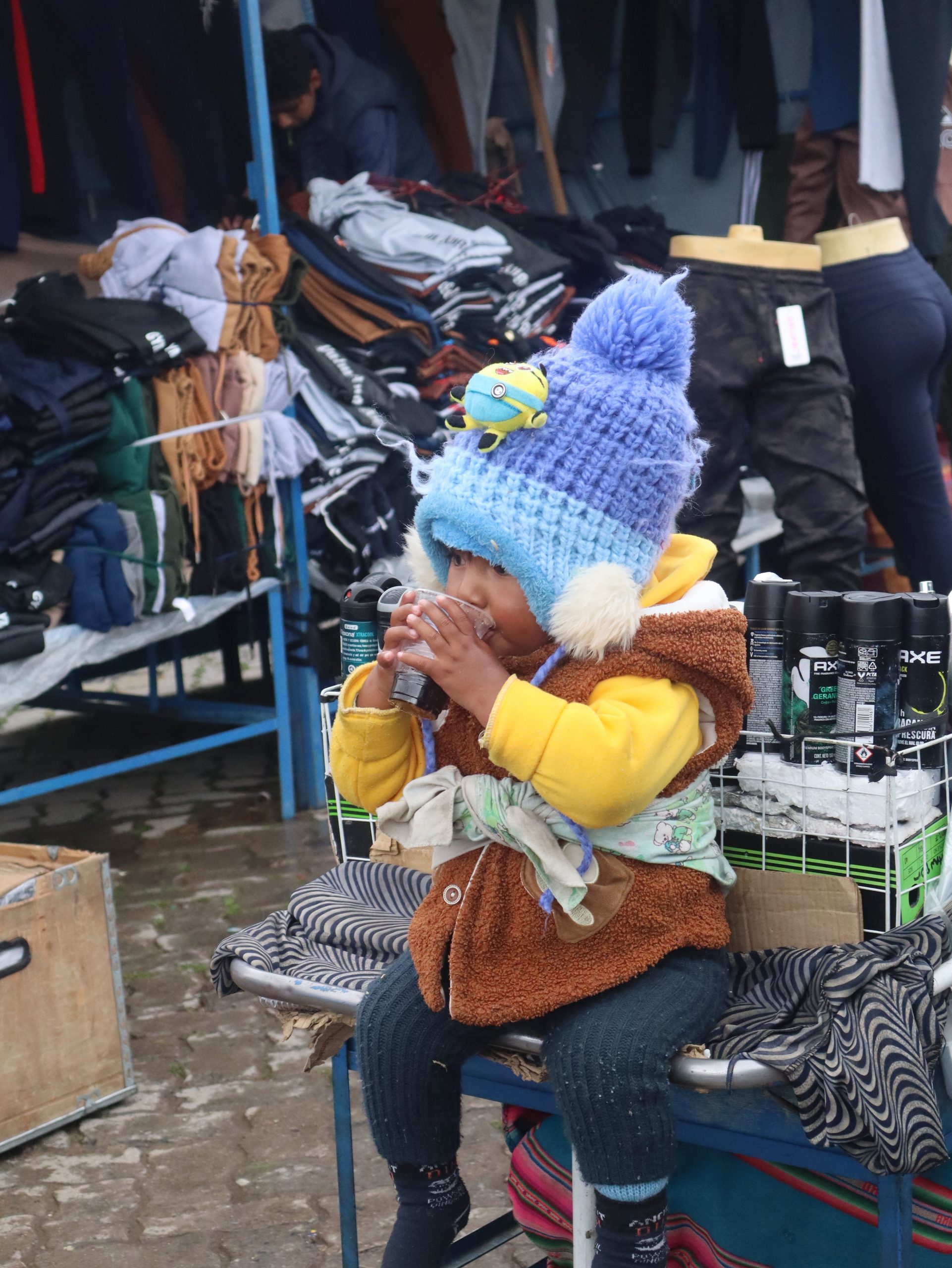
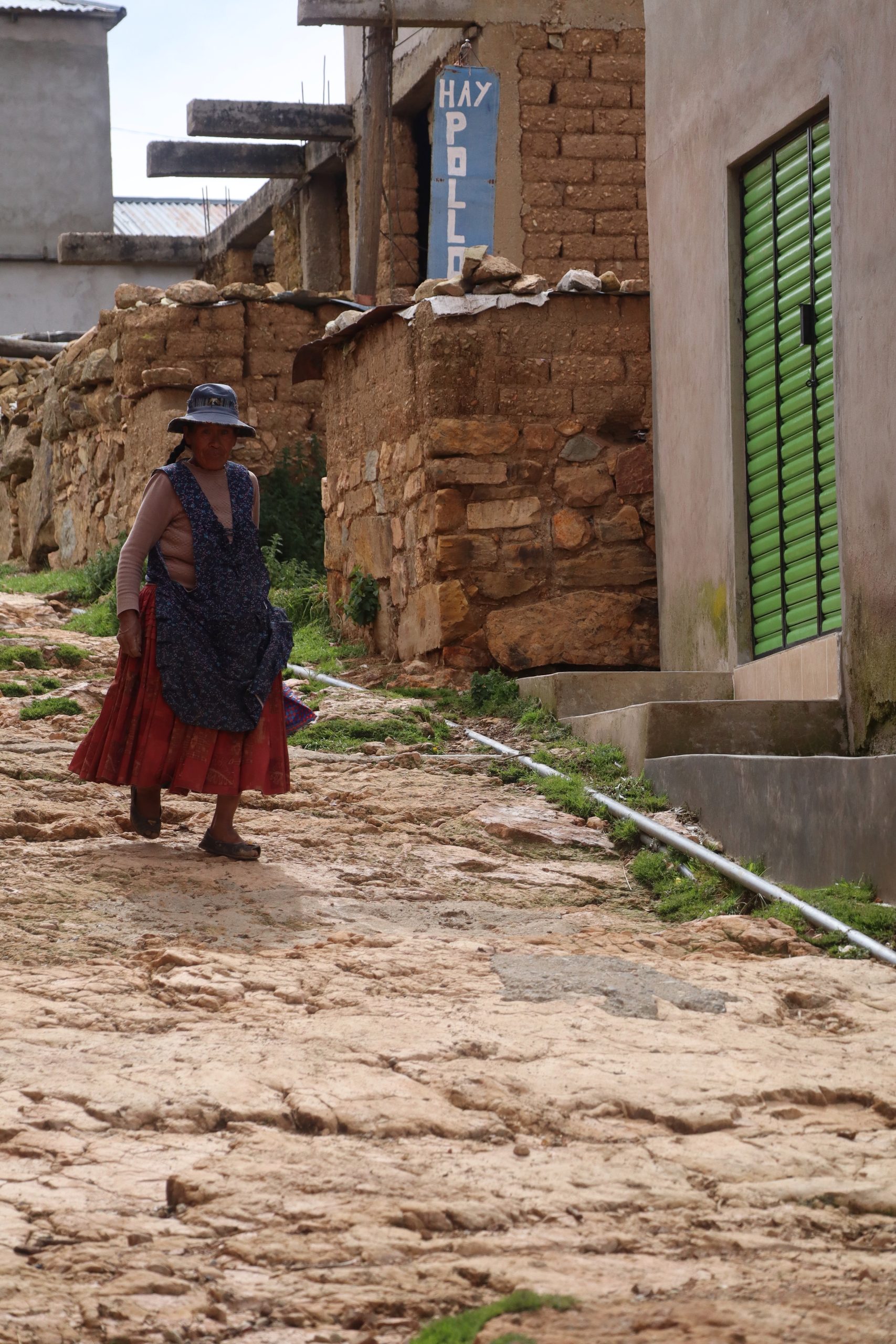
This is a city where rural meets urban life. On a daily basis, rural communities come into the city to buy or sell. There are street vendors everywhere besides residents and tourists. Every Thursday and Saturday thousands of street vendors set up colorful stalls along many designated streets known as the Mercado Negra (Black Market). I am perplexed how brick-and-mortar retail businesses are able to survive here with so many street vendors. Its most famous street market where tourists tend to go is known as the Witches’ Market (Mercado de las Brujas) although much of this place does not cater to street vendors, worth a visit. When driving or riding a cable car, you are a bit taken aback by the number of unfinished brick homes. The government does not impose taxes on unfinished houses, which results in neighborhoods that look unattractive or have little aesthetic appeal.
Who are the Cholitas
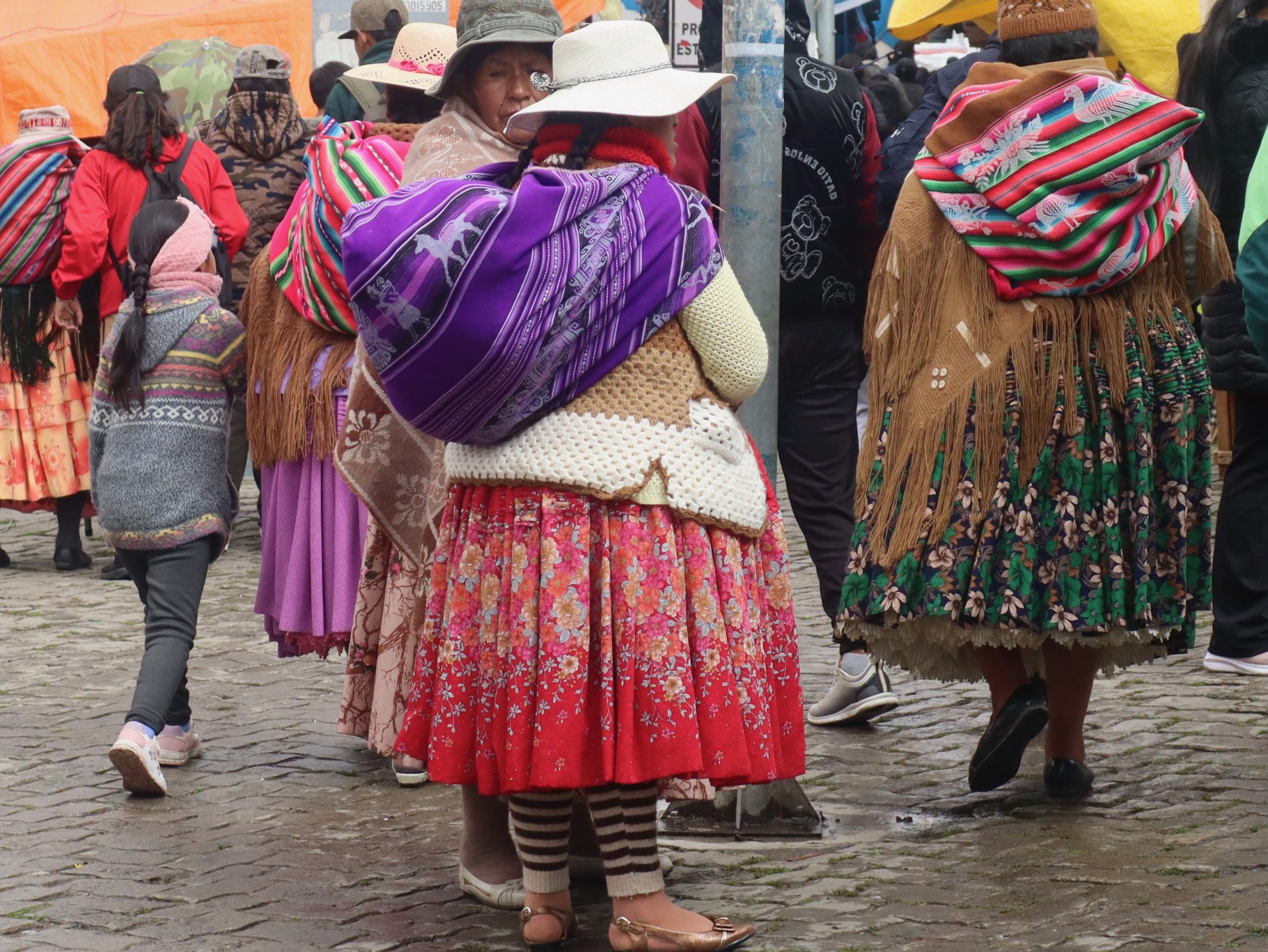
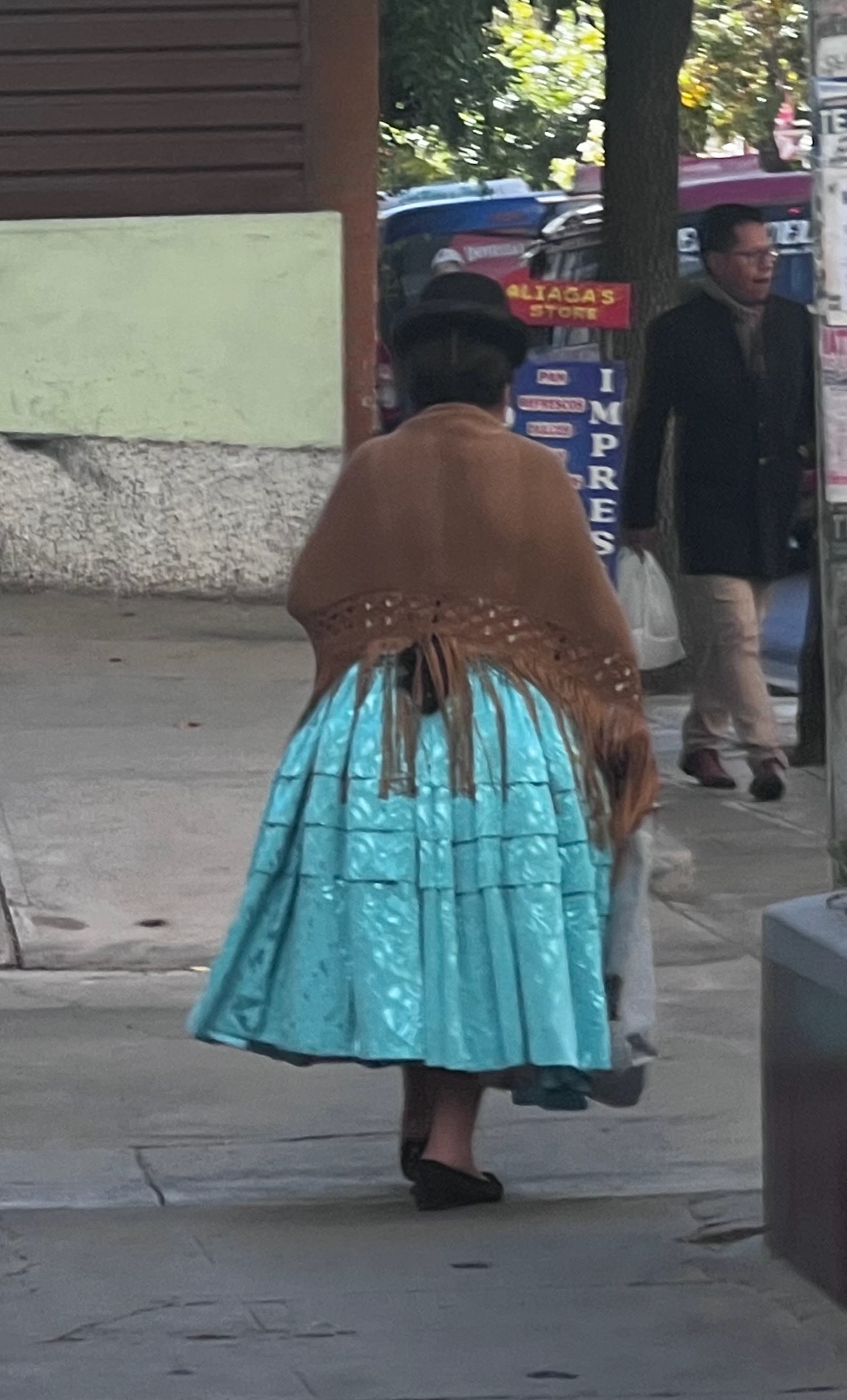
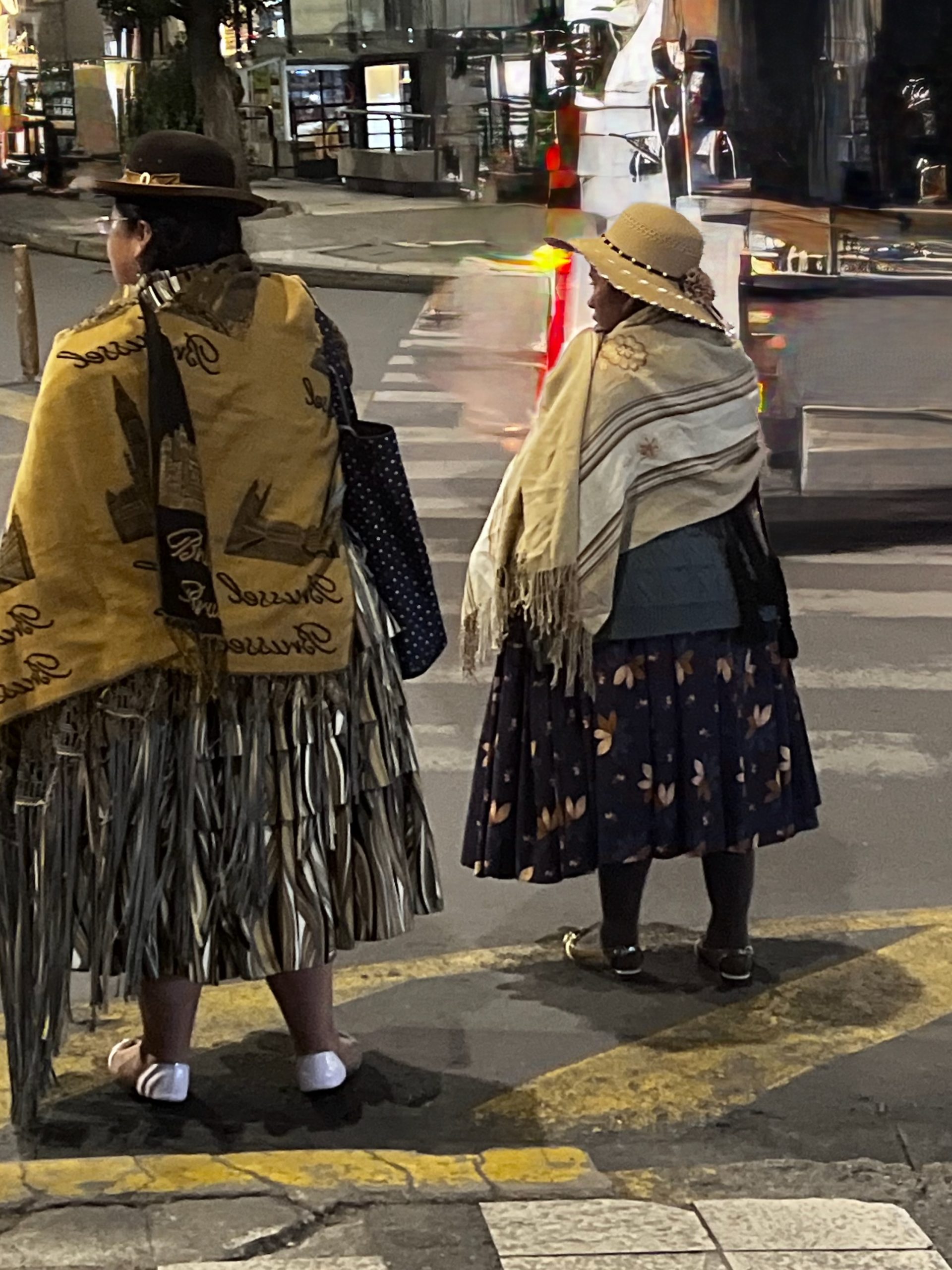
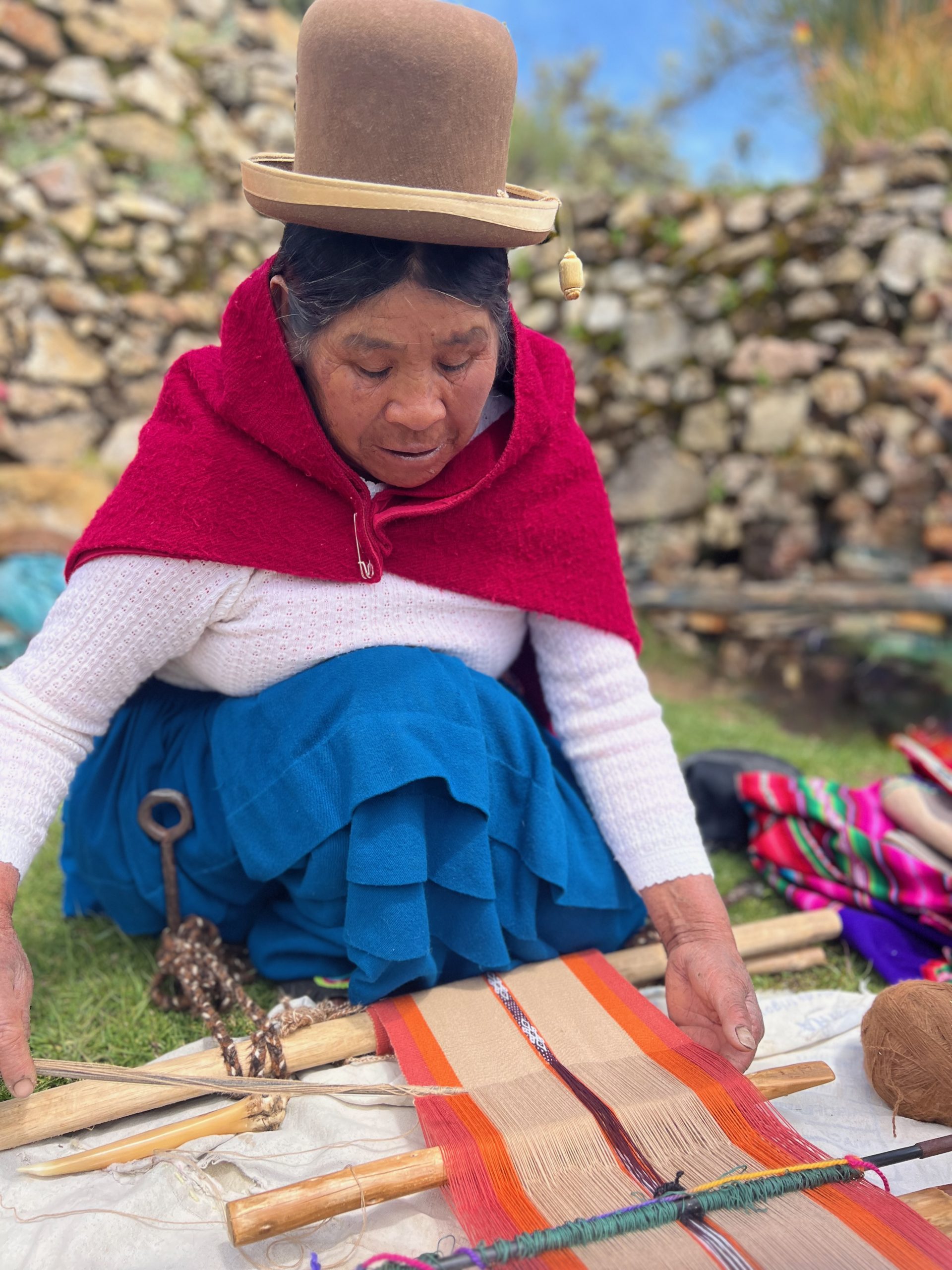
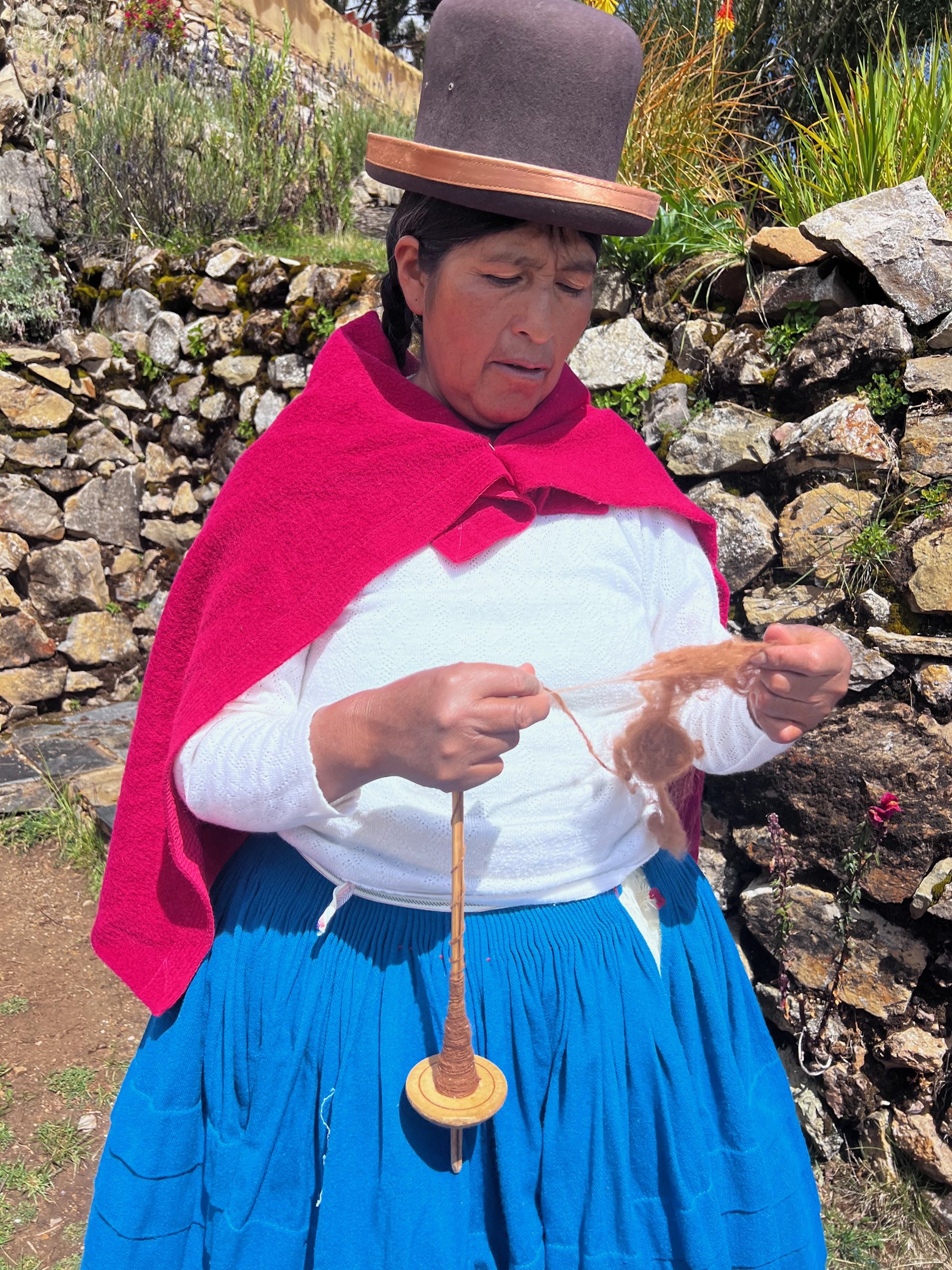
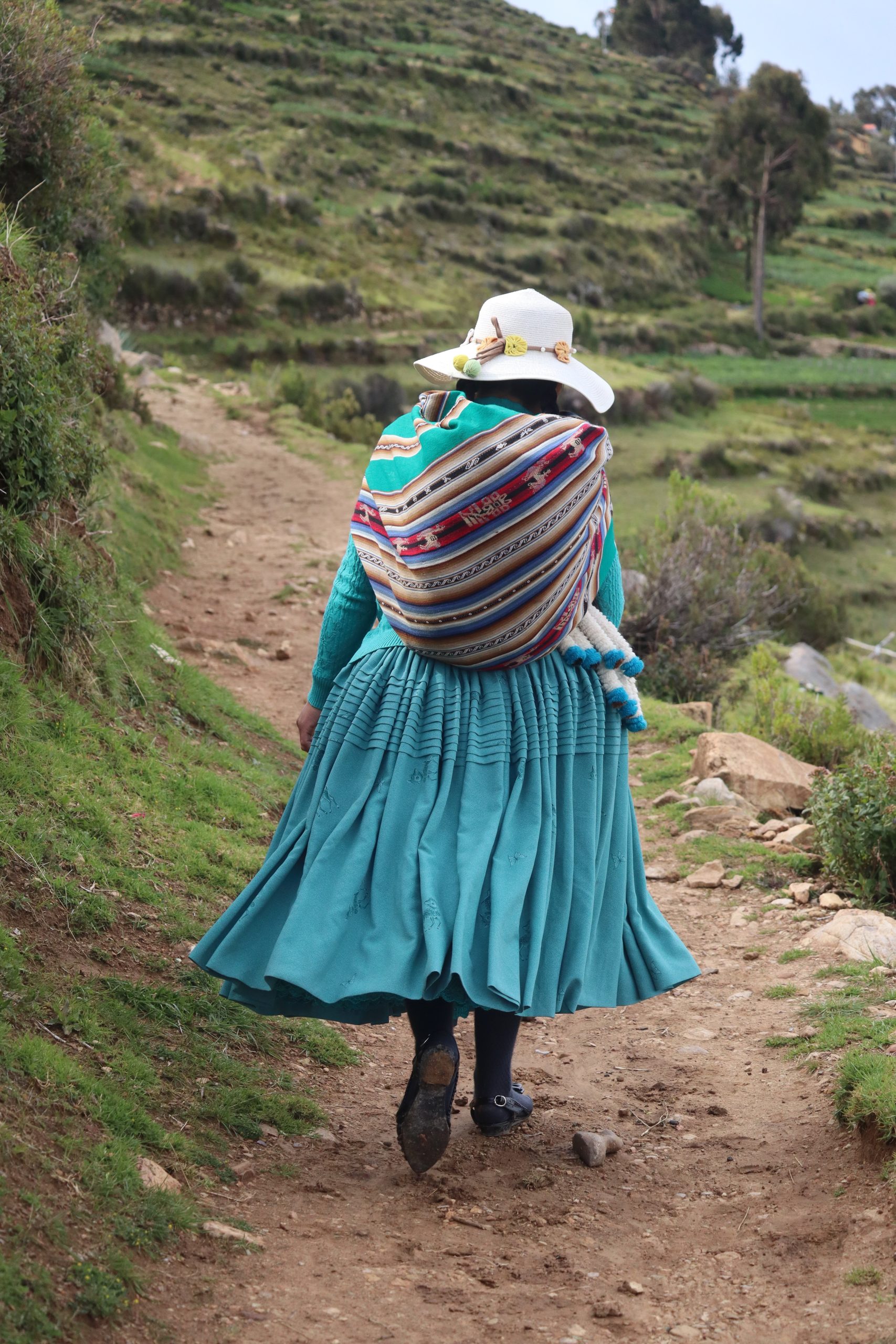
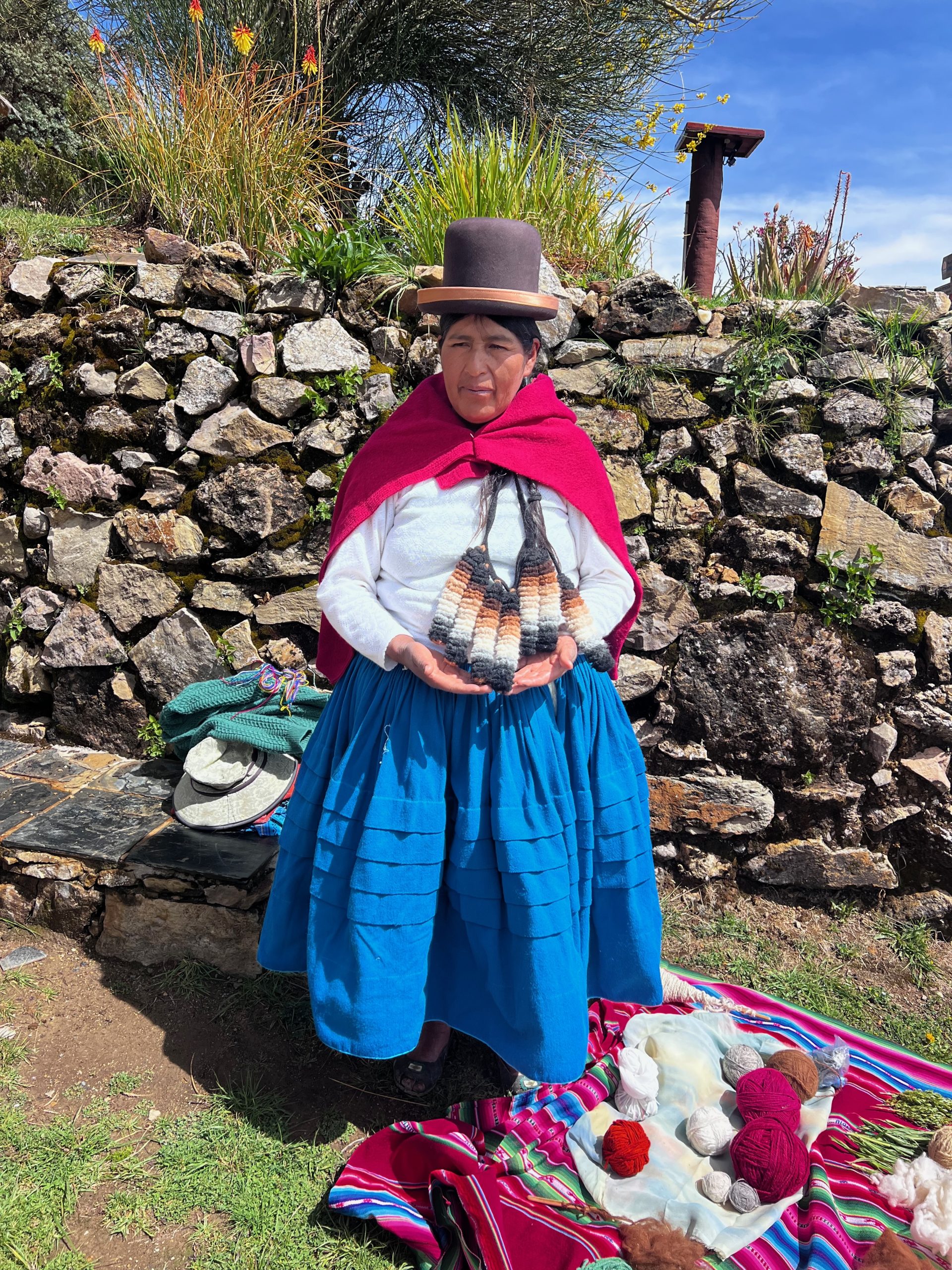
Another unique aspect of the city is the wearing of traditional clothes by both men and women (mostly women). Women use these large, layered skirts known as Pollera accompanied with knitted shawls and bowler hats. These women are mostly known as Cholitas.
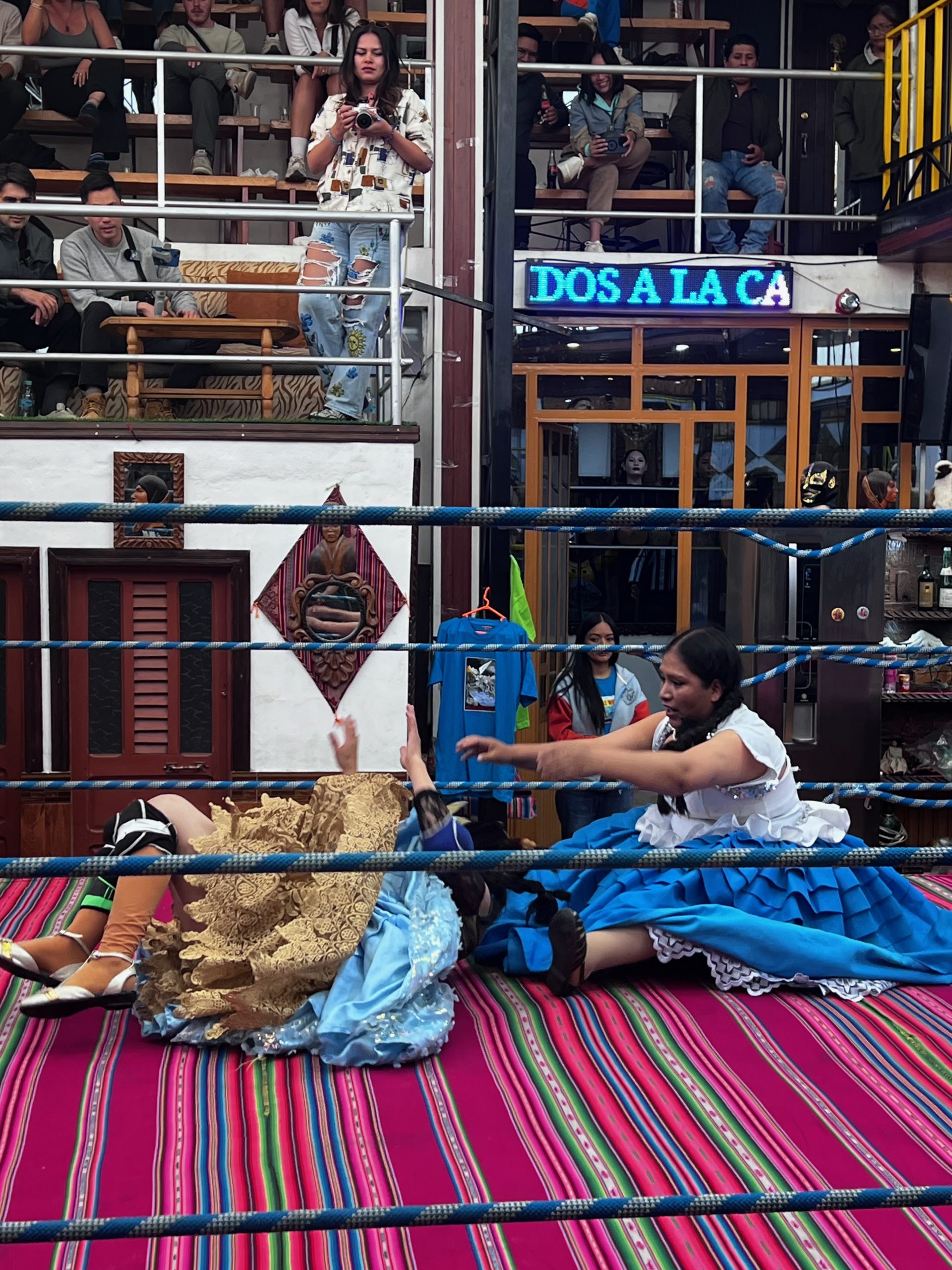
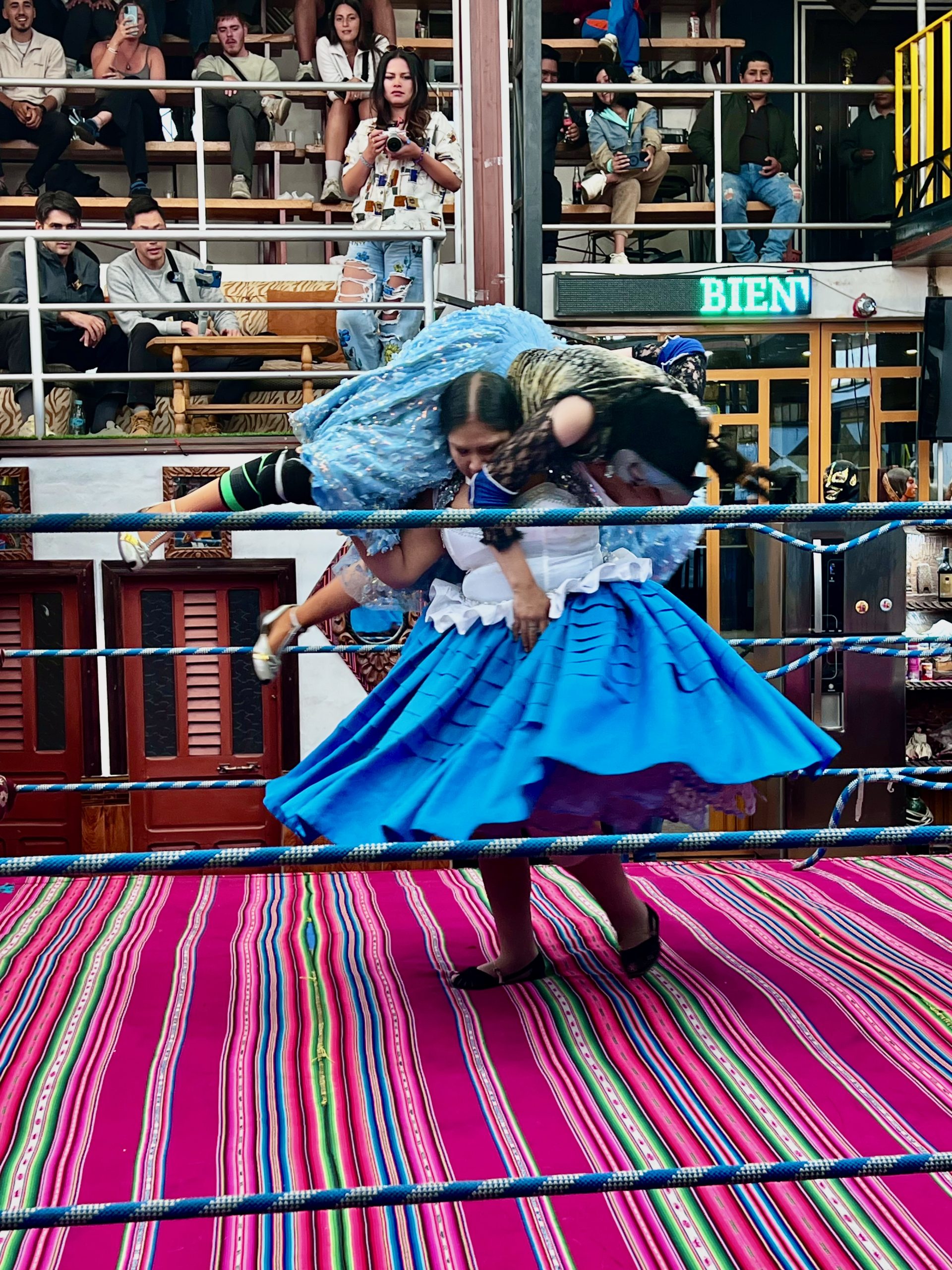
Cholitas are primarily indigenous Aymara and Quechua women, many living in the city or in rural areas. The role that “Cholitas” women play, dressed in traditional clothes—bowler hats, embroidered shawls, and large pollera skirts — has undergone significant change. These indigenous women were once severely discriminated against by the Spaniards, who forced them into servitude. “Cholita” historically was considered a derogatory connotation for indigenous or mixed-race women. Today, Cholitas have reclaimed their identity, becoming empowered, proud of their heritage wearing their traditional clothes once used to label and exclude them. Many are no longer street vendors but are professionals engaged in all aspects of Bolivian life. Recently, starting in 2000, Cholitas have taken up female wrestling fights as part of their empowerment. These weekly iconic wrestling fights where Cholitas fight with their pollera skirts are very popular, attracting both residents and tourists. Like most wrestling matches, there is a bit of theatrical performance to go along with the fighting (super entertaining).
Exploring Bolivia Countryside
To appreciate Bolivia, you must leave the city and journey into its countryside, where one can experience extreme contrasts from high altitudes (up to 15,000 ft above sea level) to arid and rugged terrain with dramatic Andean peaks along with a vibrant Indigenous culture. I booked a 5-day tour to explore the different aspects of the country’s terrain, of which I could only complete 4 days. After the fourth day, I no longer felt I could tolerate the heights and decided to stop. Needless to say, I found this experience to be captivating and worth the time and money invested.
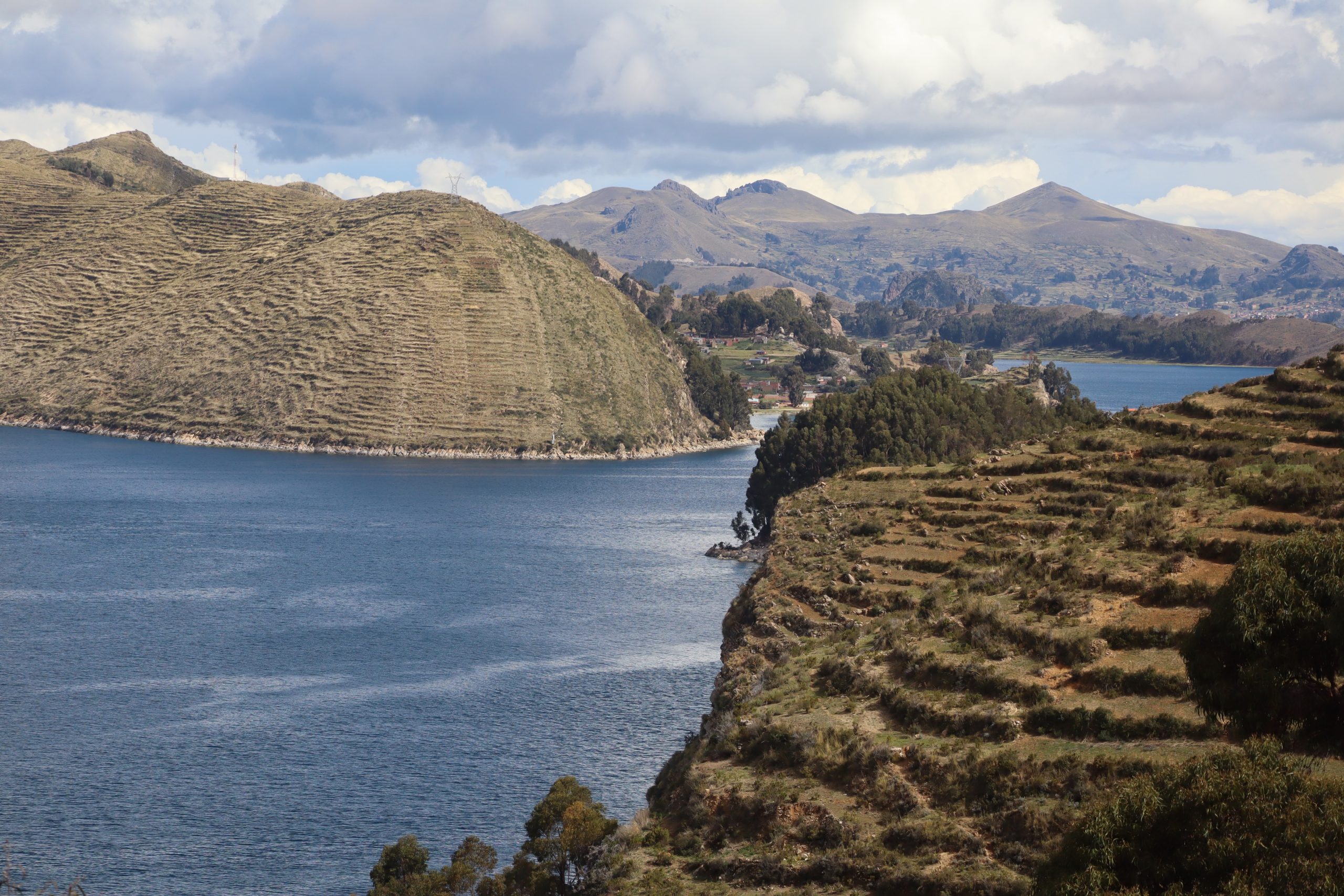
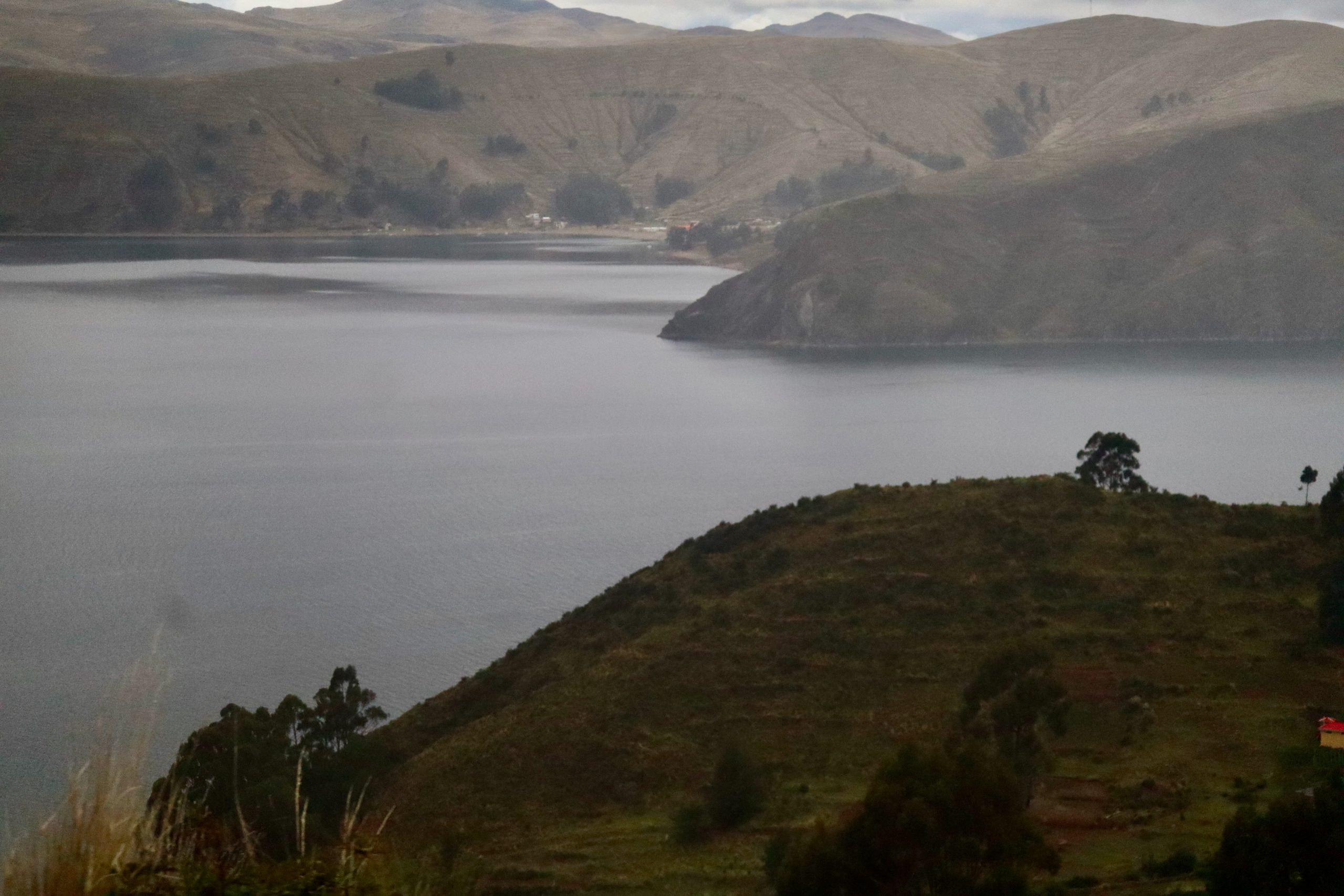
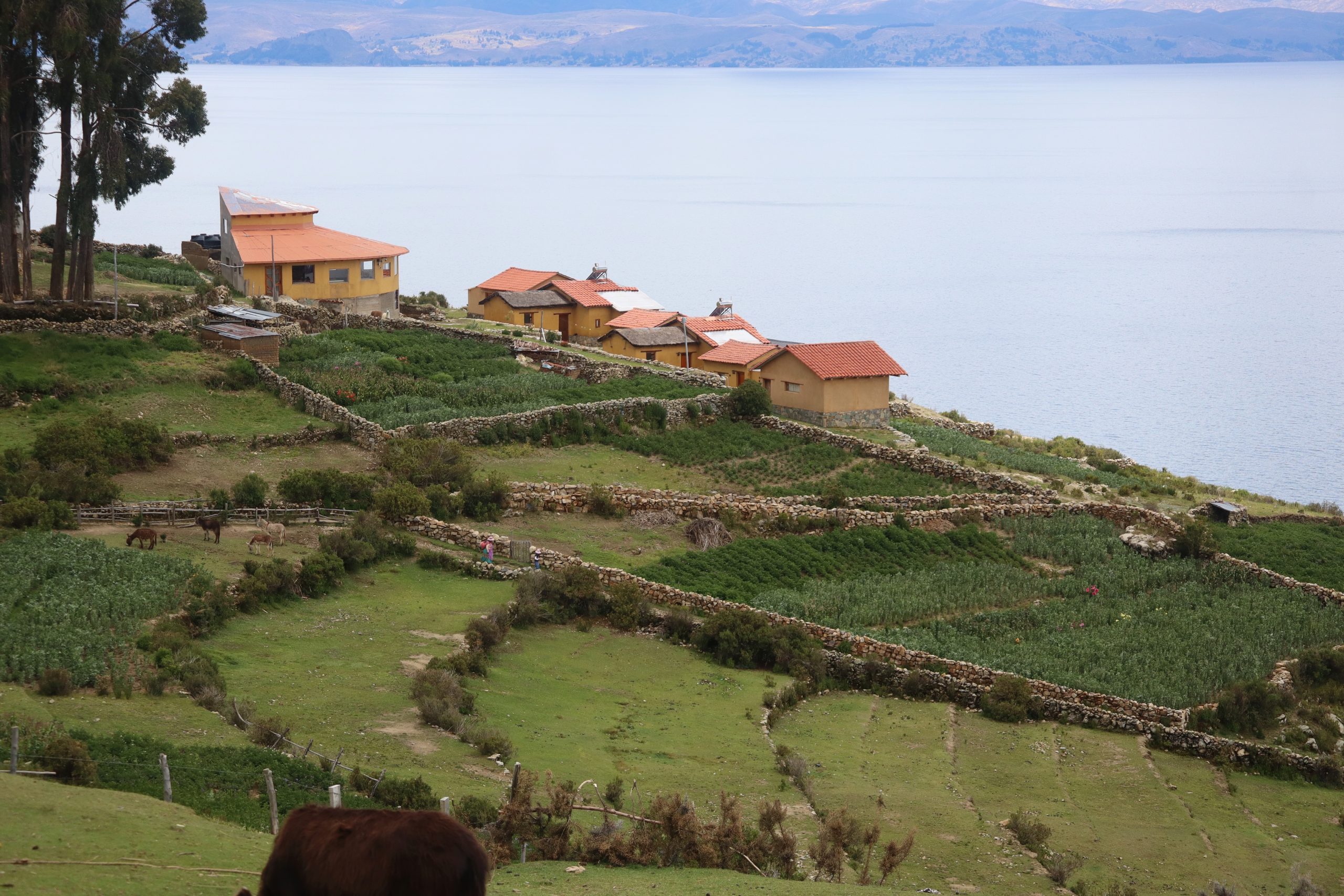
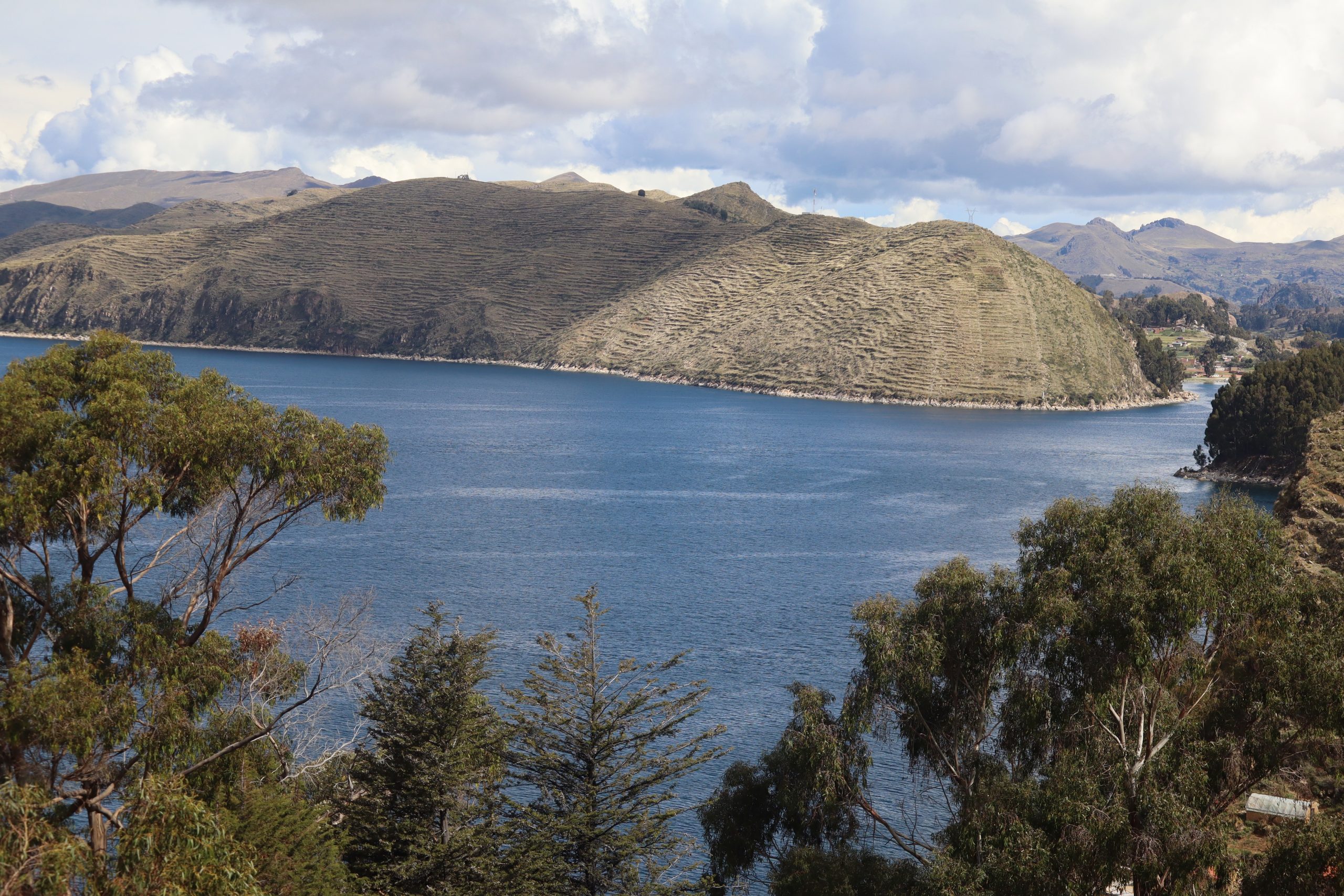
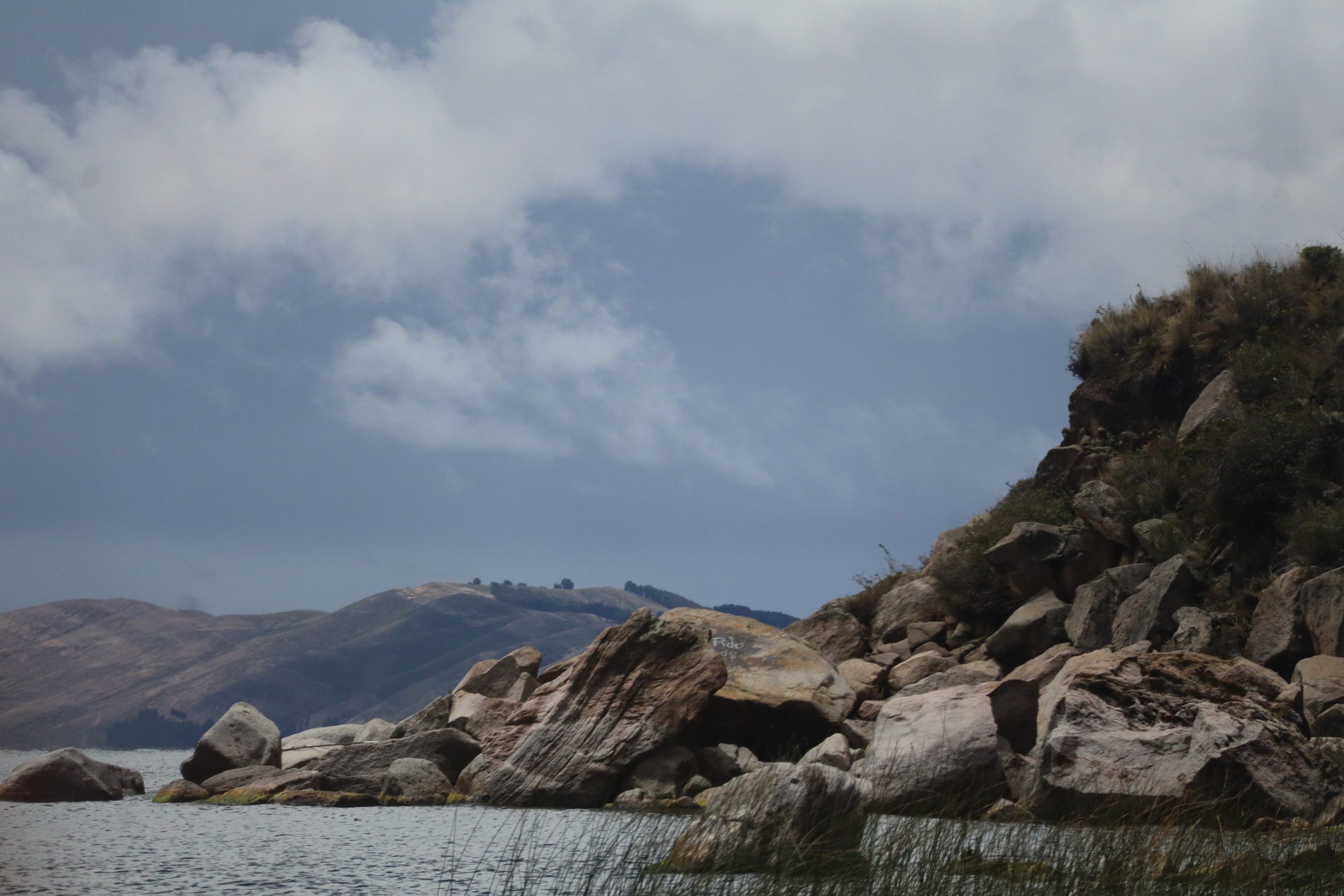
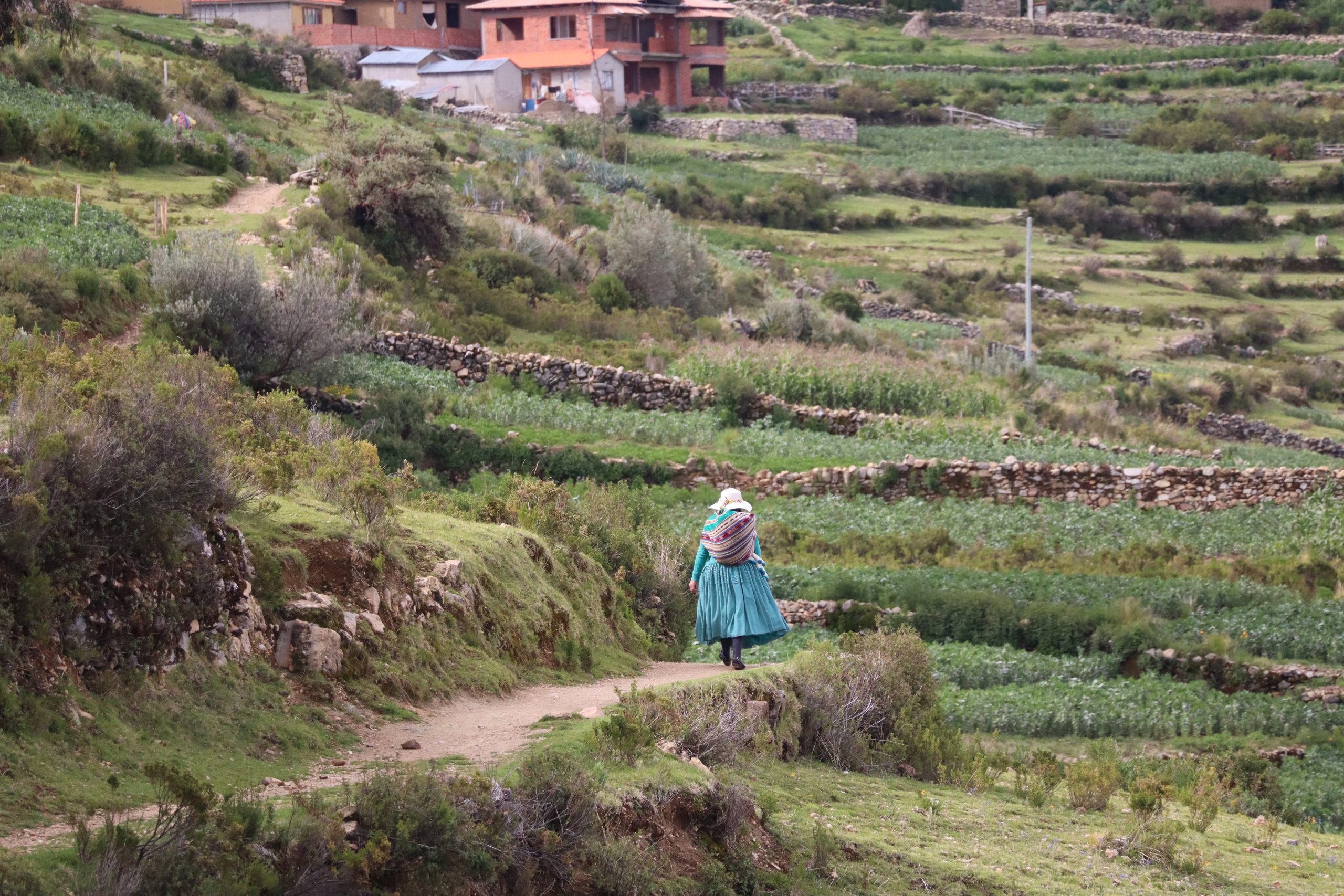
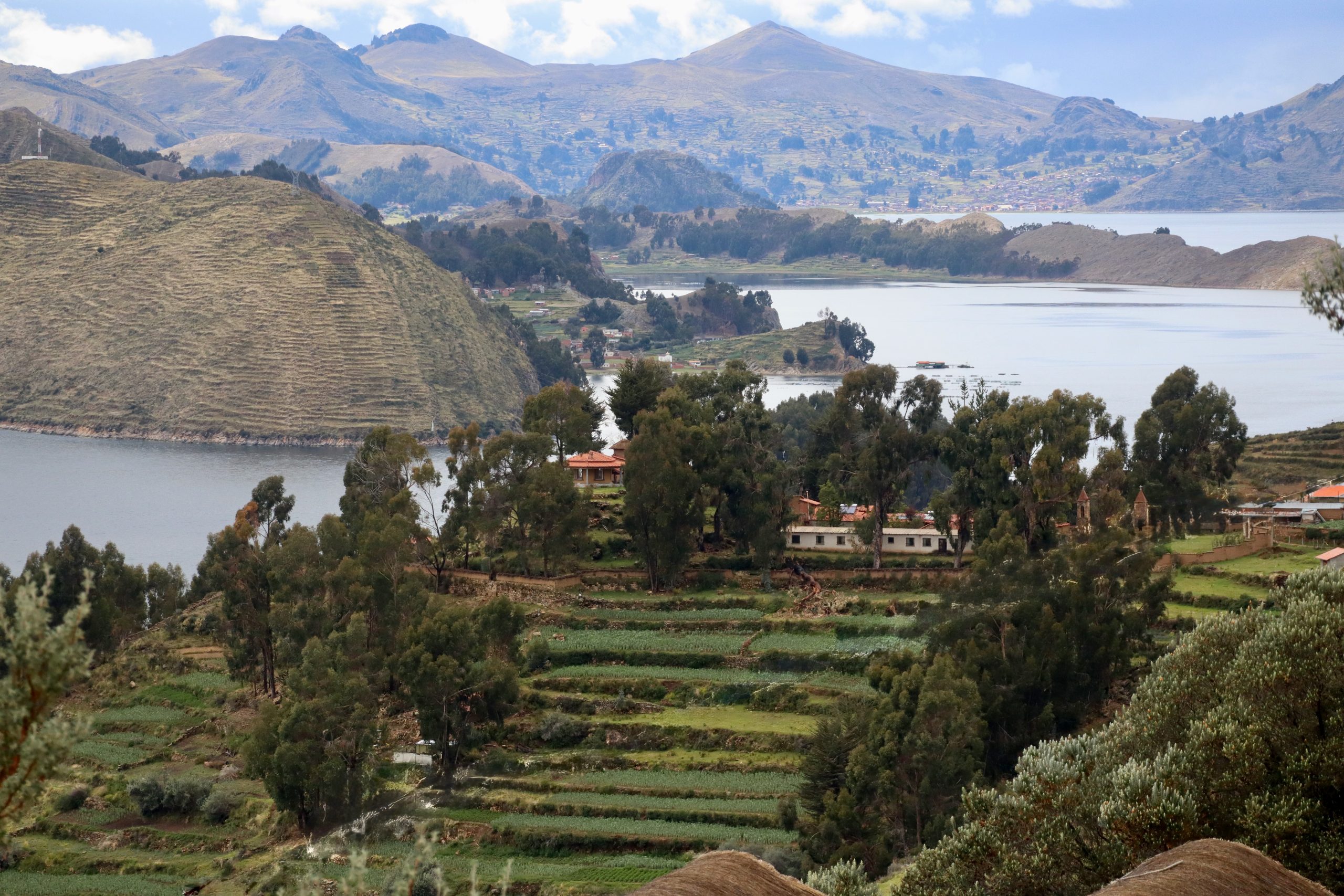
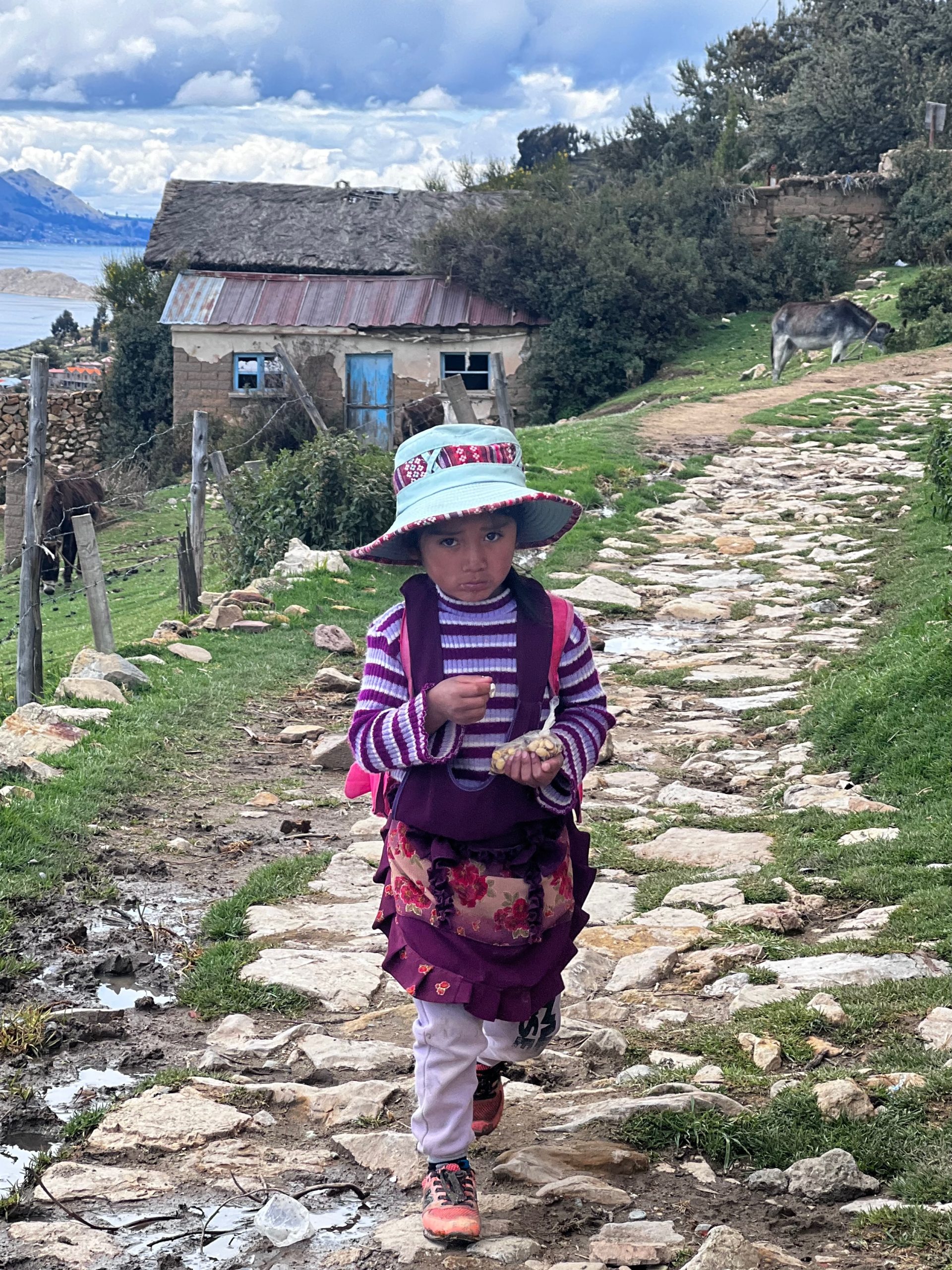
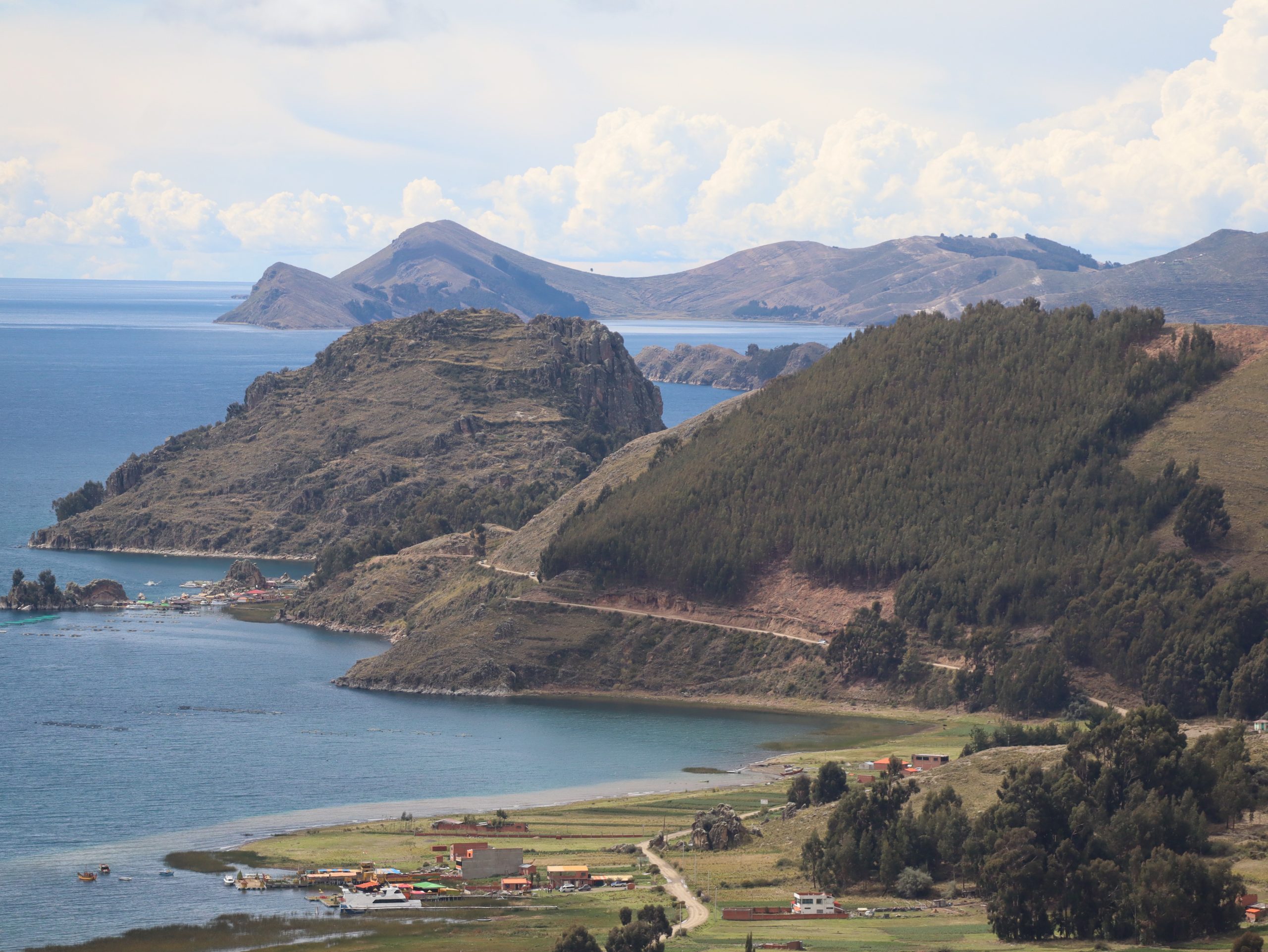
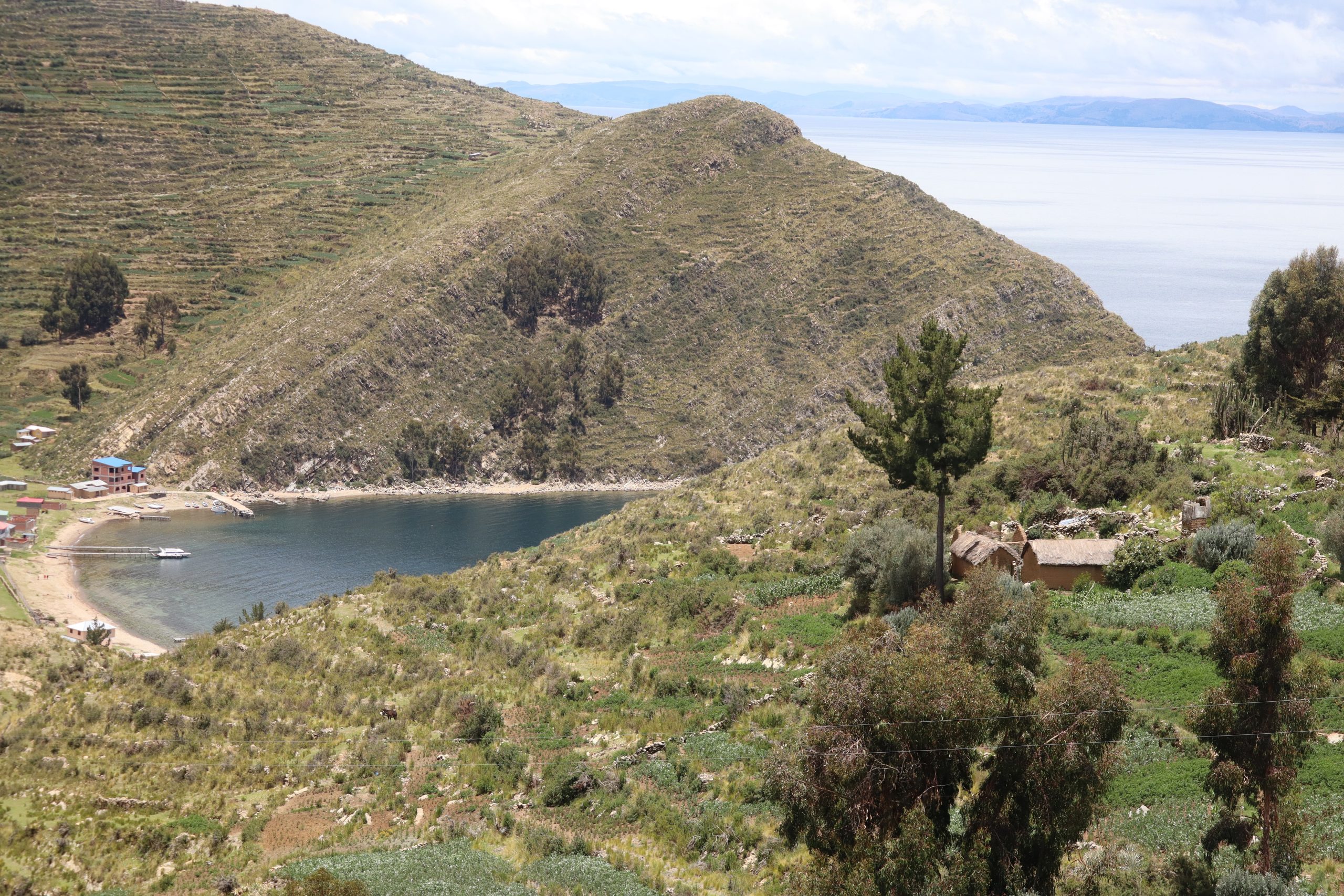
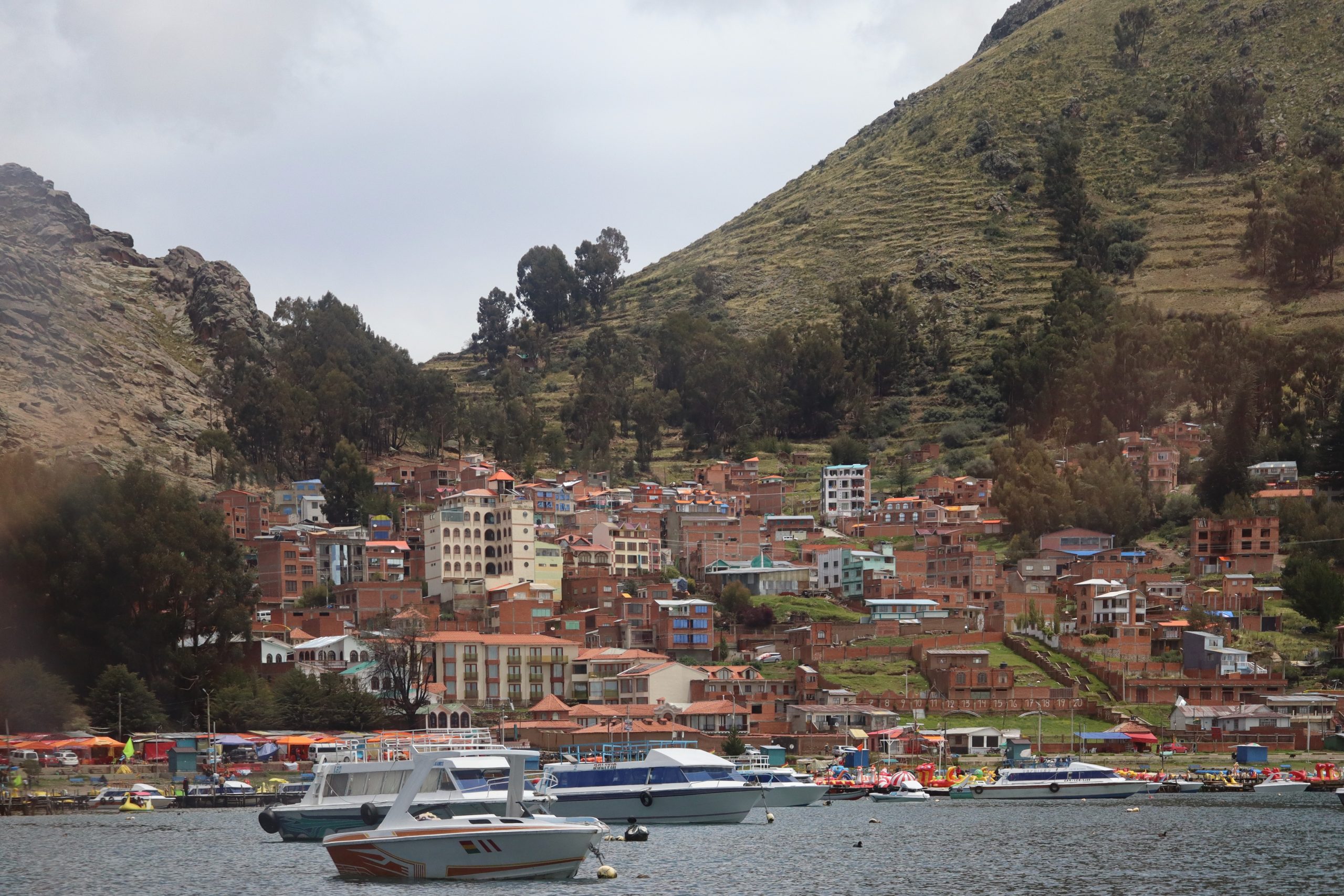
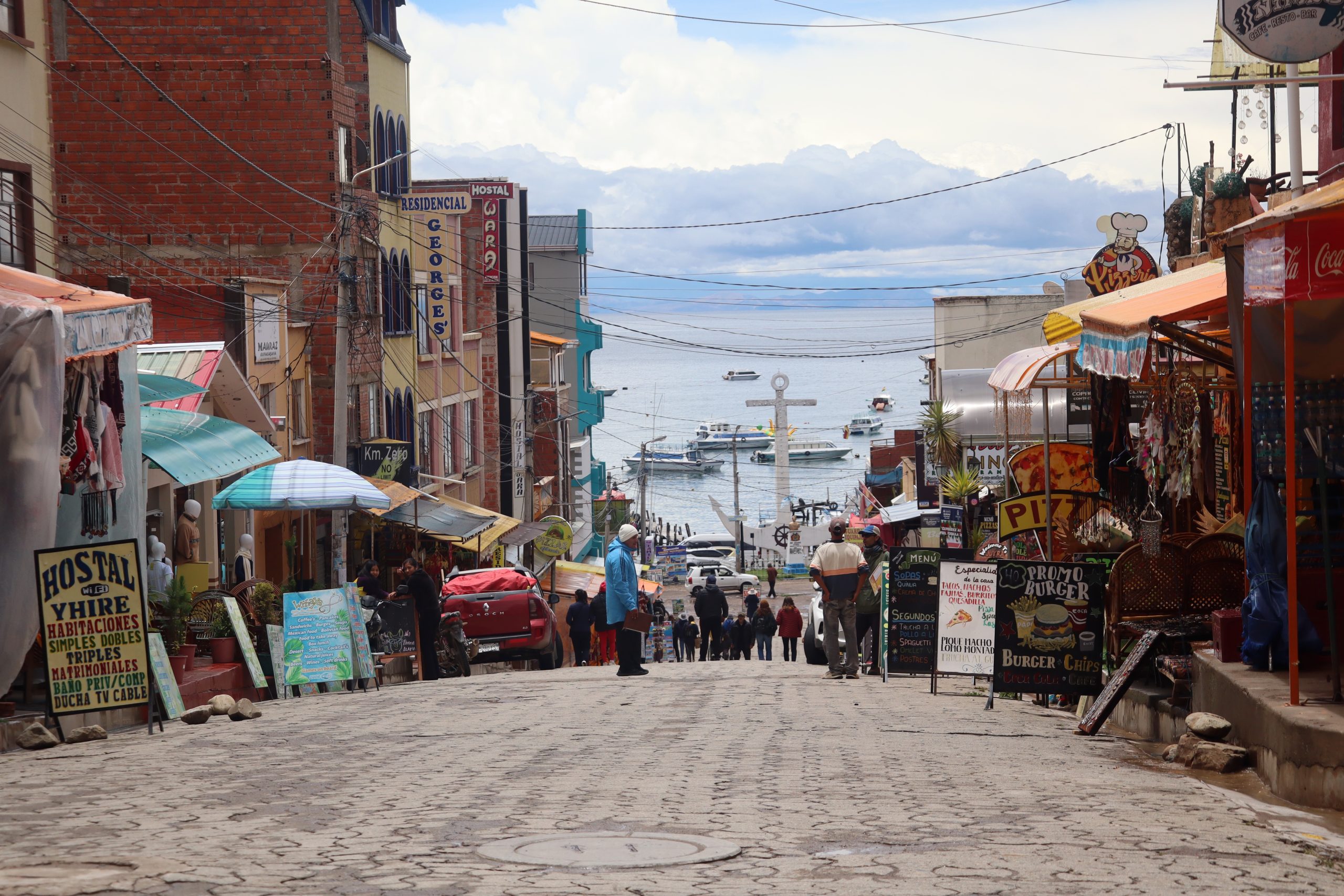
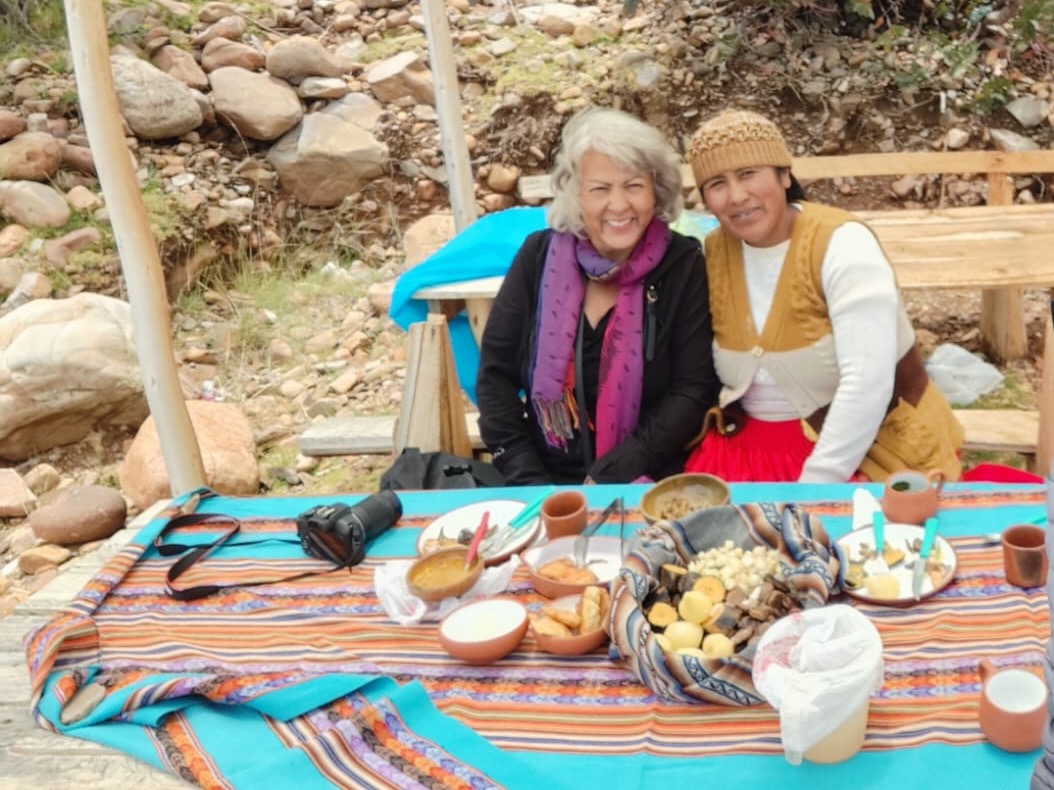
We left La Paz (@12,000 ft) for the first stop in the town of Copacabana, a colorful lake village for an “Apthapi lunch”, a combination of root vegetables, eggs and meat. After lunch we jump onto the ferry to transport us to the Isla del Sol (Sun Island). This is my second time on Lake Titicaca (highest navigable lake in the world) having been on the Peruvian side. The Isla del Sol is a car-free island (super hilly) and the birthplace of the Inca Sun God. Today over 800 indigenous Aymara families live as farmers, cultivating the land much like their ancestors.
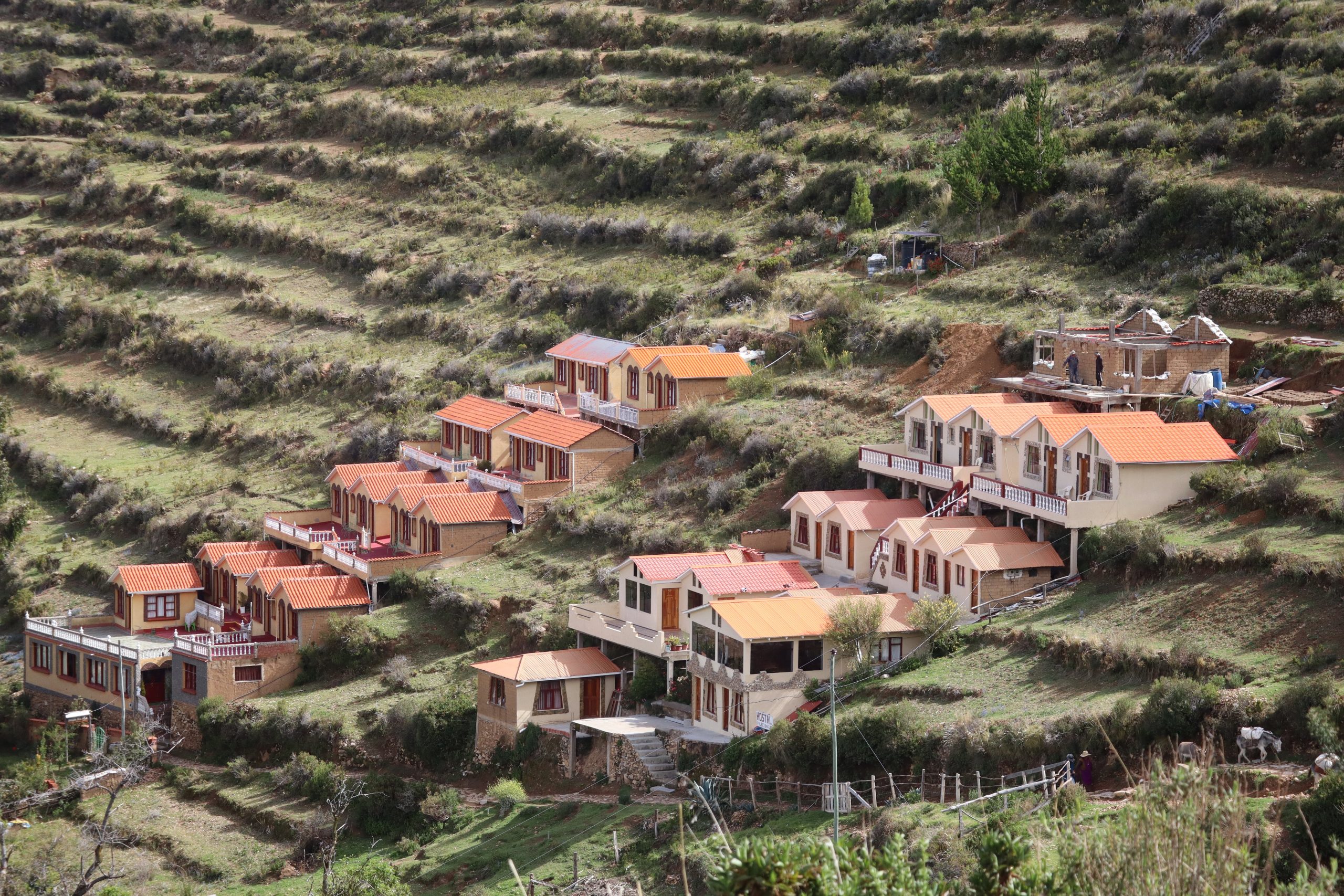
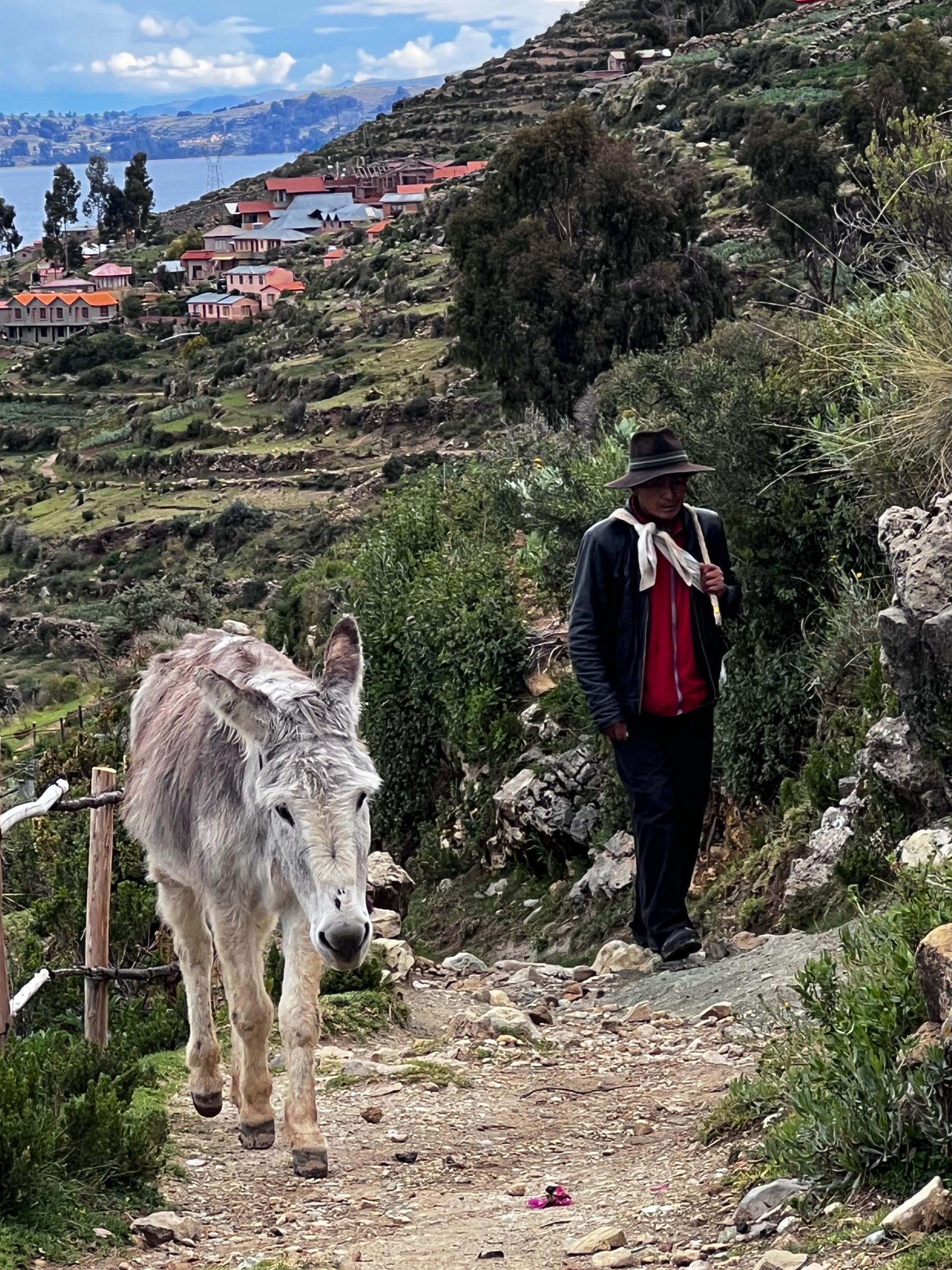
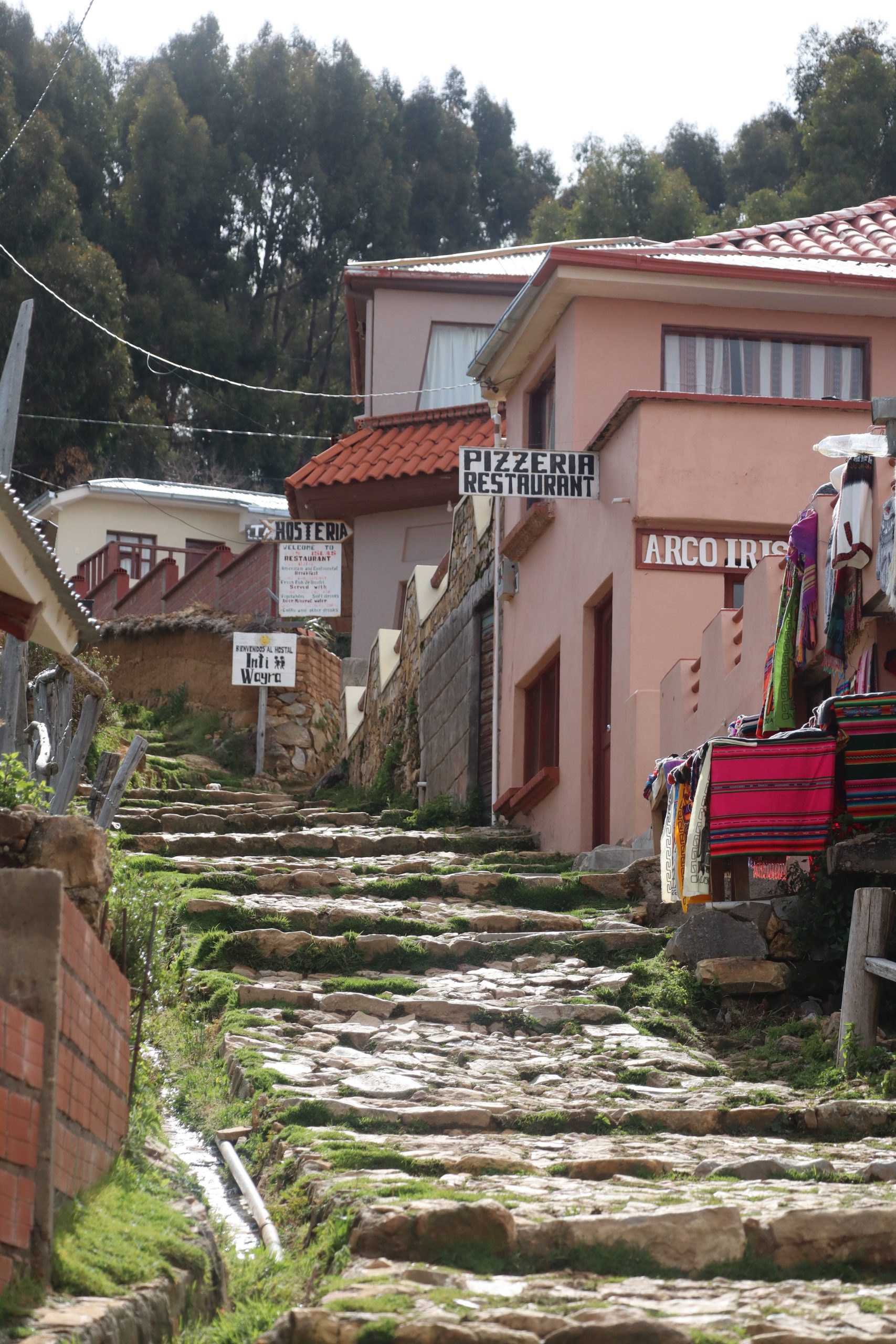
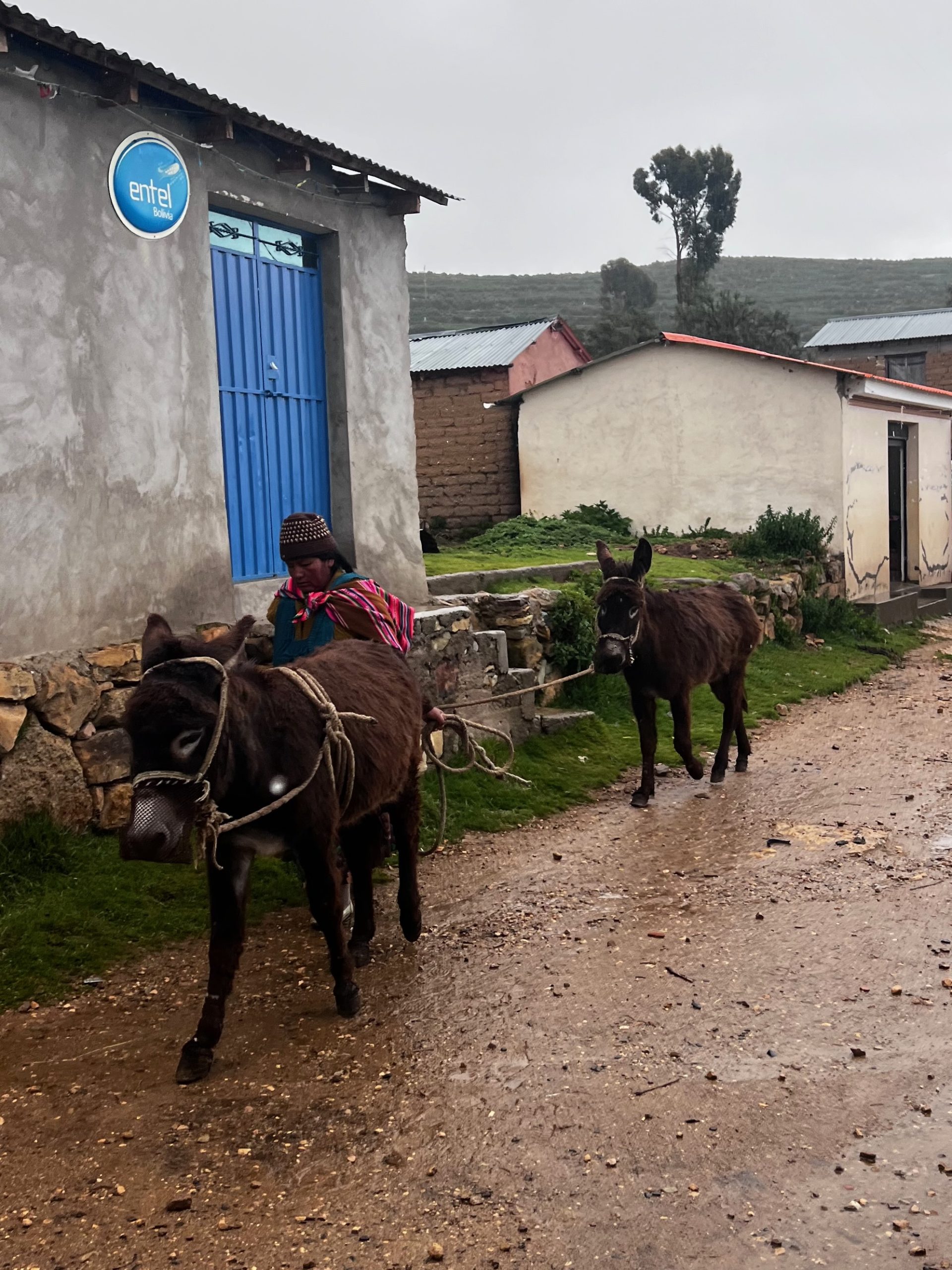
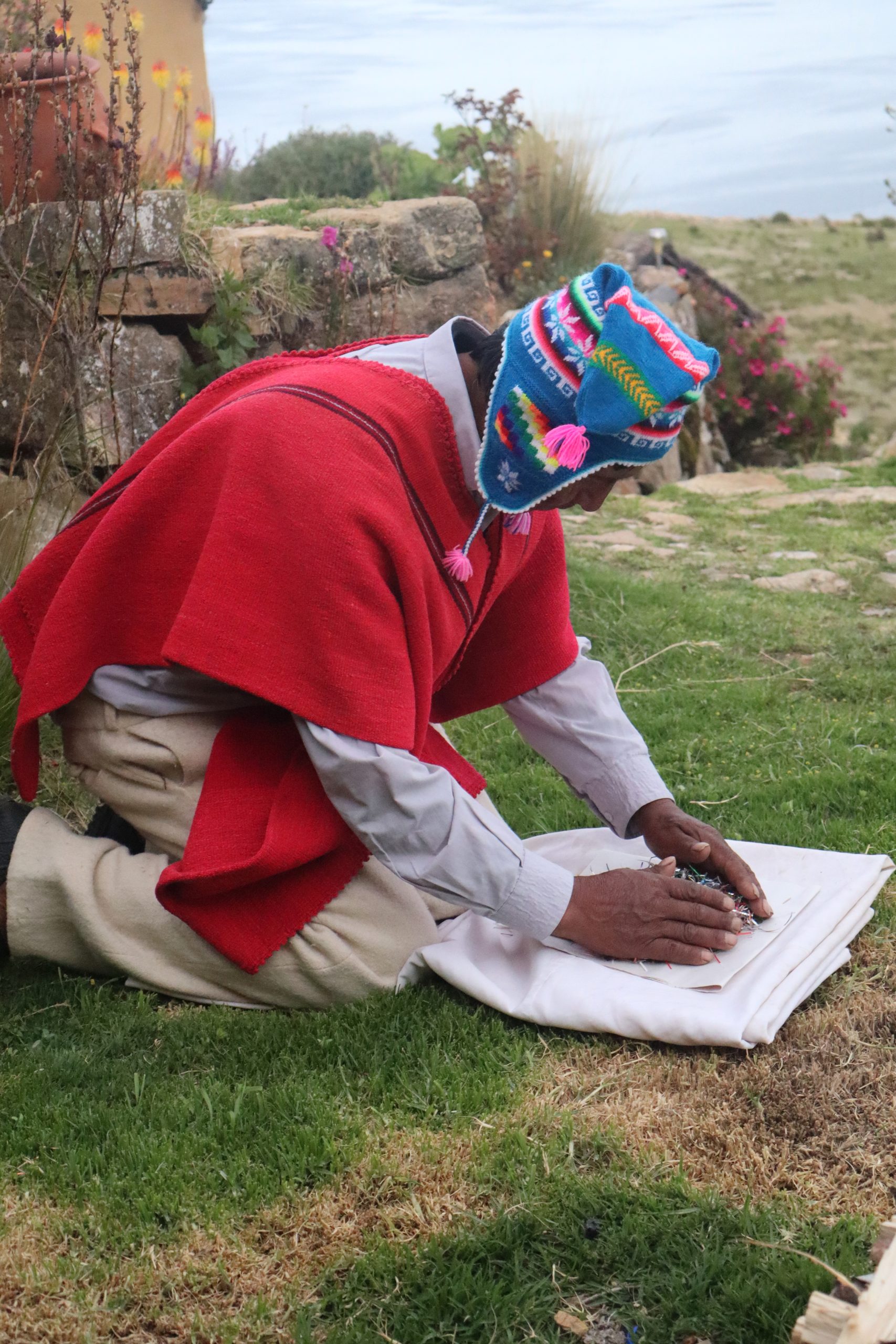
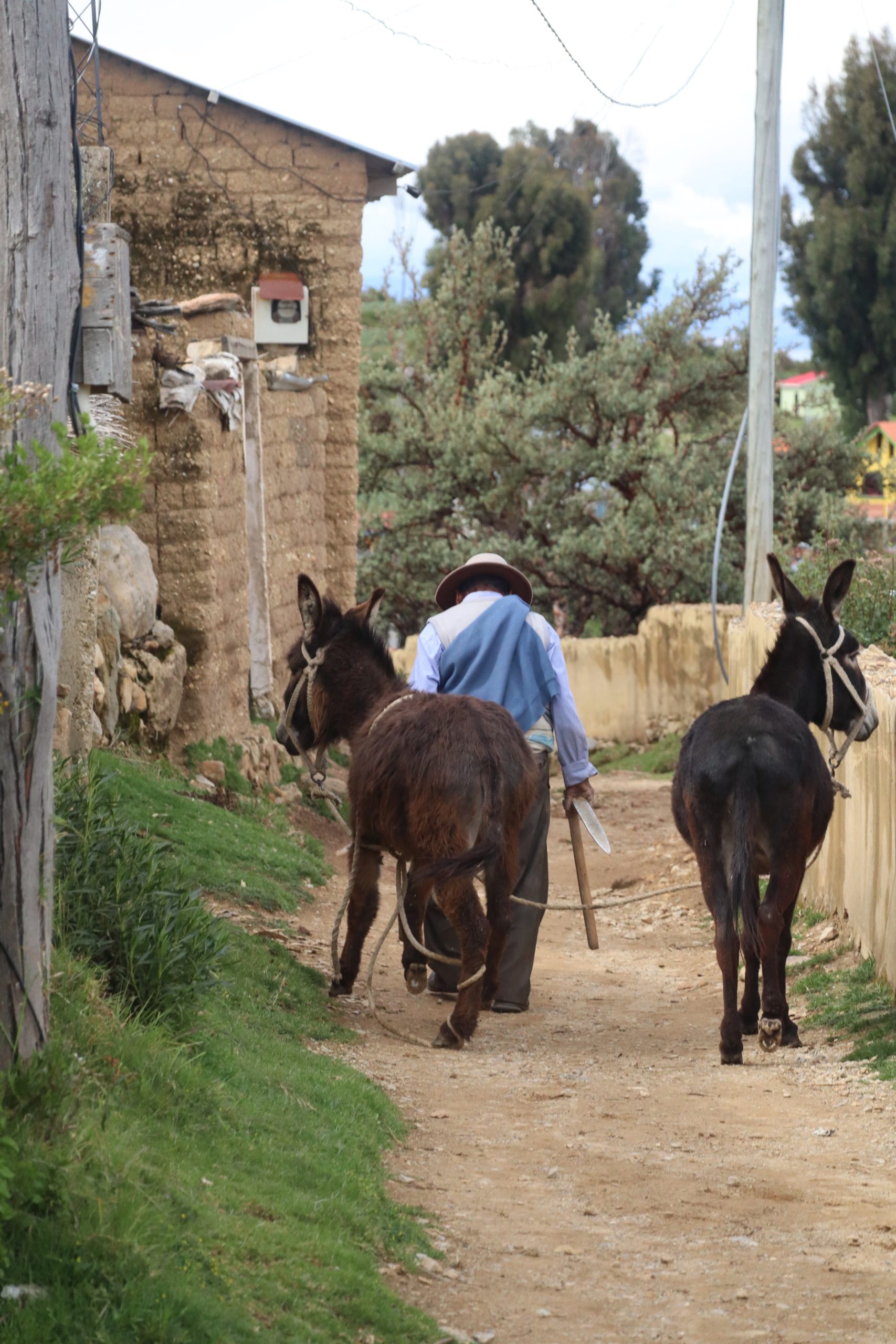
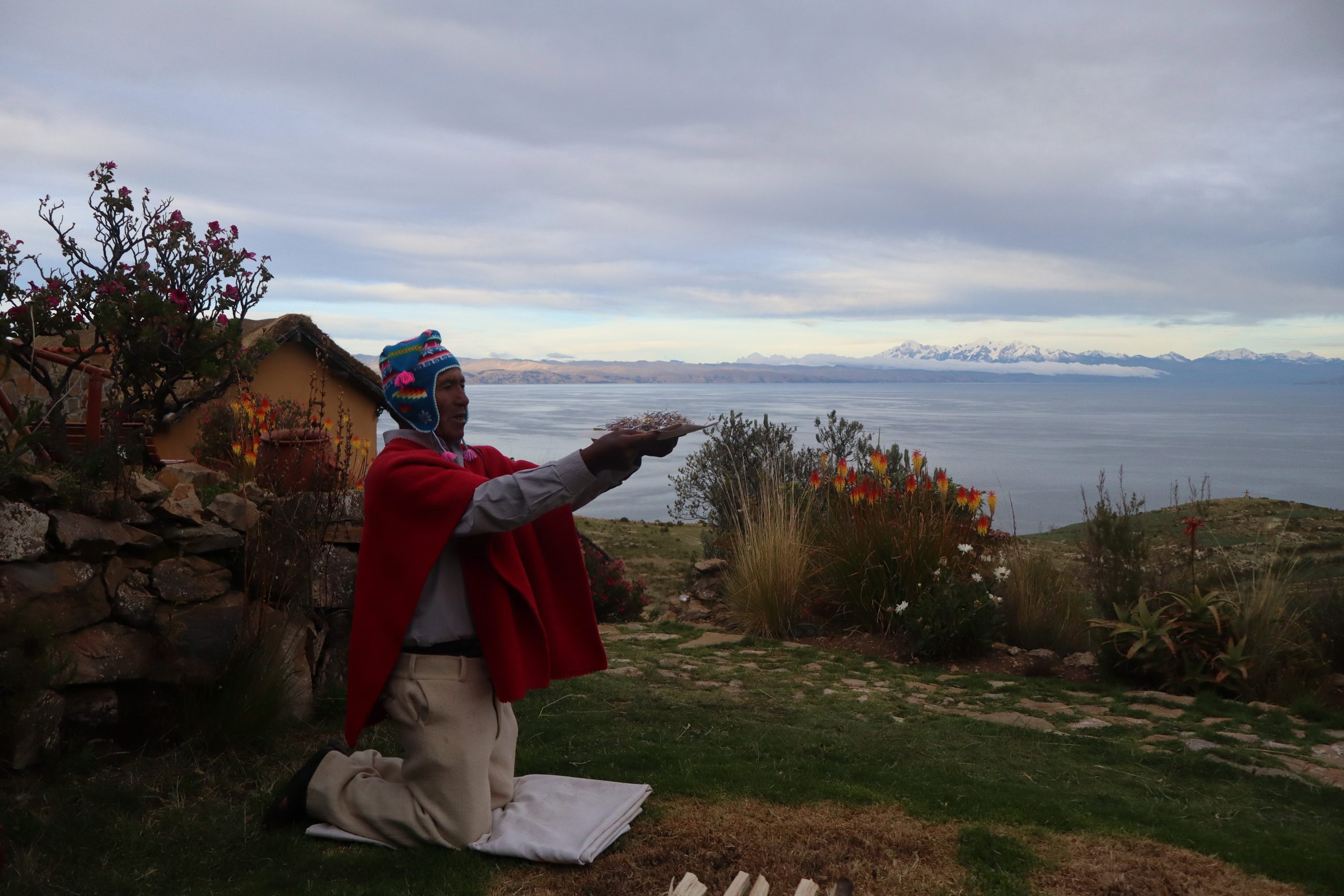
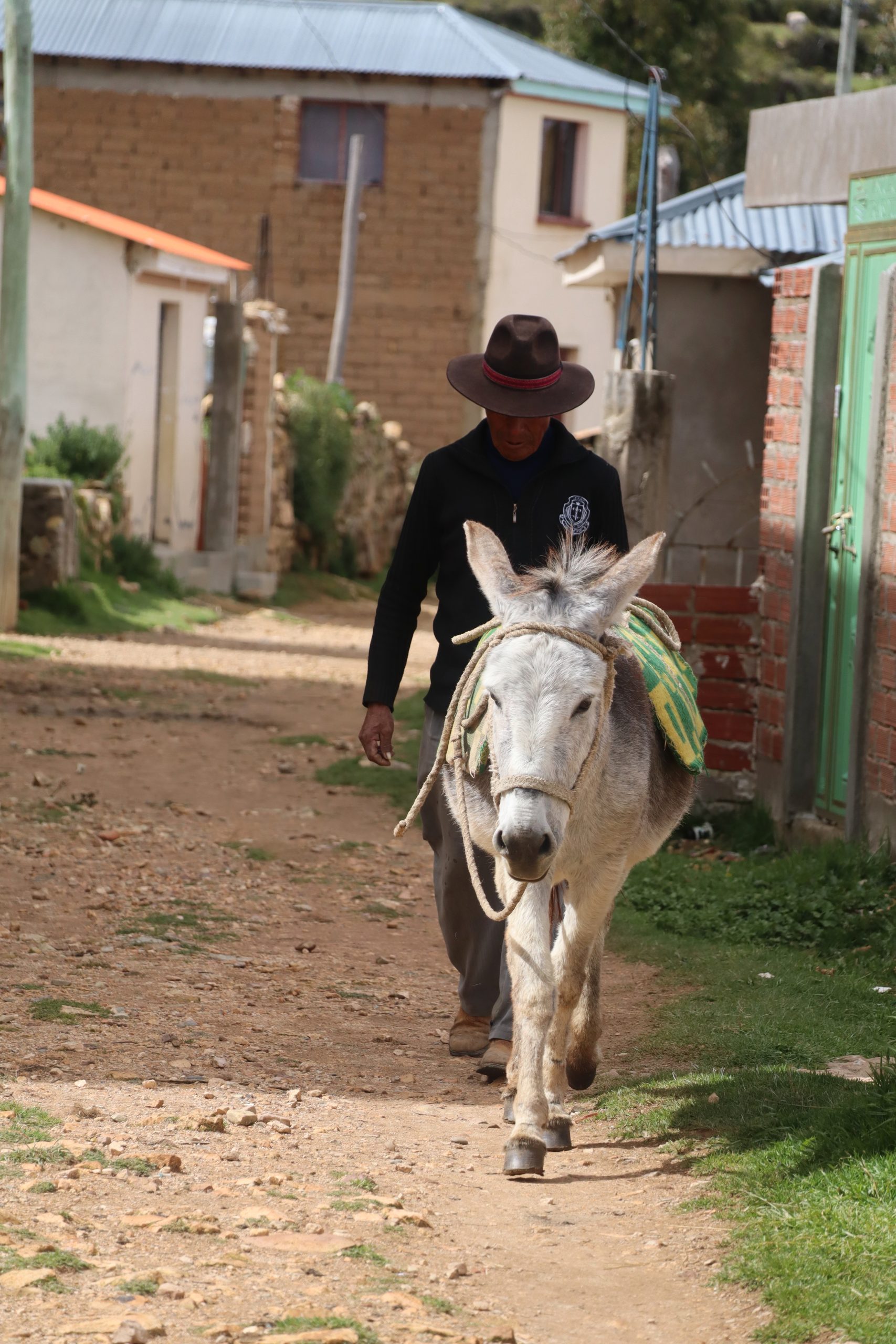
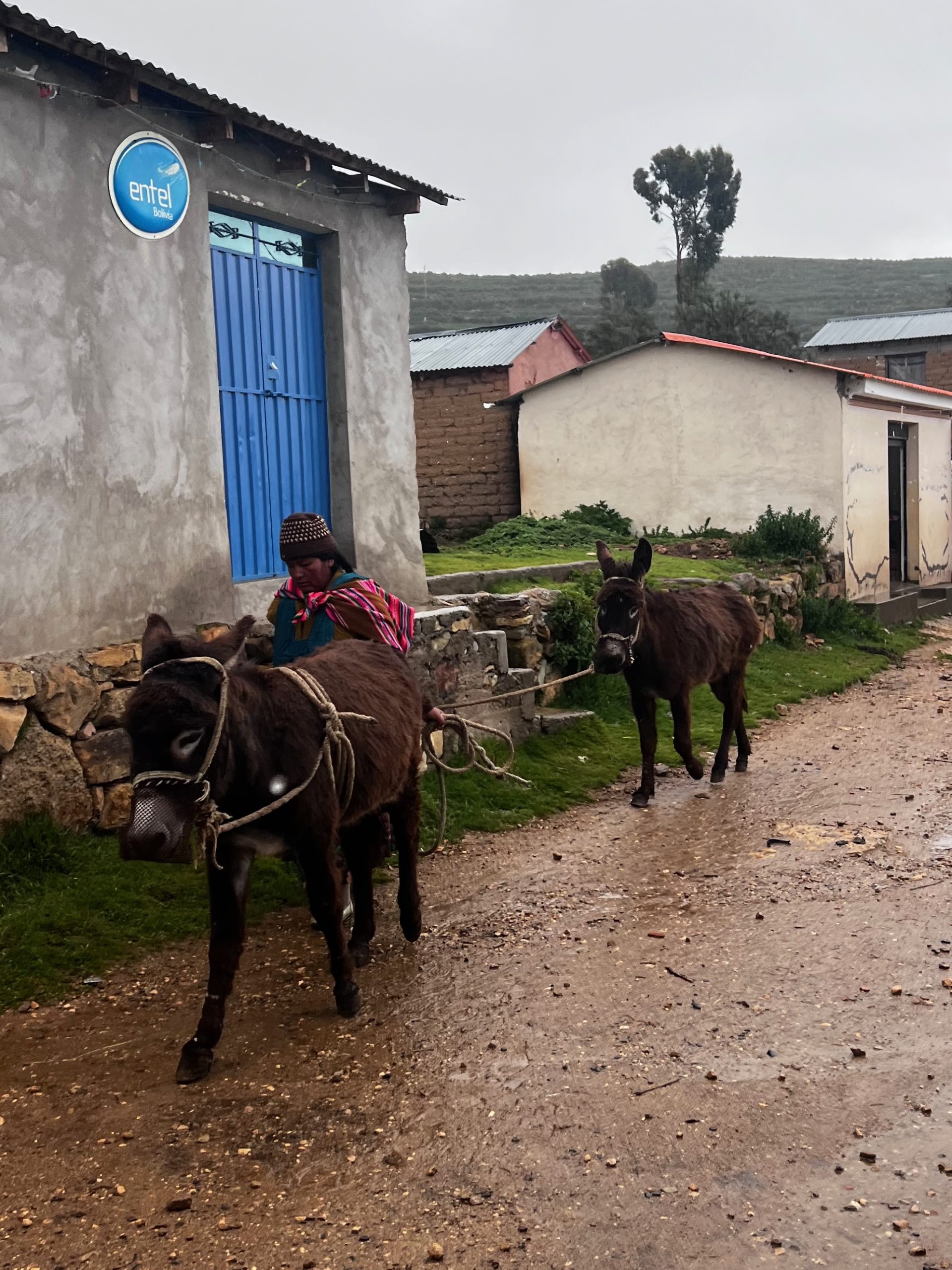
I stayed for two nights at an eco-friendly hotel at the top of this mountain island with spectacular views. Part of the hotel’s sustainable commitment is the hiring and training of residents. The only way up is to hike and use donkeys to carry luggage and packages. During those two days I was able to walk through the village and the farms, watching the villagers cultivate their land. I also spent time with the gardener of the hotel who walked us through his entire garden and greenhouse to show both the produce and herbs that they use for cooking and medicine. They don’t have a doctor on the island. They rely mostly on ancestral remedies to cure most sickness unless it’s a severe injury that would require a boat ride. We also spent time with three Aymara women who showed me how they weave and make their handicrafts from natural materials. We met with the local Yatiri priest who performed a ritual and blessing for me and my tour guide. Lastly, the night before my leaving, local musicians came dressed in traditional clothes and played music using handcrafted instruments.
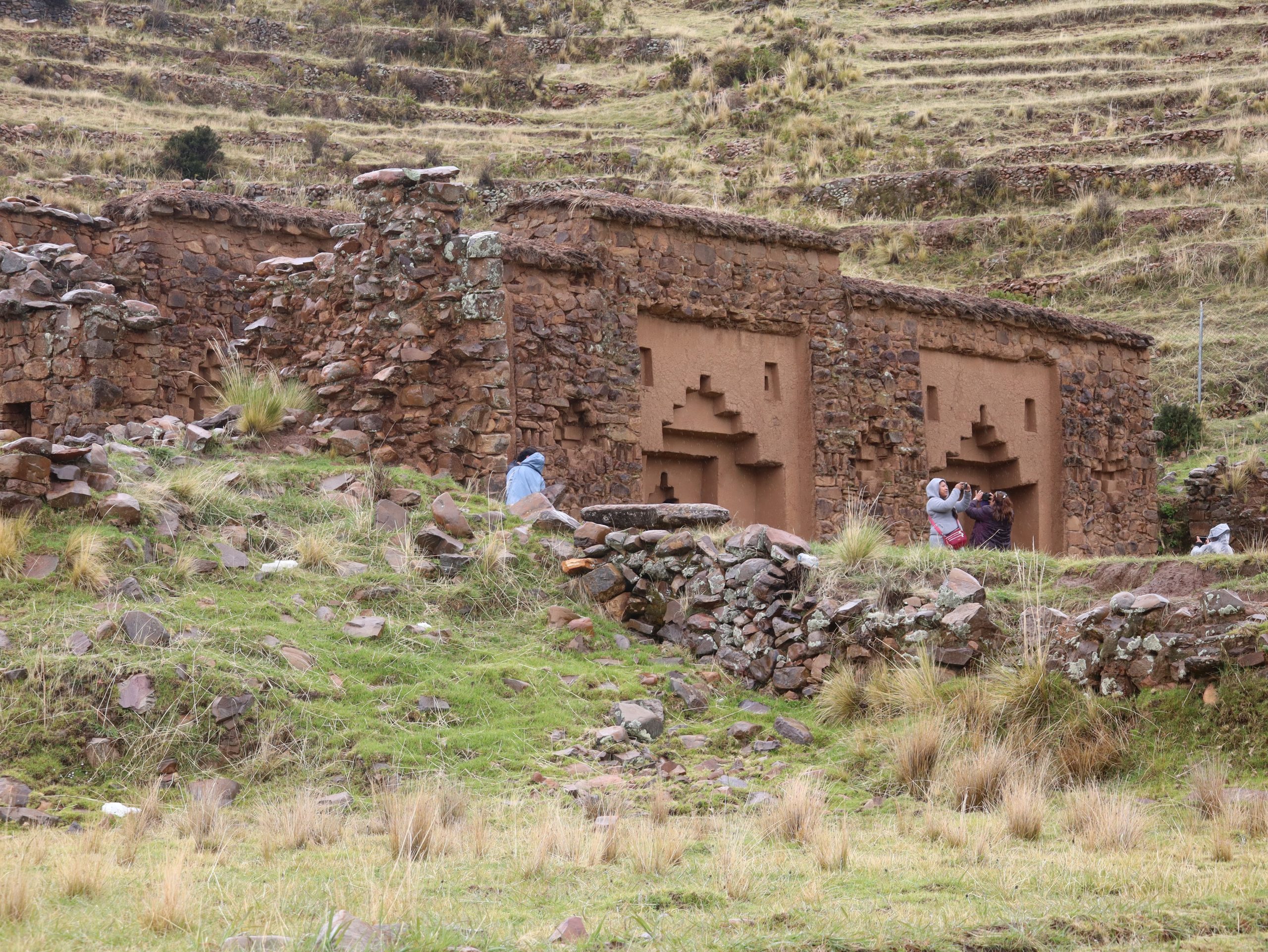
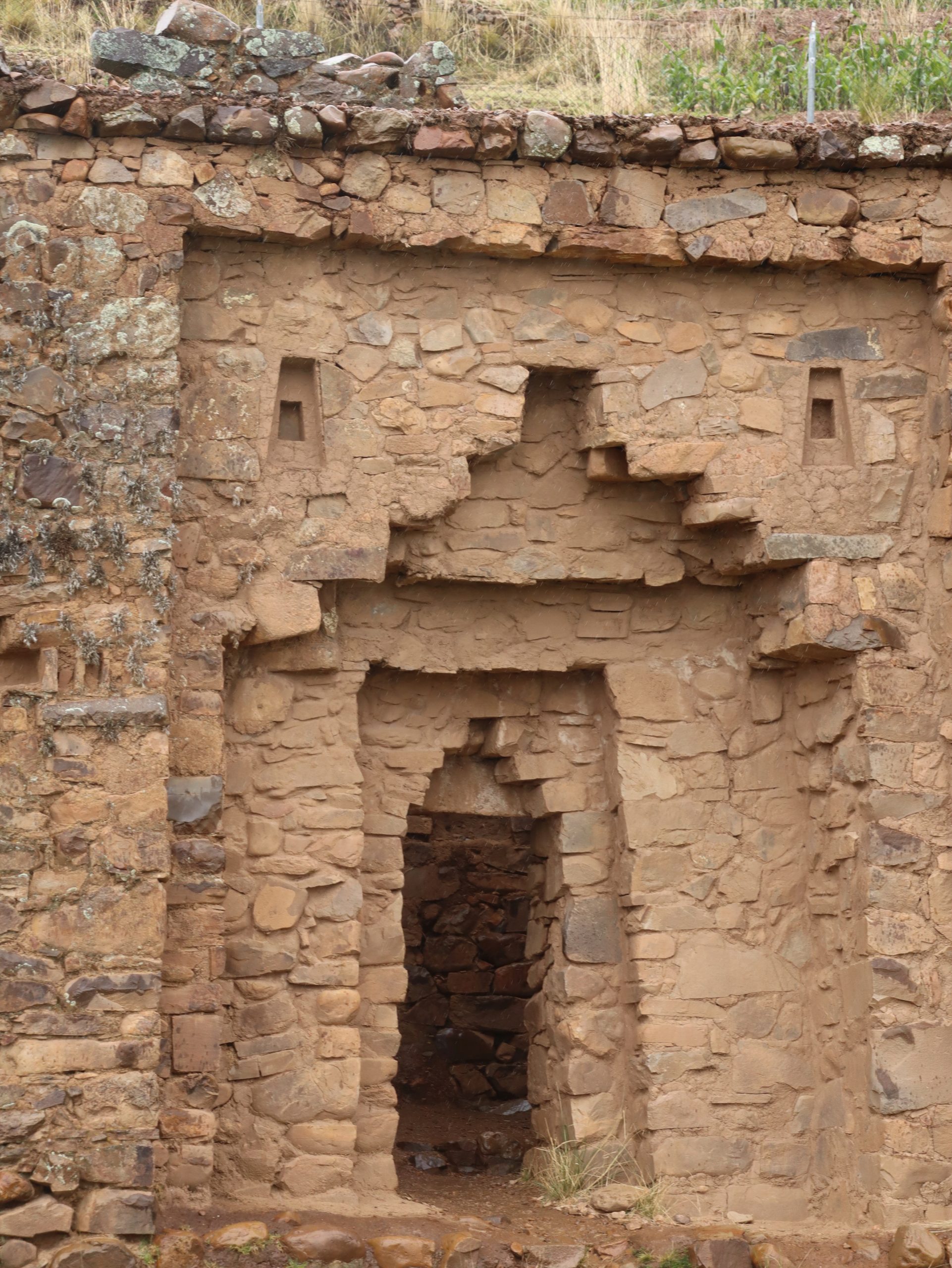
The next day we visited the Isla de la Luna (Moon Island) where 22 Aymara families live to enjoy lunch and to witness the Inca temple and ruins. This is a smaller island which has this well-preserved Inca Temple that was used to shelter young women for eventual sacrifices to the Gods. There I met Maria, who prepared lunch and was able to converse with her about what it’s like living on the island. Mostly, it is very hard work as they rely on both farming and tourism to survive and maintain their way of life.
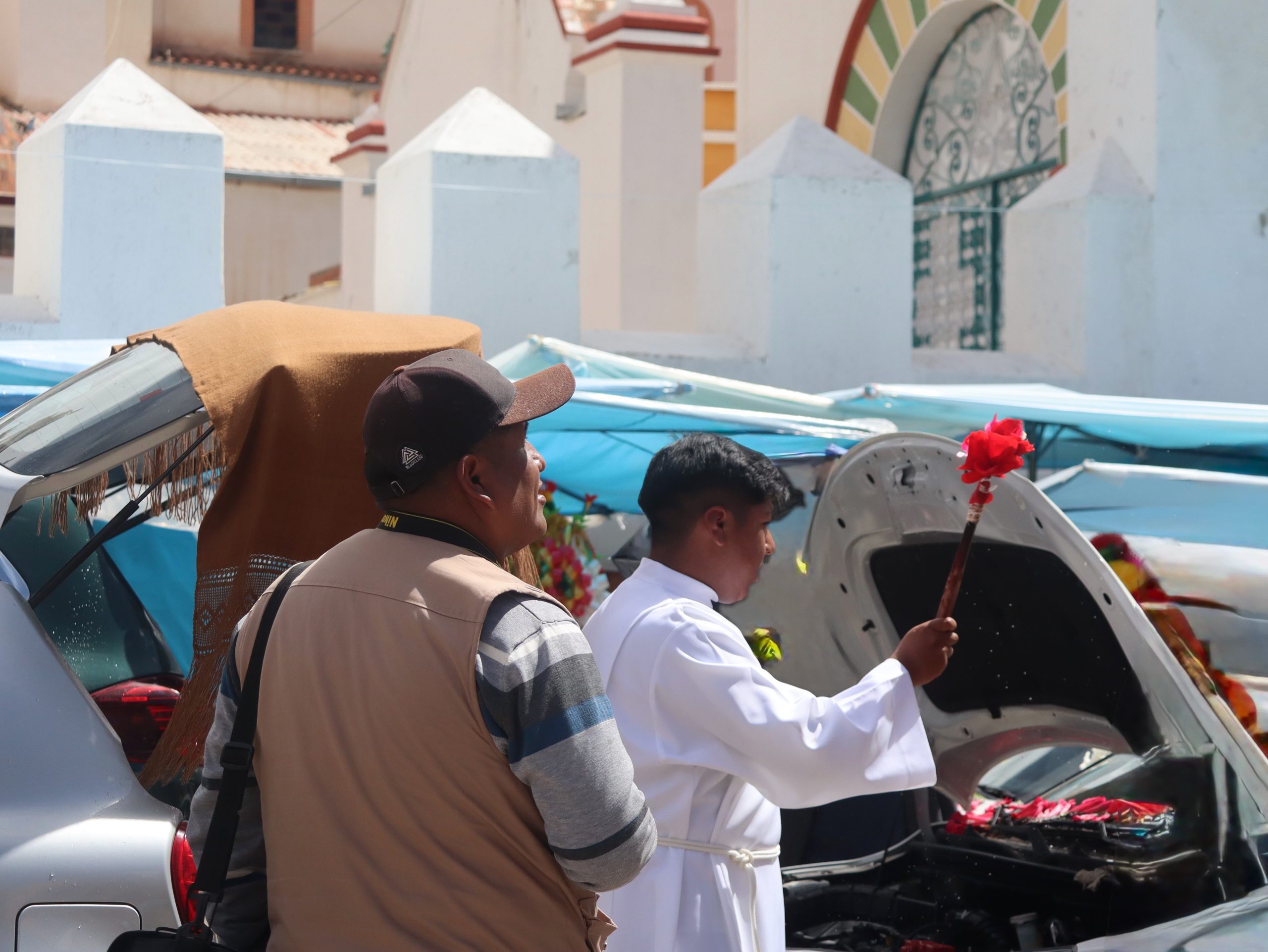
We returned to Copacabana to explore the city’s marketplace and to witness a strange ritual by the Catholic church where residents bring their cars to be blessed with holy water (for a fee). A bit festive where people dress up their cars for the blessing, some folks even bring champagne. My tour guide commented on the Catholic church becoming too commercialized. Both the indigenous Aymara and Quechua communities blend their ancestral belief systems with those Christian parts they are most comfortable with. Mama Pacha (mother earth) is very much alive and celebrated all year round.
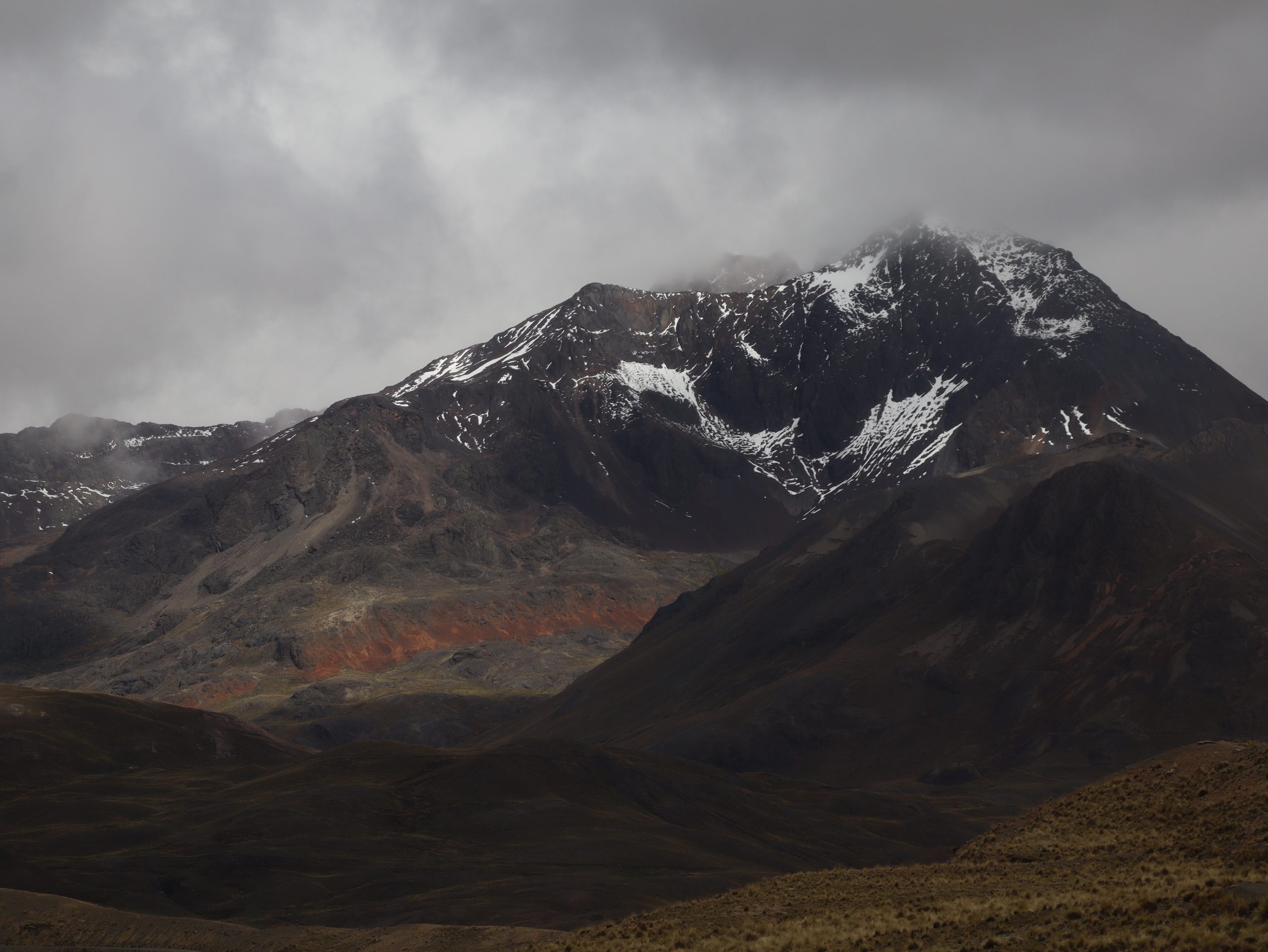
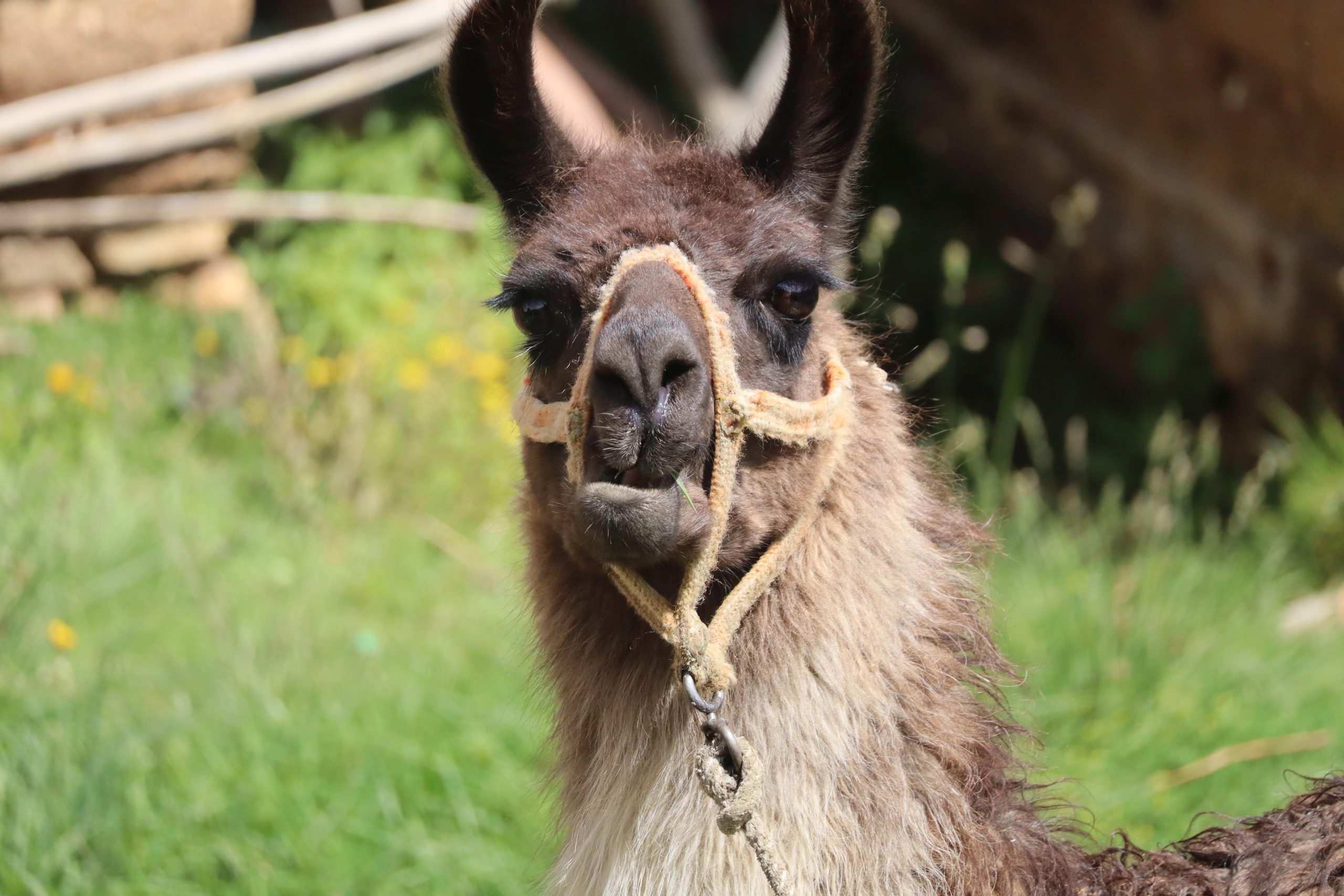
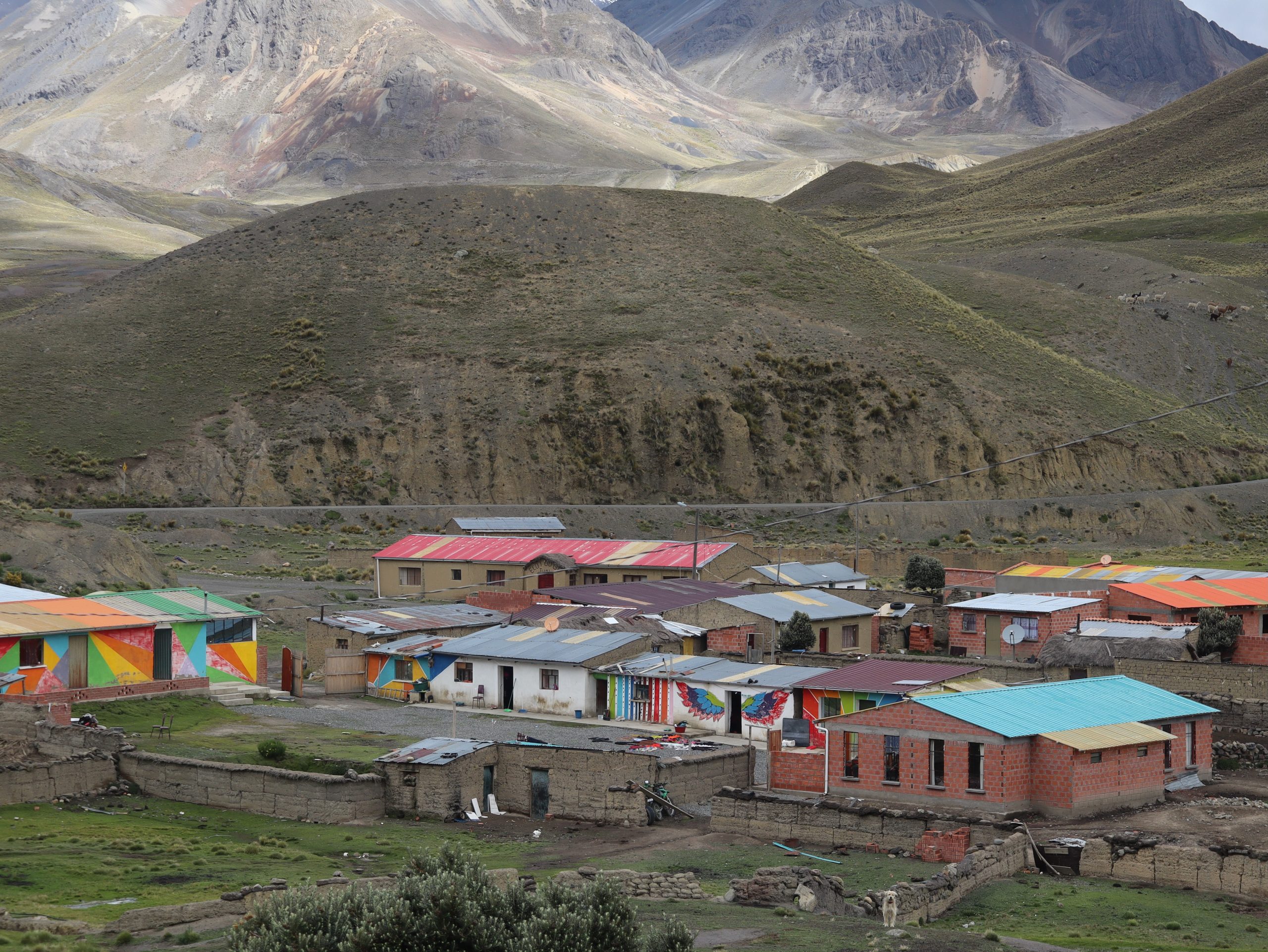
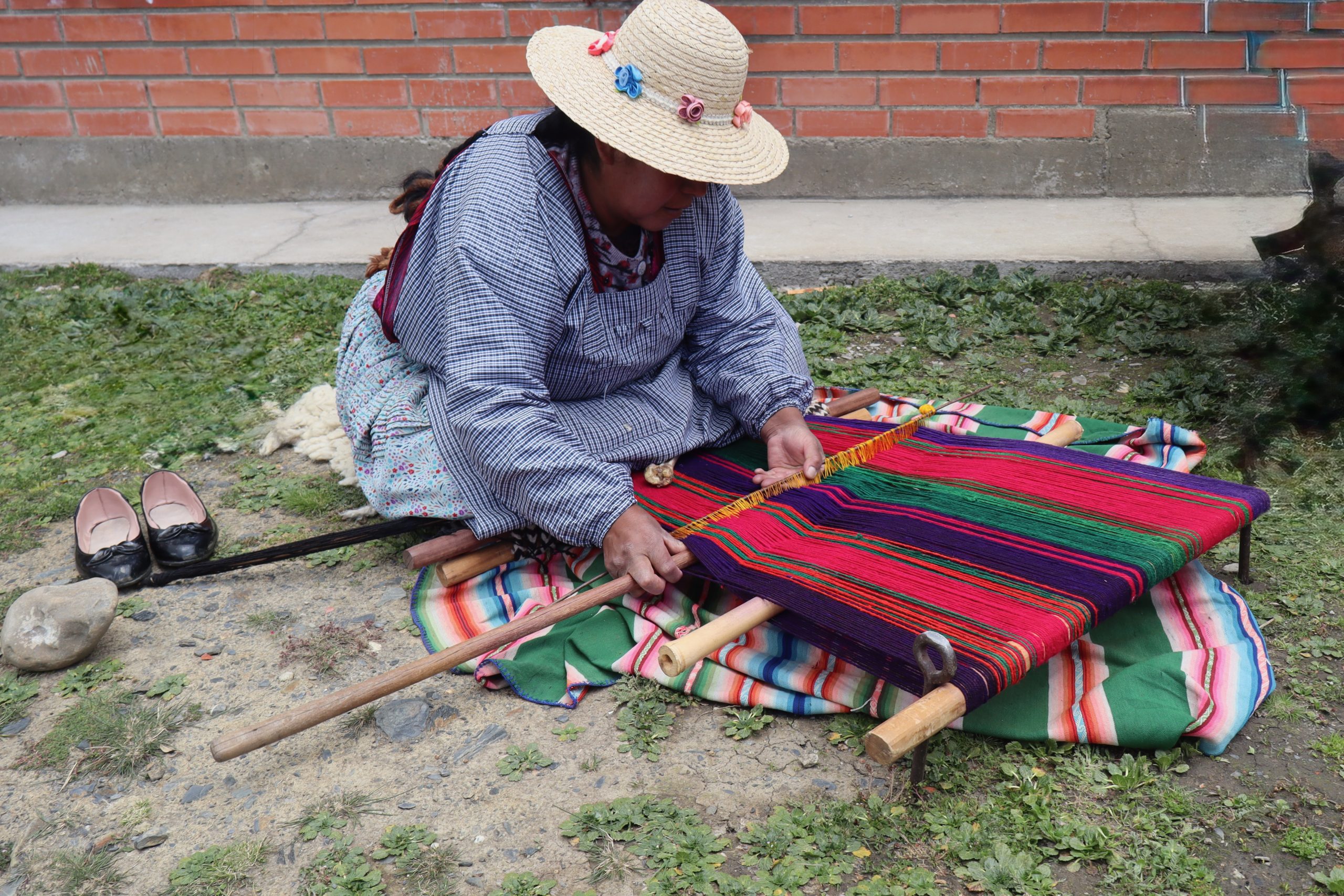
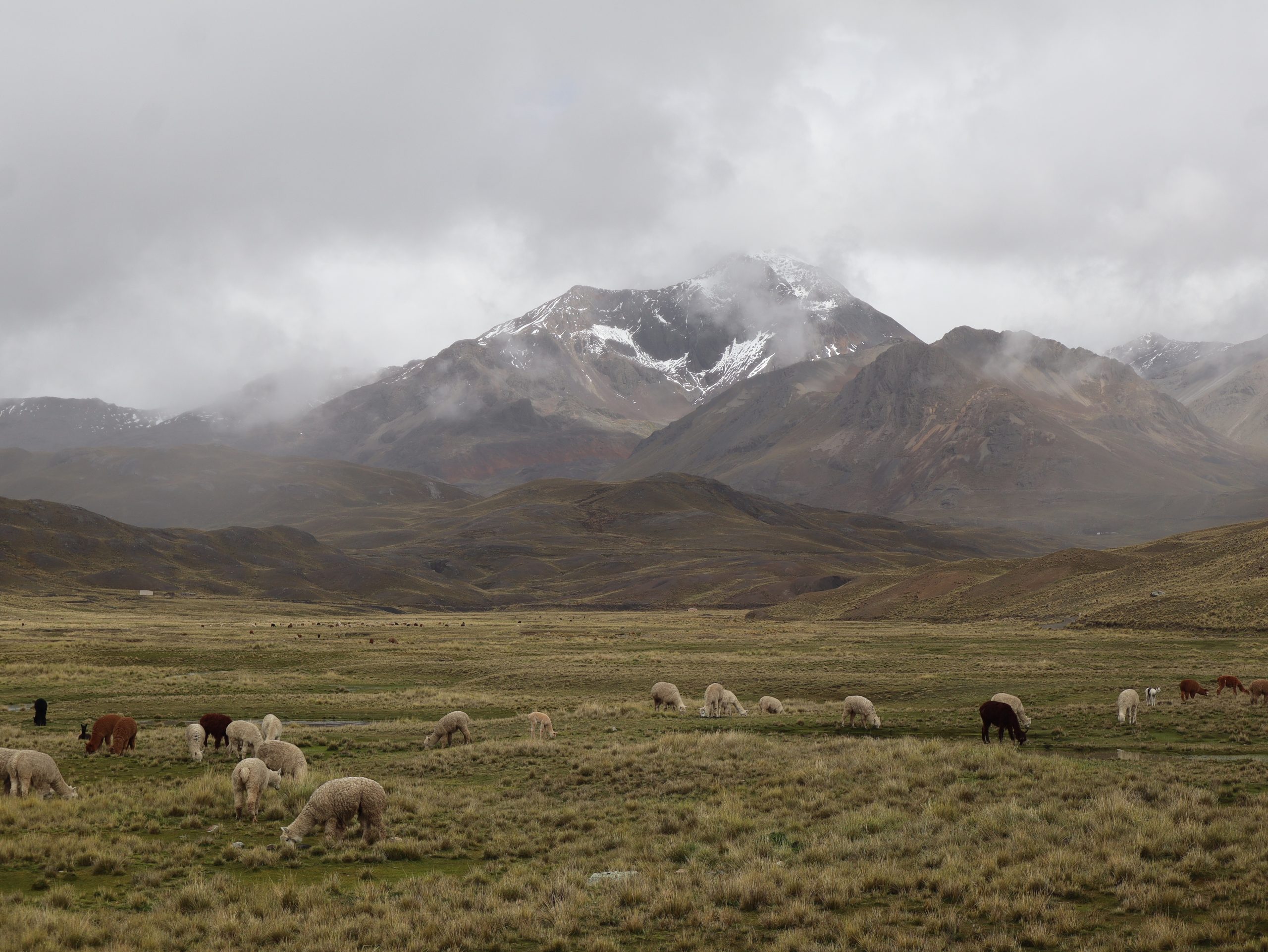
We returned to La Paz that night and the next day visited the indigenous village of Tuni on the foothills of the Andean mountains, where herding llamas and alpacas is how this community survives. The natural beauty of the Andean mountains, also known as the Altiplano due to its altitude of up to 15,000 feet was spectacular. The vegetation is sparse, and the weather is both chilly and arid. As you travel through the terrain, you come across small villages of up to 20 families, like the Tuni Village. Some have been abandoned, as this is a hard life and families migrate to the city for better opportunities. The Tuni Village does a combination of farming, herding llamas and alpacas, and more recently have added experiential tourism where you can stay in their homes. At 15,000 feet I chose not to stay overnight and instead to partake in another tour activity that was more manageable for me to breathe. During my day there, I was given a lesson in weaving, enjoyed a Bolivian lunch, learned about the different herbs they used to heal themselves, chewed on some coca leaves, and spent time with the llamas and alpacas. Lunch was indeed an opportunity to ask questions about what life is like in this wilderness.
One more day exploring the city and visiting the Yunga region, which connects the city of La Paz with the Amazon rainforest. At this point I was no longer enjoying myself, feeling too fatigued. I decided to make arrangements to leave a day later.
Final Note and My Photos
I would have loved to have stayed at least one more week, but I was just not feeling well and did not want to compromise my health in any way. I have no regrets of my time in Bolivia and about leaving early. The entire countryside tour was like experiencing time travel—colorful, mystical, and unforgettable. My photos are of every aspect of Bolivian life, starting with the city of La Paz and from there to the countryside. The photos follow the sequence of the narrative. As always, remember to click the center of the photo for a full view. I am now in Brazil breathing quite well and with much energy. Click here to learn about my other visit on the Peruvian side of Lake Titicaca, where I visited the floating islands inhabited by the Uros.
No Comments