
From Guadalajara’s Grand Plazas to Tlaquepaque’s Artisan Alleys
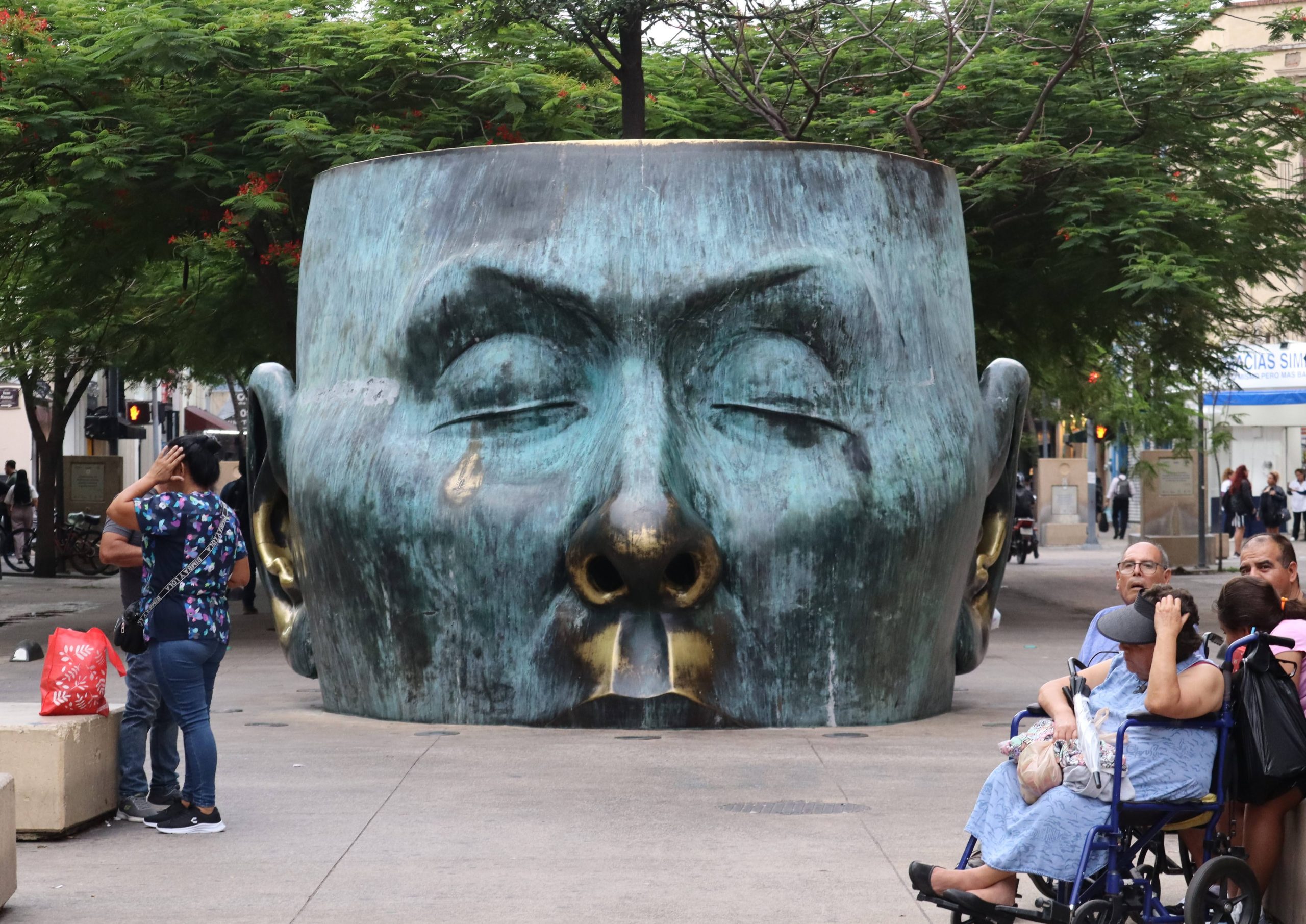
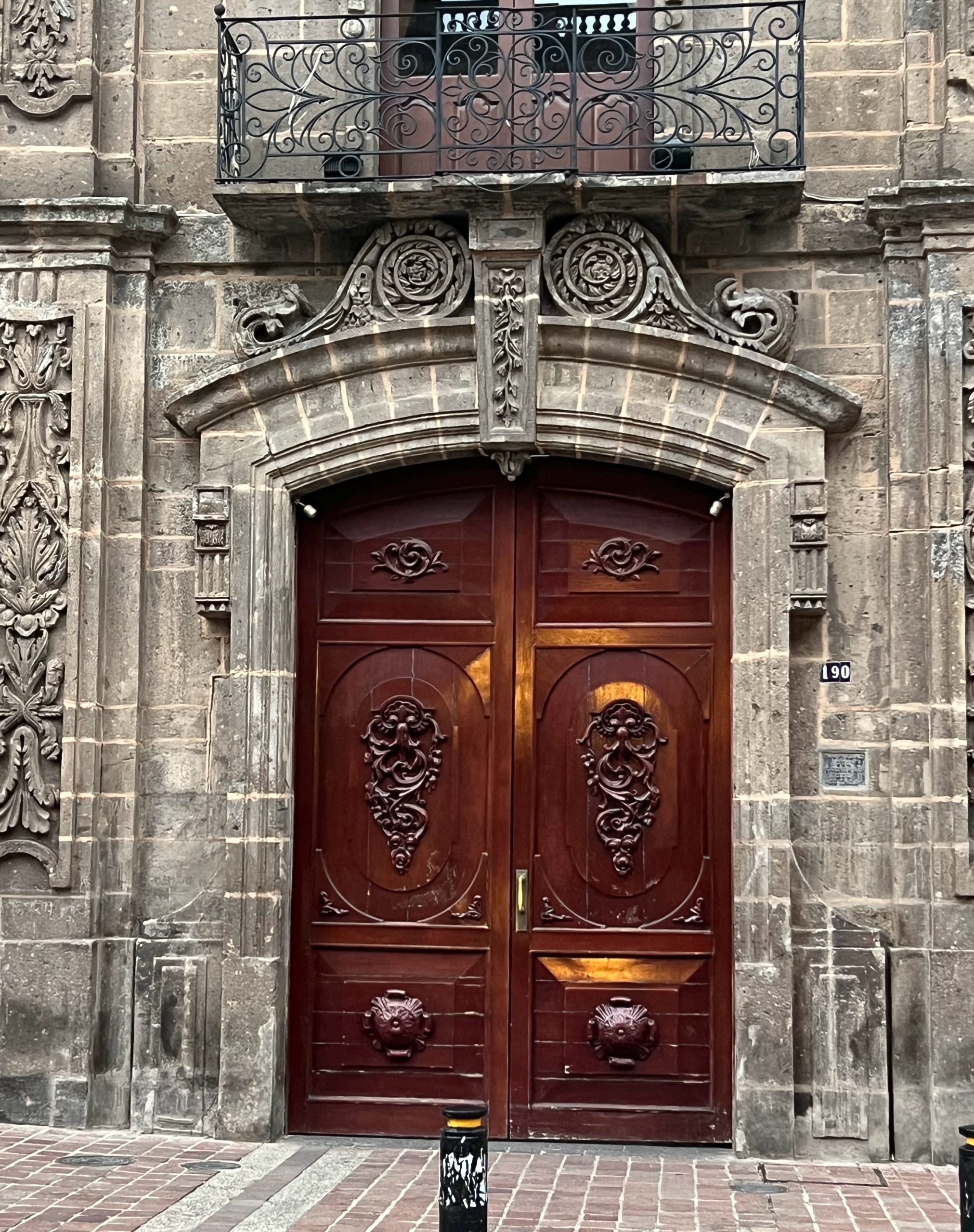
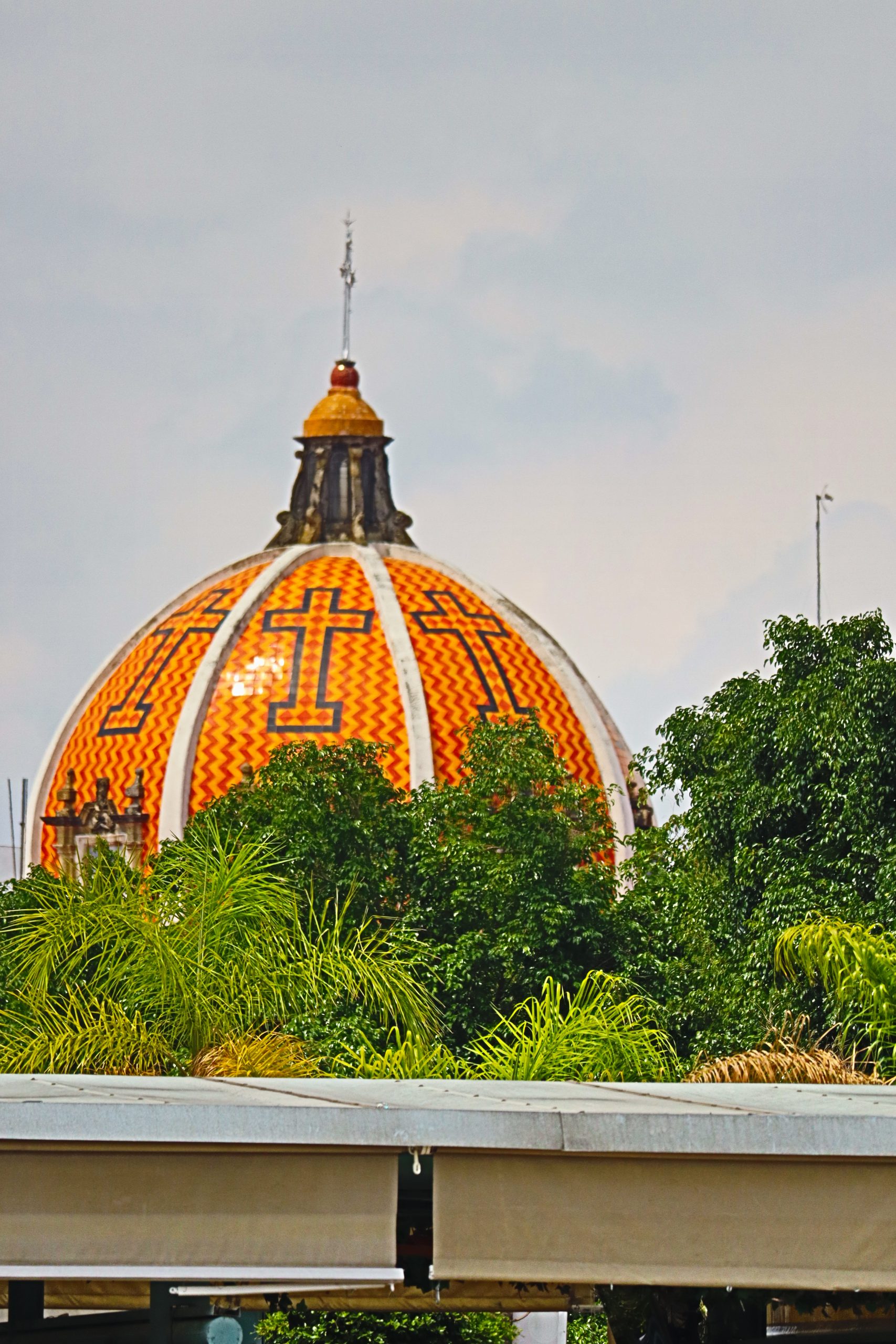
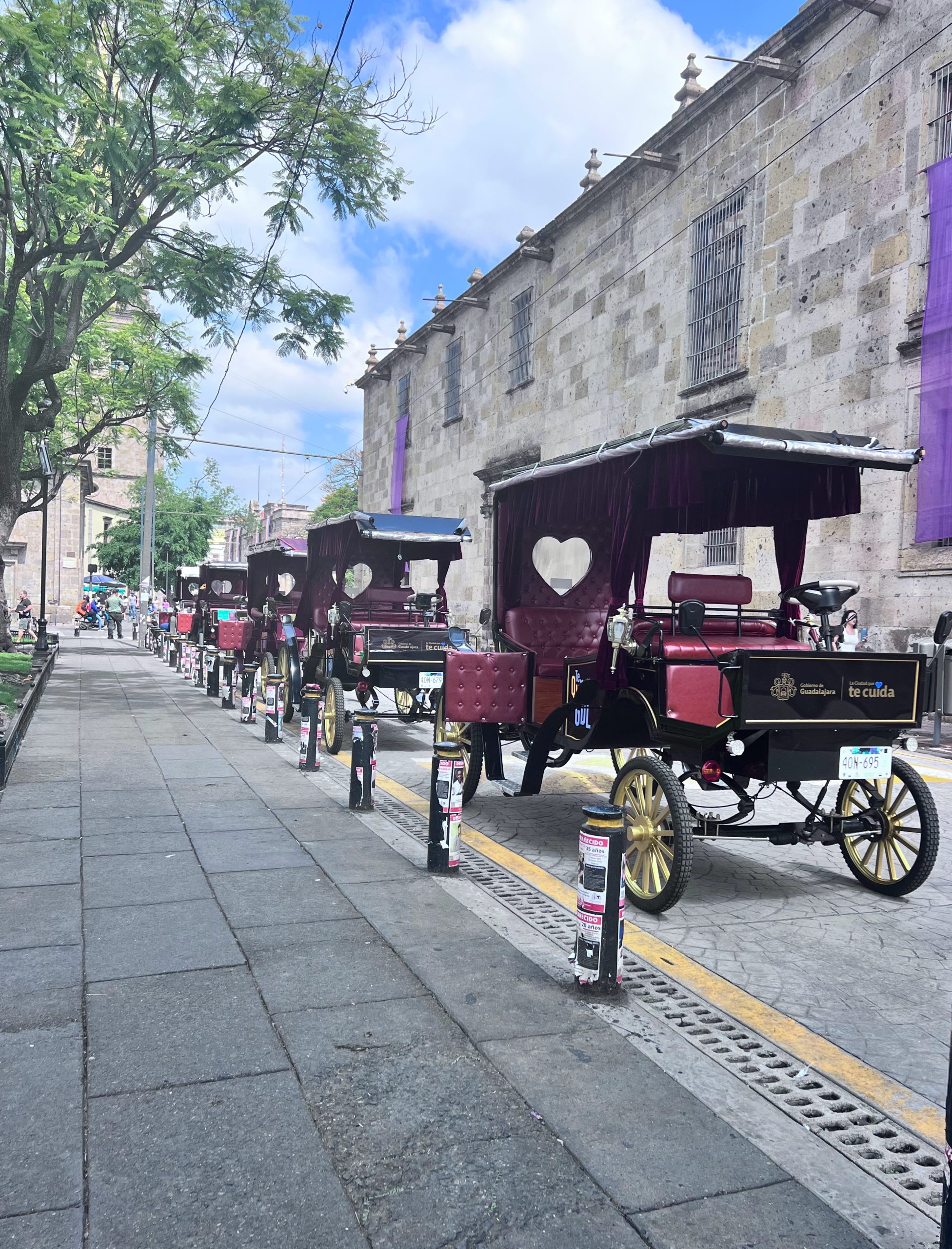
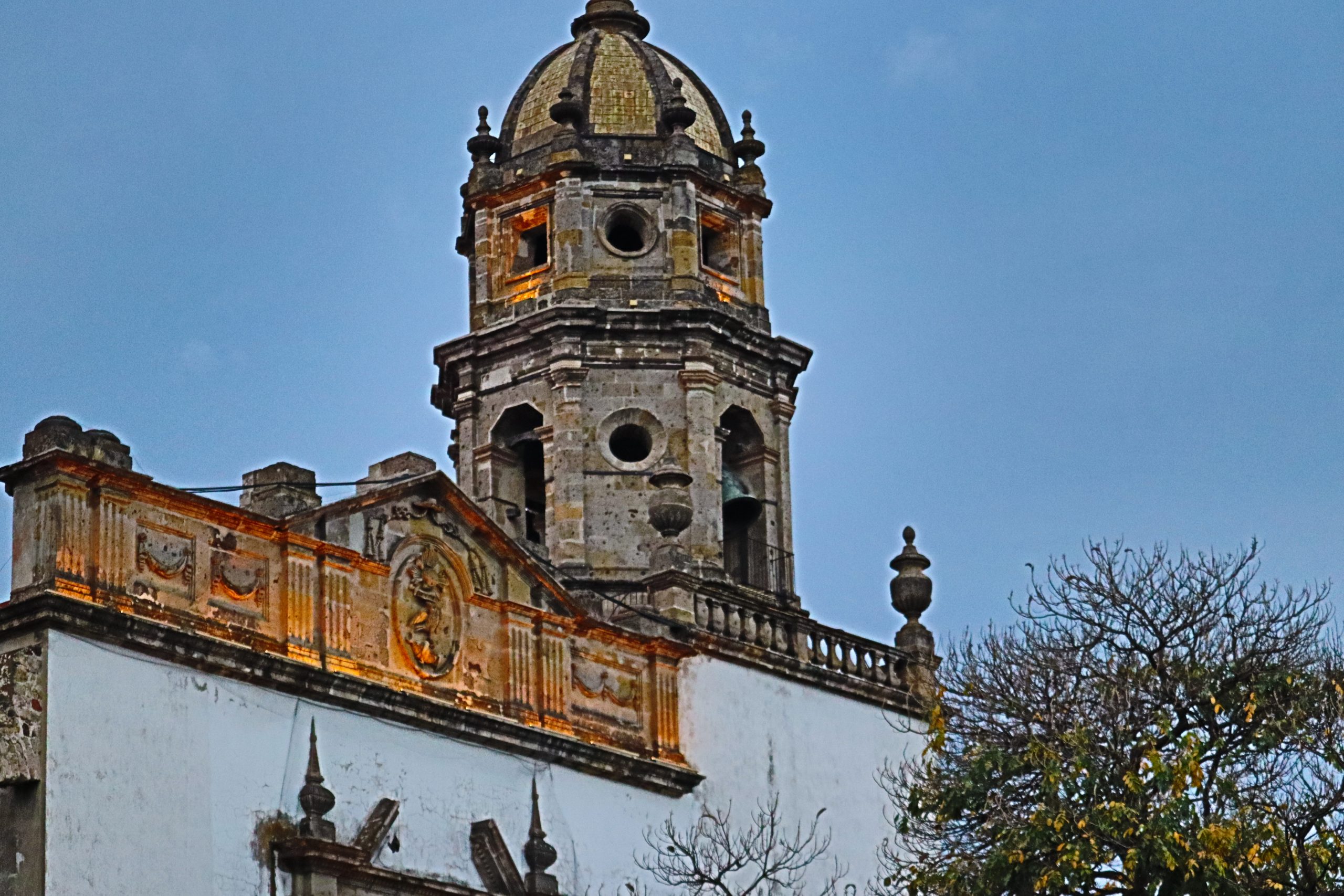

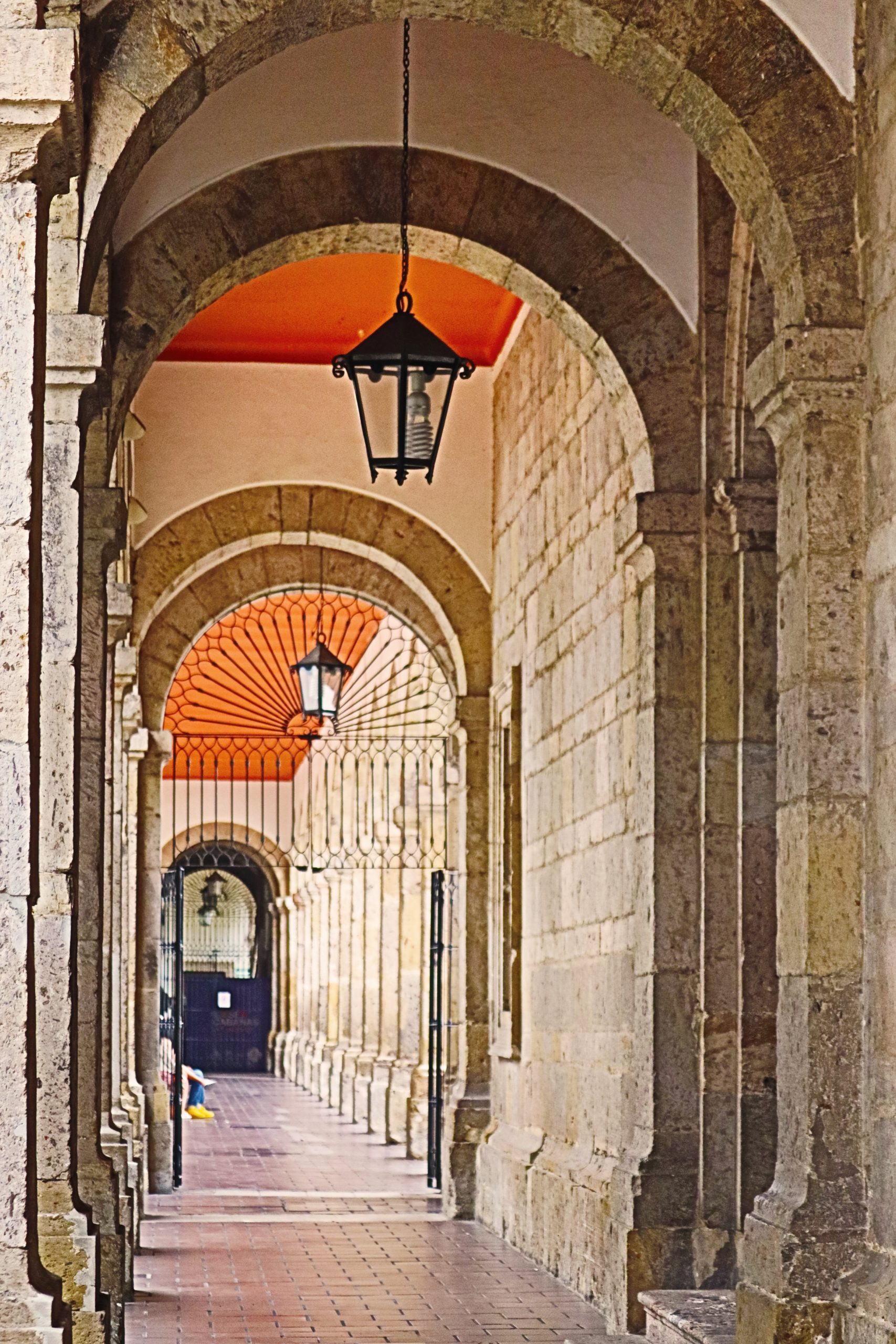

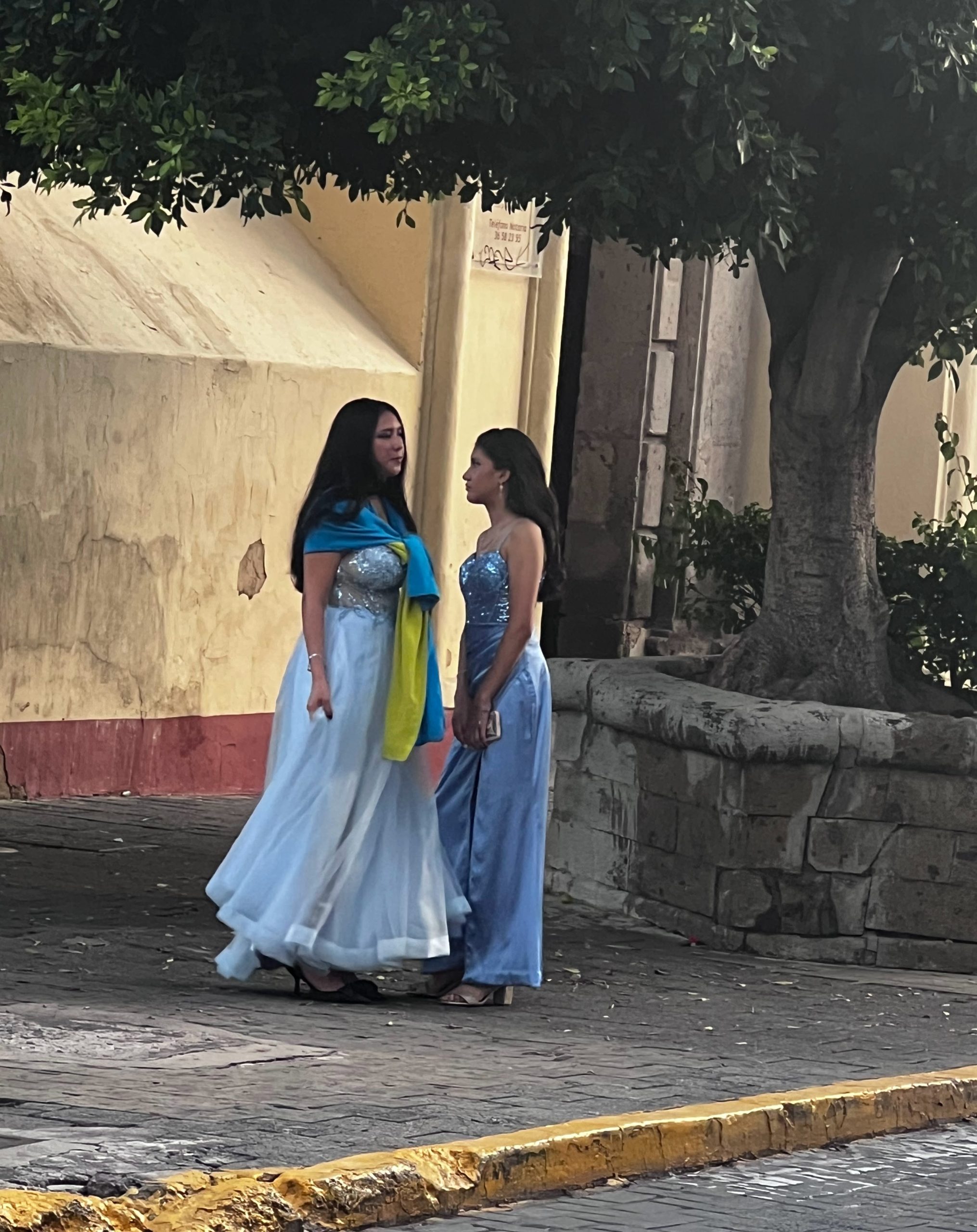
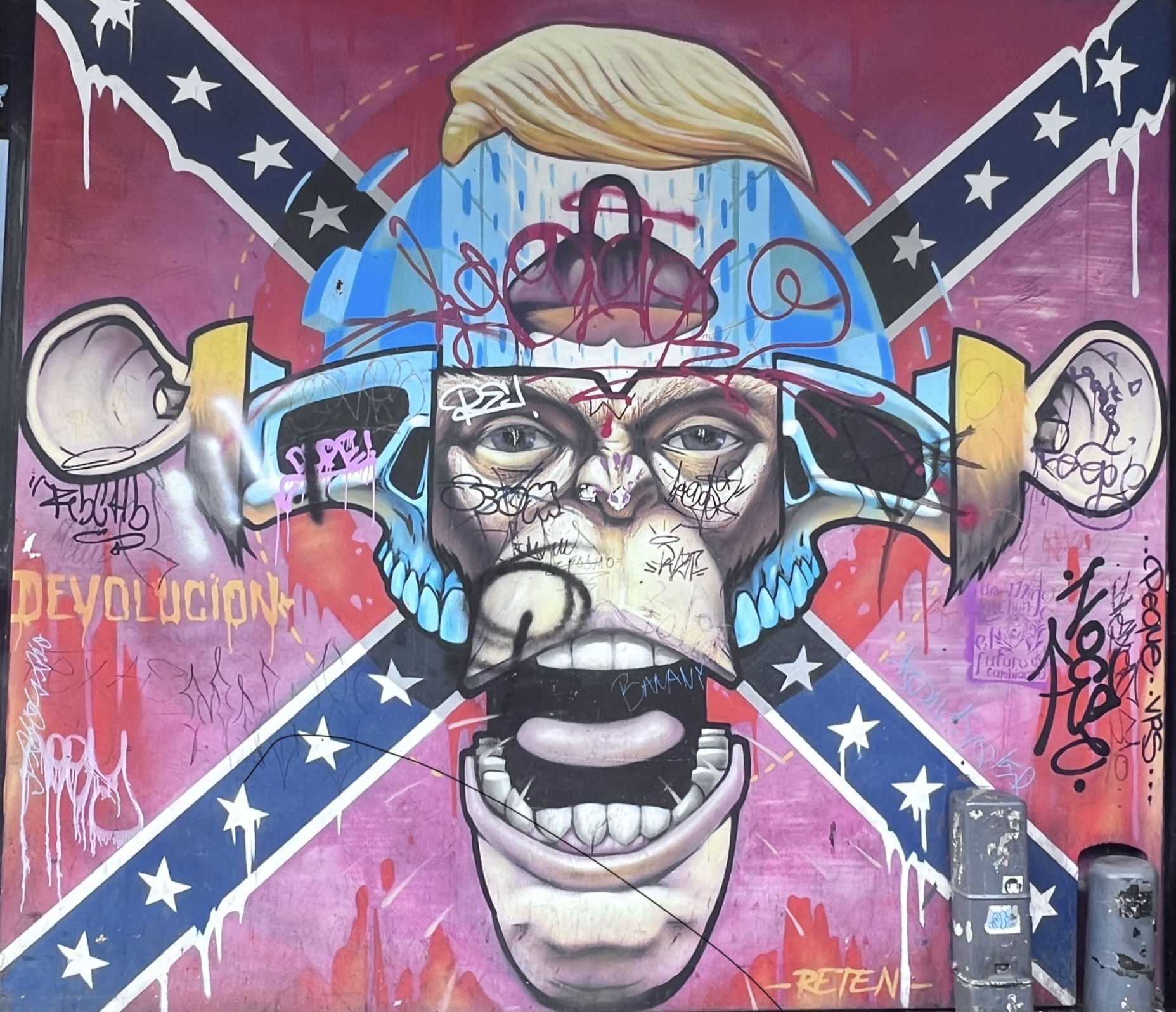

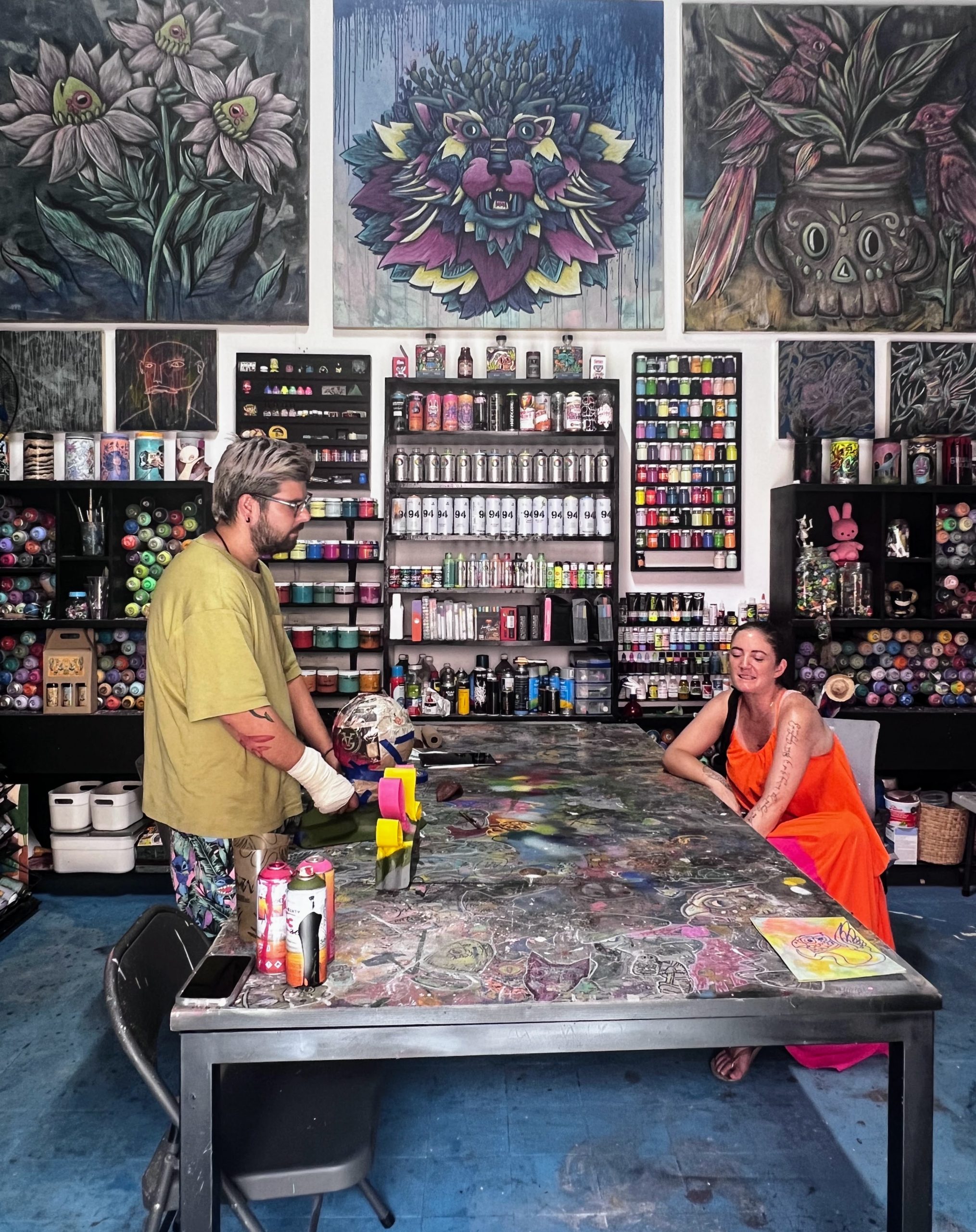
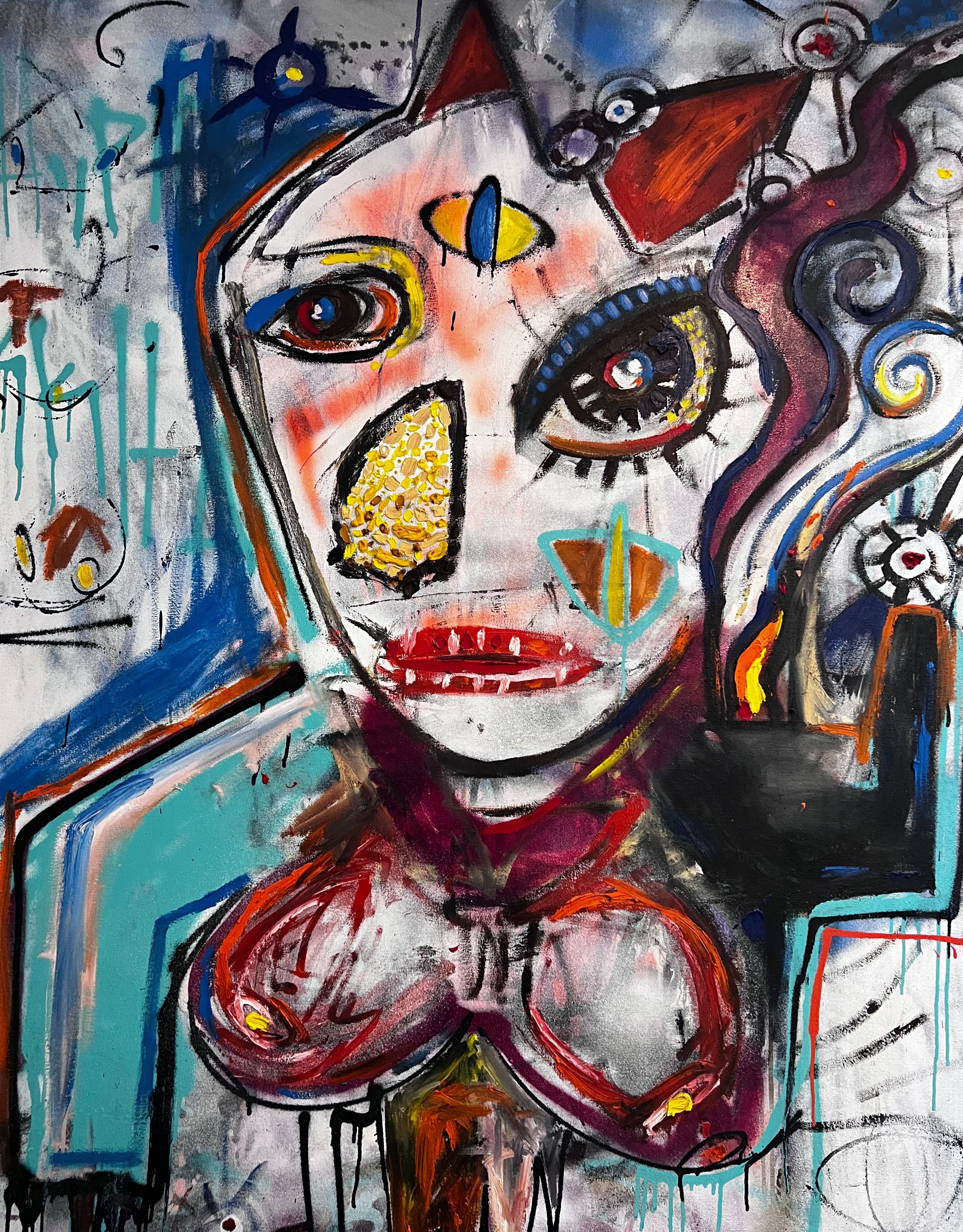
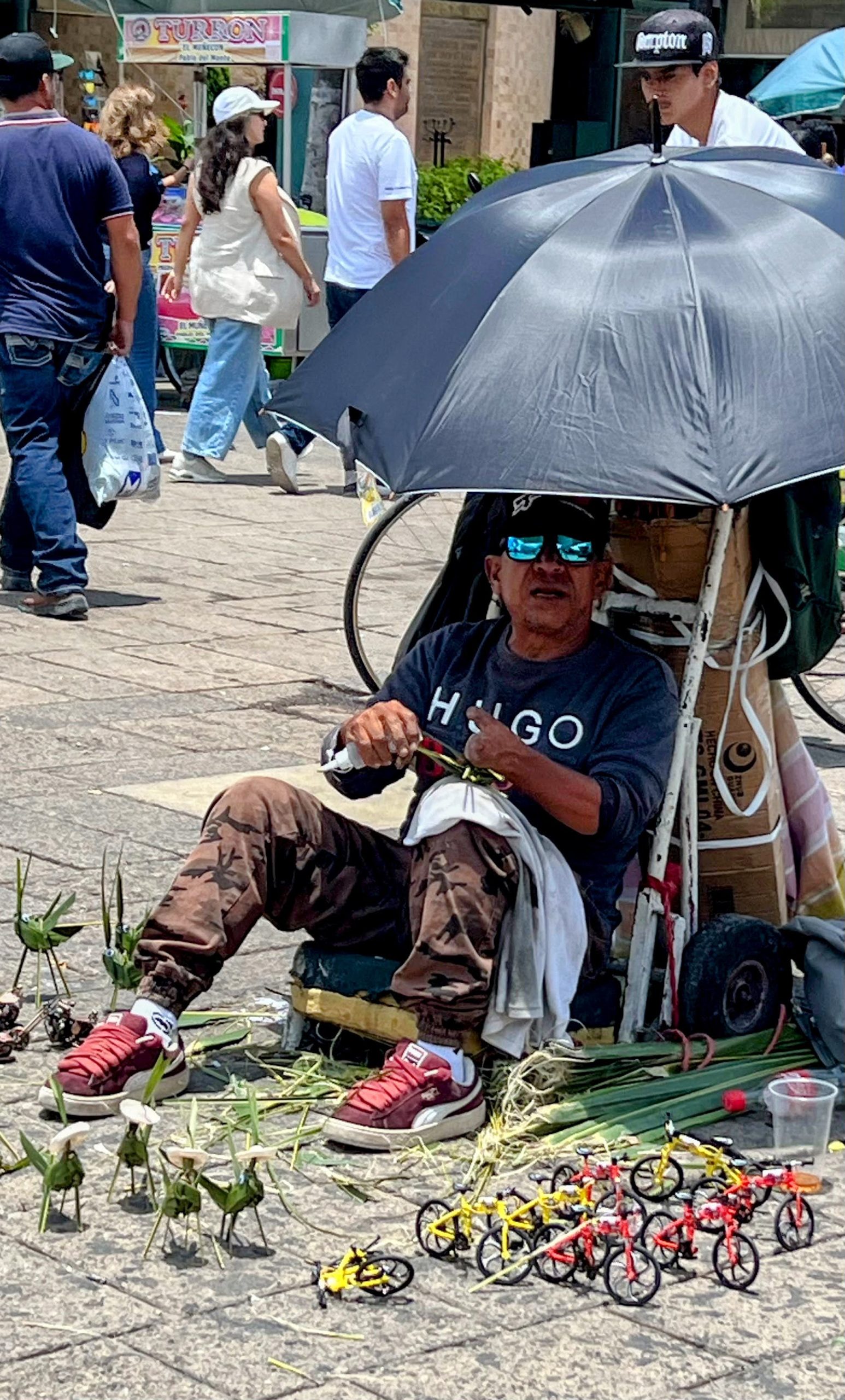
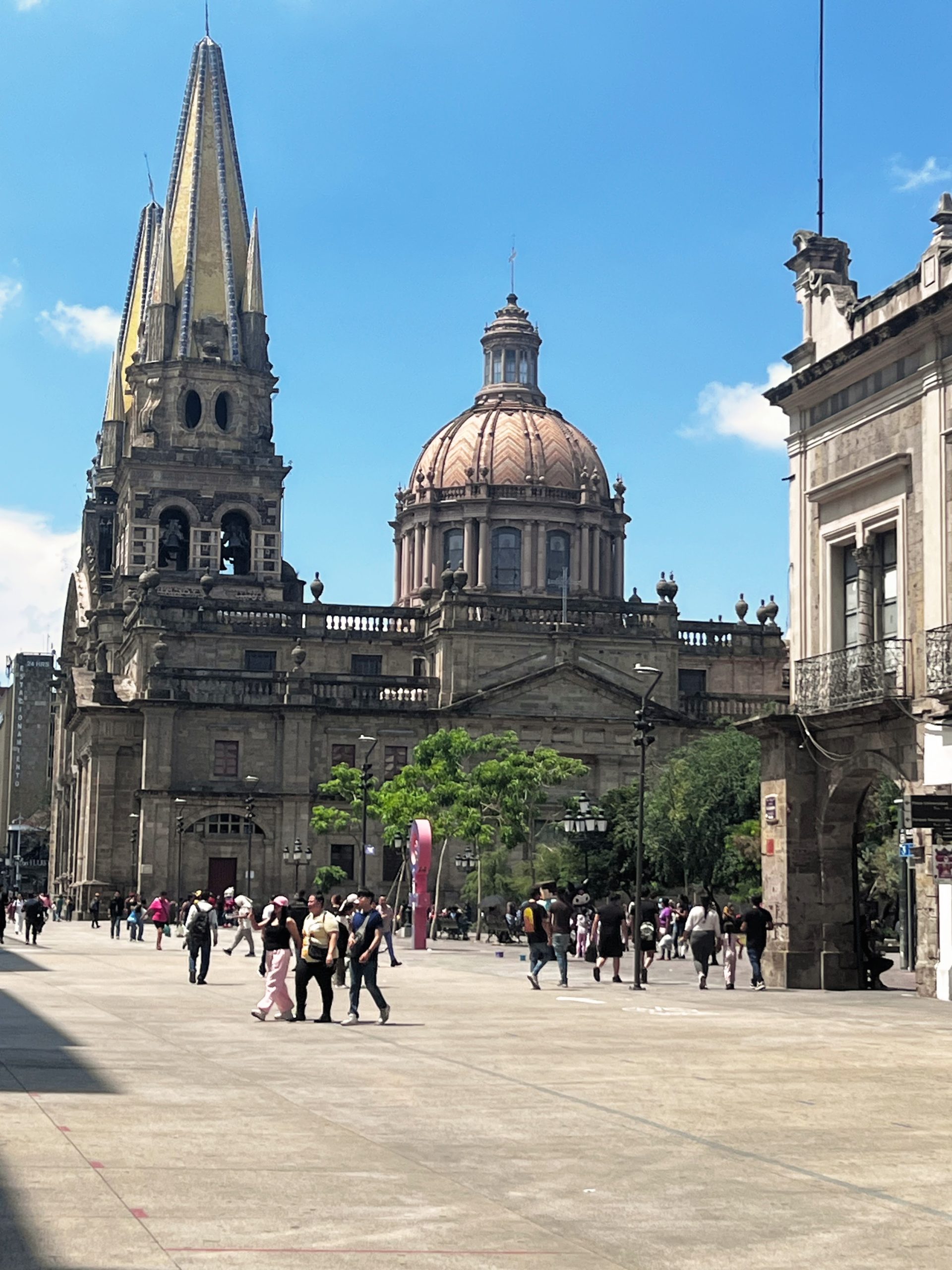
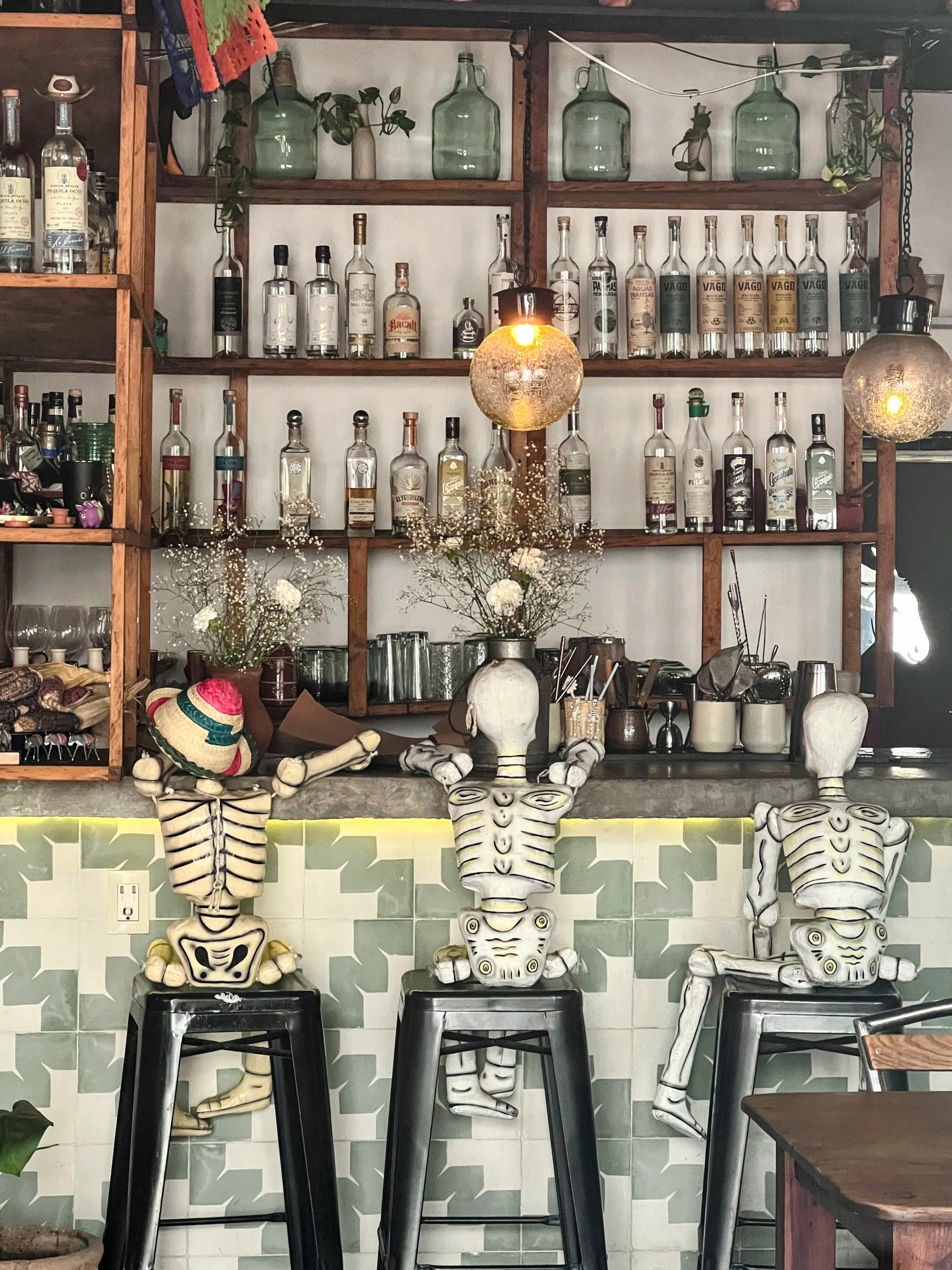
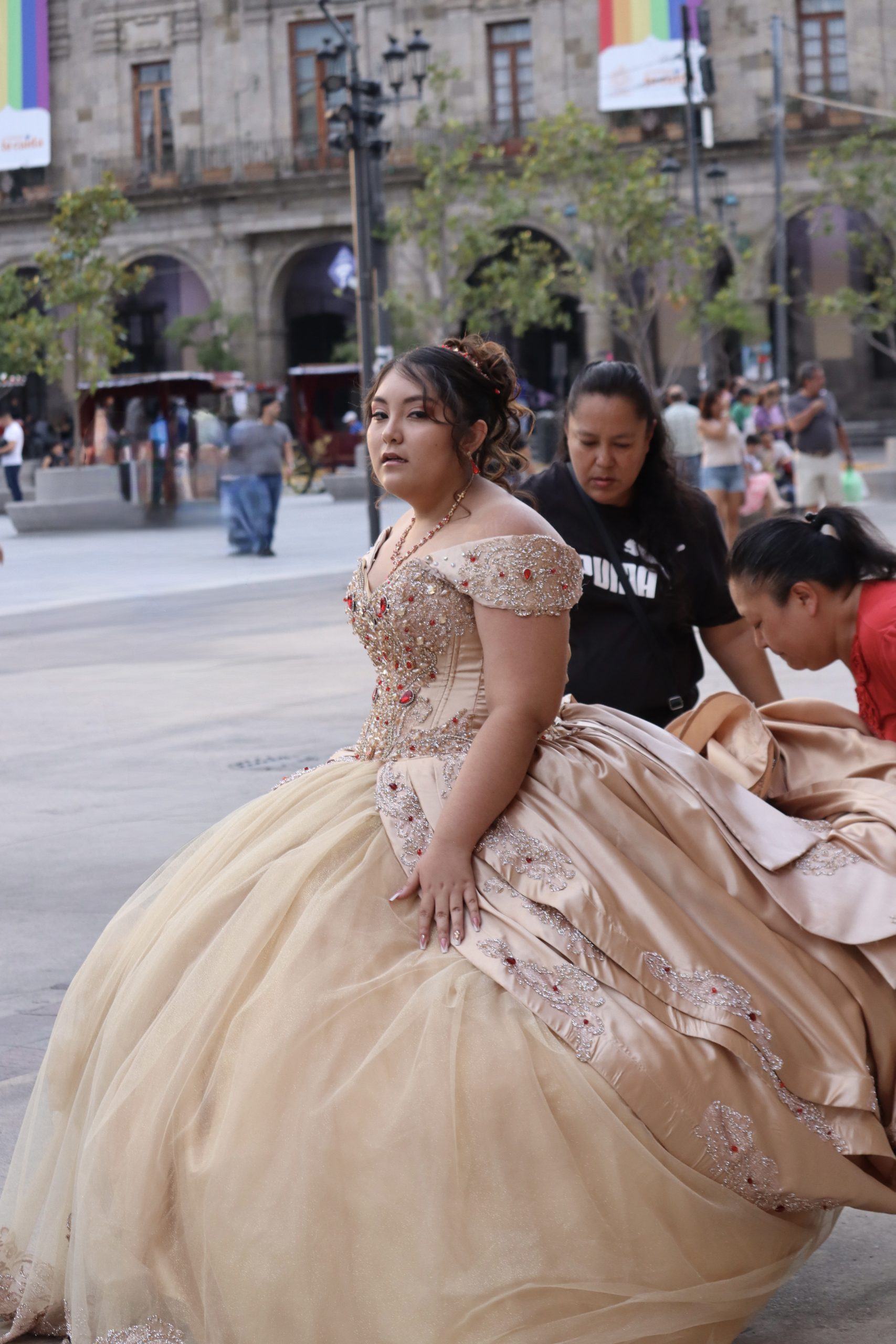
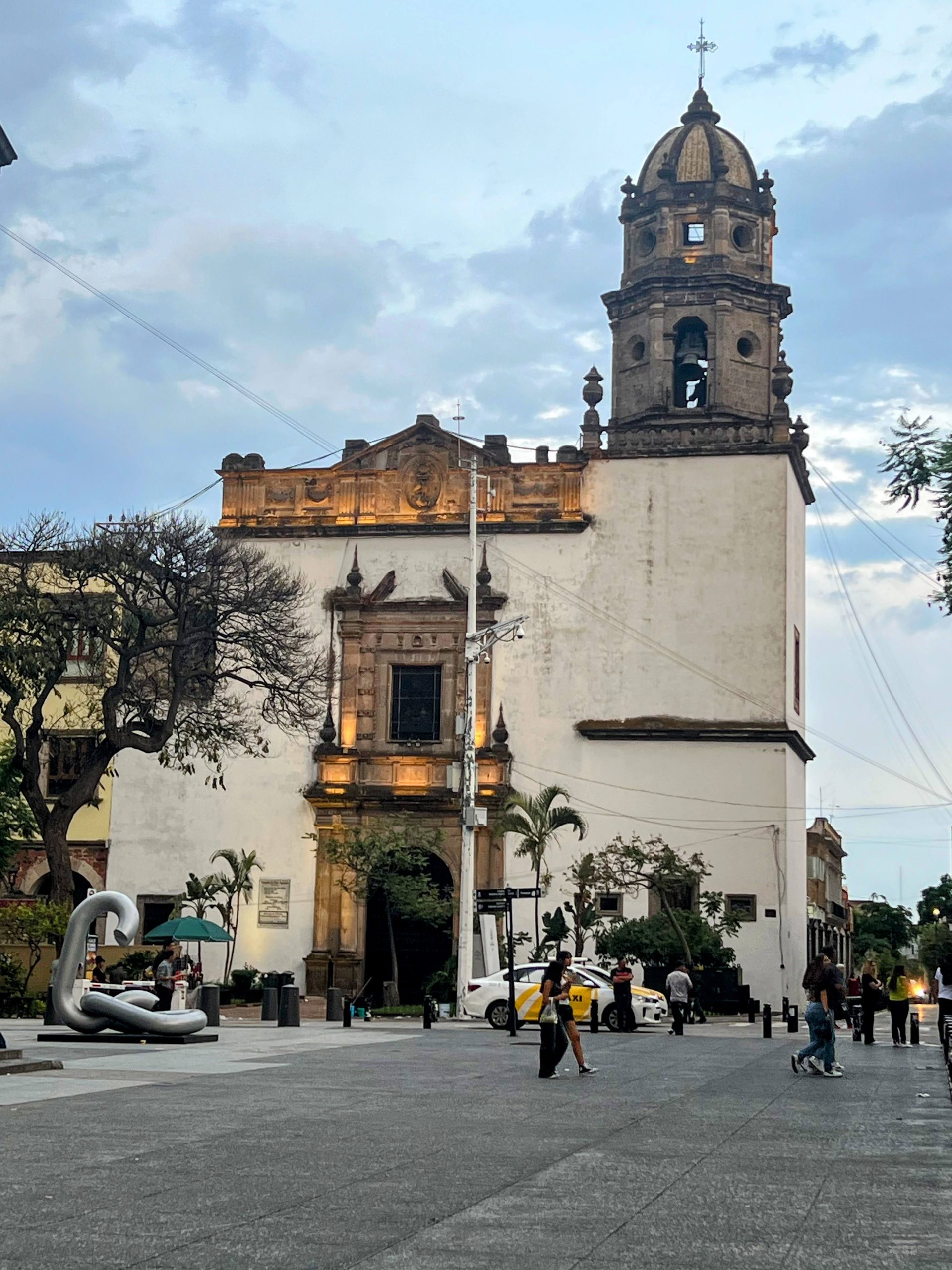
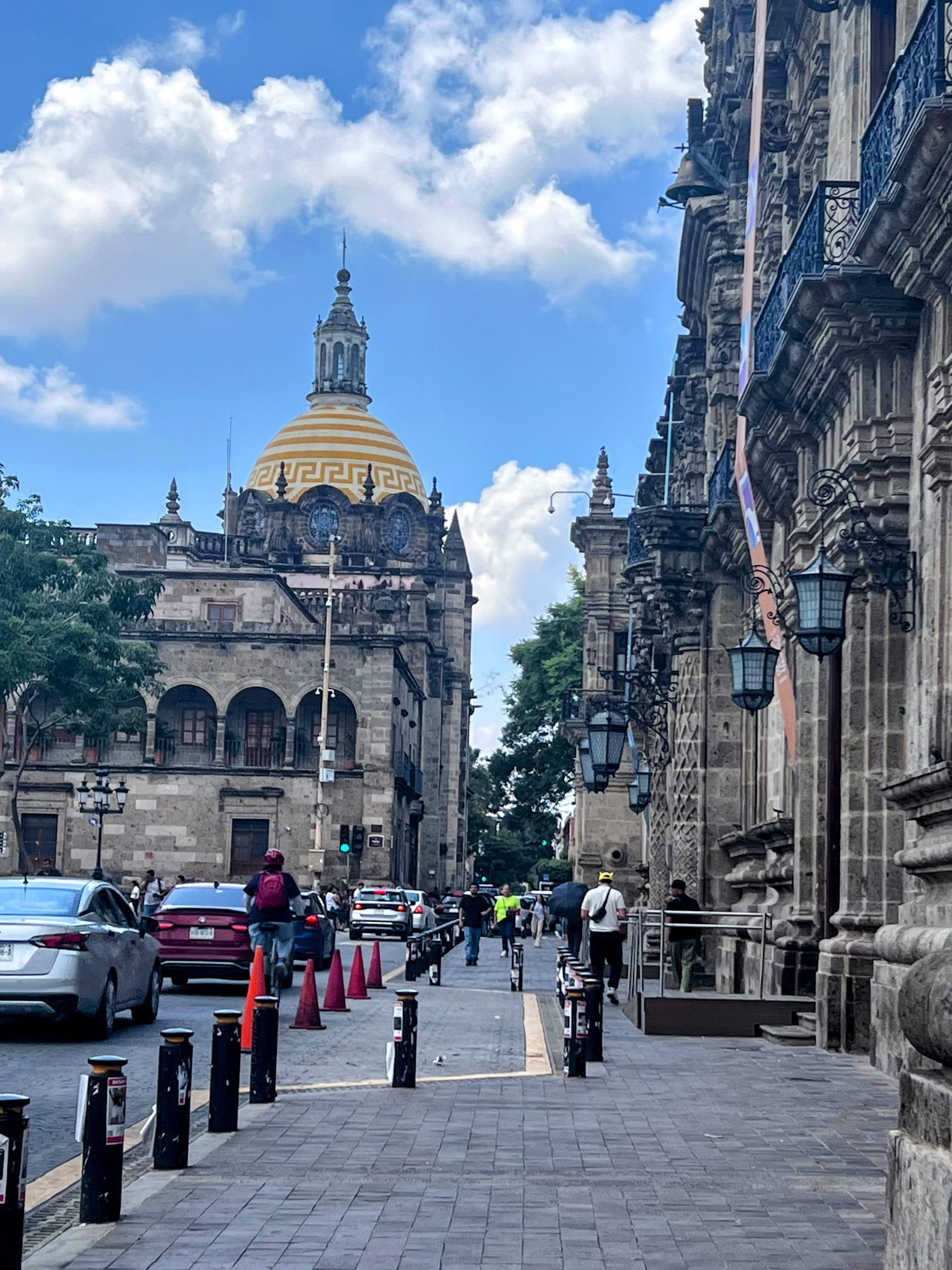
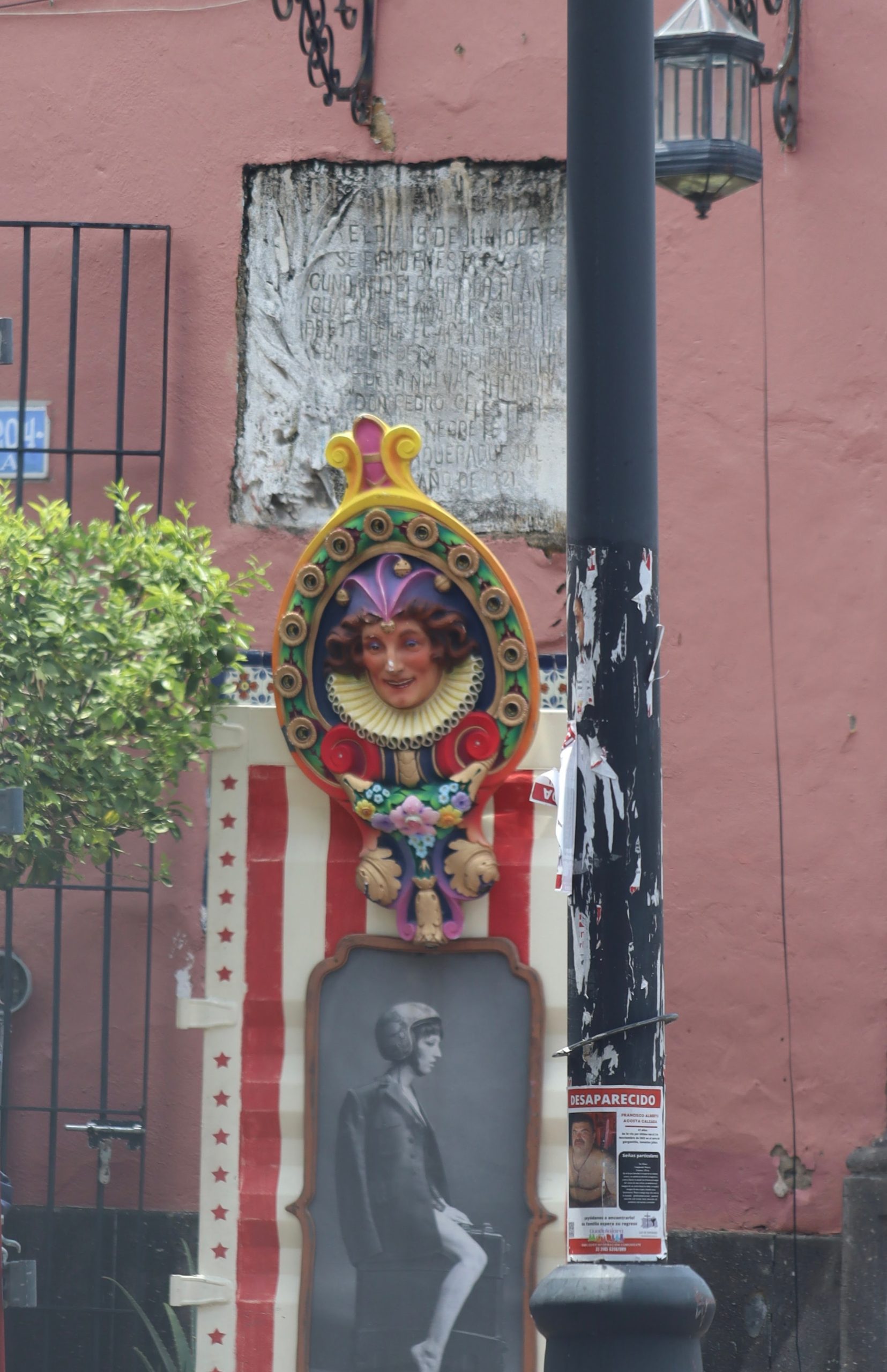
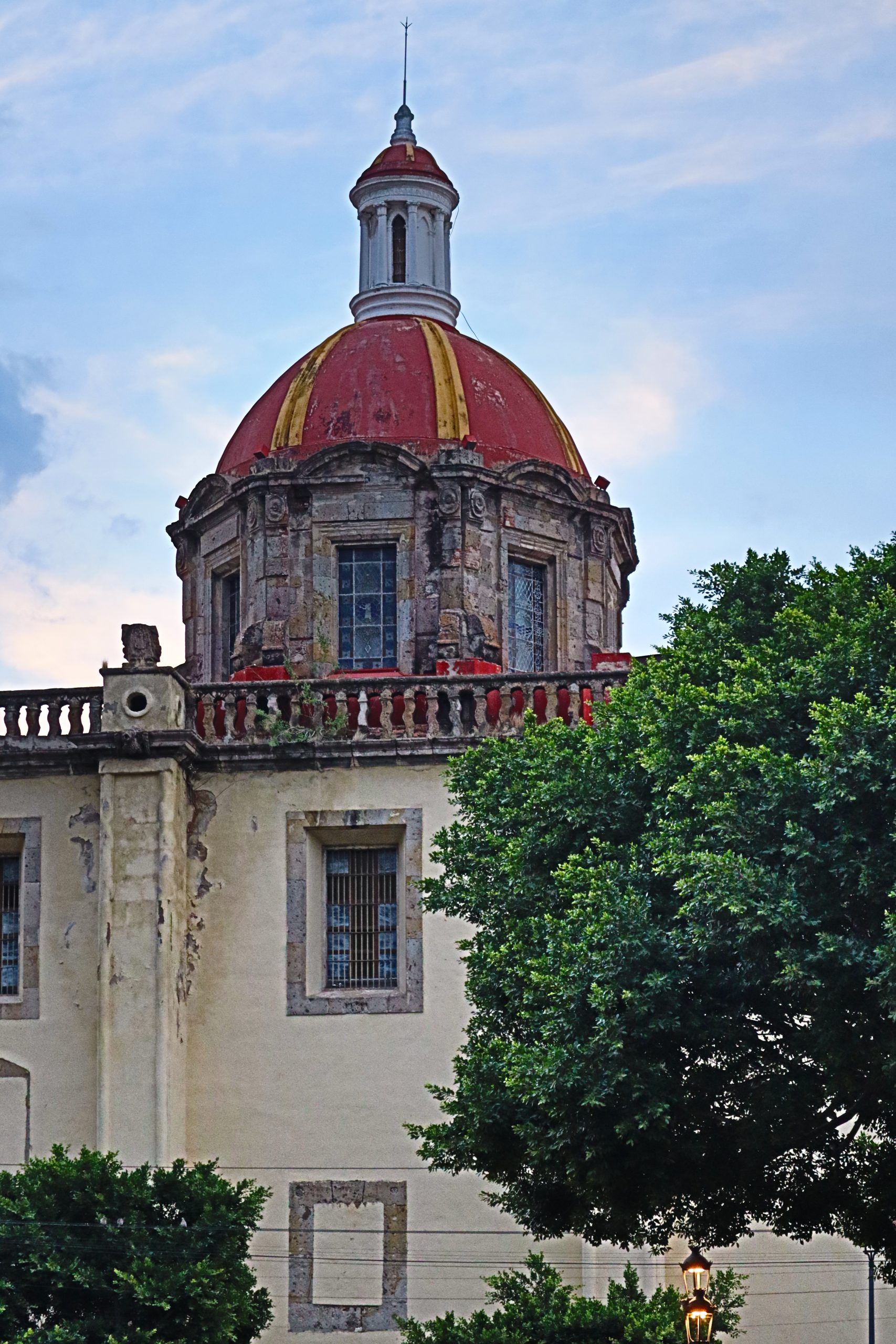
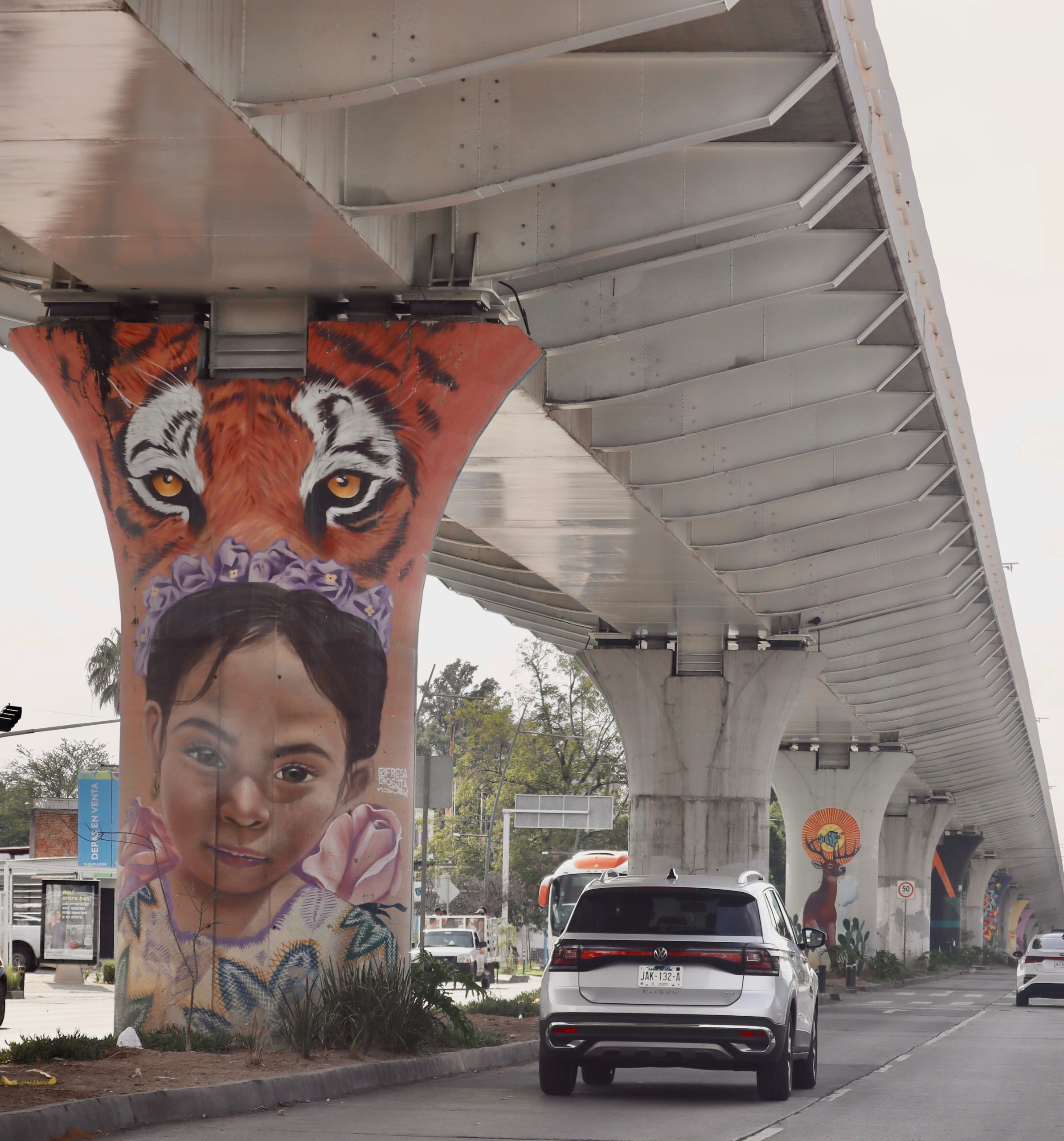
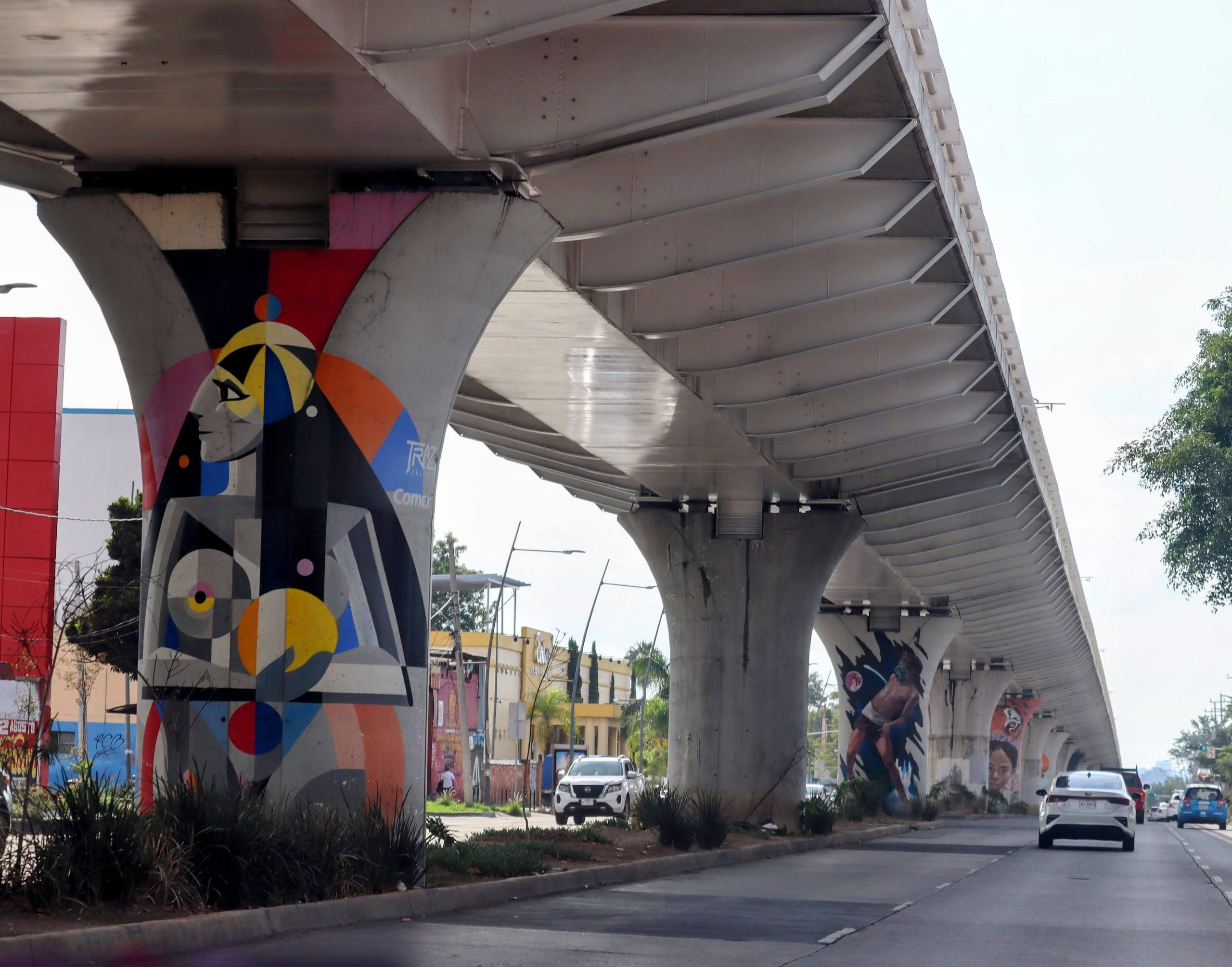
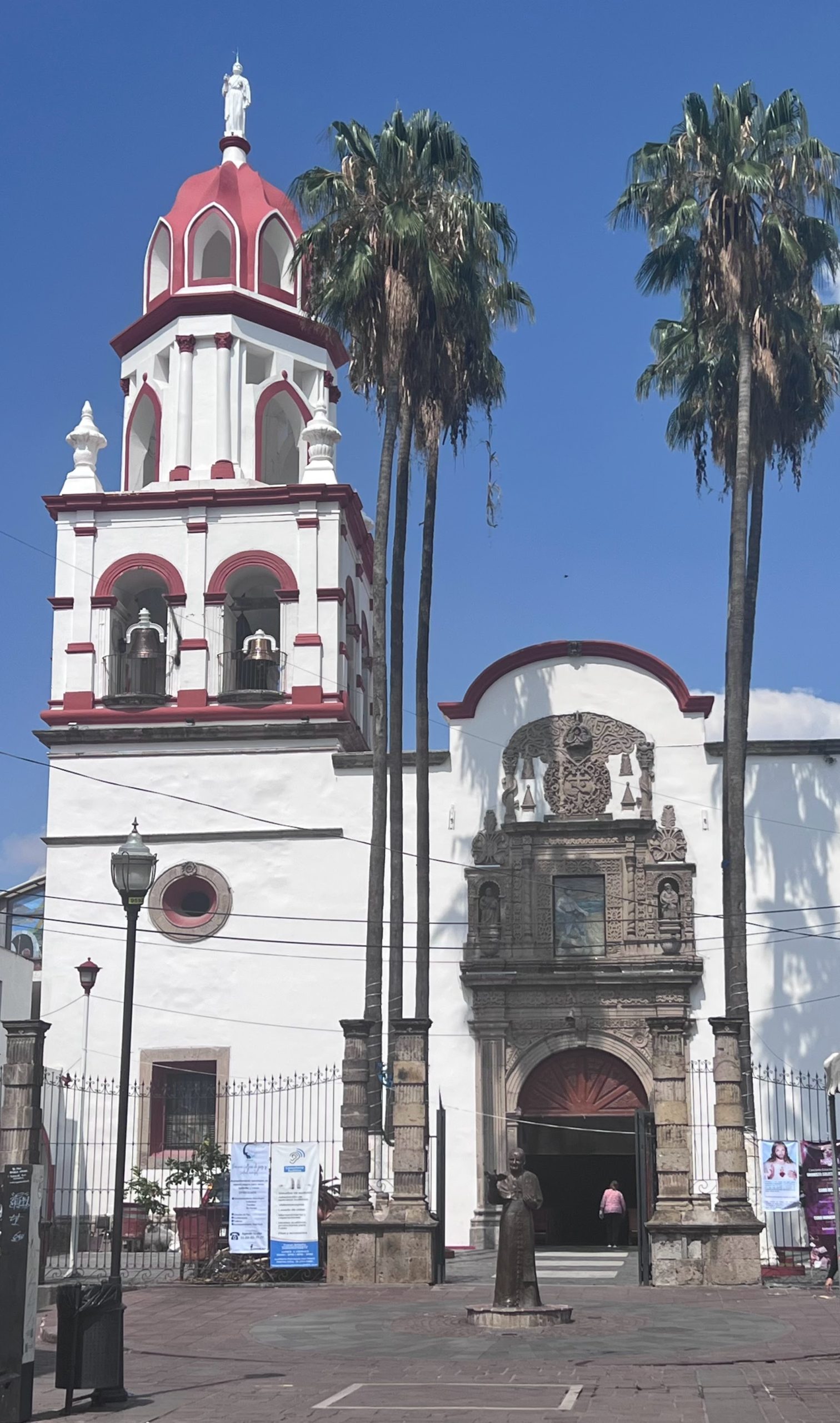
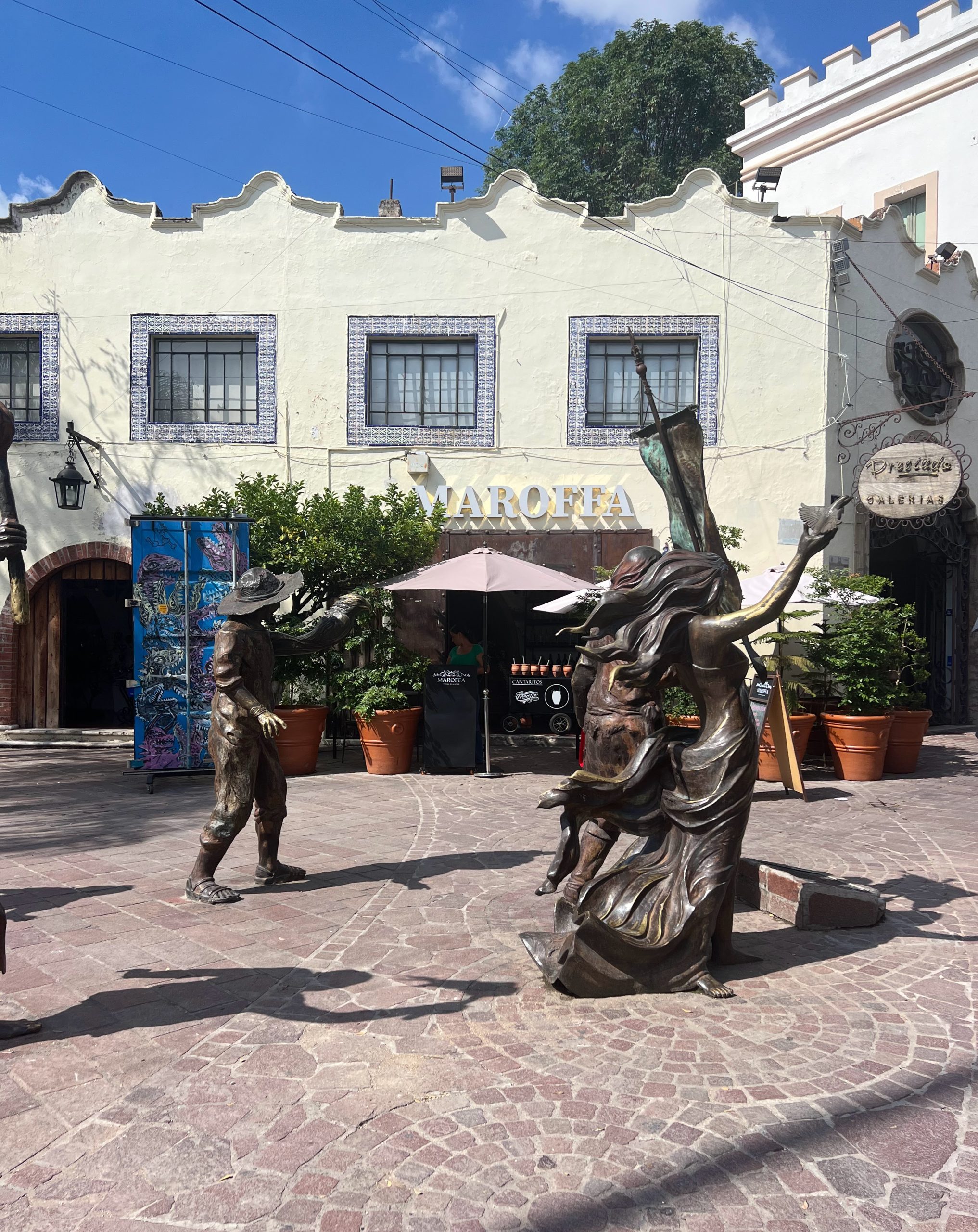
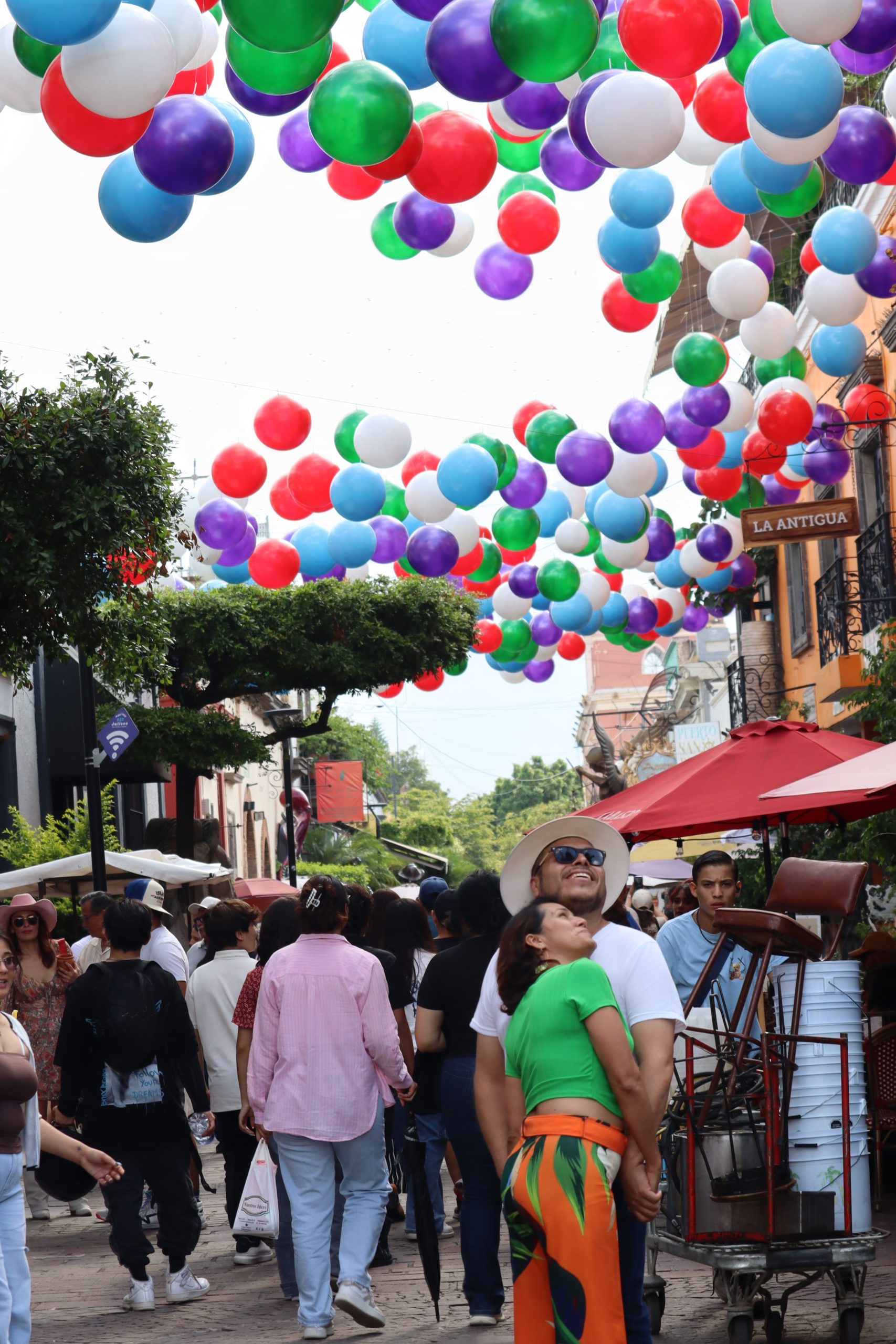
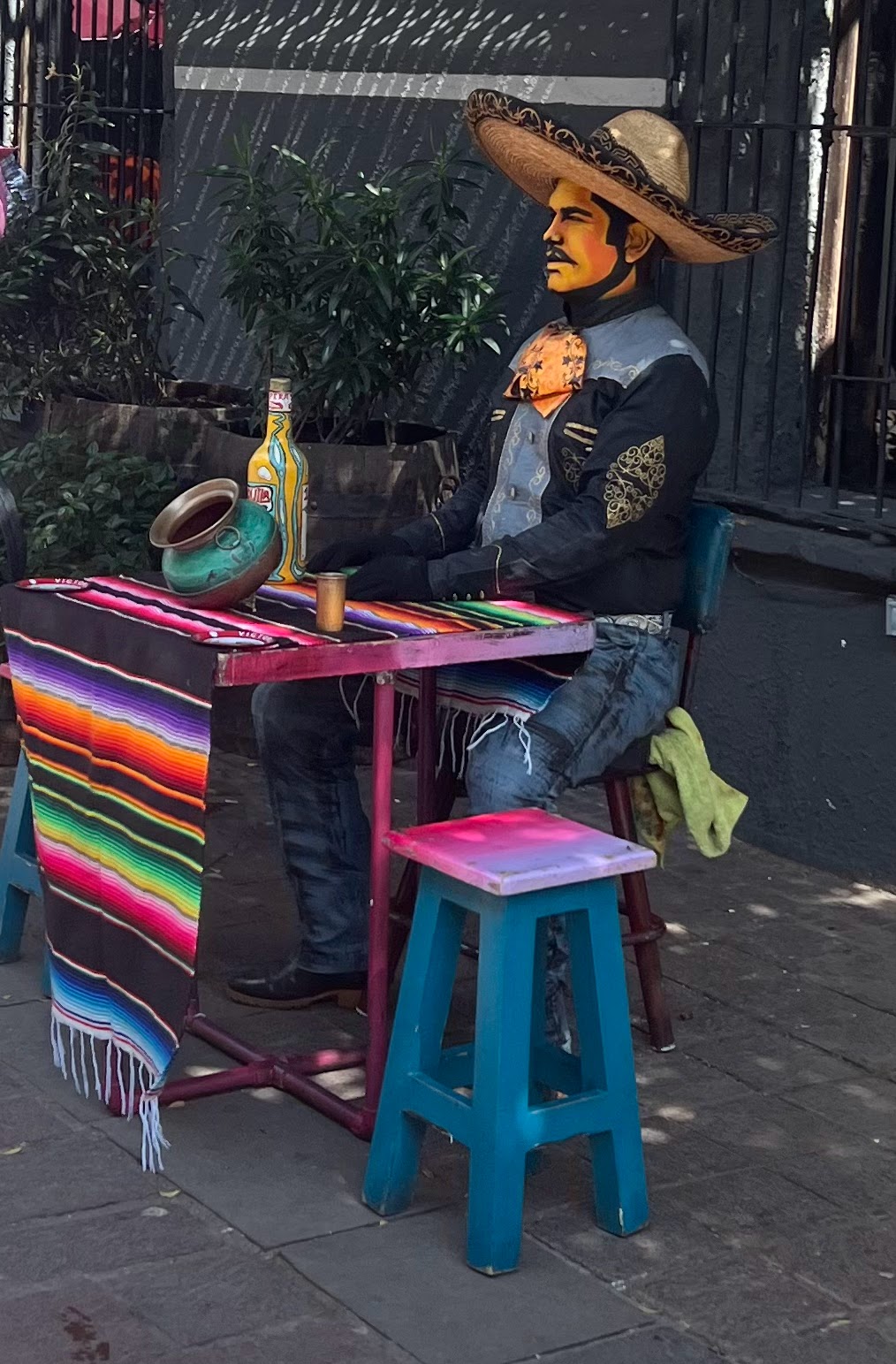
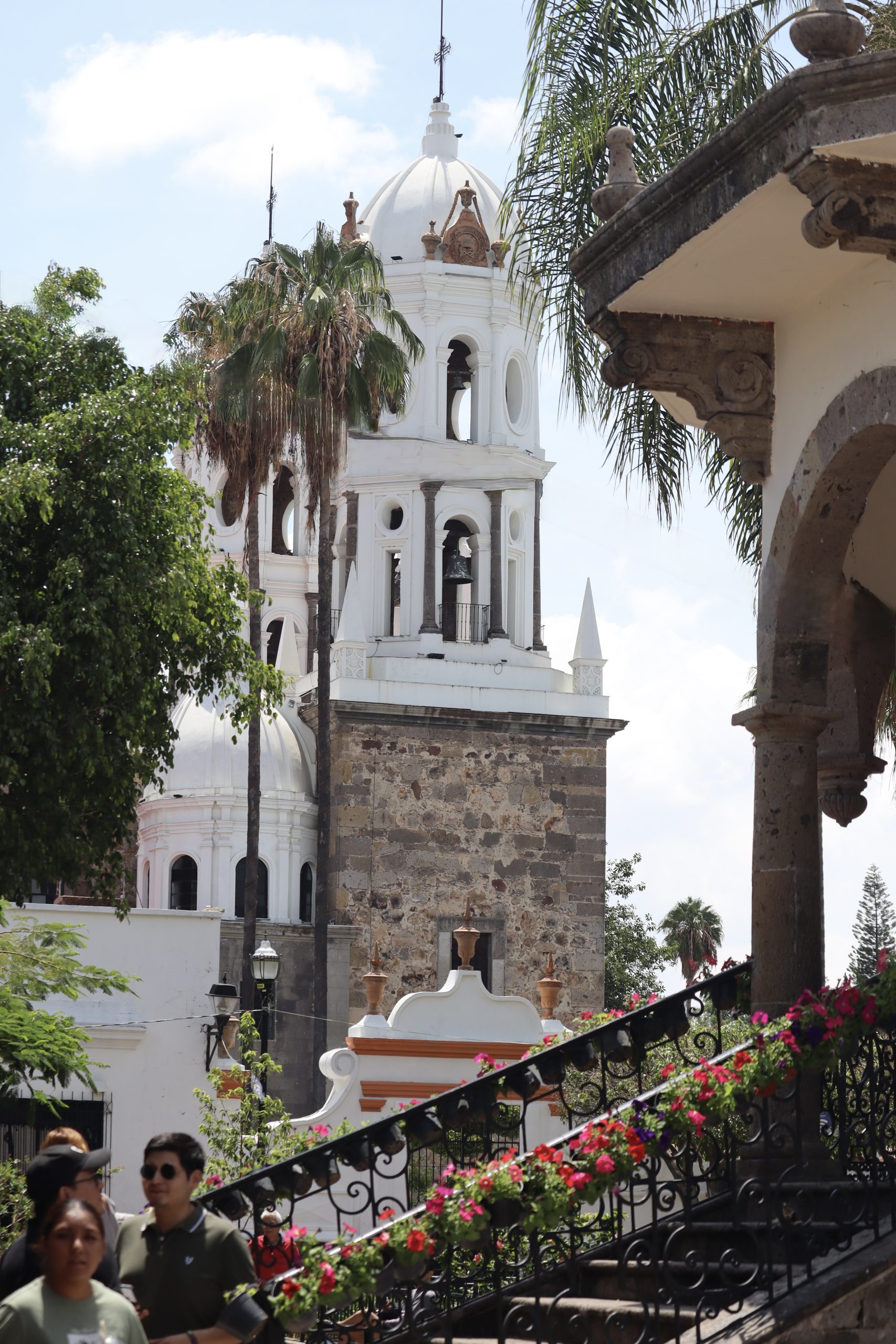
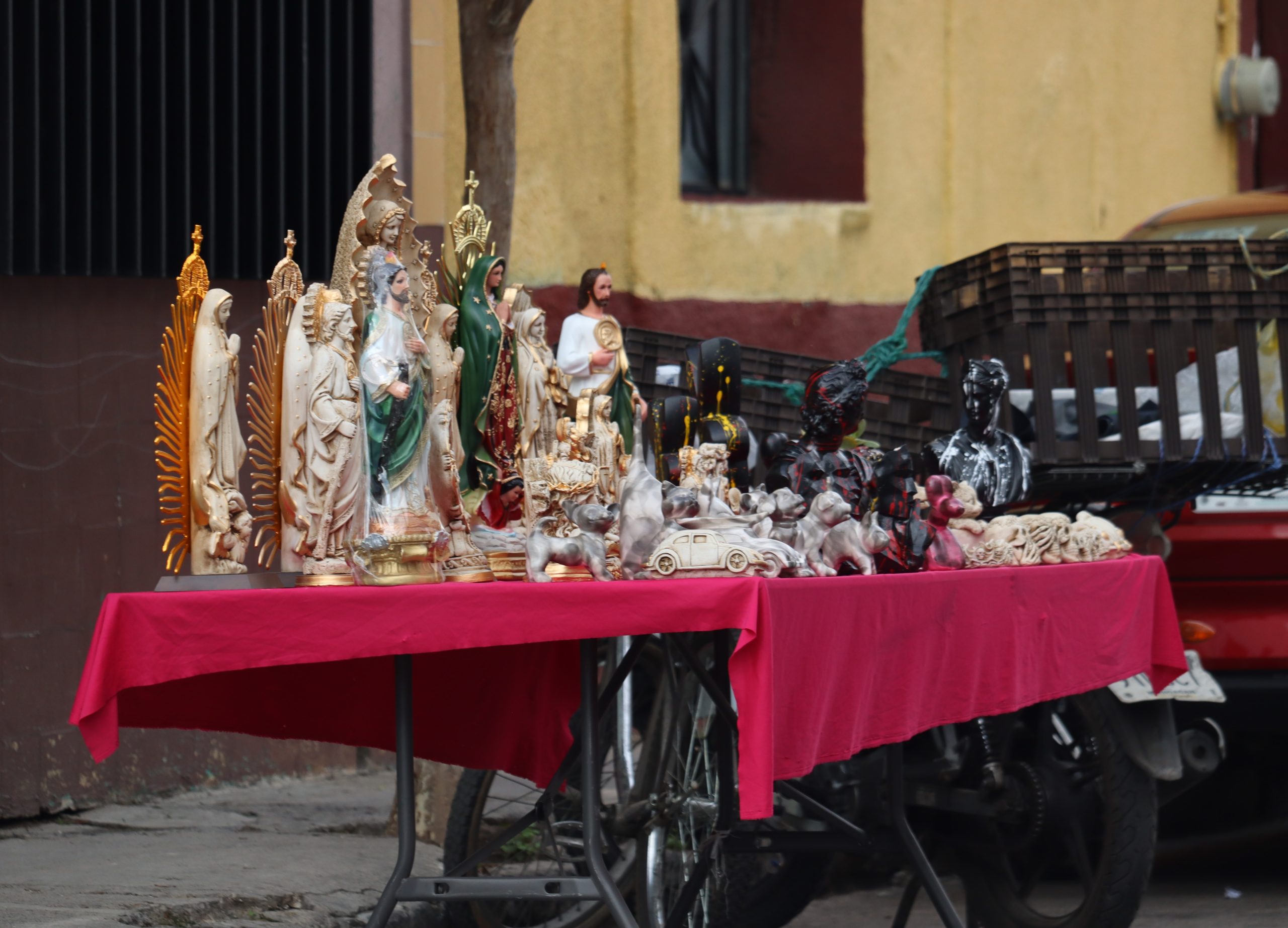
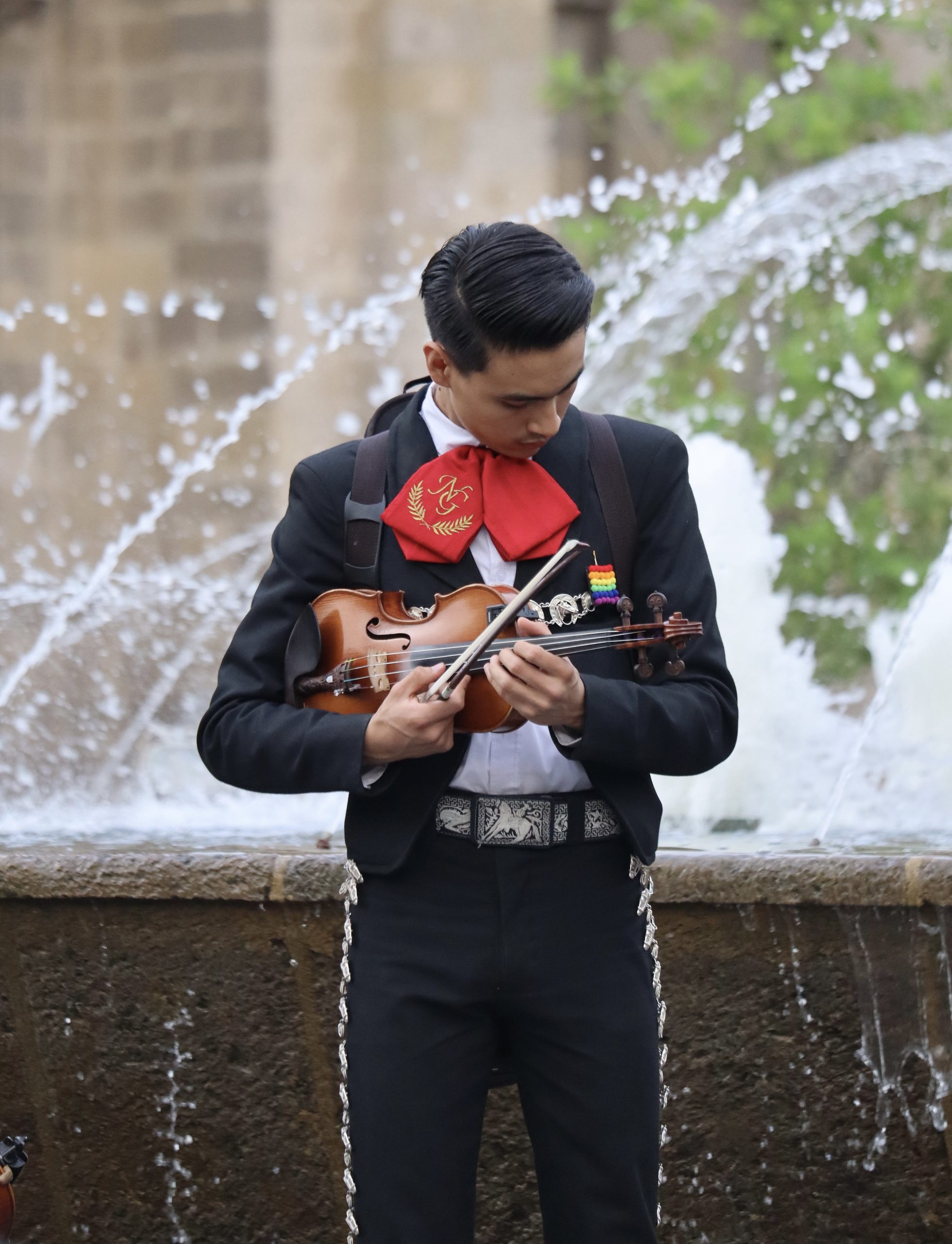
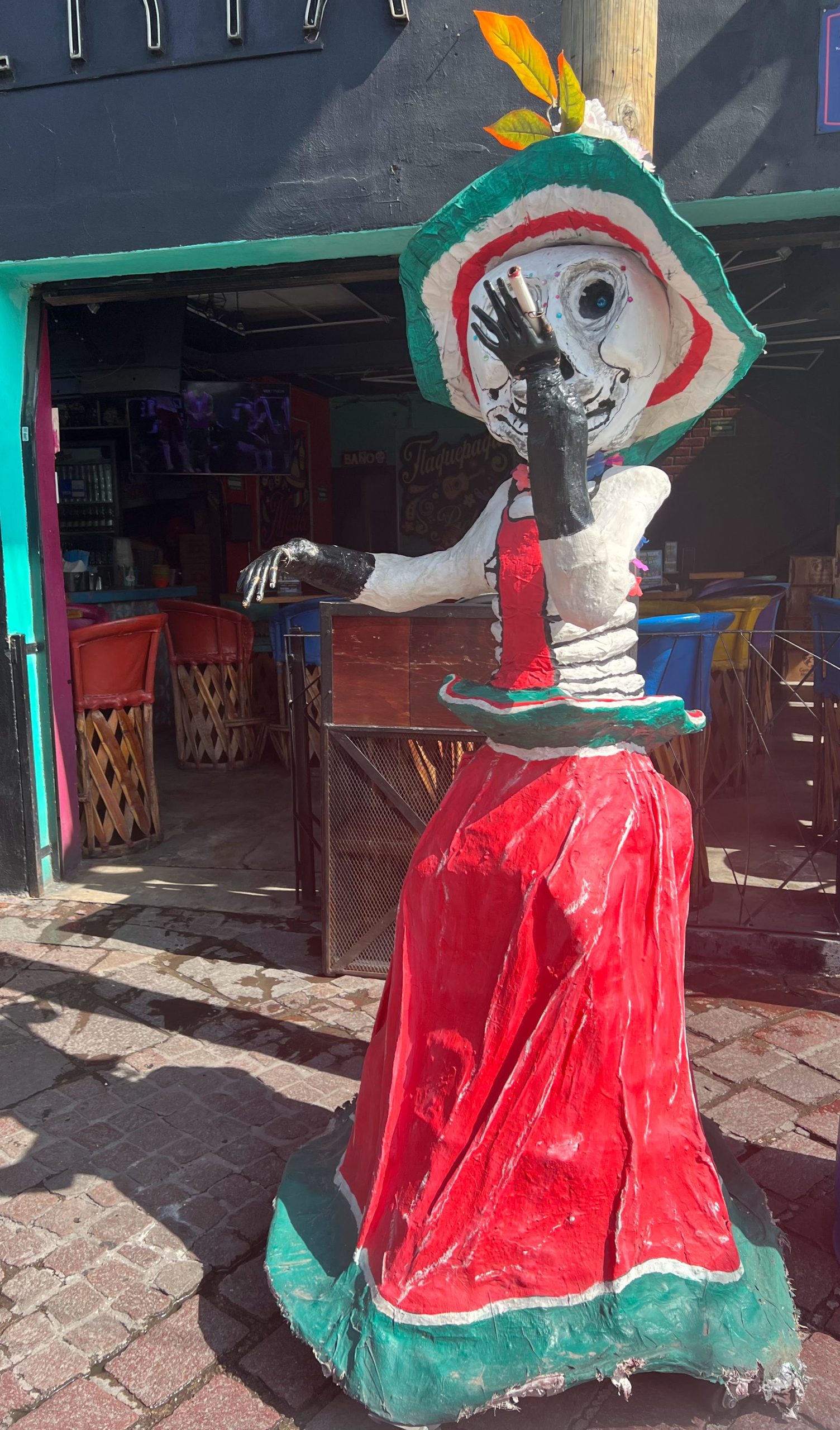
A four-day road trip to the city of Guadalajara with day tours to the neighboring city of Tlaquepaque, 20 minutes away. Guadalajara is Mexico’s second largest city, the birthplace of mariachi music, tequila and the charreada (Mexican rodeo). Its historic center is impressive with huge interlocking pedestrian plazas that draw crowds all day surrounded by so many majestic colonial buildings with plenty of public art and sculptures. Interestingly, underneath one of its plazas is an underground train system. The contrast between modern living and the city’s colonial heritage is quite remarkable. The city of Tlaquepaque is where you can explore the region’s artisan culture — one of the best places to shop and immerse yourself in local art and tradition…
But First a Bit of History
The city of Guadalajara actually moved around several times as it fought off native tribes before settling in the Atemajac Valley in the 16th century. The discovery of silver mines allowed the city to grow, attracting migrants from other colonies and Europe becoming one of the most populous cities today in the western part of Mexico. Over time, the city played a crucial role during the Mexican War of Independence, taking one further step in declaring the abolition of slavery in 1810. Today, the city is known as a cultural hub and a major center for commerce, industry, and technology.
The city of Tlaquepaque, historically known as San Pedro Tlaquepaque, was once inhabited by Nahuatl indigenous people, part of a larger kingdom ruled by a woman named Cihualpilli Tzapotzinco. This small town is known for its clay…the Nahuatl name “Tlaquepaque” meaning “place above the clay land“. Today, the historic center is recognized for its arts and crafts, including pottery, traditional ceramics, blown glass, and sculpture pieces. It is also designated as a Pueblo Magico by the Mexican government.
Getting to Guadalajara
Still living in Bucerias, I chose to rent a car and drive with the goal of both sightseeing and shopping for my new apartment. Not always a good combination when you only have four days. The drive along the recently constructed “autopista” toll road through the mountain range and forest took approximately four hours. Toll stops every hour —both ways added up to $100. Given the cost of car rental, tolls, gas, and parking, flying is usually a better option. However, I needed a car to transport all the items on my shopping list.
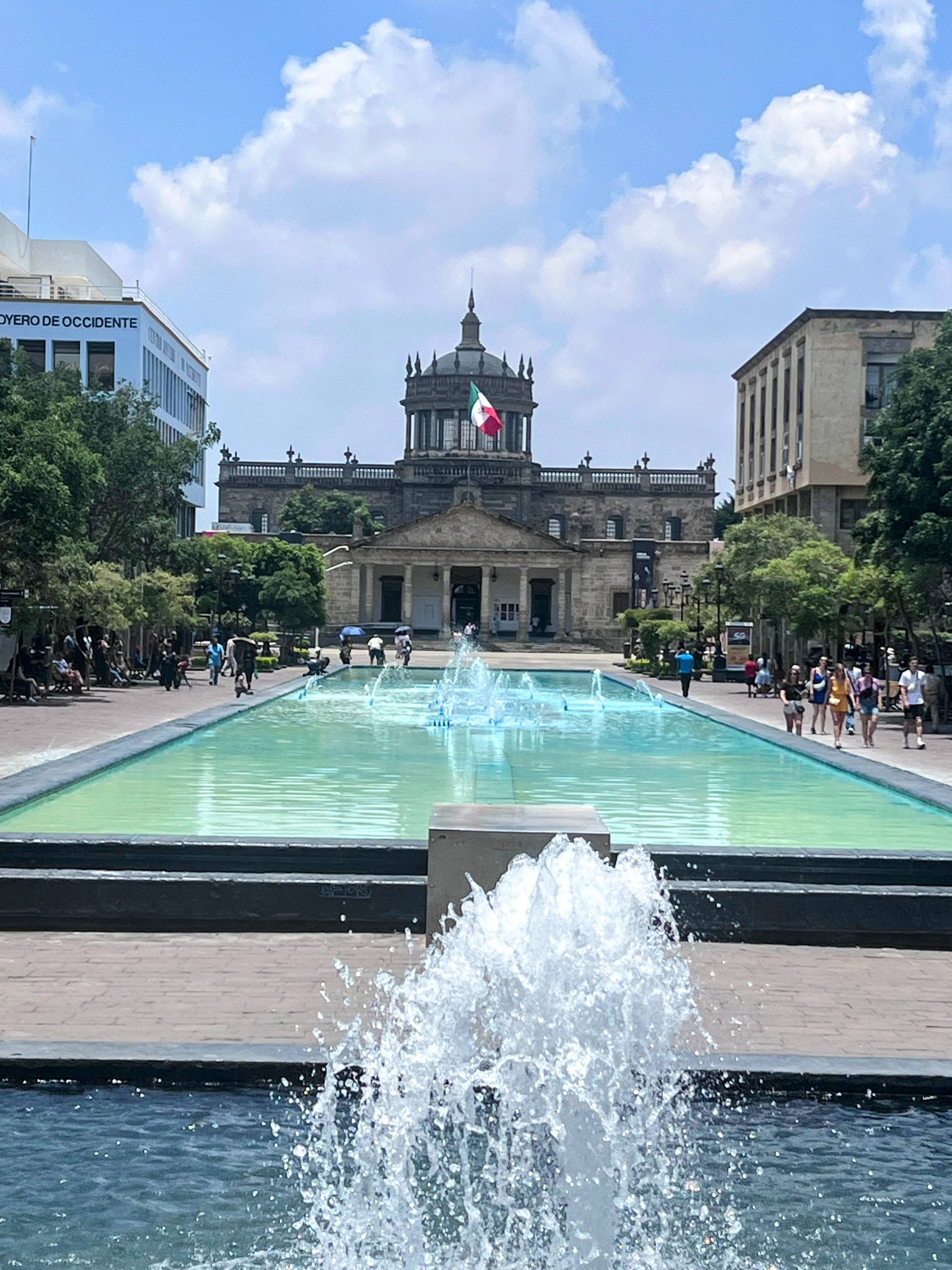
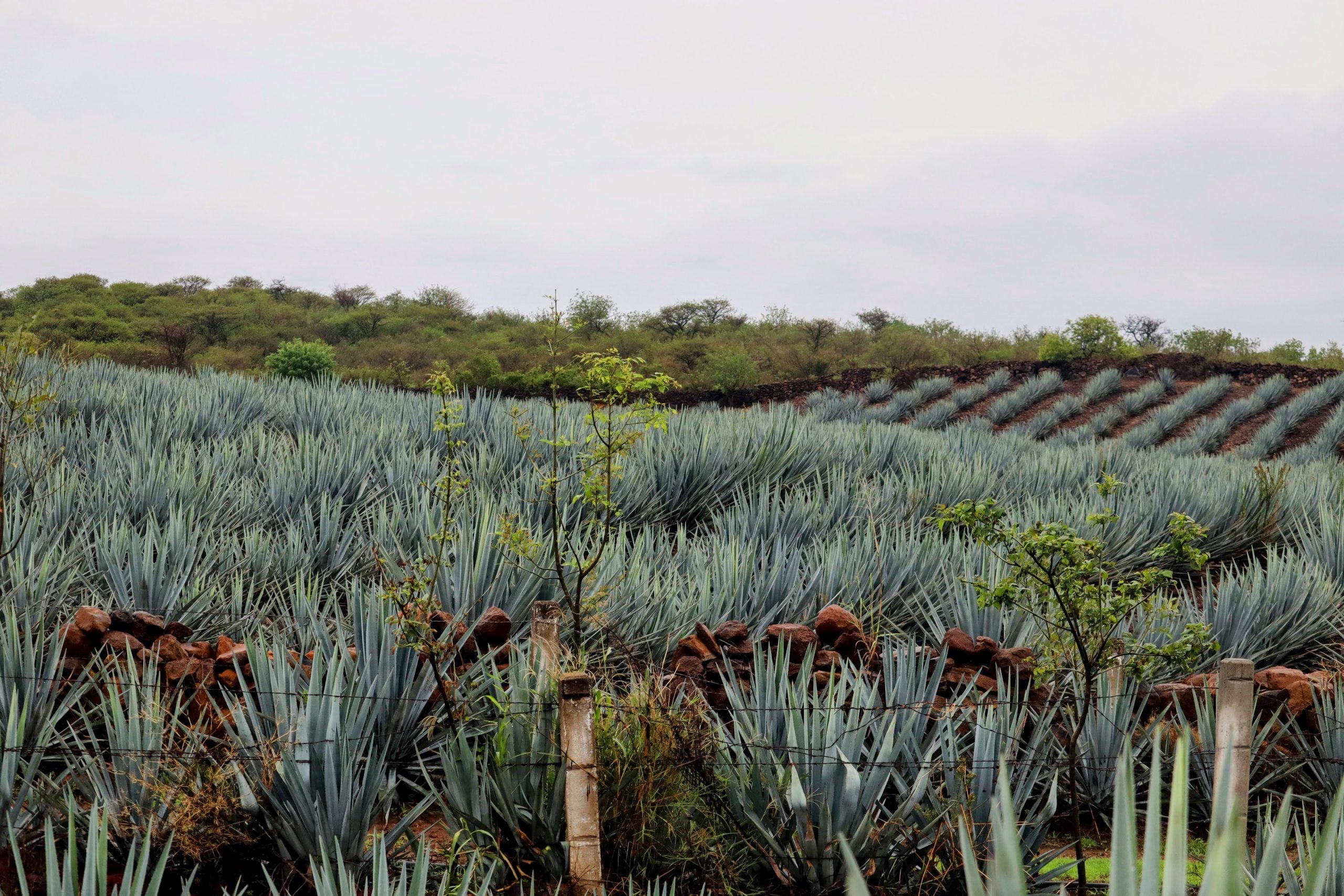
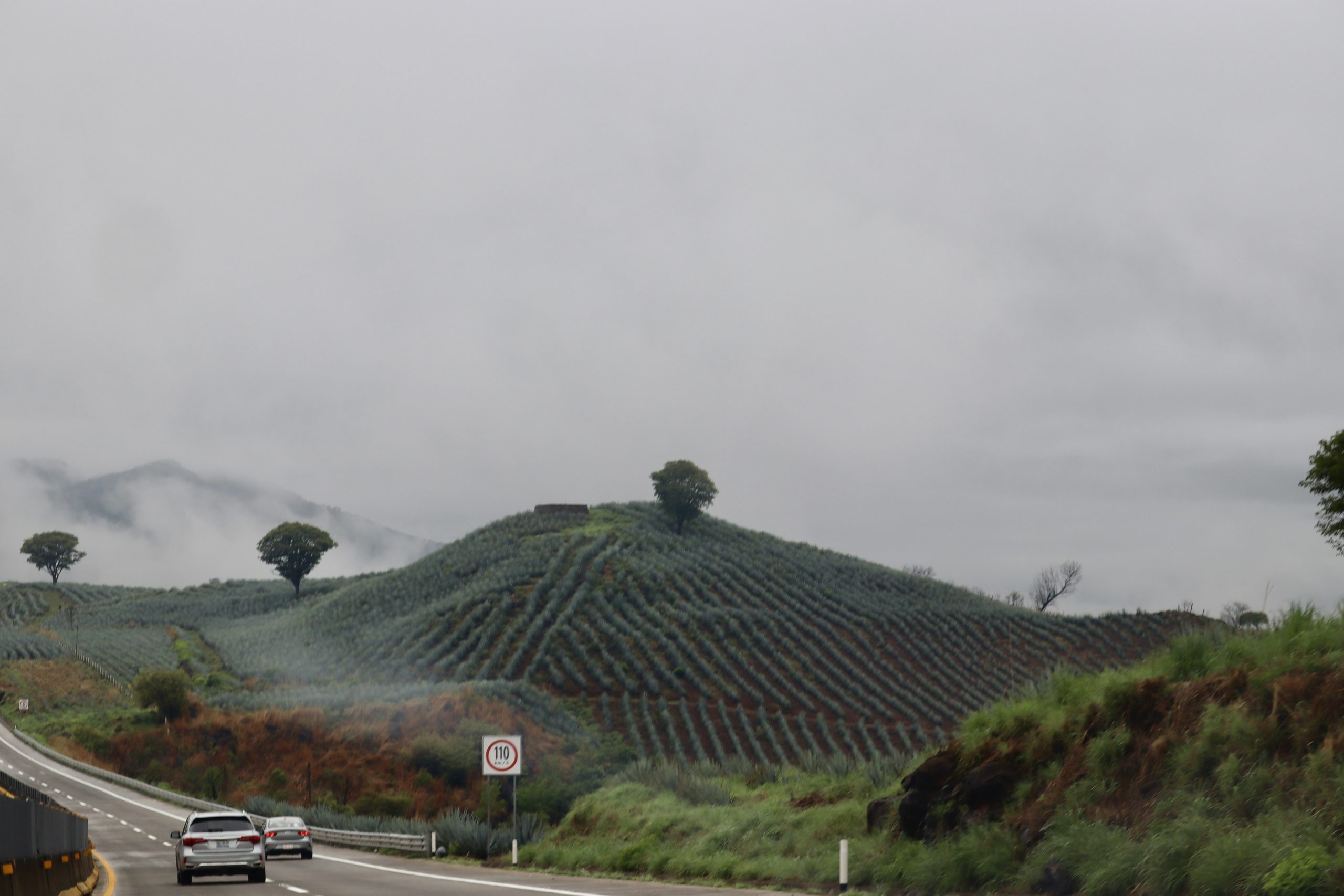
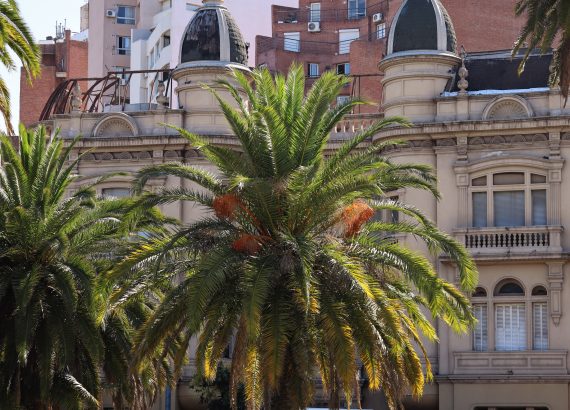
Approximately one hour before approaching the city, you begin to experience seeing massive amounts of agave plants as you pass through the town of Tequila, the area where tequila is produced. Once I entered the city, I experienced a modern metropolis with a remarkable Centro Histórico where I stayed. I was drawn into the grandeur of its well-preserved colonial architecture and its many interlocking plazas. I wandered from one plaza to the next, all of them full of people walking, shopping, and listening to music or dining. It’s apparent the government prioritizes its cultural role as these plazas are well kept, organized with beautiful sculptures, art, shaded trees, flower beds, water fountains and entertainment. I was having a hard time thinking where in the U.S. have I seen this apart from NYC’s Central Park and Chicago’s Millennium Park.
I stayed at the Mendoza Hotel, which I don’t recommend. It was once a convent for nuns and while it is a beautiful historic building, it needs some updating. The location, however, was perfect—right in the center, close to all the plazas and historical sites. Staying for a week in Guadalajara would easily allow you to cover many more tours and sites. I had to divide my time between shopping and sightseeing over four days. Below, I noted what I was able to do as well as what I would have liked to have done.
What I did
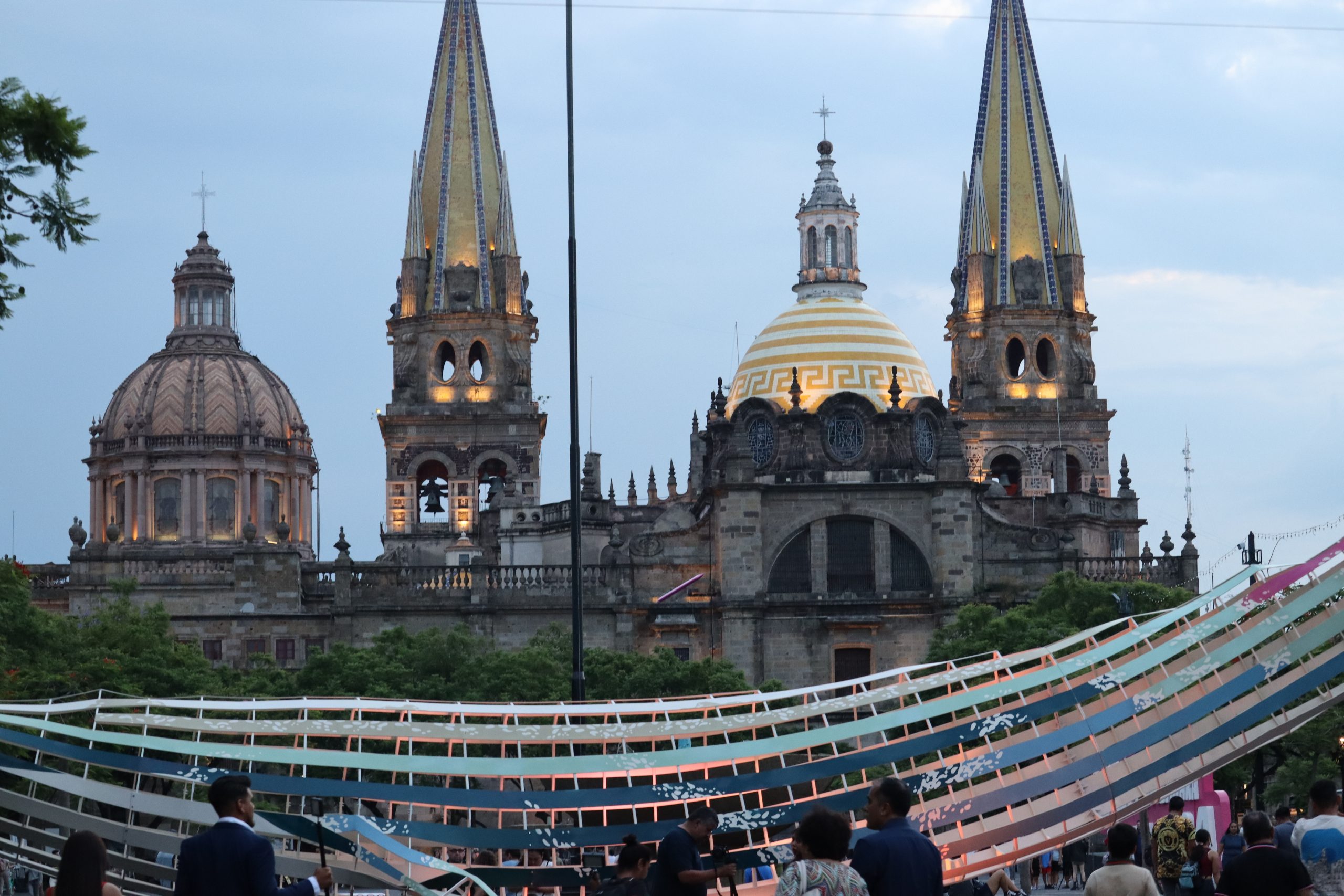
The Catedral de Guadalajara is one of many beautiful historic churches with soaring spires that are just stunning. I was struck by there being so many churches next to each other within the various plazas. All of them with elaborate altars. I can’t help wondering what it must cost to sustain all of them and whether they are experiencing a decline in attendance, especially among young people.
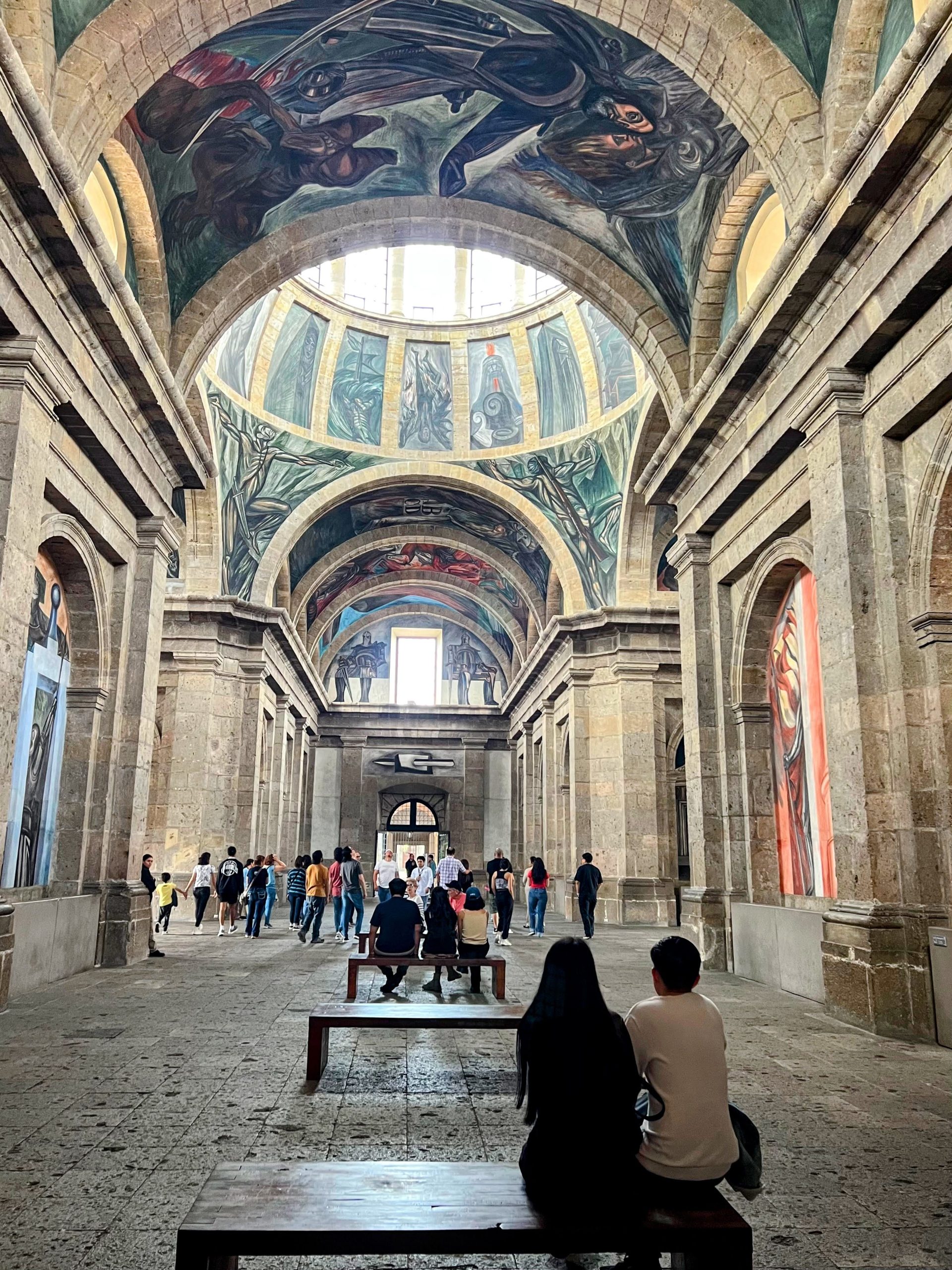
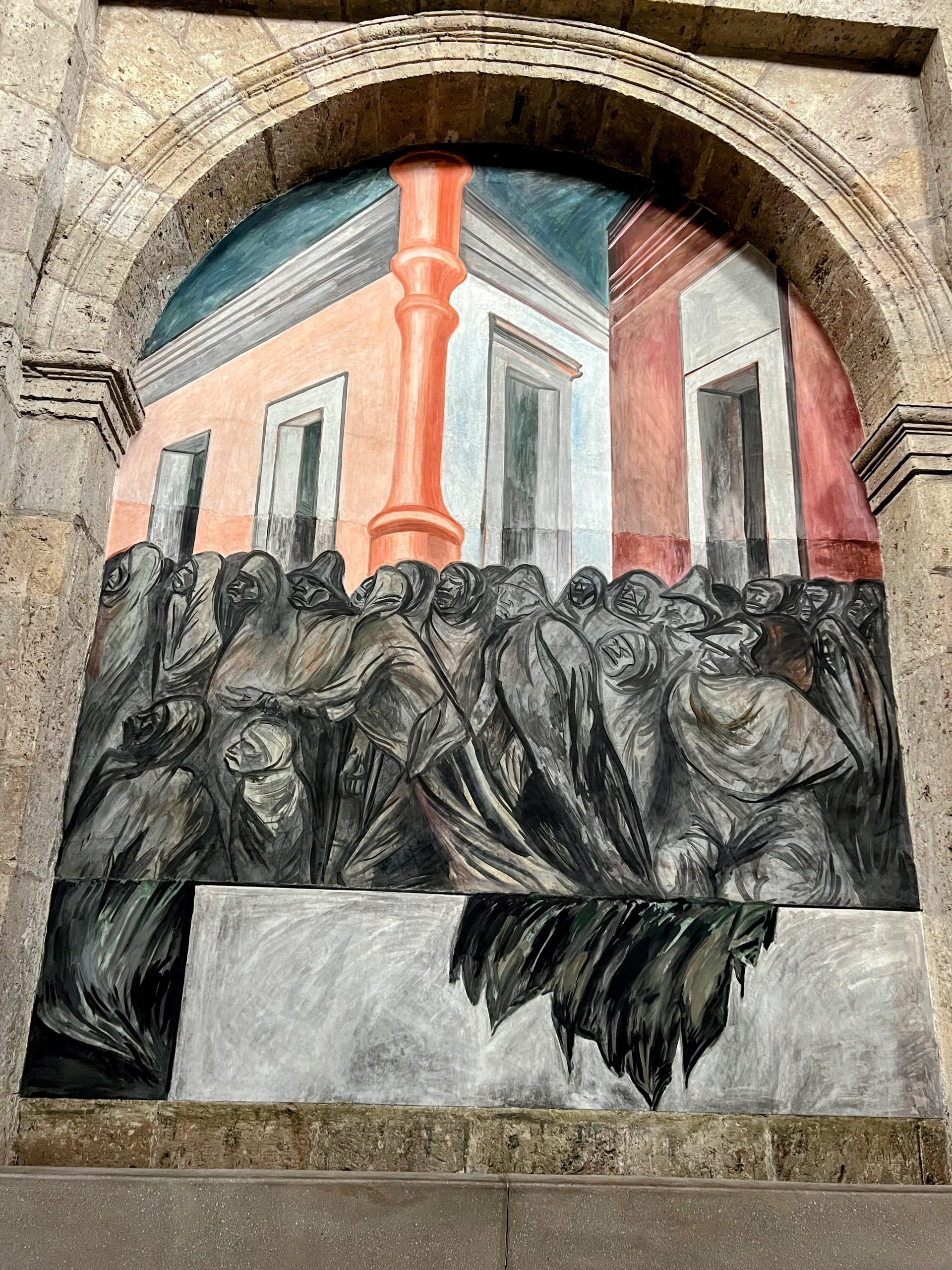
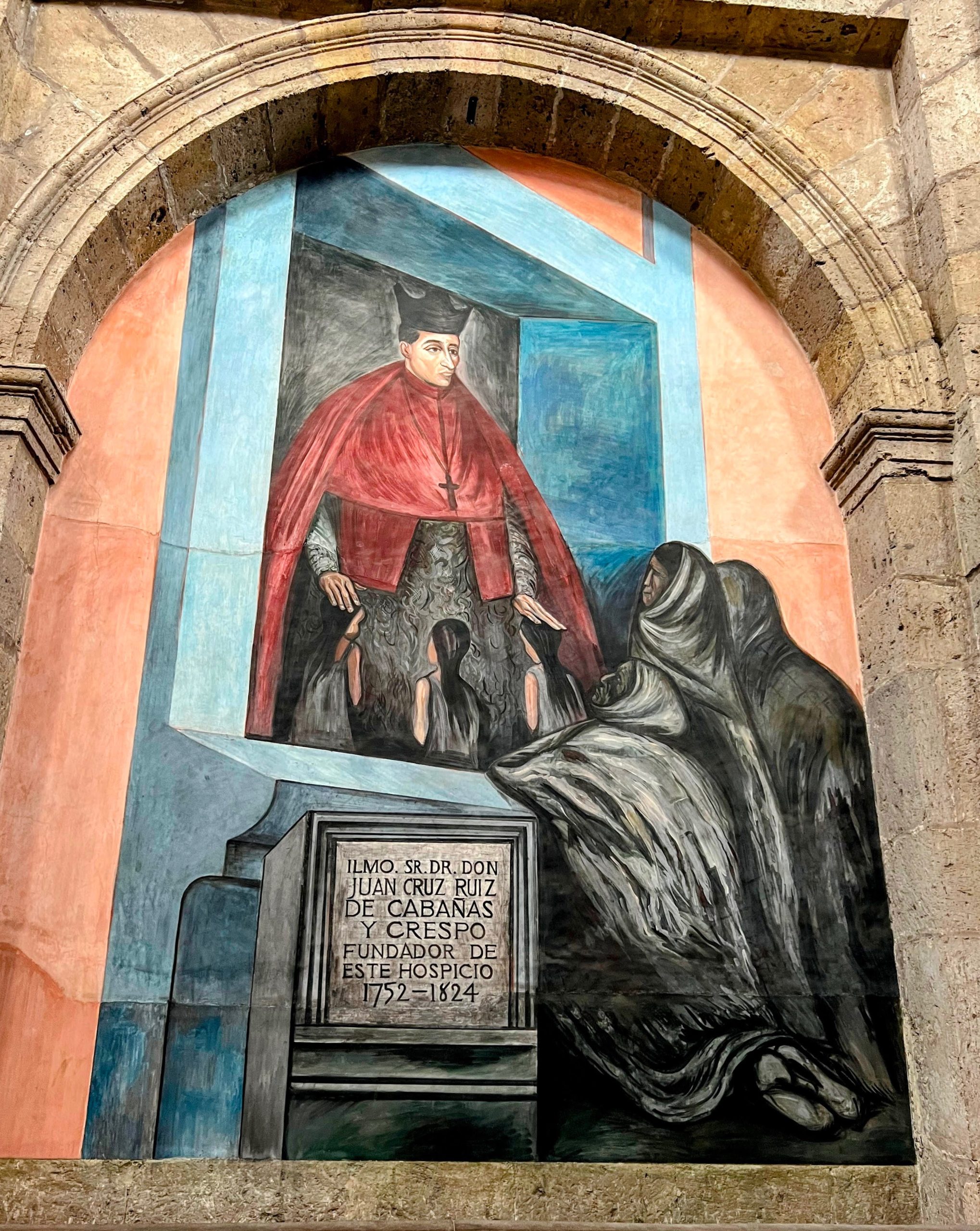
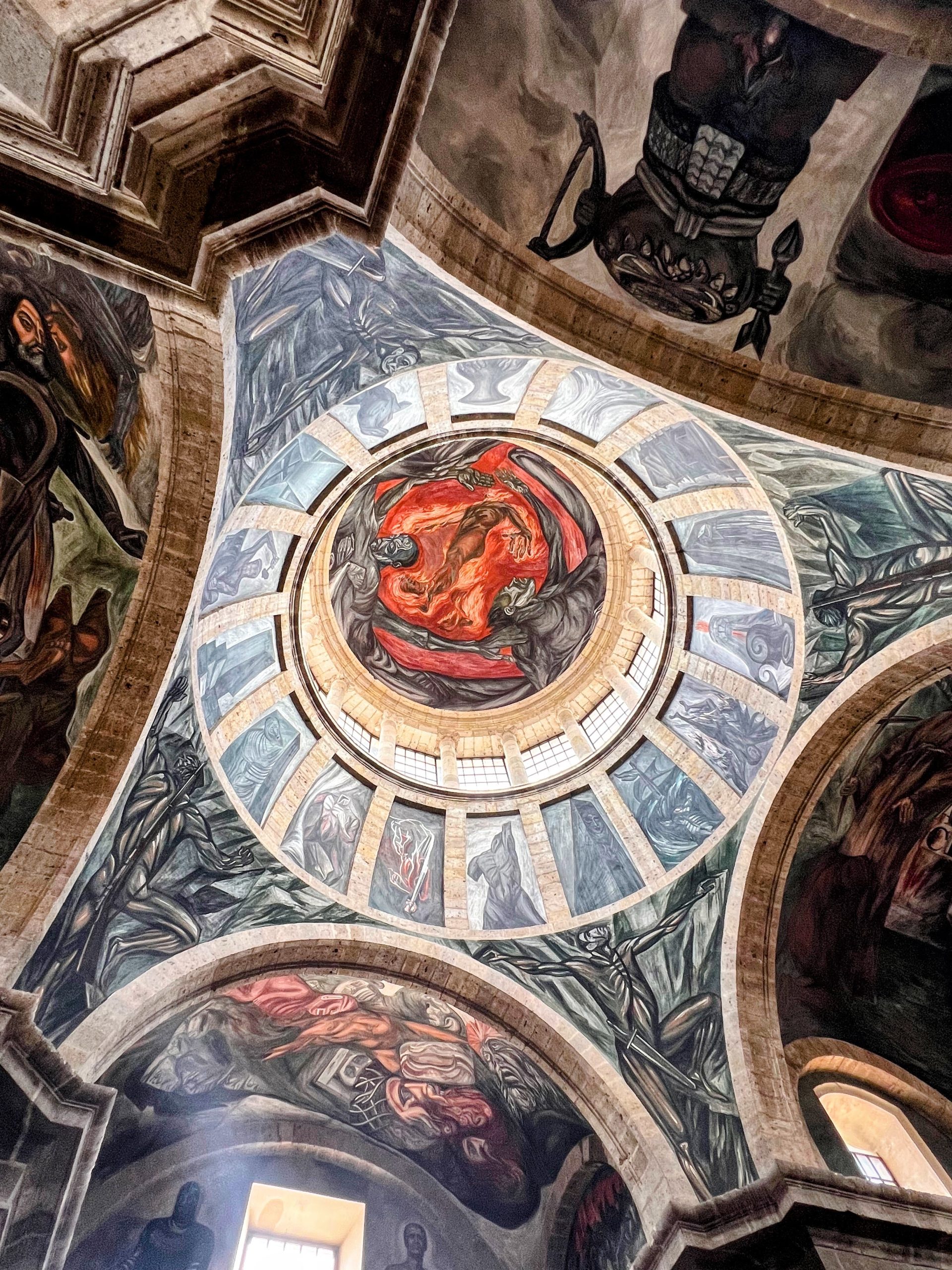
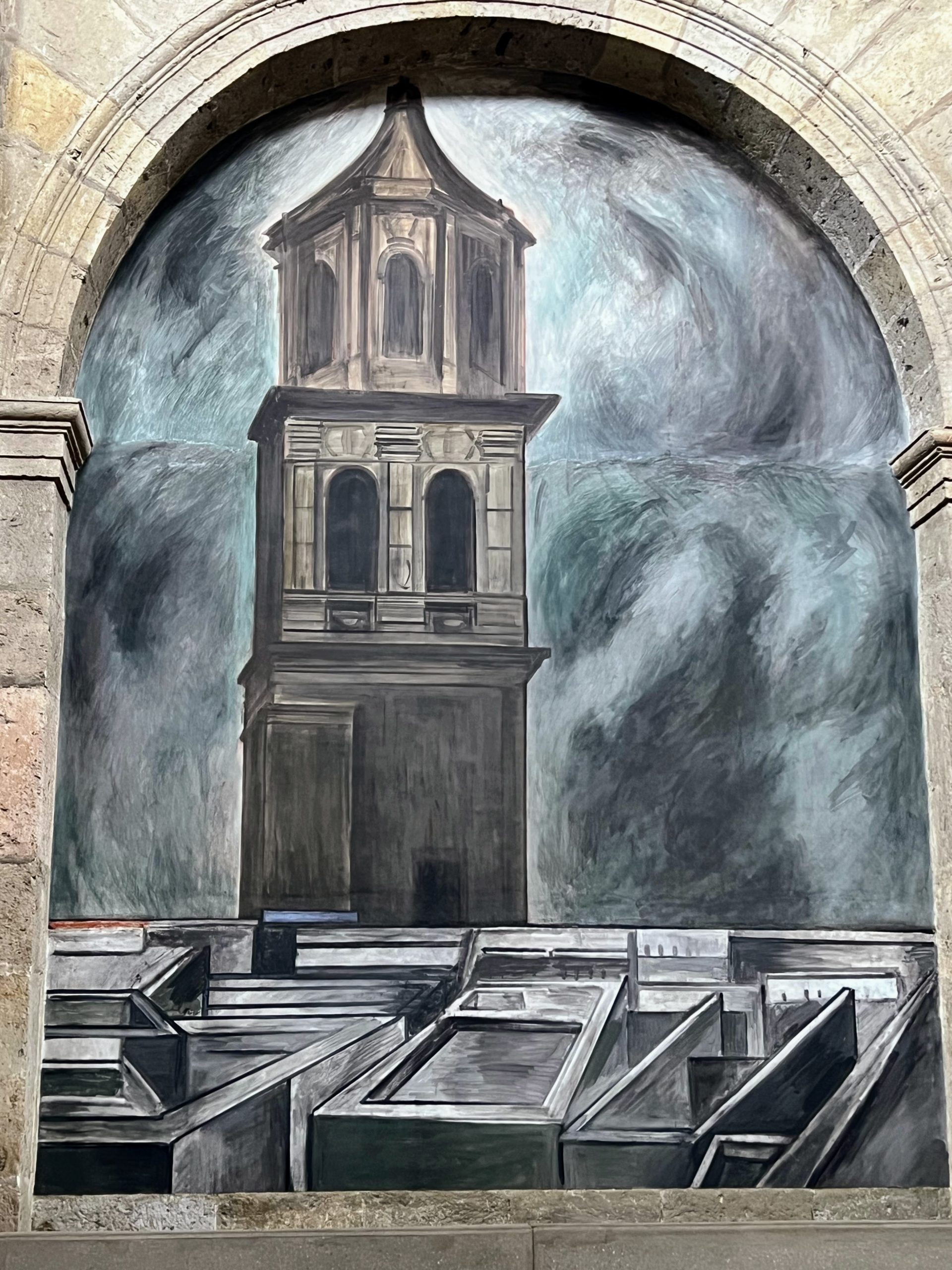
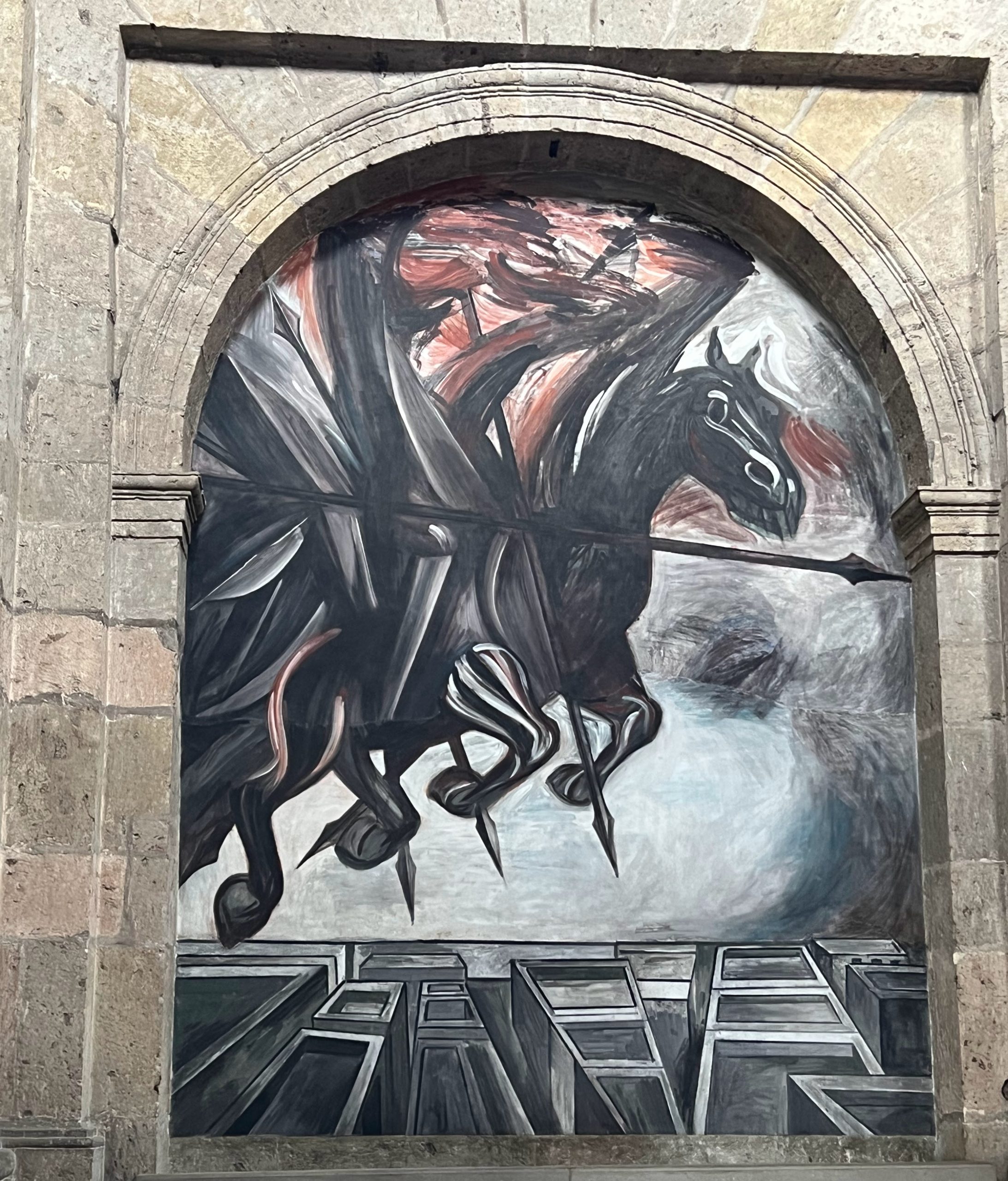
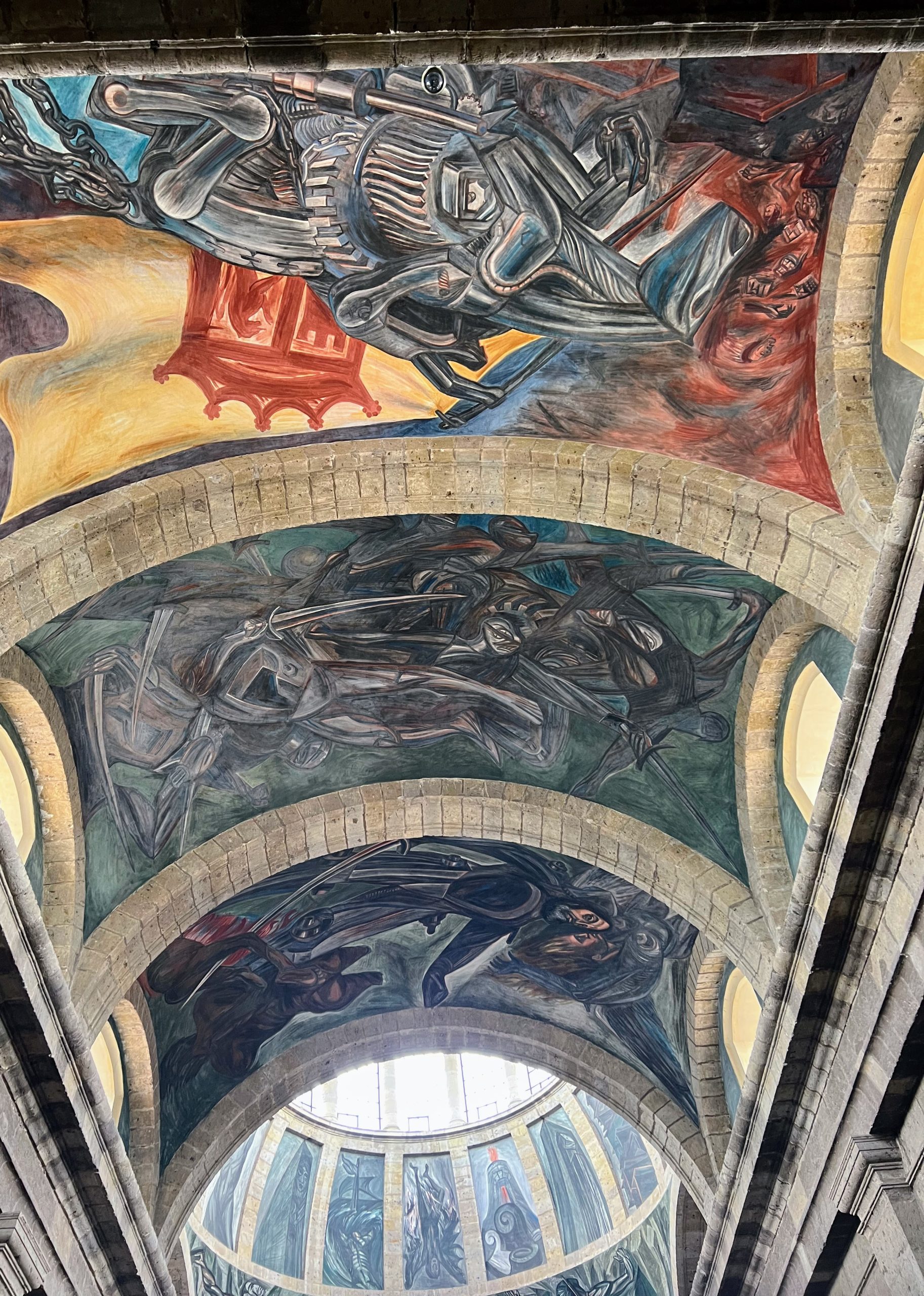
UNESCO World Heritage Site Hospicio Cabañas– This museum showcases a significant number of stunning murals by muralist José Clemente Orozco contained within a chapel centrally situated inside this vast museum. Orozco is one of the most renowned visual artists of the early 20th century, known for his political murals against oppression and inequality. His murals depicting history, the revolution, religion and the struggles of the country’s indigenous communities are breathtaking. Orozco’s works and murals are also in two other historic buildings which I was not able to see. The museum itself is just an amazing example of colonial architecture. It showcased several other exhibitions that I enjoyed, having spent half a day there.
Museums – there are at least 10 prominent museums in Guadalajara to visit. Below are three that I was unable to visit and were on my list. Hopefully, there may be another opportunity.
MUSA Museo de las Artes Universidad de Guadalajara: Contemporary and historical art, focusing on works from Jalisco.
Museo de Arte Huichol Wixarica: Dedicated to the art and culture of the Huichol (Wixárika) indigenous people.
Museo Clemente Orozco: Works of the Mexican muralist, José Clement Orozco and others.
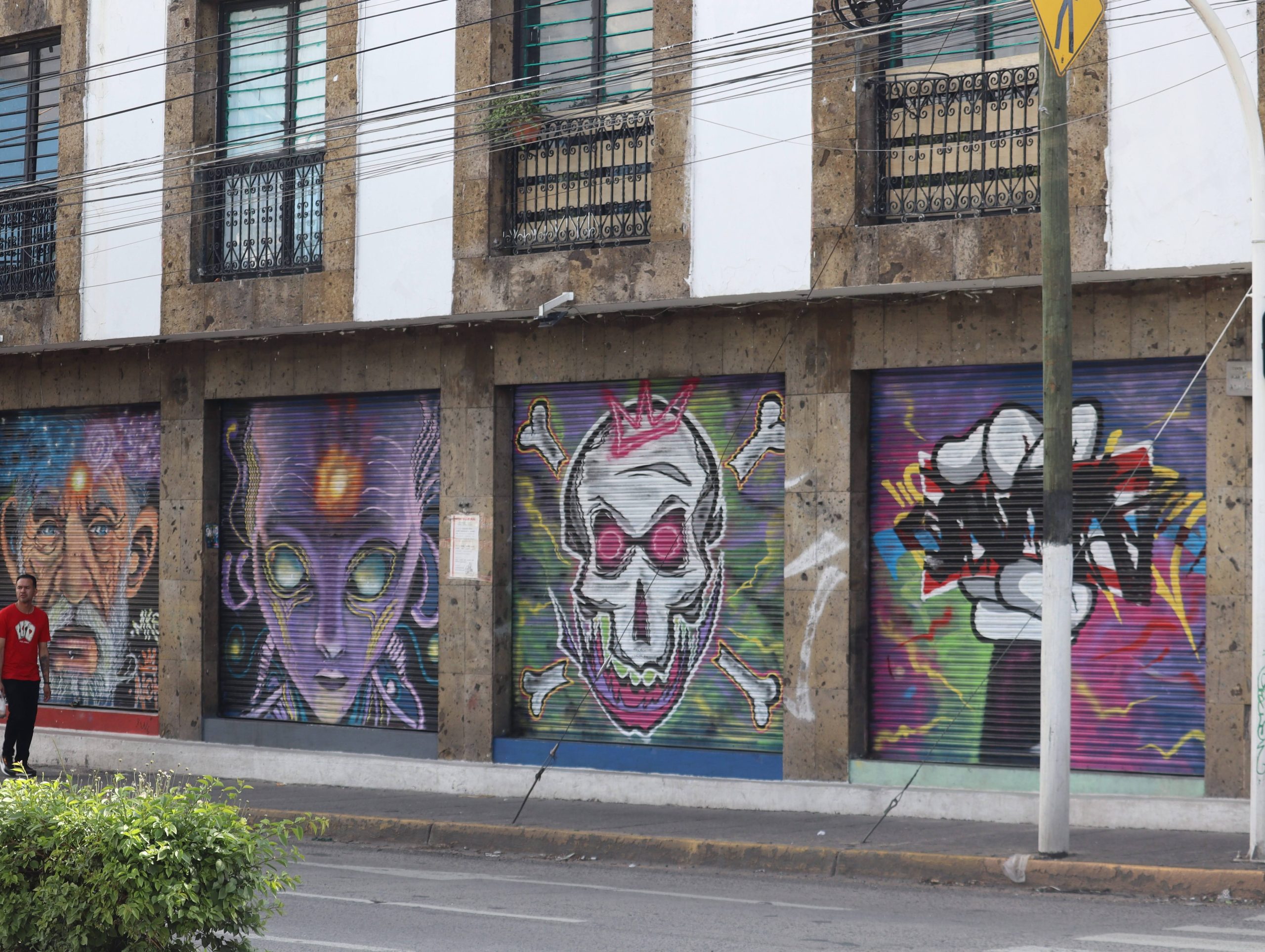
Art Crawl/Walk Tour – Guadalajara has a rich artist community that is spread throughout the city. Many of them forming collectives and artists’ incubators. I booked a tour and visited five art incubators, meeting the artists and viewing their artwork. Unlike the US, emerging and established artists in Mexico receive little financial support from the government and foundations. Forming collectives and talleres allows them the opportunity to expand their networks, collaborate with each other and flourish. This city’s streets are also a canvas for street art and graffiti—It is everywhere.
Mercado Liberta/San Juan de Dios – The historic center has a massive amount of retail of every kind besides all the artisan vendors that you see in many of its plazas and streets. However, Mercado Liberta offers a very large indoor Artisan Mercado that you can easily get lost in. I did some shopping here, but not as much as in Tlaquepaque.
Tlaquepague– I visited this city twice during my stay and loved it. It has a charming historic center that comes alive by 200 pm. The pedestrian walk is full of artisan vendors and art galleries, artisan shops and plenty of restaurants and bars. I purchased quite a bit of items here. Although it is so much smaller than Guadalajara, it is more lively and colorful, attracting folks from the entire region. I highly recommend coming here if you come to Guadalajara. The next town over, a 30-minute ride is Tonola, which I have been informed also has a strong artisan vibe. I did not make it there as my time was running out.
Places I would like to have visited but could not are Chapala Lake and Pueblo Magico Ajijic. I also would like to have done an all-day tour to the town of Tequila to see the harvest and production of Tequila. I would have enjoyed attending a Charro event to learn more about the music of this region, a Mexican rodeo, as well as the museums I mentioned earlier. All the more reason to return one day.
An Update on My Nomad Travels
I have been living in the beach town of Bucerias within the Puerto Vallarta region now for 4 months. During the early part of these months, I had undergone a stem cell procedure for my back and took a short trip to Mexico City to see friends. However, before I left for Mexico City, I decided to purchase a condo apartment in Bucerias, which was never part of my Nomadness plan. Upon my return, I closed in May and moved into the apartment, getting it furnished and ready to rent while I continue my yearlong travel returning in April 2026. As I enter my third year of being a Nomad, I welcomed not having to pack every couple of weeks or months. But it’s time for me to move on and get this final year of travel under my belt. It does make me cringe that once I get back to New Jersey, I will need to start all over in setting up a permanent home. I hope that by then Trumpism will have faltered and our democracy remains intact, most likely, the country will never be quite the same. I plan to write about the ups and downs of buying and living in a foreign country. Although Mexico already feels like my adopted home. I haven’t finalized my next destinations, as the weather in Central and South America can be tricky — rainy or chilly — during this time. I may need to zigzag a bit.
I still struggle with my back and joint pain and have no idea if my stem cells with ever regenerate. Only time will tell as I push ahead.
Final Note and My Photos
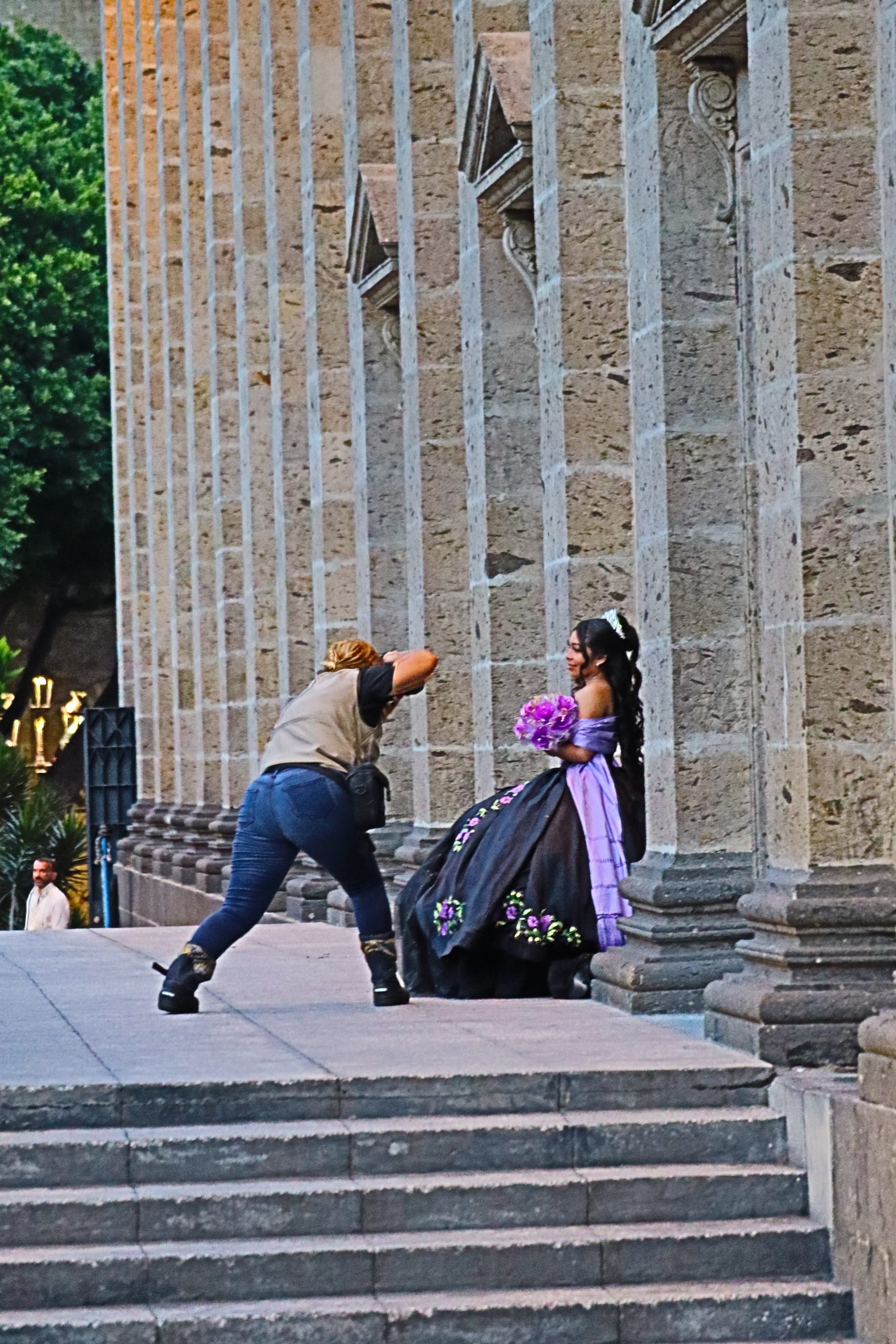
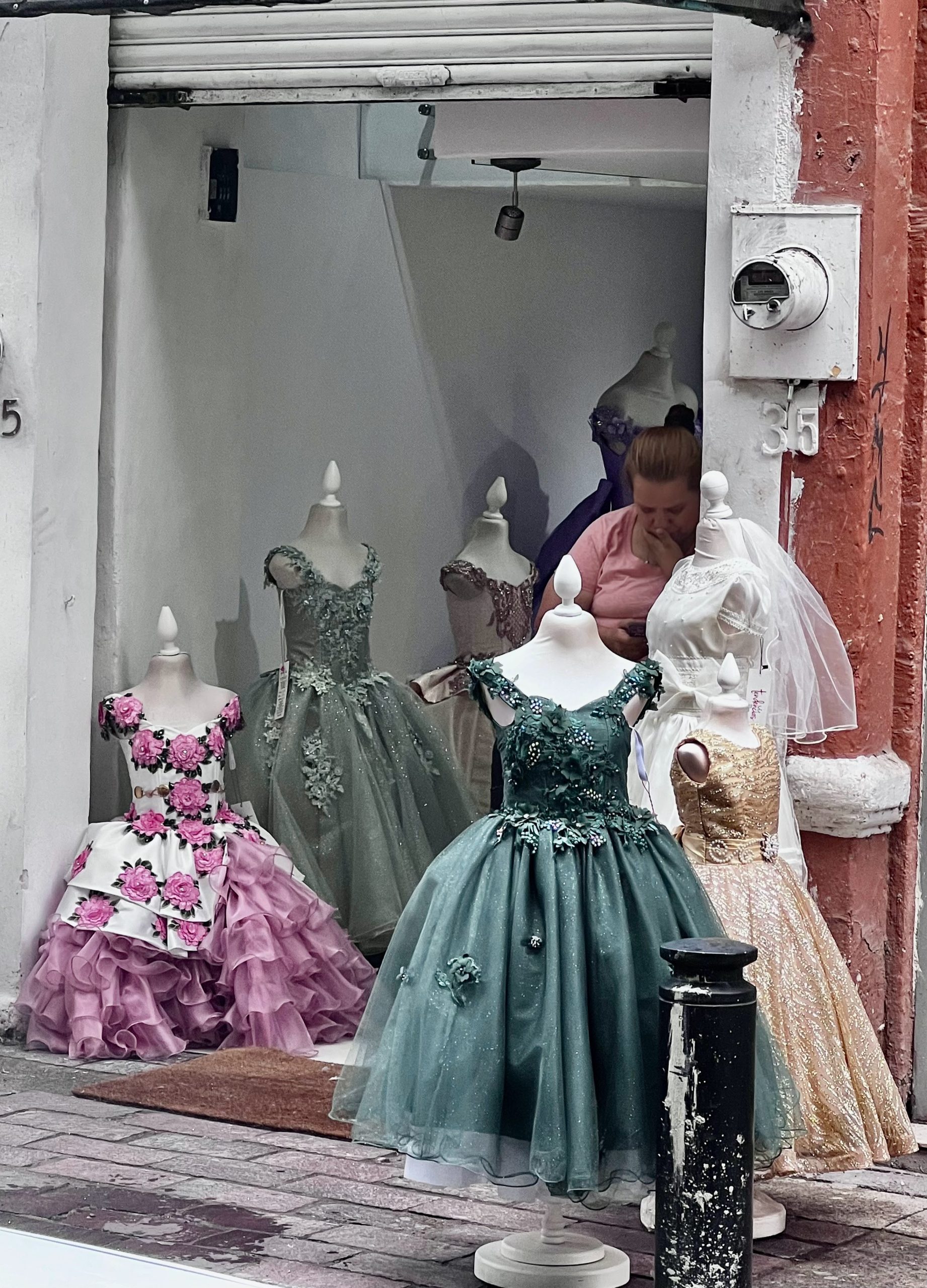
I really enjoyed Guadalajara and hope to visit this amazing city during one of my future stays in Mexico. As always, I love to take photos of what makes cities so different and special. My photos start with the city of Guadalajara, its many grand plazas, colonial architecture, its art, and Orozco’s murals inside the chapel and its people. There are also photos of the popular “Quinceañeras” the rite of passage among teenage girls. At the end of the photo gallery, you will see photos of the colonial town of Tlaquepague and the Tequila farms. As always, remember to click the center of the photo for a full-screen view. Leaving Bucerias will definitely be hard, but I now have a pretty good reason to come back.
Marty Martinez
Hi Grizel. It’s a pleasure seeing parts of Mexico, specifically Guadalajara, through your eyes. I applaud you for being so adventurous at this time in your life. Continue enjoying life to the fullest.
With Warmest Regards,
Marty