Five Days in Córdoba, Argentina: Tracing a Jesuit Legacy
I visited the city of Cordoba for a five-day stay, ending my six-week journey of Argentina as I now move on to other countries. Cordoba is very much like a smaller version of Buenos Aires, walkable to all its historic sites. It is a beautiful, well-preserved colonial yet modern city, the second largest in Argentina. Cordoba is known for its many educational and religious institutions, many of which are part of the city’s historical sites.
I am staying near the Barrio Güemes, a bohemian district known for its cultural vibe, galleries, and shopping. Besides its colonial charm, Cordoba originated Cuarteto music and dance, a bit folky similar to Meringue played with an accordion and violin. It is also a city that dines late at night, known for its Cabrito Cordobes (roasted baby goat) and Ajoblanco Cordobes (cold soup made of almond, garlic and bread). During my short stay here, this is what I learned and liked about this colonial city…
But First a Bit of History
The city of Cordoba was founded in the late 1500 as a settlement by the Spaniards. Its history is quite interesting, with the arrival of the Jesuits playing an instrumental role in the city’s early development as a religious, academic and economic center, where they designed a system fusing faith, education and urban living. Over time, the Jesuits became both powerful and independent and a political and economic threat to the Spanish monarchy. They were eventually forced out of all Spanish territories, where their properties were seized and replaced by the Franciscans. Their influence and success in advancing the growth of the city is undeniable, serving as the foundation of what is today the second largest and populous city in Argentina. It important to note that part of the Jesuits’ mission besides education was the evangelization of local natives and shielding them from the slave trade.
Arriving in Cordoba
Getting to Cordoba was a day’s journey, leaving Miami (a short detour to attend the Miami Art Basel) and arriving the next day at 6 AM. Air flights in South America can be a bit cumbersome. My first day in the city was spent resting, taking a walk, having an early dinner, and then returning to bed. I have been travelling solo now for 28 months and am feeling both the physical and mental exhaustion that is caused by constant planning and moving from one country to the next. Combined with my back pain, it really required me to pace myself and listen to my body regardless of what my mind wanted. Spending five days here does restrict how much you can explore. Below, I’ve listed the things I was able to do during my time in this city.
What I Liked About Cordoba
The Jesuit Block (Manzana Jesuítica) —One reason to visit Cordoba is to see and learn how the Jesuits created a series of institutional buildings of education, religion, and commerce in the heart of the city. An urban complex (16 century urban planning) known as the Jesuit Block that includes the remaining five estancias in the surrounding province. I didn’t get the chance to visit any of the sustainable agricultural centers (estancias) established to grow crops, produce textiles, and raise livestock that continue to support their institutions. Today, this immense complex is a UNESCO World Heritage Site along with the city’s role as a highly respected educational hub throughout Argentina.
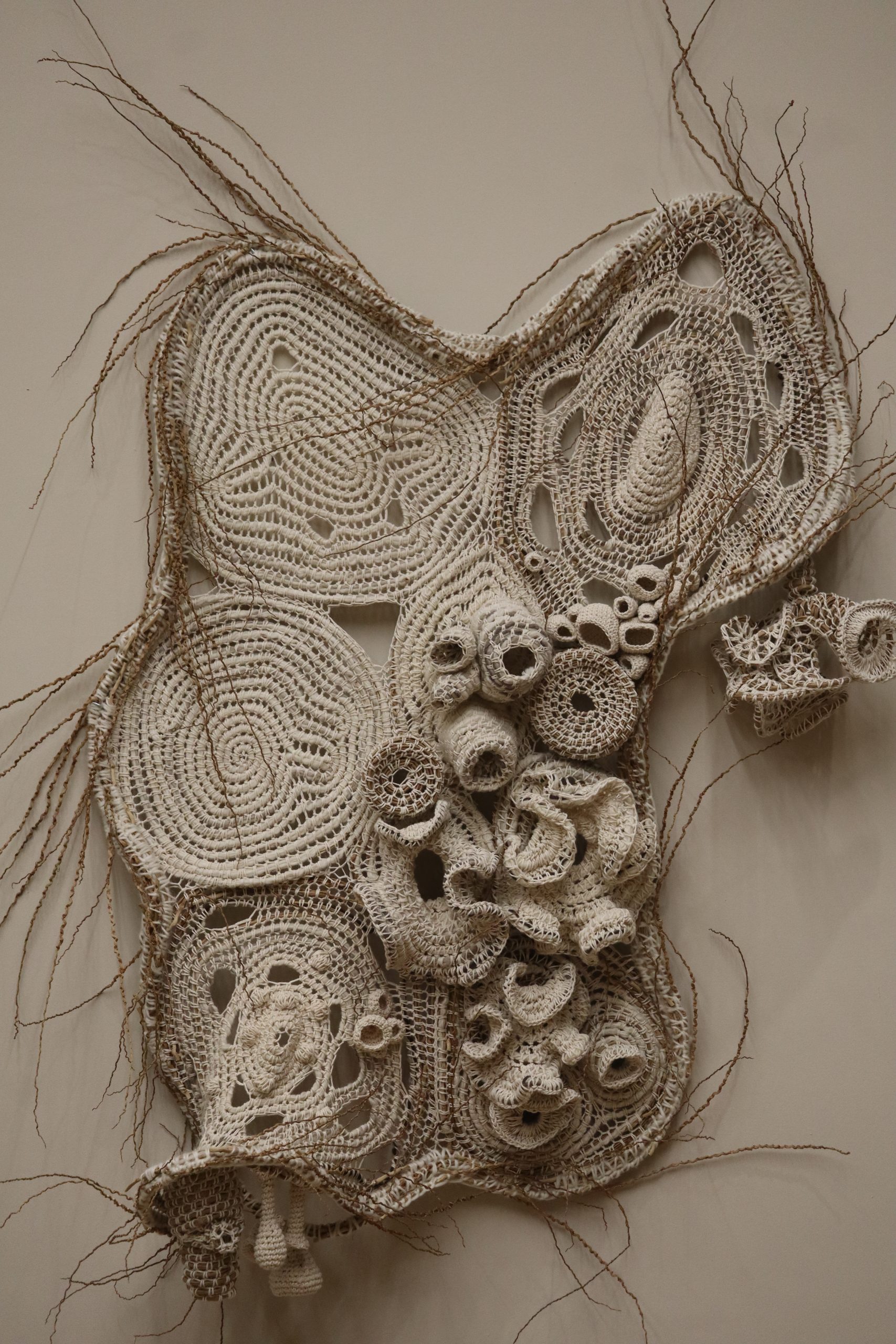
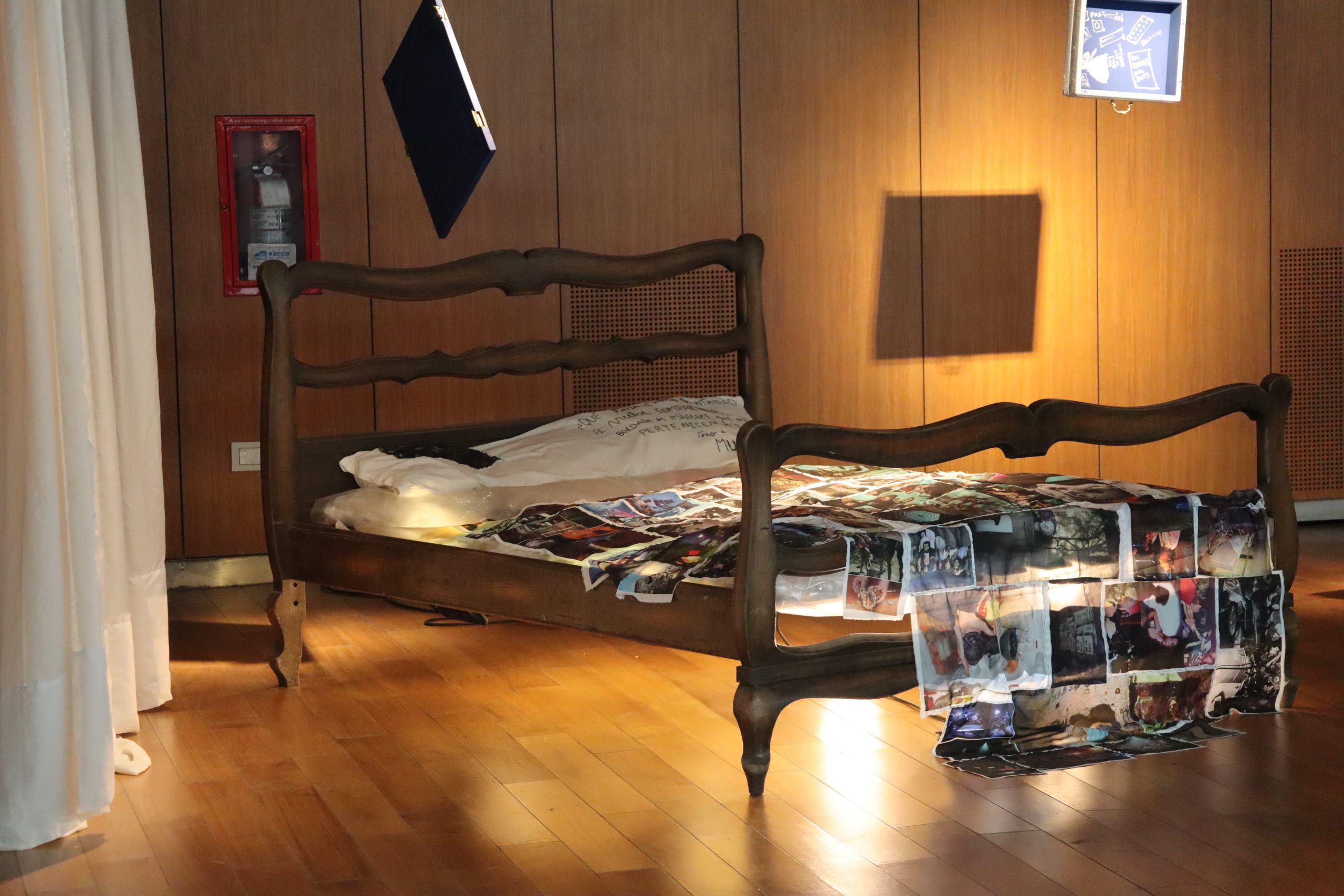
Museums— Cordoba has over 20 museums, many within a 15–25-minute walk. Besides spending time at the Jesuit Block, most of my limited time I spent visiting several museums. They were Museo de Photography (great photo collection); Museo Superior de Bellas Artes Evita/Palacio Ferreyra (a bit overthe top for my taste); Faro Museo Emilio Caraffa (amazing building design and contemporary art). Unfortunately, I did not have enough time to visit the Museum of Memory and Human Rights. Although within the Jesuit Block there is a permanent public art exhibition of those who were tortured and killed during the country’s dictatorship era made of laminated photos hanging across a pedestrian alley that is hard to miss.
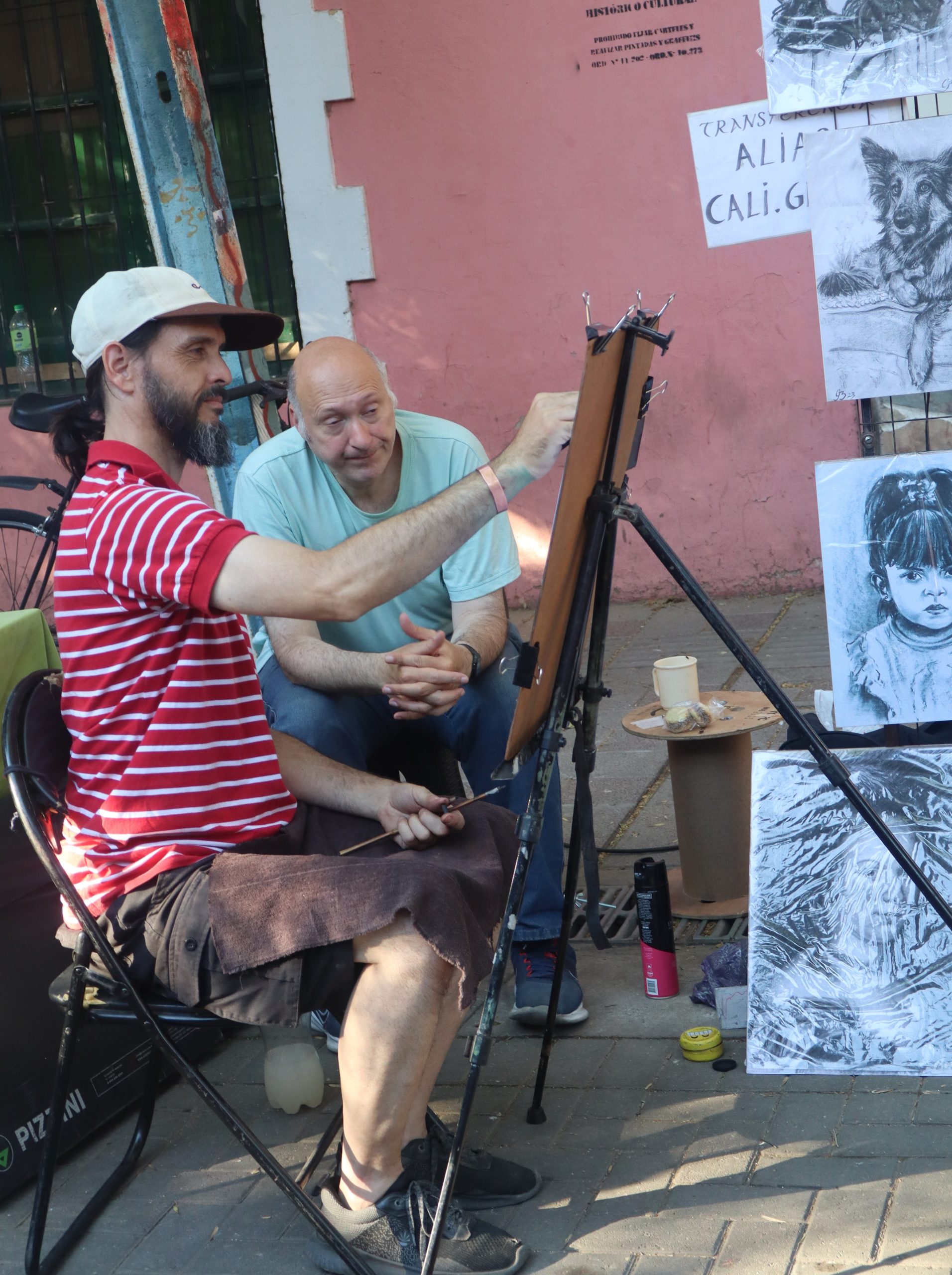
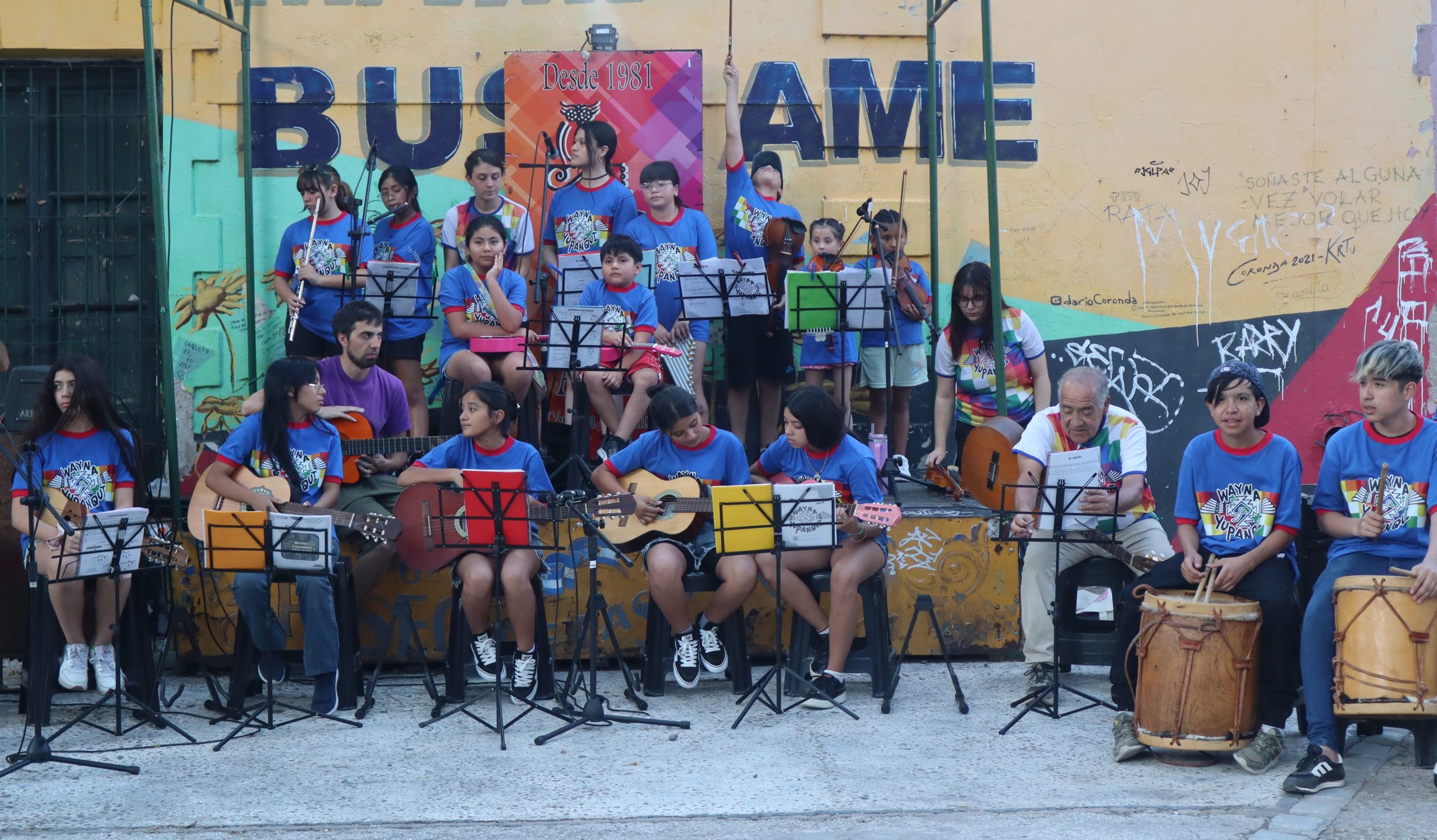
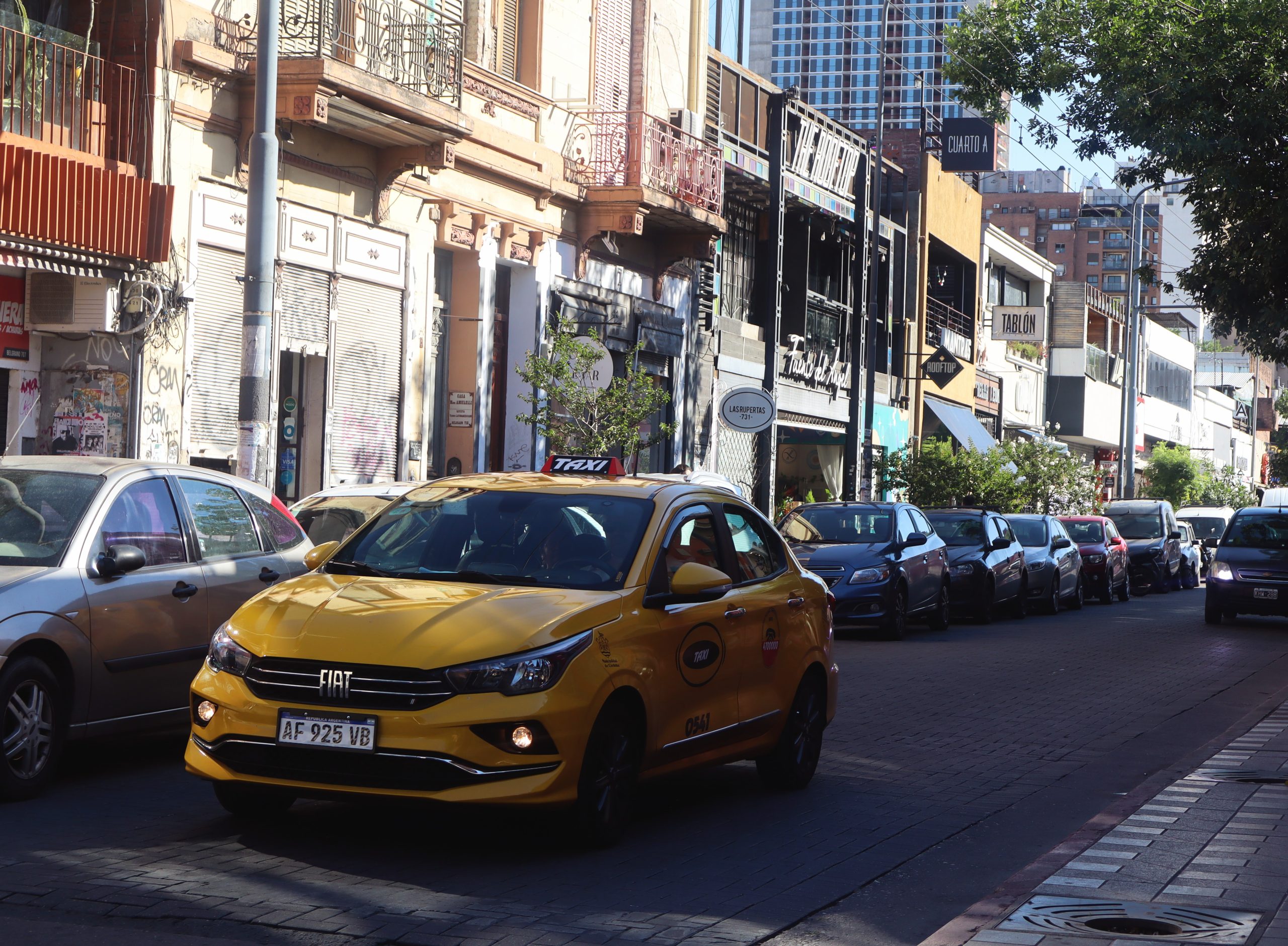
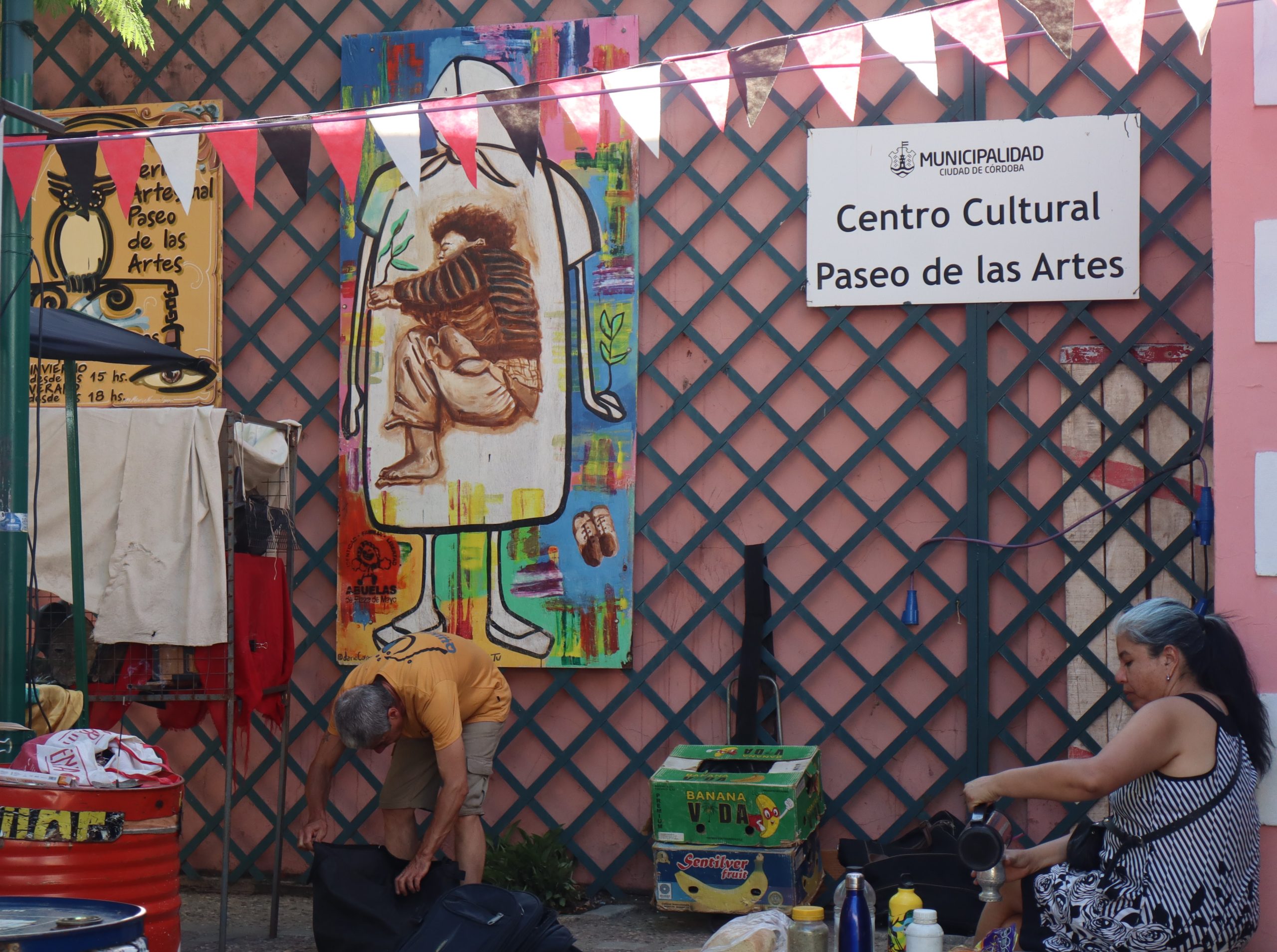
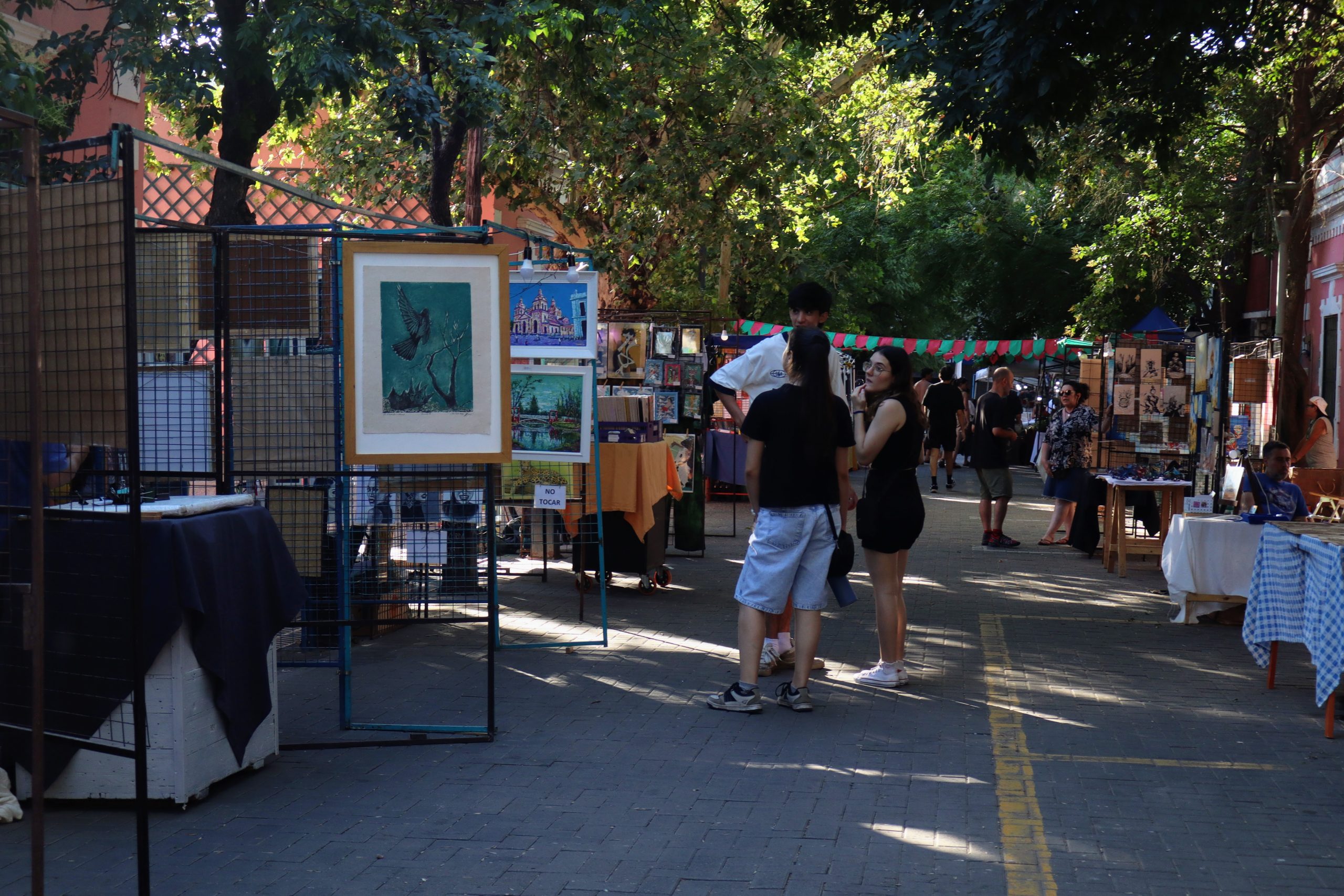
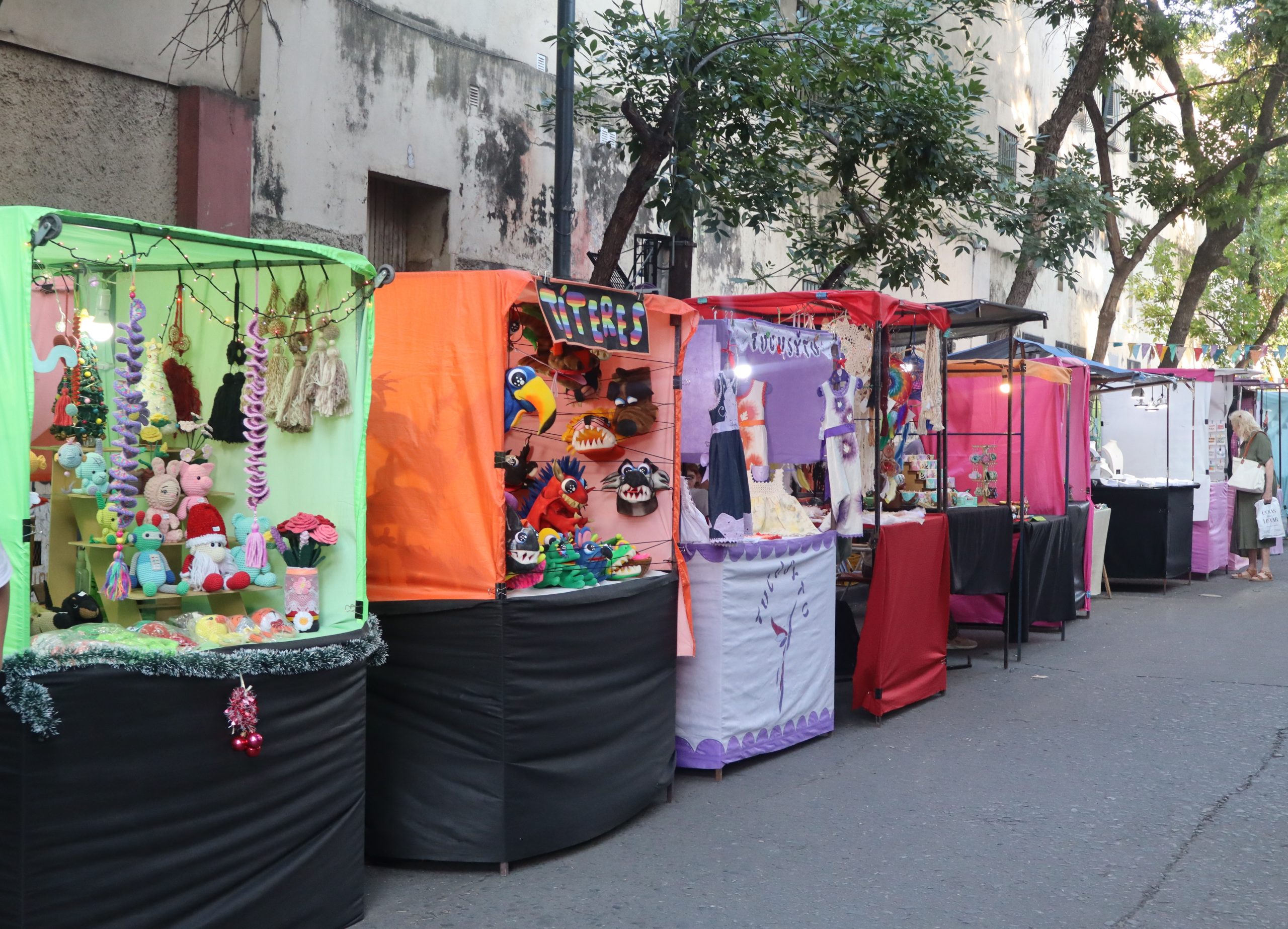
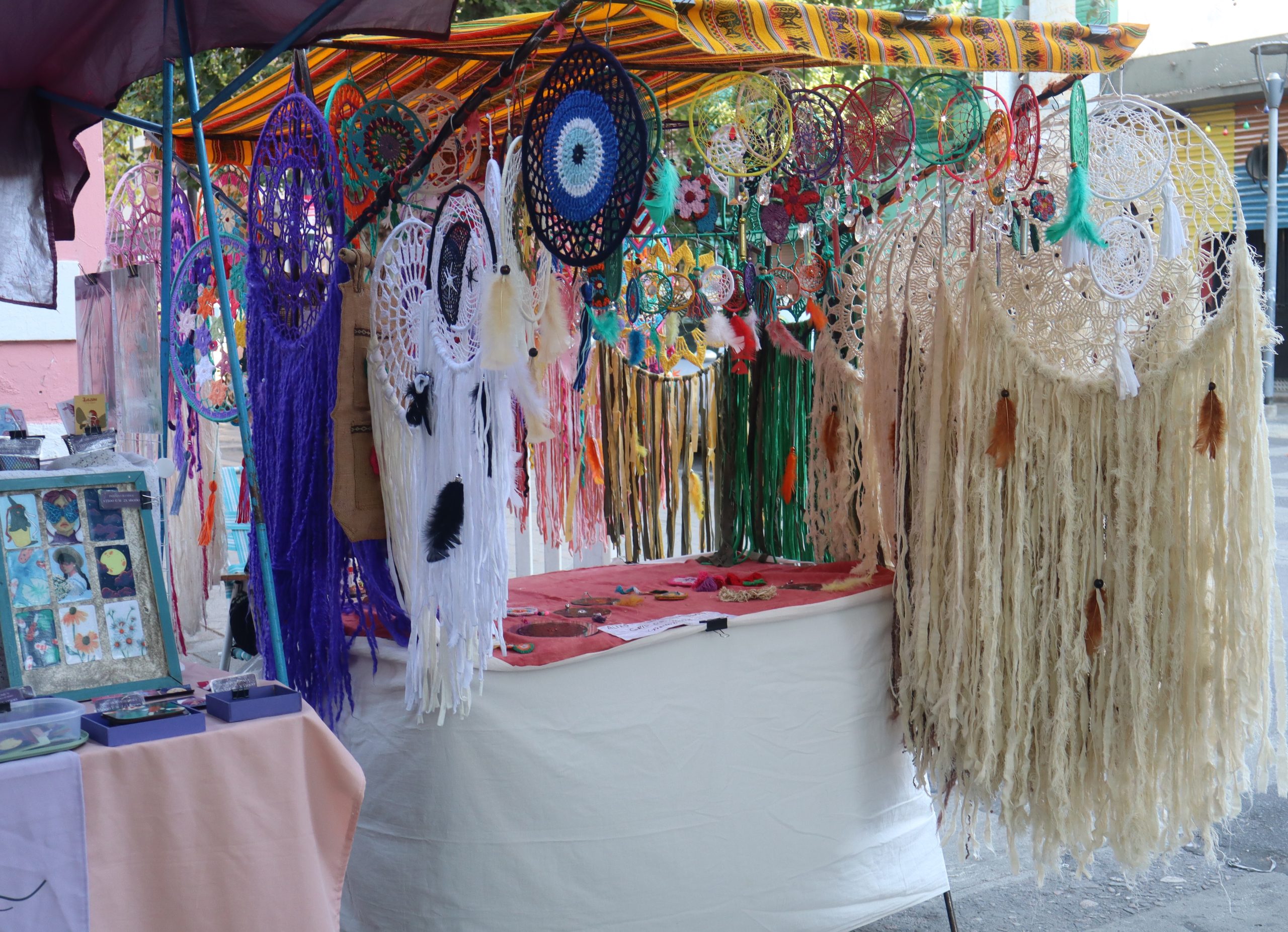
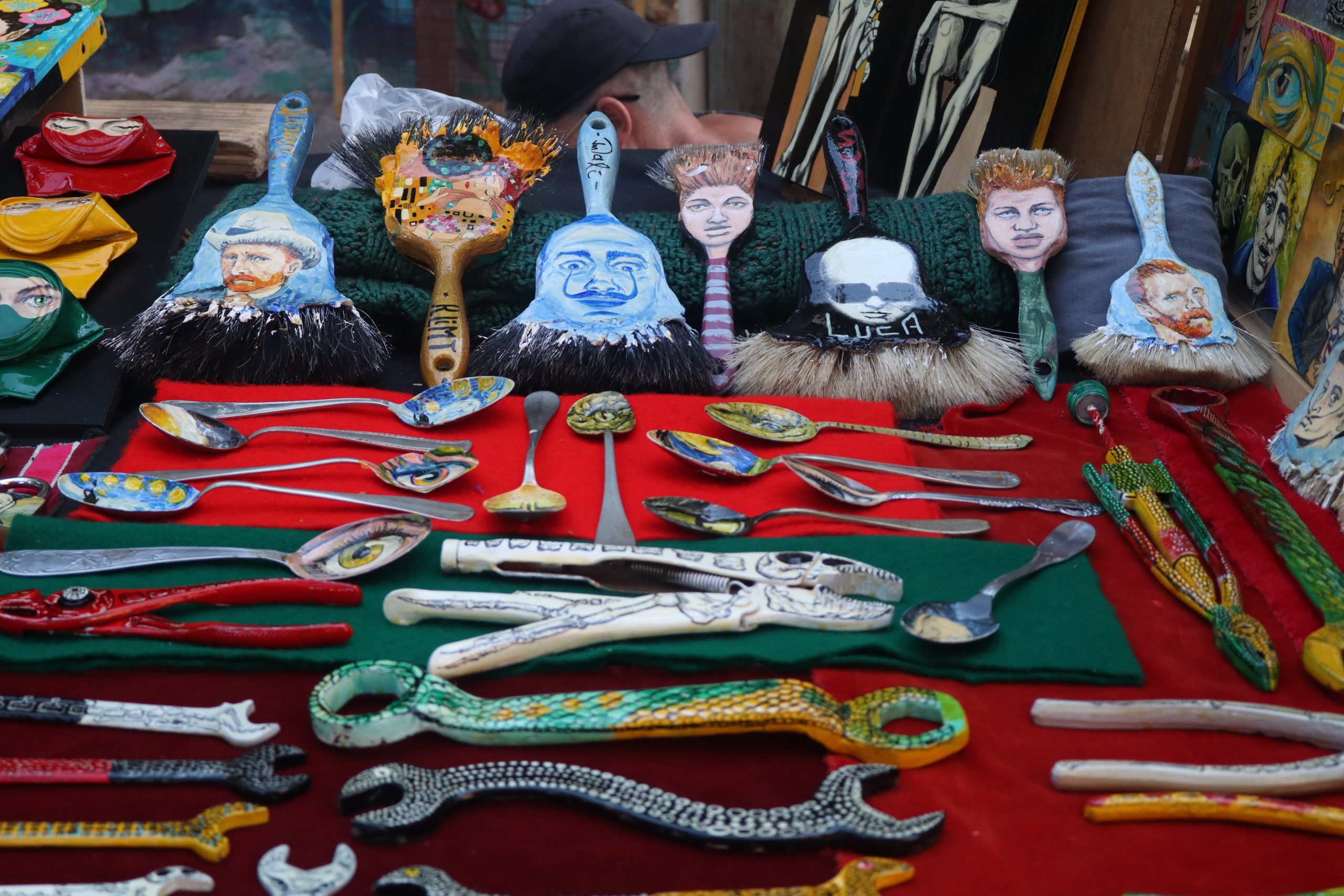
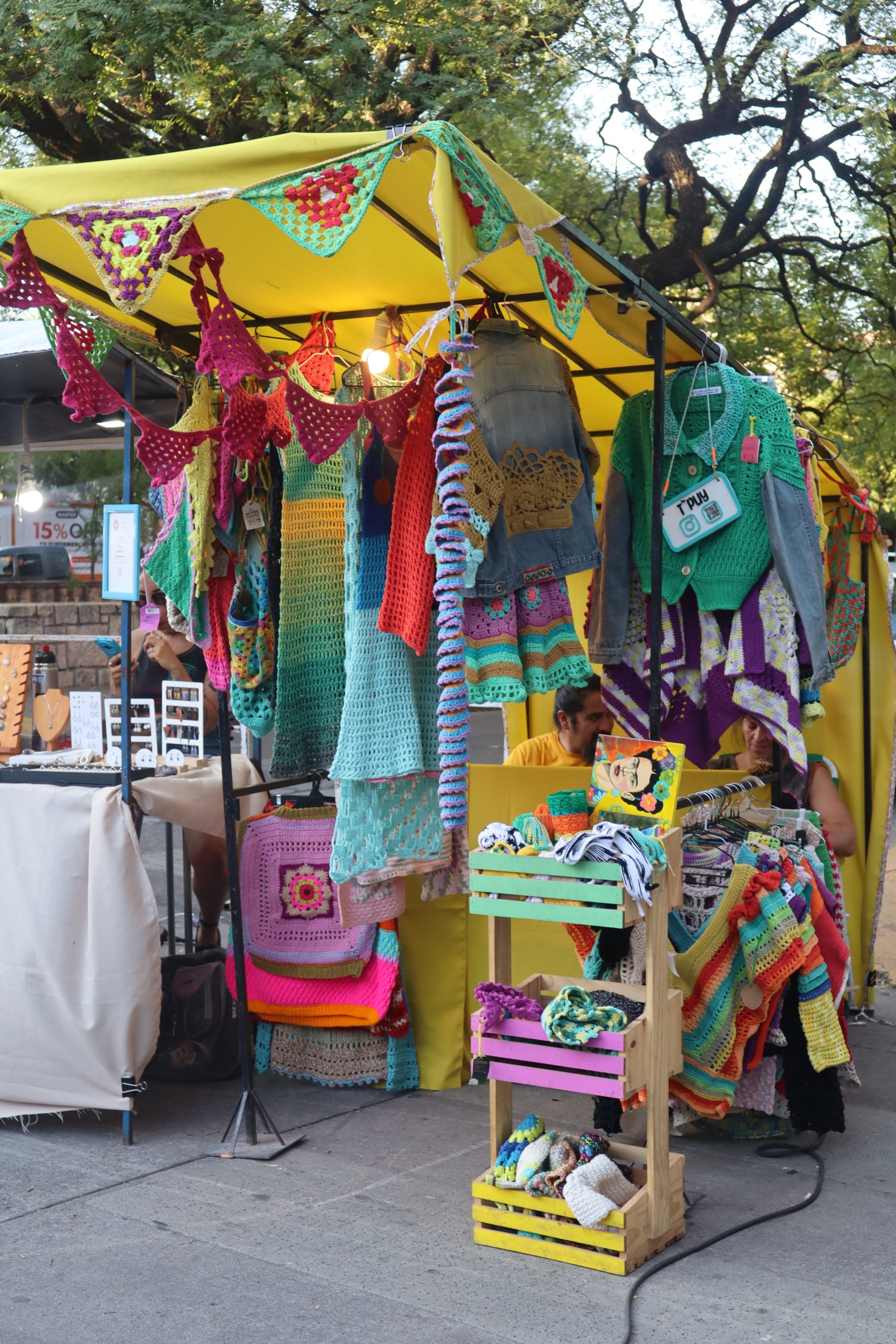
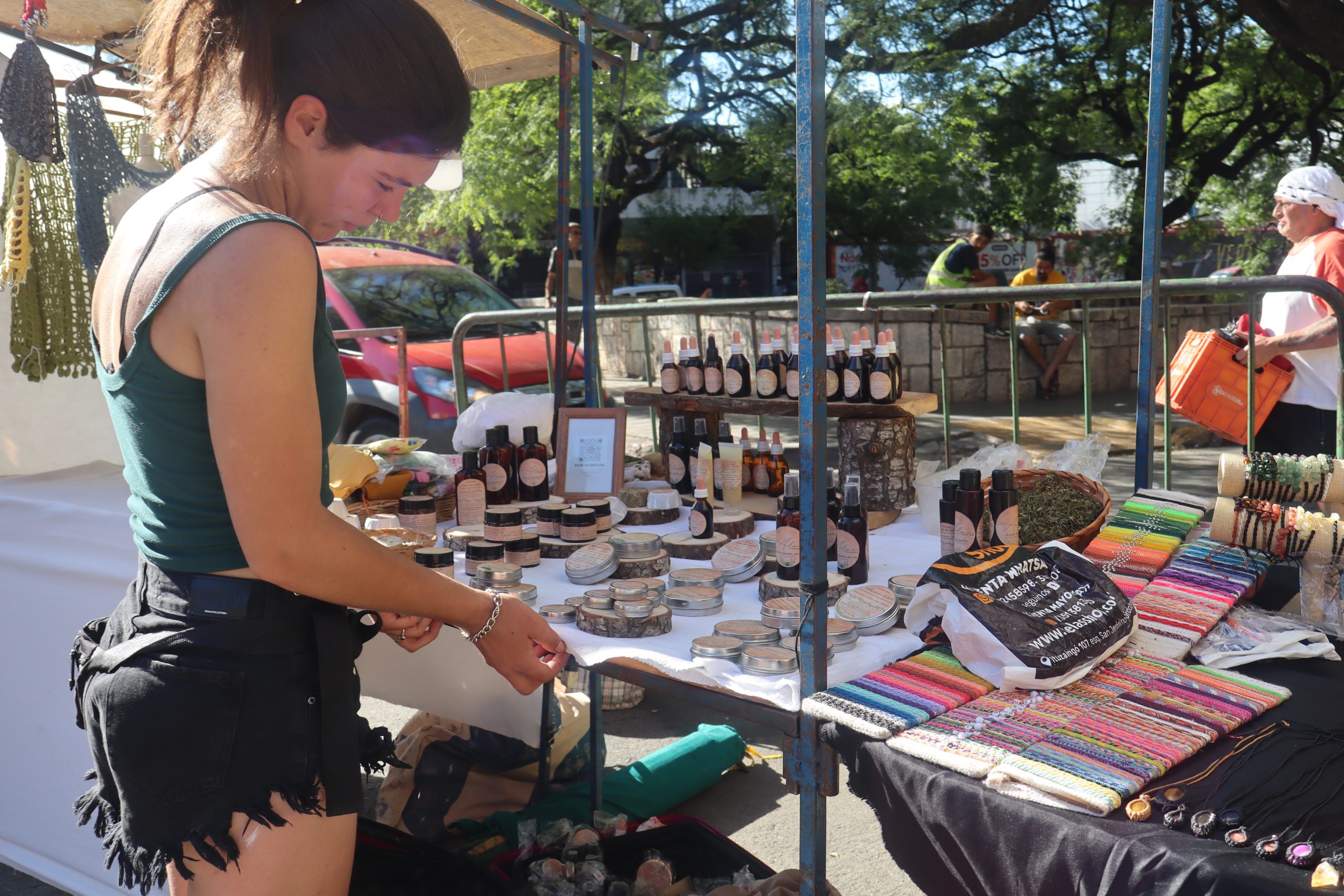
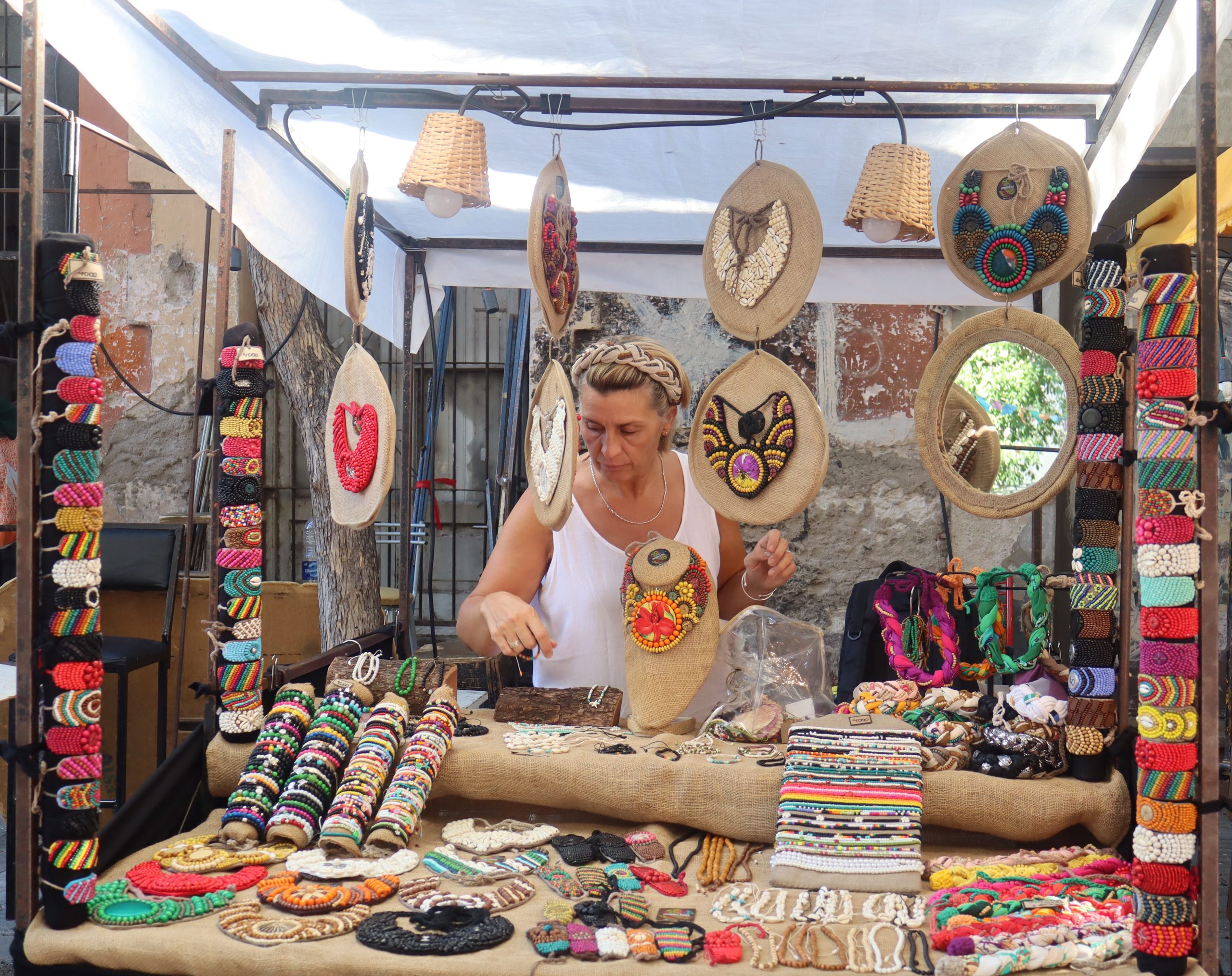
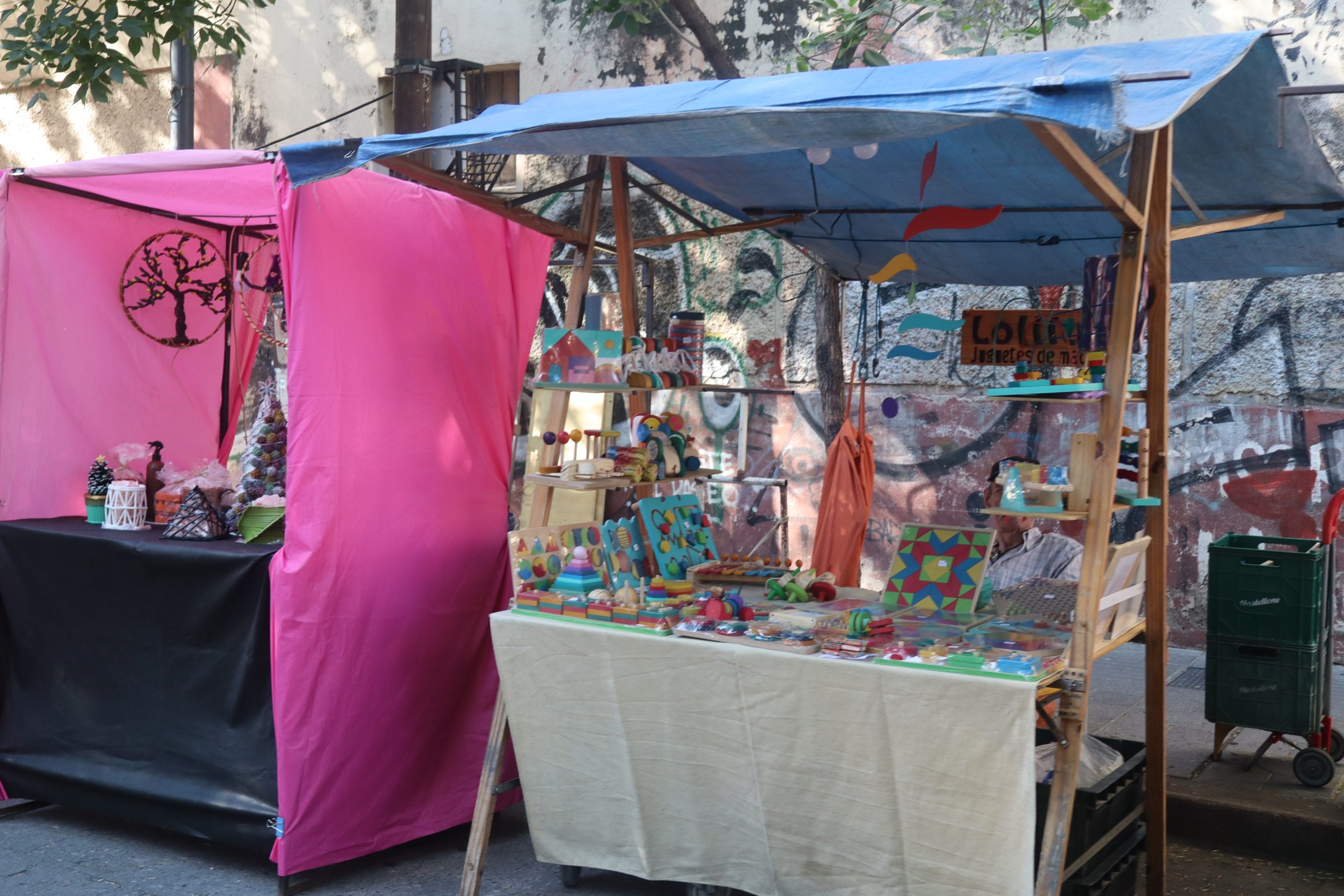
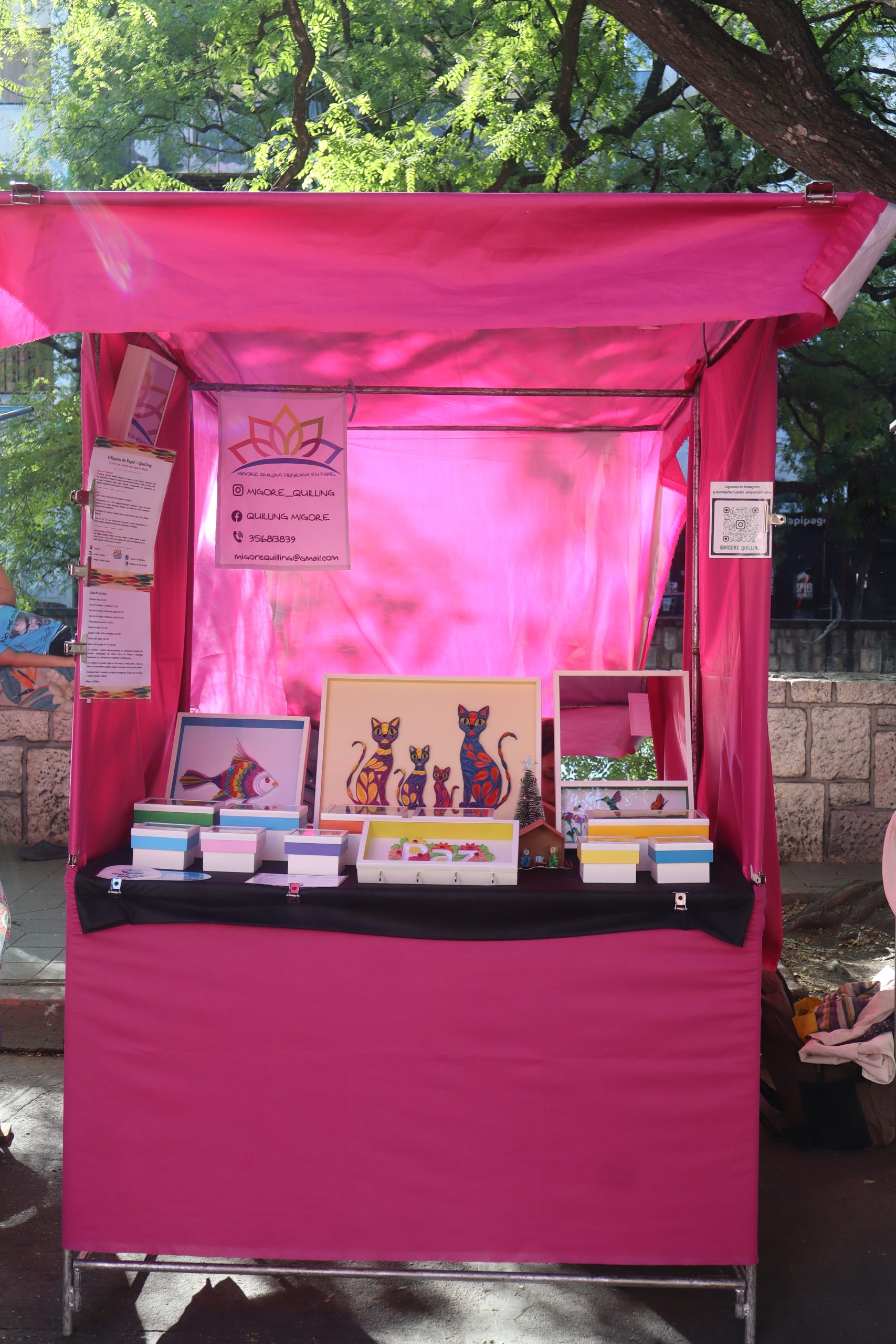
Paseo de Arte — Paseo de Arte — Much like Buenos Aires’ San Telmo marketplace — the Güemes neighborhood is transforms every weekend starting Friday evening. The local plaza and nearby streets come alive with artisans, antique dealers, and street vendors, joined by local entertainment and surrounded by a vibrant scene of restaurants, cafes, and bars. It offers a wonderful cultural bohemian vibe — a place for folks to relax after a week of work. I loved both the marketplace and also the charm of the historic neighborhood architecture.
Final Note and My Photos
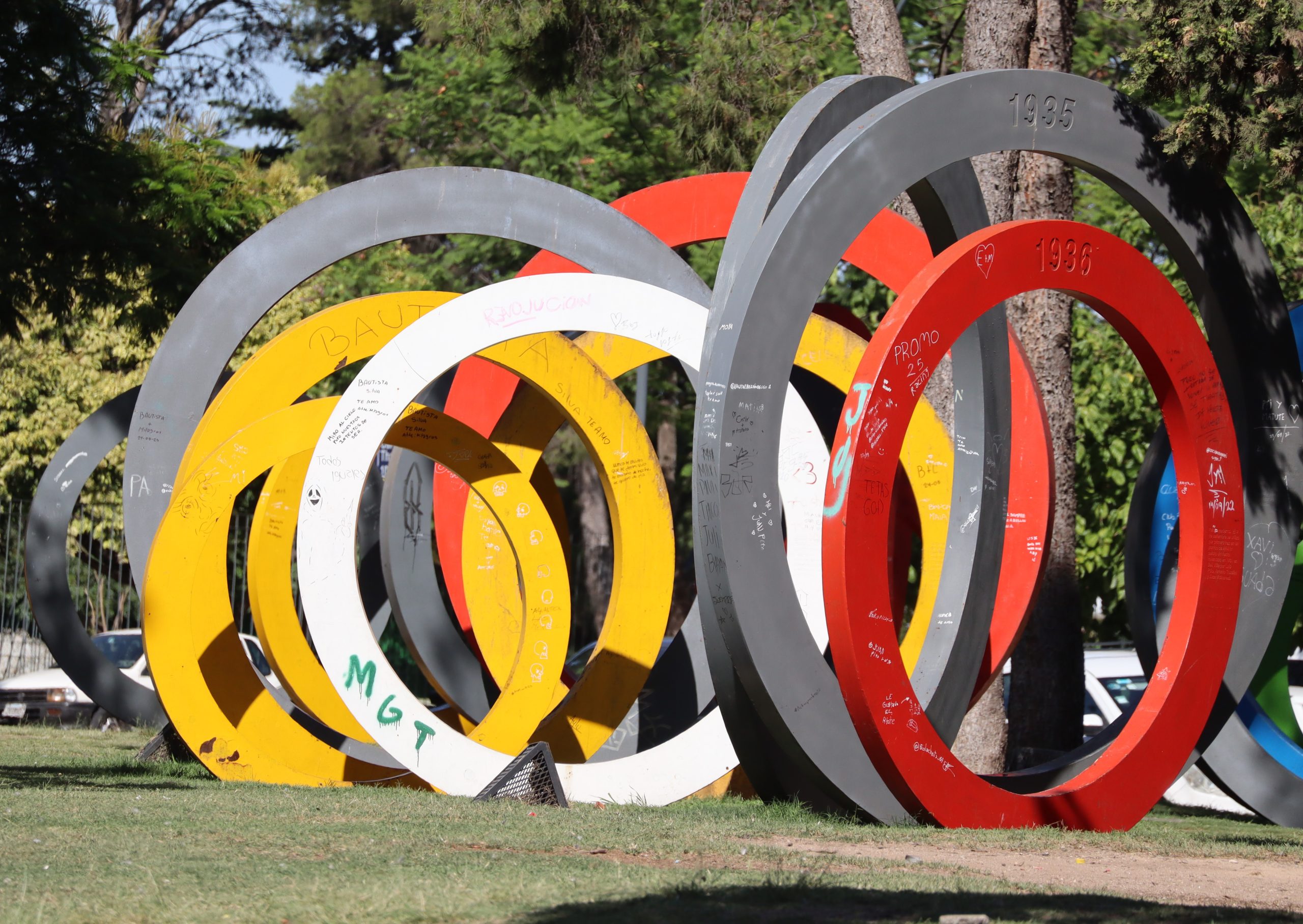
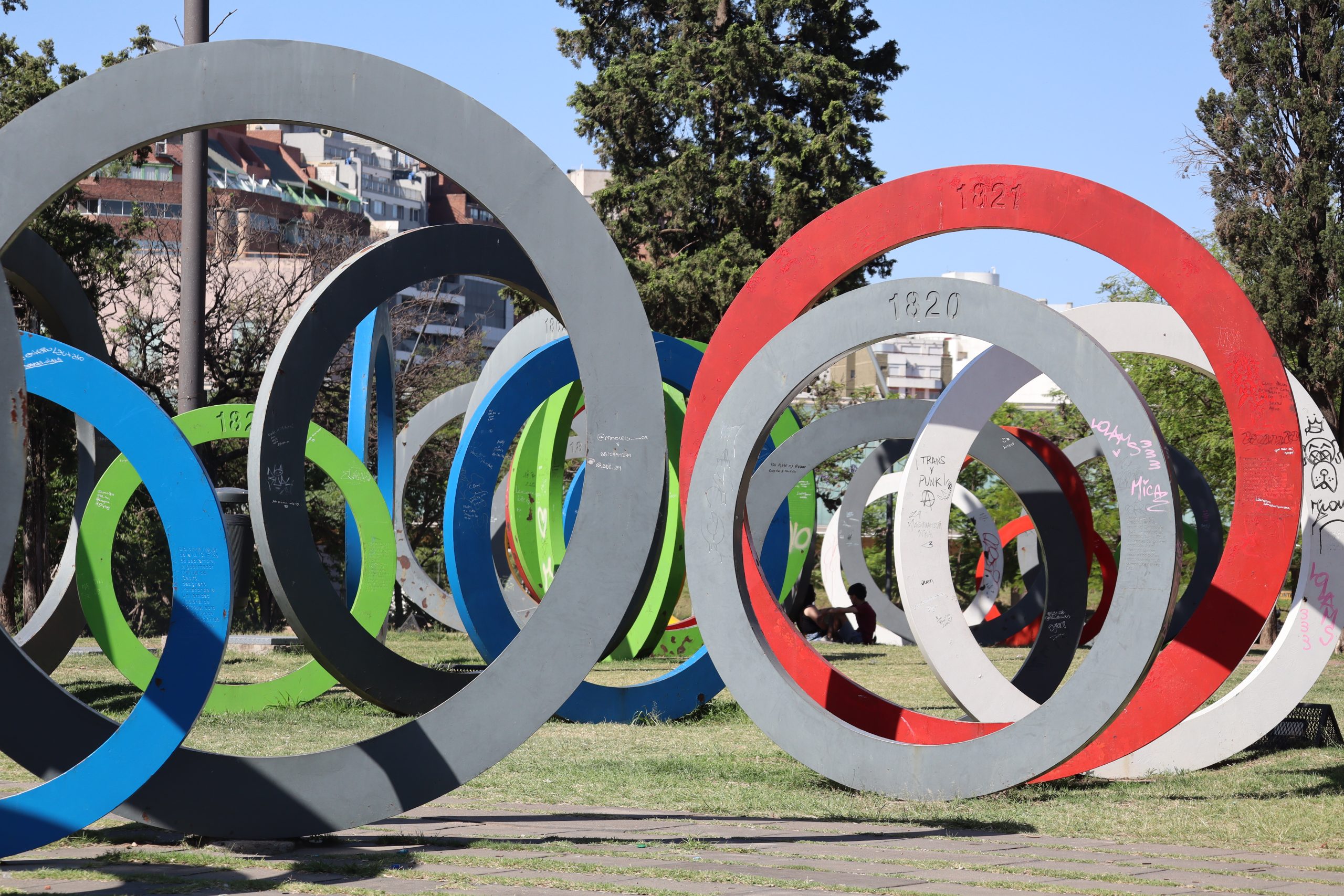
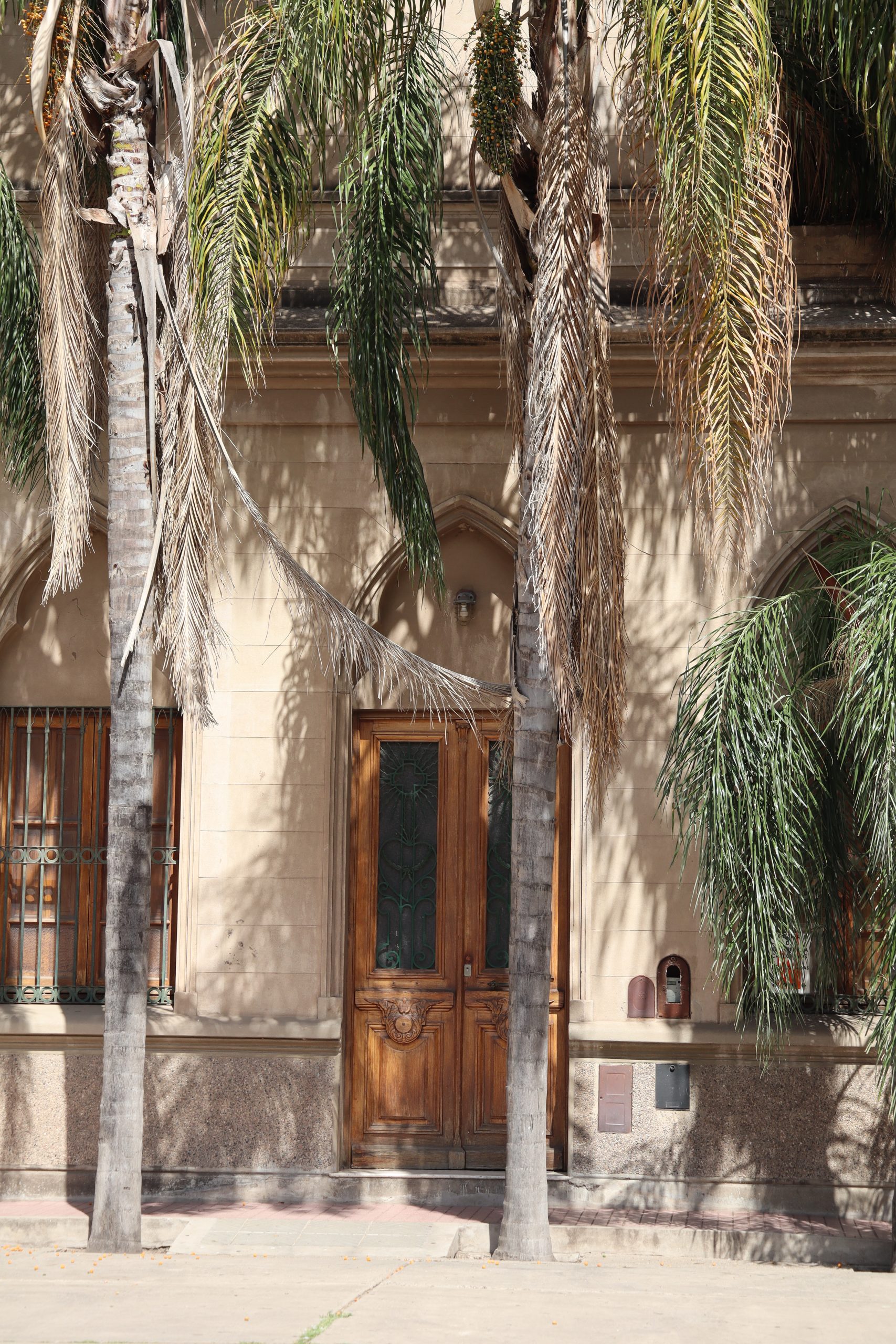
During these five days, I managed to walk quite a bit and experience the beauty of the city’s colonial buildings and monuments, including the Sarmiento Park with its Olympic rings and other pedestrian walkways that allow me to absorb how this city and its people function. Not knowing what to expect, I really enjoyed the city and view it as a worthy place to visit if you are planning to do a tour of several cities in Argentina. Besides what the city offers, there are several tours to visit the Sierras de Córdoba nature reserves, a reason for staying longer.
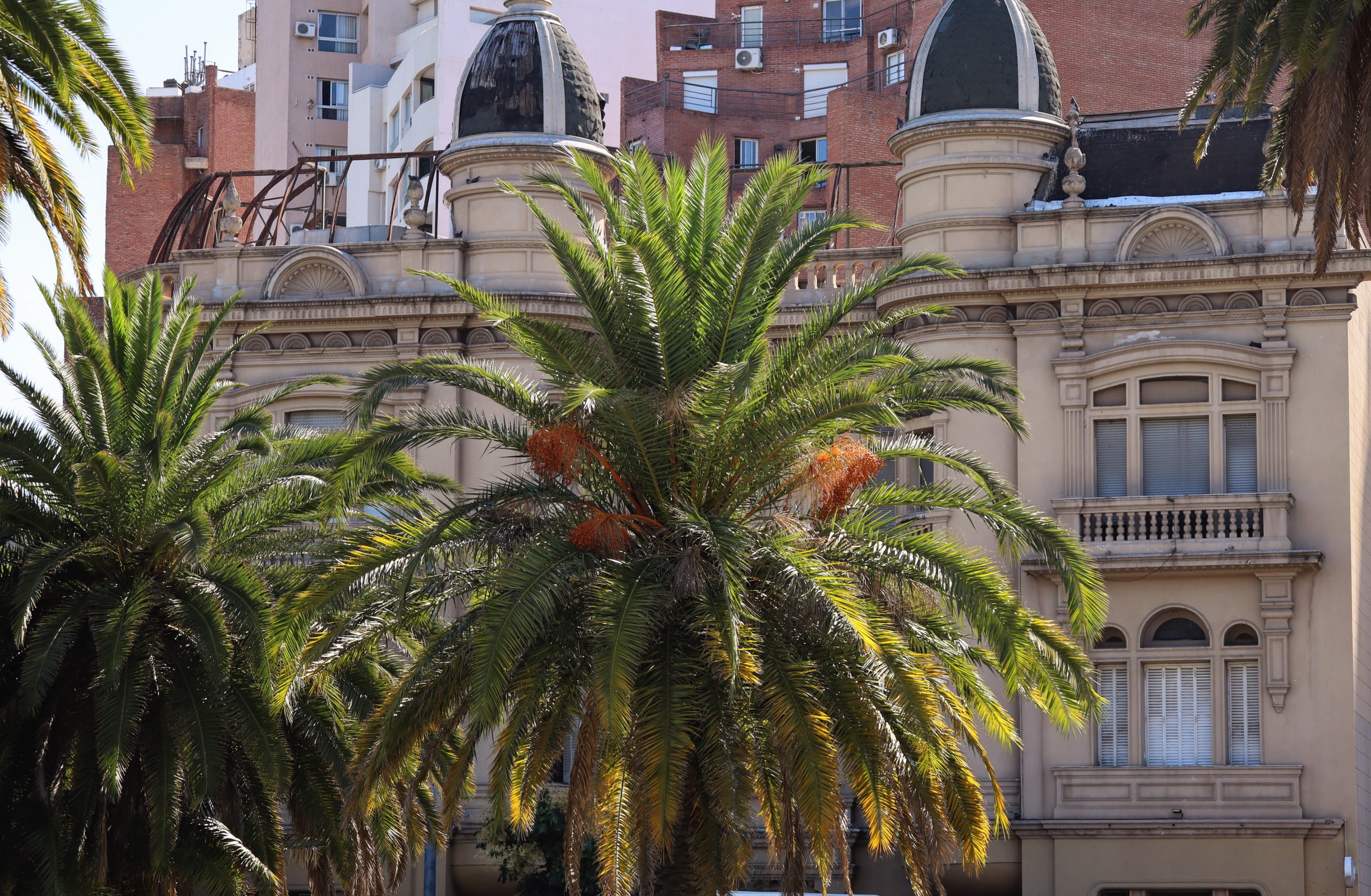
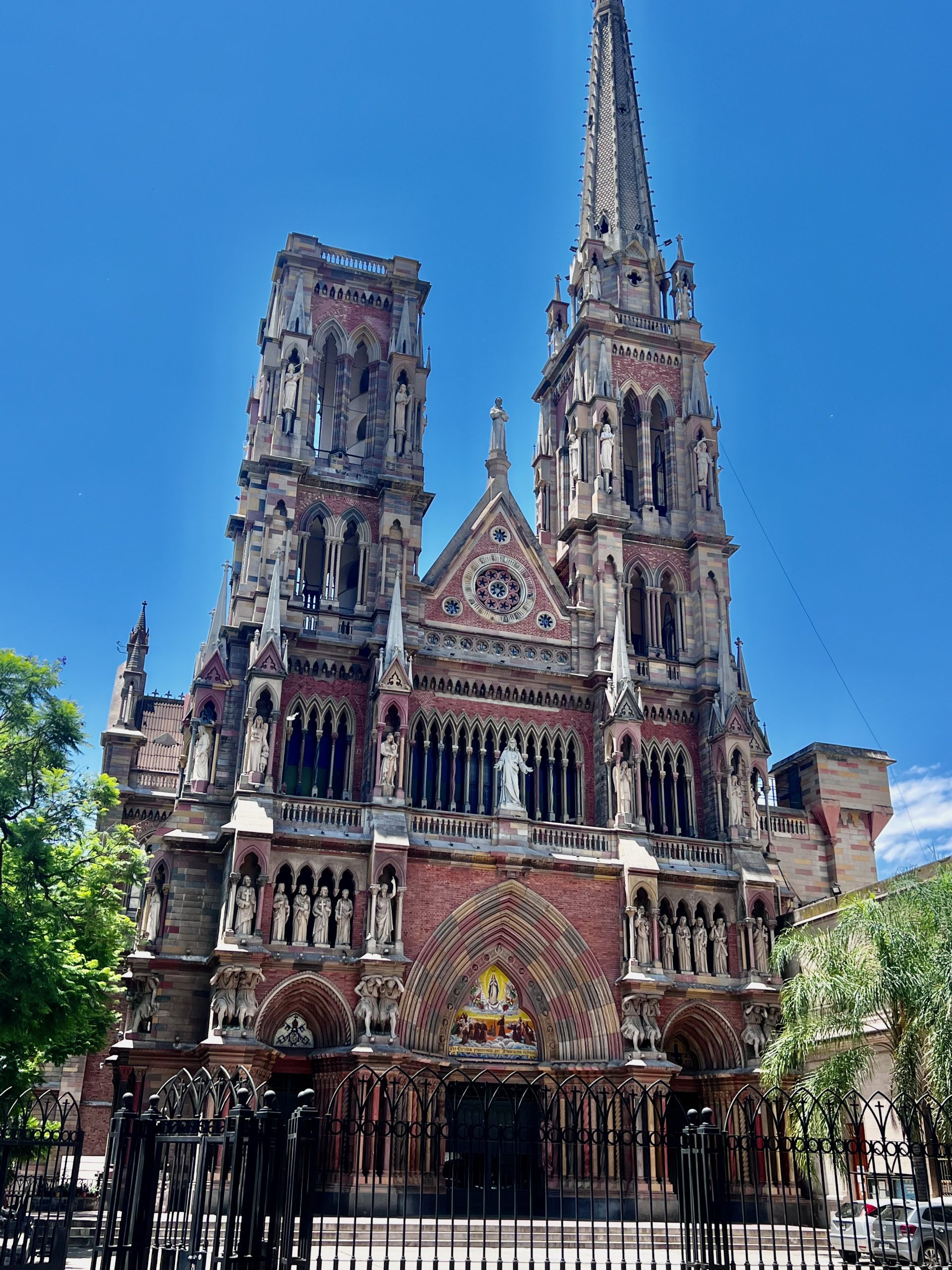
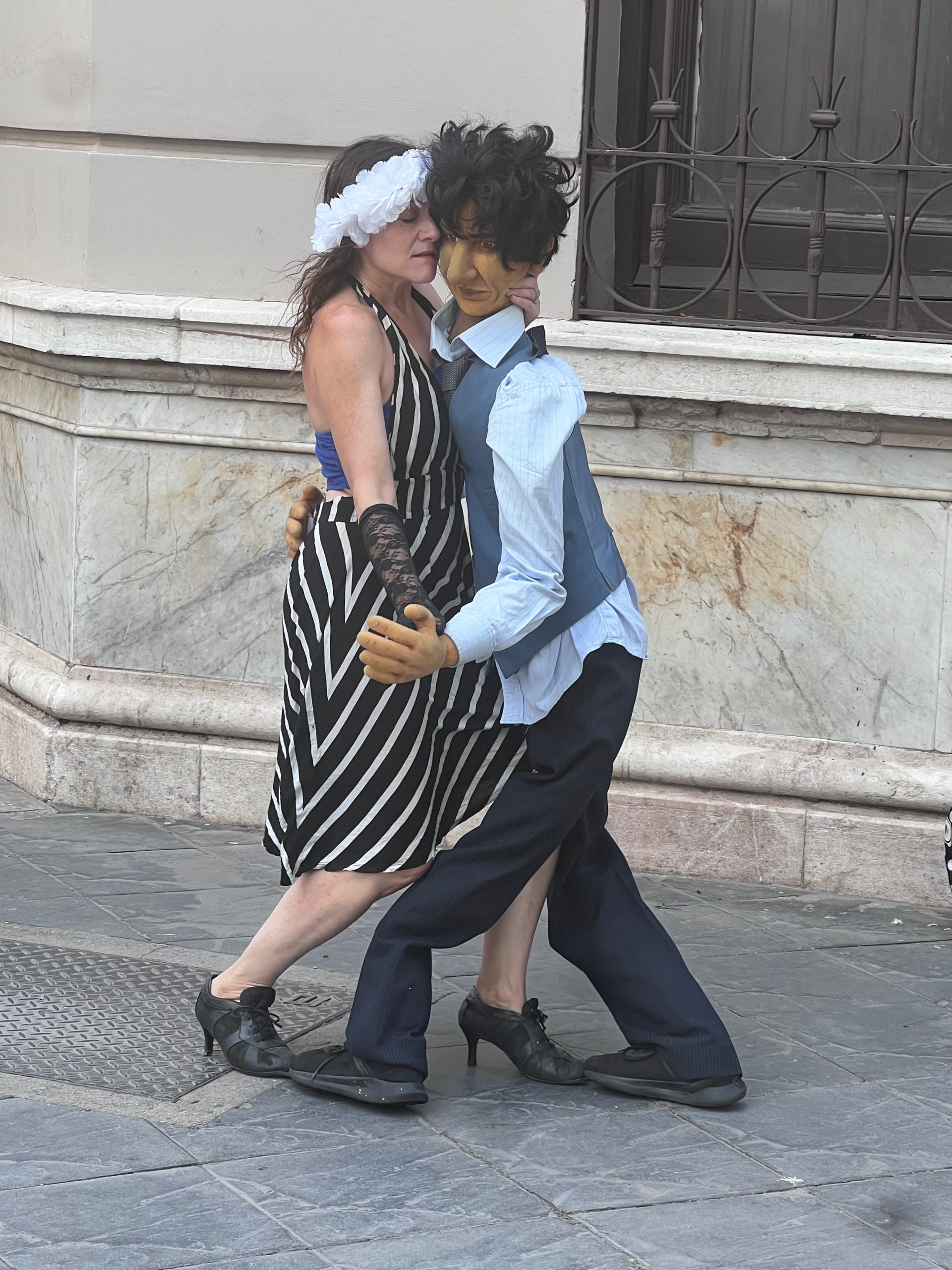
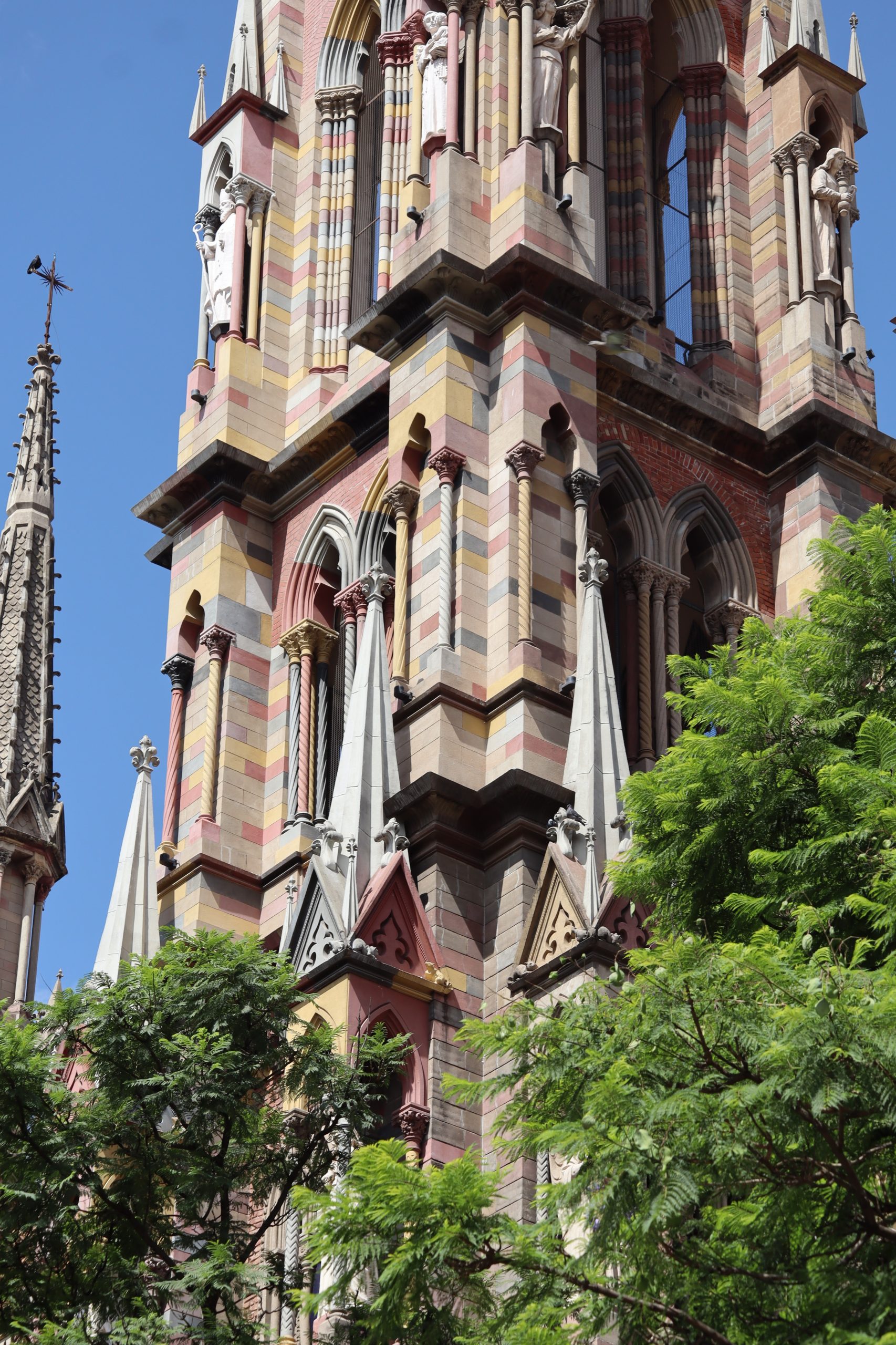
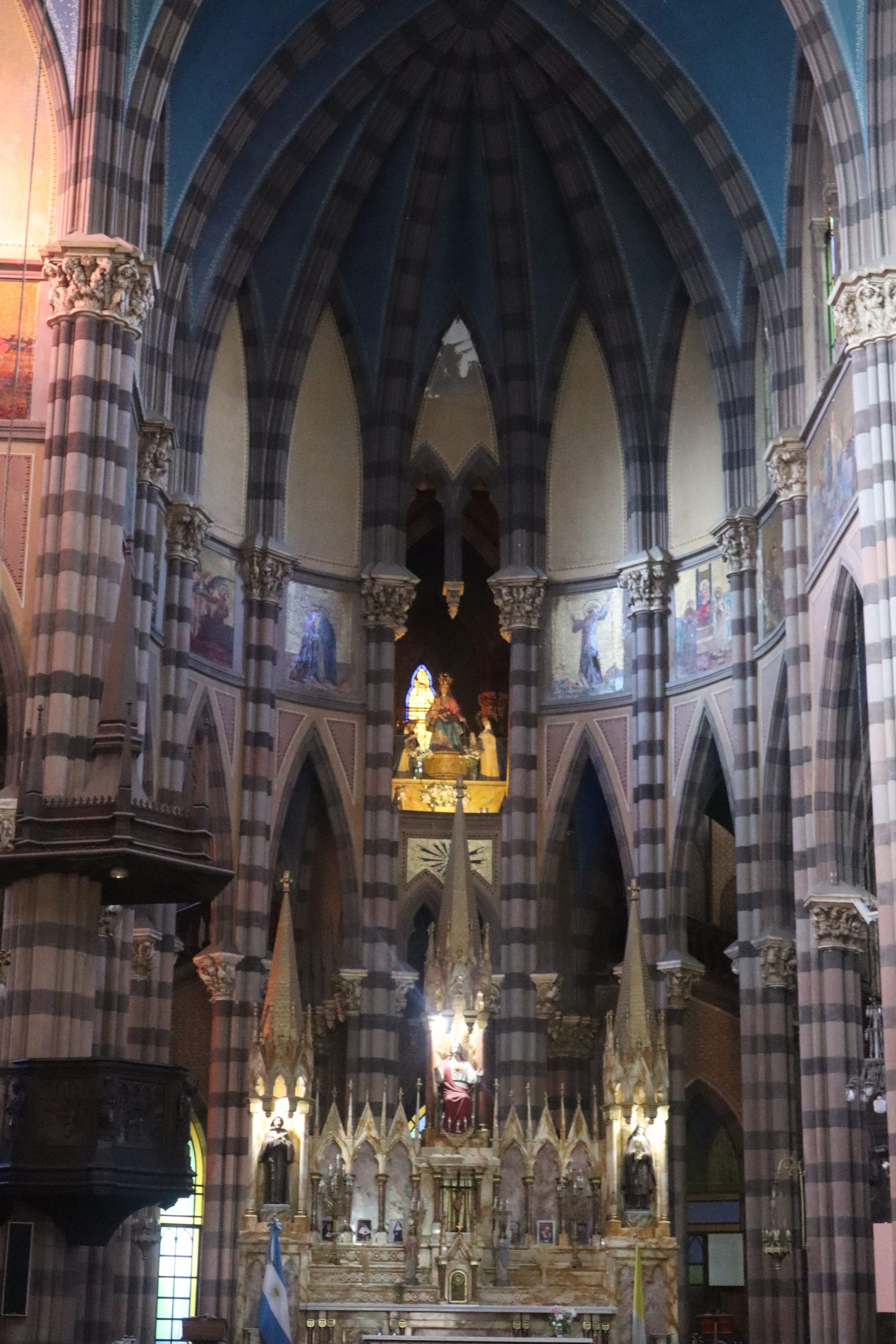
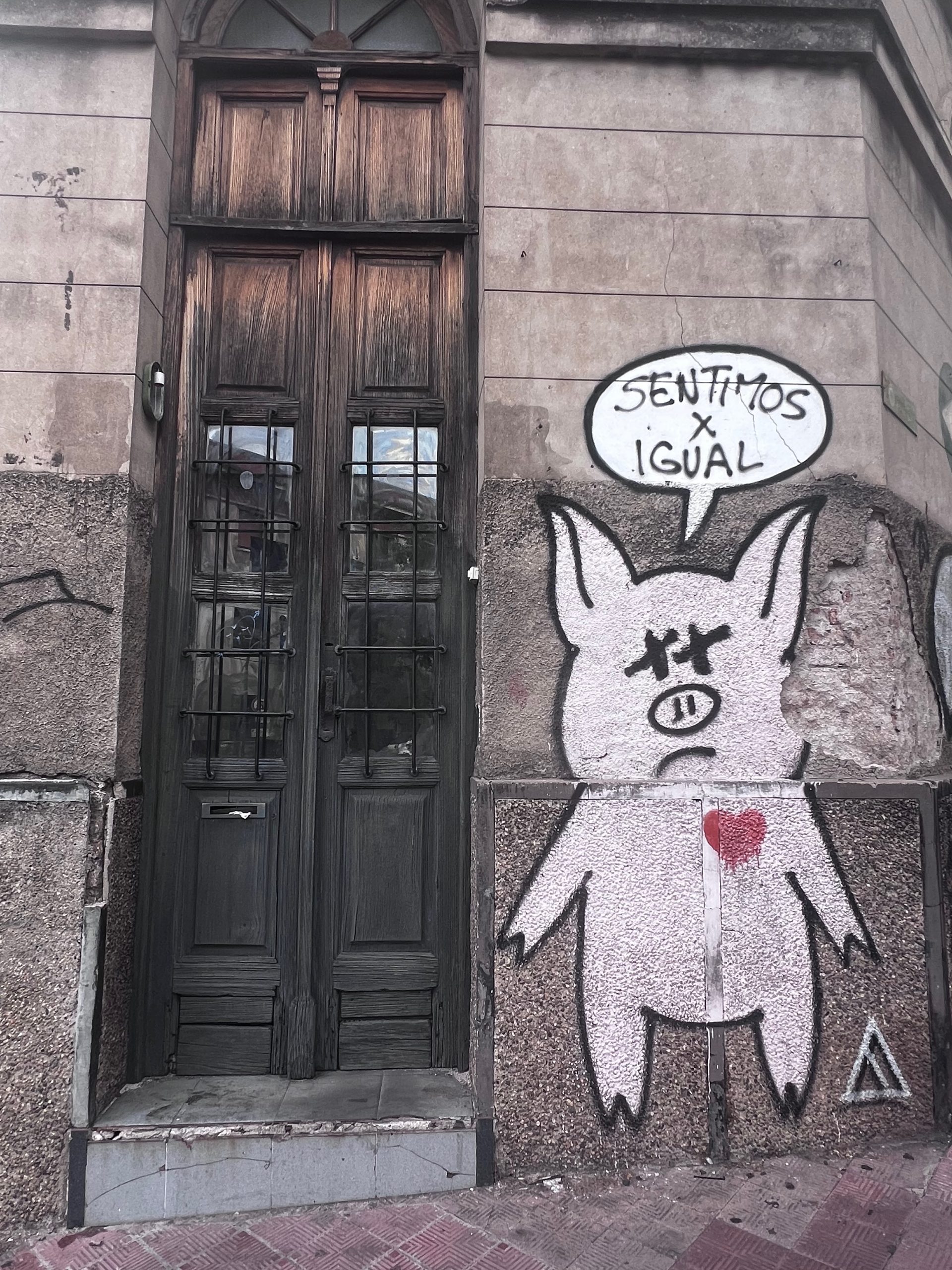
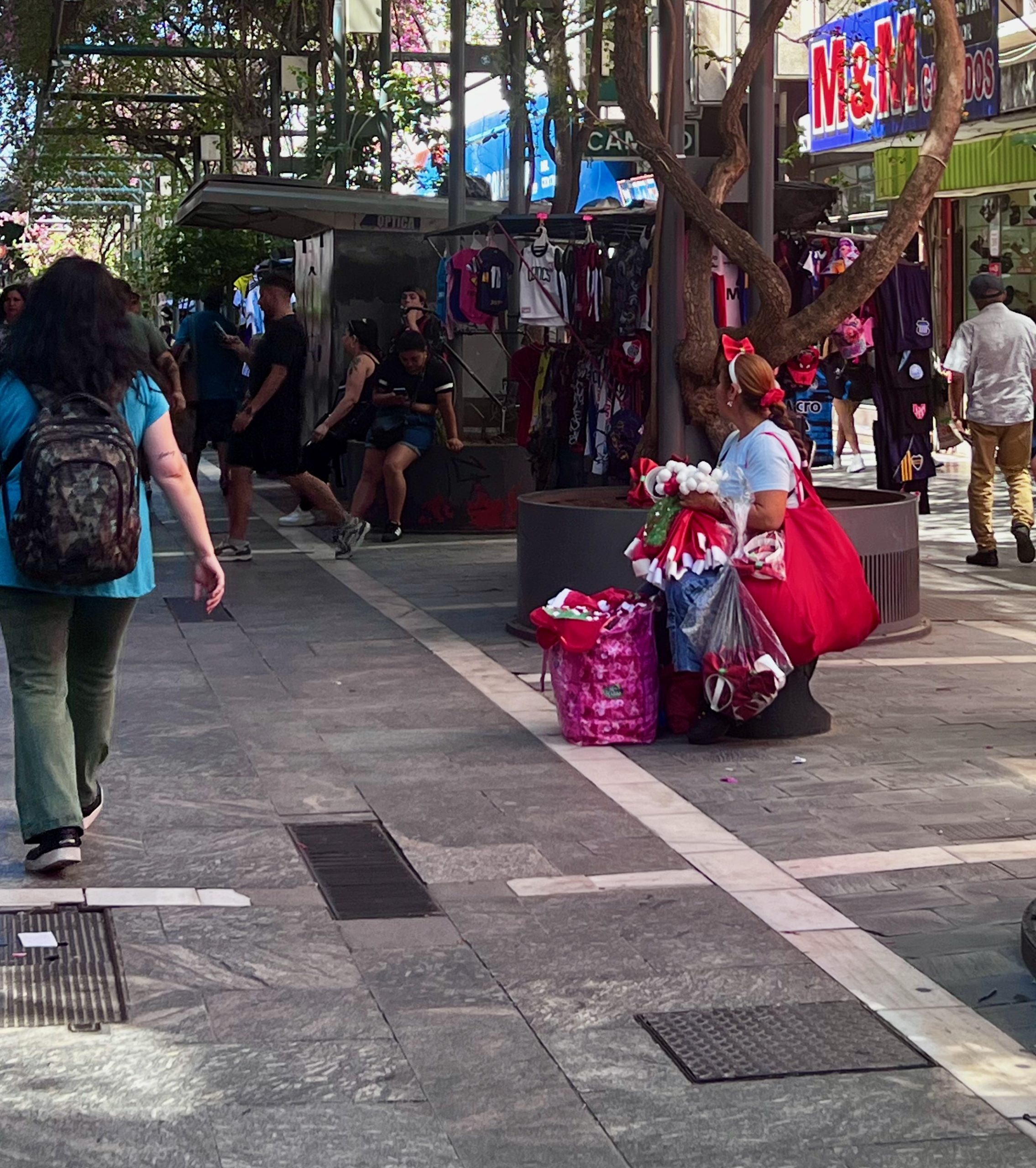
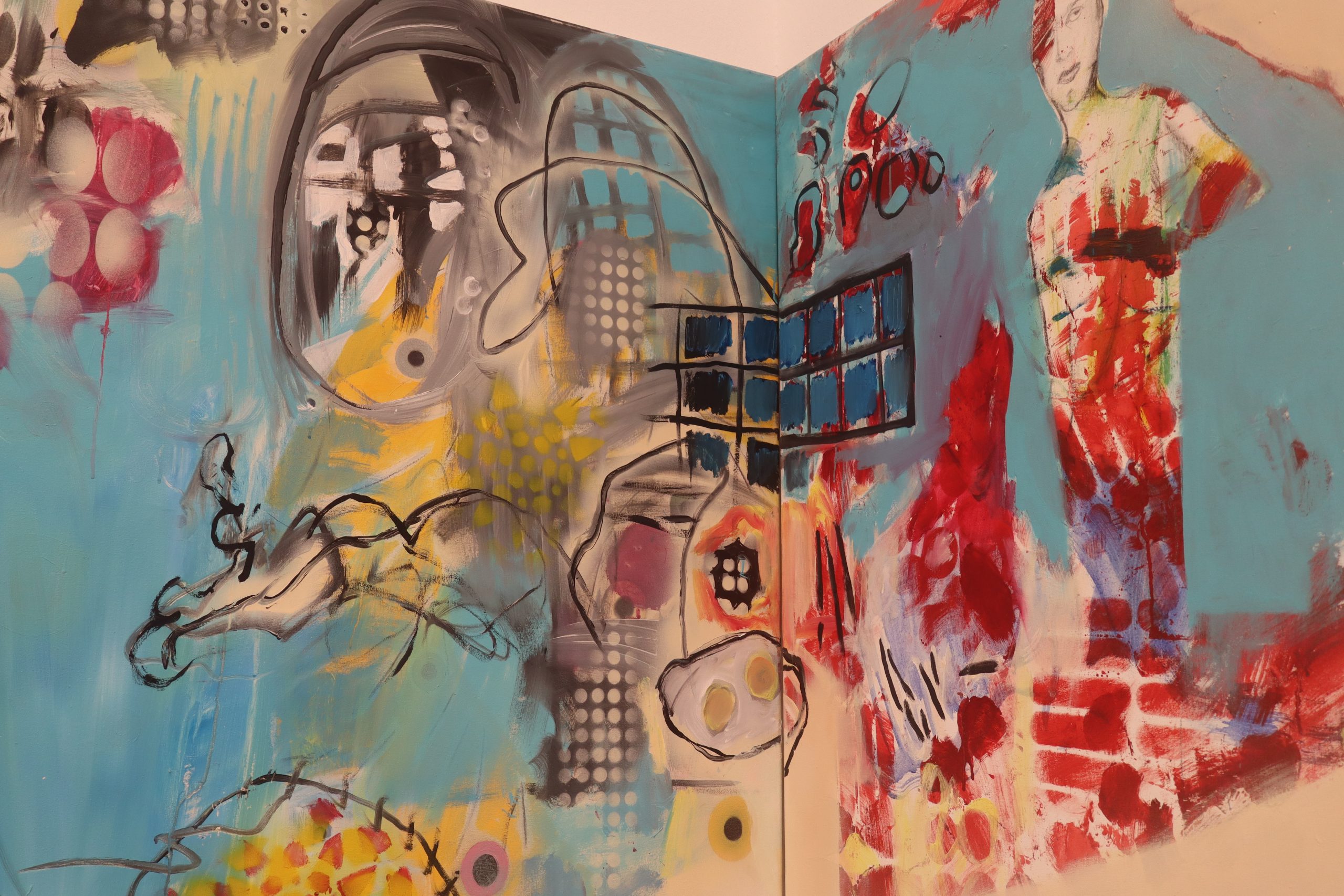
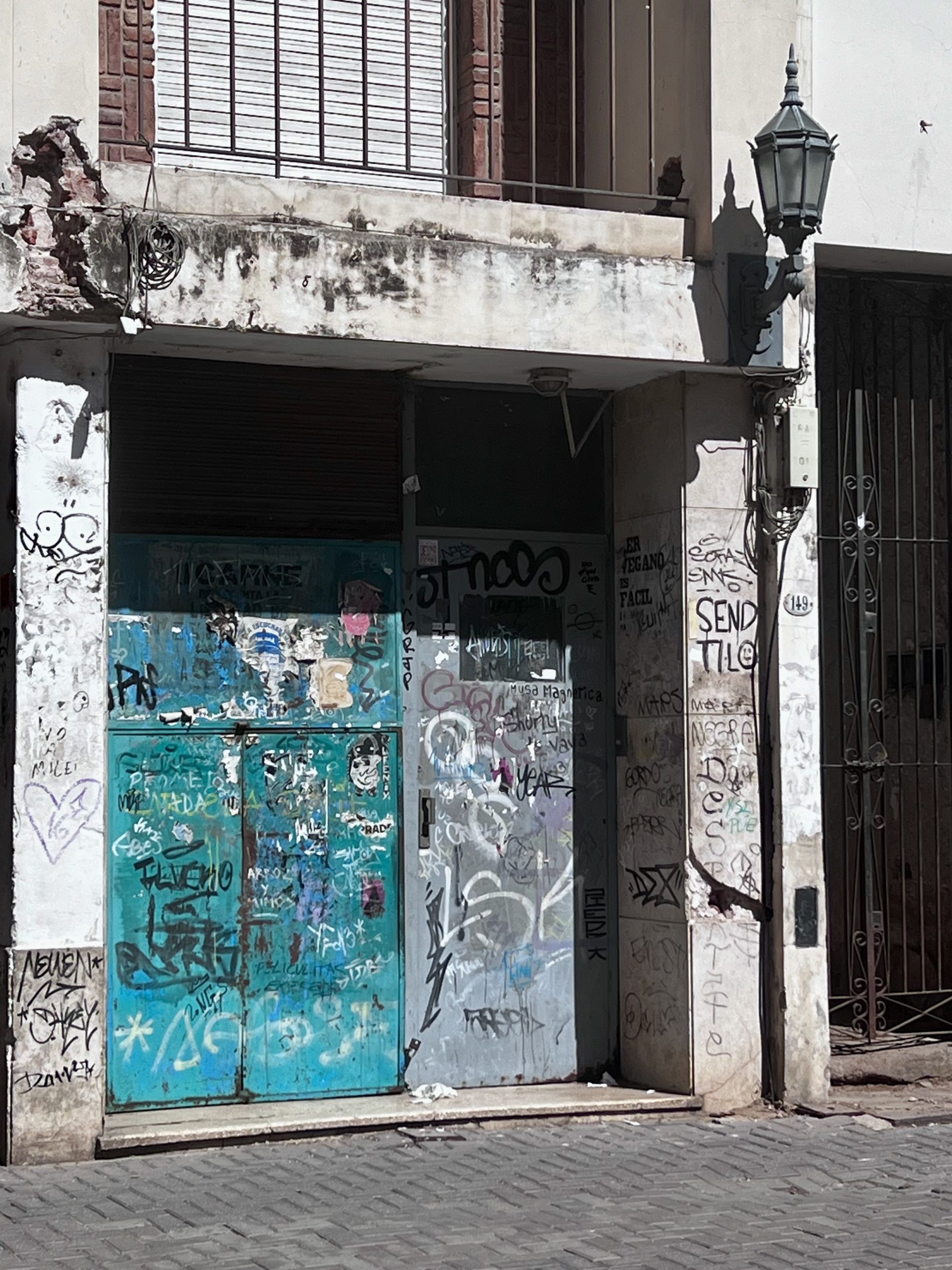
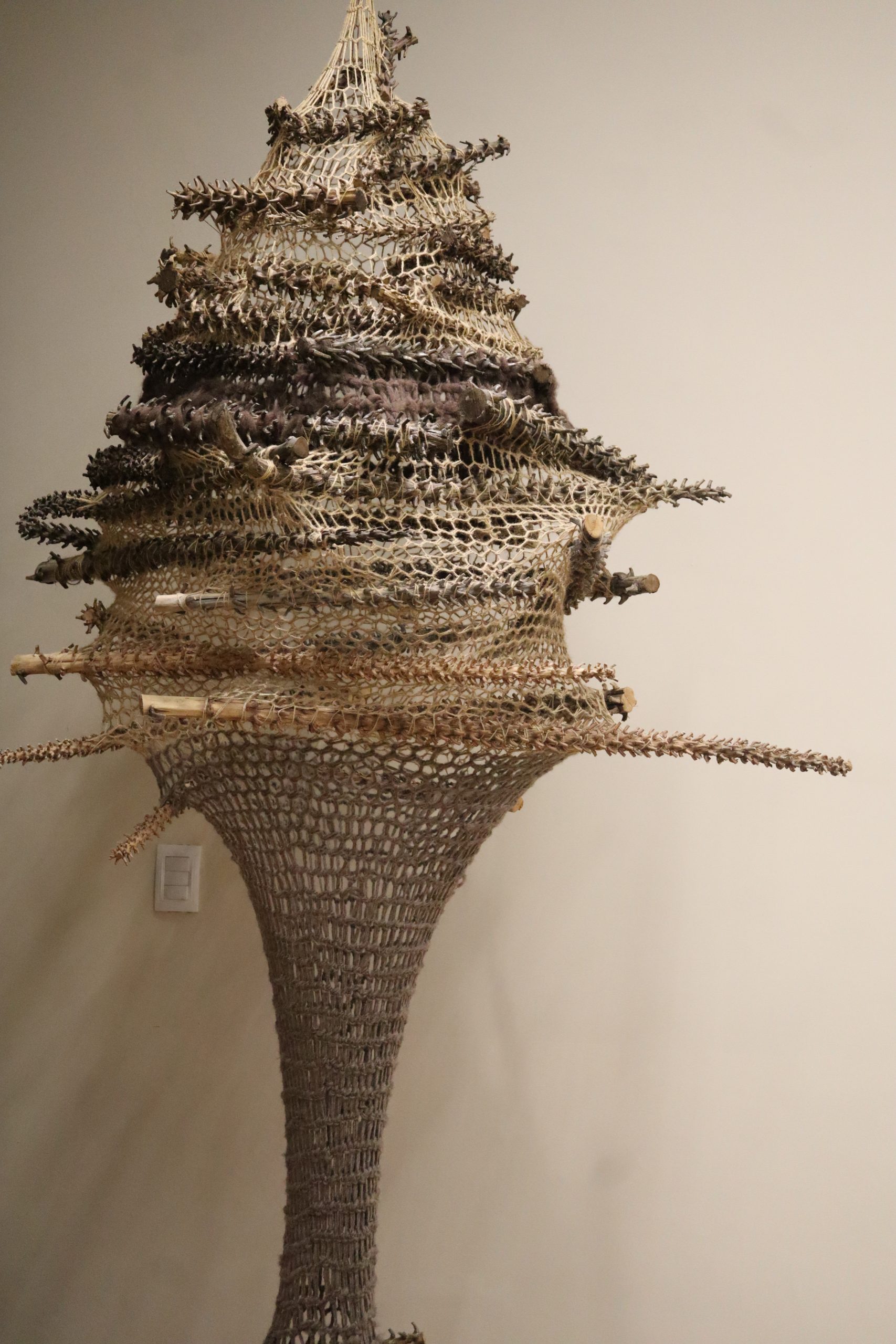
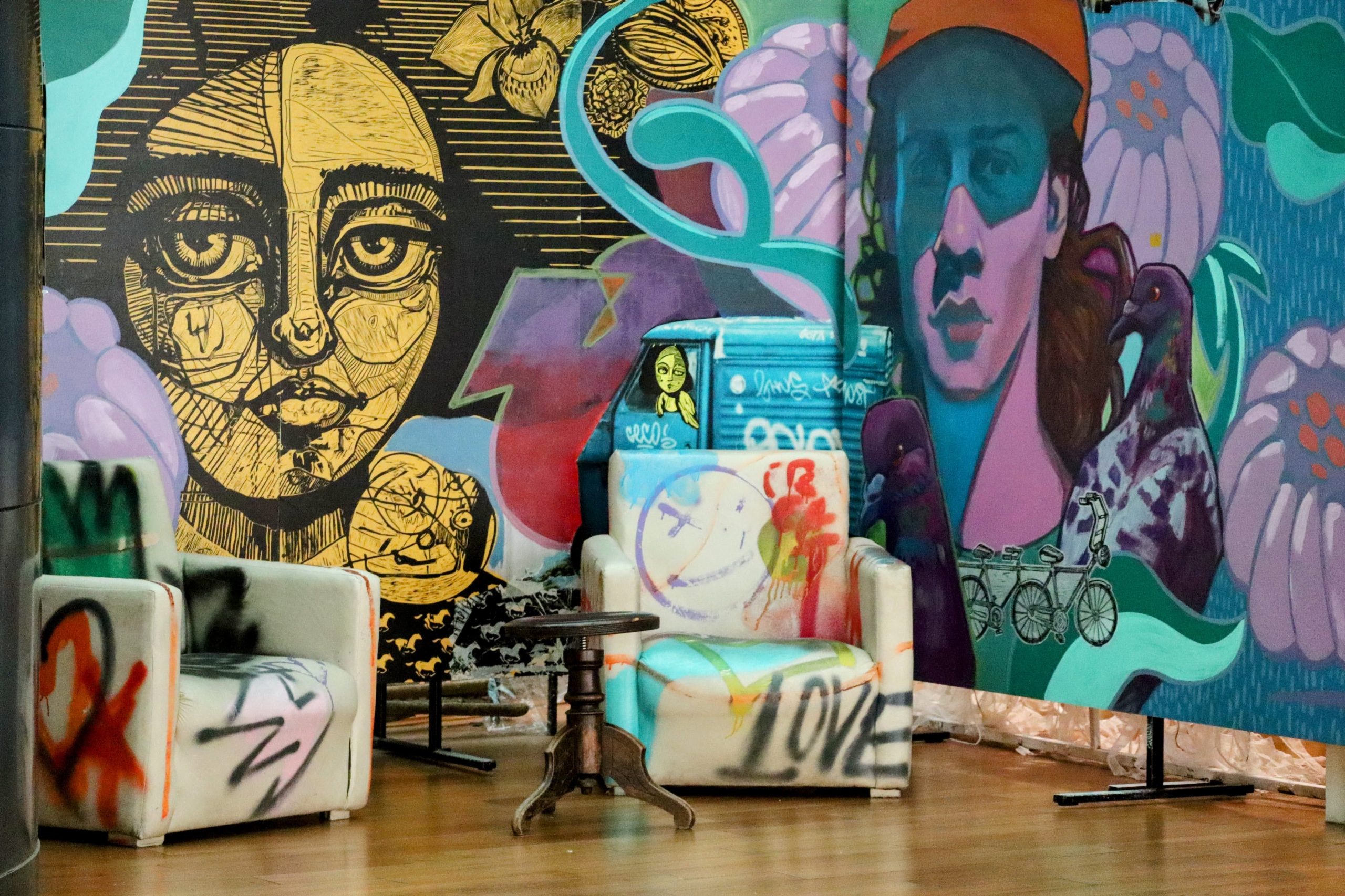
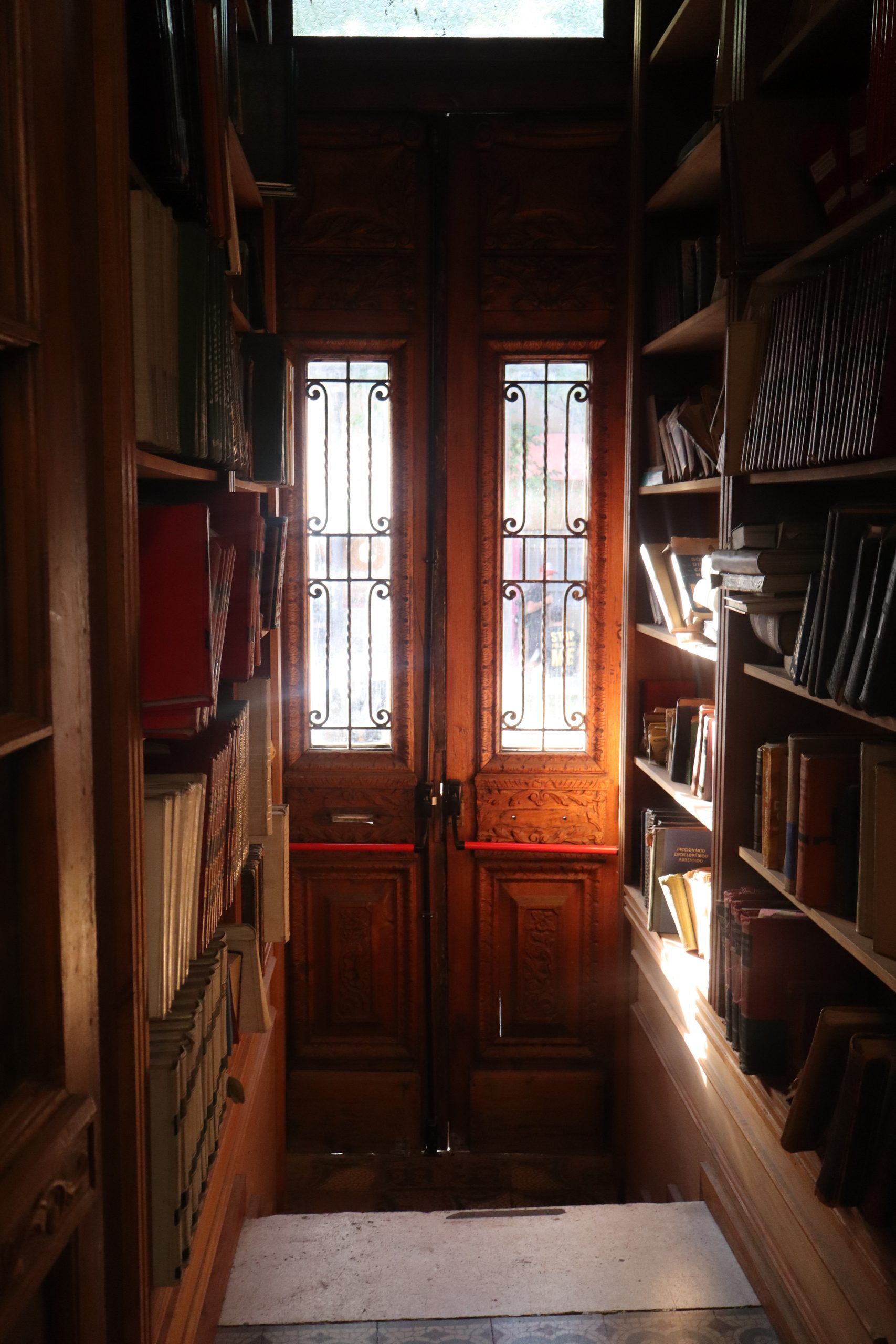
My photos are of the historic sites, places of interest, its paseo de arte, its people and its art. As always, click the center of the photos for a full view. This ends six weeks of an Argentine journey, if you would like to read and view the stories and photos of the other 5 weeks, click the links below:
My next stop with be Uruguay and then Paraguay, Dale!
If you enjoyed this story or the newsletter issue, help others to discover it by sharing it with your friends. Your support will go a long way in continuing the blog. If you are not a subscriber and want more stories and photos like these, please click here to subscribe.

No Comments