The City of Eternal Spring: A Week in Medellin, Colombia
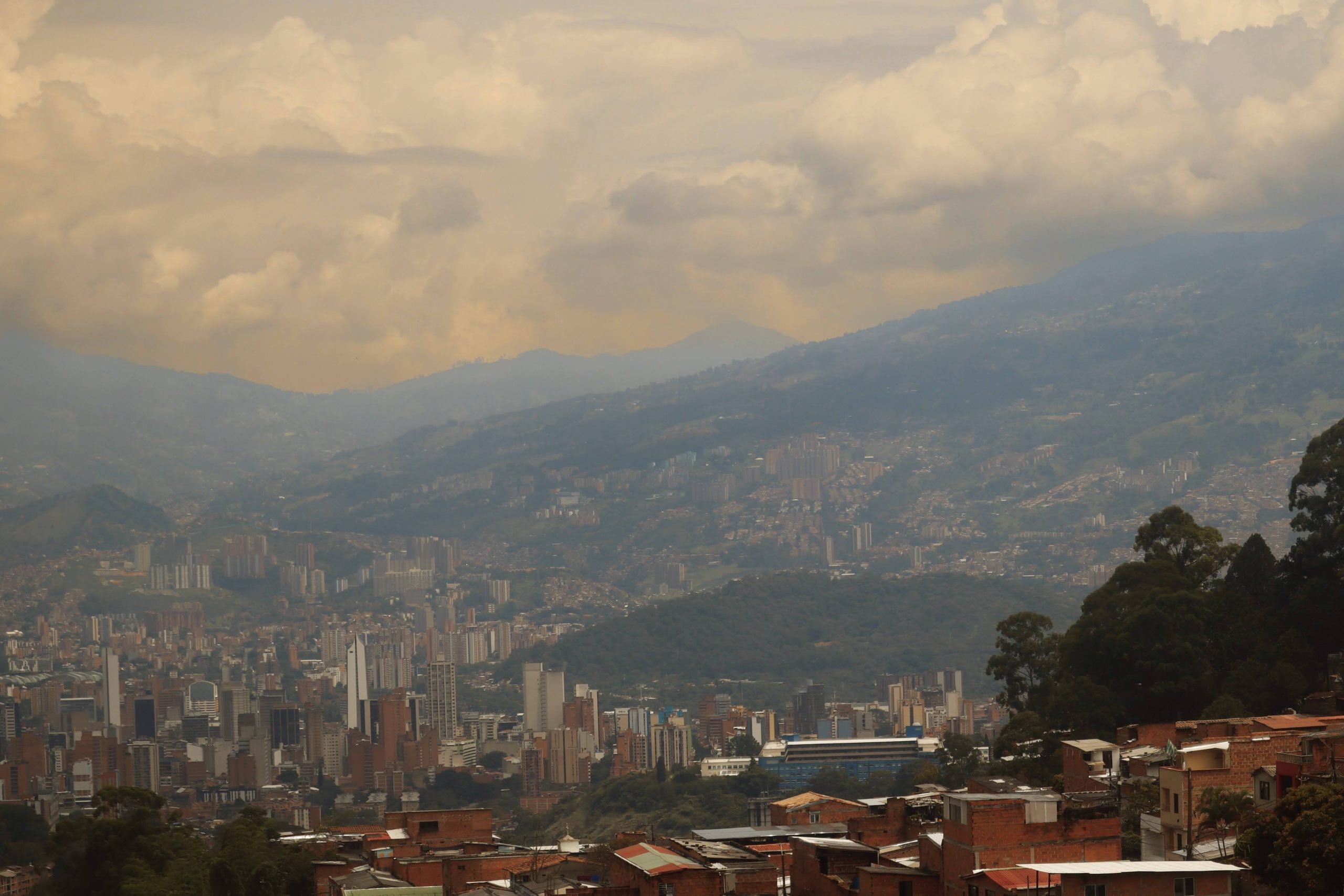
On my way to Peru, I thought I would make a couple of stops through Colombia to visit a friend in Bogota and to spend a week in Medellin. Many folks have suggested visiting this vibrant, transformed city. After Bogota, Medellin is the second largest city in Colombia, nestled in the Andes Mountains. It has gradually transformed its troubled, violent past into a city of innovation and culture. Known as the City of Eternal Spring due to its year-round spring weather. I stayed in the El Poblado district, an upscale community that is easy to get to the center of the city yet away from all the congestion and noise. Here is a week of sightseeing and learning about this city’s past and future….
But First a Bit of History
This city was founded in 1616 as a small indigenous village that over time grew with the discovery of gold, later followed by coal and the cultivation of agricultural products. Over time, Medellín became a major industrial city engaged in the global economy. It was mostly a segregated city, separating immigrants and natives from the middle class, creating large neighborhoods that lacked infrastructure and services, which led to crime. By the 1980s, Medellin was one of the most dangerous cities in the world, caused mostly by drug cartels led by the infamous Pablo Escobar, who was killed in 1993. Urban conflict and violence were caused by paramilitary groups, crime syndicates and left-wing groups fighting each other. Over time, communities fed up with the violence demanded the government intervene with much success. Today, the city continues to expand in all areas of urban development (education, transportation, public services, etc.). In 2013, Medellin received the Innovative City of the Year award from the Wall Street Journal, among other awards for its many urban renewal projects.
Arriving in Medellin
To avoid taking three planes to get to Peru, it made sense to break up the trip. I spent a couple of days with a newly found friend, allowing me to get to see a bit more of Bogota. I was also hoping to see another friend during my stay, but Bogota is a big city and it’s difficult to get from one place to another. In fact, Medellin and Bogota are very similar. Bogota is 8,500 ft above sea level, and the altitude at times does fatigue you compared to Medellin, which is only 4,500 ft. High altitude can also increase your blood pressure and cause inflammation in your body. Frankly, at times I felt a bit tired and wheezy. My back continued to bother me, some days more than others. Pacing myself was my best self-care option.
What I like about Medellin
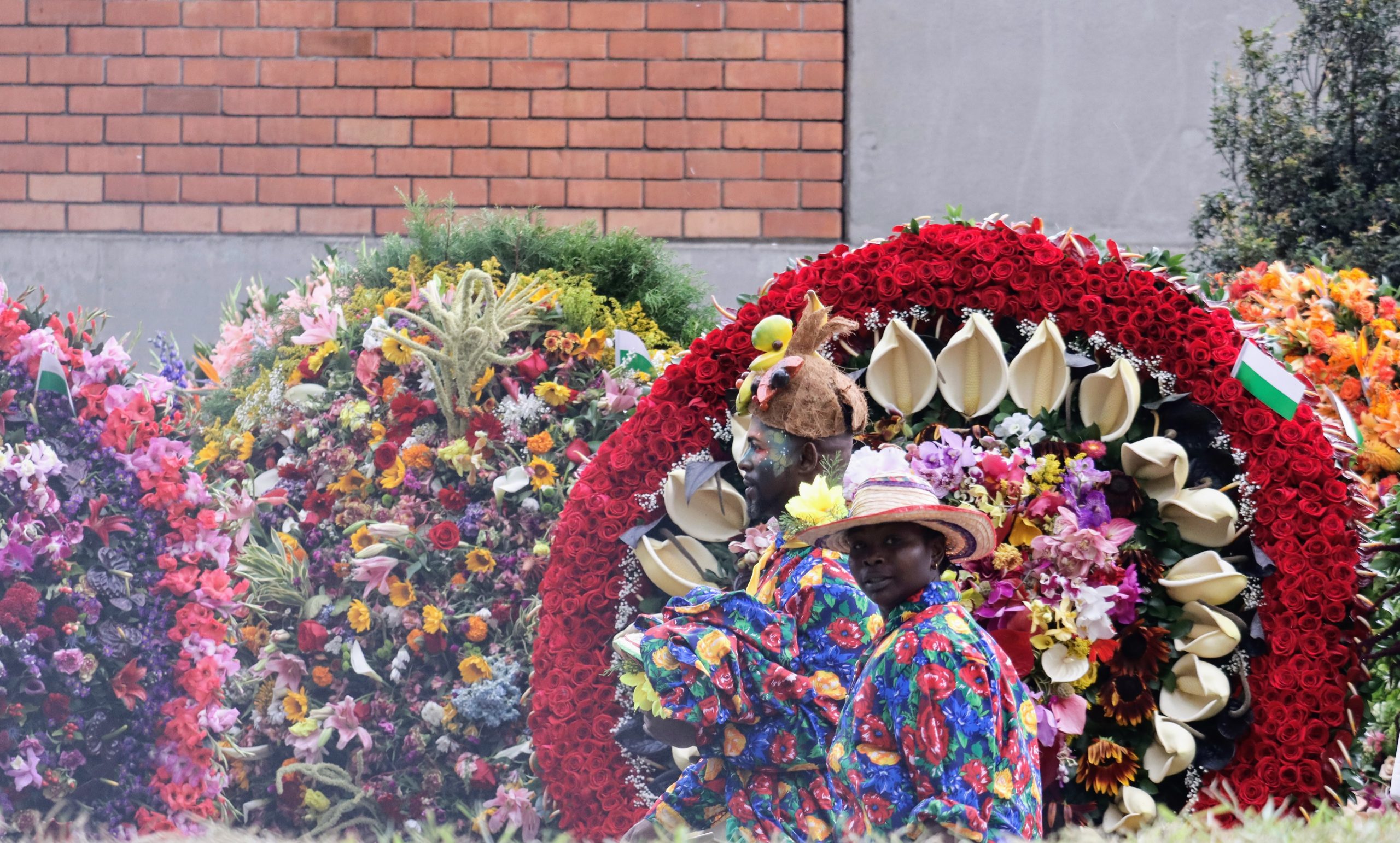
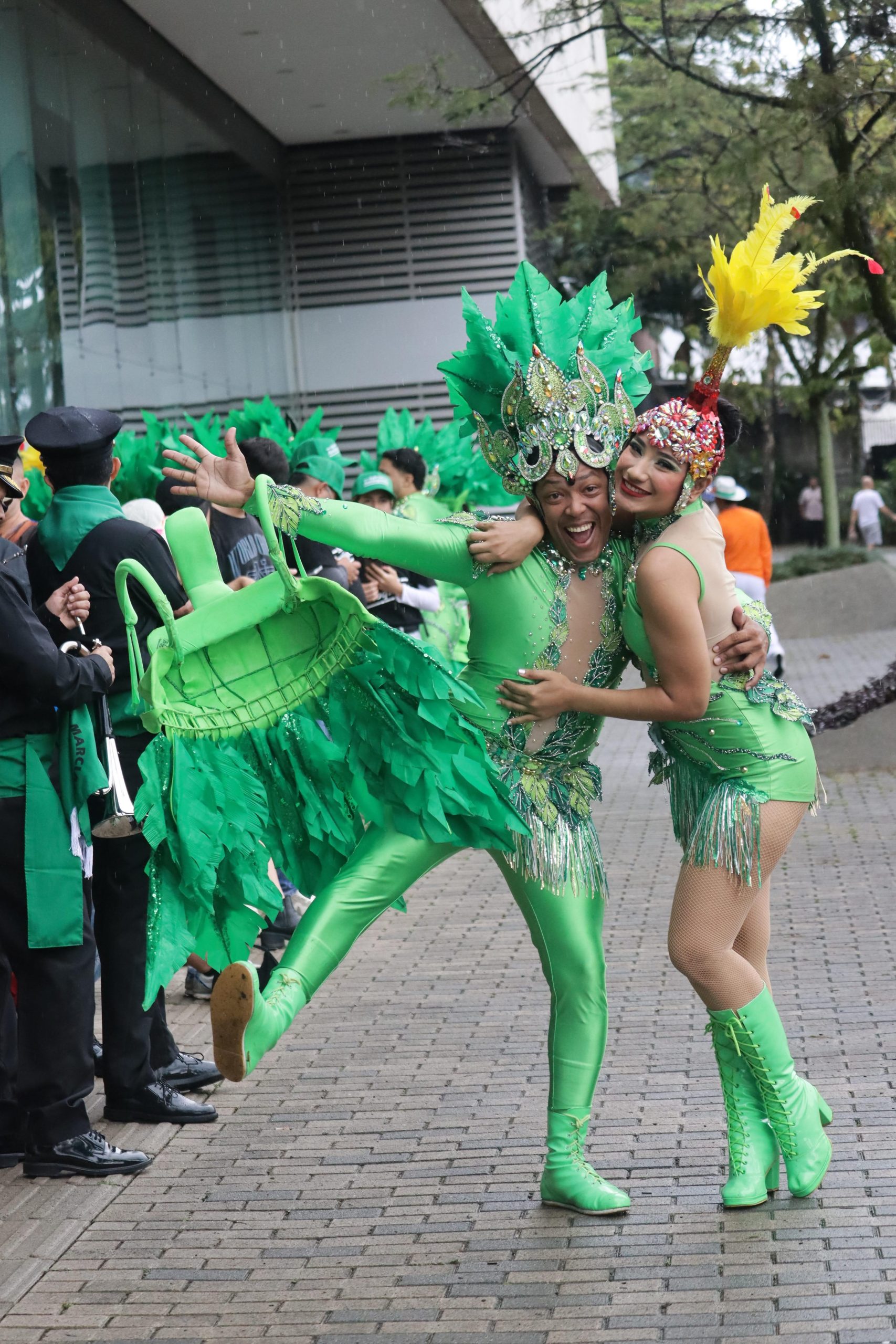
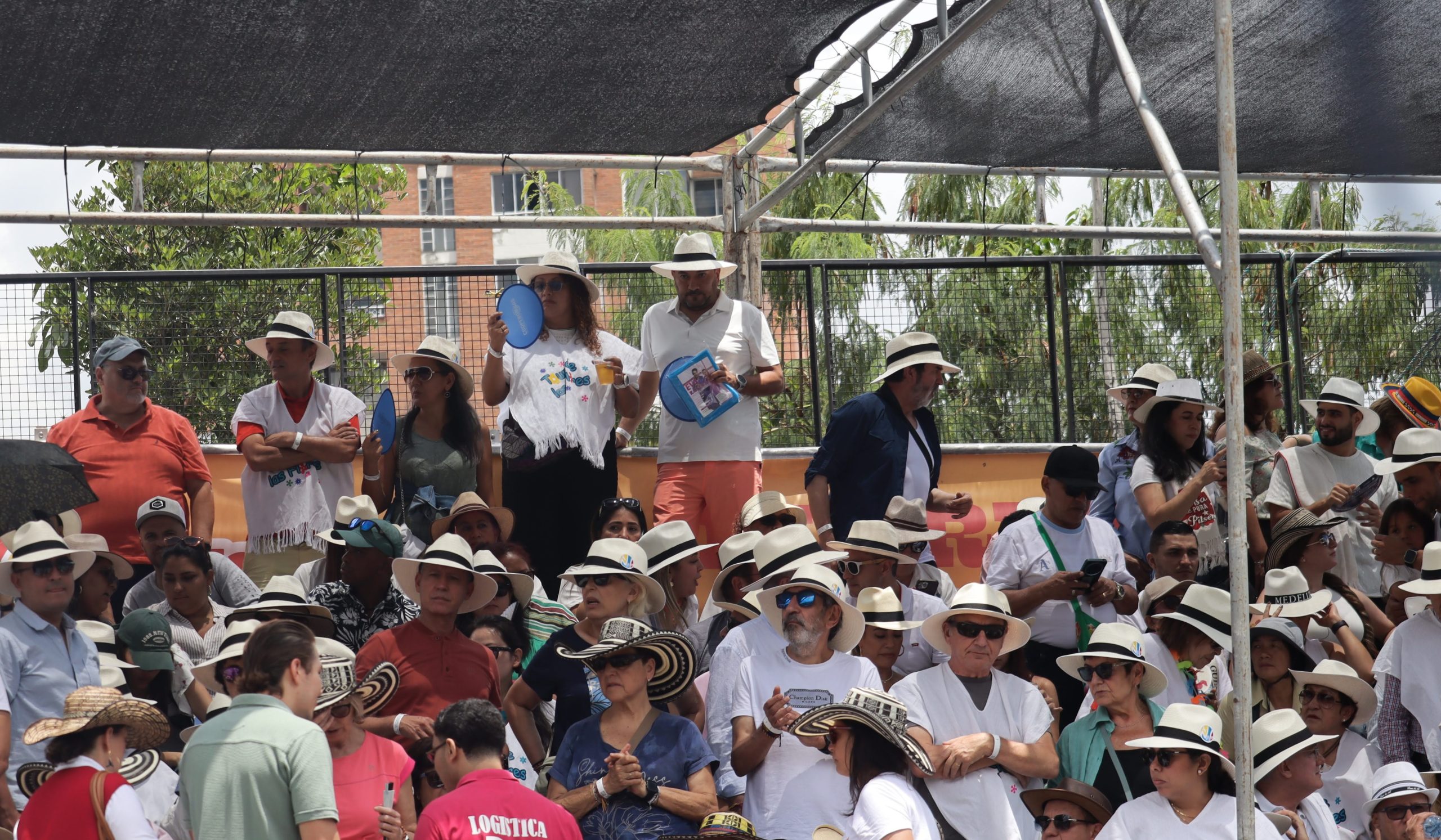
Medellin Annual Flower Festival –I arrived in Medellin to catch the tail-end of the city’s Annual Flower Festival. Colombia stands as the second-largest flower exporter in the world. In fact, 75% of its flowers are shipped to the United States. The festival of approximately 10 days held in the beginning of August is much more than just celebrating its long history of cultivating flowers. It is a cultural phenomenon that incorporates over 100 activities throughout the city celebrating national pride.
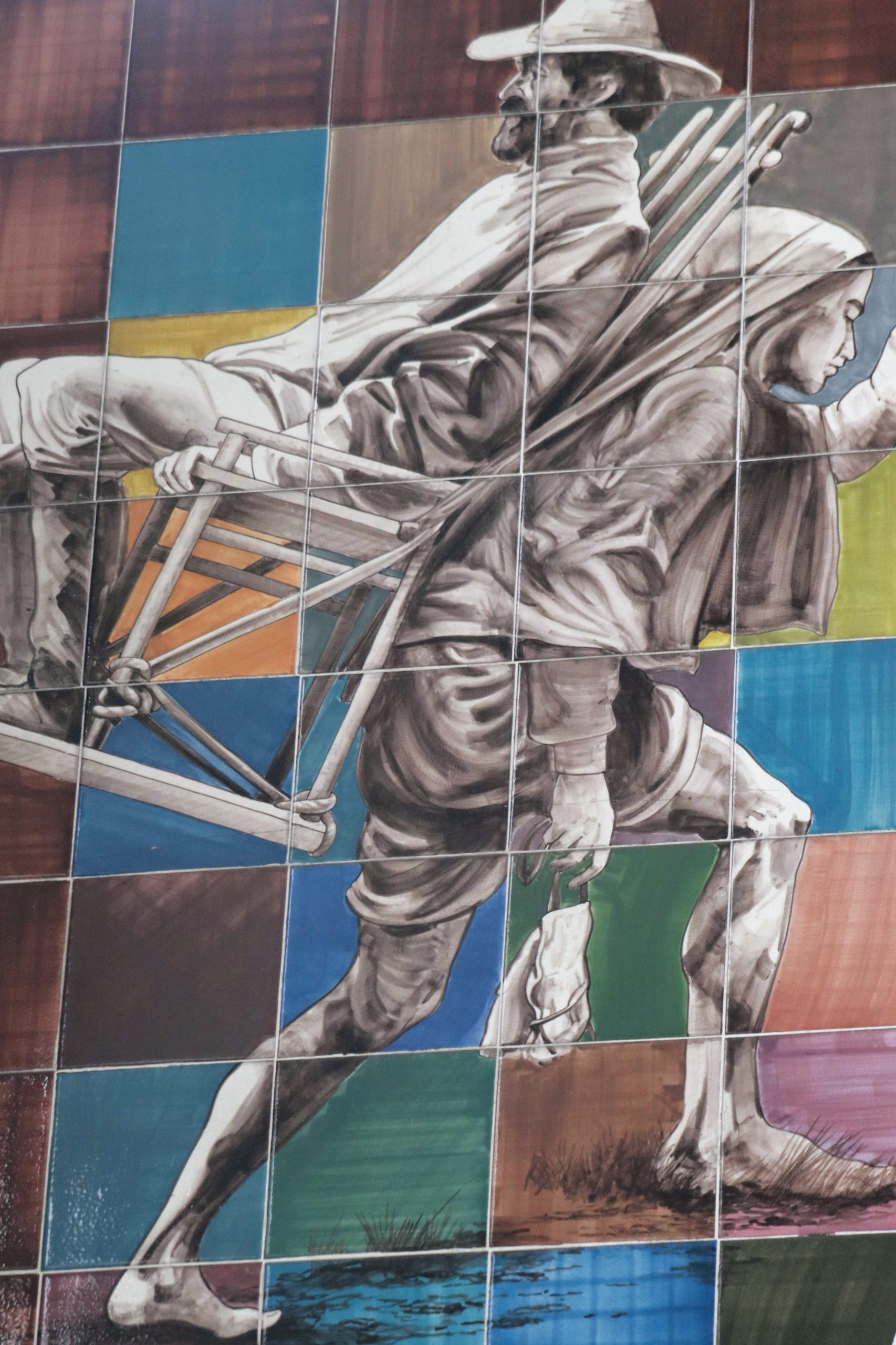
I was hoping to catch the last two days of the festivities. Unfortunately, on one of those days, I got a bit of food poisoning. I made it to the finale, which is the “Desfile (parade) de Silleteros”. “Silleteros” are a variety of elaborate, intricate flower displays, many look like giant wreaths. A cultural symbol that is recognized and displayed everywhere you go– at malls, stores, restaurants, and public buildings— and they form a significant part of the parade.
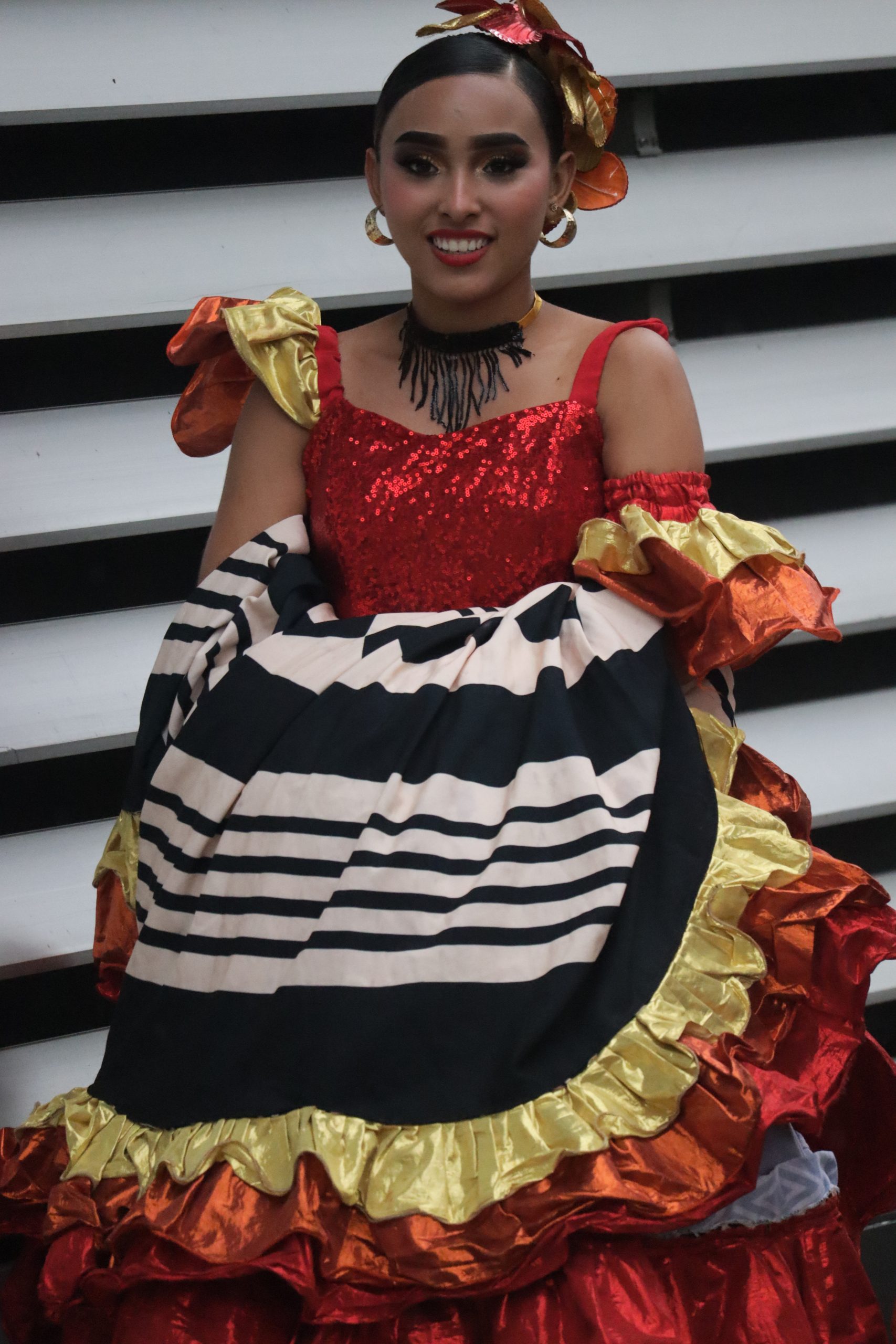
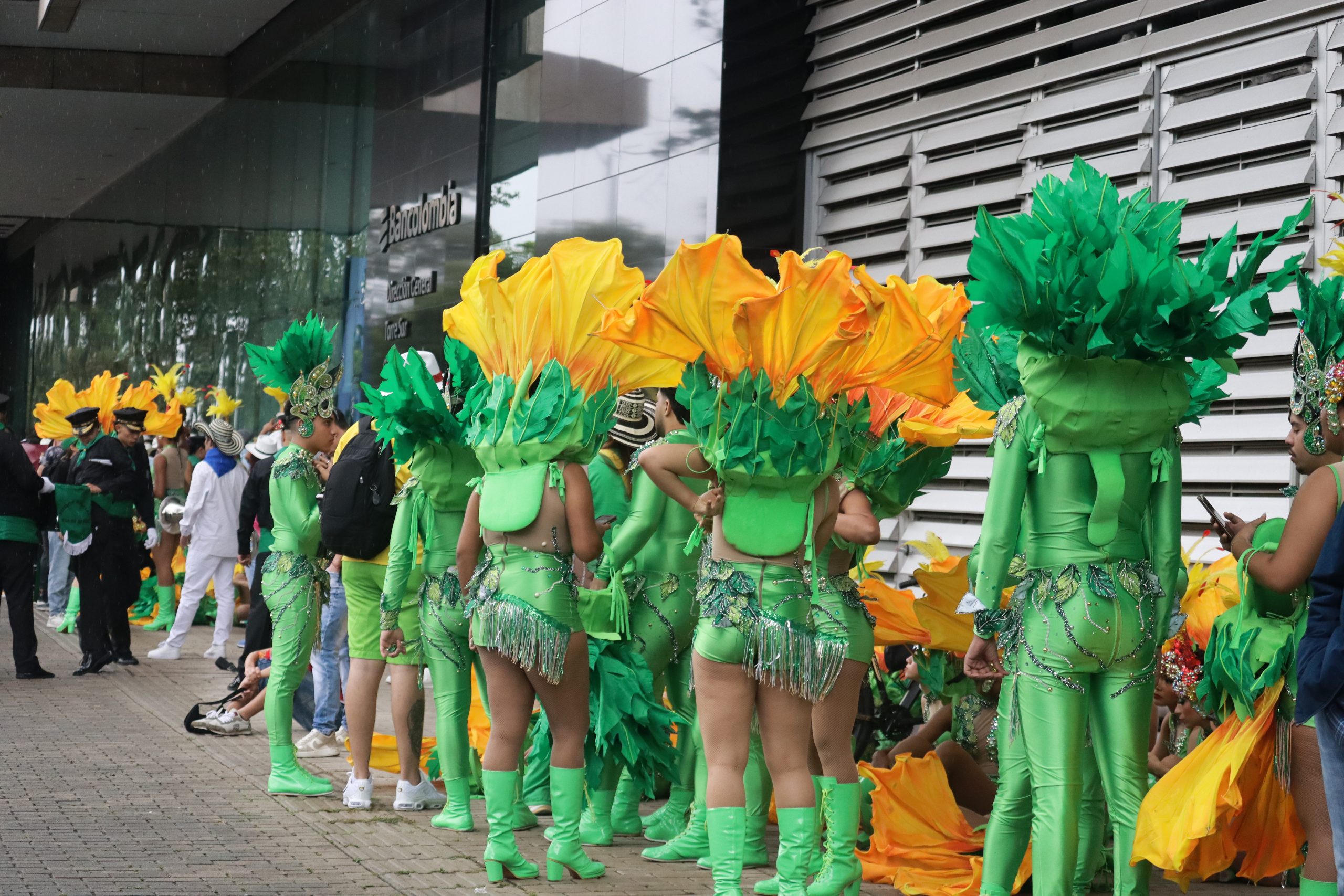
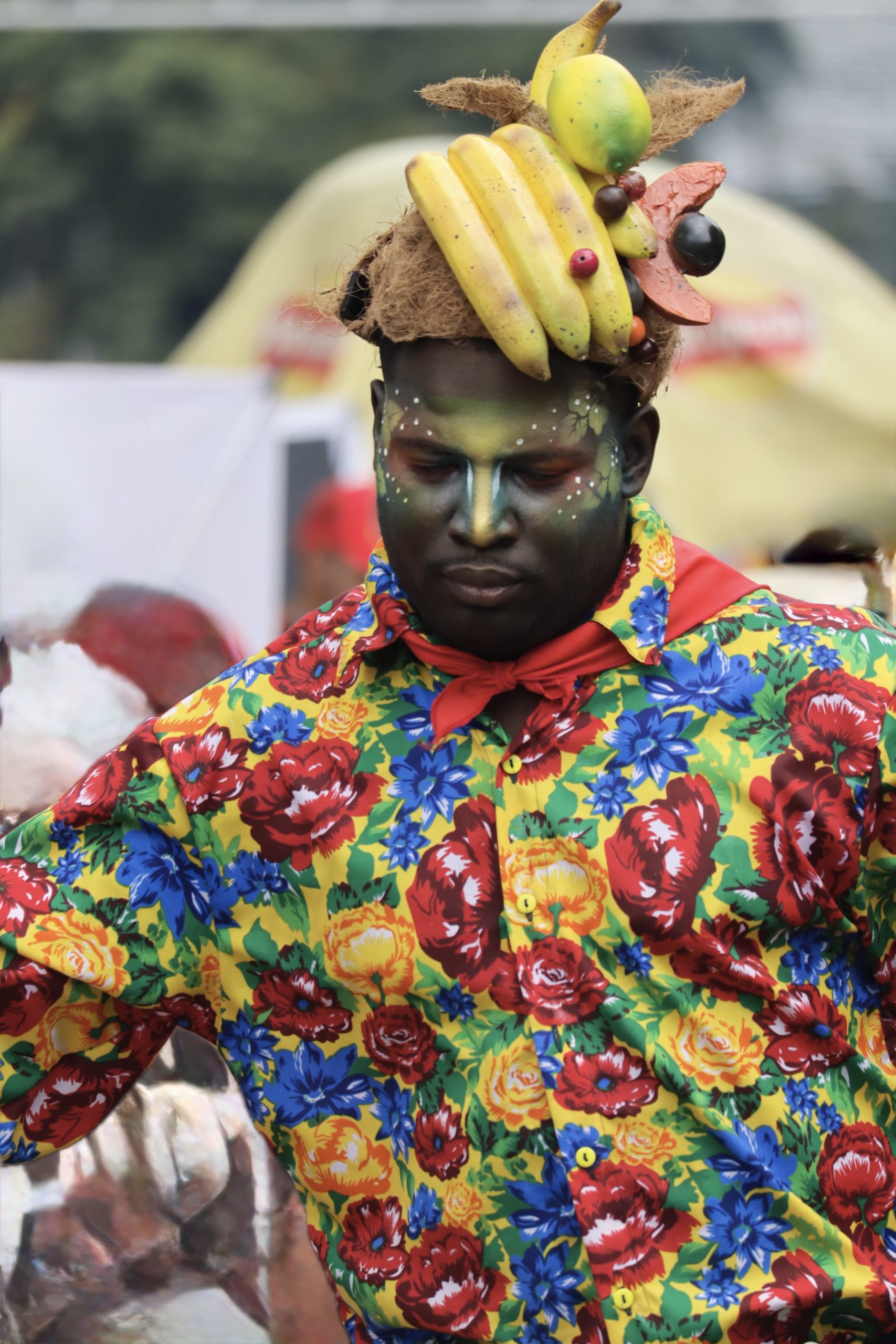
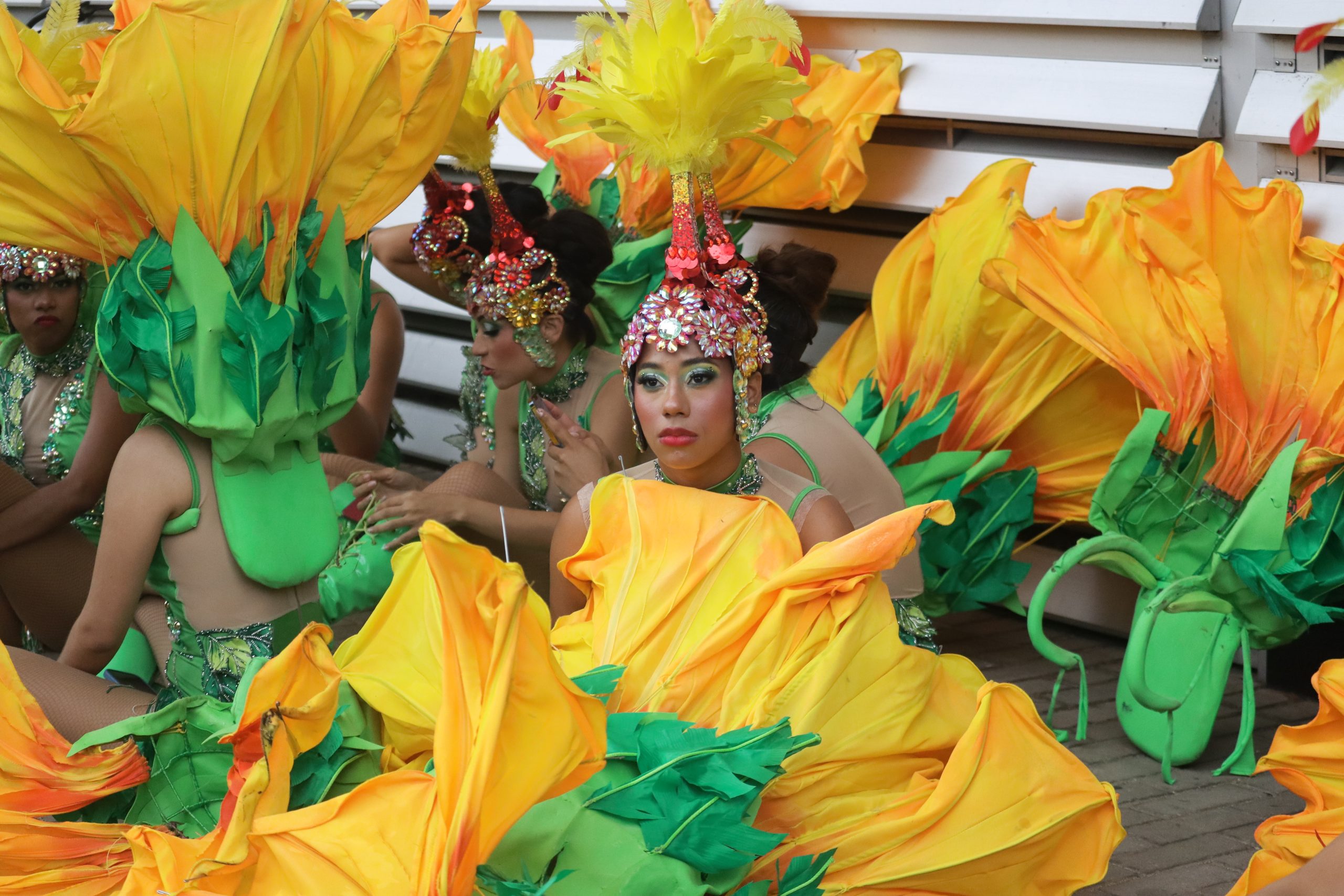
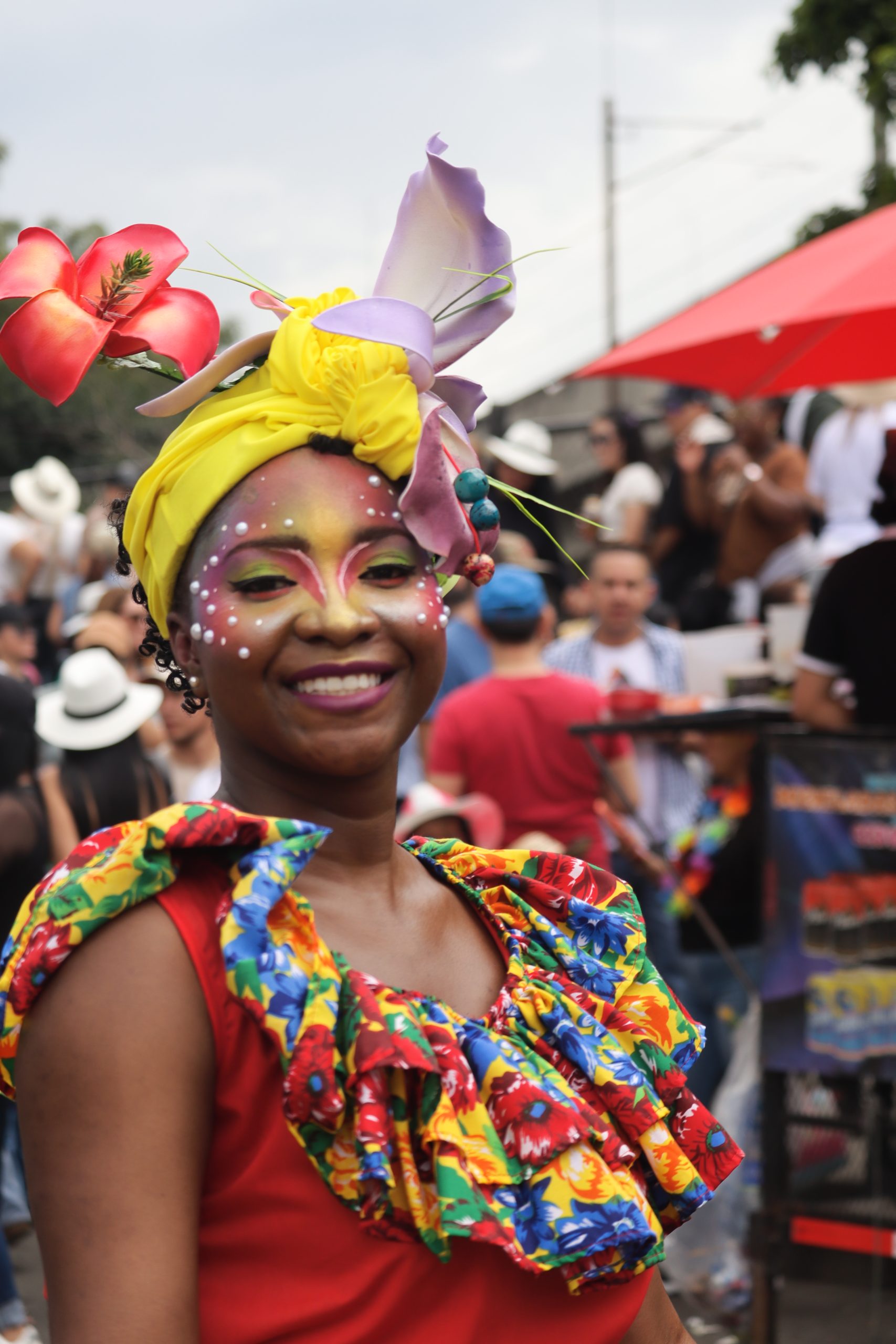
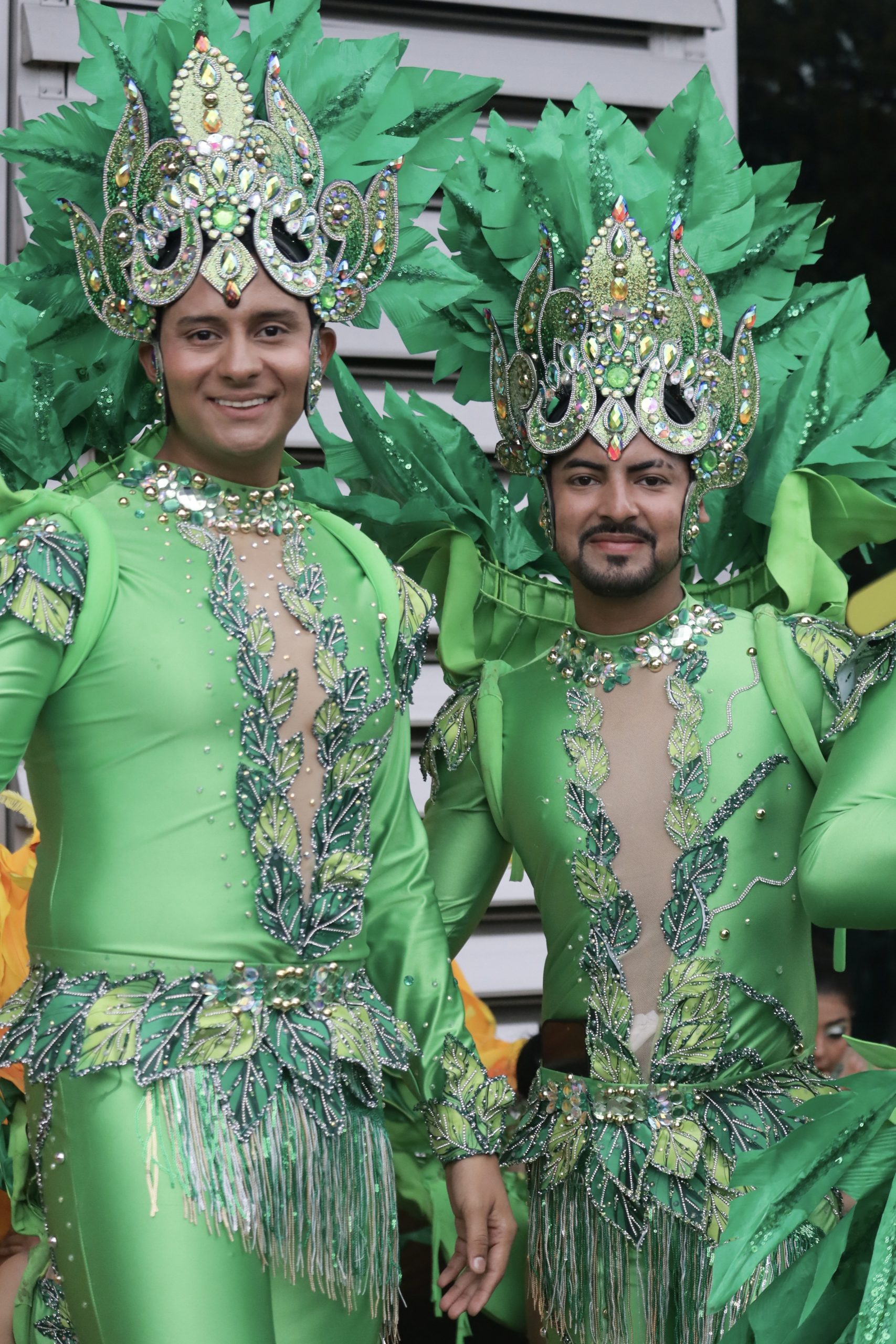
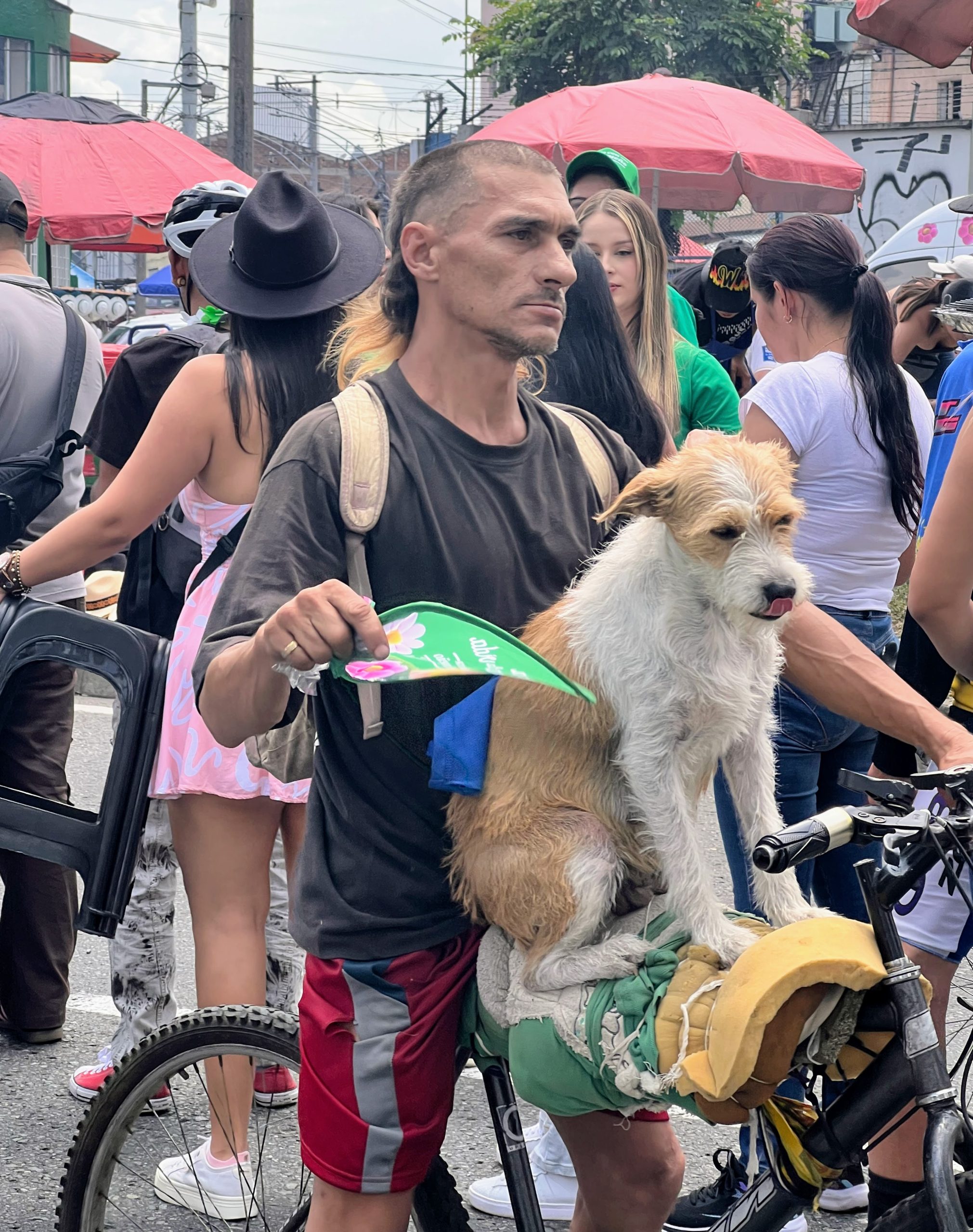
It was estimated that over 1 million people attended the finale regardless of the rain (it rained for at least an hour). I photographed many of the parade’s participants who were dressed to resemble flowers.
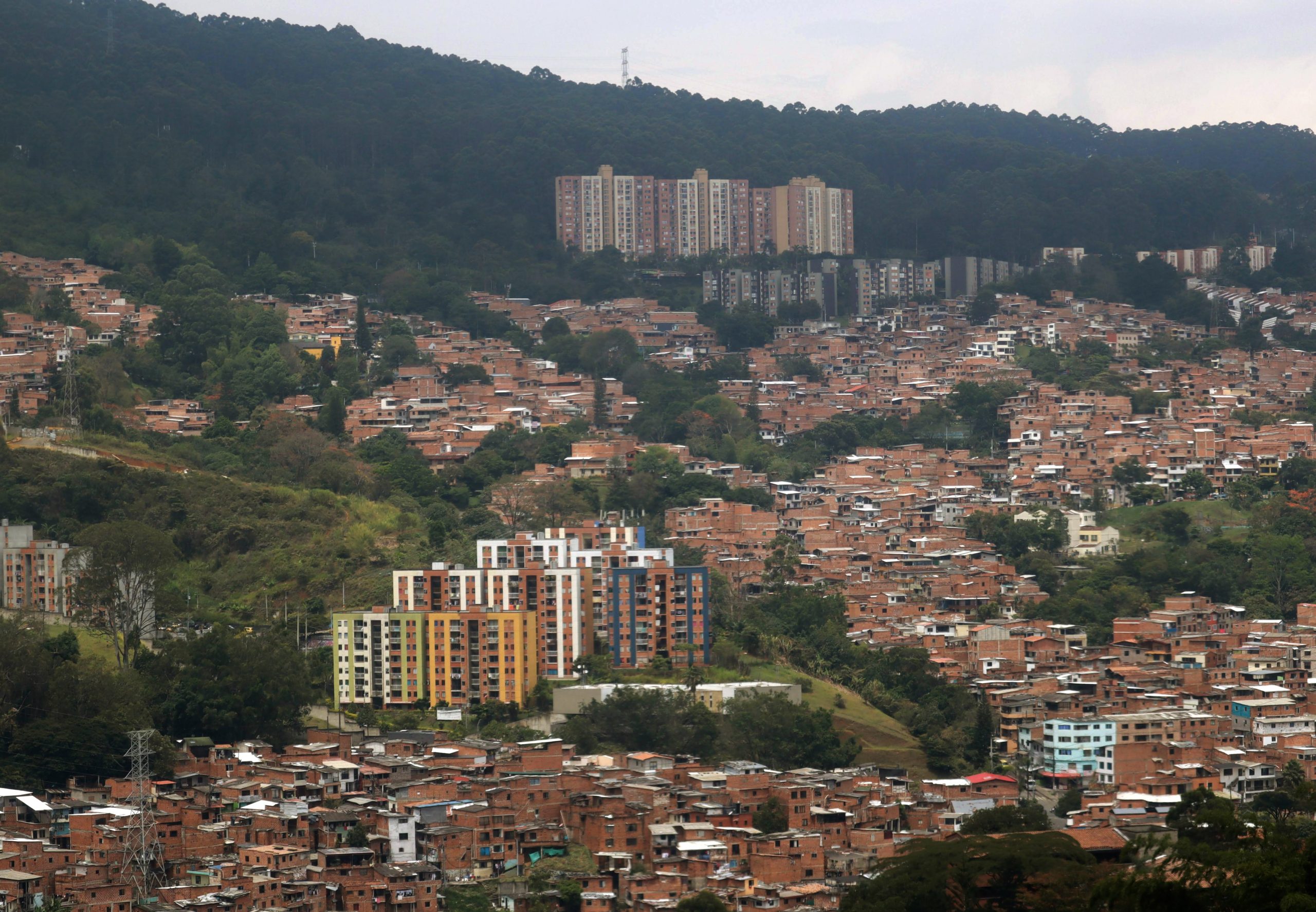
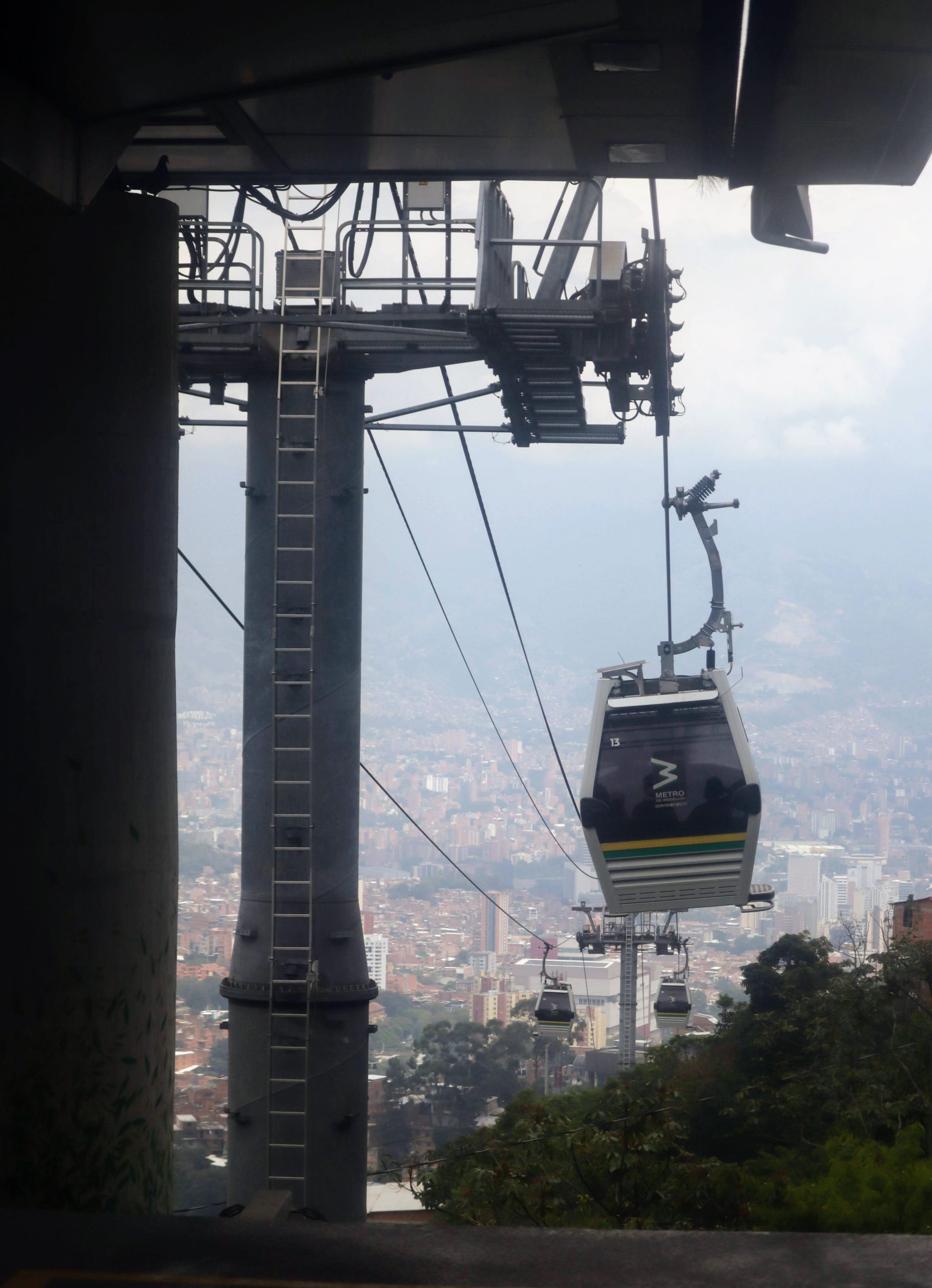
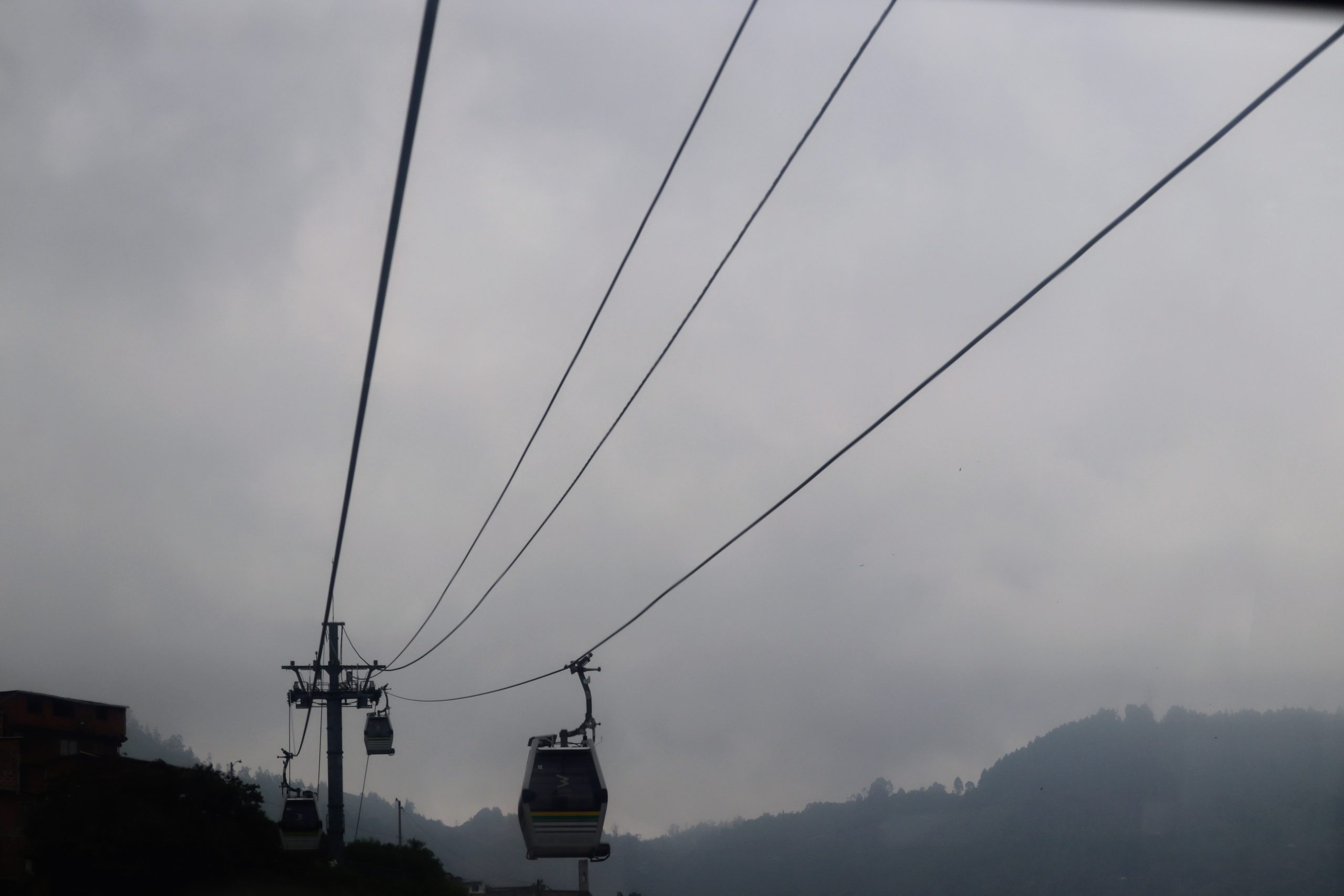
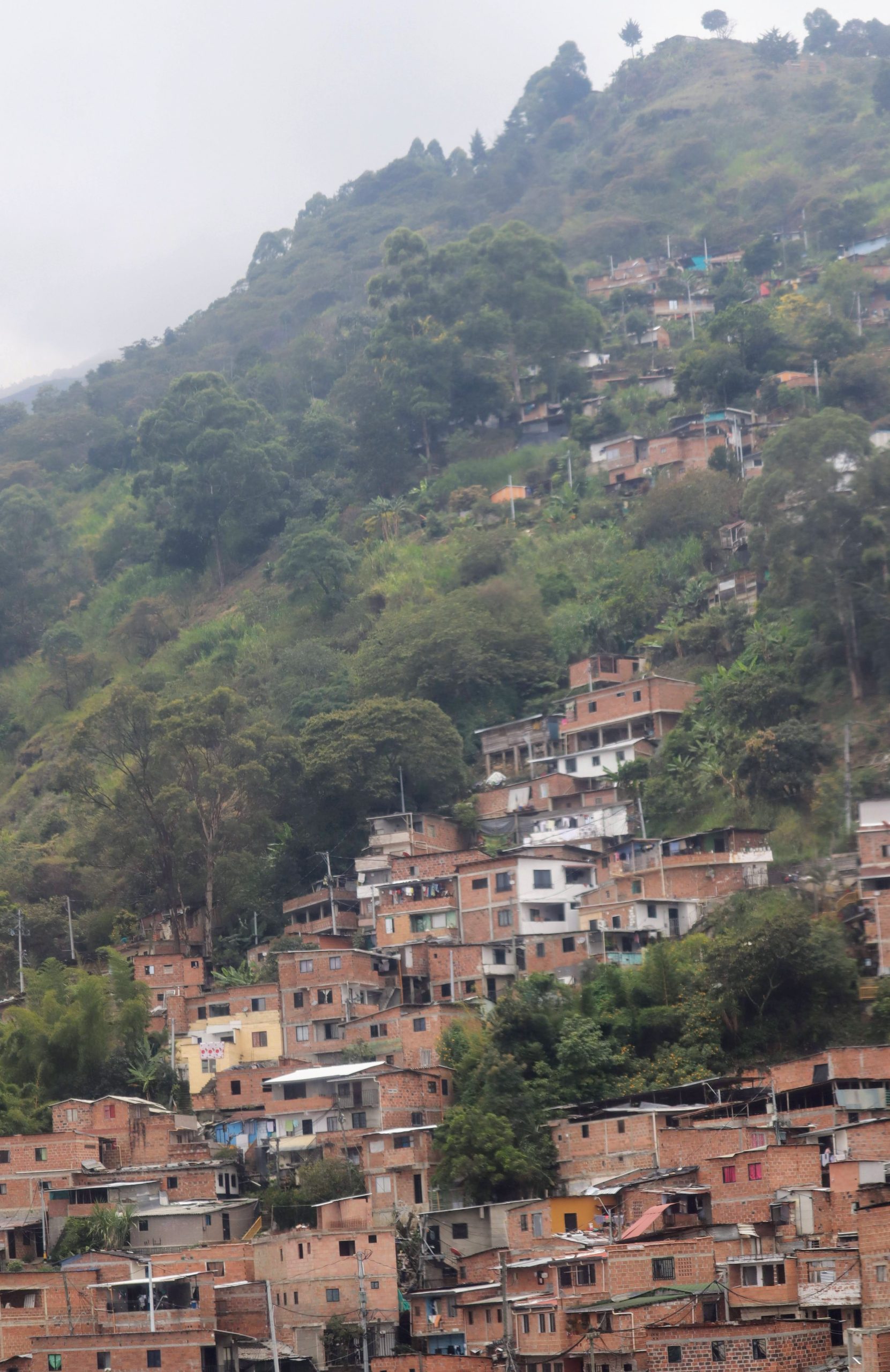
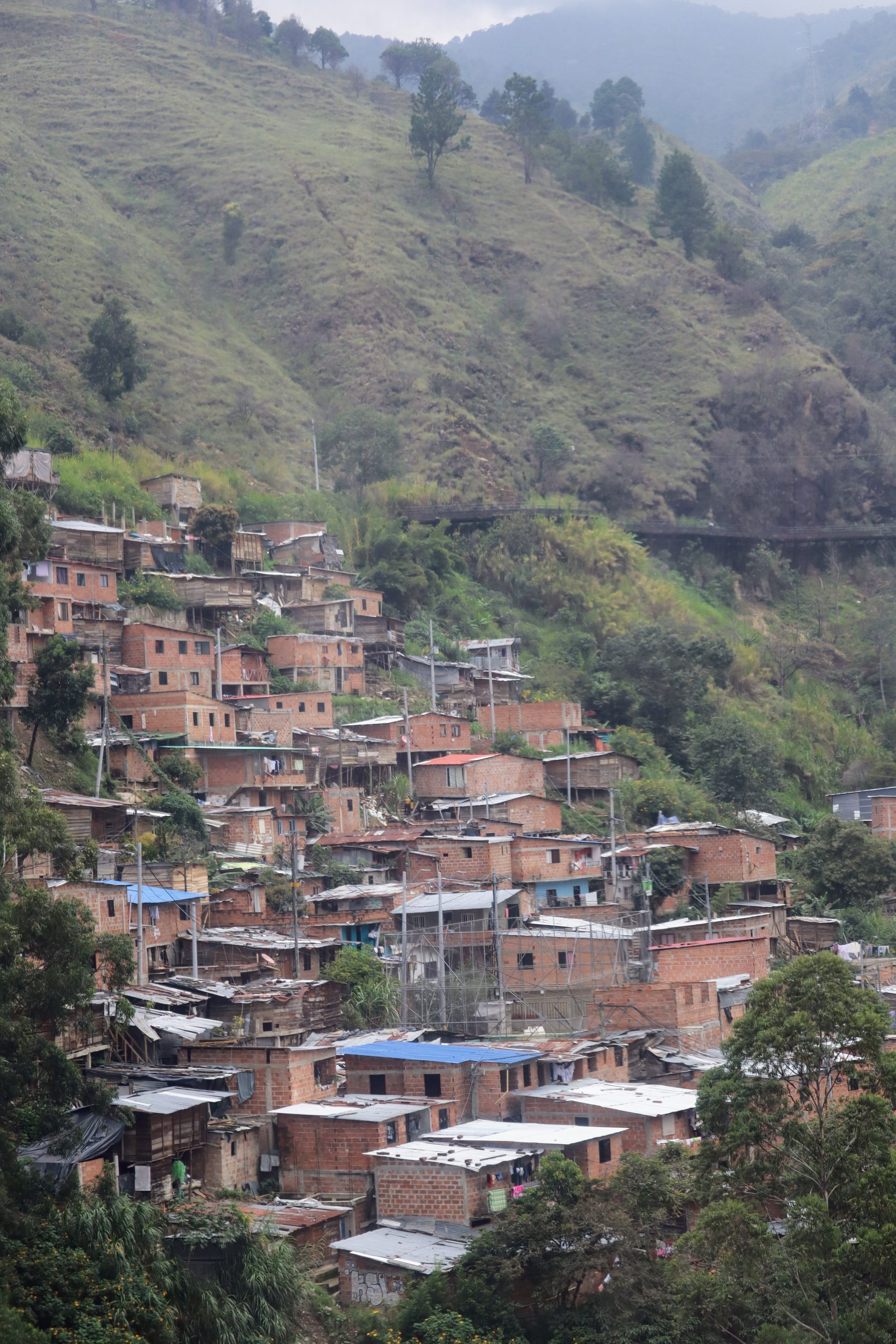
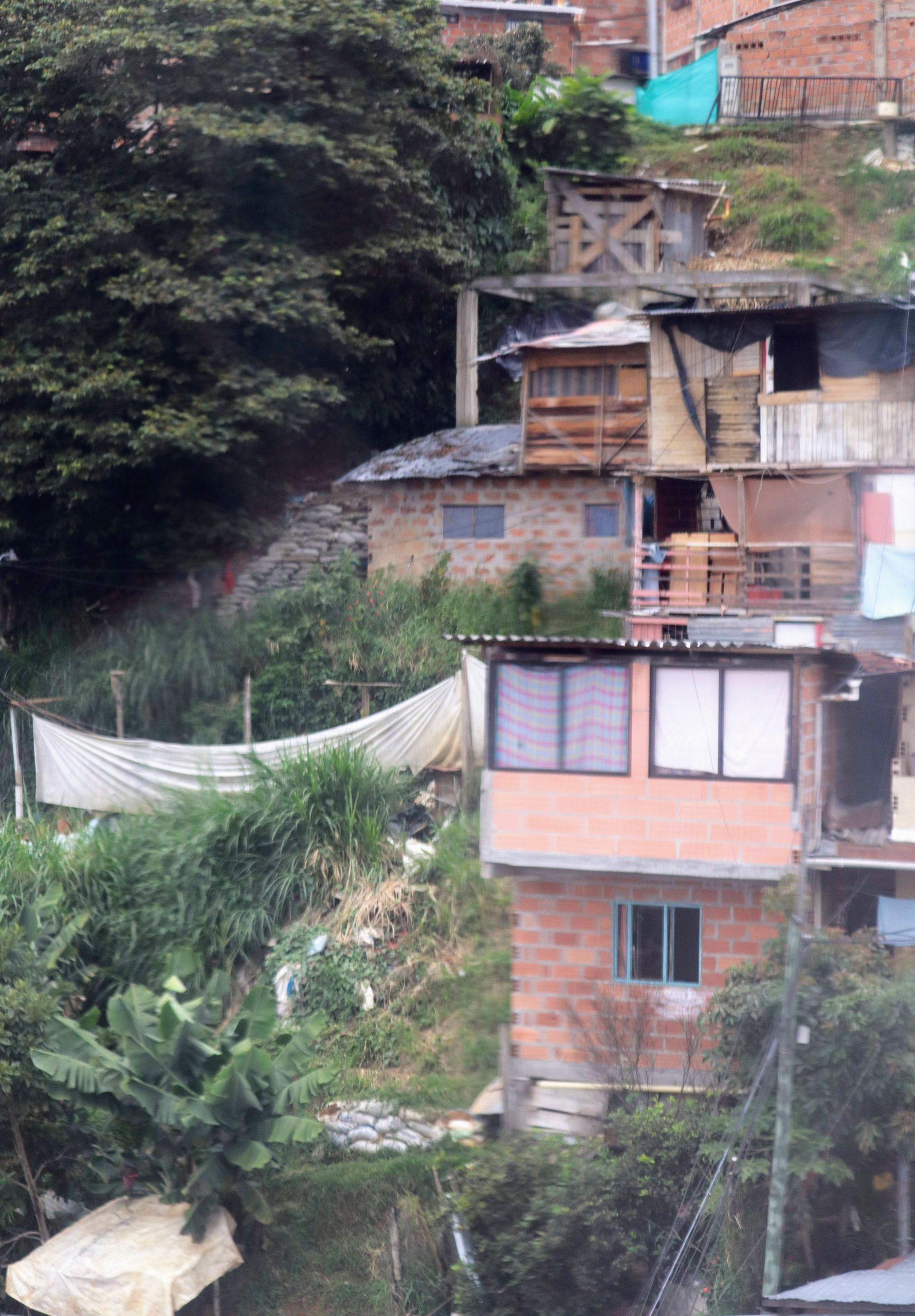
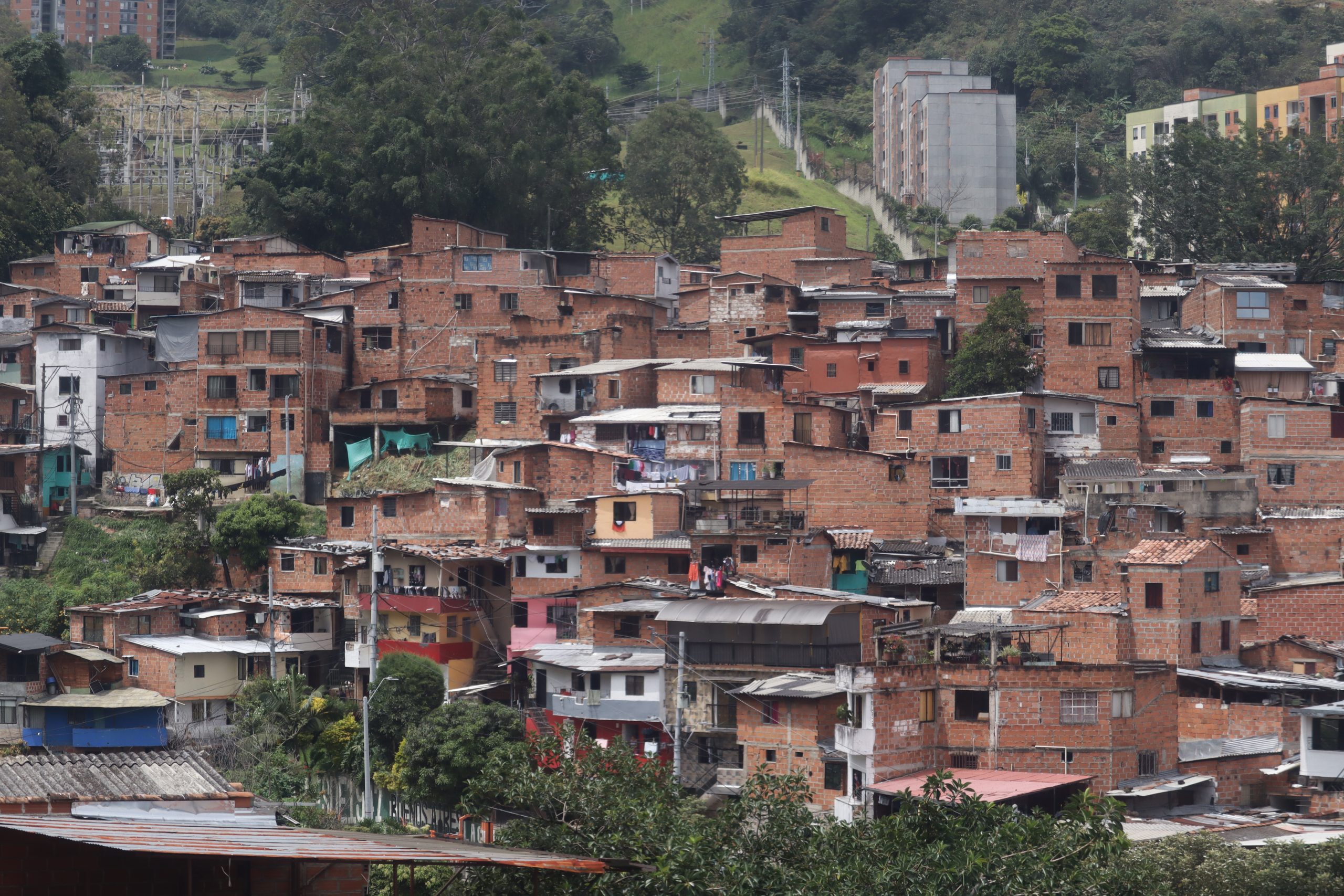
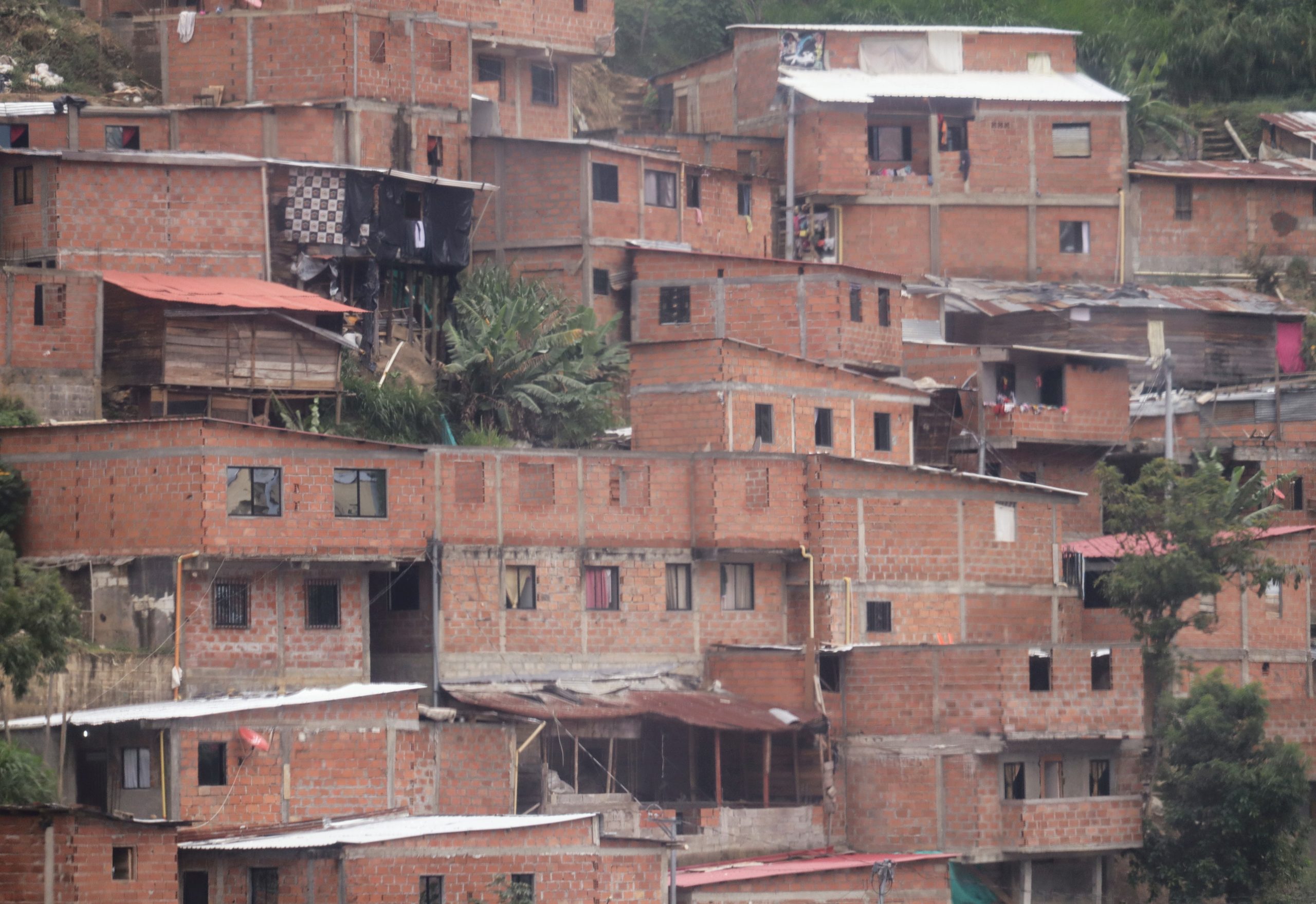
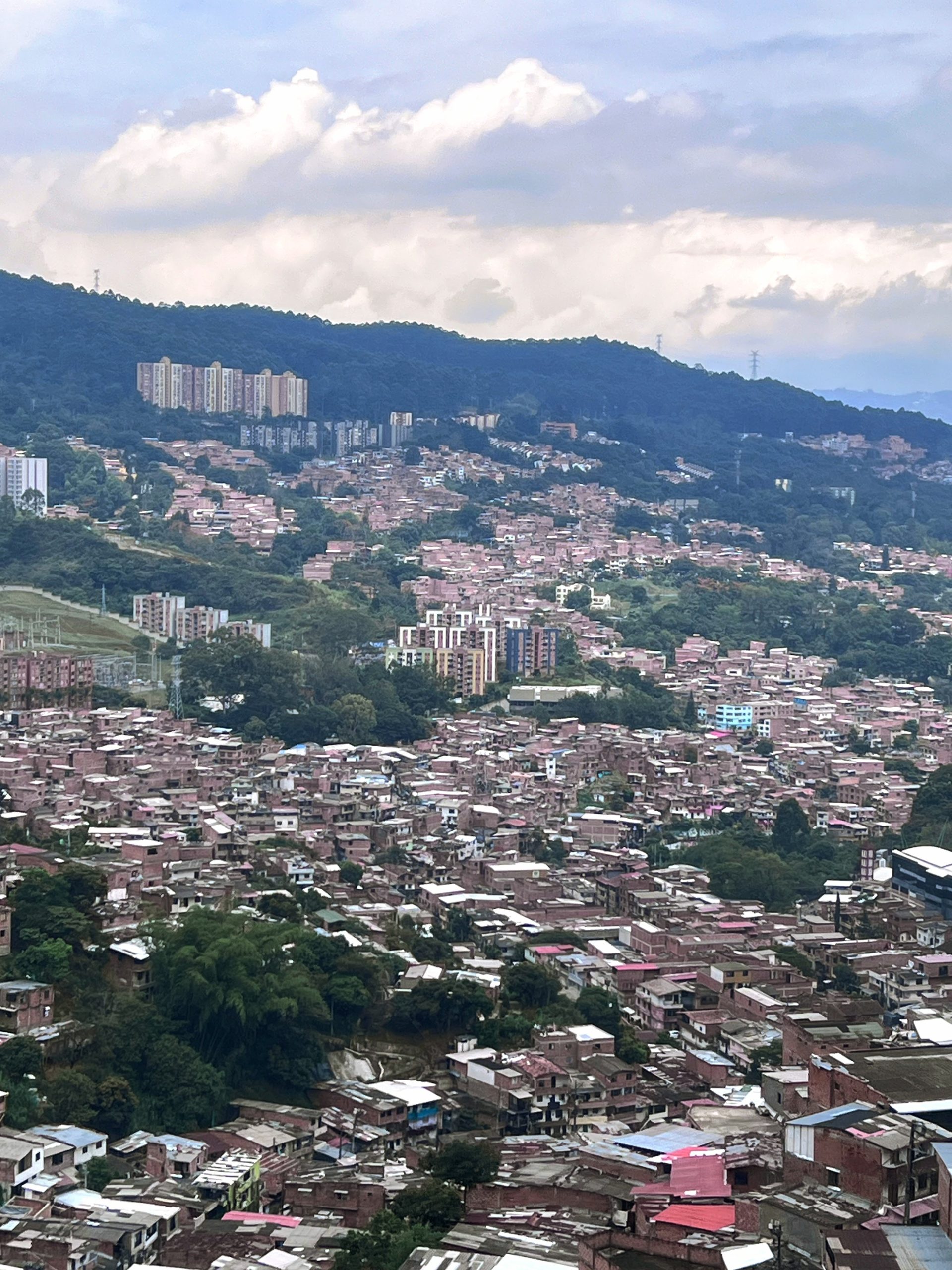
City Tour – This is a big city, and I found it helpful to take a city tour that took you to several locations, including a ride up on its cable cars. So many of the houses in these mountains are low-income or squatters’ homes segregating these communities from the rest of the city. The cable car system opened opportunities for these households to come into the city for education, social services, jobs and entertainment and to break down inequality.
Pablo Escobar Museum– This so-called museum was about 5 minutes from where I was living. One of Pablo’s homes was converted into a museum now managed by his nephew. Beware: not worth your time and money. Escobar has a Robin Hood image among poor neighborhoods to protect himself from being caught. It reminded me a bit of how tourism in Chicago promotes the history of Al Capone. People are curious about these antiheroes.
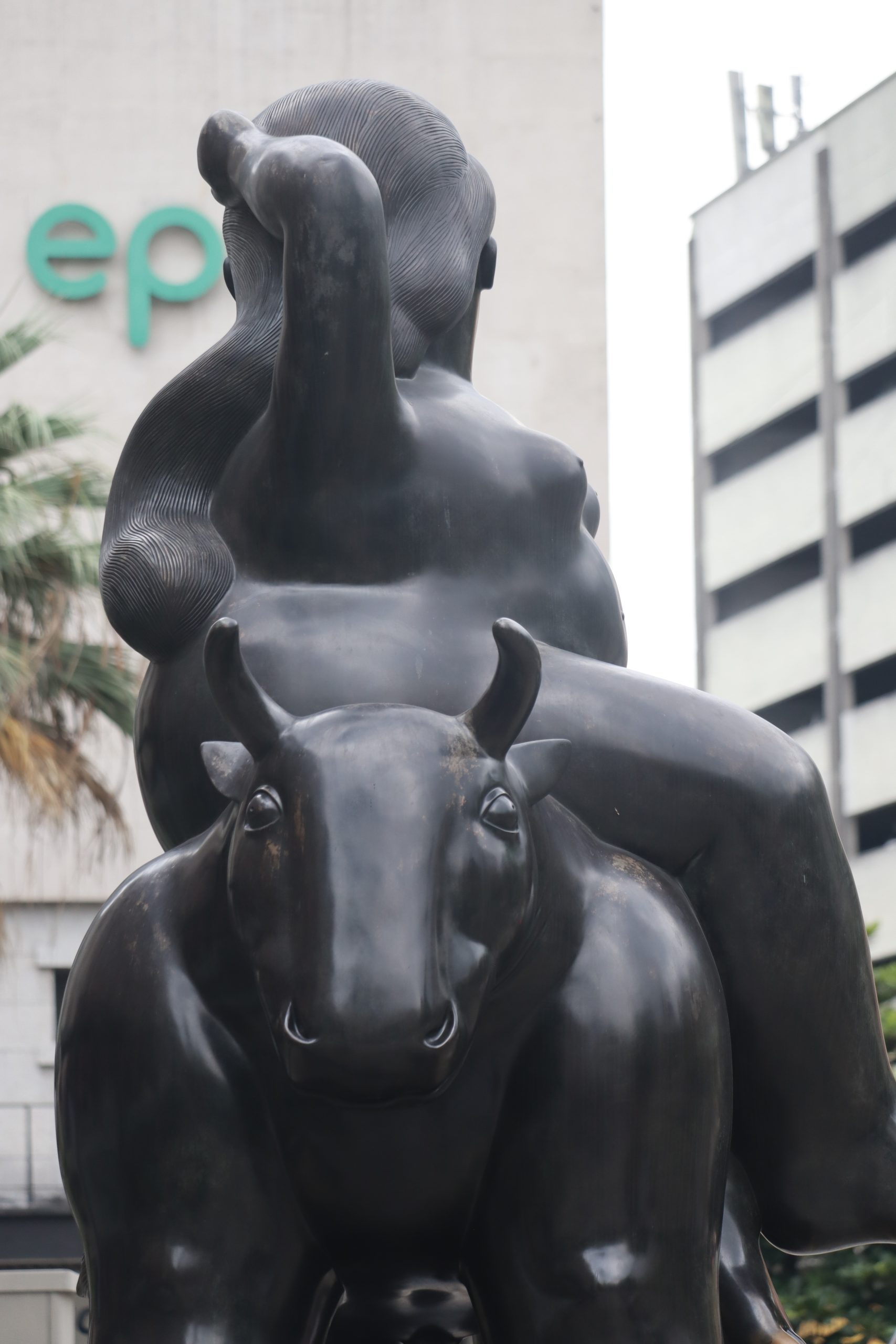
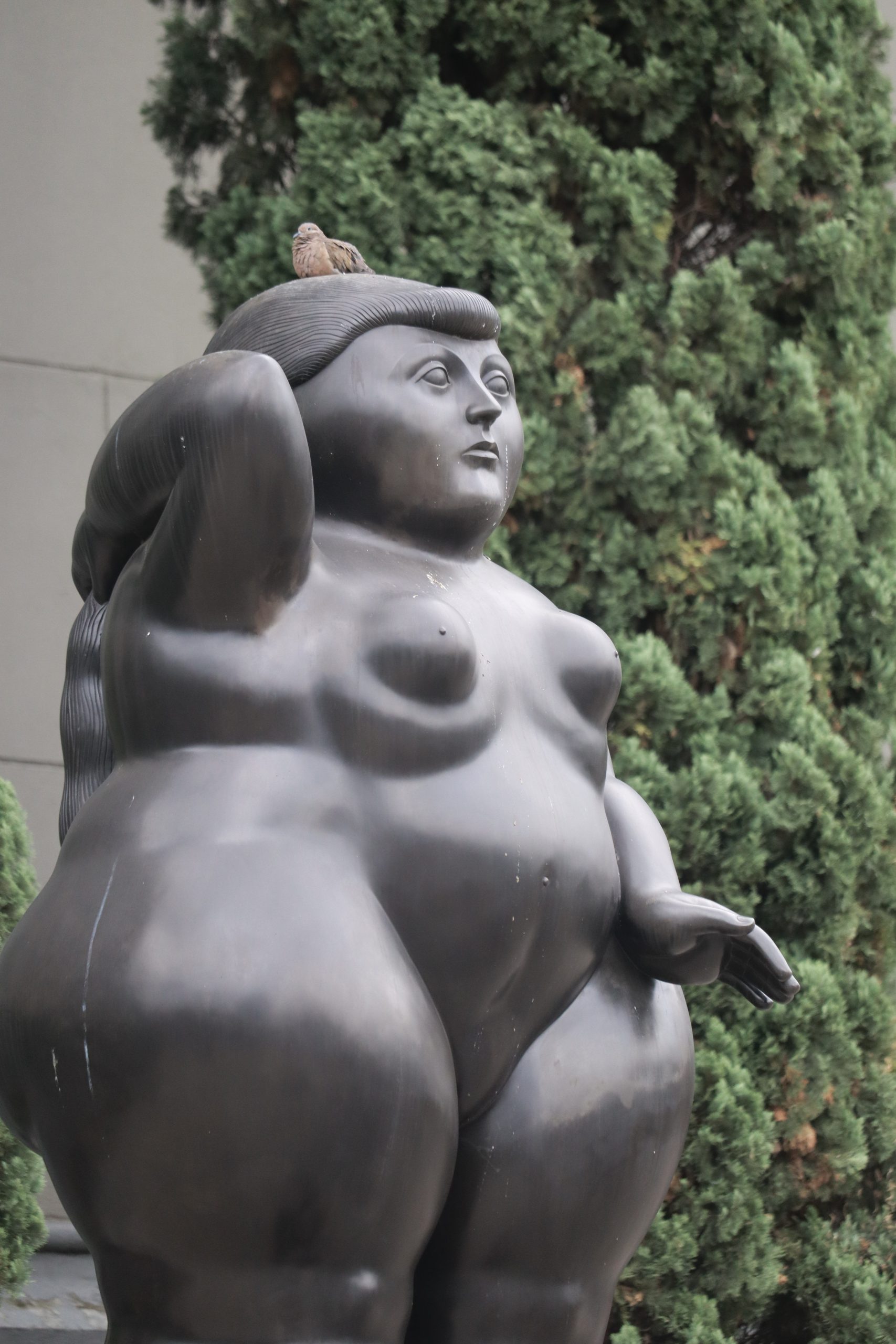
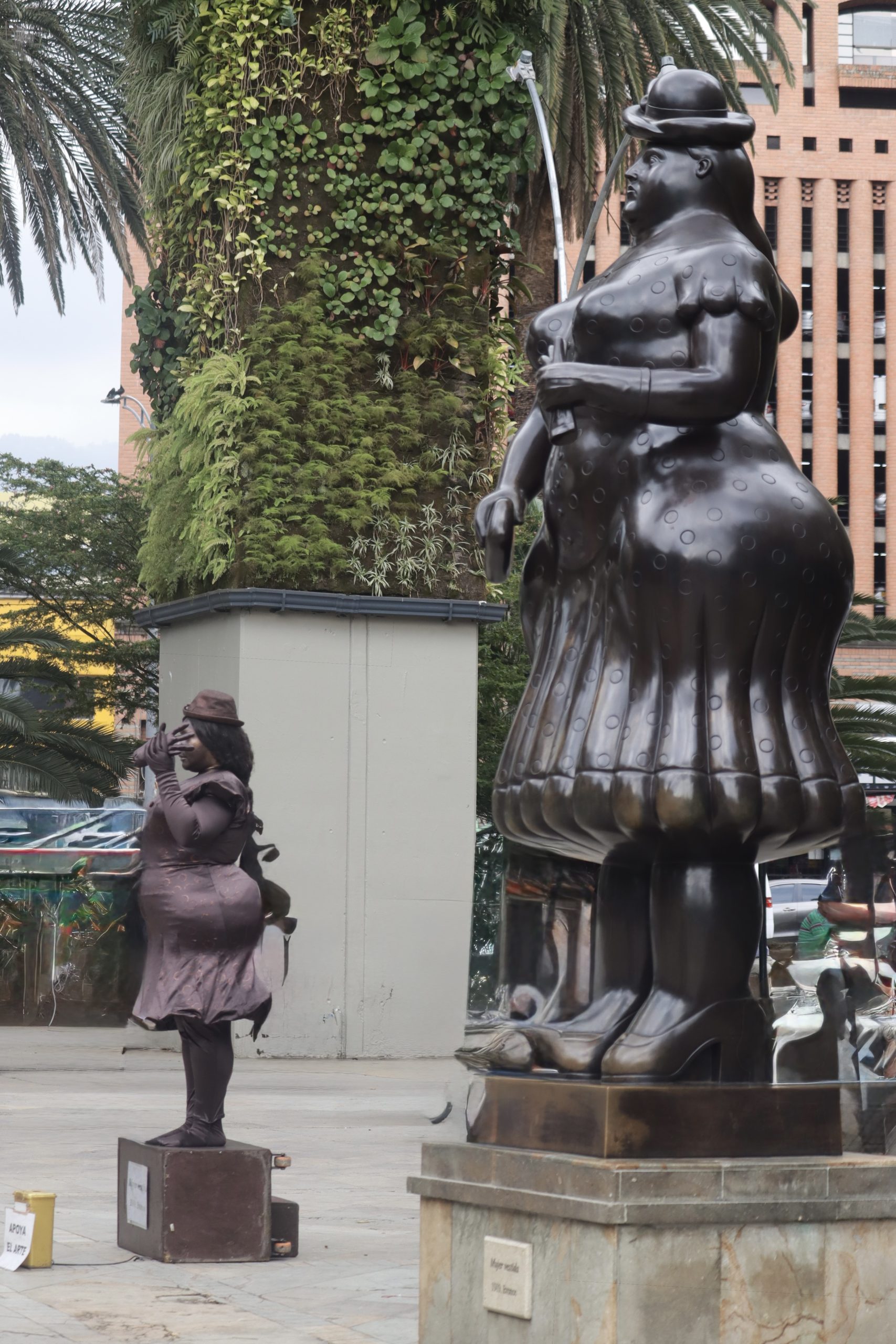
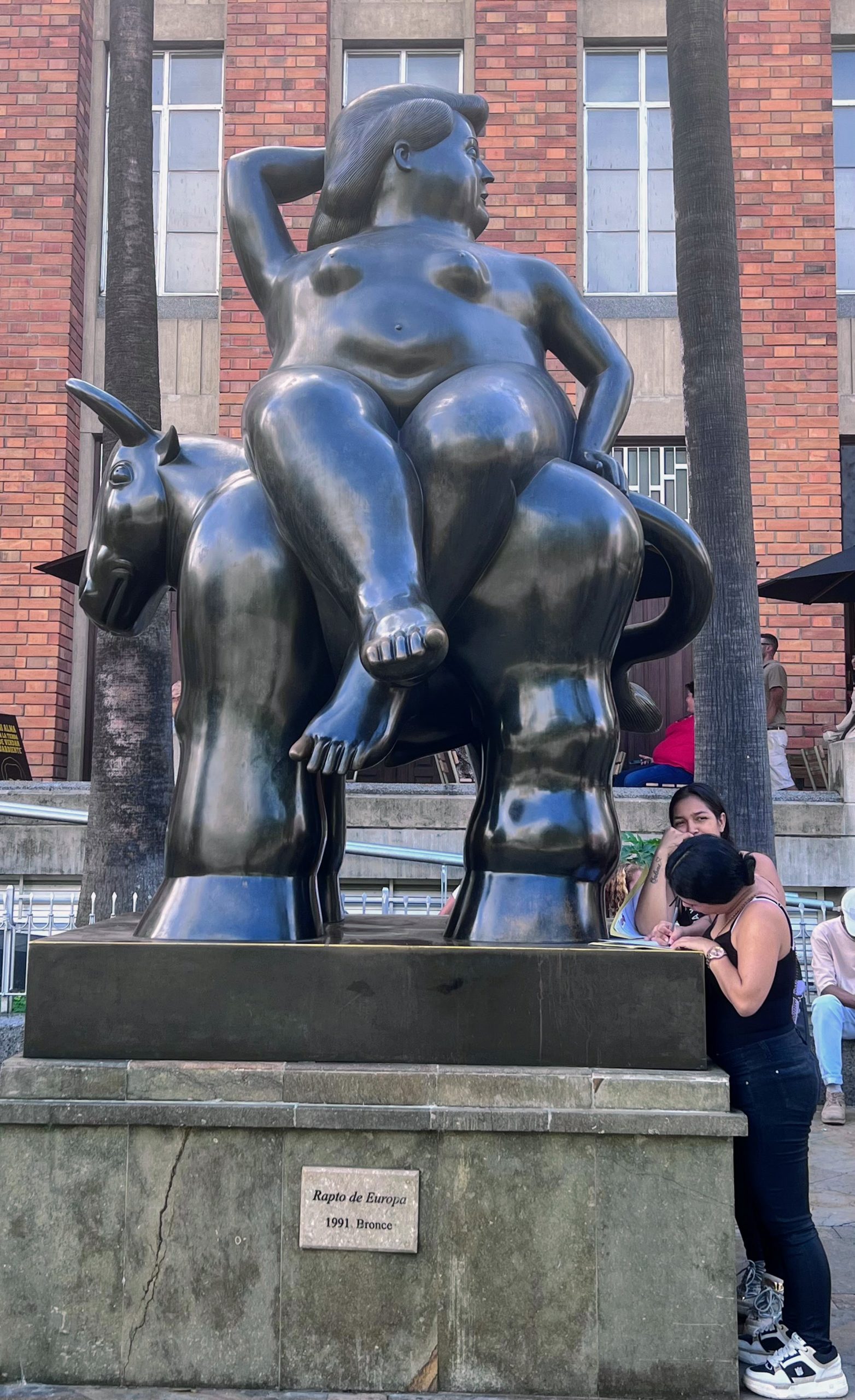
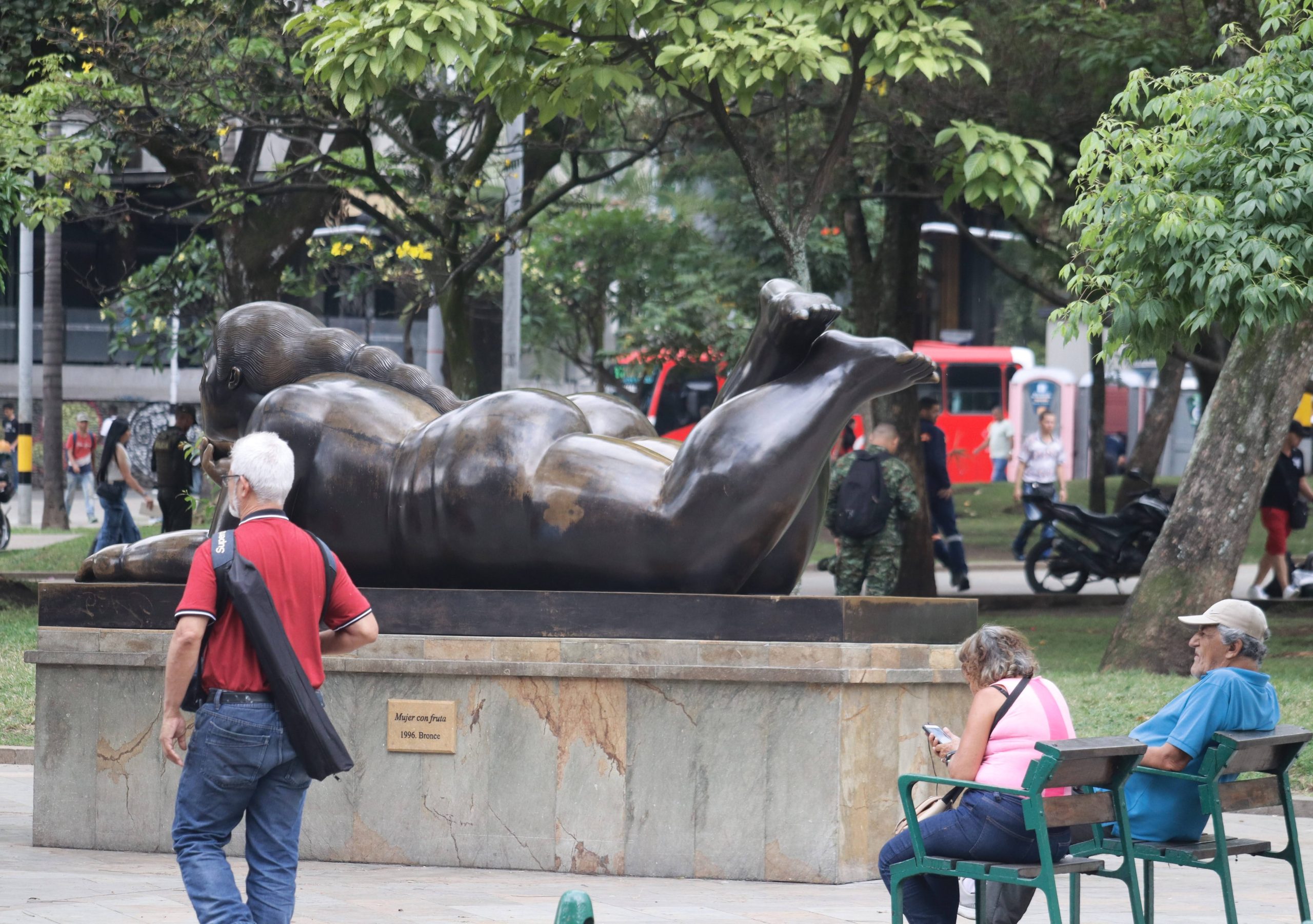
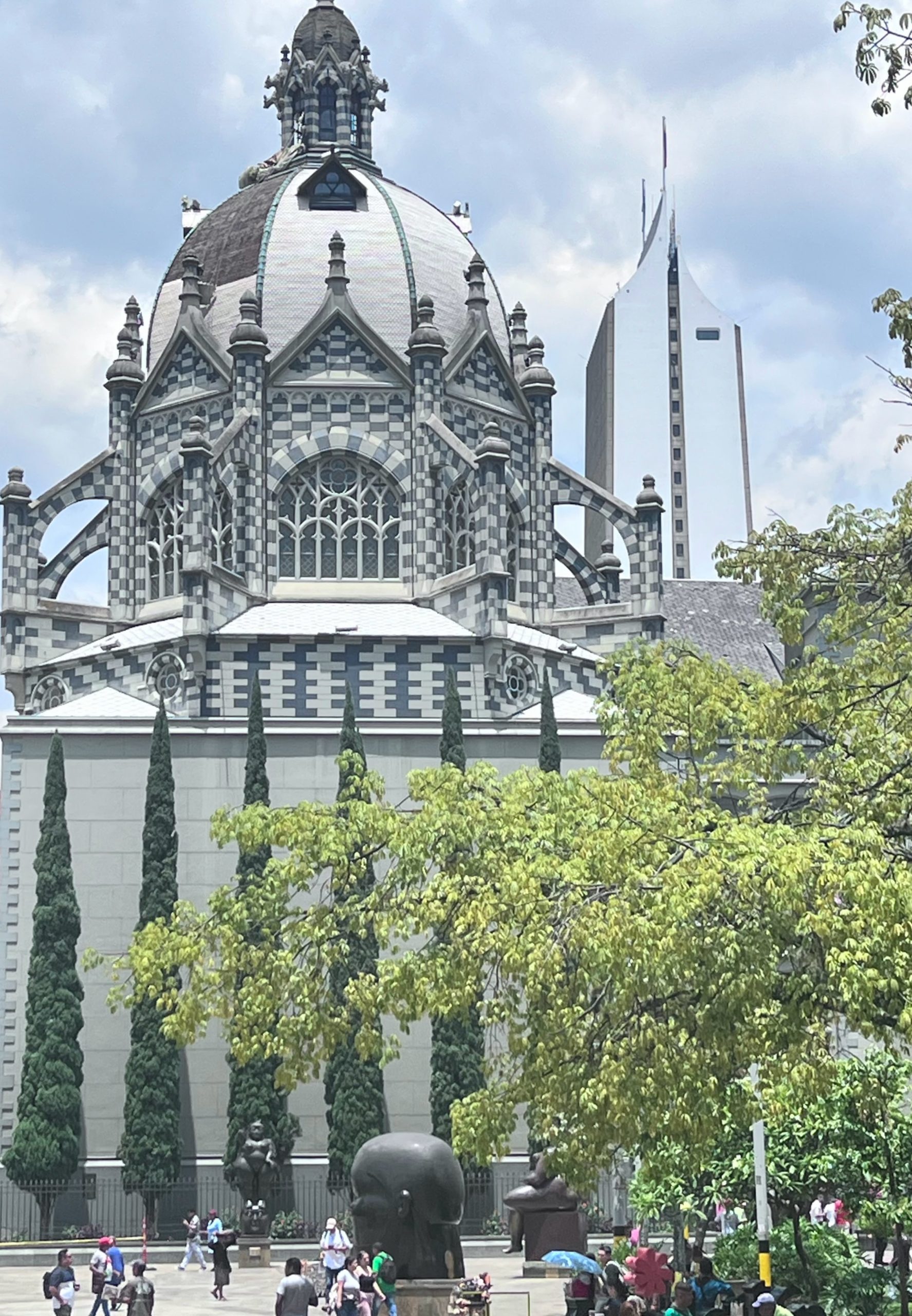
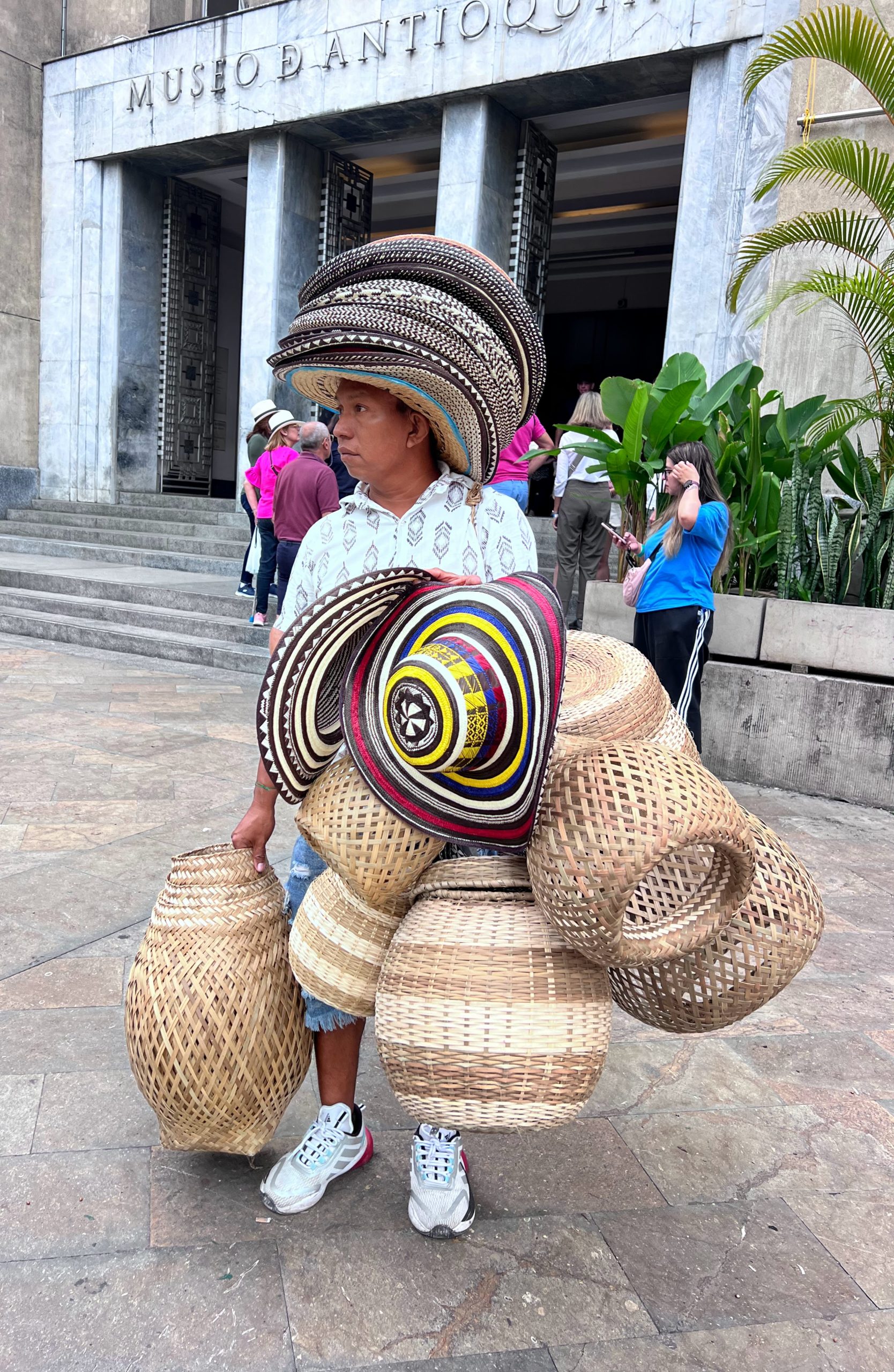
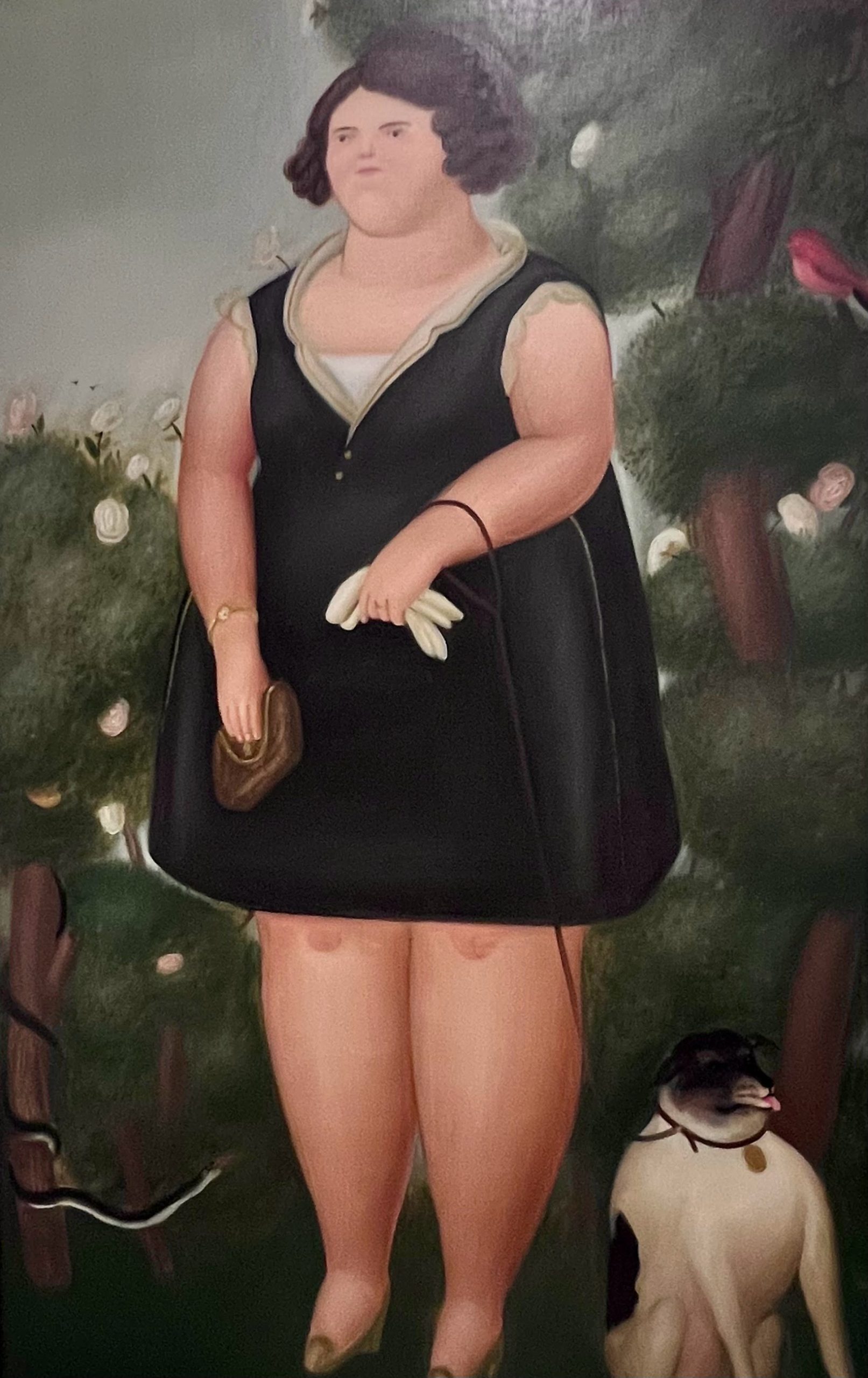
Botero Plaza and the Antioquia Museum– The Botero Plaza is in the heart of the city, showcasing 23 monumental sculpture pieces by the master artist Fernando Botero of Colombia. The plaza faces the Museum of Antioquia, which also has a significant collection of Botero’s works. I very much like Botero’s work. Unfortunately, most people describe his work as the artist who paints fat people. His work features large-size subjects of all sorts, not only big people. His works are symbolic of the excesses of wealth, greed and power. These works represent both political and social criticism, questioning societal norms and their impact on humanity. Many of his works are exaggerated forms of people much larger than seen in real life, part caricature.
Overall Impressions of Medellin
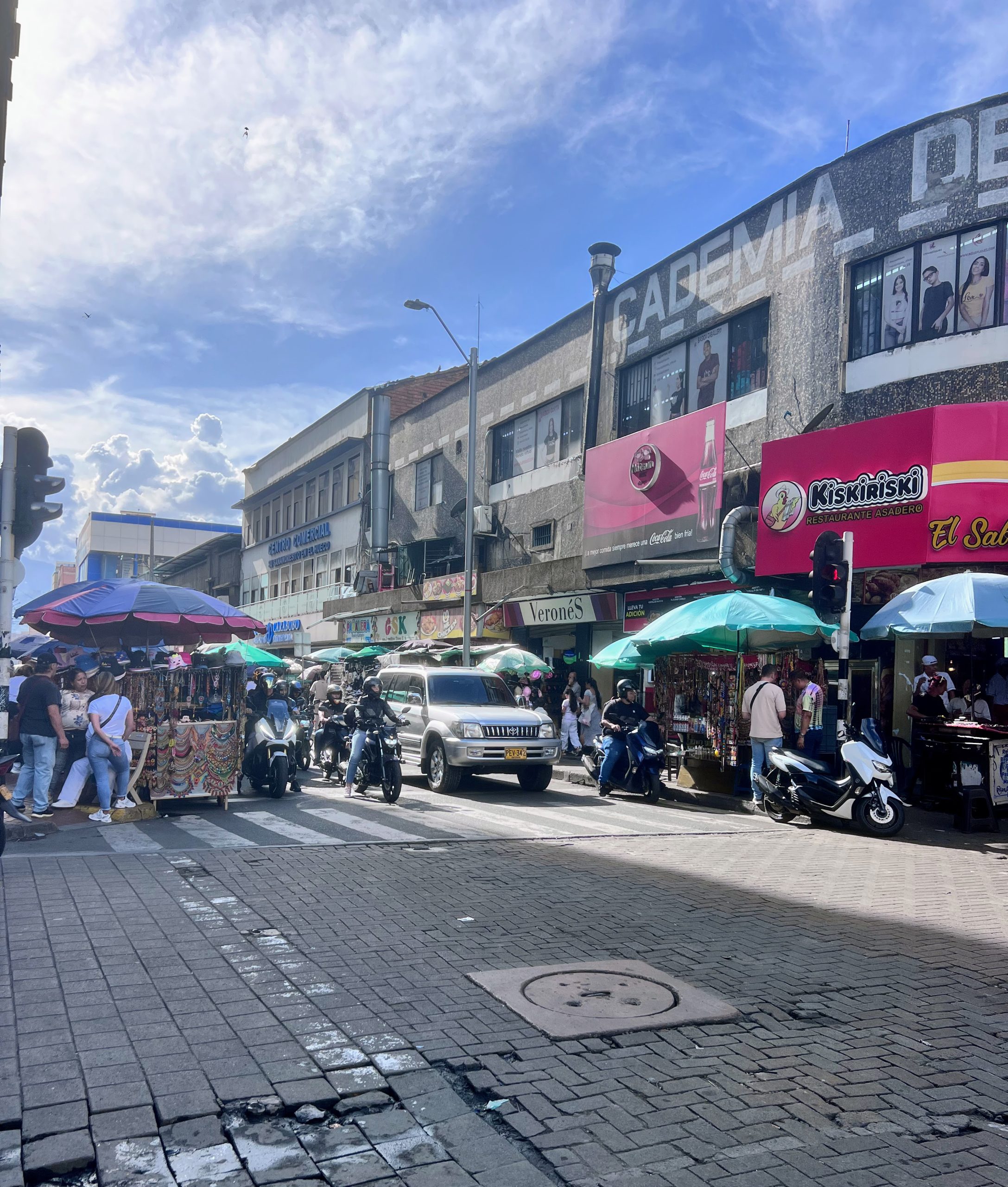
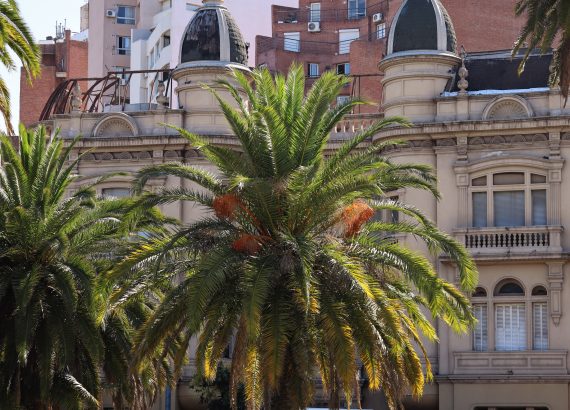
El Plobado neighborhood’s architecture is quite modern and caters to both residents and foreigners. It is both lively and safe as compared to the center of the city, which is very congested, old and worn. I found Bogota a bit more interesting as a city, having been able to walk to many of the museums and historic sites. Although I could breathe better in Medellin. A week in each of these cities was about the right amount of time for me to capture the essence of city life, its cultural roots and history. I particularly liked that both cities were seeking ways to address the inequalities facing their populations. Both respective governments were more open to building their infrastructure and public services while exploring technology, tourism and other economic opportunities. Besides these two cities, I also spent some time in Cartagena and visited surrounding local communities in Colombia. Below are links to these stories.
My Photos
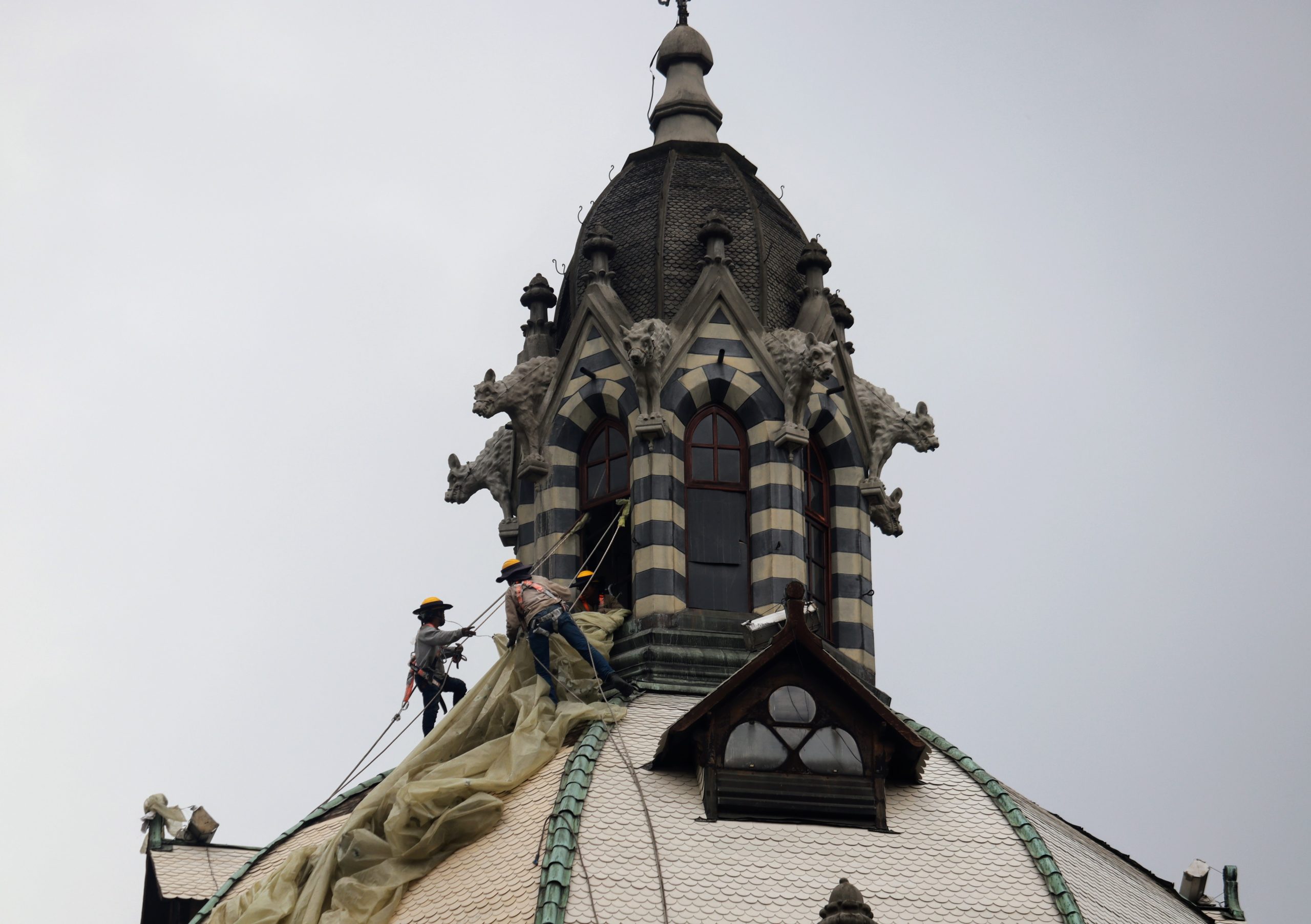
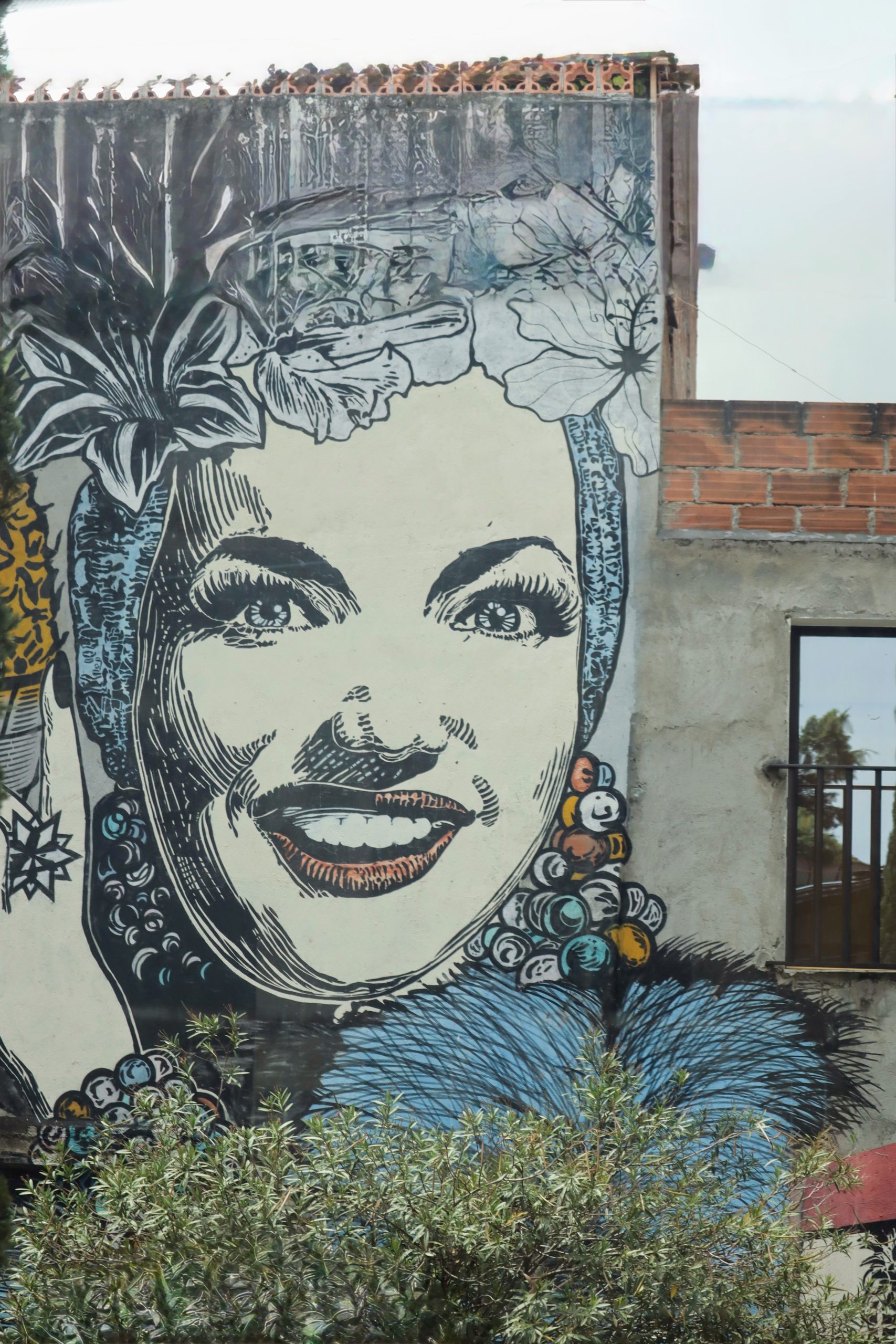
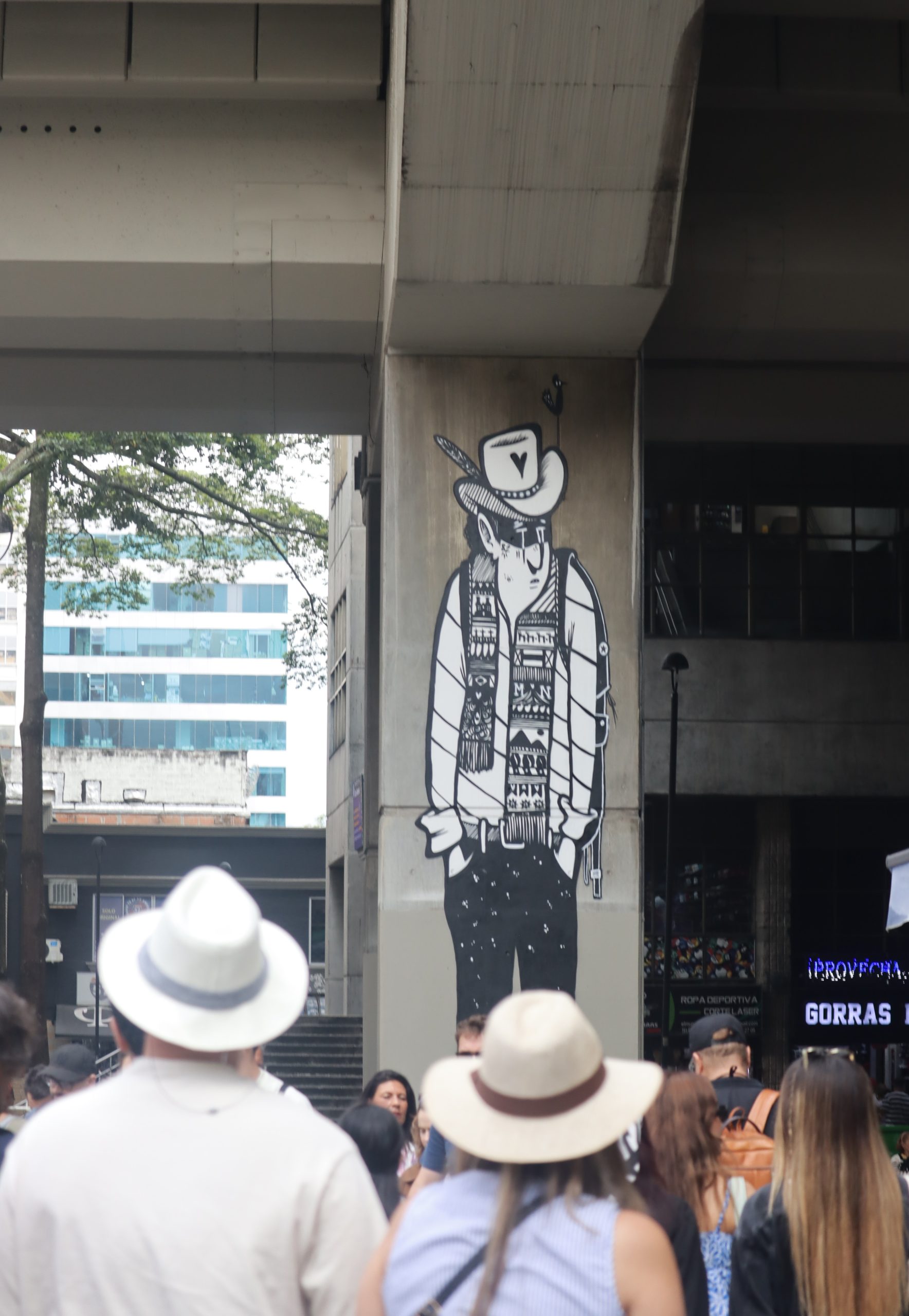
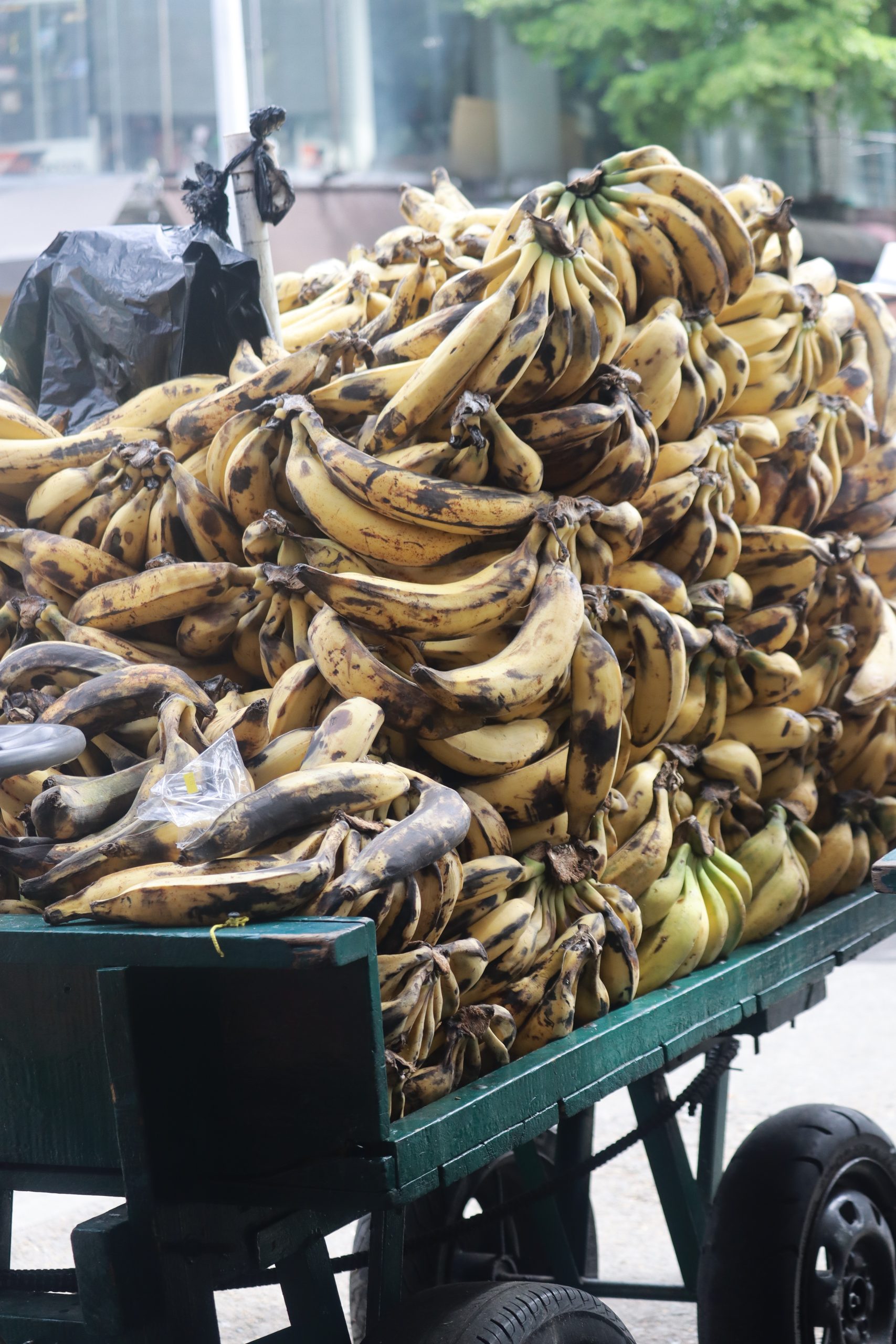
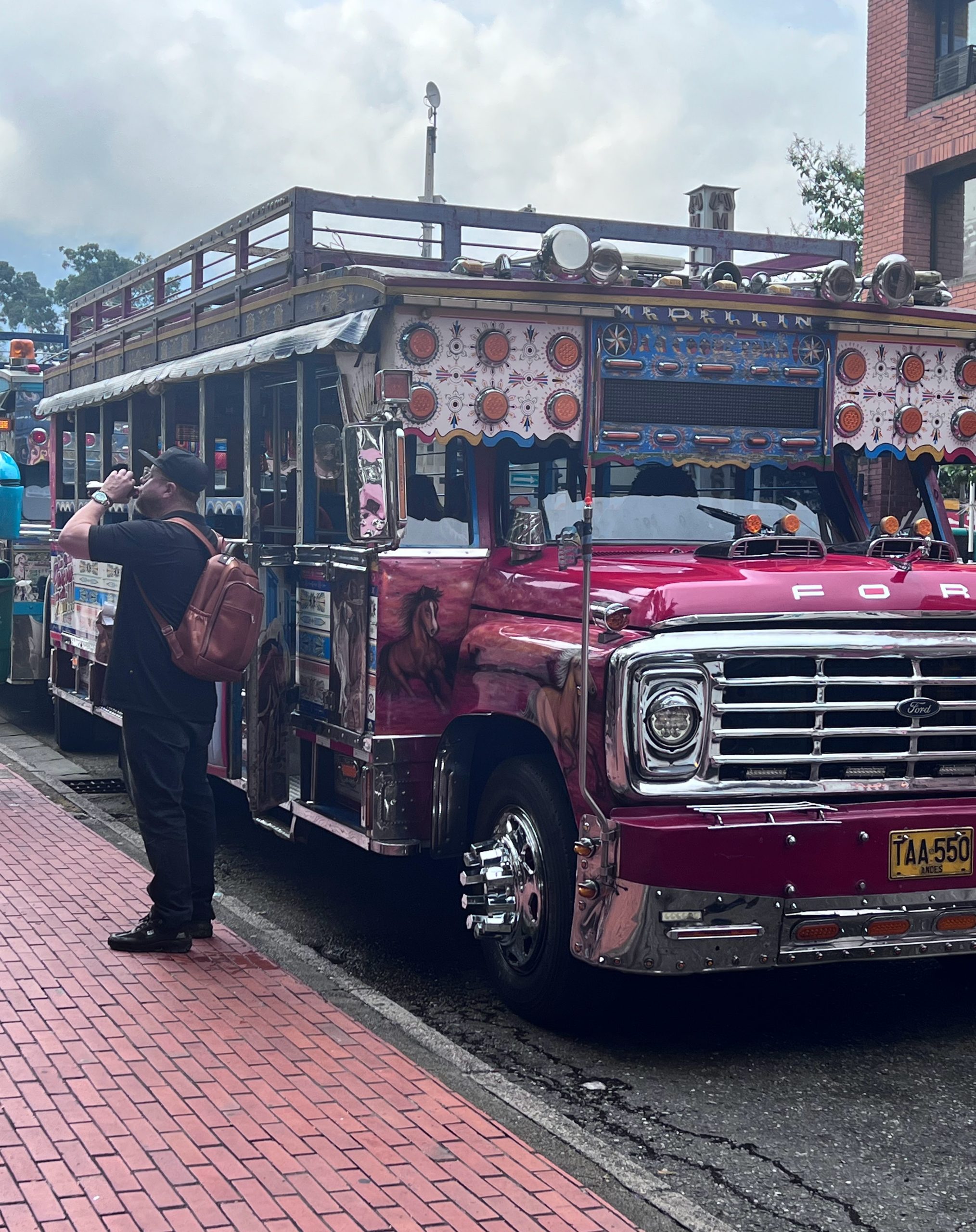
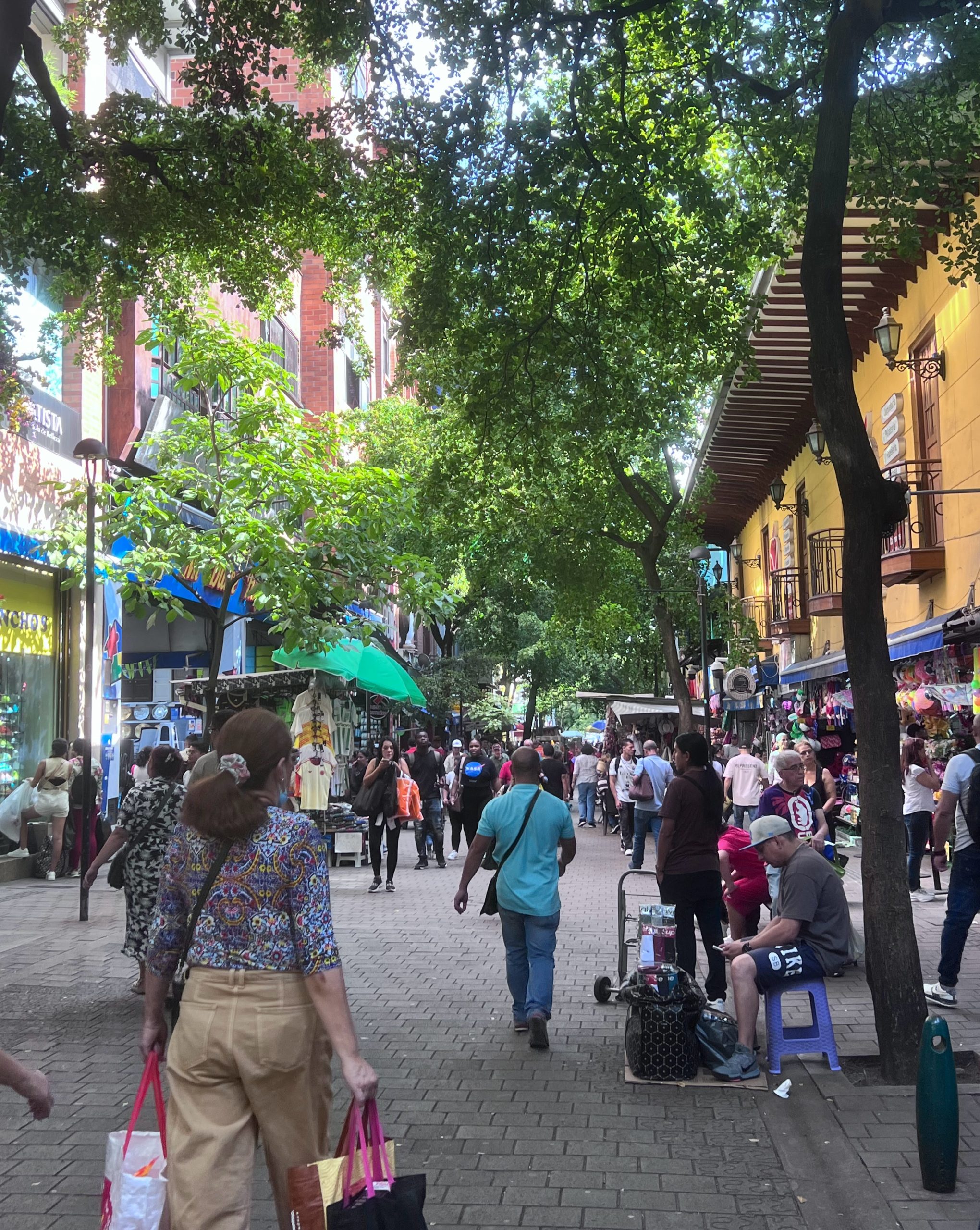
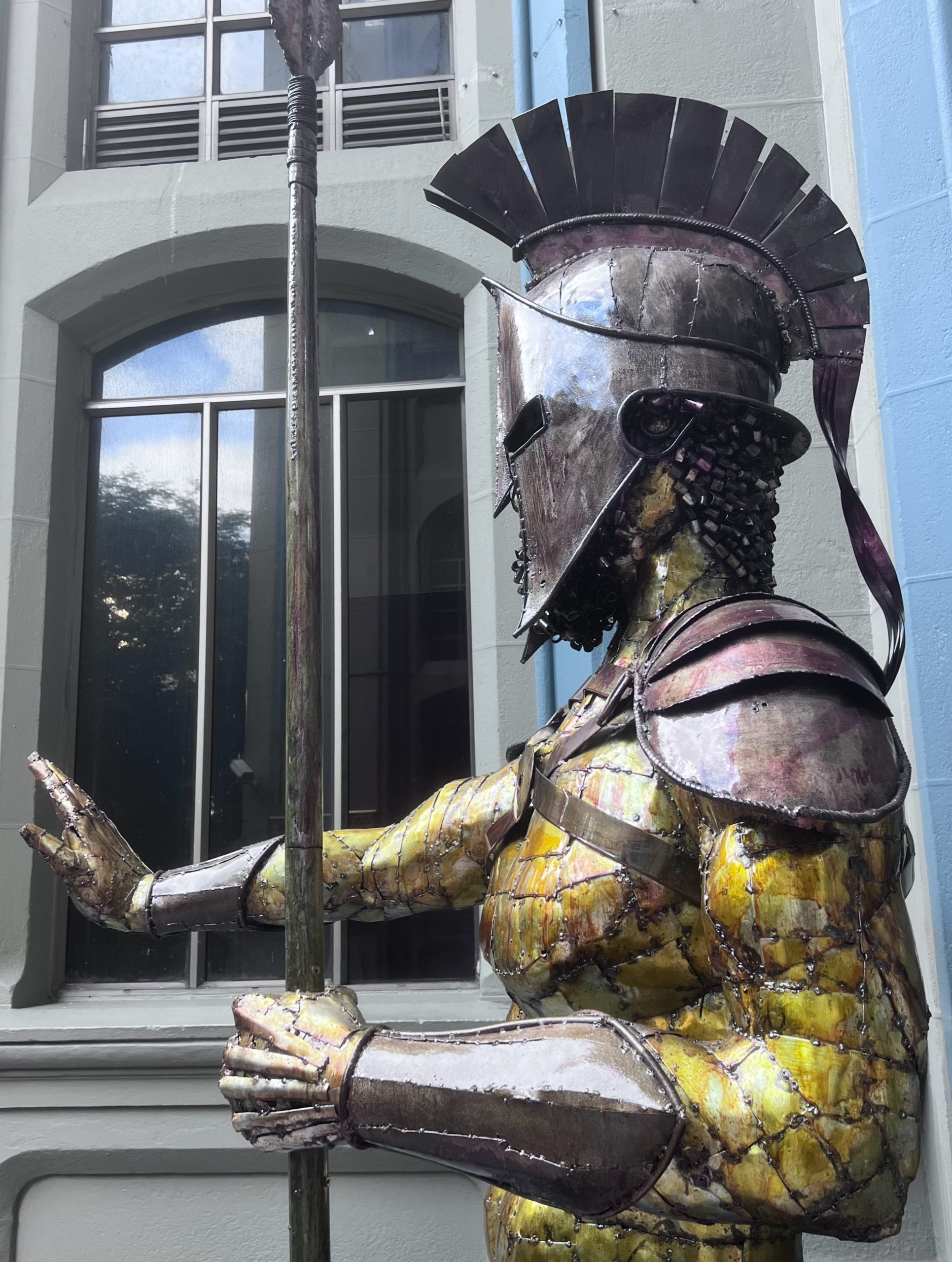
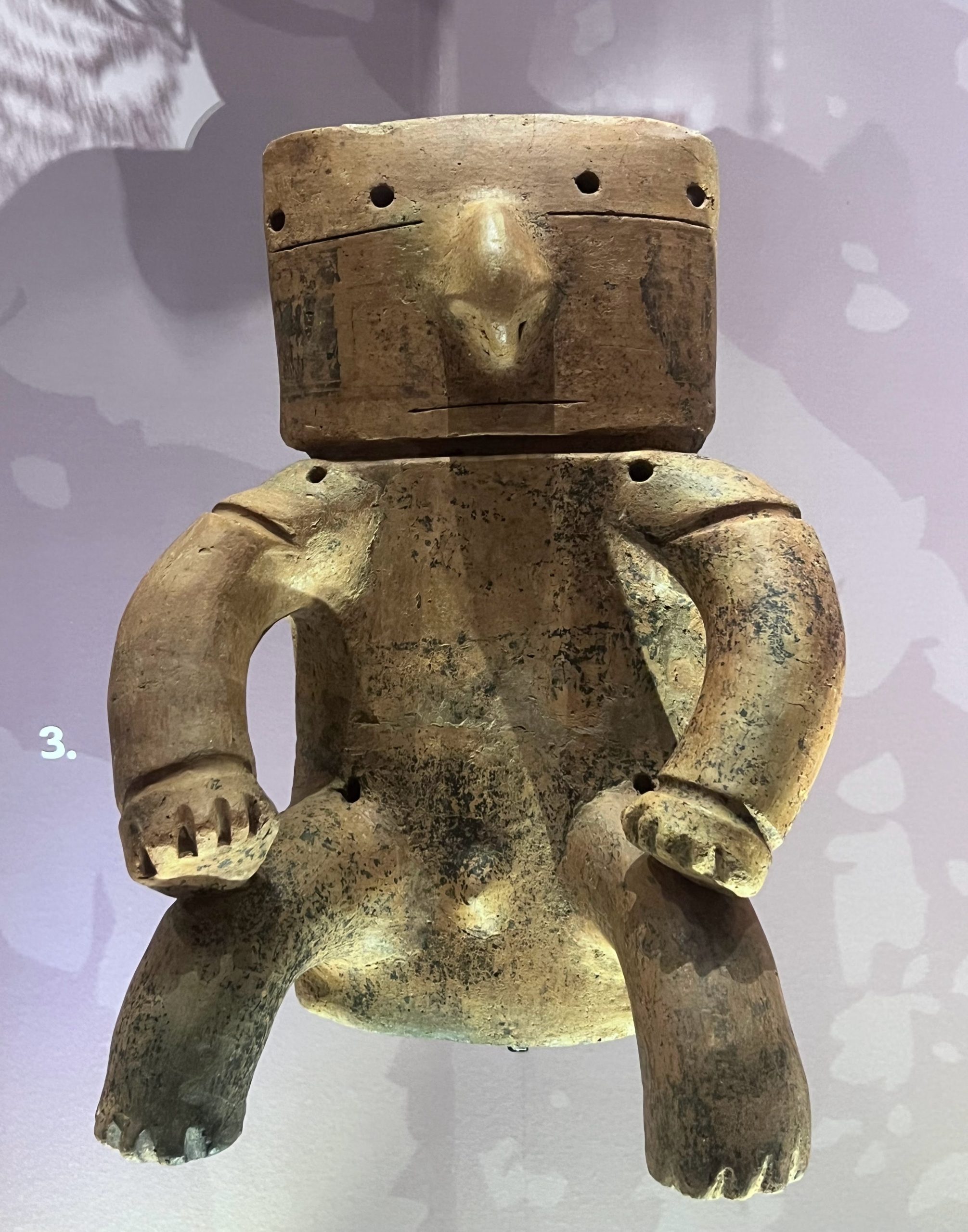
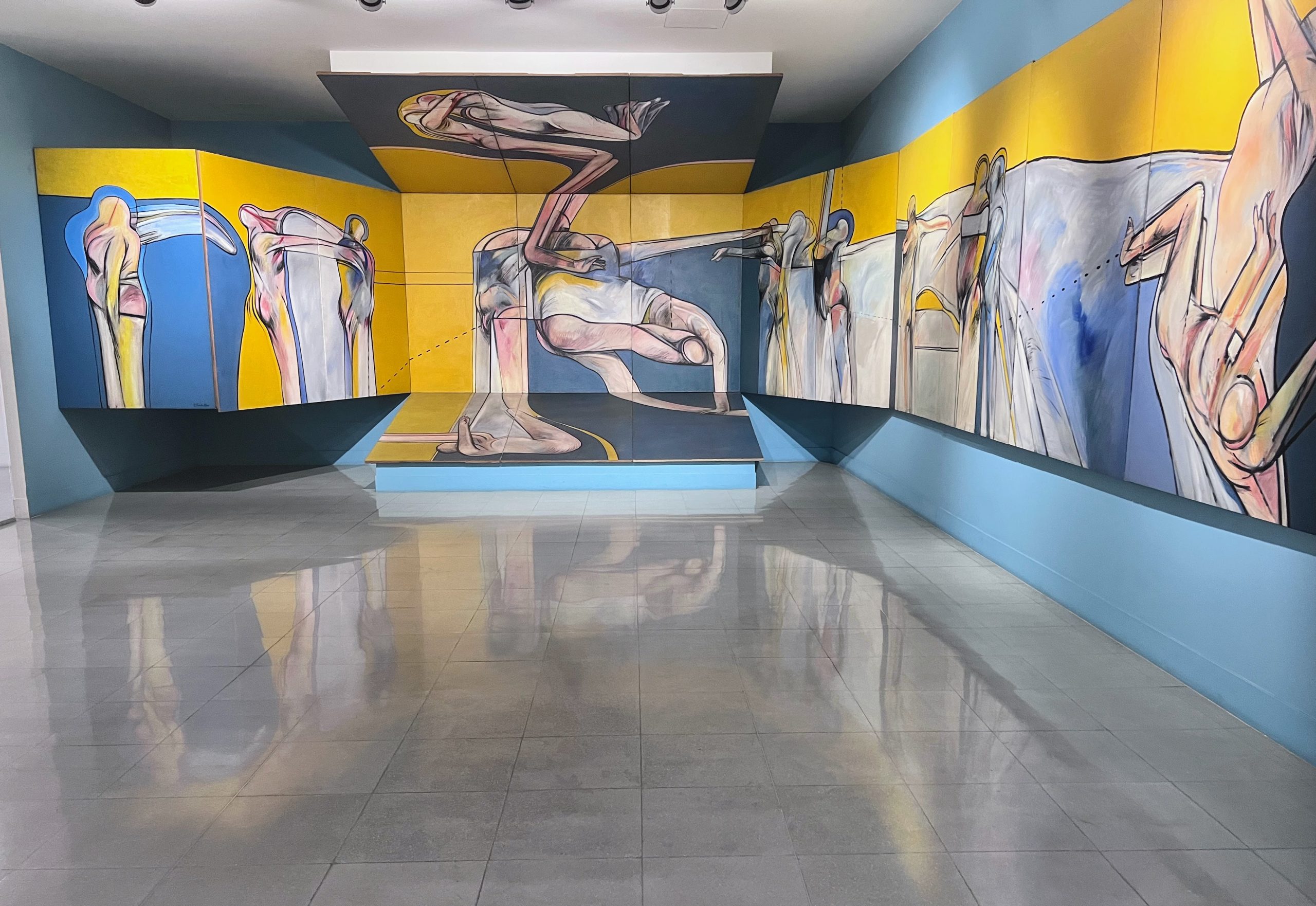
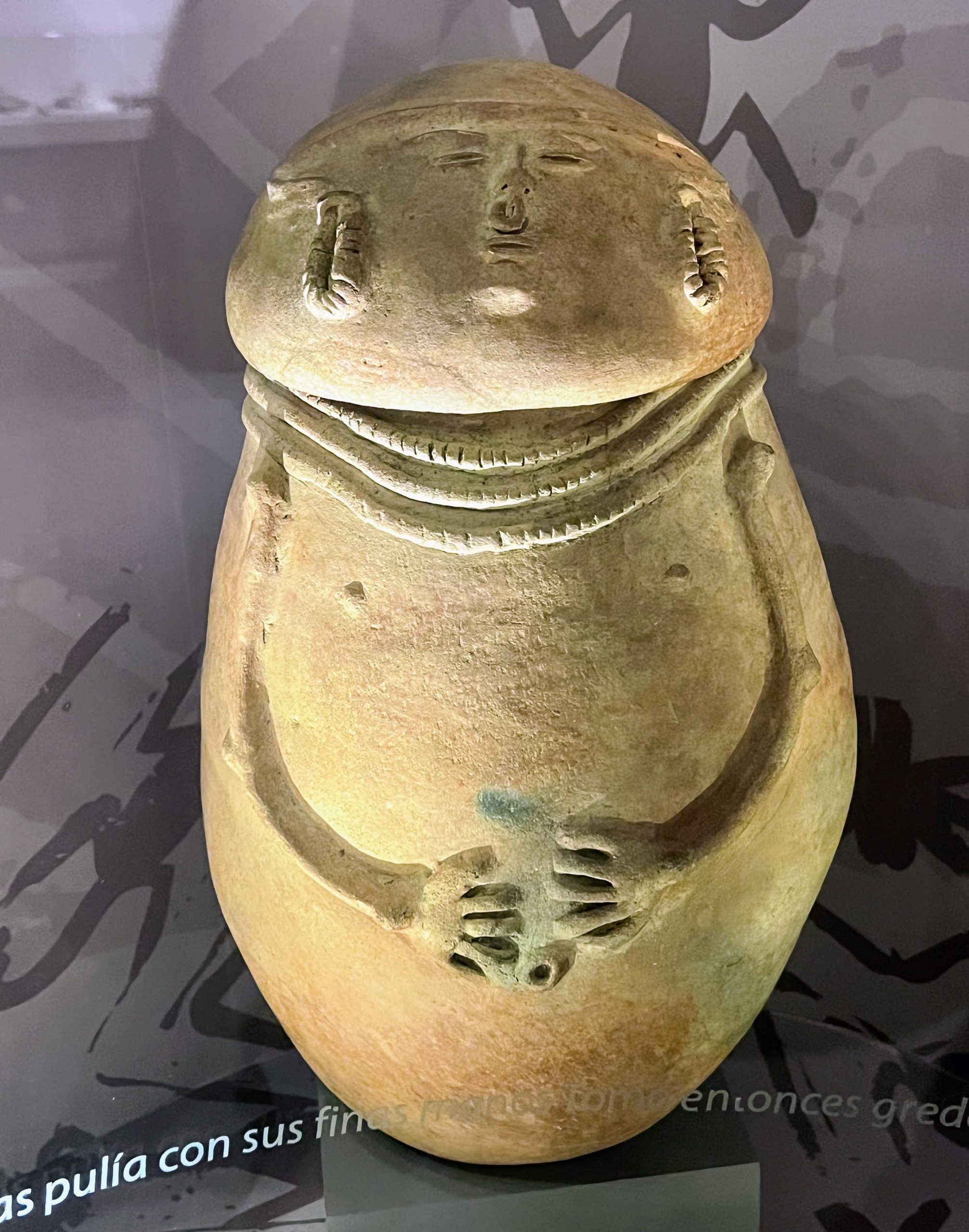
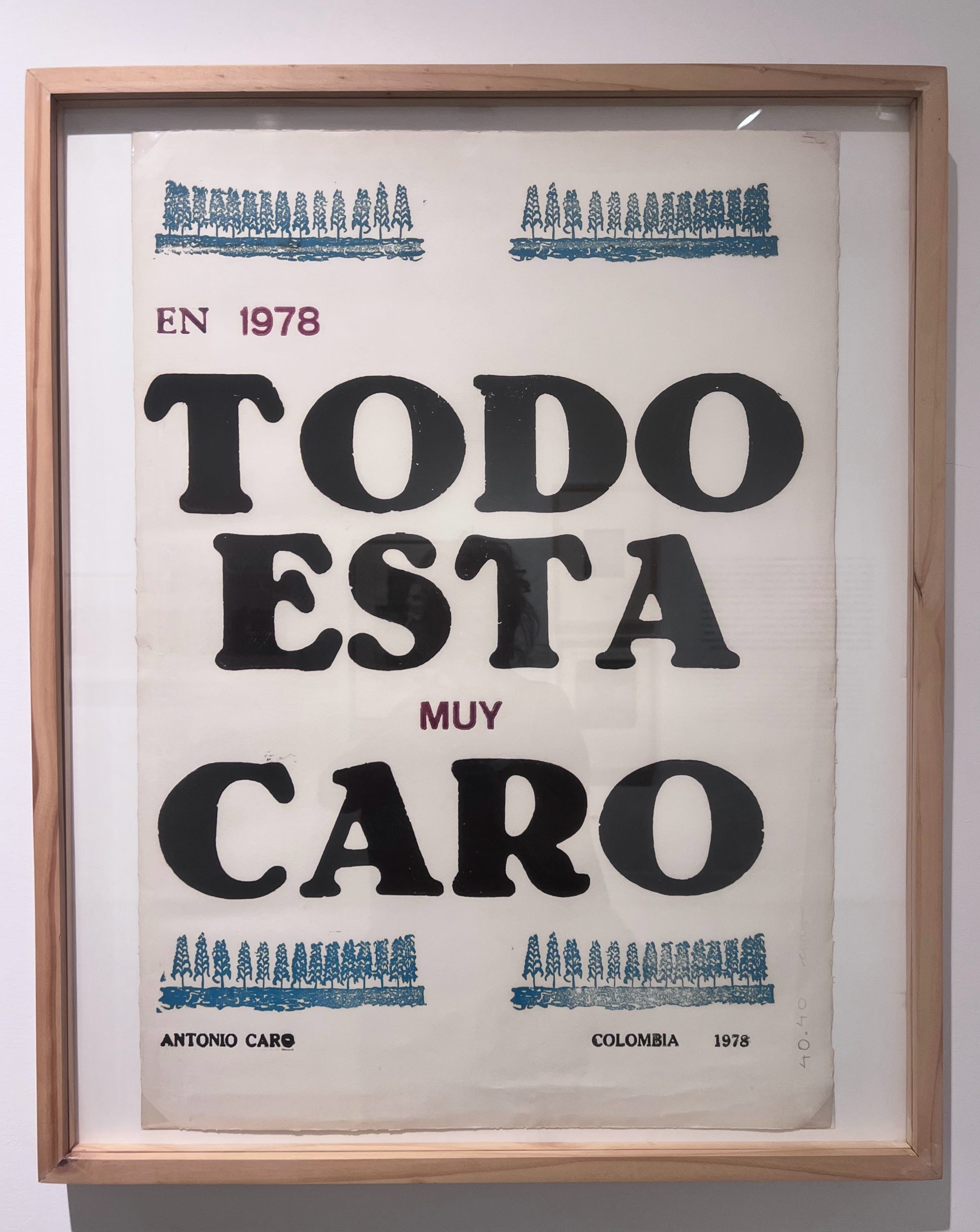
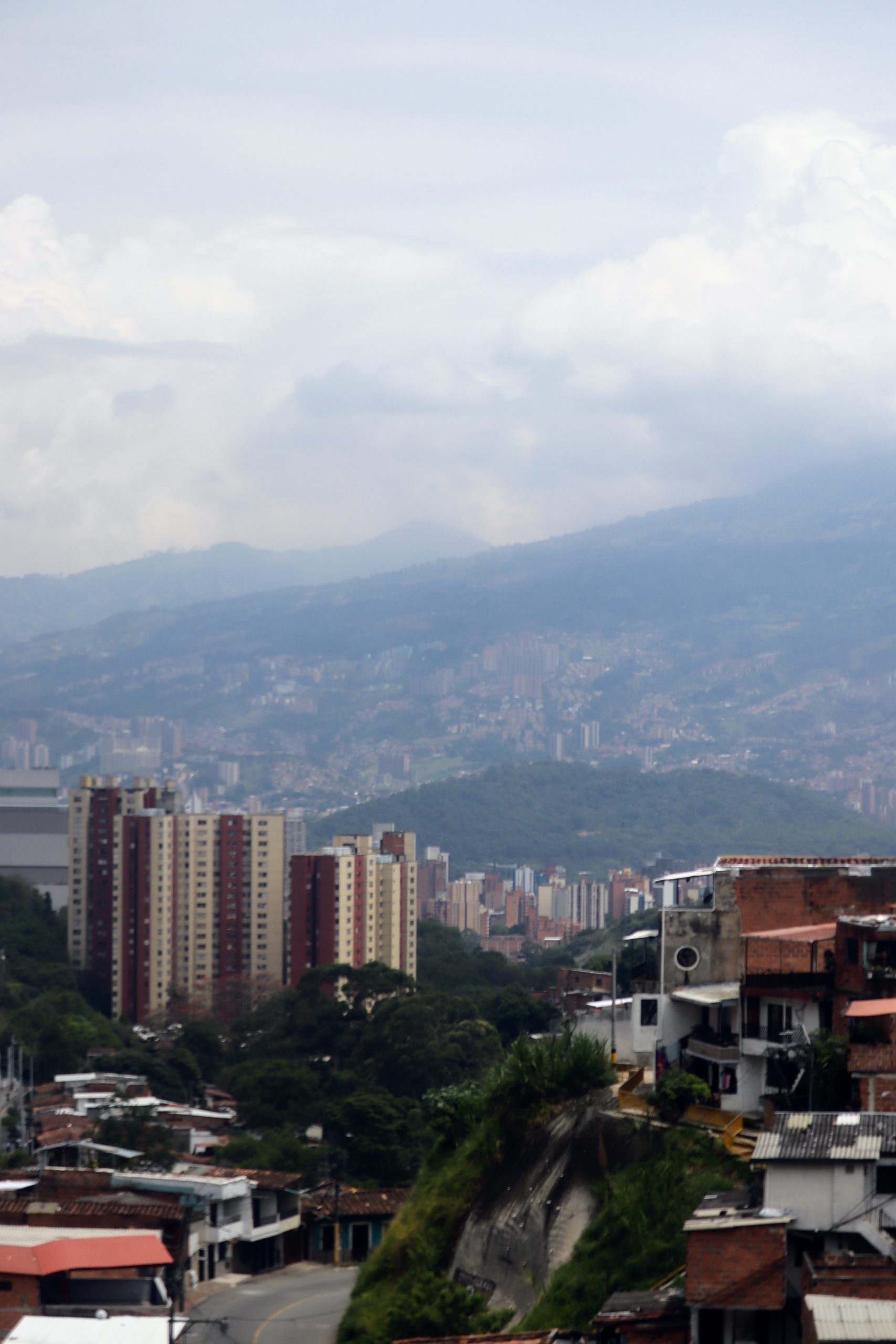
As always, my photos focus on the day-to-day living of Colombians, trying my best to capture what is different or unique about this city from my many other experiences. Besides the Festival of Flowers, there are photos of the city’s urban landscapes, its squatter homes, street life, art and its people. As always, remember to click the center of the photo for a full view.
Below I listed the links to three other stories that I wrote about Colombia. If interested in learning more about Colombia, just click on the links.
Next stop is Peru, where I will stay for a month touring both the countryside and its cities.
If you enjoyed this story or the newsletter issue, help others to discover it by sharing it with your friends. Your support will go a long way in continuing the blog. If you are not a subscriber for more stories and photos like these, please click here to subscribe.

No Comments