Buenos Aires Remembered: Culture, Memory, and the Weight of History”
I stayed in Buenos Aires for a month in the colonial neighborhood of San Telmo, the birthplace of Tango. I must say I was quite taken by the city’s rich culture, European architecture and its empanadas (much savory than Chile). Buenos Aires is a vast metropolis where one can easily get lost with so many neighborhoods to choose from. The resemblance between New York City and London is uncanny and is why I chose to stay in San Telmo with its bohemian vibe, colonial buildings, gas lanterns and cobblestone streets. Here is what I learned and liked most about living in Buenos Aires…
Buenos Aires is truly a vibrant city known as the “Paris of South America, a mix of European and Latin culture. A modern city with a strong cultural heartbeat that extends into music, art, cuisine and nightlife. A serious meat-eating culture …that being the main dish in its endless restaurants and bars equal to its passion for Futbol (soccer). Hard to believe that this city, along with the country, experienced one of the most repressive dictatorships ever (a good place to study democracy). It is also a city of many contrasts, struggling with its economy.
But First a Bit of History
One thing I enjoyed most about this city is its many museums and memorial sites in learning about Argentina’s intriguing past. Dating back to the 1500s, this country has experienced numerous wars—in fact, far too many. From the conquest of the powerful Inca Empire, which resulted in their enslavement, to battles fought for independence and internal conflicts among its people. Warfare has truly shaped its history.
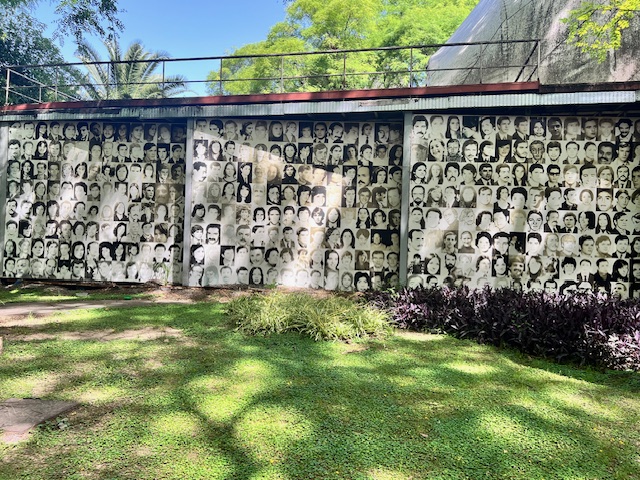
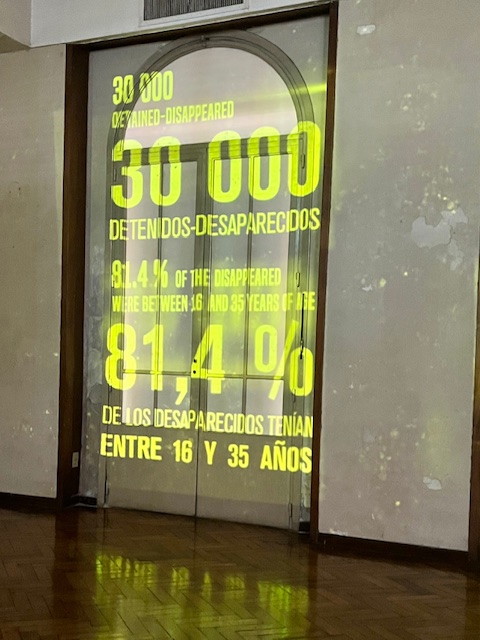
After Argentina gained its independence from Spain in the early 1900s, the country faced internal conflicts that resulted in at least six military coups, each establishing authoritarian rule. None so repressive as the Dirty War (1974-1983) which overthrew the government in 1976 and led to the disappearance and death of over 30,000 Argentinians known as the “Desaparecidos”.
Interestingly, it took another war (Falklands War (1982)) and the ongoing resistance movements of both national and international Human rights groups such as “The Mothers of the Plaza de Mayo” to eventually erode the regime’s power. Quite a remarkable story of how democracy can prevail and how repression is its own worst enemy. Today, Argentina’s economy is a major regional player, but it remains fiscally challenged… more on this later.
Arrival & Place: Living in San Telmo
After eight days of traveling through the wilderness of the Northwest countryside of Argentina, dealing with both altitude symptoms and constantly moving on the road, I welcomed being back in Buenos Aires, where I immersed myself in the city’s urban culture. To learn more about what my 8-day rural experience was like, click here “Between Painted Mountains and Waterfalls: A Journey Through Northwest Argentina”.
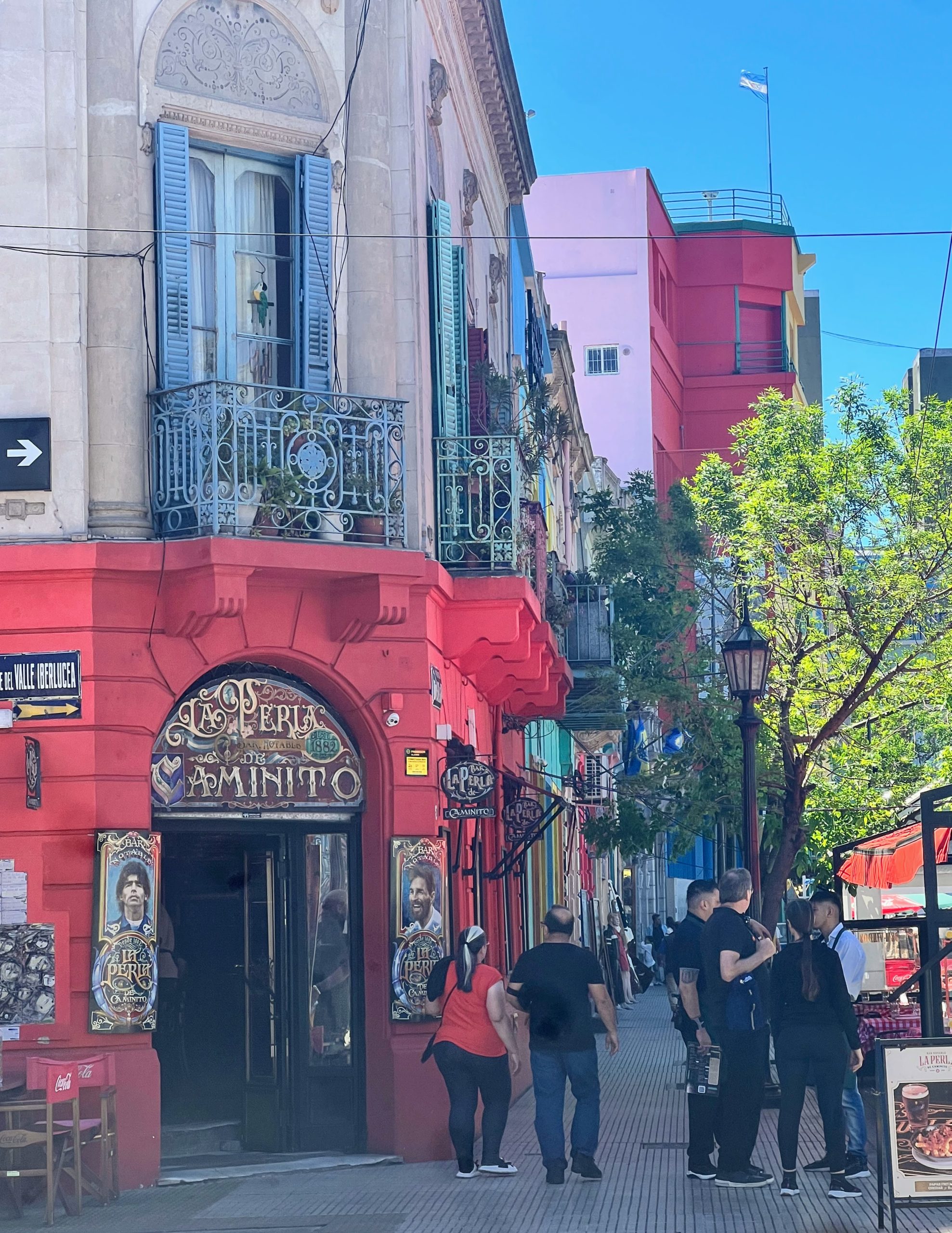
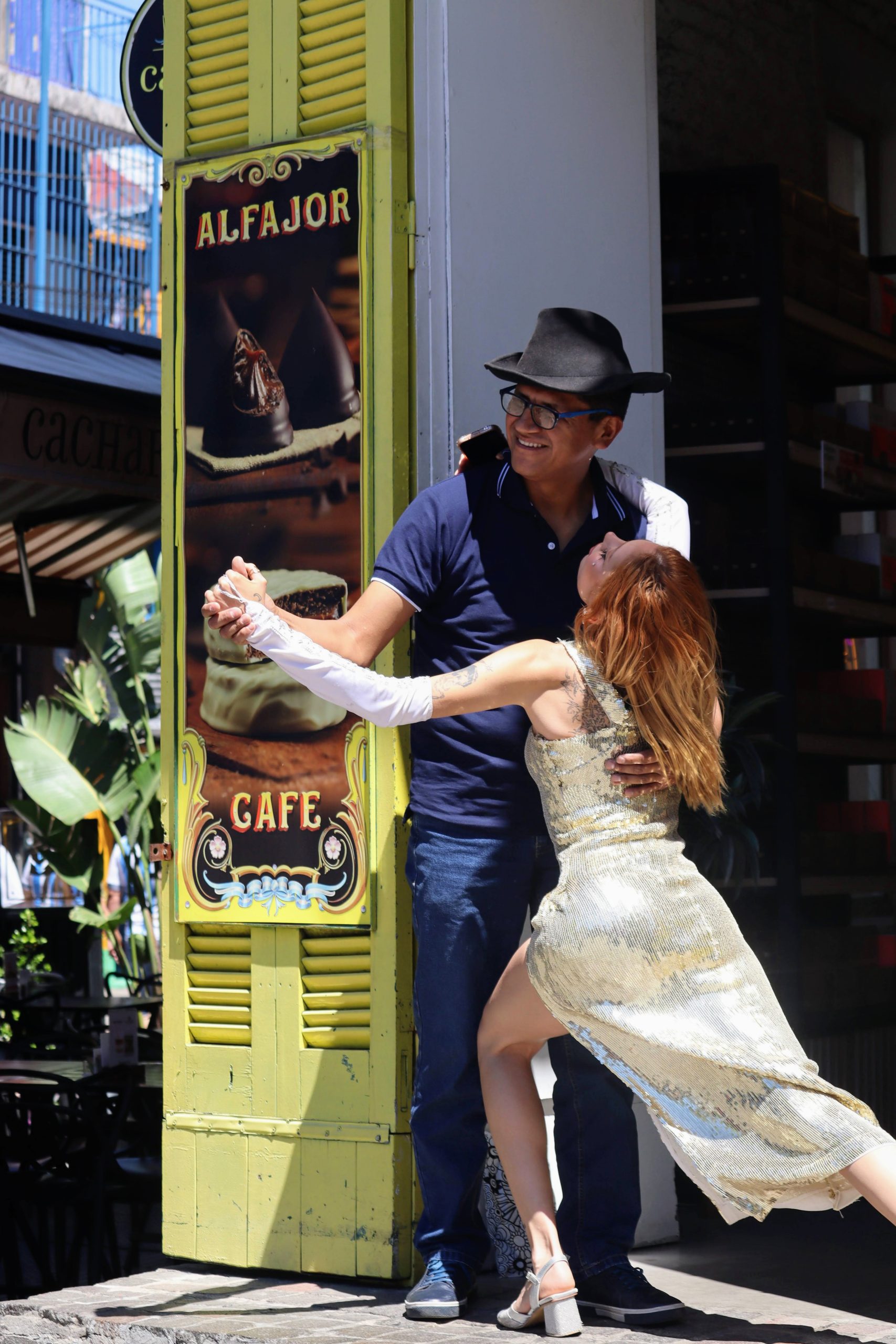
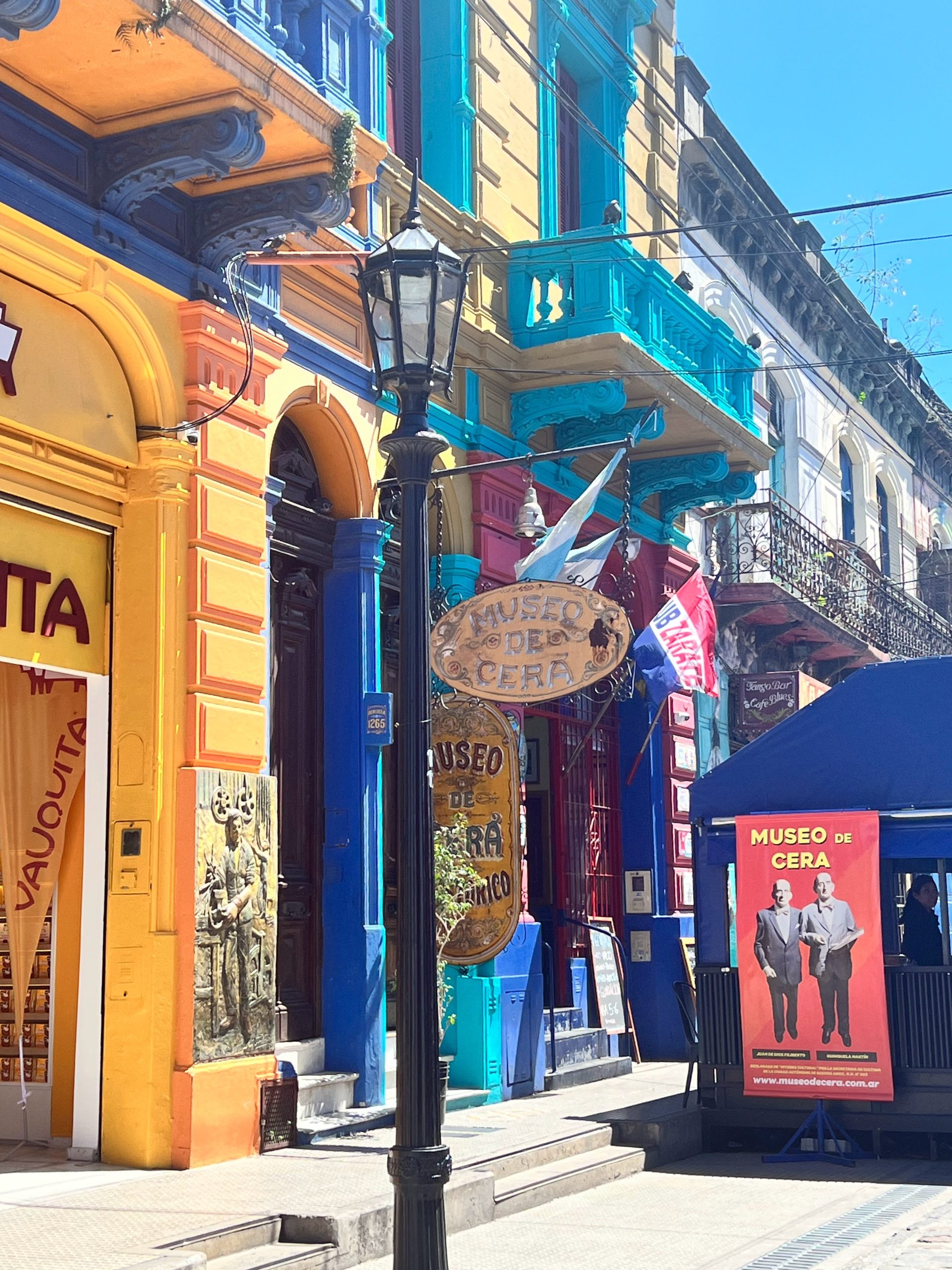
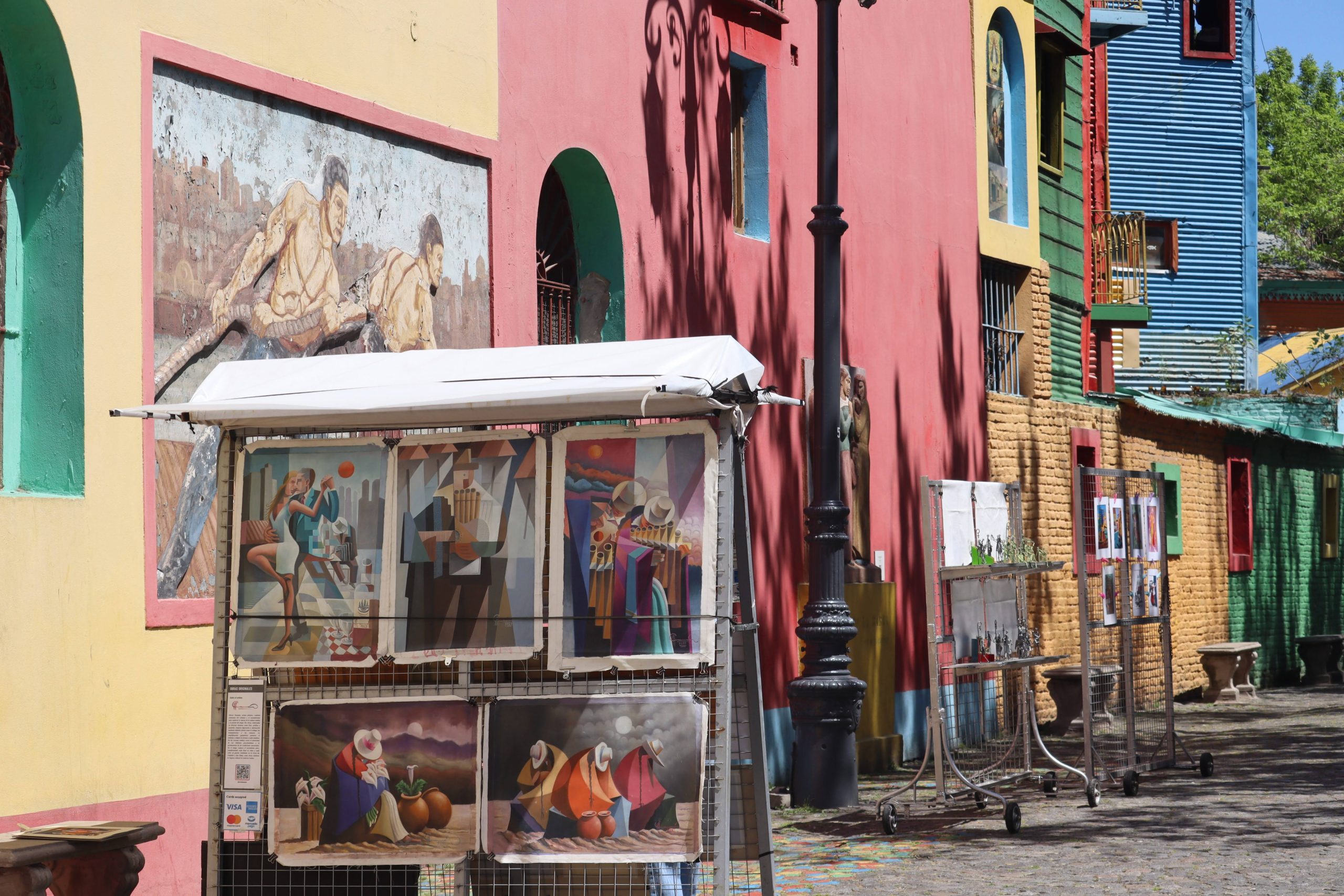
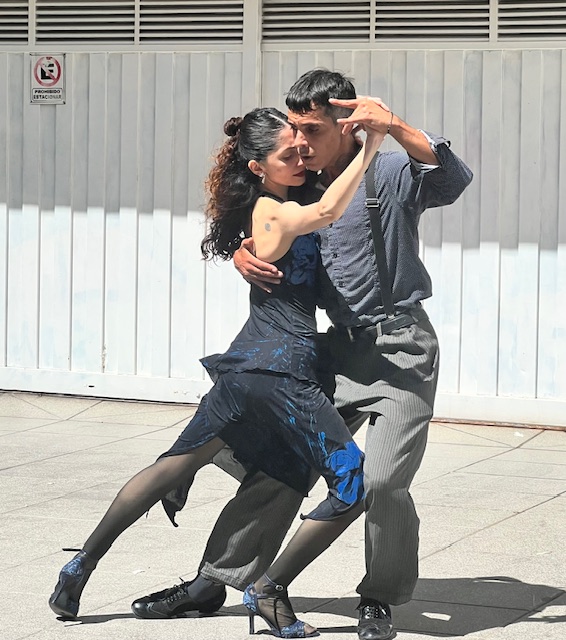
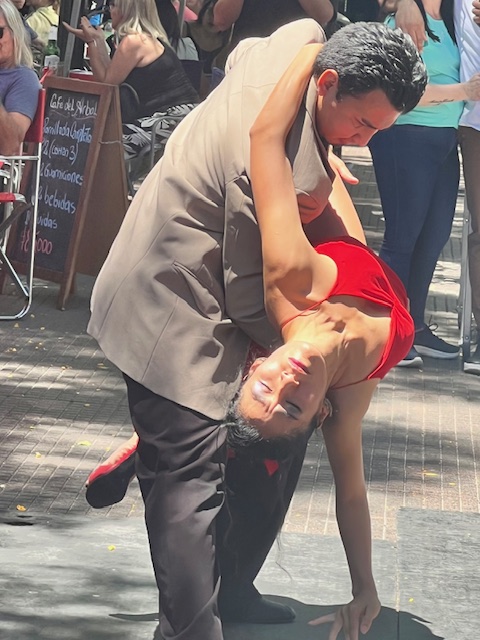
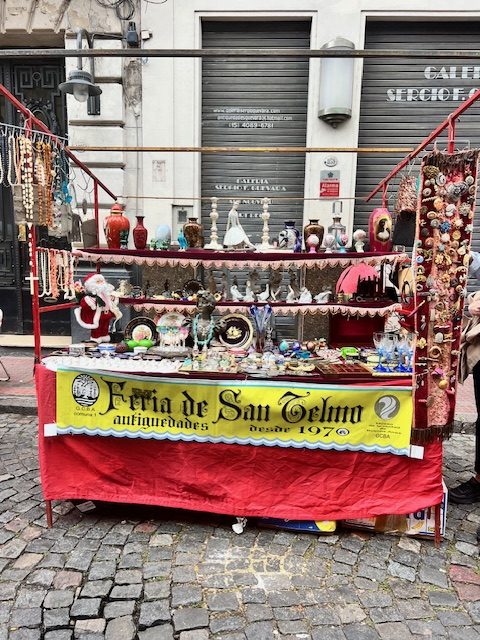
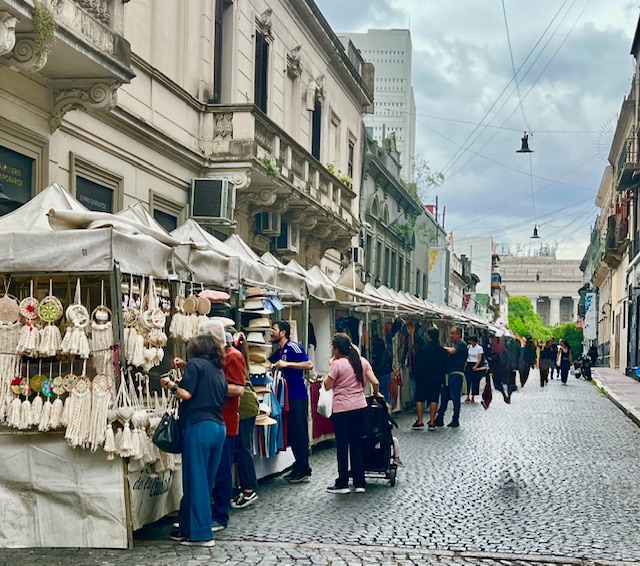
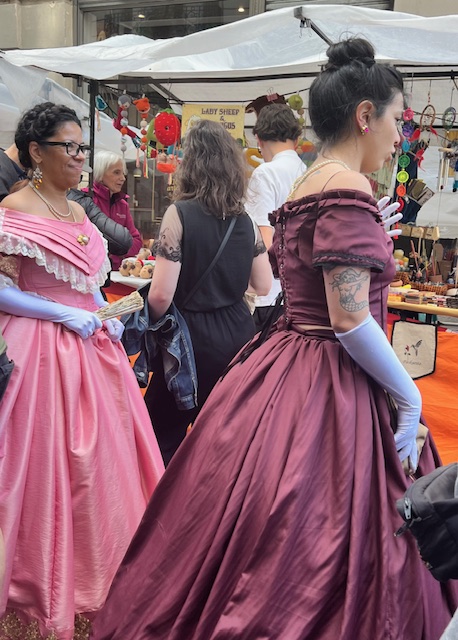
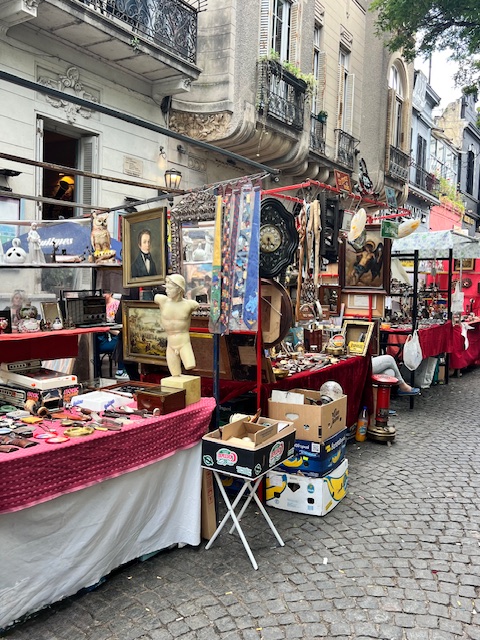
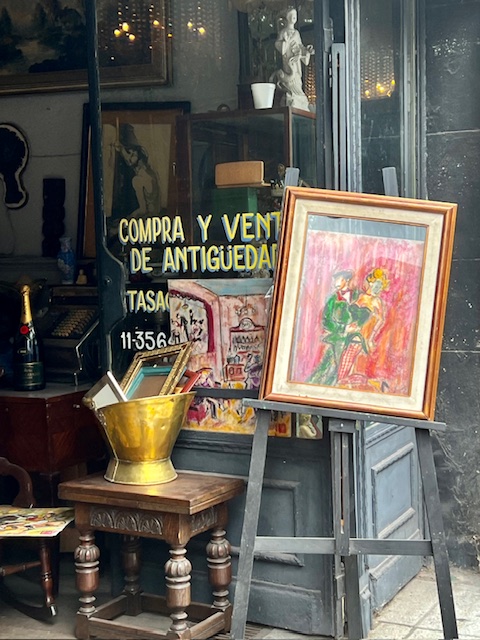
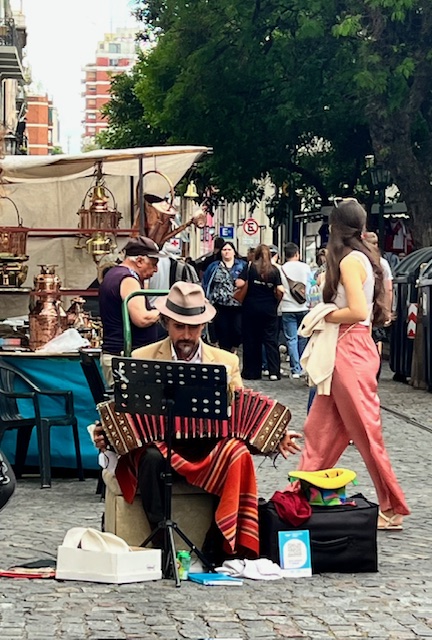
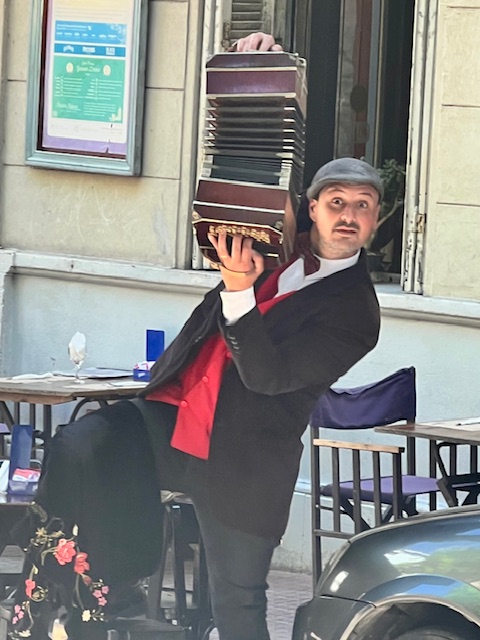
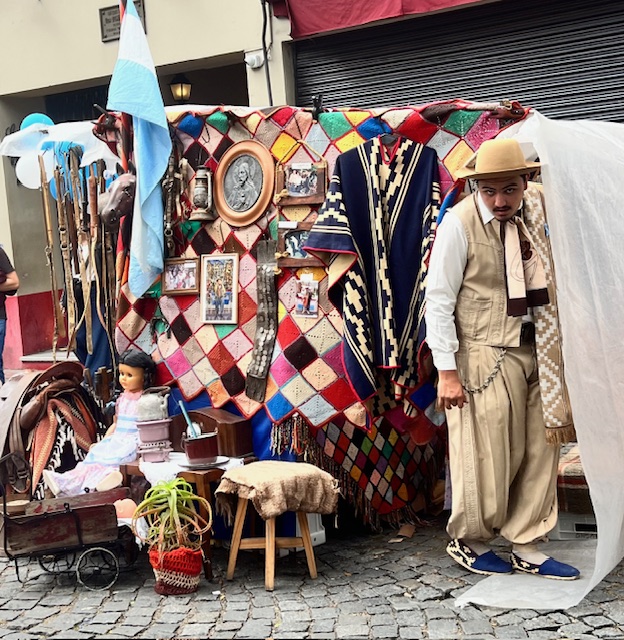
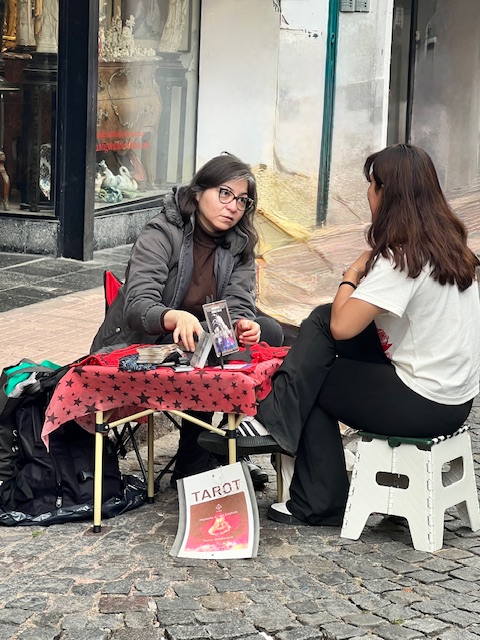
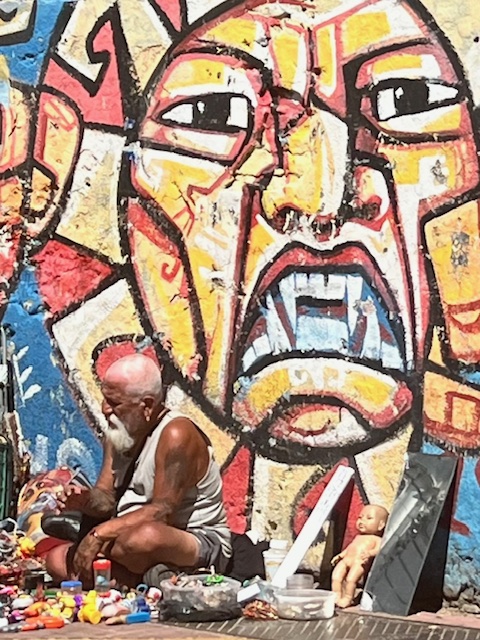
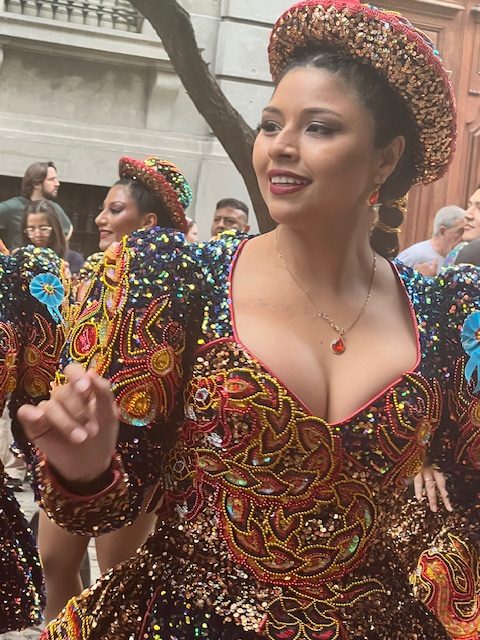
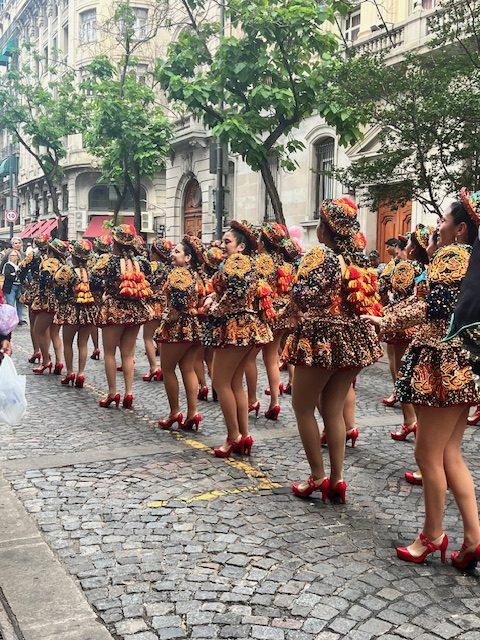
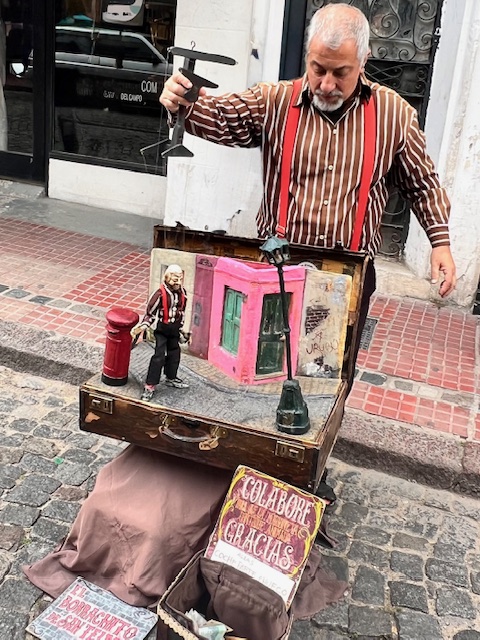
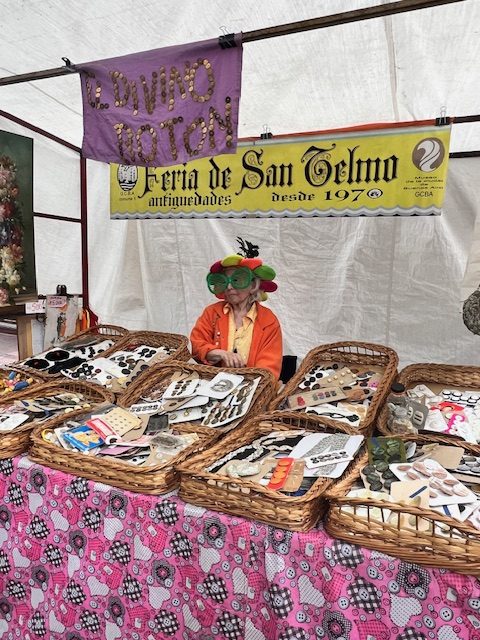
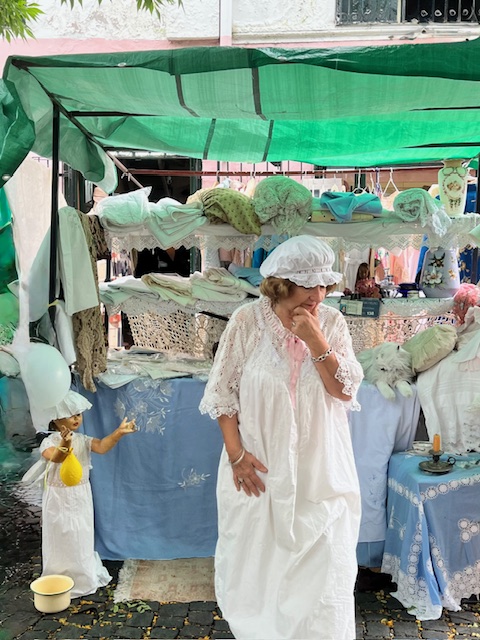
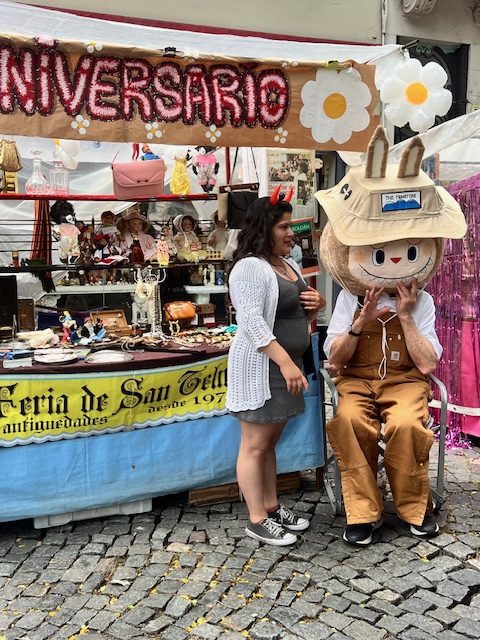
I had read about the San Telmo neighborhood as really being the cultural center of the city along with the adjacent neighborhoods of Boca and Caminito which are about a 30-minute walk. I was able to find an apartment that was close to many of the area sites, especially the San Telmo Street Market. Every Sunday on Defensa Street, the San Telmo Street Market features over 500 stalls where local artisans, antique dealers, and street vendors sell almost anything. The street itself is known for its many antiques stores, bars, cafes, Milongas, museums and tango shows. Plenty of tango street performers along with many folks in costumes. It is festive, vibrant and exuberant, with every Sunday experiencing something different. Caminito is also very bohemian and festive, although smaller and a bit more touristy.
Argentinians love tattooing their bodies and piercing their faces, self-expression here is part of the culture. As I walked through the stalls and interacted with the street vendors, it reminded me of what Greenwich Village in NYC looked and felt like during the late 1960s and 70s.
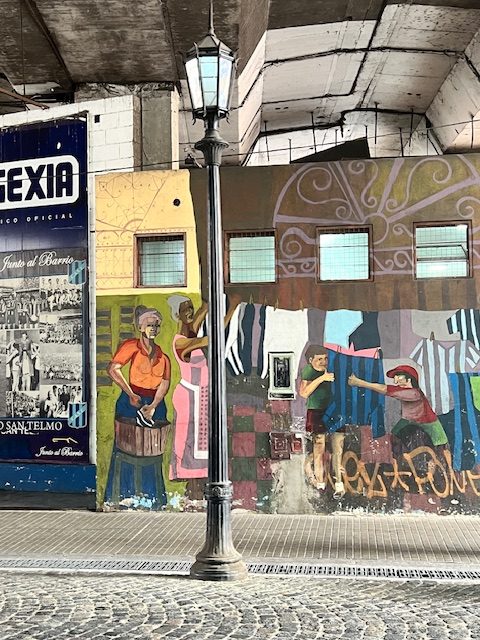
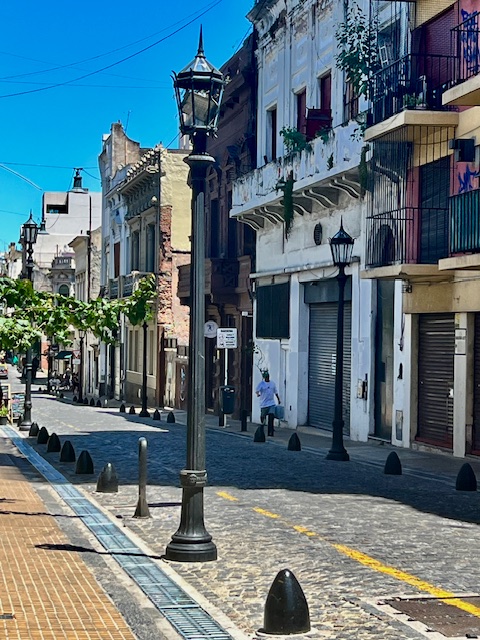
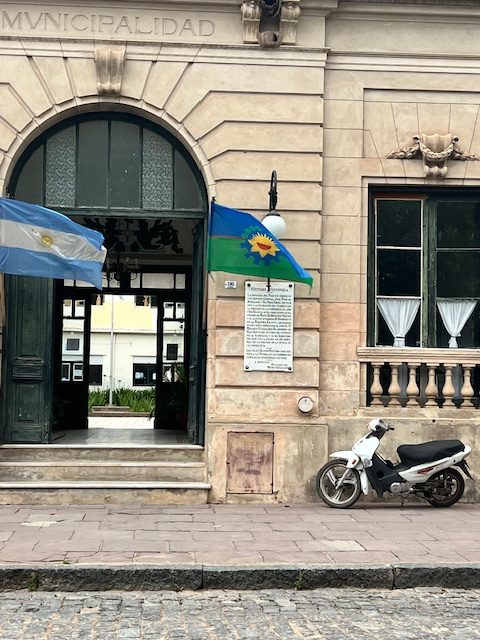
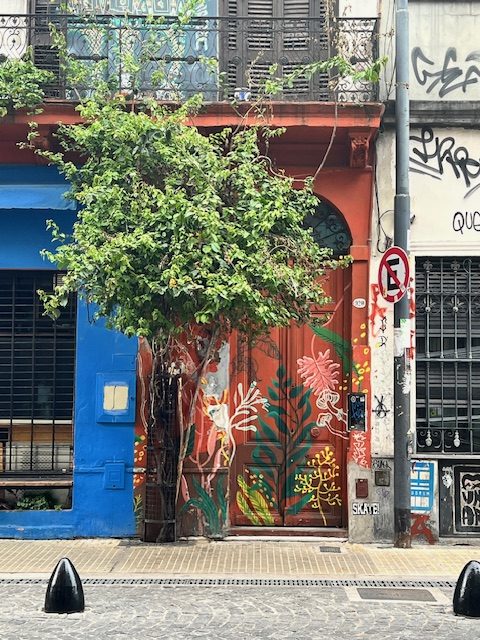
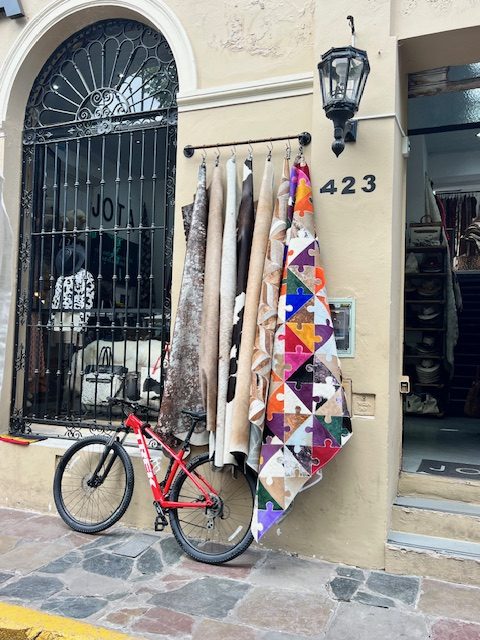
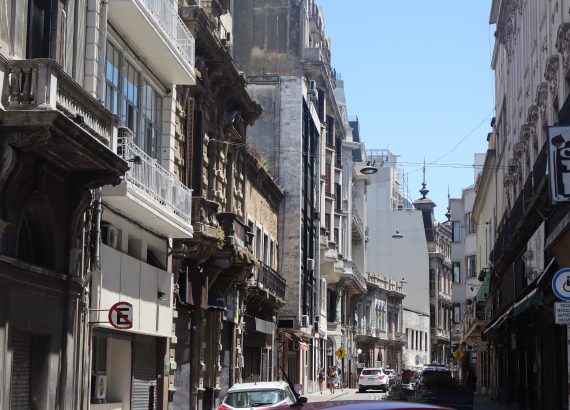
I enjoyed walking the neighborhood’s colonial cobblestone streets, drifting in and out of stores and cafes. San Telmo has about six museums, of which I visited 4 and countless monuments, parks and churches. Its architecture is well preserved; many have expressions of art murals and graffiti. I especially enjoyed photographing old buildings, both renovated and worn, well integrated with modern structures. This neighborhood is truly a living archive of history. It reminded me of New York’s Lower East Side and Istanbul’s Cihangir neighborhoods. I often wonder what these places may look like in another 100 years.
What About the Rest of Buenos Aires—the Capital of Culture?
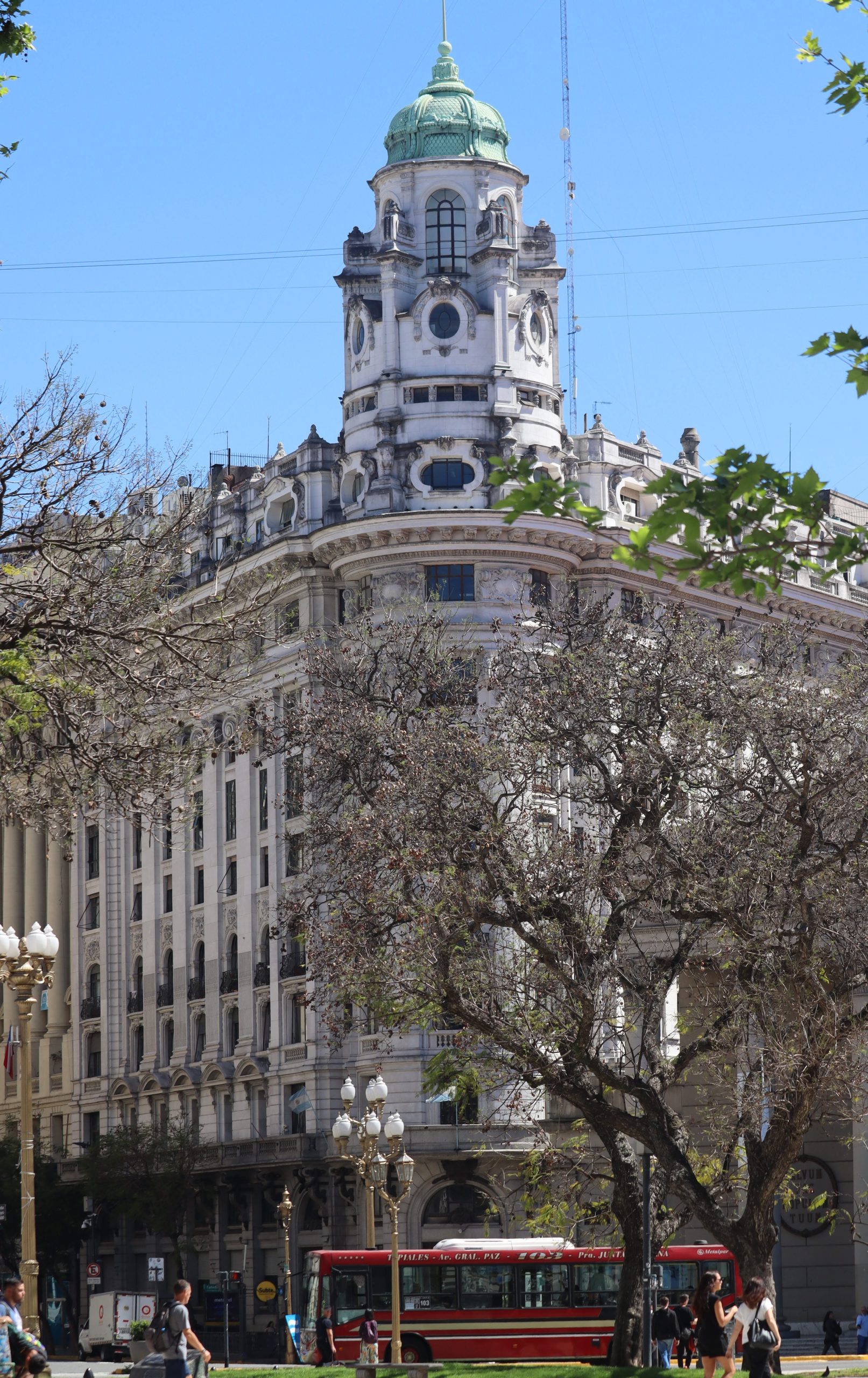
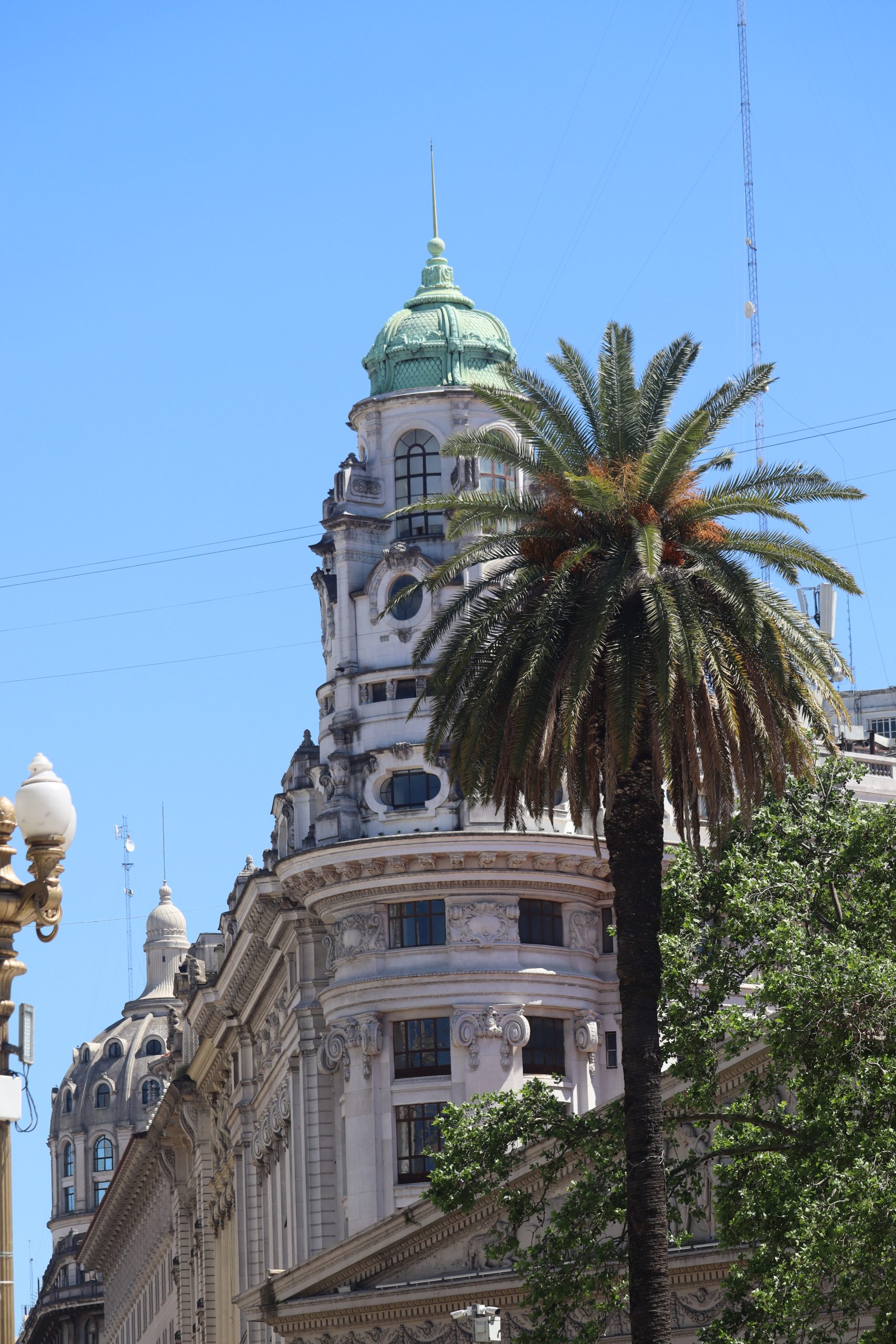
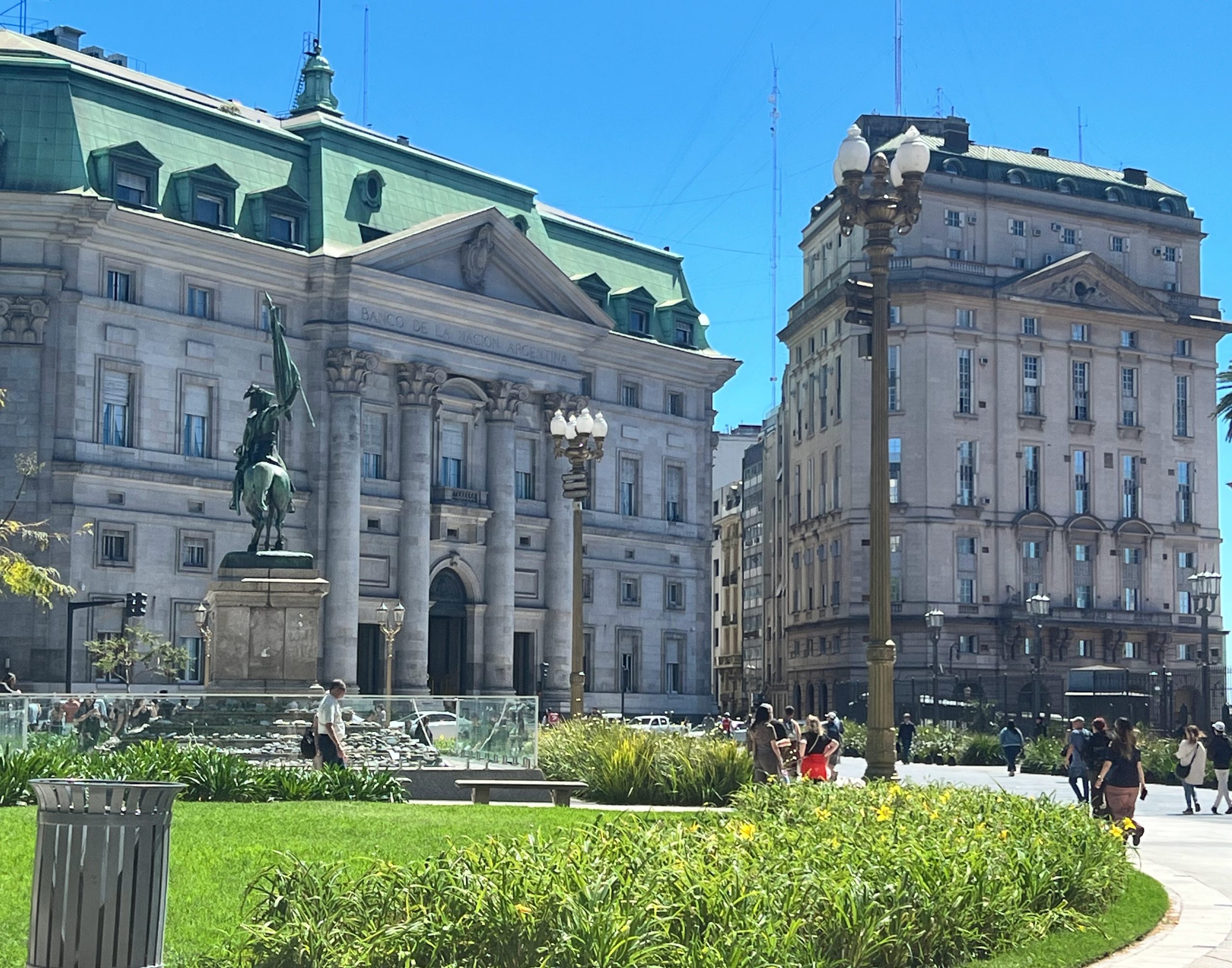
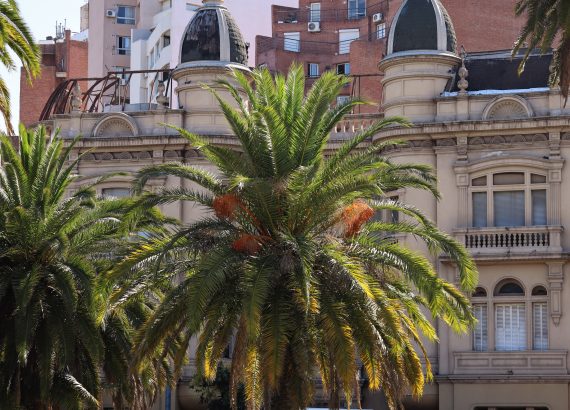
I made numerous visits to the Palermo, La Recoleta, and Microcenter neighborhoods as well as others whose names I cannot recall. I had taken a citywide bus tour to familiarize myself with the city, which is quite vast to fully comprehend. The mix of architecture from Spain, France and Italy is quite stunning and diverse, blended with today’s glass towers. The city’s commitment to green space is beyond impressive. There are over 250 parks and plazas, some across from each other. The city contains over 700 bookstores. Similar to the city of Lima, where you’ll find a bookstore every few blocks—proof that people still enjoy reading books instead of just scrolling on their phones. It also has a very vibrant theater presence and way too many museums and historic sites to visit. Let me not forget the 35 soccer stadiums within the metro area to satisfy what is a daily addictive passion. So much to experience during a month’s stay. Here is what I managed to do besides walking the San Telmo cobblestone streets.
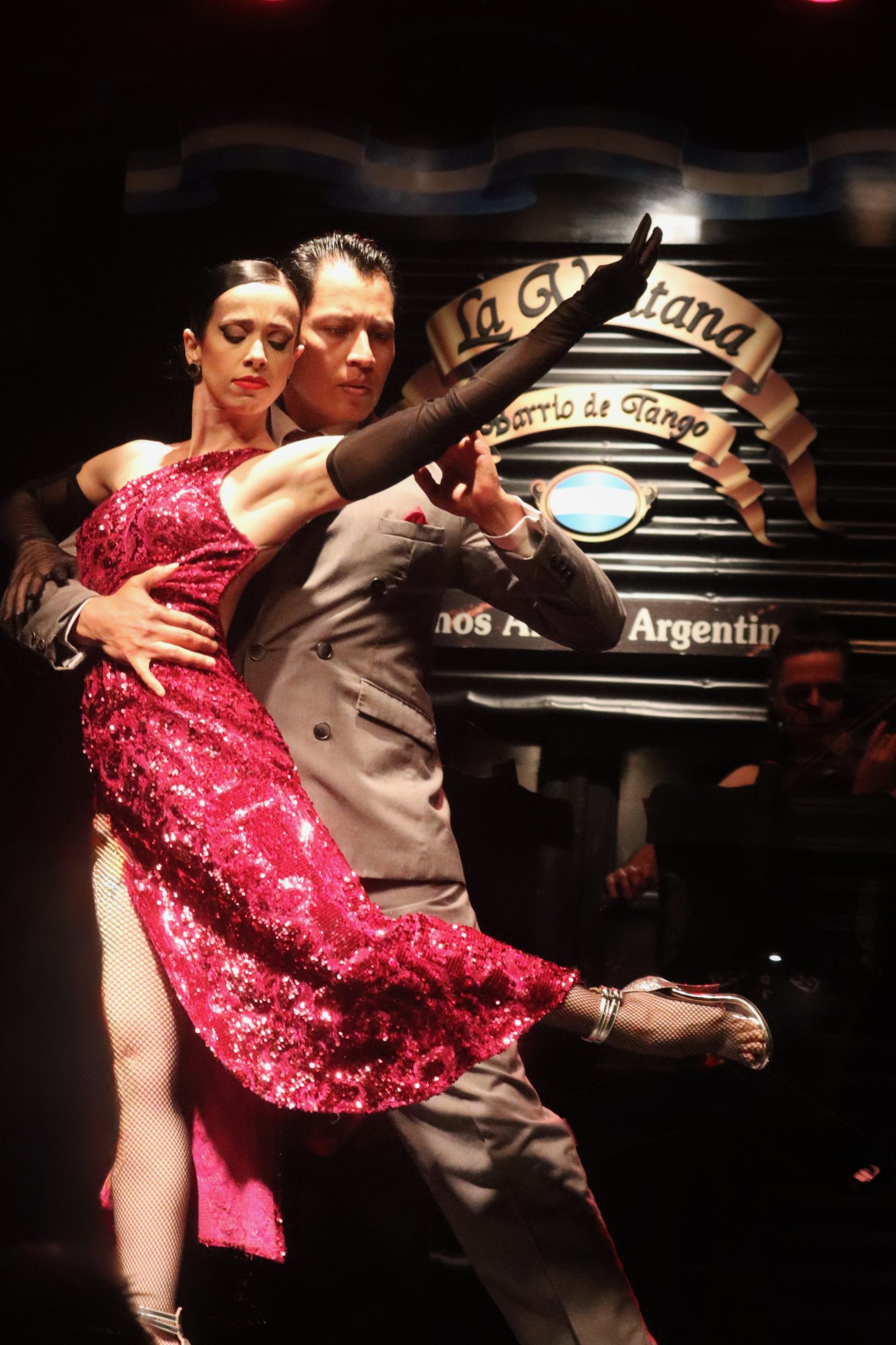
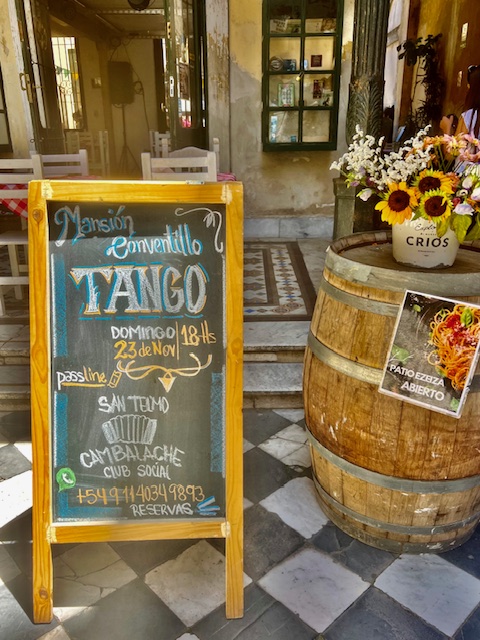
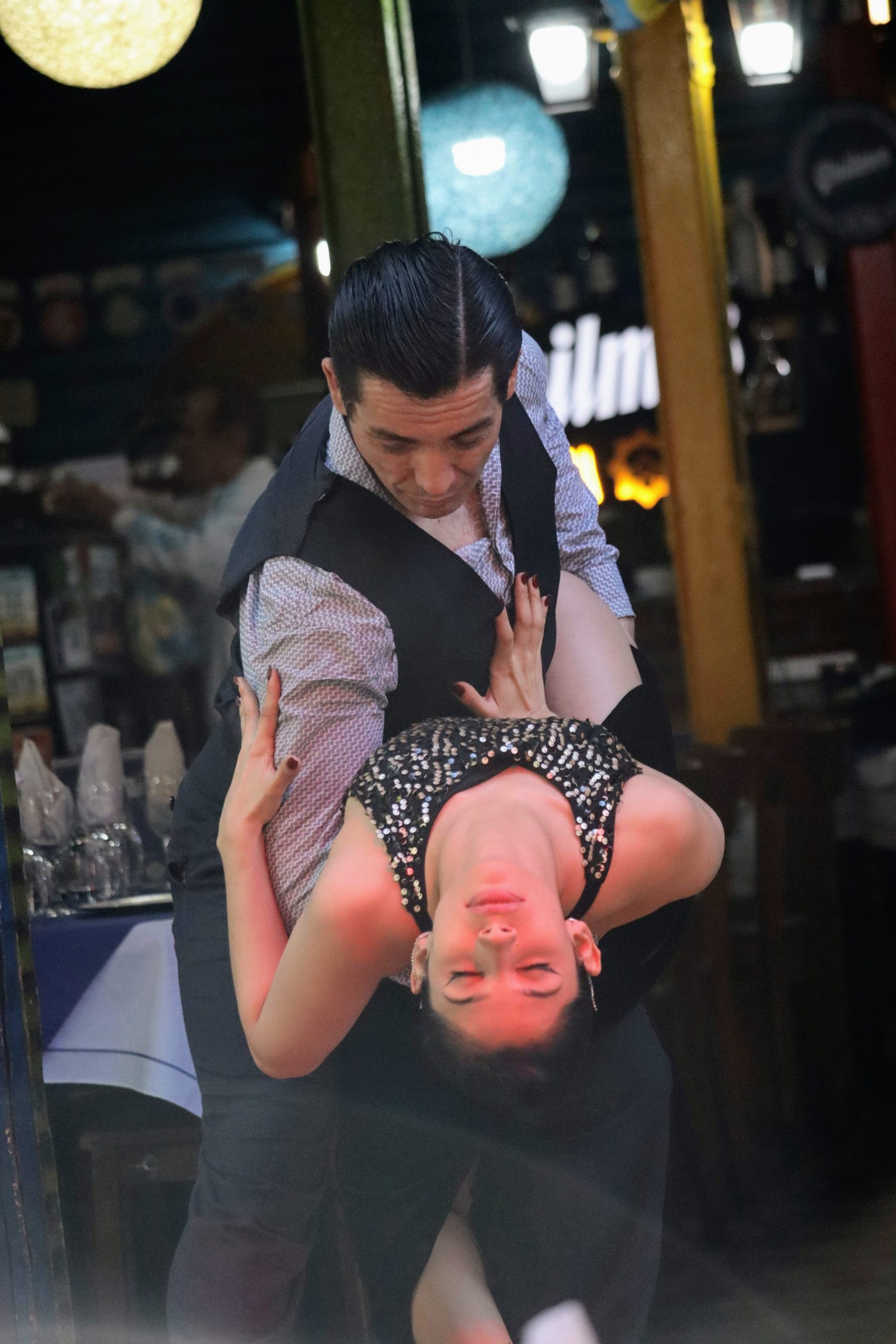
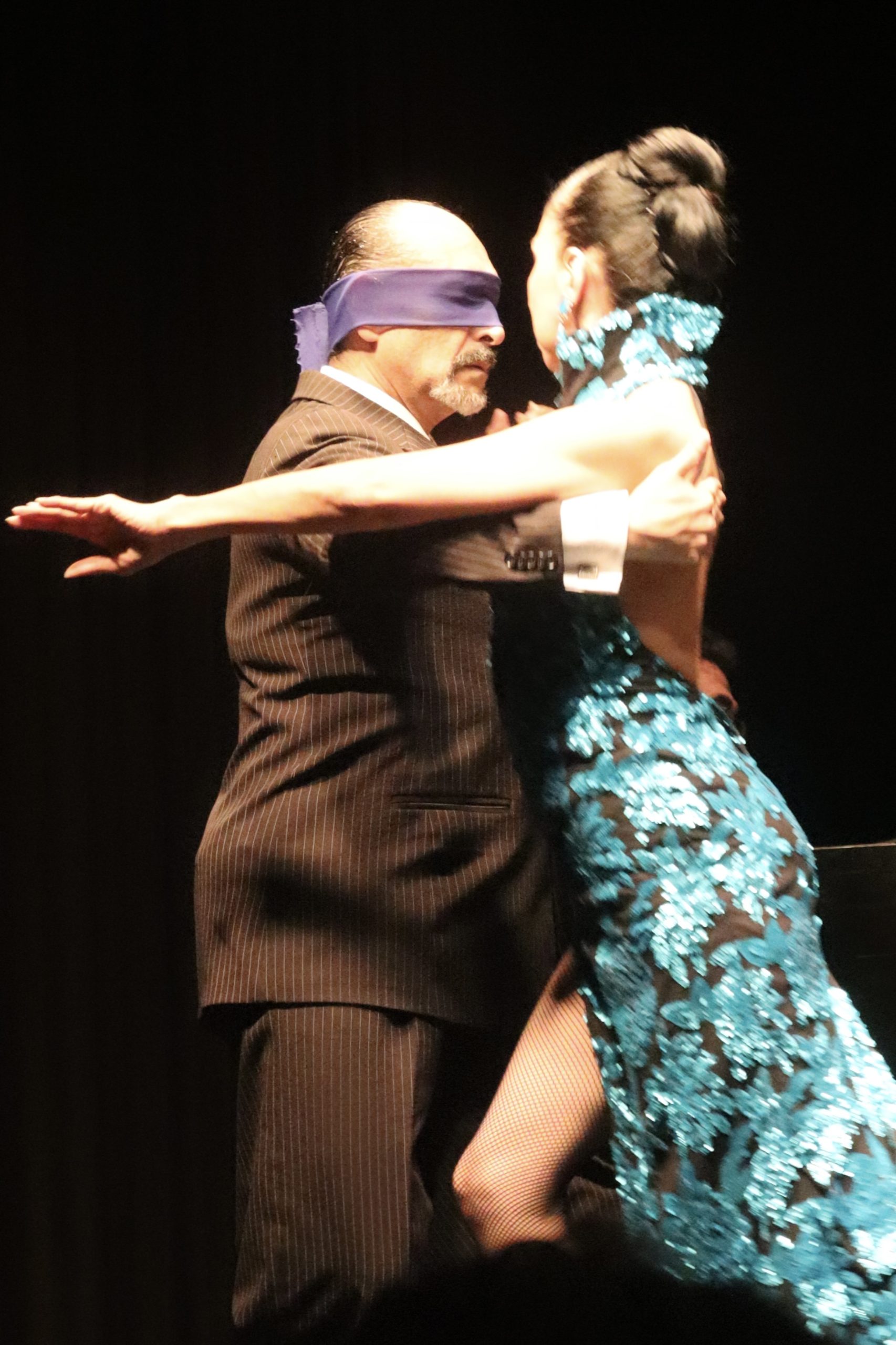
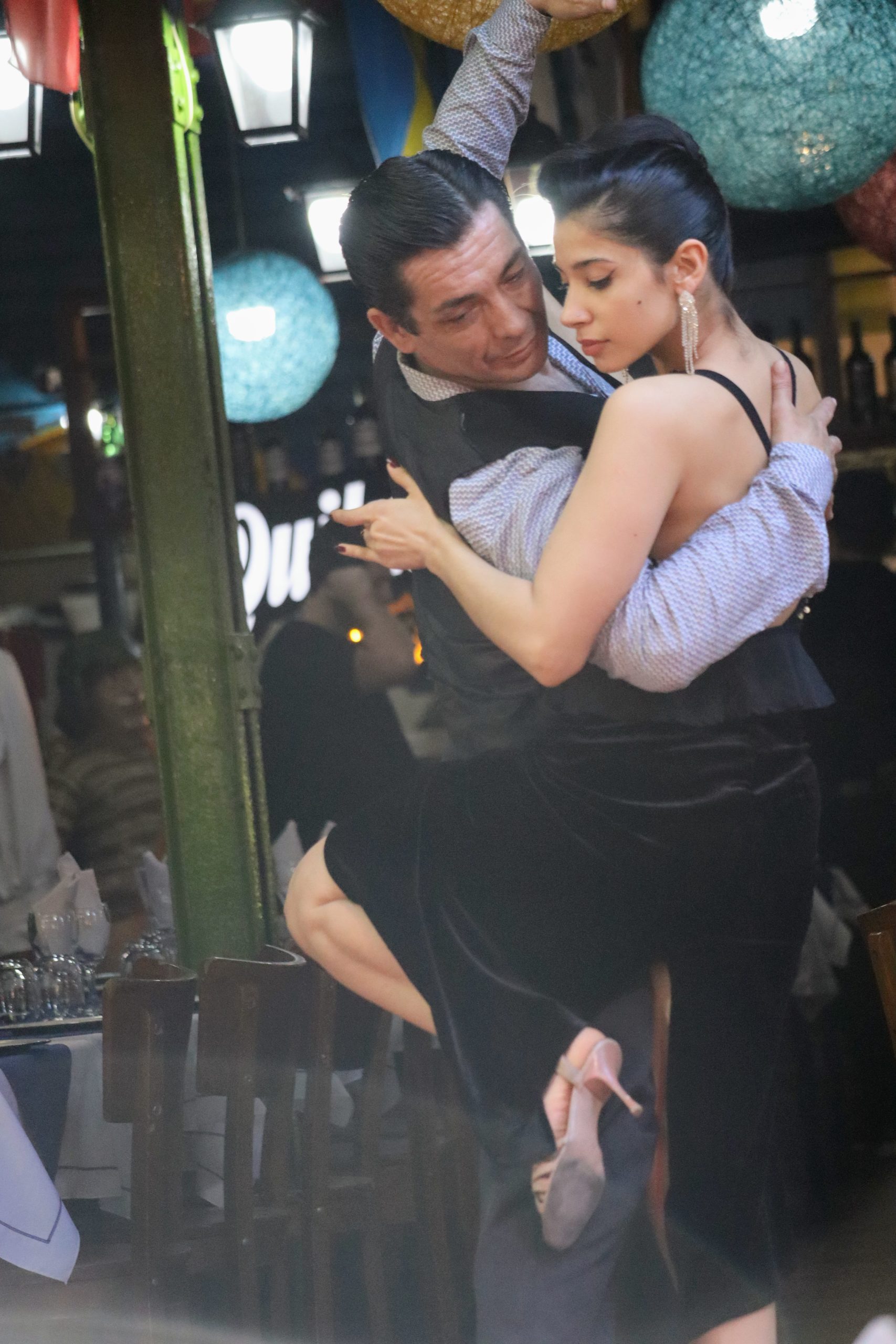
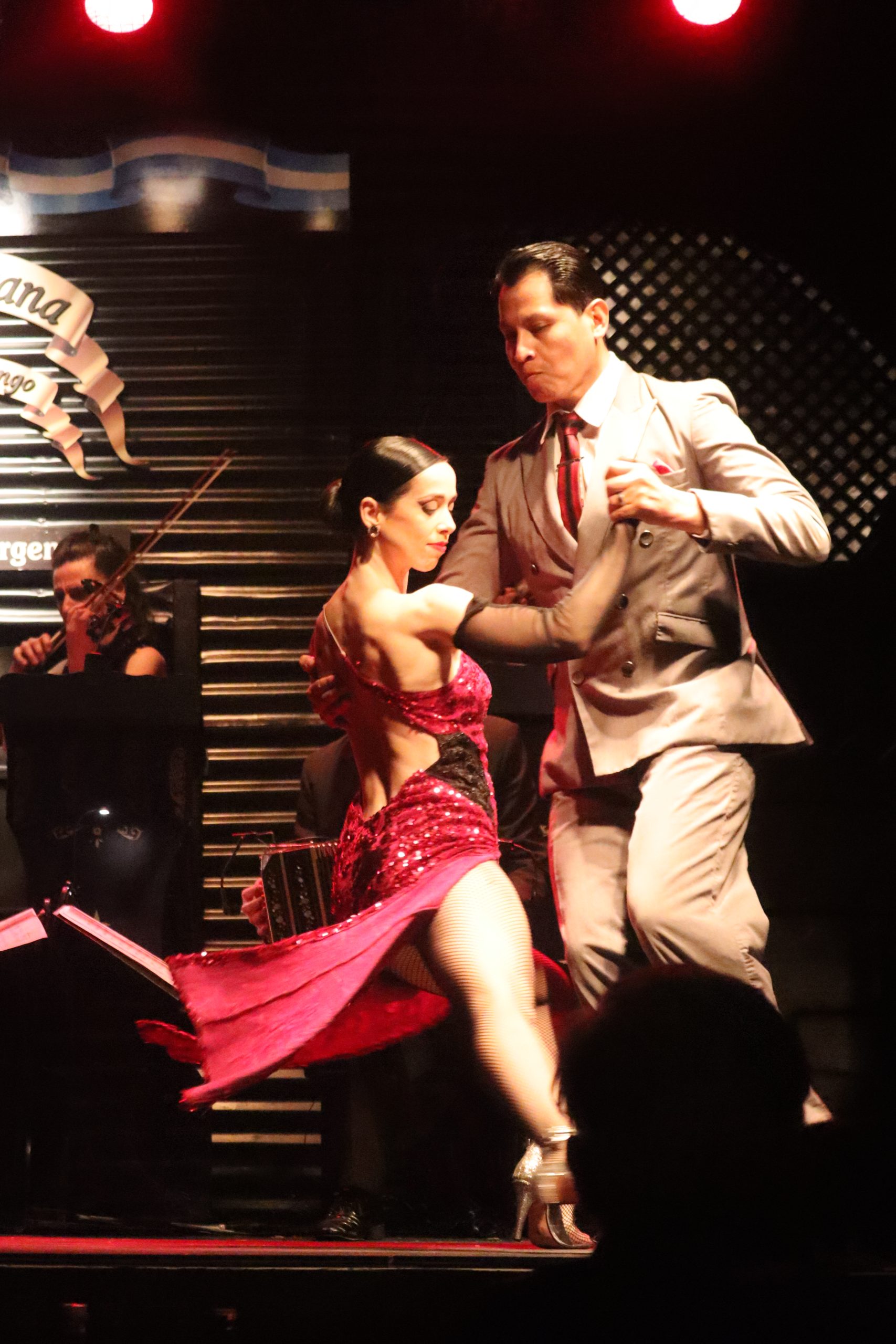
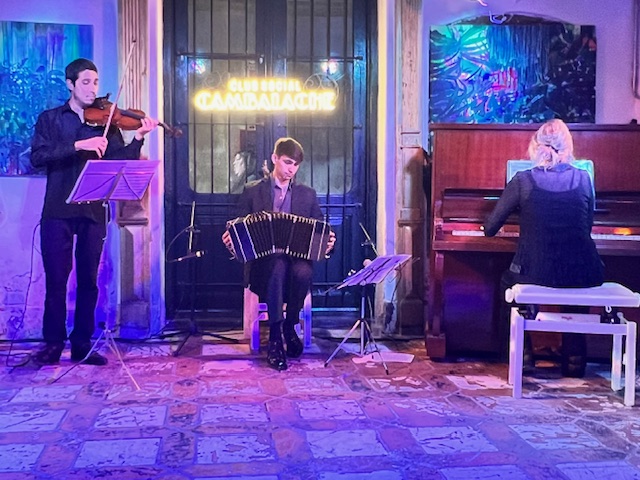
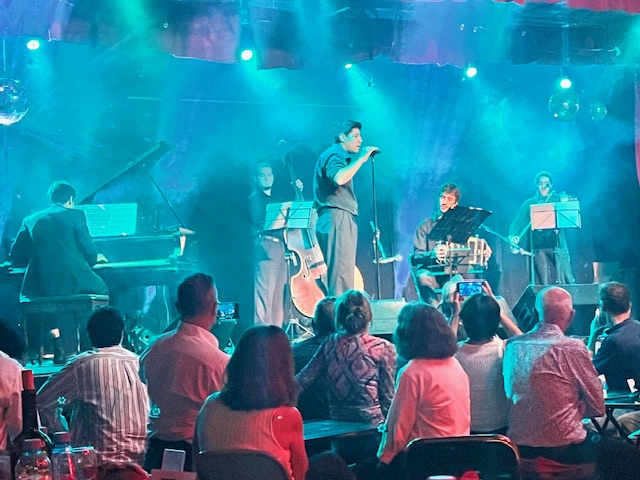
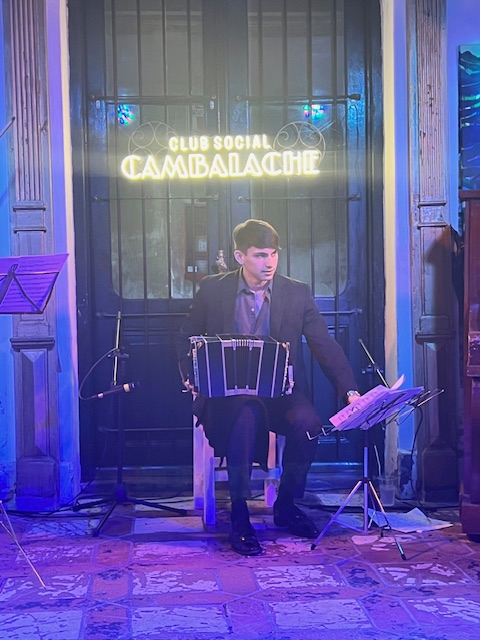
Milangos– are small nightclubs where locals and tourists learn to dance the tango and watch tango dancers of every age group take to the floor while listening to tango singers. Most are in San Telmo. These Milangos brought back memories of my salsa nightclub days. I attended two and loved every minute. The nightclub scene at one of the Milangos I attended was like what you see in an old noir film. Did I take a lesson? Absolutely. Could I tango? No. There are also plenty of dinner and tango shows, having attended one. Tango truly defines this city’s identity and passion.
Museums– I attended over half a dozen museums, from Bella Artes to MALBA, as well as a couple of history museums and their version of MOMA. None of them really wow me, traditional yet expansive in their collections. What I loved was that most of them were free. However, I could not go to the Rosado House (Pink House) where the president lives, and where there is also a museum (such is life). My recommendation is to Google the list of both museums and historic sites and pick what best interests you.
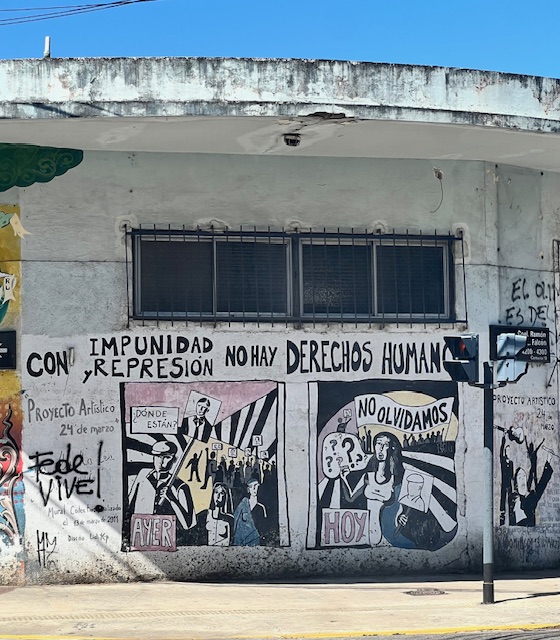
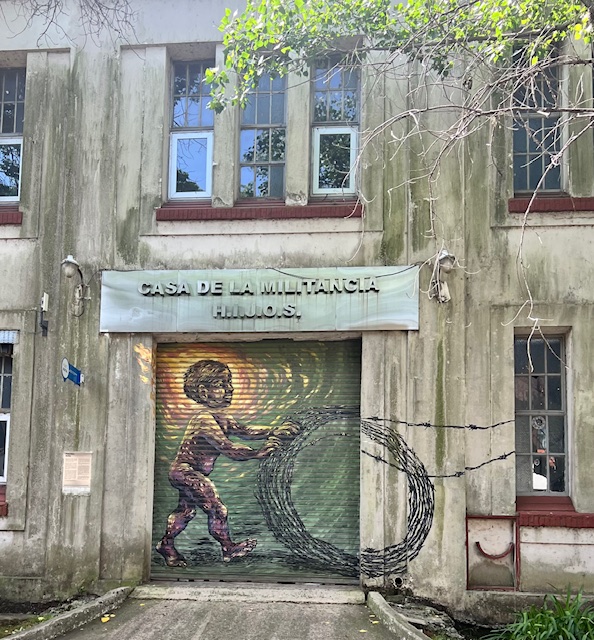
Memorial Sites – I attended two detention/ torture centers and was blown away. The first detention center was with a tour guide, Elisa was just magnificent in giving a 2-hour history of the Dirty War repression tactics at what was once a detention center in the heart of a residential neighborhood, a five-minute walk from an elementary school (unbelievable). Using the wide range of art murals surrounding the abandoned detention center, Elisa narrated a history of repression and resistance that eerily resembled what the Nazis did in Europe. Indeed, an eye-opener and reflective of some of the Trumpian tactics today. Truly, a wake-up call of how important history is and how easily it can repeat itself.
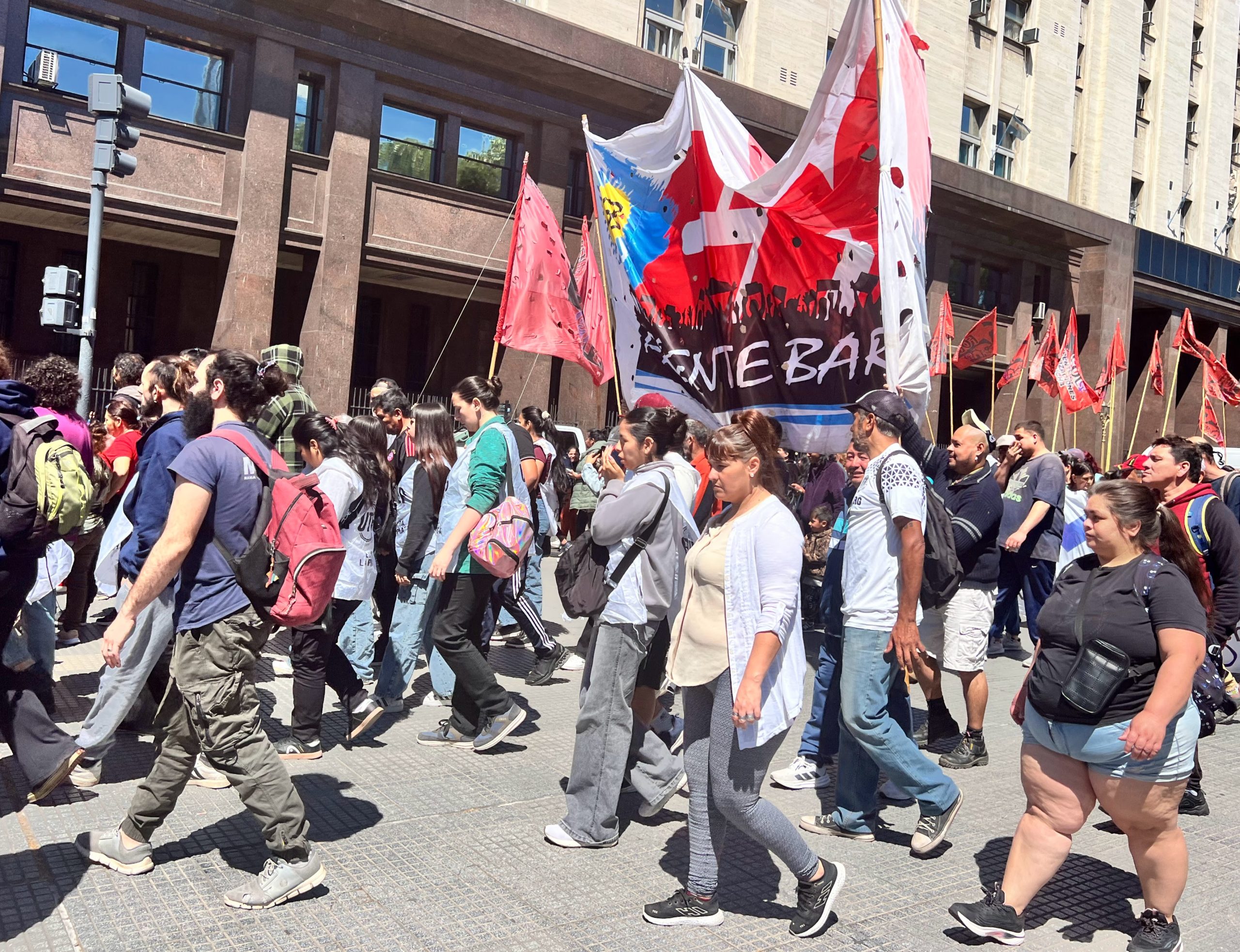
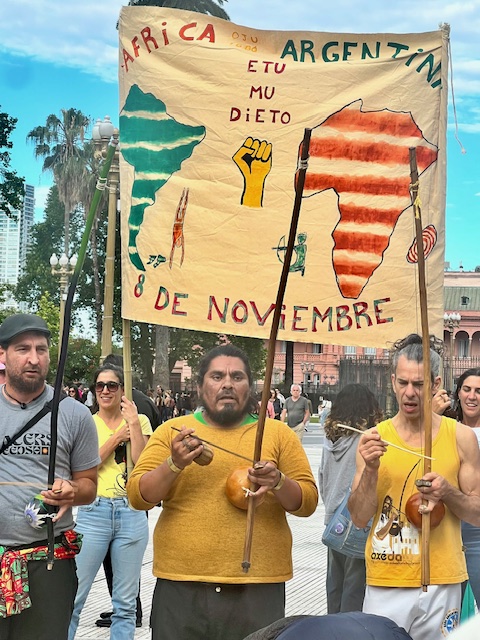
The second site was the well-known ESMA, once a naval academy turned into a strategic military base and torture center for the entire country. I did not find the exhibitions as effective as the Human Rights Museum in Santiago, Chile, which narrates 20+ years of General Pinochet’s dictatorship era and is quite outstanding. Nonetheless, ESMA’s presence and history lessons are critical to present and future Argentinians. It is important to recognize that Argentina’s history of authoritarian rule has left an indelible impact on its citizens’ right to protest. Various forms of protest—ranging from weekly demonstrations to artistic, musical, and literary expressions — take place regularly.
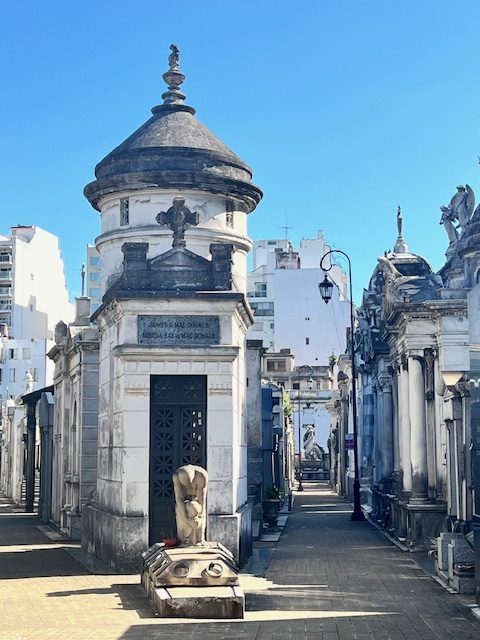
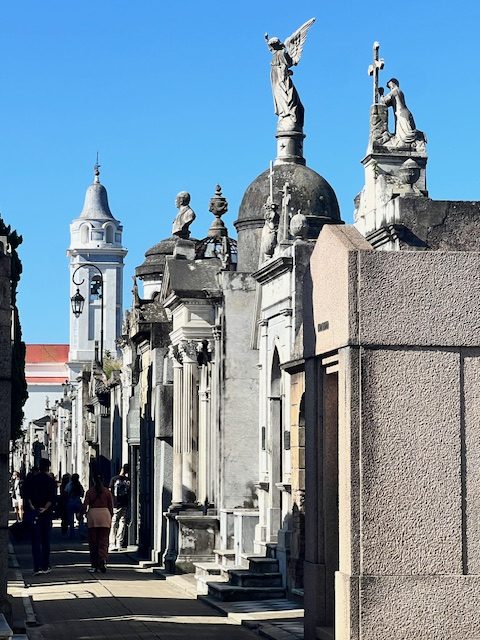
La Recoleta Cemetery – Quite impressive and worthy of a visit. I would skip the tour guide unless you want to know exactly where l leaders and celebrities were buried besides Evita Peron.
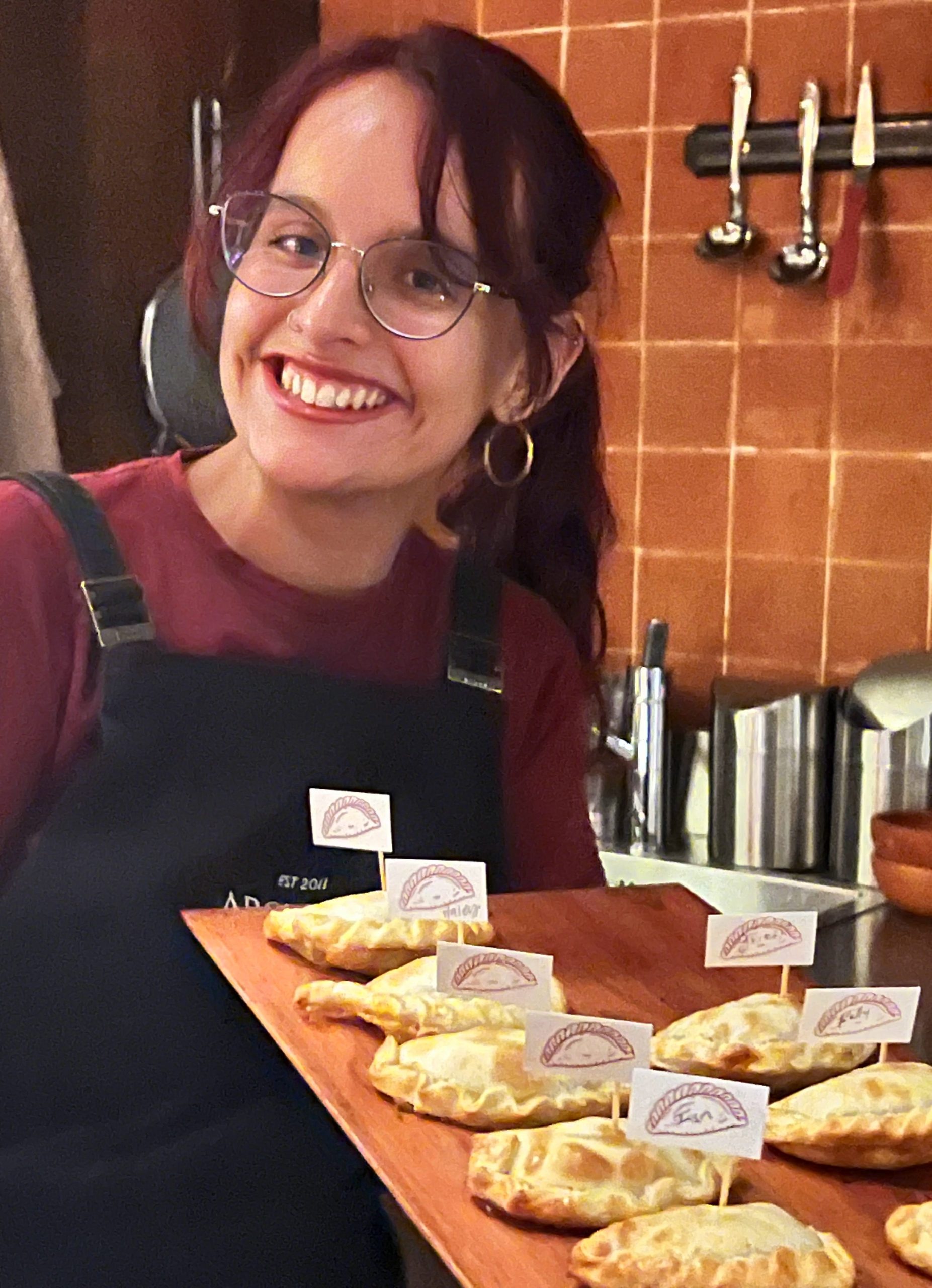
Cooking Classes– I signed up for two classes in Buenos Aires, and I think I got the empanadas figured out. One class was at a commercial establishment known as Argentina Experiences; the other was at a local’s home in Palermo. Both were authentic and fun.
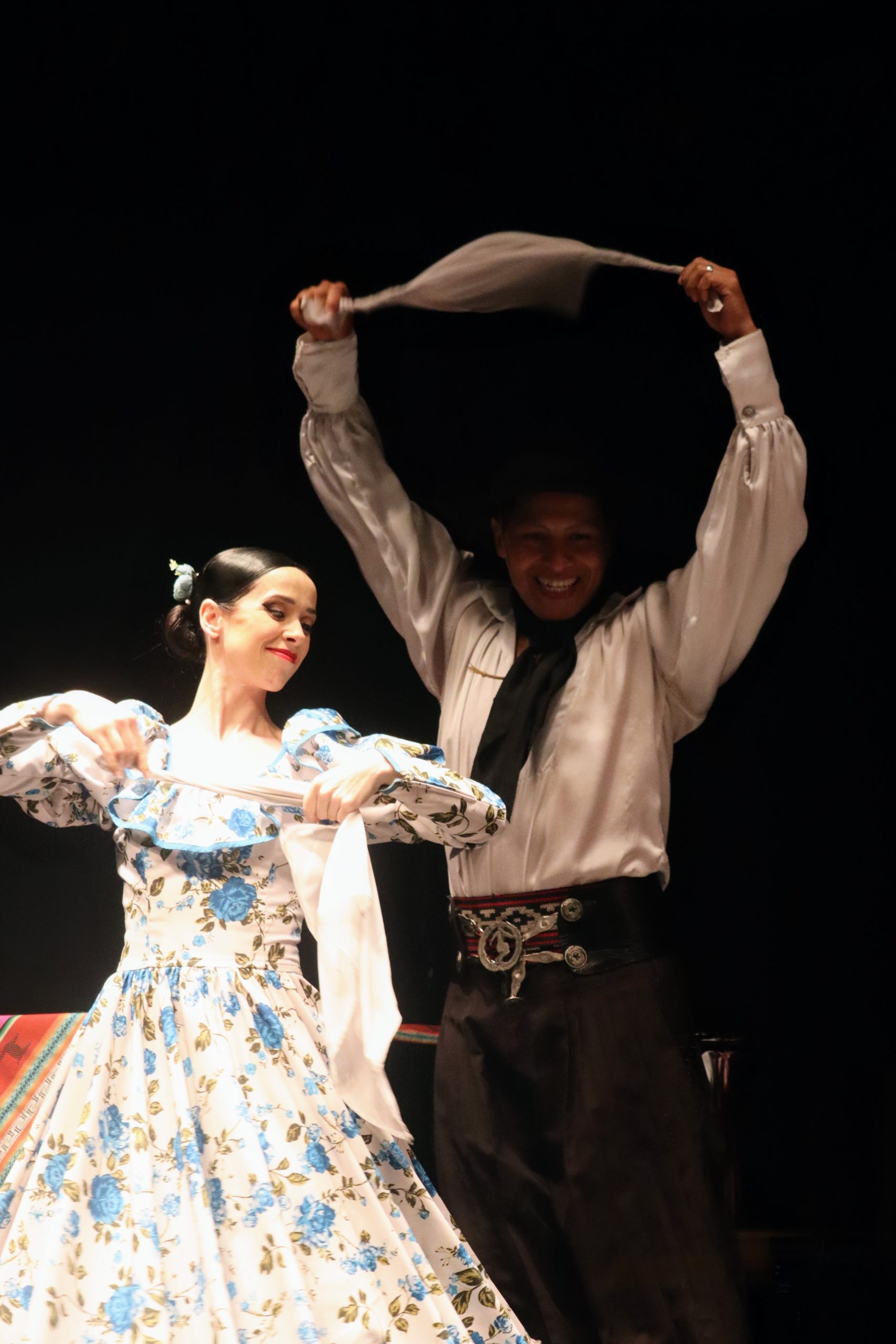
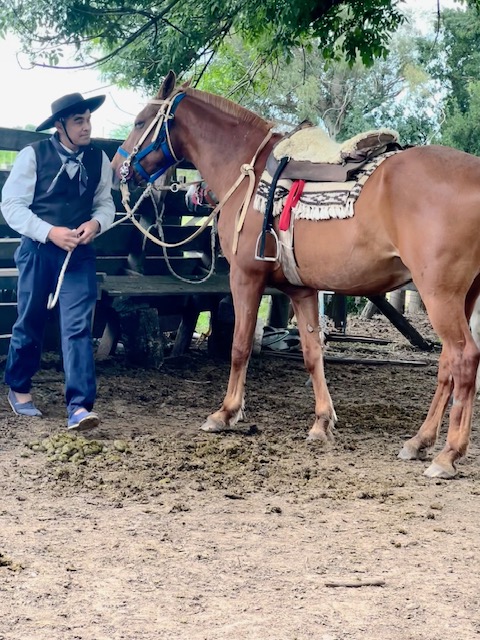
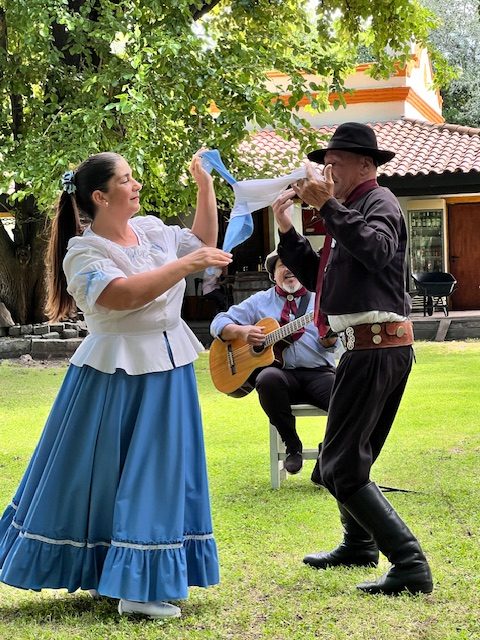
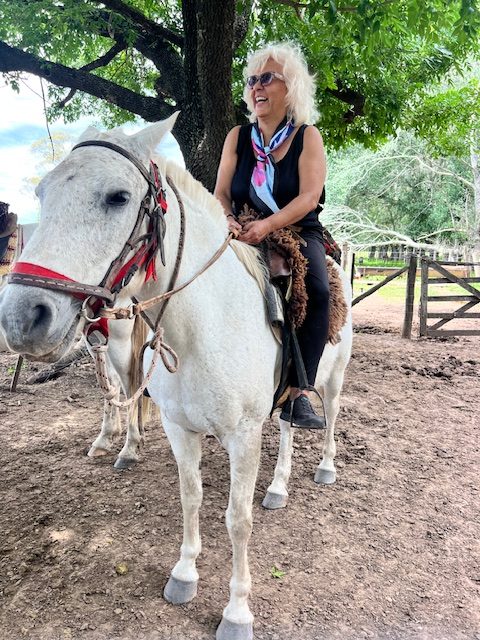
Gaúcho Ranch– I visited a Gaucho ranch and was disappointed to know these free-roaming South American cowboys were no longer nomads, having assimilated because of changes in agriculture and modernization. Many work on farms known as Estancias, where some offer a tourism experience in preserving their past, combining food, music and dance.
Living Among the Locals
There are a number of unique differences I found among Argentinians besides body tattoos and facial piercing among all age groups and genders. For instance, their dialect at times is difficult to understand, some of it are unfamiliar words or their accent, as compared to other countries I visited. They immediately asked me where am I from, since my accent is different. I chuckle when they say I speak like someone from Spain. Hardly…I speak like a Jersey Rican.
I love that they usually end a conversation with the word “Dale” which could mean, “OK, I got this, we are fine…. whatever”. Both a warm and an engaging gesture. Eating is a huge pastime. They dine very late at night, and they have “Merienda time ” early evening— a snack with tea or coffee. The food portions are generous, as is the wine. A glass of Malbec wine is anywhere from 5 to 7 ounces. The menu is a bit complicated when it is only in Spanish. Many times, I have ordered a meal that was not quite what I expected.
Folks here drink Mate, an herb similar to green tea, which they serve in a specially designed cup you drink with a metal straw, a century-old tradition. I found the taste a bit too bitter. The part where you pass it around and share it with friends and even strangers was a bit too much for me. I am such a food snob. Nope, I am not sucking from the same straw as everyone else.
Interestingly, the city is promoted as a multicultural society, which doesn’t quite appear to be the case. At least not like in the US, where you have much more mixing of racial groups. People in Buenos Aires are largely of European origin, brought about by massive waves of migration from most European countries over centuries. It is diverse in religion and culture but not racially. Mostly a blend of white Europeans and South American natives. At times, I was unable to tell who the tourists were.
Even though there were over 200,000 African slaves brought to Argentina, the city’s population of Afro–Argentinians is about 15,000 from a total of 3 million. During my travels in Argentina, I observed a limited presence of African descendants. More in Buenos Aires than anywhere else. There is an East Asia population from China, Japan and Korea that started in the 1980s, although not as significant and spread out among several cities. It’s important to note that I experienced the same in Peru, Chile and, to a lesser degree, in Colombia. In these countries, however, I noticed that the population tended to be more indigenous or have darker skin tones compared to Buenos Aires and Córdoba (which I also visited). Unless you are traveling through the countryside in the Northwest where folks are mostly Andean natives. To further complicate the city’s multicultural identity, the country’s 2010 Census showed that only 2.1% of Buenos Aires’ population—around 61,876 people—identified as Indigenous or as first-generation descendants of Indigenous peoples, primarily from Quechua, Arawak, Aymara, Guaraní, and Mapuche.
Challenges Facing Argentina
Argentina offers its residents a higher quality of life than most of its South American neighbors, similar to European countries, which includes universal health care, education, and other public service benefits. However, its economy has been in turmoil caused by high inflation and structural issues. To keep up, many Argentinians manage two jobs or have a side hustle. Under President Milie, the country is experiencing a dramatic transition in addressing what has been historically poor governing and economic instability. This has only increased the number of protests over labor rights and benefits, along with concerns about again moving towards authoritarian tendencies. It’s not clear what the impact of Trump’s 20 million bailout will be and whether it will be successful. The country continues to have an influx of immigrants from neighboring countries, increasing both fear and restrictive policies. It’s fair to say that South America’s most European country is at a crossroads.
Final Notes and My Photos
I truly enjoyed my time in Buenos Aires, loving both its people and culture. I found the Argentinians to be both warm and friendly. Unfortunately, I experienced an incident where my bag was stolen while I was eating in a restaurant with a friend. I had my camera, debit card and $20 stolen, among other minor items that I had to replace during my planned trip to Miami. The restaurant was able to show me a video of two young college-looking kids stealing the bag. I must say I do like my new camera more than my old one … but it still hurts.
My photos of Buenos Aires are of many of its neighborhoods, especially San Telmo. I try to capture much of the San Telmo Street Market, its colonial streets, architecture, its people protesting, street performers, culture and history. I found the Recoleta cemetery to be a treat, along with many of the historic sites and art murals. There are too many photos to pick from. Great memories that I will forever carry with me. As always, click the center of the photos for a full view.
Next month’s story will be Cordoba, but first, a detour back to the States to attend Miami Art Basel for a week. Dale!
If you enjoyed this story or the newsletter issue, help others to discover it by sharing it with your friends. Your support will go a long way in continuing the blog. If you are not a subscriber for more stories and photos like these, please click here to subscribe.

No Comments