Between Painted Mountains and Waterfalls: A Journey Through Northwest Argentina
A ten-day journey starting in Buenos Aires, traveling through the Northwest countryside of Argentina to experience the roar of the Iguazu waterfalls, the largest in the world, and moving from there to the colonial city of Salta. From here we ascend through valleys and winding roads of dramatic landscapes of rainbow mountains and ancient villages of adobe homes… almost surreal. It’s impossible to really experience Argentina’s history and culture if you only stay in Buenos Aires. On this journey where the air is a bit thinner, you get to explore cactus-dotted deserts, steep canyons, wine-producing farms and mountains of rose, jade, mustard, and violet colors celebrated by its people as Pachamama (Mother Earth). Here’s more on the highlights of this journey and what I learned from this experience…
But First a Bit of History
This region back then, before it was recognized as Argentina, Peru and Chile was known as the Andean mountains, where the “All-Mighty Inca Empire” ruled, building roads, fortresses, and trade routes that still exist today throughout the highlands. It amazes me how the Spaniards were able to conquer this rustic region, arriving from Peru and forming settlements in what is today known as the city of Salta and San Salvador de Jujuy. These settlements became an important colonial hub for extracting silver and enslaving people.
Over time, the fusion of natives, Africans and Europeans has created the region’s distinct cultural identity. Quite different from what you see in Buenos Aires, it combines the best of folklore music, Andean textiles and handicrafts, colonial architecture and festivals rooted in both Catholic and pre-Columbian rituals. Even after so many centuries, modernization has not entirely occurred in this region of Argentina, preserving its wilderness and mystical charm.Well worth visiting even with all its many challenges (more on this later).
It’s important to note that one of the darkest periods of Argentina’s history was during the military coup d’état of March 24, 1976. A period of extreme Nazi-type repression, a time when over 30,000 people disappeared. It took seven years for Argentina to return to democracy, brought on by international and local opposition to the human rights crisis, a fallen economy and the defeat of the 1982 Falklands War against the United Kingdom.
Arriving in Buenos Aires
This tour featured two days in Buenos Aires, allowing us to enjoy some sightseeing before traveling to the countryside. I was able to fly in early, staying in a downtown hotel, which gave me time to explore the immediate area followed by a cooking class on the first night. The next day included a tour bus with a guide that offered a good overview of what this city offers, ending the night with a Tango dinner show before heading out the next day to the city of Iguazu. After the countryside tour, I returned to Buenos Aires, renting an Airbnb for a month’s stay to explore another side of Argentine life.
Beware when traveling to Argentina, after trying to extract pesos from several ATMs I found out that the Argentine government and its Central Bank (BCRA) implement strict controls on the foreign exchange market in order to manage the flow of foreign currency and support the local peso. I had to wire myself money through Western Union to have pesos during my stay in the countryside, which sadly I could not access until I returned to Buenos Aires (such is life).
Chasing Waterfalls in Iguazu
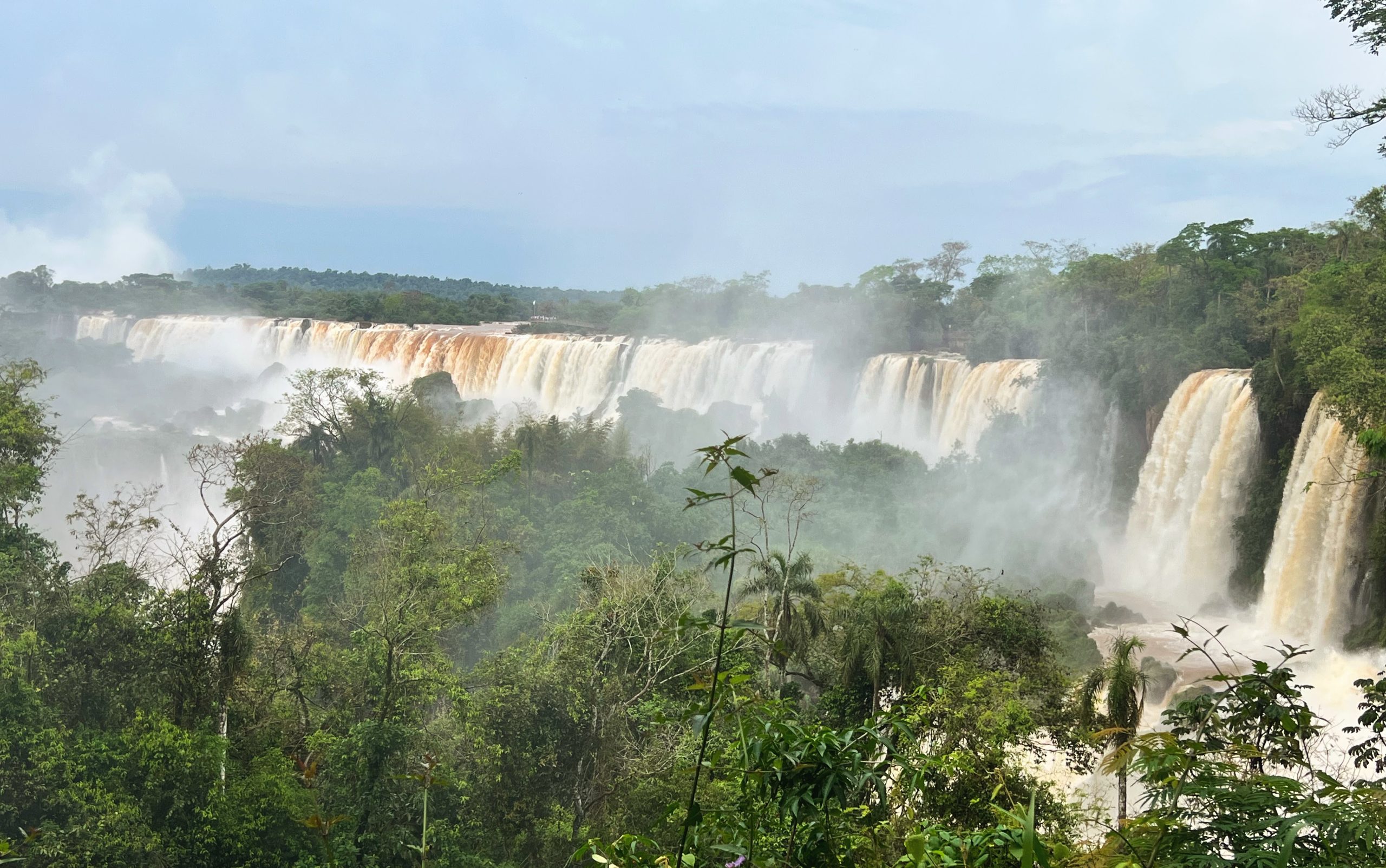
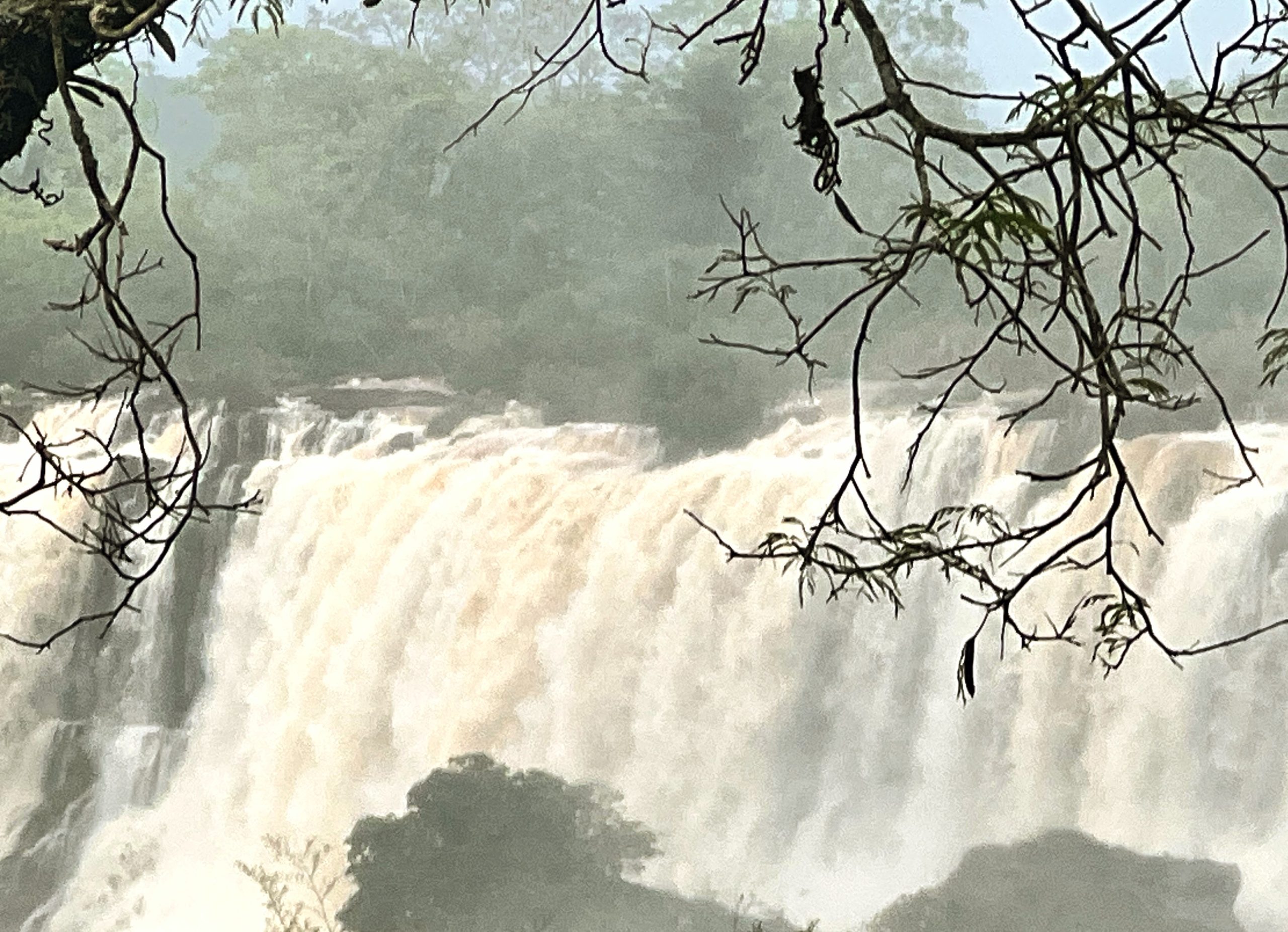
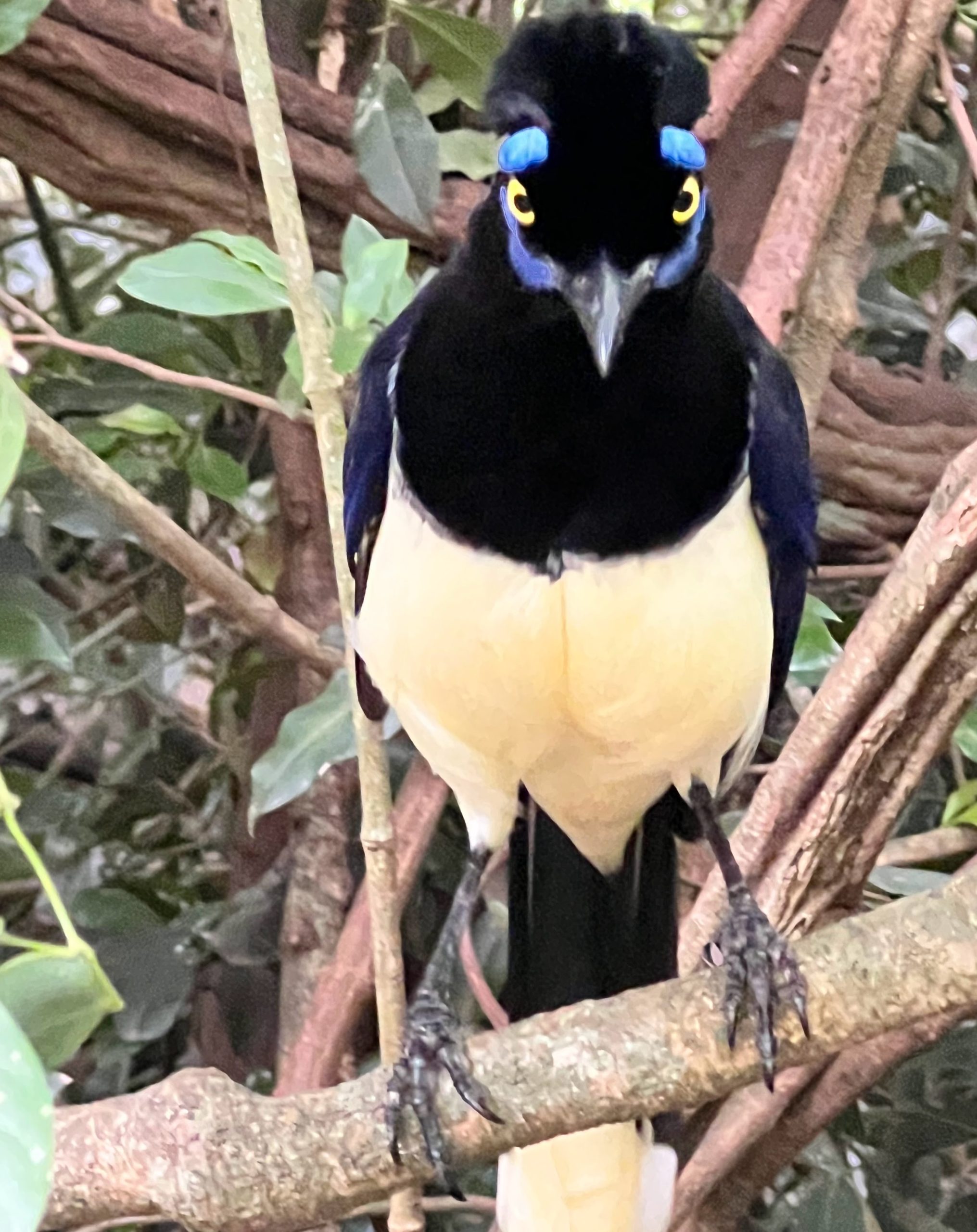
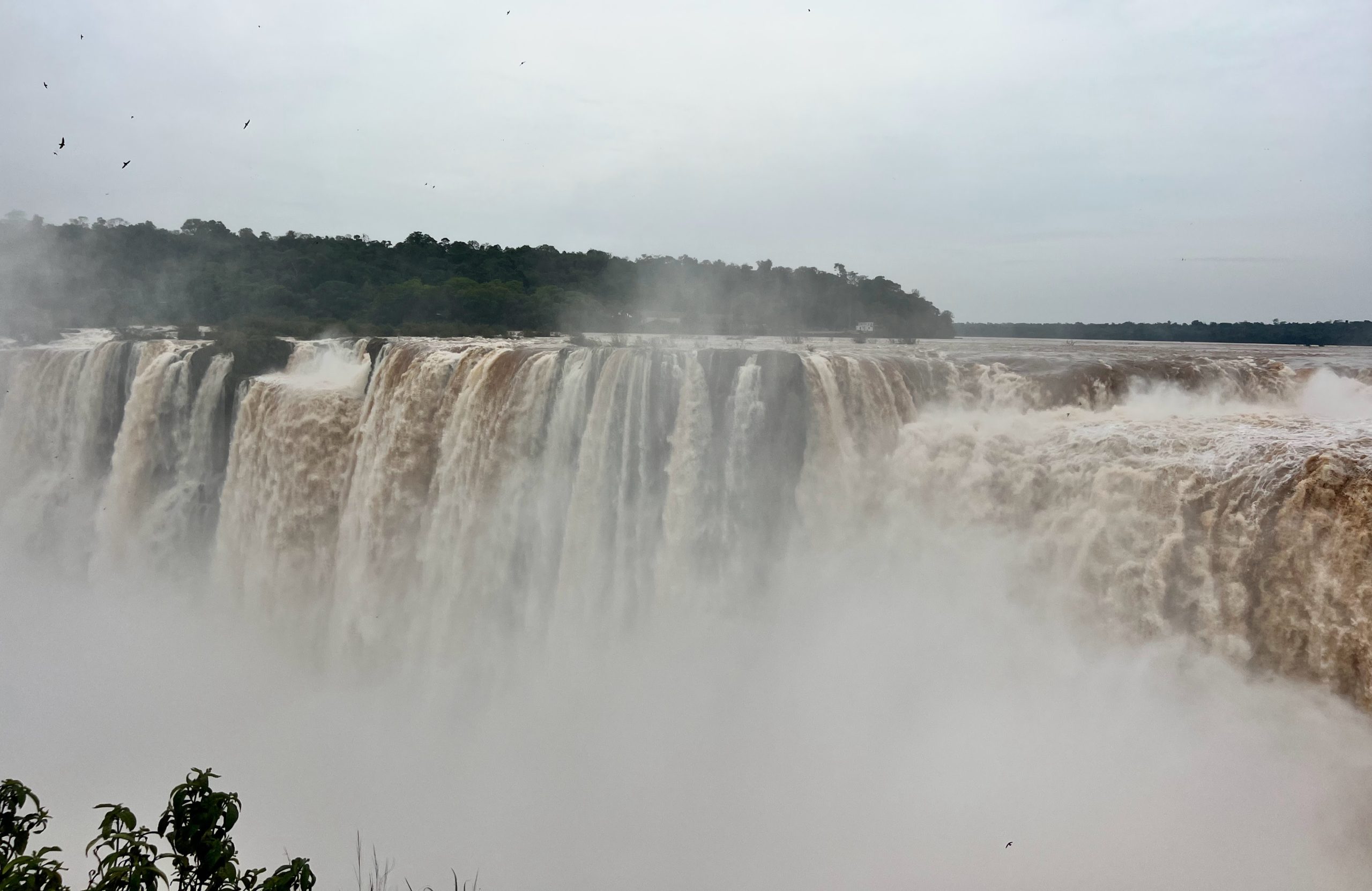
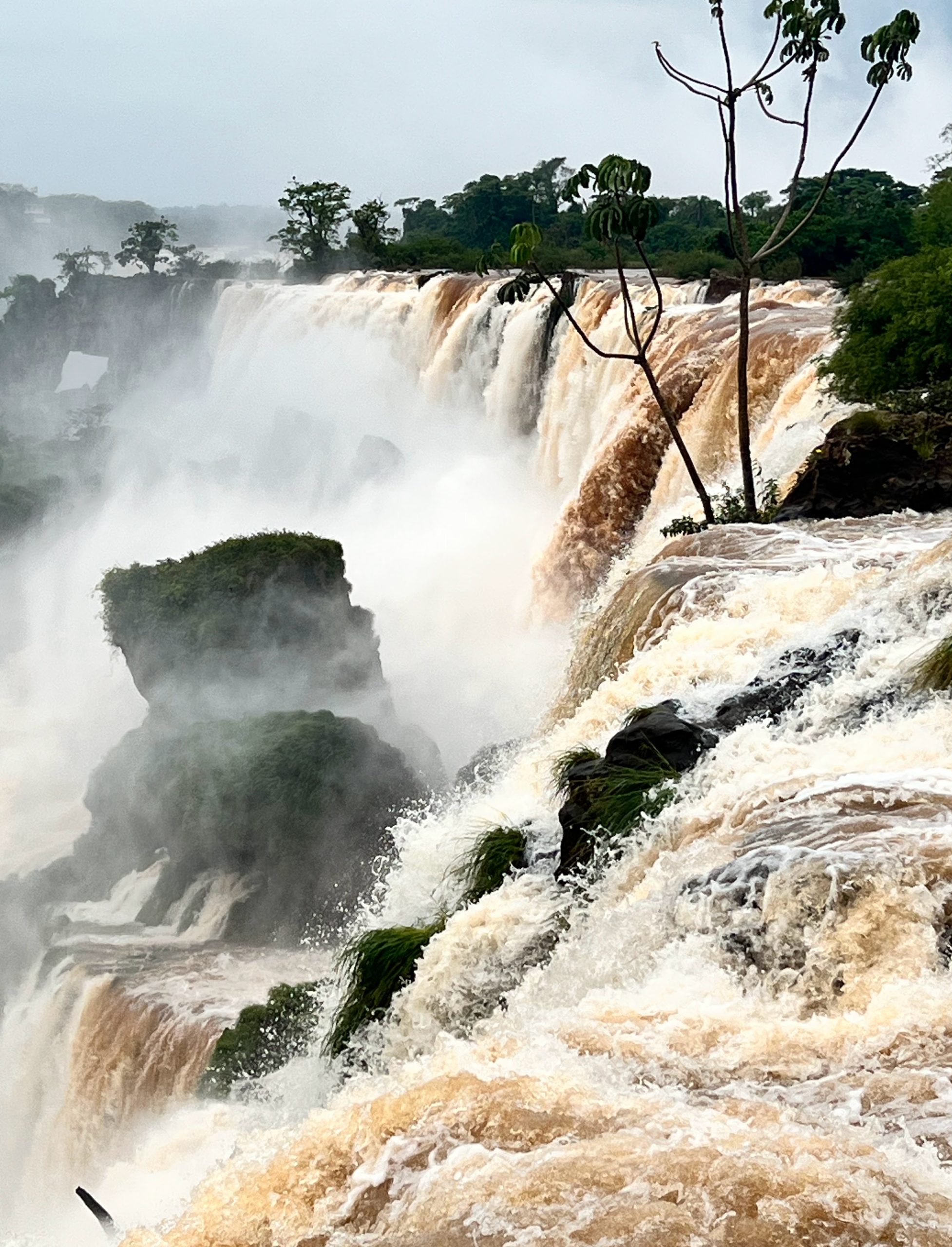
Every year, thousands of people visit the town of Iguazu Falls to experience the largest waterfall system in the world. Imagine 275 individual drops over 1.8 miles where the Argentina and Brazil border meets surrounded by a magnificent rainforest …. one of the most biodiverse in the region with more than 2000 plants and home to 450 species of colorful birds…. awe-inspiring!
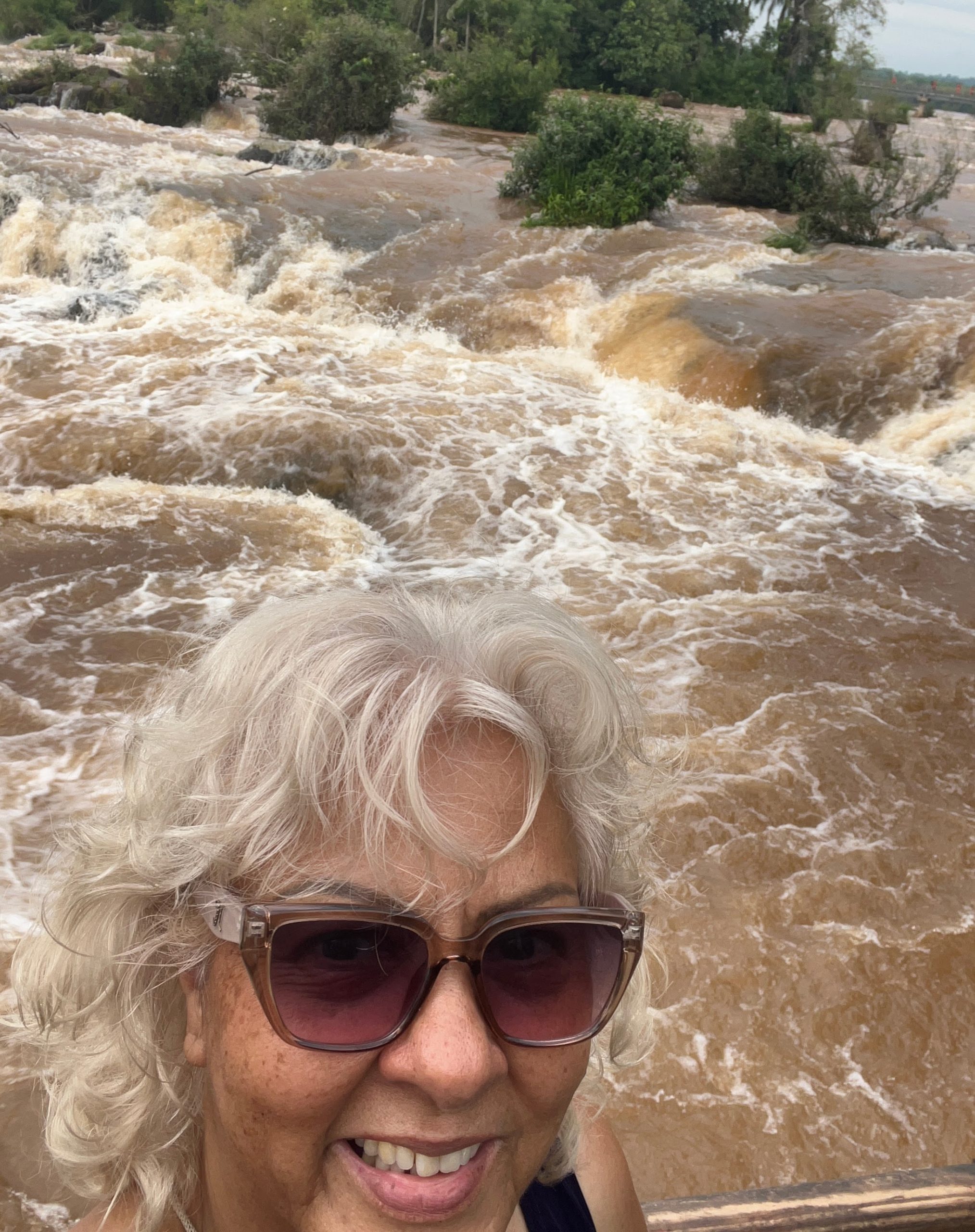
You have the option of seeing the waterfalls in both Argentina and Brazil. For Brazil, I was informed that I needed a visa at a cost of $80. I chose not to go through the paperwork and cost, although many tourists managed to do both without this requirement (such is life). There are five circuits that allow you to see every angle of this waterfall system in close proximity. The best part of this day tour was the ride on a speedboat through the waterfalls. Quite invigorating, just remember to bring an extra set of clothes to change.
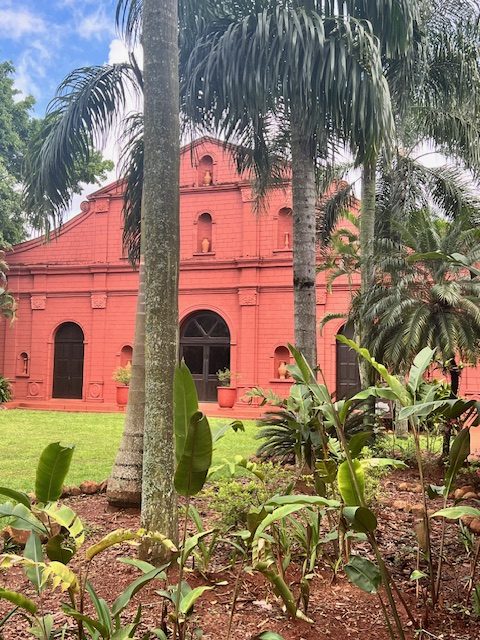
The next day it rained all day, cancelling my plans to see an indigenous community. I was limited in where I could go, staying mostly in the hotel that resembled an ancient temple. Fortunately, it had an evening tango show. The town is a bit rural and not as attractive, catering more to locals. The following day I had signed up for a cooking workshop class, which was super fun and where I met another solo traveler from the Philippines and reconnected with her in Buenos Aires. Unless you want to see both sides of the waterfall, I recommend no more than a two-day stay in Iguazu.
Into the Mountain to visit Salta, la Linda (the beautiful)
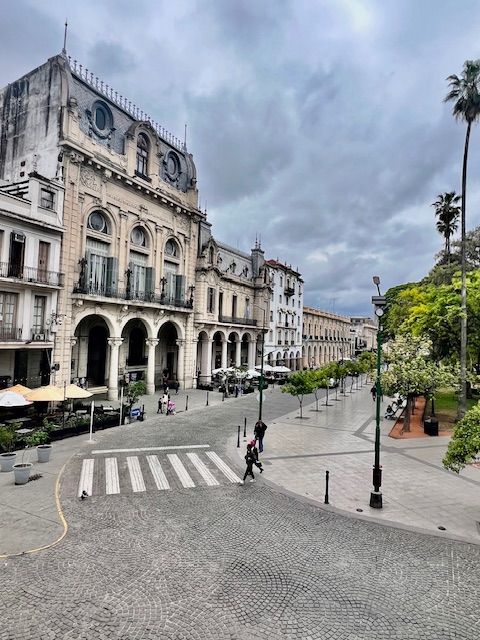
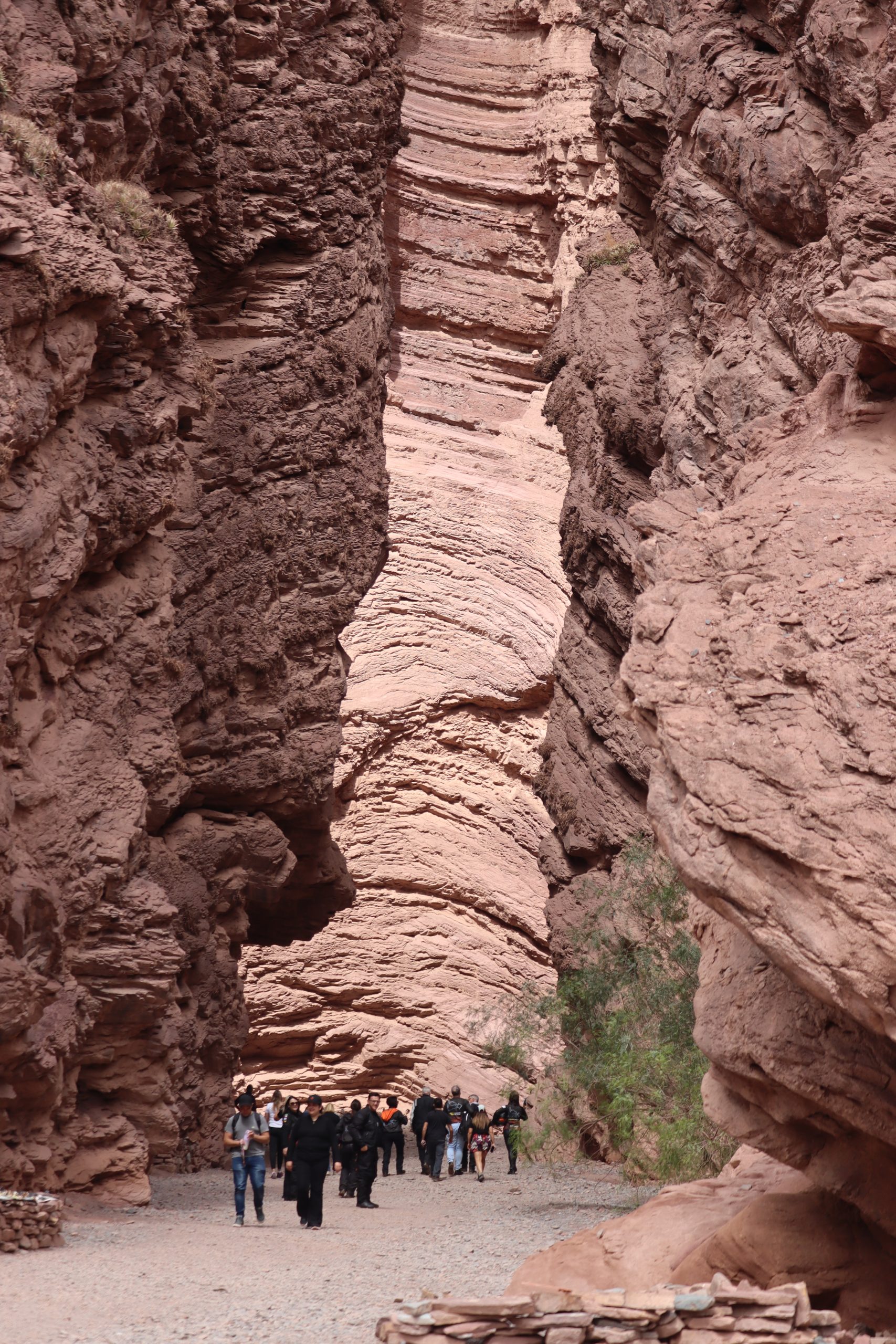
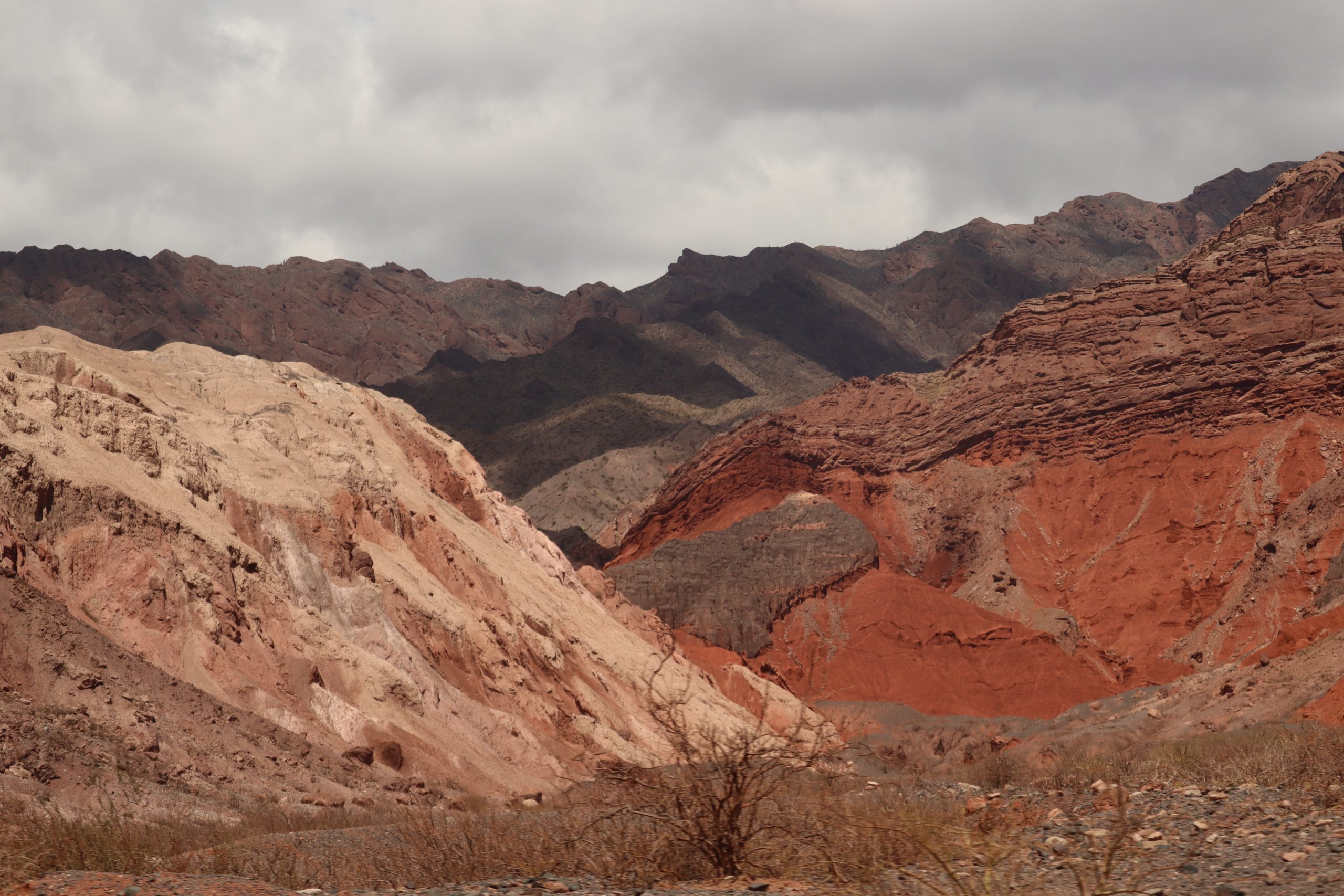
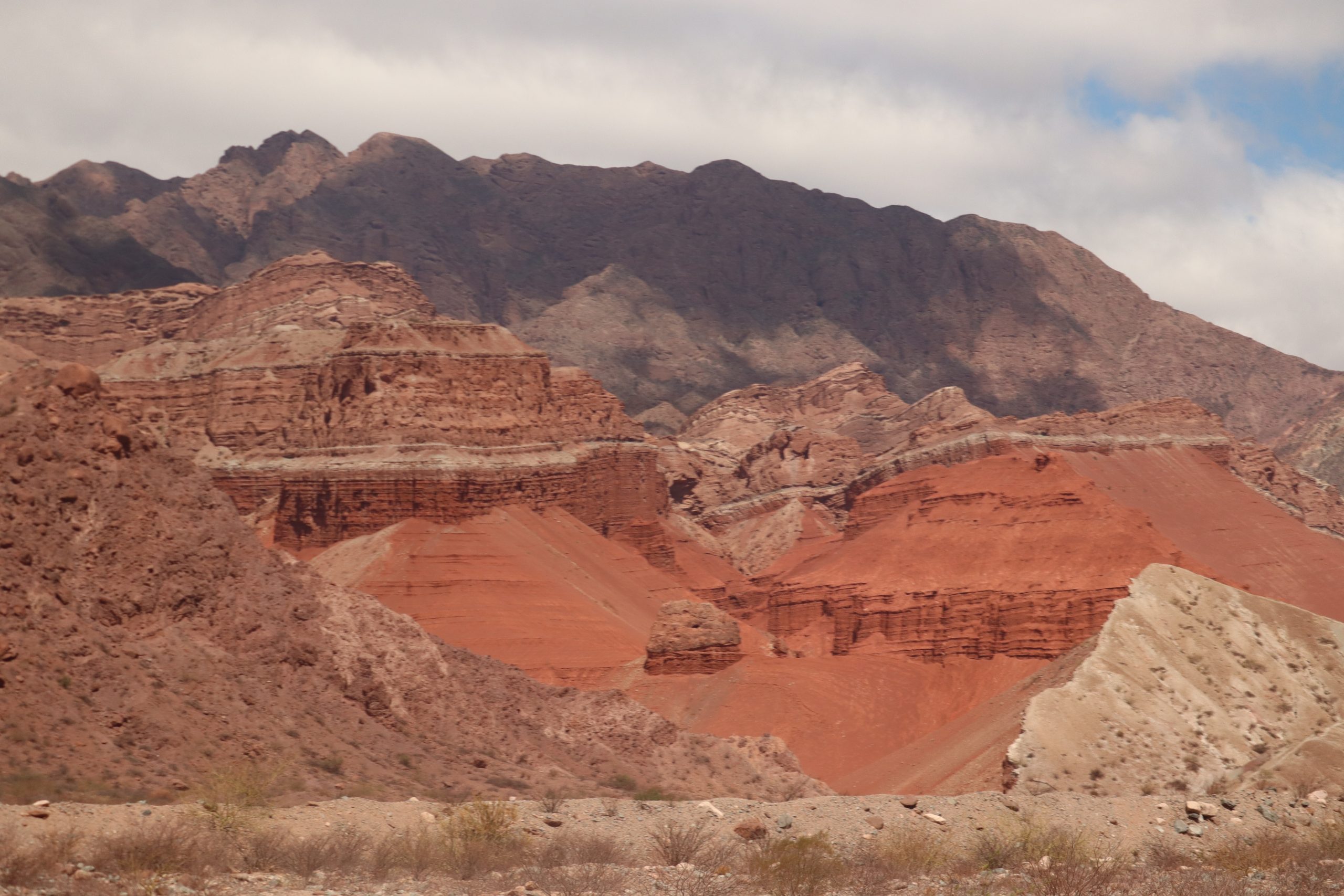
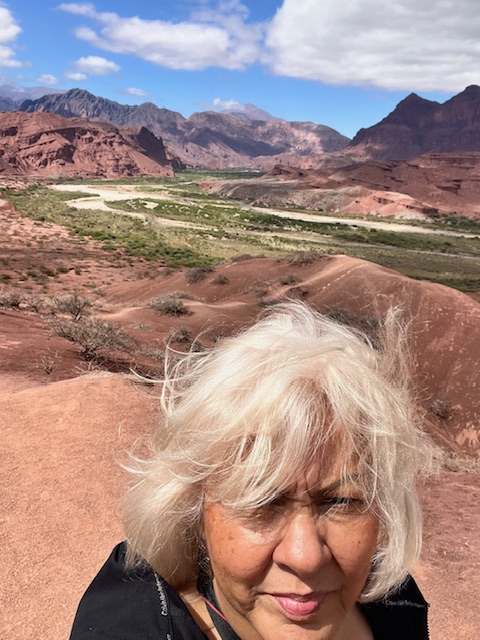
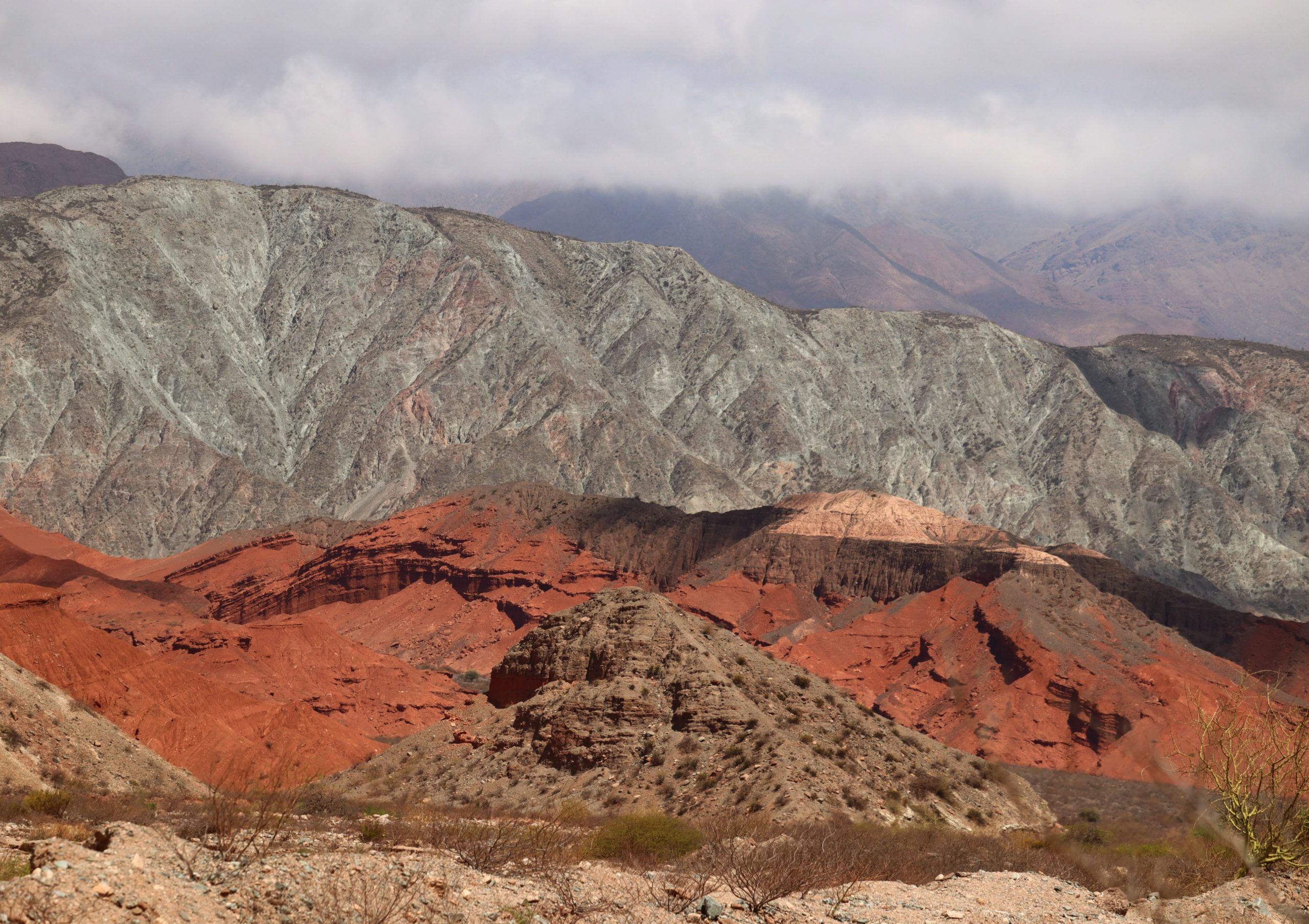
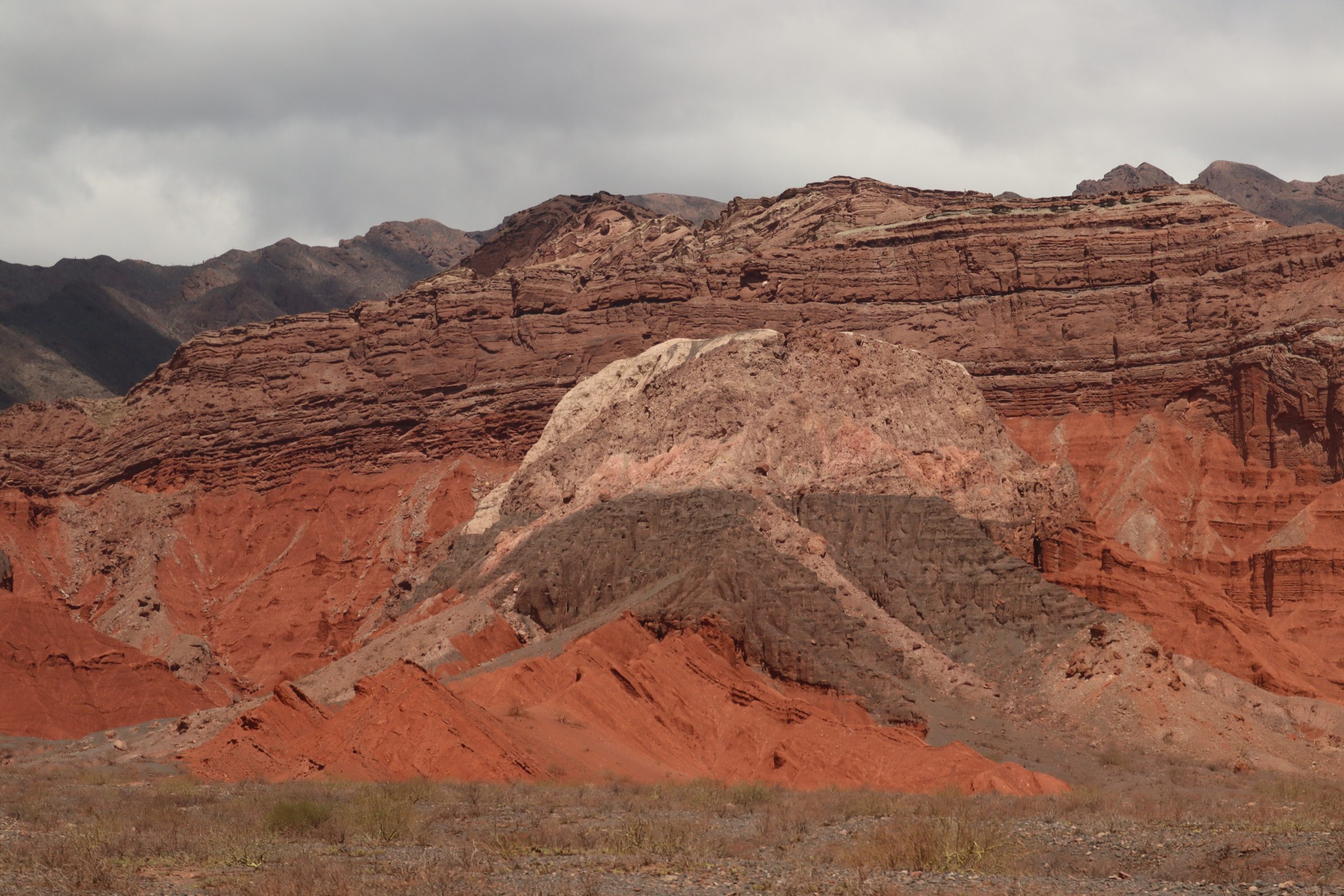
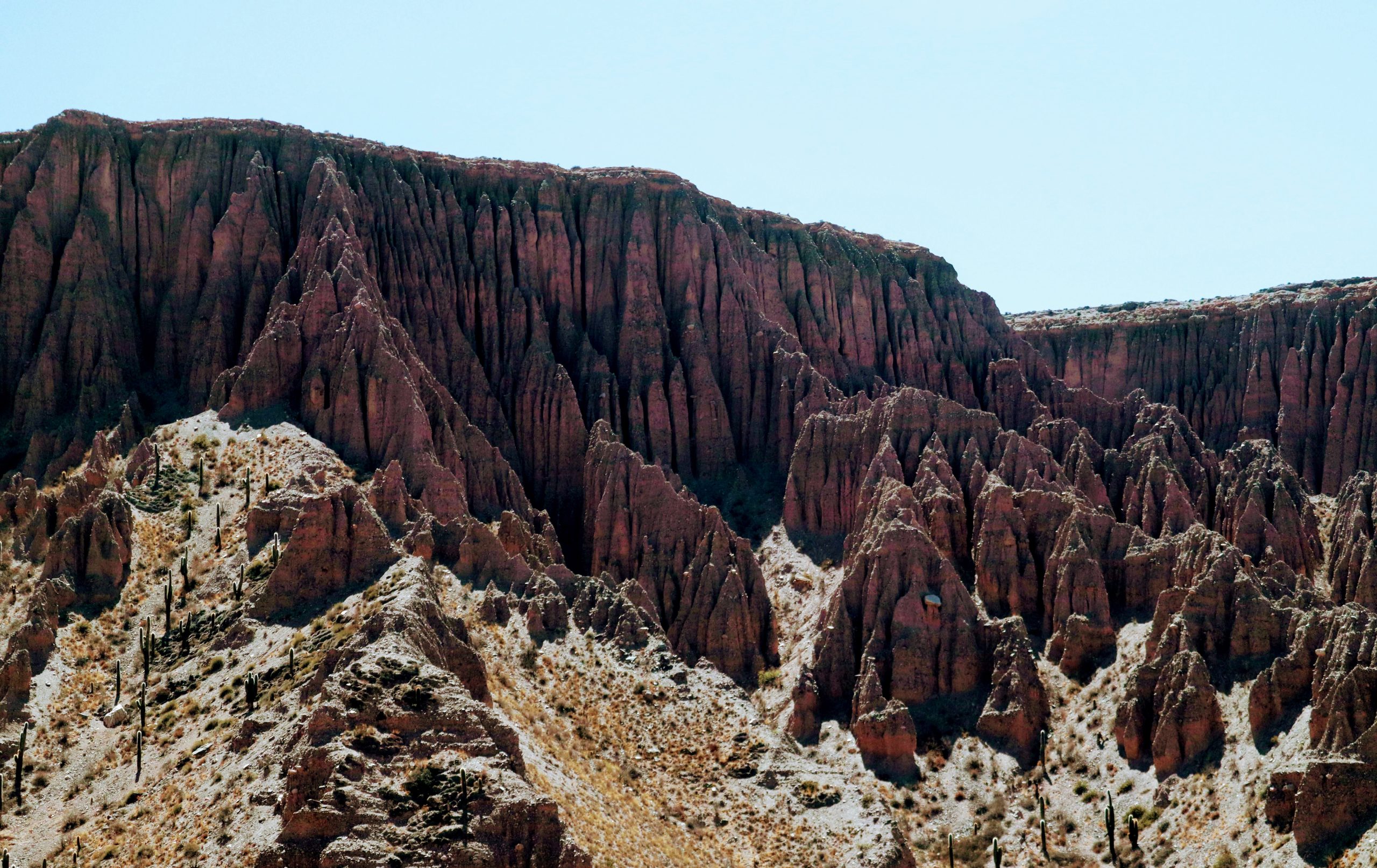
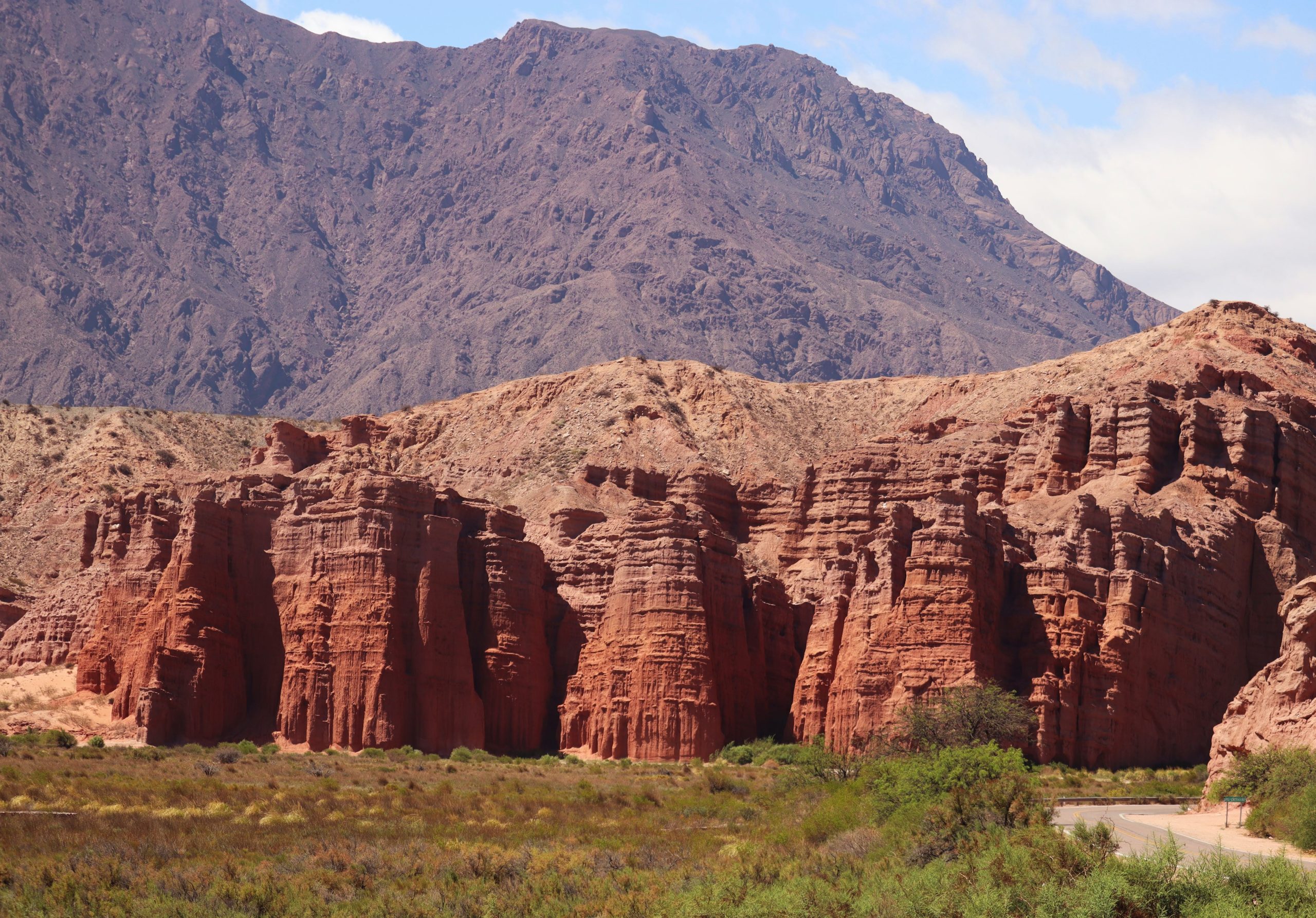
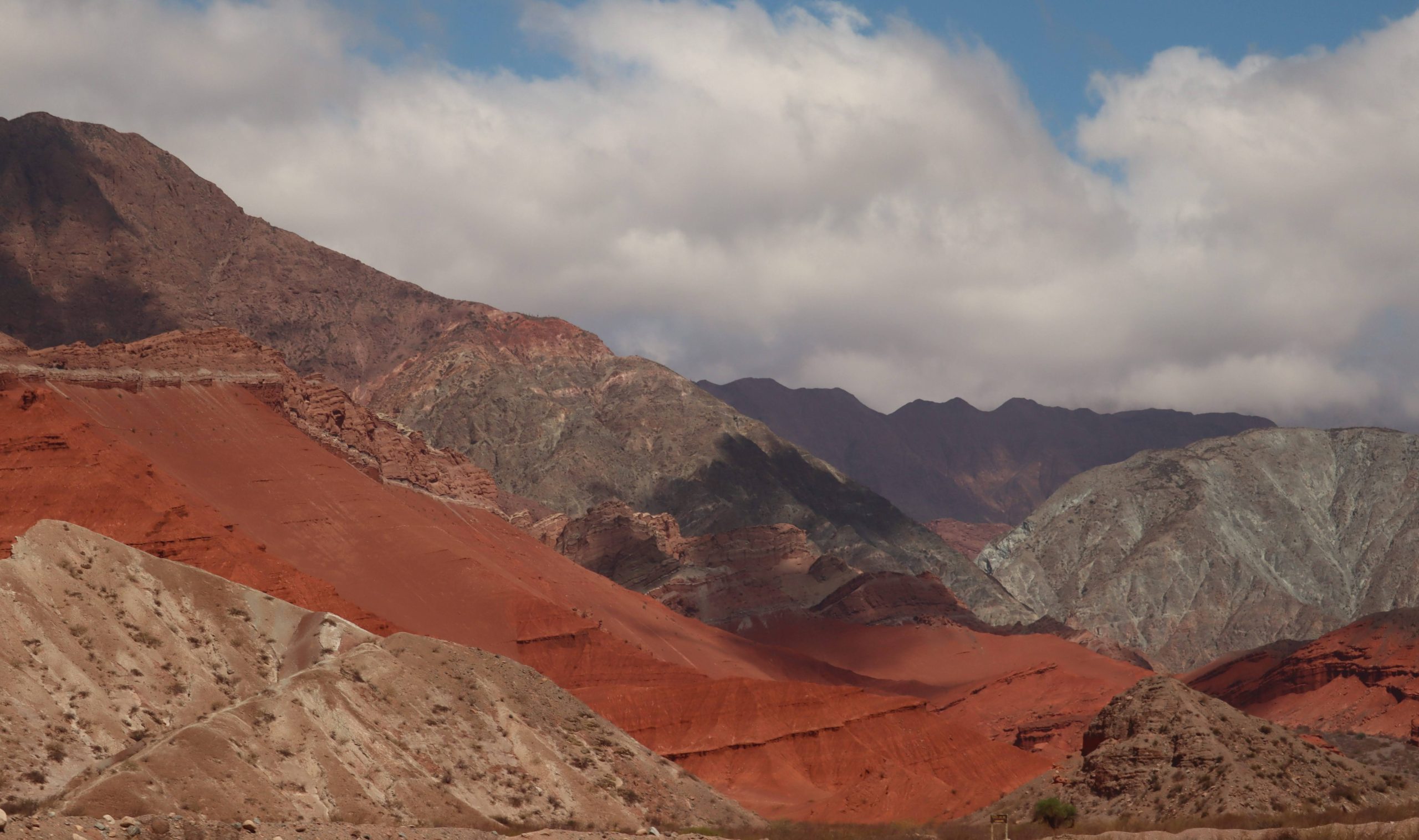
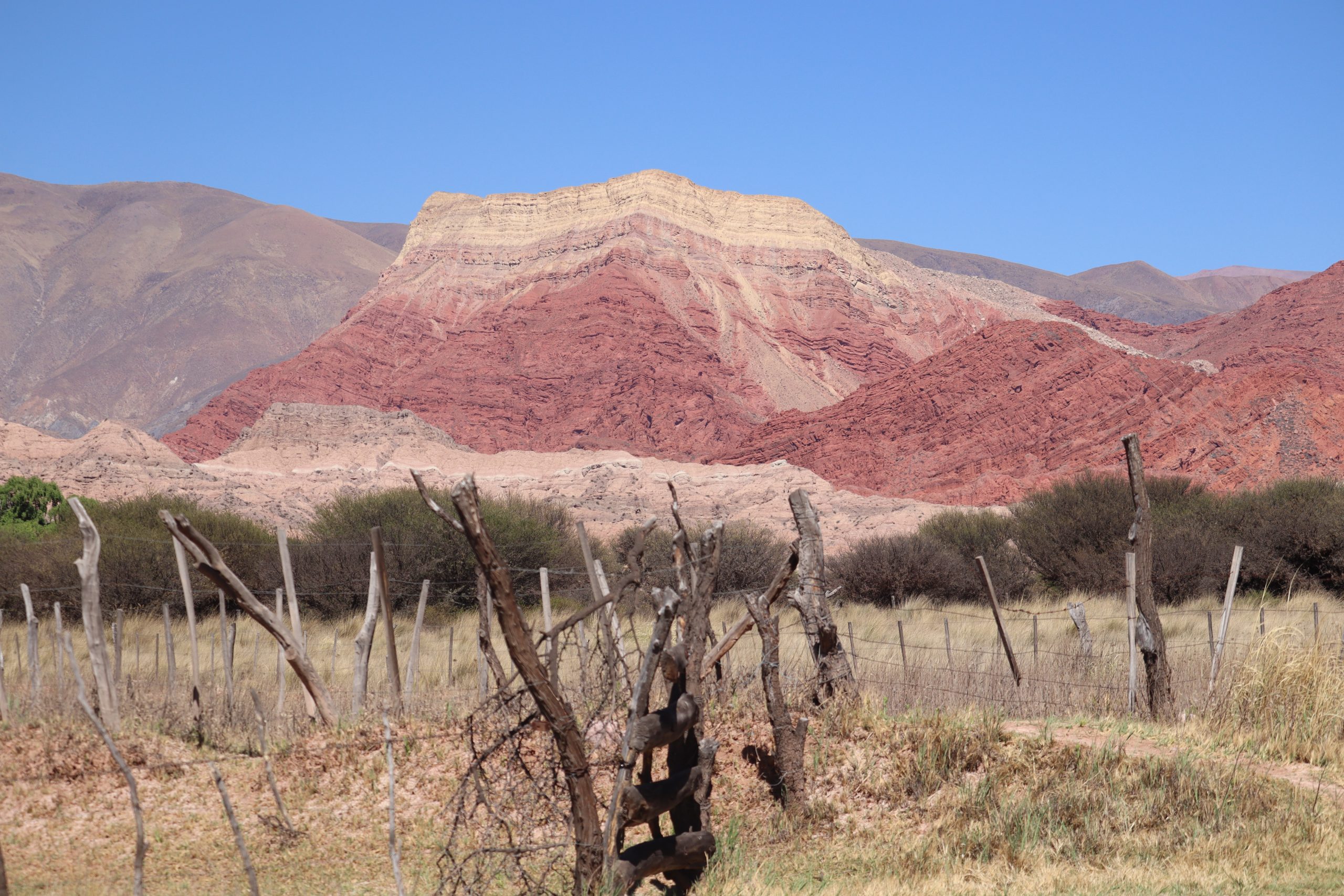
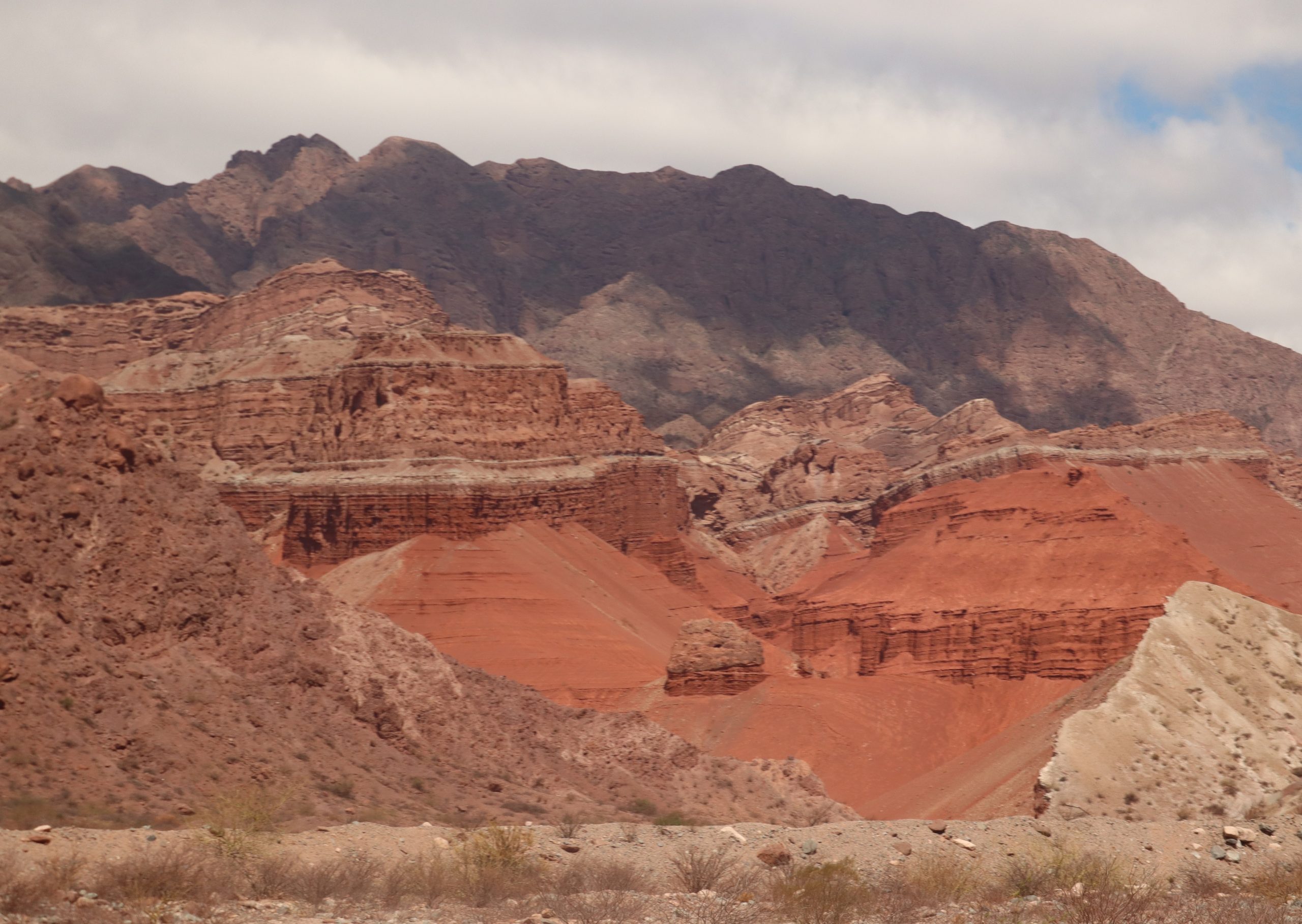
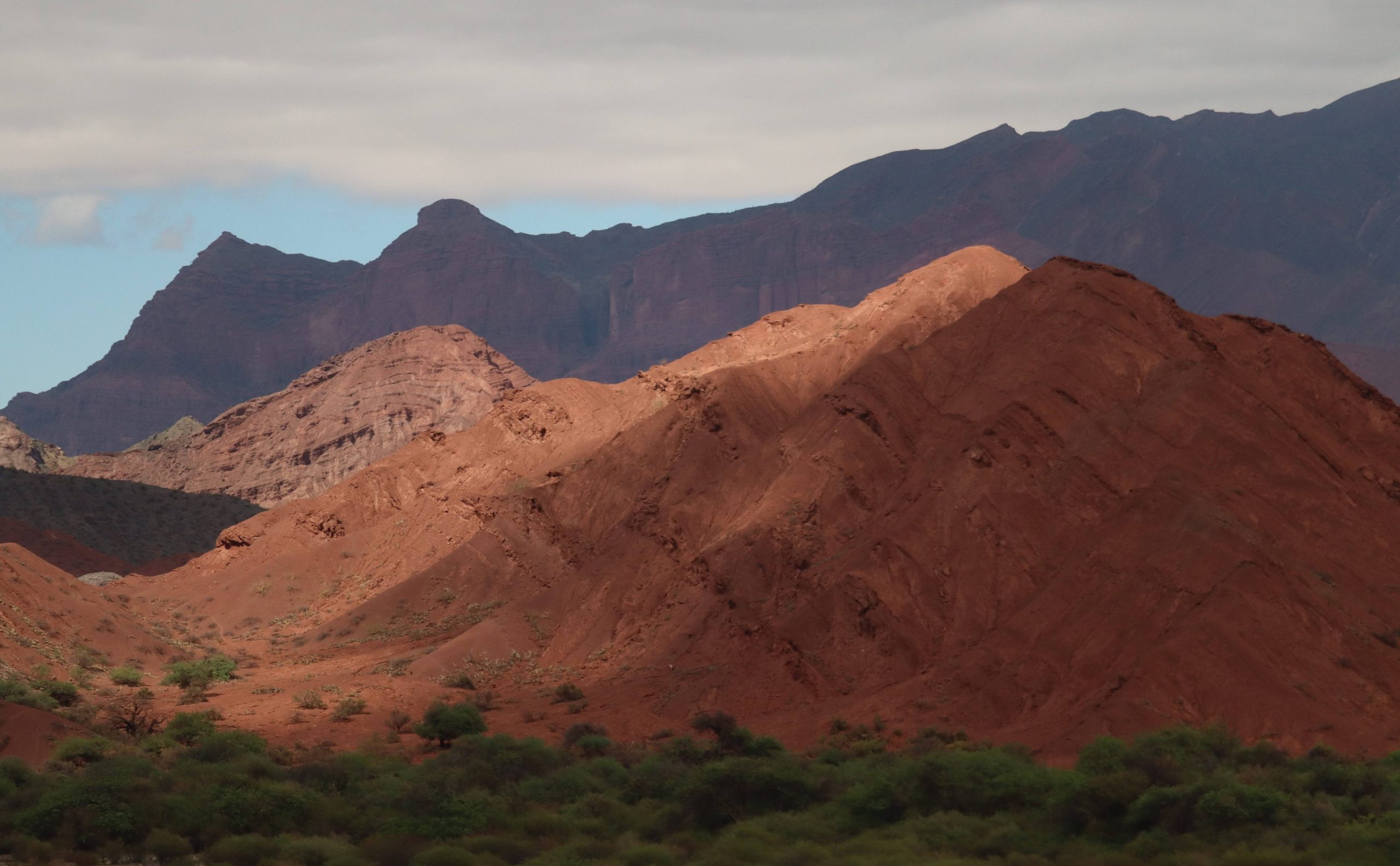
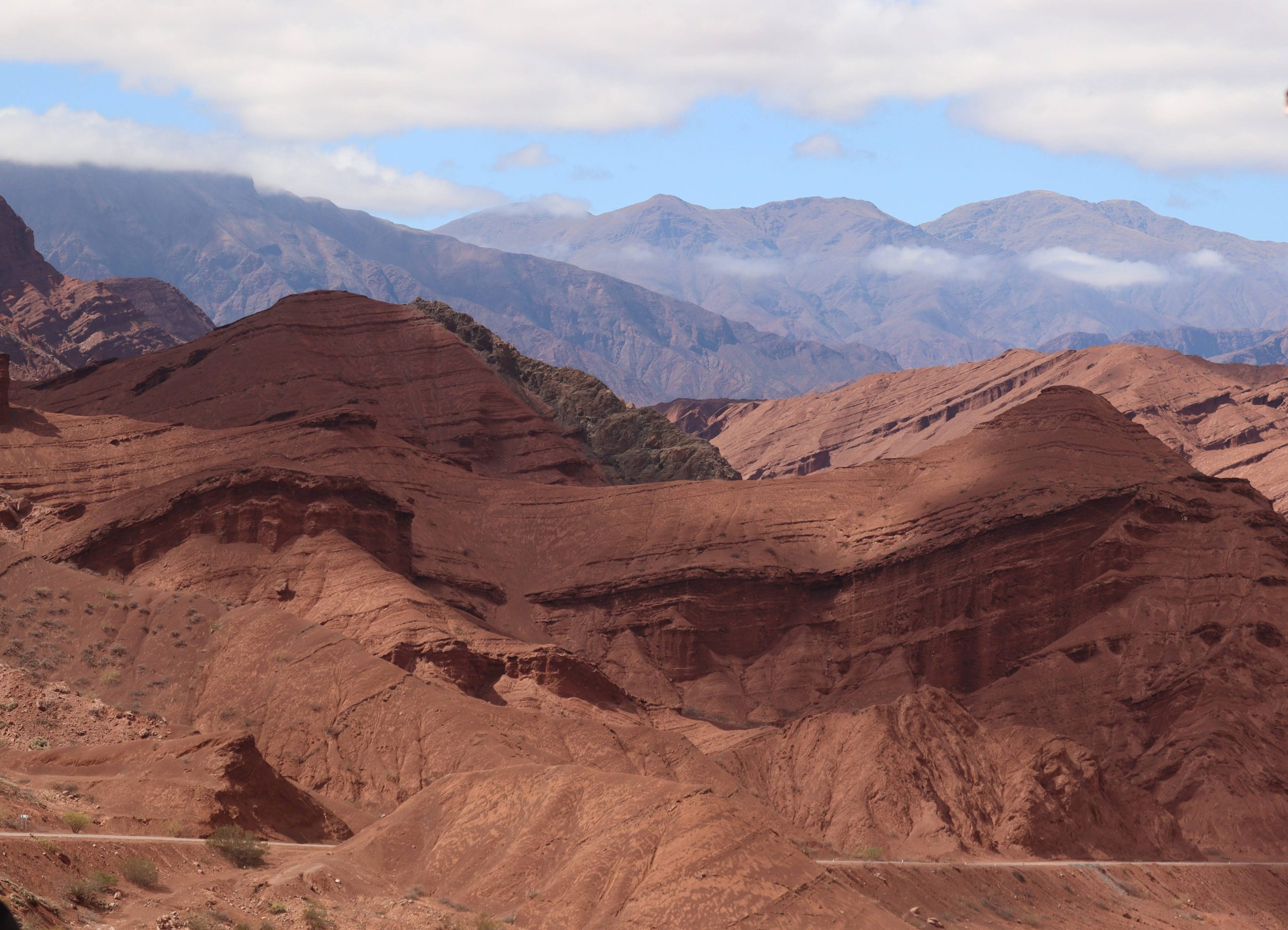
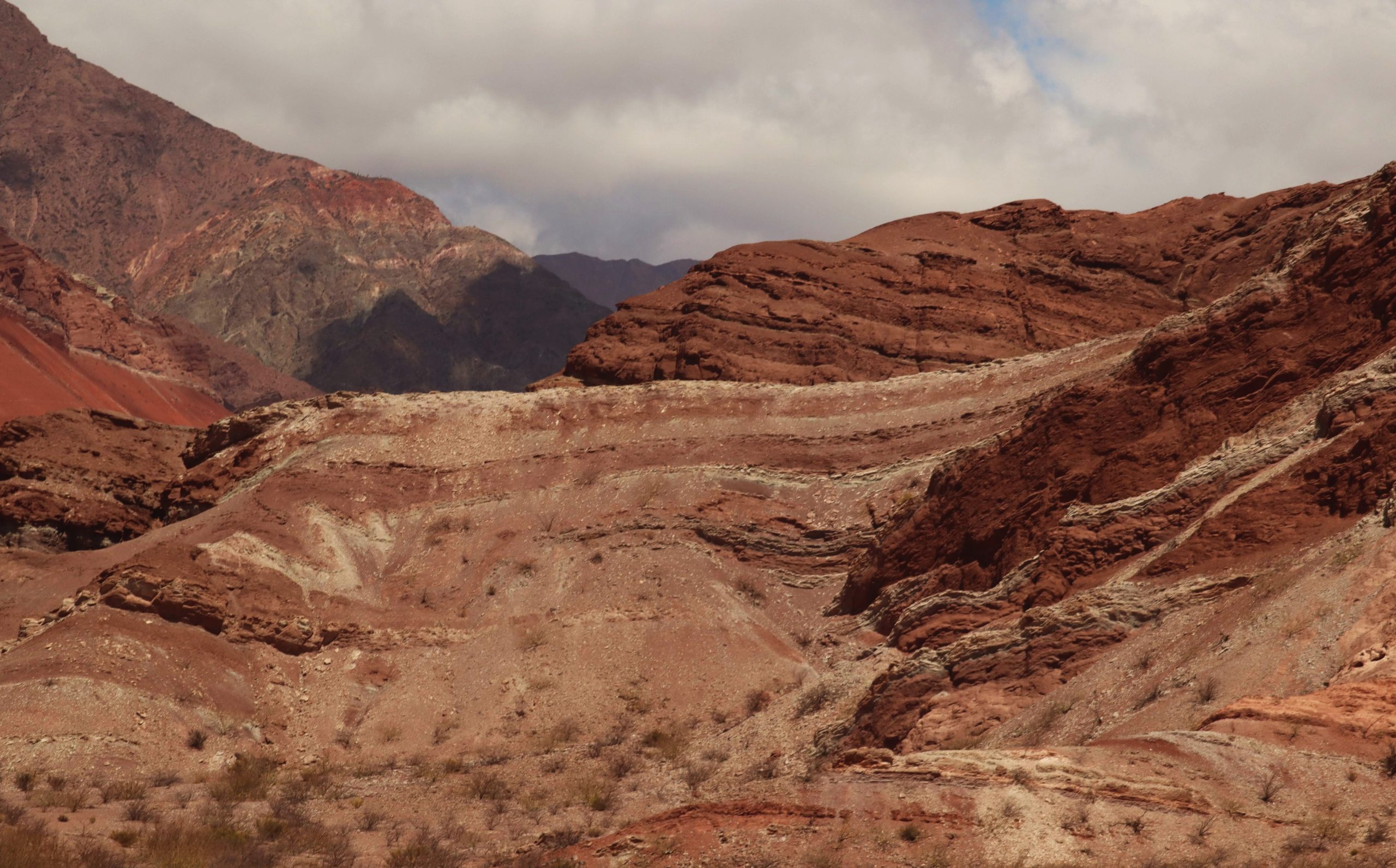
The easiest way to reach the colonial city of Salta is by plane, allowing one to explore its well-preserved architecture and visit Argentina’s high-altitude wine region of Cafayate. I stayed in Salta for two days to allow me to travel into the mountains to explore its deep canyons, colorful mountains and its vineyards. During our ascent into the mountains, we paused at several sites to experience the striking range of red colors and impressive rock formations. Without a doubt, the intensity and scale of these red-toned mountains and geological structures far surpass those found in Sedona, Arizona.
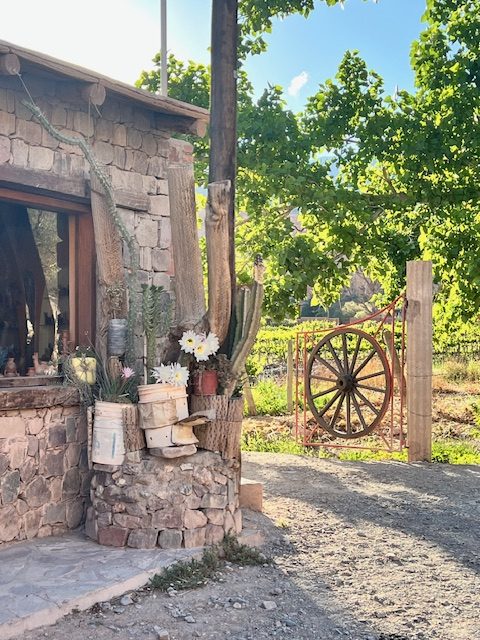
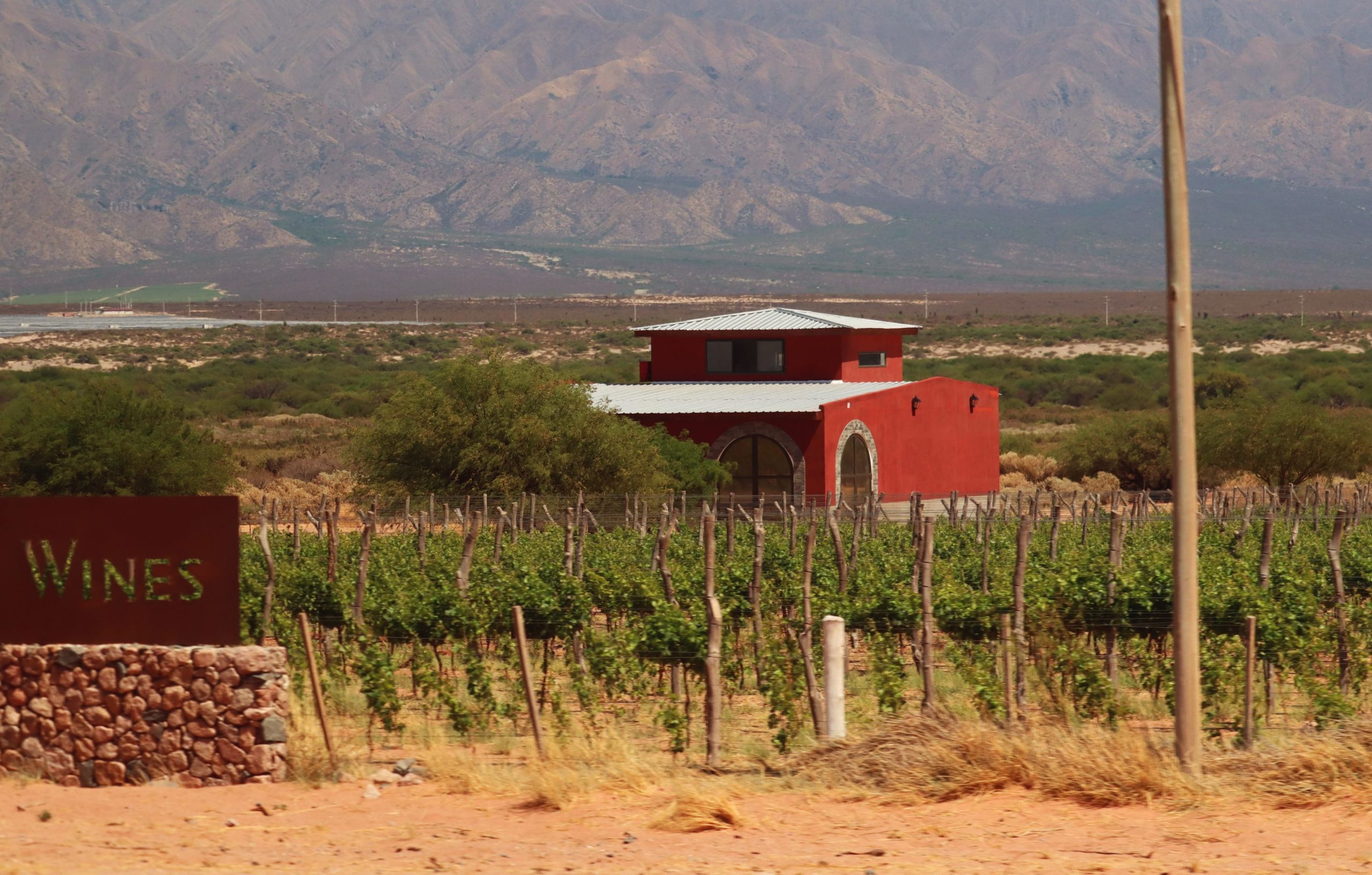
A wine tasting was part of the tour in what looked like a castle. Wines here are produced at altitudes of 5,000 to 9,000 feet. Its signature wines are the aromatic and floral Torrontés white wine along with Malbec and Cabernet Sauvignon. Frankly, I was not liking the Torrontes, but then I am partial to red wines. Interestingly, the high elevation combined with stronger winds contributes to the wines’ intensity and color.
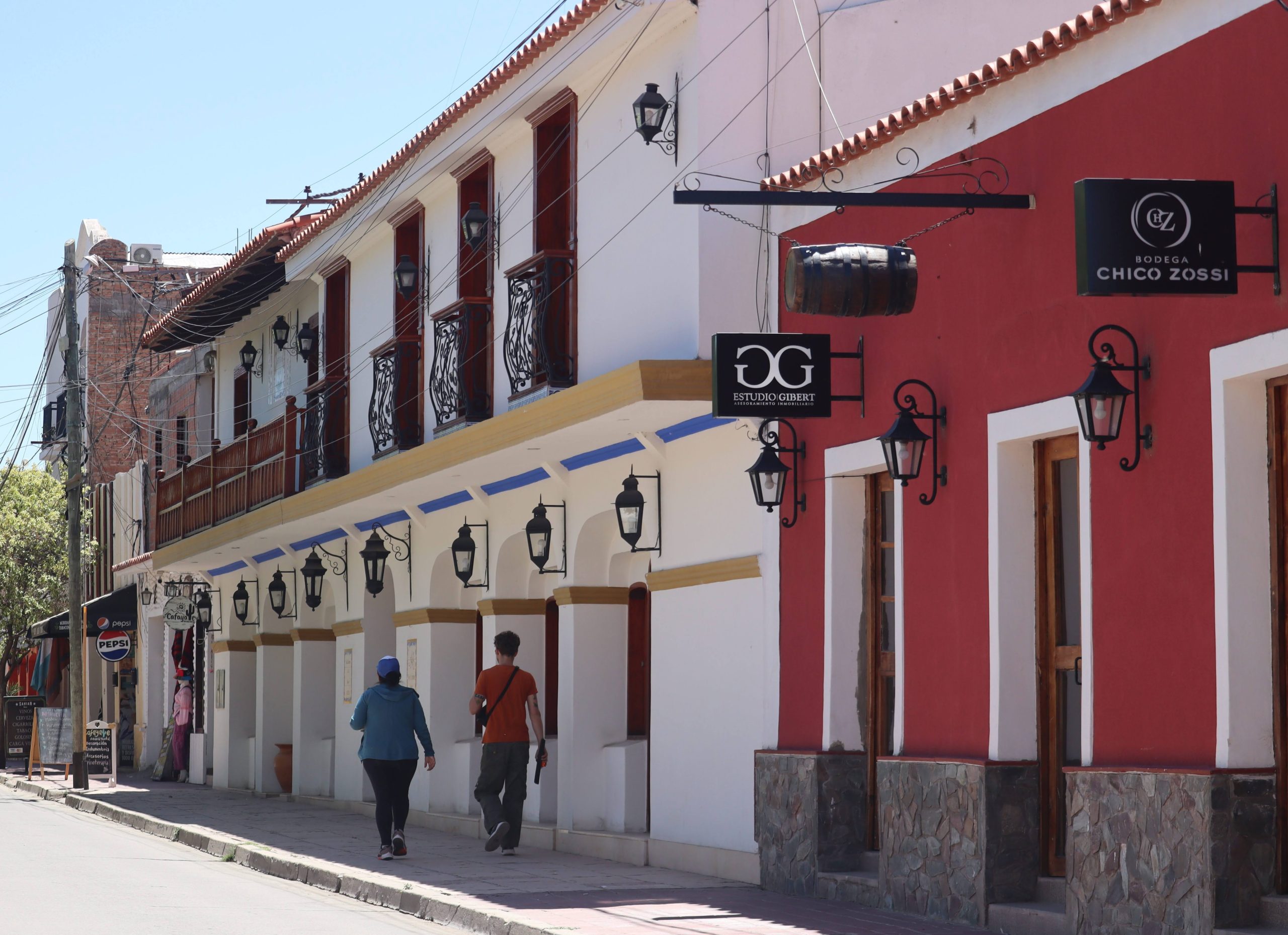
We then drove to the town of Cafayate for lunch, a lovely touristy colonial town with plenty of shopping and dining opportunities. At the end of the day and on our way back to Salta, we got to see more stunning landscapes now that the sunlight was facing the mountains, creating a deeper, richer scenic view.
Landscape’s Drama
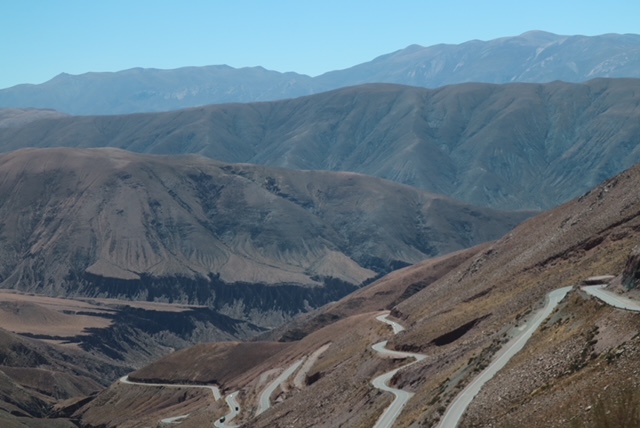
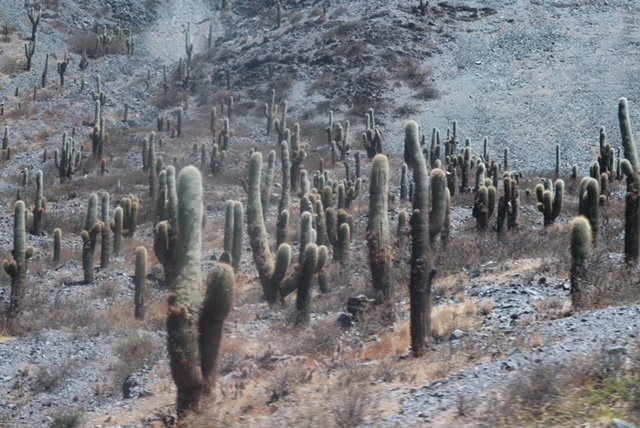
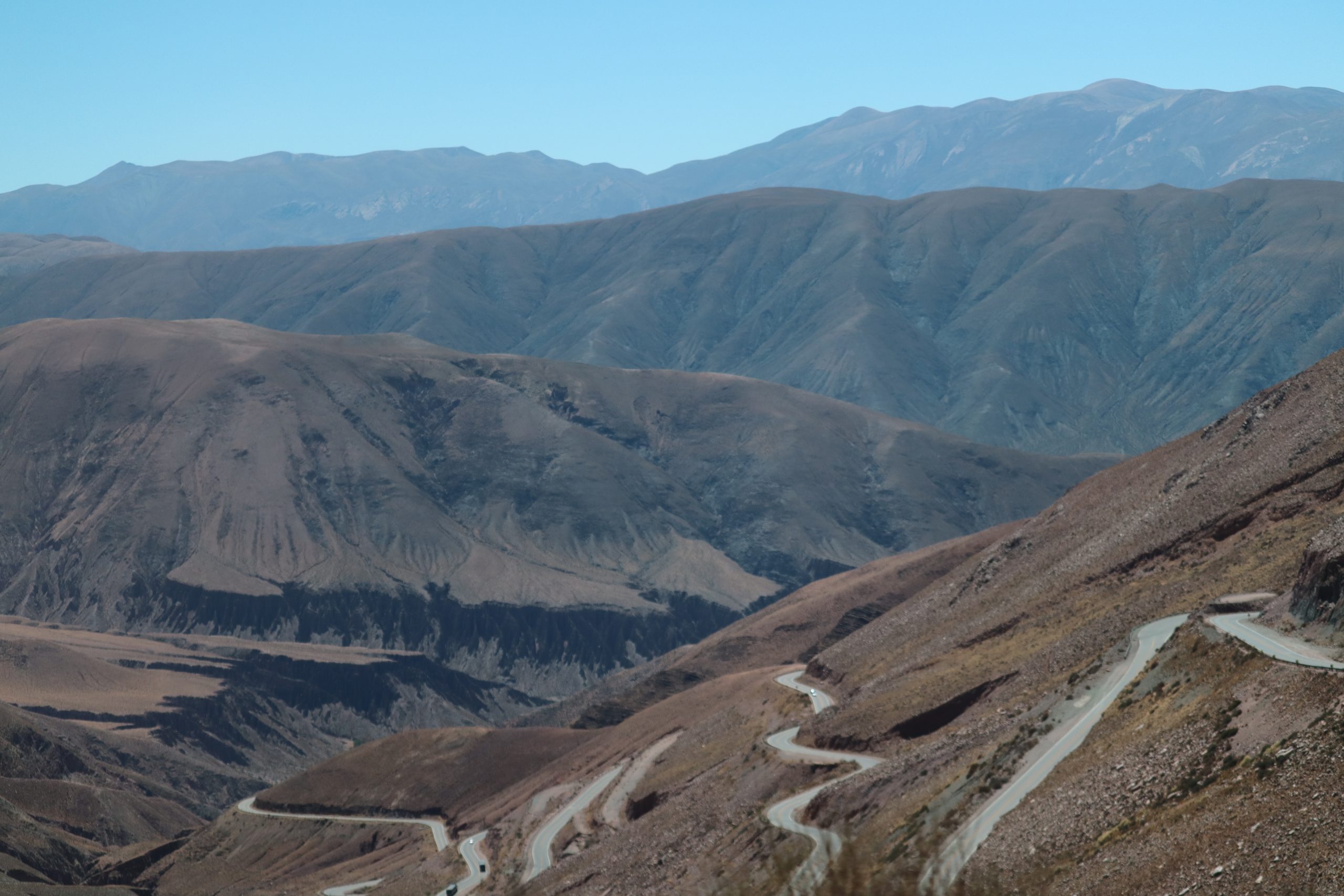
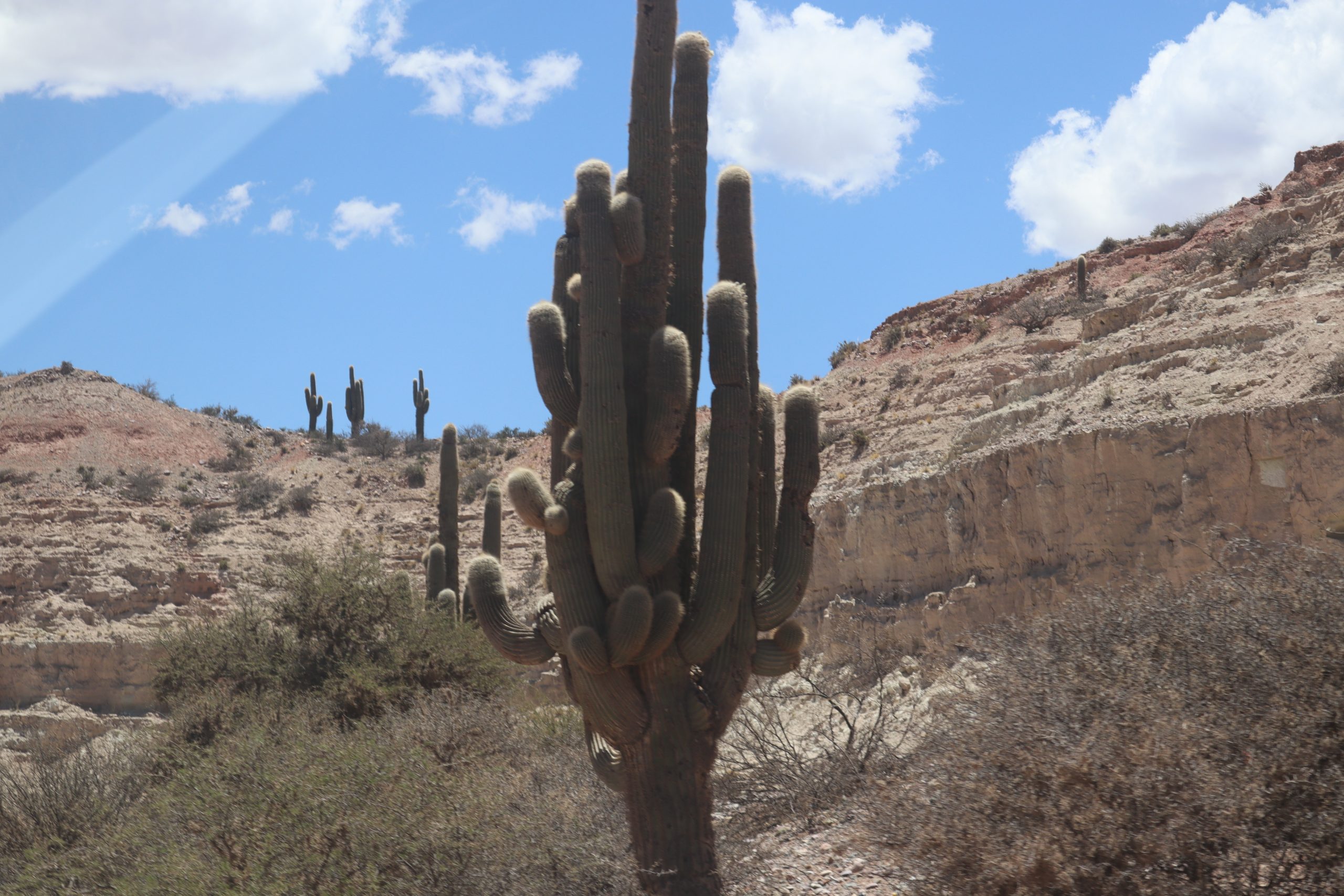
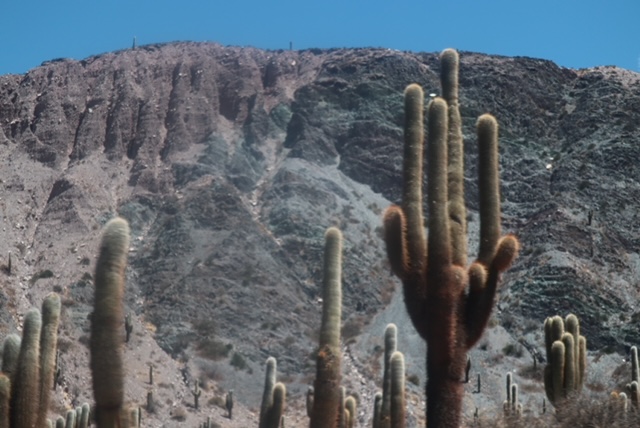
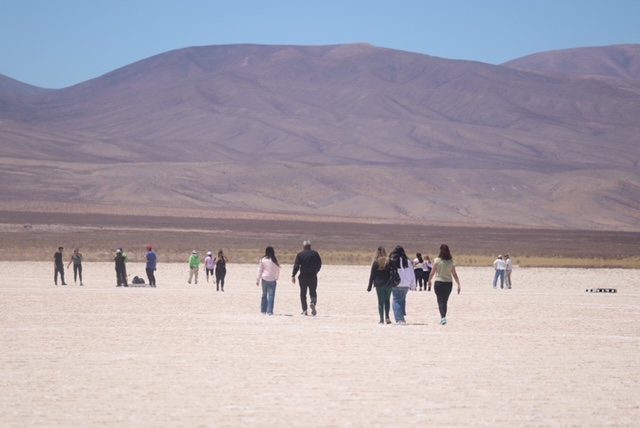
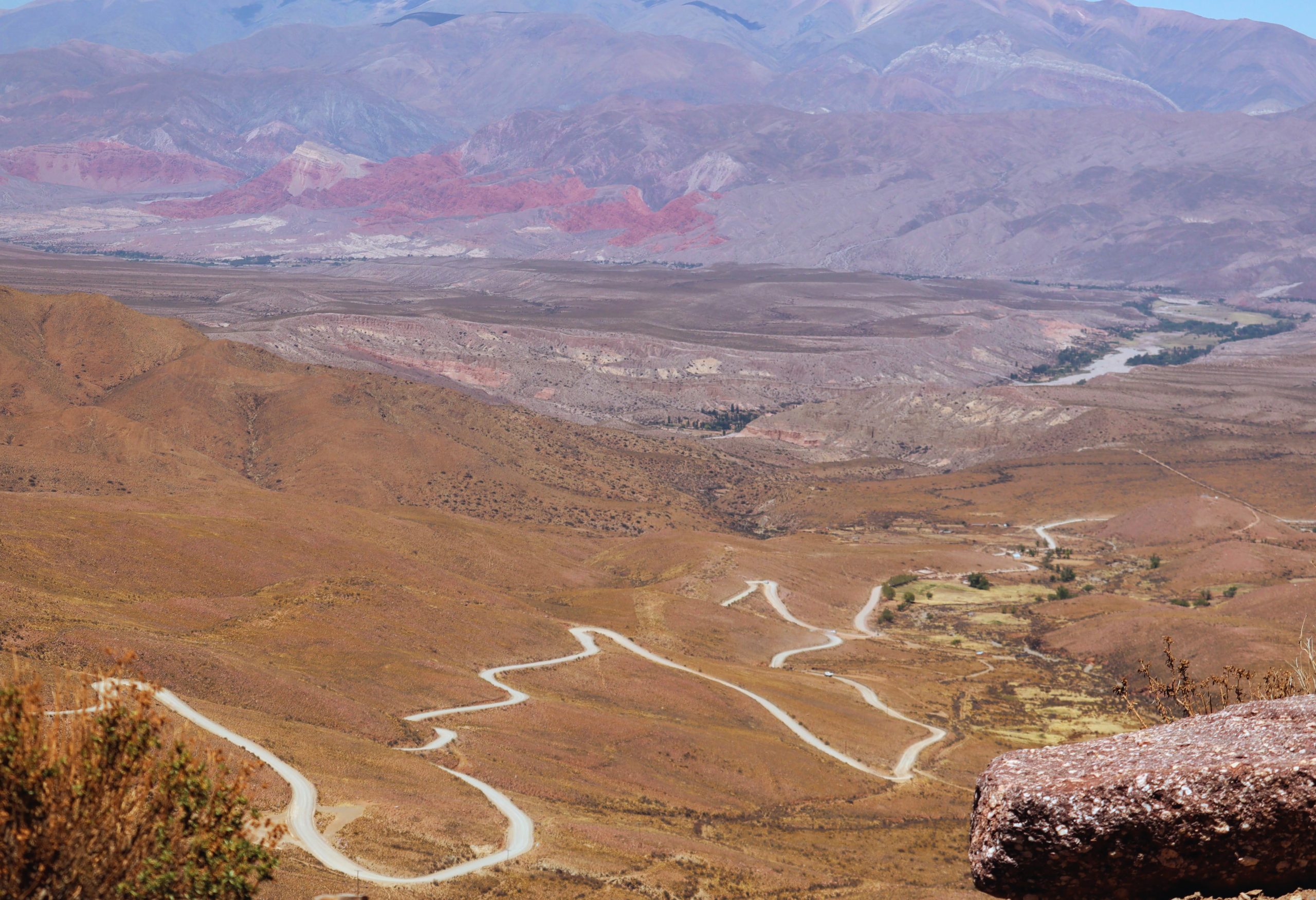
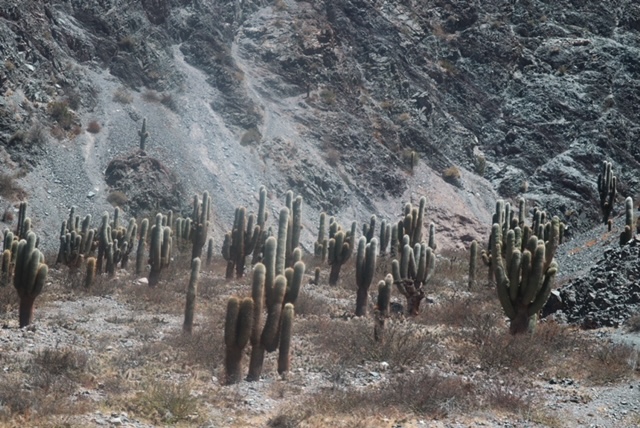
The next day we left the city of Salta to visit the Salinas Grandes Salt Flat. Not that thrilled to see salt mines and getting there required going through so many incredible winding roads, I was surprised I did not get sick as others did. Regardless, the best part was driving through some of the most dramatic landscapes, consisting of spectacular rock formations of various colors and cliffs dotted with exotic cacti of every size. From afar, one can easily imagine some of these cactuses giving you the middle finger.
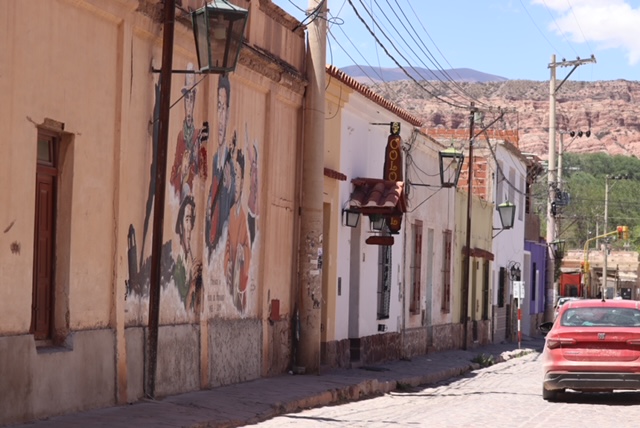
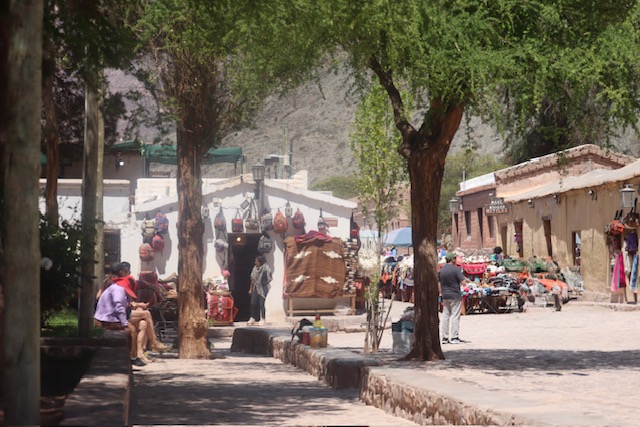
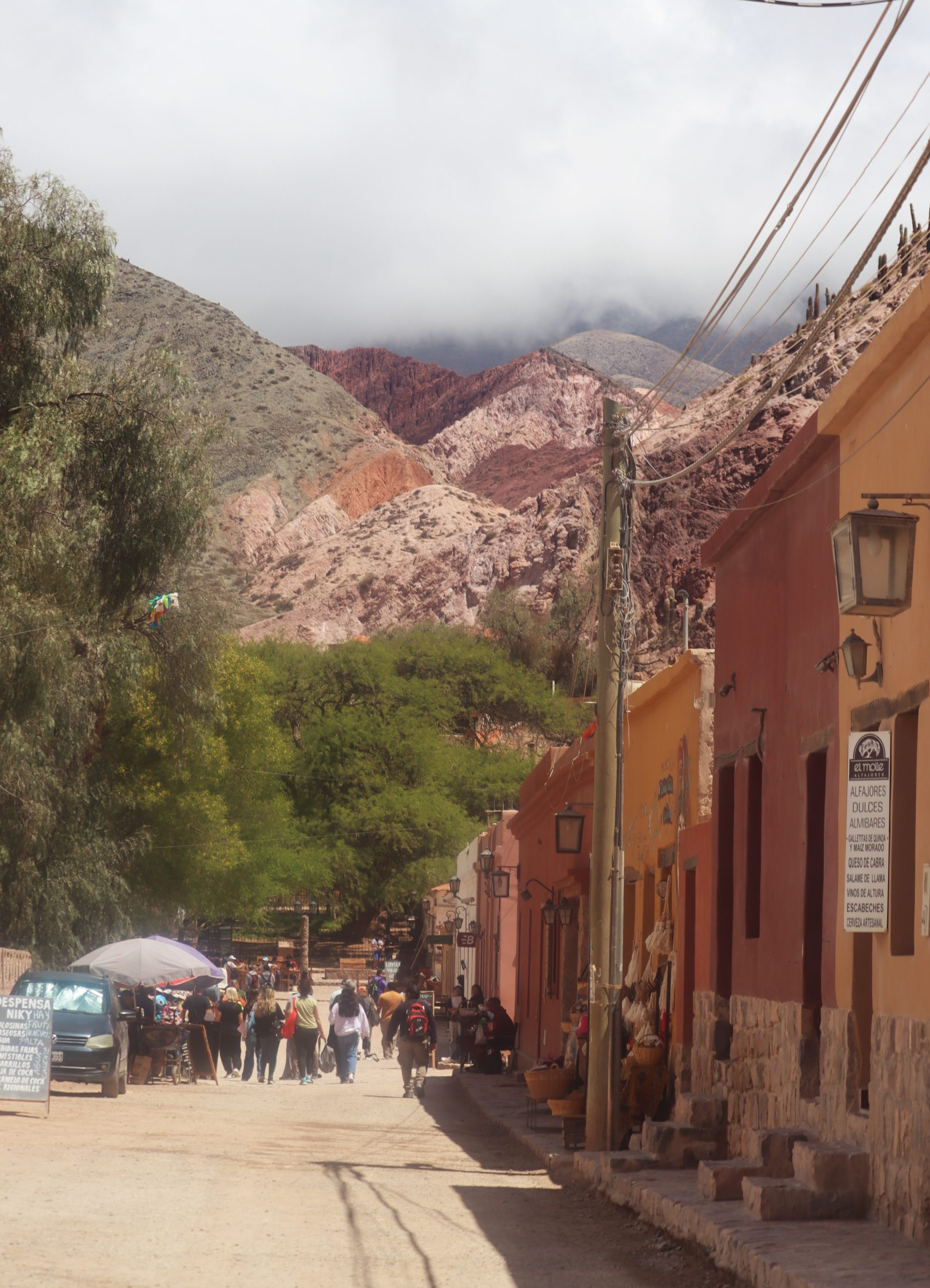
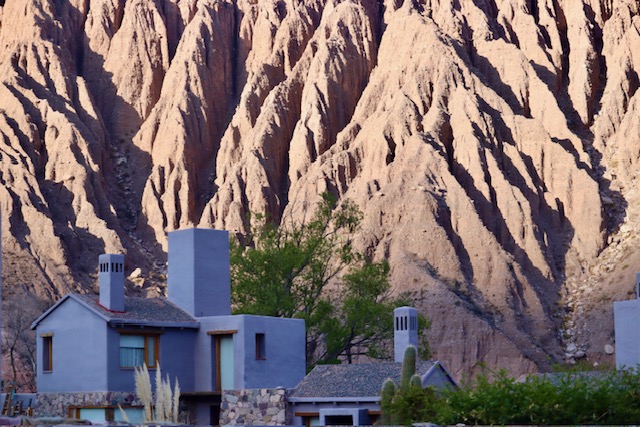
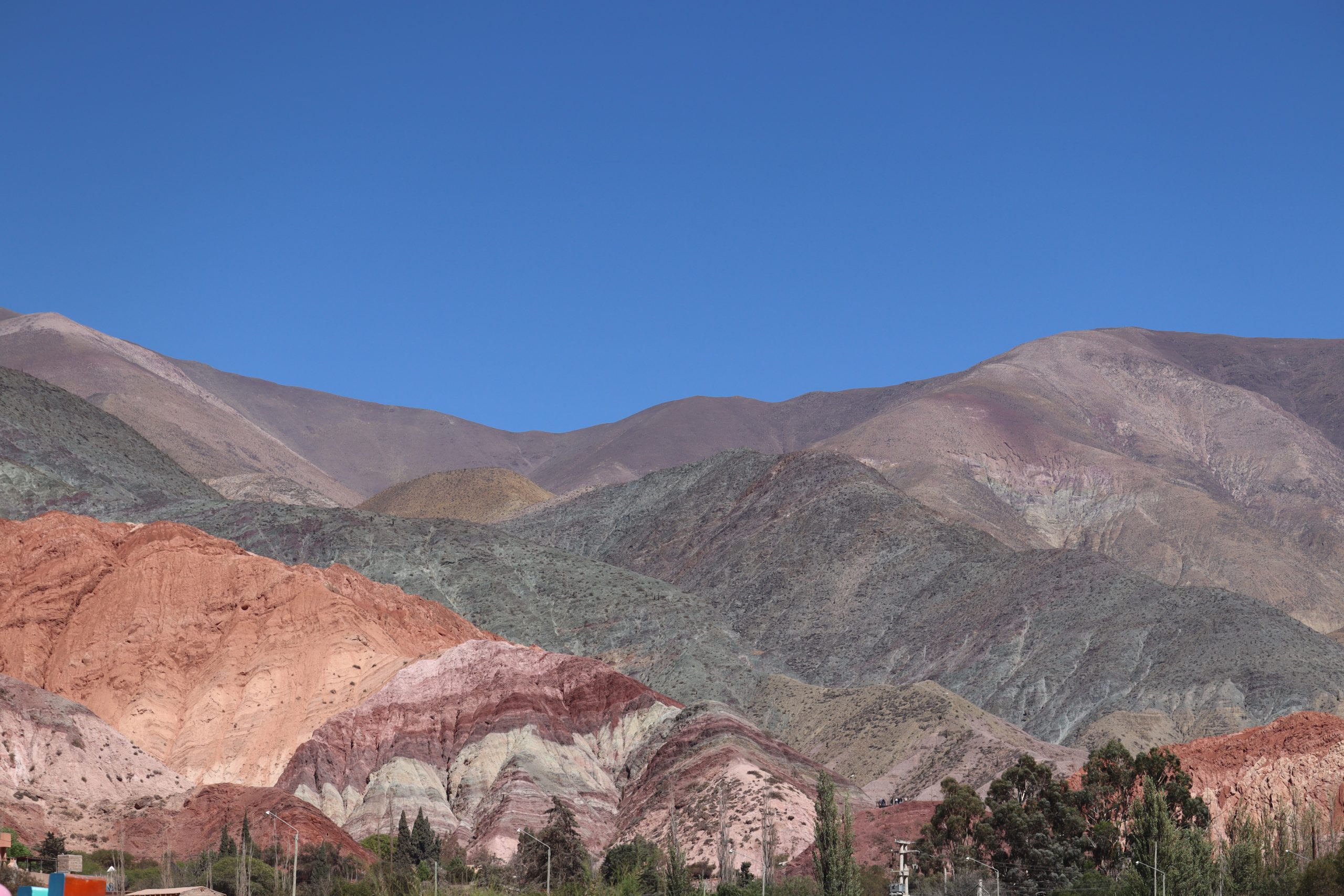
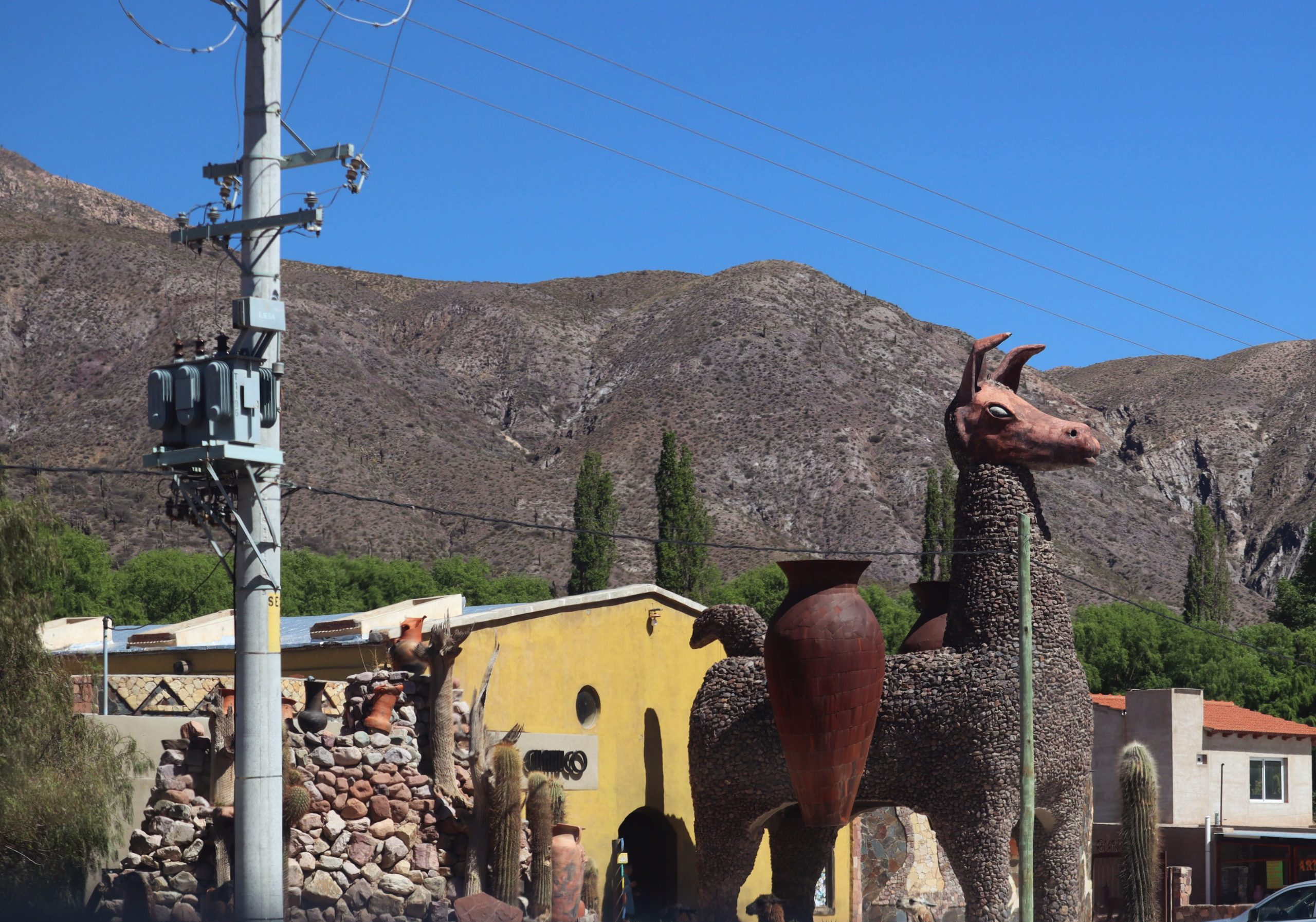
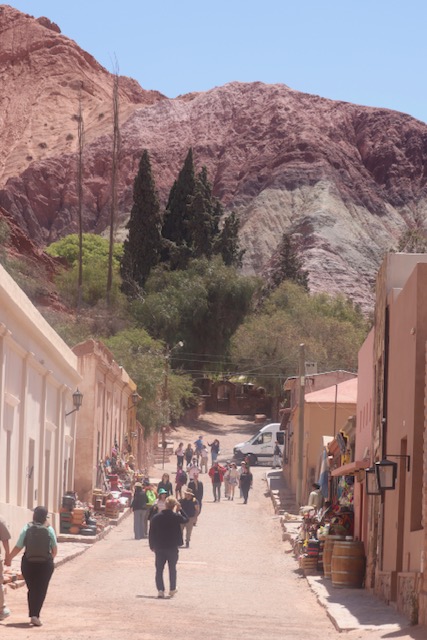
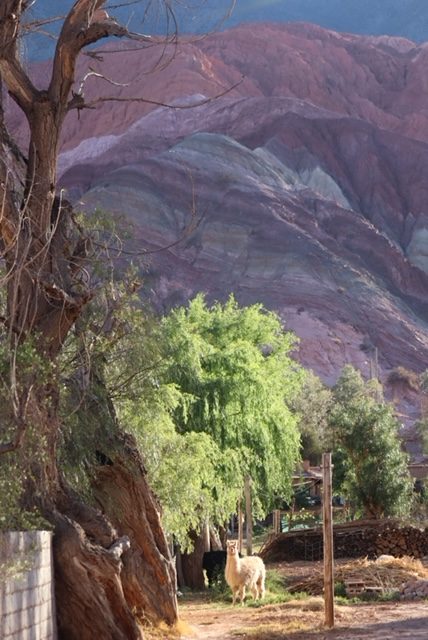
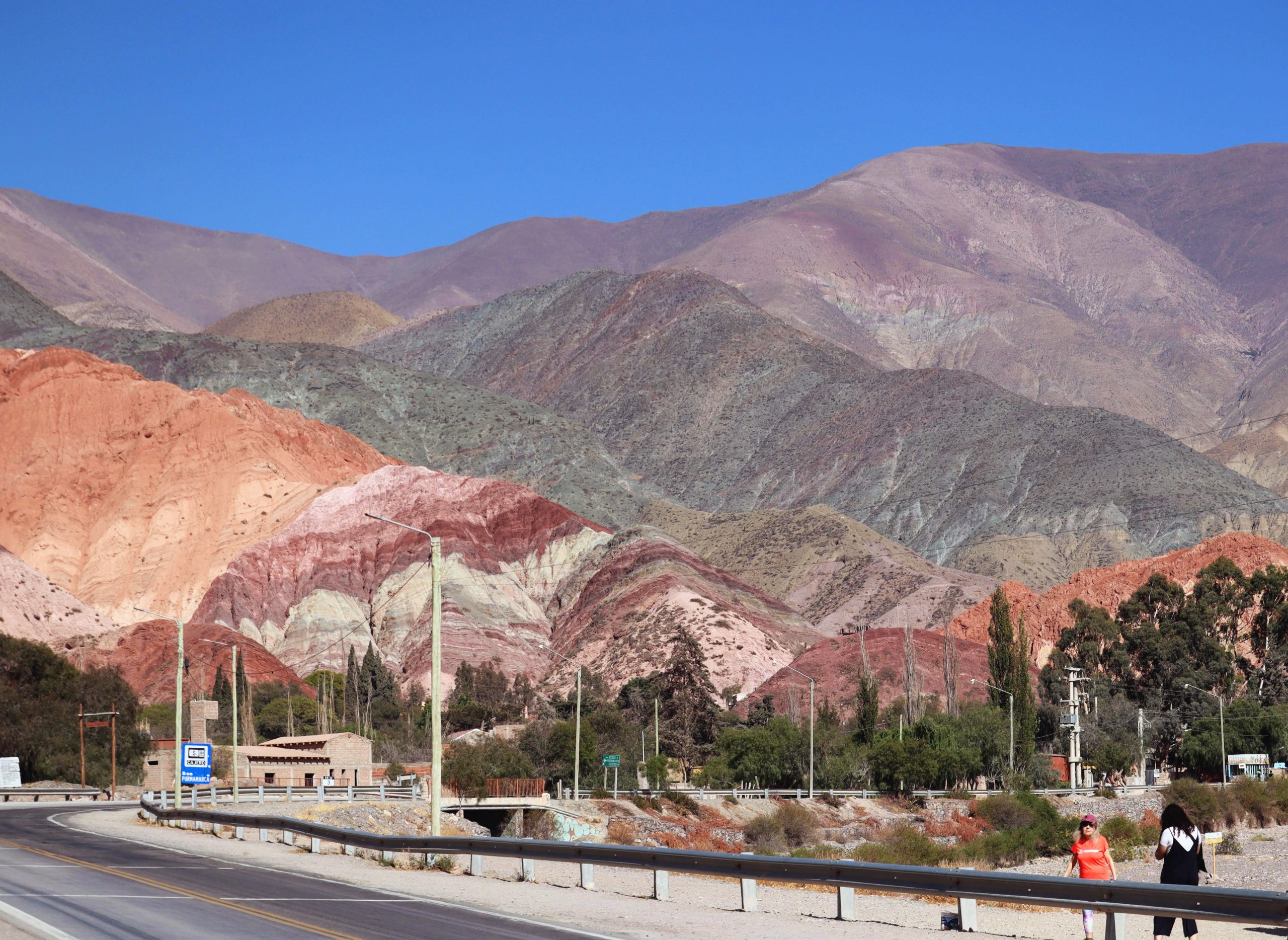
I stayed for one night in the remote mountain village of Purmamarca, a sweet community of adobe homes with red-tiled roofs, and narrow cobblestone streets surrounded by cascading mountains of every shade of color. At sunset, the colors of the surrounding mountains become more intense, allowing for a pleasant dining experience on the terrace.
The Rainbow Mountains of Humahuaca
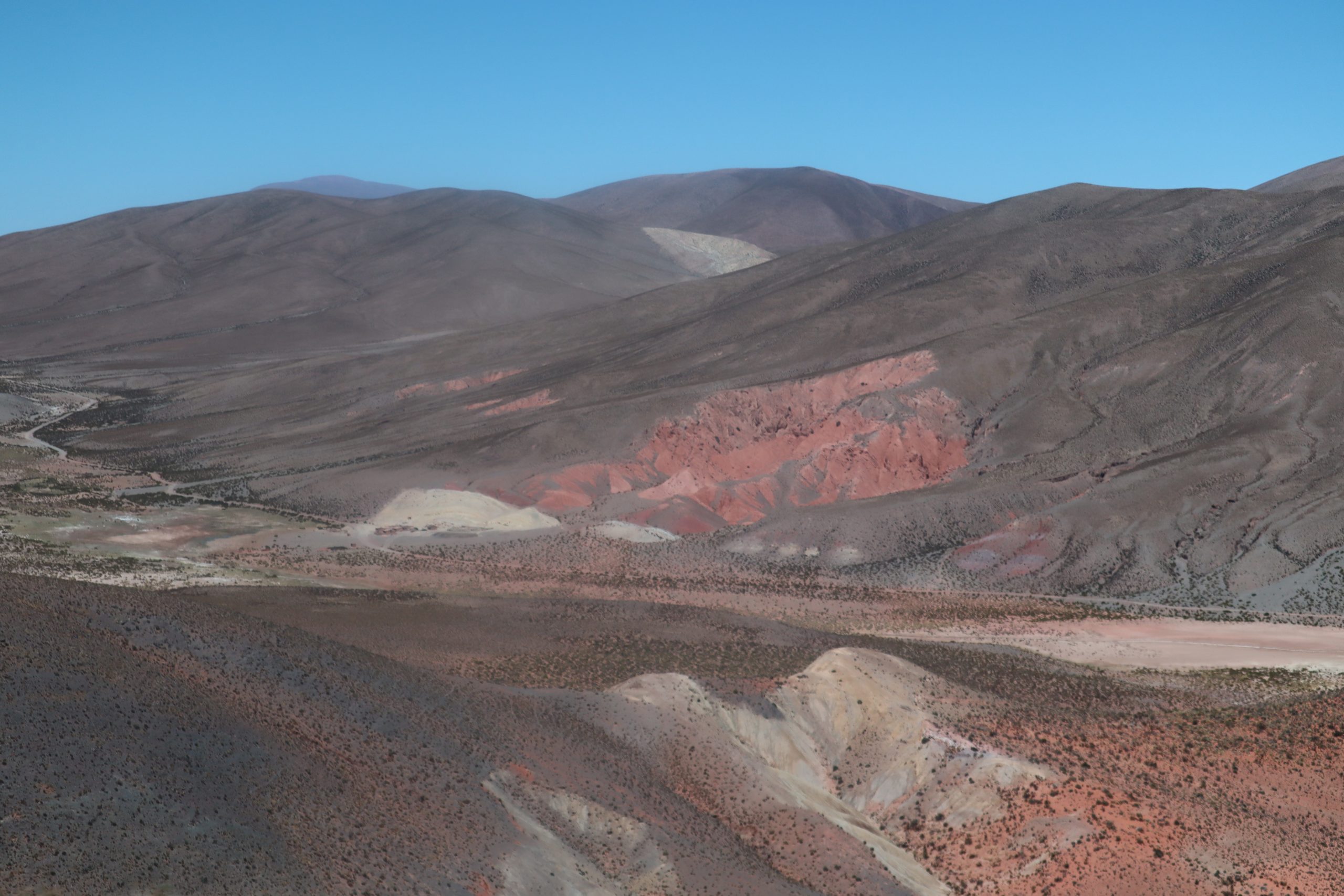
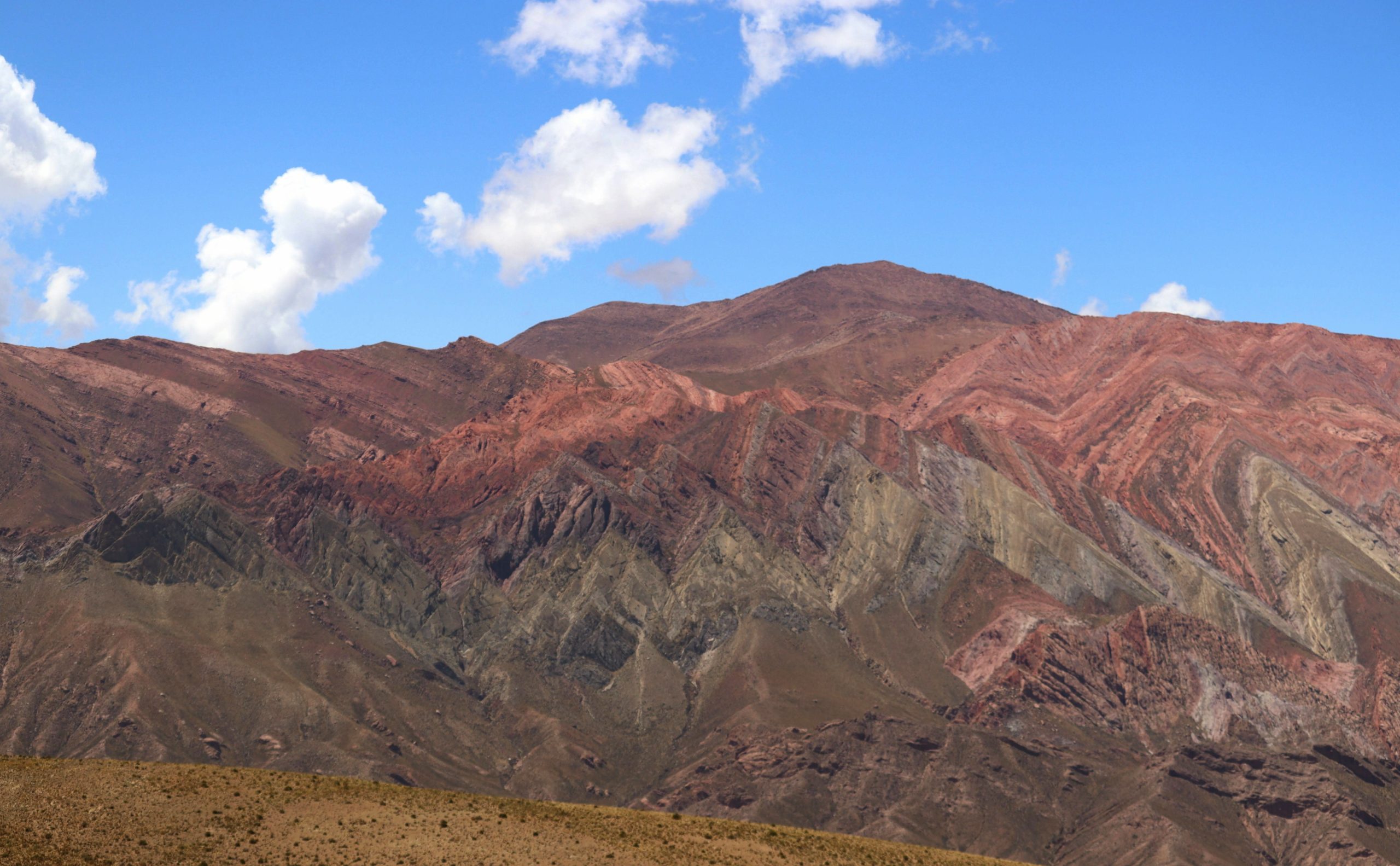
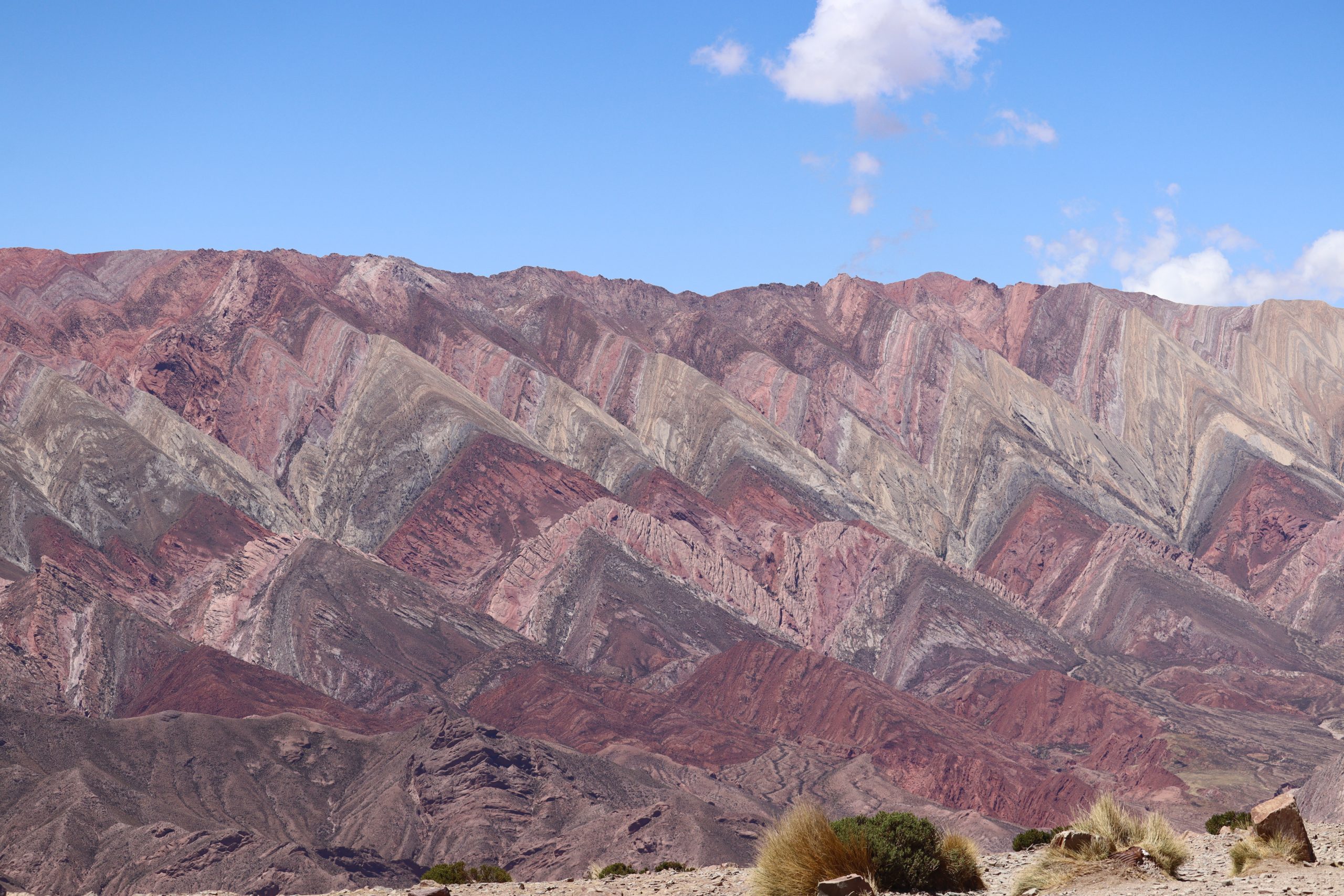
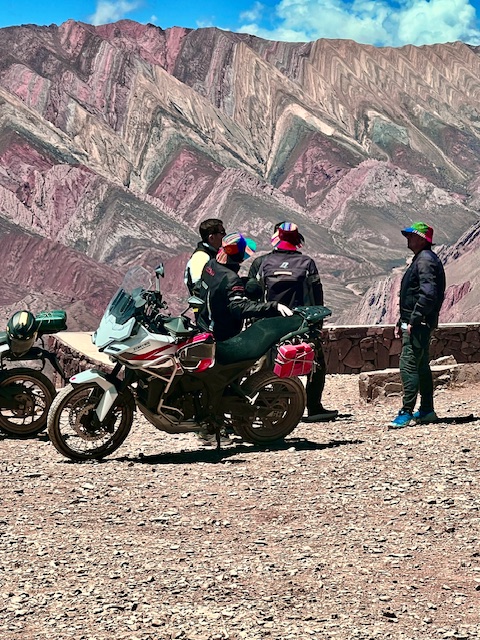
The next day there were only three of us headed to the Quebrada de Humahuaca, a UNESCO World Heritage Site, the most impressive rock formation in this region featuring striking multi-colored mountains that resembled a painter’s palette or a rainbow. This is caused by sunlight and the interaction of minerals and sediments over millions of years…quite dazzling. Very hard to fully capture in photos. The more reason to visit this place. We reached the El Hornocal viewpoint, where we stayed close to an hour at an altitude of 14,270 feet, feeling at times a bit out of breath while watching spectacular views of these painted mountains etched in our memories for life (unforgettable).
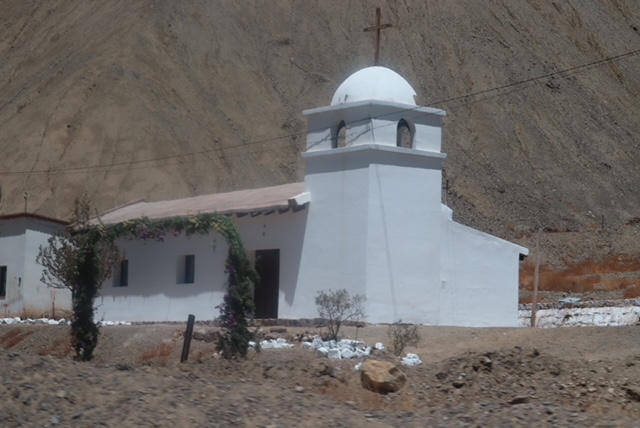
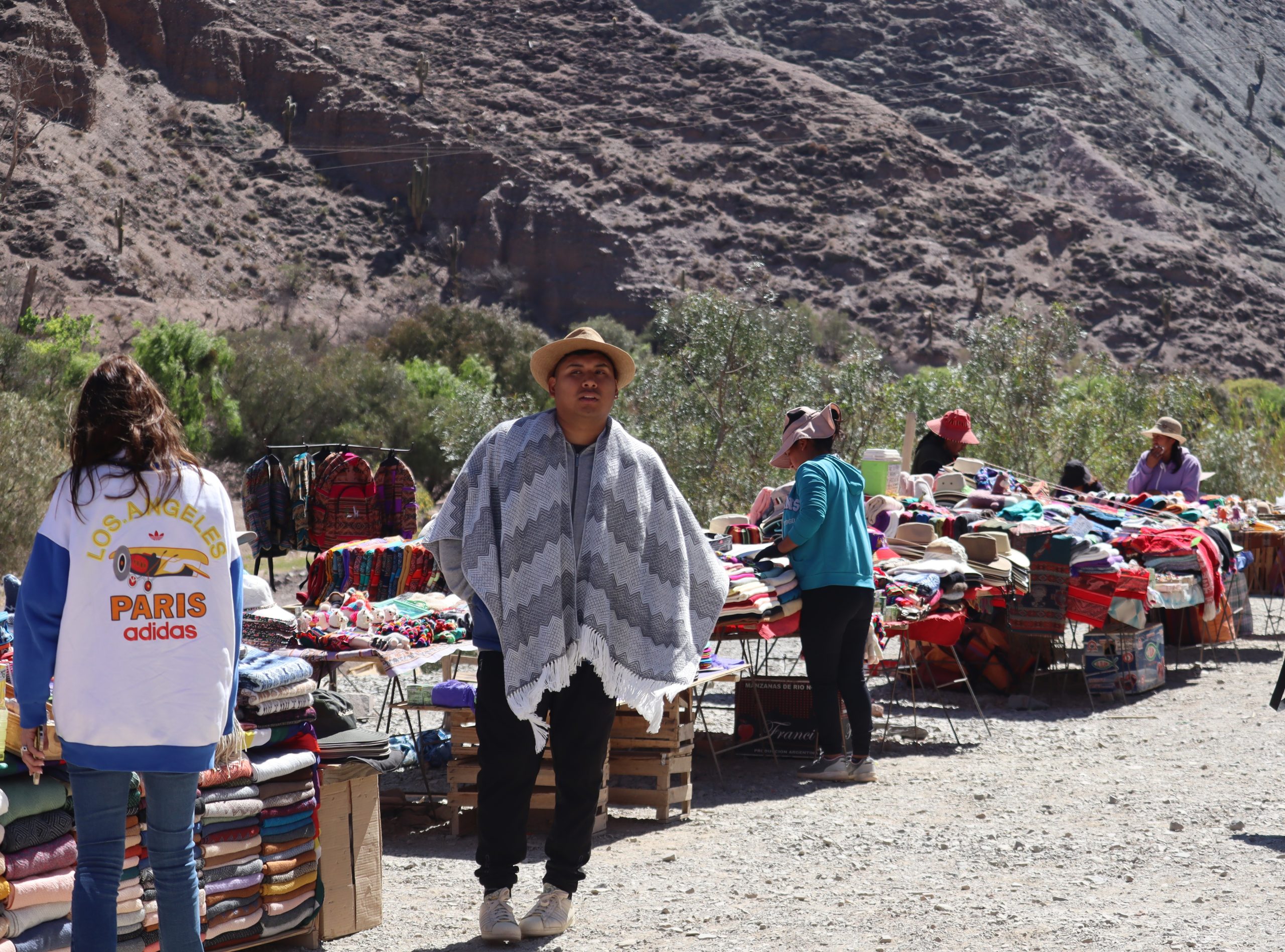
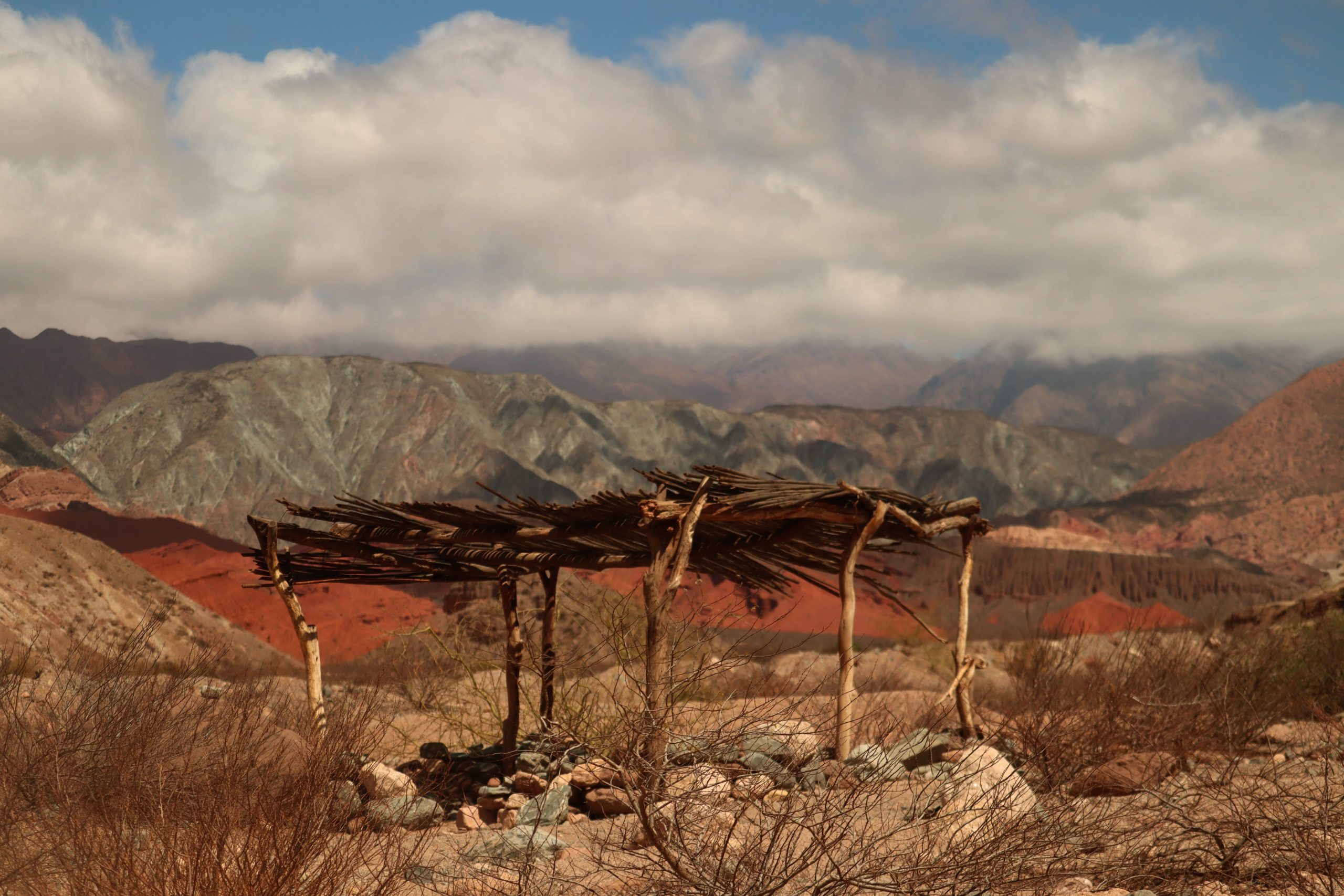
As we returned to Salta for my final stay before catching a flight the next day, we visited several picturesque villages. Here, you can personally experience Argentina’s vibrant Andean indigenous culture, all while touring at an altitude of 9,000 feet above sea level. These small villages depend a great deal on tourism besides mining, and traditional agriculture/livestock farming. By the time we arrived in Salta, I was pretty exhausted and unable to do much other than have a quick dinner and go to bed.
The Challenges of Modernization and Climate Change
Indigenous communities living in the Andean region are already facing serious water access problems partly due to climate change. It’s been predicted that the “Northwest region will be confronted with longer dry winter periods, less rain, an increasing risk of drought, reduced water availability, and growing stress on livestock and agriculture”. UNFCCC+1 . In remote villages like Santa Victoria Este, getting safe drinking water is becoming increasingly difficult. As water resources decline, agriculture and livestock grazing—both vital for local livelihoods—are also at risk.
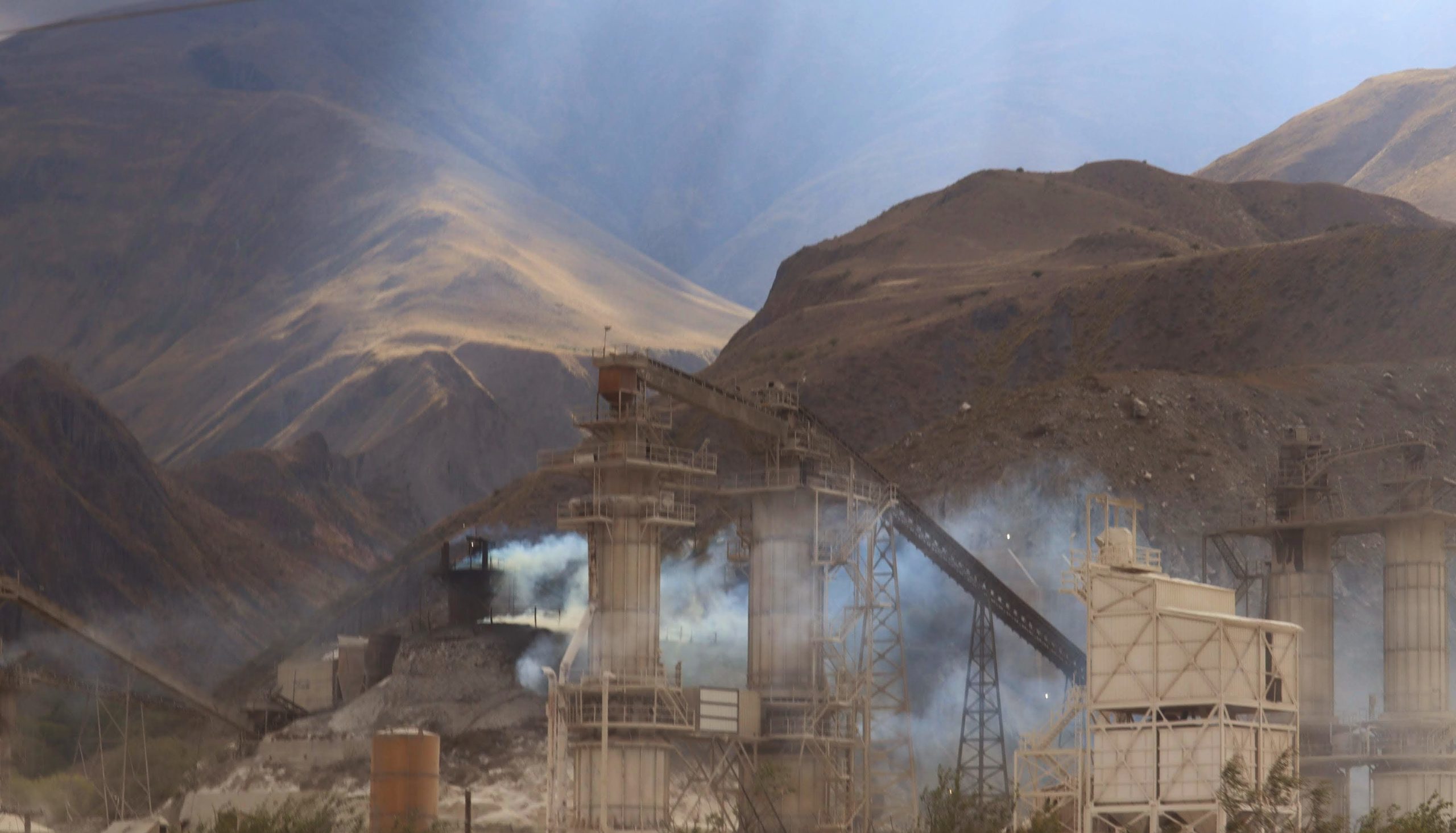
Modernization creates a host of other problems for this region. The global pressures and demands of the modern world have expanded mining in these Andean mountains, creating jobs and much conflict that comes with the extraction of earth resources. The need for more lithium, which requires lots of water when extracted, has already created competition for water and land rights. When I visited the salt flats, I noticed protest signs regarding access to water. “Sin agua, no hay vida” (Without water, there is no living). It will be interesting to see what the tradeoffs will be on the recent US bailout of 20 billion to Argentina, if it is successful.
It’s important to note, there are over 30 indigenous communities, part of an organized network fighting for their sustainability, based mostly on harvesting salt, herding cattle, and growing crops. In 2010, the government granted licenses to foreign mining companies to extract lithium without consulting these communities, posing a threat to their livelihoods in what is already an extremely dry area.
One more challenge is the role that tourism plays, while good for the economy, it is adding pressure to the existing infrastructure, straining the area’s ecosystem, caused by vehicle pollution and the growth and elimination of waste. How can the people and their government maintain a balance to ensure what is best for their future?
Final Note and My Photos
I very much enjoyed this tour and found the experience to be similar to my tour of Peru’ countryside —captivating and wondrous. The altitude symptoms does slow you down a bit as you feel more tired than usual. My back pain is also a constant reminder to slow down and pace myself. I find myself thinking a lot about what these places will look like 50 years from today, recognizing I won’t be around to see or read about these changes. My heart is filled with gratitude at finally being able to be here but also concerned with what natives will be confronted with in maintaining their lifestyle.
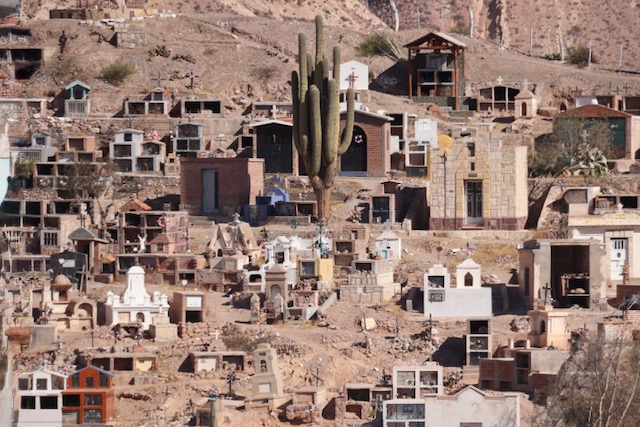
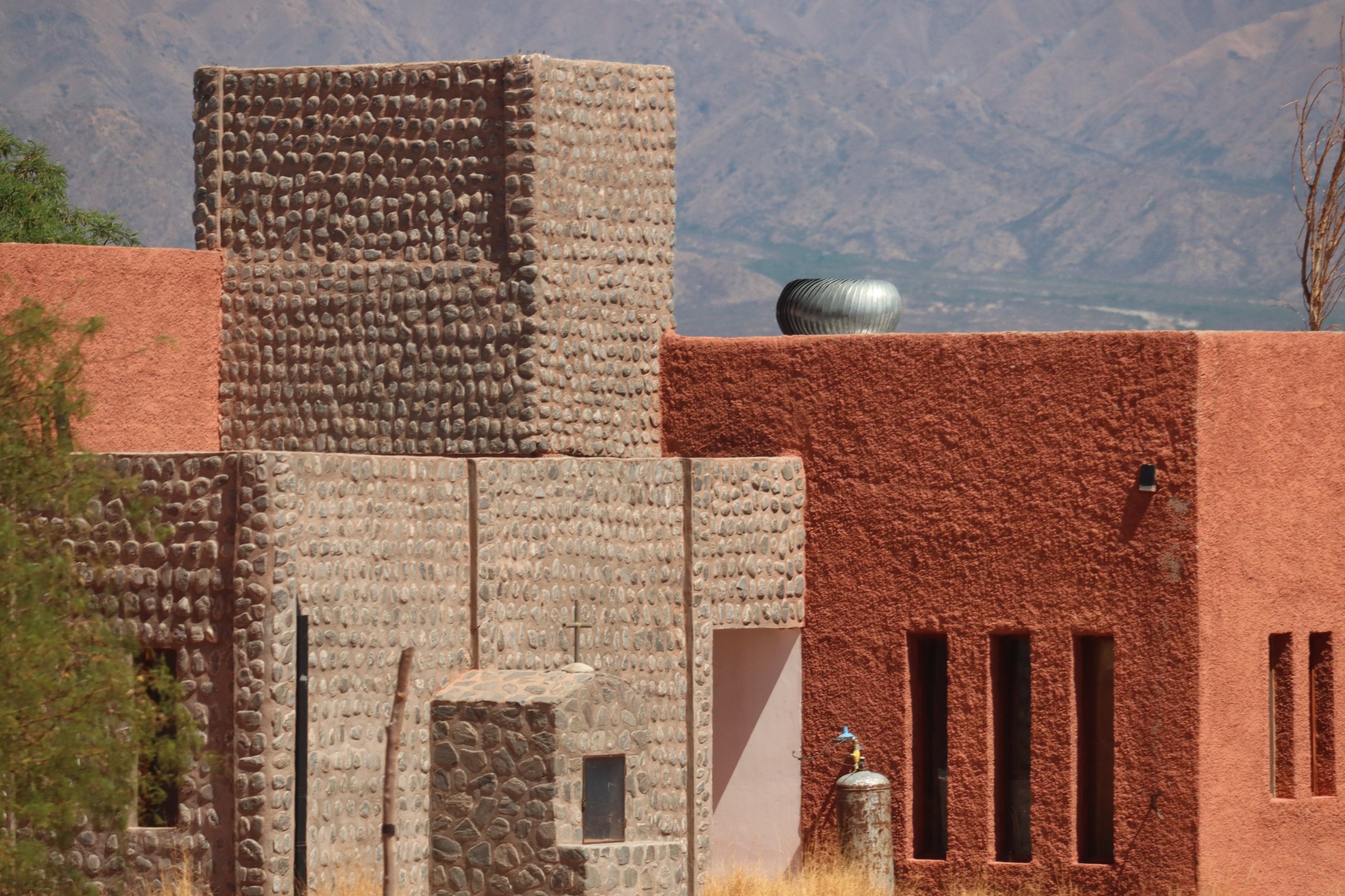
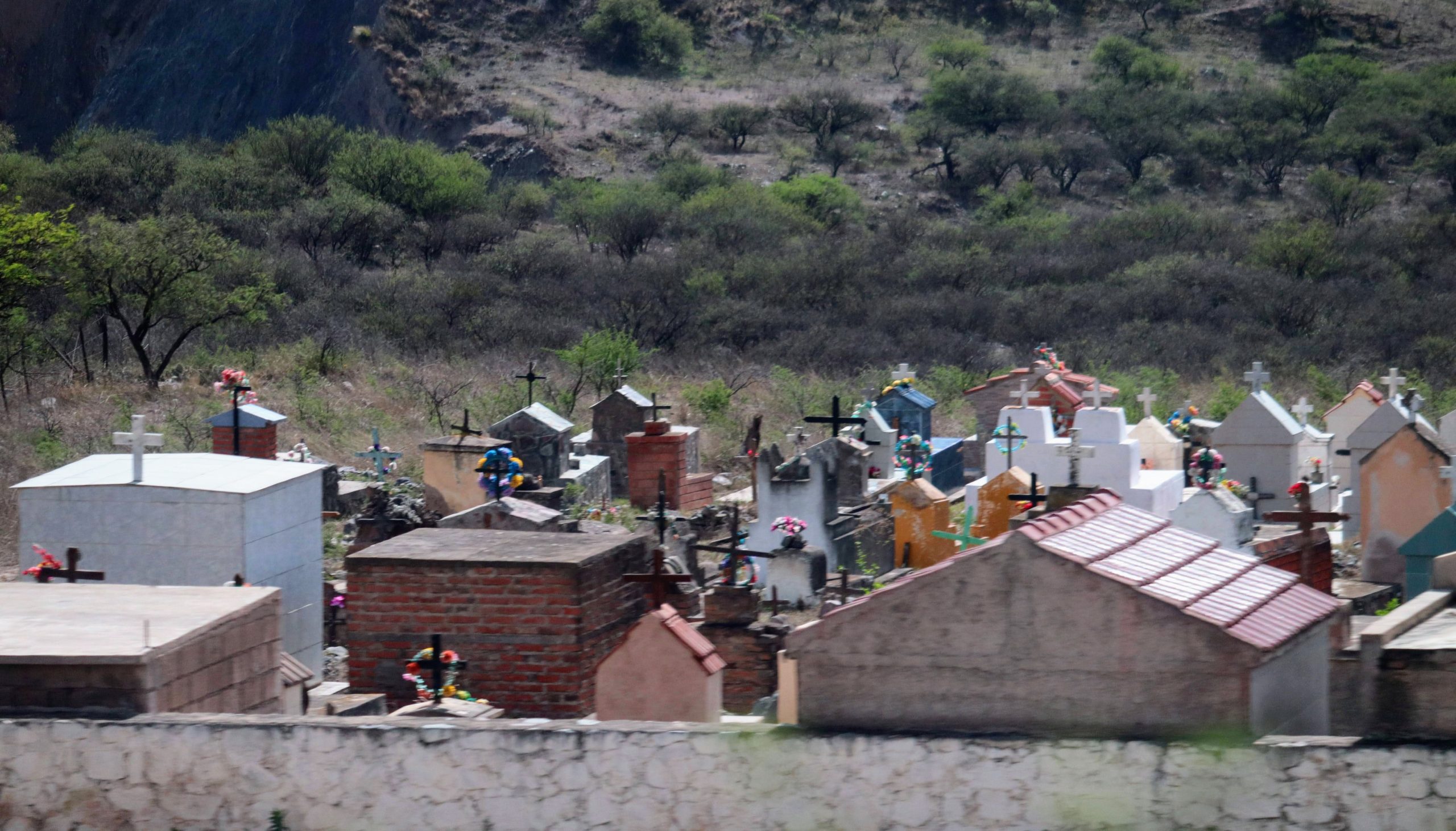
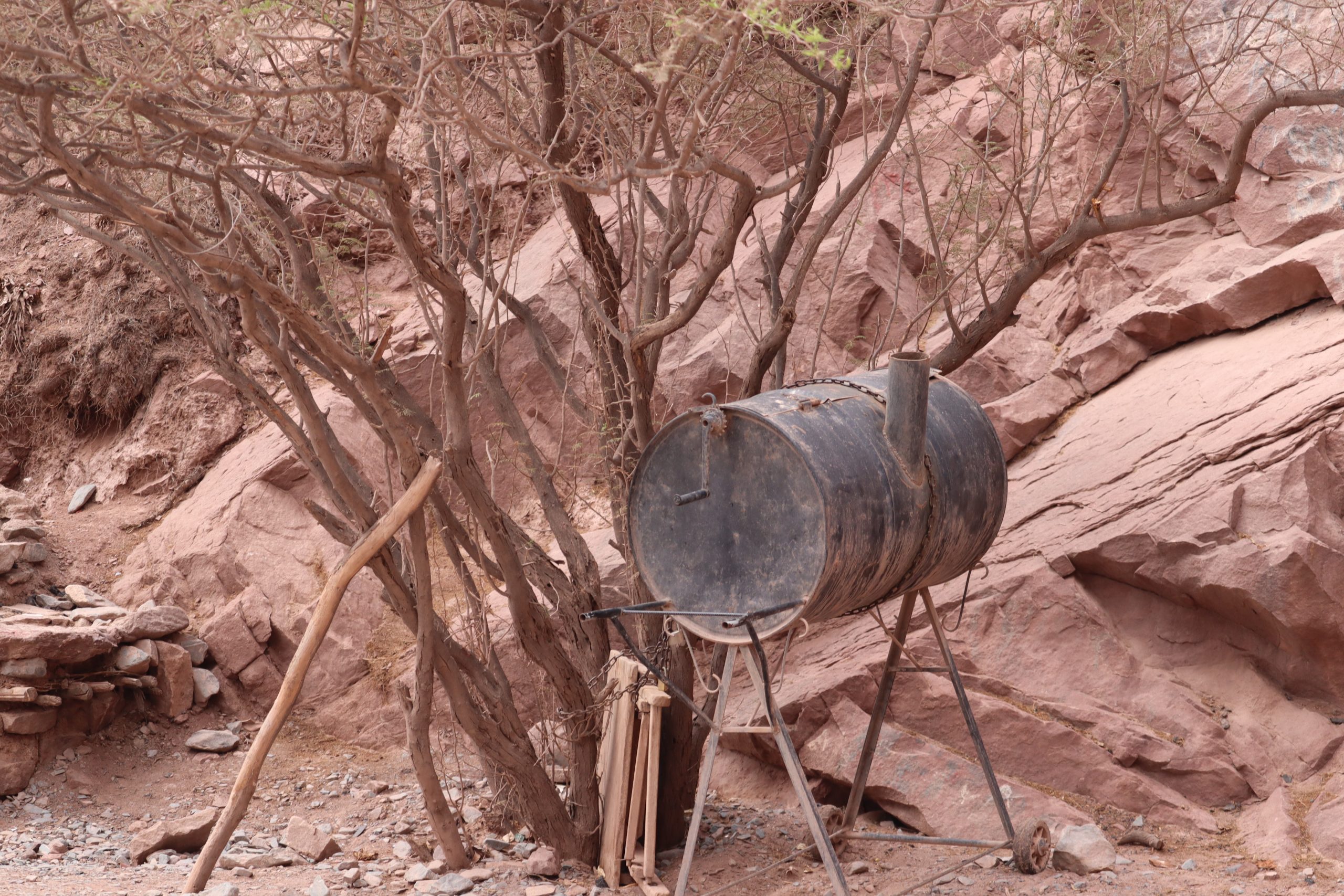
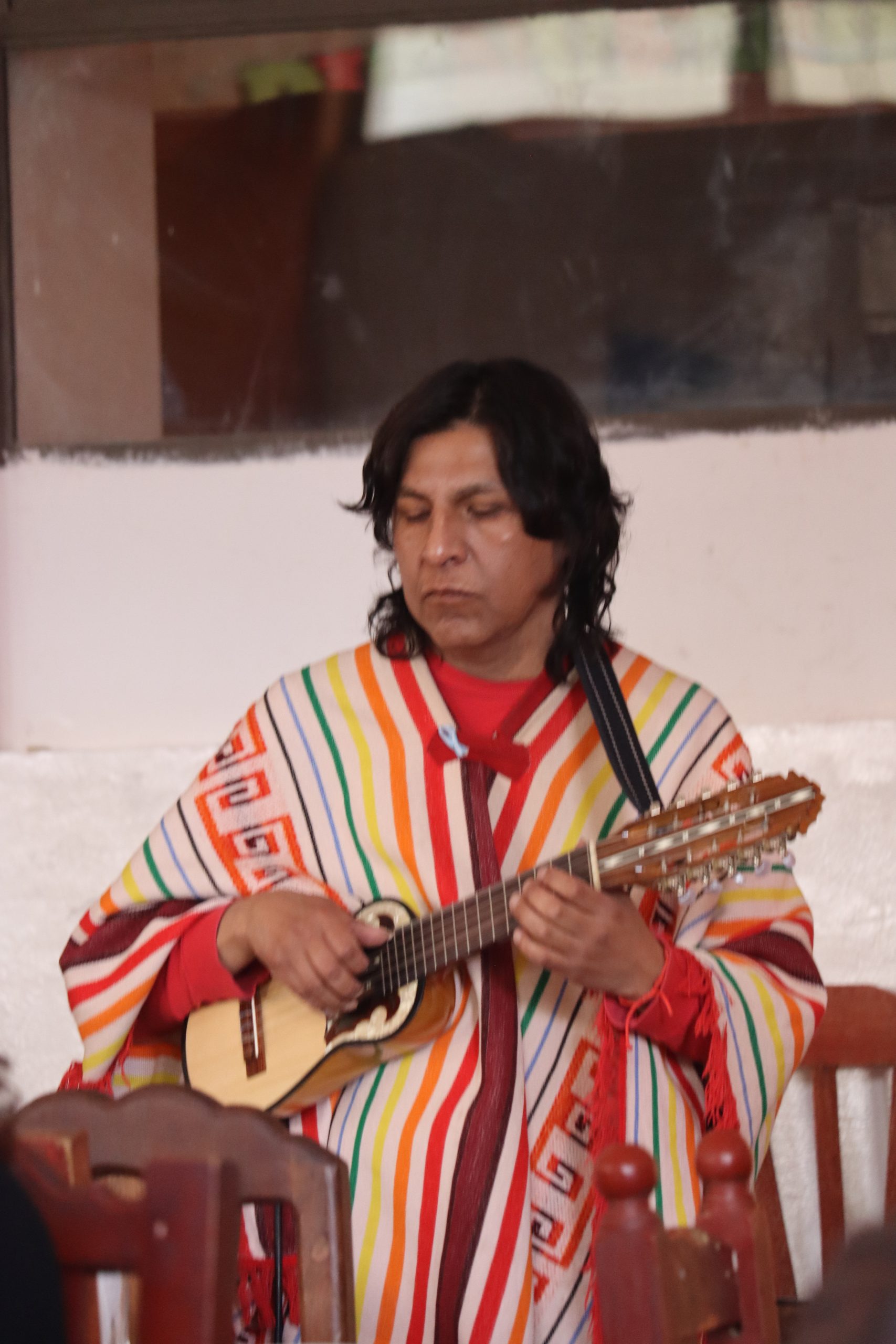
Not surprisingly, I have too many photos to select from for this story. As always, I try to capture both urban and rural landscapes, the daily living of people, and what defines Argentinian culture and its traditions. There are no photos here of Buenos Aires since that will be another story posted in the December newsletter. Remember when viewing the photos to click the center of each photo. I will see you next in Buenos Aires. Dale!
If you enjoyed this story or the newsletter issue, help others to discover it by sharing it with your friends. Your support will go a long way in continuing the blog. If you are not a subscriber for more stories and photos like these, please click here to subscribe.

No Comments